


Product Monograph - Lokelma
Recent Major Label Changes
| 7 Warnings and Precautions, Cardiovascular | 03/2026 |
|---|
Table of Contents
Certain sections or subsections that are not applicable at the time of the preparation of the most recent authorized product monograph are not listed.
Recent Major Label Changes ................................................................................................... 2
Table of Contents ...................................................................................................................... 2
Part 1: Healthcare Professional Information ........................................................................... 4
- 1.
Indications .......................................................................................................................... 4
1.1. Pediatrics ................................................................................................................. 4
1.2. Geriatrics .................................................................................................................. 4
- 2. Contraindications .............................................................................................................. 4
- 4.
Dosage and Administration .............................................................................................. 4
4.1. Dosing Considerations ............................................................................................. 4
4.2. Recommended Dose and Dosage Adjustment ......................................................... 4
4.3. Reconstitution .......................................................................................................... 5
4.4. Administration .......................................................................................................... 5
4.5. Missed Dose ............................................................................................................ 5
- 5. Overdose ............................................................................................................................ 5
- 6. Dosage Forms, Strengths, Composition and Packaging ................................................ 6
- 7.
Warnings and Precautions ................................................................................................ 6
General ............................................................................................................................... 6
Cardiovascular .................................................................................................................... 6
Driving and Operating Machinery ........................................................................................ 6
Gastrointestinal ................................................................................................................... 6
Hepatic/Biliary/Pancreatic ................................................................................................... 7
Monitoring and Laboratory Tests......................................................................................... 7
Renal 7
Reproductive Health ........................................................................................................... 7
7.1. Special Populations .................................................................................................. 7
- 8.
Adverse Reactions ............................................................................................................. 8
8.1. Adverse Reaction Overview ..................................................................................... 8
8.2. Clinical Trial Adverse Reactions ............................................................................... 8
8.3. Less Common Clinical Trial Adverse Reactions ......................................................10
8.4. Abnormal Laboratory Findings: Hematologic, Clinical Chemistry and Other Quantitative Data ...............................................................................................................11
8.5. Post-Market Adverse Reactions ..............................................................................11
- 9.
Drug Interactions ............................................................................................................. 11
9.2. Drug Interactions Overview .....................................................................................11
9.3. Drug-Behaviour Interactions ....................................................................................11
9.4. Drug-Drug Interactions ............................................................................................11
9.5. Drug-Food Interactions ............................................................................................13
9.6. Drug-Herb Interactions ............................................................................................13
9.7. Drug-Laboratory Test Interactions ...........................................................................13
- 10.
Clinical Pharmacology .................................................................................................... 13
10.1. Mechanism of Action ...............................................................................................13
10.2. Pharmacodynamics .................................................................................................13
10.3. Pharmacokinetics ....................................................................................................14
- 11. Storage, Stability and Disposal ....................................................................................... 14
- 12. Special Handling Instructions ......................................................................................... 14
Part 2: Scientific Information ................................................................................................. 15
- 13. Pharmaceutical Information ............................................................................................ 15
- 14.
Clinical Trials ................................................................................................................... 16
14.1. Clinical Trials by Indication ......................................................................................16
Treatment of Hyperkalemia in Adults .................................................................................16
- 15. Microbiology .................................................................................................................... 27
- 16. Non-Clinical Toxicology .................................................................................................. 27
Patient Medication Information .............................................................................................. 29
Part 1: Healthcare Professional Information
1. Indications
LOKELMA (sodium zirconium cyclosilicate powder for oral suspension) is indicated for:
- the treatment of hyperkalemia in adult patients.
1.1. Pediatrics
Pediatrics (< 18 years): No data are available to Health Canada; therefore, Health Canada has not authorized an indication for pediatric use.
1.2. Geriatrics
Geriatrics: Evidence from clinical studies and experience suggests that use in the geriatric population is not associated with differences in safety or efficacy.
2. Contraindications
LOKELMA is contraindicated in patients who are hypersensitive to this drug or to any component of the container. For a complete listing, see 6 Dosage Forms, Strengths, Composition and Packaging.
4. Dosage and Administration
4.1. Dosing Considerations
- LOKELMA should not be used as an emergency treatment for life-threatening hyperkalemia because of its delayed onset of action. LOKELMA starts to reduce serum potassium 1 hour after administration in patients with hyperkalemia.
- For patients on dialysis, LOKELMA should only be dosed on non-dialysis days. The recommended starting dose is 5 g once daily on every non-dialysis day; no correction phase is necessary.
- LOKELMA can transiently increase gastric pH, resulting in changes in solubility and absorption kinetics of co-administered drugs with pH-dependent bioavailability (see 9.4 Drug-Drug Interactions, 10.2 Pharmacodynamics and 14 Clinical Trials).
4.2. Recommended Dose and Dosage Adjustment
Treatment of hyperkalemia in adults
Correction phase For patients whose serum potassium level is >5.0 mmol/L the recommended starting dose of LOKELMA is 10 g, administered three times a day (TID) for up to 48 hours. When normokalemia (between 3.5 and 5.0 mmol/L) is achieved, the maintenance regimen should be followed (see below).
If normokalemia is not achieved at the start of day 3, other treatment approaches should be considered.
Maintenance phase For continued maintenance treatment, the minimal effective dose of LOKELMA to prevent recurrence of hyperkalemia should be established. Monitor serum potassium as standard of clinical practice and adjust the dose of LOKELMA based on the serum potassium level and desired target range (see Monitoring and Laboratory Tests). The recommended dose is 5 g once daily, with possible titration (in increments of 5 g once daily) up to 10 g once daily, or down to 5 g once every other day, as needed, to maintain a normal potassium level. No more than 10 g once daily should be used for maintenance therapy.
Treatment of patients on chronic hemodialysis
For patients on dialysis, LOKELMA should only be dosed on non-dialysis days. The recommended starting dose is 5 g once daily on every non-dialysis day; no correction phase is necessary. To establish normokalemia (4.0-5.0 mmol/L), the dose may be titrated up or down once per week based on the pre-dialysis serum potassium value after the long inter-dialytic interval (LIDI). The dose can be adjusted weekly in increments of 5 g up to 15 g once daily on non-dialysis days, or down to zero (dose interruption) for a few days to reach normokalemia. To maintain normokalemia, it is recommended to monitor pre-dialysis post-LIDI serum potassium regularly (e.g. every four or more weeks).
- In patients with serum potassium levels <3.0 mmol/L, LOKELMA should be discontinued and the patient should be re-evaluated.
- Health Canada has not authorized an indication for pediatric use.
4.3. Reconstitution
Patients should be instructed to empty the entire contents of the sachet(s) into a drinking glass containing approximately 45 mL of water. Stir well and drink while the powder, which does not dissolve, is still suspended. The suspension is tasteless and will appear as a cloudy liquid. If the powder settles the water should be stirred again. Use additional water to ensure the entire dose is taken. LOKELMA should be taken immediately after reconstitution (see 11 Storage, Stability and Disposal).
4.4. Administration
LOKELMA is for oral use and can be taken with or without food. Administer LOKELMA orally as a suspension in water.
4.5. Missed Dose
If a patient misses a dose they should be instructed to take the next usual dose at their normal time.
5. Overdose
Overdose with LOKELMA could lead to hypokalemia. Serum potassium should be checked and potassium supplemented as needed.
For the most recent information in the management of a suspected drug overdose, contact your regional poison control centre or Health Canada’s toll-free number, 1-844 POISON-X (1-844-764-7669).
6. Dosage Forms, Strengths, Composition and Packaging
Table 1 – Dosage Forms, Strengths, Composition and Packaging
LOKELMA is a white to grey, insoluble, powder that is reconstituted in water for oral use.
Each sachet contains 5 g or 10 g sodium zirconium cyclosilicate. Each 5 g of sodium zirconium cyclosilicate contains approximately 400 mg of sodium.
LOKELMA 5 g is available in cartons of 30 sachets.
LOKELMA 10 g is available in cartons of 3 or 30 sachets.
7. Warnings and Precautions
General
LOKELMA preferentially captures potassium in exchange for hydrogen and sodium cations, therefore increases the risk of edema and fluid retention. Monitor for signs of edema, particularly in patients who should restrict their sodium intake or are prone to fluid overload associated with comorbidities (e.g., heart failure or renal disease). Advise patients to reduce dietary sodium, if appropriate.
X-Ray Imaging Interference LOKELMA may be opaque to X-rays and may therefore affect the interpretation of abdominal radiographic results.
Cardiovascular
During correction of hyperkalemia, QT prolongation can be observed as the physiologic result of a decline in serum potassium concentration.
Patients with pre-existing heart failure, particularly those in whom an increased sodium intake may lead to fluid overload and decompensation, should be monitored for manifestations of worsening heart failure. These include increased dyspnea, edema and rapid weight gain, and should be managed as per standard clinical practice.
Driving and Operating Machinery
LOKELMA has no or negligible influence on the ability to drive and use machines.
Gastrointestinal
LOKELMA has not been studied in patients with severe gastrointestinal disorders or history of major gastrointestinal surgery. Avoid use of LOKELMA in patients with severe constipation, bowel obstruction or impaction, including abnormal postoperative bowel motility disorders.
LOKELMA can transiently increase gastric pH, resulting in changes in solubility and absorption kinetics of co-administered drugs with pH-dependent bioavailability (see 9.2 Drug Interactions Overview, 9.4 Drug-Drug Interactions).
| Route of Administration | Dosage Form / Strength / Composition | Non-medicinal Ingredients |
| Oral | Powder for oral suspension, sachets of 5 g, 10 g | None |
Hepatic/Biliary/Pancreatic
No data in patients with hepatic impairment are available.
Monitoring and Laboratory Tests
Serum potassium should be monitored when clinically indicated, including after changes are made to medications that affect serum potassium levels (e.g., use of renin-angiotensin-aldosterone system [RAAS] inhibitors or diuretics) and after the LOKELMA dose is titrated.
Hypokalemia may be observed. Dose titration may be required in such cases to prevent moderate to severe hypokalemia (see Maintenance phase).
Reduced serum aldosterone levels and increased serum bicarbonate levels may be observed in patients treated with LOKELMA (see 14 Clinical Trials).
Renal
LOKELMA has not been studied in patients receiving peritoneal dialysis treatment.
Reproductive Health
Fertility
There are no data of LOKELMA on fertility in humans. There were no significant adverse effects on male or female fertility in rats (see 16 Non-Clinical Toxicology).
7.1. Special Populations
7.1.1. Pregnancy
No clinical study has been conducted in pregnant women.
Reproduction studies were performed in rabbits and rats with sodium zirconium cyclosilicate administered at doses up to 6 g/kg/day (human equivalent doses of 116 g/day and 58 g/day, respectively, assuming a 60 kg body mass). These studies did not indicate direct harmful effects with respect to pregnancy, embryonal/fetal development, parturition, or postnatal development (see Reproductive and Developmental Toxicology). Because animal reproduction studies are not always predictive of a human response, LOKELMA should be used during pregnancy only if the potential benefit to the mother justifies any potential risks to the fetus.
7.1.2. Breastfeeding
No clinical study has been conducted in lactating women.
It is unknown if LOKELMA (sodium zirconium cyclosilicate) is excreted in human milk. Due to its physicochemical properties, sodium zirconium cyclosilicate is not systemically absorbed and is not expected to be excreted in breast milk.
7.1.3. Pediatrics
Pediatrics (< 18 years): No data are available to Health Canada; therefore, Health Canada has not authorized an indication for pediatric use.
7.1.4. Geriatrics
Evidence from clinical studies and experience suggests that use in the geriatric population is not associated with differences in safety or efficacy.
8. Adverse Reactions
8.1. Adverse Reaction Overview
The safety of LOKELMA was evaluated in clinical trials for the treatment of hyperkalemia involving 1760 patients with 507 patients exposed for at least one year.
The most commonly reported adverse reaction was edema related events which was reported in 5.7% of patients treated with LOKELMA (1.8%, 5.3%, or 14.3% for LOKELMA 5 g, 10 g, or 15 g once daily up to one month, respectively) and 1.7% of patients randomized to placebo. Fifty-three percent were managed with initiating a diuretic or adjusting a diuretic dose; the remainder did not require treatment.
In clinical trials 4.1% of patients treated with LOKELMA developed hypokalemia with a serum potassium value less than 3.5 mmol/L, which was resolved with dose adjustment or discontinuation of LOKELMA.
In addition, the safety of LOKELMA was evaluated in a double-blind, placebo-controlled trial in chronic hemodialysis patients with hyperkalemia who received doses of LOKELMA (n=96) or placebo (n=99) for 8 weeks. The most common adverse events observed in the trial were constipation (LOKELMA: 4%; placebo: 3%) and diarrhea (LOKELMA: 4%; placebo: 6%). Hypokalemia (serum potassium less than 3.5 mmol/L) occurred in 5.2% of participants receiving LOKELMA and 6.1% of participants receiving placebo. Hypokalemia was resolved with dose interruption of LOKELMA, with no change in dialysis parameters. There were no edema-related adverse events in hemodialysis participants treated with LOKELMA.
For non-dialysis patients with pre-existing heart failure, a pooled analysis of data from three placebo-controlled clinical studies (PRIORITIZE-HF, REALIZE-K, STABILIZE-CKD) showed a higher incidence of worsening of pre-existing heart failure in patients on LOKELMA compared to placebo. Worsening of pre-existing heart failure occurred at a frequency of 13.6% (30/220) on LOKELMA and 5.7% (12/209) on placebo while on treatment. Most cases resolved with appropriate clinical management without withdrawing LOKELMA (See Cardiovascular).
8.2. Clinical Trial Adverse Reactions
Clinical trials are conducted under very specific conditions. The adverse reaction rates observed in the clinical trials; therefore, may not reflect the rates observed in practice and should not be compared to the rates in the clinical trials of another drug. Adverse reaction information from clinical trials may be useful in identifying and approximating rates of adverse drug reactions in real-world use.
Table 2 provides a summary of the most common adverse reactions (occurring in ≥ 1% of patients), assessed as being related to study treatment, in the maintenance phase of the placebo-controlled studies ZS-003 and ZS-004.
Table 2 – Adverse Drug Reactions* Occurred in ≥ 1% of Patients, Studies ZS-003 (maintenance phase up to 12 days) and ZS-004 (maintenance phase up to 28 days)
System Organ Class Preferred Term | ZS <5 g QDa (N=199) | ZS 5 g QD (N=110) | ZS 10 g QD (N=114) | ZS 15 g QDb (N=56) | Placebo (N=301) | ||||||
| Number (%)c of patients | |||||||||||
General disorders and administration site conditions Edema related eventsd | 2 (1.0) | 2 (1.8) | 6 (5.3) | 8 (14.3) | 5 (1.7) | ||||||
| Fluid overload | 0 (0.0) | 1 (0.9) | 0 (0.0) | 0 (0.0) | 0 (0.0) | ||||||
| Fluid retention | 0 (0.0) | 0 (0.0) | 0 (0.0) | 1 (1.8) | 0 (0.0) | ||||||
| Generalised edema | 0 (0.0) | 0 (0.0) | 0 (0.0) | 2 (3.6) | 0 (0.0) | ||||||
| Edema | 0 (0.0) | 1 (0.9) | 1 (0.9) | 1 (1.8) | 0 (0.0) | ||||||
| Edema peripheral | 2 (1.0) | 0 (0.0) | 5 (4.4) | 6 (10.7) | 5 (1.7) | ||||||
Metabolism and nutrition disorders Hypokalemia (S-K < 3.5 mmol/L) | 1 (0.5) | 0 (0.0) | 7 (6.1) | 11 (19.6) | 2 (0.7) | ||||||
* As determined by the sponsor based on aggregate data. a Includes patients who were dosed with 1.25 g or 2.5 g. b 15 g was only administered in Study ZS-004. c Percentages are based on the total number of subjects in the treatment group (N). d One patient had more than one edema-related event. N=Number of subjects in treatment group; QD=once daily; S-K=serum potassium.
Table 3 and Table 4 provide a summary of the most common adverse reactions (occurring in ≥1% of patients), assessed as being related to study treatment, in the open-label long-term studies ZS-004E and ZS-005, respectively.
Table 3 – Adverse Reactions* Occurred in ≥ 1% of Patients in Study ZS-004E (LOKELMA QD maintenance for up to 11 months)
System Organ Class Preferred Term | Study 004E (N=123) | ||
| Number (%)a of patients | |||
| General Disorders and Administration Site Conditions Edema peripheral | 2 (1.6) | ||
| Investigations Electrocardiogram QT prolonged | 2 (1.6) | ||
| Metabolism and Nutrition Disorders Hypomagnesemia | 2 (1.6) | ||
| Musculoskeletal and Connective Tissue Disorders Muscle spasms | 3 (2.4) | ||
* As determined by the investigator based on individual case data. a Percentages are based on the total number of subjects in the treatment group (N). N=Number of subjects in treatment group; QD=once daily.
Table 4 – Adverse Reactions* Occurred in ≥ 1% of Patients in Study ZS-005 (LOKELMA QD maintenance for up to 12 months)
System Organ Class Preferred Term | Study 005 (N=746) | ||
| Number (%)a of patients | |||
| Gastrointestinal Disorders Constipation Nausea | 23 (3.1) 13 (1.7) | ||
| General Disorders and Administration Site Conditions Edema peripheral | 13 (1.7) | ||
* As determined by the investigator based on individual case data. a Percentages are based on the total number of subjects in the treatment group (N). N=Number of subjects in treatment group; QD=once daily.
Table 5 provides a summary of the most common adverse reactions (occurring in ≥ 1% of patients), assessed as being related to study treatment in the study of patients on chronic hemodialysis.
Table 5 – Adverse Reactions* Occurred in ≥1% of Patients on Chronic Hemodialysis (Study D9480C00006)
System Organ Class Preferred Term | LOKELMA (N=96) | Placebo (N=99) | |||
| Number (%)a of patients | |||||
| Gastrointestinal Disorders Constipation Diarrhea | 2 (2.1) 1 (1.0) | 1 (1.0) 3 (3.0) | |||
* As determined by the investigator based on individual case data a Percentages are based on the total number of patients in the treatment group (N). N=Number of patients in treatment group. Includes adverse reactions that occurred in ≥ 1% of the study population during the treatment period or follow-up period.
In clinical studies conducted in countries with a predominantly Asian population, constipation with an estimated frequency of 8.9% occurred during maintenance phase in non-dialysis patients receiving LOKELMA. Constipation was resolved with dose adjustment or treatment discontinuation.
8.3. Less Common Clinical Trial Adverse Reactions
The following is a list of less common treatment-related adverse events as assessed by the investigator, reported in <1% of patients (and in more than 2 patients) in the open-label long-term studies ZS-004E and ZS-005 and which are not represented in Table 3 and Table 4.
Cardiac disorders: Cardiac failure congestive
Gastrointestinal disorders: Diarrhea, vomiting
Infections and infestations: Gastroenteritis
Investigations: Calcium ionized decrease
Metabolism and nutrition disorders: Hypocalcemia, hypokalemia
8.4. Abnormal Laboratory Findings: Hematologic, Clinical Chemistry and Other Quantitative Data
Clinical Trial Findings
Table 6 – Abnormal Laboratory Findings: Clinical Chemistry in Non-dialysis Patients
| Serum Potassium | Patients treated with LOKELMA |
| Values <3.5 mmol/L | 4.1%* |
| Values <2.5 mmol/L | 0.0% |
* Resolved with dose adjustment or discontinuation of LOKELMA
Table 7 – Abnormal Laboratory Findings: Clinical Chemistry in Patients on Chronic Hemodialysis
| Serum Potassiumb | LOKELMA (N=96) | Placebo (N=99) | |||
| Number (%)a of patients | |||||
| Values <3.5 mmol/L | 5 (5.2) | 6 (6.1) | |||
| Values <3.0 mmol/L | 3 (3.1) | 1 (1.0) | |||
| Values <2.5 mmol/L | 2 (2.1) | 1 (1.0) | |||
a Percentages are based on the total number of patients in the treatment group (N). b Includes pre-dialysis serum potassium values. N=Number of patients in treatment group.
8.5. Post-Market Adverse Reactions
There have been no new identified post-market adverse reactions.
9. Drug Interactions
9.2. Drug Interactions Overview
As LOKELMA is not absorbed or metabolized by the body, there are no expected effects of other medicinal products on the pharmacological action of LOKELMA.
LOKELMA can transiently increase gastric pH, resulting in changes in solubility and absorption kinetics of co-administered drugs with pH-dependent bioavailability. Therefore, oral medications with gastric pH-dependent bioavailability should be administered at least 2 hours before or 2 hours after LOKELMA.
9.3. Drug-Behaviour Interactions
Interactions with behaviour have not been established.
9.4. Drug-Drug Interactions
The drugs listed in Table 8 are based on either drug interaction case reports or studies, or potential interactions due to the expected magnitude and seriousness of the interaction (i.e., those identified as contraindicated). Co-administration of LOKELMA with amlodipine, dabigatran, clopidogrel, atorvastatin, furosemide, glipizide, warfarin, losartan, or levothyroxine were examined in a drug-drug interaction study conducted in healthy subjects. Amlodipine, glipizide, losartan, and levothyroxine did not show changes in exposure when co-administered with LOKELMA. Co-administration of LOKELMA with clopidogrel, furosemide and warfarin resulted in changes in the concentration of these drugs. However the changes in exposure of these drugs are not considered clinically meaningful, and no dose adjustment is required. Co-administration of LOKELMA and cyclosporine did not show a clinically meaningful interaction.
Table 8 – Established or Potential Drug-Drug Interactions
| Proper/Common name | Source of Evidence | Effect | Clinical comment |
| Proper/Common name | Source of Evidence | Effect | Clinical comment |
| Atorvastatin | CT | Co-administration of 10 g LOKELMA with 10 mg atorvastatin resulted in increase of Cmax of atorvastatin and o-OH atorvastatin by 69% and 37%, respectively, 16% increase in systemic exposure to o-OH atorvastatin compared to atorvastatin administered alone. | Atorvastatin should be administered at least 2 hours before or 2 hours after LOKELMA. |
| Azole antifungals (e.g., ketoconazole itraconazole, posaconazole) | T | LOKELMA transiently increases gastric pH, resulting in change of the absorption of co-administered drugs with pH-dependent solubility. | Azole antifungals should be administered at least 2 hours before or 2 hours after LOKELMA. |
| Dabigatran | CT | Co-administration of 10 g LOKELMA with 75 mg dabigatran resulted in a 40% decrease in systemic exposure to dabigatran compared to dabigatran administered alone. | Dabigatran should be administered at least 2 hours before or 2 hours after LOKELMA. |
| Protease inhibitors (PIs) (e.g., atazanavir, nelfinavir, indinavir, ritonavir, saquinavir, raltegravir, ledipasvir, rilpivirine) | T | LOKELMA transiently increases gastric pH, resulting in change of the absorption of co-administered drugs with pH-dependent solubility. | PIs should be administered at least 2 hours before or 2 hours after LOKELMA. |
| Tacrolimus | CT | Co-administration of LOKELMA 15 g with tacrolimus 5 mg resulted in a decreased tacrolimus AUC and Cmax by 37% and 29% respectively. | Tacrolimus should be taken at least 2 hours before or after LOKELMA. |
| Tyrosine kinase inhibitors (TKIs) (e.g., erlotinib, dasatinib, nilotinib) | T | LOKELMA transiently increases gastric pH, resulting in change of the absorption of co-administered drugs with pH-dependent solubility. | TKIs should be administered at least 2 hours before or 2 hours after LOKELMA. |
Legend: CT = Clinical Trial; T = Theoretical
LOKELMA can be co-administered without spacing of dosing times with oral medications that do not exhibit pH-dependent bioavailability.
9.5. Drug-Food Interactions
Interactions with food have not been established.
9.6. Drug-Herb Interactions
Interactions with herbal products have not been established.
9.7. Drug-Laboratory Test Interactions
Interactions with laboratory tests have not been established.
10. Clinical Pharmacology
10.1. Mechanism of Action
LOKELMA (sodium zirconium cyclosilicate) is a non-absorbed, non-polymer inorganic powder with a uniform micropore structure that preferentially captures potassium in exchange for hydrogen and sodium cations. In vitro, sodium zirconium cyclosilicate is highly selective for potassium ions, even in the presence of other cations such as calcium and magnesium. Sodium zirconium cyclosilicate increases fecal potassium excretion through binding of potassium throughout the lumen of the gastrointestinal (GI) tract. Binding of potassium reduces the concentration of free potassium in the GI lumen, reduces potassium absorption, thereby lowering serum potassium levels.
10.2. Pharmacodynamics
Sodium zirconium cyclosilicate starts reducing serum potassium 1 hour after administration in patients with hyperkalemia. Normokalemia can be achieved typically within 24 to 48 hours of treatment at dosage of 10 g TID. Sodium zirconium cyclosilicate has no net effect on serum calcium or magnesium levels. Normokalemia is sustained in patients taking sodium zirconium cyclosilicate continuously. In patients not continuing treatment, potassium levels increase again. There is a close correlation between starting serum potassium levels and potassium lowing effect; patients with higher starting serum potassium levels have greater reductions in serum potassium.
There were no studies conducted to investigate the effect of food on the pharmacodynamics of sodium zirconium cyclosilicate.
In a study of healthy subjects given LOKELMA 5 g or 10 g once daily for four days, dose-dependent reduction in serum potassium concentration and total urinary potassium excretion were accompanied by mean increases in fecal potassium excretion. No statistically significant changes in urinary sodium excretion were observed in this study.
Sodium zirconium cyclosilicate has also been shown to bind ammonium in vitro and in vivo, thereby removing ammonium and increasing serum bicarbonate levels. LOKELMA-treated patients experienced an increase of 1.1 mmol/L at 5 g once daily, 2.3 mmol/L at 10 g once daily, and 2.6 mmol/L at 15 g once daily in serum bicarbonate concentrations compared with a mean increase of 0.6 mmol/L for those receiving placebo. LOKELMA demonstrated a reduction in serum aldosterone levels (range: -30% to -31%) compared with the placebo group (+14%). No effect on systolic and diastolic blood pressure has been observed.
10.3. Pharmacokinetics
Sodium zirconium cyclosilicate (ZS) is an inorganic, insoluble compound that is not subject to enzymatic metabolism. No in vivo or in vitro studies have been performed to examine its effect on cytochrome P450 (CYP450) enzymes or transporter activity. In patients with hyperkalemia (Study ZS-004), whole blood and urine samples were assayed for zirconium concentrations after once daily administration of ZS 5 g to 15 g for 14 or 28 days, zirconium concentrations were below the lower limit of quantification. An in vivo mass balance study in rats showed that ≥97% sodium zirconium cyclosilicate was recovered in the feces within 3 days with no evidence of systemic absorption.
11. Storage, Stability and Disposal
Store at 15 to 30°C. LOKELMA should be taken immediately after reconstitution.
Keep out of the reach and sight of children.
Any unused product or waste material should be disposed of in accordance with local requirements.
12. Special Handling Instructions
No special handling instructions are required for this drug product.
Part 2: Scientific Information
13. Pharmaceutical Information
Drug Substance
Non-proprietary name of the drug substance: sodium zirconium cyclosilicate
Chemical name: sodium zirconium silicate hydrate
Molecular formula and molecular mass: Na~1.5H~0.5ZrSi3O9•2–3H2O 390.5 - 408.5 Daltons
Structural formula:
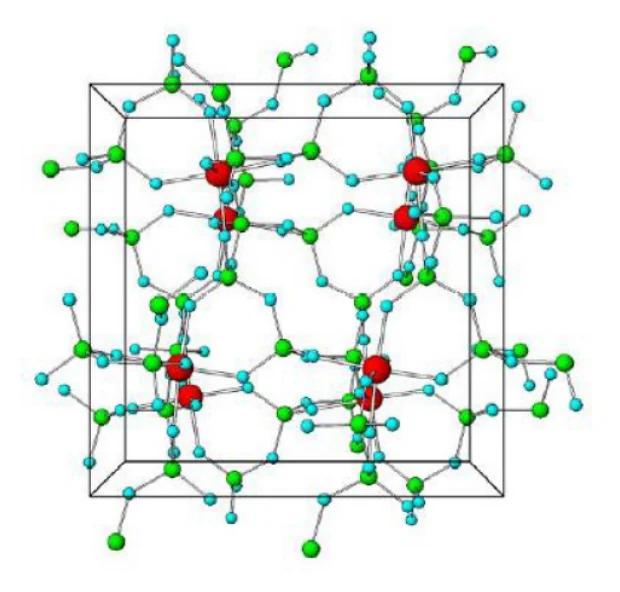
Unit cell structural representation (stick-and-ball) of main framework of microporous sodium zirconium cyclosilicate. Red= Zirconium, Green= Silicon, Blue= Oxygen atoms. Cations are not pictured.
Physicochemical properties: White to grey powder, completely insoluble and highly selective for potassium over divalent cations.
14. Clinical Trials
14.1. Clinical Trials by Indication
Treatment of Hyperkalemia in Adults
Trial Design and Demographics
Table 9 – Summary of patient demographics for clinical trials in hyperkalemia
| Study # | Study design | Dosage, route of administration and duration | Study subjects (n) Treated / Completed | Mean age (Range) | Sex n (%) |
| Study # | Study design | Dosage, route of administration and duration | Study subjects (n) Treated / Completed | Mean age (Range) | Sex n (%) |
| Study # | Study design | Dosage, route of administration and duration | Study subjects (n) Treated / Completed | Mean age (Range) | Sex n (%) |
| Study # | Study design | Dosage, route of administration and duration | Study subjects (n) Treated / Completed | Mean age (Range) | Sex n (%) |
| ZS-002 | Randomized, double-blind, placebo-controlled, dose escalating | ZS 0.3 g ZS 3 g ZS 10 g Placebo TID orally with meals for 48-96 hours | 90 treated 12 / 12 24 / 24 24 / 24 30 / 30 | 71.1 years (42 – 96) | M: 52 (58%) F: 38 (42%) |
| ZS-003 | Two phase Correction phase: randomized, double-blind, placebo-controlled | Correction phase | |||
ZS 1.25 g ZS 2.5 g ZS 5 g ZS 10 g Placebo TID for 48 hours orally, with meals | 753 treated 154 / 150 141 / 137 157 / 152 143 / 140 158 / 157 | 65.7 years (22 – 93) | M: 448 (59.5%) F: 305 (40.5%) | ||
| Maintenance phase: randomized withdrawal for subjects who received ZS during correction phase | Maintenance phase | ||||
from Correction phase ZS subjects: ZS 1.25 g placebo ZS 2.5 g placebo ZS 5 g placebo ZS 10 g Placebo QD for 12 days from Correction phase placebo subjects: ZS 1.25 g ZS 2.5 g | 447 ZS treated 49 / 48 41 / 38 54 / 52 46 / 43 65 / 59 68 / 66 63 / 61 61 / 58 96 ZS treated 46 / 44 50 / 49 | 65.5 years (22 – 93) 66.8 years (27 – 88) | M: 261 (58%) F: 186 (42%) M: 56 (58%) F: 40 (42%) | ||
| ZS-004 | Correction phase: single ZS treatment group, open-label | Correction phase | |||
ZS 10 g TID for 48 hours | 258 / 251 | 64.0 years (22 – 89) | M: 149 (58%) F: 109 (42%) | ||
| Maintenance phase: randomized, double-blind, placebo-controlled | Maintenance phase | ||||
ZS 5 g ZS 10 g ZS 15 g Placebo QD for 28 days Subjects with S-K 3.0-3.4 mmol/L to reduce dosing to QOD | 237 treated 45 / 40 51 / 44 56 / 49 85 / 75 | 63.6 years (22 – 89) | M: 138 (58%) F: 99 (42%) | ||
| ZS-004E | Extension of ZS-004, open-label, uncontrolled | Maintenance phase: starting dose: ZS 10 g QD, for up to 11 months Dose adjusted in 5 g increments to maximum 15 g QD or minimum 5 g QOD based on potassium level | 123 / 79 | 64.0 years (22 – 85) | M: 71 (58%) F: 52 (42%) |
| ZS-005 | Open-label, uncontrolled | Correction phase: ZS 10 g TID for 24, 48 or 72 hours Maintenance phase: starting dose ZS 5 g QD for up to 12 months. Dose adjusted in 5 g increments to maximum 15 g QD or minimum 5 g QOD based on potassium level | 751 / 746 746 / 466 | 63.6 years (21 – 93) | M: 448 (60%) F: 303 (40%) |
| D9480C00006 | Randomized, double-blind, placebo-controlled 4-week dose adjustment period followed by 4-week evaluation period | Starting dose: ZS 5 g or Placebo QD on non-dialysis days After at least 1 LIDI, dose could be adjusted up or down in 5 g increments to a maximum of 15 g per non-dialysis day to maintain pre-dialysis S-K 4.0-5.0 mmol/L | ZS – 96/92 Placebo – 99/96 | 58.1 years (20 – 86) | M: 115 (59%) F: 81 (41%) |
| D9480C00018 | Parallel-group, placebo-controlled, with open-label run-in phase 4-6 weeks open-label run-in phase, double-blind, 6 month placebo-controlled, randomized withdrawal phase. | ZS 10 g TID; then titrated between 5 g QOD and 5 g QD to 15 g QD Placebo titrated between 5 g QOD and 5 g QD to 15 g QD | ZS – 101 / 88 Placebo – 101 / 83 | 70.9 years (40 – 95) | M: 151 (74.4%) F: 52 (25.6%) |
| D9488C00001 | Randomized withdrawal, double-blind, parallel-group, placebo-controlled Initiation phase (up to 72 hours), Run-in phase (3 months/up to day 90), Maintenance phase, double blind parallel groups (originally planned to be 24 months/104 weeks) | Initiation phase S-K > 5 to ≤ 6.5 mmol/L: ZS 10 g TID for up to 72 hours until normokalaemic (S-K 3.5-5.0 mmol/L); total daily dose 30 g ZS S-K ≥ 3.5 to ≤ 5 mmol/L: ZS 5 g QD for 48 hours Run-in and Maintenance phases ZS 5 g QOD or ZS 5, 10, or 15 g QD Placebo 5 g QOD or 5, 10, or 15 g placebo QD | Initiation phase ZS 10 g TID – 460 / 447 ZS 5 g QD – 652 / 631 Run-in phase ZS – 1048 / 768 Maintenance phase ZS – 359 / 7 Placebo – 355 / 2 | 63.5 years (19 - 88) 63.5 years (19 – 88) 64.0 years (19 – 88) | M: 714 (64.2%) F: 398 (35.8) M 675 (64.3) F: 374 (35.7) M: 462 (64.5%) F: 254 (35.5%) |
| D9484C00001 | Randomised, double-blind, placebo-controlled 1-week initial treatment followed by 11 weeks continued treatment including RAASi treatment, and 4 week follow-up period | Local lab-K > 5.0 mmol/L: ZS 10 g or placebo TID for 2 days followed by ZS 5 g or placebo QD Local lab-K ≤ 5.0 mmol/L: ZS 5 g QD or placebo QD ZS up- or down-titrated depending on the administered dose of study drug and the local lab-K at every study visit. | ZS – 91 / 57 Placebo – 90 / 51 | 71.9 years (51 - 92) | M: 108 (59.3%) F: 74 (40.7%) |
F: Female, M: Male; LIDI: long inter-dialytic interval; local lab-K: serum potassium concentration as measured using the site’s local laboratory; QD: once daily; QOD: every other day; RAASi: renin angiotensin aldosterone system inhibitor; S-K: serum potassium; TID: 3 times daily; ZS: sodium zirconium cyclosilicate
The potassium-lowering effects of LOKELMA have been demonstrated in two randomized, double-blind, placebo-controlled trials (ZS-003, ZS-004) in patients with hyperkalemia. The two studies tested the initial effect of LOKELMA to correct hyperkalemia during a 48-hour period and then the effect on maintenance of normokalemia (serum potassium levels between 3.5 and 5.0 mmol/L). The studies included patients (84% White, 12% Black) with chronic kidney disease (58%), heart failure (10%), diabetes mellitus (62%) and renin angiotensin aldosterone (RAAS) inhibitor therapy (68%). In addition, two open label studies (ZS-004E, ZS-005) tested long-term safety of LOKELMA. The patients were instructed to continue their usual diet without any specified alterations or dietary restrictions. There is limited clinical trial experience of LOKELMA in patients with serum potassium concentrations greater than 6.5 mmol/L.
In addition, the efficacy and safety of LOKELMA were shown in a double-blind placebo-controlled trial of 196 chronic hemodialysis patients with hyperkalemia, who received doses of LOKELMA for 8 weeks. The study included participants (52% White, 34% Asian, 10% Black) who had been on dialysis for 7.9 years on average, primarily accessed through arteriovenous fistula (89%).
Study Results
In the studies, LOKELMA reduced serum potassium and maintained normal serum potassium levels regardless of age, sex, ethnic origin, comorbid disease (chronic kidney disease (CKD), heart failure, diabetes mellitus) or concomitant use of RAAS inhibitors. Significant reduction in serum aldosterone levels and increased serum bicarbonate levels were observed in patients treated with LOKELMA compared to placebo.
ZS-003: Two-phase, randomized, double-blind, placebo-controlled study During the correction phase, 753 patients with hyperkalemia (baseline potassium average 5.3 mmol/L, range from 5.0 to 6.5 mmol/L) were randomized to receive LOKELMA (1.25 g, 2.5 g, 5 g or 10 g) or placebo three times a day for the initial 48 hours.
LOKELMA showed dose-dependent greater reductions in serum potassium at the 2.5 g, 5 g and 10 g doses compared to placebo (Table 10). Statistically significant reductions in potassium were observed 1 hour after the first 10 g dose of LOKELMA. Mean serum potassium reduction was 0.7 mmol/L and 86% of patients had normal potassium values within 48 hours at the 10 g dose TID.
Table 10 – Correction phase: Percentage of normokalemic subjects after 48 hours of LOKELMA
| Placebo | LOKELMA dose (three times daily) | |||||||||
| 2.5 g | 5 g | 10 g | ||||||||
| N | 158 | 141 | 157 | 143 | ||||||
| Baseline serum potassium (mmol/L) | 5.3 | 5.4 | 5.3 | 5.3 | ||||||
| Normokalemic at 48 hours (%) | 48 | 68 | 78 | 86 | ||||||
| p value vs. placebo | < 0.001 | < 0.001 | < 0.001 | |||||||
- Patients with higher starting potassium levels had a greater response to LOKELMA (
Table 11). Patients with pre-treatment potassium levels in excess of 5.5 mmol/L (average baseline 5.8 mmol/L) saw an average decrease of 1.1 mmol/L at 48 hours while those with starting potassium levels at or below 5.3 mmol/L had an average decrease of 0.6 mmol/L at the highest dose. Potassium reduction was similar among patients with CKD, heart failure, diabetes mellitus and those taking RAAS inhibitor therapy (angiotensin receptor blockers, angiotensin converting enzyme inhibitors, aldosterone antagonists).
Table 11 – Correction phase: Serum potassium change from baseline to 48 hours after start of dosing
| Mean serum potassium change mmol/L (95% Confidence intervals) Sample size | Placebo | 2.5 g TID | 5 g TID | 10 g TID |
| All Patients | -0.2 (-0.3, -0.2) n=158 | -0.5* (-0.5, -0.4) n=137 | -0.5* (-0.6, -0.5) n=152 | -0.7* (-0.8, -0.7) n=140 |
| Baseline serum potassium <5.3 mmol/L | -0.2 (-0.2, -0.1) n=95 | -0.4* (-0.5, -0.3) n=71 | -0.4* (-0.5, -0.3) n=87 | -0.6* (-0.7, -0.5) n=92 |
| Baseline serum potassium 5.4-5.5 mmol/L | -0.4 (-0.5, -0.2) n=22 | -0.5 (-0.6, -0.4) n=29 | -0.7* (-0.8, -0.5) n=36 | -1.0* (-1.1, -0.8) n=26 |
| Baseline serum potassium >5.5 mmol/L | -0.4 (-0.6, -0.3) n=40 | -0.6 (-0.7, -0.4) n=37 | -0.9* (-1.0, -0.7) n=29 | -1.1* (-1.3, -0.9) n=22 |
*= p-value <0.05
Patients achieving normokalemia at end of the correction phase were then re-randomized to receive once daily administration of either LOKELMA at the same dose level as for correction or placebo for 12 days. This phase of the study met the predefined efficacy endpoints at the 2.5 g, 5 g and 10 g doses when compared with their respective placebo groups (Table 12). Efficacy was consistent across pre-specified subgroups with heart failure, CKD, and diabetes mellitus, or in patients on RAAS inhibitors. At the end of the treatment period, when LOKELMA was no longer administered, serum potassium increased to near baseline levels.
Table 12 – Maintenance phase (12 days): Mean number of normokalemic days
| Correction phase LOKELMA dose | Maintenance phase treatment (once daily) | ||||||||||
| Placebo | LOKELMA | P-value vs. placebo | |||||||||
| n | Days | n | Days | ||||||||
| 2.5 g three times daily | 46 | 6.2 | 54 | 8.6 | 0.008 | ||||||
| 5 g three times daily | 68 | 6.0 | 64 | 9.0 | 0.001 | ||||||
| 10 g three times daily | 61 | 8.2 | 63 | 1.02 | 0.005 | ||||||
ZS-004: Open-label, 48-hour correction phase, and randomized, double-blind, placebo-controlled 28-day maintenance study
In the correction phase of the study, 258 patients with hyperkalemia (baseline average 5.6, range 4.1-7.2 mmol/L) received 10 g of LOKELMA administered three times daily for 48 hours. Reductions in potassium were observed 1 hour after the first 10 g dose of LOKELMA. Median time to normokalemia was 2.2 hours and 66% of patients were normokalemic at 24 hours and 88% at 48 hours. Responses were larger in patients with more severe hyperkalemia; serum potassium fell 0.8, 1.2, and 1.5 mmol/L in patients with baseline serum potassium <5.5, 5.5-5.9 and ≥6.0 mmol/L, respectively.
Of the 258 patients, 237 patients (92%) who achieved normokalemia at end of the correction phase were randomized in a double-blind fashion to one of three doses of LOKELMA [5 g (n=45), 10 g (n=51), or 15 g (n=56)] or placebo (n=85) administered once daily for 28 days.
The mean serum potassium values from study days 8 to 29 of once daily treatment as the primary endpoint for the Maintenance Phase was 4.8, 4.5, and 4.4 mmol/L for the 5, 10, and 15 g LOKELMA groups, respectively, vs. 5.1 mmol/L in the placebo group, p≤0.0001 for all doses (Figure 1). The proportion of subjects with average serum potassium <5.1 mmol/L from Study Day 8 to 29 was statistically significantly higher at the 5 g, 10 g and 15 g once daily doses of LOKELMA (80%, 90%, and 94%, respectively), compared with placebo (46%). A greater proportion of patients remained normokalemic (71%, 76%, 85% at the 5 g, 10 g, 15 g once daily doses, respectively) in LOKELMA groups than the placebo group (48%).
ZS-004E: Open-label, uncontrolled, long-term (up to 11 months) extension study to ZS-004
One hundred and twenty-three patients who completed the ZS-004 28-day maintenance phase entered the 11-month open-label extension phase. During the study days 8 to 337, the proportion of subjects with mean serum potassium ≤5.1 mmol/L was 88%. The mean serum potassium level was 4.66 mmol/L. The proportion of patients with mean serum potassium measurements between 3.5 and 5.0 mmol/L was 80% (range from 70.3% to 84.3%); below 3.5 mmol/L was less than 1%.
Figure 1 illustrates the mean serum potassium levels over the correction, maintenance phases of ZS-004, and extension phase of the study (ZS-004E).
Figure 1 – Mean serum potassium levels – ZS-004 and ZS-004E
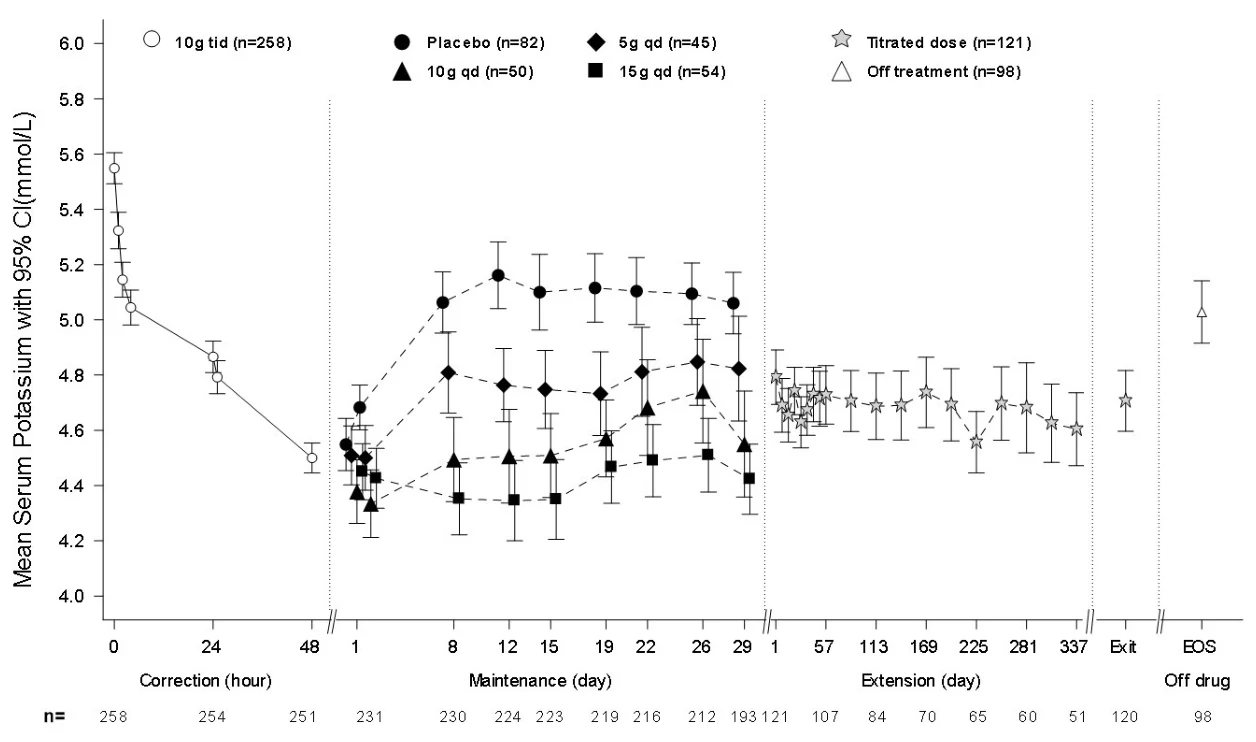
Exit: Last Visit Within 1 Day of Last Dose EOS: End of Study, 7+/-1 Day After Last Dose Intent-to-Treat population includes subjects with at least one valid serum potassium measurement on or after Day 8
ZS-005: Open-label, uncontrolled, two-phase, long-term (up to 12 months) study
The effects of LOKELMA were assessed in this study in 751 subjects (83% White, 12% Black) with hyperkalemia (baseline average 5.6 mmol/L; range 4.3 to 7.6 mmol/L). Comorbid conditions included CKD (65%), diabetes mellitus (64%), heart failure (15%) and hypertension (83%). Use of diuretics and RAAS inhibitors was reported by 51% and 70% of subjects respectively. During the correction phase, LOKELMA was administered 10 g TID for at least 24 hours and up to 72 hours. Subjects who achieved normokalemia within 72 hours (n=746; 99%) entered the maintenance phase of the study. All subjects in the maintenance phase received LOKELMA at a starting dose of 5 g QD which could be increased in increments of 5 g QD (to a maximum of 15 g QD) or decreased (to a minimum of 5 g QOD) based upon the titration regimen.
In the correction phase, normokalemia was achieved in 66%, 75% and 78% of patients at 24, 48 and 72 hours after the first dosing of LOKELMA 10 g TID, respectively. Responses were larger in patients with more severe hyperkalemia with mean reduction in serum potassium of 0.81 mmol/L, 1.02 mmol/L and 1.10 mmol/L at 24 (n=748), 48 (n=104) and 72 (n=28) hours, respectively (Figure 2). One hundred and twenty six patients had a baseline serum potassium ≥6.0 mmol/L (mean baseline potassium 6.28 mmol/L) and these patients had a mean reduction of 1.37 mmol/L at the end of the correction phase.
During the maintenance phase (Days 8 to 365), 75.6% of patients maintained normokalemia. The proportion of subjects with a mean serum potassium ≤5.1 mmol/L across the Maintenance Phase Days 85-365 was 88% (95% CI 0.857, 0.908) and ≤5.5 mmol/L across the Maintenance Phase Days 85-365 was 99% (95% CI 0.976, 0.995). Normokalemia was maintained while patients remained on drug and the mean serum potassium increased following discontinuation (Figure 2). Among those patients using RAAS inhibitors at baseline, 89.4% did not discontinue RAAS inhibitor therapy, 74.1% were able to maintain the same dose during the maintenance phase and among those not on RAAS inhibitors at baseline, 14% initiated RAAS inhibitor therapy.
Figure 2 – Mean serum potassium – 12-month open-label study with correction and maintenance phases
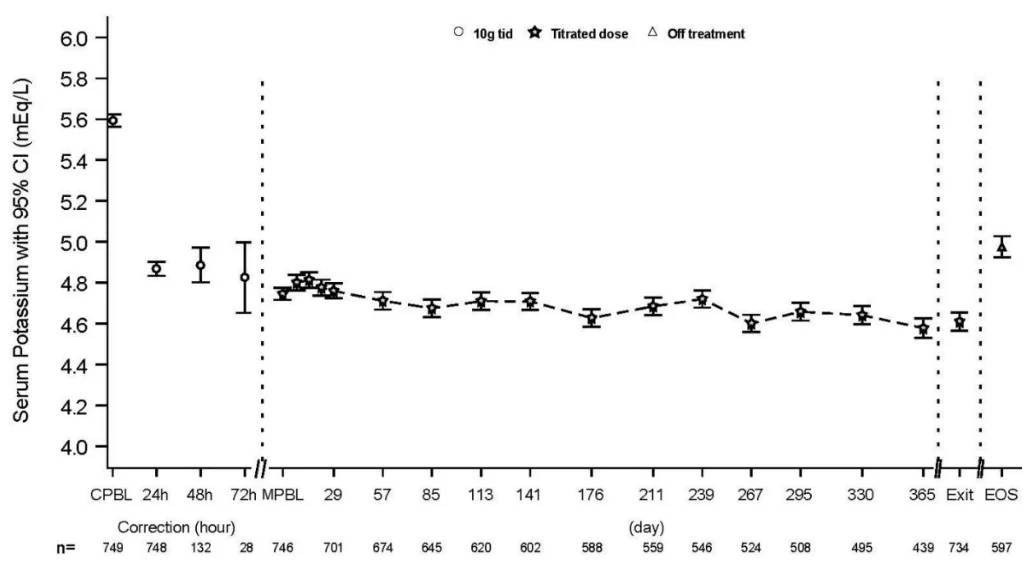
CPBL: Correction Phase Baseline Exit: Last Visit within 1 Day of Last Dose MPBL: Maintenance Phase Baseline EOS: End of Study, 7+/-1 Day After Last Dose Intent-to-Treat population includes subjects with at least one valid Serum Potassium measurement on or after Day 8
D9480C00006: Randomized, double-blind, placebo-controlled study in patients on chronic hemodialysis
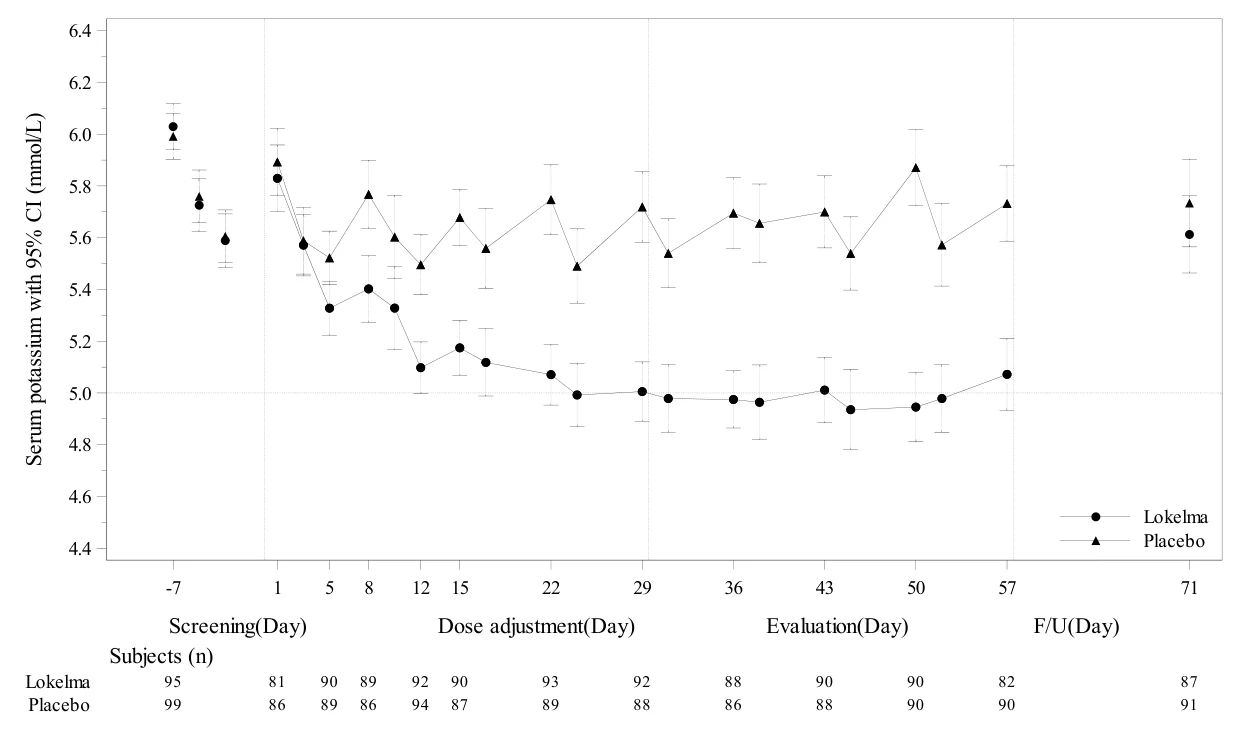
In this study, 196 patients with end stage renal disease on stable dialysis for at least 3 months and persistent pre-dialysis hyperkalemia were randomized to receive LOKELMA 5 g or placebo once daily on non-dialysis days. At randomization, mean pre-dialysis serum potassium levels were 5.8 mmol/L (range 4.2 – 7.3 mmol/L) in the LOKELMA group and 5.9 mmol/L (range 4.2 – 7.3 mmol/L) in the placebo group. To achieve pre-dialysis serum potassium level between 4.0 – 5.0 mmol/L during the dose adjustment period (initial 4 weeks), the dose could be adjusted weekly in 5 g increments up to 15 g once daily based on pre-dialysis serum potassium measurement after the LIDI. The dose reached at the end of the dose-adjustment period was maintained throughout the subsequent 4-week evaluation period. The proportion of responders, defined as those subjects who maintained a pre-dialysis serum potassium between 4.0 and 5.0 mmol/L on at least 3 out of 4 post-LIDI measurements and who did not receive rescue therapy during the evaluation period, was 41% in the LOKELMA group, and 1% in the placebo group (p < 0.001). Mean pre-dialysis serum potassium levels during the study are presented in
Figure 3.
At the end of treatment, the mean post-LIDI pre-dialysis serum potassium level was 5.1 mmol/L (range 3.6 – 7.3 mmol/L) in the LOKELMA group and 5.7 mmol/L (range 3.3 – 7.3 mmol/L) in the placebo group. There were no significant differences between the LOKELMA and placebo groups in interdialytic weight gain (IDWG), a marker of the sodium and fluid retention. IDWG was defined as pre-dialysis weight minus post-dialysis weight on the previous dialysis session and was measured after the LIDI.
Figure 3 – Mean pre-dialysis serum potassium levels over time in patients on chronic dialysis
F/U- follow-up period The displayed error bars correspond to 95% confidence intervals. n = Number of patients with non-missing potassium measurements at a particular visit.
D9480C00018 - A randomised, double-blind, placebo-controlled, parallel-group trial for the management of hyperkalaemia in patients with symptomatic heart failure with reduced ejection fraction receiving spironolactone (REALIZE-K)
This was a Phase 4 randomised-withdrawal trial to determine the efficacy and safety of LOKELMA in achieving the primary endpoint of keeping serum potassium in the normal range (3.5-5.0 mEq/L), while on a spironolactone dose of ≥25 mg/daily, without the need of rescue therapy for hyperkalaemia (HK).
This study enrolled adults with established heart failure diagnosis (≥ 3 months duration, left ventricular ejection fraction (LVEF) ≤40% with New York Heart Association (NYHA) Class II-IV symptoms) who were receiving treatment with an Angiotensin Converting Enzyme Inhibitors (ACEi)/Angiotensin Receptor Blocker (ARB)/Angiotensin Receptor Blocker/Neprilysin Inhibitors (ARNI) and a beta-adrenergic receptor blocker (unless contraindicated) at stable dose for ≥4 weeks. Participation was permitted for those untreated with a mineralocorticoid receptor antagonist (MRA) and those receiving spironolactone or eplerenone <25 mg once daily.
Patients were screened and entered an open label run in phase with two cohorts. Cohort 1 included patients who had evidence of prevalent HK (defined as serum K+ 5.1-5.9 mEq/L) and eGFR ≥30 mL/min/1.73 m2. Patients in this cohort received LOKELMA to correct potassium to normal range, after which spironolactone was initiated or up-titrated per protocol. Cohort 2 included patients who were at high risk for HK (defined as either a history of serum potassium
>5.0 mEq/L within the prior 36 month and eGFR ≥30 mL/min/1.73 m2 OR serum potassium 4.5-5.0 mEq/L with eGFR 30-60 mL/min/1.73 m2 OR serum potassium 4.5-5.0 mEq/L and age >75 years). These patients had spironolactone initiated or up-titrated towards the target dose; those developing HK received LOKELMA to correct potassium to normal range, while those who failed to become hyperkalaemic within 4 weeks were discontinued from the study.
In this trial, use of LOKELMA led to a greater occurrence of optimal response for the primary endpoint compared with placebo (OR 4.45 [95% CI 2.89-6.86], p<.001, estimated percentages 71% vs 36%). LOKELMA also significantly improved secondary endpoints vs placebo: the occurrence of normokalemia on the randomised dose of spironolactone and without rescue therapy for HK; the occurrence of spironolactone ≥25 mg/daily dose time to first HK episode (serum K+ >5.0 mEq/L); and time to first decrease or discontinuation of spironolactone dose due to HK.
Safety data from this study was included in the pooled safety analysis (see 8.1 Adverse Reaction Overview).
D9488C00001 - A randomised, double-blind, placebo-controlled study to evaluate the effect on chronic kidney disease progression in participants with CKD and hyperkalaemia or at risk of hyperkalaemia (STABILIZE-CKD)
This was a Phase 3 study aimed to assess whether LOKELMA, as an adjunct to Angiotensin Converting Enzyme Inhibitors (ACEi)/ Angiotensin Receptor Blocker (ARB) therapy, is superior to placebo in slowing CKD progression over time in patients with hyperkalaemia or at risk of hyperkalaemia.
The study enrolled patients with eGFR 25-59 mL/min/1.73 m2, uACR 200-5000 mg/g, and hyperkalaemia (serum potassium [sK+] >5.0 to ≤6.5 mmol/L) on adequate/limited ACEi/ARB therapy or normokalaemia on limited ACEi/ARB therapy. Patients with NYHA class III to IV congestive heart failure at screening or previous history of severe or symptomatic heart failure were excluded.
The study included a screening period, an initiation phase (with up to 72 hr open-label LOKELMA for the participants to maintain or achieve normokalaemia), a 3-month run-in phase (where lisinopril or valsartan were expected to be up-titrated to maximal tolerated doses under open-label LOKELMA potassium management) and an originally planned 24-month randomised blinded maintenance phase.
The trial was terminated early due to recruitment challenges, resulting in a reduced sample size of 760 randomised patients as opposed to the planned 1360 patients, and shortened post-randomisation follow-up duration (median ~8 - 9 months, as opposed to the planned 24 months). This precludes any conclusions on efficacy.
Safety data from this study was included in the pooled safety analysis (see 8.1 Adverse Reaction Overview).
D9484C00001 - A randomised, double-blind, placebo-controlled, parallel-group, multicentre, three-month duration potassium reduction initiative to optimize RAAS inhibition therapy in heart failure (PRIORITIZE HF)
This study aimed to assess if a treatment regimen containing LOKELMA would allow Renin Angiotensin Aldosterone System Inhibitor (RAASi) therapies to be up-titrated to target doses at 3 months vs placebo in patients with heart failure and hyperkalaemia or at high risk of developing hyperkalaemia.
Heart failure patients with New York Heart Association (NYHA) Class II-IV with LVEF≤40%, eGFR 20-59 mL/min/1.73 m2 and serum potassium 4.0-5.5mmol/L were randomised to receive LOKELMA or placebo (1:1) for 3 months. RAASi up-titration to guideline-recommended doses was encouraged but not mandated, and LOKELMA or placebo dose titrations were performed in parallel to prevent hyperkalaemia.
The study was terminated prematurely during the Covid-19 pandemic due to recruitment challenges and difficulties to ascertain adequate safety monitoring. This resulted in 182 patients randomised as opposed to the planned 280 patients. The premature termination of the study precludes any firm conclusions on efficacy.
Safety data from this study was included in the pooled safety analysis (see 8.1 Adverse Reaction Overview).
15. Microbiology
No microbiological information is required for this drug product.
16. Non-Clinical Toxicology
General Toxicology: Both rats and dogs tolerated chronic oral administration of sodium zirconium cyclosilicate at very high dose levels that resulted in excretion of light-colored feces due to the presence of excreted sodium zirconium cyclosilicate. Rats tolerated sodium zirconium cyclosilicate at up to the maximum feasible dose level of 2 g/kg/tid (6 g/kg/day) for up to 26 weeks, and dogs tolerated sodium zirconium cyclosilicate at 1 g/kg/day for up to 39 weeks. These dose levels are equivalent to human dose levels of approximately 58 g/day (rats) and 33 g/day (dogs) based on a 60 kg body weight, yielding margins of ~5- and 3-fold respectively.
There was no mortality associated with sodium zirconium cyclosilicate treatment. The only effects of sodium zirconium cyclosilicate administration in either species were related to its intended pharmacodynamic activity, which is to reduce potassium absorption from the GI tract. Renal tubular inflammation, lipid vacuolization, and reduced levels of aldosterone were observed when animals experienced treatment-related hypokalemia.
Carcinogenicity: Carcinogenicity studies have not been conducted.
Genotoxicity: No genotoxic potential was exhibited in the Ames assay and in a chromosomal aberration assay. Sodium zirconium cyclosilicate did not induce bone marrow micronuclei in Sprague Dawley rats following an oral dosing regime up to 6 g/kg/day (2 g/kg/tid) and produced no hyperplastic or pre-neoplastic findings in chronic toxicity studies. Together with the absence of genotoxic potential and the lack of systemic absorption, sodium zirconium cyclosilicate is considered unlikely to present a carcinogenic hazard to humans.
Reproductive and Developmental Toxicology: Sodium zirconium cyclosilicate did not affect reproductive function in rats of either sex nor in female rabbits at doses up to 6 g/kg/day, which is equivalent to a human dose level of approximately 58 g/day (rats) or 116 g/day (rabbits) and provide safety margins of ~6- and 11-fold respectively. Sodium zirconium cyclosilicate also did not significantly affect maintenance of pregnancy or fetal development in either species. However, in rats dosed during the fertility and embryofetal development phases retarded or impaired fetal ossification was observed. There was evidence of reduced body weight gain in pups in the pre and postnatal study.