


Product Monograph - Xembify
RECENT MAJOR LABEL CHANGES
Not Applicable - New Product
TABLE OF CONTENTS
[To update, right-click anywhere in the Table of Contents and select “Update Field”, “Update entire table”, click OK.]
RECENT MAJOR LABEL CHANGES................................................................................... 2
TABLE OF CONTENTS .......................................................................................................... 2
PART I: HEALTH PROFESSIONAL INFORMATION ......................................................... 4
1 INDICATIONS ............................................................................................................... 4
1.1 Pediatrics ............................................................................................................... 4
1.2 Geriatrics ............................................................................................................... 4
2 CONTRAINDICATIONS .............................................................................................. 4
3 SERIOUS WARNINGS AND PRECAUTIONS BOX ................................................ 4
4 DOSAGE AND ADMINISTRATION ........................................................................... 5
4.1 Dosing Considerations ........................................................................................... 5
4.2 Recommended Dose and Dosage Adjustment ........................................................ 5
4.3 Administration ....................................................................................................... 7
4.4 Missed Dose .......................................................................................................... 8
5 OVERDOSAGE ............................................................................................................ 9
6 DOSAGE FORMS, STRENGTHS, COMPOSITION AND PACKAGING ............... 9
7 WARNINGS AND PRECAUTIONS ............................................................................ 9
7.1 Special Populations .............................................................................................. 11
7.1.1 Pregnant Women .............................................................................................. 11
7.1.2 Breast-feeding .................................................................................................. 11
7.1.3 Pediatrics .......................................................................................................... 12
7.1.4 Geriatrics .......................................................................................................... 12
8 ADVERSE REACTIONS ............................................................................................ 12
8.1 Adverse Reaction Overview ................................................................................. 12
8.2 Clinical Trial Adverse Reactions .......................................................................... 12
8.3 Post-Market Adverse Reactions ........................................................................... 13
9 DRUG INTERACTIONS ............................................................................................. 14
9.1 Overview ............................................................................................................. 14
9.2 Drug-Drug Interactions ........................................................................................ 14
9.3 Drug-Food Interactions ........................................................................................ 14
9.4 Drug-Herb Interactions ........................................................................................ 14
9.5 Drug-Laboratory Test Interactions ....................................................................... 14
10 ACTION AND CLINICAL PHARMACOLOGY ........................................................ 14
10.1 Mechanism of Action ....................................................................................... 14
10.2 Pharmacodynamics ........................................................................................... 14
10.3 Pharmacokinetics ............................................................................................. 14
11 STORAGE, STABILITY AND DISPOSAL ............................................................... 16
PART II: SCIENTIFIC INFORMATION ................................................................................ 17
12 PHARMACEUTICAL INFORMATION ..................................................................... 17
13 CLINICAL TRIALS ..................................................................................................... 18
13.1 Trial Design and Study Demographics .............................................................. 18
13.2 Study Results.................................................................................................... 19
14 NON-CLINICAL TOXICOLOGY ............................................................................... 19
14.1 Carcinogenesis, Mutagenesis, Impairment of Fertility....................................... 19
14.2 Animal Toxicology and/or Pharmacology ......................................................... 19
PATIENT MEDICATION INFORMATION ........................................................................... 21
PART I: HEALTH PROFESSIONAL INFORMATION
1 INDICATIONS
XEMBIFY (Subcutaneous Immunoglobulin [Human]) is indicated for:
- The treatment of patients 2 years of age and older with Primary Immune Deficiency (PID) and Secondary Immune Deficiency (SID) who require immunoglobulin replacement therapy.
1.1 Pediatrics
Pediatrics (2-16 years of age): Based on the data submitted and reviewed by Health Canada, the safety and efficacy of XEMBIFY in pediatric patients aged 2 to 16 years has been established.
1.2 Geriatrics
Geriatrics (> 65 years of age): Use caution when administering XEMBIFY to patients age 65 and over who are at increased risk for thrombosis (see Warnings and Precautions).
2 CONTRAINDICATIONS
XEMBIFY (Subcutaneous Immunoglobulin [Human]) is contraindicated in:
- Patients who have had an anaphylactic or severe systemic reaction to the administration of human immunoglobulin, or to any ingredient in the formulation, including any non-medicinal ingredient, or component of the container. For a complete listing, see Dosage Forms, Strengths, Composition and Packaging.
- Patients with severe, selective IgA deficiency with antibodies against IgA and history of hypersensitivity.
3 SERIOUS WARNINGS AND PRECAUTIONS BOX
Serious Warnings and Precautions
There is clinical evidence of an association between the administration of all immunoglobulins and thromboembolic events such as myocardial infarction, stroke, pulmonary embolism and deep vein thrombosis. Therefore, caution should be exercised when prescribing and administering immunoglobulins. Thrombosis may occur even in the absence of known risk factors.
Risk factors for thromboembolic events include: obesity, advanced age, hypertension, diabetes mellitus, history of vascular disease or thrombotic episodes, acquired or inherited thrombophilic disorders, prolonged periods of immobilization, severely hypovolemic patients, diseases which increase blood viscosity, hypercoagulable conditions, use of estrogens, indwelling central venous catheters, and cardiovascular risk factors (see Warnings and Precautions - Thromboembolic Events subsection).
The drug product should be administered at the minimum rate of infusion practicable. Patients should be adequately hydrated before administration. Patients at risk of hyperviscosity should be monitored for signs and symptoms of thrombosis and have blood viscosity assessed.
4 DOSAGE AND ADMINISTRATION
4.1 Dosing Considerations
- Administer XEMBIFY (Subcutaneous Immunoglobulin [Human]) at regular intervals from daily up to every two weeks (biweekly).
- Monitor serum IgG trough levels regularly to guide subsequent dose adjustments and dosing intervals as needed, see Dose Adjustment (Table 1).
4.2 Recommended Dose and Dosage Adjustment
- Administer XEMBIFY at regular intervals from daily up to every two weeks (biweekly).
- Individualize the dose based on the patient’s pharmacokinetic and clinical response. Weekly maintenance doses typically range from 0.1 g/kg to 0.2 g/kg.
- Monitor serum IgG trough levels regularly to guide subsequent dose adjustments and dosing intervals as needed, see Table 1.
- To convert the XEMBIFY dose (in grams) to milliliters (mL), multiply the calculated Initial subcutaneous dose (in grams) by 5.
- Doses divided over the course of a week, or once weekly, or biweekly, achieve similar exposure when administered regularly at steady-state.
To determine the dose for alternative dosing intervals:
- Frequent dosing (2-7 times per week): Divide the calculated weekly dose by the desired number of times per week.
- Biweekly dosing: Multiply the calculated weekly dose by 2.
- To guide dose adjustments, see section Dose Adjustment (Table 1).
Over time, the dose may need to be adjusted to achieve the desired clinical response and serum IgG trough level. To determine if a dose adjustment may be considered, measure the patient’s serum IgG trough level as early as 5 weeks after initiating XEMBIFY treatment. To determine if further dose adjustments are necessary, monitor the patient’s IgG trough level every 2 to 3 months.
To adjust the dose based on trough levels, calculate the difference (in mg/dL) of the patient’s serum IgG trough level from the target IgG trough level. Then find this difference in Table 1 and the corresponding amount (in mL) by which to increase or decrease the weekly dose based on the patient’s body weight. However, the patient’s clinical response should be the primary consideration in dose adjustment.
| Table 1: Adjustment (±mL) of the Weekly Subcutaneous Dose Based on the Difference (±mg/dL) From the Target Serum IgG Trough Level | ||||||||||||||||||||
| Difference From Target IgG Trough Level (mg/dL) | Body Weight (kg) | |||||||||||||||||||
| 10 | 15 | 20 | 30 | 40 | 50 | 60 | 70 | 80 | 90 | 100 | 110 | 120 | ||||||||
| Dose Adjustment (mL per Week)* | ||||||||||||||||||||
| 50 | 0 | 1 | 1 | 1 | 2 | 2 | 2 | 3 | 3 | 3 | 4 | 4 | 5 | |||||||
| 100 | 1 | 1 | 2 | 2 | 3 | 4 | 5 | 5 | 6 | 7 | 8 | 8 | 9 |
| 150 | 1 | 2 | 2 | 3 | 5 | 6 | 7 | 8 | 9 | 10 | 11 | 13 | 14 |
| 200 | 2 | 2 | 3 | 5 | 6 | 8 | 9 | 11 | 12 | 14 | 15 | 17 | 18 |
| 250 | 2 | 3 | 4 | 6 | 8 | 9 | 11 | 13 | 15 | 17 | 19 | 21 | 23 |
| 300 | 2 | 3 | 5 | 7 | 9 | 11 | 14 | 16 | 18 | 20 | 23 | 25 | 27 |
| 350 | 3 | 4 | 5 | 8 | 11 | 13 | 16 | 19 | 21 | 24 | 27 | 29 | 32 |
| 400 | 3 | 5 | 6 | 9 | 12 | 15 | 18 | 21 | 24 | 27 | 30 | 33 | 36 |
| 450 | 3 | 5 | 7 | 10 | 14 | 17 | 20 | 24 | 27 | 31 | 34 | 38 | 41 |
| 500 | 4 | 6 | 8 | 11 | 15 | 19 | 23 | 27 | 30 | 34 | 38 | 42 | 45 |
| * Dose adjustment in mL is based on the slope of the serum IgG trough level response to subcutaneous administration of XEMBIFY dose increments (about 6.6 mg/dL per increment of 1 mg/kg per week). | |||||||||||||
For example, if a patient with a body weight of 70 kg has an actual IgG trough level of 900 mg/dL and the target level is 1,000 mg/dL, this results in a difference of 100 mg/dL. Therefore, increase the weekly dose of subcutaneous dose by 5 mL.
For patients switching from immunoglobulin intravenous (human) treatment (IVIG)
- Begin treatment with XEMBIFY one week after the patient’s last IVIG infusion.
- Establish the initial weekly subcutaneous dose by converting the monthly IVIG dose into an equivalent weekly dose and increasing it using a dose adjustment factor (1.37), as follows:
For patients switching from another immunoglobulin subcutaneous (human) treatment (IGSC):
- Administer the same total weekly dose of XEMBIFY (as daily to bi-weekly dose in grams) as the weekly dose of prior IGSC treatment (in grams).
For patients naïve to immunoglobulin treatment:
- As a loading dose during the first week of treatment, administer the planned weekly maintenance dose of XEMBIFY on five consecutive days (one planned weekly dose administered every day during 5 days).
Alternatively:
- Administer an initial dose of IVIG as a loading dose, followed by the planned dose of XEMBIFY after 48 – 72 hours.

4.3 Administration
XEMBIFY is for subcutaneous infusion only.
XEMBIFY is clear to slightly opalescent and colorless or pale yellow or light brown solution.
- Do not use if the solution is cloudy.
- Visually inspect XEMBIFY for particulate matter and discoloration prior to administration, whenever solution and container permit. Do not use if turbid.
- Do not freeze. Do not use solutions that have been frozen.
- Allow the solution to reach ambient room temperature prior to administration.
- Do not shake.
- Do not dilute.
- The XEMBIFY vial is for single use only. XEMBIFY contains no preservative. Use any vial that has been entered promptly. Discard partially used vials. Do not store after entry into bottle.
- Administer within 8 hours after beginning infusion preparation (i.e. once XEMBIFY is transferred from the vial into a syringe).
- Do not mix XEMBIFY with other medications.
- Do not use after expiration date.
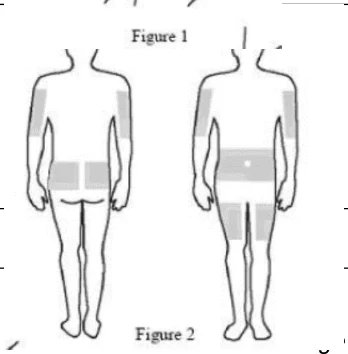
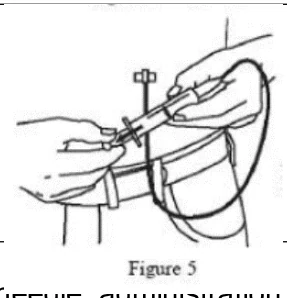
Infuse XEMBIFY in the abdomen, thigh, upper arm, sides, back and/or lateral hip.
- 1. Use aseptic technique when preparing and administering XEMBIFY for injection.
- 2. Inspect the vials: inspect for clarity, color, and expiration date(s).
- 3.
Prepare for infusion:
- Gather supplies: XEMBIFY vial(s), ancillary supplies, sharps container, patient’s treatment diary/logbook, and the infusion pump, if applicable.
- Prepare a clean work area.
- Wash hands.
- 4.
Prepare XEMBIFY:
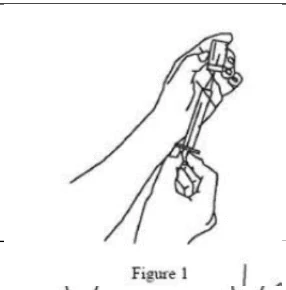
- Remove the protective cap from the vial to expose the central portion of the stopper. If the packaging shows any sign of tampering, do not use the product and notify Grifols Canada Ltd. immediately by calling 1-866-482-5226.
- 5. Wipe the stopper with alcohol and allow to dry.
| |
|
 |
 |
| |
| |
| |
| |
| |
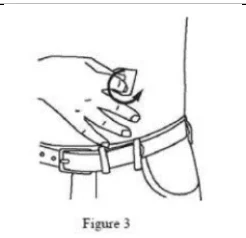
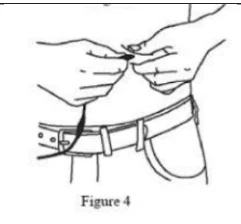
- 12. Repeat priming and needle insertion steps using a new needle, administration tubing and a new infusion site. Secure the needle in place by applying sterile gauze or transparent dressing over the site.
- 13. If using multiple, simultaneous injection sites, use Y-site connection tubing and secure to the administration tubing.
- 14. If a pump is being used, infuse XEMBIFY following the manufacturer’s instructions for the pump.
Infuse XEMBIFY at a maximum rate of 25 mL per hour per infusion site and with up to 8 infusion sites (most patients used 4 infusion sites). Ensure that the infusion sites are at least 5 cm apart for patients of all ages.
Self-Administration
If self-administration is deemed to be appropriate by the physician, clear instructions and training on subcutaneous infusion should be given to the patient/caregiver. The information provided to the patient/caregiver should include, but not be limited to, the Patient Medication Information provided in the present Product Monograph.
4.4 Missed Dose
A missed dose should be administered as soon as possible.
 | |
 | |
 |
5 OVERDOSAGE
Consequences of an overdose are not known with XEMBIFY.
| For management of a suspected drug overdose, contact your regional poison control centre. |
6 DOSAGE FORMS, STRENGTHS, COMPOSITION AND PACKAGING
Table 2– Dosage Forms, Strengths, Composition and Packaging
XEMBIFY is supplied in single-use vials containing the labeled amount of functionally active IgG. XEMBIFY is clear to slightly opalescent, and colourless or pale yellow or light brown. XEMBIFY is not made with natural rubber latex. XEMBIFY is supplied in the following sizes:
Table 3- Formats of XEMBIFY
| Gram Protein | |
| 5 ml vial | 1 |
| 10 ml vial | 2 |
| 20 ml vial | 4 |
| 50 ml vial | 10 |
7 WARNINGS AND PRECAUTIONS
Please see the Serious Warnings and Precautions Box at the beginning of Part I: Health Professional Information.
General
XEMBIFY is purified from human plasma obtained from healthy donors. When medicinal biological products are administered, infectious diseases due to transmission of pathogens cannot be totally excluded. However, in the case of products prepared from human plasma, the risk of transmission of pathogens is reduced by: (1) epidemiological controls on the donor population and selection of individual donors by a medical interview; (2) screening of individual donations and plasma pools for viral infection markers; and (3) manufacturing procedures with demonstrated capacity to inactivate/remove pathogens.
ALL infections thought by a physician possibly to have been transmitted by this product should be reported by the physician or other healthcare provider to Grifols Canada Ltd. [1-866-482-5226].
The physician should discuss the risks and benefits of this product with the patient, before
| Route of Administration | Dosage Form / Strength/Composition | Non-medicinal Ingredients |
| Subcutaneous infusion | 20% Solution of Human Immunoglobulin G | Glycine, Polysorbate 80 |
prescribing or administering to the patient.
Hypersensitivity
Severe hypersensitivity reactions may occur with human immunoglobulin products, including XEMBIFY. In case of hypersensitivity, discontinue XEMBIFY infusion immediately and institute appropriate treatment. Have medications such as epinephrine available for immediate treatment of an acute hypersensitivity reaction.
XEMBIFY contains IgA. Patients with known antibodies to IgA may have a greater risk of developing potentially severe hypersensitivity and anaphylactic reactions. XEMBIFY is contraindicated in severely IgA deficient patients with antibodies against IgA and history of hypersensitivity reaction. (see Contraindications)
Thromboembolic Events
There is clinical evidence of an association between the administration of all immunoglobulins and thromboembolic events such as myocardial infarction, stroke, pulmonary embolism and deep vein thrombosis.
Since thrombosis may occur in the absence of known risk factors, caution should be exercised in prescribing and administering immunoglobulins. The drug product should be administered at the minimum concentration available and at the minimum rate of infusion practicable. Patients should be adequately hydrated before administration.
Baseline assessment of blood viscosity should be considered in patients at risk for hyperviscosity, including those with cryoglobulins, fasting chylomicronemia / markedly high triacylglycerols (triglycerides), or monoclonal gammopathies. Patients at risk of hyperviscosity should be monitored for signs and symptoms of thrombosis and blood viscosity assessed.
Risk factors for thromboembolic adverse events include: obesity, advanced age, hypertension, diabetes mellitus, history of vascular disease or thrombotic episodes, acquired or inherited thrombophilic disorders, prolonged periods of immobilisation, severely hypovolemic patients, diseases which increase blood viscosity, hypercoagulable conditions, use of estrogens, indwelling central vascular catheters, and cardiovascular risk factors.
Aseptic Meningitis Syndrome (AMS)
AMS may occur infrequently with human immunoglobulin treatment, including XEMBIFY. Discontinuation of immunoglobulin treatment has resulted in remission of AMS within several days without sequelae. The syndrome usually begins within several hours to two days following immunoglobulin treatment. AMS is characterized by the following symptoms and signs: severe headache, nuchal rigidity, drowsiness, fever, photophobia, painful eye movements, nausea and vomiting. Cerebrospinal fluid (CSF) studies are frequently positive with pleocytosis up to several thousand cells per cubic millimeter, predominantly from the granulocytic series, and with elevated protein levels up to several hundred mg/dL, but negative culture results. Conduct a thorough neurological examination on patients exhibiting such symptoms and signs including CSF studies, to rule out other causes of meningitis. AMS may occur more frequently in association with high doses (2 g/kg) and/or rapid infusion of immunoglobulin products.
Renal Dysfunction/Failure
Acute renal dysfunction/failure, acute tubular necrosis, proximal tubular nephropathy, osmotic nephrosis and death has been know to occur upon use of intravenous human immunoglobulin products, especially those containing sucrose. XEMBIFY does not contain sucrose. The risk of acute renal dysfunction/failure associated with subcutaneous administration of human immunoglobulin is unknown. Ensure that patients are not volume depleted prior to the initiation of the infusion of XEMBIFY.
Hemolysis
XEMBIFY may contain blood group antibodies which may act as hemolysins and induce in vivo coating of red blood cells (RBCs) with immunoglobulin, causing a positive direct antiglobulin reaction and hemolysis. Delayed hemolytic anemia has been known to develop subsequent to intravenous human immunoglobulin therapy due to enhanced RBC sequestration, and acute hemolysis consistent with intravascular hemolysis has been reported. Risk factors which may be related to the development of hemolysis include high doses (e.g., ≥ 2 g/kg, single administration or divided over several days) and non-O blood group. Underlying inflammatory state in an individual patient may increase the risk of hemolysis, but its role is uncertain. The risk of hemolysis associated with subcutaneous administration of human immunoglobulin is unknown.
Monitor patients receiving XEMBIFY for clinical signs and symptoms of hemolysis. If signs and/ or symptoms of hemolysis are present after XEMBIFY infusion, perform appropriate confirmatory laboratory testing.
Transfusion-related Acute Lung Injury (TRALI)
Noncardiogenic pulmonary edema may occur in patients following treatment with intravenous human immunoglobulin products. TRALI is characterized by severe respiratory distress, pulmonary edema, hypoxemia, normal left ventricular function, and fever. Symptoms typically occur within 1 to 6 hours after treatment. The risk of TRALI associated with subcutaneous administration of human immunoglobulin is unknown.
Monitor patients for pulmonary adverse reactions. If TRALI is suspected, perform appropriate tests for the presence of anti-neutrophil and anti-HLA antibodies in both the product and patient serum. TRALI may be managed using oxygen therapy with adequate ventilatory support.
7.1 Special Populations
7.1.1 Pregnant Women
There are no data with XEMBIFY use in pregnant women to inform a drug-associated risk. Animal reproduction studies have not been conducted with XEMBIFY. It is not known whether XEMBIFY can cause fetal harm when administered to a pregnant woman or can affect reproduction capacity. XEMBIFY should be given to a pregnant woman only if clearly needed.
7.1.2 Breast-feeding
There is no information regarding the presence of XEMBIFY in human milk, the effect on the breastfed infant, and the effects on milk production. The developmental and health benefits of breastfeeding should be considered along with the mother’s clinical need for XEMBIFY and any potential adverse effects on the breastfed infant from XEMBIFY or from the underlying maternal condition.
7.1.3 Pediatrics
Pediatrics (2-16 years of age): XEMBIFY was evaluated in 14 pediatric subjects with PID in the pivotal multicenter clinical trial. (see Clinical Studies) The safety and efficacy profiles were similar to adult subjects. No pediatric-specific dose requirements were necessary to achieve the desired serum IgG levels.
Pediatrics (0-2 years of age): The safety and effectiveness of XEMBIFY have not been established in pediatric patients below the age of 2 years.
7.1.4 Geriatrics
Use caution when administering XEMBIFY to patients age 65 and over who are at increased risk for thrombosis. Clinical studies of XEMBIFY did not include sufficient numbers of subjects over age 65 years to determine whether they respond differently from younger subjects. However among 3 subjects who received XEMBIFY in this age group, no differences in safety, pharmacokinetics (PK) or efficacy were observed for this group relative to the results for the overall trial.
8 ADVERSE REACTIONS
8.1 Adverse Reaction Overview
The most common adverse reactions observed in 2 or more subjects receiving XEMBIFY treatment in the clinical trial were infusion site nodule, infusion site bruising, infusion site pain, infusion site rash, infusion site scab, asthma, arthralgia, papule, pruritus, and rash. Adverse reactions were defined as events that were either potentially related to treatment, occurred during an infusion, or occurred within 72 hours after an infusion (excluding infections).
8.2 Clinical Trial Adverse Reactions
Because clinical trials are conducted under very specific conditions, the adverse reaction rates observed in the clinical trials may not reflect the rates observed in practice and should not be compared to the rates in the clinical trials of another drug. Adverse reaction information from clinical trials is useful for identifying drug-related adverse events and for approximating rates.
XEMBIFY was administered subcutaneously in one prospective, open-label, multi-center trial to evaluate efficacy, safety, tolerability, and pharmacokinetics in subjects with primary immunodeficiency (PID). In this clinical trial 42 of 49 subjects treated with XEMBIFY completed the trial including 12 of 14 subjects aged 2 to ≤ 16 years old.
A total of 1053 XEMBIFY infusions were administered during the clinical trial. There were a total of 80 adverse reactions (defined as adverse events that are either potentially related or occurring during or within 72 hours of an infusion [excluding infections]), which occurred at a rate per infusion of 0.076. Among these 80 adverse reactions, 78 were mild or moderate. The two severe adverse reactions (2/80; 2.5%) were intervertebral disc degeneration requiring hospitalization for orthopedic surgery and non-serious polymyalgia rheumatica. The intervertebral disc degeneration was an unrelated serious adverse reaction (1/80; 1.3%) that occurred within 72 hours of XEMBIFY infusion . Adverse reactions occurring in 2 or more subjects receiving XEMBIFY are shown in Table 4.
| Table 4 Adverse Reactions in 2 or more Subjects Associated with Infusions of XEMBIFY | ||||
| Adverse Reaction* | By Subject n (%)† (N=49 subjects) | By Infusion n (rate) ‡ (N=1053 infusions) | ||
| Infusion site nodule | 6 (12.2%) | 9 (0.009) | ||
| Infusion site bruising | 3 (6.1%) | 3 (0.003) | ||
| Infusion site pain | 3 (6.1%) | 3 (0.003) | ||
| Infusion site rash | 2 (4.1%) | 5 (0.005) | ||
| Infusion site scab | 2 (4.1%) | 5 (0.005) | ||
| Asthma | 2 (4.1%) | 2 (0.002) | ||
| Arthralgia | 2 (4.1%) | 2 (0.002) | ||
| Papule | 2 (4.1%) | 2 (0.002) | ||
| Pruritus | 2 (4.1%) | 2 (0.002) | ||
| Rash | 2 (4.1%) | 2 (0.002) | ||
* Excluding infections.
† Number and percentage of subjects with the adverse reaction.
‡ Rate per infusion is calculated as the total number of adverse reactions divided by the total number Of infusions
The overall rate of local infusion site reactions (ISRs) considered as adverse reactions was 0.039 per infusion of XEMBIFY. Local ISRs that were not considered as adverse reactions were not impactful to the patient in terms of requiring (a) concomitant medication, (b) infusion interruption or discontinuation, or (c) affecting the patient’s general condition in the Investigator’s opinion, occurred at a rate of 0.331 per infusion of XEMBIFY. There were no severe or serious adverse reactions that were local ISRs.
8.3 Post-Market Adverse Reactions
Because postmarketing reporting of adverse reactions is voluntary and from a population of uncertain size, it is not always possible to reliably estimate the frequency of these reactions or establish a causal relationship to product exposure.
Postmarketing Experience of Immunoglobulin Products
The following adverse reactions have been identified and reported during the postmarketing use of immunoglobulin products administered subcutaneously:
- Immune system disorders: Anaphylactic reaction
- Cardiac disorders: Tachycardia
- Nervous system disorders: Tremor and paresthesia
- Respiratory, thoracic and mediastinal disorders: Dyspnea and laryngospasm
General disorders and administration site conditions: Injection site reaction (such
as induration and warmth) and chest discomfort
9 DRUG INTERACTIONS
9.1 Overview
Administer XEMBIFY separately from other drugs or medications which the patient may be receiving. Do not mix XEMBIFY with immunoglobulin from other manufacturers.
Passive transfer of antibodies may transiently interfere with the immune response to live virus vaccines such as measles, mumps, rubella and varicella. Inform the immunizing physician of recent therapy with XEMBIFY so that appropriate measures may be taken.
9.2 Drug-Drug Interactions
Interactions with other drugs have not been established.
9.3 Drug-Food Interactions
Interactions with food have not been established.
9.4 Drug-Herb Interactions
Interactions with herbal products have not been established.
9.5 Drug-Laboratory Test Interactions
Various passively transferred antibodies in the patient’s blood may yield positive serological testing results, with the potential for misleading interpretation. Passive transmission of antibodies to erythrocyte antigens (e.g., A, B, and D) may cause a positive direct or indirect antiglobulin (Coombs) test.
10 ACTION AND CLINICAL PHARMACOLOGY
10.1 Mechanism of Action
XEMBIFY supplies a broad spectrum of opsonizing and neutralizing immunoglobulin G (IgG) antibodies against bacterial, viral, parasitic, and mycoplasmal agents, and their toxins. XEMBIFY also contains a spectrum of antibodies capable of interacting with and altering the activity of cells of the immune system. The role of these antibodies and the mechanism of action of IgG in XEMBIFY in PID has not been fully elucidated.
10.2 Pharmacodynamics
Human normal immunoglobulin contains mainly (IgG) with a broad spectrum of antibodies against infectious agents. Human normal immunoglobulin contains the IgG antibodies present in the normal population. It has a distribution of IgG subclasses closely proportional to that in native human plasma. Adequate doses of XEMBIFY may restore abnormally low IgG levels to the normal range.
10.3 Pharmacokinetics
Pharmacokinetic (PK) parameters of subcutaneously administered XEMBIFY were evaluated in subjects with primary immunodeficiency (PID) during a clinical trial. Subjects were treated intravenously with a comparator product [GAMUNEX®, immunoglobulin injection (human), 10% caprylate/chromatography purified] during a 3-4 months Run-in period prior to IV PK profiling in 50 subjects, and then 49 subjects switched to weekly subcutaneous infusions of XEMBIFY for 24 weeks at 137% of the intravenous dose with PK profiling at SC Week #13-14. A comparison of the area under the curve (AUC) for subcutaneous versus intravenous infusion was performed.
At this dose adjustment, the geometric least-squares means ratio of the AUC for subcutaneous XEMBIFY versus IV administration of GAMUNEX® was 104% (90% CI: 100%-107%). The peak IgG level occurred at a mean of 76 hours after subcutaneous XEMBIFY administration. The average mean IgG trough level at steady state was higher with XEMBIFY (1245 mg/dL) compared with IV GAMUNEX® (957 mg/dL) (average mean trough ratio SC/IV of 1.333). PK parameters of XEMBIFY are summarized in Table 5. PK parameters did not significantly differ between age groups (see Table 6).
Table 5: PK Parameters of Total IgG at Steady-State in IV and SC Phases (PK Population)
| Phase | |||
| Statistics | AUC(0-7 days) (h*mg/dL)* | ||
| Cmax (mg/dL) | tmax (hour) | ||
| IV | |||
| n | 49 | 49 | 49 |
| Mean±SD | 212150.5±41832.11 | 2153.7±436.90 | 5.814±8.0194 |
| CV% | 20 | 20 | 137.93 |
| Min, Max | 106091, 308405 | 1430, 3170 | 0.75, 48.93 |
| Geometric Mean | 207921.5 | 2112.3 | |
| 90% CI for Geometric Mean | 197865.8, 218488.2 | 2014.7, 2214.6 | |
| SC | |||
| n | 39 | 41 | 41 |
| Mean±SD | 218315.6±48121.25 | 1395.2±312.32 | 76.089±35.7163 |
| CV% | 22 | 22 | 46.94 |
| Min, Max | 102650, 367496 | 636, 2320 | 0.00, 167.72 † |
| Geometric Mean | 213141.4 | 1360.7 | |
| 90% CI for Geometric Mean | 200568.6, 226502.3 | 1280.7, 1445.8 | |
* AUC(0-7 days) in the IV Phase is calculated as AUC(0-21 days)/3 for subjects on an every-3-week IV dosing schedule, and as AUC(0-28 days)/4 for subjects on an every-4-week IV dosing schedule. † The apparent variability in tmax in the SC Phase can be attributed to the low fluctuation in IgG concentrations and is unlikely to be of any clinical relevance. | |||
| Table 6: Steady-State PK Parameters for XEMBIFY by Age | ||||||||||||||||||||
Age Group (years) Statistics | AUC(0-7 days) (h*mg/dL)* | Cmax (mg/dL) | Mean Trough (mg/dL) | tmax (hour)† | ||||||||||||||||
|---|---|---|---|---|---|---|---|---|---|---|---|---|---|---|---|---|---|---|---|---|
| All Subjects (N) | 39 | 41 | 44 | 41 | ||||||||||||||||
| Mean±SD | 218315.6±48121.25 | 1395.2±312.32 | 1244.84±272.151 | 76.089 ±35.7163 | ||||||||||||||||
| CV% | 22 | 22 | 21.9 | 46.94 | ||||||||||||||||
| Min, Max | 102650, 367496 | 636, 2320 | 651.5, 2047.5 | 0.00, 167.72 | ||||||||||||||||
| 2 -5 (n) | 1 | 1 | 1 | 1 | ||||||||||||||||
| Mean±SD | 183864.0±NC‡ | 1130.0±NC‡ | 1077.50± NC‡ | 72.030±NC‡ | ||||||||||||||||
| CV% | NC‡ | NC‡ | NC‡ | NC‡ | ||||||||||||||||
| Min, Max | 183864, 183864 | 1130, 1130 | 1077.5, 1077.5 | 72.03, 72.03 | ||||||||||||||||
| >5 -12 (n) | 5 | 5 | 6 | 5 | ||||||||||||||||
| Mean±SD | 215557.6±27604.33 | 1372.0±182.54 | 1193.63±182.887 | 70.988 ±26.3771 | ||||||||||||||||
| CV% | 13 | 13 | 15.3 | 37.16 | ||||||||||||||||
| Min, Max | 187838, 245614 | 1200, 1580 | 993.0, 1510.0 | 28.17, 100.78 | ||||||||||||||||
| >12 -16 (n) | 4 | 5 | 5 | 5 | ||||||||||||||||
| Mean±SD | 240008.8±40578.07 | 1548.0±281.28 | 1378.50±209.199 | 72.672 ±49.7365 | ||||||||||||||||
| CV% | 17 | 18 | 15.2 | 68.44 | ||||||||||||||||
| Min, Max | 205646, 298678 | 1290, 2000 | 1095.0, 1665.0 | 23.65, 143.10 | ||||||||||||||||
| >16 (n) | 29 | 30 | 32 | 30 | ||||||||||||||||
| Mean±SD | 216987.0±52388.87 | 1382.5±335.15 | 1238.79±295.575 | 77.644 ±36.2324 | ||||||||||||||||
| CV% | 24 | 24 | 23.9 | 46.66 | ||||||||||||||||
| Min, Max | 102650, 367496 | 636, 2320 | 651.5, 2047.5 | 0.00, 167.72 | ||||||||||||||||
* AUC(0-7 days) was calculable for 39 of 41 subjects in the SC phase PK population due to discrepancies in actual collection time for the last sample and the resulting percentage of AUC due to extrapolation exceeded 40% for 2 subjects. † The apparent variability in tmax can be attributed to the low fluctuation in IgG concentrations and is unlikely to be of any clinical relevance. ‡ NC = Not calculated. | ||||||||||||||||||||
11 STORAGE, STABILITY AND DISPOSAL
- Store XEMBIFY at 2–8°C.
- Additionally, XEMBIFY may be stored at temperatures not to exceed 25°C for up to 6 months any time prior to the expiration date. Following 25°C storage, use the product immediately or discard.
- Do not freeze.
- Do not use after expiration date printed on the packaging.
PART II: SCIENTIFIC INFORMATION
12 PHARMACEUTICAL INFORMATION
Drug Substance
Proper name: Immunoglobulin Subcutaneous (Human), 20%
Chemical name: Human Immunoglobulin G
Molecular mass: Glycoprotein of approximately 150 kD
Structural formula: The active principle in XEMBIFY, immunoglobulin (IgG), is a glycoprotein consisting of four disulfide-linked polypeptide chains: two light chains of 25 kD and two heavy chains of 55 kD. Disulfide linkage of the amino terminal portions of each pair of light and heavy chain forms an antigen binding site, resulting in two such sites per molecule. The three resulting domains of the protein are arranged in the shape of a "Y".
Physicochemical properties: The carboxyl terminal portions of the heavy chains are disulfide linked, forming the carbohydrate-bearing Fc portion of the molecule that can interact with complement, and for which various phagocytes and B lymphocytes bear receptors. The amino terminal portions of all four chains in IgG contain regions with variable amino acid sequences, responsible for conferring the broad specificity of a population of antibody molecules against diverse antigens. In addition, IgG light and heavy chains contain alternate constant regions which divide the antibody population into four distinct subclasses: IgG1, IgG2, IgG3 and IgG4.
Product Characteristics
XEMBIFY is made from large pools of human plasma by a combination of cold ethanol fractionation, caprylate precipitation and filtration, and anion-exchange chromatography. Isotonicity is achieved by the addition of glycine. XEMBIFY is incubated in the final container (at the low pH of 4.1 to 4.8). XEMBIFY consists of 18%–22% protein in 0.16–0.26 M glycine and 10 to 40 mcg/mL polysorbate 80. Not less than 98% of the protein has the electrophoretic mobility of gamma globulin. The product is intended for subcutaneous administration.
XEMBIFY contains no preservative and is not made with natural rubber latex.
Pathogen Safety Measures
When medicinal biological products are administered, the possibility of infectious diseases due to transmission of pathogens cannot be totally excluded. However, in the case of products prepared from human plasma, the risk of transmission of pathogens is reduced by epidemiological surveillance of the donor population and selection of individual donors by medical interview; testing of individual donations and plasma pools; and the presence in the manufacturing processes of steps with demonstrated capacity to inactivate/remove pathogens.
In the manufacturing process of XEMBIFY, there are several steps with the capacity for virus inactivation or removal. The main steps of the manufacturing process that contribute to the virus clearance capacity are as follows:
- Caprylate precipitation/depth filtration
- Caprylate incubation
- Column chromatography
- Nanofiltration
- Low pH final container incubation
To provide additional assurance of the pathogen safety of the final product, the capacity of the XEMBIFY manufacturing process to remove and/or inactivate viruses has been demonstrated by laboratory spiking studies on a scaled down process model using a wide range of viruses with diverse physicochemical properties.
The combination of all of the above mentioned measures provides the final product with a high margin of safety from the potential risk of transmission of infectious viruses.
The caprylate/chromatography manufacturing process was also investigated for its capacity to decrease the infectivity of an experimental agent of transmissible spongiform encephalopathy (TSE), considered as a model for the variant Creutzfeldt-Jakob disease (vCJD), and Creutzfeldt-Jakob disease (CJD) agents. These studies provide reasonable assurance that low levels of vCJD/CJD agent infectivity, if present in the starting material, would be removed by the caprylate/chromatography manufacturing process.
13 CLINICAL TRIALS
13.1 Trial Design and Study Demographics
Table 7 - Summary of patient demographics for clinical trials in Primary Immune Deficiency
| Study # | Trial design | Dosage, route of administration and duration | Study subjects (n) | Mean age (Range) | Sex |
| GTI 1502 | prospective, open-label, multi-center safety and PK study | 1.37 x IV dose; subcutaneous administration for 6 months | 53 (safety population) | 36.8 years (range 2 to 72 years) | 50.9% M 49.1% F |
The study included a 3 or 4 month Run-In Phase (required for subjects who were not receiving IGIV-C 10% prior to enrolment), an IV Phase (involving administration of two IGIV 10% infusions), and a SC Phase (involving 24 weekly doses of IGSC 20% study treatment).
The safety population consisted of all 53 subjects who were infused with any amount of study drug. Two pediatric subjects aged ≥2 to ≤5 years of age, 7 pediatric subjects aged >5 to ≤12 years of age, and 6 adolescent subjects aged >12 to 16 years of age participated in the study. The remaining 38 subjects were >16 years of age. The majority (90.6%, 48/53) of subjects were Caucasian.
The mean baseline total IgG concentration was 934.7 mg/dL. At screening, the majority of subjects were maintained on IV immunoglobulin (n=33) on either a 3- or 4- week infusion schedule and 20 subjects (37.7%) received SC immunoglobulin. The majority of the subjects were receiving IgG treatment every 4 weeks (88.7%, 47/53) versus every 3 weeks (11.3%, 6/53) during the Run-In and/or IV phases. Other than age, weight, and height, there were no major differences in demographic and baseline characteristics across age groups.
13.2 Study Results
Table 8 - Results of study GTI 1502 in Primary Immune Deficiency
| Primary Endpoints | Associated values for Study Drug and Control | Statistical significance and Conclusions |
| Determine XEMBIFY dose to produce steady-state AUC of total IgG that is non-inferior to IV dosing | Mean AUC0-7 days Total IgG (h*mg/dL) IV phasea (N=49): 212150.5 ± 41832.11 SC phase (N=39): 218315.6 ± 48121.25 | ANOVA results indicate that with a dose adjustment factor of 1.37 times the IV dose of SC, the geometric LSM ratio (SC/IV) for steady-state AUC0-7 days is 1.04 |
| Determine if XEMBIFY maintained steady-state trough IgG levels comparable to IgG trough of IV dosing | Mean trough concentration IgG (mg/dL) IV phase (N=49): 957 SC phase (N-39): 1245 | Average mean trough ratio (SC:IV) of 1.333, indicates 33% higher trough concentrations for SC vs. IV dosing. |
| Assess safety and tolerability of XEMBIFY as IgG replacement therapy in patients with primary immune deficiency | Subjects with ≥1 TEAE: Run-in + IV: 62.3% SC phase: 83.7% All mild/moderate except for 1 subject in IV phase and 3 subjects in SC phase Subjects with any infection: Run-in + IV: 50.9% SC phase: 53.1% | Overall, XEMBIFY is both well tolerated and has safety profile similar to IGIV-C 10% |
a AUC0-7 days in the IV Phase is calculated as AUC0-21 days/3 for subjects on an every-3-week IV dosing schedule, and as AUC0-28 days/4 for subjects on an every-4-week IV dosing schedule.
14 NON-CLINICAL TOXICOLOGY
14.1 Carcinogenesis, Mutagenesis, Impairment of Fertility
No nonclinical studies were conducted to evaluate the carcinogenic or mutagenic effects of XEMBIFY or its effects on fertility.
14.2 Animal Toxicology and/or Pharmacology
Single and repeated dose toxicology studies were conducted in male New Zealand White rabbits. In a single-dose toxicity study, no adverse effects were observed with subcutaneous dose levels of 500, 1000 and 1500 mg/kg. In a repeated-dose toxicity study, the systemic safety and toxicity profiles of XEMBIFY and comparator GAMUNEX were similar following 5 consecutive daily subcutaneous doses at levels of 500, 1000 and 1500 mg/kg/day. Transient local injection site swelling was observed in XEMBIFY but not in the GAMUNEX groups.
In improper delivery route studies, XEMBIFY administered as a single intravenous, intra-arterial or perivascular dose of 100 mg/kg caused injection site irritation in New Zealand White rabbits. The findings were of higher incidence following perivascular administration of either XEMBIFY or GAMUNEX, and were within the norms of this route of administration in this species.