


Product Monograph - Zaltrap
SUMMARY PRODUCT INFORMATION
| Route of Administration | Dosage Form / Strength | Nonmedicinal Ingredients |
| Intravenous | 100 mg aflibercept / 4.0 mL (25 mg/mL) 200 mg aflibercept / 8.0 mL (25 mg/mL) | citric acid monohydrate, polysorbate 20, sodium chloride, sodium citrate dihydrate, sodium phosphate dibasic heptahydrate, sodium phosphate monobasic monohydrate, sucrose, Water for Injection ; sodium hydroxide and/or hydrochloric acid (for pH adjustment) |
DESCRIPTION:
ZALTRAP™ (aflibercept, also known as VEGF TRAP in the scientific literature) is a recombinant fusion protein consisting of Vascular Endothelial Growth Factor (VEGF)-binding portions from the extracellular domains of human VEGF Receptors 1 and 2 fused to the Fc portion of the human IgG1. Aflibercept is produced by recombinant DNA technology in a Chinese hamster ovary (CHO) K-1 mammalian expression system.
INDICATIONS AND CLINICAL USE
ZALTRAP™ in combination with irinotecan-fluoropyrimidine-based chemotherapy is indicated for patients with metastatic colorectal cancer that is resistant to or has progressed following an oxaliplatin-containing regimen.
Geriatrics (> 65 years of age):
Of the 611 patients treated with ZALTRAP/FOLFIRI regimen in the pivotal study of metastatic CRC patients, 172 (28.2%) were age ≥65 and <75 and 33 (5.4%) were age ≥75. In sub-group analysis of overall survival, a benefit consistent with the overall population was observed in patients <65 years old and ≥65 years old who received ZALTRAP/FOLFIRI regimen. Elderly patients (≥65 years of age) may be more likely to experience adverse reactions (see WARNINGS AND PRECAUTIONS, Special Populations).
Pediatrics (< 18 years of age):
The safety and effectiveness in pediatric patients have not been established.
CONTRAINDICATIONS
ZALTRAP is contraindicated in patients with known severe hypersensitivity to aflibercept or to any of the excipients in ZALTRAP (see WARNINGS AND PRECAUTIONS, Immune).
ZALTRAP is contraindicated for intravitreal use due to hyperosmotic properties of ZALTRAP (see WARNINGS AND PRECAUTIONS, General).
Contraindications related to irinotecan, 5-FU and leucovorin also apply to their combination with ZALTRAP. Please refer to the current respective Product Monographs.
WARNINGS AND PRECAUTIONS
Serious Warnings and Precautions
|
General
ZALTRAP should be prescribed using both the trade name (ZALTRAP) and the non-proprietary name (aflibercept) to ensure that the correct product is dispensed.
Not for Intravitreal Administration
ZALTRAP is a hyperosmotic solution, which is not formulated for compatibility with the intraocular environment. ZALTRAP must not be administered as an intravitreal injection (see also DOSAGE AND ADMINISTRATION, Administration – Special precautions for administration; DOSAGE FORMS, COMPOSITION AND PACKAGING).
Patient counseling information
The physician must inform patients of the following:
- Hypertension may occur or worsen. Patients should undergo routine blood pressure monitoring, and contact their primary health care provider or oncologist if blood pressure is elevated.
- Patients should notify the physician of severe diarrhea, vomiting, fever or other signs of infection, bleeding, lightheadedness, severe abdominal pain, or neurologic symptoms.
- There is a risk of compromised wound healing during and following ZALTRAP. Instruct patients not to undergo surgery or procedures (including tooth extractions) without discussing first with his/her oncologist.
- There is an increased risk of arterial thromboembolic events.
- There is a potential risk of using ZALTRAP during pregnancy or nursing. Adequate contraception must be used in both males and females during and for at least 6 months following last dose of ZALTRAP therapy. If the patient becomes pregnant during treatment with ZALTRAP, immediately contact the oncologist.
Driving a vehicle or performing other hazardous tasks
No studies on the effects of ZALTRAP on the ability to drive and use machines have been performed. If patients are experiencing symptoms that affect their vision or concentration, or their ability to react, patients should be advised not to drive or use machines.
Cardiovascular
Hypertension
An increased risk of grade 3-4 hypertension (including hypertension and one case of essential hypertension) has been observed in patients receiving ZALTRAP/FOLFIRI regimen. In the pivotal study of MCRC patients, grade 3 hypertension (requiring adjustment in existing anti-hypertensive therapy or treatment with more than one drug) was reported in 1.5% of patients treated with placebo/FOLFIRI regimen and 19.1% of patients treated with ZALTRAP/FOLFIRI regimen. Grade 4 hypertension (hypertensive crisis) was reported in 1 patient (0.2%) treated with ZALTRAP/FOLFIRI regimen. Among those patients treated with ZALTRAP/FOLFIRI regimen developing grade 3-4 hypertension, 54% had onset during the first two cycles of treatment.
Blood pressure should be monitored every two weeks or as clinically indicated during treatment with ZALTRAP.
In the event of hypertension, treat with appropriate anti-hypertensive therapy and monitor blood pressure regularly. Suspend ZALTRAP therapy for patients with uncontrolled hypertension. For recurrence of severe hypertension, suspend until controlled and reduce the ZALTRAP dose to 2 mg/kg for subsequent cycles. ZALTRAP should be permanently discontinued if hypertensive crisis or hypertensive encephalopathy occurs (see DOSAGE AND ADMINISTRATION, Dose Modifications and Treatment Delay Recommendations).
Hypertension may exacerbate underlying cardiovascular disease. Caution should be exercised when treating patients with history of clinically significant cardiovascular disease such as coronary artery disease, or congestive heart failure with ZALTRAP. There is no clinical trial experience administering ZALTRAP to patients with NYHA class III or IV heart failure.
Cardiac Failure and Ejection Fraction Decreased
Cardiac failure and ejection fraction decreased have been reported in patients treated with ZALTRAP. Patients should be monitored for signs and symptoms of cardiac failure and ejection fraction decreased. Discontinue ZALTRAP in patients who experience cardiac failure and ejection fraction decreased.
Fistula (including gastrointestinal and non-gastrointestinal fistula)
Fistula formation involving gastrointestinal (GI) and non-gastrointestinal sites has occurred in patients treated with ZALTRAP. In the pivotal study of MCRC patients, fistulas (anal, enterovesical, enterocutaneous, colovaginal, intestinal sites) were reported in 9 of 611 patients (1.5%) treated with ZALTRAP/FOLFIRI regimen and 3 of 605 patients (0.5%) treated with placebo/FOLFIRI regimen. Grade 3 GI fistula formation occurred in 2 patients treated with ZALTRAP (0.3%) and in 1 placebo-treated patient (0.2%).
Discontinue ZALTRAP therapy in patients who develop fistula (see DOSAGE AND ADMINISTRATION, Dose Modifications and Treatment Delay Recommendations).
Gastrointestinal
Diarrhea and Dehydration
There was a higher incidence of severe diarrhea with ZALTRAP/FOLFIRI regimen. In the pivotal study of MCRC patients, grade 3-4 diarrhea was reported in 19.3% of patients treated with ZALTRAP/FOLFIRI regimen compared to 7.8% of patients treated with placebo/FOLFIRI regimen. Grade 3-4 dehydration was reported in 4.3% of patients treated with ZALTRAP/FOLFIRI regimen compared to 1.3% of patients treated with placebo/FOLFIRI regimen (see ADVERSE REACTIONS).
The incidence of diarrhea is increased in patients who are age 65 years or older as compared to patients younger than 65 years of age. Monitor elderly patients closely for diarrhea (See Special Population, Geriatrics section below).
Dose modification of FOLFIRI regimen (see DOSAGE AND ADMINISTRATION, Dose Modifications and Treatment Delay Recommendations), anti-diarrheal medications, and rehydration as needed should be instituted.
Gastrointestinal Perforation
Gastrointestinal (GI) perforation (<1%) including fatal GI perforation can occur in patients receiving ZALTRAP. In the pivotal study of MCRC patients, GI perforation (all grades) was reported in 3 of 611 patients (0.5%) treated with ZALTRAP/FOLFIRI regimen and 3 of 605 patients (0.5%) treated with placebo/FOLFIRI regimen. Grade 3-4 GI perforation events occurred in all 3 patients treated with ZALTRAP/FOLFIRI regimen (0.5%) and in 2 patients (0.3%) treated with placebo/FOLFIRI regimen.
Across the three Phase 3 placebo-controlled clinical studies (colorectal, pancreatic, and lung cancer populations), the incidence of GI perforation (all grades) was 0.8% for patients treated with ZALTRAP and 0.3% for patients treated with placebo. Grade 3-4 GI perforation events occurred in 0.8% of patients treated with ZALTRAP and 0.2% of patients treated with placebo.
Patients should be monitored for signs and symptoms of GI perforation. Discontinue ZALTRAP therapy in patients who experience GI perforation (see DOSAGE AND ADMINISTRATION, Dose Modifications and Treatment Delay Recommendations).
Hematologic
Neutropenia
A higher incidence of neutropenic complications (febrile neutropenia and neutropenic infection) was reported with ZALTRAP/FOLFIRI regimen. In the pivotal study of MCRC patients, grade 3-4 neutropenia was observed in 36.7% of patients treated with ZALTRAP/FOLFIRI regimen compared to 29.5% patients treated with placebo/FOLFIRI regimen (see ADVERSE REACTIONS). The most common grade 3-4 neutropenic complication was the occurrence of febrile neutropenia in 4.3% of patients treated with ZALTRAP/FOLFIRI regimen compared to 1.7% of patients treated with placebo/FOLFIRI regimen. Grade 3-4 neutropenic infection/sepsis occurred in 1.5% of patients treated with ZALTRAP/FOLFIRI regimen and 1.2% of patients treated with placebo/FOLFIRI regimen.
Monitoring of complete blood count (CBC) with differential count should be performed at baseline and prior to initiation of each cycle of ZALTRAP.
Administration of ZALTRAP/FOLFIRI should be delayed until neutrophil count is ≥1.5 x 10⁹/L (see DOSAGE AND ADMINISTRATION, Dose Modifications and Treatment Delay Recommendations). Therapeutic use of G-CSF at first occurrence of grade ≥3 neutropenia and secondary prophylaxis may be considered in patients who may be at increased risk for neutropenia complications.
Immune
Hypersensitivity Reactions
In the pivotal study of MCRC patients, severe hypersensitivity reactions have been reported in 0.3% of patients treated with ZALTRAP/FOLFIRI regimen and 0.5% of patients treated with placebo/FOLFIRI regimen.
In the event of a severe hypersensitivity reaction (including bronchospasm, dyspnea, angioedema, and anaphylaxis), discontinue the treatment and administer appropriate medical therapy (see DOSAGE AND ADMINISTRATION, Dose Modifications and Treatment Delay Recommendations; CONTRAINDICATIONS).
In the event of a mild to moderate hypersensitivity reaction (including flushing, rash, urticaria, and pruritus), temporarily suspend the treatment until the reaction resolves. Treat with corticosteroids and/or antihistamines as clinically indicated. Pre-treatment with corticosteroids and/or antihistamines may be considered in subsequent cycles (see DOSAGE AND ADMINISTRATION, Dose Modifications and Treatment Delay Recommendations).
Caution should be used when retreating patients with prior hypersensitivity reactions as recurrent hypersensitivity reactions have been observed in some patients despite prophylactic treatment.
Infections
Infections occurred at a higher frequency in patients receiving the ZALTRAP/FOLFIRI regimen than in patients receiving the placebo/FOLFIRI regimen (see ADVERSE REACTIONS, Clinical Trials Adverse Drug Reactions).
Neurologic
Reversible Posterior Leukoencephalopathy Syndrome (RPLS)
Although RPLS was not reported in the pivotal Phase III study of metastatic CRC patients, RPLS has been reported in patients treated with monotherapy ZALTRAP (0.5%) and in combination with other chemotherapies.
RPLS may present with altered mental status, seizure, nausea, vomiting, headache, or visual disturbances. The diagnosis of RPLS is confirmed by brain Magnetic Resonance Imaging (MRI).
Discontinue ZALTRAP in patients that develop RPLS (see DOSAGE AND ADMINISTRATION, Dose Modifications and Treatment Delay Recommendations).
Peri-Operative Considerations
Compromised Wound Healing
ZALTRAP impairs wound healing in animal models (see TOXICOLOGY). Treatment with ZALTRAP is associated with potential for compromised wound healing (wound dehiscence, anastomotic leakage). In the pivotal study for MCRC, compromised wound healing was reported in 3 patients (0.5%) treated with ZALTRAP/FOLFIRI regimen and 5 patients (0.8%) treated with placebo/FOLFIRI regimen. Grade 3 compromised wound healing was reported in 2 patients (0.3%) treated with ZALTRAP/FOLFIRI regimen and in none of the patients treated with placebo/FOLFIRI regimen.
Suspend ZALTRAP for at least 4 weeks prior to elective surgery.
It is recommended that ZALTRAP not be initiated for at least 4 weeks following major surgery and not until the surgical wound is fully healed. For minor surgery such as central venous access port placement, biopsy, and tooth extraction, ZALTRAP may be initiated/resumed once the surgical wound is fully healed. Discontinue ZALTRAP in patients with compromised wound healing requiring medical intervention (see DOSAGE AND ADMINISTRATION, Dose Modifications and Treatment Delay Recommendations).
Renal
Proteinuria
Severe proteinuria occurred more frequently in patients treated with ZALTRAP. Nephrotic syndrome and thrombotic microangiopathy (TMA) have been observed in patients treated with ZALTRAP. In the pivotal study of MCRC patients, proteinuria (compiled from clinical and laboratory data) was reported in 62.2% patients treated with ZALTRAP/FOLFIRI regimen compared to 40.7% patients treated with placebo/FOLFIRI regimen. Grade 3-4 proteinuria occurred in 7.9% of patients treated with ZALTRAP/FOLFIRI regimen compared to 1.2% of patients treated with placebo/FOLFIRI regimen (see ADVERSE REACTIONS). Nephrotic syndrome occurred in 2 patients (0.5%) treated with ZALTRAP/FOLFIRI regimen compared to none of the patients treated with placebo/FOLFIRI regimen. One patient treated with ZALTRAP/FOLFIRI regimen presenting with proteinuria and hypertension was diagnosed with TMA.
Monitor proteinuria by urine dipstick analysis and/or urinary protein creatinine ratio (UPCR) for the development or worsening of proteinuria during ZALTRAP therapy. Patients with dipstick of ≥2+ for protein or a UPCR ≥ 1 should undergo a 24-hour urine collection.
Suspend ZALTRAP administration for ≥2 g of proteinuria/24 hours and resume when proteinuria is <2 g/24 hours. If recurrence, suspend until <2 g/24 hours and then reduce the ZALTRAP dose to 2 mg/kg. Discontinue ZALTRAP therapy in patients who develop nephrotic syndrome or TMA (see DOSAGE AND ADMINISTRATION, Dose Modifications and Treatment Delay Recommendations).
Vascular disorders
Arterial Thromboembolic Events
Arterial thromboembolic events (ATE) occurred more frequently in patients who have received ZALTRAP. In the pivotal study of MCRC patients, ATE (including transient ischemic attack, cerebrovascular accident, angina pectoris, intracardiac thrombus, myocardial infarction, arterial embolism, and ischemic colitis) were reported in 2.6% of patients treated with ZALTRAP/FOLFIRI regimen and 1.5% of patients treated with placebo/FOLFIRI regimen. Grade 3-4 events occurred in 11 patients (1.8%) treated with ZALTRAP/FOLFIRI regimen and 3 patients (0.5%) treated with placebo/FOLFIRI regimen.
Discontinue ZALTRAP in patients who experience an ATE (see DOSAGE AND ADMINISTRATION, Dose Modifications and Treatment Delay Recommendations).
Hemorrhage
Patients treated with ZALTRAP have an increased risk of hemorrhage, including severe and sometimes fatal hemorrhagic events. In the pivotal study of MCRC patients, episodes of bleeding/hemorrhage (all grades) was reported in 37.8% of patients treated with ZALTRAP/FOLFIRI regimen compared to 19.0% of patients treated with placebo/FOLFIRI regimen. The most common reported form of bleeding was minor (grade 1-2) epistaxis occurring in 27.7% of patients treated with ZALTRAP/FOLFIRI regimen (see ADVERSE REACTIONS). Grade 3-4 hemorrhage including gastrointestinal hemorrhage, hematuria, and post-procedural hemorrhage was reported in 2.9% of patients receiving ZALTRAP/FOLFIRI regimen compared with 1.7% of patients receiving placebo/FOLFIRI regimen.
In other studies, severe intracranial hemorrhage and pulmonary hemorrhage/hemoptysis including fatal events have occurred in patients receiving ZALTRAP.
Patients should be monitored for signs and symptoms of GI bleeding and other severe bleeding. Do not administer ZALTRAP to patients with severe hemorrhage (see DOSAGE AND ADMINISTRATION, Dose Modifications and Treatment Delay Recommendations).
Venous Thromboembolic events
Venous thromboembolic events (VTE) include deep venous thrombosis and pulmonary embolism and occurred more frequently in patients who received ZALTRAP/FOLFIRI regimen than in patients receiving placebo/FOLFIRI regimen (see ADVERSE REACTIONS, Clinical Trials Adverse Drug Reactions)
ZALTRAP should be discontinued in patients with life-threatening (Grade 4) thromboembolic events (including pulmonary embolism). Patients with Grade 3 DVT should be treated with anticoagulation as clinically indicated, and aflibercept therapy should be continued. In the event of recurrence, despite appropriate anticoagulation, aflibercept treatment should be discontinued. Patients with thromboembolic events of Grade 3 or lower need to be closely monitored.
Special Populations
Pregnant Women:
There are no studies in pregnant women. Aflibercept has been shown to be embryotoxic and teratogenic in pregnant rabbits when given intravenously in doses approximately 1 to 15 times the human dose every 3 days during the organogenesis period. Observed effects included an increased incidence of external, visceral, and skeletal fetal malformations (see TOXICOLOGY).
As angiogenesis is critical to fetal development, the inhibition of angiogenesis following administration of ZALTRAP may result in adverse effects on pregnancy. Therefore, ZALTRAP is not recommended during pregnancy or for women who are likely to become pregnant. ZALTRAP should be used during pregnancy only if the potential benefit justifies the potential risk to the fetus.
Women of childbearing potential should be advised to avoid becoming pregnant while on ZALTRAP, and should be apprised of the potential hazard to the fetus.
Male and female fertility are likely to be compromised during treatment with ZALTRAP based on studies in monkeys (see TOXICOLOGY). These findings were reversible within 8-18 weeks upon cessation of treatment.
Women of childbearing potential and fertile males should use effective contraception during and up to a minimum of 6 months after the last dose of treatment.
Nursing Women:
No studies have been conducted to assess the impact of ZALTRAP on milk production, its presence in breast milk or its effects on the breast-fed child.
It is not known whether ZALTRAP is excreted in human milk. Because many drugs are excreted in human milk and because of the potential for serious adverse reactions in nursing infants from ZALTRAP, a decision should be made whether to discontinue nursing or discontinue the drug, taking into account the importance of the drug to the mother.
Pediatrics (< 18 years of age):
The safety and effectiveness in pediatric patients have not been established.
Geriatrics (> 65 years of age):
Of the 611 patients treated with ZALTRAP/FOLFIRI regimen in the pivotal study of metastatic CRC patients, 172 (28.2%) were age ≥65 and <75 and 33 (5.4%) were age ≥75. Elderly patients (≥65 years of age) may be more likely to experience adverse reactions. The incidence of diarrhea, dizziness, asthenia, weight decrease, and dehydration was ≥5% higher in elderly patients compared to younger patients. Elderly patients should be closely monitored for the development of diarrhea and potential dehydration (see WARNINGS AND PRECAUTIONS, Gastrointestinal).
There was no effect of age on the pharmacokinetics of aflibercept.
No dose adjustment of ZALTRAP is required for the elderly.
Hepatic impairment
There have been no formal trials with ZALTRAP in patients with hepatic impairment.
In a population pharmacokinetic analysis with data from 1507 patients with various types of advanced malignancies receiving ZALTRAP with or without chemotherapy, 63 patients with mild hepatic impairment (total bilirubin >1.0x –1.5x ULN and any AST) and 5 patients with moderate hepatic impairment (total bilirubin >1.5x–3x ULN and any AST) were treated with ZALTRAP. In these mild and moderate hepatic impairment patients, there was no effect on clearance of aflibercept.
There is no data available for patients with severe hepatic impairment (total bilirubin >3x ULN and any AST) (see ACTION AND CLINICAL PHARMACOLOGY, Special Populations and Conditions).
Renal impairment
There have been no formal trials with ZALTRAP in patients with renal impairment.
A population pharmacokinetic analysis was conducted with data from 1507 patients with various types of advanced malignancies receiving ZALTRAP with or without chemotherapy. This population included 549 patients with mild renal impairment (CLCR between 50-80 mL/min), 96 patients with moderate renal impairment (CLCR between 30-50 mL/min), and 5 patients with severe renal impairment (CLCR <30 mL/min). This population pharmacokinetic analysis revealed no differences in systemic exposure (AUC) of free aflibercept amongst patients with various degrees of renal impairment at the 4 mg/kg dose of ZALTRAP (see ACTION AND CLINICAL PHARMACOLOGY, Special Populations and Conditions).
In patients receiving ZALTRAP, the adverse reactions in patients with mild renal impairment at baseline in aggregate Phase 3 trials (N=352) were comparable with those of patients without renal impairment (N=642). A limited number of patients having moderate/severe renal impairment at baseline (N=49) were treated with ZALTRAP. In these patients, non-renal events were generally comparable to that of patients without renal impairment, except a >10% higher incidence in dehydration was noted.
ADVERSE REACTIONS
Adverse Drug Reaction Overview
The following serious adverse drug reactions were seen in clinical trials with ZALTRAP (see WARNINGS AND PRECAUTIONS):
- Hemorrhage
- Gastrointestinal Perforation
- Compromised Wound Healing
- Fistula Formation
- Hypertension
- Arterial Thromboembolic Events
- Venous Thromboembolic Events
- Proteinuria
- Neutropenia and Neutropenic Complications
- Diarrhea and Dehydration
- Reversible Posterior Leukoencephalopathy Syndrome (RPLS)
Clinical Trial Adverse Drug Reactions
Because clinical trials are conducted under very specific conditions the adverse reaction rates observed in the clinical trials may not reflect the rates observed in practice and should not be compared to the rates in the clinical trials of another drug. Adverse drug reaction information from clinical trials is useful for identifying drug-related adverse events and for approximating rates.
The safety of ZALTRAP in combination with FOLFIRI was evaluated in 1216 previously treated patients with metastatic colorectal cancer who were treated with ZALTRAP 4 mg/kg IV (N=611) or placebo (N=605) every two weeks (one cycle) in a randomized (1:1), double-blind, placebo-controlled phase III study. Patients received a median number of 9 cycles of ZALTRAP/FOLFIRI regimen and 8 cycles of placebo/FOLFIRI regimen.
The most common adverse reactions (all grades, ≥20% incidence) reported at least 2% greater incidence for the ZALTRAP/FOLFIRI regimen as compared to the placebo/FOLFIRI regimen in order of decreasing frequency were leukopenia, diarrhea, neutropenia, proteinuria, AST increased, stomatitis, fatigue, thrombocytopenia, ALT increased, hypertension, weight decreased, decreased appetite, epistaxis, abdominal pain, dysphonia, serum creatinine increased, and headache.
The most common reported grades 3-4 reactions (≥5%) reported at least 2% greater incidence for the ZALTRAP/FOLFIRI regimen as compared to the placebo/FOLFIRI regimen in order of decreasing frequency, were neutropenia, diarrhea, hypertension, leukopenia, stomatitis, fatigue, proteinuria, and asthenia.
Overall treatment discontinuation due to adverse reactions (all grades) was reported in 26.8% versus 12.1% of patients treated with ZALTRAP/FOLFIRI regimen and placebo/FOLFIRI regimen, respectively. The most frequent adverse reactions leading to permanent discontinuation in ≥1% of patients treated with ZALTRAP/FOLFIRI regimen were asthenia/fatigue, infections, diarrhea, dehydration, hypertension, stomatitis, venous thromboembolic events, neutropenia, and proteinuria.
ZALTRAP was dose-modified (reductions and/or omissions) in 16.7% of patients compared to placebo-dose modification in 4.8% of patients. Cycle delays >7 days occurred in 59.7% of patients treated with the ZALTRAP/FOLFIRI regimen compared with 42.6% of patients treated with the placebo/FOLFIRI regimen.
Table 1 - Treatment emergent adverse events - Reported grades ≥ 3 adverse events and hematological abnormalities regardless of relationship occurring in ≥ 1% in the aflibercept group in MCRC study
| Placebo/ FOLFIRI | Aflibercept/ FOLFIRI | |||||||||||||
|---|---|---|---|---|---|---|---|---|---|---|---|---|---|---|
| (N=605) | (N=611) | |||||||||||||
Primary System Organ Class Preferred Term n(%) | All grades | Grades ≥3 | All grades | Grades ≥3 | ||||||||||
| Infections and infestations | ||||||||||||||
| Sepsis | 5 (0.8%) | 5 (0.8%) | 8 (1.3%) | 8 (1.3%) | ||||||||||
| Pneumonia | 9 (1.5%) | 4 (0.7%) | 21 (3.4%) | 11 (1.8%) | ||||||||||
| Blood and lymphatic system disorders | ||||||||||||||
| Anemia* | 544 (91.1 %) | 26 (4.4%) | 496 (82.3%) | 23 (3.8%) | ||||||||||
| Leukopenia* | 432 (72.4 %) | 73 (12.2%) | 472 (78.3%) | 94 (15.6%) | ||||||||||
| Neutropenia* | 336 (56.3 %) | 176 (29.5%) | 409 (67.8%) | 221 (36.7%) | ||||||||||
| Thrombocytopenia* | 202 (33.8 %) | 10 (1.7%) | 286 (47.4%) | 20 (3.3%) | ||||||||||
| Febrile Neutropenia | 10 (1.7%) | 10 (1.7%) | 26 (4.3%) | 26 (4.3%) | ||||||||||
| Metabolism and nutrition disorders | ||||||||||||||
| Decreased Appetite | 144 (23.8%) | 11 (1.8%) | 195 (31.9%) | 21 (3.4%) | ||||||||||
| Dehydration | 18 (3.0%) | 8 (1.3%) | 55 (9.0%) | 26 (4.3%) | ||||||||||
| Nervous system disorders | ||||||||||||||
| Syncope | 9 (1.5%) | 9 (1.5%) | 10 (1.6%) | 10 (1.6%) | ||||||||||
| Lethargy | 28 (4.6%) | 5 (0.8%) | 33 (5.4%) | 8 (1.3%) | ||||||||||
| Neuropathy Peripheral | 30 (5.0%) | 3 (0.5%) | 34 (5.6%) | 7 (1.1%) | ||||||||||
| Headache | 53 (8.8%) | 2 (0.3%) | 136 (22.3%) | 10 (1.6%) | ||||||||||
| Vascular disorders | ||||||||||||||
| Deep Vein Thrombosis | 13 (2.1%) | 11 (1.8%) | 18 (2.9%) | 13 (2.1%) | ||||||||||
| Hypertension | 65 (10.7%) | 9 (1.5%) | 252 (41.2%) | 117 (19.1%) | ||||||||||
| Respiratory, thoracic and mediastinal disorders | ||||||||||||||
| Pulmonary Embolism | 21 (3.5%) | 21 (3.5%) | 28 (4.6%) | 28 (4.6%) | ||||||||||
| Gastrointestinal disorders | ||||||||||||||
| Diarrhea | 342 (56.5%) | 47 (7.8%) | 423 (69.2%) | 118 (19.3%) | ||||||||||
| Stomatitis | 199 (32.9%) | 28 (4.6%) | 306 (50.1%) | 78 (12.8%) | ||||||||||
| Vomiting | 202 (33.4%) | 21 (3.5%) | 201 (32.9%) | 17 (2.8%) | ||||||||||
| Nausea | 327 (54.0%) | 18 (3.0%) | 326 (53.4%) | 11 (1.8%) | ||||||||||
| Abdominal Pain | 143 (23.6%) | 14 (2.3%) | 164 (26.8%) | 27 (4.4%) | ||||||||||
| Intestinal Obstruction | 12 (2.0%) | 12 (2.0%) | 10 (1.6%) | 8 (1.3%) | ||||||||||
| Abdominal Pain Upper | 48 (7.9%) | 6 (1.0%) | 66 (10.8%) | 7 (1.1%) | ||||||||||
| Placebo/ FOLFIRI | Aflibercept/ FOLFIRI |
|---|
| (N=605) | (N=611) |
|---|
Primary System Organ Class Preferred Term n(%) | All grades | Grades ≥3 | All grades | Grades ≥3 | |||||
|---|---|---|---|---|---|---|---|---|---|
| Skin and subcutaneous tissue disorders | |||||||||
| Palmar-Plantar Erythrodysaesthesia Syndrome | 26 (4.3%) | 3 (0.5%) | 67 (11.0%) | 17 (2.8%) | |||||
| Musculoskeletal and connective tissue disorders | |||||||||
| Back Pain | 72 (11.9%) | 11 (1.8%) | 75 (12.3%) | 7 (1.1%) | |||||
| Renal and urinary disorders | |||||||||
| Proteinuria** | 246 (40.7 %) | 7(1.2%) | 380 (62.2%) | 48 (7.9%) | |||||
| General disorders and administration site conditions | |||||||||
| Fatigue | 236 (39.0%) | 47 (7.8%) | 292 (47.8%) | 77 (12.6%) | |||||
| Asthenia | 80 (13.2%) | 18 (3.0%) | 112 (18.3%) | 31 (5.1%) | |||||
| Disease Progression | 17 (2.8%) | 16 (2.6%) | 19 (3.1%) | 19 (3.1%) | |||||
| Investigations | |||||||||
| Alkaline Phosphatase* | 411 (69.8 %) | 38 (6.5%) | 424 (71.1%) | 29 (4.9%) | |||||
| ASAT* | 296 (50.2 %) | 10 (1.7%) | 339 (57.5%) | 18 (3.1%) | |||||
| ALAT* | 221(37.1%) | 13 (2.2%) | 284 (47.3%) | 16 (2.7%) | |||||
| Hyperbilirubinemia* | 138 (23.2 %) | 16 (2.7%) | 137 (22.8%) | 10 (1.7%) | |||||
| Neutrophil Count Decreased | 10 (1.7%) | 5 (0.8%) | 13 (2.1%) | 9 (1.5%) | |||||
| Weight Decreased | 87 (14.4%) | 5 (0.8%) | 195 (31.9%) | 16 (2.6%) | |||||
Grades >= 3 * based on laboratory values (percentages done on patients with laboratory assessments) ** Includes nephrotic syndrome from AE page and proteinuria (morning spot and/or 24 hour urinalysis) from laboratory data | |||||||||
Table 2 – Summary of grouped treatment emergent adverse events by prior bevacizumab stratum – Safety population
| No Prior Bevacizumab | Prior Bevacizumab | |||||||||||||||||||||||||||
|---|---|---|---|---|---|---|---|---|---|---|---|---|---|---|---|---|---|---|---|---|---|---|---|---|---|---|---|---|
Placebo/ FOLFIRI (N=421) | Aflibercept/ FOLFIRI (N=424) | Placebo/ FOLFIRI (N=184) | Aflibercept/ FOLFIRI (N=187) | |||||||||||||||||||||||||
| GROUPED TERMS* | All grades | Grades ≥3 | All grades | Grades ≥3 | All grades | Grades ≥3 | All grades | Grades ≥3 | ||||||||||||||||||||
| ARTERIAL THROMBOEMBOLIC EVENT | 7 (1.7%) | 2 (0.5%) | 10 (2.4%) | 7 (1.7%) | 2 (1.1%) | 1 (0.5%) | 6 (3.2%) | 4 (2.1%) | ||||||||||||||||||||
| CARDIAC DYSFUNCTION | 0 | 0 | 2 (0.5%) | 1 (0.2%) | 0 | 0 | 0 | 0 | ||||||||||||||||||||
| DEHYDRATIONa | 12 (2.9%) | 5 (1.2%) | 34 (8.0%) | 17 (4.0%) | 6 (3.3%) | 3 (1.6%) | 21 (11.2%) | 9 (4.8%) | ||||||||||||||||||||
| DIARRHEAa | 249 (59.1%) | 32 (7.6%) | 294 (69.3%) | 81 (19.1%) | 93 (50.5%) | 15 (8.2%) | 129 (69.0%) | 37 (19.8%) | ||||||||||||||||||||
| FISTULA FROM GASTROINTESTINAL ORIGIN | 2 (0.5%) | 1 (0.2%) | 7 (1.7%) | 2 (0.5%) | 0 | 0 | 0 | 0 | ||||||||||||||||||||
| FISTULA FROM OTHER ORIGIN THAN GASTROINTESTINAL | 1 (0.2%) | 0 | 1 (0.2%) | 0 | 0 | 0 | 1 (0.5%) | 0 | ||||||||||||||||||||
| GASTROINTESTINAL PERFORATION | 3 (0.7%) | 2 (0.5%) | 3 (0.7%) | 3 (0.7%) | 0 | 0 | 0 | 0 | ||||||||||||||||||||
| HAEMORRHAGE | 74 (17.6%) | 8 (1.9%) | 158 (37.3%) | 12 (2.8%) | 41 (22.3%) | 2 (1.1%) | 73 (39.0%) | 6 (3.2%) | ||||||||||||||||||||
| HYPERTENSION | 47 (11.2%) | 7 (1.7%) | 179 (42.2%) | 87 (20.5%) | 18 (9.8%) | 2 (1.1%) | 74 (39.6%) | 31 (16.6%) | ||||||||||||||||||||
| NEUTROPENIAb | 242 (58.3%) | 131 (31.6%) | 290 (69.4%) | 156 (37.3%) | 94 (51.6%) | 45 (24.7%) | 119 (64.3%) | 65 (35.1%) | ||||||||||||||||||||
| NEUTROPENIC COMPLICATIONS | 13 (3.1%) | 12 (2.9%) | 29 (6.8%) | 25 (5.9%) | 5 (2.7%) | 5 (2.7%) | 11 (5.9%) | 10 (5.3%) | ||||||||||||||||||||
| OSTEONECROSIS | 0 | 0 | 0 | 0 | 0 | 0 | 2 (1.1%) | 0 | ||||||||||||||||||||
| PROTEINURIA c | 165 (39.2%) | 6 (1.4%) | 265 (62.5%) | 32 (7.5%) | 81(44.0%) | 1 (0.5%) | 115 (61.5%) | 16 (8.6%) | ||||||||||||||||||||
| VENOUS THROMBOEMBOLIC EVENT | 33 (7.8%) | 28 (6.7%) | 38 (9.0%) | 33 (7.8%) | 11 (6.0%) | 10 (5.4%) | 19 (10.2%) | 15 (8.0%) | ||||||||||||||||||||
| WOUND HEALING | 4 (1.0%) | 0 | 1 (0.2%) | 1 (0.2%) | 1 (0.5%) | 0 | 2 (1.1%) | 1 (0.5%) | ||||||||||||||||||||
*GROUPED TERMS can include more than one Preferred Term a: Preferred term b: Based on laboratory values (percentages calculated on patients with laboratory assessments) c: Includes grouped terms from AE page and proteinuria (morning spot and/or 24 hour urinalysis) from laboratory data | ||||||||||||||||||||||||||||
Infections occurred at a higher frequency in patients receiving ZALTRAP/FOLFIRI regimen (46.2%, all grades; 12.3%, grade 3-4) than in patients receiving placebo/FOLFIRI regimen (32.7%, all grades; 6.9%, grade 3-4), including urinary tract infection, nasopharyngitis, upper respiratory tract infection, pneumonia, catheter site infection, and tooth infection.
Adverse event terms grouped as venous thromboembolic events (VTE) include deep venous thrombosis and pulmonary embolism. In the pivotal study of MCRC patients, all grades VTE occurred in 9.3% of patients treated with ZALTRAP/FOLFIRI regimen and 7.3% of patients treated with placebo/FOLFIRI regimen. Grade 3-4 VTE occurred in 7.9% of patients treated with ZALTRAP/FOLFIRI regimen and in 6.3% of patients treated with placebo/FOLFIRI regimen. Pulmonary embolism occurred in 4.6% of patients treated with ZALTRAP/FOLFIRI regimen and 3.5% of patients treated with placebo/FOLFIRI regimen.
In the pivotal MCRC trial, adverse events and laboratory abnormalities occurring in ≥20% of patients that were comparable between groups (did not exceed ≥2% higher incidence for the ZALTRAP/FOLFIRI regimen) were anemia, nausea, vomiting, constipation, alopecia, alkaline phosphatase increased, and hyperbilirubinemia.
Less Common Clinical Trial Adverse Drug Reactions
Treatment emergent adverse events regardless of relationship occurring in <1% in the aflibercept group in MCRC study included:
Blood and lymphatic system disorders: granulocytopenia, coagulopathy, haemoglobinaemia, pancytopenia
Cardiac disorders: angina pectoris, acute myocardial infarction, cardiac failure congestive, intracardiac thrombus, myocardial infarction, sinus bradycardia.
Gastrointestinal disorders: ileus, gastrointestinal obstruction, small intestinal obstruction, colitis, duodenal ulcer perforation, mechanical ileus, peritonitis, small intestinal perforation, colitis ischaemic, duodenal ulcer haemorrhage, enterocolitis, enterocutaneous fistula, gastrointestinal haemorrhage, gastrointestinal inflammation, ileal perforation, intestinal fistula, large intestinal haemorrhage, large intestinal obstruction, lower gastrointestinal haemorrhage, Mallory-Weiss syndrome, mesenteric vein thrombosis, neutropenic colitis, periodontal disease, rectal obstruction, subileus, volvulus.
General disorders and administration site conditions: pyrexia, general physical health deterioration, performance status decreased, death, impaired healing, infusion site extravasation, medical device complication.
Hepatobiliary disorders: hyperbilirubinemia, cholangitis, cholecystitis, cytolytic hepatitis, hepatic function abnormal, hepatic pain.
Infections and infestations: lobar pneumonia, anal abscess, gastroenteritis, infection, lung infection, abdominal wall abscess, abscess jaw, appendicitis, bacterial sepsis, beta haemolytic streptococcal infection, cholecystitis infective, clostridial infection, device related sepsis, diverticulitis, enterocolitis infectious, gastrointestinal infection, , neutropenic sepsis, oesophageal candidiasis, oral fungal infection, pelvic abscess, perirectal abscess, peritonitis bacterial, pneumonia streptococcal, rectal abscess, septic shock, staphylococcal sepsis, subcutaneous abscess, testicular abscess, urosepsis.
Injury, poisoning and procedural complications: gastrointestinal stoma complication, incisional hernia, limb traumatic amputation, thermal burn, wound complication.
Investigations: blood alkaline phosphatase increased, aspartate aminotransferase abnormal, international normalised ratio increased, transaminases increased, white blood cell count decreased, haemoglobin decreased.
Metabolism and nutrition disorder: hypokalaemia, hyperuricaemia, cachexia, diabetes mellitus, hypoalbuminaemia, hypoglycaemia, hyponatraemia, hypophagia, hypophosphataemia, malnutrition, type 2 diabetes mellitus.
Musculoskeletal and connective tissue disorders: muscular weakness, spinal osteoarthritis.
Neoplasms benign, malignant and unspecified (including cysts and polyps): cancer pain, metastatic pain, bladder cancer, metastases to central nervous system.
Nervous system disorders: presyncope, cerebrovascular accident, coma, convulsion, depressed level of consciousness, metabolic encephalopathy, migraine, peroneal nerve palsy, somnolence, transient ischaemic attack.
Psychiatric disorders: mood altered.
Renal and urinary disorders: renal failure, bladder neck obstruction, nephrotic syndrome, renal failure acute, renal impairment, renal vein thrombosis.
Reproductive system and breast disorders: pelvic pain, balanitis, ovarian cyst.
Respiratory, thoracic and mediastinal disorders: acute respiratory distress syndrome, acute respiratory failure, hypoxia, pneumonia aspiration, pneumonitis, pulmonary artery thrombosis, pulmonary hypertension.
Skin and subcutaneous tissue disorders: angioedema, rash generalised, rash maculo-papular, skin ulcer.
Vascular disorders: pelvic venous thrombosis, jugular vein thrombosis, subclavian vein thrombosis, vena cava thrombosis, circulatory collapse, embolism arterial, essential hypertension, hypovolaemic shock, orthostatic hypotension, thrombophlebitis superficial.
Deaths due to causes other than disease progression occurring within 30 days of last administration of study treatment were reported in 16/611 patients (2.6%) treated with the ZALTRAP/FOLFIRI regimen and 6/605 patients (1.0%) treated with the placebo/FOLFIRI regimen. The causes for these deaths in patients receiving the ZALTRAP/FOLFIRI regimen were infection (including neutropenic sepsis) in 4 patients, dehydration in 2 patients, hypovolemia in 1 patient, metabolic encephalopathy in 1 patient, respiratory events (acute respiratory failure, aspiration pneumonia, and pulmonary embolism) in 3 patients, GI disorders (duodenal ulcer hemorrhage, GI inflammation, and large intestinal obstruction) in 3 patients, and death of unknown cause in 2 patients.
Immunogenicity
As with all therapeutic proteins, there is a potential for immunogenicity with ZALTRAP.
Overall across all clinical oncology studies, similar incidence of low titer anti-drug antibody (ADA) responses (post baseline) in the ADA assay were observed in both patients treated with placebo and ZALTRAP (3.3% and 3.8%, respectively). High-titer antibody responses to aflibercept were not detected in any patients. Seventeen (17) patients treated with ZALTRAP (1.6 %) and two (2) placebo-treated patients (0.2%) were also positive in the neutralizing antibody assay. In the pivotal study of MCRC patients, positive responses in the ADA assay were observed at higher levels in patients treated with placebo/FOLFIRI regimen [18/526 (3.4%)] than with ZALTRAP/FOLFIRI regimen [8/521 (1.5%)]. Positive results in the neutralizing antibody assay in the MCRC pivotal study were also higher in patients treated with placebo/FOLFIRI regimen [2/526 (0.38%)] than with ZALTRAP/FOLFIRI regimen [1/521 (0.19%)]. There was no observed impact on the pharmacokinetic profile of aflibercept in patients who were positive in the immunogenicity assays.
Given the similar ADA assay results in patients treated with placebo or ZALTRAP, the actual incidence of immunogenicity with ZALTRAP based on these assays is likely to be overestimated.
Immunogenicity data are highly dependent on the sensitivity and specificity of the assay. Additionally, the observed incidence of antibody positivity in an assay may be influenced by several factors, including sample handling, timing of sample collection, concomitant medications, and underlying disease. For these reasons, comparison of the incidence of antibodies to ZALTRAP with the incidence of antibodies to other products may be misleading.
Post-Market Adverse Drug Reactions
Cardiac disorders: cardiac failure; ejection fraction decreased.
Musculoskeletal and connective tissue disorders:
- Osteonecrosis of the jaw (ONJ): Cases of ONJ have been reported in patients treated with ZALTRAP primarily in patients who had identified risk factors for ONJ including bisphosphonate use and/or invasive dental procedures.
DRUG INTERACTIONS
No formal drug-drug interaction studies have been conducted for aflibercept.
Free and bound aflibercept concentrations measured in combination studies were comparable to those measured in the single agent study, suggesting that these combinations (including oxaliplatin, cisplatin, 5-FU, irinotecan, docetaxel, pemetrexed, gemcitabine and erlotinib) have no impact on the pharmacokinetics of aflibercept.
Based on Phase 1 combination studies, and compared to historical or published data, aflibercept had no impact on the pharmacokinetics of irinotecan, 5-fluorouracil (5-FU), oxaliplatin, cisplatin, docetaxel, pemetrexed, gemcitabine, and erlotinib.
DOSAGE AND ADMINISTRATION
Recommended Dose and Schedule
The recommended dose of ZALTRAP, administered as an intravenous (IV) infusion over 1 hour, is 4 mg/kg of body weight, followed by the FOLFIRI regimen.
The FOLFIRI regimen used in the study was irinotecan 180 mg/m2 IV infusion over 90 minutes and leucovorin (dl racemic) 400 mg/m² IV infusion over 2 hours at the same time on day 1 using a Y-line, followed by 5-fluorouracil (5-FU) 400 mg/m² IV bolus, followed by 5-FU 2400 mg/m² continuous IV infusion over 46 hours.
The treatment cycles are repeated every 2 weeks.
ZALTRAP treatment should be continued until disease progression or unacceptable toxicity occurs.
Dose Modification and Treatment Delay Recommendations
Discontinue ZALTRAP in case of following adverse reactions (see also WARNINGS AND PRECAUTIONS):
- Severe hemorrhage
- Gastrointestinal perforation
- Fistula formation
- Hypertensive crisis or hypertensive encephalopathy
- Arterial thromboembolic events
- Venous thromboembolic events (Grade 4)
- Nephrotic syndrome or thrombotic microangiopathy (TMA)
- Severe hypersensitivity reactions (including bronchospasm, dyspnea, angioedema, and anaphylaxis) (see also CONTRAINDICATIONS)
- Compromised wound healing requiring medical intervention
- Reversible posterior leukoencephalopathy syndrome (RPLS)
Temporarily suspend ZALTRAP at least 4 weeks prior to elective surgery (see WARNINGS AND PRECAUTIONS).
| ZALTRAP/FOLFIRI Treatment Delay | |
| Neutropenia or Thrombocytopenia (see WARNINGS AND PRECAUTIONS) | Administration of ZALTRAP/FOLFIRI should be delayed until neutrophil count is ≥1.5 x 10⁹/L or platelet count is ≥75 x 109/L. |
Mild to moderate hypersensitivity reaction (including flushing, rash, urticaria, and pruritus) (see WARNINGS AND PRECAUTIONS) | Temporarily suspend the treatment until the reaction resolves. Treat with corticosteroids and/or antihistamines as clinically indicated. Pre-treatment with corticosteroids and/or antihistamines may be considered in subsequent cycles. |
Severe hypersensitivity reactions (including bronchospasm, dyspnea, angioedema, and anaphylaxis) (see CONTRAINDICATIONS; WARNINGS AND PRECAUTIONS) | Discontinue ZALTRAP and administer appropriate medical therapy. |
| ZALTRAP Treatment Delay and Dose Modification | |
Hypertension (see WARNINGS AND PRECAUTIONS) | Temporarily suspend ZALTRAP until hypertension is controlled. For recurrence of severe hypertension, suspend until controlled and reduce dose to 2 mg/kg for subsequent cycles. |
Proteinuria (see WARNINGS AND PRECAUTIONS) | Suspend ZALTRAP when proteinuria ≥2 grams per 24 hours and resume when proteinuria <2 grams per 24 hours. If recurrence, suspend until <2 grams per 24 hours and then reduce dose to 2 mg/kg. |
| FOLFIRI Dose Modification when used in combination with ZALTRAP | |
| Severe Stomatitis and Palmar-Plantar Erythrodysesthesia Syndrome | Reduce 5-FU bolus and infusion dose by 20%. |
| Severe Diarrhea | Reduce irinotecan dose by 15-20%. If severe diarrhea recurs on subsequent cycle, additionally reduce 5-FU bolus and infusion dose by 20%. If severe diarrhea persists with both dose reductions, discontinue FOLFIRI. Treat with anti-diarrheal medications and rehydration as needed. |
| Febrile Neutropenia or Neutropenic Sepsis | Reduce irinotecan dose by 15-20% in subsequent cycles. If recurrence, additionally reduce 5-FU bolus and infusion dose by 20% in subsequent cycles. The use of G-CSF may be considered. |
For additional toxicities related to irinotecan and 5-FU, refer to the current respective product monographs.
Reconstitution:
Concentrate for solution for infusion vials
Inspect vials visually prior to use. Do not use vial if particulates or discoloration is present. ZALTRAP is a single-use vial. Discard any unused portion left in the vial, as the product contains no preservatives. Do not re-enter the vial after the initial puncture.
Preparation of IV infusion
ZALTRAP concentrate must be diluted. Withdraw the necessary amount of ZALTRAP concentrate and dilute it to the required administration volume with 0.9% sodium chloride solution, USP or 5% dextrose solution for injection, USP.
The concentration of the final ZALTRAP solution for IV infusion should be kept within the range of 0.6–8.0 mg/mL of aflibercept.
Infusion bags made of polyvinyl chloride (PVC) containing bis(2-ethylhexyl) phthalate (DEHP) or polyolefin should be used.
Diluted ZALTRAP solutions should be used immediately. If not used immediately, diluted ZALTRAP solutions may be stored at 2-8°C for up to 24 hours, or at 25°C for up to 8 hours as ZALTRAP solutions do not contain preservatives.
Administration
Special precautions for administration
- For intravenous (IV) infusion only. Due to hyperosmolality (1000 mOsmol/kg) of the ZALTRAP concentrate, do not administer undiluted concentrate. Do not administer as an intravenous (IV) push or bolus.
- Not for intravitreal injection.
- Only 0.9% sodium chloride solution (normal saline) or 5% dextrose solution are to be used as diluents.
ZALTRAP should only be administered by a qualified healthcare professional experienced in the use of antineoplastic therapy.
Parenteral drug products should be inspected visually for particulate matter and discoloration prior to administration, whenever solution and container permit.
Administer the diluted ZALTRAP solution as an intravenous infusion over 1 hour.
Diluted ZALTRAP solutions should be administered using infusion sets made of one of the following materials:
- PVC containing DEHP
- DEHP free PVC containing trioctyl-trimellitate (TOTM)
- polypropylene
- polyethylene lined PVC
- polyurethane
The infusion sets must contain a 0.2 micron polyethersulfone filter. Do not use filters made of polyvinylidene fluoride (PVDF) or nylon.
In the absence of compatibility studies, this drug must not be mixed with other drug products.
OVERDOSAGE
There have been no cases of overdose reported with ZALTRAP.
There is no information on the safety of ZALTRAP given at doses exceeding 7 mg/kg every 2 weeks or 9 mg/kg every 3 weeks. The most commonly observed adverse events at these doses were similar to those observed at the therapeutic dose.
There is no specific antidote to ZALTRAP overdose. Cases of overdosage should be managed by appropriate supportive measures particularly in regards to monitoring and treatment of hypertension and proteinuria, and the patient should remain under close medical supervision to monitor any adverse drug reactions (see ADVERSE REACTIONS).
| For management of a suspected drug overdose, contact your regional Poison Control Centre. |
ACTION AND CLINICAL PHARMACOLOGY
Mechanism of Action
Vascular endothelial growth factor A and B (VEGF-A, VEGF-B), and placental growth factor (PlGF) are members of the VEGF family of angiogenic factors that can act as potent mitogenic, chemotactic, and vascular permeability factors for endothelial cells. VEGF-A acts via two receptor tyrosine kinases, VEGFR-1 and VEGFR-2, present on the surface of endothelial cells. PlGF and VEGF-B bind only to VEGFR-1, which is also present on the surface of leucocytes. Excessive activation of these receptors by VEGF-A can result in pathological neovascularization and excessive vascular permeability. PlGF is also linked to pathological neovascularization and recruitment of inflammatory cells into tumors.
Aflibercept acts as a soluble decoy receptor that binds to VEGF-A, with higher affinity than its native receptors, as well as the related ligands PlGF and VEGF-B. By acting as a ligand trap, aflibercept prevents binding of endogenous ligands to their cognate receptors and thereby blocks receptor mediated signaling.
Aflibercept blocks the activation of VEGF receptors and the proliferation of endothelial cells, thereby inhibiting the growth of new vessels that supply tumors with oxygen and nutrients.
Aflibercept binds to human VEGF-A (equilibrium dissociation constant KD of 0.5 pM for VEGF-A165 and 0.36 pM for VEGF-A121), to human PlGF (KD of 39 pM for PlGF-2), and to human VEGF-B (KD of 1.92 pM) to form a stable, inert complex which has no detectable biological activity.
Administration of aflibercept to mice bearing xenotransplant or allotransplant tumors inhibited the growth of various cancer types.
Pharmacokinetics
Both non-clinical and clinical pharmacokinetics have been evaluated for aflibercept.
A population pharmacokinetic analysis was performed with data from 1507 patients with various types of advanced malignancies, who had received aflibercept as a single agent or in combination at doses ranging from 2 to 9 mg/kg administered every 2 to 3 weeks as a 1-hour intravenous infusion. Plasma concentrations of free and bound aflibercept were measured using specific enzyme-linked immunosorbent assay (ELISA) methods.
Absorption:
In preclinical tumor models, biologically active doses of aflibercept correlated with those necessary to produce circulating concentrations of free aflibercept in excess of VEGF-bound aflibercept. Circulating concentrations of VEGF-bound aflibercept increase with the aflibercept dose until most available VEGF is bound. Further increases in the aflibercept dose result in dose-related increases in free circulating aflibercept concentrations but only small further increases in the VEGF-bound aflibercept concentration.
Distribution:
In patients, ZALTRAP is administered at the dose of 4 mg/kg IV every two weeks for which there is an excess of free circulating aflibercept compared to VEGF-bound aflibercept. Consistent with target-mediated drug disposition, free aflibercept exhibits a non linear clearance at dose below 2 mg/kg, likely due to the high affinity binding of aflibercept to endogenous VEGF. Linear clearance observed in the dose range of 2 to 9 mg/kg is likely due to non saturable biological mechanisms of elimination such as protein catabolism.
At the recommended dose regimen of 4 mg/kg every two weeks, concentration of free aflibercept were near steady-state levels by the second cycle with essentially no accumulation (accumulation ratio of 1.2 at steady-state compared to the first administration).
The volume of distribution of free aflibercept at steady-state is 8 L.
Metabolism:
No metabolism studies have been conducted with aflibercept since it is a protein. Aflibercept is expected to degrade to small peptides and individual amino acids.
Excretion:
Free aflibercept is primarily cleared by binding to endogenous VEGF to form a stable, inert complex. As with other large proteins, both free and bound aflibercept are expected to be cleared, more slowly, by other biological mechanisms, such as proteolytic catabolism. VEGF-bound aflibercept is eliminated without either an appreciable extent of reversible dissociation or the formation of higher order immunocomplexes.
At doses greater than 2 mg/kg, free aflibercept clearance was 1.0 L/day with a terminal half-life of 6 days.
High molecular weight proteins are not cleared by the renal route, therefore renal elimination of aflibercept is expected to be minimal.
Special Populations and Conditions
Age:
There was no effect of age on the pharmacokinetics of free aflibercept.
Gender:
Despite differences in free aflibercept clearance and volume of distribution in males and females, no gender-related difference in drug exposure was seen at the 4 mg/kg dose in the pivotal study.
Race:
There was no effect of ethnic groups/race on the pharmacokinetics of free aflibercept.
Weight:
Weight had an effect on free aflibercept clearance and volume of distribution resulting in a 29% increase in drug exposure in patients weighing ≥100 kg.
Hepatic Insufficiency:
In mild (total bilirubin >1.0x –1.5x ULN and any SGOT/AST) and moderate (total bilirubin >1.5x–3x ULN and any SGOT/AST) hepatic impairment patients, there was no effect of total bilirubin, aspartate amino transferase and alanine amino transferase on the clearance of free aflibercept. There is no data available for patients with severe hepatic impairment (total bilirubin >3x ULN and any SGOT/AST) (see WARNINGS AND PRECAUTIONS, Special Populations).
Renal Insufficiency:
There have been no formal trials with ZALTRAP in patients with renal impairment. Based on a population pharmacokinetics analysis which included patients with mild, moderate, and severe renal impairment, no significant change in systemic exposure (AUC) was observed in renally impaired patients receiving 4 mg/kg (see WARNINGS AND PRECAUTIONS, Special Populations).
STORAGE AND STABILITY
ZALTRAP vials should be stored in a refrigerator at 2 to 8°C until time of use. Keep the vials in the original outer carton in order to protect from light.
ZALTRAP is available in a single-use vial. Discard any unused portion left in the vial, as ZALTRAP contains no preservatives. Do not re-enter the vial after the initial puncture.
Diluted ZALTRAP solutions should be used immediately. If not used immediately, diluted ZALTRAP solutions may be stored at 2 - 8°C for up to 24 hours, or at 25°C for up to 8 hours. ZALTRAP is compatible with infusion bags made of PVC containing DEHP or Polyolefin (PVC-free DEHP-free).
DOSAGE FORMS, COMPOSITION AND PACKAGING
ZALTRAP 25 mg/mL is available as:
- 100 mg/4 mL single-use vial
- 200 mg/8 mL single-use vial
ZALTRAP has been formulated specifically for intravenous administration and should not be used for other routes of administration.
ZALTRAP is supplied in, type I clear borosilicate glass vials of either 5 mL or 10 mL sealed with flanged stopper with flip-off cap and inserted coated sealing disc containing 100 mg or 200 mg of aflibercept, respectively, as a sterile, preservative-free, non-pyrogenic, clear, colorless to pale yellow solution at a concentration of 25 mg/mL.
Non-medicinal ingredients: citric acid monohydrate, polysorbate 20, sodium chloride, sodium citrate dihydrate, sodium phosphate dibasic heptahydrate, sodium phosphate monobasic monohydrate, sucrose in Water for Injection, USP; sodium hydroxide and/or hydrochloric acid for pH adjustment.
ZALTRAP is available in cartons containing one or three single-use vial(s) of 4 mL (100 mg) or one single-use vial of 8 mL (200 mg).
PART II: SCIENTIFIC INFORMATION
PHARMACEUTICAL INFORMATION
Drug Substance
Proper name: aflibercept
Chemical name: Vascular endothelial growth factor receptor type VEGFR-1 (synthetic human immunoglobulin domain 2 fragment) fusion protein with vascular endothelial growth factor receptor type VEGFR-2 (synthetic human immunoglobulin domain 3 fragment) fusion protein with immunoglobulin G1 (synthetic Fc fragment)
Molecular formula and molecular mass: dimeric glycoprotein with a protein molecular weight of 97 kilodaltons (kDa); contains glycosylation, constituting an additional 15% of the total molecular mass, resulting in a total molecular weight of 115 kDa
Structural formula:

- Putative N-glycosylation sites are underlined
- The asparagine marked with the solid triangle indicates that this site has partial glycosylation occupancy.
- Asparagines marked with a solid diamond are fully glycosylated.
- The solid arrow represents a glycosylated site lacking sialylation.
Physicochemical properties: sterile, clear, colorless to pale yellow, non-pyrogenic, preservative-free, pH 6.2
CLINICAL TRIALS
Previously-treated metastatic colorectal cancer (MCRC)
The efficacy and safety of ZALTRAP were evaluated in a phase III randomized, double-blind, placebo-controlled study in patients with metastatic colorectal cancer who had previously been treated with an oxaliplatin-based treatment with or without prior bevacizumab. A total of 1226 patients were randomized (1:1) to receive either ZALTRAP (N=612; 4 mg/kg as a 1 hour IV infusion on day 1) or placebo (N=614), in combination with 5-fluouracil plus irinotecan [FOLFIRI: irinotecan 180 mg/m2 IV infusion over 90 minutes and leucovorin (dl racemic) 400 mg/m² IV infusion over 2 hours at the same time on day 1 using a Y-line, followed by 5-FU 400 mg/m² IV bolus, followed by 5-FU 2400 mg/m² continuous IV infusion over 46-hours]. The treatment cycles on both arms were repeated every 2 weeks. Patients were treated until disease progression or unacceptable toxicity.
The primary efficacy endpoint was overall survival (OS). The sample size was calculated to detect a 20% reduction in hazard rate in the ZALTRAP arm relative to the comparator with a power of 90% at a 2-sided 5% alpha level, corresponding to a median overall survival improvement from 11 months to 13.75 months. Treatment assignment was stratified by the ECOG performance status (0 versus 1 versus 2) and according to prior therapy with bevacizumab (yes or no). The secondary endpoints included progression free survival (PFS), overall response rate (RR), safety profile, immunogenicity and pharmacokinetics (PK) assessment of IV aflibercept.
Study demographics and trial design
Table 3 - Summary of patient demographics for study EFC10262 in MCRC patients
| Study # | Trial design | Dosage, route of administration and duration | Study subjects (n=number) | Mean age (Range) | Gender |
|---|---|---|---|---|---|
EFC10262 (VELOUR) | Randomized, double-blind, placebo-controlled | ZALTRAP (4 mg/kg) or placebo, in combination with FOLFIRI, every 2 weeks. Patients were treated until disease progression or unacceptable toxicity. | ZALTRAP: n=612 Placebo: n=614 | 61 years (range 19-86) | F: 41.4% M: 58.6% |
Demographics were well balanced between the treatment arms (age, race, ECOG performance status, and prior bevacizumab status). Of the 1226 patients randomized in the study, the median age was 61 years, 58.6% were male, and 97.8% had a baseline ECOG performance status (PS) of 0 or 1 (see Table 4).
Disease characteristics at diagnosis were well balanced between the treatment arms. Overall, 48.2% of patients had colon as primary site. The majority of patients (56.4%) had more than one metastatic site at baseline. Overall, the most frequently involved organs were the liver (72.6%) followed by the lungs (44.7%), lymph nodes (28.9%), and peritoneum (12.7%). There were 24.4 % of patients for whom the liver was the only metastatic organ at baseline (see Table 4).
Table 4 – Summary of patient demographics, patient characteristics and disease characteristics at baseline – ITT population
Placebo/Folfiri (N=614) | Aflibercept/Folfiri (N=612) | |
|---|---|---|
| ECOG PS [n(%)] | ||
| 0 | 350 (57.0%) | 349 (57.0%) |
| 1 | 250 (40.7%) | 250 (40.8%) |
| 2 | 14 (2.3%) | 13 (2.1%) |
| Prior Bevacizumab [n(%)] | ||
| Yes | 187 (30.5%) | 186 (30.4%) |
| No | 427 (69.5%) | 426 (69.6%) |
| Gender [n(%)] | ||
| Male | 353 (57.5%) | 365 (59.6%) |
| Female | 261 (42.5%) | 247 (40.4%) |
| Age (Years) | ||
| Median | 61.0 | 61.0 |
| Mean (SD) | 60.2 (10.8) | 59.5 (10.5) |
| Min : Max | 19 : 86 | 21 : 82 |
| Age class [n(%)] | ||
| <65 | 376 (61.2%) | 407 (66.5%) |
| ≥65 but <75 | 199 (32.4%) | 172 (28.1%) |
| ≥75 | 39 (6.4%) | 33 (5.4%) |
| Race [n(%)] | ||
| Caucasian/White | 523 (85.2%) | 548 (89.5%) |
| 27 (4.4%) | 16 (2.6%) | |
| Asian/Oriental | 51 (8.3%) | 35 (5.7%) |
| Other | 13 (2.1%) | 13 (2.1%) |
Placebo/Folfiri (N=614) | Aflibercept/Folfiri (N=612) | ||||||||
|---|---|---|---|---|---|---|---|---|---|
| Primary site [n(%)] | |||||||||
| Colon | 302 (49.2%) | 289 (47.2%) | |||||||
| Recto sigmoid | 136 (22.1%) | 123 (20.1%) | |||||||
| Rectum | 174 (28.3%) | 197 (32.2%) | |||||||
| Other | 2 (0.3%) | 3 (0.5%) | |||||||
| Number of metastatic organs involved at baseline (excluding primary site) [n(%)] | |||||||||
| 0 | 6 (1.0%) | 2 (0.3%) | |||||||
| 1 | 271 (44.1%) | 256 (41.8%) | |||||||
| >1 | 337 (54.9%) | 354 (57.8%) | |||||||
| Metastatic organs involved at baseline*(excluding primary site) [n(%)] | 608 (99.0%) | 610 (99.7%) | |||||||
| Liver | 431 (70.2%) | 459 (75.0%) | |||||||
| Lung | 277 (45.1%) | 271 (44.3%) | |||||||
| Lymph nodes | 181 (29.5%) | 173 (28.3%) | |||||||
| Peritoneum | 88 (14.3%) | 68 (11.1%) | |||||||
| Metastatic organs involved at baseline class (excluding primary site)[n(%)] | |||||||||
| No liver metastasis, or liver and other metastases | 468 (76.2%) | 459 (75.0%) | |||||||
| Liver metastasis only | 146 (23.8%) | 153 (25.0%) | |||||||
| *Only organs reported in more than 10% of patients are presented. Percentages are not additive (sum greater than 100%) | |||||||||
Among the 1226 randomized patients, 89.4 % and 90.2% of patients treated with placebo/FOLFIRI and ZALTRAP/FOLFIRI regimens, respectively, received prior oxaliplatin-based combination chemotherapy in the metastatic/advanced setting. Approximately 10% of patients (10.4% and 9.8% of patients treated with placebo/FOLFIRI and ZALTRAP/FOLFIRI regimens, respectively) received prior oxaliplatin-based adjuvant chemotherapy and progressed on or within 6 months of completion of adjuvant chemotherapy. Oxaliplatin-based regimens were administered in combination with bevacizumab in 373 patients (30.4%). The median duration of prior oxaliplatin treatment was 5.16 months, and was comparable in the two treatment arms. In the prior bevacizumab stratum, patients received treatment with bevacizumab for a median period of 6.05 months.
The median number of cycles was 9 in the ZALTRAP/FOLFIRI group and 8 in the placebo/FOLFIRI group. The median relative dose intensity of ZALTRAP was 83%. The main reason for treatment discontinuation was disease progression, which occurred with greater frequency in the placebo arm (71.2%) than in the ZALTRAP arm (49.8%).
Study results
Overall efficacy results for the ZALTRAP/FOLFIRI regimen versus the placebo/FOLFIRI regimen are summarized in Figure 1 and Table 5.
Overall survival was significantly longer in the ZALTRAP arm with ZALTRAP-treated patients having a 18.3% relative reduction in the risk of death compared to placebo [hazard ratio =0.817, 95% CI (0.714 – 0.935)]. The median overall survival in the aflibercept arm was 13.50 months, compared to 12.06 months in the placebo arm.
Figure 1 – Overall survival (months) – Kaplan-Meier curves by treatment group – ITT population
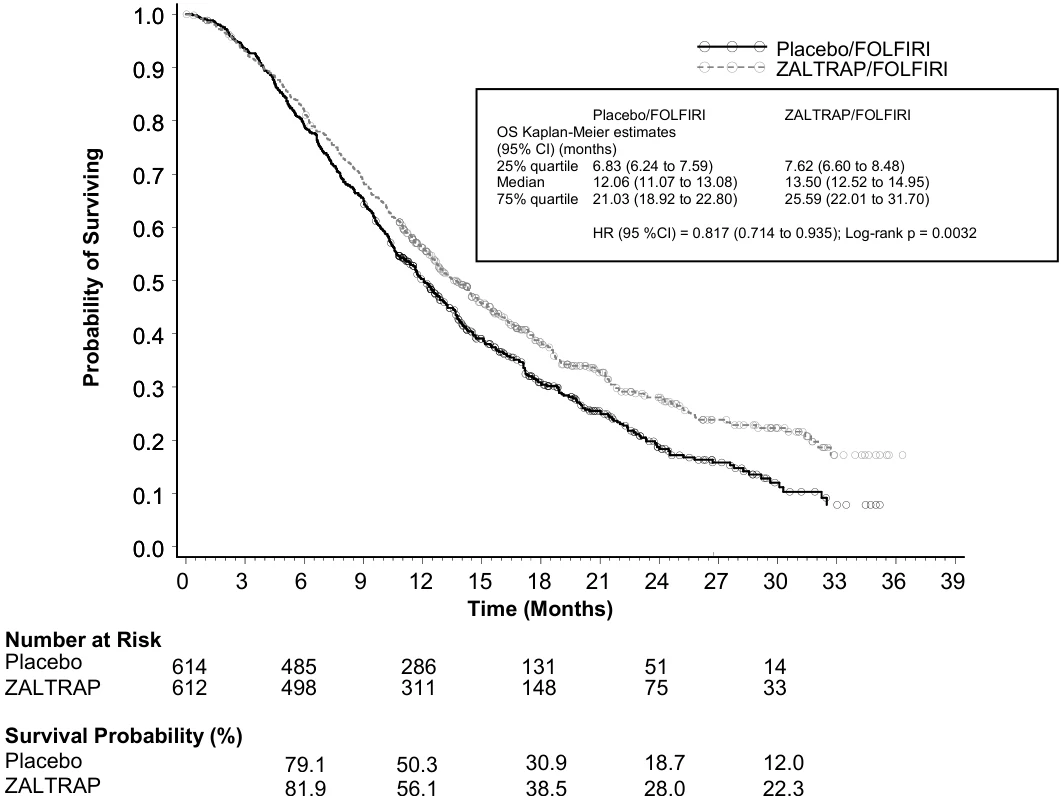
Table 5 - Main efficacy endpointsa– ITT population
Placebo/FOLFIRI (N=614) | ZALTRAP/FOLFIRI (N=612) | |||||||||||
|---|---|---|---|---|---|---|---|---|---|---|---|---|
| Overall Survival (OS)b | ||||||||||||
| Number of death events, n (%) | 460 (74.9%) | 403 (65.8%) | ||||||||||
| Median overall survival (95% CI) (months) | 12.06 (11.07 to 13.11) | 13.50 (12.52 to 14.95) | ||||||||||
| Stratified Hazard ratio (95% CI) | 0.817 (0.714 to 0.935) | |||||||||||
| Stratified Log-Rank test p-value | 0.0032 | |||||||||||
| Progression Free Survival (PFS) c | ||||||||||||
| Number of events, n (%) | 454 (73.9%) | 393 (64.2%) | ||||||||||
| Median PFS (95% CI) (months) | 4.67 (4.21 to 5.36) | 6.90 (6.51 to 7.20) | ||||||||||
| Stratified Hazard ratio (95% CI) | 0.758 (0.661 to 0.869) | |||||||||||
| Stratified Log-Rank test p-value | 0.00007 | |||||||||||
| Overall Response Rate (CR+PR) (95% CI) (%) d | 11.1 (8.5 to 13.8) | 19.8 (16.4 to 23.2) | ||||||||||
| Stratified Cochran-Mantel-Haenszel test p-value | 0.0001 | |||||||||||
a All analyses were stratified on ECOG Performance Status (0 vs 1 vs 2) and Prior Bevacizumab (yes vs. no) b Significance threshold is set to 0.0466 c PFS (based on tumor assessment by the IRC): Significance threshold is set to 0.0001. d Overall objective response rate by IRC as per RECIST criteria | ||||||||||||
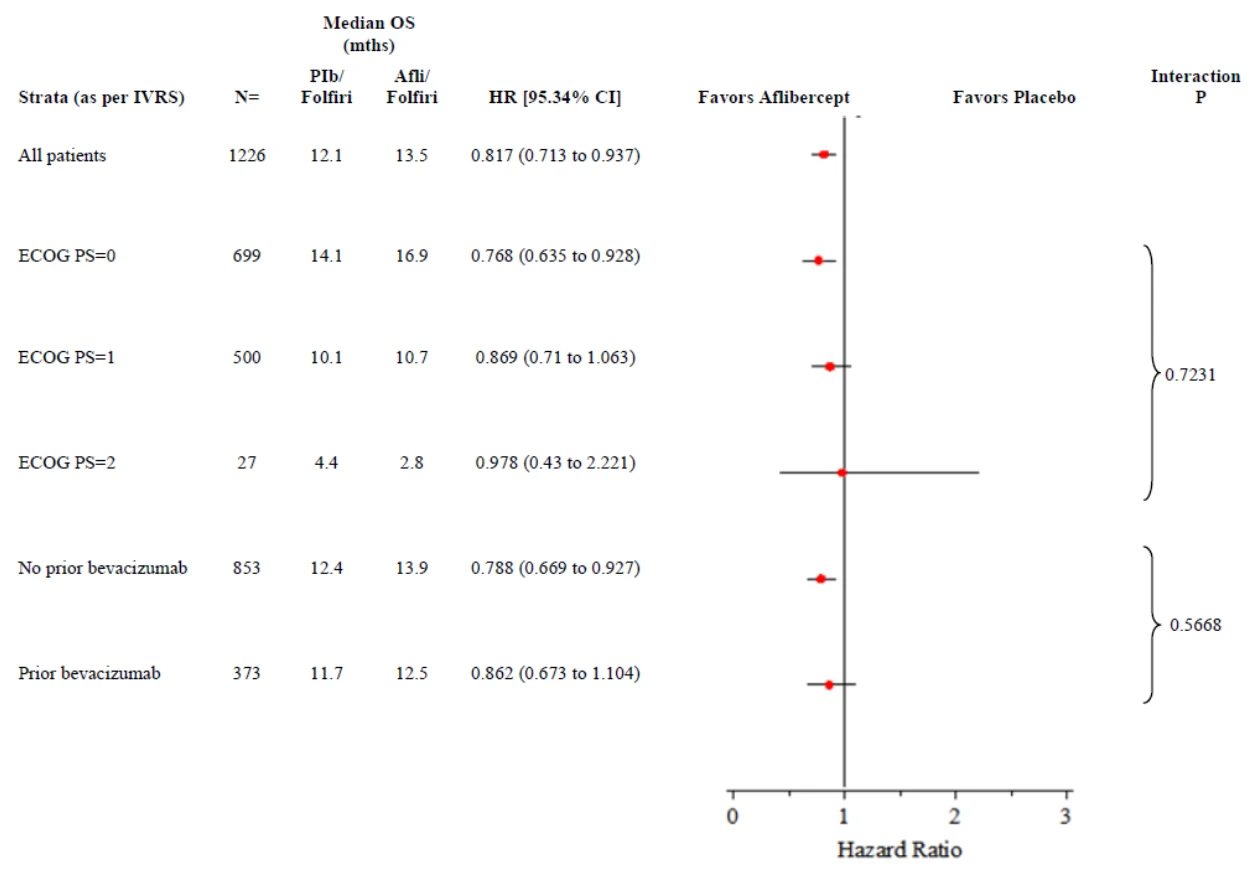
Analyses for overall survival by stratification factors showed a consistent treatment effect in favor of patients treated with ZALTRAP/FOLFIRI regimen for patients with prior bevacizumab use [HR (95% CI): 0.862; (0.676 to 1.1)] as well as in patients without prior bevacizumab use [HR: 0.788 (0.671 to 0.925)]. A consistent treatment effect was also seen in patients with an ECOG performance status 0 and 1. The HR of OS is 0.768 (0.637 to 0.925) for ECOG PS 0 and 0.869 (0.712 to 1.052) for ECOG PS 1 (see Figure 2).
In sub-group analysis of overall survival, a benefit consistent with the overall population was observed in patients <65 years old and ≥65 years old who received ZALTRAP/FOLFIRI regimen.
Figure 2 – Overall survival (months) – Subgroup analyses (forest plot) by stratification factors– ITT population
For PFS, the HR (95% CI) for patients with prior bevacizumab is 0.661 (0.512 to 0.852) and 0.797 (0.679 to 0.936) for patients without prior bevacizumab. The HR of PFS is 0.761 (0.633 to 0.913) for ECOG PS 0 and 0.749 (0.607 to 0.923) for ECOG PS 1.
Pre-specified subgroup analyses for overall survival and progression free survival according age (<65; ≥65), gender, prior bevacizumab use, ECOG PS 0 and 1, presence of liver metastasis only, history of prior hypertension and number of metastatic organs involved, showed a treatment effect favoring the ZALTRAP/FOLFIRI regimen over the placebo/FOLFIRI regimen across all subgroups.
TOXICOLOGY
Safety Pharmacology
The safety pharmacology of aflibercept was evaluated in mice, rats, rabbits or monkeys.
Repeated administrations of aflibercept did not have any significant effects on the central nervous system or ECG parameters in monkeys at doses up to 30 mg/kg/adm.
Subcutaneous administrations of aflibercept resulted in decreased microvessel density mainly within the liver, pancreatic islets and thyroid follicles in mice at doses ≥2.5 mg/kg/adm after 2-4 weeks of dosing.
Following a single subcutaneous administration of aflibercept, moderate dose-dependent increases in systolic and diastolic blood pressure were noted in mice at doses ≥2.5 mg/kg and in rats at doses ≥0.5 mg/kg (maximal increase in the range of 15 to 20 mmHg). The duration of this effect was closely related to the plasma levels of free aflibercept. In rats, these increases in blood pressure could be reversed by administration of several classes of anti-hypertensive drugs.
The repeated intravenous administration of aflibercept at dose levels up to 30 mg/kg/adm did not induce venous or arterial thrombus formation in an electrolytic injury rabbit model. A single intravenous infusion of aflibercept at doses up to 250 mg/kg did not induce any biologically significant changes in respiratory parameters in the rat.
The subcutaneous administration of aflibercept at 25 mg/kg/adm twice a week for 4 weeks to C57BL/6 male mice did not induce any biologically relevant effects on renal function.
Aflibercept administered intravenously produced dose-related inhibition of wound repair and healing in excisional and incisional rabbit models at doses ≥0.3 mg/kg/adm lower than the active dose in pharmacological models. However, maximal inhibition of wound healing was observed only at doses of 3 and 30 mg/kg/adm, which correlated to exposure to free aflibercept levels in excess of bound for the entire treatment interval. The full reversibility of this effect was not evaluated.
Animal Toxicology
Mice and rats were not considered suitable for chronic systemic toxicity testing, due to aflibercept-related glomerulonephritis associated with an anti-drug antibody (ADA) response which started within the first weeks of treatment. Therefore, the cynomolgus monkey was used as the primary species for systemic safety assessment.
In monkeys, the toxicity of aflibercept was assessed in multiple repeat-dose toxicity studies at aflibercept doses of 1.5 to 30 mg/kg administered SC 2 to 3 times weekly for 4 to 13 weeks or at doses of 0.5 to 30 mg/kg administered IV once a week or once every two weeks for 4 to 27 weeks.
Target organs and toxicity findings evidenced during the toxicological evaluation of aflibercept are discussed in details below.
Bone findings:
In the bone, aflibercept-induced effects consisted of interference with growth plate maturation and osteocartilaginous exostosis (correlated with hunched posture).
The bone growth plate changes consisted of decreased metaphyseal capillary invasion, increased thickness of physeal cartilage, decreased primary bony trabeculae, disorganization of the chondrocyte columns and transverse subchondral bony plate. In sexually immature monkeys, this delay in bone growth plate maturation was noted at doses ≥3 mg/kg/adm after 3 months of treatment; no effects on bone growth plate were noted in animals dosed at 0.5 mg/kg/adm. The histopathological findings were associated with decreases in bone resorption markers (CTx and NTx) and radiographic findings consisting of increased growth plate thickness characterized by a regular minimal to slight widening of the epiphyseal plate. The thickening of the physeal cartilage was noted in both long bones at doses ≥3 mg/kg/adm. Aflibercept similarly altered the physis of the sternum and vertebrae even though the changes were less manifest, being limited to a minimal thickening of hypertrophic chondrocytes in animals treated at doses ≥3 mg/kg/adm. The effects on the growth plate were reversible with no incidence of an increase in growth plate thickness observed after a 5-month recovery period. These findings were expected in sexually immature monkeys, and only minor effects were noted in sexually mature monkeys treated for 6 months with aflibercept at doses up to 30 mg/kg/adm. In sexually mature monkeys, a minimal to slight thickness of hypertrophic chondrocyte layer was often noted in the long bones of animals that had a fully or partially open physis at doses ≥3 mg/kg/adm. The same finding was commonly seen at other skeletal sites, including all three vertebral regions and the sternum. There was complete or almost complete reversibility of these skeletal changes: thickened hypertrophic chondrocyte layer and cartilaginous metaplasia of the vertebral thoracic ventral body were each seen in a single female treated at 10 mg/kg/adm at the end of the recovery period.
The osteocartilaginous exostosis was most frequently observed on the arches of the thoracic and lumbar vertebrae and often correlated macroscopically with a bent deformation of the vertebral column (kyphosis). These findings were noted in sexually mature and immature monkeys treated at aflibercept doses ≥3 mg/kg/adm for 6 and 3 months, respectively. Osteocartilaginous exostosis was not observed in young monkeys treated at 0.5 mg/kg/adm for 3 months. Muscular myofiber atrophy and less commonly vascular proliferation/degeneration were often seen concurrently. Radiographically, irreversible kyphosis, degenerative joint disease of vertebral articular facets, periosteal reaction of the femur and ilium were noted in animals at all aflibercept dose levels in both sexes.
Nasal cavity findings:
In the six-month intravenous toxicity study conducted in (sexually mature) monkeys dosed at
0, 3, 10 or 30 mg/kg/adm, once per week for 3 months and then once every other week, one male dosed at 3 mg/kg/adm was euthanized prematurely on Study Day 182 (Study Week 26).
Notable findings included marked anemia related to nasal bleeding, increased white blood cell, reticulocyte and neutrophil counts, and decreased hemoglobin, hematocrit, red blood cell, and platelet counts. At necropsy, extensive macroscopic lesions in the nasal cavities included blood clots, bent nasal septum and absence of the right middle concha. These observations, and corresponding microscopic lesions (atrophy/loss of the nasal septum and/or turbinates associated with necrotizing inflammation) were similar to those noted in other aflibercept-treated animals from this study and were regarded as compound-related and as the immediate cause of death. The microscopic findings in the nasal cavities were noted at doses ≥0.5 mg/kg/adm in the 3-month toxicity study conducted in sexually immature monkeys. The changes affecting the osseous and cartilaginous support in the nasal cavities were not reversible. These findings, which were associated with a degeneration/regeneration of the respiratory epithelium and vascular findings in the nasal cavities, are considered to be responsible for epistaxis noted in previous toxicity studies in monkeys with this compound.
Kidney findings:
Histopathological findings in the kidneys consisted of increased glomerular mesangial matrix and were associated in a few animals with decreased serum total protein and albumin levels and increased BUN and urine protein and/or microalbumin levels. The renal findings were noted following dosing at 2 mg/kg/adm of aflibercept by intravenous route in the 4-week toxicity study in monkeys. However, no adverse effects in the kidneys were noted following dosing at 0.5 mg/kg/adm in sexually immature monkeys treated intravenously for 3 months. In the 6-month intravenous study in monkeys, renal changes were shown to be reversible after a 5-month recovery period.
Adrenal findings:
In the adrenals, a decreased vacuolation of adrenal zona fasciculata cells with cytoplasmic eosinophilia was observed at doses of 3 mg/kg/adm and above. Since this finding was not associated with degenerative or necrotic changes, it was considered to have limited, if any, biological significance. These findings were completely reversible following a 5-month recovery period.
Liver findings:
An increase in liver enzyme activities was noted in some monkeys treated at doses of 3 mg/kg/adm and above, and correlated in a few monkeys at 30 mg/kg/adm with portal inflammation and necrosis. These effects were not fully reversible following a 5-month recovery period.
Vascular findings:
Systemic microvascular changes described as vascular proliferation/degeneration or focal vasculitis were observed in the submucosa of the intestines, urinary bladder, and heart of a few monkeys treated at doses of 3 mg/kg/adm and above for 13 or 27 weeks. These changes were occasionally noted after recovery in aflibercept-treated animals, indicating persistence of these compound-related effects.
Carcinogenesis, mutagenesis
No studies have been conducted to evaluate carcinogenicity or mutagenicity of aflibercept.
Reproductive and Developmental Toxicology
Fertility:
No specific studies with aflibercept have been conducted in animals to evaluate the effect on fertility. However, results from a repeat dose toxicity study suggest there is a potential for aflibercept to impair reproductive function and fertility.
In sexually mature female cynomolgus monkeys treated IV for 6 months at 3, 10 or 30 mg/kg/administration, aflibercept was shown to induce a marked decrease in inhibin B levels, an increase in FSH levels and the abrogation of progesterone peaks following aflibercept administration at 3 mg/kg/adm. These hormonal changes were associated with the abrogation of menstrual bleeding, a decreased ovary weight, a decreased amount of luteal tissue, a decreased number of maturing follicles, the atrophy of uterine endometrium and myometrium, and the vaginal atrophy. A decrease in estradiol levels was also noted at aflibercept doses ≥10 mg/kg/adm during the dosing period. Aflibercept-induced inhibition of ovarian function was reversible within 3 to 18 weeks after the last injection.
In sexually mature male cynomolgus monkeys treated with IV for 6 months at 3, 10 or 30 mg/kg/administration, the main aflibercept-induced effects consisted of a decrease in sperm motility and an increase in incidence of morphological abnormalities of spermatozoa at doses ≥3 mg/kg/adm. The nature of the morphological abnormalities suggests an effect that occurred late during the spermatogenic cycle. These effects were considered to impact male fertility. These effects were fully reversible after a 13-week recovery period.
Teratogenicity:
The effects of aflibercept on the embryofetal development were evaluated in pregnant female
New Zealand white rabbits treated intravenously (30-minute infusion) at doses of 3, 15 or 60 mg/kg/adm, once daily on gestation Days 6, 9, 12, 15 and 18 (total of 5 administrations).
Aflibercept induced abortion at 60 mg/kg/adm only, minimal to moderate maternal toxicity, an increased number of early resorptions leading to a lower number of viable fetuses at 60 mg/kg/adm only and, external, visceral and/or skeletal malformations at doses of 3 mg/kg/adm and above. External malformations consisted in anasarca, gastroschisis, anal atresia and short tail at 60 mg/kg/adm, ectrodactyly at 15 mg/kg/adm and anasarca at 3 mg/kg/adm. Visceral malformations were mainly noted in the heart, great vessels and arteries of fetuses from dams treated at 3 and 60 mg/kg/adm. Skeletal malformations were noted only in fetuses from dams treated at 60 mg/kg/adm. In addition, incomplete ossification of the hyoid, thoracic and lumbar vertebrae, sternebrae, ribs, talus and forepaw and hindpaw phalanxes were noted at 3 and 60 mg/kg/adm.
Conclusion
In conclusion, most of the aflibercept-induced effects noted in the nonclinical toxicity studies, namely interference with growth plate maturation, osseous and cartilaginous changes in the nasal cavities, increased glomerular mesangial matrix, abrogation of ovarian function and follicular development, and teratogenic effects, were previously reported with antagonists of the VEGF pathway in nonclinical or clinical studies.
REFERENCES
- 1. Tabernero J, Van Cutsem E., Lakomy R., Prausova J., Ruff P., Van Hazel G., Moiseyenko V., Ferry D., Mckendrick J., Soussan-Lazard K., Chevalier S, Allegra C . Aflibercept versus placebo in combination with fluorouracil, leucovorin and irinotecan in the treatment of previously treated metastatic colorectal cancer: Prespecified subgroup analyses from the VELOUR trial. Eur J Cancer. 2013 Oct 16. doi:pii: S0959-8049(13)00853-8. 10.1016/j.ejca.2013.09.013. (Epub)
- 2. Van Cutsem E, Tabernero J, Lakomy R, Prenen H, Prausová J, Macarulla T, Ruff P, van Hazel GA, Moiseyenko V, Ferry D, McKendrick J, Polikoff J, Tellier A, Castan R, Allegra C. Addition of aflibercept to fluorouracil, leucovorin, and irinotecan improves survival in a phase III randomized trial in patients with metastatic colorectal cancer previously treated with an oxaliplatin-based regimen. J Clin Oncol. 2012 Oct 1; 30(28):3499-506. Epub 2012 Sep 4.