


Product Monograph - Zepzelca
Recent Major Label Changes
| 1 Indications | 2026-06 |
|---|---|
| 4 Dosage and Administration | 2026-06 |
| 7 Warnings and Precautions | 2026-06 |
Table of Contents
Sections or subsections that are not applicable at the time of authorization are not listed.
Recent Major Label Changes ................................................................................................... 2
Table of Contents ................................................................................................................... 2
Part 1: Healthcare Professional Information ........................................................................... 5
1 Indications .................................................................................................................. 5
1.1 Pediatrics .............................................................................................................. 5
1.2 Geriatrics .............................................................................................................. 5
2 Contraindications ........................................................................................................ 5
3 Serious Warnings and Precautions Box ....................................................................... 6
4 Dosage and Administration ......................................................................................... 6
4.1 Dosing Considerations ................................................................................................ 6
4.2 Recommended Dose and Dosage Adjustment ........................................................... 6
4.3 Reconstitution ...................................................................................................... 9
4.4 Administration ...................................................................................................... 9
4.5 Missed Dose ....................................................................................................... 10
5 Overdosage ............................................................................................................... 10
6 Dosage Forms, Strengths, Composition and Packaging .............................................. 11
7 Warnings and Precautions ......................................................................................... 11
Carcinogenesis and Genotoxicity ................................................................................... 11
Driving and Operating Machinery .................................................................................. 11
Hematologic ................................................................................................................... 11
Hepatic/Biliary/Pancreatic ............................................................................................. 12
Injection Site Reactions .................................................................................................. 12
Monitoring and Laboratory Tests ................................................................................... 13
Musculoskeletal ............................................................................................................. 13
Neurologic ...................................................................................................................... 13
Reproductive Health ...................................................................................................... 13
7.1 Special Populations ............................................................................................. 14
7.1.1 Pregnancy ....................................................................................................... 14
7.1.2 Breastfeeding ................................................................................................. 14
7.1.3 Pediatrics ........................................................................................................ 14
7.1.4 Geriatrics ........................................................................................................ 15
8 Adverse Reactions ..................................................................................................... 15
8.1 Adverse Reaction Overview ................................................................................ 15
8.2 Clinical Trial Adverse Reactions .......................................................................... 16
8.3 Less Common Clinical Trial Adverse Reactions ................................................... 20
8.4 Abnormal Laboratory Findings: Hematologic, Clinical Chemistry and Other Quantitative Data ........................................................................................................... 21
8.5 Post-Market Adverse Reactions ......................................................................... 23
9 Drug Interactions ...................................................................................................... 24
9.2 Drug Interactions Overview ................................................................................ 24
9.3 Drug-Behaviour Interactions .............................................................................. 24
9.4 Drug-Drug Interactions ............................................................................................. 24
9.5 Drug-Food Interactions ....................................................................................... 27
9.6 Drug-Herb Interactions ....................................................................................... 27
9.7 Drug-Laboratory Test Interactions ...................................................................... 27
10 Clinical Pharmacology ............................................................................................... 27
10.1 Mechanism of Action .......................................................................................... 27
10.2 Pharmacodynamics ............................................................................................ 28
10.3 Pharmacokinetics ............................................................................................... 28
11 Storage, Stability and Disposal .................................................................................. 29
12 Special Handling Instructions .................................................................................... 30
Part 2: Scientific Information ................................................................................................ 31
13 Pharmaceutical Information ...................................................................................... 31
14 Clinical Trials ............................................................................................................. 32
14.1 Clinical Trials by Indication ................................................................................. 32
Maintenance Treatment of Patients with Extensive-Stage Small Cell Lung Cancer ........ 32
Small Cell Lung Cancer after progression on or after platinum-containing therapy ....... 35
15 Microbiology ............................................................................................................. 36
16 Non-Clinical Toxicology ............................................................................................. 36
Patient Medication Information ........................................................................................... 38
Part 1: Healthcare Professional Information
1 Indications
ZEPZELCA (lurbinectedin) is indicated:
- in combination with atezolizumab for the maintenance treatment of adult patients with extensive-stage small cell lung cancer (ES-SCLC), whose disease has not progressed following first-line induction therapy with atezolizumab, carboplatin and etoposide.
As a monotherapy treatment of adult patients with Stage III or metastatic small cell lung cancer (SCLC) who have progressed on or after platinum-containing therapy.
The marketing authorization with conditions was based on overall response rate and duration of response; no overall survival benefit has been demonstrated (see 14 Clinical Trials).
1.1 Pediatrics
Pediatrics (<18 years of age): No data are available to Health Canada; therefore, Health Canada has not authorized an indication for pediatric use.
1.2 Geriatrics
Geriatrics (≥65 years of age): When used as a single agent for SCLC no overall difference in effectiveness was observed between SCLC patients aged 65 and older (35% of study population) and younger patients. However, there was a higher incidence of serious adverse reactions in patients ≥ 65 years of age than in patients < 65 years of age (49% vs. 26%, respectively) (see 7 Warnings and Precautions - Special Populations).
When used as part of a combination therapy with atezolizumab no overall difference in effectiveness was observed between ES-SCLC patients aged 65 years or older (51% of the study population) and younger patients. There was also no significant difference in the incidence of serious adverse reactions in patients aged 65 years of age or older when compared to patients younger than the age of 65 years (33% vs. 29%, respectively) (see 7 Warnings and Precautions– Special Populations).
2 Contraindications
- ZEPZELCA is contraindicated in patients who are hypersensitive to this drug or to any drug ingredient in the formulation, including any non-medicinal ingredient, or component of the container. For a complete listing, see 6 Dosage Forms, Strengths, Composition, and Packaging.
- NOC/c
3 Serious Warnings and Precautions Box
ZEPZELCA should be administered under the supervision of a physician who is experienced in the use of cancer chemotherapeutics.
Consider use of a central venous catheter to reduce the risk of extravasation with ZEPZELCA (see 7 Warnings and Precautions - Injection Site Reactions and 4.4 Administration sections below).
The following are clinically significant adverse events:
4 Dosage and Administration
4.1 Dosing Considerations
Initiate treatment with ZEPZELCA only if:
- Neutrophil count is at least 1,500 cells/mm3 (1.5 x 10⁹/L).
- Platelet count is at least 100,000/mm3 (100 x 109/L).
- Hemoglobin count is at least 90 g/L upon initiation of treatment or at least 80 g/L for subsequent treatment cycles. If clinically indicated, patients may receive red blood cell (RBC) transfusions to increase or maintain adequate hemoglobin levels.
- Albumin levels are at least 30 g/L.
Routine pre-infusion administration of the following antiemetic prophylaxis is recommended:
- Corticosteroids (i.e. dexamethasone 8 mg intravenously or equivalent).
- Serotonin antagonists (i.e. ondansetron 8 mg intravenously or equivalent).
When using ZEPZELCA with atezolizumab for the maintenance treatment of ES-SCLC:
- Administer primary prophylaxis with granulocyte colony-stimulating factor (G-CSF) (unless contraindicated) to reduce the risk of febrile neutropenia.
- Administer atezolizumab first if administered on the same day as ZEPZELCA. For the recommended dosage of atezolizumab for intravenous infusion or atezolizumab for subcutaneous injection, refer to their respective product monograph.
4.2 Recommended Dose and Dosage Adjustment
The recommended dose is 3.2 mg/m2 by intravenous infusion over 1 hour repeated every 21 days until disease progression or unacceptable toxicity.
Dose adjustments for adverse reactions
The recommended dose reduction schedule for adverse reactions is presented in Table 1, and the recommended dose modifications criteria for adverse reactions are presented in Table 2.
Table 1. ZEPZELCA Dose Reduction Schedule due to adverse reactions
| Recommended Starting Dose | 1st Dose Reduction | 2nd Dose Reduction | 3rd Dose Reduction | |
|---|---|---|---|---|
| 3.2 mg/m2 every 21 days | 2.6 mg/m2 every 21 days | 2.0 mg/m2 every 21 days | Stop |
| 1.6 mg/m2 every 21 days | 1.3 mg/m2 every 21 days | 1.0 mg/m2 every 21 days | Stop |
Permanently discontinue ZEPZELCA in patients who are unable to tolerate the 2nd dose reduction or require a dose interruption greater than two weeks, due to an adverse reaction.
Table 2. Dosage Modifications Criteria for ZEPZELCA for Adverse Reactions
| Adverse Reaction | Severitya | Dosage Modification |
|---|---|---|
| Adverse Reaction | Severitya | Dosage Modification |
| Neutropeniab | Grade 4 or Any grade febrile neutropenia or Neutropenia associated with infection/sepsis at any grade | Withhold ZEPZELCA until neutrophil count ≥ 1,500 cells/mm3 (1.5 x 10⁹/L) and after resolution of any associated fever or infection/sepsis and Resume ZEPZELCA at a reduced dose |
| Thrombocytopenia | Grade 3 with bleeding or Grade 4 | Withhold ZEPZELCA until platelet ≥100 x 109/L and Resume ZEPZELCA at reduced dose |
| Hepatotoxicity | Grade 2 | Withhold ZEPZELCA until Grade ≤1 and Resume ZEPZELCA at same dose |
| Grade ≥3 | Withhold ZEPZELCA until Grade ≤1 and Resume ZEPZELCA at reduced dose | |
| Rhabdomyolysis | Grade 2 | Withhold ZEPZELCA until Grade ≤1 and Resume ZEPZELCA at same dose |
| Grade ≥3 | Permanently discontinue ZEPZELCA | |
Other adverse reactions | Grade 2 | Withhold ZEPZELCA until Grade ≤1 and Resume ZEPZELCA at same dose |
| Grade ≥3 | Withhold ZEPZELCA until Grade ≤1 and Resume ZEPZELCA at reduced dose | |
a National Cancer Institute Common Terminology Criteria for Adverse Events (NCI-CTCAE) version 4.0 b When resuming treatment, patients with grade 4 neutropenia (neutrophil counts less than 500 cells/mm3 (0.5 x 10⁹/L)) or with any value less than the lower limit of normal that is associated with infection/sepsis, and who had not received G-CSF as primary prophylaxis may Granulocyte Colony-Stimulating Factor (G-CSF) rather than undergo a dose reduction. | ||
Dose adjustments for immune-related adverse reactions when ZEPZELCA is administered in combination with atezolizumab
In case atezolizumab is discontinued due to an immune-related severe adverse event, treatment with ZEPZELCA may continue at the same dose as a single agent. If immune toxicity re-occurs or continues despite discontinuation of atezolizumab, ZEPZELCA should also be discontinued.
Dose adjustments for drug interactions
Avoid coadministration of ZEPZELCA with strong or moderate CYP3A inhibitors. If coadministration of ZEPZELCA with a strong or moderate CYP3A inhibitor cannot be avoided, reduce the dose of ZEPZELCA by 50%. Because the magnitude of the interaction may vary depending on the inhibitor potency and dosing regimen, this reduction may not be sufficient in all cases. Therefore, monitor patients closely for toxicity and adjust the dose further as needed based on tolerability (see Table 1 (row B), Table 2, and Table 9, 9 Drug interactions).
After the moderate or strong CYP3A inhibitor has been discontinued for at least 5 half-lives, resume ZEPZELCA at the dose used prior to initiating the inhibitor.
No clinical data are available in patients who require concomitant treatment with moderate or strong CYP3A inhibitors and who also have moderate hepatic impairment.
Special Populations
Renal insufficiency
No dose adjustment is required in patients with mild (CrCl 60-89 mL/min) or moderate (CrCl of 30-59 mL/min) renal impairment (see 10 Clinical Pharmacology).
Lurbinectedin has not been evaluated in a sufficient number of patients with severe renal impairment (CrCl <30 mL/min) or end-stage renal disease to estimate the risk, however it should only be used with caution and careful monitoring.
Hepatic insufficiency
No dose adjustment is required for patients with mild hepatic impairment (total bilirubin ≤ULN and AST >ULN, or total bilirubin 1.0-1 to1.5 x ULN and any AST) (see 10 Clinical Pharmacology).
In patients with moderate hepatic impairment (total bilirubin > 1.5 to ≤ 3 × Upper Limit of Normal (ULN) and AST = any), reduce dose to 1.6 mg/m2 (see 10 Clinical Pharmacology).
If a patient cannot tolerate the reduced dose of 1.6 mg/m2 due to adverse reactions, treatment with ZEPZELCA should be discontinued. Avoid administration of ZEPZELCA to patients with severe hepatic impairment (total bilirubin> 3 x ULN and/or AST or ALT 3 x ULN) (see 10 Clinical Pharmacology).
No clinical data are available in patients with moderate hepatic impairment who require concomitant treatment with moderate or strong CYP3A inhibitors.
Pediatric patients
Health Canada has not authorized an indication for pediatric use (see 1 Indications).
4.3 Reconstitution
Parenteral Products:
- ZEPZELCA is a cytotoxic drug. Follow applicable special handling and disposal procedures.
Prepare the solution for infusion using aseptic technique as follows:
- Inject 8 mL of Sterile Water for Injection USP into the vial. Shake the vial until complete dissolution. The reconstituted solution is a clear, colourless or slightly yellowish solution, essentially free of visible particles.
- Visually inspect the solution for particulate matter and discoloration. If particulate matter or discoloration is observed, do not administer. Dilute the reconstituted solution with 0.9% Sodium Chloride Injection USP or 5% Dextrose Injection USP.
Calculate the required volume of reconstituted solution as follows:
Volume (mL) = Body Surface Area (m2) x Individual Dose (mg/m2)
0.5 mg/mL
Table 3. Reconstitution
| Vial Size | Volume of Diluent to be Added to Vial | Approximate Available Volume | Concentration per mL |
| 30 mL | 8 mL | 8.5 mL | 0.5 mg/mL* |
* The accurate (calculated) concentration is 0.47 mg/mL based on the final volume of 8.5 mL
4.4 Administration
Consider use of a central venous catheter to reduce the risk of extravasation with ZEPZELCA.
For administration through a central venous line, withdraw the appropriate amount of reconstituted solution from the vial and add to an infusion container containing at least 100 mL of diluent (0.9% Sodium Chloride Injection USP or 5% Dextrose Injection USP).
For administration through a peripheral venous line, withdraw the appropriate amount of reconstituted solution from the vial and add to an infusion container containing at least 250 mL of diluent (0.9% Sodium Chloride Injection USP or 5% Dextrose Injection USP).
If infusion lines containing in-line filters are utilized for administration of ZEPZELCA, Polyethersulfone (PES) in-line filters with pore sizes of 0.22 micron are recommended.
Infusion lines containing Nylon membrane filters should not be used when the reconstituted ZEPZELCA solution is diluted with 0.9% Sodium Chloride Injection USP.
Compatibility with other IV administration materials and the diluted ZEPZELCA solution has been demonstrated in the following materials:
- Polyolefin containers (polyethylene, polypropylene and mixtures).
- PVC (non-DEHP-containing), polyurethane and polyolefin infusion sets (polyethylene, polypropylene and polybutadiene).
- Implantable venous access systems with titanium and plastic resin ports and with polyurethane or silicone intravenous catheters.
Do not co-administer ZEPZELCA and other intravenous drugs concurrently within the same intravenous line.
If not used immediately after reconstitution or dilution, the diluted solution can be stored prior to administration for up to 24 hours following reconstitution, including infusion time, at either room temperature/ambient light or under refrigerated (2⁰C to 8⁰C) conditions.
4.5 Missed Dose
If a dose of ZEPZELCA is missed the patient should be given ZEPZELCA as soon as possible to maintain dose intensity.
5 Overdosage
If an overdose is suspected, monitor the patient closely for myelosuppression and abnormal hepatic function (elevated hepatic enzymes), and institute supportive-care measures as appropriate.
Hemodialysis is not expected to enhance the elimination of ZEPZELCA because lurbinectedin is highly bound to plasma proteins (99%), and renal excretion is negligible.
There is no known antidote for overdosage with ZEPZELCA.
For the most recent information in the management of a suspected drug overdose, contact your regional poison control centre or Health Canada’s toll-free number, 1-844 POISON-X (1-844-764-7669).
6 Dosage Forms, Strengths, Composition and Packaging
Table 4. Dosage Forms, Strengths, Composition
Description
ZEPZELCA is a sterile, white to off-white, preservative free lyophilized powder contained within a colourless type I glass vial, with rubber stopper and aluminum seal containing 4 mg of lurbinectedin. ZEPZELCA is provided in cartons containing one single-dose vial.
7 Warnings and Precautions
See 3 Serious Warnings and Precautions Box.
Carcinogenesis and Genotoxicity
Carcinogenicity testing of ZEPZELCA has not been performed. ZEPZELCA is genotoxic to mammalian cells in the presence and absence of metabolic activation (see 16 Non-Clinical Toxicology).
Driving and Operating Machinery
No studies on the effects of the ability to drive and to use machines have been performed. However, some events of fatigue have been reported in patients receiving lurbinectedin. Patients who experience such events during therapy should not drive or operate machinery.
Hematologic
ZEPZELCA causes myelosuppression.
Initiate ZEPZELCA treatment only to patients with a baseline neutrophil count of at least 1,500 cells/mm3 (1.5 x 10⁹/L) and platelet count of at least 100,000/mm3 (100 x 109/L). In case of neutrophil counts of less than 500 cells/mm3 (0.5 x 10⁹/L) or neutropenia associated with infection/sepsis, the use of G-CSF may be considered as an alternative to dose reduction following ZEPZELCA interruption. Obtain complete blood cell counts prior to initiation of therapy and prior to each treatment cycle. Withhold, reduce the dose, or permanently discontinue ZEPZELCA based on severity of neutropenia (see 4 Dosage and Administration).
From pooled data of 554 patients receiving ZEPZELCA, as a single agent every 21 days, which included patients with SCLC and other solid tumours, all grade neutropenia occurred in 64% of patients. Grade 3/4 neutropenia occurred in 41% of patients with a median onset at Day 15 and a duration of 7 days. Neutropenia led to dose reduction in 11% of patients and to treatment discontinuation in one patient. Febrile neutropenia occurred in 7% of patients. Sepsis occurred in 2% of patients and was fatal in 1% (all 3 cases occurred in patients with solid tumours other than SCLC). All grade thrombocytopenia was experienced by 49% of patient. Grade 3/4 thrombocytopenia occurred in 10%, with a median time to onset of 10 days and a median duration of 7 days. Thrombocytopenia led to dose reduction in 3% and to treatment discontinuation in 2 patients. All grade anemia occurred in 92% of patients and grade 3/4
| Route of Administration | Dosage Form / Strength / Composition | Non-medicinal Ingredients |
| Intravenous (IV) infusion | Lyophilized powder/ 4 mg per vial | lactic acid, sodium hydroxide, sucrose |
NOC/c
anemia occurred in 17% of patients. Anemia resulted in dose reduction in 1 patient and treatment discontinuation in 2 patients.
In a clinical study of 242 patients with ES-SCLC receiving ZEPZELCA in combination with atezolizumab, all grade neutropenia occurred in 36% of patients and Grade 3 /4 neutropenia occurred in 18% of patients. Unless contraindicated, primary prophylaxis with G-CSF was given per study protocol. Neutropenia led to dose reduction of lurbinectedin in 1% of patients and to discontinuation of lurbinectedin in 1% of patients. Febrile neutropenia occurred in 2% of patients. Sepsis occurred in 1% of patients and was fatal in 3 patients (1 patient with sepsis, 1 patient with septic shock and 1 patient with vascular device infection). All grade thrombocytopenia was experienced by 54% of patients and Grade 3/4 thrombocytopenia occurred in 15% of patients. Thrombocytopenia led to dose reduction of lurbinectedin in 4% of patients and discontinuation of lurbinectedin in 1% of patients. All grade anemia occurred in 51% of patients, and Grade 3/4 anemia occurred in 13% of patients. Anemia led to a dose reduction of ZEPZELCA in 1% of patients and discontinuation of ZEPZELCA in 1% of patients.
Hepatic/Biliary/Pancreatic
Hepatotoxicity
From pooled data of 554 patients receiving ZEPZELCA, as a single agent every 21 days, which included patients with SCLC and other solid tumours, at the recommended dose and schedule, all grade ALT increases were observed in 66% of patients and these were grade 3/4 in severity in 6% of patients. All grade AST elevations occurred in 53% of patients and these were grade 3/4 in severity in 3% of patients. The median time to onset of Grade ≥3 elevation in transaminases was 8 days (range: 3 to 49), with a median duration of 7 days.
In a clinical study of 242 patients with ES-SCLC receiving ZEPZELCA in combination with atezolizumab, all grade ALT increases were observed in 25% of patients, and grade 3/4 elevations of ALT in 3% of patients. All grade AST elevations occurred in 24% of patients and grade 3/4 occurred in 3% of patients.
Hepatic impairment
There are limited safety data for patients with moderate hepatic impairment (total bilirubin > 1.5 to ≤ 3 × Upper Limit of Normal (ULN) and AST = any) and severe hepatic impairment (total bilirubin > 3 x ULN and/or AST or ALT 3 x ULN) who received the reduced dose of 1.6 mg/m2 of ZEPZELCA. Avoid administration in patients with severe hepatic impairment. A dose adjustment is needed for patients with moderate hepatic impairment. Monitor for increased adverse reactions (see 4.2 Recommended Dose and Dosage Adjustment and 10.3 Pharmacokinetics-Special Populations and Condition).
Injection Site Reactions
Extravasation of ZEPZELCA resulting in skin and soft tissue injury, including necrosis requiring debridement, can occur. Consider use of a central venous catheter to reduce the risk of extravasation, particularly in patients with limited venous access (see 4.4 Administration).
Monitor patients for signs and symptoms of extravasation during the ZEPZELCA infusion. If extravasation occurs, immediately discontinue the infusion, remove the infusion catheter, and monitor for signs and symptoms of tissue necrosis. The time to onset of necrosis after extravasation may vary.
Administer supportive care and consult with an appropriate medical specialist as needed for signs and symptoms of extravasation. Administer subsequent infusions at a site that was not affected by extravasation.
NOC/c
Monitoring and Laboratory Tests
Obtain complete blood counts prior to initiation of therapy and prior to each cycle. Patients should have albumin levels at least 30 g/L prior to administration of ZEPZELCA. (see 4 Dosage and Administration).
Monitor liver function tests prior to initiating ZEPZELCA, periodically during treatment and as clinically indicated. Withhold, reduce the dose, or permanently discontinue ZEPZELCA based on severity of the adverse events (see 4 Dosage and Administration).
Monitor for signs and symptoms of peripheral neuropathy after the initiation of ZEPZELCA. Withhold, reduce the dose, or permanently discontinue ZEPZELCA based on severity of the adverse events (see 4 Dosage and Administration).
Monitor for signs and symptoms of rhabdomyolysis through plasma creatine kinase (CK), or urinary myoglobin levels prior to initiating ZEPZELCA and periodically during treatment as clinically indicated. Withhold or reduce the dose based on severity (see 4 Dosage and Administration).
More frequent laboratory monitoring should be considered in patients who have any of the following: ˃75 years of age, have poor performance status, have low blood albumin levels or are of low weight or have low body surface area.
Musculoskeletal
Rhabdomyolysis has been reported in patients treated with ZEPZELCA.
If rhabdomyolysis occurs, supportive measures such as parenteral hydration, urine alkalinization and dialysis should be promptly established, as indicated. Caution should be taken if medicinal products with known association with rhabdomyolysis (e.g. statins), are administered concomitantly with lurbinectedin, since the risk of rhabdomyolysis may be increased (see 7 Warnings and Precautions - Monitoring and Laboratory Tests).
Neurologic
From pooled data of 554 patients receiving ZEPZELCA, as a single agent at the recommended dose and schedule, all grade peripheral neuropathy (which includes the additional events of paraesthesia, peripheral sensory neuropathy, hypoesthesia, dysaesthesia, hyperaesthesia, peripheral motor neuropathy, and polyneuropathy) occurred in 9% of patients. Grade 3/4 peripheral neuropathy occurred in 2 patients. Peripheral neuropathy led to dose reduction in 2 patients and to treatment discontinuation in 1% of patients.
In a clinical study of 242 patients with ES-SCLC receiving ZEPZELCA in combination with atezolizumab, all grade peripheral neuropathy (which includes the additional events of paraesthesia, peripheral sensory neuropathy, hypoesthesia, dysaesthesia, hyperaesthesia, peripheral motor neuropathy, and polyneuropathy) occurred in 8% of patients. Grade 3/4 peripheral neuropathy occurred in 1% of patients. Peripheral neuropathy led to one treatment discontinuation of ZEPZELCA.
Reproductive Health
Women of childbearing potential should be advised to avoid becoming pregnant while receiving ZEPZELCA.
NOC/c
Advise female patients of reproductive potential to use effective contraception during treatment with ZEPZELCA and for 7 months after the last dose. Advise pregnant women of the potential risk to the fetus.
Advise male patients with female partners of reproductive potential to use effective contraception during treatment with ZEPZELCA and for 4 months after the last dose.
Fertility
Fertility studies with lurbinectedin were not performed. There were no clear findings in reproductive organs in general toxicology studies in rats, dogs, or monkeys; however, the highest doses and exposures in these studies were all at levels lower than the human dose of 3.2 mg/m2.
Teratogenic Risk
Based on animal data and its documented mechanism of action (leading to double strand breaks and cell death), ZEPZELCA can cause fetal harm when administered to a pregnant woman. Animal studies in pregnant rats during the period of organogenesis reported embryo-fetal lethality and maternal toxicity following administration of a single intravenous dose of 0.6 mg/m2 ZEPZELCA (approximately equivalent to 20% of the estimated human dose of 3.2 mg/m2) (see 16 Non-Clinical Toxicology).
7.1 Special Populations
7.1.1 Pregnancy
ZEPZELCA should not be used during pregnancy.
There are no available data to inform on the risk of using ZEPZELCA during human pregnancy. Animal studies in pregnant rats during the period of organogenesis reported embryo-fetal lethality and maternal toxicity following administration of a single dose of 0.6 mg/m2 ZEPZELCA (approximately equivalent to 20% of the estimated human dose of 3.2 mg/m2). Lurbinectedin was also genotoxic in vitro in mammalian cell lines.
If this drug is used during pregnancy, or if a patient could become pregnant while receiving ZEPZELCA, the patient should be informed of the potential risk to the fetus.
7.1.2 Breastfeeding
There are no data on the presence of lurbinectedin in human milk, the effects on the breastfed child, or the effects on milk production. Because of the potential for serious adverse reactions from ZEPZELCA in breastfed children, advise a nursing woman to discontinue nursing during treatment with ZEPZELCA and for 2 weeks after the final dose.
7.1.3 Pediatrics
No data are available to Health Canada; therefore, Health Canada has not authorized an indication for pediatric use.
7.1.4 Geriatrics
Of the 105 patients with SCLC administered ZEPZELCA as a single agent in a clinical study, 37 (35%) patients were 65 years of age and older, while 9 (9%) patients were 75 years of age and older. No overall difference in efficacy was observed between patients aged 65 and older and younger patients.
There was a higher incidence of grade ≥3 adverse events (76% vs. 50%) and of serious adverse events (49% vs. 27%) in patients ≥65 years of age than in patients <65 years of age. Grade ≥3 adverse events most frequently observed in patients ≥65 years of age were neutropenia (32% vs. 19%), fatigue (19% vs. 9%), anemia (11% vs. 7%), thrombocytopenia (11% vs. 0) and febrile neutropenia (11% vs. 2%).
The serious adverse events most frequently reported in patients ≥65 years of age consisted of febrile neutropenia (11% vs. 2%), neutropenia (11% vs. 2%), thrombocytopenia (8% vs. 0%), and anemia (8% vs. 2%).
Of the 242 patients with ES-SCLC administered ZEPZELCA in combination with atezolizumab in a clinical study, 124 (51%) patients were 65 years of age and older, while 29 (12%) patients were 75 years of age and older. No overall difference in efficacy was observed between patients aged 65 years and older and younger patients.
There was no significant difference in the incidence of serious adverse reactions in patients ≥ 65 years of age and patients < 65 years of age (33% vs. 29%, respectively).
Obtain complete blood cell counts prior to initiation of therapy and prior to each treatment cycle. More frequent laboratory monitoring may need to be considered (see 7 Warnings and Precautions – Monitoring and Laboratory Tests).
8 Adverse Reactions
8.1 Adverse Reaction Overview
ZEPZELCA in combination with atezolizumab (Study IMforte)
The most common (≥ 20%) adverse reactions (all grades) including laboratory abnormalities, in patients with ES-SCLC who received ZEPZELCA with atezolizumab were lymphopenia (55%), thrombocytopenia (54%), anemia (51%), leukopenia (40%), neutropenia (36%), nausea (36%), fatigue/asthenia (33%), increased alkaline phosphatase (29%), hyponatremia (27%), increased ALT (25%), increased AST (24%), hypocalcemia (24%), and hypercreatinemia (21%).
Grade ≥3 adverse reactions occurred in 38% of patients. The most frequent grade 3/4 reactions including laboratory abnormalities (occurring in ≥5 % of patients) were neutropenia (18%), lymphopenia (18%), thrombocytopenia (15%), anemia (13%) and leukopenia (11%).
Serious adverse reactions occurred in 31% of patients receiving ZEPZELCA with atezolizumab. Serious adverse reactions occurring in ≥2% of patients were pneumonia (2%), respiratory tract infection (2%), dyspnoea (2%), and thrombocytopenia (2%). Fatal adverse reactions occurred in patients receiving ZEPZELCA with atezolizumab including pneumonia (3 patients), sepsis (1 patient), septic shock (1 patient), vascular device infection (1 patient), cardio-respiratory arrest (2 patients), myocardial infarction (2 patients), and febrile neutropenia (1 patient).
Dose reductions of ZEPZELCA due to an adverse reaction in patients who received ZEPZELCA with atezolizumab occurred in 15% of patients. Adverse reactions requiring dosage reductions occurring in ≥
NOC/c
2% of patients who received ZEPZELCA with atezolizumab included thrombocytopenia (4%), nausea (2%) and vomiting (2%).
Adverse reactions leading to interruption of ZEPZELCA in patients who received ZEPZELCA with atezolizumab occurred in 25% of patients; the most common adverse reactions (≥2%) leading to interruption were anemia (5%), neutropenia (3%), thrombocytopenia (3%) and asthenia (3%).
Treatment with ZEPZELCA was permanently discontinued due to adverse reactions in 5% of patients who were receiving ZEPZELCA in combination with atezolizumab. The most frequent adverse reaction requiring permanent discontinuation of ZEPZELCA was neutropenia (1%).
ZEPZELCA as monotherapy (Study B-005)
Among the subset of patients with SCLC who received ZEPZELCA as monotherapy, the most common (≥20%) adverse reactions (all grades) were fatigue (77%), nausea (38%), decreased appetite (34%), musculoskeletal pain (34%), neutropenia (32%), constipation (32%), dyspnea (31%), vomiting (22%), respiratory tract infection (21%), diarrhea (20%) and cough (20%).
Grade ≥3 adverse reactions occurred in 59% of SCLC patients. The most frequent grade 3/4 reactions (occurring in ≥5 % of patients) were neutropenia (28%), fatigue (12%), anemia (9%), dyspnea (7%), pneumonia (7%), respiratory tract infection (5%), and thrombocytopenia (5%).
Serious adverse reactions occurred in 34% of patients who received ZEPZELCA. Serious adverse reactions in ≥2% of patients included respiratory tract infection (11%), neutropenia (5%), febrile neutropenia (5%), anemia (4%), dyspnea (4%), thrombocytopenia (3%) and musculoskeletal pain (2%).
Dose reductions due to an adverse reaction occurred in 27% of patients with SCLC who received ZEPZELCA. Adverse reactions requiring dose reduction in >2% of patients with SCLC who received ZEPZELCA included neutropenia (20%), febrile neutropenia (4%), fatigue (4%), thrombocytopenia (2%), and pneumonia (2%).
Dose interruptions due to an adverse reaction occurred in 48% of patients who received ZEPZELCA. Adverse reactions requiring dosage interruption in ≥3% of patients who received ZEPZELCA were neutropenia (14%) and hypoalbuminemia (5%).
Treatment discontinuation due to adverse reactions occurred in 2% of patients with SCLC who received ZEPZELCA and experienced peripheral neuropathy (n=1) and myelosuppression (n=1).
8.2 Clinical Trial Adverse Reactions
Clinical trials are conducted under very specific conditions. Therefore, the frequencies of adverse reactions observed in the clinical trials may not reflect frequencies observed in clinical practice and should not be compared to the frequencies reported in the clinical trials of another drug.
NOC/c
ZEPZELCA in combination with atezolizumab
The safety of ZEPZELCA with atezolizumab was evaluated in IMforte, a randomized, multicenter, open-label study in which 242 patients with ES-SCLC, whose disease had not progressed after first-line induction therapy with atezolizumab, carboplatin, and etoposide, received maintenance treatment with ZEPZELCA 3.2 mg/m2 IV with atezolizumab 1,200 mg IV, on Day 1 of each 21-day cycle until disease progression or unacceptable toxicity. Eighty-four percent of patients received at least one concomitant primary prophylaxis of G-CSF. The median age of the safety population was 66 years (range 35 to 85 years) with 51% of patients ≥ 65 years. A total of 63% of patients were male, 81.6% were white, 12.8% were Asian, 6.6% were Hispanic or Latino and <1% were black or African American. Of the patients who received ZEPZELCA with atezolizumab, the median duration of exposure to ZEPZELCA was 4.1 months; 34% were exposed to ZEPZELCA for 6 months or longer and 8% of patients were exposed for greater than one year. In the control arm patients, the median duration of exposure to atezolizumab was 2.1 months; 18% were exposed to atezolizumab for 6 months or longer and 7% were exposed for greater than one year.
ZEPZELCA was studied only with intravenous atezolizumab. For information on use of atezolizumab administered subcutaneously, see the atezolizumab for subcutaneous injection product monograph.
Tables 5 summarizes adverse reactions in patients who received ZEPZELCA with intravenous atezolizumab in IMforte.
Table 5. Treatment-Emergent Adverse Events Occurring in ≥5% of Patients with Extensive-Stage SCLC Receiving ZEPZELCA with Intravenous Atezolizumab as Maintenance Treatment Following First-Line Induction Therapy, in Study IMforte
System Organ Class Preferred Term | ZEPZELCA with atezolizumab N = 242 | atezolizumab N = 240 | |||||||||||||
|---|---|---|---|---|---|---|---|---|---|---|---|---|---|---|---|
System Organ Class Preferred Term | ZEPZELCA with atezolizumab N = 242 | atezolizumab N = 240 | |||||||||||||
All Grades n (%) | Grades 3–4 n (%) | All Grades n (%) | Grades 3–4 n (%) | ||||||||||||
All Grades n (%) | Grades 3–4 n (%) | All Grades n (%) | Grades 3–4 n (%) | ||||||||||||
| Endocrine Disorders | |||||||||||||||
| Hypothyroidisma | 17 (7) | 0 | 18 (8) | 0 | |||||||||||
| Gastrointestinal Disorders | |||||||||||||||
| Nausea | 88 (36) | 6 (3) | 10 (4) | 2 (0.8) | |||||||||||
| Diarrhoea | 34 (14) | 0 | 18 (8) | 1 (0.4) | |||||||||||
| Vomiting | 33 (14) | 2 (0.8) | 6 (3) | 0 | |||||||||||
| Constipation | 29 (12) | 0 | 15 (6) | 2 (0.8) | |||||||||||
| Abdominal Painb | 23 (10) | 1 (0.4) | 8 (3) | 0 | |||||||||||
| General Disorders and Administration Site Conditions | |||||||||||||||
| Fatiguec | 82 (34) | 11 (5) | 34 (14) | 4 (2) | |||||||||||
| Edemad | 23 (10) | 2 (0.8) | 5 (2) | 0 | |||||||||||
| Pyrexia | 13 (5) | 0 | 2 (0.8) | 0 | |||||||||||
| Infections and Infestations | |||||||||||||||
| Respiratory Tract Infectione | 35 (15) | 4 (2) | 21 (9) | 3 (1) | |||||||||||
| Lung Infectionf | 15 (6) | 7 (3) | 16 (7) | 5 (2) | |||||||||||
| Nasopharyngitisg | 15 (6) | 0 | 8 (3) | 0 | |||||||||||
| Urinary Tract Infectionh | 13 (5) | 1 (0.4) | 5 (2) | 2 (0.8) | |||||||||||
| Metabolism and Nutrition Disorders | |||||||||||||||
| Decreased Appetitei | 41 (17) | 1 (0.4) | 17 (7) | 0 | |||||||||||
| Musculoskeletal and Connective Tissue Disorders | |||||||||||||||
| Musculoskeletal Painj | 27 (11) | 1 (0.4) | 18 (8) | 1 (0.4) | |||||||||||
| Arthralgia | 20 (8) | 3 (1) | 12 (5) | 1 (0.4) | |||||||||||
| Nervous System Disorders | |||||||||||||||
| Neuropathy Peripheralk | 21 (9) | 2 (0.8) | 13 (5) | 3 (1) | |||||||||||
| Dizziness | 17 (7) | 0 | 5 (2) | 0 | |||||||||||
| Headache | 15 (6) | 0 | 6 (3) | 0 | |||||||||||
| Renal and Urinary Disorders | |||||||||||||||
| Acute Renal Failurel | 18 (7) | 4 (2) | 4 (2) | 0 | |||||||||||
| Respiratory, Thoracic and Mediastinal Disorders | |||||||||||||||
| Coughm | 29 (12) | 0 | 20 (8) | 1 (0.4) | |||||||||||
| Dyspnoean | 27 (11) | 5 (2) | 23 (10) | 4 (2) | |||||||||||
| Skin and Subcutaneous Tissue Disorders | |||||||||||||||
| Pruritus | 18 (7) | 1 (0.4) | 17 (7) | 0 | |||||||||||
| Rasho | 14 (6) | 0 | 18 (8) | 1 (0.4) | |||||||||||
| Vascular Disorders | |||||||||||||||
| Thrombophlebitisp | 41 (17) | 3 (1) | 2 (0.8) | 0 | |||||||||||
Reported adverse event terms were coded using MedDRA v.27.0
Graded per NCI CTCAE 4.0
a Includes reports of hypothyroidism, blood thyroid stimulating hormone decreased, blood thyroid stimulating hormone increased, and thyroiditis subacute
b Includes reports of abdominal pain, abdominal pain upper, flank pain, and abdominal discomfort
c Includes reports of fatigue, asthenia, malaise, and lethargy
d Includes reports of oedema peripheral and peripheral swelling
e Includes reports of COVID-19, upper respiratory tract infection, respiratory tract infection, viral upper respiratory tract infection, and bronchitis.
f Includes reports of COVID-19 pneumonia, pneumonia bacterial, pneumonia fungal, pneumonia viral pneumonia and lower respiratory tract infection
g Includes reports of nasopharyngitis and nasal congestion
h Includes reports of urinary tract infection, cystitis, and pyelonephritis acute
i Includes reports of hypophagia
j Includes reports of back pain, myalgia, neck pain, musculoskeletal pain, and musculoskeletal chest pain k Includes reports of neuropathy peripheral, hypoesthesia, paraesthesia, peripheral sensory neuropathy, herpes zoster, neuralgia, and peripheral motor neuropathy
l Includes reports of blood creatinine increased, acute kidney injury, renal failure, blood urea increased, hypercreatininemia, proteinuria, renal impairment
m Includes reports of cough, productive cough, and upper-airway cough syndrome
n Includes reports of dyspnoea and dyspnoea exertional
o Includes reports of rash, dermatitis, rash maculo-papular, dermatitis acneiform, and erythema
p Includes reports of phlebitis, thrombophlebitis, thrombosis, arteriosclerosis, deep vein thrombosis, superior vena cava syndrome, chemical phlebitis, injection site phlebitis, intermittent claudication, peripheral arterial occlusive disease, subclavian vein thrombosis and vasculitis.
ZEPZELCA as monotherapy
The safety of ZEPZELCA was evaluated in a cohort of 105 patients with previously treated SCLC in Study B-005, a multicenter, single-arm phase 2 trial. Patients received ZEPZELCA 3.2 mg/m2 intravenously every 21 days. The median age of the safety population was 60 years (range 40 to 83 years) with 35% of patients ≥ 65 years. A total of 60% of patients were male, 75% white, 23% other, 1% black or African American and 1% Asian. At enrollment, 36% patients had Eastern Cooperative Oncology Group (ECOG) performance status (PS) of 0, 56% had PS of 1 and 8% had PS 2. The trial excluded patients with central nervous system (CNS) involvement, grade ≥3 dyspnea, daily intermittent oxygen requirement, hepatitis or cirrhosis, and immunocompromised patients. All patients in this study received a pre-specified anti-emetic regimen consisting of a corticosteroid and serotonin antagonist. Patients could receive G-CSF for secondary prophylaxis (i.e., after patients had an initial decrease in white blood cells), but not primary prophylaxis. Among patients who received ZEPZELCA, median time on treatment was 14.3 weeks (range, 1.1-85.0 weeks) with 46% of patients receiving ≥6 cycles of treatment.
Table 6. Treatment-Emergent Adverse Events in ≥5% of SCLC Patients Who Received ZEPZELCA in Study B-005
System Organ Class Preferred Terma | SCLC (n=105) | ||||||||
|---|---|---|---|---|---|---|---|---|---|
| All Gradesb n (%) | Grade 3-4 n (%) | ||||||||
| Gastrointestinal Disorders | |||||||||
| Nausea | 40 (38%) | - | |||||||
| Constipation | 34 (32%) | - | |||||||
| Vomiting | 23 (22%) | - | |||||||
| Diarrhea | 21 (20%) | 4 (4%) | |||||||
| Abdominal Pain c | 12 (11%) | 1 (1%) | |||||||
| Stomatitis d | 10 (10%) | - | |||||||
| Dysphagia | 6 (6%) | 1 (1%) | |||||||
| General Disorders and Administration Site Conditions | |||||||||
| Fatigue e | 81 (77%) | 13 (12%) | |||||||
| Pyrexia | 14 (13%) | - | |||||||
| Chest Pain | 10 (10%) | - | |||||||
| Infections and Infestations | |||||||||
| Pneumonia f | 11 (11%) | 7 (7%) | |||||||
| Respiratory Tract Infection g | 22 (21%) | 5 (5%) | |||||||
| Investigations | |||||||||
| Weight Decreased | 8 (8%) | 1 (1%) | |||||||
NOC/c
System Organ Class Preferred Terma | SCLC (n=105) | |||||||
|---|---|---|---|---|---|---|---|---|
| All Gradesb n (%) | Grade 3-4 n (%) | |||||||
| Metabolism and Nutrition Disorders | ||||||||
| Decreased Appetite | 36 (34%) | 1 (1%) | ||||||
| Musculoskeletal and Connective Tissue Disorders | ||||||||
| Musculoskeletal Pain h | 36 (34%) | 4 (4%) | ||||||
| Nervous System Disorders | ||||||||
| Neuropathy Peripheral i | 12 (11%) | - | ||||||
| Headache | 10 (10%) | 1 (1%) | ||||||
| Dysgeusia | 6 (6%) | - | ||||||
| Respiratory, Thoracic and Mediastinal Disorders | ||||||||
| Dyspnea | 32 (31%) | 7 (7%) | ||||||
| Cough | 21 (20%) | - | ||||||
| Dysphonia | 6 (6%) | - | ||||||
| Skin and Subcutaneous Tissue Disorders | ||||||||
| Rash j | 8 (8%) | - | ||||||
a Reported adverse event terms were coded using MedDRA v.21.0
b The severity of the TEAEs was graded based on the National Cancer Institute-Common Terminology Criteria for Adverse Events (NCI-CTCAE) v.4
c Merged together: abdominal pain upper, abdominal discomfort, abdominal pain lower, gastrointestinal pain and epigastric discomfort
d Merged together: glossitis, mouth ulceration, aphthous ulcer, gingivitis and mucosal inflammation
e Merged together: asthenia
f Merged together: lung infection, atypical pneumonia and pneumocystis jirovecii pneumonia
g Merged together: bronchitis, upper respiratory tract infection, viral upper respiratory tract infection, and respiratory tract infection
h Merged together: back pain, pain in extremity, myalgia, musculoskeletal chest pain, neck pain and arthralgia i Merged together: paraesthesia, peripheral sensory neuropathy, hypoesthesia, dysaesthesia, hyperaesthesia, peripheral motor neuropathy and polyneuropathy
j Merged together: rash maculo-papular, urticaria, rash erythematous, rash papular, erythema, pruritus and pruritus generalized
8.3 Less Common Clinical Trial Adverse Reactions
ZEPZELCA in combination with atezolizumab
The following adverse reactions have been observed in ES-SCLC patients (<5%) who received ZEPZELCA in combination with intravenous atezolizumab in study IMforte.
Blood and Lymphatic System Disorders: Febrile neutropenia
Cardiac Disorders: Pericardial effusion
Endocrine Disorders: Adrenal insufficiency
Gastrointestinal Disorders: Dysphagia, Lipase increased, Amylase increased, Pancreatitis acute
General Disorders and Administration Site Conditions: Infusion related reaction a
Infections and Infestations: Sepsis
Nervous System Disorders: Confusional state, Syncope
Respiratory, Thoracic and Mediastinal Disorders: Dysphonia, Hypoxia, Pneumonitis, Respiratory failure
Renal and Urinary Disorders: Immune-mediated nephritis
Skin and Subcutaneous Tissue Disorders: Alopecia, Skin necrosis
a Merged together: extravasation, infusion site extravasation, administration site extravasation, infusion site reaction, injection site phlebitis and puncture site oedema
ZEPZELCA as monotherapy
The following adverse reactions have been observed in SCLC patients (<5%) who received ZEPZELCA as a single agent in study B-005.
Blood and Lymphatic System Disorders: Febrile neutropenia
General Disorders and Administration Site Conditions: Extravasation a, Injection site reaction b, Oedema peripheral c, Pain
Musculoskeletal and Connective Tissue Disorders: Muscle spasms, Muscular weakness
Nervous System Disorders: Dizziness
Psychiatric Disorders: Insomnia
Skin and Subcutaneous Tissue Disorders: Alopecia, Dermatitis d, Dermatitis exfoliative generalised
Vascular Disorders: Superior vena cava syndrome
a Merged together: infusion site extravasation
b Merged together: catheter site pain, catheter site inflammation, catheter site related reaction, device related infection, catheter site infection, infusion related reaction, infusion site phlebitis, injection site erythema, injection site rash and injection site phlebitis
c Merged together: peripheral swelling
d Merged together: eczema, dermatitis bullous and dermatitis contact
8.4 Abnormal Laboratory Findings: Hematologic, Clinical Chemistry and Other Quantitative Data
Clinical Trial Findings
Table 7 summarizes the laboratory abnormalities experienced in more than 5% of the patients who received ZEPZELCA with intravenous atezolizumab in IMforte.
NOC/c
Table 7. Laboratory Abnormalities Worsening from Baseline Occurring in ≥ 5% of Patients with Extensive-Stage SCLC Receiving ZEPZELCA with Intravenous Atezolizumab as Maintenance Treatment Following First-Line Induction Therapy in Study IMforte
| Laboratory Test | ZEPZELCA with atezolizumab | atezolizumab | ||
|---|---|---|---|---|
All Grades n (%) | Grade 3–4 n (%) | All Grades n (%) | Grade 3 – 4 n (%) | |
| Hematological Abnormalities | ||||
| Lymphopenia | 133 (55) | 42 (17) | 73 (31) | 26 (11) |
| Thrombocytopenia | 130 (54) | 35 (15) | 35 (15) | 6 (3) |
| Anemia | 122 (51) | 31 (13) | 28 (12) | 6 (3) |
| Leukopenia | 96 (40) | 26 (11) | 24 (10) | 4 (2) |
| Neutropenia | 82 (36) | 41 (18) | 17 (8) | 8 (4) |
| Increased International Normalized Ratio | 14 (10) | 5 (4) | 9 (6) | 0 (0) |
| Lymphocytosis | 12 (5) | 1 (0.4) | 10 (4) | 2 (0.8) |
| Non-hematological Abnormalities | ||||
| AP Increased | 69 (29) | 2 (0.8) | 34 (14) | 0 |
| Hyponatremia | 64 (27) | 10 (4) | 70 (30) | 12 (5) |
| ALT Increased | 61 (25) | 8 (3) | 43 (18) | 4 (2) |
| AST Increased | 58 (24) | 6 (3) | 51 (22) | 2 (1) |
| Hypocalcemia | 56 (24) | 8 (3) | 19 (8) | 2 (1) |
| Hypercreatinemia | 50 (21) | 6 (3) | 32 (14) | 0 (0) |
| Hypomagnesemia | 46 (19) | 3 (1) | 34 (14) | 0 (0) |
| Hypoalbuminemia | 46 (19) | 3 (1) | 33 (14) | 3 (1) |
| Hyperkalemia | 40 (17) | 4 (2) | 24 (10) | 7 (3) |
| Hypokalemia | 36 (15) | 6 (3) | 28 (12) | 7 (3) |
| Hypercalcemia | 21 (9) | 7 (3) | 26 (11) | 3 (1) |
| CPK Increased | 20 (9) | 0 | 37 (16) | 2 (1) |
| Bilirubin Increased | 20 (8) | 7 (3) | 20 (9) | 6 (3) |
| Hypoglycemia | 19 (8) | 3 (1) | 16 (7) | 2 (1) |
The denominator used to calculate the rate varied from 161 to 241 based on the number of patients with a baseline value and at least one post-treatment value.
Graded per NCI CTCAE 5.0
AP, alkaline phosphatase; ALT, alanine aminotransferase; AST, aspartate aminotransferase; CPK, creatine phosphokinase
Metastatic Small Cell Lung Cancer (SCLC) (Study B-005)
Table 8 summarizes the laboratory abnormalities experienced in more than 5% of the patients who received ZEPZELCA as a single agent in study B-005.
NOC/c
Table 8. Treatment-Emergent Laboratory Abnormalities Experienced by >5% of Patients in the SCLC Patients who Received ZEPZELCA in Study B-005
| Laboratory Abnormalityb | SCLC patients (n=105)a | ||||||||
|---|---|---|---|---|---|---|---|---|---|
| All Grades n (%) | Grades 3-4 n (%) | ||||||||
| Hematological Abnormalities | |||||||||
| Anemia | 99 (94%) | 11 (11%) | |||||||
| Lymphopenia | 90 (86%) | 46 (44%) | |||||||
| Leukopenia | 83 (79%) | 30 (29%) | |||||||
| Neutropenia | 75 (71%) | 49 (47%) | |||||||
| Thrombocytopenia | 46 (44%) | 7 (7%) | |||||||
| Non-hematological Abnormalities | |||||||||
| Creatinine Increased | 86 (83%) | 0% | |||||||
| Hyperglycemia | 81 (79%) | 5 (5%) | |||||||
| ALT Increased | 74 (72%) | 4 (4%) | |||||||
| AST Increased | 46 (45%) | 2 (2%) | |||||||
| Hyponatremia | 42 (40%) | 9 (9%) | |||||||
| Hypoalbuminemia | 37 (37%) | 1 (1%) | |||||||
| AP Increased | 34 (33%) | 3 (3%) | |||||||
| Hyperkalemia | 21 (20%) | 0% | |||||||
| Hypokalemia | 21 (20%) | 1 (1%) | |||||||
| Hypercalcemia | 16 (16%) | 0% | |||||||
| Bilirubin Increased | 10 (10%) | 0% | |||||||
| Hypocalcemia | 9 (9%) | 1 (1%) | |||||||
| CPK Increased | 8 (8%) | 1 (1%) | |||||||
ALT, alanine aminotransferase; AP, alkaline phosphatase; AST, aspartate aminotransferase; CPK, creatine phosphokinase a The denominator used to calculate the rate varied from 95 to 105 based on the number of patients with a baseline value and at least one post-treatment value. b The severity of the TEAEs was graded based on the National Cancer Institute-Common Terminology Criteria for Adverse Events (NCI-CTCAE) v.4 | |||||||||
8.5 Post-Market Adverse Reactions
The following adverse reactions have been identified during post-approval use of ZEPZELCA. Because these reactions are reported voluntarily from a population of uncertain size, it is not always possible to reliably estimate their frequency or establish a causal relationship to drug exposure.
General and Administration Site Conditions: Extravasation including tissue necrosis requiring debridement.
Musculoskeletal and Connective Tissue Disorders: Cases of rhabdomyolysis
Endocrine and Metabolism: Cases of Tumour lysis syndrome
9 Drug Interactions
9.2 Drug Interactions Overview
In vitro Studies
Cytochrome P450 (CYP) Enzymes: Lurbinectedin is metabolized by CYP3A4. Lurbinectedin is not an inhibitor of CYP1A2, CYP2B6, CYP2C8, CYP2C9, CYP2C19, CYP2D6, CYP2E1, or CYP3A4. Lurbinectedin is not an inducer of CYP1A2 or CYP3A4.
Transporter Systems: Lurbinectedin is a substrate of MDR1, but is not a substrate of OATB1P1, OATP1B3, OCT1, or MATE1. Lurbinectedin inhibits MDR1, OATP1B1, OATP1B3, and OCT1 but not BCRP, BSEP, MATE1, OAT1, OAT3, or OCT2.
9.3 Drug-Behaviour Interactions
The interaction of ZEPZELCA with individual behavioural risks has not been studied.
9.4 Drug-Drug Interactions
The drug-drug interactions listed in table 9 are based on drug interaction studies with itraconazole and bosentan, respectively, or theoretical conclusions from pharmacokinetic modelling.
Table 9. Established or Potential Drug-Drug Interactions
| Non-proprietary name(s) of the drug product(s) | Source of Evidence | Effect | Clinical comment |
| Non-proprietary name(s) of the drug product(s) | Source of Evidence | Effect | Clinical comment |
| Non-proprietary name(s) of the drug product(s) | Source of Evidence | Effect | Clinical comment |
Strong CYP3A inhibitors (e.g., itraconazole) | CT | Coadministration with itraconazole (200 mg once a day for 12 days, with lurbinectedin co-administered on the 5th day during the 12-day study window), a strong CYP3A inhibitor, increased systemic exposure (AUC) of total lurbinectedin by 2.7 fold and unbound lurbinectedin by 2.4 fold. A 63% decrease in plasma clearance of total lurbinectedin was also observed. | Coadministration with a strong CYP3A inhibitor increases lurbinectedin systemic exposure and may lead to increased toxicity. Avoid coadministration of strong CYP3A inhibitors with ZEPZELCA. If coadministration of strong CYP3A inhibitors cannot be avoided reduce the dose of ZEPZELCA by 50% (see Table 1 (row B), 4 Dosage and Administration – Recommended Dose and Dosage Adjustment). Because the magnitude of the interaction may vary depending on the inhibitor potency and dosing regimen, this reduction may not be sufficient in all cases. Therefore, monitor patients closely for toxicity (see Table 2, 4 Dosage and Administration – Recommended Dose and Dosage Adjustment) and adjust the dose further as needed based on tolerability (see Tables 1 (row B) and 2, 4 Dosage and Administration – Recommended Dose and Dosage Adjustment). |
Moderate CYP3A inhibitors (e.g., aprepitant, ciprofloxacin, erythromycin, cyclosporine, fluconazole, diltiazem, verapamil) | T | Coadministration with a moderate CYP3A inhibitor is expected to increase lurbinectedin systemic exposure. Coadministration of verapamil (80 mg every 8 hours) and erythromycin (500 mg every 6 hours) is predicted to increase lurbinectedin AUC by 2.3-fold and 2.1-fold, respectively based on PBPK analysis. | Coadministration with a moderate CYP3A inhibitor may increase lurbinectedin systemic exposure and lead to increased toxicity. Avoid coadministration of moderate CYP3A inhibitors with ZEPZELCA. If coadministration with moderate CYP3A inhibitors cannot be avoided reduce the dose of ZEPZELCA by 50% (see Table 1 (row B), 4 Dosage and Administration – Recommended Dose and Dosage Adjustment). Because the magnitude of the interaction may vary depending on the inhibitor potency and dosing regimen, this reduction may not be sufficient in all cases. Therefore, monitor patients closely for toxicity (see Table 2, 4 Dosage and Administration – Recommended Dose and Dosage Adjustment) and adjust the dose further as needed based on tolerability (see Tables 1 (row B) and 2, 4 4 Dosage and Administration – Recommended Dose and Dosage Adjustment). |
Strong CYP3A inducers (e.g., carbamazepine, phenobarbital, phenytoin, rifampicin, rifabutin, rifapentine) | T | Coadministration with a strong CYP3A inducer is expected to decrease lurbinectedin systemic exposure. | Coadministration with a strong CYP3A inducer may decrease lurbinectedin systemic exposure and reduce ZEPZELCA efficacy. Avoid coadministration of strong CYP3A inducers with ZEPZELCA. Consider alternative agents with less enzyme induction potential. |
Moderate CYP3A inducers (e.g., bosentan) | CT | The administration of bosentan (125 mg), twice daily from Day -5 to Day -1 and once daily on Day 1 before the start of lurbinectedin infusion, decreased the systemic exposure (AUC) of total lurbinectedin by 20%. A 25% increase in plasma clearance of total lurbinectedin was also observed. | Coadministration with a moderate CYP3A inducer decreases lurbinectedin systemic exposure and may reduce ZEPZELCA efficacy. Caution should be taken when co-administering with a moderate CYP3A inducer. |
Legend: CT = Clinical Trial; T= Theoretical
9.5 Drug-Food Interactions
Grapefruit and Seville oranges or their juices are known to be moderate CYP3A inhibitors and may increase lurbinectedin systemic exposure. Patients should avoid these fruits during ZEPZELCA treatment.
9.6 Drug-Herb Interactions
St. John’s Wort (hypericum perforatum) is a strong CYP3A inducer. Coadministration with ZEPZELCA may lead to increased lurbinectedin metabolism, which may reduce ZEPZELCA efficacy. Consider alternative agents with less CYP3A induction.
9.7 Drug-Laboratory Test Interactions
Interactions with laboratory tests have not been established.
10 Clinical Pharmacology
10.1 Mechanism of Action
Lurbinectedin is an alkylating drug that inhibits the oncogenic transcription process through:
- (i) its binding to cytosine-guanine (CG)-rich sequences of DNA, mainly located around promoters of protein-coding genes;
- (ii) the eviction of oncogenic transcription factors from their binding sites; and
- (iii)
the stalling of elongating RNA polymerase II on those gene promoters and its specific degradation by the ubiquitin/proteasome machinery. These processes trigger a cascade of
- events that affect the activity of DNA binding proteins, including transcription factors, and DNA repair pathways leading to perturbation of the cell cycle and subsequent cellular apoptosis.
Lurbinectedin inhibits the transcription of selected cytokines by tumour-associated macrophages (TAMs) and reduces TAMs infiltration in human tumours implanted in mice, reducing their tumour-supportive roles.
10.2 Pharmacodynamics
Increased incidence of Grade 4 neutropenia and Grade ≥3 thrombocytopenia was observed with increased lurbinectedin exposure.
Cardiac Electrophysiology
The potential for QTc prolongation with lurbinectedin was evaluated in 39 patients with advanced cancer. Large effects (>10 ms) on the QTc interval were not detected with lurbinectedin dosed at 3.2 mg/m2 every 3 weeks.
10.3 Pharmacokinetics
After a 3.2 mg/m2 lurbinectedin dose administered as a 1-hour intravenous infusion, geometric means of total plasma Cmax and AUC∞, were 107 μg/L and 551 μg*h/L, respectively. No accumulation of lurbinectedin in plasma is observed upon repeated administrations every 3 weeks.
Table 10. Summary of Lurbinectedin Pharmacokinetic Parameters in B-005 Study; 3.2 mg/m2 IV 1-h Infusion (n=329)
| Cmax | t½ (h) | AUC0-∞ | CL | Vdss | |
| Single dose geometric mean | 107 μg/L | 51 | 551 μg*h/L | 11 L/h | 504 L |
Distribution:
Typical volume of distribution of lurbinectedin at steady state is 504 L. Binding to plasma proteins is approximately 99%, to both albumin and α-1-acid glycoprotein.
Metabolism:
In vitro studies with human liver microsomes and supersomes indicate that CYP3A4 is the main CYP enzyme responsible for the hepatic metabolism of lurbinectedin.
Elimination:
The terminal half-life of lurbinectedin is 51 hours. Total plasma clearance of lurbinectedin is 11 L/h. The major route of lurbinectedin-related radioactivity excretion was via feces (89% of dose). The most abundant metabolite found in feces accounted for 1% of the dose and only traces of unchanged lurbinectedin were detected in feces (<0.2% of dose). Excretion in urine was the minor route (6% of dose), mainly as unchanged compound (1% of dose) and one metabolite (up to 1% of dose).
Special Populations and Conditions
Weight, Age, Sex Population pharmacokinetics analyses showed that weight (range: 39 to 154 kg), age (range: 18 to 85 years), and sex do not have a clinically meaningful influence of the
- systemic exposure of lurbinectedin.
Hepatic Insufficiency Based on population pharmacokinetic analysis, no apparent pharmacokinetic difference was observed in 125 patients with mild hepatic impairment (total bilirubin ≤ 1 × ULN and AST > 1 × ULN, or total bilirubin > 1 to ≤ 1.5 x ULN and AST = any) who received ZEPZELCA 3.2 mg/m² every 3 weeks as compared to 625 patients with normal hepatic function.
A dedicated study was conducted to evaluate the influence of varying degrees of hepatic impairment on lurbinectedin in patients with advanced solid tumors. Patients with normal hepatic function and those with mild hepatic impairment (total bilirubin ≤ 1 × ULN and AST > 1 × ULN, or total bilirubin > 1 to ≤ 1.5 × ULN and AST = any) received lurbinectedin at a dose of 3.2 mg/m2. Patients with moderate hepatic impairment (total bilirubin > 1.5 to ≤ 3 × ULN and AST = any) or severe hepatic impairment (total bilirubin > 3 × ULN) were dosed at 1.6 mg/m² of lurbinectedin.
Following administration of 3.2 mg/m2 in patients with mild hepatic impairment (n = 9), no clinically significant differences in the pharmacokinetics of lurbinectedin were identified for patients with mild hepatic impairment (total bilirubin ≤ 1 × ULN and AST > 1 × ULN or total bilirubin > 1 to ≤ 1.5 × ULN and AST = any) compared to that of patients with normal hepatic function.
Following administration of 1.6 mg/m2 in patients with moderate hepatic impairment (n = 8), a 23% decrease in dose-normalized AUC was observed compared to patients with mild hepatic impairment (n = 9) (ratio: 0.77, 90% CI: 0.47–1.28). A dose adjustment is required for patients with moderate hepatic impairment (see Table 2, 4 Dosage and administration– Recommended Dose and Dosage Adjustment).
Following administration of 1.6 mg/m2 in patients with severe hepatic impairment (n = 6), a 16% increase in dose-normalized AUC was observed compared to patients with mild hepatic impairment (n = 9) (ratio: 1.16, 90% CI: 0.67–2.00). Avoid administration of lurbinectedin in patients with severe hepatic impairment (see Table 2, 4 Dosage and administration– Recommended Dose and Dosage Adjustment).
Renal Insufficiency Based on population pharmacokinetic analyses, no apparent pharmacokinetic difference was observed in 165 patients with mild renal impairment (CrCl of 60-89 mL/min), 73 patients with moderate renal impairment (CrCl of 30-59 mL/min), and one patient with severe renal impairment (CrCl of 26 mL/min) who received ZEPZELCA 3.2 mg/m² every 3 weeks as compared to 166 patients with normal renal function.
The pharmacokinetic characteristics of lurbinectedin in patients with CrCl <30 mL/min or patients on dialysis are unknown.
11 Storage, Stability and Disposal
Store unopened vial in refrigerator at 2°C to 8°C.
If not used immediately after reconstitution or dilution, the diluted solution can be stored prior to administration for up to 24 hours following reconstitution, including infusion time, at either room temperature/ambient light or under refrigerated (2°C to 8°C) conditions.
ZEPZELCA is a cytotoxic drug. Follow applicable disposal procedures.
12 Special Handling Instructions
ZEPZELCA is a cytotoxic drug. Follow applicable special handling procedures.
Part 2: Scientific Information
13 Pharmaceutical Information
Drug Substance
Non-proprietary name of the drug substance: lurbinectedin
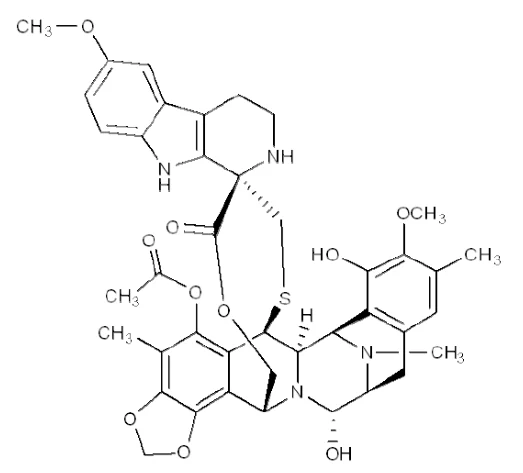
Chemical name: (1’R,6R,6aR,7R,13S,14S,16R)-8,14-dihydroxy-6’,9-dimethoxy-4,10,23-trimethyl-19-oxo-2’,3’,4’,6,7,9’,12,13,14,16-decahydro-6aH-spiro[7,13-azano-6,16-(epithiopropanooxymethano) [1,3]dioxolo[7,8]isoquinolino[3,2-b][3]benzazocine-20,1’-pyrido[3,4-b]indol]-5-yl acetate
Molecular formula and molecular mass: C41H44N4O10S; 784.87 g/mol
Structural formula:
Physicochemical properties: lurbinectedin is a white to off-white powder
Product Characteristics: Lurbinectedin does not show a melting point. Lurbinectedin is sensitive to heat and starts decomposing above 150⁰C without melting. Lurbinectedin is insoluble or practically insoluble in water, but solubility increases at acidic pH: (very slightly soluble at pH 4, sparingly soluble at pH 2)
14 Clinical Trials
14.1 Clinical Trials by Indication
Maintenance Treatment of Patients with Extensive-Stage Small Cell Lung Cancer
Table 11. Summary of Patient Demographics for Clinical Trials in Extensive-Stage Small Cell Lung Cancer (IMforte)
| Study name | Study design | Dosage, route of administration and duration | Study subjects (n) | Age (range) | Sex |
| IMforte | Phase 3, randomized, multicenter, open-label, two arm study | Induction phase (4 cycles): atezolizumab 1200 mg IV every 3 weeks (day 1) carboplatin AUC 5mg/mL/min every 3 weeks (day 1) etoposide 100 mg/m2 IV every 3 weeks (days 1, 2, 3) Maintenance phase: ZEPZELCA 3.2 mg/m2 IV with atezolizumab 1200 mg IV once every 3 weeks until disease progression or unacceptable toxicity Or atezolizumab 1200 mg IV once every 3 weeks until disease progression or unacceptable toxicity | n=242 n=241 | Median age = 65 years (38-85 years) Median age = 67 years (35-85 years) | Male: 151 (62.4%) Female: 91 (37.6%) Male: 151 (62.7%) Female: 90 (37.3%) |
The efficacy of ZEPZELCA with atezolizumab as a maintenance treatment for patients with ES-SCLC following first-line induction therapy with atezolizumab, carboplatin and etoposide was investigated in IMforte. This was a randomized, multicenter, open-label study, which consisted of two phases: an induction phase and a maintenance phase. Patients were eligible for the maintenance phase if their disease had not progressed after completion of 4 cycles of atezolizumab, carboplatin and etoposide induction treatment and they had an ECOG PS of 0 or 1. The randomized phase excluded patients with presence or history of CNS metastases, history of autoimmune disease or leptomeningeal disease. Randomization was stratified by ECOG PS at maintenance baseline (0 vs. 1), lactate dehydrogenase (LDH) (≤ ULN vs. > ULN) at maintenance baseline, presence of liver metastases at induction baseline (yes vs. no), and prior receipt of prophylactic cranial irradiation (yes vs. no).
A total of 483 patients were randomized to the maintenance phase, including 242 to the ZEPZELCA with atezolizumab arm and 241 to the atezolizumab arm. The majority of patients were White (81.6%); 12.8% were Asian, 6.6% were Hispanic and <1% were Black. Most patients were male (62.5%) and 97.5% were current or previous smokers. Maintenance baseline ECOG PS was 0 (42.9%) or 1 (57.1%). Eighty-four percent of patients received at least one concomitant primary prophylaxis of G-CSF in the ZEPZELCA + atezolizumab arm.
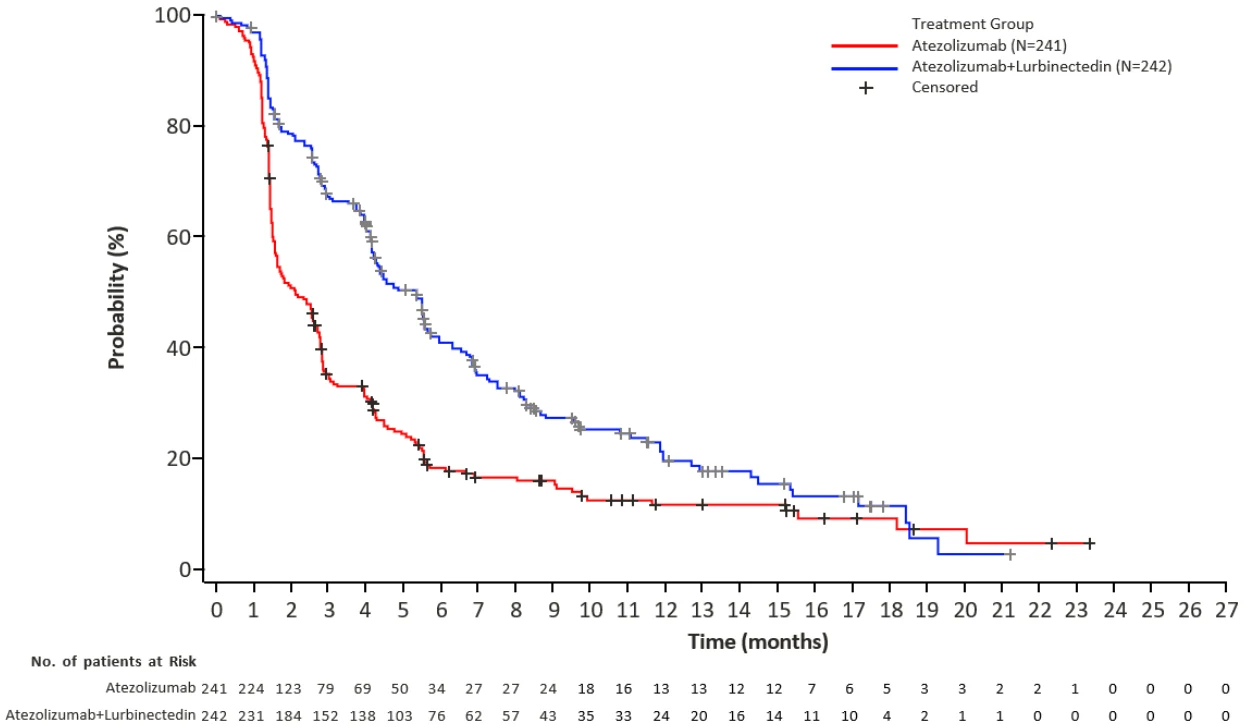
Primary endpoints were overall survival (OS) and Independent Review Facility (IRF)-assessed Progression Free Survival (PFS) per RECIST v1.1 in patients randomized into the maintenance phase after receiving induction treatment for 4 cycles. The median duration of OS follow-up for both arms combined was 14.95 months, with 14.78 months in the ZEPZELCA +atezolizumab arm and 15.18 months in the atezolizumab arm.
ZEPZELCA was studied only with intravenous atezolizumab. For information on use of atezolizumab administered subcutaneously, see the atezolizumab for subcutaneous injection product monograph.
Efficacy results are presented in Table 12 and Figures 1 and 2.
Table 12. Results of Key Endpoints in Subjects with Extensive-Stage Small Cell Lung Cancer in Study IMforte
ZEPZELCA with atezolizumab N=242 | atezolizumab N=241 | |||||||||
|---|---|---|---|---|---|---|---|---|---|---|
| Overall Survival1 | ||||||||||
| Deaths (%) | 113 (47%) | 136 (56%) | ||||||||
| Median, months | 13.2 | 10.6 | ||||||||
| (95% CI) | (11.9, 16.4) | (9.5, 12.2) | ||||||||
| Hazard ratio2 (95% CI) | 0.73 (0.57, 0.95) | |||||||||
| p-value3, 6 | 0.0174 | |||||||||
| Progression-Free Survival1,4,5 | ||||||||||
| Number of events (%) | 174 (72%) | 202 (84%) | ||||||||
| Median, months | 5.4 | 2.1 | ||||||||
| (95% CI) | (4.2, 5.8) | (1.6, 2.7) | ||||||||
| Hazard ratio2 (95% CI) | 0.54 (0.43, 0.67) | |||||||||
| p-value3, 7 | <0.0001 | |||||||||
1Measured from the time of randomization into the maintenance phase 2Stratified by ECOG performance status, LDH level, presence of liver metastases and prior receipt of prophylactic cranial irradiation 3Based on the two-sided stratified log-rank test 4As determined by IRF 5per RECIST v1.1 (Response Evaluation Criteria in Solid Tumors v1.1) 6Compared to the allocated alpha of 0.0313 (two-sided) for this interim OS analysis. 7Compared to the allocated alpha of 0.001 (two- sided) for this final PFS analysis. CI=confidence interval | ||||||||||
Figure 1: Kaplan-Meier Plot of Overall Survival in IMforte
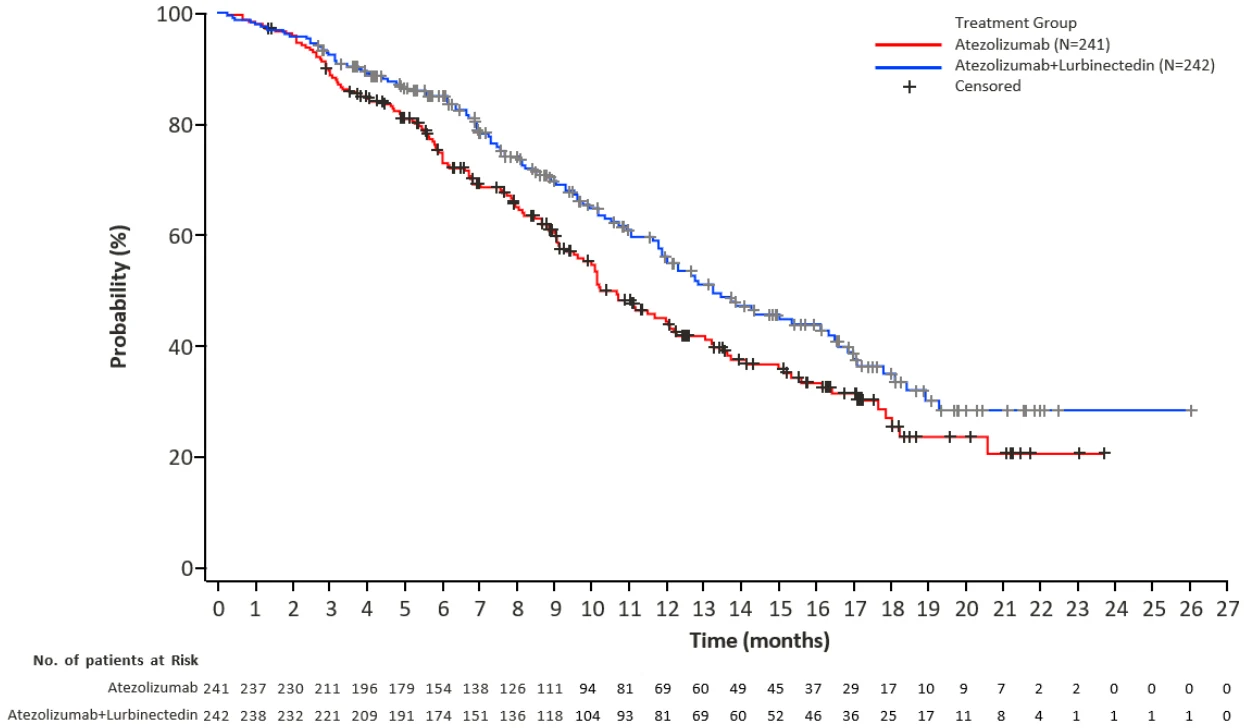
Figure 2: Progression Free Survival Curve in IMforte
Small Cell Lung Cancer after Progression on or after Platinum-Containing Therapy
Table 13. Summary of Patient Demographics for Clinical Trials in Small Cell Lung Cancer (Study B-005)
| Study # | Study design | Dosage, route of administration and duration | Study subjects (n) | Mean age (Range) | Sex |
| Study B-005 | phase 2 open-label, multi-centre, multi-cohort, single-arm study | 3.2 mg/m2 ZEPZELCA, administered as a 60-minute intravenous infusion repeated every 21 days | 105 | 60 years (40-83 years) | Male: 60% Female: 40% |
In a phase 2 open-label, multi-centre, multi-cohort, single-arm study (Study B-005), 105 SCLC patients were treated with 3.2 mg/m2 ZEPZELCA, administered as a 60-minute intravenous infusion repeated every 21 days (one cycle). Patients received a median of 4 cycles of ZEPZELCA (range 1 to 24 cycles).
A total of 105 treated patients with SCLC who progressed on or after platinum-based chemotherapy were enrolled. The trial excluded patients with central nervous system (CNS) metastases, grade ≥3 dyspnea, daily intermittent oxygen requirement, hepatitis or cirrhosis, and immunocompromised patient. The median age was 60 years (range: 40 to 83 years; 35% were ≥65 years old), 60% were male, 75% were white, 1% were Asian, 1% were Black and 23% were not reported. At baseline, 92% had ECOG PS 0 or 1 and 92% were former/current smokers. All patients had received prior platinum-based chemotherapy, 71% had received prior radiotherapy and 8% had received immunotherapy in addition to platinum-based chemotherapy. A total of 57% of patients had platinum-sensitive SCLC, defined as chemotherapy free interval (CTFI) ≥90 days and 43% of patients had platinum-resistant SCLC, defined as CTFI <90 days. Out of the 105 patients enrolled in the study, 103 had either loco-regional metastases (n=30 patients) or distant metastases (n=73 patients).
The primary efficacy endpoint was overall response rate (ORR), as assessed by the investigator. Other key efficacy endpoints included duration of response (DOR) as assessed by the investigator and Independent Review Committee (IRC) assessed ORR and DOR.
Table 14 summarizes investigator-assessed and IRC-assessed key efficacy measures in all patients and in platinum-resistant and platinum-sensitive subgroups.
NOC/c
Table 14. Results of Study B-005 in SCLC Cohort
| Investigator Assessed Response | All Patients (n=105) | Resistant Disease CTFI <90 days (n=45) | Sensitive Disease CTFI ≥90 days (n=60) |
| Overall Response Rate (95% CI) | 36% (27%, 46%) | 22% (11%, 37%) | 47% (34%, 60%) |
| Complete response | 0% | 0% | 0% |
| Partial response | 35% | 22% | 45% |
| Duration of Response | |||
| Median in months (95% CI) | 5.3 (4.1, 6.2) | 4.9 (2.6, 5.6) | 5.8 (3.5, 6.4) |
| Independent Review Committee Assessed Response | All Patients (n=105) | CTFI <90 days (n=45) | CTFI ≥90 days (n=60) |
| Overall Response Rate (95% CI) | 30% (21%, 39%) | 13% (5%, 27%) | 42% (29%, 55%) |
| Complete response | 0% | 0% | 0% |
| Partial response | 30% | 13% | 43% |
| Duration of Response | |||
| Median in months (95% CI) | 5.3 (4.9, 5.9) | 5.0 (2.4, NE) | 5.5 (4.9, 6.9) |
CI, confidence interval; CTFI, chemotherapy free interval; NE, not estimable
15 Microbiology
No microbiological information is required for this drug product.
16 Non-Clinical Toxicology
General Toxicology: Lurbinectedin was tested in rats, dogs, and non-human primates (NHP) via the intravenous route either as single- or multi-cycle administrations. The maximum tolerated doses (MTDs) in nonclinical species are summarized below:
Table 15. Maximum Tolerated Dose in Nonclinical Species
| Species (Strain) | Sex | MTD mg/kg (mg/m2) | |
|---|---|---|---|
| Single-dose | Multi-dose | ||
| Rat (Sprague-Dawley) | M | 0.2 (1.2) | 0.06 (0.36) |
| F | 0.1 (0.6) | 0.03 (0.18) | |
| Dog (Beagle) | M/F | 0.03 (0.6) | 0.03 (0.6) |
| Cynomolgus monkey | M/F | 0.125-0.167 (1.5-2.0) | 0.104-0.125 (1.25-1.5) |
F, female; M, male
The primary toxicity of lurbinectedin observed in nonclinical species (rat, dog and NHP) includes severe, reversible and non-cumulative atrophy of the bone marrow, with dose-related leukopenia, as well as thrombocytopenia and anemia. Liver abnormalities (multiple dark areas or swollen liver, increased liver function markers, bile duct damage with necrosis and/or edema, and hepatocellular degeneration/apoptosis and periportal hepatocytic hypertrophy) were also reported. Additional findings were observed in the gastrointestinal tract (mucosal atrophy), kidneys (cortical tubular degeneration and vacuolation), heart (focal, slight to moderate myocardial degeneration and/or necrosis) and at injection sites (perivascular/vascular inflammatory reactions). Full recovery was noted after cessation of dosing for most findings.
Genotoxicity: Positive genotoxicity results with lurbinectedin were obtained in vitro mammalian cell lines. Bacterial reverse mutation assays (Ames) were negative, likely due to lurbinectedin’s inability to cross the bacterial wall.
Carcinogenicity: Carcinogenicity testing of lurbinectedin has not been performed.
Reproductive and developmental toxicology: Studies in pregnant rats administered a single dose of 0.6 mg/m2 lurbinectedin (approximately equivalent to 20% of the estimated human dose of 3.2 mg/m2) during the period of organogenesis produced embryo-fetal lethality, and maternal toxicity evidenced by clinical signs, decreases in body weight/body weight gain, and decreased food consumption.
Special toxicology: In vitro evaluation demonstrated no potential phototoxicity of lurbinectedin. In a local tolerance test in rabbits, both intravenous and paravenous administration of lurbinectedin caused slight perivascular and/or vascular chronic inflammatory reactions. The potential for lurbinectedin to induce off-target pharmacological effects is considered unlikely.