


Product Monograph - Welireg
Recent Major Label Changes
| 1 Indications | 12/2024; 09/2026 |
|---|---|
| 1 Indications, 1.1 Pediatric | 09/2026 |
| 1 Indications, 1.2 Geriatrics | 12/2024 |
| 4 Dosage and Administration, 4.2 Recommended Dose and Dosage Adjustment (Pediatrics) | 09/2026 |
| 4 Dosage and Administration, 4.2 Recommended Dose and Dosage Adjustment (Geriatrics) | 12/2024 |
| 4 Dosage and Administration, 4.2 Recommended Dose and Dosage Adjustment (Renal Insufficiency, Hepatic Insufficiency) | 06/2026 |
| 7 Warnings and Precautions, General (Anemia, Hypoxia) | 12/2024 |
| 7 Warnings and Precautions, 7.1.3 Pediatrics | 09/2026 |
| 7 Warnings and Precautions, 7.1.4 Geriatrics | 12/2024; 09/2026 |
| 7 Warnings and Precautions, 7.1.5 Dual UGT2B17 and CYP2C19 Poor Metabolizers | 12/2024 |
| 7 Warnings and Precautions, 7.1.6 Hepatic/ Biliary/ Pancreatic | 06/2026 |
| 7 Warnings and Precautions, 7.1.7 Renal insufficiency | 06/2026 |
Table of Contents
Certain sections or subsections that are not applicable at the time of the preparation of the most recent authorized product monograph are not listed.
Recent Major Label Changes ................................................................................................... 2
Table of Contents ................................................................................................................... 2
Part 1: Healthcare Professional Information ........................................................................... 5
- 1.
Indications ....................................................................................................................... 5
1.1. Pediatrics .................................................................................................................. 5
1.2. Geriatrics .................................................................................................................. 5
- 2. Contraindications ............................................................................................................ 5
- 3. Serious Warnings and Precautions Box ............................................................................ 6
- 4.
Dosage and Administration ............................................................................................. 6
4.1. Dosing Considerations .............................................................................................. 6
4.2. Recommended Dose and Dosage Adjustment ......................................................... 6
4.4. Administration .......................................................................................................... 7
4.5. Missed Dose ............................................................................................................. 8
- 5. Overdose ......................................................................................................................... 8
- 6. Dosage Forms, Strengths, Composition, and Packaging ................................................... 8
- 7.
Warnings and Precautions ............................................................................................... 8
Driving and Operating Machinery ......................................................................................... 9
Hematologic ......................................................................................................................... 9
Monitoring and Laboratory Tests ....................................................................................... 10
Reproductive Health ........................................................................................................... 10
Respiratory ......................................................................................................................... 10
7.1. Special Populations ................................................................................................ 11
7.1.1. Pregnancy ...................................................................................................... 11
7.1.2. Breastfeeding ................................................................................................ 11
7.1.3. Pediatrics ....................................................................................................... 11
7.1.4. Geriatrics ....................................................................................................... 12
7.1.5. UGT2B17 and CYP2C19 Poor Metabolizers .................................................... 13
7.1.6. Hepatic/ Biliary/ pancreatic ........................................................................... 13
7.1.7. Renal insufficiency ......................................................................................... 13
- 8.
Adverse Reactions ......................................................................................................... 13
8.1. Adverse Reaction Overview .................................................................................... 13
8.2. Clinical Trial Adverse Reactions .............................................................................. 16
8.3. Less Common Clinical Trial Adverse Reactions ....................................................... 20
8.4. Abnormal Laboratory Findings: Hematologic, Clinical Chemistry, and Other Quantitative Data ............................................................................................................... 24
8.5. Post-Market Adverse Reactions ............................................................................. 27
- 9.
Drug Interactions ........................................................................................................... 27
9.2. Drug Interactions Overview .................................................................................... 27
9.4. Drug-Drug Interactions ........................................................................................... 27
9.5. Drug-Food Interactions........................................................................................... 28
9.6. Drug-Herb Interactions ........................................................................................... 28
9.7. Drug-Laboratory Test Interactions ......................................................................... 28
- 10.
Clinical Pharmacology ................................................................................................... 28
10.1. Mechanism of Action .............................................................................................. 28
10.2. Pharmacodynamics ................................................................................................ 29
10.3. Pharmacokinetics ................................................................................................... 30
- 11. Storage, Stability, and Disposal ...................................................................................... 32
Part 2: Scientific Information ................................................................................................ 33
- 13. Pharmaceutical Information .......................................................................................... 33
- 14.
Clinical Trials .................................................................................................................. 33
14.1. Clinical Trials by Indication ..................................................................................... 33
Von Hippel-Lindau (VHL) disease-associated renal cell carcinoma (RCC), central nervous system (CNS) hemangioblastomas and pancreatic neuroendocrine tumours (pNETs) ....... 33
Renal cell carcinoma (RCC) ................................................................................................. 35
Pheochromocytoma or paraganglioma (PPGL) ................................................................... 38
- 15. Microbiology ................................................................................................................. 39
- 16. Non-Clinical Toxicology .................................................................................................. 40
Patient Medication Information ........................................................................................... 42
Part 1: Healthcare Professional Information
1. Indications
WELIREG® (belzutifan) is indicated for:
Von Hippel-Lindau (VHL) disease
WELIREG® is indicated for the treatment of adult patients with von Hippel-Lindau (VHL) disease who require therapy for associated non-metastatic renal cell carcinoma (RCC), central nervous system (CNS) hemangioblastomas, or non-metastatic pancreatic neuroendocrine tumors (pNET), not requiring immediate surgery.
Efficacy in patients with VHL disease-associated RCC, CNS hemangioblastomas, or pNET was based on objective response rate and duration of response in a single-arm study (see 14 Clinical Trials).
Renal Cell Carcinoma (RCC)
WELIREG® is indicated for the treatment of adult patients with advanced renal cell carcinoma (RCC) following a programmed death receptor-1 (PD-1) or programmed death-ligand 1 (PD-L1) inhibitor and a vascular endothelial growth factor tyrosine kinase inhibitor (VEGF-TKI).
Pheochromocytoma or Paraganglioma (PPGL)
WELIREG® is indicated for the treatment of adult and pediatric (12 years and older) patients with locally advanced, unresectable, or metastatic pheochromocytoma or paraganglioma (PPGL).
1.1. Pediatrics
Pediatrics (< 12 years of age): No data are available to Health Canada for children < 12 years of age; therefore, Health Canada has not authorized an indication for children < 12 years of age.
1.2. Geriatrics
Geriatrics (≥ 65 years of age):
Of the 372 participants who received WELIREG® in LITESPARK-005, 62% of participants were < 65 years, 28% of participants were 65 to 74 years, and 10% were ≥ 75 years. No overall difference in safety or efficacy was reported between patients who were 65 years and over and younger patients. Differences in WELIREG® tolerability profile were observed in patients who were ≥ 65 years compared to younger patients (See 7.1.4 Warnings and Precautions, geriatrics).
2. Contraindications
- WELIREG® is contraindicated in patients who are hypersensitive to this drug or to any ingredient in the formulation, including any non-medicinal ingredient, or component of the container. For a complete listing, see 6 Dosage Forms, Strengths, Composition and Packaging.
3. Serious Warnings and Precautions Box
Embryo-fetal toxicity (see 7 Warnings and Precautions, 16 Non-Clinical Toxicology)
|
|---|
4. Dosage and Administration
4.1. Dosing Considerations
- Verify the pregnancy status of females of reproductive potential prior to initiating treatment with WELIREG® (see 7 Warnings and Precautions, Special Populations).
4.2. Recommended Dose and Dosage Adjustment
The recommended dose of WELIREG® is 120 mg (three 40 mg tablets) administered orally once daily, with or without food (see 10.3 Pharmacokinetics). Tablets should be swallowed whole.
Treatment should continue until disease progression or unacceptable toxicity occurs.
Dose Modification Guidelines
Dosage modifications for WELIREG® for adverse reactions are summarized in Table 1.
The recommended dose reductions are:
- First dose reduction: WELIREG® 80 mg orally once daily
- Second dose reduction: WELIREG® 40 mg orally once daily
- Third dose reduction: Permanently discontinue
Table 1 – Recommended Dose Modifications for Adverse Reactions
| Adverse Reactions | Severity* | Dose Modification |
|---|---|---|
| Adverse Reactions | Severity* | Dose Modification |
Anemia (see 7 Warnings and Precautions) | Grade 3 or transfusion indicated |
|
| Grade 4 |
| |
Hypoxia (see 7 Warnings and Precautions) | Grade 2 |
|
| Grade 3 |
| |
| Grade 4 or recurrent symptomatic hypoxia |
| |
Other Adverse Reactions (see 8 Adverse Reactions) | Grade 3 |
|
| Grade 4 |
|
*Based on National Cancer Institute Common Terminology Criteria for Adverse Events (NCI CTCAE), version 5.0
Pediatrics: The recommended dose of WELIREG® in pediatric PPGL patients 12 years and older is based on bodyweight ( see 7 Warnings and Precautions, 7.1.3. Pediatrics and 10.3 Pharmacokinetics).
- Patients weighing ≥ 40 kg: 120 mg orally once daily
- Patients weighing < 40 kg: 80 mg orally once daily
Geriatrics (≥ 65 years of age): No dose adjustment is needed in patients ≥ 65 years of age (see 10 Clinical Pharmacology).
Renal Insufficiency: No dose adjustment is recommended in patients with renal insufficiency including end-stage renal disease (see 10 Clinical Pharmacology). For patients with severe renal impairment (eGFR 15-29 mL/min estimated by MDRD) monitor for increased adverse reactions and modify the dosages as recommended (see 4 Dosage and Administration and 10 Clinical Pharmacology).
Hepatic Insufficiency: No dose adjustment is recommended in patients with mild (total bilirubin ≤ upper limit of normal [ULN] and aspartate aminotransferase [AST] > ULN or total bilirubin > 1 to 1.5 x ULN and any AST) or moderate (total bilirubin within range of > 1.5 x ULN and ≤ 3 x ULN and any AST or Child-Pugh B) hepatic insufficiency. WELIREG® has not been studied in patients with severe (total bilirubin > 3 x ULN and any AST) hepatic insufficiency (see 10 Clinical Pharmacology). For patients with moderate and severe hepatic impairment, monitor for increased adverse reactions and modify the dosage as recommended (see 4 Dosage and Administration and 10 Clinical Pharmacology).
UGT2B17 and CYP2C19 Genetic Polymorphism: No dose adjustment is recommended for patients who are dual UGT2B17 and CYP2C19 poor metabolizers (see 7 Warnings and Precautions, 10 Clinical Pharmacology).
4.4. Administration
WELIREG® is administered with or without food (see 10.3 Pharmacokinetics). Tablets should be swallowed whole. Treatment should continue until disease progression or unacceptable toxicity occurs.
4.5. Missed Dose
If a dose of WELIREG® is missed, it can be taken as soon as possible on the same day. The regular daily dose schedule for WELIREG® should be resumed the next day. Extra tablets should not be taken to make up for the missed dose. If vomiting occurs any time after taking WELIREG®, the dose should not be retaken. The next dose should be taken the next day.
5. Overdose
There is no specific treatment for WELIREG® overdose. In cases of suspected overdose, if necessary, consider withholding WELIREG® and instituting supportive care. The highest dose of WELIREG® studied clinically was 600 mg total daily dose (200 mg three times a day). At doses of 320 mg to 600 mg daily in 26 patients, the most common adverse reactions were anemia (92%), dyspnea (42%) and fatigue (42%).
| For the most recent information in the management of a suspected drug overdose, contact your regional poison control centre or Health Canada’s toll-free number, 1-844 POISON-X (1-844-764-7669). |
|---|
- 6. Dosage Forms, Strengths, Composition, and Packaging
Table 2 – Dosage Forms, Strengths, and Composition
Description
40 mg tablets of WELIREG®: blue, oval, film-coated tablet with “177” on one side. Available in bottle of 90 tablets with desiccant and blisters of 90 tablets (3 cartons of 30 tablets inside of a larger, master carton).
7. Warnings and Precautions
See 3 Serious Warnings and Precautions box
| Route of Administration | Dosage Form/ Strength/Composition | Non-Medicinal Ingredients |
| oral | Tablet / 40 mg / belzutifan | croscarmellose sodium, FD&C Blue #2 aluminum lake, hypromellose acetate succinate, magnesium stearate, mannitol, microcrystalline cellulose, polyethylene glycol, polyvinyl alcohol, colloidal silicon dioxide, talc and titanium dioxide. |
Driving and Operating Machinery
No studies on the effects on the ability to drive and use machines have been performed. Dizziness and fatigue may occur following administration of WELIREG® which could influence the ability to drive or use machines (see 8 Adverse Reactions).
Hematologic
Anemia:
WELIREG® can cause severe anemia that can require blood transfusion and erythropoiesis stimulating agents.
Monitor for anemia before initiation of and routinely throughout treatment with WELIREG®. For patients who develop Grade 3 anemia, withhold WELIREG® and treat according to standard medical practice until resolved to ≤ Grade 2; then resume at the same or reduced dose. For recurrent Grade 3 anemia, consider discontinuing WELIREG®. For patients who develop Grade 4 anemia, withhold WELIREG®; then resume at a reduced dose or permanently discontinue for recurrent Grade 4 anemia (see 4 Dosage and Administration, 4.2 Recommended Dose and Dosage Adjustment,10.2 Pharmacodynamics).
A significant baseline (≤ 120 g/L) effect was found for risk of developing ≥ Grade 3 anemia in a Phase 1 study.
von Hippel-Lindau (VHL) disease
In a clinical trial (LITESPARK-004) with WELIREG® for the treatment of patients with VHL disease-associated RCC, anemia was reported in 55 patients (90.2%). Grade 3 anemia occurred in 7 patients (11.5%) (see 8 Adverse Reactions). Median time to onset of all Grade anemia events was 30 days (range: 1 day to 8.38 months). Of the 14 patients that were treated with an erythropoiesis-stimulating agent (ESA), 5 received treatment with both an ESA and blood transfusions, while 9 received treatment with an ESA alone.
The safety of erythropoiesis stimulating agents (ESAs) for treatment of anemia in patients with VHL disease treated with WELIREG® has not been established. Randomized controlled trials in patients with cancer receiving myelosuppressive chemotherapy with ESAs have shown that ESAs increased the risks of death and serious cardiovascular reactions, and decreased progression-free survival and/or overall survival. See the prescribing information for ESAs for more information.
Advanced renal cell carcinoma (RCC)
In LITESPARK-005, a clinical trial with WELIREG® for the treatment of patients with advanced RCC, anemia was reported in 83% of patients, 119 patients (32%) had Grade 3 and 2 patients (0.5%) had Grade 4 anemia (see 8 Adverse Reactions). Median time to onset of anemia was 29 days (range: 1 day to 28 months). Of the patients with anemia, 22% received transfusions only, 20% received ESAs only and 14% received both transfusion and ESAs.
Pheochromocytoma or Paraganglioma (PPGL)
In LITESPARK-015, a clinical trial with WELIREG® for the treatment of patients with PPGL, anemia was reported in 69 patients (96%). Grade 3 anemia occurred in 16 patients (22%). Median time to onset of anemia was 29 days (range: 1 day to 22 months). Of the 69 patients with anemia, 14 patients (20%)
received transfusions only, 18 patients (26%) received ESAs only and 4 patients (6%) received both transfusion and ESAs. The median number of ESA doses administered to patients was 11 (range: 1-110). Patients received an ESA based on hemoglobin levels and physician discretion.
Monitoring and Laboratory Tests
Monitor oxygen saturation with pulse oximetry before initiation of and regularly at follow up visits throughout treatment with WELIREG®. Some patients may experience asymptomatic hypoxia; at their discretion, health care providers may instruct patients to monitor oxygen saturation at home.
Monitor for anemia before initiation of and routinely throughout treatment with WELIREG®.
Reproductive Health
See 3 SERIOUS WARNINGS AND PRECAUTIONS BOX and 7.1.1 Pregnancy
Fertility
No data on the effects of WELIREG® on fertility in humans are available. Based on findings in animals, WELIREG® may impair fertility in males and females of reproductive potential (see 16 Non-Clinical Toxicology). The reversibility of the effect on fertility is unknown. Advise patients of this potential risk. Family planning should be discussed with patients as appropriate.
Contraception
Based on findings in animals, WELIREG® may cause fetal harm, including fetal loss, in humans (see 16 Non-Clinical Toxicology). Advise females of reproductive potential to use highly effective non-hormonal contraceptive methods during treatment with WELIREG® and for at least 1 week after the last dose due to the potential risk to the fetus. Use of WELIREG® may reduce the effectiveness of hormonal contraceptives (see 9.4 Drug-Drug Interactions). Verify the pregnancy status of females of reproductive potential prior to initiating treatment with WELIREG®.
Advise male patients with female partners of reproductive potential to use highly effective contraceptive methods during treatment with WELIREG® and for at least 1 week after the last dose (see 7 Warnings and Precautions, Special Populations and 16 Non-Clinical Toxicology).
Respiratory
Hypoxia:
WELIREG® can cause severe hypoxia that may require discontinuation, supplemental oxygen, or hospitalization.
Monitor oxygen saturation with pulse oximetry before initiation of and regularly at follow up visits throughout treatment with WELIREG®. Some patients may experience asymptomatic hypoxia; at their discretion, health care providers may instruct patients to monitor oxygen saturation at home. For Grade 2 hypoxia, treat according to standard medical practice and consider whether to continue or withhold WELIREG® treatment. If withheld, consider resuming at a reduced dose depending on severity of hypoxia. For Grade 3 hypoxia, withhold WELIREG® until resolved and treat according to standard medical practice. Resume at reduced dose or discontinue depending on the severity of hypoxia. For recurrent hypoxia, discontinue treatment. For Grade 4 hypoxia or recurrent symptomatic hypoxia, permanently discontinue treatment (see 4 Dosage and Administration, 4.2 Recommended Dose and Dosage Adjustment).
In a clinical trial (LITESPARK-004) with WELIREG® for the treatment of patients with VHL disease-associated RCC, Grade 3 hypoxia occurred in 1 patient (1.6%) (see 8 Adverse Reactions). In LITESPARK- 005, a clinical trial with WELIREG® for the treatment of patients with advanced RCC, hypoxia occurred in 15% of patients and 38 patients (10%) had Grade 3 hypoxia and 1 patient (0.3%) had Grade 4 hypoxia (see 8 Adverse Reactions). Of the patients with hypoxia, 70% were treated with oxygen therapy. Median time to onset of hypoxia was 1 month (range: 1 day to 21 months). In LITESPARK-015, a clinical trial for the treatment of patients with PPGL, hypoxia occurred in 9 patients (13%) and 7 patients (10%) had Grade 3 hypoxia. Of the patients with hypoxia, 67% were treated with oxygen therapy. Median time to onset of hypoxia was 35 days (range: 6 days to 24 months).
7.1. Special Populations
7.1.1. Pregnancy
Embryo-Fetal Toxicity:
Based on findings in animal studies, WELIREG® may cause fetal harm, including fetal loss, when administered to a pregnant woman (see 16 Non-Clinical Toxicology). There are no available data on the use of WELIREG® in pregnant women to evaluate drug-associated risk. Advise females of reproductive potential of the potential risk to a fetus.
The estimated background risk of major birth defects and miscarriage for the indicated population is unknown.
For information on contraception for patients who are females of child bearing potential or male patients, please refer to 7 Warnings and Precautions, Reproductive Health.
7.1.2. Breastfeeding
It is unknown if WELIREG® or its metabolites are excreted in human milk, and there are no data on their effects on the breastfed child, or on milk production. Precaution should be exercised because many drugs can be excreted in human milk. Because of the potential for serious adverse reactions in breastfed children, advise women not to breastfeed during treatment with WELIREG® and for at least 1 week after the last dose.
7.1.3. Pediatrics
Pediatrics (< 12 years of age): Safety and effectiveness of WELIREG® in pediatric patients under 12 years of age have not been established. There is limited experience with WELIREG® in pediatric patients. In LITESPARK-015, 3 pediatric patients (3 adolescents aged 15-16 years, > 40 kg), 1 with paraganglioma and 2 with advanced gastrointestinal stromal tumor (advanced GIST), were administered WELIREG® 120 mg once daily. The safety and effectiveness of WELIREG® have not been established in pediatric patients (< 18 years of age) with VHL or RCC, or in pediatric patients younger than 12 years of age with PPGL. The concentrations of belzutifan in pediatric patients were comparable to those observed in adult patients at the same dose regimen of 120 mg once daily. Two of the 3 patients experienced Grade 2 anemia. All events were Grade 1 or 2, and there were no serious adverse events or dose modifications due to adverse events reported. Efficacy for pediatric patients with PPGL is extrapolated from the results in the respective adult population (see 10 Clinical Pharmacology and 14 Clinical Trials).
7.1.4. Geriatrics
Geriatrics (≥ 65 years of age): Based on population PK modeling, no dosage adjustment is recommended in geriatric patients (see 10 Clinical Pharmacology). There were 2 (3.3%) patients with VHL disease-associated RCC ≥65 years of age in the Phase 2 LITESPARK-004 (see 14 Clinical Trials). Clinical trials of WELIREG® in patients with VHL did not include sufficient numbers of patients aged 65 and older to determine whether they respond differently from younger patients.
Of the patients with advanced RCC who received WELIREG® in LITESPARK-005, 62% of participants were < 65 years, 28% of participants were 65 to 74 years, and 10% were ≥ 75 years old (see 14 Clinical Trials). Dose interruptions occurred in 53% of patients who were ≥65 years and in 38% of younger patients. Dose reductions occurred in 19% of patients who were ≥65 years and in 11% of younger patients. No overall difference in safety or efficacy was reported between patients who were 65 years and over and younger patients.
Of the 72 patients with PPGL who received WELIREG® in LITESPARK-015, 13% (9 patients) were ≥ 65 years old and 4.2% (3 patients) were ≥ 75 years old (see 14 Clinical Trials). Clinical trials of WELIREG® in patients with PPGL did not include sufficient numbers of patients aged 65 and older to determine whether they respond differently from younger patients. Other reported clinical experience has not identified differences in responses between the elderly and younger patients.
7.1.5. UGT2B17 and CYP2C19 Poor Metabolizers
Patients who are either UGT2B17 poor metabolizers or dual UGT2B17 and CYP2C19 poor metabolizers have higher belzutifan exposures, which may increase the incidence and severity of adverse reactions of WELIREG®. The estimated frequencies of either UGT2B17 poor metabolizers or dual CYP2C19 and UGT2B17 poor metabolizers are higher in Asians compared to Caucasians and African Americans. Closely monitor for adverse reactions in patients who are either UGT2B17 poor metabolizers or dual UGT2B17 and CYP2C19 poor metabolizers (see 4 Dosage and Administration, 9 Drug Interactions, 9.4 Drug-Drug Interactions, 10.2 Pharmacodynamics, and 10.3 Pharmacokinetics).
7.1.6. Hepatic/ Biliary/ pancreatic
No dose adjustment of WELIREG® is recommended in patients with mild (total bilirubin ≤ upper limit of normal [ULN] and aspartate aminotransferase [AST] > ULN or total bilirubin > 1 to 1.5 x ULN and any AST) or moderate (total bilirubin within range of > 1.5 x ULN and ≤ 3 x ULN and any AST or Child-Pugh B) hepatic impairment. WELIREG® has not been studied in patients with severe hepatic insufficiency (see 4 Dosage and Administration, Hepatic Insufficiency and 10.3 Pharmacokinetics). For patients with moderate and severe hepatic impairment, monitor for increased adverse reactions and modify the dosage as recommended (see 4 Dosage and Administration and 10 Clinical Pharmacology).
7.1.7. Renal insufficiency
No dose adjustment of WELIREG® is recommended in patients with renal impairment including end-stage renal disease. (see 4 Dosage and Administration, Renal Insufficiency and 10.3 Pharmacokinetics). For patients with severe renal impairment (eGFR 15-29 mL/min estimated by MDRD) monitor for increased adverse reactions and modify the dosage as recommended (see 4 Dosage and Administration and 10 Clinical Pharmacology).
8. Adverse Reactions
8.1. Adverse Reaction Overview
The following clinically significant adverse reactions are discussed elsewhere in the labeling (see 7 Warnings and Precautions):
Von Hippel-Lindau (VHL) disease-associated renal cell carcinoma (RCC), central nervous system (CNS) hemangioblastomas and pancreatic neuroendocrine tumours (pNETs)
The safety of WELIREG® was evaluated in an open-label single-arm Phase 2 clinical study (LITESPARK-004), in 61 patients with VHL disease-associated RCC and who did not require immediate surgery. Enrolled participants included those with other VHL disease-associated tumours such as pancreatic lesions, pancreatic neuroendocrine tumours (pNETs), central nervous system hemangioblastomas (CNS HB) and retinal hemangioblastomas. Patients were treated with 120 mg WELIREG® once daily. The median duration of exposure to WELIREG® was 37.3 months (range 1.9 to 46.1 months) with 90% exposed for 18 months or longer.
Treatment-Emergent Adverse Events
In the pivotal LITESPARK-004, a treatment-emergent adverse event (TEAE) was reported by all 61 patients who received WELIREG®. The most common TEAEs (incidence ≥20%) under treatment with WELIREG® were anemia (90.2%), fatigue (73.8%), headache (47.5%), dizziness (45.9%), nausea (39.3%), dyspnea (26.2%), myalgia (24.6%), constipation (23.0%), arthralgia (21.3%) and vision blurred (21.3%).
Grade ≥3 TEAE occurred in 44.3% of patients, with Grade 3, Grade 4, and Grade 5 TEAEs observed in 36.1%, 4.9%, and 3.3%, respectively. The most common Grade ≥3 TEAEs were anemia (11.5%), hypertension (9.8%), and fatigue (4.9%). There were 3 (4.9%) Grade 4 TEAEs (embolism, retinal detachment, and retinal vein occlusion) and 2 (3.3%) Grade 5 TEAEs (suicide attempt and toxicity to various agents).
Serious TEAE were reported in 29.5% of patients; the only SAEs reported by more than 1 participant were hemorrhage intracranial and embolism (2 participants with VHL-CNS HB [3.3%] each).
The most frequently (≥3%) reported TEAEs leading to treatment interruption were fatigue (11.5%), nausea (9.8%), headache (6.6%), dizziness (4.9%), influenza-like illness (4.9%), abdominal pain (3.3%), anemia (3.3%), COVID-19 (3.3%), haemorrhage intracranial (3.3%), syncope (3.3%) and vomiting (3.3%).
The most common TEAE resulting in dose reduction of WELIREG® were fatigue (8.2%) and anemia (3.3%). No other AEs that led to dose reduction were reported by more than 1 patient.
TEAE resulted in the permanent discontinuation of WELIREG® for 4 patients (6.6%) (Grade 1 dizziness, Grade 2 hemorrhage intracranial, Grade 5 toxicity to various agents, Grade 5 suicide attempt).
Renal cell carcinoma (RCC)
The safety of WELIREG® was evaluated in a phase 3, open-label, active-controlled study (LITESPARK-005) in 732 patients with advanced RCC that has progressed after prior programmed cell death 1/ligand 1 (PD-1/L1) and vascular endothelial growth factor (VEGF)-targeted therapies. Patients received 120 mg WELIREG® (n=372) or 10 mg everolimus (n=360) by oral administration once daily. The median duration of exposure to WELIREG® was 7.6 months (range: 0.1 to 36 months) and the median duration of exposure to everolimus was 3.9 months (range 0 to 33 months).
Treatment-Emergent Adverse Events
The most common TEAEs (incidence ≥20%) under treatment with WELIREG® were anemia (83%), fatigue (46%), musculoskeletal pain (38%) and edema (20%).
Serious TEAE’s occurred in 42% of patients who received WELIREG® and 38% of participants who received everolimus. Serious adverse events in ≥2% of patients and more frequently reported in the WELIREG® treated group compared to everolimus group were hypoxia (7.5% vs. 0%), anemia (5.4% vs. 2.2%), pneumonia (4.8% vs. 5.6%) and hemorrhage (3.0% vs. 0.6%).
Permanent discontinuation due to TEAE’s occurred in 6% of patients in the WELIREG® treated group and 15% of patients in the everolimus group. The most common TEAE’s which resulted in permanent discontinuation in the WELIREG® treated group compared to the everolimus group was hypoxia (0.8% vs. 0.0%).
Dose interruptions of WELIREG® due to a TEAE occurred in 44% of patients. The most common TEAE’s which required dosage interruption in ≥1% of patients in the WELIREG®-treated group were anemia (9%), hypoxia (5.6%), COVID-19 (5.1%), fatigue (3.2%), pneumonia (2.7%), diarrhea (2.2%), hemorrhage (2.2%), dizziness (1.9%), dyspnea (1.9%), pleural effusion (1.9%), nausea (1.3%), pyrexia (1.3%), spinal cord compression (1.1%), abdominal pain (1.1%) and rash (1.1%). Dose interruptions were observed in 26% (13 of 51) of the Asian population compared to 22% (64 of 294) of the Caucasian population (see 10.2 Pharmacodynamics and 10.3 Pharmacokinetics).
Dose reductions of WELIREG® due to a TEAE occurred in 14% of patients. The most TEAE’s (≥1%) in the WELIREG®-treated group were hypoxia (5.6%), anemia (3%), and fatigue (1.1%).
Dose reductions were observed in 24% (12 of 51) of the Asian population compared to 10% (30 of 294) of the Caucasian population (see 10.2 Pharmacodynamics and 10.3 Pharmacokinetics).
Advanced Pheochromocytoma or Paraganglioma
The safety of belzutifan was evaluated in an open-label Phase 2 clinical study (LITESPARK-015), in 72 patients with locally advanced, unresectable, or metastatic PPGL. Patients were treated with 120 mg belzutifan once daily until disease progression or unacceptable toxicity. The median duration of exposure to belzutifan was 20 months (range: 0.3 to 32.5 months).
Treatment-Emergent Adverse Events
The most common TEAEs (incidence ≥20%) under treatment with WELIREG® included anemia (96%), fatigue (39%), dyspnea (31%), headache (29%), back pain (26%), dizziness (25%), nausea (25%), arthralgia (24%), constipation (24%), and oedema peripheral (22%).
Serious TEAEs occurred in 36% of patients who received WELIREG®. Serious adverse events reported by more than 1 participant were anemia (4.2%), dyspnea (2.8%), hypertension (2.8%), hypoxia (2.8%), pneumonia (2.8%), and pyelonephritis (2.8%).
Permanent discontinuation due to TEAEs occurred in 2.8 % of patients. The two TEAEs which resulted in permanent discontinuation were alanine aminotransferase increased (1.4%) and paraparesis (1.4%).
Dose interruptions of WELIREG® due to a TEAE occurred in 40% of patients. The most common TEAEs which required dosage interruption in ≥2% of patients were hypoxia (4.2%), nausea (4.2%), anemia (2.8%), asthenia (2.8%), COVID-19 (2.8%), cough (2.8%), dizziness (2.8%), pneumonia (2.8%), and pyelonephritis (2.8%).
Dose reductions of WELIREG® due to a TEAE occurred in 14% of patients. The most common TEAEs
(≥2%) were hypoxia (4.2%), anemia (2.8%), and fatigue (2.8%).
8.2. Clinical Trial Adverse Reactions
Clinical trials are conducted under very specific conditions. Therefore, the frequencies of adverse reactions observed in the clinical trials may not reflect frequencies observed in clinical practice and should not be compared to frequencies reported in clinical trials of another drug.
Patients with Von Hippel-Lindau (VHL) disease-associated renal cell carcinoma (RCC), central nervous system (CNS) hemangioblastomas and pancreatic neuroendocrine tumours (pNETs)
The safety of WELIREG® was evaluated in all 61 patients enrolled in the pivotal single-arm Phase 2 clinical study (LITESPARK-004) with VHL disease-associated non-metastatic RCC who received at least one dose of WELIREG® monotherapy at a dose of 120 mg. In LITESPARK-004, the median duration of exposure was 37.3 months (range 1.9 to 46.1 months). The median age was 41 years (range 19 to 66 years), with 3.3% of patients ≥ 65 years of age. Treatment-emergent adverse events that were reported in ≥10% of patients are listed in the Table 3.
Table 3 – Treatment-Emergent Adverse Events Occurring in ≥ 10 % of Patients Treated with WELIREG® (LITESPARK-004)
WELIREG® N= 61 | ||||||
|---|---|---|---|---|---|---|
WELIREG® N= 61 | ||||||
All Grades n (%) | Grade 3-4 n (%) | |||||
| Blood and lymphatic disorders | ||||||
| Anemia | 55 (90) | 7 (11) | ||||
| Eye Disorders | ||||||
| Visual impairment† | 17 (28) | 2 (3) | ||||
| Gastrointestinal disorders | ||||||
| Nausea | 24 (39) | 0 | ||||
| Constipation | 14 (23) | 0 | ||||
| Abdominal pain‡ | 14 (23) | 0 | ||||
| Diarrhea | 11 (18) | 1 (2) | ||||
| Vomiting | 7 (11) | 0 | ||||
| General disorders and administration site disorders | ||||||
| Fatigue§ | 46 (75) | 3 (5) | ||||
| Edema peripheral | 9 (15) | 0 | ||||
| Infections | ||||||
| COVID-19a | 8 (13) | 1 (2) | ||||
| Upper respiratory tract infections¶ | 14 (23) | 0 | ||||
| Urinary tract infection | 8 (13) | 1 (2) | ||||
| Investigations | ||||||
| Alanine aminotransferase increased | 12 (20) | 0 | ||||
| Weight increased | 10 (16) | 1 (2) | ||||
| Aspartate aminotransferase increased | 7 (11) | 0 | ||||
| Blood creatinine increased | 7 (11) | 0 | ||||
| Musculoskeletal and connective tissue disorders | ||||||
| Arthralgia | 13 (21) | 0 | ||||
| Back pain | 11 (18) | 0 | ||||
| Myalgia | 15 (25) | 1 (2) | ||||
| Muscle spasms | 7 (11) | 0 | ||||
| Nervous system disorders | ||||||
| Headache# | 30 (49) | 0 | ||||
| DizzinessÞ | 28 (46) | 0 | ||||
| Disturbance in attention | 8 (13) | 0 | ||||
| Psychiatric Disorder | ||||||
| Insomnia | 9 (15) | 0 | ||||
| Anxiety | 7 (11) | 0 | ||||
| Respiratory, thoracic and mediastinal disorders | ||||||
| Dyspnea | 16 (26) | 1 (2) | ||||
| Cough | 7 (11) | 0 | ||||
| Vascular disorders | ||||||
| Hypertension | 9 (15) | 6 (10) | ||||
† includes visual impairment, vision blurred, retinal vein occlusion and retinal detachment
‡ includes abdominal discomfort, abdominal pain, abdominal pain upper and abdominal pain lower
§ includes fatigue and asthenia
¶ includes bronchitis, sinusitis, upper respiratory tract infection and viral upper respiratory tract infection
# includes headache and migraine
Þ includes dizziness and vertigo
a includes COVID-19, COVID-19 pneumonia, and post-acute COVID-19 syndrome
In a clinical study (LITESPARK-004) with WELIREG® for the treatment of patients with VHL disease-associated RCC, Grade 3 hypoxia occurred in 1 patient (1.6%). This case of hypoxia occurred within 2 months of treatment initiation in a patient with previously undiagnosed restrictive lung disease and was asymptomatic. This patient did not receive supplemental oxygen and was managed with dose reduction to 80 mg QD with no recurrence of hypoxia. In another clinical study (Study-001) for the treatment of non-VHL disease-associated advanced solid tumors using the same dose of WELIREG®, hypoxia occurred in 18 patients (31%), with Grade 3 hypoxia occurring in 12 patients (20.7%).
Renal cell carcinoma (RCC)
- The most common treatment-emergent adverse events (≥10%) in the WELIREG®-treated group in LITESPARK-005 are listed in Table 4.
Table 4 – Treatment-Emergent Adverse Events in ≥10 % of Patients Treated with WELIREG® in LITESPARK-005
WELIREG® n=372 | Everolimus n=360 | |||||||||||||
|---|---|---|---|---|---|---|---|---|---|---|---|---|---|---|
WELIREG® n=372 | Everolimus n=360 | |||||||||||||
All Grades n (%) | Grade 3-4 n (%) | All Grades n (%) | Grade 3-4 n (%) | |||||||||||
| Blood and lymphatic disorders | ||||||||||||||
| Anemia* | 309 (83) | 121(33) | 205 (57) | 65 (18) | ||||||||||
| Gastrointestinal disorders | ||||||||||||||
| Nausea | 67 (18) | 2 (1) | 41(11) | 1 (0) | ||||||||||
| Constipation | 62 (17) | 0 (0) | 29 (8) | 0 (0) | ||||||||||
| Vomiting | 48 (13) | 3 (1) | 32 (9) | 3 (1) | ||||||||||
| Diarrhea † | 45 (12) | 5 (1) | 71 (20) | 6 (2) | ||||||||||
| Abdominal pain ‡ | 40 (11) | 4 (1) | 30 (8) | 1 (0) | ||||||||||
| General disorders and administration disorders | ||||||||||||||
| Fatigue§ | 171 (46) | 13 (3) | 151 (42) | 17 (5) | ||||||||||
| Oedema¶ | 76 (20) | 2 (1) | 83 (21) | 2 (1) | ||||||||||
| Infections and infestations | ||||||||||||||
| COVID-19# | 41 (11) | 7 (2) | 42 (12) | 17 (5) | ||||||||||
| Metabolism and nutrition disorders | ||||||||||||||
| Decreased appetite | 54 (15) | 4 (1) | 57 (16) | 0 (0) | ||||||||||
| Musculoskeletal and Connective Tissue | ||||||||||||||
| Musculoskeletal painÞ | 140 (38) | 6 (2) | 103 (29) | 8 (2) | ||||||||||
| Nervous system disorders | ||||||||||||||
| Dizzinessa | 51 (14) | 0 (0) | 9 (3) | 0 (0) | ||||||||||
| Headacheè | 46 (12) | 2 (1) | 27 (8) | 1 (0) | ||||||||||
| Respiratory, thoracic and mediastinal disorders | ||||||||||||||
| Dyspnoeað | 63 (17) | 6 (2) | 59 (16) | 10 (3) | ||||||||||
| Hypoxia | 54 (15) | 39 (11) | 4 (1) | 4 (1) | ||||||||||
| Vascular disorders | ||||||||||||||
| Hemorrhageβ | 39 (10) | 10 (3) | 39 (11) | 2 (1) | ||||||||||
* includes anemia and hemoglobin decreased
† includes diarrhea, colitis, and enterocolitis
‡ includes abdominal pain, abdominal pain lower, abdominal pain upper, abdominal discomfort, epigastric discomfort, and gastrointestinal pain
§ includes fatigue, asthenia and lethargy
¶ includes oedema peripheral, face oedema, generalised oedema, oedema, periorbital oedema, eyelid oedema, localised oedema, oedema genital, eye oedema, and swelling
# includes COVID-19 and COVID-19 pneumonia
Þ includes musculoskeletal chest pain, back pain, bone pain, pain in extremity, spinal pain, arthralgia, myalgia, musculoskeletal pain, non-cardiac chest pain, neck pain, arthritis, musculoskeletal discomfort, and musculoskeletal stiffness
a includes dizziness and vertigo
è includes headache and migraine
ð includes dyspnoea and dyspnoea exertiona
β includes haematuria, haemoptysis, epistaxis, gingival bleeding, gastrointestinal haemorrhage, haemorrhage intracranial, rectal haemorrhage, upper gastrointestinal haemorrhage, cerebral haemorrhage, small intestinal haemorrhage, anal haemorrhage, intra-abdominal haemorrhage, pericardial haemorrhage, pulmonary haemorrhage, and vitreous haemorrhage
Graded per NCI CTCAE v5.0
Advanced Pheochromocytoma or Paraganglioma
The most common treatment-emergent adverse events (≥10%) in patients with PPGL in LITESPARK-015 are listed in Table 5.
Table 5 – Treatment-Emergent Adverse Events in ≥10 % of Patients Treated with WELIREG® in patients with PPGL in LITESPARK-015
| Adverse Reaction | WELIREG® (n=72) | |
|---|---|---|
All Grades* n (%) | Grade 3-4 n (%) | |
| Blood and Lymphatic | ||
| Anemia | 69 (96) | 16 (22) |
| General | ||
| Fatigue† | 40 (56) | 7 (10) |
| Edema† | 17 (24) | 0 |
| Musculoskeletal and Connective Tissue | ||
| Musculoskeletal pain† | 40 (56) | 4 (6) |
| Muscle spasms | 9 (13) | 0 |
| Muscle weakness | 9 (13) | 2 (2.8) |
| Respiratory, Thoracic, and Mediastinal | ||
| Dyspnea† | 24 (33) | 1 (1.4) |
| Cough | 11 (15) | 0 |
| Hypoxia | 9 (13) | 7 (10) |
| Nasal congestion | 7 (10) | 0 |
| Nervous System | ||
| Headache | 21 (29) | 1(1.4) |
| Dizziness† | 19 (26) | 2 (2.8) |
| Peripheral neuropathy† | 9 (13) | 0 |
| Gastrointestinal | ||
| Nausea | 18 (25) | 1 (1.4) |
| Constipation | 17 (24) | 1 (1.4) |
| Diarrhea | 11 (15) | 0 |
| Abdominal Pain† | 9 (13) | 1 (1.4) |
| Vomiting | 7 (10) | 1 (1.4) |
| Vascular Disorders | ||
| Hypertension† | 15 (21) | 9 (13) |
| Hypotension† | 7 (10) | 2 (2.8) |
| Hemorrhage† | 7 (10) | 2 (2.8) |
| Infections | ||
| COVID-19 | 12 (17) | 2 (2.8) |
| Metabolism and Nutrition Disorders | ||
| Decreased appetite | 10 (14) | 2 (2.8) |
| Investigations | ||
| Weight increased | 9 (13) | 5 (7) |
| Cardiac Disorders | ||
| Arrhythmia† | 8 (11) | 2 (2.8) |
| Palpitations | 7 (10) | 0 |
*Graded per NCI CTCAE v5.0 † Includes other related terms | ||
8.3. Less Common Clinical Trial Adverse Reactions
Patients with Von Hippel-Lindau (VHL) disease-associated renal cell carcinoma (RCC), central nervous system (CNS) hemangioblastomas and pancreatic neuroendocrine tumours (pNETs)
The following terms are treatment-emergent adverse events reported at an incidence of ≥ 1% and < 10% in LITESPARK-004.
Blood and lymphatic system disorder: hypotransferrinemia, lymphadenopathy
Cardiac disorders: sinus bradycardia, pericardial effusion, sinus tachycardia, angina pectoris, coronary artery dissection, left ventricular dysfunction, tachycardia, palpitations, atrial enlargement
Ear and labyrinth disorders: tinnitus, external ear pain, ear pain, eustachian tube dysfunction, excessive cerumen production, hypoacusis, mastoid effusion, middle ear effusion, ear discomfort, external ear inflammation, middle ear inflammation
Endocrine disorders: hypothyroidism, adrenal insufficiency
Eye Disorders: dry eye, lacrimation increased, diplopia, conjunctival hemorrhage, eye irritation, photophobia, vitreous floaters, blepharitis, myopia, ocular discomfort, periorbital oedema, presbyopia, retinal-hemorrhage, retinal vascular disorder, eye pain, vitreous hemorrhage
Gastrointestinal disorders: stomatitis, abdominal distension, gastritis, oral pain, aphthous ulcer, colitis, mouth cyst, dry mouth, dyspepsia, gastro esophageal reflux disease, hemorrhoidal hemorrhage, hemorrhoids, lip edema
General disorders and administration site conditions: non-cardiac chest pain, chills, malaise, gait disturbance, complication associated with device, localised oedema, drug interaction, feeling abnormal, generalised oedema, peripheral swelling, sensation of foreign body, temperature intolerance, chest discomfort, pain, nodule, pyrexia, chest pain, influenza like illness
Hepatobiliary disorders: biliary colic
Immune system disorders: seasonal allergy, contrast media allergy, hypersensitivity, anaphylactic reaction
Infections and infestations: conjunctivitis, otitis media, influenza, cystitis, diverticulitis, rhinitis, viral infection, hordeolum, herpes zoster, body tinea, borrelia infection, eye infection, folliculitis, gastroenteritis viral, helicobacter infection, herpes simplex reactivation, nail infection, nasopharyngitis, respiratory tract infection, scrotal infection, tonsillitis streptococcal, urinary tract infection enterococcal, cellulitis, otitis media chronic, pneumonia, rash pustular
Injury, poisoning and procedural complications: fall, contusion, arthropod sting, exposure to communicable disease, face injury, incision site pain, muscle rupture, ocular procedural complication, rib fracture, skin laceration, thermal burn, toxicity to various agents, ligament sprain, procedural pain, spinal fracture
Investigations: white blood cell count decreased, neutrophil count decreased, blood cholesterol increased, reticulocyte count decreased, lymphocyte count decreased, platelet count decreased, blood bilirubin increased, amylase increased, blood iron decreased, epinephrine increased, glomerular filtration rate decreased, nitrite urine present, right ventricular systolic pressure increased, weight decreased, blood alkaline phosphatase increased, intraocular pressure increased, lipase increased, SARS-CoV-2 test positive
Metabolism and nutrition disorders: decreased appetite, hyperglycaemia, hypermagnesemia, hypoglycaemia, dehydration, hyperkalemia, hypophosphatemia, hyponatremia, vitamin D deficiency, hypokalemia, diabetes mellitus, iron deficiency
Musculoskeletal and connective tissue disorders: neck pain, muscular weakness, musculoskeletal chest pain, musculoskeletal pain, pain in jaw, joint effusion, flank pain, pain in extremity
Neoplasms benign, malignant and unspecified: vulval cancer, non-small cell lung cancer
Nervous system disorders: dysgeusia, syncope, tremor, hyperaesthesia, hypoesthesia, peripheral sensory neuropathy, somnolence, presyncope, depressed level of consciousness, seizure, cognitive disorder, dysaesthesia, memory impairment, hemorrhage intracranial, loss of consciousness, neuralgia, sciatica, paraesthesia, aphasia, dysarthria, hemiparesthesia, peroneal nerve palsy, restless legs syndrome
Product issues: device dislocation
Psychiatric disorders: depressed mood, dysphoria, major depression, mood altered, depression, attention deficit hyperactivity disorder, hypnopompic hallucination, suicide attempt
Renal and urinary disorders: pollakiuria, micturition urgency, renal pain, acute kidney injury, nocturia, haematuria, urinary incontinence, bladder spasm, nephrolithiasis, urine flow decreased
Reproductive system and breast disorders:, pelvic pain, dysmenorrhoea, menopausal symptoms, vaginal lesion, vulvovaginal dryness, azoospermia, heavy menstrual bleeding, abnormal uterine bleeding, breast mass, erectile dysfunction, gynecomastia, menstruation irregular, ovarian cyst, testicular atrophy
Respiratory, thoracic and mediastinal disorders: upper-airway cough syndrome, hypoxia, dysphonia, epistaxis, tonsillar hypertrophy, oropharyngeal pain, nasal congestion, rhinitis allergic
Skin and subcutaneous tissue disorders: pruritus, rash maculo-papular, rash, decubitus ulcer, dermatitis acneiform, skin disorder, skin exfoliation, alopecia, blister, dermatitis contact, mucocutaneous rash, nail ridging, onycholysis, rash pruritic, skin discolouration, skin odour abnormal, sweat gland disorder, urticaria, xeroderma, dry skin, petechia
Surgical and medical procedures: cholecystectomy
Vascular disorders: hypotension, orthostatic hypotension, hot flush, embolism
Renal cell carcinoma (RCC)
The following terms are treatment emergent adverse events in LITESPARK-005 at an incidence ≥ 1% and < 10% in the WELIREG® arm. Clinically relevant TEAE’s (> 5% difference between arms) were labelled with the incidence reported across treatment arms.
Blood and lymphatic system disorder: thrombocytopenia, neutropenia
Cardiac disorders: palpitations, tachycardia, atrial fibrillation, cardiac failure
Ear and labyrinth disorders: tinnitus, vertigo
Endocrine disorders: hypothyroidism
Eye Disorders: vision impairment (7.5% in WELIREG® arm vs. 1.7% in everolimus arm, including vision blurred, cataract, visual acuity decreased, visual impairment, retinal detachment), dry eye
Gastrointestinal disorders: stomatitis, abdominal distension, dyspepsia, dry mouth, gastroesophageal reflux disease, dysphagia, oral pain
General disorders and administration site conditions pyrexia, chest pain, malaise, chest discomfort, influenza like illness, peripheral swelling, pain, xerosis, chills Investigations: weight increased (5.9% in WELIREG® arm vs. 0.8% in everolimus arm), weight decreased
Infections and infestations: pneumonia (including pneumonia, atypical pneumonia and lower respiratory tract infection), urinary tract infection, herpes zoster, upper respiratory infection, infection, nasopharyngitis
Injury, poisoning and procedural complications: fall, spinal compression fracture
Hepatobiliary disorders: hypertransaminasemia
Metabolism and nutrition disorders: acidosis, diabetes mellitus
Musculoskeletal and connective tissue disorders: muscle spasms, muscular weakness, flank pain, groin pain, joint swelling, osteoarthritis, rotator cuff syndrome
Nervous system disorders: paraesthesia, neuropathy peripheral, seizure, spinal cord compression, tremor, hemiparesis, memory impairment, somnolence, syncope,
Neoplasms benign, malignant, and unspecified: cancer pain, tumor pain
Psychiatric disorders: insomnia, anxiety, confusional state, depression, irritability
Renal and urinary disorders: proteinuria, dysuria, pollakiuria, renal failure, urinary retention
Respiratory, thoracic and mediastinal disorders: cough, pleural effusion, pulmonary embolism, dysphonia, nasal congestion, sleep apnea syndrome
Skin and subcutaneous tissue disorders: pruritus,dry skin, palmar-plantar erythrodysaesthesia syndrome, hyperhidrosis, skin ulcer
Vascular disorders: hypertension, hypotension
Advanced Pheochromocytoma or Paraganglioma
The following terms are treatment emergent adverse events reported at an incidence ≥ 1% and < 10% in patients with PPGL in LITESPARK-015.
Blood and lymphatic system disorder: lymphopenia, neutropenia, thrombocytopenia
Cardiac disorders: atrial fibrillation, atrioventricular block, cardiac failure, palpitations, sinus bradycardia, sinus tachycardia, tachycardia
Ear and labyrinth disorders: ear pain, external ear inflammation, hypoacusis, middle ear effusion, tinnitus, vertigo
Eye Disorders: dry eye, eye pruritus, lacrimation increased, macular oedema, photophobia, photopsia, vision blurred
Gastrointestinal disorders: abdominal distension, abdominal pain, abdominal pain lower, abdominal pain upper, dry mouth, dyspepsia, dysphagia, faecaloma, flatulence, food poisoning, gastritis, gastrointestinal polyp, gastroesophageal reflux disease, hematochezia, hemorrhoids, inguinal hernia, oesophagitis, rectal hemorrhage, stomatitis, toothache, vomiting
General disorders and administration site conditions: chest pain, chills, face oedema, facial pain, generalised oedema, hyperthermia, influenza like illness, localised oedema, malaise, mucosal dryness, oedema, pain, pyrexia, xerosis
Hepatobiliary disorders: biliary obstruction
Immune system disorders: contrast media allergy, contrast media reaction, food allergy
Infections and infestations: bacteremia, bronchitis, COVID-19 pneumonia, cellulitis, conjunctivitis, cystitis, furuncle, gastroenteritis, gastroenteritis viral, gastrointestinal viral infection, herpes simplex reactivation, herpes zoster, infection, influenza, labyrinthitis, nasopharyngitis, ophthalmic herpes zoster, otitis externa, periodontitis, pharyngitis streptococcal, pneumonia, pyelonephritis, respiratory tract infection, respiratory tract infection viral, scrotal abscess, sinusitis, syphilis, tooth infection, upper respiratory tract infection, urinary tract infection
Injury, poisoning and procedural complications: fall, hand fracture, infusion related reaction, road traffic accident
Investigations: amylase increased, blood albumin increased, blood alkaline phosphatase increased, blood creatinine increased, blood phosphorus decreased, blood pressure increased, blood thyroid stimulating hormone increased, ejection fraction decreased, electrocardiogram QT prolonged, electrocardiogram T wave abnormal, gamma-glutamyltransferase increased, general physical condition abnormal, heart rate increased, international normalised ratio increased, lipase increased, lymphocyte count decreased, monocyte count decreased, neutrophil count decreased, platelet count decreased, protein total decreased, SARS-CoV-2 test positive, weight decreased, white blood cell count decreased
Metabolism and nutrition disorders: dehydration, diabetes mellitus, hyperalbuminemia, hypercalcemia, hyperglycemia, hyperkalemia, hypermagnesemia, hyperphosphatemia, hypoalbuminemia, hypocalcemia, hypokalemia, hypomagnesemia, hyponatremia, hypophosphatemia, iron deficiency, tumour lysis syndrome, vitamin B12 deficiency
Musculoskeletal and connective tissue disorders: bone pain, exostosis, flank pain, joint range of motion decreased, joint stiffness, joint swelling, muscle contracture, muscle tightness, muscle twitching, musculoskeletal chest pain, musculoskeletal pain, musculoskeletal stiffness, myalgia, neck pain, pain in extremity, sacral pain, spinal pain, torticollis
Neoplasms benign, malignant, and unspecified (incl cysts and polyps): basal cell carcinoma, fibrous histiocytoma, hair follicle tumour benign, melanocytic naevus, tumour pain
Nervous system disorders: anosmia, cervicobrachial syndrome, disturbance in attention, dizziness postural, dysaesthesia, dysgeusia, dyskinesia, hypoesthesia, intracranial pressure increased, medullary compression syndrome, memory impairment, neuralgia, neuropathy peripheral, paresthesia, paraparesis, parosmia, peripheral sensory neuropathy, presyncope, resting tremor, sciatica, syncope, tremor
Psychiatric disorders: anxiety, confusional state, depression, discouragement, dysphoria, insomnia, psychomotor retardation
Renal and urinary disorders: chronic kidney disease, hematuria, pollakiuria, proteinuria, urinary tract obstruction
Reproductive system and breast disorders: breast pain, dysmenorrhea, heavy menstrual bleeding, uterine polyp, vulvovaginal pruritus
Respiratory, thoracic and mediastinal disorders: acute pulmonary oedema, acute respiratory failure, dyspnea exertional, epistaxis, hemoptysis, hiccups, nasal congestion, obstructive sleep apnoea syndrome, oropharyngeal pain, pharyngeal disorder, pharyngeal haemorrhage, pleural effusion, pulmonary embolism, rhinitis allergic, rhinorrhea, sleep apnoea syndrome, sneezing, throat irritation
Skin and subcutaneous tissue disorders: alopecia, dry skin, erythema, hand dermatitis, hidradenitis, hyperhidrosis, mechanical urticaria, nail discolouration, papule, pruritus, rash, seborrhoea, seborrhoeic dermatitis
Vascular disorders: embolism, hot flush, hypertensive crisis, hypotension, orthostatic hypotension, venous thrombosis
8.4. Abnormal Laboratory Findings: Hematologic, Clinical Chemistry, and Other Quantitative Data
Clinical Trial Findings
Patients with Von Hippel-Lindau (VHL) disease-associated renal cell carcinoma (RCC), central nervous system (CNS) hemangioblastomas and pancreatic neuroendocrine tumours (pNETs)
Clinically relevant laboratory abnormalities are shown in Table 6.
Table 6 – Select Laboratory Abnormalities (> 10%) That Worsened from Baseline in Patients Who Received WELIREG® in LITESPARK-004
| Laboratory Abnormality* | WELIREG® (N=61) | |
|---|---|---|
Grades 1-4 (%) | Grades 3-4 (%) | |
| Chemistry | ||
| Increased creatinine | 67 | 0 |
| Increased glucose | 56 | 7 |
| Increased potassium | 13 | 0 |
| Increased ALT | 21 | 0 |
| Increased AST | 18 | 0 |
| Decreased calcium (corrected) | 11 | 0 |
| Decreased phosphate | 11 | 2 |
| Magnesium increase | 31 | 2 |
| Sodium increase | 11 | 0 |
| Hematology | ||
| Decreased hemoglobin | 93 | 10 |
| Decreased leukocytes | 13 | 0 |
| Decreased platelets | 11 | 0 |
| Lymphocytes Decreased (Lymphocyte count decrease) | 38 | 2 |
*The denominator used to calculate the rate is based on all patients in the safety analysis population.
Advanced renal cell carcinoma (RCC) following immune and anti-angiogenic therapies
Clinically relevant laboratory abnormalities (worsened from baseline in ≥ 20% of patients) in patients who received WELIREG® in LITESPARK-005 are shown inTable 7.
Table 7 – Select Laboratory Abnormalities (≥20%) That Worsened from Baseline in Patients Who Received WELIREG® in LITESPARK-005
| Laboratory Test* | WELIREG® | Everolimus | ||
|---|---|---|---|---|
All Grades† % | Grades 3-4 % | All Grades† % | Grades 3-4 % | |
| Chemistry | ||||
| Increased creatinine | 35.2 | 1.9 | 43.9 | 3.4 |
| Increased alanine aminotransferase | 34.3 | 3.0 | 40.5 | 1.1 |
| Decreased albumin | 20.8 | 1.1 | 24.2 | 0.6 |
| Decreased sodium | 33.2 | 1.4 | 36.9 | 0.6 |
| Increased potassium | 31.3 | 3.0 | 20.6 | 2.8 |
| Increased aspartate aminotransferase | 29.4 | 3.0 | 38.4 | 2.0 |
| Decreased calcium | 24.2 | 1.1 | 45.4 | 3.1 |
| Decreased glucose | 22.4 | 1.1 | 18.9 | 1.1 |
| Hematology | ||||
| Decreased hemoglobin | 88.0 | 28.3 | 76.1 | 17.1 |
| Decreased lymphocytes | 35.7 | 7.8 | 53.0 | 19.7 |
*Each test incidence is based on the number of patients who had both baseline and at least one on-study laboratory measurement available WELIREG® (range: 361 to 367 patients), and everolimus (range: 351 to 356 patients
† Graded per NCI CTCAE v5.0
Advanced Pheochromocytoma or Paraganglioma
Clinically relevant laboratory abnormalities (worsened from baseline in ≥ 20% of patients) in patients with PPGL who received WELIREG® in LITESPARK-015 are shown in Table 6.
Table 6 – Select Laboratory Abnormalities (≥20%) That Worsened from Baseline in Patients with PPGL Who Received WELIREG® in LITESPARK-015
| Laboratory Abnormality | WELIREG® (n=72) | |
|---|---|---|
All Grades % | Grades 3 or 4 % | |
| Hematology | ||
| Decreased hemoglobin | 90 | 21 |
| Decreased lymphocytes | 54 | 14 |
| Decreased leukocytes | 30 | 0 |
| Decreased neutrophils | 24 | 1.4 |
| Decreased platelets | 21 | 1.4 |
| Chemistry | ||
| Increased ALT | 51 | 4.2 |
| Increased AST | 42 | 4.2 |
| Increased calcium | 34 | 0 |
| Increased potassium | 31 | 2.8 |
| Increased alkaline phosphatase | 25 | 0 |
| Increased creatinine | 24 | 1.4 |
| Decreased sodium | 21 | 0 |
8.5. Post-Market Adverse Reactions
Not applicable.
9. Drug Interactions
9.2. Drug Interactions Overview
In vitro and pharmacogenomic studies indicate that WELIREG® is metabolized by UGT2B17 and by CYP2C19.
In Vitro Assessment of Drug Interactions
WELIREG® is a substrate of UGT2B17, CYP2C19 and CYP3A4. WELIREG® is not an inhibitor of CYP enzymes (CYP1A2, CYP2B6, CYP2C8, CYP2C9, CYP2C19, CYP2D6, or CYP3A4). WELIREG® is a weak substrate of P-gp, OATP1B1 and OATP1B3. WELIREG® does not induce CYP1A2; however, WELIREG® induces CYP3A4 and CYP2B6 in a concentration dependent manner. WELIREG® does not inhibit the transporters P-gp, BCRP, OATP1B1, OATP1B3, OAT1, OAT3, OCT2, or MATE1, but does inhibit MATE2K. Inhibition of OCT1 cannot be ruled out.
9.4. Drug-Drug Interactions
Effects of WELIREG® on Other Drugs
Sensitive CYP3A4 Substrates
Coadministration of WELIREG® with CYP3A4 substrates decreases concentrations of CYP3A substrates
(see 10 Clinical Pharmacology), which may reduce the efficacy of these substrates. The magnitude of this decrease may be more pronounced in patients who are dual UGT2B17 and CYP2C19 poor metabolizers (see 10 Clinical Pharmacology). Avoid coadministration of WELIREG® with sensitive CYP3A4 substrates, for which minimal decrease in concentration may lead to therapeutic failures of the substrate. If coadministration cannot be avoided, increase the sensitive CYP3A4 substrate dosage in accordance with its Prescribing Information.
Hormonal Contraceptives
Coadministration of WELIREG® with hormonal contraceptives may lead to contraceptive failure or an increase in breakthrough bleeding (see 7 Warnings and Precautions, Reproductive Health, and 7.1.1 Pregnant Women).
Effects of Other Drugs on WELIREG®
UGT2B17 or CYP2C19 Inhibitors
Coadministration of WELIREG® with inhibitors of UGT2B17 or CYP2C19 increases plasma exposure of belzutifan (see 10 Clinical Pharmacology), which may increase the incidence and severity of adverse reactions of WELIREG®. Monitor for anemia and hypoxia and reduce the dosage of WELIREG® as recommended (see 4 Dosage and Administration and 7 Warnings and Precautions).
Based on physiologically-based PK modeling in patients with reduced activity of both UGT2B17 and CYP2C19, coadministration of WELIREG® with CYP3A4 inhibitors is expected to increase the plasma exposure of belzutifan, which may increase the risk of adverse reactions of WELIREG®. Monitor for anemia and hypoxia and reduce the dosage of WELIREG® as recommended (see 4 Dosage and Administration and 4.2 Recommended Dose and Dosage Adjustment).
9.5. Drug-Food Interactions
A high fat, high-calorie meal delayed WELIREG® Tmax but had no clinically meaningful effect on exposure (see 10.3 Pharmacokinetics, Absorption). Interactions with other foods have not been established.
9.6. Drug-Herb Interactions
Interactions with herbal products have not been established.
9.7. Drug-Laboratory Test Interactions
Interactions with laboratory tests have not been established.
10. Clinical Pharmacology
10.1. Mechanism of Action
Belzutifan is an inhibitor of hypoxia-inducible factor 2 alpha (HIF-2α), a transcription factor that plays a role in oxygen sensing by regulating genes that promote adaptation to hypoxia. Under normal oxygen levels, HIF-2α is targeted for ubiquitin-proteasomal degradation by VHL protein. Hypoxia or gene alterations in VHL result in stabilization and accumulation of HIF-2α. Upon stabilization, HIF-2α translocates into the nucleus and interacts with hypoxia-inducible factor 1 beta (HIF-1β) to form a transcriptional complex that regulates expression of downstream genes, including genes associated with cellular proliferation, angiogenesis, and tumor growth. Belzutifan binds to HIF-2α and in conditions of hypoxia or impairment of VHL protein function, belzutifan blocks the HIF-2α-HIF-1β interaction, leading to reduced expression of HIF-2α target genes. In vivo, belzutifan demonstrated anti-tumor activity in mouse xenograft models of renal cell carcinoma.
10.2. Pharmacodynamics
Treatment with WELIREG® in patients with VHL disease-associated RCC and in those with non-VHL disease-associated advanced solid tumors resulted in reductions in plasma levels of erythropoietin (EPO) which were observed to be dose- and/or exposure-dependent up to 120 mg once daily. Peak EPO suppression occurred at 2 weeks of treatment (mean of approximately 60% decrease from baseline). Mean EPO levels for VHL disease-associated RCC patients gradually returned to baseline values after 12 weeks of treatment. The incidence of Grade 3 anemia increased with higher exposure in patients with baseline hemoglobin levels < 120 g/L (see 7 Warnings and Precautions).
Cardiac Electrophysiology
At the recommended dose (120 mg once daily) for WELIREG®, there were no clinically relevant effects on the QTc interval. Based on concentration-QTc modeling in LITESPARK-004, the predicted mean change from baseline in QTcF (ΔQTcF) was 2.6 msec (90% CI: 0.67 to 4.43) for the dose of 120 mg daily (geometric mean Cmax of 1.39 mcg/mL). These results were aligned with the by-time-point analysis showing the mean ΔQTcF between −5.3 msec at Week 9, pre-dose, and 5.7 msec at Week 1, 2 hours post-dose. The 90% 2-sided upper confidence bound for ΔQTcF was below 10 msec at all time points.
UGT2B17 and CYP2C19 Genetic Polymorphism
WELIREG® is primarily metabolized by UGT2B17 and CYP2C19. Individuals who are UGT2B17 poor metabolizers are projected to have 2.7-fold higher WELIREG® exposures (steady state AUC0-24hr) compared to a UGT2B17 extensive metabolizer and CYP2C19 extensive/intermediate metabolizer. Individuals who are dual UGT2B17 and CYP2C19 poor metabolizers are projected to have 3.3-fold higher WELIREG® exposures (steady state AUC0-24hr) compared to a UGT2B17 extensive metabolizer and CYP2C19 extensive/intermediate metabolizer, for the recommended dose. No dose adjustment is recommended, however, close monitoring is recommended. (see 7.1.5 UGT2B17 and CYP2C19 Poor Metabolizers and 10.3 Pharmacokinetics).
Based on publicly available pharmacogenomic databases, Asians had the highest estimated frequency for UGT2B17 poor metabolizers and dual UGT2B17 and CYP2C19 poor metabolizers compared to other racial groups.
Based on publicly available pharmacogenomic databases, the estimated frequencies of CYP2C19 and UGT2B17 poor metabolizers in certain populations are listed below:
UGT2B17 poor metabolizers: 15% of Caucasians, 11% of Latinos, 6% of African Americans, 38% of South Asians, and 69% of East Asians
CYP2C19 poor metabolizers: 2% of Caucasians, 1% of Latinos, 5% of African Americans, 8% of South Asians, and 13% of East Asians
Dual UGT2B17 and CYP2C19 poor metabolizers: 0.4% of Caucasians, 0.1% of Latinos, 0.3% of African Americans, 3% of South Asians, and 9% of East Asians
10.3. Pharmacokinetics
The pharmacokinetics of belzutifan are similar in healthy subjects and patients with solid tumors including advanced RCC. Cmax and AUC increase proportionally over a dose range of 20 mg to 120 mg.
Table 9 – Population Pharmacokinetic Model Predicted Steady State Parameters in patients
Cmax (mcg/mL) | AUC0-24hr (mcg •hr/mL) | |
| Predicted steady state geometric mean (CV%) | 1.5 (46%) | 20.8(64%) |
Absorption:
Following oral administration of 120 mg of WELIREG®, peak plasma concentrations occurred at 1 to 2 hours post dose (median Tmax).
A high-fat, high-calorie meal delayed time to peak WELIREG® concentration by approximately 2 hours and had no clinically meaningful effect on Cmax (decrease of 24%) or AUC. Therefore, WELIREG® can be taken without regard to food.
Distribution:
Based on the population PK analysis, the mean (CV%) volume of distribution is 120 L (28.2%).Plasma protein binding of WELIREG® is 45%. The blood-to-plasma concentration ratio of WELIREG® is 0.88.
Metabolism:
WELIREG® is primarily metabolized by UGT2B17 and CYP2C19 and to a lesser extent by CYP3A4. WELIREG® glucuronide conjugate, a major human metabolite does not inhibit HIF-2α, and has low potential to be a perpetrator of drug interactions. Both UGT2B17 and CYP2C19 display genetic polymorphisms (see 10.3 Pharmacokinetics, Special Populations and Conditions).
Elimination
Based on the population PK analysis, the mean (CV%) clearance is 5.89 L/hr (60.6%) and the mean elimination half-life is approximately 14 hrs.
Excretion
Following oral administration of radiolabeled belzutifan to healthy subjects, approximately 49.6% of the dose was excreted in urine and 51.7% in feces (primarily as inactive metabolites). Approximately 6% of the dose was recovered as parent drug in urine.
Special populations and conditions
Based on population PK modeling, age (19-84 years), sex, ethnicity, body weight (42 kg-166 kg), food, mild (eGFR 60-89 mL/min/1.73 m2 estimated by MDRD) to moderate (eGFR 30-59 mL/min/1.73 m2)
renal insufficiency, and mild hepatic insufficiency [total bilirubin ≤ upper limit of normal (ULN) and aspartate aminotransferase (AST) > ULN or total bilirubin > 1 to 1.5 x ULN and any AST] do not have a clinically meaningful effect on the pharmacokinetics of WELIREG®. Potential differences in exposure across races are possible due to different frequencies of metabolizing enzymes, UGT2B17 and CYP2C19.
- Sex: Based on population PK analysis (n=807), female patients (n=278) had 1.6-fold higher WELIREG® exposure (steady state AUC0-24hr) compared to male patients (n=529).
- Race: Based on population PK analysis (n=807), Asian patients (n=118) had 2.3-fold higher WELIREG® exposures (steady state AUC0-24hr) compared to Caucasian patients (n=611). This difference in exposure can be due to different frequencies of metabolizing enzymes, UGT2B17 and CYP2C19 (see 8 Adverse Reactions).
- Pediatrics: Pediatric data were available for 3 pediatric patients ages 15 to 16 years with bodyweight >40 kg. Observed concentrations in pediatric patients were within the range observed for adult patients at the same dose regimen of belzutifan 120 mg once daily.
- Geriatrics: Based on population PK modeling, age (19-84 years), does not have a clinically meaningful effect on the pharmacokinetics of WELIREG®.
- Renal insufficiency: Based on a population pharmacokinetic analysis of belzutifan in healthy subjects and patients with cancer, no clinically significant differences in the mean belzutifan exposure were observed between subjects with normal renal function and those with mild and moderate renal impairment (as evaluated by eGFR). In a dedicated pharmacokinetic study, belzutifan exposure (AUC0-INF) decreased by 6% and increased by 14% in patients with end-stage renal disease before and after hemodialysis, respectively (see 4 Dosage and Administration, 7.1.7 Renal insufficiency).
- Hepatic insufficiency: Based on a population pharmacokinetic analysis of belzutifan in healthy subjects and patients with cancer, no clinically significant differences in the mean belzutifan exposure were observed between subjects with normal liver function (total bilirubin and AST ≤ ULN), and those with mild hepatic impairment (total bilirubin ≤ ULN and AST > ULN or total bilirubin > 1 to 1.5 x ULN and any AST). In a dedicated pharmacokinetic study, belzutifan exposure (AUC0-INF) increased by 52% in patients with moderate hepatic impairment (Child-Pugh B). Patients with severe hepatic impairment have not been studied (see 4 Dosage and Administration).
UGT2B17 and CYP2C19 Genetic Polymorphism: WELIREG® is primarily metabolized by UGT2B17 and CYP2C19. Poor metabolizers are individuals who are considered to have little to no enzyme activity.
Based on population PK modeling, patients who are CYP2C19, UGT2B17, or dual UGT2B17 and CYP2C19 poor metabolizers, are projected to have 1.3-, 2.7-, or 3.3-fold higher WELIREG® exposures (steady state AUC0-24hr), respectively, compared to UGT2B17 extensive metabolizers and CYP2C19 extensive/intermediate metabolizers, for the recommended dose. No dose adjustment is recommended based on exposure-response analyses for efficacy and safety.
- Storage, Stability, and Disposal
Store WELIREG® at room temperature, between 15°C to 30°C.
Part 2: Scientific Information
13. Pharmaceutical Information
Drug Substance
Non-proprietary name of the drug substance(s): Belzutifan
Chemical name: 3-[[(1S,2S,3R)-2,3-Difluoro-2,3-dihydro-1-hydroxy-7-(methylsulfonyl)-1H-inden-4-yl]oxy]-5-fluorobenzonitrile
Molecular formula and molecular mass: C17H12F3NO4S; 383.34 Daltons
Structural formula:
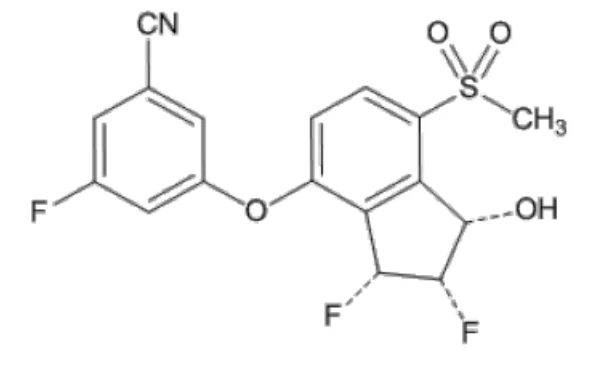
Physicochemical properties: Belzutifan is a white to light brown powder that is soluble in acetonitrile, dimethoxyethane and acetone, sparingly soluble in ethyl acetate, very slightly soluble in isopropanol and toluene, and insoluble in water.
14. Clinical Trials
14.1. Clinical Trials by Indication
Von Hippel-Lindau (VHL) disease-associated renal cell carcinoma (RCC), central nervous system (CNS) hemangioblastomas and pancreatic neuroendocrine tumours (pNETs)
The efficacy of WELIREG® was investigated in LITESPARK-004 (NCT03401788), an open-label Phase 2 clinical trial in 61 patients with VHL disease who had at least one measurable solid tumor (as defined by RECIST v1.1) localized to the kidney and who did not require immediate surgery. Enrolled participants included those with other VHL disease-associated tumours such as pancreatic lesions, pancreatic neuroendocrine tumours (pNETs), central nervous system (CNS) hemangioblastomas and retinal hemangioblastomas, based on central independent review committee (IRC). Of the 61 partipicants, 50 had CNS hemangioblastomas and 22 had pNET. Patients received WELIREG® at a dose of 120 mg once daily. Patients were evaluated radiologically approximately 12 weeks after initiation of treatment and every 12 weeks thereafter. Treatment was continued until progression of disease or unacceptable toxicity. The study excluded patients who had any evidence of metastatic disease, either RCC or other VHL disease-associated tumors, an immediate need for surgical intervention for tumor treatment, any major surgical procedure completed within 4 weeks prior to study enrollment, any major cardiovascular event within 6 months prior to study drug administration, or prior systemic treatments for VHL disease-associated RCC.
The study population characteristics were: median age of 41 years, 3.3% age 65 or over; 52.5% male; 90.2% White; and 82.0% had an ECOG PS of 0 and 16.4% had an ECOG PS of 1. Seventy-seven percent of patients had prior RCC surgical procedures.
The major efficacy endpoint for the treatment of VHL disease-associated RCC was objective response rate (ORR) measured by Integrated Radiology and Oncology Assessment (IRO) assessment using RECIST v1.1 as assessed by IRC. Additional efficacy endpoints included duration of response (DoR) and time to response (TTR). Radiographic endpoints were assessed by IRC using RECIST v1.1.
Table 10 – Summary of trial design and study demographic (LITESPARK-004)
| Study # | Study design | Dosage, route of administration | Study subjects (n) | Mean age (Range) | Sex |
MK-6482-004 (LITESPARK-004) | Open-label | 120 mg, oral | 61 | 41 (19, 66) | Male: 32 (52.5%) Female: 29 (47.5 %) |
Table 11 summarizes the efficacy results for VHL disease-associated RCC tumors in LITESPARK-004 after a median follow-up of 37.7 months (range: 4.2, 46.1).
Table 11 – Efficacy Results for WELIREG® for VHL Disease-Associated RCC Tumors (LITESPARK-004)
| Primary Endpoints | WELIREG® 120mg daily N= 61 |
Objective Response Rate * n (%) (95% CI) | 39 (63.9%) (50.6%, 75.8%) |
| Complete response | 4 (6.6%) |
| Partial response | 35 (57.4%) |
| Duration of Response‡ | |
| Median in months (range) | Not reached (5.4+, 35.8+) |
| % (n) with duration ≥ 12 months | 35 (100.0%) |
| Time to response | |
| Median in months (range) | 11.1 (2.7, 30.5) |
*Response: Best objective response as confirmed complete response or partial response
‡ Based on Kaplan-Meier estimates
+ Denotes ongoing response
Results presented in this table reflect a median follow-up of 37.7 months (range: 4.2, 46.1)
Efficacy endpoints for the treatment of other VHL disease-associated tumors included ORR, and response duration, as assessed by IRC using RECIST v1.1. These results are shown in Table 12.
Table 12– Efficacy Results for WELIREG® for Other VHL Disease-Associated Tumors
WELIREG® 120 mg daily N=61 | ||||||||||
|---|---|---|---|---|---|---|---|---|---|---|
| Endpoint | Patients with Evaluable pNET N=22 | Patients with Evaluable CNS Hemangioblastomas¥ N=50 | ||||||||
Objective Response Rate* n (%) (95% CI) | 20 (90.9%) (70.8%, 98.9%) | 22 (44%) (30.0%, 58.7%) | ||||||||
| Complete response | 7 (31.8%) | 4 (8.0%) | ||||||||
| Partial response | 13 (59.1%) | 18 (36.0%) | ||||||||
| Duration of Response‡ | ||||||||||
| Median in months (range) | Not reached (11+, 37.3+) | Not reached (3.7+, 38.7+) | ||||||||
| % (n) with duration ≥ 12 months | 19 (100%) | 16 (90%) | ||||||||
| Time to response | ||||||||||
| Median in months (range) | 8.2 (2.5, 16.4) | 5.4 (2.3, 33.1) | ||||||||
*Response: Best objective response as confirmed complete response or partial response
‡ Based on Kaplan-Meier estimates
+ Denotes ongoing response
¥ Reflect analysis with tumor measurements that included both solid tumour and associated cystic components if present.
Results presented in this table reflect a median follow-up of 37.7 months (range: 4.2, 46.1)
Renal cell carcinoma (RCC)
The efficacy of belzutifan was evaluated in LITESPARK-005, an open-label, randomized, active-controlled Phase 3 clinical study comparing belzutifan with everolimus in 746 patients with unresectable, locally advanced or metastatic clear cell RCC that has progressed following PD-1/L1 checkpoint inhibitor and VEGF receptor targeted therapies either in sequence or in combination. Patients could have received up to 3 prior treatment regimens and must have measurable disease per RECIST v1.1. Patients were randomized in a 1:1 ratio to receive 120 mg belzutifan or 10 mg everolimus by oral administration once daily. Randomization was stratified by International Metastatic RCC Database Consortium (IMDC) risk categories (favorable versus intermediate versus poor) and number of prior VEGF receptor targeted therapies (1 versus 2-3).
Table 13 – Summary of trial design and study demographic (LITESPARK-005)
| Study # | Study design | Dosage, route of administration | Study subjects (n) | Mean age (Range) | Sex |
MK-6482-005 (LITESPARK-005) | Open-label | 120 mg belzutifan, oral 10 mg everolimus, oral | 746 | 63 (22-90) | Male: 581 (77.9%) Female: 165 (22.1 %) |
Patients were evaluated radiologically at Week 9 from the date of randomization, then every 8 weeks through Week 49, and every 12 weeks thereafter.
Among the 746 patients in LITESPARK-005, the baseline characteristics were: median age 63 years [range 22-90 years], 42% age 65 or older; 78% male; 79% White; 12% Asian; 1.1% Black or African American; 43% ECOG performance status 0 and 55% ECOG performance status 1. Prior therapies: 13% of patients had 1 prior line of therapy, 43% had 2 prior lines of therapy and 43% had 3 prior lines of therapy; 49% received 2 to 3 prior VEGF receptor targeted therapies. Patient distribution by IMDC risk categories was 22% favorable, 66% intermediate, and 12% poor.
The primary efficacy outcome measures were Progression-Free Survival (PFS) measured by BICR using RECIST v1.1, and Overall Survival (OS). Secondary efficacy outcome measures included objective response rate (ORR), and duration of response (DOR) by BICR using RECIST v1.1.
The trial demonstrated a statistically significant improvement of PFS for patients randomized to WELIREG® compared with everolimus. The efficacy results for advanced RCC in LITESPARK-005 are summarized in Table 14.
Table 14 – Efficacy Results (BICR assessment) for Belzutifan in LITESPARK-005
| Efficacy Outcome Measure | Belzutifan n=374 | Everolimus n=372 | ||||||||||
|---|---|---|---|---|---|---|---|---|---|---|---|---|
| PFS, % (n)⃰ | ||||||||||||
| Number of events | 69% (257) | 70% (262) | ||||||||||
| Progressive disease | 63% (234) | 60% (222) | ||||||||||
| Median PFS in months (95% CI)† | 5.6 (3.9, 7.0) | 5.6 (4.8, 5.8) | ||||||||||
| Hazard ratio‡ (95% CI) | 0.75 (0.63, 0.90) | |||||||||||
| p-Value | 0.00077 | |||||||||||
| OS, % (n) ¥ | ||||||||||||
| Number of events | 68% (254) | 70% (259) | ||||||||||
| Median OS in months (95% CI) | 21 (18, 24) | 18 (16, 22) | ||||||||||
| Hazard ratio (95% CI) | 0.92 (0.77, 1.10) | |||||||||||
| p-Value | NS¶ | |||||||||||
| ORR, % (n) (95% CI) § | 22% (82) (17.8, 26.5) | 3.5% (13) (1.9, 5.9) | ||||||||||
| Complete response | 2.7% (10) | 0% (0) | ||||||||||
| Partial response | 19% (72) | 3.5% (13) | ||||||||||
| p-Value | < 0.00001 | |||||||||||
⃰Based on first pre-specified interim analysis for PFS with a median follow-up time of 14 months (range 0.2-31.8). †From product-limit (Kaplan-Meier) method for censored data ‡ Based on the stratified Cox regression model. ¥Based on the pre-specified final analysis for OS with median follow up time of 20 months. ¶ Not statistically significant after adjustment for multiplicity. +Indicates there is no progressive disease by the time of last disease assessment. §Based on Kaplan-Meier estimation. | ||||||||||||
At a subsequent pre-specified analysis with median follow-up time of 17.8 months (range: 0.2 - 39.1 months) there were 289 PFS events for WELIREG® and 276 PFS events for everolimus. The median PFS was 5.6 months (95% CI: 3.8, 6.5) for WELIREG® versus 5.6 months (95% CI: 4.8, 5.8) for everolimus. The PFS hazard ratio was 0.74 (95% CI: 0.63, 0.88) (Figure 1). The median duration of response was 19.5 (range: 1.9 - 31.6+) for WELIREG®. Based on Kaplan-Meier estimates, patients with a DOR ≥ 12 months was 73% for WELIREG®. At the time of the subsequent pre-specified analysis, 59% of the patients had died in the randomized population (213 patients in the WELIREG® group and 228 in the everolimus group).
The median Time to Response (TTR) was 3.8 months (range: 1.7 - 22.0) in the belzutifan group and 3.7 months (range: 1.8 - 5.4) in the everolimus group. ORR analysis demonstrated ORR of 22.7% for WELIREG® versus 3.5% for everolimus.
Figure 1 – Kaplan-Meier Curve for Radiographic Progression-free Survival in LITESPARK-005*
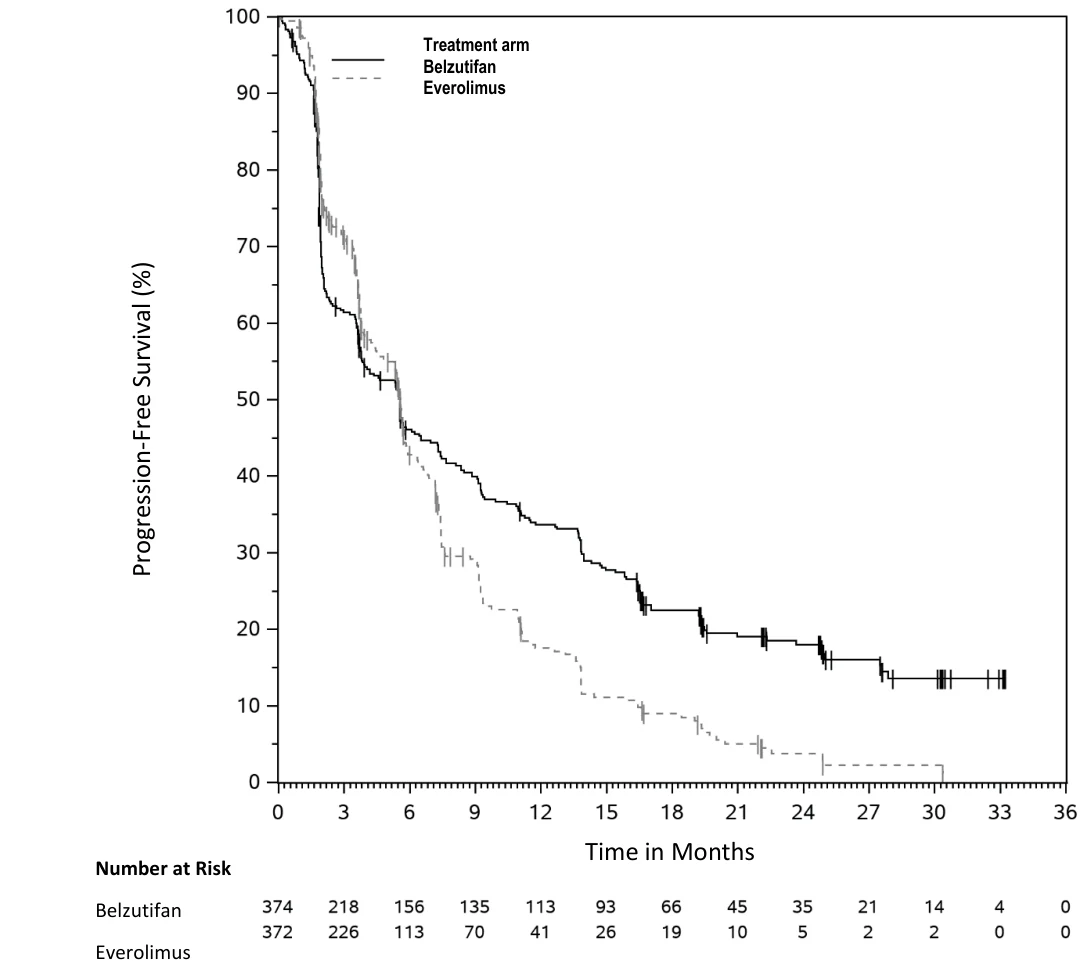
*Based on the second pre-specified interim analysis.
Pheochromocytoma or paraganglioma (PPGL)
The efficacy of belzutifan was evaluated in LITESPARK-015, an open-label, multi-cohort clinical trial in 72 patients in a single cohort (Cohort A1) who had measurable disease verified by BICR per RECIST v1.1, documented histopathological diagnosis of PPGL, locally advanced or metastatic disease that is not amenable to surgery or curative treatment, and adequately controlled blood pressure (defined as BP < 150/90 mm Hg, < 135/85 mm Hg for adolescents) with no change in antihypertensive medications for patients with concomitant hypertension for at least 2 weeks prior to start of study treatment. Patients received 120 mg belzutifan by oral administration once daily until disease progression or unacceptable toxicity. Patients were evaluated radiologically every 8 weeks from initiation of treatment through week 49, then every 12 weeks thereafter. The study excluded patients who had any evidence of carcinomatous meningitis, clinically significant cardiac disease, or concurrent uncontrolled hypertension.
The study population characteristics were: median age of 52 years (range: 22-77 years), 13% age 65 or over; 58% male; 93% White, 4.2% Black or African American, 1.4% Asian; and 54% had an ECOG PS of 0 and 46% had an ECOG PS of 1. Prior therapies: 25% of patients had 0 prior lines of therapy, 28% had 1 prior line of therapy, 15% had 2 prior lines of therapy, and 32% had 3 or more prior lines of therapy.
The most common prior therapies were chemotherapy (50%), radiopharmaceuticals (44%), and VEGF receptor targeted therapies (25%). No patients had a history of VHL disease.
Table 15 – Summary of trial design and study demographic (LITESPARK-015)
| Study # | Study design | Dosage, route of administration | Study subjects (n) | Mean age (Range) | Sex |
MK-6482-015 (LITESPARK-015) | Open-label | 120 mg, oral | 72 | 51.1 | Male: 42 (58%) Female: 30 (42%) |
The primary efficacy endpoint was objective response rate (ORR) measured by BICR using RECIST v1.1. Secondary efficacy endpoints included duration of response (DOR) and time to response (TTR). Another key endpoint included a reduction from baseline in the total daily dose of antihypertensive medication. The median follow-up time was 27.7 months (range: 2.1 to 37.6 months).
The efficacy results for LITESPARK-015 are summarized in Table 16.
Table 16 – Efficacy Results in Patients with PPGL in LITESPARK-015
| Endpoint | WELIREG® 120 mg daily n=72 | ||||||||
|---|---|---|---|---|---|---|---|---|---|
| Objective Response Rate | |||||||||
| ORR, % (n) (95% CI) | 26% (19) (16.7, 38.1) | ||||||||
| Complete response | 0% (0) | ||||||||
| Partial response | 26% (19) | ||||||||
| Duration of Response* | |||||||||
| Median in months (95% CI) | 20.4 (8.3 to NR) | ||||||||
| Range | 5.6+, 29.6+ | ||||||||
| % with duration ≥ 12 months | 64.2% | ||||||||
| Time to Response | |||||||||
| Median in months (range) | 11.0 (1.7 to 24.8) | ||||||||
| Reduction in at least one antihypertensive medication by at least 50% maintained for at least 6 months, n (%)† | |||||||||
| Number of patients | 19‡ | ||||||||
| Proportion of patients (95% CI)§ | 32% (20, 45) | ||||||||
* Based on Kaplan-Meier estimates. † Based on the number of patients who were on antihypertensive medications at baseline (N=60). ‡ Based on the number of patients who were on antihypertensive medications at baseline (N=60). § Calculated using the Clopper-Pearson method. NR Not reached. + Denotes ongoing response. | |||||||||
15. Microbiology
No microbiological information is required for this drug product.
16. Non-Clinical Toxicology
General toxicology
The toxicologic potential of belzutifan was assessed via oral treatment in Sprague-Dawley rats and Beagle dogs. Reduction in red blood cell parameters (red blood cell counts, hemoglobin and hematocrit) and reticulocytes were observed in both animal models at exposure levels lower than the human exposure at the recommended dose of 120 mg daily.
In a repeat dose toxicity study where rats were dosed 2, 6, 20 or 200 mg/kg/day for 91 days, belzutifan caused irreversible testicular atrophy/degeneration at ≥ 0.2 times the exposure observed in humans (based on AUC) at the clinical recommended dose of 120 mg daily (see 16 NON-CLINICAL TOXICOLOGY, Reproductive and Developmental Toxicology). An increase in hepatocellular necrosis was also recorded across all dosing level, however, it was considered incidental. The NOAEL was considered to be 2 mg/kg/day (approximately 0.1 times the human exposure) in males and 200 mg/kg/day (approximately 1 time the human exposure based on AUC) in female rats.
In a 13-week study, dogs received 1, 5, or 30 mg/kg/day of belzutifan. No testicular toxicity was observed at any dose. Decreases in thymus weight that correlated with the microscopic finding of lymphoid hypocellularity in the thymus were noted in females and high dosed males, but were considered incidental. The NOAEL was determined to be 30 mg/kg/day, equivalent to 2 times the exposure (AUC) expected in patients at the 120 mg daily dose.
Genotoxicity
Belzutifan was not mutagenic in the in vitro Ames bacterial cell assay or the in vitro micronucleus assay. Belzutifan was not genotoxic in an in vivo rat bone marrow micronucleus assay.
Carcinogenicity
Carcinogenicity studies have not been conducted with belzutifan.
Reproductive and developmental toxicology
Fertility studies with belzutifan have not been conducted. In repeat-dose toxicity studies up to 3-month duration, WELIREG®-related findings included degeneration/atrophy of male reproductive organs in rats administered ≥2 mg/kg/day (approximately 0.1 times the human exposure at the recommended dose of 120 mg daily). Some of these findings were not reversible and were associated with decreased sperm count, motility and abnormal sperm morphology, therefore impairment of male fertility in rats is expected.
There were no findings in female reproductive organs in either rat or dog 3-month studies. However, in an animal embryo-fetal development study, oral administration of WELIREG® to pregnant rats during the period of organogenesis at dose levels of 6, 60, or 200 mg/kg/day (maternal plasma systemic exposures ≥0.2 times the human exposure based on area under the curve (AUC) at the recommended dose of 120 mg daily) resulted in embryo-fetal lethality (post-implantation loss), reduced fetal body weights, fetal rib malformations, and reduced skeletal ossification.