


Product Monograph - Ablavar
SUMMARY PRODUCT INFORMATION
| Route of Administration | Dosage Form / Strength | Clinically Relevant Nonmedicinal Ingredients |
| Intravenous | Solution / 244 mg/mL gadofosveset trisodium intravenous injection (0.25 mmol/mL) | None For a complete listing see DOSAGE FORMS, COMPOSITION AND PACKAGING section. |
INDICATIONS AND CLINICAL USE
ABLAVAR (gadofosveset trisodium injection) is indicated for contrast-enhanced magnetic resonance angiography (MRA) for visualization of abdominal or limb vessels in patients with suspected or known vascular disease.
Geriatrics (> 65 years of age): Evaluation of pharmacokinetic results obtained from five clinical trials indicated no clinically significant effect of age on the pharmacokinetics of gadofosveset trisodium (see ACTION AND CLINICAL PHARMACOLOGY, Special Populations and Conditions).
Pediatrics (< 18 years of age): Safety and effectiveness of ABLAVAR in pediatric patients have not been established.
CONTRAINDICATIONS
ABLAVAR (gadofosveset trisodium injection) is contraindicated in patients who are hypersensitive to this drug or to any ingredient in the formulation or component of the container. For a complete listing, see the DOSAGE FORMS, COMPOSITION AND PACKAGING section.
WARNINGS AND PRECAUTIONS
Serious Warnings and Precautions NEPHROGENIC SYSTEMIC FIBROSIS Gadolinium-based contrast agents (GBCAs) increase the risk for Nephrogenic Systemic Fibrosis (NSF) in patients with:
In these patients, avoid use of GBCAs unless the diagnostic information is essential and not available with noncontrast-enhanced magnetic resonance imaging (MRI). NSF may result in fatal or debilitating systemic fibrosis affecting the skin, muscle, and internal organs. Screen all patients for renal dysfunction by obtaining a history and/or laboratory tests. When administering a GBCA, do not exceed the recommended dose (see DOSAGE AND ADMINISTRATION) and allow a sufficient period of time for elimination of the agent from the body prior to any readministration. (See WARNINGS AND PRECAUTIONS, General, Skin, and Renal and ADVERSE REACTIONS, Postmarket Adverse Drug Reactions). |
General
Diagnostic procedures involving the use of magnetic resonance imaging (MRI) contrast agents should be carried out under the supervision of a physician with the prerequisite training and a thorough knowledge of the procedure to be performed. Appropriate facilities should be available for coping with any complication of the procedure, as well as for emergency treatment of potential severe reactions to the contrast agent itself.
The usual safety precautions for magnetic resonance imaging must be observed, eg, exclusion of cardiac pacemakers and ferromagnetic implants.
As with other contrast-enhanced diagnostic procedures, post-procedure observation of the patient for at least 60 minutes following ABLAVAR (gadofosveset trisodium injection) injection is recommended, especially in patients with a history of allergy, renal insufficiency or drug reaction, and in patients with risk factors for QTc interval prolongation (see WARNINGS AND PRECAUTIONS, Cardiovascular).
Safety data for the administration of ABLAVAR in conjunction with iodine-containing contrast agents or other gadolinium-based contrast agents are not available. Therefore, ABLAVAR should be used with caution in patients who have received iodine-containing contrast agents in the 72 hours prior to ABLAVAR administration and in patients who have received gadolinium-based contrast agents within 24 hours prior to ABLAVAR administration (see DRUG INTERACTIONS).
Nephrogenic Systemic Fibrosis (NSF)
Gadolinium-based contrast agents (GBCAs) increase the risk for Nephrogenic Systemic Fibrosis (NSF) in patients with chronic severe renal insufficiency (glomerular filtration rate <30 mL/min/1.73m2), or acute renal failure / acute kidney injury. In these patients, avoid use of GBCAs unless the diagnostic information is essential and not available with noncontrast-enhanced magnetic resonance imaging (MRI). For patients receiving hemodialysis, healthcare professionals may consider prompt hemodialysis following GBCA administration in order to enhance the contrast agent's elimination. However, it is unknown if hemodialysis prevents NSF.
Among the factors that may increase the risk for NSF are repeated or higher than recommended doses of a GBCA and the degree of renal function impairment at the time of exposure.
NSF development is considered a potential class-related effect of all GBCAs.
Postmarketing reports have identified the development of NSF following single and multiple administrations of GBCAs. These reports have not always identified a specific agent. Where a specific agent was identified, the most commonly reported agent was gadodiamide (OMNISCAN®), followed by gadopentetate dimeglumine (MAGNEVIST®) and gadoversetamide (OPTIMARK®). NSF has also developed following the sequential administration of gadodiamide with gadobenate dimeglumine (MULTIHANCE®) or gadoteridol (PROHANCE®). The number of postmarketing reports is subject to change over time and may not reflect the true proportion of cases associated with any specific GBCA.
The extent of risk for NSF following exposure to any specific GBCA is unknown and may vary among the agents. Published reports are limited and predominantly estimate NSF risks with gadodiamide. In one retrospective study of 370 patients with 370 patients with severe renal insufficiency who received gadodiamide, the estimated risk for development of NSF was 4%). (1) There is a possibility that NSF may occur with ABLAVAR. Therefore, it should only be used in these patients after careful risk/benefit assessment, although the diagnostic dosage of ABLAVAR is low. The risk, if any for the development of NSF among patients with mild to moderate renal insufficiency or normal renal function is unknown, and the cautious utilization of the lowest possible dose of GBCA is preferable.
Screen all patients for renal dysfunction by obtaining a history and/or laboratory tests. When administering a GBCA, do not exceed the recommended dose and allow a sufficient period of time for elimination of the agent from the body prior to any readministration. (See ACTION AND CLINICAL PHARMACOLOGY and DOSAGE AND ADMINISTRATION).
A skin biopsy is necessary in order to exclude the diagnosis of similarly presenting skin disorders (eg, scleromyxedema). (See WARNINGS AND PRECAUTIONS, Serious Warnings and Precautions, Renal, and Skin and ADVERSE REACTIONS, Postmarket Adverse Drug Reactions).
Carcinogenesis and Mutagenesis
Since ABLAVAR is administered as a single intravenous bolus injection, long-term animal studies to evaluate the carcinogenic potential of gadofosveset trisodium have not been conducted. None of the in vitro and in vivo mutagenicity studies conducted with gadofosveset trisodium have shown a mutagenic potential.
Cardiovascular
In clinical trials, QTc interval prolongation was observed in both ABLAVAR and placebo groups (see ACTION AND CLINICAL PHARMACOLOGY, Pharmacodynamics and CLINICAL TRIALS). In the absence of a dedicated ECG study, it cannot be excluded that ABLAVAR may be associated with QT/QTc interval prolongation.
Many drugs that cause QT/QTc prolongation are suspected to increase the risk of a rare polymorphic ventricular tachyarrhythmia known as torsade de pointes. Torsade de pointes may be asymptomatic or experienced by the patient as dizziness, palpitations, syncope or seizures. If sustained, torsade de pointes can progress to ventricular fibrillation and sudden cardiac death. The risk of torsade de pointes during treatment with a QT/QTc prolonging drug is increased in patients who are female or elderly (≥ 65 years).
Particular care should be exercised in patients who are at an increased risk of experiencing torsade de pointes (see WARNINGS AND PRECAUTIONS, Monitoring and Laboratory Tests). Risk factors for torsade de pointes include, but are not limited to, the following:
- female
- age (≥ 65 years)
- presence of genetic variants affecting cardiac ion channels or regulatory proteins, especially congenital long QT syndrome (eg, Romano-Ward syndrome, Jervell and Lange-Nielsen syndrome, Anderson syndrome)
- family history of sudden cardiac death at < 50 years
- cardiac disease (eg, myocardial ischemia or infarction, congestive heart failure, left ventricular hypertrophy, cardiomyopathy)
- demonstrated history of arrhythmias (especially ventricular arrhythmias, atrial fibrillation, or recent conversion from atrial fibrillation)
- bradycardia (< 50 beats per minute)
- acute neurological events (eg, intracranial or subarachnoid hemorrhage, stroke, intracranial trauma)
- electrolyte disturbances (eg, hypokalemia, hypomagnesia, hypocalcemia)
- nutritional deficits (eg, eating disorders, extreme diets)
- diabetes mellitus
- autonomic neuropathy
- renal function
Physicians who prescribe drugs that prolong the QT/QTc interval should counsel their patients concerning the nature and implications of the ECG changes, underlying diseases and disorders that are considered to represent risk factors, demonstrated and predicted drug-drug interactions, symptoms of arrhythmias, risk management strategies, and other information relative to the use of the drug.
ABLAVAR is not recommended in doses higher than 0.03 mmol/kg (see DOSAGE AND ADMINISTRATION).
Effects on Ability to Drive and Use Machines
On the basis of the pharmacodynamic profile, ABLAVAR is not expected to exert any influence on the ability to drive or use machines.
Hypersensitivity Reactions
As with other intravenous contrast agents, ABLAVAR can be associated with anaphylactoid/hypersensitivity or other idiosyncratic reactions, characterized by cardiovascular, respiratory or cutaneous manifestations, ranging to severe reactions including shock. These reactions may be life-threatening or fatal.
If hypersensitivity reactions occur, administration of the contrast medium must be discontinued immediately and, if necessary, specific therapy instituted intravenously. It is therefore advisable to use a flexible indwelling cannula for intravenous contrast medium administration. Due to the possibility of severe hypersensitivity reactions after intravenous contrast medium administration, preparedness for institution of emergency measures is necessary, eg, appropriate drugs, an endotracheal tube and a respirator should be at hand.
As with other contrast agents, delayed reactions may occur within hours or days after injection.
The risk of hypersensitivity reactions is higher in case of:
- previous reaction to contrast media
- history of bronchial asthma
- history of allergic disorders
Renal
Since gadofosveset is cleared from the body primarily by urinary excretion, caution should be exercised in patients with impaired renal function (see WARNINGS AND PRECAUTIONS, Serious Warnings and Precautions – Nephrogenic Systemic Fibrosis). Dose adjustment in patients with renal impairment is not necessary. In a clinical trial, it was shown that gadofosveset can be effectively removed from the body with high-flux dialysis. For patients already receiving hemodialysis at the time of ABLAVAR administration, prompt initiation of hemodialysis following the administration of ABLAVAR should be considered, in order to enhance the contrast agent's elimination (see ACTION AND CLINICAL PHARMACOLOGY, Special Populations and Conditions Hemodialysis Patients and WARNINGS AND PRECAUTIONS, Serious Warnings and Precautions – Nephrogenic Systemic Fibrosis).
- Exposure to GBCAs increase the risk for NSF in patients with chronic severe renal insufficiency (glomerular filtration rate <30 mL/min/1.73m2), or acute renal failure / acute kidney injury.
- Screen all patients for renal dysfunction by obtaining a history and/or laboratory tests.
- The risk, if any for the development of NSF among patients with mild to moderate renal
- insufficiency or normal renal function is unknown, and the cautious utilization of the lowest possible dose of GBCA is preferable.
(See WARNINGS AND PRECAUTIONS, Serious Warnings and Precautions, and Skin and ADVERSE REACTIONS, Postmarket Adverse Drug Reactions sections).
Sexual Function/Reproduction
The effect of gadofosveset on fertility was tested in rats up to a dose of 1.5 mmol/kg (8.3 times the human dose based on body surface area) for at least four weeks (males) and two weeks (females). No effects on male or female fertility were observed. The compound had no effect on early embryonic development at this dose.
Skin
NSF was first identified in 1997 and has so far, been observed only in patients with renal disease. This is a systemic disorder with the most prominent and visible effects on the skin. Cutaneous lesions associated with this disorder are caused by excessive fibrosis and are usually symmetrically distributed on the limbs and trunk. Involved skin becomes thickened which may inhibit flexion and extension of joints and result in severe contractures. The fibrosis associated with NSF can extend beyond dermis and involve subcutaneous tissues, striated muscles, diaphragm, pleura, pericardium, and myocardium. NSF may be fatal. (See WARNINGS AND PRECAUTIONS, Serious Warnings and Precautions, General, and Renal, and ADVERSE REACTIONS, Postmarket Adverse Drug Reactions).
Special Populations
Pregnant Women: There is no experience with the use of ABLAVAR in pregnant women. Animal studies have not provided any evidence of a risk of teratogenicity or effects on fertility, fetal or peri/postnatal development. ABLAVAR should only be used in pregnant women after a clear benefit-to-risk analysis.
Nursing Women: It is unknown whether gadofosveset trisodium is excreted in human breast milk. In an animal study, it was shown that less than 1% of the administered dose of gadofosveset enters breast milk. ABLAVAR should only be used in nursing women after a clear benefit-to-risk analysis. Breast-feeding should be interrupted for 24 hours and the milk discarded during this period.
Pediatrics (< 18 years of age): Safety and effectiveness of ABLAVAR in pediatric patients have not been established.
Geriatrics (> 65 years of age): Evaluation of pharmacokinetic results obtained from five clinical trials indicated no clinically significant effect of age on the pharmacokinetics of gadofosveset trisodium (see WARNINGS AND PRECAUTIONS, Serious Warnings and Precautions and ACTION AND CLINICAL PHARMACOLOGY, Special Populations and Conditions).
Monitoring and Laboratory Tests
In clinical trials using ABLAVAR, no specific trends were observed that would indicate a potential interaction of ABLAVAR with laboratory test methods.
A baseline ECG is recommended in patients with risk factors for prolongation of the QT/QTc interval, as are baseline electrolyte, calcium and magnesium levels.
ADVERSE REACTIONS
Adverse Drug Reaction Overview
A total of 1328 patients were administered ABLAVAR (gadofosveset trisodium injection) at doses ranging from 0.005 to 0.10 mmol/kg in the clinical trials upon which market authorization is based. Of these 1328 patients, 868 (65.4%) were men and 460 (34.6%) were women with a mean age of 62.7 years (range: 18-91 years). In this population, the patient distribution was as follows: 1055 (79.4%), Caucasian; 159 (12.0%), Hispanic; 101 (7.6%), Black; 7 (0.5%), Asian; and 6 (0.5%), of other racial groups.
Out of the 1328 patients who were administered ABLAVAR in these clinical trials, a total of 767 patients received the recommended dose of 0.03 mmol/kg. Of the 767 patients, 505 (65.8%) were men and 262 (34.2%) were women with a mean age of 64.4 years (range: 21-91 years). In this population, the patient distribution was as follows: 604 (78.7%), Caucasian; 113 (14.7%), Hispanic; 46 (6.0%), Black; 1 (0.1%), Asian; and 3 (0.4%), of other racial groups.
Of the 767 patients who received the 0.03 mmol/kg dose, 176 (22.9%) reported at least one adverse reaction considered to be possibly or probably related to ABLAVAR. A total of 16 (32.7%) of the 49 patients who received placebo reported at least one adverse reaction. At the 0.03 mmol/kg dose, the most commonly noted adverse reactions (≥ 1% incidence) were pruritus (4.4%), nausea (3.8%), vasodilatation (2.9%), paresthesia (2.6%), headache (2.2%), dysgeusia (2.2%) and burning sensation (2.0%). Most of the adverse reactions were mild to moderate in intensity. One serious adverse reaction was reported at the 0.03 mmol/kg dose. The patient had an anaphylactoid reaction which was resolved within five minutes.
Most of the adverse reactions (80%) occurred within two hours. Delayed reactions may occur with hours or days after injection.
Clinical Trial Adverse Drug Reactions
Because clinical trials are conducted under very specific conditions, the adverse reaction rates observed in the clinical trials may not reflect the rates observed in practice and should not be compared to the rates in the clinical trials of another drug. Adverse drug reaction information from clinical trials is useful for identifying drug-related adverse events and for approximating rates.
A clinical trial dataset of 1328 patients was used to generate the adverse drug reaction profile of ABLAVAR prior to market authorization in Canada (market authorization clinical trials dataset). Subsequent to market introduction, additional adverse drug reaction data from clinical trials (N > 1800) has become available (multiple clinical trials dataset).
Table 1 lists all adverse reactions observed in the market authorization clinical trials dataset in ≥ 1% of patients and considered to be possibly or probably related to ABLAVAR by the investigator.
| Table 1: Adverse Reactions Considered Possibly/Probably Related to ABLAVAR by the Investigator and Reported by 1% of Patientsa During Clinical Trials | ||||||||
|---|---|---|---|---|---|---|---|---|
| Adverse Reactions by Body System | ABLAVAR 0.03 mmol/kg Dose (n = 767) | ABLAVAR All Doses (n = 1328) | Placebo (n = 49) | |||||
| Number of patients with one or more adverse reactions | 176 (22.9%) | 417 (31.4%) | 16 (32.7%) | |||||
Gastrointestinal disorders Nausea | 34 (4.4%) 29 (3.8%) | 79 (5.9%) 61 (4.6%) | 1 (2.0%) 0 (0.0%) | |||||
General disorders & administration site conditions Cold feeling | 20 (2.6%) 5 (0.7%) | 56 (4.2%) 17 (1.3%) | 3 (6.1%) 0 (0.0%) | |||||
Nervous system disorders Paresthesia Dysgeusia Headache Burning sensation | 68 (8.9%) 20 (2.6%) 17 (2.2%) 17 (2.2%) 15 (2.0%) | 198 (15.0%) 78 (5.9%) 44 (3.3%) 34 (2.6%) 60 (4.5%) | 11 (22.4%) 1 (2.0%) 6 (12.2%) 2 (4.1%) 0 (0.0%) | |||||
Skin and subcutaneous tissue disorders Pruritus | 41 (5.3%) 34 (4.4%) | 106 (8.0%) 96 (7.2%) | 1 (2.0%) 1 (2.0%) | |||||
Vascular disorders Vasodilatation | 24 (3.1%) 22 (2.9%) | 70 (5.3%) 65 (4.9%) | 1 (2.0%) 0 (0.0%) | |||||
a Table includes all adverse reactions reported in 1% of patients receiving either 0.03 mmol/kg or all doses.
Table 2 lists all adverse events observed in the market authorization clinical trials dataset in ≥1% of patients and considered to be unlikely related to ABLAVAR by the investigator.
| Table 2: Adverse Events Considered Unlikely Related to ABLAVAR by the Investigator and Reported by 1% of Patientsa During Clinical Trials | |||||||
|---|---|---|---|---|---|---|---|
| Adverse Events by Body System | ABLAVAR 0.03 mmol/kg Dose (n = 767) | ABLAVAR All Doses (n = 1328) | Placebo (n = 49) | ||||
| Number of patients with one or more adverse events | 147 (19.2%) | 310 (23.3%) | 12 (24.5%) | ||||
General disorders & administration site conditions Injection site bruising | 37 (4.8%) 18 (2.3%) | 66 (5.0%) 21 (1.6%) | 1 (2.0%) 0 (0.0%) | ||||
Injury, poisoning and procedural complications Venipuncture site bruise | 19 (2.5%) 17 (2.2%) | 26 (2.0%) 21 (1.6%) | 1 (2.0%) 0 (0.0%) | ||||
Nervous system disorders Headache | 22 (2.9%) 16 (2.1%) | 61 (4.6%) 44 (3.3%) | 5 (10.2%) 1 (2.0%) | ||||
Vascular disorders Hypertension | 25 (3.3%) 11 (1.4%) | 35 (2.6%) 15 (1.1%) | 2 (4.1%) 0 (0.0) | ||||
a Table includes all adverse events reported in 1% of patients receiving either 0.03 mmol/kg or all doses.
Less Common Clinical Trial Adverse Drug Reactions (< 1%)
Table 3 lists all adverse reactions observed in the market authorization clinical trials dataset in <1% of patients, and considered to be possibly or probably related to ABLAVAR by the investigator, for all doses studied (0.005 to 0.10 mmol/kg).
| Table 3: All Adverse Reactions Considered Possibly/Probably Related to ABLAVAR by the Investigator and Reported by < 1% of Patients During Clinical Trials (N=1328) | |||||
|---|---|---|---|---|---|
| System Organ Class | Uncommon ( 0.1% and < 1%) | Rare (< 0.1%) | |||
| Cardiac disorders | first degree atrioventricular block, tachycardia | atrial fibrillation, bradycardia, cardiac flutter, myocardial ischemia, palpitations | |||
| Ear and labyrinth disorders | -- | ear pain | |||
| Eye disorders | increased lacrimation | abnormal sensation in eye, asthenopia | |||
| Gastrointestinal disorders | abdominal discomfort, abdominal pain, diarrhea, dry mouth, flatulence, hypoesthesia of lips, retching, salivary hypersecretion, vomiting | dyspepsia, pharyngolaryngeal pain | |||
| General disorders and administration site conditions | abnormal feeling, chest pain, fatigue, groin pain, injection site coldness, injection site erythema, injection site pain, pain | chest pressure sensation, hot feeling, injection site bruising, injection site burning, injection site extravasation, injection site hemorrhage, injection site inflammation, injection site pruritus, injection site thrombosis, pyrexia, rigors, sensation of pressure, weakness | |||
| Immune system disorders | hypersensitivity | -- | |||
| Infections and infestations | nasopharyngitis | cellulitis, urinary tract infection | |||
| Injury, poisoning and procedural complications | -- | anaphylactoid reaction, phantom limb pain | |||
| Laboratory investigations | abnormal laboratory test, abnormal liver function test, decreased blood albumin, decreased hemoglobin, decreased red blood cell count, decreased total iron binding capacity, increased aspartate aminotransferase, increased blood creatine phosphokinase, increased blood creatinine, increased blood lactate dehydrogenase, increased neutrophil count, increased white blood cell count, prolonged ECG QT | abnormal ECG, abnormal pulse, decreased blood iron, decreased blood phosphate, decreased ECG T wave amplitude, decreased platelet count, decreased total protein, ECG ST segment depression, increased alanine aminotransferase, increased blood alkaline phosphatase, increased blood bilirubin, increased eosinophil count, increased red blood cell distribution width, increased serum ferritin | |||
| Metabolism and nutrition disorders | hyperglycemia, hypocalcemia | decreased appetite, electrolyte imbalance, hyperkalemia, hypernatremia, hypokalemia | |||
| Musculoskeletal, connective tissue and bone disorders | muscle cramps, muscle spasms, neck pain, pain in limb | muscle tightness, sensation of heaviness | |||
| Nervous system disorders | ageusia, dizziness (excluding vertigo), hypoesthesia, parosmia, tremor | involuntary muscle contractions | |||
| Psychiatric disorders | anxiety | abnormal dreams, hallucination | |||
| Renal and urinary disorders | glycosuria, hematuria, microalbuminuria | micturition urgency, renal pain, urinary frequency | |||
| Reproductive system and breast disorders | pelvic pain | ||||
| Table 3: All Adverse Reactions Considered Possibly/Probably Related to ABLAVAR by the Investigator and Reported by < 1% of Patients During Clinical Trials (N=1328) |
|---|
| System Organ Class | Uncommon ( 0.1% and < 1%) | Rare (< 0.1%) |
|---|---|---|
| Respiratory, thoracic and mediastinal disorders | dyspnea | cough, respiratory depression |
| Skin and subcutaneous tissue disorders | erythema, increased sweating, rash, urticaria | clamminess |
| Vascular disorders | hypertension, phlebitis | arteriosclerosis, hypotension |
Table 4 lists all adverse events observed in <1% of patients, and considered to be unlikely related to ABLAVAR by the investigator, for all doses studied (0.005 to 0.10 mmol/kg).
| Table 4: All Adverse Events Considered Unlikely Related to ABLAVAR by the Investigator and Reported by <1% of Patients During Clinical Trials (N=1328) | |||||
|---|---|---|---|---|---|
| System Organ Class | Uncommon ( 0.1% and < 1%) | Rare (< 0.1%) | |||
| Cardiac disorders | angina pectoris, bradycardia, first degree atrioventricular block, myocardial infarction, palpitations, tachycardia, ventricular extrasystoles | aggravated coronary artery disease, atrial dilatation, atrial fibrillation, extrasystoles, incomplete right bundle branch block, myocardial ischemia, supraventricular extrasystoles, trifascicular block, ventricular tachycardia | |||
| Ear and labyrinth disorders | ear pain | motion sickness, tinnitus | |||
| Eye disorders | -- | conjunctivitis, lacrimal duct obstruction, photophobia | |||
| Gastrointestinal disorders | abdominal distension, abdominal pain, constipation, diarrhea, dyspepsia, nausea, vomiting | abdominal discomfort, abdominal tenderness, dry mouth, gastrointestinal hemorrhage, paresthesia of the lips, pharyngolaryngeal pain, rectal hemorrhage, toothache | |||
| General disorders and administration site conditions | chest pain, chest pressure sensation, chest tightness, cold feeling, fatigue, injection site coldness, injection site erythema, injection site extravasation, injection site pain, pain, pyrexia | abnormal feeling, groin pain, injection site hypersensitivity, injection site edema, lethargy, multi-organ failure, upper limb edema, tenderness, weakness | |||
| Infections and infestations | cellulitis, furuncle, nasopharyngitis, sinusitis, upper respiratory tract infection, urinary tract infection | Herpes simplex | |||
| Injury, poisoning and procedural complications | sunburn | abrasion, burn, laceration, venipuncture site pain | |||
| Laboratory investigations | abnormal ECG, increased blood creatine phosphokinase, increased white blood cell count, white blood cells in urine positive | abdominal aortic bruit, abnormal laboratory test, abnormal pulse, abnormal urine analysis, acetone present in urine, cardiac murmur, decreased hematocrit, decreased platelet count, decreased red blood cell count, ECG change, ECG ST segment elevation, ECG ST-T change, increased alanine aminotransferase, increased aspartate aminotransferase, increased blood bilirubin, increased blood creatinine, increased blood immunoglobulin E, increased blood iron, increased blood triglycerides, increased | |||
| Table 4: All Adverse Events Considered Unlikely Related to ABLAVAR by the Investigator and Reported by <1% of Patients During Clinical Trials (N=1328) |
|---|
| System Organ Class | Uncommon ( 0.1% and < 1%) | Rare (< 0.1%) |
|---|---|---|
| respiratory rate, increased total iron binding capacity, prolonged ECG QT, urinary casts | ||
| Metabolism and nutrition disorders | hyperglycemia, hyperkalemia, hypoglycemia | gout, hypocalcemia, hyponatremia |
| Musculoskeletal, connective tissue and bone disorders | arthralgia, back pain, joint stiffness, local swelling, muscle cramps, muscle spasms, neck pain, pain in limb | musculoskeletal discomfort, musculoskeletal stiffness, myalgia, neck stiffness, pain in jaw |
| Nervous system disorders | dizziness (excluding vertigo), hypoesthesia, paresthesia, syncope | burning sensation, dysgeusia, impaired balance, somnolence, vasovagal attack |
| Psychiatric disorders | anxiety | agitation, claustrophobia, loss of libido |
| Renal and urinary disorders | dysuria, hematuria, renal mass | decreased urine flow, microalbuminuria, urinary frequency |
| Reproductive system and breast disorders | -- | erectile dysfunction |
| Respiratory, thoracic and mediastinal disorders | dyspnea, pulmonary congestion, rales, wheezing | chest wall pain, cough, cough aggravated, epistaxis, nasal congestion, rhinorrhea |
| Skin and subcutaneous tissue disorders | contusion, erythema, foot ulcer, increased sweating, pruritus, rash | acne, contact dermatitis, night sweats, skin discolouration |
| Vascular disorders | ecchymosis, gangrene, hematoma, hypotension, peripheral cyanosis, peripheral ischemia, vascular disorder, vasodilatation | intermittent claudication, pallor, phlebitis |
As with other intravenous contrast agents, ABLAVAR can be associated with anaphylactoid/ hypersensitivity reactions characterized by cutaneous, respiratory and/or cardiovascular manifestations which may lead to shock (see WARNINGS AND PRECAUTIONS, General).
Table 5 summarizes all serious adverse events reported in the market authorization clinical trials (N = 1,328 patients), which included safety monitoring of the catheter angiography procedure in 318 patients.
| Table 5: Serious Adverse Events by Dose Group | ||||||
| Adverse Event | Dose Group (mmol/kg) | |||||
<0.03 (N=95) | 0.03 (N=767) | 0.05 (N=355) | >0.05 (N=111) | All doses combined (N=1328) | ||
Chest paina Myocardial infarction Syncope Anaphylactoid reactiona Abdominal aortic bruit Arteriosclerosisa Coronary artery disease aggravated Gangrene Gastrointestinal hemorrhage Hyperglycemia Hypersensitivity Multi-organ failure Retropharyngeal infection | 0 (0.0%) 1 (1.1%) 1 (1.1%) 0 (0.0%) 0 (0.0%) 0 (0.0%) 0 (0.0%) 0 (0.0%) 1 (1.1%) 0 (0.0%) 0 (0.0%) 1 (1.1%) 0 (0.0%) | 1 (0.1%) 0 (0.0%) 0 (0.0%) 1 (0.1%) 0 (0.0%) 0 (0.0%) 1 (0.1%) 1 (0.1%) 0 (0.0%) 1 (0.1%) 0 (0.0%) 0 (0.0%) 0 (0.0%) | 1 (0.3%) 1 (0.3%) 0 (0.0%) 0 (0.0%) 1 (0.3%) 0 (0.0%) 0 (0.0%) 0 (0.0%) 0 (0.0%) 0 (0.0%) 1 (0.3%) 0 (0.0%) 1 (0.3%) | 0 (0.0%) 0 (0.0%) 1 (0.9%) 0 (0.0%) 0 (0.0%) 1 (0.9%) 0 (0.0%) 0 (0.0%) 0 (0.0%) 0 (0.0%) 0 (0.0%) 0 (0.0%) 0 (0.0%) | 2 (0.2%) 2 (0.2%) 2 (0.2%) 1 (0.1%) 1 (0.1%) 1 (0.1%) 1 (0.1%) 1 (0.1%) 1 (0.1%) 1 (0.1%) 1 (0.1%) 1 (0.1%) 1 (0.1%) | |
| a Indicates events considered possibly or probably related to ABLAVAR by the investigator. | ||||||
There were 16 serious adverse events (SAEs) in 13 patients, three deaths, and three patient withdrawals due to adverse events. One death (due to multi-organ system failure) was reported in a patient who received 0.005 mmol/kg and was not considered related to drug. Another death (due to arteriosclerosis) was reported in a patient who received 0.07 mmol/kg and was considered possibly related to drug. The third death (due to retropharyngeal infection) was reported in a patient who received 0.05 mmol/kg and was considered not related to drug.
There were 5 serious adverse events (in 4 patients), no deaths and no withdrawals due to adverse events at the recommended dose of 0.03 mmol/kg dose. One of the serious events was probably related to the drug.
In addition to the adverse reactions reported in the marketing authorization clinical trials, the following adverse reactions were observed in a further multiple clinical trials dataset (N > 1800); these adverse reactions were considered to be related to ABLAVAR by the investigator and reported in <1% of subjects:
| Cardiac disorders | electrocardiogram QT prolonged, electrocardiogram ST segment depression, electrocardiogram T wave amplitude decreased |
| Eye disorders | vision abnormal |
| Gastrointestinal disorders | pruritus ani |
| Psychiatric disorders | confusion |
| Reproductive system and breast disorders | genital pruritus, genital burning sensation |
| Skin and subcutaneous tissue disorders | swelling face |
| Vascular disorders | peripheral coldness, anaphylactoid reaction |
Abnormal Hematologic and Clinical Chemistry Findings
Safety monitoring, including evaluation of serum chemistry, hematology and coagulation parameters, was performed for up to 21 days post-dosing in some studies. No clinically significant trends were noted upon extended monitoring.
An increase in the number of patients with results less than the lower limit of normal was seen at all time points for hematocrit, hemoglobin and RBC. This was not seen in placebo patients. There was a transitory small increase in urinary zinc seen at 24 hour post-dosing which was not seen at the 72 hour time point. Please also refer to the adverse events reported under laboratory investigations in Table 4 of the ADVERSE REACTIONS section.
Postmarket Adverse Drug Reactions
Postmarketing reports have identified the development of NSF following single and multiple administrations of GBCAs. These reports have not always identified a specific agent. Where a specific agent was identified, the most commonly reported agent was gadodiamide (Omniscan®), followed by gadopentetate dimeglumine (Magnevist®) and gadoversetamide (OptiMARK®). NSF has also developed following the sequential administration of gadodiamide with gadobenate dimeglumine (MultiHance®) or gadoteridol (ProHance®). The number of postmarketing reports is subject to change over time and may not reflect the true proportion of cases associated with any specific GBCA. The extent of risk for NSF following exposure to any specific GBCA is unknown and may vary among the agents. Published reports are limited and predominantly estimate NSF risks with gadodiamide. In one retrospective study of 370 patients with 370 patients with severe renal insufficiency who received gadodiamide, the estimated risk for development of NSF was 4%.(1) The risk, if any for the development of NSF among patients with mild to moderate renal insufficiency or normal renal function is unknown, and the cautious utilization of the lowest possible dose of GBCA is preferable.
(See also WARNINGS AND PRECAUTIONS, Serious Warnings and Precautions, General, Skin, and Renal).
DRUG INTERACTIONS
Overview
In vitro studies using human liver microsomes did not indicate any potential of gadofosveset trisodium to inhibit the cytochrome P450 enzyme system
Because gadofosveset trisodium is bound to albumin, an interaction with other plasma protein bound drugs (eg, ibuprofen and warfarin) is theoretically possible, i.e., a competition for the protein binding sites can occur. However, in in vitro drug interaction studies (in 4.5% human serum albumin and human plasma), it was demonstrated that gadofosveset did not displace digitoxin, propranolol and verapamil from their binding sites on human serum albumin at clinically relevant concentrations.
In one study the percent unbound warfarin increased significantly in the presence of gadofosveset. This result was unexpected (gadofosveset and warfarin do not bind to the same site on human serum albumin) and was not confirmed with a second study using the same study design. In a clinical study, it was shown that ABLAVAR (gadofosveset trisodium injection) does not affect the unbound fraction of warfarin in plasma.
In further in vitro studies commonly used drugs (diazepam, diclofenac, digitoxin, ibuprofen, ketoprofen, phenprocoumon, piroxicam and warfarin) demonstrated no interaction (displacement of gadofosveset from their binding site on human serum albumin) or little interaction (naproxen) at clinically relevant concentrations.
Drug-Drug Interactions
ABLAVAR (0.05 mmol/kg) was investigated in a parallel-group clinical study involving patients on oral warfarin therapy (n = 10) and a control (no warfarin) group (n = 10). Pharmacokinetic parameters, including plasma protein binding and relaxation rate versus time profiles in the warfarin and control groups, were not significantly different. Comparison of the plasma levels of R- and S-warfarin following ABLAVAR administration demonstrated no change in protein binding or free warfarin isomer concentrations. Anticoagulant activity of warfarin (INR values) was not changed following ABLAVAR. The results of the clinical study were consistent with the results of an in vitro protein binding study with warfarin.
Pharmacokinetic studies between ABLAVAR and other drugs that prolong the QT interval have not been performed. An interaction between these drugs and ABLAVAR can not be excluded.
Drugs that have been associated with QT/QTc prolongation and/or torsade de pointes include, but are not limited to, the examples in the following list. Chemical/pharmacological classes are listed if some, though not necessarily all, class members have been implicated in QT/QTc prolongation and/or torsade de pointes:
- Class IA antiarrhythmics (eg, quinidine, procainamide, disopyramide)
- Class III antiarrhythmics (eg, amiodarone, sotalol, ibutilide)
- Class IC antiarrhythmics (eg, flecainide, propafenone)
- antipsychotics (eg, thioridazine, chlorpromazine, pimozide, haloperidol, droperidol)
- tricyclic/tetracyclic antidepressants (eg, amitriptyline, imipramine, maprotiline)
- fluoxetine
- venlafaxine
- methadone
- macrolide antibiotics and analogues (eg, erythromycin, clarithromycin, telithromycin)
- fluoroquinolone antibiotics (eg, moxifloxacin, gatifloxacin)
- pentamidine
- antimalarials (eg, halofantrine, quinine)
- azole antifungals (eg, ketoconazole, fluconazole, voriconazole)
- domperidone
- 5-HT3 antagonists (eg, dolasetron, ondansetron)
- tacrolimus
ABLAVAR should be used with caution with drugs that can disrupt electrolyte levels, including, but not limited to, the following:
- loop, thiazide, and related diuretics
- amphotericin B
- high dose corticosteroids
The above lists of potentially interacting drugs are not comprehensive. Current scientific literature should be consulted for newly approved drugs that prolong the QT/QTc interval or cause electrolyte disturbances, as well for older drugs for which these effects have recently been established.
In clinical trials, administration of iodine-containing contrast agents was restricted to 72 hours pre-injection and 24 hours post-ABLAVAR injection. Similarly, administration of other gadolinium-based contrast agents was restricted to 24 hours pre- and 24 hours post-ABLAVAR injection. This was done to characterize the safety profile of ABLAVAR. Therefore, safety data for the administration of ABLAVAR in conjunction with iodine-containing contrast agents or other gadolinium-based contrast agents are not available. ABLAVAR should be used with caution in patients who have received iodine-containing contrast agents in the 72 hours prior to ABLAVAR administration and in patients who have received gadolinium-based contrast agents within 24 hours prior to ABLAVAR administration.
In one of the four pivotal clinical trials, the use of ibuprofen and naproxen was prohibited during the four hours prior to ABLAVAR injection. The other three pivotal trials had no limitations regarding the use of non-steroidal anti-inflammatory drugs (NSAIDs) prior to ABLAVAR administration. Serum creatinine and blood urea nitrogen (BUN) levels were analyzed at baseline and at 2, 24 and 72 hours post-ABLAVAR injection in patients (N=684) who were taking NSAIDs as concomitant medication, with subgroup analyses performed for placebo, <0.03, 0.03, 0.05 and >0.05 mmol/kg dose groups. No change in mean serum creatinine and BUN was observed in any of the dose groups, and no difference was observed between the placebo group and any dose group.
Drug-Food Interactions
Interactions with food have not been studied.
Drug-Herb Interactions
Interactions with herbal medicines have not been studied.
Drug-Laboratory Interactions
In clinical trials with ABLAVAR, no specific trends were observed that would indicate a potential interaction of ABLAVAR with laboratory test methods.
DOSAGE AND ADMINISTRATION
Dosing Considerations
- Dose adjustments in patients with renal or hepatic impairment (Child-Pugh class A and B) are not necessary.
- Use is not recommended in newborns, infants, children and adolescents. No clinical experience is yet available for patients younger than 18 years of age.
Recommended Dose and Dosage Adjustment
The recommended dose for adults is 0.12 mL/kg of body weight (equivalent to 0.03 mmol/kg). ABLAVAR (gadofosveset trisodium injection) doses higher than 0.03 mmol/kg are not recommended.
ABLAVAR should be administered as an intravenous bolus injection, manually or by power injection, over a period of up to 30 seconds, followed by a 25-30 mL normal saline flush. The rate of injection is not to exceed 1.5 mL/sec.
The dose and volume of ABLAVAR should be calculated according to the recommended dose (0.03 mmol/kg). The volume of ABLAVAR should not exceed the calculated dose.
| Table 6: Dosage Chart for ABLAVAR Injection | |||||||||||
|---|---|---|---|---|---|---|---|---|---|---|---|
| Body Weight | 0.03 mmol/kg Dose | ||||||||||
| Kilograms (kg) | Pounds (lb) | Volume (mL) | |||||||||
| 40 | 88 | 4.8 | |||||||||
| 50 | 110 | 6.0 | |||||||||
| 60 | 132 | 7.2 | |||||||||
| 70 | 154 | 8.4 | |||||||||
| 80 | 176 | 9.6 | |||||||||
| 90 | 198 | 10.8 | |||||||||
| 100 | 220 | 12.0 | |||||||||
| 110 | 242 | 13.2 | |||||||||
| 120 | 264 | 14.4 | |||||||||
| 130 | 286 | 15.6 | |||||||||
| 140 | 308 | 16.8 | |||||||||
| 150 | 330 | 18.0 | |||||||||
| 160 | 352 | 19.2 | |||||||||
Administration
Parenteral products should be inspected visually for particulate matter and discoloration prior to administration. Do not use the solution if it is discolored or if particulate matter is present.
Concurrent medications or parenteral nutrition should not be physically mixed with contrast agents and should not be administered in the same intravenous line because of the potential for chemical incompatibility.
ABLAVAR should be drawn into the syringe and administered immediately using sterile technique. Unused portions of the drug must be discarded. Vials containing ABLAVAR are not intended for the withdrawal of multiple doses. The rubber stopper should never be pierced more than once.
Imaging Time Points: Dynamic imaging begins immediately upon injection. Steady-state imaging can begin after the dynamic scan has been completed. In clinical trials, imaging began within 15 minutes after injection and was completed within approximately one hour following injection.
OVERDOSAGE
| For management of suspected drug overdose, consult the regional poison control centre. |
ABLAVAR (gadofosveset trisodium injection) has been tested in humans up to a dose of 0.15 mmol/kg (five times the recommended clinical dose) in a phase I study. Clinical consequences of overdose with ABLAVAR are unknown. Treatment for overdose should be directed toward the support of all vital functions and prompt institution of symptomatic therapy. Gadofosveset can be effectively removed from the body with high-flux dialysis. (see ACTION AND CLINICAL PHARMACOLOGY, Special Populations and Conditions Hemodialysis Patients).
ACTION AND CLINICAL PHARMACOLOGY
Mechanism of Action
ABLAVAR (gadofosveset trisodium injection) is a formulation of a stable gadolinium diethylenetriaminepentaacetic acid (GdDTPA) chelate substituted with a diphenylcyclohexylphosphate group, for use in magnetic resonance imaging (MRI).
Gadofosveset binds reversibly to human serum albumin. Protein binding enhances T1 relaxivity of gadofosveset up to ten times compared to non-protein bound gadolinium chelates. In human studies, gadofosveset substantially shortens blood T1 values for up to four hours after intravenous bolus injection. Relaxivity in plasma was measured to be 33.4 to 45.7 mM-1s-1 over the dose range of up to 0.05 mmol/kg at 20 MHz. High resolution MRA scans of vascular structures are obtained up to one hour after administration of ABLAVAR. The extended vascular imaging window for gadofosveset, compared to non-protein-bound gadolinium-based contrast agents, is likely due to the combination of the longer residence time of gadofosveset in circulation and the higher concentration of albumin in the vascular space compared to the extravascular space.
Pharmacodynamics
Following administration of single doses of 0.01, 0.025 and 0.05 mmol/kg, gadofosveset caused a significant increase in the plasma relaxation rate (1/T1) at all dose levels. The observed Δ 1/T1 kinetics were consistent with the kinetics of the plasma concentration profiles. As the dose was increased from 0.01 to 0.025 mmol/kg, there was a 2.3-times mean increase in Δ 1/T1. However, for the dose increase from 0.025 to 0.05 mmol/kg, the mean increase in the Δ 1/T1 was 1.5 times. Decreased plasma protein binding at higher plasma concentrations was the likely explanation for the reduced pharmacodynamic effectiveness of gadofosveset at the 0.05 mmol/kg dose compared to the two lower doses tested in the study.
A statistically significant increase in QTc interval (calculated using Fridericia’s correction) was seen at 45 minutes following the 0.03 and greater than 0.05 mmol/kg doses, but not at the 0.05 mmol/kg dose. The 0.03 mmol/kg group (n = 731) showed a statistical change of 3.6 msec (90% confidence interval [CI]: 2.3, 4.8); the changes in the placebo (n = 49) and 0.05 mmol/kg (n=290) groups were 4.7 msec (90% CI: 0.7, 8.7) and 2.8 msec (90% CI: -0.2, 5.8), respectively. The greater than 0.05 mmol/kg group (0.07 and 0.10 mmol/kg combined, n = 111) showed an increase of QTc from baseline of 8.5 msec (90% CI: 6.3, 10.7) (see CLINICAL TRIALS). The clinical relevance of these findings is unknown.
Pharmacokinetics
Absorption: The plasma concentration-time profile of intravenously administered gadofosveset conforms to a two-compartment open model. After intravenous administration of a 0.03 mmol/kg dose, the mean half-life of the distribution phase (t1/2α) was 0.48 ± 0.11 hours and the mean half-life of the elimination phase (t1/2β) was 16.3 ± 2.6 hours. The mean total clearance following the administration of a 0.03 mmol/kg dose was 6.57 ± 0.97 ml/h/kg.
| Table 7: Mean Pharmacokinetic Parameters after a Single Bolus 0.03 mmol/kg Dose in Normal Volunteers (n = 10) | ||||
|---|---|---|---|---|
| Pharmacokinetic Parameter | Single Dose Mean (± SD) | |||
| Cmax (mmol/L) | 0.43 (0.043) | |||
| Tmax (h) | 0.050 | |||
| AUC(0- ) (mmol·h/L) | 4.66 (0.68) | |||
| t(½α) (h) | 0.48 (0.11) | |||
| t(½β) (h) | 16.3 (2.6) | |||
| t(½term) (h) | 18.5 (3.0) | |||
| Vss (mL/kg) | 148 (16) | |||
| MRT (h) | 22.9 (4.0) | |||
| Cl(total) (mL/h/kg) | 6.57 (0.97) | |||
| Cl(renal) (mL/h/kg) | 5.51 (0.85) | |||
Distribution: After intravenous administration of a 0.03 mmol/kg dose, the volume of distribution at steady state for gadofosveset was 148 ± 16 mL/kg, roughly equivalent to that of extracellular fluid. Plasma protein binding was in the range of 80% to 87% for up to the first four hours after injection. Protein binding of gadofosveset plays an important role in the pharmacokinetics and MR imaging properties of ABLAVAR.
Metabolism: The results from various evaluations of plasma and urine samples indicate that gadofosveset does not undergo measurable metabolism in humans and in laboratory animals.
Elimination: In healthy volunteers, gadofosveset was predominantly eliminated in the urine with 83.7% (range: 79%-94%) of the injected dose (0.03 mmol/kg) excreted in the urine in 14 days. Ninety-four percent (94%) of the urinary excretion occurred in the first 72 hours. A small portion of the gadofosveset dose was recovered in the feces (4.7%, range: 1.1-9.3%), indicating a minor role of biliary excretion in the elimination of gadofosveset. The mean renal clearance following the administration of 0.03 mmol/kg was 5.51 ± 0.85 mL/h/kg.
Special Populations and Conditions
Pediatrics: ABLAVAR has not been studied in patients under 18 years of age.
Geriatrics: Evaluation of pharmacokinetic results obtained from five clinical trials (64 subjects;
57 < 65 years and 7 65 years of age) indicated no clinically significant effect of age on the pharmacokinetics. The observed trend was consistent with the known physiologic differences in adult (< 65 years) and elderly ( 65 years) subjects (see Table 8).
| Table 8: Mean (%CV) Pharmacokinetic Parameters of a Single 0.05 mmol/kg Dose of ABLAVAR by Gender and Age | |||||||||
|---|---|---|---|---|---|---|---|---|---|
| Parameter | Male (n=46) | Female (n=18) | Adult (< 65 years) (n=57) | Elderly ( 65 years) (n=7) | |||||
| Cmax (mmol/L) | 0.64 (22) | 0.69 (18) | 0.67 (23) | 0.54 (26) | |||||
| AUC(0- ) (mmol· h/L) | 7.19 (16) | 6.50 (15) | 6.95 (16) | 7.39 (14) | |||||
| t(½ term) (h) | 19.6 (21) | 17.3 (18) | 18.7 (21) | 21.1 (18) | |||||
| V(ss) (L/kg) | 0.169 (8) | 0.161 (12) | 0.165 (10) | 0.176 (9) | |||||
| CL(total) (mL/h/kg) | 7.12 (16) | 7.84 (14) | 7.37 (16) | 6.89 (15) | |||||
| CL(renal) (mL/h/kg) | 5.55 (20) | 6.07 (19) | 5.72 (20) | 5.49 (21) | |||||
| % excreted in urine | 76.1 (11) | 76.5 (14) | 76.0 (12) | 77.7 (6) | |||||
| % excreted in feces | 5.45 (47) | 6.12 (59) | 5.67 (53) | 5.48 (38) | |||||
See also WARNINGS AND PRECAUTIONS, Serious Warnings and Precautions.
Gender: Evaluation of pharmacokinetic results obtained from five clinical trials (46 males and
18 females) indicated no clinically significant difference between male and female subjects (see Table 8).
Race: Pharmacokinetic differences due to race have not been studied.
Hepatic Insufficiency: In a clinical study, plasma pharmacokinetics and protein binding of gadofosveset (0.05 mmol/kg intravenous bolus dose) were not significantly influenced by moderate hepatic impairment (Child-Pugh Class B), in comparison to that in a group of age-matched normal subjects. A slight decrease in fecal elimination of gadofosveset was seen for the hepatically impaired subjects (2.7%) compared to normal subjects (4.8%) (see DETAILED PHARMACOLOGY, Clinical Pharmacology Hepatic Impairment).
In one subject with moderate hepatic impairment and abnormally low serum albumin, total clearance and half-life of ABLAVAR were indicative of faster clearance compared to the rest of the subjects with moderate hepatic impairment and normal serum albumin level.
Renal Insufficiency: Moderate and severe renal impairment were shown to slow the elimination of gadofosveset. Volume of distribution at steady state and plasma protein binding were not affected by renal impairment. In subjects with moderate and severe renal impairment, fecal elimination of the drug increased as a function of increasing impairment.
| Table 9: Pharmacokinetic Parameters (Mean and % CV) for ABLAVAR Following a Single Intravenous Dose of 0.05 mmol/kg in Patients with Varying Degrees of Renal Impairmenta | |||||||
|---|---|---|---|---|---|---|---|
| Parameter | Normal | Mild | Moderate | Severe | |||
| Cmax (mmol/L) | 0.71 (26) | 0.57 (16) | 0.61 (26) | 0.67 (21) | |||
| AUC(0- ) (mmol·h/L) | 7.17 (12) | 7.70 (29) | 13.8 (35) | 18.4 (31) | |||
| V(ss) (L/kg) | 0.16 (10) | 0.17 (12) | 0.19 (14) | 0.18 (11) | |||
| T(½ term) (h) | 18.9 (14) | 22.5 (39) | 49 (52) | 69.5 (78) | |||
| CL(r) (mL/h/kg) | 5.3 (17) | 5.7 (27) | 3.0 (34) | 2.2 (38) | |||
| % dose excreted in urine | 74.2 (12) | 80.7 (9) | 69.1 (11) | 65.8 (12) | |||
| % dose excreted in feces | 6.5 (53) | 7.8 (34) | 8.5 (58) | 13.3 (46) | |||
a Renal classification was based on creatinine clearance CL(cr) calculated from baseline serum creatinine levels using the Cockcroft-Gault method: normal, CL(cr) > 80 mL/min; mild impairment, CL(cr) = 51-80 mL/min; moderate impairment,
CL(cr) = 30-50 mL/min; and severe impairment, CL(cr) < 30 mL/min.
Hemodialysis Patients: Gadofosveset can be removed from the body by hemodialysis. After intravenous bolus injection of a 0.05 mmol/kg dose (1.6 times the clinical dose) of gadofosveset to a group of six patients undergoing hemodialysis using a high-flux dialysis filter, the sum of mean recoveries in the three dialysis sessions performed at about 0.5, 48 and 96 hours after the injection accounted for 66% of the administered dose. At the end of the third dialysis session, the plasma concentration had declined to less than 15% of the Cmax. At 14 days, the plasma concentration declined to less than 3% of the Cmax. During the dialysis session the mean half-life of plasma concentration decline was in the range of five to six hours, and the mean dialysis clearance was 32, 23 and 16 mL/h/kg during the first, second and third dialysis sessions, respectively. The high-flux dialysis filter was found to be much more efficient compared to a low-flux filter, therefore, the use of a high-flux dialysis filter is recommended when using ABLAVAR in a patient requiring dialysis (see WARNINGS AND PRECAUTIONS, Serious Warnings and Precautions, and DETAILED PHARMACOLOGY, Clinical Pharmacology Hemodialysis Patients).
Genetic Polymorphism: Pharmacokinetic differences due to genetic polymorphism have not been studied.
STORAGE AND STABILITY
ABLAVAR (gadofosveset trisodium injection) should be stored at controlled room temperature between 15ºC and 30ºC and protected from light.
DOSAGE FORMS, COMPOSITION AND PACKAGING
ABLAVAR (gadofosveset trisodium injection) is provided as a sterile, nonpyrogenic, clear, colorless to pale yellow aqueous solution containing 244 mg/mL (0.25 mmol/mL) of gadofosveset trisodium, 268 μg/mL of fosveset and water for injection. Sodium hydroxide and/or hydrochloric acid are added as needed for pH adjustment. No preservative is added.
ABLAVAR is supplied in 10-mL single use vials containing 10 mL of solution and in 20-mL single use vials containing either 15 mL or 20 mL of solution. ABLAVAR is supplied in cartons of one, five and ten vials. Discard unused portion.
PART II: SCIENTIFIC INFORMATION
PHARMACEUTICAL INFORMATION
Drug Substance
Common name : Gadofosveset trisodium (USAN)
Chemical name: Gadolinate(3-), aqua[[(4R)-4-[bis[(carboxy- O)methyl]amino-N]-6,9-bis[(carboxy- O)methyl]-1-[(4,4-diphenylcyclohexyl) oxy]-1-hydroxy-2-oxa-6,9-diaza-1-phosphaundecan-11-oic acid-N6, N9, O11] 1-oxidato(6-)]-, trisodium (CAS Index Name)
Molecular formula: C33H40GdN3Na3O15P
Molecular mass: 975.88
Structural formula:
N N O N P O O O-Ph Ph O O O O O O O O O O Gd OH H Gadofosveset Trisodium Na3
Physical form: White to slightly yellow powder or granular powder
Solubility: Very soluble in water and insoluble in common organic solvents pH in water: 5.4-6.9 (at 240 mg/mL)
Other properties:
| Physicochemical Properties of ABLAVAR | |
| Property | Approximate value |
| Osmolality at 37ºC | 825 mOsmol/kg water |
| Viscosity at 20ºC | 3.0 cP |
| Density at 25ºC | 1.1224 g/mL |
CLINICAL TRIALS
Study Demographics and Trial Design
A total of 759 patients were evaluated in four controlled phase III clinical trials using ABLAVAR (gadofosveset trisodium injection). Of these, 672 patients received ABLAVAR at the 0.03 mmol/kg dose and were evaluated for efficacy. Of the 672 patients, there were 443 men and 229 women with a mean age of 65 years (range: 21-91 years). The racial and ethnic representations were: 78%, Caucasian; 6%, Black; 15%, Hispanic; and < 1%, other racial or ethnic groups. These trials were prospectively designed to determine the sensitivity, specificity and overall accuracy of ABLAVAR-enhanced MRA compared to pre-contrast MRA using catheter X-ray angiography (XRA) as the standard of reference for the detection of vascular disease. In the four pivotal studies, ABLAVAR was tested in a wide variety of arterial flow states. Representative vascular beds included aorto-iliac and femoral arteries (Studies MS-325-12 and MS-325-13), renal arteries (Study MS-325-14) and pedal arteries (Study MS-325-15).
| Table 10: Summary of Patient Demographics for Clinical Trials of ABLAVAR-enhanced Magnetic Resonance Imaging in Patients with Vascular Disease | ||||||||||
| Study No. | Trial Design | Dosage, Route of Administration and Duration | Study Subjects (n) | Mean Age in Years (Range) | Gender | |||||
| MS-325-12 | Multicentre, open-label study | 0.03 mmol/kg i.v. bolus, single dose | 268 | 65.4 (33-87) | 80F/188M | |||||
| MS-325-13 | Multicentre, open-label study | 0.03 mmol/kg i.v. bolus, single dose | 175 | 65.3 (29-83) | 61F/114M | |||||
| MS-325-14 | Multicentre, open-label study | 0.03 mmol/kg i.v. bolus, single dose | 136 | 59.7 (21-80) | 59F/77M | |||||
| MS-325-15 | Multicentre, randomized, open-label, two-dose study | 0.03 mmol/kg or 0.05 mmol/kg i.v. bolus, single dose | 93 87 | 68.3 (43-91) 67.4 (42-88) | 29F/64M 20F/67M | |||||
In all four independent trials, arteries of patients with known or suspected vascular disease were studied. After enrolment, patients underwent both an XRA exam and an MRA exam, which included an unenhanced MRA followed by a 0.03 mmol/kg ABLAVAR-enhanced MRA exam. Unenhanced and ABLAVAR-enhanced MRA scans were independently evaluated by
three blinded radiologists in each trial. Two independent radiologists interpreted all XRA images, with a third reader adjudicating all discrepancies between the first two readers to establish the standard of reference. All blinded readers interpreted images from all patients within their respective modality. Different blinded readers were used in each of the four trials. The primary efficacy analysis was based on the determination of the presence or absence of clinically significant ( 50%) stenoses in each vessel. Interpretability and utility of images to vascular surgeons were also the subjects of a separate blind read in each trial.
Study Results
In all four trials, ABLAVAR provided a significant improvement in diagnostic efficacy compared to unenhanced MRA. The results of the primary analysis from the radiologists' blind read are summarized in Table 11, Table 12 and Table 13.
| Table 11: Accuracya of ABLAVAR-enhanced MRA: Summary of Phase III Blind-read Results for the 0.03 mmol/kg Dose | ||||||
| Study/Reader | ABLAVAR-enhanced MRA (%) | Unenhanced MRA (%) | Difference (%) | |||
| MS-325-12 AIOD (251 patients, 1646 vessels) | ||||||
MRA reader A MRA reader B MRA reader C | 83.8 90.3 90.3 | 73.2 82.2 70.6 | 10.6*** 8.1*** 19.7*** | |||
| MS-325-13 AIOD (173 patients, 1164 vessels) | ||||||
MRA reader A MRA reader B MRA reader C | 80.3 83.2 87.6 | 68.4 72.7 74.5 | 11.9*** 10.5*** 13.1*** | |||
| MS-325-14 renal (127 patients, 282 vessels) | ||||||
MRA reader A MRA reader B MRA reader C | 73.4 78.7 79.1 | 44.7 55.7 50.7 | 28.7*** 23.0*** 28.4*** | |||
| MS-325-15 pedal (80 patients, 316 vessels) | ||||||
MRA reader A MRA reader B MRA reader C | 80.7 73.4 72.8 | 63.0 66.5 59.8 | 17.7*** 7.0 13.0** | |||
*p < 0.05, **p < 0.01, ***p < 0.001 for improvement between ABLAVAR-enhanced MRA and unenhanced MRA based on corrected McNemar's Test.
a Accuracy is the proportion of correctly diagnosed vessels.
| Table 12: Sensitivitya of ABLAVAR-enhanced MRA: Summary of Phase III blind-read Results for the 0.03 mmol/kg Dose | ||||||
| Study/Reader | ABLAVAR-enhanced MRA (%) | Unenhanced MRA (%) | Difference (%) | |||
| MS-325-12 AIOD (140 patients, 237 vessels) | ||||||
MRA reader A MRA reader B MRA reader C | 80.2 73.0 60.8 | 62.0 66.7 41.8 | 18.1*** 6.3 19.0*** | |||
| MS-325-13 AIOD (85 patients, 146 vessels) | ||||||
MRA reader A MRA reader B MRA reader C | 82.9 84.2 70.5 | 52.1 60.3 48.6 | 30.8*** 24.0*** 21.9*** | |||
| MS-325-14 renal (40 patients, 53 vessels) | ||||||
MRA reader A MRA reader B MRA reader C | 56.6 66.0 64.2 | 30.2 41.5 22.6 | 26.4** 24.5** 41.5*** | |||
| MS-325-15 pedal (72 patients, 200 vessels) | ||||||
MRA reader A MRA reader B MRA reader C | 93.0 77.5 78.5 | 77.0 86.5 78.0 | 16.0*** -9.0 0.5 | |||
*p < 0.05, **p < 0.01, ***p < 0.001 for improvement between ABLAVAR-enhanced MRA and unenhanced MRA based on corrected McNemar's Test.
a Sensitivity is the proportion of correctly diagnosed diseased vessels.
| Table 13: Specificitya of ABLAVAR-enhanced MRA: Summary of Phase III Blind-read Results for the 0.03 mmol/kg Dose | ||||||
| Study/Reader | ABLAVAR-enhanced MRA (%) | Unenhanced MRA (%) | Difference (%) | |||
| MS-325-12 AIOD (250 patients, 1409 vessels) | ||||||
MRA reader A MRA reader B MRA reader C | 84.5 93.2 95.3 | 75.1 84.8 75.4 | 9.4*** 8.4*** 19.9*** | |||
| MS-325-13 AIOD (172 patients, 1018 vessels) | ||||||
MRA reader A MRA reader B MRA reader C | 80.0 83.0 90.1 | 70.7 74.5 78.2 | 9.2*** 8.5*** 11.9*** | |||
| MS-325-14 renal (116 patients, 229 vessels) | ||||||
MRA reader A MRA reader B MRA reader C | 77.3 81.7 82.5 | 48.0 59.0 57.2 | 29.3*** 22.7*** 25.3*** | |||
| MS-325-15 pedal (53 patients, 116 vessels) | ||||||
MRA reader A MRA reader B MRA reader C | 59.5 66.4 62.9 | 38.8 31.9 28.4 | 20.7** 34.5*** 34.5*** | |||
*p < 0.05, **p < 0.01, ***p < 0.001 for improvement between ABLAVAR-enhanced MRA and unenhanced MRA based on corrected McNemar's Test.
a Specificity is the proportion of correctly diagnosed non-diseased vessels.
In each of these trials, the overall accuracy of ABLAVAR-enhanced MRA compared favourably with the agreement between the two X-ray blinded readers. Patients in these trials were administered ABLAVAR using either automated (power injection; 68%) or manual (hand injection; 32%); both injection methods were equally effective and had no differences in safety profiles.
| Table 14: Summary of Agreement Between MRA Readers and XRA Readers in Determining Clinically Significant Disease by Study for the 0.03 mmol/kg Dose Group (Intent-to-Treat Population) | ||||||
Study (Disease Type) Result | XRA Reader 1 vs XRA Reader 2 (%) | Post-contrast MRA vs Standard of Reference (%) | Pre-contrast MRA vs Standard of Reference (%) | |||
| MS-325-12 AIOD | ||||||
Sensitivity Specificity Accuracy | 71 93 90 | 71 91 88 | 57 78 75 | |||
| MS-325-13 AIOD | ||||||
Sensitivity Specificity Accuracy | 70 94 90 | 79 84 84 | 54 74 72 | |||
| MS-325-14 renal | ||||||
Sensitivity Specificity Accuracy | 70 88 84 | 62 81 77 | 31 55 50 | |||
| MS-325-15 pedal | ||||||
Sensitivity Specificity Accuracy | 81 79 80 | 83 63 76 | 81 33 63 | |||
Note: “n (%)” represents number and percent vessels per category. Clinically significant disease is defined as ≥ 50% stenosis
The blinded readers also determined the overall interpretability of the unenhanced and ABLAVAR-enhanced MRA examinations. These data are summarized in Table 15 by the overall rate of uninterpretable vessels (%), averaged for all blinded readers in a given modality. In each vascular bed, ABLAVAR reduced the number of uninterpretable vessels compared to unenhanced MRA.
| Table 15: Summary of Uninterpretable Vessels for the Blinded Readers by Study for the ABLAVAR 0.03 mmol/kg Dose | |||||||
| Study/Reader | ABLAVAR-enhanced MRA n (%) | Unenhanced MRA n (%) | XRA n (%) | ||||
| MS-325-12 AIOD (1409 vessels) | |||||||
| Reader averagea | 18 (1.0) | 224 (12.8) | 139 (7.9) | ||||
| MS-325-13 AIOD (1206 vessels) | |||||||
| Reader averagea | 27 (2.3) | 194 (16.1) | 34 (2.8) | ||||
| MS-325-14 renal (278-298 vessels)b | |||||||
| Reader averagea | 9 (2.9) | 94 (33.9) | 25 (8.2) | ||||
| MS-325-15 pedal (336 vessels) | |||||||
| Reader averagea | 4 (1.1) | 33 (9.7) | 23 (6.7) | ||||
Note: "n" is the number of uninterpretable vessels averaged for all blinded readers within a modality.
a There were three blinded readers for MRA and two blinded readers for XRA.
b In the renal study, the number of vessels could vary by blinded reader. Accessory renal arteries were examined, and each blinded reader could identify a different number of accessory arteries.
In each of these trials, two independent vascular surgeon blinded readers evaluated the resulting XRA and unenhanced and ABLAVAR-enhanced MRA images and radiologists' interpretations in order to make a recommendation for the next course of patient management. The vascular surgeons were instructed to consider all patients eligible for all treatments in order to keep them blinded to non-imaging clinical data. The treatment choices based on ABLAVAR-enhanced and unenhanced MRA were compared to the treatment choice based on XRA. The overall agreement between the MRA treatment plans and XRA treatment plans are summarized in Table 16. The agreement of ABLAVAR-enhanced MRA with XRA-based patient management decisions was substantially increased over that of unenhanced MRA.
| Table 16: Summary of Agreement for Vascular Surgeons; Proposed Next Course of Patient Management by Study for the 0.03 mmol/kg Dose | |||||||||||
| Study/Reader | Number of Patients | ABLAVAR-enhanced MRA (%) | Unenhanced MRA (%) | Difference (%) | |||||||
| MS-325-12 AIOD | |||||||||||
Reader A Reader B | 243 249 | 84.8 83.5 | 58.0 60.2 | 26.7*** 23.3*** | |||||||
| MS-325-13 AIOD | |||||||||||
Reader A Reader B | 174/171 174/171 | 77.0/71.9 70.1/76.0 | 73.0/74.3 50.6/54.4 | 4.0/-2.3 19.5***/21.6*** | |||||||
| MS-325-14 renal | |||||||||||
Reader A Reader B | 132/131 132/133 | 82.6/92.4 87.9/91.0 | 59.2/54.2 69.7/75.9 | 33.3***/38.2*** 18.2***/15.0*** | |||||||
| MS-325-15 pedal | |||||||||||
Reader A Reader B | 80 80 | 68.8 82.5 | 65.0 48.8 | 3.8 33.8*** | |||||||
| *p < 0.05, **p < 0.01, ***p < 0.001 for improvement between ABLAVAR-enhanced MRA and unenhanced MRA based on corrected McNemar's Test. In MS-325-13 and MS-325-14, vascular surgeon blinded readers made treatment choices for each side independently, which are shown as right/left side on this table. In MS-325-12 and MS-325-15, vascular surgeon blinded readers made only one treatment choice per patient. In MS-325-15, only one foot was studied. |
The following table summarizes the QTc data from 12-lead ECGs, calculated using Fridericia’s correction of the QT interval.
A summary of changes from baseline in heart rate and QTc (Bazett’s correction) is given in the following table.
| Table 17: Summary of Post-dosing Changes in QTc (msec) on 12-lead ECG for all Patients (Mean with 90% Confidence Interval) | |||||||||||||||||||||
| Dose Group | Baseline | Change from Baseline at Time Post-dosing | |||||||||||||||||||
| 45 minutes | 24 hours | 72 hours | |||||||||||||||||||
| n | Mean (90% CI) | n | Mean (90% CI) | n | Mean (90% CI) | n | Mean (90% CI) | ||||||||||||||
| Placebo | 49 | 417.6 (412.4, 422.9) | 38 | 4.7 (0.7, 8.7) | 11 | -1.0 (-14.7, 12.6) | 48 | -5.4 (-10.0, -0.7) | |||||||||||||
| < 0.03 mmol/kg | 94 | 417.7 (413.2, 422.2) | 93 | -0.1 (-5.9, 5.6) | 0 | -- | 90 | -3.0 (-5.5, -0.4) | |||||||||||||
| 0.03 mmol/kg | 731 | 399.7 (397.9, 401.5) | 702 | 3.6 (2.3, 4.8) | 406 | -0.6 (-2.1, 0.8) | 675 | -0.4 (-1.6, 0.9) | |||||||||||||
| 0.05 mmol/kg | 290 | 402.2 (399.7, 404.7) | 201 | 2.8 (-0.2, 5.8) | 180 | -5.0 (-7.5, -2.6) | 275 | -4.2 (-6.3, -2.2) | |||||||||||||
| > 0.05 mmol/kg | 111 | 411.6 (408.2, 414.9) | 107 | 8.5 (6.3, 10.7) | 1 | 4.3 (--) | 107 | -2.1 (-4.8, 0.6) | |||||||||||||
| All doses combined | 1226 | 402.8 (401.4, 404.1) | 1103 | 3.6 (2.5, 4.7) | 587 | -2.0 (-3.3, -0.7) | 1147 | -1.7 (-2.6, -0.7) | |||||||||||||
| a p<0.05 (t-test) | |||||||||||||||||||||
Changes from baseline QTc of 30-60 msec at the 45 minute time point were seen in 1/38 (2.6%) of the placebo group, 1/43 (2.3%) of the 0.005 mmol/kg group, 1/48 (2.1%) of the 0.010 mmol/kg group, 39/702 (5.6%) of the 0.03 mmol/kg group, 9/201 (4.5%) of the 0.05 mmol/kg group, 1/37 (2.7%) of the 0.07 mmol/kg group and 7/70 (10%) of the 0.1 mmol/kg group.
QTc increases from baseline of >60 msec were see in 0% of the placebo, 0.005, 0.01, 0.05 and 0.07 mmol/kg groups, in 3/702 (0.4%) of the 0.03 mmol/kg group, and in 1/70 (1.4%) of the 0.1mmol/kg group at the 45 minute time point. There was a higher percentage of patients at the 0.100 mmol/kg dose with QTc increases of 30-60 msec (10%) and >60 msec (1.4%) as compared to the other doses. No cardiovascular adverse events, including arrhythmias, related to QTc interval prolongation were observed in these patients.
Patients with absolute QTc > 500 msec (by sex) are shown in Table 19. At baseline 7/1,226 patients (0.63%) had a QTc of > 500 msec. This compared to 10/1,124 patients (0.89%) at 45 minutes post-dosing, 1/772 patients (0.13%) at 24 hours post-dosing and 8/1,176 patients (0.68%) at 72-96 hours post-dosing. There were no patients who received placebo who experienced a QTc of >500 msec, (n = 36 males and 13 females).
| Table 18: Summary of Specified Changes from Baseline in Heart Rate and QTc (Bazett’s Correction) for all Patients | ||||||||
|---|---|---|---|---|---|---|---|---|
| Time after Dosing | ||||||||
| Category | 45 minutes | 24 hours | 72 hours | |||||
| Dose Level | N | n (%) | N | n (%) | N | n (%) | ||
| Heart rate change > 10% | ||||||||
| Placebo | 38 | 2 (5.3) | 11 | 0 (0.0) | 48 | 13 (27.1) | ||
| 0.005 mmol/kg | 43 | 4 (9.3) | 0 | - | 39 | 0 (0.0) | ||
| 0.010 mmol/kg | 48 | 2 (4.2) | 0 | - | 49 | 9 (18.4) | ||
| 0.030 mmol/kg | 730 | 33 (4.5) | 434 | 56 (12.9) | 711 | 85 (12.0) | ||
| 0.050 mmol/kg | 260 | 12 (4.6) | 194 | 18 (9.3) | 330 | 49 (14.8) | ||
| 0.070 mmol/kg | 37 | 4 (10.8) | 1 | 0 (0.0) | 36 | 5 (13.9) | ||
| 0.100 mmol/kg | 70 | 5 (7.1) | 0 | - | 71 | 12 (16.9) | ||
| QTc Increase 30 - 60 msec | ||||||||
| Placebo | 38 | 1 (2.6) | 11 | 0 (0.0) | 48 | 2 (4.2) | ||
| 0.005 mmol/kg | 43 | 1 (2.3) | 0 | - | 39 | 0 (0.0) | ||
| 0.010 mmol/kg | 48 | 1 (2.1) | 0 | - | 49 | 0 (0.0) | ||
| 0.030 mmol/kg | 702 | 39 (5.6) | 406 | 19 (4.7) | 675 | 45 (6.7) | ||
| 0.050 mmol/kg | 201 | 9 (4.5) | 180 | 9 (5.0) | 275 | 17 (6.2) | ||
| 0.070 mmol/kg | 37 | 1 (2.7) | 1 | 0 (0.0) | 36 | 0 (0.0) | ||
| 0.100 mmol/kg | 70 | 7 (10.0) | 0 | - | 71 | 1 (1.4) | ||
| QTc Increase > 60 msec | ||||||||
| Placebo | 38 | 0 (0.0) | 11 | 1 (9.1) | 48 | 0 (0.0) | ||
| 0.005 mmol/kg | 43 | 0 (0.0) | 0 | - | 39 | 0 (0.0) | ||
| 0.010 mmol/kg | 48 | 0 (0.0) | 0 | - | 49 | 0 (0.0) | ||
| 0.030 mmol/kg | 702 | 3 (0.4) | 406 | 5 (1.2) | 675 | 5 (0.7) | ||
| 0.050 mmol/kg | 201 | 0 (0.0) | 180 | 0 (0.0) | 275 | 1 (0.4) | ||
| 0.070 mmol/kg | 37 | 0 (0.0) | 1 | 0 (0.0) | 36 | 0 (0.0) | ||
| 0.100 mmol/kg | 70 | 1 (1.4) | 0 | - | 71 | 1 (1.4) | ||
| Note: N is the total number of patients with data available for each dose group; n is the number with the specified change. | ||||||||
| Table 19: Number and Percent of Patients with QTc > 500 msec by Sex (Bazett’s Correction) | |||||||||||||||||||||||
| Dose Group | Baseline | Post-baseline | |||||||||||||||||||||
| 45 minutes | 24 hours | 72-96 hours | |||||||||||||||||||||
| n | Mean (sd) | n | Mean (sd) | n | Mean (sd) | n | Mean (sd) | ||||||||||||||||
| Male | |||||||||||||||||||||||
| < 0.03 mmol/kg | 71 | 2 (2.8) | 71 | 3 (4.2) | 0 | 70 | 1 (1.4) | ||||||||||||||||
| 0.03 mmol/kg | 485 | 3 (0.6) | 467 | 6 (1.3) | 266 | 0 (0.0) | 454 | 1 (0.2) | |||||||||||||||
| 0.05 mmol/kg | 200 | 1 (0.5) | 145 | 0 (0.0) | 127 | 0 (0.0) | 190 | 0 (0.0) | |||||||||||||||
| > 0.05 mmol/kg | 80 | 1 (1.3) | 77 | 1 (1.3) | 0 | 76 | 1 (1.3) | ||||||||||||||||
| Female | |||||||||||||||||||||||
| < 0.03 mmol/kg | 23 | 0 (0.0) | 23 | 0 (0.0) | 0 | 21 | 0 (0.0) | ||||||||||||||||
| 0.03 mmol/kg | 246 | 0 (0.0) | 251 | 0 (0.0) | 150 | 0 (0.0) | 242 | 2 (0.8) | |||||||||||||||
| 0.05 mmol/kg | 90 | 0 (0.0) | 60 | 0 (0.0) | 57 | 0 (0.0) | 89 | 1 (1.1) | |||||||||||||||
| > 0.05 mmol/kg | 31 | 0 (0.0) | 30 | 0 (0.0) | 0 | 31 | 0 (0.0) | ||||||||||||||||
In patients undergoing hemodialysis (n = 6; 0.05 mmol/kg dose), the mean QTc interval change at 45 minutes was 9.1 msec. The ECG data of this group shows that one subject experienced a QTc increase of greater than 30 msec (QTc 468 msec). Three subjects had decreases of > 30 msec, and no patients had a change >60 msec.
DETAILED PHARMACOLOGY
Nonclinical Pharmacology
In vitro
The mechanism of action and the paramagnetic effect of gadofosveset trisodium were quantified in phosphate buffered saline (PBS) with serum albumin and plasma of different animal species and man at 0.47 T and 1.41 T. There was no binding of gadofosveset to other plasma proteins (eg, α1-acid glycoprotein or γ-globulins). In human serum albumin (HSA), gadofosveset binds primarily to site II on the subdomain IIIA. The protein binding is concentration-dependent. At clinically relevant plasma concentrations (up to 2 mM) the fraction of gadofosveset bound to HSA is high (75-96%). Binding to HSA and to serum albumin of different animal species causes a distinct increase in the relaxivity of gadofosveset which is five to ten times higher than that of gadopentetate, a non-albumin-binding standard contrast agent.
In vivo
The efficacy of gadofosveset trisodium for enhancing vascular beds and for detecting structural abnormalities such as stenosis was studied in rabbits (dose-finding) and pigs (renal arterial stenosis study) by means of MRI with a 1 T or 1.5 T whole-body imager using standard imaging sequences. Due to the higher relaxivity and the prolonged blood residence time as compared to agents that do not bind to albumin, small doses of gadofosveset trisodium ( 0.025 mmol/kg) were sufficient to produce a significant contrast enhancement of large and small vessels. The renal artery stenosis study in a pig model demonstrated that gadofosveset trisodium-enhanced MRA was comparable to XRA in grading stenoses and superior to that obtainable with a current non-contrast MRA technique.
Studies investigating the effect of gadofosveset trisodium on the central nervous system (CNS), on cardiovascular, pulmonary and renal function, on the gastrointestinal system and on blood showed that gadofosveset trisodium is a well-tolerated contrast agent that exhibits only transient effects after administration of high doses 1 mmol/kg:
- CNS: hyperexcitability in mice, slightly depressed respiration and a decrease of the threshold dose of pentylenetetrazole in rats.
- Cardiovascular system: decrease in mean arterial blood pressure, total peripheral resistance, pulmonary vascular resistance and increase in cardiac output, stroke volume, central venous pressure immediately after treatment, as well as isolated signs of arrhythmias only in one dog study, indicating at least a ten-fold no effect margin over the recommended human dose of 0.03 mmol/kg (maximum plasma concentration after 0.3 mmol/kg in the dog approximately 3.5 mM; after proposed human dose 0.43 mM).
- Renal function (in rats): increase in urine volume and sodium and potassium excretion and decrease in chloride excretion.
- Blood coagulation (in rats): prolongation of thrombin time and activated partial thromboplastin time for 30 and 10 min., respectively.
The risk of QT prolongation was assessed in the HERG-potassium channel assay, in isolated guinea pig papillary muscle preparations and in the ECG of anesthetized dogs and conscious monkeys. There was no effect of 10 mmol/L gadofosveset trisodium on the HERG-mediated potassium current. The IC50 was determined to be 44.8 mM, indicating a 100-fold margin over the clinical Cmax. In the isolated guinea pig papillary preparation (concentrations tested up to
1 mmol/L), the repolarization of the action potential was not affected. In both in vivo studies, doses up to 3 mmol/kg did not affect the QT or the corrected QT interval of the ECG.
Clinical Pharmacology
Pharmacodynamics
Gadofosveset trisodium, by virtue of its reversible binding to plasma protein, exhibits a pharmacokinetic profile that is favourable for magnetic resonance imaging of the vascular system. In vivo, in animal species as well as in humans, protein binding extends the residence time of the drug in the vascular space and, consequently, extends the imaging period.
The protein binding of gadofosveset trisodium increases the product’s relaxivity greater than five times in plasma (compared to its relaxivity in aqueous solution). After one hour, the plasma 1/T1 remains elevated, indicating a long duration of effect and the potential to obtain high-quality images over an extended period of time in comparison with other contrast agents. The increase in relaxation rate, however, is not proportional to the total concentration of gadofosveset trisodium as the percentage bound decreases at higher concentrations.
Following administration of single doses of 0.01, 0.025 and 0.05 mmol/kg, gadofosveset caused a significant increase in the plasma relaxation rate (1/T1) at all dose levels and at all time points (see Figure 1). The observed Δ 1/T1 kinetics were consistent with the kinetics of the plasma concentration profiles. As the dose was increased from 0.01 to 0.025 mmol/kg, there was a 2.3- time mean increase in Δ 1/T1. However, for the dose increase from 0.025 to 0.05 mmol/kg, the mean increase in the Δ 1/T1 was 1.5 times. This resulted in a significantly lower dose-corrected
Δ 1/T1 area under the curve (AUC) for the 0.05 mmol/kg dose, as compared to the lower doses (see Figure 2). Decreased plasma protein binding at higher plasma concentrations was the likely explanation for the reduced pharmacodynamic effectiveness of gadofosveset at the 0.05 mmol/kg dose compared to the two lower doses tested in the study.
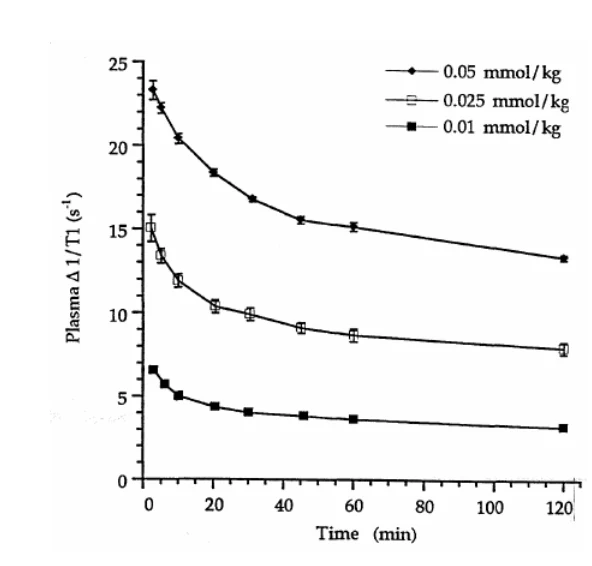
Figure 1: Gadofosveset Plasma Relaxation Rates Versus Time
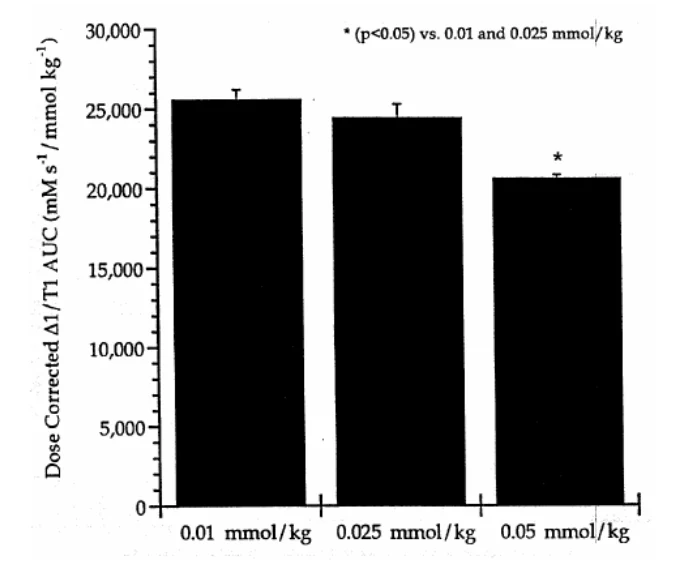
Figure 2: Dose-corrected Plasma Δ 1/T1 AUC
A subset analysis of imaging efficacy in a group of patients with low serum albumin levels
(< 3.3 g/dL) and those with levels above the lower limit of normal ( 3.3 g/dL) indicated that there were no significant differences in the analysis of sensitivity, specificity and accuracy of ABLAVAR-enhanced MRA.
Pharmacokinetics
In vitro
Potential metabolism of gadofosveset trisodium was investigated in an in vitro study using human microsomes. Phenacetin (100 μM) and ephedrine (100 μM) were used as positive and negative controls, respectively. The concentrations of gadofosveset trisodium tested
(0.01, 0.1, 1 and 3.6 mM) covered approximately eight times the Cmax of gadofosveset trisodium after the clinical dose of 0.03 mmol/kg. Results showed that at all gadofosveset trisodium concentrations, the percent remaining at 5, 15, 30 and 60 minutes was essentially 100% of the starting dose, indicating that gadofosveset trisodium is not a substrate for cytochrome P-450 enzymes.
In vivo
The pharmacokinetic profile of gadofosveset trisodium has been studied over a wide range of doses (0.01 to 0.15 mmol/kg) covering 0.3 to five times the clinical dose of 0.03 mmol/kg. At higher doses (> 0.05 mmol/kg), the kinetics tend to be less than dose-proportional. As the dose increased from 0.01 mmol/kg to 0.15 mmol/kg in proportion 1: 2.5: 5: 7.5: 10: 12.5: 15, the AUC(0- ) increased in proportion 1: 2.4: 3.7: 4.8: 5.4: 6.5: 6.6. This observation is consistent with the known protein binding characteristics of gadofosveset, in which the fraction bound decreases at plasma concentrations of gadofosveset greater than 0.15 mM, resulting in a higher unbound fraction available for renal excretion. Although a nonlinear trend is apparent at higher doses, near the clinical dose of 0.03 mmol/kg, the pharmacokinetic parameters are approximately dose-proportional.
| Table 20: Mean Plasma Pharmacokinetic Parameters Following Various 30-second or 75-second Single Intravenous Doses of ABLAVAR in Healthy Subjects | |||||||||||
Dose (mmol/kg) | Injection Duration | Cmax (mmol/L) | AUC (mmol·h/L) | t½(α) (h) | t½(λz) (h) | Vss (L/kg) | Cl(tot) (L/h/kg) | Cl(ren) (L/h/kg) | |||
| Study MS325-01A | |||||||||||
| 0.01 | 30 s | 0.14 | 1.74 | 0.320 | 18.0 | 0.145 | 0.0057 | 0.0048 | |||
| 0.025 | 30 s | 0.35 | 3.97 | 0.697 | 17.4 | 0.152 | 0.0064 | 0.0051 | |||
| 0.05 | 30 s | 0.59 | 6.62 | 0.668 | 16.6 | 0.174 | 0.0077 | 0.0059 | |||
| Study MS-325-16 | |||||||||||
| 0.030 | 1.5 mL/s | 0.43 | 4.66 | 0.48 | 18.5 | 0.148 | 0.0066 | 0.0055 | |||
| Study MS-325-01C | |||||||||||
| 0.050 | 30 s | 0.626 | 6.12 | 0.354 | 13.9 | 0.160 | 0.0083 | 0.0061 | |||
| 0.075 | 30 s | 0.821 | 8.45 | 0.693 | 15.0 | 0.184 | 0.0090 | 0.0074 | |||
| 0.075 | 75 s | 0.853 | 7.81 | 0.397 | 13.4 | 0.179 | 0.0097 | 0.0073 | |||
| 0.100 | 30 s | 0.961 | 9.13 | 0.560 | 14.9 | 0.227 | 0.0111 | 0.0093 | |||
| 0.100 | 75 s | 1.03 | 9.25 | 0.676 | 14.7 | 0.218 | 0.0109 | 0.0093 | |||
| 0.125 | 75 s | 1.18 | 11.0 | 0.567 | 14.6 | 0.229 | 0.0116 | 0.0099 | |||
| 0.150 | 75 s | 1.39 | 11.3 | 0.701 | 13.8 | 0.249 | 0.0135 | 0.0109 | |||
The plasma concentration-time profile of gadofosveset trisodium was described using a bi-exponential equation representing an open two-compartment model. The plasma gadofosveset concentrations after a 0.03 mmol/kg dose declined rapidly during the distribution phase (t½α = 0.48 ± 11 hours) and more slowly during the disposition phase (t½β = 16.3 ± 2.6 hours). The mean plasma gadofosveset concentrations at 1, 4 and 24 hours after administration were, respectively, 56%, 41% and 14% of the concentration at 3 minutes after the injection. The mean total clearance after a 0.03 mmol/kg dose was 6.57 ± 0.97 mL/h/kg (i.e., about 7.7 mL/min for a 70 kg person), and Vss was 148 ± 16 mL/kg, indicating that gadofosveset trisodium is distributed to extracellular fluid.
The plasma and urine assay results indicate that gadofosveset trisodium does not undergo biotransformation in the human body. The lack of metabolism observed in the clinical studies was consistent with results obtained in laboratory animals and in vitro with human liver microsomes. Therefore, gadofosveset trisodium is not a substrate for hepatic cytochrome P-450 enzymes.
The mean plasma protein binding of gadofosveset trisodium was in the range of 80-87% for up to the first four hours after injection of a 0.03 mmol/kg dose. The concentration dependence of plasma protein binding in the clinical studies was consistent with the result of in vitro studies. At concentrations > 0.3 mmol/L, plasma protein binding of gadofosveset was noticeably lower than at concentrations < 0.3 mmol/L. As plasma concentrations decreased below 0.3 mmol/L, protein binding reached near asymptotic values of about 85 to 90%. The relationship between the percentage of protein binding and the plasma concentration of gadofosveset trisodium was consistent across the clinical studies at two dose levels (0.03 and 0.05 mmol/kg) in healthy volunteers, in patients with vascular disease, in patients on warfarin therapy, in patients with moderate hepatic impairment and in patients with varying degrees of renal impairment.
In healthy subjects following an intravenous dose of 0.03 mmol/kg, the mean percentage of the dose excreted in urine over a 14-day collection period was 83.7% ± 4.2% (range: 79.0%-94.0%). At 24, 48, 72 and 96 hours, the urinary excretion accounted for 61.1%, 74.3%, 78.8% and 80.9% of the administered 0.03 mmol/kg dose, respectively. An additional 4.7% (range: 1.15-9.3%) was recovered in the feces, bringing the mean percent excreted to 88.4% (range: 81.6%-97.8%) of the administered dose. A small proportion of the dose recovered in the feces was indicative of a minor role of biliary excretion in the elimination of gadofosveset.
Renal Impairment: A single-centre, open-label study was conducted to determine the pharmacokinetics of gadofosveset trisodium in patients with varying degrees of renal insufficiency. Each subject received a single i.v. bolus dose of 0.05 mmol/kg. At creatinine clearance values greater than 50 mL/min (normal renal function to mild impairment), only small differences compared to normal subjects were evident in pharmacokinetic parameters. At creatinine clearance values less than 50 mL/min (moderate to severe impairment), a clear trend in the pharmacokinetic parameters was evident. The AUC and t(½term) values increased and system clearance decreased as renal function declined. The values of Vss were not remarkably affected by renal dysfunction. Compared to normal subjects, mean Cl(renal) in the mild group was not substantially different, but decreased by 43% and 58% in the moderate and severe renal impairment groups, respectively (see Table 8 in ACTION AND CLINICAL PHARMACOLOGY Special Populations and Conditions).
The total amount of gadofosveset recovered in the urine over the seven-day collection period appeared to decrease slightly as severity of renal dysfunction increased, while fecal excretion increased slightly with increasing renal dysfunction. This suggests that hepatic clearance becomes more significant in the presence of impaired renal function. Overall recovery of gadofosveset remained similar across all groups.
The fraction of bound gadofosveset was generally similar within and across all groups indicating that renal impairment status had no appreciable effect on the extent of plasma protein binding.
Hemodialysis Patients: A single-centre, open-label study was conducted to determine the safety and pharmacokinetics of ABLAVAR (gadofosveset trisodium injection) in subjects requiring hemodialysis three times a week. A single i.v. bolus dose of 0.05 mmol/kg was administered prior to the first of the three hemodialysis sessions.
In the six patients for whom a high-flux dialysis filter was used, plasma concentrations declined much more rapidly during the dialysis compared to the inter-dialysis period. The mean half-life during the first, second and third dialysis sessions was estimated to be 4.6, 5.2 and 5.6 hours, respectively. The mean dialysis clearance during the first, second and third dialysis sessions was 32.0, 23.2 and 15.7 mL/h/kg, respectively. The plasma concentrations at the end of the first, second and third dialysis sessions had declined by 64%, 84% and 92%, respectively, from the peak plasma concentrations recorded at 3 minutes after the injection. The gadofosveset recovered in the dialysate for the first, second and third dialysis sessions was 46.8%, 12.9% and 6.11% of the administered dose, respectively. The overall total recovery was 68.1% (range:
63.2%-76.5%).
| Table 21: Plasma and Dialysate Pharmacokinetic Parameters for Subjects Undergoing Hemodialysis Using a High-flux (F-80) Membrane | ||||||||
| Parameter | Mean (SD) | Min, Max | ||||||
| Cmax (mmol/L) | 0.500 (0.114) | 0.364, 0.618 | ||||||
| Tmax (h) | 0.05 | 0.05 | ||||||
| AUC0-t (μg · h/mL) | 2419 (674) | 1641, 3267 | ||||||
| AUC0-168 (μg · h/mL) | 2051 (439) | 1540, 2606 | ||||||
| t(½ dialysis session 1) (h) | 4.6 (3.3) | 2.3, 11.1 | ||||||
| t(½ dialysis session 2) (h) | 5.2 (0.9) | 4.1, 6.7 | ||||||
| t(½ dialysis session 3) (h) | 5.6 (0.7) | 4.6, 6.4 | ||||||
| Cl(dialysis session 1) (mL/h/kg) | 32.0 (8.1) | 22.6, 41.3 | ||||||
| Cl(dialysis session 2) (mL/h/kg) | 23.2 (11.0) | 13.8, 37.3 | ||||||
| Cl(dialysis session 3) (mL/h/kg) | 15.7 (2.5) | 11.8, 19.6 | ||||||
| Fraction recovered(dialysis session 1) (%) | 46.8 (5.6) | 38.7, 56.2 | ||||||
| Fraction recovered(dialysis session 2) (%) | 12.9 (2.4) | 10.3, 16.3 | ||||||
| Fraction recovered(dialysis session 3) (%) | 6.11 (1.64) | 4.58, 8.36 | ||||||
| Total recovered (%) | 68.1 (4.8) | 63.2, 76.5 | ||||||
In one subject who was dialyzed using a low-flux dialysis filter, the dialysis clearance was significantly lower (15.4%). Results of an in vitro study showed that a high-flux dialysis filter is significantly more efficient in removing gadofosveset trisodium from the circulation. Use of a high-flux dialysis filter is recommended when using ABLAVAR in patients requiring dialysis.
The fraction of bound gadofosveset was similar for the six subjects dialyzed with high-flux filters. At 3 minutes after ABLAVAR injection, the mean fraction was 60.5% (range: 47.8%-73.1%), and it was 80.4% (range: 68.3%-87.9%) at a time point approximately 24 hours after dosing. For the one subject who was dialyzed with a low-flux filter, the percent bound gadofosveset ranged from 67.3% at 3 minutes after injection to 83.5% at 16 hours after the end of the first dialysis session. The increase in the percentage of binding over time reflects the concentration-dependent protein binding of gadofosveset.
Hepatic Impairment: A single-centre, open-label study was conducted to determine the safety and pharmacokinetics of a single bolus dose of ABLAVAR (0.05 mmol/kg) in subjects with moderate hepatic impairment (Child-Pugh Class B) in comparison with those in an age-matched control group with normal hepatic function.
| Table 22: Mean Pharmacokinetic Parameters (±SD) in Subjects with Moderate Hepatic Impairment and Age-matched Subjects with Normal Hepatic Function after a Bolus Intravenous Dose of 0.05 mmol/kg | ||||||||||
| Parameters (units) | Moderate hepatic impairment group (n = 8) | Age-matched healthy volunteer group (n = 10) | ||||||||
| Cmax (mmol/L) | 0.606 (± 0.116) | 0.700 (± 0.076) | ||||||||
| Tmax (h) | 0.050 | 0.050 | ||||||||
| AUC(0-inf) (mmol·h/L) | 7.06 (± 2.09) | 6.85 (± 0.96) | ||||||||
| t(½α) (h) | 0.828a (± 0.297) | 0.560 (± 0.079) | ||||||||
| t(½β) (h) | 18.6 (± 6.0) | 16.1 (± 2.7) | ||||||||
| t(½term) (h) | 20.5 (± 7.3) | 18.8 (± 3.2) | ||||||||
| Vss (mL/kg) | 172 (± 21) | 162 (± 14) | ||||||||
| MRT (h) | 24.2 (± 8.2) | 22.2 (± 3.9) | ||||||||
| Cl(total) (mL/h/kg) | 8.00 (±3.81) | 7.42 (± 0.93) | ||||||||
| Cl(renal) (mL/h/kg) | 7.00 (± 4.10) | 6.23 (± 1.01) | ||||||||
| % dose eliminated in urine (14 days) | 82.5 (± 7.6) | 83.6 (± 7.3) | ||||||||
| % dose eliminated in feces (7 days) | 2.67 (± 1.88) | 4.81 (± 3.12) | ||||||||
| % total dose eliminated (14 days) | 85.2 (± 7.9) | 88.5 (± 6.4) | ||||||||
a Excluding the value of one patient who had a value of 5.92
There were no statistically significant differences in any of the pharmacokinetic parameters between the hepatically impaired and normal volunteer groups. The hepatically impaired group as a whole had a wider range of t(½term) and AUC(0-inf) values than the normal group, likely due to the heterogeneity of the disease. There were no relevant differences between the two groups in mean urinary excretion, but mean fecal excretion was slightly lower in the hepatically impaired group (2.7%) compared to the normal group (4.8%). This difference was not statistically significant. At all time points, the fraction of gadofosveset bound to plasma proteins was similar in the two groups.
One subject in the hepatically impaired group with low serum albumin (baseline value =
2.8 g/dL) exhibited a much faster rate of elimination from the plasma (Cl(tot) was 17 mL/h/kg and t½term was 8.89 h); however, the volume of distribution (197 mL/kg) was not appreciably different from the group mean. The observed pharmacokinetics in this patient are consistent with the recognized effect of protein binding on the pharmacokinetics of gadofosveset. Patients with lower plasma albumin levels may clear gadofosveset more rapidly than subjects with normal albumin levels.
Drug Interactions: A single-centre, open-label study was conducted to determine the safety and pharmacokinetics of ABLAVAR in patients with arterial vascular occlusive disease undergoing concomitant warfarin therapy. Each subject received a single i.v. bolus injection of
0.05 mmol/kg ABLAVAR. Warfarin doses and dose regimens were individualized; the doses ranged from 2.5 to 12 mg administered at variable regimens (one to four times a week). The mean pharmacokinetic profile of gadofosveset trisodium was unaltered in subjects on concomitant warfarin therapy as compared to those not receiving warfarin.
| Table 23: Mean (%CV) Pharmacokinetic Parameters in Patients Receiving ABLAVAR Alone or With Concomitant Warfarin | ||||||
| Parameter (units) | ABLAVAR alone (n = 10) | ABLAVAR + Warfarin (n = 10) | ||||
| Cmax (mmol/L) | 0.558 (19) | 0.661 (36) | ||||
| AUC(0-inf) (mmol·h/L) | 7.42 (23) | 7.14 (17) | ||||
| t(½α) (h) | 1.72 (65) | 0.605 (91) | ||||
| t(½β) (h) | 20.9 (37) | 18.9 (18) | ||||
| t(½term) (h) | 22.2 (27) | 20.3 (19) | ||||
| MRT (h) | 25.6 (27) | 25.5 (19.8) | ||||
| Vss (mL/kg) | 172 (9) | 179 (10) | ||||
| Cl(tot) (mL/h/kg) | 7.07 (23) | 7.21 (20) | ||||
| Cl(ren) (mL/h/kg) | 5.22 (24) | 5.94 (20) | ||||
| Fraction of dose excreted in urine (%) | 73.1 (11) | 81.6 (13) | ||||
| Fraction of dose excreted in feces (%) | 5.49 (28) | 4.42 (57) | ||||
There was no difference in the percentage of protein binding of gadofosveset trisodium between the groups that did or did not receive concomitant warfarin. Unbound fractions of R- and S-warfarin after ABLAVAR administration ranged from 0.977 to 1.38% and from 0.789 to 1.03%, respectively, which is comparable to results reported in the published literature. A comparison of the percent of unbound warfarin before and after administration of ABLAVAR showed that treatment with ABLAVAR had no apparent effect on the protein binding of warfarin. The anticoagulant activity of warfarin as determined by prothrombin time expressed as international normalized ratio (INR) was not affected by ABLAVAR administration. The change in plasma relaxation rate ( 1/T1) was not significantly different between groups.
TOXICOLOGY
Single-dose toxicity
After a single intravenous administration, gadofosveset trisodium was tolerated without lethality up to doses of 3.0 mmol/kg (mice), 1.25 to 3.0 mmol/kg (rats), 2.0 mmol/kg (rabbits) and 3.0 mmol/kg (monkeys). Mortality was observed from doses of 6.0 mmol/kg (mice), 3.0 mmol/kg (rats) and 4.0 mmol/kg (rabbits). In the monkey study, higher doses were not tested since the dose of 3.0 mmol/kg already corresponds to 100 times the clinical dose in humans.
Excess salivation was noted in monkeys at doses of 0.75 mmol/kg and higher.
One out of five male rats died after injection of 1.25 mmol/kg ligand excipient (fosveset), corresponding to more than 30,000 times the clinical dose of the ligand. Clinical signs observed prior to death were suggestive of an idiosyncratic reaction to the ligand excipient.
Repeat-dose toxicity
Repeat-dose toxicity studies were conducted in rats and monkeys over a period of two to four weeks. No long-term toxicity studies were conducted since ABLAVAR (gadofosveset trisodium injection) is intended to be used for diagnostic investigations which will usually be carried out only once, possibly twice in the case of follow-up investigations.
The most salient finding in the repeat-dose toxicity studies was a vacuolation of renal proximal tubular cells, which at higher doses also affected further parts of the urogenital tract. This finding was observed in the four-week rat study at a dose of 0.03 mmol/kg. In the four-week monkey study, this observation was made at 0.5 mmol/kg. However, the vacuolation of the renal tubular cells at these doses was not associated with an impairment of kidney function. Electron microscopic investigations of the rat kidneys indicated that this is a storage phenomenon (due to reabsorption of gadofosveset after glomerular filtration) rather than an adverse effect. Reversibility of the effect could be shown in both the rat and monkey studies. In vitro investigation did not reveal cytotoxicity of gadofosveset trisodium towards human kidney cells at concentrations expected to occur after clinical use of 0.03 mmol/kg.
Formation of vacuoles was also observed in the urinary bladder and urothelium as well as in macrophages of different tissues such as the lungs, lymph nodes, spleen, adrenal medulla and testes, generally starting at higher doses of 1.0 mmol/kg in the repeat-dose rat studies and at
0.5 mmol/kg in the monkey studies. In rats, a dose of 1.5 mmol/kg led to kidney tubular necrosis. Increased kidney weights were observed at 1.0 mmol/kg. Effects on red cell parameters (reduction of hemoglobin concentration, hematocrit and erythrocyte counts) were observed in both rats ( 0.01 mmol/kg) and monkeys ( 0.5 mmol/kg). These effects were fully reversible after a recovery period of four (rats) to 12 (monkeys) weeks. Decreases in body weight were observed in rats at a dose of 1.5 mmol/kg resulting in a body weight loss for female animals. These findings correlated with frequent vomitus at this dose.
An increase of neutrophilic granulocytes was observed in rats after a daily administration of 1.5 mmol/kg ABLAVAR over 4 weeks and in monkeys an increase in monocytes was observed after a daily administration of 2.0 mmol/kg ABLAVAR over 4 weeks.
Carcinogenicity
Since ABLAVAR is administered as a single intravenous bolus injection and is quickly eliminated from the body via the urine, long-term animal studies to evaluate the carcinogenic potential of gadofosveset trisodium were not considered necessary.
Mutagenicity
The mutagenicity of gadofosveset trisodium was tested in a variety of systems suitable for the detection of gene, chromosome and genome mutations in vitro and in vivo. The results obtained in these test systems did not reveal any evidence of a mutagenic potential for gadofosveset trisodium.
Reproductive Toxicity
In order to assess the effects of gadofosveset trisodium on reproduction, a complete set of reproduction toxicology studies was performed, including a fertility study in rats, embryotoxicity studies in rats and rabbits and a peri/postnatal study in rats.
The results of the fertility study did not reveal any impairment of fertility at intravenous doses of 1.5 mmol/kg administered during gametogenesis, mating and early gestation. In addition, no adverse effects during early embryonic development of the F1 animals were observed.
In the two embryotoxicity studies performed each in rats and rabbits, the toxicity of gadofosveset trisodium on the parental generation and fetuses was assessed. No compound-related effects were observed in the litters at intravenous doses of 0.40 mmol/kg or 0.45 mmol/kg administered from days 6 to 17 post-coitum (p.c.) in the rat. In the two rabbit studies, gadofosveset trisodium administered from days 6 to 18 p.c. did not cause effects on the offspring at 0.2 and
0.8 mmol/kg. No signs of teratogenicity were observed at maternotoxic doses either in rats or in rabbits at the highest dose of 2.0 mmol/kg. In rats, embryotoxicity was observed at 2.0 mmol/kg in the form of skeletal variations and retardations. In rabbits, borderline embryotoxic effects (within historical control ranges) were observed at 0.8 mmol/kg in the first study, becoming evident as a slight decrease of embryonal viability (increased post-implantation loss). However, in the second study a significant increase in the number of early resorptions and a decrease in the number of fetuses was observed only at 2.0 mmol/kg. Teratogenic effects were not observed in either species at any of the doses tested.
In the peri/postnatal study, rats were dosed intravenously during pregnancy and lactation. No compound-related effects were observed during gestation, fetal development, delivery and lactation of the P-generation at the highest dose of 1.5 mmol/kg. In addition, no effects on the postnatal development of the F1 generation as well as on the reproductive functions of the F1 and F2 generations were observed. At the high dose of 1.5 mmol/kg, clear signs of maternal toxicity such as pale kidneys and significantly increased kidney weights were observed. These were not accompanied by any developmental impairment of the offspring generations.
Local Tolerance
Local tolerance studies were performed in the rabbit covering the intended intravenous administration of gadofosveset trisodium as well as possible paravenous, intra-arterial and intramuscular misapplications.
Gadofosveset trisodium was well tolerated without significant adverse effects after intravenous administration of 0.5 to 1.0 mL to the congested and uncongested ear vein. Paravenous administration of 0.5 mL of gadofosveset trisodium produced mild irritation of the skin and subcutaneous tissue which was slightly greater than the controls. Intra-arterial administration of 0.5 mL of gadofosveset trisodium resulted in transient, severe erythema and moderate swelling around the injection site. Macroscopic and histological examination did not reveal any compound-related pathomorphological findings. Intramuscular administration of 1.0 mL of gadofosveset trisodium into the sacrospinal muscle of rabbits caused local irritation at the injection site accompanied by reversible, moderate focal necrosis and inflammatory reactions.
Other Toxicity Studies
The sensitizing potential of gadofosveset trisodium was tested in a maximization test in guinea pigs to reveal a contact allergenic/skin sensitizing potential. Additionally, the antigenicity of gadofosveset trisodium was tested in an active systemic anaphylaxis test and a homologous passive cutaneous anaphylaxis test in guinea pigs. None of these models revealed any evidence of contact-sensitizing or antigenic potential of gadofosveset trisodium.
An immune function assay in rats after repeated administration of gadofosveset trisodium over 18 days was performed to assess the impact of vacuolation on macrophage function. This study consisted of two arms, in one of which the spleens of terminally sacrificed animals were isolated and the spleen cells incubated with sheep red blood cells (SRBC) in order to assess their capacity to lyse the SRBCs after a previous immunization with these cells on day 15. In the second arm, lung macrophages were isolated by lavage and their phagocytosis capacity assessed. Gadofosveset trisodium caused no impairment of the plaque forming capacity of spleen B-cells up to doses of 2.0 mmol/kg. A weak depression of phagocytosis capacity of isolated lung macrophages was observed at this dose.
Several in vitro studies were performed to assess the potential for mast cell degranulation (histamine release), hemolytic potential (blood compatibility) and kidney cell toxicity. No significant histamine release was measured in a rat mast cell line up to a concentration of
50 mM. Gadofosveset trisodium did not produce hemolysis of blood cells or coagulation of plasma even at a one-to-one ratio of blood or plasma. Toxicity in a human proximal kidney cell line was observed only at concentrations of 12.5 mM and higher, which is about 30 times the level observed in the plasma after administration of a clinical dose of 0.03 mmol/kg.
REFERENCES (2-10)
- 1. Marckmann P, Skov L, Rossen K, Dupont A, Damholt MB, Heaf JG, et al. Nephrogenic systemic fibrosis: suspected causative role of gadodiamide used for contrast-enhanced magnetic resonance imaging. J Am Soc Nephrol 2006;17(9):2359-62.
- 2. Caravan P, Cloutier NJ, Greenfield MT, McDermid SA, Dunham SU, Bulte JW, et al. The interaction of MS-325 with human serum albumin and its effect on proton relaxation rates. J Am Chem Soc 2002;124(12):3152-62.
- 3. Grist TM. Magnetic resonance angiography of renal arterial stenosis. Coron Artery Dis 1999;10(3):151-6.
- 4. Grist TM. MRA of the abdominal aorta and lower extremities. J Magn Reson Imaging 2000;11(1):32-43.
- 5. Kraitchman DL, Chin BB, Heldman AW, Solaiyappan M, Bluemke DA. MRI detection of myocardial perfusion defects due to coronary artery stenosis with MS-325. J Magn Reson Imaging 2002;15(2):149-58.
- 6. Lahti KM, Lauffer RB, Chan T, Weisskoff RM. Magnetic resonance angiography at 0.3 T using MS-325. Magma 2001;12(2-3):88-91.
- 7. Lauffer RB, Parmelee DJ, Dunham SU, Ouellet HS, Dolan RP, Witte S, et al. MS-325: albumin-targeted contrast agent for MR angiography. Radiology 1998;207(2):529-38.
- 8. Li D, Dolan RP, Walovitch RC, Lauffer RB. Three-dimensional MRI of coronary arteries using an intravascular contrast agent. Magn Reson Med 1998;39(6):1014-8.
- 9. Parmelee DJ, Walovitch RC, Ouellet HS, Lauffer RB. Preclinical evaluation of the pharmacokinetics, biodistribution, and elimination of MS-325, a blood pool agent for magnetic resonance imaging. Invest Radiol 1997;32(12):741-7.
- 10. Prasad PV, Cannillo J, Chavez DR, Pinchasin ES, Dolan RP, Walovitch R, et al. First-pass renal perfusion imaging using MS-325, an albumin-targeted MRI contrast agent. Invest Radiol 1999;34(9):566-71.