


Product Monograph - Prohance
RECENT MAJOR LABEL CHANGES
| 7 WARNINGS AND PRECAUTIONS, 7.1.1 Pregnant Women | 2024-03 |
|---|---|
| 3 SERIOUS WARNINGS AND PRECAUTIONS, NOT FOR INTRATHECAL USE | 2025-11 |
| 7 WARNINGS AND PRECAUTIONS, Risks of Intrathecal Use | 2025-11 |
TABLE OF CONTENTS
Sections or subsections that are not applicable at the time of authorization are not listed.
RECENT MAJOR LABEL CHANGES .......................................................................................... 2
TABLE OF CONTENTS ............................................................................................................ 2
PART I: HEALTH PROFESSIONAL INFORMATION .................................................................... 4
1 INDICATIONS ............................................................................................................. 4
1.1 Pediatrics ................................................................................................................ 4
1.2 Geriatrics ................................................................................................................ 4
2 CONTRAINDICATIONS ................................................................................................ 4
3 SERIOUS WARNINGS AND PRECAUTIONS BOX ........................................................... 5
4 DOSAGE AND ADMINISTRATION ................................................................................ 5
4.1 Dosing Considerations ........................................................................................... 5
4.2 Recommended Dose and Dosage Adjustment ...................................................... 5
4.3 Reconstitution ........................................................................................................ 6
4.4 Administration ....................................................................................................... 6
4.5 Missed Dose ........................................................................................................... 6
5 OVERDOSAGE ............................................................................................................ 6
6 DOSAGE FORMS, STRENGTHS, COMPOSITION AND PACKAGING ................................ 7
7 WARNINGS AND PRECAUTIONS ................................................................................. 7
7.1 Special Populations .............................................................................................. 10
7.1.1 Pregnant Women ............................................................................................. 10
7.1.2 Breast-feeding .................................................................................................. 10
7.1.3 Pediatrics .......................................................................................................... 10
7.1.4 Geriatrics .......................................................................................................... 11
8 ADVERSE REACTIONS............................................................................................... 11
8.1 Adverse Reaction Overview ................................................................................. 11
8.2 Clinical Trial Adverse Reactions ........................................................................... 11
8.2.1 Clinical Trial Adverse Reactions – Pediatrics.................................................... 12
8.3 Less Common Clinical Trial Adverse Reactions .................................................... 13
8.4 Abnormal Laboratory Findings: Hematologic, Clinical Chemistry and Other Quantitative Data ............................................................................................................. 14
8.5 Post-Market Adverse Reactions ........................................................................... 14
9 DRUG INTERACTIONS .............................................................................................. 15
9.2 Drug Interactions Overview ................................................................................. 15
9.3 Drug-behavioural interactions ............................................................................. 15
9.4 Drug-Drug Interactions ........................................................................................ 15
9.5 Drug-Food Interactions ........................................................................................ 15
9.6 Drug-Herb Interactions ........................................................................................ 15
9.7 Drug-Laboratory Test Interactions....................................................................... 15
10 CLINICAL PHARMACOLOGY ...................................................................................... 15
10.1 Mechanism of Action ........................................................................................... 15
10.2 Pharmacodynamics .............................................................................................. 16
10.3 Pharmacokinetics ................................................................................................. 16
11 STORAGE, STABILITY AND DISPOSAL ........................................................................ 18
12 SPECIAL HANDLING INSTRUCTIONS .......................................................................... 18
PART II: SCIENTIFIC INFORMATION ..................................................................................... 19
13 PHARMACEUTICAL INFORMATION .......................................................................... 19
14 CLINICAL TRIALS ...................................................................................................... 19
14.1 Clinical Trials by Indication .................................................................................. 19
15 MICROBIOLOGY ...................................................................................................... 21
16 NON-CLINICAL TOXICOLOGY .................................................................................... 21
PATIENT MEDICATION INFORMATION ................................................................................ 26
PART I: HEALTH PROFESSIONAL INFORMATION
1 INDICATIONS
- ProHance® (gadoteridol injection) is indicated in adults and children including term neonates for contrast enhancement of magnetic resonance imaging (MRI) of brain, spine and surrounding tissues in conditions with expected vascular abnormality or defective blood-brain barrier.
- ProHance (gadoteridol injection) is also indicated in adults (18 years and older) for contrast enhancement of MRI of extracranial and extraspinal head and neck pathology.
1.1 Pediatrics
Pediatrics (0 (term neonates) to 18 years of age): Based on the data submitted and reviewed by Health Canada, the safety and efficacy of ProHance in pediatric patients has been established. Therefore, Health Canada has authorized the following indication for pediatric use: Contrast enhancement of magnetic resonance imaging (MRI) of brain, spine and surrounding tissues in conditions with expected vascular abnormality or defective blood-brain barrier (see 4.2 Recommended Dose and Dosage Adjustment, 7.1.3 Pediatrics). Use of macrocyclic agents may be preferable in potentially vulnerable patients such as children.
1.2 Geriatrics
Geriatrics (> 65 years of age): Evidence from clinical studies and experience does not suggest that use in the geriatric population is associated with any differences in safety or effectiveness (see 7.1.4 Geriatrics, 10.3 Pharmacokinetics, Geriatrics).
2 CONTRAINDICATIONS
ProHance is contraindicated:
- in patients who are hypersensitive to this drug or to any ingredient in the formulation, including any non-medicinal ingredient, or component of the container (see 7 WARNINGS AND PRECAUTIONS, Hypersensitivity).
For a complete listing, see 6 DOSAGE FORMS, STRENGTHS, COMPOSITION AND PACKAGING.
3 SERIOUS WARNINGS AND PRECAUTIONS BOX
Serious Warnings and Precautions
NEPHROGENIC SYSTEMIC FIBROSIS (NSF)
Gadolinium-based contrast agents (GBCAs) increase the risk for NSF in patients with:
- chronic severe renal insufficiency (glomerular filtration rate <30 mL/min/1.73m2) or
- acute renal failure / acute kidney injury.
In these patients, avoid use of GBCAs unless the diagnostic information is essential and not available with non-contrast enhanced MRI. NSF may result in fatal or debilitating systemic fibrosis affecting the skin, muscle and internal organs. Screen all patients for renal dysfunction by obtaining a history and/or laboratory tests. When administering a GBCA, do not exceed the recommended dose and allow a sufficient period of time for elimination of the agent from the body prior to any re-administration (see 7 WARNINGS AND PRECAUTIONS, Renal, 7 WARNINGS AND PRECAUTIONS, Skin, and 8.5 Post-Market Adverse Reactions).
NOT FOR INTRATHECAL USE
Intrathecal administration of GBCAs can cause serious, life-threatening, and fatal reactions. ProHance is not approved for intrathecal use (see 7 – WARNINGS AND PRECAUTIONS, Risks of Intrathecal Use).
4 DOSAGE AND ADMINISTRATION
4.1 Dosing Considerations
- The lowest effective dose should be used.
- Use of macrocyclic agents may be preferable in certain patients such as those for whom repeated GBCA doses may need to be considered due to individual clinical circumstances and in other potentially vulnerable patients such as children and pregnant women (see 7 WARNINGS AND PRECAUTIONS).
Pediatrics: In the pediatric population, the cautious utilization of the lowest possible dose of ProHance (0.1 mmol/kg) is recommended; the recommended dose should not be exceeded in pediatric patients <2 years of age. No dose adjustment according to age is necessary in pediatric patients including term neonates and older (see 7.1.3 Pediatrics).
4.2 Recommended Dose and Dosage Adjustment
Central nervous system
The recommended dosage of ProHance for adults and pediatric patients, including term neonates, is 0.1 mmol/kg (0.2 mL/kg), administered as a rapid intravenous infusion (up to 1 mL/sec) or as a bolus.
Extracranial/extraspinal tissues
The recommended dosage of ProHance is 0.1 mmol/kg (0.2 mL/kg), administered as a rapid intravenous infusion (up to 1 mL/sec) or as a bolus. Health Canada has not authorized this indication for pediatric use (see 1 INDICATIONS).
Sequential or Repeat Administrations
If in the clinical judgment of a healthcare professional, sequential or repeat examinations are required, a suitable interval of time between administrations should be observed to allow for normal clearance of the drug from the body. In clinical trials with ProHance, repeat injections have been safely administered within 30 minutes of an initial injection in adult patients with normal renal function. ProHance has been shown to be dialyzable in a clinical study in subjects with end-stage renal disease undergoing hemodialysis. The safety and efficacy of > 0.1 mmol/kg; and sequential and/or repeat procedures have not been studied in pediatric patients (see 7.1.3 Pediatrics).
4.3 Reconstitution
Not applicable.
4.4 Administration
- ProHance should be inspected visually for particulate matter and discoloration prior to administration. If either is present, the vial should be discarded.
- To ensure complete injection of the contrast medium, the injection should be followed by a 5 mL normal saline flush. The imaging procedure should be completed within 1 hour of injection of ProHance.
- ProHance is supplied in single dose vials, pharmacy bulk vials and single dose syringes. Unused portions of solution should be discarded.
- The product should not be frozen.
See section 12 SPECIAL HANDLING INSTRUCTIONS for the Pharmacy Bulk Package.
4.5 Missed Dose
Not applicable.
5 OVERDOSAGE
Sporadic cases of dose above the maximal tested dose of 0.3 mmol/kg body weight have been reported. However, neither signs nor symptoms of overdosage have been identified. In clinical studies using doses up to 0.3 mmol/kg, no clinical consequences related to increasing dose have been observed to date. ProHance can be removed by hemodialysis.
Should an overdose occur, the patient should be carefully observed and given symptomatic and supportive treatment.
The LD50 of intravenously administered ProHance is greater than 10 mmol/kg in mice and rats.
For management of a suspected drug overdose, contact your regional poison control centre.
6 DOSAGE FORMS, STRENGTHS, COMPOSITION AND PACKAGING
Table 1 – Dosage Forms, Strengths, Composition and Packaging
ProHance is a clear, colorless to slightly yellow sterile aqueous solution. Each mL contains 279.3 mg (0.5 mmol) of gadoteridol with 0.23 mg (0.00025 mmol) calteridol calcium and 1.21 mg (0.01 mmol) of tromethamine. The pH is adjusted to 6.5 to 8.0 with hydrochloric acid and/or sodium hydroxide. It does not contain any preservatives. ProHance has an osmolality approximately twice that of plasma (630 mOsmol/kg water at 37°C) and is hypertonic under conditions of use. It has a density of 1.138 g/mL at 20°C and a viscosity of 2.0 cP at 20°C and 1.3 cP at 37°C.
ProHance is available in 5, 10, 15 and 20 mL single dose vials, 50 and 100 mL Pharmacy Bulk Packages, 10 mL and 17 mL single dose syringes.
7 WARNINGS AND PRECAUTIONS
See 3 SERIOUS WARNINGS AND PRECAUTIONS BOX.
General
Extravasation and Injection Site Reactions
Ensure catheter and venous patency before the injection of ProHance. Extravasation into tissues during ProHance administration may lead to injection site reactions. In the clinical trial experience of ProHance, adverse reactions related to contrast extravasation were limited to sensation of warmth and coldness, erythema and injection site pain.
Carcinogenesis and Mutagenesis
See 16 NON-CLINICAL TOXICOLOGY.
Driving and Operating Machinery
Due caution should be exercised when driving or operating a vehicle or potentially dangerous machinery.
Neurologic
Convulsive states
In controlled clinical trials with ProHance, no seizure activity in patients with a history of grand mal seizure was observed. However, as this phenomenon has been reported with other contrast media, caution should be exercised in patients with this clinical history.
Accumulation of Gadolinium in Brain
The current evidence suggests that gadolinium may accumulate in the brain after multiple
| Route of Administration | Dosage Form / Strength/Composition | Non-medicinal Ingredients |
| Intravenous | Injection/ 279.3 mg (0.5 mmol) gadoteridol per mL/ sterile aqueous solution | Calteridol calcium, hydrochloric acid, sodium hydroxide, tromethamine |
administrations of GBCAs. Increased signal intensity on non-contrast T1-weighted images of the brain has been observed after multiple administrations of GBCAs inpatients with normal renal function. Gadolinium has been detected in brain tissue after multiple exposures to GBCAs, particularly in the dentate nucleus and globus pallidus. The evidence suggests that the risk of gadolinium accumulation is higher after repeat administration of linear than after repeat administration of macrocyclic agents. ProHance is a macrocyclic agent.
The clinical significance of gadolinium accumulation in the brain is presently unknown; however, gadolinium accumulation may potentially interfere with the interpretation of MRI scans of the brain. In order to minimize potential risks associated with gadolinium accumulation in the brain, it is recommended to use the lowest effective dose and perform a careful benefit risk assessment before administering repeated doses.
Renal
Use of products of a similar class to ProHance in patients with chronically reduced renal function has resulted in cases of acute renal failure, requiring dialysis. The risk of acute kidney injury may increase with increasing dose of the contrast agent; administer the lowest dose necessary for adequate imaging.
Use in Renally Impaired Patients
Since gadoteridol is cleared from the body by glomerular filtration, caution should be exercised in patients with severely impaired renal function. A suitable interval of time, at least 7 days, should elapse between 2 separate examinations with ProHance or between evaluations with iodine contrast media and ProHance (see 3 SERIOUS WARNINGS AND PRECAUTIONS BOX and 8.5 Post-Market Adverse Reactions).
No ProHance dosage adjustment is recommended for patients with renal impairment. Gadoteridol can be removed from the body by hemodialysis.
Nephrogenic Systemic Fibrosis (NSF)
Exposure to GBCAs increases the risk for NSF in patients with:
- chronic severe renal insufficiency (glomerular filtration rate <30 mL/min/1.73m2), or
- acute renal failure / acute kidney injury.
Screen all patients for renal dysfunction by obtaining a history and/or laboratory tests. The risk, if any, for the development of NSF among patients with mild to moderate renal insufficiency or normal renal function is unknown; therefore, the cautious utilization of the lowest possible dose of GBCA is preferable (see 3 SERIOUS WARNINGS AND PRECAUTIONS BOX, 7 WARNINGS AND PRECAUTIONS, Skin, and 8.5 Post-Market Adverse Reactions).
In these patients, avoid use of GBCAs unless the diagnostic information is essential and not available with non-contrast enhanced MRI. For patients receiving hemodialysis healthcare professionals may consider prompt hemodialysis following GBCA administration in order to enhance the contrast agent’s elimination. However, it is unknown if hemodialysis prevents NSF.
Among the factors that may increase the risk for NSF are repeated or higher than recommended doses of a GBCA and the degree of renal function impairment at the time of exposure.
NSF development is considered a potential class-related effect of all GBCAs.
Post-marketing reports have identified the development of NSF following single and multiple administrations of GBCAs. These reports have not always identified a specific agent. Where a specific agent was identified, the most commonly reported agent was gadodiamide (Omniscan), followed by gadopentetate dimeglumine (Magnevist) and gadoversetamide (OptiMARK). NSF has also developed following the sequential administration of gadodiamide with gadobenate dimeglumine (MultiHance) or gadoteridol (ProHance). The number of post-marketing reports is subject to change over time and may not reflect the true proportion of cases associated with any specific GBCA.
The extent of risk for NSF following exposure to any specific GBCA is unknown and may vary among the agents. Published reports are limited and predominantly estimate NSF risks with gadodiamide. In one retrospective study of 370 patients with severe renal insufficiency who received gadodiamide, the estimated risk for development of NSF was 4%. The risk, if any for the development of NSF among patients with mild to moderate renal insufficiency or normal renal function is unknown, and the cautious utilization of the lowest possible dose of GBCA is preferable.
A skin biopsy is necessary in order to exclude the diagnosis of similarly presenting skin disorders (e.g. scleromyxedema) (see 3 SERIOUS WARNINGS AND PRECAUTIONS BOX and 8.5 Post-Market Adverse Reactions).
Risk of Intrathecal Use
Serious, life-threatening and fatal cases, primarily with neurological reactions (e.g., coma, encephalopathy, seizures), have been reported with off-label intrathecal use of GBCAs. ProHance is not approved for intrathecal use (see 3 SERIOUS WARNINGS AND PRECAUTIONS and 4.1 Dosing Considerations)
Sensitivity/Resistance
Hypersensitivity Reactions
Anaphylactic and anaphylactoid reactions have been reported, involving cardiovascular, respiratory, and/or cutaneous manifestations. Some patients experienced circulatory collapse and died. In most cases, initial symptoms occurred within minutes of ProHance administration and resolved with prompt emergency treatment.
- Consider the risk of reactions, including serious life threatening, fatal anaphylaxis, or other idiosyncratic reactions, especially in patients with a history of known clinical hypersensitivity to contrast media, or a history of asthma or other allergic disorders. Experience with contrast media in general shows that these patients suffer more frequently than others from hypersensitivity reactions.
- During and following ProHance administration, observe patients for at least 30 minutes and up to 2 hours for signs and symptoms of hypersensitivity reactions.
Skin
NSF was first identified in 1997 and has so far, been observed only in patients with renal disease. This is a systemic disorder with the most prominent and visible effects on the skin. Cutaneous lesions associated with this disorder are caused by excessive fibrosis and are usually symmetrically distributed on the limbs and trunk. Involved skin becomes thickened which may inhibit flexion and extension of joints and result in severe contractures. The fibrosis associated with NSF can extend beyond dermis and involve subcutaneous tissues, striated muscles, diaphragm, pleura, pericardium, and myocardium. NSF may be fatal (see 3 SERIOUS WARNINGS AND PRECAUTIONS BOX, 7 WARNINGS AND PRECAUTIONS, Nephrogenic Systemic Fibrosis, and 8.5 Post-Market Adverse Reactions).
7.1 Special Populations
7.1.1 Pregnant Women
ProHance should be used during pregnancy only if the potential benefit justifies the potential risk to the fetus. Use of macrocyclic agents may be preferable in certain patients such as those for whom repeated GBCA doses may need to be considered due to individual clinical circumstances and in other potentially vulnerable patients such as pregnant women.
No effects on embryo fetal development were observed in rats or rabbits at doses up to 1.5 or 6.0 mmol/kg/day, respectively. These doses were 2 to 19 times the recommended human dose based on body surface area. No effects on the growth and development of the offspring of mice dams treated from gestation day 6 through 18 were observed up to a dose of 2.5 mmol/kg/day (2 times the recommended human dose based on body surface area). Gadolinium was quantifiable in the brain of the F1 offspring, with levels declining over time, confirming that ProHance crosses the placenta. These Gadolinium levels had no impact on neurodevelopment as assessed by brain histology and validated neurobehavioral tests (see 16 NON-CLINICAL TOXICOLOGY).
GBCAs cross the placenta and result in fetal exposure and gadolinium retention. ProHance should be used during pregnancy only if the benefit justifies the potential risk to the fetus. There is no conclusive evidence of the clear association between GBCAs and adverse effects in the exposed fetus. However, a retrospective cohort study, comparing pregnant women who had a GBCA MRI to pregnant women who did not have an MRI, reported a higher occurrence of stillbirths and neonatal deaths in the group receiving GBCA MRI. Limitations of this study include a lack of comparison with non-contrast MRI, lack of information about the maternal indication for MRI and the type of GBCA used. Overall, these data preclude a reliable evaluation of the potential risk of adverse fetal outcomes with the use of GBCAs in pregnancy.
7.1.2 Breast-feeding
It is not known to what extent ProHance is excreted in human milk; however, ProHance is excreted in the milk of lactating rats.
Published lactation data on other GBCAs indicate that 0.01 to 0.04% of the maternal gadolinium dose is present in breast milk and there is limited GBCA gastrointestinal absorption (< 1% of the contrast medium ingested) in the breast-fed infant. The developmental and health benefits of breastfeeding should be considered along with the mother’s clinical need for ProHance and any potential adverse effects on the breastfed infant from ProHance or from the underlying maternal condition.
If ProHance is given to nursing mothers, breast-feeding should be discontinued for 24 hours following its administration.
7.1.3 Pediatrics
The safety and effectiveness of ProHance have been established for use with MRI to visualize lesions with abnormal blood brain barrier or abnormal vascularity of the brain, spine, and associated tissues in pediatric patients from birth, including term neonates, to 17 years of age. Pediatric use is based on evidence of effectiveness in adults and in 103 pediatric patients 2 years of age and older, in addition to experience in 125 pediatric patients from birth to less than 2 years of age that supported extrapolation from adult data (see 14 CLINICAL TRIALS). Adverse reactions in pediatric patients were similar to those reported in adults (see 8 ADVERSE REACTIONS).
The cautious utilization of the lowest possible dose of ProHance is recommended in the pediatric population; the recommended dose should not be exceeded in pediatric patients < 2 years of age. No studies have been conducted in pediatric patients with renal dysfunction and in premature infants.
The safety and efficacy of > 0.1 mmol/kg, and sequential and/or repeat procedures have not been studied in pediatric patients (see 4.1 Dosing Considerations). No cases of NSF associated with ProHance or any other GBCA has been identified in pediatric patients ages 6 years and younger. Pharmacokinetic studies suggest that clearance of ProHance is similar in pediatric patients and adults, including pediatric patients younger than 2 years of age. Normal estimated GFR (eGFR) is around 30 mL/min/1.73m2 at birth and increases to mature levels around 1 year of age, reflecting growth in both glomerular function and relative body surface area. Clinical studies in pediatric patients younger than 1 year of age have been conducted in patients with the following minimum eGRF; 59.37 mL/min/1.73m2 (age just after birth to < 30 days), 118.84 mL/min/1.73m2 (age 30 days to < 6 months), and 140.44 mL/min/1.73m2 (age 6 to 12 months).
Use of macrocyclic agents may be preferable in potentially vulnerable patients such as children.
7.1.4 Geriatrics
No specific precautions other than those pertinent to MRI and ProHance in general are applicable for elderly patients.
The drug is known to be substantially excreted by the kidney, and the risk of toxic reactions to ProHance may be greater in patients with impaired renal function. Because elderly patients are more likely to have decreased renal function, it may be useful to monitor renal function in these patients (see 10.3 Pharmacokinetics, Geriatrics).
8 ADVERSE REACTIONS
8.1 Adverse Reaction Overview
Patients with a history of previous reaction to contrast media, allergic disposition or bronchial asthma suffer more frequently from hypersensitivity reactions than others. As with other contrast media, delayed allergic reactions occurring hours or days after administration have been observed, though rarely. Anaphylactoid reactions may occur (see 7 WARNINGS AND PRECAUTIONS, Hypersensitivity).
GBCAs increase the risk for NSF in patients with impaired renal elimination of drugs (see 3 SERIOUS WARNINGS AND PRECAUTIONS, 7 WARNINGS AND PRECAUTIONS, Renal). Nausea, dizziness, dysgeusia, headache and urticaria were the most frequently reported adverse reactions considered related to ProHance, with an overall incidence 0.4% to 1.4%.
8.2 Clinical Trial Adverse Reactions
Clinical trials are conducted under very specific conditions. Therefore, the adverse reaction rates observed in the clinical trials may not reflect the rates observed in practice and should not be compared to the rates in the clinical trials of another drug. Adverse reaction information from clinical trials may be useful in identifying and approximating rates of adverse drug reactions in real-world use.
The following adverse events and related adverse reactions were reported in clinical trials involving 3174 subjects (including 2896 adults and 278 pediatric subjects ages 0 to 17 years) exposed to ProHance. Approximately 48% of the subjects were men and ethnic distribution was 78% Caucasian, 6% Black, 3% Hispanic, 6% Asian, and 2% other. In 5% of the subjects, race was not reported. Average age was 47 years (range from 1 day to 91 years) and the exposure ranged from 0.03 to 0.3 mmol/kg, with a mean administered dose of 0.15 mmol/kg.
Overall, approximately 6.9% of subjects reported one or more adverse events and 5.8% reported related adverse reactions during a follow-up period that ranged from 24 hours to 7 days after ProHance administration. Adverse reactions associated with the use of ProHance were usually mild to moderate in severity and transient in nature resolving spontaneously with no intervention.
| Table 2 – Adverse Events and Adverse Reactions Reported in ≥ 0.4% of subjects after ProHance by MedDRA System Organ Class SOC and Preferred Term (%) | |||||||
|---|---|---|---|---|---|---|---|
MedDRA System Organ Class Preferred Term | Adverse Events (%) | Related Adverse Events (%) | |||||
| Gastrointestinal disorders | 2.3 | 2.0 | |||||
| Nausea | 1.5 | 1.4 | |||||
| Nervous system disorders | 2.6 | 2.2 | |||||
| Dizziness | 0.5 | 0.4 | |||||
| Dysgeusia | 0.9 | 0.9 | |||||
| Headache | 0.7 | 0.7 | |||||
| Skin and subcutaneous tissue disorders | 0.9 | 0.8 | |||||
| Urticaria | 0.4 | 0.4 | |||||
In the adult population as a whole (n=2896 which included 2854 adult patient population), 280 adverse events were reported in 200 (6.9%) subjects who received ProHance. A total of 227 related adverse events were reported in 173 (6.0%) adult study subjects. In the majority of subjects (97.0%), adverse events were considered mild or moderate in intensity. Nausea, dizziness, dysgeusia, headache, and urticaria were the most frequently reported adverse events with an incidence in the adult population of 0.4% to 1.5%. Serious adverse events were reported for 3 (0.1%) of the 2,854 patients in the adult patient population, each of whom was enrolled in a CNS study with ProHance. In 2 of the 3 cases, the serious adverse events (aneurysm ruptured, Grand Mal convulsion) were considered unrelated to ProHance, but may have been related to underlying disease processes. In both of these cases, the outcome was fatal. In the third case (suspected vasospastic event), a relationship to ProHance was considered possible and the patient was reported to have recovered from the event.
8.2.1 Clinical Trial Adverse Reactions – Pediatrics
In clinical trials of ProHance in MRI of the CNS, 278 pediatric subjects received ProHance at a dose of 0.1 mmol/kg (261 subjects) or 0.3 mmol/kg (17 subjects). A total of 144 (51.8%) subjects were male and 134 (48.2%) were female and the overall mean age was 5.38 years (range, 1 day to 17 years). A total of 159 (57.2%) subjects were Caucasian, 48 (17.3%) Black, 39 (14%) Hispanic, 15 (5.4%) Asian, 7 (2.5%) in other racial groups, and for 10 (3.6%), race was not reported. Of the 278 pediatric subjects receiving ProHance in clinical trials, 18 (6.5%) reported one or more adverse events, while 12 (4.3%) reported one or more related adverse events. The frequency and the nature of the adverse reactions were similar to those seen in the adult subjects. The most commonly reported adverse reactions in overall pediatric patient population were nausea (1.8%), dizziness (1.8%), and fatigue (0.7%).
In patients younger than 2 years of age, 13 adverse events related to changes in clinical laboratory values were reported in 7 patients (5.1%) and occurred from 4 to 66 hours after ProHance administration. The clinical laboratory abnormalities outside the normal range were the only adverse events recorded in this patient population. The most frequently reported adverse events in the irrespective of relationship to ProHance were: decreased hemoglobin (4 subjects; 2.9%), increased blood chloride (2 subjects; 1.4%) and decreased hematocrit (2 subjects; 1.4%). For 11 of 13 lab changes (in 5 patients), the relationship to administration of ProHance was considered by the Investigator to be “no reasonable possibility”. For the remaining two adverse events in 2 (1.4%) subjects (decreased hemoglobin from 11.4 to 9.2; decreased blood urea), there was insufficient evidence to support a relationship to ProHance, but a possible relationship could not be entirely ruled out. Notably, since the clinical study PH-108 enrolled hospitalized children with a variety of serious disease processes of the CNS, changes in lab values are considered expected. Most importantly, all abnormal laboratory values were mild to moderate in intensity and returned to normal without intervention or sequelae.
8.3 Less Common Clinical Trial Adverse Reactions
Table 3 – All Adverse Events Considered Related to ProHance by the Investigator and
Reported by < 0.4% of Patients During Clinical Trials
| Cardiac disorders | Angina pectoris, palpitations, atrio-ventricular block first degree |
|---|---|
| Ear and labyrinth disorders | Ear discomfort, tinnitus |
| Eye disorders | Eye pruritis, lacrimation increased |
| Gastrointestinal disorders | Abdominal discomfort, abdominal pain, diarrhoea, dry mouth, gingival pain, oral pruritis, swollen tongue, vomiting |
| General disorders and administration site conditions | Asthenia, chest discomfort, face edema, fatigue, feeling hot, injection site coldness, injection site erythema, injection site pain, injection site warmth, pain, pyrexia |
| Infections and infestations | Gingivitis, rhinitis |
| Investigations | Alanine aminotransferase increased, aspartate aminotransferase increased, blood pressure decreased, blood pressure immeasurable, blood urea decreased, hemoglobin decreased, heart rate increased |
Metabolism and nutrition disorders | Hypoglycemia, Decreased appetite |
Musculoskeletal and connective tissue disorders | Back pain, musculoskeletal stiffness |
| Nervous system disorders | Formication, hypoesthesia, hypokinesia, lethargy, loss of consciousness, migraine, paresthesia, presyncope, simple partial seizures, syncope, taste disorder |
| Psychiatric disorders | Anxiety, mental status changes |
Respiratory, thoracic and mediastinal disorders | Cough, dry throat, dyspnea, nasal discomfort, throat irritation |
| Skin and appendages | Hyperhidrosis, pruritis, rash, rash morbilliform |
| Vascular disorders | Flushing, hypotension, peripheral coldness, vascular rupture, vasodilatation, vasospasm |
8.4 Abnormal Laboratory Findings: Hematologic, Clinical Chemistry and Other Quantitative Data
Clinical Trial Findings
See 8.2.1 Clinical Trial Adverse Reactions – Pediatrics and 8.3 Less Common Clinical Trial Reactions.
8.5 Post-Market Adverse Reactions
The following adverse reactions have been identified during post approval use of ProHance that were not observed in the clinical trials. Because these reactions are reported voluntarily from a population of uncertain size, it is not always possible to reliably estimate their frequency or establish a causal relationship to drug exposure.
Table 4 – Adverse Reactions in the Post-Marketing Experience
|
|
|---|---|
| |
| |
| |
| |
- -existing severe renal impairment.
- -marketing reports have identified the development of NSF following single and multiple administrations of GBCAs. These reports have not always identified a specific agent. Where a specific agent was identified, the most commonly reported agent was gadodiamide (Omniscan), followed by gadopentetate dimeglumine (Magnevist) and gadoversetamide (OptiMARK). NSF has also developed following the sequential administration of gadodiamide with gadobenate dimeglumine (MultiHance) or gadoteridol (ProHance).
- -marketing reports is subject to change over time and may not reflect the true proportion of cases associated with any specific GBCA. The extent of risk for NSF following exposure to any specific GBCA is unknown and may vary among the agents.
- retrospective study of 370 patients with severe renal insufficiency who received gadodiamide, the estimated risk for development of NSF was 4%. The risk, if any for the development of NSF among patients with mild to moderate renal insufficiency or normal renal function is unknown, and the cautious utilization of the lowest possible dose of GBCA is preferable. (see 3 SERIOUS WARNINGS AND PRECAUTIONS BOX, 7 WARNINGS AND PRECAUTIONS, Renal, and 7 WARNINGS AND PRECAUTIONS, Skin)
9 DRUG INTERACTIONS
9.2 Drug Interactions Overview
No clinically relevant interactions have been described. No specific drug-drug, drug-food, drug-herb and drug-laboratory interaction studies have been performed for ProHance.
9.3 Drug-behavioural interactions
Not available at the time of initial authorization.
9.4 Drug-Drug Interactions
Interactions with other drugs have not been established.
9.5 Drug-Food Interactions
Interactions with food have not been established.
9.6 Drug-Herb Interactions
Interactions with herbal products have not been established.
9.7 Drug-Laboratory Test Interactions
Interactions with laboratory tests have not been established.
10 CLINICAL PHARMACOLOGY
10.1 Mechanism of Action
Gadoteridol is a paramagnetic agent and, as such, develops a magnetic moment when placed in a magnetic field. The relatively large magnetic moment produced by the paramagnetic agent results in a relatively large local magnetic field, which can enhance the relaxation rates of water protons in the vicinity of the paramagnetic agent.
In MRI, visualization of normal and pathologic brain tissue depends in part on variations in the radiofrequency signal intensity that occur with 1) differences in proton density; 2) differences of the spin-lattice or longitudinal relaxation times (T1); and 3) differences in the spin-spin or transverse relaxation time (T2). When placed in a magnetic field, gadoteridol decreases T1 relaxation times in the target tissues. At recommended doses, the effect is observed with greatest sensitivity in the T1-weighted sequences.
10.2 Pharmacodynamics
Gadoteridol affects proton relaxation times and consequently the MR signal. Signal intensity is affected by the dose and relaxivity of the gadoteridol molecule. Consistently, for all GBCAs, the relaxivity of gadoteridol decreases with the increase of the magnetic field strength used in clinical MRI (0.2 –3.0T).
The current evidence suggests that gadolinium may accumulate in the brain after repeated administrations of GBCAs, although the exact mechanism of gadolinium passage into the brain has not been established. However, disruption of the blood-brain barrier or abnormal vascularity allows accumulation of gadoteridol in lesions such as neoplasms, abscesses, and subacute infarcts.
10.3 Pharmacokinetics
Pharmacokinetics of intravenously administered ProHance was evaluated in an open-label non-imaging study in healthy male subjects. Groups of 3 normal subjects received single intravenous doses of 0.05, 0.10, 0.15, 0.25 or 0.30 mmol/kg of gadoteridol as ProHance. Blood samples were drawn at 1, 2, 3, 4, 5, 10, 15, 30, 60, 120, and 240 minutes post-dose as well as after 24 hours. Cumulative urine samples were obtained at 1 minute, 1 hour, 4 hours and 24 hours after injection.
The results obtained conform to a two-compartment open model with a mean distribution half-life of 0.20 ± 0.04 hour and a mean elimination half-life of 1.57 ± 0.08 hours. Eighty percent of the injected drug was cleared from the body within 6 hours of administration and over 94% (94.4 ± 4.8%) of the injected dose was excreted in the urine within 24 hours. Renal and plasma clearance rates were virtually identical (1.41 ± 0.33 mL/min/kg and 1.50 ± 0.35 mL/min/kg, respectively), indicating no alteration in elimination kinetics on passage through the kidneys and that the drug is essentially cleared through the kidney. The volume of distribution (204 ± 58 mL/kg) is equal to that of extracellular water, and clearance is similar to that of substances which are subject to glomerular filtration.
Hepatic Insufficiency
Pharmacokinetics of intravenously administered ProHance was evaluated in an open-label non-imaging study in subjects with impaired hepatic function as compared to a control group with normal hepatic function. All subjects received a single intravenous dose of 0.1 mmol/kg (0.2 mL/kg) of ProHance. Blood samples were drawn immediately predose, immediately after the end of the infusion, and at 3, 5, 10, 15, and 30 minutes, and 1, 2, 3, 4, 6, 8, 10, 12, and 24 hours. Cumulative urine samples were obtained at 0-2 hours predose, and 0-2, 2-4, 4-6, 6-12, 12-24, and 24-48 hours postdose. In total 27 subjects (14 with impaired hepatic function; 13 with normal hepatic function) were analyzed for pharmacokinetics. No differences in whole blood pharmacokinetic parameters of gadolinium were observed between subjects with hepatic impairment and those with normal hepatic function, including peak concentrations (Cmax of 102.4 ± 50.7 vs. 100.7 ± 35.3 mg/mL), plasma exposures (AUC0-∞ of 122.3 ± 39.6 vs. 119.0 ± 26.1 µg*hr/mL), plasma half-life (t1/2λz 1.9 ± 0.5 vs. 1.9 ± 0.3 hours) and plasma clearance (CL of 2.36 ± 0.58 vs. 2.29 ± 0.42 mL/min/kg). There were also no marked differences between the two groups in urinary excretion parameters including the percent of dose excreted in urine over 48 hour (%fe of 90.8 ± 7.7 vs. 95.5 ± 5.0) and renal clearance (CLr of 2.15 ± 0.58 vs. 2.20 ± 0.44 mL/min/kg). Clearance and steady-state volume of distribution showed no relationship to clinical chemistry parameters indicative of liver dysfunction.
Metabolism: It is unknown if biotransformation or decomposition of gadoteridol occurs in vivo.
Excretion: Gadoteridol is eliminated unchanged via the kidneys.
Special Populations and Conditions
Pediatrics
A population pharmacokinetic analysis incorporated data from 79 subjects, 45 males and 34 females. Among 79 subjects, 41 were healthy subjects including 28 subjects between ages of 3 and 15 years. The pediatric subjects received a single intravenous dose of 0.1 mmol/kg of ProHance. From population PK model, the mean Cmax was 0.66 ± 0.21 mmol/L in children 2-6 years of age (n=2), 0.58 ± 0.06 mmol/L in children 6-12 years of age (n=12), and 0.68 ± 0.12 mmol/L in adolescents older than 12 years (n=14). The mean AUC0-∞ was 0.74 ±0.20 mmol/L*h in children 2-6 years of age, 0.74 ± 0.09 mmol/L*h in children 6-12 years of age, and 0.98 ±0.09 mmol/L*h in adolescents older than 12 years. The mean distribution half-lives (t1/2α) are 0.14 ± 0.04 hours in children 2-6 years of age, 0.18 ± 0.07 hours in children 6-12 years of age, and 0.20 ± 0.07 hours in adolescents older than 12 years of age. The mean elimination half-life (t1/2β) are 1.32 ± 0.006 hours in children 2-6 years of age, 1.32 ± 0.07 hours in children6-12 years of age, and 1.61 ± 0.19 hours in adolescents older than 12 years of age.
There was no significant gender-related difference in the pharmacokinetic parameters in the pediatric patients. Over 80% of the dose was recovered in urine for pediatric subjects after 10 hours.
No pharmacokinetics data were available in pediatric subjects aged less than 2 years. Based on pharmacokinetic simulations, Cmax AUC0-24 and elimination half-life in pediatric subjects aged less than 2 years are expected to be approximately within the range of those observed in adults following the dose of 0.1 mmol/kg. No age-based dose adjustment is necessary for this pediatric population (see 4.2 Recommended Dose and Dose Adjustment, 7.1.3, Pediatrics).
- Geriatrics: There were 7 elderly subjects who received 0.1 mmol/kg (n=3) and 0.3 mmol/kg (n=4) ProHance in the pharmacokinetic study conducted in patients with moderate to severe renal impairment. The clearance was slightly lower in elderly subjects as compared to non-elderly subjects (see 7.1.4 Geriatrics).
Renal Insufficiency
The pharmacokinetic profile of intravenously administered ProHance was evaluated in patients with moderate to severe impairment at doses of 0.1 mmol/kg and 0.3 mmol/kg. In patients with impaired renal function, the serum half-life of gadoteridol was prolonged. The mean elimination half-life of gadoteridol from patients at both dose levels was 10.65 ± 0.60 hours in moderately impaired patients (CrCl = 30-60 mL/min) and 9.10 ± 0.26 hours in severely impaired patients not on dialysis (CrCl = 10-30 mL/min). The mean serum clearance of gadoteridol in patients with normal renal function was 116.14 ± 26.77 mL/min, compared to 21.95 ± 3.77 mL/min in patients with moderate renal impairment and 16.6 ± 4.90 mL/min in patients with severe renal impairment.
In patients with moderately and severely impaired renal function, about 92.1% and 75.4% of the administered dose was recovered in the urine within 14 days, respectively.
For patients receiving hemodialysis, healthcare professionals may consider the prompt initiation of hemodialysis following the administration of ProHance in order to enhance the contrast agent’s elimination. Seventy two percent (72%) of gadoteridol is removed from the body after the first dialysis, 91% after the second dialysis, and 98% after the third dialysis session.
11 STORAGE, STABILITY AND DISPOSAL
ProHance should be stored at controlled room temperature (15 to 30°C) and protected from light.
ProHance is supplied in single dose vials, pharmacy bulk vials and single dose syringes. Unused portions of solutions should be discarded.
12 SPECIAL HANDLING INSTRUCTIONS
Vials
- Draw ProHance into the syringe immediately before use. Do not pierce the rubber stopper more than once. Discard any unused vial contents.
ProHance Single Dose Syringe
- Screw the threaded tip of the plunger rod clockwise into the cartridge plunger and push forward a few millimeters to break any friction between the cartridge plunger and syringe barrel Holding syringe erect, unscrew the plastic tip cap from the tip of the syringe and attach either a sterile, disposable needle or tubing with a compatible Luer lock using a push-twist action (slip tip).
- Hold the syringe erect and push plunger forward until all of the air is evacuated and fluid either appears at the tip of the needle or the tubing is filled.
- Following the usual aspiration procedure, complete the injection.
- Inject at least a 5 mL normal saline flush immediately after ProHance injection to ensure complete administration.
- Properly dispose of the syringe and any other materials used.
Directions for Proper Use of Pharmacy Bulk Package
- The transfer of ProHance from the Pharmacy Bulk Package should be performed in a suitable work area, such as a laminar flow hood, using aseptic technique.
- The container closure may be penetrated only one time, utilizing a suitable transfer device.
- The withdrawal of container contents should be accomplished without delay. A maximum time of 8 hours from initial closure entry is permitted to complete fluid transfer.
- Storage temperature of container after the closure has been entered should not exceed 25˚C.
PART II: SCIENTIFIC INFORMATION
13 PHARMACEUTICAL INFORMATION
Drug Substance
Proper name: Gadoteridol (USAN)
Chemical name: 10-(2-hydroxypropyl)-1,4,7,10-tetraazacyclododecane-1,4,7-tri-acetic acid, gadolinium complex.
Molecular formula and molecular mass: C17H29N4O7Gd, 558.7 g/mol
Structural formula:
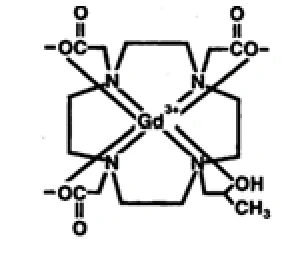
Physicochemical properties: Gadoteridol is a white to off white crystalline powder freely soluble in water or methanol and soluble in isopropanol. A 10.1 mg/mL aqueous solution has a pH of 6.5.
14 CLINICAL TRIALS
14.1 Clinical Trials by Indication
ProHance (gadoteridol injection) has been evaluated in clinical trials involving 3174 subjects (including 2896 adults and 278 pediatric subjects ages 0 to 17 years) exposed to ProHance at doses of 0.05 to 0.3 mmol/kg.
INDICATION 1: ProHance is indicated in adults and children including term neonates for contrast enhancement of MRI of brain, spine and surrounding tissues in conditions with expected vascular abnormality or defective blood-brain barrier.
Study PH-108
Trial Design and Demographics: The efficacy and safety of intravenously injected ProHance at a dose 0.1 mmol/kg was evaluated in a Phase 3 multi-centre, retrospective study with 125 pediatric patients younger than 2 years of age who had previously undergone MRI or the CNS, brain or spine. While the MR images and other relevant patient data were collected retrospectively from existing medical records, the MR images were subjected to a prospectively designed blinded read to assess the efficacy of ProHance in CNS imaging in the target population.
Table 5 – Summary of patient demographics for clinical trials in pediatric patients < 2 years of age
| Study # | Trial design | Dosage, route of administration and duration | Study subjects (n) | Mean age (Range) | Sex |
PH-108 Efficacy (Pivotal) | Phase 3, Multicenter involving retrospective patient enrollment with prospective efficacy analysis | Single intravenous administration 0.1 mmol/kg ProHance | 125 pediatric subjects < 2 years of age | Mean age: 8.1 months (1 day -24 months) | 70 boys and 55 girls |
A study of 125 pediatric patients younger than 2 years of age was performed which supports extrapolation of CNS efficacy findings from adults and older pediatric patients. These 125 pediatric patients (70 boys and 55 girls) had a mean age of 8.1 months with an age range of 1 day to 24 months. Of these 125 pediatric patients, 17 were less than 1 month of age, 40 were between 1 and 6 months, 29 were between 6 and 12 months and 39 were between 12 and 24 months of age. Also, of these 125 pediatric patients, 56% were Caucasian, 25% Black, 5% Asian, and 12% other.
Efficacy Evaluation: Three independent, blinded readers evaluated pre-contrast MRI image sets and paired (pre-plus-post-contrast) MRI image sets using ProHance and rated the images according to three co-primary endpoints at lesion level for the primary analysis. The 3 co-primary efficacy endpoints reflected the level of lesion visualization (lesion border delineation, visualization lesion internal morphology and lesion contrast enhancement). Each lesion was assigned a grade on a 5-point scale from 0 to 4 for each endpoint where a score of 0 means no visualization, 1 is poor, 2 is moderate, 3 is good and 4 is excellent visualization. The efficacy analysis of ProHance also included several secondary and supportive efficacy endpoints as described in the study results.
Study Results: All three blinded readers reported statistically significant (p<0.0001) improvement in the paired image sets compared to pre-contrast in each of the three co-primary visualization endpoints; mean improvements ranged from 0.8 to 1.1 for lesion border delineation, from 0.9 to 1.2 for visualization of lesion internal morphology, and from 0.9 to 1.1 for lesion contrast enhancement. Therefore, the study met its prospectively defined success criteria.
All analyses conducted at both the common-lesion level and the patient-level showed that the paired image sets and post-contrast MRI image sets were significantly superior to the pre-contrast image sets across all 3 readers for all 3 co-primary visualization endpoints. Furthermore, comparison of the paired vs. pre-contrast image sets in terms of better, same or worse visualization scores indicated that majority of lesions showed better visualization on paired assessments (60-70%) than on pre-contrast assessments across all 3 readers and co-primary visualization endpoints.
When comparing paired image sets to pre-contrast image sets with respect to number of lesions detected, the most common finding across readers was no change in number of lesions. However, all three readers showed a significant increase in the number of lesions detected in paired assessments vs. pre-contrast assessments (mostly +1).
On quantitative assessments, ProHance significantly improved lesion-to-brain/spine ratio (mean changes of 0.7 to 0.9 across readers) and contrast-to-noise ratio (mean changes of 24.6 to 86.0 across readers). Based on the cumulative evidence from these analyses, the efficacy of ProHance at a dose of 0.1 mmol/kg for contrast-enhanced MRI imaging of CNS (brain and spine) lesions is demonstrated in retrospectively enrolled patients < 2 years of age in terms of both qualitative and quantitative endpoints.
15 MICROBIOLOGY
No microbiological information is required for this drug product.
16 NON-CLINICAL TOXICOLOGY
General Toxicology:
Acute Toxicity:
Single intravenous doses of 1.25, 2.5, 5, 7, 10 and 14 mmol/kg of gadoteridol (as the ProHance formulation) were injected to groups of 10 male and 10 female Charles River CD-l mice at a rate of 0.02 mL/second. The maximum nonlethal dose was 7 mmol/kg (6 times the recommended human dose based on body surface area). The maximal no-effect dose was 1.25 mmol/kg. The estimated LD50 was 10.7 mmol/kg in males and 13.6 mmol/kg in females. Decreased activity was observed in surviving animals at doses of 2.5 mmol/kg or more. Ataxia, convulsions, collapse and bloody exudate from the nares were seen in mice that died. All death occurred within 6 minutes. Surviving mice appeared normal 24 hours after dosing.
Single intravenous doses of 2.5, 5 and 10 mmol/kg of gadoteridol (as the ProHance formulation) were given to groups of 10 male and 10 female Sprague Dawley rats at a rate of 0.1 mL/second. No lethality was observed even at the highest dose (16 times the recommended human dose based on body surface area). Slower respiration rate and decreased activity occurred in a dose-related manner. The maximal no-effect dose was 2.5 mmol/kg in males and 5 mmol/kg in females.
Repeat-Dose Toxicity:
Mice:
Groups of 6 males and 6 female Charles River CD-l mice were given daily intravenous doses of 1.5, 3 or 6 mmol/kg (as the ProHance formulation) for two weeks.
One male died shortly after the first dose at 6 mmol/kg. Signs prior to death included periods of inactivity and marked body tremors. At necropsy, the only gross lesion was discoloration of the tail at the injection site.
Within minutes after administration of the first daily dose, all intermediate and high dose mice showed periods of decreased activity, lasting approximately 30 minutes. High-dose mice also showed decreased activity after the second and third doses.
During the second week, intermediate and high dose mice showed slight decreases in urine pH and slight increases in urine specific gravity. At the end of the second week, slight decreases in serum total protein (albumin) were evident in high dose mice. There were no other treatment-related adverse effects during the dosing period.
At necropsy, red discoloration and some ulcers were noted at the tail injection sites for some animals in each group, including controls. Histologically, inflammation at the injection sites was present at a slightly higher incidence in the higher dose animals. The only other statistically significant histopathologic finding was a decrease in the incidence of mineralization of the tracheal cartilaginous rings in intermediate and high dose males.
Rats:
Recent studies conducted in healthy rats injected repeatedly with linear or macrocyclic GBCAs demonstrated that linear agents were associated with progressive and persistent T1-weighed hyperintensity on MRI in the deep cerebellar nuclei (DCN). Signal enhancement in the globus pallidus (GP) could not be seen in the animals. No changes in signal intensities in either DCN or GP were observed for the macrocyclic GBCAs.
Quantitative results using mass spectrometry demonstrated that the total gadolinium concentrations were significantly higher with the linear GBCAs than with the macrocyclic GBCAs. These studies reported no abnormal behavioral changes suggestive of neurological toxicity.
Dogs:
The ProHance formulation was administered intravenously to three groups of beagle dogs (n=2/sex/dose group), once daily for two weeks, at gadoteridol doses of 0.25, 0.6, and 1.5 mmol/kg.
Most of the dogs given 0.6 and 1.5 mmol/kg had slight subcutaneous thickening at the injection sites. Bleeding times, determined about 1 hour after administration of a daily dose during the first week, were slightly prolonged in the intermediate and high dose groups; however, dogs given 0.25 mmol/kg daily were not affected. During the second week, bleeding times were slightly prolonged at 0.25 mmol/kg and moderately prolonged in the groups given 0.6 and 1.5 mmol/kg. There were no changes in plasma prothrombin times or blood clotting times, determined at the same time points. There were no other treatment-related changes during the dosing period.
No treatment-related changes in organ weights were observed and there were no treatment-related gross or microscopic lesions at any dose level.
Genotoxicity:
ProHance did not demonstrate mutagenic potential in an in vitro bacterial reverse mutation assay (Ames test) using Salmonella typhimurium strains TA1535, TA1537, TA1538, TA98, and TA100, and Escherichia coli strain, WP2uvrA , nor in an in vivo mouse micronucleus assay. ProHance did not induce forward mutations at the thymidine kinase (TK) locus in the mouse lymphoma L5178Y cell line. The ProHance formulation was considered negative for inducing chromosomal aberrations in Chinese hamster ovary cells under both nonactivation (-S9) and activation conditions (+S9).
Reproductive and Developmental Toxicology:
Mice:
Pregnant mice were intravenously administered at 0.6, 1.2, or 2.5 mmol/kg/day of ProHance once daily via intravenous bolus injection on Gestation Day (GD) 6 through 18.
There were no ProHance-related clinical signs or macroscopic observations and there were no ProHance-related effects on maternal body weights, maternal body weight gain, or any natural delivery parameter in the F0 generation females. There were no ProHance-related macroscopic, microscopic, or organ weight changes in F0 generation dams.
Administration of ProHance decreased mean maternal absolute food consumption in all ProHance-treated groups during the gestation period. Within the dose period, mean maternal food consumption was decreased in the 0.6, 1.2, and 2.5 mmol/kg/day dose group for the intervals of GD 6 to 9 (94%,
82%, and 74% of controls, respectively) and GD 12 to 15 (88%, 86%, and 69% of controls, respectively) compared with controls.
There was one unscheduled necropsy in the F1 generation mice during the postweaning period, including one male at 2.5 mmol Gd/kg/day that was found dead on Day 65 postpartum. There were no in-life or postmortem findings. No cause of death could be determined. There were no ProHance-related clinical signs or macroscopic observations or effects on body weight, food consumption, sexual maturation, or neurobehavioral endpoints including learning and memory in the F1 generation mice. There were no ProHance-related macroscopic, microscopic, or organ weight changes in the F1 generation pups necropsied on Day 1 postpartum or the F1 generation mice necropsied on Day 70 postpartum.
The highest Gadolinium concentrations in F0 generation females on LDs 1 and 21 and in F1 males and females on Day 1 postpartum, were observed in kidney tissues followed by the spleen and liver and the lowest concentrations were observed in femur, skin and brain.
In conclusion, administration of ProHance was well tolerated at doses up to and including 2.5 mmol/kg/day. Therefore, the general toxicity and maternal and developmental no-observed-adverse-effect level (NOAEL) was 2.5 mmol/kg/day. Corresponding Gadolinium concentrations in brain were 21.1 nmol/g in males and 19.4 nmol/g in females on Day 1 postpartum which did not relate to any effects on brain development or impact of functional parameters such as behavior, learning and memory.
Rats:
In the teratology study in rats, the ProHance formulation was administered intravenously to four groups of at least 30 pregnant rats each (F0 generation) at gadoteridol dose levels of 0.375, 1.5, 6 and 10 mmol/kg (0.6, 2.4, 9.7, and 16 times the recommended human dose based on body surface area) from day 6 through day 17 of gestation (day of mating = 0).
ProHance was maternotoxic beginning at the dose of 6 mmol/kg as indicated by kidney changes and at 10 mmol/kg as indicated by kidney changes, liver changes, urine staining, reduced food consumption, reduced body and uterine weights, and one maternal death. The following changes were noted in F0 dams (n=20) subjected to caesarean section on day 20 of gestation: one dam administered 10 mmol/kg died and the death was attributed to gadoteridol; maternal weight gain and daily food consumption during gestation were reduced at 10 mmol/kg; absolute spleen weight was increased at 1.5 mmol/kg and relative spleen weight was increased at all dose levels; absolute and relative kidney weights were increased at 6 and 10 mmol/kg; absolute and relative liver weights were increased at 10 mmol/kg; and absolute and relative heart weights were reduced at 10 mmol/kg.
In F0 dams (n=10) that delivered naturally, absolute and relative spleen weights were increased and absolute and relative uterine weights were decreased at 10 mmol/kg. The only maternal clinical sign attributed to gadoteridol was an increase in the incidence of urine staining at 10 mmol/kg in both caesarean-sectioned females and females scheduled for natural parturition. Histopathology findings in kidneys included significant treatment-related multifocal, cytoplasmic vacuolation of renal cortical tubular epithelial cells in the 6 and 10 mmol/kg groups in both caesarean- sectioned females and females scheduled for natural parturition. However, the renal tubular cell vacuolation was less severe in the 6 mmol/kg females scheduled for natural parturition than in those for caesarean section, suggesting reversibility of this change in animals treated with 6 mmol/kg. The severity of the renal lesions was similar in caesarian-sectioned and natural parturition females at 10 mmol/kg. In liver, mild to moderate, multifocal vacuolation of hepatocytes was observed in the group scheduled for natural parturition, and these changes were most likely treatment-related. Livers from females scheduled for caesarean section were not examined.
No evidence of maternal toxicity was found at 0.375 and 1.5 mmol/kg; the only change at these lower doses were changes in absolute and or relative spleen weights without any correlative histopathological findings.
There was no evidence of embryotoxicity, fetotoxicity, or teratogenicity at any dose level tested. A number of major craniofacial malformations were noted at 10 mmol/kg. Similar craniofacial abnormalities were observed in control fetuses from dams administered an equal volume of saline and the incidence of the malformations in these animals was statistically comparable to the high-dose group. For the above reasons, the malformations in the treated group were not attributed to the administration of gadoteridol, but appeared to be due to a dose-volume effect. The only adverse finding in the postnatal evaluation of the F1 generation was an increase in the level of spontaneous horizontal (ambulatory) activity in males at 6 and 10 mmol/kg.
Based upon these findings and under the conditions of this study, the maternal and fetal no effect dose of gadoteridol was 1.5 mmol/kg.
Rabbits:
In a teratology study in rabbits, a 1.0 M formulation of gadoteridol was administered intravenously to three groups of 15 inseminated rabbits each, at daily gadoteridol doses of 0.4, 1.5 and 6.0 mmol/kg (1.3, 4.8, and 19.4 times the recommended human dose based on body surface area) once daily from day 6 through day 18 of gestation (day of insemination = 0) and on day 29 of gestation, the does were subjected to caesarean section.
A total of 14, 15, 13 and 14 does were pregnant in control, low, intermediate, and high- dose groups, respectively. All pregnant does survived to their scheduled date of caesarean section, except one doe in the low-dose and three does in the high-dose groups that aborted, one doe in the high-dose group that delivered early, and three does in the high-dose group that died. The incidence of does in the high-dose group that died or delivered spontaneously (46.7%) was significantly greater than control (P < 0.01) indicating that a daily gadoteridol dose of 6 mmol/kg was maternotoxic.
No evidence of maternal toxicity was found at 0.4 or 1.5 mmol/kg, and in the absence of maternal toxicity (i.e. in pregnant does that survived to caesarian section), there was no evidence of embryotoxicity, fetotoxicity, or teratogenicity at any dose level. Based upon these findings and under the conditions of this study, the maternal no effect dose was 1.5 mmol/kg and the embryonal and fetal no effect dose was 6 mmol/kg.
Juvenile Toxicity:
The ProHance formulation was intravenously administered to male and female mice on postnatal days (PNDs) 9, 12, 15, 18, and 21 at doses of 0.6, 1.2, and 2.5 mmol/kg (corresponding to 0.5, 1 and 2 times the recommended human dose based on body surface area), followed by a non-dosing recovery phase of approximately 7 weeks.
ProHance was tolerated in mice at doses up to and including 2.5 mmol Gd/kg; no effects were detected with respect to mortality, growth, neurobehavioral testing, or macroscopic and microscopic evaluation of tissues. The only ProHance-related change was a decrease in the time to balano-preputial separation in males at ≥ 0.6 mmol/kg; however, this difference was not considered adverse given that the differences did not reflect the increase in exposure from 0.6 to 2.5 mmol/kg and only a 0.6 day difference was observed in the day of sexual maturation in males among the dose groups. Therefore, the general toxicity No Observed Adverse Effect Level (NOAEL) in juvenile animals was set at 2.5 mmol/kg (the highest dose tested, corresponding to 2 times the recommended human dose based on body surface area).
Non-Clinical Pharmacology:
CNS Effects in Mice and Rats:
The effect of single intravenous doses of 0.5, 1.5 and 5.0 mmol/kg gadoteridol (as the ProHance formulation) was assessed in different models in mice and rats.
At a dose of 5.0 mmol/kg, the gadoteridol formulation markedly inhibited orientation motility in mice. No such effect was seen at the lower doses. Gadoteridol had neither muscle-relaxant, analgetic, anticonvulsive, nor cataleptic properties. Administration did not affect central coordination in mice, did not stimulate spontaneous motility in mice and did not potentiate hexobarbital anesthesia in mice. The linguomandibular reflex and neuromuscular transmission in rats were not inhibited.
Cardiovascular and Renal Safety in Dogs:
The ProHance formulation was administered intravenously to 3 anesthetized beagle dogs (2 males, 1 female) at 0.1, 0.25, 0.6 and 1.5 mmol/kg, with 1 hour between doses. At doses of 0.1 to 1.5 mmol/kg ProHance caused slight increases in urinary sodium (~ 20-150%) and potassium (~10-65%) excretions. In addition, slight decreases in blood pressure (~10-20%) and left ventricular systolic pressure (~10-20%) were observed after administration of 0.1 mmol/kg, but these lasted only three minutes or less. Moderate decreases in blood pressure (~ 25-55%) and left-ventricular systolic pressure (~ 20-30%) were seen for 15 minutes to 1 hour postdose following injections of 0.25 to 1.5 mmol/kg. Also observed at doses of 0.25 to 1.5 mmol/kg were slight decreases in serum sodium (1- 2%); slight to moderate decreases in dP/dT (maximum); slight increases in renal blood flow (up to 30%), respiratory rate (up to 3 fold), and PQ intervals; and slight to moderate increases in dP/dT (minimum). After 0.6 to 1.5 mmol/kg, slight increases in urine pH and left-ventricular end-diastolic pressure (~50-150%), as well as a slight decrease in time to dP/dT (maximum) were noted. Additional changes seen after doses of 1.5 mmol/kg included a slight transient decrease in serum protein (~10-20%), a slight to moderate decrease in heart rate (~ 20-50%), and slight increases in urine output (~10-35%), glomerular filtration rate (~5-10%), stroke volume (~20-50%), and QT and QRS intervals.
Hemostasis in Dogs:
The ProHance formulation was administered as a single intravenous gadoteridol dose of 1.5 mmol/kg to two male and two female dogs. Injections were given at a rate of about 0.5 mL/s. A very slight decrease in serum iron (8.6%) was observed at 5 minutes after dosing. By 15 minutes, serum iron was again comparable to pre-dose values. The only other statistically significant change was a slight decrease in plasma prothrombin time (6.3%) at 60 minutes after dosing. Because of the direction of the change in prothrombin time, this small difference was not considered to represent an adverse effect on hemostasis.