


Product Monograph - Apo-Fluticasone
RECENT MAJOR LABEL CHANGES
| NA |
|---|
TABLE OF CONTENTS
Sections or subsections that are not applicable at the time of authorization are not listed.
RECENT MAJOR LABEL CHANGES ............................................................................................. 2
TABLE OF CONTENTS ............................................................................................................... 2
PART I: HEALTH PROFESSIONAL INFORMATION ....................................................................... 4
1 INDICATIONS .................................................................................................................... 4
1.1 Pediatrics ...................................................................................................................... 4
2 CONTRAINDICATIONS ....................................................................................................... 4
4 DOSAGE AND ADMINISTRATION ....................................................................................... 4
4.1 Dosing Considerations .................................................................................................. 4
4.2 Recommended Dose and Dosage Adjustment .............................................................. 5
4.4 Administration .............................................................................................................. 6
4.5 Missed Dose .................................................................................................................. 6
5 OVERDOSAGE ................................................................................................................... 6
6 DOSAGE FORMS, STRENGTHS, COMPOSITION AND PACKAGING....................................... 6
7 WARNINGS AND PRECAUTIONS ........................................................................................ 7
7.1 Special Populations ..................................................................................................... 11
7.1.1 Pregnant Women .................................................................................................... 11
7.1.2 Breast-feeding ......................................................................................................... 11
7.1.3 Pediatrics ................................................................................................................. 12
8 ADVERSE REACTIONS ...................................................................................................... 12
8.1 Adverse Reaction Overview ........................................................................................ 12
8.2 Clinical Trial Adverse Reactions .................................................................................. 12
8.3 Less Common Clinical Trial Adverse Reactions ........................................................... 14
8.5 Post-Market Adverse Reactions .................................................................................. 14
9 DRUG INTERACTIONS ...................................................................................................... 14
9.2 Drug Interactions Overview ........................................................................................ 14
9.3 Drug-Behavioural Interactions .................................................................................... 15
9.4 Drug-Drug Interactions ............................................................................................... 15
9.5 Drug-Food Interactions ............................................................................................... 16
9.6 Drug-Herb Interactions ............................................................................................... 16
9.7 Drug-Laboratory Test Interactions .............................................................................. 16
10 CLINICAL PHARMACOLOGY ............................................................................................. 17
10.1 Mechanism of Action .................................................................................................. 17
10.2 Pharmacodynamics ..................................................................................................... 17
10.3 Pharmacokinetics ........................................................................................................ 18
11 STORAGE, STABILITY AND DISPOSAL ............................................................................... 19
12 SPECIAL HANDLING INSTRUCTIONS ................................................................................ 20
PART II: SCIENTIFIC INFORMATION ........................................................................................ 21
13 PHARMACEUTICAL INFORMATION ................................................................................. 21
14 CLINICAL TRIALS .............................................................................................................. 21
14.1 Clinical Trials by Indication .......................................................................................... 21
14.2 Comparative Bioavailability Studies ............................................................................ 30
15 MICROBIOLOGY .............................................................................................................. 31
16 NON-CLINICAL TOXICOLOGY ........................................................................................... 31
17 SUPPORTING PRODUCT MONOGRAPHS.......................................................................... 33
PATIENT MEDICATION INFORMATION ................................................................................... 34
PART I: HEALTH PROFESSIONAL INFORMATION
1 INDICATIONS
APO-FLUTICASONE (fluticasone propionate aqueous nasal spray) is indicated for the treatment of seasonal and perennial allergic rhinitis and for the management of sinus pain and pressure associated with allergic rhinitis in patients 4 to 17 years of age.
1.1 Pediatrics
Pediatrics (< 4 years of age):
Fluticasone propionate is not recommended for children younger than 4 years of age.
2 CONTRAINDICATIONS
APO-FLUTICASONE (fluticasone propionate aqueous nasal spray) is contraindicated in:
- patients who are hypersensitive to fluticasone propionate, or to any ingredient in the formulation or component of the container (see 6 DOSAGE FORMS, STRENGTHS, COMPOSITION AND PACKAGING).
- patients with untreated fungal, bacterial or tuberculosis infections of the respiratory tract.
4 DOSAGE AND ADMINISTRATION
4.1 Dosing Considerations
- The therapeutic effects of corticosteroids, unlike those of decongestants, are not immediate. An improvement of symptoms usually becomes apparent within a few days after the start of therapy, some patients may start to feel relief as soon as the first day.However, symptomatic relief may not occur in some patients for as long as two weeks. An absence of an immediate effect should be explained to the patient. Similarly, when corticosteroids are discontinued, symptoms may not return for several days. APO-FLUTICASONE should not be continued beyond three weeks in the absence of significant symptomatic improvement.
In the presence of excessive nasal mucous secretion or edema of the nasal mucosa, the drug may fail to reach the site of action. In such cases it is advisable to use a nasal vasoconstrictor for two to three days prior to starting treatment with APO-FLUTICASONE. Patients should be instructed on the correct method of use, which is to blow the nose, then insert the nozzle carefully into the nostril, compress the opposite nostril and actuate the
- PATIENT MEDICATION INFORMATION). Patients should consult a pharmacist or doctor if they have difficulties or are unsure how to use fluticasone propionate.
- Careful attention must be given to patients previously treated for prolonged periods with systemic corticosteroids when transferred to APO-FLUTICASONE. Initially, APO-FLUTICASONE and the systemic corticosteroid must be given concomitantly, while the dose of the latter is gradually decreased. The usual rate of withdrawal of the systemic steroid is the equivalent of 1 mg of prednisone every four days if the patient is under close supervision. If continuous supervision is not feasible, the withdrawal of the systemic steroid should be slower, approximately 1 mg of prednisone (or equivalent) every ten days. If withdrawal symptoms appear, the previous dose of the systemic steroid should be resumed for a week before further decrease is attempted.
4.2 Recommended Dose and Dosage Adjustment
Adolescents (12 to 17 years of age):
The usual dosage is two sprays (50 mcg each) in each nostril once a day (total daily dosage, 200 mcg). Some patients with severe rhinitis may benefit from two sprays in each nostril every 12 hours. The recommended maximum daily dose is 400 mcg (four sprays in each nostril).
Pediatrics (4 to 11 years of age):
The usual dosage is one or two sprays (50 mcg/actuation) in each nostril in the morning (100 or 200 mcg per day). The recommended maximum daily dose is 200 micrograms (two sprays in each nostril). Once adequate control of symptoms is achieved, dose reduction to one spray in each nostril once a day is recommended.
Until greater clinical experience has been gained, the continuous, long-term treatment of children under age 12 is not recommended.
Pediatrics (< 4 years of age):
The safety and efficacy of fluticasone propionate in children below 4 years of age have not been established and therefore, APO-FLUTICASONE is not recommended in this patient population.
Hepatic impairment: Formal pharmacokinetic trials using fluticasone propionate have not been conducted in subjects with hepatic impairment. Since fluticasone propionate is predominantly cleared by hepatic metabolism, impairment of liver function may lead to accumulation of fluticasone propionate in plasma. Therefore, patients with hepatic disease should be closely monitored.
Renal Impairment: Formal pharmacokinetic trials using fluticasone propionate have not been conducted in subjects with renal impairment.
4.4 Administration
Fluticasone propionate should be administered only by the intranasal route. It is necessary to prepare the nasal spray by pressing down on the nozzle several times before first use or after a few days of non-use or if the nozzle has just been cleaned. APO-FLUTICASONE may be administered at any time of day. Illustrated instructions for proper use appear in PATIENT MEDICATION INFORMATION.
4.5 Missed Dose
If a single dose is missed, instruct the patient to take the next dose when it is due. Do not instruct the patient to take an extra dose.
5 OVERDOSAGE
Like any other nasally administered corticosteroid, acute overdosing is unlikely in view of the total amount of active ingredient present. However, when used chronically in excessive doses or in conjunction with other corticosteroid formulations, systemic corticosteroid effects such as hypercorticism and adrenal suppression may appear. If such changes occur, the dosage of fluticasone propionate should be discontinued slowly, consistent with accepted procedures for discontinuation of chronic steroid therapy (see 4 DOSAGE AND ADMINISTRATION).
The restoration of HPA axis function may be slow. During periods of pronounced physical stress (i.e. severe infections, trauma, surgery) a supplement with systemic steroids may be advisable.
For the most recent information in the management of a suspected drug overdose, contact your regional poison control centre or Health Canada’s toll-free number, 1-844 POISON-X (1-844-764-7669).
6 DOSAGE FORMS, STRENGTHS, COMPOSITION AND PACKAGING
Table 1 – Dosage Forms, Strengths, Composition and Packaging
| Route of Administration | Dosage Form / Strength/Composition | Non-medicinal Ingredients |
| Intranasal | Nasal spray / 50 mcg per metered dose | Benzalkonium chloride (as a preservative), carboxymethylcellulose sodium, dextrose monohydrate, microcrystalline cellulose, phenylethyl alcohol, polysorbate 80 and purified water. |
APO-FLUTICASONE Nasal Spray is a white to off-white, milky suspension for topical administration to the nasal mucosa by means of a metering atomizing spray pump. Each metered dose of APO-FLUTICASONE Nasal Spray contains 50 mcg of fluticasone propionate.
APO-FLUTICASONE Nasal Spray is available in amber glass bottles of 16 g net weight (120 metered sprays).
7 WARNINGS AND PRECAUTIONS
General
Patients should be informed that the full effect of APO-FLUTICASONE (fluticasone propionate aqueous nasal spray) therapy is not achieved until 2 to 3 days of treatment have been completed. Treatment of seasonal rhinitis should, if possible, start before the exposure to allergens.
Although APO-FLUTICASONE will control seasonal allergic rhinitis in most cases, an abnormally heavy challenge of summer allergens may in certain instances necessitate appropriate additional therapy.
Under most circumstances, treatment with corticosteroids should not be stopped abruptly but tapered off gradually. Patients should be advised to inform subsequent physicians of prior use of corticosteroids. (see PATIENT MEDICATION INFORMATION).
To ensure proper dosage and administration of the drug, the patient should be instructed by a physician or other health professional in the use of fluticasone propionate (see PATIENT MEDICATION INFORMATION).
Carcinogenesis and Mutagenesis
See Carcinogenicity and Mutagenicity.
Ear/Nose/Throat
Epistaxis
In clinical trials of 2 to 26 weeks’ duration, epistaxis was observed more frequently in subjects treated with fluticasone propionate than those who received placebo (see 8 ADVERSE REACTIONS).
Nasal Ulceration
Postmarketing cases of nasal ulceration have been reported in patients treated with fluticasone propionate (see 8 ADVERSE REACTIONS).
Candida Infection
In clinical trials with fluticasone propionate administered intranasally, the development of localized infections of the nose and pharynx with Candida albicans has occurred. When such an infection develops, it may require treatment with appropriate local therapy and discontinuation of APO-FLUTICASONE. Patients using APO-FLUTICASONE over several months or longer should be examined periodically for evidence of Candida infection or other signs of adverse effects on the nasal mucosa.
Nasal Septal Perforation
Post-marketing cases of nasal septal perforation have been reported in patients treated with fluticasone propionate (see 8 ADVERSE REACTIONS).
Impaired Wound Healing
Monitor patients periodically for signs of adverse effects on the nasal mucosa. Avoid use in patients with recent nasal ulcers, nasal surgery, or nasal trauma, because of the inhibitory effect of corticosteroids on wound healing (see Effect of Corticosteroids on Wound Healing).
Endocrine and Metabolism
Hypercorticism and Adrenal Suppression
Although systemic effects have been minimal with recommended doses of fluticasone propionate aqueous nasal spray, potential risk increases with larger doses. Therefore, larger than recommended doses of fluticasone propionate aqueous nasal spray should be avoided.
When intranasal steroids are used at higher than recommended dosages in susceptible individuals at recommended dosages, systemic corticosteroid effects such as hypercorticism (Cushing’s syndrome, Cushingoid features) and suppression of HPA function may occur. These effects are much less likely to occur with intranasal corticosteroids than with oral corticosteroids.
In patients previously on systemic steroids, either over prolonged periods or in high doses, the replacement with a topical (i.e. intranasal) corticosteroid can be accompanied by symptoms of withdrawal, e.g. joint and/or muscular pain, lassitude and depression and, in severe cases, adrenal insufficiency may occur, necessitating the temporary resumption of systemic steroid therapy.
Patients previously treated for prolonged periods with systemic corticosteroids and transferred to topical corticosteroids should be carefully monitored for acute adrenal insufficiency in response to stress.
Effects on Growth
Reduced growth velocity has been observed in children treated with intranasal corticosteroids. Therefore, children and adolescents should be maintained on the lowest dose which achieves adequate symptom control. Physicians should closely follow the growth of children and adolescents taking corticosteroids, by any route, and weigh the benefits of corticosteroid therapy against the possibility of growth suppression if growth appears slowed.
Hypothyroidism
There is an enhanced effect of corticosteroids in patients with hypothyroidism.
Hematologic
Use of Corticosteroids and Acetylsalicylic Acid
Acetylsalicylic acid should be used cautiously in conjunction with corticosteroids in hypothrombinemia (see 9 DRUG INTERACTIONS).
Hepatic/Biliary/Pancreatic
A drug interaction study of intranasal fluticasone propionate in healthy subjects has shown that ritonavir (a highly potent cytochrome P450 3A4 inhibitor) can greatly increase fluticasone propionate plasma concentrations, resulting in markedly reduced serum cortisol concentrations. During post-marketing use, there have been reports of clinically significant drug interactions in patients receiving intranasal or inhaled fluticasone propionate and ritonavir, resulting in systemic corticosteroid effects including Cushing’s syndrome and adrenal suppression. Therefore, concomitant use of APO-FLUTICASONE and ritonavir should be avoided, unless the potential benefit to the patient outweighs the risk of systemic corticosteroid side effects.
Cirrhosis
There is an enhanced effect of corticosteroids in patients with cirrhosis.
Immune
Hypersensitivity Reactions including Anaphylaxis
Hypersensitivity reactions (e.g., anaphylaxis, angioedema, urticaria, contact dermatitis, and rash) have been reported after administration of fluticasone propionate. Discontinue APO-FLUTICASONE if such reactions occur (see 2 CONTRAINDICATIONS). Rarely, immediate hypersensitivity reactions may occur after the administration of fluticasone propionate.
Immunosuppression
The long term effects of fluticasone propionate in humans are still unknown, in particular, its local effects; the possibility of atrophic rhinitis and/or pharyngeal candidiasis should be kept in mind. As with all medications containing a corticosteroid, APO-FLUTICASONE should be administered with caution, and only if necessary, in patients with active or quiescent tuberculosis infections of the respiratory tract; chronic or untreated infections such as systemic fungal, bacterial, viral, or parasitic; or ocular herpes simplex.
Corticosteroids may mask some signs of infection and new infections may appear. A decreased resistance to localized infections has been observed during corticosteroid therapy; this may require treatment with appropriate therapy or stopping the administration of fluticasone propionate.
Patients who are on drugs that suppress the immune system are more susceptible to infections than healthy individuals. Chickenpox and measles, for example, can have a more serious or even fatal course in nonimmune children or adults on corticosteroids. In such children or adults who have not had these diseases, particular care should be taken to avoid exposure. How the dose, route, and duration of corticosteroid administration affects the risk of developing a disseminated infection is not known. The contribution of the underlying disease and/or prior corticosteroid treatment to the risk is also not known. If exposed to chickenpox, prophylaxis with varicella zoster immune globulin (VZIG) may be indicated. If exposed to measles, prophylaxis with pooled intramuscular immunoglobulin (IG), as appropriate, may be indicated. If chickenpox develops, treatment with antiviral agents may be considered.
Effect of Corticosteroids on Wound Healing
In patients who have had recent nasal surgery or trauma, a nasal corticosteroid should be used with caution until healing has occurred, because of the inhibitory effect of corticosteroids on wound healing.
Monitoring and Laboratory Tests
During long term therapy, HPA axis function and haematological status should be assessed.
Ophthalmologic
Nasal and inhaled corticosteroids may result in the development of glaucoma, cataracts and/or central serous chorioretinopathy (CSCR). CSCR is a posterior segment disease characterized by localized, limited serous detachments of the neurosensory retina often associated with focal detachments of an altered retinal pigment epithelium (RPE). Therefore, close monitoring is warranted in patients with a change in vision or with a history of increased intraocular pressure (IOP), glaucoma, and/or cataracts (see 8 ADVERSE REACTIONS).
Psychiatric
Although rare, there is a potential of psychological and behavioural effects including psychomotor hyperactivity, sleep disorders, anxiety, depression or aggression which have been reported.
Respiratory
Careful attention must be given to patients with asthma or other clinical conditions in whom a rapid decrease in systemic steroids may cause a severe exacerbation of their symptoms.
7.1 Special Populations
7.1.1 Pregnant Women
The safety of fluticasone propionate in pregnancy has not been established. If used, the expected benefits should be weighed against the potential hazard to the fetus, particularly during the first trimester of pregnancy.
Like other glucocorticosteroids, fluticasone propionate is teratogenic to rodent species (see 16 NON-CLINICAL TOXICOLOGY). Adverse effects typical of potent corticosteroids are only seen at high systemic exposure levels; direct intranasal application ensures minimal systemic exposure. The relevance of these findings to humans has not yet been established. Infants born of mothers who have received substantial doses of glucocorticosteroids during pregnancy should be carefully observed for hypoadrenalism.
7.1.2 Breast-feeding
Glucocorticosteroids are excreted in human milk. It is not known whether fluticasone propionate is excreted in human milk. When measurable plasma levels were obtained in lactating laboratory rats following subcutaneous administration there was evidence of fluticasone propionate in the breast milk. However, following intranasal administration to primates, no drug was detected in the plasma, and it is therefore unlikely that the drug would be detectable in milk. The use of fluticasone propionate in nursing mothers, requires that the possible benefits of the drug be weighed against the potential hazards to the infant.
7.1.3 Pediatrics
Pediatrics (4 to 11 years of age):
Fluticasone propionate is indicated for short-term treatment in children 4 to 11 years of age. However, until greater clinical experience has been gained, the continuous, long-term treatment of children under age 12 is not recommended.
Pediatrics (less than 4 years of age):
The safety and effectiveness of fluticasone propionate in children below 4 years of age have not been evaluated.
8 ADVERSE REACTIONS
8.1 Adverse Reaction Overview
Systemic and local corticosteroid use may result in the following (see 7 WARNINGS AND PRECAUTIONS):
- Epistaxis, nasal ulcerations, candida albicans infection, nasal septal perforation and impaired wound healing
- Cataracts and glaucoma
- Immunosuppression
Hypothalamic-pituitary-adrenal (HPA) axis effects, including:
- Hypercorticism and adrenal suppression
- Growth retardation
- Psychological and behavioural effects including psychomotor hyperactivity, sleep disorders, anxiety, depression or aggression
8.2 Clinical Trial Adverse Reactions
Clinical trials are conducted under very specific conditions. The adverse reaction rates observed in the clinical trials; therefore, may not reflect the rates observed in practice and should not be compared to the rates in the clinical trials of another drug. Adverse reaction information from clinical trials may be useful in identifying and approximating rates of adverse drug reactions in real-world use.
Adverse reactions in controlled clinical studies with fluticasone propionate aqueous nasal spray have been primarily associated with irritation of the nasal mucous membranes and are consistent with those expected from application of a topical medication to an already inflamed membrane. The adverse reactions reported by patients treated with fluticasone propionate aqueous nasal spray were similar to those reported by patients receiving placebo.
The most frequently reported adverse reactions (≥ 1% in any treatment group) considered by the investigator to be potentially related to fluticasone propionate aqueous nasal spray or placebo in trials of seasonal allergic rhinitis are listed below (Table 2). These studies conducted in 948 adults and in 499 children evaluated 14 to 28 days of treatment with recommended doses of fluticasone propionate compared with placebo.
Table 2 Adverse Reactions Reported Most Frequently in Clinical Trials of Seasonal Allergic Rhinitis
| Adults and Adolescents (age ≥ 12 years) | Children (age 4-11 years) | ||||||||||||||||||
Fluticasone 100 mcg BID (n=312) % | Fluticasone 200 mcg QD (n=322) % | Placebo (n=314) % | Fluticasone 100 mcg QD (n=167) % | Fluticasone 200 mcg QD (n=164) % | Placebo (n=168) % | ||||||||||||||
| Nasal burning | 2.2 | 3.4 | 2.5 | 1.8 | 2.4 | 1.2 | |||||||||||||
| Pharyngitis | 1.3 | 1.6 | <1 | <1 | 0 | 0 | |||||||||||||
| Runny nose | <1 | 1.6 | <1 | <1 | <1 | <1 | |||||||||||||
| Blood in nasal mucus | 0 | 1.6 | <1 | 0 | <1 | 0 | |||||||||||||
| Epistaxis | 1.6 | 2.8 | 2.2 | 3.0 | 3.7 | 3.6 | |||||||||||||
| Sneezing | <1 | 1.2 | 2.2 | 0 | <1 | 0 | |||||||||||||
| Crusting in nostrils | 0 | 0 | 0 | 1.2 | 0 | 0 | |||||||||||||
| Nasal congestion | 0 | 0 | 0 | 0 | 1.2 | 0 | |||||||||||||
| Nasal ulcer | <1 | 0 | 0 | 1.2 | 1.2 | 1.2 | |||||||||||||
| Headache | 1.3 | 2.5 | 1.9 | 1.2 | 1.2 | 1.2 | |||||||||||||
| Includes studies FLN203, FLN204, FLN305, FLN306, FLN320, FLN321. | |||||||||||||||||||
In two 6-month trials involving 831 patients aged 12 to 75 years with perennial rhinitis, the adverse reactions reported by patients treated with fluticasone propionate aqueous nasal spray were similar in type and incidence to those reported in seasonal trials, with the exception of epistaxis (≤ 13.3%) and blood in nasal mucous (≤ 8.3%). In addition to the events reported most frequently in the seasonal trials, patients receiving fluticasone propionate aqueous nasal spray in the 6 month trials reported nasal soreness (≤ 2.5%), nasal excoriation (≤ 2.0%), sinusitis (≤ 1.6%), and nasal dryness (≤ 1.3%).
8.3 Less Common Clinical Trial Adverse Reactions
Less Common Clinical Trial Adverse Drug Reactions (incidence of 0.1 to 1% and greater than placebo)
Uncommon adverse reactions (incidence of 0.1 to 1% and greater than placebo) reported by patients receiving fluticasone propionate aqueous nasal spray at the recommended daily dose of 200 mcg (or 100 mcg per day for children 4 to 11 years of age) in the aforementioned clinical trials included: pharyngeal irritation, nasal stinging, nausea and vomiting, unpleasant smell and taste, and sinus headache (0.3%); lacrimation, eye irritation, xerostomia, cough, urticaria, and rash (0.2%); and nasal septum perforation (0.1%).
8.5 Post-Market Adverse Reactions
The following events have been identified during post-approval use of fluticasone propionate in clinical practice.
General: Headache and hypersensitivity reactions including angioedema, skin rash, edema of the face or tongue, pruritis, urticaria, bronchospasm, wheezing, dyspnea and anaphylaxis/anaphylactoid reactions have been reported. Particularly with previous or concurrent use of systemic steroids (e.g., IV or oral), there have also been very rare cases of osteonecrosis reported and more rarely, a range of psychological or behavioural effects including psychomotor hyperactivity, sleep disorders, anxiety, depression or aggression.
Ear, Nose and Throat: Alteration or loss in sense of taste and/or smell and, rarely, nasal septal perforation, nasal ulcer, sore throat, throat irritation and dryness, cough, hoarseness and voice changes.
Eye: Dryness and irritation of the eyes, conjunctivitis, blurred vision, and very rarely, glaucoma, increased intraocular pressure and cataracts.
9 DRUG INTERACTIONS
9.2 Drug Interactions Overview
Fluticasone propionate is cleared by extensive first-pass metabolism mediated by cytochrome P450 3A4 in the gut and liver.
A drug interaction study of intranasal fluticasone propionate in healthy subjects has shown that ritonavir (a highly potent cytochrome P450 3A4 inhibitor) can greatly increase fluticasone propionate plasma concentrations, resulting in markedly reduced serum cortisol concentrations. During post-marketing use, there have been reports of clinically significant drug interactions in patients receiving intranasal or inhaled fluticasone propionate and ritonavir, resulting in systemic corticosteroid effects including Cushing’s syndrome and adrenal suppression. Therefore, concomitant use of fluticasone propionate and ritonavir should be avoided, unless the potential benefit to the patient outweighs the risk of systemic corticosteroid side effects.
This study has shown that other inhibitors of cytochrome P450 3A4 produce negligible (erythromycin) and minor (ketoconazole) increases in systemic exposure to fluticasone propionate without notable reductions in serum cortisol concentrations. However, there have been a few case reports during world-wide post-market use of adrenal cortisol suppression associated with concomitant use of azole anti-fungal drugs and inhaled fluticasone propionate. Therefore, care is advised when co-administering potent cytochrome P450 3A4 inhibitors (e.g. ketoconazole) as there is potential for increased systemic exposure to fluticasone propionate.
Acetylsalicylic acid should be used cautiously in conjunction with corticosteroids in patients with hypothrombinemia.
9.3 Drug-Behavioural Interactions
Drug-behavioural Interactions have not been established.
9.4 Drug-Drug Interactions
The drugs listed in this table are based on either drug interaction case reports or studies, or potential interactions due to the expected magnitude and seriousness of the interaction (i.e., those identified as contraindicated).
Table 3 Established or Potential Drug-Drug Interactions
| Proper name | Ref | Effect | Clinical comment |
|---|---|---|---|
| Ritonavir | CT CS | Systemic effects including Cushing’s syndrome and adrenal suppression. | Concomitant use of fluticasone propionate and ritonavir should be avoided. (See 9.2 Drug Interactions Overview) |
| Other inhibitors of cytochrome P450 3A4 | CT CS | Potential increased systemic exposure to fluticasone propionate. | Care is advised when coadministering potent cytochrome P450 3A4 inhibitors. (See 9.2 Drug Interactions Overview) |
| Acetylsalicylic acid | T | Acetylsalicylic acid should be used cautiously in conjunction with corticosteroids in hypothrombinemia. (See 9.2 Drug Interactions Overview and 7 WARNINGS AND PRECAUTIONS; Hematologic) |
CS – Class Statement; CT – Clinical Trial; T - Theoretical
9.5 Drug-Food Interactions
Interactions with food have not been established.
9.6 Drug-Herb Interactions
Interactions with herbal products have not been established.
9.7 Drug-Laboratory Test Interactions
Interactions with laboratory tests have not been established.
10 CLINICAL PHARMACOLOGY
10.1 Mechanism of Action
Fluticasone propionate is a synthetic trifluorinated corticosteroid with anti-inflammatory activity. Fluticasone propionate has been shown in vitro to exhibit a binding affinity for the human glucocorticoid receptor that is 18 times that of dexamethasone, almost twice that of beclomethasone-17-monopropionate (BMP), the active metabolite of beclomethasone dipropionate, and over 3 times that of budesonide. The clinical significance of these findings is unknown.
Topical nasal steroids act by reducing late-phase allergic reactions and mucous secretion, inhibiting vascular permeability, preventing eicosanoid formation, inhibiting allergen-induced mediator release, and reducing eosinophil and basophil infiltration in nasal epithelium. Corticosteroids have been shown to have a wide range of effects on multiple cell types (e.g. mast cells, eosinophils, neutrophils, macrophages, and lymphocytes) and mediators (e.g. histamine, eicosanoids, leukotrienes, and cytokines) involved in inflammation. Fluticasone propionate controls multiple key inflammatory substances (histamine, chemokines, leukotrienes, cytokines, tryptases and prostaglandins) whereas most common non-prescription allergy pills act on histamine alone. These anti-inflammatory actions of corticosteroids may contribute to their efficacy in rhinitis. In 7 trials in adults, fluticasone propionate nasal spray has decreased nasal mucosal eosinophils in 66% of patients (35% for placebo) and basophils in 39% of patients (28% for placebo). The direct relationship of these findings to long-term symptom relief is not known.
The onset of action is not immediate, and two to three days treatment may be required before maximum relief is obtained. This is because the anti-inflammatory activities of glucocorticoids are related to specific steroid effects, which involve several biochemical events, including protein synthesis.
Following intranasal dosing of fluticasone propionate, (200 mcg/day) steady state maximum plasma concentrations were not quantifiable in most subjects (<0.01 ng/mL). The highest Cmax observed was 0.017 ng/mL. Direct absorption in the nose is negligible due to the low aqueous solubility with the majority of the dose being eventually swallowed. When administered orally the systemic exposure is <1% due to poor absorption and pre-systemic metabolism. The total systemic absorption arising from both nasal and oral absorption of the swallowed dose is therefore negligible.
10.2 Pharmacodynamics
Human studies indicate that the anti-inflammatory activity of intranasal fluticasone propionate is topical rather than systemic. As with other intranasal glucocorticoids, fluticasone propionate is deposited primarily in the nasal passages; a portion is cleared from the nasal mucosa by mucociliary action and then swallowed.
In normal human subjects, single oral doses of fluticasone propionate up to 16 mg produced no effect on the HPA axis as evaluated by morning plasma cortisol concentrations.
In an oral, escalating dose, placebo-controlled study, evening plasma cortisol was reduced after 13 days of 20 mg per day (10 mg twice daily), but HPA axis effects were not confirmed by associated changes in morning plasma cortisol or 24-hour urinary free cortisol measurements. Oral doses of 40 or 80 mg per day for 10 days suppressed morning plasma cortisol levels.
Intranasal administration of fluticasone propionate 2 mg per day (1 mg twice daily, and representing 10 times the usual recommended therapeutic dosage) to healthy volunteers for 7½ days had no effect on HPA axis function as assessed by morning and evening plasma cortisol and excretion of 24 hour urinary free cortisol.
Following intranasal administration of fluticasone propionate at the recommended daily dose of 200 mcg to healthy volunteers for 4 days, no significant change in 24 hour serum cortisol was found compared to placebo (ratio 1.01, 90% CI 0.9 to 1.14).
In two clinical trials, assessments of morning plasma cortisol, response to synthetic ACTH stimulation, and 24 hour urinary free cortisol also demonstrated no treatment effects on the HPA axis in 394 patients receiving daily intranasal doses of 50 to 1,600 mcg fluticasone propionate for 2 to 4 weeks.
The potential systemic effects of fluticasone propionate on the HPA axis were also evaluated with fluticasone propionate given as 200 mcg once daily or 400 mcg twice daily compared with placebo, or oral prednisone 7.5 or 15 mg given in the morning. Fluticasone propionate at either dosage for 4 weeks did not affect the adrenal response to 6-hour cosyntropin stimulation, while both dosages of oral prednisone significantly reduced the response to cosyntropin.
Cardiac Electrophysiology
A study specifically designed to evaluate the effect of fluticasone propionate on the QT interval has not been conducted.
10.3 Pharmacokinetics
Pharmacokinetic data from rat, dog and man, indicate that clearance is high relative to hepatic blood flow. Consequently, first-pass metabolism is extensive and oral bioavailability is negligible.
Absorption
Clinical studies in normal human subjects have shown that following intranasal administration of fluticasone propionate at the recommended daily dose of 200 mcg, plasma concentrations were not quantifiable in most subjects (<0.01 ng/mL). The highest Cmax observed was 0.017 ng/mL. Direct absorption in the nose is negligible due to the low aqueous solubility with the majority of the dose being eventually swallowed. When administered orally, the systemic exposure is <1% due to poor absorption and pre-systemic metabolism. The total systemic absorption arising from both nasal and oral absorption of the swallowed dose is therefore negligible.
Distribution
Fluticasone propionate has a large volume of distribution at steady state (approximately 318 L). Plasma protein binding is moderately high (91%).
Metabolism
Fluticasone propionate is cleared rapidly from the systemic circulation, principally by hepatic metabolism to an inactive carboxylic acid metabolite, by the cytochrome P450 enzyme CYP3A4. Swallowed fluticasone propionate is also subject to extensive first pass metabolism. Care should be taken when co-administering potent CYP3A4 inhibitors such as ketoconazole and ritonavir as there is potential for increased systemic exposure to fluticasone propionate.
Elimination
Single intravenous doses of 1 mg in healthy volunteers revealed that the elimination rate is linear over the 250 to 1000 mcg dose range and are characterized by a high plasma clearance (CL=1.1 L/min). Peak plasma concentrations are reduced by approximately 98% within 3 to 4 hours and only low plasma concentrations were associated with the 7.8 hours terminal half-life. The renal clearance of fluticasone propionate is negligible (<0.2%) and less than 5% of the dose is excreted as the carboxylic acid metabolite. The major route of elimination is the excretion of fluticasone propionate and its metabolites in the bile.
Special Populations and Conditions
Clinical pharmacology in special populations has not been evaluated.
11 STORAGE, STABILITY AND DISPOSAL
Store at room temperature 15°C - 30°C. Shake gently before use.
12 SPECIAL HANDLING INSTRUCTIONS
None.
PART II: SCIENTIFIC INFORMATION
13 PHARMACEUTICAL INFORMATION
Drug Substance
Proper name: Fluticasone propionate (BAN, INN, USAN).
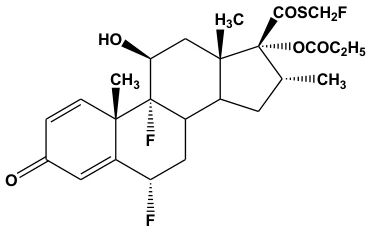
Chemical name: S-fluoromethyl 6α,9α -difluoro-11β -hydroxy-16α -methyl-3-oxo-17α -propionyloxyandrosta-1,4-diene-17β -carbothioate
Molecular formula and molecular mass: C25H31 F3O5S 500.6 g/mol
Structural formula:
Physicochemical properties: Fluticasone propionate is a white to off-white powder. It is freely soluble in dimethyl sulfoxide and dimethylformamide, sparingly soluble in acetone, dichloromethane, ethyl acetate and chloroform, slightly soluble in methanol and 95% ethanol, and practically insoluble in water. Fluticasone propionate decomposes without melting. Onset of decomposition occurs at about 225°C.
14 CLINICAL TRIALS
14.1 Clinical Trials by Indication
The safety and efficacy of fluticasone propionate has been examined in Seasonal Allergic Rhinitis, Perennial Rhinitis, and Sinus Pain/Pressure of Allergic Rhinitis.
Seasonal Allergic Rhinitis
The efficacy and safety of fluticasone propionate in patients with seasonal allergic rhinitis have been evaluated in multicentre, double-blind, randomized, parallel group, placebo- controlled clinical trials (FLN 203, FLN 204, FLN 305) of 771 adults and adolescents 12 years and older, and in multicentre, double-blind, randomized, parallel group, placebo- controlled clinical trials
(FLN_320, FLN_321) of 499 pediatric patients (4 to 11 years of age).
Trial Design and Patient Demographics
Table 4 Summary of the design and patient demographics in pivotal clinical trials of fluticasone propionate in patients with Seasonal Allergic Rhinitis
| Study # | Trial design | Duration and Route of administration | Study subjects enrolled Age Range Gender |
| FLN 203 | A multicentre, double-blind randomized, placebo-controlled, parallel group study of the efficacy and safety of once- versus twice-daily intranasal administration of aqueous fluticasone for two weeks in adult patients with seasonal allergic rhinitis. | 2 Weeks treatment with: FPANS 200 mcg QD (n=77) FPANS 100 mcg BID (n=75) Placebo (n=75) | 227 patients Aged 18 - 62 years 130 Male 97 Female |
| FLN 204 | A multicentre, double-blind randomized, placebo-controlled, parallel group study of the efficacy and safety of once- versus twice-daily intranasal administration of aqueous fluticasone propionate for four weeks in adult patients with seasonal allergic rhinitis. | 4 weeks treatment with: FPANS 100 mcg BID (n=100) FPANS 200 mcg QD (n=101) Placebo (n=100) | 301 patients Aged 18 - 66 years 190 Male 111 Female |
| FLN 305 | A multicentre, double-blind randomized, placebo-controlled, parallel group study of the efficacy and safety of aqueous fluticasone propionate given once- versus twice-daily versus placebo for two weeks in adolescent patients with seasonal allergic rhinitis. | 2 weeks treatment with: FPANS 100 mcg BID (n=73) FPANS 200 mcg QD (n=89) Placebo (n=81) | 243 patients Aged 12 - 17 years 226 Male 17 Female |
| FLIT18 | A multicentre, double-blind randomized, placebo-controlled, parallel group study of fluticasone propionate aqueous nasal spray 200 mcg once daily versus 100 mcg twice daily in ragweed allergic rhinitis. | 4 weeks treatment with: FPANS 200 mcg QD (n=138) FPANS 100 mcg BID (n=139) Placebo (n=139) | 416 patients Aged 17- 72 years 189 Male 227 Female |
| Study # | Trial design | Duration and Route of administration | Study subjects enrolled Age Range Gender |
| FLNT 48 | A single centre, double-blind, randomized, crossover study of intranasal fluticasone propionate 200 mcg once daily versus 200 mcg twice daily in severe ragweed allergic rhinitis, assessing days 5-14 in each treatment period. | 4 weeks of treatment with: -FPANS 200 mcg in the morning & placebo in the evening for the first 2 weeks followed by FPANS 200 mcg BID for 2 weeks. (n=45) -FPANS 200 mcg BID for 2 weeks followed by FPANS 200 mcg in the morning & placebo in the evening for 2 weeks. (n=45) | 90 patients Aged 18 - 69 years 37 Male 53 Female |
| FLN 320 | A multicenter, double-blind randomized, placebo-controlled, parallel group study of the safety and efficacy of aqueous fluticasone propionate given once daily versus placebo for two weeks in paediatric patients with seasonal allergic rhinitis. | 2 weeks treatment with: FPANS 100 mcg QD (n=84) FPANS 200 mcg QD (n=81) Placebo QD (n=85) | 250 patients Aged 4-11 years 163 Male 87 Female |
| FLN 321 | A multicenter, double-blind randomized, placebo-controlled, parallel group study of the safety and efficacy of aqueous fluticasone propionate given once daily versus placebo for four weeks in paediatric patients with seasonal allergic rhinitis. | 4 weeks treatment with: FPANS 100 mcg QD (n=83) FPANS 200 mcg QD (n=83) Placebo once daily (n=83) | 249 patients Aged 4-11 years 161 Male 88 Female |
FPANS = fluticasone propionate aqueous nasal spray, QD= once daily, BID = twice daily
Adult and Adolescent Results
Adult and adolescent seasonal allergic rhinitis studies FLN 203, FLN 204, FLN 305 demonstrated that treatment with fluticasone propionate 200 mcg once daily resulted in a statistically significantly improvement in mean total nasal symptom scores (TNSS; nasal obstruction, rhinorrhea, sneezing, nasal itching) compared to patients treated with placebo (Table 5).
Overall, there was no statistically significant difference between fluticasone propionate 100 mcg administered twice daily and fluticasone propionate 200 mcg administered once daily.
Table 5 Results of pivotal clinical trials in adult and adolescent patients with Seasonal Allergic Rhinitis - Total nasal symptom scores (TNSS)
| Mean Clinician-Rated Total Nasal Symptom Scores (TNSS) (maximum score 400) | |||||||||
| Day | FLN 203 | FLN 204 | FLN 305 | ||||||
| Placebo | FPANS | FPANS | Placebo | FPANS | FPANS | Placebo | FPANS | FPANS | |
| 100 | 200 | 100 | 200 | 100 | 200 | ||||
| mcg | mcg | mcg | mcg | mcg | mcg | ||||
| BID | QD | BID | QD | BID | QD | ||||
| Day 1 | 250 | 253 | 253 | 262 | 243 | 251 | 245 | 253 | 242 |
| Day 8 | 190 | 125† | 136† | 205 | 115† | 129† | 178 | 127* | 122* |
| Day 15 | 182 | 114† | 135† | 185 | 102† | 114† | 152 | 94* | 117§ |
| Day 29 | -- | -- | -- | 153 | 85† | 93† | -- | -- | -- |
FPANS = fluticasone propionate aqueous nasal spray, BID= twice daily; QD=once daily
*P-value ≤0.001 compared with placebo
†P-value ≤0.01 compared with placebo
§P-value ≤ 0.05
P-values based on differences from baseline (Day 1) using the van Elteren statistic (not adjusted for multiple comparisons).
Adult and adolescent ragweed allergic rhinitis study FLIT18 demonstrated that patients treated with fluticasone propionate 200 mcg once daily demonstrated a statistically significant improvement in the number of symptom-free days for nasal symptoms (nasal blockage, sneezing, nasal itching; p<0.001) and eye watering/irritation (p=0.006) compared to patients who received placebo. There was no statistically significant difference between fluticasone propionate 100 mcg administered twice daily and fluticasone propionate 200 mcg once daily.
Adult ragweed allergic rhinitis clinical trial (FLNT48) demonstrated that the percentage of symptom-free days was significantly higher for symptoms of nasal itching (p=0.004) and eye symptoms (p=0.004) in patients treated with fluticasone propionate 200 mcg twice daily compared to 200 mcg once daily. There was no significant difference between the treatment regimens for the other symptoms assessed.
Pediatric Results
Pediatric seasonal allergic rhinitis studies FLN 320 and FLN 321 demonstrated statistical and/or numeric improvements in mean total clinician rated nasal symptom scores (TNSS; nasal obstruction, rhinorrhea, sneezing, nasal itching) in patients receiving fluticasone propionate 100 mcg once daily and fluticasone propionate 200 mcg once daily compared to patients receiving placebo (Table 6).
There was no statistically significant difference in TNSS or overall response between patients treated with fluticasone propionate 100 mcg once daily compared to patients treated with fluticasone propionate 200 mcg once daily.
Table 6 Results of pivotal clinical trials in children with Seasonal Allergic Rhinitis - Total nasal symptom scores (TNSS)
Mean Clinician-Rated Total Nasal Symptom Scores (TNSS) (maximum score 400) | ||||||
|---|---|---|---|---|---|---|
| Day | FLN 320 | FLN-321 | ||||
Placebo mean (SE) | FPANS 100 mcg QD mean (SE) | FPANS 200 mcg QD mean (SE) | Placebo mean (SE) | FPANS 100 mcg QD mean (SE) | FPANS 200 mcg QD mean (SE) | |
| Day 1 | 234 (8.4) | 235 (7.9) | 237 (7.1) | 253 (8.6) | 237 (8.0) | 242 (9.0) |
| Day 8 | 183 (10.6) | 131 (9.2)* | 130 (9.7)* | 188 (8.0) | 146 (9.7) | 142 (9.4) ǂ |
| Day 15 | 148 (9.5) | 117 (9.1) † | 127 (9.7) | 161 (8.4) | 133 (9.0) | 121 (8.2) |
| Day 29 | -- | -- | -- | 143 (10.0) | 110 (9.3) | 109 (9.2) |
FPANS = fluticasone propionate aqueous nasal spray, QD=once daily
*P-value ≤0.001 compared with placebo
†P-value ≤0.01 compared with placebo
‡P-value ≤0.05 compared with placebo
P-values based on differences from baseline (Day 1) using the van Elteren statistic (not adjusted for multiple comparisons).
Perennial Rhinitis
The efficacy and safety of fluticasone propionate in patients with perennial rhinitis have been evaluated in multicentre, double-blind, randomized, parallel group, placebo-controlled clinical trials (FLN 310, FLN 311, FLNT 43) of 1453 adults and adolescents (age 12 and older) and in multicentre, double-blind, randomized, parallel group, placebo-controlled clinical trials (FLNT60, FLNT61) of 510 pediatric patients (4 to 11 years of age).
Trial Design and Patient Demographics
Table 7 Summary of the design and patient demographics in pivotal clinical trials of fluticasone propionate in patients with Perennial Rhinitis
| Study # | Trial design | Dosage, route of administration and duration | Study subjects enrolled (n=number) Age Range Gender |
| FLN 310 | A multicentre, double-blind, randomized, placebo-controlled, parallel clinical trial to evaluate the safety and efficacy of the once daily versus twice daily intranasal administration of aqueous fluticasone propionate in patients with perennial allergic rhinitis. | 24 weeks treatment with: FPANS 100 mcg, BID (n=121) FPANS 200 mcg QD (n=128) Placebo QD (n=116) | 365 patients Aged 12-74 years 184 Male 181 Female |
| FLN 311 | A multicentre, double-blind, randomized, placebo-controlled, parallel group clinical trial to evaluate the safety and efficacy of once daily versus twice-daily intranasal administration of aqueous fluticasone propionate versus aqueous beclomethasone dipropionate in patients with perennial allergic rhinitis. | 24 weeks treatment with: FPANS 100 mcg BID (n=119) FPANS 200 mcg QD (n=118) BDPANS 168 mcg BID (n=116) Placebo BID (n=113) | 466 patients Aged 12-71 years 227 Male 239 Female |
| FLNT43 | A multicentre, double-blind, randomized, placebo-controlled, parallel study of fluticasone propionate aqueous nasal spray 200 mcg given once daily, fluticasone propionate aqueous nasal spray 200 mcg given twice daily with beclomethasone dipropionate aqueous nasal spray given 200 mcg twice daily and with placebo aqueous nasal spray in the treatment of patients with perennial rhinitis. | 12 weeks treatment with: FPANS 200 mcg QD & placebo QD (n=129) FPANS 200 mcg BID (n=130) BDPANS 200 mcg BID (n=130) Placebo BID (n=127) | 622 patients Aged 12-83 years Not Available |
| Study # | Trial design | Dosage, route of administration and duration | Study subjects enrolled (n=number) Age Range Gender |
| FLNT_60 | A double-blind comparison of fluticasone propionate aqueous nasal spray 100mcg QD, fluticasone propionate aqueous nasal spray 200mcg QD, and placebo QD in the treatment of perennial rhinitis in children aged 4-11 years. | 4 weeks treatment with: FPANS 100 mcg QD (n=132) FPANS 200 mcg QD (n=131) Placebo QD (n=136) | 415 patients randomized 3-14 years 257 male 158 female |
| FLNT_61 | A double-blind comparison of fluticasone propionate aqueous nasal spray 100mcg QD, fluticasone propionate aqueous nasal spray 100mcg BID, and beclomethasone dipropionate aqueous nasal spray 200mcg BID in the treatment of perennial rhinitis in pediatric patients aged 6-11 years. | 12 weeks treatment with: FPANS 100 mcg QD (n=30) FPANS 100 mcg BID (n=35) BDPANS 200 mcg BID (n=30) | 95 patients randomized 6-12 years 64 male 31 female |
BID = twice daily; QD = once daily; FPANS = fluticasone propionate aqueous nasal spray, BDPANS = beclomethasone dipropionate aqueous nasal spray. Only FPANS and placebo results are presented.
Adult and Adolescent Results
Adult and Adolescent perennial allergic rhinitis studies FLN 310 and FLN 311 demonstrate that treatment with fluticasone propionate 100 mcg twice daily and fluticasone propionate 200 mcg once daily resulted in a significant improvement in clinician rated total nasal symptom score (TNSS; nasal obstruction, rhinorrhea, sneezing, nasal itching) (Table 8).
Overall, there was no statistically significant difference between fluticasone propionate 100 mcg administered twice daily and fluticasone propionate 200 mcg administered once daily.
Table 8 Results of pivotal clinical trials in patients with Perennial Rhinitis - Total nasal symptom scores (TNSS)
| Mean Clinician-Rated Total Nasal Symptom Scores (TNSS) (maximum score 400) | ||||||
| Day | FLN 310 | FLN 311 | ||||
| Placebo | FPANS 100 mcg BID | FPANS 200 mcg QD | Placebo | FPANS 100 mcg BID | FPANS 200 mcg QD | |
| Pretreatment | 211.6 | 215.8 | 209.4 | 190.0 | 192.6 | 193.1 |
| Week 24 | 143.0 | 95.6* | 103.5* | 128.3 | 94.4* | 105.4* |
BID= twice daily; QD=once daily, FPANS = fluticasone propionate aqueous nasal spray
*P-value ≤0.001 compared with placebo
P-values based on differences from pretreatment using pairwise comparisons based on least significant difference (LSD) using the MSError from ANOVA or ANCOVA. P-values not adjusted for multiple comparisons.
FLNT43 demonstrated that patients treated with fluticasone propionate 200 mcg once daily and 200 mcg twice daily had significant improvements in the percentage of symptom-free days for symptoms of rhinorrhoea (p≤0.002 for both strengths), sneezing (p≤0.001 for both strengths), and the overall assessment of symptoms (p<0.05 for both strengths), compared to patients receiving placebo. There were differences between treatment regimens on nasal blockage on waking or during the day.
Pediatric Results
Pediatric perennial rhinitis study FLNT_60 found that fluticasone propionate at 100 mcg OD and 200 mcg OD demonstrated statistical and/or numerical improvements over placebo in terms of symptom control (Table 9).
In general there weren’t differences in symptom control between the fluticasone propionate dosing regimens in study FLNT_60 (Table 9), or the fluticasone propionate dosing regimens in study FLNT_61.
Table 9 Study FLNT_60 – Mean Percentage of Symptom-Free Days (Days 1- 28)
| Mean Percentage Symptom Free Days | |||
|---|---|---|---|
| FPANS 100 mcg OD | FPANS 200 mcg OD | Placebo | |
| Nasal blockage - on waking | 26 | 25 | 20 |
| Nasal blockage - rest of day | 36 | 35 | 30 |
| Rhinorrhea | 47* | 46* | 35 |
| Sneezing | 63* | 61* | 52 |
| Nasal itching | 57 | 58 | 55 |
| Overall assessment | 25 | 24* | 16 |
FPANS = fluticasone propionate aqueous nasal spray, BID= twice daily; QD=once daily
*p<0.05 versus placebo
Sinus Pain and Pressure in Allergic Rhinitis
The efficacy and safety of fluticasone propionate in adults and adolescents with sinus pain and pressure associated with nasal congestion due to allergic rhinitis have been evaluated in two multicentre, double-blind, randomized, parallel group, placebo controlled clinical trials (FNM40184 and FNM40185).
Trial Design and Patient Demographics
Table 10 Summary of the design and patient demographics in pivotal clinical trials of fluticasone propionate in patients with Sinus Pain and Pressure
| Study # | Trial design | Duration and Route of administration | Study subjects |
| FNM40184 | A multi-centre, randomised, double-blind, parallel-group, study examining the effect of fluticasone propionate aqueous nasal spray 200 mcg QD in subjects with sinus pain and pressure associated with nasal congestion due to allergic rhinitis | 2 weeks of treatment with: FPANS 50 mcg /spray QD Dosage: 2 sprays in each nostril every morning. (n=98) Placebo QD (n=97) | 195 patients Aged 12 to 74 years 67 Male 128 Female |
| FNM40185 | A multicentre, randomised, double-blind, parallel-group, study examining the effect of fluticasone propionate aqueous nasal spray 200 mcg QD in subjects with sinus pain and pressure associated with nasal congestion due to allergic rhinitis. | 2 weeks of treatment with: FPANS 50 mcg / spray QD Dose: 2 sprays in each nostril every morning. (n=101) Placebo QD (n=105) | 206 patients Aged 12 to 71 years 87 Male 119 Female |
FPANS = fluticasone propionate aqueous nasal spray; QD=once daily
Results
Treatment with fluticasone propionate 200 mcg once daily resulted in significant improvement in patient-rated sinus pain and pressure associated with nasal congestion in patients with allergic rhinitis at week 2 (Table 11).
Table 11 Studies FNM40184, FNM40185- Mean Patient-Rated Sinus Pain and Pressure Score, Visual Analogue 0-100 Score
| FNM40184 | FNM40185 | |||||
Mean Patient-Rated Sinus Pain and Pressure Visual Analogue Score (SE) | Placebo | FPANS 200QD | p-Value | Placebo | FPANS 200QD | p-Value |
| Change during Week 2 | -21.9 (2.83) | -32.0 (2.77) | 0.011 | -26.5 (2.70) | -35.4 (2.60) | 0.023 |
FPANS = fluticasone propionate aqueous nasal spray; QD=once daily
14.2 Comparative Bioavailability Studies
A comparative, randomized, single-dose two-way crossover bioavailability study using 100 healthy male and/or female volunteers was conducted to compare the relative bioavailability of APO-FLUTICASONE Nasal Spray, 50 mcg/metered dose (Apotex Inc.) and Flonase® (GlaxoSmithKline, USA) Nasal Spray, 50 mcg/spray administered as 4 X 50 mcg sprays (2 per nostril) under fasting conditions. The mean pharmacokinetic parameters obtained from the study are listed in the following table:
Fluticasone Propionate Nasal Spray 200 mcg (2 x 50 mcg (2 sprays in each nostril)) From measured data uncorrected for potency Geometric Mean Arithmetic Mean (CV %) | ||||
| Parameter | Test* | Reference† | % Ratio of Geometric Means# | 90% Confidence Interval# |
AUCt (pg·h/mL) | 39.073 45.004 (54) | 39.424 48.062 (63) | 99.2 | 91.2 – 107.9 |
Cmax (pg/mL) | 6.588 7.245 (46) | 6.510 7.264 (52) | 101.4 | 94.0 – 109.4 |
AUCinf (pg·h/mL) | 56.314 64.14 (55) | 54.645 65.80 (66) | 108.2 | 97.0 – 120.7 |
Tmax§ (h) | 1.55 (61) | 1.59 (88) | ||
Thalf§ (h) | 9.99 (54) | 8.83 (56) | ||
* Fluticasone Propionate Nasal Spray (Apotex Inc.)
§ Expressed as the arithmatic mean (CV%) only
# based on least squares estimates
† Flonase® Nasal Spray (GlaxoSmithKline, USA), was purchased in the USA.
15 MICROBIOLOGY
No microbiological information is required for this drug product.
16 NON-CLINICAL TOXICOLOGY
General Toxicology
Studies in rodents were conducted to quantify and compare anti-inflammatory activity after topical administration of fluticasone propionate and the ability to produce specific systemic steroid-related effects after topical, oral or parenteral administration. Topical anti-inflammatory activity was measured in rats and mice using the inflammatory response to croton oil applied topically to the ear. Results showed that fluticasone propionate was essentially equipotent with fluocinolone acetonide in both rats and mice. Systemic responses to repeated topical applications of fluticasone propionate were assessed by measurement of thymus involution and reduction in stress-induced plasma corticosterone (HPA axis suppression) in rats and mice, and adrenal atrophy in the rat. In these tests fluticasone propionate was 50 to 100 fold less potent than fluocinolone acetonide in the rat (56-fold greater therapeutic index) and 100 times less potent than fluocinolone acetonide in mice (relative therapeutic index 91). Therefore, in both species, the separation between topical anti-inflammatory and systemic activity after topical application, was highly favourable to fluticasone propionate.
The results of the acute toxicity studies with fluticasone propionate administered by inhalation, orally, subcutaneously and intravenously, demonstrated a large margin of safety over the anticipated maximum daily exposure in humans of 400 mcg/day.
Subacute toxicity studies were conducted in adult and juvenile rats for periods up to 35 days and in Beagle dogs for periods up to 44 days. Studies were conducted using oral, subcutaneous and inhalation routes of administration. Clinical observations were similar for all routes of administration in both species. These consisted of reduced weight gain and general loss of condition. Inhalation studies in the dog resulted in clinical signs associated with the administration of a potent glucocorticoid and consistent with the symptoms of Canine Cushing’s Syndrome.
Carcinogenicity
No treatment related effects were observed on the type or incidence of neoplasia in an 18 - month oral (gavage) study in mice administered fluticasone propionate at dose levels of up to 1 mg/kg/day. In a lifetime (2 years) snout-only inhalation study in rats, at dose levels of up to 57 mcg/kg/day, there was an increase in the incidence of tumours in the mammary gland, liver and pancreas. These were not considered as evidence of tumorigenic effect of fluticasone propionate based on the absence of statistical support of an increase in incidence and the historical tumour incidence data.
Mutagenicity
Fluticasone propionate did not induce gene mutation in prokaryotic microbial cells, and there was no evidence of toxicity or gene mutational activity in eukaryotic Chinese hamster cells in vitro. The compound did not induce point mutation in the Fluctuation assay, and did not demonstrate gene convertogenic activity in yeast cells. No significant clastogenic effect was seen in cultured human peripheral lymphocytes in vitro, and fluticasone propionate was not demonstrably clastogenic in the mouse micronucleus test when administered at high doses by oral or subcutaneous routes. Furthermore, the compound did not delay erythroblast division in bone marrow.
Reproductive and Developmental Toxicology
Subcutaneous studies in the mouse and rat at 150 and 100 mcg/kg/day respectively, revealed maternal and fetal toxicity characteristic of potent glucocorticoid compounds, including reduction in maternal weight gain, embryonic growth retardation, increased incidences of retarded cranial ossification, and of omphalocele and cleft palate in rats and mice, respectively.
In the rabbit, subcutaneous doses of 30 mcg/kg/day and above were incompatible with sustained pregnancy. This is not unexpected since rabbits are known to be particularly sensitive to glucocorticoid treatment.
These parenteral doses are approximately 10 to 100 times the recommended human intranasal dose (200 mcg/day).
Following oral administration of fluticasone propionate up to 300 mcg/kg to the rabbit, there were no maternal effects nor increased incidence of external, visceral, or skeletal fetal defects. A very small fraction (<0.005%) of the dose crossed the placenta following oral administration to rats (100 mcg/kg/day) and rabbits (300 mcg/kg/day).
Special Toxicology - Local Tolerance
Intranasal administration of fluticasone propionate aqueous nasal spray to cynomolgus monkeys for 28 days at 400 mcg/day did not cause local irritancy to the nasal cavity or respiratory tract, or systemic toxicity.
Micronized fluticasone propionate was considered to be non-irritating in the rabbit eye when assessed using a modified Draize test and, in the guinea pig split adjuvant test for evaluating contact sensitivity, results were completely negative.
17 SUPPORTING PRODUCT MONOGRAPHS
- 1. FLONASE® (fluticasone propionate aqueous nasal spray USP, 50 mcg/metered Spray) submission control 194417, Product Monograph, GlaxoSmithKline Inc., (AUG 26, 2016)
- 2. FLONASE ALLERGY RELIEF® (fluticasone propionate aqueous nasal spray USP, 50 mcg/metered spray), submission control 282043, Product Monograph, Haleon Canada ULC (JUL 17, 2024)