


Product Monograph - Ryaltris
RECENT MAJOR LABEL CHANGES
Not applicable
TABLE OF CONTENTS
RECENT MAJOR LABEL CHANGES ............................................................................................ 2
TABLE OF CONTENTS .............................................................................................................. 2
PART I: HEALTH PROFESSIONAL INFORMATION ..................................................................... 4
1 INDICATIONS ............................................................................................................... 4
1.1 Pediatrics .................................................................................................................. 4
1.2 Geriatrics .................................................................................................................. 4
2 CONTRAINDICATIONS ................................................................................................. 4
4 DOSAGE AND ADMINISTRATION ................................................................................. 4
4.1 Dosing Considerations .............................................................................................. 4
4.2 Recommended Dose and Dosage Adjustment .......................................................... 4
4.4 Administration .......................................................................................................... 5
4.5 Missed Dose ............................................................................................................. 5
5 OVERDOSAGE .............................................................................................................. 6
6 DOSAGE FORMS, STRENGTHS, COMPOSITION AND PACKAGING ................................. 6
7 WARNINGS AND PRECAUTIONS .................................................................................. 7
7.1 Special Populations ................................................................................................... 8
7.1.1 Pregnant Women ............................................................................................. 8
7.1.2 Breast-feeding .................................................................................................. 9
7.1.3 Pediatrics .......................................................................................................... 9
7.1.4 Geriatrics .......................................................................................................... 9
8 ADVERSE REACTIONS .................................................................................................. 9
8.1 Adverse Reaction Overview ...................................................................................... 9
8.2 Clinical Trial Adverse Reactions ................................................................................ 9
8.2.1 Clinical Trial Adverse Reactions – Pediatrics ................................................... 11
8.3 Less Common Clinical Trial Adverse Reactions ....................................................... 12
9 DRUG INTERACTIONS ................................................................................................ 12
9.2 Drug Interactions Overview .................................................................................... 12
9.4 Drug-Drug Interactions .......................................................................................... 13
9.5 Drug-Food Interactions ........................................................................................... 13
9.6 Drug-Herb Interactions ........................................................................................... 13
9.7 Drug-Laboratory Test Interactions .......................................................................... 13
10 CLINICAL PHARMACOLOGY ....................................................................................... 14
10.1 Mechanism of Action ............................................................................................ 14
10.2 Pharmacodynamics ............................................................................................... 14
10.3 Pharmacokinetics ................................................................................................. 14
11 STORAGE, STABILITY AND DISPOSAL ......................................................................... 16
12 SPECIAL HANDLING INSTRUCTIONS ........................................................................... 16
PART II: SCIENTIFIC INFORMATION ....................................................................................... 17
13 PHARMACEUTICAL INFORMATION ............................................................................ 17
14 CLINICAL TRIALS ........................................................................................................ 18
14.1 Clinical Trials by Indication ................................................................................... 18
Seasonal Allergic Rhinitis (SAR) in Adolescents and Adults ............................................ 18
Seasonal Allergic Rhinitis (SAR) in Pediatric Patients ...................................................... 23
15 MICROBIOLOGY ........................................................................................................ 24
16 NON-CLINICAL TOXICOLOGY ..................................................................................... 24
17 SUPPORTING PRODUCT MONOGRAPHS .................................................................... 28
PATIENT MEDICATION INFORMATION .................................................................................. 29
PART I: HEALTH PROFESSIONAL INFORMATION
1 INDICATIONS
RYALTRIS® (olopatadine hydrochloride and mometasone furoate nasal spray) is indicated for the symptomatic treatment of moderate to severe seasonal allergic rhinitis (SAR) and associated ocular symptoms in adults, adolescents, and children aged 6 years and older.
1.1 Pediatrics
Pediatrics (6 years of age and older): Based on the data submitted and reviewed by Health Canada, the safety and efficacy of RYALTRIS for symptomatic treatment of moderate to severe SAR in pediatric patients 6 years and older have been established; therefore, Health Canada has authorized an indication for pediatric use (see 14 CLINICAL TRIALS).
RYALTRIS is not recommended for use in children less than 6 years of age as safety and efficacy have not been established in this age group.
1.2 Geriatrics
Geriatrics (≥ 65 years of age): Evidence from clinical studies and experience suggests that use in the geriatric population is not likely to be associated with differences in safety or effectiveness.
2 CONTRAINDICATIONS
Olopatadine hydrochloride and mometasone furoate nasal spray is contraindicated in patients who:
- Are hypersensitive to this drug or to any ingredient in the formulation, including any non-medicinal ingredient, or component of the container. For a complete listing, see 6 DOSAGE FORMS, STRENGTHS, COMPOSITION AND PACKAGING.
- Have untreated fungal, bacterial, or tuberculosis infections of the respiratory tract.
4 DOSAGE AND ADMINISTRATION
4.1 Dosing Considerations
A relief of nasal allergic symptoms is observed within 15 minutes after administration of RYALTRIS. However, since the full effect of RYALTRIS depends on its regular use, patients must be instructed to take the nasal inhalation at regular intervals.
4.2 Recommended Dose and Dosage Adjustment
- Adults and Adolescents (12 Years of Age and Older): The recommended dose of RYALTRIS is two sprays in each nostril twice daily (morning and evening).
- Children (6 to 11 Years of Age): The recommended dose of RYALTRIS is one spray per nostril twice daily (morning and evening).
Special Populations
Pregnant and Nursing Women
RYALTRIS Nasal Spray should be used during pregnancy only if the potential benefit outweighs the potential risk to the foetus particularly during the first trimester of pregnancy. RYALTRIS Nasal Spray should be used during lactation only if the potential benefit outweighs the potential risk to the newborns/infant (see 7 WARNINGS AND PRECAUTIONS, 7.1 Special Populations).
Pediatrics
RYALTRIS Nasal Spray is not recommended for use in children less than 6 years of age as safety and efficacy have not been established in this age group.
Geriatrics
Based on the available data for RYALTRIS, no adjustment of dosage of RYALTRIS in geriatric patients is warranted (see 7 WARNINGS AND PRECAUTIONS, 7.1.4 Geriatrics). In general, dose selection for an elderly patient should be cautious, usually starting at the low end of the dosing range, reflecting the greater frequency of decreased hepatic, renal, or cardiac function, and of concomitant disease or other drug therapy.
Hepatic Impairment
No specific studies have been conducted with RYALTRIS in subjects with hepatic impairment. Information available for mometasone furoate and olopatadine HCl has not indicated the need for dosage adjustment in patients with hepatic impairment.
Renal impairment
No specific studies have been conducted with RYALTRIS in subjects with renal impairment.
4.4 Administration
Administer RYALTRIS by the intranasal route only. Avoid spraying RYALTRIS into the eyes or mouth. Shake the bottle well for a minimum of 20 seconds before each use.
After each use, the patient should wipe the spray tip with a clean dry tissue or cloth and then replace cover securely with the protective cap until it snaps in place.
Priming
Prime RYALTRIS before initial use by releasing 6 sprays. When RYALTRIS has not been used for 7 days or more, re-prime by releasing 2 sprays or until a fine mist appears.
Cleaning Instructions
If the spray nozzle tip becomes clogged, place only the spray nozzle unit in warm water to soak for approximately 15 minutes.
4.5 Missed Dose
If a single dose is missed, the next dose should be taken when it is due. A double dose should not be taken at the same time.
5 OVERDOSAGE
RYALTRIS contains both olopatadine hydrochloride and mometasone furoate; therefore, the risks associated with overdosage for the individual components described below apply to RYALTRIS.
Olopatadine Hydrochloride
Symptoms of antihistamine overdose may include drowsiness in adults and, initially, agitation and restlessness, followed by drowsiness in children. There is no known specific antidote to RYALTRIS. Should overdose occur, symptomatic or supportive treatment is recommended, taking into account any concomitantly ingested medications.
Mometasone Furoate
Because the systemic bioavailability is <1% (using a sensitive assay with a lower quantitation limit of 0.25 pg/mL) after administration of mometasone furoate via RYALTRIS, overdose is unlikely to require any therapy other than observation, followed by initiation of the appropriate prescribed dosage.
| For management of a suspected drug overdose, contact your regional poison control centre. |
|---|
6 DOSAGE FORMS, STRENGTHS, COMPOSITION AND PACKAGING
Table 1: Dosage Forms, Strengths, Composition and Packaging
Packaging
RYALTRIS is supplied in white plastic bottles as follows:
- 240 metered spray bottle contains up to one month of dosing for adults, or, two months of dosing for children;
- 120 metered spray bottle contains up to two weeks of dosing for adults, or, one month of dosing for children;
- 56 metered spray bottle contains up to one week of dosing for adults, or, two weeks dosing for children.
| Route of Administration | Dosage Form / Strength/Composition | Non-medicinal Ingredients |
| Intranasal | Suspension for nasal spray/ 665 mcg of olopatadine hydrochloride and 25 mcg of mometasone furoate per delivered dose | Benzalkonium Chloride (as preservative), Carboxymethyl Cellulose Sodium, Edetate Disodium, Hydrochloric Acid (for pH adjustment), Microcrystalline Cellulose, Polysorbate 80, Sodium Chloride, Sodium Hydroxide (for pH adjustment), Sodium Phosphate Dibasic Heptahydrate, and Water for Injection |
7 WARNINGS AND PRECAUTIONS
General
During transfer from systemic corticosteroid to RYALTRIS, some patients may experience symptoms of withdrawal from systemically active corticosteroids (e.g., joint and/or muscular pain, lassitude, and depression initially) despite relief from nasal symptoms and will require encouragement to continue RYALTRIS therapy. Such transfer may also unmask pre-existing allergic conditions such as allergic conjunctivitis and eczema, previously suppressed by systemic corticosteroid therapy.
Driving and Operating Machinery
RYALTRIS may cause somnolence, which can influence the ability to drive or operate machines (see 8.3 Less Common Clinical Trial Adverse Reactions). In clinical trials, the occurrence of somnolence has been reported in some patients [4 of 974 adult and adolescent patients, and, none in 225 children] taking RYALTRIS. Concurrent use of RYALTRIS with alcohol or other central nervous system (CNS) depressants should be avoided because additional reductions in alertness and additional impairment of CNS performance may occur.
Ear/Nose/Throat
In clinical trials of 2 to 52 weeks’ duration, epistaxis was observed more frequently in patients treated with RYALTRIS than those who received placebo (see 8.2 Clinical Trial Adverse Reactions).
RYALTRIS should not be used in the presence of untreated localized infection involving the nasal mucosa.
Localized infections of nose and pharynx with Candida albicans have occurred with intranasal mometasone furoate formulations. Discontinue use if such infection develops and institute appropriate therapy.
Because of the inhibitory effect of corticosteroids on wound healing, patients who have experienced recent nasal surgery or trauma should not use a nasal corticosteroid until healing has occurred.
Instances of nasal ulceration and nasal septal perforation have been reported in patients following the intranasal application of antihistamines. Following the use of intranasal aerosolized corticosteroids, instances of nasal septum perforation have been reported very rarely.
As with any long-term treatment, patients using RYALTRIS over several months or longer should be examined periodically for possible changes in the nasal mucosa. If localized fungal infection of the nose or pharynx develops, discontinuance of RYALTRIS therapy or appropriate treatment may be required. Persistence of nasopharyngeal irritation may be an indication for discontinuing RYALTRIS.
Endocrine and Metabolism
Patients who are transferred from long-term administration of systemically active corticosteroids to RYALTRIS require careful attention. Systemic corticosteroid withdrawal in such patients may result in adrenal insufficiency for a number of months until recovery of hypothalamic-pituitary-adrenal (HPA) axis function. If these patients exhibit signs and symptoms of adrenal insufficiency, systemic corticosteroid administration should be resumed and other modes of therapy and appropriate measures instituted. Mometasone is not generally associated with symptoms of HPA axis suppression.
Immune
Patients receiving corticosteroids who are potentially immunosuppressed should be warned of the risk of exposure to certain infections (e.g., chickenpox, measles) and of the importance of obtaining medical advice if such exposure occurs. Chickenpox and measles can have a more serious or even fatal course in susceptible children or adults using corticosteroids. In such patients who have not had these diseases, particular care should be taken to avoid exposure. How the dose, route, and duration of corticosteroid administration affects the risk of developing a disseminated infection is not known. The contribution of the underlying disease and/or prior corticosteroid treatment to the risk is also not known. If exposed to chickenpox, prophylaxis with varicella zoster immune globulin (VZIG) may be indicated. If exposed to measles, prophylaxis with pooled intramuscular immunoglobulin (IG), as appropriate, may be indicated. If chickenpox develops, treatment with antiviral agents may be considered.
Corticosteroids may mask some signs of infection and new infections may appear. A decreased resistance to localized infections has been observed during corticosteroid therapy; this may require treatment with appropriate therapy or stopping the administration of RYALTRIS nasal spray. RYALTRIS nasal spray should not be used in patients with tuberculosis of the respiratory tract (see 2 CONTRAINDICATIONS), and should be used with caution, if at all, in patients with untreated local or systemic fungal or bacterial infections, systemic viral or parasitic infections or ocular herpes simplex because of the potential for worsening of these infections.
Ophthalmic
Visual disturbance may be reported with systemic and topical (including, intranasal, inhaled and intraocular) corticosteroid use. If a patient presents with symptoms such as blurred vision or other visual disturbances, the patient should be considered for referral to an ophthalmologist for evaluation of possible causes of visual disturbances; this may include cataract, glaucoma or rare diseases such as central serous chorioretinopathy (CSCR) which have been reported after use of systemic and topical corticosteroids.
Close monitoring is warranted in patients with a change in vision or with a history of increased intraocular pressure, glaucoma, and/or cataracts.
Reproductive Health: Female and Male Potential
Fertility
Studies have not been performed to evaluate the effect of intranasal administration of RYALTRIS on human fertility.
7.1 Special Populations
7.1.1 Pregnant Women
No studies in pregnant women have been conducted with RYALTRIS.
RYALTRIS should only be used in pregnant women, nursing mothers or women of childbearing age if the potential benefit justifies the potential risk to the mother, fetus, or infant. Infants born of mothers who received corticosteroids during pregnancy should be observed carefully for hypoadrenalism.
Olopatadine hydrochloride was not teratogenic in rats and rabbits. However, mometasone furoate, like other glucocorticoids, is a teratogen in rodents and rabbits. Teratology studies were conducted in rats, mice and rabbits by the oral, topical (dermal), and/or subcutaneous routes (see 16 NONCLINICAL TOXICOLOGY).
7.1.2 Breast-feeding
Glucocorticosteroids are excreted in human milk. Olopatadine has been identified in the milk of nursing rats following oral administration. A risk to the newborn/infants cannot be excluded.
It is unknown whether nasally administered olopatadine hydrochloride/metabolites or mometasone furoate/metabolites are excreted in human breast milk. RYALTRIS should be used by nursing mothers only if the potential benefit to the patient outweighs the potential risks to the infant.
7.1.3 Pediatrics
The safety and efficacy of RYALTRIS in children under 6 years of age have not been established. No data are available.
Intranasal corticosteroids may cause a reduction in growth velocity when administered to pediatric patients. Routinely monitor the growth of pediatric patients receiving RYALTRIS.
7.1.4 Geriatrics
Clinical trials of RYALTRIS included a small number of patients 65 years of age or older. Based on the available data for RYALTRIS, no adjustment of dosage of RYALTRIS in geriatric patients is warranted (see 4 DOSAGE AND ADMINISTRATION, 4.2 Recommended Dose and Dosage Adjustment, Special Populations).
8 ADVERSE REACTIONS
8.1 Adverse Reaction Overview
The most common adverse reactions observed in clinical trials with RYALTRIS are dysgeusia, headache, epistaxis, and nasal discomfort. No new clinically significant findings were observed as compared with either olopatadine hydrochloride or mometasone furoate alone. The safety profile of RYALTRIS is typical of that observed with intranasal drugs of the same classes.
8.2 Clinical Trial Adverse Reactions
Clinical trials are conducted under very specific conditions. The adverse reaction rates observed in the clinical trials; therefore, may not reflect the rates observed in practice and should not be compared to the rates in the clinical trials of another drug. Adverse reaction information from clinical trials may be useful in identifying and approximating rates of adverse drug reactions in real-world use.
Seasonal Allergic Rhinitis in Adolescents and Adults
The clinical trial safety database for RYALTRIS consists of a total of 3062 patients enrolled in four (three pivotal and one non-pivotal) 2-week, randomised, double-blind placebo-controlled studies in patients with seasonal allergic rhinitis (SAR). Patients were treated with two sprays per nostril of RYALTRIS, twice daily.
Treatment-emergent adverse events (TEAEs) for RYALTRIS and the other treatment arms were pooled across the four clinical studies.
Dysgeusia, epistaxis, and nasal discomfort were reported for ≥1% of subjects treated with RYALTRIS and at an incidence greater than placebo (Table 2).
Table 2: Treatment-emergent Adverse Events Reported for ≥1% of Subjects Treated with RYALTRIS and with an Incidence Greater than Placebo in 14 Day SAR Studies, BID Treatments Only – Safety Analysis Set
System organ class Preferred Term | Placebo BID (N=776)a n (%)b | RYALTRIS BID (N=789)a n (%)b | Olopatadine HCl BID (N=751)a n (%)b | Mometasone Furoate BID (N=746)a n (%)b |
Nervous system disorders Dysgeusia | 2 (0.3) | 24 (3.0) | 16 (2.1) | 0 |
Respiratory, thoracic and mediastinal disorders Epistaxis Nasal discomfort | 5 (0.6) 6 (0.8) | 8 (1.0) 8 (1.0) | 11(1.5) 4 (0.5) | 6 (0.8) 4 (0.5) |
BID = twice daily; HCl = hydrochloride; SAR = seasonal allergic rhinitis.
a N = Total number of subjects in each treatment group in the Safety Analysis Set.
b n = number of subjects with adverse events in each MedDRA Preferred Term (PT); Number (%) of subjects with AEs, sorted on international order for System Organ Class (SOC) and alphabetically for PT. Percentages are based on total number of subjects in the safety set within each treatment group.
Note: Adverse events were coded using MedDRA version 20.0.
Long-term Safety Trial in Adults and Adolescents
A 52-week placebo-controlled safety study included a total of 593 subjects with perennial allergic rhinitis (PAR) in the safety analysis set. A total of 326 subjects were exposed to RYALTRIS for 6 months and 250 subjects were exposed to RYALTRIS for 1 year.
TEAEs reported for ≥2% of subjects treated with RYALTRIS and at a greater incidence than for the pH 3.7 placebo (which matches the pH of RYALTRIS) were upper respiratory tract infection, epistaxis, headache, nasal discomfort, viral upper respiratory tract infection, urinary tract infection, cough, and dysgeusia (Table 3).
Table 3: Treatment-emergent Adverse Events Reported for ≥2% of Subjects Treated with
RYALTRIS and with an Incidence Greater than Placebo pH 3.7* in 52 Week
Safety Study – Safety Analysis Set
| MedDRA Preferred Term | Placebo pH 3.7 (N=99)a n (%)b | RYALTRIS (N=393)a n (%)b |
| Upper respiratory tract infection | 6 (6.1) | 25 (6.4) |
| Epistaxis | 2 (2.0) | 18 (4.6) |
| Headache | 3 (3.0) | 16 (4.1) |
| Nasal discomfort | 2 (2.0) | 11 (2.8) |
| Viral upper respiratory tract infection | 2 (2.0) | 9 (2.3) |
| Urinary tract infection | 2 (2.0) | 9 (2.3) |
| Cough | 2 (2.0) | 9 (2.3) |
| Dysgeusia | 0 | 8 (2.0) |
MedDRA = Medical Dictionary for Regulatory Activities
a N = Total number of subjects in each treatment group in the safety analysis set.
b n = number of subjects with adverse events in each MedDRA Preferred Term (PT); Percentages are based on total number of subjects in the safety set within each treatment group.
Note: Adverse events were coded using MedDRA version 18.1.
*Same pH as RYALTRIS
8.1.1 Clinical Trial Adverse Reactions – Pediatrics
The safety data described below in children 6-11 years of age reflect exposure to RYALTRIS in 225 patients with seasonal allergic rhinitis (SAR) enrolled in a 2-week, double-blind, randomized, parallel-group, placebo-controlled study. Patients in the study were treated with 1 spray per nostril of RYALTRIS, twice daily.
The most frequently reported treatment related TEAEs (≥ 1% in any treatment group) considered by the investigator to be potentially related to RYALTRIS or placebo in the SAR controlled clinical trial (Table 4).
Table 4: Summary of Treatment-related TEAEs with an Incidence ≥ 1.0 % in any Treatment Group in Children 6-11 Years of Age
| MedDRA Preferred Term | Placebo (N=221)a n (%)b | RYALTRIS (N=225)a n (%)b |
| Dysgeusia | 0 | 3 (1.3) |
| Epistaxis | 3 (1.4) | 1 (0.4) |
| Ear, nose and throat examination abnormal | 2 (0.9) | 3 (1.3) |
MedDRA = Medical Dictionary for Regulatory Activities TEAE = treatment-emergent adverse event
a N = Total number of subjects in each treatment group in safety analysis set.
b n = number of subjects with adverse events in each MedDRA Preferred Term (PT); Percentages are based on total number of subjects within each treatment group.
Note: Adverse events were coded using MedDRA version 21.0.
8.3 Less Common Clinical Trial Adverse Reactions
The following additional treatment related adverse reactions occurred in clinical trials in patients using RYALTRIS with an incidence of <1% and occurred at a greater incidence than placebo*:
General disorders and administration site conditions: fatigue
Nervous system disorders: somnolence
Respiratory, thoracic and mediastinal disorders: epistaxis, throat irritation
*Events reported by more than 1 patient
9 DRUG INTERACTIONS
9.2 Drug Interactions Overview
No formal drug-drug interaction studies have been performed with RYALTRIS. Any drug-drug interactions from the combination of olopatadine and mometasone furoate are expected to reflect those of the individual components.
Olopatadine
In vitro studies have shown that olopatadine does not inhibit metabolic reactions which involve cytochrome P-450 isoenzymes (1A2, 2C8, 2C9, 2C19, 2D6, 2E1 and 3A4). Olopatadine is moderately bound to plasma proteins (approximately 55%). These results indicate that olopatadine is unlikely to result in interactions with other concomitantly administered medications.
Mometasone Furoate
Studies have shown that mometasone furoate is primarily and extensively metabolized in the liver of all species investigated and undergoes extensive metabolism to multiple metabolites with no major metabolites detected in plasma. Mometasone furoate is metabolized by CYP3A4.
Co-treatment with CYP3A inhibitors is expected to increase the risk of systemic corticosteroid side-effects. The combination should be avoided unless the benefit outweighs the increased risk of systemic corticosteroid side-effects, in which case patients should be monitored for systemic corticosteroid side-effects.
Concurrent use of RYALTRIS with alcohol or other central nervous system depressants should be avoided because additional reductions in alertness and additional impairment of central nervous system performance may occur.
9.4 Drug-Drug Interactions
The drugs listed in this table are based on either drug interaction case reports or studies, or potential interactions due to the expected magnitude and seriousness of the interaction (i.e., those identified as contraindicated).
Table 5: Established or Potential Drug-Drug Interactions
| Proper/Common name | Source of Evidence | Effect | Clinical comment |
CYP3A inhibitors (e.g., ketoconazole, itraconazole, clarithromycin, atazanavir, indinavir, nelfinavir, saquinavir, ritonavir, cobicistat-containing products) | Case Study | After oral administration of ketoconazole, a strong inhibitor of CYP3A4, the mean plasma concentration of orally inhaled mometasone furoate increased, and plasma cortisol levels appeared to decrease. | Co-treatment with CYP3A inhibitors is expected to increase the risk of systemic side-effects. The combination should be avoided unless the benefit outweighs the increased risk of systemic corticosteroid side-effects, in which case patients should be monitored for systemic corticosteroid side-effects. |
9.5 Drug-Food Interactions
Interactions with food have not been established.
9.6 Drug-Herb Interactions
Interactions with herbal products have not been established.
9.7 Drug-Laboratory Test Interactions
Interactions with laboratory tests have not been established.
10 CLINICAL PHARMACOLOGY
10.1 Mechanism of Action
RYALTRIS contains both olopatadine hydrochloride and mometasone furoate; therefore, the mechanisms of action described below for the individual components would apply to RYALTRIS. These drugs represent 2 different classes of medications (histamine H1-receptor antagonist and synthetic corticosteroid).
Olopatadine Hydrochloride
Olopatadine is a histamine H1-receptor antagonist. The antihistaminic activity of olopatadine has been documented in isolated tissues, animal models, and humans.
Mometasone Furoate
Mometasone furoate is a glucocorticosteroid with local anti-inflammatory properties at doses that are minimally systemically active.
10.2 Pharmacodynamics
Olopatadine Hydrochloride
Cardiac effects
In a 12-month study in 429 perennial allergic rhinitis patients treated with olopatadine hydrochloride nasal spray monotherapy, 665 mcg per spray, 2 sprays per nostril twice daily, no evidence of any effect of olopatadine hydrochloride on QT prolongation was observed.
Mometasone Furoate Monohydrate
In two clinical studies utilizing nasal antigen challenge, mometasone furoate monohydrate aqueous nasal spray has shown anti-inflammatory activity in both the early- and late-phase allergic responses. This has been demonstrated by decreases (vs. placebo) in histamine and eosinophil activity and reductions (vs. baseline) in eosinophils, neutrophils, and epithelial cell adhesion proteins.
10.3 Pharmacokinetics
Absorption
After repeated intranasal administration of 2 sprays per nostril of RYALTRIS (2660 mcg of olopatadine hydrochloride and 100 mcg of mometasone furoate) twice daily in patients with seasonal allergic rhinitis, the mean (± standard deviation) peak plasma exposure (Cmax) was 19.80 ± 7.01 ng/mL for olopatadine and 9.92 ± 3.74 pg/mL for mometasone furoate, and the mean exposure over the dosing regimen (AUCtau) was 88.77 ± 23.87 ng/mL*hr for olopatadine and 58.40 ± 27.00 pg/mL*hr for mometasone furoate. The median time to peak exposure from a single dose was 1 hour for both olopatadine and mometasone furoate.
The systemic bioavailability of olopatadine and mometasone furoate from RYALTRIS following intranasal administration was estimated to be comparable with olopatadine hydrochloride and mometasone furoate nasal sprays administered as monotherapies.
Distribution
The protein binding of olopatadine was moderate at approximately 55% in human serum and independent of drug concentration over the range of 0.1 to 1000 ng/mL. Olopatadine binds predominately to human serum albumin.
The in vitro protein binding for mometasone furoate was reported to be 98% to 99% in concentration range of 5 to 500 ng/mL.
Metabolism
Olopatadine is not extensively metabolized. Based on plasma metabolite profiles following oral administration of [14C] olopatadine, at least 6 minor metabolites circulate in human plasma. Olopatadine accounts for 77% of peak plasma total radioactivity and all metabolites amounted to <6% combined. Two of these have been identified as the olopatadine N-oxide and N-desmethyl olopatadine. In in vitro studies with cDNA-expressed human CYP isoenzymes and flavin-containing monooxygenases (FMO), N-desmethyl olopatadine (Ml) formation was catalyzed mainly by CYP3A4, while olopatadine N-oxide (M3) was primarily catalyzed by FMO1 and FMO3. Olopatadine at concentrations up to 33900 ng/mL did not inhibit the in vitro metabolism of specific substrates for CYP1A2, CYP2C9, CYP2C19, CYP2D6, CYP2E1, and CYP3A4. The potential for olopatadine and its metabolites to act as inducers of CYP enzymes has not been evaluated.
Studies have shown that any portion of a mometasone furoate dose that is swallowed and absorbed undergoes extensive metabolism to multiple metabolites. There are no major metabolites detectable in plasma. Upon in vitro incubation, one of the minor metabolites formed is 6ß-hydroxy-mometasone furoate. In human liver microsomes, the formation of the metabolite is regulated by CYP3A4.
Elimination
Following single-dose intranasal administration of a combination of olopatadine and mometasone furoate (2660 mcg of olopatadine HCl and 200 mcg of mometasone furoate), the mean elimination half-lives of olopatadine and mometasone furoate were 8.63 and 18.11 hours, respectively.
Olopatadine is mainly eliminated through urinary excretion. Approximately 70% of a [14C] olopatadine hydrochloride oral dose was recovered in urine with 17% in the feces. Of the drug-related material recovered within the first 24 hours in the urine, 86% was unchanged olopatadine, with the balance comprised of olopatadine N-oxide and N-desmethyl olopatadine.
Any absorbed mometasone furoate is excreted as metabolites mostly via the bile, and to a limited extent, into the urine.
Special Populations and Conditions
- Pediatrics: Pharmacokinetic modeling suggests comparable ranges of exposure estimates in children 6 – 11 years of age compared to adolescent and adult exposure values, when using the recommended dosages for each age group. RYALTRIS pharmacokinetics has not been investigated in patients under 6 years of age (see 7 WARNINGS AND PRECAUTIONS, 7.1.3 Pediatrics).
- Geriatrics: Based on population pharmacokinetic analysis among patients 65 years of age and older, the pharmacokinetics of olopatadine and mometasone furoate with RYALTRIS was not influenced by age.
- Sex: Based on population pharmacokinetic analysis, the pharmacokinetics of olopatadine and mometasone furoate with RYALTRIS was not influenced by gender.
- Race: Based on population pharmacokinetic analysis, the pharmacokinetics of olopatadine and mometasone furoate with RYALTRIS was not influenced by race.
Hepatic Insufficiency:
No specific pharmacokinetic study examining the effect of hepatic impairment was conducted with RYALTRIS.
Metabolism of olopatadine is a minor route of elimination.
Administration of a single inhaled dose of 400 mcg mometasone furoate to subjects with mild (n=4), moderate (n=4), and severe (n=4) hepatic impairment resulted in only 1 or 2 subjects in each group having detectable peak plasma concentrations of mometasone furoate (ranging from 50 to 105 pcg/mL). The observed peak plasma concentrations appeared to increase with severity of hepatic impairment; however, the numbers of detectable levels were few.
Renal Insufficiency:
The mean Cmax values for olopatadine following single intranasal doses were not markedly different between healthy subjects (18.1 ng/mL) and patients with mild, moderate, and severe renal impairment (ranging from 15.5 to 21.6 ng/mL). Mean plasma AUC0-12 was 2-fold higher in patients with severe impairment (creatinine clearance <30 mL/min/1.73 m2). In these patients, peak steady-state plasma concentrations of olopatadine were approximately 10-fold lower than those observed after higher, 20 mg oral doses, twice daily, which were well tolerated.
The effects of renal impairment on mometasone furoate pharmacokinetics have not been adequately investigated
11 STORAGE, STABILITY AND DISPOSAL
Store at room temperature (15 to 30°C). Protect from light.
Do not freeze or refrigerate.
Keep out of reach and sight of children.
Use within 2 months of first opening.
12 SPECIAL HANDLING INSTRUCTIONS
This information is not available for this drug product.
PART II: SCIENTIFIC INFORMATION
13 PHARMACEUTICAL INFORMATION
Drug Substance: Olopatadine Hydrochloride and Mometasone Furoate Monohydrate
Drug Substance
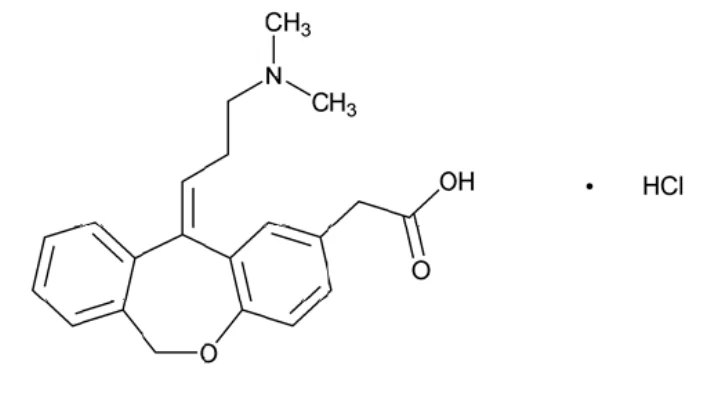
Proper name: Olopatadine Hydrochloride
Chemical name: Dibenz[b,e]oxepin-2-acetic acid, 11-[3-(dimethylamino)propylidene]-6,11-dihydro-, hydrochloride, (Z)-
Or,
11-[(Z)-3-(Dimethylamino)propylidene]-6,11-dihydrodibenzo[b,e]oxepin-2-acetic acid, hydrochloride
Molecular formula and molecular mass: C21H23NO3•HCl; 373.87 g mol-1
Structural formula:
Physicochemical properties: Description: White crystalline powder.
Solubility: Very soluble in formic acid, sparingly soluble in water and very slightly soluble in dehydrated alcohol.
Drug Substance
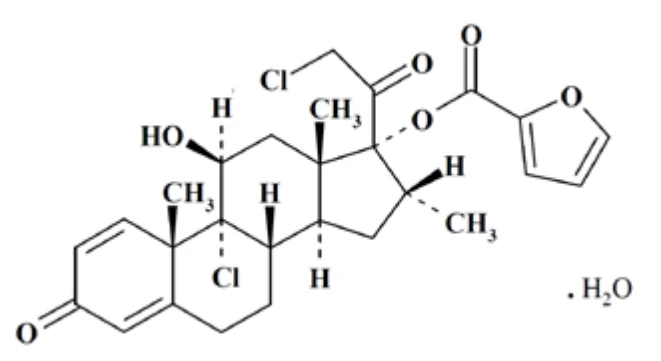
Proper name: Mometasone Furoate Monohydrate
Chemical name: [(8S,9R,10S,11S,13S,14S,16R,17R)-9-chloro-17-(2-chloroacetyl)-11-hydroxy-10,13,16-trimethyl-3-oxo-6,7,8,11,12,14,15,16-octahydrocyclopenta[a]phenanthren-17-yl] furan-2-carboxylate;hydrate
Or,
9,21-Dichloro-11β,17-dihydroxy-16α-methylpregna-1,4-diene-3,20-dione 17-(2-furoate) monohydrate
Molecular formula and molecular mass: C27H30Cl2O6•H2O; 539.45 g mol-1
Structural formula:
Physicochemical properties: Description: White to almost white powder.
Solubility: Practically insoluble in water, soluble in acetone and methylene chloride, slightly soluble in ethanol (96%).
14 CLINICAL TRIALS
14.1 Clinical Trials by Indication
Seasonal Allergic Rhinitis (SAR) in Adolescents and Adults
Trial Design and Study Demographics
Table 6: Summary of patient demographics for pivotal clinical trials
| Study # | Study design and duration | Dosage and route of administration | Study subjects (n) | Mean age (Range) | Sex |
| GSP 301-301 | Randomized double-blind, placebo and active controlled, parallel group study in subjects (12 years and older) with SAR – spring pollen (tree and grass) model 14 days | Two sprays per nostril twice daily
| 1180 subjects with SAR | 39.3 (12-87) years | 418M/762F |
| Study # | Study design and duration | Dosage and route of administration | Study subjects (n) | Mean age (Range) | Sex |
| GSP 301-304 | Randomized, double-blind, placebo and active controlled, parallel group study in subjects (12 years and older) with SAR - fall season (e.g., ragweed) and mountain cedar model 14 days | Two sprays per nostril twice daily
| 1176 subjects with SAR | 39.6 (12-82) years | 435M/737F |
The safety and efficacy of RYALTRIS in the treatment of patients (aged 12 years and over) with a history of SAR for ≥ 2 years for the relevant spring or fall seasonal allergens, and who tested positive to the skin prick test, were investigated in two Phase 3 pivotal multicenter, randomized, double-blind, placebo- and active-controlled clinical trials. The studies included 2356 subjects, of which 596 were randomized for treatment with RYALTRIS. The demographics of the RYALTRIS-treated patients were 12 to 81 years of age (mean age of 40 years); 67% female, 33% male; 81% white, 15% black and 3% other.
Patients with moderate to severe nasal symptoms were randomized to 1 of 4 treatment groups: two sprays per nostril twice daily of RYALTRIS, olopatadine hydrochloride nasal spray, mometasone furoate nasal spray, and vehicle placebo for 2 weeks. The olopatadine hydrochloride and mometasone furoate comparators used the same device and vehicle as RYALTRIS but are not commercially marketed.
In both studies, the primary efficacy endpoint was the mean change from baseline in average AM and PM patient-reported 12-hour reflective total nasal symptom score (rTNSS) over the 14-day treatment period. Secondary endpoints included the change from baseline in 12 hour instantaneous total nasal symptom score (iTNSS), and reflective total ocular symptom score (rTOSS), respectively.
The rTNSS and iTNSS were calculated as the sum of the nasal symptom scores for rhinorrhea, nasal congestion, sneezing, and nasal itching. The rTOSS was the sum of the ocular symptoms for itching/burning, tearing/watering, and redness. A 4-point scale from 0 (no symptoms) to 3 (severe symptoms) was used for patient scoring.
Safety and efficacy of Ryaltris were further assessed in a 52-week study (GSP 301-303) in patients with perennial allergic rhinitis.
Study Results
Reflective Total Nasal Symptom Score (rTNSS)
The results across both similarly designed SAR studies provide replicate evidence for the efficacy of RYALTRIS. The primary endpoint results demonstrated consistent treatment effects compared with placebo in subjects with SAR when treated for 14 days, as measured by rTNSS averaged over the whole of the treatment period (Table 7).
Table 7: Summary of Analysis Results of Average AM and PM rTNSS over 14-Day Treatment Period
(Full Analysis Set) – Individual Studies
| Treatment Comparison | Subjects (n) LS Mean Difference (95% CIs) P-Value | |
|---|---|---|
| GSP 301-301a | GSP 301-304a | |
| RYALTRIS vs Placebo | 299 vs 283 -0.98 (-1.38, -0.57) P<0.0001 | 291 vs 290 -1.09 (-1.49, -0.69) P<0.001 |
| RYALTRIS vs Olopatadine HCl | 299 vs 294 -0.61 (-1.01, -0.21) P=0.0029 | 291 vs 290 -0.44 (-0.84, -0.05) P=0.028 |
| RYALTRIS vs Mometasone Furoate | 299 vs 294 -0.39 (-0.79, 0.01) P=0.0587b | 291 vs 293 -0.47 (-0.86, -0.08) P=0.019 |
AM = morning; CI = confidence interval; HCl = hydrochloride; LS = least-squares; n = number of subjects in the treatment group with data available; PM = evening; vs = versus; rTNSS = reflective total nasal symptom score
a Mixed-effect model repeated measures analysis
b Not statistically significant (2-sided significance level 0.05)
Reflective Total Ocular Symptom Score (rTOSS)
The results from both similarly designed SAR studies provide replicate evidence of statistically significant (P < 0.05) improvement in the rTOSS of RYALTRIS-treated patients compared to placebo-treated patients (Table 8).
Table 8: Summary of Analysis Results of Average AM and PM rTOSS over the 14-day Treatment
Period (Full Analysis Set) – Individual Studies
| Treatment Comparison | Subjects (n) LS Mean Difference (95% CIs) P-Value | |
|---|---|---|
| GSP 301-301a | GSP 301-304a | |
| RYALTRIS vs Placebo | 299 vs 283 -0.49 (-0.79, -0.19) P=0.0014 d | 291 vs 290 -0.52 (-0.84, -0.20) P=0.001 d |
| RYALTRIS vs Olopatadine HCl | 299 vs 294 -0.09 (-0.39, 0.21) P=0.5423 | 291 vs 290 -0.17 (-0.48, 0.15) P=0.297 |
| RYALTRIS vs Mometasone Furoate | 299 vs 294 -0.19 (-0.49, 0.11) P=0.2113 | 291 vs 293 -0.35 (-0.66, -0.03) P=0.030 d |
rTOSS = reflective total ocular symptom score.
a Mixed-effect model repeated measures analysis.
d a statistically significant difference (p<0.05) for RYALTRIS vs placebo
Instantaneous Total Nasal Symptom Score (iTNSS)
In both similarly designed SAR studies, RYALTRIS® demonstrated statistically (P < 0.05) and clinically superior treatment effects compared to placebo and the monotherapy components (olopatadine HCl and mometasone furoate) in subjects when treated for 14 days, as measured by instantaneous total nasal symptom score (iTNSS) (Table 9).
Table 9: Summary of Analysis Results of Average AM and PM iTNSS over 14-Day Treatment Period (Full Analysis Set) – Individual Studies
| Treatment Comparison | Subjects (n) LS Mean Difference (95% CIs) P-Value | |
|---|---|---|
| GSP 301-301a | GSP 301-304a | |
| RYALTRIS vs Placebo | 299 vs 283 -0.93 (-1.28, -0.58) p<0.0001 | 291 vs 290 -0.94 (-1.32, -0.56) p<0.001 |
| RYALTRIS vs Olopatadine HCl | 299 vs 294 -0.50 (-0.85, -0.15) p=0.0050 | 291 vs 290 -0.41 (-0.78, -0.03) p=0.035 |
| RYALTRIS vs Mometasone Furoate | 299 vs 294 -0.36 (-0.71, -0.01) p=0.0413 | 291 vs 293 -0.51 (-0.88, -0.13) p=0.008 |
AM = morning; CI = confidence interval; HCl = hydrochloride; LS = least-squares; n = number of subjects in the treatment group with data available; PM = evening; vs = versus; rTNSS = reflective total nasal symptom score.
a Mixed-effect model repeated measures analysis.
Onset of Action
Onset of action was defined as the first time point after initiation of treatment when RYALTRIS demonstrated a change from baseline in iTNSS that was statistically superior compared to placebo, and proved to be durable. Pivotal trials showed that under clinical conditions RYALTRIS has an onset of action observed at 15 minutes in patients ≥ 12 years of age (see Figure 1).
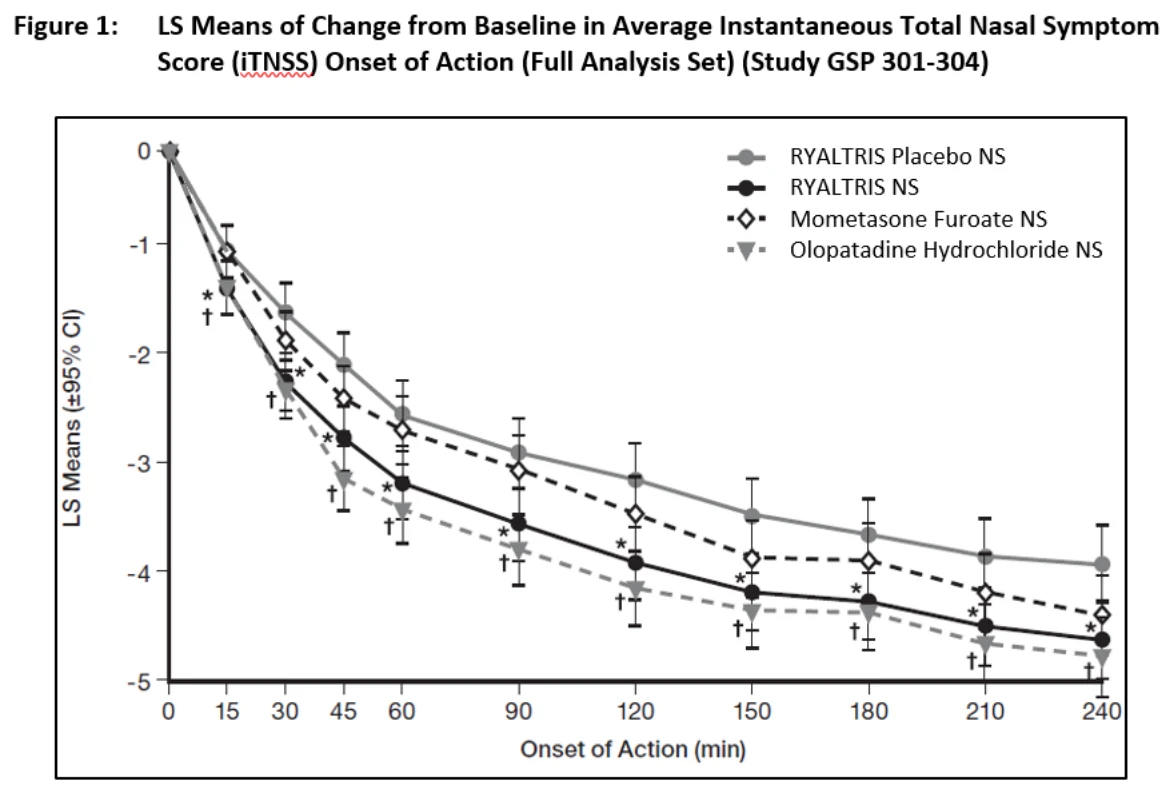
CI = confidence interval; LS = least square; NS = nasal spray; †* indicate a significant difference when compared with placebo (p<0.05)
Seasonal Allergic Rhinitis (SAR) in Pediatric Patients
Trial Design and Study Demographics
Table 10: Summary of patient demographics for pediatric clinical trial
| Study # | Study design and duration | Dosage and route of administration | Study subjects (n) | Mean age (Range) | Sex |
|---|---|---|---|---|---|
| GSP 301-305 | Randomized, double-blind, placebo-controlled, parallel group study in paediatric subjects (aged 6 to less than 12 years) with SAR 14 days | One spray per nostril twice daily
| 446 paediatric subjects with SAR | 8.7 (6-11) years | 238M/208F |
The safety and efficacy of RYALTRIS was investigated in a randomized, double-blind, placebo-controlled study in 446 paediatric patients between 6 to 11 years of age with seasonal allergic rhinitis. The mean age of study subjects was 8.6 years old in the Placebo NS group and 8.7 years old in the Ryaltris group. Approximately 50% of subjects were male and 50% were female in the Placebo NS group; in the Ryaltris group, 56 % subjects were male and 44% were female.
The design of this trial was similar to that of the adult trials. Assessment of efficacy was similar to that for the 2-week studies in adolescents and adults. The primary efficacy endpoint was the change from baseline in average AM and PM subject reported 12-hour rTNSS over the 14-day randomised treatment period. Secondary endpoints included the change from baseline in average AM and PM subject-reported 12-hour iTNSS and rTOSS over a 14-day treatment period, and change from baseline in the overall Paediatric Rhinoconjunctivitis Quality of Life Questionnaire (PRQLQ) score.
Study Results
A summary of the repeated measures analysis for the Full Analysis Set (FAS) of average AM and PM rTNSS over the 14-day randomized treatment period is presented in Table 11. For the FAS, the LS mean difference of -0.6 between RYALTRIS and placebo was clinically meaningful and statistically significant (p = 0.001) in favor of RYALTRIS. These results met the pre-specified gate-keeping strategy as defined in the statistical analysis plan. For the Per Protocol Set, the LS mean difference of -0.6 between RYALTRIS and placebo was also clinically meaningful and statistically significant (p = 0.001) in favour of RYALTRIS.
Table 11: Summary of Repeated Measures Analysis Results for the Change from Baseline in
Average AM and PM rTNSS over the 14-day Randomized Treatment Period (FAS)
| Number of Subjects | Comparison (RYALTRIS versus Placebo) | |||
|---|---|---|---|---|
| Placebo | RYALTRIS | LS Mean Difference | 95% CI | P-value |
| 219 | 222 | -0.6 | -0.9, -0.2 | 0.001* |
AM = morning; CI = confidence interval; LS = least square; PM = evening; rTNSS = Reflective Total Nasal Symptom
*Score Statistically significant (p<0.05)
RYALTRIS also demonstrated statistically significant improvement in average AM and PM subject-reported 12-hour iTNSS (P < 0.001) and change from baseline in the overall Paediatric Rhinoconjunctivitis Quality of Life Questionnaire (PRQLQ; P< 0.001) compared to placebo over 14 days treatment period. The improvement in average AM and PM rTOSS over the 14-day treatment period was numerically in favour of RYALTRIS but statistical significance was not observed when RYALTRIS was compared to placebo (P=0.233).
15 MICROBIOLOGY
This information is not available for this drug product.
16 NON-CLINICAL TOXICOLOGY
General Toxicity
Olopatadine Hydrochloride and Mometasone Furoate
No test article-related mortality or adverse systemic effects were observed in rats treated intranasally with RYALTRIS for 13 weeks and no target organs were identified. No evidence of local toxicity was noted. No notable differences were observed between RYALTRIS and their monotherapy comparators or the placebo. At the no-observed-adverse-effect level (NOAEL) dose (1.064/0.04 mg/day olopatadine HCl/mometasone furoate) in the 13-week rat toxicity study, there is an approximate 2.3- and 8-fold multiple of the maximum recommended human daily intranasal dose (MRHDID) of monocomponents of RYALTRIS (5.320 mg olopatadine HCl [4.8 mg olopatadine base] and 0.2 mg mometasone furoate), based on nasal surface area (NSA) and body surface area (BSA), respectively. Based on body weight dose normalization, there is a 48-fold multiple of the MRHDID of 0.089 mg/kg (5.320 mg/day) olopatadine HCl and 0.0033 mg/kg (0.20 mg/day) mometasone furoate, assuming 60 kg body weight.
Olopatadine Hydrochloride
Sub-chronic and chronic oral toxicity studies in rats and dogs demonstrated that the liver and kidney were target organs for olopatadine hydrochloride toxicity. In rats, ophthalmology and hematology parameters were unaffected following chronic administration of olopatadine hydrochloride. In chronic dog studies, ophthalmology, hematology, blood chemistry and organ weight parameters were unaffected by olopatadine hydrochloride administration. The NOAEL dose in a 13- week oral toxicity study in rats was 6 mg/kg/day (approximately 67- and 11-fold the MRHDID on body weight and mg/m2 BSA basis, respectively). The NOAEL dose in a 52-week oral toxicity study in dogs was 0.6 mg/kg/day
(approximately 7- and 4-fold the MRHDID on body weight and mg/m2 BSA basis, respectively).
Mometasone Furoate Monohydrate
Mometasone furoate aqueous nasal suspension was well tolerated in toxicity studies conducted in rats and dogs for 6 months. Rats treated with 0.6 mg/kg/day or 0.18 mg/day (approximately 182- and 30-fold the MRHDID on body weight and mg/m2 BSA basis, respectively) experienced hair loss on the back during the last 5 weeks, which correlated with hypotrichosis. The no-effect dose for pharmacologic effects in rats was 0.050 mg/kg/day (approximately 15- and 2-fold the MRHDID on body weight and mg/m2 BSA basis, respectively) based on low body weight gains at higher doses. Dogs treated with 0.15 mg/kg/day or 2.0 mg/day (approximately 45- and 24-fold the MRHDID on body weight and mg/m2 BSA basis, respectively) demonstrated eosinophil counts, which were lower than pre-test and concurrent controls after 4, 13 and 26 weeks. In addition, adrenocorticotropic hormone (ACTH) response in dose groups equal to or greater than 0.045 mg/kg/day (approximately 14-, 7- and 1.4-fold the MRHDID on body weight, mg/m2 BSA and mg/m2 NSA basis, respectively) was lower than control. These differences were dose-related and were attributed to mometasone furoate. No evidence of nasal irritation was present at any dose in either the rat or the dog study. No target organs of systemic toxicity were identified in either study.
Mometasone furoate aqueous nasal spray was well tolerated when administered intranasally to dogs for one year at doses of up to 2.0 mg/day. In the 2.0 mg/day dose group, an increased incidence of alopecia, minimal decreases in lymphocytes and eosinophils, decreases in basal and post-ACTH cortisol response, lower adrenal gland weights, small or atrophied adrenal glands, epidermal atrophy, minimal splenic lymphoid atrophy, minimal focal epithelial attenuation in the nasal turbinates and retained luminal mucus were observed. Dogs treated with doses equal to or greater than 0.2 mg/day or 0.015 mg/kg/day (approximately 5-, 2.3- and 0.7-fold the MRHDID on body weight, mg/m2 BSA and mg/m2 NSA basis, respectively) demonstrated a dose-related increase in smaller or absent lymphoid aggregates. With the exception of minimally increased retained luminal mucus in the 2.0 mg/day dose group, there was no evidence of irritation or inflammation in the nasal turbinates of mometasone furoate-treated dogs. Thus, the changes in the lymphoid aggregates were considered a localized corticosteroid response associated with application and were not considered to be of toxicologic significance.
Genotoxicity
Olopatadine Hydrochloride
Olopatadine was tested in a series of in vitro and in vivo mutagenesis studies. The results of these studies demonstrated that treatment with olopatadine did not induce genetic mutations or chromosomal aberrations.
Mometasone Furoate Monohydrate
Mometasone furoate was non-mutagenic in the mouse lymphoma assay and the salmonella/mammalian microsome mutagenicity bioassay. Mometasone furoate was negative in the mouse bone marrow erythrocyte micronucleus assay, the rat bone marrow clastogenicity assay, the UDS assay in rat hepatocytes and the mouse mitotic male germ-cell clastogenicity assay, and the Chinese hamster lung cell chromosomal aberrations assay. At cytotoxic doses in Chinese hamster ovary cell cultures, mometasone furoate induced a dose-related increase in simple chromosome aberrations when continuously exposed (7.5 hours) in the non-activation phase, but not in the presence of rat liver S9 fraction. This finding is not considered to be of significance in the risk assessment of mometasone furoate, since the S9 phase of the chromosomal-aberration assay and all in vivo assays were negative.
Carcinogenicity
Olopatadine Hydrochloride
Olopatadine demonstrated no tumorogenic potential in mice at oral doses up to 500 mg/kg/day (approximately 5617 and 455-fold the MRHDID on body weight and mg/m2 BSA basis, respectively) for 78 weeks or in rats at oral doses up to 200 mg/kg/day (approximately 2247 and 364-fold the MRHDID on body weight and mg/m2 BSA basis, respectively) for 104 weeks.
Mometasone Furoate Monohydrate
The carcinogenicity potential of inhaled mometasone furoate (aerosol with CFC propellant and surfactant) at doses up to 0.160 and 0.067 mg/kg/day (approximately 48- and 20-fold, respectively the MRHDID on body weight basis and 3.9- and 3.3-fold, respectively the MRHDID on a mg/m2 BSA basis) was investigated in 24-month studies in mice and rats, respectively. Typical glucocorticoid-related effects, including several non-neoplastic lesions, were observed. No statistically significant dose-response relationship was detected for any of the tumour types. The apparent increase in mouse bladder/seminal vesicle mesenchymal tumours is considered to have no relevance in human carcinogenic risk assessment since it is a species- and strain-specific finding with no human correlate. The greater incidence of pancreatic islet cell hyperplasia in male rats who received 0.034 and 0.067 mg/kg/day (approximately 10- and 20-fold, respectively the MRHDID on body weight basis and approximately 2- and 3.3-fold, respectively the MRHDID on a mg/m2 BSA basis, respectively) is attributed to the well-established metabolic effects (increased glucose and/or insulin resistance) following prolonged administration of glucocorticoids. Increases in pancreatic islet cell tumours, which are induced by other steroids, reflects a non-genotoxic mechanism operative in an endocrinologically uniquely sensitively species.
Reproductive Toxicology
Olopatadine Hydrochloride
In reproductive studies in rats, impairment of fertility (i.e., decreased fertility index, reduced implantation rate) was observed at an oral dose of 400 mg/kg/day (approximately 4494- and 732-fold the MRHDID on body weight and mg/m2 BSA basis, respectively ). No effect on fertility was observed at an oral dose of 50 mg/kg/day (approximately 562- and 91-fold the MRHDID on body weight and mg/m2 BSA basis, respectively).
In an oral embryofetal development study, pregnant rats were dosed throughout the period of organogenesis at doses up to 600 mg/kg/day. A decrease in the number of live fetuses was observed at doses greater or equal to 60 mg/kg/day (approximately 674- and 110-fold the MRHDID on body weight and mg/m2 BSA basis, respectively). Olopatadine was not teratogenic at any doses up to 600 mg/kg/day (approximately 6742- and 1098-fold the MRHDID on body weight and mg/m2 BSA basis, respectively). In an oral embryofetal development study, pregnant rabbits were dosed throughout the period of organogenesis at doses up to 400 mg/kg/day. A decrease in the number of live fetuses was observed at doses equal to or greater than 25 mg/kg/day (approximately 281- and 91-fold the MRHDID on body weight and mg/m2 BSA basis, respectively). Olopatadine was not teratogenic at any dose up to 400 mg/kg/day (approximately 4494- and 1463-fold the MRHDID on body weight and mg/m2 BSA basis, respectively).
Further, rats treated with 600 mg/kg/day (approximately 6742- and 1098-fold the MRHDID on body weight and mg/m2 BSA basis, respectively) of olopatadine during late gestation through the lactation period showed a decrease in neonatal survival and body weight.
Mometasone Furoate Monohydrate
In subcutaneous Segment I and III studies in rats, mometasone furoate was well tolerated at doses up to 7.5 mcg/kg (approximately 2.3- and 0.4-fold the MRHDID on body weight and mg/m2 BSA basis, respectively). At 15 mcg/kg (approximately 5- and 1-fold the MRHDID on body weight and mg/m2 BSA basis, respectively), prolonged gestation and prolonged and difficult labour occurred with a reduction in offspring survival and body weight gain or body weight gain. There was no effect on fertility. Like other glucocorticoids, mometasone furoate is a teratogen in rodents and rabbits. Teratology studies were conducted in rats, mice and rabbits by the oral, topical (dermal), and/or subcutaneous routes. Umbilical hernia occurred in rats administered ≥ 600 mcg/kg dermally (approximately 182- and 30-fold the MRHDID on body weight and mg/m2 BSA basis, respectively), cleft palate in mice administered 180 mcg/kg subcutaneously (approximately 55- and 4-fold the MRHDID on body weight and mg/m2 BSA basis, respectively), and gallbladder agenesis, umbilical hernia, and flexed front paws in rabbits administered ≥ 150 mcg/kg dermally (approximately 45- and 15-fold the MRHDID on body weight and mg/m2 basis, BSA respectively). In these teratogenicity studies, there were also reductions in maternal body weight gains, effects on fetal growth (lower fetal body weight and/or delayed ossification) in rats, rabbits and mice, and reduced offspring survival in mice.
Local Tolerance
Mometasone Furoate
The intranasal irritation potential of mometasone furoate aqueous nasal suspensions were assessed in 3-day, 1-week and 1-month intranasal studies in beagle dogs. In a 3-day study, for nasal irritation potential, the no-observed-effect-level (NOEL) dose was 4 mg/day (approximately 15-fold the MRHDID on mg/m2 NSA basis). In 1-week and 1-month studies, the NOEL/NOAEL doses for nasal irritation potential were up to 2 mg/day (approximately 7-fold the MRHDID on mg/m2 NSA basis).
Olopatadine Hydrochloride
No specific local tolerance studies were identified for olopatadine, however no evidence of nasal irritation or local toxicity were noted in 6- and 9-month intranasal toxicity study in rats and dogs, respectively up to the highest doses of 0.4 and 18 mg/day, respectively (approximately 2- and 3-fold, respectively, compared to the MRHDID on mg/m2 NSA basis, respectively).
Olopatadine Hydrochloride and Mometasone Furoate Monohydrate
No specific local tolerance studies were conducted for RYALTRIS, however no evidence of local toxicity was noted at a dose of 1.064/0.04 mg/day olopatadine HCl/mometasone furoate (2.3- and 8-fold multiple of the MRHDID of monocomponents of RYALTRIS based on NSA and BSA, respectively) in the 13-week rat toxicity study.
17 SUPPORTING PRODUCT MONOGRAPHS
- 1. NASONEX® (Mometasone Furoate Monohydrate Aqueous Nasal Spray, 50 mcg/metered spray, as mometasone furoate), Submission Control No. 256864, Product Monograph, Organon Canada Inc. (Mar 21, 2022)
- 2. PATANOL® (Olopatadine Hydrochloride Ophthalmic Solution, 0.1% w/v olopatadine as olopatadine hydrochloride), Submission Control No. 211652, Product Monograph, Novartis Pharmaceuticals Canada Inc. (Mar 2, 2018)