


Product Monograph - Dymista
RECENT MAJOR LABEL CHANGES
| 7 WARNINGS AND PRECAUTIONS | 10/2024 |
|---|
TABLE OF CONTENTS
Sections or subsections that are not applicable at the time of authorization are not listed.
RECENT MAJOR LABEL CHANGES ............................................................................................ 2
TABLE OF CONTENTS .............................................................................................................. 2
PART I: HEALTH PROFESSIONAL INFORMATION ...................................................................... 4
1 INDICATIONS ............................................................................................................... 4
1.1 Pediatrics ................................................................................................................ 4
2 CONTRAINDICATIONS ................................................................................................. 4
4 DOSAGE AND ADMINISTRATION ................................................................................. 4
4.1 Dosing Considerations ............................................................................................ 4
4.2 Recommended Dose and Dosage Adjustment ....................................................... 4
4.4 Administration ........................................................................................................ 5
4.5 Missed Dose ........................................................................................................... 5
5 OVERDOSAGE .............................................................................................................. 5
6 DOSAGE FORMS, STRENGTHS, COMPOSITION AND PACKAGING ................................. 6
7 WARNINGS AND PRECAUTIONS .................................................................................. 7
7.1 Special Populations................................................................................................. 9
7.1.1 Pregnant Women ............................................................................................. 9
7.1.2 Breast-feeding ................................................................................................ 10
7.1.3 Pediatrics ........................................................................................................ 10
7.1.4 Geriatrics ........................................................................................................ 10
7.1.5 Hepatic Impairment ........................................................................................ 10
8 ADVERSE REACTIONS ................................................................................................ 10
8.1 Adverse Reaction Overview .................................................................................. 10
8.2 Clinical Trial Adverse Reactions ............................................................................ 10
8.2.1 Clinical Trial Adverse Reactions – Pediatrics ................................................... 11
8.3 Less Common Clinical Trial Adverse Reactions ..................................................... 12
8.5 Post-Market Adverse Reactions ........................................................................... 13
9 DRUG INTERACTIONS ................................................................................................ 14
9.2 Drug Interactions Overview .................................................................................. 14
9.3 Drug-Behavioural Interactions .............................................................................. 14
9.4 Drug-Drug Interactions ......................................................................................... 14
9.5 Drug-Food Interactions ......................................................................................... 15
9.6 Drug-Herb Interactions ......................................................................................... 15
9.7 Drug-Laboratory Test Interactions ........................................................................ 15
10 CLINICAL PHARMACOLOGY ....................................................................................... 16
10.1 Mechanism of Action ...................................................................................... 16
10.2 Pharmacodynamics ........................................................................................ 16
10.3 Pharmacokinetics ........................................................................................... 16
11 STORAGE, STABILITY AND DISPOSAL ......................................................................... 18
12 SPECIAL HANDLING INSTRUCTIONS ........................................................................... 18
PART II: SCIENTIFIC INFORMATION ....................................................................................... 18
13 PHARMACEUTICAL INFORMATION ............................................................................ 18
14 CLINICAL TRIALS ........................................................................................................ 19
14.1 Clinical Trials by Age ....................................................................................... 19
15 MICROBIOLOGY ........................................................................................................ 23
16 NON-CLINICAL TOXICOLOGY ..................................................................................... 23
17 SUPPORTING PRODUCT MONOGRAPHS .................................................................... 25
PATIENT MEDICATION INFORMATION .................................................................................. 27
PART I: HEALTH PROFESSIONAL INFORMATION
1 INDICATIONS
DYMISTA® (azelastine hydrochloride/fluticasone propionate) is indicated for:
- the symptomatic treatment of moderate to severe seasonal allergic rhinitis (SAR) and associated ocular symptoms in adults, adolescents, and children aged 6 years and older.
1.1 Pediatrics
Pediatrics (< 6 years of age): DYMISTA is not recommended for use in children less than 6 years of age as safety and efficacy have not been established in this age group.
2 CONTRAINDICATIONS
DYMISTA is contraindicated in patients who:
- are hypersensitive to this drug or to any ingredient in the formulation or component of the container (see the 6 DOSAGE FORMS, STRENGTHS, COMPOSITION AND PACKAGING for a complete listing).
- have untreated fungal, bacterial, or tuberculosis infections of the respiratory tract.
4 DOSAGE AND ADMINISTRATION
4.1 Dosing Considerations
- A relief of nasal allergic symptoms is observed within 30-45 minutes after administration of DYMISTA. However, since the full effect of DYMISTA depends on its regular use, patients must be instructed to take the nasal inhalation at regular intervals.
4.2 Recommended Dose and Dosage Adjustment
- Adults, Adolescents, and Children (6 Years of Age and Older): The recommended dose of DYMISTA is one actuation in each nostril twice daily (morning and evening).
Special Populations:
- Pregnant Women
DYMISTA Nasal Spray should be used during pregnancy only if the potential benefit outweighs the potential risk to the foetus particularly during the first trimester of pregnancy (see 7 WARNINGS AND PRECAUTIONS, 7.1 Special Populations and 16 NON-CLINICAL TOXICOLOGY).
- Nursing Women
DYMISTA Nasal Spray should be used during lactation only if the potential benefit outweighs the potential risk to the newborns/infant (see 7 WARNINGS AND PRECAUTIONS, 7.1 Special Populations and 16 NON-CLINICAL TOXICOLOGY).
- Geriatrics
Based on the available data for DYMISTA, no adjustment of dosage of DYMISTA in geriatric patients is warranted (see 7 WARNINGS AND PRECAUTIONS, 7.1 Special Populations). In general, dose selection for an elderly patient should be cautious, usually starting at the low end of the dosing range, reflecting the greater frequency of decreased hepatic, renal, or cardiac function, and of concomitant disease or other drug therapy.
- Children less than 6 Years
DYMISTA Nasal Spray is not recommended for use in children less than 6 years of age as safety and efficacy have not been established in this age group.
- Hepatic impairment
No dosage adjustment is required for patients with hepatic impairment. Formal pharmacokinetic trials using DYMISTA Nasal Spray have not been conducted in subjects with hepatic impairment. Since fluticasone propionate is predominantly cleared by hepatic metabolism, caution should be exercised when dosing patients with hepatic impairment as they may be more at risk of systemic adverse reactions associated with corticosteroids. Therefore, patients with hepatic disease should be closely monitored. (see 7 WARNINGS AND PRECAUTIONS and 10 CLINICAL PHARMACOLOGY).
- Renal or cardiac impairment
No specific studies in patients with renal or cardiac impairment were conducted.
4.4 Administration
DYMISTA is for administration by the nasal route only. Contact with the eyes should be avoided.
The patients should be advised that the bottle should be shaken gently before use until no residue is observed at the bottom of the bottle and the protective cap be removed afterwards. Prior to first use DYMISTA must be primed by pressing down and releasing the pump 6 times away from the face. If DYMISTA has not been used for more than 7 days it must be re-primed by pressing down and releasing the pump a sufficient number of times until a fine mist is produced.
After each use, the patient should wipe the spray tip with a clean tissue or cloth and then replace the protective cap.
4.5 Missed Dose
If a single dose is missed, the next dose should be taken when it is due. A double dose should not be taken at the same time.
5 OVERDOSAGE
DYMISTA Nasal Spray contains both azelastine hydrochloride and fluticasone propionate; therefore, the risks associated with overdosage for the individual components described below apply to DYMISTA Nasal Spray.
Azelastine hydrochloride:
In the event of overdose after incidental oral uptake, disturbances of the central nervous system (including drowsiness, confusion, coma, tachycardia and hypotension) caused by azelastine hydrochloride are to be expected based on the results of animal experiments. General supportive measures should be employed if overdosage occurs.
There is no known antidote to DYMISTA Nasal Spray. Oral ingestion of antihistamines has the potential to cause serious adverse effects in children. Accordingly, DYMISTA Nasal Spray should be kept out of the reach of children.
Fluticasone propionate:
Intranasal administration of 2 milligrams fluticasone propionate (10 times the recommended daily dose) twice daily for seven days to healthy human volunteers has no effect on hypothalamo-pituitary-adrenal (HPA) axis function.
However, when used chronically in excessive doses or in conjunction with other corticosteroid formulations, systemic corticosteroid effects such as hypercorticism and adrenal suppression may appear. If such changes occur, the dosage of fluticasone propionate should be discontinued slowly, consistent with accepted procedures for discontinuation of chronic steroid therapy (see 4 DOSAGE AND ADMINISTRATION).
The restoration of HPA axis function may be slow. During periods of pronounced physical stress (i.e. severe infections, trauma, surgery) a supplement with systemic steroids may be advisable.
Treatment of these disorders must be symptomatic. Depending on the amount swallowed, gastric lavage is recommended. There is no known antidote to DYMISTA Nasal Spray.
| For management of a suspected drug overdose, contact your regional poison control centre. |
|---|
6 DOSAGE FORMS, STRENGTHS, COMPOSITION AND PACKAGING
Table 1 – Dosage Forms, Strengths, Composition and Packaging
DYMISTA is a white, homogeneous, redispersible suspension intended for intranasal administration containing 0.1% (w/w) azelastine hydrochloride and 0.037% (w/w) fluticasone propionate as the active ingredients.
DYMISTA is available in one strength. After priming, each metered spray/actuation delivers a mean volume of 0.137 mL containing 137 mcg of azelastine hydrochloride and 50 mcg of fluticasone propionate.
Dymista contains 0.01% benzalkonium chloride and each actuation delivers 0.014 mg benzalkonium chloride.
The drug product is filled into Type I amber glass bottles of different sizes:
- Bottles of 25 mL are filled with 23.0g of the drug product and contain at least 120 actuations.
- Bottles of 10 mL are filled with 6.4g of the drug product and contain at least 28 actuations.
| Route of Administration | Dosage Form / Strength/Composition | Non-medicinal Ingredients |
| intranasal | Suspension for nasal spray / 137 mcg of azelastine hydrochloride and 50 mcg of fluticasone propionate per metered spray | benzalkonium chloride, carmellose sodium, disodium edetate, glycerol, microcrystalline cellulose, phenylethyl alcohol, polysorbate 80 and purified water |
Each bottle is fitted with a spray pump, a nasal applicator and a dust cap.
7 WARNINGS AND PRECAUTIONS
General
Systemic effects with nasal corticosteroids have been reported, particularly at high doses prescribed for prolonged periods. These effects are less likely to occur than with oral corticosteroids and may vary in individual patients and between different corticosteroid preparations. Potential systemic effects may include Cushing’s syndrome, Cushingoid features, adrenal suppression, growth retardation in children and adolescents, reduction in bone density cataract, and glaucoma.
Although systemic effects have been minimal with recommended doses of fluticasone propionate, potential risk increases with larger doses. Therefore, larger than recommended doses of DYMISTA nasal spray should be avoided.
Driving and Operating Machinery:
- Somnolence
In clinical trials, the occurrence of somnolence has been reported in some patients (7 of 1006 adult and adolescent patients and 2 of 416 children) taking DYMISTA Nasal Spray (see 8 ADVERSE REACTIONS). Patients should be cautioned against engaging in hazardous occupations requiring complete mental alertness and motor coordination such as operating machinery or driving a motor vehicle after administration of DYMISTA Nasal Spray. Concurrent use of DYMISTA Nasal Spray with alcohol or other central nervous system depressants should be avoided because additional reductions in alertness and additional impairment of central nervous system performance may occur (see 9 DRUG INTERACTIONS, 9.3 Drug-Behavioural Interactions).
Ear/Nose/Throat:
- Local Nasal Effects
In clinical trials of 2 weeks’ duration, epistaxis was observed more frequently in patients treated with DYMISTA Nasal Spray than those who received placebo (see 8 ADVERSE REACTIONS).
Instances of nasal ulceration and nasal septal perforation may occur in patients following the intranasal application of corticosteroids.
Dymista contains benzalkonium chloride. Benzalkonium chloride may cause irritation or swelling inside the nose, especially if used for a long time.
- Wound Healing
Because of the inhibitory effect of corticosteroids on wound healing, patients who have experienced recent nasal ulcers, nasal surgery, or nasal trauma should not use DYMISTA Nasal Spray until healing has occurred.
- Candida Infections
In clinical trials with fluticasone propionate administered intranasally, the development of localized infections of the nose and pharynx with Candida albicans has occurred. When such an infection develops, it may require treatment with appropriate local therapy and discontinuation of treatment with DYMISTA Nasal Spray. Patients using DYMISTA Nasal Spray over several months or longer should be examined periodically for evidence of Candida infection or other signs of adverse effects on the nasal mucosa.
Endocrine and Metabolism:
- HPA Axis Effects
Use of excessive doses of corticosteroids may lead to signs or symptoms of hypercorticism and/or suppression of HPA function. The concomitant use of intranasal corticosteroids with other inhaled corticosteroids could increase the risk of signs or symptoms of hypercorticism and/or suppression of the HPA axis.
- Effects on Growth
Reduced growth velocity has been observed in children treated with intranasal corticosteroids. Therefore, children and adolescents should be maintained on the lowest dose at which effective control of symptoms is maintained.
Physicians should closely follow the growth of children and adolescents taking corticosteroids, by any route, and weigh the benefits of corticosteroid therapy against the possibility of growth suppression if growth appears slowed.
- Steroid Replacement
The replacement of a systemic steroid with fluticasone propionate must be gradual and carefully supervised by the physician. The guidelines under "4 DOSAGE AND ADMINISTRATION" should be followed in all such cases.
If there is any reason to believe that adrenal function is impaired, care must be taken when transferring patients from systemic steroid treatment to DYMISTA.
Hepatic/Biliary/Pancreatic
Fluticasone propionate undergoes extensive first-pass metabolism by the liver enzyme cytochrome P450 3A4 (CYP3A4), therefore the systemic exposure of DYMISTA in patients with liver disease may be increased. This may result in a higher frequency of systemic adverse events. Caution is advised when treating these patients. (see 4 DOSAGE AND ADMINISTRATION and 10 CLINICAL PHARMACOLOGY).
Ritonavir (a highly potent CYP 3A4 inhibitor) can greatly increase fluticasone propionate plasma concentrations, resulting in markedly reduced serum cortisol concentrations (see 9 DRUG INTERACTIONS and 10 CLINICAL PHARMACOLOGY). During postmarketing use of fluticasone propionate, there have been reports of clinically significant drug interactions in patients receiving fluticasone propionate and ritonavir, resulting in systemic corticosteroid effects. Co-treatment with other CYP 3A4 inhibitors, including cobicistat-containing products, is also expected to increase the risk of systemic side-effects. Therefore, concomitant use of DYMISTA and strong CYP 3A4 inhibitors should be avoided unless the benefit outweighs the increased risk of systemic corticosteroid side-effects, in which case patients should be monitored for systemic corticosteroid side-effects.
Immune
Patients who are on drugs that suppress the immune system, such as corticosteroids, are more susceptible to infections than healthy individuals. Chickenpox and measles, for example, can have a more serious or even fatal course in nonimmune patients on corticosteroids. In such patients who have not had these diseases, particular care should be taken to avoid exposure. How the dose, route, and duration of corticosteroid administration affects the risk of developing a disseminated infection is not known. The contribution of the underlying disease and/or prior corticosteroid treatment to the risk is also not known. If exposed to chickenpox, prophylaxis with varicella zoster immune globulin (VZIG) may be indicated. If exposed to measles, prophylaxis with pooled intramuscular immunoglobulin (IG), as appropriate, may be indicated. If chickenpox develops, treatment with antiviral agents may be considered.
Corticosteroids may mask some signs of infection and new infections may appear. A decreased resistance to localized infections has been observed during corticosteroid therapy; this may require treatment with appropriate therapy or stopping the administration of DYMISTA nasal spray. DYMISTA nasal spray should not be used in patients with tuberculosis of the respiratory tract (see 2 CONTRAINDICATIONS), and should be used with caution, if at all, in patients with untreated local or systemic fungal or bacterial infections, systemic viral or parasitic infections or ocular herpes simplex because of the potential for worsening of these infections.
Ophthalmologic
Dryness and irritation of the eyes, conjunctivitis, blurred vision, and rare instances of glaucoma, cataracts and increased intra-ocular pressure have been reported following administration of intranasal corticosteroids, as a class effect.
Visual disturbance may be reported with systemic and topical (including intranasal, inhaled and intraocular) corticosteroid use. If a patient presents with symptoms such as blurred vision or other visual disturbances, the patient should be considered for referral to an ophthalmologist for evaluation of possible causes which may include cataract, glaucoma or rare diseases such as central serous chorioretinopathy (CSCR) which have been reported after use of systemic and topical corticosteroids.
Close monitoring is warranted in patients with a change in vision or with a history of increased ocular pressure, glaucoma, and/or cataracts.
Glaucoma and cataract formation were evaluated with intraocular pressure measurements and slit lamp examinations in a controlled 12-month study in 612 adolescent and adult patients aged 12 years and older with perennial allergic or vasomotor rhinitis (VMR). Of the 612 patients enrolled in the study, 405 were randomized to receive DYMISTA Nasal Spray (1 spray per nostril twice daily) and 207 were randomized to receive fluticasone propionate nasal spray (2 sprays per nostril once daily). In the DYMISTA Nasal Spray group, one patient had increased intraocular pressure at month 6. In addition, three patients had evidence of posterior subcapsular cataract at month 6 and one at month 12 (end of treatment). In the fluticasone propionate group, three patients had evidence of posterior subcapsular cataract at month 12 (end of treatment).
Psychiatric
Although rare, there is a potential of psychological and behavioural effects (particularly in children) including psychomotor hyperactivity, sleep disorders, anxiety, depression or aggression which have been reported for intranasal corticosteroids.
7.1 Special Populations
7.1.1 Pregnant Women
There are no or limited amount of data from the use of azelastine hydrochloride and fluticasone propionate in pregnant women. Therefore, DYMISTA Nasal Spray should be used during pregnancy only if the potential benefit outweighs the potential risk to the foetus (see 16 NON-CLINICAL TOXICOLOGY) particularly during the first trimester of pregnancy.
Like other glucocorticosteroids, fluticasone propionate is teratogenic to rodent species (see 16 NON-CLINICAL TOXICOLOGY). Adverse effects typical of potent corticosteroids are only seen at high systemic exposure levels; direct intranasal application ensures minimal systemic exposure. The relevance of these findings to humans has not yet been established.
Infants born of mothers who have received substantial doses of glucocorticosteroids during pregnancy should be carefully observed for hypoadrenalism.
7.1.2 Breast-feeding
Glucocorticosteroids are excreted in human milk. It is unknown whether nasally administered azelastine hydrochloride/metabolites or Fluticasone propionate/metabolites are excreted in human breast milk. DYMISTA Nasal Spray should be used during lactation only if the potential benefit outweighs the potential risk to the newborns/infant (see 16 NON-CLINICAL TOXICOLOGY).
7.1.3 Pediatrics
Pediatrics (<6 years of age): DYMISTA is not recommended for use in children below 6 years of age as safety and efficacy have not been established in this age group.
7.1.4 Geriatrics
Geriatrics (>65 years of age): Clinical trials of DYMISTA included a small number of patients 65 years of age or older. Based on the available data for DYMISTA, no adjustment of dosage of DYMISTA in geriatric patients is warranted (see 4 DOSAGE AND ADMINISTRATION, 4.2 Recommended Dose and Dosage Adjustment, Special Populations).
7.1.5 Hepatic Impairment
Formal pharmacokinetic trials using DYMISTA have not been conducted in subjects with hepatic impairment. However, systemic exposure to inhaled fluticasone furoate increased by up to 3-fold in subjects with mild, moderate and severe hepatic impairment compared with healthy subjects. Patients should be monitored for corticosteroid-related side effects (see 4 DOSAGE AND ADMINISTRATION and 10 CLINICAL PHARMACOLOGY).
8 ADVERSE REACTIONS
8.1 Adverse Reaction Overview
Adverse reactions in controlled clinical studies with DYMISTA have been primarily associated with irritation of the nasal or throat mucous membranes, and are consistent with those expected from application of a topical medication to an already inflamed membrane. In general, adverse events (AEs) occurred with similar frequencies in patients treated with DYMISTA compared with either azelastine or fluticasone alone.
Commonly, dysgeusia, a substance-specific unpleasant taste, may be experienced after administration (often due to incorrect method of application, namely tilting the head too far backwards during administration).
8.2 Clinical Trial Adverse Reactions
Clinical trials are conducted under very specific conditions. The adverse reaction rates observed in the clinical trials; therefore, may not reflect the rates observed in practice and should not be compared to the rates in the clinical trials of another drug. Adverse reaction information from clinical trials may be useful in identifying and approximating rates of adverse drug reactions in real-world use.
Adults and Adolescents 12 Years of Age and Older
The clinical trial safety database for DYMISTA consists of a total of 1006 patients (97 adolescents and 909 adults) treated with DYMISTA twice per day per nostril, in four (three pivotal and one non-pivotal) 2-week, randomised, double-blind placebo-controlled studies in patients with Seasonal Allergic Rhinitis (SAR).
Treatment emergent AEs for DYMISTA and the other treatment arms were pooled across the four clinical studies.
Table 2 presents an overview of the pooled treatment emergent adverse event safety data from this pool of 2-week Phase III studies. The percentage of subjects with any AE was low in all treatment groups. Across all treatment groups, the majority of AEs were mild in nature. A total of 35 subjects withdrew due to AEs (11 subjects in the DYMISTA group and 10 subjects in the placebo group). Three subjects (2 subjects DYMISTA; 1 subject placebo) had SAEs; none of these events were considered to be related to study drug administration. The occurrence of AEs in the pooled population was generally similar to the occurrence of AEs in each individual study.
Table 2 Treatment Emergent Adverse Events with an Incidence ≥ 1.0 % in DYMISTA Treatment Group in Adults and Adolescents, by Decreasing Order of Frequency (MP4001, MP4002, MP4004, and MP4006)
| Preferred Term | DYMISTA N = 1006 n (%) | Placebo N = 1012 n (%) | AZE* N = 851 n (%) | FLU** N = 846 n (%) |
| Dysgeusia | 41 (4.1) | 2 (0.2) | 44 (5.2) | 4 (0.5) |
| Epistaxis | 22 (2.2) | 20 (2.0) | 14 (1.6) | 14 (1.7) |
| Headache | 22 (2.2) | 12 (1.2) | 20 (2.4) | 20 (2.4) |
* Azelastine hydrochloride in DYMISTA vehicle
** Fluticasone propionate in DYMISTA vehicle
8.2.1 Clinical Trial Adverse Reactions – Pediatrics
Pediatric Patients 6-11 Years of Age
The safety data described below in children 6-11 years of age reflect exposure to DYMISTA in 152 patients with seasonal allergic rhinitis (SAR) treated with 1 spray per nostril twice daily in one 2-week, randomized, double-blind, placebo-controlled study.
Table 3 contains the most frequently reported adverse reactions (≥ 1% in any treatment group) considered by the investigator to be potentially related to DYMISTA or placebo in the SAR controlled clinical trial.
Table 3 Treatment Related Adverse Events with an Incidence ≥ 1.0 % in any Treatment Group in Children 6-11 Years of Age, by Decreasing Order of Frequency (MP4008)
| Preferred Term | DYMISTA N = 152 n (%) | Placebo N = 152 n (%) |
| Dysgeusia | 6 (3.9%) | 0 (0.0%) |
| Epistaxis | 6 (3.9%) | 3 (2.0%) |
8.3 Less Common Clinical Trial Adverse Reactions
This section includes additional adverse events from the pooled data of the 4 placebo-controlled studies in adults and adolescents, and from the placebo-controlled study in children 6-11 years of age, that
- were reported by at least 1 patient using DYMISTA and considered by the investigator to be potentially related to the study drug, or
- were reported by at least 3 patients using DYMISTA and occurred at a greater incidence than placebo.
Ear and labyrinth disorders: Tinnitus
Eye disorders: Eye irritation
Gastrointestinal disorders: Dry mouth, Nausea, Abdominal discomfort, Abdominal pain upper, Vomiting
General disorders and administration site conditions: Mucosal erosion, Fatigue, Product taste abnormal, Mucosal ulceration
Infections and infestations: Upper respiratory tract infection, Acute sinusitis, Laryngitis, Pharyngitis, Viral upper respiratory tract infection
Metabolism and nutrition disorders: Polydipsia
Nervous systems disorders: Somnolence, Dizziness, Hypogeusia, Lethargy, Parosmia
Psychiatric disorders: Disorientation
Respiratory, thoracic and mediastinal disorders: Nasal discomfort, Cough, Oropharyngeal pain, Sneezing, Throat irritation, Nasal dryness, Rhinalgia, Rhinorrhoea, Upper-airway cough syndrome, Dry throat, Nasal congestion, Nasal mucosal disorder, Nasal septum ulceration
Skin and subcutaneous tissue disorders: Dry skin, Pruritus, Rash popular
Long-Term (12-month) Safety Trial in Adults and Adolescents 12 Years of Age and Older
In the 12-month, open-label, active-controlled, long-term safety trial, 404 patients (28 adolescents and 376 adults) with perennial allergic rhinitis (PAR) or vasomotor rhinitis were treated with DYMISTA Nasal Spray 1 spray per nostril twice daily and 207 patients were treated with fluticasone propionate nasal spray, 2 sprays per nostril once daily. Overall, at least one treatment-emergent adverse event was mentioned by 47% of the subjects in the DYMISTA Nasal Spray treatment group and 44% of the subjects in the fluticasone propionate nasal spray group. At least one adverse event that was considered by the investigator to be potentially related to the study drug was reported by 9% of the subjects in the DYMISTA Nasal Spray treatment group and 11% of the subjects in the fluticasone propionate nasal spray group. The most frequently reported treatment-emergent adverse events (≥ 2%) with DYMISTA Nasal Spray were headache, pyrexia, cough, nasal congestion, rhinitis, dysgeusia, viral infection, upper respiratory tract infection, pharyngitis, pain, diarrhea, and epistaxis. Of these adverse events the investigator considered headache, pyrexia, cough, nasal congestion, rhinitis, dysgeusia and epistaxis as potentially related to the study drug. In the DYMISTA Nasal Spray treatment group, 7 patients (2%) had mild epistaxis and 1 patient (<1%) had moderate epistaxis. In the fluticasone propionate nasal spray treatment group 1 patient (<1%) had mild epistaxis. No patients had reports of severe epistaxis. Focused nasal examinations were performed and no nasal ulcerations or septal perforations were observed. Eleven of 404 patients (2.7%) treated with DYMISTA Nasal Spray and 6 of 207 patients (2.9%) treated with fluticasone propionate nasal spray discontinued from the trial due to adverse events.
Long-Term (3-Month) Safety Trial in Pediatric Patients 6-11 Years of Age
In the 3-month, open label, active-controlled safety trial in pediatric patients 6-11 years of age, 264 patients with allergic rhinitis (AR) were treated with DYMISTA, 1 spray per nostril twice daily and 89 patients were treated with fluticasone propionate nasal spray, 1 spray per nostril twice daily. Overall, treatment-emergent adverse events were 40% in the DYMISTA treatment group and 36% in the fluticasone propionate nasal spray group. The most frequently reported treatment-emergent adverse events (≥2%) with DYMISTA were epistaxis, headache, oropharyngeal pain, vomiting, upper abdominal pain, cough, pyrexia, otitis media, upper respiratory tract infection, diarrhea, nausea, otitis externa, and urticaria. In the DYMISTA treatment group 23 patients (9%) had mild epistaxis and 3 patients (1%) had moderate epistaxis. In the fluticasone propionate nasal spray treatment group 8 patients (9%) had mild epistaxis. No patients had reports of severe epistaxis. Focused nasal examinations were performed and no ulcerations or septal perforations were observed. Four of 264 patients (2%) treated with DYMISTA and 3 of 89 (3%) treated with fluticasone propionate nasal spray discontinued from the trial due to adverse events.
8.5 Post-Market Adverse Reactions
In addition to adverse drug reactions reported from clinical trials, the following reactions have been identified from post-market experiences with DYMISTA (frequencies cannot be estimated):
Ear and labyrinth disorders: vertigo
Cardiac disorders: palpitations
Eye disorders: vision blurred
Gastrointestinal disorders: diarrhoea
General disorders and administration site conditions: chest pain, pain, therapeutic response unexpected
Immune system disorders: hypersensitivity
Investigations: drug screen false positive, heart rate increased, weight decreased
Nervous systems disorders: burning sensation, anosmia, ageusia, sedation
Psychiatric disorders: anxiety, initial insomnia, restlessness, thinking abnormal, psychomotor hyperactivity, depression
Respiratory, thoracic and mediastinal disorders: nasal septum perforation, dyspnoea, nasal obstruction, nasal ulcers
Skin and subcutaneous tissue disorders: rash, swelling face, urticaria
9 DRUG INTERACTIONS
9.2 Drug Interactions Overview
Specific pharmacokinetic drug interaction studies have not been performed with DYMISTA. The drug interactions of the combination are expected to reflect those of the individual components. The following section outlines the interactions observed with the individual components of DYMISTA.
Cytochrome P450 Inhibitors
A drug interaction study of intranasal fluticasone propionate in healthy subjects has shown that ritonavir (a highly potent CYP 3A4 inhibitor) can greatly increase fluticasone propionate plasma concentrations, resulting in markedly reduced serum cortisol concentrations. During post-marketing use, there have been reports of clinically significant drug interactions in patients receiving intranasal or inhaled fluticasone propionate and ritonavir, resulting in systemic corticosteroid effects. Co-treatment with other CYP 3A4 inhibitors, including cobicistat-containing products, is also expected to increase the risk of systemic side-effects. Therefore, concomitant use of DYMISTA and strong CYP 3A4 inhibitors should be avoided unless the benefit outweighs the increased risk of systemic corticosteroid side-effects, in which case patients should be monitored for systemic corticosteroid side-effects.
This study has shown that other inhibitors of CYP 3A4 produce negligible (erythromycin) and minor (ketoconazole) increases in systemic exposure to fluticasone propionate without notable reductions in serum cortisol concentrations. However, there have been a few case reports during worldwide post-market use of adrenal cortisol suppression associated with concomitant use of azole anti-fungals and inhaled fluticasone propionate. Therefore, care is advised when coadministering potent CYP 3A4 inhibitors (e.g. ketoconazole) as there is potential for increased systemic exposure to fluticasone propionate.
Central Nervous System Depressants
Concurrent use of DYMISTA Nasal Spray with alcohol or other central nervous system depressants should be avoided because somnolence and impairment of central nervous system performance may occur (see 7 WARNINGS AND PRECAUTIONS).
9.3 Drug-Behavioural Interactions
In clinical trials, the occurrence of somnolence has been reported in some patients (0.7% of patients) taking DYMISTA (see 8 ADVERSE REACTIONS). In isolated cases fatigue, weariness, exhaustion, dizziness or weakness that may also be caused by the disease itself, may occur when using DYMISTA Nasal Spray. In these cases, the ability to drive and use machines may be impaired. Alcohol and other central nervous system depressants may enhance this effect and should be avoided.
9.4 Drug-Drug Interactions
The drugs listed in this table are based on either drug interaction case reports or studies, or potential interactions due to the expected magnitude and seriousness of the interaction (i.e., those identified as contraindicated).
Table 4 - Established or Potential Drug-Drug Interactions
| Proper/Common name | Source of Evidence | Effect | Clinical comment |
Ritonavir Cobicistat | CT, PM | Systemic effects including Cushing’s syndrome and adrenal suppression. | Concomitant use of fluticasone propionate and ritonavir or cobicistat-containing products should be avoided. (See 9 DRUG INTERACTIONS, 9.2 Drug Interactions Overview) |
| Ketoconazole | CT PM | Minor increased systemic exposure to fluticasone propionate. | Care is advised when co-administering ketoconazole (See 9 DRUG INTERACTIONS, 9.2 Drug Interactions Overview) |
| Acetylsalicylic acid | T | Use with caution in conjunction with corticosteroids in hypoprothrombinemia. | |
| Cimetidine | CT | After oral administration of 4.4 mg azelastine hydrochloride twice daily, cimetidine has been shown to increase the plasma levels of azelastine. This is thought to be due to cimetidine inhibiting the metabolism of azelastine by interacting with the hepatic cytochrome P450 system. No interaction was seen following co-treatment with ranitidine. | Care is advised when co-administering cimetidine. |
Legend: CT = Clinical Trial; PM = Post-marketing; T = Theoretical
9.5 Drug-Food Interactions
Interactions with food have not been established.
9.6 Drug-Herb Interactions
Interactions with herbal products have not been established.
9.7 Drug-Laboratory Test Interactions
Interactions with laboratory tests have not been established.
10 CLINICAL PHARMACOLOGY
10.1 Mechanism of Action
DYMISTA contains azelastine hydrochloride and fluticasone propionate, which have different modes of action in terms of improvement of allergic rhinitis and rhino-conjunctivitis symptoms.
Fluticasone propionate
Fluticasone propionate is a synthetic trifluorinated corticosteroid that possesses a high affinity for the glucocorticoid receptor and has a potent anti-inflammatory action, e.g. 3-5 fold more potent than dexamethasone in cloned human glucocorticoid receptor binding and gene expression assays. The clinical relevance of these findings is unknown.
The precise mechanism through which fluticasone propionate affects allergic rhinitis symptoms is not known. Corticosteroids have been shown to have a wide range of effects on multiple cell types (e.g. mast cells, eosinophils, neutrophils, macrophages, and lymphocytes) and mediators (e.g., histamine, eicosanoids, leukotrienes, and cytokines) involved in inflammation.
Azelastine hydrochloride
Azelastine, a phthalazinone derivative is classified as a potent long-acting anti-allergic compound with selective H1-antagonist , mast cell stabilizing and anti-inflammatory properties. Data from in vivo (preclinical) and in vitro studies show that azelastine inhibits the synthesis or release of the chemical mediators known to be involved in early and late stage allergic reactions, e.g. leukotrienes, histamine, platelet-activating factor (PAF) and serotonin. Azelastine hydrochloride in DYMISTA Nasal Spray is administered as a racemic mixture with no difference in pharmacologic activity noted between the enantiomers in in vitro studies. The major metabolite, desmethylazelastine, also possesses H1-receptor antagonist activity.
10.2 Pharmacodynamics
In the dose range recommended for nasal application, neither Azelastine Hydrochloride nor Fluticasone Propionate is expected to cause relevant systemic pharmacodynamic interactions.
When used at up to four times the recommended daily dose on the nasal mucosa, fluticasone propionate has no detectable systemic activity and causes little or no hypothalamic pituitary adrenal (HPA) axis suppression. Following intranasal dosing of fluticasone propionate, (200 mcg/day) no significant change in 24 h serum cortisol AUC was found compared to placebo (ratio 1.01, 90%CI 0.9-1.14). In the recommended dosing scheme intranasal fluticasone propionate formulations are regarded to be devoid of systemic glucocorticoid actions.
10.3 Pharmacokinetics
Absorption
After intranasal administration of two sprays per nostril (548 µg of azelastine hydrochloride and 200 µg of fluticasone) of DYMISTA, the mean (± standard deviation) peak plasma exposure (Cmax) was 194.5 ± 74.4 pg/mL for azelastine and 10.3 ± 3.9 pg/mL for fluticasone propionate and the mean total exposure (AUC) was 4217 ± 2618 pg.hr/mL for azelastine and 97.7 ± 43.1 pg.hr/mL for fluticasone. The median time to peak exposure (tmax) from a single dose was 0.5 hours for azelastine and 1.0 hours for fluticasone.
Direct absorption of fluticasone propionate in the nose is negligible due to the low aqueous solubility with the majority of the dose being eventually swallowed. When administered orally the systemic exposure is <1% due to poor absorption and pre-systemic metabolism. The total systemic absorption arising from both nasal and oral absorption of the swallowed dose is therefore negligible.
There was no evidence of pharmacokinetic interactions between azelastine hydrochloride and fluticasone propionate. However, fluticasone systemic exposure was ~50% increased when compared with a marketed fluticasone nasal spray. The absolute systemic serum concentration is still very low as typical for fluticasone propionate intranasal administration with mean peak concentration (Cmax) of approximately 10 pg/mL. DYMISTA Nasal Spray was equivalent to a marketed azelastine nasal spray with respect to azelastine systemic exposure.
Distribution:
Fluticasone propionate has a large volume of distribution at steady-state (approximately 318 litres). Plasma protein binding is 91%.
The volume of distribution of azelastine is high indicating distribution predominantly into the peripheral tissue. The level of protein binding is 80-90%. Additionally, both drugs have broad therapeutic windows. Therefore, drug displacement reactions are unlikely.
Metabolism:
Fluticasone propionate is cleared rapidly from the systemic circulation, principally by hepatic metabolism to an inactive carboxylic acid metabolite, by the cytochrome P450 enzyme CYP3A4. Care should be taken when co-administering potent CYP3A4 inhibitors such as ketoconazole and ritonavir as there is potential for increased systemic exposure to fluticasone propionate (see 9 DRUG INTERACTIONS AND 7 WARNINGS AND PRECAUTIONS).
Azelastine is metabolized to N-desmethylazelastine via by the cytochrome P450 enzyme system. The specific P450 isoforms responsible for the biotransformation of azelastine have not been identified.
Elimination
The elimination rate of intravenous administered fluticasone propionate is linear over the 250-1000 microgram dose range and are characterised by a high plasma clearance (CL=1.1 l/min). The renal clearance of fluticasone propionate is negligible (<0.2%) and less than 5% as the carboxylic acid metabolite. The major route of elimination is the excretion of fluticasone propionate and its metabolites in the bile.
Plasma elimination half-lives after a single dose of azelastine are approximately 20-25 hours for azelastine and about 45 hours for the therapeutically active metabolite N-desmethyl azelastine. Excretion occurs mainly via the feces.
Special Populations and Conditions
The pharmacokinetic properties of DYMISTA Nasal Spray have not been assessed in special populations and no gender specific data have been obtained.
However, no significant difference was found in t½, Cmax or AUC in an oral single dose study of 4 mg azelastine in 6 patients with hepatic impairment compared to normal subjects. Caution is warranted in extrapolating these data to long - term use.
In a single oral dose study of 4 mg azelastine in 9 patients, renal insufficiency (creatinine clearance <50 mL/min) resulted in a 70-75% higher Cmax and AUC compared to healthy subjects. However, the number of patients evaluated in this study is too small to draw meaningful conclusions. No information regarding the use of azelastine nasal spray in renally impaired patients is available. Time to maximum concentration was unchanged.
11 STORAGE, STABILITY AND DISPOSAL
Store between 15 and 30°C. Do not freeze or refrigerate.
12 SPECIAL HANDLING INSTRUCTIONS
The bottle should be discarded after 28 or 120 sprays following priming. If more than 6 months have elapsed since the bottle was first used, it should be discarded.
PART II: SCIENTIFIC INFORMATION
13 PHARMACEUTICAL INFORMATION
Drug Substance
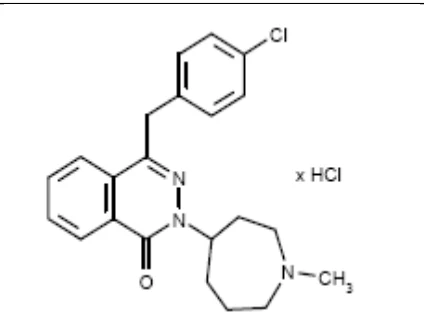
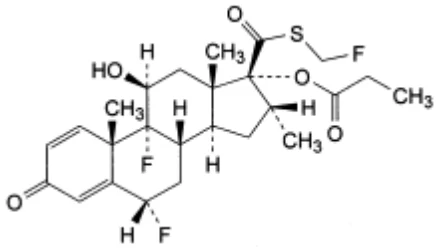
azelastine hydrochloride and fluticasone propionate
| Proper name: | azelastine hydrochloride | fluticasone propionate |
|---|---|---|
| Chemical name: |
| 6α,9-Difluoro-17-[[(fluoromethyl)sulphanyl]carbonyl]-11β-hydroxy-16α-methyl-3-oxoandrosta-1,4-dien-17α-yl propanaote |
| Molecular formula: | C22H24ClN3O • HCl | C25H31F3O5S |
| Molecular mass: | 418.37 g mol-1 | 500.6 g mol-1 |
| Structural formula: | ||
|---|---|---|
| Physicochemical properties: | Odourless, white or almost white crystalline powder. Soluble in water: 13 g/l (25°C), soluble in ethanol and methylene chloride. Azelastine Hydrochloride is a racemic mixture. Azelastine Hydrochloride is slightly hygroscopic. | Fluticasone propionate is a white to off-white powder. Practically insoluble in water, sparingly soluble in methylene chloride, slightly soluble in alcohol. |
14 CLINICAL TRIALS
14.1 Clinical Trials by Age
Use in Adolescents and Adults
- Trial Design and Study Demographics
Table 5 - Summary of patient demographics for pivotal clinical trials
| Study # | Study design /Duration | Dosage, route of administration and duration/ Study Drug and Comparators | Study subjects (n) | Mean age (Range) | Sex |
| MP4002 | Randomized, Double Blind, Parallel Group, Multicentre 14 days | One spray per nostril twice daily
| 831 subjects with SAR | 36.2 - 38.6 (12-77) years | 300M/531F |
 |  |
| Study # | Study design /Duration | Dosage, route of administration and duration/ Study Drug and Comparators | Study subjects (n) | Mean age (Range) | Sex |
| MP4004 | Randomized, Double Blind, Parallel Group, Multicentre 14 days | One spray per nostril twice daily
| 776 subjects with SAR | 37.0 - 38.8 (12-77) years | 282M/494F |
| MP4006 | Randomized, Double Blind, Parallel Group, Multicentre 14 days | One spray per nostril twice daily
| 1791 subjects with SAR | 34.2 – 36.4 (12-83) years | 694M/1097 F |
The efficacy and safety of DYMISTA in seasonal allergic rhinitis was evaluated in 3 pivotal randomized, multicenter, double-blind, placebo-controlled clinical trials in 760 adult (18-78 years) and 88 adolescent (12-17 years) patients with seasonal allergic rhinitis. The population of the trials was 64% female, 36% male; 80% white, 16% black, 2% Asian, 1% other.
Patients with moderate to severe nasal symptoms were randomized to one of four treatment groups: one spray per nostril twice daily of DYMISTA, azelastine hydrochloride nasal spray, fluticasone propionate nasal spray, and vehicle placebo. The azelastine hydrochloride and fluticasone propionate comparators use the same device and vehicle as DYMISTA Nasal Spray and are not commercially marketed.
Safety and efficacy of DYMISTA was further assessed in a 12 month study (MP4000) in patients with chronic allergic or vasomotor rhinitis. One further study (3311) was performed to assess the onset of action of DYMISTA using a standardized Environmental Exposure Chamber (EEC) model.
During the pivotal studies, nasal symptoms of itchy nose, nasal congestion, runny nose and sneezing, and ocular symptoms of itchy eyes, watery eyes, and eye redness were rated twice daily in a diary, using a 4-point scale from 0 (no symptoms) to 3 (severe symptoms). The scores were summed up to a total nasal symptom score (TNSS) and a total ocular symptom score (TOSS), respectively.
- Study Results
Reflective Total Nasal Symptom Score (rTNSS)
The primary endpoint for these studies was the change from baseline in the combined (daytime plus nighttime) 12-hour reflective total nasal symptom score (crTNSS: maximum possible score of 24) over the 14-day study period vs. placebo, azelastine or fluticasone propionate alone.
Table 6 below shows the primary efficacy results for the individual pivotal studies expressed as absolute change in crTNSS compared with placebo and all active treatments. In each study DYMISTA was statistically and clinically significantly superior to placebo and the monotherapy components (azelastine alone and fluticasone alone). Furthermore, each active substance contributes to the treatment effect of the combination DYMISTA. A statistically significant decrease in TNSS, as compared to placebo, was seen 30-45 minutes after the first dose in subjects who received DYMISTA.
Table 6 - Combined 12-Hour rTNSS, AM and PM Combined, Adults and Adolescents, (ITT Population) – Least Square Means and 95% Confidence Intervals for Pairwise Differences
| Study No. | Parameters | DYMISTA | FLU* | AZE** | PLA^ |
| MP4002 | N | 207 | 207 | 208 | 209 |
| LS mean BL | 18.3 | 18.2 | 18.3 | 18.6 | |
| LS mean (SD) overall change from BL | -5.6 (5.2) | -4.7 (4.7) | -4.2 (4.6) | -2.9 (3.9) | |
| P-values (ANCOVA) vs. DYMISTA | - | 0.034 | 0.001 | < 0.001 | |
| MP4004 | N | 193 | 188 | 193 | 199 |
| LS mean BL | 18.3 | 18.6 | 18.5 | 18.2 | |
| LS mean (SD) overall change from BL | -5.5 (5.2) | -4.6 (5.1) | -4.5 (4.6) | -3.0 (3.9) | |
| P-values (ANCOVA) vs.DYMISTA | - | 0.038 | 0.032 | < 0.001 | |
| MP4006 | N | 448 | 450 | 443 | 448 |
| LS mean BL | 19.3 | 19.4 | 19.5 | 19.4 | |
| LS mean (SD) overall change from BL | -5.5 (5.2) | -4.9 (4.7) | -4.8 (4.8) | -3.4 (4.3) | |
| P-values (ANCOVA) vs. DYMISTA | - | 0.029 | 0.016 | < 0.001 |
* Fluticasone propionate in DYMISTA vehicle
** Azelastine hydrochloride in DYMISTA vehicle
^ DYMISTA vehicle
BL Baseline
SD Standard Deviation
ITT Intent To Treat
Reflective Total Ocular Symptom Score (rTOSS)
The change from baseline in combined (daytime plus nighttime) AM+PM rTOSS was included as secondary efficacy endpoint in the pivotal studies (key secondary efficacy endpoint in studies MP4004 and MP4006). Results for the individual pivotal studies are presented in Table 7 below. Across all studies, DYMISTA was statistically and clinically significantly superior to placebo. In 1 of 3 studies DYMISTA was also statistically and clinically significantly superior to fluticasone propionate. DYMISTA was numerically superior to azelastine hydrochloride.
Table 7 - Combined 12-Hour rTOSS, AM and PM Combined, Adults and Adolescents, (ITT Population) – Least Square Means and 95% Confidence Intervals for Pairwise Differences
| Study No. | Parameters | DYMISTA | FLU* | AZE** | PLA^ |
| MP4002 | N | 207 | 207 | 208 | 209 |
| LS mean BL | 11.9 | 11.4 | 11.5 | 12.1 | |
| LS mean (SD) overall change from BL | -3.1 (4.0) | -2.6 (3.5) | -2.8 (3.8) | -1.9 (3.3) | |
| P-values (ANCOVA) vs. DYMISTA | - | 0.097 | 0.457 | <0.001 | |
| MP4004 | N | 193 | 188 | 193 | 199 |
| LS mean BL | 11.7 | 12.0 | 11.8 | 11.6 | |
| LS mean (SD) overall change from BL | -3.6 (3.9) | -2.7 (3.6) | -3.0 (3.3) | -2.0 (3.1) | |
| P-values (ANCOVA) vs.DYMISTA | - | 0.009 | 0.069 | <0.001 | |
| MP4006 | N | 448 | 450 | 443 | 448 |
| LS mean BL | 12.3 | 12.3 | 12.4 | 12.2 | |
| LS mean (SD) overall change from BL | -3.0 (4.0) | -2.8 (3.5) | -3.0 (3.8) | -2.0 (3.5) | |
| P-values (ANCOVA) vs. DYMISTA | - | 0.247 | 0.912 | <0.001 |
* Fluticasone propionate in DYMISTA vehicle
** Azelastine hydrochloride in DYMISTA vehicle
^ DYMISTA vehicle
BL Baseline
SD Standard Deviation
ITT Intent To Treat
DYMISTA also improved individual nasal and ocular symptoms, postnasal drip and the patients’ disease-related quality of life (Rhinoconjunctivitis Quality of Life Questionnaire – RQLQ) as compared to placebo in all 3 pivotal studies.
Onset of Action
Pivotal trials showed that under clinical conditions DYMISTA becomes efficacious within the first 30-45 minutes. From chamber studies with azelastine, the onset of action was observed at 15 minutes after administration (efficacy at time points earlier than 15 minutes was not assessed). In a chamber study with DYMISTA, statistically significant relief of nasal allergic rhinitis symptoms was observed at the earliest time point assessed, 5 minutes after administration of DYMISTA. In a responder analysis, the median time to a 50% reduction in nasal symptoms was approximately 30 minutes. A statistically significant relief of ocular symptoms was observed by 10 minutes after administration of DYMISTA.
Use in Pediatric Patients 6-11 Years of Age
- Trial Design and Study Demographics
The efficacy and safety of DYMISTA was evaluated in one randomized, multi-center, double- blind, placebo-controlled trial in 304 children 6 to 11 years of age with seasonal allergic rhinitis (MP4008). Patients were randomized 1:1 to receive either one spray per nostril twice daily of DYMISTA or placebo (vehicle control) for 14 days. The design of this trial was similar to that of the adult trials.
The primary efficacy endpoint was the mean change from baseline in combined AM+PM reflective total nasal symptom score (rTNSS) over 2 weeks. The change from baseline in combined AM+PM rTOSS was included as a secondary efficacy endpoint. Symptoms were assessed by the subject or by the caregiver.
- Study Results
Results of the original analyses were numerically supportive, but did not achieve statistical significance. The post hoc analyses showed greater treatment differences between DYMISTA and placebo with increasing degree of child self-rating. When the children assessed symptom severity by themselves (self-rating >90%), children treated with DYMISTA were reported to have experienced better relief than those treated with placebo (Table 8). Self-rating occurred most frequently in the older children, aged 9 – 11 years.
Table 8 - Combined 12-Hour rTNSS and rTOSS, AM and PM, Children 6-11 Years, (ITT Population) – Least Square Means for Pairwise Differences (MP4008)
| rTNSS | rTOSS | |||||||||||||
| DYMISTA – PLA^ | 95% CI | P value | DYMISTA – PLA^ | 95% CI | ||||||||||
All children (n = 304) | -0.80 | -1.75, +0.15 | 0.099 | -0.53 | -1.23, +0.18 | |||||||||
Child self-rating <10% (n = 157) | -0.29 | -1.65, +1.07 | -0.19 | -1.12, +0.74 | ||||||||||
Child self-rating 10-90% (n = 65) | -1.14 | -3.02, +0.73 | -0.48 | -1.80, +0.84 | ||||||||||
Child self-rating >90% (n = 82) | -2.18 | -3.54, -0.82 | -1.34 | -2.34, -0.34 | ||||||||||
^ DYMISTA vehicle
CI Confidence Interval
ITT Intent To Treat
In the per protocol population, which excluded subjects primarily non-compliant with dosing or electronic diary completion, a numerically greater difference in the LS mean change in rTNSS of -3.99 in the DYMISTA group compared to the placebo group (-2.78) was observed (difference= -1.21).
15 MICROBIOLOGY
No microbiological information is required for this drug product.
16 NON-CLINICAL TOXICOLOGY
General Toxicology
Fluticasone propionate
In a study conducted in rats with a chronic inhalation dosage of 57 µg/kg/day, changes typical of the excessive application of glucocorticosteroids were observed. These included changes in plasma proteins, transaminases and electrolytes; decreased urine volume; hematological changes; and lymphoid depletion, thymic and adrenal atrophy. In dogs, chronic inhalation of 50.7 µg/animal/day resulted in comparable changes that corresponded to known effects associated with glucocorticosteroids.
Azelastine hydrochloride
Studies in both rats and dogs using chronic intranasal dosing demonstrated no mucosal irritating properties, and no primary substance-related systemic toxicological changes. The no-observed-adverse-effect level in rats was 0.8 mg/day/animal, and 1.68 mg/day/animal with intranasal dosing.
Fluticasone propionate and azelastine hydrochloride combination
Intranasal dosing using 0.1 mL of 0.1% azelastine hydrochloride/0.0365% fluticasone propionate per nostril twice daily for 14 days in rats did not produce any adverse effects, except for decreased body weights for female animals. This was also observed for animals administered azelastine hydrochloride or fluticasone propionate alone. A slight yet statistically significant increase in glucose and calcium values was noted for the test article-treated females.
Intranasal administration of the same dosage for 90 days in rats produced a systemic exposure to azelastine (based on AUClast) on Study Day 91 that was comparable to the value of Study Day 1 for both azelastine/fluticasone nasal spray and azelastine hydrochloride, indicating a lack of appreciable accumulation during twice-daily intranasal administration. The animals which received fluticasone propionate, either in combination with azelastine or alone, exhibited lower body weight throughout treatment, especially in female animals. Histopathological evaluation revealed increased mast cells only in the mesenteric lymph nodes of animals which received azelastine/fluticasone or fluticasone alone. The increased mast cells were not considered to be an adverse change. Overall, the toxicity profile of azelastine/fluticasone was comparable to that of the individual components.
In beagle dogs, intranasal dosing using 0.1 mL/nostril twice daily for 14 days of the 0.1% azelastine hydrochloride/0.0365% fluticasone propionate combination did not result in any definitive test article-related toxicity.
Genotoxicity
Fluticasone propionate
Fluticasone propionate did not induce gene mutation in prokaryotic and eukaryotic cells in vitro. No significant clastogenic effect was seen in cultured human peripheral lymphocytes in vitro or in the mouse micronucleus test.
Azelastine hydrochloride
Azelastine hydrochloride showed no genotoxic effects in the Ames test, DNA repair test, mouse lymphoma forward mutation assay, mouse micronucleus test, or chromosomal aberration test in rat bone marrow.
Carcinogenicity
Fluticasone propionate
Fluticasone propionate at an oral dose of 1 mg/kg/day in mice or an inhalation dose of 57 µg/kg/day in rats did not demonstrate evidence of carcinogenicity.
Azelastine hydrochloride
Azelastine hydrochloride at oral doses up to 25 mg/kg/day in mice or 30 mg/kg/day in rats failed to demonstrate evidence of carcinogenicity.
Reproductive and Developmental Toxicology
Fluticasone propionate
Subcutaneous injection of 50 µg/kg/day in rats did not produce evidence of impaired fertility in males and females. Subcutaneous injection of 150 µg/kg/day in mice resulted in fetal toxicity characteristic of potent corticosteroid compounds, including retarded ossification and cleft palates, in the presence of maternal toxicity (reduction of body weight). In rats, subcutaneous dosages from 30 µg/kg onwards caused maternal toxic effects. In rabbits, a subcutaneous dosage of 4 µg/kg/day resulted in fetal weight reduction and cleft palate. Oral dosing with 300 µg/kg/day in rabbits did not cause teratogenic effects.
Azelastine hydrochloride
Reproduction and fertility studies in rats showed no effects on male or female fertility at oral doses up to 30 mg/kg. At 68.6 mg/kg, the duration of estrous cycles was prolonged and copulatory activity and the number of pregnancies were decreased. The numbers of corpora lutea and implantations were decreased; however, pre-implantation loss was not increased.
A 68.6 mg/kg oral dose of azelastine hydrochloride also demonstrated developmental toxicity in mice. Embryo-fetal death, malformations (cleft palate; short or absent tail; fused, absent or branched ribs), delayed ossification and decreased fetal weight occurred at this dose. This dose also caused maternal toxicity as evidenced by decreased body weight. In rats, a 30 mg/kg oral dose caused malformations (oligo- and brachydactylia), delayed ossification and skeletal variations, in the absence of maternal toxicity. In rabbits, oral azelastine hydrochloride at doses of 30 – 50 mg/kg caused abortion, delayed ossification and decreased fetal weight, however these doses also resulted in severe maternal toxicity. A lower oral dose of 0.3 mg/kg in rabbits caused neither fetal nor maternal effects.
Juvenile Toxicity
Fluticasone propionate
Subcutaneous injection of 15 – 50 µg/kg/day had no influence on the peri- and postnatal phase in rats.
Azelastine hydrochloride
Oral dosing with up to 30 µg/kg/day had no influence on the peri- and postnatal phase in rats.
Local Tolerance
Fluticasone propionate and azelastine hydrochloride combination
An intranasal dosage of 0.1 mL/nostril administered twice daily for 90 days in rats demonstrated no local irritancy to the nasal cavity or respiratory tract, or systemic toxicity. The same dosage administered over 14 days to beagle dogs also failed to demonstrate local irritancy to the nasal cavity or respiratory tract, or systemic toxicity.
17 SUPPORTING PRODUCT MONOGRAPHS
- 1. FLONASE metered dose spray, 50 µg/metered dose, submission control 148717, Product Monograph, GlaxoSmithKline Inc. OCT, 13, 2011
- 2. FLOVENT HFA metered-dose aerosol, 50, 125, and 250 mcg/metered dose and FLOVENT DISKUS powder, 50, 100, 250, and 500 mcg/blister, submission control 174022, Product Monograph, GlaxoSmithKline Inc. JUL, 29, 2014