


Product Monograph - Rhinocort Aqua
1 INDICATIONS
RHINOCORT® AQUA (Budesonide Nasal Spray) is indicated for:
- The treatment of seasonal allergic and allergic/non-allergic perennial and vasomotor rhinitis unresponsive to conventional therapy in patients 6 years and older
- The treatment of nasal polyps and in the prevention of nasal polyps after polypectomy in patients 12 years and older
1.1 Pediatrics
Children Under 6 Years of Age: Due to limited clinical data in this age group, the safety and efficacy of RHINOCORT® AQUA in pediatric patients under 6 years of age have not been established; therefore, Health Canada has not authorized an indication for this age group.
2 CONTRAINDICATIONS
RHINOCORT® AQUA is contraindicated in:
- Patients who are hypersensitive to this drug or to any ingredient in the formulation, including any non-medicinal ingredient, or component of the container. For a complete listing, see Dosage Forms, Strengths, Composition and Packaging.
- Patients with active or quiescent tuberculosis;
- Patients with untreated fungal, bacterial, or viral infections;
- Children under 6 years of age.
4 DOSAGE AND ADMINISTRATION
4.1 Dosing Considerations
Careful attention must be given to patients previously treated for prolonged periods with systemic corticosteroids when transferred to RHINOCORT® AQUA (budesonide) (see WARNINGS AND PRECAUTIONS). Initially, RHINOCORT® AQUA and the systemic corticosteroid must be given concomitantly, while the dose of the latter is gradually decreased. The usual rate of withdrawal of the systemic steroid is the equivalent of 2.5 mg of prednisone every four days if the patient is under close supervision. If continuous supervision is not feasible, the withdrawal of the systemic steroid should be slower, approximately 2.5 mg of prednisone (or equivalent) every ten days. If withdrawal symptoms appear, the previous dose of the systemic steroid should be resumed for a week before further decrease is attempted.
Patients should be informed that the full effect of RHINOCORT® AQUA therapy may not become evident until 2 to 3 days of treatment have been completed. Full therapeutic benefit requires regular usage.
Treatment of seasonal rhinitis should, if possible, start before exposure to the allergens. Concomitant treatment may sometimes be necessary to counteract eye symptoms caused by the allergy. In continuous long-term treatment, the nasal mucosa should be inspected regularly, e.g., every 6 months.
If the nasal passages are severely blocked, the drug may fail to reach the site of action. In such cases, decongestants may be required before initiating RHINOCORT® AQUA therapy.
Although systemic effects are negligible at recommended doses, RHINOCORT® AQUA treatment should not be continued beyond three weeks in the absence of significant symptomatic improvement. RHINOCORT® AQUA should not be used in the presence of untreated localized infections involving the nasal mucosa.
4.2 Recommended Dose and Dosage Adjustment
Treatment of Rhinitis:
Adults and Children (12 Years of Age and Older)
Initial Dose
The recommended starting dose is 4 sprays per day (total daily dose of 256 mcg). The dose can be administered as 2 sprays in each nostril once daily in the morning or divided into two administrations daily of 1 spray in each nostril in the morning and evening
Maintenance Dose
After the desired clinical effect is obtained and symptoms are controlled, the maintenance dose should be reduced to the smallest amount necessary to control the symptoms. The dose can be reduced to 1 spray per nostril once daily in the morning (total daily dose of 128 mcg).
Children (6 Years to Less Than 12 Years of Age)
Initial Dose
The recommended dose is 1 spray in each nostril (total dose 128 mcg) once daily in the morning.
If symptoms do not improve, the dose can be increased up to 2 sprays per nostril (up to 256 mcg total daily dose) once daily in the morning.
Maintenance Dose
Once allergy symptoms improve, the maintenance dose should be reduced to 1 spray in each nostril once daily in the morning.
Parents should talk to their child’s physician if the child needs to use the spray for longer than two months a year.
Treatment or Prevention of Nasal Polyps:
Adults and Children (12 Years of Age and Older)
The recommended dose is 1 spray into each nostril morning and evening (total daily dose of 256 mcg).
Children Under 6 Years
Health Canada has not authorized an indication for children in this age group.
4.4 Administration
RHINOCORT® AQUA should be administered by the intranasal route only.
Before taking each dose, the bottle should be inverted 3 to 4 times.
Prior to administration, the nasal spray must be prepared for first time use. The bottle should be inverted 3 to 4 times and the protective cap removed. The pump should be actuated 5 to 10 times away from the face until a fine mist spray appears. If the spray was not used on the prior day, the pump should be prepared by pressing down once away from the face before administration. Illustrated instructions for proper use appear in PART III: PATIENT MEDICATION INFORMATION.
4.5 Missed Dose
If a single dose is missed, instruct the patient to take the dose as soon as possible and then go back to their regular schedule. If it is almost time to take the next dose, instruct the patient to skip the missed dose and to take the next dose at the usual time.
The patient should not take a double dose of RHINOCORT® AQUA to make up for a missed dose.
5 OVERDOSAGE
Like any other nasally administered corticosteroid, acute overdosing is unlikely in view of the total amount of active ingredient present. However, when used chronically in excessive doses or in conjunction with other corticosteroid formulations, systemic corticosteroid effects such as hypercorticism and adrenal suppression may appear. If such changes recur, the dosage of RHINOCORT® AQUA (budesonide) should be discontinued slowly consistent with accepted procedures for discontinuation of chronic steroid therapy (see DOSAGE AND ADMINISTRATION).
The restoration of the hypothalamic-pituitary-axis may be a slow process and during periods with pronounced physical stress such as severe infections, trauma, and surgical operations, a supplement with systemic steroids may be advisable.
| For management of a suspected drug overdose, contact your regional poison control centre. |
|---|
6 DOSAGE FORMS, STRENGTHS, COMPOSITION AND PACKAGING
RHINOCORT® AQUA 64 mcg/dose is a white to off-white, thixotropic suspension of budesonide in water supplied in amber glass bottles provided with a pump spray mechanism, nasal adapter and Patient Instruction leaflet in bottles of 120 doses.
Table 1 – Dosage Forms, Strengths and Composition
| Route of Administration | Dosage Form / Strength / Composition | Non-medicinal Ingredients |
| Intranasal | Nasal Spray/64 mcg metered dose/ Budesonide | Carboxymethylcellulose sodium, disodium edetate, glucose anhydrous, hydrochloric acid, microcrystalline cellulose, polysorbate 80, potassium sorbate, purified water. |
7 WARNINGS AND PRECAUTIONS
General
During transfer of patients from a systemic steroid to RHINOCORT® AQUA, the reduction of the systemic steroid must be very gradual and carefully supervised by the physician since systemic withdrawal symptoms (e.g., joint and/or muscular pain, lassitude, depression) may occur in spite of maintenance or improvement of respiratory functions (see DOSAGE AND ADMINISTRATION). In severe cases, adrenal insufficiency may occur necessitating a temporary resumption of systemic steroids.
Careful attention must be given to patients with asthma or other clinical conditions in whom a rapid decrease in systemic steroids may cause a severe exacerbation of their symptoms.
Patients should be advised to inform subsequent physicians of the prior use of glucocorticosteroids.
Treatment with RHINOCORT® AQUA should not be stopped abruptly but tapered off gradually.
Ear/Nose/Throat
RHINOCORT® AQUA should not be used in the presence of untreated localized infection involving the nasal mucosa.
Concomitant treatment (topical histamines or cromones) may sometimes be required, as an add-on therapy to nasal corticosteroids, to counteract eye symptoms caused by allergy.
The long-term effects of nasal corticosteroids in human subjects are still unknown, in particular, their local effects, and on developmental or immunologic processes. The nasal mucosa of those patients receiving long term, continuous therapy should be inspected at least twice a year. The possibility of atrophic rhinitis and/or pharyngeal candidiasis should be kept in mind.
Following the use of intranasal corticosteroids, instances of nasal septum perforation have been reported very rarely.
Endocrine and Metabolism
Use of excessive doses of, or long-term treatment with, glucocorticosteroids may lead to signs or symptoms of hypercorticism, suppression of HPA function and/or suppression of growth in children. During long-term therapy, pituitary-adrenal function status should be periodically assessed.
Glucocorticosteroid effects may be enhanced in patients with hypothyroidism.
Dose-related suppression of plasma and urinary cortisol has been observed in healthy volunteers after short-term administration of RHINOCORT® AQUA Although no important changes in basal plasma cortisol levels were manifested in patients with rhinitis using RHINOCORT® AQUA at recommended doses, caution is advised.
Hematologic:
In hypoprothrombinemia, salicylates (e.g. acetylsalicylic acid) should be used cautiously in conjunction with glucocorticosteroids. During long-term therapy, hematological status should be periodically assessed.
Hepatic/Biliary/Pancreatic
Glucocorticosteroid effects may be enhanced in patients with cirrhosis. Reduced liver function may affect the elimination of corticosteroids. The intravenous pharmacokinetics of budesonide however, are similar in cirrhotic patients and in healthy subjects. The pharmacokinetics after oral ingestion of budesonide were affected by compromised liver function as evidenced by increased systemic availability. This is however, of limited clinical importance for RHINOCORT® AQUA as the oral contribution to the systemic availability is relatively small.
Immune
As with all medications containing a corticosteroid, RHINOCORT® AQUA should be administered with caution, and only if necessary, in patients with active or quiescent tuberculosis infections of the respiratory tract; chronic or untreated infections such as systemic fungal, bacterial, viral, or parasitic; or ocular herpes simplex.
Glucocorticosteroids may mask some signs of infections and new infections may appear during their use. A decreased resistance to localized infection has been observed during glucocorticosteroid therapy; this may require treatment with appropriate therapy or stopping the administration of RHINOCORT® AQUA.
Patients who are on immunosuppressant drugs are more susceptible to infections than healthy individuals. Chicken pox and measles, for example, can have a more serious or fatal course in children on immunosuppressant corticosteroids. In such children, or in adults who have not had these diseases, particular care should be taken to avoid exposure. How the dose, route, and duration of corticosteroid administration affects the risk of developing a disseminated infection is not known. The contribution of the underlying disease and/or prior corticosteroid treatment to the risk is also not known. If exposed, therapy with varicella zoster immune globulin (VZIG) or pooled intravenous immunoglobulin (IVIG), as appropriate, may be indicated. If chicken pox develops, treatment with antiviral agents may be considered.
Ophthalmologic
Following the use of intranasal aerosolized corticosteroids, instances of increased intraocular pressure have been reported very rarely.
Visual disturbance may be reported with systemic and topical (including intranasal, inhaled and intraocular) corticosteroid use. The possible causes of visual disturbance may include cataract, glaucoma or rare diseases such as central serous chorioretinopathy (CSCR) which may have been reported after use of systemic and topical corticosteroids. Therefore, close monitoring is warranted in patients with a change in vision or with a history of increased intraocular pressure, glaucoma and/or cataracts.
Peri-operative Considerations
Because of the inhibitory effect of corticosteroids on wound healing in patients who have had recent nasal surgery or trauma, RHINOCORT® AQUA should be used with caution until healing has occurred.
Psychiatric
Although very rare, there is a potential risk of psychological or behavioural effects (psychomotor hyperactivity, sleep disorders, anxiety, depression and aggression) that have been reported.
7.1 Special Populations
7.1.1 Pregnant Women
In experimental animal studies, budesonide was found to cross the placental barrier. Like other glucocorticosteroids, budesonide is teratogenic to rodent species. High doses of budesonide administered subcutaneously produced fetal malformations, primarily skeletal defects, in rabbits, rats, and in mice. Results from world-wide post marketing experience indicate inhaled budesonide during pregnancy has no adverse effects on the health of the fetus/new born child. Review of published literature of orally inhaled budesonide, including results from a large case control study performed with cases identified from 3 Swedish health registers showed that there was no association between exposure to inhaled budesonide and overall congenital malformations. Results from a similar study performed with intranasal budesonide, using the same 3 Swedish health registers showed that the use of intranasal budesonide was associated with a subgroup “less severe cardiovascular defects”; however, there was no statistically significant association between the use of intranasal budesonide during pregnancy and overall congenital malformations, or overall frequency of cardiovascular defects in the offspring. Budesonide should be used during pregnancy only if the potential benefits clearly outweigh the risk to the fetus. Infants born of mothers who have received substantial doses of corticosteroids, especially oral steroids, during pregnancy should be carefully observed for hypoadrenalism.
7.1.2 Breast-feeding
Budesonide is excreted in breast milk. The administration of RHINOCORT® AQUA to women who are breastfeeding should only be considered if the expected benefit to the mother is greater than any possible risk to the child.
7.1.3 Pediatrics
RHINOCORT® AQUA is not presently recommended for children younger than 6 years of age due to limited clinical data in this age group.
Children who are on immunosuppressant drugs are more susceptible to infections than healthy children. Chicken pox and measles, for example, can have a more serious or fatal course in children on immunosuppressant corticosteroids. In such children, particular care should be taken to avoid exposure. If exposed, therapy with varicella zoster immune globulin (VZIG) or pooled intravenous immunoglobulin (IVIG), as appropriate, may be indicated. If chicken pox develops, treatment with antiviral agents may be considered.
The long-term effects of nasal glucocorticosteroids in children are not fully known. Physicians should closely follow the growth of children taking glucocorticosteroids for longer term by any route, and weigh the benefits of the glucocorticosteroid therapy against the possibility of growth suppression. Until greater clinical experience has been gained, the continuous, long-term treatment of children is not recommended.
8 ADVERSE REACTIONS
8.1 Adverse Reaction Overview
The adverse reactions reported with RHINOCORT® AQUA are consistent with those expected when applying a topical treatment to an already inflamed membrane. All side effects were transient.
The most commonly reported side effects include: nasal and throat irritation, nasal bleeding and crusting. Other adverse events reported are itching throat, sore throat, cough, fatigue, nausea/dizziness, and headache.
When patients are transferred to RHINOCORT® AQUA from a systemic steroid, allergic conditions such as asthma or eczema may be unmasked.
8.2 Clinical Trial Adverse Reactions
Because clinical trials are conducted under very specific conditions, the adverse reaction rates observed in the clinical trials may not reflect the rates observed in practice and should not be compared to the rates in the clinical trials of another drug. Adverse reaction information from clinical trials is useful for identifying drug-related adverse events and for approximating rates.
The safety of budesonide from clinical trial data is based on data from 15 placebo-controlled randomized studies in the treatment of allergic rhinitis.
Tables 2 and 3 include adverse events that occurred where greater than one event was reported, and the incidence was greater than placebo and in 1% of patients or more.
Table 2 – AEs Reported by >1% Budesonide-treated Subjects (Adults and Children 12 Years and Over) with Allergic Rhinitis in Placebo-Controlled Clinical Trials
System Organ Class Preferred Term | Budesonide Nasal Spray Dose | |||||||
|---|---|---|---|---|---|---|---|---|
64 mcg (N=171) % (Frequency) | 128 mcg (N=615) % (Frequency) | 256 mcg (N=1292) % (Frequency) | Placebo (N=1172) % (Frequency) | |||||
Infections and infestations Urinary tract infection Upper respiratory tract infection | 1.2 (Common) 7.0 (Common) | 0.2 (Uncommon) 1.5 (Common) | 0.2 (Uncommon) 1.5 (Common) | 0.1 (Uncommon) 2.2 (Common) | ||||
Respiratory, thoracic and mediastinal disorders Asthma Epistaxis Oropharyngeal pain | 1.2 (Common) 4.7 (Common) 6.4 (Common) | 4.9 (Common) 5.2 (Common) 2.0 (Common) | 2.3 (Common) 9.0 (Common) 2.2 (Common) | 2.0 (Common) 3.7 (Common) 1.3 (Common) | ||||
Table 3 – AEs Reported by >1% Budesonide-treated Subjects (Children Age 6 to less than 12 Years) with Allergic Rhinitis in Placebo-Controlled Clinical Trials
System Organ Class Preferred Term | Budesonide Nasal Spray Dose | ||||||||
|---|---|---|---|---|---|---|---|---|---|
64 mcg (N=32) % (Frequency) | 128 mcg (N=102) % (Frequency) | 256 mcg (N=36) % (Frequency) | Placebo (N=106) % (Frequency) | ||||||
Gastrointestinal disorders Abdominal discomfort | 0 | 0 | 5.6 (Common) | 0 | |||||
General disorders and administration site conditions Pyrexia | 0 | 2.0 (Common) | 2.8 (Common) | 0.9 (Uncommon) | |||||
Infections and Infestations Otitis media Pharyngitis Rhinitis Upper respiratory tract infection Bronchitis Respiratory tract infection Sinusitis Tonsillitis | 0 3.1 (Common) 0 6.3 (Common) 0 0 3.1 (Common) 0 | 2.0 (Common) 2.0 (Common) 2.0 (Common) 2.9 (Common) 2.9 (Common) 2.9 (Common) 2.0 (Common) 3.9 (Common) | 0 0 2.8 (Common) 2.8 (Common) 0 0 5.6 (Common) 0 | 0 1.9 (Common) 0 0 0.9 (Uncommon) 1.9 (Common) 1.9 (Common) 1.9 (Common) | |||||
Nervous system disorders Headache Asthma Cough Epistaxis Oropharyngeal pain | 6.3 (Common) 0 0 3.1 (Common) 9.4 (Common) | 3.9 (Common) 5.9 (Common) 6.9 (Common) 4.9 (Common) 2.0 (Common) | 8.3 (Common) 0 8.3 (Common) 2.8 (Common) 5.6 (Common) | 3.8 (Common) 4.7 (Common) 4.7 (Common) 5.7 (Common) 0.9 (Uncommon) | |||||
Skin and subcutaneous tissue disorders Rash | 0 | 1.0 (Common) | 5.6 (Common) | 1.9 (Common) | |||||
8.5 Post-Market Adverse Reactions
The following adverse reactions have been reported during post-approval use of RHINOCORT® AQUA.
Immune System Disorders: Anaphylactic reaction (very rare), Type I hypersensitivity reaction, Type IV hypersensitivity reaction (immediate and delayed hypersensitivity reactions, including Erythema, Urticaria, Rash, Dermatitis, Angioedema, and Pruritus) (uncommon)
Respiratory, Thoracic and Mediastinal Disorders: Hemorrhagic secretion and Epistaxis, Nasal discomfort (nasal irritation) (common), Nasal septum perforation (very rare)
General Disorders and Administrative Site Conditions: Mucosal ulceration (ulcerations of the mucous membrane) (very rare)
9 DRUG INTERACTIONS
9.2 Overview
To date budesonide has not been observed to interact with other drugs used for the treatment of rhinitis.
9.4 Drug-Drug Interactions
Cimetidine
The kinetics of budesonide were investigated in a study in healthy subjects without and with cimetidine, 1000 mg daily. After a 4 mg oral dose the values for Cmax (nmol/L) and systemic availability (%) of budesonide without and with cimetidine (3.3 vs 5.1 nmol/L and 10 vs 12%, respectively) indicated a slight inhibitory effect on hepatic metabolism of budesonide, caused by cimetidine. This should be of low clinical importance.
Other medicinal products and/or CYP3A4 inhibitors
The metabolism of budesonide is primarily mediated by CYP3A4, a subfamily of cytochrome P450. CYP3A4 inhibitors like ritonavir, atazanavir, clarithromycin, indinavir, nefazodone, nelfinavir, saquinavir, telithromycin, cobicistat-containing products and azole antifungals (e.g. ketoconazole and itraconazole) increase the systemic exposure to budesonide. Therefore, concomitant use of budesonide and these medicinal products should be avoided unless the potential benefit outweighs the risk of systemic corticosteroids side-effects.
Omeprazole
At recommended doses, omeprazole has no effect on the pharmacokinetics of oral budesonide.
Table 5 – Established or Potential Drug-Drug Interactions
| Proper Name | Source of Evidence | Effect | Clinical comment |
| Cimetidine | CT | Slight inhibitory effect on hepatic metabolism of budesonide | Effect should be of little clinical importance |
| Inhibitors of CYP3A4 | T | Increased systemic exposure to budesonide | Concomitant use of budesonide and strong CYP3A4 inhibitors (e.g., ketoconazole, itraconazole, clarithromycin, indinavir, nefazodone, atazanavir, nelfinavir, saquinavir, ritonavir, cobicistat-containing products) should be avoided unless the potential benefit to the patient outweighs the risk of systemic corticosteroids side-effects. |
Legend: CT = Clinical Trial; T = Theoretical
10 ACTION AND CLINICAL PHARMACOLOGY
10.1 Mechanism of Action
Budesonide is a potent synthetic glucocorticosteroid with strong topical and weak systemic effects.
Budesonide has a high topical anti-inflammatory potency and it is rapidly biotransformed in the liver. This favourable separation between topical anti-inflammatory activity and systemic effect is due to strong glucocorticosteroid receptor affinity and an effective first pass metabolism with a short half-life. The mechanism of action of intranasally administered budesonide has not yet been completely defined.
10.2 Pharmacodynamics
Studies with animals have shown that budesonide has a 2-10 times better ratio between topical anti-inflammatory and systemic glucocorticosteroid effects than that obtained with beclomethasone dipropionate or triamcinolone acetonide. In the blanching test for topical anti-inflammatory activity in humans, budesonide was about twice as potent as beclomethasone dipropionate. Beclomethasone dipropionate was, however, more active than budesonide with regard to systemic activity as measured by depression of morning plasma cortisol. The favourable topical anti-inflammatory activity to systemic effect ratio demonstrated by budesonide is due to its high glucocorticosteroid receptor affinity and high first pass metabolism with a short half-life.
Budesonide has been shown to counteract the mainly "IgE" mediated lung anaphylaxis in guinea pigs. No significant bronchorelaxing activity, either in vitro or in vivo, could be demonstrated. Budesonide did not potentiate beta-mediated bronchorelaxation and did not affect theophylline-induced relaxation or respiratory airway smooth muscle in guinea pigs.
Budesonide exhibits typical glucocorticosteroid effects in that subcutaneous administration to adrenalectomised rats induced glycogen deposition in the liver, increased urinary volume and only slightly affected sodium excretion. Whole body autoradiography in mice has shown budesonide and its metabolites to have a similar distribution pattern to other glucocorticosteroids with a high distribution to endocrine organs.
10.3 Pharmacokinetics
Absorption:
The systemic bioavailability of oral budesonide in humans is low (about 10%). With reference to the metered dose, the systemic availability of budesonide from RHINOCORT® AQUA is 33%. After application of budesonide in solution directly on the nasal mucosa, all of the dose is systemically available, indicating that budesonide does not undergo local metabolism in the nose. The maximal plasma concentration after administration of 400 mcg budesonide from RHINOCORT® AQUA is 1.0 nmol/L and is reached within 0.7 hours.
Distribution:
The distribution volume (Vd) of budesonide is 301.3±41.7 L, indicating the high issue affinity of the drug. Plasma protein binding is estimated at 88.3±1.5%.
Metabolism:
In vitro studies with human liver have shown that budesonide is rapidly metabolised to more polar compounds than the parent drug. Two major metabolites have been isolated and identified as 6β-hydroxybudesonide and 16α-hydroxyprednisolone. The metabolism of budesonide in the liver is primarily mediated by cytochrome P450 3A (CYP3A4). The glucocorticosteroid activity of these two metabolites was at least 100-fold lower than the parent compound as shown in the rat ear edema test. No qualitative differences between the in vitro and in vivo metabolic patterns could be detected. Negligible biotransformation was observed in human lung and serum preparations.
Elimination:
After nasal administration of tritiated budesonide in human volunteers, 56.1±2.6% of the discharged dose was recovered in the urine (0-96 hours) while during the same period, 33.4+2.0% of the dose could be recovered in the feces. In those subjects who took the compound intravenously, 56.7±1.2% was recovered in the urine, 34.0±3.0% in the feces.
11 STORAGE, STABILITY AND DISPOSAL
Stability and Storage Recommendations
RHINOCORT® AQUA should be stored at room temperature (15-30°C).
PART II: SCIENTIFIC INFORMATION
13 PHARMACEUTICAL INFORMATION
Drug Substance
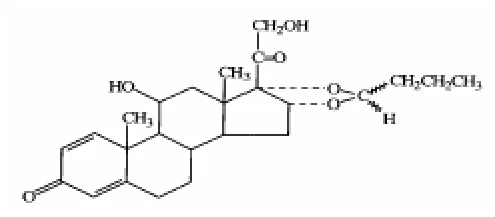
| Chemical Structure: | |
| Generic Name: | Budesonide |
| Chemical Name: | Budesonide is a mixture of two isomers: 1. Pregna-1,4-diene-3,20-dione,16,17-butylidenebis(oxy)- 11,21-dihydroxy-,[11β,16α(R)] and 2. Pregna-1,4-diene-3,20-dione,16,17-butylidenebis(oxy)- 11,21-dihydroxy-,[11β,16α(S)] |
| Molecular Formula: | C25H34O6 |
| Molecular Weight: | 430.5 |
| Physiochemical Properties: | Budesonide is a glucocorticosteroid and consists of a 1:1 mixture of two epimers, 22R and 22S. It is a white to off-white crystalline powder and is freely soluble in chloroform, sparingly soluble in ethanol, practically insoluble in water and in heptane. Budesonide melts at 224°C to 231.5°C, with decomposition. |
16 NON-CLINICAL TOXICOLOGY
Acute Toxicity
| Species | Sex | Route | LD50 (mg/kg) After 3 Weeks |
| mouse | male | s.c. | 35± 18 |
| mouse | male | p.o. | > 800 |
| mouse | female | p.o. | > 800 |
| rat | male | s.c. | 15.1± 4.4 |
| rat | female | s.c. | 20.3± 7.1 |
| rat | male | p.o. | ≈400 |
Surviving animals exhibited a marked decrease in body weight gain.
Toxicity After Repeated Administration of Budesonide to Rats, Rabbits And Dogs
| Animal | Number and Sex Per Group | No. of Dose Groups | Daily Dose Levels | Route of Administratio n | Duration | Toxic Effects | ||
| Species | Strain | mg/kg | mg/animal | |||||
| Rat | Sprague- Dawley | 6 males 6 females | 4 | 0.05 0.5 5.0 50.0 | p.o. | 1 month | Atrophy of adrenal gland and lymphoid system. Gastric ulceration. | |
| Rat | Wistar | 10 males 10 females | 3 | 0.02 0.10 0.2-0.5 | inhalation | 3 months | Hair loss, dose related reduction in lymphocytes, leukocytes, increase in neutrophils. In high dose group, reduced adrenal, thymic, splenic and hepatic weights. No pulmonary impairment observed. | |
| Rat | Wistar | 40 males 40 females | 3 | 0.005 0.01 0.05 | inhalation | 12 months | As above. | |
| Rabbit | New Zealand White | 3 males 3 females | 2 | 0.025 0.1 | s.c. | 1 month | High dose caused slight liver mass increase, slight decrease in adrenal mass, thymal regression. | |
| Dog | Beagle | 1 male 1 female | 3 | 0.01 0.1 1.0 | p.o. | 1 month | High dose - typical steroid effects - adrenal, lymphoid system atrophy, increased fat in myocardium, glycogen in liver. | |
| Dog | Beagle | 2 males 2 females | 3 | 0.02 0.06 0.2 | inhalation | 6 weeks | High dose - induced thymal atrophy, adrenal atrophy. No changes in respiratory system observed. | |
| Dog | Beagle | 5 males 5 females | 3 | 0.20 0.60 2.00 | inhalation | 6 months | High dose - decreased plasma cortisol, cortical atrophy of the adrenal gland, thymal regression. Slight visceral obesity. | |
| Dog | Beagle | 5 males 5 females | 3 | 0.20 0.60 2.00 | inhalation | 12 months | High dose - obesity, alopecia, females showed no evidence of estrous cycle. Systemic steroid effects - lymphoid and adrenal atrophy. | |
All effects observed were consistent with those expected during prolonged corticosteroid exposure.
Teratology and Reproduction Studies
Effects on Pregnancy
Rat
Daily doses of 20, 100, and 500 mcg/kg body mass were administered subcutaneously to pregnant rats during days 6-15 of gestation. In the high dose group, all of the rats showed a deteriorated general condition including piloerection, drowsiness, decreased food consumption and decreased body mass gain. Fetal loss was increased and pup masses decreased in comparison to the control group. The frequency of fetal abnormalities was also increased. Doses in excess of 100 mcg/kg must be considered teratogenic in the rat.
Daily doses of 0.01, 0.05 and 0.1-0.25 mg/kg were administered by inhalation to pregnant rats during days 6-15 of gestation. At the highest dose a slight significant reduction in fetal weight gain was observed, but there was no evidence of any effect on fetal development attributable to budesonide at any dose level.
Rabbit
Daily doses of 5, 25, and 125 mcg/kg body mass were administered subcutaneously during days 6-18 of gestation. In the low and medium dose groups, food consumption and body mass gain were decreased during the fourth gestational week.
Some does also showed signs of diarrhea and vaginal bleeding. In the high dose group, all does aborted at the end of the gestation period. In the medium dose group, a marked increase in the frequency of abnormalities, mainly skeletal defects, was observed. Most commonly, defects were skull and vertebral abnormalities.
Effects on Fertility and General Reproductive Performance
Rat
To evaluate the effect of budesonide on fertility and general reproductive performance, daily doses of 0.01, 0.05, 0.19 μmol/kg were given subcutaneously to males for 9 weeks prior to and throughout mating. Females received the same doses for two weeks before, throughout gestation and up to 21 days postpartum. The offspring of the high dose group showed a decrease of peri- and post-natal viability. Dams showed a decrease in body mass gain.
Mutagenicity Studies
Budesonide showed no mutagenic activity in the Ames Salmonella/microsome plate test or in the mouse micronucleus test.
Carcinogenicity
The carcinogenic potential of budesonide was evaluated in long term mouse and rat studies.
Chronic Drinking Water Study in Mice
Budesonide was administered in the drinking water for 91 weeks to three groups of CD®-1 mice at dose levels of 10, 50 and 200 mcg/kg/day.
A statistically significant dose-related decrease in survival was noted for the males only. All other evaluation criteria were comparable in all groups. Upon microscopic examination, a variety of spontaneous lesions was observed which were not related to treatment. No carcinogenic effect was present.
Chronic Drinking Water Study (104 Weeks) with Budesonide in Rats
Three rat carcinogenicity studies have been performed. In the first study, budesonide was administered for 104 weeks in doses of 10, 25 and 50 mcg/kg/day.
A small but statistically significant increase in gliomas was noted in male animals from the high dose group. These results were considered equivocal since the S-D rat is very variable with regard to spontaneous glioma incidence.
To elucidate these results, two further 104 week carcinogenicity studies with budesonide 50 mcg/kg/day were performed, one using male S-D rats, and one using male Fischer rats (which have a lower and less variable incidence of gliomas). Prednisolone and triamcinolone acetonide were used as reference glucocorticosteroids in both studies.
The results from these new carcinogenicity studies in male rats did not demonstrate an increased glioma incidence in budesonide treated animals, as compared to concurrent controls or reference glucocorticosteroid treated groups.