


Product Monograph - Arsenic Trioxide Solution for Injection
RECENT MAJOR LABEL CHANGES
| 7 WARNINGS AND PRECAUTIONS, Reproductive Health: Female and Male Potential | 2026-08 |
|---|---|
| 7 WARNINGS AND PRECAUTIONS, 7.1.1. Pregnant Women | 2026-08 |
TABLE OF CONTENTS
Sections or subsections that are not applicable at the time of authorization are not listed.
RECENT MAJOR LABEL CHANGES .......................................................................................... 2
TABLE OF CONTENTS ............................................................................................................ 2
PART I: HEALTHCARE PROFESSIONAL INFORMATION ............................................................ 4
1 INDICATIONS ................................................................................................................. 4
1.1 Pediatrics .................................................................................................................... 4
1.2 Geriatrics .................................................................................................................... 4
2 CONTRAINDICATIONS .................................................................................................... 4
3 SERIOUS WARNINGS AND PRECAUTIONS BOX ................................................................ 5
4 DOSAGE AND ADMINISTRATION .................................................................................... 5
4.1 Dosing Considerations ............................................................................................... 5
4.2 Recommended Dose and Dosage Adjustment .......................................................... 6
4.3 Reconstitution ............................................................................................................ 6
4.4 Administration ........................................................................................................... 7
5 OVERDOSAGE ................................................................................................................ 7
6 DOSAGE FORMS, STRENGTHS, COMPOSITION AND PACKAGING ..................................... 7
7 WARNINGS AND PRECAUTIONS ..................................................................................... 7
7.1 Special Populations .................................................................................................. 11
7.1.1 Pregnant Women ............................................................................................. 11
7.1.2 Breast-feeding .................................................................................................. 11
7.1.3 Pediatrics .......................................................................................................... 12
7.1.4 Geriatrics .......................................................................................................... 12
8 ADVERSE REACTIONS ................................................................................................... 12
8.1 Adverse Reaction Overview ..................................................................................... 12
8.2 Clinical Trial Adverse Reactions ............................................................................... 12
8.2.1 Clinical Trial Adverse Reactions – Pediatrics.................................................... 17
8.3 Less Common Clinical Trial Adverse Reactions ........................................................ 18
8.4 Abnormal Laboratory Findings: Hematologic, Clinical Chemistry and Other Quantitative Data ................................................................................................... 19
8.5 Post-Market Adverse Reactions ............................................................................... 20
9 DRUG INTERACTIONS .................................................................................................. 21
9.1 Serious Drug Interactions ........................................................................................ 21
9.2 Drug Interactions Overview ..................................................................................... 21
9.3 Drug-Behavioural Interactions ................................................................................. 21
9.4 Drug-Drug Interactions ............................................................................................ 21
9.5 Drug-Food Interactions ............................................................................................ 22
9.6 Drug-Herb Interactions ............................................................................................ 22
9.7 Drug-Laboratory Interactions .................................................................................. 22
10 CLINICAL PHARMACOLOGY .......................................................................................... 22
10.1 Mechanism of Action ............................................................................................... 22
10.2 Pharmacodynamics .................................................................................................. 23
10.3 Pharmacokinetics ..................................................................................................... 24
11 STORAGE, STABILITY AND DISPOSAL............................................................................. 26
12 SPECIAL HANDLING INSTRUCTIONS .............................................................................. 27
PART II: SCIENTIFIC INFORMATION ..................................................................................... 28
13 PHARMACEUTICAL INFORMATION ............................................................................... 28
14 CLINICAL TRIALS .......................................................................................................... 28
14.1 Clinical Trials by Indication ...................................................................................... 28
Acute Promyelocytic Leukemia (APL) ................................................................................... 28
15 MICROBIOLOGY ........................................................................................................... 31
16 NON-CLINICAL TOXICOLOGY ........................................................................................ 31
17 SUPPORTING PRODUCT MONOGRAPH ......................................................................... 34
PATIENT MEDICATION INFORMATION ................................................................................ 35
PART I: HEALTHCARE PROFESSIONAL INFORMATION
1 INDICATIONS
ARSENIC TRIOXIDE SOLUTION FOR INJECTION (arsenic trioxide) is indicated for:
- induction of remission and consolidation in patients with acute promyelocytic leukemia (APL), which is refractory to or has relapsed from retinoid and anthracycline therapy, and whose APL is characterized by the presence of the t(15;17) translocation or promyelocytic leukemia-retinoic-acid-receptor alpha (PML-RARα) gene expression.
The indication is based on complete response rate. The duration of remission induced by ARSENIC TRIOXIDE SOLUTION FOR INJECTION has not been determined.
The response rate of other acute myelogenous leukemia subtypes to ARSENIC TRIOXIDE SOLUTION FOR INJECTION has not been examined.
1.1 Pediatrics
Pediatrics (< 18 years of age): Safety and effectiveness in relapsed APL pediatric patients below the age of 5 years have not been studied.
There is limited clinical data on the use of arsenic trioxide in pediatric patients > 5 years and < 18 years of age with relapsed or refractory APL (see 14 CLINICAL TRIALS).
Caution is advised in the use of ARSENIC TRIOXIDE SOLUTION FOR INJECTION in pediatric patients. All pediatric patients should be closely monitored for toxicities as the exposure to ARSENIC TRIOXIDE SOLUTION FOR INJECTION is expected to be higher than in adult patients (see 10.3 Pharmacokinetics). Dosage adjustments are necessary when administering in obese pediatric patients (see 4.2 Recommended Dose and Dosage Adjustment).
1.2 Geriatrics
Geriatrics (> 65 years of age): There is limited clinical data on the use of ARSENIC TRIOXIDE SOLUTION FOR INJECTION in geriatric patients with relapsed or refractory APL. Caution is needed in these patients.
2 CONTRAINDICATIONS
- ARSENIC TRIOXIDE SOLUTION FOR INJECTION is contraindicated in patients who are hypersensitive to this drug or to any of the ingredients in the formulation, including any non-medicinal ingredient, or component of the container. For a complete listing, see 6 DOSAGE FORMS, STRENGTHS, COMPOSITION AND PACKAGING.
- ARSENIC TRIOXIDE SOLUTION FOR INJECTION is contraindicated during pregnancy and in nursing mothers.
3 SERIOUS WARNINGS AND PRECAUTIONS BOX
Serious Warnings and Precautions
|
|---|
4 DOSAGE AND ADMINISTRATION
4.1 Dosing Considerations
ARSENIC TRIOXIDE SOLUTION FOR INJECTION should be administered under the supervision of a physician who is experienced in the management of patients with acute leukemia. The special monitoring procedures described in 7 WARNINGS AND PRECAUTIONS, Monitoring and Laboratory Tests should be followed.
Pre-existing electrolyte abnormalities should be corrected prior to initiating therapy with ARSENIC TRIOXIDE SOLUTION FOR INJECTION.
ARSENIC TRIOXIDE SOLUTION FOR INJECTION should not be administered to patients with baseline QT/QTc interval greater than 500 msec unless corrective measures are completed and the QT/QTc interval is reassessed with serial ECGs.
Dosing of obese patients based on total body weight may result in higher than expected plasma and tissue concentration of arsenical species. Obese patients should be closely monitored for signs of serious acute arsenic toxicity.
Total number of ARSENIC TRIOXIDE SOLUTION FOR INJECTION doses should not exceed the maximum number of doses recommended for the induction and consolidation treatments.
4.2 Recommended Dose and Dosage Adjustment
ARSENIC TRIOXIDE SOLUTION FOR INJECTION is recommended to be given according to the following schedule:
- Induction Treatment Schedule: ARSENIC TRIOXIDE SOLUTION FOR INJECTION should be administered intravenously at a dose of 0.15 mg/kg daily until bone marrow remission. It should be stopped at any time if substantial toxicity occurs. Total induction dose should not exceed 60 doses.
- Consolidation Treatment Schedule: Consolidation treatment should begin 3 to 6 weeks after completion of induction therapy. ARSENIC TRIOXIDE SOLUTION FOR INJECTION should be administered intravenously at a dose of 0.15 mg/kg daily for 25 doses over a period up to 5 weeks.
Obese pediatric patients should be dosed based on ideal body weight.
Patients who reach an absolute QT/QTc interval value > 500 msec while on ARSENIC TRIOXIDE SOLUTION FOR INJECTION therapy should be reassessed and immediate action should be taken to correct concomitant risk factors. Interruption of ARSENIC TRIOXIDE SOLUTION FOR INJECTION therapy should be considered.
During therapy with ARSENIC TRIOXIDE SOLUTION FOR INJECTION, potassium concentrations should be kept above 4 mEq/L and magnesium concentrations should be kept above 1.8 mg/dL.
If syncope, rapid or irregular heartbeat develops, the patient should be hospitalized for monitoring and serum electrolytes should be assessed, ARSENIC TRIOXIDE SOLUTION FOR INJECTION therapy should be interrupted until the QTc interval regresses to below 460 msec, electrolyte abnormalities are corrected, and the syncope and irregular heartbeat cease.
4.3 Reconstitution
ARSENIC TRIOXIDE SOLUTION FOR INJECTION should be diluted with 100 to 250 mL 5% Dextrose Injection, USP or 0.9% Sodium Chloride Injection, USP, using proper aseptic technique, immediately after withdrawal from the vial. ARSENIC TRIOXIDE SOLUTION FOR INJECTION vials are single-use and do not contain any preservatives. Unused portions of each vial should be discarded properly. Do not save any unused portions for later administration.
4.4 Administration
ARSENIC TRIOXIDE SOLUTION FOR INJECTION must not be mixed with or concomitantly administered in the same intravenous line with other medicinal products.
ARSENIC TRIOXIDE SOLUTION FOR INJECTION should be administered intravenously over 1-2 hours. The infusion duration may be extended up to 4 hours if acute vasomotor reactions are observed. A central venous catheter is not required.
5 OVERDOSAGE
If symptoms suggestive of serious acute arsenic toxicity (e.g., convulsions, muscle weakness and confusion) appear, ARSENIC TRIOXIDE SOLUTION FOR INJECTION should be immediately discontinued and chelation therapy should be considered. A conventional protocol for acute arsenic intoxication includes dimercaprol administered at a dose of 3 mg/kg intramuscularly every 4 hours until immediate life-threatening toxicity has subsided. Electrocardiogram monitoring is recommended in the event of overdosage.
| For the most recent information in the management of a suspected drug overdose, contact your regional poison control centre or Health Canada’s toll-free number, 1-844 POISON-X (1-844-764-7669). |
|---|
6 DOSAGE FORMS, STRENGTHS, COMPOSITION AND PACKAGING
Table 1 - Dosage Forms, Strengths, Composition and Packaging
Description
ARSENIC TRIOXIDE SOLUTION FOR INJECTION contains 1 mg / mL arsenic trioxide.
ARSENIC TRIOXIDE SOLUTION FOR INJECTION is supplied as a sterile, clear, colourless solution in 10 mL glass, single-use vials in packages of 10 vials.
7 WARNINGS AND PRECAUTIONS
Please see 3 SERIOUS WARNINGS AND PRECAUTIONS BOX.
General
APL Differentiation Syndrome
Some patients with APL treated with arsenic trioxide have experienced symptoms similar to a syndrome called the retinoic acid-APL syndrome or APL differentiation syndrome. Diagnosis of this
| Route of Administration | Dosage Form / Strength / Composition | Non-medicinal Ingredients |
| Intravenous infusion | Solution, 10 mg / 10 mL (1 mg / mL) | hydrochloric acid to adjust pH, sodium hydroxide, water for injection |
syndrome should be suspected clinically in the presence of one of the following symptoms and signs: dyspnoea, unexplained fever, weight gain, peripheral oedema, unexplained hypotension, acute renal failure or congestive heart failure and particularly by a chest radiograph demonstrating interstitial pulmonary infiltrates or pleuropericardial effusion with or without leukocytosis. This syndrome can be fatal. The management of the syndrome has not been fully studied, but high-dose steroids have been used at the first suspicion of the APL differentiation syndrome and appear to mitigate signs and symptoms. At the first signs that could suggest the syndrome, high-dose steroids (dexamethasone 10 mg intravenously BID) should be immediately initiated, irrespective of the leukocyte count, and continued for at least 3 days or longer until signs and symptoms have abated. ARSENIC TRIOXIDE SOLUTION FOR INJECTION therapy should be temporarily interrupted for patients who develop severe APL differentiation syndrome (see 8 ADVERSE REACTIONS).
Tumor Lysis Syndrome
One case of tumor lysis syndrome has been reported in clinical trials in patients treated with arsenic trioxide.
Carcinogenesis and Mutagenesis
Formal carcinogenicity studies have not been conducted with ARSENIC TRIOXIDE SOLUTION FOR INJECTION by intravenous administration. The active ingredient of ARSENIC TRIOXIDE SOLUTION FOR INJECTION, arsenic trioxide, is a known human carcinogen (see 16 NON-CLINICAL TOXICOLOGY).
Arsenic was either inactive or extremely weak for the induction of gene mutations in vitro. Arsenic tested positive for clastogenicity in vivo and in vitro (see 16 NON-CLINICAL TOXICOLOGY).
Cardiovascular
QT Prolongation
QT prolongation should be expected during treatment with arsenic trioxide. Torsade de pointes and sudden death have been reported.
Torsade de pointes may be asymptomatic or experienced by the patient as dizziness, palpitations, syncope, or seizures. If sustained, torsade de pointes can progress to ventricular fibrillation and sudden cardiac death.
The risk of torsade de pointes is related to the extent of QT prolongation, concomitant administration of QT prolonging drugs or drugs that decrease electrolyte levels. Concomitant use of drugs that prolong the QT interval or disrupt electrolyte levels should be avoided (see 9.4 Drug-Drug Interactions).
Particular care should be exercised when administering ARSENIC TRIOXIDE SOLUTION FOR INJECTION to patients who are suspected to be at an increased risk of experiencing torsade de pointes.
Risk factors for torsade de pointes in the general population include, but are not limited to, the following:
- female gender;
- age 65 years or older;
- baseline prolongation of the QT/QTc interval;
- presence of genetic variants affecting cardiac ion channels or regulatory proteins, especially congenital long QT syndromes;
- family history of sudden cardiac death at <50 years;
- cardiac disease (e.g., myocardial ischemia or infarction, congestive heart failure, left ventricular hypertrophy, cardiomyopathy, conduction system disease);
- history of arrhythmias (especially ventricular arrhythmias, atrial fibrillation, or recent conversion from atrial fibrillation);
- electrolyte disturbances (e.g., hypokalaemia, hypomagnesaemia, hypocalcaemia) or conditions leading to electrolyte disturbances (e.g., eating disorders);
- bradycardia (<50 beats per minute);
- acute neurological events (e.g., intracranial or subarachnoid haemorrhage, stroke, intracranial trauma);
- diabetes mellitus;
- autonomic neuropathy.
ARSENIC TRIOXIDE SOLUTION FOR INJECTION should not be administered to patients with QT/QTc interval greater than 500 msec (see 4.1 Dosing Considerations).
Complete Atrioventricular Block: Complete atrioventricular block has been reported with arsenic trioxide in the published literature including a case of a patient with APL.
Increased Heart Rate: Arsenic trioxide has been reported to increase heart rate. Caution should be observed in patients with conditions that might be exacerbated by an increase in heart rate, such as tachyarrhythmias or ischemic heart disease.
Hematologic
Hyperleukocytosis
Treatment with arsenic trioxide has been associated with the development of hyperleukocytosis (white blood cell (WBC) ≥ 10 x 103/uL) in some patients with relapsed or refractory APL. A relationship did not exist between baseline WBC counts and development of hyperleukocytosis nor baseline WBC counts and peak WBC counts. Hyperleukocytosis was not treated with additional chemotherapy. WBC counts during consolidation were not as high as during induction treatment.
Hepatic/Biliary/Pancreatic
Increases in transaminases have been associated with treatment with arsenic trioxide. In clinical trials the majority of cases of elevated transaminases resolved without interruption of arsenic trioxide treatment.
Patients with Hepatic Impairment: Limited data is available across all hepatic impairment groups. Caution is advised in the use of ARSENIC TRIOXIDE SOLUTION FOR INJECTION in patients with hepatic impairment. All patients with hepatic impairment should be closely monitored for toxicities, particularly patients with severe hepatic impairment (Child-Pugh C) which may require a dose reduction (see 10.3 Pharmacokinetics).
Monitoring and Laboratory Tests
Electrocardiogram monitoring: Prior to initiating therapy with ARSENIC TRIOXIDE SOLUTION FOR INJECTION, a 12-lead ECG should be performed and serum electrolytes (potassium, calcium, and magnesium) and creatinine should be assessed; preexisting electrolyte abnormalities should be corrected and, if possible, drugs that are known to prolong the QT interval should be discontinued (see 9.1 Serious Drug Interactions and 9.4 Drug Interactions).
ECGs should be obtained twice weekly, and more frequently for clinically unstable patients, during induction and consolidation. Continuous ECG monitoring should be considered for patients with risk factors for QT prolongation/torsade de pointes.
For QTc greater than 500 msec, corrective measures should be completed and the QTc reassessed with serial ECGs prior to considering using ARSENIC TRIOXIDE SOLUTION FOR INJECTION. ARSENIC TRIOXIDE SOLUTION FOR INJECTION therapy may be started at QTc values of less than 430 msec for males, and less than 450 msec for females.
Laboratory parameters monitoring: The patient’s electrolyte (potassium, calcium and magnesium) and glucose levels as well as hematologic, hepatic, renal and coagulation parameter tests should be monitored at least twice weekly, and more frequently for clinically unstable patients during the induction phase and at least weekly during the consolidation phase.
During therapy with ARSENIC TRIOXIDE SOLUTION FOR INJECTION, potassium concentrations should be kept above 4 mEq/L and magnesium concentrations should be kept above 1.8 mg/dL.
Other monitoring:
Obese patients should be closely monitored for signs of serious acute arsenic toxicity (see 4.1 Dosing Considerations).
All patients should be closely monitored for hypoxia and development of pulmonary infiltrates and pleural effusion.
Neurologic
Peripheral neuropathy, characterized by paraesthesia/dysaesthesia, is a common and well known effect of environmental arsenic. Cases of serious and/or irreversible peripheral neuropathy have been observed in patients treated with arsenic trioxide.
Encephalopathy
Cases of encephalopathy were reported uncommonly with treatment with arsenic trioxide. Wernicke encephalopathy after arsenic trioxide treatment was reported in patients with vitamin B1 deficiency. Patients at risk of B1 deficiency should be closely monitored for signs and symptoms of encephalopathy after arsenic trioxide initiation. Some cases recovered with vitamin B1 supplementation.
Renal
Patients with Renal Impairment: Limited data is available across all renal impairment groups. Caution is advised in the use of ARSENIC TRIOXIDE SOLUTION FOR INJECTION in patients with renal impairment. All patients with renal impairment should be closely monitored for toxicities. The limited experience in patients with severe renal impairment (creatinine clearance less than 30 mL/min) demonstrates that the exposure of arsenic trioxide may be higher and a dose reduction may be warranted. Renal impairment may result in overdose levels of ARSENIC TRIOXIDE SOLUTION FOR INJECTION, which may be fatal if not treated (see 10.3 Pharmacokinetics).
The use of ARSENIC TRIOXIDE SOLUTION FOR INJECTION in patients on dialysis has not been studied.
Reproductive Health: Female and Male Potential
Sexual Function / Reproduction
The effect of arsenic on fertility has not been adequately studied in humans. Testicular toxicities, such as decreased testicular weight and impaired spermatogenesis have been reported in animal studies. Arsenic trioxide has been shown to be embryotoxic and teratogenic in animal studies (see 16 NON-CLINICAL TOXICOLOGY).
Male patients
Arsenic may be present in the semen of patients treated with ARSENIC TRIOXIDE SOLUTION FOR INJECTION. Men receiving ARSENIC TRIOXIDE SOLUTION FOR INJECTION and for 3 months after ARSENIC TRIOXIDE SOLUTION FOR INJECTION therapy has stopped should use a condom if the patient is engaged in sexual activity with a pregnant woman or a woman of child-bearing potential.
Pregnancy testing
Perform pregnancy testing prior to initiation of ARSENIC TRIOXIDE SOLUTION FOR INJECTION.
7.1 Special Populations
7.1.1 Pregnant Women
ARSENIC TRIOXIDE SOLUTION FOR INJECTION may cause fetal harm and miscarriage if administered to a pregnant woman. Women should be advised to use effective contraceptive measures throughout treatment and for 6 months after ARSENIC TRIOXIDE SOLUTION FOR INJECTION therapy has stopped. Advise patients to report pregnancy immediately.
If the patient becomes pregnant while taking this drug, the patient should be apprised of the potential harm to the fetus.
7.1.2 Breast-feeding
Arsenic is excreted in human milk. Because of the potential for serious adverse reactions in breastfeeding infants from ARSENIC TRIOXIDE SOLUTION FOR INJECTION, advise patients to avoid nursing while receiving ARSENIC TRIOXIDE SOLUTION FOR INJECTION and for 3 months after ARSENIC TRIOXIDE SOLUTION FOR INJECTION therapy has stopped.
7.1.3 Pediatrics
Pediatrics (< 18 years of age): Safety and effectiveness in relapsed APL pediatric patients below the age of 5 years have not been studied.
There is limited clinical data on the use of arsenic trioxide in pediatric patients > 5 years and < 18 years of age with relapsed or refractory APL (see 14 CLINICAL TRIALS).
Obese pediatric patients should be dosed based on ideal body weight (see 4.2 Recommended Dose and Dosage Adjustment).
7.1.4 Geriatrics
Geriatrics (≥ 65 years age): There are limited clinical data on the use of arsenic trioxide in geriatric patients with relapsed or refractory APL. Caution is needed in these patients.
8 ADVERSE REACTIONS
8.1 Adverse Reaction Overview
The most common adverse events in the multicenter study were nausea, cough, fatigue, pyrexia, headache, vomiting, tachycardia, diarrhoea, and hypokalaemia.
In the multicenter study, leukocytosis occurred in 50% of patients with APL, as determined by hematology assessments. Leukocytosis was recorded as an adverse event in 10% of the patients.
Serious adverse reactions attributed to arsenic trioxide included APL differentiation syndrome, leukocytosis, prolonged QTc interval ≥500 msec (including 1 with torsade de pointes), atrial fibrillation/atrial flutter, hyperglycaemia and a variety of serious adverse reactions related to haemorrhage, infections, pain, diarrhoea, nausea. The adverse events leading to dose modifications were chest pain, bacterial infection, upper respiratory tract infection, blood creatinine increased, pain in extremity, hypoaesthesia, paraesthesia, haematuria, and renal failure.
8.2 Clinical Trial Adverse Reactions
Clinical trials are conducted under very specific conditions. The adverse reaction rates observed in the clinical trials; therefore, may not reflect the rates observed in practice and should not be compared to the rates in the clinical trials of another drug. Adverse reaction information from clinical trials may be useful in identifying and approximating rates of adverse drug reactions in real world use.
Safety information is available for 52 patients with relapsed or refractory APL who participated in two open-label, single-arm, non-comparative studies of arsenic trioxide. Forty patients in a multicenter study received the recommended dose of 0.15 mg/kg of which 28 completed both induction and consolidation treatment cycles. An additional 12 patients with relapsed or refractory APL received doses generally similar to the recommended dose in a single-center study.
The median number of cumulative doses administered during induction were 34.2 (range, 14 - 60) and 31.5 (range, 5 - 39) in the multicenter and single-center study respectively. The median number of cumulative doses administered during consolidation were 25 (range, 14 - 42) and 25 (range, 25 - 25) in the multicenter and single-center study respectively.
Treatment with arsenic trioxide has been associated with the development of hyperleukocytosis (WBC ≥ 10 x 103/uL) in 20 of the 40 patients in the multicenter study.
Nine of 40 patients with APL treated with arsenic trioxide, experienced symptoms suggestive of the APL differentiation syndrome.
The following Table 2 describes the non-hematologic treatment-emergent adverse events (TEAEs) coded in accordance with the MedDRA version 16.0 and National Cancer Institute (NCI) Common Terminology Criteria for Adverse Events (CTCAE) version 1 that were observed in patients treated with arsenic trioxide at the recommended dose of 0.15 mg/kg/day at a rate of 5% or more in the multicenter study.
Table 2: Number of Patients with Non-Hematologic Treatment-Emergent Adverse Events (Any Grade) by Body System, Occurring in ≥ 5% of Patients in Multicenter Study
| System organ class / Adverse Event | Multicenter Study N = 40 | |||
|---|---|---|---|---|
| System organ class / Adverse Event | Multicenter Study N = 40 | |||
| System organ class / Adverse Event | Multicenter Study N = 40 | |||
| System organ class / Adverse Event | Multicenter Study N = 40 | |||
| System organ class / Adverse Event | Multicenter Study N = 40 | |||
All Adverse Events, Any Grade | Grade 3 and 4 | |||
All Adverse Events, Any Grade | Grade 3 and 4 | |||
All Adverse Events, Any Grade | Grade 3 and 4 | |||
All Adverse Events, Any Grade | Grade 3 and 4 | |||
All Adverse Events, Any Grade | Grade 3 and 4 | |||
| Number of Patients with Treatment Emergent Adverse Events | n | % | n | % |
| Number of Patients with Treatment Emergent Adverse Events | n | % | n | % |
| Number of Patients with Treatment Emergent Adverse Events | n | % | n | % |
| Number of Patients with Treatment Emergent Adverse Events | n | % | n | % |
| Number of Patients with Treatment Emergent Adverse Events | n | % | n | % |
| All Body Systems | 40 | 100 | 27 | 68 |
| Cardiac disorders | ||||
| Tachycardia | 22 | 55 | ||
| Palpitations | 4 | 10 | ||
| Arrhythmia | 2 | 5 | ||
| Sinus tachycardia | 2 | 5 | ||
| Ear and labyrinth disorders | ||||
| Ear pain | 3 | 8 | ||
| Tinnitus | 2 | 5 | ||
| Eye disorders | ||||
| Eye irritation | 4 | 10 | ||
| Vision blurred | 4 | 10 | ||
| Dry eye | 3 | 8 | ||
| Eyelid oedema | 2 | 5 | ||
| Eye pain | 2 | 5 | ||
| Gastrointestinal disorders | ||||
| Nausea | 30 | 75 | ||
| Diarrhoea | 25 | 63 | ||
| Vomiting | 23 | 58 | ||
| Abdominal pain | 15 | 38 | 3 | 8 |
| Constipation | 11 | 28 | 1 | 3 |
| Abdominal pain upper | 8 | 20 | 1 | 3 |
| Dyspepsia | 4 | 10 | ||
| Mouth haemorrhage | 4 | 10 | ||
| Abdominal distension | 3 | 8 | ||
| Abdominal tenderness | 3 | 8 | ||
| Diarrhoea haemorrhagic | 3 | 8 | 1 | 3 |
| Dry mouth | 3 | 8 | ||
| Faecal incontinence | 3 | 8 | ||
| Gastrointestinal haemorrhage | 3 | 8 | 1 | 3 |
| Oral mucosal blistering | 3 | 8 | ||
| Flatulence | 2 | 5 | ||
| Gingival bleeding | 2 | 5 | ||
| Haemorrhoids | 2 | 5 | ||
| Lip ulceration | 2 | 5 | ||
| Oral pain | 2 | 5 | ||
| Proctalgia | 2 | 5 | ||
| General disorders and administration site conditions | ||||
| Fatigue | 27 | 68 | 2 | 5 |
| Pyrexia | 25 | 63 | 2 | 5 |
| Oedema | 18 | 45 | ||
| Oedema peripheral | 17 | 43 | 1 | 3 |
| Chills | 15 | 38 | ||
| Chest pain | 10 | 25 | 2 | 5 |
| Injection site pain | 9 | 23 | ||
| Pain | 7 | 18 | 1 | 3 |
| Injection site erythema | 5 | 13 | ||
| Asthenia | 4 | 10 | 2 | 5 |
| Crepitations | 4 | 10 | ||
| Injection site oedema | 4 | 10 | ||
| Face oedema | 3 | 8 | ||
| Injection site haemorrhage | 3 | 8 | 1 | 3 |
| Injection site reaction | 3 | 8 | ||
| Malaise | 3 | 8 | ||
| Chest discomfort | 2 | 5 | ||
| Discomfort | 2 | 5 | 1 | 3 |
| Injection site inflammation | 2 | 5 | ||
| Local swelling | 2 | 5 | 1 | 3 |
| Mucosal inflammation | 2 | 5 | ||
| Swelling | 2 | 5 | ||
| Hepatobiliary disorders | ||||
| Jaundice | 2 | 5 | ||
| Immune system disorders | ||||
| Drug hypersensitivity | 2 | 5 | 1 | 3 |
| Infections and infestations | ||||
| Sinusitis | 8 | 20 | ||
| Herpes simplex | 5 | 13 | ||
| Upper respiratory tract infection | 5 | 13 | 1 | 3 |
| Pneumonia a | 5 | 13 | 2 | 5 |
| Bacterial infection | 3 | 8 | 1 | 3 |
| Herpes zoster | 3 | 8 | ||
| Injection site infection | 3 | 8 | ||
| Nasopharyngitis | 3 | 8 | ||
| Oral candidiasis | 2 | 5 | ||
| Sepsis | 2 | 5 | 2 | 5 |
| Staphylococcal infection | 2 | 5 | ||
| Injury, poisoning and procedural complications | ||||
| Procedural pain | 5 | 13 | 1 | 3 |
| Laceration | 3 | 8 | ||
| Investigations | ||||
| Electrocardiogram QT prolonged | 13 | 33 | 1 | 3 |
| Blood magnesium decreased | 11 | 28 | ||
| Alanine aminotransferase increased | 9 | 23 | 3 | 8 |
| Electrocardiogram abnormal | 9 | 23 | ||
| Aspartate aminotransferase increased | 5 | 13 | 1 | 3 |
| Blood lactate dehydrogenase increased | 5 | 13 | 2 | 5 |
| Weight increased | 5 | 13 | ||
| Breath sounds abnormal | 4 | 10 | ||
| Blood alkaline phosphatase increased | 3 | 8 | 1 | 3 |
| Blood fibrinogen decreased | 3 | 8 | 1 | 3 |
| Blood culture positive | 3 | 8 | 1 | 3 |
| Blood urea increased | 3 | 8 | ||
| Culture positive | 3 | 8 | 1 | 3 |
| Weight decreased | 3 | 8 | ||
| Cardiac murmur | 2 | 5 | ||
| Cardiac murmur functional | 2 | 5 | ||
| Pulse abnormal | 2 | 5 | ||
| Metabolism and nutrition disorders | ||||
| Hypokalaemia | 20 | 50 | 5 | 13 |
| Hyperglycaemia | 18 | 45 | 5 | 13 |
| Decreased appetite | 15 | 38 | ||
| Hypomagnesaemia | 11 | 28 | ||
| Hyperkalaemia | 7 | 18 | 2 | 5 |
| Hypocalcaemia | 4 | 10 | ||
| Hypoglycaemia | 3 | 8 | ||
| Acidosis | 2 | 5 | 1 | 3 |
| Musculoskeletal and connective tissue disorders | ||||
| Arthralgia | 13 | 33 | 3 | 8 |
| Myalgia | 10 | 25 | 2 | 5 |
| Bone pain | 9 | 23 | 4 | 10 |
| Back pain | 7 | 18 | 1 | 3 |
| Neck pain | 5 | 13 | ||
| Pain in extremity | 5 | 13 | 2 | 5 |
| Pain in jaw | 2 | 5 | ||
| Nervous system disorders | ||||
| Headache | 25 | 63 | 1 | 3 |
| Paraesthesia | 13 | 33 | 2 | 5 |
| Dizziness | 10 | 25 | ||
| Hypoaesthesia | 5 | 13 | ||
| Tremor | 5 | 13 | ||
| Convulsion | 3 | 8 | 2 | 5 |
| Somnolence | 3 | 8 | 1 | 3 |
| Coma | 2 | 5 | 2 | 5 |
| Lethargy | 2 | 5 | 1 | 3 |
| Neuropathy peripheral | 2 | 5 | 1 | 3 |
| Psychiatric disorders | ||||
| Insomnia | 17 | 43 | 1 | 3 |
| Anxiety | 13 | 33 | 1 | 3 |
| Depression | 8 | 20 | ||
| Agitation | 3 | 8 | ||
| Confusional state | 2 | 5 | ||
| Mental status changes | 2 | 5 | 1 | 3 |
| Renal and urinary disorders | ||||
| Haematuria | 5 | 13 | ||
| Renal failure | 3 | 8 | 1 | 3 |
| Renal impairment | 3 | 8 | ||
| Oliguria | 2 | 5 | ||
| Proteinuria | 2 | 5 | ||
| Urinary incontinence | 2 | 5 | ||
| Reproductive system and breast disorders | ||||
| Vaginal haemorrhage | 5 | 13 | ||
| Metrorrhagia | 3 | 8 | ||
| Respiratory, thoracic and mediastinal disorders | ||||
| Cough | 26 | 65 | ||
| Dyspnoea | 16 | 40 | 4 | 10 |
| Oropharyngeal pain | 16 | 40 | ||
| Epistaxis | 10 | 25 | ||
| Hypoxia | 9 | 23 | 4 | 10 |
| Pleural effusion | 8 | 20 | 1 | 3 |
| Dyspnoea exertional | 6 | 15 | ||
| Upper-airway cough syndrome | 5 | 13 | ||
| Wheezing | 5 | 13 | ||
| Rales | 4 | 10 | ||
| Dysphonia | 3 | 8 | ||
| Haemoptysis | 3 | 8 | 1 | 3 |
| Rhonchi | 3 | 8 | ||
| Tachypnoea | 3 | 8 | ||
| Lung infiltration | 2 | 5 | 1 | 3 |
| Nasal congestion | 2 | 5 | ||
| Pleuritic pain | 2 | 5 | 2 | 5 |
| Pneumothorax | 2 | 5 | ||
| Productive cough | 2 | 5 | ||
| Rhinitis allergic | 2 | 5 | ||
| Rhinorrhoea | 2 | 5 | ||
| Skin and subcutaneous tissue disorders | ||||
| Dermatitis | 18 | 45 | ||
| Pruritus | 13 | 33 | ||
| Ecchymosis | 8 | 20 | ||
| Dry skin | 6 | 15 | ||
| Erythema | 5 | 13 | 1 | 3 |
| Hyperhidrosis | 5 | 13 | ||
| Night sweats | 3 | 8 | ||
| Petechiae | 3 | 8 | ||
| Skin hyperpigmentation | 3 | 8 | ||
| Skin lesion | 3 | 8 | ||
| Urticaria | 3 | 8 | ||
| Blister | 2 | 5 | ||
| Skin exfoliation | 2 | 5 | ||
| Vascular disorders | ||||
| Hypotension | 10 | 25 | ||
| Flushing | 4 | 10 | ||
| Hypertension | 4 | 10 | ||
| Pallor | 4 | 10 | ||
| Haemorrhage | 3 | 8 | ||
a Includes 1 patient with lobar pneumonia, 1 patient with pneumonia, 1 patient with pneumonia klebsiella, 1 patient with pneumonia moraxella, 1 patient with pneumonia staphylococcal.
Electrocardiogram Findings: Pooled data from 56 patients with evaluable ECG data at steady-state in phase I and II clinical trials show a gradual increase in the QTc interval, reaching a mean ± standard deviation (SD) steady-state prolongation of 47 ±5 msec with a mean ± SD half-time of 6±2 days. Twenty-six of these 56 patients (46%) had at least one ECG tracing with a QTc interval greater than 500 msec. Heart rates were elevated by approximately 10 beats per minute relative to baseline in these patients. There are no data on the effect of arsenic trioxide on the QTc interval during the infusion.
Thirteen of the 40 patients (33%) in the multicenter study reported electrocardiogram QT prolonged as an adverse event and 9 (23%) reported electrocardiogram abnormal as an adverse event. One patient (also receiving amphotericin B) had torsade de pointes during induction therapy for relapsed APL with arsenic trioxide.
8.2.1 Clinical Trial Adverse Reactions – Pediatrics
Pediatric Adverse Events: The following adverse events were reported related to arsenic trioxide treatment 0.15 mg/kg/day in five pediatric patients (defined as ages 5 through 18; median age 7 years) with relapsed or refractory APL in the pivotal multicenter study: Cardiac disorders (bradycardia), gastrointestinal disorders (diarrhoea haemorrhagic), general disorders and administration site conditions (oedema, pyrexia), investigations (alanine aminotransferase increased, electrocardiogram abnormal, electrocardiogram QT prolonged, heart rate irregular, weight increased), metabolism and nutrition disorders (hyperglycaemia, hypokalaemia), musculoskeletal, connective tissue and bone disorders (arthralgia, joint effusion, myalgia, back pain), nervous system disorders (dizziness, tremor), respiratory, thoracic and mediastinal disorders (dyspnoea, pleural effusion), skin and subcutaneous tissue disorders (petechiae, rash), vascular disorders (flushing). Hypokalaemia (n=1) was considered a serious reaction.
The following additional adverse events were reported as related to arsenic trioxide treatment 0.15 mg/kg/day in 9 pediatric patients (defined as ages 5 through 18; median age 14 years) with relapsed or refractory APL in a supportive study: gastrointestinal (stomatitis, caecitis), metabolic and nutrition disorders (hyponatraemia, hypoalbuminaemia, hypophosphataemia, and lipase increased), cardiac failure congestive, respiratory (acute respiratory distress syndrome, lung infiltration, pneumonitis, pulmonary oedema, respiratory distress, capillary leak syndrome), neuralgia, and enuresis. Pulmonary oedema (n=1) and caecitis (n=1) were considered serious reactions.
8.3 Less Common Clinical Trial Adverse Reactions
Blood and lymphatic system disorders: Neutrophilia
Cardiac disorders: Bradycardia, cardiomyopathy, conduction disorder, pericardial effusion, pericarditis, supraventricular extrasystoles, torsade de pointes, ventricular extrasystoles
Ear and labyrinth disorders: Ear haemorrhage, ear discomfort, hearing impaired, mild ear effusion, vestibular disorder
Eye disorders: Blepharitis, conjunctival disorder, conjunctival haemorrhage, conjunctivitis, eyelid ptosis, periorbital oedema, photopsia, ocular hyperaemia, retinal haemorrhage
Gastrointestinal disorders: Abdominal pain lower, anal ulcer, colitis, dry throat, dysphagia, frequent bowel movements, gastrointestinal pain, gastric ulcer, gingival hypertrophy, haematemesis, ileus, lip dry, oesophagitis, tongue discolouration, tongue disorder
General disorders and administration site conditions: Gait disturbance, influenza like illness, injection site induration, injection site thrombosis, mucosal ulceration, mucosal vesicle, tenderness
Immune system disorders: Graft versus host disease
Infections and infestations: Acute sinusitis, bronchitis, cellulitis, clostridial infection, enterococcal bacteraemia, folliculitis, fungal infection, infection, localised infection, otitis media, pharyngitis, septic shock, staphylococcal sepsis, tonsillitis, tracheitis, urinary tract infection, vaginal infection, viral infection
Injury, poisoning and procedural complications: Post procedural haemorrhage, soft tissue injury, transfusion reaction, wound drainage
Investigations: Activated partial thromboplastin time prolonged, biopsy bone marrow abnormal, blood chloride increased, blood creatinine increased, blood pressure decreased, blood urea decreased, carbon dioxide decreased, cardiac output decreased, culture throat positive, culture wound positive, haemoglobin decreased, heart rate increased, heart sounds abnormal, occult blood positive, white blood cell count increased
Metabolism and nutrition disorders: Diabetes mellitus, hypermagnesaemia, hypophosphataemia, metabolic disorder, polydipsia, tumor lysis syndrome
Musculoskeletal and connective tissue disorders: Groin pain, joint effusion, joint stiffness, muscle cramps, muscle twitching, muscle weakness, sensation of heaviness
Neoplasms benign and malignant and unspecified (including cysts and polyps):
Metastases to meninges, skin papilloma
Nervous system disorders: Aphonia, dysgeusia, haemorrhage intracranial, hyporeflexia, intention tremor, myasthenic syndrome, speech disorder, stupor, syncope, tunnel vision
Psychiatric disorders: Depressed mood, disorientation, nervousness, restlessness
Renal and urinary disorders: Bladder pain, chromaturia, dysuria, nephropathy, pollakiuria
Reproductive system and breast disorders: Erectile dysfunction, menopausal symptoms, menorrhagia, vaginal discharge
Respiratory, thoracic and mediastinal disorders: Acute respiratory distress syndrome, asthma, atelectasis, bronchospasm, pharyngeal ulceration, pneumonitis, pulmonary alveolar haemorrhage, pulmonary haemorrhage, respiratory distress, sinus congestion, stridor
Skin and subcutaneous tissue disorders: Alopecia, decubitus ulcer, exfoliative rash, hyperkeratosis, ingrowing nail, rash erythematous, rash generalised, rash pruritic
Vascular disorders: Deep vein thrombosis, jugular vein thrombosis, orthostatic hypotension, vasculitis
8.4 Abnormal Laboratory Findings: Hematologic, Clinical Chemistry and Other Quantitative Data
Clinical Trial Findings
In the multicenter study, the minimum value for each of the hematologic analytes was low, and little improvement was seen during the study. Transient increases in WBC count were observed for those patients who experienced leukocytosis.
Six patients had baseline WBC counts >5 x 10³/μL; 5 of those patients had increases to greater than 10 x 103/μL during their induction treatment cycle. Fourteen other patients, whose baseline values were <5 x 10³/μL, had increases in WBC count to >10 x 103/μL during their induction treatment cycle. In this study there did not appear to be a relationship between baseline WBC counts and development of leukocytosis nor did there appear to be correlation between baseline WBC count and peak WBC counts. In all patients in which leukocytosis developed, the WBC count was either declining or had normalized spontaneously by the time that arsenic trioxide was stopped at the end of the induction cycle.
The following Table 3 describes the hematologic TEAEs that were observed in patients treated with arsenic trioxide at the recommended dose of 0.15 mg/kg/day at a rate of 5% or more in the multicenter study.
Table 3: Number of Patients with Hematologic Treatment-Emergent Adverse Events (Any Grade) by Body System, Occurring in ≥ 5% of Patients in Multicenter Study
| System organ class / Adverse Event | Multicenter Study N = 40 | |||
|---|---|---|---|---|
All Adverse Events, Any Grade | Grade 3 and 4 | |||
| Number of Patients with Treatment Emergent Adverse Events | n | % | n | % |
| Blood and lymphatic system disorders | ||||
| Anaemia | 8 | 20 | 2 | 5 |
| Thrombocytopenia | 7 | 18 | 5 | 13 |
| Febrile neutropenia | 5 | 13 | 3 | 8 |
| Leukocytosis | 4 | 10 | 1 | 3 |
| Neutropenia | 4 | 10 | 4 | 10 |
| Disseminated intravascular coagulation | 3 | 8 | 3 | 8 |
| Lymphadenopathy | 3 | 8 | ||
In the multicenter study, most patient’s clinical chemistry values were either stable, or, if abnormal they returned to normal by the end of the treatment period.
Adverse events related to electrolyte disturbances were reported in the multicenter study. Hypokalaemia (20, 50%), hypomagnesaemia (11, 28%), hyperkalaemia (7, 18%), hypocalcaemia (4, 10%), acidosis (2, 5%), hypermagnesaemia (1, 3%), and hypophosphataemia (1, 3%) were reported.
Eleven of the 40 patients in the multicenter study had values for aspartate aminotransferase, alanine aminotransferase, bilirubin, or alkaline phosphatase >5 times their baseline levels. No patient had a value meeting the criteria for renal toxicity (>4 times the upper limit of normal serum creatinine).
8.5 Post-Market Adverse Reactions
The following reactions have been reported from world-wide post-marketing surveillance. Because they are reported from a population of unknown size, precise estimates of frequency cannot be made.
Cardiovascular: Atrioventricular block, sudden cardiac death, torsade de pointes, ventricular extrasystoles in association with QT prolongation, and ventricular tachycardia in association with QT prolongation
Nervous system: peripheral neuropathy, encephalopathy
Hematologic disorders: pancytopenia
Respiratory, thoracic, and mediastinal disorders: A differentiation syndrome, like retinoic acid syndrome, has been reported with the use of arsenic trioxide for the treatment of malignancies other than APL.
9 DRUG INTERACTIONS
9.1 Serious Drug Interactions
Serious Drug Interactions
|
|---|
9.2 Drug Interactions Overview
No drug interactions studies between ARSENIC TRIOXIDE SOLUTION FOR INJECTION and other agents have been conducted. However, clinically significant drug-drug interaction cannot be ruled out, based on pharmacokinetic properties of arsenic trioxide.
9.3 Drug-Behavioural Interactions
No studies on the effects on the ability to drive and operate machinery have been performed.
9.4 Drug-Drug Interactions
QT Prolonging Drugs: The concomitant use of ARSENIC TRIOXIDE SOLUTION FOR INJECTION with another QT prolonging drug should be avoided. Other QT prolonging drugs should be discontinued during ARSENIC TRIOXIDE SOLUTION FOR INJECTION treatment, whenever possible. Drugs that have been associated with QT interval prolongation and/or torsade de pointes include, but are not limited to, the examples in the following list. Chemical/pharmacological classes are listed if some, although not necessarily all, class members have been implicated in QT prolongation and/or torsade de pointes:
- Class IA antiarrhythmics (e.g., quinidine, procainamide, disopyramide);
- Class III antiarrhythmics (e.g., amiodarone, sotalol, ibutilide, dronedarone);
- Class 1C antiarrhythmics (e.g., flecainide, propafenone);
- antipsychotics (e.g., chlorpromazine, pimozide, haloperidol, droperidol, ziprasidone);
- antidepressants (e.g., fluoxetine, citalopram, venlafaxine, amitriptyline, imipramine, maprotiline);
- opioids (e.g., methadone);
- macrolide antibiotics and analogues (e.g., erythromycin, clarithromycin, telithromycin, tacrolimus);
- quinolone antibiotics (e.g., moxifloxacin, levofloxacin, ciprofloxacin);
- antimalarials (e.g., quinine, chloroquine);
- azole antifungals (e.g., ketoconazole, fluconazole, voriconazole);
- domperidone;
- 5-HT3 receptor antagonists (e.g., dolasetron, ondansetron);
- tyrosine kinase inhibitors (e.g., vandetanib, sunitinib, nilotinib, lapatinib);
- histone deacetylase inhibitors (e.g., vorinostat);
- beta-2 adrenoceptor agonists (e.g., salmeterol, formoterol).
Drugs that Can Decrease Electrolyte Levels: The concomitant use of drugs that can disrupt electrolyte levels should be avoided during treatment with ARSENIC TRIOXIDE SOLUTION FOR INJECTION. Drugs that can disrupt electrolyte levels include, but not limited to, the following:
- loop, thiazide, and related diuretics;
- laxatives and enemas;
- amphotericin B;
- high dose corticosteroids.
Anthracyclines: Previous treatment with anthracyclines may increase the risk of QT prolongation.
The above lists of potentially interacting drugs are not comprehensive. Current information sources should be consulted for newly approved drugs that prolong the QT interval or cause electrolyte disturbances, as well as for older drugs for which these effects have recently been established.
Drugs That May Alter Arsenic Concentration
Multidrug resistance-associated protein (MRP) and P-glycoprotein (gp) were shown to be involved in arsenic efflux in non-clinical studies. Coadministration of drugs that are strong inhibitors of these transporters may reduce the efflux of arsenic and increase tissue concentration of arsenic.
Drugs of Which Concentration May Be Altered by Arsenic Trioxide
In non-clinical studies, arsenic treatment increased cytochrome P450 (CYP)3A4 and CYP2A activity. Indirect evidence from non-clinical studies suggests that CYP2B1/2 activity may also be increased with arsenic treatment. Arsenic trioxide has the potential to decrease systemic concentration of coadministered drugs that are the substrates of these CYP isoenzymes.
9.5 Drug-Food Interactions
Interaction of ARSENIC TRIOXIDE SOLUTION FOR INJECTION with food has not been studied in humans. In non-clinical studies, arsenic metabolism was reduced in mice and in rabbits fed with diets low in methionine, choline, or protein, suggesting that poor nutritional status may decrease the capacity to methylate and thereby detoxify arsenic.
9.6 Drug-Herb Interactions
Interactions with herbal products have not been established.
9.7 Drug-Laboratory Interactions
Interaction with laboratory tests have not been established.
10 CLINICAL PHARMACOLOGY
10.1 Mechanism of Action
Although the mechanism of action of arsenic trioxide is not completely understood, there is substantial in vitro evidence that its mechanism of action is multimodal and likely depends on dose.
Arsenic trioxide had differential effects in 6 primary APL and in two established APL cell lines (NB4 and MR2). At lower doses (0.1-0.5 μmol/L), arsenic trioxide promoted partial cellular differentiation, while at higher doses (0.5-5 μmol/L) it lead to morphological changes and deoxyribonucleic acid (DNA) fragmentation characteristic of apoptosis.
Other key effects of arsenic trioxide include damage or degradation of the fusion protein PML-RARα and inhibition of growth and angiogenesis (see 10.2 Pharmacodynamics).
10.2 Pharmacodynamics
The mechanism of action of arsenic trioxide is not completely understood. Studies using the NB4 cell line (a leukemic cell line derived from APL patients) showed morphological changes and DNA fragmentation characteristic of apoptosis after exposure to arsenic trioxide at the same concentration achieved in APL patients in clinical studies in China (0.5 to 2.0 µM). The mechanism by which arsenic trioxide induces apoptosis in APL cells partly involves the relocation and degradation of the PML-RARα fusion protein.
In addition, the ability of arsenic trioxide to induce apoptosis in leukemic cells is thought to depend on the activity of enzymes that regulate cellular hydrogen peroxide (H2O2) content. Abnormally high levels of intracellular H2O2 are thought to lead to apoptosis through the pathway of mitochondrial membrane degradation, cytochrome c, release, caspase activation, and DNA fragmentation. Levels of the peroxidase-catabolizing enzymes glutathione (GSH)-peroxidase and catalase were found to be low, and H2O2 levels high, in NB4 cells relative to other cell lines that are less sensitive to the apoptotic effects of arsenic. When these enzymes were inhibited in U937 leukemic cells, they became more sensitive to the apoptotic effects of arsenic trioxide, suggesting that high H2O2 concentration is the key leading to the apoptotic pathway mentioned above.
Arsenic affects numerous intracellular signal transduction pathways and causes many alterations in cellular function. These actions of arsenic may result in the induction of apoptosis, the inhibition of growth and angiogenesis, and the promotion of differentiation. These effects have been observed in cultured cell lines and animal models, as well as clinical studies. The trivalent form of arsenic disrupts the thiol groups of many regulatory proteins. The pyruvate dehydrogenase system is particularly sensitive to this reaction.
Apoptosis in leukemic cells is regulated by the intracellular redox equilibrium. The specific target in t(15;17)-dependent APL cells is the chimeric PML-RARα protein, believed to be central to most APLs. By changing the phosphorylation status of the PML component of the protein, arsenic trioxide promotes the relocation of the PML-RARα to mature nuclear bodies, initiating proteasome-dependent degradation.
The early mortality of patients with APL treated with standard chemotherapeutic agents is frequently related to severe coagulopathy leading to hemorrhaging, particularly in the brain. In vitro studies suggest that arsenic trioxide and all-trans-retinoic acid (ATRA) may affect APL coagulopathy by reducing procoagulant activity and tissue factor gene expression.
The effects of arsenic trioxide in an in vivo murine model mirror those seen in treatment of APL in humans. Nude mice injected intraperitoneally (ip) with leukemic cells from PML-RARα transgenic mice expressing features of APL survived for an average of 61 days. Recipient mice treated with arsenic trioxide (5.0 mg/kg ip) survived for an average of 76 days. Survival of recipient mice given both arsenic trioxide and ATRA was increased approximately 2-fold (105 days) compared to either treatment alone, suggesting that the mechanisms by which these 2 drugs affect leukemic cells may be complementary yet independent of one another. Survival of untreated PML-RARα transgenic mice was limited (9 days) and similarly extended by arsenic trioxide treatment (2.5 mg/kg) alone (37 days) or in combination with ATRA (72 days).
In an ATRA-resistant APL in vivo model, generated by subcutaneous (sc) inoculation of the RA-resistant UF-1 cell line into human granulocyte-macrophage colony stimulating factor (GM-CSF)-producing transgenic severe combined immune-deficient (SCID) mice, arsenic trioxide (9.43 mg/kg sc) administered daily for 21 days decreased the tumor volume by approximately 50% at 21 days relative to either vehicle-treated or ATRA-treated mice. Arsenic trioxide also reduced the volume of UF-1 tumor xenografts transplanted into non-obese diabetic (NOD)/SCID mice. The mechanism leading to decreased tumor volume as studied in vitro however appeared to differ between the 2 systems with arsenic trioxide inducing differentiation in the presence of GM-CSF and apoptosis in its absence.
Arsenic trioxide enhances the sensitivity of neoplastic cell lines and tumor xenografts to radiation therapy. In vivo, this activity of arsenic trioxide has been related to its antivasculogenic activity as it can decrease blood flow in tumour xenografts.
Cardiovascular Safety Pharmacology
In a parallel group, vehicle-controlled study in urethane-anaesthetized guinea pigs (N=6-8/treatment), arsenic trioxide (0.15 mg/kg, 0.45 mg/kg, and 1.5 mg/kg infused intravenously over 2 h) had little or no effect on heart rate, but caused a statistically significant and dose-dependent prolongation of the QT/QTc interval, which increased progressively over the 2 h infusion period. After the 2 h infusion, the guinea pigs were sacrificed and the papillary muscles were excised. The action potential duration at 90% of repolarization showed a statistically significant and dose-dependent prolongation in the animals that had received 0.15 mg/kg, 0.45 mg/kg, and 1.5 mg/kg arsenic trioxide, which was more pronounced at low stimulation frequencies.
HERG- or KCNQ1+KCNE1-transfected CHO cells were analyzed for effects of arsenic trioxide on repolarizing cardiac ion currents. Arsenic trioxide caused concentration-dependent block of both IKr and IKs. Arsenic trioxide also activated a time-independent current that additional experiments identified as IK-ATP.
In isolated guinea pig ventricular myocytes, overnight exposure to extracellularly applied arsenic trioxide at 3 µM significantly increased action potential duration at 30% and 90% of repolarization, increased calcium currents, and decreased IKr potassium currents. Overnight exposure to arsenic trioxide caused a concentration-dependent reduction of the surface expression of hERG channels in HEK293 cells stably transfected with the hERG gene with an IC50 of 1.5 µM.
10.3 Pharmacokinetics
The inorganic, lyophilized form of arsenic trioxide, when placed into solution, immediately forms the hydrolysis product arsenious acid (AsIII). AsIII is the primary pharmacologically active species of arsenic trioxide. Monomethylarsonic acid (MMAV) and dimethylarsinic acid (DMAV) are the main pentavalent metabolites formed during metabolism, in addition to arsenic acid (AsV) a product of AsIII oxidation. Although the trivalent intermediate metabolites (MMAIII and DMAIII) were not assayed in the pharmacokinetic studies of arsenic trioxide, they have been detected as stable metabolites in human urine. The extent to which these trivalent methylated metabolites are clinically relevant is not known; however, non-clinical studies indicate that these metabolic species are active.
The pharmacokinetics of arsenical species ([AsIII], [AsV], [MMAV], [DMAV]) were determined in a limited number of APL or other advanced cancer patients following once daily doses of 0.15 mg/kg for either 5 days per week for 5 weeks or twice weekly for 4 weeks, followed by a 2-week recovery period. Based on the limited pharmacokinetic data available, systemic exposure (AUC) appears to be linear over the total single dose range of 7 to 32 mg (administered as 0.15 mg/kg).
Peak plasma concentrations of AsIII were reached at the end of infusion (2 hours). Plasma concentration of AsIII declined in a biphasic manner with a mean elimination half-life of 10 to 14 hours and is characterized by an initial rapid distribution phase followed by a slower terminal elimination phase. After administration at 0.15 mg/kg on a daily or twice-weekly regimen, an approximate 2-fold accumulation of AsIII was observed as compared to a single infusion. The primary pentavalent metabolites, MMAV and DMAV, are slow to appear in plasma (approximately 10-24 hours after first administration of arsenic trioxide), but, due to their longer half-life, accumulate more upon multiple dosing than does AsIII. Based on the limited pharmacokinetic data available, the mean estimated terminal elimination half-lives of the metabolites MMAV and DMAV are 32 hours and 70 hours, respectively. The extent of accumulation of these metabolites is dependent on the dosing regimen. Approximate accumulation ranged from 1.4- to 8-fold following multiple dosing as compared to single dose administration. AsV is present in plasma only at relatively low levels.
Distribution: The volume of distribution (VSS) for AsIII is large (> 400 L) indicating that AsIII is widely distributed throughout body tissues with negligible protein binding. Although VSS is dependent on body weight and increases as body weight increases, this correlation might not hold true in obese patients as there is no evidence that the arsenical species distribute in adipose tissues. Total arsenic accumulates mainly in the liver, kidney, and heart and, to a lesser extent in the lung, hair, and nails.
Metabolism: The metabolism of arsenic trioxide involves methylation to the less cytotoxic metabolites, MMAV and DMAV by methyltransferases, primarily in the liver. The metabolism of arsenic trioxide also involves oxidation of AsIII to AsV, which may occur in numerous tissues via enzymatic or nonenzymatic processes. AsV is present in plasma only at relatively low levels following administration of arsenic trioxide.
Elimination: Approximately 15% of the administered arsenic trioxide dose is excreted in the urine as unchanged AsIII. The remainder is primarily excreted in the urine as the methylated metabolites of AsIII (10-20% as MMAV, 60-70% as DMAV). The total clearance of AsIII is 49 L/h and the renal clearance is 9 L/h. A 45% reduction in total clearance of AsIII is observed upon multiple dosing. The observed reduction in total clearance might contribute to the accumulation of AsIII. Clearance is not dependent on body weight or dose administered over the range of 7-32 mg.
Special Populations and Conditions
- Pediatrics: Although there is limited data on the use of ARSENIC TRIOXIDE SOLUTION FOR INJECTION in pediatric patients with relapsed or refractory APL, exposure in pediatric patients is expected to be > 50% higher than that in adults (see 7.1.3 Pediatrics).
- Geriatrics: The effect of age on the pharmacokinetics of ARSENIC TRIOXIDE SOLUTION FOR INJECTION has not been studied (see 7.1.4 Geriatrics).
- Sex: The effect of gender on the pharmacokinetics of ARSENIC TRIOXIDE SOLUTION FOR INJECTION has not been studied.
- Genetic Polymorphism: The effect of genetic polymorphisms on the pharmacokinetics of ARSENIC TRIOXIDE SOLUTION FOR INJECTION has not been studied.
- Ethnic Origin: The effect of race on the pharmacokinetics of ARSENIC TRIOXIDE SOLUTION FOR INJECTION has not been studied.
- Hepatic Insufficiency: The effect of hepatic impairment on the pharmacokinetics of AsIII, AsV, and the pentavalent metabolites MMAV and DMAV was evaluated following administration of 0.25-0.50 mg/kg of arsenic trioxide in patients with hepatocellular carcinoma. Patients were classified as having normal hepatic function (n=4), mild hepatic impairment (Child-Pugh A, n=12), moderate hepatic impairment (Child-Pugh B, n=3), or severe hepatic impairment (Child-Pugh C, n=1). These limited data demonstrated no clear trend toward an increase in systemic exposure to AsIII, AsV, MMAV or DMAV with decreasing level of hepatic function as assessed by dose-normalized (per mg dose) area-under-the-curve (AUC) in the mild and moderate hepatic impairment groups. There is insufficient data for patients with severe hepatic impairment. These patients should be closely monitored for toxicity (see 7 WARNINGS AND PRECAUTIONS, Hepatic/Biliary/Pancreatic).
Renal Insufficiency: The effect of renal impairment on the pharmacokinetics of AsIII, AsV and the pentavalent metabolites MMAV and DMAV was evaluated in 20 patients with advanced malignancies. Patients were classified as having normal renal function (creatinine clearance [CrCl] > 80 mL/min, n=6), mild renal impairment (CrCl 50-80 mL/min, n=5), moderate renal impairment (CrCl 30-49 mL/min, n=6), or severe renal impairment (CrCl < 30 mL/min, n=3). Following twice weekly administration of 0.15 mg/kg over a 2-hour infusion, the mean AUC0-∞ for AsIII was comparable among the normal, mild and moderate renal impairment groups.
In the severe renal impairment group, the mean AUC0-∞ for AsIII was approximately 48% higher and the plasma clearance was 40% lower when compared with patients with normal renal function.
Systemic exposure to MMAV and DMAV tended to be larger in patients with renal impairment; however, the clinical consequences of this increased exposure are not known. AsV plasma levels were generally below the limit of assay quantitation in patients with impaired renal function (see 7 WARNINGS AND PRECAUTIONS, Renal).
The use of arsenic trioxide in patients on dialysis has not been studied.
11 STORAGE, STABILITY AND DISPOSAL
Store at controlled room temperature (15 to 30°C). Do not freeze.
After dilution in 5% Dextrose or 0.9% Sodium chloride, ARSENIC TRIOXIDE SOLUTION FOR INJECTION is chemically and physically stable when stored for 24 hours at room temperature and 48 hours when refrigerated.
For single use only. Unused portions of each vial must be discarded properly. Do not save any unused portions for later administration.
Once diluted the solution should be used as soon as possible. ARSENIC TRIOXIDE SOLUTION FOR INJECTION contains no antimicrobial preservative. If storage is necessary, the reconstituted solution should be refrigerated between 2°C and 8°C and stored for no longer than 48 hours before discarding.
12 SPECIAL HANDLING INSTRUCTIONS
Use caution during handling and preparation. Use of gloves and safety glasses is recommended to avoid exposure.
Procedures for proper handling and disposal of anticancer drugs should be considered. Several guidelines on this subject have been published. There is no general agreement that all of the procedures recommended in the guidelines are necessary or appropriate.
PART II: SCIENTIFIC INFORMATION
13 PHARMACEUTICAL INFORMATION
Drug Substance
Proper name: Arsenic trioxide
Chemical name: Arsenous Acid, Arsenous Acid Anhydride, Arsenic Oxide, Arsenic Sesquioxide, White Arsenic
Molecular formula and molecular mass: AS2O3 197.84 g/mol
Structural formula:
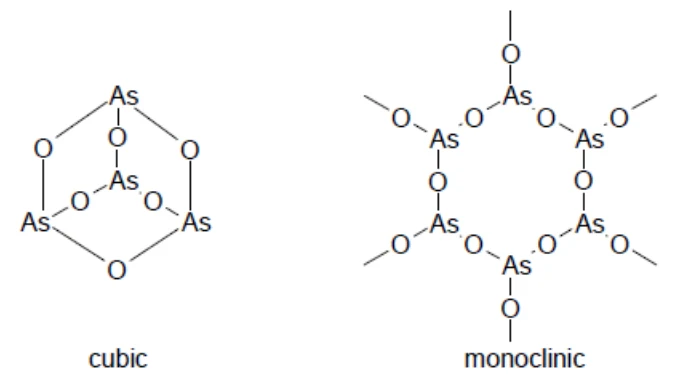
Physicochemical properties: Arsenic trioxide is a white or transparent, glassy, crystalline powder; sparingly and extremely slowly soluble in cold water; soluble in 15 parts boiling water, in diluted HCl, in alkali hydroxide or carbonate solutions; practically insoluble in alcohol, chloroform, ether.
14 CLINICAL TRIALS
14.1 CLINICAL TRIALS BY INDICATION
Acute Promyelocytic Leukemia (APL)
Study Demographics and Trial Design
Table 4: Summary of patient demographics for clinical trials in APL
| Study design | Dosage, route of administration and duration | Study subjects (n) | Mean age (Range) | Sex |
| Study design | Dosage, route of administration and duration | Study subjects (n) | Mean age (Range) | Sex |
| Multicenter, open-label, single-arm pivotal study | Arsenic trioxide infused i.v. for 1 to 4 hours daily, 0.15 mg/kg to CR or maximum 60 days for induction and up to 25 days for consolidation | n=40 | 40 years (5 – 73 years) | 40% male 60% female |
| Single-center, open-label, single-arm study | Arsenic trioxide infused i.v. daily, 5, 10, 15 mg or 0.15 mg/kg to CR or maximum 60 days for induction and 25 days for consolidation | n=12 | 38 years (9 – 75 years) | 67% male 33% female |
CR=complete remission; i.v.=intravenous
Arsenic trioxide has been investigated in 52 relapsed or refractory APL patients, previously treated with an anthracycline and a retinoid regimen, in two open-label, single-arm, non-comparative studies. One pivotal multicenter study was conducted in 40 patients with relapsed or refractory APL. The results from the pivotal study are supported with data from a single-center study in 12 patients. Patients in the multicenter study received a fixed dose of 0.15 mg/kg/day and patients in the single-center study received a median dose of 0.16 mg/kg/day of arsenic trioxide (range 0.06 to 0.20 mg/kg/day; 2 patients received 0.15 mg/kg/dose). Treatment was administered daily during induction until bone marrow remission was achieved or a maximum of 60 doses were administered (whichever occurred earlier). Patients with complete remission (CR) received consolidation therapy with arsenic trioxide for 25 additional doses over a 5 week period. Consolidation therapy began 4 weeks (range: 3 – 6) after induction in the multicenter study and 6 weeks (range: 3 – 8) after induction in the single-center study.
In the multicenter study, of the 40 patients enrolled, 16 were male and 24 were female. The mean age was 39.6 years (range: 5 to 73 years). Five pediatric patients (age < 18 years) were enrolled. Of the enrolled patients, 30 were Caucasian, 5 were black, 3 were Hispanic, and 2 were Pacific Islanders. The number of months since initial diagnosis ranged from 9 to 53.8 (mean 22.7, median 18.1). Nineteen patients had undergone 1 prior treatment regimen prior to enrolment, 17 patients had 2 prior regimens, 3 patients had 3 prior regimens, and 1 had 4 prior regimens. Five patients had bone marrow transplantation (BMT) prior to enrolment.
In the single-center study, of the 12 patients enrolled, 8 were male and 4 were female. The mean age was 38 years (range 9 to 75 years). Two pediatric patients were enrolled. Nine patients were Caucasian and 3 were black. The number of months since initial diagnosis ranged from 11.9 to 61.6 (mean 26.2 and median 21.1). Three patients had undergone 1 prior treatment regimen prior to enrolment, 3 had 2 prior regimens (1 had prior BMT also), and 6 had ≥ 3 prior regimens (1 had 6 prior regimens + BMT). The minimum number of doses administered was 5 and the maximum was 64.
The primary efficacy endpoint in both the studies was the incidence of CR after arsenic trioxide therapy. CR was defined as cellular bone marrow aspirate with < 5% blasts, peripheral blood leukocyte count ≥ 3,000/mm3 or absolute neutrophil count ≥ 1,500/mm3, and platelet count ≥ 100,000/mm3. Complete remission was considered to have occurred on the date on which the last of the criteria was met. In addition to the conventional criteria for disease response described above, assessment of molecular markers for APL was performed using Reverse Transcriptase - Polymerase Chain Reaction (RT-PCR) analysis for PML-RARα gene expression which is unique to this disease. Cytogenetic analysis of bone marrow cells was also performed.
Study Results
Thirty-four of 40 patients (85%) in the multicenter study and 11 of 12 patients (92%) in the single-center study achieved CR. Overall, 45 of 52 patients (87%) achieved CR.
In the multicenter study, the median time to complete response was 59 days. The duration of follow-up ranged from 280 to 791 days.
The efficacy results of both studies are summarized in the Table 5 below.
Table 5: Results of Single-center and Multicenter Studies
Single-center Study N = 12 | Multicenter Study N = 40 | |
|---|---|---|
| Arsenic trioxide Dose, mg/kg/day (median, range) | 0.16 (0.06-0.20) | 0.15 |
| CR | 11 (92%) | 34 (85%) |
| Time to CR (median) | 54 days | 59 days |
CR = Complete remission
Of 7 patients with relapsed or refractory APL below the age of 18 years treated with arsenic trioxide, at the recommended dose of 0.15 mg/kg/day, 5 achieved CR. The multicenter trial included 5 pediatric patients (<18 years old), 3 of whom achieved CR. The single-center study included 2 pediatric patients (<18 years old), both of whom achieved CR. No children of less than 5 years of age were treated in the two studies.
In the multicenter study, cytogenetic confirmation of conversion to a normal genotype was observed in 31 of the 34 (91%) patients in CR, most often by molecular confirmation as well as classical cytogenetics. RT-PCR conversions to normal were documented in 26 of 34 (76%) of the CRs. Cytogenetic confirmation of conversion to a normal genotype and RT-PCR detection of PML-RARα conversion to normal for both studies are shown in the Table 6 below.
Table 6: Cytogenetics after arsenic trioxide therapy
Single-center Study Number with CR = 11 | Multicenter Study Number with CR = 34 | |
Conventional cytogenetics [t(15;17)] Absent Present Not evaluable | 8 (73%) 1 (9%) 2 (18%) | 31 (91%) 1 (3%) 2 (6%) |
RT-PCR for PML-RARα Negative Positive Not evaluable | 8 (73%) 3 (27%) 0 | 26 (76%) 5 (15%) 3 (9%) |
CR = Complete remission
Responses were seen across all age groups tested, ranging from 6 to 75 years. The response rate was similar for both genders. There were insufficient patients of Black, Hispanic or Asian derivation to estimate relative response rates in these groups, but responses were seen in members of each group. There is no experience on the effect of arsenic trioxide on the variant APL containing the t(11;17) and t(5;17) chromosomal translocations.
15 MICROBIOLOGY
No microbiological information is required for this drug product.
16 NON-CLINICAL TOXICOLOGY
General Toxicology
The toxicity of arsenicals in animals depends on the species, sex, age, dose, and duration of exposure. Arsenic interferes with the action of enzymes, essential cations, and transcriptional events in cells throughout the body, and high-dose exposure induces a multitude of systemic effects. Renal and hepatic effects were observed in mice, rats, dogs and adolescent monkeys; nervous system and hematologic effects were found in rats; and hematologic effects were seen in dogs.
Acute Toxicity
The acute lethality of arsenic trioxide has been evaluated in mice. The median lethal dose (LD50) values were 10.7, 9.8 to 12.3, 11.0 to 11.8, and 25.8 to 47.6 mg/kg when arsenic trioxide was given to mice by the intravenous, subcutaneous, intraperitoneal, and oral routes, respectively.
Repeat-dose Toxicity
The repeat-dose toxicity of arsenic trioxide and trivalent arsenic has been studied through a variety of routes of administration including oral, intraperitoneal and intravenous in mice, rats, dogs and monkeys.
The effects of arsenic trioxide in beagle dogs following intravenous infusions for 90 days, followed by a 28-day observation period were evaluated. Ten male and 10 female beagle dogs were divided into 1 control group and 4 treatment groups, 2 dogs/sex/group. Arsenic trioxide was administered by intravenous infusion at up to 3.0 mg/kg/day. Doses were administered once daily for 6 consecutive days each week, with no treatment on the seventh day. Half of the animals were maintained for a 28-day observation period following cessation of dosing. The study showed that repeated administration of high doses of arsenic trioxide over a 90-day period results in arsenic accumulation in tissues, toxic effects in the liver (decreased cytoplasmic density, mis-shaped nuclei, nucleolus absent) at the 1.0 and 3.0 mg/kg/day dose, kidney (decreased size of glomera and glomeruli, decreased number of blood vessels, decreased or enlarged renal pelvis, with necrotic and inflamed cells in the expanded renal pelvis) at the 3.0 mg/kg/day dose, and hematologic effects on red blood cells (decreased red blood cells and hemoglobin levels, and increased mean corpuscular volume) at the 3.0 mg/kg/day dose. Most of these effects subside after cessation of treatment. No signs of local irritation by arsenic trioxide were observed in the injection sites of any animals. No significant toxic effects were observed at dosages of 0.1 and 0.3 mg/kg/day. No abnormalities were observed in all tissues in all animals at the 0.3 mg/kg/day dose.
Nervous system, hematologic, renal, and hepatic effects were seen in rats receiving up to 13.8 mg/kg/day sodium arsenite in diet for up to 2 years. Dogs receiving sodium arsenite in the diet for up to 2 years had increased mortality and hepatic changes at 3.125 mg/kg/day (high dose).
Genotoxicity
Studies of the mutagenic potential of arsenic were conducted in 4 in vitro assays: Ames assay, a mouse lymphoma test, a Chinese V79 transformed cell line, and a Syrian hamster embryo cell assay. Arsenic was either inactive or extremely weak for the induction of gene mutations in the in vitro assays. The Ames assay was negative. Co-mutagenicity with N-methyl-N-nitrosurea as a result of inhibition of DNA repair by arsenic in a transformed Chinese hamster V79 cell line was demonstrated. Induction of sister chromatid exchanges and chromosomal aberrations by arsenic were seen in Syrian hamster embryo cells and human peripheral lymphocytes. The concentration that induced chromatid aberrations was 259.8 ng/mL. Based on a mean Cmax from clinical trials of 24.3-37.7 ng-Eq/mL, the safety margin would be approximately 6.9-10.7 fold. In vivo, the clastogenic effects of sodium arsenite were confirmed in a mouse micronucleus assay. Arsenite produced dose-related linear increases in micronuclei in mouse bone marrow at a dose range of 0.5-10 mg/kg. The clastogenic effects in somatic cells did not appear to extend to inheritable effects in germ cells in a mouse dominant lethality assay.
Studies of the potential mechanisms for genotoxicity indicated that arsenic has the potential to interfere with DNA repair by inhibiting DNA ligase activity, amplifying gene expression, and inducing either hyper- or hypo-methylation of DNA.
On the basis of the genotoxicity profile, chromosomal alterations rather than point mutations are more likely to be involved in the observations of arsenic-related genotoxicity in vitro and carcinogenicity in humans.
Carcinogenicity
Epidemiological data indicate that arsenic causes cancer of the skin, bladder, kidney, liver, prostrate and lung in humans. This correlates with accumulating evidence for the induction of malignant lymphomas/leukemia and carcinogenicity (including preneoplastic changes) of the skin, bladder, lung, liver, kidney, testis, uterus, bone, and eye by arsenic in numerous animal models (mouse, rat and hamster) that were administered arsenic through feed and water. However, limited evidence for its carcinogenic potential has been demonstrated via the clinically relevant route of intravenous administration by Waalkes et al (2000). Once a week intravenous injections of sodium arsenate (0.5 mg/kg) into Swiss mice for 20 weeks and monitored up to 96 weeks lead to preneoplastic lesions in uterus and testis, and in the female liver. Assuming a mean body weight in the mouse of 35 grams, the dose evaluated by Waalkes et al (2000) is equivalent to 0.018 mg sodium arsenate/week or 0.0025 mg/day. Presented as arsenic equivalents, this corresponds to a daily dose of 0.001 mg-eq/day. By comparison, the labeled dose of arsenic trioxide is 0.15 mg/kg/day, which is equivalent to a 4.0 mg-eq/day in a 70 kg human. The quantitative dose-response data from some animal studies is not considered to be reliable for determining levels of significant human exposure.
Reproductive and Developmental Toxicology
Reproductive toxicity studies of arsenic trioxide using parenteral routes of administration have been conducted in mice, rats, and hamsters. Most of the studies used inorganic forms of arsenic, chiefly the sodium salts of arsenite and arsenate.
Arsenic is known to cross the placental barrier. Animal data indicate that arsenic has the potential to cause developmental toxicity, including malformations, in a variety of species at maternally toxic doses. When sodium arsenite was given to pregnant hamsters by intraperitoneal injection at doses of 2.5 mg/kg (days 9 or 10) and 5 mg/kg (days 8, 11, or 12) fetal growth was decreased with the day 11 and day 12 treatment at 5 mg/kg. Fetal deaths were increased significantly with 5 mg/kg dosing on days 8 and 11. Gross malformations (micromela, syndactyly, micrognathia, encephalocoel, facial malformations and twisted hind limb) were observed in fetuses exposed to arsenic on days 8 or 9. Skeletal malformations (fused ribs) were seen with treatment on days 8 or 10.
Sodium arsenite given as a single intraperitoneal injection to pregnant mice at a maternally lethal dose (12 mg/kg) during organogenesis resulted in fetal malformations (exencephalies, open eyes and fused ribs) and prenatal deaths, without affecting fetal weight. Intraperitoneal administration of arsenic trioxide to pregnant rats on gestational day 9 at doses of 1, 5, 10, or 15 mg/kg or sodium arsenate at 5, 10, 20 and 35 mg/kg resulted in maternal toxicity including mortality at 10 and 15 mg/kg arsenic trioxide and decreased body weight and food consumption at 20 and 35 mg/kg sodium arsenate. Increased resorptions, decreased viable litter sizes and decreased fetal weight was seen in dams given 10 mg/kg arsenic trioxide. The intraperitoneal administration of 10 mg/kg arsenic trioxide and 10 and 35 mg/kg of sodium arsenate increased the incidence of fetal malformations (exencephaly, microphthalmia/anophthalmia and other craniofacial defects). Intraperitoneal injection of 1 or 5 mg/kg arsenic trioxide on gestation day 9 did not produce any maternal toxicity and did not adversely affect intrauterine parameters.
A series of studies were completed that resulted in the development of a mouse model where inorganic arsenic acts as a complete transplacental carcinogen. Brief exposure in utero to arsenic in drinking water resulted in the formation of a variety of malignant, benign and preneoplastic lesions in the liver, lung, bladder, adrenal, kidney, ovaries, uterus, oviduct and vagina in the offspring after they reached adulthood. It is hypothesized that fetal arsenic exposure may induce aberrant genetic programming as part of its genotoxic reprogramming.
Testicular toxicities including impaired spermatogenesis were found in male animals treated with intravenous or oral arsenic compounds. In beagle dogs following intravenous arsenic trioxide infusion for 90 days, reduced inner cell layers within seminiferous tubules, significantly decreased number of spermatocytes, spermatozoa and sperm cells were observed at doses of 1.0 mg/kg/day and higher. Male mice sacrificed following 35 days of treatment (7.5 mg/kg in drinking water) showed decreased sperm motility, increased abnormal sperm morphology, and decreased sperm viability. In a parallel group, mice with same sodium arsenate exposure were allowed to recover for 35 days after the last day of treatment. At the end of recovery period, sperm motility had recovered but increased abnormal sperm morphology was still apparent. In a rat study, sodium arsenate treatment (5 mg/kg via drinking water for 4 weeks) resulted in decreased testicular weights, epididymal sperm count, plasma follicle stimulating hormone (FSH), luteinizing hormone (LH), testosterone and testicular testosterone concentrations, and germ cell degeneration. Administration of human chorionic gonadotropin along with sodium arsenate partially prevented the germ cell degeneration and maintained testicular weights and epidydimal sperm counts.
Local Tolerance
The local tolerance to intravenous injections of arsenic trioxide was studied in a repeated-dose subacute study conducted in dogs. There were no clinical signs of inflammation at the injection site. Histopathological analysis of the area around the injection site did not reveal any gross abnormalities in any animals. No necrosis or inflammatory cells were observed in the skin surrounding the injection site.
17 SUPPORTING PRODUCT MONOGRAPH
- 1.
PrTRISENOX® (arsenic trioxide for injection 12 mg/6 ml (2 mg/ml) stoppered vial)
submission control 267796, Product Monograph, Teva Canada Limited (February 06, 2023).