


Product Monograph - Avamys
RECENT MAJOR LABEL CHANGES
N/A
TABLE OF CONTENTS
Sections or subsections that are not applicable at the time of authorization are not listed.
RECENT MAJOR LABEL CHANGES ........................................................................................................ 2
TABLE OF CONTENTS .......................................................................................................................... 2
1 INDICATIONS ......................................................................................................................... 4
1.1 Pediatrics ............................................................................................................................... 4
2 CONTRAINDICATIONS ............................................................................................................ 4
4 DOSAGE AND ADMINISTRATION ............................................................................................ 4
4.1 Dosing Considerations .......................................................................................................... 4
4.2 Recommended Dose and Dosage Adjustment ..................................................................... 4
4.4 Administration ...................................................................................................................... 5
4.5 Missed Dose .......................................................................................................................... 5
5 OVERDOSAGE ........................................................................................................................ 5
6 DOSAGE FORMS, STRENGTHS, COMPOSITION AND PACKAGING .............................................. 5
7 WARNINGS AND PRECAUTIONS .............................................................................................. 6
7.1 Special Populations ............................................................................................................... 8
7.1.1 Pregnant Women ........................................................................................................... 8
7.1.2 Breast-feeding ................................................................................................................ 8
7.1.3 Pediatrics ........................................................................................................................ 9
7.1.4 Geriatrics (≥ 65 years of age) .......................................................................................... 9
8 ADVERSE REACTIONS ............................................................................................................. 9
8.1 Adverse Reaction Overview .................................................................................................. 9
8.2 Clinical Trial Adverse Reactions ............................................................................................ 9
8.2.1 Clinical Trial Adverse Reactions – Pediatrics ................................................................ 11
8.3 Less Common Clinical Trial Adverse Reactions ................................................................... 12
8.3.1 Less Common Clinical Trial Adverse Reactions – Pediatrics ......................................... 13
8.5 Post-Market Adverse Reactions .......................................................................................... 13
9 DRUG INTERACTIONS ........................................................................................................... 14
9.2 Drug Interactions Overview ................................................................................................ 14
9.4 Drug-Drug Interactions ....................................................................................................... 14
10 CLINICAL PHARMACOLOGY .................................................................................................. 15
10.1 Mechanism of Action .................................................................................................... 15
10.2 Pharmacodynamics ...................................................................................................... 15
10.3 Pharmacokinetics ......................................................................................................... 17
11 STORAGE, STABILITY AND DISPOSAL ..................................................................................... 18
12 SPECIAL HANDLING INSTRUCTIONS ...................................................................................... 18
PART II: SCIENTIFIC INFORMATION ................................................................................................... 19
13 PHARMACEUTICAL INFORMATION ....................................................................................... 19
14 CLINICAL TRIALS ................................................................................................................... 19
14.1 Clinical Trials By Indication ........................................................................................... 19
Seasonal Allergic Rhinitis ............................................................................................................... 19
Perennial Allergic Rhinitis .............................................................................................................. 29
15 MICROBIOLOGY ................................................................................................................... 36
16 NON-CLINICAL TOXICOLOGY ................................................................................................. 36
PATIENT MEDICATION INFORMATION .............................................................................................. 38
PART I: HEALTH PROFESSIONAL INFORMATION
1 INDICATIONS
AVAMYS (fluticasone furoate nasal spray) is indicated for the treatment of the symptoms of seasonal and perennial allergic rhinitis in patients 2 years of age and older.
1.1 Pediatrics
Pediatrics (2-17 years of age): Based on the data submitted and reviewed by Health Canada, the safety and efficacy of AVAMYS in pediatric patients has been established; therefore, Health Canada has authorized an indication for pediatric use.
Pediatrics (less than 2 years of age): The safety and effectiveness of AVAMYS in children below 2 years of age have not been evaluated (see 7.1 Special Populations, Pediatrics).
2 CONTRAINDICATIONS
AVAMYS is contraindicated in patients with a hypersensitivity to any of its ingredients. For a complete listing, see 6 DOSAGE FORMS, STRENGTHS, COMPOSITION AND PACKAGING.
4 DOSAGE AND ADMINISTRATION
4.1 Dosing Considerations
For full therapeutic benefit, regular scheduled usage is recommended. Onset of action has been observed as early as 8 hours after initial administration in Seasonal Allergic Rhinitis (SAR) and as early as 24 hours after initial administration in Perennial Allergic Rhinitis (PAR). It may take several days of treatment to achieve maximum benefit. An absence of an immediate effect should be explained to the patient. Similarly, when corticosteroids are discontinued, symptoms may not return for several days.
4.2 Recommended Dose and Dosage Adjustment
Adults and adolescents 12 years of age and older
The recommended dosage is two sprays (27.5 mcg of fluticasone furoate per spray) in each nostril once daily (total daily dose, 110 mcg).
Pediatrics (2 to < 12 years of age)
The recommended starting dosage is one spray (27.5 mcg of fluticasone furoate per spray) in each nostril once daily (total daily dose, 55 mcg). Patients not adequately responding to one spray in each nostril once daily (total daily dose, 55 mcg) may use two sprays in each nostril once daily (total daily dose, 110 mcg). Once adequate control of symptoms is achieved, dose reduction to one spray in each nostril once daily (total daily dose, 55 mcg) is recommended.
Hepatic Insufficiency
No dosage adjustment is required for patients with hepatic impairment. Fluticasone furoate systemic exposure (AUC) after repeat inhaled dosing increased by up to 3-fold in subjects with mild, moderate and severe hepatic impairment. Caution should be exercised when dosing patients with hepatic impairment as they may be more at risk of systemic adverse reactions associated with corticosteroids. Patients should be monitored for corticosteroid-related side effects (see 7 WARNINGS AND PRECAUTIONS, Hepatic/Biliary/Pancreatic and 10.3 Pharmacokinetics, Special Populations and Conditions, Hepatic Insufficiency).
4.4 Administration
AVAMYS should be administered only by the intranasal route. It is necessary to prime the pump with 6 actuations before first use or after 30 days of non-use or if the cap has been left off for more than 5 days. AVAMYS may be administered at any time of day. Illustrated instructions for proper use appear in PATIENT MEDICATION INFORMATION.
4.5 Missed Dose
If a single dose is missed, instruct the patient to take the next dose when it is due. Do not instruct the patient to take an extra dose.
5 OVERDOSAGE
Chronic overdosage may result in signs/symptoms of hypercorticism (see 7 WARNINGS AND PRECAUTIONS, Endocrine and Metabolism). There are no data on the effects of acute or chronic overdosage with AVAMYS. Because of low systemic bioavailability and an absence of acute drug related systemic findings in clinical studies (with dosages of up to 440 mcg/day for 2 weeks [4 times the maximum recommended daily dose]), overdose is unlikely to require any therapy other than observation.
Intranasal administration of up to 2,640 mcg/day (24 times the recommended adult dose) of AVAMYS to healthy human volunteers for 3 days was well tolerated. The oral median lethal dose in mice and rats was >2,000 mg/kg compared with the maximum recommended clinical dose of 2.2 mcg/kg based on a 50 kg bodyweight.
Acute overdosage with the intranasal dosage form is unlikely since one bottle of AVAMYS contains approximately 3 mg of fluticasone furoate, and the bioavailability of fluticasone furoate is 0.50% for 2.6 mg/day given intranasally and 1.26% for a single 2 mg dose 2 mg/day given as an oral solution.
| For management of a suspected drug overdose, contact your regional poison control centre. |
6 DOSAGE FORMS, STRENGTHS, COMPOSITION AND PACKAGING
Table 1 Route of Administration, Dosage Forms, Strengths, Non-medicinal Ingredients
| Route of Administration | Dosage Form / Strength | Non-medicinal Ingredients |
| Intranasal | Nasal Spray / 27.5 mcg | 0.015% w/w benzalkonium chloride, carboxymethylcellulose sodium, dextrose anhydrous, edetate disodium, microcrystalline cellulose, polysorbate 80 and purified water. |
AVAMYS 27.5 mcg is supplied in an amber glass bottle enclosed in a nasal device with a small, short nozzle and a side-actuated mist-release button to actuate the spray. Each bottle contains a net fill weight of 4.5 g or 10 g and will provide 30 or 120 metered sprays, respectively, after the initial priming. Each spray delivers a fine mist containing 27.5 mcg of fluticasone furoate in 50 mcL of formulation through the nozzle. The contents of the bottle can be viewed through an indicator window. The nasal device should be discarded after the labelled amount of sprays has been used. Beyond this, the correct amount of medication in each spray cannot be assured, even though the bottle is not completely empty.
AVAMYS is an unscented, taste free, alcohol free, preserved aqueous suspension of micronized fluticasone furoate for topical administration to the nasal mucosa by means of a metering (50 mcL), atomizing spray pump.
7 WARNINGS AND PRECAUTIONS
Ear/Nose/Throat
Epistaxis and Nasal Ulceration:
In clinical studies of 2 to 52 weeks duration, epistaxis and nasal ulcerations were observed more frequently and some epistaxis events were more severe in patients treated with AVAMYS than those who received placebo. In pediatric studies of up to 12 weeks duration, epistaxis events occurred at a similar rate between the active and placebo groups (see 8.1 Adverse Reaction Overview).
Candida albicans infection:
Evidence of localized infections of the nose with Candida albicans was seen on nasal exams in 7 of 2,745 patients treated with AVAMYS during clinical trials and was reported as an adverse event in 3 patients. When such an infection develops, it may require treatment with appropriate local therapy and discontinuation of AVAMYS. Therefore, patients using AVAMYS over several months or longer should be examined periodically for evidence of Candida infection or other signs of adverse effects on the nasal mucosa.
Impaired wound healing:
Monitor patients periodically for signs of adverse effects on the nasal mucosa. Avoid use in patients with recent nasal ulcers, nasal surgery, or nasal trauma, because of the inhibitory effect of corticosteroids on wound healing.
Nasal Septal Perforation:
Post-marketing cases of nasal septal perforation have been reported in patients following the intranasal application of AVAMYS (see 8.1 Adverse Reaction Overview and 8.5 Post-Market Adverse Reactions).
Endocrine and Metabolism
Hypercorticism and Adrenal Suppression:
When intranasal steroids are used at higher than recommended dosages or in susceptible individuals at recommended dosages, systemic corticosteroid effects such as hypercorticism (Cushing’s syndrome, Cushingoid features) and suppression of HPA function may occur. These effects are much less likely to occur with intranasal corticosteroids than with oral corticosteroids. As with other intranasal corticosteroids, physicians should be alert to potential systemic steroid effects including ocular changes such as central serous chorioretinopathy (CSCR).
In patients previously on systemic steroids, either over prolonged periods or in high doses, the replacement with a topical corticosteroid can be accompanied by symptoms of withdrawal, e.g. joint and/or muscular pain, lassitude and depression and, in severe cases, adrenal insufficiency may occur, necessitating the temporary resumption of systemic steroid therapy. Patients previously treated for prolonged periods with systemic corticosteroids and transferred to topical corticosteroids should be carefully monitored for acute adrenal insufficiency in response to stress. In those patients who have asthma or other clinical conditions requiring long-term systemic corticosteroid treatment, rapid decreases in systemic corticosteroid dosages may cause a severe exacerbation of their symptoms.
Effects on Growth:
In a one-year clinical study assessing growth in pre-pubescent children with allergic rhinitis receiving 110 mcg of AVAMYS once daily, an average treatment difference of -0.27 cm/year [95% CI: -0.48 to -0.06] in growth velocity was observed compared to placebo. This was observed after one year of exposure and may not be indicative of event rates incurred with short term intermittent use (see 8 ADVERSE REACTIONS). The clinical long-term relevance of this change in growth velocity is not known. A change in mean growth velocity has been observed in controlled clinical studies with other intranasal steroids. Children should be maintained on the lowest dose which delivers adequate symptom control (see 4.2 Recommended Dose and Dosage Adjustment, Pediatrics). Physicians should closely follow the growth of children and adolescents taking corticosteroids, by any route, and weigh the benefits of corticosteroid therapy against the possibility of growth suppression.
Hepatic/Biliary/Pancreatic
Fluticasone furoate undergoes extensive first-pass metabolism by the liver enzyme CYP3A4, therefore the pharmacokinetics of AVAMYS in patients with moderate and severe liver disease may be altered (see 10.3 Pharmacokinetics, Special Populations and Conditions).
Based on data with another glucocorticoid metabolized by CYP3A4, coadministration with ritonavir is not recommended because of the risk of systemic effects secondary to increased exposure to fluticasone furoate. However, a study confirming the effects of ritonavir coadministration with AVAMYS has not been conducted (see 9 DRUG INTERACTIONS).
Hepatic Impairment
Systemic exposure to inhaled fluticasone furoate increased by up to 3-fold in subjects with mild, moderate and severe hepatic impairment compared with healthy subjects. Patients should be monitored for corticosteroid-related side effects (see 4.2 Recommended Dose and Dosage Adjustment, Hepatic Insufficiency and 10.3 Pharmacokinetics, Special Populations and Conditions, Hepatic Insufficiency).
Immune
As with all medications containing a corticosteroid, AVAMYS should be administered with caution, and only if necessary, in patients with active or quiescent tuberculosis infections of the respiratory tract; chronic or untreated infections such as systemic fungal, bacterial, viral, or parasitic; or ocular herpes simplex.
Corticosteroids may mask some signs of infection and new infections may appear. A decreased resistance to localized infections has been observed during corticosteroid therapy; this may require treatment with appropriate therapy or stopping the administration of AVAMYS nasal spray.
Patients who are on drugs that suppress the immune system are more susceptible to infections than healthy individuals. Chickenpox and measles, for example, can have a more serious or even fatal course in non-immune children or adults on corticosteroids. In such children or adults who have not had these diseases, particular care should be taken to avoid exposure. How the dose, route, and duration of corticosteroid administration affect the risk of developing a disseminated infection is not known. The contribution of the underlying disease and/or prior corticosteroid treatment to the risk is also not known. If exposed to chickenpox, prophylaxis with varicella zoster immune globulin (VZIG) may be indicated. If exposed to measles, prophylaxis with pooled intramuscular immunoglobulin (IG), as appropriate, may be indicated. If chickenpox develops, treatment with antiviral agents may be considered.
Monitoring and Laboratory Tests
Patients with hepatic impairment should be monitored for corticosteroid effects due to potentially increased systemic exposure of fluticasone furoate.
Physicians should monitor the growth of children and adolescents taking corticosteroids by any route.
For patients at risk, monitoring ocular effects (cataract, glaucoma, and central serous chorioretinopathy) should also be considered in patients receiving maintenance therapy with AVAMYS.
Ophthalmologic
Nasal and inhaled corticosteroids may result in the development of glaucoma, cataracts and/or central serous chorioretinopathy (CSCR). Therefore, close monitoring is warranted in patients with a change in vision or with a history of increased intraocular pressure (IOP), glaucoma, cataracts, and/or CSCR (see 7 WARNINGS AND PRECAUTIONS, Monitoring and Laboratory Tests).
Sensitivity/Resistance
Rarely, immediate and delayed hypersensitivity reactions (e.g. angioedema, rash, urticaria and anaphylaxis) may occur after administration of AVAMYS.
7.1 Special Populations
7.1.1 Pregnant Women
There are no adequate and well controlled studies in pregnant women. AVAMYS should be used during pregnancy only if the potential benefit justifies the potential risk to the fetus (see 16 NON-CLINICAL TOXICOLOGY).
7.1.2 Breast-feeding
It is not known whether fluticasone furoate is excreted in human breast milk. However, other corticosteroids have been detected in human milk. Since there are no data from controlled trials on the use of AVAMYS by nursing mothers, caution should be exercised when AVAMYS is administered to a nursing woman. The use of fluticasone furoate in nursing mothers requires that the possible benefits of the drug be weighed against the potential hazards to the infant.
7.1.3 Pediatrics
Pediatrics (less than 2 years of age): The safety and effectiveness of AVAMYS in children below 2 years of age have not been evaluated.
Pediatrics (2 - 17 years of age): A total of 344 subjects aged 12 to 17 years were randomized in clinical trials, with 198 of these subjects treated with AVAMYS. The proportion of subjects 12 - 17 years of age reporting adverse events in these clinical trials was generally lower than in the adult population (18 to <65 year age group). In addition, other clinical trials of AVAMYS have been conducted in 1,224 patients aged 2 to 11 years treated with AVAMYS 110 or 55 mcg. Overall adverse events for subjects in this age group were reported with approximately the same frequency in patients treated with AVAMYS versus placebo (see 8 ADVERSE REACTIONS).
7.1.4 Geriatrics (≥ 65 years of age)
Clinical studies of AVAMYS did not include sufficient numbers of subjects aged 65 and over to determine whether they respond differently from younger subjects. Other reported clinical experience has not identified differences in responses between the elderly and younger patients. In general, dose selection for an elderly patient should be cautious, reflecting the greater frequency of decreased hepatic, renal or cardiac function, and of concomitant disease or other drug therapy.
8 ADVERSE REACTIONS
8.1 Adverse Reaction Overview
Systemic and local corticosteroid use may result in the following:
- Epistaxis, ulcerations, Candida albicans infection, impaired wound healing and nasal septum perforation [see 7 WARNINGS AND PRECAUTIONS, Ear/Nose/Throat]
- Cataracts and glaucoma [see 7 WARNINGS AND PRECAUTIONS, Ophthalmologic]
- Immunosuppression [see 7 WARNINGS AND PRECAUTIONS, Immune]
- Hypothalamic-pituitary-adrenal (HPA) axis effects, including growth reduction [see 7 WARNINGS AND PRECAUTIONS, Endocrine and Metabolism]
8.2 Clinical Trial Adverse Reactions
Clinical trials are conducted under very specific conditions. The adverse reaction rates observed in the clinical trials; therefore, may not reflect the rates observed in practice and should not be compared to the rates in the clinical trials of another drug. Adverse reaction information from clinical trials may be useful in identifying and approximating rates of adverse drug reactions in real-world use.
In general, in adults, adolescents and children, adverse reactions to AVAMYS were similar to those seen with other intranasal corticosteroids and were primarily associated with irritation of the nasal mucous membranes. Overall adverse events were reported with approximately the same frequency by patients treated with AVAMYS and those receiving placebo. Less than 3% of patients in clinical trials discontinued treatment because of adverse events.
Adults and Adolescents (12 years of age and older)
The data described below reflect exposure to AVAMYS in 1079 adult and adolescent patients (661 females and 418 males aged 12 years and older) with seasonal or perennial allergic rhinitis in 8 controlled clinical trials. Patients were treated with AVAMYS 110 mcg once daily for 2 to 6 weeks. The rate of withdrawal among patients receiving AVAMYS in these clinical trials was similar or lower than the rate among patients receiving placebo.
Table 2 displays the common adverse events (≥ 1%) that occurred in patients treated with AVAMYS compared with placebo treated patients. These represent the absolute number of reported adverse events, regardless of whether or not a causal association was established.
Table 2 - Summary of adverse events with an incidence ≥ 1% during treatment (ITT population - studies FFR20001/ FFR20002/ FFR30002/ FFR30003/ FFR103184/ FFR104861/ FFR106080/ FFU111439)
| Number of subjects (%) | ||||||
|---|---|---|---|---|---|---|
| Adverse Event | Placebo N=1079 | FF 110 mcg QD N=1077 | ||||
| Any Event | 327 (30) | 369 (34) | ||||
| Headache | 88 (8) | 99 (9) | ||||
| Epistaxis | 51 (5) | 82 (8) | ||||
| Pharyngolaryngeal pain | 15 (1) | 31 (3) | ||||
| Nasal septum ulceration | 3 (<1) | 13 (1) | ||||
| Nasopharyngitis | 20 (2) | 26 (2) | ||||
| Back pain | 10 (<1) | 12 (1) | ||||
| Upper respiratory tract infection | 14 (1) | 11 (1) | ||||
| Nausea | 4 (<1) | 11 (1) | ||||
In one controlled clinical trial, 605 patients (307 females and 298 males aged 12 years and older) were treated with AVAMYS 110 mcg once daily for 12 months. Adverse events were similar in type and rate between the treatment groups. However, epistaxis occurred more frequently in the group receiving AVAMYS (123/605, 20%) than in the placebo group (17/201, 8%). The episodes of epistaxis were of mild intensity in the majority of patients (83/123 in the group receiving AVAMYS and 17/17 in the placebo group). The episodes were of moderate intensity in 39 patients and of severe intensity in 1 patient receiving AVAMYS. This was a longer duration chronic use study conducted in a perennial allergic rhinitis population and therefore may not be indicative of event rates with short-term, intermittent use.
Systemic corticosteroid side effects were not reported during this clinical study.
Ophthalmologic Safety
In a 2-year randomized, double-blind, placebo-controlled study designed to assess the ocular safety of 110 mcg of AVAMYS once daily, adults and adolescents with perennial allergic rhinitis received either AVAMYS (n = 367) or placebo (n = 181). The primary outcomes, time to increase in posterior subcapsular opacity (≥0.3 from baseline in Lens Opacification Classification System III Grade P), and time to increase in intraocular pressure (IOP) (≥7 mmHg from baseline), were not statistically significant between the two groups. Increases in posterior subscapsular opacity were more frequent in subjects treated with AVAMYS (4%, n = 14) versus placebo (2%, n = 4) and were transient in nature for 10 subjects treated with AVAMYS and 2 subjects treated with placebo. Increases in IOP were more frequent in subjects treated with AVAMYS (2%, n = 7) versus placebo (<1%, n = 1). These events were transient in nature for 6 subjects treated with AVAMYS and 1 subject treated with placebo. At Weeks 52 and 104, 95% of subjects in both treatment groups had posterior subcapsular opacity values within ±0.1 of baseline values for each eye and, at Week 104, ≤1% of subjects in both treatment groups had a ≥0.3 increase from baseline in posterior subcapsular opacity. At Weeks 52 and 104, >95% had IOP values of within ±5 mmHg of the baseline value. Increases in posterior subcapsular opacity or IOP were not accompanied by any adverse events of cataracts or glaucoma.
Glaucoma and cataract formation was also evaluated in one controlled 12 week study in 558 pediatric patients aged 2 to 11 years with perennial allergic rhinitis. Patients were randomized to treatment with either fluticasone furoate 110 mcg (n=185), fluticasone furoate 55 mcg (n=185) or placebo (n=188) once daily for 12 weeks. Ophthalmic evaluations were performed at baseline and Week 12. Intraocular pressure (IOP) remained within the sponsor-defined threshold (< 21 mmHg) in ≥ 98% of the patients. Two patients [1 in the fluticasone furoate 55 mcg group (< 1%) and 1 in the fluticasone furoate 110 mcg group (< 1%)] had IOP measurements ≥ 21 mmHg at baseline. However, these IOP measurements had decreased to below 21 mmHg at Week 12. Four adverse events of increased intraocular pressure were considered drug-related (see 8.3.1 Less Common Clinical Trial Adverse Reactions – Pediatrics). However, funduscopic cup to disc percentage values remained below the sponsor-defined threshold (≥ 66%) in all of these subjects at all assessments and none of the patients in the fluticasone furoate 110 mcg group reported a cataract.
In the same pediatric study, 4 patients in the fluticasone furoate 55 mcg group (2%) reported a cataract in at least one eye compared with 2 patients in the placebo group (1%). Of these, the following three reports of cataracts were considered to be drug-related adverse events: one patient in the fluticasone furoate 55 mcg group reported a cataract in both eyes at week 12 that was not detected at baseline; and in the placebo group, two patients also reported a cataract in both eyes at the end of the study that was not detected at baseline. Glaucoma was not detected in the study.
8.2.1 Clinical Trial Adverse Reactions – Pediatrics
The data from pediatric patients are based upon 3 clinical trials in which 795 children with seasonal or perennial rhinitis (352 females and 443 males 2 to < 12 years of age) were treated with AVAMYS 55 or 110 mcg once daily for 2 to 12 weeks.
Table 3 displays the common adverse events (≥ 1%) that occurred in patients treated with AVAMYS compared with placebo treated patients. These represent the absolute number of reported adverse events, regardless of whether or not a causal association was established. In children, the adverse event profile was similar to that seen for the adults and adolescents.
Table 3 - Adverse Events With ≥ 1% Incidence in Controlled Clinical Trials of 2 to 12 Weeks Duration With AVAMYS in Pediatric Patients 2 to < 12 Years of Age With Seasonal or Perennial Allergic Rhinitis – Studies FFR100010, FFR30008, FFR100012
| Number (%) of Subjects | |||||||||
|---|---|---|---|---|---|---|---|---|---|
| Adverse Event | Placebo (n= 429) | FF 55 mcg QD (n= 369) | FF 110 mcg QD (n= 426) | ||||||
| Any Event | 157 (37) | 158 (43) | 174 (41) | ||||||
| Headache | 30 (7) | 28 (8) | 32 (8) | ||||||
| Nasopharyngitis | 21 (5) | 20 (5) | 21 (5) | ||||||
| Epistaxis | 19 (4) | 17 (5) | 17 (4) | ||||||
| Pyrexia | 7 (2) | 17 (5) | 19 (4) | ||||||
| Pharyngolaryngeal pain | 14 (3) | 16 (4) | 12 (3) | ||||||
| Cough | 12 (3) | 12 (3) | 16 (4) | ||||||
| Bronchitis | 11 (3) | 11 (3) | 8 (2) | ||||||
A randomized, double-blind, parallel-group, multicenter, one-year placebo controlled clinical growth study evaluated the effect of 110 mcg of AVAMYS once daily on growth velocity in 474 prepubescent children (girls aged 5 to 7.5 years of age and boys aged 5 to 8.5 years of age) with stadiometry. Mean growth velocity over the 52-week treatment period was lower in patients receiving AVAMYS (5.19 cm/year) compared to placebo (5.46 cm/year). The mean treatment difference was -0.27 cm/year [95% CI: -0.48 to -0.06]. This observation was seen after one year of exposure and may not be indicative of event rates incurred with short term intermittent use. The clinical long-term relevance of this change is not known. A change in mean growth velocity has been observed in controlled clinical studies with other intranasal steroids.
8.3 Less Common Clinical Trial Adverse Reactions
Table 4 displays the less common adverse events (<1%) that occurred in patients treated with AVAMYS compared with placebo treated patients. All incidences are included. These represent the absolute number of reported adverse events, regardless of whether or not a causal association was established.
Table 4 - Summary of less common adverse events with an incidence <1% during treatment (ITT population-studies FFR20001/ FFR20002/ FFR30002/ FFR30003/ FFR103184/ FFR104861/ FFR106080/ FFU111439)
| Body System | Less Common Adverse Events | Number of subjects (%) | |||
|---|---|---|---|---|---|
| Placebo N=1079 | FF 110 mcg QD N=1077 | ||||
| Nervous System Disorders | dizziness migraine tremor psychomotor hyperactivity | 7 (<1%) 7 (<1%) 0 0 | 9 (<1%) 4 (<1%) 2 (<1%) 1 (<1%) | ||
| Respiratory, Thoracic and Mediastinal Disorder | cough dry throat rhinalgia nasal discomfort (including | 11 (1%) 2 (<1%) 1 (<1%) 7 (<1%) | 10 (<1%) 7 (<1%) 1 (<1%) 5 (<1%) | ||
| Body System | Less Common Adverse Events | Number of subjects (%) |
|---|
| Placebo N=1079 | FF 110 mcg QD N=1077 | ||
|---|---|---|---|
nasal burning, nasal irritation, and nasal soreness) nasal dryness dysphonia dyspnea sinus congestion throat irritation | 4 (<1%) 1 (<1%) 2 (<1%) 0 0 | 5 (<1%) 2 (<1%) 2 (<1%) 1 (<1%) 2 (<1%) | |
| Infection | herpes simplex vaginal candidiasis | 5 (<1%) 0 | 2 (<1%) 1 (<1%) |
| Metabolic | aspartate aminotransferase increased alanine aminotransferase increased blood glucose increased | 2 (<1%) 2 (<1%) 4 (<1%) | 2 (<1%) 1 (<1%) 3 (<1%) |
| Cardiovascular | palpitations atrioventricular block second degree blood pressure increased | 0 0 2 (<1%) | 2 (<1%) 1 (<1%) 2 (<1%) |
8.3.1 Less Common Clinical Trial Adverse Reactions – Pediatrics
One of the less common clinical trial adverse events was nasal ulceration; which occurred at a lower frequency in pediatric patients (2 to < 12 years of age) than in adult and adolescent patients. Drug-related nasal ulceration was reported in 1 patient receiving placebo (< 1%), 1 patient receiving 55 mcg AVAMYS (< 1%) and 4 patients receiving 110 mcg AVAMYS (< 1%) once daily. Another less common adverse event was increased intraocular pressure. Drug-related increased intraocular pressure was reported in 1 patient receiving placebo (< 1%), 2 patients receiving 55 mcg AVAMYS once daily (< 1%) and 1 patient receiving 110 mcg AVAMYS once daily (< 1%). One patient treated with 55 mcg AVAMYS reported a cataract in both eyes at Week 12 that were not detected at baseline and was considered a drug-related adverse event (see also 8.2 Clinical Trial Adverse Drug Reactions, Ophthalmologic Safety).
8.5 Post-Market Adverse Reactions
The following adverse reactions have been identified during post-approval use of AVAMYS.
Reports of headache have been common.
Reports of rhinalgia, nasal discomfort (including nasal burning, nasal irritation, and nasal soreness), and nasal dryness have been uncommon.
Rare reports of hypersensitivity reactions, including anaphylaxis, angioedema, dyspnoea, rash and urticaria.
Reports of nasal septum perforation have been very rare.
Because these reactions are reported voluntarily from a population of uncertain size, it is not always possible to reliably estimate their frequency or establish a causal relationship to drug exposure.
9 DRUG INTERACTIONS
9.2 Drug Interactions Overview
Fluticasone furoate is cleared by extensive first-pass metabolism mediated by the cytochrome P450 isozyme CYP3A4. In a drug interaction study of intranasal fluticasone furoate and the CYP3A4 inhibitor ketoconazole given as a 200 mg once daily dose for 7 days, 6 of 20 subjects receiving fluticasone furoate and ketoconazole had measurable but low levels of fluticasone furoate compared with 1 of 20 receiving fluticasone furoate and placebo. Based on this study and the low systemic exposure, there was a 5% reduction in 24 hour serum cortisol levels with ketoconazole compared to placebo. The data from this study should be carefully interpreted because the study was conducted with ketoconazole 200 mg once daily rather than 400 mg, which is the maximum recommended dosage. Therefore, caution is required with the coadministration of AVAMYS and ketoconazole or other potent CYP3A4 inhibitors.
Based on data with another glucocorticoid, fluticasone propionate, metabolized by CYP3A4, coadministration of AVAMYS with the potent CYP3A4 inhibitor ritonavir is not recommended because of the risk of systemic effects secondary to increased exposure to fluticasone furoate. High exposure to corticosteroids increases the potential for systemic side effects, such as cortisol suppression.
Enzyme induction and inhibition data suggest that fluticasone furoate is unlikely to significantly alter the cytochrome P450-mediated metabolism of other compounds at clinically relevant intranasal dosages.
Exceeding the recommended dosage or co-administration of AVAMYS with a strong cytochrome P450 3A4 (CYP3A4) inhibitor may result in hypothalamic-pituitary-adrenal (HPA) dysfunction (see 7 WARNINGS AND PRECAUTIONS, Endocrine and Metabolism, Hypercorticism and Adrenal Suppression). If such changes occur, AVAMYS should be discontinued slowly, consistent with accepted procedures for reducing systemic corticosteroids.
9.4 Drug-Drug Interactions
The drugs listed in Table 5 are based on either drug interaction case reports or studies, or potential interactions due to the expected magnitude and seriousness of the interaction (i.e., those identified as contraindicated).
Table 5 Established or Potential Drug-Drug Interactions
| Proper name | Ref | Effect | Clinical comment |
|---|---|---|---|
| Ritonavir | CS | Systemic effects including Cushing’s syndrome and adrenal suppression. | Concomitant use of fluticasone furoate and ritonavir should be avoided. (See 9.2 Drug Interactions Overview) |
| Other inhibitors of cytochrome P450 3A4 | CT | Potential increased systemic exposure to fluticasone furoate. | Care is advised when coadministering potent cytochrome P450 3A4 inhibitors. (See 9.2 Drug Interactions Overview) |
CS – Class Statement
CT – Clinical Trial
10 CLINICAL PHARMACOLOGY
10.1 Mechanism of Action
Fluticasone furoate is a synthetic trifluorinated corticosteroid with potent anti-inflammatory activity. The precise mechanism through which fluticasone furoate affects rhinitis symptoms is not known. Corticosteroids have been shown to have a wide range of actions on multiple cell types (e.g. mast cells, eosinophils, neutrophils, macrophages, and lymphocytes) and mediators (e.g. histamine, eicosanoids, leukotrienes, and cytokines) involved in inflammation. These anti-inflammatory actions of corticosteroids may contribute to their efficacy in rhinitis.
Specific effects of fluticasone furoate demonstrated in in vitro and in vivo models included activation of the glucocorticoid response element and inhibition of pro inflammatory transcription factors such as NFκB, potent protection of respiratory cells against physical and chemical damage and inhibition of antigen induced lung eosinophilia in sensitized rats. Human glucocorticoid receptor binding studies demonstrated that fluticasone furoate binds with significantly greater affinity than fluticasone propionate and other intranasal corticosteroids. Fluticasone furoate has been shown in vitro to exhibit a binding affinity for the human glucocorticoid receptor that is approximately 29.9 times that of dexamethasone and 1.7 times that of fluticasone propionate. In addition, it has been shown that fluticasone furoate binds more avidly to respiratory tissue than other corticosteroids. The clinical significance of these findings is unknown.
AVAMYS, like other corticosteroids, does not have an immediate effect on rhinitis symptoms. Onset of action has been observed as early as 8 hours after initial administration in SAR and as early as 24 hours after initial administration in PAR. It may take several days of treatment to achieve maximum benefit. An absence of an immediate effect should be explained to the patient. Similarly, when corticosteroids are discontinued, symptoms may not return for several days.
10.2 Pharmacodynamics
Primary Pharmacodynamics
In vitro, fluticasone furoate bound with high affinity to the human glucocorticoid receptor and with significantly greater affinity than fluticasone propionate. In human cellular assays that measure the function of glucocorticoid receptor including the inhibition of cytokine release, fluticasone furoate had comparable or superior activity compared to the clinical standards fluticasone propionate and mometasone furoate. The primary metabolite of fluticasone furoate (GW694301X) was shown to be relatively inactive in a number of glucocorticoid receptor dependent assays since it was at least 6,000 fold less active than fluticasone furoate itself.
Fluticasone furoate demonstrated a highly efficacious cellular protection with an affinity greater than that seen with fluticasone propionate, mometasone furoate and other clinically used steroids.
Fluticasone furoate was highly selective for the human glucocorticoid receptor over other human steroid hormone receptor subtypes. Selectivity ranged from approximately 32 to > 300,000 fold, and was similar to that seen with fluticasone propionate and substantially better than that seen with mometasone furoate and ciclesonide active principle.
An Open-Label Nasal Biopsy Study
A well-controlled, randomized, parallel-group, open-label, multi-centered clinical trial evaluated the effects of 52-weeks of once-daily treatment with AVAMYS 110 mcg (N=56) or mometasone furoate nasal spray (MFNS) 200 mcg (N=60) on the nasal mucosa of patients 18 years of age and older. An untreated non-rhinitic healthy control (HC) group (N=30) also underwent nasal biopsy at baseline and endpoint. Differences in the nasal mucosa before and after treatment were based on epithelial thickness, epithelial histology, goblet cell abundance, and inflammatory cell infiltration (e.g., eosinophils, basophils) using blinded morphological and immunocytochemical analyses of nasal biopsy specimens.
The nasal biopsy population included all patients for whom baseline and week 52 biopsy samples were obtained and analyzed: AVAMYS (N=37), MFNS (N=42) and healthy controls (N=17). Overall, nasal biopsies from patients in both treatment groups exhibited no evidence of mucosal atrophy. Epithelial thickness was similar at baseline and Week 52 for both treatment groups. The least square (LS) mean change from baseline was -0.0045 mm for AVAMYS and -0.0053 mm for MFNS, with a LS mean treatment difference of -0.0008 mm (P=0.802; 95% CI: -0.0075, 0.0058). Overall improvement in epithelial histology was observed with both treatment groups. Eosinophils and basophils in the epithelium and the sub-epithelium were reduced from baseline in both treatment groups.
Adrenal Function
The effects of AVAMYS on adrenal function have been evaluated in two controlled clinical trials with domiciled visits at the beginning and end of treatment. The first study was a randomized, double blind, parallel group clinical trial conducted in adult and adolescent patients aged 12 years and older with perennial allergic rhinitis. Patients were treated once daily with AVAMYS 110 mcg (n = 48), prednisone 10 mg (n = 13), or placebo (n = 51) for 6 weeks. The 24 hour serum cortisol weighted mean was similar after treatment with AVAMYS compared with placebo (AVAMYS: placebo ratio 0.98 [95% CI 0.89, 1.07]). In contrast, the 24 hour serum cortisol weighted mean was reduced by treatment with prednisone (prednisone:placebo ratio 0.49 [95% CI 0.43, 0.57]). The second study was of a similar design, but with no prednisone comparison, in pediatric patients aged 2 to 11 years with perennial allergic rhinitis. Patients were treated once daily with AVAMYS 110 mcg (n = 57) or placebo (n = 55) for 6 weeks. The 24 hour serum cortisol weighted mean was similar for the 2 treatment groups (AVAMYS: placebo ratio 0.97 [95% CI 0.88, 1.07]). Both studies also assessed 24 hour urinary cortisol excretion during the domiciled visits. There were no differences between the groups receiving AVAMYS or placebo in 24 hour urinary cortisol.
No evidence of a decrease in 24 hour urinary free cortisol excretion was observed in two placebo controlled non domiciled (outpatient) clinical studies that included a 12 week study in patients 2 to 11 years and a one year study in patients 12 years and older.
10.3 Pharmacokinetics
Fluticasone furoate is typically not quantifiable in plasma following intranasal dosing of 110 mcg once daily. There was no evidence to suggest that the presence or absence of detectable levels of fluticasone furoate was related to gender, age or race.
Absorption
The activity of AVAMYS is due to the parent drug, fluticasone furoate. Following intranasal administration of fluticasone furoate most of the dose is eventually swallowed and undergoes incomplete absorption and extensive first-pass metabolism in the liver and gut, resulting in negligible systemic exposure. At the highest recommended intranasal dose of 110 mcg once daily for up to 12 months in adults, plasma concentrations of fluticasone furoate are typically not quantifiable despite the use of a sensitive HPLC-MS/MS assay with a lower limit of quantification (LOQ) of 10 pg/mL.
The absolute bioavailability was evaluated in 16 male and female subjects following supratherapeutic dosages of fluticasone furoate (880 mcg given intranasally at 8 hour intervals for 10 doses, or 2,640 mcg/day). The average absolute bioavailability was 0.50% (90% CI 0.34%, 0.74%).
Distribution
The plasma protein binding of fluticasone furoate is greater than 99%. Fluticasone furoate is widely distributed with volume of distribution at steady state of, on average, 608 L.
Metabolism
In vivo studies have revealed no evidence of cleavage of the furoate moiety to form fluticasone. Fluticasone furoate is rapidly cleared (total plasma clearance of 58.7 L/h) from systemic circulation principally by hepatic metabolism via the cytochrome P450 isozyme CYP3A4. The principal route of metabolism is hydrolysis of the S-fluoromethyl carbothioate function to form the 17β-carboxylic acid metabolite.
Elimination
Elimination was primarily via the fecal route following oral and intravenous administration indicative of excretion of fluticasone furoate and its metabolites via the bile. Following intravenous administration, the elimination phase half-life averaged 15.1 hours. Urinary excretion accounted for approximately 1 and 2% of the orally and intravenously administered dose, respectively.
Special Populations and Conditions
Hepatic Insufficiency: Reduced liver function may affect the elimination of corticosteroids. The pharmacokinetics of fluticasone furoate following intranasal administration in subjects with hepatic impairment have not been evaluated. Data are available following inhaled administration of fluticasone furoate (as fluticasone furoate or fluticasone furoate/vilanterol) to subjects with hepatic impairment that are also applicable for intranasal dosing. A study of a single 400 mcg dose of orally inhaled fluticasone furoate in patients with moderate hepatic impairment (Child-Pugh Class B) resulted in increased Cmax (42%) and AUC(0-4) (172%), resulting in an approximately 20% reduction in serum cortisol level in patients with hepatic impairment compared to healthy subjects. In another study, combination doses of an inhaled fluticasone furoate/ vilanterol product were evaluated in patients with mild (n=9), moderate (n=9) and severe (n=8) hepatic insufficiency, stratified using the Child-Pugh classification. Subjects with mild or moderate hepatic impairment and healthy control subjects (n = 9) received fluticasone furoate/ vilanterol 200/25 mcg once daily for 7 days. As a precaution, subjects with severe hepatic impairment received a lower combination dose of fluticasone furoate/ vilanterol 100/12.5 mcg once daily for 7 days. With repeat dosing, there was an increase in fluticasone furoate systemic exposure (up to 3-fold increase in AUC) in subjects with mild, moderate, or severe hepatic impairment compared with healthy subjects. In subjects with moderate hepatic impairment, mean serum cortisol (0 to 24 hours) was reduced by 34% compared with healthy subjects.
Renal Insufficiency: Fluticasone furoate is not detectable in urine from healthy subjects following intranasal dosing. Less than 1% of dose related material is excreted in urine. No dosage adjustment is required in patients with renal impairment.
Allergen Chamber Study: A placebo controlled clinical study was carried out in 382 patients with seasonal allergic rhinitis, of which 80% were African American, to determine the onset of action of fluticasone furoate using an allergen challenge chamber (ACC). Patients with a confirmed diagnosis of ragweed allergy were exposed to controlled pollen concentration in an Allergen Challenge Chamber (ACC) and then treated with a single dose of either fluticasone furoate 110 mcg aqueous nasal spray or vehicle placebo nasal spray, following which, the iTNSS was determined hourly for 12 hours. A statistically significant difference versus placebo was not shown during the entire 12 hour study duration; therefore no efficacy was demonstrated with fluticasone furoate by which an onset of action could be determined based on the results of this study.
11 STORAGE, STABILITY AND DISPOSAL
Store the device between 4 and 30°C, in the upright position with the cap in place. Do not refrigerate or freeze.
12 SPECIAL HANDLING INSTRUCTIONS
There are no special handling instructions.
PART II: SCIENTIFIC INFORMATION
13 PHARMACEUTICAL INFORMATION
Drug Substance
Proper name: fluticasone furoate
Chemical name: (6α, 11β, 16α, 17α)-6,9-difluoro-17-{[(fluoro-methyl)thio]carbonyl}-11-hydroxy-16-methyl-3-oxoandrosta-1,4-dien-17-yl 2-furoate
Molecular formula and molecular mass: C27H29F3O6S / 538.6
Structural formula:
O F F S O O OH O F O
Physicochemical properties: Fluticasone furoate is a white powder. It has a pH of approximately 6 and is practically insoluble in water.
14 CLINICAL TRIALS
14.1 Clinical Trials By Indication
Seasonal Allergic Rhinitis
Adults and Adolescents (12 years of age and older)
Trial Design and Patient Demographics
Table 6 Summary of the design and patient demographics in pivotal clinical trials of AVAMYS in patients with Seasonal Allergic Rhinitis
| Study Code | Trial design | Study Medication in Treatment Arms | Number of Subjects | Treatment Duration | Gender (Males / Females) |
|---|
| Study Code | Trial design | Study Medication in Treatment Arms | Number of Subjects | Treatment Duration | Gender (Males / Females) |
|---|---|---|---|---|---|
| FFR20001 | Phase II; Randomized; Double blind; Placebo controlled; Parallel group | Placebo Nasal Spray AVAMYS 55 mcg QD AVAMYS 110 mcg QD AVAMYS 220 mcg QD AVAMYS 440 mcg QD | 128 127 127 129 130 | 2 weeksa | 43/85 46/81 41/86 46/83 44/86 |
| FFR30003 | Phase III; Randomized; Double blind; Placebo controlled; Parallel group | Placebo Nasal Spray AVAMYS 110 mcg QD | 150 152 | 2 weeksa | 51/99 60/92 |
| FFR103184 | Phase III; Randomized; Double blind; Placebo controlled; Parallel group | Placebo Nasal Spray AVAMYS 110 mcg QD | 144 141 | 2 weeksa | 64/80 70/71 |
| FFR104861 | Phase III; Randomized; Double blind; Placebo controlled; Parallel group | Placebo Nasal Spray AVAMYS 110 mcg QD | 148 151 | 2 weeksa | 64/84 55/96 |
a One month placebo controlled clinical trials including screening, active treatment, and follow-up periods.
The efficacy and safety of AVAMYS in patients (12 years of age and older) with seasonal allergic rhinitis have been evaluated in four randomized, double blind, parallel group, multicenter, placebo controlled clinical trials. Taken altogether these studies evaluated a broad spectrum of seasonal allergens (i.e. trees, grasses and weeds) known to trigger seasonal allergic rhinitis. These trials included 1,527 patients (584 males and 943 females). Of these patients, 571 received AVAMYS 110 mcg once daily administered as two sprays in each nostril.
The primary endpoint in these studies was based on the daily assessment of four nasal symptoms (rhinorrhea, nasal congestion, nasal itching and sneezing) using a well established and widely used four point (0 [none] to 3 [severe]) scoring scale called the reflective total nasal symptom score (rTNSS). The primary endpoint in these studies was the mean change from baseline over the entire treatment period in daily rTNSS. TNSS was defined as the composite score (the sum) of the four nasal symptoms. TNSS was also assessed in an instantaneous fashion (iTNSS); this assessment was performed once daily, in the morning prior to administering the dose of study drug.
These trials also evaluated three well accepted and commonly assessed ocular symptoms (itching/burning eyes, tearing/watering eyes, and eye redness) using a four point (0 [none] to 3 [severe]) scoring scale called the daily reflective total ocular symptoms score (rTOSS).
Statistical testing in all of these studies was appropriately adjusted to account for multiple endpoint comparisons. In the Phase III studies, the multiplicity adjustments were made for the primary efficacy and key secondary efficacy results. In the Phase II study, the multiplicity adjustments were made for the primary efficacy results.
Study results
Overview
Overall, the results of these clinical trials showed that patients treated with AVAMYS 110 mcg once daily exhibited statistically significant greater decreases in rTNSS than placebo treated patients. Across all studies, the differences between treatment groups for the primary rTNSS endpoint are supported by differences observed in individual nasal, ocular and quality of life secondary endpoints. The improvements of nasal and ocular symptoms with AVAMYS compared with placebo persisted for a full 24 hours by evaluating TNSS and TOSS scores 24 hours after a dose of AVAMYS (rTNSS and rTOSS, respectively) and immediately prior to the next dose (iTNSS and iTOSS, respectively).
Nasal Symptoms
Table 7 Results of pivotal clinical trials in patients with Seasonal Allergic Rhinitis -Primary Endpoint: Reflective Total Nasal Symptom Score
| Study # | Primary Endpoint | Associated value for AVAMYS 110 mcg QD (SE) | Associated value for Placebo (SE) | Least Square Mean Difference | P-Value |
|---|---|---|---|---|---|
| FFR20001 | rTNSS | -3.84 (0.21) | -1.83 (0.21) | -2.012 | p < 0.001 |
| FFR30003 | rTNSS | -3.03 (0.21) | -2.25 (0.21) | -0.777 | p = 0.003 |
| FFR103184 | rTNSS | -4.94 (0.20) | -3.18 (0.20) | -1.757 | p < 0.001 |
| FFR104861 | rTNSS | -3.55 (0.21) | -2.07 (0.22) | -1.473 | p < 0.001 |
SE = Standard error
Figures 1-3 display the mean change from baseline in daily rTNSS over the treatment period in all 3 Phase III clinical studies.
Figure 1 Mean Change from Baseline in Daily rTNSS over the Treatment Period (Figure Represents ITT Population of 302 Patients from Study FFR30003)
Treatment: Placebo FF 110mcg QD Me a n Ch a n g e fr o m B a se l i n e r TNS S -5.0 -4.5 -4.0 -3.5 -3.0 -2.5 -2.0 -1.5 -1.0 -0.5 0.0 Day BL 1 2 3 4 5 6 7 8 9 10 11 12 13 14
Figure 2 Mean Change from Baseline in Daily rTNSS over the Treatment Period (Figure Represents ITT Population of 285 Patients from Study FFR103184)
Treatment: Placebo FF 110mcg QD Me a n Ch a n g e fr o m B a se l i n e r TNS S -6.0 -5.5 -5.0 -4.5 -4.0 -3.5 -3.0 -2.5 -2.0 -1.5 -1.0 -0.5 0.0 Day BL 1 2 3 4 5 6 7 8 9 10 11 12 13 14
Figure 3 Mean Change from Baseline in Daily rTNSS over the Treatment Period (Figure Represents ITT Population of 299 Patients from Study FFR104861)
Treatment: Placebo FF 110mcg QD Me a n Ch a n g e fr o m B a se l i n e r TNS S -5.0 -4.5 -4.0 -3.5 -3.0 -2.5 -2.0 -1.5 -1.0 -0.5 0.0 Day BL 1 2 3 4 5 6 7 8 9 10 11 12 13 14
In addition, the four nasal symptoms comprising rTNSS were evaluated on an individual basis (see Table 8).
Table 8 Results of pivotal clinical trials in patients with Seasonal Allergic Rhinitis – Daily Reflective Individual Nasal Symptom Scores
| Nasal Symptom | Study # | Associated value for AVAMYS 110 mcg QD (SE) | Associated value for Placebo (SE) | Least Square Mean Difference | P-Value |
|---|---|---|---|---|---|
| Rhinorrhea | FFR20001 | -0.93 (0.06) | -0.44 (0.06) | -0.494 | p < 0.001 |
| FFR30003 | -0.77 (0.06) | -0.56 (0.06) | -0.206 | p = 0.004 | |
| FFR103184 | -1.26 (0.05) | -0.78 (0.05) | -0.476 | p < 0.001 | |
| FFR104861 | -0.87 (0.06) | -0.54 (0.06) | -0.331 | p < 0.001 | |
| Nasal Congestion | FFR20001 | -0.94 (0.06) | -0.48 (0.06) | -0.465 | p < 0.001 |
| FFR30003 | -0.75 (0.05) | -0.58 (0.05) | -0.168 | p = 0.012 | |
| FFR103184 | -1.30 (0.05) | -0.82 (0.05) | -0.485 | p < 0.001 | |
| FFR104861 | -0.84 (0.06) | -0.48 (0.06) | -0.358 | p < 0.001 |
| Nasal Symptom | Study # | Associated value for AVAMYS 110 mcg QD (SE) | Associated value for Placebo (SE) | Least Square Mean Difference | P-Value |
|---|---|---|---|---|---|
| Nasal Itching | FFR20001 | -0.97 (0.06) | -0.45 (0.06) | -0.516 | p < 0.001 |
| FFR30003 | -0.74 (0.06) | -0.61 (0.06) | -0.135 | p = 0.063 | |
| FFR103184 | -1.19 (0.06) | -0.82 (0.05) | -0.371 | p < 0.001 | |
| FFR104861 | -0.86 (0.06) | -0.52 (0.06) | -0.337 | p < 0.001 | |
| Sneezing | FFR20001 | -1.00 (0.06) | -0.47 (0.06) | -0.534 | p < 0.001 |
| FFR30003 | -0.77 (0.06) | -0.51 (0.06) | -0.264 | p < 0.001 | |
| FFR103184 | -1.20 (0.05) | -0.76 (0.05) | -0.439 | p < 0.001 | |
| FFR104861 | -0.99 (0.06) | -0.52 (0.06) | -0.475 | p < 0.001 |
SE = Standard error
In all four studies, the treatment difference was significant for three individual nasal symptoms (rhinorrhea, nasal congestion, and sneezing). The treatment difference for nasal itching was significant in three of the four studies.
Ocular Symptoms
The results of the four seasonal allergic rhinitis trials showed that patients treated with AVAMYS 110 mcg once daily exhibited statistically significant greater decreases in rTOSS than placebo treated patients.
Table 9 Results of pivotal clinical trials in patients with Seasonal Allergic Rhinitis – Ocular Symptoms: Reflective Total Ocular Symptom Score
| Study # | Endpoint | Associated value for AVAMYS 110 mcg QD (SE) | Associated value for Placebo (SE) | Least Square Mean Difference | P-Value |
| FFR20001 | rTOSS | -2.08 (0.17) | -1.34 (0.17) | -0.736 | p = 0.001 |
| FFR30003 | rTOSS | -2.15 (0.17) | -1.60 (0.17) | -0.546 | p = 0.008 |
| FFR103184 | rTOSS | -3.00 (0.15) | -2.26 (0.15) | -0.741 | p < 0.001 |
| FFR104861 | rTOSS | -2.23 (0.16) | -1.63 (0.15) | -0.600 | p = 0.004 |
SE = Standard error
Figures 4-6 display the mean change from baseline in daily rTOSS over the treatment period in all 3 Phase III clinical studies.
Figure 4 Mean Change from Baseline in Daily rTOSS over the Treatment Period (Figure Represents ITT Population of 302 Patients from Study FFR30003)
Treatment: Placebo FF 110mcg QD Me a n Ch a n g e fr o m B a se l i n e i n r TO S S -3.0 -2.5 -2.0 -1.5 -1.0 -0.5 0.0 Day BL 1 2 3 4 5 6 7 8 9 10 11 12 13 14
Figure 5 Mean Change from Baseline in Daily rTOSS over the Treatment Period (Figure Represents ITT Population of 285 Patients from Study FFR103184)
Treatment: Placebo FF 110mcg QD Me a n Ch a n g e fr o m B a se l i n e i n r TO S S -5.0 -4.5 -4.0 -3.5 -3.0 -2.5 -2.0 -1.5 -1.0 -0.5 0.0 Day BL 1 2 3 4 5 6 7 8 9 10 11 12 13 14
Figure 6 Mean Change from Baseline in Daily rTOSS over the Treatment Period (Figure Represents ITT Population of 299 Patients from Study FFR104861)
Treatment: Placebo FF 110mcg QD Me a n Ch a n g e fr o m B a se l i n e i n r TO S S -3.0 -2.5 -2.0 -1.5 -1.0 -0.5 0.0 Day BL 1 2 3 4 5 6 7 8 9 10 11 12 13 14
In addition, the three ocular symptoms comprising rTOSS were evaluated on an individual basis (see Table 10).
Table 10 Results of pivotal clinical trials in patients with Seasonal Allergic Rhinitis – Daily Reflective Individual Ocular Symptom Scores
| Ocular Symptom | Study # | Associated value for AVAMYS 110 mcg QD (SE) | Associated value for Placebo (SE) | Least Square Mean Difference | P-Value |
|---|---|---|---|---|---|
| Eye Itching / Burning | FFR30003 | -0.70 (0.06) | -0.51 (0.06) | -0.195 | p = 0.007 |
| FFR103184 | -1.04 (0.06) | -0.79 (0.05) | -0.258 | p < 0.001 | |
| FFR104861 | -0.74 (0.06) | -0.59 (0.06) | -0.159 | p = 0.033 | |
| Eye Tearing / Watering | FFR30003 | -0.76 (0.06) | -0.60 (0.06) | -0.157 | p = 0.032 |
| FFR103184 | -0.99 (0.05) | -0.75 (0.05) | -0.245 | p < 0.001 | |
| FFR104861 | -0.79 (0.06) | -0.54 (0.06) | -0.247 | p = 0.001 | |
| Eye Redness | FFR30003 | -0.69 (0.06) | -0.49 (0.06) | -0.198 | p = 0.006 |
| FFR103184 | -0.96 (0.05) | -0.73 (0.05) | -0.238 | p = 0.001 | |
| FFR104861 | -0.70 (0.06) | -0.51 (0.06) | -0.190 | p = 0.013 |
SE = Standard error
In studies FFR30003, FFR103184 and FFR104861, the treatment difference was significant for all individual ocular symptoms (itching/burning, tearing/watering, and redness). Individual ocular symptoms were not analyzed in study FFR20001.
Onset of Action
Onset of action was investigated in the four clinical trials in patients with seasonal allergic rhinitis. Onset of action was observed as early as 8 hours after initial administration in two clinical studies. In all four clinical studies, significant improvement of symptoms occurred within the first day (8 to 24 hours), with continued improvement over several days in three of the four studies.
Overall Response to Therapy
At the final study visit, patients evaluated their overall response to therapy. More patients who received AVAMYS reported moderate to significant improvement compared with those who received placebo (52 and 30%, respectively, p < 0.001) in these seasonal allergic rhinitis trials.
Quality of Life
Patients’ perception of rhinitis specific quality of life was evaluated through use of the Rhinoconjunctivitis Quality of Life Questionnaire (RQLQ). The RQLQ assesses the impact of allergic rhinitis treatment on 7 domains (activities, sleep, non nose/eye symptoms, practical problems, nasal symptoms, eye symptoms, and emotional) on a 7 point scale where 0 = no impairment and 6 = maximum impairment. Adult and adolescent patients with seasonal allergic rhinitis who received AVAMYS had statistically significant and clinically meaningful improvements (absolute difference of
≥ 0.5 in mean change from baseline) in overall RQLQ scores in all four studies (difference in overall RQLQ score compared with placebo was -0.57 to -1.0; p < 0.001).
Pediatrics (2 to < 12 years of age)
Trial Design and Patient Demographics
The efficacy and safety of a 55 and 110 mcg once daily (QD) dose of AVAMYS was evaluated for two weeks in pediatric subjects (ages 2 to < 12 years) with seasonal allergic rhinitis. The population of primary interest for analysis of efficacy data was the subgroup of subjects in the Intent-to-Treat (ITT) Population who were 6 to < 12 years of age at randomization. This trial included 554 subjects. Of these a total of 448 (81%) were 6 to < 12 years of age and 105 (19%) were 2 to < 6 years of age.
The primary efficacy measure for the study was based on subject- or parent/guardian-rated, individual symptoms (rhinorrhea, nasal congestion, nasal itching, sneezing) as evaluated on a 4 point (0 [none] to 3 [severe]) categorical scale called the reflective total nasal symptom score (rTNSS). The primary efficacy endpoint was the mean change from baseline over the entire treatment period in rTNSS for the ITT subgroup of subjects 6 to < 12 years of age.
Table 11 Summary of the design and patient demographics in pivotal clinical trials of AVAMYS in Pediatric patients (children 2 to < 12 years of age) with Seasonal Allergic Rhinitis
| Study Code | Trial design | Study Medication in Treatment Arms | Number of Subjects | Treatment Duration | Gender (Males / Females) |
|---|---|---|---|---|---|
| FFR100010 | Phase III; Randomized; Double blind; Parallel group | Placebo Nasal Spray AVAMYS 55 mcg QD AVAMYS 110 mcg QD | 186 184 184 | 2 weeks | 108/78 104/80 111/73 |
Study results
Nasal Symptoms
Only patients treated with AVAMYS 110 mcg once daily exhibited a statistically significantly greater decrease in rTNSS compared with placebo treated patients.
Table 12 Results of study in children with Seasonal Allergic Rhinitis – Daily Reflective Total Nasal Symptom Scores (ITT: Ages 6 to < 12 Years)
| AVAMYS Dosage | Associated value (SE) | Associated value for Placebo (SE) | Least Square Mean Difference | P-Value |
|---|---|---|---|---|
| 110 mcg | -3.1 (0.19) | -2.5 (0.20) | -0.616 | 0.025 |
| 55 mcg | -2.7 (0.21) | -2.5 (0.20) | -0.161 | 0.553* |
SE = Standard error * The 55 mcg dosage did not achieve statistical significance.
Only AVAMYS 110 mcg demonstrated a significantly greater improvement compared with placebo for the secondary nasal endpoints of nasal itching and sneezing.
Table 13 Results of study in children with Seasonal Allergic Rhinitis – Daily Reflective Individual Nasal Symptom Scores (ITT: Ages 6 to < 12 Years)
| Nasal Symptom | AVAMYS Dosage | Associated value for AVAMYS QD (SE) | Associated value for Placebo (SE) | Least Square Mean Difference | P-Value |
|---|---|---|---|---|---|
| Rhinorrhea | 110 mcg | 2.1 (0.05) | 2.1 (0.05) | -0.128 | 0.108* |
| 55 mcg | 2.1 (0.05) | 2.1 (0.05) | -0.002 | 0.982** | |
| Nasal Congestion | 110 mcg | 2.5 (0.03) | 2.5 (0.03) | -0.119 | 0.119* |
| 55 mcg | 2.5 (0.03) | 2.5 (0.03) | 0.015 | 0.842** | |
| Nasal Itching | 110 mcg | 2.0 (0.05) | 2.0 (0.06) | -0.181 | 0.014 |
| 55 mcg | 2.1 (0.05) | 2.0 (0.06) | -0.079 | 0.279** | |
| Sneezing | 110 mcg | 1.9 (0.06) | 1.8 (0.06) | -0.178 | 0.022 |
| 55 mcg | 1.9 (0.06) | 1.8 (0.06) | -0.078 | 0.309** |
SE = Standard error * The 110 mcg dosage did not achieve statistical significance for rhinorrhea and nasal congestion. ** The 55 mcg dosage did not achieve statistical significance.
Overall Response to Therapy
At the final study visit, subjects and/or the subject’s parent/guardian evaluated the subject’s overall response to therapy. More patients who received AVAMYS 110 mcg reported a moderate to significant improvement compared with those who received placebo (62 and 43%, respectively). The rate of moderate to significant improvement in patients who received AVAMYS 55 mcg was 46%.
Perennial Allergic Rhinitis
Adults and Adolescents (12 years of age and older)
Trial Design and Patient Demographics
Table 14 Summary of the design and patient demographics in pivotal and supportive clinical trials of AVAMYS in patients with Perennial Allergic Rhinitis
| Study Code | Trial design | Study Medication in Treatment Arms | Number of Subjects | Treatment Duration | Gender (Males / Females) |
|---|---|---|---|---|---|
| FFR30002 | Phase III; Randomized; Double blind; Placebo controlled; Parallel group | Placebo Nasal Spray AVAMYS 110 mcg QD | 153 149 | 4 weeks | 69/84 44/105 |
| FFR106080 | Phase III; Randomized; Double blind; Placebo controlled; Parallel group | Placebo Nasal Spray AVAMYS 110 mcg QD | 151 151 | 6 weeks | 65/86 66/85 |
| Study Code | Trial design | Study Medication in Treatment Arms | Number of Subjects | Treatment Duration | Gender (Males / Females) |
|---|---|---|---|---|---|
| FFU111439 | Phase III; Randomized; Double blind; Placebo controlled; Parallel group | Placebo Nasal Spray AVAMYS 110 mcg QD | 155 160 | 4 weeks | 45/110 57/103 |
The efficacy and safety of AVAMYS in patients (12 years of age and older) with perennial allergic rhinitis have been evaluated in three randomized, double blind, parallel group, multicenter, placebo controlled clinical trials. Taken together these studies evaluated a broad spectrum of perennial allergens (e.g. animal dander, house dust mites, cockroaches, and mould) known to trigger perennial allergic rhinitis. These trials included 919 patients (346 males and 573 females). Of these patients 460 received AVAMYS 110 mcg once daily administered as 2 sprays in each nostril.
The primary endpoint in these studies was as per the SAR adults/adolescent studies, above (rTNSS).
Statistical testing in all three studies was appropriately adjusted to account for multiple endpoint comparisons. Multiplicity adjustments were made for the primary efficacy and key secondary efficacy results.
Study results
Overview
Overall, the results of these clinical trials showed that patients treated with AVAMYS 110 mcg once daily exhibited statistically significant greater decreases in rTNSS than placebo treated patients. Across the studies, the differences between treatment groups for the primary rTNSS endpoint are supported by differences observed in individual nasal, and quality of life secondary endpoints. The improvements of nasal symptoms with AVAMYS compared with placebo persisted for a full 24 hours by evaluating TNSS scores 24 hours after a dose of AVAMYS (rTNSS) and immediately prior to the next dose (iTNSS).
Nasal Symptoms
Table 15 Results of studies FFR30002, FFR106080, and FFU111439 in patients with Perennial Allergic Rhinitis -Primary Endpoint: Reflective Total Nasal Symptom Score
| Study # | Primary Endpoint | Associated value for AVAMYS 110 mcg QD (SE) | Associated value for Placebo (SE) | Least Square Mean Difference | P-Value |
|---|---|---|---|---|---|
| FFR106080 | rTNSS | -4.0 (0.19) | -2.6 (0.18) | -1.256 | p < 0.001 |
| FFR30002 | rTNSS | -3.0 (0.18) | -2.3 (0.18) | -0.706 | p = 0.005 |
| FFU111439 | rTNSS | -3.0 (0.19) | -2.2 (0.19) | -0.741 | p = 0.004 |
SE = Standard error
Figure 7 displays the mean change from baseline in daily rTNSS over the treatment period in study FFR106080.
Figure 7 Mean Change from Baseline in Daily rTNSS over the Treatment Period (Figure Represents ITT Population of 302 Patients from Study FFR106080)
Treatment: Placebo FF 110mcg QD Me a n Ch a n g e fr o m B a se l i n e i n Da i l y r TNS S -5.5 -5.0 -4.5 -4.0 -3.5 -3.0 -2.5 -2.0 -1.5 -1.0 -0.5 0.0 Day BL 7 14 21 28 35 42
Figure 8 displays the mean change from baseline in daily rTNSS over the treatment period in study FFR30002.
Figure 8 Mean Change from Baseline in Daily rTNSS over the Treatment Period (Figure Represents ITT Population of 302 Patients from Study FFR30002)
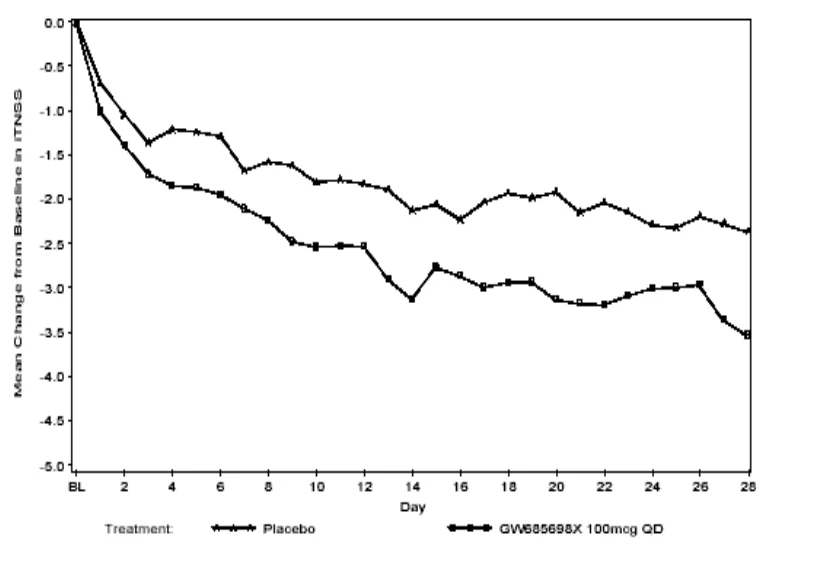
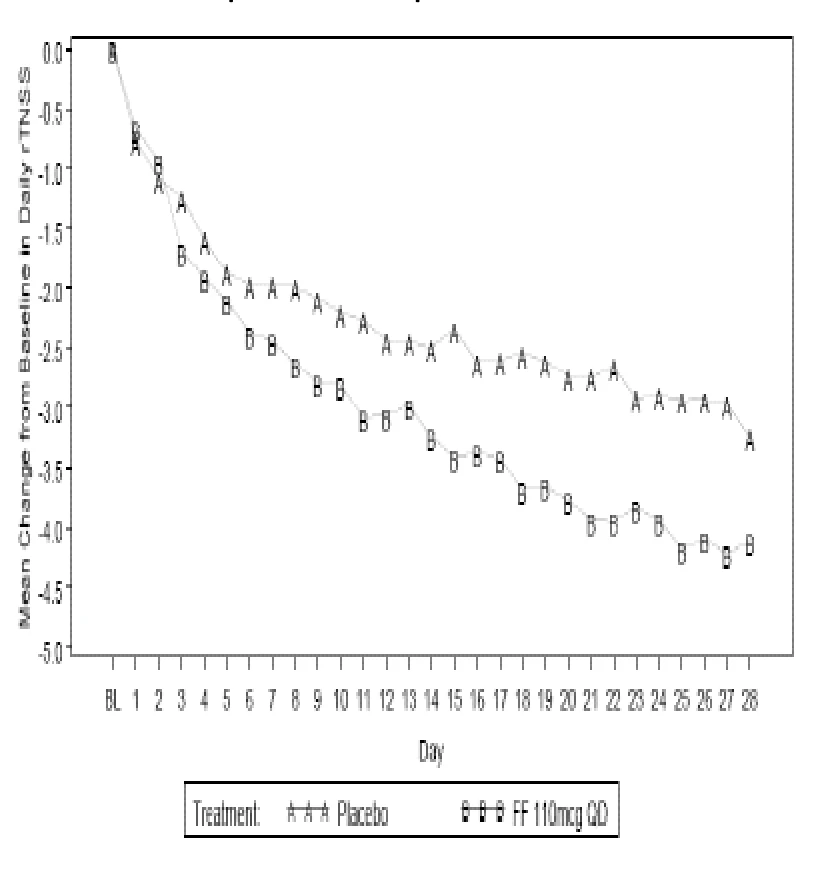
Figure 9 displays the mean change from baseline in daily rTNSS over the treatment period in study FFU111439.
Figure 9 Mean Change from Baseline in Daily rTNSS over the Treatment Period (Figure Represents ITT Population of 315 Patients from Study FFU111439)
In addition, the four nasal symptoms comprising rTNSS were evaluated on an individual basis (see Table 16
Table 16 Results of study in patients with Perennial Allergic Rhinitis – Daily Reflective Individual Nasal Symptom Scores
| Nasal Symptom | Study # | Associated value for AVAMYS 110 mcg QD (SE) | Associated value for Placebo (SE) | Least Square Mean Difference | P-Value |
|---|---|---|---|---|---|
| Rhinorrhea | FFR106080 | -0.94 (0.05) | -0.67 (0.05) | -0.277 | p < 0.001 |
| FFR30002 | -0.72 (0.06) | -0.52 (0.06) | -0.199 | p = 0.007 | |
| FFU111439 | -0.73 (0.06) | -0.57 (0.07) | -0.162 | p = 0.019 | |
| Nasal Congestion | FFR106080 | -0.97 (0.05) | -0.69 (0.05) | -0.277 | p < 0.001 |
| FFR30002 | -0.70 (0.06) | -0.58 (0.06) | -0.124 | p = 0.092 | |
| FFU111439 | -0.80 (0.06) | -0.63 (0.06) | -0.173 | p = 0.009 | |
| Nasal Itching | FFR106080 | -0.98 (0.05) | -0.65 (0.05) | -0.331 | p < 0.001 |
| FFR30002 | -0.69 (0.06) | -0.53 (0.06) | -0.160 | p = 0.024 | |
| FFU111439 | -0.82 (0.06) | -0.63 (0.07) | -0.193 | p = 0.006 | |
| Sneezing | FFR106080 | -1.07 (0.05) | -0.68 (0.05) | -0.390 | p < 0.001 |
| FFR30002 | -0.68 (0.06) | -0.45(0.06) | -0.232 | P = 0.001 | |
| FFU111439 | -0.84 (0.06) | -0.63 (0.07) | -0.207 | p = 0.003 |
SE = Standard error
In the studies, the treatment difference was significant for all four individual nasal symptoms (rhinorrhea, nasal congestion, nasal itching, and sneezing) with the exception of nasal congestion in study FFR30002.
Ocular Symptoms
The mean change from baseline in daily reflective total ocular symptom score over the entire treatment period was significantly greater for AVAMYS 110 mcg compared with placebo only for study FFR106080.
Table 17 Results of pivotal and supportive clinical trials in patients with Perennial Allergic Rhinitis – Ocular Symptoms: Reflective Total Ocular Symptom Scores
| Study # | Endpoint | Associated value for AVAMYS 110 mcg QD (SE) | Associated value for Placebo (SE) | Least Square Mean Difference | P-Value |
|---|---|---|---|---|---|
| FFR106080 | rTOSS | -2.0 (0.15) | -1.3 (0.14) | -0.506 | p = 0.004 |
| FFR30002 | rTOSS | -1.5 (0.14) | -1.4 (0.15) | -0.149 | p = 0.428* |
| FFU111439 | rTOSS | -2.0 (0.15) | -1.9 (0.16) | -0.240 | p = 0.243* |
SE = Standard error *Statistical significance versus placebo was not achieved in studies FFR30002 and FFU111439.
Onset of Action
Onset of action was investigated in three clinical trials in patients with perennial allergic rhinitis. In study FFR106080, onset of action was observed as early as 24 hours after initial administration, in study FFR30002 at Day 4, and in study FFU111439 at Day 9.
Overall Response to Therapy
At the final study visit, patients evaluated their overall response to therapy in studies FFR30002 and FFR106080. In both studies, more patients who received AVAMYS reported moderate to significant improvements compared with those who received placebo (FFR30002: 44 and 33%, respectively, p=0.005; FFR106080: 37 and 14%, respectively, p < 0.001).
Quality of Life
Patients’ perception of rhinitis specific quality of life was evaluated through use of the Rhinoconjunctivitis Quality of Life Questionnaire (RQLQ). The RQLQ assesses the impact of allergic rhinitis treatment on 7 domains (activities, sleep, non nose/eye symptoms, practical problems, nasal symptoms, eye symptoms, and emotional) on a 7 point scale where 0 = no impairment and 6 = maximum impairment.
In studies FFR106080 and FFU111439, adult and adolescent patients with perennial allergic rhinitis who received AVAMYS for six and four weeks, respectively, had a statistically significant and clinically meaningful improvement (absolute difference of ≥ 0.5 in mean change from baseline) in overall RQLQ score (least square mean difference in overall RQLQ score was -0.646, p < 0.001 in study FFR106080 and -0.537, p=0.028 in study FFU111439). Statistical significance (versus placebo) was not achieved for overall RQLQ score in study FFR30002.
Pediatrics (2 to < 12 years of age)
Trial Design and Patient Demographics
The efficacy and safety of a 55 and 110 mcg once daily (QD) dose of AVAMYS was evaluated for 12 weeks in pediatric subjects (ages 2 to < 12 years) with perennial allergic rhinitis. The population of primary interest for analysis of efficacy data was the subgroup of subjects who were 6 to < 12 years of age at randomization. This trial included 558 subjects. Of these a total of 434 (78%) were 6 to < 12 years of age and 120 (22%) were 2 to < 6 years of age.
The primary efficacy measure for the study was as per the SAR pediatrics study above (rTNSS). The primary efficacy endpoint was the mean change from baseline over the first 4 weeks in rTNSS for the subgroup of subjects 6 to < 12 years of age.
Table 18 Summary of the design and patient demographics in pivotal clinical trials of AVAMYS in Pediatric patients (children 2 to < 12 years of age) with Perennial Allergic Rhinitis
| Study Code | Trial design | Study Medication in Treatment Arms | Number of Subjects | Treatment Duration | Gender (Males / Females) |
|---|---|---|---|---|---|
| FFR30008 | Phase III; Randomized; Double blind; Parallel group | Placebo Nasal Spray AVAMYS 55 mcg QD AVAMYS 110 mcg QD | 188 185 185 | 12 weeks | 107/81 101/84 102/83 |
Study results
Nasal Symptoms
Only patients treated with AVAMYS 55 mcg once daily exhibited a statistically significantly greater decrease in rTNSS compared with placebo treated patients over the first 4 weeks.
Table 19 Results of study in children with Pernnial Allergic Rhinitis – Daily Reflective Total Nasal Symptom Scores Over Weeks 1-4 (Ages 6 to < 12 Years)
| AVAMYS Dosage | Associated value (SE) | Associated value for Placebo (SE) | Least Square Mean Difference | P-Value |
|---|---|---|---|---|
| 110 mcg | -3.86 (0.24) | -3.41 (0.24) | -0.452 | 0.073* |
| 55 mcg | -4.16 (0.24) | -3.41 (0.24) | -0.754 | 0.003 |
SE = Standard error * The 110 mcg dosage did not achieve statistical significance.
Only AVAMYS 55mcg demonstrated a significantly greater improvement compared with placebo for all the individual nasal symptom scores. AVAMYS 110mcg only demonstrated a significantly greater improvement compared with placebo for the individual nasal symptom score of nasal congestion.
Table 20 Results of study in children with Pernnial Allergic Rhinitis – Daily Reflective Individual Nasal Symptom Scores Over Weeks 1-4 (Ages: 6 to < 12 Years)
| Nasal Symptom | AVAMYS Dosage | Associated value for AVAMYS QD (SE) | Associated value for Placebo (SE) | Least Square Mean Difference | P-Value |
|---|---|---|---|---|---|
| Rhinorrhea | 110 mcg | 2.2 (0.05) | 2.2 (0.04) | -0.108 | 0.132* |
| 55 mcg | 2.2 (0.05) | 2.2 (0.04) | -0.175 | 0.014 | |
| Nasal Congestion | 110 mcg | 2.5 (0.03) | 2.5 (0.03) | -0.189 | 0.011 |
| 55 mcg | 2.4 (0.03) | 2.5 (0.03) | -0.230 | 0.002 | |
| Nasal Itching | 110 mcg | 2.1 (0.05) | 2.0 (0.05) | -0.076 | 0.286* |
| 55 mcg | 2.1 (0.05) | 2.0 (0.05) | -0.160 | 0.024 | |
| Sneezing | 110 mcg | 1.9 (0.06) | 1.9 (0.05) | -0.089 | 0.211* |
| 55 mcg | 1.9 (0.06) | 1.9 (0.05) | -0.190 | 0.007 |
SE = Standard error *The 110 mcg dosage did not achieve statistical significance for rhinorrhea, nasal itching and sneezing.
15 MICROBIOLOGY
No microbiological information is required for this drug product.
16 NON-CLINICAL TOXICOLOGY
General Toxicology
A comprehensive toxicological evaluation of fluticasone furoate (FF) included studies in which FF was administered by the inhaled route to ensure high systemic exposure. The major findings were consistent with those typically associated with systemic exposure to glucocorticoids, and commonly reported for other marketed intranasal steroids. Plasma concentrations of fluticasone furoate were typically non-quantifiable in patients following repeated intranasal doses of 110 mcg/day (see 10.3 Pharmacokinetics). Therefore the effects seen in animals due to high systemic exposure to fluticasone furoate are not considered to be clinically relevant to the intranasal use of AVAMYS.
Carcinogenicity
There was no evidence of treatment-related increases in tumour incidence in two year inhalation studies in rats and mice.
Genotoxicity
FF did not cause gene mutation in bacteria or chromosomal damage in mammalian cells in vitro. There was no evidence of genotoxicity in the in vivo micronucleus test in rats.
Reproductive Toxicity
There were no effects on mating performance or fertility of male or female rats. In rats, developmental toxicity was confined to an increased incidence of incompletely ossified sternabrae in association with lower fetal weight. High doses in rabbits induced abortion. There were no major skeletal or visceral abnormalities in either rats or rabbits, and no effect on pre- or post-natal development in rats treated with FF during gestation and lactation.
Local Tolerance
FF was non-irritating following single dose application to the skin, and practically non-irritating following application of the intranasal clinical formulation to the eye.
Other Toxicity
There was no evidence of respiratory hypersensitivity reactions following inhalation administration of FF.