


Product Monograph - Essepna
1 INDICATIONS
EssepnaTM (Amino acids injection 10% w/v) is indicated for supply of amino acids as part of a parenteral nutrition regimen.
Amino acid solutions should be administered as intravenous infusion into a central vein when oral or enteral nutrition is impossible, insufficient or contraindicated. Generally, it is consumed in combination with adequate amount of energy supplements.
1.1 Pediatrics
No data are available to Health Canada; therefore, Health Canada has not authorized an indication for pediatric use.
1.2 Geriatrics
Essepna can be used in adults including geriatrics. Metabolism of amino acid solutions does not appear to be affected by advanced age.
2 CONTRAINDICATIONS
Essepna is contraindicated in patients who are hypersensitive to this product or to any ingredient in the formulation, including any non-medicinal ingredient, or component of the container. For a complete listing, see Dosage Forms, Strengths, Composition and Packaging.
As for all amino acid solutions the administration of Essepna is contraindicated in the following conditions:
- Abnormalities of amino acid metabolism
- Metabolic acidosis
- Renal insufficiency without hemodialysis or hemofiltration
- Advanced liver insufficiency
- Fluid overload
- Shock
- Hypoxia
- Decompensated heart failure
3 DOSAGE AND ADMINISTRATION
3.1 Dosing Considerations
Essepna is for use as part of total parenteral nutrition in combination with adequate amounts of energy supplements (carbohydrate solutions, lipid emulsions), electrolytes, vitamins, and trace elements. Only compatible components should be mixed, and sterile techniques should be used while compounding.
The daily requirement of amino acids depends on the body weight and the metabolic conditions of the patient. The maximum daily dose varies with the clinical condition of the patient and may even change from day to day.
Continuous infusion over 14 to 24 hours is recommended, depending on the clinical situation. Bolus administration is not recommended.
3.2 Recommended Dose and Dosage Adjustment
The nitrogen requirements for maintenance of body protein mass depend on the patient’s condition (e.g., nutritional state and degree of catabolic stress or anabolism). The requirements are 0.8 to 1.5 g amino acids/kg bw/d (0.13 to 0.21 g nitrogen/kg bw/d) in the normal nutritional state or in conditions with mild catabolic stress. In patients with moderate to high metabolic stress with or without malnutrition the requirements are >1.3 to 2.0 g amino acids/kg bw/d (>0.21 to 0.32 g nitrogen/kg bw/d).
Dose range (adults):
10 to 20 mL Essepna per kg body weight/d, providing 1.0 to 2.0 g amino acids per kg body weight/d (0.16 to 0.32 g nitrogen/kg body weight/d).
Maximum daily dose:
20 mL Essepna per kg body weight/d, providing 2.0 g amino acids per kg body weight/d (0.32 g nitrogen/kg body weight/d).
Maximum infusion rate:
1.0 mL Essepna per kg body weight/h, providing 0.1 g amino acids per kg body weight/h (0.016 g nitrogen/kg body weight/h).
Pediatric population
Health Canada has not authorized an indication for pediatric use.
3.3 Administration
Method of administration: For continuous infusion via central vein.
3.4 Missed Dose
Do not attempt to make up any missed doses. Proceed with the regular administration of Essepna and continue treatment at regular intervals as required.
4. OVERDOSAGE
As with other amino acid solutions, shivering, vomiting, nausea, dyspnoea, and increased renal amino acid losses may occur if a dose higher than the recommended maximum daily dose is given or the recommended maximum infusion rate is exceeded. Overdose might cause fluid overload, electrolyte imbalances, and serum hyperosmolarity.
In this case of overdose, infusion should be stopped immediately. It may be possible to continue at a reduced dose.
There is no specific antidote for overdose of amino acid solutions. Emergency procedures should be supportive general measures, with particular attention to respiratory and cardiovascular systems. Close biochemical monitoring is essential and specific abnormalities should be treated appropriately.
| For management of a suspected drug overdose, contact your regional Poison Control Centre. |
5. DOSAGE FORMS, STRENGTHS, COMPOSITION AND PACKAGING
Table 1 – Dosage Forms, Strengths, Composition, and Packaging
| Route of Administration | Dosage Form / Strength/Composition | Non-medicinal Ingredients | |||
| Intravenous | Amino acid solution for injection 10% w/v 100 mL solution for infusion contains: | Glacial acetic acid Water for injections | |||
Alanine Arginine Glycine Histidine Isoleucine Leucine Lysine acetate = Lysine Methionine Phenylalanine Proline Serine Taurine Threonine Tryptophan Tyrosine Valine | 1.4 g 1.2 g 1.1 g 0.3 g 0.5 g 0.74 g 0.93 g 0.66 g 0.43 g 0.51 g 1.12 g 0.65 g 0.10 g 0.44 g 0.20 g 0.04 g 0.62 g | ||||
Total amino acids: 100.0 g/L
Total nitrogen: 16.2 g/L
Total energy: 1680 kJ/L (= 400 kcal/L)
pH: 5.5 − 6.3
Theoretical osmolarity: 1100 mOsmol/l
Pack sizes:
500 mL in bag: Box of 12 units
1000 mL in bag: Box of 6 units
6 WARNINGS AND PRECAUTIONS
General
Essepna is for use as part of total parenteral nutrition in combination with adequate amounts of energy supplements (carbohydrate solutions, lipid emulsions), electrolytes, vitamins and trace elements.
The intravenous infusion of amino acids is accompanied by an increased excretion of trace elements, such as copper and zinc. Therefore, it is important to supply adequate amounts of trace elements to all patients who receive prolonged PN longer than 5 days.
The amount of individually added electrolytes is determined by the clinical condition of the patient and by frequent monitoring of serum levels.
Routine laboratory tests such as renal and liver function, fluid and acid/base balance, serum electrolytes, blood glucose, serum proteins, blood count, and coagulation should be performed. In cases of hypokalemia and/or hyponatremia adequate amounts of potassium and/or sodium should be supplied simultaneously.
Amino acid solutions may induce acute folate deficiency. Therefore, folic acid should be given daily.
Parenteral nutrition should be given with caution in metabolic acidosis, cellular hypoxia, and increased serum osmolarity.
In severely malnourished patients, initiation of parenteral nutrition can induce fluid shifts resulting in pulmonary edema and congestive heart failure as well as a decrease in the serum concentration of potassium, phosphate, magnesium, and water-soluble vitamins (refeeding syndrome). These changes can occur within 24 to 48 hours. Therefore, careful and slow initiation of parenteral nutrition is recommended in these patients, with close monitoring and appropriate adjustments of fluids, electrolytes, trace elements, and vitamins.
Incompatibilities
Essepna may only be mixed with other nutritional products for which compatibility has been shown.
Cardiovascular
Care should be given if large volumes are infused in patients with cardiac insufficiency or fluid restrictions.
Fluid status should be closely monitored.
Endocrine and Metabolism
Essepna should be given with caution in conditions of impaired amino acid metabolism, which may occur e.g., in patients with hyperammonemia, renal failure, impaired liver function, diabetes mellitus, hypothyroidism, and sepsis.
Immune system
If a hypersensitivity reaction occurs (signs or symptoms of anaphylactic reaction such as fever, shivering, sweating, headache, skin rash, or dyspnea) infusion of the solution must be stopped immediately and the appropriate treatment and supportive measures should be undertaken until the conditions have been resolved.
Renal
Serum electrolytes, fluid balance, and renal function should be monitored in any patient receiving amino acids solution.
Care should be given, if large volumes are infused in renal impaired patients with fluid restrictions.
Special Populations
Pregnant Women
There are no data available on exposure of Essepna in pregnant women. There are no studies available on reproductive toxicity in animals. An embryo-foetal development study was performed with an amino acid solution for parenteral nutrition that has a similar composition as Essepna. No embryotoxic or teratogenic effects were detected.
Parenteral nutrition may become necessary during pregnancy. Essepna should only be given to pregnant women after physicians have carefully considered the potential risks and benefits.
Breast-Feeding
There is no adequate data on use of Essepna in lactating women. Healthcare professionals should carefully consider the potential risks and benefits for the individual patient before prescribing the product to breastfeeding women.
Pediatrics
No data are available to Health Canada; therefore, the product is not authorized for pediatric use.
Geriatrics
In general, dose selection for an elderly patient should be cautious, reflecting the greater frequency of decreased hepatic, renal, and cardiac functions as well as concomitant disease and drug therapy.
7. ADVERSE REACTIONS
7.1 Adverse Reaction Overview
Adverse reaction information is based on clinical trial adverse reactions and post-marketing experiences
See also WARNINGS AND PRECAUTIONS.
7.2 Clinical Trial Adverse Reactions (Adults)
Because clinical trials are conducted under very specific conditions, the adverse reaction rates observed in the clinical trials may not reflect the rates observed in practice and should not be compared to the rates in the clinical trials of another drug. Adverse reaction information from clinical trials is useful for identifying drug-related adverse events and for approximating rates.
In the randomized clinical study AS-CS-01-FR, Essepna 10% was compared to another amino acid solution approved in Europe. The study in 30 patients in intensive care showed that the incidence of adverse events was comparable between the Essepna and the comparator group. An overview of the treatment emergent adverse events (TEAEs) occurring in at least one patient in the Essepna group classified as related (at least possibly related) are presented in Table 2.
Table 2 Clinical Study AS-CS-01-FR
| TEAEs by MedDRA SOC (System Organ Class) /preferred term, n (%) of patients | Essepna (N=16) | Comparator1 Amino Acid Solution (N=14) | |||||||||
| Number of patients with at least 1 AE | 4 (25.0) | 4 (28.6) | |||||||||
| Related | Non-related | Related | Non-related | ||||||||
| Gastrointestinal disorders | |||||||||||
| Gastrointestinal hemorrhage | 0 | 1 (7.1%) | |||||||||
| Rectal bleeding | 0 | 1 (7.1%) | |||||||||
| Diarrhea | 0 | 1 (7.1%) | |||||||||
| Vomiting | 0 | 1 (7.1%) | |||||||||
| Liver disorders | |||||||||||
| Alkaline phosphatase elevations | 1 (6.3%) | 1 (7.1%) | |||||||||
| Resistance mechanism disorder | |||||||||||
| Sepsis | 2 (12.5%) | 0 | |||||||||
| Metabolic disorders | |||||||||||
| Hyperglycemia + osmostic polyuria | 1 (6.3%) | 0 | |||||||||
| CNS disorders | |||||||||||
| Agitation | 1 (6.3%) | 0 | |||||||||
| Myocardial disordes | |||||||||||
| Angina pectoris | 0 | 0 | 1 (7.1%) | ||||||||
| Urinary system disorders | |||||||||||
| Urinary infection | 1 (6.3%) | 0 | |||||||||
AE = adverse events, n = number; SOC = System Organ Class; TEAEs = treatment emergent adverse event 1 Comparator amino acid product not available in Canada. | |||||||||||
7.3 Less Common Clinical Trial Adverse Reactions
Not applicable. There were no other ADRs reported from clinical studies with Essepna, amino acid injection 10%, than the ones reported in Table 2.
7.4 Abnormal Laboratory Findings: Hematologic, Clinical Chemistry, and Other Quantitative Data
Essepna 10% was compared in a clinical study to another amino acid solution that is approved in Europe. In the Essepna 10% study (AS-CS-01-FR), the incidence of adverse drug reactions was comparable between the Essepna 10% and the comparator group among 30 intensive care patients evaluated for safety.
The abnormal laboratory findings occurring in study AS-CS-01-FR were expected in critically ill patients, and no notable differences were observed between the study groups (see Table 3).
Table 3 Abnormal Laboratory Findings in Study AS-CS-01-FR
| Body system/preferred term | Essepna 10 % | Comparator 1 | |||
|---|---|---|---|---|---|
| Liver disorders | |||||
| Alkaline phosphatase elevation | 1 (7.5%) | 1 (7.5%) | |||
| Metabolic disorders | |||||
| Hyperglycemia + osmotic polyuria | 1 (7.5%) | - | |||
| 1Comparator amino acid product not available in Canada. | |||||
7.5 Clinical Trial Adverse Reactions (Pediatrics)
Health Canada has not authorized an indication for pediatric use.
7.6 Post-Market Adverse Reactions
No undesirable effects known when correctly administered.
As with all parenteral infusions, extravasation may occur and should be treated according to symptoms.
Undesirable effects which occur during overdose (see section 4. OVERDOSE) are usually reversible and regress when therapy is discontinued. Infusion via peripheral veins in general can cause irritation of the vein wall and thrombophlebitis.
8. DRUG INTERACTIONS
8.1 Drug-Drug Interactions
Interactions with other drugs have not been established.
8.2 Drug-Food Interactions
Because Essepna is infused, no drug-food interactions are applicable.
8.3 Drug-Herb Interactions
Because Essepna is infused, no drug-herb interactions are applicable.
8.4 Drug-Laboratory Test Interactions
No drug-laboratory interactions are known.
8.5 Drug-Lifestyle Interactions
Effects on ability to drive and use machines are not relevant.
9. ACTION AND CLINICAL PHARMACOLOGY
9.1 Mechanism of Action
The primary goal of parenteral nutrition is to provide adequate amino acids for patient unable to ingest oral or enteral nutrition to provide the required nutrients and prevent malnutrition and its complications.
Amino acids provide the basic substrates for protein synthesis in all tissues and are metabolic precursors and intermediates of numerous molecules in various biochemical pathways. Amino acids provided in excess of requirements are not stored but are metabolised and provide energy.
Especially in metabolic conditions with increased endogenous protein degradation such as acute or chronic catabolic diseases, an adequate provision of amino acids is required to compensate the protein breakdown and the reduced protein synthesis.
9.2 Pharmacodynamics
No pharmacodynamics studies were performed with Essepna.
The balanced amino acid formulation of Essepna contains naturally occurring physiological compounds. Intravenously administered amino acids join the pool of free amino acids and are utilized in metabolic pathways, the same way as ingested and absorbed amino acids are utilized. Essepna provides all essential and non-essential amino acids that play central roles both as building blocks of protein and as intermediates in metabolism. Each individual amino acid has specific pharmacodynamic function such as precursor for numerous biochemical pathways or as component of signalling molecules mediating cellular communication processes.
9.3 Pharmacokinetics Action
Absorption: The bioavailability of intravenously infused substances is 100%. The principal pharmacokinetic property of the infused amino acids is that they directly reach the systemic circulation.
Distribution: Intravenously infused amino acids directly enter the systemic circulation and rapidly reach a steady state in plasma. Balanced amino acid solutions do not significantly alter the physiologic amino acid pool when infused at a constant and slow infusion rate. From the pool of free amino acids in the intravascular space, the amino acids reach the interstitial fluid and the intracellular space of the various target tissues. The concentration of free amino acids in the blood vessels and cells are regulated within narrow ranges for each single amino acid, depending on the age, nutritional status, and pathological condition of the patient.
The plasma half-lives for different amino acids infused as part of PN were in the range of 10 to 30 minutes. The rate of amino acid appearance in the target tissue is predominantly a function of the exogenous source, the endogenous protein degradation, and de novo amino acid synthesis.
Metabolism: The metabolic pathway varies for each individual amino acid. A part of the free amino acid pool is incorporated into tissue proteins and returns to the free pool after subsequent protein breakdown, thus becoming available for reutilization for protein synthesis or for catabolism; another part undergoes catabolic reactions leading to its disposition and degradation, while nitrogen is eliminated as urea; another part is used for synthesis of new molecules. Amino acids can be catabolized to produce energy in situations where energy cannot be obtained from dextrose or lipids.
Elimination: The primary route of elimination of amino acids is via the kidneys, but only a small proportion of the infused amino acids is eliminated by the kidneys. The kidneys extract glutamine, proline, citrulline, and phenylalanine from arterial blood and release serine, arginine, taurine, threonine, tyrosine, ornithine, lysine, and alanine to plasma or bound to blood cells. The losses of amino acids in the urine in healthy individuals are small because amino acids filtered by the kidneys are actively reabsorbed. Increased losses may occur in certain disease states such as losses in urine after surgery or trauma.
Special Populations and Conditions
Pharmacokinetic data have not been obtained in special patient populations or conditions.
Pediatrics: No pediatric studies with Essepna have been performed.
Geriatrics: The pharmakokinetics of Essepna does not appear to be affected in elderly patients. However, the greater frequency of decreased hepatic, renal, and cardiac function as well as concomitant disease and drug therapy in geriatric patients should be considered.
Sex: There are no differences between genders in the pharmacokinetics of amino acids.
Pregnancy and Breast-feeding: There is no adequate data on pharmacokinetics of Essepna in pregnant or lactating women.
Genetic Polymorphism: Due to the abnormal metabolism of certain amino acids, the use of the product in patients with inborn abnormalities of amino acid metabolism is contraindicated.
Ethnic origin: Ethnic origin should not have influence on the efficacy and safety of amino acids solutions for parenteral nutrition if the contraindications and warnings are regarded.
Hepatic and Renal Insufficiency: Characteristic changes in the physiologic plasma amino acid pool are only foreseeable when the regulative function of essential organs as liver and kidneys is seriously impaired. In diseases in which the capacity to excrete nitrogenous end products is limited such as in acute liver failure, provision of amino acids must be controlled and/or restricted to avoid hepatic encephalitis and hepatic coma, or uremia.
In patients with severe hepatic or renal impairment, special amino acid solutions with formulations specifically design are recommended.
Obesity: The prescriber will assess the dose of Essepna in the parenteral nutrition considering the individual requirements of the patient.
10. STORAGE, STABILITY AND DISPOSAL
The shelf-life of the product in the overwrap is 24 months.
Store between 5℃ and 25℃ in overwrap. Do not freeze.
Do not use Essepna after expiry date printed on the container.
Compatibility
Essepna (Amino acids injection 10% w/v) is used as a component of Total Parenteral Nutrition (TPN) admixtures in compounded bags where compatibility data are available.
Compatibility data are available with various products. Essepna is compatible with SMOFlipid®, Addnutriv™, Micro+6 concentrate, Multi-12 vitamins, and with dextrose and electrolytes in defined concentrations.
It is recommended that the macronutrients (Essepna and dextrose, with or without SMOFlipid) are mixed first, before adding the micronutrients and any further additions, e.g. electrolytes. Additions should be made aseptically.
NOTE: Color changes for trace element and amino acid combinations are known and cited in the literature. However, Fresenius Kabi cannot be held responsible for Micro+6 concentrate addition to Essepna 10% admixtures, which is carried out at the responsibility of the health care professionals.
Zinc additions are not recommended, due to the appearance of a transitory white hue on injection of zinc.”
Additives
Additives may be incompatible. Do not add other medicinal products or substances without first confirming their compatibility and the stability of the resulting preparation. Excess addition of calcium and phosphate, especially in the form of mineral salts, may result in the formation of calcium phosphate precipitates which could lead to serious adverse reactions (see WARNINGS AND PRECAUTIONS and ADVERSE REACTIONS).
When administered as a component of parenteral nutrition, the osmolarity of the final infusion will dictate whether the central or peripheral venous route should be used.
The remaining contents of a partly used bag must be discarded and should not be stored for later use.
Shelf life after mixing with additives
Chemical and physical in-use stability after mixing has been demonstrated for 24 hours at 20 °C-25 °C. From a microbiological point of view, the product should be used immediately.
If not used immediately, in-use storage times and conditions prior to use are the responsibility of the user and would normally not be longer than 6 days at 2 °C to 8 °C followed by 24 hours at 20 °C to 25 °C, unless a longer period has been proven. Do not freeze.
11. SPECIAL HANDLING INSTRUCTIONS
Do not use after expiry date or if container is damaged.
Use only if the amino acid solution is clear, particle-free, colourless or slightly yellow.
Store bag in the overwrap. For use once the overwrap is removed.
To be used immediately after the container is opened.
For single use only. Any unused solution must be discarded.
Due to the increased risk of microbiological contamination and incompatibilities, amino acid solutions should not be mixed with other drugs.
Instructions for use and handling
Before administering the product in plastic bags to a patient, review these directions:
These instructions are only intended as guidelines for product use. Please refer to your own departmental guidelines.
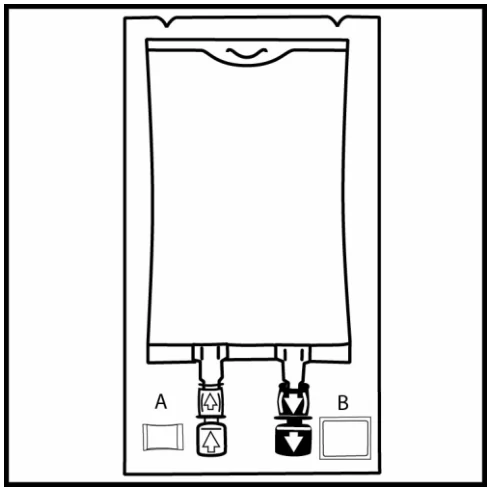
1.
The integrity indicator (Oxalert™) A should be inspected before removing the overwrap. If the indicator is black the overwrap is damaged and the product should be discarded.
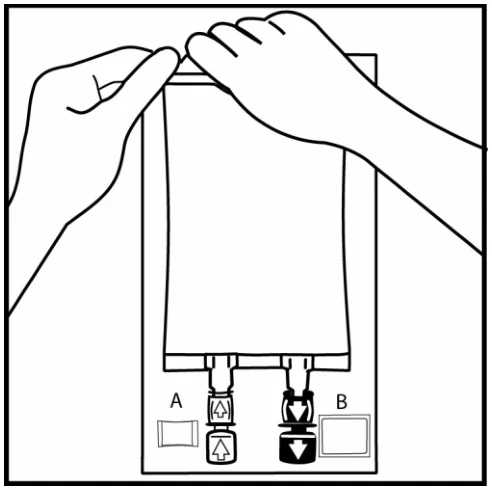
2.
Place the bag on the clean, flat surface. Remove the overwrap by tearing at the notch and pulling down along the container.
The Oxalert™ sachet A and the oxygen absorber B should be discarded.
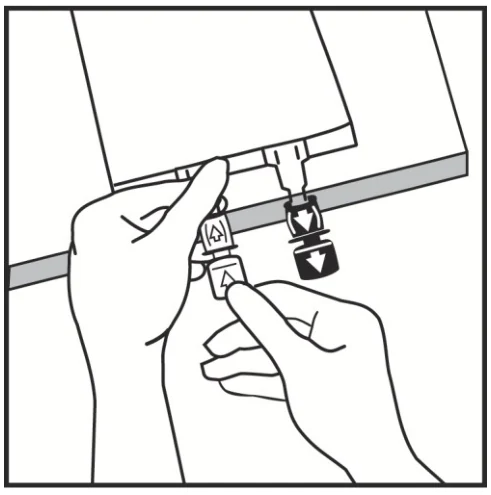
3.
Place the bag on the clean, flat surface. If additives are to be used break off the tamper-evident arrow flag from the white additive port. If no additives are to be used go to Figure 5.
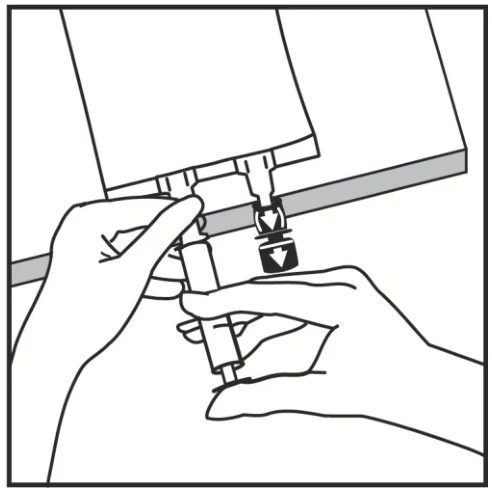
4.
Place the bag on the clean, flat surface. Insert the needle horizontally through the centre of the septum of the additive port and inject the additives (with known compatibility). Use syringes with needles of 18 − 23 gauge and a length of max. 40 mm.
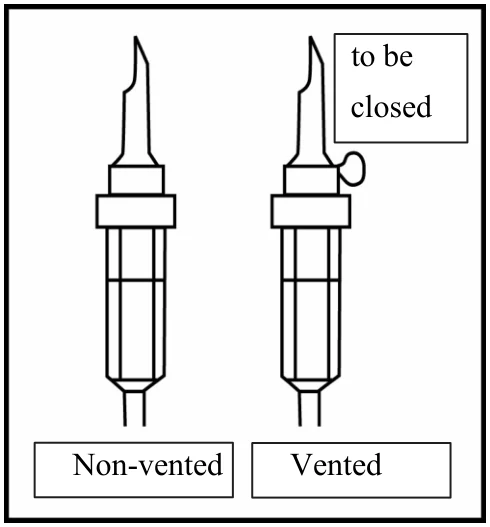
5.
to be
closed
Non-vented Vented
Use a non-vented infusion set or close the air vent on a vented set. Follow the instructions for use for the infusion set. Use a spike with diameter as specified in ISO 8536-4, 5.6 ± 0.1 mm.
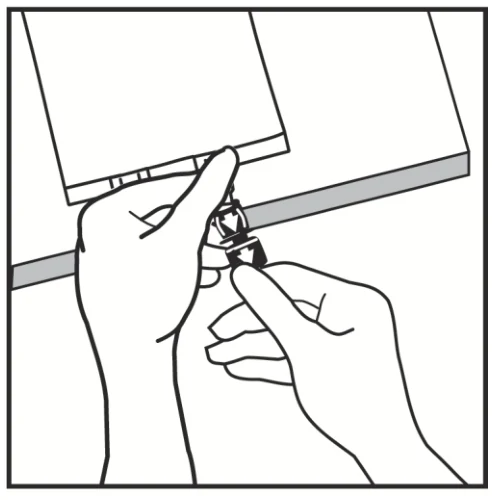
6.
Place the bag on the clean, flat surface. Break off the tamper-evident arrow flag from the blue infusion port.
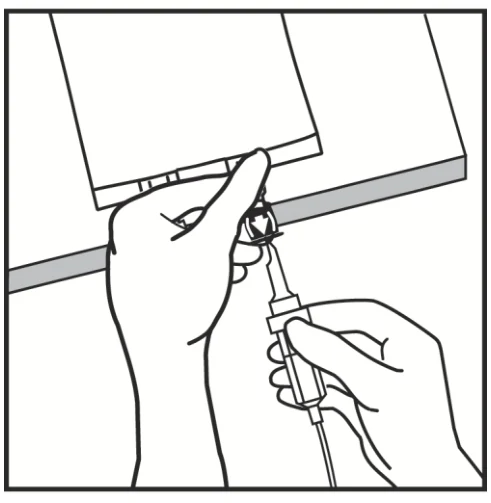
7.
Place the bag on the clean, flat surface. Hold the base of the infusion port. Insert the spike through the infusion port, by rotating your wrist slightly until the spike is inserted.
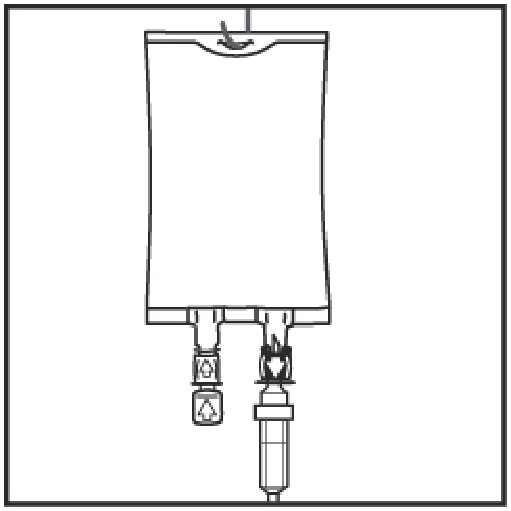
8.
Hang the bag in the hanger cut and start infusion.
To prepare a parenteral nutrition (PN) admixture containing more than one macronutrient including Essepna (Amino acids injection 10% w/v), individual IV products are sequentially transferred to admixture container using aseptic technique under a laminar flow hood.
PART II: SCIENTIFIC INFORMATION
12. PHARMACEUTICAL INFORMATION
Proper name: Amino acids
Table 4: Drug Substance
| Chemical Name | Molecular Formula and Molecular Mass | Structural Formula | Physicochemical properties |
|---|---|---|---|
L-Alanine (S)-2-aminopropionic acid | C3H7NO2 89.09 | White or almost white crystalline powder or colourless crystals, freely soluble in water, very slightly soluble in alcohol. | |
L-Arginine (2S)-2-amino-5- guanidinopentano ic acid | C6H14N4O2 174.20 | White or almost white crystalline powder or colourless crystals, freely soluble in water, very slightly soluble in alcohol. | |
Glycine Aminoacetic acid | C2H5NO2 75.07 | White or almost white crystalline powder, freely soluble in water, very slightly soluble in alcohol. | |
| L-Histidine (S)-2-amino-1H-imidazole-4-propionic acid | C6H9N3O2 155.15 | White or almost white crystalline powder or colourless crystals, soluble in water, very slightly soluble in ethanol (96%). | |
L-Isoleucine (2S, 3S)-2-amino-3- methylpentanoic acid | C6H13NO2 131.17 | White or almost white crystalline powder or flakes, sparingly soluble in water, slightly soluble in alcohol. It dissolves in dilute mineral acids and in dilute solutions of alkali |
| Chemical Name | Molecular Formula and Molecular Mass | Structural Formula | Physicochemical properties |
|---|---|---|---|
| hydroxides. | |||
L-Leucine (2S)-2-amino-4- methylpentanoic acid | C6H13NO2 131.17 | White or almost white crystalline powder or shiny flakes, sparingly soluble in water, practically insoluble in alcohol. It dissolves in dilute mineral acids and in dilute solutions of alkali hydroxides. | |
L-Lysine Acetate (2S)-2,6- diaminohexanoic acid monoacetate | C6H14N2O2· C2H4O2 206.24 | White or almost white crystalline powder or colourless crystals, freely soluble in water, very slightly soluble in ethanol (96%). | |
L-Methionine (2S)-2-amino-4- (methylsulfanyl) butanoic acid | C5H11NO2S 149.21 | White or almost white crystalline powder or colourless crystals, soluble in water, very slightly soluble in ethanol. | |
L-Phenylalanine (2S)-2-amino-3- phenylpropanoic acid | C9H11NO2 165.19 | White or almost white crystalline powder or shiny, white flakes, sparingly soluble in water, very slightly soluble in alcohol. It dissolves in dilute mineral acids and in dilute solutions of alkali hydroxides. | |
L-Proline (S)-2- pyrrolidinecarbox ylic acid | C5H9NO2 115.13 | White or almost white crystalline powder or colourless crystals, very soluble in water, freely soluble in alcohol. |
| Chemical Name | Molecular Formula and Molecular Mass | Structural Formula | 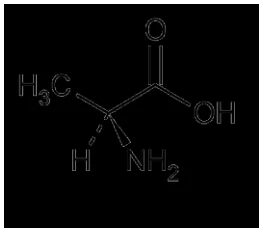 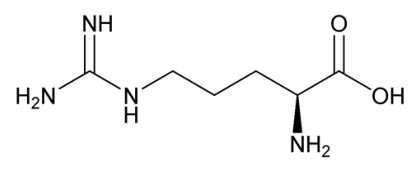 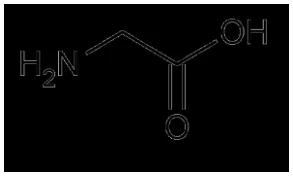 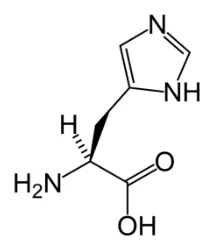 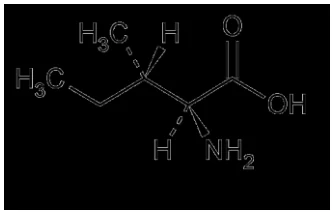 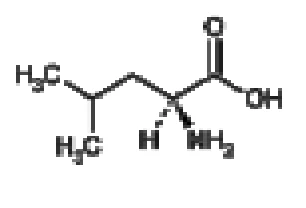 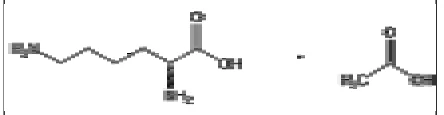 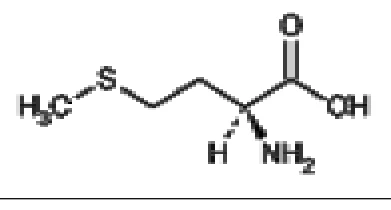 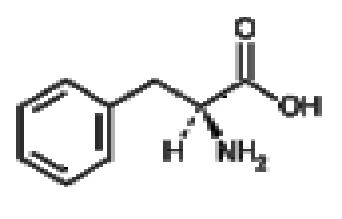 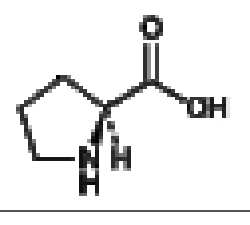 Physicochemical properties |
|---|---|---|---|
L-Serine (S)-2-amino-3- hydroxypropionic acid | C3H7NO3 105.09 | 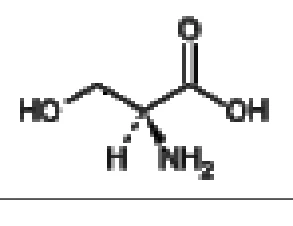 | White or almost white crystalline powder or colourless crystals, freely soluble in water, practically insoluble in alcohol. |
Taurine 2-aminoethane sulfonic acid | C2H7NO3S 125.15 | 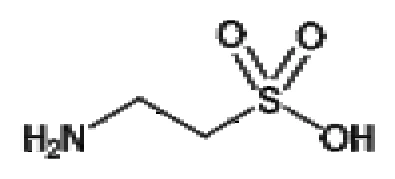 | White or almost white crystalline powder or colourless crystals, freely soluble in water |
L-Threonine (2S, 3R)-2-amino-3- hydroxybutanoic acid | C4H9NO3 119.12 | 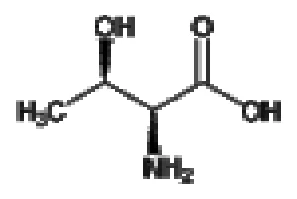 | White crystalline powder or colourless crystals, soluble in water, practically insoluble in ethanol. |
L-Tryptophan (2S)-2-amino-3-(indol-3-yl) propanoic acid | C11H12N2O2 204.23 | 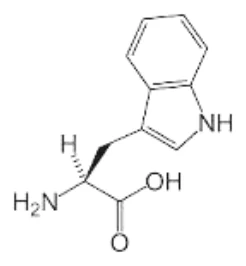 | White or almost white crystalline or amorphous powder, sparingly soluble in water, slightly soluble in alcohol. It dissolves in dilute mineral acids and in dilute solutions of alkali hydroxides. |
L-Tyrosine (S)-2-amino-3-(4- hydroxyphenyl) propionic acid | C9H11NO3 181.19 | 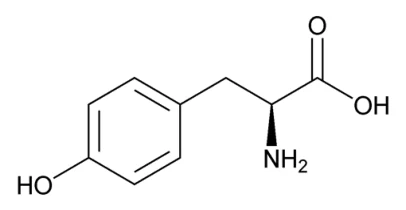 | White crystalline powder or colourless crystals, very slightly soluble in water, practically insoluble in alcohol. It dissolves in dilute mineral acids and in dilute solutions of alkali hydroxides. |
L-Valine (S)-2-amino-3-methylbutanoic acid | C5H11NO2 117.15 | 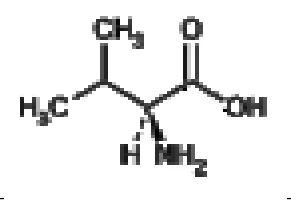 | White or almost white crystalline powder or colourless crystals, soluble in water, very slightly soluble in ethanol. |
- 13. CLINICAL TRIAL
Trial Design and Study Demographics
Efficacy and safety have been established by one Phase 3 clinical study with Essepna and the clinical use of amino acid solutions. The design of this randomized, open-label, active-controlled study evaluating efficacy and safety of Essepna in 30 critically ill patients requiring parenteral nutrition for 5 to 7 days are summarised in Table 5. Essepna was compared to another standard amino acid at an isonitrogenous dose. The primary efficacy variable was the cumulated nitrogen balance from Baseline to Final Visit (Day 6 ±1). Further variables were serum transthyretin, RBP, and CRP, urinary 3-methylhistidine/creatinine ratio, and routine safety parameters. The groups were not markedly different in demographic and baseline characteristics.
Table 5 - Summary of Clinical study with Essepna
Study Identifier Objectives | Trial design | Dosage | Route of administra-tion | Duratio n | No. of study subjects (groups) | Age | ||||
AS-CR-01-FR Efficacy/ Safety | Prospective, randomized, open-label, active-controlled, parallel-group | Essepna vs. comparator as part of TPN 1.5 g amino acids/kg/d Continuous infusion at rate of 15 mL/kg/d | Central intravenous infusion | 5-7 days | 30 (16/14) | ≥18 years | ||||
| TPN = total parenteral nutrition; no. = number; vs = versus | ||||||||||
Study Results
The study showed a beneficial result of a less negative cumulated nitrogen balance in the Essepna group compared with the comparator group. Variation in individual patients in both groups resulted in a wide 90% CI (-8.79, 19.06). There were no marked differences between the groups for nutritional markers including serum transthyretin, RBP, CRP, and urinary 3 methylhistidine:creatinine ratio. These results showed comparable efficacy of Essepna as compared to the established standard comparator. Essepna was safe and well tolerated.
Comparative Bioavailability Studies
Not applicable
14. MICROBIOLOGY
Not Applicable.
15. NON-CLINICAL TOXICOLOGY
The primary pharmacodynamic effect of the amino acid solution Essepna™ 10% , which is the nutritive one, has been satisfactorily proven in animals and humans. Thus, additional nonclinical studies related to the proposed indication of Essepna™ 10% should not be required.
The safety evaluation of the amino acid solution Essepna™ 10%, is mainly based on the critical evaluation of the Vamin® series of amino acid solutions (Vamin® 18, Vamin® 18 EF, Vamin® 18 Novum), which have a more profound basis of safety evaluations than Essepna™ 10%. Vamin 18 EF was previously evaluated and marketed in Canada. This is considered justified in view of the similarity in amino acid composition between the solutions.
Studies on cardiovascular, respiratory and metabolic functions after intravenous infusion of Vamin® 18 EF showed no effects of biological/clinical significance at doses and infusion rates about 3 and 14 times, respectively, the intended clinical dose to be infused during 14-24 hours.
The pharmacokinetics of intravenously infused amino acids is well documented in human and, thus, no animal pharmacokinetic studies have been performed with amino acid solutions. Toxicokinetic investigations for different amino acid solutions have been included in Repeat-Dose Toxicity studies and studies on Embryo-Foetal Development.
The Single-Dose Toxicity of an amino acid solution in mice was low. Vamin® 18 electrolyte-free or with electrolytes added was well tolerated after repeated intravenous infusions for up to 30 days in rats and up to 13 weeks in dogs at maximum tolerable doses based on nitrogen intake. The changes observed following high intake of amino acids are well known and do not imply any hazard to man.
The mutagenic potential of the investigational dipeptide/amino acid solution Neoven has been assessed in a battery of in vitro experiments; no mutagenic effects were seen.
No carcinogenicity studies have been performed with amino acid solutions. Such studies are not considered mandatory, as there is no reason to suspect mutagenic or carcinogenic effects of amino acid compositions, which are natural substrates/metabolites in mammals and administered at physiological levels for substitution therapy.
No specific studies were carried out on the Reproductive and Developmental Toxicity of Vamin®. Because of the lack of effects on reproductive organs in Repeat-Dose Toxicity studies, Vamin® is not thought to have any influence on Fertility and Early Embryonic Development. However, no indications of teratogenic or other embryotoxic injuries following intravenous administration could be observed in rabbits in studies on Embryo-Foetal Development with Vamin® 18 EF. Nutritional products as amino acid solutions used during parenteral nutrition to maintain normal levels are not expected to be embryotoxic, teratogenic, or to influence reproductive performance or fertility.
Studies on Local Tolerance in the rabbit have not been performed with Essepna™ 10%. However, the amino acids-, dextrose- and electrolytes-containing infusion solution Aminomix® Peri revealed a good local compliance after intravenous infusion and following at routes of administration made in error (intraarterial, paravenous and subcutaneous administration).
Examination of Aminomix® Peri with citrate-anticoagulated human blood in vitro showed no incompatibility reactions or haemolytic properties.
The overall conclusion is that the nonclinical documentation on Essepna™ 10%, provides sufficient safety to support the use of Essepna™ 10%.
Table 6 - Toxicological studies performed with Vamin as a representative for Essepna.
| Type of study | Species | Vamin Doses g N/kg bw/day | Observations and conclusions | ||||
|---|---|---|---|---|---|---|---|
| Safety Pharmacology | |||||||
| Cat | 0.86 | Study on cardiovascular, respiratory and metabolic functions after intravenous infusion of Vamin 18 EF showed no effects of biological/clinical significance in anesthetized cats (Error! Reference source n ot found.). | |||||
| Single-Dose Toxicity | |||||||
| Mouse | 0.95 | Vamin 18 EF was given to male mice at a dose of 50 mL/kg bw. for 7.5 hours without any symptoms of toxicity (Error! Reference source not found.) | |||||
| Repeat-Dose Toxicity | |||||||
| 4-week | Rat | 3 | Vamin 18 EF was infused for 20 h/day. The dose level was adequately high as they are in the order of 13.6 times the maximum recommend daily clinical dose of Vamin 18 Novum. Overall, the animals tolerated the solution very well (Error! R eference source not found.). | ||||
| 4-week | Dog | 0.42 | In the 4-week study Vamin 14 was intravenously infused into alternate peripheral veins for 4 weeks. In the 13-week study Vamin 18 EF was administered by daily 12 h intravenous infusion into a central vein. In both studies, dogs tolerated the amino acid solutions well and did not show any treatment related clinical chemical or histopathological changes (Error! Reference source not found., REF _Ref377720418 \r \h \* MERGEFORMAT Error! Reference source not found.). | ||||
| 13-week | Dog | 0.94 | |||||
| Genotoxicity | |||||||
| In vitro | |||||||
| Type of study | Species | Vamin Doses g N/kg bw/day | Observations and conclusions | |||||
|---|---|---|---|---|---|---|---|---|
| Bacterial gene mutation | S. typhimurium E. coli | Up to 10 mg AA/plate | No mutagenic effects were observed for tested amino acid solution (Error! Reference source not found., Error! Re ference source not found.). | |||||
| Mouse lymphoma | L5178Y cells | Up to 10 mg AA/ml | ||||||
| Reproductive and Developmental Toxicity | ||||||||
| Embryo-Fetal | Rabbit | 0.54 | A teratogenicity study in rabbits with Vamin 18 EF given intravenously on day 6-18 of pregnancy for 4 hours/day revealed no significant toxicity in dams or any embryotoxic or teratogenic effects (8). | |||||
| Local Tolerance | ||||||||
| Rabbit (iv,ia,pv,sc,im) Dog | Studies on Local Tolerance in the rabbit have been performed with Aminomix Peripheral*. They revealed a good local compliance in rabbits after intravenous infusion and following intra-arterial, paravenous and subcutaneous administration (9). In addition, the local tolerance of different Vamin solutions was thoroughly investigated in the respective repeated dose toxicity studies in rats and dogs both as part of the daily clinical observation and by histopathology at the end of the study (3,4-5). | |||||||
| Other Toxicity Studies | ||||||||
| Haemolysis (Human blood) | In vitro studies investigating hemocompatibility have been performed with Aminomix Peripheral*. Incompatibility or hemolytic reactions were not observed (10). | |||||||
* 2 chamber bag containing Dextrose (63g per liter) and amino acids (35g per liter)
16. SUPPORTING PRODUCT MONOGRAPHS
- 1.
SmofKabiven® Electrolyte Free (Amino acids, dextrose and lipid injectable, 5.1 % / 12.7 % / 3.8 %; w/v emulsion), Control 185317, Product Monograph, Fresenius Kabi Canada Ltd., August 20, 2015.
READ THIS FOR SAFE AND EFFECTIVE USE OF YOUR MEDICINE