


Product Monograph - Estradiol
1 INDICATIONS
ESTRADIOL (17β-estradiol tablets) is indicated for:
- The symptomatic relief of menopausal symptoms.
- ESTRADIOL may also contribute to the prevention of osteoporosis in naturally occurring or surgically induced estrogen-deficiency states when combined with other important therapeutics such as diet, calcium and vitamin D intake, smoking cessation and regular physical weight bearing exercises.
The use of ESTRADIOL in the prevention of osteoporosis is to be considered in light of other available therapies.
In patients with an intact uterus, ESTRADIOL should always be supplemented by sequential administration of a progestogen in order to prevent endometrial hyperplasia or carcinoma.
1.1 Pediatrics
Pediatrics (under 18 years of age): No data are available to Health Canada; therefore, Health Canada has not authorized an indication for pediatric use.
1.2 Geriatrics
Geriatrics (over 65 years of age): Evidence from clinical studies and experience suggests that use in the geriatric population is associated with differences in safety or effectiveness. See 7 WARNINGS AND PRECAUTIONS, Special Populations.
2 CONTRAINDICATIONS
Estrogen, including ESTRADIOL, should not be administered to patients with any of the following conditions:
- Liver dysfunction or disease as long as liver function tests have failed to return to normal.
- Known or suspected estrogen-dependent malignant neoplasia (e.g., endometrial cancer).
- Endometrial hyperplasia.
- Known, suspected, or past history of breast cancer.
- Undiagnosed abnormal genital bleeding.
- Known or suspected pregnancy.
- Lactation
- Active or past history of arterial thromboembolic disease (e.g., stroke, myocardial infarction, coronary heart disease).
- Classical migraine
- Active or past history of confirmed venous thromboembolism (such as deep vein thrombosis or pulmonary embolism) or active thrombophlebitis.
- Partial or complete loss of vision or diplopia, from ophthalmic vascular disease.
Estrogen, including ESTRADIOL, is contraindicated in patients who are hypersensitive to this drug or to any ingredient in the formulation, including any non-medicinal ingredient, or component of the container. For a complete listing, see 6 DOSAGE FORMS, STRENGTHS, COMPOSITION AND PACKAGING.
3 SERIOUS WARNINGS AND PRECAUTIONS BOX
Serious Warnings and Precautions
The Women’s Health Initiative (WHI) trial examined the health benefits and risks of combined estrogen plus progestin therapy (n=16,608) and estrogen-alone therapy (n=10,739) in postmenopausal women aged 50 to 79 years.
The estrogen plus progestin arm of the WHI trial indicated increased risk of myocardial infarction (MI), stroke, invasive breast cancer, pulmonary emboli and deep vein thrombosis in postmenopausal women receiving treatment with combined conjugated equine estrogens (CEE, 0.625mg/day) and medroxyprogesterone acetate (MPA, 2.5mg/day) for 5.2 years compared to those receiving placebo.
The estrogen-alone arm of the WHI trial indicated an increased risk of stroke and deep vein thrombosis in hysterectomized women treated with CEE-alone (0.625mg/day) for 6.8 years compared to those receiving placebo.
Therefore, the following should be given serious consideration at the time of prescribing:
- 1. Estrogens with or without progestins should not be prescribed for primary or secondary prevention of cardiovascular diseases.
- 2. Estrogens with or without progestins should be prescribed at the lowest effective dose for the approved indication.
- 3. Estrogens with or without progestins should be prescribed for the shortest period possible for the approved indication.
- 4. The use of ESTRADIOL for the prevention of osteoporosis should be considered in light of other available therapies.
4 DOSAGE AND ADMINISTRATION
4.1 Dosing Considerations
The lowest dose of estrogen required to prevent menopausal symptoms and to prevent development of osteoporosis should be used. ESTRADIOL should be taken at the same time each day.
4.2 Recommended Dose and Dosage Adjustment
In general, estrogen is usually administered cyclically for the first 21 to 25 days of each month. In patients with intact uteri, a progestin should be sequentially administered for the last 12 to 14 days of estrogen administration in order to prevent development of endometrial hyperplasia/carcinoma as a result of estrogen stimulation.
In hysterectomized patients, estrogen alone should be given continuously.
Menopausal symptoms: Treatment of menopausal symptoms is usually initiated with 1mg ESTRADIOL tablet per day. Thereafter, the dosage should be adjusted to the needs of the individual. Attempts to taper or discontinue the medication should be made at 3- to 6-month intervals.
For prevention of osteoporosis: Prophylactic therapy with ESTRADIOL to prevent postmenopausal bone loss should be initiated with 0.5mg ESTRADIOL tablet per day as soon as possible after menopause. The dose may be titrated upward and downward based on the patient’s clinical status and plasma estradiol levels. Ideally, plasma estradiol levels should be maintained around 50 pg/mL.
4.5 Missed Dose
ESTRADIOL should be taken as soon as possible after missing a dose. However, the missed dose should be skipped if it is almost time to take the next dose. Patients should be advised not to double the dose.
5 OVERDOSAGE
Symptoms: Numerous reports of ingestion of large doses of estrogen products and estrogen-containing oral contraceptives by young children have not revealed acute serious ill effects. Overdosage with estrogen may cause nausea, breast discomfort, fluid retention, bloating or vaginal bleeding in women.
Treatment: Remove ingested drug by gastric lavage and give symptomatic treatment.
For management of a suspected drug overdose, contact your regional poison control centre.
6 DOSAGE FORMS, STRENGTHS, COMPOSITION AND PACKAGING
Table 1 – Dosage Forms, Strengths, Composition and Packaging
| Route of | Dosage Form / | Non-medicinal Ingredients | ||||
| Administration | Strength/Composition | |||||
| oral | Tablet 0.5 mg | acacia, cornstarch, dibasic calcium phosphate, lactose, magnesium stearate, silicon dioxide, talc. | ||||
| oral | Tablet 1 mg | acacia cornstarch, dibasic calcium phosphate, lactose, magnesium stearate, silicon dioxide, talc and colour dyes [FD&C Blue #1 aluminum lake and D&C Red #27 aluminum lake]. | ||||
ESTRADIOL 0.5 mg: Each tablet contains 0.5mg of micronized 17β-estradiol. Tablet is white with MJ logo and “021” on one side.
ESTRADIOL 1 mg: Each tablet contains 1mg of micronized 17β-estradiol. Tablet is lavender with MJ logo and “755” on one side.
ESTRADIOL 2 mg: Each tablet contains 2mg of micronized 17β-estradiol. Tablet is turquoise with MJ logo and “756” on one side.
ESTRADIOL tablets are available as round, flat-faced, bevel-edged compressed tablets, supplied in bottles of 100’s.
7 WARNINGS AND PRECAUTIONS
Please see 3 SERIOUS WARNINGS AND PRECAUTIONS BOX.
General
The overall benefits and possible risks of hormone replacement therapy should be fully considered and discussed with patients. It is important that the modest increased risk of being diagnosed with breast cancer after 4 years of treatment with combined estrogen plus progestin hormone replacement therapy (as reported in the results of WHI-trial) be discussed with the patient and weighed against its known benefits.
Instructions for regular self-examination of the breasts should be included in this counseling.
Carcinogenesis and Mutagenesis
Breast cancer
Available epidemiological data indicate that the use of combined estrogen plus progestin by postmenopausal women is associated with an increased risk of invasive breast cancer.
In the estrogen plus progestin arm of the WHI trial, among 10,000 women over a one-year period, there were:
8 more cases of invasive breast cancer [38 on combined hormone replacement therapy (HRT)
versus 30 on placebo].
The WHI study also reported that the invasive breast cancers diagnosed in the estrogen plus progestin group were similar in histology but were larger (mean [SD], 1.7cm [1.1] vs 1.5cm [0.9], respectively; p=0.04) and were at a more advanced stage compared with those diagnosed in the placebo group. The percentage of women with abnormal mammograms (recommendations for short-interval follow-up, a suspicious abnormality, or highly suggestive of malignancy) was significantly higher in the estrogen plus
| oral | Tablet 2 mg | acacia, cornstarch, dibasic calcium phosphate, lactose, magnesium stearate, silicon dioxide, talc and colour dyes [FD&C Blue #1 aluminum lake and FD&C Yellow #5 aluminum lake (tartrazine)] |
progestin group versus the placebo group. This difference appeared at year one and persisted in each year thereafter.
In the estrogen-alone arm of the WHI trial, there was no statistically significant difference in the rate of invasive breast cancer in hysterectomized women treated with conjugated equine estrogens versus women treated with placebo.
In a pivotal clinical study with ESTRADIOL (n=64) on the prevention of early post-menopausal bone loss (see 14 CLINICAL TRIALS), three (3) abnormal mammograms were reported post-treatment, however, none showed evidence of malignancy.
It is recommended that estrogens not be given to women with existing breast cancer or those with a previous history of the disease. There is a need for caution in prescribing estrogens for women with known risk factors associated with the development of breast cancer, such as strong family history of breast cancer (first degree relative) or who present a breast condition with an increased risk (abnormal mammograms and/or atypical hyperplasia at breast biopsy). Other known risk factors for the development of breast cancer such as nulliparity, obesity, early menarche, late age at first full term pregnancy and at menopause should also be evaluated.
It is recommended that women undergo mammography prior to the start of HRT treatment and at regular intervals during treatment, as deemed appropriate by the treating physician and according to the perceived risks for each patient.
Endometrial hyperplasia & endometrial carcinoma
The use of unopposed estrogen by women with intact uteri increases the risk of endometrial hyperplasia and endometrial carcinoma. Estrogen should be prescribed with an appropriate dosage of a progestin in women with intact uteri in order to prevent endometrial hyperplasia/carcinoma.
During the conduct of a pivotal clinical study in an open-labeled study of 369 women (mean age = 49) with endogenous estrogen deficiency associated with menopausal symptoms (see 14 CLINICAL TRIALS), endometrial biopsies were conducted in a subset of 32 subjects prior to and after therapy. Prior to therapy eleven (11) samples were considered abnormal: cystic hyperplasia (4), adenomatous hyperplasia (6) and mixed-inactive hyperplasia (1). One (1) sample biopsy remained abnormal after 11 months of treatment with ESTRADIOL, changing from cystic hyperplasia to benign cystic hyperplasia.
In a second pivotal clinical study on the prevention of early post-menopausal bone loss (see 14 CLINICAL TRIALS), exit endometrial biopsy specimens were obtained for 21 subjects. Abnormalities consistent with estrogen stimulation of the endometrium were found in 27% of these subjects. Two (2) subjects had progression to the point of adenomatous hyperplasia and one (1) subject had atypical nuclear changes. No subjects, however, developed adenocarcinoma of the endometrium.
Patients who have had a hysterectomy are not at risk of developing endometrial hyperplasia or endometrial cancer. Progestin therapy is not generally required in women who have had a hysterectomy.
Ovarian cancer
Recent epidemiologic studies have found the use of hormone replacement therapy (estrogen-alone and estrogen plus progestin therapies), in particular for five or more years, has been associated with an increased risk of ovarian cancer.
Cardiovascular
The results of the Heart and Estrogen/progestin Replacement Studies (HERS and HERS II) and the WHI trial indicate that the use of estrogen plus progestin is associated with an increased risk of coronary heart disease (CHD) in postmenopausal women. The results of the WHI trial indicate that the use of estrogen-alone and estrogen plus progestin is associated with an increased risk of stroke in postmenopausal women.
WHI trial findings
In the combined estrogen plus progestin arm of the WHI trial, among 10,000 women over a one-year period, there were:
- 8 more cases of stroke (29 on combined HRT versus 21 on placebo)
- 7 more cases of CHD (37 on combined HRT versus 30 on placebo)
In the estrogen-alone arm of the WHI trial of women with prior hysterectomy, among 10,000 women over a one-year period, there were/was:
- 12 more cases of stroke (44 on estrogen-alone therapy versus 32 on placebo)
- No statistically significant difference in the rate of CHD.
HERS and HERS II findings
In the HERS study of postmenopausal women with documented heart disease (n=2763, average age 66.7 years), a randomized placebo-controlled clinical trial of secondary prevention of CHD, treatment with 0.625mg/day oral conjugated equine estrogen (CEE) plus 2.5mg medroxyprogesterone acetate (MPA) demonstrated no cardiovascular benefit. Specifically, during an average follow-up of 4.1 years, treatment with CEE plus MPA did not reduce the overall rate of CHD events in postmenopausal women with established coronary heart disease. There were more CHD events in the hormone-treated group than in the placebo group in year 1, but not during the subsequent years.
From the original HERS trial, 2321 women consented to participate in an open-label extension of HERS known as HERS II. Average follow-up in HERS II was an additional 2.7 years, for a total of 6.8 years overall. After 6.8 years, hormone therapy did not reduce the risk of cardiovascular events in women with CHD.
Blood Pressure
Women using hormone replacement therapy sometimes experience increased blood pressure. Blood pressure should be monitored with HRT use. Elevation of blood pressure in previously normotensive or hypertensive patients should be investigated and HRT may have to be discontinued.
Endocrine and Metabolism
Glucose and lipid metabolism
A worsening of glucose tolerance and lipid metabolism have been observed in a significant percentage of peri- and post-menopausal patients. Therefore, diabetic patients or those with a predisposition to diabetes should be observed closely to detect any alterations in carbohydrate or lipid metabolism, especially in triglyceride blood levels.
Women with familial hyperlipidemias need special surveillance. Lipid-lowering measures are recommended additionally, before treatment is started.
Women with porphyria need special surveillance.
Hyperlipoproteinemia / Hyperglycemia
The relationship between elevated plasma lipid levels and estrogen therapy is well documented. The mechanism of the rise in triglyceride levels is unclear; however, studies performed indicate that the triglyceride levels increase modestly and the cholesterol levels may or may not rise depending in part on the pre-existing levels.26 These changes are associated with elevations of pre-β very low-density lipoproteins and occasionally β-low-density lipoproteins, without chylomicronemia.
A second and related effect of estrogenic drugs in the exacerbation of familial hyperlipoproteinemia is their diabetogenic action. Increasing hyperglycemia and hyperglyceridemia often occur together. Perfusion of the liver by the elevated concentrations of plasma glucose may induce an increased release of endogenous triglyceride. Exacerbation of pre-existing hyperglycemia or induction of hyperglycemia by estrogens was uniform in the four patients in a previous study. Carbohydrate tolerance improved when estrogens were discontinued.
Although plasma insulin levels are apparently increased on estrogen therapy, the presence of increased growth hormone levels raises the question of increased peripheral insulin resistance and a theoretical possibility of decreased tissue insulin. Tissue lipoprotein lipase requires adequate insulin levels to ensure normal function. The complex effects of estrogen on carbohydrate and insulin metabolism could then also affect tissue lipoprotein lipase and could further diminish clearance of triglycerides.
Calcium and phosphorus metabolism
Because the prolonged use of estrogens influences the metabolism of calcium and phosphorus, estrogens should be used with caution in patients with metabolic and malignant bone diseases associated with hypercalcemia and in patients with renal insufficiency.
Hypothyroidism
Patients who require thyroid hormone replacement therapy and who are also taking estrogen should have their thyroid function monitored regularly to assure that thyroid hormone levels remain in an acceptable range (see 9 DRUG INTERACTIONS, 9.7 Drug-Laboratory Test Interactions).
Genitourinary
Vaginal bleeding
Abnormal vaginal bleeding, due to its prolongation, irregularity or heaviness, occurring during therapy should prompt appropriate diagnostic measures to rule out the possibility of uterine malignancy and the treatment should be re-evaluated.
Uterine leiomyomata
Pre-existing uterine leiomyomata may increase in size during estrogen use. Growth, pain or tenderness of uterine leiomyomata requires discontinuation of medication and appropriate investigation.
Endometriosis
Symptoms and physical findings associated with a previous diagnosis of endometriosis may reappear or
become aggravated with estrogen use
Hematologic
Venous thromboembolism
Available epidemiological data indicate that use of estrogen with or without progestin by postmenopausal women is associated with an increased risk of developing venous thromboembolism (VTE).
In the estrogen plus progestin arm of the WHI trial, among 10,000 women on combined HRT over a one-year period, there were 18 more cases of VTE, including 8 more cases of pulmonary embolism.
In the estrogen-alone arm of the WHI trial, among 10,000 women on estrogen therapy over a one-year period, there were 7 more cases of venous thromboembolism, although there was no statistically significant difference in the rate of pulmonary embolism.
Generally recognized risk factors for VTE include a personal history, a family history (the occurrence of VTE in a direct relative at a relatively early age may indicate genetic predisposition) severe obesity (body mass index >30 kg/m2) and systemic lupus erythematosus. The risk of VTE also increases with age and smoking.
The risk of VTE may be temporarily increased with prolonged immobilization, major surgery or trauma. In women on HRT, attention should be given to prophylactic measures to prevent VTE following surgery. Also, patients with varicose veins should be closely supervised. The physician should be alert to the earliest manifestations of thrombotic disorders (thrombophlebitis, retinal thrombosis, cerebral embolism and pulmonary embolism). If these occur or are suspected, hormone therapy should be discontinued immediately, given the risks of long-term disability or fatality.
If feasible, estrogens should be discontinued at least 4 weeks before major surgery which may be associated with an increased risk of thromboembolism, or during periods of prolonged immobilization.
Hepatic/Biliary/Pancreatic
Gallbladder diseases
A 2- to 4-fold increase in the risk of gallbladder disease requiring surgery in women receiving postmenopausal estrogens has been reported.
Jaundice
Caution is advised in patients with a history of liver and/or biliary disorders. If cholestatic jaundice develops during treatment, the treatment should be discontinued, and appropriate investigations carried out.
Liver function tests
Liver function tests should be done periodically in subjects who are suspected of having hepatic disease. For information on endocrine and liver function tests, see Monitoring and Laboratory Tests.
Monitoring and Laboratory Tests
Before ESTRADIOL is administered, the patient should have a complete physical examination including a blood pressure determination. Breasts and pelvic organs should be appropriately examined and a
Papanicolaou smear should be performed. Endometrial biopsy should be done only when indicated. Baseline tests should include mammography, measurements of blood glucose, calcium, triglycerides and cholesterol, and liver function tests.
The first follow-up examination should be done within 3-6 months after initiation of treatment to assess response to treatment. Thereafter, examinations should be made at intervals at least once a year. Appropriate investigations should be arranged at regular intervals as determined by the physician.
The importance of regular self-examination of the breasts should be discussed with the patient.
Neurologic
Cerebrovascular insufficiency
Patients who develop visual disturbances, classical migraine, transient aphasia, paralysis or loss of consciousness should discontinue medication.
Patients with a previous history of classical migraine and who develop a recurrence or worsening of migraine symptoms should be re-evaluated.
Dementia
Available epidemiological data indicate that the use of combined estrogen plus progestin in women age 65 and over may increase the risk of developing probable dementia. The Women’s Health Initiative Memory Study (WHIMS), a clinical substudy of the WHI, was designed to assess whether postmenopausal hormone replacement therapy (oral estrogen plus progestin or oral estrogen-alone) reduces the risk of dementia in women aged 65 and over and free of dementia at baseline.
In the estrogen plus progestin arm of the WHIMS (n=4532), women with intact uteri were treated with daily 0.625mg conjugated equine estrogens (CEE) plus 2.5mg medroxyprogesterone acetate (MPA) or placebo for an average of 4.05 years. The results, when extrapolated to 10,000 women treated over a one-year period showed:
- 23 more cases of probable dementia (45 on combined HRT versus 22 on placebo).
In the estrogen-alone arm of the WHIMS (n=2947), women with prior hysterectomy were treated with daily 0.625mg CEE or placebo for an average of 5.21 years. The results, when extrapolated to 10,000 women treated over a one-year period showed:
- 12 more cases of probable dementia (37 on estrogen-alone versus 25 on placebo), although this difference did not reach statistical significance.
When data from the estrogen plus progestin arm of the WHIMS and the estrogen-alone arm of the WHIMS were combined, as per the original WHIMS protocol, in 10,000 women over a one-year period, there were:
- 18 more cases of probable dementia (41 on estrogen plus progestin or estrogen-alone versus 23 on placebo).
Epilepsy
Particular caution is indicated in women with epilepsy, as HRT may cause an exacerbation of this condition.
Renal
Fluid retention
Estrogens may cause fluid retention. Therefore, particular caution is indicated in cardiac or renal dysfunction, epilepsy or asthma. If, in any of the above-mentioned conditions, a worsening of the underlying disease is diagnosed or suspected during treatment, the benefits and risks of treatment should be reassessed based on the individual case.
7.1 Special Populations
7.1.4 Geriatrics
The use of combined estrogen plus progestin in women aged 65 and over may increase the risk of developing probable dementia (see 7 WARNINGS AND PRECAUTIONS, Neurologic).
8 ADVERSE REACTIONS
8.1 Adverse Reaction Overview
See 7 WARNINGS AND PRECAUTIONS regarding potential induction of malignant neoplasms and adverse effects similar to those of oral contraceptives.
If adverse symptoms persist, the prescription of HRT should be reconsidered.
The following adverse reactions have been reported with estrogen/progestin combination in general.
Blood and lymphatic system disorders: Altered coagulation tests.
Cardiac disorders: Increase in blood pressure; coronary thrombosis; palpitations.
Congenital, Familial and Genetic disorders: Precipitation or aggravation of porphyria cutanea tarda in predisposed individuals.
Endocrine disorders: Increased blood sugar levels; decreased glucose tolerance.
Eye disorders: Intolerance to contact lenses; neuro-ocular lesions (e.g., retinal thrombosis, optic neuritis); steepening of the corneal curvature; visual disturbances.
Gastrointestinal disorders: Abdominal discomfort (cramps, pressure, pain, bloating); nausea; vomiting.
General disorders and administration site conditions: Anorexia; changes in appetite; changes in body weight; fatigue; change in libido.
Hepatobiliary disorders: Asymptomatic impaired liver function; cholestatic jaundice; gallbladder disorder.
Musculoskeletal and connective tissue disorders: Musculoskeletal pain including leg pain not related to thromboembolic disease (usually transient, lasting 3-6 weeks) may occur.
Nervous system disorders: Aggravation of migraine episodes; dizziness; headaches; neuritis.
Psychiatric disorders: Irritability; mental depression; nervousness.
Renal and urinary disorders: Cystitis; dysuria; edema; sodium retention.
Reproductive system and breast disorders: Breakthrough bleeding; breast swelling, tenderness and secretion; changes in cervical erosion and amount of cervical secretion; change in menstrual flow; dysmenorrhea; dyspareunia; endometrial hyperplasia; increased cervical mucous; increase in size of uterine leiomyomata; pre-menstrual-like syndrome; reactivation of endometriosis; spotting; vaginal candidiasis; vaginal itching/discharge; itching related to estrogen use or during pregnancy.
Skin and subcutaneous tissue disorders: Chloasma or melasma, which may persist when drug is discontinued; erythema multiforme; erythema nodosum; hemorrhagic eruption; hirsutism and acne; itching, allergic reactions and rashes; loss of scalp hair; pigmentation of skin.
Vascular disorders: Isolated cases of thromboembolic disorders; thrombophlebitis.
8.2 Clinical Trial Adverse Reactions
Clinical trials are conducted under very specific conditions. The adverse reaction rates observed in the clinical trials; therefore, may not reflect the rates observed in practice and should not be compared to the rates in the clinical trials of another drug. Adverse reaction information from clinical trials may be useful in identifying and approximating rates of adverse drug reactions in real-world use.
The following table summarizes the adverse events reported in a controlled, randomized, double-blind study with ESTRADIOL for the treatment of osteoporosis in 64 post-menopausal women. ESTRADIOL was administered in a cyclic manner for up to 18 months with an option to continue for an additional 6 months.
Table 2 Reported Adverse Events for More Than One Patient Per Dose Group: Symptoms by
Treatment Assignment
0.5mg ESTRADIOL n=15 (%) | 1.0mg ESTRADIOL n=16 (%) | 2.0mg ESTRADIOL n=16 (%) | Placebo n=16 (%) | |
| Gastrointestinal Disorders | ||||
| constipation | 2 (13%) | 1 (6%) | 0 | 1 (6%) |
| nausea | 0 | 0 | 0 | 2 (13%) |
| General Disorders & Administration Site Conditions | ||||
| asthenia | 0 | 0 | 2 (13%) | 1 (6%) |
| Investigations | ||||
| weight increased | 3 (20%) | 3 (19%) | 2 (13%) | 1 (6%) |
| Nervous System Disorders | ||||
| headache | 0 | 0 | 1 (6%) | 2 (13%) |
| Psychiatric Disorders | ||||
| nervousness | 1 (7%) | 2 (13%) | 5 (31%) | 2 (13%) |
| depression | 2 (13%) | 0 | 3 (19%) | 3 (19%) |
| insomnia | 0 | 1 (6%) | 2 (13%) | 2 (13%) |
| libido decreased | 0 | 0 | 0 | 2 (13%) |
| Renal & Urinary Disorders | ||||
| edema | 2 (13%) | 1 (6%) | 2 (13%) | 1 (6%) |
| Reproductive System & Breast disorders | ||||
| menopausal systems(1) | 10 (67%) | 11 (69%) | 11 (69%) | 13 (81%) |
| vaginal hemorrhage | 2 (13%)* | 7 (44%)* | 9 (56%)* | 1 (6%) |
| vaginitis | 1 (7%) | 2 (13%) | 0 | 0 |
| uterine spasm | 0 | 0 | 2 (13%) | 0 |
*statistically significant at 5% level (Fisher’s exact test)
(1) according to MedDRA dictionary, including symptoms such as vasomotor symptoms or hot flushes and vaginal dryness.
9 DRUG INTERACTIONS
9.2 Drug Interactions Overview
Estrogens may diminish the effectiveness of anticoagulants, antidiabetic and antihypertensive agents.
In vitro and in vivo studies have shown that estrogens are metabolized partially by cytochrome P450 3A4 (CYP 3A4). Therefore, inducers or inhibitors of CYP 3A4 may affect estrogen drug metabolism. Inducers of CYP 3A4 such as St. John’s Wort (Hypericum perforatum) preparations, phenobarbital, carbamazepine and rifampin may reduce plasma concentrations of estrogens, possibly resulting in a decrease in therapeutic effects and/or changes in uterine bleeding profile. Inhibitors of CYP 3A4 such as erythromycin, clarithromycin, ketoconazole, itraconazole, ritonavir and grapefruit juice may increase plasma concentrations of estrogens and may result in side effects.
Other preparations inducing liver enzymes, (e.g., barbiturates, hydantoins, meprobamate or phenylbutazone) may interfere with the activity of orally administered estrogens.
One in vitro study has shown cytochrome P450 1A2 (CYP 1A2) to be partially involved in the metabolism of 17β-estradiol through hydroxylation. The clinical significance of CYP 1A2 metabolism is unknown.
Clinical pharmacokinetic studies have not demonstrated any consistent effect of antibiotics (other than rifampin) on plasma concentrations of synthetic steroids.
9.3 Drug-Behavioural Interactions
The effect of lifestyle choices (e.g., smoking) on the use of ESTRADIOL has not been established.
9.4 Drug-Drug Interactions
Interactions with other drugs have not been established.
9.5 Drug-Food Interactions
Inhibitors of CYP 3A4 such as grapefruit juice may increase plasma concentrations of estrogens and may result in side effects.
9.6 Drug-Herb Interactions
It was found that some herbal products (e.g., St. John’s Wort) which are available as over-the-counter (OTC) products might interfere with steroid metabolism and therefore alter the efficacy and safety of estrogen/progestin products.
Physicians and other health care providers should be made aware of other non-prescription products concomitantly used by the patient, including herbal and natural products obtained from the widely spread health stores.
9.7 Drug-Laboratory Test Interactions
The results of certain endocrine and liver function tests may be affected by estrogen-containing products.
- Increased prothrombin time and partial thromboplastin time; increased levels of fibrinogen and fibrinogen activity; increased coagulation factors VII, VIII, IX, X;
- Decreased antithrombin III (although following administration of ESTRADIOL for 28 days no effect on antithrombin III levels was seen); increased norepinephrine-induced platelet aggregability;
Increased thyroxine-binding globulin (TBG) (although TBG was not affected in clinical trials with
ESTRADIOL), leading to increased circulating total thyroid hormone (T4) as measured by column or radioimmunoassay; T3 resin uptake is decreased, reflecting the elevated TBG, free T4 concentration is unaltered.
- Other binding proteins may be elevated in serum i.e. corticosteroid binding globulin (CBG), sex-hormone binding globulin (SHBG), leading to increased circulating corticosteroids and sex steroids respectively; free or biologically active hormone concentrations are unchanged;
- Reduced serum folate concentration;
- Increased serum triglyceride and phospholipid concentrations;
- Impaired glucose tolerance.
The results of the above laboratory tests should not be considered reliable unless therapy has been discontinued for two to four weeks. The pathologist should be informed that the patient is receiving HRT when relevant specimens are submitted.
10 CLINICAL PHARMACOLOGY
10.1 Mechanism of Action
Estradiol is the most potent physiologic estrogen and, in fact, is the major estrogenic hormone secreted in humans. Estradiol controls the development and maintenance of the female sex organs, the secondary sex characteristics and the mammary glands as well as certain functions of the human uterus and accessory organs, particularly the proliferation of the endometrium, the development of the decidua, and the cyclic changes in the cervix and vagina. The production of estradiol by the ovaries is under the control of pituitary gonadotropins, follicle stimulating hormone (FSH) and luteinizing hormone (LH). In menopausal women, the depletion of ovarian follicles leads to lower plasma estradiol and elevated plasma FSH and LH.
10.2 Pharmacodynamics
The active ingredient in ESTRADIOL tablets is derived from soybeans and it contains only one estrogen, 17β-estradiol, which is structurally identical to the estradiol produced by the human ovary. Estrogens are secreted mainly by the gonads and in a very small amount by the adrenals. In addition, they are formed, to an important degree, from peripheral conversion of adrenal and gonadal androgens to estrogens.
Estradiol is the most potent of the known naturally occurring estrogens in stimulating the growth of the reproductive tissues. Estradiol promotes uterine growth in the rat without undergoing chemical transformation and responsive tissues, such as the uterus and vagina, show a characteristic affinity for estradiol.
Estrogen deficiency is manifested by hot flushes, sweating, insomnia, paresthesia, irritability, and urogenital atrophy. As replacement therapy in estrogen deficiency states (such as menopause), low doses of estradiol in cyclic regimens have been found to relieve such deficiency.
Estrogen deficiency is the main cause of postmenopausal bone loss and contributes to age-associated losses leading to osteoporosis. Numerous clinical studies have demonstrated that estrogen therapy prevents bone loss and reduces the incidence of vertebral, hip, and Colles’ fractures.
Although the mechanism of action of estrogen on bone metabolism is still not completely elucidated, estrogens have been shown to have several effects: increase in renal tubular absorption of calcium, thus reducing urinary calcium; decrease in the sensitivity of bone to the parathyroid hormone (PTH); increase in the intestinal absorption of calcium and increase in circulating levels of active 1-25-dihydroxyvitamin D. Recent research has shown that osteoblasts also possess receptors for estrogens.
10.3 Pharmacokinetics
A number of steroids with 3 oxygen functions have been identified such as 16-epiestriol, 16-ketoestradiol, 16-hydroxyestrone and 2-methoxyestrone with estradiol being a precursor to these compounds.
Absorption
Micronized 17β-estradiol is efficiently absorbed by the gastrointestinal tract. The drug passes through the gastrointestinal mucosa and directly into the liver via the portal circulation before its access by the systemic circulation.
Distribution
Estrogens circulate in both unconjugated and conjugated forms in the blood, with the unconjugated estrogens, either free or bound to proteins, mainly albumin, or to the specific sex-hormone binding globulin (SHBG) which shows a great affinity for estradiol.
Metabolism
Estrogens are metabolized mainly in the liver, with the metabolites being conjugated with glucuronic acid or sulfuric acid and even double conjugates such as estriol-3-sulfate-16α-glucuronide are formed. About 1/3 to 1/2 of the circulating estrogens are secreted in the bile and of this fraction 20% is reabsorbed after hydrolysis in the intestinal tract. The exact site of the hydrolysis is not known, but it probably takes place in the intestinal lumen and is catalyzed by enzymes secreted into the intestinal tract or present in the microflora.
Elimination
When administered to humans, about 65% of the dose is excreted in the urine, almost entirely in the water-soluble form as β-glucuronides or sulfate esters. Estrone, estradiol and estriol account for about 1/2 of the excreted products.
Special Populations and Conditions
This information is not available for this drug product.
11 STORAGE, STABILITY AND DISPOSAL
Store at room temperature (15 to 30°C). Keep container tightly closed and protect from light.
Keep out of reach and sight of children. Bring unused and expired prescription drugs to your local pharmacist for proper disposal.
PART II: SCIENTIFIC INFORMATION
13 PHARMACEUTICAL INFORMATION
Drug Substance
Proper name: 17β-estradiol
Chemical name: Estra-1,3,5(10)-triene-3,17β-diol
Molecular formula and molecular mass: C18H24O2 / 272.39
Structural formula:
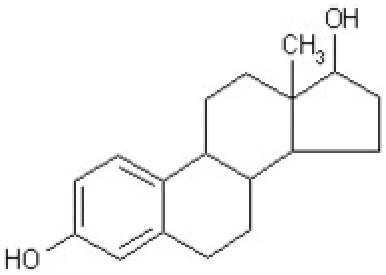
Physicochemical properties: Estradiol is a white odorless crystalline solid, with a melting range of
173°-179°C. It is practically insoluble in water, freely soluble in alcohol, soluble in acetone, dioxane, chloroform, in solutions of fixed alkali hydroxides and sparingly soluble in vegetable oils.
14 CLINICAL TRIALS
14.1 Trial Design and Study Demographics
Table 3 Summary of patient demographics for clinical trials in alleviating menopausal symptoms and prevention of bone loss
| Study # | Study design | Dosage, route of administration and duration | Study subjects (n) | Mean age (Range) | Sex |
| 139 | Open label | 1 mg/day1* or 2 mg/day2*, orally (21 of 28-day cyclic regimen). Titration up to 4 mg/day. Duration up to a year. | 369 | 49 years | F |
| 7092 | Randomized, double-blind, placebo-controlled, parallel group | Placebo, 0.5 mg, 1 mg or 2 mg/day. 18 months with an option of continuing another 6 months. | 64 | 52.8 years (42-58) | F |
- 1. Subjects with up to 5 hot flashes per day.
- 2. Subjects with more than 5 hot flashes per day.
* Dose titrated to a maximum of 4 mg/day for those not relieved by initial doses.
The safety and efficacy of ESTRADIOL in alleviating menopausal symptoms was evaluated in an open-label study (#139) of 369 women with endogenous estrogen deficiency associated with menopausal symptoms.
The safety and efficacy of ESTRADIOL in preventing early post-menopausal bone loss was evaluated in a randomized, double-blind, placebo-controlled, parallel group, dose-ranging clinical study (#7092). Sixty-four (64) subjects with natural or surgical menopause were randomly assigned to one of 4 treatment groups: placebo (17), ESTRADIOL 0.5 mg (15), 1 mg (16) or 2 mg (16). Treatment was administered as a 23- of 28-day cyclic regimen for a period of up to 18 months with an option to continue for an additional 6 months. All groups were supplemented with calcium tablets up to a total of 1500 mg elemental calcium daily.
14.2 Study Results
Symptomatic relief of menopausal symptoms
Table 4 - Results of study 139 in alleviating menopausal symptoms
| Primary Endpoints | Associated value and statistical significance for Drug at specific dosages | Associated value and statistical significance for Placebo or active control |
| Relief from hot flashes | At doses of 1 to 4 mg/day, ESTRADIOL provided relief of hot flashes in 95.6% of the subjects | Not applicable because there was no placebo or active control group. |
In study #139, one hundred (100) subjects (27.1%) were on treatment from 0-4 months while 269 (72.9%) were treated for more than 4 months and up to more than one year for 48 patients (13.0%). Fifty-five (55) subjects dropped out of the study due to persistent menopausal symptoms (14), side effects (7), bleeding problem (1) or other reasons not related to treatment (33).
Overall, ESTRADIOL provided relief of hot flashes for 305 (95.6%) subjects (Table 4). Of the 319 subjects evaluated for efficacy, 77.4% were relieved of their symptoms with the initial dosage of 1 or 2mg, and 22.6% required a change to the initial dosage. In total, 8.1% of the subjects required dose increases up to 3 or 4mg. Other menopausal symptoms such as sweating, tingling, and genital atrophy were reported by 54%, 22% and 17% of the subjects, respectively. At the end of the study, only 11% of all patients reported having any of these symptoms.
The most commonly reported side effects during the course of the study were edema (29%), breast soreness (22%), uterine bleeding (7%) and weight gain (4%). Patients also complained of menopausal symptoms such as depression (36%), headache (19%), insomnia (18%), fatigue (13%) and decreased libido (6%).
In conclusion, ESTRADIOL at doses of 1 to 4 mg/day given in a 21 of 28-day cyclic regimen was safe and efficacious for the treatment of symptoms related to endogenous estrogen deficiency.
Prevention of osteoporosis
Table 5 - Results of study 7092 in prevention of bone loss
| Primary Endpoints | Associated value and statistical significance for Drug at specific dosages | Associated value and statistical significance for Placebo or active control |
| Measurement of bone mineral density (n=45) | Non statistically significant trend found for increase in mean adjusted annual bone density at 0.5 mg, 1 mg or 2 mg (0.2%, 1.9% and 1.0% respectively) | 5.7% mean adjusted annual bone loss in Placebo group (p<0.01) |
In study #7092, out of 64 enrolled patients, 23 did not complete the study and 1 did not participate from the onset. The only significant reason for failure to complete the study was treatment failure, which was highest in the placebo group at 31% (5/16). Seven (7) patients withdrew from the study due to adverse events. One (1) patient was taken off study medication due to concomitant illness. She developed edema and later was diagnosed with pelvic and costal metastatic disease and died. However, its relationship to therapy is unknown.
Efficacy was assessed in 45 subjects by measuring the spinal trabecular bone as determined by spinal quantitative computed tomography (SQCT) at baseline and at different time-points during the course of the trial. All doses of ESTRADIOL were equally effective at 12 months of treatment in preventing bone loss. In the placebo group, a significant mean adjusted annual bone loss of 5.7% (p<0.01) was observed, while in the ESTRADIOL (0.5 mg, 1 mg, 2 mg) treated groups, there was trend for increase (0.2%, 1.9% and 1.0%, respectively) in the mean annual adjusted bone density which was not statistically significant (Table 5).
Safety was assessed in all patients by evaluating data from physical examinations, vital signs, hematological parameters, thyroid function and cholesterol metabolism before and after treatment. To address any estrogen-related risk factors, mammograms and endometrial biopsies were performed pre- and post-treatment. Vaginal bleeding as well as menopausal and vasomotor symptoms were assessed separately.
One serious adverse event occurred in this study. A subject in the 2mg ESTRADIOL group developed metastatic adenocarcinoma, and subsequently died. The relationship to study medication could not be determined as the origin of the cancer was unclear. The largest proportion of adverse events was related to the urogenital system, where 79% of subjects in the 4 groups experienced at least one event (see 8 ADVERSE REACTIONS, Table 2). The most frequently reported events were menopausal symptoms and vaginal bleeding. Vaginal bleeding was significantly more frequent (p<0.01) in the treatment groups compared to placebo and was dose-dependent. A statistically significant increase in weight was also reported for the 0.5mg and 1mg treatment groups. Vasomotor symptoms improved with ESTRADIOL treatment in a dose-dependent manner.
There were no clinically significant blood pressure changes in normotensive patients and no significant deterioration in the blood pressure of hypertensive subjects enrolled.
In conclusion, orally administered estradiol (ESTRADIOL) for the prevention of osteoporosis at doses of 0.5 to 2mg is safe and has a sparing effect on the axial skeleton, as determined by lumbar SQCT when administered in the early postmenopausal period.
15 MICROBIOLOGY
No microbiological information is required for this drug product.
16 NON-CLINICAL TOXICOLOGY
General Toxicology: Long-term continuous administration of natural and synthetic estrogens in certain animal species increases the frequency of carcinomas of the breast, cervix, vagina, and liver.
Carcinogenicity: The role of estrogens in the development of endometrial carcinoma has been thoroughly investigated. Estrogens are capable of inducing cancer in laboratory animals, in which it rarely occurs spontaneously. In women, an increased incidence of endometrial carcinoma has been noted in hyperestrogenic states, such as estrogen-producing ovarian tumours. On chronic estrogenic administration, all intermediate stages between endometrial hyperplasia and true malignancy have been claimed. However, endometrial carcinoma has also been found in the absence of estrogenic stimulation.
Genotoxicity: No long-term animal studies have been performed to evaluate mutagenic potential.
Reproductive and Developmental Toxicology: No long-term animal studies have been performed to evaluate whether ESTRADIOL affects fertility in males or females.