


Product Monograph - Myozyme
RECENT MAJOR LABEL CHANGES
| 7 WARNINGS AND PRECAUTIONS, 7.1.1 PREGNANT WOMEN | 11/2022 |
|---|---|
| 7 WARNINGS AND PRECAUTIONS, 7.1.2 BREAST-FEEDING | 11/2022 |
| 7 WARNINGS AND PRECAUTIONS, Immunogenicity | 7/2024 |
TABLE OF CONTENTS
Sections or subsections that are not applicable at the time of authorization are not listed.
RECENT MAJOR LABEL CHANGES ............................................................................................ 2
TABLE OF CONTENTS .............................................................................................................. 2
PART I: HEALTH PROFESSIONAL INFORMATION ..................................................................... 4
1 INDICATIONS .............................................................................................................. 4
1.1 Pediatrics .................................................................................................................... 4
1.2 Geriatrics .................................................................................................................... 4
2 CONTRAINDICATIONS ................................................................................................. 4
3 SERIOUS WARNINGS AND PRECAUTIONS BOX ............................................................ 4
4 DOSAGE AND ADMINISTRATION ................................................................................. 4
4.1 Dosing Considerations ................................................................................................ 4
4.2 Recommended Dose and Dosage Adjustment ........................................................... 5
4.3 Reconstitution ............................................................................................................ 5
4.4 Administration ............................................................................................................ 6
4.5 Missed Dose ............................................................................................................... 8
5 OVERDOSAGE .............................................................................................................. 8
6 DOSAGE FORMS, STRENGTHS, COMPOSITION AND PACKAGING ................................. 8
7 WARNINGS AND PRECAUTIONS .................................................................................. 9
7.1 Special Populations............................................................................................... 13
7.1.1 Pregnant Women ........................................................................................... 13
7.1.2 Breast-feeding ................................................................................................ 14
7.1.3 Pediatrics ........................................................................................................ 14
7.1.4 Geriatrics ........................................................................................................ 14
8 ADVERSE REACTIONS ................................................................................................ 14
8.1 Adverse Reaction Overview .................................................................................. 14
8.2 Clinical Trial Adverse Reactions ............................................................................ 14
8.3 Less Common Clinical Trial Adverse Reactions ....................................................... 25
8.5 Post-Market Adverse Reactions ........................................................................... 27
9 DRUG INTERACTIONS ............................................................................................... 27
9.2 Drug Interactions Overview ...................................................................................... 27
9.3 Drug-Behavioural Interactions .................................................................................. 27
9.4 Drug-Drug Interactions ............................................................................................. 28
9.5 Drug-Food Interactions ............................................................................................ 28
9.6 Drug-Herb Interactions ............................................................................................. 28
9.7 Drug-Laboratory Test Interactions ........................................................................... 28
10 CLINICAL PHARMACOLOGY ....................................................................................... 28
10.1 Mechanism of Action ...................................................................................... 28
10.2 Pharmacodynamics ........................................................................................ 28
10.3 Pharmacokinetics ........................................................................................... 28
11 STORAGE, STABILITY AND DISPOSAL ......................................................................... 29
PART II: SCIENTIFIC INFORMATION ....................................................................................... 31
13 PHARMACEUTICAL INFORMATION ............................................................................ 31
14 CLINICAL TRIALS ....................................................................................................... 33
14.1 Clinical Trials by Indication ..................................................................................... 33
15 MICROBIOLOGY ........................................................................................................ 39
16 NON-CLINICAL TOXICOLOGY ..................................................................................... 39
PATIENT MEDICATION INFORMATION .................................................................................. 42
PART I: HEALTH PROFESSIONAL INFORMATION
1 INDICATIONS
MYOZYME (alglucosidase alfa for injection) is indicated for:
- use in patients with Pompe’s Disease (acid alpha-glucosidase [GAA] deficiency).
1.1 Pediatrics
Pediatrics (<18 years of age): Based on the data submitted and reviewed by Health Canada, the safety and efficacy of Myozyme in pediatric patients has been established. Therefore, Health Canada has authorized an indication for pediatric use. There are no data available on the safety or efficacy of Myozyme in patients <1 month of age.
1.2 Geriatrics
Geriatrics (>65 years of age): No data are available to Health Canada; therefore, Health Canada has not authorized an indication for geriatric use.
2 CONTRAINDICATIONS
- Myozyme is contraindicated in patients who are hypersensitive to this drug or to any ingredient in the formulation, including any non-medicinal ingredient, or component of the container. For a complete listing, see 6 DOSAGE FORMS, STRENGTHS, COMPOSITION AND PACKAGING.
3 SERIOUS WARNINGS AND PRECAUTIONS BOX
|
|---|
4 DOSAGE AND ADMINISTRATION
4.1 Dosing Considerations
Myozyme (alglucosidase alfa for injection) is intended for long-term, chronic use under the guidance and supervision of a physician. Myozyme should be reconstituted, diluted and administered by a health care professional in a hospital or in an appropriate setting of outpatient care.
Because of the potential for fluid overload, appropriate medical support measures should be readily available when Myozyme is administered. (see 7 WARNINGS AND PRECAUTIONS, Cardiovascular)
Because of the potential for significant hypersensitivity reactions, appropriate medical support measures, including cardiopulmonary resuscitation equipment, especially for patients with cardiac hypertrophy and patients with significantly compromised respiratory function, should be readily available when Myozyme is administered.
4.2 Recommended Dose and Dosage Adjustment
The recommended dosage regimen of Myozyme is 20 mg/kg body weight administered every 2 weeks as an intravenous infusion. There was no additional clinical benefit with doses of Myozyme higher than 20 mg/kg of body weight in clinical trials.
4.3 Reconstitution
Vials of Myozyme are stored under refrigerated conditions (at 2-8 °C). As Myozyme does not contain a preservative, strict aseptic techniques are to be used in the preparation of a patient’s dose. Once reconstituted, vials of Myozyme are to be used immediately for dilution into an infusion bag. Diluted Myozyme into an infusion bag is also to be used immediately (within 3 hours). The reconstituted and diluted infusion solution should be protected from light. Any unused product should be discarded.
Use aseptic technique during preparation. Do not use filter needles during preparation.
- 1. Determine the number of vials to be reconstituted based on the individual patient’s weight and the recommended dose of 20 mg/kg. Round up to the nearest whole vial. Remove the required number of vials from the refrigerator and allow them to reach room temperature prior to reconstitution (approximately 30 minutes).
Patient weight (kg) x Dose (mg/kg) = Patient Dose (in mg)
Patient dose (in mg) ÷ 50 mg/vial = number of vials to reconstitute. If the number of vials includes a fraction, round up to the next whole number.
Example: Patient Weight (16 kg) x 20 mg/kg = Patient Dose (320 mg)
320 mg ÷ 50 mg/vial = 6.4 vials; therefore, 7 vials should be reconstituted
- 2. Reconstitute each Myozyme vial by slowly injecting 10.3 mL of Sterile Water for Injection, USP to the inside wall of each vial. Avoid forceful impact of the water for injection on the powder and avoid foaming. This is done by slow drop-wise addition of the water for injection down the inside of the vial and not directly onto the lyophilized cake. Tilt and roll each vial gently. Do not invert, swirl or shake. Each vial will yield 5 mg/mL. The total extractable dose per vial is 50 mg, 10 mL. The reconstituted Myozyme should be protected from light.
- 3. Visually inspect the reconstituted vials. The vials should contain a clear, colourless to pale yellow solution. The reconstituted solution may also contain a few particles in the form of thin white strands or translucent fibers. These particles have been shown to be composed of alglucosidase alfa which can be easily filtered during the infusion. Do not use vials that contain foreign matter or if discoloured.
Proceed to infusion preparation as detailed under 4.4 Administration.
4.4 Administration
Myozyme treatment should be supervised by a physician who is knowledgeable in the treatment of Pompe’s disease. Myozyme is for intravenous (IV) administration only.
Infusion preparation and administration:
Ensure all reconstitution steps under 4.3 Reconstitution have been completed before continuing.
- 4. Slowly withdraw the reconstituted solution from each vial as prepared according to instructions under 4.3 Reconstitution and further dilute with 0.9 % Sodium Chloride Injection, USP to the volume recommended in Table 1. The total volume of infusion is determined by the patient’s body weight and should be administered over approximately 4 hours. Avoid foaming in the syringe. The final infusion solution should be prepared to a concentration of 0.5 to 4 mg/mL. Remove airspace from the infusion bag to minimize particle formation due to the sensitivity of Myozyme to air-liquid interface. Inject the reconstituted Myozyme solution directly into the sodium chloride solution rather than into the air within the infusion bag. Avoid foaming in the infusion bag. Discard any vial with unused reconstituted solution. The diluted Myozyme should be protected from light.
Patient dose (in mg) ÷ 5 mg/mL = number of mL of reconstituted Myozyme required for patient dose.
Example: Patient dose = 320 mg
320 mg ÷ 5 mg/mL = 64 mL of Myozyme
| Table 1 Recommended Total Volume | ||
|---|---|---|
Dose (mg/kg) | Patient Weight Range (kg) | Infusion Volume (mL) |
| 20 | 1 – 10 | 50 |
| 20 | 10.1 – 20 | 100 |
| 20 | 20.1 – 30 | 150 |
| 20 | 30.1 – 35 | 200 |
| 20 | 35.1 – 50 | 250 |
| 20 | 50.1 – 60 | 300 |
| 20 | 60.1 – 100 | 500 |
| 20 | 100.1 – 120 | 600 |
| 20 | 120.1 – 140 | 700 |
| 20 | 140.1 – 160 | 800 |
| 20 | 160.1 – 180 | 900 |
| 20 | 180.1 – 200 | 1000 |
- 5. Gently invert the infusion solution bag to mix. Avoid any vigorous shaking and agitation.
- 6. Myozyme should not be infused in the same intravenous line with other products.
- 7. The diluted solution should be filtered through an in-line, low protein-binding 0.2 μm filter during administration to remove any visible particles
- 8. Infusions should be administered in a step-wise manner using an infusion pump. The initial infusion rate should be no more than 1 mg/kg/h. The infusion rate may be increased by 2 mg/kg/h every 30 minutes, after patient tolerance to the infusion rate is established, until a maximum rate of 7 mg/kg/h is reached; see Table 2 below.
- 9.
Patients may be pretreated with antihistamines, antipyretics and/or corticosteroids to prevent or reduce risk of allergic reaction. In clinical trials, pre-treatment medications were used but not routinely administered to patients. In the event of anaphylaxis or severe hypersensitivity reaction or severe infusion associated reactions (IARs), immediately discontinue administration of Myozyme and initiate appropriate medical treatment. (see 7 WARNINGS AND PRECAUTIONS, Immune)
The infusion rate may be slowed and/or temporarily stopped in the event of mild or moderate infusion reactions, and appropriate medical treatment initiated. Symptoms may persist despite temporarily stopping the infusion; therefore, the treating health professional should wait at least 30 minutes for symptoms of the reactions to resolve before deciding to stop the infusion for the remainder of the day. If symptoms subside, resume infusion rate for 30 minutes at half the rate, or less, of the rate at which the reactions occurred, followed by a gradual increase in infusion rate under close supervision if symptoms do not reoccur.
Home infusion
Infusion of alglucosidase alfa at home may be considered for patients who are tolerating their infusions well and have no history of moderate or severe IARs for a few months. The decision to have a patient move to home infusion should be made after evaluation and upon recommendation by the treating physician.
Home infusion infrastructure, resources, and procedures, including training, must be established
| Table 2: Recommended Administration of Myozyme | ||
|---|---|---|
| Step | Infusion rate | Duration and assessment |
| 1 | 1 mg/kg/h | 30 minutes after initiation of infusion, obtain vital signs. If stable, proceed to next step. Slow infusion rate or temporarily interrupt infusion if needed. |
| 2 | 3 mg/kg/h | 30 minutes after raising infusion rate to 3 mg/kg/h, obtain vital signs. If stable, proceed to next step. Slow infusion rate or temporarily interrupt infusion if needed. |
| 3 | 5 mg/kg/h | 30 minutes after raising infusion rate to 5 mg/kg/h, obtain vital signs. If stable, proceed to next step. Slow infusion rate or temporarily interrupt infusion if needed. |
| 4 | 7 mg/kg/h | 30 minutes after raising infusion rate to 7 mg/kg/h, obtain vital signs. If stable, proceed to next step. Slow infusion rate or temporarily interrupt infusion if needed. This is the maximum recommended infusion rate. |
and available to the healthcare professional. Home infusion should be supervised by a healthcare professional who should be always available during the home infusion and for a specified time after infusion.
Dose and infusion rate should remain constant while at home, and not be changed without supervision of a healthcare professional. Appropriate information should be given by the treating physician and/or nurse to the patient and/or caregiver prior to initiation of home infusion.
If the patient experiences adverse reactions during the home infusion, the infusion process should be stopped immediately, and appropriate medical treatment should be initiated. Subsequent infusions may need to occur in a hospital or in an appropriate setting of outpatient care until no such adverse reaction is present.
4.5 Missed Dose
If you have missed a Myozyme infusion, please contact your doctor. It is important to have your infusion on a regular basis. The total dose administered each month should remain substantially unchanged.
5 OVERDOSAGE
In clinical trials, patients received doses up to 40 mg/kg of body weight. Infusion associated reactions (IARs) are more likely to occur with higher doses or infusion rates, than recommended. Post-marketing monitoring indicates the potential for serious allergic/hypersensitivity reactions after overdose. See 7 WARNINGS AND PRECAUTIONS, Immune.
| For management of a suspected drug overdose, contact your regional poison control centre. |
|---|
6 DOSAGE FORMS, STRENGTHS, COMPOSITION AND PACKAGING
To help ensure the traceability of biologic products, including biosimilars, health professionals should recognise the importance of recording both the brand name and the non-proprietary (active ingredient) name as well as other product-specific identifiers such as the Drug Identification Number (DIN) and the batch/lot number of the product supplied.
Myozyme (alglucosidase alfa for injection) is intended for intravenous infusion. It is supplied as a sterile, nonpyrogenic, white to off-white, lyophilized cake or powder for reconstitution with 10.3 mL Sterile Water for Injection, USP.
Myozyme does not contain preservatives; each vial is for single use only.
Myozyme is supplied in single-use, clear Type I glass 20 mL (cc) vials. The closure consists of a
| Route of Administration | Dosage Form / Strength/Composition | Non-medicinal Ingredients |
| Intravenous infusion | Sterile solution/50 mg | mannitol, polysorbate 80, sodium phosphate dibasic heptahydrate, sodium phosphate monobasic monohydrate |
siliconized butyl stopper and an aluminum seal with a plastic royal blue flip-off cap.
7 WARNINGS AND PRECAUTIONS
Please see 3 SERIOUS WARNINGS AND PRECAUTIONS BOX.
General
Based on experience in clinical studies, patients with an acute underlying illness (for example: acute febrile illness as pneumonia or sepsis, wheezing/bronchospasm, decompensated cardiac failure, etc.) at the time of Myozyme (alglucosidase alfa for injection) infusion appear to be at greater risk for infusion-associated reactions. Careful consideration should be given to the patient’s clinical status prior to administration of Myozyme.
Carcinogenesis and Mutagenesis
There are no animal or human studies to assess the carcinogenic or mutagenic potential of Myozyme.
Cardiovascular
Risk of Acute Cardiorespiratory Failure
Acute cardiorespiratory failure requiring intubation and inotropic support has been observed after infusion with Myozyme in infantile-onset Pompe’s Disease patients with underlying cardiac hypertrophy, possibly associated with fluid overload with intravenous administration of Myozyme. (See 4.4 Administration for information on appropriate infusion volumes). Because of the potential for fluid overload, appropriate medical support measures should be readily available when Myozyme is administered.
Driving and Operating Machinery
No studies on the effects on the ability to drive and use machines have been performed. Because dizziness, somnolence, tremor and hypotension have been reported as an infusion associated reaction, this may affect the ability to drive and use machines on the day of the infusion.
Immune
Significant Hypersensitivity Reactions including Anaphylaxis:
In clinical trials and in the post-marketing safety experience with Myozyme, approximately 1% of patients developed anaphylactic shock and/or cardiac arrest during Myozyme infusion that required life-support measures. Some of these reactions were IgE-mediated.
Significant hypersensitivity reactions generally consisted of a constellation of signs and symptoms. Symptoms observed in clinical trials included bronchospasm, oxygen saturation decreased, hypotension, urticaria, periorbital edema, swollen tongue, angioedema, chest pain/discomfort, throat tightness, tachycardia, and rash. Reactions generally occurred within the first 3 months of initiation of treatment. Time from onset of infusion to onset of the reaction ranged between a few minutes after initiation of the infusion up to and including 20 minutes after completion of the infusion. The majority of the reactions were moderate or severe in intensity. Reactions were primarily managed with infusion rate reduction and/or interruption of the infusion and administration of antihistamines, corticosteroids, bronchodilators (including epinephrine in 2 patients) and/or oxygen. Use of pre-treatment with antihistamines, corticosteroids, and/or antipyretics may be appropriate for subsequent infusions in patients that have experienced mild or moderate hypersensitivity reactions. In clinical trials and post-market monitoring, some patients that experienced significant hypersensitivity reactions were permanently discontinued from Myozyme due to the reaction.
Based on experience in clinical studies, patients with acute underlying illness (for example: acute febrile illness as pneumonia or sepsis, wheezing/bronchospasm, decompensated cardiac failure, etc.) at the time of Myozyme infusion appear to be at greater risk for infusion-associated reactions. Careful consideration should be given to the patient’s clinical status prior to administration of Myozyme (see 7 WARNINGS AND PRECAUTIONS). Patients with advanced Pompe’s Disease may have compromised cardiac and respiratory function, which may also predispose them to a higher risk of severe complications from infusion reactions.
Patients should be closely monitored during the Myozyme infusion. If significant hypersensitivity reactions occur during the Myozyme infusion, immediate discontinuation of the Myozyme infusion should be considered and appropriate medical treatment should be initiated. Because of the potential for significant hypersensitivity reactions, appropriate medical support measures, including cardiopulmonary resuscitation equipment, especially for patients with cardiac hypertrophy and patients with significantly compromised respiratory function, should be readily available when Myozyme is administered. Patients who have experienced hypersensitivity reactions should be closely monitored when Myozyme is re-administered.
Infusion Reactions:
Infusion-associated reactions that occurred in > 5% of pediatric patients included urticaria, rash, rash maculopapular, pyrexia, rigors, oxygen saturation decreased, blood pressure decreased, blood pressure increased, heart rate increased, flushing, hypertension, cough, tachypnea, tachycardia, agitation, irritability, and vomiting (see 8 ADVERSE REACTIONS). Infusion reactions which were reported in ≥ 5% of Myozyme -treated late-onset patients included headache, nausea, urticaria, dizziness, chest discomfort, hyperhidrosis, flushing, blood pressure increased, and vomiting.
Serious infusion-associated reactions included rales, bronchospasm, oxygen saturation decreased, tachypnea, tachycardia, periorbital edema, urticaria, hypertension, heart rate increased and fever. Most infusion-associated reactions requiring intervention were ameliorated with slowing the infusion rate, temporarily stopping the infusion and/or administration of antipyretics, antihistamines or corticosteroids. All patients recovered without sequelae from the reactions.
Based on experience in clinical studies, patients with acute underlying illness (for example: acute febrile illness as pneumonia or sepsis, wheezing/bronchospasm, decompensated cardiac failure, etc.) at the time of Myozyme infusion appear to be at greater risk for infusion-associated reactions. Careful consideration should be given to the patient’s clinical status prior to administration of Myozyme (see 7 WARNINGS AND PRECAUTIONS). Infusion reactions are also more likely to occur with higher infusion rates. Patients with advanced Pompe’s Disease may have compromised cardiac and respiratory function, which may also predispose them to a higher risk of severe complications from infusion reactions.
In clinical trials, some patients were pre-treated with antihistamines, antipyretics and/or corticosteroids. Infusion reactions occurred in some patients after receiving antipyretics, antihistamines and/or corticosteroids.
Patients should be closely monitored during the Myozyme infusion. Infusion reactions may occur at any time during, or shortly after completion of Myozyme infusion. If the patient experiences an infusion reaction during the Myozyme infusion, the patient should be managed according to general standards of care consistent with treatment of the presenting symptom(s). Regardless of pre-treatment, reduction of the infusion rate, temporarily interrupting the infusion, and/or administration of antihistamines, antipyretics and/or corticosteroids may ameliorate the symptoms. If severe infusion reactions occur, immediate discontinuation of the Myozyme infusion should be considered, and appropriate medical support measures, including cardiopulmonary resuscitation equipment, should be available. Severe infusion reactions are generally managed with administration of antihistamines, corticosteroids, intravenous fluids, and/or oxygen, when clinically indicated. In sosme cases of anaphylactic reactions epinephrine was administered. Patients who have experienced infusion reactions should be treated with caution when they are readministered Myozyme.
Immunogenicity
The effect of IgG antibody formation on safety and efficacy has been evaluated in clinical trials and post-marketing experience. In clinical studies, the majority of patients developed IgG antibodies to alglucosidase alfa and seroconversion typically occurred within 3 months of treatment. Thus seroconversion is expected to occur in most patients treated with Myozyme. Overall, a correlation was not observed between the onset of IARs and the time of IgG antibody formation. IARs can occur across all levels of antibody titres, however a trend was observed for more frequent IARs with higher titres of IgG antibody. The development of high and sustained IgG antibody titres is one of several factors that may contribute to diminished clinical efficacy.
With regard to IOPD, a tendency was observed for patients treated with a higher dose (40 mg/kg) to develop higher titres of IgG antibodies. Furthermore, Cross Reactive Immunologic Material (CRIM) status has been shown to be associated with immunogenicity and patients’ responses to enzyme replacement therapies. Negative CRIM status, indicating no endogenous enzyme is detected, is a risk factor to develop high and sustained IgG antibody titres. This risk is higher among CRIM negative patients versus CRIM-positive patients and is a contributing factor to reduced clinical efficacy. However, high and sustained IgG antibody titres has also occurred in a limited number of CRIM-positive patients, generally with very low endogenous enzyme.
With respect to LOPD patients, the majority showed either stabilizing or decreasing antibody titres over time. The development of high and sustained IgG antibody titres is infrequent in LOPD patients. Thus, the impact of IgG antibodies is more limited for LOPD patients.
Some IgG positive infantile-onset and late-onset patients in clinical trials who were retrospectively evaluated for the presence of inhibitory antibodies tested positive for inhibition of enzyme activity and/or uptake in in vitro assays. However, the clinical relevance of this in vitro inhibition is unclear (see 8 ADVERSE REACTIONS, Clinical Trial Adverse Drug Reactions, Infantile-Onset Disease, Immunogenicity; Late-Onset Disease, Immunogenicity sections).
IgG antibody titres should be monitored based on clinical phenotype. Baseline serum sample collection prior to the first infusion is strongly encouraged. For IOPD patients, regular monitoring during first year of treatment (example: every 3 months) is suggested and subsequent monitoring depending on clinical outcomes and antibody titres level. For LOPD patients, antibody development should be assessed within 6 months and subsequent monitoring as clinically warranted based on safety and efficacy considerations.
A small number of patients who were evaluated tested positive for alglucosidase alfa-specific IgE antibodies, some of whom experienced anaphylactic reactions. Testing was typically performed for IARs suggestive of hypersensitivity reactions. Some patients have been successfully rechallenged using slower rates and/or lower initial doses and continued to receive treatment with alglucosidase alfa under close clinical supervision.
Severe cutaneous and possibly immune-mediated reactions have been reported with Myozyme including ulcerative and necrotizing skin lesions. A skin biopsy in one infantile-onset patient demonstrated deposition of anti-rhGAA antibodies in the lesion. Nephrotic syndrome was observed in a few Pompe patients treated with alglucosidase alfa and who had high IgG antibody titers (≥ 102,400). In these patients renal biopsy was consistent with immune complex deposition. Patients improved following treatment interruption. It is therefore recommended to perform periodic urinalysis among patients with high IgG antibody titers.(see Monitoring and Laboratory Tests)
Patients should be monitored for signs and symptoms of systemic immune complex-mediated reactions involving skin and other organs while receiving Myozyme. If immune mediated reactions occur, discontinuation of the administration of Myozyme should be considered, and appropriate medical treatment initiated. Patients who develop IgE antibodies to alglucosidase alfa appear to be at a higher risk for the occurrence of IARs when Myozyme is re-administered. The risks and benefits of re-administering Myozyme following an immune mediated reaction should be considered. Some patients have been successfully rechallenged and continued to receive Myozyme under close clinical supervision.
Immunomodulation Pompe patients are at increased risk of respiratory infections due to the progressive effects of the disease on the respiratory muscles. Immunosuppressive agents have been administered in a small number of patients, in an attempt to reduce or prevent the development of antibodies to alglucosidase alfa. Fatal and life-threatening respiratory infections have been observed in some of these patients. Therefore, Pompe patients treated with immunosuppressive agents may be at further increased risk of developing severe infections and vigilance is recommended.
Monitoring and Laboratory Tests
There are no marketed tests for antibodies against Myozyme. It is recommended that patients be monitored for IgG antibody formation periodically.
Patients who experience reactions suggestive of anaphylactic or allergic reactions may also be tested for IgE antibodies to alglucosidase alfa and other mediators of anaphylaxis. If testing is warranted, contact your local Sanofi representative or sanofi-aventis Canada Inc. at 1-800-265-7927.
Patients should be informed that a registry for patients with Pompe’s Disease has been established in order to better understand the variability and progression of Pompe’s Disease and to continue to monitor and evaluate treatments. Patients should be encouraged to participate and advised that their participation may involve long-term follow-up. Information regarding the registry program may be found at www.pomperegistry.com or by calling 1-800-745-4447.
Peri-Operative Considerations
Cardiac Adverse Events During General Anaesthesia for Central Venous Catheter Placement
Precaution must be observed when administering general anaesthesia to patients with infantile-onset Pompe’s Disease. Reports of intraoperative cardiac arrest following anaesthesia induction for invasive procedures have been reported, some of which were fatal. The presence of severe hypertrophic cardiomyopathy in infantile-onset Pompe’s Disease may increase the risk of general anaesthesia complications (Ing, 2004, Paediatr Anaesth).
Reproductive Health
Fertility
Clinical data are too limited to evaluate the impact of alglucosidase alfa on fertility and reproductive potential. All women of childbearing potential should have a discussion around contraception with their Health Professional and adequate contraception should be advised.
A single study to address the impact of alglucosidase alfa on fertility in mice was not conclusive since decreased fertility was noted in all groups, including vehicle controls. (See 16 NON-CLINICAL TOXICOLOGY)
7.1 Special Populations
Patients should be informed that a registry for patients with Pompe’s Disease has been established in order to better understand the variability and progression of Pompe’s Disease and to continue to monitor and evaluate treatments. Patients should be encouraged to participate and advised that their participation may involve long-term follow-up. Information regarding the registry program may be found at www.pomperegistry.com or by calling 1-800-745-4447.
7.1.1 Pregnant Women
There are no data in pregnant women exposed to Myozyme in clinical trials. The limited amount of data from post-marketing reports and published case reports with the use of alglucosidase alfa in pregnant women are inadequate to assess risk associated with Myozyme use during pregnancy. Congenital anomalies including reports of diaphragmatic hernia, atrial septal defect and truncus arteriosus persistent have been reported in post-marketing experience, however the relationship of Myozyme to these events is unknown.
Myozyme should be used during pregnancy only if clearly needed.
Women of childbearing potential and women who have become pregnant while using Myozyme should be encouraged to enroll in the Pompe patient registry (see 7.1 Special Populations).
7.1.2 Breast-feeding
Alglucosidase alfa has been shown to be excreted in breast milk, particularly within the 24 hours following infusions. There are inadequate data to determine whether the presence of alglucosidase alfa in breast milk poses a risk to the nursing infant. The developmental and health benefits of breast-feeding should be considered along with the mother’s clinical need for Myozyme and any potential adverse effects on the breastfed child from Myozyme or from the underlying maternal condition.
A lactating woman may consider interrupting breast-feeding, pumping and discarding breast milk during Myozyme administration and for 24 hours thereafter in order to minimize drug exposure to a breastfed infant.
(See 7.1 Special Populations regarding a registry program. Nursing women are encouraged to participate in the registry program).
7.1.3 Pediatrics
No data are available for the use of Myozyme in patients less than 1 month of age. Pediatric patients from 1 month up to 18 years of age at time of first infusion have been treated with Myozyme in clinical trials.
7.1.4 Geriatrics
Clinical studies did not include a sufficient number of subjects aged 65 years and older to determine safety of use in elderly patients.
8 ADVERSE REACTIONS
8.1 Adverse Reaction Overview
The most serious adverse reactions reported in infantile and late-onset patients treated with Myozyme (alglucosidase alfa for injection) were hypersensitivity reactions (including anaphylactic reactions ), acute cardiorespiratory failure, and cardiac arrest. Acute cardiorespiratory failure, possibly associated with fluid overload, has been reported in infantile-onset Pompe’s disease patients with pre-existing hypertrophic cardiomyopathy (see 7 WARNINGS AND PRECAUTIONS, Risk of Acute Cardiorespiratory Failure and 3 WARNINGS AND PRECAUTIONS boxed WARNING: RISK OF ANAPHYLAXIS).
8.2 Clinical Trial Adverse Reactions
Clinical trials are conducted under very specific conditions. The adverse reaction rates observed in the clinical trials; therefore, may not reflect the rates observed in practice and should not be compared to the rates in the clinical trials of another drug. Adverse reaction information from clinical trials may be useful in identifying and approximating rates of adverse drug reactions in real-world use.
Infantile-Onset Pompe’s Disease (IOPD)
The data described below reflect exposure of 59 pediatric patients to 20 or 40 mg/kg of Myozyme administered every other week in three separate clinical trials (AGLU01602, AGLU01702, AGLU02203) for a period of up to 76 weeks. These three studies included a population of patients which ranged in age from 1 month to 16 years at initiation of treatment.
Infusion Reactions (IOPD)
In 3 clinical studies of 59 pediatric patients receiving treatment with Myozyme (AGLU01602, AGLU01702, AGLU02203), 30 patients (51%) experienced infusion-associated reactions (IARs). Seventeen of the 30 patients (57%) experienced their first infusion-associated reaction within the first 3 months of initiation of treatment. In the remaining patients (43%), the first reaction occurred as late as 95 weeks after initiation of treatment. Twenty-one of the 30 patients (70%) experienced reactions with multiple infusions; the remaining 9 patients experienced reactions with a single infusion. The majority of infusion-associated reactions were assessed as non-serious and mild or moderate in intensity. Two reactions (heart rate increased and pyrexia) were assessed as severe. Four patients (4/59 = 7%) experienced serious infusion-associated reactions.
Table 3 enumerates infusion reactions that occurred in at least 5% of the pediatric patients treated with Myozyme in clinical trials described above. Reported frequencies of infusion reactions have been classified by MedDRA terms.
Table 3: Summary of Infusion Reactions by System Organ Class and Preferred Term During Treatment Occurring in at Least 5% of Pediatric Patients Treated with Myozyme in IOPD Clinical Trials
| System Organ Class Preferred Term | Number of Patients N=59 n (%) | Number of Reactions N= 271 | |||||
|---|---|---|---|---|---|---|---|
| Any Adverse Events | 30 (50.8) | 271 | |||||
| Skin and subcutaneous tissue disorders | 17 (28.8) | 71 | |||||
| Urticaria | 8 (13.6) | 28 | |||||
| Rash | 6 ( 10.2) | 12 | |||||
| Rash maculopapular | 3 ( 5.1) | 5 | |||||
| General disorders and administration site conditions | 15 ( 25.4) | 43 | |||||
| Pyrexia | 13 ( 22.0) | 33 | |||||
| Rigors | 3 ( 5.1) | 4 | |||||
| Investigations | 14 ( 23.7) | 47 | |||||
| Oxygen saturation decreased | 8 ( 13.6) | 22 | |||||
| Blood pressure decreased | 4 ( 6.8) | 5 | |||||
| Blood pressure increased | 3 ( 5.1) | 4 | |||||
| Heart rate increased | 3 ( 5.1) | 7 | |||||
| Vascular disorders | 11 ( 18.6) | 29 | |||||
| Flushing | 7 ( 11.9) | 19 | |||||
| Hypertension | 4 ( 6.8) | 5 | |||||
| Respiratory, thoracic and mediastinal disorders | 9 ( 15.3) | 28 | |||||
| Cough | 5 ( 8.5) | 17 | |||||
| Tachypnoea | 5 ( 8.5) | 8 | |||||
| Cardiac disorders | 6 ( 10.2) | 18 | |||||
| Tachycardia | 6 ( 10.2) | 15 | |||||
| Psychiatric disorders | 6 ( 10.2) | 10 | |||||
| Agitation | 3 ( 5.1) | 5 | |||||
| Irritability | 3 ( 5.1) | 3 | |||||
| Gastrointestinal disorders | 4 ( 6.8) | 17 | |||||
| Vomiting | 4 ( 6.8) | 9 | |||||
Infusion associated reactions that occurred with frequency less than 5% of patients (reported in more than 1 patient) based on the MedDRA SOCs of Skin and subcutaneous tissue disorders include Hyperhydrosis, Livedo reticularis, Pruritus and Rash macular; Investigations include Body temperature increased; Vascular disorders include Pallor; Cardiac disorders include Cyanosis; Psychiatric disorders include Restlessness; Gastrointestinal disorders include Retching and Nervous system disorders include Tremor.
Hypersensitivity reactions and anaphylaxis (IOPD)
One of 59 pediatric patients (approximately 2%) experienced a life-threatening hypersensitivity reaction consisting of bronchospasm, oxygen saturation decreased, tachycardia, urticaria, and periorbital edema.
Treatment Emergent Adverse Events (IOPD)
Table 4 enumerates treatment emergent adverse events (regardless of relationship) that occurred in at least 5% of pediatric patients treated with Myozyme in clinical trials. Reported frequencies of adverse events have been classified by MedDRA terms.
| Table 4: Summary of Adverse Events by System Organ Class and Preferred Term During Treatment Occurring in at Least 5% of Pediatric Patients Treated with Myozyme in IOPD Clinical Trials | |||||||
|---|---|---|---|---|---|---|---|
| System Organ Class Preferred Term | Number of Patients (N=59) n (%) | Number of Adverse Events N=2725 | |||||
| Any Adverse Events | 58 (98.3) | 2725 | |||||
| Infections and infestations | 54 ( 91.5) | 553 | |||||
| Upper respiratory tract infection | 25 (42.4) | 58 | |||||
| Otitis media | 24 (40.7) | 45 | |||||
| Pneumonia | 20 (33.9) | 49 | |||||
| Viral infection | 16 (27.1) | 24 | |||||
| Catheter related infection | 14 (23.7) | 22 | |||||
| Ear infection | 14 (23.7) | 26 | |||||
| Gastroenteritis | 12 (20.3) | 12 | |||||
| Nasopharyngitis | 12 (20.3) | 32 | |||||
| Oral candidiasis | 11 (18.6) | 13 | |||||
| Pharyngitis | 11 (18.6) | 19 | |||||
| Bronchiolitis | 10 ( 16.9) | 13 | |||||
| Respiratory syncytial virus infection | 9 (15.3) | 12 | |||||
| Tracheitis | 9 (15.3) | 31 | |||||
| Gastroenteritis viral | 8 ( 13.6) | 8 | |||||
| Influenza | 8 ( 13.6) | 17 | |||||
| Bacteraemia | 7 (11.9) | 11 | |||||
| Candidiasis | 7 (11.9) | 10 | |||||
| Urinary tract infection | 7 ( 11.9) | 8 | |||||
| Otitis media acute | 6 ( 10.2) | 11 | |||||
| Bronchopneumonia | 5 ( 8.5) | 7 | |||||
| Respiratory tract infection | 5 (8.5) | 5 | |||||
| Sinusitis | 5 (8.5) | 6 | |||||
| Table 4: Summary of Adverse Events by System Organ Class and Preferred Term During Treatment Occurring in at Least 5% of Pediatric Patients Treated with Myozyme in IOPD Clinical Trials | |||||||
|---|---|---|---|---|---|---|---|
| System Organ Class Preferred Term | Number of Patients (N=59) n (%) | Number of Adverse Events N=2725 | |||||
| Any Adverse Events | 58 (98.3) | 2725 | |||||
| Bronchitis | 4 ( 6.8) | 13 | |||||
| Dental Caries | 4 (6.8) | 6 | |||||
| Acute tonsillitis | 3 (5.1) | 5 | |||||
| Bronchitis acute | 3 ( 5.1) | 9 | |||||
| Cellulitis | 3 (5.1) | 4 | |||||
| Fungal skin infection | 3 ( 5.1) | 3 | |||||
| Localised infection | 3 ( 5.1) | 7 | |||||
| Pharyngitis streptococcal | 3 ( 5.1) | 6 | |||||
| Sepsis | 3 ( 5.1) | 4 | |||||
| Tonsillitis | 3 ( 5.1) | 3 | |||||
| Respiratory, thoracic and mediastinal disorders | 51 (86.4) | 423 | |||||
| Cough | 20 ( 33.9) | 76 | |||||
| Respiratory failure | 18 (30.5) | 43 | |||||
| Respiratory distress | 16 ( 27.1) | 24 | |||||
| Rhinorrhoea | 12 ( 20.3) | 19 | |||||
| Increased bronchial secretion | 11 (18.6) | 24 | |||||
| Tachypnoea | 11 ( 18.6) | 17 | |||||
| Atelectasis | 10 ( 16.9) | 23 | |||||
| Upper respiratory tract congestion | 9 ( 15.3) | 15 | |||||
| Nasal congestion | 8 ( 13.6) | 9 | |||||
| Pharyngolaryngeal pain | 8 (13.6) | 11 | |||||
| Pneumonia aspiration | 8 (13.6) | 23 | |||||
| Bronchospasm | 6 (10.2) | 12 | |||||
| Rhinitis | 6 (10.2) | 8 | |||||
| Wheezing | 6 ( 10.2) | 8 | |||||
| Asthma | 5 (8.5) | 10 | |||||
| Choking | 5 ( 8.5) | 10 | |||||
| Dyspnoea | 5 ( 8.5) | 7 | |||||
| Respiratory tract congestion | 4 ( 6.8) | 4 | |||||
| Tracheal disorder | 4 (6.8) | 5 | |||||
| Lung infiltration | 3 ( 5.1) | 3 | |||||
| Rhonchi | 3 (5.1) | 3 | |||||
| General disorders and administration site conditions | 49 ( 83.1) | 369 | |||||
| Pyrexia | 46 (78.0) | 252 | |||||
| Catheter related complication | 10 (16.9) | 22 | |||||
| Granuloma | 7 (11.9) | 11 | |||||
| Oedema peripheral | 7 ( 11.9) | 9 | |||||
| Pain | 4 ( 6.8) | 7 | |||||
| Table 4: Summary of Adverse Events by System Organ Class and Preferred Term During Treatment Occurring in at Least 5% of Pediatric Patients Treated with Myozyme in IOPD Clinical Trials | |||||||
|---|---|---|---|---|---|---|---|
| System Organ Class Preferred Term | Number of Patients (N=59) n (%) | Number of Adverse Events N=2725 | |||||
| Any Adverse Events | 58 (98.3) | 2725 | |||||
| Asthenia | 3 ( 5.1) | 11 | |||||
| Hyperthermia | 3 ( 5.1) | 3 | |||||
| Inflammation localised | 3 ( 5.1) | 6 | |||||
| Lethargy | 3 ( 5.1) | 6 | |||||
| Oedema | 3 ( 5.1) | 3 | |||||
| Rigors | 3 ( 5.1) | 4 | |||||
| Skin and subcutaneous tissue disorders | 46 (78.0) | 232 | |||||
| Rash | 18 (30.5) | 46 | |||||
| Dermatitis diaper | 17 (28.8) | 40 | |||||
| Urticaria | 12 (20.3) | 32 | |||||
| Erythema | 7 (11.9) | 11 | |||||
| Hyperhidrosis | 6 ( 10.2) | 7 | |||||
| Rash macular | 6 (10.2) | 18 | |||||
| Dry skin | 5 ( 8.5) | 5 | |||||
| Eczema | 5 ( 8.5) | 9 | |||||
| Pruritus | 5 ( 8.5) | 6 | |||||
| Rash maculopapular | 4 ( 6.8) | 8 | |||||
| Rash papular | 4 ( 6.8) | 6 | |||||
| Skin irritation | 4 (6.8) | 4 | |||||
| Skin ulcer | 4 ( 6.8) | 4 | |||||
| Face oedema | 3 ( 5.1) | 4 | |||||
| Periorbital oedema | 3 ( 5.1) | 3 | |||||
| Rash erythematous | 3 (5.1) | 5 | |||||
| Gastrointestinal disorders | 44 (74.6) | 275 | |||||
| Diarrhoea | 28 (47.5) | 75 | |||||
| Vomiting | 24 (40.7) | 74 | |||||
| Constipation | 14 (23.7) | 21 | |||||
| Gastrooesophageal reflux disease | 12 ( 20.3) | 15 | |||||
| Dysphagia | 7 ( 11.9) | 9 | |||||
| Teething | 6 ( 10.2) | 8 | |||||
| Loose stools | 5 ( 8.5) | 8 | |||||
| Abdominal distension | 3 ( 5.1) | 3 | |||||
| Abdominal pain | 3 ( 5.1) | 3 | |||||
| Nausea | 3 ( 5.1) | 4 | |||||
| Toothache | 3 (5.1) | 3 | |||||
| Investigations | 42 (71.2) | 251 | |||||
| Oxygen saturation decreased | 21 (35.6) | 57 | |||||
| Sputum culture positive | 9 (15.3) | 56 | |||||
| Table 4: Summary of Adverse Events by System Organ Class and Preferred Term During Treatment Occurring in at Least 5% of Pediatric Patients Treated with Myozyme in IOPD Clinical Trials | |||||||
|---|---|---|---|---|---|---|---|
| System Organ Class Preferred Term | Number of Patients (N=59) n (%) | Number of Adverse Events N=2725 | |||||
| Any Adverse Events | 58 (98.3) | 2725 | |||||
| Heart rate increased | 7 ( 11.9) | 15 | |||||
| Blood potassium decreased | 6 ( 10.2) | 7 | |||||
| Blood pressure decreased | 6 ( 10.2) | 7 | |||||
| Blood creatine phosphokinase MB increased | 5 (8.5) | 5 | |||||
| Blood creatine phosphokinase increased | 5 (8.5) | 6 | |||||
| Blood pressure increased | 5 ( 8.5) | 6 | |||||
| Blood bicarbonate decreased | 4 ( 6.8) | 5 | |||||
| Ejection fraction decreased | 4 ( 6.8) | 4 | |||||
| Blood chloride decreased | 3 ( 5.1) | 3 | |||||
| Blood phosphorus increased | 3 ( 5.1) | 4 | |||||
| Blood pressure systolic increased | 3 ( 5.1) | 4 | |||||
| Body temperature increased | 3 ( 5.1) | 7 | |||||
| Haemoglobin decreased | 3 ( 5.1) | 3 | |||||
| Urine output decreased | 3 ( 5.1) | 3 | |||||
| Weight decreased | 3 ( 5.1) | 3 | |||||
| White blood cell count increased | 3 ( 5.1) | 3 | |||||
| Cardiac disorders | 34 ( 57.6) | 130 | |||||
| Tachycardia | 12 ( 20.3) | 42 | |||||
| Bradycardia | 9 ( 15.3) | 20 | |||||
| Cardiac failure | 6 ( 10.2) | 6 | |||||
| Cardio-respiratory arrest | 5 ( 8.5) | 7 | |||||
| Cyanosis | 5 (8.5) | 7 | |||||
| Ventricular hypertrophy | 4 ( 6.8) | 6 | |||||
| Arrhythmia | 3 ( 5.1) | 3 | |||||
| Cardiomegaly | 3 (5.1) | 3 | |||||
| Cardiomyopathy | 3 ( 5.1) | 3 | |||||
| Musculoskeletal and connective tissue disorders | 32 (54.2) | 54 | |||||
| Joint contracture | 11 (18.6) | 15 | |||||
| Osteopenia | 10 ( 16.9) | 10 | |||||
| Arthralgia | 5 (8.5) | 8 | |||||
| Pain in extremity | 4 ( 6.8) | 4 | |||||
| Myopathy | 3 ( 5.1) | 6 | |||||
| Osteoporosis | 3 ( 5.1) | 3 | |||||
| Injury, poisoning and procedural complications | 30 (50.8) | 94 | |||||
| Post procedural pain | 11 ( 18.6) | 22 | |||||
| Medical device complication | 9 ( 15.3) | 28 | |||||
| Excoriation | 6 ( 10.2) | 6 | |||||
| Blister | 4 ( 6.8) | 4 | |||||
| Table 4: Summary of Adverse Events by System Organ Class and Preferred Term During Treatment Occurring in at Least 5% of Pediatric Patients Treated with Myozyme in IOPD Clinical Trials | |||||||
|---|---|---|---|---|---|---|---|
| System Organ Class Preferred Term | Number of Patients (N=59) n (%) | Number of Adverse Events N=2725 | |||||
| Any Adverse Events | 58 (98.3) | 2725 | |||||
| Fall | 4 ( 6.8) | 4 | |||||
| Femur fracture | 4 ( 6.8) | 5 | |||||
| Contusion | 3 ( 5.1) | 3 | |||||
| Ear and labyrinth disorders | 23 (39.0) | 37 | |||||
| Hypoacusis | 7 (11.9) | 11 | |||||
| Middle ear effusion | 7 (11.9) | 7 | |||||
| Conductive deafness | 3 (5.1) | 4 | |||||
| Ear pain | 3 ( 5.1) | 3 | |||||
| Otorrhoea | 3 ( 5.1) | 4 | |||||
| Metabolism and nutrition disorders | 22 (37.3) | 66 | |||||
| Dehydration | 7 (11.9) | 7 | |||||
| Feeding disorder | 5 ( 8.5) | 6 | |||||
| Hypokalaemia | 5 ( 8.5) | 6 | |||||
| Hypoglycaemia | 3 ( 5.1) | 3 | |||||
| Blood and lymphatic system disorders | 21 (35.6) | 49 | |||||
| Anaemia | 16 ( 27.1) | 27 | |||||
| Lymphadenopathy | 4 (6.8) | 8 | |||||
| Vascular disorders | 19 (32.2) | 48 | |||||
| Flushing | 8 ( 13.6) | 20 | |||||
| Hypertension | 8 ( 13.6) | 10 | |||||
| Hypotension | 5 ( 8.5) | 11 | |||||
| Eye disorders | 16 (27.1) | 20 | |||||
| Conjunctivitis | 7 ( 11.9) | 8 | |||||
| Eye discharge | 3 ( 5.1) | 3 | |||||
| Psychiatric disorders | 16 (27.1) | 31 | |||||
| Insomnia | 6 ( 10.2) | 6 | |||||
| Agitation | 5 ( 8.5) | 8 | |||||
| Irritability | 5 ( 8.5) | 7 | |||||
| Anxiety | 3 (5.1) | 6 | |||||
| Restlessness | 3 ( 5.1) | 3 | |||||
| Renal and urinary disorders | 16 (27.1) | 34 | |||||
| Haematuria | 4 ( 6.8) | 7 | |||||
| Hypercalciuria | 4 ( 6.8) | 6 | |||||
| Proteinuria | 3 ( 5.1) | 3 | |||||
| Renal insufficiency | 3 ( 5.1) | 3 | |||||
| Nervous system disorders | 13 (22.0) | 22 | |||||
| Hypotonia | 3 ( 5.1) | 4 | |||||
| Immune system disorders | 9 (15.3) | 13 | |||||
| Table 4: Summary of Adverse Events by System Organ Class and Preferred Term During Treatment Occurring in at Least 5% of Pediatric Patients Treated with Myozyme in IOPD Clinical Trials | |||||||
|---|---|---|---|---|---|---|---|
| System Organ Class Preferred Term | Number of Patients (N=59) n (%) | Number of Adverse Events N=2725 | |||||
| Any Adverse Events | 58 (98.3) | 2725 | |||||
| Drug hypersensitivity | 5 ( 8.5) | 8 | |||||
| Congenital, familial and genetic disorders | 7 (11.9) | 8 | |||||
| Macroglossia | 3 ( 5.1) | 3 | |||||
| Reproductive system and breast disorders | 6 (10.2) | 6 | |||||
| Endocrine disorders | 4 (6.8) | 5 | |||||
Immunogenicity (IOPD)
In the 3 pediatric clinical trials (AGLU01602, AGLU01702, AGLU02203), 49 of the 54 evaluable patients (91%) tested positive for IgG antibodies to alglucosidase alfa. The data reflect the percentage of patients whose test results were considered positive using an enzyme-linked immunosorbent assay (ELISA) and radioimmunoprecipitation (RIP) assay for alglucosidase alfa-specific IgG antibodies. The majority of patients (45 of 49 or 92%) developed IgG antibodies within the first 3 months of initiation of treatment (see 7 WARNINGS AND PRECAUTIONS, Immunogenicity section).
Infusion reactions were reported in 30 of the 59 patients (51%) treated with Myozyme and appear to be more common in antibody-positive patients; 16 of 20 patients (80%) with high antibody titers (> 12,800) experienced infusion reactions whereas only 1 of the 5 antibody-negative patients (20%) experienced infusion reactions. Infantile-onset patients treated with a higher dose (40 mg/kg) generally developed a more robust antibody response and experienced more infusion reactions. The effect of antibody development on the long term efficacy of Myozyme is not fully understood.
Patients who experience IARs suggestive of anaphylactic or allergic reactions may also be tested for IgE antibodies to alglucosidase alfa (see 7 WARNINGS AND PRECAUTIONS, Monitoring and Laboratory Tests section).
In clinical trials and expanded access programs of Myozyme, approximately forty patients with moderate or severe or recurrent infusion reactions have been tested for Myozyme specific IgE antibodies. A small number of patients who were evaluated tested positive for IgE antibodies, some of whom experienced anaphylactic reactions. Testing was typically performed for IARs suggestive of hypersensitivity reactions (see 7 WARNINGS AND PRECAUTIONS, Significant Hypersensitivity Reactions).
Some patients have been successfully rechallenged using a slower infusion rate and/or lower initial doses and continued to receive treatment with Myozyme under close clinical supervision.
Late-Onset Pompe’s Disease (LOPD)
Five additional pediatric Pompe’s Disease patients were evaluated in a single-center, open-label, non-randomized, uncontrolled clinical trial. Patients were ages 5 to 15 years, ambulatory (able to walk at least 10 meters in 6 minutes), and not receiving invasive ventilatory support at study entry. All 5 patients received treatment with 20 mg/kg Myozyme for 26 weeks. The most common treatment-emergent adverse events (regardless of causality) observed with Myozyme treatment in this study were headache, pharyngitis, upper abdominal pain, malaise and rhinitis.
The data described below reflect exposure of 90 patients (45 male, 45 female) with late-onset Pompe’s Disease, ages 10 to 70 years, to 20 mg/kg of Myozyme or placebo in a randomized, double-blind, placebo-controlled study. All patients were naïve to enzyme replacement therapy. Patients were randomized in a 2:1 ratio and received Myozyme or placebo every other week for 78 weeks (18 months).The study population included 34 males and 26 females (N=60) in the Myozyme group and 11 males and 19 females (N=30) in the placebo group. In the MYOZYME treatment group, 32 patients (53%) experienced adverse reactions and 17 patients (57%) in the Placebo group. The majority of the adverse reactions were characterized as infusion reactions which included 17 patients (28%) in the Myozyme group and 7 patients (23%) in the Placebo group. Thirteen (22%) patients experienced serious adverse reactions in the Myozyme group and 6 (20%) patients in the Placebo group.
Hypersensitivity reactions and anaphylaxis (LOPD)
In a randomized, double-blind, placebo controlled study in patients with late-onset Pompe’s Disease, 5% of patients (3/60) treated with MYOZYME experienced anaphylactic reactions, two of which were IgE-mediated.
The most serious adverse reactions reported with Myozyme in the randomized, double-blind, placebo-controlled study were anaphylactic reactions. Reactions included non-cardiac chest discomfort/pain, throat tightness and angioedema [see 3 SERIOUS WARNINGS AND PRECAUTIONS BOX and 7 WARNINGS AND PRECAUTIONS, Hypersensitivity Reactions]. Other reported serious adverse reactions included one event of supraventricular tachycardia in a single patient.
IARs (LOPD)
The most common adverse reactions observed were infusion reactions. In the randomized, double-blind, placebo-controlled study, infusion reactions occurred in approximately 28% of patients treated with Myozyme, compared to 23% of placebo-treated patients. The majority of these reactions were mild to moderate and resolved spontaneously. Infusion reactions which were reported in ≥ 5% of Myozyme -treated patients included headache, nausea, urticaria, dizziness, chest discomfort, hyperhidrosis, flushing, blood pressure increased, and vomiting.
Table 5: Summary of IARs Occurring in at Least 5% of Late-Onset Patients in either Treatment Group
System Organ Class Preferred Term | Myozyme Patients | Placebo Patients | |||||
|---|---|---|---|---|---|---|---|
Number of Patients1 (N=60) n (%) | Number of Patients1 (N=30) n (%) | ||||||
| Any IARs | 17 (28.3) | 7 (23.3) | |||||
| Nervous system disorders | 9 (15.0) | 6 (20.0) | |||||
| Headache | 5 (8.3) | 5 (16.7) | |||||
| Dizziness | 4 (6.7) | 2 (6.7) | |||||
System Organ Class Preferred Term | Myozyme Patients | Placebo Patients | ||||||
|---|---|---|---|---|---|---|---|---|
Number of Patients1 (N=60) n (%) | Number of Patients1 (N=30) n (%) | |||||||
| General disorders and administration site conditions | 10 (16.7) | 2 (6.7) | ||||||
| Chest discomfort | 4 (6.7) | 0 | ||||||
| Gastrointestinal disorders | 8 (13.3) | 3 (10.0) | ||||||
| Nausea | 5 (8.3) | 3 (10.0) | ||||||
| Vomiting | 3 (5.0) | 0 | ||||||
| Skin and subcutaneous tissue disorders | 10 (16.7) | 0 | ||||||
| Urticaria | 5 (8.3) | 0 | ||||||
| Hyperhidrosis | 3 (5.0) | 0 | ||||||
| Vascular disorders | 3 (5.0) | 1 (3.3) | ||||||
| Flushing | 3 (5.0) | 0 | ||||||
| Investigations | 3 (5.0) | 0 | ||||||
| Blood pressure increased | 3 (5.0) | 0 | ||||||
| ¹ Percentages are based on the total number of patients treated in the study group. A patient experiencing more than 1 IAR within an SOC or preferred term is counted once within that SOC or preferred term. Events occurring in at least 5% of patients in either treatment group are presented; corresponding percentage of patients in alternate treatment group is presented which may represent less than 5% of patients. | ||||||||
Infusion associated reactions that occurred with frequency less than 5% in patients treated with Myozyme (reported in at least 1 patient) based on the MedDRA SOCs of Nervous system disorders include Paraesthesia, Somnolence; General disorders and administration site conditions include Pyrexia, Local swelling, Feeling hot, Chills, Non-cardiac chest pain, Oedema peripheral; Gastrointestinal disorders include Lip swelling, Oral pruritus, Dyspepsia, Epigastric discomfort, Retching, Stomach discomfort, Swollen tongue; Skin and subcutaneous tissue disorders include Pruritus, Rash papular, Skin nodule, Rash macular, Cold sweat, Rash maculopapular, Erythema, Rash, Rash pruritic, Angioneurotic oedema, Subcutaneous nodule; Investigations include Oxygen saturation decreased; Eye disorders include Asthenopia, Eye pruritus; Immune system disorders include Hypersensitivity; Musculoskeletal and connective tissue disorders include Sensation of heaviness, Muscle twitching; Respiratory, thoracic and mediastinal disorders include Throat tightness, Wheezing; Cardiac disorders include sinus tachycardia; Ear and labyrinth disorders include Ear discomfort, Auricular swelling.
Treatment Emergent Adverse Events (LOPD)
Table 6 enumerates treatment-emergent adverse reactions that occurred in at least 5% of patients during the randomized, double-blind, placebo-controlled study. Reported adverse reactions have been classified by Medical Dictionary for Regulatory Activities (MedDRA) terminology System Organ Class and Preferred Term.
Table 6: Summary of Adverse Reactions Occurring in ≥ 5% of Late-Onset Patients by Treatment Group
System Organ Class Preferred Term | MYOZYME N=60 n(%) | Placebo N=30 n(%) |
|---|---|---|
| Any Adverse Events | 32 (53.3) | 17 (56.7) |
| General disorders and administration site conditions | 15 (25.0) | 7 (23.3) | |||
|---|---|---|---|---|---|
| Fatigue | 3 (5.0) | 4 (13.3) | |||
| Chest discomfort | 4 (6.7) | 1 (3.3) | |||
| Asthenia | 0 | 2 (6.7) | |||
| Nervous system disorders | 10 (16.7) | 8 (26.7) | |||
| Headache | 5 (8.3) | 6 (20.0) | |||
| Dizziness | 4 (6.7) | 2 (6.7) | |||
| Skin and subcutaneous tissue disorders | 13 (21.7) | 4 (13.3) | |||
| Urticaria | 5 (8.3) | 0 | |||
| Hyperhidrosis | 5 (8.3) | 0 | |||
| Gastrointestinal disorders | 9 (15.0) | 4 (13.3) | |||
| Nausea | 5 (8.3) | 3 (10.0) | |||
| Vomiting | 3 (5.0) | 0 | |||
| Musculoskeletal and connective tissue disorders | 8 (13.3) | 2 (6.7) | |||
| Muscle twitching | 4 (6.7) | 1 (3.3) | |||
| Myalgia | 3 (5.0) | 1 (3.3) | |||
| Eye disorders | 6 (10.0) | 2 (6.7) | |||
| Cataract | 4 (6.7) | 1 (3.3) | |||
| Ear and labyrinth disorders | 4 (6.7) | 2 (6.7) | |||
| Hypoacusis | 2 (3.3) | 2 (6.7) | |||
| Vascular disorders | 4 (6.7) | 2 (6.7) | |||
| Flushing | 3 (5.0) | 0 | |||
| Investigations | 4 (6.7) | 0 | |||
| Blood pressure increased | 3 (5.0) | 0 | |||
Immunogenicity (LOPD)
In the randomized, double-blind, placebo-controlled study, all patients with available samples treated with Myozyme (N=59, 100%) developed IgG antibodies to alglucosidase alfa. Patients were considered positive for antibodies to alglucosidase alfa using an enzyme-linked immunosorbent assay (ELISA) and confirmed by a radioimmunoprecipitation (RIP) assay for alglucosidase alfa-specific IgG antibodies. All patients who developed IgG antibodies did so within the first 3 months of exposure (median time to seroconversion was 4 weeks) (see 7 WARNINGS AND PRECAUTIONS, Immunogenicity section).
Patients who developed IgG antibodies to alglucosidase alfa were also evaluated for inhibition of enzyme activity or cellular uptake of enzyme in in vitro assays. None of the 59 evaluable patients tested positive for inhibition of enzyme activity. Ten of 59 patients had antibody titers for uptake inhibition ≥40 at two consecutive time points. An additional 8 patients tested positive for uptake inhibition at least once, but did not have antibody titers for uptake inhibition ≥40 at any two consecutive time points. All other patients tested negative for inhibition of cellular uptake. Patients who were positive for uptake inhibition tended to have higher mean peak IgG titers than patients who tested negative for uptake inhibition. Among the 32 patients with evaluable pharmacokinetic (PK) samples, 5 patients tested positive for uptake inhibition at times corresponding to PK sampling times, and had higher mean clearance, lower mean AUC, and lower mean Cmax [see 10 CLINICAL PHARMACOLOGY, Pharmacokinetics] as compared to other patients.
Ten patients in the randomized, double-blind, placebo-controlled study underwent testing for alglucosidase alfa-specific IgE antibodies. Testing was performed in patients who experienced moderate to severe or recurrent infusion reactions, for which mast-cell activation was suspected. Two of 10 patients evaluated tested positive for alglucosidase alfa-specific IgE-binding antibodies, both of whom experienced anaphylactic reactions [see 7 WARNINGS AND PRECAUTIONS boxed WARNING: RISK OF ANAPHYLAXIS and Hypersensitivity Reactions]. One patient who developed IgE antibodies discontinued the study following an anaphylactic reaction. Both IgE positive patients were successfully rechallenged with Myozyme during or after discontinuation from the study using a slower infusion rate at lower initial doses and have continued to receive treatment under close clinical supervision. Patients who develop IgE antibodies to Myozyme appear to be at a higher risk for the occurrence of infusion reactions [see 7 WARNINGS AND PRECAUTIONS, Hypersensitivity Reactions]. Therefore, these patients should be monitored more closely during administration of Myozyme.
8.3 Less Common Clinical Trial Adverse Reactions
Infantile-onset Pompe’s disease (IOPD): The adverse events that occurred with frequency less than 5% of IOPD patients (reported in more than 1 patient) based on the MedDRA SOCs of:
Blood and lymphatic system disorders include Eosinophilia and Lymphadenitis;
Cardiac disorders include Cardiac arrest, Hypertrophic obstructive cardiomyopathy and Supraventricular tachycardia;
Congenital, familial and genetic disorders include Talipes;
Ear and labyrinth disorders: 25 of 39 patients in the infantile-onset pooled population have been tested for hearing disorders. Of these, 15 (60%) patients had hearing loss at Baseline while 10 had normal hearing test results. Among the 10 patients with normal hearing at baseline, 5 (50%) had abnormal hearing test results at Week 26. In many patients, interpretation of hearing test results was complicated by the presence of middle ear dysfunction at Baseline and/or at subsequent time points. These findings suggest that the hearing loss in patients with Pompe’s Disease is related to the disease itself and is not a complication of therapy;
Endocrine disorders include Hypoparathyroidism;
Eye disorders include Blepharitis and Keratoconjunctivitis sicca;
Gastrointestinal disorders include Mouth ulceration, Regurgitation of food, Retching, and Upper gastrointestinal haemorrhage;
General disorder and administration site conditions include Application site reaction, Catheter site related reaction, Fatigue, Feeling hot, Infusion site reaction, and Localised oedema;
Immune System Disorders include Hypersensitivity;
Infections and infestations include Bacteriuria, Clostridium colitis, Eye infection, Gastroenteritis rotavirus, Infection, Lower respiratory tract infection, Respiratory tract infection viral, Skin infection, Viral rash and Viral upper respiratory tract infection;
Injury, poisoning and procedural complications include Arthropod bite;
Investigations include Acoustic stimulation tests abnormal, Alanine aminotransferase increased, Aspartate aminotransferase increased, Blood calcium increased, Blood culture positive, Blood urea increased, Bone density decreased, Culture throat positive, Eosinophil count increased, Gallop rhythm present and Heart rate decreased;
Metabolism and nutrition disorders include Electrolyte imbalance, Fluid imbalance, Hypercalcaemia, Hyperuricaemia, Hypocalcaemia, Hypochloraemia, Hypomagnesaemia and Metabolic acidosis;
Musculoskeletal and connective tissue disorders include Scoliosis;
Nervous system disorders include Areflexia, Headache, Hypokinesia and Tremor;
Renal and urinary disorders include Dysuria, Oliguria, and Pyuria;
Reproductive system and breast disorders include Phimosis;
Respiratory, thoracic and mediastinal disorders include Aspiration, Epistaxis, Hypercapnia, Hypoventilation, Hypoxia, Lung crepitation, Lung disorder, Pleural effusion, Pulmonary congestion, Respiratory acidosis, Respiratory arrest, Respiratory tract irritation, Throat secretion increased, and Tracheal pain;
Skin and subcutaneous tissue disorders include Decubitus ulcer, Dermatitis contact, Hair growth abnormal, Livedo reticularis, Skin disorder, and Skin lesion;
Vascular disorders include Pallor.
Late-onset Pompe’s disease (LOPD): Adverse reactions that occurred with frequency less than 5% in patients treated with Myozyme (reported in at least 1 patient) based on the MedDRA SOCs of:
Cardiac disorders include bundle branch block left, bundle branch block right, sinus tachycardia, supraventricular tachycardia;
Ear and labyrinth disorders include hypoacusis, ear discomfort, auricular swelling, tinnitus;
Eye disorders include asthenopia, eye pruritus, photophobia;
Gastrointestinal disorders include diarrhea, lip swelling, oral pruritus, abdominal distension, dyspepsia, epigastric discomfort, retching, stomach discomfort, swollen tongue;
General disorders and administration site conditions include local swelling, pyrexia, feeling hot, oedema peripheral, catheter site pain, chills, infusion site bruising, infusion site paraesthesia, malaise, non-cardiac chest pain;
Immune system disorders include hypersensitivity;
Investigations include electrocardiogram QT corrected interval prolonged, oxygen saturation decreased;
Musculoskeletal and connective tissue disorders include muscle spasms, pain in extremity, sensation of heaviness;
Nervous system disorders include paraesthesia, lethargy, somnolence;
Renal and urinary disorders include haematuria, urine odour abnormal;
Respiratory, thoracic and mediastinal disorders include throat tightness, wheezing;
Skin and subcutaneous tissue disorders include pruritus, rash pruritic, rash, rash papular, skin nodule, rash macular, cold sweat, rash maculopapular, erythema, angioedema, skin odour abnormal, subcutaneous nodule; and
Vascular disorders include hot flush.
8.5 Post-Market Adverse Reactions
- reported from worldwide post-marketing sources after marketing approval (including ongoing clinical programs) included: cardiac arrest, bradycardia, angioedema, pharyngeal edema, peripheral/local edema, abdominal pain, arthralgia, chest pain, chest discomfort, dyspnea, muscle spasm, fatigue, conjunctivitis, syncope, and somnolence. Those IARs assessed as severe included cardiac arrest, bradycardia, chest pain, and dyspnea. Additional adverse drug reactions included proteinuria and nephrotic syndrome in patients with high IgG antibody titers (≥ 102,400).
- - and late-onset patients treated with Myozyme. Some patients experienced life-threatening anaphylactic reactions, including anaphylactic shock, some of which were IgE-mediated. Reactions generally occurred shortly after initiation of the infusion. Patients presented with a constellation of signs and symptoms, primarily respiratory, cardiovascular, edematous and/or cutaneous in nature. Reactions included bronchospasm, wheezing, respiratory arrest, respiratory distress, apnea, stridor, dyspnea, oxygen saturation decreased, brief episodes of cardiac arrest, hypotension, bradycardia, tachycardia, cyanosis, vasoconstriction, flushing, chest pain, chest discomfort, throat tightness, angioedema, face edema, peripheral edema, urticaria, and rash.
- infusion and administration of antihistamines, corticosteroids, intravenous fluids, and/or oxygen, when clinically indicated. In some cases of anaphylactic reaction and cardiac arrest, epinephrine and/or cardiopulmonary resuscitation were also administered. All patients recovered from the reactions. The majority of patients continued to receive treatment with Myozyme, some under close clinical supervision.
- effective management of patients and prevent possible significant or irreversible outcomes.
- had high IgG antibody titers (≥ 102,400). In these patients renal biopsy was consistent with immune complex deposition. Patients improved following treatment interruption. It is therefore recommended to perform periodic urinalysis among patients with high IgG antibody titers.
- -like illness or a combination of events such as fever, chills, myalgia, arthralgia, pain, or fatigue occurring after completion of infusions and lasting usually for a few days have been observed in some patients treated with alglucosidase alfa. The majority of patients were successfully rechallenged with alglucosidase alfa using lower doses and/or pretreatment with anti-inflammatory drugs and/or corticosteroids and have continued to receive treatment under close clinical supervision.
9 DRUG INTERACTIONS
9.2 Drug Interactions Overview
Interactions with other drugs have not been established.
9.3 Drug-Behavioural Interactions
Interactions with Behaviours have not been established.
9.4 Drug-Drug Interactions
Interactions with other drugs have not been established.
9.5 Drug-Food Interactions
Interactions with food have not been established.
9.6 Drug-Herb Interactions
Interactions with herbal products have not been established.
9.7 Drug-Laboratory Test Interactions
Interactions with laboratory tests have not been established.
10 CLINICAL PHARMACOLOGY
10.1 Mechanism of Action
Pompe’s Disease is an inherited, progressive muscle disease resulting from a deficiency of the lysosomal enzyme acid alpha-glucosidase (GAA) causing glycogen accumulation in various tissues, including skeletal muscle, cardiac and respiratory tissues. Myozyme (alglucosidase alfa for injection) is intended to provide an exogenous source of GAA that degrades glycogen by catalyzing the hydrolysis of α-1,4- and α-1,6- glycosidic linkages of lysosomal glycogen.
10.2 Pharmacodynamics
Pharmacodynamics measured by tissue GAA activity showed increase of GAA activity in skeletal muscle during treatment with Myozyme from baseline to week 12 following the recommended dose regimen of 20 mg/kg every other week.
10.3 Pharmacokinetics
The pharmacokinetics of Myozyme were evaluated in 13 patients with Pompe’s Disease (age 1 month to 7 months) who received 20 mg/kg (as an approximate 4-hour infusion) or 40 mg/kg (as an approximate 6.5-hour infusion) of Myozyme every 2 weeks. The measurement of Myozyme plasma concentration was based on an activity assay using an artificial substrate. Systemic exposure was approximately dose proportional between the 20 and 40 mg/kg doses (see Table 7).
Table 7: Pharmacokinetic Parameters (Mean ± SD) After Single Intravenous Infusion of Myozyme (AGLU01602)
| Pharmacokinetic Parameter | 20 mg/kg (n=5) | 40 mg/kg (n=8) |
|---|---|---|
| Cmax (mcg/mL) | 162 ± 31 | 276 ± 64 |
| AUC∞ (mcg-h/mL) | 811 ± 141 | 1781 ± 520 |
| CL (mL/h/kg) | 25 ± 4 | 24 ± 7 |
| Vss (mL/kg) | 96 ± 16 | 119 ± 28 |
| t1/2 (h) | 2.3 ± 0.4 | 2.9 ± 0.5 |
NOTE: With the exception of Cmax, the pharmacokinetic parameters in this table have been estimated by fitting a two-compartment model, with elimination from the central compartment, to the observed data
The pharmacokinetics of Myozyme were also evaluated in a separate trial (AGLU01702) in 14 infantile-onset patients with Pompe’s Disease (age from 6 months to 3.5 years) who received 20 mg/kg of Myozyme as an approximate 4-hour infusion every 2 weeks. The pharmacokinetic parameters were similar to those observed for the 20 mg/kg dose group in the trial of patients of age ranging from 1 month to 7 months.
Based on a population analysis of 32 late-onset Pompe patients from study AGLU02704 with age range from 21 to 70 years old who received Myozyme 20 mg/kg every other week, AUC and Cmax were similar at Week 0, 12 and 52 visits indicating alglucosidase alfa pharmacokinetics were not time-dependent.
Effects of Antibodies on Pharmacokinetics
Most patients who received infusions of Myozyme developed antibodies to alglucosidase alfa by week 12. Nineteen of 21 patients who received treatment with Myozyme in trial AGLU01602 and AGLU01702 and had pharmacokinetics and antibody titer data available at Week 12 developed antibodies to Myozyme. Five patients with antibody titers ≥ 12,800 at Week 12 had an average increase in clearance of 50% (range 5% to 90%) from Week 1 to Week 12. The other 14 patients with antibody titers < 12,800 at Week 12 had similar average clearance values at Week 1 and Week 12.
There was no evidence that IgG antibodies to alglucosidase alfa affected pharmacokinetics. Higher mean clearance, lower mean AUC, and lower mean Cmax were observed in 5 patients that tested positive for inhibition of cellular uptake of enzyme in the randomized, double-blind, placebo-controlled study (AGLU02704) (see 8 ADVERSE REACTIONS, Clinical Trial Adverse Drug Reactions, Late-Onset Pompe’s Disease, Immunogenicity).
11 STORAGE, STABILITY AND DISPOSAL
Store Myozyme (alglucosidase alfa for injection) under refrigeration between 2°-8°C. DO NOT FREEZE OR SHAKE. DO NOT USE MYOZYME after the expiration date on the vial.
Myozyme contains no preservatives. Strict aseptic conditions are to be used for the reconstitution of vials and their dilution into the infusion bag. Reconstituted vials should be used immediately for dilution. Administration of the diluted Myozyme infusion bags should be initiated without delay (within 3 hours). If immediate use is not possible, Myozyme has been shown to be physically and chemically stable for up to 24 hours at 2°- 8°C provided that aseptic technique is used throughout the procedure.
Protect reconstituted and diluted Myozyme from light.
PART II: SCIENTIFIC INFORMATION
13 PHARMACEUTICAL INFORMATION
Drug Substance
Proper name: Alglucosidase Alfa
Chemical name: Recombinant human acid α-glucosidase
Molecular formula and molecular mass: C4490H6818N1197O1299S32
99,377 daltons (excluding the mass of the carbohydrates)
Physicochemical properties: Alglucosidase alfa is a glycoprotein with a calculated mass of 99,377 daltons (excluding the mass of the carbohydrates). It is identical to a commonly occurring form of human GAA in amino acid sequence. The recombinant protein contains 7 asparagine-linked glycosylation sites.
Alglucosidase alfa also contains 13 cysteine residues, 12 of which are involved in disulfide linkages. Alglucosidase alfa has a specific activity of 3-5 U/mg (one unit is defined as that amount of activity that results in the hydrolysis of 1 μmole of synthetic substrate per minute under the assay conditions).
Structural formula:
Product Characteristics:
Myozyme (alglucosidase alfa for injection) is a sterile white to off-white lyophilized powder intended for intravenous infusion. Alglucosidase alfa is manufactured in Chinese Hamster Ovary (CHO) cells using a cell culture process, and chromatographic methods to purify the enzyme from the conditioned cell culture medium. The alglucosidase alfa Drug Substance is diluted to achieve the correct protein and excipient concentrations, and filtered. The Formulated Drug Substance is then sterile filtered, filled aseptically into glass vials, and lyophilized to prepare the Drug Product. The lyophilized vials are then capped, labelled and packaged.
14 CLINICAL TRIALS
14.1 Clinical Trials by Indication
Pompe’s Disease is a heterogeneous disorder that varies with respect to age at onset, rate of disease progression, and extent of organ involvement. Historically, it has been described by physicians as either infantile-onset or late-onset, depending on when the patient’s signs and symptoms first appear. Of the three major trials investigating the efficacy of Myozyme in the treatment of Pompe’s Disease two (AGLU01602 n=18 and AGLU017012 n=21) has focused on patients traditionally described as Infantile-Onset, and one (AGLU02704 n=90) focused on patients traditionally described as Late-Onset.
Infantile-onset Pompe’s Disease (IOPD):
Table 8: Summary of patient demographics for clinical trials in specific indication
| Study # | Trial design | Dosage, route of administration and duration | Study subjects (n=number) | Mean age (Range) | Gender |
|---|---|---|---|---|---|
| Population: Infantile-Onset Pompe’s Disease | |||||
| AGLU01602 | Randomized, Open-label, Multicenter, Safety, Efficacy, Pharmacokinetic and Pharmacodynamic, Dose Ranging Study of MYOZYME | MYOZYME; 20 mg/kg/qow or 40 mg/kg/qow; IV; 52 weeks | 18 | 4.6 months (1.2 to 6.1 months) | 11M/7F |
| AGLU01702 | Open-label, Multicenter, Safety, Efficacy, Pharmacokinetic and Pharmacodynamic Study of MYOZYME | MYOZYME; 20 mg/kg qow; IV; Patients received a minimum of 1 infusion and maximum of 85 infusions (up to 168 weeks of treatment) | 21 | 15.7 months (3.7 to 43.1 months) | 10M/11F |
The safety and efficacy of Myozyme (alglucosidase alfa for injection) was assessed in a pivotal, randomized, open-label, historically-controlled clinical trial (AGLU01602) of 18 infantile-onset patients aged 6 months or less at the onset of treatment. All patients were naïve to enzyme replacement therapy. Patients received either 20 mg/kg or 40 mg/kg Myozyme every two weeks for a period of 52 weeks.
The primary endpoint of the pivotal study was the proportion of patients alive and free of invasive ventilator support at 18 months of age as compared to survival at 18 months of age in an untreated historical cohort of patients with Pompe’s Disease. After 52 weeks, patients treated with Myozyme demonstrated prolonged invasive ventilator-free survival as compared to survival in an untreated historical cohort. See Table 9and Figure 1.
Table 9: : Primary Efficacy Outcome in Infantile-onset Patients (AGLU01602)
| Proportion of Treated Patients Alive and Free of Invasive Ventilator Support at 18 months of Age | ||||
|---|---|---|---|---|
| Dose | N | Patients Alive and Invasive Ventilator-Free | Patients Censored1 | Proportion Estimate and 95% CI2 |
| Overall | 18 | 13 | 2 | 83.3% (66.1, 100) |
| 20 mg/kg | 9 | 8 | 0 | 88.9% (68.4, 100) |
| 40 mg/kg | 9 | 5 | 2 | 77.8% (50.6, 100) |
| Proportion of Patients Alive at 18 months of Age in Historical Control | ||||
| N | Number of Patients Alive | Proportion Estimate and 95% CI3 | ||
| 61 | 1 | 1.9% (0.0, 5.5) | ||
1 Patients younger than 18 months of age after 52 weeks of MYOZYME treatment were censored in the analysis 2 Kaplan-Meier analysis of time to invasive ventilation or death 3 Kaplan-Meier analysis of time to death | ||||
Figure 1: Kaplan-Meier Estimate of Time to Invasive Ventilation or Death in Infantile-onset Patients (AGLU01602)
Hazard ratios, 95% confidence intervals for the hazard ratios, and p-values are provided in Table 10. These results provide evidence of a consistent treatment advantage (hazard ratio < 1) for Myozyme treatment relative to historical control. These results include information through the end of the study.
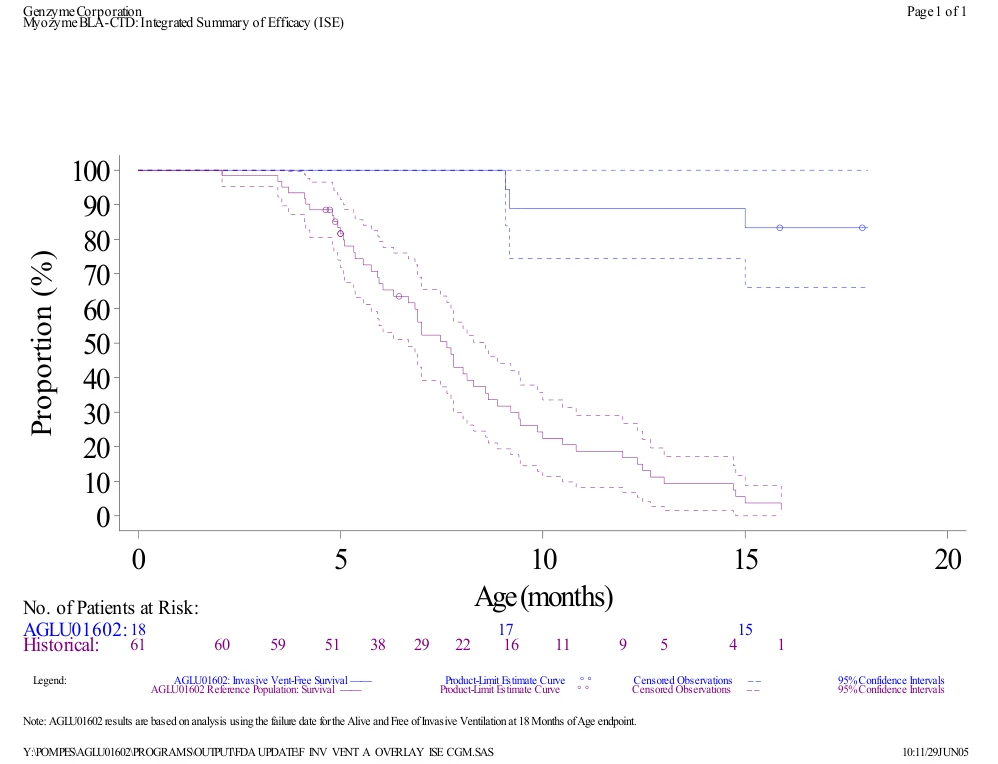
Table 10: Results for Study AGLU01602 (Infantile-Onset Patients) using the Cox Regression Model
| Treated Patients | Historical Reference Comparator | Endpoint | Treatment Effect Hazard Ratio | 95% Confidence Interval | p-value |
|---|---|---|---|---|---|
| N=18 | N=61 | Survival | 0.01 | (0.00, 0.10) | <0.0001 |
| Invasive-ventilator-free survival | 0.08 | (0.03, 0.21) | <0.0001 | ||
| Ventilator-free survival | 0.12 | (0.05, 0.29) | <0.0001 | ||
| Note: Results are from a Cox proportional hazards regression analysis which includes treatment as a time-varying covariate, and also includes age of diagnosis and age at symptom onset. The results for invasive-ventilator-free survival and ventilator free survival provide a very conservative estimate of treatment effect with MYOZYME because only deaths are available to count as an endpoint in the untreated historical comparator group. | |||||
A second open-label clinical trial (AGLU01702) also assessed the safety and efficacy of Myozyme in 21 patients with infantile-onset Pompe’s Disease who ranged in age from 3.7 to 43.1 months at initiation of treatment. Patients received 20 mg/kg Myozyme every other week for 52 weeks. Patients received a minimum of 1 infusion and a maximum of 85 infusions (168 weeks of treatment) of Myozyme. The primary efficacy outcome was survival of patients over the course of Myozyme treatment. Fifteen patients were alive as of the time of discontinuation or end of study. None of the deaths were deemed related to treatment with Myozyme by study investigators. The Kaplan-Meier estimate of survival probability was 76.2% at Week 52 and 71.1% at Week 104, and the binomial estimate of survival at the end of study was 71.4%.
Table 11summarizes the results from the Cox proportional hazards model of time to death for the 21 treated patients in AGLU01702 compared to the untreated historical control group. In this analysis, Myozyme was found to reduce the risk of death by 79%
Table 11: Results for Study AGLU01702 (Infantile-onset Patients) Using the Cox Regression Model
| Treated Patients | Historical Reference Comparator | Endpoint | Treatment Effect Hazard Ratio | 95% Confidence Interval | p-value |
|---|---|---|---|---|---|
| N=21 | N=84 | Survival | 0.209 | (0.083, 0.524) | 0.0009 |
| Note: Results are from a Cox proportional hazards regression analysis which includes treatment as a time-varying covariate, and also includes age of diagnosis and age at symptom onset. | |||||
Clinical benefits of Myozyme for patients on ventilator support have not been clearly determined. Within the first 12 months of treatment, 3 of 18 Myozyme -treated patients in AGLU01602 required invasive ventilatory support and there were no deaths. With continued treatment beyond 12 months, 4 additional patients required invasive ventilatory support, after receiving between 13 and 18 months of Myozyme treatment; 2 of these 4 patients died after receiving 14 and 25 months of treatment, and after receiving 11 days and 7.5 months of invasive ventilatory support, respectively. After 52 weeks of treatment with Myozyme in AGLU01702, the ventilator-free survival rate for 16 patients who were free of invasive ventilator support at Baseline was 62.5% (95% CI of [35.4, 84.8]). Of these patients, 4 died by Week 52 and 2 became ventilator-dependent. Over the next 52 weeks, another of these patients died, 1 became ventilator-dependent, and 1 discontinued. Thus, the ventilator-free survival rate was 46.7% at Week 104 and 43.8% at the end of the study.
Other efficacy parameters including motor function, cardiac status and growth were evaluated in studies AGLU01602 and AGLU01702. These outcome measures included unblinded assessments of motor function by the Alberta Infant Motor Scale (AIMS) (AGLU01602 and AGLU01702) and/or Peabody Development Motor Scale (PDMS-2) (AGLU01702 only). The AIMS is a measure of infant motor performance that assesses motor maturation of the infant through age 18 months and is validated for comparison to normal, healthy infants. The PDMS-2 (Folio, 2000, Peabody Developmental Motor Scales: 2nd Edition), which measures gross and fine motor skills from birth through 6 years, was used primarily in patients ≥ 18 months of age. Echocardiographic indices of cardiomyopathy were measured as a change in left ventricular mass (LVM). Patients were considered as maintaining or improving in growth if age and gender adjusted percentile rankings for weight and height (calculated using the CDC/NCHS growth charts; Kuczmarski, 2000, Advance data from vital and health statistics; no. 314) increased to and/or remained above the third percentile during treatment.
Motor function
In AGLU01602, AIMS-assessed gains in motor function occurred in 13 patients. In the majority of patients, motor function was substantially delayed compared to normal infants of comparable age. The continued effect of Myozyme treatment over time on motor function is unknown. Two of 9 patients who had demonstrated gains in motor function after 12 months of Myozyme treatment and continued to be followed regressed despite ongoing treatment.
Given the wide range of ages at initiation of treatment in AGLU01702 (3.7 to 43.1 months of age), 2 instruments were used to evaluate motor function in this study. Thirteen out of 21 patients (61.9%) had measurable gains in the administered tests (AIMS and/or PDMS-2 gross and fine motor skills), as determined by increases in raw scores and age-equivalent scores from Baseline. The remaining patients (8 of 21, 38.9%) did not demonstrate measurable gains across these motor assessments.
Late-Onset Pompe’s Disease (LOPD):
Table 12: Summary of patient demographics for clinical trials in specific indication
| Study # | Trial design | Dosage, route of administration and duration | Study subjects (n=number) | Mean age (Range) | Gender |
|---|---|---|---|---|---|
| Population: Late-Onset Pompe’s Disease | |||||
| AGLU02704 | Randomized, Double-Blind, Multicenter, Multinational, Placebo-Controlled Study of the Safety, Efficacy, and Pharmacokinetics of MYOZYME | Myozyme or placebo; 20 mg/kg qow; IV; 78 weeks | Myozyme: 60 Placebo: 30 | 45.3 years (15.9 to 70.0 years) 42.6 years (10.1 to 68.4 years) | 34M/26F 11M/19F |
The safety and efficacy of Myozyme was assessed in a randomized, double-blind, placebo-controlled study (AGLU02704) of 90 patients (45 male, 45 female) with late-onset Pompe’s Disease who ranged in age from 10 to 70 years at initiation of treatment. All patients were naive to enzyme replacement therapy. Patients were randomized in a 2:1 ratio and received 20 mg/kg Myozyme (n=60) or placebo (n=30) every other week for 78 weeks (18 months). At baseline, all patients were ambulatory (some required assistive walking devices), did not require invasive ventilator support or non-invasive ventilation while awake and sitting upright and had a forced vital capacity (FVC) between 30 and 79% of predicted in the sitting position. Patients who could not walk 40 meters in 6 minutes or were unable to perform appropriate pulmonary and muscle function testing were excluded from the study.
A total of 81 of 90 patients completed the study. Of the 9 patients who discontinued, 5 were in the Myozyme group and 4 were in the placebo group. Three patients discontinued the study due to an adverse event, 1 patient in the Myozyme group died during the study for reasons deemed unrelated to Myozyme by the study investigator, 4 patients discontinued study participation to pursue treatment with commercial therapy and 1 patient discontinued the study for personal reasons. Of the 3 patients who discontinued due to adverse events, 2 were in the Myozyme treatment group and 1 was in placebo group.
The co-primary efficacy outcome assessments were distance walked (meters) in 6 minutes (6-Minute Walk Test, 6MWT) and FVC % predicted in the sitting position.
The total change from baseline over the course of the study was examined using an analysis of covariance model (ANCOVA).
After 78 weeks, patients treated with Myozyme showed stabilization of pulmonary function as measured by FVC % predicted and improvement in distance walked as measured by 6MWT as compared to placebo-treated patients (Table 13). The estimated mean % predicted FVC increased by 1.20% for MYOZYME patients and decreased by 2.20% for placebo. The estimated mean distance walked in 6 minutes increased by 25.13 meters for Myozyme patients and decreased by 2.99 meters for placebo patients. However, it should be noted that in 3 of 4 Myozyme treated patients identified as high performers, there appeared to be a higher than expected average improvement in the 6MWT distance walked (194 meters).
Table 13: Change in Efficacy Outcomes in the Placebo-controlled Study of Late-onset Patients (AGLU02704)
| MYOZYME (N = 60) | Placebo (N = 30) | ||
|---|---|---|---|
| Forced Vital Capacity (Percent of predicted normal) | |||
| Pre-treatment Baseline | Mean ± s.d. | 55.43 ± 14.44 | 53.00 ± 15.66 |
| Week 78/Last Observation | Mean ± s.d. | 56.67 ± 16.17 | 50.70 ± 14.88 |
| Estimated Change from Baseline to Week 78/Last Observation (ANCOVA) | Mean ( 95% CI) | 1.20* (-0.16, 2.57) | -2.20* (-4.12, -0.28) |
| Estimated Difference Between Groups in Change from Baseline to Week 78/Last Observation (ANCOVA) | Mean ( 95% CI) p-value | 3.40* (1.03, 5.77) 0.0055 | |
| 6-Minute Walk Test Distance (meters) | |||
| Pre-treatment Baseline | Mean ± s.d. | 332.20 ± 126.69 | 317.93 ± 132.29 |
| Week 78/Last Observation | Mean ± s.d. | 357.85 ± 141.32 | 313.07 ± 144.69 |
| Estimated Change from Baseline to Week 78/Last Observation (ANCOVA) | Mean ( 95% CI) | 25.13* (10.07, 40.19) | -2.99* (-24.16, 18.18) |
| Estimated Difference Between Groups in Change from Baseline to Week 78/Last Observation (ANCOVA) | Mean ( 95% CI) p-value | 28.12* (2.07, 54.17) 0.0347 | |
* Estimates are based on ANCOVA, adjusting for randomization strata and baseline observation
15 MICROBIOLOGY
No microbiological information is required for this drug product.
16 NON-CLINICAL TOXICOLOGY
General Toxicology:
A safety pharmacology study conducted in dogs to assess the effects of alglucosidase alfa on the cardiovascular/ pulmonary system found no test-article related, clinically relevant effects on electrocardiogram, heart rate, respiratory rate or blood pressure.
A 4-week repeat-dose toxicity study was conducted in mice at doses of 1, 10 and 100 mg/kg administered intravenously once weekly. Mild lethargy and mild elevated liver enzymes were observed in few animals at 100 mg/kg/week. Therefore, the no-observed-adverse-effect level (NOAEL) was considered to be 100 mg/kg/week.
Two 4-week repeat-dose toxicity studies were also conducted in rats, one in which alglucosidase alfa was administered intravenously at doses of 1, 10 and 100 mg/kg once weekly, and a second in which algucosidase alfa was administered intravenously at doses of 1, 5, 10 and 50 mg/kg once weekly. Hypersensitivity reactions (anaphylactic responses) were observed in several rats at all doses tested, even after pre-treatment with diphenhydramine, in both studies. Deaths due to hypersensitivity reactions were observed at doses ≥10 mg/kg. In addition, a dose-dependent decrease in body weight and body weight gain was observed in males at doses ≥ 10 mg/kg in the first study. Adverse stomach lesions were also observed at all dose levels in the second study. Considering that adverse effects were observed at all doses tested, a NOAEL for the general toxicity of alglucosidase alfa in rats could not be determined.
A 26-week repeat-dose toxicity study was conducted in cynomolgus monkeys at doses of 4, 20 or 100 mg/kg alglucosidase alfa administered as an IV infusion once every other week. No alglucosidase alfa-related adverse effects were observed, and therefore, the NOAEL was 100 mg/kg every other week.
A complementary 13-week repeat-dose toxicity study was conducted in cynomolgus monkeys at a dose of 200 mg/kg alglucosidase alfa administered as an IV infusion once every other week. No alglucosidase alfa-related adverse effects were observed, and therefore, the NOAEL was 200 mg/kg every other week.
Carcinogenicity:
No studies have been conducted to evaluate the carcinogenic potential of alglucosidase alfa.
Genotoxicity:
No studies have been conducted to evaluate the genotoxic potential of alglucosidase alfa.
Reproductive and Developmental Toxicology:
A fertility and early embryonic development study was conducted in mice in which males and females were intravenously administered alglucosidase alfa at doses of 10, 20 or 40 mg/kg every other day. Males were dosed over a 9-week period prior to sacrifice. Females were dosed for at least a 14 day-period prior to mating, throughout the mating period, and through gestation day 7 or 8. Diphenhydramine was administered starting on the 7th dosing day. There were 3 unscheduled deaths during the study. The cause of death for 2 mice was attributed to an anaphylactic-type reaction, the third death was due to undetermined factors. A decreased epididymal sperm count in the 20 and 40 mg/kg dose groups and an increase in abnormal sperm morphology in the 40 mg/kg group were also observed. The NOAEL for paternal and maternal effects could not be identified based on the anaphylactic-like clinical observations seen at all dose levels. Based on caesarean section data, the NOAEL for embryo viability was 40 mg/kg every other day. Decreases in the fertility index across groups (including the controls) were observed and may have been attributed to the vehicle or administration of diphenhydramine. Results were inconsistent with the additional fertility studies conducted.
A complementary female fertility and early embryonic development study was conducted in mice in which females were intravenously administered alglucosidase alfa at doses of 10, 20 and 40 mg/kg every other day at least for a 14-day period prior to mating, throughout the mating period, and through gestation day 7 or 8. Treated females were paired with untreated males during the mating period. Diphenhydramine was administered starting on the 7th dosing day. One female in the 40 mg/kg dose group was found dead, and the cause of death was undetermined. During gestation, hyperactivity and hunched appearance were observed and were considered associated with diphenhydramine treatment. The NOAEL for maternal fertility indices and embryo viability was 40 mg/kg every other day.
An embryo-fetal developmental toxicity study was conducted in time-mated mice at doses of 10, 20 or 40 mg/kg alglucosidase alfa administered daily via intravenous injection from gestation day 6 through 15. No alglucosidase alfa-related maternal toxicity or adverse effects of embryo-fetal development, including no alglucosidase alfa-related external, soft tissue, or skeletal malformations in fetuses, were observed. Thus, the NOAEL for maternal toxicity and for effects on embryo-fetal development was 40 mg/kg/day.