


Product Monograph - Palynziq
1 INDICATIONS
Palynziq (pegvaliase injection) is indicated to reduce blood phenylalanine concentrations in patients with phenylketonuria (PKU) aged 16 years and older who have inadequate blood phenylalanine control (blood phenylalanine levels greater than 600 micromol/L) despite dietary management.
1.1 Pediatrics
Pediatrics (16 to < 18 years of age): The data to support the efficacy and safety of Palynziq in adolescent patients aged 16 to < 18 years of age are limited (see 14 CLINICAL TRIALS).
Pediatrics (< 16 years of age): No data are available to support the efficacy and safety of Palynziq in patients < 16 years of age.
1.2 Geriatrics
Geriatrics: No data are available to support the efficacy and safety of Palynziq in geriatric patients.
2 CONTRAINDICATIONS
Pegvaliase is contraindicated:
- in patients who have had a severe systemic hypersensitivity reaction (e.g., severe serum sickness, severe angioedema, severe anaphylactic reaction) or a recurrence of a mild to moderate anaphylactic reaction to Palynziq or to any ingredient in the formulation, including any non-medicinal ingredient or component of the container. For a complete listing, see 6 DOSAGE FORMS, STRENGTHS, COMPOSITION AND PACKAGING.
- in patients who have had an anaphylactic reaction to a product containing polyethylene glycol (PEG) or to another product containing a PEGylated ingredient.
3 SERIOUS WARNINGS AND PRECAUTIONS BOX
Serious Warnings and Precautions
Systemic hypersensitivity reactions including anaphylaxis have been reported after administration of Palynziq and may occur at any time during treatment (see 8.2 Clinical Trial Adverse Reactions). Administer the initial doses of Palynziq under the supervision of a health professional equipped to manage an acute systemic hypersensitivity (anaphylactic) reaction, and closely observe patients for at least 1 hour following injection. Prescribe auto-injectable epinephrine. Prior to the first self-administered/caregiver-administered dose of Palynziq, instruct the patient (or caregiver) and a trained observer on appropriate epinephrine use. Instruct the patient to seek immediate medical care in the case of epinephrine use. Instruct patients to carry auto-injectable epinephrine with them at all times during Palynziq treatment (see 4.4 Administration). Discontinue Palynziq in patients who experience a severe systemic hypersensitivity reaction (e.g., severe serum sickness, severe angioedema or a severe anaphylactic reaction) and in patients who |
|---|
| experience a recurrent mild to moderate anaphylactic reaction. |
|---|
4 DOSAGE AND ADMINISTRATION
4.1 Dosing Considerations
- Treatment with Palynziq should be directed by physicians experienced in the management of PKU.
- Use of Palynziq during pregnancy may cause fetal harm; its use is not recommended during pregnancy unless the clinical condition of the woman requires treatment with Palynziq and alternative strategies to lower phenylalanine levels have been considered and exhausted or ruled out. Before initiating treatment in women of reproductive potential, determine pregnancy status. Counsel patients on the use of contraception (see 7.1.1 Pregnant women). Educational materials for patients related to risks of fetal developmental toxicity and other pregnancy-related adverse reactions are available at www.BioMarin.ca.
- Before initiating treatment, blood phenylalanine level must be measured. Monitoring of blood phenylalanine levels once a month is recommended until the maintenance dosage of Palynziq is established. After a maintenance dosage is established, periodic blood phenylalanine monitoring is recommended to assess blood phenylalanine control.
- Dietary phenylalanine intake should remain consistent until a maintenance dose of Palynziq is established. See Dose Adjustment for Low Phenylalanine Levels for management of phenylalanine.
- Due to the potential for an acute systemic hypersensitivity (anaphylactic) reaction, premedication prior to each dose is required during induction and titration (see 4.4 Administration).
- Educational materials related to hypersensitivity reactions are provided to health professionals, trained observers, and patients (including Patient Alert Card) and are available at www.BioMarin.ca.
- Initial administration(s) of Palynziq should be performed under supervision of a healthcare professional and patients should be closely observed for at least 60 minutes following each dose (see 4.4 Administration).
4.2 Recommended Dose and Dosage Adjustment
Induction
The recommended starting dose of Palynziq is 2.5 mg administered once per week for 4 weeks (see Table 1).
Titration
The dose should be escalated gradually based on tolerability to the daily maintenance dose required to achieve clinically determined target blood phenylalanine level (see Table 1).
Maintenance
The maintenance dose is individualized to achieve patient’s blood phenylalanine control (e.g., a phenylalanine level ≤ 600 micromol/L) taking into account patient tolerability to Palynziq and dietary protein intake (see Table 1). The maintenance dose can be titrated up or down as required to achieve the lowest effective and tolerated dose of Palynziq.
Table 1 – Recommended Dosing Regimen
| Dose administered subcutaneously | Duration prior to next dose increase | |
|---|---|---|
| Induction | 2.5 mg once weekly | 4 weeks1 |
| Titration | 2.5 mg twice weekly | 1 week1 |
| 10 mg once weekly | 1 week1 | |
| 10 mg twice weekly | 1 week1 | |
| 10 mg four times a week | 1 week1 | |
| 10 mg daily | 1 week1 | |
| Maintenance2 | 20 mg daily | 12 weeks to 24 weeks1 |
40 mg daily (2 consecutive injections of 20 mg pre-filled syringe)2 | 16 weeks1 | |
60 mg daily (3 consecutive injections of 20 mg pre-filled syringe)2 | Maximum recommended dose |
1 Additional time may be required prior to each dose escalation based on patient tolerability with Palynziq.
2 The maintenance dose is individualized to achieve target blood phenylalanine levels. In clinical trials with Palynziq, the target blood phenylalanine level to determine maintenance dose was ≤ 600 micromol/L.
Health Canada has not authorized an indication for pediatric use in patients younger than 16 years of age (see 1.1 Pediatrics). No dose adjustment is required for pediatric patients 16 to under 18 years of age.
Dose titration and time to achieve response:
Time to response (achieving blood phenylalanine levels ≤ 600 micromol/L) varies among patients (see 14 CLINICAL TRIALS). Discontinue Palynziq in patients who have not achieved an adequate response after 48 weeks of continuous treatment with the maximum dosage of 60 mg once per day (or the maximum tolerated dose < 60 mg). The physician may decide, with the patient, to continue Palynziq treatment in those patients who show other beneficial effects (e.g., ability to increase protein intake from intact food).
Dose Adjustment for Low Phenylalanine Concentration
During titration and maintenance of Palynziq treatment, patients may develop blood phenylalanine concentrations below 30 micromol/L. To manage hypophenylalaninemia, dietary protein intake should be increased to appropriate levels, and then, if needed, the dose of Palynziq should be reduced. In patients developing hypophenylalaninemia despite appropriate levels of protein intake, dose reductions are expected to be most effective in managing hypophenylalaninemia. More frequent blood phenylalanine monitoring is recommended until blood phenylalanine levels are within a clinically acceptable range.
Dietary Management during Titration and Maintenance
Dietary phenylalanine intake should remain consistent until a maintenance dose is established. After establishment of a maintenance dose that is well-tolerated and achieves blood phenylalanine within the clinically determined target range, dietary changes may be gradually implemented. More frequent blood phenylalanine monitoring is recommended when there are dose or dietary adjustments.
4.4 Administration
Subcutaneous use. Each pre-filled syringe is for single use only.
Premedication
Due to the potential for an acute systemic hypersensitivity (anaphylactic) reaction, premedication prior to each dose is required during the induction and titration phases (see 8.2 Clinical Trial Adverse Reactions). Patients should be instructed to premedicate with an H1-receptor antagonist and an H2-receptor antagonist, with or without an antipyretic. During maintenance, premedication may be reconsidered for subsequent injections based on patient tolerability to Palynziq.
Identifying Acute Systemic Hypersensitivity Reactions/Anaphylaxis and Administration of Epinephrine
Prior to the first dose of Palynziq, the patient should be trained on recognizing the signs and symptoms of an acute systemic hypersensitivity (anaphylactic) reaction and the need to seek immediate medical care if such a reaction occurs, including when and how to properly administer an epinephrine auto-injector or pre-filled syringe/pen.
Patients should be prescribed an epinephrine injection device and be advised to carry the device with them at all times during Palynziq treatment.
Health Professional-Supervised Initial Administration(s)
Initial administration(s) of Palynziq should be performed under supervision of a health professional and patients should be closely observed for at least 1 hour following each of these initial injection(s) (see 8.2 Clinical Trial Adverse Reactions).
Self-administration Accompanied by a Trained Observer
Educational materials related to risks of systemic hypersensitivity reactions for Canadian healthcare professionals, trained observers, and patients are available at www.BioMarin.ca. Following the initial health professional-supervised injections, the patient may transition to self-administration (or administration by a caregiver) of Palynziq. For at least the first 6 months of treatment when the patient is self-injecting, a trained observer must be present for each Palynziq administration. A caregiver responsible for administering Palynziq to a patient may also serve as the trained observer for that patient. A trained observer is an adult who:
- will be present with the patient during and for 1 hour after Palynziq administration,
- is able to recognize the signs and symptoms of an acute systemic hypersensitivity (anaphylactic) reaction,
- is able to call for emergency medical support and administer epinephrine, if warranted.
After 6 months of Palynziq treatment, the need for a trained observer may be reconsidered.
Prior to the transition to independent self-injection or injection by a caregiver, a health professional should:
- train the patient/caregiver and assess patient/caregiver competency on proper self-administration of Palynziq,
- train the observer to recognize signs and symptoms of an acute systemic hypersensitivity (anaphylactic) reaction and to seek immediate medical care if a reaction occurs, and how to properly administer an epinephrine injection (e.g., auto-injector or pre-filled syringe/pen).
Discontinuation due to Severe or Recurrent Hypersensitivity
For a severe systemic hypersensitivity reaction (e.g., severe serum sickness, severe angioedema) or recurrence of a mild to moderate acute systemic hypersensitivity (anaphylactic) reaction, patients should seek immediate medical care and Palynziq should be permanently discontinued (see 2 CONTRAINDICATIONS and 7 WARNINGS AND PRECAUTIONS). Palynziq is contraindicated in patients who have experienced severe systemic hypersensitivity reaction(s) or recurrent mild or moderate acute systemic hypersensitivity (anaphylactic) reactions.
Re-Administration Following Hypersensitivity Reaction
The prescribing physician should consider the risks and benefits of re-administering the medicinal product following resolution of the first mild to moderate acute systemic hypersensitivity (anaphylactic) reaction (see 2 CONTRAINDICATIONS and 7 WARNINGS AND PRECAUTIONS). The first dose upon restarting after such a reaction must be done with premedication under supervision of a health professional with the ability to manage an acute systemic hypersensitivity (anaphylactic) reaction. Dose level at re-administration after a mild to moderate acute systemic hypersensitivity reaction (anaphylaxis) should be at the previous or a lower dose as listed in Table 1. If the reaction occurs after 6 months of therapy and use of pre-medication has been discontinued, reintroduction of pre-medication use is advised.
Administration Instructions
The recommended injection sites on the body are the front middle of the thighs and the lower part of the abdomen except for within 5 cm of the navel. If a caregiver is giving the injection, the top of the buttocks and the back of the upper arms are also appropriate injection sites.
Palynziq should not be injected into moles, scars, birthmarks, bruises, rashes, or areas where the skin is hard, tender, red, damaged, burned, inflamed, or tattooed. The injection site should be checked for redness, swelling, or tenderness.
Patients or the caregiver should be advised to rotate sites for subcutaneous injections. If more than one injection is needed for a single dose, each injection site should be at least 5 cm away from another injection site.
4.5 Missed Dose
If a dose is missed, instruct patients to take their next dose as scheduled and not to take two doses of Palynziq to make up for the missed dose.
5 OVERDOSAGE
In clinical trials, doses of pegvaliase up to 150 mg/day were administered. No consistent differences in the safety profile of pegvaliase was observed at these doses compared to the recommended doses for
Palynziq. For management of adverse reactions, see 7 WARNINGS AND PRECAUTIONS and 8 ADVERSE REACTIONS.
| For management of a suspected drug overdose, contact your regional poison control centre. |
|---|
6 DOSAGE FORMS, STRENGTHS, COMPOSITION AND PACKAGING
To help ensure the traceability of biologic products, including biosimilars, health professionals should recognize the importance of recording both the brand name and the non-proprietary (active ingredient) name as well as other product-specific identifiers such as the Drug Identification Number (DIN) and the batch/lot number of the product supplied.
Table 2 – Dosage Forms, Strengths, Composition and Packaging
Each carton contains:
- 2.5 mg: 1 pre-filled syringe (white plunger)
- 10 mg: 1 pre-filled syringe (green plunger)
- 20 mg: 1 or 10 pre-filled syringes (blue plunger)
All dosage strengths of Palynziq are provided in a 1 mL, Type I borosilicate glass syringe with a 26-gauge stainless steel, 0.5-inch needle, a needle safety device, polypropylene plunger rod, and bromobutyl or chlorobutyl rubber syringe stopper with fluoropolymer coating.
The automatic needle guard is composed of a polycarbonate transparent needle guard and a stainless-steel spring inside the needle guard. After injection, the spring expands causing the needle to be covered by the needle guard.
7 WARNINGS AND PRECAUTIONS
Please see 3 SERIOUS WARNINGS AND PRECAUTIONS BOX.
Driving and Operating Machinery
Hypersensitivity reactions to Palynziq can include symptoms such as dizziness or syncope and may affect the ability to drive and use machines. Exercise caution when driving or operating a vehicle or potentially dangerous machinery.
Endocrine and Metabolism
| Route of Administration | Dosage Form / Strength/Composition | Non-medicinal Ingredients |
| Subcutaneous | Solution 2.5 mg/0.5 mL (pre-filled syringe 2.5 mg) 10 mg/0.5 mL (pre-filled syringe 10 mg) 20 mg/1.0 mL (pre-filled syringe 20 mg) | Sodium chloride, trans-cinnamic acid, trometamol, trometamol hydrochloride, water for injection |
Hypophenylalaninemia
In clinical trials, 132 (46%) patients reported at least one episode of hypophenylalaninemia (defined as two consecutive measurements ≤ 30 micromol/L). Of these 132 patients, 33 (12%) reported concurrent events of alopecia (see 8.2 Clinical Trial Adverse Reactions and 8.4 Abnormal Laboratory Findings: Hematologic, Clinical Chemistry and Other Quantitative Data). Monitoring of blood phenylalanine level is recommended once a month during Palynziq treatment. In case of hypophenylalaninemia, dietary protein intake should be increased to appropriate levels, and then, if needed, the dose of Palynziq should be reduced (see 4.2 Recommended Dose and Dosage Adjustment).
Immune
Hypersensitivity Reactions, including Acute Systemic Hypersensitivity (anaphylactic) reactions
Hypersensitivity reactions were reported more frequently during the Induction/Titration phase [65% of patients; 3.04 events/treatment year] compared to the maintenance phase [60% of patients; 1.15 events/treatment year] and can occur at any time during treatment. Palynziq may also increase hypersensitivity to other PEGylated and PEG-containing injectable medicinal products (see 9.4 Drug-Drug Interactions).
Management of hypersensitivity reactions should be based on the severity of the reaction; in clinical trials, this has included dose adjustment, treatment interruption, additional antihistamines, antipyretics, corticosteroids, epinephrine and/or oxygen.
Manifestations of acute systemic hypersensitivity (anaphylactic) reactions included a combination of the following acute signs and symptoms: syncope, hypotension, hypoxia, dyspnea, wheezing, chest discomfort/chest tightness, tachycardia, angioedema (swelling of face, lips, eyes, and tongue), flushing, rash, urticaria, pruritus, and gastrointestinal symptoms (vomiting, nausea, and diarrhea). Acute systemic hypersensitivity (anaphylactic) reactions were considered severe based on the presence of cyanosis or oxygen saturation (SpO2) less than or equal to 92%, hypotension (systolic blood pressure below 90 mm Hg in adults) or syncope. Sixteen out of 285 patients (5.6%) experienced a total of 25 episodes of acute systemic hypersensitivity (anaphylactic) reactions, of whom 4 patients (1%, 4/285) experienced a reaction that was considered severe. Acute systemic hypersensitivity (anaphylactic) reactions generally occurred within the first hour after injection (88%; 22/25 episodes); however, reactions have occurred up to 24 hours after dosing. Ten out of the 16 patients who experienced an acute systemic hypersensitivity (anaphylactic) reaction were re-challenged and 4 patients had at least one recurrence. Seven out of the 16 patients discontinued treatment. All episodes resolved without sequelae.
Acute systemic hypersensitivity (anaphylactic) reactions require treatment with epinephrine and immediate medical care. An epinephrine injection device (e.g., auto-injector or pre-filled syringe/pen) should be prescribed to patients prior to receiving Palynziq. Patients should be instructed to carry an epinephrine injection device with them at all times during treatment. Initial doses of Palynziq should be administered under the supervision of a health professional. Before self-administration is initiated, patients and a trained observer (available during each injection and for 1 hour following for the first six months of treatment) should be instructed to recognize the signs and symptoms of acute systemic hypersensitivity (anaphylactic) reactions, in the proper emergency use of the epinephrine injection device, and the requirement to seek immediate medical care (see 4.4 Administration). The risks associated with epinephrine use should be considered when prescribing Palynziq. Refer to the epinephrine product monograph for complete information.
Due to the potential for an acute systemic hypersensitivity (anaphylactic) reaction, pre-medication prior to each dose is required during induction and titration (see 4.4 Administration). Patients should be instructed to pre-medicate with an H1-receptor antagonist and an H2-receptor antagonist, with or without antipyretic. During maintenance, pre-medication may be considered for subsequent injections based on patient tolerability to Palynziq.
Permanently discontinue Palynziq treatment in patients who experience a severe systemic hypersensitivity reaction (e.g., severe angioedema, severe serum sickness, severe anaphylaxis) and in those who experience a recurrence of a mild to moderate acute systemic hypersensitivity (anaphylactic) reaction (see 2 CONTRAINDICATIONS).
Reproductive Health: Female and Male Potential
- Fertility
Animal data from a fertility study conducted in rats without PKU demonstrated that subcutaneous administration of pegvaliase produced impaired fertility in females, as indicated by reductions in the number of corpora lutea and implantations, resulting in reductions in litter size and in the number of live fetuses. The adverse effects on female fertility occurred at doses of 8 and 20 mg/kg body weight/day (8 and 20 times the maximum recommended human dose of 60 mg/day, respectively). Similar adverse effects on female fertility in rats were not observed at 2 mg/kg body weight/day (2 times the maximum recommended human dose of 60 mg/day) (see 16 NON-CLINICAL TOXICOLOGY).
7.1 Special Populations
7.1.1 Pregnant Women
There are very limited data on the use of Palynziq in pregnant women. Treatment of a pregnant woman with Palynziq may cause harm to the fetus.
Palynziq use is not recommended during pregnancy, unless the clinical condition of the woman requires treatment with Palynziq and alternative strategies to lower phenylalanine levels have been considered and exhausted or ruled out. Before initiating treatment in women of reproductive potential, determine pregnancy status. Counsel patients on the use of contraception during treatment and for one month after treatment discontinuation.
Maternal hypophenylalaninemia during Palynziq treatment poses a risk to the fetus.
Animal reproductive and developmental toxicity studies were conducted in normal healthy animals that did not have PKU. The animals, therefore, developed pegvaliase-induced hypophenylalaninemia throughout the studies. The contribution of maternal phenylalanine depletion to the developmental toxicity observed in these studies was not evaluated.
Animal data from an embryo-fetal development study conducted in pregnant rabbits without PKU demonstrated that subcutaneous administration of pegvaliase during the period of organogenesis produced embryo-fetal lethality (post-implantation loss, abortions, and fetal deaths), marked reduction in fetal weight, and teratogenicity. Teratogenicity consisted of multiple external, soft tissue, and skeletal malformations. External malformations consisted of malformations of the head, body and limbs. Soft tissue malformations consisted of reduced size or absence of kidneys, low set kidneys, fused kidneys, diaphragmatic hernia, corneal opacity, discoloration or reduced size of eyes, reduced size of lungs, ventricular dilation in the brain, large atria in the heart, absent semilunar valves in the heart, distended aorta, misdirected great vessels, liver protruding through umbilicus, and fluid-filled abdominal cavity. Skeletal malformations consisted of malformations of the craniofacial bones, vertebrae, sternebrae, claviculae, pelvis, limbs, and digits. These effects occurred following in utero exposure to maternal doses of 2 and 5 mg/kg body weight/day, with no margin of safety.
Animal data from developmental toxicity studies conducted in rats without PKU demonstrated that subcutaneous administration of pegvaliase produced embryo-fetal toxicity (reductions in litter size, number of live fetuses, and fetal weights). The reduction in litter size was secondary to reductions in the number of corpora lutea and implantations. Subcutaneous administration of pegvaliase also produced post-natal toxicity, including reductions in pup weight, litter size, and survival of offspring during lactation. The effects in rats occurred following in utero exposure at a maternal dose of 20 mg/kg body weight/day (20 times the maximum recommended human dose of 60 mg/day). Developmental toxicity was not observed in rats at a dose of 8 mg/kg body weight/day (8 times the maximum recommended human dose of 60 mg/day).
Pegvaliase was detected in fetal blood in both rats and rabbits, indicating transport across the placenta. Pegvaliase was also pharmacologically active in rat offspring exposed in utero, as evidenced by reductions in plasma phenylalanine concentrations in the offspring.
Maternal toxicity and maternal phenylalanine depletion was also observed in the developmental toxicity studies conducted in rats and rabbits (see 16 NON-CLINICAL TOXICOLOGY).
Available data from the Maternal Phenylketonuria Collaborative Study on births in pregnant women with PKU demonstrated that uncontrolled (high) blood phenylalanine levels (hyperphenylalaninemia) before and during pregnancy are associated with increased risk for miscarriage, major birth defects (including microcephaly and major cardiac malformations), intrauterine fetal growth retardation and future intellectual disability with low intelligence quotient (IQ). In case of hypophenylalaninemia during pregnancy, there is a risk of intrauterine fetal growth retardation. Additional risks to the unborn child due to hypophenylalaninemia are not established.
Maternal blood phenylalanine levels must be strictly controlled both before and during pregnancy. Patient educational materials related to risks of fetal developmental toxicity and other pregnancy-related adverse reactions are available at www.BioMarin.ca.
There is a pregnancy surveillance program for Palynziq. If Palynziq is administered during pregnancy, or if a patient becomes pregnant while receiving Palynziq or within one month following the last dose of Palynziq, the health professional should report Palynziq exposure by calling 1-866-906-6100.
7.1.2 Breast-feeding
There are no data on the presence of pegvaliase in human milk, the effects on the breastfed infant, or the effects on milk production. It is not known whether Palynziq is excreted in human milk.
Available toxicological data in rats have shown excretion of pegvaliase in rat milk. A risk to infants cannot be excluded.
7.1.3 Pediatrics
Pediatrics (16 to < 18 years of age): The data to support the efficacy and safety of Palynziq in patients 16 to < 18 years of age are limited (see 14 CLINICAL TRIALS). The warnings and precautions for Palynziq applicable to adult patients also apply to patients aged 16 to under 18 years of age.
Pediatrics (birth to < 16 years): No data are available to Health Canada; therefore, Health Canada has not authorized an indication for use in patients < 16 years of age.
7.1.4 Geriatrics
No data are available from clinical trials in patients older than 56 years of age.
7.1.5 Patients with Hepatic Impairment
The efficacy and safety of Palynziq have not been established in patients with hepatic impairment.
7.1.6 Patients with Renal Impairment
The efficacy and safety of Palynziq have not been established in patients with renal impairment.
8 ADVERSE REACTIONS
8.1 Adverse Reaction Overview
In clinical trials, the majority of patients experienced injection site reactions [90% during induction/titration (exposure adjusted rate 12.9), and 66% during maintenance (exposure adjusted rate 2.5), arthralgia [79% during induction/titration (exposure-adjusted rate 4.2) and 67% during maintenance (exposure-adjusted rate 1.37)], and hypersensitivity reactions [65% during induction/titration (exposure-adjusted rate 3.04), 60% during maintenance (exposure-adjusted rate (1.15)]. The most clinically significant hypersensitivity reactions included acute systemic hypersensitivity (anaphylactic) reactions [4.6% during induction/titration (exposure-adjusted rate 0.06), 1.7% during maintenance (exposure-adjusted rate 0.01)], angioedema [5.6% during induction/titration (exposure-adjusted rate 0.09), 2.8% during maintenance (exposure-adjusted rate 0.02)], and serum sickness [2.1% during induction/titration (exposure-adjusted rate 0.02), 0.6% during maintenance (exposure-adjusted rate <0.01)], including reactions that were serious, severe, and/or required permanent treatment discontinuation (see 2 CONTRAINDICATIONS, 4.4 Administration, and 7 WARNINGS AND PRECAUTIONS).
In clinical trials, hypersensitivity-related adverse reactions were more frequently reported in the induction and titration phases than the maintenance phase (see 7 WARNINGS AND PRECAUTIONS).
8.2 Clinical Trial Adverse Reactions
Clinical trials are conducted under very specific conditions. The adverse reaction rates observed in the clinical trials, therefore, may not reflect the rates observed in practice and should not be compared to the rates in the clinical trials of another drug. Adverse reaction information from clinical trials may be useful in identifying and approximating rates of adverse drug reactions in real-world use.
The data from clinical trials described below reflect a total treatment exposure of 789 patient-years in 285 patients who received Palynziq in an induction/titration/maintenance regimen in clinical trials (see 14.1 Trial Design and Study Demographics). Of the 285 patients, 229 patients were exposed to Palynziq for 24 weeks, 209 patients were exposed for 1 year, 181 patients were exposed for 2 years, and 160 patients were exposed for 3 years or longer. The patient population was evenly distributed between male and female patients, the mean age was 29 years (range: 16 to 56 years), and 98% of patients were White. Patients in the phase 3 clinical trials were exposed to Palynziq using an induction/titration/maintenance protocol similar to the dosing regimen described in Table 1. Dosing was initiated with an induction phase over 4 weeks with a 2.5 mg once weekly dose, a titration phase of at least 5 weeks at doses slowly progressing from 2.5 mg twice weekly to 10 mg daily, and a maintenance phase of either 20 mg/day or 40 mg/day depending on randomization, until the part 4 open label extension period, in which dosing could range from 5 mg/day to 60 mg/day.
Table 3 summarizes the adverse events reported in at least 15% of PKU patients treated with Palynziq in an induction/titration/maintenance regimen in clinical trials.
Table 3 – Adverse Events Reported in at least 15% of PKU Patients Treated with Palynziq in either the Induction/Titration or Maintenance Regimen in Clinical Trials
| Incidence and Exposure-adjusted rates1 | ||||||||
|---|---|---|---|---|---|---|---|---|
| System organ class | Adverse event(s) | Induction /Titration2 N=285 Incidence (n, %) | Induction/ Titration Exposure Adjusted Rates | Maintenance N=178 Incidence (n, %) | Maintenance Exposure Adjusted Rates | |||
| Blood and lymphatic system disorders | Lymphadenopathy | Common (28, 9.8%) | 0.14 | Very common (29, 16%) | 0.12 | |||
| Gastrointestinal disorders | Nausea | Very common (72, 25%) | 0.36 | Very common (49, 28%) | 0.20 | |||
| Vomiting | Very common (53, 19%) | 0.29 | Very common (48, 27%) | 0.21 | ||||
| Abdominal pain3 | Very common (53, 19%) | 0.29 | Very common (53, 30%) | 0.26 | ||||
| Diarrhoea | Very common (38, 13%) | 0.21 | Very common (49, 28%) | 0.17 | ||||
| General disorders and administration site conditions | Injection site reaction4 | Very common (256, 90%) | 12.9 | Very common (117, 66%) | 2.5 | |||
| Fatigue | Very common (46, 16%) | 0.39 | Very common (42, 24%) | 0.15 | ||||
| Pyrexia | Very common (45, 16%) | 0.25 | Very common (31, 17%) | 0.09 | ||||
| Hypersensitivity reaction5 | Very common (184, 65%) | 3.04 | Very common (106, 60%) | 1.15 | ||||
| Infections and infestations | Very common (144, 51%) | 1.06 | Very common (132, 74%) | 0.97 | ||||
| Nasopharyngitis | Very common (78, 27%) | 0.44 | Very common (84, 47%) | 0.46 | ||||
| Upper respiratory tract infection | Very common (68, 24%) | 0.47 | Very common (71, 40%) | 0.34 | ||||
| Sinusitis | Very common (32, 11%) | 0.14 | Very common (39, 22%) | 0.18 | ||||
| Incidence and Exposure-adjusted rates1 | ||||||||
|---|---|---|---|---|---|---|---|---|
| System organ class | Adverse event(s) | Induction /Titration2 N=285 Incidence (n, %) | Induction/ Titration Exposure Adjusted Rates | Maintenance N=178 Incidence (n, %) | Maintenance Exposure Adjusted Rates | |||
| Injury, poisoning and procedural complications | Contusion | Very common (40, 14%) | 0.22 | Very common (35, 20%) | 0.12 | |||
| Musculoskeletal and connective tissue disorders | Arthralgia6 | Very common (224, 79%) | 4.2 | Very common (120, 67%) | 1.37 | |||
| Nervous system disorders | Headache | Very common (120, 42%) | 1.25 | Very common (84, 47%) | 1.38 | |||
| Dizziness | Very common (56, 20%) | 0.28 | Very common (36, 20%) | 0.21 | ||||
| Migraine | Common (19, 7%) | 0.17 | Very common (30, 17%) | 0.19 | ||||
| Psychiatric disorders | Anxiety | Common (26, 9%) | 0.18 | Very common (39, 22%) | 0.14 | |||
| Respiratory, thoracic and mediastinal disorders | Cough | Very common (54, 19%) | 0.23 | Very common (43, 24%) | 0.13 | |||
| Oropharyngeal pain | Very common (56, 20%) | 0.26 | Very common (47, 27%) | 0.15 | ||||
| Nasal congestion | Very Common (33, 12%) | 0.14 | Very common (44, 25%) | 0.13 | ||||
| Skin and subcutaneous tissue disorders | Rash | Very common (95, 33%) | 0.86 | Very common (43, 24%) | 0.34 | |||
| Urticaria | Very common (71, 25%) | 1.34 | Very common (43, 24%) | 0.53 | ||||
| Pruritus | Very common (72, 25%) | 0.63 | Very common (40, 23%) | 0.68 | ||||
| Alopecia | Common (19, 6.7%) | 0.07 | Very common (38, 21%) | 0.11 | ||||
1 Exposure-adjusted rate: adverse event/person year.
2 Induction and titration phase reflects the time prior to reaching blood phenylalanine levels less than 600 micromol/L while on a stable dose. Once blood phenylalanine levels less than 600 micromol/L on stable dose was reached, patients were considered to be in the maintenance phase thereafter.
3 Abdominal pain reflects the following terms: abdominal pain, abdominal pain upper and abdominal discomfort.
4 Includes injection site: bruising, discoloration, discomfort, dryness, edema, erythema, extravasation, hematoma, hemorrhage, hypersensitivity, hypertrophy, induration, inflammation, irritation, mass, nodule, pain, papule, paresthesia, pruritus, rash, reaction, scab, scar, swelling, urticaria, vesicles, warmth.
5 Includes: allergic cough, allergic sinusitis, anaphylactic reaction, anaphylactoid reaction, bronchospasm, conjunctivitis allergic, dermatitis, dermatitis acneiform, dermatitis allergic, dermatitis atopic, dermatitis contact, dermatitis infected, dermatitis psoriasiform, drug eruption, drug hypersensitivity, dyspnea, eczema, eczema nummular, edema mouth, exfoliative rash, eye edema, eye swelling, eyelid edema, face edema, gingival swelling, mouth swelling, multiple allergies, hypersensitivity, implant site rash, injection site hypersensitivity, lip edema, lip swelling, palatal edema, pharyngeal edema, pruritus allergic, rash, rash erythematous, rash generalized, rash macular, rash maculo-papular, rash pruritic, rhinitis allergic, serum sickness, swelling face, swollen tongue, tongue edema, urticaria.
6 Includes arthralgia, back pain, musculoskeletal pain, neck pain, pain in extremity.
Cutaneous Reactions (Not Limited to the Injection Site) Lasting ≥ 14 Days
In clinical trials, 47% of patients treated with Palynziq experienced cutaneous reactions (not limited to the injection site) lasting at least 14 days; the event rate was higher during the Induction/Titration phase [31% of patients (exposure-adjusted rate 0.46)] compared to the Maintenance phase [38% of patients (exposure-adjusted rate 0.30)]. The most common cutaneous reactions (at least 5% of patients) reported were pruritus, rash, erythema, and urticaria. Other reactions reported included skin exfoliation, generalized rash, erythematous rash, maculopapular rash, and pruritic rash. The mean time from first dose of Palynziq to onset was 373 (median 213, range: 1-12) days. The mean duration of these reactions was 63 (median 37, range: 14-638) days, and 86% of these reactions resolved at the time of last observation (up to 1 month of follow-up).
Injection Site Reactions
In clinical trials, injection site reactions were reported in 93% of patients. The most common injection site reactions (occurring in at least 10% of patients) were injection site: reaction, erythema, bruising, pruritus, pain, swelling, rash, induration, and urticaria. Injection site reactions occurred as early as the first dose and occurred at any time during treatment. The mean duration of injection site reaction was 10 days (median 2, range: 1-1612 days), and 99% of injection site reactions had resolved at the time of last observation (up to 1 month of follow-up).
Three injection site reactions consistent with granulomatous skin lesions were reported (each reaction occurring in one patient): granulomatous dermatitis (occurred 15 months after Palynziq treatment and lasted 16 days), xanthogranuloma (occurred 12 months after Palynziq treatment and lasted 21 months), and necrobiosis lipoidica diabeticorum (occurred 9 months after Palynziq treatment and lasted 9 months). Necrobiosis lipoidica diabeticorum was treated with steroid injections and complicated by Pseudomonas infection. All these injection site reactions resolved. Panniculitis was reported in three patients; in one patient soft tissue infection was associated with mesenteric panniculitis, which resulted in treatment discontinuation. One patient experienced septal panniculitis Grade 1 at day 190 of treatment that was reported as unrelated to Palynziq by the investigator, this patient’s dose remained unchanged (40 mg daily) and treatment continued. The third patient experienced abdominal wall panniculitis (first episode occurred 42 months after starting Palynziq treatment and resolved) another episode that progressively worsened from Grade 2 (68 months after beginning Palynziq treatment) to Grade 3 serious and was treated with panniculectomy (78 months after beginning treatment) and antibiotics. Treatment with Palynziq remained at the same dose (40 mg daily) and the patient completed the study. All the events of panniculitis resolved.
Arthralgia and Other Joint Related Signs and Symptoms
In clinical trials, 86% of patients experienced episodes consistent with arthralgia (including back pain, musculoskeletal pain, pain in extremity, and neck pain). Arthralgia occurred as early as the first dose and occurred at any time during treatment. The mean duration of arthralgia was 16 days (median 3 days and range: 1-936 days). Persistent arthralgia (lasting at least 6 months) occurred in 7% of patients. Dose was not changed for 96% of episodes and all persistent arthralgia episodes resolved without sequelae. Severe arthralgia (severe pain limiting self-care activities of daily living) was experienced in 5% of patients. Arthralgia episodes were managed with medications (e.g., nonsteroidal anti-inflammatory drugs, glucocorticoids, and/or antipyretic), Palynziq dose reduction, treatment interruption, or treatment withdrawal, and 97% of arthralgia episodes resolved by the time of last observation (up to 1 month of follow-up).
Immunogenicity
As with all therapeutic proteins, there is potential for immunogenicity. The detection of antibody formation is highly dependent on the sensitivity and specificity of the assay. Additionally, the observed incidence of antibody (including neutralizing antibody) positivity in an assay may be influenced by several factors, including assay methodology, sample handling, timing of sample collection, concomitant medications, and underlying disease. For these reasons, comparison of the incidence of antibodies to Palynziq in the studies described below with the incidence of antibodies in other studies or to other products may be misleading.
All patients treated with Palynziq developed a sustained total anti-drug antibody (TAb) response with a majority of patients (91%; N = 235/258) developing that response by Week 4 of treatment. Mean TAb titers peaked 2 weeks after Palynziq initiation and remained elevated throughout treatment (greater than 1 year after treatment initiation). Anti-phenylalanine ammonia lyase (PAL) IgM antibodies were detected in all patients with a majority of patients (98%; N = 265/270) becoming positive for anti-PAL IgM by 2 months after treatment initiation. Anti-PAL IgG antibodies were detected in almost all patients (N = 226/227) by 4 months after treatment initiation. Mean anti-PAL IgM and IgG titers peaked at approximately 3 and 6 months, respectively, after treatment initiation and remained elevated throughout treatment (greater than 1 year after treatment initiation). Drug-induced anti-PEG IgM and IgG antibodies were detected in the majority of patients (98%; N = 277/284 for IgM; and 278/284 for IgG) with mean titers for both peaking at 1 to 3 months after treatment initiation.
Neutralizing antibodies (NAb) capable of inhibiting PAL enzyme activity were detected on at least one measurement in the majority of patients (88%; N = 249/284) over time. Mean NAb titers peaked and reached a plateau at 16 to 20 weeks of treatment and then remained present throughout treatment (greater than 1 year after treatment initiation).
All 16 patients who experienced acute systemic hypersensitivity (anaphylactic) reactions tested negative for pegvaliase specific IgE at or near the time of the episode; however, the incidence and titer of anti-PEG IgE were not measured. These reactions were most frequent in the early phases of treatment (during the induction and titration periods) when the PEG IgM, PEG IgG, and PAL IgM responses were at their highest and complement C3/C4 levels were at their lowest. Hypersensitivity reactions decreased over time in the maintenance phase as the incidence of these antibodies decreased and complement C3/C4 levels returned towards baseline. The level of antibody titer was not predictive of hypersensitivity reactions.
8.2.1 Clinical Trial Adverse Reactions – Pediatrics
Twelve (12) patients aged 16 to 18 years received Palynziq treatment in clinical trials. The types and frequencies of adverse reactions reported in the limited number of patients in this subpopulation were not meaningfully different from those reported in adult patients.
8.3 Less common clinical trial adverse reactions (≥ 1% to <15%)
8.3.1 Less common clinical trial adverse reactions in patients 18 years or older (≥ 1% to <15%)
Immune system disorders: Anaphylactic reaction, anaphylactoid reaction, angioedema, serum sickness
Musculoskeletal and connective tissue disorders: Myalgia
Respiratory, thoracic and mediastinal disorders: Dyspnea
Skin and subcutaneous tissue disorders: blister, cellulitis, dermatitis, dermatitis allergic, dermatitis atopic, dermatitis infected, dermatitis psoriasiform, drug eruption, dry skin, ecchymosis, eczema, eczema nummular, exfoliative rash, furuncle, granulomatous dermatitis, lipohypertrophy, macule, papule, petechiae, pharyngeal edema, pruritus allergic, pruritus generalized, psoriasis, psoriatic arthropathy, rash macular, rash papular, rash pruritic, scar, skin hyperpigmentation, skin hypopigmentation, skin induration, skin infection, skin irritation, skin lesion, skin mass, skin plaque
8.3.2 Less common clinical trial adverse reactions – Pediatrics (≥ 1% to <15%)
General disorders and administration site conditions: swelling
Investigations: Complement factor C3 increased
Musculoskeletal and connective tissue disorders: Myalgia, spinal pain
Skin and subcutaneous tissue disorders: Angioedema, palmar erythema, pruritus generalized, skin discoloration, skin disorder
Vascular disorders: Flushing
8.4 Abnormal Laboratory Findings: Hematologic, Clinical Chemistry and Other Quantitative Data
Clinical Trial Findings
Table 4 – Abnormal Laboratory Findings Reported in PKU Patients Treated with Palynziq in an Induction/Titration/Maintenance Regimen in Clinical Trials
| Incidence and Exposure-adjusted rates | ||||||||
|---|---|---|---|---|---|---|---|---|
| System organ class | Adverse reaction(s) | Induction/ Titration Incidence | Induction/ Titration Exposure Adjusted Rates | Maintenance Incidence | Maintenance Exposure Adjusted Rates | |||
| Investigations | Complement factor C3 below LLN1 | Very common (211, 74%) | 3.97 | Very common (143, 80%) | 3.08 | |||
| Complement factor C4 below LLN1 | Very common (185, 65%) | 2.19 | Very common (70, 39%) | 0.76 | ||||
| High sensitivity CRP levels increased2 | Very common (47, 17%) | 0.21 | Very common (23, 13%) | 0.06 | ||||
| Hypophenyl-alaninemia3 | Very common (43, 15%) | 0.20 | Very common (115, 65%) | 0.42 | ||||
1 LLN = Lower Limit of Normal. For C3 LLN 0.9 g/L, for C4 LLN 0.1 g/L
2 High sensitivity CRP (hsCRP) levels above upper limit of normal (greater than 0.287 mg/dL) for a duration of at least 6 months.
3 Hypophenylalaninemia (below 30 micromol/L) on 2 or more consecutive measurements
Hypophenylalaninemia
In clinical trials, 130 out of 285 (46%) patients developed a total of 266 episodes of hypophenylalaninemia (blood phenylalanine levels below 30 micromol/L on two consecutive measurements). Hypophenylalaninemia occurred during titration and maintenance phase, as early as 51 days and up to 1546 days into Palynziq treatment (median: 395 days from Palynziq treatment initiation). The median duration was 162 days (range: 15, 1548) (see 7 WARNINGS AND PRECAUTIONS).
8.5 Post-Market Adverse Reactions
Immune system disorders: anaphylaxis.
9 DRUG INTERACTIONS
9.2 Drug Interactions Overview
No interaction trials have been performed.
9.3 Drug-Behavioural Interactions
Drug-behaviour interactions have not been established.
9.4 Drug-Drug Interactions
No direct interaction studies have been performed.
Table 5 - Established or Potential Drug-Drug Interactions
| Common name | Source of Evidence | Effect | Clinical comment |
| Pegvaliase – other PEGylated/PEG-containing product | CT | Elicit an immune/ hypersensitivity response | Potential to increase sensitivity to other PEGylated/PEG-containing injectables (e.g., medroxyprogesterone acetate suspension) |
Legend: CT = Clinical Trial
PEGylated/PEG-containing Products
In Palynziq clinical trials, 98% of patients developed anti-PEG IgM and anti-PEG IgG antibodies during treatment with Palynziq (see 7 WARNINGS AND PRECAUTIONS and 8 ADVERSE REACTIONS). In patients treated with Palynziq there is a potential for anti-PEG antibody binding and increased hypersensitivity to other PEGylated/PEG-containing therapeutics.
In a single dose study of Palynziq in adult patients with PKU, two patients receiving concomitant injections of medroxyprogesterone acetate suspension containing PEG experienced hypersensitivity reactions. One of the two patients experienced a hypersensitivity reaction on day 15 after a single Palynziq dose within 15 minutes following medroxyprogesterone acetate, and subsequently experienced an acute systemic hypersensitivity reaction (anaphylaxis) on day 89 within 30 minutes after the next dose of medroxyprogesterone acetate injectable suspension. The second patient experienced a hypersensitivity reaction on day 40 after a single Palynziq dose within 10 minutes following medroxyprogesterone acetate injectable suspension. The impact of anti-PEG antibodies on the clinical effects of other PEGylated/PEG-containing medicinal products is unknown.
Other Drugs for the Treatment of Phenylketonuria
The efficacy and safety of concomitant use of Palynziq with sapropterin (Kuvan®) have not been established.
9.5 Drug-Food Interactions
Interactions with food have not been established.
9.6 Drug-Herb Interactions
Interactions with herbal products have not been established.
9.7 Drug-Laboratory Test Interactions
Interactions with laboratory tests have not been established.
10 CLINICAL PHARMACOLOGY
10.1 Mechanism of Action
Pegvaliase is a PEGylated recombinant phenylalanine ammonia lyase (rAvPAL) enzyme derived from the cyanobacterium Anabaena variabilis expressed in Escherichia coli that converts phenylalanine to ammonia and trans-cinnamic acid.
10.2 Pharmacodynamics
Palynziq treatment of adult patients with PKU resulted in the reduction of blood phenylalanine concentrations from pre-treatment baseline. The reduction of blood phenylalanine concentrations diminished with decreased pegvaliase plasma concentrations.
10.3 Pharmacokinetics
The pharmacokinetics of pegvaliase exhibit high inter-patient and intra-patient variability due to the heterogeneity of the immune response in adult patients with PKU. Immune response affects clearance and time to reach steady state, with higher antibody titers correlating with higher pegvaliase clearance.
Table 6 – Summary of Pegvaliase Pharmacokinetic Parameters in PKU Patients Treated with Palynziq in an Induction/Titration/Maintenance Regimen (Mean ± SD)
| Maintenance Dose | Cmax, ss1 (ng/mL) | Tmax2 (h) | t½3 (h) | AUC0-24, ss4 (ng*hr/mL) | CL (L/hr)5 | Vd (L) 6 |
20 mg/day n = 17 patients | 14043 ± 16255 | 9.8 ± 8.1 | 47 ± 42 | 262182 ± 280378 | 0.39 ± 0.87 | 26.4 ± 64.8 |
40 mg/day n = 12 patients | 16687 ± 19457 | 7.5 ± 4.6 | 60 ± 45 | 246783 ± 338588 | 1.25 ± 2.46 | 22.2 ± 19.7 |
1 C max ss, maximum plasma concentration
2 Tmax: time after administration of a drug when the maximum plasma concentration is reached
3 t1/2: terminal half-life
4 AUC0-24,ss: area under the plasma drug concentration time curve to 24 hours post-dose
5 CL: clearance
6 Vd: volume of distribution.
Absorption
Pegvaliase exposure does not appear to be affected by the different injection sites on the body. The absolute bioavailability in humans is unknown.
Distribution
Mean (SD) for apparent volume of distribution (Vz/F) at steady state following 20 mg and 40 mg doses was 26.4 L (64.8 L) and 22.2 L (19.7 L) respectively.
Metabolism
Following cellular uptake, the metabolism of phenylalanine ammonia lyase (PAL) is expected to occur via catabolic pathways and be degraded into small peptides and amino acids; the PEG molecule is metabolically stable and expected to be separated from PAL protein and primarily eliminated by renal filtration.
Elimination
The mean ± SD (range) apparent clearance at steady state following 20 mg and 40 mg doses was 0.39 ± 0.87 (0.018 to 3.66) L/h and 1.25 ± 2.46 L/h (0.034 to 8.88), respectively. The mean ± SD (range) half-life following 20 mg and 40 mg doses was 47 ± 42 (14 to 132) hours and 60 ± 45 (14 to 127) hours, respectively.
Special Populations and Conditions
Analysis of pegvaliase concentration data from clinical trials indicated that body weight, gender, and age did not have a notable effect on pegvaliase pharmacokinetics, however, limited data are available in these patient populations. No clinical studies have been conducted to evaluate the effect of renal or hepatic impairment on the pharmacokinetics of pegvaliase.
11 STORAGE, STABILITY AND DISPOSAL
Temperature
Store under refrigeration (2 to 8°C).
Do not freeze or shake.
Palynziq may be stored in its sealed tray at room temperature (20 to 25°C) for up to 30 days with protection from sources of heat. After removal from refrigeration, the product must not be returned to the refrigerator.
Light
Store in the original carton to protect from exposure to light.
Others
Keep out of the reach and sight of children.
Disposal
Any unused medicinal product or waste material should be disposed of in accordance with local requirements.
12 SPECIAL HANDLING INSTRUCTIONS
After injection, the needle automatically retracts into the needle guard safely covering the needle.
PART II: SCIENTIFIC INFORMATION
13 PHARMACEUTICAL INFORMATION
Drug Substance
Proper name: pegvaliase
Chemical name: rAvPAL conjugated with linear 20 kDa NHS PEG at a degree of substitution of 28 to 44 moles of polymer/mole of protein.
Molecular formula and molecular mass: 1,000 kDa (protein moiety 248 kDa).
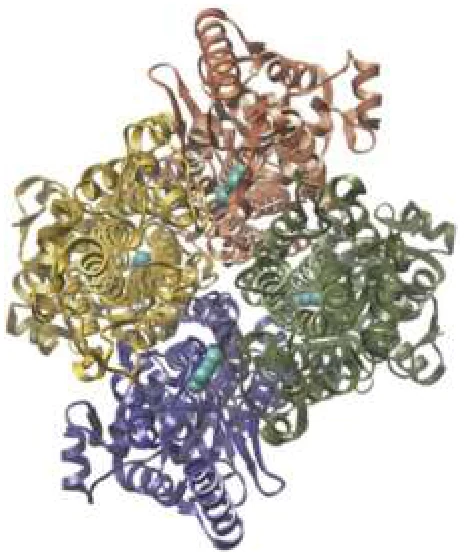
Structural formula: rAvPAL is a homotetramer containing 567 amino acid residues and a molecular weight per monomer of 62 kDa with the following quaternary structure.
Physicochemical properties: Appearance is a colorless to pale yellow liquid, clear to slightly opalescent. The polyethylene glycol (PEG) conjugated is a straight chain methoxyPEG containing an N-hydroxysuccinimide active ester functional group (NHS-PEG). The Molecular Mass of Linear NHS-PEG is 19 – 23 kDa and the extent of PEGylation 7 – 11 PEG/moles rAvPAL monomer. The viscosity of the pegvaliase liquid ranges from 66 to 104 cP with an average 70 cP and 5 cP at 20 mg/mL and 5 mg/mL, respectively. The pH is approximately 7 and osmolality is approximately 300 mOsm/kg and 270 mOsm/kg at 20 mg/mL and 5 mg/mL, respectively.
Product Characteristics
Recombinant phenylalanine ammonia lyase (rAvPAL) is manufactured in Escherichia coli bacteria transformed with a plasmid containing the phenylalanine ammonia lyase (PAL) gene derived from Anabaena variabilis. Pegvaliase is composed of rAvPAL conjugated to methoxypolyethylene glycol (PEG).
14 CLINICAL TRIALS
14.1 Trial Design and Study Demographics
Table 7 – Summary of Patient Demographics for Clinical Trials in PKU
| Study # | Study design | Dosage, route of administration and duration | Study subjects (n) | Mean age (Range) | Sex |
| Study 301 (165-301) | Phase 3 Open-label, randomized, multi-center Multiple-dose | Induction: 2.5 mg once a week for 4 weeks Titration: stepwise increase in dose and frequency (up to 30 weeks) Maintenance: 20 mg SC every day or 40 mg SC every day (at least 3 weeks) | Patients with PKU: 261 | 29 years (16 – 55) | 131 M / 130 F |
| Study 302 (165-302) | Phase 3 Follow-on study from study 165-301 with | 29 years (17 – 56) | 110 M / 105 F | ||
| 20 mg/day or 40 mg/day | 164 | |||
| 20 mg/day, 40 mg/day or placebo for 8 weeks | 86 | |||
| 5, 10, 20, 40, or 60 mg/day | 202 |
The effects of Palynziq in the treatment of PKU have been assessed in patients with phenylketonuria in Study 301, an open-label study to initiate Palynziq treatment, and Study 302, a follow-on study designed to assess efficacy. These Phase 3 studies included patients with PKU aged 16 or older with a mean blood phenylalanine level >600 micromol/L at screening and on average over the 6 months prior to screening.
Study 301: Treatment Initiation (Induction, Titration, and Maintenance)
Study 301 was an open label randomized (1:1), multicenter study of patients with PKU to assess the safety and tolerability of self-administered Palynziq in an induction/titration/maintenance dose regimen. The 261 enrolled patients were aged 16 to 55 years (mean: 29 years), 50.2% male, 97.3% Caucasian, and had a baseline mean blood phenylalanine of 1233 micromol/L. There were 11 patients (4.2%) aged 16-17 years at study entry. Patients previously treated with sapropterin were required to discontinue treatment at least 14 days prior to first dose of Palynziq. At baseline, 149 (57%) patients were receiving part of their total protein intake from medical food and 41 out of 261 (16%) patients were on a phenylalanine-restricted diet (defined as receiving greater than 75% of total protein intake from medical food).
Patients initiated Palynziq treatment with an induction regimen (2.5 mg once weekly for 4 weeks) and were titrated in a stepwise manner (increased dose and frequency) to reach their randomized target dose of 20 mg once daily or 40 mg once daily. The duration of titration varied among patients and was based on patient tolerability (up to 30 weeks). For this study, the maintenance period was defined as at least 3 weeks dosing at randomized 20 mg or 40 mg once daily.
Of the 261 enrolled patients, 195 (75%) patients reached their randomized maintenance dose (103 patients in the 20 mg once daily arm, 92 patients in the 40 mg once daily arm). Patients in the 20 mg once daily randomized arm reached their maintenance dose at a median time of 10 weeks (range: 9 to 29 weeks) and patients in the 40 mg once daily arm reached their maintenance dose at a median time of 11 weeks (range: 10 to 33 weeks). Mean total duration of dosing in Study 301 was 24.4 weeks. Of the 261 patients who enrolled in Study 301, 152 patients continued to the eligibility period (Part 1) of Study 302, and 51 patients continued directly from Study 301 into the long-term extension period (Part 4) of Study 302.
Study 302: Efficacy Assessment
Study 302 was a follow-on study (from Study 301) and included: an open label eligibility period (Part 1); a double-blind, placebo-controlled randomized discontinuation trial period (RDT, Part 2), and a long-term open-label extension period (Part 4).
Part 1—Eligibility Period
A total of 164 previously treated Palynziq patients (152 patients from Study 301, and 12 patients from other Palynziq studies) continued treatment at maintenance doses of 20 mg once daily or 40 mg once daily for up to 13 weeks. Since the majority of patients entered the study from Study 301, demographic and disease characteristics were similar to Study 301. Five of the 11 adolescent patients from Study 301 remained <18 years of age at entry into Part 1.
Of the 164 patients that entered the eligibility period of Study 302, 86 patients met the eligibility criterion (achieved at least 20% mean blood phenylalanine reduction from pretreatment baseline at their randomized dose within 13 weeks) and continued to the RDT (Part 2), 12 patients discontinued treatment, and 57 patients transferred directly to Part 4, the open label extension period of Study 302. The most common reasons for discontinuation from Part 1 were adverse events (n=4) and lost to follow-up (n=4).
Part 2—Randomized Discontinuation Trial (RDT) Period
In the double-blind, placebo-controlled RDT, 86 patients were randomized in a 2:1 ratio to either continue their randomized dosing (20 mg/day or 40 mg/day) or receive matching placebo for 8 weeks. As a subset of the Part 1 population, patients that entered Part 2 had similar demographics but there were no patients aged <18 years that entered Part 2.
Part 4—Long-term extension period
Patients continued Palynziq treatment in the long-term open-label extension period and dose was adjusted (5, 10, 20, 40, or 60 mg/day) by the physician to achieve further blood phenylalanine reductions and maintain previously achieved phenylalanine levels. Of the 202 patients that were treated in Part 4, mean daily dose was 33.2 mg/day and mean duration of treatment was 1,034 days (range 17-1,729 days).
14.2 Study Results
The primary endpoint was change from RDT baseline to RDT Week 8 in blood phenylalanine levels. Palynziq-treated patients were able to maintain their blood phenylalanine reductions compared to the placebo patients whose blood phenylalanine levels returned to their pre-treatment baseline levels after 8 weeks (see Table 8).
Table 8 – Difference in Least square (LS) Mean Change from RDT Baseline in Blood Phenylalanine Concentration (micromol/L) at RDT Week 8 in Patients with PKU (Study 302)
| Randomized study arm | Blood phenylalanine concentration (micromol/L) Mean (SD) | Difference in LS mean change (95% CI)2 | |
|---|---|---|---|
| RDT baseline1 | RDT Week 8 | ||
| Palynziq 20 mg once daily3 | 596.8 (582.8) n = 29 | 553.0 (582.4) n = 26 | -973.0 (-1204.2, -741.9)5 |
| Placebo 20 mg once daily4 | 563.9 (504.6) n = 14 | 1509.0 (372.6) n = 13 | |
| Palynziq 40 mg once daily3 | 410.9 (440.0) n = 29 | 566.3 (567.5) n = 23 | -588.5 (-830.1, -346.9)5 |
| Placebo 40 mg once daily4 | 508.2 (363.7) n = 14 | 1164.4 (343.3) n = 10 | |
1 The RDT baseline reflects patients’ blood phenylalanine levels after at least 13 weeks on a maintenance dose of 20 mg once daily or 40 mg once daily. See Overall treatment experience section below for phenylalanine changes from drug-naïve baseline throughout treatment.
2 Based on the mixed model repeated measures (MMRM) method, with treatment arm, visit, and treatment arm-by-visit interaction (the time profile of blood phenylalanine changes is assessed separately for each treatment arm) as factors adjusting for baseline blood phenylalanine concentration.
3 Nine patients were excluded from the Week 8 analysis from the Palynziq treatment arms (3 from the 20 mg/day group and 6 from the 40 mg/day group).
4 Five patients were excluded from the Week 8 analysis from the placebo arms (1 from the 20 mg/day Placebo group and 4 from the 40 mg/day Placebo group).
5 p value <0.0001.
Symptoms of inattention and mood were also evaluated using the ADHD-RS and POMS questionnaires during this period. No differences were observed in inattention and mood between patients randomized to placebo versus those randomized to Palynziq during this 8-week duration.
Overall treatment experience from Study 301 and Study 302
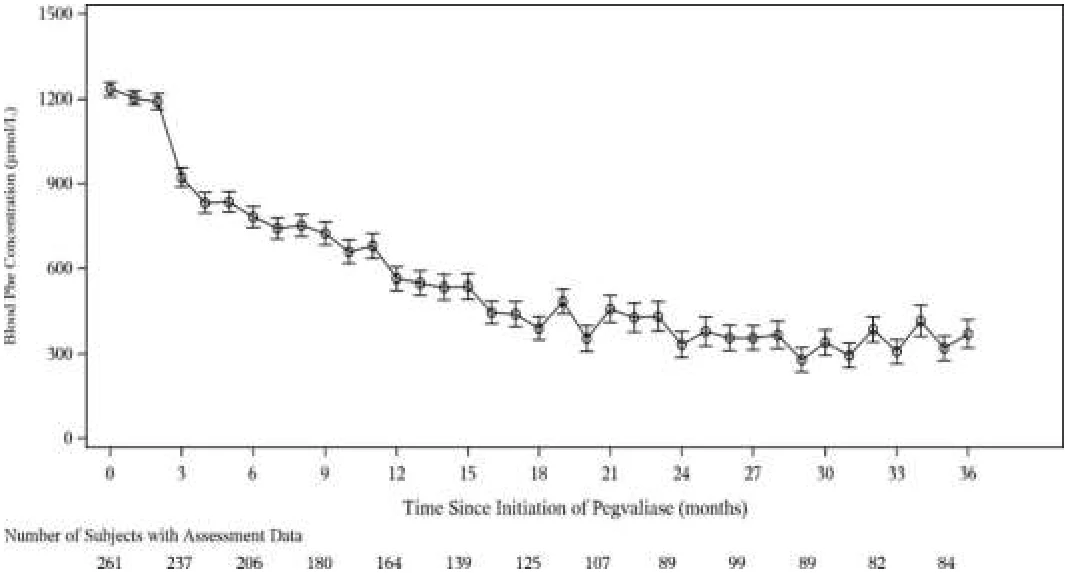
At study completion, 188 out of the 261 patients that participated in one or both trials received treatment for at least 1 year and 69 discontinued treatment in the first year. Of these 188 patients, 165 patients received treatment for at least 2 years. Mean dose received over the entirety of patients’ maintenance treatment was 31.6 mg/day (range 6 to 56 mg/day). Efficacy results over time for patients with blood phenylalanine concentrations assessed at each time point are presented in Figure 1.
Phenylalanine levels over time
Mean blood phenylalanine levels reduced from 1233 micromol/L at baseline to 565 micromol/L at Month 12 (n=164), 333 micromol/L at Month 24 (n=89), and 371 micromol/L at Month 36 (n=84) (see Figure 1). Mean change from baseline was -662 (range: -2143, 596) micromol/L at Month 12,
-882 (range: - 2116, 708) micromol/L at Month 24, and -911 (range: -2143, 426) micromol/L at Month 36.
Figure 1 – Mean (SE) Blood Phenylalanine Concentrations Over Time
In exploratory analyses, 253 patients who had inadequate blood phenylalanine control (blood phenylalanine levels above 600 micromol/L) at baseline in Study 301:
- 54% of patients, 69% of patients, and 72% of patients reached blood phenylalanine level ≤600 micromol/L by 12 months, 24 months, and 36 months, respectively;
- 44% of patients, 62% of patients, and 67% of patients reached blood phenylalanine level ≤360 micromol/L by 12 months, 24 months, and 36 months, respectively;
- 20% of patients, 52% of patients, and 58% of patients reached blood phenylalanine level ≤120 micromol/L by 12 months, 24 months, and 36 months, respectively.
Changes in Protein Intake from Intact Food Over Time
Exploratory analyses were conducted to assess the impact of Palynziq treatment on dietary intake and protein sources. At pre-treatment baseline, patients that participated in the Phase 3 trial(s) had a mean protein intake from intact food of 39 g/day (median 30 g). Mean protein intake from intact food increased at Month 12 by 9 g from baseline (median 4 g), at Month 24 by 16 g from baseline (median 14 g) and at Month 36 by 24 g from baseline (median 20 g).
Pediatric population
No data are available in pediatric patients less than 16 years of age.
Of the 261 patients in Study 301, 11 patients were aged between 16 and 18 years at enrolment. All 11 patients had inadequate blood phenylalanine control (blood phenylalanine levels above 600 micromol/L) at baseline. These patients received the same induction/titration/maintenance regimen as patients aged 18 years and older in this study. Blood phenylalanine levels were consistent with the overall adult population.
15 MICROBIOLOGY
No microbiological information is required for this drug product.
16 NON-CLINICAL TOXICOLOGY
Non-clinical toxicology studies were conducted in normal healthy animals without PKU. In these studies, pegvaliase administration resulted in dose-dependent reductions in plasma phenylalanine concentrations in all species, with phenylalanine depletion observed in some cases, including in pregnant animals. This finding is consistent with the pharmacological effects of pegvaliase, and phenylalanine levels below normal can be attributed to administration in normal animals with normal plasma phenylalanine concentrations at baseline.
General Toxicology:
In 4- and 26-week repeat-dose toxicity studies conducted in rats, animals were subcutaneously administered pegvaliase at doses of 0, 1, 8, and 25 mg/kg body weight twice weekly. At the 1 and 8 mg/kg body weight dose levels, systemic exposures were less than the human exposure at the 40 mg/day dose. Dose-dependent vacuolation in multiple organs and tissues was observed at doses of 8 and 25 mg/kg body weight. Vacuolation occurred in renal tubule epithelial cells and in histiocytic cells of the liver, spleen, testes, adrenal cortex, mesenteric lymph node, and mandibular lymph node. Vacuolation in histiocytes of the affected organs and tissues persisted after cessation of dosing. The vacuolation observed in these studies was not associated with organ-related toxicities as determined by clinical chemistry/urinalysis and histopathological examination. However, the vacuolation observed in renal tubular epithelial cells was considered adverse as it was associated with cellular hypertrophy. Thus, the no-observed-adverse-effect level (NOAEL) for the general systemic toxicity of pegvaliase in rats was 1 mg/kg body weight twice weekly (systemic exposure less than the human exposure at the 40 mg/day dose).
In a 39-week repeat dose toxicity study in monkeys, animals were subcutaneously administered pegvaliase at doses of 0.01, 0.1, 1, 3, and 7/5/3 mg/kg body weight twice weekly. Systemic exposures at all doses were less than the human exposure at the 40 mg/day dose. Dose limiting toxicity (reductions in food consumption, body weight loss, and hypoactivity) was observed in animals administered the 7 mg/kg body weight dose. Similar findings were observed when the dose was lowered to 5 mg/kg body weight. These animals were therefore subsequently administered 3 mg/kg body weight twice weekly. Pegvaliase at 3 mg/kg body weight twice weekly produced systemic arteritis involving small arteries and arterioles in a wide range of organs and tissues (kidney, urinary bladder, pancreas, gallbladder, esophagus, stomach, duodenum, jejunum, ileum, cecum, colon, rectum, lung, heart, sciatic nerve, lacrimal gland, mandibular lymph node, epididymis, seminal vesicle, ovary, uterus, cervix, and vagina) and in subcutaneous injection sites. Arteritis was likely due to the immune-mediated response (e.g., immune complex deposition in blood vessels) associated with chronic administration of a foreign protein to the animals. The incidence and severity of systemic arteritis was dose-dependent. The vascular inflammation observed in this study was not associated with organ related toxicities as determined by clinical pathology parameters (hematology, clinical chemistry, and urinalysis) and histopathological examination. The NOAEL for the general systemic toxicity of pegvaliase in cynomolgus monkeys was 1 mg/kg body weight twice weekly (systemic exposure less than the human exposure at the 40 mg/day dose) based on the adverse effect of systemic arteritis observed at higher doses.
Carcinogenicity:
No studies have been performed to evaluate the carcinogenic potential of pegvaliase.
Genotoxicity:
No studies have been performed to evaluate the genotoxic potential of pegvaliase.
Reproductive and Developmental Toxicology:
In all reproductive and developmental toxicity studies, pegvaliase administration resulted in very low plasma phenylalanine levels in maternal animals. It is expected that, therefore, little to no phenylalanine, an essential amino acid, was transferred across the placenta. The contribution of maternal phenylalanine depletion to the incidence of embryo-fetal developmental effects observed in rats and rabbits was not evaluated.
In a combined fertility and embryo-fetal development study conducted in rats, male and female rats were subcutaneously administered pegvaliase at doses of 0 (vehicle control), 2, 8, or 20 mg/kg body weight/day (2, 8, and 20 times the maximum recommended human dose of 60 mg/day, respectively) throughout a pre-mating period (41 days in males, 28 days in females), throughout mating (maximum of 8 days), and post-mating in males (minimum of 77 total doses) or during gestation in females until gestation day (GD) 17 (i.e., through organogenesis to closure of the hard palate). Adverse reductions in body weight, body weight gain, and food consumption were observed at the high dose in both males and females compared to control animals. There were no adverse effects on sperm parameters (sperm count, density, and motility), estrous cycling, or on mating, fertility, and pregnancy indices. However, dose-dependent decreases in the number of corpora lutea and the number of implantation sites were observed at the mid- and high-doses, indicating adverse effects on female fertility at these doses. As a result, mean litter size and the number of live fetuses were decreased at the high dose. Fetal weights were also reduced at the high-dose. No test article-related external, visceral, or skeletal malformations were observed. Thus, the NOAEL for effects on female fertility in rats was 2 mg/kg body weight/day, and the NOAEL for developmental toxicity in rats following maternal subcutaneous administration was 8 mg/kg body weight/day. In addition, pegvaliase was detected in fetal blood at the high dose.
In an embryo-fetal development study conducted in rabbits, females were administered pegvaliase by subcutaneous injection at doses of 2 or 5 mg/kg body weight/day (2 and 5 times the maximum recommended human dose of 60 mg/day, respectively) during gestation from implantation through organogenesis to closure of the hard palate (GD 7 to 20) using a divided dosing regimen; animals were administered pegvaliase from GD 7 to 12, GD 11 to 16, or GD 15 to 20. Maternal toxicity was observed at both dose levels, consisting of a reduction in body weight gain, body weight loss, reduction in food consumption and/or clinical signs. Maternal toxicity at the high-dose was accompanied by test article-related increases in abortions and in post-implantation loss (due to an increase in resorptions), as well as by fetal deaths and reductions in fetal weights and in the percentage of live male fetuses. Exposure to pegvaliase in utero also resulted in numerous fetal malformations. External malformations consisted of malformations of the head, body, and limbs. Visceral malformations consisted of discoloured eyes, small eyes, corneal opacity, small lungs, diaphragmatic hernia, low set kidneys, fused kidneys, small kidneys, absent kidneys, ventricular dilation in the brain, large atria in the heart, absent semilunar valves in the heart, distended aorta, misdirected great vessels, liver protruding through umbilicus, and fluid-filled abdominal cavity. Skeletal malformations consisted of malformations of the craniofacial bones, vertebrae, sternum, claviculae, pelvis, and limb and digit bones. High incidences for many of the malformations were observed at the high-dose, with lower incidences occurring at the low-dose. In contrast, in the control group, no external or visceral malformations were observed and skeletal malformations were few and were incidental and/or were within the historical control ranges. The teratogenicity observed was test article-related and cannot be attributed to maternal toxicity. NOAELs for maternal toxicity and developmental toxicity in rabbits could not be identified, as maternal toxicity and developmental toxicity were observed at both doses. In addition, pegvaliase was detected in fetal blood, and concentrations increased with increasing maternal dose.
In pre- and post-natal development studies conducted in rats, females were subcutaneously administered pegvaliase at doses of 0 (vehicle control), 2, 8, or 20 mg/kg body weight/day (2, 8, and 20 times the maximum recommended human dose of 60 mg/day, respectively) throughout a 28-day pre-mating period, throughout mating (maximum of 13 or 14 days), throughout gestation, and during the lactation period until post-natal day (PND) 21. Maternal toxicity was observed at the high dose, consisting of adverse clinical signs or poor maternal behaviour coupled with poor litter condition, as well as reductions in body weight, body weight gain, and food consumption. There were no adverse effects on mating, fertility, and pregnancy indices. However, clinical signs and reductions in pup weight, litter size, and survival of offspring during the lactation period were observed. Resolution of the body weight effect in offspring was observed post-weaning. No other adverse effects were observed in offspring, including no adverse effects on physical development, neuro-behavioural development, sexual maturation, and reproduction. Thus, the NOAELs for both the maternal toxicity and developmental toxicity of pegvaliase in rats following maternal subcutaneous administration was 8 mg/kg body weight/day. In addition, pegvaliase was detected in milk of F0 generation females from all dose groups on PND 14, and concentrations in milk increased dose-dependently. While pegvaliase was not observed in F1 generation plasma as assessed on PND 14, a dose-dependent reduction in mean plasma phenylalanine concentration was observed on PND 14 in F1 pups from dams administered pegvaliase. These findings indicate that in utero/lactational exposure to pegvaliase results in a pharmacological effect in offspring.