


Product Monograph - Piasky
RECENT MAJOR LABEL CHANGES
Not applicable.
TABLE OF CONTENTS
Sections or subsections that are not applicable at the time of authorization are not listed.
RECENT MAJOR LABEL CHANGES 3
TABLE OF CONTENTS 3
PART I: HEALTH PROFESSIONAL INFORMATION 5
1 INDICATIONS 5
1.1 Pediatrics 5
1.2 Geriatrics 5
2 CONTRAINDICATIONS 5
3 SERIOUS WARNINGS AND PRECAUTIONS BOX 5
4 DOSAGE AND ADMINISTRATION 6
4.1 Dosing Considerations 6
4.2 Recommended Dose and Dosage Adjustment 6
4.3 Reconstitution 7
4.4 Administration 8
4.5 Missed Dose 9
5 OVERDOSAGE 9
6 DOSAGE FORMS, STRENGTHS, COMPOSITION AND PACKAGING 9
7 WARNINGS AND PRECAUTIONS 10
7.1 Special Populations 12
7.1.1 Pregnant Women 12
7.1.2 Breast-feeding 12
7.1.3 Pediatrics 12
7.1.4 Geriatrics 12
8 ADVERSE REACTIONS 13
8.1 Adverse Reaction Overview 13
8.2 Clinical Trial Adverse Reactions 13
8.2.1 Clinical Trial Adverse Reactions – Pediatrics 15
8.3 Less Common Clinical Trial Adverse Reactions 16
8.4 Abnormal Laboratory Findings: Hematologic, Clinical Chemistry and Other Quantitative Data 16
8.5 Post-Market Adverse Reactions 16
9 DRUG INTERACTIONS 16
9.2 Drug Interactions Overview 16
9.3 Drug-Behavioural Interactions 17
9.4 Drug-Drug Interactions 17
9.5 Drug-Food Interactions 17
9.6 Drug-Herb Interactions 17
9.7 Drug-Laboratory Test Interactions 17
10 CLINICAL PHARMACOLOGY 17
10.1 Mechanism of Action 17
10.2 Pharmacodynamics 17
10.3 Pharmacokinetics 17
10.4 Immunogenicity 19
11 STORAGE, STABILITY AND DISPOSAL 20
12 SPECIAL HANDLING INSTRUCTIONS 21
PART II: SCIENTIFIC INFORMATION 22
13 PHARMACEUTICAL INFORMATION 22
14 CLINICAL TRIALS 23
14.1 Clinical Trials by Indication 23
15 MICROBIOLOGY 26
16 NON-CLINICAL TOXICOLOGY 26
PATIENT MEDICATION INFORMATION 28
PART I: HEALTH PROFESSIONAL INFORMATION
1 INDICATIONS
PIASKY (crovalimab for injection) is indicated for the treatment of paroxysmal nocturnal hemoglobinuria (PNH) in adults and adolescents 13 years of age and older with a body weight of at least 40 kg.
1.1 Pediatrics
Pediatrics (13 to <18 years of age who weigh ≥ 40 kg): Based on the data submitted and reviewed by Health Canada, the safety and efficacy of PIASKY in adolescent patients (body weight ≥ 40 kg) has been established for the treatment of PNH (see 4.2 Recommended Dose and Dose Adjustment, 7.1.3 Pediatrics, and 10.3 Pharmacokinetics).
Pediatrics (< 13 years of age or with body weight < 40 kg): No data are available to Health Canada; therefore, Health Canada has not authorized an indication for pediatric use in patients < 13 years of age and in adolescents who weigh < 40 kg.
1.2 Geriatrics
Geriatrics (≥ 65 years of age): PIASKY may be administered to patients with PNH aged 65 years and over (see 4.2 Recommended Dose and Dosage Adjustment, 7.1.4 Geriatrics, and 10.3 Pharmacokinetics).
2 CONTRAINDICATIONS
PIASKY is contraindicated in patients:
- with a known hypersensitivity (allergic reaction) to crovalimab or any of the excipients (see 0
- DOSAGE FORMS, STRENGTHS, COMPOSITION AND PACKAGING).
- with unresolved Neisseria meningitidis infection.
3 SERIOUS WARNINGS AND PRECAUTIONS BOX
Serious Warnings and Precautions
Cases of serious or fatal meningococcal infections/sepsis have been reported in patients treated with complement inhibitors, which is a known class effect. Meningococcal infection may become rapidly life-threatening or fatal if not recognized and treated early (see 7 WARNINGS AND PRECAUTIONS).
|
4 DOSAGE AND ADMINISTRATION
4.1 Dosing Considerations
PIASKY treatment should be initiated under the supervision of a physician experienced in the treatment of hematological disorders.
A dedicated Patient Support Program is available to assist patients using this medication.
After training in subcutaneous injection technique, the patient may self-administer PIASKY or a caregiver may administer PIASKY without healthcare provider supervision if a qualified healthcare professional determines that it is appropriate.
4.2 Recommended Dose and Dosage Adjustment
The recommended dosing regimen consists of one loading dose administered by intravenous (IV) infusion (on day 1), followed by four additional weekly loading doses administered by subcutaneous (SC) injection (on days 2, 8, 15, and 22). The maintenance dose starts on Day 29 and is then administered every 4 weeks by subcutaneous injection. The doses to be administered are based on the patient’s body weight, as shown in Table 1.
For patients switching from treatment with another complement inhibitor, the first intravenous loading dose of PIASKY should be administered at the time of the next scheduled complement inhibitor administration. The administration of the additional subcutaneous loading doses and maintenance doses of PIASKY will follow as per the schedule shown in Table 1.
Table 1 PIASKY Dosing Regimen Based on Body Weight
| Body Weight | ≥ 40 kg to < 100 kg | ≥ 100 kg |
Loading Doses Day 1 Day 2, 8, 15, 22 | 1000 mg (IV) 340 mg (SC) | 1500 mg (IV) 340 mg (SC) |
Maintenance Dose Day 29 and Q4Wa thereafter | 680 mg (SC) | 1020 mg (SC) |
IV = intravenous, SC = subcutaneous, kg = kilograms a Q4W=every 4 weeks | ||
The dosing schedule is allowed to occasionally vary within 2 days of the scheduled administration day (except at Day 1 and Day 2). The subsequent dose should be administered according to the regular schedule.
Modification of the maintenance dose is required if the patient’s body weight changes by 10% or more to become consistently greater than or lower than 100 kg during the course of therapy (see Table 1 for recommended dosage).
The infusion of PIASKY may be slowed or interrupted if the patient develops an infusion-related reaction. The infusion should be discontinued immediately if the patient experiences a serious hypersensitivity reaction (see 7 WARNINGS AND PRECAUTIONS, Immune).
Pediatric Use
No dose adjustment of PIASKY is required in pediatric patients 13 years of age or older with body weight ≥ 40 kg. The safety and efficacy of PIASKY in pediatric patients less than 13 years of age and with body weight < 40 kg has not been established (see 7.1.3 WARNINGS AND PRECAUTIONS, Pediatrics, and 10.3 Pharmacokinetics, Pediatrics).
Geriatric Use
No dose adjustment of PIASKY is required in patients ≥ 65 years of age (see 7.1.4 WARNINGS AND PRECAUTIONS, Geriatrics, and 10.3 Pharmacokinetics, Geriatrics).
Renal Impairment
No dose adjustment is required for patients with mild, moderate, or severe renal impairment (see 7 WARNINGS AND PRECAUTIONS, Renal, and 10.3 Pharmacokinetics, Renal Insufficiency).
Hepatic Impairment
No dose adjustment is required for patients with mild hepatic impairment. PIASKY has not been studied in patients with moderate to severe hepatic impairment (see 7 WARNINGS AND PRECAUTIONS, Hepatic, and 10.3 Pharmacokinetics, Hepatic Insufficiency).
4.3 Reconstitution
Intravenous administration (Day 1 Loading Dose)
PIASKY must be diluted and administered by a healthcare provider as an intravenous infusion over 60 minutes ± 10 minutes (1000 mg) or 90 minutes ± 10 minutes (1500 mg). PIASKY should not be administered as an IV push or bolus.
PIASKY solution must be diluted in 0.9% (w/v) sodium chloride (NaCl) solution prior to administration. A 0.2 μm in-line filter must be used with the infusion set during administration.
A dedicated infusion line must be used during intravenous administration.
Dilution
- 1. Withdraw the required volume of PIASKY from the vial (see Table 2) using a sterile syringe and dilute into the infusion bag. Multiple vials need to be used to meet the required volume of PIASKY to be added to the infusion bag. Discard any unused portion left in the vial.
Dilution of PIASKY in infusion bags containing 0.9% NaCl must be in the range of 4-15 mg/mL (final concentration after dilution).
Intravenous infusion bags of a volume of 100 mL or 250 mL can be used.
Table 2 Dose example volume determination
Dose (mg) | Concentration in bag after dilution (mg/mL) | Volume of PIASKY in 0.9% sodium chloride solutiona (mL) | Size of infusion bags (mL) |
| 1000 | 4 | 5.9 | 250 |
| 1500 | 6 | 8.8 | 250 |
| 1000 | 10 | 5.9 | 100 |
| 1500 | 15 | 8.8 | 100 |
a Each 340 mg vial contains a nominal fill volume of 2.0 mL
- 2. Gently mix the infusion bag by slowly inverting the bag. Do not shake.
- 3. Inspect the infusion bag for particles and discard if present.
- 4. Flushing of the infusion line is required in order to ensure complete administration of the entire dose.
Do not use diluents other than 0.9% sodium chloride solution to dilute PIASKY since their use have not been tested.
4.4 Administration
The PIASKY vial is for single use only.
PIASKY is a sterile and preservative-free solution that is used undiluted for subcutaneous injection or diluted for intravenous infusion.
PIASKY should be inspected visually to ensure there is no particulate matter or discoloration prior to administration. PIASKY is clear to strongly opalescent, and almost colorless to brownish-yellow solution. PIASKY should be discarded if the medicine looks cloudy, discolored or has particles in it.
PIASKY is administered as an intravenous infusion (first dose) and as a subcutaneous injection (subsequent doses). Instructions for intravenous infusion are provided in 4 Dosage and Administration, 4.3 Reconstitution.
Comprehensive instructions for PIASKY subcutaneous administration are given in the Instructions for Use (IFU) (see PATIENT MEDICATION INFORMATION).
Subcutaneous administration
For subcutaneous injection, PIASKY must be used undiluted and should be prepared using appropriate aseptic technique. It is recommended to inject PIASKY into the abdomen. Within the abdomen, the injection sites should be rotated with every injection. Injections should never be given into moles, scars, or areas where the skin is tender, bruised, red, hard, or not intact.
PIASKY should be used undiluted. A syringe, a transfer needle and an injection needle are needed to withdraw PIASKY solution from the vial and inject it subcutaneously.
Each injection is of a volume of 2 mL PIASKY, corresponding to 340 mg. A 2 mL-size or 3 mL-size syringe should be used for each injection. A dose of 680 mg is achieved by performing two consecutive subcutaneous injections of 340 mg. A dose of 1020 mg is achieved by performing three consecutive subcutaneous injections of 340 mg.
2 mL or 3 mL syringe
Criteria: Transparent polypropylene or polycarbonate syringe with Luer-Lock tip (in case not locally available, a syringe with Luer Slip tip can be used), sterile, single-use, latex-free and non-pyrogenic.
Transfer needle
Criteria: Stainless steel, sterile, preferably gauge 18 G with single bevel at approximately 45 degrees to reduce risk of needle stick injury, or gauge 21 G standard needle as an alternative single-use, latex-free and non-pyrogenic. A transfer needle without filter is recommended.
Injection needle
Criteria: Hypodermic needle, stainless steel, sterile, gauge 25 G, 26 G or 27 G, length 3/8'' to ½'' (9 mm to 13 mm), single-use, latex-free and non-pyrogenic, preferably including safety needle shield.
4.5 Missed Dose
If an entire planned dose or part of a planned dose of PIASKY is missed, the missing dose or remainder of a planned dose should be administered as soon as possible before the day of the next scheduled dose. The subsequent dose should then be administered according to the original schedule. Do not administer two doses or more than the prescribed dose on the same day to make up for a missed dose.
5 OVERDOSAGE
There is no experience with overdosage of PIASKY in human clinical trials.
| For management of a suspected drug overdose, contact your regional poison control centre. |
6 DOSAGE FORMS, STRENGTHS, COMPOSITION AND PACKAGING
Table 3 Dosage Forms, Strengths, Composition and Packaging
| Route of Administration | Dosage Form / Strength/Composition | Non-medicinal Ingredients |
| Intravenous Infusion; Subcutaneous Injection | Solution for Injection/infusion 340 mg (170 mg/mL) | L-Histidine L-Aspartic Acid L-Arginine Hydrochloride Poloxamer 188 Water for Injection |
PIASKY is provided as a sterile clear to strongly opalescent and almost colorless to brownish-yellow solution supplied in a single-use glass vial filled with 2 mL of solution. Each vial contains 340 mg of crovalimab (170 mg/mL).
7 WARNINGS AND PRECAUTIONS
See Section 3, SERIOUS WARNINGS AND PRECAUTIONS BOX.
General
In order to improve traceability of biological medicinal products, the trade name and the batch number of the administered product should be clearly recorded (or stated) in the patient file.
Meningococcal Infection
Due to its mechanism of action, the use of PIASKY may increase the patient’s susceptibility to meningococcal infections (septicemia and/or meningitis). Cases of serious or fatal meningococcal infections/sepsis have been reported in patients treated with terminal complement inhibitors, which is a known class effect.
Meningococcal infection may become rapidly life-threatening or fatal if not recognized and treated early. To reduce the risk of infection, all patients must be vaccinated at least 2 weeks prior to receiving the first dose of PIASKY and maintain up to date vaccinations according to current NACI guidelines. If therapy with PIASKY is initiated in an unvaccinated patient, the required vaccine should be administered as soon as possible and patients must receive prophylactic antibiotics from the time they start PIASKY until 2 weeks after vaccination.
Vaccination may not be sufficient to prevent meningococcal infection during treatment with PIASKY. Consideration should be given to the prophylactic use of antibiotics based on Canadian clinical practice. All patients should be monitored for early signs of meningococcal infection, evaluated immediately if infection is suspected, and treated with appropriate antibiotics if necessary. Patients should be informed of these signs and symptoms and instructed to seek medical care immediately. Physicians must discuss the benefits and risks of PIASKY therapy with patients and provide them with a patient guide and a patient card.
Serious infections other than meningococcal infection
Due to its mechanism of action, PIASKY therapy must be administered with caution to patients with active systemic infections. Patients may have increased susceptibility to infections, especially with Neisseria spp (other than Neisseria meningitidis). and other encapsulated bacteria. Vaccinations for the prevention of Streptococcus pneumoniae and Haemophilus influenzae type b (Hib) infections should be administered according to Canadian clinical practice guidelines.
If therapy with PIASKY is initiated in an unvaccinated patient, the required vaccine should be administered as soon as possible and patients must receive prophylactic antibiotics from the time they start PIASKY until 2 weeks after vaccination or according to local standard of care, whichever is longer.
If PIASKY therapy is administered to patients with active systemic infections, patients should be monitored closely for signs and symptoms of worsening infection.
Vaccination
Vaccination may activate complement further. As a result, patients with complement-mediated diseases, including PNH, may experience transient worsening of signs and symptoms of their underlying disease, such as hemolysis. Therefore, patients should be closely monitored for disease symptoms after the recommended vaccination.
Serious hemolysis after drug discontinuation in PNH patients
In case of PIASKY discontinuation, patients who do not switch to another treatment for PNH must be closely monitored for signs and symptoms of serious intravascular hemolysis, identified by elevated lactate dehydrogenase (LDH) levels, along with sudden decrease in hemoglobin, or re-appearance of symptoms such as fatigue, hemoglobinuria, abdominal pain, shortness of breath (dyspnea), major adverse vascular events (including thrombosis), dysphagia, or erectile dysfunction. If a patient discontinues PIASKY and does not switch to another treatment for PNH, monitor the patient for at least 16 weeks to detect hemolysis and other reactions.
Immune
Type III immune complex reactions
Immune complex formation can occur in patients switching from another C5 inhibitor (e.g. eculizumab or ravulizumab) to PIASKY or from PIASKY to another C5 inhibitor that binds to a different epitope of C5 (see 9.4 Drug-Drug Interactions).
Patients who have never previously been treated with a C5 inhibitor, or patients in whom previous C5 inhibitor treatment has been cleared from the body (i.e. at least 5.5 half-lives of the previous therapy have passed since the last dose), are no longer expected to be at risk of Type III immune complex reactions.
Type III immune complex reactions have been reported in PIASKY clinical trials (see 8.2 Clinical Trial Adverse Reactions).
Signs and symptoms of Type III immune complex reactions observed in clinical trials were arthralgia and other musculoskeletal and connective tissue disorders, rash and other skin and subcutaneous disorders, pyrexia, asthenia/fatigue, gastrointestinal distress, headache, and axonal neuropathy. Type III immune complex reactions may also manifest as renal abnormalities, however this was not observed during clinical trials.
Based on the time-to-onset of Type III immune complex reactions observed in clinical trials, it is recommended that patients are monitored for at least the first 30 days after switching from another C5 inhibitor (e.g. eculizumab or ravulizumab) to PIASKY (or vice-versa) for the occurrence of symptoms of Type III immune complex reactions. For the treatment of Type III immune complex reactions, administer symptomatic treatments as per standard clinical practice.
Infusion and injection-related reactions
Administration of PIASKY may cause infusion-related reactions or systemic injection-related reactions, depending on the route of administration. These may include allergic or hypersensitivity reactions (including anaphylaxis) but also a range of other symptoms like headache or muscle pain. Patients/caregivers should seek immediate medical attention if the patient develops symptoms of serious allergic reactions and appropriate therapy should be administered.
If a serious hypersensitivity reaction (including anaphylaxis) occurs, PIASKY must be permanently discontinued (see 2 CONTRAINDICATIONS).
Immunogenicity Leading to Loss of Exposure and Efficacy
Patients may develop anti-drug antibodies (ADAs) that can interfere with PIASKY exposure (see 8.2 Clinical Trial Adverse Reactions). Development of ADAs may lead to loss of PIASKY exposure, which may subsequently result in loss of PIASKY efficacy, as observed in patients treated with PIASKY in clinical trials (see 10.4 Immunogenicity). Patients should be monitored for clinical signs of loss of exposure and efficacy, including serious intravascular hemolysis, and they should be instructed to seek immediate medical attention if signs of worsening PNH occur.
Reproductive Health: Female and Male Potential
If PIASKY is prescribed to a woman of childbearing potential, she should be advised to contact her physician if she intends to become, or suspects that she is pregnant (see 7.1.1 Pregnant Women).
7.1 Special Populations
7.1.1 Pregnant Women
No clinical studies of PIASKY in pregnant women have been performed, therefore PIASKY is not recommended during pregnancy.
In an enhanced pre- and post-natal development study in pregnant cynomolgus monkeys, no adverse effects were observed when given crovalimab throughout pregnancy at dose levels resulting in 14 times the human exposure based on area under curve (AUC) at the maximum recommended human dose (MRHD). Crovalimab was detectable in infant serum until post-natal day (PND) 181 with increased C5 concentration and decreased CH50 observed until PND 70 or 119 for males and females, respectively (see 16 NON-CLINICAL TOXICOLOGY).
7.1.2 Breast-feeding
No studies have been conducted to assess the impact of PIASKY on milk production or its presence in breast milk. It is not known whether PIASKY is excreted in human breast milk. Crovalimab was detectable in infant serum until post-natal day 181 in an enhanced pre- and post-natal development study in cynomolgus monkeys. The presence of crovalimab in milk was not assessed therefore potential infant exposure through milk cannot be excluded (see 16 NON-CLINICAL TOXICOLOGY).
A risk to newborns/infants cannot be excluded. A decision must be made whether to discontinue breast-feeding or to discontinue from PIASKY taking into account the benefit of breast-feeding for the child and the benefit of therapy for the woman.
7.1.3 Pediatrics
The safety and efficacy of PIASKY have been established in pediatric patients 13 years and older with body weight ≥ 40 kg. Use of PIASKY in pediatric patients is supported by evidence from PNH clinical studies in adults along with additional pharmacokinetic, pharmacodynamic, efficacy and safety data in pediatric patients aged 13 to <18 year with body weight ≥ 40 kg. (see 14 CLINICAL TRIALS, and 10.3 Pharmacokinetics, pediatrics).
Safety and efficacy in pediatric patients < 13 years or with body weight < 40 kg have not been established.
7.1.4 Geriatrics
Forty six patients ≥ 65 years of age were exposed to PIASKY in PNH clinical studies. Although there were no apparent age-related differences observed in these studies, the number of patients aged 65 and over is not sufficient to determine whether they respond similarly to younger patients. (see 4.2 Recommended Dose and Dosage Adjustment, and 10.3 Pharmacokinetics, Geriatrics).
8 ADVERSE REACTIONS
8.1 Adverse Reaction Overview
The most common adverse reactions observed were Type III immune complex mediated reaction (18.9%) in patients who switched from treatment with another C5 inhibitor to PIASKY, upper respiratory tract infection (18.6%), pyrexia (13.5%), headache (10.9%) and infusion-related reaction (10.2%). The most common serious adverse reactions observed were Type III immune complex mediated reaction (4.0%) in patients who switched from treatment with another C5 inhibitor to PIASKY and pneumonia (1.5%).
8.2 Clinical Trial Adverse Reactions
Clinical trials are conducted under very specific conditions. Therefore, the frequencies of adverse reactions observed in the clinical trials may not reflect the frequencies observed in clinical practice and should not be compared to frequencies reported in clinical trials of another drug..
The safety of PIASKY in patients with PNH was evaluated in a non-inferiority Phase III study (COMMODORE 2, BO42162) and supported by clinical evidence from two additional Phase III studies (COMMODORE 3, YO42311, and COMMODORE 1, BO42161) and one Phase I/II study (COMPOSER, BP39144).
COMMODORE 2 (BO42162) was a global Phase III, randomized, open-label, active-controlled, multicenter clinical study, which included 210 patients with PNH not previously treated with complement inhibitors, including 8 pediatric patients.
COMMODORE 3 (YO42311) was a Phase III, single-arm, multicenter study, which included 51 Chinese patients with PNH not previously treated with complement inhibitors, including 3 pediatric patients.
COMMODORE 1 (BO42161) was a global Phase III, randomized, open-label, multicenter clinical study, which included 127 patients with PNH previously treated with complement inhibitors, including 1 pediatric patient.
The median treatment duration for PIASKY was 64.0 weeks (range: 0.1 – 136.4 weeks) based on a pooled analysis of 393 patients across the three COMMODORE studies.
Table 4 summarizes the adverse drug reactions (ADRs) that have been reported with the use of PIASKY based on a pooled analysis of safety data from COMMODORE 2, COMMODORE 3, and COMMODORE 1. ADRs are listed by MedDRA system organ class.
Table 4 Pooled Summary of Adverse Drug Reactions Occurring in COMMODORE 2 (BO42162), COMMODORE 3 (YO42311), and COMMODORE 1 (BO42161), for Patients Treated with PIASKY Occurring in ≥5% of Patientsa
| Adverse Drug Reactions (MedDRA) | PIASKY N = 393 [n (%)] |
| General disorders and administration site conditions | |
| Pyrexia | 53 (13.5%) |
| Fatigue | 22 (5.6%) |
| Immune system disorders | |
| Type III immune complex mediated reactionb | 38 (18.9%)b |
| Infections and infestations | |
| Upper respiratory tract infection | 73 (18.6%) |
| Urinary tract infection | 34 (8.7%) |
| Nasopharyngitis | 20 (5.1%) |
| Injury, poisoning and procedural complications | |
| Infusion related reaction | 40 (10.2%) |
| Injection related reaction | 31 (7.9%) |
| Musculoskeletal and connective tissue disorders | |
| Arthralgia | 23 (5.9%) |
| Gastrointestinal disorders | |
| Diarrhea | 26 (6.6%) |
| Nervous system disorders | |
| Headache | 43 (10.9%) |
a ADRs in this table are presented by Preferred Term
b Type III immune complex mediated reaction is limited to patients who switch from another C5 inhibitor to PIASKY or from PIASKY to another C5 inhibitor. The frequency of Type III immune complex mediated reaction is reported for a subset of N=201 patients who switched from treatment with another C5 inhibitor to PIASKY, with incidence rates calculated using these N=201 patients as the denominator.
Type III immune complex reactions
Across the COMMODORE 1 and 2 studies, 39 out of 201 (19.4%) patients who switched from treatment with eculizumab or ravulizumab to PIASKY experienced a Type III immune complex reaction. Of these 39 patients, 2 patients experienced a second Type III immune complex reaction after discontinuing PIASKY and switching to ravulizumab. The most common signs and symptoms that were reported were arthralgia and rash, with other symptoms reported including pyrexia, headache, myalgia, abdominal pain, asthenia/fatigue and axonal neuropathy. No renal manifestations of Type III immune complex reactions were reported.
The median time to onset of Type III immune complex reactions in patients who switched from treatment with eculizumab or ravulizumab to PIASKY was 1.6 weeks (range: 0.7 - 4.4 weeks) and the median duration of Type III immune complex reactions was 1.7 weeks (range 0.4 - 34.1 weeks). The majority of events were Grade 1-2 and resolved with no change in study treatment with PIASKY.
In the COMPOSER study, among 26 patients who switched from eculizumab to PIASKY, 2 patients reported in total 2 adverse events of Type III immune complex reactions. These events were mild/moderate and non-serious. One additional patient developed a mild Type III immune complex reaction after discontinuing PIASKY and switching to a different C5 inhibitor.
Management of patients experiencing Type III immune complex reactions is outlined in 7 WARNINGS AND PRECAUTIONS, Immune.
Infusion and Injection-Related Reactions
Across the three COMMODORE studies, 40 out of 393 (10.2%) patients who were treated with PIASKY experienced an infusion-related reaction,
and 31 out of 393 (7.9%) patients experienced an injection-related reaction.
All infusion and injection -related reactions were Grade 1-2 in severity.
Infections
Infections were reported in 254 out of 393 (64.6%) patients treated with PIASKY. Serious Infections were reported in 9.7% of patients. Infection ADRs that occurred in ≥ 5% of patients were upper respiratory tract infection (18.6%), urinary tract infection (8.7%), and nasopharyngitis (5.1%). The majority of the events were Grade 1-2 in severity.
Across the three COMMODORE studies, there were no instances of meningococcal infection in PNH patients.
COMPOSER study
COMPOSER (BP39144) was a Phase I/II study, which included 44 patients with PNH not previously treated with complement inhibitors or previously treated with eculizumab. The median treatment duration in COMPOSER was 3.0 years (range: 0.4-4.4 years). The safety data suggests that the safety profile of PIASKY in the COMPOSER Study is consistent to that observed in the COMMODORE Studies.
8.2.1 Clinical Trial Adverse Reactions – Pediatrics
During the PNH clinical program, eleven pediatric patients with PNH (9 treatment-naïve patients and 2 patients who switched from another C5 inhibitor) were treated with PIASKY. Based on the limited safety data, the safety profile of PIASKY in pediatric patients appears consistent to that observed in adult patients.
8.3 Less Common Clinical Trial Adverse Reactions
Adverse Drug Reactions reported in patients treated with PIASKY occurring in <5% of patients are as follows:
Infections and infestations: Pyelonephritis (0.5%), Respiratory tract infection (2.0%), Bacteremia (0.3%), Sepsis (0.5%), Septic shock (0.3%), Pneumonia (2.0%).
Immune System Disorders: Hypersensitivity (1.3%)
8.4 Abnormal Laboratory Findings: Hematologic, Clinical Chemistry and Other Quantitative Data
Clinical Trial Findings
Table 5 Grade 3 and above shift from Baseline for Total PIASKY Population Occurring in ≥2% of Patients (N=393)a
| Parameter | Grade 0/Normal to Grade 3 and above [n (%)] |
| Absolute Lymphocytes increase | 14 (3.6%) |
| Absolute Lymphocytes decrease | 36 (9.2%) |
| Absolute Total Neutrophils decrease | 46 (11.7%) |
| Total Leukocyte Count decrease | 15 (3.8%) |
| SGPT/ALT increase | 17 (4.3%) |
ALT = alanine transaminase; SGPT = serum glutamic pyruvic transaminase.
aWorst on-study values in patients with normal baseline
CTCAE grades: Lymphocytes increase (Grade 3 - >20,000/mm3)
Lymphocytes decrease (Grade 3 - <0.5 - 0.2 x 10e9 /L (or <500 - 200 mm3); Grade 4 - <0.2 x 10e9 /L (or <200/mm3)); Neutrophils decreased (Grade 3 - <1.0 - 0.5 x 10e9 /L (or <1000 - 500/mm3); Grade 4 - <0.5 x 10e9 /L (or <500/mm3)); Total leukocyte count decreased
(Grade 3 - <2.0 - 1.0 x 10e9 /L (or <2000 - 1000/mm3); Grade 4 - <1.0 x 10e9 /L (or <1000/mm3)); ALT increased (Grade 3 - >5.0 - 20.0 x ULN if baseline was normal; >5.0 - 20.0 x baseline if baseline was abnormal; Grade 4 - >20.0 x ULN if baseline was normal; >20.0 x baseline if baseline was abnormal); Bilirubin increased (Grade 3 - >3.0 - 10.0 x ULN if baseline was normal; >3.0 - 10.0 x baseline if baseline was abnormal; Grade 4 - >10.0 x ULN if baseline was normal; >10.0 x baseline if baseline was abnormal)
8.5 Post-Market Adverse Reactions
Not applicable
9 DRUG INTERACTIONS
9.2 Drug Interactions Overview
No dedicated drug-drug interaction studies were conducted with PIASKY.
9.3 Drug-Behavioural Interactions
There are no drug-behavioural interactions known at this time.
9.4 Drug-Drug Interactions
PIASKY is not expected to show pharmacokinetic interactions with other drugs interfering with the metabolizing cytochrome P450 (CYP) enzymes, since the clearance pathways of immunoglobulins G (IgGs) are distinct from those of small molecules.
PIASKY and other C5 inhibitors bind different epitopes on C5 which can lead to the formation of drug-target-drug complexes (DTDCs) when patients switch between PIASKY and another C5 inhibitor. These DTDCs, can comprise one or more units of C5 bound to both PIASKY and to another C5 inhibitor and are expected to be cleared within approximately 8 weeks, or longer. In some patients, the formation of these complexes can result in Type III immune complex reactions. (see 7 WARNINGS AND PRECAUTIONS, Immune and section 8.2 Clinical Trial Adverse Reactions).
In patients switching from another C5 inhibitor therapy, a transient increase in clearance is observed due to the formation of DTDCs, leading to a faster elimination of PIASKY. However, this transient increase in clearance is not clinically meaningful and did not require dose adjustment in patients switching from another C5 inhibitor.
9.5 Drug-Food Interactions
Interactions with food have not been established.
9.6 Drug-Herb Interactions
Interactions with herbal products have not been established.
9.7 Drug-Laboratory Test Interactions
Interactions with laboratory tests have not been established.
10 CLINICAL PHARMACOLOGY
10.1 Mechanism of Action
PIASKY (crovalimab) is a recombinant humanized immunoglobulin G1 (IgG1)-based monoclonal antibody that specifically binds with high affinity to component 5 (C5) of the complement system inhibiting its cleavage into C5a and C5b and thus preventing the formation of the membrane attack complex (MAC). PIASKY causes terminal complement activity inhibition. In patients with PNH, PIASKY inhibits terminal complement-mediated intravascular hemolysis.
10.2 Pharmacodynamics
In clinical studies with PNH patients, a concentration-dependent inhibition of terminal complement activity following treatment with PIASKY was observed. Terminal complement activity (CH50 as measured by Liposome Immunoassay [LIA]) inhibition was achieved immediately by the end of the initial PIASKY infusion and was sustained through the duration of PIASKY treatment. Similarly, mean free C5 concentrations declined to low levels (<0.0001 g/L) from baseline and remained low throughout the treatment period.
10.3 Pharmacokinetics
The pharmacokinetics of PIASKY were characterized by population pharmacokinetic analysis methods using pooled datasets including PIASKY treatment-naïve patients and patients who switched from previous treatment with another C5 inhibitor (Table 6).
Following the recommended dose and dosing regimen of PIASKY in PNH patients, the serum concentrations exceeded the target threshold for complete terminal complement inhibition (100 µg/mL) after the first loading dose and throughout the treatment period. Steady-state was achieved approximately 12 weeks after the initial dose. At steady-state, the exposure was similar between treatment-naïve patients and patients switched from another C5 inhibitor.
Table 6 Statistical Summary (Geometric mean and %CV) of PIASKY PK parameters in Subjects with Paroxysmal Nocturnal Hemoglobinuria - Phase 3 clinical studies BO42161, BO42162 and YO42311
| Body weight of patients | Patient Type | N | Ctrough,ss (µg/mL) | Cmax,ss (µg/mL) | AUCτ,ss (µg/mL.days) |
| ≥ 40 kg - < 100 kg | PNH naive | 187 | 223 (37.7%) | 286 (34.4%) | 7323 (35.4%) |
| PNH switch | 174 | 204 (47.5%) | 261 (44.8%) | 6680 (45.5%) | |
| ≥ 100 kg | PNH naive | 5 | 164 (40.9%) | 211 (27.3%) | 5388 (31.9%) |
| PNH switch | 11 | 216 (33.9%) | 284 (33.1%) | 7175 (33.0%) |
Absorption:
The absorption rate constant was estimated to be 0.126 day-1 (90% CI: 0.105, 0.176). Following subcutaneous administration, the bioavailability was estimated at 83.0% (90% CI: 69.6, 92.0).
Distribution:
The central volume of distribution was estimated to be 3.23 L (90% CI: 3.16, 3.29) and the peripheral volume of distribution was estimated as 2.32 L (90% CI: 2.02, 2.67). The inter-compartmental clearance was 0.168 L/day (90% CI: 0.138, 0.221).
Metabolism:
The metabolism of PIASKY has not been directly studied. Like other IgG antibodies, PIASKY is expected to be mainly catabolized by lysosomal proteolysis and then eliminated from or reused by the body.
Elimination:
The clearance was estimated to be 0.0791 L/day (90% CI: 0.0678, 0.0872). The terminal half-life estimated was 53.1 days (90% CI: 47.7, 58.6), which is longer than compared to other humanized IgG antibodies. This longer half-life is consistent with recycling properties of PIASKY.
Special Populations and Conditions:
After inclusion of the bodyweight, the population pharmacokinetic analyses in patients with PNH showed that age (13 to 85 years old), gender and race (Caucasian, Black, and Asian) did not meaningfully influence the pharmacokinetics of PIASKY.
Pediatrics
Data obtained in adolescent patients (age 13-17 years old) in PNH clinical studies indicate that exposure in pediatric patients 13 years of age or older with a body weight ≥ 40kg was comparable to that of adult patients.
Geriatrics
No dedicated studies have been conducted to investigate the pharmacokinetics of PIASKY in the geriatric population. Data obtained in PNH clinical studies indicates that exposure in patients aged 65 – 85 years was found to be comparable to that of patients in other age groups.
Hepatic or renal impairment
No dedicated studies have been conducted to investigate the pharmacokinetics of PIASKY in patients with hepatic impairment or renal insufficiency. Based on population modelling analysis, no clinically significant differences in the pharmacokinetics of PIASKY were observed in PNH patients with renal impairment (mild, moderate, and severe) and mild hepatic impairment. PIASKY has not been studied in patients with moderate or severe hepatic impairment.
10.4 Immunogenicity
As with all therapeutic proteins, there is the potential for immune response to PIASKY.
Immunogenicity assay results are highly dependent on several factors including assay types, sensitivity and specificity, assay methodology, sample handling, timing of sample collection, concomitant medications and underlying disease. For these reasons, comparison of incidence of antibodies to PIASKY with the incidence of antibodies to other products may be misleading. In the Phase III study COMMODORE 2, treatment-emergent anti-drug antibodies (ADAs) were observed in 30.0% (42/140) of treatment-naïve patients who received PIASKY and 34.3% (23/67) of patients who switched from treatment with another C5 inhibitor to PIASKY.
Across the three studies (COMMODORE 2, COMMODORE 1 and COMMODORE 3), the incidence of treatment-emergent ADAs was 31.4% (60 patients out of 191) and 23.4% (43 patients out of 184) in treatment-naive and patients who switched from treatment with another C5 inhibitor to PIASKY, respectively. The median time to the development of first post-baseline ADAs was 12.3 weeks (range 1.1 to 60 weeks) and 13.4 weeks (range 2.1 to 40.1 weeks) in treatment naïve and switched patients respectively.
Among ADA positive patients, the serum concentrations of crovalimab were reduced with a geometric mean decrease in a range of 39% to 56% compared to ADA negative patients. Despite this effect, concentrations remained above 100 µg/mL (the threshold for complete terminal complement inhibition) in more than 80% of ADA-positive patients. Approximately 3% (11/375) of ADA-positive patients had a loss pharmacological activity (based on CH50 or free C5) coinciding with a loss of exposure and with loss of efficacy manifesting as a sustained loss of hemolysis control in 1.6% (6/375) of patients with PNH. There was no evidence for a clinical impact of ADA status on the safety profile of PIASKY.
11 STORAGE, STABILITY AND DISPOSAL
For PIASKY vials
Store at 2-8°C.
Keep the vial in the outer carton in order to protect from light. Do not freeze. Do not shake.
Once removed from the refrigerator, the unopened vial can be kept at room temperature (up to 30°C) in its outer carton for no longer than 7 days.
Shelf-life of unopened vial
PIASKY should not be used after the expiry date (EXP) shown on the pack.
Shelf-life of the intravenous infusion of PIASKY after dilution
Use aseptic conditions when preparing the PIASKY diluted solution for intravenous infusion.
The diluted solution for intravenous infusion should be used immediately because the medicine does not contain any antimicrobial-preservative. If not used immediately, in-use storage times and conditions are the responsibility of the user.
If the diluted solution is prepared under aseptic conditions, the medicine can be stored in the refrigerator at 2°C to 8°C and at room temperature (up to 30°C). The storage conditions of the prepared solution for infusion, as demonstrated by physicochemical stability studies, depending on the type of infusion bags used, are provided in Table 7.
Table 7 Storage Conditions for the Prepared Solution for Infusion
| Infusion bags | Storage conditions |
| PO/PE/PP | Up to 30 days at 2°C to 8°C protected from light, and up to 24 hours at room temperature (up to 30°C) under ambient light conditions. Protect from direct sunlight. |
| PVC | Up to 12 hours at 2°C to 8°C protected from light, and up to 12 hours at room temperature (up to 30°C) under ambient light conditions. Protect from direct sunlight. |
polyolefins (PO), polyethylene (PE), polypropylene (PP), polyvinyl chloride (PVC)
Shelf-life of the subcutaneous injection of PIASKY after withdrawal from vial
Use aseptic technique when preparing the PIASKY syringe for subcutaneous injection.
Once transferred from the vial to the syringe, PIASKY should be injected immediately because the medicine does not contain any antimicrobial-preservative. If not used immediately, in-use storage times and conditions are the responsibility of the user.
If PIASKY is transferred from the vial to the syringe under aseptic conditions in a healthcare environment, physiochemical stability studies demonstrate that the medicine in the capped syringe can be stored in the refrigerator at 2°C to 8°C for up to 14 days protected from light and at room temperature (up to 30°C) for up to 24 hours at ambient light conditions. If prepared outside of a healthcare environment, PIASKY should not be stored in the syringe.
PIASKY solution must be protected from direct sunlight.
Please also see 12 SPECIAL HANDLING INSTRUCTIONS for safe disposal instructions.
12 SPECIAL HANDLING INSTRUCTIONS
The release of pharmaceuticals in the environment should be minimized. Medicines should not be disposed of via wastewater and disposal through household waste should be avoided.
Any unused/expired medicinal product or waste material should be disposed of in accordance with local requirements.
The following points should be strictly adhered to regarding the use and disposal of syringes and other medicinal sharps:
- Needles and syringes should never be reused or shared with others.
- Place all used needles and syringes into a sharp container (puncture-proof disposable container).
PART II: SCIENTIFIC INFORMATION
13 PHARMACEUTICAL INFORMATION
Drug Substance
Proper name: crovalimab
Chemical name: Immunoglobulin G1, anti-(human complement C5)(humanized RO7112689 heavy chain), disulfide with humanized RO7112689 light chain dimer
Molecular formula: C 6430 H 9974 N 1726 O 2026 S 46
Molecular Mass: Approximately 145,315 Da (peptide chains only, with N-terminal glutamines converted into pyroglutamates due to cyclization)
Structural formula:
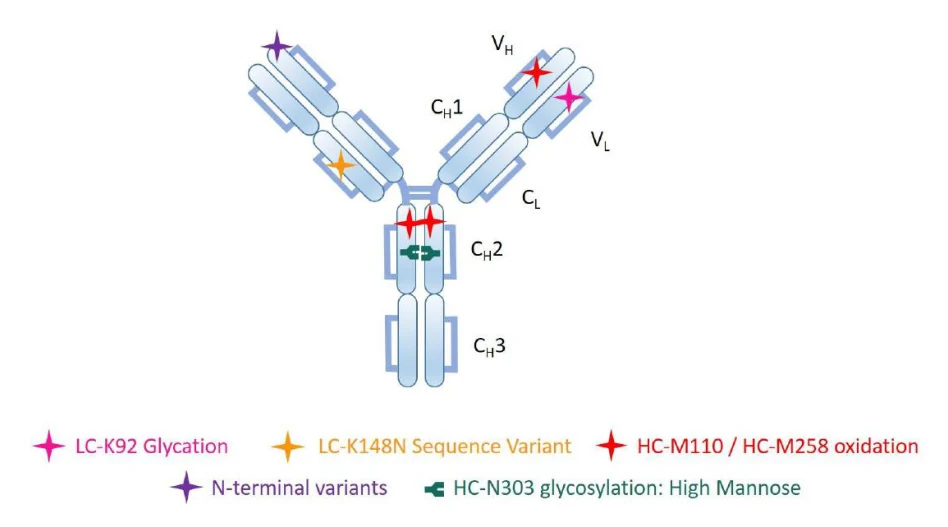
Physicochemical properties: PIASKY is clear to strongly opalescent, and almost colorless to brownish-yellow solution.
Product Characteristics:
Crovalimab is a humanized monoclonal antibody based on a human IgG1 framework containing heavy chain VH3 and light chain VLκ1 subgroup sequences. The recombinant antibody is produced in CHO cells and consists of two heavy chains (451 amino acid residues each) and two light chains (217 amino acid residues each).
Crovalimab has been designed based on Sequential Monoclonal Antibody Recycling Technology (SMART-Ig®) using antibody engineering techniques to improve functional properties such as:
- pH-dependent antigen (C5) binding allowing for efficient target disposal, and
- Enhancement of neonatal Fc receptor (FcRn) binding to improve antibody recycling efficiency
14 CLINICAL TRIALS
14.1 Clinical Trials by Indication
Table 8 Summary of patient demographics for clinical trials in PNH
| Study # | Study design | Dosage, route of administration and duration | Study subjects (n) | Mean age [years] at baseline (range) | Sex n (%) |
Study BO42162 (COMMODORE 2) | Phase III, randomized, open-label, active-controlled, multicenter study in patients with PNH not previously treated with complement inhibitors | PIASKY Weight baseda Loading dosesb on days 1, 2, 8, 15, 22, followed by maintenance doses on day 29 and every 4 weeks thereafter Eculizumab Intravenous induction doses of 600 mg on Days 1, 8, 15, and 22, followed by maintenance doses of 900 mg on Day 29 and every two weeks for a total of 24 weeks | PIASKY n =135 Eculizumab n = 69 | PIASKY 40.5 (18-76) Eculizumab 41.9 (17-78) | PIASKY Male 77 (57.0%) Female 58 (43.0%) Eculizumab Male 35 (50.7%) Female 34 (49.3%) |
Q4W: every 4 weeks; QOW every other week; QW: weekly; SC: subcutaneous.
a see Table 1 PIASKY Dosing Regimen Based on Body Weight
b Loading dose on day 1 via intravenous infusion. All other loading doses and maintenance doses via subcutaneous administration.
The efficacy evaluation of PIASKY in patients with PNH was based on one pivotal, randomized, active-controlled, open-label, non-inferiority Phase III study (COMMODORE 2, BO42162). Two hundred and four (204) patients (body weight ≥ 40 kg) not previously treated with a complement inhibitor were randomized 2:1 to receive either PIASKY (n = 135) or eculizumab (n = 69). The study additionally enrolled 6 pediatric patients (aged > 13 years and with body weight ≥ 40kg) to receive PIASKY in a separate non-randomized cohort.
Patients were required to be vaccinated against Neisseria meningitidis, either within 3 years prior to the start of treatment or within 7 days after starting treatment with PIASKY. Patients vaccinated within 2 weeks prior to initiating PIASKY or after the start of study treatment received appropriate prophylactic antibiotics until at least 2 weeks after the vaccination.
A single intravenous loading dose of PIASKY was given on Day 1 (1,000 mg for patients weighing ≥40 kg to <100 kg, or 1,500 mg for patients weighing >100 kg), followed by four additional weekly subcutaneous loading doses of 340 mg on Days 2, 8, 15 and 22. Starting at Day 29, maintenance subcutaneous doses were given every 4 weeks (680 mg for patients weighing ≥40 kg to <100 kg, or 1,020 mg for patients weighing ≥100 kg).The study consisted of a primary treatment period of 24 weeks, after which patients had the option to continue/switch to PIASKY in an extension period.
Eligible patients had LDH level ≥ 2 ⋅ upper limit of normal (ULN) and at least one or more PNH-related signs or symptoms in the past 3 months. Randomization was stratified by the most recent LDH value (≥ 2 to ≤ 4 ⋅ ULN, or > 4 ⋅ ULN) and by transfusion history (0, > 0 to ≤ 6, or > 6 packed red blood cell (pRBC) units administered within 6 months prior to randomization).
Demographics and baseline characteristics of the randomized study population were generally balanced between the treatment arms. In the total population (n=204), the median hemoglobin was 85 g/L (range: 58 to 135) and median LDH 1691 U/L (range: 458 to 4762), with most subjects (83.7%) having LDH >4×ULN. 76.1% had a history of pRBC transfusion in the last 12 months, and the median units of pRBC transfused was 3.5 units (range: 0 to 43.5). Prior history of aplastic anemia and myelodysplastic syndrome (MDS) was reported in 38.7% and 4.9% of subjects, respectively. At baseline, most of the subjects (99.0%) were receiving at least one concomitant medication that included systemic corticosteroids (34.8%), antithrombotic agents (25.5%) and immunosuppressive therapies (17.6%). In the PIASKY (n=135) and eculizumab (n=69) arms, the median PNH clone size was 90.9% and 95.1% for monocytes, 91.4% and 93.6% for granulocytes and 25.3% and 44.6% for erythrocytes, respectively.
The primary objective of the study was to evaluate the efficacy of PIASKY compared with eculizumab, based on the non-inferiority (NI) assessment of the following co-primary endpoints: hemolysis control, as measured by the mean proportion of patients with LDH ≤ 1.5 × ULN from Week 5 to Week 25; and the proportion of patients who achieved transfusion avoidance (TA), defined as patients who are pRBC transfusion-free, from baseline through Week 25. Though the initial non-inferiority margins (NIMs) were liberal, the efficacy findings on the co-primary and key secondary endpoints met the more stringent NIMs calculated based on relevant published randomized placebo-controlled study of eculizumab in patients with PNH, which ensures the appropriateness of the non-inferiority comparison of PIASKY with eculizumab. Key secondary efficacy endpoints included the proportion of patients with breakthrough hemolysis and proportion of patients with stabilized hemoglobin. Breakthrough hemolysis was defined as at least one new or worsening symptom or sign of intravascular hemolysis in the presence of elevated LDH ≥ 2 × ULN after prior reduction of LDH to ≤1.5 × ULN on treatment. Hemoglobin stabilization was defined as avoidance of a ≥2 g/dL decrease in hemoglobin level from baseline, in the absence of transfusion. Non-inferiority has been demonstrated for hemolysis control, transfusion avoidance, breakthrough hemolysis and stabilized hemoglobin, as shown by the efficacy results in Table 9.
Table 9 Efficacy Results from COMMODORE 2 (Primary Analysis Population)
| Eculizumab (N = 69) | PIASKY (N=134)a | |||||
| Co-Primary Efficacy Endpoints | ||||||
| Proportion of patients with Transfusion Avoidance % (95% CI) | 68.1 (55.7, 78.5) | 65.7 (56.9, 73.5) | ||||
| Difference in proportionsb, % (95% CI) | -2.8 (-15.7, 11.1) NIM for lower 95% CI limit = -20% | |||||
| Mean proportion of patients achieving hemolysis control, % (95% CI) | 79.0 (69.7, 86.0) | 79.3 (72.9, 84.5) | ||||
| Odds Ratio (95% CI)c | 1.02 (0.57, 1.82) NIM for lower 95% CI limit = 0.2 | |||||
| Secondary Efficacy Endpoints | ||||||
| Proportion of patients with Breakthrough Hemolysis, % (95% CI) | 14.5 (7.5, 25.5) | 10.4 (6.0, 17.2) | ||||
| Difference in proportionsd, % (95% CI) |
NIM for upper 95% CI limit = 20% | |||||
| Proportion of patients with stabilized hemoglobin, (95% CI) | 60.9 (48.4, 72.2) | 63.4 (54.6, 71.5) | ||||
| Difference in proportionsb, % (95% CI) | 2.2 (-11.4, 16.3) NIM for lower 95% CI limit = -20% | |||||
NIM = non-inferiority margin; CI = confidence interval;
a One patient randomized to PIASKY did not have post-baseline LDH and was not included in the primary efficacy analysis.
b Difference calculated as PIASKY minus eculizumab. 95% CI for the difference in proportions is calculated by Stratified Newcombe CI method; non-inferiority is met when the lower limit of the 95% CI for the odds ratio is greater than -20%.
c Odds ratio calculated as odds for PIASKY divided by odds for eculizumab. Estimates and 95% CI are calculated based on the GEE model.
d Difference calculated as PIASKY minus eculizumab. 95% CI for the difference in proportions is calculated by Stratified Newcombe CI method; non-inferiority is met when the upper limit of the 95% CI is less than 20%.
Pediatric Population with PNH treated with PIASKY
During the PNH clinical program, efficacy was evaluated in 12 pediatric patients aged 13 − 17 years (with body weight ≥ 40kg) treated with PIASKY.
Nine pediatric patients were treatment-naive, two patients switched from standard dose eculizumab and one patient switched from ravulizumab. Six pediatric patients were females and six were males. Nine patients were Asian, two were White and for one pediatric patient the race was unknown. The proportion of patients with a history of transfusions in the prior 12 months was 58%, with a median number of 1.3 pRBC units (range: 0-40.5) transfused, and a baseline median LDH of 6.4 x ULN (range 1.1-26.6). Aplastic anemia was reported in 50% of patients. All pediatric patients received the same dosing as adult patients based on body weight as outlined in section 4.1 Dosing Considerations(also see 10.3 Pharmacokinetics, Pediatrics). Hemolysis control (defined as LDH ≤1.5 ⋅ ULN) from baseline to Week 25 was achieved in 7 of the 9 patients who were treatment-naive, and the 3 patients who switched from another C5 inhibitor maintained hemolysis control through 24 weeks of PIASKY treatment. Nine out of the 12 pediatric patients (6 of which were treatment naïve) achieved transfusion avoidance and hemoglobin stabilization, and no patients had a breakthrough hemolysis event during the 24-week treatment period. Overall, the treatment effect of PIASKY in pediatric PNH patients was consistent with that observed in adult patients with PNH.
15 MICROBIOLOGY
No microbiological information is required for this drug product.
16 NON-CLINICAL TOXICOLOGY
General Toxicology
Nonclinical data revealed no special hazards for humans based on conventional studies of safety pharmacology, repeated dose toxicity, and reproductive toxicity.
In the pivotal 26-week study crovalimab was administered subcutaneously (SC) at dose levels of 10, 40, and 100 mg/kg and intravenously (IV) at 160 mg/kg every week for 26 weeks. Animals dosed SC received a single IV injection of 100 mg/kg on Day 1 of the study. Arteritis/periarteritis was observed in several organs and tissues in individual animals in the 40 mg/kg SC and 100 mg/kg SC groups, and in the 160 mg/kg IV group along with glomerulonephritis noted in one animal. These findings were considered consistent with immune complex deposition associated with administration of human proteins in cynomolgus monkeys, which was supported by immunohistochemistry analysis. Thus, the no-observed-adverse-effect-level (NOAEL) was considered to be 100 mg/kg for the SC administered groups providing exposures equivalent to 18-times the maximum recommended human dose (MRHD) based on Cmax and AUC0-7d for males and 16-times on Cmax and AUC0-7d for females. The group given 160 mg/kg for the IV route of administration provided exposures equivalent to MRHD of 27-times in males and 24-times in females based on Cmax, and 17-times in males and 16-times in females based on animal AUC0-14d.
Carcinogenicity: No carcinogenicity studies have been performed to establish the carcinogenic potential of crovalimab.
Genotoxicity: No studies have been performed to establish the genotoxic potential of crovalimab.
Reproductive and Developmental Toxicology: The potential for reproductive toxicity was investigated in an enhanced pre- and post-natal development study in cynomolgus monkeys. Pregnant monkeys were given an intravenous loading dose of 100 mg/kg on gestation day (GD) 20, followed by weekly subcutaneous injections of 10 or 100 mg/kg until parturition. The dams and infants were then observed untreated for 6 months. Crovalimab was detected in serum of infants. Infant crovalimab concentrations were proportional to maternal dose until the end of the observation period on post-natal day (PND) 181, with pharmacological effect of increased C5 concentration observed until PND 119 and decreased CH50 observed until PND 70 or 119 for males and females, respectively. There were no adverse effects of crovalimab on pregnancy or on the viability, growth and development of the infants up to 100 mg/kg, providing exposures equivalent to 14-times the MRHD based on AUC0-7d.
Fertility
No dedicated fertility studies were conducted with crovalimab in male or female animals. However, no adverse effects on female or male reproductive organs were observed in cynomolgus monkeys following repeated administration of crovalimab for up to 6 months.
Juvenile Toxicity
Juvenile toxicity studies were not conducted with crovalimab.