


Product Monograph - Solu-Medrol (Pfizer Canada, 125 mg, ..., 500 mg)
SUMMARY PRODUCT INFORMATION
| Route of Administration | Dosage Form / Strength | Clinically Relevant Nonmedicinal Ingredients |
| intravenous or intramuscular injection or by intravenous infusion | sterile powder 500 mg, 1 g | lactose hydrous For a complete listing see Dosage Forms, Composition and Packaging section. |
| intravenous or intramuscular injection or by intravenous infusion | sterile powder 40 mg, 125 mg, 500 mg, 1 g and diluent without preservative | lactose hydrous For a complete listing see Dosage Forms, Composition and Packaging section. |
| intravenous or intramuscular injection or by intravenous infusion | sterile powder 40 mg, 125 mg, 500 mg, 1 g and diluent with preservative | lactose hydrous, benzyl alcohol For a complete listing see Dosage Forms, Composition and Packaging section. |
INDICATIONS AND CLINICAL USE
Intravenous administration of SOLU-MEDROL (methylprednisolone sodium succinate) is indicated in situations in which a rapid and intense hormonal effect is required. These include the following:
Hypersensitivity and dermatologic conditions
- Status asthmaticus
- Anaphylactic reactions (see text)
- Drug reactions
- Contact dermatitis
- Urticaria
- Generalized neurodermatitis
- Reactions to insect bites
- Pemphigus foliaceous and vulgaris
- Exfoliative dermatitis
- Erythema multiforme
As Adjunctive therapy in
- Acute systemic lupus erythematosus
- Acute rheumatic fever
- Acute gout
Ulcerative colitis
In addition to the above conditions, colonic instillation of SOLU-MEDROL in retention enemas or by continuous drip, have been shown to be a useful adjunct in the treatment of patients with ulcerative colitis.
In anaphylactic reactions epinephrine or norepinephrine should be administered first for an immediate hemodynamic effect followed by intravenous injection of SOLU-MEDROL and other accepted procedures. There is evidence that the corticoids through their prolonged hemodynamic effect are of value in preventing recurrent attacks of acute anaphylactic reactions.
In sensitivity reactions such as in serum sickness, allergic dermatosis (urticaria) and reactions to insect bites, SOLU-MEDROL is capable of providing relief within 1/2 to 2 hours. In some asthmatic patients it may be advantageous to administer SOLU-MEDROL by slow intravenous drip over a period of hours.
As adjunctive therapy in fulminating acute systemic lupus erythematosus and acute rheumatic fever, and to relieve pain during the acute manifestations of gout, SOLU-MEDROL may be given by slow intravenous administration over a period of several minutes. Thereafter, the patient should be placed on intramuscular or oral therapy as required for continued relief of symptoms. In these conditions, other accepted measures of therapy should also be instituted.
Shock
In severe hemorrhagic or traumatic shock, adjunctive use of intravenous methylprednisolone sodium succinate (SOLU-MEDROL) may aid in achieving hemodynamic restoration. Corticoid therapy should not replace standard methods of combating shock, but present evidence indicates that concurrent use of large doses of corticoids with other measures may improve survival rates.
Organ transplants
Corticosteroids both, parenterally and orally, in high doses have been used following organ transplantation as part of multi-faceted attempts to reduce the rejection phenomenon. SOLU-MEDROL is suitable for such indications.
Cerebral oedema of non traumatic origin
Administration of SOLU-MEDROL immediately prior to intracranial surgery and in the immediate post-operative period has reduced the duration of post-operative complications related to cerebral oedema.
CONTRAINDICATIONS
SOLU-MEDROL is contraindicated:
- for use in premature infants because the formulation contains benzyl alcohol. See WARNINGS AND PRECAUTIONS, General; Pediatrics.
- for systemic fungal infections and known hypersensitivity to the ingredients.
- in patients administered with live or live, attenuated vaccines while receiving immunosuppressive doses of corticosteroids.
- Except when used for short-term or emergency therapy as in acute sensitivity reactions, in patients with arrested tuberculosis, herpes simplex keratitis, acute psychoses, Cushing's syndrome, peptic ulcer, markedly elevated serum creatinine, vaccinia and varicella.
- for intrathecal or epidural administration. Reports of serious medical events have been associated with these routes of administration.
Intramuscular corticosteroid preparations are contraindicated for idiopathic thrombocytopenic purpura.
WARNINGS AND PRECAUTIONS
Vials and ACT-O-VIALS with Preservative (Benzyl Alcohol)
500 mg, 1g vials; 40 mg, 125 mg, 500 mg, 1g ACT-O-VIALS
SOLU-MEDROL should not be used in premature infants. The diluent for reconstitution of the Vials and the Act-O-Vials with preservative is Bacteriostatic Water for Injection, which contains benzyl alcohol. Benzyl alcohol has been reported to be associated with fatal “Gasping Syndrome” in premature infants. Exposure to excessive amounts of benzyl alcohol has been associated with toxicity (hypotension, metabolic acidosis), particularly in neonates, and an increased incidence of kernicterus, particularly in small preterm infants. There have been rare reports of deaths, primarily in preterm infants, associated with exposure to excessive amounts of benzyl alcohol. The amount of benzyl alcohol at which toxicity may occur is not known. See also CONTRAINDICATIONS; WARNINGS AND PRECAUTIONS, Pediatrics.
Benzyl alcohol is potentially toxic when administered locally to neural tissue.
ACT-O-VIALS without Preservative
40 mg, 125 mg, 500 mg, 1g
The diluent for reconstitution of the Act-O-Vials without preservative is Sterile Water for Injection, which is benzyl alcohol free.
General
SOLU-MEDROL should not be administered by any route other than those listed under SUMMARY PRODUCT INFORMATION. It is critical that, during administration of SOLU-MEDROL, appropriate technique be used and care taken to assure proper route of administration.
Serious medical events have been reported in association with the intrathecal/epidural routes of administration (see CONTRAINDICATIONS and ADVERSE REACTIONS).
In patients on corticosteroid therapy subjected to unusual stress, increased dosage of rapidly acting corticosteroids before, during and after the stressful situation is indicated.
The lowest possible dose of corticosteroid should be used to control the condition under treatment. Since complications of treatment with glucocorticoids are dependent on the size of the dose and the duration of treatment, a risk/benefit decision must be made in each individual case as to dose and duration of treatment and as to whether daily or intermittent therapy should be used.
Dosage must be decreased or discontinued gradually when the drug has been administered for more than a few days.
Patients should be advised to inform subsequent physicians of the prior use of SOLU-MEDROL.
The slower rate of absorption by intramuscular administration should be recognized.
The existence of diabetes, osteoporosis, renal insufficiency, chronic psychosis, hypertension, myasthenia gravis or predisposition to thrombophlebitis requires that SOLU-MEDROL (methylprednisolone sodium succinate) be administered with extreme caution.
Carcinogenesis and Mutagenesis
Kaposi's sarcoma has been reported to occur in patients receiving corticosteroid therapy. Discontinuation of corticosteroids may result in clinical remission.
No adequate studies have been conducted in animals to determine whether corticosteroids have a potential for carcinogenesis or mutagenesis.
Cardiovascular
There are reports of cardiac arrhythmias and/or circulatory collapse and/or cardiac arrest following the rapid administration of large intravenous doses of methylprednisolone sodium succinate (greater than 0.5 g administered over a period of less than 10 minutes). Bradycardia has been reported during or after the administration of large doses of methylprednisolone sodium succinate, and may be unrelated to the speed or duration of infusion.
Literature reports suggest an apparent association between the use of corticosteroids and left ventricular free wall rupture after a recent myocardial infarction; therefore, therapy with corticosteroids should be used with great caution in these patients.
Thrombosis including venous thromboembolism has been reported to occur with corticosteroids. As a result corticosteroids should be used with caution in patients who have or may be predisposed to thromboembolic disorders.
As sodium retention with resultant oedema and potassium loss may occur in patients receiving corticosteroids, these agents should be used with caution, and only if strictly necessary, in patients with congestive heart failure. Corticosteroids should be used with caution in hypertension, or renal insufficiency. See also WARNINGS AND PRECAUTIONS, Endocrine and Metabolism; ADVERSE REACTIONS.
Adverse effects of glucocorticoids on the cardiovascular system, such as dyslipidemia and hypertension, may predispose treated patients with existing cardiovascular risk factors to additional cardiovascular effects, if high doses and prolonged courses are used. Accordingly, corticosteroids should be employed judiciously in such patients and attention should be paid to risk modification and additional cardiac monitoring if needed.
See also WARNINGS AND PRECAUTIONS, Immune, Fungal Infections.
Endocrine and Metabolism
Patients should be monitored for hypothalamic-pituitary adrenal (HPA) axis suppression, Cushing’s syndrome, and hyperglycemia with chronic use.
Pharmacologic doses of corticosteroids administered for prolonged periods may result in hypothalamic-pituitary-adrenal (HPA) suppression (secondary adrenocortical insufficiency). The degree and duration of adrenocortical insufficiency produced is variable among patients and depends on the dose, frequency, time of administration and duration of glucocorticoid therapy. Drug induced secondary adrenocortical insufficiency may be minimized by gradual reduction of dosage. This type of relative insufficiency may persist for months after discontinuation of therapy; therefore, in any situation of stress occurring during that period, hormone therapy should be reinstituted. Since methylprednisolone, like prednisolone, suppresses endogenous adrenocortical activity, it is highly important that the patient receiving SOLU-MEDROL be under careful observation, not only during the course of treatment but for some time after treatment is terminated. In addition, acute adrenal insufficiency leading to a fatal outcome may occur if glucocorticoids are withdrawn abruptly.
Because glucocorticoids can produce or aggravate Cushing’s syndrome, glucocorticoids should be avoided in patients with Cushing’s disease.
Average and large doses of corticosteroids can cause elevation of blood pressure, salt and water retention, and increased excretion of potassium. These effects are less likely to occur with the synthetic derivatives except when used in large doses. Dietary salt restriction and potassium supplementation may be necessary. All corticosteroids increase calcium excretion. See also WARNINGS AND PRECAUTIONS, Cardiovascular.
Corticosteroids, including methylprednisolone, can increase blood glucose, worsen pre-existing diabetes, and predispose those on long-term corticosteroid therapy to diabetes mellitus.
There is an enhanced effect of corticosteroids in patients with hypothyroidism. Metabolic clearance of corticosteroids is decreased in hypothyroid patients and increased in hyperthyroid patients. Changes in thyroid status of the patient may necessitate adjustment in dosage.
Pheochromocytoma crisis, which can be fatal, has been reported after administration of systemic corticosteroids, including methylprednisolone. Corticosteroids should only be administered to patients with suspected or identified pheochromocytoma after an appropriate risk/benefit evaluation.
A steroid “withdrawal syndrome,” seemingly unrelated to adrenocortical insufficiency, may also occur following abrupt discontinuance of glucocorticoids. This syndrome includes symptoms such as:
anorexia, nausea, vomiting, lethargy, headache, fever, joint pain, desquamation, myalgia, weight loss, and/or hypotension. These effects are thought to be due to the sudden change in glucocorticoid concentration rather than to low corticosteroid levels.
Gastrointestinal
Corticosteroids should be used with caution in non-specific ulcerative colitis if there is a probability of impending perforation, abscess or other pyogenic infection and in diverticulitis, fresh intestinal anastomoses, and active or latent peptic ulcer, since they may increase the risk of a perforation. Signs of peritoneal irritation following gastrointestinal perforation in patients receiving corticosteroids may be minimal or absent. Signs of peritoneal irritation following gastrointestinal perforation in patients receiving corticosteroids may be minimal or absent.
Glucocorticoid therapy may mask the symptoms of peptic ulcer so that perforation or haemorrhage may occur without significant pain. In combination with NSAIDs, the risk of developing gastrointestinal ulcers is increased.
Hematologic
Acetylsalicylic acid should be used cautiously in conjunction with corticosteroids in hypoprothrombinemia.
Hepatic/Biliary/Pancreatic
Drug-induced liver injury such as acute hepatitis can result from cyclical pulsed intravenous methylprednisolone (usually at initial dose ≥ 1gm/day). The time to onset of acute hepatitis can be several weeks or longer. Resolution of the adverse event has been observed after treatment was discontinued.
There is an enhanced effect of corticosteroids in patients with cirrhosis.
High doses of corticosteroids may produce acute pancreatitis.
Immune
Persons who are on corticosteroids are more susceptible to infections than are healthy individuals.
Corticosteroids may mask some signs of infection, and new infections may appear during their use. There may be decreased resistance and inability to localize infection when corticosteroids are used. Infections with any pathogen including viral, bacterial, fungal, protozoan or helminthic organisms, in any location in the body, may be associated with the use of corticosteroids alone or in combination with other immunosuppressive agents that affect cellular immunity, humoral immunity, or neutrophil function. These infections may be mild, but can be severe and at times fatal. With increasing doses of corticosteroids, the rate of occurrence of infectious complications increases.
Recent studies suggest that corticosteroids should not be used in septic shock (an unapproved indication), and suggest that increased mortality may occur in some subgroups at higher risk (e.g., elevated serum creatinine greater than 2.0 mg/dL or secondary infections).
Do not use intra-articularly, intrabursally or for intratendinous administration for local effect in the presence of acute local infection.
Fungal infections
Corticosteroids may exacerbate systemic fungal infections and therefore should not be used in the presence of such infections unless they are needed to control drug reactions. There have been cases reported in which concomitant use of amphotericin B and hydrocortisone was followed by cardiac enlargement and congestive heart failure. See also CONTRAINDICATIONS; DRUG INTERACTIONS.
Special pathogens
Latent disease may be activated or there may be an exacerbation of intercurrent infections due to pathogens, including those caused by Amoeba, Candida, Cryptococcus, Mycobacterium, Nocardia, Pneumocystis, Toxoplasma.
It is recommended that latent amebiasis or active amebiasis be ruled out before initiating corticosteroid therapy in any patient who has spent time in the tropics or in any patient with unexplained diarrhea.
Similarly, corticosteroids should be used with great care in patients with known or suspected Strongyloides (threadworm) infestation. In such patients, corticosteroid-induced immunosuppression may lead to Strongyloides hyperinfection and dissemination with widespread larval migration, often accompanied by severe enterocolitis and potentially fatal gram-negative septicemia.
Corticosteroids should not be used in cerebral malaria. There is currently no evidence of benefit from steroids in this condition.
If corticosteroids are indicated in patients with latent tuberculosis or tuberculin reactivity, close observation is necessary as reactivation of the disease may occur. During prolonged corticosteroid therapy, these patients should receive chemoprophylaxis.
Vaccination
Administration of live or live, attenuated vaccines is contraindicated in patients receiving immunosuppressive doses of corticosteroids (see CONTRAINDICATIONS). Killed or inactivated vaccines may be administered; however, the response to such vaccines may be diminished. Indicated immunization procedures may be undertaken in patients receiving non immunosuppressive doses of corticosteroids.
While on corticosteroid therapy patients should not be vaccinated against smallpox. Other immunization procedures should not be undertaken in patients who are on corticosteroids, especially in high doses, because of possible hazards of neurological complications and lack of antibody response.
Viral infections
Chicken pox and measles can have a more serious or even fatal course in pediatric and adult patients on corticosteroids. In pediatric and adult patients who have not had these diseases, particular care should be taken to avoid exposure. The contribution of the underlying disease and/or prior corticosteroid treatment to the risk is also not known. If exposed to chicken pox, prophylaxis with varicella zoster immune globulin (VZIG) may be indicated. If exposed to measles, prophylaxis with immune globulin (IG) may be indicated. (See the respective package inserts for complete VZIG and
IG prescribing information.) If chicken pox develops, treatment with antiviral agents should be considered.
Recent studies do not establish the efficacy of SOLU-MEDROL in septic shock, and suggest that increased mortality may occur in some subgroups at higher risk e.g., elevated serum creatinine greater than 2.0 mg/dL or secondary infections).
Musculoskeletal
An acute myopathy has been observed with the use of high doses of corticosteroids, most often occurring in patients with disorders of neuromuscular transmission (e.g. myasthenia gravis, see WARNINGS AND PRECAUTIONS - Neurologic), or in patients receiving concomitant therapy with anticholinergics such as neuromuscular blocking drugs (e.g. pancuronium). This acute myopathy is generalized, may involve ocular and respiratory muscles, and may result in quadriparesis. Elevations of creatine kinase may occur. Clinical improvement or recovery after stopping corticosteroids may require weeks to years.
Corticosteroids decrease bone formation and increase bone resorption both through their effect on calcium regulation (e.g., decreasing absorption and increasing excretion) and inhibition of osteoblast function. This, together with a decrease in the protein matrix of the bone secondary to an increase in protein catabolism, and reduced sex hormone production, may lead to inhibition of bone growth in pediatric patients and the development of osteoporosis at any age. Special consideration should be given to patients at increased risk of osteoporosis (e.g., postmenopausal women) before initiating corticosteroid therapy.
Osteoporosis is a common but infrequently recognized adverse effect associated with a long-term use of large doses of glucocorticoid.
Neurologic
Convulsions have been reported with concurrent use of methylprednisolone and cyclosporine. Since concurrent administration of these agents results in a mutual inhibition of metabolism, it is possible that convulsions and other adverse events associated with the individual use of either drug may be more apt to occur.
Systemic corticosteroids are not indicated for, and therefore should not be used to treat traumatic brain injury. A multicenter study revealed an increased mortality at 2 weeks and 6 months after injury in patients administered methylprednisolone sodium succinate compared to placebo.
Corticosteroids should be used with caution in patients with seizure disorders.
Corticosteroids should be used with caution in patients with myasthenia gravis.
There have been reports of epidural lipomatosis in patients taking corticosteroids (including reports in children).
Ophthalmologic
Use of corticosteroids may produce posterior subcapsular cataracts and nuclear cataracts (particularly in children), exophthalmos, or increased intraocular pressure, which may result in glaucoma with possible damage to the optic nerves, and may enhance the establishment of secondary ocular infections due to bacteria, fungi, or viruses. Intraocular pressure may become elevated in some individuals. If steroid therapy is continued for more than 6 weeks, intraocular pressure should be monitored.
The use of oral corticosteroids is not recommended in the treatment of optic neuritis and may lead to an increase in the risk of new episodes. Corticosteroids should be used cautiously in patients with ocular herpes simplex because of possible corneal perforation.
Corticosteroid therapy has been associated with central serous chorioretinopathy, which may lead to retinal detachment.
Psychiatric
Psychic derangements may appear when corticosteroids are used, ranging from euphoria, insomnia, mood swings, personality changes, and severe depression to frank psychotic manifestations. Also, existing emotional instability or psychotic tendencies may be aggravated by corticosteroids, and therefore these patients should be treated with caution.
Potentially severe psychiatric adverse reactions may occur with systemic steroids. Symptoms typically emerge within a few days or weeks of starting treatment. Most reactions recover after either dose reduction or withdrawal, although specific treatment may be necessary.
Psychological effects have been reported upon withdrawal of corticosteroids; the frequency is unknown. Patients/caregivers should be encouraged to seek medical attention if psychological symptoms develop in the patient, especially if depressed mood or suicidal ideation is suspected. Patients/caregivers should be alert to possible psychiatric disturbances that may occur either during or immediately after dose tapering/withdrawal of systemic steroids.
Sensitivity/Resistance
Allergic reactions may occur. Because rare instances of skin reactions and anaphylactic/anaphylactoid reactions have occurred in patients receiving corticosteroid therapy, appropriate precautionary measures should be taken prior to administration, especially when the patient has a history of allergy to any drug (see ADVERSE REACTIONS).
Sexual Function/Reproduction
Steroids may increase or decrease motility and number of spermatozoa in some patients.
Skin
Injection of SOLU-MEDROL may result in dermal and/or subdermal changes forming depressions in the skin at the injection site. In order to minimize the incidence of dermal and subdermal atrophy, care must be exercised not to exceed recommended doses in injections. Injection into the deltoid muscle should be avoided because of a high incidence of subcutaneous atrophy.
Special Populations
Fertility
Corticosteroids have been shown to impair fertility in animal studies.
Pregnant Women: Corticosteroids have been shown to be teratogenic in many species when given in doses equivalent to the human dose. No adequate and well-controlled studies in pregnant women have been conducted. Administration of corticosteroids to pregnant animals can cause fetal malformations (cleft palate, skeletal malformations) and intra-uterine growth retardation. SOLU-MEDROL should only be given to a pregnant woman if the benefits to the mother clearly outweigh the potential risk to the baby. Newborn infants of mothers who received such therapy during pregnancy should be observed for signs of hypoadrenalism and appropriate measures instituted if such signs are present. No effect is known on labour and delivery.
Benzyl alcohol can cross the placenta.
Some corticosteroids readily cross the placenta.
One retrospective study found an increased incidence of low birth weights in infants born of mothers receiving corticosteroids.
Cataracts have been observed in infants born to mothers treated with long-term corticosteroids.
Nursing Women: Corticosteroids are excreted in breast milk. Corticosteroids distributed into breast milk may suppress growth, interfere with endogenous corticosteroid production, or cause other untoward effects. Because of the potential for serious adverse reactions in nursing infants from corticosteroids, a decision should be made whether to continue nursing, or discontinue the drug, taking into account the importance of the drug to the mother. No specific data are available for methylprednisolone sodium succinate.
Pediatrics: Benzyl alcohol, a component of this product, has been associated with serious adverse events and death, particularly in pediatric patients, including the “gasping syndrome” in neonate and low-birth weight infants. The “gasping syndrome” is characterized by central nervous system depression, metabolic acidosis, gasping respirations, and high levels of benzyl alcohol and its metabolites found in the blood and urine. Additional symptoms may include gradual neurological deterioration, seizures, intracranial hemorrhage, hematologic abnormalities, skin breakdown, hepatic and renal failure, hypotension, bradycardia, and cardiovascular collapse. The minimum amount of benzyl alcohol at which toxicity may occur is not known. Premature and low-birth weight infants, as well as patients receiving high doses, may be more likely to develop toxicity. Practitioners administering this and other medications containing benzyl alcohol should consider the combined daily metabolic load of benzyl alcohol from all sources.
The adverse effects of corticosteroids in pediatric patients are similar to those in adults (see ADVERSE REACTIONS).
Pediatric patients may experience a decrease in their growth velocity at low systemic doses and in the absence of laboratory evidence of HPA axis suppression (e.g., cosyntropin stimulation and basal cortisol plasma levels). Growth velocity may therefore be a more sensitive indicator of systemic corticosteroid exposure in pediatric patients than some commonly used tests of HPA axis function. In order to minimize the potential growth effects of corticosteroids, pediatric patients should be titrated to the lowest effective dose. Like adults, pediatric patients should be carefully observed with frequent measurements of blood pressure, weight, height, intraocular pressure, and clinical evaluation for the presence of infection, psychosocial disturbances, thromboembolism, peptic ulcers, cataracts, and osteoporosis.
Growth and development of infants and children on prolonged corticosteroid therapy should be carefully observed. Growth may be suppressed in children receiving long-term, daily, divided-dose glucocorticoid therapy. The use of such a regimen should be restricted to those most serious indications. Pediatric patients may experience a decrease in their growth velocity at low systemic doses and in the absence of laboratory evidence of hypothalamic-pituitary-adrenal (HPA) axis suppression (e.g., cosyntropin stimulation and basal cortisol plasma levels). Growth velocity may therefore be a more sensitive indicator of systemic corticosteroid exposure in pediatric patients than some commonly used tests of HPA axis function. In order to minimize the potential growth effects of corticosteroids, pediatric patients should be titrated to the lowest effective dose. Like adults, pediatric patients should be carefully observed with frequent measurements of blood pressure, weight, height, intraocular pressure, and clinical evaluation for the presence of infection, psychosocial disturbances, thromboembolism, peptic ulcers, cataracts, and osteoporosis.
Infants and children on prolonged corticosteroid therapy are at special risk from raised intracranial pressure.
High doses of corticosteroids may produce pancreatitis in children.
Geriatrics: In general, dose selection for an elderly patient should be cautious, usually starting at the low end of the dosing range, reflecting the greater frequency of decreased hepatic, renal, or cardiac function, and of concomitant disease or other drug therapy.
Caution is recommended with prolonged corticosteroid treatment in the elderly due to a potential increased risk for osteoporosis, as well as increased risk for fluid retention with possible resultant hypertension.
Monitoring and Laboratory testing
Corticosteroids may suppress reactions to skin tests.
Dosage adjustments may be required based on the following conditions: during remission or exacerbation of the disease process; the patient’s individual response to therapy; or upon exposure of the patient to emotional or physical stress such as serious infection, surgery or injury.
Monitoring for signs and symptoms of drug-induced secondary adrenocortical insufficiency may be necessary for up to one year following cessation of long-term or high-dose corticosteroid therapy.
Effects on ability to drive and use machines
The effect of corticosteroids on the ability to drive or use machinery has not been systematically evaluated. Undesirable effects, such as dizziness, vertigo, visual disturbance and fatigue are possible after treatment with corticosteroids. If affected, patients should not drive or operate machinery.
ADVERSE REACTIONS
The following Adverse Reactions have been reported with the systemic use of corticosteroid preparations (e.g. SOLU-MEDROL (methylprednisolone sodium succinate)). Their inclusion in this list does not necessarily indicate that the specific event has been observed with SOLU-MEDROL.
MedDRA (v15) System Organ Class | Frequency | Undesirable Effect |
|---|---|---|
| Blood and lymphatic system disorders | Not known | Leukocytosis |
| Infections and infestations | Not known | Infection; opportunistic infection; injection site infections following non-sterile administration; decreased resistance to infection |
| Immune system disorders | Not known | Drug hypersensitivity (including anaphylactoid reaction or anaphylactic reaction); anaphylaxis (with or without circulatory collapse) |
| Endocrine disorders | Not known | Cushingoid; hypopituitarism; steroid withdrawal syndrome; moon face; abnormal fat deposits; glycosuria; hypertrichosis; secondary adrenocortical and pituitary unresponsiveness (particularly in times of stress, as in trauma, surgery or illness) |
| Metabolism and nutrition disorders | Not known | Lipomatosis; sodium retention; sodium excretion; fluid retention; alkalosis hypokalemic; dyslipidaemia; metabolic acidosis; glucose tolerance impaired; increased requirement for insulin (or oral hypoglycemic agents in diabetics); nitrogen balance negative (due to protein catabolism); blood urea increased; increased appetite (which may result in weight increased); diuresis |
| Psychiatric disorders | Not known | Affective disorder (including affect lability, depressed mood, euphoric mood, drug dependence, suicidal ideation); psychotic disorder (including mania, delusion, hallucination, schizophrenia [aggravation of]); mental disorder; insomnia; mood swings; personality |
MedDRA (v15) System Organ Class | Frequency | Undesirable Effect |
|---|---|---|
| change; confusional state; abnormal behavior; anxiety; irritability; emotional instability | ||
| Nervous system disorders | Not known | Epidural lipomatosis; intracranial pressure increased (with papilloedema [idiopathic intracranial hypertension] usually following discontinuation of treatment); convulsion; amnesia; cognitive disorder; dizziness; headache; seizures; neuritis; neuropaty; paresthesia |
| Eye disorders | Not known | Central serous chorioretinopathy; cataract; glaucoma; exophthalmos; rare instances of blindness associated with periocular injections. |
| Ear and labyrinth disorders | Not known | Vertigo |
| Cardiac disorders | Not known | Cardiac failure congestive (in susceptible patients); arrhythmia; cardiac arrest; bradycardia; tachycardia; cardiac enlargement; circulatory collapse; hypertrophic cardiomyopathy in premature infants; myocardial rupture following recent myocardial infarction; pulmonary oedema; syncope |
| Vascular disorders | Not known | Hypertension; hypotension; thromboembolism; thrombophlebitis, thrombosis, vasculitis |
| Respiratory, thoracic and mediastinal disorders | Not known | Hiccups; bronchospasm, pulmonary embolism |
| Gastrointestinal disorders | Not known | Peptic ulcer (with possible peptic ulcer perforation and peptic ulcer haemorrhage); intestinal perforation; gastric haemorrhage; pancreatitis; peritonitis; esophagitis ulcerative; oesophagitis; abdominal distension; abdominal pain; diarrhoea; dyspepsia; nausea; vomiting; dysgeusia |
| Hepatic disorders | Not known | Hepatomegaly, hepatitis, drug-induced liver injury , liver failure |
| Skin and subcutaneous disorders | Not known | Angioedema; oedema peripheral; hirsutism; petechiae; ecchymoses; |
MedDRA (v15) System Organ Class | Frequency | Undesirable Effect |
|---|---|---|
| skin atrophy; erythema; hyperhidrosis; skin striae; rash; pruritus; urticaria; acne; skin hypopigmentation; skin hyperpigmentation; allergic dermatitis; burning or tingling (especially in the perineal area after intravenous injection); cutaneous and subcutaneous atrophy; dry scaly skin; sterile abscess; thining scalp hair; Kaposi’s sarcoma | ||
| Musculoskeletal and connective tissue disorders | Not known | Muscular weakness; myalgia; myopathy; muscle atrophy; osteoporosis; osteonecrosis; pathological; fracture; neuropathic arthropathy; arthralgia; growth retardation |
| Reproductive system and breast disorders | Not known | Menstruation irregular; increased or decreased motility and number of spermatozoa. |
| General disorders and administration site conditions | Not known | Impaired healing; fatigue; malaise; injection site reaction |
| Investigations | Not known | Urine calcium increased; blood potassium decreased; Carbohydrate tolerance decreased; intraocular pressure increased; aminotransferase increased; aspartate aminotransferase increased; blood alkaline phosphatase increased; suppression of reactions to skin tests; elevation in serum liver enzyme levels (usually reversible upon discontinuation); post-injection flare (following intra-articular use) |
| Injury, poisoning and procedural complications | Not known | Spinal compression fracture; tendon rupture (particularly of the Achilles tendon) |
The following adverse reactions have been reported with the following routes of administration:
Intrathecal/Epidural: Arachnoiditis, functional gastrointestinal disorder, bladder dysfunction, headache, meningitis, parapareisis/paraplegia, seizures, sensory disturbances.
DRUG INTERACTIONS
Overview
Methylprednisolone is a cytochrome P450 enzyme (CYP) substrate and is mainly metabolized by the CYP3A enzyme. CYP3A4 is the dominant enzyme of the most abundant CYP subfamily in the liver of adult humans. It catalyzes 6β-hydroxylation of steroids, the essential Phase I metabolic step for both endogenous and synthetic corticosteroids. Many other compounds are also substrates of CYP3A4, some of which (as well as other drugs) have been shown to alter glucocorticoid metabolism by induction (upregulation) or inhibition of the CYP3A4 enzyme.
CYP3A4 INHIBITORS – Drugs that inhibit CYP3A4 activity generally decrease hepatic clearance and increase the plasma concentration of CYP3A4 substrate medications, such as methylprednisolone. In the presence of a CYP3A4 inhibitor, the dose of methylprednisolone may need to be titrated to avoid steroid toxicity.
CYP3A4 INDUCERS – Drugs that induce CYP3A4 activity generally increase hepatic clearance, resulting in decreased plasma concentration of medications that are substrates for CYP3A4. Coadministration may require an increase in methylprednisolone dosage to achieve the desired result.
CYP3A4 SUBSTRATES – In the presence of another CYP3A4 substrate, the hepatic clearance of methylprednisolone may be affected, with corresponding dosage adjustments required. It is possible that adverse events associated with the use of either drug alone may be more likely to occur with coadministration.
NON-CYP3A4-MEDIATED EFFECTS – Other interactions and effects that occur with methylprednisolone are described in the Table below.
Drug-Drug Interactions
The following table provides a list and description of the most common and/or clinically important drug interactions or effects with methylprednisolone.
| COMMON INTERACTIONS SEEN WITH SOLU-MEDROL AND OTHER DRUG PRODUCTS | ||||
|---|---|---|---|---|
| CLASS OF DRUG | DRUG(S) INVOLVED | AFFECTS THERAPY OF DRUG(S) | CLINICAL IMPLICATION | MECHANISM |
Antibiotics/ Antifungals | Troleandomycin Erythromycin Ketoconazole Itraconazole Isoniazid Rifampin Clarithromycin Erythromycin | Methylprednisolone Methylprednisolone | Enhanced clinical effects and side effects of methylprednisolone. There is a potential effect of methylprednisolone to increase the acetylation rate and clearance of isoniazid May reduce efficacy; dosage adjustment may be required. | Enzyme inhibition: Reduced MP elimination. CYP3A4 Inhibitor Enzyme induction, increased clearance. CYP3A4 Inhibitor (and Substrate) |
| Anticholinergics | Pancuronium Neuromuscular blockers | Pancuronium | Partial reversal of neuromuscular block.
| |
| COMMON INTERACTIONS SEEN WITH SOLU-MEDROL AND OTHER DRUG PRODUCTS |
|---|
| CLASS OF DRUG | DRUG(S) INVOLVED | AFFECTS THERAPY OF DRUG(S) | CLINICAL IMPLICATION | MECHANISM |
|---|---|---|---|---|
| Anticholinesterases | Neostigmine, Pyridostigmine Steroids | Anticholinesterases | Precipitation of myasthenic crisis. Anticholinesterase agents should be withdrawn at least 24 hours before initiating corticosteroid therapy. Steroids may reduce the effects of anticholinesterases in myasthenia gravis. | |
| Anticoagulants | Oral Anticoagulants or Heparin Warfarin | Anticoagulant Warfarin | The effect of methylprednisolone on oral anticoagulants is variable. There are reports of enhanced as well as diminished effects of anticoagulants when given concurrently with corticosteroids. Therefore, coagulation indices should be monitored to maintain the desired anticoagulant effects. Inhibition of response to warfarin. Coagulation indices should be monitored frequently to maintain desired anticoagulant effect. | |
| Anticonvulsants | e.g. Phenobarbital Phenytoin Carbamazepine | Methylprednisolone | May reduce methylprednisolone efficacy. Monitor clinical response. Adjust dose if necessary. | Enzyme induction: increased clearance of methylprednisolone |
| Antidiabetics | e.g. Insulin, Glibenclamide, Metformin | Antidiabetics | Because corticosteroids may increase corticosteroid concentrations, dosage adjustments of antidiabetic agents may be required. | Diabetogenic effects of corticosteroid. |
| Antiemetics | Aprepitant Fosaprepitant | CYP3A4 Inhibitor | ||
| Antihyper-Cholesterolemics and Antidiarrheals | Cholestyramine | Methylprednisolone | May increase the clearance of corticosteroids. |
| COMMON INTERACTIONS SEEN WITH SOLU-MEDROL AND OTHER DRUG PRODUCTS |
|---|
| CLASS OF DRUG | DRUG(S) INVOLVED | AFFECTS THERAPY OF DRUG(S) | CLINICAL IMPLICATION | MECHANISM |
|---|---|---|---|---|
| Antihypertensive Agents | All Antihypertensives | Antihypertensive | May result in partial loss of hypertensive control. | Mineralocorticoid effect of corticosteroid leading to raised blood pressure. |
| Antitubercular Drugs | Isoniazid | Isoniazid | Serum concentrations of isoniazid may be decreased. | |
| Antivirals | HIV-Protease inhibitors | Protease inhibitors, such as indinavir and ritonavir, may increase plasma levels of corticosteroids. Corticosteroids may induce the metabolism of HIV-protease inhibitors resulting in reduced plasma concentrations. | CYP3A4 Inhibitor (and Substrate) | |
| Aromatase Inhibitors | Aminoglutethimide | May lead to a loss of corticosteroid-induced adrenal suppression. Aminoglutethimide-induced adrenal suppression may exacerbate endocrine changes caused by prolonged glucocorticoid treatment. | ||
| Cardioactive Drugs | Digoxin and related Glycosides Calcium Channel Blockers e.g. Diltiazem | Digoxin | Potentiation of digoxin toxicity. Increased risk of arrhythmias due to hypokalemia. | Corticosteroid induced potassium loss (mineralocorticoid effect) CYP3A4 Inhibitor and Substrate) |
| COMMON INTERACTIONS SEEN WITH SOLU-MEDROL AND OTHER DRUG PRODUCTS |
|---|
| CLASS OF DRUG | DRUG(S) INVOLVED | AFFECTS THERAPY OF DRUG(S) | CLINICAL IMPLICATION | MECHANISM |
|---|---|---|---|---|
| Potassium-Depleting Agents | All potassium losing diuretics e.g. Furosemide Amphotericin B Xanthenes Beta2 agonists | Enhanced toxicity. Monitor K+ levels and supplement if necessary. Development of hypokalemia. When corticosteroids are administered concomitantly with potassium-depleting agents (i.e. diuretics), patients should be observed closely for development of hypokalemia. There is also and an increased risk for hypokalemia with concurrent use of corticosteroids with amphotericin B, xanthenes, or beta2 agonists. | Potassium loss. | |
| Estrogens, Including Oral Contraceptives | Ethinylestradiol/ Norethindrone | Methylpredinsolone | May decrease hepatic metabolism of certain corticosteroids, thereby increasing their effect. | CYP3A4 Inhibitor |
| Immunizing Agents | Live Vaccine: Poliomyelitis, BCG, Mumps, Measles, Rubella, Smallpox Killed Virulent Vaccines | Vaccine Vaccine | May see increased toxicity from vaccine. Disseminated viral disease may occur. Reduced response to vaccine. | Corticosteroid induced immunosuppression Impaired immune response. |
| COMMON INTERACTIONS SEEN WITH SOLU-MEDROL AND OTHER DRUG PRODUCTS |
|---|
| CLASS OF DRUG | DRUG(S) INVOLVED | AFFECTS THERAPY OF DRUG(S) | CLINICAL IMPLICATION | MECHANISM |
|---|---|---|---|---|
| Immuno-suppressants | Methotrexate Azathioprine Cyclosporine (CYA) Cyclophosphamide Tacrolimus | Methylprednisolone Both Both | May allow reduced dose of corticosteroid.
metabolism occurs with concurrent use of cyclosporine and methylprednisolone, which may increase the plasma concentrations of either or both drugs. Therefore, it is possible that adverse events associated with the use of either drug alone may be more likely to occur upon coadministration.
been reported with concurrent use of methylprednisolone and cyclosporine. | Synergistic effect on disease state. CYP3A4 Inhibitor (and Substrate) CYP34A Substrate |
| Psychotherapeutic | Anxiolytics Antipsychotics | CNS active drug | Recurrence or poor control of CNS symptoms. May require dose adjustment. | CNS effects of corticosteroid. |
| COMMON INTERACTIONS SEEN WITH SOLU-MEDROL AND OTHER DRUG PRODUCTS |
|---|
| CLASS OF DRUG | DRUG(S) INVOLVED | AFFECTS THERAPY OF DRUG(S) | CLINICAL IMPLICATION | MECHANISM |
|---|---|---|---|---|
| Nonsteroidal Anti-inflammatory Agents (NSAIDs) | e.g. Aspirin | NSAIDs |
| Increased clearance and decreased plasma level. CYP34A Inhibitor |
| Sympathomimetic Agents | e.g. Salbutamol | Increased efficacy and potentially increased toxicity. | Increased response to sympathetic agents. |
Incompatibilities
To avoid compatibility and stability problems, it is recommended that methylprednisolone sodium succinate be administered separately from other compounds that are administered via the IV route of administration. Drugs that are physically incompatible in solution with methylprednisolone sodium succinate include, allopurinol sodium, doxapram hydrochloride, tigecycline, diltiazem hydrochloride, calcium gluconate, vencuronium bromide, rocuronium bromide, cisatracurium besylate, glycopyrrolate, propofol (see also DOSAGE AND ADMINISTRATION, Compatibility).
Drug-Food Interactions
Interactions with food have not been established.
Grapefruit juice is a CYP3A4 inhibitor. See DRUG INTERACTIONS, CYP3A4 INHIBITORS above.
Drug-Herb Interactions
Interactions with herbal products have not been established.
Drug-Laboratory Interactions
Skin tests: Corticosteroids may suppress reactions to skin tests.
DOSAGE AND ADMINISTRATION
Recommended Dose and Dosage Adjustment
As adjunctive therapy in life threatening conditions (e.g., shock states), the recommended dose of SOLU-MEDROL (methylprednisolone sodium succinate) is 30 mg per kg, given intravenously over a period of at least 30 minutes. The large doses may be repeated every 4 - 6 hours for up to 48 hours.
In other indications, initial dosage will vary from 10 to 500 mg depending on the clinical problem being treated. Larger doses may be required for short-term management of severe, acute conditions. Therapy may be initiated by administering SOLU-MEDROL intravenously over a period of at least 5 minutes (e.g., doses up to 250 mg) to at least 30 minutes (e.g., doses greater than 250 mg). Subsequent doses may be given intravenously or intramuscularly at intervals dictated by the patient's response and clinical condition. Corticosteroid therapy is an adjunct to, and not replacement for, conventional therapy.
SOLU-MEDROL in doses of 40 to 120 mg administered as retention enemas or by continuous drip three to seven times weekly for periods of two or more weeks have been shown to be a useful adjunct in the treatment of some patients with ulcerative colitis. Many patients can be controlled with 40 mg of SOLU-MEDROL administered in from 1 to 10 fluid ounces of water depending on the degree of involvement of the inflamed colonic mucosa. Other accepted therapeutic measures should, of course, be instituted.
Administration
SOLU-MEDROL may be administered by intravenous or intramuscular injection or by intravenous infusion, the preferred method for initial emergency use being intravenous injection. To administer intravenous (or intramuscular) injection, prepare solution as directed.
Reconstitution:
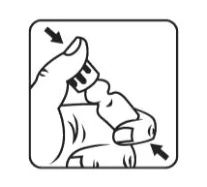
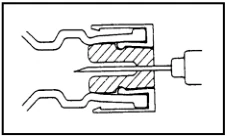
DIRECTIONS FOR USING THE ACT-O-VIAL SYSTEM
- 1. Press down on plastic activator to force diluent into the lower compartment.
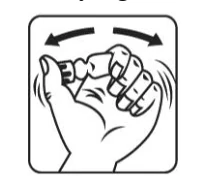
- 2. Gently agitate to effect solution.
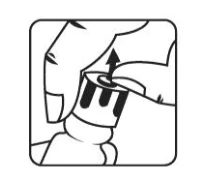
- 3. Remove plastic tab covering centre of stopper.
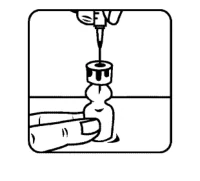
- 4. Sterilize top of stopper with suitable germicide.

- 5. Insert needle squarely through centre of stopper until tip is just visible. Invert vial and withdraw dose.
Parenteral drug products should be inspected visually for particulate matter and discolouration prior to administration, whenever solution and container permit.
| Volume of Diluent to be Added | Nominal Concentration per mL | |||||
| Act-O-Vials with preservative (benzyl alcohol) | ||||||
| 40 mg AOV | Entire contents supplied | 40 mg/mL | ||||
| 125 mg AOV | Entire contents supplied | 62.5 mg/mL | ||||
| 500 mg AOV | Entire contents supplied | 125 mg/mL | ||||
| 1 g AOV | Entire contents supplied | 125 mg/mL | ||||
| Act-O-Vials without preservative | ||||||
| 40 mg AOV | Entire contents supplied | 40 mg/mL | ||||
| 125 mg AOV | Entire contents supplied | 62.5 mg/mL | ||||
| 500 mg AOV | Entire contents supplied | 125 mg/mL |
| 1 g AOV | Entire contents supplied | 125 mg/mL |
| Vials | ||
| 500 mg Vial | 8 mL | 62.5 mg/mL |
| 1 g Vial | 16 mL | 62.5 mg/mL |
SOLU-MEDROL 500 mg Vial: reconstitute with 8 mL Bacteriostatic Water for Injection USP (benzyl alcohol as preservative). See Warning s and Precautions, Pediatrics.
SOLU-MEDROL 1 g Vial: reconstitute with 16 mL Bacteriostatic Water for Injection USP (benzyl alcohol as preservative). See Warning s and Precautions, Pediatrics.
Store powder or reconstituted solution at room temperature (between 15 and 30°C). Use reconstituted solution within 48 hours. SOLU-MEDROL Vials and Act-O-Vials are single dose vials. Discard unused portion.
To prepare solutions for intravenous infusion, first reconstitute SOLU-MEDROL as directed. The medication may be administered in dilute solutions by admixing the reconstituted product with
Dextrose 5% Water (D5W)
or
0.9% Sodium Chloride (NS)
or
Dextrose 5% in 0.45% Sodium Chloride
Dilute solution concentrations of 0.25 mg/mL or greater are physically and chemically stable for 48 hours.
Compatibility
The compatibility and stability of SOLU-MEDROL, in solutions and with other drugs in intravenous admixtures is dependent on admixture pH, concentration, time, temperature, and the ability of methylprednisolone to solubilize itself. Thus, to avoid compatibility and stability problems, whenever possible it is recommended that SOLU-MEDROL be administered separate from other drugs and as either I.V. push, through an I.V. medication chamber, or as an I.V. "piggy-back" solution. If desired, reconstituted methylprednisolone sodium succinate may be diluted with dextrose 5% in water, normal saline, or dextrose 5% in 0.45% or 0.9% sodium chloride. The resulting solutions are physically and chemically stable for 48 hours.
OVERDOSAGE
There is no clinical symptom of acute overdosage with corticosteroids. Treatment of acute overdosage is by supportive and symptomatic therapy. For chronic overdosage in the face of severe disease requiring continuous steroid therapy, the dosage of the corticosteroid may be reduced only temporarily, or alternate day treatment may be introduced. Methylprednisolone is dialyzable. Continuous overdosage would require careful gradual reduction of dosage in order to prevent the occurrence of acute adrenal insufficiency.
In the event of overdosage, no specific antidote is available.
Methylprednisolone is dialyzable.
ACTION AND CLINICAL PHARMACOLOGY
Pharmacodynamics
Methylprednisolone is a potent anti-inflammatory steroid.
Methylprednisolone sodium succinate has the same metabolic and anti-inflammatory actions as methylprednisolone. When given parenterally and in equimolar quantities, the two compounds are equivalent in biologic activity. The relative potency of methylprednisolone sodium succinate and hydrocortisone sodium succinate, following intravenous administration, is at least four to one. This is in good agreement with the relative oral potency of methylprednisolone and hydrocortisone.
Pharmacokinetics
The metabolism and excretion of methylprednisolone sodium succinate is similar to that of other corticosteroids. It influences carbohydrate, protein, fat and purine metabolism, electrolyte and water balance, and the functional capacities of the cardiovascular system, the kidney, skeletal muscle, the nervous system and other organs and tissues. Like other corticosteroids, methylprednisolone sodium succinate endows the organism with the capacity to resist not a few but all types of noxious stimuli and environmental change.
Exceeding prednisolone in anti-inflammatory potency and having even less tendency than prednisolone to induce retention of sodium and water, methylprednisolone sodium succinate offers the use of lower doses with an enhanced split between anti-inflammatory and mineralocorticoid activities. Thus methylprednisolone sodium succinate may be indicated for emergency use in patients in whom increased sodium retention would be hazardous.
The relative potency of methylprednisolone sodium succinate (SOLU-MEDROL) and hydrocortisone sodium succinate (SOLU-CORTEF), as indicated by depression of eosinophil count, following intravenous administration, is at least four to one. This is in good agreement with the relative oral potency of methylprednisolone (MEDROL) and hydrocortisone (CORTEF). Studies indicate that the administration of methylprednisolone results in an appreciable prolongation of plasma steroid levels over those obtained following equivalent doses of hydrocortisone or prednisolone. The following table illustrates this prolongation of blood levels expressed as the half-life in minutes of the 17-
For management of a suspected drug overdose, contact your regional Poison Control Centre.
hydroxy-corticosteroid levels obtained following intravenous administration of methylprednisolone, prednisolone and hydrocortisone.
| COMPOUND | DOSE | HALF-LIFE (minutes) |
| Methylprednisolone | 25 mg | 188 |
| Prednisolone | 25 mg | 69 |
| Hydrocortisone | 25 mg | 57 |
Methylprednisolone pharmacokinetics are linear, independent of the route of administration.
Absorption
After a 40 mg intramuscular dose of methylprednisolone sodium succinate to fourteen healthy adult male volunteers, the average peak concentration of 454 mg/mL was achieved at 1 hour. At 12 hours, the methylprednisolone plasma concentration declined to 31.9 mg/mL. No methylprednisolone was detected 18 hours after dosing. Based on the area under the time-concentration curve, an indication of total drug absorbed, intramuscular methylprednisolone sodium succinate was found to be bioequivalent to the same dose administered intravenously.
Results of a study demonstrated that the sodium succinate ester of methylprednisolone is rapidly and extensively converted to the active methylprednisolone moiety after all routes of administration. Extent of absorption of free methylprednisolone following IV and IM administrations were found to be bioequivalent and significantly greater than those following administration of the oral solution and oral methylprednisolone tablets. Since the extent of methylprednisolone absorbed following the IV and IM treatment was equivalent, in spite of the greater amount of the hemisuccinate ester reaching the general circulation after IV administration, it appears that the ester is converted in the tissue after IM injection, with subsequent absorption as free methylprednisolone.
Distribution
Methylprednisolone is widely distributed into the tissues, crosses the blood-brain barrier and is secreted in breast milk. Its apparent volume of distribution is approximately 1.4 L/kg. The plasma protein binding of methylprednisolone in humans is approximately 77%.
Metabolism
In humans, methylprednisolone is metabolized in the liver to inactive metabolites, primarily 20α-hydroxymethylprednisolone and 20β-hydroxymethylprednisolone. Metabolism in the liver occurs primarily via the CYP3A4 (see DRUG INTERACTIONS).
Methylprednisolone, like many CYP3A4 substrates, may also be a substrate for the ATP-binding cassette (ABC) transport protein p-glycoprotein (P-gp), influencing tissue distribution and interactions with other medicines modulated by P-gp.
Excretion
The mean elimination half-life for total methylprednisolone is in the range of 1.8 to 5.2 hours. Total clearance is approximately 5 to 6 mL/min/kg.
STORAGE AND STABILITY
Store unreconstituted SOLU-MEDROL Sterile Powder at room temperature (15° - 30°C). Store reconstituted solution at room temperature (15° - 30°C). Use reconstituted solution within 48 hours after mixing. Protect unreconstituted sterile powder and reconstituted solution from light.
DOSAGE FORMS, COMPOSITION AND PACKAGING
SOLU-MEDROL Sterile Powder is available as:
Act-O-Vials with preservative (benzyl alcohol)
SOLU-MEDROL 40 mg Act-O-Vial, packages of 10's.
SOLU-MEDROL 125 mg Act-O-Vial, packages of 10's.
SOLU-MEDROL 500 mg Act-O-Vial, packages of 5's.
SOLU-MEDROL 1 g Act-O-Vial, packages of 1.
Act-O-Vials without preservative
SOLU-MEDROL 40 mg Act-O-Vial, packages of 10's.
SOLU-MEDROL 125 mg Act-O-Vial, packages of 10's.
SOLU-MEDROL 500 mg Act-O-Vial, packages of 5's.
SOLU-MEDROL 1 g Act-O-Vial, packages of 1.
Vials
SOLU-MEDROL 500 mg Vial, packages of 5.
SOLU-MEDROL 1 g Vial, packages of 1.
Composition
Each Act-O-Vial (AOV) with preservative (benzyl alcohol) or vial of SOLU-MEDROL delivers after reconstitution with the diluent supplied or as directed:
| SOLU-MEDROL | 40 mg AOV | 125 mg AOV | 500 mg AOV | 1 g AOV | 500 mg Vial | 1 g Vial |
| POWDER | ||||||
| Deliverable Volume | 1 mL | 2 mL | 4 mL | 8 mL | 8 mL | 16 mL |
| Methylprednisolone (as sodium succinate) | 40 mg | 125 mg | 500 mg | 1 g | 500 mg | 1 g |
| Monobasic sodium phosphate anhydrous | 1.6 mg | 1.6 mg | 6.4 mg | 12.8 mg | 6.4 mg | 12.8 mg |
| Dibasic sodium phosphate dried | 17.5 mg | 17.4 mg | 69.6 mg | 139.2 mg | 69.6 mg | 139.2 mg |
| Lactose Hydrous | 25 mg | - | - | - | - | - |
| DILUENT | ||||||
| Benzyl Alcohol | 8.8 mg | 17.6 mg | 33.7 mg | 66.8 mg | - | - |
| Sterile Water for Injection | q.s. | q.s. | q.s. | q.s. | - | - |
Each SOLU-MEDROL Act-O-Vial (AOV) without preservative delivers after reconstitution with the diluent supplied:
| SOLU-MEDROL | 40 mg AOV | 125 mg AOV | 500 mg AOV | 1 g AOV | ||||||||
| POWDER | ||||||||||||
| Deliverable Volume | 1 mL | 2 mL | 4 mL | 8 mL | ||||||||
| Methylprednisolone (as sodium succinate) | 40 mg | 125 mg | 500 mg | 1 g | ||||||||
| Monobasic sodium phosphate anhydrous | 1.6 mg | 1.6 mg | 6.4 mg | 12.8 mg | ||||||||
| Dibasic sodium phosphate dried | 17.5 mg | 17.4 mg | 69.6 mg | 139.2 mg | ||||||||
| Lactose Hydrous | 25 mg | - | - | - | ||||||||
| DILUENT | ||||||||||||
| Sterile Water for Injection | q.s. | q.s. | q.s. | q.s. | ||||||||
When needed, the pH of each formula was adjusted with sodium hydroxide so that the pH of the reconstituted solution is within the range of 7 to 8.
PART II: SCIENTIFIC INFORMATION
PHARMACEUTICAL INFORMATION
Drug Substance
Proper name: methylprednisolone sodium succinate for injection USP (methylprednisolone sodium succinate is prepared in situ from methylprednisolone hemisuccinate with the aid of sodium hydroxide)
Chemical name: pregna-1,4-diene-3,20-dione,21-(3-carboxy-1-oxopropoxy)-11,17-dihydroxy-6-methyl-monosodium salt, (6α,11β)
Molecular mass: 496.53
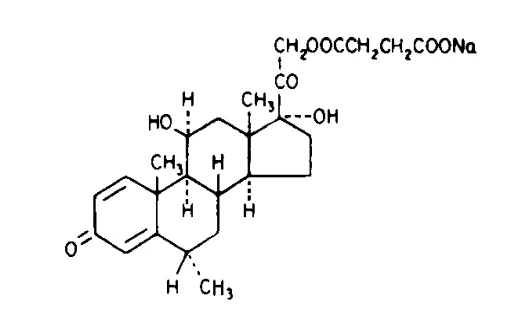
Structural formula:
Physicochemical properties: white, or nearly white, odourless hygroscopic, amorphous solid, very soluble in water and in alcohol, insoluble in chloroform, very slightly soluble in acetone, melting point of 228° to 237°C, pka of 4.6, partition coefficient (butyronitrile-water) of 0.03 at pH 8.5
CLINICAL TRIALS
Hypersensitivity and Dermatologic Conditions
Status Asthmaticus
In a double-blind, placebo-controlled, randomized trial, the use of intravenous methylprednisolone (125 mg), given on presentation in the emergency room in addition to standard emergency treatments for asthma, reduced the need for hospital admission in acutely ill patients with bronchial asthma. Nine of 48 patients (19 percent) treated with methylprednisolone required hospital admission compared with 23 of 49 patients (47 percent) in the control group (p < 0.003).
Pemphigus Vulgaris
A small (n=15) retrospective study compared high-dose pulsed methylprednisolone sodium succinate to oral prednisone in patients with pemphigus vulgaris. Methylprednisolone sodium succinate was administered intravenously (n=9); the dose varied from 250 to 1000 mg/day for 2 to 5 days. Four of 6 responders to methylprednisolone sodium succinate maintained a remission without prednisone for almost 2 years. Patients in the control group (n=6) treated with prednisone required long-term treatment with higher doses of prednisone, and none of the patients maintained a long-term remission.
Acute Systemic Lupus Erythematosus
High-dose, intravenous methylprednisolone pulse therapy in 34 patients (30 adults and 4 adolescents) with lupus nephritis was evaluated. The 30 adult patients received 1 g of methylprednisolone intravenously over 30 minutes on 3 successive days, while the 4 adolescents received a 15 mg/kg/day dose for 3 days. Twelve of the 34 patients responded to treatment, as indicated by at least a 20% improvement in renal function and corresponding improvement in creatinine clearance levels. These improvements were maintained for at least 6 months in 60% of patients who responded to treatment.
Ulcerative Colitis
In a prospective, single-blind study of 60 patients with active ulcerative colitis, patients were randomized to receive either sucralfate enemas (20 g/100 ml) or methylprednisolone enemas (20 mg/100 ml). The enemas were administered twice daily for the first week and then once daily for three weeks. Results showed similar reductions in diarrhea and rectal bleeding at two weeks and at four weeks in the two groups. Sigmoidoscopic examination of the rectal mucosa demonstrated similar significant improvement in the macroscopic appearance of the rectal mucosa in both groups (8.28 to 6.20 in sucralfate group, p < 0.02; and 8.72 to 6.36 in the methylprednisolone treated group, p < 0.04). Histological assessment of the rectal biopsies taken at entry into the study and following four weeks of therapy also revealed similar improvements in the two groups.
Organ Transplants
A prospective, controlled study was conducted among 100 renal transplant patients to compare two different regimens of immunosuppressive therapy. In the study, 86 patients received kidneys from cadavers and 14 patients received kidneys from living, related donors. Patients were assigned to receive either double therapy (methylprednisolone plus cyclosporine) or triple therapy (methylprednisolone plus cyclosporine and azathioprine). In both groups, patients were given intravenous pulse doses of 0.5 g methylprednisolone at the moment of transplantation. Oral methylprednisolone was subsequently administered in a single morning dose of 16 mg until the end of the third month. Patients then received 12 mg/day oral methylprednisolone until the end of month 6, and a maintenance dosage of 8 mg/day thereafter. The results were similar with both regimens. No significant differences between groups were reported in the 2-year patient and kidney survival rates.
DETAILED PHARMACOLOGY
See ACTION AND CLINICAL PHARMACOLOGY, Pharmacodynamics and Pharmacokinetics sections.
TOXICOLOGY
Acute Toxicity
The acute LD50 of methylprednisolone sodium succinate intraperitoneally in the mouse is 850 mg/kg. The oral LD50 of this drug in the rat is 5150 mg/kg. Dogs receiving single intravenous injections of methylprednisolone sodium succinate in doses of 4.4 to 6.4 mg/kg were free from clinical signs of drug intoxication during the 24 hour post-injection observation period.
Carcinogenesis:
Long-term studies in animals have not been performed to evaluate carcinogenic potential.
Mutagenesis:
There has been no evidence of a potential of genetic and chromosome mutations when tested in limited studies performed in bacteria and mammalian cells.
Reproductive toxicity:
Corticosteroids have been shown to reduce fertility when administered to rats.
Corticosteroids have been shown to be teratogenic in many species when given in doses equivalent to the human dose. In animal reproduction studies, glucocorticoids such as methylprednisolone have been shown to induce malformations (cleft palate, skeletal malformations) and intra-uterine growth retardation.
REFERENCES
|
|
|
|
|
|
|
|
|
|
|
|
|
|
|
|
|
|
|
|
|
|
|
|
|
|
|
|
|
|
|
|
|
|
|