


Product Monograph - Synagis (Astrazeneca Canada)
RECENT MAJOR LABEL CHANGES
N/A
TABLE OF CONTENTS
Sections or subsections that are not applicable at the time of authorization are not listed.
RECENT MAJOR LABEL CHANGES .................................................................................... 2
TABLE OF CONTENTS ......................................................................................................... 2
PART I: HEALTH PROFESSIONAL INFORMATION.............................................................. 4
1 INDICATIONS............................................................................................................. 4
1.1 Pediatrics .......................................................................................................... 4
1.2 Geriatrics........................................................................................................... 4
2 CONTRAINDICATIONS .............................................................................................. 4
3 SERIOUS WARNINGS AND PRECAUTIONS BOX..................................................... 4
4 DOSAGE AND ADMINISTRATION ............................................................................. 4
4.1 Dosing Considerations ....................................................................................... 4
4.2 Recommended Dose and Dosage Adjustment ................................................... 5
4.3 Reconstitution.................................................................................................... 5
4.4 Administration.................................................................................................... 5
4.5 Missed Dose...................................................................................................... 5
5 OVERDOSAGE .......................................................................................................... 6
6 DOSAGE FORMS, STRENGTHS, COMPOSITION AND PACKAGING ....................... 6
7 WARNINGS AND PRECAUTIONS ............................................................................. 7
7.1 Special Populations ........................................................................................... 8
7.1.1 Pregnant Women ......................................................................................... 8
7.1.2 Breast-feeding.............................................................................................. 8
7.1.3 Pediatrics ..................................................................................................... 8
7.1.4 Geriatrics ..................................................................................................... 8
8 ADVERSE REACTIONS ............................................................................................. 8
8.1 Adverse Reaction Overview ............................................................................... 8
8.2 Clinical Trial Adverse Reactions ......................................................................... 9
8.2.1 Clinical Trial Adverse Reactions – Pediatrics .............................................. 12
8.3 Less Common Clinical Trial Adverse Reactions................................................ 12
8.3.1 Less Common Clinical Trial Adverse Reactions – Pediatrics ....................... 13
8.4 Abnormal Laboratory Findings: Hematologic, Clinical Chemistry and Other Quantitative Data ...................................................................................................... 13
8.5 Post-Market Adverse Reactions ....................................................................... 13
9 DRUG INTERACTIONS ............................................................................................ 14
9.2 Drug Interactions Overview .............................................................................. 14
9.3 Drug-Behavioural Interactions .......................................................................... 14
9.4 Drug-Drug Interactions..................................................................................... 14
9.5 Drug-Food Interactions .................................................................................... 14
9.6 Drug-Herb Interactions..................................................................................... 14
9.7 Drug-Laboratory Test Interactions .................................................................... 14
10 CLINICAL PHARMACOLOGY .................................................................................. 15
10.1 Mechanism of Action .................................................................................. 15
10.2 Pharmacodynamics.................................................................................... 15
10.3 Pharmacokinetics....................................................................................... 15
11 STORAGE, STABILITY AND DISPOSAL ................................................................. 17
12 SPECIAL HANDLING INSTRUCTIONS .................................................................... 18
PART II: SCIENTIFIC INFORMATION ................................................................................. 19
13 PHARMACEUTICAL INFORMATION ....................................................................... 19
14 CLINICAL TRIALS ................................................................................................... 19
14.1 Trial Design and Study Demographics ........................................................ 19
14.2 Study Results............................................................................................. 20
14.3 Comparative Bioavailability Studies ............................................................ 22
15 MICROBIOLOGY...................................................................................................... 23
16 NON-CLINICAL TOXICOLOGY ................................................................................ 24
PATIENT MEDICATION INFORMATION ............................................................................. 28
PART I: HEALTH PROFESSIONAL INFORMATION
1 INDICATIONS
SYNAGIS (palivizumab injection) is indicated for:
- prevention of serious lower respiratory tract disease caused by respiratory syncytial virus (RSV) in pediatric patients at high risk of RSV disease. Safety and efficacy were established in infants with bronchopulmonary dysplasia (BPD), infants with a history of prematurity (≤ 35 weeks gestational age), and children with hemodynamically significant congenital heart disease (CHD). See 14 CLINICAL TRIALS. The safety and efficacy of SYNAGIS have not been established for treatment of RSV disease.
Distribution restrictions: this product should be administered under the supervision of a qualified health professional.
1.1 Pediatrics
The safety and effectiveness of SYNAGIS in children older than 24 months of age at the start of dosing have not been established.
There is no efficacy data of clinical outcome for infants who received less than 5 monthly doses of palivizumab injection during a single RSV season.
See 1 INDICATIONS section.
1.2 Geriatrics
No data are available to Health Canada; therefore, Health Canada has not authorized an indication for geriatric use.
2 CONTRAINDICATIONS
SYNAGIS (palivizumab injection) is contraindicated in patients with known hypersensitivity to palivizumab injection or to any of its excipients. It is also contraindicated in patients with known hypersensitivity to other humanized monoclonal antibodies. For a complete listing, see the 6 DOSAGE FORMS, STRENGTHS, COMPOSITION AND PACKAGING section.
3 SERIOUS WARNINGS AND PRECAUTIONS BOX
Serious Warnings and Precautions
|
4 DOSAGE AND ADMINISTRATION
4.1 Dosing Considerations
INTRAMUSCULAR INJECTION ONLY
- Do not reuse syringes and needles.
- SYNAGIS (palivizumab injection) should not be mixed with any medications or diluents.
4.2 Recommended Dose and Dosage Adjustment
The recommended dose of SYNAGIS is 15 mg/kg of body weight, INTRAMUSCULAR INJECTION ONLY, given every 28 to 30 days during anticipated periods of RSV risk in the community. Where possible, the first dose should be administered prior to commencement of the RSV season, and subsequent doses should be administered monthly throughout the RSV season. To avoid risk of reinfection, it is recommended that children receiving SYNAGIS who become infected with RSV continue to receive monthly doses of SYNAGIS throughout the RSV season.
In the Northern Hemisphere, the RSV season typically commences in November and lasts through April, but it may begin earlier or persist later in certain communities. During this period, children normally receive 5 consecutive monthly intramuscular doses of palivizumab injection. See 7 WARNINGS AND PRECAUTIONS.
4.3 Reconstitution
No reconstitution is required.
4.4 Administration
SYNAGIS should be administered in a once monthly dose of 15 mg/kg intramuscularly using aseptic technique, preferably in the anterolateral aspect of the thigh. The gluteal muscle should not be used routinely as an injection site because of the risk of damage to the sciatic nerve. The dose per month = [patient weight (kg) x 15 mg/kg ÷ 100 mg/mL of SYNAGIS]. Injection volumes over 1 mL should be given as a divided dose.
The efficacy of SYNAGIS at doses < 15 mg/kg, or of dosing less frequently than monthly throughout the RSV season has not been established.
To prevent the transmission of infectious diseases, sterile disposable syringes and needles should be used. Do not reuse syringes and needles.
SYNAGIS should not be mixed with any medications or diluents.
Administration Instructions
Both the 0.5 mL and 1 mL vials contain an overfill to allow the withdrawal of 50 mg or 100 mg, respectively.
- DO NOT DILUTE THE PRODUCT.
- DO NOT SHAKE VIAL.
- To administer, remove the tab portion of the vial cap and clean the stopper with 70% ethanol or equivalent. Insert the needle into the vial and withdraw an appropriate volume of solution into the syringe.
- SYNAGIS does not contain a preservative and should be administered immediately after drawing the dose into the syringe.
- Single-use vial. Do not re-enter the vial after withdrawal of drug. Discard unused contents.
4.5 Missed Dose
SYNAGIS is needed every 28 to 30 days during the RSV season. Each dose of SYNAGIS helps protect from severe RSV disease for about a month. If a child misses an injection, another injection should be scheduled as soon as possible.
5 OVERDOSAGE
In clinical studies MI-CP018 and MI-CP048, three children received an overdose of more than 15 mg/kg. These doses were 20.25 mg/kg, 21.1 mg/kg and 22.27 mg/kg. No medical consequences were identified in these instances. From the post-marketing experience, excessive doses, including the report of one infant receiving 85 mg/kg, have been reported. In some instances these excessive doses were associated with adverse reactions. However, the nature of these reactions was similar to those observed with the 15 mg/kg dose (see 8 ADVERSE REACTIONS). In case of overdosage, it is recommended that the patient be monitored for any signs or symptoms of adverse reactions or effects and appropriate symptomatic treatment instituted immediately.
No clinical data are available from human subjects who have received more than 7 monthly SYNAGIS (palivizumab injection) doses during a single RSV season.
6 DOSAGE FORMS, STRENGTHS, COMPOSITION AND PACKAGING
Table 1 - Dosage Forms, Strengths, Composition and Packaging
SYNAGIS (palivizumab injection) solution for injection is available in vials of either 0.5 mL or 1.0 mL.
SYNAGIS 0.5 mL solution for injection is supplied as a single-use 3 mL vial containing 0.5 mL of SYNAGIS solution for injection with a concentration of 100 mg/mL.
SYNAGIS 1.0 mL solution for injection is supplied as a single-use 3 mL vial containing 1 mL of SYNAGIS solution for injection with a concentration of 100 mg/mL.
SYNAGIS does not contain a preservative.
Listing of Non-Medicinal Ingredients
Each SYNAGIS solution for injection 0.5 mL vial contains the following non-medicinal ingredients: chloride, glycine, histidine and water for injection.
Each SYNAGIS solution for injection 1.0 mL vial contains the following non-medicinal ingredients: chloride, glycine, histidine and water for injection.
| For management of a suspected drug overdose, contact your regional poison control centre. |
| Route of Administration | Dosage Form / Strength/Composition | Non-medicinal Ingredients |
| intramuscular injection | solution for injection:
| chloride, glycine and histidine |
7 WARNINGS AND PRECAUTIONS
Please see 3 SERIOUS WARNINGS AND PRECAUTIONS BOX.
General
No studies have been performed to assess the administration of more than seven SYNAGIS (palivizumab injection) doses in an RSV season.
Carcinogenesis and Mutagenesis
Carcinogenesis and mutagenesis studies have not been performed with SYNAGIS.
Hematologic
SYNAGIS is FOR INTRAMUSCULAR USE ONLY. As with any intramuscular injection, SYNAGIS should be given with caution to patients with thrombocytopenia or any coagulation disorder.
Immune
In Study MI-CP018 (see 14.2 Study Results), the incidence of anti-humanized antibody following the fourth injection was 1.1% in the placebo group and 0.7% in the SYNAGIS group. In pediatric patients receiving SYNAGIS for a second season, 1 of 56 patients had transient, low titer reactivity. This reactivity was not associated with adverse events or alteration in palivizumab serum concentrations. Immunogenicity was not assessed in Study MI-CP048.
These data reflect the percentage of patients whose test results were considered positive for antibodies to palivizumab in an ELISA assay, and are highly dependent on the sensitivity and specificity of the assay. Additionally, the observed incidence of antibody positivity in an assay may be influenced by several factors including sample handling, concomitant medications, and underlying disease. For these reasons, comparison of the incidence of antibodies to SYNAGIS with the incidence of antibodies to other products may be misleading.
In the Extended Dose Study (Study W00-350), there were 18 subjects who received study drug. Transient, low levels of anti-palivizumab antibody (1:20) were observed in one child after the second dose of SYNAGIS that dropped to undetectable levels (< 1:10) at the fifth and seventh dose.
Antibody to palivizumab was also evaluated in 4 additional studies in 4337 palivizumab-treated patients (children born at 35 weeks of gestation or less and 6 month of age or less, or < 24 months of age with BPD or with hemodynamically significant CHD were included in these studies). The frequency of anti-palivizumab antibodies detected in these subjects ranged from 0 to 1.5%. Timing of serum samples for determination of anti-palivizumab antibody titers was variable across the 4 studies. There was no association observed between the presence of antibody and adverse events.
Monitoring and Laboratory Tests
SYNAGIS may interfere with immune-based RSV diagnostic tests, such as some antigen-detection-based assays. In addition, SYNAGIS inhibits virus replication in cell culture, and, therefore, may also interfere with viral culture assays. SYNAGIS does not interfere with reverse transcriptase polymerase chain reaction-based assays. Assay interference could lead to false-negative RSV diagnostic test results. Therefore, diagnostic test results, when obtained, should be used in conjunction with clinical findings to guide medical decisions. See (9.7 Drug-Laboratory Test Interactions).
Reproductive Health: Female and Male Potential
Reproductive toxicity studies have not been performed with SYNAGIS.
Respiratory
A moderate to severe acute infection or febrile illness may warrant delaying the use of SYNAGIS, unless, in the opinion of the physician, withholding SYNAGIS entails a greater risk. A mild febrile illness, such as a mild upper respiratory infection, is not usually reason to defer administration of SYNAGIS.
Sensitivity/Resistance
Allergic reactions including very rare cases of anaphylaxis and anaphylactic shock have been reported following SYNAGIS administration. In some cases, fatalities have been reported. See (8 ADVERSE REACTIONS).
In one of the pharmacodynamic studies, symptoms of immediate hypersensitivity and anaphylaxis were observed in two adult volunteers receiving a single intravenous dose of reconstituted lyophilized palivizumab at 30 mg/kg.
Medications for the treatment of severe hypersensitivity reactions, including anaphylaxis and anaphylactic shock, should be available for immediate use following administration of SYNAGIS. If a severe hypersensitivity reaction occurs, therapy with SYNAGIS should be permanently discontinued. If a mild hypersensitivity reaction occurs, clinical judgement should be used regarding cautious re-administration of SYNAGIS.
7.1 Special Populations
7.1.1 Pregnant Women
SYNAGIS is not indicated for adult usage and animal reproduction studies have not been conducted. It is also not known whether palivizumab injection can cause fetal harm when administered to a pregnant woman or whether it could affect reproductive capacity.
7.1.2 Breast-feeding
SYNAGIS is not indicated for adult usage.
7.1.3 Pediatrics
See 1 INDICATIONS section.
7.1.4 Geriatrics
It is unknown if SYNAGIS is excreted in human milk.
8 ADVERSE REACTIONS
8.1 Adverse Reaction Overview
The safety profile of SYNAGIS (palivizumab injection) was studied using two formulations: solution for injection and lyophilized powder formulation (no longer marketed). The safety profiles of these formulations are similar. The most serious adverse reactions with SYNAGIS are anaphylaxis and other acute hypersensitivity reactions. See 7 WARNINGS AND PRECAUTIONS.
Adverse drug reactions reported in the prophylactic pediatric studies were similar in the placebo and SYNAGIS groups. The majority of adverse drug reactions were transient and mild to moderate in severity. The most frequently reported adverse drug reactions in the combined prophylactic clinical studies with premature infants and BPD or CHD pediatric populations are rash and pyrexia.
In the study of premature infants and children with BPD (Study MI-CP018) involving 500 subjects receiving placebo and 1002 subjects receiving SYNAGIS lyophilized powder formulation, no medically important differences in adverse drug reactions by body system or in subgroups of children categorized by gender, age, gestational age, country, race/ethnicity or quartile serum palivizumab concentration were observed. No significant difference in safety profile was observed between children without active RSV infection and those hospitalized for RSV. Permanent discontinuation of SYNAGIS because of adverse drug reactions was rare (0.2%). Deaths were balanced between the placebo and SYNAGIS treatment groups and were not drug-related.
In the CHD study (Study MI-CP048) involving 639 subjects receiving placebo and 648 subjects receiving SYNAGIS lyophilized powder formulation, no medically important differences were observed in adverse drug reactions by body system or when evaluated in subgroups of children by cardiac category (cyanotic versus acyanotic). The incidence of serious adverse events was significantly lower in the SYNAGIS groups, as compared to the placebo group. No serious adverse events related to SYNAGIS were reported. The incidences of cardiac surgeries classified as planned, earlier than planned, or urgent, were balanced between the groups. Deaths associated with RSV infection occurred in 2 patients in the SYNAGIS group and 4 patients in the placebo group and were not drug-related.
Two clinical studies (MI-CP097 and MI-CP116) were conducted to directly compare the solution for injection and lyophilized powder formulations of SYNAGIS. In study MI-CP097, all 153 premature infants received both formulations in different sequences. In study MI-CP116, 211 and 202 premature infants or children with chronic lung disease received solution for injection and lyophilized SYNAGIS, respectively. In two additional studies (MI-CP110 and MI-CP124), SYNAGIS solution for injection was used as an active control (3918 pediatric subjects) to evaluate an investigational monoclonal antibody for prophylaxis of serious RSV disease in premature infants or children with BPD or hemodynamically significant CHD. The overall rate and pattern of adverse events, study drug discontinuation due to adverse events, and the number of deaths reported in these clinical studies were consistent with those observed during the clinical development programs for the lyophilized powder formulation. No deaths were considered related to SYNAGIS and no new adverse drug reactions were identified in these studies.
8.2 Clinical Trial Adverse Reactions
Clinical trials are conducted under very specific conditions. The adverse reaction rates observed in the clinical trials; therefore, may not reflect the rates observed in practice and should not be compared to the rates in the clinical trials of another drug. Adverse reaction information from clinical trials may be useful in identifying and approximating rates of adverse drug reactions in real-world use.
Study MI-CP018 (IMpact RSV Study)
Adverse events which occurred in more than 1% of patients receiving SYNAGIS lyophilized powder formulation in Study MI-CP018 for which the incidence in the SYNAGIS group was 1% greater than in the placebo group are presented in
Table 2.
Table 2 - Adverse Events Occurring in Study MI-CP018 at Greater Frequency in the SYNAGIS Group
SYNAGIS Lyophilized Powder Formulation n = 1002 (%) | Placebo n = 500 (%) | |
|---|---|---|
| Body as a Whole | 49.6 | 49.4 |
| Upper respiratory infection | 52.6 | 49.0 |
| Otitis media | 41.9 | 40.0 |
| Rhinitis | 28.7 | 23.4 |
| Rash | 25.6 | 22.4 |
| Pain | 8.5 | 6.8 |
| Hernia | 6.3 | 5.0 |
| SGOT increased | 4.9 | 3.8 |
| Pharyngitis | 2.6 | 1.4 |
Other adverse events reported in more than 1% of the SYNAGIS group included:
| Blood and Lymphatic System Disorders: | anemia |
| Ear and Labyrinth Disorders: | ear disorder |
| Gastrointestinal Disorders: | constipation, diarrhea, flatulence, gastrointestinal disorder and vomiting |
| General Disorders and Administration Site Conditions: | fever and study drug injection site reaction |
| Hepato-biliary Disorders: | liver function abnormality |
| Infections and Infestations: | bronchitis, bronchiolitis, croup, conjunctivitis, flu syndrome, fungal dermatitis, gastroenteritis, oral moniliasis, pneumonia, RSV, sinusitis and viral infection |
| Injury, Poisoning and Procedural Complications: | accidental injury and miscellaneous procedure |
| Investigations: | SGPT increase |
| Metabolism and Nutrition Disorders: | failure to thrive and feeding abnormalities |
| Psychiatric Disorders: | nervousness |
| Respiratory, Thoracic and Mediastinal Disorders: | asthma, apnea, cough, dyspnea, respiratory disorder and wheeze |
| Skin and Subcutaneous Tissue Disorders: | eczema and seborrhoea |
There were no statistically significant differences in the incidence of adverse events between the SYNAGIS and placebo groups.
Study MI-CP048
In the randomized, double-blind, placebo-controlled trial of RSV disease prophylaxis among children with hemodynamically significant CHD, the proportion of subjects in the placebo and SYNAGIS lyophilized powder formulation groups who experienced any adverse event or any serious adverse events were similar. No significant differences in morbidity or mortality were observed.
Adverse events that occurred in more than 1% of patients receiving SYNAGIS and for which the incidence was 1% greater in the SYNAGIS group than in the placebo group are shown in Table 3.
Table 3 - Adverse Events Occurring in Study MI-CP048 at Greater Frequency in the SYNAGIS Group
SYNAGIS Lyophilized Powder Formulation n = 639 (%) | Placebo n = 648 (%) | |
|---|---|---|
| Upper respiratory infection | 47.4 | 46.1 |
| Fever | 27.1 | 23.9 |
| Conjunctivitis | 11.3 | 9.3 |
| Cyanosis | 9.1 | 6.9 |
| Infection | 5.6 | 2.9 |
| Study drug injection site reaction | 3.4 | 2.2 |
| Arrhythmia | 3.1 | 1.7 |
Other adverse events reported in 1% or more of the SYNAGIS group included:
| Blood and Lymphatic System Disorders: | anemia, coagulation disorder and thrombocytopenia |
| Cardiac Disorders: | bradycardia, congestive heart failure, heart failure, cardiovascular disorder, pericardial effusion and tachycardia |
| Ear and Labyrinth Disorders: | ear disorder |
| Gastrointestinal Disorders: | constipation, diarrhea, flatulence, gastrointestinal disorder, pain (primarily teething) and vomiting |
| General Disorders and Administration Site Conditions: | asthenia and edema |
| Infections and Infestations: | bacterial infection, bronchitis, bronchiolitis, croup, flu syndrome, fungal infection, fungal dermatitis, gastroenteritis, otitis media, oral moniliasis, pneumonia, pharyngitis, RSV, rhinitis, urinary tract infection, sepsis, sinusitis and viral infection |
| Injury, Poisoning and Procedural Complications: | accidental injury |
| Metabolism and Nutrition Disorders: | failure to thrive, feeding abnormalities and hypokalemia |
| Nervous System Disorders: | hyperkinesia and somnolence |
| Psychiatric Disorders: | nervousness |
| Respiratory, Thoracic and Mediastinal Disorders: | apnea, atelectasis, cough, dyspnea, hypoxia, hyperventilation, lung edema, respiratory disorders, pleural effusion, pulmonary hypertension, pneumothorax, stridor and wheeze |
| Skin and Subcutaneous Tissue Disorders: | eczema and rash |
| Vascular Disorders: | hemorrhage |
Study W00-350
No reported adverse events were considered related to SYNAGIS and no deaths were reported in any of the 18 patients in this study.
8.2.1 Clinical Trial Adverse Reactions – Pediatrics
See 8.2 Clinical Trial Adverse Reactions.
8.3 Less Common Clinical Trial Adverse Reactions
Both clinical and laboratory adverse drug reactions are displayed by system organ class.
| Gastrointestinal Disorders: | diarrhea and vomiting |
| General Disorders and Administration Site Conditions: | pain |
| Infections and Infestations: | upper respiratory infections, rhinitis and viral infection |
| Investigations: | aspartate aminotransferase (AST) increase, abnormal liver function test, and alanine aminotransferase (ALT) increase |
| Respiratory, Thoracic and Mediastinal Disorders: | cough and wheeze |
| Skin and Subcutaneous Tissue Disorders: | rash |
No additional adverse drug reactions were identified in the studies using SYNAGIS solution for injection.
8.3.1 Less Common Clinical Trial Adverse Reactions – Pediatrics
See 8.2 Clinical Trial Adverse Reactions.
8.4 Abnormal Laboratory Findings: Hematologic, Clinical Chemistry and Other Quantitative Data
Clinical Trial Findings
In study MI-CP018, mild or moderate elevations of AST occurred in 1.6% of patients administered placebo and 3.7% of patients administered SYNAGIS (lyophilized powder formulation); for ALT, these percentages were 2.0 and 2.3% respectively. Reported adverse events related to the liver and deemed by the blinded investigator to be related to study drug were balanced between the two groups.
8.5 Post-Market Adverse Reactions
The following adverse reactions have been reported with SYNAGIS therapy. Because these reactions are reported voluntarily from a population of uncertain size, it is not always possible to reliably estimate their frequency or establish a causal relationship to palivizumab exposure. See also 7 WARNINGS AND PRECAUTIONS.
| Blood and Lymphatic System Disorders: | thrombocytopenia |
| Immune System Disorders: | anaphylaxis, anaphylactic shock (In some cases, fatalities have been reported) |
| Nervous System Disorders: | convulsion |
| Skin and Subcutaneous Tissue Disorders: | urticaria |
SYNAGIS treatment schedule and adverse events were monitored in a group of nearly 20,000 infants receiving SYNAGIS lyophilized powder formulation tracked through a patient compliance registry, the REACH program. Of this group, 1250 enrolled infants received 6 injections, 183 infants received 7 injections, and 27 infants received either 8 or 9 injections each respectively. Fifteen (1%) adverse events were observed in patients following a sixth or greater dose. All 15 of the adverse events occurred following the administration of the sixth dose and not with subsequent doses (up to 9 doses). Adverse events from this registry as well as through routine post-marketing surveillance were similar in character and frequency to those after the initial 5 doses.
CHD Post-marketing Study
A retrospective observational study was conducted in young children with hemodynamically significant CHD comparing the occurrence of primary serious adverse events (PSAEs: infection, arrhythmia, and death) between those who did (1009) and historical controls who did not receive SYNAGIS lyophilized powder prophylactically (1009) matched by age, type of cardiac lesion, and prior corrective surgery. The incidence of arrhythmia and death PSAEs was similar in children who did and did not receive prophylaxis. The incidence of infection PSAEs was lower in children who received prophylaxis as compared to those children who did not receive prophylaxis. The results of the study indicate no increased risk of serious infection, serious arrhythmia, or death in children with hemodynamically significant CHD who received RSV prophylaxis with SYNAGIS lyophilized powder compared with children who did not receive prophylaxis.
9 DRUG INTERACTIONS
9.2 Drug Interactions Overview
No formal drug-drug interaction studies were conducted. In Study MI-CP018, the proportions of patients in the placebo and SYNAGIS (palivizumab injection, lyophilized powder formulation) groups who received routine childhood vaccines, influenza vaccine, bronchodilators or corticosteroids were similar and no incremental increase in adverse reactions was observed among patients receiving these agents, in either of the two groups. Since the monoclonal antibody is specific for RSV, SYNAGIS is not expected to interfere with the immune response to vaccines, including live viral vaccines.
9.3 Drug-Behavioural Interactions
No formal drug-behavioural interaction studies were conducted with SYNAGIS.
9.4 Drug-Drug Interactions
No formal drug-drug interaction studies were conducted with SYNAGIS, therefore interactions with other drugs have not been established.
9.5 Drug-Food Interactions
Interactions with food have not been established with SYNAGIS.
9.6 Drug-Herb Interactions
Interactions with herbal products have not been established with SYNAGIS.
9.7 Drug-Laboratory Test Interactions
SYNAGIS may interfere with immune-based RSV diagnostic tests, such as some antigen-detection-based assays. In addition, SYNAGIS inhibits virus replication in cell culture, and, therefore, may also interfere with viral culture assays. SYNAGIS does not interfere with reverse transcriptase polymerase chain reaction-based assays. Assay interference could lead to false-negative RSV diagnostic test results. Therefore, diagnostic test results, when obtained, should be used in conjunction with clinical findings to guide medical decisions. See 7 WARNINGS AND PRECAUTIONS and 15 MICROBIOLOGY.
10 CLINICAL PHARMACOLOGY
10.1 Mechanism of Action
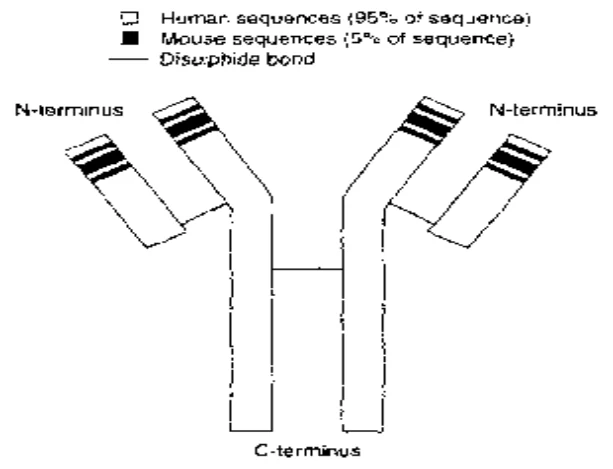
SYNAGIS (palivizumab injection) is a humanized monoclonal antibody (IgG1κ) produced by recombinant DNA technology, directed to an epitope in the A antigenic site of the F protein of respiratory syncytial virus (RSV). Palivizumab is a composite of 95% human and 5% murine amino acid sequences. The human heavy chain sequence was derived from the constant domains of human IgG1 and the variable framework regions of the VH genes Cor and Cess. The human light chain sequence was derived from the constant domain of Cκ and the variable framework regions of the VL gene K104 with Jκ-4.The murine sequences were derived from a murine monoclonal antibody, Mab 1129, in a process which involved the grafting of the murine complementarity determining regions into the human antibody frameworks. Palivizumab is composed of two heavy chains and two light chains and has a molecular weight of approximately 148,000 Daltons.
SYNAGIS exhibits neutralizing and fusion-inhibitory activity against RSV. These activities inhibit RSV replication in laboratory experiments. Although resistant RSV strains may be isolated in laboratory studies, a panel of clinical RSV isolates were all neutralized by SYNAGIS. Palivizumab serum concentrations of approximately 30 mcg/mL have been shown to produce a mean 99% reduction in pulmonary RSV replication in the cotton rat model.
The in vivo neutralizing activity of the active ingredient in SYNAGIS was assessed in a randomized, placebo-controlled study of 35 pediatric patients tracheally intubated because of RSV disease. In these patients, SYNAGIS significantly reduced the quantity of RSV in the lower respiratory tract compared to control patients.
10.2 Pharmacodynamics
No pharmacodynamics studies were conducted on human subjects.
10.3 Pharmacokinetics
Absorption
Adult (intramuscular and intravenous)
Palivizumab has a time to maximum serum concentration of 1.6 hours when administered intravenously, and 5 days when administered intramuscularly.
In adult volunteer studies, SYNAGIS administered either intravenously or intramuscularly had a pharmacokinetic profile similar to a human IgG1 antibody in regards to the volume of distribution (mean 57 mL/kg) and the half life (mean 18 days).
Pediatric (intramuscular and intravenous)
In pediatric patients < 24 months of age, the mean half life of palivizumab was 20 days (range 16.8 to 26.8 days), and monthly intramuscular doses of 15 mg/kg achieved mean ± SD 30 day trough serum drug concentrations of 37 ± 21 mcg/mL after the first injection, 57 ± 41 mcg/mL after the second injection, 68 ± 51 mcg/mL after the third injection, and 72 ± 50 mcg/mL after the fourth injection. In pediatric patients given palivizumab injection for a second season, the mean ± SD serum concentrations following the first and fourth injections were 61 ± 17 mcg/mL and 86 ± 31 mcg/mL, respectively.
In an initial dose-escalation study, thirty days after the first intravenous infusion, the mean trough concentration in patients receiving 15 mg/kg was 60.6 mcg/mL (range 21.4 to 149.8 mcg/mL). Thirty days after the second infusion, the mean trough concentration in patients receiving 15 mg/kg was 70.7 mcg/mL (range 20.2 to 112.6 mcg/mL).
In pediatric patients ≤ 24 months of age with hemodynamically significant CHD who received palivizumab injection and underwent cardio pulmonary bypass for open heart surgery, the mean serum palivizumab injection concentration was 98 ± 52 mcg/mL before bypass and declined to 41 ± 33 mcg/mL after bypass, a reduction of 58%.
The results of a prospective, phase 2, open-label trial designed to evaluate pharmacokinetics, safety and immunogenicity after administration of 7 doses of palivizumab injection within a single RSV season showed that adequate mean palivizumab injection target levels (30 mcg/mL or greater) were achieved in all 18 children enrolled.
Study MI-CP-097
The pharmacokinetics and safety of the SYNAGIS solution for injection and SYNAGIS lyophilized powder formulations, following 15 mg/kg intramuscular administration, were compared in a cross-over trial of 153 infants less than or equal to 6 months of age with a history of prematurity (less than or equal to 35 weeks gestational age). The ratio (solution:powder) of the trough serum concentrations was estimated to be 1.04 with a corresponding 90% confidence limit of (0.998 -1.083). The results of this trial indicated that the trough serum concentrations of palivizumab were similar between the solution for injection and the lyophilized powder formulations.
Extended Dose Study (Study W00-350)
An open, prospective safety and pharmacokinetics study examined the safety, tolerance and pharmacokinetics of SYNAGIS (lyophilized powder formulation) when administered for up to 7 months in Saudi Arabia, a subtropical region where the reported RSV season is frequently longer than in temperate countries. Eighteen preterm infants (< 34 weeks gestation), ranging in age from newborn to 29 weeks, with or without chronic lung disease (CLD), judged to be at risk for RSV infection, and palivizumab naïve, were included in the study. SYNAGIS 15 mg/kg was injected (intramuscular) once per month, for up to 7 months during the RSV season. Safety data are based on all 18 subjects who received SYNAGIS, 17 of whom received all 7 doses.
Palivizumab serum concentrations were not available for all subjects at all visits (Table 4). Target serum trough palivizumab levels (30 mcg/mL or greater) were achieved. No significant elevations of anti-palivizumab antibody titer were observed. These study results suggest that seven SYNAGIS doses are non-immunogenic and not associated with increased adverse events.
Table 4 - Summary of SYNAGIS Blood Assay Results (Study W00-350)
| Study Visita | Number of subjects | Mean ± Standard Deviation | ||||
| ≥ 30mcg/mL | < 30mcg/mL | < LOQ | NRP | Total | ||
| Visit 1 | 0 | 0 | 17 | 1 | 18 | 0 ± 0 |
| Visit 2 | 16 | 0 | 1 | 1 | 18 | 44.72 ± 18.67 |
| Visit 5 | 16 | 0 | 0 | 2 | 18 | 121.06 ± 36.23 |
| Visit 7 | 14 | 0 | 0 | 4 | 18 | 144.36 ± 47.54 |
LOQ = Limit of quantification; mcg/mL = mcg/mL of SYNAGIS; NRP = Not reported. a. Blood was drawn prior to study drug administration at each visit. | ||||||
Special Populations and Conditions
Pediatrics
See 10.3 Pharmacokinetics for details.
Geriatrics
SYNAGIS pharmacokinetics has not been studied in geriatric population. SYNAGIS is not indicated for adult usage.
Sex
No gender related pharmacokinetic differences have been observed in adult patients.
Pregnancy and Breast-feeding
Pharmacokinetics have not been studied in pregnant or breast-feeding women.
Genetic Polymorphism
No data available on genetic polymorphism.
Ethnic Origin
Pharmacokinetics differences due to race have not been identified.
Hepatic Insufficiency
No pharmacokinetic data are available in patients with hepatic impairment.
Renal Insufficiency
No pharmacokinetic data are available in patients with renal impairment.
11 STORAGE, STABILITY AND DISPOSAL
Upon receipt, SYNAGIS (palivizumab injection) should be stored between 2 and 8 °C in its original container. Do not freeze. Do not use beyond the expiration date.
Keep out of reach and sight of children.
12 SPECIAL HANDLING INSTRUCTIONS
Single-use vials. Discard any unused product.
PART II: SCIENTIFIC INFORMATION
13 PHARMACEUTICAL INFORMATION
Palivizumab
| Proper name: | palivizumab |
| Structural formula: | |
| Product characteristics: | Palivizumab is produced by recombinant DNA technology in a mammalian cell (NSO) suspension culture. The anti-respiratory syncytial virus (RSV) antibody is purified by affinity and ion-exchange chromatography steps. The purification process includes specific viral inactivation and removal procedures. Palivizumab is a humanized IgG1 monoclonal antibody directed to an epitope in the A antigenic site of the fusion protein of RSV. Palivizumab specifically binds with high affinity (Kd = 0.96 nM) to the F protein of RSV. Palivizumab is a composite of (95%) human and (5%) murine amino acid sequences. The antibody contains about 1 to 2% carbohydrate by weight which is composed of N-acetyl-glucosamine, mannose, fructose, and galactose. This humanized monoclonal antibody is composed of two heavy chains (50.6 kDa each) and two light chains (27.6 kDa each), has a molecular weight of approximately 148,000 Daltons and an isoelectric point of greater than 9.0. |
14 CLINICAL TRIALS
14.1 Trial Design and Study Demographics
The safety and efficacy of SYNAGIS (palivizumab for injection) were assessed in a randomized, double blind, placebo-controlled trial (IMpact-RSV Trial) of respiratory syncytial virus (RSV) disease prophylaxis among children with premature birth and children with bronchopulmonary dysplasia (BPD), and in a randomized, double-blind, placebo-controlled trial
 |
of RSV disease prophylaxis among children with hemodynamically significant congenital heart disease (CHD) (Study MI-CP048). Additional clinical studies conducted following the initial approval of SYNAGIS have provided further data on the safety and effectiveness of SYNAGIS prophylaxis for the prevention of RSV related diseases among the similar pediatric populations.
14.2 Study Results
Study MI-CP018 (IMpact-RSV Trial)
Study MI-CP018, a randomized (two to one, palivizumab for injection to placebo), multinational, double blind, placebo-controlled clinical trial conducted during the 1996 to 1997 RSV season in 1,502 pediatric subjects with prematurity (< 35 weeks of gestation) or bronchopulmonary dysplasia who received 5 monthly intramuscular injections of 15 mg/kg palivizumab for injection or placebo and who were followed for an additional 150 days (30 days after the last injection), conducted at 139 centres in the United States, Canada and the United Kingdom, studied patients ≤ 24 months of age with BPD and patients with premature birth ≤ 35 weeks gestation who were ≤ 6 months of age at study entry. Patients with uncorrected CHD were excluded from enrolment. In this trial, 500 patients were randomized to receive five monthly placebo injections and 1002 patients were randomized to receive five monthly injections of 15 mg/kg of SYNAGIS lyophilized powder formulation. Subjects were randomized into the study and were followed for safety and efficacy. Ninety-nine percent (99%) of all subjects completed the study and 93% received all five injections. The primary endpoint was the incidence of RSV hospitalization.
RSV hospitalizations occurred among 53 of 500 (10.6%) patients in the placebo group and 48 of 1002 (4.8%) patients in the SYNAGIS group, a 55% reduction (p < 0.001). The reduction of RSV hospitalization was observed both in patients enrolled with a diagnosis of BPD (34/266 [12.8%] placebo vs 39/496 [7.9%] SYNAGIS) and patients enrolled with a diagnosis of prematurity without BPD (19/234 [8.1%] placebo vs 9/506 [1.8%] SYNAGIS). The reduction of RSV hospitalization was observed throughout the course of the RSV season.
Among secondary endpoints, the incidence of intensive care unit (ICU) admission during hospitalization for RSV infection was lower among subjects receiving SYNAGIS (1.3%) than among those receiving placebo (3.0%), but there was no difference in the mean duration of ICU care between the two groups for patients requiring ICU care. Overall, the data do not suggest that RSV illness was less severe among patients who received SYNAGIS and who required hospitalization due to RSV infection than among placebo patients who required hospitalization due to RSV infection. SYNAGIS did not alter the incidence and mean duration of hospitalization for non-RSV respiratory illness or the incidence of otitis media.
Study MI-CP110
Study MI-CP110, conducted at 347 centers in the North America, European Union and 10 other countries, studied patients less than or equal to 24 months of age with CLDP and patients with premature birth (less than or equal to 35 weeks gestation) who were less than or equal to 6 months of age at study entry. Patients with hemodynamically significant congenital heart disease were excluded from enrollment in this study and were studied in a separate study. In this trial, patients were randomized to receive 5 monthly injections of 15mg/kg of SYNAGIS solution for injection (N=3306) used as active control for an investigational monoclonal antibody (N=3329). Subjects were followed for safety and efficacy for 150 days. Ninety-eight percent (98%) of all subjects receiving SYNAGIS completed the study and 97% received all five injections. The primary endpoint was the incidence of RSV hospitalization.
RSV hospitalizations occurred among 62 of 3306 (1.9%) patients in the SYNAGIS group. The RSV hospitalization rate observed in patients enrolled with a diagnosis of CLDP was 28/723
(3.9%) and in patients enrolled with a diagnosis of prematurity without CLDP was 34/2583 (1.3%).
Study MI-CP048
Study MI-CP048, conducted at 76 centers in the United States, Canada, France, Germany, Poland, Sweden and the United Kingdom, studied patients 24 months of age with hemodynamically significant CHD. In this trial, 648 patients were randomized to receive five monthly placebo injections and 639 patients were randomized to receive five monthly injections of 15 mg/kg of SYNAGIS lyophilized powder formulation. The trial was conducted during four consecutive RSV seasons. Subjects were stratified by cardiac lesion (cyanotic vs. other) and were followed for safety and efficacy for 150 days. Ninety-six percent (96%) of all subjects completed the study and 92% received all five injections. The primary endpoint was the incidence of RSV hospitalization.
RSV hospitalizations occurred among 63 of 648 (9.7%) patients in the placebo group and 34 of 639 (5.3%) patients in the SYNAGIS group, a 45% reduction (p = 0.003). The reduction of RSV hospitalization was consistent over time, across geographic regions, across stratification by anatomic cardiac lesion (cyanotic vs. other), and within subgroups of children defined by gender, age, weight, race, and presence of RSV neutralizing antibody at entry. The secondary efficacy endpoints that showed significant reductions in the SYNAGIS group compared to placebo, included total days of RSV hospitalization (56% reduction, p = 0.003) and total RSV days with increased supplemental oxygen (73% reduction, p = 0.014).
Study MI-CP124
Study MI-CP124 conducted at 162 centers in North America, European Union and 4 other countries over two RSV seasons, studied patients less than or equal to 24 months of age with hemodynamically significant CHD. In this trial, patients were randomized to receive 5 monthly injections of 15mg/kg of SYNAGIS solution for injection (N=612) used as active control for an investigational monoclonal antibody (N=624). Subjects were stratified by cardiac lesion (cyanotic vs. other) and were followed for safety and efficacy for 150 days. Ninety-seven percent (97%) of all subjects receiving SYNAGIS completed the study and 95% received all five injections. The primary endpoint was a summary of adverse events and serious adverse events, and the secondary endpoint was the incidence of RSV hospitalization. The incidence of RSV hospitalization was 16 of 612 (2.6%) in the SYNAGIS group.
Study MI-CP026 - Reduction of Viral Load in Tracheal Aspirates
A study was conducted in children with RSV infection who were hospitalized and intubated to determine whether SYNAGIS (liquid formulation) reduced RSV titers in tracheal secretions; 17 children were randomized to receive a single intravenous infusion of 15 mg/kg SYNAGIS and 18 children to receive placebo. The results are presented in Table 5.
Table 5 - Quantitative RSV Plaque Assay Titer (log10) Tracheal Aspirates
Placebo (SE) | SYNAGIS (SE) | p-value | |||
|---|---|---|---|---|---|
| Mean Titer at Study Entry | 4.8 (0.3) | 4.8 (0.3) | |||
| Decrease in Titer on Day 1 | 0.6 (0.2) | 1.7 (0.3) | 0.004 | ||
| Decrease in Titer on Day 2 | 1.0 (0.4) | 2.5 (0.3) | 0.012 | ||
| Decrease in Titer on Day 3 | 1.9 (0.7) | 2.8 (0.4) | 0.288 | ||
| Decrease in Titer on Day 4 | 2.1 (0.7) | 2.8 (0.5) | 0.500 | ||
| Decrease in Titer on Day 5 | 1.8 (0.7) | 2.7 (0.5) | 0.417 | ||
| SE = standard error | |||||
SYNAGIS was found to reduce the tracheal RSV titer significantly when compared to placebo. However, despite the antiviral effect of SYNAGIS observed, no difference in the severity of RSV disease was observed in three treatment studies; days of RSV hospitalization, days of mechanical ventilation and days of hospitalization with a supplemental oxygen requirement were similar in the placebo and SYNAGIS groups.
14.3 Comparative Bioavailability Studies
Study MI-CP080
The pharmacokinetics, safety and tolerability SYNAGIS lyophilized powder and solution for injection formulations following intramuscular and intravenous dosing were evaluated in Study MI-CP080. In this study, healthy adult male and female volunteers 18 to 49 years of age were randomized to receive SYNAGIS lyophilized powder or solution for injection in a double-blind fashion as follows:
Group 1 (N = 12): 3 mg/kg, intramuscular, solution for injection at Study Days 0 and 30
Group 2 (N = 12): 3 mg/kg, intramuscular, lyophilized powder at Study Days 0 and 30
Group 3 (N = 12): 15 mg/kg, intravenous, solution for injection at Study Day 0
Group 4 (N = 12): 15 mg/kg, intravenous, lyophilized powder at Study Day 0
The intramuscular administration of SYNAGIS was limited to a dose of 3 mg/kg due to the volume of injection limitations in an adult volunteer; injections were given twice, once on Day 0 and once on Day 30. The intravenous administration was given once on Day 0.
Pharmacokinetic parameters for SYNAGIS lyophilized and solution for injection formulations following 3 mg/kg intramuscular administration and 15 mg/kg intravenous administration are presented in Table 6.
These results support the similarity of pharmacokinetics between the solution for injection and lyophilized powder formulations of SYNAGIS.
Table 6 - Summary of Pharmacokinetic Parameters Following Administration of SYNAGIS in Healthy Adult Male and Female Volunteers 18 to 49 Years of Age (Study MI-CP080)
| 3 mg/kg IM | 15 mg/kg IV | ||||||||||||
|---|---|---|---|---|---|---|---|---|---|---|---|---|---|
| Parameter | SYNAGIS Solution for Injection Formulation N=12 Arithmetic Mean (SE) | SYNAGIS Lyophilized Powder Formulation N=12 Arithmetic Mean (SE) | SYNAGIS Solution for Injection Formulation N=12 Arithmetic Mean (SE) | SYNAGIS Lyophilized Powder Formulation N=12 Arithmetic Mean (SE) | |||||||||
AUC0-∞ (mcg•day/mL) | 890 (111.5) | 844 (119.9) | 6673 (749.2) | 6310 (413.2)a | |||||||||
AUC0-30 (mcg•day/mL) | 569 (56.5) | 511 (44.1) | 4240 (335.1) | 4390 (229.2)a | |||||||||
Cmax (mcg/mL) | 32.6 (2.35) | 29.6 (2.84) | 502.5 (35.89) | 585.0 (32.4) | |||||||||
Tmax (days) | 3.063 (0.2603) | 3.889 (0.5944) | 0.161 (0.0503) | 0.094 (0.0466) | |||||||||
t½ (days) | 19.8 (3.38) | 20.1 (3.28) | 20.6 (2.23) | 18.3 (1.93)a | |||||||||
| a. N = 11 | |||||||||||||
15 MICROBIOLOGY
Laboratory Tests
Interference with immunologically-based RSV diagnostic assays by palivizumab has been observed in laboratory studies. Rapid chromatographic/enzyme immunoassays (CIA/EIA), immunofluorescence assays (IFA), and direct immunofluorescence assays (DFA) using monoclonal antibodies targeting RSV F protein may be inhibited. Therefore, caution should be used in interpreting negative immunological assay results when clinical observations are consistent with RSV infection. A reverse transcriptase-polymerase chain reaction (RT-PCR) assay, which is not inhibited by palivizumab, may prove useful for laboratory confirmation of RSV infection. See 9.7 Drug-Laboratory Test Interactions.
Antiviral Activity
The antiviral activity of palivizumab was assessed in a microneutralization assay in which increasing concentrations of antibody were incubated with RSV prior to addition of the human epithelial cells HEp-2. After incubation for 4 to 5 days, RSV antigen was measured in an enzyme-linked immunosorbent assay (ELISA). The neutralization titer (50% effective concentration [EC50]) is expressed as the antibody concentration required to reduce detection of RSV antigen by 50% compared with untreated virus-infected cells. Palivizumab exhibited median EC50 values of 0.65 mcg/mL (mean [standard deviation] = 0.75 [0.53] mcg/mL; n = 69, range 0.07 to 2.89 mcg/mL) and 0.28 mcg/mL (mean [standard deviation] = 0.35 [0.23] mcg/mL; n = 35, range 0.03 to 0.88 mcg/mL) against clinical RSV A and RSV B isolates, respectively. The majority of clinical RSV isolates tested (n = 96) were collected from subjects in the United States with the remainder from Japan (n = 1), Australia (n = 5) and Israel (n = 2). These isolates encoded the most common RSV F sequence polymorphisms found among clinical isolates worldwide.
Resistance
Palivizumab binds a highly conserved region on the extracellular domain of mature RSV F protein, referred to as antigenic site II or A antigenic site, which encompasses amino acids 262 to 275. All RSV mutants that exhibit resistance to palivizumab have been shown to contain amino acid changes in this region on the F protein. No known polymorphic or non-polymorphic sequence variations outside of the A antigenic site on RSV F protein have been demonstrated to render RSV resistant to neutralization by palivizumab. At least one of the palivizumab resistance-associated substitutions, N262D, K272E/Q, or S275F/L was identified in 8 of 126 clinical RSV isolates from subjects who failed immunoprophylaxis, resulting in a combined resistance-associated mutation frequency of 6.3%. A review of clinical findings revealed no association between A antigenic site sequence changes and RSV disease severity among children receiving palivizumab immunoprophylaxis who develop RSV lower respiratory tract disease. Analysis of 254 clinical RSV isolates collected from immunoprophylaxis-naïve subjects revealed palivizumab resistance-associated substitutions in 2 (1 with N262D and 1 with S275F), resulting in a resistance associated mutation frequency of 0.79%.
16 NON-CLINICAL TOXICOLOGY
Acute Toxicity
Rabbits
New Zealand White rabbits were treated with intramuscular or subcutaneous injections of either 15 or 50 mg/kg of palivizumab or control vehicle (2x Formulation Buffer; 0.15 or 0.5 mL/kg) and sacrificed on Day 4 (interim) or Day 15 (terminal). Body weights were collected prior to dosing and prior to interim and terminal sacrifice, and weight changes were determined. Weight changes in the animals that were sacrificed on Day 4 or Day 15 were not adversely affected by any exposure route or any dose of either the vehicle control or palivizumab. Slight (Day 2) and very slight (Days 3 and 4) erythema was observed in one of eight animals treated with an intramuscular injection of 50 mg/kg of palivizumab (Group 5). Very slight erythema was also observed on Days 2 and 3 in one of the eight animals treated with a subcutaneous injection of 15 mg/kg of palivizumab (Group 4). A hematoma was observed on Day 2 in one of the eight animals treated with subcutaneous injection of 50 mg/kg of palivizumab (Group 6). The hematoma was not observed after Day 2. A lesion was observed during the necropsy (Day 4) in one of the four animals treated with an intramuscular injection of 0.15 mL/kg of the control vehicle (Group 1). Any lesions observed macroscopically are most likely attributable to trauma caused during the injection procedure. Microscopic evaluation of the injection site from animals necropsied on Days 4 and 15 confirmed that treatment with palivizumab did not result in any lesions attributable to the test article.
Tissue damage from palivizumab was evaluated in a Good Laboratory Practices-compliant study in New Zealand White rabbits. The lyophilized product was injected in vehicle both intramuscularly and subcutaneously into the thigh muscles of two rabbits/sex/group; one group served as a vehicle control (5.6% mannitol, 3.0 mM glycine, 47 mM histidine), while the other two received either 15 or 50 mg/kg injected in a bolus. The lower dosage is equivalent to the maximum recommended human dosage, while the higher dosage provided over three times the human dosage. The animals tolerated the treatments without evidence for systemic toxicity. On evaluation Days 4 and 15, some injection sites were erythematous, while most were unremarkable. One rabbit in the higher dosage group developed a hematoma at the injection site, presumably due to accidental injection into or near a major blood vessel. Histologic examination of the injection sites revealed no evidence for local intolerance.
Rats
A 14-day single dose toxicity study in Sprague-Dawley rats (6/sex/group) provided single, intravenous doses up to 840 mg/kg or 56 times the maximum human dose of 15 mg/kg. Based on pre-study body weights of male and female rats, dosages were adjusted to the mean weight of each group. Male rats received a 210 mg/kg (1.2 mL), 420 mg/kg (2.4 mL) or 840 mg/kg (5.0 mL) dose of palivizumab or a 5.0 mL injection of the buffer control solution. Female rats received a 210 mg/kg (1.0 mL), 420 mg/kg (1.9 mL) or 840 mg/kg (3.9 mL) dose of palivizumab or a 3.9 mL injection of the formulation buffer as a control. All doses of the test article were administered at a concentration of 57 mg/mL. Although the preferred route for clinical use is intramuscular, not intravenous, this parenteral route provided an efficacious response in cotton rats infected with RSV and higher maximum plasma concentrations (Cmax) achieved via the intravenous route were more likely to demonstrate systemic toxicity. These dosages were anticipated to provide up to eight times the human exposure, based on surface area calculations. Cage side observations were recorded twice daily, and all rats were observed at approximately one hour after dose administration for mortality or pharmacotoxic signs, and weekly for clinical signs and abnormality. Ophthalmic examinations were performed during the pretreatment and prior to necropsy. These rats were observed for 14 days, including traditional assessments of clinical signs, body weight changes, food consumption, ophthalmoscopy, hematology, clinical and anatomic pathology. Despite these considerable multiples of the human exposure, there was no evidence for systemic toxicity. Superficial corneal lesions were described but attributed to the repeated bleeding via the infraorbital sinus.
Blood samples were collected and serum harvested for the sponsor during the pretreatment week, on Days 0, 1, 3, 5, 7 and prior to necropsy (Day 14). Blood samples were also collected for hematology evaluations during pretreatment, on Day 3 and at time of necropsy. Serum samples for clinical chemistry evaluations were collected during the pretreatment week (retained frozen for possible evaluation) and prior to necropsy. A complete necropsy was performed on all rats in all groups on Day 14. All retained tissues from animals in Groups 1 (0 mg/kg), 2 (210 mg/kg) and 4 (840 mg/kg) were processed and evaluated histologically. Since no treatment-related gross or histologic lesions were observed in these groups, tissues from animals in Group 3 (420 mg/kg) were not examined.
All animals survived until scheduled sacrifice. The only abnormal clinical signs noted were for one male rat animal in Group 1 on Days 7 (exophthalmos and eye opacity) and 14 (eye opacity) and for one Group 1 female on Days 7 and 14 (eye opacity). These rats were judged to be clinically normal at all other physical examination intervals. No abnormal ophthalmic findings were noted before dosing. Panophthalmitis was observed in the right eye of one male rat and one female rat in Group 1. Retinal detachment was observed in the right eye of one Group 2 male and retinal detachment with hemorrhage was observed in the right eye of one Group 4 female. These lesions were considered secondary to previous blood collections from the infraorbital sinus. No significant changes in body weight or food consumption were observed during the study.
Statistically significant group differences, relative to control group values of the same sex, that were observed in clinical pathology data were considered to be chance occurrences and not indicative of a drug-related toxic effect. Findings noted at necropsy were not attributed to administration of the test material. No significant changes in group organ weights were observed. Histopathologically, no treatment-related lesions were observed in any tissue of any treatment group. Sporadic lesions commonly seen in these rats under laboratory conditions were rare.
Under the conditions of this study, a single intravenous injection of palivizumab, when administered to male or female rats at doses of 210, 420 or 840 mg/kg did not produce evidence of toxicity.
Cynomolgus Monkeys
The acute toxicity study of palivizumab administered intravenously to Cynomolgus monkeys consisted of three groups of two monkeys/sex/group. Group 1 animals were administered phosphate buffer saline (PBS) which served as control and Group 2 and 3 animals were dosed with 10 and 30 mg/kg of the test article, respectively (equating to 2 times the human maximum dose). Dose administration was performed via intravenous infusion through a percutaneous catheter placed in a peripheral vein of each monkey. Animals were individually restrained in slings and infusion of vehicle or test article was performed over a 15 minute period, without tranquillization, on Day 1 of the study.
Animals were observed for 14 or 29 days; one animal/sex/group was subjected to a complete gross necropsy on Days 15 and 30. Various parameters were analyzed to assess the toxicity of the test material.
Daily clinical observations revealed findings such as abrasions, scabs, erythema, bruises, swelling (on various body sites), pale mucous membranes, alopecia, salivation, and discoloured feces in test article-treated and vehicle-treated (which had the most findings) groups. These findings were not considered to be associated with treatment with the test article but appeared to be due to the multiple bleeding procedures and the associated stress and trauma. The body weight, food consumption, physical examination, blood pressure and body temperature measurements did not exhibit any remarkable changes that could be attributed to the test material.
Clinical pathology data analysis revealed decreasing hemoglobin (HGB) and hematocrit (HCT) values, especially in one Group 2 and two Group 1 and 3 females during the first few days after dosing. However, the animals were in the process of recovery from this deficiency by Day 8 as was demonstrated by the increased reticulocyte counts and the upward trend in HGB and HCT. These reductions were judged to have been due to repeated venoclysis for the pharmacokinetic analyses.
Analysis of serum chemistry parameters revealed high creatine kinase (CK), lactate dehydrogenase (LDH) and aspartate aminotransferase (AST) values in all animals on Days 1 to 2 and in a few animals on Day 3 in both vehicle and test article treated groups. These elevations were thought to be due to the restraining procedure used for dose administration in these animals, which caused their muscle enzymatic activities to increase and were not considered to be related to treatment with the test article. A decrease in blood urea nitrogen (BUN) values in all Group 1 and 2 animals and Group 3 females on Day 3 only, was difficult to interpret but was not considered a test article effect since it was also found in concurrent control animals.
No remarkable treatment changes were found in blood coagulation and urinalysis data as compared to the control animals. Organ weight analysis did exhibit changes in several Group 2 and 3 tissue weights as compared to corresponding weights from Group 1 animals, but since the available data was only from one animal/sex/group, the significance of this variation could not be determined.
Gross necropsy observation showed many single red/purple foci around the saphenous vein of five monkeys on Day 15 and four monkeys on Day 30 and subcutaneous hemorrhage and edema in one Group 2 male. These findings were considered to be due to the catheterization procedure used for dose administration.
Microscopic examination revealed a golden brown globular pigment consistent with hemosiderin in the renal tubule and a few other organs of one Group 3 female. Similar pigment, but more consistent with lipofuscin, was found in the tubular epithelial cells of one Group 1 female. One Group 3 male and two females, one each in Groups 1 and 2, also exhibited renal tubular pigments on Day 30. These hemosiderin-like pigments were considered incidental, not related to palivizumab, and without consequence to the well-being of the primate. The above-mentioned Group 3 female also exhibited some crystalline material in its cortical tubules, the reason for which could not be specifically ascertained with the available data. Microscopic observation also revealed acute inflammation at the administration site in all animals and mild to moderate hemorrhage at the saphenous vein in the Group 1 and 2 males. Also observed were a trauma-related lesion and subcapsular focus in a section of liver in one Group 3 male and one Group 2 female, respectively.
There were no microscopic findings observed that could be attributed specifically to the test article.
The data obtained from this study did not exhibit any potential toxicity following an intravenous infusion of test material up to a dose level of 30 mg/kg in Cynomolgus monkeys when observed for 30 days.
Long-Term Toxicity
No long-term toxicity studies were performed, owing to the absence of tissue reactivity from palivizumab, the likely neutralization of the humanized antibody, the expectation of anaphylaxis or immune complex formation to the foreign protein, and the considerable time separation between human exposures.
Mutagenicity and Carcinogenicity
Carcinogenicity studies have not been performed with palivizumab.
Mutagenicity studies have not been performed with palivizumab, nor are they normally required for monoclonal antibody products.
Genotoxicity
Genotoxicity studies have not been performed with palivizumab.
Reproductive and Developmental Toxicology
Reproduction studies have not been performed with palivizumab.