


Product Monograph - Winrho Sdf (Aptevo Biotherapeutics)
SUMMARY PRODUCT INFORMATION
| Route of Administration | Dosage Form / Strength | Clinically Relevant Nonmedicinal Ingredients |
|---|---|---|
| Intravenous or Intramuscular | Lyophilized / 600 IU (120 µg), 1500 IU (300 µg), 5000 IU (1000 µg) | For a complete listing see Dosage Forms, Composition and Packaging section. |
| Liquid / 600 IU (120 µg), 1500 IU (300 µg), 2500 IU (500 µg), 5000 IU (1000 µg), 15 000 IU (3000 µg) | ||
DESCRIPTION
WinRho® SDF, Rho (D) Immune Globulin (Human), is available as a sterile lyophilized or liquid gamma globulin (IgG) fraction of human plasma containing antibodies to the Rho (D) antigen (D antigen). WinRho® SDF is prepared from human plasma by using an anion-exchange column chromatography method1,2,3.
WinRho® SDF is prepared from pools of human plasma that may contain the causative agents of hepatitis and other viral diseases. The manufacturing process includes both a Planova® 20N virus filter that effectively removes lipid-enveloped and non-enveloped viruses based on size and a solvent/detergent treatment step (using tri-n-butyl phosphate and Triton X-100 ®) that effectively inactivates lipid-enveloped viruses4,5,6. These two processes are designed to increase product safety by reducing the risk of viral transmission of several viruses including human immunodeficiency virus (HIV), hepatitis B and hepatitis C. However, despite these measures, such products can still potentially transmit disease. There is also the possibility that unknown infectious agents may be present in such products.
The product potency is expressed in International Units (IU) by comparison to the World Health Organization (WHO) second anti-D immune globulin international standard. A 1,500 International Unit [IU]* (300 µg) vial contains sufficient anti-Rho (D) to effectively suppress the immunizing potential of approximately 17 mL of Rho (D) (D-positive) red blood cells (RBCs).
The final lyophilized product formulation is stabilized with 0.04M sodium chloride, 0.1M glycine and 0.01% (w/w) polysorbate 80. The accompanying sterile diluent contains 0.8% sodium chloride and 10mM sodium phosphate. The final liquid product formulation is stabilized with 10% maltose and 0.03% (w/w) polysorbate 80. There are no preservatives in either formulation. WinRho® SDF does not contain mercury. WinRho® SDF contains not more than 40 µg/mL IgA when reconstituted as described below.
*In the past, a full dose of Rho (D) Immune Globulin (Human) has traditionally been referred to as a "300 µg" dose. Potency and dosing recommendations are now expressed in IU by comparison to the WHO anti-D standard. The conversion of "µg" to "IU" is 1 µg = 5 IU.
INDICATIONS AND CLINICAL USE
Pregnancy and Other Obstetric Conditions
WinRho® SDF, Rho (D) Immune Globulin (Human) is indicated for the prevention of Rh immunization in Rho (D) negative mothers not previously sensitized to the Rho (D) factor. WinRho® SDF is recommended for prevention of Rh immunization of Rho (D) negative women at risk of developing Rh antibodies. Rho (D) Immune Globulin (Human) prevents the development of Rh antibodies in the Rho (D) negative and previously not sensitized mother carrying a Rho (D) positive fetus, thus preventing the occurrence of hemolytic disease in the fetus or the newborn.
The administration of WinRho® SDF to women satisfying the above conditions should be done at about 28 weeks gestation when the child's father is either Rho (D) positive or unknown.
WinRho® SDF should be administered within 72 hours after delivery if the baby is Rho (D) positive or unknown.
WinRho® SDF administration is also recommended in these same women within 72 hours after spontaneous or induced abortion, amniocentesis, chorion villus sampling, ruptured tubal pregnancy, abdominal trauma or transplacental hemorrhage, unless the blood type of the fetus or father are confirmed to be Rho (D) negative. It should be administered as soon as possible in the case of maternal bleeding due to threatened abortion.
Transfusion
WinRho® SDF is recommended to prevent alloimmunization in Rho (D) negative female children and female adults in their child-bearing years transfused with Rho (D) positive RBCs or blood components with Rho (D) positive RBCs. Treatment should only then be carried out (without preceding exchange transfusion), if the transfused Rho (D) positive blood represents less than 20% of the total circulating red cells.
Immune Thrombocytopenic Purpura (ITP)
WinRho® SDF is recommended in the treatment of destructive thrombocytopenia of an immune etiology in situations where platelet counts must be increased to control bleeding. Clinical studies have shown that the peak platelet counts occur about seven days after IV anti-Rho (D) treatment. The effect is not curative but is transient; platelet counts are usually elevated from several days to several weeks. For individuals with chronic ITP, a maintenance dosage is recommended with the dosage schedule determined on an individual basis.
WinRho® SDFis recommended in clinical situations requiring an increase in platelet count to prevent excessive hemorrhage for the treatment of non-splenectomized Rho (D) positive 1) children with chronic or acute ITP, 2) adults with chronic ITP, or 3) children and adults with ITP secondary to HIV infection. The safety and efficacy of WinRho® have not been evaluated in clinical trials for patients with non-ITP causes of thrombocytopenia or in previously splenectomized patients.
Geriatrics (> 65 years of age): Differences in response to treatment in those aged 65 or over as compared to younger subjects cannot be determined due to a limited number of study subjects aged 65 or over enrolled in clinical studies with WinRho,. Caution should be used when determining the dose for an elderly patient for the treatment of ITP and should take into account the increased frequency of decreased hepatic, renal, or cardiac function, and of concomitant disease or other drug therapy associated with advanced age. Doses starting at the low end of the dosing range should be considered when administering WinRho SDF to those aged 65 or older.
Pediatrics (< 16 years of age): WinRho® SDF has been evaluated in children for the treatment of chronic or acute ITP and in children with ITP secondary to HIV infection. The dosing recommendation in the treatment of children with ITP is the same as in adults 7,8 (See DOSAGE AND ADMINISTRATION).
CONTRAINDICATIONS
Prophylaxis of Rh Immunization
WinRho® SDF should not be administered to patients:
- Who are Rho (D) positive
- Specifically Rho (D) negative women who are Rh immunized as evidenced by standard Rh antibody screening tests
- With a history of anaphylactic or other severe systemic reaction to human immune globulins
- Who are IgA deficient
- Who are hypersensitive to this drug or to any ingredient in the formulation or component of the container. For a complete listing, see DOSAGE FORMS, COMPOSITION AND PACKAGING.
Treatment of ITP
WinRho® SDF should not be administered to patients:
- Who are Rho (D) negative
- Who are splenectomised
- With ITP secondary to other conditions including Leukemia, lymphoma, or active viral infections with EBV or HCV.
- Who are elderly with underlying cardiac, renal or hepatic co-morbidities predisposing to complications of acute hemolytic reaction (AHR)
- With evidence of autoimmune hemolytic anemia (Evan’s Syndrome), Systemic Lupus Erythematosus (SLE) or anti phospholipid antibody syndrome
- With a history of anaphylactic or other severe systemic reaction to human immune globulins
- Who are IgA deficient
- Who are hypersensitive to this drug or to any ingredient in the formulation or component of the container. For a complete listing, see DOSAGE FORMS, COMPOSITION AND PACKAGING
WARNINGS AND PRECAUTIONS
Serious Warnings and Precautions WinRho® SDF, prepared from pools of human plasma, may contain infectious agents such as viruses. (see General below) Serious adverse events of intravascular hemolysis (IVH) and its complications have been reported following treatment with WinRho® SDF (See Hematologic below). A disproportionate number of IVH cases have been reported in patients with ITP secondary to hematological malignancies such as leukemia or lymphoma, or active viral infections with HCV and EBV. Some of these cases resulted in fatal outcome. Clinically compromising hemolytic anemia has the potential of precipitating acute respiratory distress syndrome (ARDS), and hemoglobinuria or hemoglobinemia may precipitate renal failure or DIC in susceptible patients. Patients of advanced age (> 65 years) with underlying cardiac, renal or hepatic co-morbidities are at increased risk of developing serious renal, hepatic or cardiovascular complications if they develop IVH. (See WARNINGS AND PRECAUTIONS: Special Populations, Geriatrics.) Physicians are advised that if a patient has evidence of hemolysis (reticulocytosis greater than 3%) or is at high risk for hemolysis (positive DAT not attributed to previous immune globulin administration), alternate therapies must be used. Physicians should discuss the risks and benefits of WinRho® SDF and alert patients who are being treated for ITP, about the signs and/or symptoms. Hypersensitivity reactions can occur in very rare cases of IgA deficiency or hypersensitivity to human globulin. (See Sensitivity below) The liquid formulation of WinRho® SDF contains maltose. Maltose in IGIV products has been shown to give falsely high blood glucose levels in certain types of blood glucose testing systems. (See Monitoring and Laboratory Tests below) |
General
Proper care should be taken when calculating the dose of WinRho® SDF to be administered. A confusion between International Units (IU) and Micrograms (μg) of product or between Pounds (lbs) and Kilograms (kg) for the patient’s body weight could result in either an overdose that could lead to a severe hemolytic reaction (See OVERDOSAGE section) or a dose too low to be effective.
Products made from human plasma may contain infectious agents, such as viruses, that can cause disease. The risk that such products will transmit an infectious agent has been reduced by screening plasma donors for prior exposure to certain viruses, by testing for the presence of certain current virus infections, and by inactivating and/or removing certain viruses. The manufacturing process includes both a Planova® 20N virus filter that effectively removes lipid-enveloped and non-enveloped viruses based on size and a solvent/detergent treatment step (using tri-n-butyl phosphate and Triton X-100 ®) that effectively inactivates lipid-enveloped viruses by irreversibly destroying the lipid coat 4,5,6. These two processes are designed to increase product safety by reducing the risk of viral transmission of several viruses including human immunodeficiency virus (HIV), hepatitis B and hepatitis C. However, despite these measures, such products can still potentially transmit disease. The product may theoretically contain the Creutzfeldt-Jacob Disease (CJD) causing agent or Creutzfeldt-Jacob Disease variant (vCJD) agents. There is also the possibility that unknown infectious agents may be present in such products. Individuals who receive infusions of blood or plasma products may develop signs and/or symptoms of some viral infections. All infections thought to have been possibly transmitted by this product should be reported by the physician or other health care provider to Aptevo BioTherapeutics at 1-844-859-6675.
Prophylaxis of Rh Immunization
Following administration of WinRho® SDF for prophylaxis of Rh immunization, patients should be kept under observation for at least 20 minutes for monitoring of potential adverse effects. This product should be administered under the supervision of a qualified health professional that is experienced in the use of passive immunizing agents and in the management of non-sensitized Rho (D) negative individuals who receive Rho (D) positive RBCs. Appropriate management of therapy and complications is only possible when adequate diagnostic and treatment facilities are readily available.
A large fetomaternal hemorrhage late in pregnancy or following delivery may cause a weak mixed field positive Du test result. An individual with a positive Du test result should be screened for a large fetomaternal hemorrhage and the WinRho® SDF (Rho (D) Immune Globulin (Human)) dose adjusted accordingly.
Treatment of ITP
Following administration of WinRho® SDF (IV) for ITP treatment, patients should be kept under observation for at least eight hours for monitoring of potential adverse effects (See WARNINGS AND PRECAUTIONS: Hematologic). This product should be administered under the supervision of a qualified health professional that is experienced in the use of passive immunizing agents and patients diagnosed with ITP. Appropriate management of therapy and complications is only possible when adequate diagnostic and treatment facilities are readily available.
WinRho® SDF must be administered via the intravenous route for the treatment of ITP as its efficacy has not been established by the intramuscular or subcutaneous routes.
WinRho® SDF should not be administered to Rho (D) negative or splenectomized individuals as its efficacy in these patients has not been demonstrated.
Serious adverse events of IVH have been reported following treatment of ITP patients with WinRho® SDF. (See WARNINGS AND PRECAUTIONS box and Hematologic)
Cardiovascular
Rare thrombotic events have been reported in association with immune globulin intravenous (Human) (IGIV) 9,10,11. Patients at risk may include those with a history of atherosclerosis, multiple cardiovascular risk factors, advanced age, impaired cardiac output, hypercoagulable disorders, prolonged periods of immobilization, and/or known or suspected hyperviscosity. Although the risk of thrombotic adverse events following WinRho® SDF is extremely low, care should be taken in patients at risk for hyperviscosity, including those with cryoglobulins, fasting chylomicronemia/markedly high triacylglycerols (triglycerides), or monoclonal gammopathies.
There is also clinical evidence of an association between intravenous immunoglobulin product administration and thromboembolic events such as myocardial infarction, stroke, pulmonary embolism and deep vein thromboses, which in the case of WinRho® SDF, may be related to hemolysis in at risk patients. Caution should be exercised in prescribing WinRho® SDF in obese patients and in patients with pre-existing risk factors for thrombotic events (such as age over 65, hypertension, diabetes mellitus and a history of vascular disease including ischemic disorders or thrombotic episodes, patients with acquired or inherited thrombophilic disorders, patients with prolonged periods of immobilisation, or severely hypovolemic patients).
Hematologic
Although the mechanism of action of WinRho® SDF in the treatment of ITP is not completely understood, it is postulated that anti-D binds to the Rho (D) RBC resulting in formation of antibody-coated RBC complexes. Immune-mediated clearance of the antibody-coated RBC complexes would spare the antibody-coated platelets because of the preferential destruction of antibody-coated RBC complexes by the macrophages located in the reticuloendothelial system12,13,14 The side effect of this action is a decrease in hemoglobin levels (extravascular hemolysis). The pooled data from ITP clinical studies demonstrated a maximum decrease from baseline in hemoglobin levels of 1.2 g/dL within 7 days after administration of WinRho® SDF.
Among patients treated for ITP, there have been post marketing reports of signs and symptoms consistent with intravascular hemolysis (IVH)15 that included back pain, shaking chills, fever and discoloured urine occurring, in most cases, within four hours of administration. The expected maximum decrease in hemoglobin levels (extravascular hemolysis) following WinRho® SDF is usually < 3.0 g/dL and occurs within 7-14 days after administration7,8,16-18,19. The decrease in hemoglobin levels in patients experiencing intravascular hemolysis is typically ≥ 3.0 g/dL and usually occurs within 72 hours following WinRho® SDF administration15,20. Potentially serious complications of intravascular hemolysis that have also been reported include clinically compromising anemia, acute renal insufficiency or disseminated intravascular coagulation (DIC) that have, in some cases, been fatal20. The extent of risk of intravascular hemolysis and its complications is not known but is reported to be uncommon (> 0.1%), especially for DIC, which occurs in less than one in ten thousand cases21. In the rare cases reported following anti-D administration, there was no discernible contribution of gender, concomitantly administered blood/blood products, or previous treatment with WinRho® SDF to the development of intravascular hemolysis and its complications. (See POST MARKET ADVERSE REACTIONS) A disproportionate number of IVH cases have been reported in patients with ITP secondary to hematological malignancies such as leukemia or lymphoma, as well as active viral infections with HCV and EBV. Some of theses cases resulted in fatal outcome.
Clinically compromising hemolytic anemia has the potential of precipitating acute respiratory distress syndrome (ARDS), and IVH may precipitate renal failure or DIC in susceptible patients. In patients with pre–disposing conditions, renal and cardiovascular complications of IVH may occur more frequently. Patients of advanced age (age over 65) with co-morbid conditions may be at an increased risk of developing sequalae from acute hemolytic reactions. (See Special Populations: Geriatrics .) Physicians are advised that if a patient has evidence of hemolysis
(reticulocytosis greater than 3%) or is at high risk for hemolysis (positive DAT not attributed to previous immune globulin administration), alternate therapies must be used.
Following administration of WinRho® SDF, Rho (D) positive ITP patients should be monitored for signs and/or symptoms of intravascular hemolysis and its complications, which include:
- Hemoglobinuria or Hemoglobinemia
- Pallor
- Hypotension
- Tachycardia
- Oliguria or anuria
- Edema
- Increased bruising and prolongation of bleeding time and clotting time which may be difficult to detect in the ITP population
For those patients eligible to receive WinRho® SDF for the treatment of ITP, physicians should discuss the risks and benefits of WinRho® SDF and alert the patients about the signs and symptoms associated with serious adverse events reported through post-marketing surveillance (see PART III: CONSUMER INFORMATION).
Closely monitor patients treated with WinRho® SDF for ITP in a healthcare setting for at least eight hours after administration. A dipstick urinalysis to monitor for hematuria and hemoglobinuria is to be performed at baseline and then after administration at 2 hours, 4 hours and prior to the end of the monitoring period. Alert patients and monitor the signs and symptoms of IVH including back pain, shaking chills, fever, and discolored urine or hematuria. Absence of these signs and/or symptoms of IVH within eight hours do not indicate IVH cannot occur subsequently. If signs and/or symptoms of IVH are present or suspected after WinRho® SDF administration, post treatment laboratory tests should be performed including plasma hemoglobin, haptoglobin, LDH, and plasma bilirubin (direct and indirect).
Prior to discharge, patients should be instructed to self-monitor for these signs and symptoms of IVH over at least 72 hours, especially for discoloration of urine, and advised to seek medical attention immediately in the event that signs/symptoms of IVH occur following WinRho® SDF administration.
Patients should be instructed to immediately report symptoms of back pain, discolored urine, decreased urine output, sudden weight gain, fluid retention/edema and/or shortness of breath to their physicians.
The diagnosis of a serious complication of an intravascular hemolysis is dependent on laboratory testing. (See Monitoring and Laboratory Tests).
If patients are to be transfused, Rho (D) negative red blood cells (PRBCs) should be used so as not to exacerbate ongoing IVH. If the patient has a lower than normal hemoglobin level (less than 10 g/dL), a reduced dose of 125 to 200 IU/kg (25 to 40 µg/kg) body weight should be given to minimize the risk of increasing the severity of anemia in the patient. In patients with a hemoglobin level that is less than 8 g/dL, alternative therapies should be used due to the risk of increasing the severity of the anemia. (See DOSAGE AND ADMINISTRATION, Treatment of ITP)
Renal
IGIV products have been reported to be associated with renal dysfunction, acute renal failure, osmotic nephrosis, proximal tubular nephropathy, and death22,23. Although these reports of renal dysfunction and acute renal failure have been associated with the use of many licensed IGIV products, those that contained sucrose as a stabilizer and were administered at daily doses of 400 mg of sucrose (or greater) have accounted for a disproportionate share of the total number24 WinRho® SDF does not contain sucrose as a stabilizer.
Renal failure after intravenous WinRho® SDF administration may be related to hemoglobinuria (indicating IVH) in patients with pre-existing risk factors such as pre-existing renal insufficiency, diabetes mellitus, hypovolemia, overweight, sepsis, concomitant nephrotoxic medicinal products or age over 65.
Respiratory
There have been rare reports of noncardiogenic pulmonary edema [Transfusion-Related Acute Lung Injury (TRALI)] in patients administered IGIV25. TRALI is characterized by severe respiratory distress, pulmonary edema, hypoxemia, normal left ventricular function, and fever and typically occurs within 1 to 6 hours after transfusion. Patients with TRALI may be managed using oxygen therapy with adequate ventilatory support. The possibility of the rare occurrence of TRALI after WinRho® SDF administration cannot be ruled out. Care should be taken in patients with pre-existing respiratory conditions.
WinRho® SDF recipients should be monitored for pulmonary adverse reactions. If TRALI is suspected, appropriate tests should be performed for the presence of anti-neutrophil antibodies in both the product and patient serum.
Sensitivity
Allergic reactions have been reported following WinRho® administration (See Adverse Drug Reaction Overview). In the event of an allergic or anaphylactoid reaction to WinRho® SDF, a subcutaneous injection of epinephrine hydrochloride should be instituted followed by intravenous administration of hydrocortisone if necessary.
WinRho® SDF, Rho (D) Immune Globulin (Human) contains trace quantities of IgA. Although WinRho® SDF has been used successfully to treat selected IgA deficient individuals, the physician must weigh the potential benefit of treatment with WinRho® SDF against the potential for hypersensitivity reactions. Individuals deficient in IgA have a potential for development of IgA antibodies and anaphylactic reactions after administration of blood components containing IgA; Burks et al. (1986) have reported that as little as 15 µg IgA/mL of blood product has elicited an anaphylactic reaction in IgA deficient individuals26. Individuals known to have had an anaphylactic or severe systemic reaction to human globulin should not receive WinRho® SDF or any other Immune Globulin (Human).
Patients should be informed of the early signs of hypersensitivity reaction including hives, generalized urticaria, chest tightness, wheezing, hypotension, and anaphylaxis.
Special Populations
Pregnant Women: Animal reproduction studies have not been conducted with WinRho®. Clinical use of WinRho® in the prophylaxis of Rh immunization in pregnant women has not resulted in any fetal harm27. WinRho® SDF is not indicated for the treatment of ITP in pregnancy. WinRho® SDF should be given to a pregnant woman with ITP only if clearly needed based on a risk: benefit assessment.
Nursing Women: It is unknown if WinRho® SDF is excreted in human milk. Because many drugs are excreted in human milk precaution should be exercised.
Pediatrics (< 16 years of age): WinRho® has been administered safely to children <16 years of age. The safety profile of WinRho® in children is similar to adults.
Geriatrics (> 65 years of age): Reported clinical experience suggests that patients of advanced age (age over 65) with co-morbid conditions such as cardio-respiratory decompensation, hepatic failure or renal insufficiency/failure may be at an increased risk of developing sequelae if an acute haemolytic reactions such as IVH occurs. Patients receiving doses in excess of 300 IU/kg of WinRho® SDF may also be at an increased risk of developing increased hemolysis. Most of the rare cases with fatal outcomes associated with IVH and its complications have occurred in patients of advanced age (age over 65) with co-morbid conditions.
In general, caution should be used when determining the dose for an elderly patient for the treatment of ITP. Dose selection should take into account the increased frequency of decreased hepatic, renal, or cardiac function, and of concomitant disease or other drug therapy associated with advanced age. Doses starting at the low end of the dosing range should be considered when administering WinRho SDF to those aged 65 or older.
Monitoring and Laboratory Tests
The liquid formulation of WinRho® SDF contains maltose. Maltose in IGIV products has been shown to give falsely high blood glucose levels in certain types of blood glucose testing systems (for example, by systems based on glucose dehydrogenase pyrroloquinolinequinone (GDH-PQQ) or glucose-dye-oxidoreductase methods). Due to the potential for falsely elevated glucose readings, only testing systems that are glucose-specific should be used to test or monitor blood glucose levels in patients receiving maltose-containing parenteral products, including WinRho® SDF Liquid.
The product information of the blood glucose testing system, including that of the test strips, should be carefully reviewed to determine if the system is appropriate for use with maltose-containing parenteral products. If any uncertainty exists, contact the manufacturer of the testing system to determine if the system is appropriate for use with maltose-containing parenteral products.
In addition to anti-D antibody, WinRho® SDF contains trace amounts of anti-C, E, A, and B. These antibodies may be detected by laboratory screening tests.
The presence of passively administered anti-Rho (D) can lead to positive direct antiglobulin and indirect antiglobulin (Coombs’) test. Interpretation of direct and indirect antiglobulin tests must be made in the context of the patient’s underlying clinical condition and supporting laboratory data.
Prophylaxis of Rh Immunization
The presence of passively administered Rh antibody in maternal or fetal blood can lead to a positive direct antiglobulin (Coombs’) test.
Treatment of ITP
ITP patients presenting with signs and/or symptoms of intravascular hemolysis and its complications after anti-D administration should have confirmatory laboratory testing that may include, but is not limited to, CBC (i.e. hemogloblin, platelet counts), haptoglobin, plasma hemoglobin, urine dipstick and microscopic urinalysis, assessment of renal function (i.e. BUN, serum creatinine), liver function (i.e. LDH, direct and indirect bilirubin) and DIC specific tests such as D-dimer or Fibrin Degradation Products (FDP) or Fibrin Split Products (FSP).
ADVERSE REACTIONS
The most serious adverse reactions have been observed in patients receiving WinRho® SDF for treatment of ITP. These include: intravascular hemolysis, clinically compromising anemia, acute renal insufficiency and DIC, leading in some cases to death. (See WARNINGS AND PRECAUTIONS).
Adverse Drug Reaction Overview
In addition to the adverse reactions described above, the following have been reported infrequently in clinical trials and/or post marketing experience, in patients treated for ITP and/or the prevention of Rh immunization, and are thought to be temporally associated with WinRho® use: asthenia, abdominal or back pain, hypotension, pallor, diarrhea, increased LDH, arthralgia, myalgia, dizziness, nausea, vomiting, hypertension, hyperkinesia, somnolence, vasodilation, pruritus, rash and sweating.
As is the case with all drugs of this nature, there is a remote chance of an allergic or anaphylactoid reaction with WinRho® SDF in individuals with hypersensitivity to blood products. An immediate reaction (anaphylaxis) is characterized by collapse, rapid pulse, shallow respiration, pallor, cyanosis, edema or generalized urticaria.
Prophylaxis of Rh Immunization
Reactions to Rho (D) Immune Globulin (Human) are rare in Rho (D) negative individuals. Discomfort and light swelling at the site of injection and slight elevation in temperature have been reported in a small number of cases.
Treatment of ITP
WinRho® SDF, Rho (D) Immune Globulin (Human), is administered to Rho (D) positive patients with ITP. Therefore, side effects related to the destruction of Rho (D) positive red blood cells, most notably decreased hemoglobin, can be expected.
Clinical Trial Adverse Drug Reactions
Because clinical trials are conducted under very specific conditions, the adverse reaction rates observed in the clinical trials may not reflect the rates observed in practice and should not be compared to the rates in the clinical trials of another drug. Adverse drug reaction information from clinical trials is useful for identifying drug-related adverse events and for approximating rates.
Prophylaxis of Rh Immunization
The safety of WinRho® was evaluated in clinical trials (n= 2062) in pregnant Rho (D)-negative women whose baby’s father’s Rho (D) serotype was either positive or unknown28-30. Only 1 adverse reaction was reported during the clinical studies. The adverse reaction was an anaphylactic type reaction due to a considerably large dose administered within a short time period (12 x 600 IU).
In a clinical study with 5 healthy Rho (D) negative males, Rho (D) positive fetal red cells were administered to volunteers by IV infusion and then 1 to 2 days later the fetal red cells were cleared by IV administration of 600 IU (120 µg) WinRho® SD. At 6 to 8 hours after administration of WinRho® SD to these subjects, there was an elevation in mean levels of granulocytes from 4.25 to 7.88 x 10⁹/L (p < 0.01) and monocytes from 0.38 to 0.64 x 10⁹/L (p < 0.02). Levels of phagocytic leucocytes returned to pretreatment levels by 24 hours after WinRho® SD treatment. This effect of WinRho® SD is believed to result from the anti-Rho (D) mediated clearance of Rho (D) positive fetal red cells as it was not observed at much higher dosages of WinRho® SD when no Rho (D) positive red cells were present in the circulation.
Treatment of ITP
The safety of WinRho® was evaluated in clinical trials (n=161) in children and adults with acute and chronic ITP and adults and children with ITP secondary to HIV7,8,16-18. Overall 417 adverse events were reported by 91 patients (57%). The most common adverse events were headache (14% of the patients), fever (11% of the patients), and asthenia (11% of the patients). A total of 117 adverse drug reactions were reported by 46 patients (29%). Headache, chills, and fever were the most common related adverse events (Table 1). With respect to safety profile per administration, 60 of 848 (7%) of infusions in the clinical trials were associated with at least one adverse event that was considered to be related to the study medication. The most common adverse events were headache (19 infusions; 2%), chills (14 infusions; < 2%), and fever (nine infusions; 1%). All are expected adverse events associated with immunoglobulin infusion.
Table 1 Adverse Drug Reactions in Patients with ITP Treated with WinRho, with an Incidence ≥ 5%
| Body System | Adverse Event | All Studies | Children | Adults |
|---|---|---|---|---|
| # of Patients (%) | ||||
| All Body Systems | Overall | 46 (29) | 19 (26) | 27 (31) |
| Body as a Whole | Overall | 40 (25) | 19 (26) | 21 (24) |
| Asthenia | 6 (4) | 2 (3) | 4 (5) | |
| Chills | 13 (8) | 4 (5) | 9 (10) | |
| Fever | 9 (6) | 5 (7) | 4 (5) | |
| Headache | 18 (11) | 8 (11) | 10 (12) | |
| Infection | 4 (3) | 4 (5) | 0 (0) | |
| Nervous System | Overall | 9 (6) | 4 (5) | 5 (6) |
| Dizziness | 6 (4) | 2 (3) | 4 (5) | |
Less common adverse drug reactions (< 5%) include:
Body as a whole: abdominal pain, asthenia, back pain, infection, malaise, pain;
Cardiovascular system: hypertension, palpitation;
Digestive system: anorexia, diarrhea, gastroenteritis, gastrointestinal disorder, glossitis, ulcerative stomatitis, vomiting;
Hematic and Lymphatic system: anemia, hypochromic anemia;
Metabolic and nutritional system: weight gain;
Musculoskeletal system: arthralgia;
Nervous system: anxiety, dizziness, hypertonia, hypesthesia, somnolence, tremor;
Respiratory system: asthma, dyspnea, pharyngitis, rhinitis;
Skin and appendages: urticaria.
The safety of WinRho® was compared to high dose IGIV (2.0 g/kg), low dose IGIV (0.8 g/kg), and prednisone in children with acute ITP. The most common related adverse events in the WinRho® group were chills, fever, and headache (Table 2), similar to the related adverse events reported in all ITP studies (Table 1). The most common related adverse events after high dose and low dose IGIV administrations were headache and vomiting and after prednisone administration was increased appetite.
Table 2 Adverse Drug Reactions with an Incidence ≥ 5% in Children with Acute ITP
Body System Preferred Term | High Dose IGIV (2.0 g/kg) N=35 | Low Dose IGIV (0.8 g/kg) N=34 | Prednisone (4.0 mg/kg/day) N=39 | WinRho (250 IU /kg IV) N=38 |
|---|---|---|---|---|
| No. of Patients (%) | ||||
| All Body System | 21 (60%) | 14 (41%) | 15 (39%) | 10 (26%) |
Body as a Whole Abdominal Pain Chills Fever Headache | 19 (54%) | 10 (29%) | 5 (13%) | 10 (26%) |
| 0 | 3 (9%) | 3 (8%) | 2 (5%) | |
| 5 (14%) | 1 (3%) | 0 | 3 (8%) | |
| 9 (26%) | 3 (9%) | 1 (3%) | 3 (8%) | |
| 12 (34%) | 8 (24%) | 2 (5%) | 3 (8%) | |
Digestive System Anorexia Diarrhea Dyspepsia Increased Appetite Vomiting | 10 (29%) | 5 (15%) | 9 (23%) | 3 (8%) |
| 0 | 0 | 0 | 2 (5%) | |
| 0 | 0 | 2 (5%) | 1 (3%) | |
| 0 | 0 | 2 (5%) | 0 | |
| 0 | 0 | 5 (13%) | 0 | |
| 10 (30%) | 5 (15%) | 3 (8%) | 1 (3%) | |
Body System Preferred Term | High Dose IGIV (2.0 g/kg) N=35 | Low Dose IGIV (0.8 g/kg) N=34 | Prednisone (4.0 mg/kg/day) N=39 | WinRho (250 IU /kg IV) N=38 |
|---|
| No. of Patients (%) | ||||
|---|---|---|---|---|
Nervous System Emotional Liability Nervousness Tremor | 4 (11%) | 1 (3%) | 6 (15%) | 0 |
| 0 | 0 | 3 (8%) | 0 | |
| 0 | 0 | 2 (5%) | 0 | |
| 2 (6%) | 0 | 1 (3%) | 0 | |
| Respiratory System | 0 | 2 (6%) | 1(3%) | 2 (5%) |
Skin & Appendages Acne | 1 (3%) | 0 | 2 (5%) | 0 |
| 0 | 0 | 2 (5%) | 0 | |
Due to the proposed mechanism of action (i.e. Fc blockade, platelet sparing via anti-RBC antibodies), it is anticipated that administration of WinRho® SDF to Rho (D)-positive patients will produce some degree of extravascular hemolysis. The mean decrease in hemoglobin within 7 days after WinRho® SDF administration was 1.2 g/dL in all ITP studies. In a clinical study in normal healthy Rho (D)-positive subjects, the decrease in hemoglobin levels following WinRho® SDF administration appeared to be dose-dependent19.
In 4 clinical trials of patients treated with the recommended initial intravenous dose of 250 IU/kg (50 µg/kg), the mean maximum decrease in hemoglobin was 1.70 g/dL (range +0.40 to -6.1 g/dL). At a reduced dose, ranging from 125 to 200 IU/kg (25 to 40 µg/kg), the mean maximum decrease in hemoglobin was 0.81 g/dL (range +0.65 to -1.9 g/dL). Only 5 of 137 patients (3.7%) had a maximum decrease in hemoglobin of greater than 4 g/dL (range 4.2 to 6.1 g/dL). In most cases, the RBC destruction is believed to occur in the spleen. However, signs and symptoms consistent with IVH, including back pain, shaking chills, and/or hemoglobinuria, have been reported, occurring within minutes and up to a few days after WinRho® SDF administration.
Post-Market Adverse Drug Reactions
In addition to the adverse events experienced by subjects during clinical trials, the following additional adverse events have been reported (spontaneous reporting) during the post-marketing use of WinRho® SDF. Since these events have been reported voluntarily from a population of uncertain size, the exact frequency rates cannot be precisely calculated; however, they have been rarely or very rarely reported21.
Evaluation and interpretation of the post-marketing events is confounded by underlying diagnosis, concomitant medications, pre-existing conditions and inherent limitations of passive surveillance. Due to the complexity of the clinical reports and the minimal amount of pre- and post-WinRho SDF data provided, causation has not been described for the cases below.
In the post-marketing surveillance of WinRho SDF from March 1993 to March 2010 a total of 187 serious cases of suspected and confirmed cases of IVH were reported. Of the 187 serious cases, 54 cases were considered definite IVH (with evidences of hemoglobinuria and/or hemoglobinemia), 60 were probable IVH and 56 were possible IVH. The remaining reported cases were either unlikely IVH (n=11) or there was no additional clinical information available (n=6). Of the 54 serious Definite IVH cases reported, 23 were associated with acute onset or exacerbation of renal insufficiency, 11 cases with DIC, 13 cases with cardiovascular events, and 6 cases with respiratory distress syndrome. Seventeen (17) of the 54 serious IVH cases reported had fatal outcome. Approximately 76% of the patients with fatal outcomes were over 65 years of age and in 16 out of those 17 fatal cases (94%), the patients had history of serious underlying co-morbid diseases that are considered to have either induced or exacerbated pathological conditions leading to fatal outcomes.
The etiology of IVH following WinRho® SDF administration is unknown. Risk factors associated with this adverse event include: active viral infections (including EBV or HCV), hematological malignancies (including non-Hodgkin’s lymphoma, Hodgkin’s disease or Chronic Lymphocytic Leukemia), autoimmune disorders (SLE, antiphosholipid syndrome, and autoimmune hemolytic anemia), pre-treatment renal insufficiency, pre-treatment low haemoglobin levels (< 10g/dL), concomitantly administered PRBCs, or WinRho® SDF dose in excess of 300 IU/kg. In patients with predisposing conditions and advanced age (> 65 years old) IVH occurrence, complication of IVH and the severity of its complications, including occurrence of death, are substantially higher than in patients less than 65 years of age.
The listing of adverse drug reactions in all patients treated for Prophylaxis of Rh immunization and ITP is given below in Table 3 and Table 4, respectively.
Table 3 Post-marketing adverse drug reactions in patients treated for Prophylaxis of Rh Immunization
| General disorders and administration site condition | Injection site reaction * |
| Immune disorders | Hypersensitivity |
| Anaphylactic reaction | |
| Skin and subcutaneous tissue disorders | Pruritus |
| Rash |
* Includes induration, pruritus or swelling at injection site.
Table 4 Post-marketing adverse drug reaction in patients treated for ITP
| MedDRA System Organ Class | MedDRA Preferred Term |
|---|---|
| Blood and lymphatic system disorders | Intravascular haemolysis |
| Disseminated intravascular coagulation | |
| Haemolysis | |
| Haemolytic anaemia | |
| Haemoglobinemia | |
| Cardiac disorders* | Cardiac arrest |
| Cardiac failure | |
| Myocardial infarction | |
| Tachycardia | |
| Gastrointestinal disorders | Nausea |
| MedDRA System Organ Class | MedDRA Preferred Term |
|---|---|
| General disorders and administration site conditions | Chest pain |
| Fatigue | |
| Oedema | |
| Hepatobiliary disorders | Jaundice |
| Immune Disorders | Hypersensitivity |
| Anaphylactic reaction | |
| Investigations | Decreased Haemoglobin |
| Blood lactate dehydrogenase increased | |
| Musculoskeletal and connective tissue disorders | Myalgia |
| Muscle spasm | |
| Pain in extremities | |
| Renal and urinary disorders | Renal failure |
| Renal impairment | |
| Anuria | |
| Chromaturia | |
| Haemoglobinuria | |
| Haematuria | |
| Respiratory, thoracic, and mediastinal disorders | Acute respiratory distress syndrome |
| Transfusion related acute lung injury | |
| Skin and subcutaneous tissue disorders | Hyperhidrosis |
| Pruritus | |
| Vascular disorders | Hypotension |
| Pallor | |
| Vasodilation |
* Most of the cases reporting cardiac events in association with the WinRho SDF administration presented other co-morbid conditions that might precipitate or exacerbate the cardiac events.
DRUG INTERACTIONS
Serious Drug Interactions
|
Overview
Immune globulin administration may impair the efficacy of live attenuated vaccines such as measles, rubella, mumps and varicella31-33 Drug-Drug Interactions (Table 5). Vaccination with live virus vaccines should be deferred until approximately three months after administration of WinRho® SDF. Patients who have received WinRho® SDF shortly after live virus vaccination, should be revaccinated 3 months after the administration of the immune globulin.
Administration of WinRho®,Rho (D) Immune Globulin (Human) concomitantly with other drugs has not been evaluated. It is recommended that WinRho® SDF be administered separately from other drugs (See DOSAGE AND ADMINISTRATION).
Drug-Drug Interactions
Table 5 Established or Potential Drug-Drug Interactions
| Rho (D) Immune Globulin (Human) | Ref | Effect | Clinical comment |
|---|---|---|---|
| Live attenuated virus vaccines (e.g. measles, rubella, mumps, varicella) | T | Immune globulin may impair efficacy | If WinRho® SDF is given less than 14 days after vaccination, revaccination should be considered. |
| Legend: C = Case Study; CT = Clinical Trial; T = Theoretical | |||
Interactions with other drugs have not been established.
Drug-Food Interactions
Interactions with food have not been established.
Drug-Herb Interactions
Interactions with herbal products have not been established.
Drug-Laboratory Interactions
After administration of WinRho® SDF, a transitory increase of passively transferred antibodies in the patient’s blood may result in misleading positive results in serological testing (e.g. Coombs’ test).
DOSAGE AND ADMINISTRATION
As WinRho® SDF has one principle unit of measure (international units, IU) and has historically had another (micrograms, µg; See DESCRIPTION), physicians and pharmacists must use the appropriate unit of measure to determine the amount of WinRho® SDF administered, as per recommendations below. As ITP treatment is weight-based, the correct unit for dose determination (kg) must be used to determine total WinRho® SDF dose. Misuse of either the WinRho® SDF dosing unit or patient weight determination in pounds will result in overdose or underdose situations.
Recommended Dose and Dosage Adjustment
Prophylaxis of Rh Immunization
Pregnancy and Other Obstetric Conditions
WinRho® SDF should be administered by intravenous or intramuscular injection.
Table 6 provides dosing guidelines based on the condition being treated.
Table 6 Obstetric Indications and Recommended Dose
| Indication | Dose (Administer IM or IV) | |
|---|---|---|
| Pregnancy: | ||
| Routine antepartum prophylaxis | At Week 28-30 of gestation* | 1,500 IU (300 µg) |
| Postpartum prophylaxis (required only if the newborn is Rho(D)-positive) | Within 72 hours of birth of Rh (D) positive baby** | 600 IU (120 µg) |
| Obstetric Conditions: | ||
| Obstetric complications (e.g., miscarriage, abortion, threatened abortion, ectopic pregnancy or hydatidiform mole, transplacental hemorrhage resulting from antepartum hemorrhage) | Within 72 hours of complication | 1,500 IU (300 µg)34 |
| Invasive procedures during pregnancy (e.g., amniocentesis, chorionic biopsy)† or obstetric manipulative procedures (e.g., external version, abdominal trauma) | Within 72 hours of procedure | 1500 IU (300 µg) |
IU, international units; µg, micrograms
*If WinRho® SDF is administered early in the pregnancy, it is recommended that WinRho® SDF be administered at 12 week intervals in order to maintain adequate levels of passively acquired anti-Rh.
** In the event that the Rh status of the baby is not known at 72 hours, WinRho® SDF should be administered to the mother at 72 hours after delivery. If more than 72 hours have elapsed, WinRho® SDF should not be withheld but administered as soon as possible up to 28 days after delivery.
†For amniocentesis and chorionic villus sampling repeat every 12 weeks during pregnancy
Transfusion
WinRho® SDF, Rho (D) Immune Globulin (Human) should be administered for treatment of incompatible blood transfusions or massive fetal hemorrhage as outlined in the table below:
Table 7 Transfusion Indication and Recommended Dose
| Route of Administration | WinRho® SDF Dose | |
| If exposed to Rho (D) Positive Whole Blood | If exposed to Rho (D) Positive Red Blood Cells | |
| Intravenous | 45 IU (9 µg)/mL Blood | 90 IU (18 µg)/mL of red blood cells |
| Intramuscular | 60 IU (12 µg)/mL Blood | 120 IU (24 µg)/mL of red blood cells |
Administer 3,000 IU (600 µg) every 8 hours via the intravenous route, until the total dose, calculated from the above table, is administered.
Administer 6,000 IU (1,200 µg) every 12 hours via the intramuscular route, until the total dose, calculated from the above table, is administered.
Patients receiving an incompatible transfusion and those with ITP, who receive doses of anti-D immunoglobulin exceeding 300 IU/kg (60µg/kg), are at an increased risk of developing chills, fever and headache as well as a larger hemoglobin decrease and IVH.
Treatment of ITP
For all ITP patients, blood type, blood count, reticulocyte count, DAT and dipstick urinalysis are recommended before deciding to treat patients with WinRho® SDF. In patients with evidence of hemolysis or patients at risk of hemolysis, other treatments MUST be used (see WARNINGS AND PRECAUTIONS).
WinRho® SDF, Rho (D) Immune Globulin (Human), must be given by intravenous administration for the treatment of ITP. An intravenous dose of 125 to 300 IU/kg (25 to 60µg/kg) body weight is recommended for individuals with ITP. Since WinRho® SDF is administered on a weight-based regimen per kilogram (kg), patient weight determination must be taken in kilograms (kg) as inappropriate use of pounds (lbs) will result in significant overdosing of WinRho® SDF.
Safety and efficacy of WinRho® SDF in the treatment of ITP at doses exceeding 300 IU/kg (60µg/kg) has not been evaluated and is not recommended.
Initial Dosing
After confirming that the patient is Rho (D) positive, an initial dose of 250 IU/kg (50µg/kg) body weight is recommended for the treatment of ITP. If the patient has a hemoglobin level between 8-10 g/dL, a reduced dose of 125 to 200 IU/kg (25 to 40 µg/kg) should be given to minimize the risk of increasing the severity of anemia in the patient (See WARNINGS AND PRECAUTIONS, Hematologic). The initial dose may be administered in two divided doses given on separate days, if desired. In patients with a hemoglobin level less than 8 g/dL, alternative treatments should be used due to the risk of increasing the severity of the anemia.
Subsequent Dosing
If subsequent therapy is required to elevate platelet counts, an intravenous dose of 125 to 300 IU/kg (25 to 60 µg/kg) body weight of WinRho® SDF, Rho (D) Immune Globulin (Human), is recommended. The frequency and dose used should be administered based on the patient's clinical response by assessing platelet counts, red cell counts, hemoglobin, and reticulocyte levels.
Administration
WinRho® SDF, Lyophilized Formulation, should be reconstituted only with the accompanying vial of Sterile Diluent. If reconstituted product is not used immediately, then it should be stored at room temperature for no longer than four hours. It should not be administered concurrently with other products. There is no reconstitution required for the Liquid Formulation of WinRho® SDF.
Parenteral products such as WinRho® SDF, Rho (D) Immune Globulin (Human) should be inspected for particulate matter and discoloration prior to administration.
Bring the product to room temperature prior to dosing.
Aseptically administer the product intravenously in a suitable vein with a rate of injection of 1,500 IU (300 µg)/5 to 15 seconds. If dilution of WinRho SDF is preferred prior to intravenous administration, use normal saline as diluent. Do not use Dextrose (5%) in water (D5W). No other diluents have been tested.
Intramuscular injections are made into the deltoid muscle of the upper arm or the anterolateral aspects of the upper thigh. Due to the risk of sciatic nerve injury, the gluteal region should not be used as a routine injection site. If the gluteal region is used, use only the upper, outer quadrant. Discard any unused portion.
Lyophilized Formulation
Reconstitution:
WinRho® SDF should be reconstituted only with the accompanying vial of sterile diluent. Use aseptic technique throughout.
- 1. Reconstitute shortly before use.
- 2. Remove caps from the diluent and product vials.
- 3. Wipe exposed central portion of the rubber stopper with suitable disinfectant.
- 4. Withdraw diluent using a suitable syringe and needle. Use 1.25 to 2.5 mL of sterile diluent for intravenous injection or 1.25 mL for intramuscular injection for 600 IU (120 µg) and 1,500 IU (300 µg). Use 8.5 mL of sterile diluent for intravenous and intramuscular injection for 5,000 IU (1,000 µg) (see Table 8). Discard any unused diluent.
- 5. Inject diluent slowly at an angle so that the liquid is directed onto the inside glass wall of the vial containing the freeze-dried pellet.
- 6. Wet pellet by gently tilting and inverting the vial. Do not shake. Avoid frothing. Gently swirl upright vial until dissolved (less than ten minutes).
Table 8 Reconstitution of WinRho® SDF
| Vial Size | Volume of Diluent to be Added to Vial | Approximate Available Volume | Nominal Concentration per mL |
|---|---|---|---|
| Intravenous Injection | |||
| 600 IU (120 µg) | 2.5 mL | 2.4 mL | 240 IU (48 µg)/mL |
| 1,500 IU (300 µg) | 2.5 mL | 2.4 mL | 600 IU (120 µg)/mL |
| 5,000 IU (1,000 µg) | 8.5 mL | 8.2 mL | 588 IU (118 µg)/mL |
| Intramuscular Injection | |||
| 600 IU (120 µg) | 1.25 mL | 1.2 mL | 480 IU (96 µg)/mL |
| 1,500 IU (300 µg) | 1.25 mL | 1.2 mL | 1,200 IU (240 µg)/mL |
| 5,000 IU (1,000 µg) | 8.5 mL | 8.2 mL* | 588 IU (118 µg)/mL |
* To be administered into several sites
Liquid Formulation
The following table describes the target fill volumes for each of the dosage sizes for the liquid presentation of WinRho® SDF.
Table 9 Liquid WinRho® SDF Dosage size and target fill volumes
| Vial Size | Target Fill Volume |
| 600 IU (120 µg) | 0.5 mL |
| 1,500 IU (300 µg) | 1.3 mL |
| 2,500 IU (500 µg) | 2.2 mL |
| 5,000 IU (1,000 µg) | 4.4 mL |
| 15,000 IU (3,000 µg) | 13.0 mL |
Note: The entire contents of the vial should be removed to obtain the labelled dosage of WinRho® SDF, Rho (D) Immune Globulin Intravenous (Human). If partial vials are required for dosage calculation, then calculation should be based on the target fill volume. For ease in withdrawing the contents of the vial, draw back the plunger of a sterile syringe (with the needle and needle cover in place) to admit air into the syringe. Depress the plunger of the syringe to inject air into the vial. Invert vial and aspirate content of vial into syringe.
OVERDOSAGE
Treatment of ITP and Prophylaxis of Rh Immunization
In post marketing spontaneous reporting, there has been a limited number of medication error reports related to dosage calculations in which higher doses than that recommended for WinRho® SDF were administered. These calculation errors arose due to confusion between µg and IU (1 µg = 5 IU), confusion between kilograms and pounds, and miscalculation of required dosage following a large feto-maternal hemorrhage. Adverse events reported in ITP patients have included chills, fever, headache and larger hemoglobin decreases while no hemolytic reactions were reported in prophylaxis of Rh immunization patients. In one ITP case report that involved an overdose due to confusion between µg and IU, a patient with significant co-morbidities developed IVH and had a fatal outcome. In the event of overdose patients should be monitored closely for signs and symptoms of hemolysis and the treatment should be symptomatic and supportive.
ACTION AND CLINICAL PHARMACOLOGY
Mechanism of Action
Prophylaxis of Rh Immunization
WinRho® SDF, Rho (D) Immune Globulin (Human), is used to suppress the immune response of non-sensitized Rho (D)-negative individuals who receive Rho (D)-positive RBCs either by fetomaternal hemorrhage during delivery of an Rho (D) positive infant, abortion (either spontaneous or induced), following amniocentesis, abdominal trauma or mismatched transfusion27,35,36. Administration of anti-Rho (D) antibody to the Rho (D)-negative mother prevents an immune response with subsequent anti- Rho (D) antibody formation. The exact mechanism of action has yet to be determined.
WinRho® SDF, when administered within 72 hours of a full-term delivery of an Rho (D)- positive infant by an Rho (D)- negative mother, will reduce the incidence of Rh alloimmunization from 12 – 13% to 1 – 2%. The 1 – 2% is, for the most part, due to alloimmunization during the last trimester of pregnancy. When treatment is given both antenatally at 28 weeks gestation and postpartum the Rh immunization rate drops to about 0.1% 27,37,38.
Treatment of ITP
In a clinical study of WinRho® therapy of children with chronic ITP (duration of ITP > 6 months), administration of anti-Rho (D) increased platelet counts from 36 ± 14 x 109/L to 263 ± 138 x 109/L; peak platelet levels were recorded at about one week after WinRho® therapy; the effect of WinRho® on platelet levels lasted a median of 29 days from the start of therapy. Comparable results were obtained in a clinical study of both adult and children with ITP of varying etiologies including ITP secondary to HIV infection. However, larger increases in platelet levels were seen in children than in adults.
WinRho® SDF is used to increase platelet counts in non-splenectomized Rho (D) positive patients with ITP and to alleviate clinical signs of bleeding in this patient population. The mechanism of action is not completely understood, but is thought to be due to binding of anti-Rho (D) (anti-D) to the Rho (D) RBC resulting in production of anti-D coated RBC complexes. This results in Fc receptor blockade, thus sparing antibody-coated platelets because of the preferential destruction of antibody-coated RBC complexes by the macrophages located in the reticuloendothelial system12-14.
Pharmacodynamics
Two pharmacodynamic studies (WR-002 and 5696-2) measuring the clearance of Rho (D)-positive RBCs from the bloodstream after injection of WinRho® and WinRho® SD have been conducted 30,39.These 15 Rho (D)-negative subjects received fetal Rho (D)-positive erythrocytes followed by WinRho®, given either IM (n = 10) or IV (n = 5). Clearance of Rho (D)-positive RBCs was complete within 24 hours. Six months later 5 subjects were re-challenged with Rho (D)-positive RBCs and none of them had evidence of a secondary immune response after having received a second administration of WinRho®. Up to 102 days after the second injection, no demonstrable anti-D antibodies were present in the sera of any of the subjects. These pharmacodynamic results are consistent with the prophylaxis of Rh alloimmunization in Rho (D)-negative females exposed to Rho (D)-positive blood.
Pharmacokinetics
Pharmacokinetics of IV and IM administrations of WinRho® SDF were evaluated (WS-031) 40. The area under the curve (AUC0-t) was similar after administration of IV and IM WinRho® SDF which suggests IM administration is nearly 100% bioavailable. Peak levels (Cmax) following IV administration was higher than the IM administration. The half-life (t½) after IM administration was longer than the IV administration.
The pharmacokinetics of the lyophilized and the liquid formulations of WinRho® SDF were compared in 2 clinical studies (WS-029 and WS-038)41,42. In WS-029 the pharmacokinetic parameters of IV administration of the 2 formulations were evaluated. The measured mean of
AUC0-t and the Cmax were similar after IV administrations of lyophilized and liquid WinRho® SDF. However, the 90% Confidence interval fell outside the predefined range of 80 to 125 % for the ratio of AUC0-t after correction for actual product potency. The t½ after IV administration of the 2 formulations was similar. The pharmacokinetics of the IM administrations of lyophilized and the liquid formulations of WinRho® SDF were also compared (WS-038). The AUC0-t and the Cmax appeared to be comparable after IM administrations of the 2 formulations, but a number of subjects were excluded in order to show comparability. Data from this trial was insufficient to demonstrate bioequivalence, based on the predefined criteria. The t½ was the same after IM administration of the lyophilized and liquid WinRho® SDF (26 days).
Absorption: Following WinRho® administration by an IV route, peak levels are achieved within two hours, while the mean time to peak is 4 to 12 days when the drug is administered by an IM route43. When 600 IU (120 μg) of product was administered to non-pregnant volunteers, the peak levels of passive anti- Rho (D) antibody were about 20 ng/mL and 40ng/mL when the product was administered by IV and IM routes, respectively43.
Distribution: When only 600 IU (120 µg) of drug is administered to pregnant women, passive anti-Rho (D) antibodies are not detectable in the circulation for more than six weeks and therefore a dose of 1,500 IU (300 µg) should be used for antenatal administration.
The bioavailability following IV administration of WinRho® SDF is expected to be immediate and complete, with passive antibodies quickly distributed between plasma and extravascular spaces44. Based on AUC comparisons from pharmacokinetic studies of WinRho® SDF and other hyperimmune products, IM administration is expected to be nearly 100% bioavailable40,45.
Metabolism: Immune globulins and immune complexes are metabolized in the reticuloendothelial system44.
Excretion: Based on numerous pharmacokinetic studies, in normal healthy individuals, WinRho® has typically an elimination half-life of 18 to 24 or 24 to 30 days following IV or IM administration, respectively. The half-life is expected to vary from patient to patient40-42,46.
Duration of Effect
WinRho® SDF, Rho (D) Immune Globulin (Human), has been shown to increase platelets in ITP patients7,17,29,47-49. Platelet counts usually rise within one to two days and peak within seven to 14 days after initiation of therapy. The duration of response is variable; however, the average duration is approximately 30 days.
STORAGE AND STABILITY
WinRho® SDF, Rho (D) Immune Globulin (Human) is stable at 2-8ºC until the expiry date indicated on the label. Store WinRho® SDF, Rho (D) Immune Globulin (Human) at 2-8ºC. Do not freeze. Do not use after expiration date.
SPECIAL HANDLING INSTRUCTIONS
The product should be brought to room or body temperature immediately prior to use. Following reconstitution of lyophilized WinRho® SDF, the product should be clear or slightly opalescent.
Do not use solutions that appear cloudy or contain deposits.
DOSAGE FORMS, COMPOSITION AND PACKAGING
WinRho® SDF, Rho (D) Immune Globulin (Human) is available in the dosage forms outlined below:
Lyophilized
Product Contents
A carton box containing approximately 600 IU (120 µg) of anti-Rho (D), supplied freeze-dried in a 3 mL type 1 glass tubing vial fitted with a 13 mm lyophilization stopper of rubber formulation and a 13 mm flip-off seal, one single dose vial of sterile diluent, non-pyrogenic for reconstitution of WinRho® SDF and a package insert.
A carton box containing approximately 1,500 IU (300 µg) of anti-Rho (D), supplied freeze-dried in a 3 mL type 1 glass tubing vial fitted with a 13 mm lyophilization stopper of rubber formulation and a 13 mm flip-off seal, one single dose vial of sterile diluent, non-pyrogenic for reconstitution of WinRho® SDF and a package insert.
A carton box containing approximately 5,000 IU (1,000 µg) of anti-Rho (D), supplied freeze-dried in a 6 mL type 1 glass tubing vial fitted with a 20 mm lyophilization stopper of rubber formulation and a 20 mm flip-off seal, one single dose vial of sterile diluent, non-pyrogenic for reconstitution of WinRho® SDF and a package insert.
Liquid
Product Contents
A carton box containing a 0.5 mL single dose vial of 600 IU (120 µg) of anti-Rho (D) in a 3 mL type 1 glass tubing vial fitted with a 13 mm stopper of rubber formulation and a 13 mm flip-off seal and a package insert.
A carton box containing a 1.3 mL single dose vial of 1,500 IU (300 µg) of anti-Rho (D) in a 3 mL type 1 glass tubing vial fitted with a 13 mm stopper of rubber formulation and a 13 mm flip-off seal and a package insert.
A carton box containing a 2.2 mL single dose vial of 2,500 IU (500 µg) of anti-Rho (D) in a 3 mL type 1 glass tubing vial fitted with a 13 mm stopper of rubber formulation and a 13 mm flip-off seal and a package insert.
A carton box containing a 4.4 mL single dose vial of 5,000 IU (1,000 µg) of anti-Rho (D) in a 6 mL type 1 glass tubing vial fitted with a 20 mm stopper of rubber formulation and a 20 mm flip-off seal and a package insert.
A carton box containing a 13.0 mL single dose vial of 15,000 IU (3,000 µg) of anti-Rho (D) in a 20 mL type 1 glass tubing vial fitted with a 20 mm stopper of rubber formulation and a 20 mm flip-off seal and a package insert.
Composition
WinRho® SDF, Rho (D) Immune Globulin (Human) for injection, is available as a sterile lyophilized or liquid gamma globulin (IgG) fraction of human plasma containing antibodies to the Rho (D) antigen (D antigen).
Lyophilized
The final product formulation includes the addition of sodium chloride to yield 0.04 M, glycine to yield 0.1 M and polysorbate 80 to yield 0.01% (w/w). The accompanying sterile diluent contains 0.8 % sodium chloride and 10 mM sodium phosphate.
Liquid
The final liquid product formulation is stabilized with 10% maltose and 0.03% (w/w) polysorbate 80.
PART II: SCIENTIFIC INFORMATION
PHARMACEUTICAL INFORMATION
Drug Substance
| Proper name: | Rho (D) Immune Globulin (Human) |
| Chemical name: | Rho (D) Immune Globulin (Human) |
| Molecular formula and molecular mass: | Glycoprotein of approximately 160 kDa |
| Structural formula: | Gamma Immune Globulin (IgG) |
| Physicochemical properties: | IgG is a monomeric protein with a sedimentation coefficient of 7S and a molecular weight ranging from 146 to 170 kDa. Carbohydrate content of IgG is approximately 2-3%. |
Product Characteristics
WinRho® SDF, Rho (D) Immune Globulin (Human), is available as a sterile lyophilized or liquid gamma globulin (IgG) fraction of human plasma containing antibodies to the Rho (D) antigen (D antigen). WinRho® SDF is prepared from human plasma by using an anion-exchange column chromatography method.
Viral Inactivation
The manufacturing steps are designed to reduce the risk of transmission of viral disease. The solvent/detergent treatment step, using tri-n-butyl phosphate and Triton X-100 ® (Triton ® is a trademark of Rohm and Haas Company) is effective in inactivating known enveloped viruses such as Hepatitis B virus (HBV), Hepatitis C virus (HCV), and Human Immunodeficiency virus (HIV). Virus filtration using a Planova® 20N Virus Filter (Planova® is a trademark of Asahi Kasei Kogyo Kabushiki Kaisha Corporation) is effective in reducing some known enveloped and non-enveloped model viruses. In addition, the anion exchange chromatographic step has been shown to contribute to the removal of the non-lipid enveloped viruses HAV (hepatitis A virus) and MMV (murine minute virus), which is a model for parvovirus B19.
The inactivation and reduction of known enveloped and non-enveloped model viruses were validated in laboratory studies as summarized in (Table 10).
Table 10 Viral validation of model viruses in laboratory studies
| Enveloped | Non-Enveloped | |||||||||||||||||
| Genome | RNA | DNA | RNA | DNA | ||||||||||||||
| Virus | HIV-1 | BVDV | PRV | HAV | EMC | MMV | PPV | |||||||||||
| Family | Retro | Flavi | Herpes | Picorna | Parvo | |||||||||||||
| Size (nm) | 80-100 | 50-70 | 120-200 | 25-30 | 30 | 20-25 | 18-24 | |||||||||||
| Anion-Exchange Chromatography | Not Evaluated | 2.3 | NE | 3.4 | NE | |||||||||||||
| (Partitioning) | |||||||
20 N Filtration (Size Exclusion) | ≥ 4.7 | ≥ 3.5 | ≥ 5.6a | NE | 4.4 | NE | 3.5b |
| Solvent/Detergent | > 4.7 | ≥ 7.1 | ≥ 5.4 | Not Evaluated | |||
Total Reduction (log10) | ≥ 9.4 | ≥ 10.6 | ≥ 11.0 | 2.3 | 4.4 | 3.4 | 3.5 |
Abbreviations:
HIV-1: human immunodeficiency virus-1; relevant virus for human immunodeficiency virus-1 and model for HIV-2
BVDV: bovine viral diarrhea virus; model virus for hepatitis C virus (HCV) and West Nile virus (WNV)
PRV: pseudorabies virus; model for large enveloped DNA viruses, including herpes
HAV: human hepatitis A virus; relevant virus for HAV and model for small non-enveloped viruses in general
EMC: encephalomyocarditis virus; model for HAV and for small non-enveloped viruses in general
MMV: murine minute virus; model for human B19 parvovirus and for small non-enveloped viruses in general
PPV: porcine parvovirus; model for human B19 parvovirus and for small non-enveloped viruses in general
NE.: not evaluated
a The PRV was retained by the 0.1µ pre-filter during the virus validation. Since manufacturing employs a 0.1µm pre-filter before the 20N filter, the c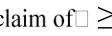 ≥5.6 reduction is considered applicable.
b One of the five PPV runs for the 20N filter yielded a 1.25 log clearance over the 0.1 μm pre-filter. Since production employs a 0.1 μm pre-filter before the 20N filter, the 1.25 logs were added to the 2.2 log clearance obtained over the 20N filter, and the value of 3.5 was used for determination of the mean reduction factor.
CLINICAL TRIALS
Prophylaxis of Rh Immunization
The efficacy and safety of WinRho® in prophylaxis of Rh immunization was evaluated in 3 clinical trials. Study WR-00350 was a phase 3 study that evaluated the efficacy and safety of WinRho® in pregnant Rho (D)-negative women whose husband’s Rho (D) serotype was either positive or unknown. The study PM-010 was a phase 4 retrospective survey of the results of pregnancies treated with WinRho® SDF to prevent Rh immunization. Based on a prospective protocol, a case report form was designed to transfer information out of an existing medical database of women who had received WinRho® SDF in order to assess efficacy and safety of the product in antenatal prophylaxis of Rh immunization. Study PM-011 was a phase 4 post-marketing surveillance of efficacy and safety of WinRho® SD in the prophylaxis of Rh immunization following the introduction of WinRho® SD in Ireland.
Study demographics and trial design
A total of 1186 Rho (D)-negative pregnant women were administered WinRho® in study WR-00350. In addition, WinRho® was administered to the mother postpartum if the Rho (D) serotype of the infant was positive. In study PM-010, 226 Rho (D)-negative pregnant women were treated antenatally and postpartum with WinRho® SDF. One patient had a spontaneous abortion and the Rho (D) blood type of the fetus was unknown. All analyses were done on the intent-to-treat population which included 226 subjects. In study PM-011, a total of 650 Rho (D)-negative women were administered WinRho® SD antenatally or postpartum.
Table 11 Summary of patient demographics for clinical trials in prophylaxis of Rh immunization studies
| Study # | Trial design | Dosage, route of administration and duration | Study subjects (n = number) | Mean age ± SD (Range) | Gender |
|---|
| Study # | Trial design | Dosage, route of administration and duration | Study subjects (n = number) | Mean age ± SD (Range) | Gender |
|---|---|---|---|---|---|
| WR-003 | Phase 3, open label, single arm study in pregnant Rho (D)-negative women |
| 93 | n/a | All female |
| 131 | ||||
| 962 | ||||
| PM-010 | Phase 4, open-label study in pregnant Rho (D)-negative women | Individual antenatal infusions of 600-1500 IU (IV or IM), 600 IU (IV) postpartum | 226 | 28.1 ± 5.7 Years (15-41) | All female |
| PM-011 | Phase 4, open-label study in pregnant Rho (D)-negative women | 1 x 600 IU (IV) | 648 | 29.8 ± 5.4 Years (15-45) | All female |
| 2 x 600 IU (IV) | 1 | ||||
| 12 x 600 IU (IV) | 1 | ||||
Study results
In all 3 studies the primary efficacy endpoint was the rate of Rh immunization of the pregnant Rho (D)-negative mother by her Rho (D)-positive baby at delivery (studies WR-003 and PM-010), 6 months post-delivery (studies WR-003 and PM-011), and 12 months post-delivery (study PM-011). These results demonstrated the effectiveness of WinRho® in preventing Rh immunization.
Table 12 Results of studies WR-003, PM-010, and PM-011 in prophylaxis of Rh immunization
| Study # | Primary Endpoints | Results Statistical Test/P value |
|---|---|---|
| WR-003 | Rh isoimmunization of mother at delivery and at 6 months post-delivery | Chi-square test between observed (0/806) and expected* (15/806) isoimmunization / p<0.001 |
| PM-010 | Rh isoimmunization of mother at delivery | Chi-square test between observed (0/226) and expected* (4/226) isoimmunization / p<0.05 |
| Study # | Primary Endpoints | Results Statistical Test/P value |
|---|---|---|
| PM-011 | Rh isoimmunization of mother at 6 and/or 12 months post-delivery | None of the mothers were Rh immunized at 6 months and/or 12 months follow-up |
| * Based on historical data. 27,51,52 | ||
Treatment of ITP
The efficacy and safety of WinRho® in the treatment of ITP was evaluated in 4 clinical studies. Study AITP was a phase 3 study in children with acute ITP. In AITP, the efficacy and the safety of WinRho® was compared to standard therapies for treatment of acute ITP in children: 1- high dose IGIV, 2- low dose IGIV, and 3-prednisone. Study CITP was a phase 3 study that evaluated the efficacy and safety of WinRho® in children with chronic ITP. Study BITP-1 was a phase 3 study that evaluated the efficacy and safety of WinRho®/WinRho® SD in adults and children with ITP secondary to HIV infection. Study BITP-2 was a phase 3 study that evaluated the efficacy and safety of WinRho®/WinRho® SD in adults with chronic ITP. Study BITP-3 was a phase 3 study that evaluated the efficacy and safety of WinRho®/WinRho® SD in adults with acute ITP.
Table 13 Summary of patient demographics for clinical trials in ITP studies
| Study # | Trial Design | Dosage, Route of Administration and Duration | Study Subjects (n=number) | Mean Age (Range) | Gender |
|---|---|---|---|---|---|
| AITP | Phase 3, open label, randomized, parallel arm study in children with acute ITP | WinRho at 250 IU/kg | 38 | 6.8 ± 4.5 years (0.7-15) | 15M:23F |
| IGIV at 2.0 g/kg | 35 | 6.1 ± 3.8 years (1-15) | 22M:13F | ||
| IGIV at 0.8 g/kg | 34 | 5.9 ± 4.4 years (1-16) | 17M:17F | ||
| Prednisone at 4.0 mg/kg/day for 7days | 39 | 6.3 ± 4.6 years (0.9-16) | 25M:14F | ||
| CITP | Phase 3, open label, single arm study in children with chronic ITP | WinRho/WinRho SD at 250 IU/kg and additional doses if clinically required | 25 | 10.6 ± 4.6 (years (2-18) | 8M:17F |
| Study # | Trial Design | Dosage, Route of Administration and Duration | Study Subjects (n=number) | Mean Age (Range) | Gender |
|---|---|---|---|---|---|
| BITP-1 | Phase 3, open-label, single arm study in children and adults with ITP secondary to HIV | WinRho/WinRho SD at 50-375 IU/kg | 65 | 30.7 ±14.0 years) (0.5-58) | 60M:5F |
| BITP-2 | Phase 3, open-label, single arm study in adults with chronic ITP | WinRho/WinRho SD at 50-375 IU/kg | 26 | 44.3 ± 20.7 years (18-80) | 13M:13F |
| BITP-3 | Phase 3, open-label, single arm study in adults with acute ITP | WinRho/WinRho SD at 50-375 IU/kg | 7 | 51.7 ± 22.5 years (19-84) | 3M:4F |
Study results
Childhood Acute ITP (AITP)
A multicenter, randomized, controlled trial comparing Rho (D) IGIV to high dose and low dose Immune Globulin (Human) and prednisone was conducted in 146 non-splenectomized, Rho (D) positive children with acute ITP and platelet counts less than 20 x 109/L. Of 38 patients receiving Rho (D) IGIV (125 IU/kg [25 µg/kg] on days 1 and 2), 32 patients (84%) responded (platelet count ≥ 50 x 109/L) with a mean peak platelet count of 319.5 x 10⁹/L (range 61 x 109/L to 892 x 109/L), with no statistically significant differences compared to other treatment arms. The mean times to achieving ≥ 20 x 109/L or ≥ 50 x 109/L platelets for patients receiving Rho (D) IGIV were 1.9 and 2.8 days, respectively. When comparing the different therapies for time to platelet count ≥ 20 x 109/L or ≥ 50 x 109/L, no statistically significant differences among treatment groups were detected, with a range of 1.3 to 1.9 days and 2.0 to 3.2 days, respectively.
Table 14 Results of study AITP in treatment of acute ITP in children
| Primary Endpoints | WinRho | High Dose IGIV | Low Dose IGIV | Prednisone |
|---|---|---|---|---|
| Time to reach platelet count ≥ 50 x 109/L (days) | 2.8 | 2.6 | 2.0 | 3.2 |
| Time to reach platelet count ≥ 20 x 109/L (days) | 1.9 | 1.6 | 1.3 | 1.9 |
Childhood Chronic ITP (CITP)
In an open-label, single arm, multicenter study, 25 non-splenectomized, Rho (D) positive children with ITP of greater than six months duration were treated initially with 250 IU/kg (50 µg/kg) Rho (D) Immune Globulin (Human) (125 IU/kg [25 µg/kg] on days 1 and 2), with subsequent doses ranging from 125 to 275 IU/kg (25 to 55 µg/kg). Response was defined as a platelet increase to at least 50 x 109/L and a doubling of the baseline. In the per protocol analysis, 19 of 24 patients responded for an overall response rate of 79%, an overall mean peak platelet count of 229.4 x 10⁹/L (range 43.3 x 10⁹/L to 456 x 109/L), and a mean duration of response of 36.5 days (range 6 to 84).
Table 15 Results of study CITP in treatment of chronic ITP in children
| Primary Endpoints | First Course | Overall |
|---|---|---|
| Proportion of responding patients | 92% | 92% |
| Mean Peak platelet count (x 109/L) | 241.1 | 225.6 |
| Maximum change in platelet count from baseline (x 109/L) | 206.6 | 192.6 |
ITP Secondary to HIV Infection (BITP-1)
Eleven (11) children and 52 adults who were non-splenectomized, Rho (D) positive with all Walter Reed classes of HIV infection and ITP, with initial platelet counts of ≤ 30 x 109/L or requiring therapy, were treated with 50 to 375 IU/kg (20 to 75 µg/kg) Rho (D) IGIV in an open-label trial. Rho (D) IGIV was administered for an average of 7.3 courses (range 1 to 57) over a mean period of 407 days (range 6 to 1,952). Fifty-seven (57) of 63 patients responded (increase ≥ 20 x 109/L) during the first six courses of therapy for an overall response rate of 90%. The overall mean change in platelet count for six courses was 60.9 x 10⁹/L (range -2 x 10⁹/L to 565 x 109/L), and the mean peak platelet count was 81.7 x 10⁹/L (range 16 x 109/L to 593 x 109/L).
Table 16 Results of study BITP-1 in treatment of ITP secondary to HIV infection in children and adults
| Primary Endpoints | First Course | Overall |
| Proportion of responding patients | 75% | 90% |
| Mean Peak platelet count (x 109/L) | 87.3 | 81.7 |
| Maximum change in platelet count from baseline (x 109/L) | 66.6 | 60.9 |
Adult Chronic ITP (BITP-2)
Twenty-six (26) non-splenectomized, Rho (D) positive adults with ITP of greater than six months duration and platelet counts < 30 x 109/L or requiring therapy were enrolled in a single-arm, open-label trial and treated with 50 to 375 IU/kg (20 to 75 µg/kg) Rho (D) IGIV (mean dose 231 IU/kg [46.2 µg/kg]). In the per protocol analysis, 21 of 24 patients responded (increase ≥ 20 x 109/L) during the first two courses of therapy for an overall response rate of 88% with a mean peak platelet count of 92.3 x 10⁹/L (range 8.0 to 229 x 109/L).
Table 17 Results of study BITP-2 in treatment of chronic ITP in adults
| Primary Endpoints | First Course | Overall |
|---|---|---|
| Proportion of responding patients | 83% | 88% |
| Mean Peak platelet count (x 109/L) | 92.6 | 92.3 |
| Maximum change in platelet count from baseline (x 109/L) | 66.7 | 65.6 |
Adult Acute ITP (BITP-3)
Seven (7) non-splenectomized, Rho (D) positive adults with ITP of less than six months duration and platelet counts < 30 x 109/L or requiring therapy were enrolled in a single-arm, open-label trial and treated with 50 to 375 IU/kg (20 to 75 µg/kg) Rho (D) IGIV (mean dose 187 IU/kg [37.3 µg/kg]). In the per protocol analysis, 5 of 6 patients responded (increase ≥ 20 x 109/L) during the only course of therapy for a response rate of 83% with a mean peak platelet count of 106.8 x 10⁹/L (range 18.0 to 240 x 109/L).
Comparative Bioavailability Studies
In two comparative pharmacokinetics studies, 101 volunteers were administered the liquid or lyophilized formulation of WinRho® SDF IV (N=41) or IM (N=60). In WS-029 the pharmacokinetic parameters of IV administration of the 2 formulations were evaluated. The measured mean of AUC0-t and the Cmax were similar after IV administrations of lyophilized and liquid WinRho® SDF. However, the 90% Confidence interval fell outside the predefined range of 80 to 125% for the ratio of AUC0-t after correction for actual product potency. The AUC0-t and the Cmax appeared to be comparable after IM administrations of the 2 formulations (study WS-038)42, but a number of subjects were excluded in order to show comparability. Data from this trial was insufficient to demonstrate bioequivalence, based on the predefined criteria. The average peak concentrations (Cmax) of anti-Rho (D) for both formulations were comparable following IV or IM administration and occurred within 30 minutes or 2 – 4 days of administration, respectively. Both formulations also had similar elimination half-lives (t½) following IV or IM administration.
Table 18 Pharmacokinetic Parameters for Liquid and Lyophilized WinRho SDF in Healthy Volunteers (IV Administration)
WinRho® SDF IV Liquid vs Lyophilized From measured data Arithmetic Mean (+SD) |
|---|
| Parameter | Liquid Formulation | Lyophilized Formulation | % Ratio of Geometric Means | Confidence Interval |
|---|---|---|---|---|
AUC0-∞ (ng*day/mL) | 24163 (15514) | 24993 (13674) | ||
AUC0-t (ng*day/mL) | 17890 (7334) | 18096 (7154) | 100.17 | 81.85-122.60 |
CMAX (ng/mL) | 1473 (142) | 1494 (268) | 99.89 | 92.08-108.38 |
TMAX (days) | 0.011 (0.014) | 0.029 (0.073) | ||
t½ (days) | 44 (28) | 48 (31) |
Table 19 Pharmacokinetic Parameters for Liquid and Lyophilized WinRho SDF in Healthy Volunteers (IM Administration)
WinRho® SDF IM Liquid vs Lyophilized From measured data1 Arithmetic Mean (+SD) | ||||
|---|---|---|---|---|
| Parameter | Liquid Formulation | Lyophilized Formulation | % Ratio of Geometric Means | Confidence Interval |
AUC0-28 (ng*h/mL) | 67113 (11582) | 60248 (14115) | 109.8 | 100.0-120.5 |
AUC0-t (ng*h/mL) | 95638 (27812) | 77235 (30539) | ||
CMAX (ng/mL) | 151 (30.6) | 132 (38.6) | 112.5 | 99.9-126.7 |
TMAX (days) | 3.2 (1.0) | 3.8 (1.9) | ||
t½ (days) | 25.5 (10.2) | 25.7 (9.0) | ||
| 1 The presented values were obtained after exclusion of 5 of 60 subjects in the trial. | ||||
DETAILED PHARMACOLOGY
Pharmacokinetics
Six pharmacokinetic studies (WR-001, 5696-1, WS-019, WS-029, WS-031, and WS-038) were conducted with different generations of the lyophilized formulation WinRho® SDF. Study WR-001 compared the pharmacokinetics of IM versus IV using first generation product, WinRho®. In study 5696-1 the pharmacokinetics of WinRho® were compared to the second generation product, WinRho® SD. In study WS-019 pharmacokinetics of the early development formulation of WinRho® SD (without polysorbate 80) were compared to the commercial formulation of WinRho® SD (with polysorbate 80). In study WS-031 pharmacokinetics of different doses and routes of administration of the third generation product, WinRho® SDF, were compared. From the pharmacokinetic studies it was shown that the 3 generations of the product, WinRho®, WinRho® SD, and WinRho® SDF, have similar pharmacokinetic parameters and that modifications to the manufacturing and formulation of the product over the years did not affect its pharmacokinetic profile40-43,46,53.
In 2 clinical studies (WS-029 and WS-031) the pharmacokinetics of the lyophilized and the liquid formulations of WinRho® SDF were compared. Please refer to the CLINICAL TRIALS, Comparative Bioavailability Studies section for additional information.
Pharmacodynamics
A clinical study (WR-002) was conducted with 10 Rho (D)-negative volunteers30. All subjects were administered an IV infusion of Rho (D)-positive fetal red cells. Two days after injection of the red cells, five subjects were given an IM injection of 600 IU (120 µg) WinRho® and five subjects were given an IV injection of 600 IU (120 µg) WinRho®. Fetal red cells were cleared from the circulation of the subjects within eight hours of IV administration of the drug or within 24 hours of IM administration of the drug. None of the subjects had evidence of Rh alloimmunization either by screening for anti-Rho (D) (two stage papain, indirect Coombs, saline and low ionic Autoanalyzer techniques) or by challenge of the subjects with Rho (D) fetal cells six months after first clearance of the red cells with WinRho® (Table 20).
Another clinical study (5696-2) was conducted with five Rho (D)-negative volunteers; the same study design was used for clearance of Rho (D)-positive red cells after IV administration of 600 IU (120 µg)39. All fetal red cells were cleared from the circulation of the volunteers within eight hours of administration of WinRho SD ® (Table 20). None of the subjects had evidence of Rh alloimmunization by screening for anti- Rho (D) antibodies at three and six months after WinRho® SD administration (Table 20).
Table 20 Comparison of Rho (D)-positive RBC Clearance
| Time (hr) after Administration of Drug | WinRho® SD Treated Subjects 5696-2 | WinRho® Treated Subjects WR-002 | ||
|---|---|---|---|---|
| Fetal RBC | % Fetal RBC | Fetal RBC | % Fetal RBC | |
| Pre-treatment | 481 ± 106 | 100% | 342 ± 27 | 100% |
| Time (hr) after Administration of Drug | WinRho® SD Treated Subjects 5696-2 | WinRho® Treated Subjects WR-002 |
|---|
| Fetal RBC | % Fetal RBC | Fetal RBC | % Fetal RBC | |
|---|---|---|---|---|
| 1 | 390 ± 106 | 82% ± 19% | 236 ± 53 | 70% ± 18% |
| 3 | 38 ± 35 | 7% ± 7% | 55 ± 11 | 16% ± 2% |
| 8 | 0 | 0 | 0 | 0 |
| 24 | 0 | 0 | 0 | 0 |
TOXICOLOGY
An IV acute toxicity study was conducted in mice using WinRho®, Rho (D) Immune globulin (Human). An LD50 was not determined, as the maximal dose used did not kill any experimental animals. A lower limit of 18,750 IU (3,750 µg) anti-Rho (D)/kg body weight was established as the LD50 for this drug. Neither observation nor necropsy of the experimental animals revealed any acute toxicity related to the study drug.
In a clinical study with healthy Rho (D)-negative male volunteers, WinRho® SD, Rho (D) Immune Globulin (Human), has been administered IV at a dose of 250 IU/kg (50 µg/kg) of body weight. In that study, there were no signs of toxicity which could be attributed to WinRho® SD. There was a moderate elevation of serum LDH levels (p < 0.03).
WinRho® has undergone clinical testing in Rho (D)-positive individuals with Immune Thrombocytopenic Purpura. In these studies, subjects received multiple intravenous injections from 1,500 IU (300 µg) anti-Rho (D) (total) to 375 IU (75 µg) anti- Rho (D)/kg body weight. In these studies the only associated signs of toxicity, which were identified, were mild compensated hemolysis.
REFERENCES
- 1. Bowman JM, Chown B, Pollock J. Low protein Rh immune globulin purity - stability activity and prophylactic value. Vox Sang 1973; 24:301-316.
- 3. Friesen AD, Bowman JM, Price HW. Column ion exchange preparation and characteristics of an Rh immune globulin (WinRho) for intravenous use. J Appl Biochem 1981; 3:164-175.
- 4. Unpublished viral validation data. (2004 – 2005)
- 5. Horowitz B. Investigations into the application of tri(n-butyl)phosphate/detergent mixtures to blood derivatives. Curr Stud Hematol Blood Transfus 1989; (56):83-96.
- 6. Unpublished viral validation on file.
- 7. Unpublished data on file, AITP Report, 1993.
- 8. Unpublished data on file, CITP Report, 1993.
- 9. Dalakas MC. High-dose intravenous immunoglobulin and serum viscosity: risk of precipitating thromboembolic events. Neurology 1994; 44(2):223-226.
- 10. Wolberg AS, Kon RH, Monroe DM, Hoffman M. Coagulation factor XI is a contaminant in intravenous immunoglobulin preparations. Am J Hematol 2000; 65(1):30-34.
- 11. Woodruff RK, Grigg AP, Firkin FC, Smith IL. Fatal thrombotic events during treatment of autoimmune thrombocytopenia with intravenous immunoglobulin in elderly patients. Lancet 1986; 2(8500):217-218.
- 12. Ballow, M. Mechanism of action of intravenous immunoglobulin therapy and potential use in autoimmune connective tissue diseases. Cancer 1991;68: 1430-1436.
- 13. Knicker WT. Immunosuppressive agents, (-globulin, immunomodulation, immunization, and apheresis. J Aller Clin Immunol 1989: 84:1104-1106.
- 14. Lazarus AH, Crow AR. Mechanism of action of IVIG and anti-D in ITP. Transfus Apheresis Sci 2003; 28(3):249-255.
- 15. Gaines AR. Acute onset hemoglobinemia and/or hemobloginuria and sequelae following Rho(D) immune globulin intravenous administration in immune thrombocytopenic Purpura patients. Blood 2000; 95 (8):2523-2529.
- 16. Unpublished data on file, BITP-1 Report, 1993.
- 17. Unpublished data on file, BITP-2 Report, 1993.
- 18. Unpublished data on file, BITP-3 Report, 1993.
- 19. Zunich K, Harkonen W, Hafkin B, Titus D, Garer D, Woloski M. A dose ranging evaluation of the effect of a single administration of Rh (D) immune globulin intravenous in healthy volunteer. Blood 1994; 84 (Suppl):664a.
- 20. Gaines AR. Disseminated intravascular coagulation associated with acute hemoglobinemia and/or hemoglobinuria following Rho(D) immune globulin intravenous administration for immune thrombocytopenic Purpura. Blood 2005; 106(5):1532-7.
- 21. CIOMS. Current challenges in Pharmacovigilance: Pragmatic Approaches. Report of CIOMS Working Group V. Geneva 2001. Page 122.
- 22. Cayco AV, Perazella MA, Hayslett JP. Renal insufficiency after intravenous immune globulin therapy: a report of two cases and an analysis of the literature. Am Soc Nephrol. 1997 Nov;8(11):1788-94.
- 23. Perazella MA, Cayco AV. Acute renal failure and intravenous immune globulin: sucrose nephropathy in disguise? Am J Ther 1998; 5(6):399-403.
- 24. Center for Biologics Evaluation and Research FDA. Important Drug Warning ("Dear Doctor") letter. 1998.
- 25. Rizk A, Gorson KC, Kenney L, Weinstein R. Transfusion-related acute lung injury after the infusion of IVIG. Transfusion. 2001; 41(2):264-8.
- 26. Burks AW, Sampson HA, Buckley RH. Anaphylactic reactions after gamma globulin administration in patients with hypogammaglobulinemia. Detection of IgE antibodies to IgA. N Eng J Med 1986; 314:560-564.
- 27. Bowman JM. The prevention of Rh immunization. Transfus Med Rev 1988; 2(3):129-150.
- 28. Unpublished data on file, PM-010 Report, 1997.
- 29. Unpublished data on file, PM-011 Report, 1998.
- 30. Unpublished data on file, WR-002 Report, 1993.
- 31. Miura M, Katada Y, Ishihara J. Time interval of measles vaccination in patients with Kawasaki disease treated with additional intravenous immune globulin. Eur J Pediatr 2004; 163(1):25-29.
- 32. Ruderman JW, Barka N, Peter JB, Stiehm ER. Antibody response to MMR vaccination in children who received IVIG as neonates. Am J Dis Child 1991; 145(4):425-426.
- 33. Zaia JA, Levin MJ, Preblud SR, Leszczynski J, Wright GG, Ellis RJ, et al. Evaluation of varicella-zoster immune globulin: protection of immunosuppressed children after household exposure to varicella. J Infect Dis 1983 Apr;147(4):737-43.
- 34. Fung KFK, Eason E. Prevention of Rh Alloimmunization. J Obstet Gynaecol Can 2003; 25(9):765-773.
- 35. Bowman JM, Chown B. Prevention of Rh immunization after massive Rh-positive transfusion. Can. Med Assoc J 1968; 99:385-388.
- 36. Chown B, Bowman JM, Pollock J, Lowen B, Pettett A. The effect of anti-D IgG on D-positive recipients. Can Med Assoc J 1970; 102:1161-1164.
- 37. Bowman JM, Pollock JM. Failures of intravenous Rh immune globulin prophylaxis: An analysis of the reasons for such failures. Trans Med Rev 1987; 1:101-112.
- 38. Bowman JM, Pollock JM. Antenatal prophylaxis of Rh isoimmunization 28 weeks-gestation service program. Can Med Assoc J 1978; 118:627-633.
- 39. Unpublished data on file, 5696-2 Report, 1992.
- 40. Unpublished data on file, WS-031 Report, 2000.
- 41. Unpublished data on file, WS-029 Report, 2004.
- 42. Unpublished data on file, WS-038 Report, 2004.
- 43. Unpublished data on file, WR-001 Report, 1993.
- 44. Committee for medicinal products for human use. Core SPC for human normal immunoglobulin for intravenous administration (IVIg). European Medicines Agency. 2004.
- 45. Finlayson JS, Tankersley DL. Availability of intramuscular immunoglobulin. Lancet 1984; 2(8397):296-297.
- 46. Unpublished data on file, WS-019 Report, 1996.
- 47. Andrew M, Blanchette VS, Adams M, Ali K, Barnard D, Chan KW, et al. A multicenter study of the treatment of childhood chronic idiopathic thrombocytopenic purpura with anti-D. J Pediatr 1992; 120:522-7.
- 48. Blanchette V, Imbach P, Andrew M, Adams M, McMillan J, Wang E, et al. Randomised trial of intravenous immunoglobulin G, intravenous anti-D, and oral prednisone in childhood acute immune thrombocytopenic purpura. Lancet 1994; 344:703-7.
- 49. Bussel JB, Graziano JN, Kimberly RP, Pahwa S, Aledort LM. Intravenous anti-D treatment of immune thrombocytopenic purpura: Analysis of efficacy, toxicity, and mechanism of effect. Blood 1991; 77:1884-93.
- 50. Unpublished data on file, WR-003 Report, 1993.
- 51. Bowman JM, Chown B, Lewis M, Pollock JM. Rh isoimmunization during pregnancy: antenatal prophylaxis. Can Med Assoc J 1978; 118:623-7.
- 52. Bowman JM. Suppression of Rh immunization. Obstet & Gynec 1978; 52:385-393.
- 53. Unpublished data on file, 5696-1 Report, 1992.