


Product Monograph - Zenapax 5mg/mL
SUMMARY PRODUCT INFORMATION
Route of Administration | Dosage Form / Strength | Clinically Relevant Nonmedicinal Ingredients |
| Liquid Concentrate For Infusion | Solution 25 mg/5 mL | None For a complete listing see Dosage Forms, Composition and Packaging section. |
INDICATIONS AND CLINICAL USE
ZENAPAX (daclizumab) is indicated as an adjunct agent for the prophylaxis of acute organ rejection in patients receiving renal transplants. In clinical studies the majority of the patients received ZENAPAX in combination with cyclosporine, corticosteroids, and azathioprine.
The efficacy of ZENAPAX for the prophylaxis of acute rejection in recipients of other solid organ allografts has not been demonstrated.
Pediatrics (<17 years of age): The safety and efficacy of ZENAPAX has not been established in the pediatrics population (see WARNINGS AND PRECAUTIONS: Special Populations, Pediatrics (1-16 years of age).
Geriatrics (>65 years of age): The safety and efficacy of ZENAPAX has not been established in the geriatrics population.
CONTRAINDICATIONS
ZENAPAX (daclizumab) is contraindicated in patients with known hypersensitivity to daclizumab, mouse cell proteins or to any other components of this product (See DOSAGE FORMS, COMPOSITION AND PACKAGING).
WARNINGS AND PRECAUTIONS
Serious Warnings and Precautions
- Only physicians experienced in immunosuppressive therapy and management of organ transplant patients should prescribe ZENAPAX (daclizumab).
- The physician responsible for ZENAPAX administration should have complete information requisite for the follow-up of the patient.
ZENAPAX should only be administered by healthcare personnel trained in the
administration of the drug who have available adequate laboratory and supportive medical resources.
- Severe, acute hypersensitivity reactions, including anaphylaxis, have been observed both on initial exposure to ZENEPAX and following re-exposure (see WARNINGS AND PRECAUTIONS: General, Sensitivity/Resistance).
General
ZENAPAX (daclizumab) should be administered under qualified medical supervision. Patients should be informed of the potential benefits of therapy and the risks associated with administration of immunosuppressive therapy.
Re-administration of ZENAPAX after an initial course of therapy has not been studied in humans. The potential risks of such re-administration, specifically those associated with immunosuppression and/or the occurrence of anaphylaxis/anaphylactoid reactions, are not known.
Carcinogenesis and Mutagenesis
Long-term studies to evaluate the carcinogenic potential of ZENAPAX have not been performed.
ZENAPAX was not genotoxic in the Ames or the V79 chromosomal aberration assays, with or without metabolic activation (See TOXICOLOGY).
Immune
In the triple- and double-therapy regimen studies 12% and 18% of the patients, respectively, developed antibodies. However, the antibodies produced did not affect efficacy, safety, serum daclizumab levels, or any other clinically relevant parameter examined (See CLINICAL TRIALS).
It is not known whether ZENAPAX use will have a long-term effect on the ability of the immune system to respond to antigens first encountered during ZENAPAX-induced immunosuppression.
Infections
Patients on immunosuppressive therapy following transplantation are at increased risk for developing lymphomas and opportunistic infections. While ZENAPAX is an immunosuppressive drug, no increase in lymphomas or opportunistic infections were observed in patients treated with ZENAPAX in clinical trials (See ADVERSE REACTIONS).
Sensitivity/Resistance
Severe, acute (onset within 24 hours) hypersensitivity reactions including anaphylaxis have been observed both on initial exposure to ZENAPAX and following re-exposure. These reactions may include hypotension, bronchospasm, wheezing, laryngeal edema, pulmonary edema, cyanosis, hypoxia, respiratory arrest, cardiac arrhythmia, cardiac arrest, peripheral edema, loss of consciousness, fever, rash, urticaria, diaphoresis, pruritus, and/or injection site reactions. If a severe hypersensitivity reaction occurs, therapy with ZENAPAX should be permanently discontinued. Medications for the treatment of severe hypersensitivity reactions including anaphylaxis should be available for immediate use. Patients previously administered ZENAPAX should only be re-exposed to a subsequent course of therapy with caution. The potential risks of such re-administration, specifically those associated with immunosuppression, are not known.
Sexual Function/Reproduction
Reproduction
The effect of ZENAPAX on fertility is not known, because animal reproduction studies evaluating fertility parameters have not been conducted with ZENAPAX.
Women of childbearing potential should use effective contraception before beginning therapy with ZENAPAX, during therapy and for 4 months after therapy with ZENAPAX has been completed.
Transplantation
In transplant recipients there is no experience of exposure to second or subsequent treatment courses using ZENAPAX. Therefore, the potential risks of such re-administration, specifically those associated with immunosuppression, are not known. The efficacy of ZENAPAX for the prophylaxis of acute rejection in recipients of other solid organ allografts has not been demonstrated.
Zenapax in combination with cyclosporine, mycophenolate mofetil and corticosteroids may be associated with an increase in mortality due to fatal infections from pronounced immunosuppression in cardiac transplant patients. The risks of infection or death may be increased in patients receiving concomitant administration of ZENAPAX and antilymphocyte antibody therapy (see ADVERSE REACTIONS: Clinical Trial Adverse Reactions, Incidence of Infectious Episodes).
Special Populations
Pregnant Women: A preclinical reproduction toxicity study with daclizumab has shown an increased risk of early prenatal fetal loss in cynomolgus monkeys compared to placebo. It is not known whether ZENAPAX can cause fetal harm when administered to pregnant women or if it can affect reproductive capacity. There are no adequate and well-controlled clinical trials in pregnant women and the post-market experience of daclizumab-exposed pregnancies is very limited. In general, IgG molecules are known to cross the placental barrier. ZENAPAX should not be used in pregnant women unless the potential benefit justifies the potential risk to the fetus.
Nursing Women: It is not known whether ZENAPAX is excreted in human milk. However, in preclinical reproduction toxicity studies with daclizumab, four out of seven lactating cynomolgus monkeys given 5-10 times the normal human dose (10 mg/kg) were found to secrete very low levels of daclizumab (0.17-0.28% of maternal serum levels) in breast milk. Because many drugs, including human antibodies, are excreted in human milk and because of the potential for adverse reactions, a decision should be made to discontinue nursing or to discontinue the drug, taking into account the importance of the drug to the mother.
Pediatrics (1-16 years of age): Formal safety and efficacy studies have not been conducted in the pediatric population. However, some studies have been carried out in the pediatric population that help to assess the safety of ZENAPAX in these patients (see CLINICAL TRIALS: Pediatrics).
Geriatrics: Experience with ZENAPAX in elderly patients is limited because of the small number of older patients who undergo renal transplantation. Caution must be used in giving immunosuppressive drugs to elderly patients.
ADVERSE REACTIONS
Clinical Trial Adverse Drug Reactions
Because clinical trials are conducted under very specific conditions the adverse reaction rates observed in the clinical trials may not reflect the rates observed in practice and should not be compared to the rates in the clinical trials of another drug. Adverse drug reaction information from clinical trials is useful for identifying drug-related adverse events and for approximating rates.
The safety of ZENAPAX (daclizumab) was determined in four clinical studies in 629 patients receiving renal allografts of whom 336 received ZENAPAX and 293 received placebo.
Two of the studies were randomized controlled double-blind, Phase III trials comparing a dose of 1.0 mg/kg of ZENAPAX with placebo when each was administered as part of a regimen containing either cyclosporine and corticosteroids (double-therapy immunosuppressive regimen) or cyclosporine, corticosteroids, and azathioprine (triple-therapy immunosuppressive regimen) to prevent acute rejection. The first dose of ZENAPAX (or placebo) was administered within 24 hours before transplantation, and the dose was repeated at intervals of 14 days for a total of 5 doses.
Compared with placebo, ZENAPAX did not significantly increase the toxicity profile of the underlying immunosuppressive regimen. The reported adverse events were related to the transplant procedure and the other drugs in the immunosuppressive regimen. Refer to the product monographs of cyclosporine, corticosteroids, azathioprine, and mycophenolate mofetil for information about adverse events potentially associated with these treatments.
Adverse events were reported by 95% of the patients in the placebo-treated group and 96% of the patients in the group treated with ZENAPAX. The proportion of patients prematurely withdrawn
from the combined studies because of adverse events was 8.5% in the placebo-treated group and 8.6% in the group treated with ZENAPAX.
Compared to placebo-treated patients, treatment with ZENAPAX did not increase the number of serious adverse events. Table 1 summarizes the incidence of serious adverse events and deaths.
Table 1 Incidence of Serious Adverse Events Occurring during the First 3 Months Post-transplant and Deaths Occurring during the First 12 Months Post-transplant
| Placebo | ZENAPAX | ||||||||||||||||||
| (N=293) | (N=336) | ||||||||||||||||||
| No. Pts | % | No. Pts | % | P-value | |||||||||||||||
Serious Adverse Events 130 44.4 134 39.9 0.26
Deaths at 6 months 10 3.4 2 0.6 0.02
Deaths at 12 months* 13 4.4 5 1.5 0.03
* Additional data on deaths were collected for up to 1 year except for the placebo-controlled Phase I study in which only 6-month data were available.
The most frequently reported adverse events were gastrointestinal disorders, which were reported with equal frequency in patient groups treated with ZENAPAX (67%) and placebo-treated (68%) patient groups.
Table 2 summarizes adverse events occurring with a frequency ≥ 5% in either treatment group, regardless of relationship.
Table 2 Incidence of Adverse Events (≥ 5% in either treatment group, combined studies, including unrelated) Occurring during the First 3 Months Post-transplant
| Body System and Adverse Event | Placebo | ZENAPAX | ||||||
| (N = 293) | (N = 336) | |||||||
| % | % | |||||||
Application Site Disorders
Application site reaction
5.1 5.1
5.4
4.8
Autonomic Nervous System Disorders
Hypertension
Hypotension
Hypertension, aggravated
35.8
20.5 10.2 7.2
37.8
24.7 8.6 7.4
Body as a Whole - General Disorders
Pain, post-traumatic
Chest pain
Fever
Pain
Shivering
40.3 20.1 8.9 10.2 8.2 5.1
36.9
20.8 8.6 5.4 7.1 3.0
Central & Peripheral Nervous System Disorders
Tremor
Headache
Dizziness
40.6 15.7 14.7 4.4
46.1 19.3 15.5 5.1
Gastrointestinal System Disorders
Constipation
Nausea
Diarrhea
Vomiting
Abdominal pain
Pyrosis
Dyspepsia
Abdominal distention
Epigastric pain, not food-related
67.9 37.9 25.9 16.4 14.3 13.0 9.6 5.1 4.4 3.8
67.3 34.8 27.4 15.2 14.9 9.8 8.3 6.8 5.7 5.4
Heart Rate and Rhythm
Tachycardia
11.9
6.8
10.7
6.5
Hemic and Lymphatic Disorders
Lymphocele
7.5
6.5
7.7 7.4
Metabolic and Nutritional Disorders
Edema extremities
Edema
Fluid overload
49.8
30.0 18.4 5.8
44.9
28.0 15.8 3.3
Musculoskeletal System Disorders
Musculoskeletal pain
Back pain
26.3
12.3 8.2
25.6
12.5 6.5
Table 2 Incidence of Adverse Events (≥ 5% in either treatment group, combined studies, including unrelated) Occurring during the First 3 Months Post-transplant
| Body System and Adverse Event | Placebo | ZENAPAX | ||||||
| (N = 293) | (N = 336) | |||||||
| % | % | |||||||
Platelet, Bleeding & Clotting Disorders
Bleeding
11.3
10.6
7.7
7.4
Psychiatric Disorders
Insomnia
Fatigue
Anxiety
29.4
13.7 9.6 5.5
25.3 12.5 7.4 2.1
Respiratory System Disorders
Dyspnea
Pulmonary edema
Coughing
36.5
15.4 4.4 4.8
35.4
11.9 6.3 5.1
Skin and Appendages Disorders
Wound healing impaired without infection
Acne
Pruritus
28.3
10.2 7.2 5.8
32.1
12.2 8.9 3.9
Urinary System Disorders
Oliguria
Dysuria
Renal tubular necrosis
Renal damage
45.1
10.6 12.3 6.8 7.8
39.3
9.5 6.0 7.4 4.5
Vascular (Extracardiac) Disorders
Thrombosis
10.2
4.4
11.6
5.4
The following adverse events occurred in <5% and ≥ 2% of patients treated with ZENAPAX regardless of relationship.
These included:
Central and Peripheral Nervous System: urinary retention, leg cramps, prickly sensation Gastrointestinal System: flatulence, gastritis, hemorrhoids Metabolic and Nutritional: diabetes mellitus, dehydration Musculoskeletal System: arthralgia, myalgia
Psychiatric: depression, generalized weakness
Respiratory System: atelectasis, congestion, pharyngitis, rhinitis, hypoxia, rales, abnormal breath sounds, pleural effusion
Skin and Appendages: hirsutism, rash, night sweats, increased sweating Urinary System: hydronephrosis, urinary tract bleeding, urinary tract disorder, renal insufficiency
Vision: vision blurred
The following adverse events occurred in <2% and ≥ 1% of patients treated with ZENAPAX regardless of relationship.
These included:
Autonomic Nervous System: hot flushes
Body as a Whole: wound, chest discomfort
Cardiovascular: coronary infarction
Central and Peripheral Nervous System: confusion, hand cramps
Gastrointestinal System: abdominal fullness, dysphagia, hiccup
Heart Rate and Rhythm: atrial fibrillation, bradycardia, ECG abnormal Metabolic and Nutritional: cushingoid (moonface), weight increase
Musculoskeletal System: muscle cramps
Psychiatric: malaise, nightmares
Resistance Mechanism: influenza
Respiratory System: nosebleed
Urinary System: abnormal renal function, acute renal insufficiency, micturition frequency, ureteral disorder
Vascular (Extracardiac): Renal artery stenosis
Incidence of Infectious Episodes: The incidence of infectious episodes, including cytomegalovirus (CMV) infection, was generally lower in patients treated with ZENAPAX than in placebo-treated group (Tables 3 and 4). One exception was cellulitis and wound infections, which occurred in 4.1% of placebo-treated patients and 8.4% of patients treated with ZENAPAX. At 1 year post-transplant, seven placebo-treated patients and only one patient treated with ZENAPAX had died of an infection. Patients in the two randomized controlled clinical trials were followed for 3 years. At 3 years post-transplant, 8 placebo-treated patients and 4 patients treated with ZENAPAX had died of infection (see WARNINGS AND PRECAUTIONS). ZENAPAX did not increase the incidence of infectious episodes (72% placebo vs 68% ZENAPAX). The types of infections reported were similar in both groups. CMV infection was reported in 16% of the patients in the placebo group and in 13% of the patients treated with ZENAPAX.
Table 3 Percentage of Patients with Infections during the First 6 Months Post-transplant*
| Type of infection | Placebo | ZENAPAX | ||||||
| (N=268) | (N=286) | |||||||
| % | % | |||||||
Bacteremia and Septicemia 6.7 4.5 Fever 12.7 10.5 Fungal Infections
Fungemia
Local fungal infections
13.4 1.1 12.7
11.5 0.3 11.2
Local Infections
Cellulitis and wound infections
Urinary tract infections
Other local infections
53.4 4.1 37.3 25.0
50.7 8.4 32.9 27.3
Pneumonia 6.0 4.9 Toxoplasmosis — 0.3 Viral Infections
Local viral infections
Viremia
28.0 17.2 16.0
24.8 15.4 12.6
Total 72.0 67.8 * In the open-label Phase I study, data on infectious episodes were collected only for 3 months post-transplant. The placebo-controlled Phase I study is not included in this pool, since only opportunistic infections were collected and reported as infections; occurrences of other infections were collected as adverse events.
Table 4 Percentage of Patients with CMV Infections during the First 6 Months Post-transplant*
| Type of CMV Infection | Placebo | ZENAPAX | ||||
| (N=293) | (N=336) | |||||
| % | % |
Tissue infection** 2.0 2.1 Viremia† 14.0 11.0 Total 16.0 13.1 * In the open-label, Phase I study, data on infectious episodes were collected for only the first 3 months post-transplant.
** Not all tissue infections disease were confirmed histopathologically by isolation of the virus from the tissue specimen.
† Seroconversion or positive blood culture with or without evidence of clinical symptoms.
In a single randomized controlled clinical trial in cardiac transplant recipients which compared ZENAPAX to placebo, each used in combination with mycophenolate mofetil (CellCept® 1.5 gm bid), cyclosporine, and corticosteroids, there were more infection-related deaths among patients who received ZENAPAX. At 1 year post-transplant 14 of 216 patients (6.5%) who received ZENAPAX and 4 of 207 (1.9%) patients who received placebo died of an infection, a difference of 4.6% (95% CI: 0.3% to 8.8%). Some, but not all, of the increase in mortality appeared related to a higher incidence of severe infections. Overall use of antilymphocyte antibody therapy (Orthoclone OKT® 3 (muromonab-CD3), ATG, Atgam®) was similar in patients who received ZENAPAX and in patients who received placebo, 18.5% and 17.9%, respectively. However, of the 40 patients who received both ZENAPAX and antilymphocyte therapy, 8 (20.0%) died whereas of the 37 patients who received both placebo and antilymphocyte therapy, 2 (5.4%) died. The risks of infection or death may be increased in patients receiving concomitant antilymphocyte antibody therapy.
Atgam® is a registered Trade-Mark of Pharmacia & Upjohn Company LLC.
CellCept® is a registered Trade-Mark of Syntex Pharm AG, used under license
Orthoclone OKT® 3 is a registered Trade-Mark of Johnson & Johnson.
Incidence of Malignancies: One year after treatment, the incidence of malignancies was 2.7% in the placebo group compared with 1.5% in patients treated with ZENAPAX (Table 5). (See WARNINGS AND PRECAUTIONS). Patients in two of the three randomized controlled clinical trials were followed for 3 years. After 3 years the overall incidence of malignancies in these 2 trials was 7.8% in the placebo group compared with 6.4% in patients treated with ZENAPAX. Addition of ZENAPAX did not increase the number of post-transplant lymphomas up to 3 years post-transplant, which occurred with a frequency of less than or equal to 1% in both groups (See WARNINGS AND PRECAUTIONS).
Table 5 Percentage of Patients with Lymphomas or Other Malignancies during the First Year Post-transplant *
| Placebo | ZENAPAX | |||||
| N=293 | N=336 | |||||
| % | % |
Lymphoma/lymphoproliferative disorders 0.7 0.6 Nonmelanoma skin tumour 1.7 1.2 Other malignancy 0.3 - Total 2.7 1.5**
* The incidence of lymphomas and other malignancies includes the first year post-transplant in three studies but only the first 6 months post-transplant in the placebo-controlled Phase I study. ** One patient had both lymphoma and a skin tumour.
Abnormal Hematologic and Clinical Chemistry Findings
Hyperglycemia: No differences in hematologic or chemical laboratory test results were seen between groups treated with ZENAPAX and placebo-treated groups with the exception of fasting blood glucose. Fasting blood glucose was measured in a small number of patients treated with ZENAPAX and placebo. A total of 16% (10 of 64 patients) of placebo-treated patients and 32% (28 of 88 patients) of patients treated with ZENAPAX had high fasting blood glucose values. Most these high values occurred either on the first day post-transplant when patients received high doses of corticosteriods or in patients with diabetes (See Table 6).
Table 6 Incidence of Marked Laboratory Abnormalities (≥ 5% in either treatment group)
during the First 3 Months Post-transplant
| Parameter | Placebo | ZENAPAX | ||||||||||||
| No. Eval. | % Abnorm. | No. Eval. | %Abnorm. | |||||||||||
HEMATOLOGY
Low platelets
290
7.6
330
4.8
CLINICAL CHEMISTRY
High ALAT (SGPT)
High ASAT (SGOT)
High alkaline phosphatase
High fasting glucose
High uric Aacid
Low albumin
Low calcium
Low total protein
262 280 287 64 259 245 266 12
32.4 12.9 5.2 15.6 17.8 15.5 40.2 50.0
302 326 333 88 280 266 286 13
23.5 9.8 2.7 31.8 12.5 16.2 36.0 38.5
Post-Market Adverse Drug Reactions
Anaphylactic reactions following administration of proteins can occur. Severe, acute (onset within 24 hours) hypersensitivity reactions on both initial and subsequent exposure to ZENAPAX have been reported rarely. The clinical manifestations of these reactions include hypotension, tachycardia, hypoxia, dyspnea, wheezing, laryngeal edema, pulmonary edema, flushing, diaphoresis, temperature increase, rash and pruritus. Therefore, medications for the treatment of severe hypersensitivity reactions should be available for immediate use.
DRUG INTERACTIONS
Drug-Drug Interactions
The following medications have been administered in clinical trials with ZENAPAX (daclizumab) with no incremental increase in adverse reactions: cyclosporine, mycophenolate mofetil, ganciclovir, acyclovir, azathioprine, and corticosteroids. Very limited experience exists in these patients with the use of ZENAPAX with tacrolimus, muromonab-CD3, antithymocyte globulin and antilymphocyte globulin.
In renal allograft recipients (n=50) treated with ZENAPAX and mycophenolate mofetil (CellCept®), no pharmacokinetic interaction between ZENAPAX and mycophenolic acid, the active metabolite of mycophenolate mofetil, was observed.
In a large clinical study in 434 cardiac transplant recipients, the use of ZENAPAX as part of an immunosuppression regimen including cyclosporine, mycophenolate mofetil, and corticosteroids was associated with an increase in mortality, particularly in patients receiving concomitant anti-lymphocyte antibody therapy and in patients who developed severe infections. Therefore the concurrent administration of ZENAPAX and antilymphocyte therapy cannot be recommended (see ADVERSE REACTIONS: Clinical Trial Adverse Reactions, Incidence of Infectious Episodes).
DOSAGE AND ADMINISTRATION
Recommended Dose and Dosage Adjustment
The recommended dose for ZENAPAX (daclizumab) is 1.0 mg/kg. The standard course of therapy with ZENAPAX is five doses. The first dose should be given within 24 hours before transplantation. The four remaining doses should be given at intervals of 14 days. These doses should be given within 24 hours of the scheduled administration. The calculated volume of ZENAPAX should be mixed with 50 mL of sterile 0.9% saline solution and administered via a peripheral or central vein over a 15-minute period.
Special Populations
Age, gender, proteinuria, race: No dosage adjustments based on other identified covariates (age, gender, proteinuria, race) are required for renal allograft patients (See WARNINGS AND PRECAUTIONS: Special Populations).
Hepatic Insufficency: No data are available for administration in patients with severe hepatic impairment, but no dosage adjustment would be expected for a humanized monoclonal antibody that is not metabolized in the liver. (See ACTIONS AND CLINICAL PHARMACOLOGY : Pharmacokinetics).
Renal Insufficency: No dosage adjustment is necessary for patients with severe renal impairment.
Administration
ZENAPAX is not for direct injection. It should be diluted in 50 mL of sterile 0.9% sodium chloride solution before intravenous (i.v.) administration to patients. When mixing the solution, gently invert the bag in order to avoid foaming; do not shake. Care must be taken to assure sterility of the prepared solution, since the drug product does not contain any antimicrobial preservative or bacteriostatic agents. ZENAPAX is a colourless solution provided as a single-use vial; any unused portion of the drug should be discarded. Parenteral drug products should be inspected visually for particulate matter and discolouration before administration. Once the infusion is prepared, it should be administered intravenously within 4 hours. If it must be held longer (up to 24 hours), it should be refrigerated between 2°C to 8ºC.
No incompatibility between ZENAPAX and polyvinyl chloride or polyethylene bags or infusion sets has been observed. No data are available concerning the incompatibility of ZENAPAX with other drug substances.
Other drug substances should not be added or infused simultaneously through the same intravenous line.
Reconstitution:
| Vial Size | Volume of Diluent to be Added to Vial | Approximate Available Volume | Nominal Concentration per mL |
| 25 mg/ 5 mL | diluted in 50 mL of sterile 0.9% sodium chloride solution | 55 mL | 0.4545 mg/mL |
MISSED DOSE
If a dose is missed or the patient is unable to meet hospital appointment for one of the infusions, another dose should be made as soon as possible.
OVERDOSAGE
Cases with overdose have been reported with ZENAPAX. Treatment of an overdose with ZENAPAX should consist of general supportive measures including monitoring of vital signs and observation of the clinical status of the patient.
A maximum tolerated dose has not been determined in patients. A dose of 1.5 mg/kg has been administered to bone marrow transplant recipients without any associated adverse events. A maximum tolerated dose could not be achieved in animals because of the volume of diluent required. In a single-dose toxicity study, a dose of 125 mg/kg was administered intravenously to mice without any evidence of toxicity (See TOXICOLOGY).
ACTION AND CLINICAL PHARMACOLOGY
Mechanism of Action
ZENAPAX (daclizumab) is a recombinant, humanized IgG1 anti-Tac (HAT) antibody that functions as an interleukin-2 (IL-2) receptor antagonist. Daclizumab binds with high affinity to the alpha, Tac, or CD25 subunit of the high affinity IL-2 receptor complex and inhibits IL-2 binding and biological activity. The binding of daclizumab is highly specific for Tac which is expressed on activated but not resting lymphocytes. Administration of ZENAPAX inhibits IL-2-mediated activation of lymphocytes, a critical pathway in the cellular immune response involved in allograft rejection.
Daclizumab saturates the Tac receptor for approximately 120 days at the recommended dosage regimen. No significant changes to circulating lymphocyte numbers or cell phenotypes were observed by fluorescence-activated cell sorter analysis. In the absence of sufficient data, no definite conclusion can be made in relation to cytokine release syndrome following administration of ZENAPAX.
The complete and exact mechanisms of action associated with HAT are not entirely known. The IL-2R alpha saturation and blockade of IL-2-driven proliferation define what is understood to be necessary, but they may not alone be sufficient or the only aspects to account for the overall immunosuppressive effects.
Pharmacokinetics
Distribution: In renal allograft patients treated with a 1 mg/kg i.v. dose of ZENAPAX every 14 days for a total of five doses, average peak serum concentration (mean ± SD) rose between the first dose (21 ± 14 µg/mL, N=82) and fifth dose (32 ± 22 µg/mL, N=72). The mean trough serum concentration before the fifth dose was 7.6 ± 4.0 µg/mL. In vitro and in vivo data suggest that serum levels of 5 to 10 µg/mL are necessary for saturation of the Tac receptors to block the responses of activated T lymphocytes.
ZENAPAX has been produced using two processes. The population pharmacokinetics data, presented below, were derived from studies using daclizumab produced by the original process. A bridging pharmacokinetic study was conducted and demonstrated the uniformity between the original process and the current process. Population pharmacokinetic analysis of the data using a two-compartment open model gave the following values for a reference 45-year old male Caucasian patient with a body weight of 80 kg and no proteinuria: systemic clearance = 15.1 mL/h, volume of central compartment = 2.49 L, volume of peripheral compartment = 3.43 L. Factors identified to contribute to individual variability in systemic clearance included total body weight (12 mL/h at 40 kg to 18 mL/h at 130 kg), age (12 mL/h at 20 years old to 17 mL/h at 70 years old), gender (8% decrease in systemic clearance in females), proteinuria (14% increase in systemic clearance in patients with proteinuria ≥ 1+), and race (21% decrease in systemic clearance in non-Caucasian, non-Black patients). The estimated inter-patient variability (percent coefficient of variation) in systemic clearance and central volume of distribution were 15% and 27%, respectively.
Elimination: The estimated terminal elimination half-life for the reference patient was 20 days (480 hours), equivalent to the terminal elimination half-life for human IgG (18 to 23 days). Terminal elimination half-life estimates ranged from 270 to 919 hours for 123 patients included in the population analysis.
The influence of body weight on systemic clearance supports the dosing of ZENAPAX on a milligram per kilogram (mg/kg) basis. This dose maintains drug exposure within 30% of the reference exposure for patients with a wide range of demographic characteristics. No dosage adjustments based on other identified covariates (age, gender, proteinuria, race) are required for renal allograft patients. Complete and independent studies examining the effects of gender, race, weight, renal disease and hepatic disease have not been performed (See DOSAGE AND ADMINISTRATION).
Special Populations and Conditions
No dosage adjustments based on other identified covariates (age, gender, proteinuria, race) are required for renal allograft patients. Complete and independent studies examining the effects of gender, race, weight, renal disease and hepatic disease have not been performed (See DOSAGE AND ADMINISTRATION).
STORAGE AND STABILITY
Vials should be stored between the temperatures of 2°C and 8°C; do not freeze. Protect undiluted solution against direct light. Diluted medication is stable for 24 hours at 2°C to 8°C or for 4 hours at room temperature.
DOSAGE FORMS, COMPOSITION AND PACKAGING
ZENAPAX (daclizumab) is supplied as a colourless concentrated liquid dosage form for further dilution and intravenous administration.
Composition
Each milliliter of ZENAPAX contains 5 mg of daclizumab and 0.2 mg polysorbate 80, 3.59 mg sodium phosphate monobasic monohydrate, 10.99 mg sodium phosphate dibasic heptahydrate, 4.60 mg sodium chloride and sodium hydroxide or hydrochloric acid to adjust pH to 6.9 - 7.0.
Availability of Dosage Forms
ZENAPAX is supplied in single flint glass vials. Each vial contains a concentrate of 25 mg of daclizumab in 5 mL of solution.
PART II: SCIENTIFIC INFORMATION
PHARMACEUTICAL INFORMATION
Drug Substance: ZENAPAX (daclizumab) is a monoclonal antibody produced by recombinant DNA technology. The sterile solution contains a humanized recombinant monoclonal antibody of the IgG1 isotype. Daclizumab binds specifically to the Tac or CD25 subunit of the IL-2 receptor that is expressed on the surface of activated lymphocytes.
The recombinant genes encoding daclizumab are a composite of human (90%) and murine (10%) antibody sequences. The human sequences were derived from the constant domains of human IgG1 and the variable framework regions of the Eu myeloma antibody. The murine sequences are derived from the complementarity-determining regions of the murine anti-Tac antibody. ZENAPAX is purified from cell culture supernatant by ion exchange and gel filtration chromatography.
Proper name: ZENAPAX
Chemical name: daclizumab
Molecular formula: C6398H9860O2012S44
Molecular mass: Approximately 150,000 daltons
Structural formula:
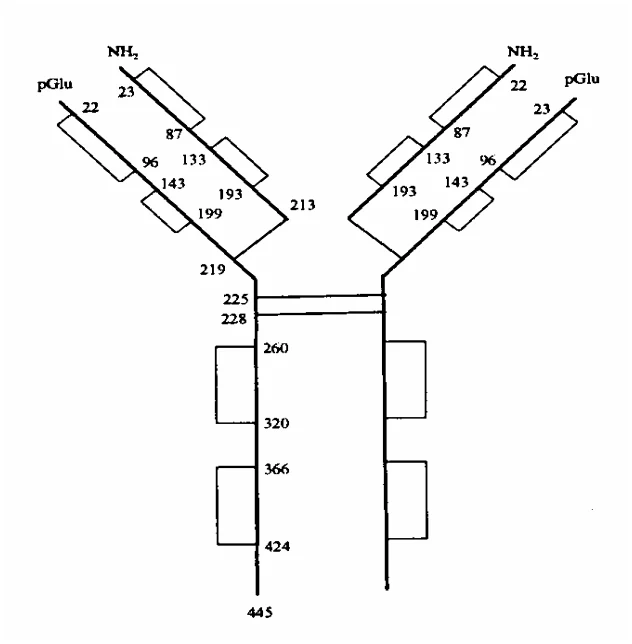
Physicochemical properties: A water-soluble protein.
CLINICAL TRIALS
The safety and efficacy of ZENAPAX (daclizumab) for the prophylaxis of acute organ rejection in renal allograft patients were assessed in two randomized, double-blind, placebo-controlled, multiple-dose, multicenter trials.
These trials compared a dose of 1.0 mg/kg of ZENAPAX with placebo when each was administered as part of an immunosuppressive regimen containing either cyclosporine and corticosteroids (double-therapy immunosuppressive regimen) or cyclosporine, corticosteroids, and azathioprine (triple-therapy immunosuppressive regimen) to prevent acute rejection. Dosing was initiated within 24 hours pre-transplant, with subsequent doses given every 14 days for a total of five doses.
The primary efficacy endpoint of both trials was the proportion of patients who developed a biopsy-proven acute rejection episode within the first 6 months following transplantation. As shown in the table below, the incidence of biopsy-proven acute rejection in patients given a double-therapy immunosuppressive regimen was 28% in the group treated with ZENAPAX group and 47% in the placebo-treated group. This 40% decrease in the incidence of acute rejection between treatment groups was statistically significant (P=0.001). In this study a number of patients received azathioprine; 38/134 (28%) in the placebo group and 31/141 (22%) in the group treated with ZENAPAX.
In patients given a triple-therapy immunosuppressive regimen, the incidence of biopsy-proven acute rejection was 22% in the group treated with ZENAPAX and 35% in the placebo-treated group. This 37% decrease in the incidence of acute rejection between treatment groups was statistically significant (P=0.03).
Table 7 Incidence of Biopsy-Proven Acute Rejection
| Double-therapy Regimen | Triple-therapy Regimen | ||||
| (cyclosporine and corticosteroids) | (cyclosporine, corticosteroids, and | ||||
| azathioprine) | |||||
| Placebo | ZENAPAX | Placebo | ZENAPAX | ||
| (N=134) | (N=141) | (N=134) | (N=126) | ||
Number of patients (%)
with biopsy-proven acute
rejection 63 (47) 39 (28) 47 (35) 28 (22) P-value 0.001* 0.03
* See comments in text regarding use of azathioprine.
Secondary efficacy endpoints at 6 months post-transplant included patient survival, graft survival, treatment of rejection with Orthoclone OKT® 3 or other antilymphocyte therapy, the incidence of delayed graft function, cumulative corticosteroid dose, and graft function. The results presented in the table below show that when compared with the placebo-treated group:
Patient survival at 6 months post-transplant significantly improved in patients treated with
ZENAPAX compared with placebo-treated patients in the double-therapy study.
Graft survival was significantly better at 6 months post-transplant in patients treated with
ZENAPAX than in placebo-treated patients in the triple-therapy study.
Antilymphocyte therapy for the treatment of acute rejection was used in a significantly
(P=0.02) lower proportion of patients treated with ZENAPAX than placebo-treated patients in the double-therapy study.
- No difference in the incidence of delayed graft function was seen in either study between patients treated with ZENAPAX and placebo-treated patients.
Significantly lower doses of corticosteroids were received by patients treated with
ZENAPAX than placebo-treated patients in the first 6 months post-transplant in the double-therapy study.
Graft function at 6 months post-transplant was significantly better in patients treated with
ZENAPAX than in the placebo-treated patients in the double-therapy study.
Table 8 Secondary Efficacy Endpoint Results at 6 Months Post-transplant
| Double-therapy Regimen | Triple-therapy Regimen | ||||
| (cyclosporine and corticosteroids) | (cyclosporine, corticosteroids, and | ||||
| azathioprine) | |||||
| Placebo | ZENAPAX | Placebo | ZENAPAX | ||
| (N=134) | (N=141) | (N=134) | (N=126) | ||
Patient Survival No. of surviving patients (%) 128 (96) 141 (100) 130 (97) 125 (99)
P-value 0.01 0.19
Graft Survival No. of patients with functioning graft (%) 115 (86) 128 (91) 122 (91) 123 (98) P-value 0.21 0.02
Patients Requiring Antilymphocyte
Therapy for Rejection
No. of patients (%) 22 (16) 11 (8) 19 (14) 10 (8) P-value 0.02 0.09
Delayed Graft Function No. of patients (%) 51 (38) 56 (40) 39 (29) 27 (21) P-value 0.78 0.18
Cumulative Dose of Corticosteroids Median (mg) 3622 3132 4314 4184 P-value 0.01 0.73
Graft Function Median GFR (mL/min) 44 53 52 48 P-value 0.02 0.33
In the Phase III studies 1 year after transplantation, patients treated with ZENAPAX continued to have less rejection, less graft loss, and improved patient survival compared with placebo-treated patients.
In a 76-patient randomized, placebo-controlled, double-blind study in which ZENAPAX was added to a triple-therapy regimen including Neoral®, CellCept®, and steroids, the quadruple-therapy regimen was safe and well-tolerated. The incidence of the combined endpoint of biopsy-proven or presumptive acute rejection was 20% (5 of 25 patients) in the placebo group and 12% (6 of 50 patients) in the group treated with ZENAPAX. The addition of ZENAPAX to three-drug immunosuppressive therapy did not result in an increased incidence of adverse events or a change in the types of adverse events reported.
Neoral® is a registered Trade-Mark of Novartis AG.
Pediatrics
In a study conducted with 61 pediatric patients receiving renal allografts, it was shown that the safety profile for the use of ZENAPAX in pediatric patients was comparable to that in adult patients. However, the following adverse events occurred more frequently (>15% difference in incidence) in pediatric patients: diarrhea, post-operative pain, fever, vomiting, aggravated hypertension and pruritus.
In addition, safety data were obtained from 26 patients, ranging in age from 1 to 16 years, who received either 0.3 or 1.2 mg/kg of ZENAPAX in a bone marrow transplant study. The incidences of serious adverse events and deaths in this population were similar to those seen in the adult patients in that study (see ADVERSE REACTIONS).
In fourteen (14) pediatric patients (ages 1 to 16 years, body weight from 10.5 kg to 89.0 kg) treated for prophylaxis of graft-versus-host disease, weight-adjusted systemic clearance of ZENAPAX was similar to that found for adult patients treated for prophylaxis of graft-versus-host disease. Complete pharmacokinetic data are not available in pediatric renal allograft patients.
DETAILED PHARMACOLOGY
In Vitro Studies
Daclizumab retains high affinity for the Tac peptide and effectively blocks IL-2-mediated biological responses in vitro. Competitive binding assays performed on various cell types indicate that daclizumab is an effective IL-2R antagonist, binding with high affinity ( Kd ranging between 0.2 and 0.7 nM) and strict species specificity. Daclizumab effectively blocked IL-2-dependent proliferation of human PHA-activated lymphoblasts by competing with IL-2 for binding to the IL-2 receptor, specifically inhibiting proliferation rather than by exerting a nonspecific toxic effect on the cells. In addition, unlike the original murine anti-Tac (MAT) antibody, daclizumab was found to mediate antibody-dependent cell-mediated cytotoxicity (ADCC) with either human or monkey mononuclear cells. This functional property is mediated by the Fc portion of the antibody, is species-specific, and has the potential for facilitating the in
vivo elimination of Tac bearing cells. Stimulation of ADCC by daclizumab may contribute to this antibody's activity in vivo, clearly offering a potential advantage to the humanized antibody as an immunosuppressive therapeutic agent.
In Vivo Studies
Anti-human IL-2Ra monoclonal antibodies, including daclizumab, exhibit strict species specificity in their antigen-combining site. These anti-Tac antibodies bind only to human and other primate IL-2Ra, do not bind to the analogous protein in rodents and fail to inhibit IL-2-dependent proliferation of murine lymphoid cells. Therefore, in vivo evaluation of the pharmacodynamic and immunogenic properties of daclizumab was primarily conducted in primates.
Pharmacodynamics: Primary Action
The efficacy of daclizumab was evaluated in two primate transplantation models and in a chimeric human/mouse graft-versus-host disease (GVHD) model system using SCID mice to test the efficacy of daclizumab. In addition, daclizumab was evaluated in two primate autoimmune models.
Survival of cardiac allograft transplants was prolonged in primates treated with daclizumab i.v. infusion. Mean graft survival in animals administered 1 mg/kg daclizumab by bolus i.v. infusion every other day until graft rejection was 20 ± 0.6 days compared to 9.2 ± 0.5 days in untreated controls. Treatment of humanized SCID mice with 2 mg/kg of daclizumab prevented GVHD in 64% of all treated mice and prolonged their survival.
In two models of autoimmunity, daclizumab (2 mg/kg every 3 or 4 days) effectively reduced the severity of the inflammatory response. In experimentally-induced uveoretinitis in cynomolgus monkeys, daclizumab reduced the severity of ocular inflammation. In rhesus monkeys with collagen-induced arthritis, treatment with daclizumab effectively reduced inflammation preventing the development of severe arthritis.
Pharmacodynamics: Secondary Action
The development of anti-MAT and anti-daclizumab antibodies was specifically evaluated in a cynomolgus monkey study in order to characterize the immunogenic response. In addition, antibody development was specifically monitored in efficacy, toxicity and pharmacokinetic studies. Monkeys were dosed with either 0.05, 0.5, or 5 mg/kg daclizumab or MAT for 14 days and challenged with 5 mg/kg anti-Tac on day 42. Anaphylactic responses were frequently observed in monkeys administered MAT and in only one monkey administered daclizumab. There was no increase in total monkey IgE, nor was antigen-specific anti-anti-Tac IgE detected. The mediator of this anaphylactic response remains unknown. No evidence of anaphylaxis was observed in any other primate or human studies with either daclizumab or MAT (1, 2, 10, 13, 16, 19, 22, 23, 44-46). A single high bolus dose of daclizumab administered to naive monkeys did not induce a measurable antibody response. A secondary immune response was observed in all monkeys challenged with daclizumab or MAT, with monkeys that had been previously treated with the lowest dose of antibody demonstrating the greatest anamnestic response. The antibody titer was, in general, inversely related to the protein dose administered, possibly because of the induction of tolerance or the intrinsic immunosuppressive activity of anti-Tac and its effects on B
cell responses. Using a competitive ELISA, the monkey anti-MAT response was found to be a mixture of anti-isotypic and anti-idiotypic antibodies, while the anti-daclizumab response was predominantly anti-idiotypic. This analysis of the monkey anti-daclizumab antibodies demonstrated that daclizumab was not recognized by monkeys as very immunogenic. The few animals that did make anti-daclizumab antibodies produced predominantly anti-idiotypic antibodies that recognized the conformation of the CDR regions, an expected result for a monkey humoral response to either human or monkey IgG. Overall, antibody titers to daclizumab were lower and their formation was delayed compared to the response to MAT. The reduced immunogenicity of daclizumab correlated with a higher maximum serum concentration and trough level. Humanization of MAT was successful in producing an antibody that when used clinically should not be limited by its intrinsic immunogenicity, a limitation of all murine antibody therapeutics.
Anti-daclizumab antibody development was also monitored during the course of a 28-day toxicology study in monkeys and single-dose pharmacokinetic study in monkeys. Essentially no anti-daclizumab antibodies were observed in monkeys receiving a single dose of 1.5 or 15 mg/kg of daclizumab or daily doses of 5 or 15 mg/kg of daclizumab for 28 days. Two of six monkeys receiving daily doses of 1.5 mg/kg of daclizumab for 28 days exhibited anti-daclizumab antibodies on the last day of the study. This biphasic response is in agreement with the hypothesis that induction of tolerance may be due to the intrinsic immunosuppressive activity of anti-Tac and its effects on B cell responses.
Drug Interactions
The immunogenicity and efficacy of daclizumab in combination with anti-IL-2R beta antibodies and other nonpeptide immunosuppressive compounds was evaluated in several primate cardiac allograft transplantation studies. The effects on efficacy of daclizumab in combination with anti-IL-2R beta antibodies, cyclosporine A (CsA), or deoxyspergualin (DSG) were equivocal. The immunogenicity of daclizumab was suppressed when administered in combination with CsA while combinations with deoxyspergualin or an anti-IL-2R beta antibody increased the immunogenicity of daclizumab in monkeys. These data demonstrate that the immunogenicity of these humanized antibodies may be affected by co-administration with other immunosuppressive compounds. However, the mechanism of this phenomenon remains unclear.
Biodistribution
Tissue distribution of daclizumab was evaluated in rats following administration of a single i.v. bolus dose of 0.86 mg/kg 125I-daclizumab. Distribution of total and protein-bound radioactivity indicated that over the time-course of the study (from 4 hours to 8 days) there was no incorporation of protein-bound radioactivity in any of the tissues or organs examined. In addition, analysis of protein-bound radioactivity in serum indicates that the predominant radioactive protein in the serum still corresponds to intact daclizumab. These findings correlated with the lack of tissue cross-reactivity studies found using human specimens.
Immunohistochemical visualization following preincubation of daclizumab at concentrations of 0.56, 5.6, and 56 mg/mL with acetone fixed human blood smears and human cryosections provided no evidence of crossreactivity for daclizumab in the adrenal gland, blood vessel, bone marrow, cerebrum, cerebellum, esophagus, heart, kidney, large intestine, liver, lungs, lymph
nodes (mesenteric), lymphocytes (blood smear), medulla oblongata, granulocytes (blood smears), pancreas, parathyroid gland, peripheral nerve, pituitary gland, prostate, salivary gland (mandibular), skin, small intestine, spleen, stomach, skeletal muscle, testes, thyroid gland, and urinary bladder.
TOXICOLOGY
The toxicity of daclizumab was specifically investigated in a number of nonclinical studies. These safety studies are briefly described and summarized in tables to follow.
The safety of a single bolus dose of daclizumab was evaluated following subcutaneous (s.c.) and/or i.v. administration to mice, rats, and rabbits. There was no mortality, clinical sign of toxicity, or local irritation associated with administration of daclizumab at i.v. or s.c. dose limits ranging from 50 - 125 mg/kg.
Because daclizumab exhibits strict species specificity in the antigen combining site, the safety of repeat administration of daclizumab was evaluated only in primates. Repeat administration of 0, 1.5, 5.0, and 15.0 mg/kg/day daclizumab during the course of a 28-day i.v. toxicity study was not associated with any treatment-related pharmacologic effects, clinical signs, mortality, effects on body weight, hematology or clinical chemistry parameters, or gross and histopathologic findings. The 15 mg/kg/day dose was considered the highest achievable dose, as determined by the maximum pharmaceutically acceptable concentration of test article (5 mg/mL) and the maximum acceptable volume for repeated daily injection (3 mL/kg). This highest technically feasible dose in the monkey produced serum trough concentrations of daclizumab approximately 44 times higher than the serum peak concentrations seen in the clinical studies. Appreciable daclizumab serum levels were reported throughout the duration of this study. There were no detectable levels of anti-daclizumab antibodies in the serum samples from the mid-dose group (5 mg/kg/day) or from the high-dose group (15 mg/kg/day). In the low-dose group (1.5 mg/kg/day) antibodies were detected in two of the six monkeys on the last day of the study.
The local tolerance to daclizumab was evaluated in rabbits following i.v. administration of 0.5 mL of a 5 mg/mL concentration of daclizumab in the marginal ear vein. There were no significant differences in mean irritation scores between daclizumab and placebo. However, there was a transient slight reddening at the injection site.
Daclizumab did not induce antibody forming cells in an in vitro immunization culture with human peripheral blood mononuclear cells. These data suggest low likelihood of antibody formation in response to daclizumab in the clinical setting. There was no hemolytic effect of 5 mg/mL daclizumab on heparinized human red blood cells following incubation 30 minutes at 37ºC.
Daclizumab was not mutagenic, clastogenic, or aneuploidogenic as assessed in two standard in vitro assays. In the Ames Assay, there was no increase in the mutant frequency following incubation with 11.4 to 1140 mg daclizumab/plate in the presence or absence of an exogenous metabolic activation system. In the V79 chromosomal aberration assay, the rate of cells with structural chromosome aberrations was not increased at concentrations ranging from 496 to 1984 mg/mL of daclizumab, at any treatment time or in the presence or absence of metabolic
activation. Carcinogenicity studies were not performed with daclizumab.
Toxicokinetics
The toxicokinetics of daclizumab were evaluated by monitoring daclizumab serum levels during the course of 28-day repeat administration study in primates. Following administration of 1.5, 5.0 or 15 mg/kg by i.v. bolus, trough serum concentrations of daclizumab increased with an increase in dose for the low-mid-and high-dose groups. Over the first 8 days of administration, serum concentrations increased for all animals; however, after day 15 mean serum trough concentrations increased only in the 5 and 15 mg/kg dose group whereas measured concentrations of daclizumab decreased slightly in the 1.5 mg/kg dose group. Anti-daclizumab antibodies were detected in two of the six monkeys dosed with 1.5 mg/kg daclizumab. The presence of these antibodies may account for the decreased serum concentrations observed after the first 8 days of administration.
Table 9 Acute and Multiple Dose Toxicity Studies
Study
(Protocol No.)
Route of Administration
Species/Strain
No. per
Dose
Dose (mg/kg)
Duration
Observation
Acute toxicity testing in mice (05831)
i.v.
Mouse/CD-1
6
125
Single dose administration/ 14 day observation
No deaths; no clinical signs.
Acute toxicity testing in mice (05891)
s.c.
Mouse/CD-1
6
100
Single dose administration/ 14 day observation
No deaths; no clinical signs.
Acute toxicity testing in rats (05891)
i.v.
Rats/CD
5
100
Single dose administration/ 14 day observation
No deaths; no clinical signs.
Acute toxicity testing in rabbits (05891)
i.v.
Rabbits/ New Zealand White
2
50
Single dose administration/ 7 day observation
No deaths; no clinical signs.
28-day repeated administration i.v. toxicity study in
cynomolgus monkeys (T05813)
slow bolus i.v.
injection
Monkey/ Cynomolgus
3
0, 1.5, 5.0 or 15.0
Repeat daily administration for 28 days
No toxicological findings were observed in any parameters evaluated at any dose level. Anti-HAT antibodies detected in 2 of 6 monkeys dosed with 1.5 mg/kg per day only; serum trough concentration at day 29: 42, 390, 1400 mg/mL.
Venous irritation testing in the rabbit (05832)
i.v.
Rabbits/New Zealand White
3
0.5 mL of 5 mg/mL formulation
Single dose administration/ 7 day observation
Slightly more reddening of the ear in treated group when compared with placebo for days 1-3.
14-day immunogenicity study in rats (06609)
i.v.
Rats/Crl:CDBR
6
0.1, 1.0, 10.0
Repeated daily injection for 2 weeks
No antibody development or clinical signs of immunogenicity. Sustained serum HAT
concentrations; t½ > 100 hours.
Table 10 In Vitro Toxicity Studies
Study
(Protocol No.)
Assay System
Concentration of HAT
Duration of Exposure
Genotoxicity and Other Findings
Hemolysis test on human red blood cells (94-67)
Human blood.
5 mg/mL
30 minutes (37ºC)
No hemolytic effect.
Bacterial mutagenicity
(153M94)
Standard plate incorporation and preincubation modification assay using Salmonella strains TA1535, 1537, 97, 98, 100 and 102 and E. coli strain WP2+UVra with and without exogenous metabolic activation.
11.4 to 1140 mg/plate
2 days (37ºC)
No increase in the number of revertant colonies was observed for any of the seven tester strains.
Cultured V79 cells chromosome analysis (151M94)
Chromosomal aberrations analysis in V79 cells with and without exogenous metabolic activation.
496 to 1984 mg/mL
Continuous treatment for 18-28 hours or pulse treatment for 3 hours, followed by 18 hour recovery
Exposure to test article did not raise the rate of cells with chromosomal aberrations.
Cross reactivity with human cryosections (05777)
HAT preincubated with fixed human blood cell smears and tissue cryosections from 29 organs. Binding of HAT evaluated by immuno-histochemical techniques.
0.56, 5.6, and 56
mg/mL
—
HAT does not bind to cells of blood smears. Equivocal staining of few lymphocytes of a human spleen sample occurred at 56 mg/mL, no other human tissue showed positive staining.
In vitro immunogenicity in human peripheral blood
mononuclear cells
Immunization culture with human peripheral blood mononuclear cells.
100 ng/mL
6 days (37ºC)
No antibody-forming cells detected.
REFERENCES
Preclinical
- 1. Queen C, Schneider WP, Selick HE, et al. A humanized antibody that binds to the interleukin 2 receptor. Proc Natl Acad Sci USA. 1989;86:10029-10033.
- 2. Uchiyama T, Broder S, Waldmann TA. A monoclonal antibody (anti-Tac) reactive with activated and functionally mature human T cells. I. Production of anti-Tac monoclonal antibody and distribution of Tac (+) cells. J Immunol. 1981;126:1393-1397.
- 3. Gately MK, Tsien WH, Quinn PM, et al. Comparison of humanized anti-Tac (Ro 24-7375) and murine anti-Tac monoclonal antibodies in vitro. Roche Report No. N-127592, March 19, 1991.
- 4. Depper JM, Leonard WJ, Robb RJ, et al. Blockade of the interleukin-2 receptor by anti-Tac antibody: inhibition of human lymphocyte activation. J Immunol. 1983;131:690-696.
- 5.
Reed MH, Shapiro ME, Strom TB, et al. Prolongation of primate renal allograft survival by anti-
Tac, an anti-human IL-2 receptor monoclonal antibody. Transplantation. 1989;47:55-59.
- 6. Soulilou JP, Peyronnet P, Le Mauff B, et al. Prevention of rejection of kidney transplants by monoclonal antibody directed against interleukin 2 receptor. Lancet. 1987;1:1339-1342.
- 7. Junghans RP, Waldmann TA, Landolfi NF, et al. Anti-Tac-H, a humanized antibody to the interleukin 2 receptor with new features for immunotherapy in malignant and immune disorders. Cancer Res. 1990;50:1495-1502.
- 8.
LoBuglio, AF, Wheeler RH, Trang J, et al. Mouse/human chimeric monoclonal antibody in man:
Kinetics and immune response. Proc Natl Acad Sci USA. 1989;86:4220-4224.
- 9.
Glaser SM, Vasquez M, Payne PW, et al. Dissection of the combining site in a humanized anti-
Tac antibody. J Immunol. 1992;149:2607-2614.
- 10. Brown PS, Parenteau GL, Dirbas FM, et al. Anti-Tac-H, a humanized antibody to the interleukin-2 receptor prolongs primate cardiac allograft survival. Proc Natl Acad Sci USA. 1991;88:2663-2667.
- 11.
Hakimi J, Chizzonite R, Luke D, et al. Reduced immunogenicity and improved
pharmacokinetics of humanized anti-tac in cynomolgus monkeys. J Immunol. 1991;147:1352-1359.
- 12. Tinubu SA, Hakimi J, Kondas JA, et al. A humanized antibody directed to the interleukin-2 receptor β-chain prolongs primate cardiac allograft survival. J Immunol. 1994;153;4330-4338.
- 13. Schneider WP, Glaser SM, Kondas JA, et al. The anti-idiotypic response by cynomolgus monkeys to humanized anti-Tac is primarily directed to complementarity-determining regions H1, H2, and L3. J Immunol. 1993;150:3086-3090.
Clinical
- 14.
Vincenti F, Lantz M, Birnbaum J, Garovoy M, Mould D, Hakimi J, Nieforth K, Light S. A phase
I trial of humanized anti-interleukin-2 receptor antibody in renal transplantation. Transplantation 1997;63:33-38.
- 15. Stock PG, Lantz M, Light S, Vincenti F. In vivo phase I and in vitro efficacy of humanized anti-tac for the prevention of rejection in renal; transplant recipients. Transplant Proc. 1996; 28: 915 - 916.
- 16.
West SB, Lin A, Kanitra LT, Nieforth K, et al. A phase I randomized trial of humanized anti-tac
(Ro 24-7375) for prevention of acute allograft rejection in recipients of first renal transplants. Roche research report N-127060, Feb 8, 1996.
- 17. West SB, Lin A, Nieforth K, Patel I. Wolitzky A, Light S. A phase I/II randomized, double-blind, placebo-controlled, pharmacokinetic and tolerability study comparing Zenapax plus standard immunosuppressive therapy (CellCept® + Neoral® + steroids) to standard immunosuppressive therapy alone in patients receiving a first renal allograft from non-HLA identical donors. Roche research report N-139085, May 22, 1997.
- 18. West SB, Lin A, Wolitzky A, Kaldijian E, Light S. A phase III, randomized, double-blind, placebo-controlled trial of humanized anti-tac (Ro 24-7375) with standard three-drug immunosuppressive therapy for prevention of acute allograft rejection in recipients of first cadaver renal transplants. Roche research report N-138817, May 9, 1997.
- 19. West SB, Lin A, Wolitzky A, Kaldijian E, Light S. A phase III, randomized, double-blind, placebo-controlled trial of humanized anti-tac (Ro 24-7375) with standard two-drug immunosuppressive therapy for prevention of acute allograft rejection in recipients of first cadaver renal transplants. Roche research report N-138816, May 9, 1997.
- 20. Vincenti F, et al. Interleukin-2-receptor blockade with daclizumab to prevent acute rejection in renal transplantation. N Engl J Med. 1998; 338:161-165.
- 21.
Nashan B, Light S, Hardie IR, et al. Reduction of acute renal allograft rejection by daclizumab.
Daclizumab Double Therapy Study Group. Transplantation. 1999;67:110-115.