


Product Monograph - Zinbryta (Biogen Canada, PM 00048279)
SUMMARY PRODUCT INFORMATION
| Route of Administration | Dosage Form / Strength | Clinically Relevant Nonmedicinal Ingredients |
Subcutaneous injection | pre-filled syringe/ 150 mg/mL pre-filled pen/ 150 mg/mL | None are clinically relevant For a complete listing see Dosage Forms, Composition and Packaging section. |
DESCRIPTION
ZINBRYTA (daclizumab beta) is a humanized monoclonal antibody (mAb) of the human immunoglobulin G1 (IgG1) isotype that binds to CD25, the alpha subunit (interleukin [IL]-2Rα) of the human high affinity IL-2 receptor (IL-2R), and modulates IL-2 signaling.
ZINBRYTA is supplied as a sterile, preservative-free, colorless to slightly yellow, clear and slightly opalescent liquid for subcutaneous use.
INDICATIONS AND CLINICAL USE
ZINBRYTA (daclizumab beta) is indicated for the treatment of adult patients with active relapsing remitting multiple sclerosis (RRMS) who have had an inadequate response to, or who are unable to tolerate, one or more therapies indicated for the treatment of multiple sclerosis (MS) (see CLINICAL TRIALS).
The safety and efficacy of ZINBRYTA have not been established in patients with primary and secondary progressive MS.
Because of the risks of hepatic injury, ZINBRYTA can be used only if regular hepatic assessments are made, as specified under WARNINGS AND PRECAUTIONS.
ZINBRYTA is only available through a controlled distribution program called Biogen ONE®
Support Program. Under this program, only prescribers and pharmacies registered with the program are able to prescribe and dispense the product. In addition, ZINBRYTA can only be dispensed as one injection per month, to patients who are registered and informed about the risks of ZINBRYTA and meet all the conditions of the Biogen ONE® Support Program including compliance with monthly monitoring and assessment of liver enzymes before the next dose of
ZINBRYTA.
Please call 1-855-676-6300 to access the program.
Geriatrics (> 65 years of age):
Clinical studies of ZINBRYTA did not include patients over 65 years of age to determine whether they respond differently than younger patients (see WARNINGS AND PRECAUTIONS, Special Populations).
Pediatrics (< 18 years of age):
The safety and efficacy of ZINBRYTA in patients below 18 years of age has not been studied (see WARNINGS AND PRECAUTIONS, Special Populations).
CONTRAINDICATIONS
ZINBRYTA is contraindicated in patients with:
- Pre-existing hepatic disease or hepatic impairment, including ALT or AST at least 2 times the ULN, because ZINBRYTA could exacerbate existing liver dysfunction (see DOSAGE AND ADMINISTRATION and WARNINGS AND PRECAUTIONS).
A history of autoimmune hepatitis or other autoimmune condition involving the liver (see
WARNINGS AND PRECAUTIONS).
- A history of severe hypersensitivity to any form of daclizumab, or any of the components of the product (see the Dosage Forms, Composition and Packaging section of the product monograph for a complete listing). Use in such patients may result in anaphylaxis or life-threatening multi-organ hypersensitivity (see WARNINGS AND PRECAUTIONS).
WARNINGS AND PRECAUTIONS
Serious Warnings and Precautions:
Hepatic Injury Including Autoimmune Hepatitis
ZINBRYTA can cause serious liver injury including life-threatening events, liver failure, and autoimmune hepatitis. In clinical trials, 1 patient died due to autoimmune hepatitis and a case of fatal fulminant liver failure occurred in the post-marketing setting. Liver injury, including autoimmune hepatitis, can occur at any time during treatment with ZINBRYTA, with cases reported up to 4 months after the last dose of ZINBRYTA.
Prior to starting ZINBRYTA, obtain serum transaminases (ALT and AST) and bilirubin levels (see DOSAGE AND ADMINISTRATION). Transaminase levels and total bilirubin should be monitored at monthly intervals, and assessed before the next dose of ZINBRYTA and followed for 6 months after the last dose of ZINBRYTA. In case of elevation, treatment interruption or discontinuation may be required (see DOSAGE AND ADMINISTRATION and WARNINGS AND PRECAUTIONS).
In addition to autoimmune hepatitis, immune-mediated disorders such as skin reactions, lymphadenopathy, autoimmune hemolytic anemia and gastrointestinal disorders can occur in patients treated with ZINBRYTA (see WARNINGS AND PRECAUTIONS).
Some patients required systemic corticosteroids or other immunosuppressant treatment for autoimmune hepatitis or other immune-mediated disorders and continued this treatment after the last dose of ZINBRYTA (see WARNINGS AND PRECAUTIONS).
Hepatic Injury
ZINBRYTA can cause life-threatening serious liver injury, including fulminant liver failure and autoimmune hepatitis. In controlled studies, serious drug-related hepatic injury occurred in 0.7% of ZINBRYTA-treated patients compared with 0.4% of AVONEX-treated patients (DECIDE) and in 1.0% of ZINBRYTA-treated patients compared with no injury in placebo patients (SELECT). Across all clinical studies (controlled and open-label), serious drug-related hepatic injury including autoimmune hepatitis, hepatitis and jaundice occurred in 1.7% of ZINBRYTA-treated patients, with monthly monitoring of transaminases and total bilirubin. The incidence of discontinuation due to drug related hepatic injury was 5% in ZINBRYTA-treated patients and 4% in AVONEX-treated patients.
A case of fatal fulminant liver failure occurred in a patient receiving ZINBRYTA in the post-marketing setting approximately 1 month after administration of the last dose (four doses in total), resulting in transplant and death. The patient had normal serum transaminase and total bilirubin levels 6 days prior to the last dose administered of ZINBRYTA (see ADVERSE REACTIONS). The patient was also receiving concomitant treatment with another drug known to be associated with hepatic injury, although the role of the other drug is uncertain.
Autoimmune Hepatitis
Across all clinical studies (controlled and open-label), 0.3% of ZINBRYTA-treated patients developed autoimmune hepatitis. In a clinical study, a case of fatal autoimmune hepatitis occurred in a patient re-initiating treatment with 300 mg of ZINBRYTA after a planned 6 month treatment interruption period. This patient subsequently received two doses of ZINBRYTA in the presence of persisting alanine aminotransferase levels (ALT) more than 5 times the upper limit of normal (ULN).
Transaminase and Total Bilirubin Elevations
The incidence of increases in hepatic transaminases was greater in patients taking ZINBRYTA than in those taking AVONEX or placebo. The incidence of ALT or AST elevations above 5 times the ULN was 6% in ZINBRYTA-treated patients compared with 3% in AVONEX-treated patients (DECIDE) and 4% in ZINBRYTA-treated patients compared with 1% in patients on placebo (SELECT). Less than 1% of ZINBRYTA-treated patients had ALT or AST greater than 20 times the ULN. Elevations of hepatic transaminases of at least 3 times the ULN combined with elevated bilirubin at least 2 times the ULN and alkaline phosphatase less than 2 times the ULN occurred in 0.7% of ZINBRYTA-treated patients compared with 0.1% of AVONEX-treated patients. In clinical trials, serum transaminase elevations occurred during treatment and up to 4 months after the last dose of ZINBRYTA.
Monitoring
Prior to starting treatment with ZINBRYTA, obtain serum transaminases (ALT and AST) and bilirubin levels. Test and assess transaminase levels and total bilirubin monthly and before the
next dose of ZINBRYTA. Monitor transaminase levels and total bilirubin monthly for 6 months after the last dose of ZINBRYTA. Treatment modifications are recommended based on serum transaminase and total bilirubin values (see DOSAGE AND ADMINISTRATION).
Monitor patients for signs and symptoms of hepatic injury. If a patient develops clinical signs or symptoms suggestive of hepatic dysfunction (e.g. unexplained nausea, vomiting, abdominal pain, fatigue, anorexia, or jaundice and/or dark urine), promptly measure serum transaminases and interrupt or discontinue treatment with ZINBRYTA, as appropriate.
Patients with prolonged elevations of serum transaminases should be evaluated for other possible causes, such as infection, and consider referral to a specialist. Discontinue ZINBRYTA if autoimmune hepatitis (without the presence of auto-antibodies) is suspected. Treatment of autoimmune hepatitis with systemic corticosteroids may be required. Some patients may need long-term immunosuppression.
Risk of Hepatic Injury with Concomitant Use of Other Hepatotoxic Drugs Caution should be used when using hepatotoxic drugs, including non-prescription products, concomitantly with ZINBRYTA. Also, carefully consider the need for the use of herbal products or dietary supplements that can cause hepatotoxicity (see DRUG-DRUG INTERACTIONS).
Immune-Mediated Disorders
Treatment with ZINBRYTA increases the risk of immune-mediated disorders, including autoimmune disorders such as autoimmune hepatitis. Across all clinical studies (controlled and open-label), immune-mediated disorders occurred in 28% of patients on ZINBRYTA, the most common of which were skin reactions and lymphadenopathy (see ADVERSE REACTIONS). Serious immune-mediated disorders occurred in 2% of patients on ZINBRYTA, the most common of which were autoimmune thyroiditis and thrombocytopenia (see ADVERSE REACTIONS).
Immune mediated disorders can occur at any time during treatment, can include single organ or systemic multi-organ reactions and could be life-threatening or fatal.
Prescribers should be vigilant for signs and symptoms regarding emergent immune-mediated disorders. Signs and symptoms vary but may include prolonged fever, headache, nausea, confusion, arthralgia, splenomegaly and blood abnormalities. For suspected immune-mediated disorders, ensure adequate evaluation to confirm etiology or to exclude other causes. If a patient develops a serious immune-mediated disorder, consider stopping ZINBRYTA and refer the patient to an appropriate specialist for further evaluation and treatment.
Immune-mediated events may not resolve after stopping ZINBRYTA and may require invasive procedures for diagnosis (e.g., colonoscopy, liver biopsy, kidney biopsy, lung biopsy), hospitalization for fluid replacement or blood transfusion, or prolonged treatment of these events with systemic corticosteroids or immunosuppressant drugs.
Skin Reactions
ZINBRYTA causes skin reactions. In clinical studies, skin reactions occurred in 37 % of ZINBRYTA treated patients compared with 19 % of AVONEX treated patients (DECIDE) and
in 18% of ZINBRYTA-treated patients compared with 13% of patients on placebo (SELECT). The most common skin reactions were rash, dermatitis, and eczema (see Clinical Trial Adverse Drug Reactions, Table 1 and Table 2). Skin reactions occurred at any time during treatment with ZINBRYTA.
Serious skin reactions occurred in 2% of patients treated with ZINBRYTA compared with 0.1% of patients on AVONEX (DECIDE) and in 1% of patients treated with ZINBRYTA compared with none treated with placebo (SELECT). One death resulted from infectious complications following a serious cutaneous reaction. In patients with a history of skin conditions, including eczema or psoriasis, use of ZINBRYTA may exacerbate those conditions.
Treatment of skin reactions included treatment with topical or systemic steroids or immunosuppressant drugs, including tacrolimus. In clinical trials, discontinuation because of skin reactions was 4% in ZINBRYTA-treated patients. Rashes took a mean of 3 months to resolve, some were unresolved at the time of the last evaluation. If a patient develops a diffuse or highly inflammatory rash, it is recommended that a dermatologist evaluate the patient before the next dose of ZINBRYTA. Discontinuation of ZINBRYTA may be appropriate.
Lymphadenopathy
ZINBRYTA increases the incidence of lymphadenopathy. In controlled studies, lymphadenopathy or lymphadenitis occurred in 6% of ZINBRYTA-treated patients compared with 1% of AVONEX-treated patients (DECIDE) and in 2% of ZINBRYTA-treated patients compared with 1% of placebo-treated patients (SELECT). Onset of lymphadenopathy or lymphadenitis occurred throughout the treatment period. Serious events related to lymphadenopathy or lymphadenitis included infections, benign salivary neoplasm, skin reactions, thrombocytopenia, and interstitial lung changes (see WARNINGS AND PRECAUTIONS). The majority of cases resolved with or without continued treatment with ZINBRYTA and took a mean of 3 months to resolve. Lymphadenopathy resulted in discontinuation in 0.6 % of ZINBRYTA-treated patients.
In the event that lymph node biopsy is considered, full diagnostic evaluation should be conducted by a specialist.
Autoimmune Hemolytic Anemia
Autoimmune hemolytic anemia was reported in <1% of patients treated with ZINBRYTA in clinical studies. No cases of hemolytic anemia have been reported in placebo group or AVONEX group. Autoimmune hemolytic anemia resolved with standard treatment and discontinuation of ZINBRYTA.
If a patient develops signs or symptoms of autoimmune hemolytic anemia (e.g., pallor, fatigue, dark urine, jaundice, shortness of breath), consider referring to a specialist and discontinuing ZINBRYTA (see ADVERSE REACTIONS).
Immune-mediated encephalitis
Cases of immune-mediated encephalitis, including anti-NMDA receptor encephalitis, have been reported in patients during treatment as well as several months after discontinuation of treatment
with ZINBRYTA. Two cases of immune-mediated encephalitis, specifically anti-NMDA receptor encephalitis, occurred 14 weeks and 16 weeks after discontinuation of treatment with ZINBRYTA.
If a patient develops signs or symptoms of immune-mediated encephalitis (prolonged fever, serious headache, confusion, nausea, vomiting), and encephalitis is suspected, consider consultation with an expert. The NMDA receptor antibody test in cerebrospinal fluid and serum should be considered as early as possible to assist diagnosis.
Gastrointestinal Disorders
An increased incidence of serious colitis (<1 %) was reported in patients treated with ZINBRYTA compared with none for patients treated with AVONEX or placebo in clinical studies. The colitis improved with discontinuation of ZINBRYTA and standard treatment. Consider referring patients who develop symptoms of colitis (e.g., abdominal pain, fever, prolonged diarrhea) to a specialist (see ADVERSE REACTIONS).
Acute Hypersensitivity
ZINBRYTA can cause anaphylaxis, angioedema, and urticaria after the first dose or at any time during treatment. Discontinue and do not re-start ZINBRYTA if anaphylaxis or other allergic reactions occur (see CONTRAINDICATIONS).
Depression and Suicide
In clinical studies ZINBRYTA increased the incidence of depression [5% vs 1% (placebo); 8% vs 6% (interferon beta-1a (IM))]; the incidence of serious events of depression including suicidal ideation or suicide attempt was 0.4% with ZINBRYTA.
ZINBRYTA should be administered with caution to patients with previous or current depressive disorders. Patients treated with ZINBRYTA should be advised to report any symptoms of new or worsening depression and/or suicidal ideation immediately to the prescribing physician. If a patient develops severe depression and/or suicidal ideation, cessation of ZINBRYTA should be considered (see Adverse Reactions).
Infections
In clinical studies ZINBRYTA increased the incidence of infections [50 % vs 44 % (placebo); 65 % vs 57 % (interferon beta-1a (IM))] and serious infections [3 % vs 0 % (placebo); 4 % vs 2 % (interferon beta-1a (IM))] compared to placebo and interferon beta-1a (IM). The most common types of infections were upper respiratory tract infections, urinary tract infections, and viral infections.
If serious infection develops, consider withholding treatment with ZINBRYTA until the infection resolves. Discontinuation of ZINBRYTA due to infections was 0.5% in the active controlled clinical trial (DECIDE).
Do not initiate ZINBRYTA therapy in patients with severe active infection until the infection is fully resolved (see ADVERSE REACTIONS).
ZINBRYTA has not been studied in patients with immunodeficiency syndromes.
In clinical trials, tuberculosis infections have been reported in patients treated with ZINBRYTA. Evaluate high-risk patients who have had tuberculosis or who live in endemic areas of the disease for tuberculosis infection prior to initiating treatment with ZINBRYTA. For patients testing positive for tuberculosis, treat by standard medical practice prior to therapy with ZINBRYTA (see DOSAGE AND ADMINISTRATION).
Vaccinations
The safety of immunization with live viral vaccines during treatment with ZINBRYTA has not been studied. Vaccination with live vaccines is not recommended during treatment and up to 4 months after discontinuation of ZINBRYTA (see DOSAGE AND ADMINISTRATION).
Special Populations
Pregnant Women: No studies have been conducted with ZINBRYTA in pregnant women. Studies in cynomolgus monkeys showed that daclizumab beta crosses the placental barrier. Administration of daclizumab beta in monkeys during gestation resulted in embryofetal loss and reduced fetal growth at maternal exposures greater than 30 times that expected clinically (see TOXICOLOGY).
Labor and Delivery: The effects of ZINBRYTA on labor and delivery are unknown.
Women of Childbearing Potential: The benefit of treatment with ZINBRYTA versus potential risk should be discussed with women of childbearing age or women who become pregnant during therapy.
Nursing Women: There is no information regarding the presence of ZINBRYTA in human breast milk, the effects on the breastfed infant, or the effects on milk production. Daclizumab beta was detected in the breast milk of treated cynomolgus monkeys (see TOXICOLOGY).
Pediatrics: The safety and efficacy of ZINBRYTA in patients below 18 years of age has not been studied.
Geriatrics (> 65 years of age): Clinical studies of ZINBRYTA did not include patients over 65 years to determine whether they respond differently than younger patients.
Hepatic Impairment: ZINBRYTA has not been studied in patients with hepatic impairment. Treatment initiation is contraindicated in patients with pre-existing alanine aminotransferase (ALT) or aspartate aminotransferase (AST) > 2 times the upper limit of normal (ULN). ZINBRYTA is contraindicated for use in patients with pre-existing severe hepatic impairment (Child-Pugh class C).
Renal Impairment: ZINBRYTA has not been studied in patients with renal impairment.
Monitoring and Laboratory Tests
Test transaminase levels and total bilirubin monthly and assess before the next dose of ZINBRYTA. Follow transaminase levels and total bilirubin monthly for 6 months after the last dose of ZINBRYTA. Interruption or discontinuation of ZINBRYTA therapy is recommended for management of certain liver test abnormalities (see WARNINGS AND PRECAUTIONS, Transaminase and Total Bilirubin Elevations, and DOSAGE AND ADMINISTRATION).
ADVERSE REACTIONS
Adverse Drug Reaction Overview
The most common adverse reactions (incidence ≥5 % and ≥2 % higher incidence than comparator) reported for ZINBRYTA were rash, alanine aminotransferase (ALT) increased and depression compared to placebo; and nasopharyngitis, upper respiratory tract infection, influenza, oropharyngeal pain, rash and lymphadenopathy compared to interferon beta-1a (IM). The most commonly reported adverse events leading to discontinuation in patients treated with ZINBRYTA were hepatic events including elevations of serum transaminases (5 %) and cutaneous events (4 %).
There were 5% more SAEs (excluding MS) in ZINBRYTA-treated patients than interferon beta-1a (IM)-treated patients (15% vs. 10%), mainly driven by infectious and infestations System Organ Class, SOC (ZINBRYTA compared to interferon beta-1a (IM)): 4% vs. 2%.
Clinical Trial Adverse Drug Reactions
Because clinical trials are conducted under very specific conditions the adverse reaction rates observed in the clinical trials may not reflect the rates observed in practice and should not be compared to the rates in the clinical trials of another drug. Adverse drug reaction information from clinical trials is useful for identifying drug-related adverse events and for approximating rates.
Across the clinical studies, 2236 patients with (MS have been treated with ZINBRYTA with an overall exposure of approximately 5200 person years. Of these, 1259 patients have received more than 2 years and 888 patients more than 3 years of treatment.
In the placebo-controlled study (SELECT), 417 patients received ZINBRYTA (150 mg n=208; 300 mg n=209; every 4 weeks) for up to 1 year with 423 person-years of exposure. In the active-controlled study (DECIDE), 919 patients received ZINBRYTA (150 mg, every 4 weeks) and 922 patients received interferon beta-1a (IM) (30 mcg weekly) for a minimum of 2 years and up to 3 years, with 1952 person-years of exposure to ZINBRYTA (Table 1 and 2).
Tabulated List of Adverse Reactions
Adverse drug reactions for ZINBRYTA are defined as those adverse events occurring with a ≥2% higher incidence in patients treated with ZINBRYTA compared with placebo and interferon beta-1a (IM) in the clinical studies. In addition, other potentially relevant adverse events observed at a <2 % difference are also included when determining adverse drug reactions, based on a reasonable possibility of causality.
Table 1: Adverse Drug Reactions in the SELECT study reported at a ≥1 % higher incidence for ZINBRYTA 150 mg compared to placebo
| System Organ Class | Adverse Reaction | Placebo N=204 % | ZINBRYTA 150mg N=208 % |
| Infections and Infestations | Upper Respiratory Tract Infection | 7 | 9 |
| Pharyngitis | 4 | 6 | |
| Respiratory Tract Infection Viral | 2 | 4 | |
| Rhinitis | 1 | 4 | |
| Furuncle | 0 | 1 | |
| Blood and Lymphatic System Disorders | Anemia | <1 | 3 |
| Endocrine Disorders | Hypothyroidism | 0 | 1 |
| Psychiatric Disorders | Depression | 1 | 5 |
| Depressed mood | <1 | 2 | |
| Eye Disorders | Conjunctivitis | <1 | 2 |
| Vascular Disorders | Haematoma | 0 | 1 |
| Gastrointestinal Disorders | Diarrhoea | 2 | 3 |
| Vomiting | <1 | 2 | |
| Constipation | <1 | 2 | |
Skin and Subcutaneous Tissue Disorders | Rash | 3 | 6 |
| Dermatitis allergic | <1 | 2 | |
| Musculoskeletal and Connective Tissue Disorders | Musculoskeletal pain | <1 | 2 |
| General Disorders and Administration Site Conditions | Pyrexia | <1 | 3 |
| Investigations | ALT increased | 2 | 5 |
| AST increased | <1 | 3 | |
| Hepatic enzyme increased | 0 | 2 | |
| Injury, Poisoning and Procedural Complications | Fall | <1 | 2 |
Table 2: Adverse Drug Reactions in the DECIDE study reported at a ≥1 % higher incidence for ZINBRYTA 150 mg compared to interferon beta-1a (IM)
| System Organ Class | Adverse Reaction | Interferon beta-1a (IM) 30 mcg N=922 % | ZINBRYTA 150 mg N=919 % |
| Infections and Infestations | Nasopharyngitis | 21 | 25 |
| Upper respiratory tract infection | 13 | 16 |
| Influenza | 6 | 9 | |
| Bronchitis | 5 | 7 | |
| Oral herpes | 5 | 6 | |
| Tonsillitis | 2 | 4 | |
| Viral infection | 1 | 3 | |
| Respiratory tract infection | <1 | 3 | |
| Folliculitis | <1 | 2 | |
| Laryngitis | <1 | 2 | |
| Blood and Lymphatic System Disorders | Lymphadenopathy | <1 | 5 |
| Lymphadenitis | <1 | 1 | |
| Psychiatric Disorders | Depression | 6 | 8 |
Nervous System Disorders | Dizziness | 4 | 5 |
| Ear and Labyrinth Disorders | Vertigo | 2 | 4 |
Respiratory, Thoracic and Mediastinal Disorders | Oropharyngeal pain | 4 | 8 |
Gastrointestinal Disorders | Diarrhoea | 6 | 7 |
| Aphthous Stomatitis | <1 | 2 | |
Skin and Subcutaneous Tissue Disorders | Rash | 3 | 7 |
| Eczema | 1 | 4 | |
| Acne | <1 | 3 | |
| Erythema | 2 | 3 | |
| Seborrhoeic dermatitis | <1 | 3 | |
| Pruritus | 2 | 3 | |
| Dry Skin | <1 | 2 | |
| Dermatitis | <1 | 2 | |
| Dermatitis Allergic | <1 | 2 | |
| Rash Maculo-Papular | <1 | 2 | |
| Dermatitis Atopic | <1 | 2 | |
| Psoriasis | <1 | 2 | |
| Skin Exfoliation | <1 | 1 | |
| Musculoskeletal and Connective Tissue Disorders | Back Pain | 8 | 9 |
| Arthralgia | 7 | 8 | |
| Musculoskeletal Pain | 1 | 3 | |
| General Disorders and Administration Site Conditions | Oedema Peripheral | <1 | 2 |
| Investigations | Liver Function Test Abnormal | 3 | 4 |
| Lymphocyte Count Decreased | 1 | 2 |
Seizures
In Study DECIDE, seizures occurred in 1% of ZINBRYTA-treated patients, compared with 0.3% of interferon beta-1a (IM)-treated patients. In Study SELECT, no seizures occurred in either treatment group.
Immune-Mediated Disorders
In addition to skin reactions, lymphadenopathy, gastrointestinal disorders and autoimmune hemolytic anemia, other immune-mediated disorders, some serious, have occurred infrequently with the use of ZINBRYTA. These include single organ or systemic multi-organ inflammatory reactions. Many events occurred in only one patient, and the relationship to ZINBRYTA is unknown. Some required treatment with systemic corticosteroids. Some required several months for resolution after the last dose of ZINBRYTA.
Types of immune-mediated or autoimmune conditions that were observed in 2 or more ZINBRYTA-treated patients include type I diabetes, pancreatitis, rheumatoid arthritis, thyroiditis, and sialadenitis (see WARNINGS AND PRECAUTIONS). The relationship of these events to ZINBRYTA is unknown.
Cases of immune-mediated encephalitis, including anti-NMDA receptor encephalitis, have been reported in patients during treatment as well as several months after discontinuation of treatment with ZINBRYTA.
Breast Cancer
In controlled studies, one (1) ZINBRYTA-treated woman developed breast cancer compared with none in the interferon beta-1a (IM)-treated group. Across all controlled and open-label clinical studies, 8 of 1485 (0.5%) ZINBRYTA-treated women developed breast cancer, and 1 of 751 (0.1%) ZINBRYTA-treated men developed breast cancer. It is unclear whether this represents an incidence increase over background rate.
Lymphadenopathy
In clinical studies, ZINBRYTA increased the incidence of lymphadenopathy, with onset occurring throughout the treatment period. Discontinuation due to lymphadenopathy was < 1% in ZINBRYTA-treated patients. The majority of patients with lymphadenopathy continued on treatment with ZINBRYTA, and the majority of cases resolved within 3 months.
Less Common Clinical Trial Adverse Drug Reactions
The following additional adverse events were observed with incidence <1% in the controlled studies. Events are included if reported in 2 or more ZINBRYTA-treated patients within one study and with an incidence at least 0.1% higher than the comparator:
Infections and Infestations: Otitis externa, pharyngitis streptococcal, vulvovaginal mycotic infection, acute tonsillitis, fungal infection, viral upper respiratory tract infection, gastrointestinal infection, impetigo, subcutaneous abscess, tinea pedis, cellulitis, fungal skin infection, furuncle, gingivitis, tracheitis, vaginitis bacterial, infection, rash pustular, sialoadenitis, varicella, viral pharyngitis, acarodermatitis, bacterial infection, chronic tonsillitis, hordeolum, papilloma viral infection, pulpitis dental, skin infection, appendicitis, ascariasis, cervicitis, conjunctivitis bacterial, dengue fever, enterobiasis, gastroenteritis norovirus, genital candidiasis, gingival
infection, helicobacter gastritis, infection parasitic, oral bacterial infection, parotitis, peritonsillar abscess, pharyngitis bacterial, staphylococcal infections, tuberculosis, viral diarrhoea, viral sinusitis, vulvitis, ear infection, oral candidiasis, pyoderma, laryngitis, tinea versicolour
Neoplasms Benign, Malignant and Unspecified (including cysts and polyps): Skin papilloma, haemangioma of liver, lipoma, anogenital warts, benign salivary gland neoplasm, meningioma
Blood and Lymphatic System Disorders: Leukocytosis, microcytic anaemia, thrombocytopenia, increased tendency to bruise, lymphoid tissue hyperplasia, sarcoidosis, granulocytopenia, pancytopenia, glomerulonephritis
Immune System Disorders: Hypersensitivity, drug hypersensitivity, multiple organ dysfunction syndrome
Endocrine Disorders: Hyperthyroidism, autoimmune thyroiditis
Metabolism and Nutrition Disorders: Dehydration, gout
Psychiatric Disorders: Stress, mood swings, panic attack, affect liability, dysthymic disorder, nightmare, substance abuse
Nervous System Disorders: Neuralgia, dysgeusia, somnolence, dysaesthesia, memory impairment, sensory disturbance, convulsion, disturbance in attention, lethargy, myoclonus, presyncope, tension headache, ataxia, epilepsy, hyperaesthesia, hypotonia, hemiparesis, muscle contractions involuntary, neuropathy peripheral, paresis, peripheral sensory neuropathy, sensory loss, migraine, multiple sclerosis, radiculopathy
Eye Disorders: Dry eye, visual acuity reduced, blepharitis, blepharospasm, eyelid oedema, chalazion, myopia, eye inflammation, eye pruritis, ocular hypertension, vitreous detachment
Ear and Labyrinth Disorders: Tinnitus, hearing impaired, cerumen impaction, ear congestion, ear discomfort
Cardiac Disorders: Bradycardia, ventricular extrasystoles, atrioventricular block first degree, supraventricular extrasystoles, tachycardia, palpitations
Vascular Disorders: Flushing, hypotension, hot flush, vasculitis, hypertensive crisis
Respiratory, Thoracic and Mediastinal Disorders: Sinus congestion, respiratory disorder, wheezing, respiratory tract congestion, chronic obstructive pulmonary disease, nasal polyps, pulmonary embolism
Gastrointestinal Disorders: Gastro-oesophageal reflux disease, mouth ulceration, abdominal pain lower, dry mouth, stomatitis, flatulence, cheilitis, colitis, enterocolitis, inguinal hernia, lip swelling, gingival inflammation, large intestine polyp, colitis microscopic, faecal incontinence,
gastrointestinal disorder, haematochezia, hiatus hernia, lip exfoliation, lip pain, paraesthesia oral, salivary hypersecretion, tongue disorder, celiac disease
Hepatobiliary Disorders: Biliary colic, drug-induced liver injury, cholecystitis, cholecystitis chronic, gallbladder polyp, hepatic pain, autoimmune hepatitis
Skin and Subcutaneous Tissue Disorders: Exfoliative rash, rash papular, skin lesion, eczema nummular, night sweats, pityriasis rosea, rash pruritic, drug eruption, dyshidrotic eczema, miliaria, toxic skin eruption, angioedema, dermal cyst, dermatitis acneiform, pityriasis alba, pruritis generalized, pustular psoriasis, rash erythematous, skin discolouration, swelling face, dermatitis bullous, eczema asteatotic, erythema annulare, erythema nodosum, macule, mechanical urticaria, nail disorder, neurodermatitis, solar dermatitis, rash macular
Musculoskeletal and Connective Tissue Disorders: Joint swelling, arthritis, spinal osteoarthritis, bursitis, intervertebral disc disorder, intervertebral disc protrusion, flank pain, groin pain, muscle twitching, mobility decreased, muscle rigidity, myositis, osteitis, rotator cuff syndrome, spodyloarthropathy, temporomandibular joint syndrome, trismus, musculoskeletal stiffness, sensation of heaviness, seronegative arthritis
Renal and Urinary Disorders: Urinary retention, proteinuria, haematuria, leukocyturia, renal cyst, hypertonic bladder
Pregnancy, Puerperium and Perinatal Conditions: Abortion spontaneous
Reproductive System and Breast Disorders: Amenorrhoea, metrorrhagia, erectile dysfunction, menorrhagia, menstruation irregular, cervical dysplasia, endometriosis, menstrual disorder, prostatitis, vaginal haemorrhage, breast mass, genital tract inflammation, vulvovaginal burning sensation
Congenital, Familial and Genetic Disorders: Gilbert’s syndrome
General Disorders and Administration Site Conditions: Injection site induration, injection site haemorrhage, injection site rash, chest discomfort, injection site pruritis, injection site swelling, chronic fatigue syndrome, feeling cold, feeling hot, feeling of body temperature change, injection site mass, chest pain, cyst, facial pain, localised oedema, mass, sensation of pressure
Investigations: Blood alkaline phosphatase increased, blood lactate dehydrogenase increased, weight increased, white blood cell count increased, amylase increased, blood pressure increased, blood thyroid stimulating hormone decreased, thyroxine decreased, protein urine present, lymphocyte count increased, mean cell haemoglobin concentration decreased, urine leukocyte, esterase positive, white blood cells urine positive, platelet count decreased, thyroxine increased, bacterial test positive, blood cholesterol increased, cardiac murmur, crystal urine present, glucose urine present, mean cell volume increased, monocyte count increased, vitamin D decreased, lymphocyte morphology abnormal
Injury, Poisoning and Procedural Complications: Tooth fracture, limb injury, foot fracture, meniscus injury, wound, procedural pain, road traffic accident, joint injury, muscle strain, ankle fracture, mouth injury, animal bite, epicondylitis, fibula fracture, foreign body in eye, hand fracture, post-traumatic pain, postoperative wound complication
Social Circumstances: Menopause
Immunogenicity
As with all therapeutic proteins, there is potential for patients to develop antibodies to daclizumab beta. In the DECIDE study, patients were tested for anti-drug (daclizumab beta) antibodies (ADA) at week 4 and approximately every 3 months thereafter. Treatment-emergent ADAs and neutralizing antibodies (NAbs) were observed in 19% (175/913) and 8% (71/913) of study patients, respectively. The treatment-emergent ADA responses were transient in 12% (110/913) of patients and were persistent in 7% (65/913) of patients. Treatment-emergent ADA and NAb responses predominantly occurred during the first year of treatment and their frequency declined with continued ZINBRYTA treatment.
In patients with NAbs, daclizumab beta clearance was increased on average by 19% (see Pharmacokinetics). There was no apparent correlation of ADA or NAbs development to clinical response, adverse events, or pharmacodynamic profile of daclizumab beta. The observed incidence of antibody positivity may be influenced by several factors including sample handling, timing of sample collection, number of time points evaluated, the sensitivity and specificity of the assay employed, concomitant medications and underlying disease. For these reasons, comparison of the incidence of antibodies to ZINBRYTA with the incidence of antibodies to other products may be misleading.
Post Marketing Experience
One case of fulminant liver failure resulting in transplant and death has occurred in the post marketing setting following ZINBRYTA administration (see WARNING AND PRECAUTIONS).
DRUG INTERACTIONS
Drug-Drug Interactions
ZINBRYTA 150 mg SC every 4 weeks for 12 weeks in MS patients did not affect the systemic exposure of concomitantly administered oral midazolam (CYP3A substrate), warfarin (CYP2C9 substrate), dextromethorphan (CYP2D6 substrate), omeprazole (CYP2C19 substrate), and caffeine (CYP1A2 substrate).
Immunizations
In a clinical study, patients (n=90) on long-term treatment with ZINBRYTA mounted appropriate immune responses to an inactivated trivalent seasonal influenza vaccine. The magnitude of the immune response to the seasonal influenza vaccine, and proportion of patients with seroconversion and seroprotection were consistent with norms defined in healthy volunteer populations. Patients on ZINBRYTA may receive non-live vaccines.
The safety of immunization with live viral vaccines during treatment with ZINBRYTA has not been studied. Vaccination with live vaccines is not recommended during treatment and up to 4 months after discontinuation.
Hepatotoxic Drugs
Caution should be used when using hepatotoxic drugs, including non-prescription products, concomitantly with ZINBRYTA. Carefully consider the need for the use of herbal products or dietary supplements that can cause hepatotoxicity (see WARNINGS AND PRECAUTIONS/Hepatic injury).
Drug-Food Interactions
Interactions with food have not been established.
Drug-Herb Interactions
Interactions with herbs have not been established.
Drug Laboratory Test Interactions
Interactions with laboratory tests have not been established.
DOSAGE AND ADMINISTRATION
Assessment Prior to Initiating ZINBRYTA
Hepatic Assessment
Prior to initiating ZINBRYTA, obtain and evaluate the following: serum transaminases (alanine aminotransferase (ALT), aspartate aminotransferase (AST) and total bilirubin levels. Initiation of ZINBRYTA is contraindicated in patients with pre-existing hepatic disease or hepatic impairment including ALT (alanine transaminase) or AST (aspartate transaminase) at least 2 times the ULN (see CONTRAINDICATIONS and WARNINGS AND PRECAUTIONS).
Assessment for Tuberculosis
Evaluate patients at high risk for tuberculosis infection prior to initiating treatment with
ZINBRYTA (see WARNINGS AND PRECAUTIONS). For patients testing positive for tuberculosis, treat tuberculosis by standard medical practice prior to therapy with ZINBRYTA.
Do not initiate ZINBRYTA in patients with tuberculosis or other active infection (e.g.,
Hepatitis B and C, etc.) (see WARNINGS AND PRECAUTIONS).
Vaccinations
Because vaccination with live vaccines is not recommended during treatment and up to 4 months after discontinuation of treatment, consider any necessary immunization with live vaccines prior to treatment with ZINBRYTA (see WARNINGS AND PRECAUTIONS).
During and post ZINBRYTA Treatment
Laboratory Testing and Monitoring to Assess Safety after Initiating ZINBRYTA
Conduct the following laboratory tests at periodic intervals to monitor for early signs of potentially serious adverse effects:
Test transaminase levels and total bilirubin monthly and assess before the next dose of ZINBRYTA. Follow transaminase levels and total bilirubin monthly for 6 months after the last dose of ZINBRYTA. As shown in Table 3, interruption or discontinuation of ZINBRYTA therapy is recommended for management of certain liver test abnormalities (see WARNINGS AND PRECAUTIONS, Monitoring and Laboratory Tests).
Table 3: Summary of Action Required for Liver Test Abnormalities
| Lab Value(s) | Action Required |
Confirmed ALT or AST > 5 times ULN OR Confirmed ALT or AST > 3 times ULN and bilirubin > 2 times ULN | Treatment discontinuation* |
ALT or AST > 3 times ULN OR Total bilirubin > 2 x ULN | Treatment interruption and close monitoring Resuming treatment may be considered when ALT or AST have reached < 2 times ULN and total bilirubin is ≤ ULN |
*In clinical trials, permanent discontinuation of therapy was required if the patient had liver test abnormalities resulting in suspension of study treatment for at least 8 consecutive weeks, or the patient required a second suspension of study treatment. ULN = upper limit of normal
ALT= alanine transaminase
AST= aspartate transaminase
Dosing Considerations
Dosing in Special Populations
Renal Impairment: ZINBRYTA has not been studied in patients with renal impairment (see WARNINGS AND PRECAUTIONS/Pharmacokinetics).
Hepatic Impairment: ZINBRYTA has not been studied in patients with hepatic impairment. ZINBRYTA is not recommended for use in patients with pre-existing severe hepatic impairment (see WARNINGS AND PRECAUTIONS/Hepatic Injury and Pharmacokinetics).
Recommended Dose and Dosage Adjustment
ZINBRYTA is for subcutaneous use. The recommended dose of ZINBRYTA is 150 milligrams injected subcutaneously once a month. The daclizumab beta solution should not be mixed with other products.
Missed Dose
In case a dose is missed and it is within 2 weeks of the missed dose, patients should be instructed to inject their missed dose as soon as possible and then remain on their original monthly dosing schedule. If a dose is missed and it is more than 2 weeks from the missed dose, patients should skip the missed dose, wait until their next scheduled dose, and then remain on their original monthly dosing schedule. Only one dose should be administered at a time.
Administration
Patients should be trained in the proper technique for self-administering subcutaneous injection using the pre-filled pen/pre-filled syringe. The usual sites for subcutaneous injection include the thigh, abdomen, and back of the upper arm.
Each ZINBRYTA pre-filled pen/pre-filled syringe is provided with the needle pre-attached. Pre-filled pens/pre-filled syringes contain a single dose only and should be discarded after use.
Preparation
Once removed from the refrigerator ZINBRYTA should be allowed to warm to room temperature (about 30 minutes) prior to injection; if not used, discard. External heat sources such as hot water must not be used to warm ZINBRYTA.
ZINBRYTA pre-filled pen/pre-filled syringe must not be used if the liquid is cloudy or contains floating particles. The liquid must be colorless to slightly yellow.
OVERDOSAGE
Reported experience with overdose is limited. The safety of doses above 300 mg SC and 400 mg intravenous (IV) have not been evaluated.
In case of overdose with ZINBRYTA, the patient should be advised to seek medical attention.
For management of a suspected drug overdose, contact your regional Poison Control Centre.
ACTION AND CLINICAL PHARMACOLOGY
Mechanism of Action
Daclizumab beta is a humanized monoclonal antibody that binds to CD25 (IL-2Rα), and prevents IL-2 binding to CD25. Daclizumab beta modulates IL-2 signaling by selectively blocking CD25-dependent, high-affinity IL-2 receptor signaling (a receptor that is up-regulated on the surface of activated lymphocytes), resulting in higher levels of IL-2 available for signalling through the CD25-independent intermediate-affinity IL-2 receptor. The precise mechanism by which daclizumab beta exerts therapeutic effects in multiple sclerosis is unknown.
Pharmacodynamics
Saturation of CD25 on circulating T cells was seen within 8 hours after the first dose of daclizumab beta treatment, and was sustained during the treatment period.
An approximately 2-fold increase in serum IL-2 concentration was observed at the earliest time-point evaluated after ZINBRYTA treatment (3.9 ± 5.7 pg/mL at baseline to 6.7±7.5 pg/mL at week 8) and was sustained thereafter at a similar level during the treatment period.
There was an increase in CD56bright NK cells and a decrease in regulatory T cells (defined as CD4+CD127lowFoxP3+ T cells) during ZINBRYTA treatment. The increase in CD56bright NK cells was observed within 2 weeks after the first dose of ZINBRYTA. After 1 year of treatment CD56bright NK cells expanded approximately 5-fold from a mean of 13.6 ± 8.5 cells/mm3 (0.75% of lymphocytes) at baseline to 72.9 ± 60.1 cells/mm3 and numbers were sustained at a similar level during the treatment period. CD56bright NK cell counts returned to baseline approximately 20-24 weeks after the last dose.
During ZINBRYTA treatment, mean cell counts for the major immune subsets (T, B, and NK cells) remained within normal ranges. Total lymphocyte, T and B cell counts decreased on average ≤10% from baseline during the first year of treatment. Total lymphocyte counts returned to baseline levels approximately 8-12 weeks after the last dose of ZINBRYTA (150 mg).
Pharmacokinetics
The pharmacokinetics of daclizumab beta were similar between healthy volunteers and patients with MS, based on multiple studies. Daclizumab beta pharmacokinetics are well described by a two-compartment model with first-order absorption and elimination.
Absorption: Following SC administration of daclizumab beta, the median time to reach maximum serum concentrations (Tmax) ranged from 5 to 7 days. The absolute bioavailability of 150 mg SC daclizumab beta was approximately 90% based on a cross-study population pharmacokinetic analysis of SC and IV dosing.
Distribution: Following administration of daclizumab beta 150 mg SC every 4 weeks in patients with RRMS, steady-state serum daclizumab beta concentrations were achieved by the 4th dose and daclizumab beta accumulated to a level approximately 2.5-fold compared to a single dose. At steady state, daclizumab beta mean maximum serum concentration (Cmax), minimum serum concentration (Cmin) and area under the serum concentration-time curve over the dosing interval (AUCtau) values were approximately 30 µg/mL, 15 µg/mL and 640 day*µg/mL, respectively, with inter-subject variability (% CV) of approximately 40%. The estimated steady-state volume of distribution of daclizumab beta is 6.34 L.
Metabolism: The exact metabolic pathway for daclizumab beta has not been characterized. As an IgG1 monoclonal antibody, daclizumab beta is expected to undergo catabolism to peptides and amino acids in the same manner as endogenous IgG.
Elimination: As an IgG1 monoclonal antibody, daclizumab beta is not expected to undergo renal elimination. Based on the cross-study population pharmacokinetic analysis, the clearance of daclizumab beta is 0.212 L/day with a terminal half-life value of approximately 21 days. Daclizumab beta clearance in patients who developed neutralizing antibodies was, on average, 19% higher (see ADVERSE REACTIONS/Immunogenicity).
Special Populations and Conditions
Age/Gender: Clinical studies did not identify significant differences in pharmacokinetic parameters based on age or gender in patients with RRMS.
Weight: Based on the cross-study population pharmacokinetic analysis, body weight accounted for less than 40% of the inter-patient variability in daclizumab beta clearance.
Race: For the proposed 150-mg dose, no significant pharmacokinetic differences were observed between Japanese and Caucasian healthy volunteers.
Renal or Hepatic Insufficiency: No studies were conducted to evaluate daclizumab beta pharmacokinetics in patients with renal or hepatic impairment.
STORAGE AND STABILITY
Pre-filled Pen/Pre-filled Syringe
Store in the original carton to protect from light. Store in a refrigerator between 2oC to 8oC (36oF to 46oF). Do not freeze. Discard if it has been frozen.
ZINBRYTA should be at room temperature for administration. Remove ZINBRYTA from a refrigerator and allow it to reach room temperature (about 30 minutes) prior to injection. Do not use external heat sources, such as hot water, to warm ZINBRYTA.
ZINBRYTA can be stored, protected from light, at room temperature up to 30oC (up to 86oF) for 30 days. Do not place ZINBRYTA back into the refrigerator after warming to room temperature. If ZINBRYTA is at room temperature (up to 30oC/86oF) for more than 30 days it should be discarded.
SPECIAL HANDLING INSTRUCTIONS
Dispose via a sharps-bin container or other hard plastic or metal sealable container, according to community guidelines. Pens/syringes should not be disposed of in a recycling bin.
DOSAGE FORMS, COMPOSITION AND PACKAGING
Pre-filled Pen
ZINBRYTA is a sterile, colorless to slightly yellow, clear to slightly opalescent liquid in a pre-filled pen. A pre-filled syringe of ZINBRYTA is contained within a single-use, disposable, spring-powered injector called ZINBRYTA PEN. The syringe inside the pre-filled pen is a 1.0 mL pre-filled syringe made of glass (Type 1) with a bromobutyl rubber plunger stopper and thermoplastic rigid needle shield, containing 1.0 mL of solution. The rubber plunger stopper and rigid needle shield are not made with natural rubber latex or dry natural rubber. A 29 gauge, 0.5 inch staked needle is pre-affixed to the syringe.
Pack Size: Pack containing 1 or 3 pre-filled pen(s).*
Pre-filled Syringe
ZINBRYTA is a sterile, colorless to slightly yellow, clear to slightly opalescent liquid in a single-use pre-filled syringe. ZINBRYTA is contained in a 1.0 mL single-use, disposable pre-filled syringe made of glass (Type 1) with a bromobutyl rubber plunger stopper and thermoplastic rigid needle shield. The pre-filled syringe contains 1.0 mL of solution. The rubber plunger stopper and rigid needle shield are not made with natural rubber latex or dry natural rubber. A 29 gauge, 0.5 inch staked needle is pre-affixed to the syringe.
Pack Size: Pack containing 1 or 3 pre-filled syringe(s).*
*Not all pack sizes may be available.
Non-medicinal ingredients: Sodium succinate, anhydrous 5.94 mg; Succinic acid 0.35 mg; Sodium chloride 5.84 mg; Polysorbate 80 0.30 mg; Water for Injection; pH: 6.0. 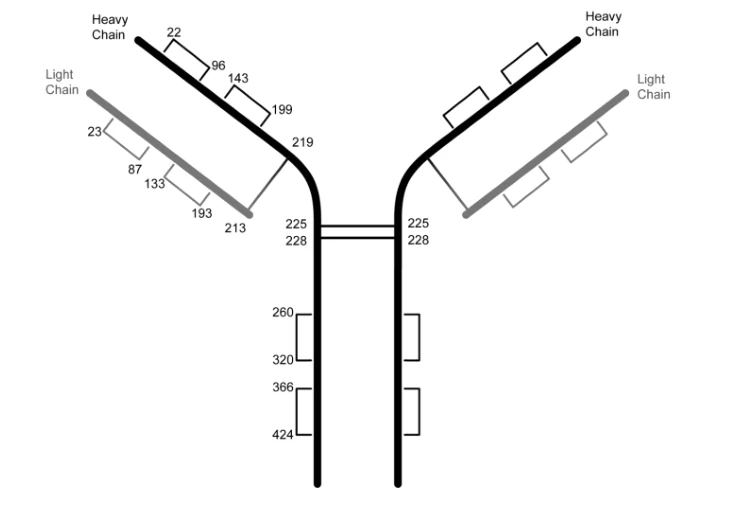
PART II: SCIENTIFIC INFORMATION
PHARMACEUTICAL INFORMATION
Drug Substance
Proper name: daclizumab beta
Chemical name: daclizumab beta
Molecular formula and molecular mass: Daclizumab beta is produced by recombinant DNA technology and consists of 90% material from the human IgG1 constant domains and 10% material from the complementarity-determining region (CDR) sequences of a murine monoclonal antibody that binds CD25. Daclizumab beta is produced in a mammalian cell line (NS0) using animal component-free medium. Daclizumab beta is a humanized IgG1 monoclonal antibody that is composed of two humanized gamma-1 heavy chains and two humanized kappa light chains and has a molecular weight of approximately 144 kilodaltons (kDa).
Structural formula:
Physicochemical properties: ZINBRYTA is supplied as a sterile, preservative-free, colorless to slightly yellow, clear to slightly opalescent liquid.
CLINICAL TRIALS
Study demographics and trial design
Table 4: Summary of patient demographics for clinical trials in specific indication
| Study # | Trial design | Dosage, route of administration and duration | Study subjects (n = number) | Mean age (Range) | Gender |
| 205MS201 (SELECT) | Multicenter, double-blind, randomized, placebo- controlled, study with either ZINBRYTA 150 milligrams (n=208), or 300 milligrams (n=209) versus placebo (n=204) every 4 weeks for 52 weeks. | 150 milligrams or 300 milligrams ZINBRYTA injected subcutaneously every 4 weeks for 52 weeks OR placebo | ZINBRYTA 150 mg: n=208 ZINBRYTA 300 mg: n=209 Placebo: n=204 | 35.7 years (18 to 55 years) | Female: 65% |
| 205MS301 (DECIDE) | Multicenter, double-blind, randomized, parallel-group, active control study with ZINBRYTA 150 milligrams every 4 weeks (n=919) versus interferon beta-1a (IM) 30 mcg weekly (n=922), for a minimum of 2 to a maximum of 3 years (96 to 144 weeks). | 150 milligrams ZINBRYTA injected subcutaneously every 4 weeks for a minimum of 2 to a maximum of 3 years (96 to 144 weeks) | ZINBRYTA 150 mg: n=919 Interferon beta-1a 30 mcg: N=922 | 36.3 years (18 to 56 years) | Female: 68% |
The efficacy of ZINBRYTA was demonstrated in two studies in patients with RRMS.
Table 5: Study design and baseline characteristics for SELECT and DECIDE study
| Study Name | SELECT | DECIDE |
| Study Design | ||
| Treatment | 52 weeks | 96 to 144 weeks |
| Disease History | Patients with RMS, at least 1 relapse (clinical and/or MRI) during the year prior to randomization, and had an Expanded Disability Status Scale (EDSS) score between 0 to 5.0. For DECIDE, at least 2 relapses (one of which was a clinical relapse) within the prior 3 years was also required. | |
| Baseline Characteristics | ||
| Mean age (years) | 35.7 | 36.3 |
| Mean disease duration (years) | 4.1 | 4.2 |
| Mean number of relapses within 12 months prior to study | 1.4 | 1.6 |
| Median EDSS score at baseline | 2.5 | 2.0 |
| Percent with EDSS ≥3.5 | 36% | 30% |
| Percent with ≥1 Gd enhancing lesion (mean) | 44% (1.8) | 46% (2.1) |
| Percent ≥2 relapses in the year prior to study | 31% | 46% |
| Percent prior DMT use (%) | 20% | 41% |
DMT- disease modifying therapies
The primary efficacy endpoint in SELECT was the annualized relapse rate (ARR) at Week 52. The secondary endpoints included the number of new T1 Gd-enhancing lesions between Week 8 and Week 24, the number of new or newly enlarging T2 hyperintense lesions at week 52, and the proportion of patients relapsed. The proportion of patients who experienced 12 week confirmed disability progression (as defined in DECIDE) was a tertiary endpoint.
The primary efficacy endpoint in DECIDE was the annualized relapse rate (ARR). The secondary endpoints included the number of new or newly enlarging T2 hyperintense lesions, the proportion of patients who experienced confirmed disability progression, and the proportion of patients relapsed. Confirmed disability progression was defined as at least a one point increase from baseline EDSS (1.5 point increase for patients with baseline EDSS of 0) sustained for 12 weeks.
Study results
Table 6 shows the results for the SELECT study.
Table 6: SELECT Clinical and MRI results (at 52 weeks)
| Endpointsa. | Placebo SC | ZINBRYTA 150mg SC every 4 weeks | |
| Clinical Endpointsb. | N= 196 | N= 201 | |
| Annualized relapse ratec. | Adjusted rate [95% CI] | 0.458 [0.370, 0.566] | 0.211 [0.155, 0.287] |
% reduction vs placebo [95% CI] p-value | 54% [33%, 68%] <0.0001 | ||
| Percentage with 12 weeks confirmed disability progressiond. | Estimated proportion of subjects progressed | 13% | 6% |
| % reduction vs placebo | 57% | ||
| MRI endpointse. | N= 195 | N= 199 | |
| Mean number of new or newly enlarging T2 hyperintense lesionsf. | Adjusted mean | 8.1 [6.7, 9.9] | 2.4 [2.0, 3.0] |
% reduction vs placebo [95% CI] p-value | 70% [59%, 78%] <0.0001 | ||
| N= 104 | N= 101 | ||
| Mean number of new T1 Gd-enhancing lesions between 8 and 24 weeksg. | Adjusted mean | 4.79 [3.56, 6.43] | 1.46 [1.05, 2.03] |
% reduction vs placebo [95% CI] p-value | 69% [52%, 80%] <0.0001 | ||
a. A sequential closed testing procedure was used to control the overall Type I error
b. Based on ITT population.
c. Estimated from a negative binomial regression model adjusted for the number of relapses in the 1 year prior to study entry, baseline EDSS (≤2.5 vs >2.5), and baseline age (≤35 vs >35).
d. Estimated proportion of subjects with progression based on the Kaplan-Meier product limit method. Percent reduction estimated from a Cox proportional hazards model adjusted for baseline EDSS (≤2.5 versus >2.5) and baseline age (≤35 versus >35). The proportion of patients with 12-week confirmed disability progression was an exploratory measure in SELECT. As the proportion of patients with 12-week confirmed disability was used as a key secondary outcome in DECIDE, and is one of the main outcome measures in MS studies, the disability progression results are presented for SELECT. The nominal p-value for that comparison, p=0.02, is not adjusted for multiple comparisons.
e. MRI analyses used evaluable dataset for each endpoint.
f. Estimated from a negative binomial model adjusted for the baseline number of T2 lesions.
g. Estimated from a negative binomial model adjusted for the baseline number of Gd-enhancing lesions using the MRI-intensive population that consisted of the first 307 subjects enrolled in the study.
In the SELECT study, treatment with ZINBRYTA 150 mg every 4 weeks versus placebo significantly reduced the annualized relapse rate (ARR) by 54% (95%CI [33%, 68%], p<0.0001) (Table 6).
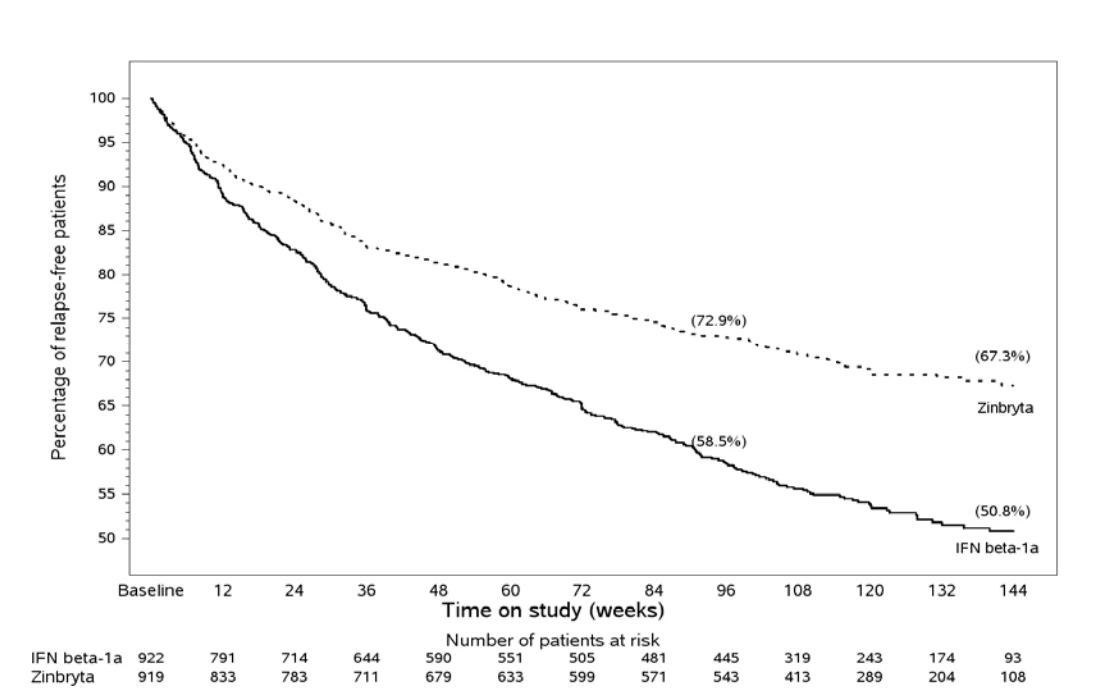
Table 7 and Figure 1 show the results for the DECIDE study.
Table 7: DECIDE Clinical and MRI results (96 to 144 weeks)
| Endpointsa. | AVONEX 30mcg IM every week | ZINBRYTA 150mg SC every 4 weeks | ||
| Clinical Endpointsb. | N= 922 | N= 919 | ||
| Annualized relapse ratec. | Adjusted rate [95% CI] | 0.393 [0.353, 0.438] | 0.216 [0.191, 0.244] | |
% reduction vs AVONEX [95% CI] p-value | 45% [36%, 53%] <0.0001 | |||
| Percentage with 12 weeks confirmed disability progressiond. | Estimated proportion of subjects progressed | 20% | 16% | |
% reduction vs AVONEX [95% CI] p-value | 16% [-7%, 34%] 0.16 | |||
| MRI endpointse. | N= 841 | N= 864 | ||
| Mean number of new or newly enlarging T2 hyperintense lesionsf. | Adjusted mean | 9.44 [8.46, 10.54] | 4.31 [3.85, 4.81] | |
% reduction vs AVONEX [95% CI] p-value | 54% [47%, 61%] <0.0001 | |||
a. A sequential closed testing procedure was used to control the overall Type I error.
b. Based on ITT population; values refer to results up to 144 weeks.
c. Estimated from a negative binomial regression model adjusted for the baseline relapse rate, history of prior interferon beta use, baseline EDSS (≤2.5 vs >2.5) and baseline age (≤35 vs >35).
d. Estimated proportion of subjects with progression based on the Kaplan-Meier product limit method. Percent reduction estimated from a Cox Proportional Hazards model, adjusted for baseline EDSS as continuous variable, history of prior IFN beta use, and baseline age (≤35 vs. 35).
e. MRI analysis used evaluable dataset and values reflect results at 96 weeks.
f. Estimated from a negative binomial regression model, adjusted for baseline volume of T2 hyperintense lesions, history of prior IFN beta use and baseline age (≤35 vs. >35).
In a subgroup analysis of DECIDE, a reduction was observed compared to interferon beta-1a (IM) on annualized relapse rate across patient subgroups (based on gender, age, prior MS DMT therapy, and disease activity levels).
Figure 1: DECIDE Study Percentage of patients relapse-free
DETAILED PHARMACOLOGY
See Action and Clinical Pharmacology.
TOXICOLOGY
Preclinical safety studies were conducted in cynomolgus monkeys due to species specificity of daclizumab beta binding only to human or primate CD25.
Daclizumab beta was administered to cynomolgus monkeys by subcutaneous injection at doses ranging from 10 to 200 mg/kg Q2W for up to 39 weeks. Chronic administration of daclizumab beta at all doses increased the incidence of skin findings, including dry, red raised patchy areas of the skin that correlated microscopically with acanthosis/hyperkeratosis and sub-acute to chronic inflammation.
A dose dependent increase in incidence of microglial aggregates above background was observed in the brain and spinal cord of monkeys treated with ≥35 mg/kg, corresponding to plasma exposure (AUC) approximately 27 times higher than would be expected clinically. Studies demonstrated a no-effect level of 10 mg/kg (AUC approximately 7 times higher) for microglial aggregates however dose levels between 10 and 35 mg/kg were not evaluated. Following a recovery period of up to 12 weeks, there was evidence of reversibility. Microglial aggregates in monkeys were associated with microhemorrhage in some animals, but were not associated with neuronal damage or neurobehavioral effects.
The clinical relevance of microglial aggregates is unknown and monitoring microglial aggregates in human patients is not feasible.
Carcinogenesis and Mutagenesis
Carcinogenicity and genotoxicity studies have not been conducted for daclizumab beta.
Impairment of Fertility, Reproduction and Development
Surrogate fertility parameters were not affected in sexually mature male (sperm parameters or testosterone levels) and female (menstrual cycle length or estrogen/progesterone patterns) cynomolgus monkeys receiving daclizumab beta by subcutaneous injection up to dose levels of 200 mg/kg Q2W (5 doses). Plasma exposure (AUC) at the highest dose tested was approximately 85 and 100 times higher than would be expected clinically in female and male monkeys, respectively.
There are no data on the effects of ZINBRYTA on human fertility.
Studies in cynomolgus monkeys demonstrated that daclizumab beta crosses the placental barrier. An increase in fetal loss was observed in animals receiving 200 mg/kg daclizumab beta by subcutaneous injection during the period of organogenesis (gestation days 20 to 50 QW). Rates of fetal loss were 1/13, 1/13/ 1/12 and 3/15 in animals receiving 0, 10, 50 and 200 mg/kg daclizumab beta, respectively. The no-effect dose of 50 mg/kg resulted in plasma exposure (AUC) that was approximately 30 times greater than would be expected clinically.
Animals receiving 50 mg/kg daclizumab beta QW from gestation day 50 to parturition by subcutaneous injection displayed no effects on pre- or postnatal development up to 6 months postpartum. Plasma exposure (AUC) was approximately 55 times higher than would be expected clinically.
REFERENCES
1.
| Gold, R., Giovannoni, G., Selmaj, K., et al. "Daclizumab high-yield process in relapsing- | |||||||||||
| remitting multiple sclerosis (SELECT): a randomised, double-blind, placebo-controlled | |||||||||||
| trial." The Lancet 381.9884 (2013): 2167-2175. | |||||||||||
2.
| Kappos, L., Wiendl, H., Selmak, K., et al. "Daclizumab HYP versus Interferon Beta-1a in | |||||||||||
| Relapsing Multiple Sclerosis." New England Journal of Medicine 373.15 (2015): 1418- | |||||||||||
| 1428. | |||||||||||
3.
| Bielekova, B. "Daclizumab therapy for multiple sclerosis."Neurotherapeutics 10.1 | |||||||
| (2013): 55-67. | |||||||
4.
| Wiendl, H., Gross, C. "Modulation of IL-2Rα with daclizumab for treatment of multiple | ||||||||||
| sclerosis." Nature Reviews Neurology 9.7 (2013): 394-404. | ||||||||||
5.
| Martin, J., Perry, J., Jakhete, N., et al. "An IL-2 paradox: blocking CD25 on T cells | ||||||||
| induces IL-2–driven activation of CD56bright NK cells." The Journal of | ||||||||
| Immunology 185.2 (2010): 1311-1320. | ||||||||
6.
| Huss, D., Mehta, D., Sharma A., et al. "In vivo maintenance of human regulatory T cells | ||||||||||
| during CD25 blockade." The Journal of Immunology 194.1 (2015): 84-92. | ||||||||||