


Product Monograph - Kevzara (Sanofi-Aventis Canada, 200 mg, 150 mg)
Recent Major Label Changes
| 1 Indications | 2025-04 |
|---|---|
| 4 Dosage and Administration, 4.1 Dosing Consideration | 2025-04 |
| 4 Dosage and Administration, 4.2 Recommended Dose and Dosage Adjustment | 2025-04 |
| 7 Warnings and Precautions | 2025-04 |
| 7 Warnings and Precautions, 7.1.4 Geriatrics | 2025-04 |
Table of Contents
Certain sections or subsections that are not applicable at the time of the preparation of the most recent authorized product monograph are not listed.
Recent Major Label Changes ................................................................................................. 2
Table of Contents ................................................................................................................. 2
1 Indications ................................................................................................................ 5
1.1 Pediatrics ................................................................................................................ 5
1.2 Geriatrics ................................................................................................................ 5
2 Contraindications ...................................................................................................... 5
3 Serious Warnings and Precautions Box ...................................................................... 5
4 Dosage and Administration ....................................................................................... 6
4.1 Dosing Considerations ........................................................................................... 6
4.2 Recommended Dose and Dosage Adjustment ...................................................... 6
4.4 Administration ....................................................................................................... 8
4.5 Missed Dose ........................................................................................................... 8
5 Overdose .................................................................................................................. 9
6 Dosage Forms, Strengths, Composition and Packaging ............................................... 9
7 Warnings and Precautions ....................................................................................... 10
General ............................................................................................................................. 10
Gastrointestinal ................................................................................................................ 11
Hepatic/Biliary/Pancreatic ............................................................................................... 11
Hypersensitivity ............................................................................................................... 11
Immune ............................................................................................................................ 11
Monitoring and Laboratory Tests .................................................................................... 12
Renal ................................................................................................................................ 13
7.1 Special Populations .............................................................................................. 13
7.1.1 Pregnant Women ............................................................................................. 13
7.1.2 Breast-feeding .................................................................................................. 14
7.1.3 Pediatrics .......................................................................................................... 14
7.1.4 Geriatrics .......................................................................................................... 15
8 Adverse Reactions ................................................................................................... 15
8.1 Adverse Reaction Overview ................................................................................. 15
8.2 Clinical Trial Adverse Reactions ........................................................................... 15
8.5 Post-market Adverse Reactions ........................................................................... 23
9 Drug Interactions .................................................................................................... 23
9.2 Drug Interactions Overview ................................................................................. 23
9.4 Drug-Drug Interactions ........................................................................................ 24
9.5 Drug-Food Interactions ........................................................................................ 24
9.6 Drug-Herb Interactions ........................................................................................ 24
9.7 Drug-Laboratory Test Interactions....................................................................... 24
10 Clinical Pharmacology ............................................................................................. 24
10.1 Mechanism of Action ........................................................................................... 24
10.2 Pharmacodynamics .............................................................................................. 25
10.3 Pharmacokinetics ................................................................................................. 25
10.4 Immunogenicity ................................................................................................... 27
11 Storage, Stability and Disposal ................................................................................. 28
12 Special Handling Instructions ................................................................................... 28
Part 2: Scientific Information .............................................................................................. 29
13 Pharmaceutical Information .................................................................................... 29
14 Clinical Trials ........................................................................................................... 29
14.1 Clinical Trials by Indication .................................................................................. 29
Rheumatoid Arthritis ....................................................................................................... 29
Polymyalgia Rheumatica .................................................................................................. 41
15 Microbiology ........................................................................................................... 43
16 Non-Clinical Toxicology ........................................................................................... 43
Patient Medication Information ......................................................................................... 44
Instructions For Use ............................................................................................................ 51
Instructions For Use ............................................................................................................ 57
Part 1: Healthcare Professional Information
1 Indications
KEVZARA (sarilumab injection) is indicated in the treatment of adult patients with:
- moderately to severely active rheumatoid arthritis (RA) who have had an inadequate response or intolerance to one or more biologic or non-biologic Disease-Modifying Anti-Rheumatic Drugs (DMARDs) (see 14 Clinical Trials).
KEVZARA should be used in combination with methotrexate (MTX) or other traditional DMARDs. KEVZARA may be given as monotherapy in cases of intolerance or contraindication to methotrexate or DMARDs.
- polymyalgia rheumatica (PMR) who have had an inadequate response to corticosteroids, or who have experienced a relapse during corticosteroid taper.
1.1 Pediatrics
Pediatrics (<18 years of age):
No data are available to Health Canada; therefore, Health Canada has not authorized an indication for pediatric use.
1.2 Geriatrics
Geriatrics (> 65 years of age):
No overall differences in efficacy were observed between older and younger patients, see 7.1.4 Geriatrics.
2 Contraindications
KEVZARA (sarilumab injection) is contraindicated in patients with known hypersensitivity to sarilumab or to any of the excipients. For a complete listing, see 6 Dosage Forms, Strengths, Composition and Packaging.
3 Serious Warnings and Precautions Box
|
|---|
|
|---|
4 Dosage and Administration
4.1 Dosing Considerations
Continuing therapy beyond 16 weeks should be carefully reconsidered in a patient not responding within this time period.
General Considerations for Administration
Do not initiate treatment with KEVZARA in patients with an absolute neutrophil count (ANC) below 2 x 10⁹/L, platelet count below 150 x 103/μL, or who have alanine aminotransferase (ALT) or aspartate aminotransferase (AST) above 1.5 times the upper limit of normal (ULN).
The concurrent use of KEVZARA with biological DMARDs such as tumor necrosis factor (TNF) antagonists, IL-1R antagonists, anti-CD20 monoclonal antibodies and selective co-stimulation modulators has not been studied. Avoid using KEVZARA with biological DMARDs.
4.2 Recommended Dose and Dosage Adjustment
Rheumatoid Arthritis
The recommended dose of KEVZARA is 200 mg once every 2 weeks given as a subcutaneous injection.
Reduction of dose from 200 mg once every 2 weeks to 150 mg once every 2 weeks is recommended for management of neutropenia, thrombocytopenia, and elevated liver enzymes (see 7 Warnings and Precautions, and 8 Adverse Reactions).
Polymyalgia Rheumatica
The recommended dose of KEVZARA is 200 mg once every two weeks (given as a subcutaneous injection) in combination with a tapering course of systemic corticosteroids. Please refer to Table 1, Table 2 and Table 3.
KEVZARA can be used as monotherapy following discontinuation of corticosteroids. Reduction of dose from 200 mg once every 2 weeks to 150 mg once every 2 weeks is recommended for management of neutropenia, thrombocytopenia, and elevated liver enzymes. The efficacy of 150 mg sarilumab once every two weeks has not been studied in patients with PMR.
Dose Modifications for Laboratory Abnormalities or Serious Infection for RA and PMR:
If a patient develops a serious infection, hold treatment with KEVZARA until the infection is controlled.
Please refer to Table 1, Table 2 and Table 3 for the recommended dosage modifications in case of neutropenia, thrombocytopenia, or elevated liver enzyme.
Table 1: Recommended dosage modifications in case of neutropenia
| Low Absolute Neutrophil Count (ANC) (see 7 Warnings and Precautions, and 10 Clinical Pharmacology). | |
|---|---|
| Lab Value (cells/L) | Recommendation |
| ANC greater than 1x10⁹/L | Maintain current dose of KEVZARA |
| ANC 0.5-1 x 10⁹/L | Hold treatment with KEVZARA until >1x10⁹/L. KEVZARA can then be resumed at 150 mg every 2 weeks and increased to 200 mg every 2 weeks as clinically appropriate. |
| ANC less than 0.5 x 10⁹/L | Discontinue KEVZARA |
| ANC – Absolute Neutrophil Count | |
Table 2: Recommended dosage modifications in case of thrombocytopenia
| Low Platelet Count (see 7 Warnings and Precautions). | |
|---|---|
| Lab Value (cells/μL) | Recommendation |
| 50-100 x 103/μL | Hold treatment with KEVZARA until >100 x 103/μL. KEVZARA can then be resumed at 150 mg every 2 weeks and increased to 200 mg every 2 weeks as clinically appropriate. |
| Less than 50 x 103/μL | If confirmed by repeat testing, discontinue KEVZARA |
Table 3: Recommended dosage modifications in case of elevated liver enzyme
| Liver Enzyme Abnormalities (see 7 Warnings and Precautions). | |
|---|---|
| Lab Value | Recommendation |
| ALT > 1 to ≤ 3 x ULN | Consider dose modification of concomitant DMARDs or immunomodulatory agents as clinically appropriate. |
| ALT > 3 to ≤ 5 x ULN | Hold treatment with KEVZARA until < 3 x ULN. KEVZARA can then be resumed at 150 mg every 2 weeks and increased to 200 mg every 2 weeks as clinically appropriate. |
| ALT > 5 x ULN | Discontinue KEVZARA |
ALT - alanine aminotransferase, ULN – Upper limit of normal, DMARDs - Disease-Modifying Anti-Rheumatic Drugs
Renal impairment
No dose adjustment is required in patients with mild to moderate renal impairment. KEVZARA has not been studied in patients with severe renal impairment.
Hepatic impairment
Treatment with KEVZARA is not recommended in patients with active hepatic disease or hepatic impairment. The safety and efficacy of KEVZARA have not been studied in patients with hepatic impairment, including patients with positive Hepatitis B virus (HBV) and Hepatitis C virus (HCV) serology.
Pediatrics
Health Canada has not authorized an indication for pediatric use.
4.4 Administration
Preparation and Administration Instructions
KEVZARA subcutaneous injection is not intended for intravenous administration.
KEVZARA is intended for use under the guidance of a healthcare professional. A patient may self-inject KEVZARA or the patient's caregiver may administer KEVZARA. Provide proper training to patients and/or caregivers on the preparation and administration of KEVZARA prior to use according to the Instructions for Use (IFU).
To ensure proper use, allow the pre-filled syringe to sit at room temperature for 30 minutes prior to subcutaneous injection. If using the pre-filled injection pen, allow the pen to sit at room temperature for 60 minutes prior to subcutaneous injection. Do not warm KEVZARA in any other way.
Parenteral drug products should be inspected visually for particulate matter and discolouration prior to administration. KEVZARA solution for subcutaneous administration should be clear and colourless to pale yellow. Do not use if the solution is cloudy, discoloured or contains particles, or if any part of the pre-filled syringe or pre-filled pen appears to be damaged.
Instruct patients to inject the full amount in the syringe or pen (1.14 mL), which provides 200 mg or 150 mg of KEVZARA, according to the directions provided in the IFU.
Rotate injection sites with each injection. Do not inject into skin that is tender, damaged, or has bruises or scars.
4.5 Missed Dose
Patients who miss a dose of KEVZARA and for whom it has been 3 days or less since the missed dose should be advised to take their dose as soon as they can. The next dose should be taken at the regularly scheduled time. If it has been 4 days or more, or if the patient is unsure when to take their next dose of KEVZARA, they should be advised to call their health professional for instructions.
5 Overdose
During the clinical development program, 2 patients were administered 400 mg of sarilumab within a 24-hour period. Neither patient experienced any adverse event or laboratory abnormalities (i.e., ANC, liver function tests (LFTs), and lipids were within normal range) as a consequence.
| For the most recent information in the management of a suspected drug overdose, contact your regional poison control centre or Health Canada’s toll-free number, 1-844 POISON-X (1-844-764-7669). |
|---|
6 Dosage Forms, Strengths, Composition and Packaging
To help ensure the traceability of biologic products, including biosimilars, healthcare professionals should recognise the importance of recording both the brand name and the non-proprietary (active ingredient) name as well as other product-specific identifiers such as the Drug Identification Number (DIN) and the batch/lot number of the product supplied.
Table 4 – Dosage Forms, Strengths Composition, and Packaging
KEVZARA solution for subcutaneous administration is supplied as a sterile, colourless to pale yellow, preservative-free liquid solution of approximately pH 6.0. Each pre-filled syringe or pre-filled pen delivers 1.14 mL (200 mg or 150 mg) of KEVZARA in a solution containing arginine (45 mM), histidine (21 mM), polysorbate 20 (0.2% w/v), sucrose (5% w/v) and water for injection.
The components of the prefilled syringe or pre-filled pen are latex free (including the needle cap).
Package: Two pre-filled syringes of 200 mg or two pre-filled pens of 150 or 200 mg per carton.
| Route of Administration | Dosage Form / Strength/Composition | Non-medicinal Ingredients |
| Subcutaneous injection | 200 mg /1.14 mL available in single-dose Pre-filled Syringe (PFS) or Pre-filled Pen (PFP) 150 mg /1.14 mL available in PFP | Arginine, histidine, polysorbate 20, sucrose and water for injection. For a complete listing see 6 Dosage Forms, Strengths, Composition and Packaging |
7 Warnings and Precautions
General
Serious Infections
Serious and sometimes fatal infections due to bacterial, mycobacterial, invasive fungal, viral, or other opportunistic pathogens have been reported in patients receiving immunosuppressive agents. The most frequently observed serious infections with KEVZARA included pneumonia and cellulitis (see 8 Adverse Reactions). Among opportunistic infections, tuberculosis, candidiasis, and pneumocystis were reported with KEVZARA in RA.
Some Rheumatoid Arthritis (RA) patients with tuberculosis presented with disseminated rather than localized disease and were often taking concomitant immunosuppressants such as methotrexate or corticosteroids, which in addition to RA may predispose them to infections.
While not reported in KEVZARA clinical studies, other serious infections (e.g., histoplasmosis, cryptococcus, aspergillosis) have been reported in patients receiving other immunosuppressive agents for the treatment of RA.
Do not administer KEVZARA in patients with an active infection, including localized infections. Consider the risks and benefits of treatment prior to initiating KEVZARA in patients who have:
- chronic or recurrent infection;
- a history of serious or opportunistic infections;
- underlying conditions that may predispose them to infection;
- been exposed to tuberculosis; or
- lived in or traveled to areas of endemic tuberculosis or endemic mycoses.
Closely monitor patients for the development of signs and symptoms of infection during treatment with KEVZARA (see 8 Adverse Reactions and 4 Dosage and Administration).
Hold treatment with KEVZARA if a patient develops a serious infection or an opportunistic infection.
A patient who develops a new infection during treatment with KEVZARA should undergo prompt and complete diagnostic testing appropriate for an immunocompromised patient; appropriate antimicrobial therapy should be initiated, and the patient should be closely monitored.
Tuberculosis
Patients should be evaluated for tuberculosis risk factors and tested for latent infection prior to initiating treatment with KEVZARA. Patients with latent tuberculosis should be treated with standard antimycobacterial therapy before initiating KEVZARA. Consider anti-tuberculosis therapy prior to initiation of KEVZARA in patients with a past history of latent or active tuberculosis in whom an adequate course of treatment cannot be confirmed, and for patients with a negative test for latent tuberculosis but having risk factors for tuberculosis infection. When considering anti-tuberculosis therapy, consultation with a physician with expertise in tuberculosis may be appropriate.
Patients should be closely monitored for the development of signs and symptoms of tuberculosis including patients who tested negative for latent tuberculosis infection prior to initiating therapy.
Viral Reactivation
Viral reactivation has been reported with immunosuppressive biologic therapies. Cases of herpes zoster were observed in clinical studies with KEVZARA. No cases of Hepatitis B reactivation were reported in the clinical studies; however patients who were at risk for reactivation were excluded.
Gastrointestinal
Gastrointestinal Perforation and Diverticulitis
Cases of gastrointestinal perforation and diverticulitis have been reported in association with sarilumab. Gastrointestinal perforation has been reported in patients with and without diverticulitis. Use KEVZARA with caution in patients who may be at increased risk for gastrointestinal perforation. Promptly evaluate patients presenting with new onset abdominal symptoms such as persistent pain with fever. (see 8 Adverse Reactions).
Hepatic/Biliary/Pancreatic
Treatment with KEVZARA is not recommended in patients with active hepatic disease or hepatic impairment (see 8 Adverse Reactions). The safety and efficacy of KEVZARA have not been studied in patients with hepatic impairment, including patients with positive Hepatitis B virus (HBV) and Hepatitis C virus (HCV) serology.
Hypersensitivity
Hypersensitivity reactions have been reported in association with KEVZARA (see section 8 Adverse Reactions). Injection site rash, rash, and urticaria were the most frequent hypersensitivity reactions. Patients should be advised to seek immediate medical attention if they experience any symptoms of a hypersensitivity reaction. If anaphylaxis or other hypersensitivity reaction occurs, administration of KEVZARA should be stopped immediately. KEVZARA should not be administered to patients with known hypersensitivity to sarilumab (see section 2 Contraindications and 8 Adverse Reactions).
Immune
Immunosuppression
Treatment with immunosuppressants may result in an increased risk of malignancies. The impact of treatment with KEVZARA on the development of malignancies is not known but malignancies were reported in clinical studies (see 8 Adverse Reactions).
Vaccination
Avoid concurrent use of live vaccines during treatment with KEVZARA as clinical safety has not been established. No data are available on the secondary transmission of infection from persons receiving live vaccines to patients receiving KEVZARA. The interval between live vaccinations and initiation of KEVZARA therapy should be in accordance with current vaccination guidelines regarding immunosuppressive agents (see 9 Drug Interactions).
Monitoring and Laboratory Tests
Neutrophils
Treatment with KEVZARA was associated with a higher incidence of decrease in absolute neutrophil count (ANC). Decrease in ANC was not associated with higher incidence of infections, including serious infections.
- Initiating treatment with KEVZARA is not recommended in patients with a low neutrophil count, i.e., ANC less than 2 x 10⁹/L. In patients who develop an ANC less than 0.5 x 10⁹/L, discontinue treatment with KEVZARA.
- Monitor neutrophil count 4 to 8 weeks after start of therapy and approximately every 3 months thereafter (see 10 Clinical Pharmacology). For recommended dose modifications based on ANC results see 4 Dosage and Administration.
- Based on the pharmacodynamics of the changes in ANC (see 10 Clinical Pharmacology), use results obtained at the end of the dosing interval when considering dose modification.
Platelet count
Treatment with KEVZARA was associated with a reduction in platelet counts in clinical studies. Reduction in platelets was not associated with bleeding events (see 8 Adverse Reactions).
- Initiating treatment with KEVZARA is not recommended in patients with a platelet count below 150 x 109/L. In patients who develop a platelet count less than 50 x 109/L, discontinue treatment with KEVZARA.
- Monitor platelets 4 to 8 weeks after start of therapy and approximately every 3 months thereafter. For recommended dose modifications based on platelet counts see 4 Dosage and Administration.
Liver Enzymes
Treatment with KEVZARA was associated with a higher incidence of transaminase elevations. These elevations were transient and did not result in any clinically evident hepatic injury in clinical studies (see 8 Adverse Reactions). Increased frequency and magnitude of these elevations were observed when potentially hepatotoxic medications (e.g., MTX) were used in combination with KEVZARA.
Initiating treatment with KEVZARA is not recommended in patients with elevated transaminases, ALT or AST greater than 1.5x ULN. In patients who develop elevated ALT
- KEVZARA (see 4 Dosage and Administration).
- Monitor ALT and AST levels 4 to 8 weeks after start of therapy and approximately every 3 months thereafter. When clinically indicated, consider other liver function tests such as bilirubin. For recommended dose modifications based on transaminases see 4 Dosage and Administration.
Lipid Abnormalities
Lipid levels may be reduced in patients with chronic inflammation. Treatment with KEVZARA was associated with increases in lipid parameters such as low-density lipoprotein (LDL) cholesterol, high-density lipoprotein (HDL) cholesterol and/or triglycerides (see 8 Adverse Reactions Section).
- Assess lipid parameters approximately 4 to 8 weeks following initiation of treatment with KEVZARA, then at approximately 6 month intervals.
- Manage patients according to clinical guidelines for the management of hyperlipidemia.
Renal
No dose adjustment is required in patients with mild to moderate renal impairment. KEVZARA has not been studied in patients with severe renal impairment (see 10 Clinical Pharmacology).
7.1 Special Populations
7.1.1 Pregnant Women
Women of Childbearing Potential: Women of childbearing potential must use effective contraception during and up to 3 months after treatment.
KEVZARA is generally used in combination with disease-modifying antirheumatic drugs (DMARDs). Product monographs for certain DMARDs, such as methotrexate, recommend discontinuation when a patient becomes pregnant, therefore KEVZARA should also be discontinued (see 7.1 Special Populations section of the product monograph of concomitant medication).
Risk Summary
No studies have been conducted with KEVZARA in pregnant women and relevant data from clinical use are very limited. A total of 9 pregnancies were reported during the clinical trials with the following outcomes: 4 miscarried in the first trimester (i.e., spontaneous abortion, missed abortion, blighted ovum); 2 of these subjects had a prior history of spontaneous or unspecified abortions; 4 delivered a healthy infant; and one (who had been on concomitant MTX) delivered a full-term infant diagnosed at birth with pneumonia. The infant recovered after a course of parenteral antibiotics, although no organism was identified.
Monoclonal antibodies are transported across the placenta with the largest amount transferred during the third trimester. Studies in cynomolgus monkeys demonstrated that sarilumab crosses the placental barrier. The potential effect of sarilumab on the infant’s immune system function is not known. Humoral immune response (IgG) to antigen challenge was suppressed in adult cynomolgus monkeys receiving ≥5 mg/kg sarilumab weekly by intravenous administration, suggesting the potential for KEVZARA to impact maternal and infant immune response.
No embryotoxicity or developmental effects were observed in a combined embryo-fetal and pre- postnatal development study exposing pregnant cynomolgus monkeys to sarilumab by intravenous administration from early gestation through parturition up to dose levels of 50 mg/kg weekly. Maternal exposure levels (AUC) were approximately 84 times higher than would be expected clinically.
Fertility was not affected in CD-1 mice receiving a murine surrogate against IL-6Ra by subcutaneous injection up to dose levels of 100 mg/kg twice weekly. In females, compound-related microscopic findings were observed in the uterus. At least one implantation site with degeneration was observed microscopically in the uterus of 1/24, 2/24 and 6/24 mice receiving 0, 25 and 100 mg/kg respectively.
The clinical relevance of these findings is not known (See 16 Non-Clinical Toxicology).
The incidence of malformations and pregnancy loss in human pregnancies has not been established for KEVZARA.
KEVZARA should be used in pregnancy only if the potential benefit justifies the potential risk to the fetus.
Pregnancy Exposure Registry
There is a registry that monitors pregnancy outcomes in women exposed to KEVZARA during pregnancy. Physicians are encouraged to register patients and pregnant women are encouraged to register themselves by calling 1-877-311-8972
7.1.2 Breast-feeding
There is no information regarding the presence of sarilumab in human milk, the effects on the breastfed infant, or the effects on milk production. Because monoclonal antibodies could be excreted in small amounts in human milk, a decision should be made whether to discontinue nursing or to discontinue KEVZARA, taking into account the importance of the medication to the mother.
7.1.3 Pediatrics
Pediatrics (< 18 years of age):
Safety and efficacy of KEVZARA have not been established in children less than 18 years of age.
7.1.4 Geriatrics
Geriatrics (>65 years of age):
Of the total number of patients with RA in clinical studies of KEVZARA (see 14 Clinical Trials), 15.0% were 65 years of age and over, while 1.6% were 75 years and over. In clinical trials, no overall differences in safety and efficacy were observed between older and younger patients. The frequency of serious infection among KEVZARA and placebo-treated patients 65 years of age and older was higher than those under the age of 65. As there is a higher incidence of infections in the elderly population in general, caution should be used when treating the elderly.
Of the total number of patients with PMR exposed to KEVZARA in the clinical study (see 14 Clinical Trials ), 16 patients (27.1%) were 50 to 65 years of age, 33 patients (55.9%) were 65 to 75 years of age, and 10 patients (17.0%) were 75 years and over. The median age in the PMR study was 69 years and all patients were on baseline corticosteroid. There were no differences in the incidence of serious infections between the KEVZARA group and placebo group. In clinical trials, no overall differences in safety were observed between older and younger patients. As there is a higher incidence of infections in the elderly population in general, caution should be used when treating the elderly.
8 Adverse Reactions
8.1 Adverse Reaction Overview
The most frequently reported adverse reactions were neutropenia, upper respiratory tract infections, increased ALT, urinary tract infections, and injection site erythema. The most common serious adverse reactions were infections (see 7 Warnings and Precautions).
8.2 Clinical Trial Adverse Reactions
Clinical trials are conducted under very specific conditions. Therefore, the frequencies of adverse reactions observed in the clinical trials may not reflect frequencies observed in clinical practice and should not be compared to frequencies reported in clinical trials of another drug.
Rheumatoid Arthritis
All patients included in the described safety data had moderately to severely active rheumatoid arthritis.
The safety of KEVZARA in combination with DMARDs was evaluated based on data from seven studies, of which two were placebo-controlled, consisting of 2887 patients (long-term safety population). Of these, 2170 patients received KEVZARA for at least 24 weeks, 1546 for at least 48 weeks, 1020 for at least 96 weeks, and 624 for at least 144 weeks.
The 52-week placebo-controlled population includes patients from one Phase 2 study of 12 week duration and two Phase 3 efficacy studies (one of 24 week duration and the other of 52 week duration). In this population, 661 patients, 660 patients, and 661 patients received
KEVZARA 200 mg, KEVZARA 150 mg, or placebo once every two weeks, respectively, in combination with DMARDs.
The 12-week placebo-controlled population includes patients from the two Phase 3 efficacy studies from weeks 0 to 12 and was used to assess common adverse events and laboratory abnormalities prior to patients being permitted to switch from placebo to KEVZARA. In this population, 582 patients, 579 patients, and 579 patients received KEVZARA 200 mg, KEVZARA 150 mg, or placebo once every two weeks, respectively, in combination with DMARDs.
The most common serious adverse reactions were infections (see 7 Warnings and Precautions).
The most frequent adverse reactions (occurring in at least 2.5% of patients treated with KEVZARA in combination with DMARDs) observed with KEVZARA in the clinical studies were neutropenia, increased ALT, injection site erythema, and upper respiratory tract infections.
In the 52-week placebo-controlled population, premature discontinuation due to adverse reactions occurred in 12.6%, 10.9% and 4.7% of patients treated with KEVZARA 200 mg, KEVZARA 150 mg, and placebo, respectively.
The most common adverse reactions (>1%) that resulted in discontinuation of therapy with KEVZARA were neutropenia and increased ALT, which also included protocol requirements for discontinuation.
The use of KEVZARA as monotherapy was assessed in 132 patients, of which 67 received KEVZARA 200 mg and 65 patients received KEVZARA 150 mg without concomitant DMARDs. The safety profile was generally consistent with that in the population receiving concomitant DMARDs.
Overall Infections
In the 52-week placebo-controlled population, the rate of infections in the 200 mg and 150 mg KEVZARA + DMARD group was 84.5 and 81.0 events per 100 patient-years, respectively, compared to 75.1 events per 100 patient-years in the placebo + DMARD group. The most commonly reported infections (5% to 7% of patients) were upper respiratory tract infections, urinary tract infections, and nasopharyngitis.
The overall rate of infections with KEVZARA + DMARD in the long-term safety population was consistent with rates in the controlled periods of the studies.
Serious Infections
In the 52-week placebo-controlled population, the rate of serious infections in the 200 mg and 150 mg KEVZARA + DMARD group was 4.3 and 3.0 events per 100 patient-years, respectively, compared to 3.1 events per 100 patient-years in the placebo + DMARD group.
In the long-term safety population, the overall rate of serious infections was consistent with rates in the controlled periods of the studies. The most frequently observed serious infections included pneumonia and cellulitis. Cases of opportunistic infection have been reported (see 7 Warnings and Precautions).
Gastrointestinal Perforation
In the 52-week placebo-controlled population, one patient on KEVZARA therapy experienced a gastrointestinal (GI) perforation (0.11 events per 100 patient-years).
In the long-term safety population, the overall rate of GI perforation was consistent with that seen in the placebo-controlled clinical studies. Gastrointestinal perforation was reported in patients with and without diverticulitis and included reports of abscess. Most patients who developed GI perforations were taking concomitant nonsteroidal anti-inflammatory medications (NSAIDs), corticosteroids, or methotrexate. The relative contribution of these concomitant medications versus KEVZARA in the development of GI perforations is not known (see 7 Warnings and Precautions).
Hypersensitivity Reactions
In the 52-week placebo-controlled population, the proportion of patients who discontinued treatment due to hypersensitivity reactions was higher among those treated with KEVZARA (0.9% in 200 mg, 0.5% in 150 mg) than placebo (0.2%). The rate of discontinuations due to hypersensitivity in the long-term safety population was consistent with that seen in the placebo-controlled clinical studies.
No cases of anaphylaxis were observed in the placebo-controlled trials or in the long-term safety population.
Injection Site Reactions
In the 12-week placebo-controlled population, injection site reactions were reported in 6.0% of patients receiving KEVZARA 200 mg, 4.7% receiving KEVZARA 150 mg, and 0.9% receiving placebo. These injection site reactions (including erythema and pruritus) were mild in severity for the majority of patients and necessitated medication discontinuation in 2 (0.2%) patients receiving KEVZARA.
Laboratory Abnormalities
Neutrophils
In the 12-week placebo-controlled population, decreases in neutrophil counts below 1000/μL occurred in 5.9% and 4.0% of patients in the 200 mg and 150 mg KEVZARA + DMARD group, respectively, compared to no patients in the placebo + DMARD group. Decreases in neutrophil counts below 500 /μL occurred in 0.7% of patients in both the 200 mg and 150 mg KEVZARA + DMARD groups, respectively. In patients experiencing a decrease in absolute neutrophil count (ANC), modification of treatment regimen such as interruption of KEVZARA or reduction in dose resulted in an increase or normalization of ANC (see 4 Dosage and Administration). Decrease in ANC was not associated with higher incidence of infections, including serious infections.
In the long-term safety population, the observations on neutrophil counts were consistent with those seen in the placebo-controlled clinical studies (see 7 Warnings and Precautions).
Platelet count
In the 12-week placebo-controlled population, decreases in platelet counts below 100 x 109/L occurred in 1.2% and 0.7% of patients on 200 mg and 150 mg KEVZARA + DMARD, respectively, compared to no patients on placebo + DMARD, without associated bleeding events.
In the long-term safety population, the observations on platelet counts were consistent with those seen in the placebo-controlled clinical studies (see 7 Warnings and Precautions Section).
Liver Enzymes
Liver enzyme abnormalities in the 12-week placebo-controlled population (KEVZARA + DMARD or placebo + DMARD) are summarized in Table 5. In the monotherapy population the incidence of transaminase elevation in the KEVZARA group was lower than that in the DMARD treatment group. In patients experiencing liver enzyme elevation, modification of treatment regimen, such as interruption of KEVZARA or reduction in dose, resulted in decrease or normalization of liver enzymes (see 4 Dosage and Administration Section). These elevations were not associated with clinically relevant increases in direct bilirubin, nor were they associated with clinical evidence of hepatitis or hepatic insufficiency (see 7 Warnings and Precautions Section).
Table 5 : Incidence of Liver Enzyme Abnormalities in the Phase 3 Placebo-Controlled Efficacy Population through Week 12
Placebo + DMARDs N=579 | KEVZARA 150 mg + DMARDs N=579 | KEVZARA 200 mg + DMARDs N=582 | |
|---|---|---|---|
| AST | |||
| >ULN – 3x ULN | 13.3% | 25.1% | 28% |
| >3x ULN – 5x ULN | 0% | 1.4% | 1.0% |
| >5x ULN | 0% | 0.7% | 0.2% |
| ALT | |||
| >ULN – 3x ULN | 23.1% | 36.2% | 41.6% |
| >3x ULN – 5x ULN | 0.7% | 2.9% | 2.8% |
| >5x ULN | 0% | 1.2% | 0.7% |
AST- aspartate aminotransferase, ALT - alanine aminotransferase, DMARDs- Disease-modifying antirheumatic drugs, ULN = Upper Limit of Normal
Lipids
Lipid parameters (LDL, HDL, and triglycerides) were first assessed at 4 weeks following initiation of KEVZARA + DMARDs in the placebo-controlled population. At Week 4 the mean LDL increased by 0.36 mmol/L; mean triglycerides increased by 0.26 mmol/L; and mean HDL increased by 0.08 mmol/L. After Week 4 no additional increases were observed. There were no meaningful differences between doses.
In the long-term safety population, the observations in lipid parameters were consistent with those observed in the placebo-controlled clinical trials.
Malignancies
In the 52-week placebo-controlled population, malignancies occurred at the same rate in patients receiving either KEVZARA + DMARD or placebo + DMARD (1.0 events per 100 patient-years).
In the long-term safety population, the rate of malignancies was consistent with that in the placebo-controlled clinical studies (see 7 Warnings and Precautions).
Other Adverse Reactions
Table 6: Adverse Reactions Occurring in 1% or More of Patients Administered Placebo + DMARD, 150 mg KEVZARA + DMARD, or 200 mg KEVZARA + DMARD
| KEVZARA | |||
|---|---|---|---|
Primary System Organ Class Preferred Term | Placebo + DMARD (N=579) | 150 mg q2w + DMARD (N=579) | 200 mg q2w + DMARD (N=582) |
| Any class | 242 (41.8%) | 287 (49.6%) | 306 (52.6%) |
| Blood and lymphatic system disorders | 12 (2.1%) | 38 (6.6%) | 67 (11.5%) |
| Neutropenia | 1 (0.2%) | 36 (6.2%) | 55 (9.5%) |
| Leukopenia | 0 | 4 (0.7%) | 11 (1.9%) |
| Thrombocytopenia | 0 | 3 (0.5%) | 6 (1.0%) |
| Anaemia | 7 (1.2%) | 0 | 1 (0.2%) |
| Gastrointestinal disorders | 39 (6.7%) | 31 (5.4%) | 49 (8.4%) |
| Diarrhoea | 13 (2.2%) | 7 (1.2%) | 13 (2.2%) |
| Nausea | 10 (1.7%) | 7 (1.2%) | 5 (0.9%) |
| General disorders and administration site conditions | 16 (2.8%) | 43 (7.4%) | 50 (8.6%) |
| Injection site erythema | 4 (0.7%) | 20 (3.5%) | 19 (3.3%) |
| Injection site pruritus | 1 (0.2%) | 11 (1.9%) | 9 (1.5%) |
| Infections and infestations | 92 (15.9%) | 106 (18.3%) | 120 (20.6%) |
| Upper respiratory tract infection | 13 (2.2%) | 17 (2.9%) | 18 (3.1%) |
| Urinary tract infection | 11 (1.9%) | 15 (2.6%) | 15 (2.6%) |
| Nasopharyngitis | 12 (2.1%) | 16 (2.8%) | 14 (2.4%) |
| KEVZARA | |||
|---|---|---|---|
Primary System Organ Class Preferred Term | Placebo + DMARD (N=579) | 150 mg q2w + DMARD (N=579) | 200 mg q2w + DMARD (N=582) |
| Sinusitis | 5 (0.9%) | 6 (1.0%) | 11 (1.9%) |
| Bronchitis | 7 (1.2%) | 4 (0.7%) | 10 (1.7%) |
| Oral herpes | 0 | 4 (0.7%) | 10 (1.7%) |
| Pharyngitis | 9 (1.6%) | 6 (1.0%) | 9 (1.5%) |
| Influenza | 9 (1.6%) | 5 (0.9%) | 8 (1.4%) |
| Gastroenteritis | 6 (1.0%) | 5 (0.9%) | 6 (1.0%) |
| Injury, poisoning and procedural complications | 37 (6.4%) | 24 (4.1%) | 32 (5.5%) |
| Accidental overdose | 14 (2.4%) | 13 (2.2%) | 17 (2.9%) |
| Fall | 7 (1.2%) | 3 (0.5%) | 3 (0.5%) |
| Investigations | 23 (4.0%) | 46 (7.9%) | 47 (8.1%) |
| Alanine aminotransferase increased | 9 (1.6%) | 22 (3.8%) | 26 (4.5%) |
| Aspartate aminotransferase increased | 2 (0.3%) | 2 (0.3%) | 7 (1.2%) |
| Transaminases increased | 2 (0.3%) | 8 (1.4%) | 5 (0.9%) |
| Metabolism and nutrition disorders | 8 (1.4%) | 26 (4.5%) | 20 (3.4%) |
| Hypertriglyceridaemia | 3 (0.5%) | 15 (2.6%) | 5 (0.9%) |
| Hypercholesterolaemia | 0 | 6 (1.0%) | 5 (0.9%) |
| Musculoskeletal and connective tissue disorders | 44 (7.6%) | 22 (3.8%) | 30 (5.2%) |
| Rheumatoid arthritis | 14 (2.4%) | 2 (0.3%) | 9 (1.5%) |
| Nervous system disorders | 27 (4.7%) | 24 (4.1%) | 23 (4.0%) |
| Headache | 13 (2.2%) | 13 (2.2%) | 10 (1.7%) |
| Dizziness | 6 (1.0%) | 2 (0.3%) | 6 (1.0%) |
| Psychiatric disorders | 6 (1.0%) | 9 (1.6%) | 11 (1.9%) |
| Insomnia | 6 (1.0%) | 4 (0.7%) | 3 (0.5%) |
| Vascular disorders | 15 (2.6%) | 8 (1.4%) | 13 (2.2%) |
| KEVZARA | |||
|---|---|---|---|
Primary System Organ Class Preferred Term | Placebo + DMARD (N=579) | 150 mg q2w + DMARD (N=579) | 200 mg q2w + DMARD (N=582) |
| Hypertension | 7 (1.2%) | 4 (0.7%) | 11 (1.9%) |
DMARDs - Disease-modifying antirheumatic drugs, q2w: every two weeks
Polymyalgia Rheumatica
Safety has been studied in one Phase 3 study (SAPHYR) in 117 PMR patients of whom 59 received subcutaneous KEVZARA 200 mg once every two weeks in combination with corticosteroid taper(see 14 Clinical Trials). Of these, 45 patients received KEVZARA for at least 24 weeks, 44 patients for at least 40 weeks, and 10 patients for at least 52 weeks. Serious adverse reaction of neutropenia occurred in 2 patients (3.4%) in the KEVZARA group compared to none in the placebo group. In both cases of neutropenia, the participants had a neutrophil count less than 500 per mm3 without any infections and resolved following permanent discontinuation of study drug.
The most common adverse reactions in PMR patients were neutropenia (15.3%), leukopenia (6.8%) and injection site pruritus (5.1%) (see Table 7).
Seven patients in KEVZARA group and 4 in placebo group discontinued study treatment due to adverse events. The most common adverse event that led to discontinuation of therapy was neutropenia (3 patients in KEVZARA group and none in placebo group).
Table 7: Adverse Reactions Occurring in 2% or more of patients administered KEVZARA + 14-week corticosteroid taper and 1% or more common than in patients administered placebo + 52-week corticosteroid taper
Primary System Organ Class Preferred Term* n(%) | Placebo + 52 week corticosteroid taper (N=58) | KEVZARA 200 mg Q2W + 14 week corticosteroid taper (N=59) |
|---|---|---|
| Blood and lymphatic system disorders | ||
| Neutropenia | 0 | 8 (13.6) |
| Leukopenia | 0 | 2 (3.4) |
Primary System Organ Class Preferred Term* n(%) | Placebo + 52 week corticosteroid taper (N=58) | KEVZARA 200 mg Q2W + 14 week corticosteroid taper (N=59) |
|---|---|---|
| General Disorders and Administration Site Conditions | ||
| Injection site pruritus | 0 | 3 (5.1) |
| Injection site haematoma | 0 | 2 (3.4) |
| Infections and Infestations | ||
| Upper respiratory tract infection | 1 (1.7) | 2 (3.4) |
*These events are related - as per investigator
Overall Infections
In SAPHYR, the proportion of patients with infections was 37.3% in the KEVZARA group compared to 50.0% in the placebo group. The most common infections were nasopharyngitis, upper respiratory tract infection, and influenza. Two patients (3.2%) in the KEVZARA group and 1 patient (1.7%) in the placebo group had an event of herpes zoster.
Serious infections
In SAPHYR, the proportion of patients with serious infections was 5.1% in the KEVZARA group compared to 5.2% in the placebo group.
Injection Site Reactions
In SAPHYR, five patients (8.5%) in the KEVZARA group experienced injection site reactions which were mild or moderate in severity. No patient in the placebo group experienced injection site reactions.
Laboratory Abnormalities
Neutrophils
In the Phase 3 study (SAPHYR), decreases in neutrophil counts below 1 x 10⁹/L occurred in 7 patients (12%) in the KEVZARA group, of which two cases (3.4%) were serious (decreases in neutrophil counts below 0.5 x 10⁹/L) and resulted in discontinuation of study treatment. None of the patients in the placebo group had a decrease in neutrophil count below 1 x 10⁹/L.
Platelet Count
In SAPHYR, decreases in platelet counts between 75,000 to 100,000 per mm3 occurred in two patients (3.4%) in the KEVZARA group, compared to no patient in the placebo treated group. These platelet count decreases were transient and not associated with bleeding events.
Liver Enzymes
In the Phase 3 study (SAPHYR), no KEVZARA treated patients had an ALT or AST greater than 3 times the upper limit of normal (ULN). In the placebo group, 2 patients had ALT elevations greater than 3x ULN. None of the patients in the KEVZARA group had ALT or AST increase >Grade 1.
Lipids
In the Phase 3 study (SAPHYR), at week 52 the mean LDL increased by 0.699 mmol/L and mean triglycerides by 0.034 mmol/L in the KEVZARA group compared to no changes observed in the placebo group. Mean HDL did not present significant differences between placebo and KEVZARA treated groups.
8.5 Post-market Adverse Reactions
The following adverse reaction has been identified post-market in patients receiving sarilumab:
Infections and infestations: diverticulitis
9 Drug Interactions
9.2 Drug Interactions Overview
Use with Other Medications
Sarilumab exposure was not affected when coadministered with methotrexate (MTX) in patients with rheumatoid arthritis, KEVZARA has not been investigated in combination with Janus kinase (JAK) inhibitors or biological DMARDs such as Tumor Necrosis Factor (TNF) antagonists (see 4 Dosage and Administration).
Interactions with CYP450 Substrates
Various in vitro and limited in vivo human studies have shown that cytokines and cytokine modulators can influence the expression and activity of specific cytochrome P450 (CYP) enzymes and therefore have the potential to alter the pharmacokinetics of concomitantly administered medication that are substrates of these enzymes. Elevated interleukin-6 (IL-6) concentration may down-regulate CYP activity in patients with RA and hence increase drug levels compared to subjects without RA. Blockade of IL-6 signaling by IL-6Rα antagonists such as sarilumab might reverse the inhibitory effect of IL-6 and restore CYP activity, leading to altered drug concentrations.
The modulation of IL-6 effect on CYP enzymes by sarilumab may be clinically relevant for CYP substrates with a narrow therapeutic index, where the dose is individually adjusted. Upon initiation or discontinuation of KEVZARA, in patients being treated with CYP substrate medicinal products, perform therapeutic monitoring of effect (e.g., warfarin) or drug concentration (e.g., theophylline) and adjust the individual dose of the medicinal product as needed.
Caution should be exercised when KEVZARA is co-administered with CYP3A4 substrates (e.g. oral contraceptives or statins) as there may be a reduction in exposure which may reduce the activity of the CYP3A4 substrate (see 10 Clinical Pharmacology Section).
9.4 Drug-Drug Interactions
Cytochrome P450 Substrates
Simvastatin is a CYP3A4 substrate. In 17 patients with RA, one week following a single 200-mg SC administration of sarilumab, exposure of simvastatin and simvastatin acid decreased by 45% and 36%, respectively.
Live Vaccines
Avoid concurrent use of live vaccines during treatment with KEVZARA (see 7 Warnings and Precautions Section).
9.5 Drug-Food Interactions
Interactions with food have not been established.
9.6 Drug-Herb Interactions
Interactions with herbal products have not been established.
9.7 Drug-Laboratory Test Interactions
Interactions with laboratory tests have not been established.
10 Clinical Pharmacology
10.1 Mechanism of Action
Sarilumab is a fully human IgG1 monoclonal antibody that binds to both soluble and membrane-bound IL-6 receptors (sIL-6Rα and mIL-6Rα), and inhibits IL-6-mediated signaling. IL-6 is a pleiotropic pro-inflammatory cytokine produced by a variety of cell types including T- and B-cells, lymphocytes, monocytes and fibroblasts. IL-6 has been shown to be involved in diverse physiological processes such as migration and activation of T-cells, induction of immunoglobulin secretion, initiation of hepatic acute phase protein synthesis, and stimulation of hematopoietic precursor cell proliferation and differentiation. Local production of IL-6 by synovial and endothelial cells in joints affected in chronic inflammatory disease, such as rheumatoid arthritis (RA) and polymyalgia rheumatica (PMR), may play an important role in development of the inflammatory processes.
Sarilumab potently binds to human IL-6Rα to block IL-6-induced receptor signaling. In addition to blockade of the cis-signaling pathway, sarilumab also blocks trans-signaling induced by IL-6/sIL-6Rα complexes in cells that express gp130 but not membrane-bound IL-6Rα.
10.2 Pharmacodynamics
Following single-dose subcutaneous (SC) administration of sarilumab 200-mg and 150-mg in patients with RA rapid reduction of CRP levels was observed. Levels were reduced to normal as early as 4 days after treatment initiation. Following single-dose sarilumab administration, in patients with rheumatoid arthritis, absolute neutrophil counts decreased to the nadir between 3 to 4 days and thereafter recovered towards baseline (see 7 Warnings and Precautions Section). Treatment with sarilumab resulted in decreases in fibrinogen and serum amyloid A, and increases in hemoglobin and serum albumin. In patients with PMR, decrease in CRP and ANC was observed following 200 mg once every 2 weeks administration of sarilumab.
10.3 Pharmacokinetics
Rheumatoid Arthritis
Absorption
The pharmacokinetics of sarilumab were characterized by population pharmacokinetic analysis in 1770 patients with RA treated with sarilumab which included 631 patients treated with 150 mg and 682 patients treated with 200 mg SC doses every two weeks for up to 52 weeks. The median Tmax was observed in 2 to 4 days.
At steady state, exposure over the dosing interval measured by area under curve (AUC) increased 2-fold with an increase in dose from 150 to 200 mg every two weeks. Steady state was reached in 14 to 16 weeks with a 2- to 3-fold accumulation compared to single-dose exposure. A summary of sarilumab pharmacokinetic parameters is included in Table 7.
Table 8 : Summary of sarilumab pharmacokinetic parameters in adults with RA
| Dose Regimen | AUCτ,ss a,c (mg day/L) | Cmax,ss a,c (mg/L) | Cmin,ssa,c (mg/L) | Tmaxb (day) | Vd c (L) | |||
|---|---|---|---|---|---|---|---|---|
| 150 mg q2w | 202 ± 120 | 20.0 ± 9.20 | 6.35 ± 7.54 | 2 - 4 | 7.3 | |||
| 200 mg q2w | 395 ± 207 | 35.6 ± 15.2 | 16.5 ± 14.1 | |||||
aaamean ± SD; brange of median; cestimated by population PK analysis
AUCt,ss: area under the concentration time curve from time 0 to t at steady state; Cmax,ss: maximum concentration at steady state; Cmin,ss: minimum concentration observed in the dosing interval during repeated dosing at steady state; Tmax times to maximum concentration; Vd= volume of distribution; q2w-every two weeks
Distribution:
In patients with RA, the apparent volume of distribution at steady state was 7.3 L.
Metabolism:
The metabolic pathway of sarilumab has not been characterized. As a monoclonal antibody sarilumab is expected to be degraded into small peptides and amino acids via catabolic pathways in the same manner as endogenous IgG.
Elimination:
Sarilumab is eliminated by parallel linear and non-linear pathways, depending on concentrations: at higher concentrations, the elimination is predominantly through the linear, non-saturable proteolytic pathway, while at lower concentrations, non-linear saturable target-mediated elimination predominates. These parallel elimination pathways result in an initial half-life of 8 to 10 days and a terminal concentration-dependent half-life of 2 to 4 days.
After the last steady state dose of 150 mg and 200 mg sarilumab, the median times to non-detectable concentration are 28 and 43 days, respectively. Monoclonal antibodies are not eliminated via renal or hepatic pathways.
Population pharmacokinetic analyses in patients with RA revealed that there was a trend toward higher apparent clearance of sarilumab in the presence of anti-sarilumab antibodies. No dose adjustment is recommended.
Polymyalgia Rheumatica
The pharmacokinetic characteristics of subcutaneous sarilumab in PMR patients was determined using a population pharmacokinetic analysis on a data set including 58 PMR patients treated with repeated subcutaneous administration of sarilumab 200 mg every two weeks. For this dose regimen, the estimated mean (± SD) steady-state AUC, Cmin and Cmax of sarilumab were 551 ± 321 mg.day/L, 27.0 ± 21.5 mg/L, and 46.5 ± 23.0 mg/L, respectively. The median time to steady state in PMR patients was estimated to be 28 weeks. There was accumulation following subcutaneous administration of sarilumab 200 mg, with an accumulation ratio of approximately 6-fold based on the mean trough concentrations.
Special Populations and Conditions
Population pharmacokinetic analyses in adult patients showed that age, gender and race did not meaningfully influence the pharmacokinetics of sarilumab. Although bodyweight influenced pharmacokinetics of sarilumab, no dose adjustments are recommended for any of these demographics.
- Hepatic Insufficiency
No formal study of the effect of hepatic impairment on the pharmacokinetics of sarilumab was conducted.
- Renal Insufficiency
No formal study of the effect of renal impairment on the pharmacokinetics of sarilumab was conducted. Based on population pharmacokinetic analysis of data in patients with RA, mild to moderate renal impairment did not affect the pharmacokinetics of sarilumab. No dosage adjustment is required in patients with mild to moderate renal impairment. Patients with severe renal impairment were not studied.
10.4 Immunogenicity
All therapeutic proteins have the potential for immunogenicity.
The detection of antibody formation is highly dependent on the sensitivity and specificity of the assay. Additionally, the observed incidence of antibody (including neutralizing antibody) positivity in an assay may be influenced by several factors including assay methodology, sample handling, timing of sample collection, concomitant medications, and underlying disease. For these reasons, comparison of incidence of antibodies in the studies described below with the incidences of antibodies in other studies or to other products may be misleading.
In the 52-week placebo-controlled population, 4.0% of patients treated with KEVZARA 200 mg + DMARD, 5.6% of patients treated with KEVZARA 150 mg + DMARD and 2.0% of patients treated with placebo + DMARD, exhibited an anti-drug antibody (ADA) response. Neutralizing antibodies (NAb) were detected in 1.0% of patients on KEVZARA 200 mg, 1.6% of patients on KEVZARA 150 mg and 0.2% of patients on placebo.
In patients treated with KEVZARA monotherapy, 9.2% of patients exhibited an ADA response with 6.9% of patients also exhibiting NAbs. Prior to administration of KEVZARA, 2.3% of patients exhibited an ADA response.
ADA formation may affect pharmacokinetics of KEVZARA. No correlation was observed between ADA development and either loss of efficacy or adverse events in RA patients.
In the PMR population, 3 patients (5.4%) in the KEVZARA 200 mg + 14-week corticosteroid taper group and 1 patient (1.8%) in the placebo+52-week corticosteroid taper group had an anti-drug antibody (ADA) response. Neutralizing antibodies were detected in all 3 PMR patients with ADA response in the KEVZARA 200 mg treatment group. All 3 patients had lower sarilumab exposure and did not demonstrate clinical response. Because of the low occurrence of anti-drug antibodies, the effect of these antibodies on the safety, and/or effectiveness of sarilumab is unknown.
11 Storage, Stability and Disposal
Do not use KEVZARA beyond the expiration date printed on the container. Refrigerate at 2°C to 8°C (36°F to 46°F). Do not freeze.
Protect from light by storage in the original carton until time of use.
12 Special Handling Instructions
KEVZARA is supplied in a single-dose pre-filled syringe or pre-filled pen. After removing the pre-filled syringe from the refrigerator it should be allowed to reach room temperature by waiting for 30 minutes before injecting KEVZARA. After removing the pre-filled pen from the refrigerator it should be allowed to reach room temperature by waiting for 60 minutes before injecting KEVZARA.
The syringe or pen should not be exposed to heat or direct sunlight.
Use the syringe or pen within 14 days after removing from the refrigerator. If the syringe or pen is left out of refrigeration for more than 14 days, it must be discarded.
Parenteral drug products should be inspected visually for particulate matter and discolouration prior to administration. If visibly opaque particles, discolouration or other foreign particles are observed, the solution should not be used.
Any unused medicinal product or waste material should be disposed of in accordance with local requirements.
In the absence of compatibility studies, KEVZARA must not be mixed with other medicinal products.
Part 2: Scientific Information
13 Pharmaceutical Information
Drug Substance
Non-proprietary name of the drug substance(s): Sarilumab
Product Characteristics:
Sarilumab is produced by recombinant DNA technology in Chinese Hamster Ovary cell suspension culture.
KEVZARA is a covalent heterotetramer consisting of two disulfide linked human heavy chains, each covalently linked through disulfide bonds to a human kappa light chain. The sarilumab heavy chain has an IgG1 isotype constant region with a single N-linked glycosylation site, located within the constant region in the Fc portion of the molecule. The variable domains of the heavy and light chains combine to form the IL-6Rα binding site within the antibody.
KEVZARA has a molecular weight of approximately 144 kDa.
14 Clinical Trials
14.1 Clinical Trials by Indication
Rheumatoid Arthritis
Table 9 Rheumatoid Arthritis: Summary of trial design and patient demographics
| Study | Trial design | Dosage, route of administration and duration | Study subjects (n = number) | Mean age ± SD (Range) | Gender |
|---|---|---|---|---|---|
| MOBILITY, Part Ba | Phase 3, MTX-IR, R, DB, PC, rescueb at 16 weeks MTX as concomitant therapy | Placebo, SAR 150 mg, SAR 200 mg. Subcutaneous. 52 weeks | SAR 150 mg q2w (400) SAR 200 mg q2w (399) Placebo (398) N = 1197 | 50.8 years ± 11.7 (18-75) | 81.7% female, 18.3% male |
| TARGET | Phase 3, TNF-IRc, R, DB, PC, rescued at 12 weeks DMARDse as concomitant therapy | Placebo, SAR 150 mg, SAR 200 mg. Subcutaneous. 24 weeks | SAR 150 mg q2w (181) SAR 200 mg q2w (184) Placebo (181) N=546 | 52.9 years ± 12.4 (19-88) | 81.9% female, 18.1% male |
DB=double-blind; DMARD=disease-modifying antirheumatic drug; MTX=methotrexate; MTX-IR=inadequate response to methotrexate; PC=placebo-controlled; qw=once weekly; q2w=every two weeks; R=randomized; SAR=KEVZARA; TNF=tumor necrosis factor
- a. MOBILITY, was conducted as a seamless Phase 2/3 study. Part B was the Phase 3 study.
- b. Patients with an inadequate response were rescued with open-label sarilumab 200 mg q2w.
- c. Patients with a history of IR to or intolerant of TNF-antagonists were also allowed to enroll.
- d. Patients with an inadequate response were allowed to be rescued with open-label sarilumab 200 mg q2w.
- e. Concomitant DMARDs: MTX, sulfasalazine, leflunomide, or hydroxychloroquine
The efficacy and safety of KEVZARA were assessed in two randomized, double-blind, placebo-controlled multicenter studies (MOBILITY and TARGET) in patients older than 18 years with moderately to severely active rheumatoid arthritis diagnosed according to American College of Rheumatology (ACR) criteria. Patients had at least 8 tender and 6 swollen joints at baseline.
One study, MOBILITY Part B, evaluated 1197 patients with moderately to severely active rheumatoid arthritis who had inadequate clinical response to methotrexate (MTX). Part B was a 52-week study, intended to confirm the efficacy and safety of the 2 dose regimens (150 mg every two weeks (q2w) and 200 mg q2w) selected from the 12-week, dose-ranging part of the study (Part A). Only results from Part B, the confirmatory phase are described. Patients received subcutaneous KEVZARA 200 mg, KEVZARA 150 mg, or placebo every 2 weeks with concomitant MTX. All patients continued to receive MTX throughout the study. Starting at Week 16, patients with a lack of efficacy, defined as less than 20% improvement compared to baseline in swollen joints count (SJC) or tender joints count (TJC) for 2 consecutive visits, or any other clear lack of efficacy based on Investigator judgment could discontinue the randomized treatment and receive open-label KEVZARA at 200mg. The maximum duration of the study per patient was up to 52 weeks for treatment.
The primary endpoints were the proportion of KEVZARA patients who achieved an ACR20 response at Week 24, changes from baseline in Health Assessment Questionnaire – Disability Index (HAQ-DI) score at Week 16, and change from baseline in van der Heijde-modified Total Sharp Score (mTSS) at Week 52. The key secondary endpoint was a major clinical response (defined as ACR70 response maintained for 24 weeks).
Patient age ranged from 18 to 75 years, with a mean of 51 years. The majority of patients were female (82%). At baseline, the mean number of tender and swollen joints at baseline was 27 and 17 respectively.
Another study, TARGET, was a 24-week randomized, double-blind, placebo-controlled parallel group study which evaluated 546 patients with moderately to severely active rheumatoid arthritis who had an inadequate clinical response or were intolerant to one or more TNF-a antagonists. Patients received subcutaneous KEVZARA 200 mg, KEVZARA 150 mg, or placebo every 2 weeks with a concomitant traditional DMARD. The primary objective was to assess the clinical benefit of KEVZARA compared to placebo in moderate to severe active RA patients with an inadequate efficacy response (after at least 3 consecutive months of treatment) and/or intolerance of 1 or more TNF α antagonists, when administered with background non-biologic DMARD treatment. The study was stratified by geographic region and the number of prior TNF α antagonists used. Patients enrolling in the study were requested to continue treatment with at least one of the permitted background therapies that included MTX, sulfasalazine, leflunomide, and hydroxychloroquine. The overall study treatment duration was 24 weeks. After 12 weeks of blinded dosing, all patients in the study who had not shown a clinically meaningful improvement in their disease (defined as less than a 20% improvement from baseline in either SJC or TJC for two joint assessments that were at least 4 weeks apart) were offered the opportunity to receive open-label treatment with KEVZARA in an ongoing long-term safety study.
The primary endpoints were the proportion of KEVZARA patients who achieved an ACR20 response at Week 24 and the changes from baseline HAQ-DI score at Week 12.
Patient age ranged from 19 to 88 years, with a mean of 53 years. The majority of patients were female (82%). At baseline, the mean number of tender and swollen joints at baseline was 29 and 20 respectively.
Study Results
Rheumatoid Arthritis: Clinical Response
The percentages of KEVZARA +MTX/DMARD-treated patients achieving ACR20, ACR50, and ACR70 responses in MOBILITY Part B and TARGET are shown in Table 9. In both studies, patients treated with either 200 mg or 150 mg of KEVZARA +MTX/DMARD every two weeks had higher ACR20 response rates versus placebo-treated patients at Week 24.
Table 10: Clinical Response at Weeks 12, 24 and 52 in Placebo-Controlled Studies MOBILITY Part B and TARGET
| Percentage of Patients | ||||||
|---|---|---|---|---|---|---|
MOBILITY Part B b,c MTX Inadequate Responders | TARGET b,c,d TNF Inhibitor Inadequate Responders | |||||
Placebo + MTX N = 398 | KEVZARA 150 mg + MTX N = 400 | KEVZARA 200 mg + MTX N = 399 | Placebo + DMARDa N = 181 | KEVZARA 150 mg + DMARD a N =181 | KEVZARA 200 mg + DMARD a N = 184 | |
| ACR20 | ||||||
| Week 12 | 34.7% | 54.0% | 64.9% | 37.6% | 54.1% | 62.5% |
| Difference from placebo, (97.5% CI) | 19.4% (11.7%, 27.0%) | 30.2% (22.7%, 37.8%) | 16.6% (5.3%, 27.9%) | 25.3% (14.3%, 36.2%) | ||
| Percentage of Patients | ||||||
|---|---|---|---|---|---|---|
MOBILITY Part B b,c MTX Inadequate Responders | TARGET b,c,d TNF Inhibitor Inadequate Responders | |||||
Placebo + MTX N = 398 | KEVZARA 150 mg + MTX N = 400 | KEVZARA 200 mg + MTX N = 399 | Placebo + DMARDa N = 181 | KEVZARA 150 mg + DMARD a N =181 | KEVZARA 200 mg + DMARD a N = 184 | |
| Week 24e | 33.4% | 58.0% | 66.4% | 33.7% | 55.8% | 60.9% |
| Difference from placebo, (97.5% CI) | 24.6% (17.0%, 32.2%) | 33.0% (25.5%, 40.5%) | 22.1% (11.2%, 33.0%) | 27.4% (16.4%, 38.4%) | ||
| P-value vs placebo | <0.0001 | <0.0001 | <0.0001 | <0.0001 | ||
| Week 52 | 31.7% | 53.5% | 58.6% | |||
| Difference from placebo, (97.5% CI) | 21.9% (14.3%, 29.4%) | 27.0% (19.5%, 34.6%) | NAf | NAf | NAf | |
| ACR50 | ||||||
| Week 12 | 12.3% | 26.5% | 36.3% | 13.3% | 30.4% | 33.2% |
| Difference from placebo, (97.5% CI) | 14.2% (8.1%, 20.3%) | 24.1% (17.6%, 30.6%) | 17.1% (8.0%, 26.2%) | 20.1% (10.9%, 29.4%) | ||
| Week 24 | 16.6% | 37.0% | 45.6% | 18.2% | 37.0% | 40.8% |
| Difference from placebo, (97.5% CI) | 20.4% (13.7%, 27.2%) | 29.1% (22.1%, 36.0%) | 18.8% (9.0%, 28.6%) | 22.8% (12.8%, 32.8%) | ||
| P-value vs placebo | <0.0001 | <0.0001 | <0.0001 | <0.0001 | ||
| Week 52 | 18.1% | 40.0% | 42.9% | |||
| Difference from placebo, (97.5% CI) | 21.9% (15.0%, 28.8%) | 24.8% (17.8%, 31.8%) | NAf | NAf | NAf | |
| ACR70 | ||||||
| Week 12 | 4.0% | 11.0% | 17.5% | 2.2% | 13.8% | 14.7% |
| Percentage of Patients | ||||||
|---|---|---|---|---|---|---|
MOBILITY Part B b,c MTX Inadequate Responders | TARGET b,c,d TNF Inhibitor Inadequate Responders | |||||
Placebo + MTX N = 398 | KEVZARA 150 mg + MTX N = 400 | KEVZARA 200 mg + MTX N = 399 | Placebo + DMARDa N = 181 | KEVZARA 150 mg + DMARD a N =181 | KEVZARA 200 mg + DMARD a N = 184 | |
| Difference from placebo, (97.5% CI) | 7.0% (2.8%, 11.1%) | 13.5% (8.8%, 18.3%) | 11.6% (5.5%, 17.7%) | 12.5% (6.3%, 18.7%) | ||
| Week 24 | 7.3% | 19.8% | 24.8% | 7.2% | 19.9% | 16.3% |
| Difference from placebo, (97.5% CI) | 12.5% (7.2%, 17.8%) | 17.5% (11.9%, 23.2%) | 12.7% (5.1%, 20.3%) | 9.2% (1.9%, 16.6%) | ||
| P-value vs placebo | <0.0001 | <0.0001 | 0.0002 | 0.0050 | ||
| Week 52 | 9.0% | 24.8% | 26.8% | |||
| Difference from placebo, (97.5% CI) | 15.7% (9.9%, 21.5%) | 17.8% (11.9%, 23.7%) | NAf | NAf | NAf | |
| Major clinical response g | ||||||
| Responders | 3.0% | 12.8% | 14.8% | NAf | NAf | NAf |
| Difference from placebo, (97.5% CI) | 9.7% (5.5%, 13.9%) | 11.8% (7.4%, 16.2%) | ||||
| P-value vs placebo | <0.0001 | <0.0001 | ||||
DAS28-CRP < 2.6 Week 24 | ||||||
| Responders | 10.1% | 27.8% | 34.1% | 7.2% | 24.9% | 28.8% |
| Percentage of Patients | ||||||
|---|---|---|---|---|---|---|
MOBILITY Part B b,c MTX Inadequate Responders | TARGET b,c,d TNF Inhibitor Inadequate Responders | |||||
Placebo + MTX N = 398 | KEVZARA 150 mg + MTX N = 400 | KEVZARA 200 mg + MTX N = 399 | Placebo + DMARDa N = 181 | KEVZARA 150 mg + DMARD a N =181 | KEVZARA 200 mg + DMARD a N = 184 | |
| Difference from placebo (97.5% CI) | 17.7% (11.7%, 23.7%) | 24.0% (17.8%, 30.3%) | 17.7% (9.5%, 25.9%) | 21.7% (13.2%, 30.2%) | ||
| P-value vs placebo | <0.0001 | <0.0001 | <0.0001 | <0.0001 | ||
a DMARDs in TARGET included MTX, sulfasalazine, leflunomide and hydroxychloroquine b Mantel-Haenszel test, stratified by geographic region and prior use of biologic DMARD (Mobility-B) or number of prior anti-TNF drugs (TARGET). Each dose group was compared to placebo at the 2.5% significance level, and a hierarchical testing procedure was used to control the Type I error rate for the multiple endpoints.
c Patients that received rescue treatment or discontinued double blind treatment for other reasons were considered non-responders. In MOBILITY-B the number (%) of patients considered non-responders at or before Week 24 was 144 (36.2%), 86 (21.5%) and 78 (19.5%) in the placebo, 150mg and 200mg groups respectively.
In TARGET the number (%) of patients considered non-responders at or before Week 24 was 79 (43.6%), 54(29.8%) and 47(25.5%) in the placebo, 150mg and 200mg groups respectively.
d In TARGET the number of patients receiving methotrexate as part of the background treatment was 158 (87.3%), 154 (85.1%), 156 (84.8%) in the placebo, 150mg and 200mg groups respectively.
e Primary end point
f NA=Not Applicable as TARGET was a 24-week study
g Major clinical response is defined as the event of achieving and maintaining ACR70 for at least 24 consecutive weeks during the 52-week period.
DMARDs- Disease-modifying antirheumatic drugs, MTX=methotrexate, TNF=tumor necrosis factor
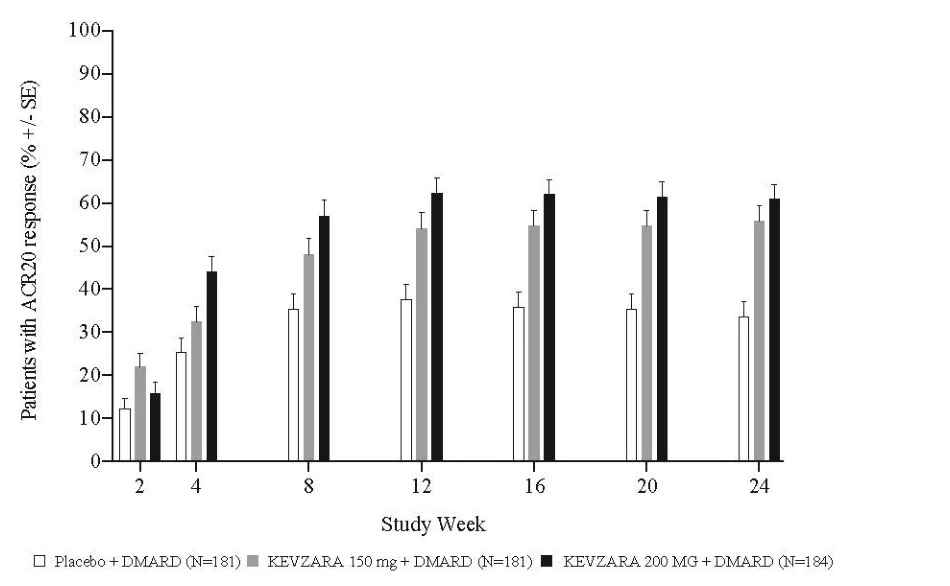
ACR20 response rates by visit for MOBILITY Part B and TARGET are shown in
Figure 1 and Figure 2 respectively.
Figure 1: Percent of ACR20 Response by Visit for MOBILITY Part B
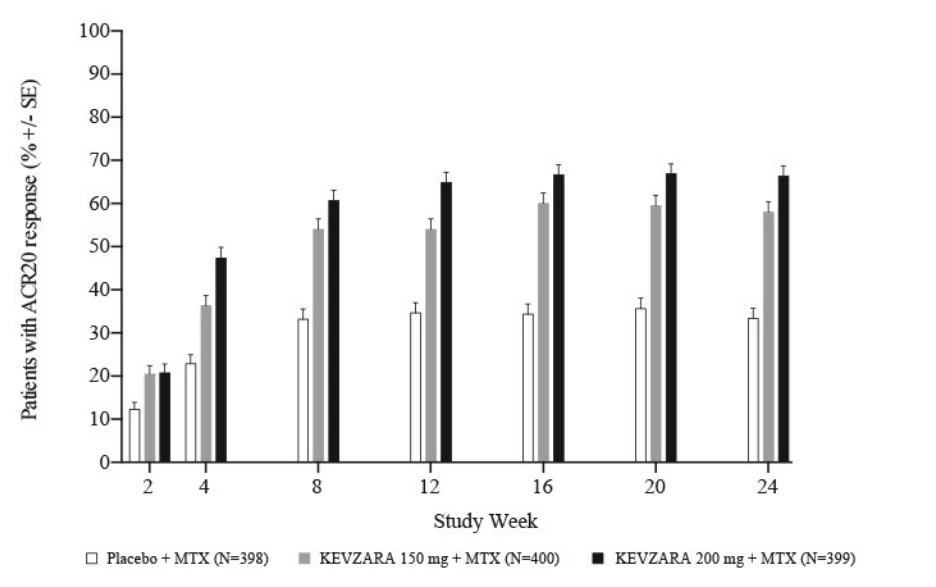
Figure 2: Percent of ACR20 Response by Visit for TARGET
The results of the components of the ACR response criteria at Week 16 for MOBILITY Part B and Week 12 for TARGET are shown in Table 11.
Table 11: Mean change from baseline in components of ACR score at Week 16 for MOBILITY and Week 12 for TARGET
| MOBILITY Part B | TARGET | |||||||||||||||||
|---|---|---|---|---|---|---|---|---|---|---|---|---|---|---|---|---|---|---|
| Component means (range/units) | Placebo + MTX (N=398) | KEVZARA 150 mg + MTX (N=400) | KEVZARA 200 mg + MTX (N=399) | Placebo + DMARD (N=181) | KEVZARA 150 mg + DMARD (N=181) | KEVZARA 200 mg + DMARD (N=184) | ||||||||||||
| Tender Joints (0-68) | ||||||||||||||||||
| Baseline | 26.80 | 27.21 | 26.50 | 29.42 | 27.66 | 29.55 | ||||||||||||
| Week 12 | 19.18 | 13.38 | 13.10 | |||||||||||||||
| Week 16 | 16.46 | 11.73 | 10.17 | |||||||||||||||
| Change from baseline | -10.29 | -15.64 | -16.44 | -9.79 | -14.11 | -15.92 | ||||||||||||
| Swollen Joints (0-66) | ||||||||||||||||||
| Baseline | 16.68 | 16.60 | 16.77 | 20.21 | 19.60 | 19.97 | ||||||||||||
| Week 12 | 12.50 | 8.82 | 8.28 | |||||||||||||||
| Week 16 | 10.15 | 6.73 | 6.14 | |||||||||||||||
| Change from baseline | -6.48 | -9.81 | -10.74 | -7.25 | -10.77 | -10.89 | ||||||||||||
| Pain VAS* (0-100 mm) | ||||||||||||||||||
| Baseline | 63.71 | 65.48 | 66.71 | 71.57 | 71.02 | 74.86 | ||||||||||||
| Week 12 | 54.77 | 43.45 | 41.66 | |||||||||||||||
| Week 16 | 49.17 | 38.62 | 34.97 | |||||||||||||||
| Change from baseline | -14.41 | -27.01 | -31.43 | -16.12 | -27.95 | -32.77 | ||||||||||||
| MOBILITY Part B | TARGET | |||||||||||||||||||
|---|---|---|---|---|---|---|---|---|---|---|---|---|---|---|---|---|---|---|---|---|
| Component means (range/units) | Placebo + MTX (N=398) | KEVZARA 150 mg + MTX (N=400) | KEVZARA 200 mg + MTX (N=399) | Placebo + DMARD (N=181) | KEVZARA 150 mg + DMARD (N=181) | KEVZARA 200 mg + DMARD (N=184) | ||||||||||||||
| Physician global VAS* (0-100 mm) | ||||||||||||||||||||
| Baseline | 62.86 | 63.43 | 63.59 | 68.39 | 68.10 | 67.76 | ||||||||||||||
| Week 12 | 43.73 | 33.65 | 30.18 | |||||||||||||||||
| Week 16 | 39.99 | 28.09 | 24.99 | |||||||||||||||||
| Change from baseline | -22.87 | -35.13 | -38.14 | -24.60 | -34.92 | -36.92 | ||||||||||||||
| Patient global VAS* (0-100 mm) | ||||||||||||||||||||
| Baseline | 63.70 | 64.43 | 66.49 | 68.77 | 67.71 | 70.89 | ||||||||||||||
| Week 12 | 53.67 | 41.99 | 41.74 | |||||||||||||||||
| Week 16 | 48.42 | 38.09 | 35.44 | |||||||||||||||||
| Change from baseline | -14.82 | -26.26 | -31.00 | -15.05 | -26.05 | -28.83 | ||||||||||||||
| HAQ-DI (0-3) | ||||||||||||||||||||
| Baseline | 1.61 | 1.63 | 1.69 | 1.80 | 1.72 | 1.82 | ||||||||||||||
| Week 12 | 1.49 | 1.23 | 1.33 | |||||||||||||||||
| Week 16 | 1.31 | 1.08 | 1.11 | |||||||||||||||||
| Change from baseline | -0.30 | -0.54 | -0.58 | -0.29 | -0.50 | -0.49 | ||||||||||||||
| CRP (mg/L) | ||||||||||||||||||||
| Baseline | 20.46 | 22.57 | 22.23 | 26.02 | 23.60 | 30.77 | ||||||||||||||
| Week 12 | 21.72 | 9.21 | 4.58 | |||||||||||||||||
| Week 16 | 20.06 | 7.24 | 2.95 | |||||||||||||||||
| MOBILITY Part B | TARGET | |||||||||||||
|---|---|---|---|---|---|---|---|---|---|---|---|---|---|---|
| Component means (range/units) | Placebo + MTX (N=398) | KEVZARA 150 mg + MTX (N=400) | KEVZARA 200 mg + MTX (N=399) | Placebo + DMARD (N=181) | KEVZARA 150 mg + DMARD (N=181) | KEVZARA 200 mg + DMARD (N=184) | ||||||||
| Change from baseline | -0.18 | -15.72 | -19.01 | -3.39 | -14.24 | -25.91 | ||||||||
| * VAS=visual analog scale, DMARDs- Disease-modifying antirheumatic drugs, MTX=methotrexate, TNF=tumor necrosis factor, HAQ-DI- health assessment questionnaire-disability index, CRP- C reactive protein | ||||||||||||||
Radiographic Response
In MOBILITY Part B, structural joint damage was assessed radiographically and expressed as change in van der Heijde-modified Total Sharp Score (mTSS) and its components, the erosion score and joint space narrowing score at Week 52. Radiographs of hands and feet were obtained at baseline, 24 weeks, and 52 weeks and scored independently by at least two well-trained readers who were blinded to treatment group and visit number.
Both doses of KEVZARA + MTX were superior to placebo + MTX in the change from baseline in mTSS at 52 weeks (see Table 12).
Treatment with KEVZARA + MTX was associated with significantly less radiographic progression of structural damage as compared with placebo. At Week 52, 55.6% of patients receiving KEVZARA 200 mg and 47.8% of patients receiving KEVZARA 150 mg had no progression of structural damage (as defined by a change in the Total Sharp Score of zero or less) compared with 38.7% of patients receiving placebo.
Table 12: Mean Radiographic Change from Baseline at Weeks 24 and Week 52 in MOBILITY Part B a, b
| MOBILITY Part B | ||||||||||
|---|---|---|---|---|---|---|---|---|---|---|
Placebo + MTX (N=398) | KEVZARA 150 mg q2w + MTX (N=400) | KEVZARA 200 mg q2w + MTX (N=399) | ||||||||
| Modified Total Sharp Score (mTSS) | ||||||||||
| Week 24 | ||||||||||
| Mean change | 1.10 | 0.39 | 0.11 | |||||||
| LS mean difference, 97.5% CI | -0.708 (-1.192,-0.225) | -0.986 (-1.468,-0.505) | ||||||||
| Week 52 c | ||||||||||
| Mean change | 2.03 | 0.58 | 0.16 | |||||||
| MOBILITY Part B | |||||||||||||
|---|---|---|---|---|---|---|---|---|---|---|---|---|---|
Placebo + MTX (N=398) | KEVZARA 150 mg q2w + MTX (N=400) | KEVZARA 200 mg q2w + MTX (N=399) | |||||||||||
| LS mean difference, 97.5% CI | -1.458 (-2.108,-0.809) | -1.877 (-2.526,-1.228) | |||||||||||
| p-value vs placebo | <0.0001 | <0.0001 | |||||||||||
| Erosion score (0-280) | |||||||||||||
| Week 24 | |||||||||||||
| Mean change | 0.61 | 0.19 | -0.002 | ||||||||||
| LS mean difference, 97.5% CI | -0.411 (-0.673,-0.150) | -0.608 (-0.869,-0.346) | |||||||||||
| Week 52 | |||||||||||||
| Mean change | 1.05 | 0.27 | -0.04 | ||||||||||
| LS mean difference, 97.5% CI | -0.777 (-1.146,-0.408) | -1.085 (-1.454,-0.716) | |||||||||||
| Joint space narrowing score | |||||||||||||
| Week 24 | |||||||||||||
| Mean change | 0.50 | 0.20 | 0.12 | ||||||||||
| LS mean difference, 97.5% CI | -0.293 (-0.606,0.020) | -0.378 (-0.690,-0.066) | |||||||||||
| Week 52 | |||||||||||||
| Mean change | 0.99 | 0.31 | 0.20 | ||||||||||
| LS mean difference, 97.5% CI | -0.678 (-1.052,-0.304) | -0.793 (-1.166,-0.419) | |||||||||||
aIncludes data after rescue or discontinuation of double-blind medication for 138 (34.7%), 59 (14.8%) and 52 (13.0%) patients in the placebo, 150mg and 200mg treatment groups respectively. bAnalyzed using a repeated measure model including baseline mTSS and stratification by geographic region and prior use of biologic DMARDs. Each dose group was compared to placebo at the 2.5% significance level. c Primary end point CI=confidence interval; LS=least squares; MTX=methotrexate, q2w: every two weeks | |||||||||||||
Physical Function Response
In MOBILITY Part B and TARGET, physical function and disability were assessed by the Health Assessment Questionnaire Disability Index (HAQ-DI). Patients receiving KEVZARA 200 mg and 150 mg + MTX/DMARD every two weeks demonstrated greater improvement from baseline in physical function compared to placebo at Week 16 and Week 12 in MOBILITY Part B and TARGET, respectively.
Table 13: Change from baseline in the HAQ-DI score at Week 16 for MOBILITY Part B and Week 12 for TARGET
| MOBILITY Part B | TARGET b | |||||||||||||||
|---|---|---|---|---|---|---|---|---|---|---|---|---|---|---|---|---|
Placebo + MTX N = 398 | KEVZARA 150 mg + MTX N = 400 | KEVZARA 200 mg + MTX N = 399 | Placebo + DMARD a N = 181 | KEVZARA 150 mg + DMARD a N =181 | KEVZARA 200 mg + DMARD a N = 184 | |||||||||||
| HAQ-DI | ||||||||||||||||
| Week 12 | ||||||||||||||||
| LS mean | -0.28 | -0.47 | -0.47 | |||||||||||||
| Difference from placebo, (97.5% CI) c | -0.197 (-0.331,-0.062) | -0.192 (-0.326,-0.057) | ||||||||||||||
| P-value vs placebo | 0.0010 | 0.0014 | ||||||||||||||
| % of patients with clinically meaningful improvement d | 35.9% | 47% | 51.1% | |||||||||||||
| HAQ-DI | ||||||||||||||||
Week 16 Change mean | -0.31 | -0.52 | -0.53 | |||||||||||||
| Difference from placebo, (97.5% CI) c | -0.210 (-0.299,-0.121) | -0.222 (-0.312,-0.133) | ||||||||||||||
| P-value vs placebo | <0.0001 | <0.0001 | ||||||||||||||
| % of patients with clinically meaningful improvement d | 42.5% | 53.8% | 57.4% | |||||||||||||
a DMARDs in TARGET included MTX, sulfasalazine, leflunomide and hydroxychloroquine
b In TARGET the number of patients receiving methotrexate as part of the background treatment was 158 (87.3%), 154 (85.1%), 156 (84.8%) in the placebo, 150mg and 200mg groups respectively.
c Analyzed using a repeated measure model including baseline HAQ-DI and stratification by geographic region and prior use of biologic DMARD (Mobility-B) or number of prior anti-TNF drugs (TARGET). Missing data were imputed based on the observed response in the placebo group. Each dose group was compared to placebo at the 2.5% significance level.
d Change from baseline greater than 0.3 units.
DMARDs- Disease-modifying antirheumatic drugs, MTX=methotrexate, TNF=tumor necrosis factor, HAQ-DI- health assessment questionnaire-disability index, LS- least squares, CI- confidence interval
Other Studies
In an open-label uncontrolled study, the efficacy of KEVZARA as monotherapy was consistent with that observed with combination therapy.
Polymyalgia Rheumatica
Table 14: Polymyalgia rheumatica: Summary of trial design and patient demographics
| Study | Trial design | Dosage, route of administration and duration | Study subjects (n = number) | Mean age ± SD (Range) | Gender |
|---|---|---|---|---|---|
| SAPHYR | Phase 3, R, DB, PC, CS as concomitant therapy | SAR 200 mg q2w+14-week taper of CS Placebo q2w+52-week taper of CS 52-week treatment period Subcutaneous | SAR 200 mg group (N=60) placebo group (N=58) N=118 | 68.9 ± 8.1 (51-88) | 69.5% female, 30.5% male |
CS=corticosteroid DB=double-blind; q2w=every two weeks; PC=placebo-controlled, SAR=KEVZARA; R=randomized
The efficacy and safety of KEVZARA in PMR were assessed in a randomized, double-blind, placebo-controlled multicenter study (SAPHYR) in adults with PMR diagnosed according to American College of Rheumatology/European Union League against Rheumatism (ACR/EULAR) classification criteria. Patients had at least one episode of unequivocal PMR flare while attempting to taper corticosteroids.
In the Phase 3 study (SAPHYR), patients with active PMR were randomized to receive KEVZARA 200 mg every two weeks with a pre-defined 14-week taper of prednisone (n= 60) or placebo every two weeks with a pre-defined 52-week taper of prednisone (n=58). One participant was randomized but not treated in the KEVZARA 200 mg arm. Patients experiencing a disease flare or unable to adhere to the assigned prednisone tapering schedule could receive corticosteroids as rescue therapy.
The primary end point was the proportion of patients with sustained remission at Week 52. Sustained remission was defined as satisfying all four of the following criteria: achievement of disease remission no later than Week 12, absence of disease flare from Week 12 through
Week 52, sustained reduction of CRP (to <10 mg/L) from Week 12 through Week 52 and successful adherence to prednisone taper from Week 12 through Week 52.
Polymyalgia Rheumatica: Clinical Response
The proportion of participants achieving sustained remission at Week 52 was higher in the KEVZARA arm compared to the placebo arm; this difference was statistically significant.
Table 15: Clinical Response in SAPHYR (Phase 3) in Adults with Active PMR
| Placebo + 52 Week GC Taper (N=58) | KEVZARA 200 mg Q2W + 14 Week GC Taper (N=60) | ||||
|---|---|---|---|---|---|
| Sustained remission at Week 52 | |||||
| Number of patients with sustained remission n (%) | 6 (10.3) | 17 (28.3) | |||
| Proportion difference (95% CI) | 18.0 (4.15, 31.82) | ||||
| p-value | 0.0193 | ||||
| Components of sustained remission at Week 52 | |||||
| Absence of signs and symptoms and CRP < 10 mg/L (disease remission*) no later than Week 12 | 22 (37.9) | 28 (46.7) | |||
| Absence of disease flare‡ from Week 12 through Week 52 | 19 (32.8) | 33 (55.0) | |||
| Sustained reduction of CRP (<10 mg/L) from Week 12 through Week 52 | 26 (44.8) | 40 (66.7) | |||
| Successful adherence to prednisone taper from Week 12 through Week 52 | 14(24.1) | 30 (50.0) | |||
*Disease remission is defined as the resolution of signs and symptoms of PMR, and normalization of CRP (<10 mg/L).
‡Flare is defined as recurrence of signs and symptoms attributable to active PMR requiring an increase in corticosteroid dose, or elevation of ESR attributable to active PMR plus an increase in corticosteroid dose. §Expressed as prednisone equivalent dose
The total actual cumulative corticosteroid dose included all corticosteroids taken during the study (i.e., prednisone taper regimen per protocol, add-on prednisone prior to Week 12, corticosteroid use due to rescue, or corticosteroid use during the treatment period to manage an adverse reaction not related to PMR). The total actual cumulative prednisone equivalent corticosteroid dose was lower in the KEVZARA arm (mean [SD] 1039.5 [612.2] mg and median 777 mg) relative to the placebo arm (mean [SD] 2235.8 [839.4] mg and median 2044 mg); note that these values are not adjusted for the different protocol-defined tapering schedules in the two arms.
15 Microbiology
No microbiological information is required for this drug product.
16 Non-Clinical Toxicology
Cynomolgus monkeys were administered sarilumab intravenously up to dose levels of 50 mg/kg/weekly for 26 weeks and subcutaneously up to 100 mg/kg/ weekly for 13 weeks.
Humoral immune response (IgG) to antigen challenge by keyhole limpet hemocyanin (KLH) was suppressed in adult cynomolgus monkeys receiving ≥ 5mg/kg weekly sarilumab by intravenous administration. Other sarilumab related findings included neutropenia, decrease in neutrophil counts, and reductions in serum C - reactive protein (CRP) and fibrinogen. The effects observed were consistent with the pharmacological inhibition of IL-6 signaling and were generally reversible. No other sarilumab related events were noted up to dose levels of 50 mg/kg weekly for 26 weeks, corresponding to plasma exposure (AUC) approximately 80 times higher than would be expected clinically.
Carcinogenicity:
No long-term animal studies have been performed to establish the carcinogenicity potential of sarilumab. Mutagenicity studies have not been conducted with sarilumab.