


Product Monograph - Siliq
RECENT MAJOR LABEL CHANGES
| 7 WARNINGS AND PRECAUTIONS, Immune, Hypersensitivity | 10/2023 |
|---|
TABLE OF CONTENTS
Sections or subsections that are not applicable at the time of authorization are not listed.
RECENT MAJOR LABEL CHANGES .......................................................................................... 2
TABLE OF CONTENTS ................................................................................................................ 2
PART I: HEALTH PROFESSIONAL INFORMATION .................................................................. 4
1 INDICATIONS ................................................................................................................... 4
1.1 Pediatrics (< 18 years of age) ................................................................................ 4
1.2 Geriatrics (≥ 65 years of age) ................................................................................ 4
2 CONTRAINDICATIONS .................................................................................................... 4
3 SERIOUS WARNINGS AND PRECAUTIONS BOX ......................................................... 4
4 DOSAGE AND ADMINISTRATION .................................................................................. 4
4.1 Dosing Considerations ........................................................................................... 4
4.2 Recommended Dose and Dosage Adjustment ...................................................... 5
4.4 Administration ........................................................................................................ 5
5 OVERDOSAGE ................................................................................................................. 5
6 DOSAGE FORMS, STRENGTHS, COMPOSITION AND PACKAGING .......................... 6
7 WARNINGS AND PRECAUTIONS ................................................................................... 6
7.1 Special Populations ............................................................................................... 9
7.1.1 Pregnant Women .............................................................................................. 9
7.1.2 Breast-feeding................................................................................................... 9
7.1.3 Pediatrics (< 18 years of age) ........................................................................... 9
7.1.4 Geriatrics (≥ 65 years of age) ........................................................................... 9
8 ADVERSE REACTIONS ................................................................................................... 9
8.1 Adverse Reaction Overview .................................................................................. 9
8.2 Clinical Trial Adverse Reactions .......................................................................... 10
8.3 Less Common Clinical Trial Adverse Reactions .................................................. 12
8.5 Post-Market Adverse Reactions .......................................................................... 12
9 DRUG INTERACTIONS .................................................................................................. 12
9.1 Serious Drug Interactions .................................................................................... 12
9.4 Drug-Drug Interactions ........................................................................................ 12
9.5 Drug-Food Interactions ........................................................................................ 13
9.6 Drug-Herb Interactions ........................................................................................ 13
9.7 Drug-Laboratory Test Interactions ....................................................................... 13
10 CLINICAL PHARMACOLOGY ....................................................................................... 13
10.1 Mechanism of Action ........................................................................................... 13
10.2 Pharmacodynamics ............................................................................................. 13
10.3 Pharmacokinetics ................................................................................................ 13
11 STORAGE, STABILITY AND DISPOSAL ...................................................................... 15
12 SPECIAL HANDLING INSTRUCTIONS ......................................................................... 15
PART II: SCIENTIFIC INFORMATION ....................................................................................... 16
13 PHARMACEUTICAL INFORMATION ............................................................................ 16
14 CLINICAL TRIALS .......................................................................................................... 18
14.1 Trial Design and Study Demographics ................................................................ 18
14.2 Study Results ....................................................................................................... 20
15 MICROBIOLOGY ............................................................................................................ 24
16 NON-CLINICAL TOXICOLOGY ...................................................................................... 24
PATIENT MEDICATION INFORMATION ................................................................................... 25
PART I: HEALTH PROFESSIONAL INFORMATION
1 INDICATIONS
- SILIQ brodalumab injection) is indicated for the treatment of moderate to severe plaque psoriasis in adult patients who are candidates for systemic therapy or phototherapy.
1.1 Pediatrics (< 18 years of age)
The safety and efficacy of SILIQ in children below the age of 18 years have not yet been established. No data are available.
1.2 Geriatrics (≥ 65 years of age)
No dose adjustment is recommended in geriatric patients (see 10 CLINICAL PHARMACOLOGY).
2 CONTRAINDICATIONS
SILIQ (brodalumab) is contraindicated in:
- patients who are hypersensitive to brodalumab or to any ingredient in the formulation or component of the container. For a complete listing, see the 6 DOSAGE FORMS, COMPOSITION AND PACKAGING section of the product monograph.
- patients with Crohn’s disease (see 7 WARNINGS AND PRECAUTIONS).
3 SERIOUS WARNINGS AND PRECAUTIONS BOX
Serious Warnings and Precautions
| Suicidal ideation and behavior, including completed suicides, have occurred in patients treated with SILIQ. A causal association between treatment with SILIQ and increased risk of suicidal ideation and behaviour has not been established. Prior to prescribing SILIQ, weigh the potential risks and benefits in patients with a history of depression and/or suicidal ideation or behavior. Patients with new or worsening suicidal ideation and behavior should be referred to a mental health professional, as appropriate. Advise patients and caregivers to seek medical attention for manifestations of suicidal ideation or behavior, new onset or worsening depression, anxiety, or other mood changes (see 7 WARNINGS AND PRECAUTIONS, Psychiatric). |
|---|
4 DOSAGE AND ADMINISTRATION
4.1 Dosing Considerations
SILIQ (brodalumab injection) is intended for use under the guidance and supervision of a healthcare professional. Patients may self-inject SILIQ when deemed appropriate by a healthcare professional and after proper training in subcutaneous injection technique using the prefilled syringe. Patients should be instructed to inject the full dose of SILIQ according to the instructions provided in the package leaflet. Comprehensive instructions for administration are given in the package leaflet (see PATIENT MEDICATION INFORMATION).
If an adequate response has not been achieved after 12 to 16 weeks of treatment with SILIQ, consider discontinuing therapy. Continued treatment beyond 16 weeks in patients who have not achieved an adequate response is not likely to result in greater success.
4.2 Recommended Dose and Dosage Adjustment
The recommended SILIQ dose is 210 mg administered by subcutaneous injection at Weeks 0, 1, and 2 followed by 210 mg every 2 weeks.
Each 210 mg dose is given as one subcutaneous injection of single-use prefilled syringe (1.5 mL).
4.4 Administration
SILIQ is administered subcutaneously (SC). Each prefilled syringe is for single use only.
Do not inject SILIQ into areas where the skin is tender, bruised, red, hard, thick, scaly, or affected by psoriasis.
Instruction on Injection Technique
- Advise patients to read the ‘Instructions for Use’ before administration.
- Instruct the patient to perform the first self-injection under the guidance and supervision of a qualified healthcare professional for proper training in subcutaneous injection technique. Assess a patient or their caregiver’s ability to inject subcutaneously (see PATIENT MEDICATION INFORMATION).
- Instruct patients who are self-administering to inject the full dose of SILIQ (see PATIENT MEDICATION INFORMATION).
5 OVERDOSAGE
Doses up to 700 mg intravenously have been administered in clinical trials with no evidence of dose limiting toxicity. In the event of an overdose, the patient should be treated symptomatically, and supportive measures instituted as required.
| For management of a suspected drug overdose, contact your regional poison control centre. |
|---|
6 DOSAGE FORMS, STRENGTHS, COMPOSITION AND PACKAGING
Table – Dosage Forms, Strengths, Composition and Packaging
Description
Brodalumab is a human monoclonal immunoglobulin (Ig) G2 antibody directed against human interleukin 17 Receptor A (IL-17RA). It is expressed in a Chinese Hamster Ovary (CHO) cell line. Brodalumab is comprised of 1312 amino acids and has an estimated molecular mass of 144,000 Daltons.
SILIQ is a sterile solution that is clear to slightly opalescent, colorless to slightly yellow liquid, practically free from particles.
Each SILIQ single-use prefilled syringe contains 210 mg of brodalumab.
SILIQ is supplied as:
- 1.5 mL solution (140 mg/mL brodalumab) in a single-use syringe made from type 1 glass with stainless steel 27G x ½” needle.
- SILIQ single-use prefilled syringe is formulated in Proline (36 mg / 2.4% w/v), Glutamate (6.5 mg / 30 mM), Polysorbate 20 (0.15 mg / 0.01% w/v), and Water for Injections (to target volume). The resulting pH is 4.8.
- SILIQ 210 mg solution for injection in a pre-filled syringe is available in a pack containing 2 pre-filled syringes.
- SILIQ does not contain preservatives.
7 WARNINGS AND PRECAUTIONS
General
The SILIQ Patient Support Program is a comprehensive program that supports patients and healthcare professionals with the prescribing, administration, and monitoring of patients who receive SILIQ treatment. Prescribers are to register in the SILIQ Patient Support Program before prescribing SILIQ (brodalumab injection). Prescribers are educated regarding the appropriate use of SILIQ and are expected to educate patients on the benefits and risks of treatment, especially the risk of suicidal ideation and behavior.
Patients who are prescribed SILIQ are to enroll in the SILIQ Patient Support Program by filling in the program enrollment form or by calling at 844 852 6967.
| Route of Administration | Dosage Form / Strength/Composition | Non-medicinal Ingredients |
| Subcutaneous injection | Sterile solution in single-use prefilled syringe / 210 mg of brodalumab in 1.5 mL solution. | Glutamate, Polysorbate 20, Proline, and Water for injections |
Carcinogenesis and Mutagenesis
Carcinogenicity studies have not been conducted for brodalumab.
Gastrointestinal
Crohn’s Disease
There are limited data in patients with a history of Crohn’s disease. SILIQ is contraindicated in patients with Crohn’s disease.
In psoriasis trials, which excluded subjects with active Crohn’s disease, Crohn’s disease occurred in one subject during treatment with SILIQ and led to discontinuation of therapy. In other trials, exacerbation of Crohn’s disease was observed with SILIQ use.
Discontinue SILIQ if the patient develops Crohn’s disease while taking SILIQ.
Hepatic/Biliary/Pancreatic
Specific studies have not been conducted in patients with hepatic insufficiency.
Immune
Hypersensitivity
Hypersensitivity reactions have been identified in post-marketing data; the reactions are mostly cutaneous manifestations, and most reported events included rashes, eczema, urticaria and dermatitis.
Cases of anaphylaxis including anaphylactic shock have been also reported. If an anaphylactic or other serious allergic reaction occurs, administration of SILIQ should be discontinued immediately and appropriate therapy initiated. In clinical trials, there were no serious reports of hypersensitivity occurring within 1 day of SILIQ administration.
Infections
SILIQ may increase the risk of infections.
During the 12-week placebo-controlled clinical trial period in patients with psoriasis, serious infections were observed in 0.5% of patients receiving SILIQ and 0.2% of patients receiving placebo (see 8.1 Adverse Reaction Overview).
Exercise caution when considering the use of SILIQ in patients with a chronic infection or a history of recurrent infection. Instruct patients to seek medical advice if signs or symptoms suggestive of an infection occur. If a patient develops a serious infection, the patient should be closely monitored and SILIQ should be discontinued until the infection resolves (see 8.1 Adverse Reaction Overview).
Pre-treatment Evaluation for Tuberculosis
Evaluate patients for tuberculosis (TB) infection prior to initiating treatment with SILIQ. Do not administer SILIQ to patients with active TB infection. Initiate treatment for latent TB prior to administering SILIQ.
Consider anti-TB therapy prior to initiation of SILIQ in patients with a past history of latent or active TB in whom an adequate course of treatment cannot be confirmed. Patients receiving SILIQ should be monitored closely for signs and symptoms of active TB.
Vaccinations
It is recommended that patients be brought up to date with all immunizations in accordance with local immunization guidelines prior to initiating treatment with SILIQ.
Live vaccines should not be given concurrently with SILIQ. No data are available on the response to live vaccines or the risk of infection, or transmission of infection after the administration of live vaccines to patients receiving SILIQ.
Patients receiving SILIQ may receive concurrent inactivated or non-live vaccinations. Non-live vaccines received during SILIQ treatment may not elicit an immune response sufficient to prevent disease.
Psychiatric
Suicidal Ideation and Behavior
Suicidal ideation and behavior, including 4 completed suicides, occurred in subjects treated with SILIQ in the psoriasis clinical trials.
Patients with psoriasis are in general at an increased risk of suicidal ideation and behaviour. Suicidal ideation and behavior, including completed suicide, have been reported in patients treated with SILIQ. The majority of patients with suicidal behaviour had a history of depression and/or suicidal ideation or behaviour. A causal association between treatment with SILIQ and increased risk of suicidal ideation and behaviour has not been established.
Carefully weigh the risk and benefit of treatment with SILIQ for patients with a history of depression and/or suicidal ideation or behaviour, or patients who develop such symptoms while on SILIQ. Patients, caregivers, and families should be advised of the need to be alert for the emergence or worsening of depression, suicidal ideation, anxiety, or other mood changes, and they should contact their healthcare provider if such events occur.
Because of the observed suicidal ideation and behavior in subjects treated with SILIQ, if an adequate response to SILIQ has not been achieved within 12 to 16 weeks, consider discontinuing therapy.
Renal
Specific studies have not been conducted in patients with renal insufficiency.
Reproductive health: Female and male potential
Fertility
No data are available on the effect of SILIQ on human fertility. Studies in sexually mature cynomolgus monkeys did not show any effects on fertility endpoints (see 16 NON-CLINICAL TOXICOLOGY).
7.1 Special Populations
7.1.1 Pregnant Women
There are no adequate and well-controlled studies of SILIQ in pregnant women. No effects on embryo-fetal or pre- postnatal development were observed in infants from pregnant monkeys administered brodalumab by subcutaneous injection during organogenesis to near parturition up to 26 times the maximum human recommended dose (on a mg/kg basis of 90 mg/kg/week) (see 16 NON-CLINICAL TOXICOLOGY).
7.1.2 Breast-feeding
There is no information regarding the presence of SILIQ in human breast milk, the effects on breastfed infants, or the effects on milk production. Because many drugs and immunoglobulins are excreted in human milk, caution should be exercised when SILIQ is administered to a nursing woman. A decision must be made whether to discontinue breast-feeding or to discontinue/abstain from SILIQ therapy, taking into account the benefits of breast feeding for the child and the benefit of therapy for the woman.
7.1.3 Pediatrics (< 18 years of age)
The safety and efficacy of SILIQ in children below the age of 18 years have not yet been established. No data are available.
7.1.4 Geriatrics (≥ 65 years of age)
Data in geriatric patients are limited. Of the 3066 plaque psoriasis patients initially randomized to SILIQ in clinical studies, 192 (6%) were ≥ 65 years old and no patients were ≥ 75 years old. The overall rate of AEs was higher in the ≥ 65-year-old age group than in those < 65. Exposure-adjusted event rates were 314.0 and 288.6 per 100 subject-years, respectively. No differences in efficacy were observed in elderly (≥ 65 years) patients compared to the overall population.
8 ADVERSE REACTIONS
8.1 Adverse Reaction Overview
The most commonly reported adverse reactions in SILIQ-treated patients were headache, arthralgia, fatigue, oropharyngeal pain, and diarrhea (see Table 1). The proportion of SILIQ-treated patients who discontinued treatment in the first 12 weeks of treatment due to adverse events was similar (about 1%) in all treatment arms.
The following adverse reactions are discussed elsewhere in the label:
- Crohn’s Disease (see 7 WARNINGS AND PRECAUTIONS, Gastrointestinal, Crohn’s Disease)
- Infections (see 7 WARNINGS AND PRECAUTIONS, Immune, Infections)
8.2 Clinical Trial Adverse Reactions
Clinical trials are conducted under very specific conditions. The adverse reaction rates observed in the clinical trials; therefore, may not reflect the rates observed in practice and should not be compared to the rates in the clinical trials of another drug. Adverse reaction information from clinical trials may be useful in identifying and approximating rates of adverse drug reactions in real-world use.
Data from three phase 3 clinical trials and one phase 2 trial in plaque psoriasis were pooled to evaluate the safety of SILIQ (brodalumab injection) in comparison to placebo up to 12 weeks after treatment initiation (see 14 CLINICAL TRIALS).
These data included 4558 patients (3066 SILIQ, 613 ustekinumab, 879 placebo) in controlled clinical trials and open-label extension studies representing 5401.6 patient-years of exposure. Of these, 4461 patients received at least one dose of SILIQ, 3072 patients were exposed for at least 1 year.
During the 12-week placebo-controlled period of these studies, the subject incidence of serious adverse events was 1.6% in patients who received SILIQ, 1% in patients that received ustekinumab, and 1.7% in patients who received placebo.
Table 1 summarizes all adverse reactions that occurred in at least 1% of all patients receiving SILIQ and at a higher rate than in the placebo group during the 12-week placebo-controlled period:
Table 1 - Adverse Reactions Reported in at least 1% of all Patients with Plaque Psoriasis Receiving SILIQ through Week 12 in Three Phase 3 and One Phase 2 Clinical Trials and at a Higher Rate than Placebo
SILIQ 210 mg every 2 weeks (N=1496) n (%) | Placebo (N=879) n (%) | Ustekinumab (N=613) n (%) | |
General Fatigue | 39 (2.6) | 10 (1.1) | 16 (2.6) |
Ear/Nose /Throat Oropharyngeal pain | 31 (2.1) | 10 (1.1) | 8 (1.3) |
Gastrointestinal Diarrhea Nausea | 33 (2.2) 28 (1.9) | 10 (1.1) 10 (1.1) | 5 (0.8) 6 (1.0) |
Hematologic Neutropenia | 15 (1.0) | 4 (0.5) | 5 (0.8) |
SILIQ 210 mg every 2 weeks (N=1496) n (%) | Placebo (N=879) n (%) | Ustekinumab (N=613) n (%) | |
Musculoskeletal and Connective Tissue Arthralgia Myalgia | 71 (4.7) 26 (1.7) | 29 (3.3) 3 (0.3) | 15 (2.4) 4 (0.7) |
Neurology Headache | 64 (4.3) | 31 (3.5) | 23 (3.8) |
Respiratory Influenza | 19 (1.3) | 4 (0.5) | 7 (1.1) |
Skin Injection site reactions (pain, erythema, bruising, hemorrhage, pruritus) Tinea infections (tinea pedis, versicolor, cruris) | 23 (1.5) 15 (1.0) | 11 (1.3) 2 (0.2) | 12 (2.0) 3 (0.5) |
Suicidal Ideation and Behaviour
During the 12-week randomized treatment period in the pooled trials, one subject in the SILIQ group attempted suicide and none in the placebo or ustekinumab groups. From initiation through Week 52 of the trials, suicidal ideation or behavior occurred in 7 of 4019 subjects (0.2 per 100 subject-years) treated with SILIQ and in 2 of 613 subjects (0.4 per 100 subject-years) treated with ustekinumab. During the course of the clinical trials for plaque psoriasis, suicidal ideation or behavior occurred in 34 of 4464 subjects treated with SILIQ (0.37 per 100 subject-years). Eight of the 10 subjects who attempted or completed suicide had a history of depression and/or suicidal ideation or behavior.
Infections
During the 12-week placebo-controlled trial period in plaque psoriasis, infections were reported in 25.4% of patients treated with SILIQ compared with 23.4% of patients treated with placebo. The majority of infections consisted of nasopharyngitis, upper respiratory tract infection, pharyngitis, urinary tract infections, bronchitis, and influenza, which did not necessitate treatment discontinuation. Serious infections occurred in 0.5% of patients treated with SILIQ and in 0.2% of patients treated with placebo. Higher rates of fungal infections, primarily non-serious skin and mucosal candida infections were observed in SILIQ patients compared to placebo patients, 1.8% vs 0.9%, respectively, and one serious case of cryptococcal meningitis was observed in SILIQ-treated patients (see 7 WARNINGS AND PRECAUTIONS, Immune, Infections).
Through week 52, the exposure-adjusted event rates (per 100 patient-years) for infections were 114.6 for patients treated with SILIQ and 118.1 for patients treated with ustekinumab. The exposure-adjusted event rates (per 100 patient-years) for serious infections were 1.3 for patients treated with SILIQ and 1.0 for patients treated with ustekinumab.
Neutropenia
During the 12-week randomized treatment period, neutropenia occurred in 0.7% of subjects in the SILIQ group. Most adverse reactions of neutropenia were transient. In subjects with normal absolute neutrophil count (ANC) at baseline, a reduction in ANC occurred in 6.8% of subjects in the SILIQ group, compared to 3.3% in the ustekinumab group, and 3.6% in the placebo group. Neutropenia ≥ Grade 3 (< 1000/mm3) occurred in 0.5% of subjects in the SILIQ group compared to 0.2% of subjects in the ustekinumab group and none in the placebo group. From Week 0 to end of trial, the exposure-adjusted rate of treatment-emergent neutropenia was 0.4 per 100 subject-years (0.1 per 100 subject-years were ≥ Grade 3). No serious infections were associated with cases of neutropenia.
Immunogenicity
Antibodies to brodalumab developed in 2.7% (122/4461) of patients treated with SILIQ for up to 52 weeks in psoriasis clinical studies (0.3% of patients had anti-brodalumab antibodies at baseline). Of these patients, none had neutralizing antibodies.
No evidence of altered pharmacokinetic profile, clinical response, or safety profile was associated with anti-brodalumab antibody development.
8.3 Less Common Clinical Trial Adverse Reactions
Adverse reactions that occurred in less than 1% of all patients receiving SILIQ through week 12 were conjunctivitis and candida infections (including oral, genital, and esophageal).
8.5 Post-Market Adverse Reactions
-approval use of SILIQ. Because these reactions are reported voluntarily from a population of uncertain size, it is not always possible to reliably estimate their frequency or establish a causal relationship to drug exposure.
- Hypersensitivity reactions (mostly cutaneous manifestations): pruritus, rashes, eczema, urticaria, dermatitis, and anaphylaxis, including anaphylactic shock with unknown frequency.
9 DRUG INTERACTIONS
9.1 Serious Drug Interactions
Live vaccines should not be given concurrently with SILIQ (see 7 WARNINGS AND PRECAUTIONS, Immune, Vaccinations)
9.4 Drug-Drug Interactions
CYP450 Substrates
The formation of CYP450 enzymes can be altered by increased levels of certain cytokines (e.g., IL-1, IL-6, IL-10, TNFα, IFN) during chronic inflammation. Although a role for IL-17A and IL-
17RA in the regulation of CYP450 enzymes has not been reported, the effect of brodalumab on CYP3A4/3A5 activity was evaluated in a disease-drug-drug interaction study.
In subjects with moderate to severe plaque psoriasis, a single subcutaneous dose of 210 mg SILIQ (brodalumab injection) increased the exposure of midazolam metabolized by CYP3A4/3A5 by 24%. Based on the magnitude of change in exposure of midazolam, no dose adjustment of CYP3A4/3A5 substrates is necessary when administered concomitantly with SILIQ. Consider monitoring in patients taking CYP3A4/3A5 substrates with narrow therapeutic indices.
9.5 Drug-Food Interactions
Interactions with herbal products have not been established.
9.6 Drug-Herb Interactions
Interactions with herbal products have not been established.
9.7 Drug-Laboratory Test Interactions
Interactions with laboratory tests have not been established.
10 CLINICAL PHARMACOLOGY
10.1 Mechanism of Action
Brodalumab is a human monoclonal IgG2 antibody that selectively binds to human IL-17RA and blocks its interactions with cytokines IL-17A, IL-17F, IL17C, IL-17A/F heterodimer and IL-25. IL-17RA is a protein expressed on the cell surface and is a required component of receptor complexes utilized by multiple IL-17 family cytokines. IL-17 family cytokine concentrations have been reported to be increased in psoriasis. Blocking IL-17RA inhibits IL-17 cytokine-induced responses.
10.2 Pharmacodynamics
Elevated levels of IL-17A, IL-17C and IL-17F are found in psoriatic plaques. Treatment with SILIQ (brodalumab injection) in psoriasis patients has been shown to decrease levels of IL-17A. The relationship between the pharmacodynamic effect and mechanism(s) by which brodalumab exerts its clinical effects is unknown.
10.3 Pharmacokinetics
Absorption
In moderate to severe plaque psoriasis patients following a single subcutaneous administration of SILIQ at 210 mg, the mean (±SD) maximum SILIQ serum concentration (Cmax) was 13.4 mcg/mL (±7.29 mcg/mL). The median time to maximum SILIQ concentration (Tmax) was 3.0 days (range: 2.0 to 4.0 days). The mean (±SD) area-under-the-concentration-time curve (AUClast) of SILIQ was 111 mcg•day/mL (±64.4 mcg•day/mL).
Following multiple subcutaneous doses of 210 mg SILIQ every 2 weeks (plus a week 1 loading dose), steady state was achieved by Week 4. Mean (±SD) steady-state area-under-the-concentration-time curve over the dosing interval (AUCtau) of SILIQ was 243 mcg•day/mL (±234 mcg•day/mL) as measured at Week 10.
The subcutaneous bioavailability of brodalumab estimated by population pharmacokinetic analysis is 54.7%. The accumulation ratio after 6 weeks of every other week administration of 210 mg brodalumab was 1.5-fold.
Immunogenicity
The pharmacokinetics of SILIQ was not affected by the formation of anti-brodalumab antibodies.
Distribution
Following a single subcutaneous administration of brodalumab 210 mg in subjects with plaque psoriasis, the mean (±SD) apparent volume of distribution (Vz/F) of brodalumab was 8.9 (±9.4) L.
Metabolism
The metabolic pathway of brodalumab has not been characterized. As an IgG2 human monoclonal antibody, brodalumab is expected to be degraded into small peptides and amino acids via catabolic pathways in a manner similar to endogenous IgG.
Elimination
Following a single subcutaneous administration of brodalumab 210 mg in plaque psoriasis patients, the apparent clearance (CL/F) is 2.95 L/day. The clearance of brodalumab increased with decreasing doses due to nonlinear elimination.
Based on population pharmacokinetic modeling, the estimated half-life of SILIQ was 10.9 days at steady state after every other week subcutaneous dose of 210 mg.
Weight
Impact of weight on pharmacokinetics: Population pharmacokinetic analysis indicated that exposure decreased as body weight increased, however, no dose adjustment is recommended.
Special Populations and Conditions
- Pediatrics (< 18 years of age): The safety and efficacy of SILIQ have not been evaluated in pediatric patients.
Geriatrics (≥ 65 years of age): Data in geriatric patients are limited. Of the 3066 plaque psoriasis patients initially randomized to SILIQ in clinical studies, 192 (6%) were ≥ 65 years old and no patients were ≥ 75 years old. The overall rate of AEs was higher in the ≥ 65-year-old age group than in those < 65. Exposure-adjusted event rates were 314.0 and 288.6 per 100 subject-years, respectively. Although no differences in efficacy were observed between older and younger patients, the number of patients aged 65 years and
- patients.
Population pharmacokinetic analysis indicated that age did not have an effect on brodalumab pharmacokinetics.
No dose adjustment is recommended in geriatric patients.
- Sex: Population pharmacokinetic analysis indicated that sex did not have an effect on brodalumab pharmacokinetics.
- Hepatic Insufficiency: No pharmacokinetic data are available in patients with impaired hepatic function.
- Renal Insufficiency: No pharmacokinetic data are available in patients with impaired renal function.
11 STORAGE, STABILITY AND DISPOSAL
- Store refrigerated at 2°C to 8°C in the original carton.
- For convenience, prefilled syringes can be stored at room temperature between 20°C to 25°C in the original carton for a maximum single period of 14 days with protection from light and sources of heat. Once the prefilled syringe has reached room temperature, it should not be placed back into the refrigerator. If not used within 14 days at room temperature, the prefilled syringe should be discarded.
- Keep in original carton to protect from light and physical damage during storage.
- Keep out of the sight and reach of children.
- Do not freeze.
- Do not shake.
12 SPECIAL HANDLING INSTRUCTIONS
SILIQ is a sterile, preservative-free solution. Each pre-filled syringe is for single use only. Consult the ‘Instructions for Use’ for detailed instructions on administration of SILIQ.
To avoid discomfort at the site of injection, allow at least 30 minutes for the pre-filled syringe to reach room temperature before injecting. Do not warm in any other way. Do not remove the grey needle cap on the pre-filled syringe while allowing to reach room temperature.
Visually inspect SILIQ for particles and discolouration prior to administration. SILIQ is a clear to slightly opalescent, colourless to slightly yellow liquid, practically free from particles. Do not use SILIQ if it is cloudy or discoloured or contains large lumps, flakes, or coloured particles.
Do not use the prefilled syringe if it has been dropped on hard surface.
Any unused medicinal product or waste material should be disposed of in accordance with local requirements.
PART II: SCIENTIFIC INFORMATION
13 PHARMACEUTICAL INFORMATION
Drug Substance
Proper name: Brodalumab Injection
Chemical name: Brodalumab
Molecular formula: The molecule is a heterotetramer consisting of 2 heavy chains (HC) of the lgG2 subclass and 2 light chains (LC) of the kappa subclass that are covalently linked through disulfide bonds.
Molecular mass: Brodalumab is comprised of 1312 amino acids and has an estimated molecular mass of 144,000 Daltons.
Structural formula:
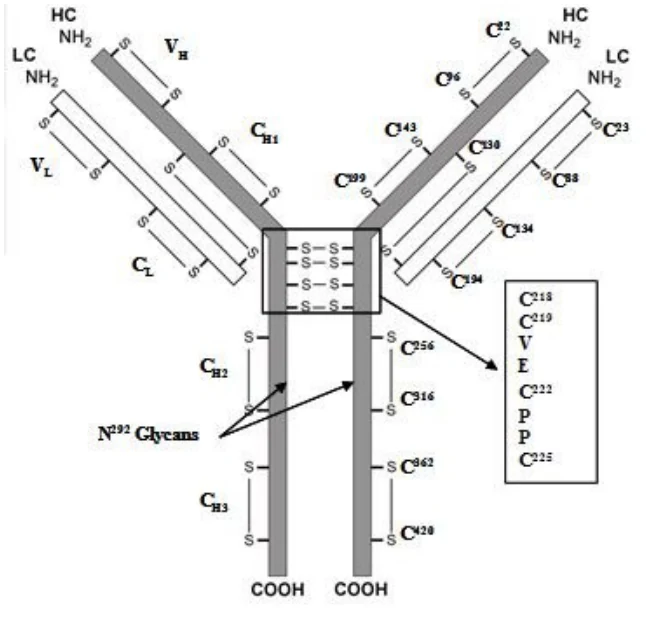
Schematic representation of Brodalumab:
Heavy chains are shown in grey and light chains in white.
VH Variable region, heavy chain
CH Constant domain, heavy chain
VL Variable region, light chain
CL Constant domain, light chain.
Physicochemical properties
Description: SILIQ (brodalumab injection) solution is clear to slightly opalescent, colorless to slightly yellow liquid.
Viral Inactivation
SILIQ is produced by a recombinant cell line culture and is purified by a series of steps that includes measures to inactivate and remove viruses.
14 CLINICAL TRIALS
14.1 Trial Design and Study Demographics
Three multicenter, randomized, double-blind, controlled trials (Trials 1, 2, and 3) enrolled a total of 4373 subjects 18 years of age and older with at least a 6-month history of moderate to severe plaque psoriasis, defined as having a minimum affected body surface area (BSA) of 10%, a Psoriasis Area and Severity Index (PASI) score ≥ 12, a static Physician’s Global Assessment (sPGA) score ≥ 3 in the overall assessment (plaque thickness/induration, erythema, and scaling) of psoriasis on a severity scale of 0 to 5, and who were candidates for systemic therapy or phototherapy. All three trials included a 12-week placebo-controlled induction phase, a double-blind duration of 52 weeks, and an open-label long-term extension. Subjects randomized to SILIQ (brodalumab injection) or placebo received subcutaneous treatment at Weeks 0, 1, and 2, followed by the same dose every 2 weeks through Week 12. In Trials 2 and 3, subjects randomized to ustekinumab received the 45 mg dose for subjects weighing less than 100 kg and the 90 mg dose for subjects weighing greater than 100 kg at Weeks 0, 4, and 16, followed by same dose every 12 weeks.
In all trials, the co-primary endpoints (compared to placebo) were the proportion of subjects who achieved a PASI score of 75% (PASI 75) and sPGA success (clear [0] or almost clear [1]) at Week 12. The primary endpoint (compared to ustekinumab) for trials 2 and 3, included the proportion of patients who received SILIQ 210 mg and achieved PASI score of 100% (PASI 100) at Week 12.
Other evaluated outcomes included the proportion of subjects who achieved a reduction in PASI score of 90% (PASI 90) and sPGA 0 (clear) at Week 12, and maintenance of efficacy to Week 52. Proportion of subjects who achieved Psoriasis Symptom Inventory (PSI) score of 0 (not at all) or 1 (mild) on every item (itch, redness, scaling, burning, stinging, cracking, flaking, and pain) through week 52, and the proportion of subjects who achieved Dermatology Life Quality Index (DLQI) response through Week 52 were also evaluated.
Baseline Demographics and Characteristics
Baseline demographics and disease characteristics were generally consistent across all treatment groups in all three studies. Subjects were predominantly men (69%) and white (91%), with a mean age of 45 years. The mean baseline body weight was 90.5 kg and 28% of patients had body weight greater than 100 kg. The baseline PASI score ranged from 9.4 to 72 (median: 17.4) and baseline BSA ranged from 10 to 97 (median: 21). Baseline sPGA score ranged from “3 (moderate)” (58%) to “5 (very severe)” (5%).
Approximately 21% of subjects had a history of psoriatic arthritis. Approximately 30% of subjects had previously received a biologic, 26% had not received systemic therapy or phototherapy and 12% of subjects were biologic failures.
Table 2 - Summary of Patient Demographics for Clinical Trials in Specific Indication
| Study # | Study design | Dosage, route of administration and duration | Study subjects (n) | Mean age (Range) | Sex |
Trial 1 (20120102) | Double-blind, Placebo-controlled Multicenter | INDUCTION PHASE Placebo, brodalumab 140 mg or 210 mg: SC at week 0, 1 and 2 followed by same dose Q2W through week 12. 140 mg: n = 219 210 mg: n = 222 Placebo = 220 | N = 661 | 46 (19, 75) | M = 323 F = 118 |
Trial 2 (20100103) | Double-blind, Active comparator-controlled Multicenter | INDUCTION PHASE Placebo, Brodalumab 140 mg or 210 mg: SC at week 0, 1 and 2 followed by same dose Q2W through week 12. Placebo, Ustekinumab 45 mg (≤100kg) or 90 mg (>100kg): SC at week 0 and 4 210 mg = 612 140 mg = 610 Ustekinumab = 300 Placebo = 309 | N = 1831 | 44.6 (18, 75) | M = 1258 F = 573 |
Trial 3 (20120104) | Multicenter | INDUCTION PHASE Placebo, Brodalumab 140 mg or 210 mg: SC at week 0, 1 and 2 followed by same dose Q2W through week 12. Placebo, Ustekinumab 45 mg (≤100kg) or 90 mg (>100kg): SC at week 0 and 4 210 mg = 624 140 mg = 629 Ustekinumab = 313 Placebo = 315 | N = 1881 | 44.8 (18, 75) | M = 1288 F = 593 |
| Q2W = every two weeks | |||||
14.2 Study Results
Table 3 - Baseline Disease Characteristics in Trials 1, 2, and 3
| Trial 1 | Trial 2 | Trial 3 | ||||||||||||
|---|---|---|---|---|---|---|---|---|---|---|---|---|---|---|
| Place-bo | Broda-lumab 140 mg Q2W | Broda -lumab 210 mg Q2W | Place -bo | Broda-lumab 140 mg Q2W | Broda-lumab 210 mg Q2W | Uste ki-numa b | Place-bo | Brod a-luma b 140 mg Q2W | Broda-lumab 210 mg Q2W | Usteki-numab | ||||
| N | 220 | 219 | 222 | 309 | 610 | 612 | 300 | 315 | 629 | 624 | 313 | |||
| PSA Mean (SD) | 26.9 (17.1) | 27.4 (17.1) | 25.1 (15.3) | 27.9 (17.0) | 27.1 (17.4) | 26.0 (16.3) | 27.0 (19.3) | 27.7 (17.4) | 28.6 (18.4) | 28.3 (17.7) | 28.1 (17.6) | |||
| PASI n (SD) | 19.7 (7.7) | 20.0 (7.4) | 19.4 (6.6) | 20.4 (8.2) | 20.5 (8.2) | 20.3 (8.3) | 20.0 (8.4) | 20.1 (8.7) | 20.1 (8.5) | 20.4 (8.3) | 20.1 (8.4) | |||
| Psoriasis disease duration (years) Mean (SD) | 20.7 (12.1) | 19.4 (12.5) | 20.4 (13.2) | 17.6 (12.3) | 18.8 (11.9) | 18.7 (12.1) | 19.1 (12.7) | 17.9 (11.7) | 17.0 (11.6) | 18.1 (12.4) | 18.0 (11.7) | |||
| Trial 1 | Trial 2 | Trial 3 | ||||||||||||
|---|---|---|---|---|---|---|---|---|---|---|---|---|---|---|
| Place-bo | Broda-lumab 140 mg Q2W | Broda -lumab 210 mg Q2W | Place -bo | Broda-lumab 140 mg Q2W | Broda-lumab 210 mg Q2W | Uste ki-numa b | Place-bo | Brod a-luma b 140 mg Q2W | Broda-lumab 210 mg Q2W | Usteki-numab | ||||
| N | 220 | 219 | 222 | 309 | 610 | 612 | 300 | 315 | 629 | 624 | 313 | |||
History of psoriatic arthritis n (%) | 63 (28.8 | 60 (27.4) | 58 (26.1) | 51 (16.5) | 125 (20.5) | 114 (18.6) | 50 (16.7) | 59 (18.7) | 134 (21.3) | 127 (20.4) | 64 (20.4) | |||
| Prior systemic therapy n (%) | 164 (74.5) | 143 (65.3) | 155 (69.8) | 182 (58.9) | 375 (61.5) | 378 (61.8) | 187 (62.3) | 162 (51.4) | 334 (53.1) | 332 (53.2) | 168 (53.7) | |||
| Prior biologic therapy n (%) | 101 (45.9) | 99 (45.2) | 105 (47.3) | 90 (29.1) | 179 (29.3) | 177 (28.9) | 84 (28.0) | 76 (24.1) | 160 (25.4) | 157 (25.2) | 75 (24.0) | |||
| Prior failure of biologic therapy n (%) | 41 (18.6) | 37 (16.9) | 44 (19.8) | 40 (12.9) | 77 (12.6) | 85 (13.9) | 40 (13.3) | 24 (7.6) | 67 (10.7) | 65 (10.4) | 22 (7.0) | |||
Clinical Response
The percentages of subjects treated with SILIQ 210 mg every 2 weeks achieving PASI 75 and PASI 100 responses as well sPGA success (clear or almost clear) in all three trials are presented in Table 4. In all three trials, subjects treated with SILIQ 210 mg every 2 weeks had higher rates of PASI 75 and PASI 100 response as well as sPGA success versus placebo at Week 12. In Trials 2 and 3, a statistically significant difference in PASI 100 responses were observed for the SILIQ 210 mg every 2 weeks dose compared to ustekinumab treatment.
Onset of response as measured by PASI 75 was observed within 2 weeks of treatment with SILIQ 210 mg every 2 weeks in all three clinical trials.
Table 4 - Clinical Outcomes at Week 12 in Adults with Plaque Psoriasis in Trials 1, 2, and 3
| Trial 1 | |||||
|---|---|---|---|---|---|
| Endpoint | SILIQa 210 mg (N=222) n (%) | Placebo (N=220) n (%) | SILIQ vs Placebo % (95% CI) | ||
| PASI 75 response | 185 (83) a | 6 (3) | 80.6 (75.3, 86.0) | ||
| PASI 100 response | 93 (42) a | 1 (<1) | 41.4 (34.9, 48.0) | ||
| sPGA success clear (0) or almost clear (1) | 168 (76) a | 3 (1) | 74.3 (68.5, 80.2) | ||
| Trial 2 | |||||
| Endpoint | SILIQ 210 mg (N=612) n (%) | Ustekinumab (N=300) c n (%) | Placebo (N=309) n (%) | Difference SILIQ vs Placebo % (95% CI) | Difference SILIQ vs Ustekinumab % (95% CI) |
| PASI 75 response | 528 (86) a | 210 (70) | 25 (8) | 78.2 (74.1, 82.3) | 16.3 (10.4, 22.1) |
| PASI 100 response | 272 (44) a, b | 65 (22) | 2 (1) | 43.8 (39.8, 47.8) | 22.8 (16.7, 28.9) |
| sPGA success clear (0) or almost clear (1) | 481 (79) a | 183 (61) | 12 (4) | 74.7 (70.8, 78.6) | 17.6 (11.2, 24.0) |
| Trial 3 | |||||
| Endpoint | SILIQ 210 mg (N=624) n (%) | Ustekinumab (N=313) c n (%) | Placebo (N=315) n (%) | Difference SILIQ vs Placebo % (95% CI) | Difference SILIQ vs Ustekinumab % (95% CI) |
| PASI 75 response | 531 (85) a, b | 217 (69) | 19 (6) | 79.1 (75.2, 82.9) | 15.8 (9.9, 21.6) |
| PASI 100 response | 229 (37) a, b | 58 (19) | 1 (0.3) | 36.4 (32.5, 40.2) | 18.2 (12.4, 23.9) |
| sPGA success clear (0) or almost clear (1) | 497 (80) a | 179 (57) | 13 (4) | 75.5 (71.7, 79.4) | 22.5 (16.1, 28.8) |
a Adjusted p-value (vs placebo) < 0.05 b Adjusted p-value (vs ustekinumab) <0.05 c Ustekinumab 45 mg for patients ≤ 100kg and 90 mg for patients >100kg | |||||
Note: Type I error controlled using a combination of parallel and sequential testing Non-responder imputation (NRI) is used to impute missing data |
|---|
Higher rates of PASI 90 response at Week 12 were observed with SILIQ 210 mg every 2 weeks compared to placebo (Trial 1: 70% (156/222) versus 1% (2/220); Trial 2: 70% (430/612) versus 3% (10/309); Trial 3: 69% (429/624) versus 2% (5/315)). These PASI 90 response rates were also higher than those observed for ustekinumab at Week 12 (Trial 2: 47% (141/300); Trial 3: 48% (149/313)).
Examination of age, gender, race, use of prior systemic or phototherapy, use of prior biologics, and biologic failures did not identify differences in response to SILIQ among these subgroups.
Maintenance of Effect
In Trial 1, subjects randomized to receive SILIQ and who were responders at Week 12 (i.e., sPGA of 0 or 1) were re-randomized to receive either placebo or SILIQ. Among responders at Week 12, 83% (69/83) of subjects re-randomized to continued treatment with SILIQ 210 mg Q2W maintained this response (sPGA of 0 or 1) at Week 52 compared to none (0/84) who were re-randomized to placebo and withdrawn from SILIQ. In addition, 87% (72/83) of subjects re-randomized to continued treatment with SILIQ 210 mg Q2W achieved PASI 75 response at Week 52 compared to none (0/84) who were re-randomized to placebo and withdrawn from SILIQ.
Trials 2 and 3 included a re-randomized phase during which subjects originally randomized to receive SILIQ during the first 12 weeks were re-randomized to one of four SILIQ regimens at the Week 12 visit and placebo subjects were crossed over to receive SILIQ 210 mg Q2W. Subjects receiving ustekinumab continued the same treatment until crossed over at Week 52 to SILIQ 210 mg Q2W. Of the subjects who received continuous SILIQ Q2W dosing or ustekinumab Q12W dosing, PASI 100 was achieved by 51% of SILIQ-treated subjects and by 28% of ustekinumab-treated subjects. For sPGA 0 or 1 responders at Week 12, the percentage of subjects who maintained this response at Week 52 was 79% for subjects treated with SILIQ 210 mg Q2W. For PASI 100 responders at Week 12, 72% of the subjects who continued on SILIQ 210 mg Q2W maintained the response at Week 52.
Psoriasis Symptom Inventory
At Week 12, a greater proportion of subjects in SILIQ 210 mg Q2W group achieved a Psoriasis Symptom Inventory (PSI) score of 0 (not at all) or 1 (mild) on every item (itch, redness, scaling, burning, stinging, cracking, flaking, pain).
Dermatology Life Quality Index (DLQI)
DLQI was assessed to evaluate the effect of psoriasis on the quality of the patient’s life. The percentage of subjects with no impairment/effect on quality of life (DLQI 0 or 1 score) at week 12 assessed in Trials 1, 2 and 3 was 43%, 61%, and 59%, respectively in the brodalumab 210 mg every 2 weeks compared with placebo 5%, 5%, and 7%, respectively.
In Trials 2 and 3, the percentage of subjects with DLQI scores of 0 or 1 at week 12 was higher in the brodalumab 210 mg every 2 weeks group compared with ustekinumab group.
15 MICROBIOLOGY
No microbiological information is required for this drug product.
16 NON-CLINICAL TOXICOLOGY
General Toxicology
No significant effects, including any organ toxicity or undesirable effects on immune function (e.g., peripheral blood immunophenotyping and T-cell dependent antibody response) were observed in cynomolgus monkeys administered brodalumab by subcutaneous injection up to dose levels of 90 mg/kg/week for 6 months (26 times the MRHD on a mg/kg basis). Brodalumab related effects were limited to injection site reactions and mucocutaneous inflammation that was consistent with pharmacologic modulation of host surveillance to commensal microflora.
Carcinogenicity
Carcinogenicity and mutagenicity studies with brodalumab have not been conducted.
Reproductive and Developmental Toxicology
In cynomolgus monkeys there were no effects on fertility endpoints such as reproductive organ weight or sperm analysis following administration of brodalumab at dose levels up to 90 mg/kg/week for 6 months.
No effects on embryo-fetal toxicity or postnatal development (up to 6 months of age), including morphological and immunological development, were observed in infants from pregnant cynomolgus monkeys administered brodalumab by subcutaneous injection from the period of organogenesis to parturition up to dose levels of 90 mg/kg/week.
Brodalumab was detected in milk of exposed animals for up to 14 days after birth at concentrations that were approximately 1000-fold lower than those measured in maternal serum.