


Product Monograph - Awiqli
Recent Major Label Changes
| 2025-12 |
|---|
Table of Contents
Certain sections or subsections that are not applicable at the time of the preparation of the most recent authorized product monograph are not listed.
Recent Major Label Changes ................................................................................................................ 2
Table of Contents ................................................................................................................................. 2
Part 1: Healthcare Professional Information ......................................................................................... 4
1 Indications ............................................................................................................................... 4
1.1 Pediatrics ............................................................................................................................ 4
1.2 Geriatrics ............................................................................................................................. 4
2 Contraindications .................................................................................................................... 4
3 Serious Warnings and Precautions Box .................................................................................... 4
4 Dosage and Administration ..................................................................................................... 5
4.1 Dosing Considerations ........................................................................................................ 5
4.2 Recommended Dose and Dosage Adjustment ................................................................... 6
4.4 Administration .................................................................................................................... 8
4.5 Missed Dose ........................................................................................................................ 9
5 Overdosage ............................................................................................................................. 9
6 Dosage Forms, Strengths, Composition and Packaging ............................................................. 9
7 Warnings and Precautions ..................................................................................................... 10
General ........................................................................................................................................... 10
Cardiovascular ................................................................................................................................ 11
Driving and Operating Machinery .................................................................................................. 11
Endocrine and Metabolism ............................................................................................................ 12
Hepatic/Renal ................................................................................................................................ 13
Immune .......................................................................................................................................... 14
Ophthalmologic .............................................................................................................................. 15
Reproductive Health ...................................................................................................................... 15
7.1 Special Populations .................................................................................................................. 15
7.1.1 Pregnant Women ......................................................................................................... 15
7.1.2 Breast-feeding .............................................................................................................. 15
7.1.3 Pediatrics ...................................................................................................................... 15
7.1.4 Geriatrics ...................................................................................................................... 16
8 Adverse Reactions ................................................................................................................. 16
8.1 Adverse Reaction Overview .............................................................................................. 16
8.2 Clinical Trial Adverse Reactions ........................................................................................ 16
8.3 Less Common Clinical Trial Adverse Reactions ................................................................. 20
9 Drug Interactions ................................................................................................................... 20
9.2 Drug Interactions Overview .............................................................................................. 20
9.4 Drug-Drug Interactions ..................................................................................................... 21
9.5 Drug-Food Interactions ..................................................................................................... 21
9.6 Drug-Herb Interactions ..................................................................................................... 21
9.7 Drug-Laboratory Test Interactions .................................................................................... 21
10 Clinical Pharmacology ............................................................................................................ 21
10.1 Mechanism of Action ........................................................................................................ 21
10.2 Pharmacodynamics ........................................................................................................... 22
10.3 Pharmacokinetics .............................................................................................................. 24
10.4 Immunogenicity ................................................................................................................ 25
11 Storage, Stability and Disposal ............................................................................................... 25
12 Special Handling Instructions ................................................................................................. 26
Part 2: Scientific Information ............................................................................................................. 27
13 Pharmaceutical Information .................................................................................................. 27
14 Clinical Trials ......................................................................................................................... 27
14.1 Clinical Trials by Indication................................................................................................ 28
Type 2 Diabetes – Adults ............................................................................................................... 28
Type 1 Diabetes – Adults ............................................................................................................... 38
Cardiovascular evaluation .............................................................................................................. 40
15 Microbiology ......................................................................................................................... 40
16 Non-Clinical Toxicology .......................................................................................................... 40
Patient Medication Information ........................................................................................................ 42
Part 1: Healthcare Professional Information
1 Indications
AWIQLI® (insulin icodec injection) is indicated for:
- the once-weekly treatment of adults with diabetes mellitus to improve glycemic control.
1.1 Pediatrics
Pediatrics (<18 years of age): No data are available to Health Canada; therefore, Health Canada has not authorized an indication for pediatric use.
1.2 Geriatrics
Geriatrics (≥65 years of age): No overall clinical differences in safety or effectiveness have been observed between elderly and adult patients. Therapeutic experience in patients ≥75 years of age is limited.
2 Contraindications
- During episodes of hypoglycemia (see 7 Warnings and Precautions).
- In patients who are hypersensitive to this drug or to any ingredient in the formulation, including any non-medicinal ingredient, or component of the container. For a complete listing, see 6 Dosage Forms, Strengths, Composition and Packaging.
3 Serious Warnings and Precautions Box
Serious Warnings and Precautions
Hypoglycemia is the most common adverse effect of insulin products including AWIQLI®. As with all insulin products the timing of hypoglycemia may differ. Glucose monitoring shall be performed for all patients with diabetes mellitus treated with insulin (see 7 Warnings and Precautions).
|
|
4 Dosage and Administration
4.1 Dosing Considerations
- AWIQLI® is available, as a single-patient use FlexTouch® pen. The pre-filled FlexTouch® pen delivers doses in 10 units increments and can deliver up to 700 units in a single injection.
- Inject AWIQLI® subcutaneously once-weekly on any day of the week but preferably the same day each week. It may be administered at any time during the day.
- The effect of AWIQLI® is highest at Days 2-4 of the weekly dosing cycle, increasing the risk of hypoglycemia on these days (see 8.2 Clinical Trial Adverse Reactions). Patients should pay special attention to blood glucose and symptoms of hypoglycemia in this period when starting AWIQLI®. AWIQLI® should not be used in patients with a history of hypoglycemia unawareness.
- To avoid medication errors between AWIQLI® and daily basal insulins or short-acting insulins, patients should be instructed to always check the insulin label before each injection.
- Individualize and titrate the dose of AWIQLI® based on the patient’s metabolic needs, blood glucose monitoring results, and glycemic control goal.
- The potency of insulin analogues, including insulin icodec is expressed in units (U). One (1) unit (U) of insulin icodec corresponds to 1 international unit (IU) of human insulin.
- Dose adjustments may be needed with changes in renal or hepatic function or during illness to minimize the risk of hypoglycemia or hyperglycemia [see 7 Warnings and Precautions]. Due to the long half-life of insulin icodec, adjustment of dose is not advised during acute illness nor if patients make short-term changes in their physical activity level or usual diet. In these situations, other applicable adjustments, e.g. glucose intake or changes to other (concomitant) glucose lowering medication, may be considered [see 7 Warnings and Precautions].
- In patients with type 2 diabetes mellitus, AWIQLI® can be used in combination with oral antidiabetic agents (OADs), when treatment with OADs does not achieve adequate glycemic control. AWIQLI® has not been studied in type 2 diabetes with all combinations of oral anti-diabetic (OAD) agents (see 14 Clinical Trials). Patients taking concomitant OADs should consult the respective PMs for those products. When starting therapy with this medicinal product, it is recommended to reassess the need for or the dosing of glucose-lowering agents such as sulfonylureas and glinides. (see 9.4 Drug-Drug Interactions)
- In patients with type 1 diabetes, AWIQLI® must be used in regimens containing rapid-acting or short-acting insulin to cover mealtime insulin requirements.
- Blood glucose monitoring is recommended for all patients with diabetes.
- AWIQLI® must not be used for the treatment of diabetic ketoacidosis.
- AWIQLI® must not be administered via intravenous infusion or intramuscular injection.
4.2 Recommended Dose and Dosage Adjustment
Initiation of AWIQLI® in basal insulin-naïve patients
Type 1 Diabetes Mellitus:
There is no clinical trial experience with AWIQLI® in patients with type 1 diabetes not previously on a basal-bolus insulin regimen. AWIQLI® must be used as part of a basal-bolus insulin regimen in patients with type 1 diabetes.
Type 2 Diabetes Mellitus:
The recommended starting dose of AWIQLI® in insulin naïve patients with type 2 diabetes mellitus is 70 units administered once weekly.
Starting Dose in Patients Switching from another Basal Insulin Therapy
When switching from previous daily basal insulin to once weekly AWIQLI®, close glucose monitoring is recommended. Doses and timing of concurrent rapid-acting or short-acting insulin products or other concomitant antidiabetic treatment may need to be adjusted.
The first weekly dose of AWIQLI® should be taken on the day following the last dose of once- or twice-daily basal insulin.
When switching patients from once- or twice-daily basal insulin, the corresponding weekly AWIQLI® dose is the previous daily basal insulin dose multiplied by 7, rounded to the nearest 10 units. Subsequent doses of AWIQLI® can be titrated based on the patient’s metabolic needs, blood glucose monitoring results, and glycemic control goal.
For patients requiring a one-time additional dose:
Depending on the patient’s glycemic control and hypoglycemia history, for the first dose only (week 1 dose), a one-time additional dose of 50% of AWIQLI® may be administered. In these cases, the week 1 dose should be 1.5 x (previous daily basal insulin dose x 7), rounded to the nearest 10 units (see table 1). When assessing the need for a one-time additional dose, the risks of hypoglycemic events (due to potential medication errors) should be weighed against temporary worsening of glycemic control (hyperglycemia) (see 7 Warnings and Precautions).
The one-time additional dose must not be added for the second injection onwards. The second once-weekly dose of AWIQLI® is the total daily basal dose multiplied by 7, rounded to the nearest 10 units. The third and subsequent doses of AWIQLI® can be titrated based on the patient’s metabolic needs, blood glucose monitoring results, and glycemic control goal.
Patients receiving the one-time additional dose may forget to remove the one-time additional dose after the first injection. Therefore, patients receiving the one-time additional dose must be instructed to check that they inject the correct dose, especially for the first and second injections.
Table 1: AWIQLI® weekly dosing examples in patients already on insulin therapy for application of the optional one-time additional dose
Previous total daily dose of once- or twice-daily basal insulin (units) | Week 1 with one-time additional dose (units) rounded to the nearest 10 unitsa | Week 2 (units) rounded to the nearest 10 unitsb |
|---|---|---|
| 10 | 110 | 70 |
| 11 | 120 | 80 |
| 12 | 130 | 80 |
| 13 | 140 | 90 |
| 14 | 150 | 100 |
| 15 | 160 | 110 |
| 16 | 170 | 110 |
| 17 | 180 | 120 |
| 18 | 190 | 130 |
| 19 | 200 | 130 |
| 20 | 210 | 140 |
| 21 | 220 | 150 |
| 22 | 230 | 150 |
| 23 | 240 | 160 |
| 24 | 250 | 170 |
| 25 | 260 | 180 |
| 26 | 270 | 180 |
| 27 | 280 | 190 |
| 28 | 290 | 200 |
| 29 | 300 | 200 |
| 30 | 320 | 210 |
| 31 | 330 | 220 |
| 32 | 340 | 220 |
| 33 | 350 | 230 |
| 34 | 360 | 240 |
| 35 | 370 | 250 |
| 36 | 380 | 250 |
| 37 | 390 | 260 |
| 38 | 400 | 270 |
| 39 | 410 | 270 |
| 40 | 420 | 280 |
| 41 | 430 | 290 |
| 42 | 440 | 290 |
| 43 | 450 | 300 |
| 44 | 460 | 310 |
| 45 | 470 | 320 |
| 46 | 480 | 320 |
| 47 | 490 | 330 |
| 48 | 500 | 340 |
| 49 | 510 | 340 |
| 50 | 530 | 350 |
| 100 | 1050c | 700 |
all doses are rounded to the nearest 10 units
a 1.5 x Previous total daily basal insulin requirement multiplied by 7.
b Previous total daily basal insulin requirement multiplied by 7
c When the required dose is larger than the maximum dose of FlexTouch® pen, the dose may need to be split into two injections
Pediatrics (<18 years of age):
Health Canada has not authorized an indication for pediatric use.
Geriatrics (≥65 years of age):
No overall clinical differences in safety or effectiveness have been observed between elderly and adult patients. Therapeutic experience in patients ≥ 75 years of age is limited.
Greater caution should be exercised when AWIQLI® is administered to geriatric patients since greater sensitivity of some older individuals to the effects of AWIQLI® cannot be ruled out. The initial dosing, dose increments, and maintenance dosage should be conservative to avoid hypoglycemia. Hypoglycemia may be more difficult to recognize in the elderly. More frequent glucose monitoring is recommended and the insulin dose is to be adjusted on an individual basis.
Patients with Renal impairment:
No clinically relevant difference in the pharmacokinetics of AWIQLI® was identified in a study comparing healthy subjects and subjects with renal impairment including subjects with end stage renal disease. [see 10.3 Pharmacokinetics]. Additional dose adjustment should not be necessary for patients with renal impairment. However, as with all insulin products, glucose monitoring should be intensified and the AWIQLI® dosage adjusted on an individual basis in patients with renal impairment.
Patients with Hepatic impairment:
No clinically relevant difference in the pharmacokinetics of AWIQLI® was identified in a study comparing healthy subjects and subjects with hepatic impairment (mild, moderate, and severe hepatic impairment) [see 10.3 Pharmacokinetics]. Additional dose adjustment should not be necessary for patients with hepatic impairment. However, as with all insulin products, glucose monitoring should be intensified and the AWIQLI® dosage adjusted on an individual basis in patients with hepatic impairment.
4.4 Administration
- Ensure that the Instructions for Use included within the Patient Medication Information, has been read and understood before administration.
- Always check insulin labels before administration [see 7 Warnings and Precautions].
- Inspect visually for particulate matter and discolouration. Only use AWIQLI® if the solution appears clear and colourless.
- Inject AWIQLI® subcutaneously into the thigh, upper arm, or abdomen.
- Rotate injection sites within the same region from one injection to the next to reduce the risk of lipodystrophy and localized cutaneous amyloidosis. Do not inject into areas of lipodystrophy or localized cutaneous amyloidosis [see 7 Warnings and Precautions and 8 Adverse Reactions].
- During changes to a patient’s insulin regimen, increase the frequency of blood glucose monitoring [see 7 Warnings and Precautions].
- Use AWIQLI® pen with caution in patients with visual impairment that may rely on audible clicks to dial their dose.
- DO NOT administer AWIQLI® intramuscularly, intravenously or in an insulin infusion pump.
- DO NOT dilute or mix AWIQLI® with any other insulin or solution.
- DO NOT transfer AWIQLI® from the AWIQLI® pen into a syringe for administration [see 7 Warnings and Precautions].
4.5 Missed Dose
If a dose is missed, it is recommended that it is administered as soon as possible. Patients can resume dosing on their regular dosing day as long as there are minimum 4 days between two consecutive doses, otherwise patients must be instructed to continue their dosing once weekly on the new day. Monitoring of fasting blood glucose is recommended.
5 Overdosage
A specific overdose for insulin cannot be defined. However, hypoglycemia may develop over sequential stages if a patient is dosed with more insulin than required.
Mild hypoglycemic episodes can be treated by oral administration of glucose or other products containing sugar. It is therefore recommended that the patient always carries sugar-containing products.
Severe hypoglycemic episodes, where the patient is not able to treat themselves, can be treated with glucagon given intramuscularly, subcutaneously or intranasally by a trained person, or with glucose given intravenously by a healthcare professional. Glucose must be given intravenously if the patient does not respond to glucagon within 10 to 15 minutes. Upon regaining consciousness, administration of oral carbohydrates is recommended for the patient in order to prevent a relapse.
Overdose events may occur during switch from once- or twice-daily basal insulin to insulin icodec, especially if the one-time additional dose, against recommendation, continues to be taken after the first injection (see 7 Warnings and Precautions).
Double and triple dosing of insulin icodec has been studied in a clinical trial. During the treatment periods, there were no severe hypoglycemic episodes (level 3) following double or triple dosing of insulin icodec or insulin glargine. During hypoglycemia induced by double or triple insulin doses, comparable symptomatic and moderately greater hormonal counter regulatory responses were elicited by insulin icodec compared to insulin glargine. No increase in overall risk or prolonged duration of hypoglycemia was observed with insulin icodec compared to insulin glargine, provided that the next weekly dose of insulin icodec was skipped.
For management of a suspected drug overdose, contact your regional poison control centre.
6 Dosage Forms, Strengths, Composition and Packaging
To help ensure the traceability of biologic products, healthcare professionals should record both the brand name and the non-proprietary (active ingredient) name as well as other product-specific identifiers such as the Drug Identification Number (DIN) and the batch/lot number of the product supplied.
Table 2: Dosage Forms, Strengths, Composition and Packaging
AWIQLI® (insulin icodec injection) is available as a clear and colourless solution as follows:
Table 3: Presentations of AWIQLI®
| AWIQLI® Presentation | Total volume | Strength (units/mL) | Total units | Max dose per injection (units) | Dose increment (units) | Package Size |
|---|---|---|---|---|---|---|
U-700 single-patient-use FlexTouch® Pen | 3 mL | 700 | 2100 | 700 | 10 | 1 pen/pack |
U-700 single-patient-use FlexTouch® Pen | 1.5 mL | 700 | 1050 | 700 | 10 | 1 pen/pack |
U-700 single-patient-use FlexTouch® Pen (Only available as a Sample pack) | 1.0 mL | 700 | 700 | 700 | 10 | 1 pen/pack |
AWIQLI® U-700 FlexTouch® pen dials in 10 unit increments.
Composition: 1 mL solution contains 700 units of insulin icodec (equivalent to 26.8 mg insulin icodec). For the full list of excipients, see Table 2.
Packaging: 1, 1.5 or 3 mL solution in a cartridge (Type I glass) with a plunger (halobutyl) and a laminated rubber sheet (halobutyl/polyisoprene) contained in a pre-filled multidose disposable pen made of polypropylene, polyoxymethylene, polycarbonate and acrylonitrile butadiene styrene.
7 Warnings and Precautions
Please see 3 Serious Warnings and Precautions Box
General
Never Share a AWIQLI® FlexTouch® Pen, or Needle Between Patients
AWIQLI® FlexTouch® disposable pre-filled pens should never be shared between patients, even if the needle is changed. Sharing poses a risk for transmission of blood-borne pathogens.
Stress or concomitant illness, especially infectious and febrile conditions, may change insulin
| Route of Administration | Dosage Form / Strength/Composition | Non-medicinal Ingredients |
| Subcutaneous | Solution for injection / 700 U/mL | Glycerol, metacresol, phenol, sodium chloride, water for injection and zinc acetate |
requirements. As with all insulin preparations, the time course of AWIQLI® action may vary in different individuals or at different times in the same individual.
Transferring Patients from Other Insulins
Any change of insulin should be made cautiously and only under medical supervision. Changes in insulin strength, timing of administration, manufacturer, type (e.g., NPH, or insulin analogues), species (animal, human), or method of manufacture (recombinant DNA versus animal-source insulin) may result in the need for a change in dosage. Concomitant oral antidiabetic treatment may need to be adjusted. As with all insulins, when transferring to AWIQLI®, the early warning symptoms of hypoglycemia may be changed, be less pronounced, or absent. Risk of hypoglycemia is increased on Days 2-4 of the weekly AWIQLI® dosing cycle.
Medication errors:
Patients must be instructed to always check the label on the insulin pen before each injection to avoid accidental mix-ups between once-weekly insulin icodec and other insulin products. AWIQLI® must not be administered more frequently than once per week. Patients who are/have been treated with other once-weekly injectable antidiabetic medicines should pay special attention to avoid dosing errors and accidental overdose, as the selection of the prescribed dose of AWIQLI® differs from the dose selection of other once-weekly injectable antidiabetic medicines.
Patients must visually verify the dialled units on the dose counter of the pre-filled pen to avoid dosing errors and accidental overdose and never select the maximum single dose (700U) unless this is their prescribed dose. Patients who are blind or have poor vision must be instructed to always get help/assistance from another person who has good vision and is trained in using the pre-filled pen.
To avoid dosing errors and potential overdose, patients and healthcare professionals should never use a syringe to draw the medicinal product from the cartridge in the pre-filled pen.
In the event of blocked needles, patients must follow the instructions described in the Patient Medication Information.
Cardiovascular
Fluid Retention and Congestive Heart Failure with Concomitant Use of a PPAR Gamma Agonist
Thiazolidinediones (TZDs), which are peroxisome proliferator-activated receptor (PPAR)-gamma agonists can cause dose related fluid retention, particularly when used in combination with insulin. Fluid retention may lead to or exacerbate congestive heart failure. Patients treated with insulin, including AWIQLI® and a PPAR-gamma agonist should be observed for signs and symptoms of congestive heart failure. If congestive heart failure develops, it should be managed according to current standards of care and discontinuation or dose reduction of the PPAR-gamma agonist must be considered.
Driving and Operating Machinery
The patient’s ability to concentrate and react may be impaired as a result of hypoglycemia or hyperglycemia or, for example, as a result of visual impairment. This may constitute a risk in situations where these abilities are of special importance (e.g., driving a car or operating machinery).
Patients should be advised to take precautions to avoid hypoglycemia while driving. This is particularly important in those who have reduced or absent awareness of the warning symptoms of hypoglycemia or have frequent episodes of hypoglycemia. It should be considered whether it is advisable to drive or operate machinery in these circumstances.
Endocrine and Metabolism
Changes in Insulin Regimen
Changes in an insulin regimen (e.g., insulin strength, manufacturer, type, injection site or method of administration) may affect glycemic control and predispose to hypoglycemia [see 8 Adverse Reactions] or hyperglycemia [see 9.4 Drug-Drug Interactions].
Make any changes to a patient’s insulin regimen under close medical supervision with increased frequency of blood glucose monitoring [see 4.2 Recommended Dose and Dosage Adjustment].
Hypoglycemia
Hypoglycemia is the most common adverse reaction associated with insulin, including AWIQLI® [see 8 Adverse Reactions]. The risk of hypoglycemia after an injection is related to the duration of action of the insulin and, in general, is highest when the glucose lowering effect of the insulin is maximal. The maximal glucose lowering effect of insulin icodec occurs during days 2-4 after each weekly injection. If the one-time additional dose is administered during switch from daily basal insulin to weekly insulin icodec, medication errors can occur and might result in hypoglycemia (see 4.2 Starting Dose in Patients Switching from another Basal Insulin Therapy).
Severe hypoglycemia can cause seizures, may be life-threatening or cause death. Hypoglycemia can impair concentration ability and reaction time; this may place an individual and others at risk in situations where these abilities are important (e.g., driving or operating other machinery). AWIQLI®, or any insulin, should not be used during episodes of hypoglycemia [see 2 Contraindications]. Prolonged or severe hypoglycemic attacks, especially if recurrent, may lead to neurological damage, loss of consciousness, coma, or death. As with all insulins, additional caution (including intensified blood glucose monitoring) should be exercised in patient populations who are at greater risk for clinically significant sequelae from hypoglycemic episodes.
Hypoglycemia can happen suddenly and symptoms may differ in each individual and change over time in the same individual. Symptomatic awareness of hypoglycemia may be less pronounced in patients with longstanding diabetes, in patients with diabetic nerve disease, in patients using medications that block the sympathetic nervous system (e.g., beta-blockers) [see 9 Drug Interactions], or in patients who experience recurrent hypoglycemia.
Risk Factors for Hypoglycemia
The risk of hypoglycemia generally increases with intensity of glycemic control. The risk of hypoglycemia after an injection is related to the duration of action of the insulin [see 10.2 Pharmacodynamics] and, in general, is highest when the glucose lowering effect of the insulin is maximal. As with all insulins the glucose lowering effect over time of AWIQLI® may vary among different individuals or at different times in the same individual and depends on many conditions, including the area of injection as well as the injection site blood supply and temperature.
Other factors which may increase the risk of hypoglycemia include changes in meal pattern (e.g., macronutrient content or timing of meals), changes in level of physical activity, or changes to co-administered medication [see 9 Drug Interactions]. Patients with renal or hepatic impairment may be at higher risk of hypoglycemia [see 4.2 Recommended Dose and Dosage Adjustment].
Risk Mitigation Strategies for Hypoglycemia
Patients and caregivers must be educated to recognize and manage hypoglycemia. Self-monitoring of blood glucose plays an essential role in the prevention and management of hypoglycemia. In patients at higher risk for hypoglycemia and patients who have reduced symptomatic awareness of hypoglycemia, increased frequency of blood glucose monitoring is recommended. The safety of AWIQLI® in patients with hypoglycemia unawareness have not yet been established. Treatment with AWIQLI® is not recommended in patients with hypoglycemia unawareness.
For type 1 diabetes patients treated with insulin icodec, higher risk of hypoglycemia could occur. If a type 1 diabetes patient experiences recurrent hypoglycemia, they should consult their healthcare provider to consider treatment adjustments or other treatment options.
Hypoglycemia Due to Medication Errors
Accidental mix-ups between insulin products, have been reported. To avoid medication errors between AWIQLI® and other insulins, instruct patients to always check the insulin label before each injection.
To avoid dosing errors and potential overdose, never use a syringe to remove AWIQLI® from the AWIQLI® FlexTouch® disposable insulin pre-filled pen [see 4.4 Administration and 7 Warnings And Precautions].
During switching from daily basal insulin to AWIQLI®, medication errors can occur in the form of overdose, dosing errors or forgetting to remove the one-time additional dose after the first injection [see 4.2 Recommended Dose and Dosage Adjustment].
Hyperglycemia
The use of too low insulin dosages or discontinuation of treatment, especially in Type 1 diabetes, may lead to hyperglycemia and diabetic ketoacidosis. Uncorrected hyperglycemic reactions can cause loss of consciousness, coma, or death. For some patients, particularly patients with type 1 diabetes, the use of the optional one-time additional dose of AWIQLI® at initiation of treatment may decrease risk of transient hyperglycemia in the first weeks of treatment.
Hypokalemia
All insulins, including AWIQLI®, cause a shift in potassium from the extracellular to intracellular space, possibly leading to hypokalemia. Untreated hypokalemia may cause respiratory paralysis, ventricular arrhythmia, and death. Monitor potassium levels in patients at risk for hypokalemia if indicated (e.g., patients using potassium-lowering medications, patients taking medications sensitive to serum potassium concentrations).
Hepatic/Renal
Although studies have not been performed in patients with diabetes and hepatic or renal impairment, AWIQLI® requirements may be diminished due to reduced capacity for gluconeogenesis and reduced insulin metabolism (see 10 Clinical Pharmacology, Special Populations and Conditions). Careful glucose monitoring and dose adjustments of insulin or insulin analogues including AWIQLI® may be necessary in patients with hepatic or renal dysfunction.
Immune
Lipodystrophy and Cutaneous Amyloidosis:
Subcutaneous administration of insulin products, including AWIQLI® can result in lipoatrophy (thinning of adipose tissue) or lipohypertrophy (thickening of adipose tissue) or localized cutaneous amyloidosis (skin lumps) which may affect insulin absorption.
Patients must be instructed to perform continuous rotation of the injection site to reduce the risk of developing lipodystrophy and cutaneous amyloidosis. Patients should be advised to consult their health professional if they notice any of these conditions and before changing the injection site. There is a potential risk of delayed insulin absorption and worsened glycemic control following insulin injections at sites with these reactions. A sudden change in the injection site to an unaffected area has been reported to result in hypoglycemia. Blood glucose monitoring is recommended after the change in the injection site from an affected to an unaffected area, and dose adjustment of antidiabetic medications may be considered.
Hypersensitivity Reactions
Severe, life-threatening, generalized allergy, including anaphylaxis, can occur with insulins, including AWIQLI®. If hypersensitivity reactions occur, discontinue AWIQLI®; treat per standard of care and monitor until symptoms and signs resolve. AWIQLI® is contraindicated in patients who have had hypersensitivity reactions to insulin icodec or any of the excipients [see 2 Contraindications].
Injection Site and Local Allergic Reactions:
Injection site reactions with insulin therapy include redness, pain, itching at the injection site, hives, swelling, and inflammation. Continuous rotation of the injection site within a given area may help to reduce or prevent these reactions.
Most minor reactions to insulins usually resolve in a few days to a few weeks. They may occur if the injection is not properly made (irritants in the skin cleansing agent or poor injection technique), or if the patient is allergic to the insulin or any excipients.
Antibody Production:
Patients who develop anti-insulin antibodies may respond differently to treatment with other insulin analogues due to cross-reactivity of the antibodies. This can lead to a risk of hypoglycemia or hyperglycemia.
Insulin administration including AWIQLI®, may cause insulin antibodies to form. As with all insulins, the presence of such anti-insulin antibodies may necessitate adjustment of the insulin dose in order to correct a tendency to hyperglycemia or hypoglycemia.
Ophthalmologic
Intensification of insulin therapy with abrupt improvement in glycemic control may be associated with temporary worsening of diabetic retinopathy, while long-term improved glycemic control decreases the risk of progression of diabetic retinopathy.
Reproductive Health
Fertility
There are no data in humans on the effect of AWIQLI® on fertility. Patients with diabetes should be advised to inform their doctor if they are contemplating pregnancy. Contraception is recommended for women of childbearing potential who are taking AWIQLI®.
Teratogenic Risk
There are no human data on potential teratogenic risk of AWIQLI® in pregnancy.
7.1 Special Populations
7.1.1 Pregnant Women
Risk Summary
There are no available data with AWIQLI® in pregnant women. The use of AWIQLI® during pregnancy is not recommended.
In an embryo-fetal development study, pregnant rabbits administered insulin icodec experienced abortion, secondary to maternal hypoglycemia. In the pre- and postnatal development study conducted with pregnant rats, pre-weaned pups developed clinical signs of hypoglycemia and showed an increased rate of mortality compared to controls. [see 16 Non-Clinical Toxicology].
7.1.2 Breast-feeding
It is unknown whether insulin icodec is excreted in significant amounts in human milk. Insulin icodec was detected in the plasma of rat pups on lactation day 11, possibly due to insulin icodec exposure from maternal milk [see 16 Non-Clinical Toxicology]. Many drugs, including human insulin, are excreted in human milk. There are no adequate and well controlled studies in nursing women. For this reason, AWIQLI® should not be used while breast-feeding.
7.1.3 Pediatrics
Pediatrics (<18): The safety and effectiveness of AWIQLI® have not been established in pediatric patients.
7.1.4 Geriatrics
In controlled clinical studies [see 14 Clinical Trials] a total of 23 (7.9%) of 290 AWIQLI®-treated patients with type 1 diabetes were 65 years or older and 3 (1.0%) were 75 years or older. A total of 646 (34.4%) of the 1880 AWIQLI®-treated patients with type 2 diabetes were 65 years of age or older and 97 (5.2%) were 75 years of age or older. Differences in safety or effectiveness were not observed in subgroup analyses comparing subjects older than 65 years of age to younger subjects.
As with all insulins, greater caution should be exercised when AWIQLI® is administered to geriatric patients since greater sensitivity of some older individuals to the effects of AWIQLI® cannot be ruled out. The initial dosing, dose increments, and maintenance dosage should be conservative to avoid hypoglycemia. Hypoglycemia may be more difficult to recognize in the elderly. More frequent glucose monitoring is recommended and the insulin dose is to be adjusted on an individual basis.
8 Adverse Reactions
8.1 Adverse Reaction Overview
The overall safety profile of insulin icodec is based on 6 phase 3a trials where a total of 2170 patients were exposed to insulin icodec, 1880 with type 2 diabetes and 290 with type 1 diabetes.
The most frequently reported adverse reaction during clinical trials with insulin icodec is hypoglycemia.
8.2 Clinical Trial Adverse Reactions
Clinical trials are conducted under very specific conditions. The adverse reaction rates observed in the clinical trials; therefore, may not reflect the rates observed in practice and should not be compared to the rates in the clinical trials of another drug. Adverse reaction information from clinical trials may be useful in identifying and approximating rates of adverse drug reactions in real-world use.
The safety of AWIQLI® in subjects with type 2 diabetes or type 1 diabetes was evaluated in six trials of 6-12 month duration in adults. [see 14 Clinical Trials].
The data in Table 4 reflect the exposure of 1880 adults with type 2 diabetes to AWIQLI® with a mean exposure duration to AWIQLI® from 26-52 weeks in five trials. The type 2 diabetes population exposed to AWIQLI®, had the following characteristics: mean age was 59.4 years and 5.2% were older than 75 years. 59 % were male, 71% were White, 22% were Asian, 3.6% were Black or African American and 13% were Hispanic. The mean body mass index (BMI) was 30.7 kg/m2. The mean duration of diabetes was 13.3 years and the mean A1C at baseline 8.6 %. At baseline, the mean eGFR was 86.1 mL/min/1.73 m2 and 11% of patients had an eGFR less than 60 mL/min/1.73 m2.
Table 4: Adverse Reactions (regardless of causality) Reported in ≥1% of Patients Receiving AWIQLI® and More Frequently than in the daily basal insulin group in the phase 3a trials (ONWARDS 1-5) – T2D Pool
AWIQLI® (N=1880) % | Daily basal insulin (N=1878) % | |
|---|---|---|
| Blood and lymphatic system disorders | ||
| Anemia | 19 (1.0%) | 14 (0.7%) |
| Gastrointestinal disorders | ||
| Diarrhea | 84 (4.5%) | 51 (2.7%) |
| Nausea | 37 (2.0%) | 27 (1.4%) |
| Vomitting | 24 (1.3%) | 16 (0.9%) |
| General disorders and administration site conditions | ||
| Fatigue | 27 (1.4%) | 15 (0.8%) |
| Infections and infestations | ||
| Nasopharyngitis | 83 (4.4%) | 79 (4.2%) |
| Upper respiratory tract infection | 62 (3.3%) | 45 (2.4%) |
| Influenza | 28 (1.5%) | 28 (1.5%) |
| Gastroenteritis | 26 (1.4%) | 16 (0.9%) |
| Bronchitis | 26 (1.4%) | 17 (0.9%) |
| Injury, poisoning and procedural complications | ||
| Fall | 19 (1.0%) | 10 (0.5%) |
| Investigations | ||
| Weight increased | 19 (1.0%) | 18 (1.0%) |
| Metabolism and nutrition disorders | ||
| Dyslipidemia | 21 (1.1%) | 17 (0.9%) |
| Musculoskeletal and connective tissue disorders | ||
| Back pain | 62 (3.3%) | 61 (3.2%) |
| Muscle spasms | 23 (1.2%) | 9 (0.5%) |
| Nervous system disorders | ||
| Headache | 57 (3.0%) | 54 (2.9%) |
| Dizziness | 38 (2.0%) | 37 (2.0%) |
| Respiratory, thoracic and mediastinal disorders | ||
| Cough | 23 (1.2%) | 20 (1.1%) |
| Oropharyngeal pain | 19 (1.0%) | 16 (0.9%) |
N: number of subjects with one or more events, %: Percentage of subjects with one or more events
Daily basal insulin: Insulin Degludec, Insulin Glargine U100, and Insulin Glargine U300. T2D pool: ONWARDS 1-5, only main part of ONWARDS 1. T2D: Type 2 diabetes.
The data in Table 5 reflect the exposure of 290 adults with type 1 diabetes to AWIQLI® with a mean exposure duration to AWIQLI® of 26 weeks in one trial. The type 1 diabetes population exposed to AWIQLI®, had the following characteristics: mean age was 44 years, 57% were male, 79% were White, 18% were Asian, 3% were Black or African American, and 3% were Hispanic. The mean BMI was 26.8 kg/m2. The mean duration of diabetes was 20.0 years and the mean A1C at baseline was 7.6%. At base line, the mean eGFR was 98.5 mL/min/1.73 m2 and 2.4% of patients had an eGFR less than 60 mL/min/1.73 m2.
Table 5: Adverse reactions (regardless of causality) Reported in ≥1% of Patients Receiving AWIQLI® and More Frequently than in the daily basal insulin group in the phase 3a trial (ONWARDS 6) – T1D
AWIQLI® (N=290) % | Daily basal insulin (N=292) % | |
|---|---|---|
| Cardiac disorders | ||
| Ventricular extrasystoles | 3 (1.0%) | 0 |
| Eye disorders | ||
| Cataract | 4 (1.4%) | 2 (0.7%) |
| Macular edema | 3 (1.0%) | 1 (0.3%) |
| Gastrointestinal disorders | ||
| Vomiting | 7 (2.4%) | 5 (1.7%) |
| Diarrhea | 5 (1.7%) | 4 (1.4%) |
| Abdominal pain upper | 3 (1.0%) | 1 (0.3%) |
| General disorders and administration site conditions | ||
| Pyrexia | 9 (3.1%) | 6 (2.1%) |
| Fatigue | 5 (1.7%) | 1 (0.3%) |
| Influenza like illness | 3 (1.0%) | 1 (0.3%) |
| Malaise | 3 (1.0%) | 3 (1.0%) |
| Medical device site dermatitis | 3 (1.0%) | 3 (1.0%) |
| Medical device site reaction | 3 (1.0%) | 0 |
| Pain | 3 (1.0%) | 0 |
| Hepatobiliary disorders | ||
| Hepatic steatosis | 3 (1.0%) | 1 (0.3%) |
| Infections and infestations | ||
| Gastroenteritis | 6 (2.1%) | 2 (0.7%) |
| Urinary tract infection | 6 (2.1%) | 6 (2.1%) |
| Pharyngitis | 5 (1.7%) | 1 (0.3%) |
| Sinusitis | 5 (1.7%) | 2 (0.7%) |
| Bronchitis | 4 (1.4%) | 2 (0.7%) |
| Conjunctivitis | 4 (1.4%) | 0 |
| Cystitis | 3 (1.0%) | 1 (0.3%) |
| Respiratory tract infection viral | 3 (1.0%) | 2 (0.7%) |
| Injury, poisoning and procedural complications | ||
| Accidental overdose | 7 (2.4%) | 1 (0.3%) |
| Prescribed overdose | 5 (1.7%) | 0 |
| Incorrect dose administered | 3 (1.0%) | 0 |
| Ligament sprain | 3 (1.0%) | 0 |
| Metabolism and nutrition disorders | ||
| Hypoglycemia | 5 (1.7%) | 3 (1.0%) |
| Musculoskeletal and connective tissue disorders | ||
| Pain in extremity | 6 (2.1%) | 6 (2.1%) |
| Osteoarthritis | 3 (1.0%) | 2 (0.7%) |
| Nervous system disorders | ||
| Headache | 13 (4.5%) | 10 (3.4%) |
| Respiratory, thoracic and mediastinal disorders | ||
| Oropharyngeal pain | 5 (1.7%) | 3 (1.0%) |
| Respiratory disorder | 4 (1.4%) | 2 (0.7%) |
| Skin and subcutaneous tissue disorder | ||
| Dermatitis | 4 (1.4%) | 1 (0.3%) |
| Alopecia | 3 (1.0%) | 0 |
| Rash | 3 (1.0%) | 0 |
| Vascular disorders | ||
| Hypertension | 5 (1.7%) | 3 (1.0%) |
N: number of subjects with one or more events, %: Percentage of subjects with one or more events
Daily basal insulin: Insulin Degludec. Only main part (26 weeks) of ONWARDS 6. T1D: Type 1 diabetes.
Hypoglycemia
Hypoglycemia is the most commonly observed adverse reaction in patients using insulin, including AWIQLI® [see 7 Warnings and Precautions]. The rates of reported hypoglycemia depend on the definition of hypoglycemia used, diabetes type, insulin dose, intensity of glucose control, background therapies, and other intrinsic and extrinsic patient factors. For these reasons, comparing rates of hypoglycemia in clinical trials for AWIQLI® with the incidence of hypoglycemia for other products may be misleading and also, may not be representative of hypoglycemia rates that will occur in clinical practice.
In phase 3a clinical trials with insulin icodec, severe hypoglycemia was defined as hypoglycemia associated with severe cognitive impairment requiring external assistance for recovery and clinically significant hypoglycemia was defined as plasma glucose value less than 54 mg/dL (3.0 mmol/L).
The proportion of patients reporting severe or clinically significant hypoglycemic episodes with insulin icodec vs daily basal insulin was 8.9%-11.8% vs 6.1%-10.6% in insulin naïve type 2 diabetes mellitus patients (ONWARDS 1, 3 and 5), 14% vs 7% in type 2 diabetes mellitus patients treated with basal insulin (ONWARDS 2), 51% vs 56% in type 2 diabetes mellitus patients previously on basal-bolus insulin regimen (ONWARDS 4) and 85% vs 76% in type 1 diabetes mellitus patients (ONWARDS 6).
The rates of severe or clinically significant hypoglycemic episodes per PYE for insulin icodec vs daily basal insulin were as follows: ONWARDS 1: 0.30 vs 0.16 (p=0.0611); ONWARDS 3: 0.31 vs 0.15 (p=0.1091); ONWARDS 5: 0.19 vs 0.14 (p=0.5153) (insulin naïve type 2 diabetes patients); ONWARDS 2: 0.73 vs 0.27 (p=0.0782) (type 2 diabetes patients previously treated with basal insulin), ONWARDS 4: 5.64 vs 5.62 (p=0.9290) (type 2 diabetes patients previously on basal-bolus insulin regimen), and ONWARDS 6: 19.93 vs 10.37 (p<0.0001) (type 1 diabetes patients).
Across ONWARDS trials, within the dosing interval of 7 days, most of severe or clinically significant hypoglycemic episodes were observed on days 2-4 (58% in type 2 diabetes patients, 61% in type 1 diabetes patients).
Severe hypoglycemia may lead to unconsciousness and/or convulsions and may result in temporary or permanent impairment of brain function or even death. The symptoms of hypoglycemia usually occur suddenly. They may include cold sweats, cool pale skin, fatigue, nervousness or tremor, anxiousness, unusual tiredness or weakness, confusion, difficulty in concentration, drowsiness, excessive hunger, vision changes, headache, nausea, and palpitation.
Allergic Reactions
Severe, life-threatening, generalized allergy, including anaphylaxis, generalized skin reactions, angioedema, bronchospasm, hypotension, and shock may occur with any insulin, including AWIQLI® and may be life threatening. Hypersensitivity such asurticaria, swelling of face and lips swelling were reported in 0.4% of patients treated with AWIQLI® in phase 3a pool.
In the three clinical trials in type 2 patients with antibody samples collected (ONWARDS 2, 3 and 4) hypersensitivity reactions occurred in 0.6% of AWIQLI®-treated patients with anti-insulin icodec antibodies and in 0.4% of AWIQLI®-treated patients who did not develop anti-insulin icodec antibodies.
Injection Site Reactions
Patients taking AWIQLI® may experience injection site reactions, including pruritus, bruising, erythema, pain, injection site hypersensitivity, swelling, urticaria and injection site mass. In the clinical program (phase 3a pool), injection site reactions occurred in 1.6% of patients treated with AWIQLI®.
In the three clinical trials in type 2 patients with antibody samples collected (ONWARDS 2, 3 and 4), injection site reactions occurred in 2.3% of AWIQLI®-treated patients with anti-insulin icodec antibodies and in 2.4% of AWIQLI®-treated patients who did not develop anti-insulin icodec antibodies.
Weight Gain
Weight gain can occur with insulin therapy, including AWIQLI®, and has been attributed to the anabolic effects of insulin. In the clinical program after 26 to 52 weeks of treatment, patients with type 1 diabetes treated with AWIQLI® gained an average of 1.3 kg and patients with type 2 diabetes treated with AWIQLI® gained an average of 2.3-2.8 kg.
Peripheral Edema
Insulin, including AWIQLI®, may cause sodium retention and edema. In the clinical program, peripheral edema occurred in 0.7% of patients with type 1 diabetes mellitus and 1.2% of patients with type 2 diabetes mellitus treated with AWIQLI®.
8.3 Less Common Clinical Trial Adverse Reactions
Less Common Clinical Trial Adverse Reactions <1%
The adverse reactions listed below occurred in less than 1% of patients and occurred more frequently in insulin icodec-treated patients than those on comparator.
General disorders and administration site conditions: peripheral edema* in patients with type 1 diabetes mellitus
*Grouped term covering adverse events related to peripheral edema such as edema peripheral and Peripheral swelling
9 Drug Interactions
9.2 Drug Interactions Overview
A number of medicinal products are known to interact with glucose metabolism. Please see 9.4 Drug-Drug Interactions.
9.4 Drug-Drug Interactions
The drugs listed in this table are based on either drug interaction case reports or studies, or potential interactions due to the expected magnitude and seriousness of the interaction (i.e., those identified as contraindicated).
Table 6: Clinically Significant Drug Interactions with AWIQLI®
| Drugs That May Increase the Risk of Hypoglycemia | |
|---|---|
| Drugs: | Antidiabetic agents, ACE inhibitors, angiotensin II receptor blocking agents, disopyramide, fibrates, fluoxetine, monoamine oxidase inhibitors, pentoxifylline, pramlintide, salicylates, somatostatin analogues (e.g., octreotide), and sulfonamide antibiotics, GLP-1 receptor agonists, DPP-4 inhibitors, SGLT-2 inhibitors. |
| Intervention: | Dose reductions and increased frequency of glucose monitoring may be required when AWIQLI® is co-administered with these drugs. |
| Drugs That May Decrease the Blood Glucose Lowering Effect of AWIQLI® | |
| Drugs: | Atypical antipsychotics (e.g., olanzapine and clozapine), corticosteroids, danazol, diuretics, estrogens, glucagon, isoniazid, niacin, oral contraceptives, phenothiazines, progestogens (e.g., in oral contraceptives), protease inhibitors, somatropin, sympathomimetic agents (e.g., albuterol, epinephrine, terbutaline), and thyroid hormones. |
| Intervention: | Dose increases and increased frequency of glucose monitoring may be required when AWIQLI® is co-administered with these drugs. |
| Drugs That May Increase or Decrease the Blood Glucose Lowering Effect of AWIQLI® | |
|---|---|
| Drugs: | Alcohol, beta-blockers, clonidine, and lithium salts. Pentamidine may cause hypoglycemia, which may sometimes be followed by hyperglycemia. |
| Intervention: | Dose adjustment and increased frequency of glucose monitoring may be required when AWIQLI® is co-administered with these drugs. |
| Drugs That May Blunt Signs and Symptoms of Hypoglycemia | |
| Drugs: | Beta-blockers, clonidine, guanethidine, and reserpine |
| Intervention: | Increased frequency of glucose monitoring may be required when AWIQLI® is co-administered with these drugs. |
9.5 Drug-Food Interactions
Interactions with food have not been established.
9.6 Drug-Herb Interactions
Interactions with herbal products have not been established.
9.7 Drug-Laboratory Test Interactions
Interactions with laboratory tests have not been established.
10 Clinical Pharmacology
10.1 Mechanism of Action
The primary activity of insulin, including insulin icodec, is regulation of glucose metabolism. Insulin and its analogues lower blood glucose by stimulating peripheral glucose uptake, especially by skeletal muscle and fat, and by inhibiting hepatic glucose production. Insulin also inhibits lipolysis and proteolysis, and enhances protein synthesis. insulin icodec binds reversibly to albumin, resulting in a depot in the circulation from which insulin icodec is slowly released. When insulin icodec binds to the human insulin receptor it results in the same pharmacological effects as human insulin.
10.2 Pharmacodynamics
Steady-state dosing of insulin icodec resulted in evenly distributed glucose-lowering effect across one week dosing interval.
The glucose-lowering effect of insulin icodec covers the full weekly dosing interval, at clinically relevant doses. Maximum glucose lowering effect occurs during days 2-4 after injection, and a flatter pharmacodynamic profile for type 2 diabetes mellitus compared to type 1 diabetes mellitus is observed.
Figure 1: Full-week glucose infusion rate profile of insulin icodec at steady-state in type 2 (A) and type 1 (B) diabetes mellitus
A)
Glu co se in fus io n rate (mg /k g /min ) Time (days) 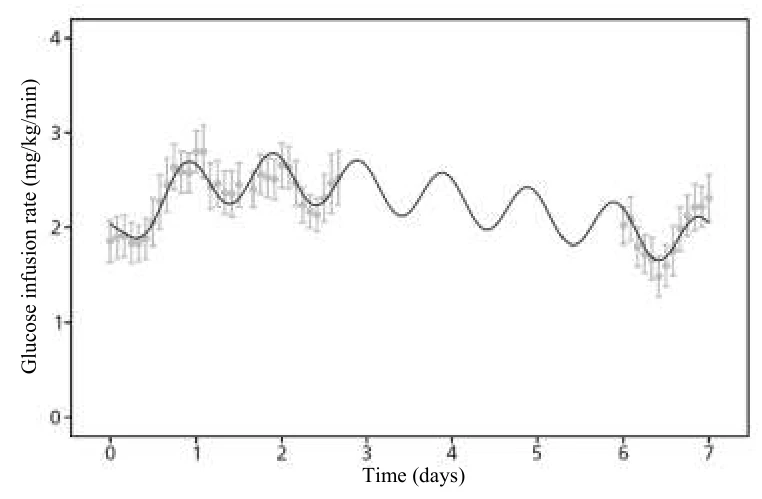

B)
Glu co se in fus io n rate (mg /k g /min ) Time (days) 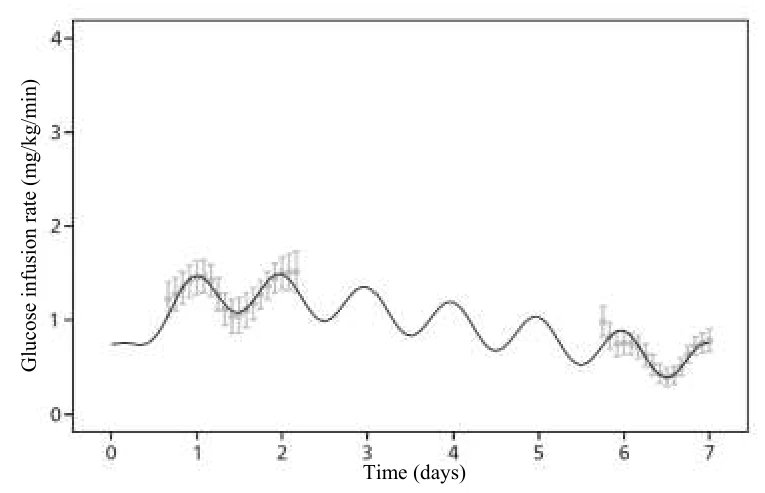

Notes: Line is mean of individual model-predicted glucose infusion rate (GIR) profiles. Points and error bars are mean and 95% confidence interval of individual smoothed GIR profiles. A: type 2 diabetes mellitus GIR profile, B: type 1 diabetes mellitus GIR profile.
Based on data where insulin icodec was injected at 20:00 (corresponding to day 0).
10.3 Pharmacokinetics
Absorption
Due to subjects receiving individual, titrated doses, exposure parameters (AUC and Cmax) are omitted from the table.
Table 7: Summary of insulin icodec pharmacokinetic parameters in patients with type 2 diabetes or type 1 diabetes. tmax and t½ are observed values, CL/F and V/F are derived from population PK modelling
| tmax | t½ | CL/F | V/F | |
| Steady state mean | 15-18 h | Approximately 1 week | 0.045 L/h | 9.79 L |
Dose proportional increases in both Cmax and AUCt are observed for insulin icodec within the dose range of 1.53 U/kg to 5.64 U/kg in type 2 diabetes patients and 1.1 U/kg to 3.3 U/kg in type 1 diabetes patients.
Insulin icodec Ctrough reached steady state levels after 2-3 weeks of administration with the one-time 50% additional dose for the first dose, and after 2-4 weeks without the one-time additional dose [see 4.2 Recommended Dose and Dosage Adjustment].
Distribution
The affinity of insulin icodec to serum albumin corresponds to a plasma protein binding of >99% in human plasma.
Elimination
The half-life after subcutaneous administration is approximately one week independent of dose. Degradation of insulin icodec is similar to that of human insulin; all metabolites formed are inactive.
Special Populations and Conditions
Overall, age, sex, race and ethnicity had no clinically meaningful effects on the pharmacokinetics and pharmacodynamics of insulin icodec based on population pharmacokinetic modelling.
- Hepatic Insufficiency: The pharmacokinetic properties of insulin icodec were assessed in a single dose clinical study comparing healthy non-diabetic subjects and non-diabetic subjects with mild, moderate, and severe hepatic impairment (n = 6-7 subjects per group). The AUC and Cmax of insulin icodec were slightly increased (13-15% for AUC and 12-13% for Cmax) in subjects with mild and moderate hepatic impairment compared to subjects with normal hepatic function, while both parameters were consistent between healthy subjects and those with severe hepatic impairment. The differences in exposure are considered of limited clinical relevance and no additional dose adjustment should be made. As with any insulin, insulin icodec should be dosed according to individual needs.
Renal Insufficiency: The pharmacokinetic properties of insulin icodec were assessed in a single dose clinical study comparing healthy non-diabetic subjects to non-diabetic subjects with renal impairment (mild, moderate, severe and ESRD; n = 10-12 subjects per group). A positive and
- statistically significant relationship between level of renal impairment and insulin icodec AUC and Cmax was observed. The relationships are considered of limited clinical relevance considering the modest differences compared to subjects with normal function. Total exposure (AUC) was 16-21 % higher for moderate and severe impairment when comparing to subjects with normal renal function. Cmax for the renal impaired groups was comparable to that of subjects with normal renal function. Hence, no additional dose adjustment should be made. As with any insulin, insulin icodec should be dosed according to individual needs.
- Obesity: Based on population PK modelling, body weight had a clear effect on insulin icodec Cavg which decreased with increasing body weight. No body weight-related dose adjustment is required. As with any insulin, insulin icodec should be dosed according to individual needs.
10.4 Immunogenicity
As with all therapeutic proteins, insulin administration may cause anti-insulin antibodies to form. The detection of antibody formation is highly dependent on the sensitivity and specificity of the assay and may be influenced by several factors such as: assay methodology, sample handling, timing of sample collection, concomitant medication, and underlying disease. For these reasons, comparison of the incidence of antibodies to AWIQLI® with the incidence of antibodies in other studies or to other products may be misleading.
During the 26-week treatment periods with Anti Drug Antibody [ADA] sampling conducted up to 31 weeks in three clinical trials in adults with type 2 diabetes mellitus [see 14 Clinical Trials], between 1.6% to 31.5% of insulin icodec-treated patients were positive at baseline and between 70.2% to 79.0% were positive for anti-insulin icodec antibodies at least once during the study. In these trials, between 66.7% and 77.4% of patients were also positive for antibodies cross-reacting with human insulin.
In vitro neutralizing activity of anti-insulin icodec antibodies on insulin receptor action was tested in follow-up (Week 31) samples from one trial in type 2 diabetes patients. A total of 178 anti-insulin icodec antibody positive samples were tested and neutralizing activity was detected in 12.9% of them. No clinically meaningful effect of anti-insulin icodec antibodies on pharmacokinetics, efficacy or safety of AWIQLI® was identified.
11 Storage, Stability and Disposal
Recommended Storage
Dispense in the original sealed carton with the enclosed Instructions for Use.
Do not store in the freezer or directly adjacent to the refrigerator cooling element. Do not freeze. Do not use AWIQLI® if it has been frozen.
The storage conditions are summarized in Table 8:
Table 8: Storage Conditions for AWIQLI®
| Not in-use (unopened) | In-use (opened) | |||||||||
|---|---|---|---|---|---|---|---|---|---|---|
Refrigerated 2°C to 8°C | Room Temperature below 30°C | Room Temperature below 30°C | Refrigerated 2°C to 8°C | |||||||
| 3 mL, 1.5 mL and 1 mL single-patient-use AWIQLI® FlexTouch® | Until expiration date | 12 weeks | 12 weeks | 12 weeks | ||||||
12 Special Handling Instructions
This medicinal product is for use by one person only.
AWIQLI® must not be used if the solution does not appear clear and colourless.
AWIQLI® which has been frozen must not be used.
A new needle must always be attached before each injection. Needles must not be reused. Needles must be discarded immediately after use.
In the event of blocked needles, patients must follow the instructions described in the instructions for use accompanying the package leaflet.
Any waste material should be disposed of in accordance with local requirements.
For detailed instructions for use, see Patient Medication Information.
Part 2: Scientific Information
13 Pharmaceutical Information
Drug Substance
Proper name: insulin icodec
Chemical name: (1A-21A),(1B-29B)-Insulin (human), 14A-L-glutamic acid-16B-L-histidine-25B-L-histidine-29B-[N6-[N-(19-carboxy-1-oxononadecyl)-L-γ-glutamyl-2-[2-(2-aminoethoxy)ethoxy]acetyl-2-[2-(2-aminoethoxy)ethoxy]acetyl]-L-lysine]
Molecular formula and molecular mass: C280H435N71O87S6; 6380.26 Da
Structural formula:
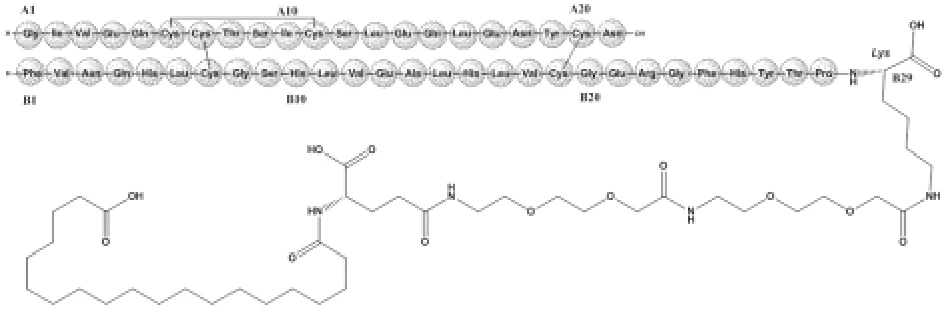
Physicochemical properties: AWIQLI® (insulin icodec injection) is a sterile, aqueous, clear, and colourless solution available as 700 units/mL (U-700) for subcutaneous use.
Product Characteristics:
Insulin icodec is a once-weekly basal human insulin analogue for subcutaneous injection produced by a process that includes expression of recombinant DNA in Saccharomyces cerevisiae followed by chemical modification.
Insulin icodec differs from human insulin in that the amino acid threonine in position B30 has been omitted, Tyr(A14) has been substituted with Glu and Tyr(B16) and Phe(B25) have been substituted with His. The side chain is connected to the peptide backbone via the amino group in the side chain at Lys(B29). Insulin icodec has a molecular formula of C280H435N71O87S6 and a molecular weight of 6380.26 Da.
14 Clinical Trials
The efficacy of AWIQLI® administered once-weekly in adult patients with type 2 diabetes used in combination with a mealtime insulin or in combination with common oral anti-diabetic agents and/or GLP-1 RA was evaluated in three randomized, open-label, treat-to-target, active-controlled trials and one randomized, double-blind, treat-to-target, active-controlled trial (ONWARDS 1, ONWARDS 3, ONWARDS 2, and ONWARDS 4). In addition, a randomized, open-label, active controlled trial with real world elements in type 2 insulin naïve patients was conducted to investigate the safety and efficacy of icodec use with a digital titration application compared to daily basal insulins (ONWARDS 5).
The efficacy of AWIQLI® administered once-weekly in adult patients with type 1 diabetes and used in combination with a mealtime insulin was evaluated in one randomized, open-label, treat-to-target, active-controlled trial in adults (ONWARDS 6).
Type 2 insulin naïve patients and basal-only patients treated with AWIQLI® achieved statistically significantly greater glycemic control than those achieved with insulin glargine U-100 or insulin degludec U-100. Type 1 and type 2 patients with basal-bolus regimen achieved similar glycemic control with AWIQLI® as those achieved with insulin glargine U-100 or insulin degludec U-100.
14.1 Clinical Trials by Indication
Type 2 Diabetes – Adults
Trial Design and Study Demographics
Table 9: Summary of patient demographics for clinical trials in Type 2 Diabetes - Adults
| Study # | Study design | Dosage, route of administration and duration | Study subjects (n) | Mean age (Range) | Sex |
(4477) ONWARDS 1 | Randomized, open label, parallel-group, active-controlled, multicenter, multinational treat-to-target trial with two treatment arms in combination with non-insulin anti-diabetic drugs in insulin naïve subjects | AWIQLI® (O.W): S.C Insulin glargine 100 units/mL (O.D): S.C 52-weeks; + 26-week extension | 984 AWIQLI®: 492 Insulin glargine: 492 | 59.0 (27-84) | M: 558 F: 426 |
(4479) ONWARDS 3 | AWIQLI® (O.W): S.C Insulin degludec 100 units/mL (O.D): S.C 26-weeks | 588 AWIQLI®: 294 Insulin degludec: 294 | 58.1 (26-81) | M: 369 F: 219 | |
(4478) ONWARDS 2 | Randomized, open label, active-controlled, parallel group, multicenter, multinational, treat-to-target trial in basal insulin treated subjects with T2D inadequately controlled on once or twice daily insulin with or without non-insulin anti-diabetic drugs. | AWIQLI® (O.W): S.C Insulin degludec 100 units/mL (O.D): S.C 26-weeks | 526 AWIQLI®: 263 Insulin degludec: 263 | 62 (26-86) | M: 302 F: 224 |
(4480) ONWARDS 4 | Randomized, open label, active-controlled, parallel group, multicentre, multinational, treat-to-target trial in combination with insulin aspart with or without non-insulin anti-diabetic drugs in subjects with T2D on a basal-bolus regimen. | AWIQLI® (O.W): S.C Insulin glargine 100 units/mL (O.D): S.C 26-weeks | 582 AWIQLI®: 291 Insulin glargine: 291 | 60 (19-85) | M: 304 F: 278 |
(4481) ONWARDS 5 | Randomized, open label, parallel-group, active-controlled, multicenter, multinational trial with real world elements among insulin naïve subjects with T2D. | AWIQLI® (O.W): S.C Insulin glargine 100 units/mL (O.D): S.C Insulin glargine 300 units/mL (O.D): S.C Insulin degludec 100 units/mL (O.D): S.C 52-weeks | 1085 AWIQLI®: 542 Comparator: 543 | 59 (27-94) | M: 622 F: 463 |
Study Results
NN1436-4477 (ONWARDS 1): AWIQLI® Administered Weekly in Combination with Noninsulin Anti-Diabetic Treatment in Insulin Naïve Type 2 Diabetes Patients.
The efficacy of AWIQLI® was evaluated in a 52-week randomized, open label, active-controlled, parallel-group, multicenter, multinational, treat-to-target trial that enrolled 984 insulin naïve adult patients with type 2 diabetes mellitus inadequately controlled on one or more oral antidiabetic agents (OADs) or GLP-1 RA. Patients were randomized to AWIQLI® once weekly or insulin glargine U-100 once-daily according to the approved labeling. Pre-trial non-insulin anti-diabetic medications were continued as background therapy in both treatment arms throughout the entire trial except for sulfonylureas and glinides, which were discontinued at randomization.
The primary objective of the trial was to demonstrate the effect on glycemic control of once weekly insulin icodec, in combination with non-insulin anti-diabetic drugs, in insulin naïve subjects with type 2 diabetes. This included comparing the difference in change from baseline in A1c between insulin icodec and insulin glargine after 52 weeks of treatment to a non-inferiority limit of 0.3%.
The mean age of the trial population was 59.0 years and mean duration of diabetes was 11.5 years. 56.7% were male. 66.1% were White, 27.8% were Asian, 2.7% were Black/African American, and 10.8% were Hispanic. 10.4% of patients had eGFR <60 mL/min/1.73m2. The mean BMI was approximately 30.1 kg/m2.
Key efficacy results are presented in Table 10.
Table 10: Results at Week 52 in a Trial Comparing AWIQLI® to Insulin glargine U-100 in Insulin Naïve Adult Patients with Type 2 Diabetes Mellitus on OAD(s) or GLP-1 RA
| Insulin icodec + OAD(s)/GLP-1 RA | Insulin glargine + OAD(s)/GLP-1 RA | |||||||||
|---|---|---|---|---|---|---|---|---|---|---|
| Insulin icodec + OAD(s)/GLP-1 RA | Insulin glargine + OAD(s)/GLP-1 RA | |||||||||
| N | 492 | 492 | ||||||||
| A1C (%) | ||||||||||
| Baseline | 8.50 | 8.44 | ||||||||
| End of trial (LSMean)a, b | 6.93 | 7.12 | ||||||||
| Change from baseline (LSMean)a, b | -1.55 | -1.35 | ||||||||
Estimated treatment differencea, b [95%CI] AWIQLI® – insulin glargine U-100 | -0.19 [-0.36; -0.03]c | |||||||||
| Patients (%) achieving A1C | ||||||||||
| < 7% at End of Trial (LSMean)d | 57.57 | 45.44 | ||||||||
| < 7% without level 2 or 3 hypoglycemia (LSMean)d | 52.56 | 42.58 | ||||||||
| FPG (mmol/L) | ||||||||||
| Baseline | 10.28 | 10.31 | ||||||||
| End of trial (LSMean)a | 6.95 | 6.96 | ||||||||
| Change from baseline (LSMean)a | -3.35 | -3.33 | ||||||||
| TIR (3.9-10.0 mmol/L) (%) | ||||||||||
| Week 48-52 | 71.94 | 66.90 | ||||||||
Estimated treatment differencee, [95%CI] AWIQLI® – insulin glargine U-100 | 4.27 [1.92; 6.62]f | |||||||||
| Weekly basal insulin dose (Units) | ||||||||||
| End of trial (LSMean)a | 214.23 | 222.39 | ||||||||
| Rate of hypoglycemia per PYE (Percentage of patients) | ||||||||||
| Level 2 | 0.29 (9.8) | 0.15 (10.0) | ||||||||
| Level 3 | <0.01 (0.2) | 0 (0.6) | ||||||||
| Level 2 or level 3 | 0.30 (9.8) | 0.16 (10.6) | ||||||||
a Estimated using an ANCOVA with treatment, and region as fixed factors and baseline response as covariate. Dose was log-transformed before analysis. Patients were insulin-naïve at baseline.
b Missing values were imputed using multiple imputation based on the change from LAOT-WOB value (last available on-treatment without initiation of bolus insulin for more than 2 weeks) for subjects who had an intercurrent event, but have a measurement at the landmark visit.
There were 2.6% of subjects in the AWIQLI® arm and 2.6% in the glargine arm for whom A1C data was missing at week 52.
c p=0.021 (two-sided) for superiority, adjusted for multiplicity.
d Estimated using logistic regression with treatment, and region as fixed factors and baseline A1C as covariate.
e Estimated using an ANCOVA with treatment, and region as fixed factors. Missing values were imputed using multiple imputation based on subjects in the insulin glargine arm who completed their randomized treatment.
f p<0.001 (two-sided) for superiority, adjusted for multiplicity. 4.27% corresponds to approximately 61 minutes more spent within range per day.
PYE = Patient Years of Exposure.
NN1436-4479 (ONWARDS 3): AWIQLI® Administered Weekly in Combination with Noninsulin Anti-Diabetic (OAD) Treatment in Insulin Naïve Type 2 Diabetes Patients
The efficacy of AWIQLI® was evaluated in a 26-week randomized, double blinded, active-controlled, parallel-group, multicenter, multinational, treat-to-target trial that enrolled 588 adult insulin-naïve patients with type 2 diabetes mellitus inadequately controlled on one or more oral antidiabetic agents (OADs) or GLP-1 RA. Patients were randomized to AWIQLI® once weekly or insulin degludec U-100 once daily according to the approved labeling. Pre-trial non-insulin anti-diabetic medications were continued as background therapy in both treatment arms throughout the entire trial except for sulfonylureas and glinides, which were reduced at randomization by approximately 50% at the discretion of the investigator.
The primary objective of the trial was to demonstrate the effect on glycemic control of once weekly insulin icodec, in combination with non-insulin anti-diabetic drugs, in insulin naïve subjects with type 2 diabetes. This included comparing the difference in change from baseline in A1c between insulin icodec and insulin degludec after 26 weeks of treatment to a non-inferiority limit of 0.3%.
The mean age of the trial population was 58.1 years and mean duration of diabetes was 11.3 years. 62.8% were male. 60.2% were White, 28.2% were Asian, 2.6% were Black or African American, and 27.9% were Hispanic. 7.5% of patients had eGFR <60 mL/min/1.73m2. The mean BMI was approximately 29.6 kg/m2.
Key efficacy results are shown in Table 11.
Table 11: Results at Week 26 in a Trial Comparing AWIQLI® to Insulin degludec U-100 in Insulin Naïve Adult Patients with Type 2 Diabetes Mellitus on OAD(s) or GLP-1 RA
| AWIQLI® + OAD(s)/GLP-1 RA | Insulin degludec + OAD(s)/GLP-1 RA | ||||||||
|---|---|---|---|---|---|---|---|---|---|
| N | 294 | 294 | |||||||
| A1C (%) | |||||||||
| Baseline | 8.55 | 8.48 | |||||||
| End of trial (LS Mean)a,b | 6.95 | 7.16 | |||||||
| Change from baseline (LS Mean)a, b | -1.57 | -1.36 | |||||||
Estimated treatment differencea, b [95%CI] AWIQLI® – insulin degludec U-100 | -0.21 [-0.34; -0.08]c | ||||||||
| Patients (%) achieving A1C | |||||||||
| < 7% at Trial End (LS Mean)d | 56.83 | 41.64 | |||||||
| < 7% without level 2 or 3 hypoglycemia (LS Mean)d | 52.13 | 39.86 | |||||||
| FPG (mmol/L) | |||||||||
| Baseline | 10.37 | 9.78 | |||||||
| End of trial (LS Mean)a | 7.06 | 7.08 | |||||||
| Change from baseline (LS Mean)a | -3.01 | -2.99 | |||||||
| Weekly basal insulin dose (Units) | |||||||||
| End of trial (LS Mean)a | 204.28 | 186.52 | |||||||
| Rate of hypoglycemia per PYE (Percentage of patients) | |||||||||
| Level 2 | 0.31 (8.9) | 0.13 (5.8) | |||||||
| Level 3 | 0 (0) | 0.01 (0.7) | |||||||
| Level 2 or level 3 | 0.31 (8.9) | 0.15 (6.1) | |||||||
a Estimated using an ANCOVA with treatment, SU or glinide use (yes/no), and region as fixed factors and baseline response as covariate. Dose was log-transformed before analysis.
b Missing values were imputed using multiple imputation based on the change from LAOT-WOB value (last available on-treatment without initiation of bolus insulin for more than 2 weeks) for subjects who had an intercurrent event, but have a measurement at the landmark visit.
There were 3.8% of subjects in the AWIQLI® arm and 3.1% in the degludec arm for whom A1C data was missing at week 26.
c p=0.0016 (two-sided) for superiority, adjusted for multiplicity.
d Estimated using logistic regression with treatment, SU or glinides use (yes/no) and region as fixed factors and baseline A1C as covariate
PYE = Patient Years of Exposures.
NN1436-4478 (ONWARDS 2): AWIQLI® Administered Once Weekly with or without Non-Insulin Anti-Diabetic Drugs in Adult Type 2 Diabetes Patients Previously Treated with Basal Insulin
The efficacy of AWIQLI® was evaluated in a 26-week randomized, open label, active-controlled, parallel-group, multicenter, multinational, treat-to-target trial in 526 adult patients with Type 2 diabetes mellitus treated with once or twice daily basal insulin with or without OADs and/or with or without GLP-1 RA. Patients were randomized to AWIQLI® once weekly or insulin degludec U-100 once daily according to the approved labeling. Pre-trial non-insulin OADs/GLP-1 RA were continued as background therapy in both treatment arms throughout the entire trial except for sulfonylureas and glinides, which were discontinued at randomization.
The primary objective of the trial was to demonstrate the effect on glycemic control of once weekly insulin icodec, with or without non-insulin anti-diabetic drugs, in subjects with type 2 diabetes treated with basal insulin. This included comparing the difference in change from baseline in A1C between insulin icodec and insulin degludec after 26 weeks of treatment to a non-inferiority limit of 0.3%.
The mean age of the trial population was 62 years and mean duration of diabetes was 16.7 years. 57% were male. 57% were White, 4% were Black or African American, 37% were Asian, and 6% were Hispanic. 15.2% of patients had eGFR <60 mL/min/1.73m2. The mean BMI was approximately 29.3 kg/m2.
Key efficacy results are shown in Table 12.
Table 12: Results at Week 26 in a Trial Comparing AWIQLI® to Insulin degludec U-100 in Adult Patients with Type 2 Diabetes Mellitus Previously Treated with Basal Insulin
| AWIQLI® ±OAD(s)/GLP-1 RA | Insulin degludec ± OAD(s)/GLP-1 RA | ||||||||
|---|---|---|---|---|---|---|---|---|---|
| N | 263 | 263 | |||||||
| A1C (%) | |||||||||
| Baseline | 8.17 | 8.10 | |||||||
| End of trial (LS Mean)a, b | 7.20 | 7.42 | |||||||
| Change from baseline (LS Mean)a,b | -0.93 | -0.71 | |||||||
Estimated treatment difference a, b[95%CI] AWIQLI® – insulin degludec U-100 | -0.22 [-0.37; -0.08]c | ||||||||
| Patients (%) achieving A1C | |||||||||
| < 7% at Trial End (LS Mean)d | 40.32 | 26.49 | |||||||
| < 7% without level 2 or 3 hypoglycemia (LS Mean)d | 36.73 | 26.79 | |||||||
| FPG (mmol/L) | |||||||||
| Baseline | 8.45 | 8.36 | |||||||
| End of trial (LS Mean)a | 6.83 | 6.79 | |||||||
| Change from baseline (LS Mean)a | -1.58 | -1.62 | |||||||
| TIR (3.9-10.0 mmol/L) (%) | |||||||||
| Week 22-26 | 63.13 | 59.50 | |||||||
| Weekly basal insulin dose (Units) | |||||||||
| Baseline | 177.05 | 193.66 | |||||||
| End of trial (LS Mean)a | 267.96 | 244.22 | |||||||
| Rate of hypoglycemia per PYE (Percentage of patients) | |||||||||
| Level 2 | 0.73 (14.1) | 0.27 (7.2) | |||||||
| Level 3 | 0 (0) | 0.01 (0.4) | |||||||
| Level 2 or level 3 | 0.73 (14.1) | 0.27 (7.2) | |||||||
| Patient Reported Outcomesa | |||||||||
| DTSQs sum score – change from baseline (LS Mean)a,e | 4.22 | 2.96 | |||||||
a Estimated using an ANCOVA with treatment, personal CGM device use (yes/no) and region as fixed factors and baseline response as covariate. Dose was log-transformed before analysis.
b Missing values were imputed using multiple imputation based on the change from LAOT-WOB value (last available on-treatment without initiation of bolus insulin for more than 2 weeks) for subjects who had an intercurrent event, but have a measurement at the landmark visit.
There were 2.7% of subjects in the AWIQLI® arm and 3.8% in the degludec arm for whom A1C data was missing at week 26.
c p=0.0028 (two-sided) for superiority, adjusted for multiplicity.
d Estimated using logistic regression with treatment, personal CGM use (yes/no) and region as fixed factors and baseline A1C as covariate.
PYE = Patient Years of Exposures.
e The DTSQs domain score in total treatment satisfaction is calculated by adding six item scores. The score can range from 0 to 36, with 0 being the lowest and 36 being the highest score in total treatment satisfaction.
NN1436-4480 (ONWARDS 4): AWIQLI® Administered Once Weekly in Combination with a Rapid-Acting Insulin Analogue at Mealtimes in Adult Type 2 Diabetes Patients
The efficacy of AWIQLI® was evaluated in a 26-week randomized, open-label, active-controlled, parallel-group, multicenter, multinational, treat-to-target trial in 582 adult patients with type 2 diabetes mellitus inadequately controlled on once-daily basal insulin in combination with mealtime rapid-acting insulin with or without oral antidiabetic agents (OADs) or GLP-1 RA. Patients were randomized to AWIQLI® once weekly or insulin glargine U-100 once daily according to the approved labeling both in combination with insulin aspart before each meal. Pre-trial non-insulin OADs or GLP-1 RA were continued as background therapy in both treatment arms throughout the entire trial except for sulfonylureas and glinides, which were discontinued at randomization.
The primary objective of the trial was to demonstrate the effect on glycemic control of once weekly insulin icodec, in combination with insulin aspart, with or without non-insulin anti-diabetic drugs, in subjects with type 2 diabetes on a basal-bolus regimen. This included comparing the difference in change from baseline in A1C between insulin icodec and insulin glargine after 26 weeks of treatment to a non-inferiority limit of 0.3%.
The mean age of the trial population was 60 years and mean duration of diabetes was 17.1 years. 52% were male. 64% were White, 32% were Asian, 4% Black or African American, and 18% were Hispanic. 15.6% of patients had eGFR <60 mL/min/1.73m2. The mean BMI was approximately 30.3 kg/m2.
At week 26, the difference in A1C reduction from baseline between AWIQLI® and insulin glargine U-100 met the pre-specified non-inferiority margin (0.3%). Key efficacy results are shown in Table 13.
Table 13: Results at Week 26 in a Trial Comparing AWIQLI® to Insulin glargine U-100 in Adult Patients with Type 2 Diabetes Mellitus Receiving Insulin Aspart at Mealtimes with or without OADs or GLP-1 RA
AWIQLI® + Insulin aspart ± OAD(s)/GLP-1 RA* | Insulin glargine + Insulin aspart ± OAD(s)/GLP-1 RA* | ||||||||
|---|---|---|---|---|---|---|---|---|---|
| N | 291 | 291 | |||||||
| A1C (%) | |||||||||
| Baseline | 8.29 | 8.31 | |||||||
| End of trial (LS Mean)a,b | 7.14 | 7.12 | |||||||
| Change from baseline LS Mean)a, b | -1.16 | -1.18 | |||||||
Estimated treatment differencea, b [95%CI] AWIQLI® – insulin glargine U-100 | 0.02 [-0.11; 0.15] | ||||||||
| Patients (%) achieving A1C | |||||||||
| < 7% at Trial End (LS Mean)c | 40.69 | 45.48 | |||||||
| < 7% without level 2 or 3 hypoglycemic episodes (LS Mean)c | 26.48 | 25.24 | |||||||
| FPG (mmol/L) | |||||||||
| Baseline | 9.24 | 9.60 | |||||||
| End of trial (LS Mean)a | 7.67 | 7.81 | |||||||
| Change from baseline LS Mean)a | -1.75 | -1.61 | |||||||
| TIR (3.9-10.0 mmol/L) (%) | |||||||||
| Week 22-26 | 66.88 | 66.44 | |||||||
| Weekly basal insulin dose (Units) | |||||||||
| End of trial (LS Mean)a | 305.06 | 279.42 | |||||||
| Weekly bolus insulin dose | |||||||||
| End of trial (LS Mean)a | 197.45 | 255.26 | |||||||
| Rate of hypoglycemia per PYE (Percentage of patients) | |||||||||
| Level 2 | 5.60 (50.9) | 5.61 (55.0) | |||||||
| Level 3 | 0.04 (1.4) | 0.02 (0.7) | |||||||
| Level 2 or level 3 | 5.64 (51.5) | 5.62 (55.7) | |||||||
a Estimated using an ANCOVA with treatment, personal CGM device use (yes/no) and region as fixed factors and baseline response as covariate. Dose was log-transformed before analysis.
b Missing values were imputed by the baseline value adding a random term, using multiple imputation.
There were 5.5% of subjects in the AWIQLI® arm and 9.3% in the glargine arm for whom A1C data was missing at week 26.
c Estimated using logistic regression with treatment, personal CGM use (yes/no) and region as fixed factors and baseline A1C as covariate.
PYE = Patient Years of Exposures.
Combined use of AWIQLI® and Digital Titration Software in Type 2 Diabetes Patients
NN1436-4481 (ONWARDS 5): AWIQLI® Administered Weekly in Combination with Noninsulin Anti-Diabetic Treatment in Insulin Naïve Type 2 Diabetes Patients.
The efficacy of AWIQLI® was evaluated in a 52-week randomized, open label, active-controlled, parallel-group, multicenter, multinational trial that enrolled 1085 insulin naïve adult patients with type 2 diabetes mellitus who were inadequately controlled on one or more oral antidiabetic agents (OADs) or GLP-1 RA. Patients were randomized to AWIQLI® once weekly or once daily basal insulin analogues, such as insulin degludec U-100, insulin glargine U-100, or insulin glargine U-300 according to local clinical practice. The patients in the AWIQLI® arm were instructed to use the Novo Nordisk-provided titration software to provide weekly dose guidance. Subjects with glinides or sulfonylureas (either alone or in combination with other OADs) were asked to reduce the dose by approximately 50% at the discretion of the investigator at randomization in agreement with the investigator and according to local clinical practice and label. There was no requirement that background medication should be stable or maintained at the pre-trial dose and dose adjustments were allowed during the entire treatment period in agreement with the investigator and according to local clinical practice and label.
The primary objective of the trial was to demonstrate the effectiveness on glycemic control of once weekly insulin icodec used with digital titration software in combination with non-insulin anti-diabetic drugs in insulin naïve subjects with type 2 diabetes in a clinical practice setting. This included comparing the difference in change from baseline in A1c between insulin icodec used with digital titration software and once daily basal insulin analogues after 52 weeks of treatment to a non-inferiority limit of 0.3%.
The mean age of the trial population was 59 years and mean duration of diabetes was 12 years. 57% were male. 90% were White, 4.8% Black or African American. 8.8% were Hispanic. 11.1% of patients had eGFR<60 mL/min/1.73m2. The mean BMI was approximately 32.75 kg/m2.
Key efficacy results are shown in Table 14.
Table 14: Results at Week 52 in a Trial Comparing AWIQLI® in Combined Use with Digital Titration Software to Once daily Basal Insulin in Insulin Naïve Adult Type 2 Diabetes Patients
| AWIQLI® with dosing guidance application | Daily basal insulins* | |||||||||
|---|---|---|---|---|---|---|---|---|---|---|
| N | 542 | 543 | ||||||||
| A1C (%) | ||||||||||
| Baseline | 8.96 | 8.88 | ||||||||
| End of trial (LS Mean)a,b | 7.24 | 7.61 | ||||||||
| Change from baseline LS Mean)a, b | -1.68 | -1.31 | ||||||||
Estimated treatment differencea, b [95%CI] AWIQLI® – insulin glargine U-100 | -0.38 [-0.66; -0.09] | |||||||||
| Patients (%) achieving A1C | ||||||||||
| < 7% at Trial End (LS Mean)c | 46.76 | 34.65 | ||||||||
| < 7% without level 2 or 3 hypoglycemia (LS Mean)c | 40.53 | 31.61 | ||||||||
| Weekly basal insulin dose (Units) | ||||||||||
| End of trial (LS Mean) | 226.51 | 185.23 | ||||||||
| Rate of hypoglycemia per PYE (Percentage of patients) | ||||||||||
| Level 2 | 0.19 (11.8) | 0.14 (7.8) | ||||||||
| Level 3 | 0 (0) | 0.01 (0.7) | ||||||||
| Level 2 or level 3 | 0.19 (11.8) | 0.14 (8.4) | ||||||||
| Patient reported outcomes | ||||||||||
| DTSQs sum score – change from baseline (LS Mean)a, d | 4.68 | 3.90 | ||||||||
| TRIM-D estimated score (LS mean)a, e | 90.42 | 87.37 | ||||||||
- Estimated using an ANCOVA with treatment, and region as fixed factors and baseline response as covariate. Dose was log-transformed before analysis. There was no baseline for TRIM-D.
- Missing values were imputed using multiple imputation based on the change from LAOT (last available planned on-treatment) value for subjects that have discontinued randomized treatment, but have a measurement at week 52.
- Estimated using logistic regression with treatment, and region as fixed factors and baseline A1C as covariate.
d The DTSQs domain score in total treatment satisfaction is calculated by adding six item scores. The total score can range from 0 to 36, with 0 being the lowest and 36 being the highest score in total treatment satisfaction.
e The TRIM-D compliance domain score, which can range from 0 to 100 with higher score indicating better compliance, was measured at week 52.
* daily basal insulins include insulin degludec and insulin glargine (100 units/mL and 300 units/mL).
Type 1 Diabetes – Adults
Trial Design and Study Demographics
Table 15: Summary of patient demographics for clinical trials in Type 1 Diabetes - Adults
| Study # | Study design | Dosage, route of administration and duration | Study subjects (n) | Mean age (Range) | Sex |
ONWARDS 6 (4625) | Randomized, multicentre, multinational, open-label, active-controlled, parallel group, two-armed, treat-to-target trial | AWIQLI® (O.W): S.C Insulin degludec 100 units/mL (O.D): S.C 26-weeks; + 26-week extension | 582 AWIQLI®: 290 Insulin degludec: 292 | 44 (18-82) | M: 337 F: 245 |
O.W: Once Weekly; O.D.: Once daily; S.C: Subcutaneous; M: Male; F: Female
Study Results
NN1436-4625 (ONWARDS 6): AWIQLI® Administered in Combination with a Rapid-Acting Insulin Analogue at Mealtimes in Adult Type 1 Diabetes Patients
The efficacy of AWIQLI® was evaluated in a 26-week randomized, open-label, multicenter trial in 582 patients with type 1 diabetes mellitus. Patients were randomized to AWIQLI® once weekly or insulin degludec U-100 once daily according to the approved labeling. Insulin aspart was administered before each meal in both treatment arms. Throughout the entire trial period, a continuous glucose monitoring (CGM) system, Dexcom G6, was used by all patients in both treatment arms.
The primary objective of the trial was to confirm the effect on glycemic control of once weekly insulin icodec in combination with insulin aspart, in subjects with type 1 diabetes. This included comparing the difference in change from baseline in A1C between once weekly insulin icodec and once daily insulin degludec both in combination with insulin aspart after 26 weeks of treatment to a non-inferiority limit of 0.3%.
The mean age of the trial population was 44 years and mean duration of diabetes was 19.5 years. 58% were male. 77% were White, 21% were Asian, 2% were Black or African American, and 3 % were Hispanic. 2.4% of patients had eGFR <60 mL/min/1.73m2. The mean BMI was approximately 26.5 kg/m2.
Key efficacy results are shown in Table 16.
Table 16: Results at Week 26 in a Trial Comparing AWIQLI® to Insulin degludec U-100 in Adult Patients with Type 1 Diabetes Mellitus Receiving Insulin Aspart at Mealtimes
| AWIQLI® + Insulin aspart | Insulin degludec + Insulin aspart | ||||||||||
|---|---|---|---|---|---|---|---|---|---|---|---|
| N | 290 | 292 | |||||||||
| A1C (%) | |||||||||||
| Baseline | 7.59 | 7.63 | |||||||||
| End of trial (LS Mean)a,b | 7.15 | 7.10 | |||||||||
| change from baseline (LS Mean)a, b | -0.47 | -0.51 | |||||||||
Estimated treatment differencea, b [95%CI] AWIQLI® – insulin degludec U-100 | 0.05 [-0.13; 0.23] | ||||||||||
| Patients (%) achieving A1C | |||||||||||
| < 7% at Trial End (LS Mean)c | 40.20 | 45.72 | |||||||||
| < 7% without level 2 or 3 hypoglycemic episodes (LS Mean)c | 9.55 | 16.74 | |||||||||
| FPG (mmol/L) | |||||||||||
| Baseline | 9.94 | 9.56 | |||||||||
| End of trial (LS Mean)a | 8.91 | 7.88 | |||||||||
| change from baseline (LS Mean)a | -0.84 | -1.87 | |||||||||
| TIR (3.9-10.0 mmol/L) (%)d | |||||||||||
| Week 22-26 | 59.10 | 60.85 | |||||||||
| Weekly basal insulin dose (Units) | |||||||||||
| End of trial (LS Mean)a | 169.96 | 151.24 | |||||||||
| Weekly bolus insulin dose | |||||||||||
| End of trial (LS Mean)a | 131.86 | 161.42 | |||||||||
| Rate of hypoglycemia per PYE (Percentage of patients) | |||||||||||
| Level 2 | 19.60 (84.8) | 10.26 (76.4) | |||||||||
| Level 3 | 0.33 (3.1) | 0.12 (3.1) | |||||||||
| Level 2 or level 3 | 19.93 (85.2) | 10.37 (76.4) | |||||||||
| Patient reported outcomesa | |||||||||||
| DTSQs sum score – change from baseline (LS Mean)e | 1.97 | 3.06 | |||||||||
a Estimated using an ANCOVA with treatment, screening A1C < 8% (yes/no), pre-trial basal insulin treatment and region as fixed factors and baseline response as covariate. Dose was log-transformed before analysis.
b Missing values were imputed using multiple imputation based on the change from LAOT value (last available on-treatment) for subjects who had an intercurrent event, but have a measurement at the landmark visit.
There were 5.5% of subjects in the AWIQLI® arm and 3.1% in the degludec arm for whom A1C data was missing at week 26.
c Estimated using logistic regression with treatment, screening A1C < 8% (yes/no), pre-trial basal insulin treatment and region as fixed factors and baseline A1C as covariate.
d Unblinded CGM data was captured from a trial in patients with type 1 diabetes mellitus.
PYE = Patient Years of Exposure.
e The DTSQs domain score in total treatment satisfaction is calculated by adding six item scores. The score can range from 0 to 36, with 0 being the lowest and 36 being the highest score in total treatment satisfaction.
Cardiovascular evaluation
Event Adjudication Committee (EAC) confirmed major adverse cardiovascular events (MACE) were reported in 1.0% of patients treated with insulin icodec with 1.41 events per patient year of observation (PYO) and in 1.2% of patients treated with daily basal insulins with 1.62 events per PYO in the pooled phase 3a trials.
15 Microbiology
No microbiological information is required for this drug product.
16 Non-Clinical Toxicology
General Toxicology:
In a 26-week study with a 12-week recovery period, Sprague-Dawley rats were dosed subcutaneously with insulin icodec at 3.3, 6.7, 10 and 13 (male only) U/kg/day, equal to 0.7 to 2.5 times the human exposure from insulin icodec dosed at 230 U/week, based on AUC. The observed changes included decreased blood glucose levels (all dose levels), histopathological changes within the pancreatic islets (atrophy), brown fat (increased vacuolar and cellular size), liver (reduced glycogen), as well as axonal degeneration (sciatic and tibial nerves) with myo-degeneration within the skeletal muscle. All effects were considered related to the intended pharmacological action of insulin icodec. A NOAEL could not be identified due to the axonal degeneration observed in rats given the lowest dose.
In a 52-week study including human insulin (neutral protamine Hagedorn; NPH) as reference, Sprague-Dawley rats were dosed subcutaneously with insulin icodec at 3.3, 5, (females only), 6.7 and 10 (males only) U/kg/day, resulting in 0.8 to 2.0 times the human exposure from insulin icodec dosed at 230 U/week, based on AUC. An additional group of rats was administered NPH insulin at a dose of 6.7 U/kg/day. Observed changes were consistent with the findings of the 26-week study. Notably, 1 low-dose male had limited or no use of hindlimbs, without microscopic findings in nerves or muscle. One female of the 6.7 U/kg/day dosing group could not use its hindlimbs and was euthanized. Necropsy showed moderate axonal degeneration in the sciatic nerve. One male of the 6.7 U/kg/day was found dead and the necropsy showed slight axonal degeneration. Slight axonal degeneration was seen in one female given human insulin, without clinical signs. Tubular degeneration/atrophy in testis was seen at 10 U/kg/day and myocardial fibrosis was seen at ≥ 3.3 U/kg/day. Similar testicular and myocardial changes were seen in rats dosed with human insulin. All effects were considered related to the intended pharmacological action of insulin icodec. A NOAEL could not be identified due to the axonal degeneration observed in rats given the lowest dose.
In a 26-week study with a 12-week recovery period, Beagle dogs were dosed subcutaneously with insulin icodec at 1, 1.5 and 2 U/kg twice weekly. Decreased blood glucose levels (mainly mid- and high-dose group) leading to clinical signs of hypoglycemia in a few animals in the high-dose groups. The NOAEL was 2 U/kg twice weekly, resulting in below the human exposure (AUC) when compared to a human subcutaneous dose of 230 U/week. The NOEL was below 1 U/kg twice weekly.
Carcinogenicity: Standard 2-year carcinogenicity studies in animals have not been performed to evaluate the carcinogenic potential of insulin icodec. In a 52-week study including human insulin (NPH insulin) as reference, Sprague-Dawley rats were dosed subcutaneously with insulin icodec at 3.3, 5, (female only) 6.7 and 10 (male only) U/kg/day. Human insulin was dosed at 6.7 U/kg/day. No treatment-related increases in benign or malignant tumors were recorded in female mammary glands from rats dosed with insulin icodec. Further, no treatment related changes in the occurrence of hyperplastic or neoplastic lesions were seen in other tissues in animals dosed with insulin icodec when compared to animals dosed with vehicle or human insulin.
Genotoxicity: Genotoxicity testing of insulin icodec was not performed.
Reproductive and Developmental Toxicology: In a combined fertility and embryo-fetal development study, Sprague-Dawley rats were administered insulin icodec by SC injection at doses of 6.7, 10 and 17 U/kg/day in males or 1.7, 5 and 10 U/kg/day in females. Rats were dosed prior to mating, and in female rats during gestation. No effects on mating performance, fertility, or embryo-fetal development were observed. The NOAEL was 17 U/kg/day for male fertility (4.3 times the human exposure from insulin icodec dosed at 230 U/week based on AUC). The NOAEL was 10 U/kg/day for female fertility and embryo-fetal development (1.5 times the human exposure from insulin icodec dosed at 230 U/week, based on AUC).
In an embryo-fetal development study, pregnant New Zealand white rabbits were administered insulin icodec during gestation at doses of 1, 2 and 3 U/kg/day by SC injection. Abortion was observed in females given the highest dose. The finding was attributed to maternal metabolic stress. The NOAEL for maternal toxicity was 1 U/kg/day (below the human exposure from insulin icodec dosed at 230 U/week, based on AUC). The NOAEL for embryo-fetal development was 2 U/kg/day (1.2 times the human exposure from insulin icodec dosed at 230 U/week, based on AUC).
In a pre- and post-natal development study, female Sprague-Dawley rats were treated with insulin icodec from gestation day 6 to lactation day 20 at 3.3, 5.8 and 8.3 U/kg/day. At the highest dose, some F0 females experienced significant body weight loss. Clinical signs of hypogyclemia and increased mortality were reported in F1 pups. The mortality in the F1 generation could be due to a maternal effect of insulin icodec (e.g. reduced breast milk production) and subsequent effects on their ability to nurse the pups. However, insulin icodec was detected in the plasma of pups on lactation day 11. The potential for direct metabolic effects of insulin icodec on neonatal hypoglycemia cannot be excluded. The developmental NOAEL was 5.8 U/kg/day (below the human exposure from insulin icodec dosed at 230 U/week, based on AUC).