


Product Monograph - Tresiba
RECENT MAJOR LABEL CHANGES
| 7 Warnings and Precautions | 03/2021 |
| 7 Warnings and Precautions, 7.11 Pregnant Women | 11/2021 |
TABLE OF CONTENTS
Sections or subsections that are not applicable at the time of authorization are not listed.
RECENT MAJOR LABEL CHANGES .................................................................................... 2
TABLE OF CONTENTS ......................................................................................................... 2
PART I: HEALTH PROFESSIONAL INFORMATION.............................................................. 4
1 INDICATIONS............................................................................................................. 4
1.1 Pediatrics .......................................................................................................... 4
1.2 Geriatrics........................................................................................................... 4
2 CONTRAINDICATIONS .............................................................................................. 4
3 SERIOUS WARNINGS AND PRECAUTIONS BOX..................................................... 4
4 DOSAGE AND ADMINISTRATION ............................................................................. 5
4.1 Dosing Considerations ....................................................................................... 5
4.2 Recommended Dose and Dosage Adjustment ................................................... 6
4.4 Administration.................................................................................................... 8
4.5 Missed Dose...................................................................................................... 8
5 OVERDOSAGE .......................................................................................................... 8
6 DOSAGE FORMS, STRENGTHS, COMPOSITION AND PACKAGING ....................... 8
7 WARNINGS AND PRECAUTIONS ............................................................................. 9
7.1 Special Populations ......................................................................................... 13
7.1.1 Pregnant Women ....................................................................................... 13
7.1.2 Breast-feeding............................................................................................ 13
7.1.3 Pediatrics ................................................................................................... 13
7.1.4 Geriatrics ................................................................................................... 14
8 ADVERSE REACTIONS ........................................................................................... 14
8.1 Adverse Reaction Overview ............................................................................. 14
8.2 Clinical Trial Adverse Reactions ....................................................................... 15
8.3 Less Common Clinical Trial Adverse Reactions................................................ 22
8.3.1 Less Common Clinical Trial Adverse Reactions – Pediatrics ....................... 22
8.5 Post-Market Adverse Reactions ....................................................................... 23
9 DRUG INTERACTIONS ............................................................................................ 23
9.4 Drug-Drug Interactions..................................................................................... 23
9.5 Drug-Food Interactions .................................................................................... 24
9.6 Drug-Herb Interactions..................................................................................... 24
9.7 Drug-Laboratory Test Interactions .................................................................... 24
10 CLINICAL PHARMACOLOGY .................................................................................. 24
10.1 Mechanism of Action .................................................................................. 24
10.2 Pharmacodynamics.................................................................................... 25
10.3 Pharmacokinetics....................................................................................... 25
11 STORAGE, STABILITY AND DISPOSAL ................................................................. 28
12 SPECIAL HANDLING INSTRUCTIONS .................................................................... 29
PART II: SCIENTIFIC INFORMATION ................................................................................. 30
13 PHARMACEUTICAL INFORMATION ....................................................................... 30
14 CLINICAL TRIALS ................................................................................................... 30
14.1 Trial Design and Study Demographics ........................................................ 30
14.2 Study Results............................................................................................. 34
15 MICROBIOLOGY...................................................................................................... 44
16 NON-CLINICAL TOXICOLOGY ................................................................................ 44
PATIENT MEDICATION INFORMATION ............................................................................. 46
PART I: HEALTH PROFESSIONAL INFORMATION
1 INDICATIONS
TRESIBA® is indicated for once-daily treatment of adults with diabetes mellitus to improve glycemic control.
1.1 Pediatrics
Pediatrics (≥2 years old): TRESIBA® is also indicated for the treatment of pediatric patients (≥2 years old) with Type 1 diabetes mellitus.
TRESIBA® has not been investigated in pediatric patients with type 2 diabetes mellitus. The safety and efficacy of TRESIBA® has not been established in pediatric patients less than 2 years of age with type 1 diabetes mellitus.
1.2 Geriatrics
Geriatrics (≥ 65 years of age): No overall clinical differences in safety or effectiveness have been observed between elderly and adult patients.
Limitations of Use
TRESIBA® is not recommended for the treatment of diabetic ketoacidosis.
2 CONTRAINDICATIONS
Insulin degludec is contraindicated in patients who are hypersensitive to this drug or to any ingredient in the formulation, including any non-medicinal ingredient, or component of the container. For a complete listing, see 6 DOSAGE FORMS, STRENGTHS, COMPOSITION, AND PACKAGING.
- During episodes of hypoglycemia (see 5 OVERDOSAGE)
3 SERIOUS WARNINGS AND PRECAUTIONS BOX
Serious Warnings and Precautions
|
|
4 DOSAGE AND ADMINISTRATION
4.1 Dosing Considerations
- Tresiba® is for subcutaneous use only.
- DO NOT administer Tresiba® intravenously as it may result in severe hypoglycemia.
- DO NOT administer Tresiba® intramuscularly as it may change the absorption.
- DO NOT administer Tresiba® in an insulin infusion pump.
- Inspect visually for particulate matter and discolouration. Only use Tresiba® if the solution appears clear and colourless.
- Patients must visually check the Tresiba® label and verify the correct dialed dosage units on the delivery device before each injection, to avoid accidental medication errors (e.g., overdose and hypoglycemia). Instruct patients who are blind or have poor vision to always get assistance from another person who has good vision and is trained in using the delivery device.
- The potency of insulin analogues, including insulin degludec, is expressed in units (U). One (1) unit (U) insulin degludec corresponds to one international unit (IU) of human insulin, 1 unit of insulin glargine 100 U/mL or 1 unit of insulin detemir.
- Tresiba® is administered subcutaneously by injection in the thigh, the upper arm or the abdominal wall. Always rotate injection sites within the same region from one injection to the next so that the same site is not used more than approximately once a month in order to reduce the risk of lipodystrophy and cutaneous amyloidosis. Tresiba®should not be injected into areas of lipodystrophy or localized cutaneous amyloidosis (see 8 ADVERSE REACTIONS and 7 WARNINGS AND PRECAUTIONS).
- Use Tresiba® with caution in patients with visual impairment that may rely on audible clicks to dial their dose.
- DO NOT perform dose conversion when using the Tresiba® U-100 or U-200 FlexTouch® pens. The dose window shows the number of insulin units to be delivered and no conversion is needed.
Tresiba® is a long-acting basal insulin for once-daily subcutaneous administration at any time of day.
In patients with type 2 diabetes mellitus, Tresiba®can be used in combination with:
- oral antidiabetic agents (OADs), when treatment with OADs does not achieve adequate glycemic control.
- rapid-acting or short-acting insulin with or without metformin, when basal, basal-bolus or premix insulin therapy with or without metformin do not achieve adequate glycemic control.
Tresiba® has not been studied in combination with all OAD combinations (see 14 CLINICAL TRIALS).
In patients with type 1 diabetes mellitus, Tresiba®must be used in regimens containing rapid-acting or short-acting insulin to cover mealtime insulin requirements.
4.2 Recommended Dose and Dosage Adjustment
Inject Tresiba® subcutaneously once-daily at any time of day.
The dosage of Tresiba®should be individualized and titrated under the supervision of a health care provider in accordance with the metabolic needs of the patient and the glycemic control target and with appropriate glucose monitoring.
Blood glucose monitoring is essential in all patients receiving insulin therapy (see 7 WARNINGS AND PRECAUTIONS).
Dose adjustments may be needed with changes in physical activity, changes in meal patterns, changes in renal or hepatic function or during acute illness, to minimize the risk of hypoglycemia or hyperglycemia.
Geriatric patients (>65 years of age):
No dosage adjustment is recommended in the geriatric population. Caution is warranted when Tresiba®is administered to geriatric patients since greater sensitivity of some older individuals to the effects of Tresiba®cannot be ruled out. The initial dosing, dose increments, and maintenance dosage should be conservative to avoid hypoglycemia, which may be particularly difficult to recognize in the elderly.
Pediatric patients (2-18 years of age) with type 1 diabetes:
Tresiba® can be used in adolescents and children with type 1 diabetes from the age of 2 years. Inject Tresiba® subcutaneously once-daily at approximately the same time of the day. When changing basal insulin to Tresiba®, dose reduction of basal and bolus insulin needs to be considered on an individual basis, in order to minimize the risk of hypoglycemia. A 20% dose reduction is recommended when initiating Tresiba® in pediatric patients in order to minimize the risk of hypoglycemia.
Patients with renal impairment:
No dosage adjustment is recommended in subjects with mild, moderate, or severe renal impairment. In patients with renal impairment, glucose monitoring should be intensified and Tresiba® dosage adjusted on an individual basis as necessary.
Patients with hepatic impairment:
No dosage adjustment is recommended in subjects with mild, moderate, or severe hepatic impairment. In patients with hepatic impairment, glucose monitoring should be intensified and Tresiba®dosage adjusted on an individual basis as necessary.
Initiation of Tresiba® Therapy in Insulin Naïve Patients
Adult and pediatric patients with type 1 diabetes mellitus
Tresiba® is to be used once-daily with meal-time insulin and requires subsequent individual dosage adjustments. The recommended starting dose of Tresiba® in insulin naïve patients with type 1 diabetes is approximately one-third to one-half of the total daily insulin dose. The remainder of the total daily insulin dose should be administered as a short-acting insulin and divided between each daily meal. As a general rule, 0.2 to 0.4 units of insulin per kilogram of body weight can be used to calculate the initial total daily insulin dose in insulin naïve patients with type 1 diabetes.
Adult patients with type 2 diabetes mellitus
The recommended starting dose of Tresiba® in insulin naïve patients with type 2 diabetes mellitus is 10 units once daily.
Initiation of Tresiba® Therapy in Patients Changing from Other Insulin Therapies
Close glucose monitoring is recommended during the transfer and in the following weeks. Doses and timing of concurrent rapid-acting or short-acting insulin products or other concomitant antidiabetic treatment may need to be adjusted.
Adult and pediatric patients with type 1 diabetes mellitus
For patients with type 1 diabetes, it is recommended that the dose of Tresiba® is reduced by 20% from the total daily long- or intermediate-acting insulin dose, or basal component of a continuous subcutaneous insulin infusion regimen, to lower the risk of hypoglycemia. The amount and timing of the prandial insulin may need to be adjusted as well.
Adult patients with type 2 diabetes mellitus
For patients with type 2 diabetes taking once-daily long or intermediate-acting insulin, start Tresiba® at the same unit dose. For patients transferring from twice daily long or intermediate-acting insulin, or insulin glargine (300 units/mL), it is recommended that the dose of Tresiba® is reduced by 20% to lower the risk of hypoglycemia.
4.4 Administration
Refer to the instructions provided at the end of this Product Monograph in the section “Instructions on How to Use Tresiba® 100/200 units/mL Solution for Injection in Pre-filled Pen” for information on Tresiba® FlexTouch®.
For Tresiba® Penfill®, refer to the instructions provided with your Novo Nordisk Insulin Delivery Device manual.
4.5 Missed Dose
Instruct patients who miss a dose of Tresiba® to inject their daily dose upon discovering the missed dose. Instruct patients to ensure that at least 8 hours have elapsed between consecutive Tresiba® injections.
5 OVERDOSAGE
A specific overdose for insulin cannot be defined. However, hypoglycemia may develop over sequential stages if a patient is dosed with more insulin than required (see 7 WARNINGS AND PRECAUTIONS).
Mild hypoglycemic episodes can be treated by oral administration of glucose or other products containing sugar. It is therefore recommended that the patient always carry glucose-containing products.
Severe hypoglycemic episodes, where the patient is not able to treat themselves, can be treated with glucagon (0.5 to 1 mg) given intramuscularly or subcutaneously by a trained person, or with glucose given intravenously by a healthcare professional. Glucose must be given intravenously, if the patient does not respond to glucagon within 10 to 15 minutes. Upon regaining consciousness, administration of oral carbohydrates is recommended for the patient in order to prevent a relapse.
| For management of a suspected drug overdose, contact your regional poison control centre. |
6 DOSAGE FORMS, STRENGTHS, COMPOSITION AND PACKAGING
To help ensure the traceability of biologic products, including biosimilars, health professionals should recognise the importance of recording both the brand name and the non-proprietary (active ingredient) name as well as other product-specific identifiers such as the Drug Identification Number (DIN) and the batch/lot number of the product supplied.
Table – Dosage Forms, Strengths, Composition and Packaging
| Route of Administration | Dosage Form / Strength/Composition | Non-medicinal Ingredients |
| Subcutaneous | Solution for injection / 100 U/mL and 200 U/mL | Glycerol, metacresol, phenol, water for injection and zinc acetate . |
Dosage Forms: Tresiba® (insulin degludec injection) is available in the following package sizes. Each presentation contains 100 Units of Tresiba® per mL (U-100) or 200 Units of Tresiba® per mL (U-200).
| TRESIBA® | Total volume | Strength | Total units available in presentation | Max dose per injection* | Dose increment* | Pack Size |
|---|---|---|---|---|---|---|
| U-100 FlexTouch® | 3 mL | 100 U/mL | 300 U | 80 U | 1 U | 1 x 3 mL 5 x 3 mL |
| U-200 FlexTouch® | 3 mL | 200 U/mL | 600 U | 160 U | 2 U | 1 x 3 mL 3 x 3mL |
| U-100 Penfill® | 3 mL | 100 U/mL | 300 U | 5 x 3 mL |
*For Penfill®, max dose and dose increment depends on the 3mL Penfill® cartridge insulin delivery device used.
Composition: Tresiba® (insulin degludec injection) 100 Units/mL (U-100) or 200 Units/mL (U-200) and inactive ingredients are glycerol, phenol, metacresol, zinc acetate and water for injection. Hydrochloric acid or sodium hydroxide may be added to adjust pH.
All Tresiba® Penfill® cartridges and Tresiba® FlexTouch® are latex-free.
Packaging: Penfill® 3 mL cartridge is made of glass (type 1), containing a halobutyl rubber closure shaped as a plunger and closed with a halobutyl/polyisoprene laminate rubber sheet. The cartridges are packed in a carton.
FlexTouch®: Pre-filled pen (multidose disposable pen) comprising a pen-injector with a cartridge (3 mL). The cartridge is made of glass (type 1), containing a halobutyl rubber closure shaped as a plunger and closed with a halobutyl/polyisoprene laminate rubber sheet.
Description
Tresiba® (insulin degludec injection) is a long-acting basal insulin analogue with a duration of action over 42 hours used to lower blood glucose. Insulin degludec is produced by a process that includes expression of recombinant DNA in Saccharomyces cerevisiae followed by chemical modification.
7 WARNINGS AND PRECAUTIONS
Please see the 3 SERIOUS WARNINGS AND PRECAUTIONS BOX.
General
When using Tresiba® (insulin degludec injection) in combination with oral anti-diabetic agents (OADs) please refer to the respective product monograph for OADs for their 7 WARNINGS AND PRECAUTIONS information.
Stress or concomitant illness, especially infectious and febrile conditions may change insulin requirement. In these instances, patients should contact their physician and carefully control their blood glucose.
Thiazolidinediones (TZDs), alone or in combination with other antidiabetic agents (including insulin), can cause heart failure and edema. The combination of insulin with a TZD is not indicated for the treatment of type 2 diabetes mellitus. Please refer to the respective TZD product monograph 7 WARNINGS AND PRECAUTIONS information when the use of these drugs in combination with any insulin, including Tresiba®, is contemplated.
Patients should never share insulin delivery devices, including a Tresiba® FlexTouch® disposable prefilled pen, a Tresiba® Penfill®, or a Novo Nordisk Insulin Delivery Device, even if the needle is changed. Sharing poses a risk for transmission of blood-borne pathogens.
Tresiba® should not be diluted or mixed with any other insulin product.
Endocrine and Metabolism
Hypoglycemia: Hypoglycemia is the most common adverse reaction of all insulin preparations, including Tresiba® (see 8 ADVERSE REACTIONS). Severe hypoglycemia can cause seizures, may be life-threatening or cause death. Hypoglycemia can impair concentration ability and reaction time; this may place an individual and others at risk in situations where these abilities are important (e.g., driving or operating other machinery). Tresiba®, or any insulin, should not be used during episodes of hypoglycemia (see 2 CONTRAINDICATIONS).
Hypoglycemia can happen suddenly and symptoms may differ in each individual and change over time in the same individual. Symptomatic awareness of hypoglycemia may be less pronounced in patients with longstanding diabetes, in patients with diabetic nerve disease, in patients using medications that block the sympathetic nervous system (e.g., beta-blockers) (see 9 DRUG INTERACTIONS), or in patients who experience recurrent hypoglycemia.
Risk Factors for Hypoglycemia
The timing of hypoglycemia usually reflects the duration of action of the administered insulin formulation and, in general, is highest when the glucose-lowering effect of the insulin is maximal. As with all insulin preparations, the glucose lowering effect time course of Tresiba® may vary among different individuals or at different times in the same individual and depends on many conditions, including both the blood supply and temperature at the injection site.
Other factors which may increase the risk of hypoglycemia include changes in meal pattern (e.g., macronutrient content or timing of meals), changes in level of physical activity, or changes to co-administered medication (see 9 DRUG INTERACTIONS). Patients with renal or hepatic impairment may be at higher risk of hypoglycemia.
Risk Mitigation Strategies for Hypoglycemia
Patients and caregivers must be educated to recognize and manage hypoglycemia. Self- monitoring of blood glucose plays an essential role in the prevention and management of hypoglycemia. In patients at higher risk for hypoglycemia and patients who have reduced symptomatic awareness of hypoglycemia, increased frequency of blood glucose monitoring is recommended.
Hypoglycemia Due to Medication Errors
Accidental mix-ups between basal insulin products, different strengths and other insulins, particularly rapid-acting insulins, have been reported. To avoid medication errors with Tresiba® and other insulins, instruct patients to always visually check the product label before each injection.
Do not transfer Tresiba® from the Tresiba® pen to a syringe. The markings on the insulin syringe will not measure the dose correctly and can result in overdosage and severe hypoglycemia.
Hypoglycemia Due to Changes in Insulin Regimen
Changes in insulin, manufacturer, type, or method of administration may affect glycemic control and predispose to hypoglycemia. These changes should be made cautiously and only under medical supervision and the frequency of blood glucose monitoring should be increased. For patients with type 2 diabetes, adjustments in concomitant oral anti-diabetic treatment may be needed (see 4 DOSAGE AND ADMINISTRATION).
Hyperglycemia: Inadequate dosing and/or discontinuation of treatment in patients requiring insulin may lead to hyperglycemia and potentially to diabetic ketoacidosis. Furthermore, concomitant illness, especially infections, may lead to hyperglycemia and thereby cause an increased insulin requirement.
Usually, the first symptoms of hyperglycemia develop gradually over a period of hours or days. They can include thirst, increased frequency of urination, nausea, vomiting, drowsiness, flushed dry skin, dry mouth, loss of appetite, and acetone odour of breath. In patients with type 1 diabetes mellitus, untreated hyperglycemic events eventually lead to diabetic ketoacidosis, which can cause death.
Changes in insulin, manufacturer, type, or method of administration may affect glycemic control and predispose to hyperglycemia. These changes should be made cautiously and only under medical supervision and the frequency of blood glucose monitoring should be increased. For patients with type 2 diabetes, adjustments in concomitant oral anti-diabetic treatment may be needed (see 4 DOSAGE AND ADMINISTRATION).
Hypokalemia: Hypokalemia is among the potential clinical adverse effect associated with the use of all insulins therapies. This potential clinical adverse effect may be relevant in patients who are on potassium lowering drugs or losing potassium through other means (e.g. diarrhea) (See 8 ADVERSE REACTIONS). Untreated hypokalemia may cause respiratory paralysis, ventricular arrhythmia, and death. Monitor potassium levels in patients at risk for hypokalemia if indicated (e.g., patients using potassium-lowering medications, patients taking medications sensitive to serum potassium concentrations).
Hepatic/Biliary/Pancreatic
Tresiba® can be used in hepatic impaired patients. As with all insulin products, glucose monitoring is to be intensified and the insulin dose adjusted on an individual basis (see 10 CLINICAL PHARMACOLOGY).
Immune
Lipodystrophy and Cutaneous Amyloidosis:
SC administration of insulin products, including Tresiba® can result in lipoatrophy (thinning of adipose tissue) or lipohypertrophy (thickening of adipose tissue) or localized cutaneous amyloidosis (skin lumps) which may affect insulin absorption.
Patients must be instructed to perform continuous rotation of the injection site to reduce the risk of developing lipodystrophy and cutaneous amyloidosis. Patients should be advised to consult their health professional if they notice any of these conditions and before changing the injection site. There is a potential risk of delayed insulin absorption and worsened glycaemic control following insulin injections at sites with these reactions. A sudden change in the injection site to an unaffected area has been reported to result in hypoglycaemia. Blood glucose monitoring is recommended after the change in the injection site from an affected to an unaffected area, and dose adjustment of antidiabetic medications may be considered.
Hypersensitivity and allergic reactions: Severe, life-threatening, generalized allergy, including anaphylaxis, can occur with insulin products, including Tresiba®. If hypersensitivity reactions occur, discontinue Tresiba®; treat per standard of care and monitor until symptoms and signs resolve. Tresiba® is contraindicated in patients who have had hypersensitivity reactions to insulin degludec or one of the excipients (see 2 CONTRAINDICATIONS).
Antibody Production: Insulin administration may cause the production of insulin antibodies. In rare cases, the presence of such insulin antibodies may necessitate adjustment of the insulin dose to minimize the development of hyper- or hypoglycemia.
Monitoring and Laboratory Tests
As with all insulin therapy, the therapeutic response to Tresiba® should be monitored by periodic blood glucose tests. Glycosylated hemoglobin should be measured every 3 to 4 months in all patients taking insulin.
Renal
Tresiba® can be used in renal impaired patients. As with all insulin products, glucose monitoring is to be intensified and the insulin dose adjusted on an individual basis (see CLINICAL PHARMACOLOGY).
In the safety outcomes trial (DEVOTE), a total of 1429 (37.4%) of the 3818 Tresiba®-treated patients with type 2 diabetes had an eGFR less than 60 mL/min/1.73 m2, and 108 (2.8%) subjects had an eGFR less than 30 mL/min/1.73 m2. Differences in safety or effectiveness were not observed in the subgroup analyses.
7.1 Special Populations
7.1.1 Pregnant Women
Treatment with Tresiba® can be considered during pregnancy, if the benefit justifies possible risks and if clinically needed. The use of Tresiba® in pregnant women with diabetes has been investigated in an interventional trial (see 8.2 Clinical Trial Adverse Reactions, 14 CLINICAL TRIALS). Available data from the study did not identify a drug-associated risk of major birth defects. In about two thirds of infants in the interventional trial, insulin degludec was detected in the infant cord blood at levels above the lower level of quantification of the assay.
In the clinical study, no perinatal or neonatal death was reported. No clinically relevant differences were observed between Tresiba® and insulin detemir for the pregnancy endpoints (early fetal death, presence of major abnormalities, neonatal hypoglycemia, perinatal mortality, neonatal mortality, fetal macrosomia, large for gestational age, and adverse events in the infant during the 30 days after birth) (see 8.2 Clinical Trial Adverse Reactions). Animal developmental toxicity studies have indicated that the effect of insulin degludec was consistent with those observed with human insulin, as both resulted in pre- and post-implantation losses and skeletal malformations and variations in rats at an insulin degludec dose approximately 5 times the human exposure (AUC) and in rabbits at approximately 10 times the human exposure (see 16 NON-CLINICAL TOXICOLOGY). Animal reproduction studies are not always predictive of human response. In general, intensified blood glucose control and careful monitoring of pregnant women with diabetes are recommended throughout pregnancy and when contemplating pregnancy. Insulin requirements usually decrease in the first trimester and increase subsequently during the second and third trimester. After delivery, insulin requirements normally return rapidly to pre-pregnancy values.
7.1.2 Breast-feeding
There is no clinical experience from well-controlled studies with Tresiba® during breast-feeding. It is unknown whether insulin degludec is excreted in human milk. In rats, insulin degludec was secreted in milk; the concentration in milk was lower than in plasma.
7.1.3 Pediatrics
The safety and efficacy of Tresiba® to improve glycemic control has been established in pediatric patients 2 years of age and older with type 1 diabetes mellitus (see 14 CLINICAL TRIALS, Study demographics and trial design, Type 1 Diabetes Mellitus). The safety and efficacy of Tresiba® has not been established in pediatric patients less than 2 years of age with type 1 diabetes mellitus.
When changing basal insulin to Tresiba®, dose reduction of basal and bolus insulin needs to be considered on an individual basis in order to minimize the risk of hypoglycemia. A 20% dose reduction is recommended when initiating Tresiba® in pediatric patients in order to minimize the risk of hypoglycemia (see 4 DOSAGE AND ADMINISTRATION).
7.1.4 Geriatrics
In controlled adult therapeutic confirmatory trials a total of 77 (7%) of the 1102 Tresiba® -treated subjects with type 1 diabetes were 65 years or older and from those 9 (1%) were 75 years or older. A total of 670 (25%) of the 2713 TRESIBA® treated patients with type 2 diabetes were 65 years or older and 80 (3%) were 75 years or older. Differences in safety or effectiveness were not suggested in subgroup analyses comparing subjects older than 65 years to younger subjects.
In the safety outcomes trial (DEVOTE), a total of 1983 (52%) of the 3818 Tresiba®-treated patients with type 2 diabetes were 65 years or older and 381 (10%) were 75 years or older. Differences in safety or effectiveness were not observed in these subgroup analyses.
Nevertheless, as with all insulins, greater caution should be exercised when Tresiba® is administered to geriatric patients since greater sensitivity of some older individuals to the effects of Tresiba® cannot be ruled out. The initial dosing, dose increments, and maintenance dosage should be conservative to avoid hypoglycemia. Hypoglycemia may be more difficult to recognize in the elderly.
8 ADVERSE REACTIONS
8.1 Adverse Reaction Overview
Type 1 and type 2 diabetes in adults:
The safety of Tresiba® was primarily evaluated in 11 phase 3a clinical trials, including three trials in patients with type 1 diabetes mellitus (T1DM) and eight trials in patients with type 2 diabetes mellitus (T2DM). In the phase 3 clinical program, 6206 subjects were exposed to Tresiba®, while 2717 subjects were exposed to comparator; this corresponded to 5345 and 2054 patient-years-exposure (PYE), respectively. The majority of subjects exposed to TRESIBA® (n=5104; 82%) were classified as having type 2 diabetes mellitus (T2DM), with a marginally greater distribution of insulin-naïve subjects (n=2911; 57%) relative to other insulin-treated subjects (n=2193; 43%) with T2DM.
Hypoglycemia was the most frequently observed adverse event; however, only hypoglycemic events classified as severe events requiring assistance from another person were reported as an AE. Viral upper respiratory tract infection, upper respiratory tract infection, headache, and diarrhea were the most frequently reported AEs. Hypoglycemic events were the most frequently reported serious and severe AEs. Medication errors – including serious and/or severe events – were more frequently reported in patients exposed to Tresiba® compared to comparator. Hypoglycemia, weight increased, and major adverse cardiovascular events were the most frequently reported AEs leading to treatment withdrawal. The majority of AEs were considered to be tolerable, reversible, and self-limiting.
Type 1 diabetes in children and adolescents:
The safety of Tresiba® has been studied in an open-label therapeutic confirmatory trial in pediatric subjects 1 year of age and older (12 months duration) with type 1 diabetes.
8.2 Clinical Trial Adverse Reactions
Clinical trials are conducted under very specific conditions. The adverse reaction rates observed in the clinical trials; therefore, may not reflect the rates observed in practice and should not be compared to the rates in the clinical trials of another drug. Adverse reaction information from clinical trials may be useful in identifying and approximating rates of adverse drug reactions in real-world use.
The therapeutic confirmatory trials were randomized, controlled, parallel-group, open-label, multicentre, multinational, treat-to-target trials in which Tresiba® was compared to an active comparator. Overall, 4449 subjects were exposed to Tresiba® and 2444 subjects were exposed to comparators, corresponding to 2989.6 and 1486.5 patient-years exposure (PYE), respectively. In these trials, 3928 (88%) subjects had at least 6 months exposure to Tresiba®, while 1804 (40%) subjects were exposed to Tresiba® for at least 12 months.
In subjects with type 1 diabetes mellitus (including pediatrics), 1276 were exposed to Tresiba® and 642 were exposed to comparators, corresponding to 888.2 and 442.3 PYE, respectively. Subjects were most frequently white (80.3%), males (56.3%), with a mean age of 37.6 years. Subjects had a mean BMI of 24.8 kg/m2, a mean duration of diabetes of 15.6 years, a baseline mean HbA1c of 7.8%, and a baseline mean fasting plasma glucose level of 9.5 mmol/L.
In subjects with type 2 diabetes mellitus, 3173 were exposed to Tresiba® and 1802 were exposed to comparators, corresponding to 2101.4 and 1044.2 PYE, respectively. Subjects were most frequently white (73.1%), males (56.5%), with a mean age of 57.9 years. Subjects had a mean BMI of 30.9 kg/m2, a mean duration of diabetes of 10.2 years, a baseline mean HbA1c of 8.3%, and a baseline mean fasting plasma glucose level of 9.4 mmol/L.
The cardiovascular safety of Tresiba® was evaluated in one double-blinded, event-driven trial of 2-year median duration in patients with type 2 diabetes at high risk of cardiovascular events (see 14 CLINICAL TRIALS).
The safety of Tresiba® in 91 adult women with type 1 diabetes between weeks 8 and 13 of gestation or who intend to become pregnant was also evaluated in one randomized, open-label, treat-to-target, active-controlled trial.
Adverse Reactions in Type 1 (including pediatrics) and Type 2 Diabetes Mellitus Trials
Treatment-emergent adverse events reported from the therapeutic confirmatory trials regardless of relatedness to trial drug occurring at a rate of ≥ 2% in subjects with type 1 diabetes mellitus (Table 1 and Table 2) or type 2 diabetes mellitus (Table 3) are provided.
Table 1-1: Treatment-emergent adverse events occurring in ≥2% of adult subjects, in any group, with Type 1 diabetes
| Preferred term | Tresiba® (n=1102) (%) | Comparator (n=467) (%) |
|---|---|---|
| Gastrointestinal disorders |
| Preferred term | Tresiba® (n=1102) (%) | Comparator (n=467) (%) |
|---|---|---|
| Nausea | 52 (4.7%) | 21 (4.5%) |
| Diarrhea | 45 (4.1%) | 23 (4.9%) |
| Vomiting | 43 (3.9%) | 14 (3.0%) |
| Abdominal pain upper | 23 (2.1%) | 10 (2.1%) |
| General disorders and administration site conditions | ||
| Pyrexia | 24 (2.2%) | 12 (2.6%) |
| Fatigue | 19 (1.7%) | 10 (2.1%) |
| Immune system disorders | ||
| Seasonal allergy | 12 (1.1%) | 12 (2.6%) |
| Infections and infestations | ||
| Viral upper respiratory tract infection | 265 (24.0%) | 105 (22.5%) |
| Upper respiratory tract infection | 131 (11.9%) | 47 (10.1%) |
| Sinusitis | 56 (5.1%) | 23 (4.9%) |
| Gastroenteritis | 56 (5.1%) | 15 (3.2%) |
| Influenza | 46 (4.2%) | 20 (4.3%) |
| Urinary tract infection | 40 (3.6%) | 10 (2.1%) |
| Bronchitis | 33 (3.0%) | 15 (3.2%) |
| Gastroenteritis viral | 24 (2.2%) | 11 (2.4%) |
| Rhinitis | 18 (1.6%) | 10 (2.1%) |
| Injury, poisoning and procedural complications | ||
| Wrong drug administered | 53 (4.8%) | 14 (3.0%) |
| Metabolism and nutrition disorders | ||
| Hypoglycemia* | 99 (9.0%) | 37 (7.9%) |
| Musculoskeletal and connective tissue disorders | ||
| Back pain | 45 (4.1%) | 15 (3.2%) |
| Arthralgia | 30 (2.7%) | 8 (1.7%) |
| Pain in extremity | 29 (2.6%) | 7 (1.5%) |
| Nervous system disorders | ||
| Headache | 130 (11.8%) | 49 (10.5%) |
| Hypoglycemic unconsciousness | 36 (3.3%) | 13 (2.8%) |
| Respiratory, thoracic and mediastinal disorders | ||
| Oropharyngeal pain | 52 (4.7%) | 28 (6.0%) |
| Cough | 47 (4.3%) | 29 (6.2%) |
| Nasal congestion | 13 (1.2%) | 11 (2.4%) |
* AEs were restricted to events of severe hypoglycemia. Severe hypoglycemia was defined as an episode requiring assistance of another person to actively administer carbohydrate, glucagon, or other resuscitative actions.
Table 1-2: Treatment-emergent adverse events occurring in ≥2% of pediatric subjects, in any group, with Type 1 diabetes
| Preferred term | Pediatrics (52 weeks) | ||
|---|---|---|---|
Tresiba® (n=174) (%) | IDet (n=175) (%) | ||
| Ear and labyrinth disorders | |||
| Ear pain | 10 (5.7%) | 5 (2.9%) | |
| Preferred term | Pediatrics (52 weeks) |
|---|
Tresiba® (n=174) (%) | IDet (n=175) (%) | |
|---|---|---|
| Gastrointestinal disorders | ||
| Abdominal pain | 12 (6.9%) | 8 (4.6%) |
| Abdominal discomfort | 8 (4.6%) | 4 (2.3%) |
| Constipation | 5 (2.9%) | 6 (3.4%) |
| Dental caries | 2 (1.1%) | 4 (2.3%) |
| Dyspepsia | 2 (1.1%) | 17 (9.7%) |
| General disorders and administration site conditions | ||
| Injection site reaction | 7 (4.0%) | 3 (1.7%) |
| Malaise | 6 (3.4%) | 3 (1.7%) |
| Injection site pain | 4 (2.3%) | |
| Infections and infestations | ||
| Ear infection | 9 (5.2%) | 11 (6.3%) |
| Tonsillitis | 8 (4.6%) | 9 (5.1%) |
| Nasopharyngitis | 7 (4.0%) | 7 (4.0%) |
| Gastroenteritis viral infection | 6 (3.4%) | 1 (0.6%) |
| Pharyngitis | 6 (3.4%) | 10 (5.7%) |
| Viral infection | 6 (3.4%) | 10 (5.7%) |
| Otitis media | 5 (2.9%) | 4 (2.3%) |
| Conjunctivitis | 4 (2.3%) | 3 (1.7%) |
| Paronychia | 4 (2.3%) | 2 (1.1%) |
| Viral rash | 4 (2.3%) | |
| Gastrointestinal infection | 2 (1.1%) | 4 (2.3%) |
| Varicella | 1 (0.6%) | 4 (2.3%) |
| Injury, poisoning and procedural complications | ||
| Ligament sprain | 6 (3.4%) | 5 (2.9%) |
| Fall | 4 (2.3%) | 1 (0.6%) |
| Laceration | 4 (2.3%) | 3 (1.7%) |
| Limb injury | 4 (2.3%) | 1 (0.6%) |
| Sports injury | 4 (2.3%) | 1 (0.6%) |
| Accidental overdose | 1 (0.6%) | 5 (2.9) |
| Investigations | ||
| Blood ketone body increased | 31 (17.8%) | 46 (26.3%) |
| Nervous system disorders | ||
| Dizziness | 4 (2.3%) | 4 (2.3%) |
| Hypoglycaemic seizure | 4 (2.3%) | 5 (2.9%) |
| Respiratory, thoracic and mediastinal disorders | ||
| Rhinorrhoea | 6 (3.4%) | 6 (3.4%) |
| Respiratory disorder | 4 (2.3%) | 7 (4.0%) |
| Sinus congestion | 5 (2.9%) | 2 (1.1%) |
| Skin and subcutaneous tissue disorders | ||
| Rash | 5 (2.9%) | 1 (0.6%) |
| Eczema | 4 (2.3%) | 3 (1.7%) |
| Lipohypertrophy | 4 (2.3%) | 2 (1.1%) |
Table 1-3: Treatment-emergent adverse events occurring in ≥2% of adults with Type 2 diabetes
| Preferred term | Tresiba® (n=3173) (%) | Comparator (n=1802) (%) |
| Eye disorders | ||
| Diabetic retinopathy | 69 (2.2%) | 37 (2.1%) |
| Gastrointestinal disorders | ||
| Diarrhea | 197 (6.2%) | 129 (7.2%) |
| Nausea | 105 (3.3%) | 74 (4.1%) |
| Vomiting | 79 (2.5%) | 51 (2.8%) |
| General disorders and administration site conditions | ||
| Fatigue | 73 (2.3%) | 42 (2.3%) |
| Edema peripheral | 71 (2.2%) | 27 (1.5%) |
| Infections and infestations | ||
| Viral upper respiratory tract infection | 382 (12.0%) | 175 (9.7%) |
| Upper respiratory tract infection | 242 (7.6%) | 127 (7.0%) |
| Bronchitis | 113 (3.6%) | 49 (2.7%) |
| Influenza | 105 (3.3%) | 44 (2.4%) |
| Urinary tract infection | 80 (2.5%) | 38 (2.1%) |
| Sinusitis | 76 (2.4%) | 40 (2.2%) |
| Gastroenteritis | 70 (2.2%) | 40 (2.2%) |
| Musculoskeletal and connective tissue disorders | ||
| Back pain | 153 (4.8%) | 83 (4.6%) |
| Pain in extremity | 108 (3.4%) | 59 (3.3%) |
| Arthralgia | 105 (3.3%) | 56 (3.1%) |
| Muscle spasms | 64 (2.0%) | 24 (1.3%) |
| Nervous system disorders | ||
| Headache | 278 (8.8%) | 121 (6.7%) |
| Dizziness | 66 (2.1%) | 57 (3.2%) |
| Respiratory, thoracic and mediastinal disorders | ||
| Cough | 136 (4.3%) | 56 (3.1%) |
| Oropharyngeal pain | 79 (2.5%) | 35 (1.9%) |
| Vascular disorders | ||
| Hypertension | 105 (3.3%) | 43 (2.4%) |
Hypoglycemia
Hypoglycemia is the most commonly observed adverse reaction in patients using insulin, including Tresiba®. The rates of reported hypoglycemia depend on the definition of hypoglycemia used, diabetes type, insulin dose, intensity of glucose control, background therapies, and other intrinsic and extrinsic patient factors. Comparing rates of hypoglycemia between products may therefore, be misleading and not representative of rates to be expected in clinical practice.
Hypoglycemic episodes reported as adverse events were restricted to events of severe hypoglycemia. Severe hypoglycemia in these open-label adult T1DM and T2DM therapeutic confirmatory trials was defined as an episode requiring assistance of another person to actively administer carbohydrate, glucagon, or other resuscitative actions. Severe hypoglycemia in the pediatric trial was defined as an altered mental status where the child could not assist in his own care, was semiconscious or unconscious, or in a coma ± convulsions and may require parenteral therapy (glucagon or intravenous glucose). Events of confirmed hypoglycemia were defined as episodes of severe hypoglycemia and episodes of hypoglycemia with a plasma glucose value <3.1 mmol/L irrespective of symptoms.
Percentages of adult and pediatric patients randomized to Tresiba® who experienced at least one episode of hypoglycemia and the hypoglycemic event rates are shown in Tables 1-4 and 1-5, respectively. Clinically important differences in the risk of hypoglycemia between Tresiba® and comparators have not been established in these clinical trials.
Table 1-4: Percent (%) of Type 1 Diabetes Patients Experiencing at least One Episode of Severe Hypoglycemia or Confirmed Hypoglycemia** on TRESIBA® and Event Rates in Open-Label Adult and Pediatric Therapeutic Confirmatory Trials
| Trial A + Insulin aspart 52 weeks | Trial B + Insulin aspart 26 weeks | Trial C + Insulin aspart 26 weeks | Trial D Pediatrics + Insulin aspart 52 weeks | EXPECT (4300) - Pregnant Adults + Insulin aspart | |||||||||||||
| Tresiba® (N=472) | Tresiba® (N=301) | Tresiba® at the same time each day (N=165) | Tresiba® at alternating times (N=164) | Tresiba® (N=174) | Tresiba® (N=91) | ||||||||||||
| Severe hypoglycemia* | |||||||||||||||||
| Percent of patients | 12.3% | 10.6% | 12.7% | 10.4% | 17.8% | 5.5% | |||||||||||
| Events per patient year | 0.21 | 0.31 | 0.37 | 0.34 | 0.51 | 0.22 | |||||||||||
| Confirmed hypoglycemia** | |||||||||||||||||
| Percent of patients | 95.6% | 93.0% | 99.4% | 93.9% | 98.3% | 86.8% | |||||||||||
| Events per patient year | 42.54 | 45.83 | 88.25 | 82.38 | 65.60 | 43.84 | |||||||||||
*Severe hypoglycemia in pediatric patients: an episode with altered mental status, where the child could not assist in his own care, was semiconscious or unconscious, or in a coma ± convulsions and may require parenteral therapy (glucagon or intravenous glucose).
**Confirmed hypoglycemia: a severe hypoglycemia episode or an episode where a laboratory or a self -measured glucose calibrated to plasma w as less than 3.1 mmol/L or w here a w hole blood glucose w as less than 2.8 mmol/L i.e., w ith or w ithout the presence of hypoglycemic symptoms.
Table 1-5: Percent (%) of Type 2 Diabetes Patients Experiencing at least One Episode of Severe Hypoglycemia or Confirmed Hypoglycemia* on TRESIBA® and Event Rates in Open-Label Adult Therapeutic Confirmatory Trials
Trial E + 1-2 OADs** Insulin naïve 52 weeks | Trial F + 1-2 OAD**s Insulin naïve 26 weeks | Trial G T2DM ± 0-3 OADs** 26 weeks | Trial H T2DM ± 0-2 OADs** + Insulin aspart 26 weeks | |||||||||||||
| Tresiba® (N=766) | Tresiba® (N=228) | Tresiba® (N=226) | Tresiba® (alternating time) (N=230) | Tresiba® (N=753) | ||||||||||||
| Severe hypoglycemia | ||||||||||||||||
| Percent of patients | 0.3% | 0 | 0.9% | 0.4% | 4.5% | |||||||||||
| Events per patient year | 0 | 0 | 0.02 | 0.02 | 0.06 | |||||||||||
| Confirmed hypoglycemia* | ||||||||||||||||
| Percent of patients | 46.5% | 28.5% | 43.8% | 50.9% | 80.9% | |||||||||||
| Events per patient year | 1.52 | 1.52 | 3.63 | 3.64 | 11.09 | |||||||||||
*Confirmed hypoglycemia: a severe hypoglycemia episode or an episode where a laboratory or a self -measured glucose calibrated to plasma w as less than 3.1 mmol/L or w here a w hole blood glucose w as less than 2.8 mmol/L i.e., w ith or w ithout the presence of hypoglycemic symptoms.
** OAD: oral antidiabetic agent
Allergic Reactions
Severe, life-threatening, generalized allergy, including anaphylaxis, generalized skin reactions, angioedema, bronchospasm, hypotension, and shock may occur with any insulin, including Tresiba® and may be life threatening (see 7 WARNINGS AND PRECAUTIONS). Hypersensitivity (manifested with swelling of tongue and lips, diarrhea, nausea, tiredness, and itching) and urticaria were rarely reported in 0.9% of patients treated with Tresiba® in therapeutic confirmatory adult trials.
Skin and subcutaneous tissue disorder
Long-term use of insulin, including Tresiba®, can cause lipodystrophy at the site of repeated insulin injections. Lipodystrophy includes lipohypertrophy (thickening of adipose tissue), lipoatrophy (thinning of adipose tissue), and cutaneous amyloidosis may delay insulin absorption (see 4 DOSAGE AND ADMINISTRATION). In therapeutic confirmatory adult trials, lipodystrophy and lipohypertrophy were rare and reported in 0.3% of patients treated with Tresiba®.
Injection Site Reactions
Patients taking Tresiba® may experience injection site reactions, including injection site hematoma, pain, hemorrhage, erythema, nodules, swelling, discoloration, pruritus, warmth, and injection site mass. In therapeutic confirmatory adult and pediatric trials, injection site reactions occurred rarely in patients treated with Tresiba®.
Weight Gain
Weight gain can occur with insulin therapy, including Tresiba®, and has been attributed to the anabolic effects of insulin. In adult therapeutic confirmatory trials, after 52 weeks of treatment, patients with type 1 diabetes treated with Tresiba® gained an average of 1.8 kg and patients with type 2 diabetes treated with Tresiba® gained an average of 3.0 kg.
Peripheral Edema
Insulin, including Tresiba®, may cause sodium retention and edema. In therapeutic confirmatory adult trials, peripheral edema occurred in 0.9% of patients with type 1 diabetes mellitus and 3.0% of patients with type 2 diabetes mellitus treated with Tresiba®.
Immunogenicity
As with all therapeutic proteins, insulin administration may cause anti-insulin antibodies to form. The detection of antibody formation is highly dependent on the sensitivity and specificity of the assay and may be influenced by several factors such as: assay methodology, sample handling, timing of sample collection, concomitant medication, and underlying disease. For these reasons, comparison of the incidence of antibodies to Tresiba® with the incidence of antibodies in other studies or to other products, may be misleading.
In studies of type 1 diabetes patients, 95.9% of patients who received Tresiba® once daily were positive for anti-insulin antibodies (AIA) at least once during the studies, including 89.7% that were positive at baseline. In studies of type 2 diabetes patients, 31.5% of patients who received Tresiba® once daily were positive for AIA at least once during the studies, including 14.5% that were positive at baseline. The antibody incidence rates for type 2 diabetes may be underreported due to potential assay interference by endogenous insulin in samples in these patients. The presence of antibodies that affect clinical efficacy may necessitate dose adjustments to correct for tendencies toward hyper- or hypoglycemia.
The incidence of anti-insulin degludec antibodies has not been established.
Use in Pregnancy
Tresiba® has been studied in an open-label, randomized, active controlled clinical trial (EXPECT) in which pregnant women with type 1 diabetes mellitus were treated within a basal-bolus treatment regimen with Tresiba® (n=92) or insulin detemir (n=96) as basal insulin, both in combination with insulin aspart as mealtime insulin (see 14 CLINICAL TRIALS). Mean exposure time during pregnancy was 182.5 days (range 7-266 days) for Tresiba® and 175.0 days (range 11-270 days) for insulin detemir. Pregnancies resulted in live births for 86 (93.5%) Tresiba® and 85 (88.5%) insulin detemir subjects.
There were no clinically relevant differences between the Tresiba® and insulin detemir arms in terms of maternal (11383.0 events per 100 Tresiba® vs. 14501.9 events per 100 PYE insulin detemir;Table 1-4) or neonatal hypoglycemia (23.3% Tresiba®, 22.4% insulin detemir), adverse events during pregnancy (85.7% Tresiba®, 80.9% insulin detemir), neonatal adverse events (59.3% Tresiba®, 60.6% insulin detemir), early fetal death (5.4% Tresiba®, 7.3% insulin detemir), or major congenital abnormalities (8.7% Tresiba®, 8.3% insulin detemir). There were no maternal, perinatal, or neonatal deaths.
Pregnant women treated with Tresiba® had higher incidences of serious adverse events
(41.8% Tresiba®, 34.0% insulin detemir), severe adverse events (11.0% Tresiba®, 6.4% insulin detemir), dose reductions due to adverse events (13.2% Tresiba®, 8.5% insulin detemir), preeclampsia (13.2% Tresiba®, 7.4% insulin detemir), preterm delivery (37.0% Tresiba, 27.1% insulin detemir), and non-planned caesarean section (25.3% Tresiba®, 16.0% insulin detemir). It is unclear whether the higher incidences of such events were attributable to differences between groups in terms of pregnancy complexity or maternal characteristics.
In about two thirds of infants, insulin degludec was detected in the infant cord blood at levels above the lower level of quantification of the assay.
8.3 Less Common Clinical Trial Adverse Reactions
Less Common Clinical Trial Adverse Reactions <1%
Adult Subjects (Type 1 and Type 2 diabetes):
Ear and labyrinth disorders: Vertigo
Eye disorders: Vision blurred, maculopathy, retinal hemorrhage
Gastrointestinal disorders: Abdominal distension, abdominal discomfort, flatulence, dyspepsia
General disorders and administration site conditions: Injection site reaction (pain, pruritus, erythema, nodule, hematoma, hemorrhage), edema, hunger
Injury, poisoning and procedural complications: Incorrect dose administered, accidental overdose
Metabolism and nutrition disorders: Hyperglycemia, hypoglycemia unawareness, decreased appetite, increased appetite, obesity
Nervous system disorders: Hypoglycemic coma, tremor, diabetic neuropathy, neuropathy peripheral, migraine, lethargy, somnolence
Psychiatry disorders: Insomnia
Respiratory, thoracic and mediastinal disorders: Dyspnea
Skin and subcutaneous tissue disorders: Hyperhidrosis, dermatitis, eczema, pruritus, rash, lipohypertrophy, urticaria
8.3.1 Less Common Clinical Trial Adverse Reactions – Pediatrics
Pediatric Subjects (Type 1 diabetes):
Gastrointestinal disorders: Vomiting
General disorders and administration site conditions: Injection site (bruising, erythema, hemorrhage, rash), pyrexia
Immune system disorders: Seasonal allergy
Injury, poisoning and procedural complications: Incorrect dose administered
Investigations: Blood glucose increased
Metabolism and nutrition disorders: Decreased appetite
Musculoskeletal and connective tissue disorders: Back pain, musculoskeletal pain
Nervous system disorders: Headache, presyncope
Psychiatry disorders: Anxiety, initial and middle insomnia
Respiratory, thoracic and mediastinal disorders: Cough, wheezing
Skin and subcutaneous tissue disorders: Urticaria
8.5 Post-Market Adverse Reactions
Medication errors (including accidental mix-ups between Tresiba® and other insulin products, and between different strengths of Tresiba®) have been reported during post marketing use of Tresiba®. Since post-marketing data is reported spontaneously from a population of uncertain size, it is not possible to reliably estimate their frequency or establish a causal relationship to the drug.
Medication error. (see 7 WARNINGS AND PRECAUTIONS, Hypoglycemia Due to Medication Errors)
9 DRUG INTERACTIONS
9.4 Drug-Drug Interactions
A number of medications affect glucose metabolism and may require insulin dose adjustment and particularly close monitoring.
Drugs that may increase the blood-glucose-lowering effect of Tresiba® and susceptibility to hypoglycemia:
Antidiabetic agents, ACE inhibitors, angiotensin II receptor blocking agents, disopyramide, fibrates, fluoxetine, monoamine oxidase inhibitors, pentoxifylline, pramlintide, propoxyphene, salicylates, somatostatin analogs (e.g., octreotide), sulfonamide antibiotics, GLP-1 receptor agonists, DDP-4 inhibitors, SGLT-2 inhibitors.
Drugs that may reduce the blood-glucose-lowering effect of Tresiba®:
Corticosteroids, danazol, diuretics, glucagon, isoniazid, niacin, phenothiazine derivatives, oral contraceptives, estrogens, progestogens (e.g., in oral contraceptives), protease inhibitors, somatropin, sympathomimetic agents (e.g., albuterol, epinephrine, salbutamol, terbutaline), thyroid hormones, and atypical antipsychotics (e.g., olanzapine and clozapine).
Drugs or substances may increase or decrease the blood-glucose-lowering effect of Tresiba®:
Beta-blockers, clonidine, lithium salts, and alcohol.
Pentamidine may cause hypoglycemia, which may sometimes be followed by hyperglycemia.
Sympatholytic medicinal products, such as beta-blockers, clonidine, guanethidine, and reserpine, may mask the symptoms of hypoglycemia (i.e. the signs and symptoms of hypoglycemia may be reduced or absent).
Octreotide/lanreotide may either increase or decrease the insulin requirement.
Alcohol may intensify or reduce the hypoglycemic effect of insulin.
9.5 Drug-Food Interactions
Interactions with food have not been established.
9.6 Drug-Herb Interactions
Interactions with herbal products have not been established.
9.7 Drug-Laboratory Test Interactions
Interactions with laboratory tests have not been established.
Drug-Lifestyle Interactions
Hypoglycemia may occur as a result of an excess of insulin relative to food intake, energy expenditure, or both. Omission of a meal or unplanned strenuous physical exercise may lead to hypoglycemia (see 5 OVERDOSAGE).
10 CLINICAL PHARMACOLOGY
10.1 Mechanism of Action
The primary activity of insulin, including Tresiba®, is regulation of glucose metabolism. Insulin and its analogues lower blood glucose by stimulating peripheral glucose uptake, especially by skeletal muscle and fat, and by inhibiting hepatic glucose production. Insulin also inhibits lipolysis and proteolysis and enhances protein synthesis. Tresiba® forms multi-hexamers when injected into the subcutaneous tissue resulting in a subcutaneous insulin degludec depot. The protracted time action profile of Tresiba® is predominantly due to delayed absorption of insulin degludec from the subcutaneous tissue to the systemic circulation and to a lesser extent due to binding of insulin degludec to circulating albumin.
10.2 Pharmacodynamics
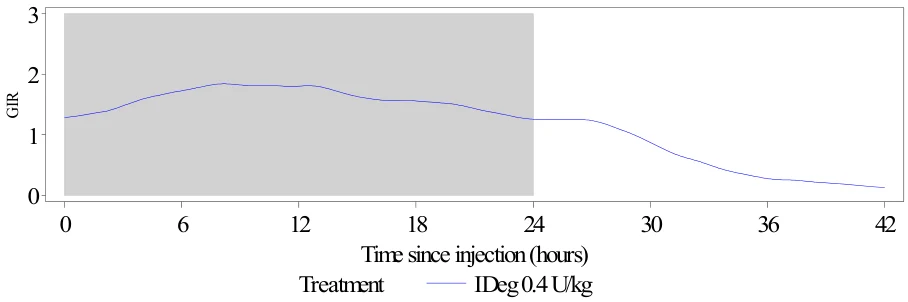
The glucose-lowering effect of Tresiba® was evaluated using the euglycemic glucose clamp technique. Figure 1-1 shows the pharmacodynamics effect of Tresiba® over time at steady state following 8 once-daily subcutaneous injections of 0.4 U/kg of Tresiba® in 21 patients with type 1 diabetes. The mean maximum glucose lowering effect (GIRmax) was observed at a median of 12 hours and the duration of glucose lowering effect lasted beyond 42 hours after the last of 8 days of once-daily injections.
Figure 1-1: Mean glucose infusion rate profile (steady state) for Tresiba® at dose of 0.4 U/Kg in patients with Type 1 diabetes mellitus
In patients with type 1 diabetes, the total glucose-lowering effects of Tresiba® over 24 hours increase approximately in proportion to the SC doses between 0.4 U/kg to 0.8 U/kg. At steady-state, within-subject day-to-day variability measured as within subject coefficient of variation (CV) in total glucose lowering effect (AUCGIR,τ,SS) was 20% with Tresiba®.
The 24-hour total glucose-lowering effect of Tresiba® 100 units/mL and 200 units/mL was comparable after administration of the same dose at 0.4 U/kg in a euglycemic clamp study following 8 days of once-daily injection.
10.3 Pharmacokinetics
Absorption
In patients with type 1 diabetes, after the first of 8 once-daily subcutaneous of Tresiba® at 0.4 U/kg, onset of appearance of serum insulin degludec was around one hour and the mean maximum concentration of 2076 pmol/L occurred between 11-13 hours. Steady state serum concentration is reached after 3-4 days of once daily Tresiba® subcutaneous administration. Following the last dose at steady state, maximum insulin degludec concentrations of 4472 pmol/L were attained at a median of 9 hours. At dose range of 0.4 – 0.8U/kg, total exposure and maximum concentration of insulin degludec increased in a dose proportional manner after subcutaneous administration. The insulin degludec exposure at steady-state is comparable between Tresiba® 100 units/mL and 200 units/mL when the same U/kg dose was administered.
Distribution:
The affinity of insulin degludec to serum albumin corresponds to a plasma protein binding of >99% in human plasma. The results of the in vitro protein binding studies demonstrate that there is no clinically relevant interaction between insulin degludec and other protein bound drugs.
Elimination
The half-life after subcutaneous administration is determined primarily by the rate of absorption from the subcutaneous tissue. The half-life is approximately 25 hours independent of dose.
Degradation of Tresiba® is similar to that of human insulin; all metabolites formed are inactive.
Special Populations and Conditions
As with other insulin preparations, Tresiba® should always be titrated according to individual requirements.
- Pediatrics Pharmacokinetic properties of Tresiba® were investigated in 12 children (≥6 to 11 years), 13 adolescents (12 to 17 years), and 12 adults (18 to ≤65 years). In this study, total exposure of Tresiba® after a single dose was, higher in children and adolescents than in adults with type 1 diabetes mellitus. Using data from this study, as well as sparse sampling of steady-state serum concentration data from 169 pediatric subjects (1 to 17 years) with type 1 diabetes from Trial 3561 (see 14 CLINICAL TRIALS), population pharmacokinetic analysis was conducted for Tresiba®. When dosed per kg body weight, model-derived concentration-time profiles of Tresiba® in children and adolescents were, at steady-state, comparable to those observed in adults with type 1 diabetes mellitus.
- Geriatrics Pharmacokinetic and pharmacodynamic response of Tresiba® in 13 younger adult (18−35 years) and 14 geriatric (≥65 years) subjects with type 1 diabetes following two 6 day periods of once-daily subcutaneous dosing with 0.4 U/kg dose of Tresiba® or insulin glargine. On average, the pharmacokinetic and pharmacodynamic properties of Tresiba® at steady-state were similar in younger adult and geriatric subjects, although with greater between subject variability among the geriatric subjects.
- Sex The effect of gender on the pharmacokinetics of Tresiba® was examined in an across-trial analysis of the pharmacokinetic and pharmacodynamic trials. Overall, there was no difference in the pharmacokinetic properties of insulin degludec between female and male subjects.
- Pregnancy and Breast-feeding The effect of pregnancy on the pharmacokinetics and pharmacodynamics of Tresiba® has not been studied (see 7 WARNINGS AND PRECAUTIONS, Special Populations, Pregnancy). A clinical trial in pregnant women investigated the efficacy and safety of Tresiba® compared to insulin detemir (see 14 CLINICAL TRIALS); approximately two-thirds of infants exposed to Tresiba® during gestation had quantifiable levels of insulin degludec in their cord blood at birth. No study of the use of Tresiba during breastfeeding has been conducted.
- Ethnic Origin Tresiba® has been studied in a pharmacokinetic and pharmacodynamic trial in Black or African American subjects not of Hispanic or Latino origin (n=18), White subjects of Hispanic or Latino origin (n=22) and White subjects not of Hispanic or Latino origin (n=23) with type 2 diabetes mellitus. There were no statistically significant differences between the racial and ethnic groups investigated.
- Hepatic Insufficiency Tresiba® has been studied in a pharmacokinetic trial in 24 subjects (n=6/group) with normal or impaired hepatic function (mild, moderate, and severe hepatic impairment) following administration of a single dose (0.4U/kg) of Tresiba®. Hepatic function was defined using Child-Pugh Scores ranging from 5 (mild hepatic impairment) to 15 (severe hepatic impairment). No differences in the pharmacokinetics of Tresiba® were identified between healthy subjects and subjects with hepatic impairment (see 7 WARNINGS AND PRECAUTIONS).
- Renal Insufficiency Tresiba® pharmacokinetics was studied in 32 subjects (n=4-8/group) with normal or impaired renal function/end-stage renal disease following administration of a single subcutaneous dose (0.4 U/kg) of Tresiba®. Renal function was defined using creatinine clearance (Clcr) as follows: ≥ 90 mL/min (normal), 60-89 mL/min (mild), 30-59 mL/min (moderate) and < 30 mL/min (severe).
- Subjects requiring dialysis were classified as having end-stage renal disease (ESRD). Total (AUCIDeg,0-120h,SD) and peak exposure of Tresiba® were on average about 10-25% and 13-27% higher, respectively in subjects with mild to severe renal impairment except subjects with ESRD who showed similar exposure as compared to subjects with normal renal function. No systematic trend was noted for this increase in exposure across different renal impairment subgroups. Hemodialysis did not affect clearance of Tresiba® (CL/FIDeg,SD) in subjects with ESRD (see 7 WARNINGS AND PRECAUTIONS).
- Obesity When corrected for body weight, there is no significant relationship for subjects with T1DM between exposure of Tresiba® and BMI when dosed per kg body weight. For subjects with T2DM, exposure increases and glucose-lowering effect decrease with increasing BMI.
Detailed Pharmacology
Efficacy Pharmacology: In vitro pharmacology studies have been conducted to characterize the molecular biological properties and efficacy of insulin degludec; these included receptor binding and signaling studies as well as a number of functional cellular assays of insulin action on metabolism in fat, liver and muscle cells. Furthermore, insulin degludec’s mitogenic potential has been evaluated in four different cell types. The in vivo pharmacological efficacy of insulin degludec has been determined in both normal rats and insulin-resistant rats. In addition, proof of the prolonged action of insulin degludec has been obtained from studies conducted in pigs.
In Vitro Studies: The in vitro pharmacological studies of insulin degludec have addressed both the mechanism of action and the efficacy in comparison to human insulin. Through receptor-binding assays, it has been demonstrated that the biological effects of insulin degludec are mediated by specific binding to the insulin receptor in all species tested (rat, dog, rabbit, pig and human), and subsequent activation of insulin receptor tyrosine phosphorylation and further downstream intra-cellular signaling pathway. Thus the mode of action of this modified insulin analogue is identical to that of human insulin and other insulin analogues. Furthermore, a number of functional assays in cells from the major target organs of insulin (fat, liver and muscle) have been conducted, demonstrating that insulin degludec activates the same pattern of metabolic effects as human insulin, including glucose uptake, lipogenesis and the inhibition of lipolysis in fat cells, as well as the stimulation of glycogen synthesis in hepatocytes and muscle cells. In all the cell types examined, insulin degludec was found to demonstrate full efficacy (i.e., is a full insulin receptor agonist).
From a safety perspective, it has been shown that insulin degludec binds to rat, dog and human insulin-like growth factor 1 (IGF-1) receptor with lower affinities relative to human insulin and the ratio between the affinities for binding to the IGF-1 receptor and insulin receptor has been determined to be lower for insulin degludec than for human insulin. In addition, the binding kinetics of insulin degludec for the human insulin receptor and the rate of signal decline are similar to that of human insulin. The mitogenic potency of insulin degludec is lower than that of human insulin when tested in human colon adenocarcinoma cells (COLO-205), primary human mammary epithelial cells (HMEC), L6 rat myoblasts overexpressing the human insulin receptor (L6-hIR) and human mammary adenocarcinoma cells (MCF-7), reflecting the lower insulin receptor binding affinity compared to human insulin. The overall mitogenic/metabolic potency ratio is similar to human insulin, suggesting that the balance between the metabolic and proliferative actions is similar to that of human insulin.
In Vivo Studies: The in vivo pharmacological efficacy of insulin degludec has been determined both in normal rats and insulin-resistant rats. In euglycemic-hyperinsulinemic clamp studies conducted in rats and pigs insulin degludec maintains the pharmacological actions of human insulin as demonstrated by its blood glucose−lowering effect.
Safety Pharmacology: Insulin degludec has been investigated in a series of safety pharmacology studies assessing its effects on cardiovascular and respiratory function, and the central nervous system in pharmacological responsive animals (rat and dog). Special in vitro cardiovascular studies were also performed. The highest dose tested was 50 U/kg in rat and 4 U/kg in dog. Overall, insulin degludec was well tolerated in the safety pharmacology program and no findings were observed, except those associated with hypoglycemia observed at the highest doses.
In conclusion, the safety pharmacology program raised no safety concerns.
11 STORAGE, STABILITY AND DISPOSAL
Before first use:
Store in a refrigerator (2°C – 8°C). Keep away from the freezing element. Do not freeze.
FlexTouch®: Keep the cap on the pen in order to protect from light.
After first opening or carried as a spare:
FlexTouch®: Can be stored at room temperature (not above 30°C) or in a refrigerator (2°C –
8°C) for up to 8 weeks. Keep the cap on the pen in order to protect from light.
Penfill®: Do not refrigerate. Can be stored at room temperature (not above 30°C) for up to 8 weeks. Keep the cartridges in the outer carton in order to protect from light.
The storage conditions are summarized in Table 1-6.
Table 1-6: Storage Conditions for Tresiba® FlexTouch® and Penfill® cartridge
Not in-use (unopened) Refrigerated (2°C – 8°C) | Not in-use (unopened) Room Temperature (below 30°C) | In-use (opened) Refrigerated (2°C - 8°C) | In-use (opened) Room Temperature (below 30°C) | |
| 3 mL Tresiba® 100 U/mL PenFill® | Until expiration date | 56 days (8 w eeks) Do not refrigerate | Do not refrigerate product in-use. | 56 days (8 w eeks) Do not refrigerate |
| 3 mL Tresiba® 100 U/mL and 200 U/mL FlexTouch® | Until expiration date | 56 days (8 w eeks) Do not refrigerate | 56 days (8 w eeks) | 56 days (8 w eeks) |
Penfill®: The cartridges are designed to be used with Novo Nordisk delivery systems (durable devices for repeated use) and NovoFine® and/or NovoFine® Plus needles. Detailed instruction accompanying the delivery system must be followed.
FlexTouch®: An easy-to-use prefilled insulin pen with a light-touch button that is specifically designed to be used with NovoFine® and/or NovoFine® Plus needles
12 SPECIAL HANDLING INSTRUCTIONS
Penfill® and/or FlexTouch® and needles must not be shared. The cartridge must not be refilled. Tresiba® must not be used if it does not appear clear and colourless. Tresiba® which has been frozen must not be used. The patient should be advised to discard the needle after each injection.
PART II: SCIENTIFIC INFORMATION
13 PHARMACEUTICAL INFORMATION
Drug Substance
Proper name: insulin degludec injection
Chemical name: LysB29(Nε-hexadecandioyl-γ-Glu) des(B30) human insulin
Molecular formula and molecular mass: C274H411N65O81S6 and 6103.97
Structural formula:
Figure 2-1: Structural formula of insulin degludec
Physicochemical properties: insulin degludec differs from human insulin in that the amino acid threonine in position B30 has been omitted and a side-chain consisting of glutamic acid and a C16 fatty acid has been attached.
Product Characteristics:
Tresiba® is a sterile, aqueous, clear, and colourless solution that contains insulin degludec 100 Units/mL (U-100) or 200 Units/mL (U-200).
Inactive ingredients for the 100 Units/mL are: glycerol 19.6 mg/mL, phenol 1.50 mg/mL, metacresol 1.72 mg/mL, zinc 32.7 mcg/mL and water for injection.
Inactive ingredients for the 200 Units/mL are glycerol 19.6 mg/mL, phenol 1.50 mg/mL, metacresol 1.72 mg/mL, zinc 71.9 mcg/mL and water for injection.
Tresiba® has a pH of approximately 7.6. Hydrochloric acid or sodium hydroxide may be added to adjust pH.
14 CLINICAL TRIALS
14.1 Trial Design and Study Demographics
Type 1 Diabetes Mellitus
The efficacy of Tresiba® administered once-daily either at the same time each day or at any time each day in adult patients with type 1 diabetes and used in combination with a mealtime insulin was evaluated in three randomized, phase 3a, open-label, treat-to-target, active-controlled, trials. Across these trials (n= 1577), the mean age was 43; the mean duration of diabetes was 17.3 years; the mean BMI was 25.8 kg/m2; 56.3% of patients were male; 80.4% were White; 1.5% were Black or African American; 4.4% were Hispanic; and 7.0% had eGFR<60 mL/min/1.73m2.
The use of Tresiba® in pediatric patients 2 years of age and older with type 1 diabetes mellitus is supported by evidence from a 26 weeks, multi-centre, multinational, open-label, randomized, two arm parallel, treat-to-target trial.
The efficacy of Tresiba® in women with type 1 diabetes who were between weeks 8 and 13 of gestation or who intend to become pregnant was evaluated in a randomized, phase 3b, open-label, multicentre trial.
Type 2 Diabetes Mellitus
The efficacy of Tresiba® administered once-daily either at the same time each day or at any time each day in adult patients with type 2 diabetes and used in combination with a mealtime insulin or in combination with common oral anti-diabetic agents was evaluated in four randomized, phase 3a, open-label, treat-to-target active-controlled trials. Across these trials n=3166), the mean age was 58; the mean duration of diabetes was 10.7 years; the mean BMI was 31.3 kg/m2; 56.4% of patients were male; 80.6% were White; 7.8% were Black or African American; 13.1% were Hispanic; and 9.3% had eGFR<60 mL/min/1.73m2.
The cardiovascular safety of Tresiba® was evaluated in one double-blinded, event-driven trial (DEVOTE) of 2-year median duration in patients with type 2 diabetes at high risk of cardiovascular events (refer to table 2-10).
Table 2-1: Summary of patient demographics for clinical trials in Type 1 Diabetes (Adult and Pediatric)
| Study # | Trial design and duration | Dosing and route of administration | Number of study subjects | Mean age (SD) and range | Gender |
|---|---|---|---|---|---|
Trial A (3583) | 52 Weeks; Multi-centre, multi-national, randomized (3:1), open-label, tw o-arm, parallel group, treat-to-target trial. | Tresiba® (O.D)*: S.C Insulin glargine (O.D)**: S.C | 629 Tresiba®: 472 Insulin glargine 100 U/mL: 157 | Mean age: 43.0 (13.6) Range: 18.4; 78.2 | M: 368 F: 261 |
| Study # | Trial design and duration | Dosing and route of administration | Number of study subjects | Mean age (SD) and range | Gender |
|---|---|---|---|---|---|
| Trial B (3585) | 26 Weeks; Multi-centre, multi-national randomized (2:1), open-label, tw o arm, parallel group, treat to-target trial. | Tresiba® (O.D)*: S.C Insulin detemir (O.D): S.C | 455 TRESIBA®: 302 Insulin detemir: 153 | Mean age: 41.3 (14.7) Range: 18.1; 80.9 | M: 236 F: 219 |
| Trial C (3770) | 26 Weeks; Multi-centre, multi-national randomized (1:1:1), three arm, open-label, parallel group, treat-to-target trial. | Tresiba® (dosed at alternating times): S.C Tresiba® (O.D)*: S.C Insulin glargine (O.D)**: S.C | 493 Tresiba®: (dosed at alternating times): 164 Tresiba® (O.D): 165 Insulin glargine 100 U/mL: 164 | Mean age: 43.7 (13.1) Range: 19.3; 82.4 | M: 284 F: 209 |
Trial D (3561) | 26 Weeks; Multi-centre, multinational, open label, randomized, tw o arm parallel group, treat-to-target trial. | Tresiba® (O.D.): S.C. Insulin detemir (O.D. or B.I.D., as required): S.C. | 350 Tresiba®: 174 Insulin detemir: 176 | Mean age: 10.0 (4.4) Range: 1.5; 18.4+ | M: 194 F: 156 |
EXPECT (4300) | 25 month (maximum); Multi-centre, randomized (1:1), open label, parallel-group, treat-to-target, active controlled trial. | Tresiba® (O.D): S.C Insulin detemir (O.D or BID): S.C. | 188 Tresiba®: 92 Insulin detemir: 96 | Mean age: 30.8 (5.15) Range: 18.0; 42.0 | M: 0 F: 188 |
O.D: Once daily; B.I.D.: Twice daily; S.C: Subcutaneous; M: Male; F: Female
* Tresiba® was administered once daily in the evening
** Insulin glargine was administered once daily according to local labelling
+For German subjects (14 in full analysis set), their date of birth was set to January 1st for protection of subject anonymity. For one subject on TRESIBA® OD, this led to a derived age at screening of 18.4 years. In reality, this subject was less than 18 years of age at screening.
Table 2-2: Summary of patient demographics for clinical trials in Type 2 Diabetes (Adult)
| Study # | Trial design and duration | Dosing and route of administration | Number of study subjects | Mean age (SD) and range | Gender |
|---|---|---|---|---|---|
| Trial E (3579) | 52 Weeks; Multi-centre, multi-national randomized (3:1), three arm, open-label, parallel group, treat-to-target trial | Tresiba® (O.D)*: S.C Insulin glargine (O.D)**: S.C | 1030 Tresiba®: 773 Insulin glargine 100 U/mL: 257 | Mean age: 59.1 (9.8) Range: 21.9; 87.0 | M: 638 F: 392 |
| Trial F (3672) | 26 Weeks; Multi-centre, multi-national randomized (1:1), open-label, parallel group, treat-to-target trial. | Tresiba® 200 U/mL(O.D)*: S.C Insulin glargine (O.D)**: S.C | 457 Tresiba®: 228 Insulin glargine 100 U/mL: 229 | Mean age: 57.5 (9.2) Range: 31.0; 78.0 | M: 243 F: 214 |
| Trial G (3668) | 26 Weeks; Multi-centre, multi-national randomized (1:1:1), open-label, three arm, treat-to-target trial. | Tresiba® (dosed at alternating times)): S.C TRESIBA® (O.D)*:S.C Insulin glargine (O.D)**: S.C | 687 Tresiba® (dosed at alternating times): 229 Tresiba® (O.D): 228 Insulin glargine 100 U/mL: 230 | Mean age: 56.4 (9.6) Range: 22.9; 80.9 | M: 370 F: 317 |
| Trial H (3582) | 52 Weeks; Multi-centre, multi-national randomized (3:1), open-label, tw o-arm, parallel group, treat-to-target trial. | Tresiba® (O.D)*: S.C Insulin glargine (O.D)**: S.C | 992 TRESIBA®: 744 Insulin glargine 100 U/mL: 248 | Mean age: 58.9 (9.3) Range: 23.1; 86.3 | M: 538 F: 454 |
DEVOTE (4080) | Multi-centre, multi-national, randomized, double-blinded, active-controlled, treat-to-target, event-driven trial for a median duration of 2 years. | Tresiba® (O.D)*: S.C insulin glargine (O.D)**: S.C Both w ith standard of care | 7637 Tresiba®: 3818 insulin glargine 100 U/mL: 3819 | Mean age: 65 (7.4) Range: 46.0 ; 93.0 | M: 4778 F: 2859 |
O.D: Once daily; S.C: Subcutaneous; M: Male; F: Female
* Tresiba® was administered once daily in the evening
** Insulin glargine was administered once daily according to local labelling
14.2 Study Results
Type 1 Diabetes – Adult
Tresiba® Administered at the Same Time each Day in Combination with a Rapid-Acting Insulin Analogue at Mealtimes
Trial A
The efficacy of Tresiba® was evaluated in a 52-week randomized, open-label, multicenter trial in 629 patients with type 1 diabetes mellitus (Trial A). Patients were randomized to Tresiba® once-daily with the evening meal, or insulin glargine 100 U/mL once-daily according to the approved labeling. Insulin aspart was administered before each meal in both treatment arms.The primary objective of the study was to demonstrate the non-inferiority of Tresiba® compared to insulin glargine 100 U/mL in change in HbA1c from baseline at 52 weeks, with a non-inferiority margin of 0.4%.
At week 52, treatment with Tresiba® was non-inferior to insulin glargine 100 U/mL (Table 2-3, Trial A) in change in HbA1c from baseline.
Trial B
The efficacy of Tresiba® was evaluated in a 26-week randomized, open-label, multicenter trial in 455 patients with type 1 diabetes mellitus (Trial B). Patients were randomized to Tresiba® or insulin detemir once-daily in the evening. After 8 weeks, insulin detemir could be dosed twice-daily. At end of trial, 67.1% used insulin detemir once daily and 32.9% used insulin detemir twice daily. Insulin aspart was administered before each meal in both treatment arms. The primary objective of the study was to demonstrate the non-inferiority of Tresiba® compared to insulin detemir in change in HbA1c from baseline at 26 weeks, with a non-inferiority margin of 0.4%.
At week 26, treatment with Tresiba® was non-inferior to insulin detemir (Table 2-3, Trial B) in change in HbA1c from baseline.
Table 2-3: Results at Week 52 in a Trial Comparing Tresiba® to Insulin glargine 100 U/mL (Trial A) and Week 26 in a Trial Comparing Tresiba® to Insulin detemir (Trial B) in Patients with Type 1 Diabetes Mellitus receiving Insulin aspart at Mealtimes
| Trial A | Trial B | |||||||
|---|---|---|---|---|---|---|---|---|
| Tresiba® + Insulin aspart | Insulin glargine 100 U/mL + Insulin aspart | Tresiba® + Insulin aspart | Insulin detemir + Insulin aspart | |||||
| N | 472 | 157 | 302 | 153 | ||||
| HbA1c (%) | ||||||||
| Baseline | 7.7 | 7.7 | 8.0 | 8.0 | ||||
| End of trial* | 7.3 | 7.4 | 7.3 | 7.4 | ||||
| Adjusted Mean change from baseline | -0.36 | -0.34 | -0.71 | -0.61 | ||||
Estimated treatment difference [95% CI] TRESIBA® - basal insulin 100 U/mL | -0.01 [-0.14; 0.11] | -0.09 [-0.23; 0.05] | ||||||
| Trial A | Trial B |
|---|
| Tresiba® + Insulin aspart | Insulin glargine 100 U/mL + Insulin aspart | Tresiba® + Insulin aspart | Insulin detemir + Insulin aspart | |
|---|---|---|---|---|
| Proportion achieving HbA1c < 7% at trial end | 39.8% | 42.7% | 41.1% | 37.3% |
| FPG (mmol/L) | ||||
| Baseline | 9.1 | 9.7 | 9.9 | 9.5 |
| End of trial* | 7.7 | 8.1 | 7.4 | 9.0 |
| Adjusted mean change from baseline | -1.53 | -1.20 | -2.40 | -0.75 |
| Daily basal insulin dose | ||||
| Baseline mean | 28 U | 26 U | 22 U | 22 U |
| Mean dose at end of trial | 29 U1 | 32 U1 | 25 U2 | 29 U2 |
| Daily bolus insulin dose | ||||
| Baseline mean | 29 U | 29 U | 28 U | 30 U |
| Mean dose at end of trial | 33 U1 | 35 U1 | 36 U2 | 42 U2 |
*LS mean values from the statistical analysis
Abbreviation: HbA1c = hemoglobin A1c; FPG = fasting plasma glucose
1 At Week 52
2 At Week 26
Change from baseline in HbA1c after 26 weeks (trial A) and 52 weeks (trial B) of treatment is analysed using an ANOVA method with treatment, region, sex and antidiabetic treatment at screening as fixed effects, and age and baseline HbA1c as covariates. Missing data is imputed using last observation carried forward (LOCF). In trial A, there were15% of subjects on insulin degludec and 12 % of subjects on insulin glargine for whom HbA 1c measurements w ere missing at 52 w eeks. In trial B, there w ere 6% of subjects on insulin degludec and 10 % of subjects on insulin detemir for w hom HbA1c measurements w ere missing at 26 w eeks.
Trial C
Tresiba® Administered at the Same Time each Day or at Any Time each Day in Combination with a Rapid-Acting Insulin Analogue at Mealtimes
The efficacy of Tresiba® was evaluated in a 26-week randomized, open-label, multicenter trial in 493 patients with type 1 diabetes mellitus. Patients were randomized to Tresiba® injected once-daily at the same time each day (with the main evening meal), to Tresiba® injected once daily at any time each day or to insulin glargine 100 U/mL injected once-daily according to the approved labeling. The any time each day Tresiba® arm was designed to simulate a worst-case scenario injection schedule of alternating short and long, once daily, dosing intervals (i.e., alternating intervals of 8 to 40 hours between doses). Tresiba® in this arm was dosed in the morning on Monday, Wednesday, and Friday and in the evening on Tuesday, Thursday, Saturday, and Sunday. Insulin aspart was administered before each meal in both treatment arms. The primary objective of the study was to demonstrate the non-inferiority of Tresiba® injected at alternating times compared to insulin glargine 100 U/mL in change in HbA1c from baseline at 26 weeks, with a non-inferiority margin of 0.4%.
At week 26, treatment with Tresiba® injected at alternating times was non-inferior to insulin glargine 100 U/mL (Table 2-4) in change in HbA1c from baseline.
Table 2-4: Results at Week 26 in a Trial Comparing Tresiba® Dosed Once Daily at the Same and at Alternating Times Each Day to Insulin glargine 100 U/mL in Patients with Type 1 Diabetes Mellitus receiving Insulin aspart at mealtimes
| Tresiba® at the same time each day + Insulin aspart | Tresiba® at alternating times + Insulin aspart | Insulin glargine 100 U/mL + Insulin aspart | ||
| N | 165 | 164 | 164 | |
| HbA1c (%) | ||||
| Baseline | 7.7 | 7.7 | 7.7 | |
| End of trial* | 7.3 | 7.3 | 7.1 | |
| Adjusted mean change from baseline* | -0.41 | -0.40 | -0.57 | |
Estimated treatment difference [95% CI] Tresiba® alternating - insulin glargine 100 U/mL | 0.17 [0.04;0.30] | |||
| Proportion Achieving HbA1c < 7% at Trial End | 37.0% | 37.2% | 40.9% | |
| FPG (mmol/L) | ||||
| Baseline | 10.0 | 9.6 | 9.7 | |
| End of trial* | 7.4 | 8.4 | 8.4 | |
| Adjusted mean change from baseline | -2.32 | -1.37 | -1.33 | |
| Daily basal insulin dose | ||||
| Baseline mean | 28 U | 29 U | 29 U | |
| Mean dose at end of study | 33 U | 35 U | 35 U | |
| Daily bolus insulin dose | ||||
| Baseline mean | 29 U | 33 U | 32 U | |
| Mean dose at end of study | 27 U | 29 U | 35 U | |
*LS mean values from the statistical analysis
Abbreviation: HbA1c = hemoglobin A1c; FPG = fasting plasma glucose
Change from baseline in HbA1c after 26 weeks of treatment is analysed using an ANOVA method with treatment, region, sex and antidiabetic treatment at screening as fixed effects, and age and baseline HbA1c as covariates. Missing data is imputed using last observation carried forward (LOCF). There were16% of subjects on insulin degludec (dosed at same time), 16 % of subjects on insulin degludec (dosed alternatively) and 8% of subjects on insulin glargine for whom HbA1c measurements were missing at 26 weeks.
Type 1 Diabetes – Pediatric
Trial D
Tresiba® Administered at the Same Time each Day in Combination with a Rapid-Acting Insulin Analog at Mealtimes in Pediatric Patients Between 1 to less than18 years of Age
The efficacy of Tresiba® was evaluated in a 26 week randomized, open label, multicenter trial in 350 pediatric patients with type 1 diabetes mellitus.
Patients were randomized to Tresiba® once-daily or insulin detemir once or twice-daily. Randomization was stratified according to age group (1 to <6; 6 to < 12; and 12 to < 18 of age). Subjects on a twice-daily insulin detemir regimen were dosed at breakfast and in the evening either with the main evening meal or at bedtime. Insulin aspart was administered before each main meal in both treatment arms. At the end of the trial, 37.7% used insulin detemir once daily and 62.3% used insulin detemir twice daily.
Patients in the Tresiba® arm included 43 children aged 1-5 years, 70 children aged 6-11 years and 61 adolescents aged 12-17 years. The mean duration of diabetes was 4 years. 55.4% were male. 74.6% were White, 2.9% Black or African American. 2.9% were Hispanic. The mean BMI was 18.6 kg/m2.
At week 26, the difference in HbA1c reduction from baseline between Tresiba® and insulin detemir was 0.15% with a 95% confidence interval of [-0.03%; 0.33%] and met the pre-specified non-inferiority margin (0.4%) (see Table 2-5).
Table 2-5: Results at Week 26 in a Trial Comparing Tresiba® to Insulin detemir in Pediatric Patients with Type 1 Diabetes Mellitus Receiving Insulin Aspart at Mealtimes
| Tresiba® + Insulin aspart | Insulin detemir + Insulin aspart | |||||||
| N | 174 | 176 | ||||||
| HbA1c (%) | ||||||||
| Baseline | 8.2 | 8.0 | ||||||
| End of 26 w eeks | 8.0 | 7.7 | ||||||
| Adjusted mean change from baseline after 26 w eeks* | -0.19 | -0.34 | ||||||
Estimated treatment difference [95%CI] TRESIBA® v. Insulin detemir | 0.15 [-0.03, 0.33] | |||||||
| FPG (mmol/L) | ||||||||
| Baseline | 9.0 | 8.4 | ||||||
| End of 26 w eeks** | 11.57 | 11.99 | ||||||
| Adjusted mean change from baseline after 26 w eeks | 2.89 | 3.31 | ||||||
| Daily basal insulin dose | ||||||||
| Baseline mean | 15 U (0.37 U/kg) | 16 U (0.41 U/kg) | ||||||
| Mean dose after 26 w eeks | 16 U (0.37 U/kg) | 21 U (0.51 U/kg) | ||||||
| Daily bolus insulin dose | ||||||||
| Baseline mean | 20 U (0.50 U/kg) | 20 U (0.52 U/kg) | ||||||
| Mean dose after 26 w eeks | 23 U (0.56 U/kg) | 22 U (0.57 U/kg) | ||||||
*The change from baseline to end of treatment visit in HbA1c was analyzed using ANOVA with treatment, region, sex, and age group as fixed factors, and baseline HbA1c as covariate. There were 2.9% of subjects in TRESIBA® and 6.3% insulin detemir arms for w hom data w as missing at the 26-w eek HbA1c measurement and missing data was imputed by multiple imputation carrying forward the baseline value and adding an error term.
**LS mean values from the statistical analysis
Abbreviation: HbA1c = hemoglobin A1c; FPG = fasting plasma glucose
Type 2 Diabetes – Adult
Trial E
Tresiba® Administered at the Same Time each Day as an Add-on to Metformin with or without a DPP-4 inhibitor in Insulin Naïve Patients
The efficacy of Tresiba® was evaluated in a 52-week randomized, open-label, multicenter trial that enrolled 1030 insulin naïve patients with type 2 diabetes mellitus inadequately controlled on one or more oral antidiabetic agents (OADs). Patients were randomized to TRESIBA® once-daily with the evening meal or insulin glargine 100 U/mL once-daily according to the approved labeling. Metformin alone (82.5%) or in combination with a DPP-4 inhibitor 17.5%) was used as background therapy in both treatment arms. The primary objective of the study was to demonstrate the non-inferiority of Tresiba®compared to insulin glargine 100 U/mL, both added on to metformin with or without a DPP-4 inhibitor, in change in HbA1c from baseline at 52 weeks, with a non-inferiority margin of 0.4%.
At week 52, treatment with Tresiba® was non-inferior to insulin glargine 100 U/mL (Table 2-6) in change in HbA1c from baseline.
Table 2-6: Results at Week 52 in a Trial Comparing Tresiba® to Insulin glargine 100 U/mL in Patients with Type 2 Diabetes Mellitus on OAD(s)**
| Tresiba® + met ± DPP-4 inhibitor | Insulin glargine 100 U/mL + met ± DPP-4 inhibitor | ||
|---|---|---|---|
| N | 773 | 257 | |
| HbA1c (%) | |||
| Baseline | 8.2 | 8.2 | |
| End of trial* | 7.1 | 7.0 | |
| Adjusted mean change from baseline | -1.06 | -1.15 | |
Estimated treatment difference [95% CI] TRESIBA® - insulin glargine 100 U/mL | 0.09 [-0.04; 0.22] | ||
| Proportion achieving HbA1c < 7% at trial end | 51.7% | 54.1% | |
| FPG (mmol/L) | |||
| Baseline | 9.6 | 9.7 | |
| End of trial* | 5.9 | 6.3 | |
| Adjusted mean change from baseline | -3.77 | -3.34 | |
| Daily insulin dose | |||
| Baseline mean (starting dose) | 10 U | 10 U | |
| Mean dose after 52 w eeks | 59 U | 60 U | |
*LS mean values from the statistical analysis
Abbreviation: HbA1c = hemoglobin A1c; met = metformin; FPG = fasting plasma glucose; ** OAD: oral antidiabetic agent;
Change from baseline in HbA1c after 52 weeks of treatment is analysed using an ANOVA method with treatment, region, sex and antidiabetic treatment at screening as fixed effects, and age and baseline HbA 1c as covariates. Missing data is imputed using last observation carried forward (LOCF). There were 21% of subjects on insulin degludec and 22% of subjects on insulin glargine for w hom HbA1c measurements w ere missing at 52 w eeks.
Trial F
Tresiba® U-200 Administered at the Same Time each Day as an Add-on to Metformin with or without a DPP-4 inhibitor in Insulin Naïve Patients
The efficacy of Tresiba® 200 U/mL was evaluated in a 26-week randomized, open-label, multicenter trial in 457 insulin naïve patients with type 2 diabetes mellitus inadequately controlled on one or more oral antidiabetic agents (OADs) at baseline. Patients were randomized to Tresiba® 200 U/mL once-daily with the evening meal or insulin glargine 100 U/mL once-daily according to the approved labeling. Both treatment arms were receiving metformin alone (84%) or in combination with a DPP-4 inhibitor (16%) as background therapy. The primary objective of the study was to demonstrate the non-inferiority of Tresiba® compared to insulin glargine 100 U/mL, both added on to metformin with or without a DPP-4 inhibitor, in change in HbA1c from baseline at 26 weeks, with a non-inferiority margin of 0.4%.
At week 26, treatment with Tresiba® was non-inferior to insulin glargine 100 U/mL (Table 2-7) in change in HbA1c from baseline.
Table 2-7: Results at Week 26 in a Trial Comparing Tresiba® 200 U/mL to Insulin glargine 100 U/mL in Patients with Type 2 Diabetes Mellitus on OAD(s)**
| Tresiba® 200 U/mL + met ± DPP-4 | Insulin glargine 100 U/mL + met ± DPP-4 | ||
|---|---|---|---|
| N | 228 | 229 | |
| HbA1c (%) | |||
| Baseline | 8.3 | 8.2 | |
| End of trial* | 7.1 | 7.1 | |
| Adjusted mean change from baseline | -1.18 | -1.22 | |
Estimated treatment difference [95% CI] TRESIBA® - insulin glargine 100 U/mL | 0.04 [-0.11; 0.19] | ||
| Proportion achieving HbA1c < 7% at trial end | 52.2% | 55.9% | |
| FPG (mmol/L) | |||
| Baseline | 9.6 | 9.7 | |
| End of trial* | 5.7 | 6.1 | |
| Adjusted mean change from baseline | -3.94 | -3.52 | |
| Daily insulin dose | |||
| Baseline mean | 10 U | 10 U | |
| Mean dose after 26 w eeks | 62 U | 63 U | |
*LS mean values from the statistical analysis
Abbreviation: HbA1c = hemoglobin A1c; met = metformin; FPG = fasting plasma glucose;**OAD: Oral antidiabetic agent
Change from baseline in HbA1c after 26 weeks of treatment is analysed using an ANOVA method with treatment, region, sex and antidiabetic treatment at screening as fixed effects, and age and baseline HbA 1c as covariates. Missing data is imputed using last observation carried forward (LOCF). There were 12% of subjects on insulin degludec and 13% of subjects on insulin glargine for w hom HbA1c measurements w ere missing at 26 w eeks.
Trial G
Tresiba® Administered at the Same Time each Day or Any Time each Day as an Add-on to One and up to Three of the Following Oral Agents: Metformin, Sulfonylurea or Glinides or Pioglitazone
The efficacy of Tresiba® was evaluated in a 26-week randomized, open-label, multicenter trial in 687 patients with type 2 diabetes mellitus inadequately controlled on basal insulin alone, oral antidiabetic agents (OADs) alone or both basal insulin and OAD. Basal insulin alone was taken by 3.1% of patients, 57.9% were treated with OAD(s) alone and 38.7% were treated with basal insulin and OAD(s). Patients were randomized to Tresiba® injected once-daily at the same time each day (with the main evening meal), to Tresiba® injected once daily at any time each day or to insulin glargine 100 U/mL injected once- daily according to the approved labeling. The any time each day Tresiba® arm was designed to simulate a worst-case scenario injection schedule of alternating short and long, once daily, dosing intervals (i.e., alternating intervals of 8 to 40 hours between doses). Tresiba® in this arm was dosed in the morning on Monday, Wednesday, and Friday and in the evening on Tuesday, Thursday, Saturday, and Sunday. Up to three of the following oral antidiabetic agents (metformin, sulfonylureas, glinides or thiazolidinediones) were continued as background therapy in both treatment arms, in subjects who were treated with these OADs prior to entering the trial. The primary objective of the study was to demonstrate the non-inferiority of Tresiba® compared to insulin glargine 100 U/mL, both added on to OAD(s) as applicable, in change in HbA1c from baseline at 26 weeks, with a non-inferiority margin of 0.4%.
At week 26, treatment with Tresiba® was non-inferior to insulin glargine 100 U/mL (Table 2-8) in change in HbA1c from baseline.
Table 2-8: Results at Week 26 in a Trial Comparing Tresiba® at same and alternating times to Insulin glargine 100 U/mL in Patients with Type 2 Diabetes Mellitus on OAD(s)**
| Tresiba® at the same time each day ± OAD(s)* | Tresiba® at alternating times ± OAD(s)* | Insulin glargine 100 U/mL ± OAD(s)* | ||
|---|---|---|---|---|
| N | 228 | 229 | 230 | |
| HbA1c (%) | ||||
| Baseline | 8.4 | 8.5 | 8.4 | |
| End of trial* | 7.4 | 7.3 | 7.2 | |
| Adjusted mean change from baseline | -1.03 | -1.17 | -1.21 | |
Estimated treatment difference [95% CI] TRESIBA® alternating – insulin glargine 100 U/mL | 0.04 [-0.12; 0.20] | |||
| Proportion achieving HbA1c < 7% at trial end | 40.8% | 38.9% | 43.9% | |
| FPG (mmol/L) | ||||
| Baseline | 8.8 | 9.0 | 9.0 | |
| End of trial* | 5.9 | 5.9 | 6.3 | |
| Adjusted mean change from baseline | -3.01 | -3.05 | -2.64 | |
| Daily insulin dose | ||||
| Baseline mean | 21 U | 19 U | 19 U | |
| Mean dose after 26 w eeks | 47 U | 49 U | 47 U | |
*LS mean values from the statistical analysis
Abbreviation: HbA1c = hemoglobin A1c; FPG = fasting plasma glucose; OAD: oral antidiabetic agent
*OAD(s): up to three of the following oral antidiabetic agents (metformin, sulfonylureas, glinides or thiazolidinediones) w ere continued as background therapy in subjects w ho had been treated w ith these OADs prior to entering the trial.
Change from baseline in HbA1c after 26 weeks of treatment is analysed using an ANOVA method with treatment, region, sex and antidiabetic treatment at screening as fixed effects, and age and baseline HbA 1c as covariates. Missing data is imputed using last observation carried forward (LOCF). There were 11% of subjects on insulin degludec (dosed alternatively) and 12% of subjects on insulin glargine for whom HbA1c measurements were missing at 26 w eeks.
Trial H
Tresiba® Administered at the Same Time each Day in Combination with a Rapid-Acting Insulin Analogue at Mealtimes
The efficacy of Tresiba® was evaluated in a 52-week randomized, open-label, multicenter trial in 992 patients with type 2 diabetes mellitus inadequately controlled on any insulin regimen (premix insulin, bolus insulin alone, basal insulin alone or any combination thereof) + oral antidiabetic agents (OADs). Basal-bolus insulin treatment + OADs was taken by 49% of patients, 24.4% were treated premix insulin + OADs and 21.2% were treated with basal insulin + OADs. Patients were randomized to Tresiba® once-daily with the main evening meal or insulin glargine 100 U/mL once-daily according to the approved labeling. Insulin aspart was administered before each meal in both treatment arms. Up to two of the following oral antidiabetic agents (metformin and pioglitazone) were continued as background therapy in both treatment arms in subjects who were treated with these OADs prior to entering the trial. The primary objective of the study was to demonstrate the non-inferiority of Tresiba® compared to insulin glargine 100 U/mL, both added on to mealtime insulin aspart and, as applicable, to metformin and/or pioglitazone, in change in HbA1c from baseline at 26 weeks, with a non-inferiority margin of 0.4%
At week 52, treatment with Tresiba® was non-inferior to insulin glargine 100 U/mL (Table 2-9) in change in HbA1c from baseline.
Table 2-9: Results at Week 52 in a Trial Comparing Tresiba® to Insulin glargine 100 U/mL in Patients with Type 2 Diabetes Mellitus receiving Insulin aspart at mealtimes and OADs**
| Tresiba® + Insulin aspart ± met ± pio | Insulin glargine 100 U/mL + Insulin aspart ± met ± pio | ||
|---|---|---|---|
| N | 744 | 248 | |
| HbA1c (%) | |||
| Baseline | 8.3 | 8.4 | |
| End of trial | 7.2 | 7.1 | |
| Adjusted mean change from baseline | -1.10 | -1.18 | |
Estimated treatment difference [95% CI] TRESIBA® - insulin glargine 100 U/mL | 0.08 [-0.05; 0.21] | ||
| Proportion achieving HbA1c < 7% at trial end | 49.5% | 50.0% | |
| FPG (mmol/L) | |||
| Baseline | 9.2 | 9.2 | |
| End of trial* | 7.0 | 7.2 | |
| Adjusted mean change from baseline | -2.25 | -1.96 | |
| Daily basal insulin dose | |||
| Baseline mean | 42 U | 41 U | |
| Mean dose after 52 w eeks | 72 U | 66 U | |
| Daily bolus insulin dose | |||
| Baseline mean | 33 U | 33 U | |
| Mean dose after 52 w eeks | 70 U | 72 U | |
*LS mean values from the statistical analysis
Abbreviation: HbA1c = hemoglobin A1c; FPG = fasting plasma glucose; OAD: oral antidiabetic agent; met = metformin; pio = pioglitazone
**OAD: oral antidiabetic agent
Change from baseline in HbA1c after 52 weeks of treatment is analysed using an ANOVA method with treatment, region, sex and antidiabetic treatment at screening as fixed effects, and age and baseline HbA 1c as covariates. Missing data is imputed using last observation carried forward (LOCF). There were 16% of subjects on insulin degludec and 15% of subjects on insulin glargine for w hom HbA1c measurements w ere missing at 52 w eeks.
Cardiovascular Outcomes Trial
DEVOTE was a multi-center, multi-national, randomized, double-blinded, active-controlled, treat-to-target, event-driven non inferiority trial. 7,637 patients with inadequately controlled type 2 diabetes and atherosclerotic cardiovascular disease were randomized to either Tresiba® or insulin glargine U-100. Each was administered once-daily between dinner and bedtime in addition to standard of care for diabetes and cardiovascular disease for a median duration of 2 years.
Patients eligible to enter the trial were; 50 years of age or older and had established, stable, cardiovascular, cerebrovascular, peripheral artery disease, chronic kidney disease or NYHA class II and III heart failure (85% of the enrolled population) or were 60 years of age or older and had other specified risk factors for cardiovascular disease (15% of the enrolled population).
At baseline, demographic and disease characteristics were balanced between treatment groups. The mean age of the trial population was 65 years and the mean duration of diabetes was 16.4 years. The population was 62.6% male, 75.6% White 10.9% Black or African American, 10.2% Asian. 14.9% had Hispanic ethnicity. The mean HbA1c was 8.4% and the mean BMI was 33.6 kg/m2. The baseline mean estimated glomerular filtration rate (eGFR) was 68 mL/min/1.73m2. 41% of patients had eGFR 60-90 mL/min/1.73m2; 35% of patients had eGFR 30 to 60 mL/min/1.73 m2 and 3% of patients had eGFR <30 mL/min/1.73 m2. Previous history of severe hypoglycemia was not captured in the trial.
At baseline, patients treated their diabetes with oral antidiabetic drugs (72%) and with an insulin regimen (84%). Types of insulins included long acting insulin (60%), intermediate acting insulin (14%) short acting insulin (37%) and premixed insulin (10%). 16% of patients were insulin naive. The most common background oral antidiabetic drugs used at baseline were metformin (60%), sulfonylureas (29%) and DPP-4 inhibitors (12%).
During the trial, investigators could modify anti-diabetic and cardiovascular medications to achieve local standard of care treatment targets for lipids and blood pressure.
The primary endpoint was time from randomization to first occurrence of an Event Adjudication Committee (EAC)-confirmed 3- component major adverse cardiovascular event (MACE) defined as cardiovascular death, non-fatal myocardial infarction, or non-fatal stroke. Non-inferiority of Tresiba® to Insulin Glargine was considered confirmed if the upper limit of the two-sided 95% confidence interval for the hazard ration (HR) of MACE was below 1.3.
The time to first occurrence of MACE with Tresiba® as compared to insulin glargine U-100 was non-inferior (HR: 0.91; 95% CI [0.78 ;1.06]; see Figure 2-3). The results of the primary composite MACE endpoint and a summary of its components are shown in Table 2-10.
Table 2-10: Analysis of the Composite 3-point MACE and Individual Cardiovascular Endpoints in DEVOTE
| Tresiba® | Insulin glargine U-100 | ||||||||||||
| N | 3818 | 3819 | |||||||||||
| Number of Patients (%) | Rate per 100 PYO* | Number of Patients (%) | Rate per 100 PYO* | Hazard Ratio# (95% CI) | |||||||||
| Composite of first event of CV death, non-fatal MI, or non-fatal stroke (3-Point MACE) | 325 (8.5) | 4.41 | 356 (9.3) | 4.86 | 0.91 [0.78; 1.06] | ||||||||
| CV death | 136 (3.6) | 1.80 | 142 (3.7) | 1.88 | |||||||||
| Non-fatal MI | 144 (3.8) | 1.94 | 169 (4.4) | 2.28 | |||||||||
| Non-fatal stroke | 71 (1.9) | 0.95 | 79 (2.1) | 1.06 | |||||||||
* PYO = patient-years of observation until first MACE, death, or trial discontinuation
# Hazard rate-ratio and 95% CI is based on a cox proportional hazards regression.
Sub je c ts w ith a n e v e n t (% ) IDeg IGlar Number of subjects at risk Time to first event (Months) 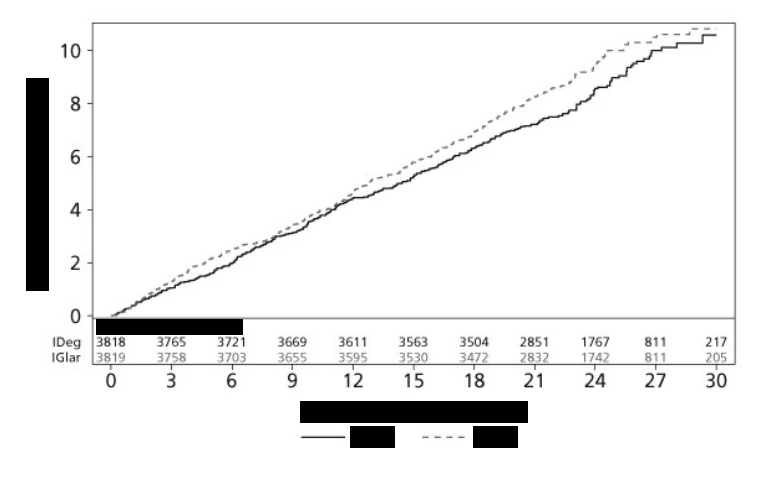


Figure 2-3: Cumulative Event Probability for Time to First EAC-Confirmed MACE in DEVOTE
Confirmatory secondary endpoints included the number of EAC-confirmed severe hypoglycemic episodes, and the occurrence of at least one EAC-confirmed severe hypoglycemic episode within a subject (yes/no). Severe hypoglycemia was defined as an episode requiring assistance of another person to actively administer carbohydrate, glucagon, or take other corrective actions. Plasma glucose concentrations may not have been available during an event, but neurological recovery following the return of plasma glucose to normal was considered sufficient evidence that the event was induced by a low plasma glucose concentration. Results for the confirmatory secondary endpoints are shown in Table 2-11.
Table 2-11: Severe Hypoglycemic Episodes in Patients Treated with TRESIBA® or Insulin Glargine U-100 in DEVOTE
| TRESIBA®1 | Insulin glargine (100 units/mL)1 | ||||
| N | 3,818 | 3,819 | |||
| Rate of severe hypoglycemia (per 100 patient years of observation) | |||||
| 3.70 | 6.25 | ||||
| Rate ratio*: 0.60 [0.48; 0.76]# | |||||
| Proportions of patients with severe hypoglycemia (percent of patients) | |||||
| 4.9% | 6.6% | ||||
| Odds ratio**: 0.73 [0.60; 0.89]# | |||||
1 In addition to standard of care for diabetes and cardiovascular disease
* The rate ratio and 95% CI is based on a negative-binomial regression with log (PYO) as an offset.
** The odds-ratio and 95% CI is based on a logistic regression.
# Test for superiority evaluated at 5% level for significant, (2-sided p<0.001). The Type I error was controlled by means of a pre-specified hierarchical testing strategy.
EXPECT (4300) - Pregnancy Trial
The efficacy of Tresiba® has been studied in an open-label, randomised, active controlled clinical trial, in which pregnant women with type 1 diabetes mellitus were treated within a basal-bolus treatment regimen with Tresiba® or insulin detemir as basal insulin, both in combination with insulin aspart as mealtime insulin. Mean duration of exposure during pregnancy was 182.5 days for Tresiba® (range 7-266 days) and 175 days for insulin detemir (range 11-270 days).
The mean age was 31.2 years, with 96.0% subjects between 18 to 40 years of age. The mean duration of diabetes was 14.4 years, 95.1% were white, 0.4% were Black or African American and 16.9% were Hispanic. The mean BMI was approximately 25.3 kg/m2.
Tresiba® was non-inferior to insulin detemir as measured by HbA1c at last planned HbA1c visit prior to delivery after GW 16. No difference between treatment groups was observed for glycemic control (change in HbA1c, FPG and PPG) during pregnancy. At the last planned visit prior to delivery, the difference in HbA1c reduction from baseline between Tresiba® and insulin detemir was -0.11% with a 95% confidence interval of [-0.31%; 0.08%] and met the pre-specified non-inferiority margin (0.4%). At baseline, mean HbA1c was 6.73% for Tresiba® and 6.56% for insulin detemir and at gestational week 36 mean HbA1c was 6.30% for Tresiba® and 6.26% for insulin determir.
FPG was numerically lower for subjects treated with Tresiba® at last planned visit prior to delivery (6.17 mmol/L Tresiba®, 6.79 mmol/L insulin detemir).
15 MICROBIOLOGY
No microbiological information is required for this drug product.
16 NON-CLINICAL TOXICOLOGY
Single Dose Toxicity
Single subcutaneous administration of insulin degludec in rats (4000 U/kg body weight) and dogs (5 U /kg body weight) was well-tolerated without mortality.
Repeated Dose Toxicity
Repeat-dose toxicity studies with subcutaneous administration of insulin degludec (4- and 26-week studies) in the rat and the dog did not reveal any safety concerns for short-term or chronic use in humans. The no-observed-adverse-effect-level was 10 U/kg body weight/day in rat and 1.3 U/kg/day in the dog. Dosing of insulin degludec to healthy normo-glycemic animals lowered blood glucose to levels below the normal physiological concentration and thereby induced clinical signs of hypoglycemia and hypoglycemia-related mortality. These effects were dose-limiting factors in both species tested. In addition, the effect on blood glucose resulted in compensatory adaptive changes such as increased body weight gain, increased food consumption, various changes in clinical pathology, decreased liver weight and depletion of liver glycogen. The changes seen were similar in nature and magnitude to those induced by NPH insulin and were accordingly considered related to the pharmacological effects of insulin.
Carcinogenesis and Mutagenesis
In a 52-week carcinogenicity study rats were dosed subcutaneously with insulin degludec at 3.3, 6.7, and 10 U/kg/body weight/day, resulting in 5 times the human exposure (AUC) when compared to a human subcutaneous dose of 0.75 U/kg/day; human insulin was dosed at 6.7 IU/kg/day as a comparator. No compound-related increases in incidences of hyperplasia or in benign or malignant tumors were recorded in female mammary glands from rats and no compound related changes in the female mammary gland cell proliferation were observed.
Overall, no compound-related changes in the occurrence of hyperplastic or neoplastic lesions were seen in any animals dosed with insulin degludec compared to vehicle or human insulin exposed animals.
Insulin degludec consists of desB30 human insulin, glutamate and 1,16-hexadecanedioic acid. None of the individual components possess a mutagenic potential, and genotoxicity studies were not performed.
Developmental Toxicity
Female rats were subcutaneously administered insulin degludec and human insulin before mating and throughout pregnancy until weaning, while rabbits were exposed during organogenesis. The effect of insulin degludec was consistent with those observed with human insulin as both resulted in pre- and post-implantation losses and skeletal malformations and variations in rats at an insulin degludec dose of 21 U/kg/day (approximately 5 times the human exposure (AUC) at a human subcutaneous dose of 0.75 U/kg/day) and in rabbits at a dose of 3.3 U/kg/day (approximately 10 times the human exposure (AUC) at a human subcutaneous dose of 0.75 U/kg/day). The effects are probably secondary to maternal hypoglycemia, as similar effects are seen after human insulin induced hypoglycemia in non-diabetic animals.
Impairment of Fertility
In a combined fertility and embryo-fetal development study in rats, subcutaneous administration to insulin degludec (up to 21 U/kg/day; approximately 5 times the human exposure (AUC) at a human subcutaneous dose of 0.75 U/kg/day) had no effect on mating performance or fertility in either males or females.