


Product Monograph - Camcevi (Accord Healthcare, 21 mg)
1 Indications
CAMCEVI (leuprolide mesylate) is indicated for:
- treatment of adult patients with advanced prostate cancer.
1.1 Pediatrics
- No data are available to Health Canada; therefore, Health Canada has not authorized an indication for pediatric use.
1.2 Geriatrics
- The mean age of the male patients studied in the clinical trials was 69.8 years (range 51–89 years). The safety and efficacy of CAMCEVI was established in this population (see 14 Clinical Trials).
2 Contraindications
CAMCEVI is contraindicated in:
- patients with hypersensitivity to gonadotropin releasing hormone (GnRH) analogues, or any of the components of CAMCEVI. Anaphylactic reactions including anaphylactic shock to synthetic GnRH or GnRH analogues have been reported in post-marketing surveillance. For a complete listing, see the section 6 Dosage Forms, Strengths, Composition, and Packaging.
- women and paediatric patients.
- women who are or may become pregnant.
- women who are nursing.
3 Serious Warnings and Precautions Box
Serious Warnings and Precautions
CAMCEVI (leuprolide mesylate) should be prescribed by a qualified physician experienced in the use of hormonal therapy in prostate cancer.
The following are clinically significant adverse events:
4 Dosage and Administration
4.1 Dosing Considerations
- CAMCEVI should be administered by a healthcare professional.
- CAMCEVI, 21 mg administered subcutaneously is designed to provide continuous extended release of leuprolide for 3 months.
4.2 Recommended Dose and Dosage Adjustment
CAMCEVI
The recommended dose of CAMCEVI is 21 mg administered every three months as a single subcutaneous injection (see 4.4 Administration).
4.4 Administration
CAMCEVI is administered by subcutaneous injection, whereupon it forms a solid drug delivery depot releasing leuprolide mesylate over 3 months. The injectable emulsion contains approximately 21 mg of leuprolide base (equivalent to approximately 24 mg leuprolide mesylate). The recommended dosing is 1 subcutaneous injection every 12 weeks.
As with other drugs administered by subcutaneous injection, the injection site should vary periodically. The specific injection location chosen should be an area with sufficient soft or loose subcutaneous tissue. In clinical trials, the injection was administered in the upper- or mid-abdominal area. Areas with brawny or fibrous subcutaneous tissue or locations that can be rubbed or compressed (i.e., with a belt or clothing waistband) should be avoided.
Administration Procedure
IMPORTANT: Allow the product to reach room temperature before using. The use of gloves is recommended during administration [Occupational Health and Safety (OH&S)].
Follow the instructions as directed to ensure proper preparation of CAMCEVI prior to administration:
CAMCEVI kit contains:
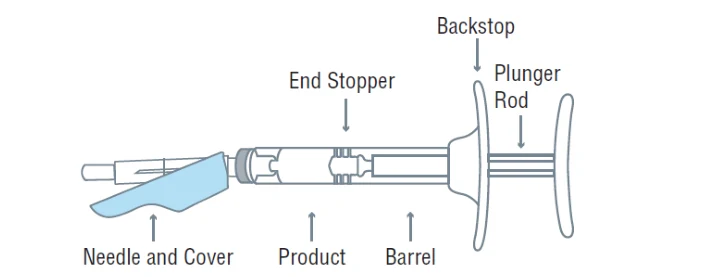
- One sterile pre-filled plastic syringe closed with elastomeric grey tip cap, plunger and finger grip
- One sterile 18-gauge SurGuard®3 safety needle, 5/8 inch needle
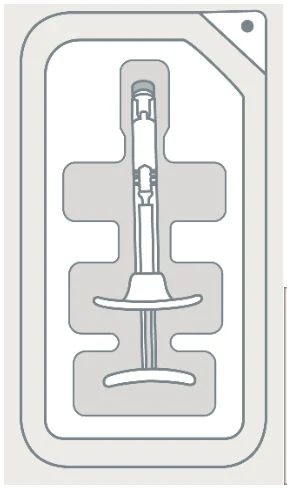
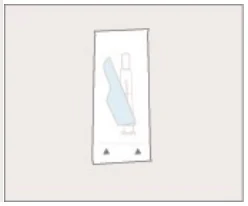
Syringe Assembly
Remove contents
Assemble the Needle
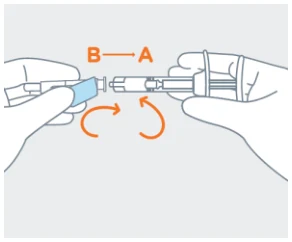
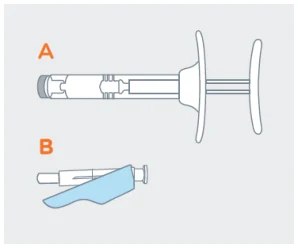
- 1. Keep contents in their original, sealed blister container and allow pre-filled syringe to sit at room temperature for 30 minutes prior to subcutaneous injection.
- 2. On a clean, dry surface, remove pre-filled CAMCEVI syringe (A) from the blister container and remove needle cartridge (B) from the carton box. Visually inspect the contents prior to use.
- 3. Remove pre-filled syringe (A) from blister tray and open the safety needle (B) package by peeling back the paper tab.
- 4. Remove the gray cap from syringe (A).
- 5.
Attach the needle (B) to the end of the syringe (A) by gently screwing clockwise with approximately a three-quarter turn until the needle is secure. Do not overtighten, as the
- needle hub may become damaged resulting in leakage of the product during injection. The safety sheath may also be damaged if the needle is overtightened onto the syringe.
Administration Procedure
Prepare the Injection Site
Expose Needle
Administer Treatment
Activate Safety Sheath and Discard Needle
Using finger/thumb:
1.
2.
OR
Using flat surface:
1.
2.
- 1.
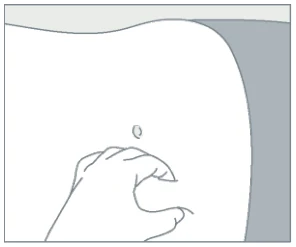
Choose an injection site on the upper- or mid-abdominal area that has not recently been used. Clean the injection site with an alcohol swab. Do NOT inject in areas with brawny or
- fibrous subcutaneous tissue or locations that can be rubbed or compressed (i.e., with a belt or clothing waistband).
- 2.
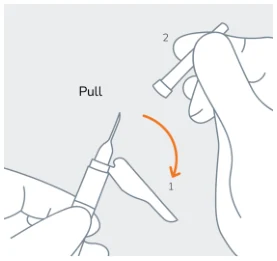
(1) Move the safety sheath away from the needle and towards the syringe and (2) remove the clear needle cover immediately before injection.
Note: Should the needle hub appear to be damaged, or leak, the product should NOT be used. The damaged needle should NOT be replaced and the product should NOT be injected. In the event of damage to the needle hub, use a new replacement CAMCEVI kit.
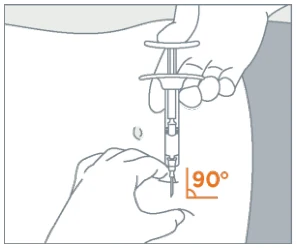
- 3. Grab and bunch the skin around the injection site with one hand. Insert the needle at a 90° angle, then release the bunched skin.
- 4. Inject the full contents of the syringe with a slow and steady push, then withdraw the needle at the same 90° angle used for insertion.
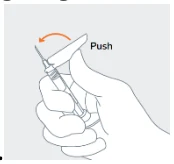
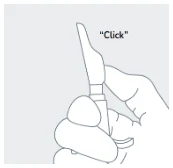
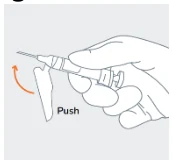
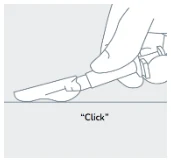
- 5. Immediately following the withdrawal of the needle, activate the safety sheath using a finger/thumb or flat surface and push until it completely covers the needle tip and locks into place. An audible and tactile “click” verifies a locked position. Check to confirm the safety sheath is fully engaged.
- 6. After use, place the used syringe with needle protected in a suitable sharps container. Any unused medicinal product or waste material should be disposed of in accordance with local requirements.
4.5 Missed Dose
Maintaining testosterone suppression is important in treating the symptoms of hormone- dependent prostate cancer. Missing an appointment by a few days should not disrupt the benefits of treatment, but keeping a consistent schedule of leuprolide injections is an important part of treatment. Call your healthcare professional for instructions if you miss a dose.
5 Overdose
There is no clinical experience with the effects of an acute overdose. There is no known antidote for CAMCEVI overdose. In the event of an overdose, stop CAMCEVI, undertake general supportive measures until clinical toxicity has been diminished or resolved.
For the most recent information in the management of a suspected drug overdose, contact your regional poison control centre or Health Canada's toll-free number, 1-844 POISON-X (1-844-764-7669).
6 Dosage Forms, Strengths, Composition, and Packaging
Table 1 – Dosage Forms, Strengths, Composition and Packaging
| Route of Administration | Dosage Form / Strength/Composition | Non-medicinal Ingredients |
| Subcutaneous | Extended-release emulsion,21 mg | N-methyl-2-pyrrolidone |
CAMCEVI is available as follows:
Kit Contents
CAMCEVI 21 mg pre-filled syringe and a sterile 18-gauge needle.
- CAMCEVI is a sterile, off-white to pale yellow, viscous and opalescent injectable emulsion.
7 Warnings and Precautions
Please see 3 Serious Warnings and Precautions Box.
General
CAMCEVI, like other GnRH analogues, causes a transient increase in serum concentration of testosterone during the first week of treatment. Patients may experience worsening of symptoms or onset of new symptoms, including bone pain, neuropathy, hematuria, or ureteral or bladder outlet obstruction. Cases of spinal cord compression, which may contribute to paralysis with or without fatal complications, have been reported with GnRH analogues. If spinal cord compression or renal impairment due to ureteral obstruction develops, standard treatment of these complications should be instituted.
Patients with metastatic vertebral lesions and/or with urinary tract obstruction should begin leuprolide therapy under close supervision.
Administration procedure should be followed, as lack of clinical efficacy may occur due to incorrect administration of the product (see 7 Warnings and Precautions, Monitoring and Laboratory Tests and 4.4 Administration, Administration Procedure).
Carcinogenesis and Mutagenesis
No carcinogenicity studies or genotoxicity studies have been conducted specifically with CAMCEVI.
Two-year carcinogenicity studies conducted with leuprolide in rats found increased incidences of pituitary hyperplasia and adenomas, pancreatic islet-cell adenomas, and testicular interstitial cell adenomas (see 16 Non-Clinical Toxicology, Carcinogenicity).
Genotoxicity studies performed with leuprolide using bacterial and mammalian systems found no evidence of genotoxic potential (see 16 Non-Clinical Toxicology, Genotoxicity).
| injection | leuprolide (as leuprolide mesylate) per syringe | Poly(D,L-Lactide-co-Glycolide) |
Cardiovascular
Increased risk of developing myocardial infarction, sudden cardiac death and stroke has been reported in association with use of GnRH analogues in men. The risk appears low based on the reported odds ratios, and should be evaluated carefully along with cardiovascular risk factors. Reports of events related to cardiovascular ischemia including myocardial infarction, stroke and cardiovascular-related deaths have been reported in patients treated with GnRH analogues.
Physicians should consider whether the benefits of androgen deprivation therapy outweigh the potential cardiovascular risk.
Patients receiving GnRH analogues should be monitored for symptoms and signs suggestive of development of cardiovascular disease, and management according to current clinical practice and guidelines should be considered (see 7 Warnings and Precautions, Monitoring and Laboratory Tests).
Effect on QT/QTc interval
Androgen deprivation therapy may prolong the QT/QTc interval. In patients with a history of or risk factors for QT prolongation including congenital long QT syndrome, electrolyte abnormalities, or congestive heart failure, and/or in patients receiving concomitant medicinal products that might prolong the QT interval, physicians should assess whether the benefits of androgen deprivation therapy outweigh the potential risks including the potential for Torsade de pointes prior to initiating CAMCEVI.
Driving and Operating Machinery
Fatigue and dizziness have been reported in patients taking CAMCEVI.
Therefore, exercise caution when driving or operating a vehicle or potentially dangerous machinery.
Endocrine and Metabolism
Pituitary apoplexy
During post-marketing surveillance, serious cases of pituitary apoplexy (a clinical syndrome secondary to infarction of the pituitary gland) have been reported after the administration of GnRH analogues, with a majority occurring within 2 weeks of the first dose, and some within the first hour. In these cases, pituitary apoplexy has presented as sudden headache, vomiting, visual changes, ophthalmoplegia, altered mental status, and sometimes cardiovascular collapse. Immediate medical attention is required. Pre-existing gonadotropin-secreting pituitary adenoma was diagnosed in a majority of patients. If the presence of macroadenomas is evidenced by imaging and biochemical assessments, this should be surgically removed prior to start of GnRH analogues including CAMCEVI treatment.
Hypogonadism
Long-term administration of leuprolide will cause suppression of pituitary gonadotropins and gonadal hormone production with clinical symptoms of hypogonadism. These changes have been observed to reverse on discontinuation of therapy. However, whether the clinical symptoms of induced hypogonadism will reverse in all patients has not yet been established.
Hyperglycemia and Diabetes
Hyperglycaemia and an increased risk of developing diabetes have been reported in men receiving GnRH analogues. Hyperglycaemia may represent development of diabetes mellitus or worsening of glycaemic control in patients with diabetes. Monitor blood glucose and/or glycosylated haemoglobin (HbA1c) periodically in patients receiving a GnRH analogue and manage with current practice for treatment of hyperglycaemia or diabetes.
Hematologic
Anemia is a known physiologic consequence of testosterone suppression. Assessment of anemia risk and management according to local clinical practice and guidelines should be considered.
Hypersensitivity Reactions
Delayed Hypersensitivity Reactions
Delayed hypersensitivity reactions including the severe cutaneous adverse reactions (SCAR) of Stevens-Johnson Syndrome (SJS) and Toxic Epidermal Necrolysis (TEN) have been very rarely reported post-marketing in association with leuprorelin therapy (see 8.5 Post-Market Adverse Reactions). Discontinue future leuprorelin therapy at first signs or symptoms of a delayed hypersensitivity reaction, and treat patients according to current clinical practice.
Monitoring and Laboratory Tests
Patients with vertebral and/or brain metastases as well as patients with urinary tract obstruction should be closely monitored during the first few weeks of therapy.
Monitor response to leuprolide by periodically measuring serum concentrations of testosterone and prostate specific antigen. Results of testosterone determinations are dependent on assay methodology. It is advisable to be aware of the type and precision of the assay methodology to make appropriate clinical and therapeutic decisions.
Testosterone levels should also be evaluated in the case of suspected or known handling errors, as lack of efficacy may result from incorrect preparation or administration. Baseline risk factors of cardiovascular diseases should be assessed. Patients receiving leuprolide should be monitored periodically for risk factors, signs and symptoms of cardiovascular diseases. In addition, baseline ECG recording and serum potassium, calcium, and magnesium levels are recommended. Monitoring of ECG and serum electrolyte levels during treatment should also be considered for those at risk for electrolyte abnormality and QTc prolongation.
Blood glucose levels and/or glycosylated hemoglobin (HbA1c) should be checked periodically in patients treated with GnRH analogues and more frequently in diabetic patients (see 7 Warnings and Precautions, Endocrine and Metabolism).
The effects of leuprolide on bone lesions may be monitored by bone scans, while its effects on prostatic lesions may be monitored by ultrasonography, and/or CT scan in addition to digital rectal examination. Intravenous pyelogram, ultrasonography, or CT scan may also be utilized to diagnose or assess the status of obstructive uropathy.
Musculoskeletal
Decreased bone mineral density can be anticipated with long term use of a GnRH analogue. Androgen deprivation therapy is associated with increased risks of osteoporosis and skeletal bone fractures. The risk of skeletal bone fracture increases with the duration of androgen deprivation therapy. Assessment of osteoporosis risk and management according to clinical practice and guidelines should be considered.
In patients with significant risk factors for decreased bone mineral content and/or bone mass such as chronic alcohol and/or tobacco use, presumed or strong family history of osteoporosis, or chronic use of drugs that can reduce bone mass such as anticonvulsants or corticosteroids, CAMCEVI may pose an additional risk. In these patients, risk versus benefit must be weighed carefully before therapy with CAMCEVI is initiated.
Neurologic
Convulsions have been reported in patients on leuprolide with or without a history of predisposing factors in the post-market setting. Convulsions are to be managed according to the current clinical practice.
Idiopathic Intracranial Hypertension (pseudotumor cerebri)
Idiopathic intracranial hypertension (pseudotumor cerebri) has been reported in adult and pediatric patients receiving GnRH agonists. Monitor patients for signs and symptoms of idiopathic intracranial hypertension, including headache, papilledema, blurred vision, diplopia, loss of vision, pain behind the eye or pain with eye movement, tinnitus, dizziness, and nausea. Refer the patient to an ophthalmologist to confirm the presence of papilledema. Treatment should be discontinued immediately if the patient develops any signs or symptoms suggestive of idiopathic intracranial hypertension.
Tumor Flare
CAMCEVI, like other GnRH analogues, causes a transient increase in serum levels of testosterone during the first week of treatment, declining thereafter to baseline levels or below by the end of the second week of treatment. Transient worsening of symptoms, or the occurrence of additional signs and symptoms of prostate cancer, may occasionally develop during the first few weeks of CAMCEVI treatment. A small number of patients may experience a temporary increase in bone pain, which can be managed symptomatically.
As with other GnRH analogues, isolated cases of ureteral obstruction and spinal cord compression have been observed, which may contribute to paralysis with or without fatal complications. If spinal cord compression or renal impairment develops, standard treatment of these complications should be instituted.
Patients with metastatic vertebral lesions and/or with urinary tract obstruction should be closely observed during the first few weeks of therapy.
Reproductive Health
- Fertility
Based on findings in animals and mechanism of action, CAMCEVI may impair fertility in males of reproductive potential (see 10 Clinical Pharmacology, 16 Non-Clinical Toxicology).
Continuous daily administration of leuprolide results in decreased levels of luteinizing hormone (LH), follicle stimulating hormone (FSH) and reduction of testosterone to castrate levels.
- Teratogenic Risk
CAMCEVI is contraindicated in women who are or may become pregnant (see 2 Contraindications). Based on findings in animals, CAMCEVI may cause fetal harm if administered to pregnant women (see 16 Non-Clinical Toxicology, Reproductive and Developmental Toxicology).
Respiratory
There have been post-marketing reports of interstitial pneumonitis associated with leuprolide use. Treatment should be discontinued immediately if the patient develops any signs or symptoms suggestive of interstitial lung disease.
7.1 Special Populations
7.1.1 Pregnancy
Leuprolide is contraindicated in women who are or may become pregnant (see 2 Contraindications). Studies in animals have shown leuprolide can result in embryotoxicity and lethality (see 16 Non-Clinical Pharmacology). CAMCEVI is not indicated for use in women as safety and efficacy have not been established in this group of patients.
7.1.2 Breastfeeding
CAMCEVI is contraindicated for use in nursing women as safety and efficacy have not been established in this group of patients.
7.1.3 Pediatrics
CAMCEVI is contraindicated for use in children as safety and efficacy have not been established in this group of patients.
7.1.4 Geriatrics
The mean age of the male patients studied in the clinical trials was 69.8 years (range 51–89 years). The safety and efficacy of CAMCEVI was established in this population. (See 14 Clinical Trials).
8 Adverse Reactions
8.1 Adverse Reaction Overview
The safety of CAMCEVI was evaluated in a clinical trial involving patients with advanced prostate cancer who received at least one dose of CAMCEVI. CAMCEVI, like other GnRH analogues, caused a transient increase in serum testosterone concentrations during the first week of treatment, declining thereafter to baseline levels or below by the end of the second week of treatment. Therefore, potential exacerbations in signs and symptoms of the disease during the first weeks of treatment are of concern in patients with vertebral metastases and/or urinary obstruction or hematuria which, if aggravated, may lead to neurological problems (such as weakness and/or paresthesia of the lower limbs) or increase the obstruction (see 7 Warnings and Precautions).
8.2 Clinical Trial Adverse Reactions
Clinical trials are conducted under very specific conditions. The adverse reaction rates observed in the clinical trials therefore may not reflect the rates observed in practice and should not be compared to the rates in the clinical trials of another drug. Adverse reaction information from clinical trials may be useful for identifying and approximating rates of adverse drug reactions in real-world use.
In an open-label, non-comparative clinical trial (FP01C-17-001), patients with advanced prostate cancer received CAMCEVI administered subcutaneously at a dose of 21 mg on Day 0 and Day 84. Of 144 patients enrolled, 91.7% received both doses of CAMCEVI.
The most common adverse reactions (incidence ≥ 10%) were hot flush and hypertension.
Serious Adverse Events occurred in 6% of patients treated with CAMCEVI. Serious adverse events included acute myocardial infarction, cerebrovascular accident, drug induced liver injury and pancreatitis (each 0.7%)
No death was reported during the study.
Discontinuation occurred in 10.4% of subjects. Only 1 subject discontinued due to an adverse event (stroke).
The following adverse events (all grades) occurred in the clinical trial of CAMCEVI and were reported in ≥5% of patients (Table 2).
Table 2 Summary of Adverse Events Reported in ≥ 5% of Patients Treated with CAMCEVI
| N = 144 | |
|---|---|---|
| ||
|
|
|
|
|
|
|
|
|
|
|
|
- a Only includes a grade 3 adverse reaction. Hypertension includes blood pressure increased, essential hypertension, and hypertension.
- b Injection site reaction includes injection site erythema, hemorrhage, induration, nodule, localized edema; and injection site pain.
8.3 Less Common Clinical Trial Adverse Reactions
The following are selected clinically significant adverse reactions reported in less than 5% of patients receiving CAMCEVI in study FP01C-17-001:
| General disorders and administration site conditions: | Asthenia, localized oedema. |
|---|---|
| Injury, poisoning and procedural complications: | Post procedural complication. |
| Investigations: | Alanine aminotransferase increased, blood triglycerides increased, aspartate aminotransferase increased, increased weight, electrocardiogram QT prolonged. |
| Metabolism and nutrition disorders: | Decreased appetite. |
| Musculoskeletal and connective tissue disorders: | Pain in extremity. |
| Psychiatric: | Insomnia, libido decreased. |
| Renal and urinary disorders: | Pollakiuria. |
| Skin: | Hyperhidrosis |
8.4 Abnormal Laboratory Findings: Hematologic, Clinical Chemistry and Other Quantitative Data
Laboratory abnormalities were observed, but it was difficult to assess relationship to the drug treatment as most occurred in <3% of patients and most in 1 subject each. The following laboratory abnormalities occurred in the clinical trial for CAMCEVI and were reported in > 1% of patients (
Table 3).
| Table 3 Summary of Laboratory Abnormalities | ||||||||||
|---|---|---|---|---|---|---|---|---|---|---|
| Total (No=144) | Total (No=144) | |||||||||
| Grade 1–2 | Grade 3-4 | |||||||||
| Lowest Level Term | (%) | (%) | ||||||||
| Alanine aminotransferase increased | 4.9% | 0% | ||||||||
| Aspartate aminotransferase increased | 3.5% | 0% | ||||||||
| Blood glucose increased | 1.4% | 0.7% | ||||||||
| Urine red blood cell increased | 1.4% | 0% | ||||||||
The following grade 1–2 laboratory abnormalities occurred in 1 subject each (0.7%): Decreased hemoglobin, blood urea nitrogen increased, blood total bilirubin increased, urine white blood cell increased, blood white blood cell increased, alkaline phosphatase increased, triglycerides increased.
8.5 Post-Market Adverse Reactions
During post-marketing surveillance of other leuprolide dosage forms and other patient populations, the following adverse events were reported.
Cardiovascular System: Hypotension;
Endocrine System: Pituitary apoplexy;
Eye disorders: Photosensitivity reactions;
Gastrointestinal System: Hepatic dysfunction;
General disorders and administration site conditions: Localized reactions including induration and abscess, fibromyalgia (e.g., joint and muscle pain, headaches, sleep disorders, gastrointestinal distress, and shortness of breath);
Hemic and Lymphatic System: Decreased white blood cells;
Integumentary System: Hair growth;
Central/Peripheral Nervous System: Convulsion, spinal fracture/paralysis, hearing disorder;
Miscellaneous: Hard nodule in throat, weight gain, increased uric acid;
Musculoskeletal System: Tenosynovitis-like symptoms, decreased bone density;
Respiratory System: Respiratory disorders; interstitial lung disease, anaphylactoid or asthmatic process
Skin and subcutaneous tissue disorders: Rash, urticarial, severe skin reactions [including Stevens-Johnson syndrome (SJS), toxic epidermal necrolysis (TEN)].
9 Drug Interactions
9.2 Drug Interactions Overview
No formal drug interaction studies have been conducted with leuprolide.
No data is available on the interaction with alcohol.
9.4 Drug-Drug Interactions
No pharmacokinetic drug interactions were conducted with CAMCEVI.
Interactions with drugs have not been established.
Since androgen deprivation treatment may prolong the QTc interval, the concomitant use of leuprolide with medicinal products known to prolong the QTc interval or medicinal products able to induce torsades de pointes should be carefully evaluated. Such medicinal products include but are not limited to the examples that follow: Class IA (e.g. quinidine, disopyramide), Class III (e.g. amiodarone, sotalol, dofetilide, ibutilide, dronedarone), or Class IC (e.g. flecainide, propafenone) antiarrhythmic medicinal products, antipsychotics (e.g. chlorpromazine), antidepressants (e.g. amitriptyline, nortriptyline), opioids (e.g. methadone), macrolide antibiotics and analogues (e.g. erythromycin, clarithromycin, azithromycin), quinolone antibiotics (e.g. moxifloxacin), antimalarials (e.g. quinine), azole antifungals, 5- hydroxytryptamine (5-HT3) receptor antagonists (e.g. ondansetron), and beta-2 adrenoceptor agonists (e.g. salbutamol).
9.5 Drug-Food Interactions
Interactions with food have not been established.
9.6 Drug-Herb Interactions
Interactions with herbal products have not been established.
9.7 Drug-Laboratory Test Interactions
Therapy with leuprolide results in suppression of the pituitary-gonadal system. Results of diagnostic tests of pituitary gonadotropic and gonadal functions conducted during and after leuprolide therapy may be affected.
10 Clinical Pharmacology
10.1 Mechanism of Action
Leuprolide, a GnRH analogue, acts as a potent inhibitor of gonadotropin secretion when given continuously and in therapeutic doses. Animal and human studies indicate that following an initial stimulation of gonadotropins, chronic administration of leuprolide results in suppression of ovarian and testicular steroidogenesis. This effect is reversible upon discontinuation of drug therapy.
In humans, subcutaneous administration of single daily doses of leuprolide result in an initial increase in circulating levels of LH and FSH, leading to a transient increase in levels of the gonadal steroids (testosterone and dihydrotestosterone in males, and estrone and estradiol in pre-menopausal females). However, long term administration of leuprolide results in decreased levels of LH and FSH. In males, testosterone is reduced to levels associated with castration (≤50ng/dL in serum). In pre-menopausal females, estrogens are reduced to post-menopausal levels.
10.2 Pharmacodynamics
Following the first dose of CAMCEVI, mean serum testosterone concentrations transiently increased, then fell to below castrate threshold levels (≤ 50 ng/dL) within 4 weeks and remained below castrate levels with continued treatment.
Additional PK/ECG analyses demonstrated that the standard clinical dose of Camcevi 21 mg (3-Month) reduced testosterone to castrate levels with no clinically meaningful changes in ECG parameters, except for the expected increase in QTcF consistent with the known effects of sex hormone suppression on the QT interval. The peak mean increase in ΔQTcF was 15.9 msec on Day 84. No clinically significant effects were observed on heart rate, PR, or QRS intervals. Although PR >200 msec with ≥25% increase was reported in up to 3.6% of subjects, no cases of second-degree AV block were observed. Overall, ECG abnormalities were infrequent and not considered clinically significant.
10.3 Pharmacokinetics
Table 4 PK Parameters of CAMCEVI in PK population
| PK Parameter | First Dose | Second Dose | ||||||||||
|---|---|---|---|---|---|---|---|---|---|---|---|---|
| N | Mean | SD | N | Mean | SD | |||||||
| Cmax, ng/mL | 30 | 43.4 | 18.7 | 30 | 37.8 | 14.9 | ||||||
| Tmax, h | 30 | 2.00 (2.00, 8.00) | 30 | 2.00 (1.92, 8.00) | ||||||||
| AUC0-week12, day×ng/mL | 30 | 93.5 | 50.4 | 30 | 102 | 45.3 | ||||||
| Vd (L) | 8a | 10300 | 8110 | 23b | 9580 | 5320 | ||||||
| t1/2 (h) | 8a | 578 | 428 | 23b | 608 | 257 | ||||||
| CL (L/h) | 8a | 12.0 | 6.84 | 23b | 10.9 | 4.18 | ||||||
a 22 subjects not reported due to the adjusted R2 value < 0.80 or AUC0-last /AUC0-inf ratio < 0.80.
b 7 subjects not reported due to the adjusted R2 value < 0.80 or AUC0-last /AUC0-inf ratio < 0.80.
Absorption
The pharmacokinetics were observed during injections of CAMCEVI administered initially (n = 30 patients) and at 12 weeks (n = 30 patients). Following the first and the second doses of CAMCEVI, mean serum leuprolide concentrations rose rapidly to reach the Cmax of 43.4 and 37.8 ng/mL at 2.00 and 2.00 hours (median Tmax), respectively. Following the initial rapid increase, leuprolide concentrations declined gradually over the remaining duration of the dosing interval (Day 3 to Day 84). The mean serum concentrations during this "plateau" phase were mostly maintained at 0.40–1.22 (after Day 3 to Day 84) and 0.23–2.02 ng/ml (after Day 87 to Day 182) post the first and the second dose, respectively.
Distribution
The mean steady state volume of distribution of leuprolide following intravenous bolus administration to healthy male volunteers was 27 L. In vitro binding to human plasma proteins ranged from 43% to 49%.
Metabolism
Leuprolide is a peptide that is primarily metabolized by peptidases and not by CYP enzymes.
The major metabolite (M-I) plasma concentrations measured in 5 prostate cancer patients reached maximum concentration 2 to 6 hours after dosing and were approximately 6% of the peak parent drug concentration. One week after dosing, mean plasma M I concentrations were approximately 20% of mean leuprolide concentrations.
Elimination
In healthy male volunteers, a 1 mg bolus of leuprolide administered intravenously revealed that the mean systemic clearance was 7.6 L/h, with a terminal elimination half life of approximately 3 hours based on a 2-compartment model.
No drug excretion study was conducted specifically with CAMCEVI.
Special Populations and Conditions
The pharmacokinetics of the drug have not been determined in patients with hepatic or renal impairment.
- Pediatrics: CAMCEVI is contraindicated in pediatric patients (see 2 Contraindications).
- Geriatrics: The mean age of the male patients studied in the clinical trials was 69.8 years (range 51–89 years). The safety and efficacy of CAMCEVI was established in this population. (See 14 Clinical Trials).
- Sex: Only male patients were included in studies with CAMCEVI.
- No clinically meaningful differences in systemic exposure of leuprolide were observed based on age, race, or body weight.
11 Storage, Stability, and Disposal
Store CAMCEVI at a refrigerated temperature of 2°C to 8°C (35.6 ºF and 46.4 ºF). Protect CAMCEVI from light by storing in the original package until time of use. Do not freeze or shake.
12 Special Handling Instructions
CAMCEVI should be handled following Occupational Health and Safety (OH&S) safety guidelines. The use of gloves is recommended.
Keep contents in their original, sealed blister container and allow pre-filled syringe to sit at room temperature for 30 minutes prior to subcutaneous injection.
Part 2: Scientific Information
13 Pharmaceutical Information
Drug Substance
Non-proprietary name of the drug substance: Leuprolide mesylate
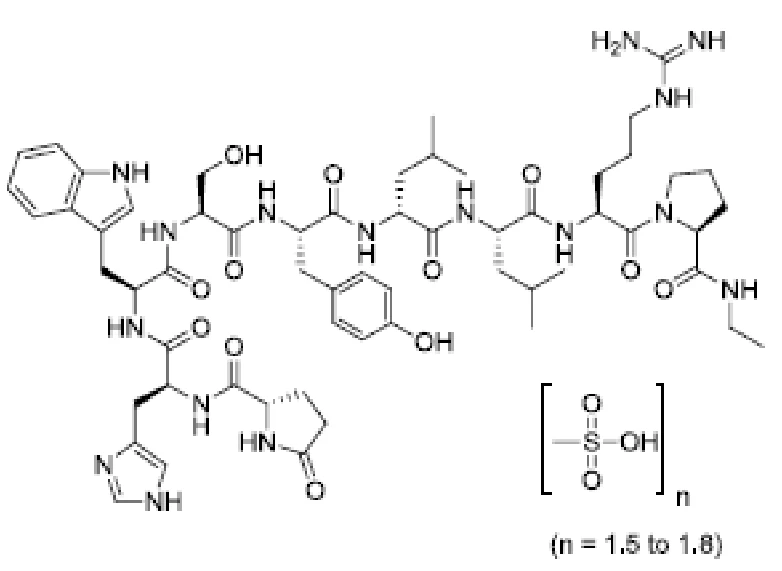
Chemical name: 5-oxo-L-prolyl-L-histidyl-L-tryptophyl-L-seryl-L-tyrosyl-D-leucyl-L-leucyl-L-arginyl-N-ethyl-L-prolinamide mesylate
Molecular formula and molecular mass: C59H84N16O12 ∙ (CH4O3S)n, n = 1.5–1.8 ; 1209.41 Daltons (free base)
Structural formula:
Physicochemical properties: Leuprolide mesylate is a white to off-white powder, freely soluble in water, dimethyl sulfoxide (DMSO), N-methylpyrrolidone (NMP); insoluble in acetone and acetonitrile; and the pKa is 6.1.
Pharmaceutical standard: Professed.
14 Clinical Trials
14.1 Clinical Trials by Indication
Indication 1: Treatment of Adult Patients with Advanced Prostate Cancer
Table 5 Summary of patient demographics for clinical trials in prostate cancer
| Study # | Study design | Dosage, route of administration and duration | Study subjects (n) | Mean age (Range; in years) | Sex |
|---|---|---|---|---|---|
| FP01C-17-001 | Open-label, single arm, phase 3, multi-centre, multi-national | CAMCEVI 21mg is an injectable extended release emulsion containing 21 mg leuprolide (equivalent to approximately 24 mg as leuprolide mesylate), administered subcutaneously every 3 months | 144 | 69.8 (51 to 89) | Male |
The efficacy of CAMCEVI 21 mg was evaluated in an open-label, single arm, multi-center, multinational phase 3 study in adult patients with histologically confirmed advanced prostate carcinoma (baseline morning serum testosterone level 150 ng/dL; Eastern Cooperative Oncology Group [ECOG] ≤ 2). A total of 144 subjects were enrolled and received at least one dose of the study drug (intent-to-treat [ITT] population), and 132 subjects completed the study without major protocol violations affecting the primary efficacy endpoint (per-protocol [PP] population). Of 144 subjects enrolled, 132 subjects received both doses of CAMCEVI 21 mg (compliance of 91.7%).
The median age of the patients in the study was 70 years and all were male. The population was 88% white, 0.7% black and 11% Asian. The mean and median duration with diagnosed prostate cancer was 842.7 and 109 days, respectively. With regard to disease stage, 8.33% (12/144) subjects had prostate carcinoma stage IV, 42.4% (61/144) subjects had prostate carcinoma stage III, 22.2% (32/144) subject had prostate carcinoma stage II, 13.9% (20/144) subjects had prostate carcinoma stage I, and 13.2% (19/144) subjects had unknown prostate carcinoma stage at baseline. There were 93.8% (135/144) subjects with Grade 0 and 6.25% (9/144) subjects with Grade 1 in ECOG performance status at baseline. The median testosterone concentration at baseline was 423 ng/dL.
The primary endpoint of the study was to determine the percentage of subjects achieving serum testosterone suppression (≤50 ng/dL) by week 4 (day 28), and maintaining that suppression from week 4 through week 24 (day 168) of treatment. To demonstrate clinical efficacy, the lower bound of the 95% confidence interval for the primary endpoint estimate was prespecified to be greater than 90%. Insufficient suppression of testosterone was defined as suppression that did not occur by Day 28 or the occurrence of a testosterone level > 50 ng/dL between Day 28 and Day 168. The secondary endpoints consisted of post suppression excursions, percentage of patients that achieved and maintained testosterone suppression below 20ng/dL and serum PSA levels.
Study Results
In the ITT population serum testosterone levels were suppressed to castrate levels (≤ 50 ng/dL) by Day 28 following the first injection of CAMCEVI 21 mg in 98.6% of the patients (141/143). The percentage of patients with testosterone suppression (≤ 50 ng/dL) from week 4 through week 24 was 97.9% in the ITT population (Table 6). The percentage of patients with testosterone suppression (≤ 20 ng/dL) was 72% (103/143) on Day 28, and 96.4% (135/140) on Day 168 in the ITT population. In the PP population, the percentage of patients with testosterone suppression (≤ 20 ng/dL) was 71.2% (94/132) on Day 28, and 96.2% (125/130) on Day 168.
Table 6 Primary Endpoint Results for Study FP01C-17-001
| Population | # Enrolled/ completed | Percentage of subjects with serum testosterone ≤ 50 ng/dL (95% CI) | ||||||
|---|---|---|---|---|---|---|---|---|
| By Day 28 | Day 28–Day 168 | |||||||
| ITTa | 144/143 | 98.6 (95.04-99.83) | 97.9 (93.5-99.3) | |||||
| PPb | 144/132 | 98.5 (94.63-99.82) | 97.7 (93.1-99.3) | |||||
| ||||||||
Two of 143 subjects (1.4%) did not reach castrate levels on Day 28. One subject had a baseline level of 493 ng/dL, and his testosterone level was suppressed to 76 ng/dL on Day 28, and then reached castrate levels at the next measurement (Day 56) of 17.7 ng/dL. This subject stayed below 50 ng/dL for the duration of the study. The second subject had a baseline value of 480 ng/dL, and his testosterone level was suppressed to 84.4 ng/dL on Day 28, and then reached castrate levels at the next measurement (Day 56) of 35 ng/dL. This subject stayed below 50 ng/dL for the duration of the study. Following the second injection of CAMCEVI 21 mg, an additional 1 subjects (1/132; 0.76%) exhibited 1 episode of transient post suppression breakthrough (serum testosterone > 50 ng/dL). The subject showed 338 ng/dL on Day 84, but returned to castrate level (9.5 ng/dL) on Day 85 and stayed below castrated level through the remainder of the study.
Serum PSA levels were substantially reduced after the first injection, and this effect remained until the end of the study. In the ITT population, the PSA levels were lowered on average by 72.7% after 4 weeks (Day 28) after administration of CAMCEVI 21 mg and lowered by 96.5% at the end of study (Day 168). Similar decreases in PSA levels were observed in the PP population.
15 Microbiology
Not applicable.
16 Non-Clinical Toxicology
General Toxicology
Published studies on a sustained release formulation of leuprolide demonstrated that the product has a low order of acute toxicity in mice and rats, with LD50's above 5000 mg/kg (greater than 400 mg/kg of leuprolide) for oral, subcutaneous and intraperitoneal routes of administration, and above 2000 mg/kg (greater than 160 mg/kg as leuprolide) for intramuscular injection. The only clinical signs observed were related to local effects at the site of injection.
3-Month Single Dose Subcutaneous Toxicity Study in Male Sprague-Dawley Rats
Leuprolide mesylate (3.4, 10.1 and 16.9 mg/body) was administered to 7-week-old male rats via single subcutaneous injection that resulted in sustained release of leuprolide over a 91-day period. Serum testosterone was suppressed to castrate level (<50 ng/dL) throughout the study. No mortality or moribundity were noted in any of the leuprolide mesylate-treated groups or a reference leuprolide-treated group. A shortening of prothrombin time and decreases in the weight of the testis, epididymis, prostate, and seminal vesicles were observed in all leuprolide-treated groups. Pituitary hyperplasia was noted in the high dose leuprolide mesylate-treated group and all leuprolide acetate-treated groups. The no observed adverse effect level (NOAEL) of leuprolide mesylate was above 16.9 mg/body (approximately 39.30-50.60 mg/kg, or 8-10 times the recommended human dose based on body surface area), since pituitary hyperplasia noted at this level and higher was considered adverse.
No studies with repeat administration were conducted. CAMCEVI is an extended-release formulation. Effects of continuous release were observed for a 3-month period.
Single Dose Subcutaneous Toxicity Studies in Dogs
A single SC injection (60 mg in 0.5 mL) of sustained release leuprolide or a supporting formulation in dogs showed no overt toxicities, no body weight abnormalities, and no remarkable observations at the injection sites during the study. In another study, dogs received a single SC injection (45 mg in 0.375 mL) of leuprolide or a supporting formulation. There were no body weight abnormalities during the study. Overt toxicity not related to the test article was observed in two dogs (i.e., seizures and otitis externa). Three dogs demonstrated minimal edema at the injection site on Day 1, and one dog had slight edema at the injection site on Day 14.
Carcinogenicity
No carcinogenicity studies have been conducted specifically with CAMCEVI.
Two-year carcinogenicity studies with leuprolide were conducted in rats and mice. In rats, a dose-related increase of benign pituitary hyperplasia and benign pituitary adenomas was noted at 24 months when the drug was administered subcutaneously at high daily doses (0.6 to 4 mg/kg). There was a significant but not dose-related increase of pancreatic islet cell adenomas in females and of testicular interstitial cell adenomas in males (highest incidence in the low dose group). In mice, no pituitary abnormalities were observed at a dose as high as 60 mg/kg for 2 years.
Genotoxicity
No mutagenicity, clastogenicity or aneugenicity studies have been conducted specifically with CAMCEVI.
A sustained release formulation of leuprolide was not genotoxic in either an in vitro cytogenetics assay using Chinese hamster lung cells, an in vivo micronucleus assay in mice, or the Ames test with five strains of Salmonella typhimurium.
Reproductive and Developmental Toxicology
No reproductive and developmental toxicology studies have been conducted specifically with CAMCEVI.
Reproduction and teratology studies conducted with a sustained release formulation indicate all effects observed are related to consequences of repeated administration of this pharmacologic agent. Fertility studies, where male rats were dosed once every four weeks for three doses prior to mating, showed that the drug produced reversible atrophy of the testes or accessory sex organs at doses as low as 0.024 mg/kg (as leuprolide), and a decrease in LH, FSH and testosterone levels. A reversible decrease in copulation and implantation sites was also observed at the high dose of 2.4 mg/kg. No effects on the fetuses were observed.
Female rats dosed at 2.4 mg leuprolide acetate/kg once, four weeks prior to mating, caused an interruption in the estrus cycle and decreased vaginal size. Weights of the ovaries and uterus were decreased. Following mating, corpora lutea and the number of implantation sites were decreased at 0.24 mg/kg and above; the number of live fetuses was reduced at 2.4 mg/kg and above. No abnormal development was noted in the fetuses.
In the perinatal study, the administration of the sustained release formulation of leuprolide in rats prior to delivery at up to 8 mg/kg showed effects on sex organ weights, but no adverse effects on the fetuses, including weights of their sex organs.
Major fetal malformations were observed in developmental and reproductive toxicology studies in rabbits after a single administration of a monthly formulation of leuprolide administered on day 6 of pregnancy at test dosages of 0.00024, 0.0024, and 0.024 mg/kg (approximately 1/1500 to 1/15 the human dose based on body surface area using an estimated daily dose in animals and humans). Since a depot formulation was utilized in the study, a sustained exposure to leuprolide was expected throughout the period of organogenesis and to the end of gestation. Increased fetal mortality and decreased fetal weights with the two higher doses were observed.