


Product Monograph - Clinimix E (Baxter, 16.6 G / 365 mg / 280 mg / 290 mg / 2..., 10 G / 365 mg / 280 mg / 290 mg / 200...)
RECENT MAJOR LABEL CHANGES
| 6 Warnings and Precautions | 04/2020 |
| 3 Dosage and Administration | 08/2020 |
| 6 Warnings and Precautions | 08/2020 |
TABLE OF CONTENTS
Sections or subsections that are not applicable at the time of authorization are not listed.
RECENT MAJOR LABEL CHANGES............................................................................................ 2
TABLE OF CONTENTS .............................................................................................................. 2
PART I: HEALTH PROFESSIONAL INFORMATION ..................................................................... 4
1 INDICATIONS .............................................................................................................. 4
1.1 Pediatrics .......................................................................................................... 4
1.2 Geriatrics........................................................................................................... 4
2 CONTRAINDICATIONS ................................................................................................. 4
4 DOSAGE AND ADMINISTRATION................................................................................. 5
4.1 Dosing Considerations ....................................................................................... 5
4.2 Recommended Dose and Dosage Adjustment..................................................... 6
4.4 Administration................................................................................................... 7
4.5 Missed Dose .................................................................................................... 11
5 OVERDOSAGE ........................................................................................................... 11
6 DOSAGE FORMS, STRENGTHS, COMPOSITION AND PACKAGING ............................... 11
7 WARNINGS AND PRECAUTIONS ................................................................................ 14
7.1 Special Populations .......................................................................................... 18
7.1.1 Pregnant Women ....................................................................................... 18
7.1.2 Breast-feeding............................................................................................ 19
7.1.3 Pediatrics ................................................................................................... 19
7.1.4 Geriatrics ................................................................................................... 19
8 ADVERSE REACTIONS ................................................................................................ 19
8.1 Adverse Reaction Overview.............................................................................. 19
8.5 Post-Market Adverse Reactions........................................................................ 19
9 DRUG INTERACTIONS................................................................................................ 20
9.2 Drug Interactions Overview.............................................................................. 20
9.4 Drug-Drug Interactions .................................................................................... 20
9.5 Drug-Food Interactions .................................................................................... 21
9.7 Drug-Laboratory Test Interactions .................................................................... 21
10 CLINICAL PHARMACOLOGY ....................................................................................... 21
10.1 Mechanism of Action.................................................................................. 21
10.2 Pharmacodynamics .................................................................................... 21
10.3 Pharmacokinetics ....................................................................................... 21
11 STORAGE, STABILITY AND DISPOSAL ......................................................................... 21
12 SPECIAL HANDLING INSTRUCTIONS........................................................................... 22
PART II: SCIENTIFIC INFORMATION ...................................................................................... 23
13 PHARMACEUTICAL INFORMATION............................................................................ 23
14 CLINICAL TRIALS........................................................................................................ 26
15 MICROBIOLOGY ........................................................................................................ 26
16 NON-CLINICAL TOXICOLOGY ..................................................................................... 26
PART I: HEALTH PROFESSIONAL INFORMATION
1 INDICATIONS
CLINIMIX E (Amino Acids with Electrolytes in Dextrose Injection) products are indicated as a source of amino acids and carbohydrate calories in clinical conditions where enteral nutritional supply is or is expected to be insufficient or impossible in order to offset or prevent nitrogen loss or negative nitrogen balance.
1.1 Pediatrics
Pediatrics (<18 years of age): There have been no studies performed by Baxter Corporation in the pediatric population. See 7.1.3 Pediatrics regarding monitoring for hyperammonemia in pediatric patients.
1.2 Geriatrics
Geriatrics (> 65 years of age): In general, dose selection for an elderly patient should be cautious, reflecting the greater frequency of decreased hepatic, renal, or cardiac function, and of concomitant disease or drug therapy.
2 CONTRAINDICATIONS
The use of all formulations of CLINIMIX E (Amino Acids with Electrolytes in Dextrose Injection) is contraindicated in the following populations / situations:
- Known hypersensitivity to any of the substances or component of the container. For a complete listing, see Table 1 and 6 DOSAGE FORMS, STRENGTHS, COMPOSITION AND PACKAGING.
- Concomitant administration of ceftriaxone in newborns (≤ 28 days of age), even if separate infusion lines are used due to risk of fatal ceftriaxone-calcium salt precipitation in the neonate’s bloodstream.
- Simultaneous administration of ceftriaxone through the same infusion line (e.g., via Y-port/Y-site) in patients older than 28 days of age. If the same infusion line is used for sequential administration, the line must be thoroughly flushed between infusions with a compatible fluid.
- CLINIMIX E must not be administered to patients with pathologically elevated plasma concentrations of sodium, potassium, magnesium, calcium and/or phosphorus.
- Known allergy to corn or corn products since the products contain corn-derived dextrose
- Patients with acute renal failure and without undergoing renal replacement therapy.
- Patients with severe liver failure or hepatic coma
- Congenital abnormality of amino acid metabolism
- Severe hyperglycemia (glucose concentration greater than 180 mg/dL or 10 mmol/L)
- Hyperkalemia (see 7 WARNINGS AND PRECAUTIONS)
- Hypercalcaemia (see 7 WARNINGS AND PRECAUTIONS)
- Hyperphosphatemia (see 7 WARNINGS AND PRECAUTIONS)
- Hypernatremia
- Hypermagnesemia
- Co-administration with calcium-containing intravenous solutions (see 7 WARNINGS AND PRECAUTIONS)
4 DOSAGE AND ADMINISTRATION
4.1 Dosing Considerations
- CLINIMIX E products contain dextrose and amino acids (Blend C) (see Table 1). The dextrose solution and the amino acid (with electrolytes) solution are contained in separate chambers in the product package (see 4.4 Administration).
- The solutions in the two chambers must be first mixed together (see 4.4 Administration) prior to use (see Table 1 for the contents of the products in the resulting Admixed solution).
- Do not infuse the solution packaged in a chamber without prior mixing.
- Consult the Additives subsection of 4.4 Administration when including electrolytes and lipid emulsion.
- Do not add any additives including electrolytes and lipid emulsion until the solutions in the two chambers are thoroughly mixed to reduce the risk of instability of the resulting solution and formation of precipitates which may result in serious clinical outcomes (see 2 CONTRAINDICATIONS, Respiratory subsection of 7 WARNINGS AND PRECAUTIONS and 8 ADVERSE REACTIONS). Additives must be added before lipid component to facilitate visual inspection for incompatibility.
- Since CLINIMIX E products contain phosphate ions (Table 1), addition of certain cations, especially calcium ions, into the Admixed solution may result in precipitation of phosphate salts which may result in serious clinical outcomes (see 2 CONTRAINDICATIONS, Respiratory subsection of 7 WARNINGS AND PRECAUTIONS and 8 ADVERSE REACTIONS).
- Discard any solution where precipitates, particulate matter, cloudiness, discoloration and/or other unusual appearance are observed.
- CLINIMIX E products should be administrated via a central vein, not a peripheral vein, to reduce the risk of phlebitic complications which can be caused by high osmolarity of the product (see 7 WARNINGS AND PRECAUTIONS and 4.4 Administration).
- During infusion, the infused solution, infusion set and catheter should periodically be checked for precipitates. If precipitates (particulate matter) are observed, the infusion must be stopped immediately and medical evaluation initiated.
- Adequate measures should be taken to prevent hyperkalemia when CLINIMIX E products are used due to the high potassium concentration of the products (30 mmol/L, see Table 1)
- If electrolytes are to be added to CLINIMIX E products, the type and the amount of electrolytes should be dictated by the status of electrolyte balance, disease condition and related vital organ function of the patient.
- For single use only.
- When used in neonates and children below 2 years, the solution (in bags and administration sets) should be protected from light exposure after admixture through administration.
- It is recommended that after opening the bag, the contents should be used immediately, and should not be stored for a subsequent infusion.
Table 1 - The Contents of the Admixed Solution* of CLINIMIX E Amino Acids (Blend C) with Electrolytes in Dextrose Injection.
| Admixed solution* of CLINIMIX E (Blend C) | |||||||||||
5% Amino Acids | 5% Amino Acids | ||||||||||
| 10% Dextrose | 16.6% Dextrose | ||||||||||
| Total amino acids (g/L) | 50 | 50 | |||||||||
| Nitrogen (g/L) | 8.4 | 8.4 | |||||||||
| Dextrose (g/L) | 100 | 166 | |||||||||
| Energy: | |||||||||||
| Total energy from amino acids and dextrose approx. (Kcal/L) | 540 | 764 | |||||||||
| Energy from dextrose approx. (Kcal/L) | 340 | 564 | |||||||||
| Electrolyte: | |||||||||||
| Sodium (mmol/L) | 35 | 35 | |||||||||
| Potassium (mmol/L) | 30 | 30 | |||||||||
| Magnesium (mmol/L) / (mEq/L) | 2.5 / 5 | 2.5 / 5 | |||||||||
| Phosphate (mmol/L) / (mEq/L) | 15 / 30 | 15 / 30 | |||||||||
| Chloride (mmol/L) | 35 | 35 | |||||||||
| Acetate (mmol/L) | 75 | 75 | |||||||||
| Osmolarity approx. (mOsm/L) | 1132.5 | 1467.5 | |||||||||
* See 4.4 Administration
4.2 Recommended Dose and Dosage Adjustment
The maximum daily doses of each constituent of CLINIMIX E products (i.e., amino acids and dextrose) should be based on individual nutritional requirements and patient tolerance.
The total daily dose of these solutions depends on the patient’s metabolic requirement and clinical response. The determination of nitrogen balance and accurate daily body weights (corrected for fluid balance), are probably the best means of assessing individual nitrogen requirements.
Recommended dietary allowances for protein are from approximately 0.8 g/kg of body weight for adults. It must be recognized, however, that protein as well as caloric requirements in traumatized or malnourished patients may be increased substantially. Daily amino acid doses of approximately 1.0 to 1.5 g/kg of body weight for adults and 2 to 3 g/kg of body weight for infants with adequate calories are generally sufficient to satisfy protein needs and promote positive nitrogen balance.
For the initial treatment of trauma or protein calorie malnutrition, higher doses of protein with corresponding quantities of carbohydrate will be necessary to promote adequate patient response to therapy. The severity of the illness being treated is the primary consideration in determining proper dose level. Higher doses, especially in infants, must be accompanied by more frequent laboratory evaluation.
Care should be exercised to ensure the maintenance of proper levels of serum potassium. It may be necessary to add additional quantities of this electrolyte to the solution in order to meet the patient’s potassium intake needs. Potassium requirements in a parenteral nutrition (PN) formulation for generally healthy people with normal losses are 1-2 mmol/kg/day, but should be customized to meet individual patient needs. CLINIMIX E product inherently contains potassium 30 mmol/L, and this should be taken into account prior to any supplemental potassium additions.
In fluid restricted patients (e.g. renal failure), acceptable total daily administration volumes are dependent upon the fluid balance requirements of the patient. Extreme care should be given to prevent fluctuations of blood osmolarity and serum electrolyte concentrations. Frequent and careful monitoring is mandatory when fluid restricted patients are receiving intravenous nutrition.
Although CLINIMIX E products contains electrolytes, supplementations may be indicated according to the clinical needs of the patient. Compatibility of the additives with the product must be determined prior to and after the addition (see 4.4 Administration).
As indicated on an individual basis, vitamins and trace elements and other components (including lipids) can be added to the regimen to prevent deficiencies and complications from developing (see 4.4 Administration).
4.4 Administration
Preparation of the Product for Administration:
Prior to use, the solutions in the two chambers must be thoroughly mixed following the procedure described below. Any additives including electrolytes and lipid emulsion, if needed, should only be added to the mixed solution of the product. For details on the product packaging, see 6 DOSAGE FORMS, STRENGTHS, COMPOSITION AND PACKAGING.
Before Mixing:
- Do not open the overwrap until ready for use. The overwrap is not a sterility barrier. The inner bag maintains the sterility of the product.
- Prior to use, tear the overwrap down side at strip and take out the dual-chamber solution container (see Step 1 and Step 2 in Figure 1).
- Visually inspect the container. If the outlet port protector is damaged, detached, or not present, discard container as solution path sterility may be impaired.
- Confirm that the content of the individual chambers is clear, colorless or slightly yellow. Otherwise, discard the solution and report to Baxter Corporation.
- Confirm that the seal between chambers is intact, i.e. solutions are contained in separate chambers. Check for minute leaks by separately squeezing each chamber. If external leaks or leakage between the chambers are found, discard the solution.
Figure 1 - Procedure to prepare the Admixed solution of a CLINIMIX E bag.
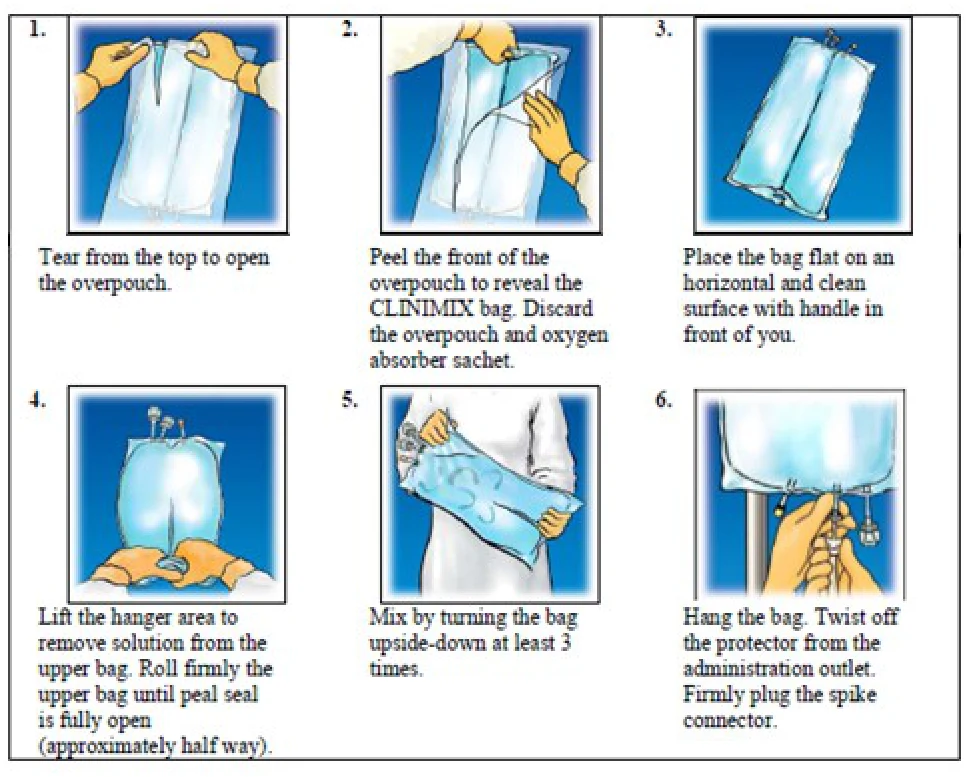
To Mix Solutions:
As shown in Step 3 and Step 4 in Figure 1, lay the dual chamber bag onto a flat surface. Grasp the container firmly on each side of the top of the bag. Starting from the top squeeze and roll bag to open seal between chambers until the inter-chamber seal is completely broken. If the seal has not been separated completely, flip the bag over and repeat process. Ensure that the seal has been opened and the contents of both chambers are thoroughly mixed. Check for leaks.
The mixed solution should be clear and colorless or slightly yellow. Discard the mixed solution and report to Baxter Corporation when precipitates, particulate matter, cloudiness, discoloration and/or other unusual appearance are observed.
Lipid emulsion or other additives may be added, but ONLY to the mixed solution following the requirements presented under the subheading “Additives” in this section.
Additives:
The plastic chambers of the product package are made of a non-PVC lipid compatible material. If required, a lipid emulsion and/or other additives may be injected to the chamber.
Prior to and after the addition, compatibilities and stability of the resulting solution must be checked prior to the addition and further determined after the addition following the procedure “To perform an addition:” described below.
Ensure that the resulting solution is stable after an IV lipid emulsion is added. The prime destabilizers of lipid emulsions are excessive acidity (low pH) and inappropriate electrolyte concentration, particularly divalent cations (Ca++ and Mg++). The concentration of all components should not exceed recommended guidelines. Consult a pharmacist if available.
In any parenteral nutritional regimen, calcium and phosphate ratios must be considered. Excess addition of calcium and phosphate, especially in the form of mineral salts, may result in the formation of calcium phosphate precipitates which may result in serious clinical outcomes (see Respiratory subsection of 7 WARNINGS AND PRECAUTIONS).
CLINIMIX E products contain phosphate ion (Table 1). Caution must be exercised when calcium ion and/or phosphate ion is to be added to the products to ensure the compatibility to prevent formation of calcium phosphate precipitates. The stability of the resulting solution must be checked.
To perform an addition:
- 1) Aseptic conditions must be observed.
- 2) Ensure stability and compatibility of additives.
- 3) Thoroughly mix the solutions in the dual chambers of the product package together (see 4.4 Administration).
- 4) Prepare the injection site of the bag.
- 5) Puncture the injection site and inject the additives using an injection needle or a reconstitution device (see step #8 for lipid addition).
- 6) Mix content of the bag and the additives thoroughly.
- 7) Inspect final solution for discoloration and particulate matter or other incompatibilities.
- 8) If a lipid emulsion is needed, it should be the last addition made to allow for visual inspection. Repeat Steps 5 through 7 to add the lipid emulsion and check for incompatibilities.
- 9) Check bag for leaks.
- 10) When used in neonates and children below 2 years, protect from light exposure when admixtures include trace elements and/or vitamins, after admixture through administration. Exposure of CLINIMIX E to ambient light after admixture generates peroxides and other degradation products that can be reduced by photoprotection (See 7 WARNINGS AND PRECAUTIONS).
- 11) Discard the solution whenever discoloration, cloudiness, precipitates, particulate matter and/or leaks are observed.
- 12) Ensure proper storage requirements of additives are followed.
Method of Administration:
Due to high osmolarity of the mixed solution (from approx. 1132.5 to 1467.5 mOsm/L, See Table 1), the products should be infused via central vein to reduce the risk of phlebitic complications (see General in 7 WARNINGS AND PRECAUTIONS).
After appropriate dilution, the products may be infused via peripheral vein if the central venous route is not appropriate (see below for details).
Central Vein Administration: Hypertonic mixtures of amino acids and dextrose may be administered safely by continuous infusion through a central vein catheter with the tip located in the vena cava. In addition to meeting nitrogen needs, the administration rate is governed, especially during the first few days of therapy, by the patient’s tolerance to dextrose. Daily intake of amino acids and dextrose should be increased gradually to the maximum required dose as indicated by frequent determinations of urine and blood sugar levels.
In many patients, provision of adequate calories in the form of hypertonic dextrose may require the administration of exogenous insulin to prevent hyperglycemia and glycosuria.
Parenteral nutrition may be started with infusates containing lower concentrations of dextrose; dextrose content may be gradually increased to estimated caloric needs as the patient’s glucose tolerance increases.
Administration by central venous catheter should be used only by those familiar with this technique and its complications.
Peripheral Vein Administration: The osmolarity of a specific infusion solution must be taken into account when peripheral administration is considered. In adult patients, the final solution should be below 900 mOsm/L. The osmolarity of CLINIMIX E products exceed this level (from 1132.5 to 1467.5 mOsm/L see Table 1). Therefore, for patients who require parenteral nutrition and in whom the central vein route is not indicated, these solutions should be diluted accordingly and then infused by peripheral vein. Sterile water for injection or sterile dextrose solution for injection with low concentration of dextrose may be used for dilution.
Administration: Depending upon the clinical condition of the patient, approximately 3 litres of parenteral nutrition solution may be administered per 24 hour period. When used postoperatively, the therapy should begin with 1000 mL on the first postoperative day. Thereafter, the dose may be increased to 3000 mL per day.
The rate of administration should be adjusted according to the dosage, the characteristics of the infused solution, the total volume intake per 24 hours and the duration of the infusion. The infusion time should be 12 to 24 hours.
The flow rate should be increased gradually. The flow rate must be adjusted taking into account the dose being administered, the daily volume intake, and the duration of the infusion. To reduce the risk of hypoglycemia after discontinuation, a gradual decrease in flow rate of administration should be considered.
Use of a final filter is recommended during administration of all parenteral nutrition solutions, where possible. For administration of parenteral solutions without lipids, a 0.22 micron filter should be used. If a lipid is also administered, then a 1.2 micron filter should be used.
During infusion, periodically and carefully inspect the infused solution inside the plastic container, the infusion tubing and catheter for precipitates. If precipitates (particulate matter) are observed, immediately stop the infusion, remove the infusion set and catheter, initiate medical evaluation and report to Baxter Corporation.
The prepared product solution is for single use only. Do not reconnect any partially used bag.
Careful attention must be given to the proper care of the intravenous catheter to avoid contamination of the blood and consequent septicemia. If fever develops, consider discontinuing therapy and removing catheter. Blood cultures should be taken and the remainder of the fluid saved for examination when deemed necessary.
It is recommended that all intravenous administration apparatus be replaced at least every 24 hours.
CLINIMIX E (Amino Acids with Electrolytes in Dextrose Injection) must not be infused through the same tubing with blood or blood components unless there is documentation that it is safe.
4.5 Missed Dose
In the event of a missed dose, the infusion should be restarted at the recommended dose and flow rate. Doses should NOT be doubled.
5 OVERDOSAGE
In the event of inappropriate administration (overdose, and/or infusion rate higher than recommended), hyperammonemia, hypervolemia, electrolyte disturbances or acidosis and/or azotemia may occur and result in severe or fatal consequences. In such situations, the infusion must be stopped immediately. If medically appropriate, further intervention may be indicated. See 7 WARNINGS AND PRECAUTIONS .
Hyperglycemia, glucosuria, and hyperosmolar syndrome may develop if dextrose infusion rate exceeds clearance.
There is no specific antidote for overdose. Emergency procedures should include appropriate corrective measures, with particular attention to respiratory and cardiovascular systems.
| For management of a suspected drug overdose, contact your regional poison control centre. |
6 DOSAGE FORMS, STRENGTHS, COMPOSITION AND PACKAGING
Table 2 – Dosage Forms, Strengths, Composition and Packaging.
| Route of Administration | Dosage Form / Strength/Composition | Non-medicinal Ingredients |
| Intravenous | Solution for Infusion | Amino Acid with electrolytes solution chamber: |
CLINIMIX E products are solutions for injection packaged in a dual chamber container system. The dual chamber product containers are made of a non-PVC, lipid compatible material. Lipid emulsion may be added to the chamber if required.
The left chamber contains Dextrose Injection, while the right chamber contains Amino Acid Injection with electrolytes. The products are available in amino acid blend C.
The available package sizes of CLINIMIX E products are listed in Table 3. Composition of the admixed solutions of CLINIMIX E products are provided in Table 4.
Table 3 - Package sizes of CLINIMIX E (Amino Acids with Electrolytes in Dextrose Injection) Products.
| Product Description | Volume of Admixed solution* | Packaged solution volume in a chamber of a CLINIMIX E product | |
| Amino Acids with electrolytes | Dextrose | ||
| Amino Acids – Blend C | |||
| 5% Amino Acids (Blend C) with Electrolytes in 10% Dextrose Injection | 2000 mL | 1000 mL | 1000 mL |
| 5% Amino Acids (Blend C) with Electrolytes in 16.6% Dextrose Injection | 2000 mL | 1000 mL | 1000 mL |
*Package size is based on the amount of the admixed solution from the two chambers.
CLINIMIX E 5% Amino Acids (Blend C) with Electrolytes in 10% Dextrose Injection 5% Amino Acids (Blend C) with Electrolytes in 16.6% Dextrose Injection | Glacial acetic acid for pH adjustment Nitrogen Water for Injection Dextrose solution chamber: Hydrochloric acid for pH adjustment Nitrogen Water for Injection |
Table 4 - CLINIMIX E (Amino Acids (Blend C) with Electrolytes in Dextrose Injection) Products - Composition of Admixed Solution.
| Contents (g/L)* | CLINIMIX E (Blend C) Products | |||||||||
| Composition of the admixed solution | ||||||||||
5% Amino Acids | 5% Amino Acids | |||||||||
| 10% Dextrose | 16.6% Dextrose | |||||||||
| L-Alanine | 10.35 | 10.35 | ||||||||
| L-Arginine | 5.75 | 5.75 | ||||||||
| Glycine | 5.15 | 5.15 | ||||||||
| L-Histidine | 2.4 | 2.4 | ||||||||
| L-Isoleucine | 3 | 3 | ||||||||
| L-Leucine | 3.65 | 3.65 | ||||||||
| L-Lysine HCl | 2.9 | 2.9 | ||||||||
| L-Methionine | 2 | 2 | ||||||||
| L-Phenylalanine | 2.8 | 2.8 | ||||||||
| L-Proline | 3.4 | 3.4 | ||||||||
| L-Serine | 2.5 | 2.5 | ||||||||
| L-Threonine | 2.1 | 2.1 | ||||||||
| L-Tryptophan | 0.9 | 0.9 | ||||||||
| L-Tyrosine | 0.2 | 0.2 | ||||||||
| L-Valine | 2.9 | 2.9 | ||||||||
| Dextrose | 100 | 166 | ||||||||
| Electrolytes: | ||||||||||
| Sodium Chloride | 0.585 | 0.585 | ||||||||
Sodium Acetate Trihydrate equivalent to anhydrous salt | 3.40 2.05 | 3.40 2.05 | ||||||||
| Dibasic Potassium Phosphate | 2.61 | 2.61 |
Magnesium Chloride Hexahydrate equivalent to anhydrous salt | 0.51 0.24 | 0.51 0.24 |
*Acetic acid glacial is added for pH adjustment
7 WARNINGS AND PRECAUTIONS
General
Proper administration of a CLINIMIX E product requires a knowledge of fluid and electrolyte balance nutritional status, nature of the disease, vital organ function as well as clinical expertise in prescribing parenteral nutritional (PN) regimen and recognition and treatment of the complications which may occur.
Severe water and electrolyte disorders, severe fluid overload states, and severe metabolic disorders should be corrected before starting the infusion.
Infection and sepsis may occur as a result of the use of intravenous catheters to administer parenteral formulations, poor maintenance of catheters or contaminated solutions. Immunosuppression and other factors such as hyperglycemia, malnutrition and/or their underlying disease state may predispose patients to infectious complications.
Refeeding severely undernourished patients may result in the refeeding syndrome that is characterized by the shift of potassium, phosphorus, and magnesium intracellularly as the patient becomes anabolic. Thiamine deficiency and fluid retention may also develop. Careful monitoring and slowly increasing nutrient intakes while avoiding overfeeding can prevent these complications.
During prolonged parenteral nutrition with concentrated dextrose and amino acid solutions, essential fatty acid deficiency syndrome may develop, but may not be clinically apparent. Early demonstration of this condition can only be accomplished by analysis of plasma lipids. The syndrome may be prevented or corrected by appropriate treatment with intravenous lipid emulsions.
CLINIMIX E products contain high concentration of potassium ion (30 mmol/L, see Table 1. When prescribing these products, such features should be taken into account to prevent hyperkalemia.
Prior to Infusion: Do not administer unless the final prepared solution is clear. A slight yellow color does not alter the quality and activity of the product.
Due to high osmolarity (from approx. 1132.5 to 1467.5 mOsm/L, See Table 1), CLINIMIX E products may result in phlebitic complications, such as vein irritation, vein damage, and thrombosis when administrated via peripheral vein. Therefore, these products are generally administrated via central vein through an indwelling central intravenous catheter with the tip located in the superior vena cava (see 4.4 Administration).
Infusion of the preparation of CLINIMIX E products must not be through the same tubing with blood or blood components unless there is documentation that it is safe.
Do not use plastic containers in series connections. Such use could result in air embolism due to residual air being drawn from the primary container before administration of the fluid from the secondary container is completed.
Light exposure of solutions for intravenous parenteral nutrition, after admixture with trace elements and/or vitamins, may have adverse effects on clinical outcome in neonates, due to generation of peroxides and other degradation products. When used in neonates and children below 2 years, CLINIMIX E should be protected from ambient light after admixture until administration is complete.
Additives: Immediately prior to addition of additives or infusion, the solutions in the two chambers of the package of a CLINIMIX E product must be first mixed together. The mixed solution is called admixed solution in this document.
Compatibility of additives including electrolytes and lipid emulsions with the Admixed solution of a CLINIMIX E product must be evaluated before addition to avoid formation of precipitates in the resulting solution. Consult with pharmacist, if available (see 4.1 Dosing Considerations).
If IV lipid emulsion and other additives are to be added to the Admixed solution of a product, the additives must be added before lipid addition to facilitate visual inspection for incompatibility (see 4.4 Administration).
Precipitates in a PN solution may result in life-threatening clinical outcomes (see Respiratory subsection of 7 WARNINGS AND PRECAUTIONS and 8 ADVERSE REACTIONS).
Exercise caution to ensure that precipitates or particulate matter are not formed or present in any solutions before and after preparation of a solution for IV administration. Discard any solution where precipitates, particulate matter, cloudiness, discoloration and/or other unusual appearance are observed.
Due to presence of phosphate in CLINIMIX E product (Table 1), administration of these products may result in precipitation of calcium phosphate in patients with hyperphosphatemia, hypercalcaemia and /or co-administrated with a calcium ion-containing IV solution. Addition of calcium-containing agents to the product may result in precipitation.
If an electrolyte is to be added to a CLINIMIX E product, the type and amount of the electrolyte should be dictated by the status of electrolyte balance, disease condition and related vital organ function of the patient to avoid over-loading the electrolyte and resulting in serious adverse reactions.
Aseptic techniques are required when additives are added as nutrients in the products support growth of microorganisms.
Infusion of the Product: During infusion, the infused solution inside the plastic container, the infusion tubing and catheter should periodically be checked for precipitates and other unusual appearance (see 4 DOSAGE AND ADMINISTRATION). If any unusual appearance is observed, immediately stop the infusion, remove the infusion set and catheter and initiate medical evaluation.
During the administration of CLINIMIX E products, serum potassium concentration should be closely monitored to prevent hyperkalemia in case of CLINIMIX E. Administration of CLINIMIX E product must be discontinued if hyperkalemia occurs.
Administration of amino acid solutions and other nutrients via central or peripheral venous catheter may be associated with complications which can be prevented or minimized by careful attention to all aspects of the procedure. This includes attention to solution preparation, administration, and patient monitoring. It is essential that a carefully prepared protocol, based on current medical practices, be followed, preferably by an experienced team.
Careful symptomatic and laboratory monitoring for fever/chills, leukocytosis, technical complications with the access device, and hyperglycemia can help recognize early infections.
The occurrence of septic complications can be decreased with heightened emphasis on aseptic technique in catheter placement, maintenance, as well as aseptic technique in nutritional formula preparation.
Cardiovascular
Use with caution in patients with pulmonary edema or heart failure. Fluid status should be closely monitored.
Endocrine and Metabolism
Metabolic complications may occur if the nutrient intake is not adapted to the patient's requirements, or the metabolic capacity of any given dietary component is not accurately assessed. Adverse metabolic effects may arise from administration of inadequate or excessive nutrients or from inappropriate composition of an admixture for a particular patient's needs.
CLINIMIX E products may contain fructose. Exercise caution when these products are used in patients with hereditary fructose intolerance due to aldolase deficiency.
The following metabolic complications have been reported: metabolic acidosis, hypophosphatemia, alkalosis, hyperglycemia and glycosuria, osmotic diuresis and dehydration, rebound hypoglycemia, elevated liver enzymes, hypo and hypervitaminosis, electrolyte imbalances, and hyperammonemia (see 8.5 Post-Market Adverse Reactions). Frequent clinical evaluation and laboratory determinations are necessary, especially during the first few days of therapy, to prevent or minimize these complications.
Depending on extent and etiology, hyperammonemia may require immediate intervention. Should symptoms of hyperammonemia develop, administration should be discontinued and the patient’s clinical status re-evaluated.
Hyperammonemia is of special significance in newborns and infants. It is essential that blood ammonia be measured frequently in newborns and infants. In some patients this may indicate the presence of a congenital disorder of amino acid metabolism or hepatic insufficiency.
The IV administration of these solutions can lead to fluid or solute overload resulting in hyper or hypoosmolal states. The risk of hypoosmolal states is especially present in conditions associated with Antidiuretic Hormone (ADH) secretion and is proportional to the infusion rate.
Parenteral administration of these products, especially those containing high concentration of dextrose, may result in hyperglycemia, glycosuria, and hyperosmolar syndrome. Blood and urine glucose should be monitored on a routine basis in patients receiving this therapy to adequately control blood glucose level and prevent serious complications associated with hyperglycemia.
Sudden cessation in administration of a concentrated dextrose solution, such as a CLINIMIX E product, may result in rebound hypoglycemia due to continued endogenous insulin production. Parenteral nutrition mixtures should be withdrawn slowly.
Special care must be taken when giving a CLINIMIX E product with high dextrose concentration to patients with impaired glucose tolerance such as diabetics or prediabetics and uremic patients, especially when the latter are receiving peritoneal dialysis. To reduce the risk of hyperglycemia-associated complications, the infusion rate must be adjusted and/or insulin administered if blood glucose levels exceed levels considered acceptable for the individual patient.
Handling of glucose load is also frequently impaired in patients with liver failure.
Hepatic/Biliary/Pancreatic
Administration of amino acid solutions to a patient with hepatic insufficiency may result in serum amino acid imbalances, hyperammonemia, stupor and coma.
Parenteral nutrition in general as well as amino acid solutions should be used with caution in patients with pre-existing liver disease or liver insufficiency. Liver function parameters should be closely monitored in these patients, and they should be monitored for possible symptoms of hyperammonemia (see Endocrine and Metabolism subsection of 7 WARNINGS AND PRECAUTIONS). Should symptoms of hyperammonemia develop, administration should be discontinued and the patient's clinical status should be re-evaluated.
Hepatobiliary disorders including cholestasis, hepatic steatosis, fibrosis and cirrhosis, possibly leading to hepatic failure, as well as cholecystitis and cholelithiasis are known to develop in some patients on parenteral nutrition. The etiology of these disorders is thought to be multifactorial and may differ between patients. Patients developing abnormal laboratory parameters or other signs of hepatobiliary disorders should be assessed early by a clinician knowledgeable in liver diseases in order to identify possible causative and contributory factors, and possible therapeutic and prophylactic interventions.
Immune
Anaphylaxis has been reported with other parenteral nutrition products
Hypersensitivity/infusion reactions have been reported with CLINIMIX E products (see 2 CONTRAINDICATIONS and 8 ADVERSE REACTIONS).
The infusion must be stopped immediately if any signs or symptoms of a hypersensitivity / infusion reaction develop.
Since dextrose in CLINIMIX E products is derived from corn, these products should not be used in patients with known allergy to corn or corn products (see 2 CONTRAINDICATIONS).
Monitoring and Laboratory Tests
CLINIMIX E product contains sufficient electrolytes to provide for most parenteral nutritional needs. However, replacement of exceptional electrolyte loss due to nasogastric suction, fistula drainage, or unusual tissue exudation may be necessary. Particular attention should be given to monitoring serum potassium and phosphate levels.
Monitoring should be appropriate to the patient’s clinical situation and condition, and may include determinations of fluid balance, water and electrolyte balance, serum osmolarity, and acid / base balance, blood glucose, serum proteins, blood ammonia levels, kidney and liver function tests, electrolytes, hemogram, arterial blood gases, and blood cultures.
Renal
Use with caution in patients with renal insufficiency. Fluid and electrolyte status should be closely monitored for water and/or electrolyte retention.
Azotemia has been reported with parenteral administration of solutions containing amino acids, and may occur in particular in the presence of renal impairment.
Respiratory
Pulmonary vascular precipitates causing pulmonary vascular emboli and pulmonary distress have been reported in patients receiving parenteral nutrition. In some cases, fatal outcomes have occurred mainly due to pulmonary thromboemboli. Although pulmonary vascular precipitates have been reported even in the absence of phosphate salt in the solution, the risk of such reaction is expected to be much higher for a PN solution containing phosphate ions. Excessive addition of calcium and and/or phosphate ions increases the risk of the formation of calcium phosphate precipitates. Precipitation distal to the in-line filter and suspected in vivo precipitate formation has also been reported.
Pulmonary vascular precipitates have been reported with parenteral nutrition products (see 8 ADVERSE REACTIONS).
If signs of pulmonary distress occur, the infusion must be stopped and medical evaluation initiated.
7.1 Special Populations
7.1.1 Pregnant Women
There are no adequate data on use of CLINIMIX E (Amino Acids with Electrolytes in Dextrose Injection) in pregnant women. Healthcare professionals should carefully consider the potential risks and benefits for each specific patient before prescribing the product.
Animal reproduction studies have not been conducted with amino acid injections. It is also not known whether amino acid injections can cause fetal harm when administered to a pregnant woman or can affect reproduction capacity. Amino acid injections should be given to a pregnant woman only if clearly needed.
7.1.2 Breast-feeding
There are no adequate data on use of CLINIMIX E (Amino Acids with Electrolytes in Dextrose Injection) in lactating women. Healthcare professionals should carefully consider the potential risks and benefits for each specific patient before prescribing the product.
7.1.3 Pediatrics
There have been no studies performed by Baxter Corporation in the pediatric population. Hyperammonemia is of special significance in newborns and infants. In some patients, this may indicate the presence of a congenital disorder of amino acid metabolism or hepatic insufficiency (see Endocrine and Metabolism subsection of 7 WARNINGS AND PRECAUTIONS). Blood ammonia should be measured frequently in newborns and infants to detect hyperammonemia, should symptoms of hyperammonemia develop, administration should be discontinued and the patient's clinical status should be re-assessed.
7.1.4 Geriatrics
In general, dose selection for an elderly patient should be cautious, reflecting the greater frequency of decreased hepatic, renal, or cardiac function, and of concomitant disease or drug therapy.
8 ADVERSE REACTIONS
8.1 Adverse Reaction Overview
Adverse reaction information is based on post-market experiences.
8.5 Post-Market Adverse Reactions
The following adverse reactions have been reported with CLINIMIX E formulations in the post-marketing experience, listed by MedDRA System Organ Class (SOC), then by Preferred Term in order of severity, where feasible.
Immune System Disorders:
Hypersensitivity/infusion reactions, including the following manifestations: Hypotension, Hypertension, Peripheral cyanosis, Tachycardia, Dyspnea, Vomiting, Nausea, Urticaria, Rash, Pruritus, Erythema, Hyperhidrosis, Pyrexia, Chills
Other adverse reactions reported with parenteral nutrition include:
- Anaphylaxis
- Pulmonary vascular precipitates
- Hyperglycemia; Hyperammonemia, Azotemia
- Hepatic failure, Hepatic cirrhosis, Hepatic fibrosis, Cholestasis, Hepatic steatosis, Blood bilirubin increased, Hepatic enzyme increased
- Cholecystitis, Cholelithiasis
Infusion site thrombophlebitis, Venous irritation (infusion site phlebitis, pain, erythema, warmth,
- swelling, induration)
- Anaphylactic/anaphylactoid reactions, including skin, gastrointestinal and severe circulatory (shock) and respiratory manifestations as well as other hypersensitivity/infusion reactions, including arthralgia, myalgia, and headache have been reported with TRAVASOL
9 DRUG INTERACTIONS
9.2 Drug Interactions Overview
No interaction studies have been performed by Baxter Corporation with CLINIMIX E (Amino Acids with Electrolytes in Dextrose Injection).
9.4 Drug-Drug Interactions
Table 5 - Established or Potential Drug-Drug Interactions.
| [Proper/Common name] | Source of Evidence | Effect | Clinical comment |
| ACE inhibitors | T | hyperkalemia or increased risk of hyperkalemia | Because of its high potassium content (30 mmol/L), CLINIMIX E product should be administered with caution in patients treated with agents or products that can cause hyperkalemia or increase the risk of hyperkalemia. |
| Angiotensin II receptor agonists | |||
| Immunosuppressants tacrolimus and cyclosporine | |||
| Potassium sparing diuretics (amiloride, spironolactone, triamterene) | |||
| Calcium-containing IV products | T | May result in precipitates of calcium phosphate | Co-administration or mixing of calcium-containing IV products with a CLINIMIX E product may result in precipitates of calcium phosphate which may lead to serious adverse reactions. (see 2 CONTRAINDICATIONS, 7 WARNINGS AND PRECAUTIONS and 8 ADVERSE REACTIONS). |
| Corticosteroids or corticotropin | T | May increase the risk of sodium and fluid retention | Caution must be exercised when administering these injections. |
Legend: C = Case Study; CT = Clinical Trial; T = Theoretical
9.5 Drug-Food Interactions
Interactions with food have not been established.
9.7 Drug-Laboratory Test Interactions
Interactions with laboratory tests have not been established.
10 CLINICAL PHARMACOLOGY
10.1 Mechanism of Action
Scientifically, when CLINIMIX E (Amino Acids with Electrolytes in Dextrose Injection) is administered, nitrogen balance is improved. Maximal nitrogen utilization is promoted by providing adequate calories to meet metabolic needs, usually at least 40 kcal/kg/day (168 kJ/kg/day).
CLINIMIX E products provide essential and nonessential amino acids for protein synthesis and dextrose as a source of calories to improve nitrogen balance in malnutrition or certain disease conditions. In addition, CLINIMIX E products also provide electrolytes including sodium, potassium, and phosphate ions to meet individual patient’s needs. (See Table 1 for the composition of the products).
10.2 Pharmacodynamics
There have been no pharmacodynamic studies performed by Baxter Corporation.
10.3 Pharmacokinetics
There have been no pharmacokinetic studies performed by Baxter Corporation.
Special Populations and Conditions
There have been no clinical pharmacology studies performed by Baxter Corporation in special populations and conditions.
11 STORAGE, STABILITY AND DISPOSAL
The dosage forms packaged in dual chamber Clarity plastic containers should be stored at temperatures between 15°C and 25°C protected from light and kept from freezing. The prepared amino acids/dextrose admixture should be administered immediately. If not, it should be stored under refrigeration (2° - 8°C) and used within 24 hours.
Mix thoroughly when additives have been introduced. Do not store solutions containing additives.
Mixing calcium-containing IV products with CLINIMIX E products may result in precipitation of calcium phosphate which may lead to serious adverse reactions (see 2 CONTRAINDICATIONS, 7 WARNINGS AND PRECAUTIONS and 8 ADVERSE REACTIONS).
12 SPECIAL HANDLING INSTRUCTIONS
Not applicable.
PART II: SCIENTIFIC INFORMATION
13 PHARMACEUTICAL INFORMATION
Drug Substance
CLINIMIX E (Amino Acids with Electrolytes in Dextrose Injection) contains the following drug substances in two chambers.
- Dextrose solution (left chamber)
- Amino acid solution with electrolytes (sodium, potassium, magnesium, phosphate) (right chamber)
Blend C contains the following amino acids:
Essential Amino Acids:
L-Histidine, L-Isoleucine, L-Leucine, L-Lysine HCl, L-Methionine, L-Phenylalanine, L-Threonine, L-Tryptophan, L-Valine
Non-Essential Amino Acids:
L-Alanine, L-Arginine, Glycine (Aminoacetic Acid), L-Proline, L-Tyrosine, L-Serine
Table 6. CLINIMIX E (Amino Acids (Blend C) with Electrolytes in Dextrose Injection) Drug Substances.
Proper Name Chemical Name | Molecular Formula and Molecular Mass | Structural Formula | Physicochemical Properties |
|---|---|---|---|
L-Alanine (S)-2-aminopropionic acid | C3H7NO2 89.09 | White or almost white crystalline powder or colourless crystals, freely soluble in water, very slightly soluble in alcohol. | |
L-Arginine (2S)-2-amino-5-guanidinopentanoic acid | C6H14N4O2 174.20 | White or almost white crystalline powder or colourless crystals, freely soluble in water, very slightly soluble in alcohol. | |
Glycine Aminoacetic acid | C2H5NO2 75.07 | White or almost white crystalline powder, freely soluble in water, very slightly soluble in alcohol. |
Proper Name Chemical Name | Molecular Formula and Molecular Mass | Structural Formula | Physicochemical Properties |
|---|---|---|---|
L-Histidine (S)-2-amino-1H-imidazole-4-propionic acid | C6H9N3O2 155.15 | White or almost white crystalline powder or colourless crystals, soluble in water, very slightly soluble in ethanol (96%). | |
L-Isoleucine (2S, 3S)-2-amino-3-methylpentanoic acid | C6H13NO2 131.17 | White or almost white crystalline powder or flakes, sparingly soluble in water, slightly soluble in alcohol. It dissolves in dilute mineral acids and in dilute solutions of alkali hydroxides. | |
L-Leucine (2S)-2-amino-4-methylpentanoic acid | C6H13NO2 131.17 | White or almost white crystalline powder or shiny flakes, sparingly soluble in water, practically insoluble in alcohol. It dissolves in dilute mineral acids and in dilute solutions of alkali hydroxides. | |
L-Lysine Hydrochloride (2S)-2,6 diaminohexanoic acid hydrochloride | C6H14N2O2∙H Cl 182.65 | 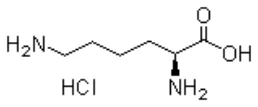 | White or almost white crystalline powder or colourless crystals, freely soluble in water, very slightly soluble in ethanol. |
L-Methionine (2S)-2-amino-4-(methylsulfanyl) butanoic acid | C5H11NO2 S 149.21 | White or almost white crystalline powder or colourless crystals, soluble in water, very slightly soluble in ethanol. | |
L-Phenylalanine (2S)-2-amino-3-phenylpropanoic acid | C9H11NO2 165.19 | White or almost white crystalline powder or shiny, white flakes, sparingly soluble in water, very slightly soluble in alcohol. It dissolves in dilute mineral acids and in dilute solutions of alkali hydroxides. | |
L-Proline (S)-2-pyrrolidinecarboxylic acid | C5H9NO2 115.13 | White or almost white crystalline powder or colourless crystals, very soluble in water, freely soluble in alcohol. |
Proper Name Chemical Name | Molecular Formula and Molecular Mass | Structural Formula | Physicochemical Properties |
|---|---|---|---|
L-Serine (S)-2-amino-3-hydroxypropionic acid | C3H7NO3 105.09 | White or almost white crystalline powder or colourless crystals, freely soluble in water, practically insoluble in alcohol. | |
L-Threonine (2S, 3R)-2-amino-3-hydroxybutanoic acid | C4H9NO3 119.12 | White crystalline powder or colourless crystals, soluble in water, practically insoluble in ethanol. | |
L-Tryptophan (2S)-2-amino-3-(indol-3-yl)propanoic acid | C11H12N2O2 204.23 | White or almost white crystalline or amorphous powder, sparingly soluble in water, slightly soluble in alcohol. It dissolves in dilute mineral acids and in dilute solutions of alkali hydroxides. | |
L-Tyrosine (S)-2-amino-3-(4-hydroxyphenyl) propionic acid | C9H11NO3 181.19 | White crystalline powder or colourless crystals, very slightly soluble in water, practically insoluble in alcohol. It dissolves in dilute mineral acids and in dilute solutions of alkali hydroxides. | |
L-Valine (2S)-2-amino-3-methylbutanoic acid | C5H11NO2 117.15 | White or almost white crystalline powder or colourless crystals, soluble in water, very slightly soluble in ethanol. | |
| Sodium chloride | NaCl 58.44 | not provided | White crystalline powder, hygroscopic, freely soluble in water, soluble in alcohol. |
| Sodium acetate trihydrate | C2H3NaO2·3H 2O 136.08 | Colourless crystals, very soluble in water, soluble in alcohol. | |
| Potassium Phosphate Dibasic Anhydrous | K2HPO4 174.18 | not provided | White or almost white crystalline powder or colourless crystals, freely soluble in water, practically insoluble in anhydrous alcohol. |
| Magnesium chloride hexahydrate | MgCl2·6H2O 203.30 | not provided | Colourless crystals, hygroscopic, very soluble in water, freely soluble in alcohol. |
Proper Name Chemical Name | Molecular Formula and Molecular Mass | Structural Formula | 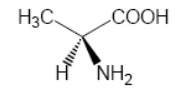 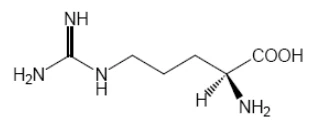 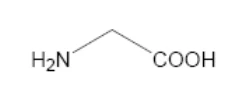 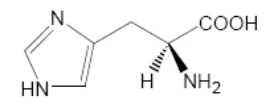 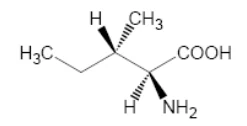 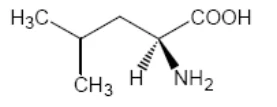  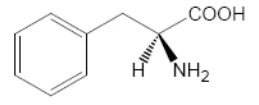 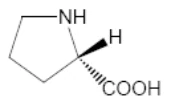 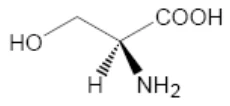 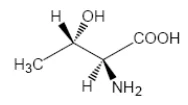 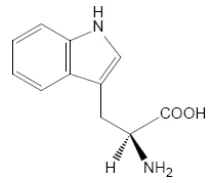 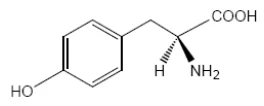 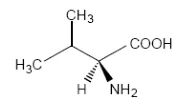 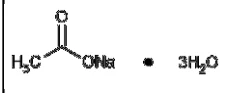 Physicochemical Properties |
|---|---|---|---|
Dextrose Monohydrate* D-glucose monohydrate | C6H12O6·H2O 198.17 | 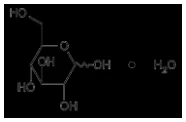 | White crystalline powder with a sweet taste, freely soluble in water. |
Dextrose Anhyrous* D-glucose | C6H12O6 180.16 | 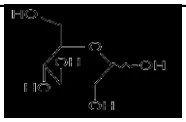 | White crystalline powder with a sweet taste, freely soluble in water. |
* Formulations may contain one of the two types of dextrose
14 CLINICAL TRIALS
There is no clinical trial data available for CLINIMIX E (Blend B). Efficacy and safety have been established by the clinical use of amino acid solutions and dextrose.
15 MICROBIOLOGY
No microbiological information is required for this drug product.
16 NON-CLINICAL TOXICOLOGY
There have been no pharmacology studies performed by Baxter Corporation.