


Product Monograph - Enspryng
RECENT MAJOR LABEL CHANGES
| 3 Dosage and Administration, 3.2 Recommended Dose and Dosage Adjustment | xx/2021 |
| 3 Dosage and Administration, 3.5 Missed Dose | xx/2021 |
TABLE OF CONTENTS
RECENT MAJOR LABEL CHANGES ................................................................................ 2
TABLE OF CONTENTS....................................................................................................... 3
PART I: HEALTH PROFESSIONAL INFORMATION ....................................................... 5
1 INDICATIONS ........................................................................................................... 5
1.1 Pediatrics .......................................................................................................... 5
1.2 Geriatrics .......................................................................................................... 5
2 CONTRAINDICATIONS ........................................................................................... 5
3 DOSAGE AND ADMINISTRATION ......................................................................... 5
3.1 Dosing Considerations..................................................................................... 5
3.2 Recommended Dose and Dosage Adjustment .............................................. 5
3.3 Reconstitution................................................................................................... 7
3.4 Administration................................................................................................... 7
3.5 Missed Dose..................................................................................................... 8
4 OVERDOSAGE ......................................................................................................... 8
5 DOSAGE FORMS, STRENGTHS, COMPOSITION AND PACKAGING .............. 8
6 WARNINGS AND PRECAUTIONS.......................................................................... 9
6.1 Special Populations ....................................................................................... 11
6.1.1 Pregnant Women ........................................................................................ 11
6.1.2 Breast-feeding............................................................................................. 11
6.1.3 Pediatrics..................................................................................................... 11
6.1.4 Geriatrics ..................................................................................................... 11
6.1.5 Renal Impairment........................................................................................ 12
6.1.6 Hepatic Impairment..................................................................................... 12
6.1.7 Women of Childbearing Potential .............................................................. 12
7 ADVERSE REACTIONS......................................................................................... 12
7.1 Adverse Reaction Overview .......................................................................... 12
7.2 Clinical Trial Adverse Reactions ................................................................... 12
7.2.1 Clinical Trial Adverse Reactions (Pediatrics) ............................................ 15
7.3 Less Common Clinical Trial Adverse Reactions .......................................... 15
7.4 Abnormal Laboratory Findings: Hematologic, Clinical Chemistry and Other Quantitative Data ..................................................................................................... 15
7.5 Post-Market Adverse Reactions.................................................................... 16
8 DRUG INTERACTIONS.......................................................................................... 16
8.2 Drug Interactions Overview ........................................................................... 16
8.3 Drug-Behavioural Interactions ....................................................................... 16
8.4 Drug-Drug Interactions .................................................................................. 16
8.5 Drug-Food Interactions .................................................................................. 17
8.6 Drug-Herb Interactions .................................................................................. 17
8.7 Drug-Laboratory Test Interactions ................................................................ 17
9 CLINICAL PHARMACOLOGY............................................................................... 17
9.1 Mechanism of Action...................................................................................... 17
9.2 Pharmacodynamics ....................................................................................... 17
9.3 Pharmacokinetics ........................................................................................... 17
10 STORAGE, STABILITY AND DISPOSAL ............................................................ 18
11 SPECIAL HANDLING INSTRUCTIONS................................................................ 19
PART II: SCIENTIFIC INFORMATION ............................................................................. 20
12 PHARMACEUTICAL INFORMATION ................................................................... 20
13 CLINICAL TRIALS .................................................................................................. 20
13.1 Trial Design and Study Demographics ...................................................... 20
13.2 Study Results .............................................................................................. 23
13.4 Immunogenicity ........................................................................................... 26
14 MICROBIOLOGY .................................................................................................... 27
15 NON-CLINICAL TOXICOLOGY ............................................................................. 27
15.1 Comparative Non-Clinical Pharmacology and Toxicology ....................... 27
PATIENT MEDICATION INFORMATION ......................................................................... 29
PART I: HEALTH PROFESSIONAL INFORMATION
1 INDICATIONS
ENSPRYNG (satralizumab) is indicated:
- As monotherapy or in combination with immunosuppressive therapy (IST) for the treatment of neuromyelitis optica spectrum disorders (NMOSD) in adult and adolescent patients who are anti-aquaporin 4 (AQP4) seropositive.
ENSPRYNG is not intended for acute treatment of an NMOSD relapse.
1.1 Pediatrics
Pediatrics (≥ 12 years of age):
The safety and efficacy of ENSPRYNG in children younger than 12 years of age have not been established. ENSPRYNG was authorised for use in adolescent patients aged 12 or older based on clinical pharmacology data and extrapolation of efficacy and safety from adult NMOSD patients (see CLINICAL TRIALS; and 9.3 Pharmacokinetics, Special Populations and Conditions).
1.2 Geriatrics
Geriatrics (≥ 65 years of age): The safety and efficacy of ENSPRYNG have been studied in a limited number of geriatric patients up to 74 years of age (n=4 aged 65-73; see DOSAGE AND ADMINISTRATION, 3.2 Recommended Dose and Dosage Adjustment; and 9.3 Pharmacokinetics, Special Populations and Conditions).
2 CONTRAINDICATIONS
ENSPRYNG is contraindicated in patients who are hypersensitive to this drug or to any ingredient in the formulation, including any non-medicinal ingredient, or component of the container. For a complete listing, see DOSAGE FORMS, STRENGTHS, COMPOSITION AND PACKAGING.
3 DOSAGE AND ADMINISTRATION
3.1 Dosing Considerations
- ENSPRYNG should be prescribed by physicians experienced in the management of patients with NMOSD.
- ENSPRYNG is not intended for the acute treatment of an NMOSD relapse.
- In order to prevent medication errors, it is important to check the pre-filled syringe label to ensure that the drug being administered is ENSPRYNG.
3.2 Recommended Dose and Dosage Adjustment
Recommended Dosage
ENSPRYNG must be administered as a subcutaneous (SC) injection.
ENSPRYNG can be used as a monotherapy or in combination with immunosuppressant therapy (IST). In a clinical trial, ENSPRYNG was administered with oral corticosteroids (OCs), azathioprine (AZA), mycophenolate mofetil (MMF), or a combination of these (see CLINICAL TRIALS). Please also refer to the Product Monographs for these products. Withdrawal of ISTs during treatment with ENSPRYNG was not assessed in clinical trials. If background IST is decreased or discontinued, patients should be monitored for signs and symptoms of NMOSD relapse.
The recommended loading dose is 120 mg by SC injection at Weeks 0, 2, and 4 for the first three administrations, followed by a maintenance dose of 120 mg every 4 weeks.
Duration of Treatment
ENSPRYNG is intended for long-term treatment. Use of ENSPRYNG has been studied only in the setting of chronic administration and the effect of discontinuation has not been characterized. Patients who discontinue ENSPRYNG should be closely monitored for signs and symptoms of NMOSD relapse.
Dose Modifications
Liver Enzyme Abnormalities
If the alanine aminotransferase (ALT) or aspartate transaminase (AST) elevation is >5x Upper Limit of Normal (ULN) and associated with any bilirubin elevation, treatment with ENSPRYNG must be discontinued, and reinitiation is not recommended.
If the ALT or AST elevation is >5x ULN and not associated with any bilirubin elevation, treatment with ENSPRYNG should be discontinued; it can be restarted (120 mg SC injection every 4 weeks) when the ALT and AST levels have returned to the normal range and based on assessment of benefit-risk of treatment in the patient. If the decision is taken to restart treatment, the liver parameters must be closely monitored, and if any subsequent increase in ALT/AST and/or bilirubin is observed the drug must be discontinued, and reinitiation is not recommended. (see WARNINGS AND PRECAUTIONS).
Table 1 – Recommended Dosage for Restart of Treatment After Liver Transaminase Elevation
| Last Dose Administered | Recommended Dosage for Restart of Treatment |
| Less than 12 weeks | Restart at a dosage of 120 mg by subcutaneous injection every 4 weeks. |
| 12 weeks or longer | Restart at a dose of 120 mg by subcutaneous injection at Weeks 0*, 2, and 4, followed by a dosage of 120 mg every 4 weeks. |
*“0 weeks” refers to time of the first administration after the missed dose.
Neutropenia
If the neutrophil count is below 1.0 x10⁹/L and confirmed by repeat testing, ENSPRYNG should be interrupted until the neutrophil count is > 1.0 x10⁹/L.
Active Infections
Treatment with ENSPRYNG should not be initiated in patients with active infections. In patients that develop an active infection while taking ENSPRYNG, dosing should be interrupted until the infection is controlled.
Special Dosage Instructions
Pediatric use
There are limited clinical data in patients aged 12 years and older who have a body weight of 40 kg or more. The dosage for this age group does not require adjustments and the patients can safely be treated with the same dosage regimen as the adults (see WARNINGS AND PRECAUTIONS, 6.1 Special Populations).
The safety and efficacy of ENSPRYNG in patients younger than 12 years of age or with a body weight less than 40 kg have not been studied (see WARNINGS AND PRECAUTIONS, 6.1 Special Populations).
Geriatric use
No dose adjustment is required in patients ≥65 years of age (see WARNINGS AND PRECAUTIONS, 6.1 Special Populations; and 9.3 Pharmacokinetics, Special Populations and Conditions).
Renal Impairment
The safety and efficacy of ENSPRYNG have not been studied in patients with moderate to severe renal impairment. Patients with mild renal impairment were included in clinical trials (see WARNINGS AND PRECAUTIONS, 6.1 Special Populations; and 9.3 Pharmacokinetics, Special Populations and Conditions).
Hepatic Impairment
The safety and efficacy of ENSPRYNG have not been studied in patients with hepatic impairment (see WARNINGS AND PRECAUTIONS, 6.1 Special Populations; and 9.3 Pharmacokinetics, Special Populations and Conditions).
3.3 Reconstitution
Not Applicable.
3.4 Administration
The recommended injection sites are the abdomen and thigh. Injection sites should be rotated and injections should never be given into moles, scars, or areas where the skin is tender, bruised, red, hard, or not intact.
Comprehensive instructions for the administration of ENSPRYNG are given in the Patient Medication Information.
The first injection must be performed under the supervision of a qualified healthcare professional (HCP) and patients should be monitored for symptoms of hypersensitivity after injection. An adult patient may self-inject ENSPRYNG or the patient’s caregiver may administer ENSPRYNG at home after receiving instruction on injection technique, if the treating physician determines that it is appropriate and the adult patient/caregiver can perform the injection technique.
Patients/caregivers should seek immediate medical attention if the patient develops symptoms of serious allergic reactions.
3.5 Missed Dose
If an injection is missed, for any reason other than increases in liver enzymes, it should be administered as described in Table 2.
Table 2 - Recommended Dosage for Delayed or Missed Doses
| Last Dose Administered | Recommended Dosage for Delayed or Missed Doses |
| Less than 8 weeks during the maintenance period or missed a loading dose | Administer 120 mg by subcutaneous injection as soon as possible, and do not wait until the next planned dose. Maintenance period After the delayed or missed dose is administered, reset the dose schedule to every 4 weeks. Loading period If the second loading dose is delayed or missed, administer as soon as possible and administer the third and final loading dose 2 weeks later. If the third loading dose is delayed or missed, administer as soon as possible and administer the 1st maintenance dose 4 weeks later. |
| 8 weeks to less than 12 weeks | 120 mg by subcutaneous injection at 0* and 2 weeks, followed by 120 mg every 4 weeks. |
| 12 weeks or longer | 120 mg by subcutaneous injection at 0*, 2, and 4 weeks followed by 120 mg every 4 weeks. |
*“0 weeks” refers to time of the first administration after the missed dose.
4 OVERDOSAGE
There is no experience with overdose in patients with NMO or NMOSD. No serious or severe adverse events were observed in healthy adults that received a single dose of 240 mg SC ENSPRYNG.
In the event of an overdose, the patient should be closely supervised, treated symptomatically, and supportive measures instituted as required.
| For management of a suspected drug overdose, contact your regional poison control centre. |
5 DOSAGE FORMS, STRENGTHS, COMPOSITION AND PACKAGING
To help ensure the traceability of biologic products, including biosimilars, health professionals should recognise the importance of recording both the brand name and the non-proprietary (active ingredient) name as well as other product-specific identifiers such as the Drug Identification Number (DIN) and the batch/lot number of the product supplied.
Table 3 – Dosage Forms, Strengths, Composition and Packaging
ENSPRYNG (satralizumab) injection is available as a sterile, preservative-free, clear, colourless to slightly yellow solution in a single-use pre-filled syringe (PFS) with needle safety device (NSD).
Each ENSPRYNG carton contains one single-use 120 mg pre-filled syringe.
Description
ENSPRYNG is a recombinant humanized immunoglobulin G2 (IgG2) monoclonal antibody against the human interleukin-6 receptor (IL-6R), produced in Chinese hamster ovary cells by recombinant DNA technology.
6 WARNINGS AND PRECAUTIONS
General
In order to improve traceability of biological medicinal products, the trade name and the batch number of the administered product should be clearly recorded.
Cardiovascular
Elevated blood lipids have been observed in clinical trials with ENSPRYNG. Patients with severe cardiac impairment were excluded from clinical trials with ENSPRYNG.
Dependence/Tolerance
No studies on drug abuse and dependence have been conducted.
Driving and Operating Machinery
No studies on the effects on the ability to drive and use of machines have been performed. In clinical trials, some patients experienced symptoms such as vertigo that may affect ability to drive and use machines. Patients experiencing such symptoms should be advised to avoid operating machinery until symptoms subside.
Carcinogenesis and Mutagenesis
Carcinogenesis and mutagenesis studies have not been performed (see NON-CLINICAL TOXICOLOGY).
Hepatic/Biliary/Pancreatic
Liver Enzymes
Mild and moderate elevations of liver transaminases have been observed with ENSPRYNG treatment. Most elevations were below 5x ULN and not treatment-limiting and resolved while ENSPRYNG was given.
| Route of Administration | Dosage Form / Strength/Composition | Non-medicinal Ingredients |
| Subcutaneous | Solution, in single-use, pre-filled syringe, 120 mg/mL | L-arginine, L-aspartic Acid, L-histidine, poloxamer 188, and water for injection. |
ALT and AST levels should be monitored every 4 weeks for the first 3 months of treatment, followed by every 3 months for 1 year, thereafter as clinically indicated. For treatment discontinuation recommendations, please refer to Dosage and Administration, Recommended Dose and Dosage Adjustment.
Immune
Infections
Serious, severe, and opportunistic infections may occur in patients taking immunosuppressive agents including ENSPRYNG (see 7.2 Clinical Trial Adverse Reactions). ENSPRYNG administration should be delayed in patients with an active infection until the infection is controlled (see DOSAGE AND ADMINISTRATION, 3.2 Recommended Dose and Dosage Adjustment).
Vigilance for the timely detection of serious infection is recommended for patients receiving treatment with ENSPRYNG, as signs and symptoms of acute inflammation may be lessened, due to suppression of the acute phase reactants. A patient who develops a new infection during treatment with ENSPRYNG should undergo a prompt and complete diagnostic workup appropriate for an immunocompromised patient, appropriate antimicrobial therapy should be initiated, and the patient should be closely monitored.
Patients should be instructed to contact a physician immediately when any symptoms suggesting infection appear, in order to assure rapid evaluation and appropriate treatment.
Injection site and hypersensitivity reactions
In clinical trials, mild to moderate local and systemic injection-related reactions were more common in patients taking ENSPRYNG (see 7.2 Clinical Trial Adverse Reactions). Advise patients to seek medical attention if they experience serious or severe allergic reactions to ENSPRYNG. If an anaphylactic or serious hypersensitivity reaction occurs, ENSPRYNG should be discontinued.
Vaccinations
Live or live attenuated vaccines should not be given concurrently with ENSPRYNG as clinical safety has not been established. The interval between live vaccinations and initiation of ENSPRYNG therapy should be in accordance with current vaccination guidelines regarding immunomodulatory/immunosuppressive agents.
No data are available on the effects of vaccination in patients receiving ENSPRYNG. It is recommended that all patients be brought up to date with all immunizations in agreement with current immunization guidelines prior to initiating ENSPRYNG therapy.
Monitoring and Laboratory Tests
Neutrophil Count
Decreases in neutrophil counts have occurred following treatment with ENSPRYNG (see 7.2 Clinical Trial Adverse Reactions). Neutrophil counts should be monitored 4 to 8 weeks after start of therapy and thereafter as clinically indicated. For recommended dose delay, see 3.2 Recommended Dose and Dosage Adjustment.
Peri-Operative Considerations
There is no experience with bleeding events in patients taking ENSPRYNG that developed abnormal clotting factors; assessment of clotting should be performed in patients with severely decreased platelets and/or fibrinogen prior to surgical procedures.
Reproductive Health: Female and Male Potential
Fertility
No clinical data are available on the effect of ENSPRYNG on human fertility. Effects on male and female reproductive endpoints have been investigated in monkeys. In 4-week and 26-week repeated-dose toxicity studies conducted in mature cynomolgus monkeys given satralizumab by s.c. injection, males developed testicular atrophy (see NON-CLINICAL TOXICOLOGY).
6.1 Special Populations
6.1.1 Pregnant Women
There are no data from the use of ENSPRYNG in pregnant women. Human IgG is known to cross the placental barrier; therefore, ENSPRYNG may be transmitted from the mother to the developing fetus. Satralizumab was shown to cross the placenta in pregnant cynomolgus monkeys (see NON-CLINICAL TOXICOLOGY).
In an enhanced pre- and postnatal development study, satralizumab administration to pregnant cynomolgus monkeys resulted in reduced immune function in infants (see NON-CLINICAL TOXICOLOGY).
ENSPRYNG is not recommended during pregnancy unless the potential benefit for the mother outweighs the potential risk to the fetus.
6.1.2 Breast-feeding
Breastfeeding is not recommended during treatment with ENSPRYNG as a risk to the nursing infant cannot be excluded. There are no data on the presence of satralizumab in human milk, the effects on the breastfed infant, or the effects on human milk production. However, IgGs are excreted in human milk and satralizumab has been shown to be present in the milk of lactating cynomolgus monkeys (see NON-CLINICAL TOXICOLOGY).
6.1.3 Pediatrics
The safety and efficacy of ENSPRYNG in children younger than 12 years of age have not been established. ENSPRYNG was authorised for use in adolescent patients aged 12 or older based on clinical pharmacology data and extrapolation of efficacy and safety from adult NMOSD patients. (see DOSAGE AND ADMINISTRATION, 3.2 Recommended Dose and Dosage Adjustment).
6.1.4 Geriatrics
The safety and efficacy of ENSPRYNG have been studied in a limited number of geriatric patients (n=4 aged 65-73). Although there were no apparent age-related differences observed in studies, the number of patients aged 65 and over is not sufficient to determine whether they respond similarly to younger patients (see DOSAGE AND ADMINISTRATION, 3.2
Recommended Dose and Dosage Adjustment; and 9.3 Pharmacokinetics, Special Populations and Conditions).
The safety and efficacy of ENSPRYNG in geriatric patients >74 years of age have not been studied (see DOSAGE AND ADMINISTRATION, 3.2 Recommended Dose and Dosage Adjustment).
6.1.5 Renal Impairment
The safety and efficacy of ENSPRYNG in patients with moderate to severe renal impairment have not been studied. Patients with mild renal impairment were included in clinical trials. The pharmacokinetics of satralizumab in these patients was not impacted (see DOSAGE AND ADMINISTRATION, 3.2 Recommended Dose and Dosage Adjustment; and 9.3 Pharmacokinetics, Special Populations and Conditions).
6.1.6 Hepatic Impairment
The safety and efficacy of ENSPRYNG in patients with hepatic impairment have not been studied (see DOSAGE AND ADMINISTRATION, 3.2 Recommended Dose and Dosage Adjustment; and 9.3 Pharmacokinetics, Special Populations and Conditions).
6.1.7 Women of Childbearing Potential
Women of childbearing potential must use effective contraception during and up to 3 months after treatment with ENSPRYNG.
7 ADVERSE REACTIONS
7.1 Adverse Reaction Overview
The safety of ENSPRYNG as monotherapy or in combination with IST was evaluated based on data from two phase III randomized, multicenter, double-blind, placebo-controlled clinical trials (BN40900 and BN40898), which included 63 patients exposed to ENSPRYNG monotherapy and 41 patients exposed to ENSPRYNG in combination with IST (see CLINICAL TRIALS). In the double-blind controlled period, patient median exposure to satralizumab was approximately 2 years in both studies BN40900 and BN40898 each. The median exposure to placebo was approximately 1 year.
The most frequently reported adverse drug reactions (ADRs) were headache, arthralgia and injection related reactions (Table 4). Serious drug-related adverse events, including infections, were reported in 2.9% of patients that received ENSPRYNG treatment in the placebo-controlled portion of clinical trials. There were 3.8% of ENSPRYNG-treated patients that discontinued from trials due to adverse events and 22.1% that had dose interruptions due to adverse events (e.g., infections). These rates were comparable to rates seen in placebo-treated patients.
7.2 Clinical Trial Adverse Reactions
Because clinical trials are conducted under very specific conditions, the adverse reaction rates observed in the clinical trials may not reflect the rates observed in practice and should not be compared to the rates in the clinical trials of another drug. Adverse reaction information from clinical trials is useful for identifying drug-related adverse events and for approximating rates.
Table 4 summarizes the ADRs that have been reported in association with the use of ENSPRYNG as monotherapy or in combination with IST in clinical trials. In both trials, patients in the ENSPRYNG group received doses of 120 mg, injected subcutaneously, at Weeks 0, 2, 4, and every 4 weeks thereafter. Because patients in the ENSPRYNG groups in both clinical studies had a longer treatment period than those in the placebo (or placebo in combination with IST) groups, adverse events after adjustment for exposure are also presented. ADRs from clinical trials are listed by MedDRA system organ class.
Table 4 - Summary of ADRs occurring more commonly in patients receiving ENSPRYNG than in the control group (defined as ≥2% higher proportion of patients and ≥2 events/100 PY) 1
| ADR | BN40898 (in combination with IST) | BN40900 (monotherapy) | |||||||||||||||||||
|---|---|---|---|---|---|---|---|---|---|---|---|---|---|---|---|---|---|---|---|---|---|
| Number of Patients n (%) | Rate of AE /100PY | Number of Patients n (%) | Rate of AE/100PY | ||||||||||||||||||
| Placebo n=42 | ENSPRYNG n=41 | Placebo (PY=59.5) | ENSPRYNG (PY=78.5) | Placebo n=32 | ENSPRYNG n=63 | Placebo (PY=40.6) | ENSPRYNG (PY=115.21) | ||||||||||||||
| Blood and lymphatic system disorders | |||||||||||||||||||||
| Hypofibrinogenemia | 0 | 1 (2.4%) | 0 | 1.3 | 0 | 2 (3.2%) | 0 | 1.7 | |||||||||||||
| General disorders and administration site conditions | |||||||||||||||||||||
| Peripheral Edema | 0 | 1 (2.4%) | 0 | 1.3 | 0 | 4 (6.3%) | 0 | 3.5 | |||||||||||||
| Injury, poisoning and procedural complications | |||||||||||||||||||||
| Injection-Related Reactions | 2 (4.8%) | 5 (12.2%) | 3.4 | 21.7 | 5 (15.6%) | 8 (12.7%) | 17.3 | 13.9 | |||||||||||||
| Investigations | |||||||||||||||||||||
| White blood cell count decreased | 4 (9.5%) | 7 (17.1%) | 21.85 | 14.01 | 0 | 7 (11.1%) | 0 | 9.55 | |||||||||||||
| Blood bilirubin increased | 0 | 1 (2.4%) | 0 | 11.46 | 0 | 1 (1.6%) | 0 | 0.87 | |||||||||||||
| Musculoskeletal and connective tissue disorders | |||||||||||||||||||||
| Arthralgia | 0 | 4 (9.8%) | 0 | 5.1 | 1 (3.1%) | 10 (15.9%) | 2.5 | 8.7 | |||||||||||||
| Musculoskeletal stiffness | 0 | 1 (2.4%) | 0 | 1.3 | 0 | 4 (6.3%) | 0 | 3.5 | |||||||||||||
| Nervous system disorders | |||||||||||||||||||||
| Headache | 4 (9.5%) | 10 (24.4%) | 10.1 | 28.0 | 4 (12.5%) | 10 (15.9%) | 12.3 | 11.3 | |||||||||||||
| Migraine | 0 | 0 | 0 | 0 | 0 | 4 (6.3%) | 0 | 3.5 | |||||||||||||
| Psychiatric disorders | |||||||||||||||||||||
| Insomnia | 0 | 1 (2.4%) | 0 | 1.3 | 1 (3.1%) | 5 (7.9%) | 2.5 | 4.3 | |||||||||||||
| ADR | BN40898 (in combination with IST) | BN40900 (monotherapy) |
|---|
| Number of Patients n (%) | Rate of AE /100PY | Number of Patients n (%) | Rate of AE/100PY |
|---|
| Placebo n=42 | ENSPRYNG n=41 | Placebo (PY=59.5) | ENSPRYNG (PY=78.5) | Placebo n=32 | ENSPRYNG n=63 | Placebo (PY=40.6) | ENSPRYNG (PY=115.21) | |
|---|---|---|---|---|---|---|---|---|
| Respiratory, thoracic and mediastinal disorders | ||||||||
| Rhinitis allergic | 0 | 2 (4.9%) | 0 | 2.6 | 0 | 2 (3.2%) | 0 | 1.7 |
| Skin and subcutaneous tissue disorders | ||||||||
| Rash | 2 (4.8%) | 0 | 3.4 | 0 | 1 ( 3.1%) | 9 (14.3%) | 4.9 | 12.2 |
| Pruritus | 1 (2.4%) | 0 | 1.7 | 0 | 0 | 6 (9.5%) | 0 | 6.9 |
1ADRs identified based on medical review of all AEs which were >2/100PY higher AND >2% higher in the ENSPRYNG group versus the controlled groups
ADRs=Adverse Drug Reactions
IST=Immunosuppressive Therapy
AE=Adverse Events
PY= Patient Years
Description of Selected Adverse Drug Reactions from Clinical Trials
Injection-related Reactions (IRRs)
IRRs reported in patients treated with ENSPRYNG as monotherapy or in combination with IST were predominantly mild to moderate, most occurred within 24 hours after injections. None of the injection related reactions required dose interruption or discontinuation.
Systemic Injection Related Reactions
During the double-blind period, 6.7% of patients receiving ENSPRYNG and 4.1% of patients receiving placebo reported systemic injection related reactions. The most commonly reported systemic symptoms were diarrhea and headache. Severe symptoms include vertigo and hypertension. The rate of systemic injection related reactions occurring in the presence of anti-drug antibodies (ADAs) was 4.96 events per 100 patient-years. In the absence of detectable ADAs, it was 11.41 events per 100 patient-years.
Local Injection Site Reactions
During the double-blind period, 8.7% of patients receving ENSPRYNG and 6.8% of patients receiving placebo reported local injection site reactions. The most commonly reported symptoms were flushing, erythema, pruritus, rash and pain. The rate of local injection site reactions occurring in the presence of ADAs was 6.61 events per 100 patient-years. In the absence of detectable ADAs, it was 11.41 events per 100 patient-years.
Infections and Serious Infections
In the ENSPRYNG monotherapy study, the exposure-adjusted rate of infections was lower in patients treated with ENSPRYNG [99.8 events/100 PY] compared with patients receiving placebo [162.6 events/100 PY]. The rate of serious infections was 5.2 events/100 PY in patients treated with ENSPRYNG compared with 9.9 events/100 PY in patients receiving placebo.
In patients treated with ENSPRYNG in combination with IST, the rate of infections was 132.5 events/100 PY compared with 149.6 events/100 PY in patients receiving placebo in combination with IST; the rate of serious infections was 2.6 events/100 PY compared with 5.0 events/100 PY in patients receiving placebo in combination with IST.
The overall rates of infections in patients treated with ENSPRYNG who developed anti-drug antibodies were not increased over rates in patients treated with ENSPRYNG that did not develop such antibodies.
Body weight increase
In the double-blinded treatment period, body weight increase ≥ 15% from baseline were observed in 3.8% of patients treated with ENSPRYNG (monotherapy or in combination with IST) as compared with 2.7% of patients receiving placebo (or plus IST).
7.2.1 Clinical Trial Adverse Reactions (Pediatrics)
The safety of ENSPRYNG has been studied in a limited number of pediatric patients ≥12 years of age. Safety results were consistent with those in adults.
7.3 Less Common Clinical Trial Adverse Reactions
Not Applicable.
7.4 Abnormal Laboratory Findings: Hematologic, Clinical Chemistry and Other Quantitative Data
Neutrophils
In the double-blinded treatment period, decreased neutrophils were observed in 31.7% of patients treated with ENSPRYNG (monotherapy or in combination with IST) as compared with 21.6% of patients receiving placebo (or plus IST). The majority of neutrophil decreases were transient or intermittent.
Of the patients in the ENSPRYNG group, 9.6% had neutrophils below 1 x 10⁹/L (Grade 3 or Grade 4) as compared with 5.4% in placebo or placebo plus IST, which was not temporally associated with any serious infections.
Platelets
In the double-blinded treatment period, decreases in platelet counts occurred in 24.0% of patients on ENSPRYNG (monotherapy or in combination with IST) as compared with 9.5% of patients receiving placebo or placebo plus IST. The decreased platelet counts were not associated with bleeding events.
The majority of the decreased platelets were transient and not below 75 × 109/L. None of the patients had a decrease in platelet count to ≤50 × 109/L (Grade 3).
Liver Enzymes
In the double-blinded treatment period, elevations in ALT or AST occurred in 27.9% and 18.3% of patients treated with ENSPRYNG (monotherapy or as in combination with IST) respectively, compared with 12.2% and 13.5% of patients receiving placebo or placebo plus IST. The majority of the elevations were below 3x ULN, were transient, and resolved without interruption of ENSPRYNG.
Elevations in ALT or AST >3x ULN occurred in 2.9% and 1.9% of patients treated with ENSPRYNG (monotherapy or in combination with IST) respectively, which were not associated with increases in total bilirubin. Elevations of ALT above 5x ULN were observed 4 weeks after initiation of therapy in one patient receiving ENSPRYNG in combination with IST, normalizing after discontinuation of ENSPRYNG.
Lipid Parameters
In the double-blinded treatment period, 10.6% of patients receiving ENSPRYNG (monotherapy or in combination with IST) experienced elevations in total cholesterol above 7.75 mmol/L as compared with 1.4% of patients receiving placebo or plus IST; 20.2% of patients receiving ENSPRYNG experienced elevations in triglycerides above 3.42 mmol/L as compared with 10.8% of patients receiving placebo. The elevations in lipid parameters did not require dose interruption.
Fibrinogen
Decreased fibrinogen is a known effect of ENSPRYNG related to its mechanism of action. In the double-blinded treatment period of clinical trials, 71.2% of ENSPRYNG-treated patients and 20.3% of patients receiving placebo had downward shifts from baseline fibrinogen levels. There were no bleeding events among patients with decreased fibrinogen levels.
Complement Factors
Decreases in C3, C4, and CH50 are known effects of ENSPRYNG related to its mechanism of action. In the double-blinded treatment period of clinical trials, decreases in C3, C4 and CH50 occurred in 66.7%, 56.9% and 89.6% of ENSPRYNG-treated patients, respectively, compared with that in 18.2%, 4.1% and 44.4% of patients receiving placebo.
7.5 Post-Market Adverse Reactions
Not applicable.
8 DRUG INTERACTIONS
8.2 Drug Interactions Overview
No formal drug-drug interaction studies have been performed with ENSPRYNG.
8.3 Drug-Behavioural Interactions
No studies on the effects on the ability to drive and use of machines have been performed. However, there is no evidence from the available data that ENSPRYNG treatment affects the ability to drive and use of machines (see WARNINGS AND PRECAUTIONS).
8.4 Drug-Drug Interactions
Population PK analyses did not detect any effect of AZA, OC, or MMF on the clearance of ENSPRYNG.
Since the expression of specific hepatic CYP450 enzymes (CYP1A2, CYP2C9, CYP2C19, and CYP3A4) is suppressed by cytokines such as IL-6 in vitro and in vivo, caution should be exercised when starting or discontinuing satralizumab treatment in patients also receiving substrates of CYP450 3A4, 1A2, 2C9 or 2C19 particularly those with a narrow therapeutic index (such as warfarin, carbamazepine, phenytoin & theophylline), and doses adjusted if needed.
8.5 Drug-Food Interactions
Interactions with food have not been established.
8.6 Drug-Herb Interactions
Interactions with herbal products have not been established.
8.7 Drug-Laboratory Test Interactions
Interactions with laboratory tests have not been established.
9 CLINICAL PHARMACOLOGY
9.1 Mechanism of Action
Satralizumab is a humanized IgG2 monoclonal antibody (mAb) that binds to soluble and membrane-bound human IL-6 receptor (IL-6R), and thereby prevents IL-6 downstream signaling through these receptors.
IL-6 has been shown to be involved in disease-relevant pro-inflammatory mechanisms. The precise mechanism by which satralizumab exerts its therapeutic effect in NMO and NMOSD is unknown but is presumed to involve reduced production of anti-AQP4 autoantibodies through inhibition of IL-6 signaling.
9.2 Pharmacodynamics
In clinical studies with ENSPRYNG in NMO and NMOSD, decreases in C-reactive protein (CRP), fibrinogen and complement (C3, C4 and CH50) were observed.
9.3 Pharmacokinetics
The pharmacokinetics of ENSPRYNG was studied in healthy subjects and in NMO and NMOSD patients. In healthy subjects, the pharmacokinetics of satralizumab was shown to be non-linear over the dose range of 30 – 240 mg. The pharmacokinetics in NMO and NMOSD patients treated by the recommended dose were characterized using population pharmacokinetic analysis methods based on a database of 154 patients.
Absorption: In adult NMO/NMOSD patients following subcutaneous administration, the absorption half-life was around 3 days at the recommended dose regimen. Steady state were achieved after the dose loading period (8 weeks) with the observed geometric mean (CV) Ctrough of 19.0 (13.9%) μg/mL. Population pharmacokinetic analysis estimated the absorption rate constant of ENSPRYNG was 0.254 1/day (CV 33.9%) and the bioavailability was 78.5% (CV 7.0%).
Distribution: In NMO/NMOSD patients, ENSPRYNG undergoes biphasic distribution. For a typical 60 kg patient, the estimated central volume of distribution was 3.46 L (95% CI: 3.21-3.97), and the peripheral volume of distribution was 2.07 L (95% CI: 1.78-2.59).
Metabolism: The metabolism of ENSPRYNG has not been directly studied. As a monoclonal antibody, ENSPRYNG is expected to be cleared principally by catabolism.
Elimination: The total clearance of satralizumab is concentration-dependent both linear and target-mediated (Michaelis-Menten) elimination. Bodyweight was shown to be a significant covariate. The clearance and central volume of distribution (Vc) for patients weighing 123 kg (97.5th percentile of the weight distribution) increased by 71.3% and 105%, respectively, compared to a 60 kg patient. Population pharmacokinetic analysis estimated thelinear clearance (accounting for approximately half of the total clearance at steady state using the recommended dose in NMO and NMOSD patients) to 0.0679 L/day (CV 27%) and the associated terminal t1/2 to be approximately 30 days (range 22-37 days).
Special Populations and Conditions
Population pharmacokinetic analyses in adult patients with NMO or NMOSD showed that age, gender, and race did not meaningfully influence the pharmacokinetics of satralizumab. Body weight and the presence of anti-drug antibody (ADA) was shown to have significant impact on the pharmacokinetics of satralizumab,. In NMOSD patients with either post-treatment ADA positive or higher body weight (75.0-151.0 kg), approximately 2-fold lower exposure was observed as compared to patients with ADA negative or lower body weight (57.3 - 75.0 kg). However, no dose adjustment is recommended, based on the exposure-response relationship analysis.
- Pediatrics: Based on PK data obtained in 7 adolescent patients [13-17 years] with body weight ranged 40 – 140 kg who received the recommended dosing regimen as combination therapy with OCs, AZA, or MMF, the observed geometric mean (CV) Ctrough was 17.9 (12.5%) μg/mL at steady state.
Geriatrics: No dedicated studies have been conducted to investigate the PK of satralizumab in patients >65 years, however patients with NMO or NMOSD between 65 and 74 years were included in the BN40898 and BN40900 clinical studies.
Population PK analyses based on data including these patients showed that age did not affect the PK of satralizumab.
Hepatic Insufficiency: No formal study of the effect of hepatic impairment on the PK of satralizumab has been conducted.
Renal Insufficiency: No formal study of the effect of renal impairment on the PK of satralizumab has been conducted; however, patients with mild renal impairment (Creatinine clearance <80 mL/min and ≥50 mL/min) were included in the BN40898 and BN40900 clinical studies. The PK in these patients was not significantly impacted based on population pharmacokinetic analysis, and therefore no dose adjustment is required.
10 STORAGE, STABILITY AND DISPOSAL
Store at 2-8°C until ready to use.
ENSPRYNG, if unopened, can be removed from and returned to the refrigerator, if necessary. If stored at room temperature, the total combined time out of refrigeration should not exceed 8 days at a temperature that does not exceed 30°C.
Keep PFS in the outer carton in order to protect from light.
Do not freeze. Do not shake.
This medicine should not be used after the expiry date (EXP) shown on the pack.
11 SPECIAL HANDLING INSTRUCTIONS
ENSPRYNG is for single-use only.
Do not inject the medicine if the liquid is cloudy, discoloured, or has particles in it.
Check the PFS + NSD for any damage. Do not use if it is cracked or broken.
Disposal of PFS + NSD
The following points should be strictly adhered to regarding the use and disposal of the PFS + NSD:
- PFS should never be reused.
- Put your used syringe in a sharps disposal container immediately after use.
- Throw away (dispose of) the PFS+NSD in accordance with local requirements or as directed by your healthcare professional.
- Keep the PFS+NSD and all medicines out of the reach of children.
Disposal of Unused/Expired Medicines
The release of pharmaceuticals in the environment should be minimized. Medicines should not be disposed of via wastewater, and disposal through household waste should be avoided. Use established ‘collection systems' if available in your location.
PART II: SCIENTIFIC INFORMATION
12 PHARMACEUTICAL INFORMATION
Drug Substance
Proper name: satralizumab
Structure: Recombinant humanized anti-human interleukin 6 (IL-6) receptor monoclonal antibody of the IgG2 subclass. It is comprised of two heavy and two light chains. Each light chain and heavy chain consists of 214 and 443 amino acids, respectively.
Molecular Mass: Approximately 143 kDa
Physicochemical properties: Clear and colorless to slightly yellow solution
Pharmaceutical standard: Professed Standard
Product Characteristics
ENSPRYNG is a recombinant humanized immunoglobulin G2 (IgG2) monoclonal antibody against the human interleukin-6 receptor (IL-6R), produced in Chinese hamster ovary cells by recombinant DNA technology.
13 CLINICAL TRIALS
13.1 Trial Design and Study Demographics
The efficacy and safety of ENSPRYNG was evaluated in two pivotal phase III clinical trials (BN40898 and BN40900) in patients with a diagnosis of NMO or with a diagnosis of NMOSD.
Study BN40898 (also known as SA-307JG or SAkuraSky)
Study BN40898 was a randomized, multicenter, double-blind, placebo-controlled clinical trial to evaluate the effect of ENSPRYNG in combination with stable IST (oral corticosteroids [OCs] up to 15 mg/day [prednisolone equivalent], azathioprine [AZA] up to 3 mg/kg/day or mycophenolate mofetil [MMF] up to 3000 mg/day; adolescents received a combination of AZA and OCs or MMF and OCs). The study included 83 patients (including 7 adolescents) of which 55 (66.3%) were AQP4-IgG seropositive. Patients received the first 3 single doses of ENSPRYNG 120 mg or matching placebo by SC injection in the abdominal or femoral region every 2 weeks for the first 4 weeks and once every 4 weeks thereafter. A total of 41 patients were randomized to receive ENSPRYNG and 42 were randomized to receive matching placebo.
Study design and baseline characteristics of the study population are presented in Table 5.
Table 5 - Study Design and Baseline Characteristics for Study BN40898
| Study Name | Study BN40898 (N=83) | |
| Study design | ||
| Study population | Adolescent and adult patients with NMO or NMOSD, treated with stable IST Age 12-74 years, ≥2 relapses in last 2 years prior screening (with at least one relapse in the 12 months prior to screening), EDSS of 0 to 6.5 | |
| Study duration for efficacy evaluation | Event-driven (26 CEC confirmed protocol-defined relapses) | |
| Treatment groups, in 1:1 randomization | Group A: ENSPRYNG 120 mg SC Group B: placebo | |
| Baseline characteristics | ENSPRYNG +IST (n=41) | Placebo +IST (n=42) |
Diagnosis, n (%): NMO NMOSD | 33 (80.5) 8 (19.5) | 28 (66.7) 14 (33.3) |
| AQP4-IgG seropositive status, n (%) | 27 (65.9) | 28 (66.7) |
Mean Age in years (SD) (Min-Max) | 40.8 (16.1) (13 – 73) | 43.4 (12.0) (14 – 65) |
| Adolescents (≥12 to <18 years), n (%) | 4 (9.8) | 3 (7.1) |
Gender distribution, n (%) male/ n (%) female | 4 (9.8) / 37 (90.2) | 2 (4.8) / 40 (95.2) |
Immunosuppressive therapy (IST), n (%): Oral corticosteroids (OCs) Azathioprine (AZA) Mycophenolate mofetil (MMF) AZA + OCs* MMF + OCs* | 17 (41.5) 16 (39.0) 4 (9.8) 3 (7.3) 1 (2.4) | 20 (47.6) 13 (31.0) 8 (19.0) 0 1 (2.4) |
* Combination allowed for adolescent patients only
Baseline Characteristics and Efficacy in Adolescent Patients (Study BN40898)
The mean age of the 7 adolescent patients enrolled during the double-blind period of study BN40898 was 15.4 (13 - 17) years and the median body weight was 79.6 kg (47.5 - 140.4). The majority of the adolescent patients were females (n=6). Four patients were White, 2 patients were Black/African American, and 1 patient was Asian. Three out of 7 (42.9%) adolescent patients were AQP4-IgG seropositive at screening (2 in the placebo group and 1 in the ENSPRYNG group).
The primary efficacy endpoint was time to first relapse (TFR), based on a protocol defined relapse (PDR). A PDR was defined as a clinical relapse confirmed as PDR by the CEC clinical endpoint committee (CEC).
Study BN40900 (also known as SA-309JG or SAkuraStar)
Study BN40900 was a randomized, multicenter, double-blind, placebo-controlled clinical trial to evaluate the effect of ENSPRYNG monotherapy compared to placebo. The study included 95 adult patients of which 64 (67.4%) were AQP4-IgG seropositive. Patients received the first 3 single doses of ENSPRYNG 120 mg or matching placebo by SC injection in the abdominal or femoral region every 2 weeks for the first 4 weeks and once every 4 weeks thereafter. A total of 63 patients were randomized to receive ENSPRYNG and 32 were randomized to receive matching placebo.
Study design and baseline characteristics of the study population are presented in Table 6.
Table 6 - Study Design and Baseline Characteristics for Study BN40900
| Study Name | Study BN40900 (N=95) | |
| Study design | ||
| Study population | Adult patients with NMO or NMOSD Age 18-74 years, ≥1 relapse or first attack in last 12 months prior to screening, EDSS of 0 to 6.5. Patients either received prior relapse prevention treatment for NMOSD or were treatment naïve. | |
| Study duration for efficacy evaluation | Event-driven (44 CEC confirmed protocol-defined relapses, or 1.5 years after the date of randomization of the last enrolled patient, whichever comes first) | |
| Treatment groups, in 2:1 randomization | Monotherapy: Group A: ENSPRYNG 120 mg SC Group B: placebo | |
| Baseline characteristics | ENSPRYNG (n=63) | Placebo (n=32) |
Diagnosis, n (%): NMO NMOSD | 47 (74.6) 16 (25.4) | 24 (75.0) 8 (25.0) |
| AQP4-IgG seropositive status, n (%) | 41 (65.1) | 23 (71.9) |
Mean Age in years (SD) (Min-Max) | 45.3 (12.0) (21 – 70) | 40.5 (10.5) (20 – 56) |
Gender distribution, n (%) male/ n (%) female | 17 (27.0) / 46 (73.0) | 1 (3.1) / 31 (96.9) |
The primary efficacy endpoint was time to first relapse (TFR), based on a protocol defined relapse (PDR). A PDR was defined as a clinical relapse confirmed as PDR by the clinical endpoint committee (CEC).
13.2 Study Results
Primary Efficacy
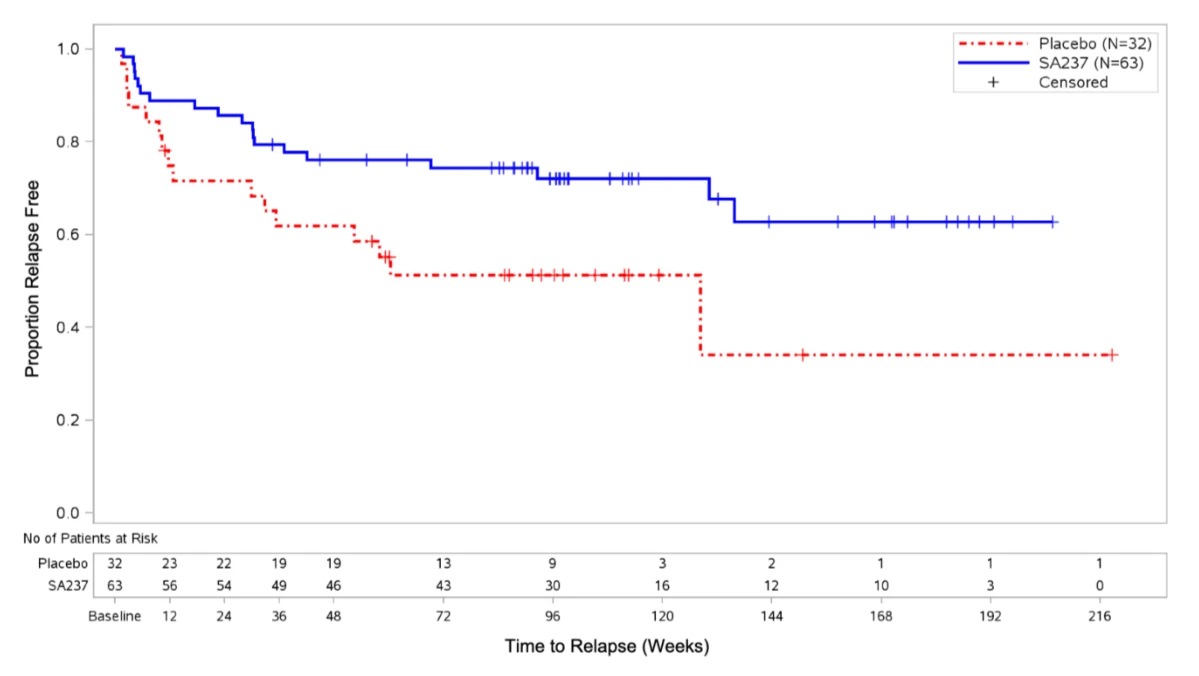
Treatment with ENSPRYNG resulted in a statistically significant reduction in the risk of experiencing an adjudicated relapse when compared to placebo (Hazard ratio [HR] [95% CI]: 0.38 [0.16-0.88]; p [log rank]=0.0184; Figure 1) when administered in combination with stable IST (Study BN40898). When used as monotherapy ENSPRYNG resulted in a statistically significant reduction in the risk of experiencing an adjudicated relapse when compared to placebo (HR [95% CI]: 0.45 [0.23-0.89]; p [log rank]=0.0184; Figure 2) (Study BN40900) (see Table 7).
Table 7 - Results for the Primary Efficacy Endpoint in Study BN40898 and BN40900
| BN40898 | BN40900 | |||||||||
ENSPRYNG + IST | Placebo + IST | ENSPRYNG | Placebo | |||||||
| (n=41) | (n=42) | (n=63) | (n=32) | |||||||
| Number (proportion) of patients with a PDR | 8 (19.5%) | 18 (42.9%) | 19 (30.2%) | 16 (50.0%) | ||||||
| HR (95% CI) 1,2 | (HR: 0.38; 95% CI: 0.16, 0.88; p=0.0184) | (HR:0.45; 95% CI: 0.23, 0.89; p=0.0184) | ||||||||
1 HR calculated with a cox regression, stratified by the stratification factors at randomization.
2 p-value calculated with a log-rank test, stratified by the stratification factors at randomization.
Figure 1 - Study BN40898: Kaplan Meier Survival Estimates for Time to First Adjudicated Relapse during the Double-Blind Period (ITT Population)
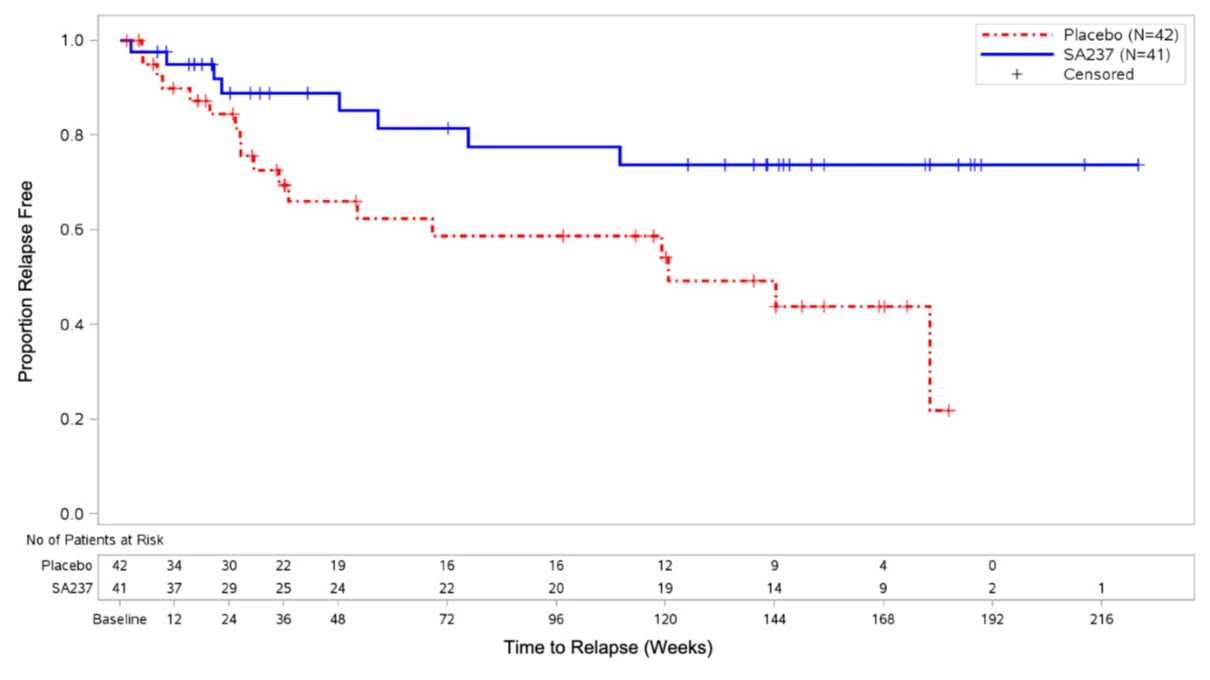
Figure 2 - Study BN40900: Kaplan Meier Survival Estimates for Time to First Adjudicated Relapse during the Double-Blind Period (ITT Population)
Study Results by AQP4-IgG Serostatus
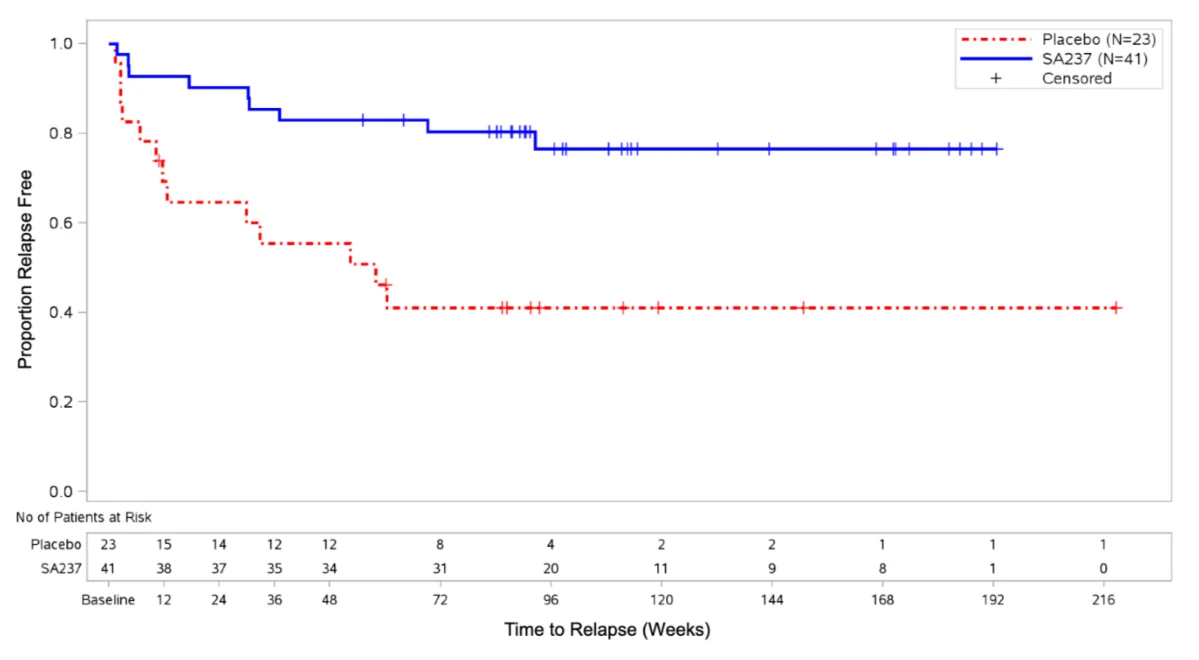
The following results were obtained for the primary endpoint in AQP4-IgG seropositive patients comparing treatment with ENSPRYNG to placebo: when administered in combination with stable IST (Study BN40898) (Hazard ratio [HR] [95% CI]: 0.21 [0.06-0.75]; Figure 3) and when used as monotherapy (Study BN40900)(Hazard ratio [HR] [95% CI]: 0.26 [0.11-0.63]; Figure 4). In AQP4-IgG seronegative patients the following results were obtained compared to placebo: when administered in combination with stable IST (Study BN40898) (Hazard ratio [HR] [95% CI]: 0.66 [0.20-2.23]) and when used as monotherapy (Study BN40900) (Hazard ratio [HR] [95% CI]: 1.19 [0.30-4.78]).
Figure 3 - Study BN40898: Kaplan Meier Survival Estimates for Time to First Adjudicated Relapse during the Double-Blind Period in AQP4-IgG seropositive Patients
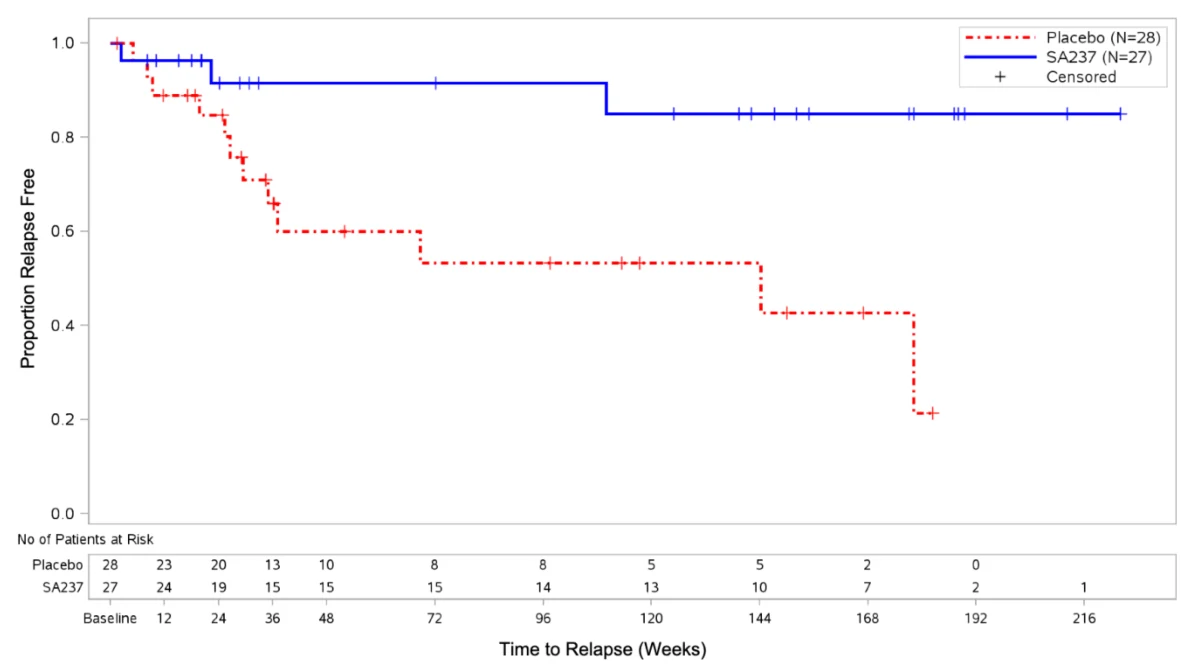
Figure 4 - Study BN40900: Kaplan Meier Survival Estimates for Time to First Adjudicated Relapse during the Double-Blind Period in AQP4-IgG seropositive Patients
13.4 Immunogenicity
In phase III Study BN40898 (combination with IST) and in phase III study BN40900
(monotherapy), anti-drug-antibodies (ADAs) were observed in 41% and 71% of patients receiving ENSPRYNG in the double-blind period, respectively. The ability of these ADAs to neutralize ENSPRYNG binding is unknown.
Exposure was lower in ADA positive patients, however there was no impact of ADAs on safety and no clear impact on efficacy nor pharmacodynamic markers indicative of target engagement.
Treatment with satralizumab led to a similar reduction in the risk of experiencing an adjudicated relapse in patients in the phase III studies despite different ADA rates between those studies. Patients with higher bodyweight and lower exposure were more likely to develop ADAs (irrespective of background treatment with IST), however treatment effect was comparable in all bodyweight groups when used either in combination with IST, or as monotherapy. The recommended dose is appropriate for all patients, and neither dose interruption nor modification is warranted in patients who develop ADAs.
14 MICROBIOLOGY
No microbiological information is required for this drug product.
15 NON-CLINICAL TOXICOLOGY
15.1 Comparative Non-Clinical Pharmacology and Toxicology
General Toxicology
In the 4-week and 26-week repeated-dose toxicity studies conducted in mature cynomolgus monkeys administered satralizumab at doses of 2, 10, or 50 mg/kg by SC injection once a week (3, 17, and 105 times the human exposure at the maximum recommended dose based on Cmax). No effects on female reproductive organs have been seen. In male animals, abnormal sperm together with testicular and prostate atrophy, for which a relationship with the test item satralizumab cannot be excluded, have been reported. Animals had increased serum IL-6 levels, which was considered to be the result of the pharmacological action (IL-6R neutralizing action) of satralizumab, and not associated with any adverse findings. Treatment with satralizumab elicited an immune response with anti-drug antibodies in most of the treated animals, which did not affect the pharmacological response and did not result in any adverse events. A study no observed adverse effect level (NOAEL) could not be identified due to the testicular atrophy that occurred in males given the lowest dose.
Safety Pharmacology
Safety pharmacology endpoints were incorporated into the 4- and 26-week repeated-dose SC studies, and no adverse effects caused by administration of satralizumab were found up to 50 mg/kg/week.
Local Tolerance
Monkeys administered satralizumab or vehicle showed similarity in terms of local tolerance in that both presented with inflammatory lesions at the injection sites. Except for the injection site reactions, there were no macroscopic or microscopic findings directly attributable to effects of satralizumab.
Carcinogenicity
No rodent carcinogenicity studies have been performed to establish the carcinogenic potential of satralizumab.
Genotoxicity
No studies have been performed to establish the mutagenic potential of satralizumab.
Reproductive and Developmental Toxicology
In an enhanced pre- and postnatal development study, pregnant cynomolgus monkeys were administered satralizumab at doses of 2 or 50 mg/kg by SC injection once per week from gestational day 20 until parturition. Satralizumab was shown to distribute across the placental barrier. Prenatal losses did not differ between maternal monkeys administered satralizumab and those given vehicle control. One neonate in the high-dose group died due to infection. Infants exposed to satralizumab in utero also showed reduced and/or delayed IgG and IgM response to keyhole limpet hemocyanin antigen challenge. Satralizumab did not elicit any adverse effects on maternal animals, fetal development, pregnancy outcome or infant development including, learning ability from birth through postnatal day 293. The NOAEL for the developmental toxicity of satralizumab was 2 mg/kg/week (3 times the human exposure at the maximum recommended dose based on Cmax).
The concentrations of satralizumab in breast milk were very low (<0.9% of the corresponding maternal plasma levels).
Juvenile Toxicity
Testing of a murine analogue of an anti IL-6 receptor monoclonal antibody, structurally similar to satralizumab, i.e. MR16-1, in responder mice did not yield any evidence of harm when dosed at 15 or 50 mg/kg intravenously with treatment every three days from postnatal days 22 to 79.
Treatment with a murine analogue did not exert toxicity in juvenile mice. In particular, there was no impairment of skeletal growth, immune function and sexual maturation.