


Product Monograph - Kovaltry (Bayer, PM 00039011)
SUMMARY PRODUCT INFORMATION
| Table 1 – Product Information Summary | ||
| Route of Administration | Dosage Form, Strength | Clinically Relevant Nonmedicinal Ingredients |
| intravenous | Lyophilized powder for injection 250, 500, 1000, 2000, 3000 IU/vial | Sucrose Histidine Glycine Sodium chloride Calcium chloride Polysorbate 80 For a complete listing DOSAGE FORMS, COMPOSITION AND PACKAGING. |
DESCRIPTION
KOVALTRY (Antihemophilic Factor [Recombinant]) is a recombinant, full length, unmodified, Factor VIII concentrate that is sterile, stable over the shelf life of the product, purified, and nonpyrogenic. It is produced by genetically engineered Baby Hamster Kidney (BHK) cells into which the human Factor VIII gene has been introduced together with the human heat shock protein 70 (HSP70) gene. (1)
The potency (IU) of the drug product is determined using the chromogenic assay. This potency assignment employs a Factor VIII concentrate standard that is referenced to a WHO International Standard for Factor VIII concentrates, and is evaluated by appropriate methodology to ensure accuracy of the results.
The specific activity of KOVALTRY is approximately 4000 IU/mg protein.
INDICATIONS AND CLINICAL USE
KOVALTRY (Antihemophilic Factor [Recombinant]) is indicated for use in adults and children with hemophilia A for:
- Routine prophylactic treatment to prevent or reduce the frequency of bleeding episodes
- Control and prevention of episodic bleeding
- Peri-operative management (surgical prophylaxis)
KOVALTRY does not contain von Willebrand factor and is not indicated for the treatment of von Willebrand disease.
Geriatrics (> 65 years of age)
Clinical studies with KOVALTRY did not include patients aged 65 and over to be able to determine whether they respond differently from younger adults. As with any patient receiving rFVIII, dose selection for an elderly patient should be individualized.
Pediatrics (< 12 years of age)
KOVALTRY is appropriate for use in pediatric patients. One safety and efficacy study has been performed in 51 previously treated patients (PTPs) aged from 1 to 12 years old. (see DOSAGE AND ADMINISTRATION)
CONTRAINDICATIONS
- Patients who are hypersensitive to this drug or to any ingredient in the formulation or component of the container. For a complete listing, see the DOSAGE FORMS, COMPOSITION AND PACKAGING section.
- Known hypersensitivity to mouse or hamster protein.
WARNINGS AND PRECAUTIONS
Serious Warnings and Precautions
|
General
KOVALTRY (Antihemophilic Factor [Recombinant]) is intended for the treatment of bleeding disorders as a consequence of a deficiency in coagulation Factor VIII (FVIII). This deficiency should be confirmed prior to administering KOVALTRY.
Reconstitution, product administration, and handling of the administration set must be done with caution. Percutaneous puncture with a needle contaminated with blood can transmit infectious viruses including HIV (AIDS) and hepatitis. Obtain immediate medical attention if injury occurs. Place needles in a sharps container after single use. Discard all equipment, including any reconstituted KOVALTRY product in an appropriate container.
Catheter-related complications, such as local infections, bacteremia and catheter site thrombosis complications may be observed when KOVALTRY is administered via central venous access devices (CVADs). These complications have not been associated with the product itself.
Carcinogenesis and Mutagenesis
See TOXICOLOGY for details.
Cardiovascular
Persons with hemophilia who have cardiovascular risk factors or diseases may be at the same risk of developing cardiovascular events as non hemophilic patients when clotting has been normalized by treatment with FVIII. (2)
Immune
The formation of neutralizing antibodies (inhibitors) to Factor VIII is a known complication in the management of individuals with hemophilia A. These inhibitors are usually IgG immunoglobulins directed against the Factor VIII procoagulant activity, which are quantified in Bethesda Units (BU) per mL of plasma using the Nijmegen-modified Bethesda assay. The risk of developing inhibitors is correlated to the exposure to factor VIII and to other genetic and environmental factors. The risk is highest in the first 20 exposure days. Rarely, inhibitors can develop after the first 100 exposure days. (3)
In general, all patients treated with recombinant Factor VIII products should be carefully monitored for the development of inhibitors by appropriate clinical observations and laboratory tests.
Sensitivity/Resistance
Hypersensitivity reactions, including anaphylaxis are possible with KOVALTRY. The product may contain traces of hamster or mouse proteins which in some patients may cause allergic reactions.
Patients should be made aware that the potential occurrence of chest tightness, dizziness, mild hypotension and nausea during infusion could constitute an early warning for hypersensitivity and anaphylactic reactions. Symptomatic treatment and therapy for hypersensitivity should be instituted as appropriate. If allergic or anaphylactic reactions occur, the injection/infusion should be stopped immediately. In case of anaphylaxis, the current medical standards for treatment should be observed. Serious anaphylactic reactions require immediate emergency treatment with resuscitative measures such as the administration of epinephrine and oxygen.
Special Populations
Pregnant Women
Animal reproduction studies have not been conducted with KOVALTRY, as the patient population is almost exclusively male. Based on the very rare occurrence of hemophilia A in women, experience regarding the use of Factor VIII during pregnancy is not available. Therefore, Factor VIII should be used during pregnancy and lactation only if clearly indicated.
Nursing Women
Based on the very rare occurrence of hemophilia A in women, experience regarding the use of Factor VIII during breast-feeding is not available. Therefore, Factor VIII should be used during pregnancy and lactation only if clearly indicated.
Pediatrics (< 12 years of age)
KOVALTRY is appropriate for use in pediatric patients. One safety and efficacy study has been performed in 51 previously treated patients (PTPs) aged from 1 to 12 years old. (see DOSAGE AND ADMINISTRATION and CLINICAL TRIALS).
Geriatrics (> 65 years of age)
Clinical studies with KOVALTRY did not include patients aged 65 and over to be able to determine whether they respond differently from younger adults. As with any patient receiving rFVIII, dose selection for an elderly patient should be individualized.
Monitoring and Laboratory Tests
The clinical effect of KOVALTRY is the most important element in evaluating the effectiveness of treatment. It may be necessary to administer more rFVIII than was estimated in order to attain satisfactory clinical results (see DOSAGE AND ADMINISTRATION). If the calculated dose fails to attain the expected FVIII levels or if bleeding is not controlled after administration of the calculated dosage, the presence of a circulating inhibitor in the patient should be suspected. Its presence should be substantiated and the inhibitor level quantitated by appropriate laboratory tests. When an inhibitor is present, the dosage requirement for rFVIII is extremely variable and the dosage can be determined only by the clinical response.
ADVERSE REACTIONS
Adverse Drug Reaction Overview
A total of 193 previously treated patients (PTPs) patients constituted the safety population in the three phase III studies Long-term Efficacy Open-Label PrOgram in Severe Hemophilia A Disease (LEOPOLD) I, LEOPOLD II and LEOPOLD Kids Part A (see CLINICAL TRIALS).
The most frequently reported adverse reactions were related to potential hypersensitivity reactions, including headache (7.3%), pyrexia (4.1%), pruritus (3.1%), rash (2.6%), and abdominal discomfort (1.6%).
Clinical Trial Adverse Drug Reactions
Because clinical trials are conducted under very specific conditions the adverse reaction rates observed in the clinical trials may not reflect the rates observed in practice and should not be compared to the rates in the clinical trials of another drug. Adverse drug reaction information from clinical trials is useful for identifying drug-related adverse events and for approximating rates.
The 193 PTPs (including 51 pediatric patients) were included to assess the frequency of adverse reactions in the three phase III studies (see Table 2).
| Table 2 – Adverse Drug Reactions in Previously Treated Patients (PTPs) (N = 193) | |
KOVALTRY N (%) | |
| Blood and Lymphatic System Disorders | |
| Lymphadenopathy | 2 (1.0%) |
| Cardiac Disorders | |
| Palpitation | 2 (1.0%) |
| Sinus tachycardia | 2 (1.0%) |
| Gastrointestinal Disorders | |
| Abdominal pain | 4 (2.1%) |
| Abdominal discomfort | 3 (1.6%) |
| Dyspepsia | 4 (2.1%) |
| General Disorders and Administration Site Conditions | |
| Chest discomfort | 2 (1.0%) |
| Injection site reactionsa | 5 (2.6%) |
| Pyrexia | 8 (4.1%) |
| Immune System Disorders | |
| Hypersensitivity | 1 (0.5%) |
| Nervous System Disorders | |
| Dizziness | 2 (1.0%) |
| Dysgeusia | 1 (0.5%) |
| Headache | 14 (7.3%) |
| Psychiatric Disorders | |
| Insomnia | 5 (2.6%) |
| Skin and subcutaneous tissue disorders | |
| Dermatitis allergic | 2 (1.0%) |
| Pruritus | 6 (3.1%) |
| Rashb | 5 (2.6%) |
| Urticaria | 1 (0.5%) |
| Vascular disorders | |
| Flushing | 1 (0.5%) |
a includes injection site extravasation and hematoma, infusion site pain, pruritus, and swelling b includes rash, rash erythematous, and rash pruritic | |
Immunogenicity
The immunogenicity of KOVALTRY was evaluated in PTPs. During clinical trials conducted in 153 adults/adolescents PTPs (defined as having ≥150 exposure days) and 51 pediatric PTPs (defined as having ≥ 50 exposure days) diagnosed with severe hemophilia A (FVIII <1%) no case of inhibitor development occurred (see CLINICAL TRIALS).
DRUG INTERACTIONS
Drug-Drug Interactions
No interactions between human coagulation Factor VIII products and other medicinal products have been reported.
DOSAGE AND ADMINISTRATION
Dosing Considerations
Each vial of KOVALTRY (Antihemophilic Factor [Recombinant]) has the rFVIII potency in international units based on the chromogenic assay methodology stated on the label. The reconstituted product must be administered intravenously. The product must be administered within 3 hours after reconstitution. It is recommended to use the administration set provided to minimize losses of product due to adsorption and volume retention. KOVALTRY should not be mixed with other medicinal products.
Recommended Dose and Dosage Adjustment
The dosages described below are presented as general guidance. The recommended dosing for KOVALTRY is based on the clinical trials (see CLINICAL TRIALS). The dosage of KOVALTRY required for hemostasis must be individualized according to the needs of the patient, the bleeding type, the severity of the deficiency, the severity of the hemorrhage, the presence of inhibitors and the FVIII level desired. The course of therapy can be followed with FVIII level assays.(see DOSAGE AND ADMINISTRATION, Recommended Dose and Dosage Adjustment, Routine Prophylaxis).
The clinical effect of KOVALTRY is the most important element in evaluating the effectiveness of treatment. It may be necessary to administer more KOVALTRY than would be calculated in order to attain satisfactory clinical results. If the calculated dose fails to attain the expected FVIII levels or if bleeding is not controlled after administration of the calculated dosage, the presence of a circulating inhibitor in the patient should be suspected. Its presence should be substantiated and the inhibitor level quantitated by appropriate laboratory test. When an inhibitor is present, the dosage requirement for KOVALTRY is extremely variable and the dosage can be determined only by the clinical response.
Calculation of Dosage
On-demand treatment:
The in vivo percent increase in FVIII level can be estimated by multiplying the dose of rFVIII per kilogram of body weight (IU/kg) by 2%. This method of calculation is based on clinical findings by Abildgaard et al and is illustrated in the following examples. (4)
| Equation 1 – Calculation of KOVALTRY Dosage (Expected % FVIII Increase) | |
| ( ) (kg)t body weigh 2%/IU/kg ed administer units # increase FVIII % Expected × = | |
| 40% kg 70 2%/IU/kg IU 1400 : adult kg 70 afor Example = × | |
| Equation 2 – Calculation of KOVALTRY Dosage (Dosage Required) | |
| ( ) ( ) 2%/IU/kg increase FVIII % desired (kg)t body weigh (IU) required Dosage × = | |
| required IU 750 2%/IU/kg 100% kg 15 : child kg 15 afor Example = × | |
The usual single dose is 10-30 IU/kg body weight. Higher dosages are recommended for life threatening or major hemorrhages. Under certain circumstances larger amounts than those calculated may be required, especially in the case of the initial dose.
The dosage necessary to achieve hemostasis depends upon the type and severity of the bleeding episode, according to the general guidelines in Table 3.
| Table 3 - Guidance for control and prevention of bleeding episodes for children and adults | ||
| Hemorrhagic Event/Type of Surgery | FVIII Level Required (IU/dL) | Frequency of Doses (Hours)/Duration of Therapy (Days) |
| Minor Hemorrhage (Early hemarthrosis, minor muscle, oral bleeds) | 20-40% | Repeat every 12 to 24 hours. At least 1 day, until bleeding episode is resolved or hemostasis is achieved |
| Moderate to Major Hemorrhage (More extensive hemarthorosis, muscle bleeding, or hematoma) | 30-60% | Repeat infusion every12-24 hours 3 to 4 days or more until bleeding episodes are resolved. |
| Life-Threatening Hemorrhages | 60–100 | Repeat infusion every 8 to 24 hours until threat is resolved |
| Minor Surgery (including tooth extraction) | 30-60 | Every 24 hours, at least 1 day, until hemostasis is achieved |
| Major Surgery | 80-100 (pre- and post-operative) | Repeat dose every 8-24 hours until adequate wound healing, then continue therapy for at least another 7 days to maintain FVIII activity of 30-60% (IU/dL). |
Pharmacokinetic data in pediatric patients (<12 years of age) are available in 15 PTPs. This information should be taken into account when dosing or following FVIII levels in such a population (see ACTION AND CLINICAL PHARMACOLOGY, Pharmacokinetics).
Routine Prophylaxis
Adults and Adolescents (>12 years of age): The recommended dose for routine prophylaxis is 20 to 40 IU of KOVALTRY per kg of body weight two or three times per week.
Children ≤12 years old: The recommended dose for routine prophylaxis is 20 to 50 IU of KOVALTRY per kg body weight twice weekly, three times weekly, or every other day according to individual requirements.
Immune Tolerance
FVIII products have been administered to patients on a high dose schedule in order to induce immune tolerance to FVIII, which resulted in disappearance of the inhibitor activity. (5) There is currently no consensus among treaters to the optimal treatment schedule.
Missed Dose
Double doses are generally not required to compensate for forgotten individual doses.
Patients should be advised to proceed immediately with a regular administration of KOVALTRY and to continue treatment at regular intervals as required.
Administration
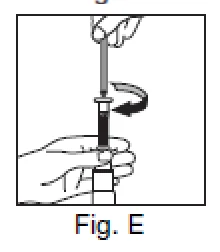
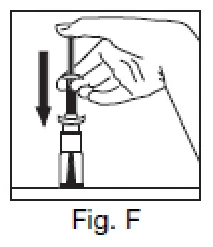
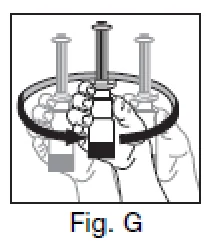
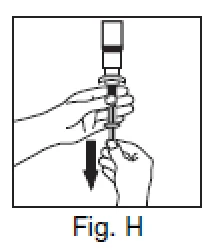
KOVALTRY (Antihemophilic Factor [Recombinant]) supplied with BIO-SET Needle-less Reconstitution Set is a self-contained system that prevents needlestick injuries during reconstitution (see WARNINGS AND PRECAUTIONS – General).
Administer KOVALTRY over several minutes. Adapt the rate of administration to the response of each individual patient. Similar to other rFVIII products, determine the pulse rate before and during administration of KOVALTRY. If there is a significant increase in pulse rate, reduce the rate of administration or temporarily halt the infusion allowing the symptoms to disappear promptly.
Reconstitution
Parenteral Products
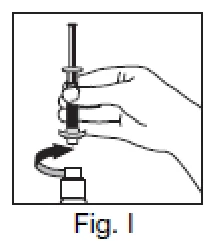
KOVALTRY powder should only be reconstituted with the supplied diluent (2.5 or 5.0 mL Sterile Water for Injection) using theprefilled syringe. Reconstitution should be performed in accordance with good practices rules, particularly with attention to asepsis.
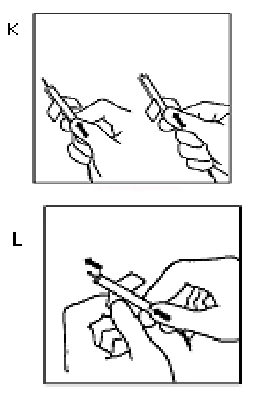
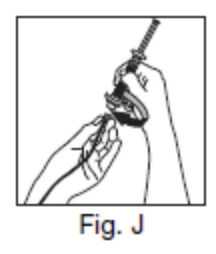
If any component of the package is opened or damaged, do not use this component. The reconstituted product must be filtered prior to administration to remove potential particulate matter in the solution. Filtering can be achieved by following the reconstitution and/or administration steps as described below. It is important to use the administration set provided with the product for administration as it incorporates an in-line filter. In situations where the administration set provided cannot be used (eg, when infusing into a peripheral or central line), a separate filter compatible with KOVALTRY should be used.
If you have any questions about KOVALTRY and compatible separate filters contact Bayer at 1-800-265-7382 or canada.medinfo@bayer.com.
The administration set provided with the product must not be used for drawing blood because it contains an in-line filter. When blood must be withdrawn prior to an infusion, use an administration set without a filter, then infuse KOVALTRY through an injection filter.
Always work on a clean surface and wash your hands before performing the following procedures:
| |
| |
| |
| |
| |
|
| |
| |
| |
|
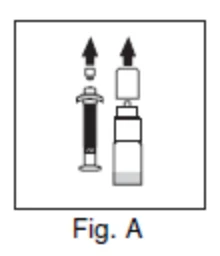
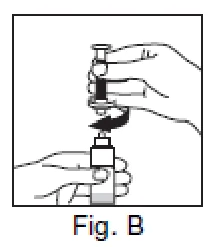
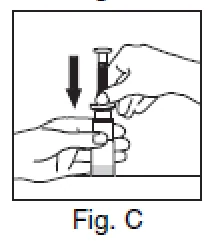
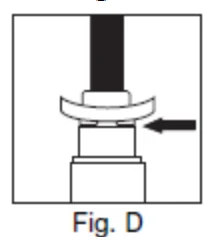
For Injection
| |
|  |
|
| Table 4 - Reconstitution of Parenteral Products | |||
| Vial Size | Volume of Diluent to be Added to Vial | Approximate Available Volume | Nominal Concentration per mL |
| 250 IU | 2.5 mL | 2.5 mL | 100 IU/mL |
| 500 IU | 2.5 mL | 2.5 mL | 200 IU/mL |
| 1000 IU | 2.5 mL | 2.5 mL | 400 IU/mL |
| 2000 IU | 5.0 mL | 5.0 mL | 400 IU/mL |
| 3000 IU | 5.0 mL | 5.0 mL | 600 IU/mL |
OVERDOSAGE
No symptoms of overdose have been reported.
| For management of a suspected drug overdose, contact your regional Poison Control Centre. |
ACTION AND CLINICAL PHARMACOLOGY
Mechanism of Action
KOVALTRY (Antihemophilic Factor [Recombinant]) provides a means of temporarily replacing the missing clotting Factor VIII for effective hemostasis. See INDICATIONS AND CLINICAL USE.
Pharmacodynamics
The activated partial thromboplastin time (aPTT) is prolonged in people with hemophilia. Determination of aPTT is a conventional in vitro assay for biological activity of Factor VIII. Treatment with rFVIII normalizes the aPTT to that achieved with plasma-derived factor VIII.
Pharmacokinetics
The pharmacokinetic (PK) properties of KOVALTRY were investigated in one clinical trial with adult/adolescent PTPs (12-62 years of age) with severe hemophilia A. At the beginning of the study, PK was evaluated in 26 subjects following injection of 50 IU/kg of KOVALTRY or KOGENATE FS with at least 3 days washout. After 6-12 months routine prophylactic treatment of KOVALTRY, 19 out of 26 subjects had a second PK evaluation following injection of 50 IU/kg of KOVALTRY. Serial blood samples were collected over 48 hours. Both KOVALTRY and KOGENATE FS were released using chromogenic assay for this PK evaluation.
| Table 5 - Pharmacokinetic parameters [Geometric mean (%CV)] in adults and adolescents (12-62 years of age) for KOVALTRY compared to KOGENATE FS using one-stage assay at beginning of the study | |||
KOGENATE FS (N=26) | KOVALTRY (N=26) | The geometric mean ratio (95%CI), | |
| Cmax (IU/dL) | 101.3 (19.9) | 96.6 (18.8) | 0.95 (0.86 – 1.05) |
| AUC (IU*h/dL) | 1175.7 (39.2) | 1397.5 (37.9) | 1.19 (1.12 – 1.27) |
| t½ (h) | 12.2 (24.9) | 13.4 (26.0) | 1.10 (1.02 – 1.17) |
| CL (dL/h/kg) | 0.043 (39.2) | 0.036 (37.9) | 0.84 (0.79 – 0.90) |
| MRT (h) | 16.1 (27.6) | 18.4 (28.6) | 1.14 (1.07-1.21) |
| Vss (dL/kg) | 0.69 (27.7) | 0.66 (21.8) | 0.96 (0.87-1.06) |
| Table 6 - Pharmacokinetic parameters [Geometric mean (%CV)] in adults and adolescents (12-62 years of age) for KOVALTRY at beginning of the study compared to post 6-12 months routine prophylactic treatment using one-stage assay | ||
At beginning of the study (N=19) | After 6-12 months routine prophylactic treatment of KOVALTRY (N=19) | |
| Cmax (IU/dL) | 95.7 (13.5) | 119.9 (22.0) |
| AUC (IU*h/dL) | 1575.6 (33.9) | 1725.2 (34.6) |
| t½ (h) | 14.1 (27.7) | 13.8 (27.4) |
In an international field study involving 41 clinical laboratories, the performance of KOVALTRY in FVIII clotting activity (FVIII:C) assays was evaluated and compared to a marketed full length rFVIII product. Consistent results were determined for both products. The FVIII:C of KOVALTRY can be accurately measured in plasma with a one-stage coagulation assay as well as with a chromogenic assay using the routine methods of the laboratory. (6)
Incremental Recovery
The analysis of all recorded in vivo recoveries (IVR) in adult/adolescent PTPs demonstrated a median rise of FVIII:C of >2 IU/dL per IU/kg body weight after administration of KOVALTRY (determined using both chromogenic substrate assay and one-stage coagulation assay) (see CLINICAL TRIALS). (7)
| Table 7 - In vivo recovery results in adults and adolescents PTPs (12-65 years of age) | ||
|---|---|---|
| LEOPOLD I Study | LEOPOLD II Study | |
| Study participants | N=59 | N=56 |
Chromogenic assay results Median (Q1; Q3), range | 2.5 (2.1; 2.8), 0.2 – 4.6 | 2.1 (1.7; 2.4), 0.7 – 3.0 |
One-stage assay results Median (Range) (IU/dL per IU/kg) | 2.2 (1.1; 3.1) | 2.1 (1.2; 4.3) |
| Q1: 25% of subjects, Q3: 75% of subjects | ||
| Table 8 - In vivo recovery results in Pediatric PTPs (<12 years of age) | ||||
| LEOPOLD Kids Study | ||||
| 0 – <6 years | 6 – 12 years | |||
Start of study (N=24) | After 6 months of routine prophylactic treatment (N=23) | Start of study (N=25) | After 6 months of routine prophylactic treatment (N=25) | |
Chromogenic assay results Median (Range) (Q1;Q3) (IU/dL per IU/kg) | 1.6 (0.7; 2.5) (1.3; 1.9) | 1.8 (0.5; 3.1) (1.5; 2.0) | 1.7 (0.6; 2.7) (1.4; 2.0) | 1.8 (0.5; 2.8) (1.2; 2.1) |
Special Populations and Conditions
Pediatrics (<12 years of age)
Pharmacokinetic parameters calculated from 15 PTP subjects <12 years of age are available for 5 subjects in age group 1 - < 6 years and 10 subjects in age group 6 - <12 years as shown in Table 9. Subjects received a dose of 50 IU/kg of KOVALTRY. Blood samples were obtained pre-injection and at 20-30 minutes, 4 hours, and 24 hours after the injection of KOVALTRY.
| Table 9 - PK parameters (Geometric mean (%CV)) for KOVALTRY in PTP children <12 years based on chromogenic assay | |||
| Parameter [unit] | PTPs 0 – <6 years N = 5 | PTPs 6 – <12 years N = 10 | PTPs Total N = 15 |
| Geom. mean (%CV) | Geom. mean (%CV) | Geom. mean (%CV) | |
| AUC [IU*h/dL] | 1334.3 (29.4)a | 1155.4 (34.7) | 1203.9 (32.8) |
| Cmax [IU/dL] | 74.2 (40.5) | 79.8 (23.5) | 77.9 (28.7) |
| t1/2 [h] | 11.8 (27.0)a | 11.9 (16.6) | 11.9 (18.9) |
| CL [dL/h/kg] | 0.037 (25.1)a | 0.043 (34.8) | 0.041 (32.2) |
| MRTIV [h] | 17.3 (24.9)a | 17.6 (15.5) | 17.5 (17.6) |
| Vss [dL/kg] | 0.64 (20.6)a | 0.76 (28.6) | 0.72 (27.1) |
| A: N=4 for PTPs 1- < 6 years | |||
Hepatic impairment
Dose adjustment for patients with hepatic impairment has not been studied in clinical trials.
Renal impairment
Dose adjustment for patients with renal impairment has not been studied in clinical trials.
Duration of Effect
The duration of effect is variable and dependent on the individual patient, the severity of the bleed and the clinical situation.
STORAGE AND STABILITY
KOVALTRY (Antihemophilic Factor [Recombinant]) should be stored under refrigeration
(2°C-8°C). Do not use beyond the expiration date indicated on the vial. Storage of lyophilized powder at room temperature up to 25°C for 12 months, such as in home storage situations, may be done. If the product is stored outside the refrigerator, please add the date removed from refrigeration and note a new expiry date on the carton and vial. The new expiry date should be 12 months from the date product is removed from the refrigerator, or the previously stamped expiry date, whichever is shorter. Once product is removed from refrigeration, it cannot be returned to the refrigerator. Freezing must be avoided. Protect from extreme exposure to light and store the lyophilized powder in the carton prior to use.
After reconstitution, the product should be used immediately (within 3 hours).
SPECIAL HANDLING INSTRUCTIONS
Not applicable.
DOSAGE FORMS, COMPOSITION AND PACKAGING
KOVALTRY (Antihemophilic Factor [Recombinant]) is supplied in the following single use vials (see Table 10) and with a BIO-SET Needle-less Reconstitution Set. A prefilled diluent syringe containing Sterile Water for Injection, EP, USP for reconstitution, and a sterile administration set are also provided.
| Table 10 – KOVALTRY Vial Sizes | |
| Approximate Factor VIII Activity | Diluent |
| 250 IU | 2.5 mL |
| 500 IU | 2.5 mL |
| 1000 IU | 2.5 mL |
| 2000 IU | 5.0 mL |
| 3000 IU | 5.0 mL |
Each vial of KOVALTRY is labeled with actual recombinant Factor VIII activity expressed in IU determined using the chromogenic assay. This potency assignment employs a Factor VIII concentrate standard that is referenced to a WHO International Standard for Factor VIII concentrates, and is evaluated by appropriate methodology to ensure accuracy of the results.
KOVALTRY is a lyophilized powder and formulated with the following inactive ingredients /excipients for the final container: 2.2% glycine, 1% sucrose, 30 mM sodium chloride, 2.5 mM calcium chloride, 20 mM histidine and 80 ppm polysorbate 80. The pH of the reconstituted product is 6.6 to 7.0. KOVALTRY is available in 2.5 mL nominal fill volumes (for 250 IU, 500 IU, and 1000 IU nominal dosage strengths) and 5.0 mL nominal fill volumes (for 2000 IU, and 3000 IU nominal dosage strengths). The final product is a sterile, nonpyrogenic, preservative-free, powder preparation for intravenous (IV) injection.
PART II: SCIENTIFIC INFORMATION
PHARMACEUTICAL INFORMATION
Drug Substance
| Proper name: | Antihemophilic Factor (Recombinant) |
| Chemical name: | Recombinant Human Coagulation Factor VIII |
| Molecular formula: | 2332 amino acids |
| Molecular weight: | Approx. 330-360 kDa |
| Structural formula: | heavy chain C8241H12908N2264O2528S50 and light chain C3553H5408N956O1026S33 |
| The glycoprotein is synthesized as a single chain 330-kD precursor with a domain structure of A1-A2-B-A3-C1-C2 subunits. Proteolytic processing at the B-A3 (between Arg 1648 and Glu 1649) junction yields A1-A2-B heavy chain and A3-C1-C2 light chains to form a large heterodimeric structure linked by a divalent cation bridge. Multiple N-linked and O-linked glycans are present on the structure, predominantly within the B-domain. The A1 and A3-C1-C2 domains each have two occupied N-linked sites. Additionally, there are six highly occupied tyrosine sulfation sites and one site in the A2 domain with very low occupancy. | |
| Physicochemical properties: | KOVALTRY is a water soluble glycosylated protein that is unstable in final form in the absence of excipients. In final form the protein is stabilized in solution with excipients and lyophilized. |
B Domain
C -
210 kD Heavy Chain
Me2+
A2
A1
a1 1
N -
A3
C2
C1
a3 3 3
90 kD portion of Heavy Chain
80 kD Light Chain
High Occupancy Tyrosine Sulfation Sites
N-linked Glycosylation Sites
336
372
711
740
1649
1689
2019
2172
2332
Product Characteristics
KOVALTRY is a full length, unmodified coagulation Factor VIII. It is produced by genetically engineered Baby Hamster Kidney (BHK) cells into which the human Factor VIII gene has been introduced. (1, 8) KOVALTRY has the identical FVIII amino acid sequence, the same molecular formula, proteolytic processing and similar post translational modifications (glycosylation and sulfation) as the licensed KOGENATE FS. (1) Oligosaccharide characterization of the final product has shown superior glycosylation, better branching, and sialylation capping of terminal galactose residues. (9, 10) KOVALTRY has the same biological activity as Factor VIII derived from human plasma. Human- and animal-derived raw materials are not used in the cell culture, purification, and formulation processes.
The BHK cell line has been modified with the human heat shock protein 70 (HSP70) to enhance proper protein folding and resistance to apoptosis. (1) The cell culture process employs a continuous perfusion process and is followed by an automated continuous cell separation process.
Viral Inactivation
To ensure a high virological safety level, the manufacturing process incorporates dedicated viral clearance steps which include a detergent virus inactivation step, and a 20-nm filtration step for removal of viruses and potential protein aggregates. The purification process includes methods of ion exchange chromatography, monoclonal antibody immunoaffinity chromatography, and other chromatographic steps, designed to purify recombinant Factor VIII and remove process- and product-related impurities. (11)
CLINICAL TRIALS
Study Demographics and Trial Design
The safety, efficacy and pharmacokinetics of KOVALTRY were evaluated in three open-label, multicenter clinical trials. A total of 204 male previous treated patients (PTPs) with severe hemophilia A (≤ 1% FVIII activity) have been included in the trial program. There were 153 subjects aged ≥ 12 years old, and 136 of them had ≥ 50 exposure days (EDs) in the clinical trials. The median number of exposure days of 142 subjects participating in the safety and efficacy part of the studies was 159 (range: 8 to 355). There were 51 subjects aged < 12 years old, and 50 of them had ≥ 50 EDs in the clinical trial. The median number of exposure days was 73 (range: 37 to 103).
| Table 11 - Summary of Patient Demographics and Trial Design | ||||
| Study # | Trial Design | Dosage of KOVALTRY | # of PTP subjects | Median (range) age (year) |
| LEOPOLD I (12, 13) | Open-label, multicenter | Part A: PK 50 IU/kg (compared to Kogenate FS 50 IU/kg) Part B: prophylaxis (regimen at investigator’s discretion): 20-50 IU/kg 2-3 x/ week for 12 months, with 6 months per potency (CS/EP and CS/ADJ) assignment Dosing frequency 2x/week Dosing frequency 3x/week Part C: peri-operation: according to standard practice for the use of Kogenate FS. Extension: Prophylaxis / on-demand / peri-operation | 26 62 18 44 5 55 | 28.5 (12 – 61) 30.0 (12 – 61) 40 (12-61) 29 (12-60) 37.0 (28-38) 31.0 (12-61) |
| LEOPOLD II (14) | Open-label, multicenter, randomized | Prophylaxis group by randomization: Dosing frequency 2x/week low dose (20 ─ 30 IU/kg) Dosing frequency 3x/week high dose (30 ─ 40 IU/kg) On-demand group (randomized): dosing according to treatment recommendation for Kogenate FS 12 months in total, with 6 months per potency (CS/EP and CS/ADJ) assignment | 28 31 21 | 30.0 (14 – 53) 27.0 (14 – 54) 28.0 (14 – 59) |
LEOPOLD KIDS (PART A) (15) | Open-label, multicenter | 25 ─ 50 IU/kg prophylaxis at least 2x/week (regimen assigned by investigator), treatment of breakthrough bleeds and prevention of bleeds during surgical procedures; approximately 6 months and at least 50 EDs. Optional PK measurements (patients to receive exact dose of 50 IU/kg) | 51 15 | 6.0 (1 – 11) |
*CS/EP: Treatment with labeled potency (and dose assignment) based on the chromogenic substrate assay according to European Pharmacopoeia *CS/ADJ: Treatment with label-adjusted potency (and dose assignment) mimicking one-stage assay using a pre-defined factor. | ||||
Study Results
Routine Prophylaxis
Adolescents and Adults
The median Annualized Bleeding Rate (ABR) for the ITT population in LEOPOLD I was 1.0 bleeds/year. In LEOPOLD II, comparison of the bleeding rates between subjects receiving on-demand therapy versus prophylaxis regimen demonstrated a statistically significant difference (ANOVA; p<0.0001) in the median ABR in subjects receiving on-demand therapy (60 bleeds per year) as compared to subjects receiving prophylaxis regimen (2 bleeds per year). In LEOPOLD I
Part B or LEOPOLD I Extension, no remarkable difference was seen in the ABRs between prophylaxis treatment 2 times per week or 3 times per week, supporting the practice of a clinically guided selection of dose according to patient requirements for effective prophylaxis treatment.
| Table 12 - Annualized Bleeding Rate (ABR) in Adolescent and Adult Patients in LEOPOLD I and LEOPOLD II Studies | ||||
| LEOPOLD I Study | LEOPOLD II Study | |||
First Year (N=62) | Second Year (N=55) | Low dose, 2 x/week (N=28) | High dose, 3x/week (N=31) | |
| Median Overall ABR (Range) | 1.03 (0.0, 26.1) | 1.97 (0.0, 20.1) | 4.02 (0.0, 33.1) | 1.97 (0.0, 25.9) |
| Median Spontaneous ABR (Range) | 1.01 ( 0.0, 16.7) | 0.98 (0.0, 13.5) | 2.01 (0.0, 33.1) | 0.0 (0.0, 20.6) |
| Median Traumatic ABR (Range) | 0.0 (0.0, 24.1) | 0.0 (0.0, 17.0) | 0.0 (0.0, 6.0) | 0.98 (0.0, 14.9) |
| Median Joint ABR (Range) | 1.04 (0.0, 25.1) | 1.02 (0.0, 14.0) | 2.52 (0.0, 32.1) | 1.01 (0.0, 24.9) |
Children 12 Years of Age and Younger
In Part A of the LEOPOLD KIDS study, a total of 51 previous treated patients (PTPs) aged ≤ 12 years old received six months of prophylactic KOVALTRY treatment. The annualized bleed rate (ABR) is presented in Table 13.
| Table 13 -Annualized Bleeding Rate (ABR) in Children ≤12 years old in Part A of the LEOPOLD KIDS Study | |||
| LEOPOLD KIDS Study (Part A) | |||
PTPs 0-<6 years (N=25) | PTPs 6-12 years (N=26) | PTPs (Total) | |
| Median Overall ABR (Range) | 2.03 (0.0, 18.1) | 0.93 (0.0, 17.7) | 1.90 (0.0, 18.1) |
| Median Spontaneous ABR (Range) | 0.0 ( 0.0, 6.0) | 0.0 (0.0, 12.0) | 0.0 (0.0, 12.0) |
| Median Traumatic ABR (Range) | 0.0 (0.0, 4.1) | 0.0 (0.0, 17.7) | 0.0 (0.0, 17.7) |
| Median Joint ABR (Range) | 0.0 (0.0, 4.1) | 0.0 (0.0, 15.8) | 0.0 (0.0, 15.8) |
Control of Bleeding Episodes
Adolescents and Adults
A total of 1887 bleeding episodes in 108 subjects were treated with KOVALTRY. The majority of the bleeding episodes were spontaneous, localized in joints, and mild to moderate in severity (see Table 14). The median consumption of KOVALTRY for the treatment of breakthrough bleeds was 28.6 IU/kg/injection (range 13-54 IU/kg) and 28 IU/kg (range 11-49 IU/kg) in the LEOPOLD I and LEOPOLD II studies, respectively.
The majority of bleeding episodes (87.6% in LEOPOLD I; 96.2% and 95.3% in prophylaxis and on-demand arms, respectively in LEOPOLD II) were resolved with one or two infusions of KOVALTRY.
| Table 14 - Control and Prevention of Bleeding Episodes in Adolescents and Adults Treated with KOVALTRY | ||||
| Characteristics of Bleeding Episodes | LEOPOLD I | LEOPOLD II | ||
Prophylaxis Main Study N=62 | Prophylaxis Extension N=55 | Prophylaxis N=59 | On-demand N=21 | |
| Patients with bleeds | ||||
| Total number of bleeds | 236 | 154 | 293 | 1204 |
| Spontaneous | 63.5% | 52.7% | 73.9% | 78.5% |
| Mild/moderate | 89.2% | 84.9% | 88.8% | 91.3% |
| Joint bleeds | 79.3% | 77.9% | 87% | 77.2% |
| Number of infusions/bleed treatment (median; range) | 1.0 (0; 48) | 1.0 (0;7) | 1.0 (0; 20) | |
% of bleeds treated with ≤ 2 infusions | 87.6% | 96.2% | 95.3% | |
| Median dose/infusion (range) | 31.6 IU/kg (14-67 IU/kg) | 28 IU/kg (11-49 IU/kg) 29.4 IU/kg 22.0 IU/kg (19-49 IU/kg) (11-35 IU/kg) | ||
Children 12 Years of Age and Younger
A total of 97 bleeding episodes in 28 subjects were treated with KOVALTRY. The majority (96.8%) of the bleeds were mild to moderate in severity. Fifty nine (72.8%) bleeds were trauma related. During the 6 month treatment period, the median consumption of KOVALTRY for the treatment of breakthrough bleeds was 36.94 IU/kg/injection (range 20.8–71.6 IU/kg).
The majority of bleeds (89.7%) were successfully treated with one to two infusions (92.4% in patients from 0 to 6 years of age and 86.7% of patients 6 to 12 years of age).
| Table 15 - Control and Prevention of Bleeding Episodes in Children Treated with KOVALTRY | |||
|---|---|---|---|
| LEOPOLD Kids | |||
PTPs 0 to <6 years (N=25) | PTPs 6 to 12 years (N=26) | PTPs (Total) | |
| Location of bleeds n/total | Skin/mucosa: 28/52 (53.8%) Joint: 10/52 (19.2%) | Skin/mucosa: 17/45 (37.8%) Joint: 22/45 (48.9%) | 45/97 (46.4%) 32/97 (33.0%) |
| Bleed severity, n (%) | Mild: 33 (63.5%) Moderate: 17 (32.7%) Severe: 2 (3.8%) | Mild: 17 (37.8%) Moderate: 27 (60.0%) Severe: 1 (2.2%) | 50 (51.4%) 44 (45.4%) 3 (3.1%) |
| Type of bleeds | Spontaneous: 18.2% Trauma: 81.8% | Spontaneous: 32.4% Trauma: 62.2% Unspecified: 5.4% | 20 (24.7%) 59 (72.8%) 2 (2.5%) |
| Number of infusions/bleed treatment (median; range) | 1.0 (0; 9) | 1.0 (0;8) | 1.0 (0;9) |
| Patient assessment as ‘excellent’ or ‘good’ | 97.8% | 81.0% | 90.1% |
| Dose/infusion (range) | 38.7 IU/kg (20.8–71.6 IU/kg) | 32.4 IU/kg (21.7–50.0 IU/kg) | 36.9 IU/kg (20.8–71.6 IU/kg) |
Peri-operative Management
A total of 11 major surgeries were performed in 9 previously treated subjects (adults and children) with severe hemophilia A. Five of the 11 major surgeries were orthopedic procedures, including joint replacement. All subjects received KOVALTRY as bolus injections. In the adolescents and adults subjects, the initial KOVALTRY doses administered ranged between 3000–5000 IU (nominal dose). In a single subject younger than 12 years of age who underwent a major surgery, the total initial KOVALTRY dose administered was 2500 IU (108.7 IU/kg). (16)
Hemostatic control was assessed by surgeons as “good” or “excellent”.
Non-inferiority testing of CS/EP versus CS/ADJ Potency
Data from LEOPOLD I Part B (excluding data from the extension phase) and LEOPOLD II (prophylaxis group) were combined to test the non-inferiority of prophylactic treatment with KOVALTRY dose determined by chromogenic substrate per European Pharmacopoeia (CS/EP) versus KOVALTRY dose determined by the label-adjusted potency mimicking the one-stage assay (CS/ADJ).
Despite an approximately 20% lower actual FVIII dose, the efficacy of prophylaxis treatment with KOVALTRY in the prevention of bleeds using the potency determined by CS/EP mode was statistically proven as non-inferior to treatment using the potency determined by CS/ADJ mode. The median difference between ‘ABR on prophylaxis treatment with CS/ADJ’ compared to ‘ABR on prophylaxis with CS/EP’ was 0.00 bleeds/year for LEOPOLD I, LEOPOLD II and for the pool.
The non-inferiority of CS/EP versus CS/ADJ based dosing was also proven for the treatment of bleeds in the on-demand group, in relation to the number of bleeds treated with up to 2 injections (LEOPOLD II). Non-inferiority testing resulted in p<0.0001 (exact permutation test for paired samples), ie, the non-inferiority of CS/EP to CS/ADJ was demonstrated.
DETAILED PHARMACOLOGY
Primary Pharmacology
Two sets of primary in vivo pharmacology studies directly compared the ability of KOVALTRY and another recombinant Factor VIII (rFVIII), KOGENATE FS, to protect against blood loss following tail injury in hemophilia A mice using 2 treatment scenarios, “on-demand” and prophylactic. KOVALTRY and KOGENATE FS provided equivalent protection against bleeding at dose levels of 12 or 40 IU/kg and 40 or 120 IU/kg respectively.
Safety Pharmacology
The safety pharmacology test program encompassed studies on cardiovascular and respiratory function after single intravenous administration of KOVALTRY.
Cardiovascular function (including ECG) was investigated in anesthetized beagle dogs after a single short (<5 minute) iv injection and respiratory function in conscious unrestrained rats after a single bolus iv injection. No treatment-related effects on cardiovascular function and ECG were found in dogs (highest dose tested was 400 IU/kg, or approximately 10-times the clinical dose).
Respiratory function in rats was only affected at the high dose of 400 IU/kg as expressed by transient increases in respiratory frequency (reversible within 1 hour after administration) and minute volume relative to concurrent controls. These effects were not seen in rats treated with 120 IU/kg (approximately 3-times the clinical dose).
Pharmacokinetics in animals
The PK studies used the Sprague-Dawley rat as the rodent model and the New Zealand White rabbit as the non-rodent model.
PK non-inferiority of KOVALTRY as compared to KOGENATE FS was assessed based on dose normalized area-under-the-curve (AUC) and terminal half-life parameters in both species, and non-inferiority was shown. While the ratio of AUC values for KOVALTRY / KOGENATE FS differed by a factor of 1.39 and 1.63 in rats and rabbits, respectively, and the corresponding plasma clearance of KOVALTRY compared to KOGENATE FS was 28% lower in the rat and 39% lower in the rabbit, the half-life of both compounds was not relevantly different. No relevant differences in PK parameters were observed in hemophilia A mice treated with KOVALTRY or KOGENATE FS.
TOXICOLOGY
Toxicology studies of KOVALTRY (see Table 16) included single and repeated (5-day) intravenous administration toxicology studies in male rats and rabbits, with recovery groups and supportive toxicokinetics in the repeat-dose studies. In addition, the genotoxicity of KOVALTRY was assessed in vitro. This mutagenicity testing was conducted based on an agency concern that human heat-shock protein 70 (HSP70) in the production cell line may result in a mutagenic concern.
Local tolerability was assessed as part of the acute and repeat dose toxicity studies.
Comparative antigenicity studies between KOVALTRY and the currently marketed product KOGENATE FS were performed. Bayer selected the hemophilia A mouse model for this purpose. Anti-FVIII antibody formation was also examined in the pivotal repeat dose toxicity studies in rats and rabbits as part of an immunogenicity plan.
| Table 16 - Toxicology Program | |||||
|---|---|---|---|---|---|
Type of Study/ Duration | Subjects (Species, Strain; No. /Sex / Group) | Route of Admini stration | Compound administered | Doses | Key Findings |
| Single-Dose Toxicity | |||||
| Single dose toxicity (+ 2-week recovery) | Rat, Sprague-Dawley, 6/M / group Recovery, 4/M / group | IV IV | KOVALTRY (2 lots) KOVALTRY A(2lots) | 0, 400, 4000 IU/kg 0, 4000 IU/kg | KOVALTRY was well tolerated in male rats and rabbits and no treatment-related adverse effects were observed up to the highest dose tested. The NOAEL is >4000 IU/kg; this is up to 80 to 200 times the clinical dose of 20 to 50 IU/kg. Locally at the injection sites KOVALTRY was well tolerated. |
Rabbit, New Zealand White, 3/M/ group Recovery, 3/M/ group | IV IV | KOVALTRY (2 lots) KOVALTRY (2 lots) | 0, 400, 4000 IU/kg 0, 4000 IU/kg | ||
| Repeat-Dose Toxicity | |||||
| 5-day systemic toxicity (GLP) (+ 4-week recovery, TK) | Rat, Sprague-Dawley; 10/M / group Recovery; 5/M / group | IV IV | KOVALTRY KOVALTRY | 0, 40, 120, 400 IU/kg 0, 400 IU/kg | KOVALTRY was well tolerated in rats and rabbits and no treatment-related adverse effects were seen. The NOAEL after repeated administration is >400 IU/kg. Locally at the injection sites KOVALTRY was well tolerated. |
Rabbit, New Zealand White; 6/M / group Recovery; 3/M / group | IV IV | KOVALTRY KOVALTRY | 0, 40, 120, 400 IU/kg 0, 400 IU/kg | ||
| Genotoxicity | |||||
| In vitro Mutagenicity (Mouse lymphoma assay, GLP) | L5178Y cell line | In vitro | KOVALTRY | pulse treatment: 25 % (1.25 mL per 5 mL culture) continuous treatment: 4 % (0.4 mL per 10 mL culture) | KOVALTRY has been shown to be non-mutagenic and non-clastogenic in mammalian cells in the mouse lymphoma assay. |
| Table 16 - Toxicology Program |
|---|
Type of Study/ Duration | Subjects (Species, Strain; No. /Sex / Group) | Route of Admini stration | Compound administered | Doses | Key Findings |
|---|---|---|---|---|---|
| Other toxicity studies | |||||
| Immunogenity (non GLP) | Mice, Hemophilia A; 10/M / group | IV | KOVALTRY KOGENATE FS | 40 or 200 IU/kg | KOVALTRY treatment did not result in a statistically different formation of total and neutralizing antibody titres when compared with KOGENATE -FS. |
| GLP = good laboratory practice (regulations); IV=intravenous; M =male; NOAEL=No Adverse Effect Level; TK =including toxicokinetics | |||||
The nonclinical safety program did not identify any concerns for humans based on safety pharmacology, acute toxicity, repeated-dose toxicity and genotoxicity studies.
REFERENCES
- 1. Maas Enriquez M, Thrift J, Garger S, Katterle Y. BAY 81-8973, a full-length recombinant factor VIII: Human heat shock protein 70 improves the manufacturing process without affecting clinical safety. Protein expression and purification. 2016;127:111-5.
- 2. Mannucci PM, Mauser-Bunschoten EP. Cardiovascular disease in haemophilia patients: a contemporary issue. Haemophilia. 2010;16 Suppl 3:58-66.
- 3. Hay CR, Brown S, Collins PW, Keeling DM, Liesner R. The diagnosis and management of factor VIII and IX inhibitors: a guideline from the United Kingdom Haemophilia Centre Doctors Organisation. Br J Haematol. 2006;133(6):591-605.
- 4. Abildgaard CF, Simone JV, Corrigan JJ, Seeler RA, Edelstein G, Vanderheiden J, et al. Treatment of hemophilia with glycine-precipitated factor 8. N Engl J Med. 1966;275(9):471-5.
- 5. Di Michele DM. Immune tolerance induction in haemophilia: evidence and the way forward. J Thromb Haemost. 2011;9 Suppl 1:216-25.
- 6. Kitchen S, Beckmann H, Katterle Y, Bruns S, Tseneklidou-Stoeter D, Maas Enriquez M. BAY 81-8973, a full-length recombinant factor VIII: results from an International comparative laboratory field study. Haemophilia. 2016;22(3):e192-9.
- 7. Shah A, Delesen H, Garger S, Lalezari S. Pharmacokinetic properties of BAY 81-8973, a new full-length recombinant Factor VIII product Haemophilia. 2014.
- 8. Afonja O, Kozak R, Petraro P, Michaels LA, Mathew P, Lemm G, et al. Baby hamster kidney cell-derived recombinant factor VIII: a quarter century of learning and clinical experience. Expert review of hematology. 2016:1-14.
- 9. Ishaque A, Thrift J, Murphy JE, Konstantinov K. Over-expression of Hsp70 in BHK-21 cells engineered to produce recombinant factor VIII promotes resistance to apoptosis and enhances secretion. Biotechnology and bioengineering. 2007;97(1):144-55.
- 10. Ishaque A, Thrift J, Murphy JE, Konstantinov K. Cell surface staining of recombinant factor VIII is reduced in apoptosis resistant BHK-21 cells. Journal of biotechnology. 2008;137(1-4):20-7.
- 11. Humphries TR, L.; Garger, S.; Afonja, O.; Maas Enriquez, M. BAY 81-8973: A new third-generation rFVIII created through state-of-the-art manufacturing, offering dosing flexibility to the hemophilia A community [Abstract]. Haemophilia. 2015;21(3):e264.
- 12. Oldenburg J, Windyga J, Hampton K, Lalezari S, Tseneklidou-Stoeter D, Beckmann H, et al. Safety and efficacy of BAY 81-8973 for surgery in previously treated patients with haemophilia A: results of the LEOPOLD clinical trial programme. Haemophilia. 2016;22(3):349-53.
- 13. Saxena K, Lalezari S, Oldenburg J, Tseneklidou-Stoeter D, Beckmann H, Yoon M, et al. Efficacy and safety of BAY 81-8973, a full-length recombinant factor VIII: results from the LEOPOLD I trial. Haemophilia. 2016;22(5):706-12.
- 14. Kavakli K, Yang R, Rusen L, Beckmann H, Tseneklidou-Stoeter D, Maas Enriquez M. Prophylaxis Versus On-Demand Treatment With BAY 81-8973, a Full-Length Plasma-Protein-Free rFVIII Product: Results From a Randomized Trial (LEOPOLD II). J Thromb Haemost. 2014.
- 15. Ljung R, Kenet G, Mancuso M, Kaleva V, Rusen L, Tseneklidou-Stoeter D, et al. BAY 81-8973 safety and efficacy for prophylaxis and treatment of bleeds in previously treated children with severe haemophilia A: results of the LEOPOLD Kids Trial. Haemophilia. 2015 Dec 9.
- 16. Oldenburg J, Windyga J, K. H, Lalezari S, Tseneklidou-Stoeter D, Beckmann H, et al. Safety and Efficacy of BAY 81-8973 for Surgery in Previously Treated Patients with Hemophilia A: Results of the LEOPOLD Clinical Trial Program (Manuscript). Haemophilia. 2015:1-18.