


Product Monograph - Pixxoscan
Recent Major Label Changes
| 3 Serious Warnings and Precautions Box, NOT FOR INTRATHECAL USE | 2025-10 |
|---|---|
| 7 Warnings and Precautions, Risks of Intrathecal Use | 2025-10 |
Table of Contents
Certain sections (as indicated in section 2.1. of the PM Guidance) or subsections that are not applicable at the time of the preparation of the most recent authorized product monograph are not listed.
Recent Major Label Changes .................................................................. Error! Bookmark not defined.
Table of Contents ............................................................................................................................. 2
Part 1: Healthcare Professional Information...................................................................................... 4
1 Indications .................................................................................................................................... 4
1.1 Pediatrics ............................................................................................................................................. 4
1.2 Geriatrics ............................................................................................................................................. 4
2 Contraindications .......................................................................................................................... 4
3 Serious Warnings and Precautions Box .......................................................................................... 5
4 Dosage and Administration ........................................................................................................... 5
4.1 Dosing Considerations ......................................................................................................................... 5
4.2 Recommended Dose and Dosage Adjustment .................................................................................... 5
4.4 Administration ..................................................................................................................................... 7
4.5 Missed Dose ........................................................................................................................................ 8
5 Overdose ...................................................................................................................................... 8
6 Dosage Forms, Strengths, Composition, and Packaging................................................................... 8
7 Warnings and Precautions ............................................................................................................. 8
7.1 Special Populations ............................................................................................................................ 12
7.1.1 Pregnancy ....................................................................................................................................... 12
7.1.2 Breastfeeding .................................................................................................................................. 12
7.1.3 Pediatrics ........................................................................................................................................ 12
7.1.4 Geriatrics ........................................................................................................................................ 13
8 Adverse Reactions ....................................................................................................................... 13
8.1 Adverse Reaction Overview ............................................................................................................... 13
8.2 Clinical Trial Adverse Reactions ......................................................................................................... 13
8.2.1 Clinical Trial Adverse Reactions – Pediatrics ................................................................................... 15
8.3 Less Common Clinical Trial Adverse Reactions .................................................................................. 17
8.3.1 Less Common Clinical Trial Adverse Reactions – Pediatrics ........................................................... 17
8.4 Abnormal Laboratory Findings: Hematologic, Clinical Chemistry and Other Quantitative Data ...... 17
8.5 Post-Market Adverse Reactions ......................................................................................................... 18
9 Drug Interactions ........................................................................................................................ 19
9.2 Drug Interactions Overview ............................................................................................................... 19
9.3 Drug Behaviour Interactions .............................................................................................................. 19
9.4 Drug-Drug Interactions ...................................................................................................................... 19
9.5 Drug-Food Interactions ...................................................................................................................... 19
9.6 Drug-Herb Interactions ...................................................................................................................... 19
9.7 Drug-Laboratory Test Interactions ..................................................................................................... 19
10 Clinical Pharmacology ............................................................................................................... 19
10.1 Mechanism of Action ...................................................................................................................... 19
10.2 Pharmacodynamics ......................................................................................................................... 19
10.3 Pharmacokinetics ............................................................................................................................ 20
11 Storage, Stability, and Disposal .................................................................................................. 23
12 Special Handling Instructions ..................................................................................................... 23
Part 2: Scientific Information .......................................................................................................... 24
13 Pharmaceutical Information ...................................................................................................... 24
14 Clinical Trials ............................................................................................................................. 25
14.1 Clinical Trials by Indication .............................................................................................................. 25
15 Microbiology ............................................................................................................................. 36
16 Non-Clinical Toxicology .............................................................................................................. 36
Patient Medication Information ..................................................................................................... 41
Part 1: Healthcare Professional Information
1 Indications
Pixxoscan (gadobutrol injection) is a medicinal product for diagnostic use only.
Pixxoscan (gadobutrol injection) is indicated in adults and children of all ages including term newborns for:
- Contrast enhancement during cranial and spinal MRI investigations and for contrast-enhanced magnetic resonance angiography (CE-MRA). See 4.2 Recommended Dose and Dosage Adjustment for specific dosage recommendations.
- Contrast enhanced MRI of the breast to assess the presence and extent of malignant breast disease, and MRI of the kidney.
- Pixxoscan is particularly suited for cases where the exclusion or demonstration of additional pathology may influence the choice of therapy or patient management, for detection of very small lesions and for visualization of tumors that do not readily take up contrast media.
- Pixxoscan is also suited for perfusion studies for the diagnosis of stroke, detection of focal cerebral ischemia and tumor perfusion.
1.1 Pediatrics
Pediatrics (< 18 years of age): Based on the data submitted and reviewed by Health Canada, the safety and efficacy of gadobutrol injection in pediatric patients has been established. Therefore, Health Canada has authorized an indication for pediatric use (see 1 Indications). Use of macrocyclic agents may be preferable in potentially vulnerable patients such as children. (See 8.2.1 Clinical Trial Adverse Reactions – Pediatrics; 10 Clinical Pharmacology - Special Populations and Conditions: Pediatrics; 4 Dosage and Administration and 14 Clinical Trials – Cardiac Effects: QT Interval).
1.2 Geriatrics
Geriatrics (65 years of age and over): No special precautions are required in elderly patients unless renal function is impaired (see 3 Serious Warnings and Precautions Box and 7 Warnings and Precautions – Renal).
2 Contraindications
- Gadobutrol injection should not be administered to patients who have experienced a life-threatening reaction to gadobutrol injection previously (see 7 Warnings and Precautions – Hypersensitivity).
3 Serious Warnings and Precautions Box
Nephrogenic Systemic Fibrosis (NSF)
Gadolinium-based contrast agents (GBCAs) increase the risk for NSF in patients with:
- chronic severe renal insufficiency (glomerular filtration rate <30 mL/min/1.73m2), or
- acute renal failure / acute kidney injury
In these patients, avoid use of GBCAs unless the diagnostic information is essential and not available with noncontrast-enhanced magnetic resonance imaging (MRI). NSF may result in fatal or debilitating systemic fibrosis affecting the skin, muscle, and internal organs. Screen all patients for renal dysfunction by obtaining a history and/or laboratory tests. When administering a GBCA, do not exceed the recommended dose (see 4.2 Recommended Dose and Dosage Adjustment) and allow a sufficient period of time for elimination of the agent from the body prior to any readministration. (See 7 Warnings and Precautions - General, Renal and Skin; and 8.5 Post-Market Adverse Reactions.)
NOT FOR INTRATHECAL USE
Intrathecal administration of GBCAs can cause serious, life-threatening, and fatal reactions. Pixxoscan is not approved for intrathecal use (see 7 Warnings and Precautions - Risks of Intrathecal Use).
4 Dosage and Administration
4.1 Dosing Considerations
- Pixxoscan is for intravenous administration only.
- The lowest effective dose should be used.
- Use of macrocyclic agents may be preferable in certain patients such as those for whom repeated GBCA doses may need to be considered due to individual clinical circumstances and in other potentially vulnerable patients such as children and pregnant women (See 7 Warnings and Precautions).
4.2 Recommended Dose and Dosage Adjustment
Dosage depends on the indication. A single intravenous injection of 0.1 mL/kg body weight
Pixxoscan is generally sufficient to answer the clinical questions. A total amount of 0.3 mL/kg body weight Pixxoscan may be administered at maximum (see 7 Warnings and Precautions – Renal).
- The following dosages of Pixxoscan are recommended for cranial and spinal MRI examinations and in magnetic resonance angiography (CE-MRA) in adults.
Table 1: Recommended Doses of Pixxoscan in Adults
| TYPE of EXAMINATION | Pixxoscan |
|---|---|
| CNS Indications CNS Indications | |
General -1st injection | 0.1 mL/kg |
| -2nd injection (within 30 min of 1st injection) in cases where a strong clinical suspicion of a lesion persists despite a normal contrast-enhanced MRI or when more accurate information on the number, size, or extent of lesions might influence the choice of therapy or management of the patient. | 0.1 mL/kg to 0.2 mL/kg (corresponding to 0.1-0.2 mmol/kg of body weight) |
Exclusion of metastases or recurrent tumors Lesions with poor vascularization and/or small extracellular space or when relatively less heavily T1- weighted scanning sequences are used. | 0.3 mL/kg (corresponding to 0.3 mmol/kg of body weight) |
| Perfusion studiesa | 0.1 to 0.3 mL/kg (corresponding to 0.1 to 0.3 mmol/kg of body weight) |
| CE-MRA Indication CE-MRA Indication | |
| Imaging of 1 field of view (FOV): | 7.5 mL for body weight below 75 kg, 10 mL for body weight of 75 kg and higher; (corresponding to 0.1-0.15 mmol/kg of body weight). |
| Imaging of > 1 field of view (FOV): | 15 mL for body weight below 75 kg, 20 mL for body weight of 75 kg and higher (corresponding to 0.2-0.3 mmol/kg of body weight). |
a For perfusion studies, the use of a nonmagnetic, automatic injector is recommended at an infusion rate of 3-5 mL/sec
Pediatric Population
For children of all ages including term newborns, the recommended dose of Pixxoscan is 0.1 mL/kg body weight (corresponding to 0.1 mmol/kg body weight of gadobutrol) for all indications.
The safety and efficacy of higher than recommended 0.1 mL/kg body weight is not established in children less than 2 years of age. The recommended dose should never be exceeded in this population.
Geriatrics
In clinical studies, no overall differences in safety or effectiveness were observed between elderly (aged 65 years and above) and younger patients, and other reported clinical experience has not identified differences in responses between the elderly and younger patients. No dosage adjustment is considered necessary.
Hepatic Impairment
Since gadobutrol is exclusively eliminated in an unchanged form via the kidneys, no dosage adjustment is considered necessary (see 10.3 Pharmacokinetics).
Renal Impairment
The elimination of gadobutrol is prolonged in patients with renal impairment. However, to ensure diagnostically useful images, no dosage adjustment is recommended. Pixxoscan should be used with caution in patients with renal insufficiency (see 3 Serious Warnings and Precautions Box, 7 Warnings and Precautions - General and 7 Warnings and Precautions - Skin and 8.5 Post-Market Adverse Reactions.)
4.4 Administration
The required volume of Pixxoscan is administered intravenously as a bolus injection. For dynamic studies the use of an injector is recommended. Contrast-enhanced MRI can start shortly after the injection depending on the pulse sequences used and the protocol for the examination. Optimal signal enhancement is generally observed during arterial first pass and within a period of about 15 minutes after injection of Pixxoscan (time depending on type of lesion/tissue). T1-weighted scanning sequences are particularly suitable for contrast-enhanced examinations.
In the absence of compatibility studies, Pixxoscan must not be mixed with other medicinal products.
Pediatrics (< 2 Years of Age)
Patients in this age range are often less than 15 kg body weight. Pixxoscan is often administered as a manual injection intravenously due to small administration volume of < 1.5 mL. The use of syringes allowing accurate dosing is recommended. Follow Pixxoscan injection with a normal saline flush to ensure complete administration of the contrast.
Parenteral Products
Visual Inspection: This medicinal product should be visually inspected before use.
Pixxoscan should not be used in case of severe discoloration, the occurrence of particulate matter, or a defective container.
Use of vials: Pixxoscan should not be drawn into the syringe until immediately before use. The rubber stopper should never be pierced more than once. Any unused portion must be discarded upon completion of the procedure.
Use of Pharmacy Bulk Packs: Pharmacy Bulk Packages are not for use in direct intravenous infusions. After the Pharmacy Bulk Package has been opened, Pixxoscan remains stable for 24 hours at 20°C to 25°C. The Pharmacy Bulk Package contains many single doses and is used with an appropriate transfer device for filling empty sterile syringes. The transfer of Pixxoscan from the Pharmacy Bulk Package must be performed in an aseptic work area, using aseptic technique. The contents of the Pharmacy Bulk Package after initial puncture should be used within 24 hours. Once the Pharmacy Bulk Package is punctured, it should not be removed from the aseptic work area during the entire 24 hour period of use. Any unused portion must be discarded 24 hours after initial puncture.
4.5 Missed Dose
Not applicable.
5 Overdose
Single doses of gadobutrol injection as high as 1.5 mmol/kg of body weight of gadobutrol were tolerated well.
No signs of intoxication from an overdose have been reported during clinical use.
In case of inadvertent overdosage, cardiovascular monitoring and control of renal function are recommended as a measure of precaution.
Use of products of a similar class to gadobutrol injection has resulted in cases of acute renal failure in general in patients with pre-existing renal impairment. Pixxoscan should be used with caution in patients with renal insufficiency (see 7 Warnings and Precautions – Renal and 4.2 Recommended Dose and Dosage Adjustment). In the event of inadvertent overdosage, Pixxoscan can be removed from the body by hemodialysis. However, it is unknown if hemodialysis prevents NSF. (see 7 Warnings and Precautions – Renal).
For the most recent information in the management of a suspected drug overdose, contact your regional poison control centre or Health Canada’s toll-free number, 1-844 POISON-X (1-844-764-7669).
6 Dosage Forms, Strengths, Composition, and Packaging
Table 2: – Dosage Forms, Strengths, and Composition
| Route of Administration | Dosage Form/ Strength/Composition | Available Package Size | Non-Medicinal Ingredients |
|---|---|---|---|
| intravenous | Solution / 604.72 mg/mL (1.0 mmol/mL) gadobutrol injection | Vials of 7.5 mL, boxes of 10 Vials of 15 mL, boxes of 10 Pharmacy Bulk Packs of 30 mL, boxes of 10 | Calcium sodium butrol, hydrochloric acid, trometamol, water for injection |
Pixxoscan is a clear, colorless to pale yellow, sterile, aqueous solution. Each mL of Pixxoscan contains 604.72 mg (1.0 mmol) of gadobutrol (as gadobutrol monohydrate), 1.211 mg trometamol, and 0.513 mg calcium sodium butrol in water for injection. The pH of Pixxoscan is adjusted to between 6.6 and 8.0 with hydrochloric acid. Pixxoscan is supplied in single-dose vials of 7.5 mL and 15 mL, and in Pharmacy Bulk Packs of 30 mL.
7 Warnings and Precautions
See 3 Serious Warnings and Precautions Box.
General
MRI and MRA procedures which involve the use of gadobutrol should be carried out by medical staff who have the prerequisite training and a thorough knowledge of the particular procedure to be performed.
Pixxoscan is intended for intravenous administration only and may cause tissue irritation and pain if administered extravascularly.
Pronounced states of excitement, anxiety and pain may increase the risk of adverse reactions or intensify contrast medium-related reactions.
Overestimation of Extent of Malignant Disease in MRI of the Breast
Gadobutrol injection MRI of the breast overestimated the histologically confirmed extent of malignancy in the diseased breast in up to 50% of the patients.
Accumulation of Gadolinium in the Brain
The current evidence suggests that gadolinium may accumulate in the brain after multiple administrations of GBCAs. Increased signal intensity on non-contrast T1-weighted images of the brain has been observed after multiple administrations of GBCAs in patients with normal renal function. Gadolinium has been detected in brain tissue after multiple exposures to GBCAs, particularly in the dentate nucleus and globus pallidus. The evidence suggests that the risk of gadolinium accumulation is higher after repeat administration of linear than after repeat administration of macrocyclic agents.
The clinical significance of gadolinium accumulation in the brain is presently unknown; however, gadolinium accumulation may potentially interfere with the interpretation of MRI scans in the brain. In order to minimize potential risks associated with gadolinium accumulation in the brain, it is recommended to use the lowest effective dose and perform a careful benefit risk assessment before administering repeated doses.
Risks of Intrathecal Use
Serious, life-threatening and fatal cases, primarily with neurological reactions (e.g. coma, encephalopathy, seizures), have been reported with off-label intrathecal use of GBCAs. Pixxoscan is not approved for intrathecal use (see 3 Serious Warnings and Precautions Box and 4.1 Dosing Considerations).
General Disorders and Administrative Site Conditions
Extravasation and Injection Site Reactions
Ensure catheter and venous patency before the injection of Pixxoscan. Extravasation into tissues during Pixxoscan administration may result in moderate irritation (see 16 Non-Clinical Toxicology – Special Toxicology).
Immune
Hypersensitivity
Pixxoscan is contraindicated in patients who have experienced a life-threatening reaction to gadobutrol injection previously.
In all other patients with known hypersensitivity to gadobutrol injection, a particularly careful risk-benefit assessment is required (see 6 Dosage Forms, Strengths, Composition, and Packaging).
As with other contrast media, gadobutrol injection can be associated with anaphylactoid/hypersensitivity or other idiosyncratic reactions, characterized by cardiovascular, respiratory or cutaneous manifestations, and ranging to severe reactions including shock.
Most of these reactions occur within 30 minutes of administration.
As with other contrast media, delayed reactions occurring hours or days after administration have been observed, though rarely.
Therefore, post-procedure observation of the patient is recommended for at least 30 minutes after the administration of Pixxoscan. It is important to be familiar with the practice of emergency measures so that prompt action may be taken in the event of hypersensitivity reactions. To permit immediate countermeasures to be taken in emergencies, appropriate drugs and instruments, eg, endotracheal tube and ventilator, should be readily available.
The decision to use Pixxoscan should be made after careful evaluation of the risk-benefit ratio in patients with a history of previous reaction to contrast media, allergic disorders, or bronchial asthma. Experience with contrast media in general shows that these patients suffer more frequently than others from hypersensitivity reactions.
Neurologic
Convulsive States
While there is no evidence suggesting that gadobutrol directly precipitates convulsion, the possibility that it may decrease the convulsive threshold in susceptible patients cannot be ruled out.
Precautionary measures should be taken with patients predisposed to seizure, eg, close monitoring and availability of injectable anticonvulsants.
Renal
Use of products of a similar class to gadobutrol injection has resulted in cases of acute renal failure. Among the factors that may increase the risk for NSF are repeated or higher than recommended doses of a GBCA and the degree of renal function impairment at the time of exposure.
Exposure to GBCAs increase the risk for NSF in patients with:
- chronic severe renal insufficiency (glomerular filtration rate <30 mL/min/1.73m2), or
- acute renal failure / acute kidney injury
- Screen all patients for renal dysfunction by obtaining a history and/or laboratory tests.
- The risk, if any, for the development of NSF among patients with mild to moderate renal insufficiency or normal renal function is unknown, and the cautious utilization of the lowest possible dose of GBCA is preferable.
(See 3 Serious Warnings and Precautions Box and 7 Warnings and Precautions - Skin; and 8.5 Post-Market Adverse Reactions.)
In patients with severely impaired renal function, the benefits of gadobutrol must be weighed carefully against the risks, since elimination will be delayed in such patients. Because gadobutrol is renally excreted, a sufficient period of time for elimination of the contrast agent from the body prior to any readministration in patients with renal impairment should be ensured. Usually, complete recovery in the urine within 72 hours was seen in patients with mild or moderate renal impairment. In patients with severely impaired renal function at least 80% of the administered dose was recovered in the urine within 5 days (see 10.3 Pharmacokinetics). Pixxoscan can be removed from the body by hemodialysis. At least 3 dialysis sessions within 5 days of the injection are recommended (in which approximately 98% of Pixxoscan is removed from the body). However, it is unknown if hemodialysis prevents NSF. For patients already receiving hemodialysis at the time of Pixxoscan administration, prompt initiation of hemodialysis following the administration of Pixxoscan should be considered, in order to enhance the contrast agent's elimination.
Skin
NSF was first identified in 1997 and has, so far, been observed only in patients with renal disease. This is a systemic disorder with the most prominent and visible effects on the skin. Cutaneous lesions associated with this disorder are caused by excessive fibrosis and are usually symmetrically distributed on the limbs and trunk. Involved skin becomes thickened, which may inhibit flexion and extension of joints and result in severe contractures. The fibrosis associated with NSF can extend beyond dermis and involve subcutaneous tissues, striated muscles, diaphragm, pleura, pericardium, and myocardium. NSF may be fatal. (See 3 Serious Warnings and Precautions Box, 7 Warnings and Precautions - General and 7 Warnings and Precautions – Renal and 8.5 Post-Market Adverse Reactions.)
Nephrogenic Systemic Fibrosis (NSF)
Gadolinium-based contrast agents (GBCAs) increase the risk for Nephrogenic Systemic Fibrosis (NSF) in patients with chronic severe renal insufficiency (glomerular filtration rate <30 mL/min/1.73m2), and in patients with acute renal failure / acute kidney injury. In these patients, avoid use of GBCAs unless the diagnostic information is essential and not available with noncontrast-enhanced magnetic resonance imaging (MRI). For patients receiving hemodialysis, healthcare professionals may consider prompt hemodialysis following GBCA administration in order to enhance the contrast agent's elimination. However, it is unknown if hemodialysis prevents NSF.
Among the factors that may increase the risk for NSF are repeated or higher than recommended doses of a GBCA and the degree of renal function impairment at the time of exposure.
NSF development is considered a potential class-related effect of all GBCAs.
Postmarketing reports have identified the development of NSF following single and multiple administrations of GBCAs. These reports have not always identified a specific agent. Where a specific agent was identified, the most commonly reported agent was gadodiamide (OMNISCAN™), followed by gadopentetate dimeglumine (MAGNEVIST®) and gadoversetamide (OPTIMARK®). NSF has also developed following the sequential administration of gadodiamide with gadobenate dimeglumine (MULTIHANCE®) or gadoteridol (PROHANCE®). The number of postmarketing reports is subject to change over time and may not reflect the true proportion of cases associated with any specific GBCA.
The extent of risk for NSF following exposure to any specific GBCA is unknown and may vary among the agents. Published reports are limited and predominantly estimate NSF risks with gadodiamide. In one retrospective study of 370 patients with severe renal insufficiency who received gadodiamide, the estimated risk for development of NSF was 4%. The risk, if any, for the development of NSF among patients with mild to moderate renal insufficiency or normal renal function is unknown, and the cautious utilization of the lowest possible dose of GBCA is preferable.
Screen all patients for renal dysfunction by obtaining a history and/or laboratory tests. When administering a GBCA, do not exceed the recommended dose and allow a sufficient period of time for elimination of the agent from the body prior to any readministration. (See 10 Clinical Pharmacology and 4.2 Recommended Dose and Dosage Adjustment.)
A skin biopsy is necessary in order to exclude the diagnosis of similarly presenting skin disorders (eg, scleromyxedema). (See 3 Serious Warnings and Precautions Box, 7 Warnings and Precautions - General, Renal and Skin; and 8.5 Post-Market Adverse Reactions.)
7.1 Special Populations
7.1.1 Pregnancy
The safe use of gadobutrol injection during pregnancy has not been established. Pixxoscan should be used during pregnancy only if the benefit justifies the potential risk to the fetus.
Use of macrocyclic agents may be preferable in certain patients such as those for whom repeated GBCA doses may need to be considered due to individual clinical circumstances and in other potentially vulnerable patients such as pregnant women.
Traces of GBCAs can cross the placenta barrier and result in fetal exposure and may be detected in organs and tissues for an extended period of time. In one study in pregnant mice, gadobutrol was detected in the plasma but not in the tissues of offspring of pregnant mice administered gadobutrol once daily, intravenously on gestation days 6-18 on post-natal day 70 whereas linear agents were detected on postnatal day 70 in offspring of mice administered a linear agent (see 16 Non-Clinical Toxicology). Animal studies at clinically relevant doses have not shown reproductive toxicity after repeated administration (see 16 Non-Clinical Toxicology – Reproductive and Developmental Toxicology).
The potential risks of an abnormal pregnancy outcome are unknown, as adequate and well controlled clinical studies with gadobutrol injection were not conducted in pregnant women. A retrospective cohort study, comparing pregnant women who had a GBCA MRI to pregnant women who did not have an MRI, reported a higher occurrence of stillbirths and neonatal deaths in the group receiving GBCA MRI. However, no increased risk of congenital anomalies was observed. Limitations of this study include a lack of comparison with non-contrast MRI, lack of information about the maternal indication for MRI, and the type of GBCA used. These limitations were further addressed in another retrospective cohort study that found no increased risk for fetal or neonatal death or Neonatal Intensive Care Unit (NICU) admission when comparing pregnancies exposed to GBCA MRI and non-contrast MRI.
7.1.2 Breastfeeding
Transfer of gadobutrol into the milk of lactating mothers has not been investigated in humans. There is evidence from nonclinical data that gadobutrol is excreted into breast milk in very small amounts (less than 0.1% of the dose intravenously administered) and the absorption via the gastrointestinal tract is poor (about 5% of the dose orally administered was excreted in the urine). Breast-feeding should be interrupted for 24 hours following administration of gadobutrol and the milk discarded during this period.
7.1.3 Pediatrics
Pediatrics (< 18 years of age): Use of macrocyclic agents may be preferable in potentially vulnerable patients such as children.
The safety and efficacy of gadobutrol injection at a dose of 0.1 mL/kg have been established in children of all ages, including term newborns. (See 8.2.1 Clinical Trial Adverse Reactions - Pediatrics; 10 Clinical Pharmacology – Special Populations and Conditions: Geriatrics and Pediatrics and 14 Clinical Trials – Clinical Trials by Indication.) No studies have been conducted in pediatric patients with renal dysfunction and in premature infants. The safety and efficacy data are limited in population of infants under 2 years of age. However, this limited experience has demonstrated that 0.1 mL/kg body weight corresponding to 0.1 mmol/kg body weight may be used in this age group. The safety and efficacy of doses >0.1 mmol/kg body weight, and sequential and/or repeat procedures in children have not been studied. The cautious utilization of the lowest possible dose of Pixxoscan (0.1 mL/kg body weight) is recommended in the pediatric population under 2 years of age; the recommended dose should not be exceeded and a sufficient period of time for elimination of the agent from the body (at least 7 days) should be allowed prior to re-administration.
Pharmacokinetic parameters of gadobutrol injection in children of all ages, including term newborns, were similar to those of adults. The estimated average pharmacokinetic parameters AUC and body weight normalized CL (CL//kg) are similar in all age groups including children <2 months of age. Only the median terminal elimination half-life (t1/2) and the median body weight normalized volume of distribution at steady-state (Vss/kg) are higher on average by a factor 1.5 in the 0-<2 months group than in adults. However, the variation for the 0-<2 months group are very similar to that of adults. Key pharmacokinetic parameters are summarized and compared to adult data in Table 7. (See 4.2 Recommended Dose and Dosage Adjustment and 10 Clinical Pharmacology – Special Populations and Conditions: Pediatrics.)
7.1.4 Geriatrics
No special precautions are required in elderly patients unless renal function is impaired (see 3 Serious Warnings and Precautions Box, 7 Warnings and Precautions – Renal; 4 Dosage and Administration; and 10.3 Pharmacokinetics).
8 Adverse Reactions
8.1 Adverse Reaction Overview
Patients with a history of previous reaction to contrast media, allergic disposition or bronchial asthma suffer more frequently from hypersensitivity reactions than others. As with other contrast media, delayed allergoid or other idiosyncratic reactions occurring hours or days after administration have been observed, though rarely. Anaphylactoid reactions may occur (see 7 Warnings and Precautions - Hypersensitivity).
Transient sensations of taste or smell perversion may occur during or immediately after injection of Pixxoscan.
8.2 Clinical Trial Adverse Reactions
Clinical trials are conducted under very specific conditions. Therefore, the frequencies of adverse reaction observed in the clinical trials may not reflect frequencies observed in clinical practice and should not be compared to frequencies reported in clinical trials of another drug.
Adult Population
Clinical Trials for Central Nervous System (CNS) Indications
The safety of gadobutrol injection was evaluated in 798 patients during clinical trials for CNS indications. Most adverse events reported developed soon after injection; however, the possibility of delayed reactions cannot be ruled out. No adverse drug reaction occurred at a rate greater than 1%.
Clinical Trials for CE-MRA Indication
The safety of gadobutrol injection was evaluated in a total of 890 patients during clinical trials for CE-MRA. Of these, 708 patients were evaluated for efficacy. A total of 76 patients (8.5%) experienced 93 adverse events; in 31 cases (3.5%), the adverse event was assessed as at least possibly study drug-related.
Adverse events most often observed were short-lasting thermal sensations (including paresthesia) (2.5%) and headache (1.1%). The majority of the adverse events were of mild or moderate intensity.
General
Where gadobutrol injection was administered in doses in excess of 0.3 mmol/kg in a small number of patients, the rate of adverse events was observed to increase to 25% (4 of 16 patients) compared to 9.5% for doses > 0.2 mmol/kg to 0.3 mmol/kg (29 of 304 patients) and 7.9% for doses 0.1 mmol/kg to 0.2 mmol/kg (35 of 457 patients).
Transient sensations of taste or smell perversion may occur during or immediately after injection of Pixxoscan.
Patients with an allergic disposition suffer more frequently than others from hypersensitivity reactions.
As with all contrast media, delayed reactions occurring hours or days after administration, may occur. Anaphylactoid reactions may occur (see 7 Warnings and Precautions - General).
Other Clinical Trials
Subsequent to market introduction, additional data from clinical trials with gadobutrol injection has become available.
The overall safety profile of gadobutrol injection is based on data from more than 6,300 patients in clinical trials.
The most frequently observed adverse drug reactions (≥ 0.5 %) in patients receiving gadobutrol injection are headache, nausea, and dizziness.
The most serious adverse drug reactions in patients receiving gadobutrol injection are cardiac arrest, acute respiratory syndrome / pulmonary edema and severe anaphylactoid reactions.
Table 3 lists all adverse events considered as drug-related; most were of mild to moderate intensity.
Table 3: All Adverse Events Considered Drug-Related and Reported by <10% of Patients During Clinical Trials (N > 6,300)*
| System Organ Class | Common (≥ 1% and <10%) | Uncommon (≥ 0.1% and < 1%) | Rare (< 0.1%) |
|---|---|---|---|
| Cardiac disorders | -- | tachycardia, palpitations | |
| Gastrointestinal disorders | nausea | vomiting | dry mouth |
| General disorders and administration site conditions | injection site reactionb, feeling hot | malaise, feeling cold | |
| Immune system disorders | hypersensitivity / anaphylactoid reactiona,c (eg, hypotension, urticaria, face edema, eyelid edema, flushing) | ||
| Nervous system disorders | headache | dizziness, dysgeusia, paresthesia | loss of consciousnessa, convulsion, parosmia |
| Respiratory, thoracic and mediastinal disorders | dyspneaa | -- | |
| Skin and subcutaneous tissue disorders | erythema, pruritus (including generalized pruritus), rash (including generalized, macular, papular, pruritic rash) | -- |
* Adverse reactions are classified by MedDRA system organ classes (MedDRA SOCs). The most appropriate MedDRA term is used to describe a certain reaction and its synonyms and related conditions. ADR term representation is based on MedDRA version 12.1
a There have been reports of life-threatening and/or fatal outcomes from this ADR
- b Injection site reactions (various kinds) comprise the following terms: Injection site extravasation, injection site burning, injection site coldness, injection site warmth, injection site erythema or rash, injection site pain, injection site hematoma
- c None of the individual symptom ADRs listed under hypersensitivity/anaphylactoid reaction identified in clinical trials reached a frequency greater than rare (except for urticaria)
8.2.1 Clinical Trial Adverse Reactions – Pediatrics
The pharmacokinetics and safety of gadobutrol injection were evaluated in two single dose Phase I/III studies. Safety is available in 184 subjects <18 years of age. In children 2-17 years of age, out of 138 subjects, a total of 8 patients (5.8%) experienced 10 adverse events considered as drug-related; those observed most often were dysgeusia in 2 subjects (4.2%) and feeling hot in 2 subjects (4.2%), and these were mild in severity. In children less than 2 years of age, safety is available in 44 subjects. Only one subject (2.3%) experienced a drug-related adverse event (vomiting of mild intensity) (see Table 4). Adverse events were reported in 18 subjects (40.9%), the maximum intensity was mild intensity in 13 subjects (29.5%), moderate intensity in 2 subjects (4.5%), and severe intensity serious adverse events in 3 subjects (6.8%; subdural empyema, respiratory failure, and infected cyst).
Table 4: Number of Pediatric Subjects with Drug-Related Treatment-Emergent Adverse Events by System Organ Class and Preferred Term
| Study 91741 | Study 310788 | Study 91741 and 310788 | ||||||||||||||
|---|---|---|---|---|---|---|---|---|---|---|---|---|---|---|---|---|
System organ class | Preferred Terma | 0 - <2 months | 2- <24 months | 2-6 years | 7-11 years | 12-17 years | 0 – 17 years | |||||||||
Total N=44 (100%) | Total N=46 (100%) | Total N=44 (100%) | Total N=48 (100%) | Total N=182 (100%) | ||||||||||||
| Gastrointestinal disorders | Vomiting | 1 (2.3%) | 1 (0.5%) | |||||||||||||
| Gastrointestinal disorders | Nausea | 1 (2.2%) | 1 (0.5%) | |||||||||||||
| General disorders and administration site conditions | Feeling hot | 2 (4.2%) | 2 (1.0%) | |||||||||||||
| Investigations | Crystal urine | 1 (2.3%) | 1 (0.5%) | |||||||||||||
| Nervous system disorders | Headache | 1 (2.1%) | 1 (0.5%) | |||||||||||||
| Nervous system disorders | Dysgeusia | 2 (4.2%) | 2 (1.0%) | |||||||||||||
| Skin and subcutaneous tissue disorders | Rash pruritic | 1 (2.3%) | 1 (0.5%) | |||||||||||||
| Skin and subcutaneous tissue disorders | Pruritus | 1 (2.1%) | 1 (0.5%) | |||||||||||||
| Skin and subcutaneous tissue disorders | Rash | 1 (2.1%) | 1 (0.5%) | |||||||||||||
a Coding per MedDRA version 11.0 (study 310788) and version 16.1 (study 91741)
8.3 Less Common Clinical Trial Adverse Reactions
Adult Population
Clinical Trials for Central Nervous System (CNS) Indications
The most common adverse events with a frequency of less than 1% reported following administration of gadobutrol injection were: headache (0.9%), vasodilatation (0.6%), nausea (0.5%), injection site pain (0.4%), dizziness (0.3%), rash (0.3%), and dyspnea (0.3%). These reactions were mild to moderate in severity.
The following other adverse events were reported, regardless of causality:
Body as a whole:
abdominal pain, allergic reaction, fever, infection
Cardiovascular system:
palpitation, postural hypotension
Gastrointestinal system:
diarrhea, vomiting
Injection site:
pain at the injection site
Nervous system:
apathy, aphasia, convulsion, dry mouth, hot flashes, hypesthesia, insomnia, paresthesia, increased sweating, vertigo
Special senses:
abnormal vision, parosmia
Urogenital system:
urinary urgency, urine abnormality
Clinical Trials for CE-MRA Indication
Less common adverse events with a frequency of less than 1% reported following administration of gadobutrol injection were nausea (0.9%) and vomiting, diarrhea, taste perversion and dizziness in 4 patients each (0.5%). All other events were observed in less than 0.5% of cases.
8.3.1 Less Common Clinical Trial Adverse Reactions – Pediatrics
Less common adverse events with a frequency of less than 1% considered as drug-related that were reported following administration of gadobutrol injection in pediatric patients 0 to 17 years of age (182 subjects evaluated in Phase I/III studies) were: crystal urine (0.5%), headache (0.5%), nausea (0.5%), vomiting (0.5%), rash (0.5%), rash pruritic (0.5%) and pruritus (0.5%), occurring in one patient each; these were predominantly mild in severity.
8.4 Abnormal Laboratory Findings: Hematologic, Clinical Chemistry and Other Quantitative Data
Clinical Trial Findings
All clinically significant changes in laboratory values observed in clinical trials in pediatric patients with gadobutrol injection have been summarized in Table 5 below.
Table 5: Treatment-Emergent Laboratory Abnormalities in Clinical Trials in Pediatric Patients with Gadobutrol Injection
| Laboratory Parameter | Number of Patients with Changes | Magnitude of Change from Baseline Values |
|---|---|---|
| Crystals in urine | 1 | one-fold increase |
8.5 Post-Market Adverse Reactions
Nephrogenic Systemic Fibrosis (NSF)
Postmarketing reports have identified the development of NSF following single and multiple administrations of GBCAs. These reports have not always identified a specific agent. Where a specific agent was identified, the most commonly reported agent was gadodiamide (OMNISCAN™), followed by gadopentetate dimeglumine (MAGNEVIST®) and gadoversetamide (OPTIMARK®). NSF has also developed following the sequential administration of gadodiamide with gadobenate dimeglumine (MULTIHANCE®) or gadoteridol (PROHANCE®). The number of postmarketing reports is subject to change over time and may not reflect the true proportion of cases associated with any specific GBCA. The extent of risk for NSF following exposure to any specific GBCA is unknown and may vary among the agents. Published reports are limited and predominantly estimate NSF risks with gadodiamide. In one retrospective study of 370 patients with severe renal insufficiency who received gadodiamide, the estimated risk for development of NSF was 4%. The risk, if any for the development of NSF among patients with mild to moderate renal insufficiency or normal renal function is unknown, and the cautious utilization of the lowest possible dose of GBCA is preferable. (See also 3 Serious Warnings and Precautions Box, 7 Warnings and Precautions – General, Renal and Skin.)
Additional Adverse Reactions
The following other drug-related adverse events, listed according to body system, were reported spontaneously post marketing:
Cardiac disorders: cardiac arresta, tachycardia, palpitations
General disorders and administration site conditions: feeling hot, malaise, feeling cold
Immune system disorders: hypersensitivity / anaphylactoid reaction (eg, anaphylactoid shocka, circulatory collapsea, respiratory arresta, bronchospasm, cyanosis, oropharyngeal swellinga, laryngeal edema, blood pressure increased, chest pain, face edema, angioedema, conjunctivitis, eyelid edema, hyperhidrosis, cough, sneezing, burning sensation, flushing, pallor)
Nervous system disorders: loss of consciousnessa, convulsion
Respiratory, thoracic and mediastinal disorders: acute respiratory distress syndrome (ARDS)a, pulmonary edemaa
Skin and subcutaneous tissue disorders: erythema, pruritus, nephrogenic systemic fibrosis (NSF)
The most appropriate MedDRA term is used to describe a certain reaction and its synonyms and related conditions. Adverse drug reaction term representation is based on MedDRA version 12.1.
Postmarket Adverse Events
Worsening of symptoms of stroke in patients with stroke was reported during postmarket surveillance, although a causal relationship with gadobutrol injection has not been confirmed.
a There have been reports of life-threatening and/or fatal outcomes from this ADR
9 Drug Interactions
9.2 Drug Interactions Overview
No specific drug interaction studies have been done for gadobutrol injection during the development of this product.
9.3 Drug Behaviour Interactions
Interactions with behaviour have not been established.
9.4 Drug-Drug Interactions
Interactions with specific drugs have not been established.
9.5 Drug-Food Interactions
Interactions with food have not been established.
9.6 Drug-Herb Interactions
Interactions with herbal products have not been established.
9.7 Drug-Laboratory Test Interactions
Interactions with laboratory tests have not been established.
10 Clinical Pharmacology
10.1 Mechanism of Action
Pixxoscan is a nonionic paramagnetic contrast agent for magnetic resonance imaging (MRI). The contrast-enhancing effect is mediated by gadobutrol, a neutral complex consisting of gadolinium (Gd3+) and the macrocyclic compound dihydroxy-hydroxymethylpropyl-tetraazacyclododecane-triacetic acid (butrol).
Following injection of gadobutrol, improved diagnostic information compared to unenhanced MRI can be obtained in areas with a penetrable or missing blood-brain barrier as a result of altered perfusion or due to an enlarged extracellular space such as in cases of primary and secondary tumors, inflammatory or demyelinating diseases.
The current evidence suggests that gadolinium may accumulate in the brain after repeated administrations of GBCAs although the exact mechanism of gadolinium passage into the brain has not been established.
10.2 Pharmacodynamics
Gadobutrol produces a distinct shortening of the relaxation times even at low concentrations. The effect of gadobutrol on shortening of relaxation times at concentrations ranging from 0.25 mmol/L to 1.0 mmol/L was investigated in water and plasma at 0.47 Tesla and 2 Tesla; gadobutrol decreased both the spin-lattice (T1) and the spin-spin (T2) relaxation times. At pH 7 and 40°C the relaxivity, as determined from the shortening of the spin-lattice relaxation time (T1) of protons in water, is about 3.58 L/mmol·sec and of the spin-spin relaxation time (T2) is about 3.99 L/mmol·sec.
The relaxivity of gadobutrol in water at 0.47 Tesla and 2 Tesla was similar to that of gadopentetate dimeglumine.
The relaxivity displays only a slight dependency on the strength of the magnetic field.
Further evaluation of the relaxivity of gadobutrol at clinical relevant field strength and in blood and plasma show the following relaxivity values (see Table 6).
Table 6: Relaxivities of Gadobutrol Injection 1.0 mmol/mL
| r1 (r2) | |
|---|---|
| Relaxivity in plasma at 37º, 1.5 Tesla | 5.2 (6.1) |
| Relaxivity in blood at 37º, 1.5 Tesla | 5.3 (5.4) |
| Relaxivity in plasma at 37º, 3.0 Tesla | 5.0 (7.1) |
The macrocyclic ligand forms a stable complex with the paramagnetic gadolinium ion with extremely high in vivo and in vitro stability. Gadobutrol is a highly water-soluble, extremely hydrophilic compound with a partition coefficient between n-butanol and buffer at pH 7.6 of about 0.006. Gadobutrol does not display any inhibitory action on enzymes.
When a T1-weighted spin-echo sequence is used in MRI, the shortening of the spin-lattice relaxation time resulting from the administration of gadobutrol leads to an increase in the signal intensity, which appears as a positive contrast useful for tissue differentiation. The induction of local magnetic field fluctuations by the large magnetic moment of gadolinium leads to a signal decrease.
10.3 Pharmacokinetics
The pharmacokinetics of gadobutrol in humans are dose proportional.
Distribution
Gadobutrol is rapidly distributed in the extracellular space. Protein binding is negligible. Gadobutrol is eliminated from plasma with a mean terminal half-life of 1.81 hours (range 1.33 to 2.13 hours), identical to the renal elimination rate. Plasma levels measured at 2 and 60 minutes following injection of 0.1 mmol/kg were 0.59 and 0.3 mmol/L, respectively.
Metabolism
Gadobutrol is not metabolized.
Elimination
Gadobutrol is excreted in an unchanged form via the kidneys. The extrarenal elimination is negligible. Renal clearance of gadobutrol is 1.1 to 1.7 mL/min/kg in healthy subjects and, thus, comparable to the renal clearance of inulin, pointing to the fact that gadobutrol is eliminated by glomerular filtration. More than 50% of the given dose was excreted via the urine within two hours after intravenous administration. Gadobutrol was completely excreted within 24 hours. Less than 0.1% of the dose was eliminated in the feces.
Special Populations and Conditions
- Pediatrics
A single intravenous dose of 0.1 mL/kg of gadobutrol injection was administered to 138 subjects (85 males and 53 females) between the ages of 2 and 17 years, and 44 subjects (26 males and 18 females) <2 years of age. Pharmacokinetic parameters of gadobutrol injection for children of all ages (including term newborns) were similar to those of adult subjects, resulting in similar values for area under the curve (AUC), body weight normalized plasma clearance and volume of distribution at steady state (Vss), as well as elimination half-life and excretion rate. The data from the study 91741 demonstrated that the pharmacokinetics of gadobutrol are the same in male and female children; the median terminal elimination half-life (t1/2) and the median body weight normalized volume of distribution at steady-state (Vss/kg) are higher on average by a factor 1.5 in the 0-<2 months group than in adults. However, the variation for the 0-<2 months group are very similar to that of adults. Key pharmacokinetic parameters are summarized and compared to adult data in Table 7. (See 4.2 Recommended Dose and Dosage Adjustment and 14 Clinical Trials – Clinical Trials in the Pediatric Population.)
Table 7: Comparison of Individual Pharmacokinetic Evaluation in the Pediatric Population Aged 0 -
<2 Years (PH-37277, Grouped by Age: 0 - <2 Months [N=9] and ≥2 - 23 Months [N=34]), 2 - 17 years (A40794,
Grouped by Age: 2 - 6 Years [N=45], 7 - 11 Years [N=39], and 12 - 17 Years [N=46]), and in Adults
| Parameter | All (0 - <2 years)a | 0 - <2 monthsa | ≥2 - 23 monthsa | All (2 - 17 years)a,b | 2 - 6 yearsa,b | 7 - 11 yearsa,b | 12 - 17 yearsa,b | Adultsa |
|---|---|---|---|---|---|---|---|---|
| N=43 | N=9 | N=34 | N=130 | N=45 | N=39 | N=46 | N=93 | |
| CL/kg [L/h/kg] | 0.13 (0.07, 0.18) | 0.09 (0.07, 0.11) | 0.13 (0.09, 0.18) | 0.10 (0.05, 0.22) | 0.13 (0.08, 0.22) | 0.10 (0.05, 0.17) | 0.09 (0.05, 0.11) | 0.09 (0.05, 0.15) |
| Vss/kg [L/kg] | 0.28 (0.24, 0.41) | 0.33 (0.31, 0.41) | 0.27 (0.24, 0.34) | 0.20 (0.09, 0.29) | 0.24 (0.14, 0.29) | 0.19 (0.14, 0.23) | 0.18 (0.09, 0.25) | 0.22 (0.10, 0.42) |
| AUC [µmol*h/L] | 776 (544, 1470) | 1070 (916, 1470) | 751 (544, 1140) | 999 (397, 2163) | 815 (397, 1283) | 969 (590, 2163) | 1167 (905, 2017) | 1072 (667, 1992) |
| t1/2 [h] | 1.62 (1.16, 3.37) | 2.63 (2.34, 3.37) | 1.46 (1.16, 2.16) | 1.69 (1.17, 2.62) | 1.75 (1.28, 2.32) | 1.61 (1.17, 2.62) | 1.65 (1.36, 2.33) | 1.80 (1.20, 6.55) |
- a Median (Minimum, Maximum)
- b Age groups are continuous, ie, ≥2 to <7 years, ≥7 to <12, ≥12.0 to <18.0 years
- • Geriatrics
Due to physiological changes in renal function with age, in elderly healthy volunteers (aged 65 years and above) systemic exposure was increased by approximately 33% (men) and 54% (women) and terminal half-life by approximately 33% (men) and 58% (women). The plasma clearance is reduced by approximately 25% (men) and 35% (women), respectively. The recovery of the administered dose in urine was complete after 24 hours in all volunteers and there was no major difference in the urinary recovery between elderly and nonelderly healthy volunteers.
- Renal Impairment
In patients with impaired renal function, the serum half-life of gadobutrol is prolonged due to the reduced glomerular filtration.
The mean terminal half-life was prolonged to 5.8 hours in mildly to moderately impaired patients (80 > CLCR > 30 mL/min) and further prolonged to 17.6 hours in severely impaired patients not on dialysis (CLCR < 30 mL/min).
The mean serum clearance was reduced to 0.49 mL/min/kg in mildly to moderately impaired patients (80 > CLCR > 30 mL/min) and to 0.16 mL/min/kg in severely impaired patients not on dialysis (CLCR <30 mL/min).
Complete recovery in the urine was seen in patients with mild or moderate renal impairment within 72 hours. In patients with severely impaired renal function about 80% of the administered dose was recovered in the urine within 5 days (see 4 Dosage and Administration and 7 Warnings and Precautions - Renal).
Hemodialysis treatment might be considered necessary if renal function is severely restricted. In patients requiring dialysis, gadobutrol was almost completely removed from serum after the third dialysis. However, it is unknown if hemodialysis prevents NSF.
Human Pharmacology
Pharmacokinetic analysis of gadobutrol was performed for three dose groups: 0.04, 0.1, and
0.4 mmol/kg. After injection, gadobutrol was measured up to 72 hours in urine and up to 12 hours in plasma. However, plasma levels of gadobutrol were determined in six out of eight volunteers up to 24 hours after administration of the highest dose level of 0.4 mmol/kg. The elimination of gadobutrol was essentially complete 72 hours after administration, and gadobutrol was not metabolized. Total recovery of unmetabolized gadobutrol in urine and feces was between 94.5% and 100.3% of the dose. Gadobutrol was predominantly renally excreted: during the first 12 hours after injection, 92.5% to 98.0% of gadobutrol was recovered renally. Seventy-two hours after administration, 94.4% to 100.3% of the dose was recovered from the urine while only 0.03% to 0.06% of the dose was recovered from the feces. In pediatric population, gadobutrol was also renally excreted: during the 6 hours after injection, 92.1% to 96.0% of gadobutrol was recovered renally.
Since only approximately 2.9% of the recovered dose was excreted 12 to 72 hours after administration, pharmacokinetic analysis of additional parameters was measured between 0 and 12 hours. The terminal disposition half-life of gadobutrol was 1.9, 1.9, and 1.7 hours, and the total clearance was 1.56, 1.50, and 1.37 mL/min/kg for the three doses, respectively. Since the renal clearance of gadobutrol (1.52, 1.50, and 1.34 mL/min/kg for the 3 dose groups, respectively) was similar to that of creatinine, the renal excretion of gadobutrol can be primarily attributed to glomerular filtration.
The pharmacokinetics of gadobutrol is considered to be dose-proportional, based on the parallel decline in the mean plasma levels of the low, medium, and high dose groups. Plotting individual renal excretion rates versus the corresponding individual midpoint plasma concentrations of all three doses showed a linear relationship.
Pharmacokinetics of gadobutrol were assessed in the pediatric population in two open-label multicenter Phase I/III studies after administration of the standard clinical dose 0.1 mL/kg. The pharmacokinetics of gadobutrol in pediatric subjects aged 0-17 years are similar to the pharmacokinetics in adults. Details of key pharmacokinetics parameters and early concentrations are summarized and compared to adult data in Table 7 and Table 15.
11 Storage, Stability, and Disposal
Pixxoscan should be stored between 15°C and 30°C. Protect from freezing. Visually inspect Pixxoscan for particulate matter and discoloration prior to administration. Do not use the solution if it is discolored, particulate matter is present, or if the container appears damaged. After the vial/bottle has been opened, Pixxoscan remains stable for 24 hours at 20°C to 25°C and must be discarded thereafter.
12 Special Handling Instructions
Use of vials: Pixxoscan should not be drawn into the syringe until immediately before use. The rubber stopper should never be pierced more than once.
Use of Pharmacy Bulk Packs: Pharmacy Bulk Packages are not for use in direct intravenous infusions. The transfer of Pixxoscan from the Pharmacy Bulk Package must be performed in an aseptic work area, using aseptic technique. The contents of the Pharmacy Bulk Package after initial puncture should be used within 24 hours.
For more information, see 4.1 Dosing Considerations and 4.4 Administration.
Part 2: Scientific Information
13 Pharmaceutical Information
Drug Substance
Proper name: Gadobutrol monohydrate (INN)
Chemical name: Gadolinium 2,2',2''-[10-[(1RS,2SR)-2,3-dihydroxy-1-(hydroxymethyl)propyl]-1,4,7,10-tetraazacyclododecane-1,4,7-triyl]triacetate monohydrate
Molecular formula and molecular mass: C18H31GdN4O9·H2O, 623 g / mol
Structural formula:
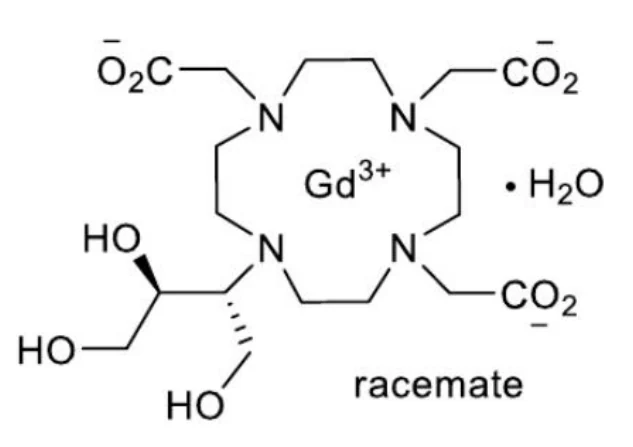
Physical form: white or almost white, hygroscopic powder
Solubility: freely soluble in water, practically insoluble in anhydrous ethanol and in heptane
pKa1: 4.95
pKa2: 9.57
pKa3: 12.06
Partition coefficient: Log P = 0.25 (n-Octanol / Water) * Measured by ACD / Labs T3 (Sirius) (pH 2.0 – 12.2)
Other properties:
| Gadobutrol Injection approximate values | |
|---|---|
| Osmolarity at 37°C (mOsm/L solution) | 1117 |
| Osmolality at 37°C (mOsm/kg H2O) | 1603 |
| Viscosity at 37°C (mPa·s) | 4.96 |
14 Clinical Trials
14.1 Clinical Trials by Indication
CNS Indications
Clinical experience with gadobutrol in brain and spine imaging including brain perfusion was obtained in a total of 6 studies. In all, 852 patients were enrolled in these studies from which 822 patients were evaluable for efficacy.
Common objectives regarding efficacy were to demonstrate an adequate signal increase in diseased areas of brain and spine on T1-weighted MRI images and adequate signal loss in perfusion imaging of T2*-weighted sequences after intravenous injection of gadobutrol. All trials used the unenhanced (no contrast medium) scans as controls.
Results
Technical Efficacy
Regardless of the gadobutrol concentration, brain and spine lesions were enhanced in the majority of patients on T1-weighted images after administration of the contrast media. No enhancement was observed in a few patients, most of them presenting inactive multiple sclerosis plaques. Enhancement resulted in a clearly dose-dependent increase in signal-to-noise and contrast-to-noise without saturation effects up to 0.3 mmol/kg. In perfusion studies using T2* fast gradient echo (GRE) sequences, a signal loss was observed, as expected, demonstrating a clear dose dependency. Sufficient results were obtained at a dose of 0.3 mmol/kg with the 1.0 mmol/mL concentration.
Diagnostic Accuracy Efficacy
Four studies evaluated the diagnostic accuracy of gadobutrol as primary and/or secondary parameters. A dose-related improvement for all of these parameters could be shown after administration of gadobutrol compared to the unenhanced scans in all studies performed on conventional T1-weighted imaging. Additional information regarding lesion size and lesion demarcation was achieved in 46% to 97% of patients. With regard to lesion detection, the dose of 0.1 mmol/kg proved highly efficacious. Additional detected lesions can be expected almost exclusively in patients with brain/spine metastases and multiple sclerosis. In 47% of the patients evaluated in one study, additional lesions were detected after administration of 0.1 mmol gadobutrol/kg. With regard to visual parameters assessed, a double-blind comparative trial against gadodiamide revealed that the diagnostic potential of gadobutrol injection for lesion detection is equivalent.
Diagnostic accuracy of unenhanced and gadobutrol enhanced MR scans was calculated in a subset of patients from two studies. Histological proof by surgery or biopsy was available in 175 of 444 patients. In addition, results from contrast enhanced CT (CECT) images were obtained in 129 of 175 patients with histologic findings available. Postcontrast diagnosis was consistent with final diagnosis up to the finest level of histological diagnosis (lesion description, classification and grade) at the following levels:
- gadobutrol 0.1 mmol/kg: 75.0% and 77.7% in each study respectively
- gadobutrol 0.3 mmol/kg: 83.5% in one study
- gadodiamide: 73.2% in one study
Consistencies and inconsistencies were investigated on three levels: correct description of the lesion as primary tumor, metastasis or inflammatory disease, correct grading according to WHO, and correct classification in the case of primary tumors. On the descriptive level the agreement was 72.5% to 90.5% for CECT, 83.5% to 90.5% for plain MRI, 90.3% to 93.2% for postcontrast MRI at 0.1 mmol/kg and
94.2% for postcontrast MRI at 0.3 mmol/kg. These results clearly indicate that on the descriptive level, CECT and plain MRI are comparable and that contrast enhanced MRI leads only to minimal further improvement. However, with regard to the capabilities to correctly classify or identify a tumor as benign or malignant, plain MRI is superior to CECT, and further improvement is obtained by the administration of gadobutrol. A clear cut difference between the two doses was not observed.
For brain perfusion imaging a comparative trial versus single photon emission computed tomography (SPECT) was performed. The best comparable variable in both modalities is the detection of ischemic foci. In this study they were equally efficient, and in one patient, an ischemia could be seen on MR perfusion maps which was not detectable on SPECT images. With regard to lesion size and localization the comparison is more difficult. However, due to the significantly better anatomical resolution and the capability to demonstrate the real perfusion status including luxury perfusion, MRI provides more accurate anatomical and functional information.
Diagnostic Confidence
Diagnostic confidence was assessed in some studies and showed that after an initial dose of
0.1 mmol/kg gadobutrol, there was an increase in confidence by 85% to 90%. An assessment of the degree of improvement in diagnostic confidence was measured in two studies, with a rating of “excellent” or “good” given to 61% and 43% of patients respectively, with no difference between gadobutrol and gadodiamide. A further increase in diagnostic confidence was achieved by increasing doses; patients with minimal improvements at 0.1 mmol/kg shifted towards good and excellent ratings with increasing doses. In one study in which three consecutive injections of 0.1 mmol gadobutrol/kg were administered, the diagnostic confidence was assessed for the optimal injection. The increase in diagnostic confidence was assessed as optimal in 20% and 17.8% of patients administered a dose of 0.2 mmol/kg and 0.3 mmol/kg, respectively.
Therapeutic Efficacy
A change in management or therapy was reported after administration of 0.1 mmol/kg in 15.7% and 18.2% of patients in two studies, respectively. Detailed analysis of subgroups revealed that most changes were observed at the standard dose in patients with spinal tumors (25%), multiple sclerosis (25%), and those lesions which were not assessable unenhanced (34%). For primary brain tumors, a change in patient management or therapy was reported in 13.7 % of patients. In metastatic patients, a change was reported in 12.5% at a dose of 0.1 mmol/kg. The 0.3 mmol/kg dose led to a further change in management in 2.3% of patients with brain metastases and in 8.3% of patients with spinal tumors.
CE-MRA Indication
Clinical experience with gadobutrol injection in CE-MRA was obtained in two controlled phase III clinical studies, in which comparison was made with the gold standard, intra-arterial digital subtraction angiography (i.a. DSA). A total of 383 patients were enrolled, of which 362 were evaluable for efficacy analyses.
Efficacy criteria in both studies characterized the diagnostic performance of gadobutrol injection, with evaluation performed on site as well as off site with multiple, independent readers who were blinded to all clinical information. The criteria were:
- Rate of agreement for clinically relevant diagnosis groups of a prospectively defined vessel segment (primary variable). In one study, the vessel segment evaluated for the primary efficacy variable according to the predefined algorithm was the common or external iliac artery in 82 patients, an internal carotid artery in 60 patients, an aortic segment in 20 patients, a renal artery in 10 patients, and a subclavian and a mesenteric artery in 2 patients each, thus providing good representation of all major vessels. The other study focused on the peripheral arteries, either the external iliac or the superficial femoral artery, thus covering the most important segments down to the knee.
- Rate of agreement for clinically relevant diagnosis groups (no relevant stenosis, relevant stenosis, occlusion, aneurysm) of individual vessel segments (secondary variable).
- Rate of agreement for detailed diagnosis including the description of individual vessel segments regarding grading, length and number of pathologies (secondary variable).
- Sensitivity, specificity, accuracy, positive and negative predictive values (PPV, NPV) for identification of clinically relevant stenosis, occlusion and aneurysm in individual vessel segments (secondary variable).
In both studies, the clinical evaluation as well as all 3 blinded readers reached the predefined level of statistical significance for the lower limit of the 95% confidence interval for the rate of agreement of the clinically relevant diagnosis groups between CE-MRA and i.a. DSA for prospectively defined vessel segments.
Results
Table 8: Results of the Primary Efficacy Analysis in Two Clinical Studies
| Body Arteries | Peripheral Arteries | |||||||||||||||||
|---|---|---|---|---|---|---|---|---|---|---|---|---|---|---|---|---|---|---|
| N | Agreement % | Lower Limit 95% CI | Upper Limit 95% CI | N | Agreement % | Lower Limit 95% CI | Upper Limit 95% CI | |||||||||||
| Clinical | 176 | 96.6 | 92.7 | 98.7 | Clinical | 186 | 94.1 | 89.7 | 97.0 | |||||||||
| BR 1 | 173 | 90.2 | 84.7 | 94.2 | BR 1 | 178 | 86.0 | 80.0 | 90.7 | |||||||||
| BR 2 | 171 | 86.6 | 80.5 | 91.3 | BR 2 | 179 | 86.6 | 80.7 | 91.2 | |||||||||
| BR 3 | 174 | 87.9 | 82.1 | 92.4 | BR 3 | 181 | 87.9 | 82.2 | 92.2 | |||||||||
BR: Blinded Reader
The rate of agreement for the clinically relevant diagnosis groups (no relevant disease, relevant stenosis, occlusion, aneurysm) as well as for individual diagnoses, and additionally including length and number of pathologies (secondary variable), was calculated for all individual vessel segments which had been evaluated in at least 30 patients. The rate of agreement in clinical evaluation of grouped diagnosis for body arteries and arteries of the pelvis and thigh was within the 80% to 100% range. In the blinded readers’ evaluation, the rate of agreement was lower, particularly for detailed diagnosis.
Table 9: Ranges for Agreement Rates of Diagnosis for All Vessel Segments in Two Clinical Studies
| Rate of Agreement (%) | |||||||||
|---|---|---|---|---|---|---|---|---|---|
| Body Arteries | Pelvis + Thigh | Calf | |||||||
| Study 97099 | Study 99011 | ||||||||
| Agreement of Diagnosis | Grouped/clinical | 84–100 | 90–97 | 77–87 | |||||
| Detailed/clinical | 71–100 | 71–87 | 61–71 | ||||||
| Grouped/BR | 79–100 | 79–90 | 63–84 | ||||||
| Detailed/BR | 40–98 | 45–61 | 32–55 | ||||||
BR: Blinded Reader
Agreement rate ranges for detection of relevant stenosis (secondary parameter) are shown in Table 10. Sensitivity, specificity, accuracy, positive predictive value (PPV) and negative predictive value (NPV) were calculated for segments which were evaluated in more than 50 patients. Clinical evaluation of results yielded agreement rates within the 80% to 100% range for most of the calculated parameters in both studies. In the blinded readers’ evaluation, rates of agreement in 80% to 100% range were obtained only for specificity, accuracy and NPV for body arteries, and specificity and accuracy for pelvis and thigh arteries. NPVs were consistently high by clinical evaluation for all vessel segments, while PPVs were lower, particularly in the blinded readers’ evaluation.
Table 10: Ranges for All Vessel Segments Regarding Sensitivity, Specificity, Accuracy, NPV, and PPV for Detection of Relevant Stenosis
| Rate of Agreement (%) | ||||||||||
|---|---|---|---|---|---|---|---|---|---|---|
| Study 1 | Study 2 | |||||||||
| Body Arteries | Pelvis + Thigh | Calf | ||||||||
| Detection of Relevant Stenosis | Sensitivity (clinical) | 88–100 | 84–98 | 91–94 | ||||||
| Sensitivity (BR) | 75–100 | 39–96 | 59–72 | |||||||
| Specificity (clinical) | 88–100 | 92–99 | 73–87 | |||||||
| Specificity (BR) | 85–97 | 84–98 | 76–93 | |||||||
| Accuracy (clinical) | 92–98 | 91–98 | 81–87 | |||||||
| Accuracy (BR) | 84–95 | 83–92 | 69–86 | |||||||
| NPV (clinical) | 97–100 | 93–99 | 90–97 | |||||||
| NPV (BR) | 83–100 | 79–97 | 70–90 | |||||||
| PPV (clinical) | 70–100 | 71–98 | 69–87 | |||||||
| PPV (BR) | 43–97 | 47–98 | 56–83 | |||||||
BR: Blinded Reader
With regard to the detection of occlusion, calculations for sensitivity, specificity, accuracy, PPV and NPV resulted in high values in the clinical and the blinded reader evaluation in both studies. For body arteries, sensitivity was 100% for all segments, specificity 99% to 100%, accuracy 99% to 100%, NPV 100%, and PPV 100% (exception: 1 occlusion missed in left external iliac artery) in the clinical evaluation. The blinded reader results were similar besides 1 or 2 false positives in the external iliac arteries. Results were comparable in segments above the knee. In segments of the calf, values were 5% to 10% lower.
CE-MRI of the Kidney
Diagnostic accuracy of gadobutrol injection in classifying malignant and benign renal lesions was evaluated in a multicentre, randomized, single-blind, inter-individually controlled parallel group phase 3 clinical trial in 406 patients with known or suspected renal lesions. The primary efficacy variable was the non-inferiority of gadobutrol injection to MAGNEVIST in terms of diagnostic accuracy. Noninferiority of gadobutrol injection to MAGNEVIST could be concluded if the lower bound of the 95% confidence interval (CI) of the difference in accuracy rate of gadobutrol injection minus MAGNEVIST was lying entirely at the right of the noninferiority threshold of Δ=-10% for the average reader (pooled results from the 3 readers). A CT examination and histopathological examination, when available, were regarded as the standard of truth (SOT). Conglomerate tumours were excluded from the efficacy analysis. There were no relevant differences between both groups regarding age, gender, height or weight.
Results
For the average reader, the mean lesion-based accuracy rates for the combined assessment of pre-contrast and post-contrast images were 83.7% for gadobutrol injection, and 87.3% for MAGNEVIST. Statistical significance of non-inferiority according to the predefined difference of <10% was achieved for the average reader. Overall, the results of the primary efficacy variable confirmed the non-inferiority of gadobutrol injection relative to MAGNEVIST with regard to the accuracy of renal lesion classification.
Diagnostic sensitivity rates for lesion classification were comparable between gadobutrol injection and MAGNEVIST for the average reader in the PPS (85.2% for gadobutrol injection and 88.7% for MAGNEVIST). Similarly, diagnostic specificity rates for lesion classification were comparable between gadobutrol injection and MAGNEVIST for the average reader in the PPS (82.1% for gadobutrol injection and 86.1% for MAGNEVIST). The false positive rate was 0.148 for gadobutrol injection and 0.113 for MAGNEVIST.
CE-MRI of the Breast
The efficacy of gadobutrol injection for the assessment of the presence and extent of malignant breast disease prior surgery was evaluated in two identical multi-center, open-label, non-randomized phase 3 trials in patients with recently diagnosed breast cancer. For both studies, pre-contrast (UMRM) and pre- plus post-contrast breast images (CMRM) were independently evaluated by three readers blinded to clinical information. The readers assessed 5 regions per breast for the presence of malignancy using each reading modality. The readings were compared to an independent standard of truth (SOT) consisting of histopathology for all regions where excisions were made and tissue evaluated. XRM plus ultrasound was used for all other regions.
For each study, the co-primary endpoints were superiority of within-patient sensitivity of combined unenhanced and gadobutrol-enhanced breast MRI (CMRM) over unenhanced breast MRI (UMRM) and breast level specificity of CMRM, based on non-malignant breasts, greater than a performance threshold of 80%.
The two clinical trials evaluated a total of 787 subjects. Efficacy results presented for Study 91743 are based upon post-hoc analyses of the original clinical data. In this study, 390 subjects were assessed, all were female and the average age was 55.7 years. For Study 91782, 397 subjects were assessed, 396 were female, 1 was male and the average age was 57.1 years. In both trials, gadobutrol injection -enhanced breast MRI demonstrated superior sensitivity compared to unenhanced MRI. The addition of XRM to the CMRM did not substantially improve the detection of malignancy by CMRM.
Within-patient sensitivity was defined as the proportion of malignant breast regions within a patient that were recognized by the reader, using the respective imaging modality, as malignant. Breast level specificity for non-malignant breasts was defined as number of true negative breasts divided by number of nonmalignant breasts in a patient. The specificity of gadobutrol injection -enhanced breast MRI, based on breasts with no malignancy, was greater than the performance threshold of 80% for all blinded readers in Study 91743 and for 2 of 3 blinded readers in Study 91782.
Results
The sensitivity and specificity results presented for gadobutrol injection enhanced Breast MRI were based on clinical trials in patients with newly diagnosed breast cancer for pre-operative staging. Gadobutrol injection was not studied for all indications for breast MRI (eg, high risk screening) and the sensitivity and specificity results may vary based on population differences.
Table 11: Subject-level Sensitivity for Detection of Malignant Disease by Blinded Reader
| Study 91743 (N=388) | Study 91782 (N=390) | ||||||||||||||
|---|---|---|---|---|---|---|---|---|---|---|---|---|---|---|---|
| Sensitivity (%) | Sensitivity (%) | ||||||||||||||
| Blinded Reader | UMRM | UMRM + XRM | CMRM | CMRM + XRM | Blinded Reader | UMRM | UMRM + XRM | CMRM | CMRM + XRM | ||||||
| Reader 1 | 36.6 | 70.7 | 83.2a | 83.7 | Reader 4 | 73.3 | 82.5 | 88.6a | 89.6 | ||||||
| Reader 2 | 49.1 | 75.8 | 79.9a | 82.8 | Reader 5 | 57.0 | 80.9 | 89.0a | 90.3 | ||||||
| Reader 3 | 63.4 | 75.1 | 86.7a | 87.0 | Reader 6 | 55.1 | 80.1 | 85.5a | 88.0 | ||||||
a. Superior sensitivity of CMRM compared to UMRM
Table 12: Breast-level Specificity: Non-malignant Breast by Blinded Reader
| Study 91743 (N=372) | Study 91782 (N=367) | ||||
|---|---|---|---|---|---|
| Specificity (%) – Non-malignant Breasts | Specificity (%) – Non-malignant Breasts | ||||
| Blinded Reader | CMRM | Lower Limit 95% CI | Blinded Reader | CMRM | Lower Limit 95% CI |
| Reader 1 | 85.6 | 82.0a | Reader 4 | 91.8 | 89.1a |
| Reader 2 | 95.0 | 92.8a | Reader 5 | 83.9 | 80.2a |
| Reader 3 | 88.6 | 85.3a | Reader 6 | 82.8 | 79.0a |
a. Specificity of CMRM greater than performance threshold of 80%
For both studies, the co-primary endpoints were met simultaneously for 2 of the 3 readers for sensitivity and specificity.
In breasts with malignancy, a false positive detection rate was calculated as the percentage of subjects for which the readers assessed a region as malignant which could not be verified by SOT. The false positive detection rates for gadobutrol injection (combined contrast plus non-contrast) ranged from 39% to 53% (95% CI Upper Bounds ranged from 44% to 58%).
Gadobutrol injection MRI of the breast overestimated the histologically confirmed extent of malignancy in the diseased breast in up to 50% of the patients.
Three additional readers in each study read XRM alone. For these readers over both studies, sensitivity ranged from 68% to 73% and specificity in non-malignant breasts ranged from 86% to 94%.
Cardiac Effects: QT Interval
The thorough QT Study (TQTS) was a single-center, randomized, placebo-controlled, 5-period crossover, phase 1 study with 3 doses of gadobutrol injection (0.1, 0.3, and 0.5 mL/kg body weight), placebo and a concurrent positive control (moxifloxacin). The design was double-blind for gadobutrol and placebo. Sixty-four healthy (35 males and 29 females) subjects, ages 19 to 60 were randomized to treatment sequence and received at least 1 dose of study medication. The primary analysis of QT changes are based on a completers analysis set of 54 patients.
No effect of gadobutrol injection on cardiac repolarization occurred. The mean change from baseline in
Fridericia QTc 15-minute average following administration of all gadobutrol doses (0.1, 0.3, and 0.5 mmol/kg body weight) was less than 5 milliseconds (msec) and the upper bound of the 2-sided 95% CI for each treatment contrast excluded 10 msec.
Table 13: Treatment Contrasts (Test Minus Placeboa) for Fridericia QTc Interval (msec) Mean Change from Baselineb – First 15-Minute Average: Completersc (N=54)
| Gadobutrol 0.1 mmol/kg | Gadobutrol 0.3 mmol/kg | Gadobutrol 0.5 mmol/kg | Moxifloxacin | |
|---|---|---|---|---|
| Treatment contrast | -0.3 | 2.8 | 4.2 | 13.4 |
| 95% Confidence intervald | -3.0, 2.3 | 0.1, 5.5 | 1.5, 6.9 | 10.7, 16.1 |
- a. Test minus placebo: test = active drug (gadobutrol or moxifloxacin)
- b. Mean change from baseline = mean of QTc values over first 15 minutes postinjection minus mean of QTc baseline values for each subject.
- c. Completers: having received all 5 treatments.
- d. 95% Confidence interval calculated using an analysis of variance (ANOVA) model with subject, treatment and period as the main effects.
For the maximum values observed up to 22 hours post injection, the mean change from baseline was also around 5 msec for all doses (gadobutrol 0.5 mmol/kg = 5.2 msec), and the upper bound of the 2-sided 95% CI for each treatment contrast excluded 10 msec.
No subject experienced a ≥ 30 msec increase in Fridericia QTc following any gadobutrol dose based on the first 15-minute average assessment. No subject experienced a ≥ 60 msec increase in Fridericia QTc following any treatment. No subject experienced a > 450 msec 15-minute average Fridericia QTc following any gadobutrol dose.
The mean change from baseline in heart rate was increased (and RR interval was decreased) following treatment with gadobutrol and moxifloxacin relative to placebo at both endpoints (15-minute average, maximum value). A dose-related effect of gadobutrol on heart rate and RR interval was observed for the 15-minute average endpoint (Table 14).
Table 14: Baseline and Mean (SD) Change from Baseline in RR Interval and Heart Rate: Completers (N = 54)
| Endpoint Parameter | Placebo (0.9% Saline) | Gadobutrol 0.1 mmol/kg | Gadobutrol 0.3 mmol/kg | Gadobutrol 0.5 mmol/kg | Moxifloxacin |
|---|---|---|---|---|---|
| 15-Minute Averagea | |||||
RR interval (msec) Baseline | 967.9 (157.38) | 977.0 (163.62) | 947.1 (160.58) | 966.7 (151.93) | 941.1 (154.20) |
| Change | -0.2 (50.90) | -24.7 (54.31) | -45.9 (62.60) | -96.6 (64.36) | -49.4 (53.85) |
Heart rate (bpm) Baseline | 63.8 (9.35) | 63.4 (10.01) | 65.6 (11.15) | 63.8 (9.31) | 65.9 (11.36) |
| Change | 0.0 (3.78) | 1.4 (3.94) | 3.3 (4.87) | 6.8 (4.46) | 3.4 (4.04) |
a. 15-Minute average change = mean (SD) change from baseline: mean of ECG values over first 15 minutes postinjection minus mean of ECG baseline values for each subject.
Studies have shown that when heart rate changes abruptly (eg, following drug injection), the QT interval takes on average 2 to 3 minutes to reach a new steady state (a phenomenon referred to as QT/RR hysteresis). None of the correction methods available account for this phenomenon. Therefore, an additional analysis with remeasurement of all ECGs was conducted correlating the correct RR interval to the time point when QT has been measured. Incorporation of QT/RR hysteresis into the correction of QT interval eliminated a substantial amount of the previously observed QTc changes in the first 4 minutes after injection when evaluated for each individual time point postinjection. Small and transient increases were observed 2 and 4 minutes after the end of drug injection of the highest gadobutrol dose (0.5 mmol/kg dose). However, the upper limit of the single-sided 95% confidence interval was below the 10-msec threshold of regulatory and clinical concern.
Further safety of gadobutrol was evaluated in the 64 patients of this study. Drug-related adverse events were reported in 8 (13.8%), 12 (21.2%), 18 (31.0%), 21 (35.6%), and 9 (15.0%) subjects receiving placebo, gadobutrol 0.1 mmol/kg, gadobutrol 0.3 mmol/kg, gadobutrol 0.5 mmol/kg, and moxifloxacin, respectively. The most common drug-related adverse events were dysgeusia, injection site coldness/warmth, and nausea. Adverse events that could potentially be related to ECG abnormalities (eg, cardiac arrhythmias, dizziness, palpitations, syncope and seizures due to cerebral ischemia resulting from arrhythmia, sudden cardiac death and any serious cardiac adverse events) occurred in 4 subjects: 3 subjects receiving moxifloxacin (2 subjects dizziness; 1 subject chest discomfort/QT prolongation) and 1 subject receiving gadobutrol 0.3 mmol/kg (chest discomfort/T-wave inversion).
Clinical Trials in the Pediatric Population
Gadobutrol injection was assessed in the pediatric population in two open-label multicenter phase I/III studies. Study 310788 evaluated a total of 138 subjects (ages 2 to 17 years), and Study 91741 evaluated 44 subjects (ages <2 years). All subjects were scheduled to undergo Gd-enhanced MRI or MRA, and were administered gadobutrol injection at a single dose of 0.1 mL/kg body weight.
Both studies were evaluated using population PK analysis based on a sparse sampling approach (3 post-injection blood samples drawn within 3 pre-defined time windows up to 8 hours after administration to measure the plasma Gd concentration). The population PK model contained the covariates body weight on clearance (CL) and central volume of distribution (V1), and age on CL. The estimated average PK parameters AUC and body weight normalized CL (CL//kg) are similar in all age groups including children <2 months of age. Only the median terminal elimination half-life (t1/2) and the median body weight normalized volume of distribution at steady-state (Vss/kg) are higher on average by a factor 1.5 in the 0-<2 months group than in adults. However, the variation for the 0-<2 months group is very similar to that of adults. Key pharmacokinetic parameters are summarized and compared to adult data in Table 7.
Early plasma concentrations were selected as the relevant parameter for MR imaging. Plasma concentrations of gadobutrol at 20 min and 30 min after injection (C20, C30) were simulated based on the established population PK model for a total number of 2400 virtual pediatric subjects with homogeneous distribution over the age range from 0 to 17 years. The data demonstrated that plasma gadobutrol concentration in children aged 0-23 months is slightly lower (about 24% to 30% lower) than that in adults, in line with the trend of slightly higher Vss. Early concentrations for the different pediatric age groups are summarized and compared to adults in Table 15.
Table 15: Comparison of Simulated Gadolinium Plasma Concentrations at 20 Minutes (C20) and 30 Minutes (C30) After I.V. Bolus Dose of 0.1 mmol/kg Gadobutrol in the Pediatric Population Aged 0 - <2 Years, 2 - 17 Years, and in Adults
| Parameter | All (0 - < 2 years)a | 0 - < 2 monthsa | ≥ 2 - 23 monthsa | All (2 - 17 years)a | 2 years a | 7 yearsa | 12 yearsa | 17 yearsa | Adultsa |
|---|---|---|---|---|---|---|---|---|---|
| N=2400 | N=200 | N=2200 | N=799 | N=199 | N=200 | N=200 | N=200 | N=1000 | |
| C20 [µmol/L] | 339 (230, 456) | 313 (208, 421) a | 341 (234, 457) | 490 (226, 876) | 415 (213, 653) | 498 (234, 805) | 523 (205, 964) | 518 (246, 1001) | 446 (277, 670) |
| C30 [µmol/L] | 292 (194, 394) | 279 (176, 371) a | 293 (195, 396) | 404 (182, 704) | 324 (149, 505) | 400 (200, 625) | 430 (211, 765) | 476 (215, 751) | 385 (236, 563) |
a Median (5th, 95th percentile)
For Study 310788, all subjects were scheduled to undergo Gd-enhanced MRI or MRA, and were administered gadobutrol injection at a single dose of 0.1 mL/kg body weight. A qualitative evaluation of efficacy variables was performed in a descriptive manner:
- Basic technical adequacy for diagnosis; overall, for 137 of 138 patients (99.3%), the basic technical adequacy for image assessment was given, with majority (71%) of them being excellent ratings. The assessments in the three pediatric age groups (ages 2 to 6 years, ages 7 to 11 years, and ages 12 to 17 years) were comparable.
- Assessment of contrast quality; the contrast quality with gadobutrol injection was assessed as good or excellent for the majority of patients (97.9%), with more excellent than good ratings in each of three equally distributed pediatric age groups.
- Presence of pathology; pathologies were recorded in 74 (53.6%) patients based on their pre-contrast images, and in 77 (55.8%) patients based on their post-contrast images.
Delineation of lesion/vessel borders; the delineation of the lesion/vessel border was given based on a 5-point scale (none, moderate, good, excellent, or not assessable), more lesions were
- defined with an “excellent” delineation with gadobutrol injection when compared to the pre-contrast image set (56.6% vs 42.0%, respectively).
- Degree of contrast enhancement; of 61 enhancing lesions, the contrast enhancement with gadobutrol injection was rated good or excellent in 55 (90.2%) of the lesions.
- Change in diagnostic confidence; following administration of gadobutrol injection, the investigators’ diagnostic confidence was improved compared to the pre-contrast MRI for the majority of the patients (91.3%).
For Study 91741, all subjects were scheduled to undergo Gd-enhanced MRI or MRA, and were administered gadobutrol injection at a single dose of 0.1 mL/kg body weight. Qualitative efficacy variables constitute a secondary endpoint and were evaluated descriptively:
- Basic technical adequacy for diagnosis; the majority of subjects were rated with an excellent image quality in both unenhanced MRI (40/44, 90.91%) and in combined (unenhanced and enhanced) MRI (41/44, 93.18%), independent of body region.
- Contrast quality; contrast quality was assessed on a per patient basis using a 5-point scale. For the combined image set, contrast quality was scored as good or excellent in a total 43/44 (97.72%) subjects, independent of body region. No image set was assessed with poor or moderate contrast quality.
- Presence of pathology; pathologies were visible in 33/44 subjects (75.00%) both in unenhanced and in combined MRI sets. No pathology in either image set was identified in 11/44 subjects (25.00%).
- Contrast enhancement in lesion/vessel; Based on a 4-point scale, the contrast-enhancement was good or excellent in 41/44 subjects (93.19%), with a higher percentage (79.55%) of excellent ratings. In 3/44 subjects (6.82%), lesions/vessels did not enhance.
- Border delineation in lesion/vessel; the border delineation for each lesion or vessel in unenhanced and combined MRI sets was assessed based on a 4 point scale. Ratings of good and excellent (43/44, 97.72%) in the combined MRI sets were higher compared to unenhanced MRI (33/44, 75.00%) independent of body region.
- Visualization of lesion-internal morphology; information was assessed on a 3 point scale. Overall, lesion characterization was assessed highest (ie, good) in 43/44 subjects (97.73%) based on the combined MRI, while the same rating was given to 27/44 subjects (61.36%) based on the unenhanced MRI alone.
- Diagnosis, change in the diagnosis, confidence in diagnosis and additional diagnostic gain by the contrast-enhanced image set; In 24 out of 44 subjects (54.55%), the initial diagnosis based on unenhanced MRI alone changed to a more specific one after combined MRI. Confidence in diagnosis out of a 3-point scale was higher after assessment of the combined MRI sets (43/44, 97.73%) compared to the unenhanced MRI set alone (38/44, 86.37%). In 12/44 subjects, a change from combined image evaluation to final diagnosis was reported. Most subjects in whom a change from combined image evaluation to final diagnosis was noted had a "no lesion/ normal" MRI assessment but had other defined clinical final diagnosis consistent with normal MRI. Final diagnosis was based on all clinical data available for a given subject, including different imaging modalities (not limited to MRI), chemistry and laboratory workup, clinical examination.
Table 16: Summary of Pediatric Patient Demographics for Clinical Trials
| Study No. | ||
|---|---|---|
| Trial Design | ||
Dosage, Route of Administration, and Duration | ||
| Study Subjects (n= number) | Mean Age (Range) | Gender |
| 91741 | ||
| Open-label, multicenter, prospective study with randomized blood sampling schedule for the evaluation of gadobutrol PK | ||
Intravenous injection: single injection of 0.1 mmol/kg body weight | ||
| Total Study | ||
| n= 44 | 8.8 months (0.2 – 23 months) | Male: 26 Female: 18 |
| Patients <2 months: | ||
| n= 9 | 0.9 months (0.2 – 1.9 months) | Male: 6 Female: 3 |
| Patients 2 months to <2 years: | ||
| n= 35 | 10.8 months (2 – 23 months) | Male: 20 Female: 15 |
| 310788 | ||
| Multicenter, open-label | ||
Intravenous injection: single injection of 0.1 mmol/kg body weight | ||
| n= 138 | 9.2 years (2 – 17 years) | Male: 85 Female: 53 |
Table 17: Referrals by Body Region
| Body Region | Gadobutrol Injection N = 44 (100%) |
|---|---|
| Blood Vessel | 1 (2.3%) |
| Brain | 19 (43.2%) |
| Chest/Thorax | 3 (6.8%) |
| Head/Neck | 7 (15.9%) |
| Musculoskeletal | 1 (2.3%) |
| Pelvic Area | 1 (2.3%) |
| Retroperitoneal | 7 (15.9%) |
| Spine | 5 (11.4%) |
15 Microbiology
No microbiological information is required for this drug product.
16 Non-Clinical Toxicology
General Toxicology
Nonclinical data reveal no special hazard for humans based on conventional studies of systemic toxicity, genotoxicity, and contact-sensitizing potential. Single and repeat-dose toxicity studies in neonatal and juvenile rats did not reveal findings suggestive of a specific risk for use in children of all ages, including term newborns and infants; however, increased microglia in the brain of juvenile (4 day old) rats after single high-dose administration of gadobutrol was observed. Due to uncertainty about permeability of blood-brain-barrier in term infants, the clinical relevance of this finding is unclear.
Recent studies conducted in healthy rats injected repeatedly with linear or macrocyclic GBCAs demonstrated that linear agents were associated with progressive and persistent T1-weighted hyperintensity on MRI in the deep cerebellar nuclei (DCN). Signal enhancement in the globus pallidus (GP) could not be seen in animals. No changes in signal intensities in either DCN or GP were observed for the macrocyclic GBCAs.
Quantitative results using mass spectrometry demonstrated that the total gadolinium concentrations were significantly higher with the linear GBCAs than with the macrocyclic GBCAs. These studies reported no abnormal behavioural changes suggestive of neurological toxicity.
Acute Toxicity
The acute single-dose toxicity of gadobutrol was investigated in the mouse, rat and dog following intravenous administration, and in the mouse and rat following oral administration. The approximate LD50 of intravenous and oral gadobutrol in these species was as follows:
| Species Strain | Route | LD50 (mmol/kg) |
|---|---|---|
Mouse Han:NMRI (SPF) | iv oral | > 25 > 25 |
Rat Han:Wistar (SPF) | iv oral | > 20 > 20 |
Rat Han:Wistar (SPF) (weanlings) | iv | > 15 |
Dog Beagle | iv | > 6 |
Subchronic Toxicity
Subchronic toxicity studies were performed in rats and dogs at doses of gadobutrol up to 5 mmol/kg/day and 2.5 mmol/kg/day, respectively, for up to 4 weeks duration.
In the rat study intravenous doses of 1, 2.5 and 5 mmol/kg were administered 5 days/week for approximately 4 weeks to groups of 10 male and 10 female animals. In addition, 20 males were treated with 5 mmol/kg in the same manner and then allowed to recover over an 8-week period before necropsy in order to study the reversibility of any changes. After 4 weeks treatment (a total of 16-18 doses) a dose-dependent increase in kidney weights was observed. In addition, all treated animals had dose-dependent vacuolisation of the renal proximal epithelium with no differences observed between male and female animals. The vacuolisation of tubular epithelial cells was seen, but to a lesser degree, in 18 of the 20 male animals of the recovery group, indicating that reversibility of the lesions was incomplete. In addition, kidney weights were increased in the recovery group.
In the dog, groups of 3 animals per sex received intravenous injections of 0.25, 1 and 2.5 mmol/kg, 5 days per week for 4 weeks. The mid and high dose groups had slight to moderate vacuolisation of the renal tubular epithelium of the proximal convoluted tubules.
Carcinogenicity
No long-term animal studies have been performed to evaluate carcinogenic potential of gadobutrol injection.
Genotoxicity
Gadobutrol had no mutagenetic effect in the Ames Salmonella/microsome mutagenicity test nor in a bacterial mutagenicity test using Escherichia coli, either in the presence or absence of metabolic activation. In addition, gadobutrol showed no potential to cause gene mutations or chromosomal aberrations in mammalian cells and no potential to induce chromosome damage in the mouse micronucleus test.
Reproductive and Developmental Toxicology
Repeated intravenous dosing in reproductive toxicology studies caused a retardation of embryonal development in rats and rabbits and an increase in embryo lethality in rats, rabbits, and monkeys at dose levels being 8 to 16 times (based on body surface area) or 25 to 50 times (based on body weight) above the diagnostic dose in humans. It is not known whether these effects can also be induced by a single administration.
A study of gadobutrol’s effect on fertility and general reproductive performance in the rat did not indicate any toxic effect at the highest dose studied of 2.5 mmol/kg given intravenously. In a study of the embryotoxic and teratogenic effects of gadobutrol in the rat, no compound-related effects were observed at intravenous doses of 0.5 and 1.5 mmol/kg. At the high dose of 5 mmol/kg, gadobutrol caused slight embryotoxic effects, and marginally retarded ossification of the fetal skeletons was evident in the F-1 fetuses. Other than these findings there were no indications of either maternal toxicity nor of teratogenicity. Postnatal development and reproductive performance of the F-1 generation were not affected by prenatal exposure to gadobutrol.
In a rabbit study in which intravenous doses of 0.5, 1.5, and 5 mmol/kg were administered from day 6 to 18 of gestation, there were no teratogenic effects of gadobutrol. A slightly increased incidence of abortion was observed at 5 mmol/kg, indicating maternal toxicity at this dose.
In the monkey, intravenous administration of 0.75 and 2.5 mmol/kg from day 20 to 50 of gestation did not have a teratogenic effect or cause maternal toxicity; however, at the high dose a compound-related increase in abortions and embryonic death occurred during the treatment period.
Gadobutrol was not embryotoxic when given repeatedly during organogenesis at doses up to 2 times (rats and monkeys) or 5 times (rabbits) the recommended single human dose based on body surface area or up to 6 times (monkeys) or 15 times (rats and rabbits) the recommended single human dose based on body weight.
Gadobutrol was not teratogenic in rats, rabbits, and monkeys even when given repeatedly during organogenesis at maximum dose levels tested being 8 to 32 times (based on body surface area) or 25 to 100 times (based on body weight) above the diagnostic dose in humans.
Gadobutrol was investigated in mice to detect potential effects of Gadobutrol (0.6, 1.2, or 2.5 mmol/kg/day) on the F1 offspring of Crl:CD1(ICR) F0 generation female mice consequent to exposure of the female from implantation throughout the fetal period via intravenous bolus injection on Gestation Day (GD) 6 through 18. Observations, including learning and memory testing, were continued through sexual maturity of the F1 generation mice until Day 70 postpartum. In conclusion, administration of Gadobutrol was well tolerated up to the highest dose. Therefore, the general toxicity and maternal and developmental no-observed-adverse-effect level (NOAEL) was 2.5 mmol/kg/day, corresponding to 25-fold the recommended diagnostic dose per day (representing in total the 325-fold Gd dose compared to the single diagnostic dose). At the NOAEL in F0 generation females, systemic Gadolinium exposure at the end of treatment (GD 17) was 14.6 mmol/L (Cmax) and 12.3 hr*mmol/L (AUC0-t). In the F1 generation mice, the highest systemic exposure was observed on Day 1 postpartum (2.49 µmol/L in males and 2.15 µmol/L in females) indicating some placental transfer of Gadobutrol into the F1 generation. Corresponding Gadolinium concentrations in brain were 16.1 nmol/g in males and 12.2 nmol/g in females on Day 1 postpartum which did not relate to any effects on brain development or impact of functional parameters such as behavior, learning and memory. In F1, Gd was cleared from the tissues investigated within 70 Days postpartum.
Special Toxicology
Local tolerance studies in the rat, rabbit and dog following single intravenous and intra-arterial administration did not result in local adverse effects apart from slight to moderate reddening and slight swelling in the congested and uncongested ear vein of the rabbit following injection of the 1.0 mmol/mL concentration of gadobutrol. Slight to moderate irritation occurred upon single paravenous injection of the same concentration in the rabbit, whereas the low concentration (0.5 mmol/mL) had no effect. Single intramuscular injection of the high concentration of gadobutrol in the rabbit did not cause any local irritation or tissue damage different from injection of a solution of isotonic sodium chloride.
Gadobutrol had no contact-sensitizing effect in the guinea pig optimization test.
Detailed Pharmacology
In Vitro Studies
In vitro testing of gadobutrol indicated that there was no significant binding to human plasma proteins as determined by steady-state dialysis and ultrafiltration. No significant serum complement activation was observed with increasing concentrations of gadobutrol; the I50 value (50% complement activation) was 316 mmol/L. The I50 value for inhibition of hemolysis (50% hemolysis) was 23 mmol/L. The concentration at which 50% lysozyme inhibition occurred was greater than 300 mmol/L and the concentration at which gadobutrol caused 50% liberation of histamine from mast cells was greater than 250 mmol/L.
The effect of gadobutrol on erythrocyte morphology was investigated in vitro at concentrations of 14, 34, and 71 mmol Gd/L. The changes in erythrocyte morphology induced by gadobutrol were greater than untreated blood or a blood-saline mixture, but significantly less than the changes induced by similar concentrations of gadopentetate dimeglumine.
In vitro studies were performed to determine the potential effects of gadobutrol on the heart. In one study, the effect of 10 mmol/L, 30 mmol/L and 100 mmol/L gadobutrol, and also other gadolinium-based MRI contrast agents (OMNISCAN™, PROHANCE®) and a nonionic x-ray contrast agent with a comparable osmolality (IMERON® 400) on the human HERG potassium channel were investigated in HERG-transfected CHO cells. Whole-cell potassium currents were investigated using the patch-clamp technique, with gadobutrol and the other compounds tested only slightly inhibiting HERG-mediated current amplitude with a threshold around 30 mmol/L. Substantial effects were seen at 100 mmol/L (reduction of approximately 40%). The effects were irreversible during washout. In a second study, the potential effect of gadobutrol on the cardiac action potential in isolated guinea pig papillary muscle was investigated. Test parameters were action potential duration at 30%, 60%, and 90% repolarization, maximum rate of rise of the upstroke (Vmax), upstroke amplitude (AP-Amp) and diastolic membrane potential (MP). The study results did not reveal any potential for gadobutrol to prolong repolarization of action potential in cardiac muscle.
Animal Pharmacology
Pharmacodynamics
The effects of a single 2 mmol/kg intravenous dose of gadobutrol on renal function were investigated in rabbits. There was no effect on serum glutamic oxaloacetic transaminase, serum glutamic pyruvic transaminase, serum γ-glutamyl transferase, blood urea nitrogen or creatinine. Urine flow was increased 2 hours post dose, but there was no effect on protein excretion, N-acetyl-β-D-glucosaminidase, γ-glutamyl transferase, or lactate dehydrogenase, nor were erythrocytes observed in the urine. In addition, no abnormalities were observed upon histological examination of the kidneys.
The hemodynamic effects of gadobutrol following intravenous doses of 0.25 and 1.25 mmol/kg were studied in dogs. Gadobutrol produced a dose-dependent increase in blood pressure and myocardial contractility compared to a control group treated with saline. At 0.25 mmol/kg, the increase in both values was approximately 5%, whereas at 1.25 mmol/kg, the increase in blood pressure was 10%. Myocardial contractility increased by 16%. The increases were short-lived, lasting for approximately 10 to 15 minutes.
In another study, the potential effects of intravenous gadobutrol on arterial blood pressure, heart rate, and lead II ECG were investigated in conscious dogs dosed with an ascending regime: vehicle, 0.1, 0.5, and 2.5 mmol/kg on days 1, 2, 6 and 9, respectively. No effects on behaviour were observed following dosing with either vehicle or gadobutrol at 0.1 or 0.5 mmol/kg of body weight. At the highest dose of 2.5 mmol/kg, two of four dogs exhibited retching, and one dog vomited at one occasion. Intravenous administration of gadobutrol at 0.1, 0.5 and 2.5 mmol/kg had no marked effect on arterial blood pressure (systolic, diastolic) when compared to vehicle. Gadobutrol caused a transient small increase in heart rate following 0.1 and 0.5 mmol/kg doses, which was more prolonged and pronounced at 2.5 mmol/kg.
In a separate study, the effects of gadobutrol on respiratory rate, blood pressure, heart rate, blood flow, and the electrocardiogram were investigated in rabbits at intravenous doses of 0.15, 0.5, and 1.5 mmol/kg. At 0.5 and 1.5 mmol/kg, gadobutrol induced a decrease in heart rate and an increase in blood flow in a dose-dependent manner. In addition, 1.5 mmol/kg gadobutrol caused a slight increase in respiratory rate. Although a slight increase was found in blood pressure immediately after injection of 0.5 mmol/kg, there was no change at 1.5 mmol/kg. A dose-dependent increase in QRS amplitude was seen at 0.5 and 1.5 mmol/kg, and a decrease in p-wave amplitude was observed at 1.5 mmol/kg.
The neural tolerance of gadobutrol was investigated in rats following intracisternal injection of 8, 24, 40, or 72 μmol/kg gadobutrol. Gadobutrol induced neurofunctional deficits such as lack of motor coordination and epileptogenic cramps with an ED50 of 17.8 μmol/kg.
The influence of gadobutrol on bleeding time was investigated in rats at intravenous doses of 0.1 and 0.5 mmol/kg. Both gadobutrol and gadopentetate dimeglumine increased bleeding time, but gadobutrol significantly less than gadopentetate dimeglumine.
Contrast enhancement of intramuscular tumors in rats was investigated using gadobutrol doses of 0.1, 0.3, and 0.5 mmol/kg. There was a clear dose-dependent increase in the signal intensity of the tumors, although the difference in signal intensity was slightly greater between 0.1 and 0.3 mmol/kg than between 0.3 and 0.5 mmol/kg. In another study, contrast enhancement of cerebral infarcts in rats was improved by the use of 0.3 mmol/kg compared to 0.1 mmol/kg. A similar improvement in contrast enhancement with the use of 0.3 mmol/kg compared to 0.1 mmol/kg was observed in rats with brain, liver, and intramuscular tumors.
Pharmacokinetics
Gadobutrol was administered orally and/or intravenously in the rat, rabbit, and dog to investigate absorption, distribution, metabolism, and excretion.
Gadobutrol was distributed throughout the extracellular space and eliminated primarily by glomerular filtration. After oral or intraduodenal administration, gadobutrol was poorly absorbed and when administered subcutaneously, was excreted primarily by the kidney.
After intravenous administration to male and female rats, gadobutrol was rapidly distributed throughout the extracellular space of the body, except in the brain and spinal cord, demonstrating that gadobutrol does not penetrate the intact blood-brain barrier. Radioactivity was predominately measured in the kidneys, the main excretory organ of gadobutrol. There were no indications of a long-term retention of gadolinium within the body of rats. When administered to lactating rats, 0.01% of the 0.5 mmol/kg dose was found in the stomach of the neonates at 3 hours post injection. Neonatal blood concentration at 3 hours post injection was 0.01% of the maternal blood level at 10 minutes post injection, indicating little transfer of gadobutrol into the milk and with very little absorption into the blood of the neonate. Studies in pregnant rats and rabbits also indicate that gadobutrol does not penetrate the placental barrier.
HPLC analysis detected no metabolites of gadobutrol in urine after intravenous injection in rats and dogs.
Plasma and urinary half-lives and AUC did not differ significantly for 0.25 and 2.5 mmol/kg dose groups (gadobutrol administered intravenously in rats), indicating dose-proportional pharmacokinetics. Terminal elimination half-life was approximately 13 to 18 minutes (calculated either from blood or urinary data) and total blood clearance was 12 to 17 mL/min·kg for the dose range investigated (0.1-2.5 mmol/kg). Dose-independent, renal excretion is the dominant route of elimination and is predominately by glomerular filtration. In dogs, gadobutrol exhibited dose-proportional pharmacokinetic behaviour with almost exclusive renal excretion in an unmetabolized form.
When gadobutrol was administered by the oral, intraduodenal or subcutaneous routes, very little absorption by the gastrointestinal tract was observed, and practically no biliary excretion or enterohepatic recirculation was measured.
In rats, it has been demonstrated that gadobutrol does not penetrate the intact blood-brain barrier and in rabbits, placental transfer was insignificant, with 0.01% of the administered dose being detected in the fetuses. In lactating rats, less than 0.1% of the total administered dose was excreted into the breast milk. Enterohepatic circulation has not been observed. In rats, absorption after oral administration was found to be very small and amounted to about 5%, based on the fraction of the dose excreted in urine.
17. Supporting Product Monographs
- 1. GADOVIST 1.0 (solution, 604.72 mg / mL), submission control 292479, Product Monograph, Bayer Inc. (APR 16, 2025)