


Product Monograph - Revestive
Recent Major Label Changes
| 7 Warnings and Precautions, Gastrointestinal | 2024-07 |
|---|
Certain sections or subsections that are not applicable at the time of the preparation of the most recent authorized product monograph are not listed.
Table of Contents
Recent Major Label Changes .................................................................................................. 2
Table of Contents .................................................................................................................. 2
Part 1: Healthcare Professional Information........................................................................... 4
1 Indications ................................................................................................................. 4
1.1 Pediatrics ................................................................................................................. 4
1.2 Geriatrics ................................................................................................................. 4
2 Contraindications ....................................................................................................... 4
4 Dosage and Administration ........................................................................................ 5
4.1 Dosing Considerations ............................................................................................ 5
4.2 Recommended Dose and Dosage Adjustment ....................................................... 5
4.3 Reconstitution ......................................................................................................... 5
4.4 Administration ........................................................................................................ 6
4.5 Missed Dose ............................................................................................................ 7
5 Overdose ................................................................................................................... 7
6 Dosage Forms, Strengths, Composition, and Packaging ............................................... 8
7 Warnings and Precautions .......................................................................................... 9
7.1 Special Populations ............................................................................................... 12
7.1.1 Pregnancy ......................................................................................................12
7.1.2 Breastfeeding .................................................................................................13
7.1.3 Pediatrics .......................................................................................................13
7.1.4 Geriatrics .......................................................................................................13
8 Adverse Reactions .................................................................................................... 14
8.1 Adverse Reaction Overview .................................................................................. 14
8.2 Clinical Trial Adverse Reactions ............................................................................ 14
8.2.1 Clinical Trial Adverse Reactions - Pediatrics ...................................................17
8.4 Abnormal Laboratory Findings: Hematologic, Clinical Chemistry, and Other Quantitative Data .............................................................................................................. 18
8.5 Post-Market Adverse Reactions ............................................................................ 18
9 Drug Interactions ..................................................................................................... 18
9.2 Drug Interactions Overview .................................................................................. 18
9.3 Drug-Behavioural Interactions .............................................................................. 19
9.4 Drug-Drug Interactions ......................................................................................... 19
9.5 Drug-Food Interactions ......................................................................................... 19
9.6 Drug-Herb Interactions ......................................................................................... 19
9.7 Drug-Laboratory Test Interactions........................................................................ 19
10 Clinical Pharmacology .............................................................................................. 19
10.1 Mechanism of Action ............................................................................................ 19
10.2 Pharmacodynamics ............................................................................................... 20
10.3 Pharmacokinetics .................................................................................................. 21
10.4 Immunogenicity .................................................................................................... 22
11 Storage, Stability, and Disposal ................................................................................. 23
Part 2 : Scientific Information .............................................................................................. 24
13 Pharmaceutical Information ..................................................................................... 24
14 Clinical Trials ............................................................................................................ 25
14.1 Clinical Trials by Indication ................................................................................... 25
Study Results ..................................................................................................................... 27
15 Microbiology ............................................................................................................ 33
16 Non-Clinical Toxicology ............................................................................................ 33
Patient Medication Information .......................................................................................... 35
Instructions for Preparing and Injecting Revestive................................................................ 41
Part 1: Healthcare Professional Information
1 Indications
REVESTIVE® (teduglutide for injection) is indicated for the treatment of adults and pediatric patients 1 year of age and above with Short Bowel Syndrome (SBS) who are dependent on parenteral support.
Treatment should be initiated under the supervision of a medical professional with experience in the treatment of SBS.
Treatment effect should be evaluated on an ongoing basis. Clinical assessment by the physician should consider individual treatment objectives and patient preferences. If no overall improvement is achieved in adults after 12 months, the need for continued treatment should be assessed.
Treatment should not be initiated until the patient is stable following a period of intestinal adaptation. Optimisation and stabilisation of intravenous fluid and nutrition support should be performed before initiation of treatment. For safety monitoring, patients should undergo initial laboratory assessments (see 7 WARNINGS AND PRECAUTIONS, Monitoring and Laboratory Tests) prior to starting treatment with REVESTIVE.
1.1 Pediatrics
Pediatrics (≥1 year of age to <18 years of age): Based on the data submitted and reviewed by Health Canada, the safety and efficacy of REVESTIVE in pediatric patients has been established; therefore, Health Canada has authorized an indication for pediatric use (see 14 CLINICAL TRIALS).
If no overall improvement is achieved after 6 months, the need for continued treatment should be assessed.
1.2 Geriatrics
Geriatrics (>65 years of age): Evidence from clinical studies and experience suggests that no clinically significant differences in safety and efficacy were observed between subjects younger than 65 years and those older than 65 years. Experience in subjects 75 years and older is limited.
2 Contraindications
REVESTIVE is contraindicated in patients who:
- are hypersensitive to this drug or to any ingredient in the formulation, including any non-medicinal ingredient, or component of the container. For a complete listing, see 6 DOSAGE FORMS, STRENGTHS, COMPOSITION AND PACKAGING,
- have active gastrointestinal (GI) malignancy (GI tract, hepatobiliary, pancreatic),
- have a history of malignancies in the gastrointestinal tract and/or the hepatobiliary system including pancreas within the last 5 years.
4 Dosage and Administration
4.1 Dosing Considerations
Geriatrics (>65 years of age)
Evidence from clinical studies and post-marketing experience suggest that no dose adjustment is necessary in patients above the age of 65 years.
Patients with Renal Impairment
Reduce the dose by 50% in adult patients with moderate and severe renal impairment (creatinine clearance less than 50 mL/min), and end-stage renal disease. No dose adjustment is necessary for patients with mild renal impairment.
No pediatric patients with renal insufficiency were included in trials. Population pharmacokinetic modelling suggests response in pediatric patients with renal insufficiency would be consistent with that of adults with renal insufficiency.
Patients with Hepatic Impairment
No dosage adjustment is necessary for patients with mild and moderate hepatic impairment based on a study conducted in Child-Pugh grade B subjects. REVESTIVE has not been studied in subjects with severe hepatic impairment.
There are no data available from pediatric patients with active, severe, or unstable hepatic impairment.
4.2 Recommended Dose and Dosage Adjustment
The recommended dose of REVESTIVE for both adults and pediatric patients (aged 1 year and above) is 0.05 mg/kg body weight administered by subcutaneous injection once daily. Alternation of sites for subcutaneous injection is recommended, and can include the thighs, upper arms, and the abdomen. REVESTIVE should not be administered intravenously or intramuscularly.
REVESTIVE should not be administered to pediatric patients weighing less than 10 kg.
4.3 Reconstitution
Reconstitute each vial of REVESTIVE by slowly injecting the 0.5 mL of preservative-free Sterile Water for Injection provided in the pre-filled syringe. Allow the vial containing REVESTIVE and water to stand for approximately 30 seconds and then gently roll the vial between your palms for about 15 seconds. Do not shake the vial. Allow the mixed contents to stand for about 2 minutes. Inspect the vial for any undissolved powder.
If undissolved powder is observed, gently roll the vial again until all material is dissolved. Do not shake the vial. The solution should be clear and colorless to light straw colored and free from visible particles. Do not use if the product remains undissolved or is discolored.
Once the drug is completely dissolved, remove the empty syringe and replace with an injection syringe. Withdraw the prescribed dose of solution into an injection syringe (up to 1 mL with scale intervals of 0.02 mL or lower).
If two vials are needed, the procedure for the second vial must be repeated and the additional solution withdrawn into the injection syringe containing the solution from the first vial. Any volume exceeding the prescribed dose in mL must be expelled and discarded.
Table 1: Reconstitution
| Vial Size | Volume of Diluent To Be Added to Vial | Approximate Available Volume | Nominal Concentration Per mL |
| 5 mg | 0.5 mL Sterile Water for Injection | 0.38 mL | 10 mg/mL (up to 3.8 mg teduglutide can be withdrawn) |
Vials of REVESTIVE and pre-filled syringes of Sterile Water for Injection do not contain any preservatives and are for single-use only. After reconstitution, the solution should be used immediately. Microbial, chemical and physical stability have been demonstrated for up to 3 hours when stored below 25ºC after reconstitution. Any unused product or waste material should be disposed of in accordance with local requirements.
In the absence of compatibility studies, REVESTIVE should not be mixed with other medicinal products.
4.4 Administration
Each single-use vial of REVESTIVE contains 5 mg of teduglutide as a white lyophilized powder for solution for subcutaneous injection. At the time of administration the lyophilized powder is reconstituted with 0.5 mL of Sterile Water for Injection, which is provided in a pre-filled syringe. A 10 mg/mL sterile solution is obtained after reconstitution (see Reconstitution below).
The prepared solution must be injected subcutaneously into a cleaned area on the abdomen, upper arm, or thigh using a thin needle for subcutaneous injection.
Detailed instructions on the preparation and injection of REVESTIVE are provided in the Patient Medication Information.
Determination of the number of vials needed for administration of one dose must be based on the individual patient’s weight and the recommended dose of 0.05 mg/kg/day. The physician should at each visit weigh the patient, determine the daily dose to be administered until next visit and inform the patient accordingly. The injection volume per body weight is provided in Table 2.
| Table 2: REVESTIVE Injection Volume Per Body Weight | ||||
|---|---|---|---|---|
| Body weight (kg) | Volume to be injected (mL) | |||
| 10-11 | 0.05 | |||
| 12-13 | 0.06 | |||
| 14-17 | 0.08 | |||
| 18-21 | 0.10 | |||
| 22-25 | 0.12 | |||
| 26-29 | 0.14 | |||
| 30-33 | 0.16 | |||
| 34-37 | 0.18 | |||
| 38-41 | 0.20 | |||
| 42-45 | 0.22 | |||
| 46-49 | 0.24 | |||
| 50-53 | 0.26 | |||
| 54-57 | 0.28 | |||
| 58-61 | 0.30 | |||
| 62-65 | 0.32 | |||
| 66-69 | 0.34 | |||
| 70-73 | 0.36 | |||
| 74-77 | 0.38 | |||
| 78-81 | 0.40 | |||
| 82-85 | 0.42 | |||
| 86-89 | 0.44 | |||
| 90-93 | 0.46 | |||
4.5 Missed Dose
If a dose is missed, that dose should be taken as soon as possible on that day. Do not take 2 doses on the same day.
5 Overdose
The maximum dose of REVESTIVE studied during clinical development was 80 mg/day for 8 days in adult patients. No unexpected systemic adverse reactions were seen. Doses greater than 0.05 mg/kg were not assessed in pediatric patients. In the event of overdose, the patient should be carefully monitored by the medical professional.
For the most recent information in the management of a suspected drug overdose, contact your regional poison control centre or Health Canada’s toll-free number, 1-844 POISON-X (1-844-764-7669).
6 Dosage Forms, Strengths, Composition, and Packaging
To help ensure the traceability of biologic products, healthcare professionals should record both the brand name and the non-proprietary (active ingredient) name as well as other product-specific identifiers such as the Drug Identification Number (DIN) and the batch/lot number of the product supplied.
Table 3: Dosage Forms, Strengths, and Composition
Description
REVESTIVE is intended for subcutaneous injection and is supplied as a sterile, preservative free, white lyophilized powder for reconstitution with sterile Water for Injection. The REVESTIVE pack is supplied with the following:
REVESTIVE 5 mg (for adults and pediatrics ≥10 kg body weight)
- 5 mg teduglutide powder in glass vial with rubber stopper (bromobutyl)
- 0.5 mL of diluent sterile Water for Injection in pre-filled syringe (glass) assembled with plungers (plastic)
- Pack size of 28 vials of powder and 28 pre-filled syringes.
Other materials needed for administration but not included in the pack are:
Adults
- Reconstitution needles (e.g. size 22G, length 1½" [0.7 x 40 mm])
- 1 mL injection syringes (with scale intervals of 0.02 mL or smaller)
- Thin injection needles for subcutaneous injection (e.g. size 26G, length 5/8" [0.45 x 16 mm])
- Alcohol swabs
- A puncture-proof container for safe disposal of the used syringes and needles
Pediatrics
- Reconstitution needles (e.g. size 22G, length 1½" [0.7 x 40 mm])
- 1 mL injection syringes (with scale intervals of 0.02 mL or smaller)
- Injection needles for subcutaneous injection (e.g. size 30G, length ½" [0.31 x 12.7 mm])
- Alcohol swabs
- A puncture-proof container for safe disposal of the used syringes and needles
| Route of Administration | Dosage Form / Strength/Composition | Non-Medicinal Ingredients |
| Subcutaneous injection | Powder for solution /
| dibasic sodium phosphate heptahydrate, L-histidine, mannitol, monobasic sodium phosphate monohydrate. |
7 Warnings and Precautions
General
Concomitant Medication: Based upon the pharmacodynamic effect of REVESTIVE, patients receiving oral concomitant medicinal products requiring titration or with a narrow therapeutic index should be monitored closely due to potential increased absorption. Patients may require dose adjustment of these medications while on REVESTIVE. Examples of such medications include but are not limited to benzodiazepines, opioids, digoxin, anti-hypertensives.
Discontinuation of Treatment: Discontinuation of treatment with REVESTIVE may result in fluid and electrolyte imbalance leading to potential dehydration. Therefore, patients’ fluid and electrolyte status should be carefully monitored.
Carcinogenesis and Genotoxicity
Colorectal Polyps:
Adults: Colorectal polyps were identified during the clinical studies. Colonoscopy of the entire colon with removal of polyps should be done within 6 months prior to starting treatment with REVESTIVE. A follow-up colonoscopy (or alternate imaging) is recommended between 1 to 2 years after initiating REVESTIVE. Subsequent colonoscopies should be done every 5 years or more often as needed in high risk individuals. If a polyp is found, adherence to current polyp follow-up guidelines is recommended. In case of diagnosis of colorectal cancer, REVESTIVE therapy should be discontinued.
Pediatrics: Prior to initiating treatment with REVESTIVE, fecal occult blood testing should be done for all children and adolescents. Colonoscopy/sigmoidoscopy is required if there is unexplained blood in the stool. Subsequent fecal occult blood testing should be done annually in children and adolescents while they are receiving REVESTIVE.
Colonoscopy/sigmoidoscopy is recommended for all children and adolescents after one year of treatment, every 5 years thereafter while on continuous treatment with REVESTIVE, and if they have new or unexplained gastrointestinal bleeding. If a polyp is found, adherence to current polyp follow-up guidelines is recommended. In case of diagnosis of colorectal cancer, REVESTIVE therapy should be discontinued.
Cardiovascular
Fluid Overload: Fluid overload has been observed in clinical studies. Fluid overload adverse events occurred most frequently during the first 4 weeks of therapy.
Patients should be advised to contact their physician in case of sudden weight gain, swollen ankles and/or dyspnoea.
Parents, caregivers, and healthcare professionals should be alert to signs of fluid overload and congestive heart failure in pediatric patients, particularly younger patients. Immediate assessment should be sought if symptoms such as sudden weight gain, peripheral edema, dyspnea, or signs such as tachypnea, tachycardia, or hepatomegaly are observed.
Due to increased fluid absorption, which may increase the risk of congestive heart failure, patients with and without a history of cardiovascular disease (such as cardiac insufficiency and hypertension) should be monitored with regard to fluid overload, especially during initiation of therapy. In general, fluid overload can be prevented by appropriate and timely assessment and adjustment of parenteral nutrition needs. This assessment should be conducted more frequently within the first months of treatment with close monitoring afterwards.
Congestive heart failure has been observed in clinical studies. In case of a significant deterioration of cardiovascular disease, the need for continued REVESTIVE treatment should be reassessed.
Heart Rate Increase: An increase in heart rate was reported with REVESTIVE in a clinical study in healthy volunteers undergoing serial ECG monitoring (see 10 CLINICAL PHARMACOLOGY, Pharmacodynamics, Cardiac Electrophysiology). Because of limited clinical experience in patients who have cardiac conditions that might be worsened by an increase in heart rate, such as ischemic heart disease or tachyarrhythmias, caution should be observed in these patients (see 9 DRUG INTERACTIONS, Drug-Drug Interactions, Drugs that Increase Heart Rate).
Fluid and Electrolyte Balance
To avoid fluid overload or dehydration, careful adjustment of parenteral support is required in patients taking REVESTIVE (see Cardiovascular, Fluid Overload and Fluid and Electrolyte Balance, Dehydration). Electrolyte balance and fluid status should be carefully monitored throughout treatment, especially during initial therapeutic response and discontinuation of teduglutide treatment (see 7 WARNINGS AND PRECAUTIONS, Monitoring and Laboratory Tests).
Dehydration: Patients with SBS are susceptible to dehydration that may lead to acute renal failure. Fluid and electrolyte imbalance leading to dehydration and acute renal impairment/failure was similarly observed between patients with SBS receiving teduglutide and patients not receiving teduglutide. In general, dehydration can be prevented by appropriate and timely monitoring for fluid and electrolyte imbalance, and subsequent adjustment of parenteral fluid and electrolytes. This assessment should be conducted more frequently within the first few months after treatment response, at discontinuation of treatment, and during times of dehydration and acute metabolic stress such as intercurrent infection, intestinal obstruction, and during the post operative period.
Gastrointestinal
Gastrointestinal Neoplasia Including Hepatobiliary Tract: Based on the pharmacologic
activity and findings in animals, including juvenile animals, and humans, REVESTIVE has the potential to cause hyperplastic changes in the small bowel and hepatobiliary tract. In carcinogenicity studies, neoplasia was observed in the small bowel and hepatobiliary tract in mice and rats.
Development of small intestinal polyps (include duodenum, ileum and jejunum) has also been observed in human SBS patients within several months after start of teduglutide treatment.
Patients should be monitored clinically for small bowel and hepatobiliary neoplasia and polyps. Upper GI endoscopy or other imaging is recommended before and during the treatment with teduglutide per clinical discretion. If a benign neoplasm is found, it should be removed. In patients with active gastrointestinal malignancy (GI tract, hepatobiliary, pancreatic), REVESTIVE therapy should be discontinued. In patients with active non-gastrointestinal malignancy or who are at increased risk for malignancy, the clinical decision to continue REVESTIVE should be made based on risk-benefit considerations.
Intestinal Obstruction: Intestinal obstruction has been reported in clinical studies. In patients who develop intestinal or stomal obstruction, REVESTIVE should be temporarily discontinued while the patient is clinically managed. REVESTIVE may be restarted when the obstructive presentation resolves, if clinically indicated.
Hepatic/Biliary/Pancreatic
Gallbladder and Biliary Tract Disease: Cholecystitis, cholangitis, cholelithiasis, and elevated bilirubin and alkaline phosphatase have been reported in clinical studies.
For identification of the onset or worsening of gallbladder/biliary disease, patients should undergo laboratory assessment of bilirubin and alkaline phosphatase prior to starting REVESTIVE, and while on REVESTIVE. If clinically meaningful changes are seen, further evaluation including imaging of the gallbladder and/or biliary tract is recommended; and the need for continued REVESTIVE treatment should be reassessed.
Pancreatic Diseases: Pancreatic adverse events such as chronic and acute pancreatitis, pancreatic duct stenosis, pancreas infection and increased blood amylase and lipase have been reported in clinical studies.
For identification of onset or worsening of pancreatic disease, patients should undergo laboratory assessment of lipase and amylase prior to starting REVESTIVE, and while on REVESTIVE. If clinically meaningful changes are seen, further evaluation such as imaging of the pancreas is recommended, and the need for continued REVESTIVE treatment should be reassessed.
Monitoring and Laboratory Tests
For safety monitoring, patients should undergo the following within 6 months prior to starting treatment with REVESTIVE:
- Adults: Perform a colonoscopy of the entire colon with removal of polyps (see 7 WARNINGS AND PRECAUTIONS,Carcinogenesis and Genotoxicity).
- Pediatric patients: Perform fecal occult blood testing; if there is unexplained blood in the stool, perform colonoscopy/sigmoidoscopy (see 7 WARNINGS AND PRECAUTIONS,Carcinogenesis and Genotoxicity).
- Obtain baseline laboratory assessments (bilirubin, alkaline phosphatase, lipase and amylase).
Colonoscopy/sigmoidoscopy is recommended for all children and adolescents after 1 year of treatment, every 5 years thereafter while on continuous treatment with REVESTIVE, and if they have new or unexplained gastrointestinal bleeding.
Electrolyte balance and fluid status should be carefully monitored throughout treatment, especially during initial therapeutic response and discontinuation of teduglutide treatment (see 7 WARNINGS AND PRECAUTIONS, Fluid and Electrolyte Balance).
Laboratory assessments (bilirubin, alkaline phosphatase, lipase and amylase) are recommended every 6 months while on REVESTIVE. If any clinically meaningful changes are seen, further evaluation is recommended as clinically indicated (i.e., imaging of the biliary tract, liver or pancreas).
Renal
Renal Insufficiency: In adult patients with moderate or severe renal impairment, or end-stage renal disease the dose should be reduced by 50% (see 4 DOSAGE AND ADMINISTRATION, Dosing Considerations, Patients with Renal Impairment; 10 CLINICAL PHARMACOLOGY, Pharmacokinetics, Renal Insufficiency).
No pediatric patients with renal insufficiency were included in trials. Population pharmacokinetic modelling suggests response in pediatric patients with renal insufficiency would be consistent with that of adults with renal insufficiency.
7.1 Special Populations
7.1.1 Pregnancy
There are no data from the use of REVESTIVE in pregnant women.
In animal studies, no effects on embryo-fetal development were observed in pregnant rats given subcutaneous teduglutide at doses up to 50 mg/kg/day (about 1000 times the recommended daily human dose of 0.05 mg/kg) or pregnant rabbits given subcutaneous doses up to 50 mg/kg/day (about 1000 times the recommended daily human dose of 0.05 mg/kg). A pre- and postnatal development study in rats showed no evidence of any adverse effect on pre- and postnatal development at subcutaneous doses up to 50 mg/kg/day (about 1000 times the recommended daily human dose of 0.05 mg/kg).
Because animal reproductive studies are not always predictive of human response, REVESTIVE should be used during pregnancy only if clearly needed.
7.1.2 Breastfeeding
It is not known whether teduglutide is present in human milk.
Teduglutide is excreted in the milk of lactating rats, and the highest concentration measured in milk was 2.9% of the plasma concentration following a single subcutaneous injection of 25 mg/kg (500 times the recommended daily human dose of 0.05 mg/kg).
Because of the potential for serious adverse reactions to nursing infants from REVESTIVE and because of the potential for tumorigenicity shown for teduglutide in mice and rats, a decision should be made whether to discontinue nursing or to discontinue the drug, taking into account the importance of the drug to the mother.
7.1.3 Pediatrics
Safety and efficacy in pediatric patients under 1 year of age have not been established.
The safety and efficacy of REVESTIVE in the treatment of SBS have been established in pediatric patients 1 through 17 years of age. Use in this population is supported by adequate and well controlled studies in adults, as well as safety, pharmacokinetic and pharmacodynamic data from 2 studies in pediatric patients up to 24 weeks duration. These studies included 87 pediatric patients treated with REVESTIVE in the following groups: 5 infants (1 year to less than 2 years), 75 children (2 years to less than 12 years) and 7 adolescents (12 years to less than 18 years). The results from pharmacokinetic modeling support the recommended dose of 0.05 mg/kg daily.
In these 2 studies and the corresponding open-label extension studies, 89 pediatric patients were administered REVESTIVE prospectively for up to 69 weeks. The total extent of exposure was ≤12 weeks for 10 (11.2%) patients, 12 to ≤24 weeks for 18 (20.2%) patients, 24 to ≤48 weeks for 37 (41.6%) patients, and 48 to ≤96 weeks for 24 (27.0%) patients. Adverse reactions observed in these studies were similar in pediatric patients who received REVESTIVE to those seen in the adult population (see 8 ADVERSE REACTIONS, Clinical Trial Adverse Reactions -Pediatrics).
7.1.4 Geriatrics
Of the 595 subjects treated with REVESTIVE in clinical studies, 43 subjects were 65 years or older, whereas 6 subjects were 75 years of age or older. No clinically significant differences were observed between subjects younger than 65 years and those older than 65 years.
8 Adverse Reactions
8.1 Adverse Reaction Overview
Across all clinical studies in adults, 595 subjects were exposed to at least one dose of REVESTIVE (249 patient-years of exposure; mean duration of exposure was 22 weeks). Of the 595 subjects, 173 subjects were treated in Phase 3 SBS studies (134/173 [77%] at the dose of 0.05 mg/kg/day and 39/173 [23%] at the dose of 0.10 mg/kg/day).
The most commonly reported (≥10%) adverse reactions in adult patients treated with REVESTIVE across all clinical studies (n=595) were: abdominal pain (31.3%), injection site reactions (21.8%), nausea (18.8%), headaches (16.3%), abdominal distension (14.8%), and upper respiratory tract infection (11.9%).
In the core pediatric studies, 87 patients aged 1-17 years were exposed to teduglutide. Of these, 8 received 0.0125 mg/kg/day, 38 received 0.025 mg/kg/day, and 41 received 0.05 mg/kg/day. In these studies, 98.9% of teduglutide-treated patients experienced treatment-emergent adverse events, 29.9% experienced severe events, 62.1% experienced serious events, and 31.0% experienced drug-related adverse reactions.
8.2 Clinical Trial Adverse Reactions
Clinical trials are conducted under very specific conditions. Therefore, the frequencies of adverse reactions observed in the clinical trials may not reflect frequencies observed in clinical practice and should not be compared to frequencies reported in clinical trials of another drug.
The rates of adverse reactions in adult patients with SBS participating in 2 randomized, placebo controlled, 24-week, double-blind clinical studies (Studies CL0600-020 and CL0600 004) are summarized in Table 4. Only those reactions with a rate of at least 5% in the REVESTIVE group and occurring greater than in the placebo group are summarized. The majority of these reactions were mild or moderate. Of subjects receiving REVESTIVE at the recommended dose of 0.05 mg/kg/day, 88.3% (n=68/77) experienced an adverse reaction, as compared to 83.1% (n=49/59) for placebo. Many of these adverse reactions have been reported in association with the underlying disease and/or parenteral nutrition.
| Table 4: Adverse reactions in ≥5% of REVESTIVE-Treated SBS Adult Subjects and More Frequent than Placebo: CL0600-020 and CL0600-004 | ||||||
|---|---|---|---|---|---|---|
| Table 4: Adverse reactions in ≥5% of REVESTIVE-Treated SBS Adult Subjects and More Frequent than Placebo: CL0600-020 and CL0600-004 | ||||||
| Adverse Reaction | REVESTIVE 0.05 mg/kg/day (N=77) n (%) | Placebo (N=59) n (%) | ||||
| Adverse Reaction | REVESTIVE 0.05 mg/kg/day (N=77) n (%) | Placebo (N=59) n (%) | ||||
| Gastrointestinal Disorders | ||||||
| Abdominal Pain | 29 (38) | 16 (27) | ||||
| Nausea | 19 (25) | 12 (20) | ||||
| Abdominal Distension | 15 (20) | 1 (2) | ||||
| Vomiting | 9 (12) | 6 (10) | ||||
| Flatulence | 7 (9) | 4 (7) | ||||
| Appetite Disorders | 5 (7) | 2 (3) | ||||
| Infections and Infestations | ||||||
| Upper Respiratory Tract Infection | 20 (26) | 8 (14) | ||||
| Psychiatric Disorders | ||||||
| Sleep Disturbances | 4 (5) | 0 | ||||
| Respiratory, Thoracic and Mediastinal Disorders | ||||||
| Cough | 4 (5) | 0 | ||||
| Skin and Subcutaneous Tissue Disorders | ||||||
| Hypersensitivity | 6 (8) | 3 (5) | ||||
| Skin Hemorrhage | 4 (5) | 1 (2) | ||||
| Vascular Disorders | ||||||
| Fluid Overload | 9 (12) | 4 (7) | ||||
| Subjects with Stoma | ||||||
| Gastrointestinal Stoma Complication | 13 (42)a | 3 (14)a | ||||
aPercentage based on 53 subjects with a stoma (n=22 placebo; n=31 REVESTIVE 0.05 mg/kg/day)
No new safety signals have been identified in patients exposed to 0.05 mg/kg/day of REVESTIVE for up to 42 months in long-term open-label extension studies.
Adverse Reactions of Special Interests
Concomitant Oral Medication: REVESTIVE can increase the absorption of concomitant oral medications such as benzodiazepines and psychotropic agents. One subject in the adult placebo-controlled studies in the REVESTIVE 0.05 mg/kg/day group (on prazepam) experienced dramatic deterioration in mental status progressing to coma during her first week of REVESTIVE therapy. She was admitted to the Intensive Care Unit where her benzodiazepine level was >300 mcg/L. REVESTIVE and prazepam were discontinued, and the coma resolved 5 days later.
In the pediatric clinical studies (up to 69 weeks of exposure), there were no adverse events associated with increased absorption of oral medications.
Fluid Overload: In the adult placebo-controlled studies, fluid overload was reported in 4/59 (6.8%) of subjects on placebo and 9/77 (11.7%) subjects on REVESTIVE 0.05 mg/kg/day. Of the 9 cases in the REVESTIVE group, there were 2 cases of congestive heart failure (CHF, 2.6%), 1 of whom was reported as a serious adverse event and the other as non-serious. The serious case had onset at 6 months, and was possibly associated with previously undiagnosed hypothyroidism and/or cardiac dysfunction.
In the pediatric clinical studies (up to 69 weeks of exposure), there was 1 subject who had a non-serious related adverse event of peripheral edema in the 0.025 mg/kg/day group.
Gallbladder, Biliary and Pancreatic Disease: For gallbladder and biliary disease in the adult placebo-controlled studies, 3 subjects were diagnosed with cholecystitis, all of whom had a prior history of gallbladder disease and were in the REVESTIVE 0.05 mg/kg/day dose group. No cases were reported in the placebo group. One of these 3 cases had gallbladder perforation and underwent cholecystectomy the next day. The remaining 2 cases underwent elective cholecystectomy at a later date. In the adult extension studies, 4 subjects had an episode of acute cholecystitis; 4 subjects had new-onset cholelithiasis; and 1 subject experienced cholestasis secondary to an obstructed biliary stent. For pancreatic disease in the adult placebo-controlled studies, 1 subject (REVESTIVE 0.05 mg/kg/day dose group) had a pancreatic pseudocyst diagnosed after 4 months of REVESTIVE. In the adult extension studies, 1 subject was diagnosed with chronic pancreatitis; and 1 subject was diagnosed with acute pancreatitis.
In the pediatric studies, 2 patients treated with teduglutide experienced 4 biliary events, of which one event of cholestasis in a patient with pre-existing liver disease was serious. In case of gallbladder or bile duct-related symptoms, the need for continued treatment with REVESTIVE should be reassessed.
Injection Site Reactions: In the placebo-controlled studies CL0600-020 and CL0600-004, 12% of patients in each of the placebo and REVESTIVE 0.05 mg/kg/day treatment groups experienced an injection site reaction. The majority of reactions were moderate in severity and no occurrences led to drug discontinuation.
In the pediatric clinical studies TED-C14-006 and TED-C13-003, 20% (17/87) of subjects that received REVESTIVE experienced an injection site reaction. All of the events were mild in severity, non-serious, and none led to drug discontinuation.
Intestinal Obstruction: Overall, in the adult clinical studies, 12 subjects experienced one or more episodes of intestinal obstruction/stenosis: 6 in the SBS placebo-controlled studies and 6 in the extension studies. The 6 subjects in the placebo-controlled studies were all on REVESTIVE: 3/77 (3.9%) on REVESTIVE 0.05 mg/kg/day and 3/32 (9.4%) on REVESTIVE 0.10 mg/kg/day. No cases of intestinal obstruction occurred in the placebo group. Onsets ranged from 1 day to 6 months. In the adult extension studies, 6 additional subjects (all on REVESTIVE 0.05 mg/kg/day) were diagnosed with intestinal obstruction/stenosis with onsets ranging from 6 days to 19 months. Two of the 6 subjects from the placebo-controlled studies experienced recurrence of obstruction in the extension studies. Of all 8 subjects with an episode of intestinal obstruction/stenosis in these extension studies, 2 subjects required endoscopic dilation and 1 required surgical intervention.
In the 24-week pediatric clinical study, there was 1 serious event of intestinal obstruction and 1 serious event of ileus that were assessed as related to teduglutide. Teduglutide was temporarily withheld and there were no recurrences once teduglutide was restarted.
Intestinal Polyps: In the adult clinical studies, 14 subjects were diagnosed with polyps of the GI tract after initiation of study treatment. In the SBS placebo-controlled studies, 1/59 (1.7%) of subjects on placebo and 1/109 (0.9%) of subjects on REVESTIVE 0.05 mg/kg/day were diagnosed with intestinal polyps (inflammatory stomal and hyperplastic sigmoidal after 3 and 5 months, respectively). The remaining 12 polyp cases occurred in the extension studies – 2 colorectal villous adenomas (onset at 6 and 7 months in REVESTIVE 0.10 and 0.05 mg/kg/day dose groups, respectively), 2 hyperplastic polyp (onset 6 months in REVESTIVE 0.10 mg/kg/day dose group and 24 months in REVESTIVE 0.05 mg/kg/day dose group), 4 colorectal tubular adenomas (onset between 24 and 36 months in REVESTIVE 0.05 mg/kg/day dose group), 1 serrated adenoma (onset at 24 months in REVESTIVE 0.05 mg/kg/day dose group), 1 colorectal polyp biopsy not done (onset at 24 months in REVESTIVE 0.05 mg/kg/day dose group), 1 rectal inflammatory polyp (onset at 10 months in the REVESTIVE 0.05 mg/kg/day dose group), and 1 small duodenal polyp (onset at 3 months in REVESTIVE 0.05 mg/kg/day dose group).
In the pediatric clinical studies (up to 69 weeks of exposure), there were no confirmed cases of polyps.
Malignancy: Three subjects were diagnosed with malignancy in the adult clinical studies, all of whom were male and had received REVESTIVE 0.05 mg/kg/day in CL0600-021. One subject had a history of abdominal radiation for Hodgkin’s disease two decades prior to receiving REVESTIVE and prior liver lesions on CT scan, and was diagnosed with metastatic adenocarcinoma of unconfirmed origin after 11 months of exposure to REVESTIVE. Two subjects had extensive smoking histories, and were diagnosed with lung cancers (squamous and non-small cell) after 12 months and 3 months of REVESTIVE exposure, respectively.
In the pediatric clinical studies (up to 69 weeks of exposure), there were no events of malignancy.
8.2.1 Clinical Trial Adverse Reactions - Pediatrics
In two completed clinical studies and the corresponding open-label extension studies, there were 89 pediatric subjects (aged 1 through 17 years) treated with REVESTIVE prospectively for up to 69 weeks. Overall, the safety profile of REVESTIVE (including type and frequency of adverse reactions, and immunogenicity) in children and adolescents was similar to that in adults.
The most common adverse events experienced by pediatric patients treated with 0.05 mg/kg REVESTIVE were pyrexia (43.9%), cough (34.1%), abdominal pain (24.4%), device-related infection (19.5%), headache (17.1%), nausea (12.2%), fatigue (12.2%), and rhinitis (12.2%).
No data are available for children under 1 year of age.
8.4 Abnormal Laboratory Findings: Hematologic, Clinical Chemistry, and Other Quantitative Data
No clinically meaningful changes from baseline were seen for any of the hematology analytes, and no clinically meaningful shifts occurred.
Abnormal clinical chemistry is a common manifestation of SBS and a significant proportion of subjects in the SBS placebo-controlled studies had abnormal chemistry at baseline. The most common markedly abnormal clinical chemistry analyte post-baseline in adult REVESTIVE 0.05 mg/kg/day patients vs. placebo was C-Reactive Protein (CRP) ≥21 mg/L, (25% vs. 8.6%). Higher changes from baseline in CRP values were found in adult REVESTIVE-treated subjects (1.74 g/m3) vs. placebo-treated subjects (-1.15 g/m3) at Week 24. For the remainder of the analytes, the change from baseline was similar or greater in placebo-treated subjects.
In the pediatric clinical studies, no clinically meaningful changes in laboratory values were observed in association with teduglutide treatment.
8.5 Post-Market Adverse Reactions
The following adverse reactions have been identified during post-approval use of REVESTIVE. Because these reactions are reported voluntarily from a population of uncertain size, it is not always possible to reliably estimate their frequency or establish a causal relationship to drug exposure.
Cardiac Disorders: Cardiac arrest, cardiac failure
Gastrointestinal Disorders: Pancreatitis acute, small intestinal polyp (include duodenum, ileum and jejunum)
Nervous System Disorders: Cerebral hemorrhage
Skin: Injection site reactions (includes injection site induration/inflammation, pruritus, rash/urticaria/warmth)
9 Drug Interactions
9.2 Drug Interactions Overview
No clinical pharmacokinetic drug-drug interaction studies have been performed. An in vitro study indicates that teduglutide does not inhibit cytochrome P450 drug metabolising enzymes. Based upon the pharmacodynamic effect of teduglutide, there is a potential for increased absorption of concomitant oral medications, such as benzodiazepines, opioids, digoxin and anti-hypertensives, which should be considered if these drugs require titration or have a narrow therapeutic index.
Among the patients on benzodiazepines, one patient in the 0.05 mg/kg/day REVESTIVE group in Study CL0600-004 was taking prazepam and experienced dramatic deterioration in mental status progressing to coma during the first week of REVESTIVE therapy. The patient was admitted to the ICU where the benzodiazepine level was >300 mcg/L; REVESTIVE and prazepam were discontinued, and the coma resolved 5 days later.
9.3 Drug-Behavioural Interactions
No behavioural interactions have been established.
9.4 Drug-Drug Interactions
Interactions with other drugs have not been established.
Drugs that Increase Heart Rate
REVESTIVE caused an increase in heart rate in a clinical study in healthy volunteers (see 7 WARNINGS AND PRECAUTIONS, Cardiovascular, Heart Rate Increase; 10 CLINICAL PHARMACOLOGY, Pharmacodynamics, Cardiac Electrophysiology). The impact on heart rate of co-administration of REVESTIVE with other drugs that increase heart rate, such as sympathomimetic drugs, has not been evaluated in drug-drug interaction studies. As a result, caution should be observed with co-administration of REVESTIVE with these drugs.
9.5 Drug-Food Interactions
Interactions with food have not been established.
9.6 Drug-Herb Interactions
Interactions with herbal products have not been established.
9.7 Drug-Laboratory Test Interactions
Interactions with laboratory tests have not been established.
10 Clinical Pharmacology
10.1 Mechanism of Action
Teduglutide is an analog of naturally occurring human glucagon-like peptide-2 (GLP-2), a peptide secreted by L-cells of the distal intestine. Similar to GLP-2, teduglutide is 33 amino acids in length with an amino acid substitution of alanine by glycine at the second position of the N-terminus. The single amino acid substitution relative to naturally occurring GLP-2 results in resistance to in vivo degradation by the enzyme dipeptidyl peptidase-IV (DPP-IV), resulting in an extended half-life. Teduglutide binds to the glucagon-like peptide-2 receptors located in intestinal subpopulations of enteroendocrine cells, subepithelial myofibroblasts and enteric neurons of the submucosal and myenteric plexus. Activation of these receptors results in the local release of multiple mediators including insulin-like growth factor (IGF)-1, vasoactive intestinal polypeptide (VIP), nitric oxide and keratinocyte growth factor (KGF). GLP-2 is mainly responsible for the maintenance and expansion of the gastrointestinal mucosal surface area through the regulation of proliferation and apoptosis of the intestinal epithelium. GLP-2 also promotes energy absorption through a number of mechanisms including enhanced capacity for carbohydrate, amino acid, and lipid absorption, increased activity and expression of brush border digestive enzymes, and increased mucosal nutrient transport. Exogenous GLP-2 increases intestinal and portal blood flow, decreases gastrointestinal motility and inhibits gastric acid secretion. Teduglutide has been shown to preserve mucosal integrity by promoting repair and normal growth of the intestine through an increase of villus height and crypt depth.
10.2 Pharmacodynamics
The ability of REVESTIVE to improve intestinal absorption of fluids and nutrients was studied in 17 adult subjects with Short Bowel Syndrome using daily doses of 0.03, 0.10, 0.15 mg/kg (n=2-3 per dose group) in a 21-day, open-label, multi-center, dose-ranging study. All subcutaneous (abdomen) doses studied, except 0.03 mg/kg once daily, decreased stomal output or fecal fluid and macronutrient excretion, resulted in enhanced gastrointestinal fluid (wet weight) absorption of approximately 750-1000 mL/day, and increased villus height and crypt depth of the intestinal mucosa.
Based on preclinical pharmacology studies, the effect of teduglutide is specific to the gastrointestinal tract. Intestinal mucosal absorptive surface area increased as assessed by intestinal weight, mucosal architecture, DNA and protein content. The functional absorptive capacity increased in normal animals and was restored in animals following small bowel resection or total parenteral nutrition (TPN)-induced intestinal atrophy.
The intestinotrophic effect was used to elaborate a full pharmacological profile of teduglutide, including an assessment of dose response, optimal treatment regimen, maximum effect and reversibility. The intestinotrophic effect follows a sigmoidal dose-response curve with an ED50 of 0.98 mcg/day (equivalent to 0.05 mg/kg/day) in mice. Depending on dose and duration of treatment, the intestinotrophic effect reaches a plateau, and reverses if administration is discontinued.
Cardiac Electrophysiology
A randomised, double-blind, placebo- and active-controlled, four period crossover study was performed to investigate the electrocardiographic effects of single subcutaneous doses of REVESTIVE 5 mg and 20 mg in healthy subjects (N=70).
REVESTIVE was associated with increases in heart rate. Following single dose treatment with REVESTIVE 5 mg, statistically significant positive mean differences from placebo were observed from 1 to 16 h post-dosing, inclusive, with a maximum mean difference from placebo of 9.3 bpm (90% CI 8.0, 10.6) at 1 h post-dosing. Following treatment with a supra-therapeutic 20 mg dose, statistically significant positive mean differences from placebo were observed from 1 to 24 h post-dosing, inclusive, with a maximum mean difference from placebo of 9.8 bpm (90% CI 8.0, 11.5) at 6 h post-dosing (see 7 WARNINGS AND PRECAUTIONS, Cardiovascular, Heart Rate Increase; 9 DRUG INTERACTIONS, Drug-Drug Interactions, Drugs that Increase Heart Rate).
There was no evidence of a treatment-related effect of REVESTIVE on the QTcF interval, the QRS duration, or the PRc interval.
A cardiovascular and respiratory safety pharmacology study was conducted in beagle dogs administered 0.1, 1 and 10 mg/kg doses of teduglutide intravenously and no treatment-related effects were observed that were attributed to teduglutide. No effect of teduglutide was noted on the human ether-à-go-go-related gene (hERG) channel or canine cardiac Purkinje fibers. In addition no central nervous system effects were observed in rodents receiving teduglutide at doses well above the targeted clinical therapeutic dose (500 times the recommended daily human dose of 0.05 mg/kg).
10.3 Pharmacokinetics
| Table 5: Summary of REVESTIVE Pharmacokinetic Parameters in Adult Patients with SBS | ||||||||||
|---|---|---|---|---|---|---|---|---|---|---|
Cmax (ng/mL)* | t½ (h) | AUC (ng·hr/mL)* | Clearance (L/h) | Volume of distribution (L) | ||||||
Single dose mean (0.05 mg/kg) | 38.4 | 1.5 | 247 | 13.1 | 27.2 | |||||
* Cmax and AUC are measured under steady state conditions
The Cmax and AUC of teduglutide was dose proportional over the dose range of 0.05 to 0.4 mg/kg teduglutide.
Absorption: In healthy subjects, REVESTIVE when administered subcutaneously in the thigh/abdomen had an absolute bioavailability of 88% and reached maximum plasma teduglutide concentrations at 3-5 hours after administration. Following a 0.05 mg/kg subcutaneous dose in SBS subjects, the median peak teduglutide concentration (Cmax) was 36 ng/mL and the median area under the curve (AUC0-inf) was 0.15 µg•hr/mL. No accumulation of teduglutide was observed following repeated subcutaneous administrations.
Distribution: In healthy subjects, teduglutide had a volume of distribution of 103 mL/kg, similar to blood volume.
Metabolism: The metabolic pathway of teduglutide was not investigated in humans. However, teduglutide is expected to be degraded into small peptides and amino acids via catabolic pathways, similar to the catabolism of endogenous GLP-2.
Elimination: In healthy subjects, teduglutide plasma clearance was approximately 123 mL/hr/kg which is similar to the GFR suggesting that teduglutide is primarily cleared by the kidney. Teduglutide has a mean terminal half-life (t1/2) of approximately 2 hours in healthy subjects and 1.3 hours in SBS subjects.
Special populations and conditions
Pediatrics: Following subcutaneous administration of 0.05 mg/kg daily dose, similar Cmax of teduglutide across age groups was demonstrated by population pharmacokinetics modeling. However, lower exposure (AUC) and shorter half-life were seen in pediatric patients 1 to 17 years of age, as compared with adults. The pharmacokinetic profile of teduglutide in this pediatric population, as evaluated by clearance and volume of distribution, was different from that observed in adults after correcting for body weights. Specifically, body weight corrected clearance decreases with increasing age from 1 year old to adults.
Table 6 contains the steady state data derived from population pharmacokinetic modeling in pediatric patients after dosing with 0.05 mg/kg/day.
| Table 6: Teduglutide pharmacokinetic parameters following subcutaneous dosing of REVESTIVE 0.05 mg/kg/day | ||||||
|---|---|---|---|---|---|---|
Cmax (ng/mL)* | t½ (h) | AUC (ng·hr/mL)* | Clearance (L/h) | |||
| Aged 1-11 years (n=37) | 33.5±11.5 | 0.7±0.2 | 128±56.7 | 7.45±2.1 | ||
| Ages 12-17 years (n=3) | 29.7±8.4 | 1.0±0.01 | 154±17.6 | 13.0±2.3 | ||
* Cmax and AUC are measured under steady state conditions
Geriatrics: No differences in PK were observed between healthy subjects younger than 65 years and those older than 65 years. Experience in subjects 75 years and older is limited.
Sex: No clinically relevant differences were observed based on sex.
Hepatic Insufficiency: Adult subjects with moderate hepatic impairment had lower teduglutide Cmax and AUC (10 ~15%) compared to healthy matched control subjects after a single subcutaneous dose of 20 mg REVESTIVE. Teduglutide PK was not assessed in subjects with severe hepatic impairment.
Renal Insufficiency: In adult subjects with moderate to severe renal impairment or end stage renal disease (ESRD), teduglutide Cmax and AUC0-inf increased with the degree of renal impairment following a single subcutaneous administration of 10 mg teduglutide. Teduglutide exposure increased by a factor of 2.1 (Cmax) and 2.6 (AUC0-inf) in ESRD subjects compared to healthy subjects.
10.4 Immunogenicity
Based on integrated data from 2 studies in adults with SBS (a 6-month randomized placebo-controlled study, followed by a 24-month open-label study), the development of anti-teduglutide antibodies in subjects who received subcutaneous administration of 0.05 mg/kg teduglutide once daily was 3% (2/60) at Month 3, 18% (13/74) at Month 6, 25% (18/71) at Month 12, 31% (10/32) at Month 24 and 48% (14/29) at Month 30. The anti-teduglutide antibodies were cross-reactive to native glucagon-like peptide (GLP-2) in 5 of the 6 subjects (83%) who had anti-teduglutide antibodies. Anti-teduglutide antibodies appear to have no impact on efficacy and safety up to 2.5 years although the long-term impact is unknown.
In the same two studies, a total of 36 subjects were tested for neutralizing antibodies: 9 of these subjects had no neutralizing antibodies, and the remaining 27 subjects had no detectable neutralizing antibodies although, the presence of teduglutide at low levels in these study samples could have resulted in false negatives (no neutralizing antibody detected although present).
In pediatric patients who received subcutaneous administration of 0.05 mg/kg REVESTIVE once daily for 24 weeks, the rate of anti-teduglutide antibody formation at Month 6 was 19% (5/26) and was similar to the rate of antibody formation in adult patients (18%). Of the 5 pediatric patients who had developed antibodies to teduglutide at Month 6, 2 patients had neutralizing antibodies. However, with a longer duration of treatment, the rate of anti-teduglutide formation at Month 12 was higher in pediatric patients at 54% (14/26), compared to that of adults (24%). Of the 14 pediatric patients who had developed antibodies to teduglutide at Month 12, 1 patient had neutralizing antibodies. In the relatively small population of pediatric patients that developed anti-teduglutide antibodies, there did not appear to be an association with adverse events of hypersensitivity.
11 Storage, Stability, and Disposal
Store REVESTIVE 5 mg below 25°C. Do not freeze.
Reconstituted solution: Store below 25°C. Do not freeze. The product should be used within 3 hours after reconstitution.
Keep in a safe place out of the reach and sight of children.
Part 2 : Scientific Information
13 Pharmaceutical Information
Drug Substance
Non-proprietary name of the drug substance: teduglutide
Chemical name: 2-glycine-1-33-glucagon-like peptide 2 (human); [gly2]-hGLP-2
Molecular formula and molecular mass: C164H252N44O55S, 3752 Daltons
Structural formula: L-histidyl-L-glycyl-L-aspartyl-L-glycyl-L-seryl-L-phenylalanyl-L-seryl-L-aspartyl-L-glutamyl-L-methionyl-L-asparaginyl-L-threonyl-L-isoleucyl-L-leucyl-L-aspartyl-L-asparaginyl-L-leucyl-L-alanyl-L-alanyl-L-arginyl-L-aspartyl-L-phenylalanyl-L-isoleucyl-L-asparaginyl-L-tryptophanyl-L-leucyl-L-isoleucyl-L-glutaminyl-L-threonyl-L-lysyl-L-isoleucyl-L-threonyl-L-aspartic acid
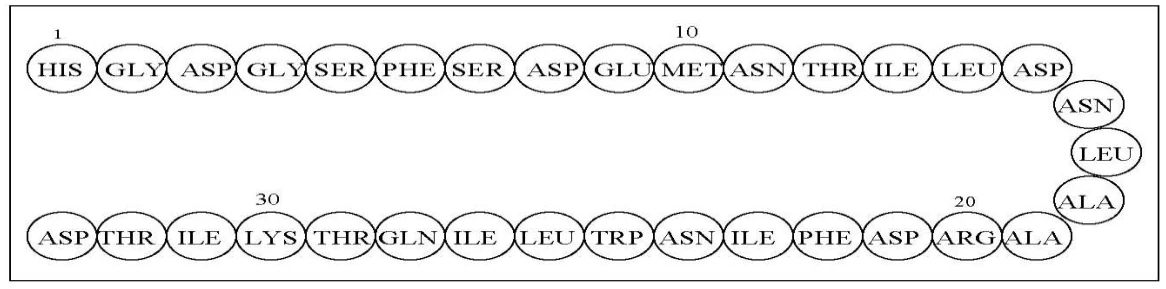
Physicochemical properties: Teduglutide is a 33 amino acid glucagon-like peptide-2 (GLP-2) analog. Teduglutide is a clear, colorless to light straw colored liquid in aqueous buffer.
Product Characteristics:
Teduglutide is a 33 amino acid glucagon-like peptide-2 analog manufactured using a strain of Escherichia coli modified by recombinant DNA technology.
14 Clinical Trials
14.1 Clinical Trials by Indication
Short Bowel Syndrome
| Table 7: Summary of Patient Demographics for Clinical Studies in Patients with Short Bowel Syndrome (SBS) | |||||||
| Table 7: Summary of Patient Demographics for Clinical Studies in Patients with Short Bowel Syndrome (SBS) | |||||||
| Table 7: Summary of Patient Demographics for Clinical Studies in Patients with Short Bowel Syndrome (SBS) | |||||||
| Study # | Trial design | Dosage, route of administration and duration | Study subjects enrolled (n = number) | Mean age (range [years]) | Sex | ||
| Study # | Trial design | Dosage, route of administration and duration | Study subjects enrolled (n = number) | Mean age (range [years]) | Sex | ||
| Study # | Trial design | Dosage, route of administration and duration | Study subjects enrolled (n = number) | Mean age (range [years]) | Sex | ||
| Placebo-controlled Studies | |||||||
| CL0600-020 | Phase 3, multicenter, randomized, double-blind, placebo-controlled study To evaluate the efficacy, safety, tolerability, and pharmacodynamics of REVESTIVE compared with placebo in subjects with PN/I.V. dependent SBS | A: REVESTIVE 0.05 mg/kg/day SC B: Dose-matching placebo SC 24 weeks | A: 42 B: 43 | 51.3 (22 – 78) 49.7 (18 – 82) | M = 20 F = 22 M = 19 F = 24 | ||
| CL0600-004 | Phase 3, multicenter, randomized, double-blind, placebo-controlled study To evaluate the efficacy, safety, tolerability and pharmacokinetics of REVESTIVE compared with placebo in subjects with PN/I.V. dependent SBS. | A: REVESTIVE 0.05 mg/kg/day SC B: REVESTIVE 0.10 mg/kg/day SC C: Dose-matching placebo SC 24 weeks | A: 35 B: 32 C: 16 | 47.1 (20 – 68) 50.3 (19 – 79) 49.4 (20 – 72) | M = 17 F = 18 M = 13 F = 19 M = 7 F = 9 | ||
| Pediatric Study | |||||||
| TED-C14-006 | Phase 3, multicenter, study To evaluate safety, efficacy, and pharmacodynamic study investigating two arms; a teduglutide treatment arm and a SOC. The treatment arm were blinded and randomized to either strength. | A: REVESTIVE 0.025 mg/kg/day SC B: REVESTIVE 0.05 mg/kg/day SC C: SOC 24 week | A: 24 B: 26 C: 9 | 6.6 (1-14) 6.2 (2-15) 5.7 (2-17) | M/F = 16/8 M/F = 19/7 M/F = 6/3 | ||
| Extension Studies | |||||||
| CL0600-021 | Phase 3, multicenter, open label, extension study of CL0600-020 To further study long- term safety and efficacy in subjects who completed, participated in or qualified for Study CL0600-020. Key secondary efficacy variables focused on reductions in PN/I.V. volume. | REVESTIVE 0.05 mg/kg/day SC 2 years | 88 (37 on REVESTIVE 0.05 mg/kg and 51 on placebo or not treated in Study -020) | 50.9 (18 – 82) | M = 41 F = 47 | ||
| CL0600-005 | Phase 3, multicenter, randomized, double-blind extension study of CL0600-004 To evaluate the long-term safety and tolerability of daily REVESTIVE dosing for up to 12 months in adult subjects with SBS who were dependent on PN/I.V. Key secondary efficacy variables focused on reductions in PN/I.V. volume. | A: REVESTIVE 0.05 mg/kg/day SC B: REVESTIVE 0.10 mg/kg/day SC C: REVESTIVE 0.05 mg/kg/day SC D: REVESTIVE 0.10 mg/kg/day SC 28 weeks | A: 6 B: 7 C: 25 D: 27 | 42.2 (21 – 59) 56.6 (41 – 73) 46.7 (21 – 67) 49.4 (20 – 80) | M = 2 F = 4 M = 3 F = 4 M = 15 F = 10 M = 13 F = 14 | ||
PN/I.V. = parenteral nutrition/intravenous fluid; SC = subcutaneous; TED = teduglutide; NTT= no teduglutide treatment
Study Results
Clinical Studies in Adults
Study CL0600-020
The efficacy, safety, and tolerability of REVESTIVE (teduglutide for injection) was evaluated in a randomized, double blind, placebo-controlled, parallel-group, multi-national, multi-center clinical study in adults with SBS who were dependent on parenteral nutrition/intravenous (PN/I.V.) support for at least 12 months and required PN at least 3 times per week.
The mean age was similar across all treatment groups, with most participating subjects less than 65 years of age. Medical and surgical histories, prior medications, and concomitant medications were consistent with SBS and were generally well balanced between treatment groups and studies.
For 8 weeks (or less) prior to randomization, investigators optimized the PN/I.V. volume of all subjects. Optimization was followed by a 4-week to 8-week period of fluid stabilization. Subjects then were randomized (1:1) to placebo (n=43) or REVESTIVE 0.05 mg/kg/day (n=43). Study treatment was administered subcutaneously once daily for 24 weeks. PN/I.V. volume adjustments (up to 30% decrease) and clinical assessments were made at 2, 4, 8, 12, 20, and 24 weeks.
The primary efficacy endpoint was based on a clinical response, defined as a subject achieving at least 20% reduction in weekly PN/I.V. volume from baseline (immediately before randomization) to both Weeks 20 and 24.
The mean age of subjects was 50.3 years. Mean duration of PN/I.V. dependency prior to enrollment was 6.25 years (range 1-25.8 years). The most common reasons for intestinal resection leading to SBS were vascular disease (34.1%, 29/85), Crohn’s Disease (21.2%, 18/85), and “other” (21.2%, 18/85). Stoma was present in 44.7% (38/85) of subjects, and the most common type was jejunostomy/ileostomy (81.6%, 31/38). The mean length of remaining small intestine was 77.3±64.4 cm (range: 5 to 343 cm). The colon was not in continuity in 43.5% (37/85) subjects. At baseline, the mean (± SD) prescribed days per week for PN/I.V. infusion was 5.73 (±1.59) days.
The percentages of treatment group responders were compared in the intent-to-treat population of this study which was defined as all randomized patients. 63% (27/43) of the REVESTIVE group were considered responders compared to 30% (13/43) in the placebo group (p=0.002). At all visits, change from baseline in actual PN/I.V. volume was greater in the REVESTIVE group compared to the placebo group: at Week 24, the actual mean reduction in weekly PN/I.V. volume was 4.4 L (SD=3.81) for the REVESTIVE group (from pre-treatment baseline of 12.9 L) versus 2.3 L (SD=2.74) for the placebo group (from pre-treatment baseline of 13.2 L/week) (p<0.001). The difference in the corresponding percent change from baseline between the treatment groups was statistically significant at Week 24 (reduction of 32.1% [SD=18.71] in the REVESTIVE group vs 21.0% in the placebo group [SD=24.35]) (p=0.025).
The percentage of subjects with a duration of response for ≥3 consecutive visits was higher in the REVESTIVE group (24/43 subjects, 55.8%) than in the placebo group (12/43 subjects, 27.9%). The distribution of duration of response was statistically significant (p=0.005).
The proportion of subjects with a 20 to 100% reduction or a 2 L reduction in PN/I.V. volume from baseline at Weeks 20 and 24 was higher in the REVESTIVE group (30/43 subjects, 69.8%) than the placebo group (16/43 subjects, 37.2%). The difference was statistically significant (p=0.002).
Twenty-one subjects on REVESTIVE (53.8%) versus 9 on placebo (23.1%) achieved at least a one-day reduction in PN/I.V. support at week 24 (p=0.005).
The mean changes from baseline in PN/I.V. volume by visit are shown in Figure 1.
Figure 1: Change (+95% CI) in PN/I.V. volume (L/week)
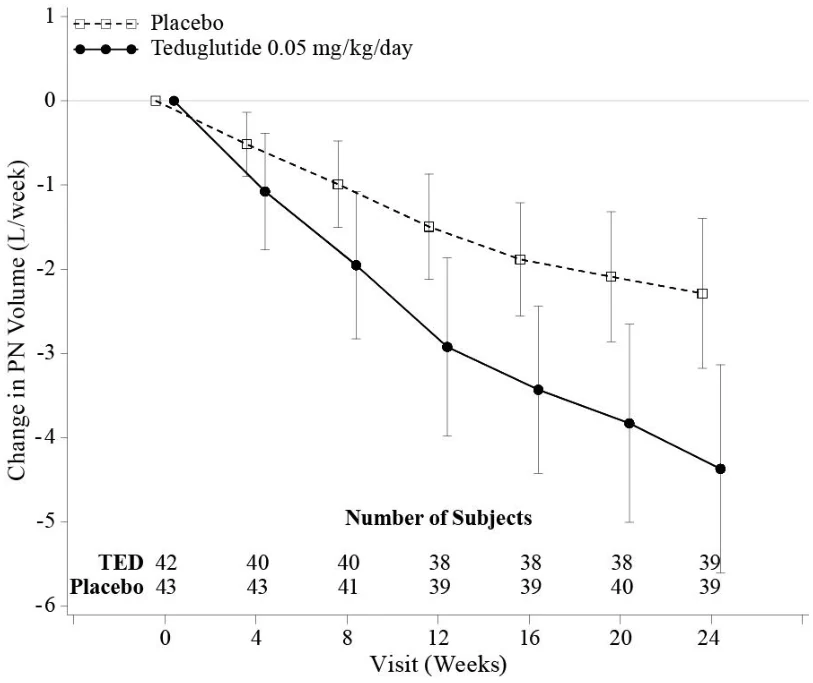
Treatment with REVESTIVE at a dose of 0.05 mg/kg/day in double-blind study CL0600 020 demonstrated a benefit for patients with SBS who are dependent on parenteral support. REVESTIVE treatment, resulted in reductions in PN/I.V. support, including reductions in PN/I.V. volume, and at least one day reduction on PN/I.V. in some patients.
Study CL0600-021
CL0600-021 was a 2-year open-label extension of CL0600-020 in which 88 subjects received REVESTIVE 0.05 mg/kg/day. Ninety-seven percent (76/78) of subjects who completed CL0600-020 elected to enroll in CL0600-021 (37 received REVESTIVE; 39 received placebo). An additional 12 subjects entered CL0600-021 who had been optimized and stabilized but not randomized in CL0600-020 because of closed enrollment.
24-month Exposure
Of the 39 placebo subjects from CL0600-020 entering CL0600-021, 29 completed 24 months of treatment with REVESTIVE. The mean reduction in PN/I.V. was 3.11 L/week (an additional 28.3% reduction) from the start of CL0600-021. Sixteen (55.2%) of the 29 completers achieved a 20% or greater reduction of parenteral support. At the end of study, 14 (48.3%), 7 (24.1%) and 5 (17.2%) achieved a reduction of 1, 2, or 3 days per week in PN/I.V. support, respectively. Two subjects were weaned off their PN/I.V. support while on REVESTIVE. Of the 12 subjects entering CL0600-021 directly, 6 completed 24 months of treatment with REVESTIVE. Similar effects were seen. One of the six subjects was weaned off their PN/I.V. support while on REVESTIVE.
30-month Exposure
Thirty REVESTIVE-treated subjects completed a total duration of 30 months (CL0600-020 followed by CL0600-021 treatment). Of these, 28 subjects (93%) achieved a 20% or greater reduction of parenteral support. Of responders in CL0600-020 who had completed 2 additional years of continuous treatment with REVESTIVE, 96% (21/22) sustained their response to REVESTIVE. The mean reduction in PN/I.V. (n=30) was 7.55 L/week (a 65.6% reduction from baseline). Ten subjects were weaned off their PN/I.V. support while on REVESTIVE treatment for 30 months. Subjects were maintained on REVESTIVE even if no longer requiring PN/I.V. support. These 10 subjects had required PN/I.V. support for 1.2 to 15.5 years, and prior to REVESTIVE had required between 3.5 L/week and 13.4 L/week of PN/I.V. support. At the end of study, 21 (70%), 18 (60%) and 18 (60%) of the 30 completers achieved a reduction of at least 1, 2, or 3 days per week in PN/I.V. support, respectively.
Results of the long-term extension study, CL0600-021, demonstrated the reproducibility as well as the durability of the beneficial effects of REVESTIVE 0.05 mg/kg/day, without evidence for the development of tolerance for up to 30 months of treatment. PN/I.V. volume reductions in subjects who previously received REVESTIVE translated to additional days off PN/I.V. and, in a subset of subjects, complete weaning from PN/I.V. support. Newly treated subjects also achieved and maintained the similar clinical benefits from 24 months of REVESTIVE treatment.
Study CL0600-004
CL0600-004 was a randomized, double-blind, placebo-controlled, three parallel-group, multinational study in adults with Short Bowel Syndrome who were dependent on parenteral nutrition/intravenous (PN/I.V.) support for at least 12 months and required PN at least 3 times per week. After a period of optimization and stabilization similar to CL0600-020, subjects were randomized to receive 24 weeks of one of the following treatment regimens: REVESTIVE
0.05 mg/kg/day (n=35), REVESTIVE 0.10 mg/kg/day dose (n=32), or placebo (n=16). The primary efficacy endpoint was a graded categorical score that did not achieve statistical significance for the high dose. Further evaluation of PN/I.V. volume reduction using the endpoint of response (defined as at least 20% reduction in PN/I.V. fluid from baseline to Weeks 20 and 24) showed that 46% of subjects on REVESTIVE 0.05 mg/kg/day responded versus 6% on placebo (p=0.010).
The mean age was similar across all treatment groups, with most participating subjects less than 65 years of age. Medical and surgical histories, prior medications, and concomitant medications were consistent with SBS and were generally well balanced between treatment groups and studies.
Treatment with REVESTIVE at a dose of 0.05 mg/kg/day in double-blind study CL0600-004 demonstrated a clinically meaningful benefit for patients with SBS who are dependent on parenteral support. REVESTIVE treatment resulted in reductions in PN/I.V. fluid needed.
Study CL0600-005
CL0600-005 was a blinded, uncontrolled extension of CL0600-004, in which 65 subjects from CL0600-004 received REVESTIVE for up to an additional 28 weeks of treatment. Of responders in CL0600-004 who entered CL0600-005, 75% sustained their response on REVESTIVE after one year of treatment. In the REVESTIVE 0.05 mg/kg/day dose group, a 20% or greater reduction of parenteral support was achieved in 68% (17/25) of subjects. The mean reduction of weekly PN/I.V. volume was 4.9 L/week (52% reduction from baseline) after one year of continuous REVESTIVE treatment. The subjects who had been completely weaned off PN/I.V. support in CL0600-004 (n=2) remained off parenteral support through CL0600-005. During CL0600-005, an additional subject from CL0600-005 was weaned off parenteral support.
Results of the long-term extension study, CL0600-005, demonstrated the reproducibility as well as the durability of the clinical benefits of REVESTIVE 0.05 mg/kg/day, without evidence for the development of tolerance for up to an additional 28 weeks of treatment.
Clinical Study in Pediatric Patients
Study TED-C14-006
TED-C14-006 was a 24 week, multicenter study conducted in 59 pediatric subjects aged 1 year through 17 years who were dependent on PS. The objective was to evaluate safety/tolerability, pharmacokinetics and efficacy of REVESTIVE. Subjects chose whether to receive REVESTIVE or standard of care (SOC). Subjects in the REVESTIVE treatment arm were randomized in a double blind manner to 0.025 mg/kg/day (n=24) or 0.05 mg/kg/day (n=26), while 9 subjects enrolled in the SOC arm. Randomization to REVESTIVE dose group was stratified by age. Results described below correspond to subject diary data in the ITT population at the recommended dose of 0.05 mg/kg SC once daily.
The primary endpoint was a reduction in PS volume of at least 20% from baseline to the end of treatment. Intake diaries were used to collect and evaluate each subject’s nutritional support. The subject/parent/guardian completed the appropriate fields of the PN/I.V. and enteral nutrition (EN) sections of the intake diary. The PN/I.V. volume and infusion duration and EN volume were provided in the intake diaries, which were completed every day of the study from screening through Week 28/end of study. Site personnel determined the actual PN/I.V. and EN daily calories based on diary entries. PS prescription data were also collected to assess accuracy of the diary data.
The mean age of subjects at baseline was 6.2 years. The most common reasons for intestinal resection leading to SBS were gastroschisis (54%, 14/26), midgut volvulus (23%, 6/26), and necrotizing enterocolitis (12%, 3/26). Stoma was present in 19% (5/26) of subjects, and the most common type was jejunostomy (80%, 4/5). The mean length of remaining small intestine was 46.75 (±27.90) cm (range: 9 to 120 cm). Among the 96.2% (25/26) of subjects who had remaining colon, the colon was in continuity in 88% (22/25) of subjects. At baseline, the mean PS volume was 60.09 (±29.19) mL/kg/day (range: 23.6 to 132.9 mL/kg/day) and mean PS infusion time was 6.6 (±0.79) days/week (range: 5 to 7 days/week) and 11.2 (±2.99) hours/day (range: 7 to 20 hours/day).
| Table 8: Summary of efficacy endpoints at Week 24 for Study TED-C14-006—Pediatric patients treated with REVESTIVE 0.05 mg/kg/day (n=26) [Patient diary-derived results] | ||
|---|---|---|
| Reduction in PS volume of at least 20% n (%) | 18 (69%) | |
| Achieved enteral autonomy n (%) | 3 (12%) | |
| Change from baseline PS volume (mL/kg/day) (mean [range]) | -23 [-61.40, 1.89] | |
| Change from baseline in daily time spent for infusion (hours/day) (mean [range]) | -3.03 [-14.0, 4.2] | |
Figure 2: Absolute Change from Baseline in PN/IV Volume (mL/kg/day) by Week based on Diary Data
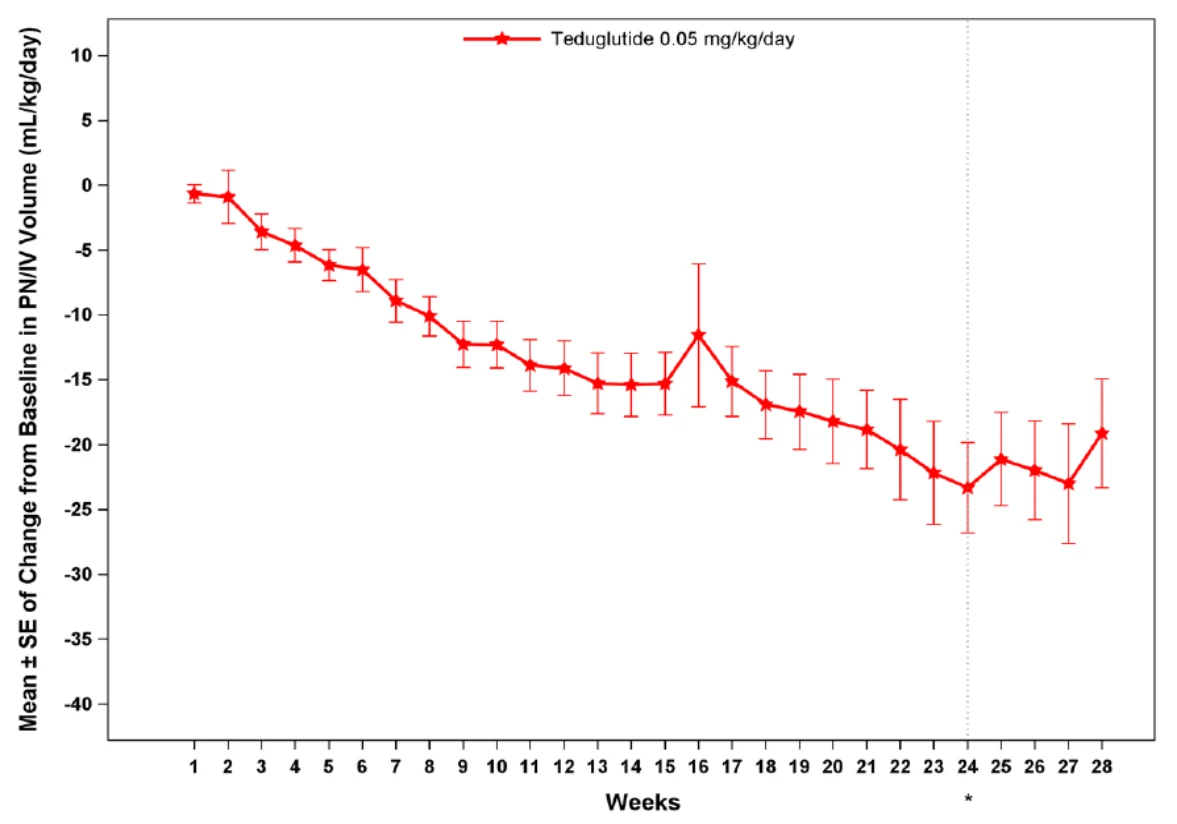
PN/IV = parenteral nutrition/intravenous fluids.
*Week 24 is the end of treatment visit.
Average daily value is calculated as [(sum of non-missing daily values in the diary/number of days with non-missing values)]/last available body weight prior to the visit.
15 Microbiology
No microbiological information is required for this drug product.
16 Non-Clinical Toxicology
Subchronic and chronic toxicity
Hyperplasia in the small and large intestines across species (mice, rats, juvenile minipigs and cynomolgus monkeys) and gallbladder and hepatic biliary ducts of mouse, juvenile minipig and monkey species as well as in the stomach and pancreatic ducts of monkey species were observed in subchronic and chronic toxicology studies at doses ranging from 0.2 to 50 mg/kg/day. These observations were potentially related to the expected intended pharmacology of teduglutide and were to a varying degree reversible within an 8- to 13-week recovery period following chronic administration.
Injection site reactions
In pre-clinical studies, injection site effects (inflammation/fibrosis/degeneration/severe granulomatous cellulitis) were noted across species, including juvenile animals. The effects were partially reversible.
Carcinogenesis and mutagenesis
Carcinogenic potential of teduglutide was assessed in 2-year subcutaneous carcinogenicity studies in rats and mice. In a 2-year carcinogenicity study in Wistar Han rats at subcutaneous doses of 3, 10 and 35 mg/kg/day (60, 200 and 700 times the recommended daily human dose of 0.05 mg/kg, respectively), teduglutide caused statistically significant increases in the incidences of adenomas in the bile duct and jejunum of male rats. No malignant tumors were observed.
In a 2-year carcinogenicity study in Crl:CD1(ICR) mice at subcutaneous doses of 1, 3.5 and
12.5 mg/kg/day (20, 70 and 250 times the recommended daily human dose of 0.05 mg/kg, respectively), teduglutide caused a significant increase in papillary adenomas in the gallbladder; it also caused adenocarcinomas in the jejunum in male mice at the high dose of 12.5 mg/kg/day (about 250 times the recommended human dose).
Teduglutide was negative in the Ames test, chromosomal aberration test in Chinese hamster ovary cells, and in an in vivo mouse micronucleus assay.
Reproductive and developmental toxicity
Reproductive and developmental toxicity studies evaluating teduglutide have been carried out in rats and rabbits at doses of 0, 2, 10 and 50 mg/kg/day subcutaneously (1000 times the recommended daily human dose of 0.05 mg/kg). Teduglutide was not associated with effects on reproductive performance, in utero or developmental parameters measured in studies to investigate fertility, and embryo-fetal development and pre- and post-natal development. Pharmacokinetic data demonstrated that the teduglutide exposure of fetal rabbits and suckling rat pups was very low.
Juvenile animal toxicity data
In a juvenile toxicity study, teduglutide was administered twice daily to juvenile Göttingen minipigs at subcutaneous doses of 1, 5, and 25 mg/kg/day from post-natal day 7 and continuing for 90 days. Exposures (AUC) at these doses were 24-, 50-, and 340-fold the pediatric clinical exposure for ages 1 to 11 years at 0.05 mg/kg, respectively, and 20-, 42-, and 283-fold the pediatric clinical exposure for ages 12 to 17 years at 0.05 mg/kg, respectively.
In juvenile animals, teduglutide had the same pharmacological effect and toxicological target organ findings (intestinotrophic effects, gall bladder mucosal hyperplasia, bile duct mucosal hyperplasia, injection site reactions) as those observed in normal healthy adult animals of other species used in toxicity studies.