


Product Monograph - Ammivo
Recent Major Label Changes
| None at time of the most recent authorization |
|---|
Table of Contents
Certain sections or subsections that are not applicable at the time of the preparation of the most recent authorized product monograph are not listed.
Recent Major Label Changes ................................................................................................... 2
Table of Contents ................................................................................................................... 2
Part 1: Healthcare Professional Information ........................................................................... 4
- 1.
Indications ....................................................................................................................... 4
1.1. Pediatrics .................................................................................................................. 4
1.2. Geriatrics .................................................................................................................. 4
- 2. Contraindications ............................................................................................................ 4
- 4.
Dosage and Administration ............................................................................................. 4
4.1. Dosing Considerations .............................................................................................. 4
4.2. Recommended Dose and Dosage Adjustment ......................................................... 5
Geriatrics, or Renal, Hepatic, or Cardiac Impairment ........................................................... 5
4.3. Reconstitution .......................................................................................................... 5
4.4. Administration .......................................................................................................... 6
- 5. Overdose ......................................................................................................................... 6
- 6. Dosage Forms, Strengths, Composition, and Packaging ................................................... 7
- 7.
Warnings and Precautions ............................................................................................... 7
General ................................................................................................................................. 7
Cardiovascular ...................................................................................................................... 7
Endocrine and Metabolism ................................................................................................... 7
Hepatic/Biliary/Pancreatic .................................................................................................... 8
Monitoring and Laboratory Tests ......................................................................................... 8
Neurologic (Neurotoxicity) ................................................................................................... 8
Reproductive Health ............................................................................................................. 8
Skin ....................................................................................................................................... 9
7.1. Special Populations .................................................................................................. 9
7.1.1. Pregnancy ........................................................................................................ 9
7.1.2. Breastfeeding .................................................................................................. 9
7.1.3. Pediatrics ......................................................................................................... 9
7.1.4. Geriatrics ......................................................................................................... 9
- 8.
Adverse Reactions ......................................................................................................... 10
8.1. Adverse Reaction Overview .................................................................................... 10
8.2. Clinical Trial Adverse Reactions .............................................................................. 10
8.2.1. Clinical Trial Adverse Reactions – Pediatrics .................................................. 12
8.3. Less Common Clinical Trial Adverse Reactions ....................................................... 12
8.4. Abnormal Laboratory Findings: Hematologic, Clinical Chemistry, and Other Quantitative Data ............................................................................................................... 13
8.5. Post-Market Adverse Reactions ............................................................................. 14
- 9.
Drug Interactions ........................................................................................................... 14
9.2. Drug Interactions Overview .................................................................................... 14
9.3. Drug-Behaviour Interactions .................................................................................. 14
9.4. Drug-Drug Interactions ........................................................................................... 15
9.5. Drug-Food Interactions........................................................................................... 15
9.6. Drug-Herb Interactions ........................................................................................... 15
9.7. Drug-Laboratory Test Interactions ......................................................................... 15
- 10.
Clinical Pharmacology ................................................................................................... 15
10.1. Mechanism of Action .............................................................................................. 15
10.2. Pharmacodynamics ................................................................................................ 16
10.3. Pharmacokinetics ................................................................................................... 17
- 11. Storage, Stability, and Disposal ...................................................................................... 19
Part 2: Scientific Information ................................................................................................ 20
- 13. Pharmaceutical Information .......................................................................................... 20
- 14.
Clinical Trials .................................................................................................................. 21
14.1. Clinical Trials by Indication ..................................................................................... 21
- 16. Non-Clinical Toxicology .................................................................................................. 24
Patient Medication Information ........................................................................................... 27
Part 1: Healthcare Professional Information
1. Indications
AMMIVO (Sodium Phenylacetate and Sodium Benzoate for Injection) is indicated as
- adjunctive therapy in pediatric and adult patients for the treatment of acute hyperammonemia in patients with deficiencies in enzymes of the urea cycle.
During acute hyperammonemic episodes, arginine supplementation, caloric supplementation, dietary protein restriction and hemodialysis should be considered.
1.1. Pediatrics
Pediatrics (< 18 years): Based on the data submitted and reviewed by Health Canada, the safety and efficacy of AMMIVO in pediatric patients have been established. Therefore, Health Canada has authorized an indication for pediatric use (4 Dosage and Administration).
1.2. Geriatrics
Geriatrics (≥ 65 years): There is no data in geriatric patients to determine if the safety and efficacy of AMMIVO in this patient population is different than in the studied population. (4 Dosage and Administration and 10.3 Pharmacokinetics Special Populations).
2. Contraindications
AMMIVO is contraindicated in
- patients who are hypersensitive to this drug or to any ingredient in the formulation, including any non-medicinal ingredient, or component of the container. For a complete listing, see 0
- Dosage Forms, Strengths, Composition, and Packaging.
4. Dosage and Administration
4.1. Dosing Considerations
Once diluted (see 4.3 Reconstitution), AMMIVO is administered via a central venous catheter (see 7 Warnings and Precautions, Skin) as a loading dose infusion administered over 90 to 120 minutes, followed by an equivalent maintenance dose infusion administered continuously over 24 hours. AMMIVO should not be administered by any other route.
Administration of analogous oral drugs should be discontinued prior to AMMIVO infusion. Except for arginine hydrochloride (HCl), other infusion solution and drug products should not be administered with AMMIVO.
Co-administration of certain medications, such as penicillin, probenecid or valproic acid, may affect the disposition or efficacy of AMMIVO (see 9 Drug Interactions).
AMMIVO infusion should be started as soon as the diagnosis of hyperammonemia is made.
Hemodialysis should be considered in patients with severe hyperammonemia or who are not responsive to AMMIVO treatment. High levels of ammonia can be reduced quickly when AMMIVO is used with hemodialysis which eliminates ammonia and ammonia conjugation.
Converting to Oral Treatment
Once elevated ammonia levels have normalized, reassessment of the patient for possible oral treatment and discontinuation of AMMIVO maintenance infusions should be considered.
4.2. Recommended Dose and Dosage Adjustment
AMMIVO must be diluted with sterile 10% Dextrose Injection before administration (see 4.3 Reconstitution). The dilution and dosage of AMMIVO are determined by weight for patients ≤20 kg body weight, and by body surface area for patients >20 kg body weight (Table 1). Maintenance infusions may be continued until elevated plasma ammonia levels have been normalized.
Table 1 – Dosage of AMMIVO for Treatment of Acute Hyperammonemia
Patient Population CPS, AS, ASL and OTC Deficiency | Components of Infusion Solution AMMIVO must be diluted with sterile 10% Dextrose Injection at ≥25 mL/kg before administration | Dosage Provided |
|---|---|---|
Patient Population CPS, AS, ASL and OTC Deficiency | Components of Infusion Solution AMMIVO must be diluted with sterile 10% Dextrose Injection at ≥25 mL/kg before administration | Dosage Provided |
| AMMIVO | ||
| Sodium Phenylacetate | Sodium Benzoate | |
| AMMIVO | ||
| Sodium Phenylacetate | Sodium Benzoate | |
Patients ≤20 kg | ||
Dose Loading: Over 90 to 120 minutes Maintenance: continuous | 2.5 mL/kg | |
| 250 mg/kg | 250 mg/kg | |
| over 24 hours | ||
Patients >20 kg | ||
Dose Loading: Over 90 to 120 minutes Maintenance: continuous over 24 hours | 55 mL/m2 | |
| 5.5 g/m2 | 5.5 g/m2 | |
AS = argininosuccinate synthetase; ASL = argininosuccinate lyase; CPS = carbamyl phosphate synthetase; OTC = ornithine transcarbamylase
Geriatrics, or Renal, Hepatic, or Cardiac Impairment
Dose adjustment may be required in geriatric patients or patients with hepatic, renal or cardiac impairment (see 7 Warnings and Precautions, Cardiovascular). No specific dose adjustment recommendations have been established.
Based on the elimination pathways of sodium phenylacetate and sodium benzoate, increased exposure to AMMIVO may occur in patients with renal or hepatic impairment (see 10.3 Pharmacokinetics). Patients with impaired hepatic or renal impairment should be closely monitored following administration of AMMIVO for signs of toxicity.
4.3. Reconstitution
Intravenous administration of AMMIVO must be conducted as an infusion in which it is diluted to ≥25 mL/kg before administration with the following compatible diluent:
- 10% Dextrose Injection
AMMIVO solutions may be prepared in glass and PVC containers. No compatibility information is available for the infusion solutions with other substances, except for Arginine HCl Injection (10%), which may be mixed in the same infusion container as AMMIVO.
For additional information, see 11 Storage, Stability, and Disposal.
4.4. Administration
AMMIVO should only be administered through a central venous catheter. Administration through a peripheral intravenous catheter may cause burns and therefore AMMIVO may not be administered by any other route than a central vein catheter (see 7 Warnings and Precautions, Skin). AMMIVO is a concentrated solution and must be diluted before intravenous administration.
AMMIVO should be administered as a loading dose infusion over 90 to 120 minutes, followed by the same dose repeated as a maintenance infusion administered over 24 hours. Because of prolonged plasma levels achieved by phenylacetate in pharmacokinetic studies, repeat loading doses of AMMIVO should not be administered. Maintenance infusions may be continued until elevated plasma ammonia levels have been normalized.
5. Overdose
Overdosage has been reported during sodium phenylacetate and sodium benzoate treatment in patients with urea cycle deficiencies. All patients in the uncontrolled open-label study were to be treated at the same dose of sodium phenylacetate and sodium benzoate. However, some patients received more than the dose level specified in the protocol. An overdose of sodium phenylacetate and sodium benzoate was reported in 13 of 49 deaths in the pivotal open label longitudinal, interventional trial. Signs of intoxication may include obtundation (in the absence of hyperammonemia), hyperventilation, a severe compensated metabolic acidosis, perhaps with a respiratory component, large anion gap, hypernatremia and hyperosmolarity, progressive encephalopathy, cardiovascular collapse, and death.
Three additional cases of overdose were reported in the literature. One of the patients died following the overdose after developing cerebral oedema, respiratory depression requiring ventilatory support, disseminated intravascular coagulation, and hypotension. Drug levels revealed toxic levels of benzoate, phenylacetate and their metabolites. Other signs and symptoms of the overdoses included irritability, somnolence, obtundation, unresponsive to painful stimuli, and tachypnoea and Kussmaul respiration.
In case of overdose of sodium phenylacetate and sodium benzoate, discontinue the drug and institute appropriate emergency medical monitoring and procedures. In severe cases, the latter may include hemodialysis (procedure of choice) or peritoneal dialysis (when hemodialysis is unavailable).
| For the most recent information in the management of a suspected drug overdose, contact your regional poison control centre or Health Canada’s toll-free number, 1-844 POISON-X (1-844-764-7669). |
|---|
- 6. Dosage Forms, Strengths, Composition, and Packaging
Table 2 – Dosage Forms, Strengths, and Composition
Description
AMMIVO (Sodium Phenylacetate and Sodium Benzoate for Injection) is a sterile, concentrated, clear and almost colourless aqueous solution of sodium phenylacetate and sodium benzoate. AMMIVO is supplied in 20 mL and 50 mL single-use glass vials.
7. Warnings and Precautions
General
Administration must be through a central venous catheter (see 4 Dosage and Administration and 7 Warnings and Precaution, Skin). AMMIVO infusion should be started as soon as the diagnosis of hyperammonemia is made. Once elevated ammonia levels have normalized, reassessment of the patient for possible oral treatment should be considered.
Cardiovascular
AMMIVO contains 30.5 mg of sodium per mL of undiluted product. AMMIVO can cause sodium retention and fluid overload. This risk is increased if AMMIVO is used in patients with congestive heart failure or renal insufficiency and in clinical states in which there is sodium retention with edema. Thus, AMMIVO should be used with caution, if at all, in patients with congestive heart failure or renal insufficiency, and in clinical states in which there is sodium retention with edema. If an adverse reaction does occur, discontinue administration of AMMIVO, evaluate the patient, and institute appropriate treatment.
Endocrine and Metabolism
AMMIVO can cause lowering of potassium levels. Because urine potassium loss is enhanced by the excretion of the non-reabsorbable anions, phenylacetylglutamine and hippurate, plasma potassium levels should be carefully monitored and appropriate treatment given when necessary. Serum electrolyte levels should be monitored and maintained within the normal range.
AMMIVO can cause hyperventilation and metabolic acidosis. Due to structural similarities between phenylacetate and benzoate to salicylate, AMMIVO may cause side effects typically associated with salicylate overdose, such as hyperventilation, metabolic acidosis or exacerbation of peptic ulcer. Monitoring of blood chemistry profiles, blood pH and CO2 should be performed.
| Route of Administration | Dosage Form/ Strength/Composition | Non-Medicinal Ingredients |
| Intravenous | Sterile solution intended for intravenous infusion 100 mg/mL sodium phenylacetate and 100 mg/mL sodium benzoate | Hydrochloric acid, sodium hydroxide, and water for injection |
Hepatic/Biliary/Pancreatic
AMMIVO may worsen hyperbilirubinemia. Use with caution in neonates with hyperbilirubinemia, as AMMIVO can further increase neonatal jaundice potentially leading to kernicterus (non-conjugated bilirubin deposits in the brain tissue). Monitoring of direct and indirect bilirubin with AMMIVO treatment is recommended (see 7 Warnings and Precautions Monitoring and Laboratory Tests).
Monitoring and Laboratory Tests
Monitoring of the following clinical laboratory values: plasma ammonia, bicarbonate, potassium and chloride and other electrolytes, glutamine, glucose, liver function tests, renal function tests, pCO2, blood pH, and arterial and venous gases are associated with the administration of AMMIVO. Additionally, monitoring of clinical response is important to determine efficacy and to determine discontinuation of therapy. Because urine potassium loss is enhanced by the excretion of the non-reabsorbable anions, phenylacetylglutamine and hippurate, plasma potassium levels should be carefully monitored and appropriate treatment given when necessary. Serum electrolyte levels should be monitored and maintained within the normal range (see 7 Warnings and Precautions - Endocrinology and Metabolism).
Ongoing monitoring of ammonia levels is recommended in order to determine when therapy should be switched to oral therapy. Potential adverse events may be mitigated if prolonged unnecessary use of AMMIVO is assessed on the basis of normal ammonia levels.
Patients with impaired hepatic or renal impairment and patients who are at risk of hepatic, renal or cardiovascular impairment should be closely monitored following administration of AMMIVO for signs of increased exposure or adverse reactions.
Ongoing monitoring of plasma ammonia levels, neurological status, laboratory tests, and clinical response in patients receiving sodium phenylacetate and sodium benzoate is crucial to assess patient response to treatment.
Neurologic (Neurotoxicity)
Sodium phenylacetate can lead to neurotoxicity. Because of prolonged plasma levels achieved by phenylacetate in pharmacokinetic studies, repeat loading doses of AMMIVO should not be administered. Additionally, neurotoxicity was reported in cancer patients receiving intravenous phenylacetate, 250-300 mg/kg/day for 14 days, repeated at 4-week intervals. Manifestations were predominantly somnolence, fatigue, and light-headedness, and to a lesser frequency headaches, dysgeusia, hypoacusis, disorientation, impaired memory, and exacerbation of a preexisting neuropathy. The acute onset of symptoms upon initiation of treatment and reversibility of symptoms when the phenylacetate was discontinued suggest a causal relationship to phenylacetate (see 16 Non-Clinical Toxicology, General Toxicology).
Reproductive Health
- Fertility
Fertility studies of sodium phenylacetate have not been conducted. Sodium benzoate has been extensively tested as a food preservative. Fertility assessments in male rats suggested that sodium benzoate may have adverse impacts on male fertility including decreased sperm count, increased follicle-stimulating hormone and luteinizing hormone, and degenerative changes in the testes (see 16 Non-Clinical Toxicology).
Skin
Administration should be through a central venous catheter only. Undiluted product should not be administered. The infusion site should be monitored closely for possible perivenous infiltration during drug administration which may lead to skin necrosis or other injection site reaction.
Bolus infusion flow rates are relatively high, especially for infants (see 4 Dosage and Administration). Extravasation of AMMIVO into the perivenous tissues may lead to skin necrosis. If extravasation is suspected, discontinue the infusion and resume at a different infusion site, if necessary.
7.1. Special Populations
7.1.1. Pregnancy
Available data with AMMIVO use in pregnant women are insufficient to identify a drug-associated risk of major birth defects, miscarriage or adverse maternal or fetal outcomes.
In non-clinical studies, repeated oral administration of sodium benzoate to pregnant rats at doses similar to or lower than the clinically recommended dose resulted in adverse effects on maternal health, impaired fetal development (teratogenicity) and increased perinatal morality. Prenatal exposure to phenylacetate was associated with abnormal neuronal development in rat pups (see 16 Non-Clinical Toxicology).
Pharmacokinetic results were available for 2 pregnant women treated with sodium phenylacetate and sodium benzoate as a preventative measure for male fetuses with prenatal diagnosis of OTC deficiency (see 10.3 Pharmacokinetics). Prenatal treatment with sodium phenylacetate and sodium benzoate in mothers who harbor severe OTC deficiency and carry affected male fetuses resulted in therapeutic levels of benzoate and phenylacetate in the newborn at delivery.
As a precautionary measure, it is preferable to avoid the use of AMMIVO during pregnancy unless the clinical condition of the mother or anticipated clinical condition of the newborn requires treatment for hyperammonemia.
7.1.2. Breastfeeding
It is unknown if sodium phenylacetate and sodium benzoate are excreted in human milk or the effects on the infant receiving the breastmilk. Benzoic acid and its metabolite hippuric acid were detected in suckling rat pups following lactational transfer from dams administered benzoate up to 1000 mg/kg bw/day (0.6 times the clinical dose) in feed (see 16 Non-Clinical Toxicology). Precaution should be exercised because many drugs can be excreted in human milk.
7.1.3. Pediatrics
Pediatrics (< 18 years): Sodium phenylacetate and sodium benzoate has been used as a treatment for acute hyperammonemia in pediatric patients including patients in the early neonatal period (see 4 Dosage and Administration).
7.1.4. Geriatrics
Geriatrics (≥ 65 years): There is no data in geriatric patients. Therefore, it is not known if the safety and efficacy of AMMIVO in this patient population is different than in the studied population.
8. Adverse Reactions
8.1. Adverse Reaction Overview
The following adverse reactions are discussed in greater detail in Section 7 Warnings and Precautions: hypokalemia, hyperventilation, metabolic acidosis, neurologic effects (including somnolence, fatigue, and lightheadedness, headaches, dysgeusia, hypoacusis, disorientation, impaired memory, and exacerbation of a preexisting neuropathy), local skin reactions including injection site reactions and extravasation of fluid, and fluid overload and edema.
In the open-label, longitudinal interventional study, Study 1, a total of 299 unique patients with confirmed deficiencies in enzymes of the urea cycle received sodium phenylacetate and sodium benzoate for treatment of a hyperammonemic episode (see 14.1 Clinical Trials by Indication). The serious adverse reactions included brain edema (2%), disseminated intravascular coagulation (2%), hypotension (2%), metabolic acidosis (2%), and mental function decreased (2%). The most common adverse events (AE) (≥10% of patients) in neonatal patients (N=93) was hypotension (12 [13%] patients). The most common AEs (≥10% of patients) reported for older patients (N=239) included injection-site reactions (30 [13%] patients), vomiting (29 [12%] patients), hypokalemia (27 [11%] patients), and seizures (25 [10%] patients).
The most common AEs leading to discontinuation of treatment included administration-site conditions (injection-site reaction, extravasations, and hemorrhage), hyperammonemia, hypoglycemia, and metabolic acidosis.
There were 49 deaths reported in Study 1. Among those who died, seizures, infection, and cerebral edema were the most common coexisting conditions.
Adverse event profiles differed by age group (see 8.2.1 Clinical Trial Adverse Reactions – Pediatrics).
8.2. Clinical Trial Adverse Reactions
Clinical trials are conducted under very specific conditions. Therefore, the frequencies of adverse reactions observed in the clinical trials may not reflect frequencies observed in clinical practice and should not be compared to frequencies reported in clinical trials of another drug.
Sodium phenylacetate and sodium benzoate was evaluated in one open-label, longitudinal, uncontrolled, interventional study in 299 pediatric and adult patients with deficiencies in enzymes of the urea cycle who experienced episodes of acute hyperammonemia.
Table 3 lists adverse events occurring in patients received sodium phenylacetate and sodium benzoate.
Table 3 – Adverse Events Occurring in ≥2% of Pediatric and Adult Patients Receiving Sodium Phenylacetate and Sodium Benzoate in the 25-Year, Open-Label, Uncontrolled, Longitudinal Interventional Study
System Organ Class Preferred Term | Neonates (≤30 Days of Age) | Older Patients (>30 Days of Age) | ||
|---|---|---|---|---|
System Organ Class Preferred Term | Neonates (≤30 Days of Age) | Older Patients (>30 Days of Age) | ||
| Patients N=93 n (%) | Episodes N=94 n (%) | Patients N=239 n (%) | Episodes N=1087 n (%) | |
| Patients N=93 n (%) | Episodes N=94 n (%) | Patients N=239 n (%) | Episodes N=1087 n (%) | |
| Number of patients with any AEa | 50 (54) | 50 (53) | 125 (52) | 299 (28) |
| Blood and lymphatic system disorders | 11 (12) | 11 (12) | 20 (8) | 21 (2) |
| Anemia | 5 (5) | 5 (5) | 7 (3) | 8 (<1) |
| Disseminated intravascular coagulation | 3 (3) | 3 (3) | 6 (3) | 6 (<1) |
| Thrombocytopenia | 3 (3) | 3 (3) | 1 (<1) | 1 (<1) |
| Cardiac disorders | 9 (10) | 9 (10) | 17 (7) | 23 (2) |
| Cardiac arrest | 3 (3) | 3 (3) | 2 (<1) | 2 (<1) |
| Tachycardia | 2 (2) | 2 (2) | 8 (3) | 13 (1) |
| Supraventricular tachycardia | 2 (2) | 2 (2) | 0 | 0 |
| Gastrointestinal disorders | 5 (5) | 5 (5) | 42 (18) | 94 (9) |
| Diarrhea | 1 (1) | 1 (1) | 10 (4) | 10 (<1) |
| Vomiting | 3 (3) | 3 (3) | 29 (12) | 70 (6) |
| General disorders and administration-site conditions | 7 (8) | 7 (7) | 34 (14) | 72 (7) |
| Injection-site reaction | 1 (1) | 1 (1) | 30 (13) | 43 (4) |
| Pyrexia/Fever | 0 | 0 | 16 (7) | 25 (2) |
| Hepatobiliary disorders | 3 (3) | 3 (3) | 5 (2) | 5 (<1) |
| Infections and Infestations | 7 (8) | 7 (7) | 33 (14) | 44 (4) |
| Urinary tract infection | 0 | 0 | 11 (5) | 11 (1) |
| Otitis media | 0 | 0 | 5 (2) | 6 (<1) |
| Metabolism and nutrition disorders | 20 (22) | 20 (21) | 56 (23) | 85 (8) |
| Acidosis | 4 (4) | 4 (4) | 18 (8) | 20 (2) |
| Hyperammonemia | 5 (5) | 5 (5) | 13 (5) | 22 (2) |
| Hyperglycemia | 5 (5) | 5 (5) | 12 (5) | 14 (1) |
| Hypokalemia | 5 (5) | 5 (5) | 27 (11) | 35 (3) |
| Nervous system disorders | 17 (18) | 17 (18) | 63 (26) | 90 (8) |
| Brain/cerebral edema | 3 (3) | 3 (3) | 12 (5) | 13 (1) |
| Decreased mental function | 1 (1) | 1 (1) | 22 (9) | 27 (2) |
| Seizures | 8 (9) | 8 (9) | 25 (10) | 29 (3) |
| Psychiatric disorders | 1 (1) | 1 (1) | 20 (8) | 31 (3) |
| Agitation | 0 | 0 | 10 (4) | 10 (<1) |
| Renal and urinary disorders | 4 (4) | 4 (4) | 6 (3) | 6 (<1) |
| Respiratory, thoracic and mediastinal disorders | 13 (14) | 13 (14) | 35 (15) | 56 (5) |
| Respiratory distress (or failure) | 7 (8) | 7 (7) | 13 (5) | 15 (1) |
| Hyperventilation | 1 (1) | 1 (1) | 5 (2) | 8 (<1) |
| Skin and subcutaneous tissue disorders | 3 (3) | 3 (3) | 17 (7) | 29 (3) |
| Vascular disorders | 12 (13) | 12 (13) | 12 (5) | 12 (1) |
| Hypotension | 12 (13) | 12 (13) | 4 (2) | 4 (<1) |
Note: Reported adverse events are shown according to patient’s age, frequency of occurrence event, and frequency of occurrence during episodes of hyperammonemia.
a some patients had more than 1 adverse event
8.2.1. Clinical Trial Adverse Reactions – Pediatrics
The adverse reactions reported in Section 8.2 Clinical Trial Adverse Reactions include data for pediatric and adult patients. Adverse event profiles differed by age group. Patients ≤30 days of age had more blood and lymphatic system disorders and vascular disorders (specifically hypotension), while patients >30 days of age had more gastrointestinal disorders (specifically vomiting and diarrhea) (Table 3).
8.3. Less Common Clinical Trial Adverse Reactions
Less common adverse reactions (occurring in <3% of patients):
Blood and Lymphatic System Disorders: Coagulopathy, pancytopenia
Cardiac Disorders: Atrial rupture, bradycardia, cardiac or cardiopulmonary arrest/failure, cardio-respiratory arrest, cardiogenic shock, cardiomyopathy, pericardial effusion
Eye Disorders: Blindness/cortical blindness
Gastrointestinal Disorders: Abdominal distension, abdominal pain, gastrointestinal hemorrhage, loose stools
General Disorders and Administration Site Conditions: Asthenia, brain death, chest pain, edema, injection site edema, injection site pain, lethargy, multiorgan failure
Hepatobiliary Disorders: Cholestasis, hepatic artery stenosis, hepatic failure/hepatotoxicity, jaundice
Infections and Infestations: Sepsis/Septic shock, staphylococcal infection
Injury, Poisoning and Procedural Complications: brain herniation, subdural hematoma, overdose
Investigations: Aspartate aminotransferase increased, blood carbon dioxide changes, blood culture positive, blood glucose changes, blood glucose increased, blood pH increased, blood urea decreased, cardiac output decreased, hematocrit decreased, pCO2 changes, respiratory rate increased
Metabolism and Nutrition Disorders: Alkalosis, dehydration, fluid overload/retention, hyperchloremia, hyperkalemia, hypernatremia, hypoglycemia, hyponatremia, hypophosphatemia, tetany
Neoplasms Benign, Malignant and Unspecified: Hemangioma acquired
Nervous System Disorders: Areflexia, ataxia, brain infarction, brain hemorrhage, cerebral atrophy, clonus, depressed level of consciousness, encephalopathy, headache, intracranial pressure increased, nerve paralysis, subdural hematoma, tremor
Psychiatric Disorders: Acute psychosis, aggression, confusional state, hallucinations
Renal and Urinary Disorders: Anuria, renal failure, urinary retention
Respiratory, Thoracic and Mediastinal Disorders: Acute respiratory distress syndrome, cough, dyspnea, hypercapnia, Kussmaul respiration, pneumonia aspiration, pneumothorax, pulmonary hemorrhage, pulmonary edema, respiratory acidosis or alkalosis, tachypnea
Skin and Subcutaneous Disorders: Alopecia, blister, diaper dermatitis, pruritus generalized, rash, urticaria
Vascular Disorders: Flushing, hemorrhage, hypertension, phlebothrombosis/thrombosis
8.4. Abnormal Laboratory Findings: Hematologic, Clinical Chemistry, and Other Quantitative Data
Clinical Trial Findings
Clinically significant laboratory abnormalities were captured as adverse events (Table 4 and Table 5).
Table 4 – Hematology Laboratory Adverse Events Occurring in Pediatric and Adult Patients Receiving Sodium Phenylacetate and Sodium Benzoate in a 25-Year, Open-Label, Uncontrolled, Longitudinal Interventional
| Preferred Term | Neonates (≤30 Days of Age) N=93 n (%) | Older Patients (>30 Days of Age) N=239 n (%) |
|---|---|---|
| Anemia | 5 (5) | 7 (3) |
| Thrombocytopenia | 3 (3) | 1 (<1) |
Table 5 – Clinical Chemistry Laboratory Adverse Events Occurring in Pediatric and Adult Patients Receiving Sodium Phenylacetate and Sodium Benzoate in a 25-Year, Open-Label, Uncontrolled, Longitudinal Interventional
| Preferred Term | Neonates (≤30 Days of Age) N=93 n (%) | Older Patients (>30 Days of Age) N=239 n (%) |
|---|---|---|
| Acidosis | 4 (4) | 18 (8) |
| Hyperammonemia | 5 (5) | 13 (5) |
| Hyperglycemia | 5 (5) | 12 (5) |
| Hypokalemia | 5 (5) | 27 (11) |
8.5. Post-Market Adverse Reactions
The following adverse reactions have been identified during post approval use of sodium phenylacetate and sodium benzoate. Because these adverse reactions are reported voluntarily from a population of uncertain size, it is not always possible to reliably estimate their frequency or establish a causal relationship to drug exposure.
Blood and Lymphatic Disorders: Haemophagocytic lymphohistiocytosis
Gastrointestinal Disorders: Intestinal obstruction
General Disorders and Administration Site Conditions: Death, drug ineffective, multiple organ dysfunction syndrome
Hepatobiliary Disorders: Liver disorder
Injury, Poisoning and Procedural Complications: Accidental exposure to product
Investigations: Ammonia increased
Metabolism and Nutrition Disorders: Lactic acidosis
Nervous System Disorders: Status epilepticus
Surgical and Medical Procedures: Dialysis, haemodialysis
9. Drug Interactions
9.2. Drug Interactions Overview
Formal drug interaction studies have not been performed with AMMIVO.
9.3. Drug-Behaviour Interactions
The interaction of AMMIVO with individual behavioural risks (e.g. cigarette smoking, cannabis use, and/or alcohol consumption) has not been studied.
9.4. Drug-Drug Interactions
Arginine HCl Injection, 10%, may be mixed in the same container as AMMIVO when diluting with 10% dextrose for administration (see 4.2 Recommended Dose and Dosage Adjustment).
Interactions with other drugs have not been established. No information is available on the potential for whether sodium phenylacetate and sodium benzoate is an inhibitor and/or inducer of any cytochrome P450 (CYP450) enzymes. There are no in vitro studies to predict any drug-drug interactions.
Sodium benzoate may inhibit the metabolism of salicylates by competing for glycine, resulting in increased concentration and persistence of salicylates.
Antibiotics, such as penicillin, compete with phenylacetylglutamine and hippurate for active secretion by renal tubules. Probenecid is known to inhibit the renal transport of many organic compounds, including aminohippuric acid, and may affect renal excretion of phenylacetylglutamine and hippurate. Caution should be taken for drugs that alter renal excretion such as penicillin and probenecid; however, the interaction potential of these drugs has not been evaluated.
There have been reports that valproic acid can induce hyperammonemia through inhibition of the synthesis of N-acetylglutamate, a co-factor for carbamyl phosphate synthetase. Therefore, administration of valproic acid to patients with urea cycle disorders may exacerbate their condition and antagonize the efficacy of AMMIVO.
Use of corticosteroids may cause a protein catabolic state and, thereby, potentially increase plasma ammonia levels in patients with impaired ability to form urea.
9.5. Drug-Food Interactions
Interactions with food have not been established.
9.6. Drug-Herb Interactions
Interactions with herbal products have not been established.
9.7. Drug-Laboratory Test Interactions
Interactions with laboratory tests have not been established.
10. Clinical Pharmacology
10.1. Mechanism of Action
Urea cycle disorders can result from decreased activity of any of the following enzymes: N-acetylglutamate synthetase (NAGS), CPS, argininosuccinate synthetase (AS), OTC, argininosuccinate lyase (ASL), or arginase (ARG).
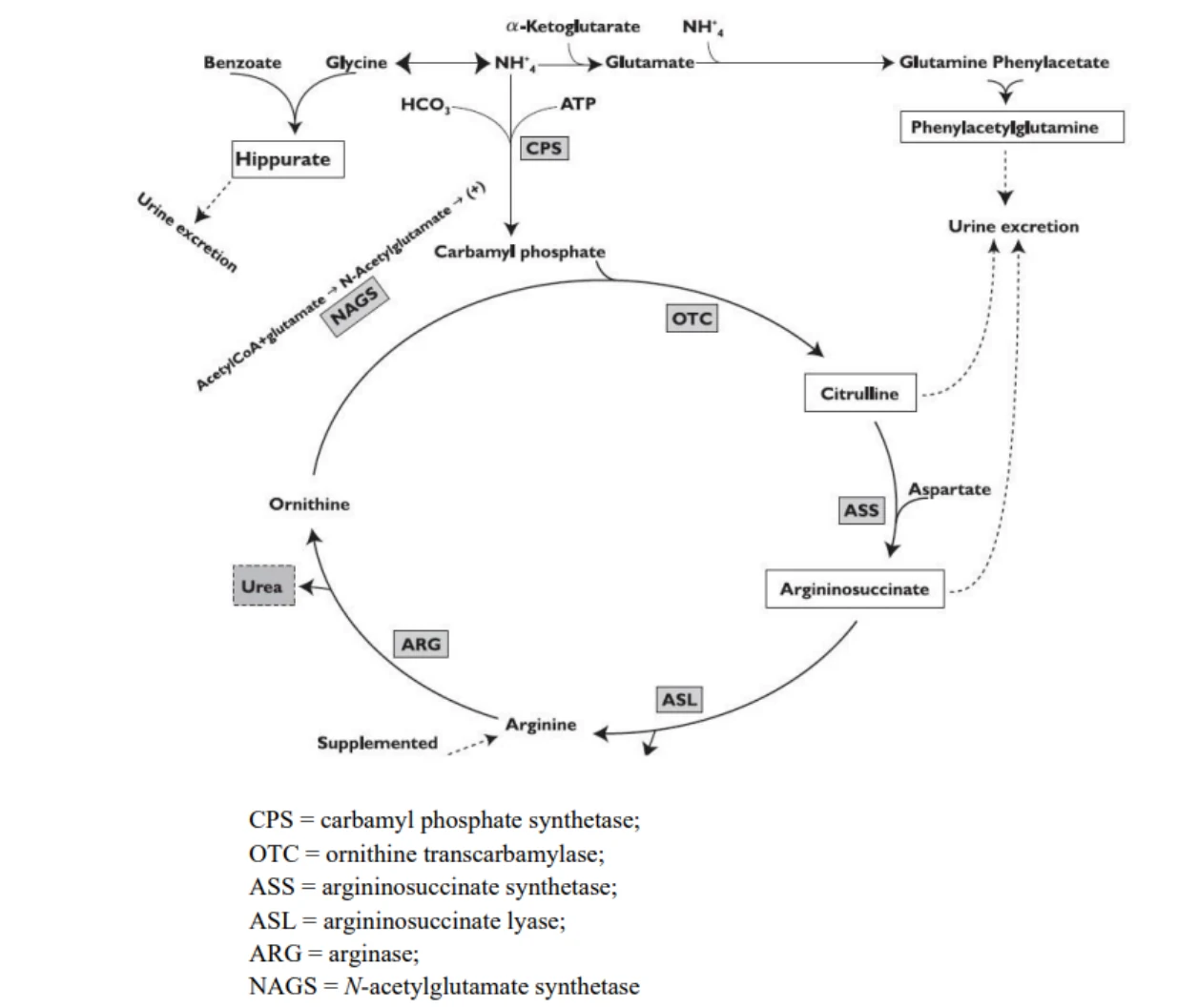
Sodium phenylacetate and sodium benzoate are metabolically active compounds that can serve as alternatives to urea for the excretion of waste nitrogen. A schematic illustrating how sodium phenylacetate and sodium benzoate provide an alternative pathway for nitrogen disposal in patients without a fully functioning urea cycle is provided in Figure 1.
Phenylacetate conjugates with glutamine in the liver and kidneys to form phenylacetylglutamine, via acetylation. Similarly, preceded by acylation, benzoate conjugates with glycine to form hippuric acid. Both metabolites, phenylacetylglutamine and hippuric acid, are excreted by the kidneys via glomerular filtration and tubular secretion. Two moles of nitrogen are removed per mole of phenylacetate when it is conjugated with glutamine and one mole of nitrogen is removed per mole of benzoate when it is conjugated with glycine.
Figure 1 – Mechanism of Action of Sodium Phenylacetate and Sodium Benzoate
10.2. Pharmacodynamics
In patients with hyperammonemia resulting from urea cycle enzyme deficiencies, sodium phenylacetate and sodium benzoate have been shown to decrease elevated plasma ammonia levels, presumably by reducing nitrogen overload via glutamine and glycine scavenging. No exposure-response studies for efficacy or safety have been conducted. The doses were based on empirical calculations which estimated nitrogen elimination needed to reduce elevated levels of ammonia and glutamine based on molar replacement equivalent of phenylacetylglutamine and hippurate derived from 24-hour infusions. The time required for the elevated ammonia levels to reduce to normal range takes about 6 hours.
The effect of sodium phenylacetate and sodium benzoate on QT interval has not been determined.
10.3. Pharmacokinetics
The pharmacokinetics of intravenously administered sodium phenylacetate, sodium benzoate, and their respective metabolites, have been characterized in healthy adult participants dosed with 3.75 g/m2 and 5.5 g/m2 sodium phenylacetate and sodium benzoate (N=20). Mean pharmacokinetic parameters of sodium phenylacetate and phenylacetylglutamine are summarized in Table 6 and sodium benzoate and hippurate in Table 7. The tables also include data from 10 healthy Japanese adults who received 3.75 g/m2 sodium phenylacetate and sodium benzoate.
Table 6 – Summary of Phenylacetate and the Metabolite Phenylacetylglutamine Pharmacokinetic Parameters in Healthy Participants
| Phenylacetate | Phenylacetylglutamine | |||||||||||||||||||
| Cmax (µg/mL) | Tmax (h) | AUC0-∞ (µg*h/mL) | Cmax (µg/mL) | Tmax (h) | AUC0-∞ (µg*h/mL) | |||||||||||||||
| After Loading Dose | ||||||||||||||||||||
| 3.75 g/m2 | 302.9 (42.1) | 1.7 (0.3) | 2042.8 (332.9) | 74.3 (10.8) | 7.9 (0.9) | 541.0 (79.3) | ||||||||||||||
| 5.5 g/m2 | 411.4 (30.0) | 1.7 (0.3) | 3833.4 (516.1) | NR | NR | NR | ||||||||||||||
| After Loading Dose and Maintenance Dose | ||||||||||||||||||||
| 3.75 g/m2 | 307.8 (37.0) | 2.0 (1.1) | 3535.8 (686.3) | 88.0 (13.2) | 8.8 (1.7) | 1347.6 (226.8) | ||||||||||||||
| 3.75 g/m2 (Japanese) | 301 (15.7) | 1.5 (1.5-4.5) | 4020 (846) | 71.1 (15.3) | 10.5 (8.5-12.5) | 1150 (202) | ||||||||||||||
| 5.5 g/m2 | 465.9 (49.7) | 7.2 (5.0) | 8381.4 (1066.6) | 122.1 (15.3) | 19.5 (5.2) | 2434.8 (560.3) | ||||||||||||||
NR = not reported due to limited 12-hour sampling period
Table 7 – Summary of Benzoate and the Metabolite Hippurate Pharmacokinetic Parameters in Healthy Participants
| Benzoate | Hippurate | |||||||||||||||||
| Benzoate | Hippurate | |||||||||||||||||
| Cmax (µg/mL) | Tmax (h) | AUC0-∞ (µg*h/mL) | Cmax (µg/mL) | Tmax (h) | AUC0-∞ (µg*h/mL) | |||||||||||||
| Cmax (µg/mL) | Tmax (h) | AUC0-∞ (µg*h/mL) | Cmax (µg/mL) | Tmax (h) | AUC0-∞ (µg*h/mL) | |||||||||||||
| After Loading Dose | ||||||||||||||||||
| 3.75 g/m2 | 260.8 (39.0) | 1.5 (0) | 569.8 (104.9) | 62.9 (11.6) | 3.0 (0.5) | 238.3 (49.8) | ||||||||||||
| 5.5 g/m2 | 420.6 (34.9) | 1.7 (0.3) | 1613.9 (467.4) | 77.9 (20.2) | 5.2 (0.6) | 521.7 (46.0) | ||||||||||||
| After Loading Dose and Maintenance Dose | ||||||||||||||||||
| 3.75 g/m2 | 266.5 (36.4) | 1.5 (0) | 726.5 (140.4) | 57.9 (12.4) | 3.4 (1.0) | 477.7 (114.7) | ||||||||||||
| 3.75 g/m2 (Japanese) | 234 (15.4) | 1.5 (1.5-1.5) | 762 (118) | 54.9 (9.83) | 4.5 (2.5-4.5) | 423 (101) | ||||||||||||
| 5.5 g/m2 | 457.5 (72.4) | 1.5 (0) | 2495.0 (886.0) | 75.1 (21.5) | 5.8 (1.2) | 846.6 (230.1) | ||||||||||||
Both benzoate and phenylacetate exhibit nonlinear kinetics and saturable clearance. However, metabolite formation increased proportionally with the dose.
Absorption
After the loading dose only, plasma phenylacetate levels were higher than those of benzoate at all dose levels. The increase in area under the plasma concentration time curve (AUC) and maximum observed concentration (Cmax) for both phenylacetate and benzoate were more than dose proportional. Likewise, after loading and maintenance doses, peak plasma phenylacetate levels were higher than benzoate.
Distribution
Both sodium phenylacetate and sodium benzoate have low tissue distribution.
In a study where patients with advanced tumors received an IV bolus followed by a 14-day continuous infusion of sodium phenylacetate, it was found that both phenylacetate and phenylacetylglutamine can cross the blood brain barrier.
Metabolism
Phenylacetate and benzoate show different metabolic rates. Following loading and maintenance doses in healthy adult participants, plasma hippurate levels reached peak earlier than phenylacetylglutamine levels, indicating that the formation of hippurate from benzoate occurs more rapidly than that of phenylacetylglutamine from phenylacetate. Although plasma levels of phenylacetylglutamine were initially lower than those of the hippurate, they were sustained for a longer duration.
Elimination
The clearance of phenylacetate is much slower than benzoate. Clearance of phenylacetate can become saturated with doses used to treat hyperammonemia due to its limited conversion to phenylacetylglutamine. The urinary excretion ratios of phenylacetylglutamine and hippurate at 48 hours were 99.3% and 104%, respectively. Most of the drug was excreted into the urine as phenylacetylglutamine and hippurate, suggesting that almost all of the sodium phenylacetate and sodium benzoate administered were used for nitrogen removal.
Special populations and conditions
- Pediatrics (< 18 years) Results from 2 pediatric patients with hyperammonemia due to urea cycle disorders treated with sodium phenylacetate and sodium benzoate demonstrated similar PK results as healthy adult volunteers. These pediatric patients received both a loading dose and maintenance infusion of sodium phenylacetate and sodium benzoate (250 mg/kg of each over 1 to 2 hours, followed by 500 mg/kg/day
- of each over 24 hours [may be reduced to 250 mg/kg/day if ammonia levels decrease]).Both pediatric patients had similar elimination to what was observed in healthy Japanese adult participants, where the effective waste nitrogen was primarily accounted for as urinary phenylacetylglutamine nitrogen and urinary hippurate nitrogen.
- Geriatrics (≥ 65 years old)
No pharmacokinetic studies of AMMIVO have been performed in geriatric patients. Because geriatric patients are more likely to have decreased hepatic, renal, or cardiac function and receive concomitant medications, caution should be exercised when administering AMMIVO to this population.
- Sex
Pharmacokinetic data obtained from a limited number of healthy participants shows that bioavailability of both benzoate and phenylacetate was slightly higher in females than in males. However, definitive conclusions cannot be drawn due to the limited number of participants in this study.
- Pregnancy and breastfeeding Pharmacokinetic results were available for 2 pregnant women treated with sodium phenylacetate and sodium benzoate as a preventative measure for male fetuses with prenatal diagnosis of OTC deficiency. Prenatal treatment with sodium phenylacetate and sodium benzoate in mothers male fetuses affected with OTC deficiency, resulted in therapeutic levels of benzoate and phenylacetate in the newborn at delivery.
- Ethnic origin No differences in PK parameters (Tmax, AUC, and Cmax) were observed between healthy Japanese participants and healthy participants from the US and Canada for phenylacetate, benzoate, and their metabolites.
- Hepatic Insufficiency The effect of hepatic impairment on the pharmacokinetics of sodium phenylacetate and sodium benzoate has not been studied. However, given that the metabolic conjugation of sodium phenylacetate and sodium benzoate is known to take place in the liver and kidney, caution should be used when administering sodium phenylacetate and sodium benzoate to patients with hepatic impairment.
- Renal Insufficiency The effect of renal impairment on the pharmacokinetics of sodium phenylacetate and sodium benzoate has not been studied. However, given that the metabolic conjugation of sodium phenylacetate and sodium benzoate is known to take place in the liver and kidney, and because the drug metabolites of sodium phenylacetate and sodium benzoate are excreted by the kidney, caution should be used when administering sodium phenylacetate and sodium benzoate to patients with renal impairment.
- Storage, Stability, and Disposal
Store AMMIVO between 15°C and 30°C. Discard unused portion.
Parenteral drug products should be inspected visually for particulate matter, discoloration, and leakage prior to administration, whenever solution and container permit. Any unused medicinal product or waste material should be disposed of in accordance with local requirements.
Storage of Infusion Solutions
Infusion solutions of AMMIVO are physically and chemically stable for up to 24 hours at room temperature and room lighting conditions.
Part 2: Scientific Information
13. Pharmaceutical Information
Drug Substance
Non-proprietary name of the drug substance(s): Sodium phenylacetate and sodium benzoate
Chemical name(s): Sodium 2-phenylacatete and sodium benzoate
Molecular formula and molecular mass: C8H7O2Na [158.13 g/mol] and C7H5O2Na [144.10 g/mol]
Structural formula:
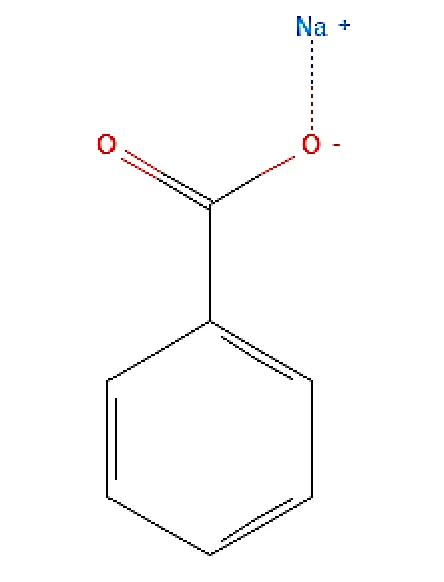
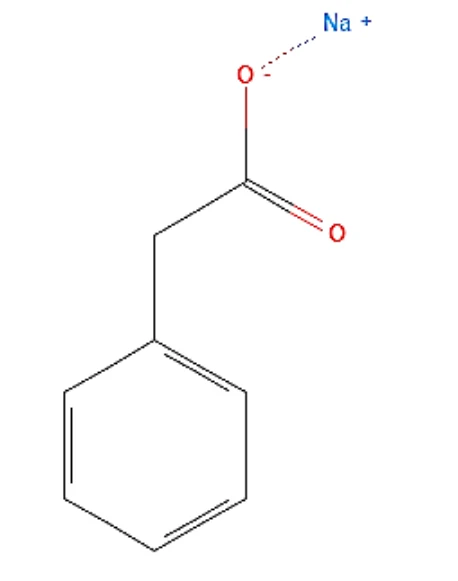
sodium phenylacetate
and
sodium benzoate
Physicochemical properties: Sodium phenylacetate is a crystalline, white to off-white powder with a strong, offensive odor. It is soluble in water, methanol and ethanol. It is practically insoluble in isopropyl alcohol, acetone and ethyl acetate. Sodium benzoate is a crystalline, white, odorless powder that is readily soluble in water, soluble in 90% alcohol, and sparingly soluble in alcohol.
14. Clinical Trials
14.1. Clinical Trials by Indication
Acute Hyperammonemia in patients with deficiencies in enzymes of the urea cycle
Table 8 – Summary of Patient Demographics for Clinical Trials in Pediatric and Adult Patients with Acute Hyperammonemia due to Deficiencies in Enzymes of the Urea Cycle
| Study # | Study design | Dosage, route of administration and duration | Study subjects | Age | Sex |
| Study 1 | 25-year Open-Label Longitudinal Study | Infants and children up to 20 kg (dosing based on body weight): sodium phenylacetate/ sodium benzoate 250 mg/kg IV loading dose over 90 to 120 minutes followed by continuous 24-hour maintenance infusion at the same dose. Children weighing more than 20 kg and adults (dosing based on body surface area): sodium phenylacetate/ sodium benzoate 5.5 g/m2 IV loading dose over 90 to 120 minutes followed by continuous 24-hour maintenance infusion at the same dose. | 299 patients (1181 episodes) | Neonates (≤30 days of age) N=93 (94 episodes) Older Patients (>30 days of age) N=237b (1087 episodes)
| Sex was only reported for patients with OTC deficiencya Male patients with OTC deficiency: N = 86 Female patients with OTC deficiency: N=78 |
OTC = ornithine transcarbamylase
a Sex was only reported for the patients with ornithine transcarbamylase deficiency (86 male, 78 female) as it is an X-linked disorder with a more severe clinical phenotype typically reported for males.
b Thirty-one of the patients treated as neonates were also treated as older patients.
Study 1 was an open-label, uncontrolled, multicenter study of IV sodium phenylacetate and sodium benzoate as emergency treatment for hyperammonemia in patients with urea cycle disorders. The study was conducted in 118 hospitals in the US and Canada between 1980 and 2005.
The recommended dose regimen was a loading dose over 90 to 120 minutes followed by an infusion of an equivalent dose over a 24-hour period until the patient no longer had hyperammonemia and oral therapy could be tolerated. Loading and maintenance infusions also contained arginine hydrochloride. Dialysis was used in 12% (136/1181 episodes) of the hyperammonemia episodes and in 35% of the patients (105/299 patients). The following dosing regimen for sodium phenylacetate and sodium benzoate was to be used:
- Infants and children up to 20 kg (dosing based on body weight): sodium phenylacetate/sodium benzoate 250 mg/kg IV loading dose over 90 to 120 minutes followed by continuous 24-hour maintenance infusion at the same dose.
- Older children weighing more than 20 kg and adults (dosing based on body surface area): sodium phenylacetate/sodium benzoate 5.5 g/m2 IV loading dose over 90 to 120 minutes followed by continuous 24-hour maintenance infusion at the same dose.
A total of 299 unique patients with urea cycle disorders were included in the analysis set and were treated for 1181 episodes of hyperammonemia. Table 9 presents the hyperammonemia episodes by urea cycle deficiency in Study 1. Patients included 93 neonates (≤30 days of age) that experienced 94 episodes of hyperammonemia and 237 patients older than 30 days of age that experienced 1087 episodes. Thirty-one of the patients treated as neonates were also treated as older patients, and were therefore included in both groups.
Table 9 – Episodes of hyperammonemia treated in Study 1 by Urea Cycle Deficiency
| Urea Cycle Deficiency | Number of Patients (Episodes of hyperammonemia) N = 299 (1181) |
|---|---|
| Carbamyl phosphate synthetase deficiency | 41 (203) |
| Ornithine transcarbamylase deficiency | 164 (654) Male: 86 (278) Female: 78 (376) |
| Argininosuccinate synthetase deficiency | 80 (305) |
| Argininosuccinate lyase deficiency | 11 (14) |
| Arginase deficiency | 3 (5) |
Table 10 presents the results of Study 1. Survival was observed in 260/299 (87%) of all patients for the first known episode of hyperammonemia and 250/299 (84%) of all patients for all known episodes of hyperammonemia.
No hierarchal control for multiplicity was reported. Therefore, statistical analyses are considered nominal for the subgroup analyses described below and in Table 11.
When evaluated by age category, patients older than 30 days of age were more likely to survive an episode compared to neonates ≤30 days of age (98% vs 73%; nominal p<0.001). Patients more than 12 years of age were also more likely to survive an episode of hyperammonemia (survival rate 99%) compared to all other age groups (nominal p<0.001 compared to all other age groups) including ≤30 days of age (survival rate 73%), >30 days to 2 years of age (survival rate 98%), and >2 years to 12 years (survival rate 97%).
The survival of an episode of hyperammonemia was significantly lower in male patients with OTC deficiency (91%) compared to female patients with OTC deficiency (98%) and among patients with a deficiency in CPS (97%), AS (98%), and ASL (93%) (nominal p<0.001). The survival rate for patients with arginine (ARG) deficiency (5 episodes reported) was also lower (80%) compared to patients with other UCD deficiencies.
Survival was improved in patients who had hyperammonemic episodes with peak plasma ammonium levels ≤500 µmol/L when compared to patients with peak plasma ammonium levels >500 µmol/L (nominal p<0.001). Survival rates were 98%, 99%, 84%, and 47% for episodes with peak plasma ammonium levels of ≤200 µmol/L, >200-500 µmol/L, >500-1000 µmol/L, and >1000 µmol/L, respectively. Overall, plasma ammonium levels decreased substantially in most patients following treatment with IV sodium phenylacetate and sodium benzoate. For all episodes where baseline and post-treatment ammonium levels were known (582 episodes), the median ammonium level decreased from 185 µmol/L to 36 µmol/L (-79% change from baseline). This change was seen in both neonates and older patients.
Survival was substantially improved after sodium phenylacetate and sodium benzoate treatment compared with historical control data (N=217) for acute management of hyperammonemia reporting 16% overall survival for patients with neonatal onset and 72% for those with late onset of disease.
Table 10 – Results of Key Endpoints in Patients with Acute Hyperammonemia Treated with Sodium Phenylacetate and Sodium Benzoate
| Patient Survival Status | Sodium Phenylacetate and Sodium Benzoate (N = 299) n/N (%) | Comparison Between Survival Status in Each Subgroup (nominala p-valueb) |
|---|---|---|
| Primary Endpoint | ||
| Survival of patients at first episode | 260/299 (87%) | Not applicable |
| Survival of patients for all known episodes | 250/299 (84%) | Not applicable |
| Analyses by Subgroup | ||
| Survival in Neonates | 69/94 (73%) | <0.001 |
| Survival in Older Patients | 1063/1087 (98%) | |
| >30 Days to 2 years | 168/171 (98%) | 0.10 |
| >2 years to 12 years | 464/479 (97%) | 0.18 |
| >12 years | 431/437 (99%) | <0.001 |
| Survival by diagnosis | ||
| CPS deficiency | 197/203 (97%) | 0.44 |
| OTC deficiency (male patients) | 253/278 (91%) | <0.001 |
| OTC deficiency (female patients) | 367/376 (98%) | 0.04 |
| AS deficiency | 298/305 (98%) | 0.07 |
| ASL deficiency | 13/14 (93%) | 0.45 |
| Survival by peak ammonium level (outcomes of 823 episodes of hyperammonemia, according to peak ammonium level) | ||
| ≤200 µmol/L | 341/347 (98%) | |
| >200-500 µmol/L | 361/366 (99%) | 0.77 |
| >500-1000 µmol/L | 56/67 (84%) | <0.001 |
| >1000 µmol/L | 20/43 (47%) | <0.001 |
a No hierarchal control for multiplicity was reported. Therefore, statistical analyses are considered nominal.
b P values were calculated using Fisher’s exact test for comparison between survival status in each subgroup.
16. Non-Clinical Toxicology
General toxicology
In dogs, single IV administration of 250 mg/kg sodium phenylacetate and 250 mg/kg sodium benzoate was well tolerated with findings limited to changes in clinical chemistry parameters, which did not have a negative impact on animal health. Exposures to sodium phenylacetate and sodium benzoate at this dose were greater than, or comparable to (0.8 to 2-fold), those in humans following IV administration of AMMIVO according to the standard clinical regimen for patients >20 kg.
In 10-day repeat dose studies with sodium benzoate, two mice administered 4286 mg/kg/day (1.4 times the clinical dose) and one rat dosed at 1200 mg/kg/day (0.8 times the clinical dose) for up to 10 days experienced convulsion, followed by death in most cases. Mortalities also occurred in 4 of 10 rats administered the high dose of 6290 mg/kg/day (4.1 times the clinical dose) in a 90-day repeat dose study; however, the cause of the death in these animals is not known. Across repeat-dose oral toxicity studies in rats, high doses of sodium benzoate also caused body weight loss.
Repeat-dose oral toxicity studies in mice and rats identified the liver, kidney, and brain as potential targets of sodium benzoate toxicity. In mice, administration of 4286 mg/kg/day (1.4 times the clinical dose) sodium benzoate in the diet for 10 days increased liver and kidney weights and induced hepatocyte enlargement, vacuolation, and necrosis. Similar increases in liver and kidney weights and corresponding liver pathology were observed in rats administered 1200 mg/kg/day (0.8 times the clinical dose) or 6290 mg/kg/day (4.1 times the clinical dose) of sodium benzoate in feed for 10 or 90 days, respectively.
Neurotoxicity was observed also in rats following repeated oral administration of sodium benzoate. In a 30-day study, doses ≥300 mg/kg/day (0.2 times the clinical dose) produced dose-dependent vasogenic edema, gliosis, and satellitosis in the cerebral cortex. In other repeat-dose studies, doses ≥100 mg/kg/day (0.06 times the clinical dose) of sodium benzoate resulted in impairment in locomotor, exploratory, and memory performance as well as reduction in cortico-hippocampal neuronal cell counts, neuronal vacuolation, and/or glial proliferation. These findings were frequently accompanied by increased markers of oxidative stress, suggesting a potential role for oxidative stress in the development of neurotoxicity. Sodium phenylacetate also showed neurotoxic potential in rat pups (see Juvenile Toxicity).
Genotoxicity
The weight of evidence does not indicate a genotoxic concern for sodium benzoate or sodium phenylacetate.
Phenylacetic acid, the active moiety of sodium phenylacetate, was negative in a bacterial reverse mutation assay conducted at concentrations up to 10,000 µg/plate and a mammalian cell gene mutation assay at doses up to 1000 µg/mL (with activation) and 1500 µg/mL (without activation).
Conflicting results have been reported for sodium benzoate in in vitro assays. Additionally, in an in vivo study in pregnant Wistar rats, evidence of DNA damage was observed in maternal and fetal liver tissues at low doses (ranging from 1.5 to 7.5 mg/kg/day); however, these results were not quantified. Overall, the weight of evidence from in vitro studies conducted with sodium benzoate and benzoic acid and in vivo studies conducted at oral gavage doses up to 1000 mg/kg/day (comet assay, 8 organs evaluated) in mice and 5000 mg/kg/day (chromosomal aberration assay; single or 5 repeat-doses) in rats, does not suggest a genotoxic risk.
Carcinogenicity
Carcinogenicity studies of sodium phenylacetate have not been conducted. The carcinogenic potential of orally administered sodium benzoate was evaluated in lifespan study in Albino Swiss mice and a 2-year study in Fisher 344 rats. Albino Swiss mice (n=50/sex/group) were administered sodium benzoate at a concentration of 2% dissolved in water for the lifespan of the mice, resulting in an approximate daily dose of 4000 mg/kg/day (1.3 times the clinical dose).
Fisher 344 rats (n=50 to 52/sex/group) were orally administered sodium benzoate at 1 or 2% in feed (approximately 500 and 1000 mg/kg/day; 0.3 and 0.6 times the clinical dose, respectively) for 18- to 24-months. These studies do not demonstrate significant carcinogenic risk of sodium benzoate.
Reproductive and developmental toxicology
Fertility
Fertility assessments in male rats suggested that sodium benzoate had adverse impacts on male fertility (decreased sperm count and motility, increased follicle-stimulating hormone and luteinizing hormone, and degenerative changes in the testes) when administered by oral gavage at doses ≥10 mg/kg/day (0.06 times the clinical dose). There was no effect of sodium benzoate on uterotrophic activity in mice or rats following subcutaneous doses at up to 1 mg/kg/day (0.0003 and 0.0006 times the clinical dose, respectively).
Development/Teratogenicity
Adverse effects on maternal health and fetal development were observed in rats at an oral dose of 1875 mg/kg/day sodium benzoate (1.2 times the clinical dose), including maternal mortality, convulsions, and decreased motor activity, as well as increased fetal death/reabsorption, and pathological findings in fetal eye, brain, kidneys and skeleton. The no-observed-adverse-effect level (NOAEL) was considered to be 1310 mg/kg/day (0.84 times the clinical dose). However, significant increases in perinatal mortality (up to 48% resorptions per litter vs 0% for control) were observed at much lower oral doses ≥5 mg/kg/day (0.003 times the clinical dose) in a separate toxicity study in rats. Oral embryo-fetal development studies with sodium benzoate did not identify any adverse effects or fetal malformations in mice, hamsters, or rabbits at doses up to 175, 300, and 250 mg/kg/day, respectively.
Prenatal exposure to phenylacetate in rat pups from dams administered phenylacetate subcutaneously at 3.5 µmol/g/day (~1 mg/kg/day; 0.0006 times the clinical dose) from gestation day 7 to delivery, produced lesions in layer 5 cortical pyramidal cells; dendritic spines were longer and thinner than normal and reduced in number.
Pre- and Post-natal Development
At oral doses up to 1000 mg/kg/day (0.6 times the clinical dose) benzoic acid administered in feed, there were no findings of toxicological relevance identified in F0, F1, or F2 animals at any dose.
In F1 animals, there was exposure to benzoic acid and the metabolite hippuric acid, through lactational transfer from dams administered benzoic acid in feed at doses ≥ 750 mg/kg/day (0.45 times the clinical dose).
Juvenile toxicity
In rat pups, SC administration of phenylacetate at doses ranging from 190 to 474 mg/kg (0.1 to 0.3 times the clinical dose) caused decreased proliferation and increased loss of neurons, and reduced central nervous system myelin. Cerebral synapse maturation was retarded, and the number of functioning nerve terminals in the cerebrum was reduced, which resulted in impaired brain growth.