


Product Monograph - Wakix
RECENT MAJOR LABEL CHANGES
| 1 INDICATIONS, 1.1 Pediatrics; 1.2 Geriatrics | 02/2025 |
|---|---|
| 4 DOSAGE AND ADMINISTRATION; 4.2 Recommended Dose and Dosage Adjustment | 02/2025 |
| 7 WARNINGS AND PRECAUTIONS, 7.1.3 Pediatrics; 7.1.4 Geriatrics | 02/2025 |
TABLE OF CONTENTS
Sections or subsections that are not applicable at the time of most recent authorization are not listed.
RECENT MAJOR LABEL CHANGES ......................................................................................... 2
TABLE OF CONTENTS ............................................................................................................... 2
PART I: HEALTH PROFESSIONAL INFORMATION .................................................................. 4
1 INDICATIONS ................................................................................................................... 4
1.1 Pediatrics ................................................................................................................. 4
1.2 Geriatrics ................................................................................................................. 4
2 CONTRAINDICATIONS ................................................................................................... 5
4 DOSAGE AND ADMINISTRATION .................................................................................. 5
4.1 Dosing Considerations ............................................................................................ 5
4.2 Recommended Dose and Dosage Adjustment ....................................................... 5
4.4 Administration .......................................................................................................... 7
4.5 Missed Dose ............................................................................................................ 8
5 OVERDOSAGE ................................................................................................................ 8
6 DOSAGE FORMS, STRENGTHS, COMPOSITION AND PACKAGING ......................... 8
7 WARNINGS AND PRECAUTIONS .................................................................................. 8
7.1 Special Populations ............................................................................................... 10
7.1.1 Pregnant Women .................................................................................................. 10
7.1.2 Breastfeeding ........................................................................................................ 11
7.1.3 Pediatrics ............................................................................................................... 11
7.1.4 Geriatrics ............................................................................................................... 11
8 ADVERSE REACTIONS ................................................................................................. 11
8.1 Adverse Reaction Overview ................................................................................... 11
8.2 Clinical Trial Adverse Reactions ............................................................................. 12
8.2.1 Clinical Trial Adverse Reactions – Pediatrics ......................................................... 15
8.3 Less Common Clinical Trial Adverse Reactions .................................................... 15
8.3.1 Less Common Clinical Trial Adverse Reactions – Pediatrics ................................. 16
8.4 Abnormal Laboratory Findings: Hematologic, Clinical Chemistry and Other Quantitative Data .................................................................................................... 17
8.5 Post-Market Adverse Reactions ............................................................................. 17
9 DRUG INTERACTIONS .................................................................................................. 17
9.2 Drug Interactions Overview ................................................................................... 17
9.3 Drug-Behavioural Interactions ............................................................................... 18
9.4 Drug-Drug Interactions .......................................................................................... 18
9.5 Drug-Food Interactions .......................................................................................... 20
9.6 Drug-Herb Interactions .......................................................................................... 21
9.7 Drug-Laboratory Test Interactions ......................................................................... 21
10 CLINICAL PHARMACOLOGY ....................................................................................... 21
10.1 Mechanism of Action ............................................................................................. 21
10.2 Pharmacodynamics .............................................................................................. 21
10.3 Pharmacokinetics .................................................................................................. 22
11 STORAGE, STABILITY AND DISPOSAL ...................................................................... 24
12 SPECIAL HANDLING INSTRUCTIONS ......................................................................... 24
PART II: SCIENTIFIC INFORMATION ....................................................................................... 25
13 PHARMACEUTICAL INFORMATION ............................................................................ 25
14 CLINICAL TRIALS ......................................................................................................... 26
14.1 Clinical Trials by Indication ................................................................................... 26
15 MICROBIOLOGY ............................................................................................................ 34
16 NON-CLINICAL TOXICOLOGY ..................................................................................... 35
PATIENT MEDICATION INFORMATION .................................................................................. 37
PART I: HEALTH PROFESSIONAL INFORMATION
1 INDICATIONS
WAKIX® (pitolisant hydrochloride tablets) is indicated for:
the treatment of excessive daytime sleepiness (EDS) or cataplexy in patients with narcolepsy in adults and in pediatric patients (aged 6 years and older and weighing at least 30 kg).
This indication is based on pivotal trials of up to 8 weeks duration, three trials in adults (18 years of age and older) and one trial in children (6 years of age and older).
the treatment of EDS in adult patients with obstructive sleep apnea (OSA), accepting or refusing concomitant continuous positive airway pressure (CPAP) as a primary treatment.
WAKIX is not indicated to treat the underlying airway obstruction in patients with OSA and is not a substitute for primary OSA therapy. Primary OSA therapy for the underlying airway obstruction should be continued during treatment with WAKIX.
1.1 Pediatrics
Narcolepsy
Pediatrics (≥ 6 years of age): Based on the data submitted and reviewed by Health Canada, the safety and efficacy of WAKIX in pediatric patients (6 years of age and older) has been established. Therefore, Health Canada has authorized an indication for pediatric use in patients 6 years of age and older, and weighing at least 30 kg (see 4.2 Recommended Dose and Dosage Adjustment; 7.1.3 Pediatrics).
Pediatrics (< 6 years of age/weighing less than 30 kg): No data are available to Health Canada in patients less than 6 years of age, and only limited data are available in pediatric patients weighing less than 30 kg; therefore, Health Canada has not authorized an indication for these patients.
Obstructive Sleep Apnea
Pediatrics (< 18 years of age): No data are available to Health Canada; therefore, Health Canada has not authorized an indication for pediatric use.
1.2 Geriatrics
Geriatrics (> 65 years of age): There is limited information for use of WAKIX in elderly patients. During the OSA clinical trials, insomnia has been reported at a higher rate in elderly patients. Use WAKIX with caution in elderly, and particularly in very elderly (≥75 years old) patients (see 4.2 Recommended Dose and Dosage Adjustment; 7.1.4 Geriatrics).
2 CONTRAINDICATIONS
- WAKIX® (pitolisant hydrochloride tablets) is contraindicated in patients who are hypersensitive to pitolisant hydrochloride or to any ingredient in the formulation, or component of the container. For a complete listing, see 6 Dosage Forms, Strengths, Composition and Packaging.
- WAKIX is contraindicated in patients with severe hepatic impairment.
- WAKIX is contraindicated in breastfeeding patients.
4 DOSAGE AND ADMINISTRATION
4.1 Dosing Considerations
- WAKIX® must be taken in the morning upon waking.
- WAKIX should be taken with food.
- WAKIX tablets should not be chewed, divided or crushed before swallowing.
- WAKIX should be used at the lowest effective dose, depending on individual patient response and tolerance.
Greater exposures of pitolisant are expected in patients:
- with hepatic impairment
- with renal impairment
- who are CYP2D6 poor metabolizers
- who are taking a strong CYP2D6 inhibitor
Follow recommended dosage adjustments and monitor closely.
- Patients taking a strong CYP3A4 inducer concomitantly with WAKIX are subject to lower exposures of pitolisant. Follow recommended dosage adjustments and monitor closely.
Narcolepsy
- WAKIX is not recommended in children weighing less than 30 kg (see 4.2 Recommended Dose, Pediatric).
The maximum daily dose:
- should not exceed 40 mg/day for adult patients and pediatric patients weighing 50 kg or more;
- should not exceed 20 mg/day for pediatric patients weighing less than 50 kg.
Obstructive Sleep Apnea
- WAKIX is not a therapy for the underlying airway obstruction in patients with OSA. Primary OSA therapy should be maintained in these patients.
4.2 Recommended Dose and Dosage Adjustment
Recommended Dose
Narcolepsy
Adults
WAKIX should be used at the lowest effective dose, depending on individual patient response and tolerance. All patients should be initiated at 10 mg per day and titrated as necessary according to the following recommended titration scheme:
- Week 1: initiate treatment with a dose of 10 mg (two 5 mg tablets) once daily
- Week 2: the dose may be increased to 20 mg (one 20 mg tablet) once daily, as needed
- Week 3: the dose may be increased to the maximum recommended dose of 40 mg (two 20 mg tablets) once daily, as needed
The total daily dose should not exceed 40 mg per day.
Patients should be monitored for both efficacy and tolerability and dose should be adjusted accordingly. Some patients may achieve benefit at lower doses and/or require a lower dose based on tolerability.
It may take up to 8 weeks for patients to achieve an optimal response.
Pediatrics (≥ 6 years of age and weighing at least 30 kg)
WAKIX should be used at the lowest effective dose, depending on individual patient response and tolerance. All patients should be initiated at 5 mg per day and titrated as necessary according to the following recommended titration scheme, without exceeding a dose of 20 mg/day in children weighing < 50 kilograms:
- Week 1: initiate treatment with a dose of 5 mg/day (one 5 mg tablet once daily). WAKIX is not recommended for pediatric patients weighing < 30 kilograms (see 10.3 Pharmacokinetics, Pediatrics)
- Week 2: the dose may be increased, as needed, to 10 mg/day (two 5 mg tablets once daily)
Week 3: the dose may be increased, as needed to 20 mg/day (one 20 mg tablet once daily)
(For pediatric patients weighing < 50 kilograms, this dose (20 mg per day) is the maximum daily dose).
- Week 4: for children weighing 50 kilograms or more, the dose may be increased, as needed, to the maximum recommended dose of 40 mg/day (two 20 mg tablets once daily)
Patients should be monitored for both efficacy and tolerability and dose should be adjusted accordingly. Some patients may achieve benefit at lower doses and/or require a lower dose based on tolerability.
Obstructive Sleep Apnea
Adults
WAKIX should be used at the lowest effective dose, depending on individual patient response and tolerance. All patients should be initiated at 5 mg per day and titrated as necessary according to the following recommended titration scheme:
- Week 1: initiate treatment with a dose of 5 mg (one 5 mg tablet) once daily
- Week 2: the dose may be increased to 10 mg (two 5 mg tablets) once daily, as needed
- Week 3: the dose may be increased to the maximum recommended dose of 20 mg (one 20 mg tablet) once daily, as needed
The total daily dose should not exceed 20 mg per day.
Patients should be monitored for both efficacy and tolerability and dose should be adjusted accordingly. Some patients may achieve benefit at lower doses and/or require a lower dose based on tolerability.
Dosage Adjustments
Geriatric (> 65 years of age): Use WAKIX with caution in elderly, and particularly in very elderly (≥75 years old) patients. Carefully consider hepatic, renal, and cardiac function before increasing dose and monitor closely (see 7.1.4 Geriatrics; 10.3 Pharmacokinetics).
Hepatic Impairment: WAKIX is contraindicated in patients with severe hepatic impairment (see 2 CONTRAINDICATIONS).
In patients with moderate hepatic impairment, the total daily dose of WAKIX should not exceed 50% of the recommended maximum for the pertinent age / weight. In addition, prolong each titration step to 2 weeks instead of 1 week due to expected longer half-life and monitor patients closely (see Hepatic/Biliary/Pancreatic; 10.3 Pharmacokinetics).
Renal Impairment: In patients with mild to severe renal impairment (eGFR 89 to 15 mL/min/1.73m2), the total daily dose of WAKIX should not exceed 50% of the recommended maximum for the pertinent age / weight. Patients with renal impairment should be monitored closely (see 10.3 Pharmacokinetics).
WAKIX should not be used in patients with end-stage renal disease (see Renal).
Genetic Polymorphism: For patients who are poor CYP2D6 metabolizers, the total daily dose of WAKIX should not exceed 50% of the recommended maximum for the pertinent age / weight. Monitor these patients closely (see 10.3 Pharmacokinetics).
Concomitant Medications:
Exercise caution when using WAKIX in combination with strong CYP2D6 inhibitors:
- The total daily dose of WAKIX should not exceed 50% of the recommended maximum for the pertinent age / weight.
- For patients taking strong CYP2D6 inhibitors, initiate WAKIX under close monitoring.
- For patients on a stable dose of WAKIX, reduce the WAKIX dose by half upon initiating strong CYP2D6 inhibitors.
Exercise caution when using WAKIX in combination with strong CYP3A4 inducers:
- Assess for loss of efficacy after initiation of a strong CYP3A4 inducer.
- Consider titrating up the dose of WAKIX, if needed, to a maximum of 2-fold the stable dose prior to initiating the inducer in patients on stable WAKIX dose prior to starting.
- If concomitant dosing with a strong CYP3A4 inducer is discontinued, decrease WAKIX dosage by half and monitor closely.
(see 9.2 Drug-Drug Interactions)
4.4 Administration
The total WAKIX daily dose should be administered orally as a single dose in the morning, upon waking, and should be taken with food. WAKIX tablets should not be chewed, divided or crushed before swallowing.
Taking the medication later in the day (e.g., late afternoon or in the evening) should be avoided as this may amplify the possibility of negative impact on nighttime sleep.
4.5 Missed Dose
If a dose is missed, patients should take the next dose the following day in the morning upon awakening.
5 OVERDOSAGE
No case of overdose was observed during clinical trials with WAKIX®. No specific treatment has been established in the event of an overdose with WAKIX.
In case of suspected overdose, patients should be closely monitored for signs or symptoms of adverse reactions and appropriate symptomatic treatment should be instituted as required. Consider the need for ECG monitoring.
6 DOSAGE FORMS, STRENGTHS, COMPOSITION AND PACKAGING
Table 1. Dosage Forms, Strengths, Composition and Packaging
5 mg tablets: white, round, biconvex film-coated tablet, marked with “5” on one side and plain on the other side.
20 mg tablets: white, round, biconvex film-coated tablet, marked with “20” on one side and plain on the other side.
WAKIX® tablets are supplied in 30 counts white HDPE bottle, capped with a child-resistant closure.
7 WARNINGS AND PRECAUTIONS
Cardiovascular
QTc prolongation
WAKIX® causes a concentration-dependent prolongation of the QTc interval (see 10.2 Pharmacodynamics). Although it has not been observed in association with the use of WAKIX at recommended doses in clinical studies, QTc prolongation can increase the risk of the polymorphic ventricular tachyarrhythmia and torsade de pointes. Torsade de pointes can be asymptomatic or experienced by the patient as dizziness, palpitations, syncope, or seizures. If sustained, torsade de pointes can progress to ventricular fibrillation and sudden cardiac death.
Risk factors for torsade de pointes in the general population include, but are not limited to, the following: female gender, age ≥65 years, baseline prolongation of the QTc interval, presence of genetic variants affecting cardiac ion channels or regulatory proteins, especially congenital long QT syndromes, family history of sudden cardiac death at <50 years of age, cardiac disease
For management of a suspected drug overdose, contact your regional poison control centre or Health Canada’s toll-free number 1-844 POISON-X (1-844-764-7669).
| Route of Administration | Dosage Form / Strength/Composition | Non-medicinal Ingredients |
| Oral | Tablet 5 mg and 20 mg of pitolisant hydrochloride | Colloidal anhydrous silica, crospovidone, microcrystalline cellulose, magnesium stearate, polyethylene glycol, polyvinyl alcohol, purified water, talc, titanium dioxide |
(e.g., myocardial ischemia or infarction, congestive heart failure, cardiomyopathy, conduction system disease), history of arrhythmias, symptomatic bradycardia, electrolyte disturbances (e.g., hypokalemia, hypomagnesemia, hypocalcemia) or conditions leading to electrolyte disturbances (e.g., persistent vomiting, eating disorders), acute neurological events, diabetes mellitus, and autonomic neuropathy.
The use of WAKIX should be avoided in patients with known QT prolongation, in patients with risk factors for torsade de pointes or in combination with other drugs that are known to prolong the QT interval or strongly inhibit CYP2D6 (see 9.2 Drug-Drug Interactions).
The extent of QTc prolongation with WAKIX is expected to be higher in patients who are poor metabolizers of CYP2D6 substrates and in patients with hepatic or renal impairment due to higher concentrations of pitolisant. Monitor CYP2D6 poor metabolizers and patients with hepatic or renal impairment for increased QTc. Dosage modification is recommended in CYP2D6 poor metabolizers and patients with moderate hepatic impairment or moderate to severe renal impairment (see 4.1 Dosing Considerations). WAKIX is contraindicated in patients with severe hepatic impairment and is not recommended in patients with end stage renal disease (ESRD).
When drugs that prolong the QTc interval are prescribed, healthcare professionals should counsel their patients concerning the nature and implications of the ECG changes, underlying diseases and disorders that are considered to represent risk factors, demonstrated and predicted drug-drug interactions, symptoms suggestive of arrhythmia, risk management strategies, and other information relevant to the use of the drug. Patients should be advised to contact their healthcare provider immediately to report any new chest pain or discomfort, changes in heart beat, palpitations, dizziness, lightheadedness, fainting, or changes in or new use of other medications.
Dependence/Tolerance
Because WAKIX affects the central nervous system, there is a potential risk for drug abuse and misuse, drug dependence and rebound effect. Based on the clinical evidence, WAKIX presents a low abuse liability potential at recommended doses. No withdrawal or rebound effect was observed during clinical trials in adults, at the recommended doses. Withdrawal symptoms were observed in the pediatric trial (see 8.2.1 Clinical Trial Adverse Reactions - Pediatrics). Patients should be monitored upon treatment discontinuation.
Driving and Operating Machinery
Due caution should be exercised when driving or operating a vehicle or potentially dangerous machinery.
Patients should be cautioned about operating an automobile or other hazardous machinery until they are reasonably certain that WAKIX therapy will not adversely affect their ability to engage in such activities.
Hepatic/Biliary/Pancreatic
WAKIX is contraindicated in patients with severe hepatic impairment (Child-Pugh C) (see 2 CONTRAINDICATIONS).
Consider the need to determine liver function prior to initiating WAKIX.
WAKIX is extensively metabolized by the liver and there is a significant increase in pitolisant exposure and longer half-life in patients with moderate hepatic impairment compared to patient with normal hepatic function. Follow recommended dosage adjustments and monitor closely (see 4.2 Recommended Dose and Dosage Adjustment).
Neurologic
Caution is recommended when treating patients with a history of epilepsy. In clinical studies and post-marketing experience there have been reports of seizures or worsening of seizures in patients with a history of epilepsy. In animal studies, pitolisant’s metabolites induced convulsions at high doses (see General Toxicology).
Psychiatric
WAKIX should be administered with caution in patients with history of psychiatric disorders including anxiety and depression. There have been post-market reports of suicidal ideation and hospitalizations for psychiatric illness in patients receiving pitolisant.
Renal
Determine renal function prior to initiating WAKIX. Higher exposure is expected in patients with mild to severe renal impairment (eGFR 89 to 15 mL/minute/1.73 m2). Follow recommended dosage adjustments and monitor closely (see 4.2 Recommended Dose and Dosage Adjustment).
The pharmacokinetics of WAKIX in patients with end stage renal disease (ESRD) (eGFR of <15 mL/minute/1.73 m2) is unknown. Pitolisant is unlikely to be dialyzable. Therefore, WAKIX should not be used in patients with ESRD.
Reproductive Health: Female and Male Potential
Reproduction
There are very limited data involving the use of WAKIX in pregnant women (see 7.1.1 Pregnant Women).
Studies in animals have shown reproductive toxicity, including teratogenicity. In rats, pitolisant/metabolites were shown to cross the placenta (fetal blood and tissue levels of pitolisant and its metabolites were comparable to maternal blood concentrations) (see Reproductive and Developmental Toxicology).
WAKIX should not be used during pregnancy.
WAKIX may reduce the effectiveness of hormonal contraceptives. Women relying on hormonal therapy for contraception should employ at least one other reliable non-hormonal contraceptive method during treatment with WAKIX and for at least 21 days after discontinuing treatment.
Fertility
Studies in animals have shown effects on semen parameters, without significant impact on reproductive performance in males, and a reduction in the percentage of live fetuses in treated females (see Reproductive and Developmental Toxicology).
7.1 Special Populations
7.1.1 Pregnant Women
There is very limited data on WAKIX in pregnant women in clinical trials. WAKIX should not be used during pregnancy unless the clinical condition of the women requires treatment with WAKIX. Based on findings from animal studies, there may be a risk to the fetus from exposure to WAKIX during pregnancy. Oral administration of pitolisant to female rats during pregnancy and lactation adversely affected maternal and fetal health and produced developmental delay (see Reproductive and Developmental Toxicology).
Women of childbearing potential should be advised to avoid becoming pregnant while receiving WAKIX. This includes the use of reliable methods of birth control. As WAKIX may reduce the effectiveness of hormonal contraceptives, women relying on hormonal therapy for contraception should employ at least one other reliable non-hormonal method of contraception during treatment with WAKIX and for at least 21 days after discontinuing treatment.
7.1.2 Breastfeeding
Clinical data from a lactation study in 8 women indicates that pitolisant is excreted in human milk (see Breastfeeding). There is however no data on the effects on the breastfed infant, or the effect of this drug on milk production.
A risk to the breastfed child cannot be excluded and therefore breastfeeding is contraindicated (see 2 CONTRAINDICATIONS).
7.1.3 Pediatrics
Narcolepsy
No data are available to Health Canada in patients less than 6 years of age, and only limited data are available in pediatric patients weighing less than 30 kg; therefore, Health Canada has not authorized an indication for these patients (see 4.2 Recommended Dose and Dosage Adjustment; 10.3 Pediatrics)
Longer-term effects of WAKIX have not been well established beyond 8 weeks in the pediatric population aged 6 years and older.
Obstructive Sleep Apnea
No data are available to Health Canada; therefore, Health Canada has not authorized an indication for pediatric use.
7.1.4 Geriatrics
Limited pharmacokinetic data are available in healthy elderly subjects.
Of the total number of patients with narcolepsy in clinical studies of WAKIX, 14 patients (~5%) were ≥ 65 years old. No clinically relevant differences in safety or effectiveness were observed between these patients and younger patients in these clinical trials, but greater sensitivity of some older individuals cannot be ruled out. Of the total number of patients with OSA in the double-blind clinical trials of WAKIX, 111 patients (~11.5%) were ≥ 65 years old. Insomnia has been reported in higher rate in the elderly patients in these trials.
Use WAKIX with caution in elderly, and particularly in very elderly (≥75 years old) patients. Carefully consider hepatic, renal, and cardiac function before increasing dose and monitor closely (see 4.2 Recommended Dose and Dosage Adjustment; 10.3 Pharmacokinetics).
8 ADVERSE REACTIONS
8.1 Adverse Reaction Overview
Narcolepsy
A total of 172 individual adult patients and 73 individual pediatric patients were exposed to pitolisant during double-blind, placebo-controlled narcolepsy clinical trials of up to 8 weeks duration. The most common adverse events reported with pitolisant in adult patients were: headache (18.0%), nausea (5.2%), insomnia (4.1%) and viral upper respiratory track infection (4.1%). Similar adverse events were observed in pediatric patients with the most commonly reported being: headache (19.2%), insomnia (6.8%) and hypertension (2.7%). Adverse events are mostly mild to moderate in intensity.
In the double-blind, placebo-controlled narcolepsy studies in adults, the incidence of serious adverse events (SAE) was low and similar between the pitolisant (1.2%) and placebo (0.8%) treatment groups. The incidence of adverse events leading to discontinuation was similar between the pitolisant (3.5%) and placebo (3.8%) treatment groups and included adverse events in the Gastrointestinal Disorders, Nervous System Disorders, and Psychiatric Disorders SOCs.
During the single-blind and open-label studies in adults (n=137), depression (2.2%) was reported as serious adverse events, sometimes leading to discontinuation (1.5%).
Obstructive Sleep Apnea
During the OSA clinical development program, a total of 468 individual adult patients were exposed to pitolisant during the double-blind, randomized, placebo-controlled pivotal OSA clinical trials. The most common adverse events reported in pitolisant-treated patients at an incidence greater than placebo were insomnia (8.8% vs. 4.0%), nausea (3.2% vs. 1.3%) and abdominal pain (2.6% vs. 1.3%). Headache, which was the most frequently reported adverse event, had a higher incidence in the placebo group (13.9%) compared to the pitolisant group (13.5%).
The majority of adverse events in patients who received pitolisant in double-blind, placebo-controlled pivotal OSA trials were mild or moderate in severity. The most frequently reported adverse event of moderate intensity was headache (5.8%). Overall, severe adverse events were reported in a slightly higher proportion of pitolisant-treated patients (5.1%) compared with placebo-treated patients (3.3%). The incidence of discontinuation due to a treatment-emergent adverse event (TEAE) was comparable between the pitolisant and placebo groups (2.6% in each group).
8.2 Clinical Trial Adverse Reactions
Because clinical trials are conducted under very specific conditions, the adverse reaction rates observed in the clinical trials may not reflect the rates observed in practice and should not be compared to the rates in the clinical trials of another drug. Adverse reaction information from clinical trials is useful for identifying drug-related adverse events and for approximating rates.
Narcolepsy
The safety of WAKIX in adult patients in narcolepsy presented herein was evaluated in three pivotal Phase 3 efficacy studies – HARMONY I, HARMONY Ibis and HARMONY CTP (see 14 CLINICAL TRIALS).
The most common adverse events reported in WAKIX pivotal double-blind placebo-controlled trials were headache (17.5%), nausea (6.0%) and insomnia (4.7%).
Adverse events leading to discontinuation included adverse events of gastrointestinal, nervous system and psychiatric disorders.
Table 2 and 3 present the adverse reactions that occurred in more than one patient treated with WAKIX in the pivotal double-blind placebo-controlled trials.
Table 2. TEAEs occurring > 2% (n>1) in WAKIX-treated patients – HARMONY I and HARMONY Ibis
SOCs Preferred term
WAKIX
(n=95)
Modafinil (n=95)
Placebo
(n=62)
% (n)
% (n)
% (n)
Any Adverse Event
55.8 (53)
58.9 (56)
48.4 (30)
Gastrointestinal disorders
Nausea
6.3 (6)
2.1 (2)
4.8 (3)
Diarrhoea
3.2 (3)
6.3 (6)
3.2 (2)
Dry mouth
3.2 (3)
0
1.6 (1)
Vomiting
3.2 (3)
0
0
Abdominal pain
2.1 (2)
4.2 (4)
1.6 (1)
Odynophagia
2.1 (2)
0
0
General disorder and administration site conditions
Fatigue
3.2 (3)
3.2 (3)
3.2 (2)
Pyrexia
2.1 (2)
1.1 (1)
0
Infections and Infestations
Viral upper respiratory tract infection
6.3 (6)
6.3 (6)
1.6 (1)
Investigations
Heart rate increased
2.1 (2)
1.1 (1)
0
Metabolism and Nutrition Disorders
Decreased appetite
4.2 (4)
1.1 (1)
0
Musculoskeletal and Connective Tissue Disorders
Back pain
4.2 (4)
0
1.6 (1)
Arthralgia
3.2 (3)
0
0
Nervous system disorders
Headache
22.1 (21)
12.6 (12)
17.7 (11)
Dizziness
5.3 (5)
5.3 (5)
1.6 (1)
Cataplexy
3.2 (3)
2.1 (2)
1.6 (1)
Somnolence
2.1 (2)
2.1 (2)
1.6 (1)
Hypersomnia
2.1 (2)
1.1 (1)
0
Tremor
2.1 (2)
1.1 (1)
0
Psychiatric disorders
Insomnia
6.3 (6)
0
3.2 (2)
Anxiety
2.1 (2)
3.2 (3)
0
Irritability
2.1 (2)
3.2 (3)
0
Hallucination
2.1 (2)
1.1 (1)
0
Table 3. TEAEs occurring > 3% (n>1) in WAKIX-treated patients – HARMONY CTP
SOCs Preferred term
WAKIX
(n=54)
Placebo
(n=51)
% (n)
% (n)
Any Adverse Event
35.2 (19)
31.4 (16)
Gastrointestinal disorders
Nausea
5.6 (3)
0
General disorder and administration site conditions
Asthenia
3.7 (2)
3.9 (2)
Infections and Infestations
Upper respiratory tract infection
3.7 (2)
0
Investigations
Heart rate increased
3.7 (2)
0
Nervous system disorders
Headache
9.3 (5)
9.8 (5)
Psychiatric disorders
Anxiety
5.6 (3)
0
Irritability
5.6 (3)
2.0 (1)
Dyssomnia
3.7 (2)
2.0 (1)
Obstructive Sleep Apnea
The safety of WAKIX in adult patients in OSA presented herein was evaluated in two pivotal Phase 3 efficacy studies HAROSA I and HAROSA II (see 14 CLINICAL TRIALS).
The most common adverse events reported in WAKIX pivotal double-blind placebo-controlled trials were headache (11.5%) and insomnia (6%).
Adverse events leading to discontinuation included adverse events of gastrointestinal, nervous system and psychiatric disorders.
Table 4 presents the adverse reactions that occurred at a rate of 1% or more and that were more frequent in adult patients treated with WAKIX than in placebo treated patients in the pivotal double-blind placebo-controlled trials.
Table 4. TEAEs occurring ≥ 1% in WAKIX-treated patients and at a higher frequency than placebo – HAROSA I and HAROSA II
SOCs Preferred term
WAKIX
(n=383)
Placebo
(n=128)
% (n)
% (n)
Any Adverse Event
37.9 (145)
28.9 (37)
Gastrointestinal disorders
8.4 (32)
7.8 (10)
Abdominal pain/discomfort*
1.8 (7)
0.8 (1)
Diarrhea
1.8 (7)
1.6 (2)
Nausea
2.1 (8)
1.6 (2)
Infections and infestations
9.1 (35)
8.6 (11)
Influenza
2.3 (9)
0
Rhinitis
1 (4)
0
Musculoskeletal and connective tissue disorders
5.7 (22)
2.3 (3)
Arthralgia
1 (4)
0
Back pain
1.8 (7)
1.6 (2)
Muscle spasms
1 (4)
0
Nervous system disorders
14.1 (54)
13.3 (17)
Dizziness
1.3 (5)
0.8 (1)
Headache
11.5 (44)
11.7 (15)
Psychiatric disorders
11 (42)
4.7 (6)
Anxiety
1 (4)
0
Insomnia**
7.8 (30)
3.1 (4)
Respiratory, thoracic and mediastinal disorders
2.9 (11)
2.3 (3)
Cough
1.6 (6)
0
*Abdominal pain/discomfort includes the following preferred terms: abdominal discomfort, abdominal pain and abdominal pain upper
**Insomnia includes the following preferred terms: initial insomnia, middle insomnia and terminal insomnia
8.2.1 Clinical Trial Adverse Reactions – Pediatrics
The pediatric population (≥ 6 years of age; ≥ 22 kg) has been studied in a double-blind multicentre randomized placebo-controlled trial, n = 110 patients (see 14 CLINICAL TRIALS).
A total of 73 children and adolescents were treated with WAKIX for 8 weeks. Based on this limited number of pediatric patients, the observed safety profile appears consistent with that of adults but with higher rates of withdrawal symptoms at 7 days after discontinuation (including dysphoria; increased appetite; psychomotor agitation/retardation at 17%, 20%, 16%, respectively on Wakix, and 11%, 3% and 8% on placebo), and with reports of insomnia that persisted until drug discontinuation.
8.3 Less Common Clinical Trial Adverse Reactions
Narcolepsy
The following adverse reactions were also reported in the pivotal clinical studies at an incidence of n=1 in adult patients with narcolepsy who were treated with WAKIX.
Cardiac disorders: angina pectoris, bundle branch block right, palpitations, sinus tachycardia
Eye disorders: dry eye
Gastrointestinal disorders: abdominal discomfort, abdominal pain upper, aphthous ulcer, dyspepsia, gastrointestinal pain, hemorrhoids, oral mucosal blistering, stomatitis, toothache
Hepatobiliary disorders: cholecystitis chronic
Immune system disorders: allergy to metal
Infections and infestations: cystitis, erythema migrans, hordeolum, meningitis, pyelonephritis, sinusitis
Injury, poisoning and procedural complications: skin abrasion, thermal burn
Investigations: alanine aminotransferase increased, aspartate aminotransferase increased, blood creatine phosphokinase increased, electrocardiogram t wave inversion, gamma-glutamyltransferase increased, heart rate irregular, weight increased
Metabolism and nutrition disorders: appetite disorder, fluid retention
Musculoskeletal and connective tissue disorders: myalgia
Nervous system disorders: cluster headache, dyskinesia, migraine, tension headache
Psychiatric disorders: abnormal dreams, agitation, apathy, depression and depressive symptoms, dysphoria, hallucination visual, hypnagogic hallucination, initial insomnia, middle insomnia, nervousness, nightmare, restlessness, sleep disorder, sleep talking, stress
Renal and urinary disorders: dysuria, pollakiuria, urine odour abnormal
Reproductive system and breast disorders: dysmenorrhoea, premenstrual headache
Respiratory, thoracic and mediastinal disorders: oropharyngeal pain, respiratory distress
Skin and subcutaneous tissue disorders: eczema, hyperhidrosis, rash
Vascular disorders: hypertension
Obstructive Sleep Apnea
The following adverse reactions were also reported in the pivotal clinical studies at an incidence below 1% in adult patients with obstructive sleep apnea (OSA) who were treated with WAKIX.
Blood and lymphatic system disorders: anemia
Cardiac disorders: arrythmia, atrioventricular block, cardiopulmonary failure, palpitations, tachycardia
Ear and labyrinth disorders: tinnitus
Eye disorders: cornel lesion, diplopia, dry eye, photopsia
Gastrointestinal disorders: constipation, dry mouth, feces discolored, flatulence, gastrointestinal disorder, gastroesophageal reflux disease, irritable bowel syndrome, salivary hypersecretion, toothache, uvulitis
General disorders and administration site conditions: chest discomfort, discomfort, hernia, influenza like illness, localized oedema, oedema peripheral, thirst
Immune system disorders: multiple chemical sensitivity, seasonal allergy
Infections and infestations: bronchitis, chronic sinusitis, erysipelas, eye infection staphylococcal, fungal infection, gastroenteritis, gingivitis, herpes zoster, lower respiratory tract infection, otitis externa, paronychia, respiratory tract infection, root canal infection, sinusitis, stoma site infection, subcutaneous abscess, tracheobronchitis, upper respiratory tract infection, urinary tract infection
Injury, poisoning and procedural complications: arthropod bite, facial bones fracture, foot fracture, hand fracture, ligament rupture, limb injury, wound
Investigations: blood pressure increased, electrocardiogram QT prolonged, heart rate increased, hepatic enzyme increased, weight increased
Metabolism and nutrition disorders: decreased appetite
Musculoskeletal and connective tissue disorders: limb discomfort, musculoskeletal pain, myositis, neck pain, pain in extremity, tendonitis
Nervous system disorders: autonomic nervous system imbalance, disturbance in attention, migraine, somnolence, syncope, tensions headache, tremor
Psychiatric disorders: abnormal dreams, confusional arousal, fear, hallucination visual, nervousness, neurosis, nightmare, panic reaction, restlessness
Reproductive system and breast disorders: erectile dysfunction
Respiratory, thoracic and mediastinal disorders: nocturnal dyspnoea, oropharyngeal pain, productive cough, rhinitis allergic
Skin and subcutaneous tissue disorders: cold sweat, eczema, erythema, hyperhidrosis, night sweats, rash, urticaria
Surgical and medical procedures: bladder neoplasm surgery, dental operation, uterine repair
Vascular disorders: hot flush, thrombophlebitis superficial
8.3.1 Less Common Clinical Trial Adverse Reactions – Pediatrics
The following adverse reactions were also reported in the pivotal clinical study at an incidence of n=1 in pediatric patients (≥ 6 years of age) with narcolepsy who were treated with WAKIX.
Gastrointestinal disorders: abdominal pain, dyspepsia
General disorders and administration site conditions: pyrexia
Immune system disorders: seasonal allergy
Infections and infestations: nasopharyngitis, pharyngitis
Injury, poisoning and procedural complications: ligament sprain
Metabolism and nutrition disorders: increased appetite
Musculoskeletal and connective tissue disorders: myalgia
Nervous system disorders: cataplexy, somnolence, tremor
Psychiatric disorders: aggression, anxiety, hallucination, irritability, nervousness, nightmare
Reproductive system and breast disorders: dysmenorrhoea
Skin and subcutaneous tissue disorders: night sweats, pruritus
Vascular disorders: hot flashes
8.4 Abnormal Laboratory Findings: Hematologic, Clinical Chemistry and Other Quantitative Data
Table 5. Incidence of CTCAE Grade 4 post-baseline change in laboratory tests in adult patients during the narcolepsy studies
Parameter and Criterion
WAKIX n=303
Placebo n=131 n (%)
n (%)
Platelets – low
3 (1.1)
0
Glucose – high
1 (0.4)
0
Potassium – high
2 (0.8)
3 (2.6)
Potassium – low
1 (0.4)
1 (0.9)
Sodium – low
2 (0.8)
0
CTCAE: Common Terminology Criteria for Adverse Events
8.5 Post-Market Adverse Reactions
The following adverse reactions have been reported from marketing experience with pitolisant outside of Canada. Because these reactions are reported voluntarily from a population of uncertain size, it is not always possible to reliably estimate their frequency or establish a causal relationship to drug exposure.
Ear and labyrinth disorders: tinnitus
General disorders and administration site condition: malaise, withdrawal syndrome Immune system disorders: hypersensitivity (anaphylaxis)
Nervous system disorders: epilepsy
Psychiatric disorders: abnormal behavior, aggression, bipolar disorder, mania, suicide attempt, suicidal ideation
Skin and subcutaneous tissue disorders: pruritus, urticaria
Vascular disorders: hot flush
9 DRUG INTERACTIONS
9.2 Drug Interactions Overview
Pediatric population: Interaction studies have only been performed in adults.
Concomitant administration of WAKIX with strong CYP2D6 inhibitors meaningfully increases pitolisant exposure.
Concomitant use of WAKIX with strong CYP3A4 inducers decreases exposure of pitolisant.
For concomitant use of WAKIX with strong CYP2D6 inhibitors and strong CYP3A4 inducers, follow recommended dosage adjustments and monitor closely (see 4.2 Recommended Dose and Dosage Adjustment).
Avoid use of centrally acting H1 receptor antagonists with WAKIX as these can reduce the effectiveness of WAKIX.
Avoid the use of WAKIX in combination with other drugs known to prolong the QT interval as this can increase the risk of cardiac arrhythmia.
The effectiveness of hormonal contraception may be reduced when used with WAKIX. Women using hormonal contraception should add at least one other reliable non-hormonal method of contraception during treatment with WAKIX and for at least 21 days after discontinuation of treatment.
Exercise caution when pitolisant is administered with a substrate of OCT1.
9.3 Drug-Behavioural Interactions
Interactions with lifestyle have not been established.
9.4 Drug-Drug Interactions
The drugs listed in this table are based on either drug interaction case reports or studies, or potential interactions due to the expected magnitude and seriousness of the interaction (i.e., those identified as contraindicated).
Table 6. Established or Potential Drug-Drug Interactions
| Drug Class and/or Name | Source of Evidence | Effect | Clinical comment | |||
| Strong CYP2D6 Inhibitors (e.g., bupropion, cinacalcet, fluoxetine, paroxetine, quinine, terbinafine, venlafaxine) | CT | Strong CYP2D6 inhibitors increased pitolisant Cmax and AUC by 2.2-fold. |
| |||
| Strong CYP3A4 inducers (e.g., rifampin, carbamazepine, phenytoin) | CT | Strong CYP3A4 inducers decreased pitolisant Cmax and AUC by 50%. |
| |||
| ||||||
| Histamine-1 (H1) Receptor Antagonists (e.g., pheniramine maleate, diphenhydramine, promethazine (anti-histamines), imipramine, clomipramine, mirtazapine (tri or tetracyclic antidepressant)) | T | WAKIX increases the levels of histamine in the brain; therefore, H1 receptor antagonists that cross the blood-brain barrier may reduce the effectiveness of WAKIX. | Avoid concomitant use of centrally acting H1 receptor antagonists. | |||
| QTc Prolonging Drugs (e.g., Class 1A antiarrhythmics (procainamide, disopyramide), Class 3 antiarrhythmics (amiodarone, sotalol), antipsychotics (ziprasidone, chlorpromazine) and antibiotics (moxifloxacin))* | T | Concomitant use of drugs that prolong the QT interval may add to the QTc-prolonging effects of WAKIX and increase the risk of cardiac arrhythmia. | Avoid the use of WAKIX in combination with other drugs known to prolong the QT interval. | |||
| Drugs that Can Reduce Serum Electrolytes (e.g., loop, thiazide, and related diuretics, laxatives and enemas, amphotericin B, high dose corticosteroids)* | T | Hypokalemia, hypocalcemia, and/or hypomagnesemia may increase the QTc prolongation effect of WAKIX. | Caution should be observed if WAKIX is administered with drugs that can decrease serum levels of potassium, magnesium, and/or calcium because of potential augmentation of the QTc prolongation effect (see Cardiovascular; Cardiac Electrophysiology). Monitoring of electrolytes is recommended. | |||
| Sensitive CYP3A4 Substrates (e.g., midazolam, hormonal contraceptives, cyclosporine) | CT | WAKIX is a weak inducer of CYP3A4. Therefore, reduced effectiveness of sensitive CYP3A4 substrates may occur when used concomitantly with WAKIX. | Women relying on hormonal therapy for contraception should employ at least one other reliable non-hormonal concomitant method of contraception during treatment with WAKIX and for at least 21 days after discontinuation of treatment. | |||
| The effectiveness of hormonal contraceptives (e.g., ethinyl estradiol) may be reduced when used with WAKIX up to 21 days after discontinuation of therapy. | ||||||
| Strong inhibitors of uridine glucuronyl transferases (UGT) (e.g., antineoplastic kinase inhibitors) | CT | Probenecid at steady state modestly decreased pitolisant AUC but increased AUC of its inactive metabolites, some greater than 6-fold. The clinical relevance of this effect has not been established. | Exercise caution when WAKIX is administered with a strong inhibitor of UGT. | |||
| Substrates of organic cation transporters 1 (OCT1) (e.g., metformin or biguanides) | T | In vitro, pitolisant showed greater than 50% inhibition towards OCT1 at 1.33 µM, the extrapolated IC50 of pitolisant is 0.795 µM. The clinical relevance of this effect has not been established. | Exercise caution when WAKIX is administered with a substrate of OCT1. | |||
Legend: C = Case Study; CT = Clinical Trial; T = Theoretical
*This list is not comprehensive. Current information sources should be consulted for lists of QTc-prolonging drugs and/or drugs that can reduce serum electrolytes.
A clinical study was conducted to evaluate the concomitant use of WAKIX with sodium oxybate or modafinil. WAKIX did not meaningfully alter the pharmacokinetics of sodium oxybate or modafinil. Pitolisant exposure was modestly reduced (15 to 20%) when given concomitantly with these medications. No dosage adjustment is necessary.
A clinical study showed that a strong CYP3A4 inhibitor did not meaningfully affect the pharmacokinetics of WAKIX.
A clinical study showed that WAKIX did not meaningfully affect the pharmacokinetics of a CYP2B6 substrate.
9.5 Drug-Food Interactions
Food (high-fat, high calorie breakfast) delays Tmax and reduces the rate and extent of absorption of pitolisant. In Phase III clinical studies, WAKIX was administered in the morning, without regards to food.
Consumption of grapefruit and grapefruit juice may impact exposure to WAKIX.
9.6 Drug-Herb Interactions
Interactions with herbs have not been established; however, precautions consistent with those outlined above, including dose adjustment and close monitoring, should be exercised when WAKIX is taken with herbs that are:
- potent CYP2D6 inhibitors (e.g., goldenseal)
- potent CYP3A4 inducers (e.g., St. John’s Wort)
9.7 Drug-Laboratory Test Interactions
Interactions with laboratory tests have not been established.
10 CLINICAL PHARMACOLOGY
10.1 Mechanism of Action
Pitolisant is a potent, highly selective, orally active antagonist/inverse agonist of the human histamine 3 (H3) receptor. By binding to presynaptic histaminergic H3 autoreceptors, it increases the synthesis and release of histamine, a wakefulness promoting neurotransmitter, as well as other neurotransmitters that promote wakefulness (e.g., acetylcholine, dopamine, norepinephrine). Histamine is important for stabilizing sleep/wake states via direct activation of wake-promoting brain regions and by directly and indirectly inhibiting REM and non-REM sleep-promoting brain regions.
Whereas WAKIX® increases neurotransmitter (norepinephrine, dopamine, serotonin, acetylcholine) release in the brain, it does not cause an increase in dopamine release in the striatal complex, including the nucleus accumbens.
10.2 Pharmacodynamics
Pitolisant binds to H3 receptors with a high affinity (Ki = 1nM) and has no appreciable binding to other histamine receptors (H1, H2, or H4 receptors; Ki >10 μM).
Cardiac Electrophysiology: In a randomized, double-blind, placebo- and positive-controlled, 4-period crossover ECG assessment study in healthy subjects (N=56), single 40 mg (therapeutic dose) and 120 mg (3X multiple of therapeutic dose) doses of pitolisant resulted in QTcF (QTcF=QT/RR0.33) prolongation. At the 40 mg dose, the 90% CI for the difference from placebo in mean change to baseline QTcF excluded zero only at the 2 h post-dose time point: 3.7 ms (90% CI 1.4, 5.9). In the 120 mg treatment arm, the 90% CI excluded zero from 1 h to 12 h post-dose, inclusive, and at 24 h, with a maximum difference from placebo of 9.9 ms (90% CI 7.6, 12.2) at 2 h post-dose. The geometric mean Cmax values of pitolisant after the single 40 mg and 120 mg doses were 50.2 ng/mL and 175.4 ng/mL, respectively.
In another randomized, double-blind, placebo- and positive-controlled ECG assessment study, pitolisant was administered as single ascending doses of 160 mg, 200 mg, and 240 mg to healthy subjects (N=6/treatment) according to a parallel group design to generate a pharmacokinetic-pharmacodynamic model of the relationship between pitolisant concentration and the placebo- and baseline-adjusted QTcF interval. On the basis of the pharmacokinetic-pharmacodynamic model, the placebo-adjusted mean change from baseline QTcF is predicted to be 3.6 ms (90% CI 2.4, 4.8) at a concentration of 73 ng/mL (the mean steady-state Cmax of pitolisant administered as 40 mg once-daily for 14 days in healthy subjects) and 7.2 ms (90% CI 5.6, 8.8) at 153 ng/mL (expected steady-state Cmax for the 40 mg once-daily dose in poor metabolizers of CYP2D6 substrates). At a concentration of 333.5 ng/mL (e.g., expected steady-state Cmax for the 40 mg once-daily dose in CYP2D6 poor metabolizers with mild renal impairment), the model-predicted difference from placebo in mean change from baseline QTcF prolongation is mean 15.3 ms (90% CI 12.1, 18.4).
10.3 Pharmacokinetics
Table 7. Summary of WAKIX Pharmacokinetic Parameters in Healthy Volunteers (geometric mean (%CV))
Cmax (ng/mL) | Tmax1 (h) | AUC2 (ng*h/mL) | CL (L/h) | ||||||
| Single dose | 20 mg (N=5) | 12.6 (53.3) | 3.0 (2.0-4.0) | 150 (112) | 134 (112) | ||||
| 40 mg (N=5) | 51.5 (14.0) | 4.0 (2.0-4.0) | 468 (13.7) | 85.5 (13.7) | |||||
| Repeat dose (Day 7) | 20 mg (EM3) (N=5) | 36.4 (37.8) | 4.0 (2.0-4.0) | 406 (44.1) | 43.9 (44.1) | ||||
| 20 mg (PM3) (N=3) | 76.7 (1.9) | 3.0 (2.0-4.0) | 960 (4.0) | 18.5 (4.0) | |||||
| 40 mg (N=6) | 71.1 (17.2) | 2.5 (1.0-3.0) | 724 (18.6) | 41.9 (29.7) | |||||
1 Median (min-max)
2 AUC∞ for the single dose and AUCτ for the repeat dose
3 EM = CYP2D6 extensive metabolizer; PM = CYP2D6 poor metabolizer
Absorption: WAKIX is a highly permeable drug with complete absorption (90%), but systemic bioavailability is limited by high first pass metabolism.
WAKIX 40 mg at steady-state (as determined at Day 14) produced a mean maximum concentration (Cmax) for pitolisant of 73.1 ng/ml at around a median time (Tmax) of 3.5 hours (range 2 to 4 hours) and an AUCtau of 797 ng*h/ml in patients with undetermined metabolizer status. CYP2D6 metabolizer status affects pharmacokinetic parameters meaningfully (see Genetic Polymorphism).
Administration of WAKIX with food delays Tmax and decreases the rate and extent of absorption of pitolisant.
Distribution: WAKIX 40 mg at steady-state (as determined at Day 7) produced a mean volume of distribution of 554L, is highly bound to plasma proteins (91-96%), and likely distributes to the brain (and other organs) through passive mechanisms. The blood to plasma ratio of pitolisant is 0.55 to 0.89.
Metabolism: WAKIX is extensively metabolized to many inactive metabolites, which are at least partly subsequently conjugated with glycine or through glucuronidation and excreted in the urine. Metabolism of WAKIX by CYP2D6 is an important pathway while metabolism by CYP3A4 is not.
Elimination: After a single dose of 40 mg, the mean half-life of WAKIX is approximately 20 hours (12.3-40.8 hours). The apparent oral clearance (CL/F) of WAKIX is 43.9 L/hr. In a mass balance study, the major path of elimination of radiolabelled WAKIX 20 mg was via the urine, where 89% of radioactivity was recovered, while 2.5% was recovered in the feces. Renal clearance accounted for < 2% of the total clearance of unchanged pitolisant. Pitolisant exposure increases proportionally with increasing single doses and accumulates with daily dosing with a mean accumulation ratio of 2.87 by Day 14. WAKIX steady state is reached by day 7.
Special Populations and Conditions
Pediatrics: The pharmacokinetics (PK) of pitolisant in children with narcolepsy (age 6 to < 18 years) has been studied in a multi-centre, single 20 mg dose trial (n = 24; body weight range = 25.2 to 78.6 kg). Population PK analysis showed increase in PK exposure in lower weight pediatric patients, along with decrease in apparent clearance, and volume of distribution.
In comparison to healthy young adults (also receiving a 20 mg dose), systemic exposure to pitolisant, as estimated by Cmax and AUC0-10h , was roughly 3-fold higher in young children (6-12 years), and 2-fold higher in adolescents (13-17 years) (See Table 7). Therefore, children weighing less than 50 kg should be limited to a maximum dose of 20mg /day, and dose titration should be initiated at the lowest dose of 5 mg/day for all eligible pediatric patients. Regarding children weighing less than 30 kg: based on the considerably higher PK exposure seen in this patient population, in combination with the limited data available, WAKIX is not recommended (see 4.1 Dosing Considerations).
Table 8. Summary of PK Parameters (geometric means) of WAKIX (20 mg, single dose) in Children with Narcolepsy Compared to Healthy Young Adults
| Age | Cmax ng/mL Observed | AUC0-10h ng˖h/mL Observed | AUCinf ng˖h/mL (%CV) Population PK Model estimate |
|---|---|---|---|
Children 6-11 years old n = 12 | 50.0 | 285.2 | 536.9 (8) |
Adolescents 12-17 years old n = 12 | 32.3 | 162.3 | 262.0 (12) |
Young adults 18-44 years old n = 13 | 14.6 | 78.2 | 178.7 (12) |
Geriatrics: Limited pharmacokinetic data are available. A pharmacokinetic study compared 12 healthy elderly subjects (age 68 to 82 years) to 12 healthy adults (age 18 to 45 years) treated with WAKIX 20 mg for 7 days. There was no evidence of a significant difference in exposure between elderly and non-elderly subjects. However, the data were suggestive of possible elevated exposure in very elderly subjects (≥80 years) due to compromised clearance (see 4.2 Recommended Dose and Dosage Adjustment).
Sex: No sex-related differences were noted in the clinical studies. As such, no dosage adjustments are needed based on sex.
Breastfeeding: In a study evaluating the pharmacokinetics of 40 mg pitolisant in breastmilk of lactating women (n=8) who were 11 to 96 weeks post-partum, it was observed that pitolisant was excreted in breast milk with a median Cmax of 47.9 ng/mL. The lowest breast milk concentrations were observed in a lactating woman who was weaning her infant. Approximately 50 % of the amount of pitolisant in breast milk was excreted within the first 4 hours post-dose.
Since the effect of pitolisant on the breastfed infant and on milk production are unknown, WAKIX is contraindicated in breastfeeding patients (see 2 CONTRAINDICATIONS; 7.1.2 Breastfeeding).
Genetic Polymorphism: Up to 10% of the population may be CYP2D6 poor metabolizers.
In a study comparing CYP2D6 poor metabolizers (n = 3) to CYP2D6 normal metabolizers (n = 5), Cmax and AUC0-24 of pitolisant after a single dose of WAKIX were 2.7-fold greater and 3.2-fold greater, respectively, in poor metabolizers than normal metabolizers. Following seven days of administration, Cmax and AUC0-24 were 2.1-fold greater and 2.4-fold greater, respectively, in poor metabolizers than normal metabolizers (see 4.2 Recommended Dose and Dosage Adjustment).
Ethnic origin: Ethnicity was not collected in the majority of the efficacy studies, so the effect of ethnicity on efficacy or safety could not be evaluated. Based on the PK studies, there were no differences in the dose-normalized Cmax or AUCinf between Caucasians and Blacks subjects. Groups of other ethnicities were too small to make any interpretation.
No dosage adjustment is required based on race.
Hepatic Insufficiency: A single dose of WAKIX 20 mg was administered to subjects with mild hepatic impairment (Child-Pugh A, n=6), moderate hepatic impairment (Child-Pugh B, n=6), and healthy subjects (n=12) to assess pharmacokinetics. Moderate hepatic impairment resulted in pitolisant exposure 2.4-fold greater than that observed in subjects with normal hepatic function (see 4.2 Recommended Dose and Dosage Adjustment; Hepatic/Biliary/Pancreatic).
No studies have been conducted in patients with severe hepatic impairment, for whom WAKIX is contraindicated (see 2 CONTRAINDICATIONS).
Renal Insufficiency: A single dose of WAKIX 20 mg was administered to subjects with mild renal impairment (eGFR of 60 to 89 mL/min/1.73m2, n=4), moderate renal impairment (eGFR of 30 to 59 mL/min/1.73m2, n = 4), severe renal impairment (eGFR of 15 to 29 mL/min/1.73m2, n = 4), and subjects with normal renal function (eGFR of ≥90 mL/min/1.73m2, n = 12) to assess. Renal impairment of any degree resulted in Cmax and AUCinf of pitolisant that was approximately 2-fold that observed in subjects with normal renal function (see 4.2 Recommended Dose and Dosage Adjustment; Renal).
WAKIX was not studied in subjects with ESRD (see Renal).
Obesity: No BMI-related differences were noted during the clinical studies. As such, no dosage adjustment is needed based on BMI.
11 STORAGE, STABILITY AND DISPOSAL
Store between 15-30°C.
12 SPECIAL HANDLING INSTRUCTIONS
Not applicable.
PART II: SCIENTIFIC INFORMATION
13 PHARMACEUTICAL INFORMATION
Drug Substance
Proper name: pitolisant hydrochloride
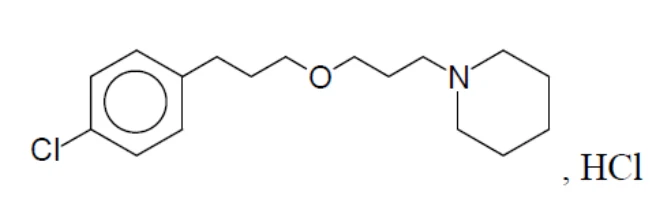
Chemical name: 1-{3-[3-(4-chlorophenyl)propoxy]propyl}piperidine, hydrochloride
Molecular formula and molecular mass:
Pitolisant Hydrochloride
C17H26ClNO, HCl
332.3 g/mol
Structural formula:
Physicochemical properties: white or almost white crystalline powder, very soluble in water ethanol and methylene chloride, freely soluble in acetone. Insoluble in cyclohexane.
14 CLINICAL TRIALS
14.1 Clinical Trials by Indication
Narcolepsy (Excessive Daytime Sleepiness or Cataplexy) in Adults
The efficacy of WAKIX® for the treatment of excessive daytime sleepiness (EDS) in adult patients with narcolepsy was demonstrated in two multicenter, randomized, double-blind, placebo-controlled studies over 8 weeks (HARMONY I and HARMONY Ibis). Patients ≥18 years of age who met the International Classification of Sleep Disorders (ICSD-2) criteria for narcolepsy and who had an Epworth Sleepiness Scale (ESS) score ≥14 were eligible to enroll in the studies. These studies included patients with or without cataplexy (Narcolepsy type 1 or Narcolepsy type 2) and compared WAKIX to both a placebo and an active control (modafinil). The primary endpoint was reduction of Excessive Daytime Sleepiness (EDS). EDS was assessed using Epworth Sleepiness Scale (ESS, a validated scoring tool designed to assess the degree of sleepiness in everyday situations). Secondary endpoints included the Maintenance of Wakefulness Test (MWT), the change in the patient’s overall disease status, as measured by the Clinical Global Impression of Change (CGI-C) and the reduction in daily cataplexy attacks.
The efficacy of WAKIX for the reduction of cataplexy attacks in adult patients with narcolepsy was evaluated in one multicenter, randomized, double-blind, placebo-controlled study over 7 weeks (HARMONY CTP). This study included exclusively patients with cataplexy (Narcolepsy type 1) and compared WAKIX to a placebo. The primary endpoint was the reduction in number of cataplexy attacks. Reduction of EDS was also assessed via the ESS and the MWT.
Table 9. Summary of patient demographics for WAKIX clinical trials in narcolepsy
| Study # | Trial design | Dosage Route of administration Duration | Study subjects (n) | Median age (Range) | Sex (Males) |
| HARMONY I | Randomized, double-blind, placebo controlled, patients with narcolepsy ± cataplexy | 20 mg tablets Up to 40 mg daily Oral 8-week | N=94 WAKIX n=31 Placebo n=30 Modafinil n=33 | WAKIX 33.0 (21-49) Placebo 39.5 (30-52) Modafinil 40.0 (25-48) | WAKIX n=20 (64.5%) Placebo n=13 (43.3%) Modafinil n=18 (54.5%) |
| HARMONY Ibis | Randomized, double-blind, placebo controlled, patients with narcolepsy ± cataplexy | 20 mg tablets Up to 20 mg daily Oral 8-week | N=164 WAKIX n=67 Placebo n=32 Modafinil n=65 | WAKIX 37.0 (29-52) Placebo 42.5 (29-55) Modafinil 43.0 (32-58) | WAKIX n=32 (47.8%) Placebo n=15 (46.9% Modafinil n=30 (46.2%) |
| HARMONY CTP | Randomized, double-blind, placebo-controlled, patients with narcolepsy with cataplexy | 20 mg tablets Up to 40 mg daily Oral 7-week | N= 105 WAKIX n=54 Placebo n=51 | WAKIX 34.0 (18-64) Placebo 39.0 (18-66) | WAKIX n=26 (48.1%) Placebo n=27 (52.9%) |
In HARMONY I and HARMONY Ibis, 81% and 77% of the patients presented symptoms of cataplexy, respectively, while all patients in HARMONY CTP had cataplexy. About 80% of patients presented with one or more other narcolepsy symptoms (hallucination, dyssomnia, sleep paralysis, automatic behavior).
Thirty-five percent and 27% of patients in HARMONY I and HARMONY Ibis, respectively, maintained their anticataplectic medication(s) during the studies, compared to 11% of the patients in HARMONY CTP.
In HARMONY I and HARMONY CTP, approximately 61-64% of patients had a maintenance dose of 40 mg. In HARMONY Ibis, the maximum maintenance dose of 20 mg was administered in more than 60% of patients.
Results – Excessive Daytime Sleepiness
Table 10. Results of WAKIX clinical trials for EDS in narcolepsy
a a lower score on the ESS represents improvement; scores range from 0 (no symptoms) to 24 (worst symptoms)
b a negative value for the difference represents improvement
*Statistically significant
** primary endpoint
| Study | Treatment Group (n) | Baseline ESS Score Mean (SD) | Final ESS Scorea Mean (SD) | Difference vs. WAKIXb [95% CI] p-value | ||||
|---|---|---|---|---|---|---|---|---|
| HARMONY I** | WAKIX (31) | 17.8 (2.5) | 12.0 (6.2) | |||||
| Placebo (30) | 18.9 (2.5) | 15.6 (4.7) | -3.1* [-5.73; -0.46] p=0.022 | |||||
| Modafinil (33) | 18.5 (2.7) | 11.6 (6.0) | 0.07 [-2.17; 2.32] p=0.932 | |||||
| HARMONY Ibis** | WAKIX (66) | 18.2 (2.4) | 13.7 (5.4) | |||||
| Placebo (32) | 18.2 (2.3) | 14.6 (5.8) | -2.19* [-4.17; -0.22] p=0.030 | |||||
| Modafinil (65) | 18.1 (2.8) | 10.3 (6.1) | 2.75 [1.02; 4.48] p=0.002 | |||||
| HARMONY CTP | WAKIX (54) | 17.4 (3.3) | 12.0 (5.4) | |||||
| Placebo (51) | 17.3 (3.2) | 15.4 (5.0) | -3.42* [-4.96; -1.87] p < 0.0001 | |||||
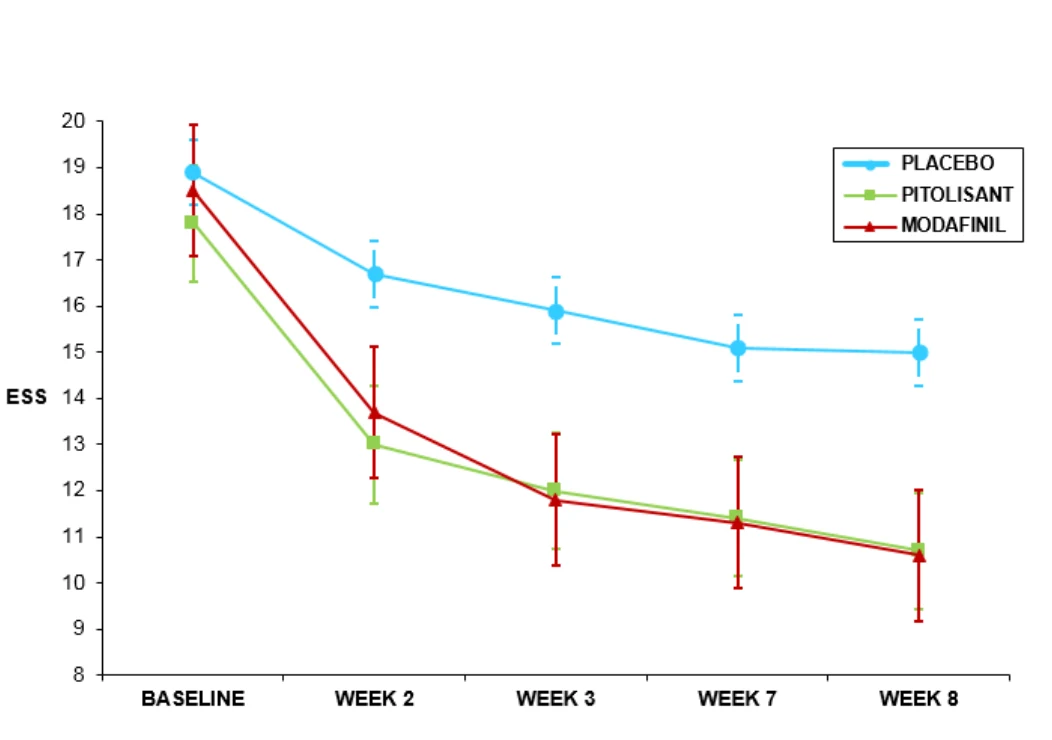
Figure 1. Changes in Epworth Sleepiness Scale Score (Mean ± SD) from Baseline to Week 8 in HARMONY I
Results – Cataplexy
Table 11. Results of WAKIX clinical trial for cataplexy rate in narcolepsy
| Study | |||
|---|---|---|---|
| Treatment Group (n) | |||
| Baseline GMT [95%IC] | Final GMT [95%IC] | Ratio of GMT vs. WAKIX [95% CI] p-value | |
| Weekly Cataplexy Rate | |||
| HARMONY CTP** | |||
| WAKIX (54) | |||
| 9.15 [7.60; 11.01] | 2.27 [0.17; 0.36] | ||
| Placebo (51) | 7.31 [6.02; 8.87] | 4.51 [2.90; 7.02] | 0.49* [0.36; 0.66] p<0.0001 |
| Daily Cataplexy Rate | |||
| HARMONY I | |||
| WAKIX (20) | 0.5 | 0.2 | |
| Placebo (14) | 0.4 | 0.4 | 0.38* [0.15; 0.93] p=0.034 |
| Modafinil (23) | 0.4 | 0.3 | 0.54 [0.24; 1.23] p=0.138 |
| HARMONY Ibis | |||
| WAKIX (37) | 0.32 | 0.10 | |
| Placebo (18) | 0.50 | 0.16 | -0.06 [-0.83; 0.71] p=0.873 |
| Modafinil (38) | 0.35 | 0.08 | N/AV |
GMT: Geometric Mean Titre, N/AV: not available
*Statistically significant
** Primary endpoint
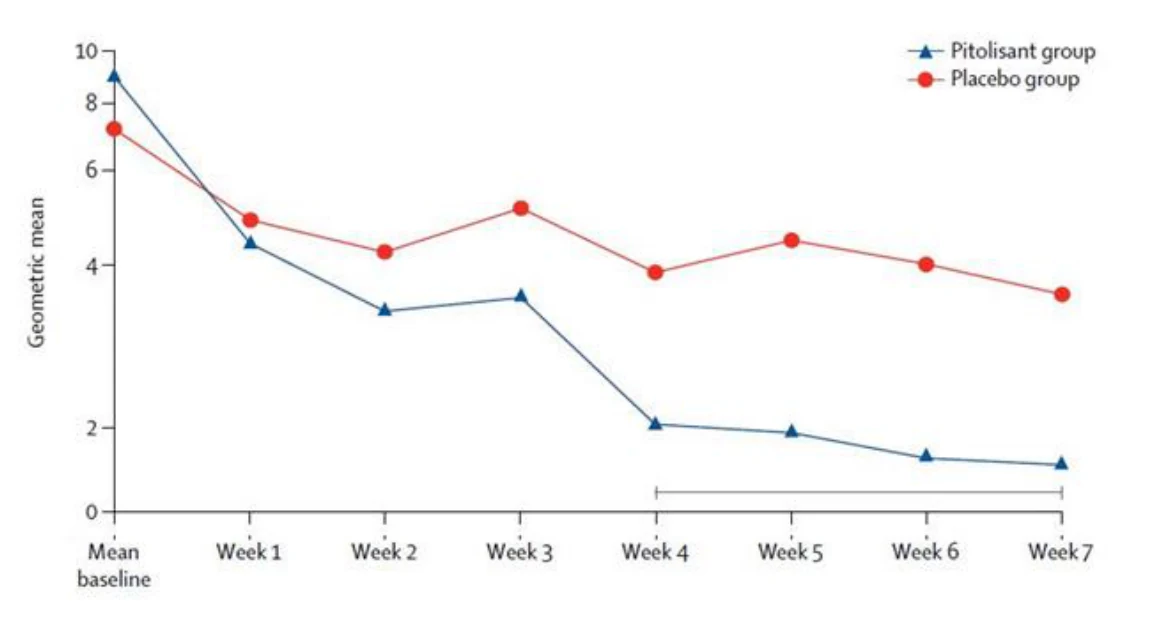
Figure 2. Changes in the Weekly Cataplexy Rate during Treatment in HARMONY CTP
Long-Term Efficacy
The effectiveness of pitolisant in long-term use in adults has not been systematically evaluated in placebo-controlled trials beyond 8 weeks of treatment duration.
A long-term (up to 5 years) open-label study (HARMONY III) demonstrated ongoing reduction of the main efficacy endpoint, ESS, for the single arm of this trial.
Narcolepsy (EDS or Cataplexy) in Pediatrics (≥ 6 years of age)
The efficacy of WAKIX for the treatment of excessive daytime sleepiness and of cataplexy in pediatric narcolepsy patients was demonstrated in one 8-week multicenter, randomized, double-blind, placebo-controlled, parallel group study (P11-06). Patients from 6 - 17 years of age who met the International Classification of Sleep Disorders (ICSD-3) criteria for narcolepsy and who had a Pediatric Daytime Sleepiness Scale (PDSS) score ≥15 were eligible to enroll in the study. The study included patients with or without cataplexy (Narcolepsy type 1 or Narcolepsy type 2).
The primary endpoint was change in Ullanlinna Narcolepsy Scale (UNS) total score (from baseline to the end of the double-blind period), considered as a global endpoint assessing reduction in both EDS (items 5 – 11) and cataplexy (items 1 – 4). Secondary endpoints included changes in the pediatric daytime sleepiness scale (PDSS), the UNS-cataplexy (CTP) subscore, and the weekly rate of cataplexy (WRC), with the latter two applicable only to the subset of patients with Type 1 narcolepsy.
Table 12. Summary of patient demographics for WAKIX pediatric clinical trial in narcolepsy
| Study # | Trial design | Dosage Route of administration Duration | Study subjects (n) | Median age (Range) | Sex (Males) |
| P11-06 | Randomized, double-blind, placebo controlled, patients with narcolepsy ± cataplexy | 20 mg tablets Up to 20 mg daily (for patients < 40 kg; n = 13 WAKIX patients) Up to 40 mg daily (for patients ≥ 40 kg; n = 57 WAKIX patients) Oral 8-week | N=110 WAKIX n=72 Placebo n=38 Narcolepsy: Type 1* = 90 Type 2** = 20 NOTE: Regarding Type 1 narcolepsy (with cataplexy): No minimum level of cataplexy required at inclusion | WAKIX 14 years (6-17) n = 22 age 6-11 n= 50 age 12-17 Placebo 13 years (6-17) n = 13 age 6-11 n= 25 age 12-17 | WAKIX n=37 (51.4%) Placebo n=24 (63.2%) |
* Type 1 narcolepsy (NT1) is associated with cataplexy
** Type 2 narcolepsy (NT2) is not associated with cataplexy
Patients were allowed to maintain their anticataplectic medication(s) during the study if it had been at a stable dose for a minimum of 4 weeks prior to inclusion and no changes were made throughout the study; 11% of patients were on concomitant anticataplectic medication.
About 82% of patients had a history of one or more other narcolepsy symptoms (hallucination, dyssomnia, sleep paralysis, automatic behavior).
Dosage was initiated at 5 mg once a day, and was increased (weekly, over the first 4 weeks of the 8-week double-blind period), according to individual efficacy and tolerance. Patients weighing 40 kg or more were permitted the adult maximum dose of 40 mg/day, while those weighing less than 40 kg were permitted a maximum dose of 20 mg.
Approximately 60% of patients had a maintenance dose of 40 mg and 24% of patients had a maintenance dose of 20 mg. Of the n = 57 patients weighing 40 kg or more, 72% (41) had a maintenance dose of the allowable maximum of 40 mg, and of the n = 13 patients weighing less than 40 kg, 62% (8) had a maintenance dose of the allowable maximum of 20 mg.
Results – Excessive Daytime Sleepiness and Cataplexy
Table 13. Overview of efficacy results after 8 weeks in Phase 3 pediatric study
| Primary Outcome (measured in all patients) | |||||
|---|---|---|---|---|---|
| Placebo (n = 38) | Pitolisant (n = 72) | ||||
| Ullanlinna Narcolepsy Scale (UNS) - Total score | |||||
| Baseline mean (SD) | 23.68 (9.08) | 24.63 (7.80) | |||
| End of treatment mean (SD) | 21.77 (9.25) | 18.23 (8.14) | |||
| LS mean (SE) – change from baseline | -2.60 (1.35) | -6.29 (1.14) | |||
| Estimate, 95% CI | -3.69 (-6.38; -0.99) | ||||
| p-value | 0.0073 | ||||
| Secondary Outcomes (measured in all patients) | |||||
| Placebo (n = 38) | Pitolisant (n = 72) | ||||
| Pediatric Daytime Sleepiness Score | |||||
| Baseline mean (SD) | 20.00 (3.49)_ | 20.16 (3.64) | |||
| End of treatment mean (SD) | 17.96 (5.60) | 14.57 (5.37) | |||
| LS mean (SE) – change from baseline | -2.11 (0.89) | -5.53 (0.66) | |||
| Estimate, 95% CI | -3.41 (-5.52; -1.31) | ||||
| p-value | 0.0015 | ||||
| Secondary Outcomes (only measured in patients with Type I Narcolepsy) | |||||
| Placebo (n = 29) | Pitolisant (n = 61) | ||||
| UNS-Cataplexy Subscore | |||||
| Baseline mean (SD) | 9.03 (4.33) | 8.93 (3.96) | |||
| End of treatment mean (SD) | 8.07 (4.62) | 6.02 (4.00) | |||
| LS mean (SE) – change from baseline | -1.12 (0.64) | -2.88 (0.44) | |||
| Estimate, 95% CI | -1.77 (-3.29; -0.24) | ||||
| p-value | 0.0229 | ||||
| Weekly Cataplexy Rate | |||||
| Baseline mean (SD) | 13.44 (26.92) | 8.63 (17.73) | |||
| LS mean (SE) | 5.05 (0.37) | 2.14 (0.27) | |||
| Estimate, 95% CI | 0.42 (0.18; 1.01) | ||||
| p-value | 0.0540 | ||||
Baseline Week 8 - End of Treatment 0 12 14 16 18 20 22 24 26 28 30 44 24.63 23.68 21.77 18.23 Figure 3 - Change in the Mean Ullanlinna Narcolepsy Scale Total Score from Baseline to the End of Treatment (Full Analysis Set) Total score [Mean ± S EM ] Placebo Pitolisant
Figure 3. Change in the Mean UNS Total Score from Baseline to the End of Treatment
Long-Term Efficacy
The effectiveness of pitolisant in long-term use in the pediatric population has not been systematically evaluated in placebo-controlled trials beyond 8 weeks of treatment duration.
Obstructive Sleep Apnea (OSA) in Adults
The efficacy of WAKIX for the treatment of excessive daytime sleepiness (EDS) in adult patients with OSA was established in two multicenter, randomized, double-blind, placebo-controlled trials for 12 weeks (HAROSA I and HAROSA II). In both trials, patients ≥ 18 years of age with moderate to severe OSA were enrolled. In addition, for entry into these trials, all patients were required to have excessive sleepiness as demonstrated by a score ≥ 12 on the Epworth Sleepiness Scale (ESS). The difference between the two trials was that patients enrolled in HAROSA I were treated with CPAP therapy for a minimum period of 3 months but still complained of excessive daytime sleepiness (EDS) and had an Apnea-Hypopnea Index (AHI) under CPAP therapy ≤ 10 while, patients enrolled in HAROSA II refused to be treated and/or did not adhere to CPAP therapy and had an AHI ≥ 15. The primary efficacy endpoint was the change in ESS Score between baseline and end of treatment.
Table 14. Summary of patient demographics for WAKIX clinical trials in OSA
| Study # | Trial design | Dosage Route of administration Duration | Study subjects (n) | Median age (Range) | Sex (Males) |
| HAROSA I | Randomized double-blind, placebo-controlled, multicenter trial in patients with OSA treated with CPAP | 5 to 20 mg/day Oral 12-week | N=244 WAKIX n=183 Placebo n=61 | WAKIX: 53.8 (23-81) Placebo: 51.0 (25 to 72) | WAKIX: n=149 (81.4%) Placebo: n=53 (86.9%) |
| HAROSA II | Randomized double-blind, placebo-controlled, multicenter trial in patients with OSA not treated with CPAP | 5 to 20 mg/day Oral 12-week | N=268 WAKIX n=201 Placebo n=67 | WAKIX: 51.9 (25-75) Placebo: 52.1 (30-76) | WAKIX: n=151 (75.1%) Placebo: n=51 (76.1%) |
During the double-blind phase of HAROSA I and HAROSA II, the maximum dose prescribed was 20 mg for 79.8% and 82.5% of the patients in the active treatment group, respectively. The maximum dose was reached after a three-week titration period, starting with 5 mg.
Results - Epworth sleepiness scale score in OSA
Table 15. Results of WAKIX clinical trials in OSA
| Study | Treatment Group (n) | Baseline1 ESS Score Mean (SD) | Final2 ESS Score Mean (SD) | Change from Baseline to End of Treatment Mean (SD) | Difference in ESS Means (WAKIX minus placebo) |
|---|---|---|---|---|---|
| HAROSA I | WAKIX (183) | 14.9 (2.7) | 9.0 (4.8) | -5.52 (4.4) | Estimate (ESS)3: -2.6 95% CI [-3.9; -1.4] p-value <0.001 |
| Placebo (61) | 14.6 (2.8) | 12.1 (6.4) | -2.75 (5.9) | ||
| HAROSA II | WAKIX (201) | 15.7 (3.1) | 9.1 (4.7) | -6.29 (4.5) | Estimate (ESS): -2.8 95% Cl [-4.0; -1.5] p-value <0.001 |
| Placebo (67) | 15.7 (3.6) | 12.2 (6.1) | -3.58 (5.5) | ||
1 The mean ESS scores at baseline (V2)
2 Final ESS score was defined as the average of the non-missing values at V6 for the double-blind period
3 Adjusted ESS final scores
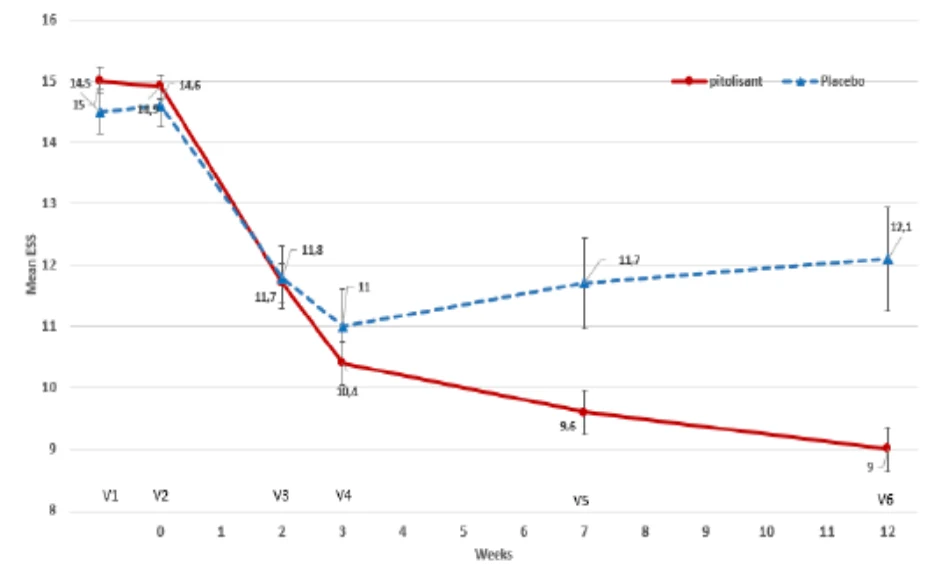
Figure 4. Changes in ESS score from baseline to the end of Double-Blind phase in HAROSA I Study
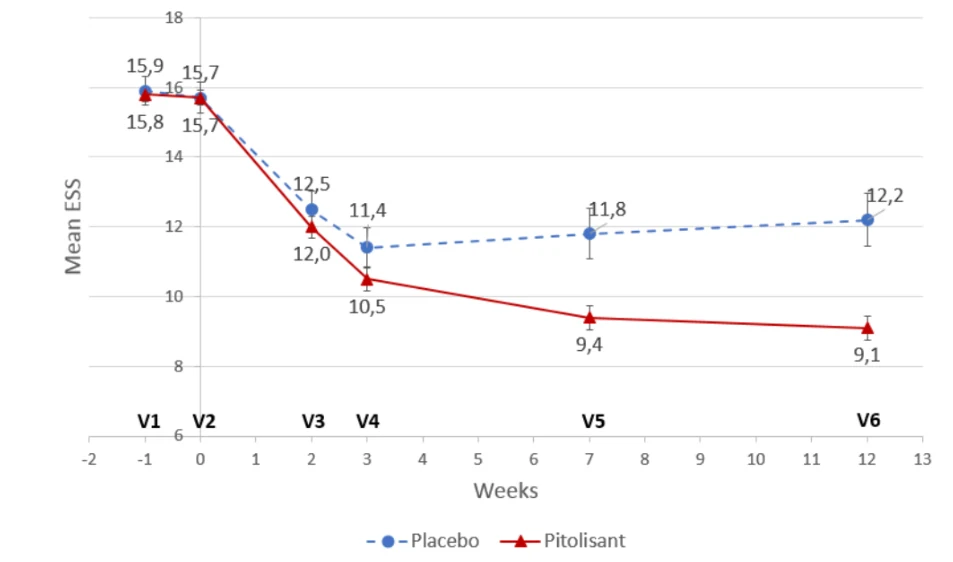
Figure 5. Changes in ESS score from baseline to the end of Double-Blind phase in HAROSA II Study
15 MICROBIOLOGY
Not applicable
16 NON-CLINICAL TOXICOLOGY
Safety Pharmacology
The various safety pharmacology studies indicate that pitolisant displays satisfactory safety margins when comparing plasma levels at the no-observed-adverse-effect-level (NOAEL) doses in these trials with the plasma levels in humans receiving the drug chronically at therapeutic doses.
General Toxicology
After single and repeated oral administration of pitolisant across multiple species, transient adverse CNS-related clinical signs, including tremors and convulsions, occurred around Tmax with a Cmax approximately 8.7 times and 2.6 times the human Cmax, in rats and monkeys respectively. These convulsive episodes were not observed after discontinuation of dosing and were not associated with microscopic findings in the brain. They may be attributable to metabolite BP1.2526, which is abundant in rats and monkeys, but not in humans (intravenous administration to rats confirmed the pro-convulsive effect at brain concentrations of 24393-39790 ng/g). After 6 months (rats) or 9 months (monkeys) of administration, there was limited evidence of systemic toxicity, with histopathological findings mostly in rats (liver, lungs, thymus, adrenals, duodenum). The NOAEL in these studies were respectively 30 and 12 mg/kg/day, providing an AUC-based safety margin of exposure of respectively 1.2 and 0.5 times the expected exposure at the recommended dose.
Carcinogenicity
Pitolisant was not carcinogenic in mice or rats.
Oral administration of pitolisant at 15, 30 and 75 mg/kg/day for 6 months to CB6F1 TgrasH2 transgenic mice did not increase tumor incidence. These doses correspond to 1.3, 6.9 and 11.8 times the MRHD, based on the respective AUCs.
Oral administration of pitolisant at 5, 15, and 30 mg/kg/day for 105 weeks to Sprague-Dawley rats did not increase tumor incidence. These doses correspond to 0.02, 0.3 and 1.4 times the MRHD, based on the respective AUCs.
Genotoxicity
Pitolisant and its metabolites were not mutagenic in the in vitro bacterial reverse mutation assay (Ames) or clastogenic in the in vitro mammalian chromosomal aberration assay. Pitolisant was negative in the in vivo mouse micronucleus assay.
Reproductive and Developmental Toxicology
Pitolisant administration to rats (30, 52, or 90 mg/kg/day) was associated with dose-related abnormalities in sperm morphology and motility, with limited effects on fertility indices in males, and with increased post-implantation loss and fewer live conceptuses in females. The NOAEL for fertility was established at 30 mg/kg/day (7.3 times the MRHD based on mg/m2 body surface area).
Maternal and embryofetal toxicity were associated with pitolisant administration to female rats and rabbits with AUC-based safety margins of exposure between 0.2 and 0.7. When administered during pregnancy and lactation to female rats, prolonged gestation and an increase in stillborn pups and postnatal pup mortality (due to lack of milk/nursing) were observed at the highest dose (90 mg/kg/day). Milk production and nursing were affected at doses ≥ 52 mg/kg/day. Malformations (cleft palate, abnormal limb flexure) and developmental delays (physical, motor and behavioral) were noted in pups at maternally toxic doses. The NOAEL is considered 30 mg/kg/day.
Pitolisant/metabolites were shown to cross the placenta barrier in rats. Radiolabeled [14C]-pitolisant (30 mg/kg, free base; 8 times the MRHD based on mg/m2) was administered to female rats during lactation on day 14 post-partum. Radioactivity in milk was first measured at 0.25 hours post-administration and reached a maximum by 6 hours post-administration.
Juvenile Toxicity
Pitolisant was studied for toxicity with chronic administration in juvenile rats (from age 7 days to 70 days). The two studies did not indicate any specific effect of treatment with pitolisant on developing organ systems, or on growth, but the administration of pitolisant at high doses (30 and 60 mg/kg/day intraperitoneal) induced a dose-related mortality and convulsive episodes that may be attributable to a metabolite abundant in rats but not in humans. The observed AUC-based safety margin of pitolisant exposure is 1.4, similar to that seen in the general toxicology studies.