


Product Monograph - Zynyz
Recent Major Label Changes
| 2026-05 |
|---|---|
| 2026-05 |
| 2026-05 |
Table of Contents
Certain sections or subsections that are not applicable at the time of the preparation of the most recent authorized product monograph are not listed.
Recent Major Label Changes ........................................................................................................2
Table of Contents .......................................................................................................................2
Part 1: Healthcare Professional Information ..................................................................................4
- 1.
Indications..........................................................................................................................4
1.1. Pediatrics............................................................................................................... 4
1.2. Geriatrics ............................................................................................................... 4
- 2. Contraindications ................................................................................................................4
- 4.
Dosage and Administration ..................................................................................................4
4.1. Dosing Considerations ............................................................................................. 4
4.2. Recommended Dose and Dosage Adjustment ............................................................. 4
4.3. Reconstitution ........................................................................................................ 7
4.4. Administration........................................................................................................ 8
4.5. Missed Dose........................................................................................................... 8
- 5. Overdose............................................................................................................................8
- 6. Dosage Forms, Strengths, Composition, and Packaging ............................................................8
- 7.
Warnings and Precautions ....................................................................................................9
General ............................................................................................................................. 9
Driving and Operating Machinery .......................................................................................... 9
Immune ............................................................................................................................ 9
Monitoring and Laboratory Tests .........................................................................................12
Reproductive Health ..........................................................................................................12
7.1. Special Populations ................................................................................................12
7.1.1. Pregnancy .....................................................................................................12
7.1.2. Breastfeeding ................................................................................................13
7.1.3. Pediatrics ......................................................................................................13
7.1.4. Geriatrics ......................................................................................................13
- 8.
Adverse Reactions ............................................................................................................. 13
8.1. Adverse Reaction Overview .....................................................................................13
8.2. Clinical Trial Adverse Reactions ................................................................................13
8.3. Less Common Clinical Trial Adverse Reactions ............................................................21
8.4. Abnormal Laboratory Findings: Hematologic, Clinical Chemistry, and Other Quantitative Data ...........................................................................................................................22
8.5. Post-Market Adverse Reactions................................................................................24
- 9.
Drug Interactions............................................................................................................... 24
9.2. Drug Interactions Overview .....................................................................................24
- 10.
Clinical Pharmacology ........................................................................................................ 25
10.1. Mechanism of Action..............................................................................................25
10.2. Pharmacodynamics ................................................................................................25
10.3. Pharmacokinetics...................................................................................................25
10.4. Immunogenicity.....................................................................................................26
- 11. Storage, Stability, and Disposal ........................................................................................... 27
Part 2: Scientific Information ..................................................................................................... 28
- 13. Pharmaceutical Information ............................................................................................... 28
- 14.
Clinical Trials..................................................................................................................... 28
14.1. Clinical Trials by Indication ......................................................................................28
Metastatic or Inoperable Locally Recurrent Squamous Cell Carcinoma of the Anal Canal ..............28
Metastatic or Recurrent Locally Advanced Merkel Cell Carcinoma (previously untreated).............33
- 15. Microbiology .................................................................................................................... 35
- 16. Non-Clinical Toxicology ...................................................................................................... 35
Patient Medication Information ................................................................................................. 37
Part 1: Healthcare Professional Information
1. Indications
Squamous cell carcinoma of the anal canal
ZYNYZ (retifanlimab for injection) is indicated in combination with carboplatin and paclitaxel for the first-line treatment of adult patients with metastatic or with inoperable locally recurrent squamous cell carcinoma of the anal canal (SCAC).
Merkel cell carcinoma
ZYNYZ (retifanlimab for injection), as monotherapy, is indicated for the first-line treatment of adult patients with metastatic or recurrent locally advanced Merkel cell carcinoma (MCC) not amenable to curative surgery or radiation therapy.
Marketing authorization was based on tumor response and durability of response. An improvement in survival or disease-related symptoms has not yet been established (see 14. Clinical Trials).
1.1. Pediatrics
Pediatrics (< 18 years of age): No data are available to Health Canada; therefore, Health Canada has not authorized an indication for pediatric use.
1.2. Geriatrics
Geriatrics (≥ 65 years of age): No overall differences in efficacy were observed between younger patients (< 65 years of age) and elderly patients (≥ 65 years of age). Limited information is available to draw conclusions on any differences in safety between younger and elderly patients (see 7. Warnings and Precautions, 7.1.4. Geriatrics).
2. Contraindications
Zynyz is contraindicated in patients who are hypersensitive to this drug or to any ingredient in the formulation, including any non-medicinal ingredient, or component of the container. For a complete listing, see 6. Dosage Forms, Strengths, Composition and Packaging.
4. Dosage and Administration
4.1. Dosing Considerations
Administer Zynyz as an intravenous infusion after dilution (see 4. Dosage and Administration, 4.3. Reconstitution, and 4.4. Administration).
Treatment with Zynyz should be initiated and supervised by a physician experienced in the treatment of cancer.
4.2. Recommended Dose and Dosage Adjustment
Squamous cell carcinoma of the anal canal
The recommended dose of Zynyz is 500 mg every 4 weeks administered as an intravenous infusion over 30 minutes, in combination with carboplatin and paclitaxel for 6 cycles followed by Zynyz 500 mg as monotherapy every 4 weeks for all cycles thereafter. Treatment should continue until disease progression, unacceptable toxicity, or up to 12 months.
Administer Zynyz prior to carboplatin and paclitaxel when given on the same day. For the dosing and administration of carboplatin and paclitaxel, refer to the Product Monograph for these agents.
Merkel cell carcinoma
The recommended dose of Zynyz is 500 mg every 4 weeks administered as an intravenous infusion over 30 minutes. Treatment should continue until disease progression, unacceptable toxicity, or up to 24 months.
No dose reductions are recommended. Dosing delay or discontinuation may be required based on individual safety and tolerability. Recommended modifications to manage adverse reactions are provided in Table 1.
Table 1: Recommended Dosage Modifications for Adverse Reactions
| Adverse Reaction | Severitya | Zynyz Dosage Modifications | ||
|---|---|---|---|---|
| Adverse Reaction | Severitya | Zynyz Dosage Modifications | ||
| Adverse Reaction | Severitya | Zynyz Dosage Modifications | ||
| Pneumonitis | Grade 2 | Withhold until ≤ Grade 1.b | ||
| Grade 3 or 4 | Permanently discontinue. | |||
| Colitis | Grade 2 or 3 | Withhold until ≤ Grade 1.b | ||
| Grade 4 | Permanently discontinue. | |||
Hepatitis with no tumor involvement of the liver OR Increased total bilirubin | ALT or AST greater than 3 but no more than 8 times the ULN OR Total bilirubin increases to more than 1.5 and up to 3 times ULN | Withhold until ≤ Grade 1.b | ||
AST or ALT increases to more than 8 times ULN OR Total bilirubin greater than 3 times ULN | Permanently discontinue. | |||
Hepatitis with tumor involvement of the liver OR Increased total bilirubin | AST or ALT more than 5 and up to 10 times ULN OR Total bilirubin greater than 1.5 but no more than 3 times ULN | Withhold until ≤ Grade 1.b | ||
ALT or AST increase to more than 10 times ULN OR Total bilirubin greater than 3 times ULN | Permanently discontinue. | |||
Endocrinopathies Adrenal insufficiency Hypothyroidism | Grade 2 adrenal insufficiency | Withhold until ≤ Grade 1 or otherwise clinically stable. | ||
Hyperthyroidism Type 1 diabetes mellitus Hyperglycemia Hypophysitis | Permanently discontinue for worsening while on adequate hormonal therapy. | |||
| Grade 3 or 4 adrenal insufficiency | Withhold until ≤ Grade 1.b | |||
| Grade 3 or 4 hypothyroidism | Withhold until ≤ Grade 1 or is otherwise clinically stable. | |||
| Grade 3 or 4 hyperthyroidism | Withhold until ≤ Grade 1 or is otherwise clinically stable. | |||
| Grade 3 or 4 type 1 diabetes mellitus (or hyperglycemia) | Withhold until ≤ Grade 1 or is otherwise clinically stable. | |||
| Grade 2 hypophysitis (asymptomatic) | Withhold until ≤ Grade 1. May restart after controlled by hormone replacement therapy. | |||
| Grade 2 hypophysitis (symptomatic; e.g., headaches, visual disturbances) | Withhold until ≤ Grade 1. May restart study drug after controlled with hormone replacement therapy, if indicated and steroid taper is complete. | |||
| Grade 3 or 4 hypophysitis (symptomatic) | Withhold until ≤ Grade 1.b Permanently discontinue for worsening while on adequate hormonal therapy. | |||
| Nephritis with renal dysfunction | Grade 2 increased blood creatinine | Withhold until ≤ Grade 1.b | ||
| Grade 3 or 4 increased blood creatinine | Permanently discontinue.c | |||
| Skin Reactions | Grade 3 or suspected SJS or suspected TEN | Withhold until ≤ Grade 1. | ||
| Grade 4 or confirmed SJS or confirmed TEN | Permanently discontinue. | |||
| Myocarditis | Confirmed Grades 2, 3 or 4 | Permanently discontinue. | ||
| Other immune-mediated adverse reactions (including myositis, encephalitis, demyelinating neuropathyd, Guillain-Barré syndrome, sarcoidosis, autoimmune hemolytic anemia, pancreatitis, uveitis, diabetic ketoacidosis, arthralgia) | Grade 3 (symptomatic) | Withhold until ≤ Grade 1.b | ||
| Confirmed Grade 3 and Grade 4 | Permanently discontinue. | |||
| Persistent Grade 2 or 3 adverse reactions (excluding endocrinopathies) | Grade 2 or 3 adverse reactions ≥ 12 weeks after last dose | Permanently discontinue. | ||
| Recurrent immune-mediated adverse reactions | Recurrent Grade 3 or 4 | Permanently discontinue. | ||
| Recurrent Grade 2 pneumonitis | ||||
| Infusion-related reactions | Grades 1 and 2 | Interrupt or slow the rate of infusion. | ||
| Grade 3e or 4 or persistent Grade 2 | Permanently discontinue. | |||
AST = aspartate aminotransferase; ALT = alanine aminotransferase; ULN = upper limit of normal; SJS = Stevens-Johnson syndrome, TEN = toxic epidermal necrolysis.
a Toxicity graded per National Cancer Institute (NCI) Common Terminology Criteria for Adverse Events (CTCAE) v5.
b Permanently discontinue once diagnosis is confirmed, or if symptoms have no resolution within 12 weeks of initiating steroids or inability to reduce prednisone to less than 10 mg/day (or equivalent) within 12 weeks of initiating steroids.
c Permanently discontinue only if retifanlimab is directly implicated in renal toxicity.
d Following any grade event of confirmed optic neuritis, transverse myelitis or acute demyelinating encephalomyelitis, permanently discontinue.
e Grade 3 infusion-related reactions: if rapidly responsive to symptomatic medication and/or to brief interruption of infusion, retifanlimab does not need to be permanently discontinued.
Pediatrics:
Health Canada has not authorized an indication for pediatric use (see 1.1 Indications, 1.1 Pediatrics).
Renal Impairment:
There is insufficient data in patients with severe renal impairment and no data for patients with end stage renal disease and therefore no dosing recommendation can be made (see 10. Clinical Pharmacology).
Hepatic Impairment:
There are insufficient data in patients with moderate hepatic impairment and no data in patients with severe hepatic impairment and therefore no dosing recommendations can be made (see 10. Clinical Pharmacology).
4.3. Reconstitution
Preparation
Parenteral medicinal products should be inspected visually for particulate matter and discoloration prior to administration. Zynyz is a clear to slightly opalescent, colorless to pale yellow solution, free of visible particles.
Discard the vial if the solution is cloudy, discolored, or visible particles are observed.
Do not shake the vial.
Withdraw 20 mL (500 mg) of Zynyz concentrate from the vial and discard vial with any unused portion.
Dilute Zynyz with either sodium chloride 9 mg/mL (0.9%) solution for injection, USP or glucose 50 mg/mL (5%) solution for injection, USP to prepare a diluted solution with a final concentration between 1.4 mg/mL to 10 mg/mL. Use polyvinylchloride (PVC) and di-2-ethylhexyl phthalate (DEHP), polyolefin copolymer, polyolefin with polyamide, or ethylene vinyl acetate infusion bags.
Mix the diluted solution by gentle inversion. Do not shake the infusion bag.
Storage of diluted Zynyz solution
Once prepared, administer the diluted solution immediately. If not administered immediately, it may be stored temporarily either:
- At room temperature up to 25°C for no more than 8 hours from the time of preparation to the end of the infusion.
OR
- Under refrigeration at 2°C to 8°C for no more than 24 hours from the time of preparation to the end of the infusion. If refrigerated, allow the diluted solution to come to room temperature prior to administration. The diluted solution must be administered within 4 hours (including infusion time) once it is removed from the refrigerator.
Do not freeze or shake diluted solution.
4.4. Administration
Administer Zynyz by intravenous infusion over 30 minutes through a polyethylene, polyurethane, or PVC with DEHP intravenous line containing a sterile, non-pyrogenic, low-protein binding polyethersulfone, polyvinylidene fluoride, or cellulose acetate 0.2 micron to 5 micron in-line or add-on filter or 15 micron mesh in-line or add-on filter. Zynyz is only to be administered by intravenous infusion.
Do not co-administer other drugs through the same infusion line. After each dose, flush the infusion line.
4.5. Missed Dose
If a planned dose of Zynyz is missed, it should be administered as soon as possible. The schedule of administration should be adjusted to maintain the prescribed dosing interval.
5. Overdose
There is no information on overdosage with Zynyz. In case of overdose, patients should be closely monitored for signs or symptoms of adverse reactions and appropriate symptomatic treatment instituted.
For the most recent information in the management of a suspected drug overdose, contact your regional poison control centre or Health Canada's toll-free number, 1-844 POISON-X (1-844-764-7669).
- 6. Dosage Forms, Strengths, Composition, and Packaging
To help ensure the traceability of biologic products, healthcare professionals should record both the brand name and the non-proprietary (active ingredient) name as well as other product-specific identifiers such as the Drug Identification Number (DIN) and the batch/lot number of the product supplied.
Table 2: Dosage Forms, Strengths, Composition and Packaging
Zynyz is packaged in a carton containing a 20 mL vial with a sterile, clear to slightly opalescent, colorless to pale yellow solution with a pH of 5.1. The solution is free from visible particles. Each mL of solution contains 25 mg of retifanlimab.
7. Warnings and Precautions
General
Treatment with Zynyz should be initiated and supervised by a physician experienced in the treatment of cancer.
Driving and Operating Machinery
Exercise caution when driving or operating a vehicle or potentially dangerous machinery (see 8. Adverse Reactions).
Immune
Immune-Mediated Adverse Reactions
Immune-mediated adverse reactions, which may be severe or fatal, can occur in patients treated with antibodies blocking the programmed death receptor1/programmed death ligand 1 (PD1/PDL1) pathway, including Zynyz. Immune-mediated adverse reactions can occur in any organ or tissue and may affect more than one body system simultaneously. While immune mediated adverse reactions usually occur during treatment with PD1/PDL1 blocking antibodies, symptoms can also manifest after discontinuation of PD1/PDL1 blocking antibodies. Important immune-mediated adverse reactions listed in this section are not inclusive of all possible immune-mediated reactions.
Early identification and management of immune-mediated adverse reactions are essential to ensure safe use of Zynyz. Patients should be monitored for symptoms and signs of immune mediated adverse reactions. Blood chemistries, including liver tests and thyroid function tests, should be evaluated at start of treatment and periodically during treatment. For suspected immune-mediated adverse reactions, adequate evaluation including specialty consultation should be ensured to confirm etiology or exclude other causes.
Based on the severity of the adverse reaction, treatment with Zynyz should be withheld or permanently discontinued and corticosteroids (1 to 2 mg/kg/day prednisone or equivalent) or other appropriate therapy administered. Upon improvement to ≤ Grade 1, corticosteroid taper should be initiated and continued for at least 1 month. In patients whose immune-mediated adverse reactions cannot be controlled with corticosteroid use, administration of other systemic immunosuppressants can be considered.
Treatment with Zynyz should be permanently discontinued for any Grade 3 immune mediated adverse reaction that recurs and for any Grade 4 immune-mediated adverse reaction, except for
| Route of Administration | Dosage Form/ Strength/Composition | Non-medicinal Ingredients |
| Intravenous infusion | Concentrate for solution for infusion 500 mg/20 mL vial (25 mg/mL) | Glacial acetic acid, polysorbate 80, sodium acetate, sucrose, and water for injection. |
endocrinopathies that are controlled with hormone replacement therapy and unless otherwise specified in Table 1.
Immune-mediated pneumonitis
Pneumonitis has been reported in patients receiving Zynyz (see 8. Adverse Reactions). Patients should be monitored for signs and symptoms of pneumonitis. Suspected pneumonitis should be confirmed with radiographic imaging and other causes excluded. Patients should be managed with Zynyz treatment modifications and corticosteroids (see Table 1).
Immune-mediated colitis
Immune-mediated colitis has been reported in patients receiving Zynyz (see 8. Adverse Reactions). Patients should be monitored for signs and symptoms of colitis and managed with Zynyz treatment modifications, anti-diarrheal agents, and corticosteroids (see Table 1).
Immune-mediated nephritis
Immune-mediated nephritis has been reported in patients receiving Zynyz (see 8. Adverse Reactions). Patients should be monitored for changes in renal function and managed with Zynyz treatment modifications and corticosteroids (see Table 1).
Immune-mediated hepatitis
Immune-mediated hepatitis has been reported in patients receiving Zynyz (see 8. Adverse Reactions). Patients should be monitored for changes in liver function prior to and periodically during treatment and as indicated based on clinical evaluation. Manage patients with Zynyz treatment modifications and corticosteroids (see Table 1).
Immune-mediated skin reactions
Immune-mediated skin reactions, including toxic epidermal necrolysis, have been reported in patients receiving Zynyz (see 8. Adverse Reactions). Patients should be monitored for signs and symptoms of skin reactions. Immune-mediated skin reactions should be managed as recommended in Table 1. Events of Stevens Johnson Syndrome have been reported in patients treated with PD1 inhibitors.
Caution should be used when considering the use of Zynyz in a patient who has previously experienced a severe or life-threatening skin adverse reaction on prior treatment with other immune checkpoint inhibitors.
Immune-Mediated Myocarditis-Myositis-Myasthenia Gravis Overlap Syndrome
Cases of Myocarditis-Myositis-Myasthenia Gravis Overlap Syndrome (presenting as an overlap of either two or all three conditions), some with fatal outcome, have been reported with immune checkpoint inhibitors, including Zynyz (see 8. Adverse Reactions, 8.5 Post-Market Adverse Reactions). It is important to recognize overlapping symptoms; patients presenting with signs or symptoms of one condition should also be monitored and evaluated for the other two conditions. Early recognition and aggressive management are essential to address associated morbidity and risk of mortality (see 4. Dosage and Administration).
Immune-mediated endocrinopathies
Immune-mediated endocrinopathies, including hypothyroidism, hyperthyroidism, adrenal insufficiency, hypophysitis, and diabetic ketoacidosis have been reported in patients receiving Zynyz (see 8. Adverse Reactions).
Hypothyroidism and hyperthyroidism
Immune-mediated hypothyroidism and hyperthyroidism (including thyroiditis) have been reported in patients receiving Zynyz. Patients should be monitored for abnormal thyroid function tests prior to and periodically during treatment and as indicated based on clinical evaluation. Immune mediated hypothyroidism and hyperthyroidism (including thyroiditis) should be managed with Zynyz treatment modifications as recommended in Table 1.
Hypophysitis
Immune mediated hypophysitis has been observed in patients receiving Zynyz (see 8. Adverse Reactions). Patients should be monitored for signs and symptoms of hypophysitis and managed with Zynyz treatment modifications, corticosteroids, and hormone replacement, as clinically indicated in Table 1.
Adrenal insufficiency
Immune-mediated adrenal insufficiency has been reported in patients receiving Zynyz. Patients should be monitored for clinical signs and symptoms of adrenal insufficiency. For symptomatic adrenal insufficiency, patients should be managed with Zynyz treatment modifications as recommended in Table 1.
Type 1 Diabetes mellitus
Immune mediated type 1 diabetes mellitus has been observed in patients treated with PD 1 inhibitors (see 8. Adverse Reactions). Patients should be monitored for hyperglycaemia and signs and symptoms of diabetes as indicated based on clinical evaluation and managed with oral anti-hyperglycemics or insulin and Zynyz treatment modifications (see Table 1).
Other immune-mediated adverse reactions
Clinically significant immune-mediated adverse reactions reported in less than 1% of patients treated with Zynyz in clinical studies include: uveitis, keratitis, myocarditis, pericarditis, cholangitis, arthritis, myositis, polymyalgia rheumatica, demyelinating polyneuropathy (e.g. Guillain Barré syndrome), pancreatitis, and diabetic ketoacidosis (see 8. Adverse Reactions).
The following clinically significant, immune-mediated adverse reactions were reported with the use of other PD-1/PD-L1 inhibitors: rhabdomyolysis, encephalitis, meningitis, myelitis, myasthenia gravis, hemolytic anemia, aplastic anemia, hemophagocytic lymphohistiocytosis, immune thrombocytopenic purpura, and sarcoidosis.
Patients should be monitored for signs and symptoms of immune-mediated adverse reactions and managed with Zynyz treatment modifications as described in Table 1.
Solid organ transplant rejection
Solid organ transplant rejection has been reported in the post marketing setting in patients treated with PD 1 inhibitors. Treatment with Zynyz may increase the risk of rejection in solid organ transplant recipients. The benefit of treatment with Zynyz versus the risk of possible organ rejection should be considered in these patients.
Complications of allogeneic hematopoietic stem cell transplantation
Fatal and other serious complications can occur in patients who receive allogeneic hematopoietic stem cell transplantation (HSCT) before or after being treated with a PD 1/PD L1–blocking antibody. Transplant related complications include hyperacute graft versus host disease (GvHD), acute GvHD, chronic GvHD, hepatic veno occlusive disease after reduced intensity conditioning and steroid requiring febrile syndrome (without an identified infectious cause). These complications may occur despite intervening therapy between PD 1/PD L1 blockade and allogeneic HSCT. Patients should be closely followed for evidence of transplant related complications and prompt intervention may be required. Consider the benefit versus risks of treatment with a PD 1/PD L1–blocking antibody prior to or after an allogeneic HSCT.
Infusion-related reactions
As with any therapeutic protein, Zynyz can cause infusion-related reactions, some of which may be severe. Patients should be monitored for signs and symptoms of infusion-related reactions. Zynyz treatment should be interrupted, or the rate of infusion slowed, or treatment should be permanently discontinued based on severity of reaction and the response to treatment (see Table 1). Premedication with an antipyretic and/or an antihistamine should be considered for patients who have had previous clinically significant reactions to infusions of therapeutic proteins (see 8. Adverse Reactions).
Monitoring and Laboratory Tests
Liver function tests (hepatic transaminase and bilirubin levels), thyroid function tests and serum electrolytes should be monitored at the start of treatment, periodically during treatment and as indicated based on clinical evaluation (see 4. Dosage and Administration and 7. Warnings and Precautions).
Reproductive Health: Female and Male Potential
- Fertility
No clinical data are available on the possible effects of Zynyz on fertility. Animal reproduction studies to evaluate the effect of Zynyz on fertility have not been conducted. No effects on male and female reproductive organs were observed in a 3-month repeat dose study in cynomolgus monkeys, however, most animals in these studies were not sexually mature.
7.1. Special Populations
7.1.1. Pregnancy
Based on its mechanism of action, Zynyz can cause fetal harm when administered to a pregnant woman. There are no available data on the use of Zynyz in pregnant women. Animal studies have demonstrated that inhibition of the PD 1/PD L1 pathway can lead to increased risk of immune-mediated rejection of the developing fetus resulting in fetal death.
Human IgG4 immunoglobulins (IgG4) are known to cross the placenta; therefore, retifanlimab has the potential to be transmitted from the mother to the developing fetus.
Zynyz is not recommended during pregnancy and in women of childbearing potential not using effective contraception unless the clinical benefit outweighs the potential risk. Women of childbearing potential should use effective contraception during treatment with Zynyz and for at least 4 months after the last dose of Zynyz.
7.1.2. Breastfeeding
It is unknown whether Zynyz is excreted in human milk. Human IgGs are known to be excreted in breast milk; a risk to the breastfeeding newborns/infants cannot be excluded.
Women should be advised not to breastfeed during treatment and for at least 4 months after the last dose of Zynyz.
7.1.3. Pediatrics
Pediatrics (< 18 years of age): No data are available to Health Canada; therefore, Health Canada has not authorized an indication for pediatric use.
7.1.4. Geriatrics
Geriatrics (≥ 65 years of age): No overall differences in efficacy were observed between younger patients and elderly patients. Limited information is available to draw conclusions on any differences in safety between younger and elderly patients. No dose adjustment is needed for patients who are ≥ 65 years of age.
8. Adverse Reactions
8.1. Adverse Reaction Overview
The following clinically significant adverse reactions have been observed in patients treated with Zynyz and are detailed under Warnings and Precautions:
- Severe and fatal immune-mediated adverse reactions (see 7. Warnings and Precautions, Immune and 8.2. Clinical Trial Adverse Reactions, Description of selected adverse reactions)
- Infusion-related reactions (see 7. Warnings and Precautions, Immune and 8.2. Clinical Trial Adverse Reactions, Description of selected adverse reactions)
In clinical trials of Zynyz, the most common treatment-emergent adverse events were:
Zynyz as a Single Agent
Among the 101 patients treated with Zynyz monotherapy in the POD1UM-201 study, the most common (≥ 10%) treatment-emergent adverse events were fatigue, pruritus, diarrhea, rash, arthralgia, musculoskeletal pain, COVID-19, constipation, cough, and pyrexia.
Zynyz in Combination with Carboplatin and Paclitaxel
Among the 154 patients treated with Zynyz in combination with carboplatin and paclitaxel in the POD1UM-303 study, the most common (≥ 20%) treatment-emergent adverse events were fatigue, anemia, nausea, peripheral neuropathy, alopecia, diarrhea, leukopenia, musculoskeletal pain, constipation, rash, hemorrhage, vomiting, decreased appetite, pruritus, and abdominal pain.
8.2. Clinical Trial Adverse Reactions
Clinical trials are conducted under very specific conditions. The adverse reaction rates observed in the clinical trials therefore may not reflect the rates observed in practice and should not be compared to the rates in the clinical trials of another drug. Adverse reaction information from clinical trials may be useful in identifying and approximating rates of adverse drug reactions in real-world use.
Metastatic or inoperable locally recurrent squamous cell carcinoma of the anal canal
In the POD1UM-303 trial, the safety of Zynyz in combination with carboplatin and paclitaxel was evaluated in 154 patients with metastatic or with inoperable locally recurrent SCAC (see 14. Clinical Trials). Patients received Zynyz 500 mg (N = 154) or placebo (N = 152) intravenously every 4 weeks in combination with carboplatin and paclitaxel for 6 cycles followed by Zynyz 500 mg or placebo every 4 weeks until disease progression, unacceptable toxicity, or up to 12 months. Among patients who received Zynyz, the median duration of exposure was 7.4 months (range: 1 day to 14.6 months). The median number of infusions was 9 (range: 1 dose to 13 doses).
Serious treatment-emergent adverse events occurred in 47.4% of patients receiving Zynyz in combination with carboplatin and paclitaxel and in 38.8% of patients in the placebo in combination with carboplatin and paclitaxel arm. The most common serious adverse events (≥ 2%) in the Zynyz in combination with carboplatin and paclitaxel arm were sepsis (3.2%), pulmonary embolism (3.2%), diarrhea (2.6%), and vomiting (2.6%).
Treatment-emergent adverse events with a fatal outcome occurred in 2.6% of patients receiving Zynyz in combination with carboplatin and paclitaxel and in 0.7% of patients in the placebo in combination with carboplatin and paclitaxel arm. The fatal treatment-emergent adverse events in the Zynyz in combination with carboplatin and paclitaxel arm were pancytopenia, pneumonia, and sepsis (1 patient each).
Permanent discontinuation of Zynyz or placebo due to treatment-emergent adverse events occurred in 11% of patients receiving Zynyz in combination with carboplatin and paclitaxel and in 2.6% of patients in the placebo in combination with carboplatin and paclitaxel arm. In the Zynyz in combination with carboplatin and paclitaxel arm, these events included immune-mediated enterocolitis (2 patients), warm autoimmune hemolytic anemia, adrenal insufficiency, hypothyroidism, malaise, hepatitis, immune-mediated cholangitis, blood bilirubin increased, AST increased, blood alkaline phosphatase increased, arthritis, encephalopathy, peripheral sensorimotor neuropathy, pruritus, and rash (1 patient each).
Dosage interruptions of Zynyz or placebo due to treatment-emergent adverse events, excluding temporary interruptions due to infusion-related reactions, occurred in 52.6% of patients receiving Zynyz in combination with carboplatin and paclitaxel and in 49.3% of patients in the placebo in combination with carboplatin and paclitaxel arm. In the Zynyz with carboplatin and paclitaxel arm, these events included (≥ 2%) neutropenia, anemia, thrombocytopenia, leukopenia, fatigue, COVID-19, and urinary tract infection.
Table 3 summarizes adverse events that occurred in ≥ 5% patients with metastatic or inoperable locally recurrent SCAC receiving Zynyz in combination with carboplatin and paclitaxel compared to placebo in combination with carboplatin and paclitaxel in the POD1UM-303 trial. Adverse reactions are presented by system organ class and severity.
Table 3: Adverse Reactions (≥ 5%) in Patients with Metastatic or Inoperable Locally Recurrent SCAC Receiving Zynyz in Combination with Carboplatin and Paclitaxel in POD1UM-303
| Adverse Reaction | Zynyz in Combination with Carboplatin and Paclitaxel (N = 154) | Placebo in Combination with Carboplatin and Paclitaxel (N = 152) | ||||
|---|---|---|---|---|---|---|
All Grades n (%) | Grades 3-4 n (%) | All Grades n (%) | Grades 3-4 n (%) | |||
| Blood and Lymphatic System Disorders | |||||||||||||||
|---|---|---|---|---|---|---|---|---|---|---|---|---|---|---|---|
| Anemia a | 104 (67.5) | 31 (20.1) | 107 (70.4) | 31 (20.4) | |||||||||||
| Leukopenia b | 76 (49.4) | 55 (35.7) | 71 (46.7) | 50 (32.9) | |||||||||||
| Thrombocytopenia | 22 (14.3) | 4 (2.6) | 31 (20.4) | 5 (3.3) | |||||||||||
| Lymphopenia | 17 (11.0) | 6 (3.9) | 9 (5.9) | 3 (2) | |||||||||||
| Leukocytosis c | 8 (5.2) | 2 (1.3) | 2 (1.3) | 1 (0.7) | |||||||||||
| Cardiac Disorders | |||||||||||||||
| Tachycardia | 9 (5.8) | 2 (1.3) | 2 (1.3) | 0 | |||||||||||
| Endocrine Disorders | |||||||||||||||
| Thyroid dysfunction d | 29 (18.8) | 2 (1.3) | 6 (3.9) | 0 | |||||||||||
| Adrenal insufficiency | 8 (5.2) | 2 (1.3) | 0 | 0 | |||||||||||
| Gastrointestinal disorders | |||||||||||||||
| Nausea | 87 (56.5) | 3 (1.9) | 87 (57.2) | 6 (3.9) | |||||||||||
| Diarrhea e | 77 (50) | 9 (5.8) | 62 (40.8) | 10 (6.6) | |||||||||||
| Constipation | 55 (35.7) | 1 (0.6) | 61 (40.1) | 1 (0.7) | |||||||||||
| Vomiting | 38 (24.7) | 4 (2.6) | 31 (20.4) | 6 (3.9) | |||||||||||
| Abdominal pain f | 35 (22.7) | 2 (1.3) | 39 (25.7) | 1 (0.7) | |||||||||||
| Proctalgia | 15 (9.7) | 3 (1.9) | 19 (12.5) | 1 (0.7) | |||||||||||
| Stomatitis g | 28 (18.2) | 0 | 16 (10.5) | 0 | |||||||||||
| Gastroesophageal reflux disease | 9 (5.8) | 0 | 6 (3.9) | 0 | |||||||||||
| Dyspepsia | 8 (5.2) | 0 | 5 (3.3) | 0 | |||||||||||
| General Disorders and Administration Site Conditions | |||||||||||||||
| Fatigue h | 119 (77.3) | 9 (5.8) | 114 (75) | 11 (7.2) | |||||||||||
| Edema i | 26 (16.9) | 0 | 33 (21.7) | 1 (0.7) | |||||||||||
| Pyrexia j | 24 (15.6) | 1 (0.6) | 20 (13.2) | 2 (1.3) | |||||||||||
| Infections and Infestations | |||||||||||||||
| COVID-19 | 22 (14.3) | 2 (1.3) | 19 (12.5) | 0 | |||||||||||
| Urinary tract infection k | 20 (13.0) | 6 (3.9) | 25 (16.4) | 6 (3.9) | |||||||||||
| Upper respiratory infection l | 13 (8.4) | 0 | 10 (6.6) | 0 | |||||||||||
| Metabolism and Nutrition Disorders | |||||||||||||||
| Decreased appetite | 37 (24.0) | 3 (1.9) | 39 (25.7) | 3 (2.0) | |||||||||||
| Hypomagnesaemia | 13 (8.4) | 2 (1.3) | 16 (10.5) | 2 (1.3) | |||||||||||
| Hypophosphatemia | 12 (7.8) | 2 (1.3) | 8 (5.3) | 1 (0.7) | |||||||||||
| Hypoalbuminemia | 10 (6.5) | 1 (0.6) | 6 (3.9) | 1 (0.7) | |||||||||||
| Musculoskeletal and Connective Tissue Disorders | |||||||||||||||
| Musculoskeletal pain m | 65 (42.2) | 5 (3.2) | 57 (37.5) | 0 | |||||||||||
| Muscle spasms | 11 (7.1) | 1 (0.6) | 11 (7.2) | 0 | |||||||||||
| Nervous System Disorders | |||||||||||||||
| Peripheral neuropathy n | 86 (55.8) | 8 (5.2) | 79 (52) | 4 (2.6) | |||||||||||
| Headache | 25 (16.2) | 0 | 17 (11.2) | 1 (0.7) | |||||||||||
| Dysgeusia | 20 (13) | 0 | 13 (8.6) | 0 | |||||||||||
| Dizziness | 12 (7.8) | 1 (0.6) | 10 (6.6) | 0 | |||||||||||
| Neurotoxicity | 9 (5.8) | 0 | 13 (8.6) | 3 (2.0) | |||||||||||
| Psychiatric Disorders | |||||||||||||||
| Anxiety | 9 (5.8) | 1 (0.6) | 10 (6.6) | 0 | |||||||||||
| Insomnia | 8 (5.2) | 0 | 10 (6.6) | 0 | |||||||||||
| Respiratory, Thoracic and Mediastinal Disorders | |||||||||||||||
| Dyspnoea | 23 (14.9) | 3 (1.9) | 19 (12.5) | 4 (2.6) | |||||||||||
| Cough o | 18 (11.7) | 0 | 17 (11.2) | 0 | |||||||||||
| Pulmonary embolism | 8 (5.2) | 5 (3.2) | 7 (4.6) | 5 (3.3) | |||||||||||
| Skin and Subcutaneous Tissue Disorders | |||||||||||||||
| Alopecia | 79 (51.3) | 4 (2.6) | 75 (49.3) | 4 (2.6) | |||||||||||
| Rash p | 49 (31.8) | 2 (1.3) | 27 (17.8) | 1 (0.7) | |||||||||||
| Pruritus | 37 (24.0) | 1 (0.6) | 10 (6.6) | 0 | |||||||||||
| Dry skin | 10 (6.5) | 0 | 6 (3.9) | 0 | |||||||||||
| Vascular Disorders | |||||||||||||||
| Hemorrhage q | 46 (29.9) | 5 (3.2) | 39 (25.7) | 1 (0.7) | |||||||||||
| Hypertension | 11 (7.1) | 4 (2.6) | 11 (7.2) | 3 (2.0) | |||||||||||
Graded according to NCI CTCAE v5.0.
a Includes anemia, anemic macrocytic, iron deficiency anemia, and warm autoimmune hemolytic anemia.
b Includes febrile neutropenia, leukopenia and neutropenia.
c Includes hyperleukocytosis and leukocytosis.
d Includes autoimmune thyroiditis, hyperthyroidism, and hypothyroidism.
e Includes colitis, diarrhea, frequent bowel movements, and immune-mediated enterocolitis.
f Includes abdominal discomfort, abdominal distension, abdominal pain, abdominal pain lower, abdominal pain upper, and gastrointestinal pain.
g Includes aphthous ulcer, cheilitis, mouth ulceration, mucosal inflammation, and stomatitis.
h Includes asthenia, fatigue, and malaise.
i Includes face edema, generalised edema, localised edema, edema, edema genital, edema peripheral, periorbital edema, peripheral swelling, scrotal edema, and swelling.
j Includes hyperpyrexia, hyperthermia, pyrexia.
k Includes bacterial pyelonephritis, cystitis, pyelonephritis, urinary tract infection, and urinary tract infection bacterial.
l Includes nasopharyngitis, pharyngitis, rhinitis, sinusitis, and upper respiratory tract infection.
m Includes arthralgia, arthritis, back pain, bone pain, flank pain, groin pain, metatarsalgia musculoskeletal chest pain, musculoskeletal discomfort, musculoskeletal stiffness, myalgia, neck pain, non-cardiac chest pain, pain in extremity, pain in jaw, sacral pain, and spinal pain.
n Includes dysaesthesia, hyperaesthesia, hypoesthesia, neuralgia, neuropathy peripheral, paraesthesia, peripheral motor neuropathy, peripheral sensorimotor neuropathy, and peripheral sensory neuropathy.
o Includes cough and productive cough.
p Includes dermatitis acneiform, dermatitis, eczema, erythema, rash, rash erythematous, rash maculo-papular, rash papular, rash pruritic, rash pustular, seborrhoeic dermatitis, and urticaria.
q Includes anal hemorrhage, conjunctival hemorrhage, epistaxis, gastrointestinal hemorrhage, genital hemorrhage, haematochezia, hematuria, hematospermia, hemoptysis, heavy menstrual bleeding, hemorrhage, hemorrhoidal hemorrhage, intermenstrual bleeding, lower gastrointestinal hemorrhage, lymph node hemorrhage, melaena, rectal hemorrhage, stoma site hemorrhage, tumor hemorrhage, ulcer hemorrhage, urinary bladder hemorrhage, uterine hemorrhage, vaginal hemorrhage, and wound hemorrhage.
Metastatic or Advanced Merkel cell carcinoma (previously untreated)
The safety of Zynyz was evaluated in 101 patients in the POD1UM-201 trial with metastatic or recurrent locally advanced MCC who had not received prior systemic therapy for MCC (see 14. Clinical Trials). Patients received Zynyz 500 mg intravenously every 4 weeks until disease progression, unacceptable toxicity, or up to 24 months. The median duration of exposure was 10.3 months (range: 1 day to 24.8 months). The median number of infusions was 12 (range: 1 dose to 28 doses).
Serious treatment-emergent adverse events occurred in 25.7% of patients receiving Zynyz; these events included asthenia (3%), pneumonitis, and atrial fibrillation (2% each).
Treatment-emergent adverse events with a fatal outcome occurred in 4% of patients, which were concomitant disease progression of chronic lymphocytic leukemia, asthenia, acute respiratory failure and COVID-19 (1% each).
Permanent discontinuation of Zynyz due to treatment-emergent adverse events occurred in 20.8% of patients; these events included infusion-related reaction (2%), colitis, diarrhea, demyelinating polyneuropathy, fatigue, hepatitis, transaminases increased, eosinophilic fasciitis, polyarthritis, hypophysitis, pancreatitis, toxic epidermal necrolysis, and tubulointerstitial nephritis (1% each).
Dosage interruptions due to treatment-emergent adverse events occurred in 40.6% of patients who received Zynyz; these events included (≥ 2%) transaminases increased, amylase increased, lipase increased, pyrexia, pneumonitis, rash, and colitis.
Table 4 summarizes adverse reactions that occurred in ≥ 5% patients with metastatic or recurrent locally advanced MCC who received Zynyz in the POD1UM-201 trial. Adverse reactions are presented by system organ class and severity.
Table 4: Adverse Reactions in ≥ 5% of Patients with Metastatic or Recurrent Locally Advanced MCC Who Received Zynyz in POD1UM-201
| Adverse Reaction | Zynyz (N=101) | ||||||
|---|---|---|---|---|---|---|---|
| Adverse Reaction | Zynyz (N=101) | ||||||
| All Grades n (%) | Grade 3-4 n (%) | ||||||
| All Grades n (%) | Grade 3-4 n (%) | ||||||
| Blood and lymphatic system disorders | |||||||
| Anemia a | 7 (6.9) | 2 (2) | |||||
| Endocrine disorders | |||||||
| Hypothyroidism | 8 (7.9) | 0 | |||||
| Hyperthyroidism | 6 (5.9) | 0 | |||||
| Gastrointestinal disorders | |||||||
| Diarrhea | 19 (18.8) | 0 | |||||
| Constipation | 12 (11.9) | 0 | |||||
| Nausea | 10 (9.9) | 0 | |||||
| Abdominal pain b | 6 (5.9) | 0 | |||||
| Dry mouth | 6 (5.9) | 0 | |||||
| Vomiting | 5 (5) | 0 | |||||
| General disorders and administration site conditions | |||||||
| Fatigue c | 31 (30.7) | 1 (1) | |||||
| Pyrexia | 11 (10.9) | 0 | |||||
| Edema d | 7 (6.9) | 0 | |||||
| Injury, poisoning and procedural complications | |||||||
| Infusion related reaction e | 4 (4) | 2 (2) | |||||
| Infections and infestations | |||||||
| COVID-19 | 14 (13.9) | 2 (2) | |||||
| Urinary tract infection | 7 (6.9) | 1 (1) | |||||
| Transaminases increased f | 9 (8.9) | 3 (3) | |||||
| Blood creatinine increased | 7 (6.9) | 0 | |||||
| Metabolism and nutrition disorders | |||||||
| Decreased appetite | 6 (5.9) | 0 | |||||
| Musculoskeletal and connective tissue disorders | |||||||
| Arthralgia | 17 (16.8) | 1 (1) | |||||
| Musculoskeletal pain g | 17 (16.8) | 2 (2) | |||||
| Myalgia | 5 (5) | 0 | |||||
| Nervous system disorders | |||||||
| Headache | 5 (5) | 0 | |||||
| Psychiatric disorders | |||||||
| Insomnia | 6 (5.9) | 0 | |||||
| Respiratory, thoracic and mediastinal disorders | |||||||
| Cough h | 11 (10.9) | 0 | |||||
| Dyspnea i | 6 (5.9) | 0 | |||||
| Pneumonitis j | 5 (5) | 2 (2) | |||||
| Skin and subcutaneous skin disorders | |||||||
| Pruritus | 22 (21.8) | 0 | |||||
| Rash k | 18 (17.8) | 2 (2) | |||||
| Erythema | 6 (5.9) | 0 | |||||
| Dry skin | 5 (5) | 0 | |||||
| Vascular disorders | |||||||
| Hypertension | 7 (6.9) | 1 (1) | |||||
Graded according to NCI CTCAE v5.0.
a Includes anemia and iron deficiency anemia.
b Includes abdominal pain and abdominal pain upper.
c Includes fatigue and asthenia.
d Includes edema and edema peripheral.
e Includes infusion related reaction and drug hypersensitivity.
f Includes transaminases increased, alanine aminotransferase increased, and aspartate aminotransferase.
g Includes back pain, bone pain, musculoskeletal chest pain, neck pain, and pain in extremity.
h Includes cough and productive cough.
i Includes dyspnea and dyspnea exertional.
j Includes pneumonitis, interstitial lung disease, and organizing pneumonia.
k Includes rash, rash maculo-papular, rash erythematous, rash pruritic, dermatitis, psoriasis, rash papular, dermatitis bullous, and toxic epidermal necrolysis.
Description of selected adverse reactions
The selected adverse reactions described below are based on the safety of retifanlimab monotherapy in a pooled safety population of 452 patients with advanced solid malignancies, including 107 patients with metastatic or recurrent locally advanced MCC Details for selected adverse reactions observed with retifanlimab in combination with carboplatin and paclitaxel in the 154 patients with metastatic or inoperable locally recurrent SCAC are presented where clinically relevant differences compared with retifanlimab monotherapy were identified. The management guidelines for these adverse reactions are described in Table 1.
Immune-mediated adverse reactions (see 4. Dosage and Administration, Table 1, and 7. Warnings and Precautions)
Immune-mediated pneumonitis
Immune-mediated pneumonitis occurred in 3.1% of patients receiving Zynyz, including 1.3% of patients with Grade 2, 0.9% of patients with Grade 3 and 0.2% of patients with Grade 5. The median time to onset of pneumonitis was 100 days (range: 43-673 days). Pneumonitis led to discontinuation of Zynyz in 0.2% of patients. Among the patients with pneumonitis, 71.4% of patients received systemic corticosteroids. Pneumonitis resolved in 78.6% of patients, with a median time to resolution of 37 days (range: 9-104 days).
Immune-mediated colitis
Immune-mediated colitis occurred in 2.7% of patients receiving Zynyz, including 1.1% of patients with Grade 2, 0.4% of patients with Grade 3, and 0.2% of patients with Grade 4. The median time to onset of colitis was 165.5 days (range: 11-749 days). Colitis led to discontinuation of Zynyz in 0.9% of patients. Among the patients with colitis, 75% received systemic corticosteroids and 8.3% received another immunosuppressant (infliximab). Colitis resolved in 66.7% of patients, with a median time to resolution of 83.5 days (range: 15-675 days).
Colitis occurred in 10.4% of patients with SCAC treated with retifanlimab in combination with carboplatin and paclitaxel, including 3.2% of patients with Grade 2, 2.6% of patients with Grade 3 and 0.6% of patients with Grade 4 events.
Immune-mediated nephritis
Immune-mediated nephritis occurred in 2% of patients receiving Zynyz, including 0.4% of patients with Grade 2, 1.1% of patients with Grade 3, and 0.4% of patients with Grade 4. The median time to onset of nephritis was 176 days (range: 15-515 days). Nephritis led to discontinuation of Zynyz in 1.1% of patients. Among the patients with nephritis, 66.7% received systemic corticosteroids. Nephritis resolved in 44.4% of patients, with a median time to resolution of 22.5 days (range: 9-136 days).
Immune-mediated hepatitis
Immune-mediated hepatitis occurred in 3.5% of patients receiving Zynyz, including 0.9% of patients with Grade 2, 2.4% of patients with Grade 3, and 0.2% of patients with Grade 4. The median time to onset of hepatitis was 70.5 days (range: 8-580 days). Hepatitis led to discontinuation of Zynyz in 1.5% of patients. Among the patients with hepatitis, 81.3% of patients received systemic corticosteroids and 6.3% of patients received another immunosuppressant (mycophenolate mofetil). Hepatitis resolved in 56.3% of patients, with a median time to resolution of 22 days (range: 6-104 days).
Immune-mediated skin reactions
Immune-mediated skin reactions occurred in 9.5% of patients receiving Zynyz, including 8% of patients with Grade 2, 1.1% of patients with Grade 3, and 0.2% of patients with Grade 4. The median time to onset of skin reactions was 86 days (range: 2-589 days). Skin reactions led to discontinuation of Zynyz in 0.7% of patients. Among the patients with skin reactions, 32.6% of patients received systemic corticosteroids. Skin reactions resolved in 72.1% of patients, with a median time to resolution of 37 days (range: 3-470 days).
Immune-mediated endocrinopathies
Hypothyroidism
Hypothyroidism occurred in 10.2% of patients receiving Zynyz, including 4.9% of patients with Grade 2. The median time to onset of hypothyroidism was 88 days (range: 1-505 days). None of the events led to discontinuation of Zynyz. Among the patients with hypothyroidism, resolution occurred in 32.6% of patients, with a median time to resolution of 56 days (range: 2-224 days).
Hyperthyroidism
Hyperthyroidism occurred in 5.8% of patients receiving Zynyz, including 2.7% of patients with Grade 2. The median time to onset of hyperthyroidism was 55.5 days (range: 8-575 days). None of the events led to discontinuation of Zynyz. Among the patients with hyperthyroidism, resolution occurred in 61.5% of patients, with a median time to resolution of 74 days (range: 15-295 days).
Hypophysitis
Hypophysitis occurred in 0.7% of patients receiving Zynyz, including 0.4% of patients with Grade 2 and 0.2% of patients with Grade 3. The median time to onset of hypophysitis was 308 days (range, 266-377 days). Hypophysitis led to discontinuation of Zynyz in 0.2% of patients. Hypophysitis resolved in 33.3% of patients, with a time to resolution of 6 days.
Adrenal insufficiency
Adrenal insufficiency occurred in 0.9% of patients receiving Zynyz, including 0.4% of patients with Grade 2 and 0.4% of patients with Grade 3. The median time to onset of adrenal insufficiency was 220.5 days (range: 146-275 days). None of the events led to discontinuation of Zynyz. Among the patients with adrenal insufficiency, resolution occurred in 25% of patients, with a time to resolution of 12 days.
Adrenal insufficiency occurred in 5.8% of patients with SCAC treated with retifanlimab in combination with carboplatin and paclitaxel, including 1.9% of patients with Grade 2 and 1.9% of patients with Grade 3.
Type 1 diabetes mellitus
Type 1 diabetes mellitus presenting as diabetic ketoacidosis (Grade 3) occurred in 0.2% of patients receiving Zynyz. The time to onset of diabetic ketoacidosis was 284 days. The event did not lead to discontinuation of Zynyz and resolved with a time to resolution of 6 days.
Infusion-related reactions
Infusion-related reactions occurred in 6.2% of patients, including 2.2% of patients with Grade 2 and 0.4% of patients with Grade 3. Infusion-related reactions led to discontinuation of Zynyz in 0.4% of patients.
8.3. Less Common Clinical Trial Adverse Reactions
The following clinically important adverse reactions were reported in < 5% of patients with metastatic or inoperable locally recurrent SCAC who received Zynyz in combination with carboplatin and paclitaxel in the POD1UM-303 trial. Adverse reactions presented elsewhere in this section are excluded.
Endocrine disorders: hypophysitis, secondary adrenocortical insufficiency
Eye disorders: vision blurred
Hepatobiliary disorders: hepatitis, immune-mediated cholangitis
Immune system disorders: hypersensitivity
Infections and infestations: pneumonia, sepsis
Investigations: gamma-glutamyltransferase increased
Injury, poisoning and procedural complications: infusion-related reaction
Metabolism and nutrition disorders: hyperglycemia
Nervous system disorders: myasthenic syndrome
Renal and urinary disorders: dysuria, renal failure
Respiratory, thoracic and mediastinal disorders: pneumonitis
The following adverse reactions were reported in < 5% of patients with treatment-naïve metastatic or recurrent locally advanced MCC who received Zynyz in the POD1UM-201 trial. Adverse reactions presented elsewhere in this section are excluded.
Endocrine disorders: adrenal insufficiency, autoimmune thyroiditis, hypophysitis
Gastrointestinal disorders: colitis, pancreatitis, stomatitis
Hepatobiliary disorders: hepatitis
Infections and infestations: pneumonia
Investigations: blood thyroid stimulating hormone increased
Metabolism and nutrition disorders: diabetic ketoacidosis, hyperglycemia
Musculoskeletal and connective tissue disorders: eosinophilic fasciitis, polyarthritis
Nervous system disorders: demyelinating polyneuropathy, paresthesia, peripheral neuropathy
Renal and urinary disorders: acute kidney injury, tubulointerstitial nephritis
8.4. Abnormal Laboratory Findings: Hematologic, Clinical Chemistry, and Other Quantitative Data
Clinical Trial Findings
Table 5 summarizes laboratory abnormalities in patients with metastatic or inoperable locally recurrent SCAC who received Zynyz in combination with carboplatin and paclitaxel in the POD1UM-303 trial.
Table 5: Laboratory Abnormalities that Worsened from Baseline to Grade 3 or 4 Occurring in ≥ 1% of Patients with Metastatic or Inoperable Locally Recurrent SCAC Receiving Zynyz in Combination with Carboplatin and Paclitaxel in POD1UM-303
| Laboratory abnormality | Zynyz in Combination with Carboplatin and Paclitaxela | Placebo in Combination with Carboplatin and Paclitaxela | ||||||||||
|---|---|---|---|---|---|---|---|---|---|---|---|---|
| All Grades (%) | Grades 3-4 (%) | All Grades (%) | Grades 3-4 (%) | |||||||||
| Hematology | ||||||||||||
| Decreased hemoglobin | 91 | 20 | 92 | 24 | ||||||||
| Decreased leukocytes | 88 | 44 | 90 | 40 | ||||||||
| Decreased neutrophils | 79 | 52 | 78 | 39 | ||||||||
| Decreased lymphocytes | 77 | 40 | 69 | 38 | ||||||||
| Decreased platelets | 55 | 6 | 52 | 4 | ||||||||
| Chemistry | ||||||||||||
| Decreased albumin | 37 | 2 | 29 | 1.3 | ||||||||
| Increased alanine aminotransferase | 35 | 3.9 | 23 | 0.7 | ||||||||
| Decreased sodium | 30 | 4.5 | 26 | 1.3 | ||||||||
| Increased aspartate aminotransferase | 26 | 3.9 | 16 | 0 | ||||||||
| Increased alkaline phosphatase | 26 | 2 | 25 | 0 | ||||||||
| Decreased potassium | 24 | 5 | 16 | 2.6 | ||||||||
| Increased calcium | 23 | 2 | 20 | 1.3 | ||||||||
| Increased lipase | 18 | 4.9 | 15 | 0.7 | ||||||||
| Increased bilirubin | 10 | 1.3 | 4.6 | 1.3 | ||||||||
Graded according to NCI CTCAE v5.0.
a The denominator used to calculate the rate varied from 142 to 153 based on the number of patients with a baseline value and at least one post-treatment value.
Table 6 summarizes laboratory abnormalities in patients with metastatic or recurrent locally advanced MCC who received Zynyz in the POD1UM-201 trial.
Table 6: Laboratory Abnormalities that Worsened from Baseline to Grade 3 or 4 Occurring in ≥ 1% of Patients with Metastatic or Recurrent Locally Advanced MCC Receiving Zynyz in POD1UM-201
| Laboratory Test | Zynyz (N = 101) | |||||
|---|---|---|---|---|---|---|
| All Grades (%) n (%) | Grades 3-4 (%) n (%) | |||||
| Hematology | ||||||
| Decreased hemoglobin | 42 (41.6) | 1 (1) | ||||
| Decreased lymphocytes | 28 (27.7) | 9 (8.9) | ||||
| Decreased neutrophils | 13 (12.9) | 3 (3) | ||||
| Decreased leukocytes | 11 (10.9) | 1 (1) | ||||
| Chemistry | ||||||
| Increased lipase | 37 (36.6) | 5 (5) | ||||
| Increased aspartate aminotransferase | 26 (25.7) | 3 (3.1) | ||||
| Decreased sodium | 26 (25.7) | 3 (3) | ||||
| Increased alanine aminotransferase | 25 (24.8) | 4 (4.2) | ||||
| Increased amylase | 22 (21.8) | 1 (1) | ||||
| Increased alkaline phosphatase | 22 (21.8) | 2 (2) | ||||
| Increased potassium | 20 (19.8) | 1 (1) | ||||
| Decreased potassium | 15 (14.9) | 2 (2) | ||||
| Decreased calcium | 12 (11.9) | 1 (1) | ||||
| Increased calcium | 10 (9.9) | 1 (1) | ||||
Graded according to NCI CTCAE v5.0.
8.5. Post-Market Adverse Reactions
Immune system disorders: immune-mediated myocarditis-myositis-myasthenia gravis overlap syndrome
9. Drug Interactions
9.2. Drug Interactions Overview
No formal pharmacokinetic drug interaction studies have been conducted with Zynyz. Since retifanlimab is cleared from the circulation through catabolism, metabolic drug-drug interactions are not expected.
The use of systemic corticosteroids or immunosuppressants before starting Zynyz, except for physiological doses of systemic corticosteroids (≤ 10 mg/day prednisone or equivalent), should be avoided because of their potential interference with the pharmacodynamic activity and efficacy of Zynyz. However, systemic corticosteroids or other immunosuppressants can be used after starting Zynyz to treat immune-mediated adverse reactions (see 7. Warnings and Precautions and Table 1).
Retifanlimab is not expected to be involved in drug-drug interactions involving drug transporters or CYP enzymes.
HIV antiretroviral medications may be substrates, inhibitors, or inducers of the P glycoprotein and multidrug-resistant protein transporters and the cytochrome P450 (CYP) enzyme system. No clinically important differences in the clearance of retifanlimab were found in a limited number of HIV-positive patients taking antiretroviral medications.
10. Clinical Pharmacology
10.1. Mechanism of Action
Retifanlimab is an IgG4 monoclonal antibody that binds to PD-1 and blocks its interaction with its ligands PD-L1 and PD-L2. Engagement of PD-1 with its ligands PD-L1 and PD-L2, which are expressed by antigen presenting cells and may be expressed by tumor cells and/or other cells in the tumor microenvironment, results in inhibition of T-cell function such as proliferation, cytokine secretion, and cytotoxic activity. Retifanlimab binds to the PD-1 receptor, blocks interaction with its ligands PD-L1 and PD-L2, and potentiates T-cell activity.
10.2. Pharmacodynamics
The exposure-response relationship and time course of pharmacodynamic response for safety and effectiveness of retifanlimab have not been fully characterized.
10.3. Pharmacokinetics
The pharmacokinetics of retifanlimab were characterised using a non-compartmental analysis (NCA) with concentration data collected from 97 patients with various cancers who received retifanlimab 500 mg every 4 weeks.
Table 7: Summary of Zynyz Pharmacokinetic Parameters in Patients with Various Solid Tumors (NCA Analysis)
| First Dose | Steady State | ||||||||||
| Cmax (mg/L)a | Tmax (h)b | t½ (day)a | AUCinf (mg/L*day)a | CL (L/day)a | Vz (L)a | Cmin, ss (mg/L)a,c | Cmax, ss (mg/L)a,c | ||||
| 500 mg Q4W | 192 ± 144 (175, 37.8%) | 1.3 (1.0 -7.3) | 15.6 ± 6.68 (14.6, 36.7%) | 1980 ± 675 (1870, 35.2%) | 0.284 ± 0.107 (0.267, 35.2%) | 5.90 ± 1.99 (5.61, 33%) | 55.4 ± 27.3 (47.7, 68.8%) | 269 ± 307 (229, 47.4%) | |||
Q4W = every 4 weeks; Cmax = maximum concentration; Tmax = time to maximum concentration; t1/2 = terminal half-life; AUCinf = area under the concentration-time curve from time 0 to infinity; CL = clearance; Vz = volume of distribution; Cmin, ss = minimum concentration at steady state; Cmax, ss = maximum concentrate at steady state.
a Values presented in the format of mean ± SD (geometric mean, coefficient of variation %)
b Tmax reported as median (range)
c Concentration data collected from 57 patients with various cancers who received retifanlimab 500 mg every 4 weeks
For the 500 mg every 4 weeks dosing regimen, the accumulation ratio (Cmax) was approximately 1.3.
Absorption
Retifanlimab is administered via the intravenous route and is completely bioavailable.
Distribution
The geometric mean value for volume of distribution is 5.61 L (coefficient of variation [CV]: 33%).
Metabolism
The metabolic route of retifanlimab has not been characterized. Retifanlimab is expected to be catabolized through protein degradation processes.
Elimination
Based on a NCA, the elimination half-life of retifanlimab after the first dose is 14.6 days (CV: 36.7%). Clearance parameter of retifanlimab after the first dose was 0.27 L/day (CV: 35.2%).
Special populations and conditions
Covariate analysis of the Population Pharmacokinetic model suggests that the following factors at baseline, have no meaningful effect on the PK parameters estimating exposure pharmacokinetics of retifanlimab: age (18 to 94 years), sex, body weight (33 to 133 kg), race (White, Black, Asian), albumin level (17 to 54 g/L), ECOG score (0 to 2), tumor burden (sum of the target lesion diameters: 0 to 360 mm), HIV status, renal function (estimated glomerular filtration rate ≥ 26 mL/min/1.73 m2), or mild hepatic impairment.
- Hepatic Insufficiency: The effect of hepatic impairment on the clearance parameter in the population pharmacokinetic model of retifanlimab was evaluated in patients with mild (n = 93; total bilirubin [TB] > ULN to 1.5 ULN or AST > ULN) hepatic impairment compared to patients with normal (n = 692; TB and AST ≤ ULN) hepatic function. No statistical differences were found in the clearance parameter of retifanlimab. There are limited data in patients with moderate (n = 1; TB between 1.5 and 3.0 times ULN and any AST) hepatic impairment. Retifanlimab has not been studied in patients with severe (TB between 3 and 10 × ULN and any AST) hepatic impairment.
- Renal Insufficiency: The effect of renal impairment on the clearance parameter in the population pharmacokinetic model of retifanlimab was evaluated in patients with mild (n = 354) or moderate (n = 151) renal impairment (eGFR between 89 and 30 mL/min/1.73 m2; n = 505) compared to patients with normal renal function (eGFR ≥ 90 mL/min/1.73 m2; n = 263). No statistical differences were found in the clearance parameter of retifanlimab. There are limited data in patients with severe renal impairment (n = 4, lowest eGFR 26.0 mL/min/1.73 m2). Retifanlimab has not been studied in patients with end-stage renal disease.
10.4. Immunogenicity
As with all therapeutic proteins, there is a potential for immunogenicity with Zynyz.
The presence of anti-drug antibodies (ADAs) was tested in 153 patients with SCAC who received Zynyz in POD1UM-303. None of the patients tested positive for retifanlimab treatment-emergent ADAs.
The presence of ADAs was tested in 106 patients with MCC who received Zynyz in POD1UM-201. The incidence of retifanlimab treatment-emergent ADAs was 2.8% (3/106) using a bridging enzyme linked immunosorbent assay following a median exposure time of 312 days. Neutralizing antibodies were detected in 2 of 3 patients with treatment-emergent ADAs. The effect of these antibodies on the pharmacokinetics, pharmacodynamics, safety, and/or effectiveness of retifanlimab products is unknown.
Immunogenicity data are highly dependent on the sensitivity and specificity of the assay as well as other factors. Additionally, the observed incidence of antibody positivity in an assay may be influenced by several factors, including sample handling, timing of sample collection, concomitant medications, and underlying disease. For these reasons, comparison of the incidence of antibodies across studies, including retifanlimab in other studies, other retifanlimab products or other products, may be misleading.
- 11. Storage, Stability, and Disposal
Store at 2°C to 8°C.
Store in the original carton in order to protect from light.
Do not freeze.
For storage conditions after reconstitution or dilution of the medicinal product, see 4. Dosage and Administration, 4.3 Reconstitution.
Any unused medicinal product or waste material should be disposed of in accordance with local requirements.
Part 2: Scientific Information
13. Pharmaceutical Information
Drug Substance
Proper name: Retifanlimab for injection
Chemical name: Recombinant anti-human PD-1 monoclonal antibody
Molecular mass: 148 kDa
Structural formula: Retifanlimab is a humanized, hinge-stabilized, IgG4κ monoclonal antibody (mAb). It contains a human IgG4 Fc region that has been mutated to greatly reduce or eliminate hinge inter chain disulfide instability. Retifanlimab is comprised of two identical light chain polypeptides and two identical heavy chain polypeptides that are covalently linked by disulfide bonds.
Physicochemical properties: Clear to slightly opalescent, colorless to pale yellow solution, free of visible particles.
Product Characteristics: Retifanlimab is a heterogeneous protein that has the intended primary structure, post-translational modifications, and other characteristics of a recombinant IgG4 derived from Chinese Hamster Ovary (CHO) cells.
14. Clinical Trials
14.1. Clinical Trials by Indication
Metastatic or Inoperable Locally Recurrent Squamous Cell Carcinoma of the Anal Canal
Trial Design and Study Demographics
The efficacy of Zynyz (retifanlimab for injection) in combination with carboplatin and paclitaxel was studied in the POD1UM-303/InterAACT-2 study, a randomised, multicenter, double-blind phase III study that enrolled 308 patients with metastatic or inoperable locally recurrent Squamous cell carcinoma of the anal canal (SCAC) who had not received prior systemic therapy for advanced disease.
Table 8 Summary of Patient Demographics for Clinical Trials in Metastatic or Inoperable Locally Recurrent SCAC
| Study # | Study Design | Dosage, Route of Administration, and Duration | Study Subjects (n) | Mean Age (Range) | Sex (%) |
| POD1UM-303 | Randomised, multicenter, double-blind |
| 308 | 61.3 years (29-86 years) | Male: (27.9%) Female: (72.1%) |
Patients with active autoimmune disease or a medical condition that required immunosuppression, severe hepatic or renal impairment, clinically significant cardiac disease, history of organ transplant, evidence of interstitial lung disease or active noninfectious pneumonitis, or Eastern Cooperative Oncology Group (ECOG) performance score (PS) ≥ 2 were ineligible. Patients who had not received prior systemic therapy other than a radiosensitising agent or neoadjuvant or adjuvant therapy completed > 6 months prior to study entry were eligible as were patients who were HIV-positive if they had an undetectable viral load, a CD4+ count ≥ 200 cells/microliter and were receiving antiretroviral therapy. The study did not enroll patients who received prior treatment with PD-(L)1 directed therapies.
Randomisation was stratified by PD-L1 expression (< 1% versus ≥ 1%), region, and extent of disease (locally recurrent versus metastatic). Patients were randomised (1:1) to receive either Zynyz or placebo in combination with carboplatin and paclitaxel (Table 8). PD-L1 expression was not used for treatment selection.
Treatment with Zynyz continued until disease progression, unacceptable toxicity, death, or withdrawal of consent, for up to 12 months. Tumor response assessments were performed every 8 weeks throughout the treatment period. Patients who received placebo in combination with carboplatin and paclitaxel and who experienced documented disease progression (verified by blinded independent central review (BICR)), had the option of receiving Zynyz 500 mg monotherapy in a crossover treatment period.
Among the 308 patients enrolled, the median age was 62 years with 31 (10.1%) age 75 or older; 27.9% of patients were male; 87.3% of patients were Caucasian; the ECOG performance status was 0 (54.5%) or 1 (45.1%); 3.6% of patients were HIV-positive; 82.5% of patients had metastatic disease and 15.3% of patients had locally recurrent disease at baseline; PD-L1 expression of ≥ 1% was present in 90.6% of tumours. PD-L1 expression in the POD1UM-303 study was evaluated at a central laboratory using an immunohistochemistry assay based on the SP263 antibody. PD-L1 expression was assessed separately in tumour cells (TC%) and immune cells (IC%) using a predefined, study-specific scoring algorithm. Seventy-one percent of patients were reported to have had prior radiotherapy and 34.7% had prior surgery.
The primary efficacy outcome measure was progression-free survival (PFS) as assessed by a blinded independent central review according to Response Evaluation Criteria in Solid Tumors (RECIST) v1.1 and the key secondary endpoint was overall survival (OS). The OS analysis was based on a pre-specified two-look group sequential design. The interim OS analysis was conducted at the time of the primary PFS analysis.
Study Results
Efficacy results of PFS analysis and interim analysis of OS are summarised in Table 9, Figure 1, and Figure 2 . Of the patients randomized to the placebo and chemotherapy arm, 45% crossed over and subsequently received monotherapy treatment with Zynyz at the time of this analysis.
Table 9 Efficacy Results in POD1UM-303/InterAACT-2 for Patients with Metastatic or Inoperable Locally Recurrent SCAC
| Endpoint | Zynyz in combination with carboplatin and paclitaxel (N = 154) | Placebo in combination with carboplatin and paclitaxel (N = 154) | ||||||||
|---|---|---|---|---|---|---|---|---|---|---|
| Progression-free survivala | ||||||||||
| Events, n (%) | 92 (59.7) | 110 (71.4) | ||||||||
| Median in months (95% CI) | 9.3 (7.5, 11.3) | 7.4 (7.1, 7.7) | ||||||||
Hazard ratiob (95% CI); p-valuec | 0.63 (0.47, 0.84); 0.0006 | |||||||||
| Overall survival | ||||||||||
| Deaths, n (%) | 53 (34.4) | 73 (47.4) | ||||||||
| Median in months (95% CI) | 29.2 (24.2, NE) | 23 (15.1, 27.9) | ||||||||
Hazard ratiob (95% CI)d | 0.70 (0.49, 1.01) | |||||||||
CI = confidence interval; NE = not evaluable.
- a Median duration of follow-up for PFS: Zynyz in combination with carboplatin and paclitaxel = 7.6 months (range, 0 – 33.9 months); placebo in combination with carboplatin and paclitaxel = 7.1 months (range, 0 – 27.4 months).
- b Based on stratified Cox regression model.
c PFS, evaluated at a significance level of 0.025.
d Interim OS analysis, evaluated at an efficacy boundary of 0.012. OS did not reach statistical significance at the interim analysis.
Figure 1: Kaplan-Meier curve for PFS in POD1UM-303/InterAACT-2
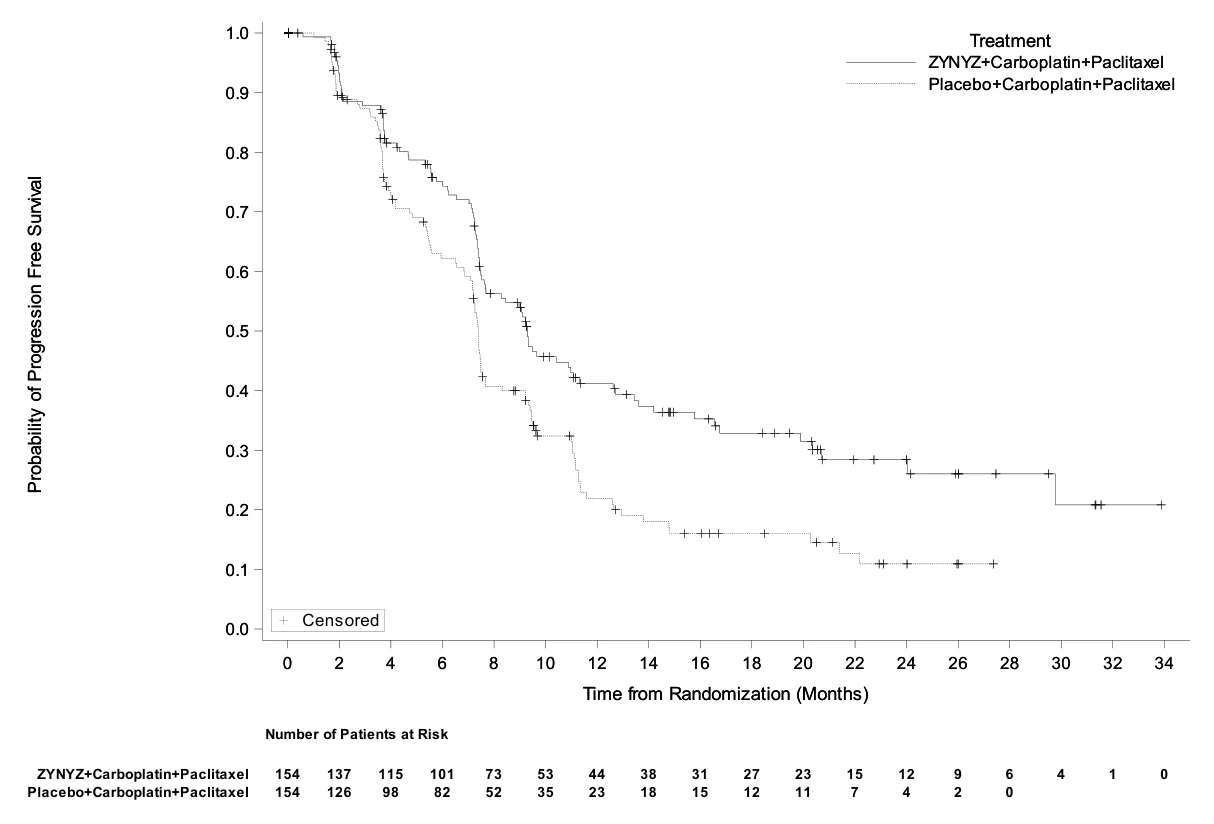
Figure 2: Kaplan-Meier curve for OS in POD1UM-303/InterAACT-2
Other efficacy secondary endpoints included overall response rate (ORR) and duration of response (DoR), which were 55.8% (95%CI: 47.6, 63.8) and 14 months (95% CI: 8.6, 22.2), respectively, in the Zynyz group and 44.2% (95%CI: 36.2, 52.4) and 7.2 months (95% CI: 5.6, 9.3), respectively, in the placebo group.
Metastatic or Recurrent Locally Advanced Merkel Cell Carcinoma (previously untreated)
Trial Design and Study Demographics
The efficacy of Zynyz (retifanlimab for injection) was studied in the POD1UM-201 study, an open-label, single-arm, multiregional study that enrolled 101 patients with metastatic or recurrent locally advanced MCC who had not received prior systemic therapy for their advanced disease.
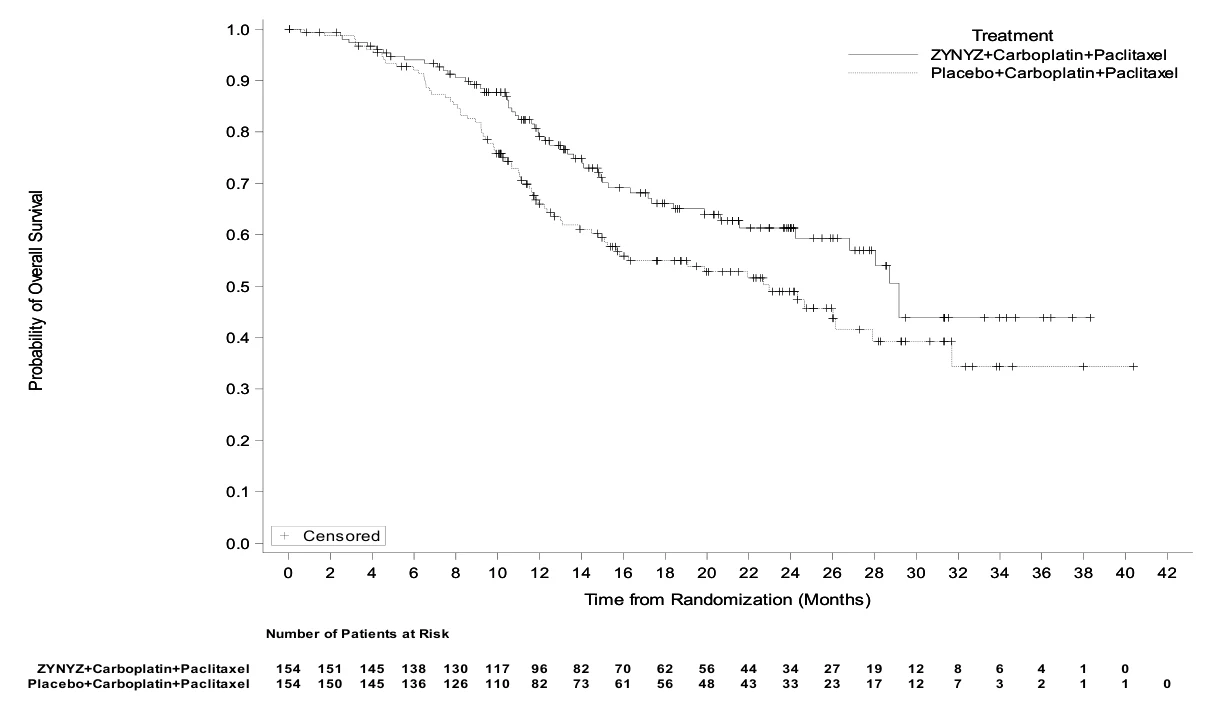
Table 10: Summary of Patient Demographics for Metastatic or Recurrent Locally Advanced MCC
| Study # | Study Design | Dosage, Route of Administration, and Duration | Study Subjects (n) | Mean Age (Range) | Sex |
| POD1UM-201 | Open-label, single-arm, multiregional study | Retifanlimab 500 mg every 4 weeks until disease progression or unacceptable toxicity for a maximum of 2 years | 101 | 71.1 years (38-90 years) | Male: 67.3% Female: 32.7% |
Patients with active autoimmune disease or a medical condition that required immunosuppression, severe hepatic or renal impairment, evidence of interstitial lung disease, clinically significant cardiac disease, history of organ transplant, known central nervous system metastases or ECOG performance score (PS) ≥ 2 were ineligible. Patients who were HIV-positive, with an undetectable viral load, a CD4+ count ≥ 300 cells/microliter and receiving antiretroviral therapy were eligible.
Patients received Zynyz 500 mg every 4 weeks until disease progression or unacceptable toxicity for a maximum of 2 years. Tumor response assessment was performed every 8 weeks for the first year of therapy and 12 weeks thereafter. The primary efficacy outcome measure was confirmed ORR as assessed by an independent central review committee according to RECIST v1.1. DOR was a key secondary outcome.
In the 101 treated patients, the median age was 71.0 years with 38.6% age 75 or older; 67.3% of patients were male; 77.2% of patients were Caucasian, 1.0% were Asian and 21.8% were race unknown or not reported; and the ECOG performance status was 0 (73.3%) or 1 (26.7%). Thirty seven percent (36.6%) of patients were reported to have had prior radiotherapy and 68.3% had prior surgery. Ninety percent (90.1%) of patients had metastatic disease. One HIV-positive patient was enrolled. The majority of tumor samples were positive (72.3%) for Merkel cell polyomavirus while 19.8% were negative, 3.0% equivocal, 1.0% not evaluable and 4.0% missing. Tumor samples were tested for PD-L1 expression retrospectively based on a PD-L1 IHC assay using clone 22C3. PD-L1 status by the combined positive score (CPS) ≥ 1% was in 82.2% of patients and < 1% in 11.9% of patients; PD L1 status by the tumor proportion score (TPS) ≥ 1% was in 18.8% of patients and < 1% in 75.2% of patients; 5.9% of patients had no tissue submitted or tissue not evaluable.
Study Results
Efficacy results are summarized in Table 11. The median duration of follow-up was 17.6 months (range: 1.1 - 38.7 months).
Table 11: Results of POD1UM-201 in Patients with Metastatic or Recurrent Locally Advanced MCC
| Endpoint | Zynyz (N = 101) |
|---|---|
| Objective response rate (95% CI) | 53.5% (43.3%, 63.5%) |
| Complete response, n (%) | 17 (16.8) |
| Partial response, n (%) | 37 (36.6) |
CI = confidence interval
The median duration of response among the 54 patients who responded was 25.3 months (95% CI: 14.2 months, not estimable).
In an exploratory subgroup analysis, the ORR was 16.7% and 57.8% in the subgroups of PD-L1 CPS expression <1% and ≥ 1%, respectively; ORR was 46.1% and 84.2% in the subgroups of PD-L1 TPS expression <1% and ≥ 1%, respectively.
15. Microbiology
No microbiological information is required for this drug product.
16. Non-Clinical Toxicology
General toxicology
No significant findings were observed in toxicological studies conducted in monkeys treated with retifanlimab for up to 13 weeks duration at higher exposures compared to the clinical exposure in humans at the recommended dose of 500 mg retifanlimab every 4 weeks.
Carcinogenicity
No studies have been performed to assess the carcinogenic potential of retifanlimab.
Genotoxicity
No studies have been performed to assess the genotoxic potential of retifanlimab.
Reproductive and developmental toxicology
Animal reproduction and development toxicity studies have not been conducted with retifanlimab. A central function of the PD1/PDL1 pathway is to preserve pregnancy by maintaining maternal immune tolerance to the fetus. In murine models of pregnancy, blockade of PDL1 signaling has been shown to disrupt maternal tolerance to the fetus resulting in an increased fetal loss. As such, potential risks of administering retifanlimab during pregnancy include increased rates of abortion or stillbirth. As reported in the literature, there were no malformations related to the blockade of PD1/PDL1 signaling in the offspring of these mice; however, immune-mediated disorders occurred in PD-1 and PD L1 knockout mice. Based on the mechanism of action for retifanlimab, fetal exposure may increase the risk of developing immune-mediated disorders or altering the normal immune response.
Special toxicology studies
PD-1 deficiency was associated with enhanced inflammatory responses, increased severity of infections and reduced survival in some animal models. Compared to wild-type mice, PD-1 knockout mice infected with M. tuberculosis had enhanced inflammatory responses, increased bacterial proliferation and decreased survival. Decreased survival has also been observed in PD-1 knockout mice infected with LCMV.