


Product Monograph - Admelog
RECENT MAJOR LABEL CHANGES
| 4 DOSAGE AND ADMINISTRATION, 4.4 Administration | 05/2021 |
| 7 WARNINGS AND PRECAUTIONS | 05/2021 |
TABLE OF CONTENTS
Sections or subsections that are not applicable at the time of authorization are not listed.
PART I: HEALTH PROFESSIONAL INFORMATION .......................................................................4
1 INDICATIONS ................................................................................................................4
1.1 Pediatrics ............................................................................................................4
1.2 Geriatrics.............................................................................................................4
2 CONTRAINDICATIONS ...................................................................................................4
3 SERIOUS WARNINGS AND PRECAUTIONS BOX ..............................................................4
4 DOSAGE AND ADMINISTRATION...................................................................................5
4.1 Dosing Considerations .........................................................................................5
4.2 Recommended Dose and Dosage Adjustment.......................................................5
4.4 Administration.........................................................................................................6
- 5. OVERDOSAGE ...............................................................................................................7
- 6. DOSAGE FORMS, STRENGTHS, COMPOSITION AND PACKAGING ...................................7
- 7.
WARNINGS AND PRECAUTIONS ....................................................................................7
7.1 Special Populations ............................................................................................ 11
7.1.1 Pregnant Women .........................................................................................11
7.1.2 Breast-feeding..............................................................................................11
7.1.3 Pediatrics .....................................................................................................11
7.1.4 Geriatrics .....................................................................................................12
- 8.
ADVERSE REACTIONS .................................................................................................. 12
8.1 Adverse Reaction Overview................................................................................ 12
8.2 Clinical Trial Adverse Reactions .......................................................................... 13
8.5 Post-Market Adverse Reactions.......................................................................... 13
- 9.
DRUG INTERACTIONS.................................................................................................. 13
9.4 Drug-Drug Interactions ...................................................................................... 13
9.5 Drug-Food Interactions ...................................................................................... 14
9.6 Drug-Herb Interactions ...................................................................................... 14
9.7 Drug-Laboratory Test Interactions ...................................................................... 14
10 CLINICAL PHARMACOLOGY ......................................................................................... 14
10.1 Mechanism of Action.................................................................................... 14
10.2 Pharmacodynamics ...................................................................................... 15
10.3 Pharmacokinetics ......................................................................................... 15
11 STORAGE, STABILITY AND DISPOSAL ........................................................................... 17
12 SPECIAL HANDLING INSTRUCTIONS............................................................................. 18
PART II: SCIENTIFIC INFORMATION ........................................................................................ 19
13 PHARMACEUTICAL INFORMATION.............................................................................. 19
14 CLINICAL TRIALS.......................................................................................................... 19
14.1 Trial Design and Study Demographics ........................................................... 19
14.2 Study Results ............................................................................................... 22
14.3 Comparative Bioavailability Studies .............................................................. 22
14.4 Immunogenicity ........................................................................................... 25
14.5 Clinical Trials - Reference Biologic Drug ......................................................... 26
15 MICROBIOLOGY ................................................................................................................ 29
16 NON-CLINICAL TOXICOLOGY.............................................................................................. 29
16.1 Comparative Non-Clinical Pharmacology and Toxicology ............................... 34
16.1.1 Comparative Non-Clinical Pharmacodynamics...............................................34
16.1.2 Comparative Toxicology ...............................................................................34
17 SUPPORTING PRODUCT MONOGRAPHS...................................................................... 34
PATIENT MEDICATION INFORMATION – ADMELOG® Vial ....................................................... 35
PATIENT MEDICATION INFORMATION - ADMELOG® Cartridge ............................................... 43
PATIENT MEDICATION INFORMATION - ADMELOG® SoloSTAR® ............................................. 51
ADMELOG® SoloSTAR® - INSTRUCTIONS FOR USE .................................................................. 59
ADMELOG® (insulin lispro injection) is a biosimilar biologic drug (biosimilar) to HUMALOG (Eli Lilly Inc.)
PART I: HEALTH PROFESSIONAL INFORMATION
1 INDICATIONS
The indications have been granted on the basis of similarity between ADMELOG and the reference biologic drug, HUMALOG.
ADMELOG (insulin lispro injection), is indicated for the treatment of patients with diabetes mellitus who require insulin for the maintenance of normal glucose homeostasis. ADMELOG insulin is also indicated for the initial stabilization of diabetes mellitus. ADMELOG (insulin lispro injection) is a short acting insulin analogue and is for use in conjunction with a longer acting insulin, except when used in a subcutaneous insulin infusion pump.
1.1 Pediatrics
Pediatrics (3 to 18 years of age): Based on the data submitted and reviewed by Health Canada, the safety and efficacy of ADMELOG in pediatric patients has been established. Therefore, Health Canada has authorized an indication for pediatric use (see 7 WARNINGS AND PRECAUTIONS).
1.2 Geriatrics
Geriatrics: Evidence from clinical studies and experience suggests that use in the geriatric population is associated with differences in safety or effectiveness (see 7 WARNINGS AND PRECAUTIONS).
2 CONTRAINDICATIONS
ADMELOG (insulin lispro injection) is contraindicated during episodes of hypoglycemia (see 5 OVERDOSAGE) and in patients sensitive to insulin lispro or any of the excipients they contain (for a complete list of excipients, see 6 DOSAGE FORMS, STRENGTHS, COMPOSITION AND PACKAGING).
3 SERIOUS WARNINGS AND PRECAUTIONS BOX
Serious Warnings and Precautions
|
|
|
|
| Serious Warnings and Precautions |
|---|
|
|
4 DOSAGE AND ADMINISTRATION
4.1 Dosing Considerations
The dosage of ADMELOG is determined by a physician in accordance with the requirements of the patient.
Although insulin lispro has a quicker onset of action and shorter duration of activity, dosing is comparable to regular human insulin. The dosage of ADMELOG, like all other insulin formulations, is dependent upon the individual patient requirements. The dose and number of insulin injections should be adjusted to maintain blood glucose concentrations as close to normal as possible.
Additional adjustment of dosage may be required in diabetes patients with renal impairment, during intercurrent illness and/or emotional disturbances.
Adjustment of dosage may also be necessary if patients undertake increased physical activity or change their usual diet.
4.2 Recommended Dose and Dosage Adjustment
New Patients:
Patients receiving insulin for the first time can be started on ADMELOG in the same manner as they would be on animal-source or human insulin.
Patients should be monitored closely during the adjustment period.
Transfer Patients:
When transferring patients to ADMELOG, use the same dose and dosage schedule. However, some patients transferring to ADMELOG may require a change in dosage from that used with their previous insulin. Analysis of a database of type 1 diabetic patients indicated that basal insulin requirements increased by 0.04 U/Kg, while insulin lispro requirements decreased by 0.03 U/Kg, after one year of treatment. For type 2 diabetic patients, both short acting and basal insulin requirements increased slightly after one year of treatment with both insulin lispro 100 units/mL and HUMULIN R.
Transferring a patient from HUMALOG to ADMELOG can be done unit-to-unit based on the previous rapid-acting insulin dose.
Optimizing Glycemic Control:
In order to achieve optimal glycemic control, changes in total daily dosage, the number of injections per day, and/or timing of injections may be necessary when using ADMELOG.
Once a patient is using ADMELOG, reassessment and adjustment as necessary of the basal insulin regimen (dosage and number of injections) has been shown to optimize overall glycemic control.
4.4 Administration
ADMELOG is a clear, colourless solution. It is important to always examine the appearance of the vial or cartridge of ADMELOG prior to administration. It should not be used if it is cloudy, unusually viscous or gelled, precipitated, or even slightly coloured; if there are clumps floating in the liquid, or if particles appear to be sticking to the sides or bottom of the vial or cartridge.
ADMELOG 100 units/mL should be given by subcutaneous injection or by continuous subcutaneous insulin infusion pump and may, although not recommended, also be given by intramuscular injection. When administered by continuous subcutaneous infusion by an external insulin pump, the ADMELOG in the reservoir should be changed at least every 14 days. Infusion sets should be changed according to pump manufacturer’s instructions (typically 3 days is recommended) or as directed by healthcare professionals. It may also be administered intravenously under conditions where regular human insulin is given intravenously. When used as a meal-time insulin, ADMELOG should be given within 15 minutes before a meal, or when necessary shortly after a meal instead (within 20 minutes of the start of the meal).
Subcutaneous administration, preferably by the patient, should be in the upper arms, thighs, buttocks or abdomen. When compared to HUMULIN R, insulin lispro retains its more rapid onset and shorter duration of action irrespective of the subcutaneous injection site used. Therefore, injection sites (abdomen, thigh or buttocks) must be rotated so that the same site is not used more than approximately once a month to reduce the risk of lipodystrophy and localized cutaneous amyloidosis. Do not inject into areas of lipodystrophy or localized cutaneous amyloidosis (see 7 WARNINGS AND PRECAUTIONS and 8 ADVERSE REACTIONS).
Care should be taken to ensure that a blood vessel has not been entered. The injection site should not be massaged.
Instructions for Use/Handling
To prevent the possible transmission of disease, never share an ADMELOG pen or cartridge between patients, even if the needle on the delivery device is changed.
Mixing of Insulins:
Mixing insulin lispro 100 units/mL with insulin NPH does not decrease the absorption rate or the total bioavailability of insulin lispro. Given alone or mixed with insulin NPH, insulin lispro results in a more rapid absorption and glucose-lowering effect compared with human regular insulin.
If ADMELOG 100 units/mL is mixed with a longer-acting insulin such as insulin NPH, ADMELOG should be drawn into the syringe first to prevent clouding of the ADMELOG by the longer-acting insulin. Injection should be made immediately after mixing. Mixtures should not be administered intravenously. ADMELOG should not be diluted or mixed with any other insulin when used in a subcutaneous insulin infusion pump.
ADMELOG in cartridges
The ADMELOG cartridges should only be used with the following pens:
- JuniorSTAR which delivers ADMELOG in 0.5 unit dose increments
- AllStar PRO which delivers ADMELOG in 1 unit dose increments.
These cartridges should not be used with any other reusable pen as the dosing accuracy has only been established with the listed pens.
5. OVERDOSAGE
With the rapid onset of activity of ADMELOG, it is important that the insulin analogue be given close to mealtime (within 15 minutes before a meal). When necessary, ADMELOG may be given shortly after a meal instead (within 20 minutes of the start of the meal). A significant deviation could put the patient at risk of hypoglycemia.
Insulins have no specific overdose definitions because serum glucose concentrations are a result of complex interactions between insulin levels, glucose availability and other metabolic processes.
Hypoglycemia may occur as a result of an excess of insulin or ADMELOG relative to food intake and energy expenditure or in patients who have an infection or become ill (especially with diarrhea or vomiting).
Hypoglycemia may be associated with listlessness, confusion, palpitations, headache, sweating and vomiting.
Mild hypoglycemic episodes will respond to oral administration of glucose or sugar-containing foods.
Correction of moderately severe hypoglycemia can be accomplished by intramuscular or subcutaneous administration of glucagon, followed by oral carbohydrate when the patient recovers sufficiently.
Patients who fail to respond to glucagon must be given glucose solution intravenously.
Patients who are unable to take sugar orally or who are unconscious should be treated with intravenous administration of glucose at a medical facility or should be given an injection of glucagon (either intramuscular or subcutaneous). The patient should be given oral carbohydrates as soon as consciousness is recovered.
| For management of a suspected drug overdose, contact your regional poison control centre. |
6. DOSAGE FORMS, STRENGTHS, COMPOSITION AND PACKAGING
ADMELOG (insulin lispro injection) 100 units/mL is available as a clear, colourless, aqueous solution for parenteral administration in vials, cartridges or prefilled insulin delivery devices:
- Vial, 10 mL, 1 vial/box
- Cartridge, 3 mL, 5 cartridges/box
- Disposable SoloSTAR, 3 mL prefilled pen, 5 pens/box
Active ingredient: insulin lispro 100 units/ml
1 ml contains 3.5 mg insulin lispro, corresponding to 100 units of insulin lispro.
7. WARNINGS AND PRECAUTIONS
Please see 3 SERIOUS WARNINGS AND PRECAUTIONS BOX
| Table 1: Dosage Forms, Strengths, Composition and Packaging | |||||
|---|---|---|---|---|---|
| Route of Administration | Dosage Form / Strength/Composition | Non-medicinal Ingredients | |||
Parenteral Subcutaneous injection | Solution for Injection, 100 units/mL | Dibasic sodium phosphate, glycerol, hydrochloric acid and sodium hydroxide (may be used to adjust pH to 7.0 – 7.8), m-Cresol [3.15 mg/ml], water (for injection), zinc oxide | |||
General
As with all insulin therapies, the duration of action of ADMELOG may vary in different individuals or in the same individual according to dose, injection site, blood flow, temperature and level of physical activity.
Hypokalemia is among the potential clinical adverse effect associated with the use of all insulin therapies, including ADMELOG. This potential clinical adverse effect may be relevant in patients who are on potassium lowering drugs or losing potassium through other means (e.g. diarrhea).
Stress or concomitant illness, especially infectious and febrile conditions may change insulin requirements. In these instances, patients should contact their physician and carefully control their blood glucose.
To avoid transmission of disease, a cartridge or prefilled syringe should not be used by more than one person.
Insulin lispro had a similar safety profile to HUMULIN® R (insulin injection (rDNA origin) Regular) over the course of the clinical studies with insulin lispro 100 units/mL. Insulin lispro has been shown to control glycosylated hemoglobin (HbA1c) levels as effectively as human insulin in comparator studies specifically designed to study mealtime therapy without optimization of basal insulin regimens. Once a patient is using ADMELOG, reassessment and adjustment, as necessary, of the basal insulin regimen (dosage and number of injections) has been shown to optimize overall glycemic control.
Any rapid- or short-acting insulin formulation should be used with caution in patients with gastroparesis. However, some patients with gastroparesis may benefit from postprandial administration of ADMELOG, which has been shown to provide postprandial glycemic control similar to that provided by human insulin injected 30 minutes pre-prandially. Using the postprandial dosing approach, the insulin dose can be adjusted according to the actual caloric intake and/or the observed rise in blood glucose following a meal.
Insulin plus Thiazolidinediones (TZDs):
TZDs, alone or in combination with other antidiabetic agents (including insulin), can cause heart failure and edema. The combination of insulin with a TZD is not indicated for the treatment of type 2 diabetes mellitus. Please refer to the respective TZD Product Monograph Warnings and Precautions information when the use of these drugs in combination with any insulin, including ADMELOG, is contemplated.
Transferring Patients from Other Insulins:
Patients switching to ADMELOG may require a change in dosage from that used with their usual insulins. If an adjustment is needed, it may occur with the first dose or during the first several weeks or months.
When patients are transferred between different types of insulin products, including animal insulins, the early warning symptoms of hypoglycemia may change or become less pronounced than those experienced with their previous insulin. Transferring a patient to a new type or brand of insulin should be done only under strict medical supervision. Changes in insulin strength, timing of administration, manufacturer, type (e.g., regular, NPH, or insulin analogs), or method of manufacture (recombinant DNA versus animal source insulin) may result in the need for a change in dosage. Concomitant oral antidiabetic treatment may also need to be adjusted. If an adjustment is needed, it may be done with the first doses or during the first few weeks or months and under medical supervision (see 7 WARNINGS AND PRECAUTIONS).
Patients whose blood glucose is greatly improved, e.g., by intensified insulin therapy, may lose some or all of the warning symptoms of hyperglycemia and should be advised accordingly.
Uncorrected hypoglycemic or hyperglycemic reactions can cause loss of consciousness, coma, or death.
Information for Patients
Patients should be informed about potential advantages and disadvantages of ADMELOG therapy, including possible side effects. Patients should also be offered continued education and advice on insulin therapies, delivery device options, life-style management, self-monitoring, complications of insulin therapy, timing of dosage, and instruction for use of injection devices, storage of insulin, travelling and others (see PATIENT MEDICATION INFORMATION).
Female patients with diabetes mellitus should be advised to inform their doctor if they are pregnant or are contemplating pregnancy. Careful monitoring of glucose control, as well as general health is essential in pregnant patients with diabetes (see 7.1 Special Populations and PATIENT MEDICATION INFORMATION).
Carcinogenesis and Mutagenesis
Like human insulin, in one-year animal studies insulin lispro did not produce proliferative effects or tumors in organs and tissues when given at very high subcutaneous doses in chronic toxicity tests. In animal studies, there is no evidence of insulin lispro induced fertility impairment (see 16 16 NON-CLINICAL TOXICOLOGY).
Endocrine and Metabolism
Hypoglycemia:
Hypoglycemia is the most frequently occurring undesirable effect of insulin therapy including ADMELOG. Severe hypoglycemia can result in temporary or permanent impairment of brain function and death (see 8 ADVERSE REACTIONS).
Hypoglycemia may occur if the insulin dose is too high in relation to the insulin requirement (see 5 OVERDOSAGE).
Hypoglycemic reactions following treatment with insulin products including ADMELOG are mostly mild and easily managed.
Changes in insulin therapy or changes in lifestyle (i.e. diet, exercise/physical activity) may require a change in dosage to avoid hypoglycemia. Omission of a meal or unplanned strenuous physical exercise may lead to hypoglycemia.
Glucose monitoring is recommended for all patients with diabetes mellitus who are also taking ADMELOG (see Monitoring and Laboratory Tests).
The patient’s ability to concentrate and react may be impaired as a result of hypoglycemia. This may constitute a risk in situations where these abilities are of special importance (e.g., driving a car or operating machinery) especially in those who have reduced or absent awareness of the warning signs of hypoglycemia or have frequent episodes of hypoglycemia.
Diabetic patients should be instructed to carry a few lumps of sugar, candies or biscuits to prevent the progression of a hypoglycemic reaction, should one occur (see PATIENT MEDICATION INFORMATION).
Hypoglycemia can occur regardless of what type of insulin you take and can cause fatigue, sweating, heart palpitations, disturbed behaviour, hunger, convulsions or loss of consciousness. In extreme circumstances, even death can occur without recognizable symptoms. Some people may not recognize when their blood sugar drops low.
In certain cases (e.g., long duration of diabetes mellitus, diabetic nerve disease, intensified diabetes mellitus control, patients with psychiatric illness, elderly patients or use of medications such as beta blocking agents), the nature and intensity of early warning symptoms of hypoglycemia (pallor, sweating, anxiety, headache, tachycardia, hunger) may change or be less pronounced.
Hyperglycemia:
Inadequate dosing or discontinuation of ADMELOG, especially in type 1 diabetes mellitus, may lead to hyperglycemia and when untreated, hyperglycemic events may eventually lead to diabetic ketoacidosis or coma which are potentially fatal (see 8 ADVERSE REACTIONS). Usually the first symptoms of hyperglycemia develop gradually over a period of hours or days. They include polydipsia; polyuria; nausea; abdominal pain, vomiting; drowsiness; blurred vision, flushed dry skin; loss of appetite, weight loss as well as acetone odour of breath (see 8 ADVERSE REACTIONS).
Ability to concentrate and react may be impaired as a result of hyperglycemia or as a result of hyperglycemia-induced visual impairment. This may constitute a risk in situations where these abilities are of special importance such as driving a car or operating machinery.
Hepatic/Biliary/Pancreatic
Although impaired hepatic function does not affect the absorption or disposition of ADMELOG, careful glucose monitoring and dose adjustments of insulin, including ADMELOG, may be necessary.
Immune
Injection Site and Local Allergic Reactions:
With insulin therapies including ADMELOG, patients may experience redness, swelling, pain, inflammation, or itching at the site of injection (see 8 ADVERSE REACTIONS).
Most of these minor reactions usually resolve in a few days to a few weeks. They may occur if the injection is not properly made (irritants in the skin cleansing agent or poor injection technique), or if the patient is allergic to the insulin or any excipients (see 2 CONTRAINDICATIONS).
Lipodystrophy and Cutaneous Amyloidosis
Subcutaneous administration of insulin products, including ADMELOG, can result in lipoatrophy (depression in the skin) or lipohypertrophy (enlargement or thickening of tissue) or localized cutaneous amyloidosis (skin lumps).
Patients must be instructed to perform continuous rotation of the injection site to reduce the risk of developing lipodystrophy and localized cutaneous amyloidosis. Patients should be advised to consult their health professional if they notice any of these conditions and before changing the injection site. There is a potential risk of delayed insulin absorption and worsened glycemic control following insulin injections at sites with these reactions. A sudden change in the injection site to an unaffected area has been reported to result in hypoglycemia. Blood glucose monitoring is recommended after the change in the injection site, and dose adjustment of antidiabetic medications may be considered (see 8 ADVERSE REACTIONS).
Systemic Allergic Reactions:
Systemic allergic reactions have rarely occurred with insulin treatments, including ADMELOG (see 8 ADVERSE REACTIONS). These reactions may be characterized by a generalized rash (with pruritus), shortness of breath, wheezing, angioneurotic edema and drop in blood pressure (see 8 ADVERSE REACTIONS).
Severe cases of generalized allergy including anaphylactic reaction may be life threatening (see 2 CONTRAINDICATIONS).
Antibody Production:
Immune responses can occur with insulin products, including production of auto antibodies (IgG). In general, glycemic control is not affected by the presence of auto antibodies. Very rarely, auto antibodies may cause hyperglycemia (insulin resistance) or hypoglycemia (inappropriate release). Anti-insulin antibodies are frequently cross-reactive. Patients who have demonstrated an allergic reaction to other insulin products may demonstrate an allergic reaction to ADMELOG.
Monitoring and Laboratory Tests
Self-Monitoring of Blood Glucose
With insulin therapy, including ADMELOG, the need for regular blood glucose self-monitoring should be considered to obtain optimal glycemic control (see PATIENT MEDICATION INFORMATION). HbA1c should be measured every 3 to 4 months in all patients taking insulin products.
Renal
The requirements for insulin may be reduced in patients with renal impairment.
Reproductive Health: Female and Male Potential
Fertility
There are no adequate and well-controlled studies with ADMELOG during pregnancy and lactation (see 16 16 NON-CLINICAL TOXICOLOGY).
7.1 Special Populations
7.1.1 Pregnant Women
ADMELOG can be used in pregnancy if clinically indicated. Data on a large number of pregnancies exposed to HUMALOG 100 units/mL do not indicate any adverse effect of insulin lispro 100 units/mL on pregnancy or on the health of the fetus /newborn. It is essential to maintain good glucose control in both gestational diabetes and throughout pregnancy in type 1 and type 2 patients. Insulin requirements usually decrease during the first trimester and increase during the second and third trimesters. Patients with diabetes should be advised to inform their doctor if they are pregnant or are contemplating pregnancy. Careful monitoring of glucose control, as well as general health is essential in pregnant patients with diabetes. During the perinatal period, careful monitoring of infants born to mothers with diabetes is warranted.
7.1.2 Breast-feeding
The use of insulin lispro insulins in nursing mothers has not been studied. Diabetic patients who are nursing may require adjustments in insulin dose and/or diet.
7.1.3 Pediatrics
Pediatrics (3 to 18 years of age): Clinical trials have been performed in children (61 patients aged 3 to 11) and children and adolescents (481 patients aged 9 to 18 years), comparing insulin lispro 100 units/mL to regular human insulin. Insulin lispro 100 units/mL showed better postprandial blood glucose control while maintaining a similar safety profile.
As in adults, ADMELOG 100 units/mL should be given within 15 minutes before a meal. When necessary, ADMELOG 100 units/mL may be given shortly after a meal instead (within 20 minutes of the start of the meal).
7.1.4 Geriatrics
ADMELOG may be used in elderly patients, if clinically indicated.
Information on the effect of age and gender on the pharmacokinetics of insulin lispro is unavailable. However, in large clinical trials, sub-group analysis based on age and gender did not indicate any difference in postprandial glucose parameters between insulin lispro 100 units/mL and regular human insulin.
In clinical studies with insulin lispro 100 units/mL, glycosylated hemoglobin (HbA1c) values and hypoglycemia rates in patients ≥ 65 years of age did not differ from younger patients.
In general, dose selection for an elderly patient should take into consideration the greater frequency of decreased hepatic, renal, or cardiac function, and of concomitant disease or other drug therapy in this population.
Other Disease States:
Control of diabetes mellitus may be further complicated by diseases such as acromegaly, Cushing’s syndrome, hyperthyroidism and pheochromocytoma.
8. ADVERSE REACTIONS
The adverse drug reaction profiles reported in clinical studies that compared ADMELOG to the reference biologic drug were comparable. The description of adverse reactions in this section is based on clinical experience with the reference biologic drug.
8.1 Adverse Reaction Overview
Body as a Whole – Allergic Reaction(s)
Local allergy in patients may occur as redness, swelling, or itching at the site of injection. These minor reactions usually resolve in a few days to a few weeks. In some instances, these reactions may be related to factors other than insulin, such as irritants in the skin cleansing agent or poor injection technique.
Systemic allergy to insulin is less common but potentially more serious. Generalized allergy to insulin may cause rash over the whole body, shortness of breath, wheezing, reduction in blood pressure, rapid pulse or sweating. Severe cases of generalized allergic reaction may be life-threatening.
Skin and Appendages – injection site reaction, lipodystrophy, pruritus, rash.
Rarely, administration of insulin subcutaneously can result in lipoatrophy (depression in the skin) or lipohypertrophy (enlargement or thickening of tissue).
Patients should be advised to consult their doctor if they notice any of these conditions. A change in injection technique may help alleviate the problem.
Metabolic
Hypoglycemia is the most frequent undesirable effect of insulin therapy that a patient with diabetes may suffer. Severe hypoglycemia may lead to loss of consciousness and, in extreme cases, death.
8.2 Clinical Trial Adverse Reactions
Continuous Subcutaneous Insulin Infusion – insulin lispro 100 units/mL
In a 39-week, randomized open-label, three way crossover, controlled multicenter study in patients with type 1 diabetes, the perceived catheter set occlusion rates were similar across rapid-acting insulin analog, including insulin lispro 100 units/mL, insulin aspart and insulin glulisine (Figure 1).
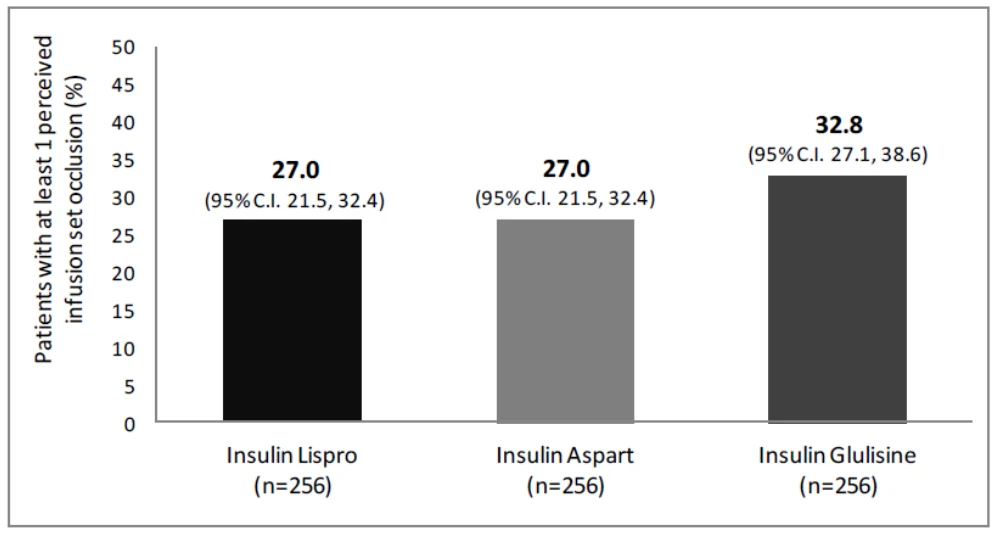
Figure 1 –Patients (%) with at least 1 perceived set occlusion over 13 weeks.
In a 12-week, randomized, crossover study in adult patients with type 1 diabetes (n=39), the rates of catheter occlusions and infusion site reactions were similar for insulin lispro 100 units/mL and regular human insulin treated patients (Table 2).
| Table 2 –Rates of Catheter Occlusions and Infusion Site Reactions | ||||||
|---|---|---|---|---|---|---|
Insulin lispro 100 units/mL (n=38) | Regular Human Insulin 100 units/mL (n=39) | |||||
| Number of catheter occlusion/month | 0.09 | 0.10 | ||||
| Infusion site reactions | 2.6% (1/38) | 2.6% (1/39) | ||||
8.5 Post-Market Adverse Reactions
Cases of edema have been reported with insulin therapy, including insulin lispro 100 units/mL, particularly if previous poor metabolic control is improved by intensified insulin therapy.
9. DRUG INTERACTIONS
9.4 Drug-Drug Interactions
Drug interactions with insulin formulations including insulin lispro may include the following:
Insulin requirements may be decreased in the presence of agents such as oral hypoglycemic agents, octreotide, salicylates, sulfa antibiotics, certain antidepressants (monoamine oxidase inhibitors), non-selective beta-adrenergic blockers, alcohol, angiotensin converting enzyme inhibitors and angiotensin II receptor blockers and anabolic steroids.
Certain drugs may increase insulin requirements such as oral contraceptives, thiazides, glucocorticosteroids, thyroid hormones, sympathomimetics, and danazol. The hypoglycemic action of insulin may also be antagonized by diphenylhydantoin.
Hormones that tend to counteract the hypoglycemic effects of insulin include growth hormone, corticotropin, glucocorticoids, thyroid hormone, and glucagon. Epinephrine not only inhibits the secretion of insulin, but also stimulates glycogen breakdown to glucose. Thus, the presence of such diseases as acromegaly, Cushing's syndrome, hyperthyroidism, and pheochromocytoma complicate the control of diabetes.
Insulin requirements can be increased, decreased, or unchanged in patients receiving diuretics.
To avoid the risk of developing new or worsening heart failure, the use of TZDs in combination therapy with insulin is not indicated (see 7 WARNINGS AND PRECAUTIONS).
The physician should be consulted when using other medications in addition to ADMELOG.
9.5 Drug-Food Interactions
Hypoglycemia may occur as a result of an excess of insulin relative to food intake, energy expenditure, or both. Omission of a meal or unplanned strenuous physical exercise may lead to hypoglycemia (see 7 WARNINGS AND PRECAUTIONS, and 5 OVERDOSAGE).
9.6 Drug-Herb Interactions
Interactions with herbal products have not been established.
9.7 Drug-Laboratory Test Interactions
Interactions with laboratory tests have not been established.
10 CLINICAL PHARMACOLOGY
10.1 Mechanism of Action
Insulin lispro, the active pharmaceutical ingredient in ADMELOG 100 units/mL, is created by inverting the natural Pro-Lys sequence in human insulin at positions 28 and 29 in the C-terminal portion of the B-chain. This change in amino acid sequence slightly modifies the physicochemical properties of the molecule relative to native human insulin in such a manner that insulin lispro self-associates less avidly and dissociates into its monomeric form more rapidly than regular insulin. As a result, insulin lispro is absorbed more rapidly than regular soluble insulin from subcutaneous sites of injection and also has a shorter duration of action.
The reversed sequence of lysine and proline in insulin lispro, is identical to that on the B-chain of human IGF-1. The incidence of self-association with IGF-1 is known to be lower than observed with human insulin. Incorporating this IGF-1-like feature into the human insulin molecule markedly changes the physico-chemical behaviour of the resulting insulin lispro but does not significantly alter its pharmacodynamic action because the terminal part of the B-chain does not participate in insulin's interaction with the insulin receptor. In vitro experiments showed that insulin lispro interacts with the insulin receptor much like regular human insulin does. Although binding to the IGF-1 receptor is higher than for regular human insulin (1.5 times more) it is significantly less than that of IGF-1 itself (more than a thousand times less) and does not promote cell growth in biological assays to any greater extent than human insulin.
The primary activity of insulins, including ADMELOG, is the regulation of glucose metabolism. In addition, all insulins have several anabolic and anti-catabolic actions on many tissues in the body. In muscle and other tissues (except the brain), insulin causes rapid transport of glucose and amino acids intracellularly, promotes anabolism, and inhibits protein catabolism. In the liver, insulin promotes the uptake and storage of glucose in the form of glycogen, inhibits gluconeogenesis and promotes the conversion of excess glucose into fat.
10.2 Pharmacodynamics
Insulin lispro 100 units/mL
Insulin lispro is absorbed more rapidly than regular soluble insulin from subcutaneous sites of injection and also has a shorter duration of action. Due to its quick onset of action, ADMELOG should be given within 15 minutes before a meal. When necessary, ADMELOG may be given shortly after a meal instead (within 20 minutes of the start of the meal). The duration of action of ADMELOG is between 2 - 5 hours.
Subcutaneously injected regular insulin typically results in serum insulin concentrations that peak later and remain elevated for a longer time than those following normal pancreatic insulin secretion in non-diabetics. When regular insulin is used to control postprandial blood glucose, adequate control is often not achieved because the amount of regular insulin needed to normalize postprandial glucose excursion often leads to late hypoglycemia. By producing more rapid and higher serum insulin concentrations with a shorter duration of activity insulin lispro decreases glucose excursion during and after meals with less chance for hypoglycemia.
A glucose clamp study was performed, in healthy volunteers, in which a 10 Unit dose of insulin lispro 100 units/mL was compared to HUMULIN R. Doses were given subcutaneously; an additional 10 Unit dose of intravenous regular insulin was given as an absolute reference.
Insulin lispro 100 units/mL showed statistically higher peak concentrations (Cmax) which occurred earlier than observed with HUMULIN R (tmax). Total absorption was comparable, with area under the curve (AUC) values of serum concentration vs. time which were not statistically different (Table 3,Table 4).
| Table 3 – Pharmacodynamics of insulin lispro 100 units/mL Compared with HUMULIN R 100 units/mL in Healthy Volunteers. | ||||
|---|---|---|---|---|
| Mean | Insulin lispro 100 units/mL | HUMULIN R 100 units/mL | ||
| Duration of action (hr)* | 3.5-4.75 hr | 5.0-7.5 hr | ||
| Onset of Action (hr)* | 0.5-0.75 hr | 0.5-1.0 hr | ||
| Time of Maximum Effect (hr)* | 0.75-2.5 hr | 0.75-4.5 hr | ||
| *Results predicted from a pharmacokinetic-pharmacodynamic link model | ||||
10.3 Pharmacokinetics
| Table 4 – Pharmacokinetic of insulin lispro 100 units/mL Compared with HUMULIN R 100 units/mL in Healthy Volunteers. | ||||||
|---|---|---|---|---|---|---|
| Mean | Insulin lispro 100 units/mL | HUMULIN R 100 units/mL | ||||
| tmax (min) | 53 ± 30 | 101 ± 40 | ||||
| Cmax (ng/mL) | 3.20 ± 1.33 | 1.79 ± 0.77 | ||||
| AUC (ng•min/mL) | 380 ± 52.2 | 423 ± 71.8 | ||||
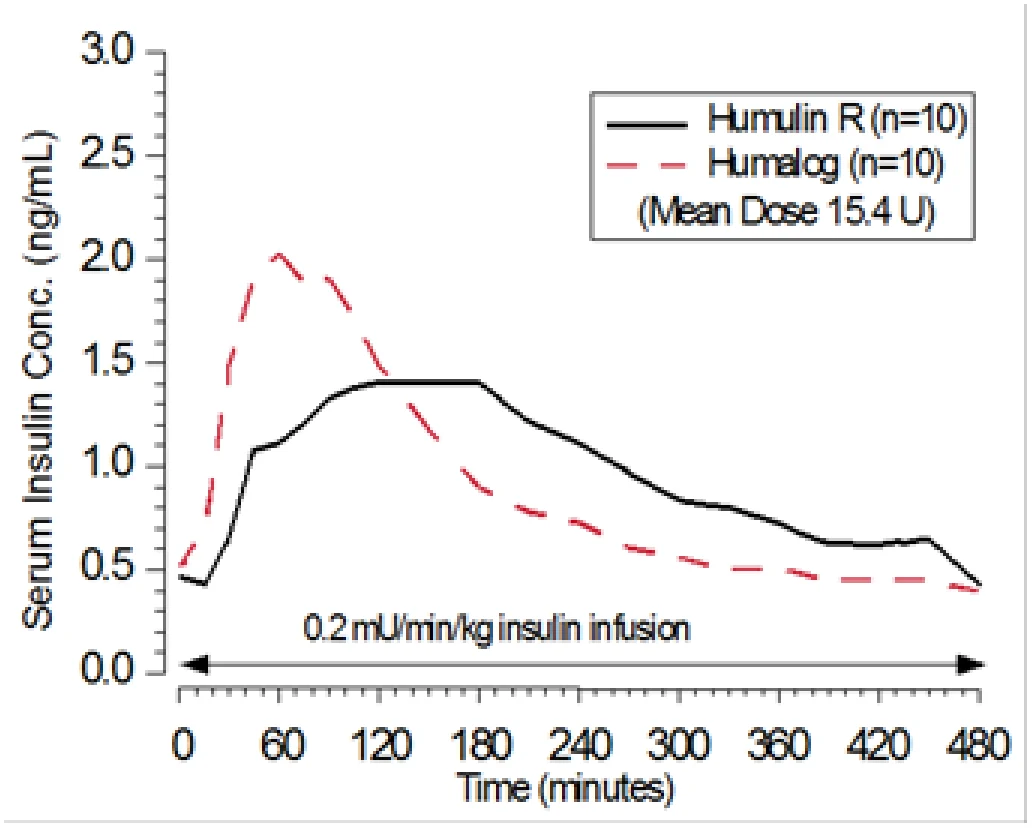
Subsequent pharmacokinetic studies in type 1 patients confirmed that a significantly faster increase in serum insulin levels and a shorter plasma half-life resulted from an injection of insulin lispro 100 units/mL when compared to HUMULIN R (Figure 2).
Figure 2 – Mean Serum Insulin Concentrations in type 1 Patients Following Injection of HUMULIN R and insulin lispro 100 units/mL (Basal 0.2mU/min/kg insulin infusion).
Postprandial and overall glycemic control: In clinical studies after one year, the decrease in glucose excursion during and after meals with insulin lispro 100 units/mL was consistent, although not always significant, when compared to HUMULIN R. However, there was no significant difference in HbA1c levels between the two treatment groups. These studies were specifically designed to study meal time therapy without optimization of basal insulin regimens.
Subsequent clinical studies have demonstrated that in an intensive insulin treatment regimen with basal insulin optimization, insulin lispro 100 units/mL controls postprandial glucose and contributes to lower HbA1c levels to a greater degree than regular human insulin, without increasing the risk of hypoglycemia.
Hypoglycemia: The frequency of hypoglycemia was not statistically significant in one year parallel studies (insulin lispro 100 units/mL), n=543; HUMULIN R, n=561, but was significantly less with insulin lispro therapy in a six-month crossover study in type 1 patients (n=1008) which also demonstrated a significant reduction in nocturnal hypoglycemia with insulin lispro.
Use in Pumps: When used in subcutaneous insulin infusion pumps, treatment with insulin lispro 100 units/mL has been shown to result in lower HbA1c levels compared to regular human insulin without increasing the risk of hypoglycemia. In clinical trials that compared insulin lispro 100 units/mL with regular human insulin, insulin lispro 100 units/mL consistently showed significant HbA1c improvement in the range of 0.33% to 0.65%.
Special Populations and Conditions
- Hepatic Insufficiency: Some studies with human insulin have shown increased circulating levels of insulin in patients with hepatic failure. In a study of 22 patients with type 2 diabetes, impaired hepatic function did not affect the subcutaneous absorption or general disposition of insulin lispro when compared to patients with no history of hepatic dysfunction. In that study, insulin lispro maintained its more rapid absorption and elimination when compared to human regular insulin. Careful glucose monitoring and dose adjustments of insulin, including ADMELOG, may be necessary in patients with hepatic dysfunction.
- Renal Insufficiency: Some studies with human insulin have shown increased circulating levels of insulin in patients with renal failure. In a study of 25 patients with type 2 diabetes and varying degrees of renal function (from normal to severe impairment, including endstage renal failure), the pharmacokinetic differences between insulin lispro and human regular insulin were generally maintained. However, the sensitivity of the patients to insulin did change, with an increased response to insulin as the renal function declined. Careful glucose monitoring and dose adjustments of insulin, including ADMELOG, may be necessary in patients with renal dysfunction.
11 STORAGE, STABILITY AND DISPOSAL
Do not use after the expiration date.
Not in-use (unopened): ADMELOG must be stored in a refrigerator (2° to 8°C), but not in the freezer. Protect from light. Do not use ADMELOG if it has been frozen.
In-use (opened): ADMELOG vials, cartridges and ADMELOG SoloSTAR should be stored at room temperature, below 30°C and must be used within 28 days or be discarded, even if they still contain ADMELOG. Protect from direct heat and light.
When administered by continuous subcutaneous infusion by an external insulin pump, the ADMELOG in the reservoir should be changed at least every 14 days. Infusion sets should be changed according to pump manufacturer’s instructions (typically 3 days is recommended) or as directed by healthcare professionals.
12 SPECIAL HANDLING INSTRUCTIONS
See PATIENT MEDICATION INFORMATION, and refer patients to the ADMELOG Information for the Patient circular for ADMELOG VIAL, ADMELOG CARTRIDGE, and ADMELOG SoloSTAR for additional information.
PART II: SCIENTIFIC INFORMATION
13 PHARMACEUTICAL INFORMATION
Drug Substance
Proper name: Insulin lispro
Chemical name: 28B-L-Lysine-29B-L-proline insulin (human). Recombinant human insulin analogue
Molecular formula and molecular mass: C257H383N65O77S6 and 5807.6
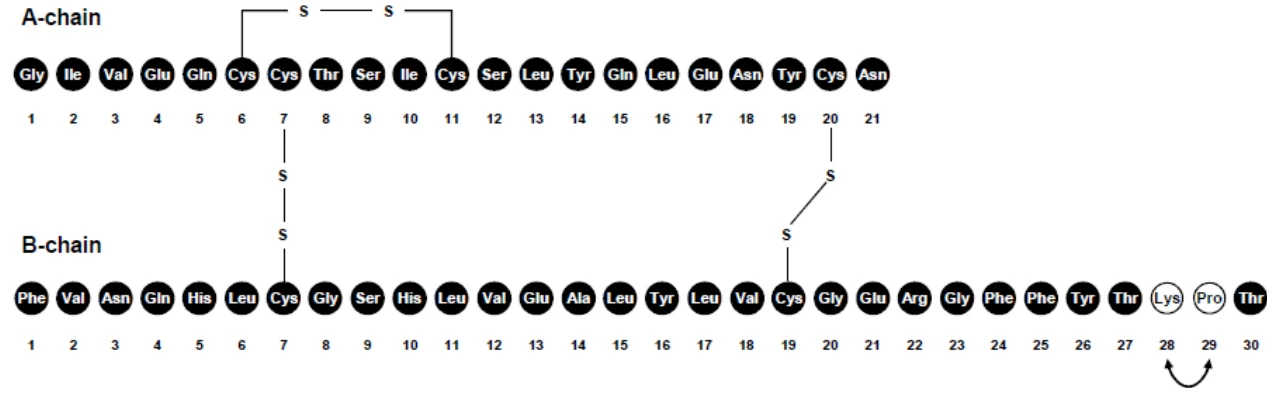
Structural formula:
Product Characteristics:
Insulin lispro is identical in structure to human insulin except for amino acids 28 and 29 of the B-chain; the analogue is Lys(B28) Pro(B29) whereas human insulin is Pro(B28) Lys(B29).
Insulin lispro is produced by recombinant DNA technology utilising Escherichia coli (K12 strain) as the production organism.
Description: Insulin lispro is a white or almost white powder.
Solubility Profile Soluble in:
0.01 M Hydrochloric acid
0.2 M Sodium sulfate, pH 2.3
0.2 M Sodium phosphate, pH 2.2
0.4 M Ammonium bicarbonate, pH 7.5
pl: Approximately 5.9 (calculated 5.4)
14 CLINICAL TRIALS
14.1 Trial Design and Study Demographics
Clinical studies conducted to support similarity between ADMELOG, and the reference biologic drug included:
- PDY12704, a randomized study performed in T1DM patients to demonstrate similarity in pharmacokinetic (PK) exposure and pharmacodynamic (PD) activity between ADMELOG and Humalog.
- EFC12619 (SORELLA 1), a randomized study performed in T1DM patients comparing the safety and efficacy of ADMELOG to Humalog.
- EFC13403 (SORELLA 2) a randomized study performed in T2DM patients comparing the safety and efficacy of ADMELOG to Humalog.
An overview of the study designs and demographic characteristics of patients enrolled in each clinical study are presented in Table 5.
| Table 5 - Summary of trial design and patient demographics | ||||||||||
|---|---|---|---|---|---|---|---|---|---|---|
| Study # | Trial design | Dosage, route of administration and duration | Study subjects (n = number) | Mean age ± SD (Range) | Gender (M/F) | |||||
| PDY12704 | Phase 1, randomized, double-blind, controlled, 3 treatment, 3-period, 6-sequence cross over study to compare exposure and activity of ADMELOG to Humalog, using the euglycemic clamp technique, in patients with T1DM | Single subcutaneous injection of 0.3U/kg per period. Duration: 3 periods of one day | ADMELOG: 29 Humalog US: 29 Humalog EU: 29 Total: 30 | 44.0±9.4 (20-59) | 30/0 | |||||
EFC12619 (SORELLA 1) | Phase 3, randomized, open-label, multicenter, 2-arm parallel study to compare the safety and efficacy of ADMELOG and HUMALOG, both in combination with insulin glargine, in adult patients with T1DM. | SC injection before or immediately after each meal in order to achieve a 2h postprandial plasma glucose of 6.7 to 8.9 mmol/L while avoiding hypoglycemia 26 weeks + 26 weeks safety extension | Randomized: ADMELOG: 253; Humalog: 254 (Humalog US: 140/ Humalog EU: 114) | 43.0±14.2 (18-84) | 302/205 | |||||
| Table 5 - Summary of trial design and patient demographics |
|---|
| Study # | Trial design | Dosage, route of administration and duration | Study subjects (n = number) | Mean age ± SD (Range) | Gender (M/F) |
|---|---|---|---|---|---|
EFC13403 (SORELLA 2) | Phase 3, randomized, open-label, multicenter, 2-arm parallel study to compare the safety and efficacy of ADMELOG and HUMALOG, both in combination with insulin glargine, in adult patients with T2DM. | SC injection before or immediately after each meal in order to achieve a 2 h postprandial plasma glucose of 6.7 to 8.9 mmol/L while avoiding hypoglycemia 26 weeks | Randomized: ADMELOG:253; Humalog: 252 (Humalog US: 120/ Humalog EU: 132) | 62.5±9.1 (35-88) | 268/237 |
SC: subcutaneous; T1DM: Type 1 Diabetes Mellitus, T2DM: Type 2 Diabetes Mellitus
The pharmacokinetics (PK) and pharmacodynamics (PD) of single dose (0.3 U/kg) insulin lispro administration were compared between ADMELOG and each reference product (Humalog sourced from the EU and the USA). The study, PDY12704, was a randomized, double-blind, controlled, single-dose, 3-treatment, 3-period, 6-sequence crossover study conducted under fasted conditions. The study enrolled 30 male patients and two patients did not receive all 3 treatments, which resulted in 29 patients included in each statistical comparison. Treatments were separated by a minimum washout period of 5 days. A euglycemic glucose clamp procedure, lasting up to 12 hours, was conducted to assess and compare the PD effects. The primary PD parameter was Glucose Infusion Rate (GIR)-AUC0-12. A key secondary PD endpoint was the maximum glucose infusion rate (GIRmax). Serial blood samples were collected pre-dose and at time points up to 12 hours post-dose to assess PK. The PD and PK parameters are summarized in Table 6 and Table 7 respectively. ADMELOG was determined to have similar PD properties compared to the reference products, displaying a short-time acting profile. PK properties were found to be comparable between ADMELOG and the reference products.
Two multinational, open-label, randomized, controlled Phase 3 studies were conducted in patients with T1DM (EFC12619) or patients with T2DM (EFC13403) to compare the efficacy and safety of ADMELOG to Humalog (100 U/mL), both in combination with LANTUS (insulin glargine 100 U/mL).
In both studies, treatment assignment was stratified on the basis of HbA1c value at screening (<8.0%, ≥8.0%) and prior use of Humalog (yes, no). In addition, study EFC12619 included geographical region (Non-Japan, Japan) as a stratification factor. Patients randomized to Humalog received the regionally approved product, Humalog US or Humalog EU.
The treatment duration of the Phase 3 studies was 6 months (main 6-month treatment period) followed by a 6-month comparative safety extension period for study EFC12619.
In both studies the primary efficacy objective was to test non-inferiority of ADMELOG compared to Humalog in terms of HbA1c change from baseline to Week 26. A non-inferiority margin of 0.3% HbA1c was pre-defined.
In study EFC12619, 507 adults with type 1 diabetes were randomized (ADMELOG: 253 Humalog 254). The mean age was 43 years and the mean duration of diabetes was 19 years. The majority of patients were Caucasian (82.1%) with 4.7% of patients Black or African American and 5.3 % Hispanic. 48.7% of patients had a glomerular filtration rate (GFR) ≥ 90 mL/min/1.73m2. The mean BMI was approximately 26 kg/m2. Prior to randomization, 60.6%, 37.5% and 2.0% of the patients were taking the reference product or insulin aspart 100 units/ml or both, respectively. These patients were switched to ADMELOG or reference product with a unit to unit conversion from the rapid-acting insulin dose used prior to the trial or with a dose at the discretion of the investigator, taking into account the glucose control at the time of randomization. ADMELOG or reference product were administered by subcutaneous injection immediately prior to meals.
In study EFC13403, 505 adults with type 2 diabetes were randomized (ADMELOG: 253 Humalog 252). The mean age was 62.5 years and the mean duration of diabetes was 17.1 years. The majority of patients were Caucasian (88.3%) with 6.1% Black or African American and 17.8% Hispanic. 26.9% of patients had GFR ≥ 90 mL/min/1.73m2. The mean BMI was approximately 32.2 kg/m2. At time of randomization, all patients were treated with LANTUS and short-acting mealtime insulin analogues. Prior to randomization, 51.4%, 48.2% and 0.4% of the patients were taking the reference product or insulin aspart 100 units/ml or both, respectively. These patients were switched to ADMELOG or reference product with a unit to unit conversion from the rapid-acting insulin dose used prior to the trial or with a dose at the discretion of the investigator, taking into account the glucose control at the time of randomization. ADMELOG or reference product was administered by subcutaneous injection immediately prior to meals.
14.2 Study Results
See 14.3 Comparative Bioavailability Studies.
14.3 Comparative Bioavailability Studies
14.3.1- Comparative Bioavailability Studies
Pharmacodynamics
| Table 6 – Comparative PD data for ADMELOG versus reference products in patients with T1DM after single dose administration. | |||||||||
|---|---|---|---|---|---|---|---|---|---|
| PARAMETER | ADMELOG N=29 | Reference product Humalog US N=29 | Reference product Humalog EU N=29 | ||||||
| GIR-AUC0-12h (mg/kg) | |||||||||
| Mean (SD) | 1953.50 (547.32) | 1993.09 (551.08) | 1904.57 (566.39) | ||||||
Point estimates of treatment ratio (95% confidence intervals) ADMELOG vs Humalog US or EU | 1.00 (0.93 to 1.08) | 1.06 (0.95 to 1.17) | |||||||
| GIRmax (mg/kg/min) | |||||||||
| Mean (SD) | 9.97 (2.37) | 9.79 (2.41) | 9.50 (2.09) | ||||||
Point estimates of treatment ratio (95% confidence intervals) ADMELOG vs Humalog US or EU | 1.04 (0.96 to 1.12) | 1.07 (0.98 to 1.16) | |||||||
| GIR-tmax (hours) | |||||||||
| Mean (SD) | 2.07 (0.78) | 2.30 (0.83) | 2.37 (0.85) | ||||||
| Table 6 – Comparative PD data for ADMELOG versus reference products in patients with T1DM after single dose administration. |
|---|
| PARAMETER | ADMELOG N=29 | Reference product Humalog US N=29 | Reference product Humalog EU N=29 |
|---|---|---|---|
Point estimates of treatment difference (95% confidence intervals) ADMELOG vs Humalog US or EU | -0.30 (-0.64 , 0.02) | -0.26 (-0.67 , 0.05) | |
GIR: Glucose Infusion Rate; SD: Standard Deviation GIRmax and GIR tmax parameters were derived based on locally weighted regression in smoothing scatter plots (LOESS) smoothing technique for the raw body weight standardized GIR data (LOESS smoothing factor of 0.06). | |||
Pharmacokinetics
| Table 7 - Comparative PK data for ADMELOG versus reference products in patients with T1DM after single dose administration | |||||||||
|---|---|---|---|---|---|---|---|---|---|
| PARAMETER | ADMELOG N=29 | Reference Product Humalog US N=29 | Reference Product Humalog EU N=29 | ||||||
| INS-Cmax (pg/mL) | |||||||||
| Mean (SD) | 5070 (1420) | 5170 (1290) | 5310 (1600) | ||||||
Point estimates of treatment ratio (90% confidence intervals) ADMELOG vs Humalog US or EU | 0.97 (0.89 to 1.05) | 0.96 (0.89 to 1.04) | |||||||
| INS-AUClast (pg.h/mL) | |||||||||
| Mean (SD) | 12500 (3560) | 13100 (3450) | 12800 (3510) | ||||||
Point estimates of treatment ratio (90% confidence intervals) ADMELOG vs Humalog US or EU | 0.95 (0.91 to 0.99) | 0.97 (0.94 to 1.01) | |||||||
| INS-AUC (pg.h/mL) | |||||||||
| Mean (SD) | 12800 (3720) | 13400 (3620) | 13100 (3680) | ||||||
Point estimates of treatment ratio (90% confidence intervals) ADMELOG vs Humalog US or EU | 0.95 (0.92 to 0.99) | 0.97 (0.94 to 1.00) | |||||||
| INS: insulin: SD: Standard Deviation; AUC: Area Under the Curve | |||||||||
14.3.2- Comparative Safety and Efficacy
Efficacy Results
Type 1 Adult Diabetes
ADMELOG was non-inferior to Humalog in terms of the change in HbA1c from baseline to week 26 at the 0.3% non-inferiority margin.
| Table 8 – Study EFC12619: Summary of the Efficacy results for ADMELOG vs Humalog at Week 26 in T1DM | |||||||
|---|---|---|---|---|---|---|---|
| ADMELOG | Humalog | ||||||
| Treatment in combination with | LANTUS | ||||||
| Number of subjects randomized (ITTa) | 253 | 254 | |||||
HbA1c (%) Number of subjects | |||||||
| 247 | 249 | ||||||
| Baseline mean | 8.08 | 7.99 | |||||
| LS Mean change from baselineb | -0.42 | -0.47 | |||||
LS mean differenceb [95% Confidence Interval]c | 0.06 [-0.084 to 0.197] | ||||||
| Daily mealtime insulin dose (U/kg/day) | |||||||
| Baseline mean [n] | 0.364 [240] | 0.355 [244] | |||||
| Week 26 (mean) [n] | 0.367 [222] | 0.349 [229] | |||||
| Mean change from baseline [n] | 0.005 [217] | -0.005 [222] | |||||
| Daily total insulin dose (U/kg/day) | |||||||
| Baseline mean [n] | 0.705 [238] | 0.685 [241] | |||||
| Week 26 (mean) [n] | 0.733 [221] | 0.694 [228] | |||||
| Mean change from baseline [n] | 0.019 [215] | 0.010 [220] | |||||
| |||||||
Type 2 Adult Diabetes
ADMELOG was non-inferior to Humalog in terms of change in HbA1c from baseline to week 26 at the 0.3% non-inferiority margin.
| Table 9 – Study EFC13403: Summary of the Efficacy results for ADMELOG vs Humalog at Week 26 (end of study) in T2DM | |||||
|---|---|---|---|---|---|
| ADMELOG | Humalog | ||||
| Treatment in combination with | LANTUS | ||||
| Number of subjects randomized (ITTa) | 253 | 252 | |||
| HbA1c (%) | |||||
Number of subjects Baseline mean | 239 8.00 | 246 8.03 | |||
| LS mean change from baselineb | -0.92 | -0.85 | |||
| Table 9 – Study EFC13403: Summary of the Efficacy results for ADMELOG vs Humalog at Week 26 (end of study) in T2DM |
|---|
| ADMELOG | Humalog | ||
|---|---|---|---|
LS mean differenceb [95% Confidence Interval]c | -0.07 [-0.215 to 0.067] | ||
| Daily mealtime insulin dose (U/kg/day) | |||
| Baseline mean [n] | 0.449 [231] | 0.433 [243] | |
| End of study (mean) [n] | 0.524 [214] | 0.512 [223] | |
| Mean change from baseline [n] | 0.087 [197] | 0.080 [218] | |
| Daily total insulin dose (U/kg/day) | |||
| Baseline mean [n] | 0.927 [230] | 0.888 [242] | |
| End of study (mean) [n] | 1.077 [213] | 1.038 [222] | |
| Mean change from baseline [n] | 0.172 [196] | 0.151 [216] | |
b MMRM with treatment group (ADMELOG, Humalog), randomization strata of screening HbA1c (<8.0, ≥8.0%), prior use of Humalog (Yes, No) , visit (Week 12, Week 26) and treatment-by-visit interaction as fixed categorical effects, and baseline HbA1c value and baseline HbA1c value-by –visit interaction as continuous fixed covariates. c ADMELOG was non-inferior to HUMALOG in the primary comparison at the 0.3% non-inferiority margin. | |||
Safety
The types, frequency and severity of adverse events were comparable between the biosimilar and the reference biologic drug.
14.4 Immunogenicity
Comparing the incidences of antibodies between studies or between products may be misleading due to differences in the types, sensitivities and/or specificities of the assays employed.
Anti-insulin lispro antibodies were determined in studies EFC12619 (T1DM) and EFC13403 (T2DM) at baseline, Week 4, Week 12, Week 26 and Week 52 (for EFC12619 only) at a centralized laboratory blinded to treatment groups using a validated radioimmuno-assay.
Results from studies comparing ADMELOG and Humalog showed similarity in terms of the development of insulin antibodies (Table 10). No effect on efficacy, safety or insulin dose was observed. The prevalence of AIA (defined as patients with at least one positive AIA over the treatment period) was 62.5% with ADMELOG and 63.1% with Humalog in study EFC12619 after 12 months, and 38.4% with ADMELOG and 36.7% with Humalog in study EFC13403 after 6 months.
| Table 10 - Patients with treatment-emergent anti-insulin antibodies (AIAs) | ||||||||||
|---|---|---|---|---|---|---|---|---|---|---|
EFC12619 T1DM; 6-month period | EFC12619 T1DM; 12-month period | EFC13403. T2DM; 6-month study | ||||||||
ADMELOG (N=247) | Humalog (N=252) | ADMELOG (N=248) | Humalog (N=252) | ADMELOG (N=245) | Humalog (N=248) | |||||
| Patients with treatment-emergent AIA (incidence) [n(%)]a | 43/247 (17.4%) | 44/252 (17.5%) | 56/248 (22.6%) | 61/252 (24.2%) | 46/245 (18.8%) | 36/248 (14.5%) | ||||
a Patients with treatment-emergent AIAs (AIA incidence) over the treatment period: Patients with treatment-induced or treatment-boosted AIAs. Treatment-boosted AIAs are defined as pre-existing AIAs that were boosted to a significant higher titer following the IMP administration (≥4-fold increase in titer). Treatment-induced AIAs are defined as AIAs that developed de novo (seroconversion) following the IMP administration. The AIA population was defined as all patients randomized and exposed, with at least one AIA sample available for analysis during the on-treatment period | ||||||||||
14.5 Clinical Trials - Reference Biologic Drug
Clinical Pharmacology:
Glucose Clamp Studies: Comparison of the insulin lispro100 units/mL) to Regular Insulin
A glucose clamp study was performed, in healthy volunteers, in which a 10 U dose of insulin lispro 100 units/mL was compared to HUMULIN R. Doses were given subcutaneously; an additional 10 U dose of intravenous HUMULIN R was given as an absolute reference (Table 11).
Insulin lispro 100 units/mL showed statistically higher peak concentrations (Cmax) which occurred earlier than HUMULIN R (tmax). Total absorption was comparable, with serum concentration vs. time area under the curve (AUC) values which were not statistically different.
| Table 11 – Pharmacokinetics of insulin lispro 100 units/mL Compared with HUMULIN R 100 units/mL in Healthy Volunteers. | ||||||||||
|---|---|---|---|---|---|---|---|---|---|---|
| Treatment | N | Dose | Cmax (ng/ml) | tmax (min) | AUC (ng•min/mL) | |||||
| insulin lispro 100 units/mL, SC (A) | 10 | 10 U | 3.20 ± 1.33 | 53 ± 30 | 380 ± 52.2 | |||||
| HUMULIN R, SC (B) | 10 | 10 U | 1.79 ± 0.77 | 101 ± 40 | 423 ± 71.8 | |||||
| HUMULIN R, IV (C) | 10 | 10 U | 58.0 ± 25.1 | 2 ± 1 | 601 ± 163 | |||||
| ANOVA results* | A B C | A B C | AB C | |||||||
| p value | <.001 | 0.001 | <.001 | |||||||
*Treatments with statistically comparable values are underlined together. SC: subcutaneous; IV: intravenous; Cmax: maximum concentration; tmax: time to maximum concentration; AUC: area under the curve | ||||||||||
Glucodynamic data from the same study showed slightly lower maximum glucose infusion rate (Rmax) values for HUMULIN R when compared to insulin lispro 100 units/mL, although this comparison was not statistically different. However, the time required to achieve this maximum infusion rate (TRmax) was significantly earlier for insulin lispro 100 units/mL. The total glucose demand induced by any of the subcutaneous administrations (Gtot) were comparable (Table 12).
| Table 12 – Glucodynamics of insulin lispro (100 units/mL) Compared with HUMULIN R 100 units/mL in Healthy Volunteers. | |||||||||
|---|---|---|---|---|---|---|---|---|---|
| Treatment | Rmax (mg/min) | TRmax (min) | Gtot (gm) | ||||||
| Insulin lispro, SC (A) | 550 ± 203 | 116 ± 43 | 85.1 ± 28.2 | ||||||
| HUMULIN R, SC (B) | 393 ± 180 | 179 ± 93 | 81.2 ± 29.9 | ||||||
| HUMULIN R, IV (C) | 718 ± 247 | 23 ± 5 | 50.1 ± 12.9 | ||||||
| ANOVA results* | AB C | A B C | AB C | ||||||
| p value | <0.01 | <0.01 | <.001 | ||||||
*Treatments with statistically comparable values are underlined together. SC: subcutaneous; IV: intravenous; Rmax: maximal glucose infusion rate; TRmax: time to Rmax; Gtot: total glucose infused | |||||||||
Dose Ranging Studies:
Six differing doses of insulin were administered subcutaneously to each of 18 healthy volunteers.
As previously demonstrated the peak insulin level was achieved later and the duration of the glucodynamic effect of HUMULIN R was prolonged as the dose was increased. This study found that the timing of the insulin peak was affected very little by increasing the dose of insulin lispro with only a modest effect in prolonging the duration of the glucose infusion required to balance the increasing doses. Also of interest is the observation of a linear relationship between dose and glucose effect with insulin lispro whereas the relationship was nonlinear for HUMULIN R. This implies that insulin lispro might have a more predictable effect upon glucose levels across the dosage range (Figure 3 ).
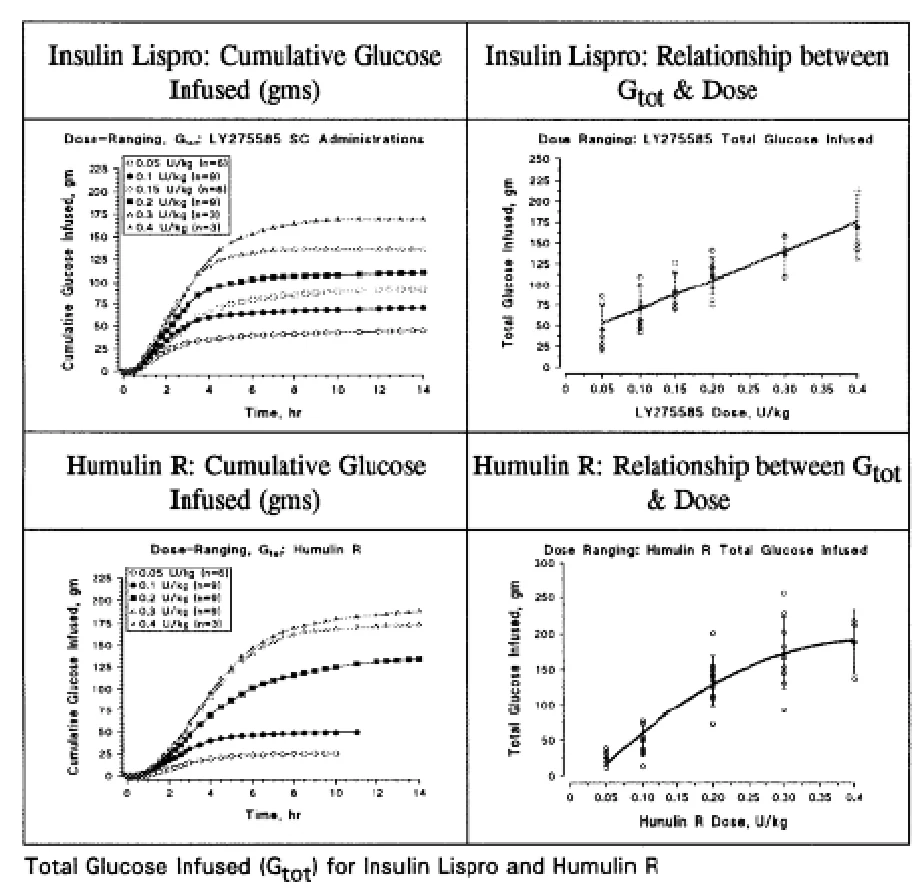 |
Figure 3 - Dose Ranging Studies in Healthy Volunteers
A study was performed comparing the abilities of insulin lispro 100 units/mL and HUMULIN R to control blood glucose after administration of a high calorie meal to patients with type 1 diabetes. Patients were given a low-dose insulin infusion (0.2 mU/kg/min) for basal requirements, then received a dose of either HUMULIN R or insulin lispro 100 units/mL subcutaneously just prior to a meal of pizza, Coke®, and tiramisu (1016 total calories, 57% carbohydrates, 31.6% fat). The dose of subcutaneous regular insulin/ insulin lispro 100 units/mL was selected by the patient based upon previous insulin use, and kept constant between both treatments within any one patient. The mean ± SD subcutaneous HUMULIN R/ insulin lispro dose was 15.4 ± 3.5 U. Whole blood glucose concentrations were measured on a continuous basis after dosing, and blood samples were collected for determination of insulin and insulin lispro concentrations.
The serum drug concentrations confirmed the glucose clamp trial performed in healthy volunteers (Figure 4,Table 13), and shows a more rapid absorption, with insulin lispro 100 units/mL peaking higher and earlier than HUMULIN R. Total absorption was comparable.
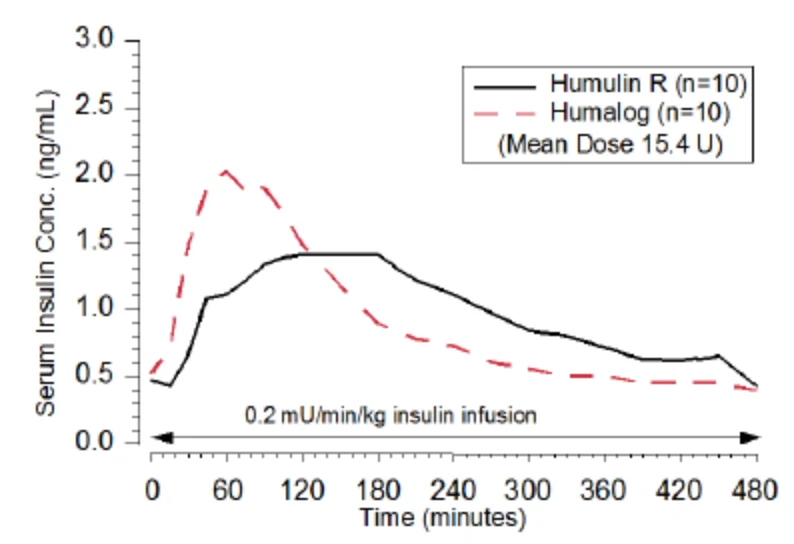
Figure 4 – Mean Serum Insulin Concentrations in type 1 Patients Following Injection of HUMULIN R and insulin lispro 100 units/mL (Basal 0.2 mU/min/kg insulin infusion).
| Table 13 –Mean (+/-SD) Pharmacokinetic Parameters, insulin lispro 100 units/mL and HUMULIN R, Adjusted for Insulin Infusion. | |||||||||
|---|---|---|---|---|---|---|---|---|---|
| Treatment | Dose, U | Cmax, ng/mL | tmax, hr | AUC0-4, ng•hr/mL | |||||
| insulin lispro | 15.4 ± 3.5 | 1.66 ± 0.42 | 1.13 ± 0.29 | 3.64 ± 0.88 | |||||
| HUMULIN R | 15.4 ± 3.5 | 1.07 ± 0.30 | 1.90 ± 0.46 | 4.05 ± 0.75 | |||||
| p† | -- | <0.001 | <0.001 | 0.205 | |||||
Normalized for dose † Statistical comparisons. P<0.05 considered statistically significant U: Unit; Cmax: maximum concentration; tmax: time to maximum concentration; AUC: area under the curve | |||||||||
Glucose concentrations showed that insulin lispro 100 units/mL controlled the glucose excursions after this meal more completely than did regular insulin (Figure 5). Baseline blood glucose values were attained within 2 hours after meal consumption with insulin lispro 100 units/mL. In comparison, baseline blood glucose was not attained for 4-5 hours after dosing regular insulin. Additionally, a trend was apparent showing a greater potential for regular insulin to induce latent hypoglycemia. However, it should be noted that both insulins were given just prior to the meal, HUMULIN R was not given as recommended in the product label.
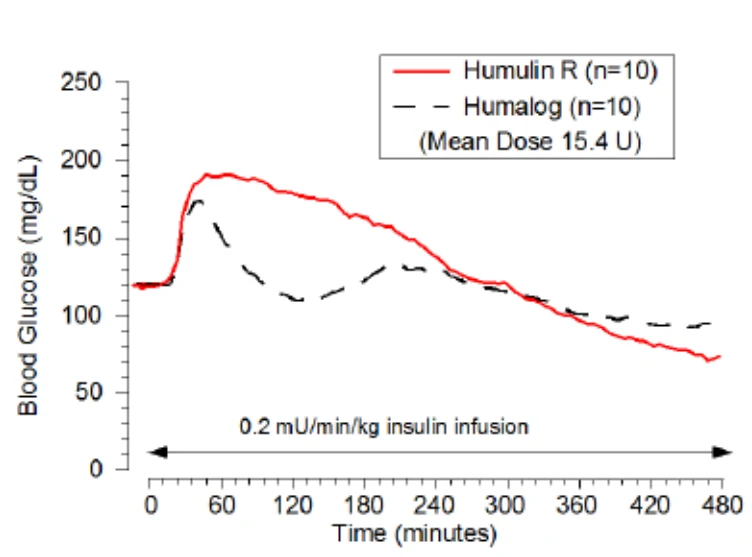
Figure 5 – Mean Blood Glucose Concentrations in type 1 Patients Following Injection of HUMULIN R and insulin lispro 100 units/mL Immediately Prior to a Meal.
15 MICROBIOLOGY
No microbiological information is required for this drug product.
16 NON-CLINICAL TOXICOLOGY
General Toxicology:
Acute Toxicity
| Table 14 – Results of Acute Toxicity Studies with Insulin Lispro | ||||||
|---|---|---|---|---|---|---|
| Species, Strain | No./ Sex/ Group; Age | Dose (U/kg) | Route of Administration | Duration of Observations | Parameters Evaluated | Observations |
Rat, Fischer 344 | 5; 8-9 weeks | 0, 10 | Intravenous | 2 weeks | Mortality; clin. obs.; body wt.; pathology | No effects MLDa >10 Units/kg |
Rat, Fischer 344 | 5; 8-9 weeks | 0, 10 | Subcutaneous | 2 weeks | Mortality; clin. obs.; body wt.; pathology | No effects MLDa >10 Units/kg |
Rat, Fischer 344 | 5; 8-9 weeks | 0, 10b | Subcutaneous | 2 weeks | Mortality; clin. obs.; body wt.; pathology | No effects MLDa >10 Units/kg |
| Table 14 – Results of Acute Toxicity Studies with Insulin Lispro |
|---|
| Species, Strain | No./ Sex/ Group; Age | Dose (U/kg) | Route of Administration | Duration of Observations | Parameters Evaluated | Observations |
|---|---|---|---|---|---|---|
Dog, Beagle | 2; 17-21 months | 0, 0.1 | Intravenous | 2 weeks | Mortality; clin. obs.; body wt.; food consumption; hematology; clin. Chemistry | ↓ blood glucose MLDa >0.1 Units/kg |
Dog, beagle | 2; 11-29 months | 0, 2 | Subcutaneous | 2 weeks | Mortality; clin. obs.; body wt.; food consumption; hematology; clin. Chemistry | ↓blood glucose MLDa >2 Units/kg |
a MLD = median lethal dose b New formulation with increased m-cresol preservative. | ||||||
| Table 15 – Results of Subchronic/Chronic Toxicity Studies with Insulin Lispro | ||||||
|---|---|---|---|---|---|---|
| Species, Strain | No./ Sex/ Group; Age | Dose (U/kg) | Route of Administration | Duration of Treatment | Parameters Evaluated | Observations |
Rat, Fischer 344 | 10; 4-5 weeks | 0, 3 | Subcutaneous | 1 month | Survival; clin. obs.; ophthalmic exam.; body wt.; food consumption; hematology; clin. chemistry; urinalysis; organ wts.; pathology | No effects. |
Dog, beagle | 4; 10 months | 0, 2 | Subcutaneous | 1 month | Survival; clin. obs.; ophthalmic & physical exams.; electrocardiograms; body wt.; food consumption; hematology; clin. chemistry; urinalysis; organ wts.; pathology | ↓ blood glucose. ↑ heart rate (M, Day 30). |
| Table 15 – Results of Subchronic/Chronic Toxicity Studies with Insulin Lispro |
|---|
| Species, Strain | No./ Sex/ Group; Age | Dose (U/kg) | Route of Administration | Duration of Treatment | Parameters Evaluated | Observations |
|---|---|---|---|---|---|---|
Rat, Fischer 344 | 15; 7 weeks | 0, 5, 20 | Subcutaneous | 6 months | Survival; clin. obs.; ophthalmic exam.; body wt.; food consumption; hematology; clin. chemistry; urinalysis; organ wts.; pathology | ↑ body wt. gain (M & F: 5 & 20 U/kg). ↑ food consumption (F: 20 U/kg). ↑ EFU (M & F: 5 & 20 U/kg). ↓ triglyceride & cholesterol (M & F: 5 & 20 U/kg). |
Dog, beagle | 4; 7-8 months | 0, 1, 2 | Subcutaneous | 1 year | Survival; clin. obs.; ophthalmic & physical exams.; electrocardiograms; body wt.; food consumption; hematology; clin. chemistry; urinalysis; organ wts.; pathology | ↓ blood glucose (M & F: 2 U/kg). ↑ triglyceride & cholesterol. ↑ heart rate & T wave alteration. |
Rat, Fischer 344 | 30; 7 8 weeks | 0, 20, 200 | Subcutaneous | 1 year | Survival; clin. obs.; ophthalmic exam.; body wt.; food consumption; hematology; clin. chemistry; urinalysis; immunotoxicity; organ wts.; pathology | ↑ body wt., body wt. gain; food consumption; EFU (M & F: 200 U/kg) ↑ EFU (F: 20 U/kg) ↑ glucose (M & F: 200 U/kg) ↓ triglycerides (F: 20 & 200 U/kg) ↓ cholesterol (M & F: 20 & 200 U/kg) |
Genotoxicity:
Insulin lispro injection demonstrated no mutagenic potential in five genotoxicity tests. These tests were the induction of reverse mutations in Salmonella typhimurium and Escherichia coli, induction of unscheduled DNA synthesis in primary cultures of adult rat hepatocytes, induction of mammalian cell mutation in the L5178Y TK+/- mouse lymphoma cell assay, in vivo induction of micronuclei in bone marrow of male and female ICR mice, and induction of chromosomal aberrations in Chinese hamster ovary (CHO) cells.
Detailed Pharmacology:
The absorption of insulin is dependent on the disassociation of insulin hexamers, which form when insulin is prepared at concentrations found in commercial insulin preparations. The formation of the hexamers occurs by self-association of insulin molecules at the C-terminal end of the B chain. IGF-1 contains an area which shares some homology with human insulin.
Previous studies demonstrated that IGF-1 does not form hexamers. It was also noted that in the area of IGF-1 which is analogous to the 28 and 29 position of the B chain for human insulin, the amino acid sequence is lysine proline, the reverse of the human insulin sequence. The development of insulin lispro is based on the reversal of these two amino acids in human insulin.
In the absence of excipients, insulin lispro shows little tendency to self-association. Unlike soluble insulin, insulin lispro will not form hexamers, or crystals, except in the presence of zinc or phenol or m-cresol. The latter are widely used preservatives in pharmaceutical insulin preparations. Thus, a unique mechanism is provided whereby formulations of insulin lispro are stabilized against physical and chemical degradation yet dissociate more rapidly than traditional insulin preparations following injection.
Insulin lispro dissociates into monomers almost immediately in dilute solution, due to rapid loss of phenol or m-cresol from the insulin-zinc complexes. A similar phenomenon is assumed to occur following subcutaneous injection. It can be noted that addition of zinc and m-cresol, to insulin lispro preparations does result in slightly slower absorption, as compared to a solution prepared from pure insulin lispro crystals, although formulated insulin lispro still absorbs faster than soluble regular insulin preparations and retains its glucodynamic advantages.
Preclinical Pharmacology
The minor amino acid sequence inversion in insulin lispro does not significantly affect the biological properties of insulin lispro as described below. In vivo studies were conducted with rats, rabbits, dogs and two different pig models. These studies demonstrated that insulin lispro is similar to human insulin with respect to hypoglycemic potency. The dog study and one of the pig studies also showed very convincingly that insulin lispro is more rapidly absorbed from subcutaneous injection sites.
In Vitro Studies:
Insulin lispro was compared to human insulin and found to be equipotent in terms of binding to the human placental insulin receptor and in stimulating [14C]glucose uptake into rat adipocytes. Insulin lispro has been shown to have a slightly higher affinity to the human placental and skeletal muscle IGF-1 receptors than human insulin (approximately 1.5 times). However, both insulin lispro and human insulin have affinities that are approximately 0.001 times that of IGF-1 itself.
In one study, insulin lispro was found to be approximately 2 times more potent than human insulin at stimulating [3H] thymidine incorporation into human aortic smooth muscle cells (a measure of cellular proliferation), while in another study insulin lispro and human insulin were equipotent at stimulating growth of human mammary epithelial cells (ED50 insulin, 16.0 ± 3.0 nM; ED50 insulin lispro, 18.6 ± 4.0 nM, n=4, p=NS).
In Vivo Studies:
Rat Hypoglycemia Test: Studies with normal male rats indicated that the effective dose needed to give a 50% hypoglycemic response (ED50 ± SEM) was 7.2 ± 0.3 μg/kg for insulin lispro and 7.8 ± 0.1 μg/kg for human insulin. In this study the analogue was 108% as active as human insulin, no difference in time of action was found.
Rabbit Hypoglycemia Test: A modified British Prolongation test was conducted using 95 rabbits to compare insulin lispro with U 40 HUMULIN R. Insulin lispro was also formulated at 40 U/mL assuming full potency (i.e., 28.85 U/mg protein). Blood samples were collected at 20, 40, 60, 90, 120, 150, and 210 minutes following subcutaneous injections of each insulin (0.2 U/kg). Resulting blood glucose profiles were virtually identical with the exception of a significantly lower glucose level at 20 minutes for insulin lispro.
Experiments in Dogs: Several dose ranging and time action experiments were conducted in dogs comparing insulin lispro with various human insulin formulations. An optimal experimental design involved the subcutaneous administration of 0.1U/kg for both the insulin lispro and HUMULIN R (both insulins formulated at 100 U/mL). Blood glucose levels decreased faster and returned to normal sooner in the dogs treated with the insulin lispro. Likewise, the serum levels of the compound rose more rapidly than the human insulin levels.
Studies in Pigs: Crossbred barrows weighing 60 to 85 kg were given subcutaneous injections of either insulin lispro or HUMULIN R, each formulated at 20 U/mL. This animal model was very sensitive to both insulins with 0.1 U/kg causing up to a 75% reduction in blood glucose. A dose of 0.025 U/kg caused a 23% fall in blood glucose for both insulins with evidence for a quicker action with insulin lispro.
The kinetics of insulin lispro was compared to HUMULIN R in 12 pigs with surgically pre-implanted jugular venous and arterial catheters. Twenty hour-fasted animals underwent two studies: (i) an IV injection and (ii) a subcutaneous injection (300mU/kg) of insulin or analogue. Insulin kinetics over the range of concentrations studied were assumed linear and absorption rates of the insulin and analogues were calculated by deconvolution of their levels after subcutaneous injection with the corresponding IV decay curve. Normoglycemia was maintained by glucose infusion using a glucose controller. The time course of absorption was as follows: % absorbed for HUMULIN R and lispro respectively, at t=15 min were 16 and 17%; t=30 min: 30 and 46%; t=45 min: 42 and 67%; t=60 min: 53 and 78%; t=90 min: 70 and 88%; t=120 min: 82 and 93%. Thus, HUMULIN R peaks rapidly (15 ± 6 min) but at only 1.2 ± 0.03% absorption/min and continues to be absorbed over an extended period (170 min for 93 ± 4% absorption). Insulin lispro peaks at 21 ± 2 min but at 2 ± 0.02% absorption/min and is almost completely (93 ± 3%) absorbed by 2 hours.
Cardiovascular, Respiratory, and Renal Effects: Insulin lispro was examined for potential cardiovascular and respiratory effects in male beagle dogs anesthetized with a-chloralose. Animals (3/group) received 0.05 mL vehicle/kg (HUMULIN BR Diluent) or 0.1 U/kg insulin lispro intravenous (IV) bolus injection. Cardiovascular, electrocardiographic, and respiratory parameters were measured prior to dosing, and at 5, 10, 15, 30, 45, and 60 minutes after dosing. No toxicologically important changes in QRS duration (maximum 9% at 10 min) and Q-Tc interval (maximum 10% at 5 min) occurred. The increases in QRS duration and Q-Tc interval were similar to that observed after administration of 0.1 units/kg of regular human insulin.
Female Fischer 344 rats (8/group) were given a single subcutaneous dose of 0, 1, 3, or 6 U/kg insulin lispro to evaluate effects of insulin lispro on renal function and electrolyte excretion. Immediately after administration of insulin lispro, the rats were given an oral dose of 25 mL/kg saline solution for hydration. Urine was collected for 5 hours for the determination of volume, pH sodium, potassium, chloride, creatinine, and osmolality. At the end of the urine collection period, blood samples were obtained for the determination of serum sodium, creatinine, and osmolality. Creatinine clearance, osmolal clearance, and fractional excretion of sodium were calculated.
The results of this study demonstrate that a single subcutaneous dose of <6 U/kg insulin lispro did not result in any serious adverse effects on renal function. However, since changes were observed in one or more parameters at each dose level, a clear no-effect level was not achieved.
16.1 Comparative Non-Clinical Pharmacology and Toxicology
16.1.1 Comparative Non-Clinical Pharmacodynamics
In vitro Studies
In vitro pharmacology studies: ADMELOG was tested in comparison with the reference product (HUMALOG) in in vitro non-clinical pharmacology studies focusing on insulin receptor A and insulin receptor B binding affinity and binding kinetics, insulin receptor A and insulin receptor B activation, metabolic responses, insulin-like growth factor-1 receptor binding and activation and mitogenic activities.
ADMELOG binds to insulin receptor A and insulin receptor B and stimulates autophosphorylation of both receptors and metabolic responses in three different study setups ((1) inhibition of lipolysis in human adipocytes, (2) stimulation of glucose uptake in rat myocytes and (3) gene regulation of glucose 6-phosphatase in primary human hepatocytes) with an activity similar to HUMALOG. Also, the binding kinetics of ADMELOG to insulin receptor A and insulin receptor B is similar to that of HUMALOG. For the insulin-like growth factor-1 receptor, ADMELOG shows affinity and autophosphorylation of the receptor similar to that of HUMALOG, which is reflected as well in a similar stimulation of mitogenic response (stimulation of radiolabeled thymidine incorporation into DNA of human breast cancer cells). Overall, regarding described in vitro non-clinical pharmacology studies ADMELOG and HUMALOG were similar.
16.1.2 Comparative Toxicology
The non-clinical toxicological program consisted of two 1-month repeated-dose toxicity studies in rats using twice daily SC dosing at dose levels up to 200 U/kg/day, and a local tolerability study in rabbits comparing ADMELOG with the reference product (HUMALOG).
In the rat toxicity study, similar exposure in terms of the maximum observed concentration within the 0 to 4 hours sampling period (Cmax,1) and the area under the concentration versus time curve from time 0 to 8 hours (AUC0-8h) was observed for equivalent doses of ADMELOG and HUMALOG and the toxicity profile was comparable between treatments as well. In summary, with regard to the described toxicology studies ADMELOG and HUMALOG were considered to be similar.
17 SUPPORTING PRODUCT MONOGRAPHS
- 1. HUMALOG Solution for injection, 100 units/mL, Lilly Standard, submission control no. 175085, Product Monograph, ELI LILLY CANADA INC. (March 30, 2015)