


Product Monograph - Fiasp
RECENT MAJOR LABEL CHANGES
| Indications, General (1) | FEB 2020 |
| Indications, Pediatrics (1.1) | FEB, 2020 |
| Dosage and Administration, Administration (4.3) | FEB, 2020 |
| Dosage and Administration, Recommended Dose and Dosage Adjustment (4.2) | FEB, 2020 |
| Warnings and Precautions, Pediatrics (8.1.3) | FEB 2020 |
| Adverse Reactions, Clinical Trial Adverse Reactions (9.2) | FEB 2020 |
| Clinical Trials, Study Results (15.2) | FEB 2020 |
TABLE OF CONTENTS
Sections or subsections that are not applicable at the time of authorization are not listed.
RECENT MAJOR LABEL CHANGES ..................................................................................... 2
TABLE OF CONTENTS .......................................................................................................... 2
PART I: HEALTH PROFESSIONAL INFORMATION............................................................... 4
1 INDICATIONS.............................................................................................................. 4
1.1 Pediatrics ........................................................................................................... 4
1.2 Geriatrics............................................................................................................ 4
2 CONTRAINDICATIONS ............................................................................................... 4
3 SERIOUS WARNINGS AND PRECAUTIONS BOX...................................................... 4
4 DOSAGE AND ADMINISTRATION .............................................................................. 5
4.1 Dosing Considerations ........................................................................................ 5
4.2 Recommended Dose and Dosage Adjustment .................................................... 5
4.4 Administration..................................................................................................... 7
4.5 Missed Dose....................................................................................................... 8
5 OVERDOSAGE ........................................................................................................... 8
6 DOSAGE FORMS, STRENGTHS, COMPOSITION AND PACKAGING ........................ 8
7 WARNINGS AND PRECAUTIONS .............................................................................. 9
7.1 Special Populations .......................................................................................... 12
7.1.1 Pregnant Women ........................................................................................ 12
7.1.2 Breast-feeding............................................................................................. 13
7.1.3 Pediatrics .................................................................................................... 13
7.1.4 Geriatrics .................................................................................................... 13
8 ADVERSE REACTIONS ............................................................................................ 14
8.1 Adverse Reaction Overview .............................................................................. 14
8.2 Clinical Trial Adverse Reactions ........................................................................ 14
8.2.1 Clinical Trial Adverse Reactions – Pediatrics ............................................... 17
8.3 Less Common Clinical Trial Adverse Reactions................................................. 17
8.3.1 Less Common Clinical Trial Adverse Reactions – Pediatrics ........................ 18
9 DRUG INTERACTIONS ............................................................................................. 18
9.4 Drug-Drug Interactions...................................................................................... 18
9.5 Drug-Food Interactions ..................................................................................... 19
9.6 Drug-Herb Interactions...................................................................................... 19
9.7 Drug-Laboratory Test Interactions ..................................................................... 19
10 CLINICAL PHARMACOLOGY ................................................................................... 19
10.1 Mechanism of Action ................................................................................... 19
10.2 Pharmacodynamics..................................................................................... 19
10.3 Pharmacokinetics........................................................................................ 20
11 STORAGE, STABILITY AND DISPOSAL .................................................................. 22
12 SPECIAL HANDLING INSTRUCTIONS ..................................................................... 24
PART II: SCIENTIFIC INFORMATION .................................................................................. 24
13 PHARMACEUTICAL INFORMATION ........................................................................ 24
14 CLINICAL TRIALS .................................................................................................... 25
14.1 Trial Design and Study Demographics ......................................................... 25
14.2 Study Results.............................................................................................. 27
15 MICROBIOLOGY....................................................................................................... 33
16 NON-CLINICAL TOXICOLOGY ................................................................................. 33
17 SUPPORTING PRODUCT MONOGRAPHS ............................................................... 34
PATIENT MEDICATION INFORMATION .............................................................................. 35
PART I: HEALTH PROFESSIONAL INFORMATION
1 INDICATIONS
Fiasp® (insulin aspart injection) is indicated for treatment of adult and pediatric patients (>2 years old) with diabetes mellitus who require mealtime insulin for the control of hyperglycemia (see CLINICAL TRIALS).
Fiasp® should generally be used in a regimen with intermediate- or long-acting insulin (plus metformin for type 2 diabetes as recommended) to maintain adequate glucose control (see 7 WARNINGS AND PRECAUTIONS and 4 DOSAGE AND ADMINISTRATION).
Fiasp® (10 mL vials) may also be used for continuous subcutaneous insulin infusion (CSII) in pump systems that are licenced in Canada for insulin infusion. Refer to the insulin infusion pump manufacturers’ user manual to see if Fiasp® can be used.
1.1 Pediatrics
Pediatrics (< 18 years of age): Fiasp® can be used in pediatric patients aged 2 years and above. There is no clinical experience with the use of Fiasp® in pediatric patients with type 1 diabetes mellitus below the age of 2 years or in patients with type 2 diabetes mellitus below the age of 18 years.
1.2 Geriatrics
Geriatrics (> 65 years of age): There is limited evidence available in elderly patients with type 1 diabetes. In elderly patients with type 2 diabetes, no overall differences in efficacy or safety were observed between the elderly and younger adult patients (see 7 WARNINGS AND PRECAUTIONS, Geriatrics).
2 CONTRAINDICATIONS
Insulin aspart is contraindicated:
In patients who are hypersensitive to this drug or to any ingredient in the formulation, including any non-medicinal ingredient, or component of the container. For a complete listing, see 6 DOSAGE FORMS, STRENGTHS, COMPOSITION AND PACKAGING.
- During episodes of hypoglycemia (see 7 WARNINGS AND PRECAUTIONS).
3 SERIOUS WARNINGS AND PRECAUTIONS BOX
Serious Warnings and Precautions
|
|
4 DOSAGE AND ADMINISTRATION
4.1 Dosing Considerations
- The potency of insulin analogues, including Fiasp®, is expressed in units. One (1) unit of Fiasp® corresponds to 1 international unit of human insulin or 1 unit of other fast-acting insulin analogues.
- Always check insulin label before administration (see 7 WARNINGS AND PRECAUTIONS).
- Inspect visually for particulate matter and discolouration. Only use Fiasp® if the solution appears water-clear and colourless.
- Fiasp® in a vial is to be used with insulin syringes or in Continuous Subcutaneous Insulin Infusion (CSII) therapy with the corresponding unit scale (U-100 or 100 U/mL).
- Train patients on proper use and injection technique before initiating Fiasp®. Training reduces the risk of administration errors such as needle sticks and incomplete dosing.
- Inject Fiasp® subcutaneously into the abdomen, upper arm, or thigh.
- Always rotate injection sites within the same region from one injection to the next so that the same site is not used more than approximately once a month to reduce the risk of lipodystrophy and localized cutaneous amyloidosis. Fiasp® should not be injected into areas of lipodystrophy or localized cutaneous amyloidosis (see 8 ADVERSE REACTIONS).
- DO NOT dilute or mix Fiasp® with any other insulin products except I.V. infusion fluids under medical supervision.
- Before travelling between different time zones, the patient should seek the advice of a health professional since this means the patient has to take insulin and meals at different times.
- The dosage of Fiasp® must be individualized. Individualize and titrate the dose of Fiasp® based on the patient’s metabolic needs, blood glucose monitoring results, and glycemic control goal (see 7 WARNINGS AND PRECAUTIONS).
- Dose adjustments may be needed with switching from another insulin, changes in physical activity, changes in meal patterns (i.e., macronutrient content or timing of food intake), changes in concomitant medications, changes in renal or hepatic function or during acute illness to minimize the risk of hypoglycemia or hyperglycemia (see 7 WARNINGS AND PRECAUTIONS).
4.2 Recommended Dose and Dosage Adjustment
Starting Dose in Insulin-Naïve Patients
Type 1 Diabetes Mellitus
Fiasp® is to be used as mealtime insulin and requires subsequent individual dosage adjustments.
The recommended starting dose of Fiasp® in insulin naïve adult patients with type 1 diabetes is approximately 50% of the total daily insulin dose and should be divided between each daily meal. The remainder of the total daily insulin dose should be administered as intermediate- or long-acting insulin. As a general rule, 0.2 to 0.4 units of insulin per kilogram of body weight can be used to calculate the initial total daily insulin dose in insulin naïve patients with type 1 diabetes.
Type 2 Diabetes Mellitus
The suggested initial dose for adult patients is 4 units at one or more meals. The number of injections and subsequent titration will depend on individual glycemic targets.
Pediatric Patients
Dosage of Fiasp® in newly diagnosed pediatric patients with type 1 or type 2 diabetes should be individualized and determined based on the physician’s advice in accordance with the needs of the patient. Pediatric patients treated with Fiasp® should be carefully monitored for hypoglycemia.
Converting to Fiasp® from other insulin therapies in patients with either type 1 or type 2 diabetes
Close glucose monitoring is recommended when converting from other mealtime insulins and in the initial weeks thereafter.
If converting from another mealtime insulin to Fiasp®, the change can be done on a unit-to-unit basis (see CLINICAL TRIALS). Due to the faster onset of insulin action, Fiasp® should be injected at the start of a meal. When necessary, Fiasp® may be administered up to 20 minutes after starting the meal (see CLINICAL TRIALS).
Converting a patient from another type, brand or manufacturer of insulin must be done under medical supervision and may result in the need for a change in dosage.
Doses and timing of concurrent intermediate- or long-acting insulin or other concomitant antidiabetic treatment may need to be adjusted.
Patients with type 2 diabetes mellitus
Fiasp® adjustment may be considered daily based on mealtime and bedtime Self-monitoring Blood Glucose (SMBG) on the previous day according to Table 1.
- Pre-breakfast Fiasp® should be adjusted according to the pre-lunch SMBG the previous day
- Pre-lunch Fiasp® should be adjusted according to the pre-dinner SMBG the previous day
- Pre-dinner Fiasp® should be adjusted according to the bedtime SMBG the previous day
Table 1 Dose adjustment based on mealtime or bedtime plasma glucose
| Dose adjustment | |
| Mealtime or bedtime plasma glucose | Dose adjustment |
| mmol/L | Unit |
| < 4.0 | -1 |
| 4.0 - 6.0 | No adjustment |
| > 6.0 | +1 |
4.4 Administration
Subcutaneous Injection:
Fiasp® is a mealtime insulin for subcutaneous administration up to 2 minutes before the start of the meal. When necessary, Fiasp® may be administered, up to 20 minutes after starting the meal (see CLINICAL TRIALS).
Fiasp® given by subcutaneous injection should generally be used in regimens with intermediate- or long-acting insulin (plus metformin for type 2 diabetes as recommended). See 7 WARNINGS AND PRECAUTIONS. The individual total daily insulin requirement in adults, adolescents and children may vary and is usually between 0.5 and 1.0 unit/kg/day. In a basal-bolus treatment regimen approximately 50% of this requirement may be provided by Fiasp® and the remainder by intermediate- or long-acting insulin.
- Patients on basal-bolus treatment who forget a mealtime dose are advised to monitor their blood glucose level to decide if an insulin dose is needed. Patients should resume their usual dosing schedule at the next meal.
Continuous Subcutaneous Infusion (Insulin Infusion Pump) with the 10 mL vial:
- Fiasp® can be used for CSII in pumps suitable for CSII and will cover both the bolus insulin requirement (approximately 50%) and the basal insulin requirement. Use Fiasp® in accordance with the insulin infusion pumps’ instructions for use.
- Train patients using continuous subcutaneous insulin infusion pump therapy to administer insulin by injection and have alternate insulin therapy available in case of pump failure.
- Administer Fiasp® by continuous subcutaneous infusion into the subcutaneous tissue of the abdominal wall. Rotate infusion sites within the same region to reduce the risk of lipodystrophy and localized cutaneous amyloidosis (see 8 ADVERSE REACTIONS).
- Change the infusion set and the infusion set insertion site according to the insulin infusion pump manufacturers’ user manual.
- Change Fiasp® in the pump reservoir at least every 6 days, or according to the pump user manual, whichever is shorter.
- Do NOT dilute or mix Fiasp® when administering by continuous subcutaneous infusion.
- Do NOT expose Fiasp® in the pump reservoir to temperatures greater than 37°C (98.6°F).
Intravenous (IV) Administration:
- Fiasp® can be administered IV under medical supervision for glycemic control with close monitoring of blood glucose and potassium levels to avoid hypoglycemia and hypokalemia.
- Fiasp® should be used at concentrations from 0.5 unit/mL to 1.0 unit/mL insulin aspart in infusion systems using polypropylene infusion bags.
- Fiasp® has been shown to be stable at room temperature for 24 hours in IV infusion fluids such as 0.9% sodium chloride or 5% dextrose.
- Care should be taken to ensure that the insulin is injected into the IV infusion bag and not simply the entry port.
4.5 Missed Dose
Patients on basal-bolus treatment who forget a mealtime dose are advised to monitor their blood glucose level to decide if an insulin dose is needed. When necessary, Fiasp® may be given up to 20 minutes after starting a meal and then patients should resume their usual dosing schedule at the next meal.
5 OVERDOSAGE
Excess insulin administration may cause hypoglycemia and, particularly when given intravenously, hypokalemia. An excess of insulin relative to food intake, energy expenditure, or both, may lead to severe and life-threatening hypoglycemia and hypokalemia (see 7 WARNINGS AND PRECAUTIONS). Mild episodes of hypoglycemia usually can be treated with oral glucose. Adjustments in drug dosage, meal patterns, or exercise, may be needed. More severe episodes with coma, seizure or neurologic impairment may be treated with intramuscular/ subcutaneous glucagon or concentrated intravenous glucose. Sustained carbohydrate intake and observation may be necessary because hypoglycemia may recur after apparent clinical recovery. Hypokalemia must be corrected appropriately.
| For management of a suspected drug overdose, contact your regional poison control centre. |
6 DOSAGE FORMS, STRENGTHS, COMPOSITION AND PACKAGING
To help ensure the traceability of biologic products, including biosimilars, health professionals should recognise the importance of recording both the brand name and the non-proprietary (active ingredient) name as well as other product-specific identifiers such as the Drug Identification Number (DIN) and the batch/lot number of the product supplied.
Description
Fiasp® is a mealtime fast-acting insulin aspart formulation. Insulin aspart is homologous with regular human insulin with the exception of a single substitution of the amino acid proline by aspartic acid in position B28, and is produced by recombinant DNA technology utilizing Saccharomyces cerevisiae.
Fiasp® is an aqueous sterile, clear and colourless solution of insulin aspart.
Table – Dosage Forms, Strengths, Composition and Packaging
| Route of Administration | Dosage Form / Strength/Composition | Non-medicinal Ingredients |
| Subcutaneous injection |
| glycerol, phenol, metacresol, zinc, disodium phosphate dihydrate, arginine hydrochloride, niacinamide (vitamin B3) and water for injections. Hydrochloric acid and/or sodium hydroxide may be added to adjust pH. |
Fiasp® is available as a water-clear and colourless solution for injection in 10 mL vials, in 3 mL Penfill® cartridges, and in 3 mL Fiasp® FlexTouch® disposable pens.
Fiasp® Penfill® cartridges are designed for use with Novo Nordisk Insulin Delivery Devices and NovoFine®, NovoFine® Plus and NovoTwist® needles. Fiasp® FlexTouch® (pre-filled pens) are designed for use with NovoFine®, NovoFine® Plus and NovoTwist® needles.
Active ingredients: 1 mL of the solution contains 100 Units of insulin aspart (equivalent to 3.5 mg).
7 WARNINGS AND PRECAUTIONS
Please see 3 SERIOUS WARNINGS AND PRECAUTIONS BOX.
General
As with all insulins, the duration of action of Fiasp® may vary in different individuals or in the same individual according to dose, injection site, blood flow, temperature and level of physical activity.
Stress or concomitant illness, especially infectious and febrile conditions may change insulin requirements. In these instances, patients should contact their physician and carefully control their blood glucose.
Thiazolidinediones (TZDs), alone or in combination with other anti-diabetic agents (including insulin), can cause heart failure and oedema. The combination of insulin with a TZD is not indicated for the treatment of type 2 diabetes mellitus. Please refer to the respective TZD product monograph, (see 7 WARNINGS AND PRECAUTIONS), information when the use of these drugs in combination with any insulin, including Fiasp®, is contemplated.
There is limited clinical experience with rapid acting insulins used in combination with a GLP-1 receptor agonist.
Fiasp® FlexTouch®, Penfill® or a Novo Nordisk Insulin Delivery Device should never be shared between patients, even if the needle is changed. Sharing poses a risk for transmission of blood-borne pathogens.
Antibody production
As with all therapeutic proteins, insulin administration may cause anti-insulin antibodies to form. The presence of such antibodies may necessitate adjustment of the insulin dose to correct for tendencies toward hyper- or hypoglycemia.
In a 26-week, active-controlled study of type 1 diabetes patients (N=1143), most subjects had insulin antibodies due to previous insulin treatment, at baseline. The mean level of total insulin aspart antibodies was 14.0 %B/T at baseline and 18.2 %B/T at the end of the trial for mealtime Fiasp®; the change from baseline was similar across the three treatment groups, mealtime Fiasp®, post-meal Fiasp® and mealtime NovoRapid®.
In a 26-week, active-controlled study of pediatric type 1 diabetes patients (N=777), the mean level of total insulin aspart antibodies was 20.2 %B/T at baseline and 16.8 %B/T at the end of treatment for mealtime Fiasp®; the change from baseline was similar across the three treatment groups, mealtime Fiasp®, post-meal Fiasp® and mealtime NovoRapid®.
Avoidance of accidental mix-ups/medication errors
Patients must be instructed to always check the insulin label before each injection to avoid accidental mix-ups between Fiasp® and other insulin products.
Patients must visually verify the units of the dose prior to administering Fiasp®. Therefore, the requirement for patients to self-administer is that they can read the dose scale. Patients, who are blind or have poor vision, must be instructed to always get assistance from another person who has good vision and is trained in administration of insulins.
Endocrine and Metabolism
Hypoglycemia
As with other insulins, hypoglycemia is the most common adverse reaction of insulin therapy, including Fiasp® (see 8 ADVERSE REACTIONS). Early warning symptoms of hypoglycemia may be different or less pronounced under certain conditions, such as long duration of diabetes, diabetic nerve disease, use of medications such as beta-blockers, or intensified diabetes control.
Patients, whose blood glucose control is greatly improved, e.g. by intensified insulin therapy, may experience a change in their usual warning symptoms of hypoglycemia, and should be advised accordingly. Usual warning symptoms may disappear in patients with long-standing diabetes. Hypoglycemia may occur if the insulin dose is too high in relation to the insulin requirement (see 8 ADVERSE REACTIONS, Hypoglycemia and 5 OVERDOSAGE).
Omission of a meal or unplanned strenuous physical exercise may lead to hypoglycemia.
Hypoglycemia can occur regardless of what type of insulin you take and can cause fatigue, sweating, heart palpitations, disturbed behavior, hunger, convulsions, loss of consciousness temporary or permanent impairment of brain function, or, in extreme circumstances, even death which can occur without recognizable symptoms.
Some people may not recognize when their blood sugar drops low.
The timing of hypoglycemia usually reflects the time-action profile of the administered insulin formulation. Fiasp® has a distinct time action profile (see Pharmacokinetics), which impacts the timing of hypoglycemia. A consequence of the pharmacodynamics of Fiasp® is that if hypoglycemia occurs, it may occur earlier after an injection when compared to other mealtime insulins.
Fiasp® should be administered up to 2 minutes before the start of the meal. When necessary, Fiasp® may be administered up to 20 minutes after starting the meal (see CLINICAL TRIALS); the fast onset of action should therefore be considered in patients with delayed gastric emptying.
Concomitant diseases in the kidney, liver or affecting the adrenal, pituitary or thyroid gland may require changes in the insulin dose.
The patient’s ability to concentrate and react may be impaired as a result of hypoglycemia. This may constitute a risk in situations where these abilities are of special importance (e.g. driving a car or operating machinery). This is particularly important in those who have reduced or absent awareness of the warning signs of hypoglycemia or have frequent episodes of hypoglycemia. The advisability of driving should be considered in these circumstances.
Hyperglycemia
The use of inadequate doses or discontinuation of treatment, especially in patients requiring insulin, may lead to hyperglycemia and diabetic ketoacidosis; conditions which are potentially lethal.
Hyperglycemia and Ketoacidosis Due to Insulin Pump Device Malfunction
Pump or infusion set malfunctions can lead to a rapid onset of hyperglycemia and ketoacidosis. Prompt identification and correction of the cause of hyperglycemia or ketosis is necessary. Interim therapy with subcutaneous injection of Fiasp® may be required. Patients using continuous subcutaneous insulin infusion pump therapy must be trained to administer insulin by injection and have alternate insulin therapy available in case of pump failure (see 4 DOSAGE AND ADMINISTRATION, and 11 STORAGE, STABILITY AND DISPOSAL).
Fertility
Animal reproduction studies have not revealed any differences between insulin aspart and human insulin regarding fertility.
Hypokalemia
All insulin products, including Fiasp®, cause a shift in potassium from the extracellular to intracellular space, possibly leading to hypokalemia that, if left untreated, may cause respiratory paralysis, ventricular arrhythmia, and death. Use caution in patients who may be at risk for hypokalemia [e.g., patients using potassium-lowering medications, patients taking medications sensitive to serum potassium concentrations, patients receiving intravenously administered insulin, or patients losing potassium through other means (e.g., diarrhea)] (see 5 OVERDOSAGE).
Immune
Local allergic reaction
As with any insulin therapy, patients may experience rash, redness, itching, bruising or inflammation at the site of Fiasp® injection (see 8 ADVERSE REACTIONS). Most of these reactions usually resolve in a few days to a few weeks. They may occur if the injection is not properly made (irritants in the skin cleansing agent or poor injection technique), or if the patient is allergic to the insulin or any excipients (see 2 CONTRAINDICATIONS). Localized reactions and generalized myalgias have been reported with injected metacresol which is an excipient of Fiasp®. On rare occasions, injection site reactions may require discontinuation of Fiasp®.
Lipodystrophy and Cutaneous Amyloidosis
SC administration of insulin products, including Fiasp® can result in lipoatrophy (thinning of adipose tissue) or lipohypertrophy (thickening of adipose tissue) or localized
cutaneous amyloidosis (skin lumps) which may affect insulin absorption.
Patients must be instructed to perform continuous rotation of the injection site to reduce the risk of developing lipodystrophy and cutaneous amyloidosis. Patients should be advised to consult their health professional if they notice any of these conditions and before changing the injection site. There is a potential risk of delayed insulin absorption and worsened glycemic control following insulin injections at sites with these reactions. A sudden change in the injection site to an unaffected area has been reported to result in hypoglycemia. Blood glucose monitoring is recommended after the change in the injection site from an affected to an unaffected area, and dose adjustment of antidiabetic medications may be considered.
Systemic Allergic Reaction
Systemic allergic reactions have rarely occurred with Fiasp® as with other insulin treatment. These reactions may be characterized by a generalized rash (with pruritus), shortness of breath, wheezing and drop in blood pressure. Severe cases of generalized allergy including anaphylactic reaction may be life threatening. If hypersensitivity reactions occur, discontinue Fiasp®; treat per standard of care and monitor until symptoms and signs resolve.
Insulin initiation and glucose control intensification
Intensification or rapid improvement in glucose control has been associated with a transitory, reversible ophthalmologic refraction disorder, worsening of diabetic retinopathy, acute painful peripheral neuropathy, and peripheral oedema. However, long-term glycemic control decreases the risk of diabetic retinopathy and neuropathy.
Monitoring and Laboratory Tests
As with all insulin therapy, the need for regular blood glucose self-monitoring should be considered when using Fiasp® to obtain optimal glycemic control. Periodic measurement of glycosylated hemoglobin is recommended for the monitoring of long-term glycemic control. If a patient is pregnant, careful monitoring of the patient is required throughout pregnancy. During the perinatal period, careful monitoring of infants born to mothers with diabetes is warranted.
Mixing of insulins: DO NOT dilute or mix Fiasp® with any other insulin products or solutions, except I.V. infusion fluids under medical supervision.
Other
The presence of diseases such as acromegaly, Cushing’s syndrome, hyperthyroidism and pheochromocytoma can complicate the control of diabetes mellitus.
Renal and Hepatic Impairment
Renal or hepatic impairment may reduce the patient’s insulin requirements. In patients with renal or hepatic impairment, glucose monitoring should be intensified and the dose adjusted on an individual basis.
Patients with mild impaired renal function and a limited number of patients with moderate impaired renal function or impaired liver function were included in the controlled clinical studies. Therefore, the safety profile in patients with hepatic impairment and in patients with moderate to severe renal impairment is limited. See 10 CLINICAL PHARMACOLOGY.
7.1 Special Populations
7.1.1 Pregnant Women
Fiasp® has not been studied in pregnancy. Patients should be advised to discuss with their health care provider if they intend to or if they become pregnant. Fiasp® should be used during pregnancy only if the potential benefit justifies the potential risk to the fetus. For studies in animals, see 16 NON-CLINICAL TOXICOLOGY.
Intensified blood glucose control and monitoring of pregnant women with diabetes or a history of gestational diabetes are recommended throughout pregnancy and when contemplating pregnancy. Insulin requirements usually fall in the first trimester and increase subsequently during the second and third trimesters. After delivery, insulin requirements normally return rapidly to pre-pregnancy values. Careful monitoring of glucose control is essential in these patients.
7.1.2 Breast-feeding
It is unknown whether Fiasp® is excreted in significant amounts in human milk. For this reason, caution should be exercised when Fiasp® is administered to a nursing mother. Patients with diabetes who are lactating may require adjustments in insulin dose, meal plan or both.
7.1.3 Pediatrics
Pediatrics (<18 years of age): The safety and efficacy of Fiasp® in diabetes mellitus has been established in pediatric patients 2 years of age and older. Fiasp® has not been studied in pediatric patients with type 1 diabetes mellitus younger than 2 year of age or in patients with type 2 diabetes mellitus below the age of 18 years.
Close monitoring of blood glucose levels is recommended if administering this medicine after the start of the last meal of the day, in order to avoid nocturnal hypoglycemia.
7.1.4 Geriatrics
Geriatrics (> 65 years of age):
Type 1 Diabetes:
There is limited evidence available in elderly patients with type 1 diabetes. In a controlled clinical study, 58 of 763 (0.08%) Fiasp® treated patients with type 1diabetes were ≥65 years of age, of which 7 patients were ≥75 years of age.
Type 2 Diabetes:
In two controlled clinical studies, 133/456 (29%) Fiasp® treated patients with type 2 diabetes were ≥65 years of age and 17/456 (3.7%) were ≥75 years of age. No overall differences in safety or efficacy were observed between these elderly patients and younger adult patients.
As with all insulins, caution should be exercised when Fiasp® is administered to geriatric patients. In geriatric patients with diabetes, the initial dosing, dose increments, and maintenance dosage should be conservative to avoid hypoglycemia. Hypoglycemia may be more difficult to recognize in the elderly. See 7 WARNINGS AND PRECAUTIONS, hypoglycemia, 8 ADVERSE REACTIONS and CLINICAL TRIALS.
A pharmacokinetic/pharmacodynamic study to assess the effect of age on the onset of Fiasp® action has been performed. See 10 CLINICAL PHARMACOLOGY.
8 ADVERSE REACTIONS
8.1 Adverse Reaction Overview
The following adverse reactions are also discussed elsewhere:
8.2 Clinical Trial Adverse Reactions
Because clinical trials are conducted under very specific conditions, the adverse reaction rates observed in the clinical trials may not reflect the rates observed in practice and should not be compared to the rates in the clinical trials of another drug. Adverse reaction information from clinical trials is useful for identifying drug-related adverse events and for approximating rates.
The data in Table 2 reflect the exposure of 763 adult patients with type 1 diabetes to Fiasp® during a 26-week active-controlled trial (Study 3852) with a mean duration of 25.3 weeks. The type 1 diabetes population had the following characteristics: Mean age was 44.4 years and mean duration of diabetes was 19.9 years. 59% were male, 93.3% were Caucasian, 2.3% were African American and 6.9% were Hispanic. The mean BMI was 26.7 kg/m2. Mean HbA1c at baseline was 7.61%.
The data in Table 3 reflect the exposure of 341 adult patients with type 2 diabetes to Fiasp® during a 26-week active-controlled trial (Study 3853) with a mean duration of 24.5 weeks. The type 2 diabetes population had the following characteristics: Mean age was 59.6 years and mean duration of diabetes was 13.2 years. 47.2% were male, 80.3% were Caucasian, 6.4% were African American and 7.5% were Hispanic. The mean BMI was 31.5 kg/m2. Mean HbA1c at baseline was 7.96%.
Table 2 Adverse Reactions in Adult Patients with Type 1 Diabetes (incidence ≥ 1%)
Mealtime Fiasp®+ Insulin detemir N=386 (%) | Postmeal Fiasp®+ Insulin detemir N=377 (%) | NovoRapid® + Insulin detemir N=380 (%) | |
|---|---|---|---|
| Severe or BG confirmed hypoglycemia* | 358 (92.7) | 358 (95.0) | 370 (97.4) |
| Severe hypoglycemia** | 26 (6.7) | 30 (8.0) | 32 (8.4) |
| Allergic skin manifestations | 12 (3.1) | 6 (1.6) | 6 (1.6) |
| Injection site reactions*** | 7 (1.8) | 9 (2.4) | 3 (0.8) |
*Confirmed hypoglycemia (Novo Nordisk classification) includes the episodes where a subject was unable to treat himself/herself and/or have a recorded BG <3.1 mmol/L
**Severe hypoglycemia (American Diabetes Association - ADA classification): an episode requiring assistance of another person to actively administer carbohydrate, glucagon, or other resuscitative actions
***Incidence rates related to both basal and bolus insulin injection
Table 3 Adverse Reactions in Adult Patients with Type 2 Diabetes (incidence ≥ 1%)
Fiasp® + Insulin glargine N=341 (%) | NovoRapid® + Insulin glargine N=341 (%) | |
|---|---|---|
| Severe or BG confirmed hypoglycemia* | 262 (76.8) | 250 (73.3) |
| Severe hypoglycemia** | 11 (3.2) | 13 (3.8) |
*Confirmed hypoglycemia (Novo Nordisk classification) includes the episodes where a subject was unable to treat himself/herself and/or have a recorded BG <3.1 mmol/L
**Severe hypoglycemia (ADA classification): an episode requiring assistance of another person to actively administer carbohydrate, glucagon, or other resuscitative actions
The data in Table 4 reflect the exposure of 236 adult patients with type 1 diabetes to Fiasp® in a continuous subcutaneous insulin infusion (CSII) during a 16-week active-controlled trial (Study 3854) with a mean duration of 16.0 weeks. The type 1 diabetes population using CSII had the following characteristics: Mean age was 43.5 years and mean duration of diabetes was 24.2 years. 43.0% were male, 88.8% were Caucasian, 1.5% were African American and 2.8% were Hispanic. The mean BMI was 26.33 kg/m2. Mean HBA1c at baseline was 7.49%.
Table 4 Adverse Reactions in Adult Patients with Type 1 Diabetes using CSII (incidence ≥ 1%)
Fiasp® N=236 (%) | NovoRapid® N=236 (%) | |
| Severe or BG confirmed hypoglycemia* | 231 (97.9) | 228 (96.6) |
| Severe hypoglycemia** | 11 ( 4.7) | 5 ( 2.1) |
| Infusion site reaction | 24 (10.2) | 21 (8.9) |
| Allergic reactions | 10 (4.2) | 7 (3.0) |
*Confirmed hypoglycemia (Novo Nordisk classification) includes the episodes where a subject was unable to treat himself/herself and/or have a recorded BG <3.1 mmol/L
**Severe hypoglycemia (ADA classification): an episode requiring assistance of another person to actively administer carbohydrate, glucagon, or other resuscitative actions
The data in Table 5 reflect the exposure of 519 pediatric patients with type 1 diabetes to Fiasp® during a 26-week, active-controlled trial (Study 4101) with a mean duration of 25.7 weeks. The pediatric type 1 diabetes population had the following characteristics: Mean age was 11.68 years and mean duration of diabetes was 4.38 years. 53.9% were male, 81.3% were Caucasian, 1.9% were African American and 5.8% were Hispanic. The mean BMI was 19.66 kg/m2. Mean HBA1c at baseline was 7.56%.
Table 5 Adverse Reactions in Pediatric Patients with Type 1 Diabetes (incidence ≥ 1%)
Mealtime Fiasp® + insulin degludec N=260 (%) | Postmeal Fiasp® + insulin degludec N=259 (%) | Mealtime NovoRapid® + insulin degludec N=258 (%) | |
| Severe or BG confirmed | 228 (87.4) | 227 (88.0) | 217 (84.1) |
| hypoglycemia* | |||
| Severe hypoglycemia** | 3 (1.1) | 8 (3.1) | 4 ( 1.6) |
| Injection site reactions*** | 8 (3.1) | 14 (5.4) | 11 (4.3) |
| Lipodystrophy | 7 (2.7) | 4 (1.6) | 4 (1.6) |
| Allergic reactions | 13 (5.0) | 8 (3.1) | 9 (3.5) |
*Severe or BG confirmed: Severe according to the ISPAD 2014 classification and/or have a recorded PG <3.1 mmol/L (56 mg/dL).
**Severe hypoglycemia: Severe according to the ISPAD 2014 classification
***Incidence rates related to both basal and bolus insulin injection
Hypoglycemia
Hypoglycemia is the most commonly observed adverse reaction in patients using insulin, including Fiasp® (see 7 WARNINGS AND PRECAUTIONS).
Hypoglycemia may occur if the insulin dose is too high in relation to the insulin requirement. Severe hypoglycemia may lead to unconsciousness and/or convulsions and may result in temporary or permanent impairment of brain function or even death. The symptoms of hypoglycemia usually occur suddenly. They may include cold sweats, cool pale skin, fatigue, nervousness or tremor, anxiousness, unusual tiredness or weakness, confusion, difficulty in concentrating, drowsiness, excessive hunger, vision changes, headache, nausea and palpitation.
The percentage of participants randomized to Fiasp® who experienced at least one episode of hypoglycemia in clinical trials in adult patients with type 1 and type 2 diabetes are shown in Table 2 and Table 3, respectively, and the percentage of participants randomized to Fiasp® who experienced at least one episode of hypoglycemia in clinical trials in adult patients with type 1 diabetes using CSII is shown in Table 4. The percentage of participants randomized to Fiasp® who experienced at least one episode of hypoglycemia in clinical trials in pediatric patients with type 1 diabetes is shown in Table 5. Severe hypoglycemia was defined as an episode requiring assistance of another person to actively administer carbohydrate, glucagon, or other resuscitative actions. A confirmed hypoglycemia episode was defined as a severe hypoglycemia episode or an episode where a laboratory or a self-measured glucose calibrated to plasma was less than 3.1 mmol/L (i.e., with or without the presence of hypoglycemic symptoms).
Allergic Reactions
Severe, life-threatening, generalized allergy, including anaphylaxis, generalized skin reactions, angioedema, bronchospasm, hypotension, and shock may occur with any insulin, including Fiasp®, and may be life threatening (see 7 WARNINGS AND PRECAUTIONS).
In the clinical program (n=1244), generalized hypersensitivity reactions (manifested by generalized skin rash and facial edema) were reported in 0.2% of adult patients treated with Fiasp®. Allergic skin manifestations reported with Fiasp® in 1.5% of adult patients from the clinical program include eczema, rash, rash pruritic, urticaria and dermatitis.
In the CSII study, allergic reactions were reported in 4.2% of adult patients with type 1 diabetes treated with Fiasp®.
Skin and subcutaneous tissue disorders
Lipodystrophy (including lipohypertrophy, lipoatrophy) and cutaneous amyloidosis may occur at the injection site and delay local insulin absorption. In the clinical program (n=1244), lipodystrophy was reported at the injection/infusion site in patients treated with Fiasp® (0.5% vs.
0.2% in comparator) (see 7 WARNINGS AND PRECAUTIONS).
Injection/Infusion Site Reactions
As with other insulin therapy, patients may experience rash, redness, inflammation, pain, bruising or itching at the site of Fiasp® injection or infusion. In the clinical program (n=1219), injection site reactions occurred in 1.5% of adult patients treated with Fiasp®. In the pump clinical program, adult patients with type 1 diabetes treated with Fiasp® in a pump reported 10.0% infusion site reactions (vs. 8.3% in the NovoRapid® group).
Weight Gain
Weight gain has occurred with insulin therapies including Fiasp® and has been attributed to the anabolic effect of insulin. In the clinical program, after 26 weeks of treatment, adult patients with type 1 diabetes (Study 3852) treated with mealtime Fiasp® gained an average of 0.67 kg and adult patients with type 2 diabetes gain an average of 2.68 kg (see CLINICAL TRIALS). In the type 2 diabetes population (Study 3853), the adverse event ‘weight increased’ assessed by the investigator as possibly or probably related to Fiasp® was reported in 7 (2.1%) adult patients.
8.2.1 Clinical Trial Adverse Reactions – Pediatrics
Safety and efficacy have been investigated in a therapeutic confirmatory trial in children with type 1 diabetes mellitus aged 2 to less than 18 years. In the trial, 519 pediatric patients were treated with Fiasp®. Overall the frequency, type and severity of adverse reactions in the pediatric population do not indicate differences to the experience in the adult population. Lipodystrophy (including lipohypertrophy, lipoatrophy) at the injection site was reported more often in pediatric patients compared to adults. For lipodystrophy in the pediatric population please see table 5.
Monitor blood glucose levels closely in pediatric patients (see CLINICAL TRIALS).
8.3 Less Common Clinical Trial Adverse Reactions
In addition, the following adverse events were assessed as possibly or probably related by investigator at an incidence of <1% for Fiasp® in the clinical program.
- Cardiac disorders: palpitations
- Congenital, familial and genetic disorders: colour blindness
- Eye disorders: vision blurred
- Gastrointestinal disorders: nausea and faeces hard
- General disorders and administration site conditions: injection site bruising, injection site erythema, injection site haematoma, injection site hypertrophy, infusion site induration, infusion site pruritus and injection site reaction, asthenia, fatigue, hunger, local swelling, oedema and oedema peripheral.
- Immune system disorders: hypersensitivity
- Infections and infestations: nasopharyngitis
- Injury, poisoning and procedural complications: accidental overdose, extra dose administered and fall
- Investigations: weight increased, platelet count decreased, urine albumin/creatinine ratio increased and liver function test abnormal
- Metabolism and nutrition disorders: diabetes mellitus, hyperglycemia and overweight
- Musculoskeletal and connective tissue disorders: myalgia, joint swelling and musculoskeletal pain
- Neoplasms benign, malignant and unspecified (incl cysts and polyps): cardiac myxoma
- Nervous system disorders: hypoglycemic unconsciousness, dizziness and neuroglycopenia
- Psychiatric disorders: disorientation and anxiety
- Respiratory, thoracic and mediastinal disorders: pulmonary embolism (with fatal outcome)
- Skin and subcutaneous tissue disorders: pruritus, lipodystrophy acquired, skin mass and ecchymosis
8.3.1 Less Common Clinical Trial Adverse Reactions – Pediatrics
See 8.2.1 Clinical Trial Adverse Reactions – Pediatrics.
9 DRUG INTERACTIONS
9.4 Drug-Drug Interactions
A number of medicinal products are known to interact with the glucose metabolism. Therefore an increased frequency of glucose monitoring may be required when Fiasp® is co-administered with these drugs.
The following substances may reduce insulin requirement:
Antidiabetic agents (GLP-1 receptor agonists, DPP-4 inhibitors, SGLT-2 inhibitors), ACE inhibitors, angiotensin II receptor blocking agents, disopyramide, fibrates, fluoxetine, monoamine oxidase inhibitors, pentoxifylline, pramlintide, propoxyphene, salicylates, somatostatin analogs (e.g., octreotide), and sulfonamide antibiotics.
The following substances may increase insulin requirement:
Atypical antipsychotics (e.g., olanzapine and clozapine), corticosteroids, danazol, diuretics, estrogens, glucagon, isoniazid, niacin, oral contraceptives, phenothiazines, progestogens (e.g., in oral contraceptives), protease inhibitors, somatropin, sympathomimetic agents (e.g., albuterol, epinephrine, terbutaline), and thyroid hormones.
The following substances may reduce or increase insulin requirement:
Octreotide/lanreotide, alcohol, beta-blockers, clonidine, and lithium salts. Pentamidine may cause hypoglycemia, which may sometimes be followed by hyperglycemia.
The following substances may mask the symptoms of hypoglycemia:
Beta-blockers, clonidine, guanethidine, and reserpine.
Other:
To avoid the risk of developing new or worsening heart failure, the use of thiazolidinediones (TZDs) in combination therapy with insulin is not indicated (See 7 WARNINGS AND PRECAUTIONS).
9.5 Drug-Food Interactions
Please refer to 10.1 CLINICAL PHARMACOLOGY, Mechanism of Action and 6 DOSAGE AND ADMINISTRATION for interactions with food and timing of food consumption, respectively.
9.6 Drug-Herb Interactions
Interactions with herbal products have not been established.
9.7 Drug-Laboratory Test Interactions
Interactions with laboratory tests have not been established.
10 CLINICAL PHARMACOLOGY
10.1 Mechanism of Action
The primary activity of Fiasp® is the regulation of glucose metabolism. Insulins, including insulin aspart, the active ingredient in Fiasp®, exert their specific action through binding to insulin receptors. Receptor-bound insulin lowers blood glucose by facilitating cellular uptake of glucose into skeletal muscle and adipose tissue and by inhibiting the output of glucose from the liver.
10.2 Pharmacodynamics
Pharmacodynamic results from three euglycemic clamp trials conducted in adult patients with type 1 diabetes showed the onset of action was 5 minutes earlier and time to maximum glucose infusion rate was approximately 11 minutes shorter with Fiasp® than with NovoRapid®.
The duration of action was shorter and the late glucose lowering effect was 10% smaller for Fiasp® compared to that of NovoRapid®. The total (AUCGIR (0-12h)) and maximum (GIRmax) glucose lowering effect were comparable between Fiasp® and NovoRapid®, Total and maximum glucose lowering effect of Fiasp® increased linearly with increasing dose within the therapeutic dose range.
The day-to-day variability within-patients in glucose-lowering-effect was low for Fiasp® both for early (AUCGIR, 0-1h, CV~26%), total (AUCGIR, 0-12h, CV~18%) and maximum glucose lowering effect (GIRmax, CV 19%).
In standard biological assays in mice and rabbits, one unit of Fiasp® has the same glucose-lowering effect as one unit of NovoRapid®. In humans, the effect of Fiasp® is more rapid in absorption and onset of appearance, compared to NovoRapid®, due to its faster absorption after subcutaneous injection.
The duration of action of Fiasp® is between 3 and 5 hours. Fiasp® may be administered up to 20 minutes after starting a meal. A maximum effect occurs between 1 and 3 hours after the injection and the effect lasts for 3-5 hours.
10.3 Pharmacokinetics
Absorption
In healthy volunteers, after subcutaneous injection (0.2 U/kg), the absolute bioavailability of insulin aspart was approximately 80% after s.c. administration of fast-acting insulin aspart in the abdomen (83%), deltoid (77%) and thigh regions (77%).
The pharmacokinetics properties of Fiasp® were investigated in healthy volunteers and in patients with type 1 and type 2 diabetes mellitus.
Fiasp® is a mealtime insulin aspart formulation in which niacinamide (vitamin B3) results in a faster initial absorption of insulin, leading to an earlier onset of exposure and greater early insulin exposure compared to NovoRapid®.
Ins ulin a s pa rt c onc e ntra t ion (p mol/ L) Fiasp Time since injection (min) NovoRapid Treatment 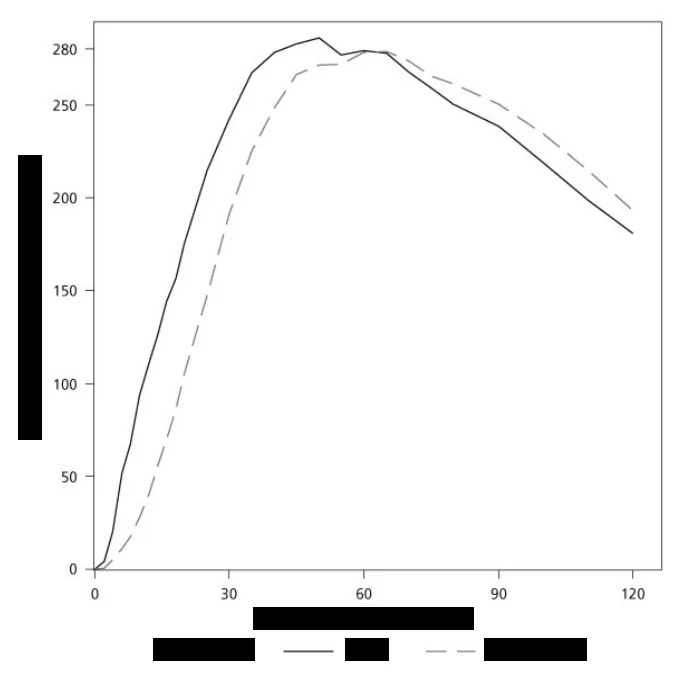     |
Figure 1 Mean insulin profile in adult patients with type 1 diabetes (0-2 hours) after subcutaneous injection (s.c.).
Pharmacokinetic results from six trials conducted in adult patients with type 1 diabetes showed that mean onset of appearance was approximately 4 minutes with Fiasp® and 9 minutes with NovoRapid®.
Table 6 shows the pharmacokinetic results from six trials conducted in adult patients with type 1 diabetes.
Table 6 Treatment ratio (Fiasp®/NovoRapid®) of insulin exposure
Insulin exposure* Subcutaneous injection | |
| Early insulin exposure | |
| AUCinsulin aspart, 0-15min | 3.83 [3.41; 4.29] |
| AUCinsulin aspart, 0-30min | 2.01 [1.87; 2.17] |
| AUCinsulin aspart, 0-1h | 1.32 [1.26; 1.39] |
| AUCinsulin aspart, 0-1.5h | 1.16 [1.12; 1.21] |
| AUCinsulin aspart, 0-2h | 1.10 [1.06; 1.14] |
| Total insulin exposure | |
| AUCinsulin aspart, 0-12h | 1.01 [0.98; 1.04] |
| Cmax, insulin aspart | 1.04 [1.00; 1.08] |
The 95% confidence interval is stated in ‘[]’
*Based on free serum insulin aspart; AUC=area under the curve; Cmax=maximum observed concentration.
Distribution:
Insulin aspart has a low binding affinity to plasma proteins (<10%), similar to that seen with regular human insulin.
Elimination
Half-life after subcutaneous administration of Fiasp® is 57 minutes and comparable to NovoRapid®. Degradation of insulin aspart is similar to that of human insulin; all metabolites formed are inactive.
Special Populations and Conditions
- Pediatrics
In pediatric patients (6–18 years) with type 1 diabetes, Fiasp® showed an earlier onset of exposure and a higher early insulin exposure whilst maintaining a similar total exposure and maximum concentration compared to NovoRapid®.
Onset and early insulin exposure of Fiasp® was similar in pediatric patients (6-18 years) with type 1 diabetes to that in adult patients with type 1 diabetes. Total exposure of Fiasp® was lower in pediatric patients compared to adult patients when dosed with 0.2 units/kg body weight, while the maximum serum insulin aspart concentration was similar between age groups.
- Geriatrics
The pharmacokinetic properties of Fiasp® and NovoRapid® were investigated in a single dose study in 67 subjects (30 geriatric; 37 younger adults) with type 1 diabetes.
In geriatric patients with type 1 diabetes Fiasp® showed, an earlier onset of exposure and a higher early insulin exposure whilst maintaining a similar total exposure and maximum concentration compared to NovoRapid®.
- Sex
The effect of gender on the pharmacokinetics of Fiasp® was examined in an across-trial analysis of the pharmacokinetic and pharmacodynamic studies. Fiasp® showed a comparable earlier onset of exposure and a higher early insulin exposure whilst maintaining a similar total exposure and maximum concentration compared to NovoRapid® for both female and male patients with type 1 diabetes.
- Ethnic Origin
The effect of race and ethnicity (African American versus Caucasian and Hispanics versus non-Hispanics) on the total insulin exposure of Fiasp® was explored in a cross-trial analysis of pharmacokinetic and pharmacodynamic studies conducted in patients with type 1 diabetes. For Fiasp®, no difference in exposure was found between the racial and ethnic groups investigated.
- Hepatic Insufficiency
The effect of hepatic impairment on the pharmacokinetics and pharmacodynamics of Fiasp® has not been studied (see WARNINGS AND PRECAUTIONS, Renal and Hepatic Impairment). However, the active substance, insulin aspart (NovoRapid®) in Fiasp® has been studied. A single subcutaneous dose of 0.06 unit/kg insulin aspart was administered in an open-label, single-dose study of 24 subjects (N=6/group) with different degrees of hepatic impairment (mild, moderate and severe) having Child-Pugh Scores ranging from 0 (healthy volunteers) to 12 (severe hepatic impairment). In this small study, there was no correlation between the degree of hepatic impairment and any insulin aspart pharmacokinetic parameter.
- Renal Insufficiency
The effect of renal impairment on the total insulin exposure of Fiasp® was explored in a cross-trial analysis of pharmacokinetic and pharmacodynamic studies conducted in patients with type 1 diabetes. Renal function was defined using creatinine clearance (CLcr) as follows: ≥90 mL/min (normal) (N=546), 60-89 mL/min (mild) (N=115), 30-59 mL/min (moderate) (N=21). Higher total insulin exposure was observed with decreasing renal function for Fiasp®. However, there was some between subject variability in total insulin exposure across patients with type 1 diabetes with mild or moderate renal impairments. Thus, as with all insulin products, glucose monitoring should be intensified and the Fiasp® dosage adjusted on an individual basis in patients with renal impairment.
- Obesity
The effect of body mass index (BMI) on the pharmacokinetics of Fiasp® was explored in a cross-trial analysis of pharmacokinetic and pharmacodynamic studies. For patients with type 1 diabetes, the greater early insulin exposure for Fiasp® compared to NovoRapid® was preserved across BMI levels and this treatment difference increased with increasing BMI. Total and maximum insulin exposure was comparable between Fiasp® and NovoRapid® across BMI levels.
The effect of BMI on the total insulin exposure of Fiasp® was explored in a cross-trial analysis of pharmacokinetic and pharmacodynamic studies conducted in patients with type 1 diabetes. No relationship between total insulin exposure of Fiasp® and BMI was observed.
11 STORAGE, STABILITY AND DISPOSAL
Fiasp® should be stored between 2-8°C (36° to 46°F) in a refrigerator, but not in or near a freezing compartment. Fiasp® should not be exposed to heat or light. Do not freeze Fiasp® and do not use Fiasp® if it has been frozen. Fiasp® should not be drawn into a syringe and stored for later use.
Fiasp® Vials:
After initial use a vial may be kept at temperatures below 30°C (86°F) or in a refrigerator 2°C to 8°C (36°F to 46°F) for up to 28 days. Exposure to excessive heat and light must be avoided during use. Only use the product if it has a clear and almost colourless appearance.
Unpunctured vials can be used until the expiration date printed on the label if they are stored in a refrigerator. Keep unused vials in the carton so they will stay clean and protected from light.
Fiasp® Penfill®:
After initial use, a Penfill® can be stored for up to 28 days. Do not store above 30°C (86°F). Penfill® must not be refrigerated. If cartridge is carried as a spare and unused, the cartridge should be kept in the carton in order to protect from light.
Fiasp® FlexTouch®:
Once a Fiasp® FlexTouch® is punctured, it can be stored for 28 days at room temperature below 30°C (86°F) or in a refrigerator 2°C to 8°C (36°F to 46°F), without the needle attached, but should not be exposed to excessive heat or light. Unpunctured Fiasp® FlexTouch® can be used until the expiration date printed on the label if they are stored in a refrigerator. Keep the cap on the pen in order to protect from light. Keep unused Fiasp® FlexTouch® in the carton so they will stay clean and protected from light.
Always remove the needle after each injection and store Fiasp® FlexTouch® without a needle attached. This prevents contamination and/or infection, or leakage of insulin, and will ensure accurate dosing. Always use a new needle for each injection to prevent contamination.
The storage conditions are summarized in Table 7.
Table 7 Storage conditions for Fiasp® vial, Penfill® and FlexTouch®
Fiasp® Presentation | Not in-use (unopened) | In-use (opened) | ||||
| Room Temperature (below 30°C) | Refrigerated (2°C to 8°C) | Room Temperature (below 30°C) | Refrigerated (2°C to 8°C) | |||
| 10 mL Fiasp® vial | 28 days | Until expiration date | 28 days* | 28 days* | ||
| 3 mL Fiasp® Penfill® | 28 days | Until expiration date | 28 days | Do not refrigerate | ||
| 3 mL Fiasp® FlexTouch® | 28 days | Until expiration date | 28 days | 28 days | ||
* For insulin infusion pump use, the total in-use time is 28 days, including 6 days pump in-use time
Storage of Fiasp® in Insulin Infusion Pumps:
To avoid insulin degradation, Fiasp® in the pump reservoir should be replaced:
- At least every 6 days, or according to the pump user manual, whichever is shorter
- After exposure to temperatures that exceed 37°C
The infusion set and infusion set insertion site should be changed according to the manufacturers’ user manual.
Storage of Fiasp® in Infusion Fluids:
Infusion bags prepared as indicated under 4 DOSAGE AND ADMINISTRATION are stable at room temperature for 24 hours.
12 SPECIAL HANDLING INSTRUCTIONS
Penfill®/FlexTouch®: Needles and Fiasp® Penfill®/FlexTouch® must not be shared. The cartridge must not be refilled.
Fiasp® must not be used if it does not appear water-clear and colourless.
Fiasp® which has been frozen must not be used.
Penfill®/FlexTouch®: The patient should be advised to discard the needle after each injection.
Penfill®/FlexTouch®: In case of emergency in current Fiasp® users (hospitalisation or insulin pen malfunction), you should carry a spare insulin delivery device with a Penfill® or FlexTouch® and new needles with you.
Vial: Fiasp® may be used in an insulin infusion pump system (CSII). Tubings in which the inner surface materials are made of polyethylene or polyolefin have been evaluated and found compatible with pump use.
PART II: SCIENTIFIC INFORMATION
13 PHARMACEUTICAL INFORMATION
Drug Substance
Proper name: insulin aspart injection
Chemical name: B28 asp regular human insulin analogue
Molecular formula and molecular mass: C256H381N65079S6 and 5825.8 g/mole
Structural formula:
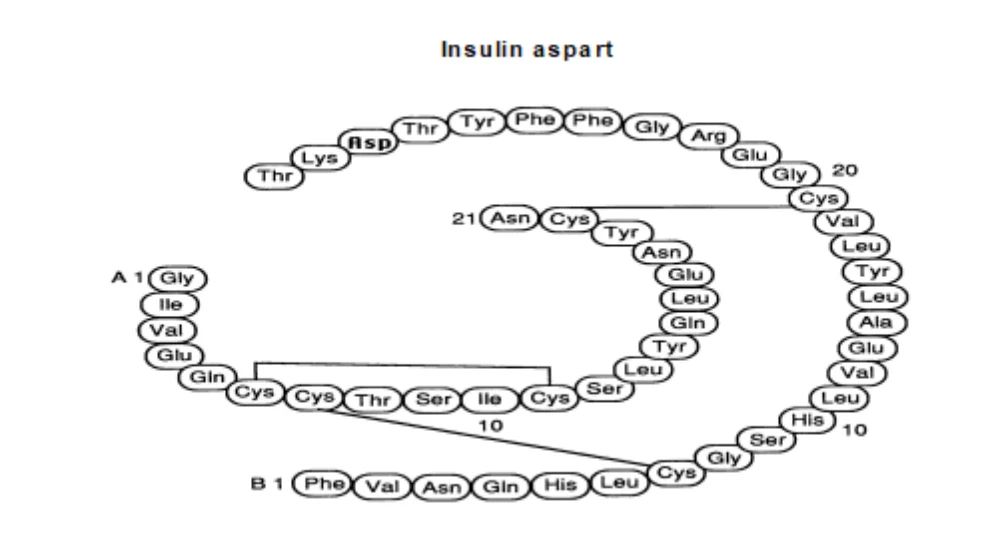
Figure 2 Structural formula of insulin aspart
14 CLINICAL TRIALS
14.1 Trial Design and Study Demographics
The efficacy of Fiasp® administered at mealtime or postmeal in adult patients with type 1 diabetes and used in combination with a once or twice daily administered basal insulin was evaluated in a randomized, treat-to-target, active-controlled trial.
The efficacy of Fiasp® administered at mealtime in adult patients with type 2 diabetes and used in combination with a once-daily administered basal insulin and metformin was evaluated in two randomized, treat-to-target, active-controlled trials.
The efficacy of Fiasp® administered by continuous subcutaneous insulin infusion (CSII) by external pump compared to NovoRapid® was evaluated in 472 adults with Type 1 diabetes.
The efficacy of Fiasp® was also evaluated in a 26-week randomized, active-controlled, treat-to-target trial in pediatric patients with type 1 diabetes ages 2 year and older.
Table 8 Summary of clinical trials in Type 1 and Type 2 diabetes
| Study # | Trial design | Dosage, route of administration and duration | Study subjects | Mean age (range) | Gender |
| Type 1 Diabetes | |||||
Study 3852 Onset® 1 | Multicentre, multinational, randomized (1:1:1), 3-arm, partially double-blind, active controlled, treat-to-target, parallel group comparing mealtime Fiasp® and post-meal Fiasp® to NovoRapid®, in basal-bolus regimen with | Treatment arms: (1) Mealtime bolus treatment with Fiasp® SC (2) Post-meal bolus treatment with Fiasp® SC (3) Mealtime bolus | 1143 | 44.4 years (18-83) | M:672 (58.8%) F:471 (41.2%) |
| insulin detemir in T1DM adult patients. | treatment with NovoRapid® SC *All three arms were administered in combination with basal insulin detemir SC. Treatment duration: 26 weeks | ||||
Study 3854 Onset® 5 | Multicentre, multinational, randomized (1:1), double-blind, active controlled, treat-to-target, parallel group trial comparing CSII of Fiasp® vs. NovoRapid in T1DM adult patients. | Treatment arms: (1) Fiasp® SC (2) NovoRapid® SC Treatment duration: 4-week run-in and a 16-week treatment period | 472 | 43.5 years (18-76) | M: 203 (43%) F: 269 (57%) |
Study 4101 Onset® 7 | Multicentre, multinational, randomized (1:1:1), active controlled, treat-to-target, 3-armed parallel-group trial in T1DM pediatric patients. | Treatment arms: (1) Blinded mealtime bolus treatment with Fiasp® SC (2) Blinded mealtime bolus treatment with NovoRapid® SC (3) Open-label postmeal bolus treatment with Fiasp® SC *All three arms were administered in combination with once-daily insulin degludec SC. Treatment duration: 26 weeks | 777 | 11.7 years (2-17) | M: 419 (53.9%) F: 358 (46.1%) |
| Type 2 Diabetes | |||||
Study 3853 Onset® 2 | Multi-center, multi-national, randomized (1:1), double-blind, 2-arm, active-controlled, parallel-group, treat-to-target trial comparing mealtime Fiasp® and NovoRapid®, | Treatment arms: (1) Bolus treatment with Fiasp® SC (2) Bolus treatment with NovoRapid® SC | 689 | 59.5 years (21-83) | M: 336 (48.8%) F: 353 (51.2%) |
| both in basal-bolus regimen with insulin glargine + metformin in T2DM adult patients | *Both arms were administered in combination with basal insulin glargine SC, and metformin Treatment duration: 26 weeks |
Study 4049 Onset® 3 | |
| Multi-center, multi-national, randomized (1:1), open-label, parallel group trial evaluating efficacy and safety of mealtime Fiasp® in a basal-bolus regimen compared with basal insulin therapy, both in combination with metformin in T2DM patients | Treatment arms: (1) Bolus treatment with Fiasp® SC in combination with basal insulin detemir SC or insulin glargine SC or insulin NPH SC (2) Basal insulin therapy with insulin detemir SC or insulin glargine SC or insulin NPH SC *Both arms were administered in combination with metformin Treatment duration: 18 weeks |
| 236 | |
| 57.4 years (27-77) | |
M: 114 (48.3%)/ F: 122 (51.7%) | |
14.2 Study Results
Subcutaneous Daily Injections in Type 1 Diabetes - Adults
Study 3852: Fiasp® Administered in Basal-Bolus Regimen in Combination with Once or Twice Daily Insulin Detemir
A 26-week multinational, active controlled, treat-to-target trial was conducted to compare the efficacy and safety of mealtime Fiasp® (N=381) with mealtime NovoRapid® (N=380) and postmeal Fiasp® (N=382) with mealtime NovoRapid® in a basal-bolus regimen in combination with once or twice daily insulin detemir. Mealtime Fiasp® and NovoRapid® were injected 0-2 minutes before the meal, and postmeal Fiasp® was injected 20 minutes after the start of the meal. The premeal glycemic target during the treatment period was 4-6 mmol/L.
The mean age of the randomized subjects was 44.4 years and mean duration of diabetes was 19.9 years. 58.8% were male. 93.3% were Caucasian, 2.3% African American 6.9% were Hispanic. The mean BMI was 26.7 kg/m2.
At Week 26, the difference in HbA1c reduction from baseline between mealtime Fiasp® and NovoRapid® was -0.15% with 95% confidence interval [-0.23%; -0.07%] and met the pre-specified non-inferiority margin (0.4%). At week 26, the difference in HbA1c reduction from baseline between post-meal Fiasp® and NovoRapid® was 0.04% with a 95% confidence interval of [-0.04%; 0.12%] and non-inferiority was confirmed. See Table 9.
In the mealtime Fiasp® treated group, the 2-hour PPG increment (standardized meal test) was 6.1 mmol/L at baseline and 5.9 mmol/L at end of trial. In the NovoRapid® treated group, the 2- hour PPG increment was 6.2 mmol/L at baseline and 6.6 mmol/L at end of trial. At Week 26, the estimated treatment difference in change from baseline in 2-hour PPG increment between mealtime Fiasp® and NovoRapid® was -0.67 mmol/L with 95% confidence interval [-1.29; -0.04].
Table 9 Subcutaneous Fiasp® Administration in Type 1 Diabetes (26 weeks; N=1143)
| Fiasp® mealtime + insulin detemir | Fiasp® postmeal + insulin detemir | NovoRapid® mealtime + insulin detemir | |
| N | 381 | 382 | 380 |
| HbA1c (%) | |||
| Baseline, mean | 7.6 | 7.6 | 7.6 |
| End of trial, mean | 7.3 | 7.5 | 7.4 |
| Adjusted mean change from baseline | -0.32 | -0.13 | -0.17 |
Estimated treatment difference at Week 26 [95% CI] Fiasp® - NovoRapid® | -0.15 [-0.23; -0.07] | 0.04 [-0.04;0.12] | |
| Proportion (%) achieving HbA1c <7% at Week 26 | 33.3 | 23.3 | 28.2 |
| Total bolus insulin dose (unit/kg/day) | |||
| Baseline, median | 0.33 | 0.35 | 0.36 |
| End of trial, median | 0.39 | 0.39 | 0.38 |
| Total basal insulin dose (unit/kg/day) | |||
| Baseline, median | 0.41 | 0.43 | 0.43 |
| End of trial, median | 0.39 | 0.42 | 0.43 |
| Body weight (kg) | |||
| Baseline, mean | 78.6 | 80.5 | 80.2 |
| End of trial, mean | 79.2 | 81.2 | 80.7 |
| Adjusted mean change from baseline | 0.67 | 0.70 | 0.55 |
N: number of subjects; CI: confidence interval. Change from baseline in HbA1c was analysed using a mixed-effect model for repeated measurements including changes from baseline at each visit. The model includes treatment, region and strata (combination of bolus adjusting method, basal treatment regimen and continuous glucose monitoring and frequently sampled meal test sub-group) as fixed effects, subject as random effect, baseline value as covariate and interaction between all fixed effects and visit, and between the covariate and visit. The model handles missing end of trial values by implicit imputation. Adjusted mean change from baseline in body weight was obtained by using a similar statistical model. | |||
Subcutaneous Daily Injections in Type 2 Diabetes - Adults
Study 3853: Fiasp® Administered in Basal-Bolus Regimen in Combination with Basal Insulin and Metformin in Bolus Insulin Naïve Patients
A 26-week multicenter, multinational, randomized, double-blind, active controlled, treat-to-target, parallel group trial was conducted to compare the efficacy and safety of mealtime Fiasp® (N= 345) with mealtime NovoRapid® (N=344) in bolus-naïve subjects with type 2 diabetes. Both treatments were in combination with once-daily administered insulin glargine and metformin (≥1000 mg) in a basal-bolus regimen. Fiasp® or NovoRapid® was injected 0-2 minutes before the meal. The premeal glycemic target during the treatment period was 4-6 mmol/L. Patients enrolled in this study had to demonstrate inadequate glycemic control despite current treatment once daily basal insulin and metformin ≥1000 mg +/- other OAD, for at least 3 months prior to screening visit.
The mean age of the randomized subjects was 59.5 years and mean duration of diabetes was 12.7 years. 48.4% were male. 81% were Caucasian, 5.8% were African American and 6.4% were Hispanic. The mean BMI was 31.2 kg/m2.
At Week 26, the difference in HbA1c reduction from baseline between Fiasp® and NovoRapid® was -0.02% with 95% confidence interval [-0.15%; 0.10%] and met the pre-specified non-inferiority margin (0.4%). See Table 10.
In the Fiasp® treated group, the 2-hour PPG increment (standardized meal test) was 7.6 mmol/L at baseline and 4.6 mmol/L at end of trial. In the NovoRapid® treated group, the 2-hour PPG increment was 7.3 mmol/L at baseline and 4.9 mmol/L at end of trial. At Week 26, the estimated treatment difference in change from baseline in 2-hour PPG increment between Fiasp® and NovoRapid® was -0.36 mmol/L with 95% confidence interval [-0.81; 0.08].
Table 10 Subcutaneous Administration of Fiasp® in Type 2 Diabetes (26 weeks; N=689)
| Fiasp® + insulin glargine | NovoRapid®+ insulin glargine | |
|---|---|---|
| N | 345 | 344 |
| HbA1c (%) | ||
| Baseline, mean | 8.0 | 7.9 |
| End of trial, mean | 6.6 | 6.6 |
| Adjusted mean change from baseline | -1.38 | -1.36 |
Estimated treatment difference at Week 26 [95% CI] Fiasp® - NovoRapid® | -0.02[-0.15;0.10] | |
| Proportion (%) achieving HbA1c <7% at Week 26 | 74.8 | 75.9 |
| Total bolus insulin dose (unit/kg/day) | ||
| Baseline, median | 0.21 | 0.21 |
| End of trial, median | 0.49 | 0.51 |
| Total basal insulin dose (unit/kg/day) | ||
| Baseline, median | 0.56 | 0.52 |
| End of trial, median | 0.53 | 0.48 |
| Body weight (kg) | ||
| Baseline, mean | 89.0 | 88.3 |
| End of trial, mean | 91.6 | 90.8 |
| Adjusted mean change from baseline | 2.68 | 2.67 |
N: Number of subjects, CI: Confidence interval. Change from baseline in HbA1c was analysed using a mixed-effect model for repeated measurements including changes from baseline at each visit. The model includes treatment, region and continuous glucose monitoring strata as fixed effects, subject as random effect, baseline value as covariate and | ||
| Fiasp® + insulin glargine | NovoRapid®+ insulin glargine | |
|---|---|---|
interaction between all fixed effects and visit, and between the covariate and visit. The model handles missing end of trial values by implicit imputation. Adjusted mean change from baseline in body weight was obtained by using a similar statistical model. | ||
Study 4049: Fiasp® Administered in Basal-Bolus Regimen Compared to Basal Insulin in Combination with Metformin in Bolus Insulin Naïve Patients
An 18-week randomized, open-label, parallel, efficacy and safety trial was conducted to compare mealtime Fiasp® in full basal-bolus regimen (N=116) vs basal insulin therapy (N=120) in adult subjects with type 2 diabetes. The basal insulins used in both arms were insulin glargine, insulin detemir or NPH. All subjects were also on ≥1000 mg metformin treatment. Fiasp® was injected 0-2 minutes before the meal. The premeal glycemic target during the treatment period was 4-6 mmol/L. Patients enrolled in this study had to demonstrate inadequate glycemic control despite current treatment once daily basal insulin and metformin ≥1000 mg +/- other OAD, for at least 3 months prior to screening visit.
The mean age of the trial population was 57.4 years and mean duration of diabetes was 11.3 years. 48.3% were male. 69.9% were Caucasian, 3.8% African American37.3% were Hispanic. The mean BMI was 30.8 kg/m2.
At baseline, HbA1c was 7.9% in both treatment groups. At Week 18, reduction from baseline in HbA1c was -1.16% in the Fiasp®+basal group, and -0.22% in the basal regimen only group. The difference in HbA1c reduction from baseline between the Fiasp® + basal group and the basal-only group was -0.94% with 95% confidence interval [-1.17;-0.72].
In the Fiasp® arm, 58.3% of patients experienced severe hypoglycemia (episode requiring assistance of another person) or BG confirmed hypoglycemia (episodes confirmed by plasma glucose <3.1 mmol/L), compared to 25% in the basal-regimen only group. The estimated mean body weight increased by 1.83 kg in the Fiasp®+basal group and by 0.17 kg in the basal group.
Median total bolus insulin dose increased from 0.23U/kg/day at baseline to 0.48U/kg/day at Week 18 in the Fiasp®+basal group, whereas the median total basal insulin remained the same over the duration of the trial (0.5U/kg/day in the Fiasp®+basal group and 0.6U/kg/day in the basal group.
Continuous Subcutaneous Insulin Infusion (CSII) in Type 1 Diabetes – Adults
Study 3854: Fiasp® in Continuous Subcutaneous Insulin Infusion (CSII) in Adults with Type 1 Diabetes Mellitus
The efficacy and safety of Fiasp® vs. NovoRapid® in CSII in adult subjects with T1DM (N=472) was evaluated in a randomized, multicentre, multinational, active controlled, treat-to-target, parallel group trial with a 4-week run-in and a 16-week treatment period.
The mean age of the randomized subjects was 43 years and the mean duration of diabetes was 24 years. 43% were male. 89% were Caucasian, 1% were Black or African American, 1% were Asian, and 3% were Hispanic. The mean BMI was 26.3 kg/m2.
At Week 16, the difference in change in HbA1c from baseline between Fiasp® and NovoRapid® was 0.09% with 95% confidence interval [0.01%; 0.17%] and met the pre-specified non-inferiority margin (0.4%). See Table 11.
The insulin doses were similar for the two treatment arms at the end of the trial.
In the Fiasp® treated group, the 1-hour PPG increment (standardized meal test) was 4.67 mmol/L at baseline and 3.74 mmol/L at the end of trial. In the NovoRapid® treated group, the 1-hour PPG increment was 4.62 mmol/L at baseline and 4.70 mmol/L at the end of trial.
Table 11 Continuous Subcutaneous Insulin Infusion of Fiasp® in Type 1 Diabetes – Adults 16 weeks; N=472)
| Fiasp® | NovoRapid® | |
|---|---|---|
| N | 236 | 236 |
| HbA1c (%) | ||
| Baseline, mean | 7.49 | 7.49 |
| End of trial, mean | 7.44 | 7.35 |
| Adjusted mean change from baseline | -0.05 | -0.15 |
Estimated treatment difference at Week 16 [95% CI] Fiasp® - NovoRapid® | 0.09 [0.01;0.17] | |
| Proportion (%) achieving HbA1c <7% at Week 16 without severe hypoglycaemia | 18.6% | 22.5% |
| Proportion (%) achieving HbA1c <7% at Week 16 | 20.3% | 23.3% |
Subcutaneous Daily Injections in Type 1 Diabetes Pediatric Patients 2 Years of Age and Older
Study 4101: Fiasp® added to insulin degludec in pediatric patients 2 years of age and older with Type 1 DM.
The efficacy of Fiasp® in pediatric patients was evaluated in a 26-week, randomised, multicentre, multinational, active controlled, treat-to-target, 3-armed parallel-group trial in 777 pediatric patients with type 1 diabetes. Patients were randomized to either blinded mealtime Fiasp® (N=260), blinded mealtime NovoRapid® (N=258), or open-label postmeal Fiasp® (N=259), all in combination with once daily insulin degludec. Mealtime Fiasp® or NovoRapid® was injected 0-2 minutes before the meal, and postmeal Fiasp® was injected 20 minutes after the start of the meal.
The mean age of the subjects at baseline was 11.7 years and the mean duration of diabetes was 4.4 years. 54% were male, 81% were Caucasian, 16% were Asian and 2% were Black or African American. The Mean BMI was 19.7 kg/m2.
At Week 26, the difference in change in HbA1c from baseline between mealtime Fiasp® and mealtime NovoRapid® was -0.17% with 95% confidence interval [-0.30%; -0.03%] and met the pre-specified non-inferiority margin (0.4%). See Table 12 .
The estimated rate ratio for severe or BG confirmed hypoglycemic episodes was 1.11 [0.90; 1.37]95%CI for both mealtime Fiasp® and post-meal Fiasp® compared to mealtime NovoRapid®. The estimated rate ratio for nocturnal severe or BG confirmed hypoglycemic episodes for mealtime Fiasp® compared to NovoRapid® was 1.29 [0.93; 1.79]95%CI. For Fiasp® post-meal, compared to NovoRapid® a higher rate of nocturnal severe or BG confirmed hypoglycemic episodes was reported with an estimated rate ratio of 1.50 [1.09; 2.08]95%CI.
Table 12 Subcutaneous Fiasp® Administration in Type 1 Diabetes - Pediatric (26 weeks; N=777)
Mealtime Fiasp® + insulin degludec | Postmeal Fiasp® + insulin degludec | Mealtime NovoRapid® + insulin degludec | |
| Number of subjects randomized (N) | 260 | 259 | 258 |
| HbA1c (%) | |||
| Baseline (mean) | 7.57 | 7.58 | 7.53 |
| End of trial (mean) | 7.63 | 7.91 | 7.76 |
| Adjusted mean change from baseline | 0.06 | 0.35 | 0.22 |
| Estimated treatment difference vs. mealtime NovoRapid® [95% CI]* | -0.17 [-0.30; -0.03] | 0.13 [-0.01; 0.26] | |
Baseline is based on the mean of the observed last available values prior to randomization.
* tested for non-inferiority.
15 MICROBIOLOGY
No microbiological information is required for this drug product.
16 NON-CLINICAL TOXICOLOGY
Carcinogenesis, Mutagenesis, Impairment of Fertility
Standard 2-year carcinogenicity studies in animals have not been performed to evaluate the carcinogenic potential of Fiasp®.
In 52-week studies, Sprague-Dawley rats were dosed subcutaneously with insulin aspart at 10, 50, and 200 units/kg/day (approximately 2, 8, and 32 times the human subcutaneous dose of 1.0 units/kg/day, based on units/body surface area, respectively). At a dose of 200 units/kg/day, insulin aspart increased the incidence of mammary gland tumors in females when compared to untreated controls. The incidence of mammary tumors for insulin aspart was not significantly different than for regular human insulin. The relevance of these findings to humans is not known. Insulin aspart was not genotoxic in the following tests: Ames test, mouse lymphoma cell forward gene mutation test, human peripheral blood lymphocyte chromosome aberration test, in vivo micronucleus test in mice, and in ex vivo UDS test in rat liver hepatocytes. In fertility studies in male and female rats, at subcutaneous doses up to 200 units/kg/day (approximately 32 times the human subcutaneous dose, based on units/body surface area), no direct adverse effects on male and female fertility, or general reproductive performance of animals was observed.
17 SUPPORTING PRODUCT MONOGRAPHS
NovoRapid® (Solution, 100 U/mL, Subcutaneous use), submission control No: 211441, Product Monograph, Novo Nordisk Canada Inc. (APR, 06, 2018)