


Product Monograph - Humalog Pen
INDICATIONS AND CLINICAL USE
Humalog (insulin lispro injection), Humalog Mix25 (25% insulin lispro injection, 75% insulin lispro protamine suspension), and Humalog Mix50 (50% insulin lispro injection, 50% insulin lispro protamine suspension) are indicated for the treatment of patients with diabetes mellitus who require insulin for the maintenance of normal glucose homeostasis. Humalog insulins are also indicated for the initial stabilization of diabetes mellitus. Humalog (insulin lispro injection) is a short acting insulin analogue and is for use in conjunction with a longer acting human insulin, such as Humulin N except when used in a subcutaneous insulin infusion pump.
CONTRAINDICATIONS
The Humalog (insulin lispro) family of insulins are contraindicated during episodes of hypoglycemia (for details see SYMPTOMS AND TREATMENT OF OVERDOSAGE) and in patients sensitive to insulin lispro or any of the excipients they contain.
WARNINGS
Due to their quick onset of action, the Humalog (insulin lispro) family of insulins should be given within 15 minutes before a meal.
When necessary, Humalog (insulin lispro injection) may be given shortly after a meal instead
(within 20 minutes of the start of the meal). When used in a subcutaneous insulin infusion pump,
Humalog should not be diluted or mixed with any other insulin. Patients should carefully read and follow the insulin infusion pump manufacturer's instructions and the INFORMATION FOR
THE PATIENT insert before use.
Hypoglycemia is the most common adverse effect associated with insulins, including the
Humalog family of insulins. As with all insulins, the timing of hypoglycemia may differ among various insulin formulations. Glucose monitoring is recommended for all patients with diabetes.
Any change of insulin or human insulin analogue should be made cautiously and only under medical supervision. Changes in purity, strength, brand (manufacturer), type (insulin lispro, regular, NPH, etc.), species (beef, pork, beef-pork, human), and/or method of manufacture
(recombinant DNA versus animal source insulin) may result in the need for a change in dosage.
PRECAUTIONS
General: Humalog (insulin lispro injection) had a similar safety profile to Humulin R over the course of the clinical studies although its efficacy has not been studied in clinical trials beyond one year. Humalog has been shown to control hemoglobin A1c levels as effectively as human insulin in comparator studies specifically designed to study meal time therapy without optimization of basal insulin regimens. Once a patient is using Humalog, reassessment and adjustment, as necessary, of the basal insulin regimen (dosage and number of injections) has been shown to optimize overall glycemic control.
Visual disturbances in uncontrolled diabetes due to refractive changes are reversed during the early phase of effective management. However, since alteration in osmotic equilibrium between the lens and ocular fluids may not stabilize for a few weeks after initiating therapy, it is wise to postpone prescribing new corrective lenses for 3 to 6 weeks.
Additional adjustment of dosage may be required during intercurrent illness and/or emotional disturbances such as stress.
Any rapid- or short-acting insulin formulation should be used with caution in patients with gastroparesis. However, some patients with gastroparesis may benefit from postprandial administration of Humalog, which has been shown to provide postprandial glycemic control similar to that provided by human insulin injected 30 minutes pre-prandially. Using the postprandial dosing approach, the insulin dose can be adjusted according to the actual caloric intake and/or the observed rise in blood glucose following a meal.
Transferring Patients from Other Insulins: Patients taking a Humalog insulin may require a change in dosage from that used with their usual insulins. If an adjustment is needed, it may occur with the first dose or during the first several weeks or months.
A few patients who have experienced hypoglycemic reactions after transfer from animal-source insulin to human insulin have reported that the early warning symptoms of hypoglycemia were less pronounced or different from those experienced with their previous insulin. However, the counterregulatory and symptomatic (autonomic and neuroglycopenic) responses to hypoglycemia were studied and found to be superimposable for insulin lispro and regular human insulin.
Patients whose blood glucose is greatly improved, e.g., by intensified insulin therapy, may lose some or all of the warning symptoms of hypoglycemia and should be advised accordingly.
Uncorrected hypoglycemic or hyperglycemic reactions can cause loss of consciousness, coma, or death.
Renal Impairment: The requirements for insulin may be reduced in patients with renal impairment.
Hepatic Impairment: Although impaired hepatic function does not affect the absorption or disposition of Humalog, careful glucose monitoring and dose adjustments of insulin, including
Humalog, may be necessary.
Allergic Reaction: Prompt recognition and appropriate management of the allergic complications of insulin therapy are important for the safe and effective control of diabetes mellitus.
Antibodies to insulin are frequently cross-reactive. Therefore, patients who have demonstrated an allergic reaction to other insulins may demonstrate an allergic reaction to a Humalog insulin.
Local allergy in patients occasionally occurs as redness, swelling, and itching at the site of insulin injection. This condition usually resolves in a few days to a few weeks. In some instances, this condition may be related to factors other than insulin, such as irritants in the skin cleansing agent or poor injection technique. Systemic allergy may cause rash (including pruritus) over the whole body, shortness of breath, wheezing, reduction in blood pressure, fast pulse, or sweating. Severe cases of generalized allergy may be life-threatening (see
CONTRAINDICATIONS).
Use in Pregnancy: Humalog can be used in pregnancy if clinically indicated. Data on a large number of exposed pregnancies do not indicate any adverse effect of Humalog on pregnancy or on the health of the foetus/newborn. It is essential to maintain good glucose control in both gestational diabetes and throughout pregnancy in type 1 and type 2 patients. Insulin requirements usually decrease during the first trimester and increase during the second and third trimesters.
Patients with diabetes should be advised to inform their doctor if they are pregnant or are contemplating pregnancy. Careful monitoring of glucose control, as well as general health is essential in pregnant patients with diabetes.
Nursing Mothers: The use of Humalog insulins in nursing mothers has not been studied.
Diabetic patients who are nursing may require adjustments in insulin dose and/or diet.
Pediatric Use: Clinical trials have been performed in children (61 patients aged 3 to 11) and children and adolescents (481 patients aged 9 to 18 years), comparing Humalog to regular human insulin. Humalog showed better postprandial blood glucose control while maintaining a similar safety profile.
As in adults, Humalog should be given within 15 minutes before a meal. When necessary,
Humalog may be given shortly after a meal instead (within 20 minutes of the start of the meal).
The safety and effectiveness of Humalog Mix25 (25% insulin lispro injection, 75% insulin lispro protamine suspension) and Humalog Mix50 (50% insulin lispro injection, 50% insulin lispro protamine suspension) in children have not been established.
Drug interactions: Drug interactions with insulin formulations including Humalog insulins may include the following:
Insulin requirements may be decreased in the presence of agents such as oral antidiabetic agents, salicylates, sulfa antibiotics, certain antidepressants (monoamine oxidase inhibitors), beta-adrenergic blockers, alcohol, angiotensin converting enzyme inhibitors and angiotensin II receptor blockers.
Insulin requirements may be increased by medications with hyperglycemic activity such as corticosteroids, isoniazid, certain lipid-lowering drugs (e.g., niacin), estrogens, oral contraceptives, phenothiazines, and thyroid replacement therapy.
Hormones that tend to counteract the hypoglycemic effects of insulin include growth hormone, corticotropin, glucocorticoids, thyroid hormone, and glucagon. Epinephrine not only inhibits the secretion of insulin, but also stimulates glycogen breakdown to glucose. Thus, the presence of such diseases as acromegaly, Cushing's syndrome, hyperthyroidism, and pheochromocytoma complicate the control of diabetes.The hypoglycemic action of insulin may also be antagonized by diphenylhydantoin.
Insulin requirements can be increased, decreased, or unchanged in patients receiving diuretics.
The physician should be consulted when using other medications in addition to a Humalog insulin.
ADVERSE REACTIONS
Rarely, administration of insulin subcutaneously can result in lipoatrophy (depression in the skin) or lipohypertrophy (enlargement or thickening of tissue). Patients should be advised to consult their doctor if they notice any of these conditions. A change in injection technique may help alleviate the problem.
SYMPTOMS AND TREATMENT OF OVERDOSAGE
With the rapid onset of activity of the Humalog (insulin lispro) family of insulins, it is important that the insulin analogue be given close to mealtime (within 15 minutes before a meal). When necessary, Humalog (insulin lispro injection) may be given shortly after a meal instead (within
20 minutes of the start of the meal). A significant deviation could put the patient at risk of hypoglycemia.
Insulins have no specific overdose definitions because serum glucose concentrations are a result of complex interactions between insulin levels, glucose availability and other metabolic processes. Hypoglycemia may occur as a result of an excess of insulin or insulin lispro relative to food intake and energy expenditure or in patients who have an infection or become ill
(especially with diarrhea or vomiting).
Symptoms are likely to appear anytime when the blood sugar concentration falls below 3.0 mmol/L (50 mg/100 mL) but may occur with a sudden drop in blood glucose even when the value remains above 3.0 mmol/L (50 mg/100 mL).
Hypoglycemia may be associated with listlessness, confusion, palpitations, headache, sweating and vomiting.
Mild hypoglycemic episodes will respond to oral administration of glucose or sugar-containing foods.
Correction of moderately severe hypoglycemia can be accomplished by intramuscular or subcutaneous administration of glucagon, followed by oral carbohydrate when the patient recovers sufficiently. Patients who fail to respond to glucagon must be given glucose solution intravenously.
Patients who are unable to take sugar orally or who are unconscious should be treated with intravenous administration of glucose at a medical facility or should be given an injection of glucagon (either intramuscular or subcutaneous). The patient should be given oral carbohydrates as soon as consciousness is recovered.
DOSAGE AND ADMINISTRATION
DOSAGE:
The dosage of Humalog (insulin lispro injection), Humalog Mix25 (25% insulin lispro injection,
75% insulin lispro protamine suspension), or Humalog Mix50 (50% insulin lispro injection, 50% insulin lispro protamine suspension) is determined by a physician in accordance with the requirements of the patient.
Although Humalog insulins have a quicker onset of action and shorter duration of activity, dosing is comparable to regular human insulin. The dosage of a Humalog insulin, like all other insulin formulations, is dependent upon the individual patient requirements. The dose and number of insulin injections should be adjusted to maintain blood glucose concentrations as close to normal as possible.
Additional adjustment of dosage may be required in diabetes patients with renal impairment, during intercurrent illness and/or emotional disturbances.
Adjustment of dosage may also be necessary if patients undertake increased physical activity or change their usual diet.
New Patients:
Patients receiving insulin for the first time can be started on a Humalog insulin in the same manner as they would be on animal-source or human insulin.
Patients should be monitored closely during the adjustment period.
Transfer Patients:
When transferring patients to a Humalog insulin, use the same dose and dosage schedule.
However, some patients transferring to a Humalog insulin may require a change in dosage from that used with their previous insulin. Analysis of a database of type 1 diabetic patients indicated that basal insulin requirements increased by 0.04 U/Kg, while Humalog requirements decreased by 0.03 U/Kg, after one year of treatment. For type 2 diabetic patients, both short acting and basal insulin requirements increased slightly after one year of treatment with both Humalog and
Humulin R.
Optimizing Glycemic Control:
In order to achieve optimal glycemic control, changes in total daily dosage, the number of injections per day, and/or timing of injections may be necessary when using a Humalog insulin.
Once a patient is using Humalog, reassessment and adjustment as necessary of the basal insulin regimen (dosage and number of injections) has been shown to optimize overall glycemic control.
ADMINISTRATION:
Humalog (insulin lispro injection) is a clear, colourless solution. It is important to always examine the appearance of the vial or cartridge of Humalog before withdrawing a dose. It should not be used if it is cloudy, unusually viscous or gelled, precipitated, or even slightly coloured; if there are clumps floating in the liquid, or if particles appear to be sticking to the sides or bottom of the vial or cartridge.
Humalog should be given by subcutaneous injection or by continuous subcutaneous insulin infusion pump and may, although not recommended, also be given by intramuscular injection. It may also be administered intravenously under conditions where regular human insulin is given intravenously. When used as a meal-time insulin, Humalog should be given within 15 minutes before a meal, or when necessary shortly after a meal instead (within 20 minutes of the start of the meal).
Humalog Mix25 (25% insulin lispro injection, 75% insulin lispro protamine suspension) and
Humalog Mix50 (50% insulin lispro injection, 50% insulin lispro protamine suspension) are white suspensions. They should be administered by subcutaneous injection only and must not be administered intravenously. Humalog Mix25 and Humalog Mix50 start lowering blood glucose more quickly than regular human insulin, and should be given within 15 minutes before a meal.
Subcutaneous administration, preferably by the patient, should be in the upper arms, thighs, buttocks or abdomen. When compared to Humulin R, Humalog retains its more rapid onset and shorter duration of action irrespective of the subcutaneous injection site used. Therefore, injection sites can be rotated so that the same site is not used more than approximately once a month.
Care should be taken to ensure that a blood vessel has not been entered. The injection site should not be massaged.
Mixing of Insulins: Mixing Humalog with Humulin N does not decrease the absorption rate or the total bioavailability of Humalog. Given alone or mixed with Humulin N, Humalog results in a more rapid absorption and glucose-lowering effect compared with human regular insulin.
If Humalog is mixed with a longer-acting insulin, Humalog should be drawn into the syringe first to prevent clouding of the Humalog by the longer-acting insulin. Injection should be made immediately after mixing. Mixtures should not be administered intravenously. Humalog should not be diluted or mixed with any other insulin when used in a subcutaneous insulin infusion pump.
The effects of mixing Humalog, Humalog Mix25, or Humalog Mix50 with either animal-source insulins or human insulin preparations produced by other manufacturers have not been studied.
This practice is not recommended.
PHARMACEUTICAL INFORMATION
DRUG SUBSTANCE:
Proper Name: insulin lispro
Chemical Name: Lys(B28), Pro(B29) Human Insulin Analogue
(recombinant DNA origin)
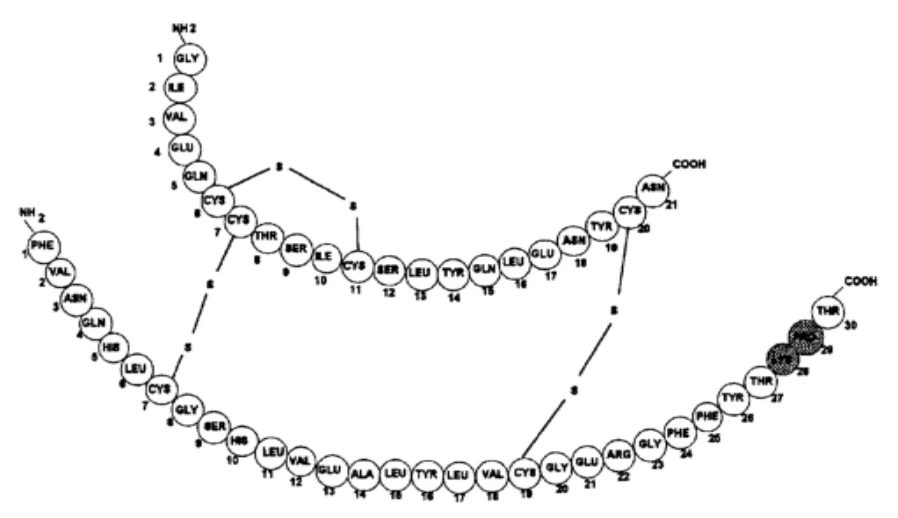
Structural Formula:
Insulin lispro is identical in structure to human insulin except for amino acids 28 and 29 of the B-chain; the analogue is Lys(B28) Pro(B29) whereas human insulin is Pro(B28) Lys(B29).
Empirical Formula: C257H383N65O77S6
Molecular Weight: 5808
Description: zinc-insulin lispro crystals appear as a white to off-white solid
Solubility Profile Soluble in:
0.01 M Hydrochloric acid
0.2 M Sodium sulfate, pH 2.3
0.2 M Sodium phosphate, pH 2.2
0.4 M Ammonium bicarbonate, pH 7.5
pI: Approximately 5.65
COMPOSITION:
Humalog (insulin lispro injection), Vials and Cartridges contain:
| Ingredient | Quantity/mL |
| [Lys (B28), Pro (B29)] Human Insulin Analogue | 100 Units |
| Glycerin | 16.0 mg |
| Dibasic Sodium Phosphate | 1.88 mg |
| m-Cresol Distilled | 3.15 mg |
| Zinc (as ion) | 0.0197 mg |
| Water for Injection, q.s. to | 1.0 mL |
| Hydrochloric acid 10% and/or sodium hydroxide 10% may be added to adjust pH. | |
Humalog Mix25 (25% insulin lispro injection, 75% insulin lispro protamine suspension), Vials and Cartridges contain:
| Ingredient | Quantity/mL |
| [Lys (B28), Pro (B29)] Human Insulin Analogue | 100 Units |
| Dibasic Sodium Phosphate | 3.78 mg |
| Glycerin | 16.00 mg |
| Liquefied phenol | 0.80 mg |
| m-Cresol Distilled | 1.76 mg |
| Protamine sulfate | 0.28 mg |
| Zinc oxide | 0.025 mg |
| Water for Injection, q.s. to | 1.0 mL |
| Hydrochloric acid 10% and/or sodium hydroxide 10% may be added to adjust pH. | |
Humalog Mix50 (50% insulin lispro injection, 50% insulin lispro protamine suspension), Vials and Cartridges contain:
| Ingredient | Quantity/mL |
| [Lys (B28), Pro (B29)] Human Insulin Analogue | 100 Units |
| Dibasic Sodium Phosphate | 3.78 mg |
| Glycerin | 16.00 mg |
| Liquefied phenol | 1.00 mg |
| m-Cresol Distilled | 2.20 mg |
| Protamine sulfate | 0.19 mg |
| Zinc oxide | 0.0305 mg |
| Water for Injection, q.s. to | 1.0 mL |
| Hydrochloric acid 10% and/or sodium hydroxide 10% may be added to adjust pH. | |
STABILITY AND STORAGE RECOMMENDATIONS:
Humalog preparations should be stored in a refrigerator between 2E and 10EC. They should not be frozen or exposed to excessive heat or sunlight. Vials of Humalog, Humalog Mix25, or
Humalog Mix50 can be kept at ambient temperature (below 30EC and away from direct heat and light) while in use for up to 28 days. Cartridges of Humalog, Humalog Mix25 and Humalog
Mix50 can also be kept at ambient temperature while in use for up to 28 days. Following insertion in a pen, the cartridge and pen should not be refrigerated. Do not use after expiry date on label.
AVAILABILITY OF DOSAGE FORMS
HUMALOG (insulin lispro injection)
Vial, VL-7510, 10 mL, 100 units/mL
Cartridge, VL-7515, 1.5 mL, 100 units/mL, 5 cartridges/box
Cartridge, VL-7516, 3.0 mL, 100 units/mL, 5 cartridges/box
HumaJect Humalog, HP-8125, 3.0 mL, 100 units/mL, 5 pens/box
Humalog Pen, HP-8725, 3.0 mL, 100 units/mL, 5 pens/box
HUMALOG MIX25 (25% insulin lispro injection, 75% insulin lispro protamine suspension)
Vial, VL-7511, 10 mL, 100 units/mL
Cartridge, VL-7394, 3.0 mL, 100 units/mL, 5 cartridges/box
HumaJect Humalog Mix25, HP-8194, 3.0 mL, 100 units/mL, 5 pens/box
Humalog Mix25 Pen, HP-8794, 3.0 mL, 100 units/mL, 5 pens/box
HUMALOG MIX50 (50% insulin lispro injection, 50% insulin lispro protamine suspension)
Vial, VL-7512, 10 mL, 100 units/mL
Cartridge, VL-7393, 3.0 mL, 100 units/mL, 5 cartridges/box
HumaJect Humalog Mix50, HP-8193, 3.0 mL, 100 units/mL, 5 pens/box
Humalog Mix50 Pen, HP-8793, 3.0 mL, 100 units/mL, 5 pens/box
Cartridges are designed for use with Lilly injector systems. The cartridge containing Humalog,
Humalog Mix25, or Humalog Mix50 is not designed to allow any other insulin to be mixed in the cartridge or for the cartridge to be reused.
INFORMATION FOR THE PATIENT
WARNINGS
THIS LILLY HUMAN INSULIN ANALOGUE DIFFERS FROM OTHER INSULINS BECAUSE IT
HAS A UNIQUE STRUCTURE, A VERY QUICK ONSET OF ACTION AND A SHORT
DURATION OF ACTIVITY. HUMALOG (INSULIN LISPRO INJECTION) SHOULD BE GIVEN
WITHIN 15 MINUTES BEFORE A MEAL OR WHEN NECESSARY SHORTLY AFTER A MEAL
INSTEAD (WITHIN 20 MINUTES OF THE START OF THE MEAL). THE SHORT DURATION
OF ACTION OF HUMALOG MEANS THAT IF YOU HAVE TYPE 1 DIABETES YOU ALSO
NEED TO USE A LONGER ACTING HUMAN INSULIN, SUCH AS HUMULIN N TO GIVE THE
BEST GLUCOSE CONTROL (EXCEPT WHEN USING AN INSULIN INFUSION PUMP).
ANY CHANGE OF INSULIN SHOULD BE MADE CAUTIOUSLY AND ONLY UNDER
MEDICAL SUPERVISION. CHANGES IN PURITY, STRENGTH, BRAND
(MANUFACTURER), TYPE (REGULAR, NPH, ETC), SPECIES (BEEF, PORK, BEEF-PORK,
HUMAN), AND/OR METHOD OF MANUFACTURE (RECOMBINANT DNA VERSUS ANIMAL-
SOURCE INSULIN) MAY RESULT IN THE NEED FOR A CHANGE IN DOSAGE.
MIXING OF HUMALOG WITH EITHER ANIMAL INSULINS OR INSULIN PREPARATIONS
PRODUCED BY OTHER MANUFACTURERS IS NOT RECOMMENDED.
PATIENTS TAKING HUMALOG MAY REQUIRE A CHANGE IN DOSAGE FROM THAT
USED WITH OTHER INSULINS. IF AN ADJUSTMENT IS NEEDED, IT MAY OCCUR WITH
THE FIRST DOSE OR OVER A PERIOD OF SEVERAL WEEKS.
INSULIN INFUSION PUMP: WHEN USED IN AN INSULIN INFUSION PUMP, HUMALOG
SHOULD NOT BE DILUTED OR MIXED WITH ANY OTHER INSULIN. CAREFULLY READ
AND FOLLOW THE INSULIN INFUSION PUMP MANUFACTURER’S INSTRUCTIONS AND
THIS INSERT BEFORE USING HUMALOG (see INSTRUCTIONS FOR USE section).
INSULIN AND DIABETES
Insulin is a hormone produced by the pancreas, a large gland that lies near the stomach. This hormone is necessary for the body's correct use of food, especially sugar. Diabetes occurs when the pancreas does not make enough insulin to meet your body's needs.
To control your diabetes, your doctor has prescribed injections of insulin to keep your blood glucose at a near-normal level. Proper control is important. Uncontrolled diabetes
(hyperglycemia) over a long period of time can result in a number of serious problems such as blindness, kidney failure, poor circulation/heart attacks, strokes and/or nerve damage. These problems can be prevented or reduced by good diabetes management. This will require close and constant cooperation with your diabetes healthcare team including: yourself, your doctor and your diabetes educators (nurses, dietitians, social workers, pharmacists and other health care professionals). Thus, you can lead an active, healthy and productive life by eating a balanced daily diet, exercising regularly, and taking your insulin injections as prescribed.
You have been instructed to test your blood and/or your urine regularly for glucose. If your blood tests consistently show above- or below-normal glucose levels or your urine tests consistently show the presence of glucose, your diabetes is not properly controlled and you must let your doctor know.
Always keep an extra supply of Humalog as well as a spare syringe and needle on hand.
Always wear identification to indicate that you have diabetes so that appropriate treatment can be given if complications occur away from home.
DO NOT USE ANY OTHER INSULIN EXCEPT ON YOUR DOCTOR’S ADVICE AND
DIRECTION.
When you receive your insulin from the pharmacy, always check to see that:
- 1. The name Humalog appears on the carton and bottle/cartridge or prefilled pen label.
- 2. The carton and bottle/cartridge or prefilled pen label is correct for your type of insulin.
- 3. The insulin strength is U-100.
- 4.
The expiration date on the package will allow you to use the insulin before that date.
HUMALOG®
Insulin lispro is a recombinant DNA sourced human insulin analogue. Humalog consists of zinc-insulin lispro crystals dissolved in a clear fluid. It takes effect more rapidly and has a shorter duration of activity as compared to regular insulin. The rapid onset of activity requires Humalog to be given within 15 minutes before a meal. When necessary, Humalog may be given shortly after a meal instead (within 20 minutes of the start of the meal). The time course of action of any insulin may vary to some extent in different individuals or at different times in the same individual. As with all insulin preparations, the duration of action of Humalog is dependent on dose, site of injection, blood supply, temperature, and physical activity.
Prefilled pens and cartridges of Humalog, 1.5 mL or 3.0 mL, are available in boxes of 5.
Humalog cartridges are designed for use with Lilly injector systems. The cartridge or prefilled pen containing Humalog is not designed to allow any other insulin to be mixed in the cartridge or for the cartridge or prefilled pen to be reused.
For guidance on the use of the Pen (prefilled, disposable insulin injector), please refer to the separate Instructions for Use enclosed within the packaging.
DOSAGE
Your doctor has told you which insulin to use, how much, and when and how often to inject it.
Because each patient's case of diabetes is different, this schedule has been individualized for you.
Your usual Humalog dose may be affected by changes in your food, activity, or work schedule.
Carefully follow your doctor's instructions to allow for these changes. Other things that may affect your Humalog dose are:
Illness
Illness, especially with nausea and vomiting, may cause your insulin requirements to change.
Even if you are not eating, you will still require insulin. You and your doctor should establish a sick day plan for you to use in case of illness. When you are sick, test your blood/urine frequently and call your doctor as instructed.
Pregnancy
Humalog can be used in pregnancy if clinically indicated. Data on a large number of exposed preganacies do not indicate any adverse effect of Humalog on pregnancy or on the health of the foetus/newborn. Good control of diabetes is especially important for you and your unborn baby.
Pregnancy may make managing your diabetes more difficult. If you are planning to have a baby, are pregnant, or are nursing a baby, consult your doctor.
Medication
Insulin requirements may be increased if you are taking other drugs with hyperglycemic activity, such as oral contraceptives, corticosteroids, or thyroid replacement therapy. Insulin requirements may be decreased in the presence of agents such as oral antidiabetic agents, salicylates, sulfa antibiotics, certain antidepressants (monoamine oxidase inhibitors), beta-adrenergic blockers, alcohol, angiotensin converting enzyme inhibitors and angiotensin II receptor blockers. Always discuss any medications you are taking with your doctor.
Exercise
Exercise may lower your body's need for insulin during and for some time after the activity.
Exercise may also speed up the effect of an insulin dose, especially if the exercise involves the area of injection site. Discuss with your doctor how you should adjust your regimen to accommodate exercise.
Travel
Persons travelling across more than 2 time zones should consult their doctor concerning adjustments in their insulin schedule.
INSULIN REACTION AND SHOCK
Cause:
Hypoglycemia (too little glucose in the blood) is one of the most frequent adverse events experienced by insulin users. It can be brought about by:
- 1. Missing or delaying meals
- 2. Taking too much insulin
- 3. Exercising or working more than usual
- 4. An infection or illness (especially with diarrhea or vomiting)
- 5. A change in the body's need for insulin
- 6. Diseases of the adrenal, pituitary, or thyroid gland, or progression of kidney or liver disease
- 7. Interactions with other drugs that lower blood glucose, such as oral hypoglycemics, salicylates, sulfa antibiotics, and certain antidepressants
- 8. Consumption of alcoholic beverages
Dietary Implications:
If a usual meal cannot be obtained at the appropriate time, then to avoid hypoglycemia, you should take the amount of carbohydrate prescribed for this meal in the form of orange juice, syrup, candy, or bread and milk, without changing your insulin dosage. If it becomes necessary to omit a meal on account of nausea and vomiting, you should test your blood sugar level and notify your doctor.
Symptoms and Treatment:
Symptoms of mild to moderate hypoglycemia may occur suddenly and can include:
- sweating • drowsiness
- dizziness • sleep disturbances
- palpitation • anxiety
- tremor • blurred vision
- hunger • slurred speech
- restlessness • depressive mood
- tingling in the hands, feet, lips, or tongue • irritability
- lightheadedness • abnormal behaviour
- inability to concentrate • unsteady movement
- headache • personality changes
Signs of severe hypoglycemia can include:
- disorientation • seizures
- unconsciousness • death
Therefore, it is important that assistance be obtained immediately.
Early warning symptoms of hypoglycemia may be different or less pronounced under certain conditions, such as long duration of diabetes, diabetic nerve disease, medications such as beta-blockers, change in insulin preparations, or intensified management (3 or more injections per day) of diabetes. A few patients who have experienced hypoglycemic reactions after transfer from animal-source insulin to human insulin have reported that the early warning symptoms of hypoglycemia were less pronounced or different from those experienced with their previous insulin.
Without recognition of early warning symptoms, you may not be able to take steps to avoid more serious hypoglycemia. Be alert for all of the various types of symptoms that may indicate hypoglycemia. Patients who experience hypoglycemia without early warning symptoms should monitor their blood glucose frequently, especially prior to activities such as driving. If the blood glucose is below your normal fasting glucose, you should consider eating or drinking sugar-containing foods to treat your hypoglycemia.
Mild to moderate hypoglycemia may be treated by eating foods or drinks that contain sugar.
Patients should always carry a quick source of sugar, such as candy mints or glucose tablets.
More severe hypoglycemia may require the assistance of another person. Patients who are unable to take sugar orally or who are unconscious should be treated with intravenous administration of glucose at a medical facility or should be given an injection of glucagon (either intramuscular or subcutaneous). The patient should be given oral carbohydrates as soon as consciousness is recovered.
You should learn to recognize your own symptoms of hypoglycemia. If you are uncertain about these symptoms, you should monitor your blood glucose frequently to help you learn to recognize the symptoms that you experience with hypoglycemia.
If you have frequent episodes of hypoglycemia or experience difficulty in recognizing the symptoms, you should consult your doctor to discuss possible changes in therapy, meal plans, and/or exercise programs to help you avoid hypoglycemia.
DIABETIC ACIDOSIS AND COMA
Hyperglycemia (too much glucose in the blood) may develop if your body has too little insulin.
Hyperglycemia can be brought about by any of the following:
- 1. Omitting your insulin or taking less than the doctor has prescribed
- 2. Eating significantly more than your meal plan suggests
- 3. Developing a fever, infection, or other significant stressful situation
In patients with type 1 diabetes, prolonged hyperglycemia can result in diabetic acidosis. The first symptoms of diabetic acidosis usually come on gradually, over a period of hours or days, and include a drowsy feeling, flushed face, thirst, loss of appetite, and fruity odour on the breath.
With acidosis, urine tests show large amounts of glucose and acetone. Heavy breathing and a rapid pulse are more severe symptoms. If uncorrected, prolonged hyperglycemia or diabetic acidosis can lead to nausea, vomiting, dehydration, loss of consciousness, or death. Therefore, it is important that you obtain medical assistance immediately.
LIPODYSTROPHY
Rarely, administration of insulin subcutaneously can result in lipoatrophy (depression in the skin) or lipohypertrophy (enlargement or thickening of tissue). If you notice either of these conditions, consult your doctor. A change in your injection technique may help alleviate the problem.
ALLERGY TO INSULIN
Local Allergy--Patients occasionally experience redness, swelling, and itching at the site of injection. This condition, called local allergy, usually clears up in a few days to a few weeks. In some instances, this condition may be related to factors other than insulin, such as irritants in the skin cleansing agent or poor injection technique. If you have local reactions, contact your doctor.
Systemic Allergy--Less common, but potentially more serious, is generalized allergy to insulin, which may cause rash over the whole body, shortness of breath, wheezing, reduction in blood pressure, fast pulse, or sweating. Severe cases of generalized allergy may be life threatening. If you think you are having a generalized allergic reaction, notify a doctor immediately.
INSTRUCTIONS FOR USE
Humalog is a sterile solution. Humalog preparations should be given by subcutaneous injection, or by continuous subcutaneous insulin infusion pump. The concentration of Humalog in 10 mL vials, 1.5 mL or 3.0 mL cartridges or prefilled pens is 100 units/mL (U-100).
Humalog is a clear and colourless liquid with a water-like appearance and consistency. Do not use if it appears cloudy, thickened, or slightly coloured or if solid particles are visible. Always check the appearance of your vial, cartridge or prefilled pen of Humalog before using, and if you note anything unusual in its appearance or notice your insulin requirements changing markedly, consult your doctor.
Storage
Vials
Humalog vials should be stored in a refrigerator but not in the freezer. If refrigeration is not possible, the vial of Humalog that you are currently using can be kept unrefrigerated, for up to
28 days, as long as it is kept as cool as possible (below 30EC) and away from direct heat and light. Vials in use, or not refrigerated, should be discarded after 28 days even if they still contain
Humalog. Do not use Humalog if it has been frozen. Do not use a vial of Humalog after the expiration date stamped on the label.
Cartridges or prefilled pens
Humalog cartridges or prefilled pens should be stored in a refrigerator but not in the freezer.
The pen and cartridge of Humalog that you are currently using should not be refrigerated but should be kept as cool as possible (below 30EC) and away from direct heat and light. Do not use Humalog if it has been frozen. Cartridges or prefilled pens in use, or not refrigerated, should be discarded after 28 days, even if they still contain Humalog. Do not use a cartridge or prefilled pen of Humalog after the expiration date stamped on the label.
INJECTION PROCEDURES
Vials
Correct Syringe
Doses of insulin are measured in units. Humalog is available in 100 units/mL (U-100). It is important that you understand the markings on your syringe, because the volume of Humalog you inject depends on the strength, that is, the number of units/mL. For this reason, you should always use a syringe marked for U-100 insulin preparations. Failure to use the proper syringe can lead to a mistake in dosage, causing serious problems for you, such as a blood glucose level that is too low or too high.
Syringe Use
To help avoid contamination and possible infection, follow these instructions exactly.
Disposable plastic syringes and needles should be used only once and then discarded.
NEEDLES AND SYRINGES MUST NOT BE SHARED.
Reusable glass syringes and needles must be sterilized before each injection. Follow the package directions supplied with your syringe.
Preparing the Dose
- 1. Wash your hands.
- 2. Inspect the Humalog in the vial. It should look clear and colourless. Do not use Humalog if it appears cloudy, thickened, or slightly coloured or if solid particles are visible.
- 3. Flip off the plastic protective cap but do not remove the stopper if using a new vial.
- 4. Wipe the top of the vial with an alcohol swab.
- 5. If you are mixing insulins, refer to the instructions for mixing below.
- 6. Remove the cover from the needle. Draw air into the syringe equal to your Humalog dose. Put the needle through the rubber top of the Humalog vial and inject the air into the vial.
- 7. Turn the vial and syringe upside down. Hold the vial and syringe firmly in one hand.
- 8. Making sure the tip of the needle is in the Humalog, withdraw the correct dose into the syringe.
- 9. Before removing the needle from the vial, check your syringe for air bubbles, which reduce the amount of Humalog. If bubbles are present, hold the syringe straight up and tap its side until the bubbles float to the top. Push them out with the plunger and withdraw the correct dose.
- 10. Remove the needle from the vial and lay the syringe down so that the needle does not touch anything.
MIXING HUMALOG WITH LONGER-ACTING INSULIN FORMULATIONS
MIXING HUMALOG WITH EITHER ANIMAL INSULINS OR INSULIN PREPARATIONS
PRODUCED BY OTHER MANUFACTURERS IS NOT RECOMMENDED.
- 1. Humalog should be mixed with longer-acting insulins (Humulin N) only on the advice of your doctor.
- 2. Draw air into your syringe equal to the amount of longer-acting HUMULIN insulin you are taking. Insert the needle into the longer-acting insulin vial and inject the air, taking care not to come in contact with the insulin in the vial. Withdraw the needle.
- 3. Now inject air into your Humalog vial in the same manner, but do not withdraw the needle.
- 4. Turn the vial and syringe upside down.
- 5.
Making sure the tip of the needle is in the Humalog, withdraw the correct dose of
Humalog into the syringe.
- 6.
Before removing the needle from the vial of Humalog, check your syringe for air bubbles, which reduce the amount of Humalog in it. If bubbles are present, hold the syringe
straight up and tap its side until the bubbles float to the top. Push them out with the plunger and withdraw the correct dose. Gently roll or shake the long acting Humulin vial until the insulin is mixed.
- 7. Remove the needle from the vial of Humalog and insert it into the vial of the longer-acting Humulin insulin. Turn the vial and syringe upside down. Making sure the tip of the needle is in the insulin, withdraw your dose of longer-acting Humulin insulin.
- 8. Remove the needle and lay the syringe down so that the needle does not touch anything.
Follow your doctor's instructions on mixing your insulin just before giving your injection.
Humalog should be injected immediately after mixing. It is important to be consistent in your method.
Syringes from different manufacturers may vary in the amount of space between the bottom line and the needle. Because of this, do not change the sequence of mixing, or the model and brand of syringe or needle that the doctor has prescribed.
Injection
Cleanse the skin with alcohol where the injection is to be made. Stabilize the skin by spreading it or pinching up a large area. Insert the needle as instructed by your doctor. Push the plunger in as far as it will go. Pull the needle out and apply gentle pressure over the injection site for several seconds. Do not rub the area. To avoid tissue damage, give the next injection at a site at least 1 cm (0.5 inches) from the previous injection site.
Cartridges
Preparing a Cartridge of Humalog for Insertion in a Pen
- 1. Wash your hands.
- 2. Before inserting the Humalog cartridge into the pen, inspect it to make sure the contents look clear and colourless. Do not use the Humalog cartridge if it appears cloudy, thickened, or slightly coloured or if solid particles are visible.
- 3. Follow the pen manufacturer’s directions carefully for loading the cartridge into the pen.
Injecting the Dose
- 1. Wash your hands.
- 2. Use an alcohol swab to wipe the exposed rubber surface on the metal cap end of the cartridge or prefilled pen.
- 3.
Inspect the Humalog in the cartridge. It should look clear and colourless. Do not use
Humalog if it appears cloudy, thickened, or slightly coloured or if solid particles are visible.
- 4. Follow pen manufacturer’s directions for attaching needle.
5 Hold the pen with needle pointing straight up. If there are large bubbles, tap the side of the pen until they float to the top. Remove the bubbles and the air in the needle by setting the pen to a 2-unit dose and depressing the plunger. Repeat this step if necessary until a drop of Humalog appears at the end of the needle.
- 6. To avoid tissue damage, injection sites can be rotated so that the same site is not used more than approximately once a month.
- 7. Cleanse the skin with alcohol where the injection is to be made.
- 8. With one hand, stabilize the skin by spreading it or pinching up a large area.
- 9. Insert the needle as instructed by your doctor.
- 10. To inject Humalog, follow the pen manufacturer’s instructions.
- 11.
Pull the needle out and apply gentle pressure over the injection site for several seconds.
Do not rub the area.
- 12.
Immediately after an injection, remove the needle from the pen. This will guard against contamination and prevent leakage, reentry of air, and potential needle clogs. Dispose of the needle in a responsible manner. Do not reuse needle. NEEDLES,
CARTRIDGES, AND PENS MUST NOT BE SHARED.
- 13.
Once the 1.5 mL cartridge is in use, do not continue to use it if the leading edge of the plunger is into or beyond the coloured band on the cartridge. Use the gauge on the side of the cartridge to help you judge how much Humalog remains. The distance between each mark is approximately 10 units for 1.5 mL cartridges.
If using a 3.0 mL cartridge, there is no corresponding coloured band on the cartridge.
Use the gauge on the side of the cartridge to help you judge how much Humalog remains. The distance between each mark is approximately 20 units for 3.0 mL cartridges. When the leading edge of the plunger reaches the last mark on the gauge
there is approximately 20 units of Humalog remaining in the cartridge. You may continue to use the cartridge until the plunger will no longer advance. See injection instructions accompanying the pen to ensure that a complete dose is obtained.
USE OF HUMALOG IN AN INSULIN INFUSION PUMP:
1 Minimed and Disetronic insulin infusion pumps may be used to infuse Humalog. Read and follow the instructions that accompany the infusion pump.
2 Be sure to use the correct reservoir and catheter for the pump.
- 3. Change the infusion set every 48 hours. Use aseptic technique when inserting the infusion set.
- 4. In the event of a hypoglycemic episode, the infusion should be stopped until the episode is resolved. If repeated or severe low blood glucose levels occur, notify your health care professional and consider the need to reduce or temporarily stop your insulin infusion.
- 5. A pump malfunction or obstruction of the infusion set can result in a rapid rise in glucose levels. If an interruption to insulin flow is suspected, follow the instructions in the product literature and if appropriate, notify your health care professional.
- 6.
When used with an insulin infusion pump, Humalog should not be mixed with any other insulin.
PHARMACOLOGY
The absorption of insulin is dependent on the disassociation of insulin hexamers, which form when insulin is prepared at concentrations found in commercial insulin preparations. The formation of the hexamers occurs by self-association of insulin molecules at the C-terminal end of the B chain. IGF-1 contains an area which shares some homology with human insulin.
Previous studies demonstrated that IGF-1 does not form hexamers. It was also noted that in the area of IGF-1 which is analogous to the 28 and 29 position of the B chain for human insulin, the amino acid sequence is lysine proline, the reverse of the human insulin sequence. The development of Humalog (insulin lispro) insulins is based on the reversal of these two amino acids in human insulin.
In the absence of excipients, insulin lispro shows little tendency to self-association. Unlike soluble insulin, insulin lispro will not form hexamers, or crystals, except in the presence of zinc or phenol or m-cresol. The latter are widely used preservatives in pharmaceutical insulin preparations. Thus, a unique mechanism is provided whereby formulations of insulin lispro are stabilized against physical and chemical degradation, yet dissociate more rapidly than traditional insulin preparations following injection.
Insulin lispro dissociates into monomers almost immediately in dilute solution, due to rapid loss of phenol or m-cresol from the insulin-zinc complexes. A similar phenomenon is assumed to occur following subcutaneous injection. It can be noted that addition of zinc and m-cresol, to insulin lispro preparations does result in slightly slower absorption, as compared to a solution prepared from pure insulin lispro crystals, although formulated insulin lispro still absorbs faster than soluble regular insulin preparations and retains its glucodynamic advantages.
PRECLINICAL PHARMACOLOGY:
The minor amino acid sequence inversion in insulin lispro does not significantly affect the biological properties of insulin lispro as described below. In vivo studies were conducted with rats, rabbits, dogs and two different pig models. These studies demonstrated that insulin lispro is equivalent to human insulin with respect to hypoglycemic potency. The dog study and one of the pig studies also showed very convincingly that insulin lispro is more rapidly absorbed from subcutaneous injection sites.
In Vitro Studies:
Insulin lispro was compared to human insulin and found to be equipotent in terms of binding to the human placental insulin receptor and in stimulating [14C]glucose uptake into rat adipocytes.
Insulin lispro has been shown to have a slightly higher affinity to the human placental and skeletal muscle IGF-1 receptors than human insulin (approximately 1.5 times). However, both insulin lispro and human insulin have affinities that are approximately 0.001 times that of IGF-1 itself.
In one study, insulin lispro was found to be approximately 2 times more potent than human insulin at stimulating [3H]thymidine incorporation into human aortic smooth muscle cells (a measure of cellular proliferation), while in another study insulin lispro and human insulin were equipotent at stimulating growth of human mammary epithelial cells (ED50 insulin, 16.0 ± 3.0 nM; ED50 insulin lispro, 18.6 ± 4.0 nM, n = 4, p = NS).
In Vivo Studies:
Rat Hypoglycemia Test:
Studies with normal male rats indicated that the effective dose needed to give a 50% hypoglycemic response (ED50 ± SEM) was 7.2 ± 0.3 :g/kg for insulin lispro and 7.8 ± 0.1 :g/kg for human insulin. In this study the analogue was 108% as active as human insulin, no difference in time of action was found.
Rabbit Hypoglycemia Test:
A modified British Prolongation test was conducted using 95 rabbits to compare insulin lispro with U 40 Humulin R. Insulin lispro was also formulated at 40 U/mL assuming full potency (i.e.,
28.85 U/mg protein). Blood samples were collected at 20, 40, 60, 90, 120, 150, and 210 minutes following subcutaneous injections of each insulin (0.2 U/kg). Resulting blood glucose profiles were virtually identical with the exception of a significantly lower glucose level at 20 minutes for insulin lispro.
Experiments in Dogs:
Several dose ranging and time action experiments were conducted in dogs comparing insulin lispro with various human insulin formulations. An optimal experimental design involved the subcutaneous administration of 0.1U/kg for both the insulin lispro and Humulin R (both insulins formulated at 100 U/mL). Blood glucose levels decreased faster and returned to normal sooner in the dogs treated with the insulin lispro. Likewise, the serum levels of the compound rose more rapidly than the human insulin levels.
Studies in Pigs:
Crossbred barrows weighing 60 to 85 kg were given subcutaneous injections of either insulin lispro or Humulin R, each formulated at 20 U/mL. This animal model was very sensitive to both insulins with 0.1 U/kg causing up to a 75% reduction in blood glucose. A dose of 0.025 U/kg caused a 23% fall in blood glucose for both insulins with evidence for a quicker action with insulin lispro.
The kinetics of insulin lispro was compared to Humulin R in 12 pigs with surgically pre-implanted jugular venous and arterial catheters. Twenty hour-fasted animals underwent two studies: (i) an i.v. injection and (ii) a subcutaneous injection (300mU/kg) of insulin or analogue. Insulin kinetics over the range of concentrations studied were assumed linear and absorption rates of the insulin and analogues were calculated by deconvolution of their levels after subcutaneous injection with the corresponding i.v. decay curve. Normoglycemia was maintained by glucose infusion using a glucose controller. The time course of absorption was as follows: % absorbed for Humulin R and lispro respectively, at t=15 min were 16 and 17%; t=30 min: 30 and 46%;
t=45 min: 42 and 67%; t=60 min: 53 and 78%; t=90 min: 70 and 88%; t=120 min: 82 and 93%.
Thus, Humulin R peaks rapidly (15 ± 6 min) but at only 1.2 ± 0.03% absorption/min and continues to be absorbed over an extended period (170 min for 93 ± 4% absorption). Insulin lispro peaks at 21 ± 2 min but at 2 ± 0.02% absorption/min and is almost completely (93 ± 3%)
absorbed by 2 hours.
Cardiovascular, Respiratory, and Renal Effects:
Insulin lispro was examined for potential cardiovascular and respiratory effects in male beagle dogs anesthetized with a-chloralose. Animals (3/group) received 0.05 mL vehicle/kg
(HUMULIN® BR Diluent) or 0.1 U/kg insulin lispro intravenous (i.v.) bolus injection.
Cardiovascular, electrocardiographic, and respiratory parameters were measured prior to dosing, and at 5, 10, 15, 30, 45, and 60 minutes after dosing. No toxicologically important changes in QRS duration (maximum 9% at 10 min) and Q-Tc interval (maximum 10% at 5 min)
occurred. The increases in QRS duration and Q-Tc interval were similar to that observed after administration of 0.1 unit/kg of regular human insulin.
Female Fischer 344 rats (8/group) were given a single subcutaneous dose of 0, 1, 3, or 6 U/kg insulin lispro to evaluate effects of insulin lispro on renal function and electrolyte excretion.
Immediately after administration of insulin lispro, the rats were given an oral dose of 25 mL/kg saline solution for hydration. Urine was collected for 5 hours for the determination of volume, pH sodium, potassium, chloride, creatinine, and osmolality. At the end of the urine collection period, blood samples were obtained for the determination of serum sodium, creatinine, and osmolality. Creatinine clearance, osmolal clearance, and fractional excretion of sodium were calculated.
The results of this study demonstrate that a single subcutaneous dose of <6 U/kg insulin lispro did not result in any serious adverse effects on renal function. However, since changes were observed in one or more parameters at each dose level, a clear no-effect level was not achieved.
Insulin Lispro Protamine Suspension:
Insulin lispro protamine suspension (NPL) is a formulation in which insulin lispro is co-crystallized with protamine to produce a sustained release preparation analogous to the regular human insulin protamine complex referred to as NPH. The purpose of the animal studies below was to compare the time-action profiles of NPL and NPH. The results suggest that the overall time-action profile of NPL was similar to that of NPH.
A glucose clamp experiment was conducted in dogs to compare the time-action profiles of insulin lispro protamine suspension (NPL) and human insulin (recombinant DNA origin)
isophane suspension (NPH). Both insulin preparations used in this study were formulated to contain 100 U/mL. The insulins were administered subcutaneously at a dosage of 0.5 U/kg and the clamp was maintained for 540 minutes. The overall time-action profile of NPL was similar to that of NPH. Insulin lispro concentrations rose slightly faster following NPL administration than the insulin concentrations following NPH administration, but both concentrations decreased at approximately the same rate. The glucose infusion rate remained stable for a longer period of time following NPL but was somewhat lower (20%) at the maximal levels. Otherwise, the glucodynamic effects were similar between the two preparations.
The time-action profile of insulin lispro protamine suspension (NPL) was compared to that of a commercially available insulin protamine isophane suspension (NPH) Humulin® N, Eli Lilly and
Company, Indianapolis, in rabbit blood glucose-lowering tests. Both formulations were administered subcutaneously at 0.2 U/kg to fasted rabbits. The blood glucose profiles of the two laboratory-prepared samples of NPL were similar to NPH. It is concluded that insulin lispro can be modified by co-crystallization with protamine resulting in prolongation of its time-action profile.
CLINICAL PHARMACOLOGY:
Glucose Clamp Studies: Comparison of Humalog to Regular Insulin
A glucose clamp study was performed, in healthy volunteers, in which a 10 U dose of Humalog was compared to Humulin R. Doses were given subcutaneously; an additional 10 U dose of intravenous Humulin R was given as an absolute reference (Table 3).
Humalog showed statistically higher peak concentrations (Cmax) which occurred earlier than
Humulin R (tmax). Total absorption was comparable, with serum concentration vs. time area under the curve (AUC) values which were not statistically different.
| Treatment | N | Dose | Cmax (ng/ml) | tmax (min) | AUC (ngCmin/ml) |
| Humalog, SC (A) | 10 | 10 U | 3.20 ± 1.33 | 53 ± 30 | 380 ± 52.2 |
| Humulin R, SC (B) | 10 | 10 U | 1.79 ±" 0.77 | 101 ± 40 | 423 ± 71.8 |
| Humulin R, IV (C) | 10 | 10 U | 58.0 ± 25.1 | 2 ± 1 | 601 ± 163 |
| ANOVA results | A B C | A B C | AB C | ||
| p value | <.001 | 0.001 | <.001 |
Treatments with statistically comparable values are underlined together.
Table 3. Pharmacokinetics of Humalog Compared with Humulin R in Healthy Volunteers.
Glucodynamic data from the same study showed slightly lower maximum glucose infusion rate
(Rmax) values for Humulin R when compared to Humalog, although this comparison was not statistically different. However, the time required to achieve this maximum infusion rate (TRmax)
was significantly earlier for Humalog. The total glucose demand induced by any of the subcutaneous administrations (Gtot) were comparable (Table 4).
| Treatment | Rmax (mg/min) | TRmax (min) | Gtot (gm) |
| Humalog, SC (A) | 550 ± 203 | 116 ± 43 | 85.1 ± 28.2 |
| Humulin R, SC (B) | 393 ± 180 | 179 ± 93 | 81.2 ± 29.9 |
| Humulin R, IV (C) | 718 ± 247 | 23 ± 5 | 50.1 ± 12.9 |
| ANOVA results | AB C | A B C | AB C |
| p value | <0.01 | <0.01 | <.001 |
Treatments with statistically comparable values are underlined together.
Table 4. Glucodynamics of Humalog Compared with Humulin R in Healthy Volunteers.
Dose Ranging Studies:
Six differing doses of insulin were administered subcutaneously to each of 18 healthy volunteers. As previously demonstrated the peak insulin level was achieved later and the duration of the glucodynamic effect of Humulin R was prolonged as the dose was increased.
This study found that the timing of the insulin peak was affected very little by increasing the dose of insulin lispro with only a modest effect in prolonging the duration of the glucose infusion required to balance the increasing doses. Also of interest is the observation of a linear relationship between dose and glucose effect with insulin lispro whereas the relationship was nonlinear for Humulin R. This implies that insulin lispro might have a more predictable effect upon glucose levels across the dosage range (Figure 2).
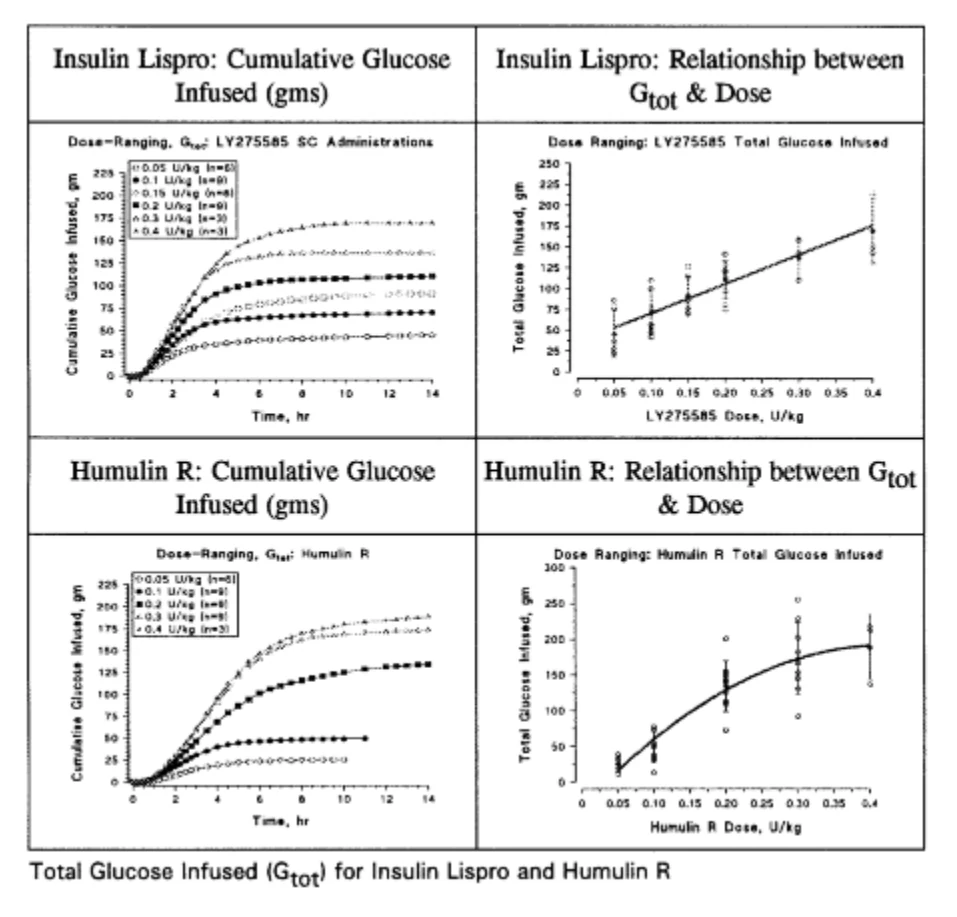
Figure 2. Dose Ranging Studies in Healthy Volunteers
Comparison of Humalog Formulations to Regular Insulin in Patients with type 1 Diabetes
A study was performed comparing the abilities of Humalog and Humulin R to control blood glucose after administration of a high calorie meal to patients with type 1 diabetes. Patients were given a low-dose insulin infusion (0.2 mU/kg/min) for basal requirements, then received a dose of either Humulin R or Humalog subcutaneously just prior to a meal of pizza, Coke®, and tirami-su (1016 total calories, 57% carbohydrates, 31.6% fat). The dose of subcutaneous regular insulin/Humalog was selected by the patient based upon previous insulin use, and kept constant between both treatments within any one patient. The mean ± SD subcutaneous
Humulin R/Humalog dose was 15.4 ± 3.5 U. Whole blood glucose concentrations were measured on a continuous basis after dosing, and blood samples were collected for determination of insulin and insulin lispro concentrations.
The serum drug concentrations confirmed the glucose clamp trial performed in healthy volunteers (Figure 3, Table 5), and shows a more rapid absorption, with Humalog peaking higher and earlier than Humulin R. Total absorption was comparable.
Figure 3. Mean Serum Insulin Concentrations in type 1 Patients Following Injection of
Humulin R and Humalog (Basal 0.2mU/min/kg insulin infusion).
| Treatment | Dose, U | Cmax, ng/ml | tmax, hr | AUC04, ng-hr/ml | |
| Humalog | 15.4 ± 3.5 | 1.66 ± 0.42 | 1.13 ± 0.29 | 3.64 ± 0.88 | |
| Humulin R | 15.4 ± 3.5 | 1.07 ± 0.30 | 1.90 ± 0.46 | 4.05 ± 0.75 | |
| p† | -- | <0.001 | <0.001 | 0.205 | |
Normalized for dose
† Statistical comparisons. p<0.05 considered statistically significant
Table 5. Mean (+/-SD) Pharmacokinetic Parameters, Humalog and Humulin R, Adjusted for Insulin Infusion.
| 0.5 1.0 1.5 2.0 2.5 3.0 | Humalog (n=10) Humulin R (n=10) 0.2 mU/min/kg insulin infusion (Mean Dose 15.4 U) |
| 0.0 | Time (minutes) 0 60 120 180 240 300 360 420 480 |
Glucose concentrations showed that Humalog controlled the glucose excursions after this meal more completely than did regular insulin (Figure 4). Baseline blood glucose values were attained within 2 hours after meal consumption with Humalog. In comparison, baseline blood glucose was not attained for 4-5 hours after dosing regular insulin. Additionally, a trend was apparent showing a greater potential for regular insulin to induce latent hypoglycemia.
However, it should be noted that both insulins were given just prior to the meal, Humulin R was not given as recommended in the product label.
Figure 4. Mean Blood Glucose Concentrations in type 1 Patients Following Injection of
Humulin R and Humalog Immediately Prior to a Meal.
Studies with Humalog Mixtures:
Clinical pharmacology studies of mixtures of insulin lispro injection and NPL were designed to demonstrate 1) that the activity profile of NPL is consistent with that of an intermediate-acting insulin (for example, NPH), and 2) that the rapid action of insulin lispro injection is maintained within manufactured insulin lispro injection/NPL mixtures. Four clinical pharmacology studies were completed, three in healthy subjects and one in patients with type 1 diabetes.
| 50 100 150 200 250 | Humalog (n=10) Humulin R (n=10) 0.2 mU/min/kg insulin infusion 0.2 mU/min/kg insulin infusion (Mean Dose 15.4 U) |
| 0 | Time (minutes) 0 60 120 180 240 300 360 420 480 |
One study compared NPL and NPH in a two-way crossover glucose clamp experiment in eight healthy, non-diabetic subjects. A second study confirmed the prolonged duration of activity of
NPL by demonstrating its ability to provide overnight blood glucose control in patients with type
1 diabetes when given at bedtime.
Two separate glucose clamp-controlled trials in healthy subjects compared mixtures of insulin lispro injection and NPL with respect to their pharmacokinetic and pharmacodynamic profiles.
One of these trials utilized manually-prepared mixtures of insulin lispro injection and NPL while the other employed manufactured fixed mixtures.
NPL provided prolonged insulin activity consistent with that of an intermediate-acting insulin.
The rapid onset and peak of activity of insulin lispro injection was maintained within the insulin lispro injection/NPL mixtures. Each mixture studied had a distinct pharmacokinetic and pharmacodynamic profile consistent with the relative proportions of insulin lispro injection and
NPL within the mixture (Figure 5).
Mean Glucose Infusion Rate vs. Time Curves,
All Mixtures: 15-min Means
Figure 5. Mean glucose infusion rate-versus-time curves
HM - 75% insulin lispro injection, 25% insulin lispro protamine suspension
MM - 50% insulin lispro injection, 50% insulin lispro protamine suspension
LM - 25% insulin lispro injection, 75% insulin lispro protamine suspension
TOXICOLOGY
GENETIC TOXICITY:
Humalog (insulin lispro injection) demonstrated no mutagenic potential in five genotoxicity tests.
These tests were the induction of reverse mutations in Salmonella typhimurium and Escherichia coli, induction of unscheduled DNA synthesis in primary cultures of adult rat hepatocytes, induction of mammalian cell mutation in the L5178Y TK+/- mouse lymphoma cell assay, in vivo induction of micronuclei in bone marrow of male and female ICR mice, and induction of chromosomal aberrations in Chinese hamster ovary (CHO) cells.
M e a n G lu c o s e In fu s io n R a te v s . T im e C u rv e s ,
A ll M ix tu re s : 1 5 -m in M e a n s
T im e, hours after dosing
-2 0 2 4 6 8 10 12 14 16 18 20 22
0
2
4
6
8
10
12
14
Lispro M ean H M M ean M M M ean LM M ean N P L M ean
m eangir.spw
created by J. Woodworth/R. Yordy 30-Jan-97
source file: q:\\pkregsub\fixm ix\iodj\data\gir_new.xls
ACUTE TOXICITY:
Table 6: Results of Acute Toxicity Studies with Insulin Lispro
| Species, Strain | Number/ Sex/ Group; Age | Dose (U/kg) | Route of Administration | Duration of Observations | Parameters Evaluated | Observations |
Rat, Fischer 344 | 5; 8-9 weeks | 0, 10 | Intravenous | 2 weeks | Mortality; clin. obs.; body wt.; pathology | No effects MLDa >10 U/kg |
Rat, Fischer 344 | 5; 8-9 weeks | 0, 10 | Subcutaneous | 2 weeks | Mortality; clin. obs.; body wt.; pathology | No effects MLDa >10 U/kg |
Rat, Fischer 344 | 5; 8-9 weeks | 0, 10b | Subcutaneous | 2 weeks | Mortality; clin. obs.; body wt.; pathology | No effects MLDa >10 U/kg |
Dog, beagle | 2; 17-21 months | 0, 0.1 | Intravenous | 2 weeks | Mortality; clin. obs.; body wt.; food consumption; hematology; clin. chemistry | ↓ blood glucose MLDa > 0.1 U/kg |
Dog, beagle | 2; 11-29 months | 0, 2 | Subcutaneous | 2 weeks | Mortality; clin. obs.; body wt.; food consumption; hematology; clin. chemistry | ↓ blood glucose MLDa > 2 U/kg |
a MLD = median lethal dose
b New formulation with increased m-cresol preservative.
Table 7: Results of Acute Toxicity Studies with Insulin Lispro Protamine Suspension
| Species, Strain | No./ Sex/ Group | Dose (U/kg) | Route of Administration | Duration of Observation | Parameters Evaluated | Observations |
Rat, Fischer 344 | 5 | 0, 10 | Subcutaneous | 2 weeks | Mortality; clin. obs.; body wt.; pathology | The median lethal dose of insulin lispro protamine suspension, when administered subcutaneously to Fischer 344 rats, was determined to be >10 units/kg of body weight for males and females. No adverse toxicity was associated with insulin lispro protamine suspension. |
LONG-TERM TOXICITY:
Table 8: Results of Subchronic/Chronic Toxicity Studies with Insulin Lispro
| Species, Strain | Number/ Sex/ Group; Age | Doses (U/kg/day) | Route of Administration | Duration of Treatment | Parameters Evaluated | Observations |
Rat, Fischer 344 | 10; 4-5 weeks | 0, 3 | Subcutaneous | 1 month | Survival; clin. obs.; ophthalmic exam.; body wt.; food consumption; hematology; clin. chemistry; urinalysis; organ wts.; pathology | No effects. |
Dog, beagle | 4; 10 months | 0, 2 | Subcutaneous | 1 month | Survival; clin. obs.; ophthalmic & physical exams.; electrocardiog rams; body wt.; food consumption; hematology; clin. chemistry; urinalysis; organ wts.; pathology | ↓ blood glucose. ↑ heart rate (M, Day 30). |
Rat, Fischer 344 | 15; 7 weeks | 0, 5, 20 | Subcutaneous | 6 months | Survival; clin. obs.; ophthalmic exam.; body wt.; food consumption; hematology; clin. chemistry; urinalysis; organ wts.; pathology | ↑ body wt. gain (M & F: 5 & 20 U/kg). ↑ food consumption (F: 20 U/kg). ↑ EFU (M & F: 5 & 20 U/kg). ↓ triglyceride & cholesterol (M & F: 5 & 20 U/kg). |
Table 8 Cont’d.: Results of Subchronic/Chronic Toxicity Studies with Insulin Lispro
| Species, Strain | Number/ Sex/ Group; Age | Doses (U/kg/day) | Route of Administration | Duration of Treatment | Parameters Evaluated | Observations |
Dog, beagle | 4; 7-8 months | 0, 1, 2 | Subcutaneous | 1 year | Survival; clin. obs.; ophthalmic & physical exams.; electrocardiogr ams; body wt.; food consumption; hematology; clin. chemistry; urinalysis; organ wts.; pathology | ↓ blood glucose (M & F: 2 U/kg). ↑ triglyceride & cholesterol. ↑ heart rate & T wave alteration. |
Rat, Fischer 344 | 30; 7 8 weeks | 0, 20, 200 | Subcutaneous | 1 year | Survival; clin. obs.; ophthalmic exam.; body wt.; food consumption; hematology; clin. chemistry; urinalysis; immunotoxicity; organ wts.; pathology | ↑ body wt., body wt. gain; food consumption; EFU (M & F: 200 U/kg) ↑ EFU (F: 20 U/kg) ↑ glucose (M & F: 200 U/kg) ↓ triglycerides (F: 20 & 200 U/kg) ↓ cholesterol (M & F: 20 & 200 U/kg) |
BIBLIOGRAPHY
| 1. | Amiel SA, Sherwin RS, Simonson DC, Taborlane WV. Effect of intensive insulin therapy on glycemic thresholds for counterregulatory hormone release. Diabetes, 1988; 37:901-907. |
| 2. | Anderson JH, Brunelle RL, Vignati L. Insulin lispro compared to regular insulin in a crossover study involving 1037 patients with type I diabetes. Diabetes, 1995; 44(Suppl. 1):228A. |
| 3. | Brems DN, Alter LA, Beckage MJ, Chance RE, DiMarchi RD, Green LK, Long HB, Pekar AH, Shields JE, Frank BH. Altering the association properties of insulin by amino acid replacement. Protein Eng. 1992;5:527-33. |
| 4. | Bastyr III EJ, Kotsanos J, Vignati L, Cox D. Insulin lispro (LP) reduces hypoglycemia rate in persons with Type II diabetes at high risk for hypoglycemia. Diabetes, 1994; (Suppl. 1):36A. |
| 5. | Brunelle RJ, Anderson JH, Vignati L. Decreased rate of hypoglycemia in association with improved metabolic control with insulin lispro. Diabetologia, 1994; 37(Suppl. 1):A78. |
| 6. | Brunelle RJ, Symanowski S, Anderson J, Vignati L. Less nocturnal hypoglycemia with insulin lispro in comparison with human regular. Diabetes, 1995; 44(Suppl. 1):111A. |
| 7. | Chantelau E, Heinemann L. Insulin analogs - not faster than U 40 regular human insulin? Letter to editor. Diabetes Res Clin Pract. 1993; 21:201-202. |
| 8. | Cryer PE, Binder C, Bolli GB, Cherrington AD, Gale EAM, Gerich JE, Sherwin RS. Hypoglycemia in IDDM. Diabetes, 1989; 38:1193-1199. |
| 9. | Deeb LC, Holcombe JH, Brunelle R, Zalani S, Brink S, Jenner M, Kitson H, Perlman K, Spencer M. Insulin lispro lowers postprandial glucose in prepubertal children with diabetes. Pediatrics 2001: 108: 5: 1175-1179. |
| 10. | Del Sindaco P, Ciofetta M, Lalli C, Perriello G, Pampanelli S, Torlone E, Brunetti P, Bolli GB. Use of the short-acting insulin analogue lispro in intensive treatment of type 1 diabetes mellitus: importance of appropriate replacement of basal insulin and time-interval injection- meal. Diabet Med 1998 Jul;15(7):592-600 |
| 11. | DiMarchi RD, Chance RE, Long HB, Shields JE, Slieker LJ. Preparation of an insulin with improved pharmacokinetics relative to human insulin through consideration of structural homology with insulin-like growth factor I. Horm Res. 1994;41(suppl 2):93-96. |
| 12. | DiMarchi RD, Mayer JP, Fan L, Brems DN, Frank BH, Green LK, Hoffmann JA, Howey DC, Long HB, Shaw WN, Shields JE, Slieker LJ, Su KSE, Sundell KL, Chance RE. Synthesis of a fast-acting insulin based on structural homology with insulin-like growth factor I. In: Smith JA, Rivier JE, eds. Peptides, Chemistry and Biology. Proceedings of the Twelfth American Peptide Symposium. Leiden: ESCOM; 1992:26-28. |
| 13. | DiMarchi RD. Proinsulin to IGF-I: a family of novel insulin agonists. Insulin-Dependent Diabetes. Advances in Management, Prevention and Cure. South Natick MA: IBC USA Conferences Inc; 1992. |
| 14. | Ebeling P, Jansson PA, Smith U, Lalli C, Bolli GB, Koivisto VA. Strategies toward improved control during insulin lispro therapy in IDDM. Importance of basal insulin. Diabetes Care 1997 |
| Aug;20(8):1287-9 | |
| 15. | Gale EAM. Hypoglycaemia and human insulin. Lancet, 1989; ii:1264- 1266. |
| 16. | Galloway JA, Chance RE, Su KSE. Human insulin and its modifications. In: Reidenberg MM, ed. The Clinical Pharmacology of Biotechnology Products. Amsterdam: Elsevier Science Publishers BV (Biomedical Division); 1991:23-34. |
| 17. | Galloway JA, Chance RE. Approaches to insulin analogues. In: Marshall SM, Home PD, eds. The Diabetes Annual/8. New York: Elsevier Science; 1994:277-297. |
| 18. | Galloway JA, Chance RE. Insulin agonist therapy: A challenge for the 1990s. Clin Ther 1990;12:460-72. |
| 19. | Galloway JA, Chance RE. Insulin analogues. IDF Bulletin 1994;39:14-16. |
| 20. | Galloway JA. New directions in drug development: mixtures, analogues, and modeling. Diabetes Care. 1993;16 (suppl 3):16-23 |
| 21. | Heine RJ, Bilo HJG, Fonk T, van der Veen EA, van der Meer J. Absorption kinetics and action profiles of mixtures of short-and intermediate-acting insulins. Diabetologia. 1984;27:558-562. |
22. 23. | Heinemann L, Starke AAR, Hohmann A, Berger M. Timing between the subcutaneous administration of insulin and consumption of a carbohydrate rich meal. Horm. Metab. Res. 1992;26(Suppl):137-139. Herings R M C, Boer, A de, Stricker, B H Ch, Leufkens, H G M, |
Porsius A. Hypoglycaemia associated with use of inhibitors of angiotensin converting enzyme. Lancet, 1995;345:1195-98. | |
| 24. | Holcombe JH, Zalani S, Arora VK, Mast CJ; Lispro in Adolescents Study Group.Comparison of insulin lispro with regular human insulin for the treatment of type 1 diabetes in adolescents. Clin Ther 2002 Apr;24(4):629-38 |
| 25. | Howey DC, Bowsher RR, Brunelle RL, Woodworth JR. [Lys(B28), Pro(B29)]-Human insulin: a rapidly absorbed analogue of human insulin. Diabetes. 1994;43:396-402. |
26. 27. | Jacobs MAJM, Heine RJ. Insulin analogues: new horizons or false dawns? In: Barnett AH, ed. Diabetes. Reviews 2/4. London: Macmillan Magazines; 1993:2-4. Jansson PA, Ebeling P, Smith U, Conger I, Coves MJ, Gomis R, Lalli C, Del Sindaco P, Bolli GB, Koivisto VA. Improved glycemic control can be better maintained with insulin lispro than with human regular insulin. Diab Nutr Metab. 1998;11:194-99. |
| 28. | Joseph SE, Korzon-Burakowska A, Woodworth J, Evans, M, Hopkins D, Janes J, Amiel S. The Action Profile of Lispro is Not Blunted by Mixing in the Syringe With NPH Insulin. Diabetes Care 1998;21:2098- 2102. |
| 29. | Kurtz W.T., Pravenec M. Antidiabetic mechanisms of angiotensin- converting-enzyme inhibitors and angiotensin II receptor antagonists: beyond: the renin-angiotensin system. J Hypertension, 2004;22(12):2253-2261. |
| 30. | Lalli C, Ciofetta M, Del Sindaco P, Torlone E, Pampanelli S, Compagnucci P, Cartechini MG, Bartocci L, Brunetti P, Bolli GB. |
| 31. | Long-term intensive treatment of type 1 diabetes with the short-acting insulin analog lispro in variable combination with NPH insulin at mealtime. Diabetes Care 1999 Mar;22(3):468-77 Pedersen-Bjergaard U, Agerholm-Larsen B, Pramming S, Hougaard P, Thorsteinsson B. Activity of angiotensin-converting enzyme and risk of severe hypoglycaemia in type 1 diabetes mellitus. Lancet, 2001;357(9264):1248-1253. |
| 32. | Schernthaner G, Wein W, Sandholzer K, Equiluz-Bruck S, Bates PC, Birkett MA. Postprandial insulin lispro. A new therapeutic option for type 1 diabetic patients. Diabetes Care 1998 Apr;21(4):570-3. |
| 33. | Slieker LJ, Brooke GS, Chance RE, Fan L, Hoffmann JA, Howey DC, Long HB, Mayer J, Shields JE, Sundell KL, DiMarchi RD. Insulin and IGF-I analogs: Novel approaches to improved insulin pharmacokinetics. In: LeRoith D, Raizada MK, eds. Current Directions in Insulin-Like Growth Factor Research. New York: Plenum Press;1994:25-32. |
| 34. | Stiller R, Gudat U, Pfützner A, Niederreiter B, Trautmann ME, Haslbeck M. Postprandial treatment with insulin lispro. Diabetes & Metabolism. 1997, 23, 232-233. |
| 35. | Teuscher A, Berger WG. Hypoglycaemia unawareness in diabetics transferred from beef/porcine insulin to human insulin. Lancet, 1987 |
| 36. | The Diabetes Control and Complications Trial Research Group. The effect of intensive treatment of diabetes on the development and progression of long-term complications in insulin-depenent diabetes mellitus. N Engl J Med. 1993; 329:977-986. |
| 37. | Torlone E, Fanelli C, Rambotti AM, Kassi G, Modarelli F, Di Vincenzo A, Epifano L, Ciofetta M, Pampanelli S, Brunetti P, Bolli GB. Pharmacokinetics, pharmacodynamics and glucose counterregulation following subcutaneous injection of the monomeric insulin analogue [Lys(B28),Pro(B29)] in IDDM. Diabetologia. 1994;37:713-720. |
| 38. | Vignati L, Brunelle RL. Treatment of 722 patients with type II diabetes with insulin lispro a 6 month crossover study. Diabetes, 1994; 44(Suppl. 1):229A. |