


Product Monograph - Victrelis Triple
SUMMARY PRODUCT INFORMATION
| Route of Administration | Dosage Form / Strength | Clinically Relevant Non-medicinal Ingredientsa |
boceprevir: oral | capsules / 200 mg | lactose monohydrate |
ribavirin: oral | capsules / 200 mg | lactose monohydrate |
peginterferon alfa-2b: subcutaneous | powder for solution in CLEARCLICKTM single dose delivery system / 80 mcg/0.5 mL 100 mcg/0.5 mL 120 mcg/0.5 mL 150 mcg/0.5 mL | none |
a: For a complete listing see DOSAGE FORMS, COMPOSITION AND PACKAGING section.
INDICATIONS AND CLINICAL USE
VICTRELIS TRIPLE® (boceprevir (BOC), ribavirin (RBV) plus peginterferon alfa-2b (PegIFNα2b)) is indicated for: The treatment of Chronic Hepatitis C (CHC) genotype 1 infection in adult patients (18 years and older) with compensated liver disease, including cirrhosis, who are previously untreated or who have failed previous therapy (see CLINICAL TRIALS).
Treatment with VICTRELIS TRIPLE® should be initiated and monitored by a physician experienced in the management of CHC. Before initiating therapy, the following points should be considered:
- VICTRELIS TRIPLE® efficacy has not been studied in patients who have failed previous therapy regimens which included VICTRELIS® or other hepatitis C virus (HCV) NS3/4A Protease Inhibitors (PIs).
- Poorly interferon responsive patients who were treated with VICTRELIS TRIPLE® achieved lower Sustained Virologic Response (SVR) and higher rate of resistance associated substitutions upon treatment failure compared to patients with a greater response to PEGETRON® (PegIFNα2b plus RBV) (see CLINICAL TRIALS and MICROBIOLOGY, Resistance).
Geriatrics (> 65 years of age)
Clinical studies of VICTRELIS TRIPLE® included only a limited number of patients aged 65 and over. Consideration should be given to the decreased hepatic, renal or cardiac function and of concomitant disease or other drug therapy in elderly patients prior to prescribing VICTRELIS TRIPLE® (see WARNINGS AND PRECAUTIONS, DOSAGE AND ADMINISTRATION and ACTION AND CLINICAL PHARMACOLOGY).
Pediatrics (< 18 years of age)
No data is available (see WARNINGS AND PRECAUTIONS and ACTION AND CLINICAL PHARMACOLOGY).
CONTRAINDICATIONS
VICTRELIS TRIPLE® is contraindicated in:
- Patients with known hypersensitivity to BOC, RBV and/or any interferons or any component of the capsules and/or injection. For a complete listing, see the DOSAGE FORMS, COMPOSITION AND PACKAGING section.
- Patients with autoimmune hepatitis or a history of autoimmune disease.
- Patients with hepatic decompensation (Child-Pugh score > 6 [class B and C]).
- Pregnant women or by men whose female partners are pregnant. Extreme care must be taken to avoid pregnancy in female patients and in female partners of male patients taking VICTRELIS TRIPLE® therapy. VICTRELIS TRIPLE® therapy must not be initiated until a report of a negative pregnancy test has been obtained immediately prior to initiation of therapy. Women of childbearing potential and their male partners must not receive VICTRELIS TRIPLE® therapy unless they are using effective contraception (two reliable forms, one for each partner) during treatment with VICTRELIS TRIPLE® and for the 6-month post-therapy period (i.e., 15 half-lives for RBV clearance from the body). Significant teratogenic and/or embryocidal effects have been demonstrated for RBV in all animal species in which adequate studies have been conducted. These effects occurred at doses as low as one twentieth of the recommended human dose of RBV (see WARNINGS AND PRECAUTIONS, Special Populations).
- Patients who have pre-existing severe psychiatric condition or a history of severe psychiatric disorder.
- Patients who have pre-existing thyroid abnormalities for which thyroid function cannot be maintained in the normal range by medication.
- Patients with severe renal dysfunction (creatinine clearance < 50 mL/min).
- Patients who have epilepsy.
- Co-administration of BOC with medicines that are highly dependent on CYP3A4/5 for clearance and for which elevated plasma concentrations are associated with serious and/or life-threatening events (narow therapeutic index). These drugs are listed in Table 1 (see DRUG INTERACTIONS, Drug-Drug Interactions).
- Co-administration with medicines that are potent CYP3A4/5 inducers, where significantly reduced BOC plasma concentrations may be associated with reduced efficacy. These drugs are listed in Table 1 (see DRUG INTERACTIONS, Drug-Drug Interactions).
Table 1: Drugs that are contraindicated with boceprevir
| Drug Class/Drug Name | Clinical Comment |
|---|---|
Alpha 1-Adrenoreceptor Antagonists alfuzosin, doxazosin, silodosin, tamsulosin | Potential for alpha 1-adrenoreceptor antagonist-associated adverse events, such as hypotension and priapism. |
Antiarrhythmics amiodarone, propafenone, quinidine | Potential to produce serious and/or life-threatening Adverse Events (AEs). |
Anticonvulsants carbamazepine, phenobarbital, phenytoin | May lead to loss of virologic response to VICTRELIS®. |
Antimycobacterials rifampin | May lead to loss of virologic response to VICTRELIS®. |
Ergot Derivatives dihydroergotamine, ergonovine, ergotamine, methylergonovine | Potential for acute ergot toxicity characterized by peripheral vasospasm and ischemia of the extremities and other tissues. |
Gastrointestinal Motility Agents cisapridea | Potential for cardiac arrhythmias. |
Herbal Products St. John’s wort (Hypericum perforatum) | May lead to loss of virologic response to VICTRELIS®. |
HMG-CoA Reductase Inhibitors lovastatin, simvastatin | Potential for myopathy, including rhabdomyolysis. |
Neuroleptics Pimozide | Potential for cardiac arrhythmias. |
Oral Contraceptives Drospirenone | Potential for hyperkalemia. |
PDE-5 Inhibitors sildenafil or tadalafil when used for the treatment of PAH | Potential for PDE5 inhibitor-associated AEs, including visual abnormalities, hypotension, prolonged erection, and syncope. |
Second Generation Antihistamines astemizolea, terfenadinea | Potential for cardiac arrhythmias. |
Sedatives/Hypnotics midazolam (orally administered), triazolam (orally administrated) | Potential for prolonged or increased sedation or respiratory depression. |
PAH = pulmonary arterial hypertension
a: Please note that cisapride, astemizole and terfenadine are no longer available on the Canadian market.
WARNINGS AND PRECAUTIONS
Serious Warnings and Precautions
Alpha interferons, including PegIFNα2b, cause or aggravate fatal or life-threatening neuropsychiatric, autoimmune, ischemic and infectious disorders. Patients should be monitored closely with periodic clinical and laboratory evaluations. Patients with persistently severe or worsening signs or symptoms of these conditions should be withdrawn from therapy. In many cases, but not all cases, these disorders resolve after stopping interferon therapy.
Life-threatening or fatal psychiatric effects, particularly severe depression, suicidal or homicidal behavior (suicidal or homicidal ideation, attempted suicide and suicide), psychosis including hallucinations, and aggressive behavior, sometimes directed towards others, have occurred in patients with and without previous psychiatric disorders during RBV plus PegIFNα2b or RBV plus interferon alfa-2b treatment and follow-up (see ADVERSE REACTIONS, Pegetron). Other Central Nervous System (CNS) effects including confusion and alterations of mental status have been observed with alpha interferons, including PegIFNα2b.
VICTRELIS TRIPLE® therapy should be used with extreme caution in patients with a history of pre-existing psychiatric disorders who report a history of severe depression. If patients develop psychiatric or CNS problems, including clinical depression, it is recommended that the patients be carefully monitored during treatment and in the 6 month follow-up period, due to the potential seriousness of these undesirable effects. If such symptoms appear, the potential seriousness of these undesirable effects must be borne in mind by the prescribing physician. If symptoms persist or worsen, discontinue VICTRELIS TRIPLE® therapy.
Significant teratogenic and/or embryocidal potential have been demonstrated for ribavirin in all animal species. Because of these risks, VICTRELIS TRIPLE® is contraindicated in pregnant women and men whose female partners are pregnant. Extreme care must be taken to avoid pregnancy in female patients and in female partners of male patients while taking this combination - both during treatment and for 6 months after the completion of all treatment (see WARNINGS AND PRECAUTIONS, Special Populations, Pregnant Women).
Hemolytic anemia associated with ribavirin may result in deterioration of cardiac function and/or exacerbation of the symptoms of coronary disease. Patients with a history of significant or unstable cardiac disease should not be treated with VICTRELIS TRIPLE® (see WARNINGS AND PRECAUTIONS, Hematologic, Anemia).
General
VICTRELIS TRIPLE® therapy should not be used in patients with severe, debilitating medical conditions.
Based on results of clinical trials, the use of RBV as monotherapy is not effective and RBV must not be used alone. The safety and efficacy of RBV has only been established in combination with PegIFNα2b and in combination with PegIFNα2b and VICTRELIS®.
VICTRELIS TRIPLE® may cause moderate to severe adverse experiences requiring dose reduction or temporary interruption of RBV and/or PegIFNα2b. Generally, medical management of these adverse experiences is accomplished with these modifications. Occasionally, discontinuation from further therapy is required. More stringent dose-modification guidelines are recommended for cardiac patients (see DOSAGE AND ADMINISTRATION).
Effects on Ability to Drive and Use Machines
No studies on the effects of VICTRELIS TRIPLE® on the ability to drive and use machines have been performed. However, certain side effects that have been reported may affect some patients’ ability to drive and use machines. Patients should be informed that fatigue, somnolence, confusion, dizziness, syncope, blood pressure fluctuations and blurred vision have been reported (see ADVERSE REACTIONS, Clinical Trial Adverse Reactions).
Carcinogenesis and Mutagenesis
Conventional carcinogenicity studies in rodents with low exposures compared to human exposure under therapeutic conditions (factor 0.1 in rats and 1 in mice) did not reveal tumorigenicity of RBV. In addition, in a 26 week carcinogenicity study using the heterozygous p53 (+/-) mouse model, RBV did not produce tumors at the maximally tolerated dose of 300 mg/kg (plasma exposure factor approximately 2.5 compared to human exposure). Ribavirin was non-carcinogenic when administered for 2 years to rats at doses up to 40 mg/kg (estimated human equivalent of 5.71 mg/kg based on body surface area adjustment for a 60 kg adult). While these studies do not suggest a carcinogenic potential of RBV in humans, this dose was less than the maximum tolerated dose, and therefore the 2-year study was not adequate to fully characterize the carcinogenic potential of RBV. Ribavirin should be considered a potential carcinogen.
Ribavirin is genotoxic and mutagenic in some in vivo and in vitro genotoxicity assays. Studies indicated that RBV was not oncogenic in mice at oral gavage doses up to 75 mg/kg/day, or in rats at oral gavage doses up to 40 mg/kg/day (see TOXICOLOGY, Carcinogenicity and Mutagenicity).
See also TOXICOLOGY section for animal data.
Cardiovascular
Chest pain, hypertension, cardiac arrhythmia, cardiac ischemia, and myocardial infarction have been reported in patients with and without a history of cardiac disorder or abnormality in association with the use of alpha interferon therapies including PegIFNα2b (see ADVERSE REACTIONS). VICTRELIS TRIPLE® should not be administered to patients with a history of severe pre-existing cardiac disease including unstable or uncontrolled cardiac disease in the previous 6 months. As with other alpha interferons, patients with a history of congestive heart failure, myocardial infarction and/or previous or current arrhythmic disorders who received
PegIFNα2b require close monitoring. It is recommended that patients who have pre-existing cardiac abnormalities have electrocardiograms taken prior to and during the course of treatment. Cardiac arrhythmias (primarily supraventricular) usually respond to conventional therapy but may require discontinuation of VICTRELIS TRIPLE® therapy. Cardiomyopathy, that may be reversible upon discontinuation of alpha interferon, has been reported rarely in patients without prior evidence of cardiac disease.
A case of deep vein thrombosis has been reported from a clinical trial of retreatment of patients who failed previous treatment with interferon and RBV combination therapy.
Hydration
Adequate hydration must be maintained in patients undergoing therapy with VICTRELIS TRIPLE® (see ADVERSE REACTIONS, PEGETRON General Safety Information).
Cerebrovascular Disorders
Ischemic and hemorrhagic cerebrovascular events have been observed in patients treated with interferon alpha-based therapies, including PegIFNα2b. Events occurred in patients with few or no reported risk factors for stroke, including patients less than 45 years of age. Because these are spontaneous reports, estimates of frequency cannot be made and a causal relationship between interferon alpha-based therapies and these events is difficult to establish.
Dental and Periodontal Disorders
Dental and periodontal disorders have been reported in patients who received RBV and peginterferon combination therapy. In addition, dry mouth could have a damaging effect on teeth and mucous membranes of the mouth during long-term treatment with the combination of RBV and PegIFNα2b. Patients should brush their teeth thoroughly twice daily and have regular dental examinations. In addition some patients may experience vomiting. If this reaction occurs, they should be advised to rinse out their mouth thoroughly afterwards.
Ear/Nose/Throat
Hearing disorder and hearing loss have been reported with the use of alpha interferons, including PegIFNα2b.
Endocrine and Metabolism
Diabetes Mellitus and Hyperglycemia
As with other alpha interferons, diabetes mellitus and hyperglycemia have been observed in patients treated with PegIFNα2b. Symptomatic patients should have their blood glucose measured and followed up accordingly. Patients with diabetes mellitus may require adjustment of their anti-diabetic regimen.
Hypertriglyceridemia
Hypertriglyceridemia and aggravation of hypertriglyceridemia, sometimes severe, have been observed with PegIFNα2b. Monitoring of lipid levels is, therefore, recommended.
Thyroid Changes
Infrequently, patients treated for chronic hepatitis C with alpha interferons, including PegIFNα2b, have developed thyroid abnormalities, either hypothyroidism or hyperthyroidism. After discontinuation of therapy, thyroid dysfunction may or may not be reversed. Determine thyroid-stimulating hormone (TSH) levels if, during the course of therapy, a patient develops symptoms consistent with possible thyroid dysfunction. In the presence of thyroid dysfunction, VICTRELIS TRIPLE® treatment may be initiated or continued only if TSH levels can be maintained in the normal range by medication.
Gastrointestinal
Colitis
As seen with other alpha interferons, ulcerative and ischemic colitis, sometimes serious, have been observed within 12 weeks of starting PegIFNα2b. VICTRELIS TRIPLE® should be discontinued immediately if symptoms of colitis develop (typical manifestations include abdominal pain, bloody diarrhea and fever). The colitis usually resolves within 1 to 3 weeks of discontinuation of alpha interferon.
Hematologic
Anemia
Hemolytic anemia (hemoglobin levels to < 100 g/L) was observed in up to 28 % of patients treated with RBV in combination with PegIFNα2b in clinical trials. Anemia occurred within 1–4 weeks of initiation of RBV.
Although RBV has no direct cardiovascular effects, anemia associated with RBV may result in deterioration of cardiac function and/or exacerbation of the symptoms of coronary disease. Patients should be assessed before initiation of therapy and should be appropriately monitored during therapy. If there is any deterioration of cardiovascular status, therapy should be suspended or discontinued (see DOSAGE AND ADMINISTRATION). Because cardiac disease may be worsened by drug-induced anemia, patients with a history of significant or unstable cardiac disease should not be treated with VICTRELIS TRIPLE®. VICTRELIS TRIPLE® therapy should not be used in patients with hemoglobinopathies (e.g., thalassemia, sickle-cell anemia).
Complete blood counts (with white blood cell differential counts) should be obtained before treatment, at TWs 2, 4, 8 and 12 and should be closely monitored at other time points as considered clinically appropriate (see Monitoring and Laboratory Tests). Refer to the prescribing information of PEGETRON (PegIFN alfa-2b plus RBV) for dose reductions of ribavirin for the management of anemia.
The addition of VICTRELIS® to PEGETRON® is associated with an additional decrease in serum hemoglobin concentrations (approximately 10 g/L) (see ADVERSE REACTIONS, Clinical Trial Adverse Reactions, Anemia and ADVERSE REACTIONS, Abnormal Hematologic and Clinical Chemistry Findings).
In a prospective randomized controlled anemia management trial, it was demonstrated that RBV dose reduction was comparable to administration of erythropoietin in the management of anemia with similar SVR rates, regardless of anemia management strategy. In this trial, use of erythropoietin was associated with an increased risk of thromboembolic events including pulmonary embolism, acute myocardial infarction, cerebrovascular accident, and deep vein thrombosis compared to ribavirin dose reduction (see ADVERSE REACTIONS, Clinical Trial Adverse Reactions, Anemia). In clinical trials, the median time to onset of hemoglobin less than 100 g/L from the initiation of therapy was similar among subjects treated with the combination of VICTRELIS and PegIFNα/RBV (71 days with a range of 15-337 days), compared to those who received PegIFNα/RBV (71 days with a range of 8-337 days).
Ribavirin dose reduction is the recommended strategy for initial management of treatment-emergent anemia. If permanent discontinuation of RBV is required, then PegIFNα and VICTRELIS® must also be discontinued.
Neutropenia
Neutropenia is a known interferon-related AE. In Phase 2 and 3 clinical trials, the proportion of patients with neutrophil counts of less than 0.5 x 10⁹/L was higher in the VICTRELIS TRIPLE® arms (7 %) compared to patients who received only PEGETRON® (4 %) (see ADVERSE REACTIONS, Abnormal Hematologic and Clinical Chemistry Findings, Neutrophils and Platelets). In the key clinical trials, three patients experienced severe (2) or life-threatening (1) infections within 14 days of Grade 3 or 4 neutropenia and two patients experienced life-threatening neutropenia while receiving VICTRELIS TRIPLE®.
Decreases in neutrophil counts may require dose reduction of peginterferon alfa or discontinuation of therapy. If permanent discontinuation of peginterferon alfa is required, then ribavirin and VICTRELIS® must also be discontinued.
Other Hematologic Reactions
Cases of pancytopenia have been reported in patients receiving VICTRELIS® in combination with peginterferon alfa and ribavirin in the postmarketing environment. Complete blood counts (with white blood cell differential counts) should be obtained at pretreatment, and at treatment weeks 2, 4, 8, and 12, and should be monitored closely at other time points, as clinically appropriate. If permanent discontinuation of ribavirin is required, then peginterferon alfa and VICTRELIS® must also be discontinued.
Hepatic/Biliary/Pancreas
Hepatic Failure
PegIntron increases the risk of hepatic decompensation and death in patients with cirrhosis. Monitor hepatic function with serum bilirubin, ALT (alanine transaminase), AST (aspartate aminotransferase), alkaline phosphatase and LDH (lactate dehydrogenase) at 2, 8, and 12 weeks following initiation of PegIntron, then every 6 months while receiving PegIntron. Permanently discontinue VICTRELIS TRIPLE® for evidence of severe (Grade 3) hepatic injury or hepatic decompensation (Child-Pugh score >6 [class B and C]).
Hepatic Function
Any patient developing liver function abnormalities or hepatopathy during treatment should be monitored closely. As with treatment with any interferon, discontinue treatment with VICTRELIS TRIPLE® in patients who develop prolongation of coagulation markers or other markers of hepatic function, which might indicate liver decompensation (see DOSAGE AND ADMINISTRATION). The safety and efficacy of PegIFNα2b have not been evaluated in patients with severe hepatic dysfunction. Therefore, VICTRELIS TRIPLE® must not be used for these patients. VICTRELIS TRIPLE® therapy should be discontinued for any patient developing signs and symptoms of liver failure. Patients should be tested for the presence of HCV antibodies. Other causes of chronic hepatitis including autoimmune hepatitis should be excluded.
Hepatic Impairment
The safety and efficacy of boceprevir in combination with peginterferon alpha and ribavirin, have not been studied in patients with decompensated cirrhosis (see CONTRAINDICATIONS).
In published observational studies of patients with compensated cirrhosis who were treated with boceprevir in combination with peginterferon alfa and ribavirin, platelet count < 100,000/mm3 and serum albumin < 35 g/L were baseline characteristics that were predictors of death or serious complications (severe infection or hepatic decompensation) during therapy.
The potential risks and benefits of boceprevir in combination with peginterferon alfa and ribavirin should be carefully considered before initiating therapy in patients with compensated cirrhosis who have platelet count < 100,000/mm3 and serum albumin < 35 g/L at baseline. If therapy is initiated, close monitoring for signs of infections and worsening liver function is warranted.
Pancreatitis
Pancreatitis, sometimes life-threatening, has occurred in patients treated with alpha interferons, including PegIFNα2b. VICTRELIS TRIPLE® therapy should be suspended if symptoms or signs of pancreatitis are observed. VICTRELIS TRIPLE® should be discontinued in patients diagnosed with pancreatitis.
Immune
Acute Hypersensitivity
Acute hypersensitivity reactions, (e.g., angioedema, bronchoconstriction and anaphylaxis), have been observed rarely during alpha interferon therapy. Serious, acute hypersensitivity reactions (e.g., urticaria, angioedema) have also been observed during combination therapy with VICTRELIS®, peginterferon alfa, and ribavirin. If such a reaction develops during treatment with VICTRELIS TRIPLE®, discontinue treatment and institute appropriate medical therapy immediately. As with other alpha interferons, urticaria has been observed rarely during PegIFNα2b therapy. Transient rashes do not necessitate interruption of treatment.
Autoimmune Disease
As with other alpha interferons, the development of autoantibodies has been reported during treatment with PegIFNα2b. Clinical manifestations of autoimmune disease during interferon therapy may occur more frequently in patients predisposed to the development of autoimmune disorders.
Bone Marrow Toxicity
Alpha interferons, including PegIFNα2b, may suppress bone marrow function which may result in severe cytopenias. As with other alpha interferons, PegIFNα2b may be very rarely associated with aplastic anemia. PegIFNα2b dosing should be reduced or discontinued in patients developing decreases in neutrophil or platelet counts (see DOSAGE AND ADMINISTRATION, Dose modification).
Fever
While fever may be associated with the “flu-like” syndrome reported commonly during interferon therapy, other causes of persistent fever must be ruled out.
Immunological Effects
A number of immune-mediated dermatological reactions associated with the use of alpha interferons have been reported ranging from erythema multiforme to more severe but very rare occurrences of Stevens Johnson Syndrome and toxic epidermal necrolysis.
Neurologic
More significant obtundation and coma, including cases of encephalopathy, have been observed in some patients, usually elderly, treated at higher doses. While these effects are generally reversible upon discontinuation of therapy, in a few patients full resolution took up to three weeks. Very rarely, seizures have occurred with high doses of PegIFNα2b.
Ophthalmologic
Ocular Changes
As with other alpha interferons, ophthalmologic disorders, including retinopathies (including macular edema), retinal hemorrhages, retinal artery or vein obstruction, serous retinal detachment, cotton wool spots, loss of visual acuity or visual field, optic neuritis, and papilledema have been reported in rare instances after treatment with PegIFNα2b (see ADVERSE REACTIONS). These events have been reported after treatment for several months, but also have been reported after shorter treatment periods. All patients should have a baseline eye examination. Any patient complaining of ocular symptoms, including loss of visual acuity or visual field must have a prompt and complete eye examination. Because these ocular events may occur in conjunction with other disease states, periodic ocular examinations during VICTRELIS TRIPLE® therapy are recommended in patients with disorders that may be associated with retinopathy, such as diabetes mellitus or hypertension. Discontinuation of VICTRELIS TRIPLE® therapy should be considered in patients who develop new or worsening ophthalmological disorders.
Renal
Renal Function
It is recommended that renal function be evaluated in all patients prior to initiation of VICTRELIS TRIPLE® therapy and that patients be monitored closely during treatment (see DOSAGE AND ADMINISTRATION). Increases in serum creatinine levels have been observed in patients with renal insufficiency treated with interferons, including PegIFNα2b. Patients with impairment of renal function should be closely monitored for signs and symptoms of toxicity, including increases in serum creatinine, and, should have their weekly dose of PegIFNα2b reduced if medically appropriate (see DOSAGE AND ADMINISTRATION). Patients with impaired renal function and/or those over the age of 50 should be more carefully monitored with respect to the development of anemia. Patients with severe renal dysfunction (creatinine clearance < 50 mL/min) must not be treated with VICTRELIS TRIPLE®, as the clearance of PegIFNα2b is reduced in patients with significant renal impairment (see ACTION AND CLINICAL PHARMACOLOGY and CONTRAINDICATIONS). If serum creatinine rises to > 0.02 g/L, VICTRELIS TRIPLE® must be discontinued.
Respiratory
Pulmonary Changes
As with other alpha interferons, pulmonary infiltrates, pneumonitis, pulmonary hypertension, and pneumonia, occasionally resulting in fatality, have been observed rarely in PegIFNα2b treated patients. Any patient developing fever, cough, dyspnea or other respiratory symptoms must have a chest X-ray taken. If the chest X-ray shows pulmonary infiltrates or there is evidence of pulmonary function impairment, the patient is to be monitored closely. If appropriate, discontinue VICTRELIS TRIPLE® therapy. Prompt discontinuation of therapy and treatment with corticosteroids appear to be associated with resolution of pulmonary adverse events (AEs). These symptoms have been reported more frequently when Shosaikoto (also known as Xiao-Chai-Hu-Tang), a Chinese herbal medication, has been administered concomitantly with alpha interferons. VICTRELIS TRIPLE® should not be administered to patients with chronic obstructive pulmonary disease (COPD).
Sensitivity/Resistance
Hepatitis C Virus Protease Monotherapy
Based on results of clinical studies, BOC must not be used alone due to the high probability of increased resistance without combination anti-HCV therapies (see MICROBIOLOGY, Resistance).
It is unknown what effect therapy with VICTRELIS TRIPLE® will have on the activity of subsequently administered HCV NS3/4A PIs, including re-treatment with VICTRELIS TRIPLE®.
Sexual Function/Reproduction
Effects on Fertility
No human data on the effect of VICTRELIS TRIPLE® on fertility are available. Available pharmacodynamic/toxicological data in rats have shown effects of BOC /metabolites on fertility, which have been reversible (female rats) and partially reversible (male rats) (see TOXICOLOGY, Reproductive and Developmental Toxicity).
No reproductive toxicology studies have been performed using PegIFNα2b in combination with RBV. However, evidence provided below for interferon and RBV when administered alone indicates that both agents have adverse effects on reproduction. It should be assumed that the effects produced by either agent alone will also be caused by the combination of the two agents.
Interferons, including PegIFNα2b, may impair fertility. In studies of interferon administration in non-human primates, menstrual cycle abnormalities have been observed. Decreases in serum estradiol and progesterone concentrations have been reported in women treated with human leukocyte interferon. The effects of interferon on male fertility have not been studied. Therefore, a possible effect on male fertility should be considered. The genotoxicity of PegIFNα2b was evaluated in bacterial (Ames) and mammalian cell clastogenicity (HPBL) assays, and was negative in both assays.
VICTRELIS TRIPLE® therapy should be used with caution in fertile men. In studies in mice to evaluate the time course and reversibility of RBV-induced testicular degeneration at doses of 15 to 150 mg/kg/day (estimated human equivalent of 1.25–12.5 mg/kg/day, based on body surface area adjustment for a 60 kg adult; 0.2–0.8 times the maximum human 24-hour dose of RBV) administered for 3 or 6 months, abnormalities in sperm occurred. Upon cessation of treatment, essentially total recovery from RBV-induced testicular toxicity was apparent within one or two spermatogenesis cycles.
Skin
Psoriatic Disease and Sarcoidosis
Use of alpha interferons, including PegIFNα2b, has been associated with exacerbating pre-existing psoriatic disease and sarcoidosis. Use of VICTRELIS TRIPLE® in patients with psoriasis or sarcoidosis is recommended only if the potential benefit justifies the potential risk.
Special Populations
Pregnant Women
No effects on fetal development have been observed in rats and rabbits at BOC AUC exposures approximately 11.8- and 2.0-fold higher, respectively, than those in humans at the recommended dose of 800 mg Three Times Daily (TID). BOC has been shown in animals to distribute across the placenta to fetal blood and tissues (see TOXICOLOGY, Reproductive and Developmental Toxicity).
Significant teratogenic and/or embryocidal potential have been demonstrated for RBV in all animal species in which adequate studies have been conducted, occurring at doses as low as one twentieth of the recommended human dose. Malformations of the skull, palate, eye, jaw, limbs, skeleton and gastrointestinal tract were noted. The incidence and severity of teratogenic effects increased with escalation of the RBV dose. Survival of fetuses and offspring was reduced. In conventional embryotoxicity/teratogenicity studies in rats and rabbits, observed no effect dose levels were well below those for proposed clinical use (0.3 mg/kg/day for both the rat and rabbit; approximately 0.06 times the recommended human 24-hour dose of RBV). No maternal toxicity or effects on offspring were observed in a peri/postnatal toxicity study in rats dosed orally at up to 1 mg/kg/day (estimated human equivalent dose of 0.17 mg/kg based on body surface area adjustment for a 60 kg adult; approximately 0.01 times the maximum recommended human 24-hour dose of RBV).
Interferon alfa-2b has been shown to have abortifacient effects in Macaca mulatta (rhesus monkeys) at 15 and 30 million IU/kg (estimated human equivalent of 5 and 10 million IU/kg, based on body surface area adjustment for a 60 kg adult). This same effect is expected with PegIFNα2b. High doses of other forms of interferon alpha and beta are known to produce dose-related anovulatory and abortifacient effects in rhesus monkeys.
Because of these risks, VICTRELIS TRIPLE® is contraindicated in pregnant women and men whose female partners are pregnant. Extreme care must be taken to avoid pregnancy in female patients and in female partners of male patients while taking this combination - both during treatment and for 6 months after the completion of all treatment. VICTRELIS TRIPLE® therapy should not be started unless a female patient has a negative pregnancy test immediately prior to initiation of treatment and routine monthly pregnancy tests during treatment and for 6 months after all treatment has ended.
Systemic hormonal contraceptives may not be as effective in women while taking VICTRELIS TRIPLE® (see DRUG INTERACTIONS, Drug-Drug Interactions). Therefore, two alternative effective methods of contraception, including intrauterine devices and barrier methods, should be used in women during treatment with VICTRELIS TRIPLE®. There are no studies with VICTRELIS TRIPLE® in pregnant women.
Treatment and Post-treatment: Potential Risk to the Fetus
Because of the potential human teratogenic effects of RBV, male patients must be advised to take every precaution to avoid risk of pregnancy for their female partners during treatment with VICTRELIS TRIPLE® and for six months after treatment has been concluded (i.e., 15 half-lives for RBV clearance from the body). Ribavirin accumulates intracellularly and is cleared from the body very slowly. In animal studies, RBV produced changes in sperm at doses below the clinical dose. It is unknown whether the RBV that is contained in sperm will exert its known teratogenic effects upon fertilization of the ova. In a study in rats, it was concluded that dominant lethality was not induced by RBV at doses up to 200 mg/kg for 5 days (estimated human equivalent doses of 7.14 - 28.6 mg/kg, based on body surface area adjustment for a 60 kg adult; up to 1.7 times the maximum recommended human dose of RBV).
Women of childbearing potential and their male partners must not receive VICTRELIS TRIPLE® therapy unless the patient and his/her partner are using effective contraceptive (two reliable forms, one for each partner) during the therapy period. In addition, effective contraception should be utilized for six months post-therapy based on a multiple dose half-life (t½) of RBV of 12 days.
Male patients and their female partners must practice effective contraception (two reliable forms, one for each partner) during treatment with VICTRELIS TRIPLE® and for the 6-month post-therapy period (e.g., 15 half-lives for RBV clearance from the body).
If pregnancy occurs in a patient or partner of a patient during treatment or during the six months after treatment cessation, the patient must be advised of the significant teratogenic risk of RBV Capsules to the fetus and physicians should report such cases by calling Merck Canada Inc., Medical Information Department at 1-800-567-2594.
Nursing Women
It is not known whether RBV and/or PegIFNα2b are excreted in human milk.
Available pharmacodynamic/toxicological data in animals have shown excretion of BOC/metabolites in milk (see TOXICOLOGY, Reproductive and Developmental Toxicity). A risk to the newborns/infants cannot be excluded.
Because of the potential for serious adverse reactions from VICTRELIS TRIPLE® in nursing infants, nursing must be discontinued prior to the start of VICTRELIS TRIPLE® therapy.
Pediatrics (< 18 years of age)
The safety, efficacy and Pharmacokinetic (PK) profile of VICTRELIS TRIPLE® in pediatric patients below 18 years of age have not yet been established (see INDICATIONS AND CLINICAL USE). VICTRELIS TRIPLE® is not recommended for use in children and adolescents under the age of 18 years.
Geriatrics (> 65 years of age)
Clinical studies of BOC had limited data on patients aged 65 and over to determine whether they respond differently from younger patients. In general, consideration should be given to the potentially decreased hepatic, renal or cardiac function and concomitant disease or other drug therapy in elderly and younger patients (see DETAILED PHARMACOLOGY).
Human Immunodeficiency Virus (HIV) Co-infection
The safety and efficacy of VICTRELIS TRIPLE® for the treatment of CHC genotype 1 infection have not been established in patients co-infected with HIV and HCV. For data regarding drug-drug interactions with antiretroviral agents in healthy subjects, see DRUG INTERACTIONS, Drug-Drug Interactions and DETAILED PHARMACOLOGY, Pharmacokinetics, Drug-Drug Interactions.
Hepatitis B Virus (HBV) Co-infection
The safety and efficacy of VICTRELIS TRIPLE® for the treatment of CHC genotype 1 infection in patients co-infected with HBV and HCV have not been studied.
Organ Transplant Recipients
The safety and efficacy of VICTRELIS TRIPLE® for the treatment of CHC genotype 1 infection in liver or other organ transplant recipients have not been studied. For data regarding drug-drug interactions with immunosuppressants, see DRUG INTERACTIONS, Drug-Drug Interactions and DETAILED PHARMACOLOGY, Pharmacokinetics, Drug-Drug Interactions.
Preliminary data indicates that interferon alpha therapy may be associated with an increased rate of kidney graft rejection. Liver graft rejection has also been reported but a causal association with interferon alpha therapy has not been established.
Monitoring and Laboratory Tests
Standard hematologic tests, blood chemistry and a test of thyroid function must be conducted in all patients prior to initiating therapy. Acceptable baseline values that may be considered as a guideline prior to initiation of VICTRELIS TRIPLE® therapy are:
- Hemoglobin: ≥ 120 g/L (females), ≥ 130 g/L (males)
- Platelets: ≥ 100 x 109/L
- Neutrophil Count: ≥ 1.5 x 10⁹/L
- TSH Levels: must be within normal limits
Laboratory evaluations are to be conducted at weeks 2 and 4 of therapy, and periodically thereafter as clinically appropriate.
Uric acid may increase due to hemolysis with RBV Capsules use; therefore, the potential for development of gout must be carefully monitored in predisposed patients.
Complete blood counts (with white blood cell differential counts) should be obtained before treatment, at TWs 2, 4, 8 and 12 and should be closely monitored at other time points as considered clinically appropriate. If serum hemoglobin is < 100 g/L, a decrease in dose of RBV may be warranted (see ADVERSE REACTIONS, Clinical Trial Adverse Drug Reactions, Anemia). Decreases in the neutrophil counts may require dose reduction or discontinuation of PegIFNα/RBV (see ADVERSE REACTIONS, Abnormal Hematologic and Clinical Chemistry Findings). If permanent discontinuation of PegIFNα or RBV is required, then therapy with VICTRELIS® in combination with PegIFNα/RBV must also be discontinued.
HCV-RNA levels should be monitored at TWs 8, 12, and 24, at the End of Treatment (EOT), during treatment follow-up, and for other time points as clinically indicated. In previously untreated patients without cirrhosis, monitoring of HCV-RNA levels at TW 4 is recommended to determine interferon responsiveness. Use of a sensitive real-time reverse-transcription polymerase chain reaction (RT-PCR) assay for monitoring HCV-RNA levels during treatment is recommended. The assay should have a lower limit of HCV-RNA quantification of equal to or less than 25 IU/mL, and a limit of HCV-RNA detection of approximately 10–15 IU/mL. For the purposes of assessing Response-Guided Therapy (RGT) milestones, a confirmed “detectable but below limit of quantification” HCV-RNA result should not be considered equivalent to an “undetectable” HCV-RNA result. In Phase 3 pivotal clinical trials, plasma HCV-RNA was measured using a Roche COBAS* TaqMan* assay with a lower limit of detection of 9.3 IU/mL and a lower limit of quantification of 25 IU/mL.
ADVERSE REACTIONS
Overview
Potentially serious adverse reactions have been reported with VICTRELIS TRIPLE® in controlled clinical trials (see WARNINGS AND PRECAUTIONS and ADVERSE REACTIONS, General Safety Information).
The most commonly reported adverse reactions (≥ 25 %) with PEGETRON® alone were fatigue, fever, headache, rigors, myalgia, insomnia, injection site inflammation, injection site reaction, “flu-like” symptoms, weight decreased, anorexia, nausea, arthralgia, myalgia, depression, irritability, dyspnea, alopecia, pruritus, anemia, and neutropenia. The most frequently reported adverse reactions were mostly mild to moderate in severity and were manageable without the need for modification of doses or discontinuation of therapy.
The most commonly reported adverse reactions in clinical trials with VICTRELIS TRIPLE® were similar across all study arms. The most commonly reported adverse reactions (incidence > 35 %) considered by investigators to be causally related to VICTRELIS TRIPLE® in adult patients in clinical trials were fatigue, anemia, nausea, headache, and dysgeusia.
Clinical Trial Adverse Drug Reactions
Because clinical trials are conducted under very specific conditions the adverse reaction rates observed in the clinical trials may not reflect the rates observed in practice and should not be compared to the rates in the clinical trials of another drug. Adverse drug reaction information from clinical trials is useful for identifying drug-related adverse events and for approximating rates.
VICTRELIS®
The safety of VICTRELIS TRIPLE® (combination of VICTRELIS® 800 mg TID with PEGETRON®) was assessed in 2,095 patients with CHC in one Phase 2, open-label trial and two Phase 3, randomized, double-blinded, placebo-controlled clinical trials. The Phase 2 study SPRINT-1 (P03523), evaluated VICTRELIS TRIPLE® with or without a four-week lead-in period with PEGETRON® compared to PEGETRON® alone in patients who were previously untreated. The Phase 3 studies SPRINT-2 (P05216 - patients who were previously untreated) and RESPOND-2 (P05101 - patients who had failed previous therapy), evaluated the use of VICTRELIS TRIPLE® with a four-week lead-in period with PEGETRON® alone compared to PEGETRON® alone (see CLINICAL TRIALS). The population studied had a mean age of 49 years (2 % of patients were > 65 years of age), 61 % were male, 82 % were White and 15 % Black, and 7 % of the population had cirrhosis (based on liver histology). In the pooled studies, the median exposure was 201 days in patients who received VICTRELIS TRIPLE® and 198 days in patients who received PEGETRON® alone.
During the four-week lead-in period with PEGETRON® alone, 2 % (28/1,263) patients in the VICTRELIS®-containing arms experienced adverse reactions leading to discontinuation of treatment. During the entire course of treatment, the proportion of patients who discontinued treatment due to adverse reactions was 13 % for patients who received VICTRELIS TRIPLE® and 12 % for patients who received PEGETRON® alone. Events resulting in discontinuation were similar to those seen in previous studies with PEGETRON®. Only anemia and fatigue were reported as events that led to discontinuation in > 1 % of patients in any arm.
Adverse reactions that led to dose modifications of any medication (primarily PEGETRON®) occurred in 39 % of patients who received VICTRELIS TRIPLE® compared to 24 % of patients who received PEGETRON® alone. The most common reason for dose reduction was anemia, which occurred more frequently in patients who received VICTRELIS TRIPLE® than in patients who received PEGETRON® alone.
Adverse reactions were considered by investigators to be causally related to VICTRELIS TRIPLE®. Adverse reactions reported in ≥ 4 % of patients who received VICTRELIS TRIPLE® and reported at a greater rate than the PEGETRON® in SPRINT-1, SPRINT-2, and RESPOND-2 are listed by System Organ Class in Table 2.
Table 2: Treatment-related Adverse Reactions Reported in ≥ 4 % of Patients who Received VICTRELIS TRIPLE® and Reported at a Greater Rate than PEGETRON® alonea
| Adverse Reactions | Previously Untreated (SPRINT-1 & SPRINT-2) | Previous Treatment Failures (RESPOND-2) | ||
|---|---|---|---|---|
| Patients Reporting Adverse Reactions | Patients Reporting Adverse Reactions | |||
| Body System Organ Class | BOC/PegIFNα2b/ RBV n = 1,225 (%) | PegIFNα2b/RBV n = 467 (%) | BOC/PegIFNα2b/ RBV n = 323 (%) | PegIFNα2b/RBV n = 80 (%) |
| Median Exposure (days) | 197 | 216 | 253 | 104 |
| Blood and Lymphatic System Disorders | ||||
| Anemia | 50 | 30 | 45 | 20 |
| Leukopenia | 9 | 8 | 5 | 1 |
| Neutropenia | 25 | 19 | 14 | 10 |
| Thrombocytopenia | 4 | 1 | 3 | 0 |
| Eye Disorders | ||||
| Vision Blurred | 7 | 5 | 2 | 1 |
| Gastrointestinal Disorders | ||||
| Abdominal Pain | 5 | 4 | 3 | 9 |
| Abdominal Pain Upper | 7 | 7 | 6 | 3 |
| Constipation | 6 | 5 | 8 | 5 |
| Diarrhea | 23 | 19 | 23 | 15 |
| Dry Mouth | 10 | 9 | 14 | 9 |
| Dysgeusia | 35 | 16 | 44 | 11 |
| Dyspepsia | 7 | 7 | 6 | 5 |
| Gastroesophageal Reflux Disease | 5 | 2 | 5 | 0 |
| Nausea | 45 | 40 | 41 | 38 |
| Stomatitis | 4 | 3 | 4 | 3 |
| Vomiting | 19 | 12 | 13 | 8 |
| General Disorders and Administration Site Conditions | ||||
| Asthenia | 15 | 18 | 21 | 16 |
| Chills | 33 | 29 | 33 | 30 |
| Adverse Reactions | Previously Untreated (SPRINT-1 & SPRINT-2) | Previous Treatment Failures (RESPOND-2) |
|---|
| Patients Reporting Adverse Reactions | Patients Reporting Adverse Reactions |
|---|
| Body System Organ Class | BOC/PegIFNα2b/ RBV n = 1,225 (%) | PegIFNα2b/RBV n = 467 (%) | BOC/PegIFNα2b/ RBV n = 323 (%) | PegIFNα2b/RBV n = 80 (%) |
|---|---|---|---|---|
| Fatigue | 58 | 58 | 55 | 50 |
| Pain | 10 | 8 | 7 | 4 |
| Pyrexia | 32 | 32 | 28 | 21 |
| Investigations | ||||
| Decreased Weight | 11 | 12 | 11 | 9 |
| Metabolism and Nutrition Disorders | ||||
| Decreased Appetite | 25 | 24 | 25 | 16 |
| Musculoskeletal and Connective Tissue Disorders | ||||
| Arthralgia | 18 | 17 | 21 | 14 |
| Back Pain | 6 | 6 | 6 | 4 |
| Muscle Spasms | 3 | 3 | 4 | 3 |
| Nervous System Disorders | ||||
| Dizziness | 18 | 14 | 16 | 10 |
| Headache | 45 | 42 | 40 | 48 |
| Memory Impairment | 4 | 5 | 5 | 4 |
| Paresthesia | 4 | 2 | 3 | 1 |
| Psychiatric Disorders | ||||
| Anxiety | 13 | 12 | 12 | 6 |
| Depression | 23 | 22 | 16 | 15 |
| Insomnia | 33 | 33 | 29 | 20 |
| Irritability | 22 | 23 | 21 | 13 |
| Mood Altered | 4 | 3 | 2 | 3 |
| Respiratory, Thoracic, and Mediastinal Disorders | ||||
| Cough | 18 | 22 | 23 | 16 |
| Dyspnea | 27 | 23 | 33 | 21 |
| Epistaxis | 3 | 2 | 5 | 3 |
| Skin and Subcutaneous Tissue Disorders | ||||
| Alopecia | 27 | 27 | 22 | 16 |
| Dry Skin | 17 | 18 | 22 | 8 |
| Pruritus | 24 | 25 | 21 | 18 |
| Rash | 18 | 20 | 16 | 5 |
| Rash Maculo-papular | 4 | 3 | 3 | 0 |
| Rash Papular | 5 | 3 | 1 | 0 |
BOC = boceprevir; PegIFNα2b = peginterferon alfa-2b; RBV = ribavirin a: Injection-site reactions have not been included since VICTRELIS® is administered orally. | ||||
Serious Adverse Drug Reactions
Serious AEs were reported in 11 % of patients who received VICTRELIS TRIPLE® and 8 % of patients who received PEGETRON®.
There were eight patient deaths that occurred during the treatment or follow-up in these clinical trials. Four deaths occurred in patients who received PEGETRON® alone (4/547, 1 %), and 4 deaths occurred in the patients who received VICTRELIS TRIPLE® (4/1,548, < 1 %).
Anemia
In previously untreated patients, anemia was observed in 50% of patients treated withVICTRELIS TRIPLE® compared with 30% of patients treated with PEGETRON® alone. In previously treated patients, anemia was also observed in 45% of patients treated with VICTRELIS TRIPLE® compared with 20% of patients treated with PEGETRON® alone (Table 2). With the interventions used for anemia management in the clinical trials, the average additional decrease of hemoglobin was approximately 10 g/L when VICTRELIS® was added to PEGETRON® (see WARNINGS AND PRECAUTIONS, Hematologic). The mean decreases in hemoglobin values from baseline were larger in previously treated patients compared to patients who had never received prior therapy.
Dose modifications (generally of PEGETRON®) due to anemia/hemolytic anemia occurred twice as often in patients treated with VICTRELIS TRIPLE® (26 %) compared to PEGETRON® alone (13 %). The proportion of patients who discontinued study drug due to anemia was low (1 % in both arms). The proportion of patients who received a transfusion for the management of anemia was 3 % of patients in the VICTRELIS TRIPLE® arms compared to < 1 % of patients who received PEGETRON® alone. Although not approved for the management of anemia adverse drug reaction associated with chronic hepatitis C treatment, the use of Erythropoiesis Stimulating Agents (ESAs) was permitted for management of anemia, at the investigator’s discretion, with or without RBV dose reduction in the Phase 2 and 3 clinical trials. The proportion of patients who received an erythropoietin was 43 % in the VICTRELIS TRIPLE® arms compared to 24 % in the PEGETRON® arm.
An anemia management study performed in previously untreated patients demonstrated that ribavirin dose reduction is the recommended strategy for initial management of treatment-emergent anemia (see WARNINGS AND PRECAUTIONS, Hematologic).
PEGETRON®
General Safety Information
In clinical trials, approximately 1.2 % of patients treated with PEGETRON® reported life-threatening psychiatric events during treatment. These events included suicide, attempted suicide, suicidal ideation, psychosis including hallucinations, bipolar disorders and aggressive behavior, sometimes directed towards others (see WARNINGS AND PRECAUTIONS).
As with other alpha interferons, ophthalmological disorders including retinopathies (including macular edema), retinal hemorrhages, retinal artery or vein obstruction, cotton wool spots, loss of visual acuity or visual field, optic neuritis, and papilledema have been rarely reported during therapy with PegIFNα2b (see WARNINGS AND PRECAUTIONS).
Adverse reactions of the cardiovascular system (CVS), particularly arrhythmia, appeared to be correlated mostly with pre-existing CVS disease and prior cardiotoxic therapy. Cardiomyopathy was also observed in patients treated with PegIFNα and has been reported more frequently in patients with known risk factors for cardiovascular diseases. There are limited data to assess the reversibility of cardiomyopathy reported with the use of PegIFNαalpha; however cases of reversible cardiomyopathy have been reported with the use of interferon alpha.
As with other alpha interferons, seizures, pancreatitis, hypertriglyceridemia, arrhythmia, diabetes, peripheral neuropathy, colitis (including ischemic and ulcerative), aplastic anemia, hypertension, cardiac ischemia, myocardial infarction, cerebrovascular ischemia, cerebrovascular hemorrhage, encephalopathy (see WARNINGS AND PRECAUTIONS), sarcoidosis or exacerbation of sarcoidosis, erythema multiforme, Stevens Johnson syndrome, toxic epidermal necrolysis, injection site necrosis, rhabdomyolysis, myositis, renal failure and renal insufficiency have been rarely or very rarely reported during therapy with PegIFNα2b.
Very rarely, alpha interferons, including PegIFNα2b used alone or in combination with RBV, may be associated with Pure Red Cell Aplasia (PRCA).
Alpha interferons have been associated with altered lipid metabolism (including hypercholesterolemia and hyperlipemia) and pulmonary hypertension.
Adequate hydration must be maintained in patients undergoing PegIFNα2b therapy since hypotension related to fluid depletion has been seen in some patients treated with alpha interferons. Fluid replacement may be necessary.
Refer to the Product Monograph for PEGETRON® for further detailed information.
Clinical Trial Adverse Drug Reactions (≥ 1 % to < 4 %)
Adverse reactions reported in < 4 % and ≥1 % of patients who received VICTRELIS TRIPLE® reported at a greater rate than the PEGETRON® arms in SPRINT-1, SPRINT-2, and RESPOND-2 are listed by System Organ Class in Table 3.
Table 3: Adverse Drug Reactions reported in ≥ 1 % to < 4 % of Previously Untreated Patients (SPRINT-1 and SPRINT-2) and Previous Treatment Failures (RESPOND-2); reported at rates greater than the PEGETRON® Arms
Body System Organ Class / Adverse Reactions | Previously Untreated (SPRINT-1 & SPRINT-2) | Previous Treatment Failures (RESPOND-2) |
|---|---|---|
BOC/PegIFNα2b/RBV Patients Reporting Adverse Reactions (%) | BOC/PegIFNα2b/RBV Patients Reporting Adverse Reactions (%) | |
| Cardiac Disorders | ||
| Tachycardia | 1 | 1 |
| Ear and Labyrinth Disorders | ||
Body System Organ Class / Adverse Reactions | Previously Untreated (SPRINT-1 & SPRINT-2) | Previous Treatment Failures (RESPOND-2) |
|---|
BOC/PegIFNα2b/RBV Patients Reporting Adverse Reactions (%) | BOC/PegIFNα2b/RBV Patients Reporting Adverse Reactions (%) | |
|---|---|---|
| Tinnitus | 3 | 2 |
| Endocrine Disorders | ||
| Hypothyroidism | 3 | 2 |
| Eye Disorders | ||
| Retinal Exudates | 1 | 1 |
| Vision Impairment | 2 | 1 |
| Gastrointestinal Disorders | ||
| Abdominal Discomfort | 3 | 2 |
| Abdominal Distention | 1 | 2 |
| Anorectal Discomfort | 1 | 1 |
| Aphthous Stomatitis | 3 | 2 |
| Cheilitis | 2 | 1 |
| Flatulence | 2 | 2 |
| Gingivitis | < 1 | 2 |
| Glossodynia | 2 | 2 |
| Hemorrhoids | 2 | 1 |
| Mouth Ulceration | 2 | 2 |
| Oral Pain | 2 | 1 |
| Tongue Ulceration | 1 | 2 |
| Tooth Disorder | 1 | 3 |
| General Disorders and Administration Site Conditions | ||
| Chest Pain | 2 | 1 |
| Feeling of Body Temperature Change | < 1 | 1 |
| Malaise | 2 | 2 |
| Mucosal Dryness | 1 | 2 |
| Infections and Infestations Disorders | ||
| Cellulitis | 1 | 1 |
| Herpes Simplex | 2 | 2 |
| Influenza | 1 | 1 |
| Oral Fungal Infection | 2 | 3 |
| Sinusitis | 2 | 1 |
| Urinary Tract Infection | 1 | 1 |
| Metabolism and Nutrition Disorders | ||
| Dehydration | 1 | 1 |
| Hypertriglyceridemia | 1 | 1 |
| Musculoskeletal and Connective Tissue Disorders | ||
| Neck Pain | 1 | 2 |
| Nervous System Disorders | ||
| Amnesia | 1 | < 1 |
| Hypoesthesia | 2 | 1 |
| Parosmia | 1 | 3 |
| Syncope | 1 | 2 |
| Psychiatric Disorders | ||
| Body System Organ Class / |
|---|
Adverse Reactions
Previously Untreated (SPRINT-1 & SPRINT-2) | Previous Treatment Failures (RESPOND-2) |
|---|
BOC/PegIFNα2b/RBV Patients Reporting Adverse Reactions (%) | BOC/PegIFNα2b/RBV Patients Reporting Adverse Reactions (%) | |
|---|---|---|
| Affect lability | 3 | 2 |
| Aggression | 1 | 1 |
| Anger | 1 | 2 |
| Confusional State | 1 | < 1 |
| Libido Disorder | 2 | 2 |
| Suicidal Ideation | 1 | 1 |
| Renal and Urinary Disorders | ||
| Pollakiuria | 2 | 1 |
| Reproductive System and Breast Disorders | ||
| Erectile dysfunction | 1 | 1 |
| Respiratory, Thoracic, and Mediastinal Disorders | ||
| Dry Throat | 1 | 1 |
| Oropharyngeal Pain | 3 | 2 |
| Respiratory Tract Congestion | 1 | 2 |
| Sinus Congestion | 1 | 3 |
| Wheezing | 1 | 1 |
| Skin and Subcutaneous Tissue Disorders | ||
| Dermatitis | 2 | 3 |
| Eczema | 3 | 2 |
| Edema Peripheral | 2 | 2 |
| Erythema | 2 | 3 |
| Rash Erythematous | 3 | 1 |
| Skin Lesion | 1 | 1 |
| Vascular Disorders | ||
| Hypotension | 1 | 2 |
| BOC = boceprevir; PegIFNα2b = peginterferon alfa-2b; RBV = ribavirin | ||
Less Common Clinical Trial Adverse Drug Reactions (< 1 %)
Adverse reactions reported in < 1 % of patients who received VICTRELIS TRIPLE® reported at a greater rate than the PEGETRON® in SPRINT-1, SPRINT-2, and RESPOND-2 are listed.
Blood and Lymphatic System Disorders: Hemorrhagic diathesis, hemolysis, lymphadenopathy, and lymphopenia
Cardiac Disorders: Acute myocardial infarction, arrhythmia, atrial fibrillation, cardiovascular disorder, coronary artery disease, palpitations, pericardial effusion, and pericarditis
Ear and Labyrinth Disorders: Deafness, ear discomfort, and hearing impaired
Endocrine Disorders: Goiter
Eye Disorders: Abnormal sensation in eye, conjunctival hemorrhage, conjunctivitis, eye pain, eye pruritus, eye swelling, eyelid edema, increased lacrimation, ocular hyperemia, papilledema photophobia, retinal ischemia, and retinopathy
Gastrointestinal Disorders: Anal pruritus, colitis, dry lip, dysphagia, feces discolored, frequent bowel movements, gastritis, gingival bleeding, gingival pain, glossitis, lower abdominal pain, odynophagia, pancreatic insufficiency, pancreatitis, proctalgia, rectal hemorrhage, salivary hypersecretion, sensitivity of teeth, and tongue discoloration
Hepatobiliary Disorders: Cholecystitis
General Disorders and Administration Site Conditions: Chest discomfort, impaired healing, and non-cardiac chest pain
Immune System Disorders: Sarcoidosis and non-acute porphyria
Infections and Infestations Disorders: Ear infection, epiglottitis, fungal skin infection, gastroenteritis, onychomycosis, otitis media, pharyngitis, respiratory tract infection, rhinitis, sepsis, and skin infection
Investigations: Cardiac murmur
Metabolism and Nutrition Disorders: Appetite disorder, diabetes mellitus, gout, hypercalcemia, and hypokalemia
Musculoskeletal and Connective Tissue Disorders: Arthritis, bone pain, joint swelling, muscular weakness, musculoskeletal chest pain, and musculoskeletal pain
Neoplasms Benign, Malignant and Unspecified (including cysts and polyps): Thyroid neoplasm
Nervous System Disorders: Cerebral ischemia, encephalopathy, hyperesthesia, mental impairment, neuralgia, neuropathy peripheral, and pre-syncope
Psychiatric Disorders: Abnormal behaviour, agitation, apathy, auditory hallucination, bipolar disorder, completed suicide, homicidal ideation, mental status changes, panic attack, paranoia, psychiatric decompensation, restlessness, suicide attempt, suicidal ideation, and visual hallucination
Renal and Urinary Disorders: Dysuria and nocturia
Reproductive System and Breast Disorders: Amenorrhea and aspermia
Respiratory, Thoracic and Mediastinal Disorders: Dysphonia, increased upper airway secretion, oropharyngeal blistering, orthopnea, pleural fibrosis, pleuritic pain, pulmonary embolism, and respiratory failure
Skin and Subcutaneous Tissue Disorders: Photosensitivity reaction, skin ulcer, and urticaria
Vascular Disorders: Blood pressure fluctuation, deep vein thrombosis, flushing, pallor, peripheral coldness, and venous thrombosis
Abnormal Hematologic and Clinical Chemistry Findings
Changes in selected laboratory values during treatment of adult patients with VICTRELIS TRIPLE® are described in Table 4. Decreases in hemoglobin may require a decrease in dosage or interruption of RBV (see WARNINGS AND PRECAUTIONS and CLINICAL TRIALS).
Table 4: Selected Laboratory Values
| Hematological Parameters | Previously Untreated (SPRINT-1 & SPRINT-2) | Previous Treatment Failures (RESPOND-2) | |||||||||
|---|---|---|---|---|---|---|---|---|---|---|---|
| Patients Reporting Selected Hematological Parameters | Patients Reporting Selected Hematological Parameters | ||||||||||
BOC/PegIFNα2b/RBV n = 1,225 (%) | PegIFNα2b/RBV n = 467 (%) | BOC/PegIFNα2b/RBV n = 323 (%) | PegIFNα2b/RBV n = 80 (%) | ||||||||
| Hemoglobin (g/L) | |||||||||||
| < 100 | 49 | 29 | 49 | 25 | |||||||
| < 85 | 6 | 3 | 10 | 1 | |||||||
| Platelets (x 109/L) | |||||||||||
| < 50 | 3 | 1 | 4 | 0 | |||||||
| < 25 | < 1 | 0 | 0 | 0 | |||||||
| Neutrophils (x 109/L) | |||||||||||
| < 0.75 | 31 | 18 | 26 | 13 | |||||||
| < 0.5 | 8 | 4 | 7 | 4 | |||||||
BOC = boceprevir; PegIFNα2b = peginterferon alfa-2b; RBV = ribavirin
An increase in uric acid and indirect bilirubin values associated with hemolysis was observed in some patients treated with PEGETRON®, but values returned to baseline levels by four weeks after the end of therapy. Among those patients with elevated uric acid levels, very few patients treated with PEGETRON® developed clinical gout, none of which required treatment modification or discontinuation from the clinical trials for PEGETRON®.
Neutrophils and Platelets
The proportion of patients with decreased neutrophil and platelet counts was higher in the VICTRELIS TRIPLE® arms compared to patients who received only PEGETRON®. Seven percent of patients who received VICTRELIS TRIPLE® had neutrophil counts of < 0.5 x 10⁹/L compared to 4 % of patients who received only PEGETRON®. Three percent of patients who received VICTRELIS TRIPLE® had platelet counts of < 50 x 109/L compared to 1 % of patients who received only PEGETRON®. (see WARNINGS AND PRECAUTIONS, Hematologic, Neutropenia and ADVERSE REACTIONS, Abnormal Hematologic and Clinical Chemistry Findings).
Post-Market Adverse Drug Reactions
VICTRELIS®
The following additional adverse experiences have been reported in post-marketed experience for VICTRELIS® in combination with peginterferon alfa and ribavirin without regard to causality.
Blood and lymphatic system disorders: agranulocytosis, pancytopenia (see WARNINGS AND PRECAUTIONS)
Gastrointestinal Disorders: mouth ulceration, stomatitis
Infections and infestations: pneumonia, sepsis
Skin and Subcutaneous Tissue Disorders: angioedema, urticarial (see WARNINGS AND PRECAUTIONS, Immune) drug rash with eosinophilia and systemic symptoms (DRESS) syndrome, exfoliative rash, exfoliative dermatitis, Stevens-Johnson syndrome, toxic skin eruption, toxicoderma.
PEGETRON®
The following post-market adverse drug reactions have been reported with PegIFNα2b alone or in combination with RBV.
Cardiac Disorders: cardiac ischemia, myocardial infarction
Ear and Labyrinth Disorders: hearing impairment, hearing loss, vertigo
Endocrine Disorders: hyperthyroidism, hypothyroidism
Eye Disorders: serous retinal detachment
Gastrointestinal Disorders: abdominal pain, colitis (ulcerative and ischemic), pancreatitis, stomatitis
General Disorders and Administration Site Conditions: asthenic conditions (including asthenia, malaise and fatigue), chest pain, injection site necrosis, irritability
Infections and Infestations Disorders: bacterial infection (including sepsis), fungal infection
Metabolism and Nutrition Disorders: dehydration
Musculoskeletal and Connective Tissue Disorders: myositis, rhabdomyolysis
Nervous System Disorders: cerebrovascular hemorrhage, cerebrovascular ischemia, facial palsy, migraine headache, paresthesia, peripheral neuropathy seizures
Psychiatric Disorders: anxiety, emotional lability
Renal and Urinary Disorders: renal failure, renal insufficiency
Respiratory, Thoracic and Mediastinal Disorders: cough, dyspnea, pulmonary fibrosis
Skin and Subcutaneous Tissue Disorders: dry skin, erythema multiforme, pruritus, rash, Stevens Johnson syndrome, toxic epidermal necrolysis
Vascular Disorders: hypertension, hypotension, palpitations
A wide variety of autoimmune and immune-mediated disorders have been reported with alpha interferons including the following ADRs:
Blood and Lymphatic System Disorders: idiopathic thrombocytopenic purpura, thrombotic thrombocytopenic purpura
Eye Disorders: Vogt-Koyanagi-Harada syndrome
Musculoskeletal and Connective Tissue Disorders: rheumatoid arthritis, systemic lupus erythematosus
Vascular Disorders: vasculitis
The following cases of acute hypersensitivity reactions have been reported:
Immune System Disorders: anaphylaxis
Skin and Subcutaneous Tissue Disorders: angioedema, urticaria
Pure Red Cell Aplasia (PRCA) were reported in patients who received both anti-hepatitis C therapy and ESAs. Erythropoiesis Stimulating Agents are not approved for the management of anemia associated with hepatitis C. The potential for an increased risk of PRCA and development of anti-erythropoietin (EPO) antibodies should therefore be kept in mind when considering EPO stimulating agents use for hepatitis C treatment induced-anemia.
DRUG INTERACTIONS
Overview
VICTRELIS®
Effect of Other Drugs on VICTRELIS® Pharmacokinetics
VICTRELIS® is metabolized primarily by aldo-ketoreductase (AKR), partly metabolized by CYP3A4/5, and has been shown to be a p-glycoprotein (P-gp) substrate in vitro. Co-administration of VICTRELIS® with medicines that induce or inhibit CYP3A4/5 could increase or decrease exposure to VICTRELIS®. Co-administration of VICTRELIS® is
contraindicated with medicines that are potent CYP3A4/5 inducers, where significantly reduced
VICTRELIS® plasma concentrations may be associated with reduced efficacy. In drug
Serious Drug Interactions
Contraindicated Drugs: alfuzosin, doxazosin, silodosin, tamsulosin, amiodarone, propafenone, quinidine, carbamazepine, phenobarbital, phenytoin, rifampin, dihydroergotamine, ergonovine, ergotamine, methylergonovine, cisapride, St. John’s wort (Hypericum perforatum), lovastatin, simvastatin, sildenafil or tadalafil when used for the treatment of pulmonary arterial hypertension, pimozide, drospirenone, astemizole, terfenadine, midazolam (orally administered), and triazolam (orally administered) (see CONTRAINDICATIONS).
interaction trials conducted with AKR inhibitors diflunisal and ibuprofen, VICTRELIS® exposure did not increase to clinically significant extent. VICTRELIS® may be administered with AKR inhibitors (see Table 1, CONTRAINDICATIONS).
Effects of VICTRELIS® on Pharmacokinetics of Other Drugs
VICTRELIS® is a strong inhibitor of CYP3A4/5. Medicines metabolized primarily by CYP3A4/5 may have increased exposure when administered with VICTRELIS®, which could increase or prolong their therapeutic and adverse effects (see Table 5). VICTRELIS® does not inhibit CYP1A2, CYP2A6, CYP2B6, CYP2C8, CYP2C9, CYP2C19, CYP2D6 or CYP2E1 in vitro. In addition, VICTRELIS® does not induce CYP1A2, CYP2B6, CYP2C8, CYP2C9, CYP2C19 or CYP3A4/5 in vitro. In a drug interaction trial conducted with digoxin, VICTRELIS® had limited P-gp inhibitory potential at clinically relevant concentrations.
PEGETRON®
Ribavirin: Results of in vitro studies using both human and rat liver microsome preparations indicated no cytochrome P450 enzyme-mediated metabolism of RBV. Ribavirin does not inhibit cytochrome P450 enzymes. There is no evidence from toxicity studies that RBV induces liver enzymes. Therefore there is minimal potential for P450 enzyme-based interactions.
Peginterferon alfa-2b: Results of a single dose study with PegIFNα2b demonstrated no effect on the activity of cytochrome P450 isoenzymes CYP1A2, CYP2C8/9, CYP2D6, and CYP3A4 or hepatic N-acetyl transferase. The literature, however, reports up to a 50 % reduction in clearance of CYP1A2 substrates (e.g., theophylline) when administered with other forms of interferon alpha and therefore caution should be exercised when PegIFNα2b is used with medications metabolized by CYP1A2.
A multi-dose probe study assessing P450 substrates was performed in 26 patients with chronic hepatitis C, who received a once-weekly PegIFNα2b (1.5 mcg/kg) for 4 weeks. There was no inhibition of CYP1A2, 3A4 or N-acetyltransferase. There was a 27 % increase in activity of CYP2C8/9 and a 69 % increase in CYP2D6. Caution should be used when administering PegIFNα2b with medications metabolized by CYP2C8/9 and CYP2D6.
No PK interactions were noted between PegIFNα2b and RBV in a multiple-dose PK study.
Drug-Drug Interactions
VICTRELIS®
VICTRELIS® must be co-administered with PegIFNα and RBV. Refer to the respective Product
Monograph of PegIFNα and RBV for drug interactions related to these agents. The most conservative recommendation should be followed.
VICTRELIS® is contraindicated when co-administered with medicines that are potent inducers of CYP3A4/5 and medicines that are highly dependent on CYP3A4/5 for clearance, and for which elevated plasma concentrations are associated with serious and/or life-threatening events (see Table 1, CONTRAINDICATIONS).
Table 5 provides clinical recommendations for established or potentially significant drug interactions between VICTRELIS® and other drugs. Clinically relevant increase in concentration is indicated as “↑” and clinically relevant decrease as “↓” (See DETAILED
PHARMACOLOGY; Tables 25 and 26).
Table 5: Established and Other Potentially Significant Drug Interactions: Alteration in Dose or Regimen May Be Recommended Based on Drug Interaction Studies or Predicted Interaction (Tables 25 and 26)
Concomitant Drug Class/Name | Effecta on Concentration of boceprevir and/or Concomitant Drug | Clinical Comment | |
|---|---|---|---|
| Antiarrhythmics | |||
bepridil digoxin | ↑bepridil ↑digoxin | Co-administration of boceprevir with bepridil has the potential to produce serious and/or life-threatening AEs and has not been studied. Caution is warranted and therapeutic concentration monitoring of these drugs is recommended if they are used concomitantly with boceprevir. Digoxin concentrations increased (AUC, 19% ↑ and Cmax 18% ↑) when administered with boceprevir. Measure serum digoxin concentrations before initiating boceprevir and continue monitoring digoxin concentrations; consult the digoxin Product Monograph for information on titrating the digoxin dose. | |
| Anticoagulants | |||
| warfarin | ↑ or ↓warfarin | Concentrations of warfarin may be altered when co-administered with boceprevir. It is recommended that international normalization ratio be monitored when warfarin is co-administered with boceprevir. | |
| Antidepressants | |||
desipramine trazodone escitalopram | ↑desipramine ↑trazodone ↓escitalopram b↔ boceprevir | Plasma concentrations of desipramine and trazodone may increase when administered with boceprevir, resulting in AEssuch as dizziness, hypotension and syncope. Use with caution and consider a lower dose of desipramine or trazodone. Exposure of escitalopram (10 mg single dose) was slightly decreased (AUC, 21 % ↓ and Cmax 19 % ↓) when co-administered with boceprevir (800 mg TID). Selective serotonin reuptake inhibitors such as escitalopram have a wide therapeutic index, but doses may need to be adjusted when combined with boceprevir. | |
| Antifungals | |||
Concomitant Drug Class/Name | Effecta on Concentration of boceprevir and/or Concomitant Drug | Clinical Comment | |
|---|---|---|---|
ketoconazole itraconazole posaconazole voriconazole | ↑boceprevir ↑ketoconazole ↑itraconazole ↑posaconazole ↑voriconazole | The results of the drug interaction study between ketoconazole (400 mg twice daily (BID)) and boceprevir (400 mg single dose) led to increased plasma exposure of boceprevir (AUC, 131 % ↑ and Cmax, 41 % ↑). These changes were not considered clinically significant and no dose adjustment for boceprevir or ketoconazole is required. Plasma concentrations of ketoconazole, itraconazole, voriconazole or posaconazole may be increased with boceprevir. When co-administration is required, doses of ketoconazole and itraconazole should not exceed 200 mg/day. | |
| Anti-gout | |||
| colchicine | ↑colchicine | Significant increases in colchicine levels are expected; fatal colchicine toxicity has been reported with other strong CYP3A4 inhibitors. Patients with renal or hepatic impairment should not be given colchicine with boceprevir. Treatment of Gout Flares (during treatment with boceprevir) 0.6 mg (1 tablet) x 1 dose, followed by 0.3 mg (half tablet) 1 hour later. Dose to be repeated no earlier than 3 days. Prophylaxis of Gout Flares (during treatment with boceprevir) If the original regimen was 0.6 mg twice a day, reduce dose to 0.3 mg once a day. If the original regimen was 0.6 mg once a day, reduce the dose to 0.3 mg once every other day. Treatment of FMF (during treatment with boceprevir) Maximum daily dose of 0.6 mg (maybe given as 0.3 mg twice a day). | |
| Anti-infective | |||
| clarithromycin | ↑clarithromycin | Concentrations of clarithromycin may be increased with boceprevir; however, no dosage adjustment is necessary for patients with normal renal function. | |
| Antimycobacterials | |||
| rifabutin | ↓boceprevir ↑rifabutin | Increases in rifabutin exposure are anticipated, while exposure of boceprevir may be decreased. Doses have not been established when rifabutin is used in combination with boceprevir. Concomitant use rifabutin with boceprevir is not recommended. | |
| Calcium Channel Blockers | |||
amlodipine, diltiazem felodipine nifedipine nicardipine nisoldipine verapamil | calcium channel blockers | Plasma concentrations of calcium channel blockers may increase when administered with boceprevir. Caution is warranted and clinical monitoring is recommended. | |
Concomitant Drug Class/Name | Effecta on Concentration of boceprevir and/or Concomitant Drug | Clinical Comment | |
|---|---|---|---|
| Corticosteroid, inhaled | |||
budesonide fluticasone | ↑budesonide ↑fluticasone | Concomitant use of inhaled budesonide or fluticasone with boceprevir may result in increased plasma concentrations of budesonide or fluticasone, resulting in significantly reduced serum cortisol concentrations. Avoid co-administration if possible, particularly for extended durations. | |
| Corticosteroid, systemic | |||
| dexamethasone | ↓boceprevir | Co-administration of boceprevir with CYP3A4/5 inducers may decrease plasma concentrations of boceprevir, which may result in loss of therapeutic effect. Therefore, this combination should be avoided if possible and used with caution if necessary. | |
| prednisone | ↑ prednisone ↑prednisolone | No dose adjustment is necessary when co-administered with boceprevir. Patients receiving prednisone and boceprevir should be monitored appropriately. | |
| Endothelin Receptor Antagonist | |||
| bosentan | ↑bosentan | Concentrations of bosentan may be increased when co-administered with boceprevir. Use with caution and monitor closely. | |
| HCV Antivirals | |||
| pegIFNα2b | ↔boceprevir ↔pegIFNα2b | The results of the drug interaction study between PegIFNα2b (1.5 mcg/kg SC weekly) and boceprevir (400 mg TID) demonstrated that exposure to boceprevir and PegIFNα2b was not significantly affected when co-administered. No dose adjustment required for boceprevir or PegIFNα2b. The interaction between boceprevir and PEGIFNα2a has not been studied. | |
| HIV-Antiviral: Integrase Inhibitor | |||
| raltegravir | ↓boceprevir ↔raltegravir | No dose adjustment required for boceprevir or raltegravir. | |
| HIV-Antiviral: Non-nucleoside Reverse Transcriptase Inhibitors | |||
Concomitant Drug Class/Name | Effecta on Concentration of boceprevir and/or Concomitant Drug | Clinical Comment | |
|---|---|---|---|
efavirenz etravirine rilpivirine | ↓boceprevir ↔efavirenz (CYP3A4 induction - effect on boceprevir) ↓etravirine ↑ rilpivirine | The results of the drug interaction study between efavirenz (600 mg daily) and boceprevir (800 mg TID) demonstrated a decreased plasma trough concentrations of boceprevir (Cmin 44 % ↓). The clinical outcome of this observed reduction of boceprevir trough concentrations has not been directly assessed. The clinical outcome of the reductions in the pharmacokinetic parameters of etravirine and the Cmin of boceprevir has not been directly evaluated when co-administered in combination with HIV antiretroviral drugs which also decrease the pharmacokinetics of etravirine and/or boceprevir. Caution should be exercised when etravirine in combination with other HIV antiretrovirals is co-administered with boceprevir. Concomitant administration of rilpivirine with boceprevir increased the exposure to rilpivirine. No dose adjustment of boceprevir or rilpivirine is recommended. Caution should be exercised when rilpivirine in combination with other HIV antiretrovirals is co-administered with boceprevir. | |
| HIV-Antiviral: NucleosideReverse Transcriptase Inhibitors | |||
| tenofovir | ↔boceprevir ↑tenofovir | The results of the drug interaction study between tenofovir (300 mg daily) and boceprevir (800 mg TID) led to increased plasma exposure of tenofovir (Cmax 32 % ↑). These changes were not considered clinically significant and no dose adjustment for boceprevir or tenofovir is required. | |
| HIV-Antiviral: Protease Inhibitors | |||
Concomitant Drug Class/Name | Effecta on Concentration of boceprevir and/or Concomitant Drug | Clinical Comment | |
|---|---|---|---|
atazanavir/ritonavir darunavir/ritonavir lopinavir/ritonavir ritonavir | ↓atazanavir ↓ritonavir ↔boceprevir ↓darunavir ↓ritonavir ↓boceprevir ↓lopinavir ↓ritonavir ↓boceprevir ↓boceprevir | Concomitant administration of boceprevir (800 mg TID) and atazanavir/ritonavir (300/100 mg daily) resulted in reduced steady-state exposures to ritonavir and atazanavir (AUC, 35 % ↓; Cmax, 25 % ↓ and Cmin, 49 % ↓), which may be associated with lower efficacy and loss of HIV control. It is not recommended to co-administer atazanavir/ritonavir and boceprevir. This co-administration might be considered on a case by case basis if deemed necessary, in patients with suppressed HIV viral loads and with HIV viral strain without any suspected resistance to the HIV regimen. Increased clinical and laboratory monitoring for HIV suppression is warranted. Concomitant administration of boceprevir (800 mg TID) and darunavir/ritonavir (600/100 mg BID) resulted in reduced steady-state exposures to ritonavir, boceprevir (AUC, 32 % ↓ and Cmax, 25 % ↓), and darunavir (AUC, 44 % ↓; Cmax, 36 % ↓ and Cmin, 59 % ↓), which may be associated with lower efficacy and loss of HIV control. It is not recommended to co-administer darunavir/ritonavir and boceprevir. Concomitant administration of boceprevir (800 mg TID) and lopinavir/ritonavir (400/100 mg BID) resulted in reduced steady-state exposures to ritonavir, boceprevir (AUC, 45 % ↓ and Cmax, 50 % ↓) and lopinavir (AUC, 34 % ↓; Cmax, 30 % ↓ and Cmin, 43 % ↓), which may be associated with lower efficacy and loss of HIV control. It is not recommended to co-administer lopinavir/ritonavir and boceprevir. When boceprevir (400 mg TID) is administered with ritonavir alone (100 mg daily), boceprevir concentrations are decreased (Cmax 27 % ↓). | |
| HMG-CoA Reductase Inhibitors | |||
atorvastatin pravastatin rosuvastatin fluvastatin | ↑atorvastatin ↔boceprevir ↑pravastatin ↔boceprevir ↑rosuvastatin ↑fluvastatin | Exposure to atorvastatin (40 mg single dose) was increased (AUC, 130 % ↑ and Cmax, 166 % ↑) when administered with boceprevir (800 mg TID). Use the lowest possible effective dose of atorvastatin, but do not exceed a daily dose of 20 mg when coadministered with boceprevir. Concomitant administration of pravastatin (40 mg single dose) with boceprevir (800 mg TID) increased exposure to pravastatin (AUC, 63 % ↑ and Cmax, 49 % ↑). Treatment with pravastatin can be initiated at the recommended dose when co-administered with boceprevir. Close clinical monitoring is warranted. For rosuvastatin and fluvastatin, the drug interaction effect has not been studied and, therefore, caution should be used. | |
| Immunosuppressants | |||
Concomitant Drug Class/Name | Effecta on Concentration of boceprevir and/or Concomitant Drug | Clinical Comment | |
|---|---|---|---|
cyclosporine tacrolimus sirolimus | ↑cyclosporine ↔boceprevir ↑tacrolimus ↔boceprevir ↔boceprevir ↑sirolimus | Blood concentrations of cyclosporine (100 mg single dose) were increased (AUC, 168 % ↑ and Cmax, 101 % ↑) when co-administered with boceprevir (800 mg TID). Dose adjustments of cyclosporine should be anticipated when administered with boceprevir and should be guided by close monitoring of cyclosporine blood concentrations, and frequent assessments of renal function and cyclosporine-related side effects. Blood concentrations of tacrolimus (0.5 mg single dose) were increased (AUC, 1,610 % ↑ and Cmax, 890 % ↑) when co-administered with boceprevir (800 mg TID). Concomitant administration of boceprevir with tacrolimus requires significant dose reduction and prolongation of the dosing interval for tacrolimus, with close monitoring of tacrolimus blood concentrations and frequent assessments of renal function and tacrolimus-related side effects. Concomitant administration of boceprevir with sirolimus requires significant dose reduction and prolongation of the dosing interval for sirolimus, with close monitoring of sirolimus blood concentrations and frequent assessments of renal function and sirolimus-related side effects. | |
| Inhaled beta-agonist | |||
| salmeterol | ↑salmeterol | Concentrations of salmeterol may be increased when co-administered with boceprevir. Concurrent use of inhaled salmeterol and boceprevir is not recommended due to the risk of cardiovascular events associated with salmeterol, including QT prolongation, palpitations and sinus tachycardia. | |
| Narcotic Analgesic/Opioid Dependence | |||
buprenorphine/ naloxone methadone | ↑ buprenorphine ↑ naloxone ↓ methadone ↓ boceprevir | Observed changes are not considered clinically relevant. No dose adjustment of buprenorphine/naloxone or boceprevir is recommended. Observed changes are not considered clinically relevant. No dose adjustment of methadone or boceprevir is recommended. Individual patients may require additional titration of their methadone dosage when boceprevir is started or stopped to ensure clinical effect of methadone. | |
| Non-Steroidal Anti-Inflammatories (NSAIDs) | |||
Concomitant Drug Class/Name | Effecta on Concentration of boceprevir and/or Concomitant Drug | Clinical Comment |
|---|---|---|
diflunisal ibuprofen | ↔boceprevir ↔boceprevir | The results of the drug interaction study between diflunisal (250 mg BID) and boceprevir (800 mg TID) demonstrated no substantive change in the exposure of boceprevir (Cmin 31 % ↑). These changes were not considered clinically significant and no dose adjustment for boceprevir or diflunisal is required. The results of the drug interaction study between ibuprofen (600 mg TID) and boceprevir (400 mg single dose) demonstrated no clinically relevant change. No dose adjustment for boceprevir or ibuprofen is required. |
| Oral Hormonal Contraceptives | ||
drospirenone/ethinyl estradiol norethindrone (1 mg) / ethinyl estradiol (0.035 mg) | ↑drospirenone ↓ethinyl estradiol ↓ ethinyl estradiol ↔ norethindrone | The results of the drug interaction study between boceprevir (800 mg TID) and oral drospirenone/ethinyl estradiol (3 mg/0.02 mg daily) at steady-state demonstrated an increased systemic exposure of drospirenone (AUC, 99 %; Cmax, 57 %) without notably affecting the exposures of ethinyl estradiol (AUC, 24 % ↓ and Cmax, ↔). Therefore, alternative methods of non-hormonal contraception are recommended. Co-administration of boceprevir with drospirenone is contraindicated (see CONTRAINDICATIONS). Concentrations of ethinyl estradiol decreased in the presence of boceprevir. Coadministration of boceprevir with combined oral contraceptives containing ethinyl estradiol and at least 1 mg of norethindrone is unlikely to alter the effectiveness of this combined oral contraceptive. The ovulation suppression activity of oral contraceptives containing lower doses of norethindrone and of other forms of hormonal contraception during coadministration with boceprevir has not been established. Patients using estrogens as hormone replacement therapy should be clinically monitored for signs of estrogen deficiency. |
| PDE-5 Inhibitors | ||
Concomitant Drug Class/Name | Effecta on Concentration of boceprevir and/or Concomitant Drug | Clinical Comment |
|---|---|---|
sildenafil tadalafil vardenafil | ↑sildenafil ↑tadalafil ↑vardenafil | Increases in PDE-5 inhibitor concentrations are expected, and may result in an increase in AEs, including hypotension, syncope, visual disturbances, and priapism. Use of PDE-5 Inhibitors in PAH Use of sildenafil or tadalafil when used for the treatment of PAH is contraindicated with boceprevir (see CONTRAINDICATIONS). Use of PDE-5 Inhibitors for Erectile Dysfunction Use with caution in combination with boceprevir with increased monitoring for PDE-5 inhibitor-associated AEs. Do not exceed the following doses:
Co-administration of vardenafil with boceprevir is not recommended; vardenafil: 2.5 mg every 24 hours dose is not approved in Canada. |
| Proton Pump Inhibitor | ||
| omeprazole | ↔ boceprevir ↔ omeprazole | No dose adjustment of omeprazole or boceprevir is recommended. |
| Sedatives/Hypnotics | ||
alprazolam (I.V. administration) midazolam (I.V. administration) triazolam (I.V. administration) | ↑alprazolam ↑midazolam ↑triazolam | No interaction studies have been done with I.V. benzodiazepines. Close clinical monitoring for respiratory depression and/or prolonged sedation should be exercised during co-administration of boceprevir with I.V. benzodiazepines (alprazolam, midazolam, triazolam). Dose adjustment of the benzodiazepine should be considered. |
FMF = familial Mediterranean fever
PegIFNα2b = peginterferon alfa-2b
HIV = Human Immunodeficiency Virus
PAH = pulmonary arterial hypertension
I.V. = intravenous
a: The magnitude (ratio estimates) and direction (↑, positive; ↓, negative; or ↔, no effects) of interaction are reported in Tables 25 and 26 (see DETAILED PHARMACOLOGY, Drug-Drug Interactions).
b: The “no effect” (↔) of mean ratio estimate are not considered clinically significant.
PEGETRON®
Refer to the Product Monograph for PEGETRON® for recommendations concerning drug-drug interactions between ribavirin or peginterferon alfa-2b with HIV antiretroviral agents, telbivadine, and antacids.
Any potential for interactions may persist for up to two months (5 half-lives for RBV) after cessation of PEGETRON® therapy due to the long half-life of RBV.
Drug-Food Interactions
Increased exposure to BOC was observed following administration with food. VICTRELIS TRIPLE® should be taken with food. The type of food does not affect exposure to BOC (see ACTION AND CLINICAL PHARMACOLOGY).
Drug-Herb Interactions
As with other alpha interferons, pulmonary infiltrates, pneumonitis, and pneumonia, occasionally resulting in fatality, have been observed rarely in PegIFNα2b treated patients. These symptoms have been reported more frequently when Shosaikoto (also known as Xiao-Chai-Hu-Tang), a Chinese herbal medication, has been administered concomitantly with alpha interferons.
St. John’s wort (Hypericum perforatum)
Co-administration of VICTRELIS TRIPLE® and St. John’s wort may lead to loss of virologic response to VICTRELIS TRIPLE® (see CONTRAINDICATIONS).
Drug-Laboratory Interactions
Interactions with laboratory tests have not been established.
DOSAGE AND ADMINISTRATION
Dosing Considerations
VICTRELIS® (boceprevir) Capsules are for oral administration and should be used only in combination with PegIFN alfa and ribavirin. It is important that the dose of VICTRELIS® (800 mg) be taken three times a day (every 7–9 hours). VICTRELIS TRIPLE® treatment should be initiated only by a physician experienced in the treatment of patients with hepatitis C.
Peginterferon alfa-2b Powder for Solution is administered subcutaneously using the CLEARCLICKTM single dose delivery system with the disposable needles supplied.
Recommended Dose
When treating adult patients with genotype 1 HCV, the three treatment medicines use the following recommended dosing:
PEGETRON® (PegIFN alfa-2b / RBV)
The recommended dose of RBV Capsules to be used is 800–1,400 mg daily based upon patient weight (see Table 6). Ribavirin capsules are to be administered orally each day in two divided doses with food (morning and evening).
The recommended dose of PegIFNα2b Powder for Solution is 1.5 mcg/kg/week subcutaneously (see Table 6). Peginterferon alfa-2b should be administered once a week.
Table 6: PEGETRON® Dosing Recommendations for Patients who are Previously Untreated and who have failed previous therapya
| Patient Weight (kg) | PegIFNα2b Powder for Solution | Ribavirin Capsules | ||
|---|---|---|---|---|
Weekly Dose (mcg/kg) | CLEARCLICKTM Size (mcg/0.5 mL)b | Daily Dose (mg) | Number of Capsules (200 mg) | |
| 40 to 50 | 1.5 | 80 | 800 | 2 x 200 mg capsules A.M. 2 x 200 mg capsules P.M. |
| 51 to 65 | 1.5 | 100 | 800 | 2 x 200 mg capsules A.M. 2 x 200 mg capsules P.M. |
| 66 to 80 | 1.5 | 120 | 1,000 | 2 x 200 mg capsules A.M. 3 x 200 mg capsules P.M. |
| 81 to 105 | 1.5 | 150 | 1,200 | 3 x 200 mg capsules A.M. 3 x 200 mg capsules P.M. |
| > 105 | 1.5 | * | 1,400 | 3 x 200 mg capsules A.M. 4 x 200 mg capsules P.M. |
PegIFNα2b = peginterferon alfa-2b
a: The daily dose for ribavirin Capsules approximately falls within 13 ± 2 mg/kg/day.
b: When reconstituted as instructed
*: Should be calculated based on the body weight of an individual patient
VICTRELIS®
The recommended dose of VICTRELIS® is 800 mg (four 200 mg capsules) administered orally TID (every 7–9 hours) with food (a meal or light snack).
Duration of Therapy
The recommendations for duration of therapy differ for some subgroups from the dosing durations studied in the Phase 3 clinical trials (see CLINICAL TRIALS). Response-Guided Therapy is recommended for most individuals, but longer dosing is recommended in target groups (e.g., patients with cirrhosis).
Discontinuation of Dosing Based on Treatment Futility
Discontinuation of therapy is recommended in all patients with:
- 1) HCV-RNA levels ≥ 1000 IU/mL at TW 8; or
- 2) HCV-RNA levels ≥ 100 IU/mL at TW 12; or
- 3) Confirmed detectable HCV-RNA levels at TW 24.
The following recommendations for duration of therapy are described as follows and stated in the subsequent paragraphs:
Previously Untreated Patients
- Patients without cirrhosis
- Patients with poor interferon response
- Patients with cirrhosis
Patients who have failed previous therapy with peginterferon and RBV
- Patients (partial responders and relapsers) without cirrhosis
- Patients with previous null response
- Patients with cirrhosis
Recommended Duration of Therapy for Previously Untreated Patients
Patients without Cirrhosis
Therapy with PEGETRON® should be initiated for 4 weeks (TWs 1-4) based on dosing recommendations listed in Table 6.
Therapy with VICTRELIS® should be added to the PEGETRON® regimen at TW 5. Based on the patient’s HCV-RNA levels at TW 8, TW 12, and TW 24, use the following Response-Guided Therapy (RGT) guidelines to determine duration of treatment (see Table 7).
Table 7: Duration of Therapy using RGT Guidelines in Patients without Cirrhosis who are Previously Untreated
| Previously Untreated Patients | ASSESSMENT (HCV-RNA Resultsa ) | ACTION | ||||||||
| At TW 8 | At TW 12 | At TW 24 | ||||||||
| Undetectable | Undetectable | Undetectable | Stop VICTRELIS TRIPLE® at TW 28. Treatment is completed. | |||||||
| <1000 IU/mL | < 100 IU/mL | Undetectable |
| |||||||
| ≥ 1000 IU/mL | ≥ 100 IU/mL | Detectable | Futility rule: discontinue the three medicine regimen | |||||||
a: In clinical trials, plasma HCV-RNA was measured using a Roche COBAS* TaqMan* assay with a lower limit of detection of 9.3 IU/mL and a lower limit of quantification of 25 IU/mL (see WARNINGS AND PRECAUTIONS, Monitoring and Laboratory Tests).
Patients with Poor Interferon Response
Consideration should be given to treating previously untreated patients who are poorly interferon responsive (less than a 1.0-log10 decline in HCV-RNA at TW 4 with PegIFNα/RBV alone) with 4 weeks of PEGETRON® using the dosing recommendations listed in Table 6 followed by 44 weeks of VICTRELIS® in combination with PEGETRON® (see CLINICAL TRIALS).
Patients with Cirrhosis
Patients with compensated cirrhosis should receive 4 weeks of PEGETRON® using dosing recommendations listed in Table 6 followed by 44 weeks VICTRELIS® in combination with PEGETRON®.
Recommended Duration of Therapy for Previous Treatment Failure
Patients without Cirrhosis (Partial Responders or Relapsers)
Therapy with PEGETRON® should be initiated for 4 weeks (TWs 1-4) based on dosing recommendations listed in Table 6.
Therapy with VICTRELIS® should be added to the PEGETRON® regimen at TW 5. Based on the patient’s HCV-RNA levels at TW 8, TW 12, and TW 24 use the following Response-Guided Therapy (RGT) guidelines to determine duration of treatment (see Table 8).
Table 8: Duration of Therapy using RGT Guidelines in Patients without Cirrhosis who are Previous Treatment Failures (previous partial responders and relapsers)a
| Previous Treatment Failures (previous partial responders and relapsers) | ASSESSMENT (HCV-RNA Resultsb) | ACTION | ||||||||
| At TW 8 | At TW 12 | At TW 24 | ||||||||
| Undetectable | Undetectable | Undetectable | Stop VICTRELIS TRIPLE® at TW 36. Treatment is completed. | |||||||
| < 1000 IU/mL | < 100 IU/mL | Undetectable |
| |||||||
| ≥ 1000 IU/mL | ≥ 100 IU/mL | Detectable | Futility rule: discontinue the three medicine regimen | |||||||
a: Previous Treatment Failures to PegIFNα/RBV Therapy: Previous Partial responders (Patients with a decrease in HCV-RNA viral load ≥ 2-log10 by Week 12 but never achieved SVR); Relapsers (Patients with undetectable HCV-RNA at end of prior treatment with a subsequent detectable HCV-RNA in plasma).
b: In clinical trials, plasma HCV-RNA was measured using a Roche COBAS* TaqMan* assay with a lower limit of detection of 9.3 IU/mL and a lower limit of quantification of 25 IU/mL (see WARNINGS AND PRECAUTIONS, Monitoring and Laboratory Tests).
Patients with Previous Null Response
Patients who had less than a 2-log10 HCV-RNA decline by TW 12 during prior therapy with PegIFNα/RBV should receive 4 weeks of PEGETRON® using dosing recommendations listed in Table 6 followed by 44 weeks of VICTRELIS® in combination with PEGETRON® (see CLINICAL TRIALS). Discontinuation of VICTRELIS® in combination with PEGETRON® is recommended in these patients with HCV-RNA results greater than or equal to 1000 IU/mL at TW8, HCV-RNA results greater than or equal to 100 IU/mL at TW12, or with confirmed detectable HCV-RNA at TW24.
Response-Guided Therapy is not recommended for patients with prior null response.
Patients with Cirrhosis
Patients with compensated cirrhosis should receive 4 weeks of PEGETRON® using dosing recommendations listed in Table 6 followed by 44 weeks VICTRELIS® in combination with PEGETRON®.
Discontinuation of therapy is recommended in patients with HCV-RNA results greater than or equal to 1000 IU/mL at TW8, HCV-RNA results greater than or equal to 100 IU/mL at TW12, or with confirmed detectable HCV-RNA at TW24.
For additional information on use of VICTRELIS TRIPLE® in patients with compensated cirrhosis, see WARNINGS and PRECAUTIONS; Hepatic/Biliary/Pancreas;
Hepatic Impairment.
Dose Modifications
PEGETRON® (PegIFN alfa-2b / RBV)
In general, the PEGETRON® dosage may be adjusted according to the patient’s tolerance to the medication. If severe adverse reactions or laboratory abnormalities develop during the course of treatment, the dosage of PegIFNα2b and/or RBV should be modified or therapy should be temporarily discontinued until the adverse reactions abate.
If persistent or recurrent intolerance develops despite adequate dosage adjustment, or if the disease progresses rapidly, treatment with VICTRELIS TRIPLE® should be discontinued.
Dose Modification for ribavirin Treatment –Hemoglobin Levels
In patients who are previously untreated or who are previous treatment failures, it is recommended that a patient whose hemoglobin level falls below 100 g/L have his/her RBV dose reduced (see Table 9). A patient whose hemoglobin level falls below 85 g/L should be permanently discontinued from VICTRELIS TRIPLE® therapy.
Table 9: Ribavirin Capsules Dose Reduction
Starting dose (mg) | Dose after 1st dose reduction (mg) | Dose after 2nd dose reduction, if required (mg) | ||||
|---|---|---|---|---|---|---|
| Previously Untreated Patients | 800 | 600 | 400 | |||
| 1,000 | 800 | 600 | ||||
| 1,200 | 1,000 | 800 | ||||
| 1,400 | 1,000 | 800 | ||||
| Previous Treatment Failure | 800 | 600 | 400 | |||
| 1,000 | 800 | 600 | ||||
| 1,200 | 800 | 600 | ||||
| 1,400 | 1,000 | 800 | ||||
For patients with a history of stable cardiovascular disease, a RBV dose reduction is required if the hemoglobin decreases by ≥ 20 g/L during any 4 week period. In addition, for these cardiac history patients, if the hemoglobin remains < 120 g/L after 4 weeks on a reduced dose, the patient should discontinue VICTRELIS TRIPLE® therapy.
Dose Modification for peginterferon alfa-2b Treatment - Neutrophil Count
It is recommended that a patient whose neutrophil count falls below 0.75 x 10⁹/L, have his/her PegIFNα2b dose reduced (see Table 10). A patient whose neutrophil count falls below 0.5 x 10⁹/L should be permanently discontinued from VICTRELIS TRIPLE® therapy.
Table 10: Peginterferon alfa-2b Powder for Solution Dose Reduction
Starting dose (mcg/kg/week) | Dose after 1st dose reduction (mcg/kg/week) | Dose after 2nd dose reduction, if required (mcg/kg/week) | |
| Previously Untreated Patients And Previous Treatment Failures | 1.5 | 1 | 0.5 |
Dose Modification for PEGETRON® Treatment - Laboratory values
The following guidelines for dose modification were developed in clinical trials based on laboratory values:
Table 11: Dose Modification for Patient
| Reduce only ribavirin dose, ifa: | Reduce only PegIFNα2b ifb: | Discontinue combination therapy if: | |||||||||||
|---|---|---|---|---|---|---|---|---|---|---|---|---|---|
Previously Untreated Patients And Previous Treatment Failures | Hemoglobin in patients without history of cardiac disease | 85 to < 100 g/L | - | < 85 g/L | |||||||||
| Hemoglobin in patients with history of cardiac diseasec | ≥ 20 g/L decrease in hemoglobin during any 4-week period during treatment (permanent dose reduction) | 85 g/L or < 120 g/L after 4 weeks of dose reduction | |||||||||||
| White blood cell count | - | 1.0 to < 1.5 x 10⁹/L | < 1.0 x 10⁹/L | ||||||||||
| Neutrophil count | - | 0.5 to < 0.75 x 10⁹/L | < 0.5 x 10⁹/L | ||||||||||
| Platelet count | - | 25 to < 50 x 109/L | < 25 x 109/L | ||||||||||
| Bilirubin – Direct | - | - | 2.5 x upper limit of normal | ||||||||||
| Bilirubin – Indirect | > 0.05 g/L | - | > 0.04 g/L (for > 4 weeks) | ||||||||||
| Creatinine | - | - | > 0.02 g/L | ||||||||||
| ALT/AST | - | - | 2 x baseline AND > 10 x upper limit of normal | ||||||||||
PegIFNα2b = peginterferon alfa-2b
a: Ribavirin dose reduction: 1st dose reduction of ribavirin for adult patients is by 200 mg/day except in patients who received the 1,400 mg; it is by 400 mg/day. If needed, 2nd dose reduction of ribavirin is by an additional 200 mg/day. Patients whose dose of ribavirin is reduced to 600 mg daily receive one 200 mg capsule in the morning and two 200 mg capsules in the evening.
b: Peginterferon alfa-2b dose reduction: dose reduction of peginterferon alfa-2b should be implemented in increments of 0.5 mcg/kg/week.
c: These guidelines are for patients with stable cardiac disease. Patients with a history of significant or unstable cardiac disease should not be treated with PEGETRON® See WARNINGS AND PRECAUTIONS.
VICTRELIS®
Dose reduction of VICTRELIS® is not recommended. VICTRELIS® must not be administered in the absence of PegIFNα and RBV.
Dose Adjustments in Special Populations
Renal Impairment
No dose adjustment of VICTRELIS® is required in patients with any degree of renal impairment (see DETAILED PHARMACOLOGY). Patients with severe renal dysfunction (creatinine clearance < 50 mL/min) must not be treated with VICTRELIS TRIPLE® (see CONTRAINDICATIONS).
Hepatic Impairment
No dose adjustment of VICTRELIS® is required for patients with mild, moderate or severe hepatic impairment (see DETAILED PHARMACOLOGY, Pharmacokinetics, Special Populations and Conditions, Hepatic Insufficiency). For additional information on use of VICTRELIS TRIPLE® in patients with compensated cirrhosis, see WARNINGS and PRECAUTIONS;
Hepatic/Biliary/Pancreas; Hepatic Impairment. Safety and efficacy of VICTRELIS® have not been studied in patients with decompensated cirrhosis. VICTRELIS TRIPLE® is contraindicated in patients with hepatic decompensation (Child-Pugh score > 6 [class B and C]).
Missed Dose
PEGETRON® (PegIFN alfa-2b / RBV)
Ribavirin
If a patient misses a dose of RBV, the missed dose should be taken as soon as possible during the same day. If an entire day has gone by, the patient should check with their doctor about what to do. The patient should not double the next dose.
Peginterferon alfa-2b
If a patient misses a dose of PegIFNα2b, the missed dose should be taken as soon as possible during the same day or on the next day, and continue the dosing schedule provided to you by your doctor. If several days go by, the patient should check with their doctor about what to do. The patient should not double the next dose.
VICTRELIS®
If a patient misses a dose and it is less than 2 hours before the next dose is due, the missed dose should be skipped.
If patient misses a dose and it is 2 or more hours before the next dose is due, the patient should take the missed dose with food and resume the normal dosing schedule.
Concomitant Therapy
Acetaminophen has been used successfully to alleviate the symptoms of fever and headache, which can occur with PegIFNα2b. The recommended acetaminophen dosage is 500 mg to 1 g given 30 minutes before administration of PegIFNα2b. The maximum dosage of acetaminophen to be given is 1 g four times daily. In order to properly assess the source of fever, adjunctive acetaminophen should be limited to a maximum of 5 consecutive days unless otherwise specified by the prescribing physician.
Reconstitution of peginterferon alfa-2b Powder for Solution in CLEARCLICKTM Delivery System
Before you inject PEGETRON® (peginterferon alfa-2b) Powder for Solution using the CLEARCLICKTM Single Dose Delivery System, the two-chamber cartridge must be activated, to mix (reconstitute) the powder with the sterile diluent to form a solution. The powder must be completely dissolved. The appropriate PEGETRON® dose should be properly dialed and injected subcutaneously. Detailed steps for reconstitution and administration are provided in the Consumer Information (Part III).
As for all parenteral medicinal products, inspect visually the reconstituted solution prior to administration. Do not use if discoloration is present.
Peginterferon alfa-2b should be administered at room temperature.
OVERDOSAGE
VICTRELIS®
Daily doses of 3,600 mg have been taken by healthy volunteers for 5 days without untoward symptomatic effects.
There is no specific antidote for overdose with VICTRELIS®. Treatment of overdose with VICTRELIS® should consist of general supportive measures, including monitoring of vital signs, and observation of the patient’s clinical status. VICTRELIS® is not eliminated by dialysis.
PEGETRON®
There is limited experience with overdosage. The primary effects of overdose were an increased incidence and severity of AEs reported at the therapeutic doses of PEGETRON®. Serious adverse events have been reported in cases of PEGETRON® overdose. Please refer to the Product Monograph for PEGETRON® for additional information
Ribavirin: Treatment of overdose with RBV consists of general supportive measures including monitoring of vital signs and observation of clinical status of the patient. There is no specific antidote for overdose with RBV. Although no data currently exists, administration of activated charcoal may be used to aid in the removal of unabsorbed drug. Ribavirin concentration is essentially unchanged by hemodialysis.
Peginterferon alfa-2b: Distinction between the therapeutic dose of PegIFNα2b and overdose has not been clearly defined. Symptoms of overdose may include amplification of the adverse effects, notably “flu-like” symptoms, leukopenia or thrombocytopenia and increased serum liver enzyme levels. The severity of the adverse reactions can be ameliorated by adjusting the dose level and schedule, or in some cases termination of PegIFNα2b therapy. Cardiovascular side effects such as hypotension and arrhythmia may require supportive therapy.
For additional information regarding overdose, please refer to the Product Monograph of PEGETRON®.
ACTION AND CLINICAL PHARMACOLOGY
Mechanism of Action
VICTRELIS®
Boceprevir: VICTRELIS® is an inhibitor of the HCV NS3/4A protease. VICTRELIS® covalently, yet reversibly, binds to the NS3/4A protease active site serine (Ser139) through a (alpha)-ketoamide functional group to inhibit viral replication in HCV-infected host cells.
PEGETRON®
The mechanism of inhibition of HCV-RNA by PEGETRON® therapy has not been established.
| For management of a suspected drug overdose, contact your regional Poison Control Centre. |
Ribavirin: The mechanism by which RBV exerts its effects against HCV is unknown. At physiologic concentrations, neither RBV nor its intracellular nucleotide metabolites have been shown to inhibit HCV-specific enzymes or HCV replication. Oral formulations of RBV monotherapy have been investigated as therapy for chronic hepatitis C in several clinical studies showing that RBV monotherapy had no effect on eliminating serum HCV or improving hepatic histology after 6 to 12 months of therapy and 6 months of follow up. However, when used in combination with PegIFNα2b in the treatment of chronic hepatitis C, RBV has been shown to increase the efficacy of PegIFNα2b used alone, as measured by reduction of viral load.
Peginterferon alfa-2b: Peginterferon alfa-2b is a covalent conjugate of recombinant interferon alfa-2b with monomethoxy polyethylene glycol (PEG, with an average molecular weight of 12,000 daltons). Peginterferon alfa-2b is a biological response modifier. The average molecular weight of the conjugated molecule is approximately 31,000 daltons. In vitro and in vivo studies suggest that the biological activity of PegIFNα2b is derived from its interferon alfa-2b moiety.
Interferons exert their cellular activities by binding to specific membrane receptors on the cell surface. Studies with other interferons have demonstrated species specificity. However, certain monkey species, e.g., Rhesus monkeys, are susceptible to pharmacodynamic stimulation upon exposure to human type I interferons. The results of several studies suggest that, once bound to the cell membrane, interferon initiates a complex sequence of intracellular events that include the induction of certain enzymes. It is thought that this process, at least in part, is responsible for the various cellular responses to interferon, including inhibition of virus replication in virus-infected cells, suppression of cell proliferation and such immunomodulation activities as enhancement of the phagocytic activity of macrophages and augmentation of the specific cytotoxicity of lymphocytes for target cells. Any or all of these activities may contribute to interferon’s therapeutic effects.
Pharmacodynamics
VICTRELIS®
Evaluation of Effect of VICTRELIS® on QTc Interval
In a randomized, multiple-dose, placebo and active controlled four-way cross-over study, BOC was evaluated for the effect on QT/QTc intervals at the 800 mg TID (therapeutic dose) and the 1,200 mg TID dose in 36 healthy subjects after multiple dosing for 5 days. The mean maximum concentrations at the 800 and 1,200 mg doses were 1,690 ng/mL and 1,940 ng/mL, respectively.
There was no significant difference in the QTc interval between BOC and placebo. At the mean maximum BOC exposures of 1,690 and 1,940 ng/mL, which were achieved at 2 hours postdose for the 800 and 1,200 mg doses, the mean increases in placebo-adjusted QTcF were 4.5 and 0.3 ms with the upper limits of the 95 % CI of 7.3 and 3.1 ms, respectively. The maximum observed mean increases in placebo-adjusted QTcF occurred at 4 hours post-dose, and were 5.8 and 2.9 ms with the upper limits of the 95 % CI of 8.7 and 5.7 ms, respectively. Therefore, in this study with demonstrated ability to detect small effects, the upper bound of the one-sided 95 % confidence interval for the largest placebo-adjusted, baseline-corrected QTc based on individual correction method was below 10 ms, the threshold for regulatory concern. The dose of 1,200 mg yields a BOC maximum exposure increase of approximately 15 % which may not cover exposures due to co-administration with strong CYP3A4 inhibitors or use in patients with severe hepatic impairment. However, at the doses studied in the thorough QT study, no apparent concentration-QT relationship was identified. Thus, there is no expectation of a QTc effect under a higher exposure scenario.
Pharmacokinetics
Boceprevir
VICTRELIS® capsules contain an approximately equal mixture of two diastereoisomers; the pharmacologically active SCH 534128 (S-isomer) and SCH 534129 (R-isomer). In the plasma the diastereoisomer ratio is about 2:1 in favour of the active diastereoisomer, SCH 534128. The plasma concentrations of BOC described below consist of both diastereoisomers.
The PK properties of BOC have been evaluated in healthy adult subjects and HCV-infected patients (see Table 12 below and Table 23, DETAILED PHARMACOLOGY, Pharmacokinetics).
Table 12: Summary of boceprevir’s PK Parameters at Steady-State in Healthy Subjects (n = 71)
| Dose (mg) | Cmax (ng/mL) | t½ (h) | AUC(τ) (ng·h/mL) | Clearance (L/h) | Volume of Distribution (L) |
|---|---|---|---|---|---|
| 800 TID | 1,723 | 3.0 | 5,408 | 159 | 717 |
AUC(τ) = area under the plasma concentration-time curve from time 0 dosing interval
The PK profiles of single and multiple doses of BOC from 50 mg up to 800 mg, and 100 mg up to 1,200 mg, respectively, have been evaluated. In general, the PK results were similar between healthy subjects and HCV patients.
Absorption:
Boceprevir was absorbed following oral administration with a median Tmax of 2 hours. Steady state AUC, Cmax and Cmin increased in a less-than dose-proportional manner and individual exposures overlapped substantially at 800 mg and 1,200 mg, suggesting diminished absorption at higher doses. Accumulation is minimal and PK steady state is achieved after approximately 1 day of TID dosing.
The absolute bioavailability of VICTRELIS® has not been studied.
Effects of Food on Oral Absorption
VICTRELIS® should be administered with food. Food enhanced the exposure of BOC by up to 60 % at the 800 mg TID dose when administered with a meal, relative to the fasting state. The bioavailability of BOC was similar regardless of meal type (e.g., high-fat vs. low-fat) or whether taken 5 minutes prior to eating, during a meal, or immediately following completion of the meal. Therefore, VICTRELIS® may be taken without regard to either meal type or timing.
Distribution:
Boceprevir has a mean apparent volume of distribution (Vd/F) of approximately 717 L (n = 71) at steady state. Human plasma protein binding is approximately 75 % following a single dose of
VICTRELIS® 800 mg. Boceprevir is administered as an approximately equal mixture of two diastereomers which rapidly interconvert in plasma: one diastereomer is pharmacologically active and the other diastereomer is inactive.
Metabolism:
Studies in vitro indicate that BOC primarily undergoes metabolism through the AKR-mediated pathway to ketone-reduced metabolites that are inactive against HCV. After a single 800 mg oral dose of 14C-BOC, the most abundant circulating metabolites were a diasteriomeric mixture of ketone-reduced metabolites with a mean exposure approximately 4-fold greater than that of BOC. Boceprevir also undergoes, to a lesser extent, oxidative metabolism mediated by CYP3A4/5.
Excretion:
Boceprevir is eliminated with a mean plasma half-life (t½) of approximately 3.0 hours (n = 71). Boceprevir has a mean total body clearance (CL/F) of approximately 159 L/h (n = 71). Following a single 800 mg oral dose of 14C-BOC, approximately 79 % and 9 % of the dose was excreted in feces and urine, respectively, with approximately 8 % and 3 % of the dosed radiocarbon eliminated as BOC in feces and urine. The data indicate that BOC is eliminated primarily by the liver.
Ribavirin
Absorption:
Ribavirin is rapidly and extensively absorbed following oral administration. However, due to first-pass metabolism, absolute bioavailability is approximately 33 % - 64 %. There is a linear relationship between dose and AUCtf following single doses of 200-1,200 mg RBV. Volume of distribution is approximately 5,000 L. Based upon Cmax from single dose to 6 weeks, accumulation of RBV in plasma is approximately 4.7 fold, although steady state may not have been achieved at 6 weeks. Following oral dosing with 600 mg RBV BID, mean plasma concentrations of 2,200 (37 %) ng/mL were achieved. Upon discontinuation of dosing, the mean half-life was 298 (30 %) hours, which probably reflects slow elimination from non-plasma compartments.
Ribavirin has been shown to produce high inter- and intra-subject PK variability following single oral doses (intrasubject variability of approximately 30 % for both AUC and Cmax). This may be due to extensive first pass metabolism and transfer within and beyond the blood compartment.
Distribution:
Ribavirin transport into non-plasma compartments has been most extensively studied in red cells, and has been identified to be primarily via an es-type equilibrative nucleoside transporter. This type of transporter is present on virtually all cell types and may account for the high volume of distribution of RBV. The ratio of whole blood:plasma RBV concentrations is approximately 60:1; the excess of RBV in whole blood exists as RBV nucleotides sequestered in erythrocytes.
Metabolism:
Ribavirin has two pathways of metabolism: (i) a reversible phosphorylation pathway in nucleated cells; and (ii) a degradative pathway involving deribosylation and amide hydrolysis to yield a triazole carboxamide metabolite. Ribavirin and its triazole carboxylic acid metabolites are excreted renally. Following oral administration of 600 mg of 14C-RBV, approximately 61 % and 12 % of the radioactivity was eliminated in the urine and feces, respectively, in 336 hours. Unchanged RBV accounted for 17 % of the administered dose.
Effect of Food on Absorption of ribavirin: Both AUCt (AUC from time zero to last measurable concentration) and Cmax increased by 70 % when RBV was administered with a high fat meal (841 kcal, 53.8 g fat, 31.6 g protein, and 57.4 g carbohydrate) in a single-dose PK study. It is possible that the increased bioavailability in this study was due to delayed transit of RBV or modified pH. The clinical relevance of results from this single dose study is unknown. In the pivotal clinical efficacy trial, patients were instructed to take RBV with food to achieve the maximal plasma concentration of RBV.
Peginterferon alfa-2b
Absorption:
Peginterferon alfa-2b is a well-characterized polyethylene glycol-modified (“pegylated”) derivative of interferon alfa-2b and is predominantly composed of monopegylated species with small amounts of dipegylated and free interferon alfa-2b. The plasma half-life of PegIFNα2b is prolonged compared with non-pegylated interferon alfa-2b. Peginterferon alfa-2b has a potential to depegylate to free interferon alfa-2b. The biologic activity of the pegylated isomers is qualitatively similar to, but lower than that of free interferon alfa-2b.
Distribution:
Following subcutaneous administration, maximal serum concentrations occur between 15 - 44 hours post-dose, and are sustained for up to 48 - 72 hours post-dose. Peginterferon alfa-2b Cmax and AUC measurements increase in a dose-related manner. Mean apparent volume of distribution is 0.99 L/kg.
Upon multiple dosing, there is an accumulation of immunoreactive interferons. There is, however, only a modest increase in biologic activity as measured by a bioassay.
Metabolism:
Mean PegIFNα2b elimination half-life is approximately 40 hours, with apparent clearance of 22.0 mL/hr×kg. The mechanisms involved in clearance of interferons in man have not yet been fully elucidated. Based on a retrospective regression analysis of PegIFNα2b CI/F and creatinine clearance, from an expanded database, it is estimated that renal clearance of PegIFNα2b may account for approximately 30 % of the apparent clearance.
Pharmacokinetic Analysis of Combined ribavirin and peginterferon alfa-2b
Administration:
A RBV population PK analysis was conducted upon serum samples obtained at weeks 12, 24 and 48 during treatment with PEGETRON®. Based upon PK modeling, the recommended dose of 800/1,000/1,200 mg/day based on body weights of < 65/65 - 85/> 85 kg (in combination with
PegIFNα2b 1.5 mcg/kg), showed an overall 6.3 % improved sustained response1 rate relative to a fixed dose of 800 mg/day. The improved sustained response rate was larger (+7.4 %) in the patients with HCV Genotype 1 compared to patients with HCV Genotype non-1 (3.8 %).
The toxicity rate, defined as the percentage of patients with hemoglobin below 0.105 g/L at week four of treatment was only minimally increased by 2.5 % relative to a fixed dose of 800 mg/day. This increase in toxicity was considered mild and clinically manageable.
Peginterferon alfa-2b trough concentrations were obtained at weeks 12, 24 and 48 during treatment with PEGETRON®. The observed concentrations and the trend toward accumulation were similar to that observed previously with PegIFNα2b monotherapy for chronic hepatitis C, supporting the lack of PK interaction between PegIFNα2b and RBV.
Special Populations and Conditions
Pediatrics
The safety, efficacy, and PK profile of VICTRELIS® in pediatric patients below the age of 18 years have not been established. Specific PK evaluations in patients under 18 years of age were not performed with PEGETRON®. Safety and effectiveness of PEGETRON® in these patients have not been evaluated. VICTRELIS TRIPLE® is indicated for the treatment of CHC only in patients 18 years of age or older.
Geriatrics (≥ 65 years of age)
Population PK analysis of VICTRELIS® indicated that age had no apparent effect on exposure.
In a single dose study using a subcutaneous dose of 1.0 mcg/kg, the pharmacokinetics of PegIFNα2b were not affected by age. The study was not powered to detect specified differences between the age groups (20 - 45 years and 65 - 80 years). There does not appear to be a significant age-related effect on the pharmacokinetics of RBV. However, as in younger patients, renal function must be determined prior to the administration of VICTRELIS TRIPLE®.
Gender
No gender-related PK differences have been observed in adult patients that received VICTRELIS®.
Race
Population PK analysis of VICTRELIS® indicated that race had no apparent effect on exposure.
Hepatic Insufficiency
VICTRELIS®
Boceprevir: In a study of patients with varying degrees of stable chronic liver impairment (mild, moderate and severe), no clinically significant differences in PK parameters were found and no dosage adjustment is recommended (see DETAILED PHARMACOLOGY,
1 Sustained response was assessed by the response rate 24 weeks after the cessation of treatment
Pharmacokinetics, Special Populations and Conditions, Hepatic Insufficiency). For additional information on use of VICTRELIS TRIPLE® in patients with compensated cirrhosis, see WARNINGS and PRECAUTIONS; Hepatic/Biliary/Pancreas; Hepatic Impairment.
PEGETRON®
There is limited data available for the use of PEGETRON® in patients with mild and moderate hepatic dysfunction. In a single dose, parallel group, Phase 1 study in a limited number of patients (n = 5 to 7 patients per group) with various degrees of hepatic dysfunction (mild, moderate and severe) Cmax increased with increasing severity of liver dysfunction (P < 0.05). While there were no statistically significant differences detected with AUCt, the limited size of the study population does not permit any generalizations to be made.
Ribavirin: Single-dose pharmacokinetics of RBV in patients with mild, moderate or severe hepatic dysfunction (Child-Pugh classification A, B or C) showed a similar extent of absorption to that of normal controls.
Peginterferon alfa-2b: The pharmacokinetics of PegIFNα2b have not been evaluated in patients with severe hepatic dysfunction. Therefore, VICTRELIS TRIPLE® must not be used in these patients.
Renal Insufficiency
Patients with severe renal dysfunction (creatinine clearance < 50 mL/min) must not be treated with VICTRELIS TRIPLE® (see CONTRAINDICATIONS).
VICTRELIS®
Boceprevir: No clinically significant differences in PK parameters were observed between patients with end-stage renal disease (ESRD) and healthy subjects (see DETAILED PHARMACOLOGY, Pharmacokinetics, Special Populations and Conditions, Renal Insufficiency). No dosage adjustment is required in these patients and in patients with any degree of renal impairment.
PEGETRON®
Ribavirin: The pharmacokinetics of RBV were assessed, in a limited number of subjects (n = 6 per group), after administration of a single oral dose (400 mg) of RBV to subjects with varying degrees of renal function. Both Cmax and AUCt of RBV appeared to increase with increasing severity of renal dysfunction. Due to the limited size of the study groups, no dosing recommendations can be made and, therefore, the use of VICTRELIS TRIPLE® in the presence of moderate to severe renal dysfunction cannot be recommended. Single-dose RBV pharmacokinetics were altered (increased AUCtf and Cmax) in patients with renal dysfunction compared with control subjects (creatinine clearance > 90 mL/minute). This appears to be due to reduction of apparent clearance in these patients.
Peginterferon alfa-2b: Renal clearance appears to account for 30 % of total clearance of PegIFNα2b. In a single dose study (1.0 mcg/kg) in patients with impaired renal function, Cmax, AUC, and half-life increased in relation to the degree of renal impairment (see CONTRAINDICATIONS and
WARNINGS AND PRECAUTIONS). Because of marked intra-subject variability in interferon pharmacokinetics, it is recommended that patients be monitored closely during treatment with VICTRELIS TRIPLE® (see WARNINGS AND PRECAUTIONS).
STORAGE AND STABILITY
Storage of VICTRELIS TRIPLE® Packages
Store VICTRELIS TRIPLE® package refrigerated between 2°C and 8°C. Do not use past expiry date on the label.
Storage of boceprevir
Boceprevir should be refrigerated at 2°C - 8°C until dispensed to the patient. When separated and for patient use, the product may be stored in the refrigerator until the expiration date printed on the label. The product can also be stored at room temperature (15°C - 30°C) for up to 3 months.
Store in the original container.
Storage of ribavirin
When separated, RBV should be stored in the refrigerator between 2°C and 8°C or at room temperature between 15°C and 30°C.
Storage for PEGETRON® CLEARCLICKTM Delivery System:
When separated and before reconstitution, store the individual carton of PEGETRON® CLEARCLICKTM at 2°C to 8°C. Once reconstituted PEGETRON® CLEARCLICKTM should be used immediately but may be stored at 2°C - 8°C for up to 24 hours. Do not freeze.
SPECIAL HANDLING INSTRUCTIONS
No special requirements.
Any unused product or waste material should be disposed of in accordance with local requirements.
DOSAGE FORMS, COMPOSITION AND PACKAGING
Dosage Forms
Please refer to DOSAGE AND ADMINISTRATION for recommended dosing.
VICTRELIS®
Boceprevir: Boceprevir gelatin capsules are for oral administration.
PEGETRON®
Ribavirin: Ribavirin gelatin capsules are for oral administration.
Peginterferon alfa-2b: Peginterferon alfa-2b powder for solution is for subcutaneous administration.
Composition
VICTRELIS®
Boceprevir: Each hard gelatin capsule has a yellowish-brown, opaque cap with the Merck logo imprinted in red ink and off-white, opaque body with the code "314" imprinted in red ink. Each VICTRELIS® capsule contains 200 mg of BOC and the following inactive ingredients: croscarmellose sodium, lactose monohydrate, magnesium stearate, microcrystalline cellulose, pre-gelatinized starch, and sodium lauryl sulfate. The capsule shell consists of gelatin, red iron oxide, titanium dioxide, and yellow iron oxide. The capsule is printed with red ink. The red ink contains red iron oxide and shellac.
PEGETRON®
Ribavirin: Ribavirin capsules are available as opaque, white, hard gelatin capsules containing a white powder and printed with the Schering-Plough logo and “200 mg” in blue ink. Non-medicinal ingredients are croscarmellose sodium, lactose monohydrate, magnesium stearate and microcrystalline cellulose. The capsule shell contains gelatin, sodium lauryl sulfate, silicon dioxide, and titanium dioxide.
PEGETRON® (peginterferon alfa-2b) Powder for Solution in CLEARCLICKTM Delivery System: PEGETRON® (peginterferon alfa-2b) Powder for Solution in CLEARCLICKTM Single Dose Delivery System consists of a dual-chamber glass cartridge with a sterile active chamber containing peginterferon alfa-2b as a white to off-white lyophilized powder and a diluent chamber containing Sterile Water for Injection. The cartridge is provided in a pen device for reconstitution, dose preparation and subcutaneous administration, to deliver doses of 80, 100, 120 or 150 mcg in 0.5 mL of reconstituted solution. Each CLEARCLICKTM contains 108, 135, 162 or 202.5 mcg peginterferon alfa-2b. Following reconstitution of the powder with the diluent contained within the cartridge, each CLEARCLICKTM gives a final volume of 0.675 mL for administration of up to 0.5 mL. The reconstituted solution contains 160, 200, 240, 300 mcg/mL respectively.
Each CLEARCLICKTM contains peginterferon alfa-2b as the active ingredient. When reconstituted, each 0.5 mL solution contains 0.75 mg sodium phosphate dibasic anhydrous, 0.75 mg sodium phosphate monobasic dihydrate, 40 mg sucrose, and 0.05 mg polysorbate 80.
Packaging
VICTRELIS TRIPLE® is available in the following package presentations, which provide sufficient BOC, RBV and PegIFNα2b for two weeks of VICTRELIS TRIPLE® therapy:
Deliverable Dose 80 mcg/0.5 mL
A carton containing two boxes of 84 BOC capsules each for a total of 168 BOC capsules, one box of 56 RBV capsules, plus two PegIFNα2b CLEARCLICKTM single dose delivery systems, 80 mcg/CLEARCLICKTM, with two 30-gauge needles (0.3 x 8 mm), 4 alcohol swabs and two pen holders.
Deliverable Dose 100 mcg/0.5 mL
A carton containing two boxes of 84 BOC capsules each for a total of 168 BOC capsules, one box of 56 RBV capsules, plus two PegIFNα2b CLEARCLICKTM single dose delivery systems, 100 mcg/CLEARCLICKTM, with two 30-gauge needles (0.3 x 8 mm), 4 alcohol swabs and two pen holders.
Deliverable Dose 120 mcg/0.5 mL
A carton containing two boxes of 84 BOC capsules each for a total of 168 BOC capsules, one box of 70 RBV capsules, plus two PegIFNα2b CLEARCLICKTM single dose delivery systems, 120 mcg/CLEARCLICKTM, with two 30-gauge needles (0.3 x 8 mm), 4 alcohol swabs and two pen holders.
Deliverable Dose 150 mcg/0.5 mL
- 1. A carton containing two boxes of 84 BOC capsules each for a total of 168 BOC capsules, onebox of 84 RBV capsules, plus two PegIFNα2b CLEARCLICKTM single dose delivery systems, 150 mcg/CLEARCLICKTM, with two 30-gauge needles (0.3 x 8 mm), 4 alcohol swabs and two pen holders.
- 2. A carton containing two boxes of 84 BOC capsules each for a total of 168 BOC capsules, one box of 98 RBV capsules, plus two PegIFNα2b CLEARCLICKTM single dose delivery systems, 150 mcg/CLEARCLICKTM, with two 30-gauge needles (0.3 x 8 mm), 4 alcohol swabs and two pen holders.
PART II: SCIENTIFIC INFORMATION
PHARMACEUTICAL INFORMATION
Drug Substance
Proper Name:
boceprevir
ribavirin
peginterferon alfa-2b
Chemical Name:
boceprevir: (1R,5S)-N-[3-Amino-1- (cyclobutylmethyl)-2,3-dioxopropyl]-3-[2(S)-[[[(1,1-dimethylethyl)amino]carbonyl]amino]-3,3-dimethyl-1-oxobutyl]-6,6-dimethyl-3- azabicyclo[3.1.0]hexan-2(S)-carboxamide
ribavirin: 1-b-D-ribofuranosyl-H-1,2,4-triazole-3-carboxamide
Molecular Formula and Molecular Mass:
boceprevir: C27H45N5O5; 519.7
ribavirin: C8H12N4O5; 244.2
peginterferon alfa-2b: 31,994 daltons (with a distribution from 30,000-34,000 daltons due to PEG heterogeneity)
Structural Formula:
boceprevir
ribavirin
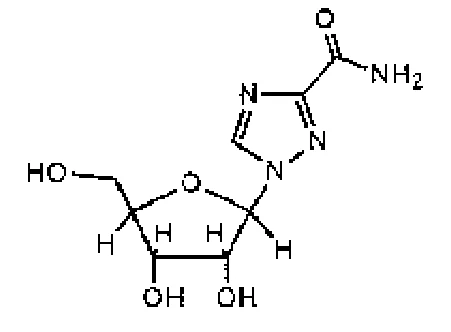
peginterferon alfa-2b: Peginterferon alfa-2b is the covalent conjugate of recombinant interferon alfa-2b (IFN) with monomethoxypolyethylene glycol (PEG, average molecular weight of 12,000 daltons). Peginterferon alfa-2b is predominantly composed of monopegylated species (one PEG molecule is attached to one interferon molecule), with only a small amount of dipegylated species. Fourteen different PEG attachment sites on the interferon molecule have been identified.
Physicochemical Properties:
Boceprevir
Appearance: Boceprevir is a white to off-white amorphous powder.
Solubility: Boceprevir is freely soluble in methanol, ethanol and isopropanol and slightly soluble in water (1.5 mg/mL at 25°C).
Ribavirin
Appearance: Ribavirin is a white crystalline powder in a white opaque gelatin capsule.
Solubility: Ribavirin is freely soluble in water and slightly soluble in dehydrated alcohol.
Peginterferon alfa-2b
Appearance: Peginterferon alfa-2b Powder for Solution may appear either as a white, tablet shaped solid that is whole or in pieces, or as a white powder.
Solubility: Peginterferon alfa-2b drug substance is soluble in water and is a solution in 0.02 M sodium phosphate.
CLINICAL TRIALS
Refer to the PEGETRON® Product Monograph for Clinical Trial information for PEGETRON® specifically.
The efficacy of BOC as a treatment for CHC (genotype 1) infection was assessed in approximately 1,500 adult patients who were previously untreated (SPRINT-2) or who had failed previous therapy (RESPOND-2) in Phase 3 clinical studies.
Previously Untreated Patients (SPRINT-2)
Demographic, Disease Characteristics and Trial Design
SPRINT-2 (P05216) was conducted in previously untreated HCV, genotype 1 infected patients. A summary of the clinical trial design and patient demographics are shown in Table 13. Patients were randomized in a 1:1:1 ratio in two cohorts (Cohort 1/non-Black and Cohort 2/Black) and stratified by HCV genotype (1a or 1b) and by HCV RNA viral load (≤ 400,000 IU/mL vs > 400,000 IU/mL).
Table 13: Study P05216 (SPRINT-2) – Summary of Trial Design for Cohort 1 + Cohort 2 (all patients)
| Trial Design | Dosage and Route of Administration | Treatment Regimena | Total Duration (weeks) | No. of Patients | Gender M/F Race W/B/O Mean Age (years) (Range) |
|---|---|---|---|---|---|
Phase 3, randomized, double- blinded, placebo-controlled, multi-centre | BOC – 800 mg TID, PO PegIFNα2b – 1.5 mcg/kg/week, SC RBV – 600 to 1,400 mg/day BID (weight based dosing), PO | Control PegIFNα2b/RBV-4 lead-in + (Pbo/ PegIFNα2b/RBV-44) | Pbo-44 PegIFNα2b/RBV -48 | 363 | 206/157 296/52/15 48.6 (18–75) |
RGT PegIFNα2b/RBV-4 lead-in + (BOC/ PegIFNα2b/RBV-24)b OR (BOC+ PegIFNα2b/RBV-24/ PegIFNα2b/RBV-20)c | BOC-24 PegIFNα2b/RBV -28 OR BOC-24 PegIFNα2b/RBV -48 | 368 | 229/139 304/52/12 49.8 (21–76) | ||
Not RGT PegIFNα2b/RBV-4 lead-in + (BOC/ PegIFNα2b/RBV-44) | BOC-44 PegIFNα2b/RBV -48 | 366 | 221/145 295/55/16 48.9 (21–67) | ||
BOC = Boceprevir; PegIFNα2b = peginterferon alfa-2b; RBV = ribavirin; Pbo = Placebo
TID = three times daily; BID = twice daily; PO = orally; SC = subcutaneous
RGT = Response-Guided Therapy (based on TW 8 results)
Race W/B/O = White/Black/Other
a: The number indicates the number of weeks of treatment
b: Early responders (Undetectable HCV-RNA at TW 8 through TW 24)
c: Late responders (Detectable HCV-RNA at TW 8 or after and undetectable at TW 24)
Futility Rule: All patients with detectable HCV-RNA in plasma at TW 24 were discontinued from treatment.
Table 14: Baseline Characteristics of Previously Untreated Patients with Chronic Hepatitis C Genotype 1 (SPRINT-2) in Cohort 1 plus Cohort 2 (all patients)
BOC/Pegα2b/RBV (RGT) n = 368 | BOC/Pegα2b/RBV-48 n = 366 | Pegα2b/RBV-48 n = 363 | |
|---|---|---|---|
| Mean Plasma HCV-RNA (Log10 copies/mL) | 6.52 | 6.53 | 6.54 |
Viral Load (IU/mL) ≤ 400,000 > 400,000 | 9 % 91 % | 7 % 93 % | 7 % 93 % |
HCV Subtype (Trugene)a 1 (subtype unknown) 1a 1b | 15 % 49 % 36 % | 13 % 51 % 36 % | 17 % 49 % 35 % |
METAVIR Fibrosis Scoreb F0/1/2 F3/4 Missing | 87 % 9 % 4 % | 86 % 11 % 3 % | 90 % 7 % 3 % |
Baseline Platelet Count (109/L), % < 150 ≥ 150 | 9 % 91 % | 10 % 90 % | 7 % 93 % |
Baseline ALT,% Normal Elevated | 20 % 80 % | 23 % 77 % | 26 % 74 % |
Baseline Steatosisc, % 0/1/2 3 Missing | 94 % 2 % 4 % | 97 % 1 % 3 % | 96 % 1 % 3 % |
a: HCV subtype as determined by TRUGENE HCV 5NC assay was used in subject stratification.
b: Liver histology based on central pathologist’s reading. F0 = no fibrosis, F1 = portal fibrosis without septa, F2 = few septa, F3 = numerous septa without cirrhosis (bridging fibrosis), F4 = cirrhosis (advanced fibrosis)
c: Liver histology based on central pathologist's reading of the percentage cells that contain lipids.
Score 0 = 0 %, score 1 = > 0 % and ≤ 5 %, score 2 = > 5 % and ≤ 32 %, score 3 = > 32 % and ≤ 66 %.
Two percent of previously untreated patients used statins or were on opioid substitution therapy.
Study Results
The addition of BOC to PegIFNα2b/RBV significantly increased the SVR rates compared to PegIFNα2b/RBV alone in the combined cohort (63 % to 66 % BOC-containing arms vs. 38 % PegIFNα2b/RBV-48 control) for randomized patients who received at least one dose of any study medication (Full-Analysis-Set population) and decreased the length of therapy to 28 weeks for early responders (see Table 15). Overall, these SVR rates were approximately two-fold higher in patients who received the combination of BOC with PegIFNα2b/RBV compared to the control group. Sustained Virologic Response rates for Blacks who received the combination of BOC with PegIFNα2b/RBV were 42 % to 53 %; these rates are approximately two-fold higher than the SVR rate for the PegIFNα2b/RBV-48 control (23 %) (see Table 15). A secondary analysis of patients who received at least one dose of BOC or placebo after the four-week lead-in with PegIFNα2b/RBV (Modified-Intent-to-Treat population) demonstrated SVR rates in the combined cohort of 67 % to 68 % BOC-containing arms vs. 40 % PegIFNα2b/RBV-48 control.
Table 15: Sustained Virologic Response, End of Treatment, Relapsea and Discontinuation Rates in Previously Untreated Patients (SPRINT-2)
| FASb | |||||||||||
|---|---|---|---|---|---|---|---|---|---|---|---|
| BOC/PegIFNα2b/RBV (RGT) | BOC/PegIFNα2b/RBV-48 | PegIFNα2b/RBV-48 (Control) | |||||||||
| Cohort 1 Plus Cohort 2 (All Patients) | n = 368 | n = 366 | n = 363 | ||||||||
SVRc P valued ∆SVR 95 % CI for ∆ SVR | 63.3 % < 0.0001 25.6 (18.6, 32.6) | 66.1 % < 0.0001 28.4 (21.4, 35.3) | 37.7 % | ||||||||
| EOTe (Undetectable HCV-RNA) | 70.9 % | 75.7 % | 52.6 % | ||||||||
| Relapse | 9.3 % | 9.1 % | 22.2 % | ||||||||
Discontinuation During Lead-in Period After addition of BOC/placebo Discontinuation due to AEs after addition of BOC/placebo | 5 % 35 % 10 % | 3 % 39 % 14 % | 5 % 54 % 12 % | ||||||||
| Treatment Failure after addition of BOC/placebo | 16 % | 13 % | 34 % | ||||||||
| Completed Treatment | 62 % | 59 % | 44 % | ||||||||
| Completed Follow-up | 98 % | 98 % | 86 % | ||||||||
| Deaths | < 1 % | < 1 % | 1 % | ||||||||
| Cohort 1 (Non-Black) | n = 316 | n = 311 | n = 311 | ||||||||
SVRc P valued ∆SVR 95% CI for ∆ SVR | 66.8 % < 0.0001 26.6 (19.1, 34.1) | 68.5 % < 0.0001 28.3 (20.8, 35.8) | 40.2 % | ||||||||
| EOTe (Undetectable HCV-RNA) | 74.4 % | 77.5 % | 56.6 % | ||||||||
| Relapse | 9.1 % | 7.8 % | 22.8 % | ||||||||
Discontinuation During Lead-in Period After addition of BOC/placebo Discontinuation due to AEs after addition of BOC/placebo | 4 % 32 % 10 % | 4 % 36 % 14 % | 5 % 50 % 12 % | ||||||||
| Treatment Failure after addition of BOC/placebo | 14 % | 11 % | 31 % | ||||||||
| Completed Treatment | 65 % | 61 % | 48 % | ||||||||
| Completed Follow-up | 97 % | 98 % | 86 % | ||||||||
| Deaths | < 1 % | < 1 % | 1 % | ||||||||
| Cohort 2 (Black) | n = 52 | n = 55 | n = 52 | ||||||||
SVRc P valued ∆SVR 95% CI for ∆ SVR | 42.3 % 0.0440 19.2 (1.6, 36.9) | 52.7 % 0.0035 29.7 (12.2, 47.1) | 23.1 % | ||||||||
| EOTe (Undetectable HCV-RNA) | 50.0 % | 65.5 % | 28.8 % | ||||||||
| Relapse | 12.0 % | 17.1 % | 14.3 % | ||||||||
Discontinuation During Lead-in Period After addition of BOC/placebo Discontinuation due to AEs after addition of BOC/placebo | 10 % 49 % 13 % | 0 % 55 % 16 % | 10 % 77 % 15 % | ||||||||
| FASb |
|---|
| BOC/PegIFNα2b/RBV (RGT) | BOC/PegIFNα2b/RBV-48 | PegIFNα2b/RBV-48 (Control) | |
|---|---|---|---|
| Treatment Failure after addition of BOC/placebo | 28 % | 25 % | 53 % |
| Completed Treatment | 46 % | 45 % | 21 % |
| Completed Follow-up | 100 % | 98 % | 86 % |
| Deaths | 0 % | 0 % | 0 % |
a: Relapse rate was the proportion of patients with undetectable HCV-RNA at End of Treatment (EOT) and detectable HCV-RNA at End of Follow-up (EOF) among patients who were undetectable at EOT and not missing EOF data.
b: The Full-Analysis Set (FAS) consisted of all randomized patients (n=1,097) who received at least one dose of any study medication (PegIFNα2b, RBV, or BOC).
c: SVR: The last available value in the period at or after FW 24. If other values were available after FW 24, the last available value in the period after FW 24 was used. If there are no such values at and after FW24, the FW 12 value was used.
d: Using the Cochran-Mantel Haenzel Chi-square test adjusted for baseline stratification factors: viral load (> 400,000 vs. < = 400,000 IU/mL) and Genotype (1a vs. 1b).
e: Responders at the End of Treatment.
Sustained Virologic Response Based on Lead-in Response
During the clinical studies, the lead-in phase during which PegIFNα2b/RBV was administered for four weeks allowed for the assessment of patient interferon responsiveness immediately before the addition of BOC.
Interferon-responsiveness (as defined by ≥ 1-log10 decline in viral load at TW 4) was predictive of SVR. Boceprevir-treated patients who demonstrated interferon responsiveness by TW 4 achieved SVR rates of 81 % (203/252) in BOC-RGT arm and 79 % (200/254) in BOC-PR48 arm, compared to 52 % (134/260) in patients treated with standard of care. Boceprevir-treated patients with < 1-log10 decline in viral load at TW 4 (poor interferon-responsiveness) achieved SVR rates of 28 % (27/97) in BOC-RGT arm and 38 % (36/95) in BOC-PR48 arm compared to 4 % (3/83) in patients treated with standard of care.
Sustained Virologic Response Based on TW 8 HCV-RNA Results
Response-Guided Therapy based on TW 8 response is equally effective as adding BOC to the 48-week standard of care regimen. Fifty-seven percent (208/368) of patients in the BOC-RGT arm had undetectable HCV-RNA at TW 8 (early responders). After accounting for treatment discontinuations, 44 % (162/368) of patients reached TW 24 and were assigned a short (28 weeks) treatment with BOC in combination with PegIFNα2b/RBV in the BOC-RGT arm. These BOC-RGT early responders demonstrated similar SVR rates (156/162 or 96 %) after 28 weeks of treatment compared with the matched population in the BOC/PegIFNα2b/RBV-48 arm (e.g., those patients in the BOC/PegIFNα2b/RBV-48 arm who also had undetectable HCV-RNA at TW 8 through TW 24) (155/161 or 96 %) (see Table 16).
Table 16: Sustained Virologic Response, End of Treatment and Relapse Rates in Experimental Arms with Undetectable or Detectable HCV-RNA at TW 8 through TW 24 in Previously Untreated Patients in the Combined Cohort
| FASa | |||||||||||||
|---|---|---|---|---|---|---|---|---|---|---|---|---|---|
Undetectable HCV-RNA at TW 8b (Early Responders) | Detectable HCV-RNA at TW 8b (Late Responders) | ||||||||||||
| BOC-RGTc | BOC/PegIFNα2b/RBV-48 | BOC-RGTc | BOC/PegIFNα2b/RBV-48 | ||||||||||
SVRd % (n/N) | 96 (156/162) | 96 (155/161) | 72 (59/82) | 75 (55/73) | |||||||||
EOT (Undetectable HCV-RNA) % (n/N) | 100 (162/162) | 99 (159/161) | 80 (66/82) | 90 (66/73) | |||||||||
Relapsee % (n/N) | 3 (5/161) | 1 (2/157) | 11 (7/66) | 14 (9/64) | |||||||||
a: The Full-Analysis Set (FAS) consisted of all randomized patients (n = 1,097) who received at least one dose of any study medication (PegIFNα2b, RBV, or BOC).
b: Per the study design, patients with undetectable HCV-RNA at TW 8 and all subsequent assays through TW 24 ended treatment at TW 28 (treatment duration assigned by Interactive Voice Response System (IVRS).
c: boceprevir-RGT - Patients received PegIFNα2b/RBV for 4 weeks, then BOC 800 mg TID + PegIFNα2b/RBV as follows: BOC 800 mg TID + PegIFNα2b/RBV for 24 weeks (patients with undetectable HCV-RNA at TW 8 (early responders) and all subsequent assays through TW 24) or BOC 800 mg TID + PegIFNα2b/RBV for 24 weeks followed by placebo + PegIFNα2b/RBV for 20 weeks (patients with detectable HCV-RNA at TW 8 up to TW 24; but achieving undetectable HCV-RNA at TW 24).
d: SVR: The last available value in the period at and after FW 24. If other values were available after FW 24, the last available value in the period after FW 24 was used. If there areno such values at and after FW 24, the FW 12 value was used.
e: Relapse rate was the proportion of patients with undetectable HCV-RNA at EOT and detectable HCV-RNA at EOF among patients who were undetectable at EOT and not missing EOF data.
Similarly, patients in the BOC-RGT arm with detectable HCV-RNA at any assay from TW 8 up to TW 24, but achieving undetectable HCV-RNA at TW 24 (82/368, 22 %), were considered late responders and received an initial 4 weeks of PegIFNα2b/RBV, then 24 weeks of BOC with PegIFNα2b/RBV followed by 20 weeks of PegIFNα2b/RBV alone in the BOC-RGT arm. These BOC-RGT late responders who were assigned to the BOC-RGT arm that received 48 weeks of treatment also had SVR rates (72 %, 59/82) that were similar to those in the matched patients in the BOC/PegIFNα2b/RBV-48 arm (75 %, 55/73) (see Table 16). These data support the concept that continued therapy with BOC in addition to PegIFNα2b/RBV standard of care after TW 28 (as executed in the BOC/PegIFNα2b/RBV-48 arm) does not improve SVR rates in late responders who receive a total of 48 weeks of PegIFNα2b/RBV treatment.
Sustained Virologic Response Based on Baseline Factors
Sustained Virologic Response rates in patients in the BOC-RGT and BOC/PegIFNα2b/RBV-48 compared to patients who received PegIFNα2b/RBV alone with the following baseline factors were as follows: Baseline HCV-RNA > 400,000 IU/mL (62 % (208/336) and 65 % (220/341) vs. 34 % (116/337)), advanced liver disease (F3/4) (41 % (14/34) and 52 % (22/42) vs. 38 % (9/24)), cirrhotics (F4) (31 % (5/16) and 42 % (10/24) vs. 46 % (6/13)), genotype 1a (59 % (139/234) and 62 % (147/237) vs. 34 % (78/227)), and genotype 1b (71 % (88/124) and 73 % (85/117) vs. 40 % (48/121)).
Among previously untreated patients with advanced liver disease (F3/4), the SVR rate was higher in patients who received four weeks of therapy with PegIFNα2b/RBV followed by 44 weeks of BOC/PegIFNα2b/RBV (52 %) than in patients who received BOC-RGT (41 %). However, these conclusions were based on a small sample size of patients with advanced fibrosis.
Previous Treatment Failures: Previous Partial responders and Relapsers to interferon and RBV Therapy (RESPOND-2)
Demographic, Disease Characteristics and Trial Design
RESPOND-2 (P05101) was conducted in previously treated HCV, genotype 1 infected patients. A summary of the clinical trial design and patient demographics are shown in Tables 17 and 18. Patients were randomized in a 1:2:2 ratio and stratified based on response to their previous qualifying regimen (relapsers vs. partial responders) and by HCV subtype (1a vs. 1b).
Table 17: Study P05101 (RESPOND-2) – Summary of Trial Design
| Trial Design | Dosage and Route of Administration | Treatment Regimena | Total Duration (weeks) | No. of Patients | Gender M/F Race W/B/O Mean Age (years) (Range) |
|---|---|---|---|---|---|
Phase 3, randomized, double- blinded, placebo-controlled, multi-centre | BOC – 800 mg TID, PO PegIFNα2b – 1.5 mcg/kg/week, SC RBV – 600 to 1,400 mg/day BID (weight based dosing), PO | Control PegIFNα2b/RBV-4 lead-in + (Pbo/ PegIFNα2b/RBV-44) | Pbo-44 PegIFNα2b/RBV -48 | 80 | 58/22 67/12/1 52.9 (29–70) |
RGT PegIFNα2b/RBV-4 lead-in + (BOC/ PegIFNα2b/RBV-32)b OR (BOC+ PegIFNα2b/RBV-32/ PegIFNα2b/RBV-12)c | BOC-24 PegIFNα2b/RBV -36 OR BOC-24 PegIFNα2b/RBV -48 | 162 | 98/64 142/18/2 52.9 (29–74) | ||
Not RGT PegIFNα2b/RBV-4 lead-in + (BOC/ PegIFNα2b/RBV-44) | BOC-44 PegIFNα2b/RBV -48 | 161 | 112/49 135/19/7 52.3 (26–74) | ||
BOC = boceprevir; PegIFNα2b = peginterferon alfa-2b; RBV = ribavirin; Pbo = Placebo
TID = three times daily; BID = twice daily; PO = orally; SC = subcutaneous
RGT = Response-Guided therapy (based on TW 8 results)
Race W/B/O = White/Black/Other
a: The number indicates the number of weeks of treatment
b: Early responders (Undetectable HCV-RNA at TW 8)
c: Late responders (Detectable HCV-RNA at TW 8 but subsequently undetectable at TW 12)
Futility Rule: All patients with detectable HCV-RNA in plasma at TW 12 were discontinued from treatment.
Table 18: Baseline Characteristics of Previous Treatment Failures with Chronic Hepatitis C Genotype 1 (RESPOND-2)
BOC/PegIFNα2b/RBV (RGT) n = 162 | BOC/PegIFNα2b/RBV-48 n = 161 | PegIFNα2b/RBV-48 n = 80 | |
|---|---|---|---|
| Mean Plasma HCV-RNA (Log10 copies/mL) | 6.63 | 6.69 | 6.52 |
Viral Load (IU/mL) ≤ 400,000 > 400,000 | 4 % 96 % | 4 % 96 % | 8 % 92 % |
HCV Subtype (Trugene)a 1 (subtype unknown) 1a 1b | 8 % 46 % 46 % | 11 % 48 % 42 % | 8 % 48 % 45 % |
METAVIR Fibrosis Scoreb F0/1/2 F3/4 Missing | 74 % 19 % 7 % | 72 % 20 % 8 % | 76 % 19 % 5 % |
Response to Qualifying Regimen Partial responder Relapser | 35 % 65 % | 36 % 64 % | 36 % 64 % |
Baseline Platelet Count (109/L), % < 150,000 ≥ 150,000 | 13 % 87 % | 12 % 88 % | 13 % 88 % |
Baseline ALT, % Normal Elevated | 33 % 67 % | 29 % 71 % | 31 % 69 % |
PegIFNα used in Qualifying Regimen PEGα2a PEGα2b | 49 % 51 % | 42 % 58 % | 53 % 48 % |
Baseline Steatosisc, % 0/1/2 3 4 Missing | 87 % 4 % 0 % 8 % | 93 % 1 % 0 % 7 % | 93 % 1 % 1 % 5 % |
a: HCV subtype as determined by TRUGENE HCV 5NC assay was used in subject stratification.
b: Liver histology based on central pathologist’s reading. F0=no fibrosis, F1 = portal fibrosis without septa, F2 = few septa, F3 = numerous septa without cirrhosis (bridging fibrosis), F4 = cirrhosis (advanced fibrosis)
c: Liver histology based on central pathologist's reading of the percentage cells that contain lipids. Score 0 = 0 %, score 1= > 0 % and ≤ 5 %, score 2 = > 5 % and ≤ 32 %, score 3 = > 32 % and ≤ 66 %, score 4 = > 66 %.
Three percent of patients who failed previous therapy used statins, and one percent was on opioid substitution therapy.
Study Results
The addition of BOC to the PegIFNα2b/RBV therapy significantly increased the SVR rates compared to PegIFNα2b/RBV therapy alone (59 % to 66 % BOC-containing arms vs. 21 % PegIFNα2b/RBV-48 control) for randomized patients who received at least one dose of any study medication (Full-Analysis Set population) and decreased the length of therapy to 36 weeks for many previous treatment failures (see Table 19). Overall, these SVR rates were approximately three-fold higher in patients who received the combination of BOC with PegIFNα2b/RBV compared to the control group. A secondary analysis of patients who received at least one dose of BOC or placebo after the four week lead-in with PegIFNα2b/RBV (Modified Intent to Treat population) demonstrated SVR rates of 61 % to 67 % in the BOC-containing arms compared to 22 % PegIFNα2b/RBV-48 control.
Table 19: Sustained Virologic Responsea, End of Treatment, and Relapseb Rates for Previous Treatment Failures
| FASc | ||||||||||
|---|---|---|---|---|---|---|---|---|---|---|
BOC/PegIFNα2b/RBV (RGT) n = 162 | BOC/PegIFNα2b/RBV-48 n = 161 | PegIFNα2b/RBV-48 (Control) n = 80 | ||||||||
SVRa P valued ∆SVR 95 % CI for ∆ SVR | 58.6 % < 0.0001 37.4 (25.7, 49.1) | 66.5 % < 0.0001 45.2 (33.7, 56.8) | 21.3 % | |||||||
| EOT (Undetectable HCV-RNA) | 70.4 % | 77.0 % | 31.3 % | |||||||
| Relapse | 15.3 % | 11.6 % | 32.0 % | |||||||
Discontinuation During Lead-in Period After addition of BOC/placebo Discontinuation due to AEs after addition of BOC/placebo | 4 % 33 % 6 % | 1 % 34 % 12 % | 3 % 71 % 1 % | |||||||
| Treatment Failure after addition of BOC/placebo | 23 % | 18 % | 63 % | |||||||
| Completed Treatment | 64 % | 65 % | 29 % | |||||||
| Completed Follow-up | 97 % | 96 % | 97 % | |||||||
| Deaths | < 1 % | 0 | 0 | |||||||
a: SVR: The last available value in the period at and after FW 24. If other values were available after FW 24, the last available value in the period after FW 24 was used. If there was no such values at and after FW 24, the FW 12 value was used.
b: Relapse rate was the proportion of patients with undetectable HCV-RNA at EOT and detectable HCV-RNA at EOF among patients who were undetectable at EOT and not missing EOF data.
c: The FAS consisted of all randomized patients (n = 403) who received at least one dose of any study medication (PegIFNα2b, RBV, or BOC).
d: Using the Cochran-Mantel Haenzel Chi-square test adjusted for the baseline stratification factors: prior response status (some negative vs. never negative) and Genotype (1a vs. 1b).
Sustained Virologic Response Based on Previous Treatment Response and Lead-in Response
In previous relapsers, SVR rates were 69% (72/105) in BOC-RGT arm and 75% (77/103) in BOC/PegIFNα2b/RBV-48 arm, compared to 29% (15/51) in the PegIFNα2b/RBV arm. Relapse rates were 14% (12/83) in BOC-RGT arm and 10% (9/86) in BOC/PegIFNα2b/RBV-48 arm, compared to 32% (7/22) in the PegIFNα2b/RBV arm. In previous partial responders, SVR rates were 40% (23/57) in BOC-RGT arm and 52% (30/58) in BOC/PegIFNα2b/RBV-48 arm, compared to 7% (2/29) in the PegIFNα2b/RBV arm. Relapse rates were 18% (5/28) in BOC-RGT arm and 14% (5/35) in BOC/PegIFNα2b/RBV-48 arm, compared to 33% (1/3) in the PegIFNα2b/RBV arm.
Interferon-responsiveness (defined as ≥ 1-log10 decline in viral load at TW4) was predictive of SVR in patients who were previous relapsers and previous partial responders. BOC-treated patients who demonstrated interferon responsiveness at TW4 achieved SVR rates of 73 (80/110) in BOC-RGT arm and 79% (90/114) in BOC/PegIFNα2b/RBV-48 arm, compared to 25% (17/67) in the patients treated with PegIFNα2b/RBV arm. BOC-treated patients who demonstrated poor interferon responsiveness (defined as ≤ 1-log10 decline in viral load at TW4) achieved SVR rates of 33% (15/46) in BOC-RGT arm and 34% (15/44) in BOC/PegIFNα2b/RBV-48 arm, compared to 0% (0/12) in thepatients treated with PegIFNα2b/RBV arm.
Sustained Virologic Response Based on TW 8 HCV-RNA Results
Response-Guided Therapy based on TW 8 response is equally effective as adding BOC to the 48-week standard of care regimen. Forty-six percent (74/162) of patients in the BOC-RGT arm and 52 % (84/161) of patients in the BOC/PegIFNα2b/RBV-48 arm were early responders (patients with undetectable HCV-RNA at TW 8). Of the patients that were early responders, 71 patients were undetectable at TW 12 in the BOC-RGT arm and 81 patients were undetectable at TW 12 in BOC/PegIFNα2b/RBV-48 arm. Boceprevir-RGT early responders, who received 36 weeks of therapy (an initial 4 weeks of PegIFNα2b/RBV followed by 32 weeks of BOC with PegIFNα2b/RBV), had an SVR rate of 86 % (64/74) compared with an SVR rate of 88 % (74/84) in the matched population in the BOC/PegIFNα2b/RBV-48 arm who received 48 weeks of therapy (an initial 4 weeks of PegIFNα2b/RBV followed by 44 weeks of BOC with PegIFNα2b/RBV) (see Table 20).
Table 20: Sustained Virologic Response, End of Treatment, and Relapse Rates in the Experimental Arms with Undetectable or Detectable HCV-RNA at TW 8 in Previous Treatment Failures
| Undetectable HCV-RNA at TW 8 | Detectable HCV-RNA at TW 8 | |||||||||
|---|---|---|---|---|---|---|---|---|---|---|
| BOC-RGTa | BOC/PegIFNα2b/RBV-48 | BOC-RGTa,b | BOC/PegIFNα2b/RBV-48 | |||||||
| SVRc %, (n/N) | 86 (64/74) | 88 (74/84) | 40 (29/72) | 43 (30/70) | ||||||
EOT (Undetectable HCV-RNA) % (n/N) | 97 (72/74) | 96 (81/84) | 56 (40/72) | 57 (40/70) | ||||||
Relapsed % (n/N) | 11 (8/71) | 8 (6/80) | 24 (9/38) | 21 (8/38) | ||||||
a: BOC-RGT - Patients received PegIFNα2b/RBV for 4 weeks, then BOC 800 mg TID + PegIFNα2b/ RBV as follows: BOC 800 mg TID + PegIFNα2b/RBV for 32 weeks (patients with undetectable HCV-RNA at TW 8 (early responders) and TW 12) or BOC 800 mg
TID + PegIFNα2b/RBV for 32 weeks followed by placebo + PegIFNα2b/RBV for 12 weeks (patients detectable HCV-RNA at TW 8 but subsequently negative by TW 12).
b: SVR: The last available value in the period at and after FW 24. If other values were available after FW 24, the last available value in the period after FW 24 was used. If there was no such values at and after FW24, the FW 12 value was used.
c: Relapse rate was the proportion of patients with undetectable HCV-RNA at EOT and detectable HCV-RNA at EOF among patients who were undetectable at EOT and not missing EOF data.
In patients who were not early responders (patients with detectable HCV-RNA at TW 8), the SVR rate in the BOC-RGT arm was 40 % (29/72) compared with an SVR rate of 43 % (30/70) in the matched population in the BOC/PegIFNα2b/RBV-48 arm (see Table 20). Thirty-eight patients in the BOC-RGT arm and 37 patients in the BOC/PegIFNα2b/RBV-48 arm had detectable HCV-RNA at TW 8 but were subsequently undetectable at TW 12 (late responders). Boceprevir-RGT late responders, who received an initial 4 weeks of PegIFNα2b/RBV then 32 weeks of BOC with PegIFNα2b/RBV followed by 12 weeks of PegIFNα2b/RBV alone, had an SVR rate of 76% (29/38) compared with an SVR rate of 62% (23/37) in the matched population in the BOC/PegIFNα2b/RBV-48 arm, who received 4 weeks of PegIFNα2b/RBV followed by 44 weeks of BOC in addition to PegIFNα2b/RBV. These data support that, in late responders, 36 weeks of BOC with PegIFNα2b/RBV followed by 12 weeks of PegIFNα2b/RBV is adequate and that treatment with BOC may be shortened to 32 weeks in patients who have received previous therapy.
A difference was observed in the number of patients who achieved SVR between the BOC-RGT arm and the BOC/PegIFNα2b/RBV-48 arm. This difference is explained by imbalances in treatment response observed amongst patients in each arm who received identical therapy prior to TW 36.
Sustained Virologic Response Based on Baseline Factors
Sustained Virologic Response rates of patients in the BOC-RGT and BOC/PegIFNα2b/RBV-48 compared to patients who received PegIFNα2b/RBV alone with the following baseline factors were as follows: Baseline HCV-RNA > 400,000 IU/mL (57% (88/155) and 66% (102/154) vs. 19% (14/74)), advanced liver disease (F3/4) (44% (14/32) and 68% (21/31) vs. 13% (2/15)), cirrhotics (F4) (35% (6/17) and 77% (17/22) vs. 0% (0/10)), genotype 1a (53% (50/94) and 64% (61/96) vs. 24% (11/46)), and genotype 1b (67% (44/66) and 70% (43/61) vs. 18% (6/34)).
Among patients who failed previous therapy with advanced liver disease (F3/4), the SVR rate was higher in patients who received four weeks of therapy with PegIFNα2b/RBV followed by 44 weeks of BOC/PegIFNα2b/RBV (68%) compared to patients who received BOC-RGT (44%). However, these conclusions were bsed on a small sample size of patients with advanced fibrosis.
Patients who have failed Previous Therapy: Prior Null Responders to interferon and RBV Therapy (PROVIDE)
Demographic, Disease Characteristics and Trial Design
PROVIDE (P05514) was conducted in previously treated HCV genotype 1 infected patients of trial design and demographic characteristics as shown in Table 21. These patients had at least 12 weeks of a qualifying peginterferon and ribavirin therapy.
Table 21: Trial Design, Demographic and Disease Characteristics of the Population
| Trial Designa | Dosage and Route of Administrationb | Treatment Regimen | Treatment Duration (weeks) | No. of Patients (N=168) | Demographicsc Gender (M/F) Race (W/B/O) Age (years) (mean,range) |
|---|---|---|---|---|---|
| Single-arm, open-label, multicenter, rollover study | Boc 800 mg (TID, PO) PegIFNα2b,1.5 mc/Kg/week (SC) RBV, 600-1400 mg/day (weight based) (BID, PO) | PegIFNα2b/RBV 4-week lead-ind (if required per protocol) Boc/PegIFNα2b/ RBVe 44 weeks | 44/48 weeks of treatment + 24 weeks of follow-up (68/72 weeks) | Previous Null respondersf (n=52) Prior Partial Responders (n=85) Prior Relapsers (n=29) Other Prior Nonresponders (n=2) | 113/55 141/22/5 52.3(25-73) |
a; TID, three times daily; BID, twice daily; PO, orally; SC, subcutaneous.
b; The demographic characteristics is for all enrolled patients; W/B/O, White, Black and Others.
c; Standard of care therapy, peginterferon alfa-2b (PegIFNα-2b) plus ribavirin (RBV).
d; Therapy, boceprevir (BOC) plus PegIFNα-2b + ribavirin (RBV).
At baseline, the patients who were Null Responders comprised 65% (34/52) of genotype 1a, 35% (18/52) of genotype 1b, and 6% (3/52) cirrhotic patients with a geometric mean viral load of Log10 6.53 IU/ml.
Study Results
The SVR rates of subjects who were null responders, partial responders or relapsers in the parent study were 38% (20/52), 67% (57/85) and 93% (27/29) respectively with relapse rates of 13% (3/23), 15% (10/67) and 0% (0/27) respectively.
Treatment outcomes of the study through the end of follow-up (EOF) are presented in Table 22.
Table 22: Proportion of Patients who were Previous Treatment Failuresa who achieved Undetectableb HCV RNA levels.
| Treatment | All Treated Patientsc (N=168) |
Boc/ PegIFNα/RBV (Weeks) | Prior TW12 Null Responders (%)d (n=52) | Prior Partial Responders (%)e (n=85) | Prior Relapser (%)f (n=29) | |
| 12 | 46 (24/52) | 76 (65/85) | 97 (28/29) | |
| 24 | 44 (23/52) | 78 (66/85) | 90 (26/29) | |
| EOTg | 44 (23/52) | 82 (70/85) | 97 (28/29) | |
| EOFh,i | 38 (20/52) | 67 (57/85) | 93 (27/29) | |
| Relapsej | 13 (3/23) | 15 (10/67) | 0 (0/27) | |
a; Previous Treatment Failures, included Null Responders, Partial Responders and Relapsers. The total number of patients (N=168) comprised five (5) “Other Prior Nonresponders” (Nonresponders who did not meet the criteria for the other treatment failure categories).
b; In clinical trials, the plasma HCV-RNA was measured by the Roche COBAS TaqMan assay with a lower limit of quantitation of 25 IU/ml and a limit of detection of 9.3 IU/ml.
c; All Treated Patients, Intent to Treat Population (ITT). Patients (N) who received at least one dose of any study drug . Patients who discontinued early were considered missing (treatment failures). If a patient was missing Follow-up (FU) 24 data, the FU 12 value (if available) was carried forward (LOCF).
d; Prior TW12 Null Responder, patient who failed to achieve SVR and demonstrated a < 2-log10 reduction in HCV-RNA by Week 12.
e; Prior partial responders, patient who failed to achieve SVR and demonstrated a ≥2-log10 reduction in HCV-RNA by Week 12 but was detectable at end of treatment (EOT).
f; Prior Relapsers, patient who failed to achieve SVR after at least 12 weeks of previous treatment with
PegIFNα2b/RBV, but had undetectable HCV-RNA at the EOT.
g; EOT, End of Treatment; 44-weeks of Boc/PegIFN alfa-2b/RBV (patients enrolled within 2-weeks of last dose of PegIFN alfa-2b/RBV) or 48-weeks (patients enrolled after 2-weeks of previous PegIFN alfa-2b/RBV), 4-weeks lead-in plus 44-weeks therapy.
h; EOF, End of Follow-up; 24-weeks.
i: SVR: The last available value in the period at and after FW 24. If other values were available after FW 24, the last available value in the period after FW 24 was used. If there was no such values at and after FW24, the FW 12 value was used
j; Relapse rate was the proportion of patients with undetectable HCV- RNA at EOT who had detectable HCV
RNA at End of Follow-up (EOF). The calculation was based on patients who were not missing EOF data.
In the subgroup of patients considered Null responders in the parent study, 38% (20/52) achieved SVR and 13% (3/23) showed a relapse. In patients who were not Null responders in the parent study, 67% (57/85) achieved SVR and 15% (10/67) showed a relapse.
DETAILED PHARMACOLOGY
Pharmacodynamics
Boceprevir
Electrocardiogram (ECG) Evaluation
Thirty-six healthy adult subjects were enrolled into and 31 subjects completed a randomized, placebo- and active-controlled, multiple-dose, evaluator-blind, four-way, crossover study. Each treatment consisted of oral dosing for 5 days of: A) BOC 800 mg TID; B) BOC 1,200 mg TID; C) moxifloxacin 400 mg Once Daily (QD); and D) placebo with a 7-day washout period between each treatment period. The moxifloxacin treatment group validated the study design since prolongation of mean QT/QTc was measured with this treatment. Boceprevir did not prolong the QTcF interval at the 800 mg (therapeutic dose) or the 1,200 mg dose or relative to placebo. Neither the 800 mg dose nor the 1,200 mg dose of BOC was associated with clinically relevant effects on cardiac conduction.
At the mean maximum BOC exposures of 1,690 and 1,940 ng/mL, which were achieved at 2 hours postdose for the 800 and 1,200 mg doses, the mean increases in placebo-adjusted QTcF were 4.5 and 0.3 ms with the upper limits of the 95 % CI of 7.3 and 3.1 ms, respectively. The maximum observed mean increases in placebo-adjusted QTcF occurred at 4 hours post-dose, and were 5.8 and 2.9 ms with the upper limits of the 95 % CI of 8.7 and 5.7 ms, respectively.
Therefore, in this study with demonstrated ability to detect small effects, the upper bound of the one-sided 95 % confidence interval for the largest placebo-adjusted, baseline-corrected QTc based on individual correction method was below 10 ms, the threshold for regulatory concern. The dose of 1,200 mg yields a BOC maximum exposure increase of approximately 15 % which may not cover exposures due to co-administration with strong CYP3A4 inhibitors or use in patients with severe hepatic impairment. However, at the doses studied in the thorough QT study, no apparent concentration-QT relationship was identified. Thus, there is no expectation of a QTc effect under a higher exposure scenario.
When QTcF in men and women was analyzed separately, similar results were obtained. There was no difference between men and women when placebo and BOC at both the 800 mg dose and the 1,200 mg dose were compared.
Ribavirin
Ribavirin is a synthetic nucleoside analog, which has shown in vitro activity against some, but not all, RNA and DNA viruses. Neither RBV nor its intracellular nucleotide metabolites at physiologic concentrations have been shown to inhibit HCV-specific enzymes or HCV replication. Ribavirin is not incorporated into either RNA or DNA, and RBV treatment per se does not induce endogenous synthesis of alpha interferons.
Peginterferon alfa-2b
In a rising single-dose study, interferon pharmacodynamics were assessed by examining changes in oral temperature, concentrations of effector proteins such as serum neopterin and 2’5’-oligoadenylate synthetase (2’5’-OAS), and white cell and neutrophil counts. Patients treated with PegIFNα2b showed mild dose-related elevations in body temperature with the maximum temperature and change (38.0°C and 2.0°C, respectively) occurring in the 0.7 mcg/kg dose group. In comparison, patients treated with interferon alfa-2b (10 MIU) had average maximum body temperature and change from baseline values of 38.6°C and 2.7°C, respectively.
Peginterferon alfa-2b increased serum neopterin concentrations in a dose-dependent manner, and also increased 2’5’-OAS concentrations (although with no clear dose-relationship). Interferon alfa-2b increased concentrations of both effector proteins. Similar effects of PegIFNα2b and interferon alfa-2b on hematological variables (white cell, neutrophil and platelet counts) were likewise observed. In the rising multiple-dose study, reductions in serum HCV-RNA levels were observed after administration of PegIFNα2b.
Ribavirin plus peginterferon alfa-2b
Studies to date have not elucidated a mechanism of antiviral synergy between RBV and PegIFNα2b that explains the increased efficacy of the combination in the treatment of chronic hepatitis C relative to either treatment alone.
Pharmacokinetics
Boceprevir
General Pharmacokinetic Characteristics
The PK profile of BOC in healthy subjects, HCV-infected patients and population PK parameters are presented in Table 23. In general, the PK results were similar between healthy subjects and HCV patients.
Table 23: Pharmacokinetics of boceprevir in Healthy Subjects, HCV-Infected Patients and PPK Estimates
| Pharmacokinetic Parameters | HCV Patients (800 mg)a | Population PK Estimates (HCV Patients; 800 mg) | Healthy Subjects (800 mg)b |
|---|---|---|---|
| Cmax (ng/mL) | 1,013 | 1,084 | 1,723 |
| AUC (ng● h/mL) | 4,403 | 4,642 | 5,408 |
| Cmin (ng/mL) | 213 | 218 | 88 |
| T1/2 (h) | --- | --- | 3 |
| Tmax (h) | 2 | 1.90 | 2 |
| CL/F (L/h) | 182 | 172 | 159 |
| Vc/F | 207 | 196 | --- |
| Vd/F (L) | --- | --- | 717 |
a: PPK individual prediction from sparse data
b: Parameters obtained using non-compartmental analysis
Absorption
Effects of Food on Oral Absorption
The PK parameters of BOC following administration under fasted and fed (high-fat) conditions in healthy subjects are presented in Table 24.
Following administration with food to healthy subjects, BOC was rapidly absorbed with a median Tmax of approximately 2.0 hours. In vitro, BOC has been shown to be a substrate of P-gp. There was no discernible dose-related effect on Tmax. Steady-state mean BOC AUC, Cmax, and Cmin increased in a less than dose proportional manner and individual exposures overlapped substantially at 800 mg and 1,200 mg, suggesting diminished absorption at higher doses. The power log model shows an increase in exposure of 27 % to 38 % between 800 mg and 1,200 mg TID. Steady state was reached after approximately 1 day of TID dosing.
Table 24: Pharmacokinetic Parameters of boceprevir following Administration under Fasted and Fed (High-Fat) Conditions in Healthy Adult Subjects
| Pharmacokinetic Parameters | Fasted | Fed (High-Fat Meal) | Ratio Estimate (%) | Confidence Interval (90 %) |
|---|---|---|---|---|
| AUC (ng● hr/mL) | 4,210 | 6,350 | 161 | 131–198 |
| Cmax (ng/mL) | 1,370 | 1,710 | 148 | 102–216 |
| Tmax (hr) | 1.5 | 3.5 | --- | --- |
| t1/2 (hr) | 3.58 | 3 | --- | --- |
Administration with food increased the oral bioavailability of BOC relative to the fasted state, by 40 % to 60 % based on AUC. Administration with food also generally modestly to delayed median BOC Tmax from approximately 1 hour to approximately 2 hours. Meal type, and timing of meal administration, did not notably affect the increase in exposure.
Distribution
Mean Vd/F in fed subjects showed extensive distribution with a mean Vd/F of approximately 717 L (n = 71). Boceprevir is not highly bound to human plasma proteins. The mean unbound fraction of BOC in plasma was similar between healthy subjects and subjects with End-Stage Renal Disease (ESRD).
Metabolism
Clinical data show that BOC is rapidly metabolized to an inactive, ketone-reduced metabolite. This metabolite has been shown to be inactive as a serine PI in an in vitro assay using recombinant HCV NS3/4A protease. The median Tmax for this metabolite was approximately 3 hours. This metabolite is present in plasma in a ratio to BOC of approximately 4:1 at a dose of 800 mg. Based on all known in vitro data and clinical drug-drug interactions studies; metabolism clinically appears to be primarily via the AKR enzymes and to a minor extent via CYP3A4/5- mediated oxidation. Profiling of drug-derived material in plasma, urine and feces showed that 14C-BOC was extensively metabolized by humans. Over sixty metabolites were detected in humans. The metabolic modification can be assigned to one or more of the five regions in the molecule. The major biotransformation pathway involved reduction of the second carbonyl group at the carboxamide terminus, which accounted for at least ~22 % of the dose excreted in urine and feces. Other metabolic pathways included oxidation, cleavage, dimerization, and a combination of these processes, including reduction. Most of the oxidative metabolites were excreted in feces. Approximately 8 % of the dose was detected in feces as unchanged drug.
Excretion
Boceprevir was eliminated with a mean plasma t½ of approximately 3.0 hours (n = 71). The mean t½ tended to be variable between studies and was associated with a high coefficient of variation (% CV) of 90 %. The mean CL/F of BOC across several studies was approximately 159 L/h.
Accumulation of BOC was minimal with multiple days of TID dosing and steady state was reached after approximately 1 day of TID dosing. In a clinical study with 14C-BOC a mean total of 88.2 % of the radioactive dose was recovered in the urine and feces 168 hours after a single oral administration of 800 mg. Radioactivity recovered in the urine and feces accounted for 9.28 % and 78.9 % of the dose, respectively with approximately 3 % and 8 % of the dosed radiocarbon eliminated as BOC in urine and feces, respectively. Most of the radioactivity was excreted in the urine within the first 12 hours.
Drug-Drug Interactions
Boceprevir is a strong inhibitor of CYP3A4/5. Drugs metabolized primarily by CYP3A4/5 may have increased exposure when administered with BOC, which could increase or prolong their therapeutic and adverse effects (see CONTRAINDICATIONS). Boceprevir does not inhibit CYP1A2, CYP2A6, CYP2B6, CYP2C8, CYP2C9, CYP2C19, CYP2D6 or CYP2E1 in vitro. In addition, BOC does not induce CYP1A2, CYP2B6, CYP2C8, CYP2C9, CYP2C19 or CYP3A4/5 in vitro.
Boceprevir is primarily metabolized by AKR. In drug interaction trials conducted with AKR inhibitors diflunisal and ibuprofen, BOC exposure did not increase to a clinically significant extent. Boceprevir may be co-administered with AKR inhibitors.
Boceprevir is partly metabolized by CYP3A4/5. It is also a substrate for P-glycoprotein (P-gp). Co-administration of BOC with drugs that induce or inhibit CYP3A4/5 could decrease or increase exposure to BOC. Drugs that are potent CYP3A4/5 inducers may significantly reduce BOC plasma concentrations, which may be associated with reduced efficacy (see CONTRAINDICATIONS).
Drug interaction studies were performed with BOC and drugs most likely to be co-administered with BOC. The effects of co-administration of other drugs on the PK (AUC, Cmax and Cmin) of BOC are summarized in Table 25 while the effects of BOC on other drugs are summarized in Table 26. For information regarding clinical recommendations, see DRUG INTERACTIONS.
Table 25: Drug Interactions; PK Parameters for boceprevir in the Presence of Co-administered Drugs
| Co-administered Drugs | Dose/Schedule | n | Change in PK* | Ratio Estimate (90 % CI) of BOC PK Parameters With/Without Co-administered Drug. No Effect = 1.00 | |||
|---|---|---|---|---|---|---|---|
| Co-administered Drugs | BOC | Change in mean Cmax | Change in mean AUC | Change in mean Cmin | |||
| Antidepressants | |||||||
| escitalopram | 10 mg single dose | 800 mg TID x 11 days | 9 | ↔ | 0.91 (0.81-1.02) | 1.02 (0.96-1.08) | N/A |
| Antifungals | |||||||
| ketoconazole | 400 mg BID x 6 days | 400 mg single dose | 12 | ↑ | 1.41 (1.00-1.97) | 2.31 (2.00-2.67) | N/A |
| HMG-CoA Reductase Inhibitors | |||||||
| atorvastatin | 40 mg single dose | 800 mg TID x 7 days | 10 | ↔ | 1.04 (0.89-1.21) | 0.95 (0.90-1.01) | N/A |
| pravastatin | 40 mg single dose | 800 mg TID x 6 days | 9 | ↔ | 0.93 (0.83-1.04) | 0.94 (0.88-1.01) | N/A |
| Immunosuppressants | |||||||
| cyclosporine | 100 mg single dose | 800 mg single dose | 10 | ↔ | 1.08 (0.97-1.20) | 1.16 (1.06-1.26) | N/A |
| sirolimus | 2 mg single dose | 800 mg TID x 9 days | 11 | ↔ | 0.94 (0.82- 1.07) | 0.95a (0.89- 1.01) | 1.21b (1.00- 1.47) |
| tacrolimus | 0.5 mg single dose | 800 mg single dose | 10 | ↔ | 0.97 (0.84-1.13) | 1.00 (0.95-1.06) | N/A |
| HIV Antivirals | |||||||
| atazanavir/ritonavir | 300 mg / 100 mg QD x 22 days | 800 mg TID x 6 days | 11 | ↔ | 0.93 (0.80-1.08) | 0.95 (0.87-1.05) | 0.82 (0.68-0.98) |
| darunavir/ritonavir | 600 mg / 100 mg BID x 22 days | 800 mg TID x 6 days | 11 | ↓ | 0.75 (0.67-0.85) | 0.68 (0.65-0.72) | 0.65 (0.56-0.76) |
| efavirenz | 600 mg QD x 16 days | 800 mg TID x 6 days | 12 | ↓ | 0.92 (0.78-1.08) | 0.81 (0.75-0.89) | 0.56 (0.42-0.74) |
| etravirine | 200 mg BID x 11-14 days | 800 mg TID x 11-14 days | 20 | ↔ | 1.10 (0.94- 1.29) | 1.10 (0.94-1.28) | 0.88b (0.66- 1.17) |
| lopinavir/ritonavir | 400 mg / 100 mg BID x 22 days | 800 mg TID x 6 days | 13 | ↓ | 0.50 (0.45-0.55) | 0.55 (0.49-0.61) | 0.43 (0.36-0.53) |
| raltegravir | 400 mg every 12 hours x 6 days | 800 mg every 8 hours x 6 days | 11 | ↔ | 0.96 (0.88 - 1.05) | 0.98a (0.90 - 1.08) | 0.74b (0.47 - 1.16) |
| rilpivirine | 25 mg every 24 hours x 11 days | 800 mg TID x 11 days | 20 | ↔ | 0.98 (0.89 - 1.08) | 0.94a (0.88 - 1.00) | 1.04b (0.93 – 1.16) |
| ritonavir | 100 mg QD x 12 days | 400 mg TID x 15 days | 12 | ↓ | 0.73 (0.57-0.93) | 0.81 (0.73-0.91) | 1.04 (0.62-1.75) |
| tenofovir | 300 mg QD x 7 days | 800 mg TID x 7 days | 17 | ↔ | 1.05 (0.98-1.12) | 1.08 (1.02-1.14) | 1.08 (0.97-1.20) |
| Co-administered Drugs | Dose/Schedule | n | Change in PK* | Ratio Estimate (90 % CI) of BOC PK Parameters With/Without Co-administered Drug. No Effect = 1.00 |
|---|
| Co-administered Drugs | BOC | Change in mean Cmax | Change in mean AUC | Change in mean Cmin | |||
|---|---|---|---|---|---|---|---|
| pegIFNα2b | 1.5 mcg/kg SC weekly x 2 weeks | 400 mg TID x 1 week | 10 | ↔ | 0.88 (0.66-1.18) | 1.00 (0.89-1.13) | N/A |
| Other Drugs | |||||||
buprenorphine/ naloxone | buprenorphine: 8-24 mg + naloxone: 2-6 mg QD x 6 days | 800 mg TID x 6 days | 11 | ↔ | 0.82 (0.71- 0.94) | 0.88 (0.76- 1.02) | 0.95 (0.70- 1.28) |
| ibuprofen | 600 mg TID x 6 days | 400 mg single oral dose | 12 | ↔ | 0.94 (0.67-1.32) | 1.04 (0.90-1.20) | N/A |
| diflunisal | 250 mg BID x 7 days | 800 mg TID x 12 days | 12 | ↔ | 0.86 (0.56-1.32) | 0.96 (0.79-1.17) | 1.31 (1.04-1.65) |
| methadone | 20-150 mg QD x 6 days | 800 mg TID x 6 days | 10 | ↓ | 0.62 (0.53- 0.72) | 0.80 (0.69- 0.93) | 1.03 (0.75- 1.42) |
| omeprazole | 40 mg QD x 5 days | 800 mg TID x 5 days | 24 | ↔ | 0.94 (0.86-1.02) | 0.92 (0.87-0.97) | 1.17b (0.97- 1.42) |
*Interaction of VICTRELIS with other medicinal products (change in mean ratio estimate of VICTRELIS in combination with co-administered medicine/VICTRELIS alone): ↓ equals a decrease in mean ratio estimate > 20%;
↑ equals an increase in mean ratio estimate > 25%; no effect (↔) equals a decrease in mean ratio estimate of ≤ 20% or increase in mean ratio estimate ≤ 25%.
BOC = boceprevir
CI = Confidence Intervals
PegIFNα2b = peginterferon alfa-2b
TID = three times daily
BID = twice daily
SC = subcutaneous administration
N/A = not available
a: AUC0–last
b: C 8 hours
Table 26: Drug Interactions; PK Parameters of Co-administered Drugs in the Presence of boceprevir
| Co-administered Drugs | Dose/Schedule | n | Change in PK* | Ratio Estimate (90 % CI) of Co-administered Drug PK Parameters With/Without BOC. No Effect = 1.00 | ||||||||||||
|---|---|---|---|---|---|---|---|---|---|---|---|---|---|---|---|---|
| Co-administered Drugs | BOC | Change in mean Cmax | Change in mean AUC(τ) | Change in mean Cmin | ||||||||||||
| Antidepressants | ||||||||||||||||
| escitalopram | 10 mg single dose | 800 mg TID x 11 days | 9 | ↓ | 0.81 (0.76-0.87) | 0.79 (0.71-0.87) | N/A | |||||||||
| HMG-CoA Reductase Inhibitors | ||||||||||||||||
| atorvastatin | 40 mg single dose | 800 mg TID x 7 days | 10 | ↑ | 2.66 (1.81-3.90) | 2.30 (1.84-2.88) | N/A | |||||||||
| pravastatin | 40 mg single dose | 800 mg TID x 6 days | 9 | ↑ | 1.49 (1.03-2.14) | 1.63 (1.01-2.62) | N/A | |||||||||
| Immunosuppressants | ||||||||||||||||
| cyclosporine | 100 mg single dose | 800 mg TID x 7 days | 10 | ↑ | 2.01 (1.69-2.40) | 2.68 (2.38-3.03) | N/A | |||||||||
| sirolimus | 2 mg single dose | 800 mg every 8 hours x 9 days | 11 | ↑ | 4.84 (3.99 - 5.88) | 8.12 (7.08, 9.32)a | N/A | |||||||||
| tacrolimus | 0.5 mg single dose | 800 mg TID x 11 days | 10 | ↑ | 9.90 (7.96-12.3) | 17.1 (14.0-20.8) | N/A | |||||||||
| Oral Contraceptives | ||||||||||||||||
drospirenone/ ethinyl estradiol | drospirenone: 3 mg QD + ethinyl estradiol: 0.02 mg QD x 14 days | 800 mg TID x 7 days | 16 | ↑ ↓ | drospirenone 1.57 (1.46-1.70) ethinyl estradiol 1.00 (0.91-1.10) | drospirenone 1.99 (1.87-2.11) ethinyl estradiol 0.76 (0.73-0.79) | N/A | |||||||||
| norethindrone/ ethinyl estradiol | norethindrone: 1 mg + ethinyl estradiol : 0.035 mg daily x 21 days | 800 mg TID x 28 days | 20 | ↔ ↓ | Norethindrone: 0.83 (0.76-0.90) Ethinyl estradiol: 0.79 (0.75 -0.84) | Norethindrone: 0.96 (0.87-1.06) Ethinyl estradiol: 0.74 (0.68-0.80) | N/A | |||||||||
| Sedative/Hypnotics | ||||||||||||||||
| midazolam | 4 mg single oral dose | 800 mg TID x 6 days | 12 | ↑ | 2.77 (2.36-3.25) | 5.30 (4.66-6.03) | N/A | |||||||||
| HIV Antivirals | ||||||||||||||||
atazanavir/ ritonavir | 300 mg / 100 mg QD x 22 days | 800 mg TID x 6 days | 11 | ↓ | Atazanavir 0.75 (0.64-0.88) ritonavir 0.73 (0.64-0.83) | Atazanavir 0.65b (0.55-0.78) ritonavir: 0.64 (0.58-0.72) | atazanavir 0.51 (0.44-0.61) Ritonavir 0.55 (0.45-0.67) | |||||||||
| Co-administered Drugs | Dose/Schedule | n | Change in PK* | Ratio Estimate (90 % CI) of Co-administered Drug PK Parameters With/Without BOC. No Effect = 1.00 |
|---|
| Co-administered Drugs | BOC | Change in mean Cmax | Change in mean AUC(τ) | Change in mean Cmin | |||
|---|---|---|---|---|---|---|---|
darunavir/ ritonavir | 600 mg / 100 mg BID x 22 days | 800 mg TID x 6 days | 11 | ↓ | darunavir 0.64 (0.58-0.71) Ritonavir 0.87 (0.76-1.00) | darunavir 0.56a (0.51-0.61) Ritonavir 0.73 (0.68-0.79) | darunavir 0.41 (0.38-0.45) ritonavir 0.55 (0.52-0.59) |
| efavirenz | 600 mg QD x 16 days | 800 mg TID x 6 days | 12 | ↑ | 1.11 (1.02-1.20) | 1.20 (1.15-1.26) | N/A |
| etravirine | 200 mg BID x 11-14 days | 800 mg TID x 11-14 days | 20 | ↓ | 0.76 (0.68-0.85) | 0.77 (0.66-0.91) | 0.71 (0.54-0.95) |
lopinavir/ ritonavir | 400 mg/100 mg BID x 22 days | 800 mg TID x 6 days | 13 | ↓ | lopinavir 0.70 (0.65-0.77) ritonavir 0.88 (0.72-1.07) | lopinavir 0.66b (0.60-0.72) ritonavir 0.78 (0.71-0.87) | lopinavir 0.57 (0.49-0.65) ritonavir 0.58 (0.52-0.65) |
| tenofovir | 300 mg QD x 7 days | 800 mg TID x 7 days | 17 | ↔ | 1.32 (1.19-1.45) | 1.05 (1.01-1.09) | N/A |
| pegIFNα2b | 1.5 mcg/kg SC weekly x 2 weeks | 200 mg or 400 mg TID x 1 week | 10 | ↔ | N/A | 0.99c,d (0.83-1.17) | N/A |
| raltegravir | 400 mg single dose | 800 mg TIDx 10 days | 21 | ↔ | 1.11 (0.91-1.36) | 1.04 (0.88-1.22) | 0.75e (0.45-1.23) |
| rilpivirine | 25 mg every 24 hours x 11 days | 800 mg TID x 11 days | 20 | ↑ | 1.15 (1.04, 1.28) | 1.39b (1.27, 1.52) | 1.51 (1.36, 1.68) |
| Other Drugs | |||||||
bupre-norphine/ naloxone | bupre-norphine: 8-24 mg + naloxone: 2-6 mg QD x 6 days | 800 mg TID x 6 days | 21 | ↑ ↑ | Bupre-norphin e: 1.18 (0.93-1.50) Naloxone: 1.09 (0.79-1.51) | Bupre- norphinef: 1.19 (0.91-1.57) Naloxone: 1.33 (0.90-1.98) | Buprenorphin e: 1.31 (0.95-1.79) Naloxone: N/A |
| digoxin | 0.25 mg single dose | 800 mg TID x 10 days | 16 | ↔ | 1.18 (1.07-1.31) | 1.19 (1.12-1.27) | N/A |
| Co-administered Drugs | Dose/Schedule | n | Change in PK* | Ratio Estimate (90 % CI) of Co-administered Drug PK Parameters With/Without BOC. No Effect = 1.00 |
|---|
| Co-administered Drugs | BOC | Change in mean Cmax | Change in mean AUC(τ) | Change in mean Cmin | |||
|---|---|---|---|---|---|---|---|
| methadone | 20-150 mg QD x 6 days | 800 mg TID x 6 days | 10 | ↔ ↓ | R-methadone: 0.90 (0.71-1.13) S-methadone: 0.83 (0.64-1.09) | R-methadone: 0.85 (0.74-0.96) S-methadone: 0.78 (0.66-0.93) | R-methadone: 0.81 (0.66-1.00) S-methadone: 0.74 (0.58-0.95) |
| omeprazole | 40 mg QD x 5 days | 800 mg TID x 5 days | 24 | ↔ | 1.03 (0.85-1.26) | 1.06 (0.90-1.25) | 1.12d (0.75-1.67) |
| prednisone | 40 mg single dose | 800 mg TID x 6 days | 12 | ↑ ↑ | Prednisone: 0.99 (0.94-1.04) Prednisolone: 1.16 (1.09-1.24) | Prednisone: 1.22 (1.16-1.28) Prednisolone: 1.37 (1.31-1.44) | Prednisone: N/A Prednisolone: N/A |
* Interaction of VICTRELIS with other medicinal products (change in mean ratio estimate of VICTRELIS in combination with co-administered medicine/VICTRELIS alone): ↓ equals a decrease in mean ratio estimate > 20%;
↑ equals an increase in mean ratio estimate > 25%; no effect (↔) equals a decrease in mean ratio estimate of ≤ 20% or increase in mean ratio estimate ≤ 25%.
BOC = boceprevir
CI = Confidence Intervals
PegIFNα2b = peginterferon alfa-2b
TID = three times daily
BID = twice daily
SC = subcutaneous administration;
N/A = not available
a: AUC 0-inf
b: AUC0-last
c: 0-168 hours
d: Reported AUC is 200 mg and 400 mg cohorts combined.
AUC(τ): Area under the plasma concentration-time curve from time 0 dosing interval
e: C 8 hours
f: AUC, N=9
Population Pharmacokinetics
Population PK analysis in Phase 3 studies systemically checked for significant effects on systemic clearance, volume of distribution and absorption rates by the following characteristics: health status (HCV patient vs healthy subject), demographics (sex, black race, Asian race, age, weight, and BMI), hepatic function (AST, ALT), and renal function (creatinine clearance). Systemic clearance and volume of distribution were not influenced by demographics, measures of renal function or hepatic function, except for sex on clearance and absorption rate and of health status on central volume. These effects were well within the range of estimated inter-individual and intra-individual variability in BOC exposure, and were therefore not considered clinically relevant.
Special Populations and Conditions
Sex, Age, Body Weight, Height, and Body Mass Index
In the Phase 2 PPK analysis, sex, body weight, height, and BMI had no significant effect on BOC CL/F or Vd/F; however, an age effect was observed against CL/F. The estimated age effect on CL/F was -0.291 suggesting minimal difference in CL/F attributable to age. In the Phase 3 PPK analysis, no age effect was noted. However, effects of sex on clearance and absorption rate were noted. These effects were well within the range of estimated inter-individual and intra-individual variability in BOC exposure, as well as within clinical bounds of comparability, and were therefore not considered clinically relevant.
Race
At the target clinical dose of 800 mg TID (with food), BOC was administered for seven days to six paired healthy Caucasian and Japanese subjects (matched for age, weight and height). In general, the PK parameters of BOC following single and multiple doses of BOC were similar between Caucasian and Japanese subjects, under both fed and fasting conditions, with no notable accumulation of BOC in plasma and similar CL/F between Caucasian and Japanese subjects. At the target clinical dose of 800 mg TID administered with food, steady-state mean AUC and Cmax in Japanese were 14 % and 5 % lower, respectively compared with matched-Caucasian subjects and are well within the apparent lower bounds of clinical significance. Dose-normalized pooled data analysis indicated that both the steady-state mean AUC and Cmax of BOC increased in a less than dose-proportional manner in both Japanese and Caucasian subjects after receiving multiple doses of 200 mg, 400 mg, and 800 mg. Food increased exposure of BOC compared with fasted conditions in both Caucasian and Japanese subjects, with the increased exposure more apparent at higher dose levels. The mean ratio estimate for AUC at a single dose of 800 mg ranged from 142 % to 196 % fed vs. fasted. Boceprevir should be administered with food, and no modification of BOC dose is required for persons of Japanese descent. In a Phase 1 study, mean AUC and Cmax were lower in Black compared with non-Black subjects. However, the sample size in this study was very small. The Phase 2 PPK analysis revealed that race had no significant effect on BOC CL/F or Vd/F. The non-Caucasian subjects in this subanalysis were not specific for Black subjects as there were too few Blacks, but covered all non-Caucasian races. The Phase 3 PPK analysis indicated that Black or Asian race was not a significant covariate for BOC PK.
Hepatic Insufficiency
A study was performed to assess the safety and PK of BOC in subjects with varying degrees of hepatic insufficiency. Adult non HCV-infected males and females with mild (Child-Pugh score 5-6), moderate (Child-Pugh score 7-9), severe (Child-Pugh score 10-12) impairment and matched subjects with normal hepatic function were administered a single 400 mg dose of BOC in the original formulation under fasted conditions. With increasing severity of liver impairment, a trend toward increased mean area under the plasma concentration-time curve from last quantifiable sample (AUC(tf)) and mean Cmax of BOC was observed (see Table 27). Mean CL/F values in subjects with moderate and severe hepatic impairment were decreased. However, mean CL/F values remained in the range of mean CL/F seen in healthy subjects from other studies. Certain conditions of this trial, fasted dosing, a less than therapeutic dose, non-final formulation, limited the generalizability of the conclusions.
Table 27: PK Parameters of AUC(tf) and Cmax of Hepatically Impaired Subjects Compared to Healthy Subjects for the boceprevir Active Diastereoisomer 534128
| PK Parameter | Group | n | LS Mean | Treatment Comparison | Ratio Estimate % | 90 % CI | |||||||||||
|---|---|---|---|---|---|---|---|---|---|---|---|---|---|---|---|---|---|
AUC(tf) (ng*hr/mL) | Mild | 6 | 1,009 | Mild vs. Healthy | 107 | 75–152 | |||||||||||
| Moderate | 6 | 1,240 | Moderate vs. Healthy | 132 | 93–187 | ||||||||||||
| Severe | 6 | 1,361 | Severe vs. Healthy | 145 | 102–205 | ||||||||||||
| Healthy | 6 | 941 | -- | -- | -- | ||||||||||||
Cmax (ng/mL) | Mild | 6 | 295 | Mild vs. Healthy | 115 | 71–188 | |||||||||||
| Moderate | 6 | 327 | Moderate vs. Healthy | 128 | 79–208 | ||||||||||||
| Severe | 6 | 413 | Severe vs. Healthy | 162 | 99–263 | ||||||||||||
| Healthy | 6 | 256 | -- | -- | -- | ||||||||||||
Estimates of steady-state maximum AUC and Cmax parameters of patients infected with HCV in the Phase 3 studies were 9,715 ng·h/mL and 2,377 ng/mL, respectively. The Phase 3 PPK analysis showed that hepatic dysfunction was not a significant covariate for BOC PK. Based on these data, no dose adjustment of BOC is required for subjects with hepatic impairment.
However, because PegIFNα2b/RBV is contraindicated in the hepatically impaired population, the use of BOC with PegIFNα2b/RBV is also contraindicated in this population.
Renal Insufficiency
In a study with 14C-BOC, drug-derived radiocarbon was mainly eliminated via the feces, with <10% recovered in urine, indicating renal clearance is a minor pathway. A study was performed to assess the safety, tolerability and PK of BOC in subjects with varying degrees of renal insufficiency. Male and female, non HCV-infected hemodialysis-dependent ESRD subjects and matched subjects with normal renal function were administered a single 800 mg dose of BOC. ESRD subjects were dosed prior to dialysis (Day 1) and 4 hours prior to dialysis (Day 4). The difference in exposure compared with healthy subjects was not clinically relevant, and dialysis did not affect the PK of BOC (see Table 28). As there were no differences in exposure in the most severely renally impaired subjects, no dose adjustment of BOC is required in patients with any degree of renal impairment.
Table 28: Mean (CV, %) Plasma PK Parameters of boceprevir following a Single Oral Dose of boceprevir 800 mg to Healthy Subjects and to Patients with ESRD
| Parameter | Healthy Subjects | ESRD Patients | |
|---|---|---|---|
| Day 1 | Day 4 | ||
| AUC(tf) (ng·hr/mL) | 5,710 (50) | 5,100 (53) | 5,000 (43) |
| AUC(I) (ng·hr/mL) | 5,760 (50) | 5,150 (53) | 5,030 (43) |
| Parameter | Healthy Subjects | ESRD Patients |
|---|
| Day 1 | Day 4 | ||
|---|---|---|---|
| Cmax (ng/mL) | 1,730 (54) | 1,340 (52) | 1,420 (35) |
| Tmaxa (hr) | 2.00 (2.00-4.00) | 4.00 (1.00-6.00) | 2.00 (1.32-2.00) |
| t½ (hr) | 1.73 (21) | 2.20 (60) | 1.72 (43) |
| CL/F (L/hr) | 178 (55) | 193 (50) | 183 (38) |
| Vd/F (L) | 417 (47) | 637 (89) | 495 (86) |
a: Median (range)
Animal Pharmacology
Single-dose administration of 14C-BOC under fasted conditions showed that concentrations of radioactivity in plasma were greater than those in whole blood, and the comparison of radioactivity concentrations in plasma and blood indicated a minor partitioning into the cellular components of blood. Mean exposure to BOC in plasma accounted for approximately 26.2% of the total plasma radioactivity. Individual plasma to blood radioactivity concentration ratios remained constant over the quantifiable intervals following dosing. Tissue distribution was examined by quantitative-whole-body autoradiography in rats administered a single, oral dose of 25 mg/kg 14C-BOC. Peak radiocarbon concentrations were observed in blood and most tissues at 0.5 hours postdose and declined to below quantifiable limits by 24 hours postdose. The highest radiocarbon concentrations were measured in liver, bladder wall, kidneys, and prostate gland. 14C-BOC -derived radiocarbon was not detected in the brain or spinal cord. There were no qualitative differences in tissue distribution between male and female or between pigmented and non-pigmented rats. In preclinical studies, the percent binding increased as the concentration of BOC decreased in plasma from several species. In studies in rats, dogs, and monkeys administered 14C-BOC, the main route of elimination was also via the feces, due to a combination of biliary excretion and, for orally dosed animals, unabsorbed drug. Less than 10% of administered radiocarbon was recovered in urine. Absolute bioavailability ranged from 26% to 34% in fasted mice, rats, and dogs and was 4% in monkeys. On average 71% of the excreted radioactivity in feces was due to metabolites.
Safety pharmacology studies were conducted to evaluate the effect of BOC on the cardiovascular, respiratory, central nervous, gastrointestinal and renal systems. No effects on cardiac function or electrocardiography parameters were observed in dogs with oral doses of 3 or 50 mg/kg BOC. The corrected QT interval (QTc) revealed no significant difference between BOC (75 or 200 mg/kg) and vehicle in cynomolgus monkeys. There were no statistically significant changes in respiratory rate, tidal volume or minute volume with single oral gavage doses of 25, 75 or 200 mg/kg of BOC in rats. Boceprevir did not demonstrate any drug-related effect on renal function, gastric emptying or intestinal transit. The NOAEL for central nervous system pharmacological activity in rats is 200 mg/kg based on the lack of BOC-related changes.
Ribavirin
Ribavirin is rapidly absorbed following oral administration (mean Tmax = 1.5 hours), followed by rapid distribution and prolonged elimination phases (single dose half-lives of absorption, distribution and elimination are 0.05, 3.73 and 79 hours respectively). Absorption is extensive, with approximately 10% of a radiolabeled dose excreted in the feces. However, absolute bioavailability is approximately 33-64%, due to first pass metabolism. Apparent volume of distribution is approximately 5,000 L, which reflects the extensive distribution of RBV.
Ribavirin accumulation in non-plasma compartments has been most extensively studied in red cells, and has been identified as primarily via an es-type equilibrative nucleoside transporter. This type of transporter is present on virtually all cell types, and may account for the high volume of distribution. Ribavirin has two pathways of metabolism: (i) a reversible phosphorylation pathway; and (ii) a degradative pathway involving deribosylation and amide hydrolysis to yield a triazole carboxamide metabolite. Both RBV and its triazole carboxamide and triazole carboxylic acid metabolites are also excreted renally. Ribavirin does not bind to plasma proteins.
Based upon Cmax from single dose to 6 weeks, accumulation of RBV in plasma is approximately 4.7 fold, although steady state may not have been achieved at 6 weeks. Following oral dosing with 600 mg RBV BID, mean plasma concentrations of 2,200 (37%) ng/mL were achieved. Upon discontinuation of dosing there was a washout half-life of approximately 298 hours, which probably reflects slow elimination from non-plasma compartments.
Population PK analysis was performed using sparsely sampled serum concentration values from the clinical efficacy studies. The clearance model developed showed that body weight, gender, age and serum creatinine were the main covariates. The estimates of RBV clearance developed by the final model were 21.1 L/hr for males, and 17.7 L/hr for females. These estimates are close to those obtained from intensively sampled multiple dose plasma PK data (approximately 23 L/hr). For males, clearance was approximately 20% higher than for females. Clearance increased as a function of body weight and was reduced at ages greater than 40 years. Effects of covariates on RBV clearance appear to be of limited clinical significance, due to the substantial residual variability not accounted for by the model. Comparison of concentration data with pharmacodynamic variables showed a positive relationship with nadir hemoglobin values or percent change in hemoglobin from baseline, although these data were highly variable. Mean concentration values between treatment responders and non-responders were generally similar, although these data were also highly variable.
The bioavailability of RBV was increased by coadministration of a high fat meal (AUCt and Cmax both increased by 70%).
Ribavirin is not a substrate for, nor does it inhibit or induce any cytochrome P450 enzymes. The pharmacokinetics of RBV was not assessed in elderly or pediatric subjects.
Peginterferon alfa-2b
The PK profile of PegIFNα2b following subcutaneous injection, based on a single study, is summarized in Table 29 below. In addition, the pharmacokinetics of non-pegylated interferon alfa-2b is described for comparative purposes.
Table 29: Mean (% CV) Pharmacokinetic Parameters in Humans following Single Dose Administration of peginterferon alfa-2b
| Compound | Dose (mcg/kg) | Cmax (pg/mL) | Tmax (hr) | AUC (tf) (pg×hr/mL) | t½ (hr) | Cl/F (mL/hr×kg) | Vd/F (L/kg) |
|---|---|---|---|---|---|---|---|
| PegIFNα2ba | 0.5 | 295 (26) | 37 (46) | 16,000 (32) | 27.2b | 23.0b | 0.89b |
| 1 | 554 (38) | 31 (45) | 41,400 (25) | 33.4 (33) | 21.9 (17) | 1.07 (39) | |
| 1.5 | 785 (47) | 44 (22) | 63,300 (43) | 28.2 (27) | 25.0 (40) | 1.08 (57) | |
| 2 | 1,710 (39) | 15 (35) | 105,000 (26) | 31.6 (17) | 18.8 (29) | 0.86 (31) | |
| Mean | - | - | 30.7 | 22 | 0.99 | ||
| Range | - | - | - | - | 27.2–33.4 | 18.8–25.0 | 0.86–1.08 |
| interferon alfa-2bc | 3 MIU TIW | 14.4 (30) | 8 (27) | 134 (31) | 4.28 (24)d | 231.2 (22)d | 1.40 (35)d |
PegIFNα2b = peginterferon alfa-2b
a: n = 6, except
b: n = 2
c: n = 16, except
d: n = 6
As shown, t½ for PegIFNα2b is significantly longer than interferon alfa-2b (30.7 hours versus 4.28 hours respectively). The significantly lower clearance of PegIFNα2b (22.0 mL/hr×kg) relative to interferon alfa-2b (231.2 mL/hr×kg) is reflective of the longer t½ for the former compound.
Both PegIFNα2b and interferon alfa-2b are rapidly absorbed following subcutaneous administration with mean absorption half-lives (t½ka) of 4.6 hours and 2.3 hours respectively. However, due to sustained maximal concentrations, PegIFNα2b Tmax is later (range 15-44 hours) compared with interferon alfa-2b (mean 8 hours).
Following absorption, PegIFNα2b displays sustained maximal serum concentrations for 48 to 72 hours post-dose. In contrast, mean serum interferon alfa-2b concentrations decline rapidly after reaching peak concentrations.
Peginterferon alfa-2b Cmax and AUC increase in a dose-related manner. Mean apparent volume of distribution is slightly higher for interferon alfa-2b (1.4 L/kg) than for PegIFNα2b (0.99 L/kg), which is not anticipated to be of clinical significance.
Upon multiple dosing, there is accumulation of immunoreactive interferons. There is however, only a modest increase in biologic activity as measured by bioassay.
The mechanisms involved in clearance of interferons in man have not yet been fully elucidated. Renal clearance appears to be an important route of elimination for interferon alfa-2b, accounting for approximately 80% of apparent clearance. Based on a retrospective regression analysis of PegIFNα2b Cl/F and creatinine clearance, from an expanded database, it is estimated that renal clearance of PegIFNα2b may account for approximately 30% of the apparent clearance.
Ribavirin plus peginterferon alfa-2b
No PK interactions were noted between PegIFNα2b and RBV in a multiple-dose PK study.
MICROBIOLOGY
Antiviral Activity in Cell Culture
The antiviral activity of BOC was evaluated in a biochemical assay for slow binding inhibitors of NS3/4A protease and in the HCV replicon system. The IC50 and IC90 values for BOC were approximately 200 nM and 400 nM, respectively, in a 72-hour cell culture assay. Loss of replicon RNA appears to be first-order with respect to time of treatment. Treatment at IC90 for 72 hours resulted in a 1-log drop in replicon RNA. Prolonged exposure resulted in a 2-log decrease in RNA levels by Day 15.
Boceprevir cell culture anti-HCV activity was approximately 2-fold lower for an HCV replicon derived from a single genotype 1a isolate, relative to the 1b isolate-derived replicon. In replicon assays, BOC had approximately 2-fold reduced activity against a genotype 2a isolate relative to genotype 1a and 1b replicon isolates. In a biochemical assay, BOC had approximately 3- and 2-fold reduced activity against NS3/4A proteases derived from single isolates representative of HCV genotypes 2 and 3a, respectively, relative to a genotype 1b-derived NS3/4A protease. The presence of 50% human serum reduced the cell culture anti-HCV activity of BOC by approximately 3-fold.
Evaluation of varying combinations of BOC and interferon alfa-2b that produced 90% suppression of replicon RNA showed additivity of effect; no evidence of synergy or antagonism was detected.
Resistance
In vitro Studies
The activity of BOC against the HCV NS3/4A protease or genotype 1b replicon was reduced (2-to 10- fold) by the following amino acid substitutions in the NS3/4A protease domain: V36A/I/M, Q41R, F43C/S, T54A/S, V55A/I, R155K/M/Q, V158I, V170A/T and M175L. A greater than 15-fold reduction in BOC anti-HCV activity was conferred by the substitutions T54C, R155G/I/T and A156S/T/V. The fold decrease in BOC anti-HCV activity conferred by double resistance-associated substitutions was approximately equal to the product of that for the individual substitutions.
Clinical Virology Studies
A pooled analysis was conducted to explore the association between the detection of baseline NS3/4A amino acid polymorphisms and treatment outcome in the two Phase 3 studies, SPRINT-2 and RESPOND-2. Resistance associated polymorphisms were detected in viruses from 6.7% of patients at baseline; 5.4% had genotype 1a virus and 1.3% had genotype 1b viruses. Overall, the presence of baseline RAVs alone did not appear to have a notable association with treatment response in patients who received the combination of BOC with PegIFNα2b/RBV.
In a pooled analysis of patients who are previously untreated and patients who have failed previous therapy who received four weeks of PegIFNα2b/RBV followed by BOC 800 mg TID in combination with PegIFNα2b/RBV in two Phase 3 studies, post-baseline RAVs were detected in 53% of non-SVR patients.
In patients treated with BOC, interferon responsiveness (as defined by ≥ 1-log10 decline in viral load at TW 4) was associated with detection of fewer RAVs, with 6% of these patients having RAVs compared to 41% of patients with < 1-log10 decline in viral load at TW 4 (poorly interferon responsive).
In patients treated with BOC with post-baseline samples analyzed for RAVs, interferon responsiveness was associated with detection of fewer RAVs, with 31% of these patients having post-baseline RAVs compared to 68% of patients with < 1-log10 decline in viral load at TW 4. There was no significant difference in the number of non-SVR patients with RAVs detected that received response guided therapy, compared to those that received 48 weeks of BOC/PegIFNα2b/RBV. The RAVs most frequently detected post-baseline (> 25% of patients) in non-SVR patients were amino acid substitutions V36M (61%) and R155K (68%) in patients with genotype 1a viruses and T54A (42%), T54S (37%), A156S (26%) and V170A (32%) in patients with genotype 1b viruses.
Persistence of Resistance-Associated Mutations
Data from an ongoing, long-term follow-up study of patients who did not achieve SVR in Phase 2 trials with BOC, with a median duration of follow-up of approximately 2 years, indicate that HCV populations harbouring certain post-baseline, BOC-treatment-emergent substitutions may decline in relative abundance over time. However, among those patients with available data, one or more BOC-treatment-emergent substitutions remained detectable with a population-based sequencing assay in 25% of patients after 2.5 years of follow-up. The most common NS3/4A substitutions detected after 2.5 years of follow-up were T54S and R155K. The lack of detection of a substitution based on a population-based assay does not necessarily indicate that viral populations carrying that substitution have declined to a background level that may have existed prior to treatment. The long-term clinical impact of the emergence or persistence of BOC-resistance-associated substitutions is unknown. No data are available regarding the efficacy of BOC among patients who were previously exposed to BOC, or who previously failed treatment with a BOC-containing regimen. The majority of the patients in the long-term follow-up study were not dosed with the indicated BOC regimen.
Effect of Baseline HCV Polymorphisms on Treatment Response
A pooled analysis was conducted to explore the association between the detection of baseline NS3/4A amino acid polymorphisms and treatment outcome in the two Phase 3 studies, SPRINT-2 and RESPOND-2.
Baseline resistance associated polymorphisms were detected in 7% of patients by a population-based sequencing method. Overall, the presence of these polymorphisms alone did not impact SVR rates in patients treated with BOC. However, among patients with a relatively poor response to PegIFNα2b/RBV during the 4-week lead-in period, the efficacy of BOC appeared to be reduced for those who had V36M, T54A, T54S, V55A or R155K detected at baseline. Patients with these baseline polymorphisms and reduced response to PegIFNα2b/RBV represented approximately 1% of the total number of patients treated with BOC.
Cross-Resistance
Many of the treatment-emergent NS3/4A amino acid substitutions detected in BOC-treated patients who did not achieve SVR in the Phase 3 clinical trials have been demonstrated to reduce the anti-HCV activity of other HCV NS3/4A PIs. The impact of prior exposure to BOC or treatment failure on the efficacy of other HCV NS3/4A PIs has not been studied. The efficacy of BOC has not been established for patients with a history of exposure to other NS3/4A PIs. Cross-resistance is not expected between BOC and interferons, or BOC and RBV.
Pharmacogenomics
Genetic variance near the gene encoding interferon-lambda-3 (IL28B rs12979860, C to T change) has been demonstrated to be a strong predictor of response to PegIFNα2b/RBV. IL28B rs12979860 was genotyped in 653 of 1048 (62%) patients in SPRINT-2 (previously untreated) and 259 of 394 (66%) patients in RESPOND-2 (previous treatment failure) (see CLINICAL TRIALS).
Overall, among the patients that received at least one dose of placebo or BOC (Modified-Intent-to-Treat population) plus PegIFNα2b/RBV for 48-weeks, the SVR rates tended to be lower in patients with the C/T and T/T genotypes when compared to the C/C genotype of both Previously Untreated Patients and Previous Treatment Failures. The results of this retrospective subgroup analysis should be viewed with caution because of the small sample size and potential differences in demographic or clinical characteristics of the sub-study population relative to the overall trial population.
Table 30: Sustained Virologic Response Rates by IL28B rs12979860 Genotype
| Clinical Study | IL28B rs12979860 Genotype | SVR, % (n/N) | |
| PegIFNα2b/RBV-48a | BOC/PegIFNα2b/RBV (RGT)a | BOC/PegIFNα2b/RBV-48a | |
| SPRINT-2 (Previously Untreated Patients) | |||
| C/C | 78 (50/64) | 82 (63/77) | 80 (44/55) |
| C/T | 28 (33/116) | 65 (67/103) | 71 (82/115) |
| T/T | 27 (10/37) | 55 (23/42) | 59 (26/44) |
| RESPOND-2 (Patients Who Have Failed Previous Therapy) | |||
| C/C | 46 (6/13) | 79 (22/28) | 77 (17/22) |
| C/T | 17 (5/29) | 61 (38/62) | 73 (48/66) |
| T/T | 50 (5/10) | 55 (6/11) | 72 (13/18) |
a: For description of each treatment arm, see CLINICAL TRIALS.
TOXICOLOGY
No toxicology studies have been conducted with VICTRELIS TRIPLE®. The TOXICOLOGY information is based on studies performed with peginterferon alfa-2b, ribavirin and boceprevir, as individual agents, and in few cases with peginterferon alfa-2b plus ribavirin.
For additional information on Acute/Chronic Toxicity, Carcinogenicity, Mutagenesis/Genotoxicity, and Reproductive Toxicology, consult the Product Monographs of VICTRELIS® and PEGETRON®.
REFERENCES
- 1. Lindsay KL, Trepo C, Heintges T, Shiffman ML, Gordon SC, Hoefs JC, et al. A Randomized, Double-Blind Trial Comparing Pegylated Interferon Alfa-2b to Interferon Alfa-2b as Initial Treatment for Chronic Hepatitis C. Hepatology 2001; 34 (2):395-403.
- 2. Hoffmann RM, Diepolder HM, Zachoval R, Zwiebel F-M, Jung MC, Scholz S, et al. Mapping of immunodominant CD4+ T lymphocyte epitopes of hepatitis C virus antigens and their relevance during the course of chronic infection. Hepatology 1995;21(3):632-8.
- 3. Knodell RG, Ishak KG, Black WC, Chen TS, Craig R, Kaplowitz N, et al. Formulation and application of a numerical scoring system for assessing histological activity in asymptomatic chronic active hepatitis. Hepatology 1981;1(5): 431-5.
- 4. Vial T, Descotes J. Clinical toxicity of the interferons. Drug Saf 1994;10(2):115-50.
- 5. National Institutes of Health Consensus Development Conference Panel Statement: Management of Hepatitis C. Hepatology 1997;26(3 Suppl. 1):2-10.
- 6. Center for Disease Control (CDC): Recommendations for Prevention and Control of Hepatitis C Virus (HCV) Infection and HCV-Related Chronic Disease. MMWR Recomm 1998; 47(RR19): 1-39.
- 7. Manns MP, McHutchison JG, Gordon SC, Rustgi VK, Shiffman M, Reindollar R, et al. Peginterferon alfa-2b plus ribavirin compared with interferon alfa-2b plus ribavirin for initial treatment of chronic hepatitis C: a randomised trial. Lancet 2001; 358(9286):958-65.
- 8. McHutchison JG, Manns M, Patel K, Poynard T, Lindsay KL, Trepo C, et al. Adherence to Combination Therapy Enhances Sustained Response in Genotype-1-Infected Patients with Chronic Hepatitis C. Gastroenterology 2002; 123(4):1061-9.
- 9. Gupta SK, Glue P, Jacobs S, Belle D, Affrime M. Single-dose pharmacokinetics and tolerability of pegylated interferon-alpha 2b in young and elderly healthy subjects. Br J Clin Pharmacol 2003; 56(1):131-4.
- 10. M. Sherman, S. Shafran, K. Burak et al. Management of chronic hepatitis C: Consensus guidelines. Can. J. Gastroenterol. 2007; 21 (Suppl C): 25C - 34C.
- 11. Chase R., Skelton A., Xia E., Curry S., Liu S., McMonagle P., et al. A novel HCV NS3 protease mutation selected by combination treatment of the protease inhibitor boceprevir and NS5B polymerase inhibitors. Antiviral Res. 84(2): 178-84, 2009.
- 12. Harrison SA, Rossaro L., Hu KQ, Patel K., Tillmann H., Dhaliwal S., et al. Serum cholesterol and statin use predict virological response to peginterferon and ribavirin therapy. Hepatol. 52 (3): 864-74, 2010.
- 13. Kwo P., Lawitz E., McCone J., Schiff E., Vierling J., Pound D., et al. Efficacy of Boceprevir, an NS3 Protease Inhibitor, in Combination with Peginterferon alfa-2b and Ribavirin in Treatment-Naive Patients with Genotype 1 Hepatitis C Infection (SPRINT-1): an Open-Label, Randomised, Multicentre Phase 2 Trial. Lancet. 376:705-16, 2010.
- 14. Qiu P., Sanfiorenzo V., Curry S., Guo Z., Liu S., Skelton A. et al. Identification of HCV protease inhibitor resistance mutations by selection pressure-based method. Nucleic Acids Res. 37 (10): e74, 2009.
- 15. Susser S., Welsch C., Wang Y., Zettler M., Domingues FS, Karey U., et al. Characterization of resistance to the protease inhibitor boceprevir in hepatitis C virus-infected patients. Hepatol. 50:1709-18, 2009.
- 16. Poordad F., McCone J., Bacon B., Bruno S., Manns M., Sulkowski M., et al. Boceprevir for Untreated Chronic HCV Genotype 1 Infection. N Engl J Med. 2011; 364:1195-1206.
- 17. Bacon B., Gordon S., Lawitz E., Marcellin, P., Vierling J., Zeuzem S., et al. Boceprevir for Previously Treated Chronic HCV Genotype 1 Infection. N Engl J Med. 2011; 364:1207-17.
- 18. PEGETRON® (ribavirin + peginterferon alfa-2b) Product Monograph, March 22, 2011.
- 19. VICTRELIS® (boceprevir) Product Monograph, July 27, 2011.
- 20. Maasoumy B, Port K, Markova AA, Serrano BC, Rogalska-Taranta M, Sollik L, et al. Eligibility and safety of triple therapy for hepatitis C: Lessons learned from the first experience in a real world setting. PLOS ONE 2013;8(2): e55285.
- 21. Hezode C, Fontaine H, Dorival C, Larrey D, Zoulim F, Canva V, et al. Triple therapy in treatment-experienced patients with HCVcirrhosis in a multicentre cohort of the French Early Access Programme (ANRS CO20-CUPIC) – NCT01514890. J Hepatol 2013;59:434-41.