


Product Monograph - Ayvakyt
Recent Major Label Changes
| 1 Indications | 2026-04 |
|---|---|
| 4 Dosage and Administration, 4.2 Recommended Dose and Dose Adjustments | 2026-04 |
| 7 Warnings and Precautions, General | 2026-04 |
| 7 Warnings and Precautions, Neurologic | 2026-04 |
| 7 Warnings and Precautions, Reproductive Health: Female and Male Potential | 2026-04 |
Table of Contents
Certain sections or subsections that are not applicable at the time of the preparation of the most recent authorized product monograph are not listed.
Recent Major Label Changes ................................................................................................... 2
Table of Contents ................................................................................................................... 2
Part 1: Health Professional Information .................................................................................. 4
1 Indications .................................................................................................................. 4
1.1 Pediatrics .............................................................................................................. 4
1.2 Geriatrics .............................................................................................................. 4
2 Contraindications ........................................................................................................ 4
4 Dosage and Administration ......................................................................................... 4
4.1 Dosing Considerations .......................................................................................... 4
4.2 Recommended Dose and Dosage Adjustment ..................................................... 5
4.4 Administration ...................................................................................................... 7
4.5 Missed Dose ......................................................................................................... 7
5 Overdose..................................................................................................................... 7
6 Dosage Forms, Strengths, Composition and Packaging ................................................ 7
7 Warnings and Precautions ........................................................................................... 8
7.1 Special Populations ............................................................................................. 10
7.1.1 Pregnancy ....................................................................................................... 10
7.1.2 Breastfeeding ................................................................................................. 11
7.1.3 Pediatrics (<18 years of age) ........................................................................... 11
7.1.4 Geriatrics (≥65 years of age) ........................................................................... 11
8 Adverse Reactions ..................................................................................................... 11
8.1 Adverse Reaction Overview ................................................................................ 11
8.2 Clinical Trial Adverse Reactions .......................................................................... 12
8.3 Less Common Clinical Trial Adverse Reactions ................................................... 14
8.4 Abnormal Laboratory Findings: Hematologic, Clinical Chemistry, and Other Quantitative Data ............................................................................................... 16
8.5 Post-Market Adverse Reactions ......................................................................... 17
9 Drug Interactions ...................................................................................................... 17
9.2 Drug Interactions Overview ................................................................................ 17
9.4 Drug-Drug Interactions ....................................................................................... 17
9.5 Drug-Food Interactions ....................................................................................... 20
9.6 Drug-Herb Interactions ....................................................................................... 20
9.7 Drug-Laboratory Test Interactions ...................................................................... 20
10 Clinical Pharmacology ............................................................................................... 20
10.1 Mechanism of Action .......................................................................................... 20
10.2 Pharmacodynamics ............................................................................................ 21
10.3 Pharmacokinetics ............................................................................................... 21
11 Storage, Stability, and Disposal ................................................................................. 23
Part 2: Scientific Information ................................................................................................ 23
13 Pharmaceutical Information ...................................................................................... 23
14 Clinical Trials ............................................................................................................. 24
14.1 Clinical Trials by Indication ................................................................................. 24
16 Non-Clinical Toxicology ............................................................................................. 28
Patient Medication Information ........................................................................................... 31
Part 1: Health Professional Information
1 Indications
AYVAKYT (avapritinib tablets) is indicated for:
- the treatment of adult patients with advanced systemic mastocytosis (AdvSM). AdvSM includes patients with aggressive systemic mastocytosis (ASM), systemic mastocytosis with an associated hematological neoplasm (SM-AHN), and mast cell leukemia (MCL).
- the treatment of adult patients with indolent systemic mastocytosis (ISM) with moderate to severe symptoms inadequately controlled on symptomatic treatment.
AYVAKYT is not recommended for the treatment of patients with platelet counts of less than 50 x 109/L (see 7 Warnings and Precautions, Intracranial Hemorrhage).
1.1 Pediatrics
Pediatrics (< 18 years): No data are available to Health Canada; therefore, Health Canada has not authorized an indication for pediatric use.
1.2 Geriatrics
Geriatrics (≥65 years of age): No overall differences in safety or efficacy were observed for geriatric patients in comparison with younger patients (see 7.1.4 Geriatrics (≥65 years of age)).
2 Contraindications
Avapritinib is contraindicated in patients who are hypersensitive to this drug or to any ingredient in the formulation, including any non-medicinal ingredient, or component of the container. For a complete listing, see 6 Dosage Forms, Strengths, Composition and Packaging.
4 Dosage and Administration
4.1 Dosing Considerations
- Treatment with AYVAKYT is not recommended in patients with a platelet count of less than 50 x 109/L (see 7 Warnings and Precautions, Intracranial Hemorrhage).
AdvSM
- Avoid concomitant use of AYVAKYT with strong or moderate CYP3A inhibitors. If concomitant use with a moderate CYP3A inhibitor cannot be avoided, the starting dosage of AYVAKYT should be reduced to 50 mg orally once daily (see 9 Drug Interactions).
- A reduced starting dose of AYVAKYT 100 mg orally once daily is recommended for patients with severe hepatic impairment (Child-Pugh class C) (see 10 Clinical Pharmacology, Special Populations and Conditions, Hepatic Insufficiency).
ISM
- Avoid concomitant use of AYVAKYT with strong or moderate CYP3A inhibitors (see 9 Drug Interactions).
- A modified starting dose of AYVAKYT 25 mg orally every other day is recommended for patients with severe hepatic impairment (Child-Pugh class C) (see 10 CLINICAL PHARMACOLOGY, Special Populations and Conditions, Hepatic Insufficiency).
4.2 Recommended Dose and Dosage Adjustment
Recommended Dose for AdvSM
- The recommended dose of AYVAKYT is 200 mg orally once daily. Continue treatment until disease progression or unacceptable toxicity.
Recommended Dose for ISM
- The recommended dose of AYVAKYT is 25 mg orally once daily. Continue treatment until disease progression or unacceptable toxicity.
Dosage Adjustment
The recommended dose reductions and dosage modifications for adverse reactions are provided in Table 1 and Table 2.
Table 1: Recommended Dose Reductions for AYVAKYT for Adverse Reactions in Patients with AdvSM or ISM
| Dose Reduction | AdvSM (starting dose 200 mg)a | ISM (starting dose 25 mg)b |
| First dose reduction | 100 mg once daily | 25 mg once every other day |
| Second dose reduction | 50 mg once daily | - |
| Third dose reduction | 25 mg once daily | - |
aPermanently discontinue AYVAKYT in patients with AdvSM who are unable to tolerate a dose of 25 mg once daily.
bISM patients requiring dose reduction below 25 mg once every other day must discontinue treatment.
Table 2: Recommended Dosage Modifications for AYVAKYT for Adverse Reactions in Patients with AdvSM or ISM
| Adverse Reaction | Severity* | Dosage Modification |
| Adverse Reaction | Severity* | Dosage Modification |
| Intracranial hemorrhage (see 7 Warnings and Precautions, Neurologic) | Any grade | Permanently discontinue AYVAKYT. |
| Cognitive effects (see 7 Warnings and Precautions, Neurologic) | Grade 1 | Continue AYVAKYT at same dose or reduced dose or withhold until improvement to baseline or resolution. Resume at same dose or reduced dose. |
| Grade 2 or Grade 3 | Withhold AYVAKYT until improvement to baseline, Grade 1, or resolution. Resume at same dose or reduced dose. | |
| Grade 4 | Permanently discontinue AYVAKYT. | |
| Thrombocytopenia (see 7 Warnings and Precautions, Neurologic) | < 50 X 109/L | Interrupt AYVAKYT until platelet count is ≥ 50 X 109/L, then resume at reduced dose (per Table 1). If platelet counts do not recover ≥ 50 X 109/L, consider platelet support. |
| Other adverse reactions (see 8 Adverse Reactions) | Grade 3 or Grade 4 | Withhold AYVAKYT until improvement to less than or equal to Grade 2. Resume at same dose or reduced dose, as clinically appropriate. |
*Severity as defined by the National Cancer Institute Common Terminology Criteria for Adverse Events version 5.0
Special Populations
Pediatrics
Health Canada has not authorized an indication for pediatric use (See 1.1 Pediatrics).
Geriatrics
No dose adjustment is recommended for patients aged 65 years and above (See 10.3 Pharmacokinetics).
Renal impairment
No dose adjustment is recommended for patients with mild or moderate renal impairment (creatinine clearance [CLcr] 30-89 mL/min estimated by Cockcroft-Gault). The pharmacokinetics and safety of AYVAKYT in patients with severe renal impairment (CLcr 15-29 mL/min) or end-stage renal disease (CLcr <15 mL/min) have not been studied (See 10.3 Pharmacokinetics).
Hepatic impairment
No dose adjustment is recommended for patients with mild hepatic impairment (total bilirubin within upper limit of normal [ULN] and AST > ULN or total bilirubin greater than 1 to 1.5 times ULN and any AST) and moderate hepatic impairment (total bilirubin >1.5 to 3.0 times ULN and any value for AST).
Unbound avapritinib AUC0-inf was 61% higher in subjects with severe hepatic impairment (Child-Pugh Class C) as compared to matched healthy subjects with normal hepatic function. A reduced starting dose of AYVAKYT 100 mg once daily for patients with AdvSM and 25 mg every other day for patients with ISM is recommended for patients with severe hepatic impairment (Child-Pugh class C) (See 10.3 Pharmacokinetics).
4.4 Administration
AYVAKYT is for oral use.
Take AYVAKYT orally once daily on an empty stomach (no food intake for at least 2 hours before and at least 1 hour after taking AYVAKYT).
Swallow tablets whole with a glass of water.
4.5 Missed Dose
If a dose of AYVAKYT is missed, the patient should make up for the missed dose unless the next scheduled dose is within 8 hours.
If vomiting occurs after taking a dose of AYVAKYT, the patient should not take an additional dose but should continue with the next dose at the scheduled time.
5 Overdose
There is limited experience with cases of overdose reported in clinical studies with AYVAKYT. The highest dose of AYVAKYT studied clinically is 600 mg orally once daily.
There is no known antidote for AYVAKYT overdose. In the event of suspected overdose, AYVAKYT should be interrupted and supportive care instituted. The patient should be closely monitored for signs and symptoms of adverse reactions. Based on the large volume of distribution of avapritinib and extensive protein binding (see 10.3 Pharmacokinetics), dialysis is unlikely to result in significant removal of avapritinib.
For the most recent information in the management of a suspected drug overdose, contact your regional poison control centre or Health Canada’s toll-free number, 1-844-POISON-X (1-844-764-7669).
6 Dosage Forms, Strengths, Composition and Packaging
Table 3: Dosage Forms, Strengths, Composition and Packaging
| Route of Administration | Dosage Form / Strength/Composition | Non-medicinal Ingredients |
| oral | Tablet, 25 mg, 50 mg, 100 mg, and 200 mg avapritinib | Copovidone, croscarmellose sodium, magnesium stearate, microcrystalline cellulose, polyvinyl alcohol, polyethylene glycol, talc, titanium dioxide Blue printing ink (100 mg and 200 mg tablets): ammonium hydroxide 28%, FD&C blue #1/brilliant blue FCF, ferrosoferric oxide/ black iron oxide, isopropyl alcohol, N-butyl alcohol, propylene glycol, shellac glaze 45% (20% esterfied) in ethanol, titanium dioxide |
AYVAKYT is supplied in high-density polyethylene (HDPE) bottle with child-resistant cap with foiled induction seal liner and a desiccant in canister.
Each bottle contains 30 film-coated tablets.
25 mg tablet: round, white film-coated tablet with debossed text. One side reads “BLU”, and the other side reads “25”.
50 mg tablet: round, white film-coated tablet with debossed text. One side reads “BLU”, and the other side reads “50”.
100 mg tablet: round, white film-coated tablet, printed with blue ink “BLU” on one side and “100” on the other side.
200 mg tablet: capsule shaped, white film-coated tablet, printed with blue ink “BLU” on one side and “200” on the other side.
7 Warnings and Precautions
General
Fluid Retention
In patients with AdvSM, localized (facial, periorbital, peripheral, pulmonary edema, pericardial and/or pleural effusion) or generalized edema, and ascites have been observed with a frequency category of at least common. Other localized edemas (laryngeal edema) have been reported uncommonly.
Therefore, it is recommended that patients be evaluated for these adverse reactions including regular assessment of weight and respiratory symptoms. An unexpected rapid weight gain or respiratory symptoms indicating fluid retention must be carefully investigated and appropriate supportive care and therapeutic measures, such as diuretics, should be undertaken. For patients presenting with ascites, it is recommended to evaluate the etiology of ascites.
In patients with ISM, localized edemas (peripheral, facial) have been reported with a frequency category of at least common.
Driving and Operating Machinery
AYVAKYT may cause cognitive effects that may influence the ability to drive and use machines. Patients who experience these side effects should avoid or take special care when driving a vehicle or operating potentially dangerous machinery.
Monitoring and Laboratory Tests
- In patients with AdvSM, a platelet count must be performed prior to initiating therapy. Following treatment initiation, platelet counts must be monitored every 2 weeks for the first 8 weeks regardless of baseline platelet count. After 8 weeks of treatment, monitor platelet counts every 2 weeks (or more frequently as clinically indicated) if values are less than 75 x 109/L, monthly if values are between 75 and 100 x 109/L and as clinically indicated if values are greater than 100 x 109/L.
- Verify the pregnancy status of females of reproductive potential prior to initiating AYVAKYT.
Neurologic
Cognitive Effects
Cognitive effects can occur in patients receiving AYVAKYT 8 Adverse Reactions.
In patients with AdvSM, cognitive events occurred in 24 (19.0%) of 126 patients who received AYVAKYT at the recommended starting dose of 200 mg once daily, including cognitive disorder in 15 (11.9%) patients, memory impairment in 7 (5.6%) patients, and confusional state in 3 (2.4%) patients. Of these 24 patients, 14 patients (11.1%) experienced Grade 1 events, 6 patients (4.8%) experienced Grade 2 events, and 4 patients (3.2%) experienced Grade 3 events. Overall, 9 (7.1%) patients with AdvSM who received AYVAKYT at the recommended starting dose of 200 mg daily required a dosage interruption, 8 (6.3%) required a dose reduction, and 2 (1.6%) required permanent discontinuation due to a cognitive adverse reaction.
Monitor patients for cognitive effects and instruct patients to notify their healthcare professional immediately if they experience new or worsening cognitive symptoms. Depending on the severity, interrupt AYVAKYT and then resume at the same dose or at a reduced dose upon improvement, or permanently discontinue AYVAKYT (see 4.2 Recommended Dose and Dosage Adjustment).
In patients with ISM, cognitive effects can be part of the disease symptoms. AYVAKYT was not associated with a higher incidence of cognitive effects compared to placebo in Part 2 of the PIONEER study. Patients with ISM must notify their healthcare professional if they experience new or worsening cognitive symptoms.
Intracranial Hemorrhage
Risk factors of intracranial hemorrhage may include a history of vascular aneurysm, intracranial hemorrhage or cerebrovascular accident, the occurrence of any of these events within the prior year, thrombocytopenia and concomitant use of anticoagulant drugs. Monitor patients closely for risk factors of intracranial hemorrhage. See Monitoring and Laboratory Tests for platelet count monitoring recommendations. Permanently discontinue AYVAKYT if intracranial hemorrhage of any grade occurs.
Intracranial hemorrhage (e.g. subdural hematoma, intracranial hemorrhage, and cerebral hemorrhage) occurred in patients with AdvSM who received AYVAKYT in clinical trials. Fatal events have occurred in <1% of patients across all doses. Symptoms of intracranial hemorrhage may include headache, nausea, vomiting, vision changes, or altered mental status.
Severe thrombocytopenia (platelet count < 50 x 109/L) was associated with an increased risk of intracranial hemorrhage in patients with AdvSM receiving AYVAKYT.
Of 126 AdvSM patients treated with the recommended starting dose of 200 mg once daily, intracranial hemorrhage occurred in 3 (2.5%) of the 121 patients who had a platelet count ≥50 x 109/L prior to initiation of therapy, and 1 of the 5 patients who had platelet counts <50 x 109/L prior to initiation of therapy.
AYVAKYT is not recommended for patients with platelet counts of less than 50 x 109/L at baseline (see 1 Indications). Manage platelet counts of <50 x 109/L by temporarily interrupting AYVAKYT and reducing the dose (see 4.2 Recommended Dose and Dosage Adjustment). Platelet support may be necessary. In patients with AdvSM, thrombocytopenia was generally reversible by reducing or interrupting AYVAKYT. Advise patients to seek immediate medical attention for signs or symptoms of intracranial hemorrhage. Permanently discontinue AYVAKYT if intracranial hemorrhage of any grade occurs (see 4.2 Recommended Dose and Dosage Adjustment).
No events of intracranial hemorrhage occurred in patients with ISM treated in Part 2 of the PIONEER study.
Reproductive Health: Female and Male Potential
Contraception
AYVAKYT may cause fetal harm when administered to a pregnant woman.
Females
Advise females of reproductive potential to use effective contraception during treatment with AYVAKYT and for at least 6 weeks after the final dose.
Males
Advise male patients with female partners of reproductive potential to use effective contraception during and for 2 weeks following the final dose.
Fertility
There are no data on the effect of AYVAKYT on human fertility. No direct effect on male or female fertility was observed in combined male and female fertility and early embryonic development study in rats. Avapritinib may impair spermatogenesis and adversely affect early embryogenesis. Reduction in sperm production and testicular weight were observed in rats (37 and 7.5 times the human exposure (AUC) at a 25 mg and 200 mg dose, respectively) and hypospermatogenesis in dogs (5.9 and 1.2 times the human exposure (AUC) at a 25 mg and 200 mg dose, respectively) administered avapritinib.
Teratogenic Risk
Based on findings from animal studies, AYVAKYT may cause fetal harm when administered to pregnant women. Oral administration of avapritinib during the period of organogenesis was teratogenic and embryotoxic in rats at exposures approximately 31.4 and 6.3 times the human exposure (AUC) at a 25 mg and 200 mg dose, respectively. If AYVAKYT is used during pregnancy or if the patient becomes pregnant while taking AYVAKYT, advise the patient of the potential risk to the fetus.
Advise patients to contact their healthcare provider if they become pregnant, or if pregnancy is suspected, while taking AYVAKYT.
Skin
Photosensitivity Reactions
AYVAKYT may cause photosensitivity reactions (see 8.3 Less Common Clinical Trial Adverse Reactions). Patients should be instructed to avoid or minimize exposure to direct sunlight, and to use measures such as protective clothing and sunscreen with high sun protection factor (SPF) during treatment with AYVAKYT and for one week after discontinuation of treatment.
7.1 Special Populations
7.1.1 Pregnancy
There are no data in pregnant women exposed to AYVAKYT to assess the risks. Based on findings from animal reproduction studies, AYVAKYT may cause fetal harm when administered to a pregnant woman. Oral administration of avapritinib to pregnant rats during the period of organogenesis was teratogenic and embryotoxic at exposure levels approximately 31.4 and 6.3 times the human exposure (AUC) at a 25 mg and 200 mg dose, respectively. If AYVAKYT is used during pregnancy or if the patient becomes pregnant while taking AYVAKYT, advise the patient of the potential risk to a fetus.
Advise females of reproductive potential to avoid becoming pregnant while receiving AYVAKYT.
7.1.2 Breastfeeding
There are no data regarding the secretion of avapritinib or its metabolites in human milk or its effects on the breastfed infant or milk production. Because of the potential for adverse reactions in breastfed infants from avapritinib, advise women not to breastfeed during treatment with AYVAKYT and for 2 weeks following the final dose.
7.1.3 Pediatrics (<18 years of age)
The safety and efficacy of AYVAKYT in pediatric patients have not been established. Health Canada has not authorized an indication for pediatric use.
7.1.4 Geriatrics (≥65 years of age)
Among the 126 patients with AdvSM treated with AYVAKYT at the 200 mg daily starting dose, 47 patients (37.3%) were < 65 years and 79 patients (62.7%) were ≥ 65 years. Of the 141 patients with ISM who received 25 mg of AYVAKYT daily in Part 2 of PIONEER, 132 patients (93.6%) were <65 years, and 9 (6.4%) patients were 65 years or older. No overall difference in safety or efficacy was observed for patients aged 65 and over in comparison with younger patients, but greater sensitivity of older patients to adverse reactions cannot be ruled out.
8 Adverse Reactions
8.1 Adverse Reaction Overview
AdvSM
The safety of AYVAKYT was evaluated in 126 patients with AdvSM who received a starting dose of 200 mg daily in Studies EXPLORER and in PATHFINDER. The median duration of treatment was 41 weeks.
The most common adverse reactions of all Grades (reported in ≥ 20% of patients) were edema peripheral (42.9%), anemia (40.5%), periorbital edema (39.7%), thrombocytopenia (39.7%), diarrhea (27.8%), and nausea (23.8%). The most common Grade ≥ 3 adverse reactions (in ≥ 5% of patients) were anemia (21.4%), thrombocytopenia (18.3%), neutropenia (16.7%), neutrophil count decreased (7.9%), and platelet count decreased (6.3%).
Serious adverse events occurred in 48 (38.1%) of patients. The most common serious adverse reactions (in ≥ 1% of patients) were subdural hematoma (3.2%), anemia (3.2%), ascites (2.4%), pleural effusion (1.6%), acute kidney injury (1.6%), gastrointestinal hemorrhage (1.6%), intra-abdominal hemorrhage (1.6%), and hemorrhage (1.6%). Fatal adverse reactions occurred in 2.4% of patients. No specific adverse event leading to death was reported in more than one patient.
Dose interruption due to an adverse event occurred in 66.7% of patients. The most common adverse reactions (in > 3% of patients) leading to dose interruption were thrombocytopenia (17.5%), neutropenia (11.1%), anemia (6.3%), cognitive disorder (6.3%), neutrophil count decreased (5.6%), platelet count decreased (4.8%), periorbital edema (3.2%), and white blood cell count decreased (3.2%).
Dose reduction due to an adverse event occurred in 72.2% of patients. The most common adverse reactions (in > 3% of patients) requiring dosage reduction were thrombocytopenia (19.0%), neutropenia (9.5%), periorbital edema (7.9%), edema peripheral (7.1%), platelet count decreased (6.3%), cognitive disorder (6.3%), neutrophil count decreased (5.6%), and anemia (4.8%).
Adverse events leading to permanent discontinuation of AYVAKYT occurred in 23 (18.3%) patients. The most common adverse reactions (in > 1% of patients) leading to AYVAKYT discontinuation were thrombocytopenia and subdural hematoma (2.4% each).
ISM
The safety of AYVAKYT in patients with ISM was evaluated in PIONEER. Patients in Part 2 of the trial received AYVAKYT 25 mg orally once daily with best supportive care (n = 141) or placebo once daily with best supportive care (n = 71) for a median duration of treatment of 24 weeks in the AYVAKYT arm and in the placebo arm.
The most common adverse reactions (≥ 10%) in the AYVAKYT group were eye edema and peripheral edema. The majority of edema adverse reactions reported were Grade 1 (94% for peripheral edema, 90% for face edema); none were Grade ≥3 or led to treatment discontinuation.
No serious adverse reactions or fatal adverse reactions (Grade 5) occurred with AYVAKYT treatment. Dose interruption due to adverse reactions occurred in 2.8% of patients treated with AYVAKYT. Discontinuation due to adverse reactions occurred in <1% of patients receiving AYVAKYT.
8.2 Clinical Trial Adverse Reactions
Clinical trials are conducted under very specific conditions. Therefore, the frequencies of adverse reactions observed in the clinical trials may not reflect frequencies observed in clinical practice and should not be compared to frequencies reported in clinical trials of another drug.
AdvSM
Table 4 displays adverse reactions observed in patients with AdvSM who received a starting dose of 200 mg daily in studies EXPLORER and PATHFINDER.
Table 4: Adverse Reactions Reported in ≥ 10% of Patients with AdvSM in EXPLORER and PATHFINDER
| Adverse Reactions | AYVAKYT (200 mg Once Daily) N=126 | ||||
|---|---|---|---|---|---|
All Grades* % | Grade ≥ 3 % | ||||
| Blood and lymphatic system | |||||
| Thrombocytopeniaa | 50.0 | 23.8 | |||
| Anemiab | 41.3 | 21.4 | |||
| Neutropeniac | 25.4 | 23.0 | |||
| Leukopeniad | 10.3 | 3.2 | |||
| Gastrointestinal | |||||
| Diarrhea | 27.8 | 4.0 | |||
Adverse Reactions
AYVAKYT (200 mg Once Daily) N=126 | ||||||
|---|---|---|---|---|---|---|
All Grades* % | Grade ≥ 3 % | |||||
| Nausea | 23.8 | 0.8 | ||||
| Vomiting | 19.0 | 2.4 | ||||
| Abdominal paine | 15.1 | 0.8 | ||||
| Constipation | 13.5 | 0 | ||||
| General | ||||||
| Edemaf | 77.8 | 5.6 | ||||
| Fatigueg | 24.6 | 3.2 | ||||
| Investigations | ||||||
| Weight increased | 10.3 | 2.4 | ||||
| Musculoskeletal and connective tissue | ||||||
| Arthralgia | 12.7 | 0.8 | ||||
| Nervous system | ||||||
| Cognitive effectsh | 19.0 | 3.2 | ||||
| Taste effectsi | 18.3 | 0.8 | ||||
| Headache | 15.1 | 0 | ||||
| Dizziness | 11.9 | 0 | ||||
| Respiratory, thoracic and mediastinal | ||||||
| Epistaxis | 12.7 | 0 | ||||
| Dyspneaj | 11.9 | 1.6 | ||||
| Skin and subcutaneous tissue | ||||||
| Hair color changes | 15.1 | 0 | ||||
| Rashk | 15.1 | 1.6 | ||||
| Pruritus | 12.7 | 0 | ||||
*Per National Cancer Institute Common Terminology Criteria for Adverse Events (CTCAE) version 4.03 and 5.0; MedDRA version 18.1
a Thrombocytopenia includes thrombocytopenia and platelet count decreased.
b Anemia includes anemia, hematocrit decreased, hemoglobin decreased and red blood cell count decreased.
c Neutropenia includes neutropenia and neutrophil count decreased.
d Leukopenia includes leukopenia and white blood cell count decreased.
e Abdominal pain includes abdominal pain, abdominal discomfort, and abdominal pain upper.
f Edema includes edema peripheral, face edema, edema, periorbital edema, conjunctival edema, eyelid edema, orbital edema, generalized edema, localized edema, peripheral swelling, eye swelling, lip swelling and swelling face.
g Fatigue includes fatigue, asthenia, muscular weakness and lethargy.
h Cognitive effects include memory impairment, cognitive disorder, confusional state, somnolence, Delirium, Dementia, Disorientation and mental status change
i Taste effects include dysgeusia and ageusia.
j Dyspnea includes dyspnea and exertional dyspnea.
k Rash includes rash, erythematous rash, generalized rash, maculopapular rash, and pruritic rash.
ISM
Table 5 displays adverse reactions observed in patients with ISM in Part 2 of PIONEER.
Table 5: Adverse Reactions Occurring in ≥ 5% of AYVAKYT-Treated Patients and ≥ 2% More than Placebo-Treated Patients
| System Organ Class Preferred Term | AYVAKYT (25 mg once daily) + BSC N=141 % | Placebo + BSC N=71 % |
|---|---|---|
| Eye disorders | ||
| Eye edemaa | 13 | 7 |
| General disorders and administration site conditions | ||
| Peripheral edemab | 12 | 6 |
| Face edema | 7 | 1 |
| Investigations | ||
| Blood alkaline phosphatase increased | 6 | 1 |
| Alanine aminotransferase increased | 5 | 3 |
| Psychiatric disorders | ||
| Insomnia | 6 | 3 |
| Vascular disorders | ||
| Flushing | 9 | 4 |
Abbreviations: BSC=best supportive care
a Eye edema includes periorbital edema, eyelid edema, swelling of eyelid, eye edema, orbital edema, eye swelling b Peripheral edema includes edema peripheral and peripheral swelling
Long-term safety of AYVAKYT, assessed in an ongoing open-label extension of PIONEER with 226 patients receiving 25 mg daily through the study, is consistent with the experience in the placebo-controlled part of the study (median treatment duration of 8.9 months with a range of 0.5 to 36.7 months).
8.3 Less Common Clinical Trial Adverse Reactions
AdvSM
Adverse reactions occurring in <10% of patients with AdvSM who received the starting dose of 200 mg daily in Studies EXPLORER and PATHFINDER:
Blood and lymphatic system: increased tendency to bruise, hemorrhagic diathesis, leukocytosis*, lymphopenia*
Cardiac: cardiac failure
Ear and labyrinth: vertigo, deafness
Eye: lacrimation increased, ocular hemorrhage*, vision blurred, conjunctival hemorrhage, dryness*, ocular hyperemia, erythema of eyelid, vitreous floaters
Gastrointestinal: dryness*, gastrointestinal hemorrhage*, inguinal hernia, dental caries, intra-abdominal hemorrhage, salivary hypersecretion
General disorders and administration site conditions: pyrexia, pain, non-cardiac chest pain, gait disturbance, feeling abnormal, joint swelling, malaise, cyst
Hepatobiliary: cholelithiasis
Infections and infestations: urinary tract infection, conjunctivitis, herpes zoster, sinusitis, cellulitis, oral candidiasis, gastroenteritis, oral herpes, pneumonia*, cystitis, diverticulitis, nasopharyngitis, respiratory tract infection
Injury, poisoning and procedural complications: fall, contusion, hematoma, procedural pain, laceration, post-procedural hemorrhage, skin abrasion, traumatic hematoma
Metabolism and nutrition: decreased appetite, dehydration, fluid overload, gout
Musculoskeletal and connective tissue: pain in extremity, bone pain, back pain, muscle spasms, myalgia, musculoskeletal pain, musculoskeletal stiffness, neck pain, joint stiffness
Nervous system: neuropathy peripheral*, intracranial hemorrhage*, mental impairment*, speech disorder*, restless legs syndrome, syncope, aphasia, balance disorder, dizziness postural, tremor
Psychiatric: insomnia, depression*, irritability, libido decreased, sleep disorder
Renal and urinary: acute renal injury*, chronic kidney disease, hematuria*, dysuria, pollakiuria, nephrolithiasis, urinary incontinence
Reproductive system and breast: scrotal edema
Respiratory, thoracic and mediastinal: pleural effusion, upper respiratory tract infection, cough*, hemoptysis, nasal congestion, oropharyngeal pain, pneumothorax, pulmonary hypertension, pulmonary edema, rhinorrhea, throat irritation
Skin and subcutaneous tissue: alopecia, night sweats, petechia, hyperhidrosis, pruritus generalized, blood blister, dermatitis contact, dryness*, erythema, skin hemorrhage, skin lesion, photosensitivity reaction
Vascular: flushing, hypertension*, hypotension, hot flush, hemorrhage
*Comprises pooled terms representing similar medical concepts.
ISM
Adverse reactions occurring in <5% of patients with ISM who received the starting dose of 25 mg daily in the PIONEER study and incidences ≥ 2% more than placebo-treated patients:
Eye: dry eye, lacrimation increased
Gastrointestinal: abdominal distension, dry mouth
General disorders and administration site conditions: asthenia, general edema*, influenza like illness
Infections and infestations: sinusitis, upper respiratory tract infection, respiratory tract infection, tooth infection
Injury, poisoning and procedural complications: contusion
Investigations: aspartate aminotransferase increased, blood lactate dehydrogenase increased
Metabolism and nutrition: decreased appetite, iron deficiency
Musculoskeletal and connective tissue: bone pain
Nervous system: taste effects*
Psychiatric: anxiety
Respiratory, thoracic and mediastinal: dyspnoea*
Skin and subcutaneous tissue: photosensitivity reaction, skin lesion
*Comprises pooled terms representing similar medical concepts.
8.4 Abnormal Laboratory Findings: Hematologic, Clinical Chemistry, and Other Quantitative Data
Clinical Trial Findings
AdvSM
Table summarizes the laboratory abnormalities observed in patients with AdvSM who received the recommended starting dose of 200 mg once daily in Studies EXPLORER and PATHFINDER.
Common (≥ 10%) Grade ≥ 3 laboratory abnormalities were decreased platelets, decreased hemoglobin, decreased neutrophils, decreased lymphocytes and decreased leukocytes.
Table 6: Laboratory Abnormalities (≥ 10%) Worsening from Baseline in Patients with AdvSM in EXPLORER and PATHFINDER
| Laboratory Abnormality | AYVAKYT (200 mg Once Daily) N=126a | ||||
|---|---|---|---|---|---|
| Laboratory Abnormality | AYVAKYT (200 mg Once Daily) N=126a | ||||
All Grades (%) | Grade ≥ 3 (%) | ||||
All Grades (%) | Grade ≥ 3 (%) | ||||
| Hematology | |||||
| Decreased platelets | 68 | 25 | |||
| Decreased hemoglobin | 65 | 25 | |||
| Decreased neutrophils | 57 | 25 | |||
| Decreased leukocytes | 57 | 12 | |||
| Decreased lymphocytes | 49 | 17 | |||
| Increased activated partial thromboplastin time | 13 | <1 | |||
| Chemistry | |||||
| Decreased calcium | 53 | 2 | |||
| Decreased phosphate | 48 | 5 | |||
| Increased bilirubin | 44 | 6 | |||
| Increased aspartate aminotransferase | 39 | <1 | |||
| Increased creatinine | 35 | 2 | |||
| Increased alkaline phosphatase | 32 | 6 | |||
| Decreased potassium | 24 | 6 | |||
| Decreased albumin | 22 | 3 | |||
| Increased alanine aminotransferase | 18 | <1 | |||
| Decreased sodium | 16 | <1 | |||
| Decreased magnesium | 16 | <1 | |||
| Increased potassium | 11 | 0 | |||
a The denominator used to calculate the rate varied from 122 to 125 based on the number of patients with a baseline value and at least one post-treatment value
8.5 Post-Market Adverse Reactions
Not applicable.
9 Drug Interactions
9.2 Drug Interactions Overview
Strong and Moderate CYP3A Inhibitors
Coadministration of AYVAKYT with a strong or moderate CYP3A inhibitor increases avapritinib plasma concentrations (see 10 Clinical Pharmacology), which may increase the incidence and severity of adverse reactions of AYVAKYT. Avoid coadministration of AYVAKYT with strong or moderate CYP3A inhibitors. For patients with AdvSM, if coadministration of AYVAKYT with a moderate CYP3A inhibitor cannot be avoided, reduce the dose of AYVAKYT (see 4 Dosage and Administration).
For patients with ISM, concomitant use of avapritinib with strong or moderate CYP3A inhibitors must be avoided.
Strong and Moderate CYP3A Inducers
Coadministration of AYVAKYT with a strong or moderate CYP3A inducer decreases avapritinib plasma concentrations (see 10 Clinical Pharmacology), which may decrease efficacy of AYVAKYT. Avoid coadministration of AYVAKYT with strong or moderate CYP3A inducers.
CYP Substrates
Avapritinib is a time-dependent inhibitor as well as an inducer of CYP3A at clinically relevant concentrations. Avapritinib is also an inhibitor of CYP2C9. M499, a metabolite of avapritinib, is an inhibitor of CYP3A, CYP2C8, and CYP2C9 at clinically relevant concentrations. Caution should be exercised with co-administration of AYVAKYT with sensitive CYP3A and CYP2C9 substrates as their plasma concentrations may be altered.
Transporter Substrates
Avapritinib is an inhibitor of P-gp, BCRP, MATE1, MATE2-K, and BSEP in vitro. Therefore, avapritinib has the potential to increase concentrations of co-administered substrates of these transporters.
9.4 Drug-Drug Interactions
The drugs listed in this table are based on either drug interaction case reports or studies, or potential interactions due to the expected magnitude and seriousness of the interaction (i.e., those identified as contraindicated).
Table 7: Established or Potential Drug-Drug Interactions
| [Proper/Common Name] | Source of Evidence | Effect | Clinical Comment |
| [Proper/Common Name] | Source of Evidence | Effect | Clinical Comment |
| Effects of other drugs on avapritinib | |||
Strong CYP3A inhibitors (such as ketoconazole, itraconazole, posaconazole, voriconazole, clarithromycin, telithromycin, cobicistat, indinavir, lopinavir, nelfinavir, ritonavir, saquinavir, conivaptan, hyponatremia, boceprevir, grapefruit or grapefruit juice) Moderate CYP3A inhibitors (such as erythromycin, fluconazole, crizotinib, dronedarone, imatinib, diltiazem) | CT | Coadministration of a strong CYP3A inhibitor itraconazole (200 mg twice daily on Day 1 followed by 200 mg once daily for 13 days) with a single 200 mg dose of AYVAKYT on Day 4 in healthy subjects increased avapritinib maximum concentration (Cmax) by 38% and the area under the concentration-time curve (AUC0-inf) by 321%, relative to a 200 mg dose of AYVAKYT administered alone. | Coadministration of AYVAKYT with a strong CYP3A inhibitor increased avapritinib plasma concentrations and may result in increased adverse reactions. Avoid coadministration of AYVAKYT with strong or moderate CYP3A inhibitors, including grapefruit or grapefruit juice (see 9.5 Drug-Food Interactions). If concomitant use with a moderate CYP3A inhibitor cannot be avoided, the starting dose of AYVAKYT in AdvSM patients should be reduced to 50 mg once daily (see 4 Dosage and Administration). For ISM, concomitant use of AYVAKYT with strong or moderate CYP3A inhibitors must be avoided. |
| T | Based on PBPK modelling and simulation, coadministration of AYVAKYT 300 mg once daily with itraconazole 200 mg once daily is predicted to increase avapritinib AUCtau by 600% at steady state. | ||
| T | Based on PBPK modelling and simulation, coadministration of AYVAKYT at 300 mg once daily with fluconazole 200 mg once daily (a moderate CYP3A inhibitor) is predicted to increase avapritinib AUCtau by 205% at steady state. | ||
Strong CYP3A inducers (such as carbamazepine, phenytoin, rifampin, St. John’s wort, phenobarbital) | CT | Coadministration of the strong CYP3A inducer rifampin (600 mg once daily for 18 days) with a single 400 mg dose of AYVAKYT on Day 9 in healthy subjects decreased avapritinib Cmax by 74% and AUC0-inf by 92%. | Coadministration of AYVAKYT with a strong CYP3A inducer decreased avapritinib plasma concentrations and may result in decreased efficacy of |
Moderate CYP3A inducers (such as bosentan, efavirenz, etravirine, modafinil, dabrafenib) | AYVAKYT. Avoid coadministration of AYVAKYT with strong and moderate CYP3A inducers, including St. John’s wort. | T | Based on PBPK modeling and simulation, the decrease in avapritinib AUCtau with 300 mg once daily is estimated to be 62% at steady state with concomitant use of a moderate CYP3A inducer (efavirenz). |
| Effects of Avapritinib on other drugs | |||
CYP substrates (such as alfentanil, simvastatin, atazanavir, midazolam, sirolimus, tacrolimus, warfarin) | T | In vitro studies indicated that avapritinib is a time-dependent inhibitor as well as an inducer of CYP3A at clinically relevant concentrations. Avapritinib is also an inhibitor of CYP2C9. M499, a metabolite of avapritinib, is an inhibitor of CYP3A, CYP2C8, and CYP2C9 at clinically relevant concentrations. | Avapritinib is a time-dependent inhibitor of CYP3A and an inducer of CYP3A in vitro. Caution should be exercised with coadministration of AYVAKYT with sensitive CYP3A substrates as their plasma concentrations may be altered. Coadministration of AYVAKYT with CYP2C9 substrates may increase their plasma concentrations, e.g. warfarin. Caution should be exercised with coadministration of AYVAKYT with CYP2C9 substrates. |
| Transporter Substrates | T | Avapritinib is an inhibitor of P-gp, BCRP, MATE1, MATE2-K, and BSEP in vitro. | Avapritinib has the potential to increase concentrations of co-administered substrates of P-gp, BCRP, MATE1, MATE2-K and BSEP. |
Legend: CT = Clinical Trial; T = Theoretical
Effects of other drugs on avapritinib
Gastric Acid Reducing Agents
Based on population PK analysis and non-compartmental PK analysis, no clinically significant differences in the pharmacokinetics of avapritinib were identified when co-administered with gastric acid reducing agents in patients.
Effect of Transporters on Avapritinib
Based on in vitro studies, avapritinib is not a substrate of P-gp, BCRP, OAT1, OAT3, OCT1, OCT2, OAT1PB1, OAT1P1B3, MATE1, MATE2-K and BSEP at clinically relevant concentrations.
Effects of Avapritinib on other drugs
CYP Substrates
Based on in vitro studies, avapritinib is not an inhibitor of CYP1A2, CYP2B6, CYP2C8, CYP2C19, or CYP2D6 at clinically relevant concentrations. Avapritinib is not an inducer of CYP1A2 or CYP2B6. M499, a metabolite of avapritinib, is not an inhibitor of CYP1A2, CYP2B6, CYP2C19, or CYP2D6 at clinically relevant concentrations.
Transporter Substrates
Based on in vitro studies, avapritinib is not expected to inhibit OATP1B1, OATP1B3, OAT1, OAT3, OCT1, or OCT2 at clinically relevant concentrations.
9.5 Drug-Food Interactions
Avapritinib Cmax and AUC0-inf were increased by 59% and 29%, respectively in healthy subjects administered AYVAKYT after a high fat meal (approximately 909 calories, 58 grams carbohydrate, 56 grams fat and 43 grams protein) compared to the Cmax and AUC0-inf after overnight fasting.
AYVAKYT is recommended to be administered on an empty stomach.
Avoid coadministration of AYVAKYT with strong or moderate CYP3A inhibitors, including grapefruit or grapefruit juice (See 9.4 Drug-Drug Interactions).
9.6 Drug-Herb Interactions
Avoid coadministration of AYVAKYT with strong and moderate CYP3A inducers, including St. John’s wort (See 9.4 Drug-Drug Interactions).
9.7 Drug-Laboratory Test Interactions
Interactions with laboratory tests have not been established.
10 Clinical Pharmacology
10.1 Mechanism of Action
Avapritinib is a tyrosine kinase inhibitor that targets KIT D816V, PDGFRA, and PDGFRA D842 mutants as well as multiple KIT exon 11, KIT exon 11/17, and KIT exon 17 mutants with half maximal inhibitory concentrations (IC50) below 28 nM in biochemical assays. Constitutive activation of KIT and PDGFRA receptor tyrosine kinases have been implicated in the pathogenesis of a number of oncology malignancies and rare hematologic diseases.
In cellular assays, avapritinib inhibited the autophosphorylation of KIT D816V and PDGFRA D842V with IC50 of 4 nM and 30 nM, respectively, and was less potent against wild-type KIT. Further, avapritinib inhibited the proliferation in KIT mutant cell lines, including a murine mastocytoma cell line and a human mast cell leukemia cell line.
Avapritinib also showed growth inhibitory activity in a xenograft model of murine mastocytoma with KIT exon 17 mutation.
10.2 Pharmacodynamics
Cardiac Electrophysiology
The ability of avapritinib to prolong the QT interval was assessed in a pharmacokinetic-pharmacodynamic analysis of 27 patients administered AYVAKYT at a starting dose of 300 or 400 mg once daily in an open-label, single-arm study in patients with gastrointestinal stromal tumor. Large mean increases from baseline in QTc interval (i.e.> 20 ms) were not predicted for the reported mean steady state maximum concentration (Cmax) of 899 ng/mL.
10.3 Pharmacokinetics
After repeat dosing of avapritinib, systemic exposure (Cmax and AUC) of avapritinib was approximately dose proportional over the dose range of 30 to 400 mg once daily. Steady state concentrations of avapritinib were reached by day 15 following daily dosing. Pharmacokinetic parameters following 200 mg QD recommended dosing regimen are described in Table 8 for AdvSM.
Table 8: Summary of AYVAKYT Pharmacokinetic Parameters in Patients with AdvSM who Received 200 mg Once Daily
Cmax, ss (ng/mL) Geometric Mean (CV%) | Tmax, ss (h) Median (Min-Max) | AUC0-24, ss (h*ng/mL) Geometric Mean (CV%) | CL, ss/F (L/h) Geometric Mean (CV%) | Vz/Fa (L) Geometric Mean (CV%) | t1/2a (h) Median (Min-Max) | |
|---|---|---|---|---|---|---|
| Steady-State 200 mg Once Daily Mean | 377 (62%, n=18) | 4.03 (1.05-8.00, n=18) | 6600 (54%, n=16) | 29.7 (104%, n=7) | 1780 (36.3%, n=12) | 39.4 (17.5-53.0, n=12) |
a Vz/F and t1/2 were estimated following a single dose of AYVAKYT in patients with AdvSM
Pharmacokinetic parameters following 25 mg QD recommended dosing regimen are described in Table 9 for ISM.
Table 9: Summary of AYVAKYT Pharmacokinetic Parameters in Patients with ISM who Received 25 mg Once Daily
Cmax, ss (ng/mL) Geometric Mean (CV%) | Tmax, ss (h) Median (Min-Max) | AUC0-24, ss (h*ng/mL) Geometric Mean (CV%) | CL, ss/F (L/h) Geometric Mean (CV%) | Vz/F (L) Geometric Mean (CV%) | t1/2 (h) Median (Min-Max) | |
|---|---|---|---|---|---|---|
| Steady-State 25 mg Once Daily Mean | 70.2 (47.8%, n=9) | 3.97 (1.95-8.00) | 1330 (49.5%, n=9) | 18.7 (58.1) | 1260 (59.1) | 37.9 (19.1-53.7) |
Absorption
The median time to peak concentration (Tmax) ranged from 2 to 4 hours following single doses of avapritinib 30 mg to 400 mg in patients with AdvSM, and following a single 25 mg oral dose, median Tmax was 4 hours in patients with ISM.
Effect of Food
The Cmax of avapritinib was increased by 59% and the AUC0-inf was increased by 29% when AYVAKYT was taken with a high-calorie, high-fat meal (approximately 909 calories, 58 grams carbohydrate, 56 grams fat and 43 grams protein) compared to those in the fasted state.
Distribution:
Avapritinib is 98.8% bound to human plasma proteins in vitro and the binding is not concentration-dependent. The blood-to-plasma ratio is 0.95. The mean (% CV) apparent volume of distribution (Vz/F) of avapritinib following a single 200 mg oral dose was 1900L (43%) in patients with AdvSM, and following a single 25 mg oral dose, Vz/F was 1400 L (59.1%) in patients with ISM.
Metabolism:
Avapritinib is primarily metabolized by CYP3A4, CYP3A5 and to a lesser extent by CYP2C9 in vitro. Following a single oral dose of approximately 310 mg of radiolabeled avapritinib to healthy subjects, unchanged avapritinib (49%) and its metabolites M690 (hydroxy glucuronide; 35%) and M499 (oxidative deamination; 14%) were the major circulating compounds. The formation of the glucuronide M690 is catalyzed mainly by UGT1A3. Following oral administration of AYVAKYT 200 mg once daily in patients with AdvSM, the steady state AUC of the constitutive enantiomers of M499, BLU111207 and BLU111208 are approximately 21% and 26% of the AUC of avapritinib. Following oral administration of AYVAKYT 25 mg once daily in patients with ISM, the metabolite to parent ratio for BLU111207 and BLU111208 was 10.3% and 17.5 % respectively. Compared to avapritinib (IC50 = 4 nM), BLU111207 (IC50 = 41.8 nM) and BLU111208 (IC50 = 12.4 nM) are 10.5- and 3.1-fold less potent against KIT D816V in vitro. M499 is not likely to contribute to efficacy at the recommended dose of avapritinib.
Elimination
Following administration of single oral doses of avapritinib ranging from 30 to 400 mg, the mean plasma elimination half-life of avapritinib was 20 to 39 hours in patients with AdvSM. The steady state mean (CV%) apparent oral clearance of avapritinib was 40.3 L/h (86.0%) at 200 mg in patients with AdvSM.
Following administration of single oral doses of AYVAKYT 25 mg, the mean plasma elimination half-life of avapritinib was 38 to 45 hours in patients with ISM. The steady state mean (CV%) apparent oral clearance of avapritinib was 21.6 L/h (58.1%) at 25 mg in patients with ISM.
Following a single oral dose of approximately 310 mg (~100 µCi) [14C]avapritinib to healthy subjects, 70% of the radioactive dose was recovered in feces and 18% excreted in urine. Unchanged avapritinib accounted for 11% and 0.23% of the administered radioactive dose excreted in feces and urine, respectively.
Special Populations and Conditions
Population pharmacokinetic analyses indicate that age (18-90 years), body weight (39.5 to 156 kg), race (White, Black, or Asian) and sex, have no clinically meaningful effect on the pharmacokinetics of avapritinib.
- Hepatic Insufficiency
As hepatic elimination is a major route of excretion for avapritinib, hepatic impairment may result in increased plasma avapritinib concentrations. Based on a population pharmacokinetic analysis, avapritinib clearance was similar between 72 subjects with mild hepatic impairment (total bilirubin within ULN and AST > ULN or total bilirubin >1 to 1.5 times ULN and any AST), 13 subjects with moderate hepatic impairment (total bilirubin >1.5 to 3.0 times ULN and any AST), and 402 subjects with normal hepatic function (total bilirubin and AST within ULN). In a clinical study of severe hepatic impairment following a single oral dose administration of 100 mg avapritinib, the mean unbound AUC0-inf was 61% higher in subjects with severe hepatic impairment (Child-Pugh class C) as compared to matched healthy subjects with normal hepatic function. A lower starting dose is recommended in patients with severe hepatic impairment (see 4 Dosage and Administration).
- Renal Insufficiency
Based on a population pharmacokinetic analysis, avapritinib clearance was similar among 136 subjects with mild renal impairment (CLcr 60-89 mL/min; estimated by Cockcroft-Gault), 52 subjects with moderate renal impairment (CLcr 30-59 mL/min) and 298 subjects with normal renal function (CLcr ≥ 90 mL/min), suggesting that no dose adjustment is necessary in patients with mild to moderate renal impairment. The pharmacokinetics of avapritinib in patients with severe renal impairment (CLcr 15-29 mL/min) or end-stage renal disease (CLcr <15 mL/min) have not been studied.
11 Storage, Stability, and Disposal
Store AYVAKYT at room temperature (15oC to 30oC) in the original container closure system.
Part 2: Scientific Information
13 Pharmaceutical Information
Drug Substance
Proper/Common name: avapritinib
Chemical name: (S)-1-(4-fluorophenyl)-1-(2-(4-(6-(1-methyl-1H-pyrazol-4-yl)pyrrolo[2,1-f][1,2,4]triazin-4-yl)piperazin-yl)pyrimidin-5-yl)ethan-1-amine
Molecular formula and molecular mass: C26H27FN10, and the molecular weight is 498.57 g/mol
Structural formula:
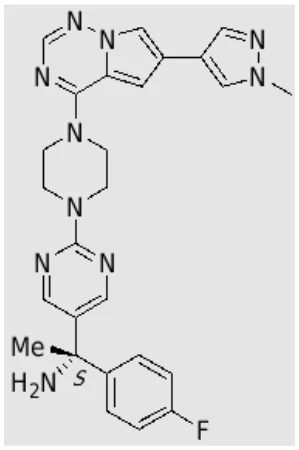
Physicochemical properties: The solubility of avapritinib in 0.1N HCl (pH 1.0), buffer solutions at pH 2.5, 4.0, and 7.0 (at 25°C) is 3.64 mg/mL, 0.14 mg/mL, 0.07 mg/ml and <0.001 mg/mL, respectively, indicating a decrease in solubility with increasing pH.
14 Clinical Trials
14.1 Clinical Trials by Indication
Advanced Systemic Mastocytosis (AdvSM)
Table 10: Summary of Patient Demographics for Clinical Trials in AdvSM
| Study # | Study Design | Dosage, Route of Administration and Duration | Study Subjects (n) | Mean Age (Range) | Sex | |||
| Study # | Study Design | Dosage, Route of Administration and Duration | Study Subjects (n) | Mean Age (Range) | Sex | |||
| EXPLORER (BLU-285-2101; NCT02561988) | multi-centre, single-arm, open-label clinical trial in adult patients with AdvSM and other relapsed or refractory myeloid malignancies | Oral; 30 to 400 mg once daily | Centrally evaluable AdvSM patients treated with the 200 mg daily starting dose: 16 | 66.5 (31 – 88) | Female:33 Male: 55 | |||
| PATHFINDER (BLU-285-2202; NCT03580655) | multi-centre, single-arm, open-label clinical trial in adult patients with AdvSM | Oral; 200 mg once daily | Centrally evaluable AdvSM patients treated with the 200 mg daily starting dose: 72 | |||||
The efficacy of AYVAKYT was demonstrated in EXPLORER and PATHFINDER, two multi-centre, single-arm, open-label clinical trials. Response-evaluable patients include those with a confirmed diagnosis of AdvSM per the World Health Organization (WHO) and deemed evaluable by modified international working group-myeloproliferative neoplasms research and treatment-European competence network on mastocytosis (mIWG-MRT-ECNM) criteria at baseline as adjudicated by an independent central committee, who received at least 1 dose of AYVAKYT, had at least 2 post-baseline bone marrow assessments and had been on study for at least 24 weeks, or had end of study visit. Eligible patients were required to have an ECOG performance status (PS) of 0 to 3.
The major efficacy outcome measure was overall response rate (ORR) per modified IWG-MRT-ECNM criteria as evaluated by the central committee in 88 patients with AdvSM enrolled in EXPLORER and PATHFINDER, who were evaluable for response and had received a starting dose of 200 mg once daily.
Additional efficacy outcome measures included duration of response (DOR), time to response, and changes in individual measures of mast cell burden. The median duration of follow-up for these patients was 15.4 months (95% confidence interval 13.9 to 17.2 months).
The population characteristics for patients included in the primary efficacy analysis were median age of 68 years (range: 31 to 88 years), 63% were male, 90% were White, 67% had an ECOG PS of 0-1, 33% had an ECOG PS of 2-3, 50% had ongoing corticosteroid therapy use for systemic mastocytosis at baseline, 89% of patients had a D816V mutation, 64% had prior antineoplastic therapy, and 50% had received prior midostaurin. The median bone marrow mast cell infiltrate was 40%, the median serum tryptase level was 204.50 ng/mL, 91% had a platelet count of ≥ 50 X 109/L prior to initiation of therapy and the median KIT D816V mutant allele fraction was 10%.
Efficacy results in patients with AdvSM enrolled in EXPLORER and PATHFINDER who received the 200 mg starting dose of AYVAKYT once daily are summarized in Table 11.
Table 11: Results of Studies EXPLORER and PATHFINDER in AdvSM per Modified IWG-MRT-ECNM Criteria
| Efficacy Parameter | All Evaluable AdvSM Patients N=88 | ASM Patients N=13 | SM-AHN Patients N=57 | MCL Patients N=18 |
|---|---|---|---|---|
ORRa, n (%) (95% CI)a CR, n (%) CRh, n (%) PR, n (%) Clinical Improvement, n (%) | 60 (68.2) (57.4, 77.7) 4 (4.5) 12 (13.6) 39 (44.3) 5 (5.7) | 9 (69.2) (38.6, 90.9) 1 (7.7) 3 (23.1) 5 (38.5) 0 | 42 (73.7) (60.3, 84.5) 3 (5.3) 9 (15.8) 26 (45.6) 4 (7.0) | 9 (50.0) (26.0, 74.0) 0 0 8 (44.4) 1 (5.6) |
| Median DORb (months), (95% CI) | N=60 NE (NE, NE) | N=9 NE (NE, NE) | N=42 NE (NE, NE) | N=9 NE (21.6, NE) |
Abbreviations: IWG-MRT-ECNM= international working group-myeloproliferative neoplasms research and treatment-European competence network on mastocytosis; ASM=aggressive systemic mastocytosis; SM-AHN=systemic mastocytosis with hematological neoplasm; MCL=mast cell leukemia; CI=confidence interval; CR=complete remission; CRh = complete remission with partial recovery of peripheral blood counts; DOR=duration of response; NE=not estimable; ORR=overall response rate; PR=partial remission
a ORR is defined as the proportion of patients who achieved a CR, CRh, PR or Clinical Improvement.
b DOR is defined as the time from first documented response (CR/CRh/PR/Clinical Improvement) to the date of first documented progressive disease (PD), loss of response (LoR), or death due to any cause, whichever occurred first. Determination of PD or LoR was based on the comparison with baseline values. DOR is estimated from Kaplan-Meyer analysis.
In all evaluable patients with a response (N=60) the median time to response CR/CRh/PR/ Clinical Improvement was 1.96 months (range: 0.3, 26.7).
The assessment of the following secondary efficacy endpoints was based on AdvSM patients with baseline and post-baseline values for mast cell burden. 86% of patients had a decrease in bone marrow infiltration that exceeded 50% with 58.5% of patients having complete elimination of bone marrow mast cell aggregates; 92% had a decrease in serum tryptase levels that exceeded 50%, with 49.3% reducing serum tryptase <20 ng/mL; and 76% of patients had a decrease in KIT D816V variant allele fraction in blood that exceeded 50% with decrease to <1% in 48.9% of patients and 65% of patients had a reduction of ≥35% in spleen volume, which correlates with a 50% decrease by palpation.
Indolent Systemic Mastocytosis (ISM)
Table 12: Summary of Patient Demographics for Clinical Trial in ISM
| Study # | Study Design | Dosage, Route of Administration and Duration | Study Subjects (n) | Mean Age (Range) | Sex |
|---|---|---|---|---|---|
| PIONEER (BLU-285-2203; NCT03731260) | randomized, double-blind, placebo-controlled, 3-part study conducted in adult patients with moderate-to-severe ISM who were not adequately controlled by best supportive care (BSC) | Part 2 (double-blind, placebo-controlled): 25 mg or matching placebo PO, QD in continuous 28-day cycles | Part 2: 212 | Part 2: 48 (18 – 77) | Part 2: 71% F 29% M |
The efficacy and safety of AYVAKYT was demonstrated in PIONEER, a randomized, double-blind, placebo-controlled, 3-part study conducted in adult patients with ISM with moderate-to-severe symptoms not adequately controlled by best supportive care. In Part 2 (pivotal part), patients were randomized to receive AYVAKYT at the recommended dose of 25 mg orally once daily with best supportive care (141 patients) versus placebo with best supportive care (71 patients). The treatment duration was over a 24-week period during the randomized portion of the study.
The primary endpoint in Part 2 was mean change from baseline to Week 24 in total symptom score (TSS) as measured by the ISM Symptom Assessment Form (ISM-SAF). The ISM-SAF is a patient-reported outcome tool consisting of a 12-item questionnaire developed specifically to assess symptoms in patients with ISM. Patient-reported severity scores for 11 ISM symptoms (abdominal pain, nausea, diarrhea, spots, itching, flushing, bone pain, fatigue, dizziness, headache, brain fog; 0=none; 10=worst imaginable) are summed to calculate the TSS (range 0-110), with higher scores representing greater symptom burden. The 12th item of the questionnaire assesses the number of diarrhea episodes. A biweekly average ISM-SAF TSS was used to evaluate efficacy endpoints.
For the purpose of the study, enrolled patients needed a total symptom score (TSS) of 28 or greater at screening. Patients were required to have failed to achieve adequate symptom control for 1 or more baseline symptoms with at least 2 symptomatic therapies, including but not limited to: H1 antihistamines, H2 antihistamines, proton pump inhibitors, leukotriene inhibitors, cromolyn sodium, corticosteroids, or omalizumab.
An additional patient-reported key secondary efficacy measure was the proportion of AYVAKYT-treated patients achieving ≥50% reduction from baseline through Week 24 in TSS compared to placebo. Objective measures of mast cell burden were also key secondary efficacy endpoints and included the proportion of AYVAKYT-treated patients with a ≥50% reduction from baseline through Week 24 in serum tryptase, peripheral blood KIT D816V allele fraction, and bone marrow mast cells.
For patients who received AYVAKYT, the study population characteristics were median age of 50 years (range: 18 to 77 years), 71% were female, 77% were White, and 94% had a D816V mutation. At baseline, the mean TSS was 50.17 (standard deviation: 19.15), the median serum tryptase level was 38.40 ng/mL, the median KIT D816V mutant allele fraction was 0.39%, and the median bone marrow mast cell infiltrate was 7%. Study population characteristics were similar in the placebo group.
The majority of patients who received AYVAKYT (99.3%) or placebo (100%) received concomitant best available therapy at baseline (median of 3 therapies in the AYVAKYT group and 4 in the placebo group). The most common therapies in the AYVAKYT group were H1 antihistamines (97%), H2 antihistamines (66%), leukotriene inhibitors (35%) and cromolyn sodium (30%).
AYVAKYT treatment demonstrated statistically significant improvements for all primary and key secondary efficacy endpoints compared to placebo, as summarized in Table 13Error! Reference source not found..
Table 13: Reduction in ISM-SAF TSS and Measures of Mast Cell Burden in Patients with ISM in PIONEER at Week 24
| Efficacy Parameter | AYVAKYT (25 mg once daily) + BSC N=141 | Placebo + BSC N=71 | 1-sided p-value | ||||||
|---|---|---|---|---|---|---|---|---|---|
| Mean change in TSS | |||||||||
| Change from baseline (95% CI) | -15.58 (-18.61, -12.55) | -9.15 (-13.12, -5.18) | 0.003 | ||||||
| Difference from placebo (95% CI) | -6.43 (-10.90, -1.96) | ||||||||
| % of patients achieving ≥50% reduction in TSS (95% CI) | 25 (17.9, 32.8) | 10 (4.1, 19.3) | 0.005 | ||||||
| Measures of mast cell burden | |||||||||
| % of patients with a ≥50% reduction in serum tryptase (95% CI) | N=141 54 (45.3, 62.3) | N=71 0 (0.0, 5.1) | <0.0001 | ||||||
| % of patients with a ≥50% reduction in peripheral blood KIT D816V allele fraction or undetectable (95% CI) | N=118 68 (58.6, 76.1) | N=63 6 (1.8, 15.5) | <0.0001 | ||||||
| % of patients with a ≥50% reduction in bone marrow mast cells or no aggregates (95% CI) | N=106 53 (42.9, 62.6) | N=57 23 (12.7, 35.8) | <0.0001 | ||||||
Abbreviations: BSC=best supportive care. BSC can be referred to as BAT as per regional preference; CI=confidence interval; TSS=Total Symptom Score
AYVAKYT-treated patients who rolled over into Part 3 showed sustained improvements in TSS through 48 weeks of treatment.
16 Non-Clinical Toxicology
General toxicology: Repeat-dose Toxicology studies were conducted for up to 6 months in rats and up to 9 months in dogs following daily administration of avapritinib. Most toxicologic effects were mechanism based and similar between rat and dogs with some exceptions.
In a 6-month study in rats, avapritinib was administered at doses of 1, 3 and 10 mg/kg/day, followed by an 8-week recovery period. Target organs of toxicity included bone marrow (decreased cellularity in the sternum, corresponding to decreased red and white blood cells and reticulocytes parameters), bone (increased thickness of the physis in the femur), adrenal gland (cortical hypertrophy, cystic degeneration, angiectasis and 2 incidences of thrombus in 2 females, one of which from the recovery group), thymus (decreased cellularity), spleen (increased extramedullary hematopoiesis and pigmented macrophages), ovary (hemorrhagic and cystic degeneration of the corpora lutea, also present following recovery), vagina (increased mucification), prostate gland (increased incidence of mixed cell inflammation). Elevated serum bilirubin levels were observed at doses > 3 mg/kg/day. Most hematology changes and histology findings were observable at doses > 3 mg/kg/day (corresponding to 7.3 and 15 times the human AUC at the 25 mg dose and 1.5 and 3 times human AUC at the 200 mg dose in males and females, respectively). In studies with higher doses of avapritinib, rats manifested convulsions which was potentially secondary to inhibition of Nav 1.2 (IC50 = 280 nM) at systemic exposures ≥ 14 higher than the exposure at the clinical dose of 200 mg.
In a 9-month study in dogs with an 8-week recovery period at doses of 0.5, 1 and 5 mg/kg/day, target organs of toxicity included bone marrow (decreased hematopoiesis corresponding to decreased red and white blood cells and reticulocytes parameters), spleen (increased extramedullary hematopoiesis and increased pigmented macrophages, also present in recovery animals), and testis at 5 mg/kg/day, the highest dose tested (hypospermatogenesis, also observed in recovery animals). Following administration of avapritinib for 3 months at doses of 7.5, 15 and 30 mg/kg/day, tremors were observed at the highest dose of 30 mg/kg/day. Hemorrhage in the brain and spinal cord were observed at ≥ 15 mg/kg/day (approximately 9.0 and 1.8 times the human exposure based on AUC at 25 mg and 200 mg dose, respectively) and choroid plexus edema in the brain was observed in dogs at ≥ 7.5 mg/kg/day (approximately 4.7 and 1.0 times the human exposure based on AUC at 25 mg and 200 mg dose, respectively), but these effects were not observed in the 9-month study at 5 mg/kg/day. Decreased cellularity in the thymus and lymph nodes, and angiectasis and hemorrhage in the adrenal gland were observed at ≥ 15 mg/kg/day.
Genotoxicity: Avapritinib was not mutagenic in vitro in the bacterial reverse mutation assay (Ames test). Avapritinib was positive in the in vitro chromosome aberration test in cultured human peripheral blood lymphocytes but negative in the rat bone marrow micronucleus test and rat comet test and thus overall non-genotoxic.
Carcinogenicity: The carcinogenic potential of avapritinib was evaluated in a 6-month transgenic mouse study where there were no effects on carcinogenicity up to the highest dose evaluated of 20 mg/kg/day (corresponding to roughly 54 and 11 times human AUC at the 25 mg and 200 mg dose, respectively).
Reproductive and developmental toxicology: In a fertility and early embryonic development study, rats were exposed to avapritinib daily from 28 and 14 days prior to mating in males and females, respectively, through Gestation Day (GD) 7, at doses of 3, 10 and 30 mg/kg/day for males and 3, 10 and 20 mg/kg/day for females. There were no direct effects on fertility in rats of either sex at the highest doses tested (100.8 and 62.6 times the human AUC at 25 mg and 20.3 and 9.5 times the human AUC at the 200 mg dose). Lower sperm production and testicular weight were observed at doses >10 mg/kg/day (37 and 7.5 times the human AUC at 25 mg and 200 mg dose, respectively). Dark red areas in the uterus and cystic ovaries, along with dose-dependent increases in pre- and post-implantation loss and lower number of viable embryos were observed at >10 mg/kg/day and enlarged ovaries containing dark red areas at 20 mg/kg/day (approximately 31and 63 times the human AUC at the 25 mg dose and 6.3 times and 12.6 times the human AUC at the 200 mg dose, respectively). Avapritinib partitioned into seminal fluids at concentrations roughly 2-4% the observed serum levels and was detected up to 2.5 and 0.6 times the concentration found in human plasma at 25 mg and 200 mg dose, respectively.
In an embryo-fetal development study, avapritinib was administered to pregnant rats at daily doses of 5, 10, 20 and 30 mg/kg/day during GD 6 through 17 and showed embryotoxic and teratogenic effects. Dose-dependent decreased number of viable embryos, decreased fetal body weight, increased incidence of visceral and skeletal malformations were observed at doses ≥10 mg/kg/day (roughly 31.4 and 6.3 times the human AUC at the 25 mg and 200 mg dose, respectively). The NOAEL for maternal and embryo-fetal toxicity was considered to be 5 mg/kg/day in this study corresponding to approximately 14.5 and 2.9 times the human AUC at the 25 mg and 200 mg dose, respectively (see 7 Warnings and Precautions – Teratogenic Risk).
Photosensitivity: An in vitro phototoxicity study in 3T3 mouse fibroblasts as well as a phototoxicity study in pigmented rats demonstrated that avapritinib has a slight potential for phototoxicity.