


Product Monograph - Rozlytrek
Recent Major Label Changes
| 7 Warnings and Precautions, Musculoskeletal | 2026-04 |
|---|
Table of Contents
Certain sections or subsections that are not applicable at the time of the preparation of the most recent authorized product monograph are not listed.
Recent Major Label Changes ............................................................................................................ 2
Table of Contents ........................................................................................................................ 2
Part 1: Healthcare Professional Information ............................................................................ 4
1 Indications ....................................................................................................................... 4
1.1 Pediatrics ............................................................................................................... 4
1.2 Geriatrics ............................................................................................................... 4
2 Contraindications ............................................................................................................ 4
3 Serious Warnings and Precautions Box ....................................................................... 5
4 Dosage and Administration ........................................................................................... 5
4.1 Dosing Considerations .......................................................................................... 5
4.2 Recommended Dose and Dosage Adjustment ..................................................... 5
4.4 Administration ........................................................................................................ 8
4.5 Missed Dose .......................................................................................................... 8
5 Overdose .......................................................................................................................... 9
6 Dosage Forms, Strengths, Composition, and Packaging ........................................... 9
7 Warnings and Precautions ............................................................................................. 9
7.1 Special Populations ............................................................................................. 13
7.1.1 Pregnancy ....................................................................................................... 13
7.1.2 Breastfeeding .................................................................................................. 13
7.1.3 Pediatrics ......................................................................................................... 13
7.1.4 Geriatrics ......................................................................................................... 13
8 Adverse Reactions ........................................................................................................ 13
8.1 Adverse Reaction Overview ................................................................................ 13
8.2 Clinical Trial Adverse Reactions .......................................................................... 14
8.3 Less Common Clinical Trial Adverse Reactions .................................................. 17
8.4 Abnormal Laboratory Findings: Hematologic, Clinical Chemistry and Other Quantitative Data ............................................................................................................ 18
8.5 Post-Market Adverse Reactions .......................................................................... 19
9 Drug Interactions .......................................................................................................... 19
9.3 Drug-Behaviour Interactions ................................................................................ 19
9.4 Drug-Drug Interactions ........................................................................................ 19
9.5 Drug-Food Interactions ........................................................................................ 21
9.6 Drug-Herb Interactions ........................................................................................ 21
9.7 Drug-Laboratory Test Interactions ....................................................................... 21
10 Clinical Pharmacology ................................................................................................. 21
10.1 Mechanism of Action ........................................................................................... 21
10.2 Pharmacodynamics ............................................................................................. 22
10.3 Pharmacokinetics ................................................................................................ 22
11 Storage, Stability, and Disposal .................................................................................. 24
12 Special Handling Instructions ...................................................................................... 25
Part 2: Scientific Information ................................................................................................... 26
13 Pharmaceutical Information ......................................................................................... 26
14 Clinical Trials ................................................................................................................. 26
14.1 Clinical Trials by Indication .................................................................................. 26
NTRK gene fusion positive solid tumours ....................................................................... 26
ROS1 Positive Non-Small Cell Lung Cancer (NSCLC) ................................................... 33
15 Microbiology .................................................................................................................. 36
16 Non-Clinical Toxicology ............................................................................................... 36
Patient Medication Information ............................................................................................... 38
Part 1: Healthcare Professional Information
1 Indications
NTRK gene fusion positive solid tumours:
ROZLYTREK (entrectinib) is indicated for the treatment of adult patients with unresectable locally advanced or metastatic extracranial solid tumours, including brain metastases, that have a neurotrophic tyrosine receptor kinase (NTRK) gene fusion without a known acquired resistance mutation, and with no satisfactory treatment options.
Clinical effectiveness is based on tumour objective response rate (ORR) and duration of response (DOR) in an integrated analysis of efficacy data from three studies in adults (see 14 Clinical Trials).
Prior to initiation of ROZLYTREK therapy, NTRK fusion-positive status should be established using a validated test.
ROZLYTREK should only be administered under the supervision of a health professional experienced in the use of antineoplastic agents.
ROS1 Positive Non-Small Cell Lung Cancer (NSCLC):
ROZLYTREK (entrectinib) is indicated for the treatment of patients with ROS1-positive locally advanced or metastatic non-small cell lung cancer (NSCLC) not previously treated with crizotinib.
1.1 Pediatrics
Pediatrics (<18 years of age):
NTRK gene fusion positive solid tumours:
Based on the limited data submitted and reviewed by Health Canada, the safety of ROZLYTREK in pediatric patients has not been established; therefore, Health Canada has not authorized an indication for pediatric use (see 7 Warnings and Precautions, Musculoskeletal, Skeletal Fractures).
ROS1 Positive Non-Small Cell Lung Cancer (NSCLC):
No pediatric data are available to Health Canada for ROS1-positive, locally advanced or metastatic NSCLC; therefore, Health Canada has not authorized an indication for pediatric use.
1.2 Geriatrics
Geriatrics (≥ 65 years of age): No differences in safety or efficacy were observed between patients ≥ 65 years of age and younger patients.
2 Contraindications
ROZLYTREK is contraindicated in patients who are hypersensitive to this drug or to any ingredient in the formulation, including any non-medicinal ingredient, or component of the container. For a complete listing, see 6 Dosage Forms, Strengths, Composition, and Packaging.
NOC/c
3 Serious Warnings and Precautions Box
Serious Warnings and Precautions
- ROZLYTREK may cause fetal harm when administered to a pregnant woman (7.1.1 Pregnant Women)
- ROZLYTREK may cause congestive heart failure (see 7 Warnings and Precautions, Cardiovascular, Congestive Heart Failure)
4 Dosage and Administration
4.1 Dosing Considerations
- A validated assay is required for the selection of patients with NTRK fusion-positive unresectable locally advanced or metastatic extracranial solid tumours, including brain metastases. NTRK fusion-positive status should be established prior to initiation of ROZLYTREK therapy.
- A validated assay is required for the selection of patients with ROS1-positive locally advanced or metastatic NSCLC. ROS1-positive status should be established prior to initiation of ROZLYTREK therapy.
4.2 Recommended Dose and Dosage Adjustment
Dosage
ROZLYTREK hard capsules can be taken with or without food, swallowed whole, and must not be opened or dissolved.
The recommended dose of ROZLYTREK is 600 mg given orally, once daily (see 10.3 Pharmacokinetics).
Health Canada has not authorized an indication for pediatric use for ROS1-positive, locally advanced or metastatic NSCLC.
Duration of Treatment
It is recommended that patients are treated with ROZLYTREK until disease progression or unacceptable toxicity.
Dose Modifications
Management of adverse events may require temporary interruption, dose reduction, or discontinuation of treatment with ROZLYTREK, based on the prescriber’s assessment of the patient’s safety or tolerability.
The dose of ROZLYTREK may be reduced up to 2 times, based on tolerability. Table 1 provides general dose reduction advice for adult patients. ROZLYTREK treatment should be permanently discontinued if patients are unable to tolerate a dose of 200 mg once daily.
NOC/c
Table 1 Dose Reduction Schedule
| Dose Reduction Schedule | Dose Level |
|---|---|
| Starting Dose | 600 mg once daily |
| First dose reduction | 400 mg once daily |
| Second dose reduction | 200 mg once daily |
Dose Modifications for Specific Adverse Reactions
Recommendations for ROZLYTREK dose modifications for specific adverse reactions are provided in Table 2 (see 7 Warnings and Precautions and 8 Adverse Reactions).
Table 2 Recommended Dose Modifications for Specified Adverse Drug Reactions
| Adverse Drug Reaction | Severity * | Dose Modification |
|---|---|---|
| Adverse Drug Reaction | Severity * | Dose Modification |
| Anemia or Neutropenia | Grade 3 or Grade 4 | Withhold ROZLYTREK until recovery to ≤ Grade 2 or to baseline, then resume treatment at same dose level or reduced dose by 1 level, as clinically needed. |
| Central Nervous System Effects | Grade ≥ 2 | Withhold ROZLYTREK until recovery to ≤ Grade 1 or to baseline, then resume treatment at reduced dose by 1 level. If event recurs, further reduce dose by 1 level. For prolonged, severe, or intolerable events, discontinue as clinically appropriate. |
| Hepatotoxicity | Grade 3 | Withhold ROZLYTREK until recovery to less than or equal to Grade 1 or to baseline. Resume at same dose if resolution occurs within 4weeks. Permanently discontinue if adverse reaction does not resolve within 4 weeks. Resume at a reduced dose for recurrent Grade 3 events that resolve within 4 weeks. |
| Grade 4 | Withhold ROZLYTREK until recovery to less than or equal to Grade 1 or to baseline. Resume at reduced dose if resolution occurs within 4 weeks. Permanently discontinue if adverse reaction does not resolve within 4 weeks. Permanently discontinue for recurrent Grade 4 events. | |
| ALT or AST greater than 3 times ULN with concurrent total bilirubin greater than 1.5 times ULN (in the absence of | Permanently discontinue ROZLYTREK. | |
| cholestasis or hemolysis) | ||
| Hyperuricemia | Symptomatic or Grade 4 | Initiate urate-lowering medication. Withhold ROZLYTREK until improvement of signs or symptoms. Resume ROZLYTREK at same or reduced dose. |
| Syncope | Any Grade | Withhold ROZLYTREK until recovered, then resume treatment at reduced dose by 1 level. If event recurs, further reduce dose by 1 level or consider discontinuation as clinically appropriate. |
| Congestive Heart Failure | Grade 2 or 3 | Withhold ROZLYTREK until recovered to ≤ Grade 1. Resume at reduced dose. |
| Grade 4 | Permanently discontinue ROZLYREK | |
| QT Interval Prolongation | QTc 481 to 500 ms | Withhold ROZLYTREK until recovered to baseline, then resume treatment at same dose. |
| QTc greater than 500 ms | Withhold ROZLYTREK until QTc interval recovers to baseline, then resume at same dose if factors that cause QT prolongation are identified and corrected. Resume at reduced dose if other factors that cause QT prolongation are not identified. | |
| Torsade de pointes; polymorphic ventricular tachycardia; signs/symptoms of serious arrhythmia | Permanently discontinue ROZLYTREK. | |
| Vision Disorders | Grade 2 or above | Withhold ROZLYTREK until improvement or stabilization. Resume at same dose or reduced dose, as clinically appropriate. |
| Other clinically relevant adverse reactions | Grade 3 or 4 | Withhold ROZLYTREK until adverse reaction resolves or improvement to Grade 1 or baseline. Resume at same or reduced dose, if resolution occurs within 4 weeks. Consider permanent discontinuation if adverse reaction does not resolve within 4 weeks. Permanently discontinue for recurrent Grade 4 events. |
| *Severity as defined by National Cancer Institute Common Terminology Criteria for Adverse Events (NCI CTCAE) | ||
Dose Modifications for Concomitant strong or moderate CYP3A inhibitors
The concomitant use of strong or moderate CYP3A inhibitors and ROZLYTREK in adults should be avoided or limited to 14 days or less. If concomitant use of strong or moderate CYP3A inhibitors cannot be avoided, ROZLYTREK dose should be reduced to 100 mg once daily for use with strong CYP3A inhibitors and to 200 mg once daily for use with moderate CYP3A inhibitors.
After discontinuation of the concomitant strong or moderate CYP3A inhibitors, ROZLYTREK dose that was taken prior to initiating the strong or moderate CYP3A inhibitor can be resumed. A wash out period may be required for CYP3A4 inhibitors with long half-life (see 9 Drug Interactions).
Dose Modifications for Concomitant CYP3A inducers
Co-administration of ROZLYTREK with CYP3A inducers should be avoided (see 9 Drug Interactions).
Dose Modifications for Special Populations
Pediatric use
Health Canada has not authorized an indication for ROZLYTREK for pediatric use.
Geriatric use
No dose adjustment of ROZLYTREK is required in patients ≥ 65 years of age (see 10.3 Pharmacokinetics, Special Populations and Conditions).
Renal Impairment
No dose adjustment is required in patients with mild or moderate renal impairment CrCl ≥30 mL/min calculated by the Cockroft-Gault equation). ROZLYTREK has not been studied in patients with severe renal impairment CrCl <30 mL/min).
Hepatic Impairment
No dose adjustment is required in patients with underlying mild (Child-Pugh A), moderate (Child-Pugh B) or severe (Child-Pugh C) hepatic impairment based on a study in subjects with hepatic impairment (see 10.3 Pharmacokinetics, Special Populations and Conditions). Patients with severe hepatic impairment should be carefully monitored for hepatic function and adverse reactions.
Ethnicity
No dose adjustment is necessary for patients of different ethnicities (see 10.3 Pharmacokinetics, Special Populations and Conditions).
4.4 Administration
The recommended dose should be administered orally and can be taken with or without food, swallowed whole, and must not be opened or dissolved.
4.5 Missed Dose
If a planned dose of ROZLYTREK is missed, patients can make up that dose unless the next dose is due within 12 hours. If vomiting occurs immediately after taking a dose of ROZLYTREK, patients may repeat that dose.
5 Overdose
There is no experience with overdose in clinical trials with ROZLYTREK. Patients who experience overdose should be closely supervised and supportive care instituted. There are no known antidotes for ROZLYTREK.
For the most recent information in the management of a suspected drug overdose, contact your regional poison control centre or Health Canada’s toll-free number, 1-844 POISON-X (1-844-764-7669).
6 Dosage Forms, Strengths, Composition, and Packaging
Table 3 Dosage Forms, Strengths, and Composition
ROZLYTREK capsules are supplied as follows:
- 100 mg – bottle containing 30 yellow opaque hard-shell capsules with “ENT 100” printed in blue ink
- 200 mg – bottle containing 90 orange opaque hard-shell capsules with “ENT 200” printed in blue ink
7 Warnings and Precautions
Cardiovascular
Congestive Heart Failure
Congestive heart failure (CHF) has been reported across clinical trials with ROZLYTREK (see Table 4 in 8 Adverse Reactions). These reactions were observed in patients with or without a history of cardiac disease and resolved in some patients upon treatment with diuretics and/or dose reduction/interruption of ROZLYTREK. Clinical trials excluded patients with symptomatic CHF, myocardial infarction, unstable angina, or coronary artery bypass graft within three to six months of study entry.
Assess left ventricular ejection fraction (LVEF) prior to initiation of ROZLYTREK in patients with symptoms or known risk factors for CHF. Patients receiving ROZLYTREK should be carefully monitored and those with clinical signs and symptoms of CHF, including shortness of breath or edema, should be evaluated and treated as clinically appropriate. For patients with new onset or
| Route of Administration | Dosage Form / Strength/ Composition | Non-medicinal Ingredients |
| Oral | Capsule, 100 mg and 200 mg | Colloidal silicon dioxide, crospovidone, hypromellose, lactose anhydrous, magnesium stearate, microcrystalline cellulose, and tartaric acid. The 100 mg capsule shell contains hypromellose, titanium dioxide, and yellow iron oxide. The 200 mg capsule shell contains FD&C yellow #6, hypromellose, and titanium dioxide. The printing ink contains FD&C blue #2 aluminum lake, propylene glycol, shellac, and strong ammonia solution. |
worsening CHF, withhold ROZLYTREK, institute appropriate medical management and reassess LVEF.
Based on the severity of CHF or worsening LVEF, resume ROZLYTREK treatment at a reduced dose upon recovery to baseline or permanently discontinue ROZYLTREK (see Table 2 in 4 Dosage and Administration).
QTc Interval Prolongation
QT interval prolongation has been observed in patients treated with ROZLYTREK in clinical trials (see 8 Adverse Reactions). Across the clinical trials, 10/355 (2.8%) patients with at least one post-baseline ECG assessment experienced a QTc interval increase over baseline of greater than 60 ms and 6/355 (1.7%) patients had a QTc interval >500 ms. In non-clinical studies, ROZLYTREK caused QT/QTc interval prolongation and had an inhibitory effect on hERG tail currents (See 16 Non-Clinical Toxicology, Safety Pharmacology).
Use of ROZLYTREK should be avoided in patients with congenital long QT syndrome and in patients taking medications that are known to prolong QT interval. Assessment of ECG at baseline and periodic monitoring of ECGs and electrolytes are recommended, adjusting frequency based on risk factors such as congestive heart failure, electrolyte abnormalities, or concomitant medications known to prolong QT interval.
Based on the severity of QTc prolongation, withhold ROZLYTREK treatment and then resume at same or reduced dose, or permanently discontinue (see Table 2 in 4 Dosage and Administration).
Driving and Operating Machinery
ROZLYTREK may influence the ability to drive and use machines. If patients experience cognitive adverse reactions, syncope, blurred vision, or dizziness during treatment with ROZLYTREK, patients should be instructed not to drive or operate machines until the symptoms resolve.
Embryo-Fetal Toxicity
Based on the findings in animal studies, ROZLYTREK may cause fetal harm when administered to a pregnant woman. When administrated to pregnant rats, ROZLYTREK caused maternal toxicity and fetal malformations at exposures 2.7 -fold the human exposure by AUC at the recommended dose (see 16 Non-Clinical Toxicology).
Female patients receiving ROZLYTREK should be advised of the potential harm to the fetus. Female patients of reproductive potential, must use highly effective contraceptive methods during treatment and for 5 weeks following the last dose of ROZLYTREK (see 7.1 Special Populations).
Endocrine and Metabolism
Hyperuricemia
Amongst the 355 patients who received ROZLYTREK across clinical trials, 9% of patients experienced hyperuricemia as an adverse event. Grade 4 events were reported in 1.7% of patients, including one patient who died of tumour lysis syndrome. In all 32 patients with an event of hyperuricemia, 6% required dose reduction, 6% required dose interruption and 34% required interventions to reduce uric acid levels (urate lowering drugs).
Assess serum uric acid levels prior to initiating ROZLYTREK and periodically during treatment. Monitor for signs and symptoms of hyperuricemia. Initiate treatment with urate-lowering medications as clinically indicated, and withhold ROZLYTREK treatment for signs and symptoms of hyperuricemia. Based on the severity of hyperuricemia resume ROZLYTREK at same or reduced dose upon improvement in signs and symptoms (see Table 2 in 4 Dosage and Administration).
Hepatic/Biliary/Pancreatic
Amongst the 355 patients who received ROZLYTREK across clinical trials, increases in AST of any grade occurred in 44% of patients and increases in ALT of any grade occurred in 38% of patients. Grade 3-4 increases in AST and ALT occurred in 2.7% and 2.9% of patients respectively. Increases in AST or ALT leading to dose reductions or interruption occurred in 0.8% and 0.8% of patients respectively. The median time to onset of increased AST and ALT was 2 weeks.
Monitor liver function tests, including ALT and AST, every 2 weeks during the first month of treatment, then monthly thereafter, and as clinically indicated. Based on the severity of hepatotoxicity, withhold ROZLYTREK treatment and resume at same or reduced dose, or permanently discontinue (see Table 2 in 4 Dosage and Administration).
Musculoskeletal
Skeletal Fractures
ROZLYTREK increases the risk of fractures. In an expanded safety population review, 5% of adult patients and 23% of pediatric patients experienced fractures. In adult patients, some fractures occurred in the setting of a fall or other trauma to the affected area, while in the pediatric patients, all fractures occurred in patients with minimal or no trauma. In both adults and pediatric patients, most fractures were hip or other lower extremity fractures (e.g., femoral or tibial shaft). The median time to fracture was 3.8 months in adults and 4.0 months in pediatric patients. ROZLYTREK treatment was interrupted in 41% of adults and 43% of pediatric patients due to fractures.
There are no data on the effects of ROZLYTREK on healing fractures or on the risk of future fractures.
Patients with signs and symptoms of fractures should be promptly evaluated. ROZYLTREK is not recommended for use in pediatric patients under the age of 18; Health Canada has not authorized an indication for pediatric use.
Neurologic
Central Nervous System Effects
Cognitive disorders, including confusion, mental status changes, memory impairment, and hallucinations, were reported in clinical trials with ROZLYTREK (see 8 Adverse Reactions for description of events).
Additionally, a broad spectrum of other central nervous system (CNS) adverse reactions were reported. Amongst the 355 patients receiving entrectinib across clinical trials, 10% experienced mood disorders (depression, anxiety and agitation), 38% experienced dizziness, and 14% experienced sleep disturbances (predominantly insomnia).
The incidence of CNS adverse reactions was similar in patients with or without CNS metastases; however, the incidence of dizziness (38% vs 31%), headache (21% vs 13%), paresthesia (20% vs 6%), balance disorder (13% vs 4%), and confusional state (11% vs 2%) appeared to be increased in patients with CNS metastases who had received prior CNS irradiation (N = 90) compared to those who did not (N = 48).
Patients should be monitored for signs of cognitive changes or other CNS events. Based on the severity, ROZLYTREK treatment should be withheld or permanently discontinued (see Table 2 in 4 Dosage and Administration).
Patients should be counseled on the potential for cognitive changes with ROZLYTREK treatment. If patients experience cognitive changes, they should be instructed not to drive or operate machines until symptoms resolve.
Syncope
Syncope events were reported across clinical trials with ROZLYTREK (see 8 Adverse Reactions). In some patients, syncope was reported with concurrent hypotension, dehydration, or QT prolongation and in other patients no other concurrent related conditions were reported.
Patients experiencing syncope should be evaluated and ROZLYTREK treatment should be withheld until recovered, then resumed at reduced dose (see Table 2 in 4 Dosage and Administration).
Ophthalmologic
Among the 355 patients who received ROZLYTREK across clinical trials, vision changes occurred in 21% of patients, including Grade 1 (82%), Grade 2 (14%) and Grade 3 (4.1%) ( see 8 Adverse Reactions). Vision disorders occurring in ≥ 1% included blurred vision (8.7%), photophobia (5.1%), diplopia (3.1%), visual impairment (2%), photopsia (1.1%), cataract (1.1%), and vitreous floaters (1.1%).
Visual disorders have been reported with Anaplastic Lymphoma Kinase (ALK) receptor tyrosine kinase inhibitors and entrectinib is reported to inhibit the ALK receptor tyrosine kinase.
Patients should be counseled on the potential for visual changes with ROZLYTREK treatment. If patients experience symptoms of vision disorders, they should be instructed not to drive or use machines until symptoms resolve.
For patients with new visual changes, consider an ophthalmological evaluation. Based on the severity of visual changes, withhold ROZLYTREK or modify treatment dosage (see Table 2 in 4 Dosage and Administration).
Reproductive Health: Female and Male Potential
Pregnancy testing
Women of childbearing potential should not become pregnant while on treatment and should not be pregnant at the beginning of treatment. Female patients of reproductive potential should have medically supervised pregnancy testing prior to initiating ROZLYTREK therapy.
Contraception
Female patients of reproductive potential, must use highly effective contraceptive methods during treatment and for 5 weeks following the last dose of ROZLYTREK (see 16 Non-Clinical Toxicology).
Based on the potential for genotoxicity and risk of teratogenicity, male patients with female partners of child-bearing potential must use highly effective contraceptive methods during treatment and for 3 months following the last dose of ROZLYTREK (see 16 Non-Clinical Toxicology).
Fertility
Dedicated fertility studies were not conducted with entrectinib. Dose-dependent reductions in prostate weight were observed in male dogs (See 16 Non-Clinical Toxicology).
7.1 Special Populations
7.1.1 Pregnancy
Female patients of reproductive potential must be advised to avoid pregnancy while receiving ROZLYTREK (see 7 Warnings and Precautions). There is no available data on the use of ROZLYTREK in pregnant women. Based on animal studies with entrectinib (see 16 Non-Clinical Toxicology) and its mechanism of action, ROZLYTREK may cause fetal harm when administered to a pregnant woman. Patients receiving ROZLYTREK should be advised of the potential harm to the fetus. Female patients should be advised to contact their healthcare professional, should pregnancy occur.
7.1.2 Breastfeeding
It is not known whether entrectinib or its metabolites are excreted in human breast milk. No studies have been conducted to assess the effects of ROZLYTREK on milk production or its presence in breast milk. As the potential for harm to the nursing infant is unknown, mothers should be advised to discontinue breast-feeding during treatment with ROZLYTREK and for 14 days after the final dose.
7.1.3 Pediatrics
Based on limited data submitted and reviewed by Health Canada, the safety of ROZLYTREK in pediatric patients has not been established; therefore, Health Canada has not authorized an indication for pediatric use.
ROZLYTREK has been studied in children, adolescents, and young adults. ROZLYTREK was associated with a higher risk of skeletal fractures in the pediatric population compared to adults (see Musculoskeletal section above). Population pharmacokinetic data demonstrate similar drug exposure in adults and pediatric patients (see 10.3 Pharmacokinetics, Special Populations and Conditions).
7.1.4 Geriatrics
No differences in safety or efficacy were observed between patients ≥ 65 years of age and younger patients.
8 Adverse Reactions
8.1 Adverse Reaction Overview
For the clinical development program of ROZLYTREK, a total of 355 patients, including 16 pediatric and young adult patients, have received ROZLYTREK in four clinical trials (ALKA, STARTRK-1, STARTRK-2, and STARTRK-NG). The safety of ROZLYTREK was evaluated as integrated analyses of these four ongoing clinical trials. The median duration of exposure to
ROZLYTREK was 5.5 months.
In this safety population, the most common tumours were lung (56%), sarcoma (8%), and colon (5%). ROS1 gene fusions were present in 42% and NTRK gene fusions were present in 20%. Most patients (75%) received ROZLYTREK 600 mg orally once daily. The doses ranged from 100 mg/m2 to 1600 mg/m2 once daily in adults and 250mg/m2 to 750 mg/m2 once daily in pediatric patients. Health Canada has not authorized an indication for pediatric use.
Grade 3-4 adverse reactions occurred in 60% of patients; the most common (≥2%) were lung infection (5%), increased weight (7%), dyspnea (6%), fatigue/asthenia (5%), cognitive disorders (4.5%), syncope (2.5%), pulmonary emboli (3.4%), hypoxia (3.4%), pleural effusion (3.1%), hypotension (2.8%), diarrhea (2%), and urinary tract infection (2.5%).
Fatal events included dyspnea (0.6%), pneumonia (0.6%), sepsis (0.6%), completed suicide (0.3%), large intestine perforation (0.3%), and tumour lysis syndrome (0.3%).
Permanent discontinuation due to an adverse reaction occurred in 9% of patients who received ROZLYTREK. The most frequent adverse reaction (<1% each) that resulted in permanent discontinuation were pneumonia, cardio-respiratory arrest, dyspnea, and fatigue.
8.2 Clinical Trial Adverse Reactions
Because clinical trials are conducted under very specific conditions, the adverse reaction rates observed in the clinical trials may not reflect the rates observed in practice and should not be compared to the rates in the clinical trials of another drug. Adverse reaction information from clinical trials is useful for identifying drug-related adverse events and for approximating rates.
Table 4 summarizes the adverse drug reactions (ADRs) occurring in patients treated with ROZLYTREK. Adverse drug reactions from clinical trials are listed by MedDRA system organ class.
Table 4 Summary of Adverse Drug Reactions (>10% for All Grades) Occurring in Patients Treated with ROZLYTREK in Clinical Trials (Integrated Safety Population)
System Organ Class Adverse Reaction | ROZLYTREK N=355 | |
|---|---|---|
System Organ Class Adverse Reaction | ROZLYTREK N=355 | |
System Organ Class Adverse Reaction | ROZLYTREK N=355 | |
All Grades n (%) | Grade 3 – 4 n (%) | |
All Grades n (%) | Grade 3 – 4 n (%) | |
All Grades n (%) | Grade 3 – 4 n (%) | |
| General Disorders and Administration Site Conditions | ||
| Fatigue12 | 170 (47.9) | 19 (5.4) |
| Edema6 | 141 (39.7) | 4 (1.1) |
| Pain7 | 100 (28.2) | 7 (2.0) |
| Pyrexia | 76 (21.4) | 3 (0.8) |
| Gastrointestinal Disorders | ||
| Constipation | 163 (45.9) | 2 (0.6) |
| Diarrhea | 123 (34.6) | 7 (2.0) |
| Nausea | 122 (34.4) | 1 (0.3) |
| Vomiting | 86 (24.2) | 3 (0.8) |
| Abdominal pain | 45 (12.7) | 2 (0.6) |
| Dysphagia | 35 (9.9) | 1 (0.3) |
| Nervous System Disorders | ||
| Dysgeusia | 155 (43.7) | 1 (0.3) |
| Dizziness5 | 136 (38.3) | 3 (0.8) |
| Dysesthesia3 | 103 (29.0) | 1 (0.3) |
| Cognitive Disorders1 | 92 (25.9) | 16 (4.5) |
| Peripheral Sensory Neuropathy2 | 63 (17.7) | 4 (1.1) |
| Headache | 63 (17.7) | 1 (0.3) |
| Ataxia4 | 59 (16.6) | 3 (0.8) |
| Sleep Disorders14 | 51 (14.4) | 2 (0.6) |
| Mood Disorders15 | 36 (10.1) | 2 (0.6) |
| Respiratory Disorders | ||
| Dyspnea | 106 (29.9) | 21 (5.9) |
| Cough | 85 (23.9) | 1 (0.3) |
| Blood Disorders | ||
| Anemia | 99 (27.9) | 38 (10.7) |
| Neutropenia9 | 43 (12.1) | 18 (5.1) |
| Metabolism and Nutritional Disorders | ||
| Weight increased | 88 (24.8) | 23 (6.5) |
| Decreased appetite | 46 (13.0) | 1 (0.3) |
| Dehydration | 36 (10.1) | 4 (1.1) |
| Renal and urinary disorders | ||
| Blood creatinine increased | 82 (23.1) | 3 (0.8) |
| Musculoskeletal Disorders | ||
| Arthralgia | 75 (21.1) | 2 (0.6) |
| Myalgia | 73 (20.6) | 3 (0.8) |
| Muscular weakness | 43 (12.1) | 3 (0.8) |
| Hepatobiliary Disorders | ||
| AST increased | 57 (16.1) | 12 (3.4) |
| ALT increased | 50 (14.1) | 11 (3.1) |
| Infections and Infestations | ||
| Lung Infection8 | 47 (13.2) | 18 (5.1) |
| Urinary tract infection | 45 (12.7) | 8 (2.3) |
| Eye Disorders | ||
| Visual disorders11 | 74 (20.8%) | 3 (0.8%) |
| Skin and Subcutaneous Tissue Disorders | ||
| Rash10 | 40 (11.3) | 3 (0.8) |
| Vascular Disorders | ||
| Hypotension13 | 63 (17.7) | 10 (2.8) |
ALT: Alanine aminotransferase AST: Aspartate aminotransferase 1 Includes preferred terms: cognitive disorder, confusional state, disturbance in attention, memory impairment, amnesia, mental status changes, hallucination, delirium, ‘hallucination visual’, and mental disorder. 2 Includes the preferred terms: neuralgia, neuropathy peripheral, peripheral motor neuropathy, peripheral sensory neuropathy 3 Includes the preferred terms: paresthesia, hyperesthesia, hypoesthesia, dysesthesia 4 Includes the preferred terms: ataxia, balance disorder, gait disturbances 5 Includes the preferred terms: dizziness, vertigo, dizziness postural 6 Includes the preferred terms: face edema, fluid retention, generalized edema, localized edema, edema, edema peripheral, peripheral swelling 7 Includes the preferred terms: back pain, neck pain, musculoskeletal chest pain, musculoskeletal pain, pain in extremity 8 Includes the preferred terms: bronchitis, lower respiratory tract infection, lung infection, pneumonia, respiratory tract infection, upper respiratory tract infection 9 Includes the preferred terms: neutropenia, neutrophil count decreased 10 Includes the preferred terms: rash, rash maculopapular, rash pruritic, rash erythematous, rash papular 11 Includes the preferred terms: blindness, cataract, cortical cataract, corneal erosion, diplopia, eye disorder, photophobia, photopsia, retinal hemorrhage, vision blurred, visual impairment, vitreous adhesions, vitreous detachment, vitreous floaters 12 Includes the preferred terms: fatigue, asthenia 13 Includes the preferred terms: hypotension, orthostatic hypotension 14 Includes the preferred terms: insomnia, somnolence, hypersomnia, sleep disorder 15Includes the preferred terms: anxiety, affect lability, affective disorder, agitation, depressed mood, euphoric mood, mood altered, mood swings, irritability, depression, persistent depressive disorder, psychomotor retardation | ||
8.3 Less Common Clinical Trial Adverse Reactions
Adverse drug reactions occurring in less than 10% of patients include:
Cardiac Disorders: congestive heart failure* (3.4%), and electrocardiogram QT prolongation (2.0%)
*Includes the preferred terms: acute right ventricular failure, cardiac failure, cardiac failure congestive, chronic right ventricular failure, ejection fraction decreased, pulmonary edema.
Gastrointestinal Disorders: dysphagia (9.9%)
Metabolism and Nutrition Disorders: Hyperuricemia (9.0%)
Musculoskeletal Disorders: bone fractures* (5% in adults; 23% in the pediatric population)
*Includes the preferred terms: humerus fracture, foot fracture, ankle fracture, femoral neck fracture, stress fracture, fibula fracture, fracture, rib fracture, spinal fracture, wrist fracture, femur fracture, pathological fracture.
Nervous System Disorders: syncope (3.9%); cognitive disorders
Cognitive Disorders
A variety of cognitive symptoms were reported across clinical trials. These included events reported as cognitive disorders (7.9%), confusional state (7.3%), disturbance in attention (4.8%), memory impairment (3.7%), amnesia (2.5%), mental status changes (1.7%), hallucination (1.1%), delirium (0.8%), hallucination visual (0.3%), and mental disorder (0.3%). Grade 3 events were reported in 4.5% of patients. In the pediatric population, 6.3% (1/16) pediatric patients experienced disturbance in attention of Grade 1 severity. Patients who had brain metastases at baseline had a higher frequency of these events (39%) compared to those without brain metastases (24.9%).
Renal and urinary disorders: urinary retention (5.1%)
8.4 Abnormal Laboratory Findings: Hematologic, Clinical Chemistry and Other Quantitative Data
The following table provides treatment-emergent shifts from baseline in laboratory abnormalities occurring in patients treated with ROZLYTREK across the four clinical trials.
Table 5 Laboratory Abnormalities (≥ 20%) Worsening from Baseline in Patients
Treated with ROZLYTREK in Clinical Trials (Integrated Safety Population)
| Laboratory Abnormality | ROZLYTREK NCI CTCAE Grade | ||||
| All Grades (%)1 | Grade 3-4 (%)1 | ||||
| Hematology | |||||
| Anemia | 67 | 9 | |||
| Lymphopenia | 40 | 12 | |||
| Neutropenia | 28 | 7 | |||
| Chemistry | |||||
| Increased creatinine2 | 73 | 2.1 | |||
| Hyperuricemia | 52 | 10 | |||
| Increased AST | 44 | 2.7 | |||
| Increased ALT | 38 | 2.9 | |||
| Hypernatremia | 35 | 0.9 | |||
| Hypocalcemia | 34 | 1.8 | |||
| Hypophosphatemia | 30 | 7 | |||
| Increased lipase | 28 | 10 | |||
| Hypoalbuminemia | 28 | 2.9 | |||
| Increased amylase | 26 | 5.4 | |||
| Hyperkalemia | 25 | 1.5 | |||
| Increased alkaline phosphatase | 25 | 0.9 | |||
| Hyperglycemia3 | NE3 | 3.8 | |||
AST: Aspartate Aminotransferase; ALT: Alanine Aminotransferase 1 Denominator for each laboratory parameter is based on the number of patients with a baseline and post-treatment laboratory value available which ranged from 111 to 346 patients. 2 Based on NCI CTCAE v5.0 3 NE = Not evaluable. Grade 1 and 2 could not be determined per NCI CTCAE v5.0, as fasting glucose values were not collected. | |||||
8.5 Post-Market Adverse Reactions
Not Applicable.
9 Drug Interactions
9.3 Drug-Behaviour Interactions
ROZLYTREK may influence the ability to drive and operate machines (see 7 Warnings and Precautions).
9.4 Drug-Drug Interactions
Table 6 Established or Potential Drug-Drug Interactions
| Common name | Source of Evidence | Effect | Clinical comment |
| Common name | Source of Evidence | Effect | Clinical comment |
| Drugs that may increase entrectinib plasma concentrations | |||
CYP3A inhibitors (Strong and moderate, including, but not limited to, ritonavir, saquinavir, telithromycin, ketoconazole, itraconazole, voriconazole, posaconazole) | CT | Co-administration of a single oral dose of entrectinib with multiple oral doses of itraconazole, a strong CYP3A4 inhibitor, increased systemic exposure of entrectinib by 500%. GMR with/without itraconazole for AUCinf (90% CI) was 604% (454%, 804%) and Cmax (90% CI) was 173% (137%, 218%). | Co-administration of strong and moderate CYP3A inhibitors with ROZLYTREK should be avoided or limited to 14 days. If concurrent use is unavoidable, dose adjustment of ROZLYTREK is required (see 4 Dosage and Administration). |
| Drugs that may decrease entrectinib plasma concentrations | |||
CYP3A inducers (including, but not limited to, carbamazepine, phenobarbital, phenytoin, rifabutin, rifampin) | CT | Co-administration of multiple oral doses of rifampin, a strong CYP3A inducer, with a single oral dose of entrectinib reduced systemic exposure of entrectinib by 77%. GMR with/without rifampin for AUCinf (90% CI) was 23.3% (18.4%, 29.5%) and Cmax (90% CI) was 44.4% (35.3%, 55.9%). | Co-administration of ROZLYTREK with CYP3A inducers should be avoided (see 4 Dosage and Administration). |
| Effect of entrectinib on CYP substrates | |||
CYP3A4 substrates (e.g., astemizole, cisapride, cyclosporin, ergotamine, fentanyl, pimozide, quinidine, tacrolimus, alfentanil and sirolimus), | CT | Co-administration of multiple doses of entrectinib and midazolam, a sensitive CYP3A substrate, increased systemic exposure of midazolam by approximately 50% indicating a weak inhibitory effect of entrectinib on the metabolism of midazolam (GMR with/without entrectinib for AUCinf (90% CI) was 150% (129%, 173%)). | No dose adjustment is required when ROZLYTREK is co-administered with CYP3A substrates. |
| Effect of entrectinib on transporters | |||
P-gp substrates (e.g. digoxin, topotecan, sirolimus, everolimus, nilotinib, lapatinib) | CT | Co-administration of a single oral dose of entrectinib with a sensitive P-gp substrate, digoxin, increased digoxin Cmax by approximately 28% and overall exposure by approximately 18% (GMR with/without entrectinib for Cmax (90% CI) was 128% (98.2%, 167%) and AUCinf (90% CI) was 118% (106%, 132%)). The renal clearance of digoxin was similar between treatments of digoxin alone and digoxin co-administered with entrectinib, indicating minimal effect of entrectinib on renal clearance of digoxin. These results indicate that entrectinib is a weak P-gp inhibitor and that no clinically significant interaction exists between digoxin, as a P-gp substrate, and entrectinib. | No dose adjustment is required when ROZLYTREK is co-administered with P-gp substrates. |
| Gastric pH elevating medications | |||
Medicinal products that increase gastric pH (e.g. H2 receptor antagonists or antacids) | CT | Administration of entrectinib with lansoprazole (a proton pump inhibitor (PPI)), resulted in a 25% decrease in entrectinib systemic exposure which is not clinically relevant. GMR with/without lansoprazole for AUCinf (90%CI) was 74.5% (64.7%, 85.9%) and Cmax (90% CI) was 76.5% (67.6%, 86.6%). | No dose adjustments are required when ROZLYTREK is co-administered with PPIs or other drugs that raise gastric pH. |
CT = Clinical Trial
Drugs that Prolong QT Interval
QTc interval prolongation has been reported in 2.8% of patients treated with ROZLYTREK. The concomitant administration of ROZLYTREK with other medicinal products known to prolong the QT interval or induce Torsade de Pointes should be avoided (see 7 Warnings and Precautions, Cardiovascular, QTc Interval Prolongation).
Effects of entrectinib on Other Drugs
CYP substrates
Based on the in vitro studies in human liver microsomes, entrectinib exhibits inhibitory potential toward CYP3A.
In vitro studies indicate that entrectinib and its major active metabolite, M5, do not inhibit CYP1A2, CYP2B6, CYP2C8, CYP2C9, CYP2C19, and CYP2D6.
BCRP substrates
As with P-gp, a mild inhibition of BCRP was observed in in vitro studies. Given that no clinically significant interaction was observed with the P-gp substrate digoxin, an interaction with BCRP is not predicted. No dose adjustment is required when ROZLYTREK is co-administered with BCRP substrates.
Other transporter substrates
In vitro data indicate that entrectinib has weak inhibitory potential toward organic anion-transporting polypeptide (OATP) 1B1 and multidrug and toxin extrusion protein 1 (MATE1).
Oral Contraceptive
Physiologically-based pharmacokinetic simulation of the effects of co-administration of multiple oral doses of entrectinib with ethinyl estradiol, an oral contraceptive, predicted no drug-drug interaction. GMR with/without entrectinib for AUCinf (90% CI) of 112% (111%, 113%) and Cmax (90% CI) was 112% (111%, 113%).
Therefore ROZLYTREK can be co-administered with an oral contraceptive.
Effects of Other Drugs on entrectinib
Based on in vitro data, CYP3A4 is the predominant enzyme mediating the metabolism of entrectinib and formation of its major active metabolite M5.
Effect of transporters on Entrectinib disposition
Entrectinib is a weak P-gp substrate. M5 is a P-gp substrate.
Entrectinib is not a substrate of BCRP but M5 is a substrate of BCRP. Entrectinib and M5 are not substrates of OATP1B1 or OATP1B3.
9.5 Drug-Food Interactions
Entrectinib can be administered with or without food (see 10.3 Pharmacokinetics, Absorption.) Grapefruit or grapefruit juice with ROZLYTREK should be avoided.
9.6 Drug-Herb Interactions
St. John’s Wort (hypericum perforatum) is a strong CYP3A inducer. Co-administration of St. John’s Wort with ROZLYTREK should be avoided (see 9.4 Drug-Drug Interactions).
9.7 Drug-Laboratory Test Interactions
Interactions with laboratory tests have not been established.
10 Clinical Pharmacology
10.1 Mechanism of Action
Entrectinib is a potent inhibitor of receptor tyrosine kinases TRKA, TRKB, and TRKC (encoded by the neurotrophic tyrosine receptor kinase [NTRK] genes NTRK1, NTRK2, and NTRK3, respectively), proto-oncogene tyrosine-protein kinase ROS (ROS1; encoded by the gene
ROS1), and anaplastic lymphoma kinase (ALK; encoded by the gene ALK) with IC50 values ranging from 0.1 to 2 nM. Entrectinib also inhibits JAK2 with an IC50 value of 5.4 nM. The major active metabolite of entrectinib, M5, showed similar in vitro potency and activity.
Fusion proteins that include TRK, ROS1 or ALK kinase domains drive tumorigenic potential through hyperactivation of downstream signaling pathways leading to unconstrained cell proliferation. Entrectinib potently inhibits the TRK kinases, ROS1, and ALK, leading to inhibition of downstream signaling pathways, cell proliferation and induction of tumour cell apoptosis.
Entrectinib demonstrates potent inhibition of cancer cell lines derived from multiple tumour types harboring NTRK, ROS1, and ALK fusion genes. Entrectinib has anti-tumour potency in NTRK and ROS1 fusion-driven tumour models, driving tumour regressions across cell-line and patient-derived xenograft models.
It has demonstrated potent anti-tumour activity in three NTRK1-driven intracranial tumour models, including two high grade glioma mouse models. These data are consistent with entrectinib dosing resulting in sufficient brain exposure achieving target pharmacological activities at steady-state and at clinically relevant systemic exposures.
Prior treatments with other drugs that inhibit the same kinases may confer resistance to entrectinib. Point mutations in the NTRK1 (G595R, G667C) and NTRK3 (G623R, G623E and G623K) kinase domains have been identified with clinically acquired resistance to entrectinib.
10.2 Pharmacodynamics
Cardiac Electrophysiology
An ECG sub-study was conducted in patients who received ROZLYTREK 600 mg once daily. Entrectinib exposure-dependent trends in change from baseline in QTcF were not apparent in the analysis of ECG data, which included 107 patients with concentrations at dates/times matching the QT assessment.
10.3 Pharmacokinetics
The pharmacokinetic parameters for entrectinib and its major active metabolite (M5) have been characterized in patients with locally advanced/metastatic tumours, including patients with NTRK-positive solid tumours and ROS1-positive NSCLC from study STARTRK-1 (see Table 7).
Table 7 Summary of Entrectinib and Metabolite M5 Pharmacokinetic Parameters in Patients with Locally Advanced/metastatic Tumours
| Parameter | Entrectinib Mean* (% CV) | M5 Mean* (% CV) | ||
|---|---|---|---|---|
| AUCD1 (nM*h) | 31800 (48%) | 10200 (82%) | ||
| AUCSS (nM*h) | 48000 (77%) | 24000 (97%) | ||
| CmaxD1 (nM) | 2250 (58%) | 622 (79%) | ||
| Cmaxss (nM) | 3130 (80%) | 1250 (90%) | ||
| Racc(AUC) | 1.55 (49%) | 2.84 (93%) | ||
| *Geometric mean | ||||
Absorption: Following a single 600 mg oral administration of ROZLYTREK to patients with locally advanced or metastatic cancer, entrectinib was rapidly absorbed reaching time-to-maximum plasma concentration (Tmax) after approximately 4 - 6 hours. Based on population pharmacokinetic analysis, steady-state was achieved within 5 days for entrectinib with 600 mg once daily dosing.
The estimated absolute bioavailability of entrectinib based on physiologically based pharmacokinetic (PBPK) modeling was 55%.
Co-administration of a high-fat (approximately 50% of total caloric content), high-calorie (approximately 800 to 1000 calories) meal with a single dose of entrectinib in healthy, adult volunteers delayed Tmax by approximately 2 hours without significantly altering Cmax. There was no significant impact of a high-fat, high-calorie meal on entrectinib exposure (AUCT) when compared to administrations under fasting conditions. Entrectinib can may be administered with or without food (see 4 Dosage and Administration).
Distribution: Entrectinib and its major active metabolite M5 are highly bound to human plasma proteins independent of drug concentrations. In human plasma, entrectinib and M5 had similar protein binding with >99% bound in vitro.
After a single oral dose of [14C]-labeled entrectinib, the geometric mean volume of distribution (Vz/F) was 860 L, suggesting extensive distribution into tissues. Population pharmacokinetic analysis estimated volume of distribution of 551 L and 81.1 L for entrectinib and M5, respectively.
Entrectinib is a CNS penetrant molecule that showed brain-to-plasma concentration ratios of 0.4-2.2 in multiple animal species (mice, rats, and dogs).
Metabolism: Entrectinib is metabolized predominantly by CYP3A4 (~76%). Minor contributions from several other CYPs and UGT1A4 were estimated at <25% in total. The active metabolite M5 (formed by CYP3A4) and the direct N-glucuronide conjugate, M11 (formed by UGT1A4), are the two major circulating metabolites identified.
Elimination: Following administration of a single dose of [14C]-labeled entrectinib administered orally to healthy subjects, the majority of radioactivity was excreted in feces (82.9%) with minimal excretion in urine (3.06%). In feces, 35.7% and 22.1% of the dose was excreted as unchanged entrectinib and M5, respectively, indicating hepatic clearance is the major route of elimination.
Entrectinib and M5 account for approximately 73% of radioactivity in systemic circulation at Cmax, and approximately half of total radioactivity AUCINF.
Population PK analysis estimated a CL/F of 19.6 L/h and 52.4 L/h for entrectinib and M5, respectively. The elimination half-lives of entrectinib and M5 were estimated to be 20 and 40 hours, respectively.
Special Populations and Conditions
Pediatrics: Non-compartmental analysis and population pharmacokinetic modeling approaches suggested that the pharmacokinetics of entrectinib and M5 were comparable in adults and children allowing extrapolation of data in adults to pediatric patients.
Data obtained from population pharmacokinetic analyses suggest that a dose of 300 mg/m2 of ROZLYTREK once daily in pediatric patients results in a similar systemic exposure attained in adults treated with 600 mg of ROZLYTREK, once daily. Population pharmacokinetic analysis data support dosing of pediatric patients with BSA ≥ 1.51 m2 with 600 mg of ROZLYTREK once daily. A pediatric indication has not been granted by Health Canada for ROZLYTREK.
Geriatrics: No differences in entrectinib exposure were noted in patients older than 65 years and younger adults based on pharmacokinetic analysis.
Ethnic origin: Following a single oral dose of ROZLYTREK in Japanese and Caucasian healthy volunteers, no clinically relevant differences in the exposure of ROZLYTREK were observed. Based on population pharmacokinetics analysis, there was no relationship between systemic exposure of entrectinib and race/ethinicity (Asian, Japanese, white and other ethnicities). No dose adjustment is required for patients of different race/ethnicities (see 4 Dosage and Administration).
Hepatic Insufficiency: The pharmacokinetics of entrectinib were studied in subjects with mild (Child-Pugh A), moderate (Child-Pugh B) and severe (Child-Pugh C) hepatic impairment and subjects with normal hepatic function. Following administration of a single oral dose of 100 mg entrectinib, the combined AUClast of entrectinib and M5 showed no relevant change in the hepatic impaired groups compared to the normal hepatic function group. The AUClast geometric mean ratio (90%CI) were 1.30 (0.889, 1.89) for the mild, 1.24 (0.886, 1.73) for the moderate, and 1.39 (0.988, 1.95) for the severe hepatic impaired groups compared to the normal hepatic function group. For the unbound entrectinib and M5, the AUClast(fu) geometric mean ratio (90% CI) was 1.91 (1.21, 3.02) for the mild, 1.57 (1.06, 2.31) for the moderate, and 2.34 (1.57, 3.48) for the severe hepatic impaired groups compared to the normal hepatic function group. Although the effect of hepatic impairment on unbound PK parameters generally followed a similar direction as total PK parameters, due to the high non-specific binding in buffer and high variability, results should be interpreted with caution.
In addition to the increases in entrectinib exposure observed, the variability in systemic exposure was high and observed exposures overlapped across all the study groups. No dose adjustment is required in patients with underlying mild, moderate or severe hepatic impairment. Patients with severe hepatic impairment should be carefully monitored for hepatic function and adverse reactions.
Renal Insufficiency: Negligible amounts of entrectinib and the active metabolite M5 are excreted unchanged in urine (~3 % of the dose) indicating renal clearance plays a minor role in the elimination of entrectinib. Population pharmacokinetic data obtained in patients with mild and moderate impairment show that pharmacokinetics of entrectinib are not significantly affected in renal impairment. No formal pharmacokinetic study has been conducted and no population pharmacokinetic data was collected in patients with severe renal impairment.
Published Reports
Published reports of individuals with congenital mutations in TRK pathway proteins suggest that decreases in TRK-mediated signaling are correlated with obesity, developmental delays, cognitive impairment, insensitivity to pain, and anhidrosis.
11 Storage, Stability, and Disposal
Store at room temperature (15-30°C).
Store in the original package and keep the bottle tightly closed to protect from moisture.
This medicine should not be used after the expiry date (EXP) shown on the pack.
12 Special Handling Instructions
Disposal of Unused/Expired Medicines
The release of pharmaceuticals in the environment should be minimized. Medicines should not be disposed of via wastewater and disposal through household waste should be avoided.
Any unused medicinal product or waste material should be disposed of in accordance with local requirements.
Part 2: Scientific Information
13 Pharmaceutical Information
Drug Substance
Proper/Common name: entrectinib
Chemical name: N-{5-[(3,5-difluorophenyl)methyl]-1H-indazol-3-yl}-4-(4-methylpiperazin-1-yl)-2-[(oxan-4-yl)amino]benzamide
Molecular formula and molecular mass: C31H34F2N6O2, 560.64 g/mol
Structural formula:
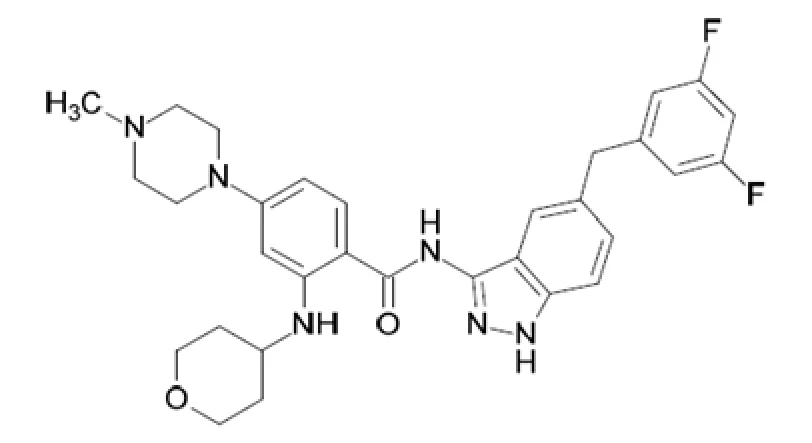
Physicochemical properties: Entrectinib is a white to off-white or pale pink powder or powder with lumps. The solubility of entrectinib in aqueous media has a pronounced dependence on the pH value. At high pH values, entrectinib has a solubility of about 0.004 mg/mL. With decreasing pH values (pH = 1.2), the solubility increases up to ˃ 40 mg/mL. Entrectinib is defined as poorly soluble, as the highest dose strength (200 mg) is not soluble in less than 250 mL water over the entire pH range of 1.2-6.8.
14 Clinical Trials
14.1 Clinical Trials by Indication
NTRK gene fusion positive solid tumours
NOC/c
Table 8 - Summary of patient demographics for clinical trials in NTRK gene fusion positive solid tumours (NTRK Efficacy Evaluable Population)
| Study # | Study design | Dosage, route of administration and duration | Study subjects (n) | Mean age (Range) | Sex |
|---|---|---|---|---|---|
| ALKA-372-001 | Phase I, first-in-human, multicenter, single-arm, open-label, ascending-dose study with dose escalation according to a standard 3+3 scheme. | Schedule A: 100, 200, 400, 800, 1200, or 1600 mg/m2, orally, once daily (fasted) 4-days on, 3- days off schedule x 3 weeks followed by 7- day rest in a 4-week cycle Schedule B: 200, 400 mg/m2 or 600 mg, orally, continuous once daily (fed) in a 4-week cycle. Schedule C: 400 or 800mg/m2, orally, once daily (fed) in a continuous 4-days on, 3-days off schedule in a 4-week cycle | 1 | 75 years (75 to 75 years) | F: 1 M: 0 |
| RXDX-101-01 (STARTRK-1) | Phase I, multi-center, single-arm, open label, ascending-dose study with dose escalation according to a standard 3+3 scheme. | 100, 200, 400 mg/m2 or 600, 800 mg, orally, continuous once daily (fed) in 4-week cycles | 2 | 44 years (42 to 46 years) | F: 1 M: 1 |
| RXDX-101-02 (STARTRK-2) | Phase II, multicenter, international single-arm open-label, basket study. | 600 mg, orally, once daily in 4-week cycles. | 51 | 57 years (21 to 83 years) | F: 30 M: 21 |
Three open-label clinical trials in patients with advanced cancer contributed to a pre-specified integrated efficacy analysis evaluating ROZLYTREK in the treatment of extracranial NTRK fusion-positive solid tumours in adult patients ≥ 18 years of age (ALKA, n=1; STARTRK-1, n=2; and STARTRK-2, n=51).
Study ALKA was a Phase I single arm, open-label study in adult patients with solid tumours with NTRK1/2/3, ROS1, or ALK molecular alterations to determine the maximum tolerated dose. Study STARTRK-1 was a Phase I multi-center single arm, open label study in adult patients with solid tumours with NTRK1/2/3, ROS1, or ALK molecular alterations. The study included a dose escalation segment and a dose expansion segment. In the dose expansion segment, patients received 600 mg daily in repeated 4-week cycles and the primary objective was to evaluate the recommended Phase II dose. Study STARTRK-2 is an ongoing multicenter, international Phase II single-arm basket study in adult patients with solid tumours with NTRK1/2/3, ROS1, or ALK gene rearrangements. Patients received 600 mg ROZLYTREK once daily in 4-week cycles.
The primary efficacy outcome measures in the integrated analyses were objective response rate (ORR) and duration of response (DOR) as evaluated by Blinded Independent Central Review (BICR) according to Response Evaluation Criteria in Solid Tumours (RECIST) v1.1. Secondary efficacy outcome measures included intracranial (IC) ORR and IC-DOR (also evaluated by BICR using RECIST v1.1) in patients presenting with measurable CNS metastases at baseline.
The efficacy evaluable analysis set comprised a total of 54 adult patients with confirmed NTRK fusion-positive extracranial solid tumours treated with ROZLYTREK, not previously treated with a TRK inhibitor, presenting with measurable disease at baseline as assessed by investigator, and with ≥ 6 months of follow up. NTRK fusion-positive status was determined by a validated nucleic acid-based test performed at a Clinical Laboratory Improvement Amendments (CLIA)-certified or equivalently accredited laboratory, prior to enrollment in the study. A total of 52 (96%) patients had an NTRK gene fusion detected by NGS and 2 (4%) had an NTRK gene fusion detected by other nucleic acid-based tests. Eighty-three percent of patients had central laboratory confirmation of NTRK gene fusion using an analytically validated NGS test.
The baseline demographic and disease characteristics of the efficacy evaluable population were: 41% males, median age of 57 years (range: 21 to 83 years), 80% white, 13% Asian, and 57% never smoked. The ECOG (Eastern Cooperative Oncology Group) performance status at baseline was 0 (43%), 1 (46%), or 2 (11%). Most patients (96%) had metastatic disease [most common sites being lung (61%), lymph nodes (56%), and brain (22%)], 4% patients had locally advanced disease, and 26% patients had no prior systemic therapies. The overall median duration of follow-up was 13 months.
Efficacy in Adult Patients
Efficacy results from patients with NTRK fusion-positive solid tumours are summarized in Table 9.
Table 9 Overall Efficacy by BICR in Adults with NTRK Fusion-Positive Solid Tumours
| Efficacy Endpoints | ROZLYTREK N=54 |
|---|---|
| Primary endpoints (BICR-assessed, RECIST 1.1) | |
| ORR | |
| Number of CR+PR | 31/54 |
| ORR% (95% CI) | 57% (43, 71) |
| Complete Response, n (%) | 4 (7%) |
| Partial Response, n (%) | 27 (50%) |
| DOR 2* N = 31 | |
| Number (%) of patients with events | 16/31 (52%) |
| Median, months (95% CI) | 10.4 (7.1, NE) |
| % duration ≥ 6-months | 69% |
| % duration ≥ 9-months | 59% |
| % duration ≥ 12-months | 49% |
ORR : objective response rate ; CR: complete response; PR: partial response; DOR : duration of response ; NE: not estimable. 1Confidence Intervals (CI) calculated using the Clopper-Pearson method. 2*Median and percentiles based on Kaplan-Meier estimates, 95% CI for median was computed using the method of Brookmeyer and Crowley. | |
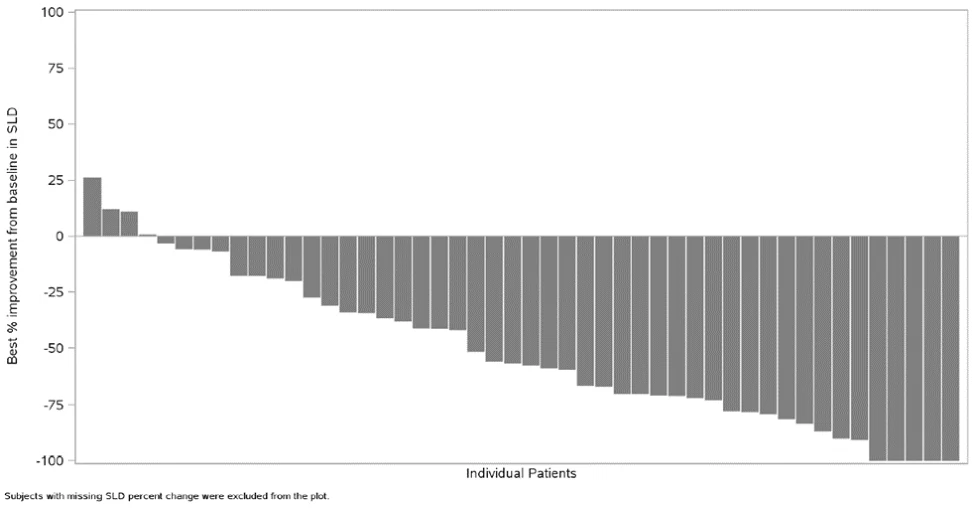
Shown in Figure 1 is the best percentage change in the sum of target lesions from baseline for individual patients as assessed by BICR according to RECIST 1.1.
Figure 1 Best Percentage Change in the Sum of Target Lesions from Baseline (BICR Assessment) in Adults with NTRK Fusion-Positive Solid Tumours
SLD: Sum of Longest Diameter
Objective response rate by tumour type in all efficacy evaluable adult patients with NTRK fusion-positive solid tumours is presented in Table 10.
Table 10 Objective Response Rate and Duration of Response (BICR Assessment) by Tumour Type in Adults with NTRK Fusion-Positive Solid Tumours
| Tumour Type | N | Responders n (%) | 95% CI | DOR Range (months) | ||||||
|---|---|---|---|---|---|---|---|---|---|---|
| All | 54 | 31 (57%) | (43, 71) | |||||||
Breast cancer All Secretory Non-secretory | 6 4 2 | 5 (83%) 4 (100%) 1 (50%) | (36, 100) (40, 100) | 4.2, 14.8* | ||||||
| Cholangiocarcinoma | 1 | 1 (100%) | NA | 9.3 | ||||||
| Colorectal cancer | 4 | 1 (25%) | (1, 81) | 4.8* | ||||||
| Gynecological cancers | 2 | 1 (50%) | NA | 20.3* | ||||||
| Neuroendocrine cancers | 3 | 1 (33%) | NA | 5.6* | ||||||
| Non-small cell lung cancer | 10 | 7 (70%) | (35, 93) | 1.9*, 20.1* | ||||||
| Pancreatic cancer | 3 | 2 (67%) | NA | 7.1, 12.9 | ||||||
| Salivary (MASC) | 7 | 6 (86%) | (42, 100) | 2.8, 16.5* | ||||||
| Sarcoma | 13 | 6 (46%) | (19, 75) | 2.8, 15.1 | ||||||
| Thyroid cancer | 5 | 1 (20%) | (1, 72) | 7.9 | ||||||
*censored MASC: mammary analogue secretory carcinoma Confidence Intervals (CI) are calculated using the Clopper-Pearson method. | ||||||||||
Table 11 Objective Response Rate and Duration of Response (BICR Assessment) by Gene Fusion Partner in Adults with NTRK Fusion-Positive Solid Tumours
| NTRK Partner | N | Responders n (%) | 95% CI | DOR Range (months) | ||||||
|---|---|---|---|---|---|---|---|---|---|---|
| ETV6 - NTRK3 | 25 | 17 (68%) | (46, 85) | 2.8, 20.3* | ||||||
| TPM3 - NTRK1 | 4 | 2 (50%) | (7, 93) | 2.8, 15.1 | ||||||
| TPR - NTRK1 | 4 | 4 (100%) | (40, 100) | 5.6, 12.9* | ||||||
| LMNA - NTRK1 | 2 | 1 | NA | 4.2 | ||||||
| SQSTM1 - NTRK1 | 2 | 2 | NA | 3.6, 18.8* | ||||||
| PEAR1 - NTRK1 | 2 | 0 | NA | NA | ||||||
| EML4 - NTRK3 | 2 | 0 | NA | NA | ||||||
| CD74 - NTRK1 | 1 | 1 | NA | 10.4 | ||||||
| PLEKHA6 - NTRK1 | 1 | 1 | NA | 9.3 | ||||||
| CDC42BPA - NTRK1 | 1 | 1 | NA | 6.8* | ||||||
| EPS15L1 - NTRK1 | 1 | 1 | NA | 1.9* | ||||||
| RBPMS - NTRK3 | 1 | 1 | NA | 4.6 | ||||||
| ERC1 - NTRK1 | 1 | 0 | NA | NA | ||||||
| PDIA3 - NTRK1 | 1 | 0 | NA | NA | ||||||
| TRIM33 - NTRK1 | 1 | 0 | NA | NA | ||||||
| AKAP13 - NTRK3 | 1 | 0 | NA | NA | ||||||
| KIF7 - NTRK3 | 1 | 0 | NA | NA | ||||||
| FAM19A2 - NTRK3 | 1 | 0 | NA | NA | ||||||
| CGN - NTRK1 | 1 | 0 | NA | NA | ||||||
| SQSTM1 - NTRK2 | 1 | 0 | NA | NA | ||||||
* censored Confidence Intervals (CI) are calculated using the Clopper-Pearson method. | ||||||||||
Intracranial Response
Of the 54 adult patients with NTRK fusion-positive solid tumours in the efficacy evaluable analysis set, 11 patients had CNS metastases at baseline as assessed by BICR, including 7 patients with measurable CNS lesions. Intracranial ORR and DOR (assessed by BICR according to RECIST version 1.1) in this subgroup of patients with measurable CNS lesions at baseline are summarized in Table 12.
Table 12 Intracranial Efficacy in Adults with NTRK Fusion-Positive Solid Tumours with CNS Metastases at Baseline by BICR
Secondary Endpoint (BICR-assessed, RECIST 1.1) | CNS Metastases at Baseline (by BICR) | ||||
|---|---|---|---|---|---|
Measurable disease N=7 | |||||
| IC-ORR | |||||
| Responders | 4 57% (18, 90) 1 (14%) 3 (43%) | ||||
| IC-ORR% (95% CI)1 | |||||
| Complete Response n (%) | |||||
| Partial Response n (%) | |||||
| IC-DOR | |||||
| Number of patients with events (%) | 1 (25%) NE (5, NE) | ||||
| Median, months (95%)2 | |||||
NE: not estimable. IC-ORR derived using RECIST 1.1 criteria applied only to CNS lesions. 1Confidence Intervals (CI) calculated using the Clopper-Pearson method. 2Median based on Kaplan-Meier estimates. 95% CI for median was computed using the method of Brookmeyer and Crowley. | |||||
Patient Reported Outcomes
Study STARTRK-2 evaluated patient-reported outcomes (PROs) of the treatment impact on functioning and health-related quality of life (HRQoL) based on the EORTC Core Quality of Life Questionnaire (QLQ-C30). A change from baseline of ≥10 points on a 1-100 scale was considered clinically meaningful, with higher scores reflecting better functioning and HRQoL. Cycle 10 was selected as the last time-point providing representative information considering that by then less than 50% of the PRO evaluable population was still in the study.
At baseline, patients reported moderate to high baseline values on HRQoL and functioning scales (Global health status: 70; Role functioning: 67; Physical functioning: 74; Cognitive functioning: 85). Throughout the study (Cycle 2-Cycle 10), 20 to 31% of patients reported clinically meaningful improvement of global health status (QoL), while 25 to 41% reported clinically meaningful worsening. Across the functioning scales, 19 to 48% of patients reported clinically meaningful improvement in role and physical functioning, while 33 to 46% reported clinically meaningful worsening in cognitive functioning.
ROS1 Positive Non-Small Cell Lung Cancer (NSCLC)
Table 13 Summary of patient demographics for clinical trials in ROS1 positive NSCLC (ROS1 positive NSCLC Efficacy Evaluable Population)
| Study # | Study design | Dosage, route of administration and duration | Study subjects (n) | Mean age (Range) | Sex |
|---|---|---|---|---|---|
| ALKA-372-001 (ALKA) | Phase I, first-in-human, multicenter, single-arm, open-label, ascending-dose study with dose escalation according to a standard 3+3 scheme. | Schedule A: 100, 200, 400, 800, 1200, or 1600 mg/m2, orally, once daily (fasted) 4-days on, 3- days off schedule x 3 weeks followed by 7- day rest in a 4-week cycle Schedule B: 200, 400 mg/m2 or 600 mg, orally, continuous once daily (fed) in a 4-week cycle. Schedule C: 400 or 800mg/m2, orally, once daily (fed) in a continuous 4-days on, 3-days off schedule in a 4-week cycle | 9 | 53 years (27 to 67 years) | F: 7 M: 2 |
| RXDX-101-01 (STARTRK-1) | Phase I, multi-center, single-arm, open-label, ascending-dose study with dose escalation according to a standard 3+3 scheme. | 100, 200, 400 mg/m2 or 600, 800 mg, orally, continuous once daily (fed) in 4-week cycles | 7 | 55 years (40 to 69 years) | F: 4 M: 3 |
| RXDX-101-02 (STARTRK-2) | Phase II, multicenter, international single-arm open-label, basket study. | 600 mg, orally, once daily in 4-week cycles. | 78 | 53 years (28 to 86 years) | F: 49 M: 29 |
The efficacy of ROZLYTREK was evaluated in a pooled subgroup of patients with ROS1-positive metastatic NSCLC who received ROZLYTREK 600 mg orally once daily in three single-arm, open-label clinical trials: ALKA, STARTRK-1 and STARTRK-2. To be included in this pooled subgroup, patients were required to have histologically confirmed, recurrent or metastatic, ROS1-positive NSCLC, ECOG performance status ≤ 2, measurable disease per RECIST v 1.1, and no prior therapy with a ROS1 inhibitor. ROS1-positive status was determined by a validated nucleic acid-based test performed at a CLIA-certified or equivalently accredited laboratory, prior to enrollment in the study.
All patients were assessed for CNS lesions at baseline. The major efficacy outcome measures were overall response rate (ORR) and duration of response (DOR) according to RECIST v1.1 as assessed by blinded independent central review (BICR). Intracranial response according to RECIST v1.1 was assessed by BICR. Tumor assessments with imaging were performed every 8 weeks.
The integrated efficacy analyses set comprised of 94 patients with ROS1-positive NSCLC not previously treated with crizotinib. The baseline demographic and disease characteristics of the efficacy evaluable population were: Female (64%), Male (36%), median age of 53 years (range: 27 to 86 years), White (49%), Asian (44%), Black (5%); never smoked (60%); and ECOG performance status 0 or 1 (88%). All but one patients (99%) had metastatic disease, with 43% having brain metastases. Most common metastatic sites included lymph nodes (76%), lung (57%), bone (39%) and liver (19%). Majority of patients (76%) received prior systemic therapy including chemotherapy, immunotherapy, targeted therapy or hormonal therapy. Half (50%) of patients had prior surgery and 40% had prior radiotherapy.
Efficacy results from 94 patients with ROS1-positive NSCLC patients are summarized in Table 14. Among 94 patients, 88 (94%) patients received the recommended entrectinib dose 600 mg daily. The median duration of treatment was 13.7 months (range: 0.1 month to 42 months). The median time to response was 1 month (range: 0.7 month to 17.4 months.)
Table 14 Efficacy Results in Patients with ROS1-Positive NSCLC per BICR Assessment
| Efficacy Endpoints | ROZLYTREK N=94 |
| Overall Response Rate (ORR) | |
| ORR (95% CI) | 73.4 (63.3, 82.0) |
| Complete Response | 11 (11.7%) |
| Partial Response | 58 (61.7%) |
| Duration of Response (DOR) | |
| Time to Event, Median (months) | 15.3 |
| Range (months) | 1.8, 36.8 |
| %DOR ≥ 6 months | 80% |
| % DOR ≥ 9 months | 77% |
| % DOR ≥ 12 months | 63% |
| % DOR ≥ 18 months | 47% |
| Progression-Free Survival (PFS) | |
| Patients with event, n | 50 (53.2%) |
| Median, months (95% CI) | 15.7 (11.9, 26.3) |
Overall survival data were not mature at the time of the data cut-off.
Intracranial Efficacy
Among the 34 patients with measurable and non-measurable brain metastases at baseline, the intracranial response rate was 50.0% (95% CI: 32.4, 67.6) with 5 (14.7%) patients achieving a complete response and 12 (35.3%) patients achieving a partial response. Median intracranial DOR based on the BICR assessment was 12.9 months (95% CI: 5.6, NE).
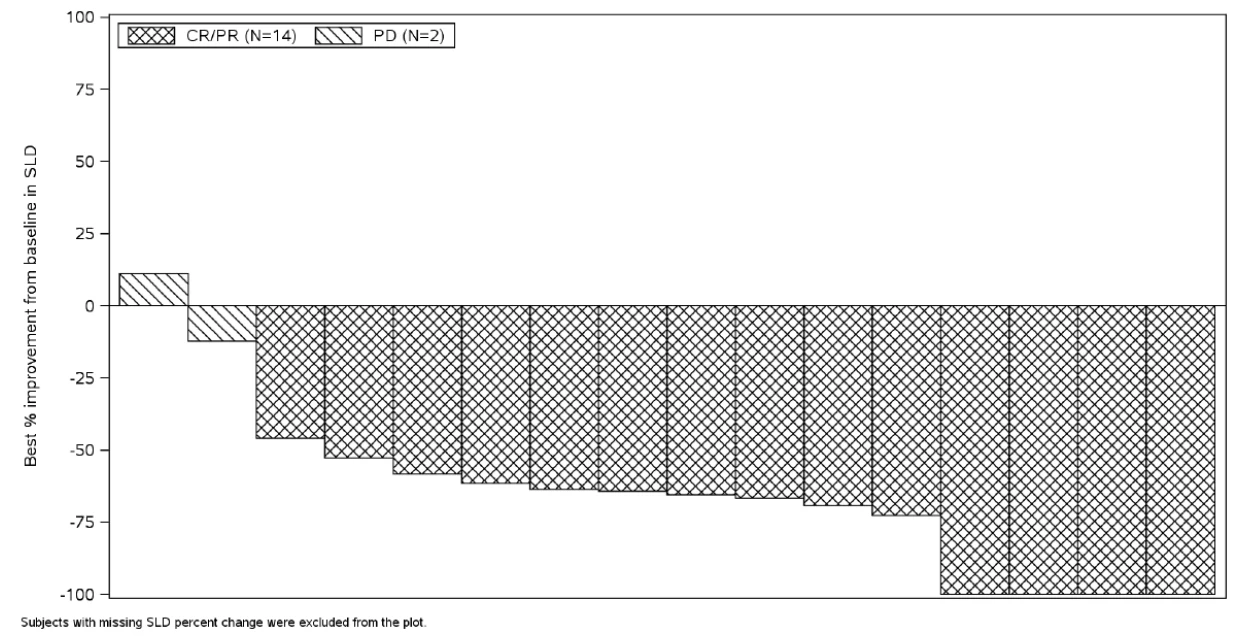
Shown in Figure 2 is the best percentage change from baseline (BICR assessed) in the sum of longest diameters of target CNS lesions in ROS1-positive NSCLC patients with measurable CNS disease at baseline by BICR.
Figure 2 Best Percentage Change in the Sum of Measurable CNS Metastases from Baseline (BICR Assessment) in Adults with ROS1-Positive NSCLC
SLD: Sum of Longest Diameter
Patients without measurable CNS disease at baseline or without post-baseline measurements were excluded from the plot
Patient Reported Outcomes
Patients with ROS1-positive NSCLC reported rapid and durable clinically meaningful improvement (change from baseline of ≥10 points on a 1-100 scale) in lung-cancer symptoms (cough, dyspnea, chest pain) as measured by the EORTC QLQ LC13. Patients maintained their day-to-day function resulting in an improvement in HRQoL while on ROZLYTREK treatment (evaluated by the Physical function, Role function and Global Health Status from the EORTC QLQ-C30). In addition, most patients, indicated that the symptoms commonly associated with ROZLYTREK treatment (lack of appetite, nausea, diarrhea and vomiting) were of low severity, if present.
15 Microbiology
Not applicable.
16 Non-Clinical Toxicology
General Toxicity
Entrectinib-related toxicities in repeat dose studies of up to 13-weeks with daily oral gavage administration in adult rats and dogs, and juvenile rats were observed in the CNS (convulsions, abnormal gait, tremors) at ≥ 0.2 times the human exposures by Cmax at the recommended dose, skin (scabs/sores) and decreased RBC parameters at ≥ 0.1 times the human exposure by AUC at the recommended dose. In adult rats and dogs, effects on liver (increased ALT and hepatocellular necrosis) were observed at ≥ 0.8 times the human exposure by AUC at the recommended dose. In dogs, diarrhea at ≥ 0.1 times the human exposure by AUC at the recommended dose was also observed.
Carcinogenicity
No carcinogenicity studies have been performed to establish the carcinogenic potential of entrectinib.
Genotoxicity
Entrectinib was not mutagenic in vitro in the bacterial reverse mutation (Ames) assay. Entrectinib was not clastogenic in the in vivo micronucleus assay in rats and did not induce DNA-damage in a comet assay in rats. A potential for abnormal chromosome segregation (aneugenicity) has been detected under in vitro conditions in cultured human peripheral blood lymphocytes (HPBL) but was not detected in the in vivo micronucleus assay in rats.
Reproductive Toxicity
In an embryo-fetal developmental study in rats, maternal toxicity (decreased body weight gain and food consumption) and fetal malformations (including body closure defects and malformations of the vertebrae, limbs, and ribs), were observed at 200 mg/kg/day of entrectinib, which represents approximately 2.7-fold the human exposure by AUC at the recommended dose. Lower fetal weights and reduced skeletal ossification were observed at doses ≥ 12.5 and 50 mg/kg, approximately ≥ 0.2 and ≥ 0. 9 times the human exposure by AUC (48 µM
- h) at the recommended dose, respectively.
Impairment of Fertility
Dedicated fertility studies were not conducted with entrectinib. With the exception of dose-dependent decreases in prostate weight in male dogs, there were no effects on male and female reproductive organs observed in general toxicology studies conducted in rats and dogs by daily oral gavage administration, at doses resulting in exposures of up to approximately 3.2-fold the human exposure (AUC) at the 600 mg dose.
Juvenile Toxicity
In a 13-week juvenile rat toxicology study, animals were dosed daily by oral gavage from post-natal day 7 to day 97 (approximately equivalent to neonate to adulthood). Entrectinib was dosed at 4, 8 or 16 mg/kg/day approximately 0.06, 0.14 and 0.18 times the human exposures by AUC at the 600 mg dose. Entrectinib related mortality was observed at 16 mg/kg/day. CNS related toxicity signs included non-sustained convulsions at ≥ 8 mg/kg/day, and abnormal gait, decreased activity and tremors at 16 mg/kg/day. Additional entrectinib-related clinical signs included eyes partly closed, erected fur, dehydration, skin scabs, fur loss or thin fur, and fur staining at all dose levels and hunched posture, pale skin, labored breathing, prostration, low carriage, and increased breathing rate at 16 mg/kg/day. Effects on growth and development were observed in the dosing and recovery phases including decreased body weight gain and delayed sexual maturation at ≥ 4 mg/kg/day, deficits in neurobehavioral assessments including functional observational battery (decreased landing foot splay, grip strength) and learning and memory at ≥ 8 mg/kg/day, and decreased femur length at 16 mg/kg/day.
Safety Pharmacology
In dogs, daily oral gavage administration of entrectinib caused prolongation of QT/QTc interval at ≥ 0.1 times the human exposure by Cmax at the recommended dose. In an in vitro hERG assay in stably transfected HEK293 cells under patch clamp conditions, IKr channel inhibition was observed with an IC50=0.6 μM.