


Product Monograph - Restasis Multidose
RECENT MAJOR LABEL CHANGES
None at the time of the most recent authorization.
TABLE OF CONTENTS
Sections or subsections that are not applicable at the time of authorization are not listed.
RECENT MAJOR LABEL CHANGES............................................................................................ 2
TABLE OF CONTENTS .............................................................................................................. 2
PART I: HEALTH PROFESSIONAL INFORMATION ..................................................................... 4
1 INDICATIONS .............................................................................................................. 4
1.1 Pediatrics .......................................................................................................... 4
1.2 Geriatrics........................................................................................................... 4
2 CONTRAINDICATIONS ................................................................................................. 4
4 DOSAGE AND ADMINISTRATION................................................................................. 4
4.1 Dosing Considerations ....................................................................................... 4
4.2 Recommended Dose and Dosage Adjustment..................................................... 4
4.3 Reconstitution ................................................................................................... 5
4.4 Administration................................................................................................... 5
4.5 Missed Dose ...................................................................................................... 5
5 OVERDOSAGE ............................................................................................................. 5
6 DOSAGE FORMS, STRENGTHS, COMPOSITION AND PACKAGING ................................. 5
7 WARNINGS AND PRECAUTIONS .................................................................................. 6
7.1 Special Populations ............................................................................................ 6
7.1.1 Pregnant Women ......................................................................................... 6
7.1.2 Breast-feeding.............................................................................................. 6
7.1.3 Pediatrics ..................................................................................................... 7
7.1.4 Geriatrics ..................................................................................................... 7
8 ADVERSE REACTIONS .................................................................................................. 7
8.1 Adverse Reaction Overview................................................................................ 7
8.2 Clinical Trial Adverse Reactions .......................................................................... 7
8.3 Less Common Clinical Trial Adverse Reactions .................................................... 8
8.4 Abnormal Laboratory Findings: Hematologic, Clinical Chemistry and Other Quantitative Data ........................................................................................................ 9
8.5 Post-Market Adverse Reactions.......................................................................... 9
9 DRUG INTERACTIONS.................................................................................................. 9
9.2 Drug Interactions Overview................................................................................ 9
9.3 Drug-Behavioural Interactions............................................................................ 9
9.4 Drug-Drug Interactions ...................................................................................... 9
9.5 Drug-Food Interactions ...................................................................................... 9
9.6 Drug-Herb Interactions .................................................................................... 10
9.7 Drug-Laboratory Test Interactions .................................................................... 10
10 CLINICAL PHARMACOLOGY ....................................................................................... 10
10.1 Mechanism of Action.................................................................................. 10
10.2 Pharmacodynamics .................................................................................... 10
10.3 Pharmacokinetics ....................................................................................... 10
11 STORAGE, STABILITY AND DISPOSAL ......................................................................... 11
12 SPECIAL HANDLING INSTRUCTIONS........................................................................... 11
PART II: SCIENTIFIC INFORMATION ...................................................................................... 12
13 PHARMACEUTICAL INFORMATION............................................................................ 12
14 CLINICAL TRIALS........................................................................................................ 12
14.1 Clinical Trials by Indication.......................................................................... 12
Moderate to Severe Keratoconjunctivitis Sicca ........................................................... 12
15 MICROBIOLOGY ........................................................................................................ 16
16 NON-CLINICAL TOXICOLOGY ..................................................................................... 16
PATIENT MEDICATION INFORMATION ................................................................................. 19
PART I: HEALTH PROFESSIONAL INFORMATION
1 INDICATIONS
RESTASIS MULTIDOSE® (cyclosporine) is indicated for:
- the treatment of moderate to moderately severe (Level 2-3 severity by Dry Eye WorkShop (DEWS) Guidelines) aqueous deficient dry eye disease, characterized by moderate to moderately severe: ocular staining, reduction in tear production and fluctuating visual symptoms, such as blurred vision.
This indication is based on a pooled analysis of a subpopulation of patients from three pivotal studies. See 14 CLINICAL TRIALS.
The efficacy of RESTASIS MULTIDOSE alone has not been demonstrated in patients with more severe disease (Level 4 DEWS Classification).
1.1 Pediatrics
Pediatrics (< 18 years of age): No data are available to Health Canada; therefore, Health Canada has not authorized an indication for pediatric use.
1.2 Geriatrics
Geriatrics (> 65 years of age): No overall difference in safety or effectiveness has been observed between elderly and younger subjects.
2 CONTRAINDICATIONS
Cyclosporine ophthalmic emulsion is contraindicated in:
- patients who are hypersensitive to this drug or to any ingredient in the formulation, including any non-medicinal ingredient or component of the container. For a complete listing, see 6 DOSAGE FORMS, STRENGTHS, COMPOSITION AND PACKAGING.
- patients with active ocular infections
4 DOSAGE AND ADMINISTRATION
4.1 Dosing Considerations
- There are no special dosing considerations which need to be taken into account prior to initiating therapy with RESTASIS MULTIDOSE.
4.2 Recommended Dose and Dosage Adjustment
- The recommended dose is one drop of RESTASIS MULTIDOSE, instilled twice a day in each eye approximately 12 hours apart.
This recommended dose is the maximum recommended dose and should be used both as the starting dose and throughout long term treatment. Dosage adjustments should not be necessary based on any co-morbid conditions, given the low systemic availability of the product. Limited data from clinical studies exists for long term administration of RESTASIS MULTIDOSE (up to 40 months). It is expected that use of the product will continue long term.
Health Canada has not authorized an indication for pediatric use.
4.3 Reconstitution
Not applicable.
4.4 Administration
The bottle should be inverted a few times to obtain a uniform, white, opaque emulsion before using.
Patients should be advised to avoid touching the tip of the bottle to the eye or any surface, as this may contaminate the emulsion. To avoid the potential for injury to the eye, patients should also be advised not to touch the bottle container to the eye.
RESTASIS MULTIDOSE should not be administered while the patient is wearing contact lenses. If contact lenses are worn, they should be removed prior to the administration of the emulsion. Lenses may be reinserted 15 minutes after the administration of RESTASIS MULTIDOSE.
RESTASIS MULTIDOSE may be used concomitantly with artificial tears. The patient should be advised to allow a 15-minute interval between administration of RESTASIS MULTIDOSE and the artificial tear product.
See PATIENT MEDICATION INFORMATION, including instructions on the preparation of the bottle for first-time use. By design, there may be residual volume of RESTASIS MULTIDOSE in the bottle at the end when used as directed. Patients should be instructed not to dispense this residual volume.
4.5 Missed Dose
If a dose of RESTASIS MULTIDOSE is missed, it should be taken as soon as possible. However, if it is almost time for the next dose, the missed dose should be skipped, and the regular dosing schedule resumed. Doses should not be doubled. The dose should not exceed two drops in the affected eye(s) daily.
5 OVERDOSAGE
Due to low systemic concentrations of cyclosporine after topical treatment with the ophthalmic emulsion, the likelihood of systemic intoxication from topical overdose is remote.
A multi dose bottle of 0.05% cyclosporine emulsion contains 2.75 mg of cyclosporine. The recommended weight-normalized starting dose of NEORAL® (cyclosporine), which is administered systemically for rheumatoid arthritis and plaque psoriasis, is 2.0 mg/kg/day. Therefore, the dose ingested by drinking the contents of an entire multi dose bottle by a child weighing 14 kg (30 lb) would be approximately 10 times lower than the recommended starting dose of NEORAL.
| For management of a suspected drug overdose, including accidental ingestion, contact your regional poison control centre. |
|---|
6 DOSAGE FORMS, STRENGTHS, COMPOSITION AND PACKAGING
Table 1 – Dosage Forms, Strengths, Composition and Packaging
| Route of Administration | Dosage Form / Strength/Composition | Non-medicinal Ingredients |
RESTASIS MULTIDOSE is available as a sterile preservative-free emulsion supplied in low density polyethylene multidose bottle containing 5.5 mL and 7 mL. By design, there may be residual volume of RESTASIS MULTIDOSE in the bottle at the end when used as directed.
7 WARNINGS AND PRECAUTIONS
General
For ophthalmic use, only.
Carcinogenesis and Mutagenesis
See 16 NON-CLINICAL TOXICOLOGY.
Driving and Operating Machinery
RESTASIS MULTIDOSE may cause transient blurred vision due to its emulsion formulation. If patients experience blurred vision, they should be advised not to drive or operate machinery until vision has cleared.
Immune
There is the potential to experience hypersensitivity to RESTASIS MULTIDOSE. Reactions of severe angioedema, face swelling, tongue swelling, pharyngeal edema, dyspnea and urticaria have been reported with the use of RESTASIS MULTIDOSE. See 8.5 Post-Market Adverse Reaction. If an allergic reaction occurs, patients should be advised to discontinue the drug.
Ophthalmologic
RESTASIS MULTIDOSE has not been studied in patients with a history of herpes keratitis, end stage lacrimal gland disease, keratoconjunctivitis sicca (KCS) secondary to the destruction of conjunctival goblet cells such as occurs with Vitamin A deficiency, or scarring, such as occurs with cicatricial pemphigoid, alkali burns, Stevens Johnson syndrome, trachoma, or irradiation.
7.1 Special Populations
7.1.1 Pregnant Women
There are no adequate data from the use of RESTASIS MULTIDOSE in pregnant women. RESTASIS MULTIDOSE should be used with caution during pregnancy. Cyclosporine ophthalmic emulsion 0.05% is not detected systemically following clinical topical ocular administration (lower quantitation limit of 0.1 ng/mL), and maternal use is not expected to result in fetal exposure to the drug. See 10.3 Pharmacokinetics. Studies in animals have shown reproductive toxicity only at high maternotoxic doses. See 16 NON-CLINICAL TOXICOLOGY.
7.1.2 Breast-feeding
Cyclosporine is known to be excreted in human milk following systemic administration, but excretion in human milk after topical administration has not been investigated. Although blood concentrations are
| Ophthalmic | Emulsion 0.05% w/v | Carbomer Copolymer Type A, castor oil, glycerin, polysorbate 80, purified water and sodium hydroxide to adjust the pH |
undetectable after topical administration of RESTASIS MULTIDOSE, caution should be exercised when RESTASIS MULTIDOSE is administered to a nursing woman.
7.1.3 Pediatrics
Pediatrics (< 18 years of age): No data are available to Health Canada; therefore, Health Canada has not authorized an indication for pediatric use.
7.1.4 Geriatrics
Geriatrics (> 65 years of age): No overall difference in safety or effectiveness has been observed between elderly and younger patients.
8 ADVERSE REACTIONS
8.1 Adverse Reaction Overview
The most common adverse reaction following the use of RESTASIS MULTIDOSE is ocular burning.
8.2 Clinical Trial Adverse Reactions
Clinical trials are conducted under very specific conditions. Therefore, the adverse reaction rates observed in the clinical trials may not reflect the rates observed in practice and should not be compared to the rates in the clinical trials of another drug. Adverse reaction information from clinical trials may be useful in identifying and approximating rates of adverse drug reactions in real-world use.
In the combined data from the three key Phase 3 clinical studies, approximately 29% of treated patients experienced treatment-related adverse events (adverse reactions) in the first year. The majority were ocular, mild or moderate in severity, and none was serious. The most commonly reported adverse reaction was eye burning, which was reported in approximately 17% of patients in the first year; the incidence of new reports decreased to 5% at 2 years. The observed adverse drug reactions are provided below for those events observed at an incidence of ≥1% in the three vehicle-controlled clinical trials.
Table 2 – Vehicle Controlled Clinical Trial Treatment-Related Adverse Drug Reactions Reported by ≥ 1% of Patients in the Cyclosporine 0.05% Treatment Group (ITT Population – Month 12 Pooled Data for Studies 192371-002, -003, -501)
Cyclosporine Ophthalmic Emulsion 0.05% n = 436 (%) | Vehicle/Cyclosporine 0.1% | |||||||
|---|---|---|---|---|---|---|---|---|
6 month Controlled Phase - Vehicle n = 442 (%) | 6 month Extension Phase - Cyclosporine 0.1% n = 323 (%) | |||||||
Eye Disorders Burning eye Irritation eye Foreign body sensation Hyperaemia conjunctival (NOS) Pain eye Stinging eye Discharge eye Photophobia Pruritus eye Visual disturbance Dry eye | 74 (17.0%) 13 (3.0%) 12 (2.8%) 11 (2.5%) 10 (2.3%) 10 (2.3%) 9 (2.1%) 9 (2.1%) 8 (1.8%) 8 (1.8%) 7 (1.6%) | 29 (6.6%) 7 (1.6%) 8 (1.8%) 9 (2.0%) 11 (2.5%) 9 (2.0%) 7 (1.6%) 3 (0.7%) 7 (1.6%) 12 (2.7%) 2 (0.5%) | 21 (6.5%) 5 (1.5%) 2 (0.6%) 7 (2.2%) 5 (1.5%) 7 (2.2%) 1 (0.3%) - 2 (0.6%) 1 (0.3%) - | |||||
Nervous System Disorders Headache | 7 (1.6%) | 5 (1.1%) | 2 (0.6%) | |||||
| Note that active events are reported over 12 months; vehicle events are reported for 6 month exposure period. NOS – not otherwise specified | ||||||||
The frequency of all adverse event reporting was generally highest shortly after initiation of RESTASIS MULTIDOSE treatment but lessened as treatment continued.
8.3 Less Common Clinical Trial Adverse Reactions
The observed adverse drug reactions are provided below for those events reported by <1% of patients in the cyclosporine 0.05% treatment group in the three vehicle-controlled clinical trials over 12 months.
Ear and labyrinth disorders: Pain ear
Eye disorders: asthenopia, blepharitis, chalazion, conjunctival haemorrhage, corneal abrasion, corneal infiltrates, corneal neovascularisation, eczema eyelid, erythema eyelid, keratitis herpes simplex, keratitis superficial punctate, lacrimation increased, oedema eye, oedema eyelid, ulcer corneal (NOS), ulcerative keratitis, vitreous floaters
Gastrointestinal disorders: dryness oral, nausea, salivary gland enlargement, stomatitis ulcer
Infections and infestations: conjunctivitis bacterial, conjunctivitis (NOS)
Musculoskeletal and connective tissue disorders: arthralgia
Nervous system disorders: dizziness
Respiratory, thoracic and mediastinal disorders: rhinitis, infection sinus
Skin and subcutaneous tissue disorders: rash, alopecia
8.4 Abnormal Laboratory Findings: Hematologic, Clinical Chemistry and Other Quantitative Data
Not Applicable.
8.5 Post-Market Adverse Reactions
Post-marketing reactions reported to date have been consistent with the events recorded during the vehicle-controlled clinical trials, with the majority of the reported events being ocular. Adverse reactions detected in post-marketing data but not seen with cyclosporine ophthalmic emulsion, 0.05% in clinical trials include
Eye Disorders: eye swelling
Immune System Disorders: hypersensitivity including severe angioedema, face swelling, tongue swelling, pharyngeal edema
Injury, poisoning and procedural complications: superficial injury of the eye (from the vial touching the eye during administration)
Nervous System disorders: burning sensation
Respiratory, thoracic and mediastinal disorders: dyspnea
Skin and subcutaneous tissue disorders: pruritus, urticaria
9 DRUG INTERACTIONS
9.2 Drug Interactions Overview
No interaction studies have been performed.
Drugs that affect cytochrome P-450 may alter cyclosporine metabolism. There is no detectable systemic absorption of RESTASIS MULTIDOSE following ocular administration. Therefore, no interaction of topically applied RESTASIS MULTIDOSE with systemic drugs is expected to occur.
9.3 Drug-Behavioural Interactions
No formal drug-behavioural interaction studies were conducted with RESTASIS MULTIDOSE.
9.4 Drug-Drug Interactions
Interactions with other drugs have not been established.
9.5 Drug-Food Interactions
Interactions with food have not been established.
9.6 Drug-Herb Interactions
Interactions with herbal products have not been established.
9.7 Drug-Laboratory Test Interactions
Interactions with laboratory tests have not been established.
10 CLINICAL PHARMACOLOGY
10.1 Mechanism of Action
Cyclosporine is an immunosuppressive agent, however, as it is topically applied, systemic immunosuppression is not likely to occur.
In patients whose tear production is presumed to be suppressed due to ocular inflammation associated with KCS, cyclosporine emulsion is thought to act as a partial immunomodulator. The exact mechanism of action is not known.
Immunomodulation:
Topical administration of cyclosporine (0.05% or 0.1%) results in suppression of T-cell activation at an early stage (G0 – G1 transition) and inhibition of pro-inflammatory cytokine secretion within the tissues of the ocular surface (conjunctiva and accessory lacrimal glands).
Topical cyclosporine emulsion is thought to exert its therapeutic ophthalmic effect in part by its local immunomodulating activity rather than any systemic immunosuppressant effect.
10.2 Pharmacodynamics
The administration of higher concentrations of cyclosporine emulsion was not found to improve the clinical response.
10.3 Pharmacokinetics
Blood cyclosporine A concentrations were measured using a specific high pressure liquid chromatography-mass spectrometry assay. Blood concentrations of cyclosporine A, in all the samples collected, after topical administration of cyclosporine ophthalmic emulsion 0.05% twice daily in humans for up to 12 months, were below the quantitation limit of 0.1 ng/mL. These levels are more than 6550 times lower than those measured during systemic cyclosporine treatment for non-life-threatening indications. There was no detectable drug accumulation in blood during 12 months of treatment with cyclosporine ophthalmic emulsion.
Hepatic Insufficiency: Based on the low systemic availability of cyclosporine administered as ophthalmic emulsion, and as there was no detectable drug accumulation in blood during 12 months of treatment with RESTASIS MULTIDOSE, no increased risk in patients with impaired hepatic function would be expected to occur following the use of RESTASIS MULTIDOSE.
Renal Insufficiency: Based on the low systemic availability of cyclosporine administered as ophthalmic emulsion, and as there was no detectable drug accumulation in blood during 12 months of treatment with RESTASIS MULTIDOSE, no increased risk in patients with impaired renal function would be expected to occur following the use of RESTASIS MULTIDOSE.
11 STORAGE, STABILITY AND DISPOSAL
RESTASIS MULTIDOSE should be stored at 15 – 25° C. Do not freeze. Unused emulsion should be discarded 30 days after opening. Keep out of reach and sight of children.
12 SPECIAL HANDLING INSTRUCTIONS
Patients should be advised to avoid touching the tip of the vial to the eye or any surface, as this may contaminate the emulsion. Refer to 4.4 Administration for more detailed information.
PART II: SCIENTIFIC INFORMATION
13 PHARMACEUTICAL INFORMATION
Drug Substance
Proper name: Cyclosporine
Chemical name: Cyclo[[(E)-(2S,3R,4R)-3-hydroxy-4-methyl-2-(methylamino)-6-octenoyl]-L-2-aminobutyryl-N-methylglycyl-N-methyl-L-leucyl-L-valyl-N-methyl-L-leucyl-L-alanyl-D-alanyl-N-methyl-L-leucyl-N-methyl-L-leucyl-N-methyl-L-valyl]
Molecular formula and molecular mass: C62H111N11O12 and 1202.6 g/mol
Structural formula:
Physicochemical properties: Cyclosporine is a fine white or almost white powder, practically insoluble in water. Its melting point is 148-151°C.
14 CLINICAL TRIALS
14.1 Clinical Trials by Indication
Moderate to Severe Keratoconjunctivitis Sicca
Details on the patient demographics for the three key vehicle-controlled studies conducted in patients with moderate to severe KCS are provided in Table 3 on the following page. All studies were conducted with cyclosporine emulsion administered via the ophthalmic route on a twice daily schedule. In these Phase 3 studies, 1315 patients with moderate to severe KCS were included in the ITT population. Patient age ranged from 18.4 to 90.3 years, with a mean age (±SD) across studies of 58.6 ± 14.0 years. There were more women (82.7%, 1087/1315) than men (17.3%, 228/1315) and the study population was primarily Caucasian (88.2%, 1160/1315).
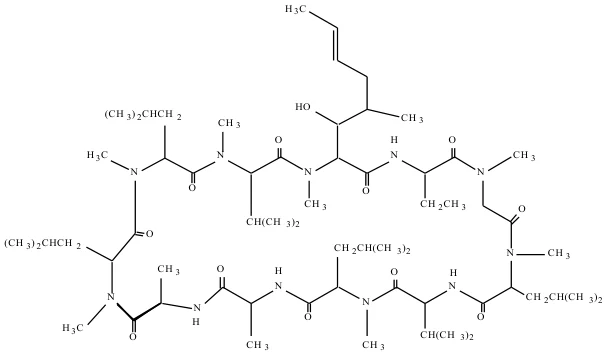
Table 3 – Summary of patient demographics for clinical trials in patients with moderate to severe keratoconjunctivitis sicca
| Study # | Study Design | Dosage, Route of Administration, and Duration1 | Study Subjects in ITT Population (n) | Mean Age (range) | Gender, # M/F (%) | |||||
|---|---|---|---|---|---|---|---|---|---|---|
| 002 | Multicenter, double masked, randomized, vehicle-controlled, parallel-group | 0.05%, 0.1% cyclosporine, or vehicle twice daily 12 months (6-month vehicle controlled & 6-month cyclosporine treatment extension) | 405 | 59.3 (21.6 – 90.3) | 87 / 318 (21.5 / 78.5) | |||||
| 003 | Multicenter, double masked, randomized, vehicle | 0.05%, 0.1% cyclosporine, or vehicle twice daily 12 months (6-month vehicle controlled & 6-month cyclosporine treatment extension) | 472 | 59.8 (24.0 – 90.3) | 75 / 397 (15.9 / 84.1) | |||||
| 501 | Multicenter, double masked, randomized, vehicle | 0.05%, 0.1% cyclosporine, or vehicle twice daily 24 months (6-month vehicle controlled & 18-month cyclosporine treatment extension) | 438 | 56.8 (18.4 – 88.3) | 66 / 372 (15.1 / 84.9) | |||||
| 1 In all studies, vehicle patients were switched to 0.1% cyclosporine for the treatment extension period | ||||||||||
In these studies, after an initial masked treatment phase of 6 months duration, all patients were eligible to continue on cyclosporine therapy (those allocated to vehicle in the initial treatment phase were switched to cyclosporine 0.1% in a masked manner).
The study design for all three studies comprised a 2-week run-in phase, when patients were instructed to stop using their concurrently used KCS medication and use only REFRESH® in both eyes as needed. Those patients still meeting the strict entry criteria at this point entered a 6-month vehicle-controlled masked treatment phase. In this phase, patients were randomly assigned to 0.05% or 0.1% cyclosporine or their common vehicle (containing 1.25% castor oil), 1 drop in each eye twice daily for 6 months.
REFRESH use could continue during this treatment phase. However, patients were asked to discontinue REFRESH use 1 week before the Month 4 visit and to try to restrict REFRESH usage subsequent to this visit for the remainder of the trial to less than 8 times daily. Visits and evaluations during the masked treatment phase were made at baseline, and at Months 1, 3, 4 and 6.
Although many findings in each of the individual clinical trials showed numerical superiority for cyclosporine over vehicle, the relatively large standard deviations encountered meant that statistical significance was not usually demonstrated. As the three key studies were identical in design and similar in the study inclusion/exclusion criteria, a post hoc meta-analysis was planned and conducted.
The meta-analysis evaluated efficacy in a subpopulation of the three key studies characterized as having Level 2 – Level 3 dry eye disease. This classification was based on the DEWS guidelines (2007) and focused on the population most likely to benefit from therapy with cyclosporine 0.05%, as it was realized after the trials began that severe cases (Level 4 of the DEWS Classification) may not be improved with cyclosporine alone. The Level 2-3 population was comprised of the subset of the ITT population with all of the following baseline scores:
- corneal staining score of 2-4 and
- total staining score of 5-9 and
- Schirmer’s with anesthesia score > 2 mm/5 min and
- blurred vision score ≤ 2
The co-primary endpoints for the meta-analysis were absence of total ocular surface staining (cornea plus conjunctiva) and absence of blurred vision at Month 6. The secondary efficacy endpoint was Schirmer’s with anesthesia responders. In the latter, a responder was defined as a patient with an increase from baseline ≥ 10 mm/5 min at Month 6 (Month 6 minus baseline).
Table 4 – Summary of patient demographics for pooled analysis in patients with Level 2- 3 dry eye disease (cyclosporine 0.05% and vehicle only)
| Study # | Study Design | Dosage, Route of Administration, and Duration | Study Subjects in ITT Level 2-3 Population1 (n) | Mean Age (range)1 | Gender, # M/F (%)1 |
|---|---|---|---|---|---|
| 002/003/501 | Multicenter, double masked, randomized, vehicle-controlled, parallel-group | 0.05%, 0.1% cyclosporine, or vehicle twice daily 6-month vehicle controlled phase | 316 | 60.6 (25– 90) | 67 / 249 (21.2 / 78.8) |
| 1 Includes only those patients who received cyclosporine 0.05% or vehicle only | |||||
At Month 6, depending on the endpoint, the difference in proportion of responders between the cyclosporine and vehicle groups ranged from approximately 9 – 12% (see Table 5).
Table 5 – Results for ITT Level 2-3 patients at Month 6
| Study # | Endpoint | Proportion of Patients with a Score of 0 (N) | P value Relative Risk [95% CI] | ||||||
|---|---|---|---|---|---|---|---|---|---|
| Cyclosporine 0.05% | Vehicle | ||||||||
| 002/003/501 | Primary Total Staining Responder | 12.0% (17/142) | 3.1% (5/160) | 0.003 3.8 [1.46, 9.89] | |||||
| Blurred Vision Responders | 49.6% (70/141) | 37.7% (60/159) | 0.036 1.32 [1.02, 1.71] | ||||||
Secondary Schirmer’s with Anesthesia Responders | 17.1% (22/129) | 6.2% (9/146) | 0.005 2.68 [1.30, 5.52] | ||||||
Total Staining Responders: A complete staining responder was defined as a patient with Total Staining = 0 at the Month 6 evaluation.
The distribution of total staining scores at baseline in the pooled studies (002/003/501) was similar in the cyclosporine 0.05% and vehicle groups (p = 0.678). The mean total staining score at baseline for each of the two treatment groups was 6.4.
A statistically significantly greater proportion of patients in the cyclosporine 0.05% group were total staining responders compared to the vehicle group at Month 6 (12.0% vs. 3.1%; p = 0.003).
Blurred Vision Responders: A complete blurred vision responder was defined as a patient with blurred vision = 0 at the Month 6 evaluation. As patients did not require blurred vision for entry, a responder could include those patients whose blurred vision resolved or who had not developed blurred vision at Month 6.
The distribution of blurred vision scores at baseline in the 3 pooled studies was similar in the cyclosporine 0.05% and vehicle groups (p = 0.868). The percentages of patients with blurred vision scores at baseline of 2, 1, and 0 were 43.2%, 26.4%, and 30.4%, respectively, for the cyclosporine 0.05% group and 46.4%, 21.4%, and 32.1%, respectively, for the vehicle group.
A statistically significantly greater proportion of patients in the cyclosporine 0.05% group were blurred vision responders compared to the vehicle group at Month 6 (49.6% vs. 37.7%; p = 0.036).
Schirmer’s with Anesthesia Score Responders: A complete responder was defined as a patient with an increase from baseline of ≥10 mm/5 min at Month 6 (Month 6 minus baseline).
The Schirmer’s with anesthesia score at baseline in the pooled studies was similar in the cyclosporine 0.05% and vehicle groups (p = 0.494). Mean Schirmer’s with anesthesia score at baseline was 6.2 for the cyclosporine 0.05% group and 6.5 for the vehicle treatment group.
A statistically significantly greater proportion of patients in the cyclosporine 0.05% group were Schirmer’s with anesthesia responders compared to the vehicle group at Month 6 (17.1% vs. 6.2%; p = 0.005).
The results of the meta-analysis of the three key clinical studies consistently demonstrated statistically significant differences at Month 6 favoring cyclosporine 0.05% for the two co-primary endpoints: the proportion of patients with complete resolution of their total ocular surface staining and the proportion of patients not reporting blurred vision. These results are supported by statistically significant differences in the proportion of patients with a marked improvement in tear production, the key secondary endpoint.
Analysis by Underlying Disease (with/without Sjogren's Syndrome): The subgroup analysis by underlying disease of the Level 2-3 severity population from the three key studies demonstrated that treatment with cyclosporine 0.05% had greater benefits in patients with Sjogren's syndrome compared to vehicle (Total Staining Responders: 17.1% (7/41) vs. 0% (0/34), respectively; p = 0.014). An improvement in total staining responders was observed in patients without Sjogren's Syndrome, however, the difference between cyclosporine 0.05% and vehicle was less and not statistically significant (9.9% (10/101) vs. 4.0% (5/126), respectively; p = 0.072).
15 MICROBIOLOGY
No microbiological information is required for this drug product.
16 NON-CLINICAL TOXICOLOGY
General Toxicology: Three preclinical safety studies evaluated the local and systemic effects of repeated dose cyclosporine ophthalmic emulsion. The most sensitive species for ocular reactions, the New Zealand White (NZW) rabbit was used in two studies. A species with pigmented eyes, the dog, was used in one additional study.
The animal safety studies used an exaggerated design with cyclosporine emulsion in concentrations up to 0.4% administered as one drop in one eye up to six times daily. This is 12 times the recommended dose, cyclosporine emulsion administered as one drop in each eye twice daily. The dogs and the rabbits (which are approximately seven to 20 times smaller in body weight, respectively, when compared to a 60 kg human) were exposed systemically with high ocular dosages in order to evaluate the effect of high systemic exposure and the safety of topically administered cyclosporine.
Ocular Safety: The subchronic toxicity study, cyclosporine ophthalmic emulsions (0.05%, 0.2% and 0.4%) were well tolerated locally when administered to rabbits for 3 months. The only treatment-related effects were a transient slight ocular discomfort and transient slight conjunctival hyperemia. There were no compound-related microscopic changes in the eye.
Similarly, in the chronic toxicity studies, cyclosporine ophthalmic emulsions were well tolerated locally when administered to rabbits for 6 months and dogs for 52 weeks. The only treatment-related effects were a transient slight ocular discomfort and transient slight conjunctival hyperemia in the rabbit study. There were no compound-related microscopic changes in the eye.
Systemic Safety: The data from the 3 month and 6-month studies in rabbits and the 1 year study in dogs showed that ophthalmic administration of cyclosporine emulsion in concentrations up to 0.4% administered as 1 drop in 1 eye up to 6 times daily produced no systemic toxicity. There were no changes in the kidney, which is the target organ of toxicity of systemic cyclosporine, nor were there liver changes. No changes were observed in any organ or tissue including the organs related to the immune system (spleen, thymus, lymph nodes). In addition, no changes in the peripheral blood (white blood cells [WBC] and lymphocytes) were noted.
In organ transplant patients receiving high doses of cyclosporine systemically, rare cases of visual disturbances due to morphological cerebral changes have been observed. However, no neurotoxicity was observed following topical cyclosporine in these animal safety studies. All of the ocular tissues were unaffected.
Blood concentrations of cyclosporine A were consistently low, even with the exaggerated dosing regimens used in these studies. The majority of individual blood concentrations were less than 1.0 ng/mL.
Transient, slight ocular discomfort lasting, in most cases, no more than 30 seconds and, slight conjunctival hyperaemia were observed when cyclosporine at concentrations up to 0.4% was topically administered to rabbits (15/sex/group) up to 6 times daily for 6 months. These findings also occurred in rabbits administered the vehicle alone. Sporadic instances of slight to mild iritis and slight aqueous flare also occurred for cyclosporine-treated eyes primarily during the first week of treatment. The maximum mean blood drug concentrations (Cmax) following instillation of cyclosporine at doses of 0.05%, 0.2%, or 0.4% TID, and 0.4% 6 times daily were 0.328, 0.997, 0.570, and 1.36 ng/mL, respectively. The highest individual peak blood drug concentration was 3.75 ng/mL and was seen in one rabbit dosed with 0.2% cyclosporine.
Similar ocular findings were observed in a 3-month study in rabbits (10/sex/group) in which cyclosporine at concentrations up to 0.4% was topically administered to rabbits 3 times daily for 3 months. The blood drug concentrations in the low dose group animals treated with 0.05% cyclosporine were generally below the 0.2 ng/mL limit of quantitation in rabbits. The maximum mean blood drug concentrations (Cmax) following instillation of cyclosporine at doses of 0.2% and 0.4% TID were 1.48 and 0.721 ng/mL, respectively. The highest individual peak blood drug concentration of 8.58 ng/mL was seen in 1 rabbit dosed with 0.2% cyclosporine. The majority of the individual peak blood drug concentrations, however, were less than 1.0 ng/mL.
No treatment-related ocular or systemic toxicity was produced in beagle dogs (6/sex/group) when cyclosporine at concentrations up to 0.4% was instilled topically in the eye up to 6 times daily for 1 year. The maximum mean blood drug concentrations (Cmax) following instillation of cyclosporine at doses of 0.1% TID, 0.2% TID, and 0.4% 6 times daily were 0.299, 0.459, and 0.675 ng/mL, respectively. The highest individual peak blood drug concentration was less than 1.2 ng/mL. There was no marked systemic drug accumulation.
Carcinogenicity: Systemic carcinogenicity studies were carried out in male and female mice and rats. In the 78-week oral (diet) mouse study, at doses of 1, 4, and 16 mg/kg/day, evidence of a statistically significant trend was found for lymphocytic lymphomas in females, and the incidence of hepatocellular carcinomas in mid-dose males significantly exceeded the control value.
In the 24-month oral (diet) rat study, conducted at 0.5, 2, and 8 mg/kg/day, pancreatic islet cell adenomas significantly exceeded the control rate in the low dose level. The hepatocellular carcinomas and pancreatic islet cell adenomas were not dose related. The low doses in mice and rats are approximately 1000 and 500 times greater, respectively, than the daily human dose of one drop (28 µL) of cyclosporine ophthalmic emulsion 0.05% twice daily into each eye of a 60 kg person (0.001 mg/kg), assuming that the entire dose is absorbed.
Genotoxicity: Cyclosporine has not been found to be mutagenic/genotoxic in the Ames Test, the V79-HGPRT Test, the micronucleus test in mice and Chinese hamsters, the chromosome-aberration tests in Chinese hamster bone-marrow, the mouse dominant lethal assay, and the DNA-repair test in sperm from treated mice. A study analyzing sister chromatid exchange (SCE) induction by cyclosporine using human lymphocytes in vitro gave indication of a positive effect (i.e., induction of SCE).
Reproductive and Developmental Toxicology: No evidence of teratogenicity was observed in rats or rabbits receiving oral doses of cyclosporine of up to 17 mg/kg/day or 30 mg/kg/day, respectively, during organogenesis. These doses in rats and rabbits are approximately 17,000 and 30,000 times greater, respectively, than the daily human dose of one drop (28 µL) of cyclosporine ophthalmic emulsion 0.05% twice daily into each eye of a 60 kg person (0.001 mg/kg/day), assuming that the entire dose is absorbed.
Adverse effects were seen in reproduction studies in rats only at dose levels toxic to dams. At toxic doses (rats at 30 mg/kg/day and rabbits at 100 mg/kg/day), cyclosporine oral solution, USP, was embryo- and fetotoxic as indicated by increased pre- and postnatal mortality and reduced fetal weight, together with related skeletal retardations. These doses are 30,000 times and 100,000 times greater, respectively than the daily human dose of one-drop (28 µL) of cyclosporine ophthalmic emulsion 0.05% twice daily into each eye of a 60 kg person (0.001 mg/kg/day), assuming that the entire dose is absorbed.
Offspring of rats receiving a 45 mg/kg/day oral dose of cyclosporine from Day 15 of pregnancy until Day 21 post partum – a maternally toxic level- exhibited an increase in postnatal mortality; this dose is 45,000 times greater than the daily human topical dose, 0.001 mg/kg/day, assuming that the entire dose is absorbed. No adverse events were observed at oral doses of up to 15 mg/kg/day (15,000 times greater than the daily human dose).