


Product Monograph - Saphnelo
Recent Major Label Changes
| 2026-03 |
|---|---|
| 2026-03 |
| 2026-03 |
| 2026-03 |
Table of Contents
Certain sections or subsections that are not applicable at the time of the preparation of the most recent authorized product monograph are not listed.
Recent Major Label Changes ................................................................................................... 2
Table of Contents ...................................................................................................................... 2
Part 1: Healthcare Professional Information ........................................................................... 4
- 1.
Indications .......................................................................................................................... 4
1.1. Pediatrics ................................................................................................................. 4
1.2. Geriatrics .................................................................................................................. 4
- 2. Contraindications ............................................................................................................... 4
- 4.
Dosage and Administration ............................................................................................... 4
4.1. Dosing Considerations ............................................................................................. 4
4.2. Recommended Dose and Dosage Adjustment ........................................................ 5
4.3. Reconstitution .......................................................................................................... 5
4.4. Administration .......................................................................................................... 6
4.5. Missed Dose ............................................................................................................ 7
- 5. Overdose ............................................................................................................................. 8
- 6. Dosage Forms, Strengths, Composition, and Packaging .............................................. 8
- 7.
Warnings and Precautions ................................................................................................ 9
General ................................................................................................................................ 9
Carcinogenesis and Genotoxicity ......................................................................................... 9
Immune ................................................................................................................................ 9
Reproductive Health ........................................................................................................... 10
Sensitivity/Resistance ........................................................................................................ 10
7.1. Special Populations ............................................................................................... 10
7.1.1. Pregnancy ...................................................................................................... 10
7.1.2. Breastfeeding ................................................................................................. 10
7.1.3. Pediatrics ....................................................................................................... 10
7.1.4. Geriatrics ........................................................................................................ 11
- 8.
Adverse Reactions ........................................................................................................... 11
8.1. Adverse Reaction Overview ................................................................................... 11
8.2. Clinical Trial Adverse Reactions ............................................................................ 11
8.3. Less Common Clinical Trial Adverse Reactions .................................................... 14
8.5. Post-Market Adverse Reactions ............................................................................ 15
- 9.
Drug Interactions ............................................................................................................. 15
9.3. Drug-Behaviour Interactions .................................................................................. 15
9.4. Drug-Drug Interactions ........................................................................................... 15
9.5. Drug-Food Interactions .......................................................................................... 16
9.6. Drug-Herb Interactions ........................................................................................... 16
9.7. Drug-Laboratory Test Interactions ......................................................................... 16
- 10.
Clinical Pharmacology ..................................................................................................... 16
10.1. Mechanism of Action .............................................................................................. 16
10.2. Pharmacodynamics ............................................................................................... 16
10.3. Pharmacokinetics ................................................................................................... 17
10.4. Immunogenicity ...................................................................................................... 18
- 11. Storage, Stability, and Disposal ...................................................................................... 19
- 12. Special Handling Instructions ......................................................................................... 19
Part 2: Scientific Information .................................................................................................. 20
- 13. Pharmaceutical Information ............................................................................................ 20
- 14.
Clinical Trials .................................................................................................................... 20
14.1. Clinical Trials by Indication .................................................................................... 20
Systemic lupus erythematosus (SLE) – Intravenous Administration .................................. 20
Systemic lupus erythematosus (SLE) – Subcutaneous Administration ............................. 26
- 16. Non-Clinical Toxicology .................................................................................................. 29
Patient Medication Information - Intravenous ...................................................................... 30
Patient Medication Information - Subcutaneous .................................................................. 35
Instructions for Use – Autoinjector ....................................................................................... 40
Part 1: Healthcare Professional Information
1. Indications
SAPHNELO (anifrolumab for injection, anifrolumab injection) is indicated in addition to standard therapy for:
- the treatment of adult patients with active, autoantibody positive, systemic lupus erythematosus (SLE).
The safety and efficacy of SAPHNELO have not been evaluated in patients with severe active lupus nephritis or severe active central nervous system lupus. Use of SAPHNELO is not recommended in these situations.
1.1. Pediatrics
Pediatrics (< 18 years of age): No data are available to Health Canada; therefore, Health Canada has not authorized an indication for pediatric use.
1.2. Geriatrics
Geriatrics (≥ 65 years of age): Differences in safety or effectiveness between patients ≥ 65 years and younger patients who received anifrolumab in clinical trials have not been determined due to limited clinical trial experience in geriatric patients. See 7.1 Special Populations.
2. Contraindications
SAPHNELO is contraindicated in patients who are hypersensitive to this drug or to any ingredient in the formulation, including any non-medicinal ingredient, or component of the container. For a complete listing, see 6 Dosage Forms, Strengths, Composition, and Packaging.
4. Dosage and Administration
Where instructions are specific to either the intravenous infusion or subcutaneous injection, this administration route is specifically named under each subheading below.
4.1. Dosing Considerations
SAPHNELO can be administered either as an intravenous infusion or as a subcutaneous injection.
- SAPHNELO solution for intravenous infusion in a single-use vial (300 mg of anifrolumab in 2 mL) should be reconstituted and administered by a qualified healthcare professional.
- SAPHNELO solution for subcutaneous injection in a single-use autoinjector (120 mg of anifrolumab in 0.8 mL): A patient may self-inject SAPHNELO or the patient’s caregiver may administer SAPHNELO autoinjector after proper training in subcutaneous injection technique. Provide proper training to patients and/or caregivers on the preparation and administration of SAPHNELO autoinjector prior to use according to the “Instructions for Use – Autoinjector”.
4.2. Recommended Dose and Dosage Adjustment
Intravenous administration: The recommended dosage regimen is 300 mg of anifrolumab administered as an intravenous infusion over a 30-minute period, every 4 weeks.
Subcutaneous administration: The recommended dosage regimen is 120 mg of anifrolumab administered as a subcutaneous injection once weekly, preferably on the same day each week. Rotation of injection sites is recommended with each dose.
Transitioning between routes of administration:
- If transitioning a patient from intravenous administration to subcutaneous administration, the first subcutaneous injection should be administered approximately 2 weeks after the last intravenous dose (see 10.3 Pharmacokinetics).
- If transitioning a patient from subcutaneous administration to intravenous administration, the first intravenous infusion should be administered approximately 3 to 4 weeks after the last subcutaneous dose (see 10.3 Pharmacokinetics).
Pediatrics (< 18 years of age): Health Canada has not authorized an indication for pediatric use.
Geriatrics (≥ 65 years of age): Based on population pharmacokinetic (PK) modeling, no dose adjustment is required. There is limited information in geriatric subjects as only 33 patients ≥ 65 years of age were included in the population PK analysis (see 10.3 Pharmacokinetics, Special populations and conditions).
Renal Impairment: Based on population PK modeling, no dose adjustment is required. No specific studies with SAPHNELO have been conducted in patients with renal impairment. There is no experience in patients with severe renal impairment or end-stage renal disease (see 10.3 Pharmacokinetics, Special populations and conditions).
Hepatic Impairment: Based on population PK modeling, no dose adjustment is required. No specific studies have been conducted in patients with hepatic impairment (see 10.3 Pharmacokinetics, Special populations and conditions).
4.3. Reconstitution
Intravenous administration
SAPHNELO is supplied as a single-use vial. The solution for infusion should be prepared and administered by a healthcare professional. SAPHNELO does not contain a preservative; reconstitution and dilution must be carried out under aseptic conditions as follows:
- 1. Visually inspect the vial for particulate matter and discolouration. SAPHNELO is a clear to opalescent, colourless to slightly yellow solution. Discard the vial if the solution is cloudy, discoloured or visible particles are observed. Do not shake the vial.
- 2. Withdraw and discard 2.0 mL from an infusion bag containing 50 mL or 100 mL of normal saline (USP).
- 3. Withdraw 2.0 mL from the vial of SAPHNELO and add it to the infusion bag. Mix the solution by gentle inversion. Do not shake.
- 4. Each vial is intended for one time use only. Discard any unused portion remaining in the vial (see 11 Storage, Stability, and Disposal).
4.4. Administration
Intravenous administration
The SAPHNELO vial is for intravenous use.
Following dilution with normal saline (USP), SAPHNELO is administered as an intravenous infusion over a 30-minute period by a healthcare professional trained to give infusion therapy. It should not be administered as an intravenous push or bolus injection.
- 1. Administer the infusion solution immediately after preparation.
- 2. If the infusion solution is not administered immediately, store the diluted solution of SAPHNELO at room temperature (15 to 25°C) for up to 4 hours, or refrigerated (2 to 8°C) for up to 24 hours. Do not freeze. Protect from light. If the solution for infusion has been stored in a refrigerator (see 11 Storage, Stability, and Disposal), allow it to reach room temperature prior to administration.
- 3. Administer the infusion solution intravenously over 30 minutes through an intravenous line containing a sterile, low-protein binding 0.2 to 15 micron in-line or add-on filter.
- 4. To ensure the complete dose of SAPHNELO has been administered, flush the infusion set with 25 mL normal saline (USP) at the end of the infusion.
- 5. Do not co-administer other medicinal products through the same infusion line.
- 6. Any unused medicinal product or waste material should be disposed of in accordance with local requirements.
Healthcare professionals should be prepared to manage hypersensitivity reactions, including anaphylaxis, and infusion-related reactions. The infusion rate may be slowed or interrupted if the patient develops an infusion reaction. If a serious infusion-related or hypersensitivity reaction (e.g., anaphylaxis) occurs, immediately interrupt the administration of SAPHNELO and initiate appropriate therapy.
Subcutaneous administration
The SAPHNELO autoinjector is for subcutaneous use.
Prior to use, provide proper training to patients and/or caregivers on the preparation and administration of SAPHNELO according to the “Instructions for Use – Autoinjector” and education about signs and symptoms of hypersensitivity reactions (see 7 Warnings and Precautions, Sensitivity/Resistance). It is recommended that the first subcutaneous injection of SAPHNELO be under the supervision of a healthcare professional. A patient may self-inject
SAPHNELO or the patient’s caregiver may administer SAPHNELO after training on subcutaneous injection technique.
Instructions for Preparation and Use SAPHNELO autoinjector is for single‑use only. Autoinjectors must NOT be used for intravenous injection.
SAPHNELO for subcutaneous injection is supplied in a sterile autoinjector for individual use. Do not shake. Do not freeze. Protect from light. See also Patient Medication Information - Subcutaneous and Instructions for Use – Autoinjector.
- 1. Prior to administration, remove carton from refrigerator and allow it to come to room temperature for 60 minutes.
- 2. Once the autoinjector has been removed from the refrigerator and has reached room temperature (20 to 25°C) it must either be used within 7 days or discarded (see 11 Storage, Stability, and Disposal).
- 3. Visually inspect SAPHNELO for particulate matter and discolouration prior to administration. SAPHNELO is a clear to opalescent, colourless to slightly yellow solution. Discard the autoinjector if the solution is cloudy, discoloured or visible particles are observed.
- 4. SAPHNELO is administered as a subcutaneous injection into the thigh or abdomen, except for the 5 cm around the navel. If a healthcare professional or caregiver administers the injection, the upper arm can also be used. It should not be injected into areas where the skin is tender, bruised, erythematous or hardened. When injecting in the same region, patients should be advised to use an injection site at least 3 cm away from the last injection site.
- 5. Instruct the patient to administer SAPHNELO once weekly, preferably on the same day each week.
Additional information and instructions for the preparation and administration of SAPHNELO using an autoinjector are provided in the Instructions for Use – Autoinjector.
Any unused medicinal product or waste material should be disposed of in accordance with local requirements.
4.5. Missed Dose
Intravenous infusion: If a planned infusion is missed, administer SAPHNELO as soon as possible. A minimum interval of 14 days should be maintained between doses administered by intravenous infusion.
Subcutaneous injection: If a subcutaneous dose is missed, instruct the patient to administer SAPHNELO autoinjector as soon as they remember. Thereafter, the patient can start a new weekly schedule from the day that the missed dose was administered or resume dosing on their usual day of administration providing that a minimum interval of 3 days is maintained between injections.
5. Overdose
In clinical trials, doses of up to 1000 mg have been administered intravenously in patients with SLE with no evidence of dose limiting toxicities.
There is no specific treatment for an overdose with anifrolumab. If overdose occurs, the patient should be treated supportively with appropriate monitoring as necessary.
For the most recent information in the management of a suspected drug overdose, contact your regional poison control centre or Health Canada’s toll-free number, 1-844 POISON-X (1-844-764-7669).
- 6. Dosage Forms, Strengths, Composition, and Packaging
To help ensure the traceability of biologic products, healthcare professionals should record both the brand name and the non-proprietary (active ingredient) name as well as other product-specific identifiers such as the Drug Identification Number (DIN) and the batch/lot number of the product supplied.
Table 1 Dosage Forms, Strengths, and Composition
Description
SAPHNELO for intravenous use is supplied as a sterile, preservative-free, liquid dosage form intended for intravenous infusion after dilution.
SAPHNELO for subcutaneous use is supplied as a sterile solution for injection, preservative-free, in an autoinjector for single-use.
Packaging
Vial
2.0 mL of solution in a 2R clear type I glass vial closed by a Teflon faced elastomeric stopper sealed with an aluminium overseal. Available in a carton containing one single-use vial.
Autoinjector
0.8 mL of solution in a type I glass autoinjector with a 27-gauge, 12.7 mm stainless steel needle with a needle cover and a plunger stopper. The autoinjector consists of the pre-filled syringe subassembly and handheld, mechanical (spring based) injection device.
| Route of Administration | Dosage Form / Strength/Composition | Non-medicinal Ingredients |
| Intravenous use | Single-use, sterile vial solution of 300 mg anifrolumab / 2.0 mL solution for infusion | L-Histidine, L-Histidine hydrochloride monohydrate, L-Lysine hydrochloride, polysorbate 80, trehalose dihydrate, water for injection. |
| Subcutaneous use | Single-use, sterile solution of 120 mg anifrolumab / 0.8 mL solution for injection in autoinjector | L-Histidine, L-Histidine hydrochloride monohydrate, L-Lysine hydrochloride, polysorbate 80, trehalose dihydrate, water for injection. |
7. Warnings and Precautions
General
Concomitant Use with Other Biologic Therapies
SAPHNELO has not been studied in combination with other biologic therapies, including B-cell targeted therapies. Therefore, use of SAPHNELO is not recommended for use in combination with other biologic therapies.
Carcinogenesis and Genotoxicity
Malignancy
The effect of treatment with SAPHNELO on the development of malignancies is not known. As with other immunomodulating agents, the mechanism of action of SAPHNELO could increase the risk for the development of malignancies. Studies in patients with a history of malignancy have not been conducted.
In controlled 52-week intravenous clinical trials, at any dose, malignancies (excluding non-melanoma skin cancers) were observed in 0.7% (5/657) and 0.6% (3/466) of patients receiving SAPHNELO and placebo, respectively. Malignant neoplasm (including non-melanoma skin cancers) was reported for 8/657 (1.2%) patients receiving anifrolumab, compared to 3/466 (0.6%) patients receiving placebo. In patients receiving anifrolumab, breast and squamous cell carcinoma were the malignancies observed in more than one patient.
Immune
Infections
SAPHNELO increases the risk of respiratory infections and herpes zoster (disseminated herpes zoster events have been observed). Serious and sometimes fatal infections have occurred in patients receiving SAPHNELO. Overall, the incidence of serious infections in controlled 52-week intravenous and subcutaneous clinical trials was similar in patients receiving SAPHNELO compared to placebo, whereas fatal infections occurred more frequently in patients receiving SAPHNELO compared with placebo (see 8 Adverse Reactions).
Studies in patients with a history of primary immunodeficiency have not been conducted.
Due to the mechanism of action, SAPHNELO should be used with caution in patients with a chronic infection, a history of recurrent infections, or known risk factors for infection. Treatment with SAPHNELO should not be initiated in patients with any clinically significant active infection until the infection resolves or is adequately treated. Instruct patients to seek medical advice if signs or symptoms of a clinically significant infection occur. If a patient develops an infection, or is not responding to standard therapy, monitor the patient closely and consider interrupting SAPHNELO therapy until the infection resolves.
Immunizations
No data are available on the response to live or attenuated vaccines. Avoid concurrent use of live or attenuated vaccines in patients treated with SAPHNELO.
Prior to initiating therapy with SAPHNELO, consider completion of all appropriate immunizations according to current immunization guidelines.
Reproductive Health
- Fertility
There are no data on the effects of anifrolumab on human fertility. See 7.1.1 Pregnancy.
In the 39-week repeat-dose toxicity study conducted in monkeys administered anifrolumab, one male in each of the high-dose intravenous and subcutaneous groups showed altered spermatogenesis and/or seminiferous tubular degeneration. A drug-related effect could not be ruled out (see 16 Non-Clinical Toxicology).
Sensitivity/Resistance
Hypersensitivity
Serious hypersensitivity reactions (including anaphylaxis) and angioedema have been reported following SAPHNELO administration. There was one event of anaphylactic reaction in the intravenous SLE development program following administration of anifrolumab (see 8 Adverse Reactions). One event of mild hypersensitivity in the subcutaneous trial led to discontinuation of anifrolumab. Patients treated with SAPHNELO should be made aware of the signs and symptoms of such reactions, and the importance of immediately seeking medical attention.
SAPHNELO for intravenous use should only be administered by healthcare professionals prepared to manage hypersensitivity reactions, including anaphylaxis, and infusion-related reactions. If a serious infusion-related or hypersensitivity reaction (e.g., anaphylaxis) occurs, immediately interrupt administration of SAPHNELO and initiate appropriate therapy.
7.1. Special Populations
7.1.1. Pregnancy
There is limited data on the use of anifrolumab in pregnant women.
In a pre- and post-natal development study, pregnant cynomolgus monkeys given intravenous anifrolumab showed an increased incidence of embryo-fetal loss compared to controls (see 16 Non-Clinical Toxicology).
Immunoglobulin G (IgG) antibodies, including anifrolumab, can cross the placenta. SAPHNELO is not recommended during pregnancy and in women of childbearing potential not using contraception.
7.1.2. Breastfeeding
The safety of SAPHNELO for use during lactation has not been established. It is not known whether anifrolumab is excreted in human milk. Anifrolumab was detected in the milk of female cynomolgus monkeys administered, 30 or 60 mg/kg, intravenously every 2 weeks (see 16 Non-Clinical Toxicology).
A risk to the breastfed child cannot be excluded. A decision must be made whether to discontinue breastfeeding or to discontinue SAPHNELO therapy.
7.1.3. Pediatrics
No data were made available to Health Canada; therefore, Health Canada has not authorized an indication for pediatric use.
7.1.4. Geriatrics
Of the 952 patients with SLE exposed to SAPHNELO in clinical trials, 3% (n=33) were 65 years and over. Patients >70 years of age were not enrolled in clinical trials. Differences in safety or efficacy between these patients and younger patients have not been determined due to limited clinical trial experience in geriatric patients.
8. Adverse Reactions
8.1. Adverse Reaction Overview
The safety of SAPHNELO in adult patients with moderate to severe SLE has been evaluated in three 52-week placebo-controlled intravenous clinical trials (studies 1013, 05 and 04) and one 52-week placebo-controlled subcutaneous clinical trial (study 01). The overall safety profile of SAPHNELO administered by intravenous infusion (300 mg every 4 weeks) and subcutaneous injection (120 mg every week) is generally consistent.
The adverse reactions reported during anifrolumab treatment in the 3 intravenous and 1 subcutaneous clinical trials were upper respiratory tract infection (30.9%), bronchitis (10.2%), infusion-related reaction (9.4%), herpes zoster (6.0%), respiratory tract infection (3.0%), hypersensitivity (2.5%), and anaphylactic reaction (unknown).
The most common serious adverse reaction was herpes zoster (0.4%) (see 7 Warnings and Precautions, Immune).
Adverse events were reported in 86.9% of patients receiving intravenous anifrolumab compared to 79.4% in those receiving placebo, and 85.5% of patients receiving subcutaneous anifrolumab compared to 78.2% in those receiving placebo.
During the controlled 52-week clinical trials, the proportion of patients with serious adverse events in both intravenous and subcutaneous trials, was 11.8% and 10.9% for anifrolumab and 16.7% and 10.0% for placebo, per route of administration, respectively.
The proportion of patients who discontinued treatment due to adverse events were 4.1% and 6.4% for anifrolumab and 5.2% and 2.7% for placebo, per intravenous and subcutaneous route of administration, respectively.
8.2. Clinical Trial Adverse Reactions
Clinical trials are conducted under very specific conditions. Therefore, the frequencies of adverse reactions observed in the clinical trials may not reflect frequencies observed in clinical practice and should not be compared to frequencies reported in clinical trials of another drug.
Intravenous Administration: The safety of anifrolumab was evaluated through 52 weeks in patients with moderate to severe, active SLE who received 300 mg by intravenous infusion every 4 weeks (N=459) compared to placebo (N=466) in controlled clinical trials (Studies 1013, 05 and 04). The population studied had a mean age of 41 years (range: 18 to 69), of which 93% were female, 60% White, 13% Black/African American, and 10% Asian.
Subcutaneous Administration: The safety profile of anifrolumab was evaluated in a subset of 220 patients with moderate to severe, active SLE who completed 52 weeks of treatment and received 120 mg by subcutaneous injection once weekly (N=110) compared to placebo (N=110) in a controlled clinical trial (study 01). The total population studied had a mean age of
42 years (range: 18 to 70), of which 91% were female, 75% White, 9% Asian, 9% American Indian or Alaska Native, and 5% Black/African American.
Table 2 and Table 3 lists adverse events, irrespective of causality that occurred at a frequency greater than or equal to 1% in the SAPHNELO group, in the three intravenous studies, and at a frequency greater than or equal to 3% in the SAPHNELO group in the one subcutaneous SLE controlled clinical study, respectively.
Table 2 Adverse Events Occurring in ≥ 1% of Patients with Moderate or Severe, Active SLE on SAPHNELO (300 mg intravenous) and ≥ 1% More Frequently Than in Patients Receiving Placebo at 52 Weeks (Study 1013, Study 05 and Study 04)
| System organ class/preferred term | SAPHNELO (300 mg intravenous) n = 459 (%) | Placebo n = 466 (%) |
| Gastrointestinal disorders | ||
| Vomiting | 18 (3.9%) | 12 (2.6%) |
| General disorders and administration site conditions | ||
| Edema peripheral | 10 (2.2%) | 4 (0.9%) |
| Chest pain | 8 (1.7%) | 1 (0.2%) |
| Immune system disorders | ||
| Hypersensitivity | 13 (2.8%) | 3 (0.6%) |
| Infections and infestations | ||
| Pharyngitisa | 89 (19.4%) | 56 (12.0%) |
| Respiratory tract infectionb | 84 (18.3%) | 47 (10.1%) |
| Bronchitis | 45 (9.8%) | 20 (4.3%) |
| Herpes Zoster | 28 (6.1%) | 6 (1.3%) |
| Oral herpes | 17 (3.7%) | 12 (2.6%) |
| Injury, poisoning and procedural complication | ||
| Infusion related reaction | 43 (9.4%) | 33 (7.1%) |
| Musculoskeletal and connective tissue disorders | ||
| Arthralgia | 22 (4.8%) | 9 (1.9%) |
| Pain in extremity | 11 (2.4%) | 3 (0.6%) |
| Psychiatric disorders | ||
| Depression | 13 (2.8%) | 8 (1.7%) |
| Respiratory, thoracic and mediastinal disorders | ||
| Cough | 23 (5.0%) | 15 (3.2%) |
All patients received standard therapy.
a Pharyngitis (nasopharyngitis, pharyngitis)
b Respiratory tract infection (upper respiratory tract infection, respiratory tract infection)
Table 3 Adverse Events Occurring in ≥ 3% of Patients with Moderate or Severe, Active SLE on SAPHNELO (120 mg subcutaneous) and ≥ 1% More Frequently Than in Patients Receiving Placebo at 52 Weeks (Study 01)
| System organ class/preferred term | SAPHNELO (120 mg subcutaneous) n = 110 (%) | Placebo n = 110 (%) |
| Gastrointestinal disorders | ||
| Diarrhea | 7 (6.4%) | 1 (0.9%) |
| General disorders and administration site conditions | ||
| Injection site reaction | 9 (8.2%) | 3 (2.7%) |
| Injection site pruritus | 4 (3.6%) | 1 (0.9%) |
| Infections and infestations | ||
| COVID-19 | 15 (13.6%) | 11 (10.0%) |
| Upper respiratory tract infection | 11 (10.0%) | 8 (7.3%) |
| Herpes zoster | 6 (5.5%) | 2 (1.8%) |
| Musculoskeletal and connective tissue disorders | ||
| Arthralgia | 4 (3.6%) | 1 (0.9%) |
| Nervous system disorders | ||
| Dizziness | 5 (4.5%) | 2 (1.8%) |
All patients received standard therapy.
Long-term safety
Intravenous administration: Patients who completed Studies 05 and 04 (Phase III feeder trials) through Week 52 were eligible to continue on treatment in a randomized, double-blind, placebo-controlled LTE for an additional 3 years (study 09). The long-term safety of SAPHNELO was assessed in 257 patients who received anifrolumab 300 mg administered by intravenous infusion once every 4 weeks, compared to 112 patients who received placebo, in both a feeder trial and the LTE. Of these, 177 patients who received SAPHNELO (68.9%) and 52 patients who received placebo (46.4%) completed a total of 4 years on treatment. The overall long-term safety profile of anifrolumab was consistent with the 52-week trials.
Hypersensitivity
There was one report of an anaphylactic reaction in a patient who received 150 mg anifrolumab and four reports of angioedema in patients who received 300 mg anifrolumab in the intravenous SLE development program (see 7 Warnings and Precautions).
In the 52-week controlled intravenous and subcutaneous clinical trials, hypersensitivity reactions occurred in 2.6% (15/569) of patients treated with SAPHNELO and 0.5% (3/576) of patients on placebo. In the intravenous and subcutaneous clinical trials of 52-week treatment duration, serious hypersensitivity events (including angioedema) were reported for 0.5% (3/569) of patients receiving anifrolumab.
Overall, hypersensitivity reactions were predominantly mild to moderate in intensity and did not lead to discontinuation of anifrolumab.
Infusion/Injection-Related Reactions
Intravenous infusion: Infusion-related reactions were mild or moderate in intensity, the most common symptoms were headache, nausea, vomiting, fatigue, and dizziness. Most occurred in the first 24 weeks of treatment.
In the 52-week controlled intravenous clinical trials, the incidence of infusion-related reactions was 9.4% (43/459) in patients on treatment with SAPHNELO and 7.1% (33/466) in patients on placebo.
Subcutaneous injection: Injection site reactions were mild to moderate in intensity and transient. Most reactions occurred within the first 12 weeks of treatment in both treatment groups. Patients receiving SAPHNELO reported reactions included pain, erythema, bruising, warmth, pruritus, and hemorrhage.
In the 52-week controlled subcutaneous clinical trial, the incidence of all injection site reactions in patients treated with SAPHNELO was 17.3% (19/110) compared to 20.0% (22/110) in patients on placebo.
Infections
In the 52-week controlled intravenous and subcutaneous clinical trials, infections were reported in 69.1% (393/569) of patients while on treatment with SAPHNELO compared to 56.1% (323/576) on placebo.
In the controlled intravenous and subcutaneous clinical trials, the incidence of serious infections while on treatment was 5.1% (29/569) in patients treated with SAPHNELO compared with 5.6% (32/576) in patients receiving placebo. The most frequent serious infection was pneumonia.
In the controlled intravenous clinical trials, fatal infections occurred in 0.4% of patients receiving SAPHNELO and 0.2% of the patients receiving placebo (see 7 Warnings and Precautions).
Herpes Zoster
Herpes zoster infections were predominantly of localized cutaneous presentation, mild or moderate in intensity and resolved without discontinuation of anifrolumab.
In the 52-week controlled intravenous and subcutaneous clinical trials, the incidence of herpes zoster in patients while on treatment with SAPHNELO was 6.0% (34/569) and 1.4% (8/576) in patients on placebo. Of the 34 SAPHNELO treated patients with herpes zoster in the intravenous and subcutaneous clinical trials, 2 experienced disseminated disease requiring hospitalization compared to none among patients who received placebo (see 7 Warnings and Precautions).
The incidence rate of herpes zoster was highest in the first year of treatment (52-week controlled intravenous clinical trials). Subsequently, in the LTE, the incidence rate of herpes zoster in patients who continued to be treated with SAPHNELO decreased over time.
8.3. Less Common Clinical Trial Adverse Reactions
Adverse events that occurred more frequently with anifrolumab than with placebo, and that were reported in <1% and ≥ 0.5% of patients receiving SAPHNELO 300 mg intravenously (studies 1013, 05, and 04) or in <3% of patients and in at least two patients receiving SAPHNELO 120 mg subcutaneously (study 01), are summarized below.
Eye disorders: vision blurred, chalazion.
Gastrointestinal disorders: food poisoning, hemorrhoidal hemorrhage, hemorrhoids, dental caries, gastritis.
General disorders and administration site conditions: asthenia, malaise, injection site warmth, injection site hemorrhage.
Immune System Disorders: hypersensitivity, drug hypersensitivity.
Infections and infestations: abscess limb, appendicitis, candida infection, ear infection, latent tuberculosis, otitis externa, otitis media, tinea versicolour, viral pharyngitis, respiratory tract infection, cystitis, otitis media acute, viral infection, vulvovaginitis, viral upper respiratory tract infection, pneumonia, dengue fever, respiratory tract infection viral.
Injury, poisoning and procedural complications: animal bite, ligament rupture, meniscus injury, skin laceration, arthropod bite.
Investigations: blood pressure increased.
Metabolism and nutrition disorders: diabetes mellitus, hyperglycemia, hypercholesterolemia, hypertriglyceridemia.
Musculoskeletal and connective tissue disorders: costochondritis, intervertebral disc protrusion, neck pain, fibromyalgia, myalgia, spinal osteoarthritis.
Neoplasms benign, malignant and unspecified (incl cysts and polyps): skin papilloma.
Nervous system disorders: carpal tunnel syndrome, cervicobrachial syndrome, hypoesthesia, post herpetic neuralgia, restless legs syndrome, somnolence.
Renal and urinary disorders: renal colic, urinary retention.
Reproductive system and breast disorders: ovarian cyst.
Respiratory, thoracic and mediastinal disorders: pleural effusion, productive cough, catarrh, rhinorrhea.
Skin and subcutaneous tissue disorders: acne, dermatitis allergic, eczema, ingrowing nail.
Vascular disorders: hematoma.
8.5. Post-Market Adverse Reactions
The following adverse reactions have been identified during post approval use of SAPHNELO. It is generally not possible to reliably determine the frequency because such reactions have been reported spontaneously from a population of uncertain size. The frequency of these adverse reactions is therefore ‘not known’ (cannot be estimated from available data).
Musculoskeletal and connective tissue disorders: Arthralgia
9. Drug Interactions
9.3. Drug-Behaviour Interactions
Interactions with behaviour have not been established.
9.4. Drug-Drug Interactions
No formal drug-drug interaction studies have been performed with SAPHNELO.
In the controlled SLE clinical trials, anifrolumab was administered concomitantly with standard therapies including oral corticosteroids, anti-malarials, immunosuppressants (azathioprine, methotrexate, mycophenolate mofetil, mycophenolic acid, and mizoribine), NSAIDs, ACE inhibitors, and HMG-CoA reductase inhibitors. In a population PK analyses of the Phase III trials, co-administration of these medicines did not significantly affect the PK of anifrolumab. The effect of anifrolumab on the PK of these drugs has not been evaluated.
9.5. Drug-Food Interactions
Interactions with food have not been established.
9.6. Drug-Herb Interactions
Interactions with herbal products have not been established.
9.7. Drug-Laboratory Test Interactions
Interactions with laboratory tests have not been established.
10. Clinical Pharmacology
10.1. Mechanism of Action
Anifrolumab is a human immunoglobulin G1 kappa monoclonal antibody that binds to subunit 1 of the type I interferon receptor (IFNAR1) with high specificity and affinity. This binding inhibits type I IFN signalling thereby blocking the biologic activity of type I IFNs. Anifrolumab also induces the internalization of IFNAR1, thereby reducing the levels of cell surface IFNAR1 available for receptor assembly. Blockade of receptor mediated type I IFN signalling inhibits IFN responsive gene expression as well as downstream inflammatory and immunological processes.
Type I IFNs play an important role in the pathogenesis of SLE. Most adult patients with SLE (approximately 60-80%) express elevated levels of type I IFN inducible genes, which are associated with increased disease activity and severity.
10.2. Pharmacodynamics
Intravenous administration
In adult patients with SLE, administration of anifrolumab at doses ≥ 300 mg, via intravenous infusion every 4 weeks, demonstrated consistent neutralization (≥ 80%) of a 21 gene type I interferon pharmacodynamic (PD) signature in blood. This suppression occurred as early as 4 weeks post-treatment and was maintained over the 52-week treatment period.
Following withdrawal of anifrolumab at the end of the 52-week treatment period in the SLE clinical trials, the type I IFN PD signature in blood samples returned to baseline levels within 8 to 12 weeks.
In the Phase III trials in SLE patients positive for anti-dsDNA antibodies at baseline, treatment with anifrolumab 300 mg led to numerical reductions in anti-dsDNA antibodies at week 52. In patients with low complement C3 and C4 levels, increases in complement levels were observed in patients treated with anifrolumab through week 52.
Cardiac Electrophysiology
Cardiac electrophysiology in the controlled Phase III studies of SAPHNELO administered to patients with moderate to severe, active SLE, detected no patients with QTc > 500 ms or an increase from baseline in QTc interval > 60 ms, following treatment with SAPHNELO at 300 mg every 4 weeks for 52 weeks (N = 360).
Subcutaneous administration
In the subcutaneous study in adult patients with SLE, anifrolumab 120 mg once weekly treatment led to levels of interferon gene signature suppression that were consistent with those observed in the intravenous clinical trials with anifrolumab 300 mg administered every 4 weeks
10.3. Pharmacokinetics
The PK of anifrolumab were studied in adult patients with SLE following intravenous doses ranging from 100 to 1000 mg, once every 4 weeks, subcutaneous weekly doses of 120 mg, and in healthy volunteers following a single intravenous or subcutaneous dose. Consistent with target-mediated drug disposition, anifrolumab exhibits nonlinear PK in the dose range of 100 mg to 1000 mg with more than dose proportional increases in exposure measured with Ctrough and AUC, and dose proportional increases in exposure measured with Cmax.
Based on a population PK model, the estimated time to reach steady state is approximately 112 days for both intravenous and subcutaneous administration.
Following 300 mg intravenous administrations every 4 weeks, the accumulation ratio for Cmax was 1.11 and for Ctrough was 2.37. Following 120 mg subcutaneous administration weekly, the accumulation ratios for both Cmax and Ctrough were 1.85.
Table 4 Population Pharmacokinetic Parameters After Dosing with Anifrolumab 300 mg Intravenous Q4W and 120 mg Subcutaneous QW for 1 year
| Pharmacokinetic Parametera | Anifrolumab 300 mg Intravenous Q4W for 1 year | Anifrolumab 120 mg Subcutaneous QW for 1 year | ||||||
| Cmax, µg/mLb | 108.5 | 63.7 | ||||||
| AUC, µg*day/mL | 17110 | 19990 | ||||||
| Ctrough, µg/mLb | 17 | 54 | ||||||
| CL, L/dayc | 0.146 | |||||||
| Central Vd, Lc | 3.46 | |||||||
| Peripheral Vd, Lc | 1.70 | |||||||
a Data are for a typical patient defined as a 68 kg female with presence of baseline type I interferon 4-gene signature, 4.1 g/dL albumin, 113 mL/min creatinine clearance, and White race b Cmax and Cmin values are at steady state
c CL, central Vd and peripheral Vd were considered the same for the IV and SC formulations in the pop-PK model
AUC: area under the concentration-time curve for 1 year; Cmax: maximum observed concentration; Ctrough: trough serum concentration; CL: clearance; Vd: volume of distribution; IV: intravenous; Q4W: administered once every 4 weeks
Absorption: Following subcutaneous administration, the bioavailability of anifrolumab was approximately 73%.
Distribution: Based on the population PK analysis, the estimated central and peripheral volumes of distribution for anifrolumab were 3.46 L and 1.70 L, respectively for a typical patient.
Metabolism: Anifrolumab is a protein, therefore specific metabolism studies have not been conducted.
Anifrolumab is eliminated by target IFNAR mediated elimination pathway and reticuloendothelial system, where anifrolumab is expected to be degraded into small peptides and individual amino acids by proteolytic enzymes that are widely distributed in the body.
Elimination: Anifrolumab has non-linear elimination kinetics due to IFNAR1-mediated drug clearance.
From population PK modelling the estimated typical systemic clearance (CL) was 0.146 L/day. Following long-term observations, the clearance of anifrolumab was found to be stable in years 2 through 4 on treatment.
Special populations and conditions
Based on the population PK analysis, there was no clinically meaningful difference in systemic clearance based on age, race, ethnicity, region, gender, IFN status or body weight, that requires dose adjustment.
- Geriatrics (≥ 65 years): Based on the population PK analysis, age (range 18 to 70 years) did not impact the clearance of anifrolumab. Limited PK information is available in this population as only 33 (3%) patients ≥ 65 years of age were included in the population PK analysis.
Hepatic Insufficiency: No specific clinical studies have been conducted to investigate the effect of hepatic impairment on anifrolumab.
Based on population pharmacokinetic analyses, baseline hepatic function biomarkers (ALT and AST ≤ 2.0 × ULN, and total bilirubin) had no clinically relevant effect on anifrolumab clearance.
Renal Insufficiency: No specific clinical studies have been conducted to investigate the effect of renal impairment on anifrolumab. Based on population PK analyses, anifrolumab clearance was comparable in SLE patients with mild (60-89 mL/min/1.73 m2) and moderate decrease in eGFR (30-59 mL/min/1.73 m2) values and patients with normal renal function (≥ 90 mL/min/1.73 m2). SLE patients with a severe decrease in eGFR or end stage renal disease (< 30 mL/min/1.73 m2) were excluded from the clinical trials.
Patients with urine protein/creatinine ratio (UPCR) > 2 mg/mg were excluded from the clinical trials. Based on population PK analyses, increased UPCR did not significantly affect anifrolumab clearance.
10.4. Immunogenicity
As with all therapeutic proteins, there is potential for immunogenicity. The detection of antibody formation is highly dependent on the sensitivity and specificity of the assay. Additionally, the observed incidence of antibody (including neutralizing antibody) positivity in an assay may be influenced by several factors including assay methodology, sample handling, timing of sample collection, concomitant medications, and underlying disease. For these reasons, comparison of the incidence of antibodies to anifrolumab in the trials described below with the incidence of antibodies in other trials or to other products may be misleading.
In the Phase III trials and the long-term extension, treatment-emergent anti-drug antibodies were detected in 9 out of 350 patients (2.6%) treated with SAPHNELO at the recommended intravenous dosing regimen for up to 4 years. A total of 0.3% (1/332) of patients treated with SAPHNELO developed neutralising antibodies. The clinical relevance of the presence of anti-drug antibodies against anifrolumab is not known.
In the subcutaneous Phase III trial, treatment-emergent anti-drug antibodies were detected in 6 out of 107 patients (5.6%) who received with SAPHNELO during the 52-week treatment period, no neutralizing antibodies were detected.
- 11. Storage, Stability, and Disposal
Solution in vial for intravenous infusion
Unopened Vial
Store in a refrigerator (2 to 8°C).
Store in the original package in order to protect from light.
Do not freeze. Do not shake. Do not expose to heat. Do not use beyond the expiration date.
Diluted solution for infusion
If not used immediately, store the diluted solution of SAPHNELO at room temperature (15 to 25°C) for up to 4 hours, or refrigerated (2 to 8°C) for up to 24 hours. Do not freeze. Protect from light.
Solution for subcutaneous injection in autoinjector
Store in a refrigerator (2 to 8°C).
Store in the original package in order to protect from light.
Do not freeze. Do not shake. Do not expose to heat. Do not use beyond the expiration date.
If needed, an unopened carton can be stored at room temperature (20 to 25°C) for up to 7 days. Once the autoinjector has been removed from the refrigerator and has reached room temperature (20 to 25°C) it must either be used within 7 days or discarded.
Disposal (Vial and autoinjector)
Any unused medicinal product or waste material should be disposed of in accordance with local requirements.
12. Special Handling Instructions
In the absence of compatibility studies, this medicinal product must not be mixed with other medicinal products.
Part 2: Scientific Information
13. Pharmaceutical Information
Drug Substance
Non-proprietary name of the drug substance(s): anifrolumab
Chemical name: human, immunoglobulin G1 kappa (IgG1κ) monoclonal antibody produced in mouse myeloma cells (NS0) by recombinant DNA technology.
Molecular formula and molecular mass: Approximately 148 kDa (including oligosaccharides)
Structure/Structural formula: Anifrolumab is a human IgG1κ monoclonal antibody directed against subunit 1 of the type I interferon receptor (IFNAR1). The constant domain of the IgG heavy chain was intentionally modified (three amino acid changes) to eliminate FcγRI, FcγRIIA and FcγRIIB, FcγRIIIA and C1q binding. These mutations also eliminate the potential for antibody-dependent cell cytotoxicity (ADCC) and complement-dependent cytotoxicity (CDC).
Physicochemical properties: The extinction coefficient (determined experimentally using amino acid analysis) for anifrolumab is 1.39 (mg/mL)-1cm-1 and the isoelectric point (pI) (determined experimentally using capillary isoelectric focusing) is 7.6-8.5.
Product Characteristics:
Selectively binds to subunit 1 of the type I interferon receptor (IFNAR1), inhibiting type I IFN signalling and blocking the biologic activity of type I IFNs. SAPHNELO is produced in mouse myeloma cells (NS0) by recombinant DNA technology.
14. Clinical Trials
14.1. Clinical Trials by Indication
Systemic lupus erythematosus (SLE) – Intravenous Administration
Trial Design and Study Demographics
Table 5 Summary of Patient Demographics for Intravenous Clinical Trials in Patients with SLE
| Study # | Study design | Dosage, route of administration and duration | Study subjects (n) | Age (Range) | Sex |
| Study # | Study design | Dosage, route of administration and duration | Study subjects (n) | Age (Range) | Sex |
CD-IA-MEDI-546-1013 ‘Study 1013’ (MUSE) | Phase II, multinational, multicentre, randomized, double-blind, placebo- controlled, parallel-group study | SAPHNELO 300 mg,1000 mg or placebo Intravenous, Q4W for 52 weeks (13 doses) | 99 (300 mg) 104 (1000 mg) 102 (placebo) | 18-65 years | 93.9% female (SAPHNELO) 91.2% female (placebo) |
D3461C00004 ‘Study 04’ (TULIP 2) | Phase III, multicenter, multinational, randomized, double-blind, placebo-controlled study | SAPHNELO 300 mg or placebo Intravenous, Q4W for 52 weeks (13 doses). | 180 (300 mg) 182 (placebo) | 18-69 years | 91.7% female (SAPHNELO) 92.9% female (placebo) |
D3461C00005 ‘Study 05’ (TULIP 1) | Phase III, multicenter, multinational, randomized, double-blind, placebo-controlled study | SAPHNELO 150 mg, 300 mg, or placebo Intravenous, Q4W for 52 weeks (13 doses) | 93 (150 mg) 180 (300 mg) 184 (placebo) | 18-69 years | 93.3% female (SAPHNELO) 93.4% female (placebo) |
The safety and efficacy of SAPHNELO were evaluated in three 52-week treatment period, multicentre, randomized, double-blind, placebo-controlled studies Study 1013, Study 04 and Study 05. Patients were diagnosed with SLE according to the American College of Rheumatology (1997) classification criteria.
All patients were ≥ 18 to < 70 years of age and had moderate to severe, active, autoantibody positive disease, with a SLE Disease Activity Index 2000 (SLEDAI-2K) score ≥ 6 points, organ level involvement based on British Isles Lupus Assessment Group (BILAG) assessment (BILAG-2004 level A disease in ≥ 1 organ system or BILAG-2004 level B disease in ≥ 2 organ systems), and a Physician’s Global Assessment [PGA] score ≥1, despite receiving standard SLE therapy consisting of either one or any combination of OCS, antimalarials and/or immunosuppressants at baseline. Patients continued to receive their existing SLE therapy at stable doses during the clinical trials, with the exception of OCS (prednisone or equivalent) where tapering was a component of the protocol. Patients who had severe active lupus nephritis and patients who had severe active central nervous system lupus were excluded. The use of other biologic agents and cyclophosphamide were not permitted during the clinical trials; patients receiving other biologic therapies were required to complete a wash-out period of at least 5 half-lives prior to enrolment. All three studies were conducted in North America, Europe, South America and Asia. Patients received anifrolumab or placebo, administered by intravenous infusion, every 4 weeks.
The efficacy of SAPHNELO is based on assessment of clinical response at Week 52 using the composite endpoints, the British Isles Lupus Assessment Group based Composite Lupus Assessment (BICLA) and the SLE Responder Index (SRI-4).
BICLA response at Week 52, was defined as improvement in all organ domains with moderate or severe activity at baseline:
- Reduction of all baseline BILAG-A to B/C/D and baseline BILAG-B to C/D, and no BILAG worsening in other organ systems, as defined by ≥ 1 new BILAG-A or ≥ 2 new BILAG-B;
- No worsening from baseline in SLEDAI-2K, where worsening is as defined as an increase from baseline of >0 points in SLEDAI-2K;
- No worsening from baseline in subjects’ lupus disease activity, where worsening is defined by an increase ≥0.30 points on a 3-point PGA VAS;
- No discontinuation of treatment;
- No use of restricted medication beyond the protocol-allowed thresholds.
SRI-4 response, was defined as meeting each of the following criteria at Week 52 compared with baseline:
- Reduction from baseline of ≥ 4 points in the SLEDAI-2K;
- No new organ system affected as defined by 1 or more BILAG-A or 2 or more BILAG-B items compared to baseline;
No worsening from baseline in the subjects’ lupus disease activity defined by an increase
≥ 0.30 points on a 3-point PGA visual analogue scale (VAS);
- No discontinuation of treatment;
- No use of restricted medication beyond the protocol-allowed thresholds.
Patient demographics and baseline disease characteristics for Study 1013, Study 05 and Study 04 are presented in Table 6
Table 6 Patient Demographics and Baseline Disease Characteristics
| Total Population | ||||||||||||
| Total Population | ||||||||||||
Study 1013 (N = 305) | Study 05 (N = 457) | Study 04 (N = 362) | ||||||||||
Study 1013 (N = 305) | Study 05 (N = 457) | Study 04 (N = 362) | ||||||||||
| Mean Age (years) | 40 | 41 | 42 | |||||||||
| Female (%) | 93 | 92 | 93 | |||||||||
| White (%) | 42 | 71 | 60 | |||||||||
| Black/African American (%) | 13 | 14 | 12 | |||||||||
| Asian (%) | 7 | 5 | 17 | |||||||||
| Hispanic or Latino (%) | 42 | 19 | 30 | |||||||||
Results of type I IFN gene signature Test – High (%) | 75 | 82 | 83 | |||||||||
| Baseline SLEDAI-2K score | ||||||||||||
| Mean (SD) | 10.9 (4.1) | 11.3 (3.72) | 11.5 (3.76) | |||||||||
| ≥10 points, n (%) | 182 (60) | 328 (72) | 260 (72) | |||||||||
| BILAG organ system scoring (Overall) | ||||||||||||
| At least one A, n (%) | 152 (50) | 217 (48) | 176 (49) | |||||||||
| No A and at least 2 Bs, n (%) | 134 (44) | 211 (46) | 169 (47) | |||||||||
| Positive Anti-dsDNA levels, n (%) | 185 (77) | 207 (45) | 159 (44) | |||||||||
| Abnormal ANA, n (%) | 299 (98) | 412 (90) | 325 (90) | |||||||||
| Abnormal Complement C3 level, n (%) | 119 (39) | 157 (34) | 144 (40) | |||||||||
| Abnormal Complement C4 level, n (%) | 74 (24) | 95 (21) | 95 (26) | |||||||||
| Baseline SLE treatment | ||||||||||||
| OCS, n (%) | 258 (85) | 381 (83) | 292 (81) | |||||||||
| Antimalarials, n (%) | 219 (72) | 334 (73) | 252 (70) | |||||||||
| Immunosuppressants, n (%) | 150 (49) | 214 (47) | 174 (48) | |||||||||
Phase II Study
In Study 1013, 305 patients were randomized (1:1:1) and received anifrolumab, 300 mg or 1000 mg, or placebo. The 1000 mg dose is not recommended. The primary endpoint was a combined assessment of the SLE Responder Index (SRI-4, a composite endpoint) and the sustained reduction in OCS (<10 mg/day and ≤OCS dose at week 1, sustained for 12 weeks) measured at Week 24. BICLA response and SRI-4 response at Week 52 were pre-specified analyses.
Phase III Studies
Study 05 and Study 04 were similar in design. In Study 05, 457 patients were randomized
(1:2:2) and received anifrolumab 150 mg or 300 mg, or placebo. In Study 04, 362 patients were randomized (1:1) and received anifrolumab 300 mg or placebo. The primary endpoint was improvement in disease activity evaluated at 52 weeks, measured by SRI-4 (in Study 05) and BICLA (in Study 04). Both studies evaluated the efficacy of anifrolumab 300 mg versus placebo; a dose of 150 mg was also evaluated for dose-response in Study 05. During weeks 8-40, patients with a baseline OCS ≥ 10 mg/day were required to taper their OCS dose to ≤ 7.5 mg/day, unless there was worsening of disease activity. Key secondary efficacy endpoints included in both studies were the maintenance of OCS reduction and annualized flare rate.
The most commonly affected organ systems (BILAG A or B at baseline) were the mucocutaneous (Study 05: 87%, Study 04: 85%) and musculoskeletal (Study 05: 89%, Study 04: 88%) systems.
For those patients taking OCS (prednisone or equivalent) at baseline, the mean daily dose was 12.3 mg in Study 05 and 10.7 mg in Study 04.
Randomization was stratified by disease severity (SLEDAI 2K score at baseline, < 10 vs ≥ 10 points), OCS dose on Day 1 (<10 mg/day vs ≥ 10 mg/day prednisone or equivalent) and interferon gene signature test results (high vs low).
Phase III long-term extension Study
Patients who completed Studies 05 and 04 (feeder trials) were eligible to continue on treatment in a randomized, double-blind, placebo-controlled, 3-year LTE (Study 09). Patients who had received anifrolumab, either 150 mg or 300 mg, in Study 05 and 04 received anifrolumab 300 mg in Study 09. Patients who had received placebo in Study 05 and 04 were re-randomized 1:1 to receive either anifrolumab 300 mg or placebo, giving an approximate anifrolumab 300 mg: placebo ratio of 4:1 in Study 09.
Study Results
Study 1013
Pre-specified analysis of disease activity measured by BICLA response was 53.3% for anifrolumab and 25.1%, placebo at Week 52. Pre-specified analysis of disease activity measured by SRI-4 response was 62.8% for anifrolumab and 38.8% for placebo at Week 52.
Study 05 and Study 04
The BICLA and SRI-4 results are presented in Table 7 and Table 8, respectively.
Table 7 Results of Study 05 and Study 04: BICLA Response Rate at Week 52
| Study 05 | Study 04 | |||||||||
|---|---|---|---|---|---|---|---|---|---|---|
| Efficacy Parameter | SAPHNELO 300mg (N=180) | Placebo (N=184) | SAPHNELO 300mg (N=180) | Placebo (N=182) | ||||||
| BICLA response ratea | ||||||||||
| Responder, n (%) | 85 (47.1) | 55 (30.2) | 86 (47.8) | 57 (31.5) | ||||||
| Difference in Response Rates (95% CI) | 17.0 (7.2, 26.8)b | 16.3 (6.3, 26.3)c p-value = 0.001 | ||||||||
| Components of BICLA responsea | ||||||||||
| BILAG improvement, n (%) a | 85 (47.2) | 58 (31.5) | 88 (48.9) | 59 (32.4) | ||||||
| No worsening of SLEDAI-2K, n (%) a | 121 (67.2) | 104 (56.5) | 122 (67.8) | 94 (51.6) | ||||||
| No worsening of PGA, n (%) a | 117 (65.0) | 105 (57.1) | 122 (67.8) | 95 (52.2) | ||||||
The response rates and associated difference and 95% CI are calculated using a Cochran-Mantel-Haenszel approach adjusted for stratification factors. The reported percentages for the components are unadjusted.
All patients received investigational product in addition to standard therapy.
The most commonly affected organ systems at baseline (BILAG A or B) were mucocutaneous and musculoskeletal.
a Patients who discontinued treatment or used restricted medications beyond protocol allowed threshold are considered non-responders. For consistency, the results presented for Study 05 represent the post-hoc analysis using the restricted medication thresholds as defined in Study 04.
b In Study 05, BICLA was not formally tested in a pre-specified testing scheme
c In Study 04, the primary endpoint was amended from SRI-4 response to BICLA response at Week 52 following review of the results from Study 05, which failed to achieve a statistically significant treatment benefit using SRI-4 response (See Table 8)
BICLA: British Isles Lupus Assessment Group-based Composite Lupus Assessment; BILAG: British Isles Lupus Assessment Group; PGA: Physician’s Global Assessment; SLEDAI-2K: Systemic Lupus Erythematosus Disease Activity Index 2000.
Figure 1 shows the proportion of BICLA responders over time in Study 04.
Figure 1 Proportion (%) of BICLA Responders Over Time in Study 04
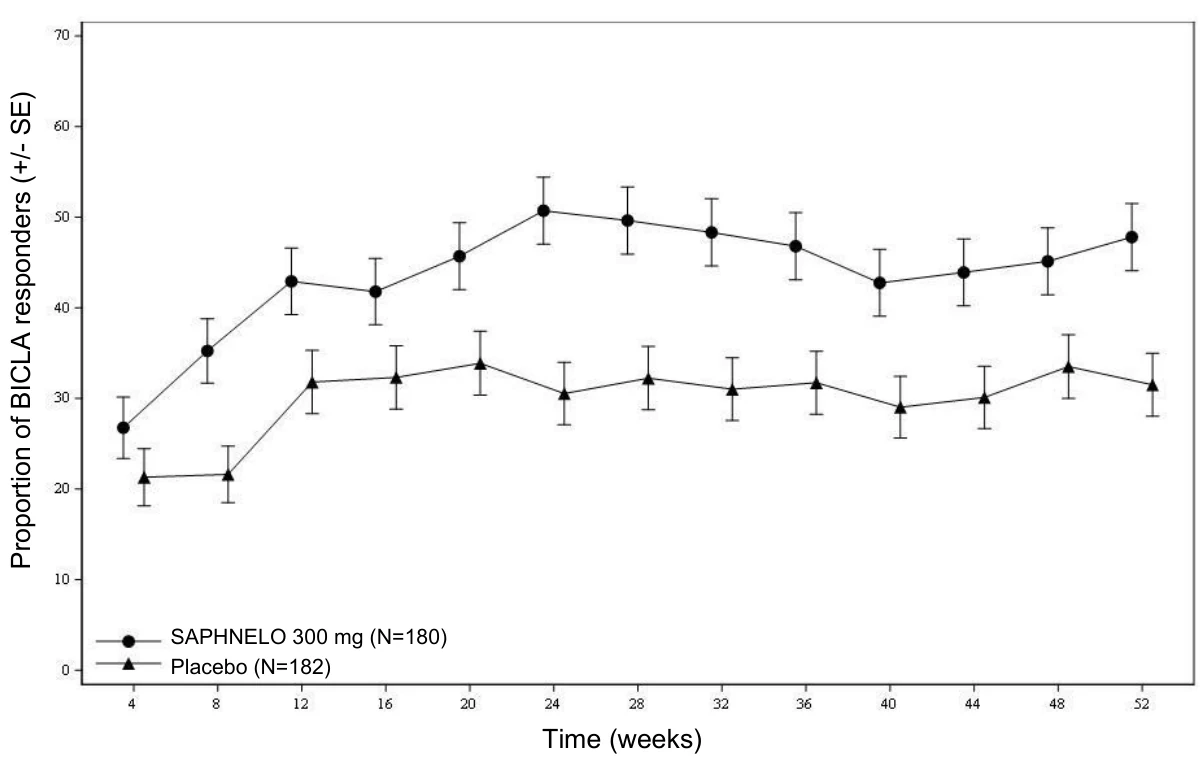
Table 8 Results of Study 05 and Study 04: SRI-4 Response at Week 52
| Study 05 | Study 04 | |||||||||||
|---|---|---|---|---|---|---|---|---|---|---|---|---|
| Efficacy Parameter | SAPHNELO 300 mg (N=180) | Placebo (N=184) | SAPHNELO 300 mg (N=180) | Placebo (N=182) | ||||||||
| SRI-4 Response Ratea | ||||||||||||
| Responder, n (%) | 88 (49.0) | 79 (43.0) | 100 (55.5) | 68 (37.3) | ||||||||
| Difference in Response Rates (95% CI) | 6.0 (-4.2, 16.2)b | 18.2 (8.1, 28.3)c | ||||||||||
| Components of SRI-4 Responsea | ||||||||||||
| SLEDAI-2K improvement, n (%) | 89 (49.4) | 80 (43.5) | 101 (56.1) | 71 (39.0) | ||||||||
| No worsening of BILAG, n (%) | 119 (66.1) | 105 (57.1) | 125 (69.4) | 94 (51.6) | ||||||||
| No worsening of PGA, n (%) | 117 (65.0) | 105 (57.1) | 122 (67.8) | 95 (52.2) | ||||||||
The response rates and associated difference and 95% CI are calculated using a Cochran-Mantel-Haenszel approach adjusted for stratification factors. The reported percentages for the components are unadjusted.
All patients received investigational product in addition to standard therapy.
SAPHNELO 300 mg (N=180)
Placebo (N=182)
Time (weeks)
Proportion of BICLA responders (+/- SE)
The most commonly involved SLEDAI-2K organ domains at baseline were mucocutaneous, musculoskeletal and immune
a Patients who discontinued treatment or used restricted medications beyond protocol allowed threshold are considered non-responders. For consistency, the results presented for Study 05 represent the post-hoc analysis using the restricted medication thresholds as defined in Study 04.
b In Study 05, SRI-4 response rate at Week 52 was the pre-specified primary endpoint c In Study 04, SRI-4 response was not formally tested in a pre-specified testing scheme
SRI-4: SLE (systemic lupus erythematosus) Responder Index; BILAG: British Isles Lupus Assessment Group; PGA: Physician’s Global Assessment; SLEDAI-2K: Systemic Lupus Erythematosus Disease Activity Index 2000.
Effect on Concomitant Steroid Treatment: In Study 04, of the 47% (n=170) of patients with a baseline OCS use ≥10 mg/day, 51.5% (45/87) of patients in the SAPHNELO group and 30.2% (25/83) in the placebo group were able to reduce their OCS use to ≤ 7.5 mg/day at Week 40 maintained through to Week 52 (difference 21.2% [95% CI 6.8, 35.7]).
Effect on SLE Flares: Disease flare was defined as severe disease activity (BILAG-A) in one or more new organ system, or moderate disease activity (BILAG-B) in 2 or more new organ systems compared to the previous visit. In Study 04, annualized flare rate was 0.43 in the SAPHNELO group and 0.64 in the placebo group; rate ratio 0.67 [95% CI 0.48, 0.94].
Study 09
The long-term efficacy of anifrolumab was evaluated in patients who received anifrolumab 300 mg or placebo in a feeder trial and continued to receive the same treatment in the LTE (anifrolumab N = 257; placebo N = 112). Of these, 69% of patients who received anifrolumab (177/257) and 46% of patients who received placebo (52/112) completed a total of 4 years on treatment. At Week 208, the mean SLEDAI-2K score (SE) was 3.4 (0.30) and 4.2 (0.47) in patients who received anifrolumab (n=140) and placebo (n=44), respectively.
Systemic lupus erythematosus (SLE) – Subcutaneous Administration
Trial Design and Study Demographics
Table 9 Summary of Patient Demographics for Subcutaneous Clinical Trials in Patients with SLE
| Study # | Study design | Dosage, route of administration and duration | Study subjects (n) | Age (Range) | Sex |
D3465C00001 ‘Study 01’ (TULIP SC) | Phase III, multicenter, randomized, double-blind, placebo- controlled study | SAPHNELO 120 mg or placebo, SC QW for 52 weeks (52 doses) | 109 (120 mg) 111 (placebo) | 19 – 70 years | 86.2% female (SAPHNELO) 91.9% female (placebo) |
Study 01 evaluated the efficacy and safety of subcutaneous weekly administration of anifrolumab in a 52-week treatment period, multicentre, randomized, double-blind, placebo-controlled study. All patients were ≥ 18 years to < 70 of age, diagnosed with SLE according to the American College of Rheumatology (1997 revised) classification criteria, and had moderate to severe disease, with a SLEDAI-2K score ≥ 6 points, organ level involvement based on BILAG assessment (patients with at least one BILAG A or no A but at least 2 B scores), and a PGA score ≥ 1, despite receiving standard SLE therapy consisting of either one or any combination of OCS, antimalarials and/or immunosuppressants at baseline. Patients continued to receive their existing SLE therapy at stable doses during the trial, with the exception of OCS (prednisone or equivalent) where tapering was a component of the protocol. Patients who had severe active lupus nephritis or severe active central nervous system lupus were excluded. The use of other biologic agents or cyclophosphamide were not permitted during the clinical trial; patients receiving other biologic therapies were required to complete a wash-out period of at least 5 half-lives prior to enrolment. Study 01 was conducted in 16 different countries from North America, South America, Europe and Asia. Patients were randomized (1:1) to receive 120 mg anifrolumab or placebo by subcutaneous injection once weekly.
The efficacy of subcutaneous weekly administration of anifrolumab was based on a pre-specified interim analysis conducted when 220 randomized patients completed Week 52 or had withdrawn from the trial. Of these, 89% were female, 78% White, 7% Asian, and 4% Black/African American. The median age was 43 years (min-max: 19-70). At baseline, 67% had high disease activity (SLEDAI 2K score ≥ 10), 43% severe disease (BILAG A) in at least one organ system and 55% moderate disease (BILAG B) in at least two organ systems. The most commonly affected organ systems (BILAG A or B at baseline) were the musculoskeletal (95%) and mucocutaneous (92%) systems; 2% cardiorespiratory and 2% renal organ domain involvement. At baseline, 95% were seropositive for ANA and 40% for anti-dsDNA antibodies; 33% of patients had low C3, and 24% low C4. Background SLE standard therapy included OCS (82%; mean daily dose (prednisone or equivalent) 9.8 mg), immunosuppressants (56%), and anti-malarials (80%). During Weeks 8-40, patients with a baseline OCS ≥ 10 mg/day were required to taper their OCS dose to ≤ 7.5 mg/day, unless there was worsening of disease activity.
Randomization was stratified by SLEDAI-2K score at baseline (< 10 vs ≥ 10 points), OCS dose on Day 1 (< 10 mg/day vs ≥ 10 mg/day prednisone or equivalent) and type I interferon gene signature test results (high vs low).
The primary endpoint was reduction in overall disease activity at Week 52, as measured by BICLA response defined by meeting all of the following criteria:
- Reduction of all baseline BILAG-2004 A to B/C/D and baseline BILAG-2004 B to C/D, and no BILAG2004 worsening in other organ systems, as defined by ≥ 1 new BILAG-2004 A or ≥ 2 new BILAG-2004 B.
- No worsening from baseline in SLEDAI-2K, where worsening is defined as an increase from baseline of > 0 points in SLEDAI-2K.
- No worsening from baseline in patients’ lupus disease activity, where worsening is defined by an increase ≥ 0.30 points on a 3-point PGA VAS.
Study Results
The efficacy results of the interim analysis are summarized in Table 10.
Table 10 Results of Study 01 (Interim Analysis): BICLA response rate at Week 52
SAPHNELO 120 mg (N = 109) | Placebo (N = 111) | ||||||
|---|---|---|---|---|---|---|---|
| BICLA response rate | |||||||
| Responder, n (%)a | 65 (59.3) | 47 (42.6) | |||||
| Difference in Response Rates (95% CI) | 16.7% (3.6, 29.8) | ||||||
| p-value (2-sided)* | 0.0126 | ||||||
| Components of BICLA response | |||||||
| BILAG improvement, n (%) | 65 (59.4) | 47 (42.7) | |||||
| No worsening of SLEDAI-2K, n (%) | 81 (74.1) | 77 (69.5) | |||||
| No worsening of PGA, n (%) | 81 (74.2) | 80 (71.7) | |||||
All patients received investigational product in addition to standard therapy.
The response rates, associated difference, and 95% CI are calculated using a Cochran-Mantel-Haenszel approach adjusted for stratification factors.
a Patients who received restricted medications beyond protocol allowed thresholds, discontinued treatment, or died are considered non-responders.
* Statistically significant at the two-sided significance level of 0.0354
BICLA: British Isles Lupus Assessment Group-based Composite Lupus Assessment; BILAG: British Isles Lupus Assessment Group; PGA: Physician’s Global Assessment; SLEDAI-2K: Systemic Lupus Erythematosus Disease Activity Index 2000.
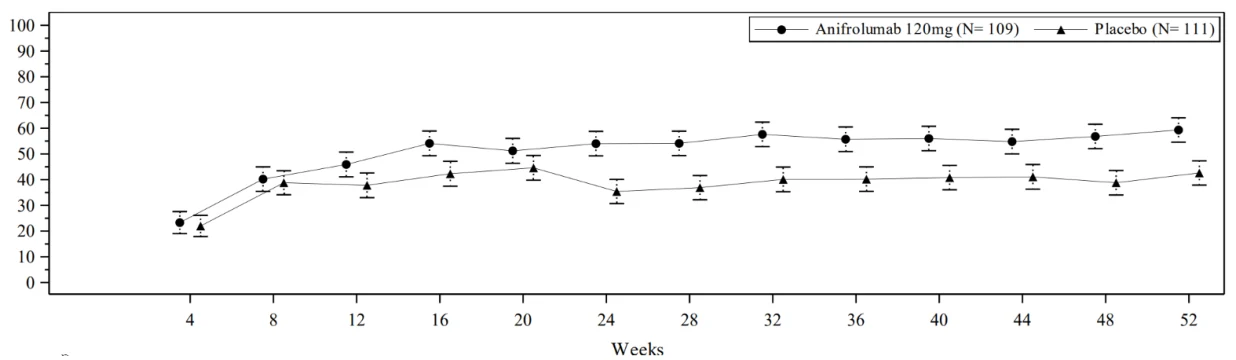
Figure 2 shows the proportion of BICLA responders over time in Study 01.
Figure 2 Proportion (%) of BICLA Responders Over Time in Study 01
The key secondary endpoints, BICLA response while maintaining low (or reduced) OCS use at Week 52 and time to first sustained BICLA response through Week 52, showed improvements in patients treated with anifrolumab compared with patients treated with placebo, while time to first flare showed numerically reduced risk with anifrolumab compared with placebo.
Proporti on of B ICLA respo nde rs
(+/ - SE)
16. Non-Clinical Toxicology
General toxicology
In a 9-month repeat-dose toxicity study, cynomolgus monkeys were administered vehicle or anifrolumab at doses of 5 or 50 mg/kg intravenously once weekly and 15 or 60 mg/kg SC once weekly (5 or 58 times and 14 or 52 times the exposure at the maximum recommended human dose [MRHD] on an AUC basis, respectively). At the end of the 9-month dosing phase, 2 males given 50 mg/kg/dose intravenously had test article-related inflammation of arteries (arteritis) in multiple organs. At the end of the 12-week recovery period, 3 males had test article-related inflammation of arteries in multiple organs, though less pronounced and less widespread: one each given 5 mg/kg/dose intravenously, 50 mg/kg/dose intravenously, and 60 mg/kg/dose SC. Based on the arterial inflammation observed, the no-observable-adverse-effect level (NOAEL) was 15 mg/kg/day for SC anifrolumab and could not be determined for intravenous anifrolumab.
Genotoxicity
Genotoxicity studies have not been conducted with anifrolumab.
Carcinogenicity
Carcinogenicity studies have not been conducted with anifrolumab.
Reproductive and developmental toxicology
Developmental toxicity
In a pre- and postnatal development study, pregnant cynomolgus monkeys were administered anifrolumab at doses of 30 or 60 mg/kg administered intravenously (approximately 12 or 28 times the exposure at the MRHD on an AUC basis) from Gestation Day 20, once every 2 weeks thereafter, throughout gestation to 1 month postpartum (approximately Lactation Day 28). Females given anifrolumab showed an increased incidence of embryo-fetal loss compared to controls (1/16 [6%], 5/17 [29%], and 3/16 [19%] in vehicle, low-, and high-dose groups, respectively). The incidences of these findings were within historical control values. The relevance of these findings to humans is not known. No adverse effects on maternal animals or their offspring were observed.
Fertility
Effects on male and female fertility have not been directly evaluated in animal studies. In the 9-month repeat-dose toxicity study, indirect measures of male or female fertility were assessed based on semen analysis, spermatogenesis staging, menses cycle, organ weights and histopathological findings in the reproductive organs, in cynomolgus monkeys administered anifrolumab at doses up to 50 mg/kg intravenously or 60 mg/kg subcutaneously once weekly. One male in each of the high-dose intravenous and subcutaneous groups showed altered spermatogenesis and/or seminiferous tubular degeneration, a drug-related effect could not be ruled out.