


Product Monograph - Elahere
Recent Major Label Changes
| Not Applicable |
|---|
Table of Contents
Certain sections (as indicated in section 2.1. of the PM Guidance) or subsections that are not applicable at the time of the preparation of the most recent authorized product monograph are not listed.
Recent Major Label Changes ................................................................................................. 2
Table of Contents ................................................................................................................. 2
Part 1: Healthcare Professional Information.......................................................................... 4
- 1.
Indications..................................................................................................................... 4
1.1. Pediatrics .................................................................................................................... 4
1.2. Geriatrics .................................................................................................................... 4
- 2. Contraindications .......................................................................................................... 4
- 3. Serious Warnings and Precautions Box ........................................................................... 4
- 4.
Dosage and Administration ............................................................................................ 4
4.1. Dosing Considerations ............................................................................................... 4
4.2. Recommended Dose and Dosage Adjustment .......................................................... 4
4.3. Reconstitution ............................................................................................................ 8
4.4. Administration ........................................................................................................... 9
4.5. Missed Dose ............................................................................................................... 9
- 5. Overdose ....................................................................................................................... 9
- 6. Dosage Forms, Strengths, Composition, and Packaging .................................................. 9
- 7.
Warnings and Precautions ........................................................................................... 10
Driving and Operating Machinery ........................................................................................ 10
Neurologic ............................................................................................................................ 10
Ophthalmologic .................................................................................................................... 10
Reproductive Health ............................................................................................................. 11
Respiratory ........................................................................................................................... 11
7.1. Special Populations .................................................................................................. 11
7.1.1. Pregnancy ......................................................................................................... 11
7.1.2. Breastfeeding ................................................................................................... 11
7.1.3. Pediatrics .......................................................................................................... 11
7.1.4. Geriatrics .......................................................................................................... 12
- 8.
Adverse Reactions ....................................................................................................... 12
8.1. Adverse Reaction Overview ..................................................................................... 12
8.2. Clinical Trial Adverse Reactions ............................................................................... 13
8.3. Less Common Clinical Trial Adverse Reactions ........................................................ 15
8.4. Abnormal Laboratory Findings: Hematologic, Clinical Chemistry, and Other Quantitative Data ................................................................................................................. 15
8.5. Post-Market Adverse Reactions ............................................................................... 16
- 9.
Drug Interactions ......................................................................................................... 16
9.2. Drug Interactions Overview ..................................................................................... 16
9.3. Drug-Behaviour Interactions .................................................................................... 16
9.4. Drug-Drug Interactions ............................................................................................ 16
9.5. Drug-Food Interactions ............................................................................................ 17
9.6. Drug-Herb Interactions ............................................................................................ 17
9.7. Drug-Laboratory Test Interactions........................................................................... 17
- 10.
Clinical Pharmacology .................................................................................................. 17
10.1. Mechanism of Action ............................................................................................... 17
10.2. Pharmacodynamics .................................................................................................. 17
10.3. Pharmacokinetics ..................................................................................................... 17
10.4. Immunogenicity ....................................................................................................... 19
- 11. Storage, Stability, and Disposal .................................................................................... 20
- 12. Special Handling Instructions ....................................................................................... 20
Part 2: Scientific Information .............................................................................................. 21
- 13. Pharmaceutical Information ........................................................................................ 21
- 14.
Clinical Trials ............................................................................................................... 22
14.1. Clinical Trials by Indication ...................................................................................... 22
Platinum-Resistant Epithelial Ovarian, Fallopian Tube, or Primary Peritoneal Cancer with Folate Receptor-Alpha (FRα) Positivity ................................................................ 22
- 15. Microbiology ............................................................................................................... 25
- 16. Non-Clinical Toxicology ................................................................................................ 25
Patient Medication Information ......................................................................................... 26
Part 1: Healthcare Professional Information
1. Indications
ELAHERE (mirvetuximab soravtansine for injection) as monotherapy is indicated for the treatment of adult patients with folate receptor-alpha (FRα) positive, platinum-resistant epithelial ovarian, fallopian tube, or primary peritoneal cancer, who have received one to three prior systemic treatment regimens (see 4.1. Dosing Considerations).
1.1. Pediatrics
Pediatrics (< 18 years of age): The safety and efficacy of ELAHERE in children less than 18 years of age have not been established; therefore, Health Canada has not authorized an indication for pediatric use.
1.2. Geriatrics
Geriatrics (≥ 65 years of age): No clinically meaningful differences in safety or efficacy were observed between patients ≥ 65 years of age compared with younger adult patients (see 7.1.4. Geriatrics and 10.3. Pharmacokinetics).
2. Contraindications
ELAHERE is contraindicated in patients who are hypersensitive to this drug or to any ingredient in the formulation, including any non-medicinal ingredient, or component of the container. For a complete listing, see 6. Dosage Forms, Strengths, Composition, and Packaging.
3. Serious Warnings and Precautions Box
Ocular Disorders
- ELAHERE can cause severe ocular adverse reactions including blurred vision, keratopathy (corneal disorders), dry eye, photophobia, and eye pain (see 4. Dosage and Administration; 7. Warnings and Precautions, Ophthalmologic; 8. Adverse Reactions).
4. Dosage and Administration
4.1. Dosing Considerations
- ELAHERE must be initiated and supervised by a health professional experienced in the use of anticancer medicinal products.
- Select patients for the treatment of platinum-resistant epithelial ovarian, fallopian tube, or primary peritoneal cancer with ELAHERE based on tumour FRα positivity using a validated test. FRα positivity is defined as ≥ 75% of viable tumour cells must have exhibited level 2 and/or 3 membrane staining intensity by immunohistochemistry (IHC) (see 14. Clinical Trials).
4.2. Recommended Dose and Dosage Adjustment
The recommended dose of ELAHERE is 6 mg/kg adjusted ideal body weight (AIBW) administered once every 3 weeks (21-day cycle) as an intravenous infusion until disease progression or unacceptable toxicity. Dosing based on AIBW reduces exposure variability for
- patients who are either underweight or overweight.
The total dose of ELAHERE is calculated based on each patient’s AIBW using the following formula:
AIBW = Ideal Body Weight (IBW [kg]) + 0.4*(Actual weight [kg] – IBW)
Female IBW [kg] = 0.9*height [cm] – 92
Premedication
Administer the pre-medications in Table 1 prior to each infusion of ELAHERE to reduce the incidence and severity of infusion related reactions (IRRs), nausea, and vomiting.
Table 1. Pre-medication prior to each ELAHERE infusion
| Pre-medication | Route of administration | Examples (or equivalent) | Administration time prior to ELAHERE infusion |
|---|---|---|---|
| Corticosteroid | intravenous | dexamethasone 10 mg | at least 30 minutes prior |
| Antihistamine | oral or intravenous | diphenhydramine 25 mg to 50 mg | |
| Antipyretic | oral or intravenous | paracetamol (acetaminophen) 325 mg to 650 mg | |
| Antiemetic | oral or intravenous | 5-HT3 serotonin receptor antagonist or appropriate alternatives | before each dose and following the administration of other premedication |
For patients experiencing nausea and/or vomiting, consider additional antiemetics as needed.
For patients who experience an IRR Grade ≥ 2, consider additional pre-medication with dexamethasone 8 mg twice daily (or equivalent) the day before ELAHERE administration.
Ophthalmic Exams and Premedication
Ophthalmic Exam: Conduct an ophthalmic exam including visual acuity and slit lamp exam prior to initiation of ELAHERE, and thereafter if a patient develops new or worsening ocular symptoms prior to the next dose.
In patients with ≥ Grade 2 ocular adverse reactions, additional ophthalmic exams should be conducted at a minimum of every other cycle and as clinically indicated until resolution or return to baseline.
Ophthalmic Topical Steroids: For patients found to have signs of ≥ Grade 2 corneal adverse reactions (keratopathy) on slit lamp examination, secondary prophylaxis with ophthalmic topical steroids is recommended for subsequent cycles of ELAHERE, unless the patient’s eye care professional determines that the risks outweigh the benefits of such therapy.
Administer steroid eye drops on the day of infusion and through the next 7 days of each subsequent cycle of ELAHERE (see Table 3).
Wait at least 10 minutes or as directed per local prescribing information after ophthalmic topical steroid administration before instilling lubricating eye drops.
Intraocular pressure should be checked frequently during treatment with ophthalmic topical steroids.
Lubricating eye drops: Instruct patients to use lubricating eye drops throughout treatment with ELAHERE.
Advise patients to avoid use of contact lenses during treatment with ELAHERE unless directed by a health professional.
Dose modifications
Table 2 provides dose reduction levels and Table 3 provides dosage modifications for ELAHERE due to adverse reactions.
In patients who develop new or worsening ocular symptoms, conduct an ophthalmic exam before dosing. Review the ophthalmic examination report and determine the dose of ELAHERE based on the severity of findings in the most severely affected eye.
Table 2. Dosage reduction schedule
| ELAHERE dose levels | ||
|---|---|---|
| Starting dose | 6 mg/kg AIBW once every 3 weeks (21-day cycle) | |
| First dose reduction | 5 mg/kg AIBW once every 3 weeks (21-day cycle) | |
| Second dose reduction | 4 mg/kg AIBW* once every 3 weeks (21-day cycle) | |
| * Permanently discontinue in patients who cannot tolerate 4 mg/kg AIBW. | ||
Table 3. Dosage modifications for adverse reactions
| Adverse reaction | Severity of adverse reaction* | Dosage modification |
|---|---|---|
| Adverse reaction | Severity of adverse reaction* | Dosage modification |
| Keratitis/keratopathy | Nonconfluent superficial keratitis/keratopathy | Monitor |
| Confluent superficial keratitis/keratopathy, a cornea epithelial defect, or 3-line or more loss in best corrected visual acuity | Withhold dose until improved to nonconfluent superficial keratitis/keratopathy or better or resolved, then maintain at same dose level. Consider dose reduction for patients with recurrent confluent keratitis/keratopathy despite best supportive care or in patients with ocular toxicity lasting longer than 14 days. | |
| Corneal ulcer or stromal opacity or best corrected distance visual acuity 6/60 or worse | Withhold dose until improved to nonconfluent superficial keratitis/keratopathy or better or resolved, then reduce by one dose level. | |
| Corneal perforation | Permanently discontinue | |
| Pneumonitis | Grade 1 | Monitor |
| Grade 2 | Withhold dose until Grade 1 or less, then maintain at same dose level or consider dose reduction if recurrent, lasts longer than 28 days, or at physician discretion. | |
| Grade 3 or 4 | Permanently discontinue | |
| Peripheral neuropathy | Grade 2 | Withhold dose until Grade 1 or less, then reduce by one dose level. |
| Grade 3 or 4 | Permanently discontinue | |
| Infusion-related reactions/ hypersensitivity | Grade 1 | Maintain infusion rate |
| Grade 2 |
| |
| Grade 3 or 4 |
| |
| Hematological | Grade 3 or 4 | Withhold dose until Grade 1 or less, then resume at one lower dose level. |
| Other adverse reactions | Grade 3 | Withhold dose until Grade 1 or less, then resume at one lower dose level. |
| Grade 4 | Permanently discontinue | |
| * National Cancer Institute Common Terminology Criteria for Adverse Events (NCI CTCAE) version 5.0. | ||
Dosing in Special Populations
Pediatrics (< 18 years of age)
The safety and efficacy of ELAHERE in children less than 18 years of age have not been established. Health Canada has not authorized an indication for pediatric use.
Geriatric (≥ 65 years of age)
No dosage adjustment of ELAHERE is recommended in patients ≥ 65 years of age (see 10.3. Pharmacokinetics).
Renal impairment
No dosage adjustment of ELAHERE is recommended for patients with mild to moderate renal impairment (creatine clearance [CrCl] 30 to < 90 mL/min). The effect of severe renal impairment (CrCl 15 to < 30 mL/min) or end-stage renal disease on ELAHERE is unknown (see 10.3. Pharmacokinetics).
Hepatic impairment
No dosage adjustment of ELAHERE is recommended for patients with mild hepatic impairment (total bilirubin ≤ upper limit of normal [ULN] and aspartate transaminase [AST] > ULN or total bilirubin > 1 to 1.5 times ULN and any AST (see 10.3. Pharmacokinetics).
Avoid use of ELAHERE in patients with moderate or severe hepatic impairment (total bilirubin > 1.5 ULN with any AST).
4.3. Reconstitution
Parenteral Products:
- Inspect visually for particulate matter and discoloration prior to administration.
- Do not use if the solution is discolored or cloudy, or if foreign particulate matter is present.
- Dispose of any unused product or waste material in accordance with local requirements. See 11 Storage, Stability, and Disposal.
- Use aseptic technique to prepare ELAHERE.
Preparation
- Calculate the dose (mg) (based on the patient's AIBW), total volume (mL) of solution required, and the number of vials of ELAHERE needed. More than one vial will be needed for a full dose.
- Remove the vials of ELAHERE from the refrigerator and allow to warm to room temperature.
- Gently swirl and inspect each vial prior to withdrawing the calculated dose volume of ELAHERE. Do not shake the vial.
- Withdraw the calculated dose volume of ELAHERE for subsequent dilution.
- ELAHERE contains no preservatives and is intended for single dose only. Discard any unused solution remaining in the vial.
Dilution
- ELAHERE must be diluted prior to administration with 5% dextrose to a final concentration of 1 to 2 mg/mL.
- ELAHERE is incompatible with 0.9% (w/v) sodium chloride. ELAHERE must not be mixed with any other drugs or intravenous fluids.
- Determine the volume of 5% dextrose required to achieve the final diluted drug concentration. Either remove excess 5% dextrose from a prefilled intravenous bag or add the calculated volume of 5% dextrose to a sterile empty intravenous bag. Then add the calculated dose volume of ELAHERE to the intravenous bag.
- Gently mix the diluted drug solution by slowly inverting the bag several times to assure uniform mixing. Do not shake or agitate.
- If the diluted infusion solution is not used immediately, store the solution either at ambient temperature (18 to 25°C) for no more than 8 hours (including infusion time), or under refrigeration (at 2 to 8°C) for no more than 24 hours.
- If refrigerated, allow the infusion bag to reach room temperature prior to administration.
- After refrigeration, administer diluted infusion solution within 8 hours (including infusion time).
- Do not freeze prepared infusion solution.
4.4. Administration
- Inspect the ELAHERE intravenous infusion bag visually for particulate matter and discoloration prior to administration.
- Administer pre-medications prior to ELAHERE administration (see 4.2. Recommended Dose and Dosage Adjustment).
- Administer ELAHERE as an intravenous infusion only, using a 0.2 or 0.22 mcm polyethersulfone (PES) in-line filter. Do not substitute other membrane materials.
- Avoid use of administration delivery devices containing Di-2-ethylhexyl phthalate (DEHP).
- Administer the initial dose as an intravenous infusion at the rate of 1 mg/min. If well tolerated after 30 minutes at 1 mg/min, the infusion rate can be increased to 3 mg/min. If well tolerated after 30 minutes at 3 mg/min, the infusion rate can be increased to 5 mg/min.
- If no infusion-related reactions occur with the previous dose, subsequent infusions should be started at the maximally tolerated rate and may be increased up to a maximum infusion rate of 5 mg/min, as tolerated.
Following the infusion, flush the intravenous line with 5% dextrose to ensure delivery of the full dose. Do not use any other intravenous fluids for flushing
4.5. Missed Dose
If a planned dose of ELAHERE is delayed or missed, it should be administered as soon as possible without waiting until the next planned cycle. The schedule of administration should be adjusted to maintain a 3 week interval between doses. The infusion should be administered at the dose and rate the patient tolerated in the most recent infusion.
5. Overdose
There is no known treatment/antidote available for overdose of ELAHERE.
In the event of overdose, monitor the patient for any signs or symptoms of adverse reactions and administer appropriate supportive treatment.
For the most recent information in the management of a suspected drug overdose, contact your regional poison control centre or Health Canada’s toll-free number, 1-844 POISON-X (1-844-764-7669).
- 6.
Dosage Forms, Strengths, Composition, and Packaging
To help ensure the traceability of biologic products, healthcare professionals should record both the brand name and the non-proprietary (active ingredient) name as well as other product-specific identifiers such as the Drug Identification Number (DIN) and the batch/lot number of the product supplied.
Table 4. Dosage Forms, Strengths, and Composition
Description
ELAHERE injection is supplied as a sterile, preservative-free, clear to slightly opalescent, colorless solution containing 100 mg/20 mL of mirvetuximab soravtansine in single-dose vials. Each vial contains 5 mg of mirvetuximab soravtansine per mL of solution.
The vial stoppers are not made with natural rubber latex.
7. Warnings and Precautions
See 3. Serious Warnings and Precautions BoxSerious Warnings and Precautions Box.
Driving and Operating Machinery
No studies on the effects of ELAHERE on the ability to drive and use machines have been performed. ELAHERE may have moderate influence on the ability to drive and use machines. Patients may experience visual disturbances or peripheral neuropathy during treatment with ELAHERE.
Neurologic
Peripheral neuropathy has occurred with ELAHERE treatment, including Grade ≥ 3 reactions (see 8. Adverse Reactions).
Monitor patients for signs and symptoms of neuropathy, such as paraesthesia, tingling or a burning sensation, neuropathic pain, muscle weakness, or dysesthesia. For patients experiencing new or worsening peripheral neuropathy, withhold dosage, dose reduce, or permanently discontinue ELAHERE based on the severity of peripheral neuropathy (see 4.2. Recommended Dose and Dosage Adjustment).
Ophthalmologic
ELAHERE can cause severe ocular adverse reactions, including blurred vision, keratopathy (corneal disorders), dry eye, photophobia, and eye pain (see 8. Adverse Reactions).
Conduct an ophthalmic exam including visual acuity and slit lamp exam prior to initiation of ELAHERE and thereafter if a patient develops new or worsening ocular symptoms prior to the next dose. In patients with ≥ Grade 2 ocular adverse reactions, additional ophthalmic exams should be conducted at a minimum of every other cycle and as clinically indicated until resolution or return to baseline. Administer prophylactic artificial tears. Consider ophthalmic topical steroids when indicated after an ophthalmic exam. Monitor patients for ocular toxicity and withhold, reduce, or permanently discontinue ELAHERE based on the severity and persistence of ocular adverse reactions (see 4.2. Recommended Dose and Dosage Adjustment).
| Route of Administration | Dosage Form / Strength/ Composition | Non-medicinal Ingredients |
| Intravenous infusion | Concentrate for solution for injection / 5 mg/mL 100 mg of mirvetuximab soravtansine in 20 mL | Glacial acetic acid, polysorbate 20, sodium acetate, sucrose, and water for injection |
Reproductive Health
Fertility
There are no data on the effect of ELAHERE on human fertility, however, there is the potential for drug-related fertility effects given the mechanism of action of ELAHERE (see 7.1.1 Pregnancy).
Respiratory
Pneumonitis
Severe, life-threatening, or fatal interstitial lung disease (ILD), including pneumonitis, can occur in patients treated with ELAHERE (see 8. Adverse Reactions).
Monitor patients for pulmonary signs and symptoms of pneumonitis, which may include hypoxia, cough, dyspnea, or interstitial infiltrates on radiologic exams. Infectious, neoplastic, and other causes for such symptoms should be excluded through appropriate investigations.
Withhold ELAHERE for patients who develop persistent or recurrent Grade 2 pneumonitis until symptoms resolve to ≤ Grade 1 and consider dose reduction. Permanently discontinue ELAHERE in all patients with Grade 3 or 4 pneumonitis (see 4.2. Recommended Dose and Dosage Adjustment). Patients who are asymptomatic may continue dosing of ELAHERE with close monitoring.
7.1. Special Populations
7.1.1. Pregnancy
Verify pregnancy status in females of reproductive potential prior to initiating ELAHERE treatment.
Based on its mechanism of action, ELAHERE can cause embryo-fetal harm when administered to a pregnant patient because it contains a genotoxic compound (DM4) and affects actively dividing cells. Human immunoglobulin G (IgG) is known to cross the placental barrier; therefore, ELAHERE has the potential to be transmitted from the pregnant patient to the developing fetus. There are no available human data on ELAHERE use in pregnant patients to inform a drug-associated risk. No reproductive or developmental animal toxicity studies were conducted with mirvetuximab soravtansine.
Advise patients of the potential risk to a fetus. Females of reproductive potential should use effective contraception during treatment with ELAHERE and for 7 months after the last dose. Patients who become pregnant must immediately contact their health professional.
7.1.2. Breastfeeding
There are no data on the presence of mirvetuximab soravtansine in human milk or the effects on the breastfed child or milk production. Because of the potential for serious adverse reactions in a breastfed child, advise women not to breastfeed during treatment with ELAHERE and for 1 month after the last dose.
7.1.3. Pediatrics
Pediatrics (< 18 years of age): No data are available to Health Canada; therefore, Health Canada has not authorized an indication for pediatric use.
7.1.4. Geriatrics
Geriatrics (≥ 65 years of age): No clinically meaningful differences in safety or efficacy were observed between patients ≥ 65 years of age compared with younger adult patients.
8. Adverse Reactions
8.1. Adverse Reaction Overview
The pooled safety population from 4 clinical studies (Study 0416, Study 0417, Study 0403 and Study 0401) reflects exposure to ELAHERE in 682 patients with epithelial ovarian, fallopian tube, or primary peritoneal cancer at 6 mg/kg AIBW administered intravenously once every 3 weeks until disease progression or unacceptable toxicity.
The most common (incidence ≥ 10%) adverse reactions with ELAHERE were blurred vision (43%), nausea (41%), diarrhea (39%), fatigue (35%), abdominal pain (30%), keratopathy (29%), dry eye (27%), constipation (26%), vomiting (23%), decreased appetite (22%), peripheral neuropathy (20%), headache (19%), asthenia (18%), arthralgia (16%), AST increased (16%), cataract (15%), photophobia (14%), ALT increased (13%), visual acuity reduced (13%), anemia (12%), cough (12%), dyspnoea (12%), hypomagnesaemia (11%), thrombocytopenia (10%), and urinary tract infection (10%).
The most commonly reported serious adverse reactions (incidence ≥ 1%) were pneumonitis (4%), small intestinal obstruction (3%), intestinal obstruction (3%), pleural effusion (2%), abdominal pain (2%), dehydration (1%), constipation (1%), vomiting (1%) and ascites (1%).
Adverse reactions that most commonly led to dose reduction or dose delay were blurred vision (17%), keratopathy (10%), dry eye (5%), neutropenia (5%), keratitis (4%), cataract (3%), visual acuity reduced (3%), thrombocytopenia (3%), peripheral neuropathy (3%), and pneumonitis (3%).
Permanent discontinuation due to an adverse reaction occurred in 12% of patients who received ELAHERE, including most commonly, gastrointestinal disorders (4%), respiratory, thoracic, and mediastinal disorders (3%), blood and lymphatic system disorders (1%), nervous system disorders (1%), and eye disorders (1%).
Description of Adverse Events of Special Interest
Ocular Disorders
Ocular adverse reactions occurred in 59% of patients in the pooled safety population. Eleven percent (11%) of patients experienced Grade 3 ocular adverse reactions and < 1% experienced Grade 4 events. The most common ≥ Grade 3 ocular adverse reactions were blurred vision and keratopathy (5%), and cataract (4%).
The median time to onset for first ocular adverse reaction was 5.1 weeks (range: 0.1 to 68.6). Of the patients who experienced ocular events, 53% had complete resolution (Grade 0) and 38% had partial improvement (defined as a decrease in severity by one or more grades from the worst grade).
Ocular adverse reactions led to dose delays in 24% of patients, and dose reductions in 15% of patients. Ocular adverse reactions led to permanent discontinuation of ELAHERE in 1% of patients (see Error! R eference source not found. Error! Reference source not found., Ophthalmologic).
Pneumonitis
Pneumonitis occurred in 10% of patients in the pooled safety population, including 6 patients (0.9%) with Grade 3 events, and one patient (0.1%) with a Grade 4 event. Two patients (0.3%) died due to respiratory failure. One patient died due to respiratory failure in the setting of pneumonitis and lung metastases confirmed at autopsy. One patient died due to respiratory failure of unknown etiology without concurrent pneumonitis.
The median time to onset of pneumonitis was 18.1 weeks (range 1.6 to 97.0). Pneumonitis resulted in ELAHERE dose delays in 3%, dose reductions in 1%, and permanent discontinuation in 3% of patients (see Error! Reference source not found. Error! Reference source not found., Respiratory).
Peripheral Neuropathy
Peripheral neuropathy occurred in 36% of patients in the pooled safety population; 3% of patients experienced Grade 3 peripheral neuropathy. Peripheral neuropathy adverse reactions included peripheral neuropathy (20%), peripheral sensory neuropathy (9%), paraesthesia (6%), neurotoxicity (3%), hypoaesthesia (1%), peripheral motor neuropathy (0.9%), polyneuropathy (0.3%), and peripheral sensorimotor neuropathy (0.1%).
The median time to onset of peripheral neuropathy was 5.9 weeks (range 0.1 to 126.7). Of the patients who experienced peripheral neuropathy, 23% had complete resolution and 12% had partial improvement (defined as a decrease in severity by one or more grades from the worst grade) at last follow up. Peripheral neuropathy resulted in ELAHERE dose delays in 2%, dose reductions in 4%, and led to permanent discontinuation in 0.7% of patients (see Error! Reference source not found. Error! Re ference source not found., Neurologic).
8.2. Clinical Trial Adverse Reactions
Clinical trials are conducted under very specific conditions. The adverse reaction rates observed in the clinical trials; therefore, may not reflect the rates observed in practice and should not be compared to the rates in the clinical trials of another drug. Adverse reaction information from clinical trials may be useful in identifying and approximating rates of adverse drug reactions in real-world use.
Study 0416 (MIRASOL)
The safety of ELAHERE was evaluated in Study 0416, a multicenter, open-label, active-controlled, randomized, two-arm study (ELAHERE vs. chemotherapy), in patients with platinum-resistant epithelial ovarian, fallopian tube, or primary peritoneal cancer (see 14. Clinical Trials). Patients received ELAHERE 6 mg/kg AIBW once every 3 weeks until disease progression or unacceptable toxicity. The median duration of treatment was 5 months (range: 0.69 to 27.4).
Serious adverse reactions occurred in 24% of patients treated with ELAHERE. The most common (≥ 2%) serious adverse events were pleural effusion (3%), abdominal pain (3%), intestinal obstruction (2%), ascites (2%) and small intestinal obstruction (2%). Fatal adverse events occurred in 3% of patients treated with ELAHERE, including intestinal obstruction, dyspnea in the setting of subileus, neutropenic sepsis, cardiopulmonary failure, respiratory failure, ischemic stroke and pulmonary embolism.
Error! Reference source not found. summarizes adverse reactions occurring in ≥ 1% of patients who r eceived ELAHERE in Study 0416 (MIRASOL).
Table 5 – Adverse Reactions Occurring in ≥ 1% of Patients with Epithelial Ovarian, Fallopian Tube, or Primary Peritoneal Cancer Who Received ELAHERE in Study 0416 (MIRASOL)
| System organ class/preferred term | ELAHERE N = 218 n (%) | Chemotherapy N = 207 n (%) | ||
|---|---|---|---|---|
| System organ class/preferred term | ELAHERE N = 218 n (%) | Chemotherapy N = 207 n (%) | ||
| All grades | Grade 3 or 4 | All grades | Grade 3 or 4 | |
| All grades | Grade 3 or 4 | All grades | Grade 3 or 4 | |
| Gastrointestinal disorders | ||||
| Abdominal paina | 74 (34) | 6 (3) | 48 (23) | 4 (2) |
| Diarrhea | 64 (29) | 3 (1) | 36 (17) | 1 (< 1) |
| Constipation | 59 (27) | 0 | 40 (19) | 2 (< 1) |
| Nausea | 58 (27) | 4 (2) | 60 (29) | 4 (2) |
| Vomiting | 39 (18) | 6 (3) | 37 (18) | 3 (1) |
| Eye disorders | ||||
| Blurred vision eventb | 98 (45) | 19 (9) | 6 (3) | 0 |
| Keratopathyc | 80 (37) | 23 (11) | 0 | 0 |
| Dry eyed | 63 (29) | 7 (3) | 10 (5) | 0 |
| Photophobia | 39 (18) | 1 (< 1) | 1 (< 1) | 0 |
| Cataracte | 34 (16) | 7 (3) | 1 (< 1) | 0 |
| Ocular discomfortf | 26 (12) | 0 | 1 (< 1) | 0 |
| General disorders and administration site conditions | ||||
| Fatigueg | 102 (47) | 6 (3) | 85 (41) | 15 (7) |
| Nervous system disorders | ||||
| Peripheral neuropathyh | 81 (37) | 8 (4) | 47 (23) | 8 (4) |
| Headache | 31 (14) | 0 | 20 (10) | 0 |
| Musculoskeletal and connective tissue disorders | ||||
| Musculoskeletal paini | 70 (32) | 1 (< 1) | 46 (22) | 4 (2) |
| Blood and lymphatic system disorders | ||||
| Neutropenia | 24 (11) | 2 (< 1) | 59 (29) | 36 (17) |
| Anemia | 21 (10) | 2 (< 1) | 71 (34) | 21 (10) |
| Thrombocytopenia | 16 (7) | 2 (< 1) | 33 (16) | 13 (6) |
| Investigations | ||||
| Aspartate aminotransferase increased | 24 (11) | 1 (< 1) | 9 (4) | 0 |
| Alanine aminotransferase increased | 19 (9) | 1 (< 1) | 9 (4) | 0 |
| Weight decreased | 19 (9) | 0 | 7 (3) | 0 |
| Blood alkaline phosphatase increased | 9 (4) | 0 | 4 (2) | 0 |
| Gamma-glutamyltransferase increased | 7 (3) | 0 | 2 (< 1) | 0 |
| Metabolism and nutrition disorders | ||||
| Decreased appetite | 39 (18) | 3 (1) | 28 (14) | 2 (< 1) |
| Dehydration | 8 (4) | 1 (< 1) | 1 (< 1) | 0 |
| Respiratory, thoracic and mediastinal disorders | ||||
| Pneumonitisj | 21 (10) | 1 (< 1) | 1 (< 1) | 0 |
| Injury, poisoning and procedural complications | ||||
| Infusion related reaction/hypersensitivityk | 18 (8) | 0 | 27 (13) | 2 (< 1) |
| ||||
8.3. Less Common Clinical Trial Adverse Reactions
Less common (< 1%) clinical trial adverse reactions in patients treated with ELAHERE are summarized below.
Study 0416 (MIRASOL)
Hepatobiliary disorders: hyperbilirubinaemia
8.4. Abnormal Laboratory Findings: Hematologic, Clinical Chemistry, and Other Quantitative Data
Clinical Trial Findings
The following table summarize the laboratory abnormalities in study 0416 (MIRASOL).
Table 6 – Select Laboratory Abnormalities ≥ 10% for All Grades, in Patients Who Received ELAHERE in Study 0416 (MIRASOL)
| Laboratory Abnormality | ELAHERE N = 218 | Chemotherapy N = 207 | ||
All Grades % | Grades 3-4 % | All Grades % | Grades 3-4 % | |
| Liver Function Tests | ||||
| Increased aspartate aminotransferase | 57 | 0 | 14 | 0 |
| Increased alanine aminotransferase | 38 | 1 | 15 | 1 |
| Increased alkaline phosphatase | 30 | 1 | 13 | 1 |
| Chemistry | ||||
| Decreased albumin | 21 | 1 | 27 | 2 |
| Decreased magnesium | 21 | 1 | 29 | 2 |
| Decreased sodium | 16 | 0 | 18 | 0 |
| Decreased potassium | 15 | 1 | 11 | 1 |
| Increased calcium | 12 | 0 | 5 | 0 |
| Decreased bicarbonate | 11 | 0 | 11 | 0 |
| Increased creatinine | 10 | 0 | 11 | 0 |
| Hematology* | ||||
| Decreased lymphocytes | 27 | 3 | 42 | 11 |
| Decreased leukocytes | 23 | 1 | 53 | 10 |
| Decreased neutrophils | 22 | 1 | 45 | 17 |
| Decreased hemoglobin | 18 | 1 | 63 | 8 |
| Decreased platelets | 17 | 1 | 20 | 5 |
* The denominator used to calculate the rate varied from 63 to 214 (ELAHERE); 63 to 194 (IC Chemo) based on the number of patients with a baseline value and at least one post-treatment value.
8.5. Post-Market Adverse Reactions
Not applicable
9. Drug Interactions
9.2. Drug Interactions Overview
No formal drug interaction studies have been conducted with ELAHERE.
9.3. Drug-Behaviour Interactions
Drug-behavioral interactions have not been established.
9.4. Drug-Drug Interactions
No clinical studies evaluating the drug-drug interaction potential of mirvetuximab soravtansine have been conducted.
Folate-containing supplements are not recommended when administering ELAHERE.
DM4 is a cytochrome P450 (CYP) 3A4 substrate. Concomitant use of ELAHERE with strong CYP3A4 inhibitors may increase unconjugated DM4 exposure, which may increase the risk of ELAHERE adverse reactions. Closely monitor patients for adverse reactions with ELAHERE when used concomitantly with strong CYP3A4 inhibitors.
In vitro studies: Unconjugated DM4 is a time-dependent inhibitor of CYP3A4. Unconjugated DM4 and S-methyl-DM4 are not direct inhibitors of CYP1A2, CYP2B6, CYP2C8, CYP2C9, CYP2C19, CYP2D6, or CYP3A. DM4 and S-methyl DM4 are not inducers of CYP1A2, CYP2B6, or CYP3A4.
Unconjugated DM4 and S-methyl-DM4 are substrates of P-glycoprotein (P-gp) but are not inhibitors of P-gp. Potential interactions with hepatic uptake transporters, OATP1B1 and OATP1B3, have not been evaluated.
9.5. Drug-Food Interactions
Interactions with food have not been established.
9.6. Drug-Herb Interactions
Interactions with herbal products have not been established.
9.7. Drug-Laboratory Test Interactions
Interactions with laboratory tests have not been established.
10. Clinical Pharmacology
10.1. Mechanism of Action
Mirvetuximab soravtansine is an antibody-drug conjugate (ADC). The antibody is a chimeric IgG1 directed against folate receptor-alpha (FRα). The function of the antibody portion is to bind to FRα expressed on the surface of ovarian cancer cells. The small molecule, DM4, is a microtubule inhibitor attached to the antibody via a cleavable linker. Upon binding to FRα, mirvetuximab soravtansine is internalized followed by intracellular release of DM4 via proteolytic cleavage. DM4 disrupts the microtubule network within the cell, resulting in cell cycle arrest and apoptotic cell death.
10.2. Pharmacodynamics
Exposure-response relationships
Higher exposure to mirvetuximab soravtansine was associated with higher overall response rates and longer median PFS and OS; higher exposure to mirvetuximab soravtansine was also associated with higher incidence of ocular adverse reactions as well as marginally increased peripheral neuropathy.
Cardiac electrophysiology
At the approved recommended dose, mirvetuximab soravtansine did not cause mean increases > 10 msec in the QTc interval based on the results of concentration QTc analysis.
10.3. Pharmacokinetics
The pharmacokinetics were characterized after patients were intravenously administered mirvetuximab soravtansine 0.16 to 8.7 mg/kg AIBW dosages (i.e., 0.027 to 1.45 times the approved recommended dosage of 6 mg/kg AIBW), unless otherwise noted (see Table 7).
Table 7 – Summary of mirvetuximab soravtansine pharmacokinetic parameters following administration of 6 mg/kg AIBW dose based on noncompartmental analysis in FRα-positive patients with platinum-resistant epithelial ovarian, fallopian tube, or primary peritoneal cancer
Cmax (μg/mLa or ng/mLb) | Tmaxc (hours) | t½ (hours) | AUC0-∞ (h*mg/mLa or h*ng/mLb) | CL (mL/ha or L/hb) | VSS (L) | |
| Mirvetuximab soravtansine Mean (SD) | 146.9 (30.14) [N = 142] | 3.80 (1.2 - 24) [N = 142] | 119.4 (22.58) [N = 142] | 17.39 (4.341) [N = 142] | 22.20 (6.476) [N = 141] | 3.198 (0.7422) [N = 141] |
| Unconjugated DM4 Mean (SD) | 5.247 (2.990) [N = 43] | 5.70 (1.7 - 330) [N = 43] | 73.80 (28.99) [N = 38] | 292.9 (129.2) [N = 38] | 27.13 (10.70) [N = 38] | 2050 (738.4) [N = 38] |
| S-methyl-DM4 Mean (SD) | 12.43 (12.39) [N = 45] | 49.0 (5.8 - 500) [N = 45] | 122.2 (25.23) [N = 39] | 2656 (2722) [N = 39] | 4.178 (2.453) [N = 39] | 793.7 (532.4) [N = 39] |
Table shows arithmetic mean (standard deviation) values of PK parameters in Cycle 1;
Cmax = maximum observed plasma concentration; Tmax = time of maximum observed plasma concentration; t1/2 = half-life; AUC0-∞ = area under the concentration-time curve from time 0 to infinity; CL = clearance; Vss = volume of distribution at steady state.
a For mirvetuximab soravtansine
b For DM4 and S-methyl-DM4
c Values reported are median (minimum - maximum)
Absorption
Mirvetuximab soravtansine is administered as an intravenous infusion. There have been no studies performed with other routes of administration.
Distribution
The mean (± SD) steady state volume of distribution of mirvetuximab soravtansine was 3.2 (± 0.7) L. Human plasma protein binding of DM4 and S-methyl DM4 was > 99%, in vitro.
Metabolism
The monoclonal antibody portion of mirvetuximab soravtansine is expected to be metabolized into small peptides by catabolic pathways. Unconjugated DM4 and S-methyl-DM4 undergo metabolism mainly mediated by CYP3A4. In human plasma, DM4 and S-methyl DM4 were identified as the main circulating metabolites, accounting for approximately 0.4% and 1.4% of mirvetuximab soravtansine AUCs, respectively.
Elimination
The mean (± SD) total plasma clearance of mirvetuximab soravtansine was 22.2 (± 6.5) mL/hour. The mean terminal phase half-life of mirvetuximab soravtansine after the first dose was 5.0 days. For the unconjugated DM4, the mean (± SD) total plasma clearance was 27.1 (± 10.7) L/hour and the mean terminal phase half-life was 3.1 days. For S-methyl-DM4, the mean (± SD) total plasma clearance was 4.2 (± 2.5) L/hour and the mean terminal phase half-life was 5.1 days.
In vitro and nonclinical in vivo studies indicate that DM4 and S-methyl-DM4 are primarily metabolized by CYP3A4 and eliminated via biliary excretion in the feces.
Special populations and conditions
Pediatrics
The pharmacokinetics of mirvetuximab soravtansine in pediatric patients has not been established.
Geriatrics
Mirvetuximab soravtansine Cmax and AUC were not different in patients ≥ 65 years of age compared to younger patients based on population pharmacokinetic analyses.
Hepatic Insufficiency
No differences in the Cmax and AUC of mirvetuximab soravtansine were observed in mild hepatic impairment (total bilirubin ≤ ULN and AST > ULN or total bilirubin > 1 to 1.5 times ULN and any AST) based on population pharmacokinetic analyses. The pharmacokinetics of mirvetuximab soravtansine in patients with moderate to severe hepatic impairment (total bilirubin > 1.5 ULN with any AST) is unknown.
Renal Insufficiency
No differences in the Cmax and AUC of mirvetuximab soravtansine were observed in mild to moderate renal impairment (CrCl ≥ 30 and < 90 mL/min) based on population pharmacokinetic analyses. The pharmacokinetics of mirvetuximab soravtansine in patients with severe renal impairment (CrCl 15 to < 30 mL/min) is unknown.
Body Weight
Mirvetuximab soravtansine Cmax and AUC were similar across body weight (36 to 136 kg) when dosed based on AIBW. Mirvetuximab soravtansine Cmax and AUC in patients with AIBW from 5th to the 95th percentiles were within 5% from a patient at the median AIBW based on population pharmacokinetic analyses.
Gender or Race
No differences in Cmax and AUC of mirvetuximab soravtansine were observed across race (White, Black, or Asian) based on population pharmacokinetic analyses.
10.4. Immunogenicity
The observed incidence of anti-drug antibodies (ADAs), including neutralizing antibody, is highly dependent on the sensitivity and specificity of the assay. Differences in assay methods preclude meaningful comparisons of the incidence of ADAs in the studies described below with the incidence of ADAs to ELAHERE in other studies.
With a median treatment duration of 4.4 months in 4 clinical studies in patients with epithelial ovarian, fallopian tube, or primary peritoneal cancer who received ELAHERE at 6 mg/kg AIBW intravenously every 3 weeks, 9% (57/626) of patients developed ADA. Neutralizing antibodies were detected in 47% (27/57) of patients who were ADA-positive. No clinically meaningful difference was observed in the mirvetuximab soravtansine exposure between ADA-positive and ADA-negative patients. There were no apparent safety differences between ADA-positive and ADA-negative patients. ADA formation was associated with a higher incidence of infusion-related reactions.
Based on limited data, the impact of ADA on efficacy could not be determined.
- 11. Storage, Stability, and Disposal
Store vials upright in a refrigerator at 2 to 8°C until the time of preparation in the original carton to protect from light. Do not freeze. Do not shake.
12. Special Handling Instructions
Follow applicable special handling and disposal procedures in accordance with local requirements.
Part 2: Scientific Information
13. Pharmaceutical Information
Drug Substance
Non-proprietary name of the drug substance(s): Mirvetuximab soravtansine (INN)
Chemical name: Monoclonal antibody M9346A Triamide with N2'-[4-{(3-carboxy-3-sulfopropyl)dithio}-4-methyl-1-oxopentyl]-N2'-deacetylmaytansine
Molecular formula and molecular mass: M9346A - [C42H59ClN3O14S3]~3.4
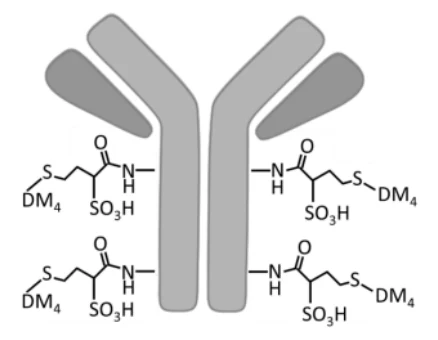
Mirvetuximab soravtansine has an approximate molecular weight of 145,678 Da. An average of 3.4 molecules of DM4 are attached to each antibody molecule.
Structure (for biologics)/Structural formula:
Physicochemical properties: Clear to slightly opalescent, colorless solution
Product Characteristics:
Mirvetuximab soravtansine is an antibody drug conjugate that consists of three components: 1) an anti-FRα monoclonal antibody of IgG1 subtype 2) the small molecule anti-tubulin agent DM4 (a maytansine derivative) and 3) a linker, sulfo-SPDB (1-(2,5-dioxopyrrolidin-1-yl)oxy-1-oxo-4-(pyridin-2-yldisulfanyl)butane-2-sulfonic acid) that covalently attaches DM4 to the mirvetuximab antibody.
The antibody is produced by mammalian (Chinese hamster ovary) cells, and the small molecule components are produced by chemical synthesis.
14. Clinical Trials
14.1. Clinical Trials by Indication
Platinum-Resistant Epithelial Ovarian, Fallopian Tube, or Primary Peritoneal Cancer with Folate Receptor-Alpha (FRα) Positivity
The efficacy of ELAHERE (mirvetuximab soravtansine for injection) is based on the results of a randomized Phase 3 study evaluating mirvetuximab soravtansine compared with single-agent investigator’s choice (IC) of chemotherapy (Study 0416 (MIRASOL)) in patients with platinum resistant, epithelial ovarian, fallopian tube, or primary peritoneal cancer with FRα positivity.
Table 8 – Summary of Patient Demographics for Clinical Trials in Folate Receptor-Alpha (FRα) Positive, Platinum-Resistant Epithelial Ovarian, Fallopian Tube, or Primary Peritoneal Cancer
| Study # | Study design | Dosage, route of administration and duration | Study subjects (n) | Mean age (range) |
| Study 0416 - MIRASOL | Phase 3, multicenter, open-label, active-controlled, randomized, two-arm | mirvetuximab soravtansine 6 mg/kg (based on adjusted ideal body weight) (Arm 1), intravenous infusion every 3 weeks or, IC chemotherapy (paclitaxel, pegylated liposomal doxorubicin [PLD], or topotecan) until disease progression or unacceptable toxicity (Arm 2) | Arm 1: 227 Arm 2: 226 | 63 (29 to 88) |
Study 0416 (MIRASOL)
Study 0416 (MIRASOL) was a multicenter, open-label, active-controlled, randomized, two-arm Phase 3 study that enrolled platinum-resistant advanced epithelial ovarian, primary peritoneal or fallopian tube cancers patients whose tumours were positive for FRα as determined by the VENTANA FOLR1 (FOLR1-2.1) RxDx Assay (≥ 75% of tumour staining at ≥ 2+ intensity) evaluated at a central laboratory. Platinum-resistant disease was defined as disease that recurred within 6 months of the last dose of platinum. Patients were excluded if they had non-high grade serous epithelial ovarian cancer, primary platinum-refractory disease, ECOG ≥2, active or chronic corneal disorders, ocular conditions requiring ongoing treatment, Grade ≥ 2 peripheral neuropathy, or non-infectious interstitial lung disease (ILD).
Patients were randomized (1:1) to receive ELAHERE 6 mg/kg (based on adjusted ideal body weight) as an intravenous infusion every 3 weeks or IC chemotherapy (paclitaxel, pegylated liposomal doxorubicin [PLD], or topotecan) until disease progression or unacceptable toxicity. Tumour response assessments occurred every 6 weeks for the first 36 weeks and every 12 weeks thereafter. Randomization was stratified by the following factors: number of prior lines of therapy (1 vs. 2 vs. 3) and chemotherapy (paclitaxel vs. PLD vs. topotecan) chosen prior to randomization.
The primary efficacy outcome measure was Investigator-assessed progression-free survival (PFS). Secondary efficacy outcome measures included confirmed objective response rate (ORR), and overall survival (OS). PFS and ORR were evaluated according to Response Evaluation Criteria in Solid Tumours (RECIST), version 1.1.
Of the 453 randomized patients, the median age was 63 years (range: 29 to 88); 66% were White, 12% were Asian, 3% were Black or African American, and 18% did not have race reported. Most patients (80%) had ovarian cancer of epithelial origin; 11% of the fallopian tube; 8% of primary peritoneal; all (100%) were of high-grade serous histology. Nearly all patients had an ECOG PS of 0 (55%) or 1 (44%). Fourteen percent of patients had received 1 prior line of systemic therapy, 39% of patients had received 2 prior lines of systemic therapy, and 47% of patients had received 3 prior lines of systemic therapy. Sixty-two percent of patients received prior bevacizumab and 55% had received a prior PARP inhibitor. The platinum-free interval following the most recent line of therapy was ≤ 3 months in 41% of patients, and 3 to 6 months in 58% of patients.
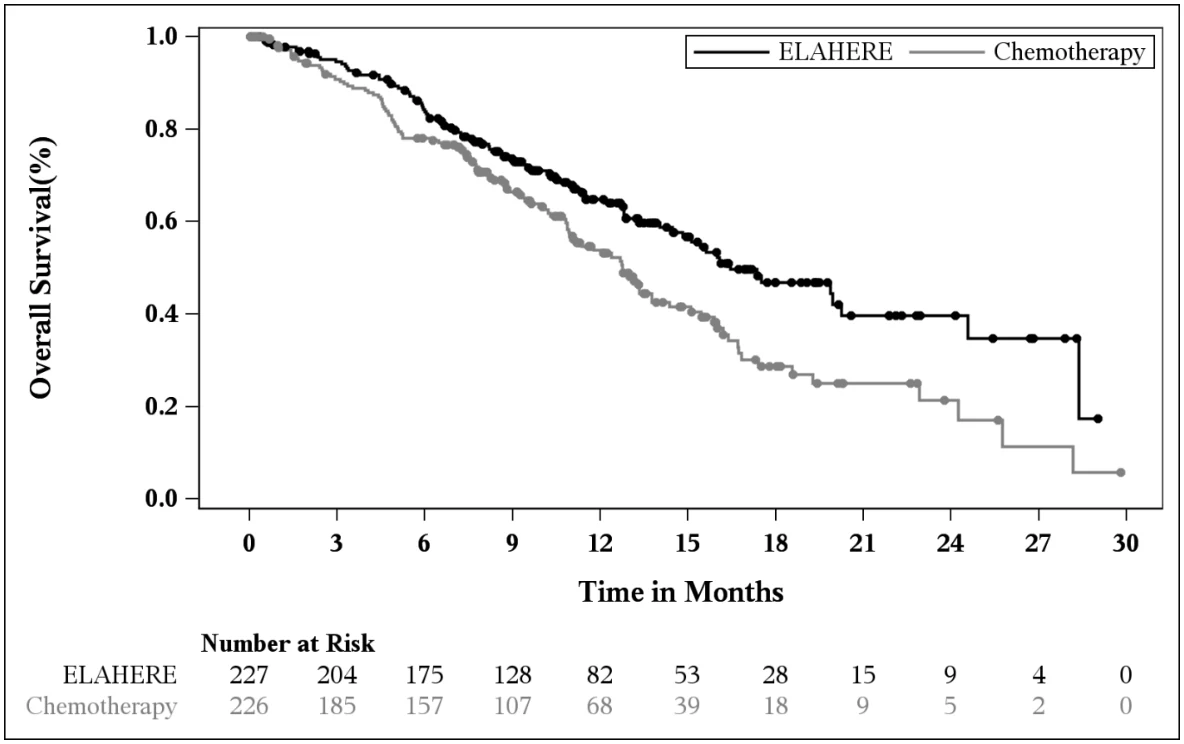
Efficacy results for Study 0416 are shown in Table 9, Figure 1 and Figure 2.
Table 9 – Efficacy Results for Study 0416 (MIRASOL)
ELAHERE N = 227 | Chemotherapya N = 226 | |||||||||||
|---|---|---|---|---|---|---|---|---|---|---|---|---|
| Progression-free survival (PFS)b | ||||||||||||
| Number of events (%) | 176 (78) | 166 (73) | ||||||||||
| Median, months (95% CI) | 5.6 (4.3, 5.9) | 4.0 (2.9, 4.5) | ||||||||||
| Hazard ratio (95% CI) | 0.65 (0.52, 0.81) | |||||||||||
| p-valuec | < 0.0001 | |||||||||||
| Objective response rate (ORR)d | ||||||||||||
| ORR | 42% | 16% | ||||||||||
| 95% CI | 35.8%, 49.0% | 11.4%, 21.4% | ||||||||||
| p-valuee | < 0.0001 | |||||||||||
| Complete response, n (%) | 12 (5) | 0 | ||||||||||
| Partial response, n (%) | 84 (37) | 36 (16) | ||||||||||
| Overall survival (OS)f | ||||||||||||
| Number of events (%) | 90 (40) | 114 (50) | ||||||||||
| Median, months (95% CI) | 16.5 (14.5, 24.6) | 12.7 (10.9, 14.4) | ||||||||||
| Hazard ratio (95% CI) | 0.67 (0.50, 0.88) | |||||||||||
| p-valuec | 0.0046 | |||||||||||
| ||||||||||||
Figure 1 – Kaplan-Meier Curve for Progression-Free Survival in Study 0416 (MIRASOL)
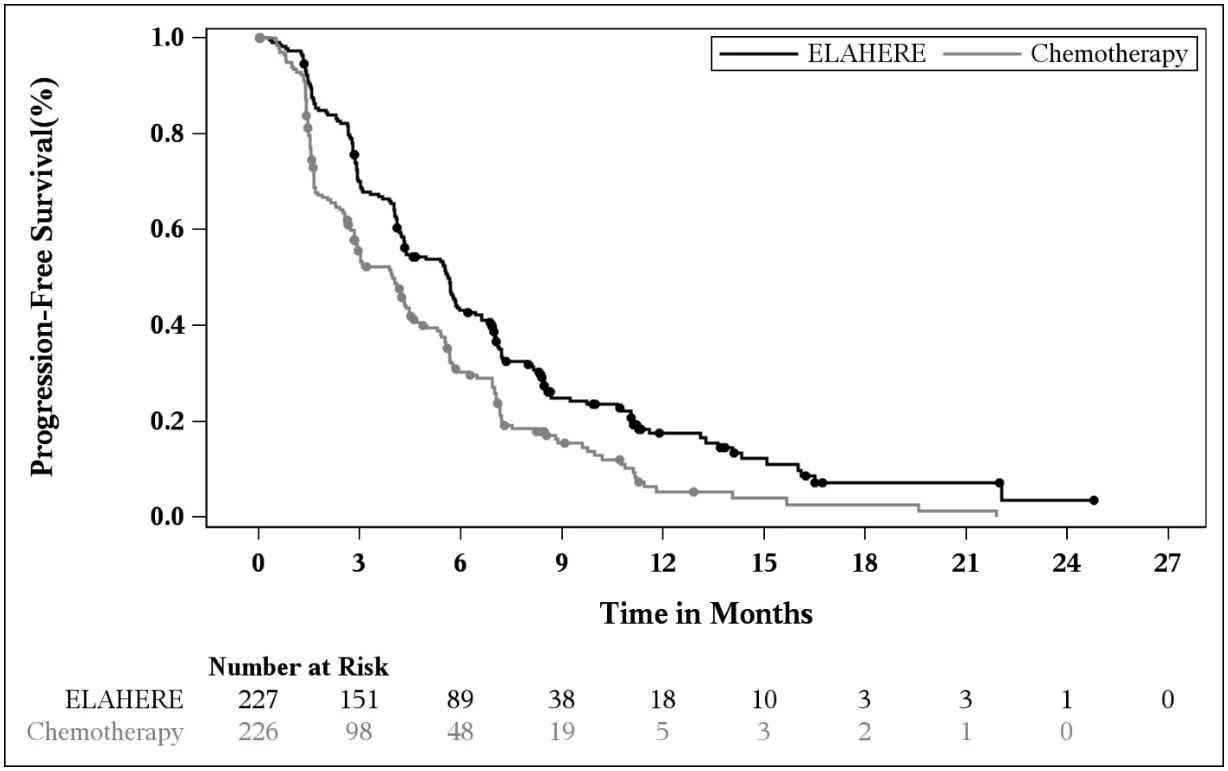
Figure 2 – Kaplan-Meier Curve for Overall Survival in Study 0416 (MIRASOL)
15. Microbiology
No microbiological information is required for this drug product.
16. Non-Clinical Toxicology
General toxicology: Target organs identified with single-dose administration of mirvetuximab soravtansine in cynomolgus monkeys were limited to skin and cellular depletion of the bone marrow and lymphoid tissue. Repeat dosing in cynomolgus monkeys and Dutch-belted rabbits also indicated ophthalmic findings including corneal microcysts, pigmentation, and attenuation and degeneration/necrosis of the corneal epithelium. These findings were dose intensity (dose and schedule) dependent with fewer overall findings and recovery of those findings observed in the 3-week dosing schedule (the clinical dosing schedule).
Genotoxicity: The cytotoxic component of mirvetuximab soravtansine, DM4, disrupts microtubule function, is genotoxic, and can be toxic to actively dividing cells, suggesting it has the potential to cause embryotoxicity and teratogenicity. In vitro, DM4 and S-methyl DM4 were not mutagenic in the bacterial reverse mutation (Ames) assay. In vivo, DM4 and S-methyl DM4 were cytotoxic and clastogenic in a rat bone marrow micronucleus assay.
Carcinogenicity: Carcinogenicity studies have not been conducted with mirvetuximab soravtansine or DM4.
Reproductive and Developmental Toxicology: No reproductive or developmental animal toxicity studies were conducted with mirvetuximab soravtansine.
Impairment of fertility: Fertility studies have not been conducted with mirvetuximab soravtansine or DM4.
Special Toxicology
Phototoxicity: The cytotoxic component of mirvetuximab soravtansine, DM4 was phototoxic in an in vitro mouse fibroblast 3T3 Neutral Red Uptake (NRU) assay (>140 times clinical exposure based on Cmax).