


Product Monograph - Imdelltra
Recent Major Label Changes
| 1 Indications | 2026-06 |
|---|---|
| 3 Serious Warnings and Precautions Box | 2026-06 |
| 4 Dosage and Administration | 2026-06 |
| 7 Warnings and Precautions | 2026-06 |
Table of Contents
Certain sections or subsections that are not applicable at the time of the preparation of the most recent authorized product monograph are not listed.
Recent Major Label Changes ....................................................................................................2
Table of Contents .......................................................................................................................2
Part 1: Healthcare Professional Information ...........................................................................4
- 1.
Indications ...........................................................................................................................4
1.1. Pediatrics ...................................................................................................................4
1.2. Geriatrics ...................................................................................................................4
- 2. Contraindications ...............................................................................................................4
- 3. Serious Warnings and Precautions Box ..........................................................................4
- 4.
Dosage and Administration ...............................................................................................5
4.1. Dosing Considerations ..............................................................................................5
4.2. Recommended Dose and Dosage Adjustment .........................................................5
4.3. Reconstitution ..........................................................................................................12
4.4. Administration ..........................................................................................................15
4.5. Missed Dose ............................................................................................................16
- 5. Overdose ...........................................................................................................................16
- 6. Dosage Forms, Strengths, Composition, and Packaging .............................................16
- 7.
Warnings and Precautions ..............................................................................................17
Driving and Operating Machinery .......................................................................................17
Endocrine and Metabolism .................................................................................................17
Hematologic ........................................................................................................................17
Hepatic/Biliary/Pancreatic ...................................................................................................17
Immune ...............................................................................................................................18
Neurologic ..........................................................................................................................19
Reproductive Health ...........................................................................................................19
7.1. Special Populations .................................................................................................19
7.1.1. Pregnancy ..................................................................................................... 19
7.1.2. Breastfeeding ................................................................................................ 20
7.1.3. Pediatrics ....................................................................................................... 20
7.1.4. Geriatrics ....................................................................................................... 20
- 8.
Adverse Reactions ...........................................................................................................20
8.1. Adverse Reaction Overview ....................................................................................20
8.2. Clinical Trial Adverse Reactions ..............................................................................21
8.3. Less Common Clinical Trial Adverse Reactions ......................................................27
8.4. Abnormal Laboratory Findings: Hematologic, Clinical Chemistry, and Other Quantitative Data .....................................................................................................28
- 9.
Drug Interactions ..............................................................................................................29
9.2. Drug Interactions Overview .....................................................................................29
- 10.
Clinical Pharmacology .....................................................................................................30
10.1. Mechanism of Action ...............................................................................................30
10.2. Pharmacodynamics .................................................................................................30
10.3. Pharmacokinetics ....................................................................................................30
10.4. Immunogenicity .......................................................................................................32
- 11. Storage, Stability, and Disposal ......................................................................................32
Part 2: Scientific Information ..................................................................................................33
- 13. Pharmaceutical Information ............................................................................................33
- 14.
Clinical Trials ....................................................................................................................34
14.1. Clinical Trials by Indication ......................................................................................34
- 15. Microbiology .....................................................................................................................37
- 16. Non-Clinical Toxicology ...................................................................................................37
Patient Medication Information ..............................................................................................38
Part 1: Healthcare Professional Information
1. Indications
IMDELLTRA™ (tarlatamab for injection) is indicated for:
- the treatment of adult patients with extensive-stage small cell lung cancer (ES-SCLC) with disease progression on or after platinum-based chemotherapy.
1.1. Pediatrics
Pediatrics (< 18 years of age): No data are available to Health Canada; therefore, Health Canada has not authorized an indication for pediatric use.
1.2. Geriatrics
Geriatrics (≥ 65 years of age): Of the 473 patients with SCLC who received IMDELLTRA at the recommended 10 mg dose, 50.7% were 65 years or older and 11% were 75 years of age or older. No overall differences in IMDELLTRA pharmacokinetics, safety or efficacy were observed between geriatric patients (≥ 65 years old) and younger patients.
2. Contraindications
IMDELLTRA is contraindicated in patients who are hypersensitive to this drug or to any ingredient in the formulation, including any non-medicinal ingredient, or component of the container. For a complete listing, see 6 Dosage Forms, Strengths, Composition, and Packaging.
3. Serious Warnings and Precautions Box
- Cytokine Release Syndrome (CRS), including fatal or life-threatening reactions, can occur in patients receiving IMDELLTRA. Initiate treatment with IMDELLTRA using the step-up dosing schedule to reduce the incidence and severity of CRS. Withhold IMDELLTRA until CRS resolves or permanently discontinue based on severity (see 4 Dosage and Administration and 7 Warnings and Precautions, Immune, Cytokine Release Syndrome).
- Neurologic toxicity and Immune Effector Cell-Associated Neurotoxicity Syndrome (ICANS), including fatal or life-threatening reactions, can occur in patients receiving IMDELLTRA. Monitor patients for signs and symptoms of neurologic toxicity, including ICANS, during treatment and treat promptly. The onset of ICANS may be concurrent with CRS, following the resolution of CRS, or in the absence of CRS. Withhold IMDELLTRA until the neurologic toxicity resolves or permanently discontinue based on severity (see 4 Dosage and Administration and 7 Warnings and Precautions, Neurologic, Immune Effector Cell-Associated Neurotoxicity Syndrome).
4. Dosage and Administration
4.1. Dosing Considerations
- Administer IMDELLTRA according to the step-up dosing schedule in Table 1 to reduce the risk of cytokine release syndrome (CRS) (see 4.2 Recommended Dose and Dosage Adjustment).
- Administer concomitant medication as recommended to reduce the risk of CRS (see Table 2).
- IMDELLTRA should only be administered by a healthcare professional with appropriate medical support to manage CRS and neurologic toxicity including immune effector cell-associated neurotoxicity syndrome (ICANS) (see 7 Warnings and Precautions, Immune).
- Monitor patients for 6 to 8 hours from the start of IMDELLTRA infusion on Day 1 and Day 8 (see 4.2 Recommended Dose and Dosage Adjustment and 7 Warnings and Precautions, Immune).
- Recommend patients to remain within proximity of an appropriate healthcare setting for 24 hours from the start of the IMDELLTRA infusion following Day 1 and Day 8 doses accompanied by a caregiver (see 4.2 Recommended Dose and Dosage Adjustment).
- Inform both the patient and the caregiver on the signs and symptoms of cytokine release syndrome (CRS) and immune effector cell-associated neurotoxicity syndrome (ICANS) prior to discharge.
- Ensure patients are well hydrated prior to administration of IMDELLTRA (see 7 Warnings and Precautions, Immune).
- Prior to administration of IMDELLTRA evaluate complete blood count, liver enzymes and bilirubin as clinically indicated (see 7 Warnings and Precautions and 4.2 Recommended Dose and Dosage Adjustment for recommended actions based on laboratory results).
- IMDELLTRA should not be initiated for patients with active infection.
4.2. Recommended Dose and Dosage Adjustment
Recommended Dose
The recommended dosage and schedule of IMDELLTRA is provided in Table 1. Administer the following step-up dosing to reduce the incidence and severity of CRS.
Treat patients until disease progression or unacceptable toxicity.
| Table 1. Recommended Dosage Schedule of IMDELLTRA | ||
|---|---|---|
| Day | Dose of IMDELLTRA | Recommended Monitoring |
| Day 1a | 1 mga | Monitor patients from the start of the IMDELLTRA infusion for 6 to 8 hours on Day 1 in an appropriate healthcare setting. Recommend that patients remain within proximity of an appropriate healthcare setting for a total of 24 hours from start of the infusion with IMDELLTRA, accompanied by a caregiver. |
| Day 8a | 10 mga | Monitor patients from the start of the IMDELLTRA infusion for 6 to 8 hours on Day 8 in an appropriate healthcare setting. Recommend that patients remain within proximity of an appropriate healthcare setting for a total of 24 hours from start of the infusion with IMDELLTRA, accompanied by a caregiver. |
| Day 15 and every 2 weeks thereafter | 10 mg | Monitor patients at the discretion of the healthcare providerb. |
a Administer recommended concomitant medications before and after Day 1 and Day 8 IMDELLTRA infusions as described in Table 2.
b Extended monitoring in a healthcare setting is not required unless the patient experiences Grade ≥ 2 CRS, ICANS or neurological toxicity during prior treatments. See Table 4 and Table 5 for monitoring recommendations.
Note: see Table 3 for recommendation on restarting IMDELLTRA after dose delays.
Table 2. Recommended Concomitant Medications for IMDELLTRA Administration for Day 1 and Day 8
| Treatment Day | Medication | Administration |
|---|---|---|
| Day 1 and Day 8 | Administer 8 mg of dexamethasone intravenously (or equivalent) | Within 1-hour prior to IMDELLTRA administration |
| Administration of 1 liter of normal saline intravenously as recommended per standard of care guidelines | Immediately after completion of IMDELLTRA infusion |
Restarting IMDELLTRA After Dosage Delay
If a dose of IMDELLTRA is delayed, restart therapy based on the recommendations as listed in Table 3 and resume the dosing schedule accordingly. Administer the recommended concomitant medications for IMDELLTRA administration as presented in Table 2 and monitor patients accordingly (see Table 1).
| Table 3. Recommendations for Restarting Therapy with IMDELLTRA After Dosage Delay | ||
|---|---|---|
| Last Dose Administered | Time Since the Last Dose Administered | Actiona,b |
| 1 mg on Day 1 | 2 weeks or less (≤ 14 days) | Administer IMDELLTRA 10 mg, then resume with the planned dosage schedule. |
| Greater than 2 weeks (> 14 days) | Administer IMDELLTRA step-up dose 1 mg. If tolerated, increase to 10 mg 1 week later. Then resume with the planned dosage schedule. | |
| 10 mg on Day 8 | 3 weeks or less (≤ 21 days) | Administer IMDELLTRA 10 mg, then resume with the planned dosage schedule. |
| Greater than 3 weeks (> 21 days) | Administer IMDELLTRA step-up dose 1 mg. If tolerated, increase to 10 mg 1 week later. Then resume with the planned dosage schedule. | |
| 10 mg on Day 15 and every 2 weeks thereafter | 4 weeks or less (≤ 28 days) | Administer IMDELLTRA 10 mg, then resume with the planned dosage schedule. |
| Greater than 4 weeks (> 28 days) | Administer IMDELLTRA step-up dose 1 mg. If tolerated, increase to 10 mg 1 week later. Then resume with the planned dosage schedule. | |
a Administer recommended concomitant medications before and after Day 1 and Day 8 of IMDELLTRA infusions as described in Table 2. b Refer to Table 1 for recommended monitoring. | ||
Recommended Dose Modifications
No dosage reduction for IMDELLTRA is recommended. See Table 4 for the recommended actions for the management of CRS, Table 5 for the recommended actions for neurologic toxicity including ICANS, and Table 6 for cytopenias, infections and other adverse reactions.
Management of Cytokine Release Syndrome (CRS)
Diagnose CRS based on clinical presentation (see 7 Warnings and Precautions, Immune, Cytokine Release Syndrome). Evaluate for and treat other causes of fever, hypoxia, and hypotension.
If CRS is suspected, manage according to the recommendations in Table 4 and consider further management per current practice guidelines. Monitor patients who experience Grade 2 or higher CRS (e.g., hypotension not responsive to fluids, or hypoxia requiring supplemental oxygen) for CRS signs and symptoms including fever, hypotension and hypoxia using pulse oximetry or cardiac telemetry as indicated. For severe or life-threatening CRS, recommend anti-IL-6 therapy, for example, tocilizumab or equivalent and intensive monitoring (e.g., ICU) for supportive therapy. Perform laboratory testing to monitor for disseminated intravascular coagulation (DIC), hematology parameters, as well as pulmonary, cardiac, renal, and hepatic function.
| Table 4. Guidelines for Grading and Management of Cytokine Release Syndrome | |||
|---|---|---|---|
| Table 4. Guidelines for Grading and Management of Cytokine Release Syndrome | |||
| CRS Gradea | Defining Symptoms | IMDELLTRA Dosage Modification | Managementa |
| CRS Gradea | Defining Symptoms | IMDELLTRA Dosage Modification | Managementa |
| Grade 1 | Symptoms require symptomatic treatment only (eg, fever ≥ 38°C without hypotension or hypoxia). | Withhold IMDELLTRA until event resolves, then resume IMDELLTRA at the next scheduled doseb. |
|
| Grade 2 | Symptoms require and respond to moderate intervention.
| Withhold IMDELLTRA until event resolves, then resume IMDELLTRA at the next scheduled doseb. |
|
| Grade 3 | Severe symptoms defined as temperature ≥ 38°C with:
| Withhold IMDELLTRA until the event resolves, then resume IMDELLTRA at the next scheduled doseb. For recurrent Grade 3 events, permanently discontinue IMDELLTRA. | In addition to Grade 2 treatment:
|
| Grade 4 | Life-threatening symptoms defined as temperature ≥ 38°C with:
| Permanently discontinue IMDELLTRA. |
|
a Based on American Society for Transplantation and Cellular Therapy (ASTCT) Consensus Grading (2019)
b See Table 3 for recommendations on restarting IMDELLTRA after dose delays
c Taper steroids per standard of care guidelines
Management of Neurologic Toxicity including Immune Effector Cell-associated Neurotoxicity Syndrome (ICANS)
At the first sign of neurologic toxicity, including ICANS, withhold IMDELLTRA and consider neurological evaluation. Rule out other causes of neurologic symptoms. Provide supportive therapy, which may include intensive care for severe or life-threatening neurologic toxicities, including ICANS (see 7 Warnings and Precautions). Manage ICANS and neurologic toxicity according to the recommendations in Table 5 and consider further management per current practice guidelines.
| Table 5. Guidelines for Management of Neurologic Toxicity Including Immune Effector Cell-Associated Neurotoxicity Syndrome | |||||||
|---|---|---|---|---|---|---|---|
| Table 5. Guidelines for Management of Neurologic Toxicity Including Immune Effector Cell-Associated Neurotoxicity Syndrome | |||||||
| ICANS Gradea | Defining Symptoms | IMDELLTRA Dosage Modifications | Management | ||||
| ICANS Gradea | Defining Symptoms | IMDELLTRA Dosage Modifications | Management | ||||
| Grade 1 | ICE score 7-9b with no depressed level of consciousness |
|
| ||||
| Grade 2 | ICE score 3-6b and/or mild somnolence awaking to voice |
|
| ||||
| |||||||
| Grade 3 | ICE score 0-2b and/or depressed level of consciousness awakening only to tactile stimulus and/or any clinical seizure focal or generalized that resolves rapidly or nonconvulsive seizures on EEG that resolve with intervention and/or focal or local edema on neuroimaging |
|
| ||||
| Grade 4 | ICE score 0b (patient is unarousable and unable to perform ICE) and/or stupor or coma and/or life-threatening prolonged seizure (> 5 minutes) or repetitive clinical or electrical seizures without return to baseline in between and/or diffuse cerebral edema on neuroimaging, decerebrate or decorticate posturing or papilledema, cranial nerve VI palsy, or Cushing’s triad. |
|
| ||||
a Based on American Society for Transplantation and Cellular Therapy (ASTCT) Consensus Grading (2019)
b If patient is arousable and able to perform Immune Effector Cell-Associated Encephalopathy (ICE) Assessment, assess: Orientation (oriented to year, month, city, hospital = 4 points); Naming (names 3 objects, e.g., point to clock, pen, button = 3 points); Following commands (e.g., "show me 2 fingers" or "close your eyes and stick out your tongue" = 1 point); Writing (ability to write a standard sentence = 1 point); and Attention (count backwards from 100 by ten = 1 point). If patient is unarousable and unable to perform ICE Assessment (Grade 4 ICANS) = 0 points.
c See Table 3 for recommendations on restarting IMDELLTRA after dose delays
d Taper steroids per standard of care guidelines
| Table 6. Recommended Treatment Interruptions for the Management of Other Adverse Reactions | ||
|---|---|---|
| Table 6. Recommended Treatment Interruptions for the Management of Other Adverse Reactions | ||
| Adverse Reactions | Severityb | Dosage Modificationa |
| Adverse Reactions | Severityb | Dosage Modificationa |
| Cytopenias (see 7 Warnings and Precautions) | Grade 3 Neutropenia | Withhold IMDELLTRA until recovery to ≤ Grade 2. Consider administration of granulocyte colony stimulating factor (G-CSF). Permanently discontinue if recovery to ≤ Grade 2 does not occur within 3 weeks. |
| Grade 4 Neutropenia | Withhold IMDELLTRA until recovery to ≤ Grade 2. Consider administration of granulocyte colony stimulating factor (G-CSF). Permanently discontinue if recovery to ≤ Grade 2 does not occur within 1 week. | |
| Recurrent Grade 4 Neutropenia | Permanently discontinue IMDELLTRA | |
| Febrile neutropenia | Withhold IMDELLTRA until neutropenia recovers to ≤ Grade 2 and fever resolves. | |
| Hemoglobin < 8 g/dL | Withhold IMDELLTRA until hemoglobin is ≥ 8 g/dL. | |
Grade 3 or Grade 4 Decreased platelet count | Withhold IMDELLTRA until platelet count is ≤ Grade 2 and no evidence of bleeding. Permanently discontinue if recovery to ≤ Grade 2 does not occur within 3 weeks. | |
Recurrent Grade 4 Decreased platelet count | Permanently discontinue IMDELLTRA. | |
| Infections (see 7 Warnings and Precautions) | All Grades | Withhold IMDELLTRA in the step-up phase in patients until infection resolves. |
| Grade 3 | Withhold IMDELLTRA during the treatment phase until infection improves to ≤ Grade 1a. | |
| Grade 4 | Permanently discontinue IMDELLTRA. | |
Hepatotoxicity (see 7 Warnings and Precautions) | Grade 3 Increased ALT or AST or bilirubin | Withhold IMDELLTRA until adverse events improve to ≤ Grade 1. |
Grade 4 Increased ALT or AST or bilirubin | Permanently discontinue IMDELLTRA. | |
| AST or ALT > 3 × ULN with total bilirubin > 2 × ULN in the absence of alternative causes | Permanently discontinue IMDELLTRA. | |
| Other Adverse Reactions (see 8 Adverse Reactions) | Grade 3 or 4 | Withhold IMDELLTRA until recovery to ≤ Grade 1 or baseline. Consider permanently discontinuing if adverse reaction does not resolve within 28 days. Consider permanent discontinuation for Grade 4 events. |
a Refer to Table 3 for dose restarting guidance.
b Severity based on National Cancer Institute Common Terminology Criteria for Adverse Events (NCI CTCAE) Version 5.0.
Dosing in Special Populations
Pediatrics (< 18 years of age)
Health Canada has not authorized an indication for pediatric use (see 1.1 Pediatrics).
Geriatrics (≥ 65 years of age)
No dose adjustment is required for geriatric patients.
Hepatic Impairment
Based on the population pharmacokinetic results, no dose adjustment is required in patients with mild hepatic impairment (see 10.3 Pharmacokinetics). IMDELLTRA has not been studied in patients with moderate or severe hepatic impairment.
Renal Impairment
Based on the population pharmacokinetic results, no dose adjustment is required in patients with mild or moderate renal impairment (see 10.3 Pharmacokinetics). IMDELLTRA has not been studied in patients with severe renal impairment.
4.3. Reconstitution
Aseptic preparation
Strictly observe aseptic technique when preparing the solution for infusion since IMDELLTRA vials do not contain antimicrobial preservatives.
Material Compatibility Information
- IV bags composed of ethyl vinyl acetate (EVA), polyolefin, and polyvinyl chloride (PVC) have been shown to be compatible with tarlatamab at the specified administration conditions.
- IV line and catheter materials composed of polyolefin, PVC, and polyurethane have been shown to be compatible with tarlatamab at the specified administration conditions.
- The use of Closed System Transfer Device (CSTD) is not recommended due to potential risk for medication error. Amgen has not performed compatibility testing of vial adaptor CSTDs with IMDELLTRA.
Step 1: Reconstitute IMDELLTRA with Sterile Water for Injection
- Do NOT use IV Solution Stabilizer (IVSS) for reconstitution of IMDELLTRA. The IV Solution Stabilizer is used to coat the intravenous bag prior to addition of reconstituted IMDELLTRA to prevent adsorption of IMDELLTRA to IV bags and IV tubing.
NOTE: the final concentrations for the different strength vials are NOT the same following reconstitution.
Table 7. Required Amount of Sterile Water for Injection (SWFI) to Reconstitute IMDELLTRA
| IMDELLTRA Vial* Strength (mg) | Amount of Sterile Water for Injection needed to Reconstitute IMDELLTRA (mL) | Approximate Available Volume (mL) | Final Concentration (mg / mL) |
|---|---|---|---|
| 1 | 1.3 | 1.1 | 0.9 |
| 10 | 4.4 | 4.2 | 2.4 |
* Vial contains overfill to ensure delivery at the stated concentration of labeled vial strength.
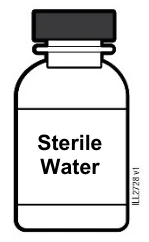
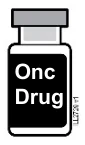
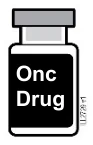
Sterile Water for Injection, Preservative-Free (Not Included)
IMDELLTRA Vial
Reconstituted IMDELLTRA
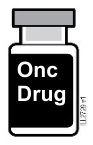
- Transfer required amount of Sterile Water for Injection (Refer to Table 7Table 7) into the IMDELLTRA vial to provide a final IMDELLTRA concentration of 0.9 mg/mL (1 mg vial) or 2.4 mg/mL (10 mg vial). Direct Sterile Water for Injection along the walls of the IMDELLTRA vial and NOT directly on the lyophilized powder. Do NOT use IV Solution Stabilizer to reconstitute IMDELLTRA.
Gently swirl contents. Do NOT shake.
Sterile
Water
Onc Drug
Onc Drug
- Inspect that the solution is clear to slightly opalescent, colourless to slightly yellow. Do NOT use if solution is cloudy or has particulates.
Preparation of IMDELLTRA
Table 8. Preparation Guide for 1-hour Infusion
| IMDELLTRA Viala Strength (mg) | IMDELLTRA Dose (mg) | Volume of 0.9% NaCl to Withdraw from IV Bag (mL) | Volume of IV Solution Stabilizer (IVSS) to Add to IV Bag (mL) | Volume of Reconstituted IMDELLTRA to Add to IV Bag (mL) |
|---|---|---|---|---|
| 1 | 1 | 14 | 13 | 1.1 |
| 10 | 10 | 17 | 13 | 4.2 |
a Vial contains overfill to ensure delivery at the stated concentration of labeled vial strength.
NOTE: the final concentrations for the different strength vials are NOT the same following reconstitution.
Step 2: Withdraw 0.9% Sodium Chloride for Injection
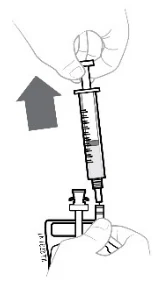
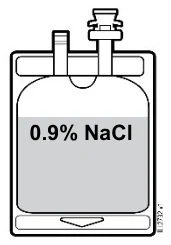
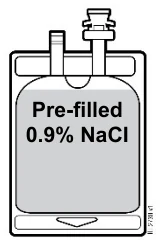
250 mL IV Bag
- Withdraw the required volume from a pre-filled 250 mL 0.9% Sodium Chloride bag. Refer to Table 8. Leave any overfill in the IV bag.
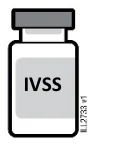
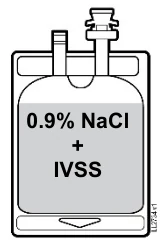
Step 3: Add IV Solution Stabilizer (IVSS) to the infusion bag
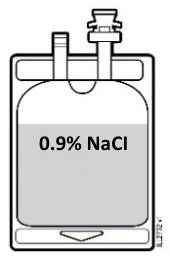
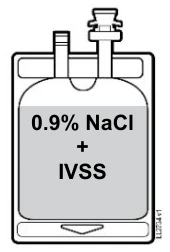
Stabilized
- Transfer 13 mL of IVSS into the 250 mL IV bag containing 0.9% Sodium Chloride for Injection.
Gently mix the contents of the bag to avoid foaming. Do NOT shake.
0.9% NaCI
0.9% NaCl
+
IVSS
Pre-filled 0.9% NaCI
0.9% NaCl
IVSS
Step 4: Add Reconstituted IMDELLTRA into the infusion bag
Stabilized
Reconstituted IMDELLTRA
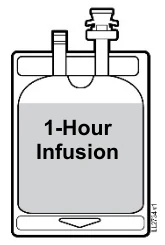
Completed 1-Hour Infusion
- Transfer the required volume of reconstituted IMDELLTRA into the stabilized IV bag containing 0.9% Sodium Chloride for Injection and IVSS. Refer to Table 8.
- Gently mix the contents of the bag to avoid foaming. Do NOT shake.
Step 5: Remove air from the IV bag
Remove air from the IV bag using an empty syringe to avoid foaming.
Step 6: Prime IV tubing
Prime the IV tubing separately with 0.9% Sodium Chloride for Injection OR final prepared product.
4.4. Administration
- IMDELLTRA should be administered by a healthcare professional with access to appropriate medical support to manage severe reactions, including CRS and neurologic toxicity, including ICANS (see 7 Warnings and Precautions).
- Administer recommended concomitant medications for IMDELLTRA as presented in Table 2 to reduce the risk of CRS.
- The intravenous (IV) catheter for premedication can be used to administer the IMDELLTRA infusion.
- Flush the IV catheter between administering concomitant medication and IMDELLTRA.
- Inspect IMDELLTRA for particulate matter and discolouration prior to administration. See Table 1 for the recommended dosage schedule (see 4.2 Recommended Dose and Dosage Adjustment).
- Administer the reconstituted and diluted IMDELLTRA as an intravenous infusion over 1 hour at a constant flow rate using an infusion pump. The pump should be programmable, lockable, non-elastomeric, and have an alarm (see 4.3 Reconstitution).
- Upon completion of the IMDELLTRA infusion, the IV administration line should be flushed over 3-5 minutes using 0.9% Sodium Chloride for Injection.
Table 9 provides the infusion duration and rate.
Onc Drug
0.9% NaCl
+
IVSS
1-Hour
Infusion
Table 9. IMDELLTRA Administration Information
| Infusion Duration for 250 mL IV Preparation | Infusion Rate (mL/hour) |
|---|---|
| 1 hour | 250 |
- The empty IV bag and IV tubing should be disposed of in accordance with local requirements.
- See Table 1 for monitoring recommendations following IMDELLTRA administration (see section 4.2 Recommended Dose and Dosage Adjustment).
4.5. Missed Dose
If a dose of IMDELLTRA is missed, the appointment should be rescheduled as soon as possible. For dose recommendations following a dosage interruption see Table 3 (section 4.2 Recommended Dose and Dosage Adjustment).
5. Overdose
There is no clinical experience with overdose with IMDELLTRA. In the event of an overdose, monitor the patient for any signs or symptoms of adverse reactions and administer appropriate supportive treatment.
For the most recent information in the management of a suspected drug overdose, contact your regional poison control centre or Health Canada’s toll-free number, 1-844 POISON-X (1-844-764-7669).
- 6. Dosage Forms, Strengths, Composition, and Packaging
To help ensure the traceability of biologic products, healthcare professionals should record both the brand name and the non-proprietary (active ingredient) name as well as other product-specific identifiers such as the Drug Identification Number (DIN) and the batch/lot number of the product supplied.
Table 10. Dosage Forms, Strengths, Composition and Packaging
Description
IMDELLTRA is supplied as a sterile, single-dose, preservative-free white to slightly yellow, lyophilized powder for reconstitution with a deliverable dose of 1 or 10 mg; it is intended for dilution in an intravenous (IV) bag containing IV Solution Stabilizer (IVSS) and 0.9% saline. Refer to Table 10 for the list of non-medicinal ingredients contained in the vial.
IV Solution Stabilizer (IVSS) is supplied as a sterile, preservative-free, colourless-to-slightly yellow, clear solution. The following non-medicinal ingredients are contained in the vial, Citric acid monohydrate, Lysine hydrochloride, Polysorbate 80, Sodium hydroxide, and Water for injection.
| Route of Administration | Dosage Form / Strength/Composition | Non-medicinal Ingredients |
| Intravenous | Lyophilized powder for solution, 1 mg and 10 mg per vial | L-glutamic acid, Polysorbate 80, Sodium hydroxide, Sucrose |
Packaging Configurations:
- 1 mg package includes 1 vial of 1 mg IMDELLTRA and 2 vials of 7 mL IV Solution Stabilizer.
- 10 mg package contains 1 vial of 10 mg IMDELLTRA and 2 vials of 7 mL IV Solution Stabilizer.
7. Warnings and Precautions
Please see 3 Serious Warnings and Precautions Box.
Driving and Operating Machinery
IMDELLTRA may have an influence on the ability to drive or operate machinery. Patients experiencing symptoms that might affect their ability to drive or use machines (e.g., symptoms of ICANS, such as seizures, depressed level of consciousness) should be advised not to drive or use machines in the event of any symptoms until resolved.
Endocrine and Metabolism
Tumour Lysis Syndrome
Tumour Lysis Syndrome (TLS) has been reported in patients receiving IMDELLTRA (see 8 Adverse Reactions). Monitoring for signs or symptoms of TLS is particularly important for patients with a high tumour burden, rapidly proliferating tumours, or reduced renal function. Patients at increased risk for TLS are advised to receive adequate hydration and prophylactic treatment with a uric acid-lowering agent. Regular monitoring of blood chemistries is recommended, and any abnormalities should be managed promptly.
Hematologic
Cytopenias
IMDELLTRA can cause cytopenias including neutropenia, thrombocytopenia, and anemia.
Patients should be closely monitored for signs and symptoms of cytopenias. Perform complete blood counts prior to treatment with IMDELLTRA, as clinically indicated. Based on the severity of cytopenias, temporarily withhold, or permanently discontinue IMDELLTRA (see 4.2 Recommended Dose and Dosage Adjustment).
Hepatic/Biliary/Pancreatic
Hepatotoxicity
IMDELLTRA can cause hepatotoxicity.
Liver enzyme elevation can occur with or without concurrent CRS. Monitor liver enzymes and bilirubin prior to treatment with IMDELLTRA, as clinically indicated. Withhold IMDELLTRA or permanently discontinue based on severity (see 4.2 Recommended Dose and Dosage Adjustment).
Immune
Concomitant use of Live Vaccines
The safety of immunization with live and live-attenuated vaccines during or following IMDELLTRA treatment has not been studied. Vaccination with live and live-attenuated vaccines is not recommended starting 4 weeks prior to the first dose of IMDELLTRA and through 42 days following treatment with IMDELLTRA.
Cytokine Release Syndrome (CRS)
IMDELLTRA can cause CRS including fatal or life-threatening reactions. Clinical signs and symptoms of CRS may include, but are not limited to, pyrexia, hypotension, tachycardia, headache, hypoxia, nausea, vomiting, and elevated liver enzymes. Potentially life-threatening complications of CRS may include cardiac dysfunction, acute respiratory distress syndrome, neurologic toxicity, renal and/or hepatic failure, and disseminated intravascular coagulation (DIC).
Administer IMDELLTRA following the recommended step-up dosing and administer pre-treatment medications before and after Day 1 and Day 8 IMDELLTRA infusions to reduce the risk of CRS (see 4.2 Recommended Dose and Dosage Adjustment). Administer IMDELLTRA in a health care facility equipped to monitor and manage CRS. Ensure patients are well hydrated prior to initiating IMDELLTRA.
Closely monitor patients for signs and symptoms of CRS during IMDELLTRA treatment (see 4.2 Recommended Dose and Dosage Adjustment). At the first sign of CRS, immediately withhold IMDELLTRA infusion, evaluate the patient for hospitalization and institute supportive care based on severity according to the recommendations in Table 4 (4.2 Recommended Dose and Dosage Adjustment) and consider further management per current practice guidelines.
Withhold or permanently discontinue IMDELLTRA based on severity (see 4.2 Recommended Dose and Dosage Adjustment). Counsel patients and caregivers to seek medical attention should signs and symptoms of CRS occur.
Hypersensitivity
Hypersensitivity reactions, including severe reactions, have been reported in patients treated with IMDELLTRA. Clinical signs and symptoms of hypersensitivity may include, but are not limited to, rash and bronchospasm. Monitor patients for signs and symptoms of hypersensitivity during treatment with IMDELLTRA and manage as clinically indicated. Withhold or consider permanent discontinuation of IMDELLTRA based on severity (see 4.2 Recommended Dose and Dosage Adjustment).
Infections
IMDELLTRA can cause serious infections including life-threatening and fatal infections.
Monitor patients for signs and symptoms of infection prior to and during treatment with IMDELLTRA and treat as clinically indicated. Withhold or permanently discontinue IMDELLTRA based on severity (see 4.2 Recommended Dose and Dosage Adjustment).
Neurologic
Neurologic toxicity, including Immune Effector Cell-Associated Neurotoxicity Syndrome (ICANS)
IMDELLTRA can cause fatal or life-threatening neurologic toxicity, including ICANS.
The onset of ICANS can be concurrent with CRS, following resolution of CRS, or in the absence of CRS. Clinical signs and symptoms of ICANS may include but are not limited to confusional state, depressed level of consciousness, disorientation, somnolence, lethargy, and bradyphrenia.
Closely monitor patients for signs and symptoms of neurologic toxicity and ICANS during IMDELLTRA treatment (see 4.2 Recommended Dose and Dosage Adjustment). At the first sign of neurologic toxicity, including ICANS, immediately evaluate the patient and provide supportive therapy based on severity. Withhold IMDELLTRA or permanently discontinue based on severity per recommendations in Table 5 and consider further management per current practice guidelines. Counsel patients to seek medical attention should signs or symptoms of neurologic toxicity occur.
Reproductive Health
Fertility
There are no clinical studies to evaluate the effect of IMDELLTRA on fertility (see 16 Non-Clinical Toxicology).
Pregnancy Testing
Verify the pregnancy status of females of reproductive potential prior to initiation of treatment with IMDELLTRA.
Contraception
Advise females of reproductive potential to use effective contraception during treatment with IMDELLTRA and for 2 months after the last dose.
7.1. Special Populations
7.1.1. Pregnancy
There are no available data from the use of tarlatamab in pregnant women. Based on its mechanism of action, IMDELLTRA may cause fetal harm when administered to a pregnant woman (see 16 Non-Clinical Toxicology). IMDELLTRA induces T-cell activation and cytokine release; immune activation may compromise pregnancy maintenance. IMDELLTRA has the potential to be transmitted from the mother to the developing fetus. Advise patients of potential risk of fetal harm. Advise females of reproductive potential to use effective contraception during treatment with IMDELLTRA and for 2 months after the last dose.
7.1.2. Breastfeeding
There are no available data on whether IMDELLTRA is secreted in human milk, or the effects on breastfed infants or milk production. Because many medicinal products, including antibodies, can be secreted in human milk, a risk to the breastfed child cannot be excluded. The effects of local gastrointestinal exposure and limited systemic exposure in breastfed children to IMDELLTRA are unknown. Because of the potential for serious adverse reactions in breastfed children, breastfeeding is not recommended during treatment with IMDELLTRA and for 2 months after the last dose.
7.1.3. Pediatrics
Pediatrics (< 18 years of age): Safety and effectiveness of IMDELLTRA in pediatric patients have not been established. No data are available to Health Canada; therefore, Health Canada has not authorized an indication for pediatric use.
7.1.4. Geriatrics
Geriatrics (≥ 65 years of age): Of the 473 patients with SCLC who received 10 mg IMDELLTRA as monotherapy, 50.7% were age 65 or older and 11% were 75 years or older. In clinical studies, no overall differences in IMDELLTRA pharmacokinetics, safety or efficacy were observed between geriatric patients (≥ 65 years old) and younger patients.
8. Adverse Reactions
8.1. Adverse Reaction Overview
The following clinically significant adverse reactions have been observed in patients treated with IMDELLTRA and are detailed under WARNINGS AND PRECAUTIONS:
- Tumour Lysis Syndrome
- Cytopenias
- Hepatotoxicity
- Cytokine Release Syndrome
- Hypersensitivity
- Infections
- Neurologic toxicity, including ICANS
The safety profile of IMDELLTRA is based on the pooled safety population who received IMDELLTRA, as a single agent, at the recommended dosage of 1 mg on Cycle 1 Day 1 followed by 10 mg on Days 8 and 15, and then 10 mg every 2 weeks until disease progression or intolerable toxicity in 473 patients with SCLC enrolled in the Phase 1 Study DeLLphi-300, the Phase 2 Study DeLLphi-301, and the Phase 3 Study DeLLphi-304. The median duration of exposure to IMDELLTRA was 18.0 (interquartile range: 6.1 to 44.0) weeks. Among patients who received IMDELLTRA, 40.0% were exposed for 6 months or longer and 19.0% were exposed for one year or longer.
The most common (> 20%) adverse reactions were cytokine release syndrome (56.7%), decreased appetite (37.4%), pyrexia (31.9%), dysgeusia (31.3%), constipation (31.1%), anemia (30.2%) fatigue (30.0%) and nausea (25.4%). See Additional Information on Selected Adverse Reactions below.
8.2. Clinical Trial Adverse Reactions
Clinical trials are conducted under very specific conditions. Therefore, the frequencies of adverse reactions observed in the clinical trials may not reflect frequencies observed in clinical practice and should not be compared to frequencies reported in clinical trials of another drug.
Small Cell Lung Cancer
Study DeLLphi-304
The safety of IMDELLTRA was evaluated in 252 patients in Study DeLLphi-304. A total of 509 patients with SCLC previously treated with platinum-based chemotherapy were enrolled and randomized 1:1 to receive either IMDELLTRA 10 mg or investigator’s choice of topotecan (N = 185), lurbinectedin (N = 47) or amrubicin (N = 23). Among patients who received IMDELLTRA, the median duration of exposure was 18 weeks (interquartile range: 6 to 46 weeks); 41.3% were exposed for 6 months or longer and 17.9% were exposed for one year or longer.
The most common (> 20%) adverse events were cytokine release syndrome (56.3%), decreased appetite (36.5%), anemia (31.0%), constipation (29.8%), fatigue (29.0%), pyrexia (27.4%), nausea (24.6%), and dysgeusia (24.2%).
Serious adverse events occurred in 52.0% of patients who received IMDELLTRA. Serious adverse events in ≥ 2% of patients included cytokine release syndrome (17.1%), pyrexia (5.6%), pneumonia (4.4%), hyponatremia (2.0%), ICANS (3.6%), dyspnea (2.4%), sepsis (2.4%), acute kidney injury (2.0%), fatigue (2.0%), and febrile neutropenia (2.0%).
Fatal adverse events occurred in 7.9% of patients who received IMDELLTRA. Fatal adverse events that occurred in more than one patient included pneumonia (1.6%), cardio-respiratory arrest (1.2%) and sepsis (0.8%). There was one fatal adverse event of ICANS.
Permanent discontinuation of IMDELLTRA due to adverse events occurred in 5.6% of patients. Adverse events which required discontinuation of IMDELLTRA in ≥ 2% of patients included pneumonia (1.2%) and pneumonitis (0.8%).
Dosage interruptions of IMDELLTRA due to an adverse reaction occurred in 38.1% of patients. Adverse reactions which required dosage interruption in ≥ 2% of patients included fatigue (3.6%), pneumonia (3.6%), neutropenia (3.2%), decreased appetite (2.8%), and COVID-19 (2.0%).
The adverse reactions occurring at a ≥ 5% incidence in IMDELLTRA treated patients are summarized in Table 11.
| Table 11. Treatment-Emergent Adverse Events Occurring at ≥ 5% in Patients with SCLC Who Received IMDELLTRA in Study DeLLphi-304 | ||||
|---|---|---|---|---|
| Table 11. Treatment-Emergent Adverse Events Occurring at ≥ 5% in Patients with SCLC Who Received IMDELLTRA in Study DeLLphi-304 | ||||
| Table 11. Treatment-Emergent Adverse Events Occurring at ≥ 5% in Patients with SCLC Who Received IMDELLTRA in Study DeLLphi-304 | ||||
System Organ Class Preferred Term | IMDELLTRA (N = 252) | Standard of Care (N = 244) | ||
System Organ Class Preferred Term | IMDELLTRA (N = 252) | Standard of Care (N = 244) | ||
System Organ Class Preferred Term | IMDELLTRA (N = 252) | Standard of Care (N = 244) | ||
| All Grades (%) | Grades 3 to 4 (%) | All Grades (%) | Grades 3 to 4 (%) | |
| All Grades (%) | Grades 3 to 4 (%) | All Grades (%) | Grades 3 to 4 (%) | |
| All Grades (%) | Grades 3 to 4 (%) | All Grades (%) | Grades 3 to 4 (%) | |
| Blood and Lymphatic System Disorders | ||||
| Anemia | 31.0 | 4.8 | 63.9 | 28.7 |
| Neutropenia | 10.7 | 6.0 | 31.1 | 23.4 |
| Leukopenia | 9.9 | 2.4 | 22.1 | 13.9 |
| Lymphopenia | 9.5 | 4.4 | 4.1 | 1.2 |
| Thrombocytopenia | 5.6 | 0.8 | 25.4 | 11.5 |
| Gastrointestinal disorders | ||||
| Constipation | 29.8 | 0.4 | 22.1 | 0 |
| Nausea | 24.6 | 0.4 | 32.0 | 0 |
| Vomiting | 14.3 | 0 | 11.5 | 0.4 |
| Diarrhea | 11.9 | 0.8 | 15.6 | 1.2 |
| Abdominal pain | 7.9 | 0.4 | 4.1 | 0 |
| Dyspepsia | 5.2 | 0 | 0.8 | 0 |
| General disorders and administration site conditions | ||||
| Fatiguea | 38.9 | 5.6 | 43.4 | 9.8 |
| Pyrexia | 27.4 | 1.2 | 11.1 | 1.2 |
| Chest pain | 6.3 | 0.4 | 4.9 | 0.4 |
| Immune system disorders | ||||
| Cytokine release syndrome | 56.3 | 1.2 | 1.2 | 0 |
| Infections and infestations | ||||
| Pneumonia | 9.9 | 5.6 | 13.1 | 7.4 |
| Urinary tract infection | 6.7 | 2.4 | 3.3 | 0 |
| Metabolism and nutrition disorders | ||||
| Decreased appetite | 36.5 | 2.0 | 22.5 | 1.6 |
| Hyponatremia | 17.5 | 4.8 | 10.7 | 5.3 |
| Hypokalemia | 9.9 | 1.6 | 7.8 | 2.5 |
| Hypoalbuminemia | 8.7 | 0.8 | 6.1 | 0.8 |
| Hypomagnesemia | 6.7 | 0.4 | 3.3 | 0.8 |
| Musculoskeletal and connective tissue disorders | ||||
| Musculoskeletal painb | 27.4 | 1.6 | 22.1 | 2.5 |
| Nervous system disorders | ||||
| Dysgeusiac | 26.6 | 0 | 2.0 | 0 |
| Headache | 15.9 | 0 | 8.6 | 0 |
| Dizziness | 9.9 | 0 | 10.2 | 0 |
Immune effector cell-associated neurotoxicity syndrome | 6.0 | 0.4 | 0.8 | 0 |
| Psychiatric disorders | ||||
| Insomnia | 7.9 | 0 | 8.6 | 0 |
| Respiratory, thoracic and mediastinal disorders | ||||
| Cough | 13.1 | 0 | 13.9 | 0 |
| Dyspnead | 7.1 | 2.8 | 12.3 | 2.9 |
| Skin and subcutaneous tissue disorders | ||||
| Pruritus | 8.7 | 0 | 3.7 | 0 |
| Rash | 8.3 | 0 | 5.7 | 0 |
| Vascular disorders | ||||
| Hypertension | 6.0 | 3.2 | 1.6 | 1.2 |
Adverse events are coded using MedDRA version 28.0; cytokine release syndrome and immune effector cell-associated neurotoxicity syndrome events are graded using ASTCT 2019 criteria and other adverse events are graded using CTCAE version 5.0.
a Includes fatigue and asthenia.
b Includes musculoskeletal pain, myalgia, arthralgia, back pain, pain in extremity, neck pain, musculoskeletal chest pain, non-cardiac chest pain, bone pain.
c Includes dysgeusia, ageusia and anosmia.
d Includes dyspnea and dyspnea exertional.
Study DeLLphi-300 and Study DeLLphi-301
The safety population in this section reflects exposure to IMDELLTRA, as a single agent, at the recommended dosage in 187 patients with SCLC enrolled in the Phase 1 Study DeLLphi-300 and the Phase 2 Study DeLLphi-301. The median duration of exposure to IMDELLTRA was 15.4 weeks (range: 0.1 to 121.0). Among patients who received IMDELLTRA, 30.5% were exposed for 6 months or longer and 13.9% were exposed for one year or longer.
The demographic characteristics of patients who received IMDELLTRA at the recommended dose were: median age 66 years (range: 35 to 82); 65% male; 70% White, 26% Asian, 2.1% Black or African American; and 2.1% Hispanic or Latino.
The most common (> 20%) adverse reactions were cytokine release syndrome (55.1%), fatigue (50.3%), pyrexia (36.4%), dysgeusia (35.8%), decreased appetite (33.2%), musculoskeletal pain (29.4%), constipation (29.9%), anemia (27.3%) and nausea (22.5%).
The most common (≥ 2%) grade ≥ 3 adverse reactions were lymphopenia (14.4%), anemia, and hyponatremia (6.4% each), fatigue (5.9%), pneumonia (4.3%), asthenia (10.2%), hypertension (3.7%), neutropenia (5.9%), hypoxia and aspartate aminotransferase increased (2.7% each), and decreased appetite and superior vena cava syndrome (2.1% each).
Serious adverse events occurred in 55.6% of patients who received IMDELLTRA. Serious adverse events in ≥ 2% of patients included cytokine release syndrome (23.5%), pyrexia (3.7%), pneumonia (3.7%), hyponatremia (3.2%), respiratory tract infection (2.1%), ICANS (2.1%) and superior vena cava syndrome (2.1%).
Fatal adverse events occurred in 3.7% of patients who received IMDELLTRA including pneumonia (1.1%), aspiration (0.5%), respiratory failure (0.5%), myocardial infarction (0.5%), pulmonary embolism (0.5%), and respiratory acidosis (0.5%).
Permanent discontinuation of IMDELLTRA due to adverse events occurred in 7.0% of patients. Adverse events which required discontinuation of IMDELLTRA included cytokine release syndrome (1.1%), tumour lysis syndrome (1.1%), anemia, aspiration, thrombocytopenia, cholestasis, COVID-19 pneumonia, ECOG status abnormal, muscular weakness, malignant spinal cord compression, neurotoxicity, biliary obstruction, hepatic failure, superior vena cava syndrome, and acute kidney injury (0.5% each).
Dosage interruptions of IMDELLTRA due to an adverse reaction occurred in 30.5% of patients. Adverse reactions which required dosage interruption in ≥ 2% of patients included cytokine release syndrome (3.2%), COVID-19 (3.2%), fatigue (3.7%), and respiratory tract infection (2.1%).
The adverse reactions occurring at a ≥ 5% incidence in IMDELLTRA treated patients are summarized in Table 12.
| Table 12. Treatment-Emergent Adverse Events Occurring at ≥ 5% in Patients with Extensive Stage-SCLC Who Received IMDELLTRA 10 mg in Study DeLLphi-300 and Study DeLLphi-301 | ||
|---|---|---|
| Table 12. Treatment-Emergent Adverse Events Occurring at ≥ 5% in Patients with Extensive Stage-SCLC Who Received IMDELLTRA 10 mg in Study DeLLphi-300 and Study DeLLphi-301 | ||
System Organ Class Preferred Term | IMDELLTRA (N = 187) | |
System Organ Class Preferred Term | IMDELLTRA (N = 187) | |
| All Grades (%) | Grades 3 to 4 (%) | |
| All Grades (%) | Grades 3 to 4 (%) | |
| Blood and lymphatic system disorders | ||
| Anemiaa | 27.3 | 6.4 |
| Lymphopeniab,c | 15.5 | 14.4 |
| Neutropeniad | 14.4 | 5.9 |
| Thrombocytopeniab,e | 12.3 | 2.1 |
| Gastrointestinal disorders | ||
| Constipation | 29.9 | 0.5 |
| Nausea | 22.5 | 1.6 |
| Diarrhea | 12.3 | 0.5 |
| Vomitingb | 11.8 | 0.5 |
| Abdominal painf | 13.4 | 0.0 |
| General disorders and administration site conditions | ||
| Fatigueb,g | 50.3 | 10.2 |
| Pyrexia | 36.4 | 0.0 |
| Edemah | 7.0 | 0.0 |
| Chills | 7.0 | 0.0 |
| Immune system disorders | ||
| Cytokine release syndrome | 55.1 | 1.6 |
| Infections and infestations | ||
| COVID-19b | 8.6 | 0.5 |
| Urinary tract infectionb | 8.6 | 1.1 |
| Pneumoniab,i | 8.6 | 4.3 |
| Investigations | ||
| Weight decreased | 12.8 | 1.1 |
| Increased transaminasesj | 16.6 | 3.7 |
| Lymphocyte count decreased | 6.4 | 6.4 |
| Blood creatinine increased | 5.9 | 0.5 |
| Neutrophil count decreased | 5.3 | 3.2 |
| Metabolism and nutrition disorders | ||
| Decreased appetite | 33.2 | 2.1 |
| Hyponatremiab | 16.6 | 6.4 |
| Hypomagnesemia | 12.8 | 0.5 |
| Hypokalemia | 12.3 | 1.6 |
| Hyperglycemiab | 9.1 | 1.1 |
| Hypoalbuminemia | 7.5 | 0.0 |
| Hypophosphatemiab | 5.9 | 0.5 |
| Musculoskeletal and connective tissue disorders | ||
| Musculoskeletal paink | 29.4 | 1.1 |
| Nervous system disorders | ||
| Dysgeusial | 35.8 | 0.0 |
| Peripheral sensory neuropathym | 5.9 | 0.0 |
| Headache | 14.4 | 0.0 |
| Taste disorderb | 5.9 | 0.0 |
| Dizziness | 5.3 | 0.0 |
| Psychiatric disorders | ||
| Confusional state | 6.4 | 1.1 |
| Insomnia | 6.4 | 0.5 |
| Respiratory, thoracic and mediastinal disorders | ||
| Dyspneab,n | 17.1 | 2.1 |
| Cougho | 16.0 | 0.0 |
| Productive cough | 5.3 | 0.0 |
| Skin and subcutaneous tissue disorders | ||
| Pruritus | 11.2 | 0.0 |
| Rashb,p | 7.5 | 1.1 |
| Vascular disorders | ||
| Hypertension | 7.5 | 3.7 |
| Hypotension | 7.5 | 1.1 |
Adverse events were coded using MedDRA version 26.1. Study DeLLphi-300: If relevant information was available, CRS events converted from Lee et al. 2014 to ASTCT 2019. Similarly, all other events converted from CTCAE v4.0 to v5.0. Study DeLLphi-301: CRS and ICANS events graded using ASTCT 2019. All other events graded using CTCAE v5.0.
a Includes anemia and hemoglobin decreased. b Indicates that cytokine release syndrome/adverse events retain their originally assigned Lee et al. 2014/CTCAE version 4.0 grade. c Includes lymphopenia and lymphocyte count decreased.
d Includes neutropenia and neutrophil count decreased. e Includes thrombocytopenia and platelet count decreased. f Includes abdominal pain, abdominal pain upper, abdominal pain lower and abdominal discomfort.
g Includes fatigue and asthenia.
h Includes oedema peripheral, oedema, face oedema, localised oedema and peripheral swelling.
i Includes pneumonia, COVID-19 pneumonia, organising pneumonia, lower respiratory tract infection and pneumocystis jirovecii pneumonia.
j Includes alanine aminotransferase increased, aspartate aminotransferase increased, hepatic enzyme increased and transaminases increased.
k Includes musculoskeletal pain, myalgia, arthralgia, back pain, pain in extremity, neck pain, musculoskeletal chest pain, non-cardiac chest pain, bone pain.
l Includes dysgeusia, ageusia and anosmia.
m Includes paraesthesia, peripheral sensory neuropathy, hypoesthesia and ageusia.
n Includes dyspnea and dyspnea exertional.
o Includes cough and productive cough.
p Includes rash, rash maculo-papular and rash erythematous.
Additional Information on Selected Adverse Reactions
The selected adverse reactions described below are based on the safety of IMDELLTRA at the recommended dosage in 473 patients with SCLC enrolled in the Phase 1 Study DeLLphi-300, the Phase 2 Study DeLLphi-301, and the Phase 3 Study DeLLphi-304 (see 8.1 Adverse Reaction Overview for additional details).
Cytopenias
In the pooled safety population (see 8.1 Adverse Reaction Overview), based on laboratory data, decreased neutrophils occurred in 16.0% of patients, including 8.8% of patients Grade 3 or higher. The median time to onset for Grade 3 or 4 decreased neutrophil count was 41 days (interquartile range: 29 to 85 days). Decreased platelets occurred in 30.1%, including 2.2% Grade 3 or 4. The median time to onset for Grade 3 or 4 decreased platelets was 67 days (interquartile range: 7 to 115 days). Decreased hemoglobin occurred in 56% of patients. Febrile neutropenia occurred in 1.5% of patients treated with IMDELLTRA.
Hepatotoxicity
In the pooled safety population (see 8.1 Adverse Reaction Overview), based on laboratory data, elevated ALT occurred in 38.6% with Grade 3 or 4 ALT elevation occurring in 2.5% of IMDELLTRA-treated patients. Elevated AST occurred in 43.1% of patients, with Grade 3 or 4 AST elevation occurring in 3.2%. Elevated bilirubin also occurred in 15.7% of patients, with Grade 3 or 4 total bilirubin elevations occurring in 1.3% of patients.
Cytokine Release Syndrome (CRS)
In the pooled safety population (see 8.1 Adverse Reaction Overview), CRS occurred in 56.7% of patients, including Grade 1 in 39.3%, Grade 2 in 15.4%, Grade 3 in 1.7% and Grade 4 in 0.2% of patients. Recurrent CRS occurred in 23.7% of patients, with 20.1%, 3.4% and 0.2% experiencing Grade 1, Grade 2 and Grade 3 recurrent CRS, respectively. Twenty six (5.5%) subjects received tocilizumab for treatment of CRS.
After the first dose of IMDELLTRA, 41.4% of patients had any-grade CRS, with 34.0% of patients experiencing any-grade CRS after the second dose and 8.5% of patients experiencing any-grade CRS following the third dose or later. Following the Day 1, Day 8 and Day 15 infusions, 13.7%, 4.4% and 0.6% of patients experienced ≥ Grade 2 CRS, respectively. The median time to onset of all grade CRS was 15.9 hours (interquartile range: 9.0 to 26.5 hours) after the most recent dose. The median time to onset of ≥ Grade 2 CRS after the most recent dose of IMDELLTRA was 14.8 hours (interquartile range: 7.8 to 25.6 hours). At Cycle 2 or later, 0.8% of patients had ≥ Grade 2 CRS.
Fatal CRS cases have been reported in the post-marketing setting.
Infections
In the pooled safety population (See 8.1 Adverse Reaction Overview), infections including opportunistic infections occurred in 42.5% of patients who received IMDELLTRA. Grade 3 or 4 infections occurred in 13.3% of patients. The most frequent infections were pneumonia (9.1%), urinary tract infection (8.5%), COVID-19 (5.7%), upper respiratory tract infection (4.7%), respiratory tract infection (3.4%), candida infection (2.1%), oral candidiasis (2.1%), and nasopharyngitis (2.1%).
Neurologic toxicity, including Immune Effector Cell-Associated Neurotoxicity Syndrome (ICANS)
In the pooled safety population (see 8.1 Adverse Reaction Overview), neurologic events were reported in 64.9% of patients including 7.0% Grade 3 or higher. The most frequent neurologic toxicities (≥ 2%) were dysgeusia (31.3%), headache (16.7%), dizziness (8.5%), insomnia (8.2%), ICANS (4.7%), confusional state (3.2%), paraesthesia (3.0%), taste disorder (2.7%), peripheral neuropathy (2.5%), anxiety (2.3%), depression (2.3%), somnolence (2.1%) and encephalopathy (2.1%).
ICANS occurred in 4.7% of IMDELLTRA-treated patients. There was one fatal adverse event of ICANS. Recurrent ICANS occurred in 0.4% of patients. Most patients experienced ICANS following Cycle 1 Day 1 (2.1%) and Cycle 1 Day 8 (2.1%). Following Day 1, Day 8, and Day 15 infusions, 1.1%, 0.8% and 0.2% of patients experienced ≥ Grade 2 ICANS, respectively. The median time to onset of ICANS from the first dose of IMDELLTRA was 9 days (interquartile range: 2 to 13 days). ICANS can occur several weeks following administration of IMDELLTRA. The median time to resolution of ICANS was 4 days (interquartile range 2 to 8 days). Fourteen (3.0%) subjects received treatment for ICANS including corticosteroids, antiseizure medication and tocilizumab.
8.3. Less Common Clinical Trial Adverse Reactions
The following are clinically important adverse events occurring at a frequency of < 5% in patients with SCLC:
Study DeLLphi-304:
Cardiac disorders: tachycardia (2.4%), sinus tachycardia (1.6%), cardio-respiratory arrest (1.2%), bradycardia (0.8%), sinus bradycardia (0.8%)
Gastrointestinal Disorders: pancreatic disorder (0.4%)
Injury, poisoning and procedural complications: infusion related reaction (1.2%)
Metabolism and nutrition disorders: tumour lysis syndrome (0.4%)
Musculoskeletal and connective tissue disorders: muscular weakness (0.8%)
Respiratory, thoracic and mediastinal disorders: hypoxia (2.8%)
Study DeLLphi-300 and Study DeLLphi-301
Cardiac disorders: sinus tachycardia (3.7%), tachycardia (2.1%), sinus bradycardia (1.6%)
Gastrointestinal Disorders: pancreatitis (0.5%)
General disorders and administration site conditions: chest pain (4.3%)
Injury, poisoning and procedural complications: infusion related reaction (1.1%)
Metabolism and nutrition disorders: tumour lysis syndrome (1.1%)
Musculoskeletal and connective tissue disorders: muscular weakness (3.7%)
Nervous system disorders: immune effector cell-associated neurotoxicity syndrome (3.7%), Guillain-Barré syndrome (0.5%)
Respiratory, thoracic and mediastinal disorders: hypoxia (4.3%)
8.4. Abnormal Laboratory Findings: Hematologic, Clinical Chemistry, and Other Quantitative Data
Clinical Trial Findings
Table 13 summarizes the laboratory abnormalities experienced in more than 20% of the patients who received the recommended dosage regimen in Study DeLLphi-304.
Table 13. Laboratory Abnormalities (≥ 20%) That Worsened from Baseline in Patients who Received IMDELLTRA in Study DeLLphi-304
| Laboratory Abnormalities | IMDELLTRAa (N = 252) | Standard of Care (N = 244) | |||||||||||
|---|---|---|---|---|---|---|---|---|---|---|---|---|---|
| All Grades (%) | Grades 3 to 4 (%) | All Grades (%) | Grades 3 to 4 (%) | ||||||||||
| Hematology | |||||||||||||
| Decreased lymphocytes | 65.0 | 27.2 | 62.4 | 27.0 | |||||||||
| Decreased hemoglobin | 50.8 | 4.5 | 85.8 | 29.2 | |||||||||
| Decreased white blood cells | 50.4 | 6.9 | 69.5 | 29.2 | |||||||||
| Decreased platelets | 25.2 | 0.4 | 54.9 | 19.9 | |||||||||
| Decreased neutrophils | 15.2 | 10.1 | 43.5 | 35.5 | |||||||||
| Chemistry | |||||||||||||
| Decreased sodium | 56.8 | 8.4 | 37.6 | 6.6 | |||||||||
| Decreased potassium | 40.7 | 4.8 | 34.2 | 4.0 | |||||||||
| Increased aspartate amino transferase | 39.6 | 2.8 | 29.0 | 0.4 | |||||||||
| Increased alanine aminotransferase | 32.4 | 2.0 | 25.0 | 0.9 | |||||||||
| Decreased magnesium | 21.3 | 0.8 | 15.2 | 1.8 | |||||||||
| Increased creatinine | 23.2 | 0.8 | 18.7 | 0.4 | |||||||||
| Increased sodium | 35.2 | 0.4 | 27.0 | 0 | |||||||||
| Increased alkaline phosphate | 21.6 | 0.4 | 25.5 | 1.4 | |||||||||
| Increased potassium | 21.4 | 0.8 | 12.0 | 1.8 | |||||||||
a The denominator used to calculate the rate varied for IMDELLTRA (range: 237 to 250) and SOC (range: 214 to 226) based on the number of patients with a baseline value and at least one post-treatment value.
Table 14 summarizes the laboratory abnormalities experienced in more than 20% of the patients who received the recommended dosage regimen in Study DeLLphi-300 and Study DeLLphi-301.
| Table 14. Laboratory Abnormalities (≥ 20%) That Worsened from Baseline in Patients who Received IMDELLTRA in Study DeLLphi-300 and Study DeLLphi-301 | |||||||
| IMDELLTRA (N = 187) | |||||||
| Laboratory Abnormalities | N1 | All Grades (%) | Grades 3 to 4 (%) | ||||
| Chemistry | |||||||
| Decreased - Sodium | 187 | 68.4 | 16.6 | ||||
| Decreased - Potassium | 187 | 50.3 | 4.8 | ||||
| Decreased - Albumin | 187 | 47.6 | 1.1 | ||||
| Increased - Aspartate Aminotransferase | 187 | 44.9 | 4.3 | ||||
| Increased - Alanine Aminotransferase | 187 | 42.8 | 3.2 | ||||
| Decreased - Magnesium | 187 | 33.7 | 2.1 | ||||
| Increased - Creatinine | 187 | 30.5 | 0.5 | ||||
| Increased - Creatine Kinase 2 | 164 | 26.8 | 1.2 | ||||
| Increased - Sodium | 187 | 26.2 | 0.0 | ||||
| Increased - Alkaline Phosphatase | 187 | 23.0 | 0.5 | ||||
| Hematology | |||||||
| Decreased - Lymphocytes | 184 | 85.3 | 58.2 | ||||
| Decreased - Hemoglobin | 184 | 57.6 | 4.9 | ||||
| Decreased - White Blood Cells | 184 | 47.8 | 4.9 | ||||
| Decreased - Platelets | 184 | 34.2 | 3.8 | ||||
N1 = number of patients with a baseline and at least one post-baseline assessment for the specific laboratory parameter
9. Drug Interactions
9.2. Drug Interactions Overview
No formal drug interaction studies have been conducted with IMDELLTRA. IMDELLTRA treatment causes transient release of cytokines that may suppress CYP450 enzymes and may result in increased exposures of concomitant CYP substrates during and up to 14 days after occurrence of cytokine release syndrome. In patients who are receiving concomitant CYP450 substrates, particularly those with a narrow therapeutic index, monitor for known adverse events. Adjust the dose of the concomitant drug as needed.
10. Clinical Pharmacology
10.1. Mechanism of Action
IMDELLTRA (tarlatamab) is a DLL3 x CD3 bispecific T-cell engager (BiTE®) molecule that binds to DLL3 expressed on the surface of cells, including tumour cells, and CD3 expressed on the surface of T cells. Tarlatamab triggers T-cell activation, production of inflammatory cytokines, and lysis of DLL3-expressing cells.
10.2. Pharmacodynamics
The pharmacodynamic response after a single infusion of tarlatamab was characterized by a transient cytokine elevation.
Serum cytokines:
Transient elevation of serum cytokines IL-2, IL-6, IL-8, IL-10, and IFN-γ were observed at a tarlatamab dosage of 0.3 mg and above. Peak elevation of cytokines was generally observed 24 hours following the initial dose of tarlatamab at 1 mg on Cycle 1 Day 1 and generally returned to baseline levels prior to the next infusion on Cycle 1 Day 8.
Exposure-Response Analyses:
There are no clinically significant exposure-response relationships for efficacy over the exposure range observed between tarlatamab 10 mg and 100 mg (10 times the highest approved recommended dosage).
There is an exposure-response relationship between tarlatamab exposure and neutropenia or neurologic toxicity including ICANS with a higher risk of any grade neutropenia or neurologic toxicity including ICANS at higher exposure.
10.3. Pharmacokinetics
A population analysis in SCLC patients described tarlatamab pharmacokinetics with a two-compartment disposition model with first-order elimination. The exposure of tarlatamab increased dose proportionally in the evaluated dose range of 1 mg to 100 mg every 2 weeks (10 times the highest approved recommended dosage). Approximate steady state in serum tarlatamab exposures were achieved by Cycle 2 Day 15.
The pharmacokinetics of tarlatamab in SCLC patients for the recommended dosage is described below.
Table 15. Summary of Tarlatamab Pharmacokinetic Parameters
| Parametera | |||||||||||
|---|---|---|---|---|---|---|---|---|---|---|---|
Cavg (ng/mL) | Cmax (ng/mL) | Ctrough (ng/mL) | AUCtau (ng*day /mL) | Clearance (L/day) | Volume of distributi on at steady state (L) | Tmax | T1/2 (day) | ||||
First step-up dose 1 mg | 106 (26%) | 314 (35%) | 49 (35%) | 742 (26%) | 0.7 (34%) | 8.5 (33%) | At the end of 1 hr IV infusion | 10.6 (31%) | |||
| First treatment dose 10 mg | 1100 (26%) | 3190 (35%) | 517 (36%) | 7680 (26%) | |||||||
| Steady state 10 mg every 2 weeks | 1040 (37%) | 3640 (35%) | 472 (62%) | 14500 (37%) | |||||||
a Parameters are reported as geometric mean (CV%) based on population pharmacokinetic analysis.
Absorption:
Tarlatamab is administered via the intravenous route and therefore is expected to be immediately and completely bioavailable. Time to reach maximum serum concentrations (Tmax) occurs at the end of 1 hr infusion after IV administration.
Distribution:
The mean value (CV%) for volume of distribution at steady state based on individual parameters is 8.5 L (33%).
Metabolism:
Tarlatamab is expected to be degraded into small peptides and amino acids via catabolic pathways.
Elimination:
The estimated systemic clearance (inter-subject CV%) was 0.7 L/day (34%) and mean terminal elimination half-life (CV%) was approximately 10.6 days (31%) in subjects with SCLC.
Special Populations and Conditions:
Age: Population PK analysis suggested no clinically meaningful differences in the pharmacokinetics of tarlatamab based on age (20 to 86 years).
No data are available to Health Canada for the pediatric population; therefore, Health Canada has not authorized an indication for pediatric use.
- Sex: Population PK analysis suggested no clinically meaningful differences in the pharmacokinetics of tarlatamab based on sex.
- Ethnic Origin: Population PK analysis suggested no clinically meaningful differences in the pharmacokinetics of tarlatamab based on race (White and Asian).
- Hepatic Insufficiency: Population PK analysis suggested no clinically meaningful differences in the pharmacokinetics of tarlatamab based on mild hepatic impairment (total bilirubin ≤ upper limit of normal (ULN) and AST > ULN). The effects of moderate to severe hepatic impairment (total bilirubin > 1.5 x ULN, any AST) on the pharmacokinetics of tarlatamab are unknown.
- Renal Insufficiency: Population PK analysis suggested no clinically meaningful differences in the pharmacokinetics of tarlatamab based on mild or moderate renal impairment (eGFR ≥ 30 mL/min to < 90 mL/min). The effects of severe renal impairment (eGFR 15 to 29 mL/min), end-stage renal disease (eGFR < 15 mL/min) on the pharmacokinetics of tarlatamab are unknown.
- Body Weight: Population PK analysis suggested no clinically meaningful differences in the pharmacokinetics of tarlatamab based on bodyweight (35 to 149 kg).
10.4. Immunogenicity
The observed incidence of anti-drug antibodies is highly dependent on the sensitivity and specificity of the assay. Differences in assay methods preclude meaningful comparisons of the incidence of anti-drug antibodies in the studies described below with the incidence of anti-tarlatamab antibodies in other studies, including those of tarlatamab or of other DLL3 T-cell engager products.
Across Study DeLLphi-300, Study DeLLphi-301 and Study DeLLphi-304, the incidence of anti-tarlatamab antibody development was 7.7% (34/444) in patients receiving the recommended step-up dose and full dose of IMDELLTRA. In Studies DeLLphi-301 and DeLLphi-304, which employed the neutralizing assay, 7.5% (27/359) of patients developed anti-tarlatamab antibody, including 3.1% (11/359) of patients who developed anti-tarlatamab neutralizing antibodies. Because of the low occurrence of anti-drug antibodies, their impact on the efficacy, safety and pharmacokinetics of tarlatamab is unknown.
- 11. Storage, Stability, and Disposal
Store IMDELLTRA and IV Solution Stabilizer vials in the original package refrigerated at 2°C to 8°C and protect from light until time of use. Do NOT freeze.
The information in Table 16 indicates the storage time for the prepared IMDELLTRA infusion bag. Store lyophilized IMDELLTRA and IV Solution Stabilizer (IVSS) vials for a maximum of 24 hours at room temperature in the original carton to protect from light.
Table 16. Maximum Storage Time
Room Temperature 20°C to 25°C | Refrigerated 2°C to 8°C | |
|---|---|---|
| Prepared IMDELLTRA Infusion Bag | 8 hoursa | 7 daysa |
a Storage time includes total time permitted from point of reconstitution of the vial to the end of administration. Once removed from refrigeration, bring the infusion bag to room temperature and complete administration of the diluted IMDELLTRA infusion solution within 8 hours (including preparation and infusion time).
If the prepared IMDELLTRA infusion bag is not administered within the time frames and temperatures indicated, it must be discarded; it should not be refrigerated again.
Any unused medicinal product or waste material should be disposed of in accordance with local requirements.
Part 2: Scientific Information
13. Pharmaceutical Information
Drug Substance
Proper name: tarlatamab for injection
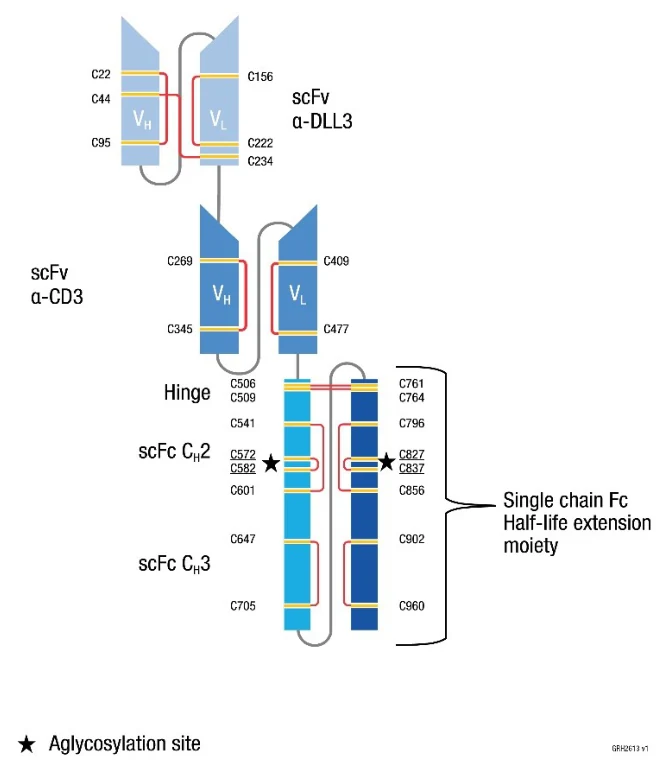
Molecular formula and molecular mass: IMDELLTRA consists of 982 amino acids and has a molecular weight of approximately 105 kilodaltons.
Structural formula: IMDELLTRA is a bispecific T-cell engager (BiTE®) molecule that selectively binds to DLL3 (expressed on the surface of cells, including tumour cells) and CD3 (expressed on T cells).
The domain structure of tarlatamab is shown in the figure below.
Physicochemical properties: IMDELLTRA is a sterile, preservative free white to slightly yellow, lyophilized powder in a single dose vial for reconstitution.
Pharmaceutical standard: Professed
Product Characteristics: IMDELLTRA is produced using recombinant DNA technology in Chinese hamster ovary (CHO) cells.
14. Clinical Trials
14.1. Clinical Trials by Indication
Small Cell Lung Cancer (SCLC)
Table 17. Summary of Patient Demographics in Pivotal Studies
| Study # | Study design | Dosage, route of administration and duration | Study subjects (n) | Mean age (Range) | Sex n (%) |
| 20210004 (DeLLphi-304) | Phase 3, randomized, open-label, multicenter trial | Patients received an initial dose of 1 mg intravenously on Cycle 1 Day 1 followed by 10 mg on Days 8, 15 and every 2 weeks until disease progression or unacceptable toxicity | N = 509 (n = 254 IMDELLTRA; n = 255 SOC chemo-therapy) | Overall: 63.9 IMDELLTRA: 63.6 SOC: 64.2 | IMDELLTRA Male: 182 (71.7) Female: 72 (28.3) SOC Male: 169 (66.3) Female: 86 (33.7) |
| 20200491 (DeLLphi-301) | Phase 2, open-label, multicenter trial, single arm | Patients received an initial dose of 1 mg intravenously on Cycle 1 Day 1 followed by 10 mg on Days 8, 15 and every 2 weeks until disease progression or unacceptable toxicity | 99 | 63.6 years (35 to 82 years) | Male: 71 (71.7) Female: 28 (28.3) |
Study DeLLphi-304
The efficacy of IMDELLTRA was demonstrated in patients enrolled in Study DeLLphi-304, a phase 3 multicenter, randomized, open-label trial. Eligible patients were required to have SCLC with disease progression following 1 platinum-based regimen. In regions where Standard of Care (SOC) first-line systemic treatment for patients diagnosed with extensive-stage disease included platinum-based chemotherapy in combination with PD-(L)1 inhibitor, patients were required to have failed PD-(L)1 inhibitor as part of their first-line systemic treatment or to be ineligible to receive PD-(L)1 inhibitor therapy. Additionally, patients were required to have an ECOG Performance Status (ECOG PS) of 0-1, and at least one measurable lesion as defined by Response Evaluation Criteria in Solid Tumours (RECIST v1.1). The trial excluded patients with symptomatic brain metastases or active immunodeficiency.
A total of 509 patients were enrolled and randomized 1:1 to receive either IMDELLTRA (N = 254) or investigator’s choice of SOC chemotherapy (N = 255) including topotecan (N = 185), lurbinectedin (N = 47) or amrubicin (N = 23). IMDELLTRA was administered at an initial dose of 1 mg on Day 1 followed by 10 mg on Days 8, 15, and every 2 weeks thereafter until disease progression or unacceptable toxicity. Randomization was stratified by prior anti-PD-(L)1 exposure (yes vs no), platinum sensitivity status (chemotherapy-free interval ≥ 180 days, < 180 to ≥ 90 days, or < 90 days), presence (previous or current) of brain metastases (yes vs no) and standard of care (topotecan/amrubicin vs lurbinectedin). Tumour assessments were performed every 6 weeks for the first 48 weeks and every 12 weeks thereafter.
The baseline demographics and disease characteristics of the study population were: median age of 65 years (range: 20 to 86); 52.1% age 65 or older; 69% male; 57.2% White and 40.1% Asian; 32% ECOG PS of 0 and 67.2% ECOG PS of 1; 91% patients had metastatic disease at baseline; 44.8% had brain metastases at baseline; 35.2% had liver metastases at baseline. 68.8% patients were former smokers; 20.6% were current smokers, and 10.6% were never smokers. All patients received at least 1 line of prior platinum-based chemotherapy (range 1 to 3 lines); 70.7% received prior anti-PD-(L)1 therapy; 223 patients (43.8%) had chemotherapy-free interval < 90 days after end of first-line platinum therapy, while 286 patients (56.2%) had chemotherapy-free interval ≥ 90 days.
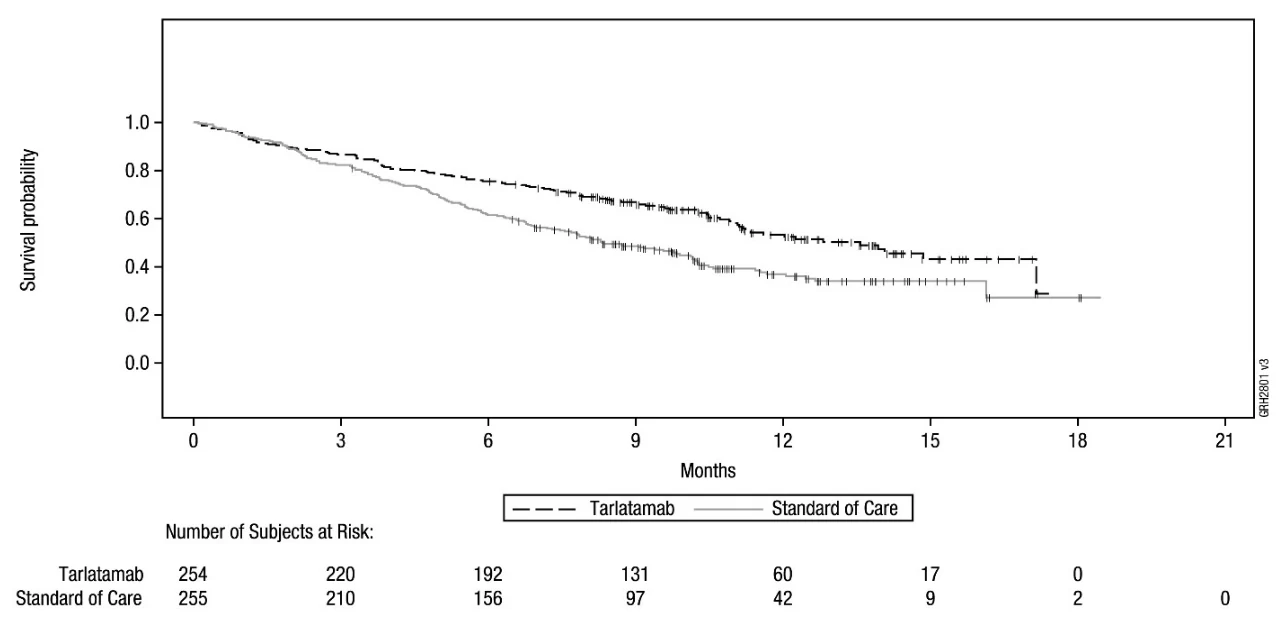
The primary efficacy outcome measure was overall survival (OS). A key secondary efficacy outcome included progression-free survival (PFS) based on investigator assessment per Response Evaluation Criteria in Solid Tumours (RECIST v1.1).
Efficacy results are summarized in Table 18 and Figure 1.
Table 18. Efficacy Results for Study DeLLphi-304
| Efficacy Parameter | IMDELLTRA (N = 254) | Standard of Care (N=255) |
|---|---|---|
| Overall Survival (OS) | ||
| Deaths (%) | 111 (43.7) | 152 (59.6) |
| Mediana in months (95% CI) | 13.6 (11.1, NE) | 8.3 (7.0, 10.2) |
| Hazard ratiob (95% CI) | 0.60 (0.47, 0.77) | |
| p-value (stratified log-rank) | <0.001 | |
| Progression-free survival (PFS)c | ||
| Events (%) | 191 (75.2) | 205 (80.4) |
| Mediana in months (95% CI) | 4.2 (3.0, 4.4) | 3.2 (2.9, 4.2) |
| Hazard ratiob (95% CI) | 0.72 (0.59, 0.88) | |
| p-value (stratified log-rank) | <0.001 | |
a per Kaplan-Meier estimates b Hazard ratio based on the stratified Cox proportional hazard model c PFS based on investigator assessment per RECIST 1.1 | ||
In an exploratory subgroup analysis, the hazard ratio for OS was 0.60 (95% CI: 0.43, 0.84) in patients with a chemotherapy-free interval (CFI) < 90 days (N = 223) and 0.65 (95% CI: 0.45, 0.93) in patients with a CFI ≥ 90 days (N = 286).
Figure 1. Kaplan-Meier Plot for Overall Survival (ITT Analysis Set)
Study DeLLphi-301
The efficacy of IMDELLTRA was evaluated in patients enrolled in Study DeLLphi-301, a phase 2, open-label, multicenter trial. Eligible patients were required to have relapsed/refractory SCLC with disease progression after receiving previous treatment including platinum-based chemotherapy and at least one other line of prior therapy, an ECOG Performance Status of 0-1, and at least one measurable lesion as defined by Response Evaluation Criteria in Solid Tumours (RECIST v1.1). The trial excluded patients with symptomatic brain metastases, evidence of interstitial lung disease or non-infectious pneumonitis, an active systemic infection within 7 days prior to the first dose, history of hypophysitis or pituitary dysfunction, hepatitis infection and active immunodeficiency.
A total of 99 patients received IMDELLTRA intravenously at a step-up dose of 1 mg on Cycle 1 Day 1 followed by 10 mg on Cycle 1 Day 8 and Cycle 1 Day 15 followed by 10 mg every 2 weeks thereafter until disease progression or unacceptable toxicity.
The study population characteristics were: median age was 64 years (range: 35 to 82), 48.5% of patients were 65 years or older; 71.7% male; 57.6% White and 41.4% Asian; 1% Hispanic or Latino; 26.3% ECOG PS of 0 and 73.7% ECOG PS of 1.
Ninety-eight percent of patients had metastatic disease at baseline; 22.2% had a history of brain metastases, 8.1% were never smokers, 73.7% former smokers, and 18.2% current smokers. The median number of prior lines of therapy was 2. All patients received prior platinum therapy, 20.2% received prior topotecan therapy, and 73.7% received prior anti- PD-L1 therapy. Platinum sensitivity status defined as time to progression after first-line platinum therapy was known for 69 (70%) patients. Twenty-seven (27%) patients had platinum-resistant SCLC defined as time to progression < 90 days and 42 patients (42%) had platinum sensitive disease defined as time to progression ≥ 90 days.
The primary efficacy endpoint was the objective response rate (ORR) as assessed by Blinded Independent Central Review (BICR) according to RECIST v1.1. Secondary endpoints included the Duration of Response (DOR). Tumour assessments were performed every 6 weeks for the first 48 weeks and every 12 weeks thereafter.
Study Results
Efficacy results are summarized in Table 19Table 19.
Table 19. Efficacy Results for Study DeLLphi-301
| Efficacy Parameter | IMDELLTRA (n = 99) |
|---|---|
| Objective Response Rate (ORR) | |
| ORR, % (95% CI)a | 40.4 (30.7, 50.7) |
| Complete Response, n% | 1 (1.0) |
| Partial Response, n% | 39 (39.4) |
| Duration of Response (DOR) | |
| Median (95% CI), months | NR (5.9, NR) |
Abbreviations: CI = Confidence Interval, NR = Not reached
a Assessed by Blinded Independent Central Review
Of the 69 patients with available data regarding platinum sensitivity status, the ORR was 51.9% (95% CI 31.9, 71.3) in 27 patients with platinum-resistant SCLC and 31.0% (95% CI 17.6, 47.1) in 42 patients with platinum-sensitive SCLC.
The median time to response was 1.4 months (range: 1.1 to 2.8 months). Of the 40 patients who had a response, 57.5% had an observed duration of response ≥ 6 months.
15. Microbiology
No microbiological information is required for this drug product.
16. Non-Clinical Toxicology
Carcinogenicity: No carcinogenicity studies have been conducted with tarlatamab.
Genotoxicity: No genotoxicity studies have been conducted with tarlatamab.
Reproductive and Developmental Toxicology: There are no available data from the use of tarlatamab in pregnant women.
In an embryo-fetal developmental toxicity study, a murine surrogate of tarlatamab was administered intravenously to pregnant mice during the period of organogenesis. The murine surrogate crossed the placental barrier and did not cause maternal toxicity, embryo-fetal toxicity or teratogenicity.
Impairment of Fertility: No studies have been conducted to evaluate the effects of tarlatamab on fertility.