


Product Monograph - Blenrep
Recent Major Label Changes
N/A
Table of Contents
Certain sections or subsections that are not applicable at the time of the preparation of the most recent authorized product monograph are not listed.
Recent Major Label Changes ............................................................................................................ 2
Table of Contents ............................................................................................................................. 2
Part 1: Healthcare Professional Information ..................................................................................... 4
- 1.
Indications ........................................................................................................................... 4
1.1. Pediatrics............................................................................................................................ 4
1.2. Geriatrics ............................................................................................................................ 4
- 2. Contraindications ................................................................................................................. 4
- 3. Serious Warnings and Precautions Box ................................................................................. 4
- 4.
Dosage and Administration .................................................................................................. 4
4.1. Dosing Considerations ....................................................................................................... 4
4.2. Recommended Dose and Dosage Adjustment .................................................................. 5
4.3. Reconstitution ..................................................................................................................12
4.4. Administration .................................................................................................................13
- 5. Overdose ........................................................................................................................... 13
- 6. Dosage Forms, Strengths, Composition, and Packaging ....................................................... 13
- 7.
Warnings and Precautions .................................................................................................. 14
General ..........................................................................................................................................14
Driving and Operating Machinery .................................................................................................14
Hematologic ..................................................................................................................................14
Immune .........................................................................................................................................15
Ophthalmologic.............................................................................................................................15
Reproductive Health .....................................................................................................................16
Respiratory ....................................................................................................................................16
7.1. Special Populations ..........................................................................................................16
7.1.1. Pregnancy ....................................................................................................................16
7.1.2. Breastfeeding ..............................................................................................................17
7.1.3. Pediatrics .....................................................................................................................17
7.1.4. Geriatrics .....................................................................................................................17
- 8.
Adverse Reactions ............................................................................................................. 17
8.1. Adverse Reaction Overview .............................................................................................17
8.2. Clinical Trial Adverse Reactions .......................................................................................18
8.3. Less Common Clinical Trial Adverse Reactions in <10% of patients ................................26
8.4. Abnormal laboratory findings: Hematologic, clinical chemistry, and other quantitative data……….. .....................................................................................................................................26
- 9.
Drug Interactions ............................................................................................................... 28
9.4. Drug-Drug Interactions ....................................................................................................28
- 10.
Clinical Pharmacology ........................................................................................................ 29
10.1. Mechanism of Action .......................................................................................................29
10.2. Pharmacodynamics ..........................................................................................................29
10.3. Pharmacokinetics .............................................................................................................29
10.4. Immunogenicity ...............................................................................................................32
- 11. Storage, Stability, and Disposal .......................................................................................... 32
- 12. Special Handling Instructions.............................................................................................. 33
Part 2: Scientific Information .......................................................................................................... 34
- 13. Pharmaceutical Information ............................................................................................... 34
- 14.
Clinical Trials ...................................................................................................................... 34
14.1. Clinical Trials by Indication ..............................................................................................34
DREAMM-7: BLENREP in combination with bortezomib and dexamethasone in adult patients with multiple myeloma who have received at least one prior therapy .......................................34
DREAMM-8: BLENREP in combination with pomalidomide and dexamethasone in adult patients who have received at least one prior therapy including lenalidomide ........................................40
- 16. Non-Clinical Toxicology ...................................................................................................... 45
Patient Medication Information ..................................................................................................... 47
Part 1: Healthcare Professional Information
1. Indications
BLENREP (belantamab mafodotin for injection) is indicated in combination with:
- bortezomib and dexamethasone, for the treatment of adults with relapsed or refractory multiple myeloma who have received at least one prior line of therapy.
- pomalidomide and dexamethasone for the treatment of adults with relapsed or refractory multiple myeloma who have received at least one prior line of therapy, including lenalidomide.
1.1. Pediatrics
Pediatrics (<18 years of age): The safety and efficacy of BLENREP in children and adolescents less than 18 years of age have not been studied; therefore, BLENREP is not indicated for pediatric use.
1.2. Geriatrics
Geriatrics (≥ 65 years of age): No overall differences in safety or efficacy were observed between older patients (65 years and over) and younger patients (less than 65 years).
2. Contraindications
BLENREP is contraindicated in patients who are hypersensitive to this drug or to any ingredient in the formulation, including any non-medicinal ingredient, or component of the container. For a complete listing, see 6 Dosage Forms, Strengths, Composition, and Packaging.
3. Serious Warnings and Precautions Box
BLENREP can cause changes in the corneal epithelium which may result in ocular symptoms such as changes in vision and dry eyes. Severe visual impairment and/or corneal ulcers can occur.
Ophthalmic exams should be conducted prior to each dose of BLENREP or more frequently as clinically indicated. If changes in vision or corneal signs are not observed at or before the sixth dose exam, the ophthalmic examination frequency may be reduced to approximately every 3 months and whenever clinically indicated. The examination includes visual acuity testing and slit lamp examinations by an eyecare professional. If ocular adverse reactions are noted, withhold BLENREP until improvement and resume, or permanently discontinue, based on severity. Ocular adverse reactions can recur after resuming BLENREP even if the dose is reduced (see 7 Warnings and Precautions, 8 Adverse Reactions and 4 Dosage and Administration for management guidelines for these adverse reactions).
4. Dosage and Administration
4.1. Dosing Considerations
- BLENREP should be administered under the supervision of physicians experienced in the treatment of multiple myeloma, in an environment with immediate access to emergency equipment and appropriate medical support to manage infusion-related reactions if they occur.
- BLENREP is for intravenous infusion only. Do not administer as a push or bolus dose.
- BLENREP is administered after dilution as an intravenous infusion over approximately 30 minutes (see 4.3 Reconstitution; 4.4 Administration).
- Administration of BLENREP should be continued until disease progression or unacceptable toxicity.
- Dosing interruptions and/or dose reductions are required to manage adverse reactions such as ocular adverse reactions (see 4.2 Recommended Dose and Dose Adjustment).
Recommended Supportive Ocular Care:
- Patients should have an ophthalmic examination (including visual acuity and slit lamp examination) performed by an eye care professional, prior to each dose of BLENREP or more frequently as clinically indicated. If changes in vision or corneal signs are not observed at or before the sixth dose, ophthalmic exam frequency may be reduced to approximately every 3 months, and whenever clinically indicated (see 7 Warnings and Precautions, Ophthalmologic).
- Physicians should encourage patients to inform them of any ocular symptoms. Additionally, they should advise patients to administer preservative-free artificial tears at least 4 times a day beginning on the first day of infusion and continuing until completion of treatment as this may help to reduce ocular symptoms (see 7 Warnings and Precautions, Ophthalmologic).
- For patients with dry eye symptoms, additional therapies may be considered as recommended by their eye care professional.
4.2. Recommended Dose and Dosage Adjustment
Recommended Dose
BLENREP is administered as part of a combination regimen with bortezomib and dexamethasone or pomalidomide and dexamethasone. Refer to 14 Clinical Trials for details on doses and schedules of the drugs used in combination. Table 1 presents the recommended starting dose schedule of BLENREP when administered in combination with bortezomib and dexamethasone. Table 2 presents the recommended starting dose schedule of BLENREP when administered in combination with pomalidomide and dexamethasone.
The Product Monographs for drugs used in combination with BLENREP should be consulted before starting treatment.
Table 1 Recommended starting dose schedule for BLENREP in combination with bortezomib and dexamethasone
| Combination regimen | Recommended starting dose schedule |
|---|---|
With bortezomib and dexamethasone (BVd) (Cycle length = 3 weeks) | 2.5 mg/kg administered once every 3 weeks in combination for the first 8 cycles, and then continued as a single agent until disease progression or unacceptable toxicity. |
Table 2 Recommended starting dose schedule for BLENREP in combination with pomalidomide and dexamethasone
| Combination regimen | Recommended starting dose schedule |
|---|---|
With pomalidomide and dexamethasone (BPd) (Cycle length = 4 weeks) | Cycle 1: 2.5 mg/kg administered once Cycle 2 onwards: 1.9 mg/kg administered once every 4 weeks until disease progression or unacceptable toxicity |
Special Populations
Pediatrics (<18 years of age): The safety and efficacy of BLENREP in children and adolescents less than 18 years of age have not been studied; therefore, BLENREP is not indicated for pediatric use.
Geriatrics (≥ 65 years of age): No initial dose adjustment is required for patients who are 65 years of age or over (see 10.3 Pharmacokinetics).
Renal Impairment: No initial dose adjustment is required in patients with mild, moderate or severe renal impairment (eGFR < 30 mL/min) (see 10.3 Pharmacokinetics).
Hepatic Impairment: No initial dose adjustment is required in patients with mild hepatic impairment (defined as total bilirubin greater than ULN to ≤1.5 x ULN and any aspartate transaminase [AST] or total bilirubin ≤ ULN with AST > ULN). There are insufficient data in patients with moderate hepatic impairment and no data in patients with severe hepatic impairment to support a dose recommendation (see 10.3 Pharmacokinetics).
Dosage Adjustment
In both clinical trials, dose modifications due to adverse reactions were common. Adverse reactions with belantamab mafodotin in combination with bortezomib and dexamethasone, including ophthalmic examination findings, leading to dose reductions of any component of therapy occurred in 81% (n=197) of patients. The median number of weeks between doses of belantamab mafodotin increased over the course of the trial: 3.6 during the first 6 months; 4.7 during months 6-12; 9.5 beyond 12 months of therapy. See Table 17. Adverse reactions with belantamab mafodotin in combination with pomalidomide and dexamethasone, including ophthalmic examination findings, leading to dose reductions of any component of therapy occurred in 95% (n=143) of patients. The median number of weeks between doses of belantamab mafodotin increased over the course of the trial: 4.1 during the first 6 months; 11.8 during months 6-12; 14.1 beyond 12 months of therapy. See Table 21. The recommended dose modifications for the management of adverse reactions are provided in Table 3 and Table 4.
The recommended dosage modifications for ocular adverse reactions, based on ophthalmic examination findings, which includes corneal examination findings and changes in best-corrected visual acuity (BCVA) are provided in Table 4. Ophthalmic exams should be performed by an eye care professional prior to starting BLENREP, before each dose of BLENREP, more frequently as clinically indicated, and promptly for new or worsening ocular symptoms. If changes in vision or corneal signs are not observed at or before the sixth dose, ophthalmic exam frequency may be reduced to approximately every 3 months, and whenever clinically indicated (see 7 Warnings and Precautions, Ophthalmologic).
The treating physician should review the patient’s ophthalmic examination findings before each dose and determine the dosage of BLENREP based on the results of the ophthalmic examination (see Table 4). During the ophthalmic examination, the eye care professional should assess the following:
- Any corneal examination finding(s) and/or any change in BCVA.
- If there is a decline in BCVA, the relationship to BLENREP should be determined.
- The category grading for these examination findings and BCVA should be communicated to the treating physician.
Determine the recommended dosage modification of BLENREP due to ocular adverse reactions based on the worst finding in the worse affected eye. Worst finding should be based on either a corneal examination finding or a change in BCVA. The worst category grading for ophthalmic examination findings should be communicated to the treating physician by the eye care professional.
The corneal examination findings may or may not be accompanied by changes in BCVA. Note: One eye may be more severely affected than the other. It is important for physicians to consider not only corneal examination findings but also visual acuity changes and reported symptoms as they evaluate the need for dose delays and reductions.
Do not re-escalate the BLENREP dose after a dose reduction is made for ocular adverse reactions.
Table 3 Dose reduction schedule for BLENREP
| In combination with bortezomib and dexamethasone (BVd)a | In combination with pomalidomide and dexamethasone (BPd)a | |
|---|---|---|
| Recommended starting dose schedule | 2.5 mg/kg every 3 weeks in combination for the first 8 cycles, and then continued as a single agent | Cycle 1: 2.5 mg/kg administered once Cycle 2 onwards: 1.9 mg/kg administered every 4 weeks |
| Reduced dose/schedule level 1 | 1.9 mg/kg every 3 weeks | 1.9 mg/kg every 8 weeks |
| Reduced dose/schedule level 2 | N/A | 1.4 mg/kg every 8 weeks |
BVd = belantamab mafodotin with bortezomib and dexamethasone, BPd = belantamab mafodotin with pomalidomide and dexamethasone.
- a. Extended dosing intervals were observed during the clinical studies (see 14 Clinical Trials, Table 17 and Table 21)
Table 4 BLENREP dose modification guidelines for adverse reactions.
| Adverse Reaction | Severitya | Combination with BVd or BPd | Recommended dose modificationsb |
|---|---|---|---|
| Ocular adverse reactions (see 7 Warnings and Precautions, Ophthalmologic)c | Mild (Grade 1) Corneal examination finding(s) Mild superficial punctate keratopathy with worsening from baseline, with or without symptoms. Change in BCVA Decline from baseline of 1 line on Snellen Equivalent visual Acuity. | BVd/BPd | Continue BLENREP at current dose per the judgment of the physician with close direct monitoring of the patient’s clinical status. |
Moderate (Grade 2) Corneal examination finding(s) Moderate superficial punctate keratopathy, patchy microcyst-like deposits, peripheral sub-epithelial haze, or a new peripheral stromal opacity. Change in BCVA Decline from baseline of 2 or more lines (and Snellen Equivalent Visual Acuity not worse than 20/200). | BVd/BPd | Withhold BLENREP until improvement in both corneal examination findings to mild severity and change in BCVA to decline of 1 line, or better. Resume treatment at reduced dose level 1 as per Table 3.d | |
Severe (Grade 3) Corneal examination finding(s) Severe superficial punctate keratopathy, diffuse microcyst-like deposits involving the central cornea, central sub-epithelial haze or a new central stromal opacity. Change in BCVA Decline from baseline of 3 or more lines (and Snellen Equivalent Visual Acuity not worse than 20/200). | BVd/BPd | Withhold BLENREP until improvement in both corneal examination findings to mild severity and change in BCVA to decline of 1 line, or better. Resume treatment at reduced dose level 1 as per Table 3.d | |||
|---|---|---|---|---|---|
Corneal Epithelial Defect or Change of BCVA 20/200 or worse (Grade 4) Corneal examination finding(s) Corneal epithelial defect.e Change in BCVA Decline to Snellen Equivalent Visual Acuity of worse than 20/200. | BVd | Withhold BLENREP until improvement in both corneal examination findings to mild severity and change in BCVA to decline of 1 line, or better. Resume treatment at reduced dose level 1 as per Table 3, at the discretion of the physician. For symptoms that are unresponsive to appropriate management, consider permanent discontinuation of BLENREP. | |||
| BPd | Withhold BLENREP until improvement in both corneal examination findings to mild severity and change in BCVA to decline of 1 line, or better. Resume treatment at reduced dose level 2 as per Table 3, at the discretion of the physician. For symptoms that are unresponsive to appropriate management, consider permanent discontinuation of BLENREP. | ||||
| Thrombocytopenia (see 7 Warnings and Precautions, Hematologic) | Grade 3 | BVd/BPd | No bleeding:
With bleeding:
Consider additional supportive treatment (e.g., transfusion), as clinically indicated and per local practice. | ||
| Grade 4 | BVd/BPd | Withhold BLENREP and consider restarting if recovered to Grade 3 or better, and only if there is no active bleeding at time of restart. For patients previously on 2.5 mg/kg, resume BLENREP at 1.9 mg/kg. For patients on 1.9 mg/kg or lower, resume BLENREP at same dose.
| |||
| |||||
| Infusion-related reactions (see 7 Warnings and Precautions, Immune) | Grade 2 | BVd/BPd | Interrupt infusion and provide supportive care. Once symptoms resolve to Grade 1 or better, consider premedication and resume BLENREP at a decreased infusion rate by at least 50%. | ||
| Grade 3 | BVd/BPd | Interrupt infusion and provide supportive care. Once symptoms resolve to Grade 1 or better, resume with premedication and at lower infusion rate extended to 2 to 4 hours. Any future infusion requires premedication. | |||
| Grade 4 | BVd/BPd | Permanently discontinue BLENREP.
| |||
| Other adverse reactions (see 8 Adverse Reactions) | Grade 3 | BVd/BPd | Withhold BLENREP until improvement to Grade 1 or better. For patients previously on 2.5 mg/kg, resume BLENREP at 1.9 mg/kg. For patients on 1.9 mg/kg or lower, resume BLENREP at same dose. | ||
| Grade 4 | BVd/BPd | Consider permanent discontinuation of BLENREP. If continuing treatment, withhold BLENREP until improvement to Grade 1 or better. For patients previously on 2.5 mg/kg, resume BLENREP at 1.9 mg/kg. For patients on 1.9 mg/kg or lower, resume BLENREP at same dose. |
|---|
BCVA = best corrected visual acuity
- a Non-ocular adverse reaction grading is according to the National Cancer Institute Common Terminology Criteria for Adverse Events (CTCAE).
- b Pomalidomide and dexamethasone may be continued during BLENREP dose holds, if warranted, per the judgement of the treating physician.
- c Ocular adverse reaction severity is defined by the most severely affected eye as both eyes may not be affected to the same degree.
- d If toxicity is identified prior to dosing cycle 2 for BPd, dose at 1.9 mg/kg every 4 weeks.
- e A corneal defect may lead to corneal ulcers. These should be managed promptly and as clinically indicated by an eye care professional.
4.3. Reconstitution
BLENREP is a cytotoxic anticancer medicinal product. Follow applicable special handling and disposal procedures. Use aseptic technique for the reconstitution and dilution of the dosing solution.
Calculate the dose (mg), total volume (mL) of solution required and the number of vials of BLENREP needed based on the patient’s actual body weight (kg). More than 1 vial may be needed for a full dose. Do not round down for partial vials.
Reconstitution Instructions (Reconstituted Solution)
- 1. Remove the vial(s) of BLENREP from the refrigerator and allow to stand for approximately 10 minutes to reach room temperature (20°C to 25°C).
- 2. Reconstitute each 70 mg vial of BLENREP with 1.4 mL of Sterile Water for Injection to obtain a final concentration of 50 mg/mL. Reconstitute each 100 mg vial with 2 mL of Sterile Water for Injection to obtain a final concentration of 50 mg/mL. Gently swirl the vial to aid dissolution. Do not shake.
- 3. If the reconstituted solution is not used immediately, store refrigerated at 2°C to 8°C or at room temperature (20°C to 25°C) for up to 4 hours in the original container. Discard if not diluted within 4 hours. Do not freeze.
- 4.
Visually inspect the reconstituted solution for particulate matter and discoloration. The reconstituted solution should be a clear to opalescent, colourless to yellow to brown liquid.
Discard the reconstituted vial if extraneous particulate matter other than translucent to white proteinaceous particles is observed (see 11 Storage, Stability and Disposal).
Dilution Instructions for Intravenous Use (Diluted Solution)
- 1. Withdraw the necessary volume of BLENREP for the calculated dose from each vial.
- 2. Add the necessary amount of BLENREP into the infusion bag containing 250 mL of sodium chloride 9 mg/mL (0.9%) solution for injection. Mix the diluted solution by gentle inversion. The final concentration of the diluted solution should be between 0.2 mg/mL to 2 mg/mL. Do not shake.
- 3. The diluted infusion solution should be clear and colorless. Discard if particulate matter is observed.
- 4. If not used immediately, the diluted solution may be stored in a refrigerator (2°C to 8°C) for up to 24 hours prior to administration. Diluted infusion solution may be kept at room temperature for no more than 6 hours (including infusion time). Do not freeze.
- 5. Discard any unused reconstituted solution of BLENREP left in the vial(s) (see 11 Storage, Stability and Disposal).
4.4. Administration
- 1. If the diluted solution is refrigerated, allow the diluted solution to equilibrate to room temperature (20°C to 25°C) prior to administration.
- 2. Administer BLENREP by intravenous infusion over approximately 30 minutes using an infusion set made of polyvinyl chloride (PVC) or polyolefin (PO).
- 3. Filtration of the diluted solution is not required. However, if the diluted solution is filtered, use a polyethersulfone (PES) based filter (0.2 micron).
5. Overdose
Symptoms and signs
There has been no experience of overdosage with BLENREP in clinical studies. Doses of up to 4.6 mg/kg every 3 weeks have been administered in clinical studies.
Treatment
There is no known specific antidote for overdose with BLENREP. In the event of an overdose, the patient should be monitored for any signs or symptoms of adverse effects and appropriate supportive treatment should be instituted immediately.
For the most recent information in the management of a suspected drug overdose, contact your regional poison control centre or Health Canada’s toll-free number, 1-844 POISON-X (1-844-764-7669).
- 6. Dosage Forms, Strengths, Composition, and Packaging
To help ensure the traceability of biologic products health professionals should record the brand name, the non-proprietary (active ingredient) name, and other product-specific identifiers such as the Drug Identification Number (DIN) and the batch/lot number of the product supplied.
Table 5 Dosage Forms, Strengths, and Composition
Packaging
BLENREP is presented as a sterile lyophilized white to yellow powder in a single-use vial with bromobutyl rubber stopper and a blue removable cap for 70 mg and orange removable cap for 100 mg.
BLENREP is supplied in a single use vial without a preservative. The vials contain 70 mg or 100 mg of belantamab mafodotin. After reconstitution, the solution contains 70 mg per 1.4 mL or 100 mg per 2 mL (50 mg per mL) of belantamab mafodotin.
7. Warnings and Precautions
General
BLENREP is administered in combination with bortezomib and dexamethasone, or pomalidomide and dexamethasone. The Product Monographs of the medications, used in combination with BLENREP, should be consulted before starting treatment.
Driving and Operating Machinery
BLENREP may impair one’s ability to drive and use machines. Due to the potential for BLENREP to affect the eyes, patients experiencing vision changes should be advised to refrain from driving or operating machinery until evaluated by an eyecare professional and thereafter, to adhere to the eyecare professional’s recommendations.
Hematologic
Thrombocytopenia
Thrombocytopenia (thrombocytopenia and platelet count decreased) was very common in patients who were administered BLENREP as a part of combination regimens. Thrombocytopenia may lead to serious bleeding, including gastrointestinal and intracranial bleeding.
Complete blood counts should be obtained at baseline and monitored during treatment, as clinically indicated. Patients experiencing Grade 3 or 4 thrombocytopenia or those on concomitant anticoagulant treatments may require more frequent monitoring and should be managed with a dose modification depending on the severity (see 4.2 Recommended Dose and Dosage Adjustment). Supportive therapy (e.g. platelet transfusions) should be provided according to standard medical practice.
| Route of Administration | Dosage Form / Strength / Composition | Non-Medicinal Ingredients |
| Intravenous infusion | Dosage form: Powder for solution for infusion Active ingredient: Belantamab mafodotin Strengths: 70 mg/vial or 100 mg/vial | Citric acid monohydrate; disodium edetate dihydrate; polysorbate 80; trehalose dihydrate; trisodium citrate dihydrate; water for injection. |
Immune
Infections
BLENREP, in combination with bortezomib and dexamethasone or pomalidomide and dexamethosone, may increase the risk of infection. In both clinical trials, the incidence of pneumonia was higher in patients who received BVd compared to DVd, or BPd compared to PVd. Monitor patients for signs and symptoms of infection prior to and during treatment with BLENREP and treat appropriately (see 4.2 Recommended Dose and Dosage Adjustment). Consider prophylactic antimicrobials in accordance with current practice guidelines.
Infusion Reactions
Infusion-related reactions (IRR) have been reported with BLENREP. Most IRRs were Grade 1 or 2 and resolved within the same day (see 8.2 Clinical Trial Adverse Reactions, Infusion-Related Reactions). If a Grade 2 or higher IRR occurs during administration, reduce the infusion rate or stop the infusion depending on the severity of the symptoms. Institute appropriate medical treatment and restart infusion at a slower rate, if the patient’s condition is stable. If Grade 2 or higher IRR occurs, administer premedication for subsequent infusions (see 4.2 Recommended Dose and Dosage Adjustment).
Ophthalmologic
BLENREP frequently causes ocular adverse reactions, resulting in ocular symptoms including blurred vision, dry eye, eye irritation, and photophobia.
Adverse corneal events and worsening of visual acuity were both very common in patients treated with BLENREP during clinical trials. Some patients experienced severe corneal events (e.g., corneal ulcers) and/or worsening of visual acuity (e.g., Snellen visual acuity worse than 20/200) (see 8.2 Clinical Trial Adverse Reactions). The most commonly reported corneal examination findings include superficial punctate keratopathy, microcyst-like epithelial changes, stippled vortex staining pattern, sub-epithelial haze, corneal epithelial defects and stromal opacity with or without changes in visual acuity. Clinically relevant changes in visual acuity may be associated with difficulty in driving or operating machinery and affected patients should be advised to refrain from driving or operating machinery.
Ophthalmic examinations, including assessment of visual acuity and slit lamp examination, should be performed before each dose of BLENREP or more frequently as clinically indicated. If changes in vision or corneal signs are not observed at or before the sixth dose, ophthalmic exam frequency may be reduced to approximately every 3 months, and whenever clinically indicated. Patients should be advised to report ocular symptoms to their health care professional promptly.
Patients should be advised to administer preservative-free artificial tears at least 4 times a day during treatment (see 4.1 Dosing Considerations). Patients should avoid using contact lenses until they are no longer receiving BLENREP. Bandage contact lenses may be used under the direction of an ophthalmologist.
Corneal examination findings (e.g., keratopathies such as superficial punctate keratopathy or microcyst-like deposits) with or without changes in visual acuity may require a dose modification (delay and/or reduction) or treatment discontinuation based on severity of findings (see 4.2 Recommended Dose and Dosage Adjustment). Changes in visual acuity observed with or without corneal findings may require dose delays and/or reductions (see 4.2 Recommended Dose and Dose Adjustment). In clinical trials, most patients who received BLENREP required dose delays or reductions due to ocular adverse reactions, corneal examination findings and/or worsening visual acuity.
Cases of corneal ulcer (ulcerative and infective keratitis) have been reported (see 8.2 Clinical Trial Adverse Reactions). These should be managed promptly and as clinically indicated by an eye care professional. Treatment with BLENREP should be withheld until the corneal ulcer has healed or permanently discontinued if unresponsive to appropriate management (see 4.2 Recommended Dose and Dosage Adjustment).
Additional information on ocular adverse reactions and their management is available in educational materials for patients and prescribers. These educational materials are available upon request by contacting GSK Medical Information at 1-800-387-7374.
Reproductive Health
Fertility
Based on findings in animals and the mechanism of action, BLENREP may impair fertility in females and males of reproductive potential (see 16 Non-Clinical Toxicology). Pregnancy testing is recommended for females of reproductive potential prior to initiating BLENREP.
Women of child-bearing potential/Contraception
Females: The pregnancy status of child-bearing women should be verified prior to initiating therapy with BLENREP. Advise women of child-bearing potential to inform their healthcare provider of a known or suspected pregnancy, and to use effective contraception during treatment with BLENREP and for 4 months after the last dose.
Males: Advise males with female partners of childbearing potential to use effective contraception during treatment with BLENREP and for 6 months after the last dose.
Respiratory
Pneumonitis
Cases of pneumonitis, including fatal events, have been observed with BLENREP although a causal association has not been established. Evaluation of patients with new or worsening unexplained pulmonary symptoms (e.g. cough, dyspnea) should be performed to exclude possible pneumonitis. In case of suspected Grade 3 or higher pneumonitis, BLENREP should be withheld. If Grade 3 or higher pneumonitis is confirmed, initiate appropriate treatment. BLENREP should only be resumed after an evaluation of the benefit and risk.
7.1. Special Populations
7.1.1. Pregnancy
There is no data on the use of BLENREP in pregnant women. Based on the mechanism of action of the cytotoxic component monomethyl auristatin F (MMAF) that actively targets dividing cells, BLENREP can cause embryo-fetal harm when administered to a pregnant woman (see 16 Nonclinical Toxicology). Human immunoglobulin G (IgG) is known to cross the placenta; therefore, BLENREP has the potential to be transmitted from the mother to the developing fetus.
BLENREP should not be used during pregnancy unless the benefit to the mother outweighs the potential risk to the fetus. If a pregnant woman needs to be treated, she should be clearly advised on the potential risk to the fetus.
7.1.2. Breastfeeding
It is not known whether BLENREP is excreted into human milk. Immunoglobulin G (IgG) is present in human milk in small amounts. Since BLENREP is a humanised IgG monoclonal antibody, and based on the mechanism of action, it may cause serious adverse reactions in breastfed children. Women should be advised to discontinue breast-feeding prior to initiating treatment with BLENREP, and for 3 months after the last dose.
7.1.3. Pediatrics
Pediatrics (<18 years of age): The safety and efficacy of BLENREP in children and adolescents less than 18 years of age have not been studied; therefore, BLENREP is not indicated for pediatric use.
7.1.4. Geriatrics
Geriatrics (≥ 65 years of age): No overall differences in safety or efficacy were observed between older patients (65 years and over) and younger patients (less than 65 years).
- 8. Adverse Reactions
8.1. Adverse Reaction Overview
The safety profile of BLENREP in combination with bortezomib and dexamethasone was studied in an open label Phase I/II study (DREAMM-6) and a Phase III trial (DREAMM-7). The information provided in this section, pertaining to the safety of BLENREP when used in combination with bortezomib and dexamethasone, is based on the pivotal DREAMM-7 study.
The safety profile of BLENREP in combination with pomalidomide and dexamethasone was studied in an open label Phase II study (Algonquin) and in a pivotal Phase III trial (DREAMM-8). The information provided in this section pertaining to the safety of BLENREP when used in combination with pomalidomide and dexamethasone is based on the pivotal DREAMM-8 study.
Combination therapy with bortezomib and dexamethasone
DREAMM-7: The safety of BLENREP in combination with bortezomib and dexamethasone was evaluated in 242 patients in DREAMM-7, a randomized, open-label, Phase III, multicentre study which compared the combination therapy with daratumumab, bortezomib and dexamethasone in patients with multiple myeloma who have received at least one prior therapy.
Adverse reactions, excluding ophthalmic examination findings, leading to permanent discontinuation of any component of therapy occurred in 32% of patients. Permanent discontinuation due to ocular events including ocular adverse reactions, visual acuity changes or corneal examination findings occurred in 10% of patients. Adverse reactions, excluding ophthalmic examination findings, leading to dose delay of any component of therapy occurred in 95% of patients and in 78% of patients with ocular events. Adverse reactions, excluding ophthalmic examination findings, leading to dose reduction of any component of therapy occurred in 75% of patients and in 43% of patients with ocular events.
Combination therapy with pomalidomide and dexamethasone
DREAMM-8: The safety of BLENREP in combination with pomalidomide and dexamethasone was evaluated in 150 patients in DREAMM-8, a randomized, open-label, Phase III, multi-centre study which compared the combination therapy with pomalidomide, bortezomib and dexamethasone in patients with multiple myeloma who have received at least one prior therapy, including lenalidomide.
Adverse reactions, excluding ophthalmic examination findings, leading to permanent discontinuation of any component of therapy occurred in 19% of patients, and permanent discontinuation due to ocular events, including ocular adverse reactions, visual acuity changes, or corneal examination findings were 11%. Adverse reactions, excluding ophthalmic examination findings, leading to dose delay of any component of therapy occurred in 91% of patients and in 83% of patients due to ocular events. Adverse reactions, excluding ophthalmic examination findings, leading to dose reduction of any component of therapy occurred in 63% of patients, and in 59% of patients due to ocular events.
8.2. Clinical Trial Adverse Reactions
Clinical trials are conducted under very specific conditions. Therefore, the frequencies of adverse reactions observed in the clinical trials may not reflect frequencies observed in clinical practice and should not be compared to frequencies reported in clinical trials of another drug.
Combination therapy with bortezomib and dexamethasone (DREAMM-7)
The safety of BLENREP was evaluated in DREAMM-7 in 242 patients who received BLENREP in combination with bortezomib and dexamethasone and compared to 246 patients who received a regimen consisting of daratumumab, bortezomib and dexamethasone.
The most common adverse reactions (occurring in ≥20% of patients) were pneumonia, alanine aminotransferase, fatigue, reduced visual acuity (BCVA), thrombocytopenia, corneal examination findings, blurred vision, dry eye, photophobia, foreign body sensation in eyes, eye irritation, diarrhea, eye pain, peripheral sensory neuropathy, cataract and upper respiratory tract infection. The most common Grade 3 or 4 (≥5%) laboratory abnormalities were anemia, white blood cell decreased, lymphocyte count decreased, neutrophil count decreased, platelet count decreased, alanine aminotransferase increased, aspartate aminotransferase, and gamma-glutamyl transferase increased.
Adverse reactions leading to dose delays of any component of therapy occurred in 95% (n=229) of patients. Dose delays of any component of therapy due to ocular adverse events occurred in 78% of patients. Adverse reactions excluding ocular events, that led to a dose delay in >3% of patients included thrombocytopenia (35%), platelet count decreased (12%), upper respiratory tract infection (13%), pneumonia (17%), diarrhea (8%), pyrexia (7%), and neutropenia (6%), and alanine aminotransferase increased (4%).
Adverse reactions leading to dose reductions of any component of therapy occurred in 75% (n=181) of patients. Ocular adverse reactions led to dose reductions in 44% of patients. Adverse reactions excluding ocular events, that led to a dose reduction in ≥2% of patients included thrombocytopenia (29%), platelet count decreased (9%), and fatigue (3%).
Serious adverse reactions occurred in 53% (n=129) of patients who received BLENREP. Serious adverse reactions that occurred in ≥2% of patients included pneumonia (17%), pyrexia (5%), thrombocytopenia (3%), and anemia (2%). Fatal adverse reactions occurred in 11% of patients. Adverse reactions leading to death in at least 1% of patients (i.e., ≥3 patients) who received BLENREP were pneumonia (4%).
Permanent discontinuation of BLENREP due to any adverse reaction occurred in 21% of patients. The most common adverse reactions (>3%) leading to permanent discontinuation of any component of BVd were ocular events (10%) and pneumonia (5%).
Table 6 summarizes the adverse reactions in DREAMM-7 for patients who received BLENREP 2.5 mg/kg once every 3 weeks with bortezomib and dexamethasone compared to daratumumab with bortezomib and dexamethasone.
Table 6 Adverse Reactions (≥10%) in Patients who Received BLENREP in DREAMM-7
| Adverse Reactions | BLENREP + bortezomib and dexamethasone (BVd) n = 242 | Daratumumab + bortezomib and dexamethasone (DVd) n = 246 | ||
|---|---|---|---|---|
| Adverse Reactions | BLENREP + bortezomib and dexamethasone (BVd) n = 242 | Daratumumab + bortezomib and dexamethasone (DVd) n = 246 | ||
All Grades n (%) | Grade 3+4 n (%) | All Grades n (%) | Grade 3+4 n (%) | |
All Grades n (%) | Grade 3+4 n (%) | All Grades n (%) | Grade 3+4 n (%) | |
| Eye disorders | ||||
| Reduced visual acuity (BCVA)a | 217 (90) | 143 (59) | 115 (47) | 17 (7) |
| Corneal examination findings (including keratopathy)a | 218 (90) | 188 (78) | 62 (25%) | 8 (3) |
| Blurred vision | 165 (68) | 58 (24) | 27 (11) | 3 (1) |
| Dry eye | 129 (53) | 17 (7) | 19 (8) | 0 |
| Photophobia | 120 (50) | 7 (3) | 6 (2) | 0 |
| Foreign body sensation in eyes | 111 (46) | 9 (4) | 12 (5) | 0 |
| Eye irritation | 110 (45) | 12 (5) | 14 (6) | 0 |
| Eye pain | 81 (33) | 2 (<1) | 9 (4) | 1 (<1) |
| Visual impairment | 26 (11) | 12 (5) | 4 (2) | 1 (<1) |
| Lacrimation increased | 24 (10) | 2 (<1) | 8 (3) | 0 |
| Blood and lymphatic system disorders | ||||
| Thrombocytopeniab | 212 (88) | 176 (73) | 160 (65) | 113 (46) |
| Anemiag | 53 (22) | 21 (9) | 66 (27) | 25 (10) |
| Neutropeniac | 45 (19) | 34 (14) | 44 (18) | 24 (10) |
| Lymphopeniad | 33 (14) | 20 (8) | 36 (15) | 27 (11) |
| Leukopeniae | 27 (11) | 11 (5) | 22 (9) | 11 (4) |
| Gastrointestinal disorders | ||||
| Diarrhea | 80 (33) | 10 (4) | 78 (32) | 10 (4) |
| Nausea | 39 (16) | 2 (<1) | 31 (13) | 0 |
| Infections and infestations | ||||
| Upper respiratory tract infection | 54 (22) | 1 (<1) | 54 (22) | 0 |
| Pneumonia f | 61 (25) | 30 (12) | 35 (14) | 13 (5) |
| General disorders and administration site conditions | ||||
| Pyrexia | 47 (19) | 1 (<1) | 25 (10) | 3 (1) |
| Fatigueh | 68 (28) | 14 (6) | 71 (29) | 9 (4) |
| Investigations | ||||
| Alanine aminotransferase increased | 48 (20) | 14 (6) | 30 (12) | 4 (2) |
| Aspartate aminotransferase increased | 37 (15) | 4 (2) | 13 (5) | 0 |
| Gamma glutamyl transferase increased | 39 (16) | 24 (10) | 11 (4) | 4 (2) |
BCVA = best corrected visual acuity.
Non-ophthalmic examination findings toxicity was graded per National Cancer Institute Common Terminology Criteria for Adverse Events (CTCAE).
- a Based on ophthalmic examination findings.
- b Thrombocytopenia included thrombocytopenia and platelets decreased.
- c Neutropenia included neutropenia, neutrophil count decreased, and febrile neutropenia.
- d Lymphopenia included lymphopenia and lymphocyte count decreased.
- e Leukopenia included leukopenia and white blood cell count decreased.
- f Based on the MedDRA SMQ Infective pneumonia (narrow)
- g Anemia included anemia, hemoglobin decreased, iron deficiency anemia, macrocytic anemia, and red blood cell decreased.
- h Fatigue included fatigue, asthenia, and malaise
Description of Select Adverse Reactions in DREAMM-7
Ocular Adverse Reactions
The most common adverse reactions (>25%) included reduced visual acuity (90%; 59% Grades 3 and 4) and corneal examination findings (90%; 78% Grades 3 and 4) based on the ophthalmic examination findings, blurred vision (68%; 24% Grades 3 and 4), dry eye (53%; 8% Grades 3 and 4), photophobia (50%; 3% Grades 3 and 4), foreign body sensation in eyes (46%; 4% Grades 3 and 4), eye irritation (45%; 5% Grades 3 and 4) and eye pain (33%; <1% Grades 3 and 4) based on CTCAE grading. Patients who experienced a CTCAE graded ocular adverse reaction had a median of 1 event per patient.
Corneal examination findings (keratopathies such as superficial punctate keratopathy and microcyst-like deposits) were reported based on the ophthalmic examination findings as Grade 1 in 4% of patients, Grade 2 in 9%, Grade 3 in 57%, and Grade 4 in 20%. Cases of corneal ulcer (ulcerative and infective keratitis) were reported with an incidence of <1% (n = 2).
There were 88% (212/242) of patients with at least 1 corneal examination finding or BCVA-related event (Grade ≥2) in the BVd arm with a median of 3 events per patient. Among patients who experienced an event, 91% (190/209) continued treatment on or after the onset of the first event managed by dose reduction or delay and received a median of 8 additional doses (range: 1 to 52).
Table 7 includes a summary of ocular adverse reactions, decreased vision in patients with normal (Snellen equivalent visual acuity 20/25 or better in at least one eye) baseline, and corneal examination findings in DREAMM-7. Upon resumption of BLENREP, ocular adverse events may recur. In DREAMM-7 a total of 724 KVA scale events (Grade 2 or higher) were reported with a median time to resolution to Grade 1 or better of 85 days (range 5 to 813).
Table 7 Summary of BLENREP associated ocular adverse reactions in DREAMM-7
| Ocular adverse reactionsa | Best Corrected Visual Acuity (BCVA)b,c | Corneal examination findings (Grade 2+ events)d | |||||||||||||||
|---|---|---|---|---|---|---|---|---|---|---|---|---|---|---|---|---|---|
| 20/50 or worse | 20/200 or worse | ||||||||||||||||
| Number of patients with event, n (%) | 194 (80) | 84 (35) | 5 (2) | 209 (86) | |||||||||||||
| Median number of events per patient (range) | 1 (1, 14) | 2 (1, 9) | 1 (1, 1) | 3 (1, 16) | |||||||||||||
| First event | |||||||||||||||||
| Median time to first event, (days) | 42 | 79 | 105 | 43 | |||||||||||||
| Resolution of first event, n (%)c,e | 88 (45) | 78 (93) | 4 (80) | 180 (86) | |||||||||||||
| Median time to resolution of first event (days) | 51 | 63.5 | 86.5 | 106 | |||||||||||||
| Ongoing first event, n (%)e | 106 (55) | 6 (7) | 1 (20) | 29 (14) | |||||||||||||
| Treatment ongoing, n (%) | 28 (14) | 1 (1) | - | - | |||||||||||||
| Discontinued treatment and follow-up ongoing, n (%) | 40 (21) | - | - | 5 (2) | |||||||||||||
| Discontinued treatment and follow-up ended, n (%) | 38 (20) | 5 (6) | 1 (20) | 24 (11) | |||||||||||||
| Outcome of Any Evente | |||||||||||||||||
| Total Number of Events, n | 569 | 173 | 5 | 935 | |||||||||||||
| Number of Events Resolved, n (%) | 480 (84) | 158 (91) | 4 (80) | 843 (90) | |||||||||||||
- a Resolution of ocular adverse reactions was defined as being free from any ocular adverse reactions.
- b Events reflect bi-lateral worsening of BCVA.
- c Resolution of visual acuity was defined as 20/25 or better in at least one eye.
- d Resolution of corneal examination findings was defined as Grade 1 or better based on the ophthalmic examination findings.
- e At the time of data cut off (07 OCT 2024)
Infusion-Related Reactions
In the DREAMM-7 study, the incidence of infusion-related reactions (IRR) was 2% (n = 5). All IRRs were reported as Grade 1 (<1%) and Grade 2 (1%).
Thrombocytopenia
In the DREAMM-7 study, thrombocytopenic events (thrombocytopenia and platelet count decreased) occurred in 88% of patients (n = 212). Grade 2 thrombocytopenic events occurred in 10% of patients, Grade 3 in 26%, and Grade 4 in 47%. Clinically significant bleeding (Grade ≥2) occurred in 7% of patients with concomitant low platelet levels (Grades 3 to 4).
Infections
In the DREAMM-7 study, pneumonia was reported in 25% (n=61) of patients with 17% reported as Grade ≥3. There were nine (9) patients who had a pneumonia event with worst outcome listed as fatal.
Combination therapy with pomalidomide and dexamethasone (DREAMM-8)
DREAMM-8: The safety of BLENREP was evaluated in DREAMM-8, a randomized, open-label, Phase III, multi-centre study in combination with pomalidomide and dexamethasone in 150 patients compared to 145 patients who received bortezomib in combination with pomalidomide and dexamethasone.
The most common adverse reactions (occurring in ≥20% of patients) were reduced visual acuity (BCVA; 91%), corneal examination findings (89%), blurred vision (80%), neutropenia (65%), foreign body sensation in eyes (61%), dry eye (61%), thrombocytopenia (54%), eye irritation (51%), photophobia (46%), fatigue (40%), pneumonia (39%), eye pain (33%), upper respiratory tract infections (28%), anemia(25%), and diarrhea (25%). The most common Grade 3 or 4 (≥5%) laboratory abnormalities were neutrophil count decreased, lymphocyte count decreased, platelet count decreased, white blood cell decreased, and anemia.
Adverse reactions leading to dose delays of any component of therapy occurred in 95% (n=143) of patients receiving BLENREP in combination with pomalidomide and dexamethasone. Dose delays of any component of therapy due to ocular adverse events occurred in 83% of patients. Adverse reactions excluding ocular events that led to a dose delay in >3% of patients included pneumonia (31%), neutropenia (24%), upper respiratory tract infection (17%), neutrophil count decreased (10%), pyrexia (8%), platelet count decreased (7%), fatigue (7%), thrombocytopenia (5%), anemia (5%), diarrhea (5%), and alanine aminotransferase increased (4%).
Adverse reactions leading to dose reductions of any component of therapy occurred in 78% (n=117) of patients. Ocular adverse reactions led to dose reductions in 59% of patients. Adverse reactions excluding ocular events, that led to a dose reduction in ≥2% of patients included neutropenia (16%), neutrophil count decreased (10%), fatigue (7%), platelet count decreased (4%), thrombocytopenia (4%), and pneumonia (2%).
Serious adverse reactions occurred in 67% (n=101) of patients who received BLENREP. Serious adverse reactions that occurred in ≥2% of patients included pneumonia (31%), neutropenia (7%), and upper respiratory tract infection (2%). Fatal adverse reactions occurred in 13% of patients, which included pneumonia in 5% of patients. Permanent discontinuation of BLENREP due to any adverse reaction occurred in 19% of patients. Ocular adverse reactions were the most common reason for permanent discontinuation of any component of BPd (11%).
Table 8 summarizes the adverse reactions in DREAMM-8 for patients who received BLENREP 2.5 mg/kg once followed by 1.9 mg/kg once every 4 weeks with pomalidomide and dexamethasone compared to pomalidomide with bortezomib and dexamethasone.
Table 8 Adverse Reactions (≥10%) in Patients Who Received BLENREP in DREAMM-8
| Adverse Reactions | BLENREP + pomalidomide and dexamethasone (BPd) n = 150 | Pomalidomide + bortezomib and dexamethasone (PVd) n = 145 | ||
|---|---|---|---|---|
All Grades n (%) | Grade 3-4 n (%) | All Grades n (%) | Grade 3-4 n (%) | |
| Eye disorders | ||||
| Reduced visual acuity (BCVA)a | 137 (91) | 91 (61) | 52 (36) | 11 (8) |
| Corneal examination findings (including keratopathy)a | 134 (89) | 99 (66) | 33 (23) | 1 (<1) |
| Blurred vision | 120 (80) | 26 (17) | 23 (16) | 0 |
| Dry eye | 92 (61) | 13 (9) | 14 (10) | 0 |
| Foreign body sensation in eyes | 91 (61) | 9 (6) | 11 (8) | 0 |
| Eye irritation | 77 (51) | 6 (4) | 14 (10) | 0 |
| Photophobia | 69 (46) | 5 (3) | 6 (4) | 0 |
| Eye pain | 49 (33) | 3 (2) | 8 (6) | 0 |
| Visual impairment | 23 (15) | 15 (10) | 2 (1) | 1 (<1) |
| Blood and lymphatic disorders | ||||
| Neutropeniab | 97 (65) | 87 (58) | 69 (48) | 60 (41) |
| Thrombocytopeniac | 81 (54) | 57 (38) | 60 (41) | 42 (29) |
| Anemiad | 37 (25) | 16 (11) | 44 (30) | 21 (14) |
| Leukopeniae | 15 (10) | 9 (6) | 12 (8) | 6 (4) |
| Infections and infestations | ||||
| Upper respiratory tract infection | 42 (28) | 3 (2) | 26 (18) | 1 (<1) |
| Pneumoniaf | 59 (39) | 42 (28) | 26 (18) | 16 (11) |
| General disorders and administration site conditions | ||||
| Fatigueg | 60 (40) | 12 (8) | 52 (36) | 13 (9) |
| Pyrexia | 29 (19) | 1 (<1) | 11 (8) | 2 (1) |
| Gastrointestinal disorders | ||||
| Diarrhea | 37 (25) | 2 (1) | 34 (23) | 12 (8) |
| Nausea | 20 (13) | 1 (<1) | 16 (11) | 0 |
| Investigations | ||||
Adverse Reactions
BLENREP + pomalidomide and dexamethasone (BPd) n = 150 | Pomalidomide + bortezomib and dexamethasone (PVd) n = 145 | ||||||||
|---|---|---|---|---|---|---|---|---|---|
All Grades n (%) | Grade 3-4 n (%) | All Grades n (%) | Grade 3-4 n (%) | ||||||
| Alanine aminotransferase increased | 25 (17) | 3 (2) | 13 (9) | 5 (3) | |||||
| Aspartate aminotransferase increased | 17 (11) | 5 (3) | 11 (8) | 3 (2) | |||||
BCVA = best corrected visual acuity.
Non-ophthalmic examination findings toxicity was graded per National Cancer Institute Common Terminology Criteria for Adverse Events (CTCAE).
- a Based on ophthalmic examination findings.
- b Neutropenia included neutropenia, neutrophil count decreased, and febrile neutropenia.
- c Thrombocytopenia included thrombocytopenia and platelet count decreased.
- d Anemia included anaemia, anaemia macrocytic, iron deficiency anaemia, haemoglobin decreased, red blood cell count decreased
- e Leukopenia included leukopenia and white blood cell count decreased
- f Based on MedDRA SMQ infective pneumonia (narrow)
- g Fatigue included fatigue, asthenia, malaise
Description of Select Adverse Reactions in DREAMM-8
Ocular Adverse Reactions
The most common adverse reactions (>25%) included reduced visual acuity (91%; 61% Grade 3 and 4) and corneal examination findings (89%; 66% Grade 3 and 4) based on the ophthalmic examination findings, blurred vision (80%; 17% Grade 3 and 4), dry eye (61%; 9% Grade 3 and 4), foreign body sensation in eyes (61%; 6% Grade 3 and 4), eye irritation (51%; 4% Grade 3 and 4), photophobia (46%; 3% Grade 3 and 4), and eye pain (33%; 2% Grade 3 and 4) based on CTCAE grading. Patients who experienced a CTCAE grade ocular adverse reaction had a median of 2 events per patient.
Corneal examination findings (keratopathies such as superficial punctate keratopathy and microcyst-like deposits) were reported based on the ophthalmic examination findings as Grade 1 in 6% of patients, Grade 2 in 17%, Grade 3 in 56%, and Grade 4 in 10%. Cases of corneal ulcer (ulcerative keratitis) were reported with an incidence of 2% (n = 3).
There were 89% (133/150) of patients with at least 1 corneal examination finding or BCVA-related event (Grade ≥2) in the BPd arm with a median of 3 events per patient. Among patients who experienced an event, 92% (120/131) continued treatment on or after the onset of the first event managed by dose reduction or delay and received a median of 5 additional doses (range: 1 to 21).
Table 9 includes a summary of ocular adverse reactions, decreased vision in patients with normal (Snellen equivalent visual acuity 20/25 or better in at least one eye) baseline, and corneal examination findings in DREAMM-8. Upon resumption of BLENREP, ocular adverse events can recur. In DREAMM-8 a total of 441 KVA scale events (Grade 2 or higher) were reported with a median time to resolution to Grade 1 or better of 85 days (range 15 to 746).
Table 9 Summary of BLENREP associated ocular adverse events in DREAMM-8
| Ocular adverse reactionsa | Best Corrected Visual Acuity (BCVA)b,c | Corneal examination findings (Grade 2+ events)d | ||||||||||||||||
|---|---|---|---|---|---|---|---|---|---|---|---|---|---|---|---|---|---|---|
| 20/50 or worse for patients | 20/200 or worse for patients | |||||||||||||||||
| Number of patients with event, n (%) | 133 (89) | 51 (34) | 2 (1) | 125 (83) | ||||||||||||||
| Median number of events per patient (range) | 2 (1, 11) | 1 (1, 5) | 1 (1, 1) | 1 (1, 13) | ||||||||||||||
| First event | ||||||||||||||||||
| Median time to first event, days | 29 | 112 | NAe | 29 | ||||||||||||||
| Resolution of first eventc,f, n (%) | 109 (82) | 45 (88) | 1 (50) | 113 (90) | ||||||||||||||
| Median time to resolution of first event (days) | 134.5 | 57 | NAe | 88 | ||||||||||||||
| Ongoing first eventf, n (%) | 24 (18) | 6 (12) | 1 (50) | 12 (10) | ||||||||||||||
| Treatment ongoing, n (%) | 5 (4) | 1 (2) | 0 | 0 | ||||||||||||||
| Discontinued treatment and follow-up ongoing, n (%) | 6 (5) | 1 (2) | 0 | 4 (3) | ||||||||||||||
| Discontinued treatment and follow-up ended, n (%) | 13 (10) | 4 (8) | 1 (50) | 8 (6) | ||||||||||||||
| Outcome of Any Eventf | ||||||||||||||||||
| Total Number of Events, n | 376 | 87 | 2 | 490 | ||||||||||||||
| Number of Events Resolved, n (%) | 317 (84) | 76 (87) | 1 (50) | 448 (91) | ||||||||||||||
- a Resolution of ocular adverse reactions was defined as being free from any ocular adverse reactions.
- b Events reflect bi-lateral worsening of BCVA.
- c Resolution of visual acuity was defined as 20/25 or better in at least one eye.
- d Resolution of corneal examination findings was defined as Grade 1 or better based on the ophthalmic examination findings.
- e In patients with 20/200 or worse, two patients were reported. Time to first onset was 29 and 673 days. Both events improved to better than bilateral 20/200 by the data cut-off, of which 1 event resolved to baseline in 57 days.
- f At the time of the data cut-off (07 OCT 2024).
Infusion Related Reactions
In the DREAMM-8 study, the incidence of IRR was 7% (n = 11). Most IRRs were reported as Grade 1 (1%) and Grade 2 (5%) while 1% experienced Grade 3 IRRs. One patient discontinued treatment due to IRRs.
Thrombocytopenia
In the DREAMM-8 study, thrombocytopenic events (thrombocytopenia and platelet count decreased) occurred in 54% of patients (n = 81). Grade 2 thrombocytopenic events occurred in 11% of patients, Grade 3 in 26%, and Grade 4 in 12%. Clinically significant bleeding (≥ Grade 2) with concomitant low platelet levels (Grades 3 to 4) occurred in 3% of patients.
Infections
In the DREAMM-8 study, pneumonia was reported in 39% (n=59) of patients with 32% reported as Grade ≥3. There were seven (7) patients who had a pneumonia event with a fatal outcome.
8.3. Less Common Clinical Trial Adverse Reactions in <10% of patients
Combination therapy with bortezomib and dexamethasone (DREAMM-7)
Eye Disorders: Diplopia, eye pruritus, ocular discomfort, corneal ulcer.
Gastrointestinal Disorders: Vomiting.
Hepatobiliary Disorders: Porto-sinusoidal vascular disorder
Injury, poisoning, and procedural complications: Infusion-related reactions.
Investigations: Creatine phosphokinase increased.
Renal and Urinary Disorders: Albuminuria.
Combination therapy with pomalidomide and dexamethasone (DREAMM-8)
Blood Disorders: Lymphopenia.
Eye Disorders: Lacrimation increased, diplopia, eye pruritus, corneal ulcers, ocular discomfort.
Gastrointestinal Disorders: Vomiting.
Hepatobiliary Disorders: Porto-sinusoidal vascular disorder.
Injury, poisoning, and procedural complications: Infusion-related reactions.
Investigations: Gamma glutamyl transferase increased, blood creatine phosphokinase increased.
Renal and Urinary Disorders: Albuminuria.
8.4. Abnormal Laboratory Findings: Hematologic, Clinical Chemistry, and Other Quantitative Data
Table 10 summarizes the laboratory abnormalities observed in DREAMM-7. Table 11 summarizes the laboratory abnormalities observed in DREAMM-8.
Table 10 Laboratory Abnormalities Worsening from Baseline in ≥20% Patients who Received BLENREP in DREAMM-7
| Laboratory Abnormality | BLENREP + bortezomib and dexamethasone (BVd) n = 242 | Daratumumab + bortezomib and dexamethasone (DVd) n = 246 | ||
|---|---|---|---|---|
All Grades n (%) | Grades 3+4 n (%) | All Grades n (%) | Grades 3+4 n (%) | |
| Hematology | ||||
| Anemia | 125 (52) | 26 (11) | 148 (60) | 29 (12) |
| Lymphocyte count decreased | 218 (90) | 127 (53) | 226 (92) | 138 (56) |
| Neutrophil count decreased | 127(53) | 41 (17) | 132 (54) | 34 (14) |
| Platelet count decreased | 241 (100) | 178 (74) | 216 (88) | 118 (48) |
| White blood cell decreased | 141 (59) | 26 (11) | 165 (67) | 43 (17) |
| Chemistry | ||||
| Alanine aminotransferase increased | 174 (73) | 12 (5) | 134 (54) | 3 (1) |
| Aspartate aminotransferase increased | 211 (88) | 13 (5) | 100 (41) | 0 |
| Gamma glutamyl transferase increased | 178 (74) | 36 (15) | 112 (46) | 7 (3) |
| Creatine kinase increased | 116 (49) | 8 (3) | 77 (32) | 7 (3) |
Table 11 Laboratory Abnormalities Worsening from Baseline in >20% Patients who Received BLENREP in DREAMM-8
| Laboratory Abnormality | BLENREP + pomalidomide and dexamethasone (BPd) n = 150 | Pomalidomide + bortezomib and dexamethasone (PVd) n = 145 | ||
|---|---|---|---|---|
All Grades n (%) | Grades 3+4 n (%) | All Grades n (%) | Grades 3+4 n (%) | |
| Hematology | ||||
| Anemia | 84 (56) | 19 (13) | 95 (67) | 26 (18) |
| Lymphocyte count decreased | 132 (88) | 76 (51) | 125 (88) | 63 (44) |
| Neutrophil count decreased | 137 (91) | 100 (67) | 126 (89) | 71 (50) |
| Platelet count decreased | 126 (84) | 61 (41) | 115 (81) | 45 (32) |
| White blood cell decreased | 128 (85) | 51 (34) | 127 (89) | 35 (25) |
| Chemistry | ||||
| Alanine aminotransferase increased | 88 (59) | 5 (3) | 62 (44) | 5 (4) |
| Aspartate aminotransferase increased | 94 (63) | 4 (3) | 38 (27) | 4 (3) |
| Gamma glutamyl transferase increased | 58 (39) | 6 (4) | 37 (26) | 3 (2) |
9. Drug Interactions
9.4. Drug-Drug Interactions
No formal drug interaction studies have been performed with BLENREP.
Effects of BLENREP on the Pharmacokinetics of Other Medicinal Products
In vitro studies demonstrated that cys-mcMMAF is not an inhibitor, an inducer, or a sensitive substrate of cytochrome P450 enzymes, but is a substrate of organic anion transporting polypeptide (OATP)1B1 and OATP1B3, multidrug resistance-associated protein (MRP)1, MRP2, MRP3, bile salt export pump (BSEP), and a possible substrate of P-glycoprotein (P-gp).
Effect of other drugs on BLENREP: For combination therapies with bortezomib and dexamethasone or pomalidomide and dexamethasone, the PK profiles for belantamab mafodotin ADC and cys-mcMMAF were evaluated and compared with monotherapy data. The observed PK for belantamab mafodotin ADC and cys-mcMMAF suggested lack of impact of bortezomib and dexamethasone or pomalidomide and dexamethasone on the PK of the ADC and cys-mcMMAF.
Effect of BLENREP on other drugs: For combination therapies with bortezomib and dexamethasone or pomalidomide and dexamethasone, the PK profiles for bortezomib and pomalidomide were evaluated in clinical trials and compared with historical data. The observed PKs for bortezomib and pomalidomide suggested lack of impact of belantamab mafodotin on the PK of the included combination therapies.
10. Clinical Pharmacology
10.1. Mechanism of Action
Belantamab mafodotin is an antibody-drug conjugate (ADC), consisting of a humanised IgG1 kappa monoclonal antibody conjugated with a microtubule inhibitor, mcMMAF. Belantamab mafodotin binds to the cell surface BCMA, a protein expressed on normal B lymphocytes and multiple myeloma cells and is rapidly internalised. Once inside the cell, the cytotoxic agent (cys-mcMMAF) is released disrupting the microtubule network, leading to cell cycle arrest and cell apoptosis. The belantamab antibody also enhances recruitment and activation of immune effector cells, killing cells by antibody-dependent cellular cytotoxicity and phagocytosis. Apoptosis induced by belantamab mafodotin is accompanied by markers of immunogenic cell death, which may contribute to an adaptive immune response to the target cells.
The target-specific and efficient mechanism of action of BLENREP, combined with bortezomib or pomalidomide, provides a unique and complementary mechanism of action, resulting in an additive or potentially synergistic effect which may translate into a deep and long-lasting response.
10.2. Pharmacodynamics
Exposure-Response Relationship
In combination therapy with bortezomib and dexamethasone or pomalidomide and dexamethasone, higher belantamab mafodotin (antibody drug conjugate, ADC) Cycle 1 exposure was associated with higher probability of response [e.g. very good partial response (VGPR)] and higher incidence of some safety adverse reactions (e.g. Grade ≥2 corneal examination findings).
Cardiac Electrophysiology
Belantamab mafodotin had no meaningful QTc prolongation (>10 ms) at the doses of 2.5 mg/kg once every 3 weeks, nor at 3.4 mg/kg once every 3 weeks.
10.3. Pharmacokinetics
Table 12 provides a summary of the pharmacokinetic parameters observed for belantamab mafodotin ADC across the pooled population of patients with multiple myeloma who have received at least 1 prior line of therapy in DREAMM-7. Table 13 provides a summary of the pharmacokinetic parameters observed for belantamab mafodotin ADC across the pooled population of patients with multiple myeloma who have received at least 1 prior line of therapy in DREAMM-8.
Table 12 DREAMM-7 Population Pharmacokinetic Analysis: Summary of belantamab mafodotin pharmacokinetic parameters in pooled population of patients with multiple myeloma who have received at least 1 prior line of therapya
Cmax (ug/mL) | Tmax (hr) | t½ (day) | AUC0-21 days (ug●h/mL) | CL (L/day) | Vc (L) | Vp (L) | |
Belantamab mafodotin ADC | 43.7 (22) | End of Infusion 0.5 (0.25, 0.5) | 13.2 (26) | 3950 (31) | 0.901 (40) | 4.26 (24) | 6.42 (26) |
Cmax (ng/mL) | Tmax (hr) | t½ (day) | AUC0-7 days (ng●h/mL) | CL (L/hr) | Vc (L) | Vp (L) | |
| Cys-mcMMAF | 0.976 (45) | 24 (0.5, 168) | 5.53 (16.6) | 94.2 (42) | 25.7 (47) | 11.6 (85) | 377 (81) |
ADC = antibody drug conjugate
a Data are based on the final population PK model with data pooled from Phase 1 – 3 studies. ADC PK is a linear 2-compartment model with time-varying decrease in clearance, and cys-mcMMAF PK is a linear 2-compartment model linked to ADC, where the input rate of cys-mcMMAF included an arbitrary function of the drug-antibody ratio to approximate the proteolytic degradation of ADC. The non-compartmental analysis estimate of the half-life of belantamab mafodotin from sparsely sampled data is approximately 7 days. The non-compartmental analysis estimate of the half-life of cys-mcMMAF from sparsely sampled data is approximately 3 days (N=1). Cmax, Tmax, AUC provided at a dose level of 2.5 mg/kg and all PK parameters are summarized by the geometric mean (% CV) except Tmax is summarized as a median (min, max) at the end of first 3-week interval. CL, Vc, Vp and t1/2z are dose independent parameters. Vc is central volume of distribution and Vp is peripheral volume of distribution.
Table 13 DREAMM-8 Population Pharmacokinetic Analysis: Summary of belantamab mafodotin pharmacokinetic parameters in pooled population of patients with multiple myeloma who have received at least 1 prior line of therapya
Cmax (ug/mL) | Tmax (hr) | t½ (day) | AUC0-28 days (ug●h/mL) | CL (L/day) | Vc (L) | Vp (L) | |
Belantamab mafodotin ADC | 47.1 (19) | End of Infusion 0.5 (0.48, 0.5) | 13.2 (26) | 4504 (25) | 0.901 (40) | 4.26 (24) | 6.42 (26) |
Cmax (ng/mL) | Tmax (hr) | t½ (day) | AUC0-7 days (ng●h/mL) | CL (L/hr) | Vc (L) | Vp (L) | |
| Cys-mcMMAF | 0.933 (42) | 24 (0.5, 168) | 5.53 (16.6) | 90.5 (41) | 25.7 (47) | 11.6 (85) | 377 (81) |
ADC = antibody drug conjugate
- a. Data are based on the final population PK model with data pooled from Phase 1 – 3 studies. ADC PK is a linear 2-compartment model with time-varying decrease in clearance, and cys-mcMMAF PK is a linear 2-compartment model linked to ADC, where the input rate of cys-mcMMAF included an arbitrary function of the drug-antibody ratio to approximate the proteolytic degradation of ADC. The non-compartmental analysis estimate of the half-life of belantamab mafodotin from sparsely sampled data is approximately 7 days. The non-compartmental analysis estimate of the half-life of cys-mcMMAF from sparsely sampled data is approximately 3 days (N=1). Cmax, Tmax, AUC provided at a dose level of 2.5 mg/kg and all PK parameters are summarized by the geometric mean (% CV) except Tmax is summarized as a median (min, max) at the end of first 4-week interval. CL, Vc, Vp and t1/2z are dose independent parameters. Vc is central volume of distribution and Vp is peripheral volume of distribution.
Absorption
Maximum concentration for belantamab mafodotin ADC occurred at or shortly after the end of infusion while cys-mcMMAF concentrations peaked ~24 hours after dosing.
Accumulation of belantamab mafodotin ADC was minimal to moderate (Geometric means: 1.13 for Cmax and 1.58 for AUC) as observed in clinical studies with a every 3 weeks dosing regimen.
Distribution
In vitro, cys-mcMMAF exhibited low protein binding (56–86% unbound) in human plasma.
Based on the population PK analysis, the combined geometric mean (geometric CV%) for steady-state volume of distribution parameter of belantamab mafodotin was 10.8 L (22%).
Metabolism
The monoclonal antibody portion of belantamab mafodotin is expected to undergo proteolysis to small peptides and individual amino acids by ubiquitous proteolytic enzymes. Cys-mcMMAF had limited metabolic clearance in human hepatic S9 fraction incubation studies.
Elimination
Based on the population PK analysis, the geometric mean (geometric CV%) belantamab mafodotin ADC initial systemic CL parameter was 0.901 L/day (40%), and the elimination half-life was 13 days (26%). Following treatment, steady-state CL parameter was 0.605 L/day (43%) or approximately 33% lower than initial systemic CL parameter with an elimination half-life of 17 days (31%).
Following intravenous administration of radioactive cys-mcMMAF to rats, approximately 83% of the radioactive dose was excreted in feces with 13% recovered in urine. In clinical studies, the fraction of cys-mcMMAF excreted in urine was not substantial (approximately 18% of the dose) after the Cycle 1 dose, with no evidence of other MMAF-related metabolites.
Linearity/non-linearity
Belantamab mafodotin exhibits approximately dose-proportional pharmacokinetics over the recommended dose range up to 4.6 mg/kg. In the population PK model, the dose-proportionality was observed in the Cmax, AUC and Ctrough parameters for ADC and cys-mcMMAF across the relevant dose range.
Special populations and conditions
- Pediatrics: No pharmacokinetic data are available in pediatric patients.
- Geriatrics: Based on a population of patients aged 32 to 89 years, age was not a significant covariate in population pharmacokinetics analyses with respect to all model parameters.
Renal Insufficiency: In patients with severe renal impairment (eGFR: 15 – 29 mL/min), belantamab mafodotin Cmax decreased by 23% and AUC(0-tau) decreased by 16% compared with
- patients with normal or mild renal impairment (eGFR ≥60 ml/min). For cys-mcMMAF, Cmax and AUC(0-168h) decreased by 56% and 44%, respectively compared to patients with normal or mild renal impairment. Renal function (eGFR:12 to 150 mL/min) was not a significant covariate in population pharmacokinetic analyses with respect to all model parameters that included patients with normal renal function, mild, moderate or severe renal impairment, or kidney failure.
Belantamab mafodotin is not expected to be removed via dialysis due to molecular size. While free cys-mcMMAF may be removed via dialysis, cys-mcMMAF systemic exposure is very low.
- Hepatic Insufficiency: No formal studies have been conducted in patients with hepatic impairment. Hepatic function, as per National Cancer Institute Organ Dysfunction Working Group classification, was not a significant covariate in population pharmacokinetic analyses with respect to all model parameters that included patients with normal hepatic function, mild hepatic impairment (total bilirubin > ULN to ≤1.5 × ULN and any AST or total bilirubin ≤ ULN with AST > than ULN) or moderate hepatic impairment (total bilirubin > 1.5 x ULN to ≤3 × ULN and any AST).
- Body weight: Body weight (37 to 170 kg) was a significant covariate in population pharmacokinetic analyses with respect to some model parameters of ADC (central volume of distribution, peripheral volume of distribution, clearance, and intercompartmental clearance), but this effect is not clinically relevant with the weight-proportional dosing regimen.
10.4. Immunogenicity
All therapeutic proteins have the potential for immunogenicity. The detection of antibody formation is highly dependent on the sensitivity and specificity of the assay. Additionally, the observed incidence of antibody (including neutralizing antibody) positivity in an assay may be influenced by several factors including assay methodology, sample handling, timing of sample collection, concomitant medications, and underlying disease. For these reasons, comparison of incidence of antibodies in the studies described below with the incidences of antibodies in other studies or to other products may be misleading.
The incidence of anti-belantamab mafodotin antibodies was consistently low in patients treated with belantamab mafodotin in combination therapies. There is also no observed clinical impact on pharmacokinetics, safety, and efficacy.
In the pivotal combination therapy studies (DREAMM-7 and DREAMM-8) and the combination therapy supportive study (DREAMM-6), 3% of patients (15/515) tested positive for treatment emergent anti-belantamab mafodotin antibodies. Two patients tested positive for neutralising anti-belantamab mafodotin antibodies.
- 11. Storage, Stability, and Disposal
Storage and Stability
Lyophilized powder
Store in the original container. Store in a refrigerator (2°C to 8°C). Do not freeze.
Reconstituted solution
The reconstituted solution can be stored for up to 4 hours at room temperature (20°C to 25°C) or stored in a refrigerator (2°C to 8°C) for up to 4 hours. Discard if not diluted within 4 hours. Do not freeze.
Diluted solution
If not used immediately, the diluted solution can be stored in a refrigerator (2°C to 8°C) prior to administration for up to 24 hours. Do not freeze. If refrigerated, allow the diluted solution to equilibrate to room temperature prior to administration.
The diluted solution may be kept at room temperature (20°C to 25°C) for a maximum of 6 hours (including infusion time).
Disposal
Any unused medicinal product or waste material should be disposed of in accordance with local requirements.
12. Special Handling Instructions
In the absence of compatibility studies, the reconstituted concentrate and diluted solution for infusion must not be mixed with other medicinal products.
Please see 11 Storage, Stability and Disposal.
Part 2: Scientific Information
13. Pharmaceutical Information
Drug Substance
Non-proprietary name of the drug substance: belantamab mafodotin
Molecular mass: 152 kDa
Product Characteristics:
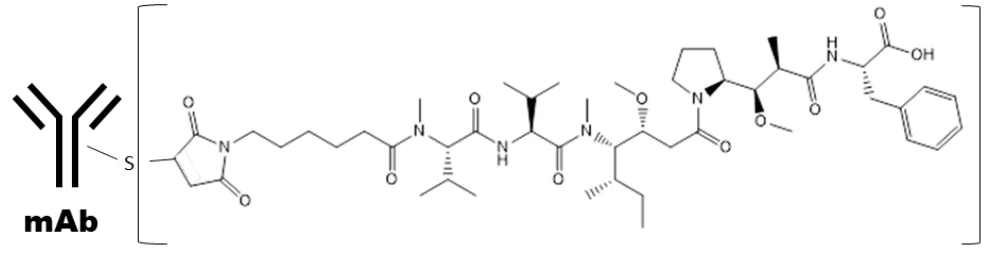
Belantamab mafodotin is an antibody-drug conjugate (ADC) with an afucosylated, humanised immunoglobulin G1 anti-BCMA monoclonal antibody conjugated by a protease-resistant maleimidocaproyl cysteine linker to a microtubule disrupting agent, monomethyl auristatin F.
14. Clinical Trials
14.1. Clinical Trials by Indication
DREAMM-7: BLENREP in combination with bortezomib and dexamethasone in adult patients with multiple myeloma who have received at least one prior therapy
Study Design
The efficacy and safety of BLENREP, in combination with bortezomib and dexamethasone (BVd), were compared to that of daratumumab, bortezomib and dexamethasone (DVd) in an open-label, randomized (1:1), phase 3, multi-centre study that enrolled patients with relapsed/refractory multiple myeloma (MM) who had received at least one prior therapy.
A total of 494 patients with MM were enrolled in DREAMM-7 and were included in the evaluation of efficacy. Key eligibility criteria included: a confirmed diagnosis of MM as defined by International Myeloma Working Group (IMWG) criteria, previous treatment with at least 1 line of MM therapy, documented disease progression during or after their most recent therapy, ECOG status of 0 – 2. Patients who were refractory or intolerant to daratumumab or bortezomib, or with prior exposure to anti-BCMA therapy were excluded. Patients with current corneal disease, except for mild punctate keratopathy, were excluded. Baseline demographics and characteristics were similar between treatment arms.
Treatment with BLENREP and daratumumab continued until disease progression, death, unacceptable toxicity, withdrawal of consent, or study end.
The primary endpoint was progression-free survival (PFS) as evaluated by a blinded Independent Review Committee (IRC) based on the IMWG response criteria for MM. Secondary endpoints included overall survival (OS), overall response rate (ORR), duration of response (DoR) and minimal residual disease (MRD) negativity rate.
A summary of the study design and detailed demographics in DREAMM-7 are presented in Table 14 and Table 15.
Table 14 Summary of study design for clinical trials in adult patients with MM receiving BLENREP in combination with bortezomib and dexamethasone, who have received at least one prior therapy
| Study # | Study design | Dosage, route of administration and duration | Study subjects (n) | Age (range) | Sex |
207503 (DREAMM-7) NCT04246047 | Phase III, multicentre, open-label, randomized in 1:1 ratio | BVd arm: BLENREP: 2.5 mg/kg (IV) every 3 weeks on day 1 of each cycle Bortezomib: 1.3 mg/m2 (subcutaneously) on days 1, 4, 8 and 11 of cycles 1 to 8 (21-day cycles) Dexamethasone: 20 mg (IV or orally) on the day of, and the day after, bortezomib treatment | BVd arm: n=243 | BVd arm: 64.5 (34, 86) | BVd arm: 53% male; 47% female |
DVd arm: Daratumumab: 16mg/kg (IV) in 21-day cycles: every week for cycles 1 to 3, every 3 weeks for cycles 4-8, every 4 weeks for cycles 9 and beyond Bortezomib: 1.3 mg/m2 (subcutaneously) on days 1, 4, 8 and 11 of cycles 1 to 8 (21-day cycles) Dexamethasone: 20 mg (IV or orally) on the day of, and the day after, bortezomib treatment | DVd arm: n=251 | DVd arm: 63.6 (32, 89) | DVd arm: 57% male; 43% female | ||
Table 15 Baseline demographics and disease characteristics in DREAMM-7
| Baseline characteristics | BLENREP + bortezomib and dexamethasone (BVd) N = 243 | Daratumumab + bortezomib and dexamethasone (DVd) N= 251 | ||||||||||
|---|---|---|---|---|---|---|---|---|---|---|---|---|
| Baseline characteristics | BLENREP + bortezomib and dexamethasone (BVd) N = 243 | Daratumumab + bortezomib and dexamethasone (DVd) N= 251 | ||||||||||
| Age | Median (range) 18 to 64 years, n (%) 65 to <75 years, n (%) >/=75 years, n (%) | 65 (34, 86) 121 (50) 85 (35) 37 (15) | 64 (32, 89) 126 (50) 95 (38) 30 (12) | |||||||||
| Gender, n (%) | Male Female | 128 (53) 115 (47) | 144 (57) 107 (43) | |||||||||
| Race, n (%) | White Asian Mixed | 206 (85) 28 (12) 8 (3) 0 | 203 (81) 33 (13) 12 (5) 1 (<1) | |||||||||
| ECOG PS at baseline, n (%) | 0 1 2 | 121 (50) 111 (46) 10 (4) | 112 (46) 123 (50) 11 (4) | |||||||||
| R-ISS stage at screening, n (%) | I II III Unknown | 102 (42) 130 (53) 9 (4) 2 (<1) | 103 (41) 132 (53) 14 (6) 2 (<1) | |||||||||
Cytogenetics risk, n (%) | High-riska | 67 (28) | 69 (27) | |||||||||
| EMD present, n (%) | n (%) | 13 (5) | 25 (10) | |||||||||
Number of prior lines of therapy, n (%) | Medianb, range 1 line 2 line 3 line ≥4 line | 1.0 (1, 7) 125 (51) 54 (22) 34 (14) 20 (12) | 2.0 (1, 7) 125 (50) 63 (25) 36 (14) 27 (11) | |||||||||
Prior therapies, n (%) | Proteasome Inhibitors Bortezomib Carfilzomib Ixazomib | 218 (90) 210 (86) 31 (13) 13 (5) | 216 (86) 211 (84) 35 (14) 11 (4) | |||||||||
Immunomodulators Lenalidomide Thalidomide Pomalidomide | 198 (81) 127 (52) 121 (50) 25 (10) | 216 (86) 130 (52) 144 (57) 19 (8) | ||||||||||
| Daratumumab | 3 (1) | 4 (2) | ||||||||||
| Refractory to prior therapies, n (%) | Proteasome Inhibitors Bortezomib Carfilzomib Ixazomib | 22 (9) 4 (2) 12 (5) 7 (3) | 24 (10) 0 17 (7) 8 (3) | |||||||||
Immunomodulators Lenalidomide Thalidomide Pomalidomide | 94 (39) 79 (33) 16 (7) 17 (7) | 104 (41) 87 (35) 22 (9) 12 (5) | ||||||||||
| Prior ASCT, n (%) | 164 (67) | 173 (69) | ||||||||||
ASCT = autologous stem cell transplantation; ECOG PS = Eastern Cooperative Oncology Group Performance Status; EMD = Extramedullary disease; PI = proteasome inhibitor; R-ISS = Revised-International Staging System.
- a High-risk cytogenetic factors [positive for t (4;14), t (14;16), or 17p13del]
- b Mean prior lines of therapy was similar in the BVd (2.0) and DVd (1.9) groups. Median prior lines of therapy was calculated as 1.0 (BVd) and 2.0 (DVd) but given the near equal distribution by lines of therapy between groups, it should not be considered different.
Study Results
The study met its primary objective of demonstrating improvement in PFS. The findings were consistently observed in subgroups and supported by secondary endpoints.
At the first pre-planned interim analysis, the hazard ratio for OS was 0.57; 95% (CI: 0.40, 0.80) indicating a 43% reduction in the risk of death in favour of BVd. At this interim analysis OS data are immature based on an Information Fraction (IF) of 40% (141/355 events). The final analysis of OS will take place when 355 events for OS analysis have occurred.
The MRD-negativity rates were 24.7% and 9.6% in the BVd and DVd treatment arms, respectively. The median duration of response in patients who achieved at least a partial response was 35.6 months (95%CI: 30.5, NR) for patients receiving BVd compared to 17.8 months (95%CI: 13.8, 23.6) for patients receiving DVd.
Efficacy results are shown in Table 16, Figure 1 and Figure 2.
Table 16 Efficacy of BLENREP in DREAMM-7
BLENREP + bortezomib and dexamethasone (BVd)a N = 243 | Daratumumab + bortezomib and dexamethasone (DVd)a N= 251 | |||||||||||
|---|---|---|---|---|---|---|---|---|---|---|---|---|
BLENREP + bortezomib and dexamethasone (BVd)a N = 243 | Daratumumab + bortezomib and dexamethasone (DVd)a N= 251 | |||||||||||
| Progression-free survival (PFS)b | ||||||||||||
| Number (%) of patients with event | 91 (37) | 158 (63) | ||||||||||
Median in months (95% CI)c | 36.6 (28.4, NR) | 13.4 (11.1, 17.5) | ||||||||||
| Hazard ratio (95% CI)d | 0.41 (0.31, 0.53) | |||||||||||
| p-valuee | <0.00001 | |||||||||||
| Overall survival (OS)f | ||||||||||||
| Number (%) of patients with event | 54 (22) | 87 (35) | ||||||||||
| Hazard ratio (95% CI)d | 0.57 (0.40, 0.80) | |||||||||||
| Overall response rate (ORR)b,g % (95% CI) | 82.7% (77.4, 87.3) | 71.3% (65.3, 76.8) | ||||||||||
| Stringent complete response (sCR), n (%) | 34 (14) | 13 (5.2) | ||||||||||
| Complete response (CR), n (%) | 50 (20.6) | 30 (12) | ||||||||||
| Very good partial response (VGPR), n (%) | 76 (31.3) | 73 (29.1) | ||||||||||
Partial response (PR), n (%) | 41 (16.9) | 63 (25.1) | ||||||||||
CI = Confidence interval; NR = Not Reached.
- a Efficacy data is based on the intent-to-treat (ITT) population.
- b Response was based on IRC per IMWG criteria.
- c By Brookmeyer and Crowley method.
- d Based on stratified Cox regression model.
- e One-sided p-value based on stratified log-rank test.
- f At Interim Analysis 1, stringent criteria for overall survival were not met; OS maturity was 29%. Follow-up is ongoing.
- g ORR: sCR+CR+VGPR+PR
Figure 1 Kaplan-Meier curve of progression free survival in DREAMM-7
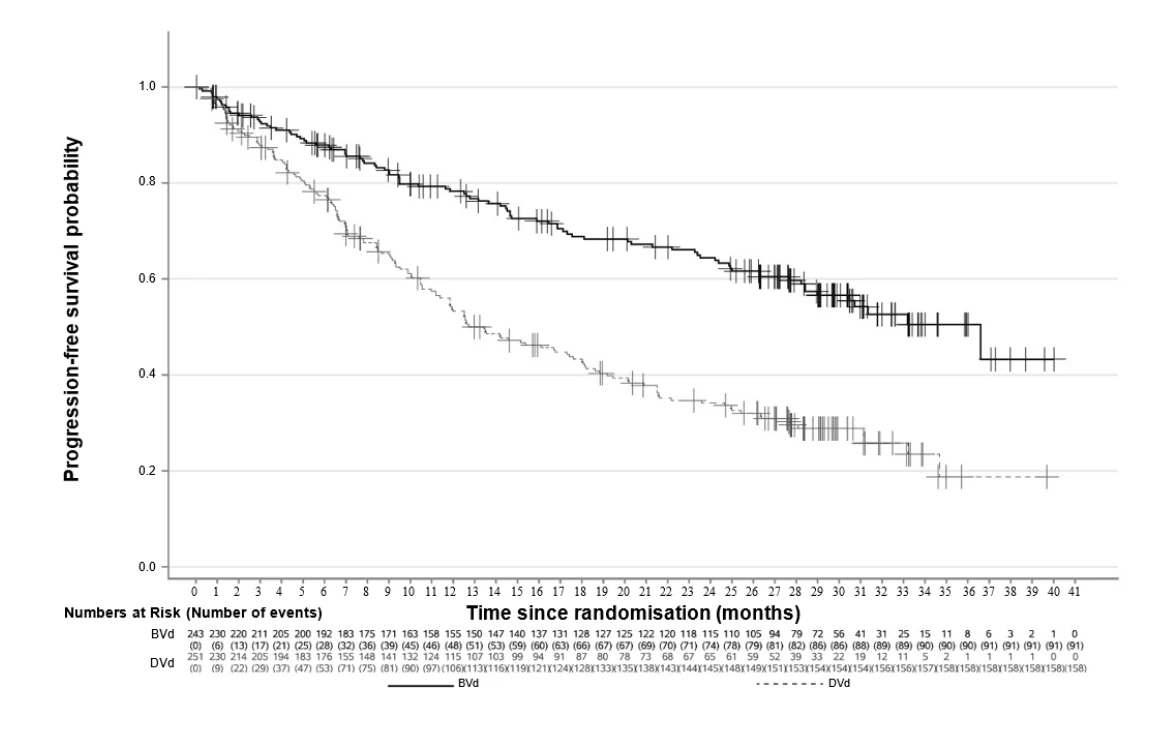
Figure 2 Kaplan-Meier curve of overall survival in DREAMM-7
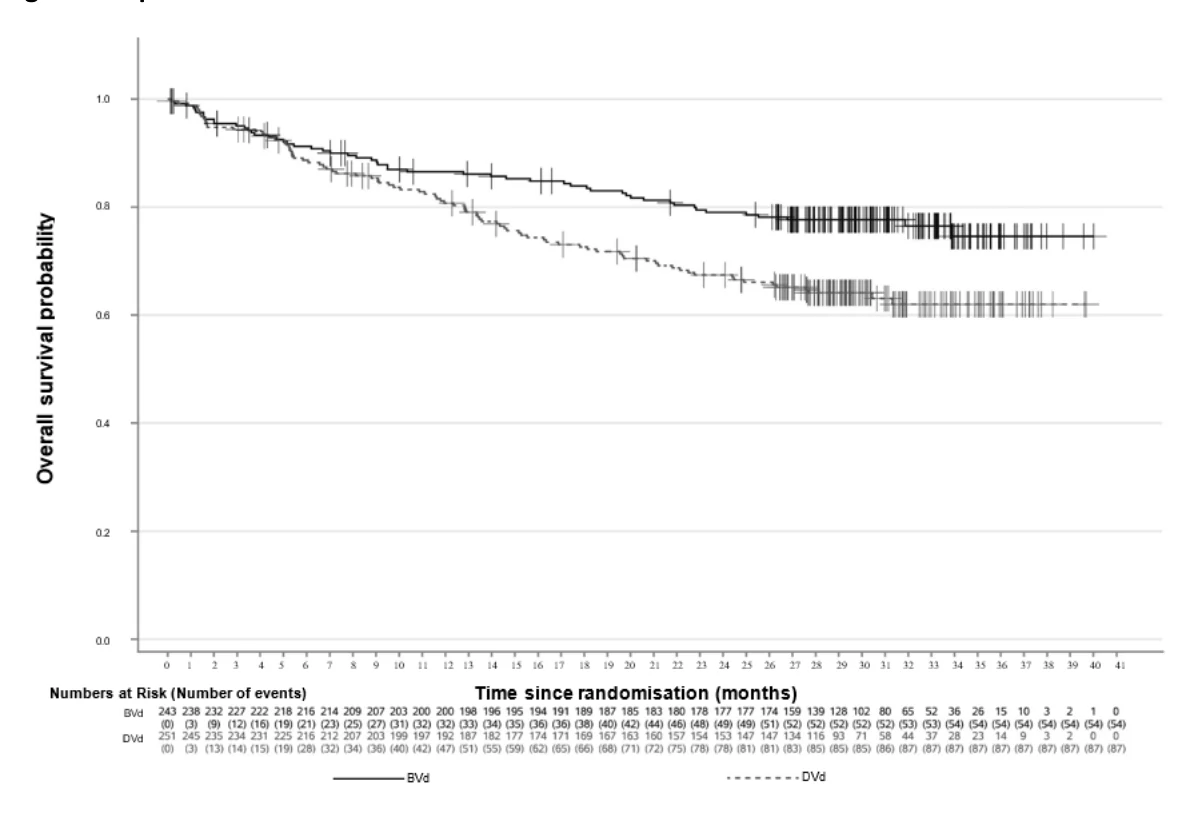
Dose delays and/or reductions were frequently required to manage adverse reactions including ocular adverse reactions. Among patients who experienced an ocular adverse reaction, 91% (190/209) continued treatment on or after the onset of the first event and received a median of 8 additional doses (range: 1 to 52). Permanent discontinuation due to ocular adverse reactions occurred for 9% of BLENREP treated patients. BLENREP dosing observed during DREAMM-7 is presented in Table 17.
Table 17 Observed BLENREP dose delays and reductions in DREAMM-7
| Number of doses by time interval | |||||||||||||
|---|---|---|---|---|---|---|---|---|---|---|---|---|---|
| 0 to ≤6 months | >6 to ≤12 months | >12 months | |||||||||||
Relative dose intensity per patient (%) | n | 242 | 162 | 132 | |||||||||
| Mean | 75 | 63 | 39 | ||||||||||
Median (IQR) | 77 (55, 99) | 68 (38, 76) | 28 (18, 57) | ||||||||||
| Number of doses administered by dose level (%) | n | 242 | 155 | 130 | |||||||||
| 2.5 mg/kg | 768 (68) | 198 (34) | 201 (18) | ||||||||||
| 1.9 mg/kg | 365 (32) | 379 (66) | 921 (82) | ||||||||||
| Time between doses per patient (weeks)a | n | 231 | 130 | 124 | |||||||||
| Mean | 4.78 | 6.80 | 10.91 | ||||||||||
Median (IQR) | 3.6 (3, 6) | 4.7 (3, 8) | 9.5 (5, 15) | ||||||||||
IQR = Interquartile range
- a Intervals for 0 to ≤ 6 months, > 6 to ≤ 12 months, and > 12 months, were calculated either by using days or days converted into months.
DREAMM-8: BLENREP in combination with pomalidomide and dexamethasone in adult patients who have received at least one prior therapy including lenalidomide
DREAMM-8 was an open-label, Phase III, multicentre study which evaluated the efficacy and safety of BLENREP in combination with pomalidomide and dexamethasone (BPd) compared with pomalidomide, bortezomib and dexamethasone (PVd) in patients with multiple myeloma (MM) who have received at least one prior therapy including lenalidomide.
A total of 302 patients with MM were enrolled in DREAMM-8 and were included in the evaluation for efficacy. Key eligibility criteria included: a confirmed diagnosis of MM as defined by IMWG criteria, previous treatment with at least 1 prior line of MM therapy, including lenalidomide, documented disease progression during or after their most recent therapy, and ECOG performance status of 0-2. Patients with prior exposure to BCMA-targeted therapies or pomalidomide and who were intolerant/refractory to bortezomib were excluded. Patients with current corneal disease except for mild punctate keratopathy were excluded. Baseline demographics and characteristics were similar between treatment arms.
Treatment in both arms continued until progressive disease, unacceptable toxicity, withdrawal of consent, initiation of another anticancer therapy, end of study or death.
The primary endpoint was PFS as evaluated by a blinded Independent Review Committee (IRC) based on the IMWG response criteria for MM. Secondary endpoints included overall survival (OS), overall response rate (ORR), duration of response (DoR) and minimal residual disease (MRD) negativity rate.
A summary of the study design and detailed demographics in DREAMM-8 are presented in Table 18 and Table 19.
Table 18 Summary of study design for clinical trials in adult patients with MM receiving BLENREP in combination with pomalidomide and dexamethasone, who have received at least one prior therapy including lenalidomide
| Study # | Study design | Dosage, route of administration and duration | Study subjects (n) | Age (range | Sex |
207499 (DREAMM-8) NCT04484623 | Phase III, multicentre, open-label, randomized in 1:1 ratio | BPd arm: BLENREP: 2.5 mg/kg (IV) once on day 1 in cycle 1 (28-day cycle) followed by 1.9 mg/kg every 4 weeks on day 1 in cycle 2 onwards (28-day cycles) Pomalidomide: 4 mg (orally) administered on days 1 to 21 Dexamethasone: 40 mg (orally) on Days 1, 8, 15, and 22 in all cycles (28-day cycles) | BPd arm: n=155 | BPd arm: 65.5 (40, 82) | BPd arm: 64% male; 36% female |
PVd arm: Pomalidomide: 4 mg (orally) every 3 weeks on days 1 to 14 in all cycles (21-day cycles) Bortezomib: 1.3 mg/m2 (subcutaneously) on days 1, 4, 8 and 11 of cycles 1 to 8, and on days 1 and 8 in cycle 9+ (21-day cycles) Dexamethasone: 20 mg (orally) on the day of, and the day after, bortezomib treatment Note: dexamethasone was reduced by half in patients aged 75 years and older for both arms | PVd arm: n=147 | PVd arm: 66.7 (34, 86) | PVd arm: 56% male; 44% female | ||
Table 19 Baseline demographics and disease characteristics in DREAMM-8
| Baseline Characteristics | BLENREP + pomalidomide and dexamethasone (BPd) N = 155 | Pomalidomide + bortezomib and dexamethasone (PVd) N= 147 | |||||||
|---|---|---|---|---|---|---|---|---|---|
| Baseline Characteristics | BLENREP + pomalidomide and dexamethasone (BPd) N = 155 | Pomalidomide + bortezomib and dexamethasone (PVd) N= 147 | |||||||
| Age | Median (range) 18 to 64 years, n (%) ≥65 to <75 years, n (%) >/=75 years, n (%) | 67 (40, 82) 64 (41) 72 (46) 19 (12) | 68 (34, 86) 53 (36) 59 (40) 35 (24) | ||||||
| Gender, n (%) | Male Female | 99 (64) 56 (36) | 82 (56) 65 (44) | ||||||
| Racea, n (%) | White Asian Native Hawaiian or Other Pacific Islander Mixed race | 133 (86) 20 (13) 1 (<1) 1 (<1) | 127 (87) 17 (12) 2 (1) 0 | ||||||
| ECOG PS at baselineb, n (%) | 0 1 2 | 79 (53) 67 (45) 4 (3) | 85 (58) 56 (39) 5 (3) | ||||||
| ISS stage at screening, n (%) | I II III Unknown | 93 (60) 39 (25) 22 (14) 1 (<1) | 85 (58) 40 (27) 22 (15) 0 | ||||||
| Cytogenetics risk, n (%) | High riskc | 52 (34) | 47 (32) | ||||||
| EMD present, n (%) | 20 (13) | 11 (7) | |||||||
| Number of prior lines of therapy, n (%) | Median, range 1 line 2 line 3 line ≥4 line | 1.0 (1, 6) 82 (53) 32 (21) 22 (14) 19 (12) | 1.0 (1, 9) 77 (52) 33 (22) 15 (10) 22 (15) | ||||||
| Prior Therapies, n (%) | Immunomodulators Lenalidomide Thalidomide | 155 (100) 155 (100) 49 (32) | 147 (100) 147 (100) 48 (33) | ||||||
Proteasome Inhibitors Bortezomib Carfilzomib Ixazomib | 140 (90) 134 (86) 34 (22) 11 (7) | 136 (93) 130 (88) 37 (25) 15 (10) | |||||||
Anti-CD38 Daratumumab Isatuximab | 38 (25) 36 (23) 2 (1) | 42 (29) 39 (27) 3 (2) | |||||||
Refractory to prior therapies, n (%) | Immunomodulators Lenalidomide Thalidomide | 127 (82) 125 (81) 9 (6) | 111 (76) 111 (76) 6 (4) | ||||||
Proteasome Inhibitors Bortezomib Carfilzomib Ixazomib | 40 (26) 16 (10) 18 (12) 8 (5) | 35 (34) 8 (5) 23 (16) 11 (7) | |||||||
Anti-CD38 Daratumumab Isatuximab | 35 (23) 33 (21) 2 (1) | 36 (24) 34 (23) 2 (1) | |||||||
| Prior ASCT, n (%) | 99 (64) | 82 (56) | |||||||
ASCT = autologous stem cell transplantation; ECOG PS = Eastern Cooperative Oncology Group Performance Status; EMD = Extramedullary disease; ISS = International Staging System.
- a Percentages are out of 146 for PVd arm; the race of one patient is missing.
- b Percentage is out of the patients who were dosed. BPd n = 150 and PVd n = 145
- c High-risk cytogenetic factors [positive for at least one high risk abnormality: t (4;14), t (14;16), or 17p13del]
Study Results
The study met its primary objective of demonstrating improvement in PFS. The findings were consistently observed in subgroups and supported by secondary endpoints.
At the pre-planned first interim analysis, the estimated OS HR was 0.77 (95% CI:0.53, 1.14). At this analysis, OS data were immature based on an Information Fraction (IF) of 48% (105/217 events). The final analysis of OS will take place when 217 planned events for OS analysis have occurred.
The MRD-negativity rates were 23.9% and 4.8% in the BPd and PVd treatment arms, respectively. The median duration of response (in months) in patients who achieved at least a partial response was not reached (NR) (95% CI: 24.9, NR) for patients receiving BPd compared to 17.5 (95% CI: 12.1, 26.4) for patients receiving PVd.
Efficacy results are shown in Table 20 and Figure 3.
Table 20 Efficacy of BLENREP in DREAMM-8
BLENREP + pomalidomide and dexamethasone (BPd)a N = 155 | Pomalidomide + bortezomib and dexamethasone (PVd)a N= 147 | ||||||||||
|---|---|---|---|---|---|---|---|---|---|---|---|
BLENREP + pomalidomide and dexamethasone (BPd)a N = 155 | Pomalidomide + bortezomib and dexamethasone (PVd)a N= 147 | ||||||||||
| Progression-free survival (PFS)b | |||||||||||
| Number (%) of patients with event | 62 (40) | 80 (54) | |||||||||
Median in months (95% CI)c,d,e | NR (20.6, NR) | 12.7 (9.1, 18.5) | |||||||||
| Hazard ratio (95% CI)f | 0.52 (0.37, 0.73) | ||||||||||
| p-valueg | <0.001 | ||||||||||
| Overall response rate (ORR)b,h (95% CI) | 77% (70, 83.7) | 72% (64.1, 79.2) | |||||||||
| Stringent complete response (sCR), n (%) | 14 (9) | 4 (3) | |||||||||
| Complete response (CR), n (%) | 48 (31) | 20 (14) | |||||||||
| Very good partial response (VGPR), n (%) | 37 (24) | 32 (22) | |||||||||
| Partial response (PR), n (%) | 21 (14) | 50 (34) | |||||||||
CI = Confidence interval; NR = Not Reached.
- a Efficacy data is based on the intent-to-treat (ITT) population.
- b Response was based on IRC per IMWG criteria.
- c By Brookmeyer and Crowley method.
- d Median follow-up of 21.8 months.
- e At the time of the data cut-off (29 JAN 2024).
- f Based on stratified Cox regression model.
- g One-sided p-value based on stratified log-rank test.
- h ORR: sCR+CR+VGPR+PR.
Figure 3 Kaplan-Meier curve of progression free survival in DREAMM-8
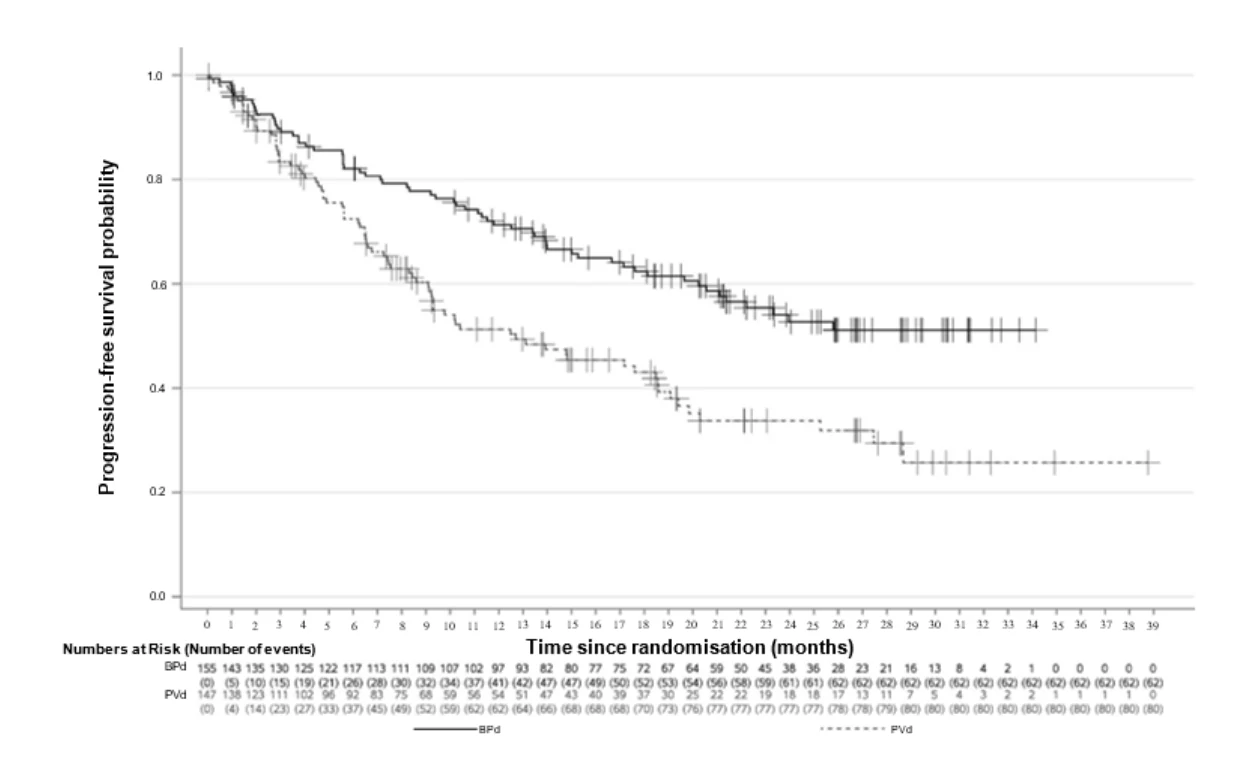
Dose delays and/or reductions were frequently required to manage adverse reactions including ocular adverse reactions. Among patients who experienced an ocular adverse event, 92% (120/131) continued treatment on or after the onset of the first event and received a median of 5 additional doses (range: 1 to 21). Permanent discontinuation of study treatment due to ocular events occurred for 9% of patients treated with BLENREP. BLENREP dosing observed during DREAMM-8 is presented in Table 21.
Table 21 Observed BLENREP dose delays and reductions in DREAMM-8
| Number of doses by time interval | ||||||||||||||
|---|---|---|---|---|---|---|---|---|---|---|---|---|---|---|
| 0 to ≤6 months | >6 to ≤12 months | >12 months | ||||||||||||
| Relative Dose Intensity (%) | n | 150 | 109 | 82 | ||||||||||
| mean | 71 | 47 | 44 | |||||||||||
| median (IQR) | 78 (48, 99) | 35 (24,68) | 37 (30, 47) | |||||||||||
| Number of doses administered by dose level (%) | n | 150 | 104 | 77 | ||||||||||
| 2.5 mg/kg | 151 (26) | – | – | |||||||||||
| 1.9 mg/kg | 415 (73) | 235 (97) | 267 (93) | |||||||||||
| 1.4 mg/kg | 4 (<1) | 7 (3) | 19 (7) | |||||||||||
| Time between doses per patient (weeks)a | n | 129 | 79 | 77 | ||||||||||
| mean | 5.26 | 11.91 | 14.2 | |||||||||||
| median (IQR) | 4.1 (4, 5) | 11.8 (5, 16) | 14.1 (10, 18) | |||||||||||
IQR = Interquartile range
- b Intervals for 0 to ≤ 6 months, > 6 to ≤ 12 months, and > 12 months, were calculated either by using days or days converted into months.
16. Non-Clinical Toxicology
General Toxicology:
Belantamab mafodotin was evaluated in rats and monkeys in single dose toxicity studies (up to 100 mg/kg and 30 mg/kg, respectively) and in repeat dose toxicity studies of up to 13 weeks duration following IV administration (up to 30 mg/kg and 10 mg/kg, respectively) followed by an off-dose period of up to 12 weeks. The principal adverse findings (directly related to belantamab mafodotin) in the rat and monkey, at exposures ≥1.2 times of the recommended clinical dose of 2.5 mg/kg, were elevated liver enzymes sometimes associated with hepatocellular necrosis at ≥10 and ≥3 mg/kg, respectively, and increases in alveolar macrophages associated with eosinophilic material in the lungs at ≥3 mg/kg (rat only). Most findings in animals were related to the cytotoxic drug conjugate, the histopathological changes observed in the testes and lungs, were not reversible in rats.
Single cell necrosis in the corneal epithelium and/or increased mitoses of corneal epithelial cells was observed in rat and rabbit. Inflammation of the corneal stroma correlating with superficial haze and vascularisation was observed in rabbits. Belantamab mafodotin was taken up into cells throughout the body by a mechanism unrelated to BCMA receptor expression on the cell membrane.
Carcinogenicity/mutagenesis: Belantamab mafodotin was genotoxic in an in vitro micronucleus screening assay in human lymphocytes, consistent with the pharmacological effect of cys-mcMMAF- mediated disruption of microtubules causing aneuploidy.
No carcinogenicity or definitive genotoxicity studies have been conducted with belantamab mafodotin.
Reproductive and Developmental Toxicology: No animal studies have been performed to evaluate the potential effects of belantamab mafodotin on reproduction or development. The mechanism of action is to kill rapidly dividing cells which would affect a developing embryo which has rapidly dividing cells. There is also a potential risk of heritable changes via aneuploidy in female germ cells.
In rats, weekly dosing for 3 weeks at doses ≥10 mg/kg (approximately 4 times the recommended clinical dose) resulted in degeneration and atrophy of seminiferous tubules in the testes and luteinized nonovulatory follicles in the ovaries. Findings in females were reversible; findings in the testes were not reversible at the end of the 12-week recovery period with weekly dosing or when given every 3 weeks for 13 weeks at doses ≥10 mg/kg. In male monkeys, the highest dose tested of 10 mg/kg (approximately 4 times the recommended clinical dose) given weekly for 13 weeks resulted in seminiferous tubules degeneration in the testes that was fully reversed following the 12-week recovery period.