


Product Monograph - Poteligeo
RECENT MAJOR LABEL CHANGES
| 7 Warnings and Precautions | X/XXXX |
|---|
TABLE OF CONTENTS
Sections or subsections that are not applicable at the time of authorization are not listed.
RECENT MAJOR LABEL CHANGES ............................................................................................. 2
TABLE OF CONTENTS ............................................................................................................... 2
PART 1: HEALTHCARE PROFESSIONAL INFORMATION ............................................................. 4
1 INDICATIONS ................................................................................................................ 4
1.1 Pediatrics ............................................................................................................... 4
1.2 Geriatrics ............................................................................................................... 4
2 CONTRAINDICATIONS .................................................................................................. 4
4 DOSAGE AND ADMINISTRATION .................................................................................. 4
4.1 Dosing Considerations ........................................................................................... 4
4.2 Recommended Dose and Dosage Adjustment ...................................................... 4
4.3 Reconstitution ....................................................................................................... 5
4.4 Administration ....................................................................................................... 6
4.5 Missed Dose .......................................................................................................... 6
5 OVERDOSE ................................................................................................................... 6
6 DOSAGE FORMS, STRENGTHS, COMPOSITION, AND PACKAGING ................................. 6
7 WARNINGS AND PRECAUTIONS ................................................................................... 7
7.1 Special Populations ................................................................................................ 8
7.1.1 Pregnancy .......................................................................................................... 8
7.1.2 Breastfeeding .................................................................................................... 9
7.1.3 Pediatrics ........................................................................................................... 9
7.1.4 Geriatrics ........................................................................................................... 9
8 ADVERSE REACTIONS ................................................................................................. 10
8.1 Adverse Reaction Overview ................................................................................. 10
8.2 Clinical Trial Adverse Reactions ........................................................................... 10
8.4 Abnormal Laboratory Findings: Hematologic, Clinical Chemistry, and Other Quantitative Data ............................................................................................................ 13
8.5 Post-Market Adverse Reactions .......................................................................... 13
9 DRUG INTERACTIONS ................................................................................................. 14
9.2 Drug Interactions Overview ................................................................................. 14
10 CLINICAL PHARMACOLOGY ........................................................................................ 14
10.1 Mechanism of Action ........................................................................................... 14
10.2 Pharmacodynamics ............................................................................................. 14
10.3 Pharmacokinetics ................................................................................................ 14
10.4 Immunogenicity ................................................................................................... 15
11 STORAGE, STABILITY, AND DISPOSAL ......................................................................... 15
12 SPECIAL HANDLING INSTRUCTIONS ............................................................................ 15
PART 2: SCIENTIFIC INFORMATION ........................................................................................ 16
13 PHARMACEUTICAL INFORMATION ............................................................................. 16
14 CLINICAL TRIALS ......................................................................................................... 17
14.1 Clinical Trials by Indication .................................................................................. 17
15 MICROBIOLOGY ......................................................................................................... 20
16 NON-CLINICAL TOXICOLOGY ...................................................................................... 20
PATIENT MEDICATION INFORMATION ................................................................................... 21
PART 1: HEALTHCARE PROFESSIONAL INFORMATION
1 INDICATIONS
POTELIGEO (mogamulizumab for injection) is indicated for:
- the treatment of adult patients with relapsed or refractory mycosis fungoides (MF) or Sézary syndrome (SS) after at least one prior systemic therapy
1.1 Pediatrics
Pediatrics (<18 years of age): No data are available to Health Canada; therefore, Health Canada has not authorized an indication for pediatric use.
1.2 Geriatrics
Geriatrics (≥ 65 years of age): The safety profile in elderly patients (≥ 65 years) was generally consistent with that of adult patients aged less than 65 years.
2 CONTRAINDICATIONS
- POTELIGEO is contraindicated in patients who are hypersensitive to this drug or to any ingredient in the formulation, including any non-medicinal ingredient, or component of the container. For a complete listing, see 6 DOSAGE FORMS, STRENGTHS, COMPOSITION AND PACKAGING.
4 DOSAGE AND ADMINISTRATION
4.1 Dosing Considerations
- It is recommended that treatment be continued until disease progression or unacceptable toxicity.
- Do not administer POTELIGEO subcutaneously or by rapid intravenous administration.
- It is recommended that premedication with diphenhydramine and acetaminophen be administered for the first POTELIGEO infusion and subsequent infusions, if an infusion reaction occurs.
4.2 Recommended Dose and Dosage Adjustment
The recommended dose of POTELIGEO is 1 mg/kg administered as an intravenous infusion over at least 60 minutes. Administer on days 1, 8, 15, and 22 of the first 28-day cycle, then on days 1 and 15 of each subsequent 28-day cycle.
Health Canada has not authorized an indication for pediatric use.
Dose Adjustments
Dermatologic Toxicity
Permanently discontinue POTELIGEO for life-threatening (Grade 4) rash or for any Stevens Johnson syndrome (SJS) or toxic epidermal necrolysis (TEN) (see WARNINGS and PRECAUTIONS). If SJS or TEN is suspected, stop POTELIGEO and do not resume unless SJS or TEN has been excluded and the cutaneous reaction has resolved to Grade 1 or less.
If moderate or severe (Grades 2 or 3) rash occurs, interrupt POTELIGEO and treat rash appropriately, including administering at least 2 weeks of topical corticosteroids, until rash improves to Grade 1 or less, at which time POTELIGEO treatment may be resumed (see WARNINGS and PRECAUTIONS).
Infusion Reactions
Permanently discontinue POTELIGEO for a life-threatening (Grade 4) infusion reaction (see WARNINGS and PRECAUTIONS). Temporarily interrupt the infusion of POTELIGEO for mild to severe (Grades 1 to 3) infusion reactions and treat symptoms. Reduce the infusion rate by at least 50% when restarting the infusion after symptoms resolve. If reaction recurs and is unmanageable, discontinue infusion (see WARNINGS and PRECAUTIONS). If an infusion reaction occurs, administer premedication (such as diphenhydramine and acetaminophen) for subsequent POTELIGEO infusions.
4.3 Reconstitution
Parenteral Products:
Reconstitution for Direct Intravenous Infusion
| Vial Size | Volume of Diluent to be Added to Intravenous Bag | Approximate Available Volume | Concentration per mL |
| 20 mg / 5 mL | 0.9% Sodium Chloride Injection, USP | The dose (mg/kg) and number of vials needed is calculated based on patient weight | The final concentration of diluted solution should be between 0.1 mg/mL to 3.0 mg/mL |
Visually inspect drug product solution for particulate matter and discoloration prior to administration. POTELIGEO is a clear to slightly opalescent colorless solution. Discard the vial if cloudiness, discoloration, or particulates are observed.
Calculate the dose (mg/kg) and number of vials of POTELIGEO needed to prepare the infusion solution based on patient weight.
Aseptically withdraw the required volume of POTELIGEO into the syringe and transfer into an intravenous (IV) bag containing 0.9% Sodium Chloride Injection, USP. The final concentration of the diluted solution should be between 0.1 mg/mL to 3.0 mg/mL.
Mix diluted solution by gentle inversion. Do not shake.
Discard any unused portion left in the vial.
The diluted solution is compatible with polyvinyl chloride (PVC) or polyolefin (PO) infusion bags.
After preparation, infuse the POTELIGEO solution immediately, or store under refrigeration at 2°C to 8°C for no more than 24 hours from the time of infusion preparation.
Do not freeze. Do not shake.
4.4 Administration
Administer infusion solution over at least 60 minutes through an intravenous line containing a sterile, low protein binding, 0.22 micron (or equivalent) in-line filter.
Do not mix POTELIGEO with other drugs.
Do not co-administer other drugs through the same intravenous line.
4.5 Missed Dose
Administer POTELIGEO within 2 days of the scheduled dose.
If a dose is missed, administer the next dose as soon as possible and resume dosing schedule.
5 OVERDOSE
The maximum tolerated dose of POTELIGEO has not been determined. In case of overdosage, patients should be closely monitored for signs and symptoms of adverse reactions, and appropriate symptomatic treatment should be instituted.
For the most recent information in the management of a suspected drug overdose, contact your regional poison control centre or Health Canada’s toll-free number, 1-844-POISON-X (1-844-764-7669).
6 DOSAGE FORMS, STRENGTHS, COMPOSITION, AND PACKAGING
Dosage Forms, Strengths, and Composition
| Route of Administration | Dosage Form / Strength/Composition | Non-medicinal Ingredients |
| Intravenous Infusion | Solution for infusion 4mg/ml | Citric acid monohydrate, glycine, polysorbate 80, water for injection (USP) May contain hydrochloric acid/sodium hydroxide to adjust pH to 5.5 |
Description
POTELIGEO (mogamulizumab for injection) is a recombinant, humanized monoclonal immunoglobulin G1 (IgG1) antibody targeting CC chemokine receptor 4 (CCR4)-expressing cells. Mogamulizumab is expressed in Chinese hamster ovary (CHO) cells and is produced using standard mammalian cell cultivation and chromatographic purification technologies.
7 WARNINGS AND PRECAUTIONS
Autoimmune Complications
Fatal and life-threatening immune-mediated complications have been reported in recipients of POTELIGEO. In Study 0761-010, Grade 3 or higher immune-mediated or possibly immune-mediated reactions have been observed during use of POTELIGEO, including myositis (<1%), myocarditis (<1%), hepatitis (<1%), pneumonitis (<1%), and a variant of Guillain-Barré syndrome (<1%). Polymyositis was reported in one patient (<1%) with a fatal outcome.
Interrupt or permanently discontinue POTELIGEO as appropriate for suspected immune-mediated adverse reactions. Consider the benefit/risk of POTELIGEO in patients with a history of autoimmune disease.
Complications of Allogeneic Hematopoietic Stem Cell Transplantation (HSCT) in Patients Treated with POTELIGEO
Complications, including severe (Grade 3 or 4) acute graft versus host disease (GVHD), steroid-refractory GVHD, and transplant-related death have been reported in patients who received allogeneic HSCT after POTELIGEO.
A higher risk of transplant complications has been reported when POTELIGEO was last administered within 50 days prior to HSCT as compared to last administration greater than 50 days prior to HSCT. The role of POTELIGEO in patients who developed GVHD after HSCT has not been established. If HSCT is considered clinically appropriate, follow patients closely for early evidence of transplant-related complications.
The safety of treatment with POTELIGEO after autologous or allogeneic HSCT has not been studied.
Dermatologic Toxicity
Serious skin reactions, including SJS and TEN, have been reported in patients treated with POTELIGEO; some of these cases were life-threatening and some with fatal outcomes.
Rash (drug eruption) is one of the most common adverse reactions associated with POTELIGEO and the most frequent adverse drug reaction leading to discontinuation (7.1% or 13/184). In Study 0761-010, the incidence of treatment-related drug eruption was 23.9%. The majority of drug eruption was Grade 1 (8.2%) or Grade 2 (10.9%); 4.9% of subjects had Grade 3 drug eruption, and no subject had a Grade 4 or 5 drug eruption.
The onset of drug eruption is variable. The affected areas and appearance are also variable.
Patients should be closely monitored for skin reaction throughout the treatment course.
Consider skin biopsy to help distinguish drug eruption from disease progression.
Discontinue POTELIGEO permanently for SJS or TEN or any life-threatening (Grade 4) reaction. For possible SJS or TEN, interrupt POTELIGEO and do not restart unless SJS or TEN is ruled out and the cutaneous reaction has resolved to Grade 1 or less.
Driving and Operating Machinery
Fatigue may occur following administration of POTELIGEO. While taking POTELIGEO, patients should be cautioned not to drive, operate dangerous machinery, or engage in activities that require alertness or physical coordination if they experience fatigue.
Infections
Fatal and serious infections have been reported in patients treated with POTELIGEO. The most frequently reported treatment-related serious infections in Study 0761-010 were pneumonia (2.2%), cellulitis (1.6%) and sepsis (1.1%). Monitor patients for signs and symptoms of infection and treat promptly.
Infusion-Related Reactions
Fatal and life-threatening infusion-related reactions (IRRs) have been reported in patients treated with POTELIGEO. In Study 0761-010, IRRs were mostly mild or moderate in severity (incidence of Grade 1 was 16.3% and Grade 2 was 15.2%), although severe IRRs have occurred (Grade 3 in 1.6% of subjects). No Grade 4 or 5 IRRs were reported. The majority of IRRs occur during or shortly after the first infusion. IRRs can also occur with subsequent infusions. The most commonly reported signs include chills, nausea, fever, tachycardia, rigors, headache and vomiting.
Consider premedication (such as diphenhydramine and acetaminophen) for the first infusion of POTELIGEO and subsequent infusions, if an infusion reaction occurs.
Patients should be carefully monitored for signs and symptoms of infusion reactions during and after infusion. If an IRR occurs, the infusion should be interrupted, and appropriate medical management instituted immediately.
7.1 Special Populations
7.1.1 Pregnancy
There are no available data on POTELIGEO use in pregnant women to inform a drug-associated risk of major birth defects and miscarriage. In an animal reproduction study, administration of POTELIGEO to pregnant cynomolgus monkeys from the start of organogenesis through delivery did not show a potential for adverse developmental outcomes at maternal systemic exposures 27 times the exposure in patients at the recommended dose, based on AUC (see Data).
In general, IgG molecules are known to cross the placental barrier and in the monkey reproduction study mogamulizumab was detected in fetal plasma. Therefore, POTELIGEO has the potential to be transmitted from the mother to the developing fetus.
POTELIGEO is not recommended during pregnancy or in women of childbearing potential not using contraception.
If POTELIGEO use is necessary in women of childbearing potential, advise using effective contraception during POTELIGEO treatment and for at least 6 months after the last dose of POTELIGEO.
Animal Data
The effects of mogamulizumab on embryo-fetal development were evaluated in 12 pregnant cynomolgus monkeys that received mogamulizumab once weekly by intravenous administration from the start of organogenesis through delivery at an exposure level 27 times higher than the clinical dose. Mogamulizumab administration did not show a potential for embryo-fetal lethality, teratogenicity, or fetal growth retardation and did not result in spontaneous abortion or increased fetal death. In surviving fetuses (10 of 12 compared with 11 of 12 in the control group) of cynomolgus monkeys treated with mogamulizumab, a decrease in CCR4-expressing lymphocytes due to the pharmacological activity of mogamulizumab was noted; there were no apparent mogamulizumab-related external, visceral, or skeletal abnormalities.
7.1.2 Breastfeeding
It is unknown if POTELIGEO is excreted in human milk, the potential effects on the breastfed child, or the effects on milk production. The developmental and health benefits of breastfeeding should be considered along with the mother’s clinical need for POTELIGEO and any potential adverse effects on the breastfed child from POTELIGEO or from the underlying maternal condition.
7.1.3 Pediatrics
No data are available to Health Canada; therefore, Health Canada has not authorized an indication for pediatric use.
7.1.4 Geriatrics
Among 184 subjects randomized to receive POTELIGEO in the randomized period of Study 0761-010, 85 (46.2%) were >65 years. No overall differences in effectiveness were observed between these patients and younger patients. The overall incidence of TEAEs was similar for subjects <65 years of age (96.0%, 95/99) and those ≥65 years (98.8%, 84/85).
Differences (approximately 10% or greater) between age groups in incidences of TEAEs by SOC and/or individual preferred terms were as follows:
- Infections and Infestations (<65 years, 68.7%; ≥65 years, 58.8%);
- Folliculitis (<65 years, 12.1%; ≥65 years, 1.2%);
- Skin infection (<65 years, 14.1%; ≥65 years, 3.5%);
- Drug eruption (<65 years, 18.2%; ≥65 years, 30.6%);
- Headache (<65 years, 18.2%; ≥65 years, 5.9%);
- Hypokalaemia (<65 years, 1.0%; ≥65 years, 10.6%);
- Neoplasms, Benign, Malignant and Unspecified (<65 years, 8.1%; ≥65 years, 18.8%)
8 ADVERSE REACTIONS
8.1 Adverse Reaction Overview
Serious adverse reactions
- Autoimmune Complications [see Warnings and Precautions]
- Complications of Allogeneic Hematopoietic Stem Cell Transplantation (HSCT) in Patients Treated with POTELIGEO [see Warnings and Precautions]
- Dermatologic Toxicity [see Warnings and Precautions]
- Infections [see Warnings and Precautions]
- Infusion-Related Reactions [see Warnings and Precautions]
8.2 Clinical Trial Adverse Reactions
Clinical trials are conducted under very specific conditions. The adverse reaction rates observed in the clinical trials; therefore, may not reflect the rates observed in practice and should not be compared to the rates in the clinical trials of another drug. Adverse reaction information from clinical trials may be useful in identifying and approximating rates of adverse drug reactions in real-world use.
Adverse Reactions
The data described below reflect exposure to POTELIGEO in a randomized, open-label, actively controlled clinical trial (Study 0761-010) for adult patients with MF or SS who received at least one prior systemic therapy. Of 370 patients treated, 184 (57% with MF, 43% with SS) received POTELIGEO as randomized treatment and 186 (53% with MF, 47% with SS) received vorinostat. 135 (73%) patients randomized to receive vorinostat crossed over to POTELIGEO. A total of 319 patients received POTELIGEO.
POTELIGEO was administered at 1 mg/kg intravenously over at least 60 minutes on days 1, 8, 15, and 22 of the first 28-day cycle and on days 1 and 15 of subsequent 28-day cycles. Premedication (diphenhydramine, acetaminophen) was optional and administered to 65% of randomized patients for the first infusion. The comparator group received vorinostat 400 mg orally once daily, given continuously in 28-day cycles. Treatment continued until unacceptable toxicity or progressive disease.
The median age was 64 years (range, 25 to 101 years), 58% of patients were male, 70% were white, and 99% had an Eastern Cooperative Oncology Group (ECOG) performance status of 0 or 1. Patients had a median of 3 prior systemic therapies. The trial required an absolute neutrophil count (ANC) ≥1,500/µL (≥1,000/µL if bone marrow was involved), platelet count ≥100,000/µL (≥75,000/µL if bone marrow was involved), creatinine clearance >50 mL/min or serum creatinine ≤1.5 mg/dL, and hepatic transaminases ≤2.5 times upper limit of normal (ULN) (≤5 times ULN if lymphomatous liver infiltration). Patients with active autoimmune disease, active infection, autologous HSCT within 90 days, or prior allogeneic HSCT were excluded.
During randomized treatment, the median duration of exposure to POTELIGEO was 5.6 months, with 48% (89/184) of patients with at least 6 months of exposure and 23% (43/184) with at least 12 months of exposure. The median duration of exposure to vorinostat was 2.8 months, with 22% (41/186) of patients with at least 6 months of exposure.
Serious adverse reactions for POTELIGEO observed in the study included infections (pneumonia 2.2%, cellulitis 1.6%, sepsis 1.1%), pyrexia (2.2%), and infusion-related reaction (1.6%).
The most frequent adverse drug reaction leading to discontinuation among POTELIGEO treated patients was drug eruption 7.1% (13/184).
Table 1 summarizes common adverse reactions having a >2% higher incidence with POTELIGEO than with vorinostat in Study 0761-010.
Table 1 Common Adverse Reactions (≥10%) with ≥2% Higher Incidence in the POTELIGEO Arm
Adverse Reactions by Body System a, b, c | Vorinostat (N=186) | POTELIGEO (N=184) | Crossover to POTELIGEO (N=135) | |||||||||||||||
|---|---|---|---|---|---|---|---|---|---|---|---|---|---|---|---|---|---|---|
All Grades n (%) | ≥Grade 3 n (%) | All Grades n (%) | ≥Grade 3 n (%) | All Grades n (%) | ≥Grade 3 n (%) | |||||||||||||
| Skin and Subcutaneous Tissue Disorders | ||||||||||||||||||
| Rash, Including Drug Eruption | 22 (12) | 2 (1) | 67 (36) | 7 (4) | 54 (40) | 5 (4) | ||||||||||||
| Drug Eruption | 2 (1) | 0 | 46 (25) | 9 (5) | 37 (27) | 4 (3) | ||||||||||||
| Procedural Complications | ||||||||||||||||||
| Infusion Related Reaction | 1 (<1) | 0 | 61 (33) | 3 (2) | 51 (38) | 6 (4) | ||||||||||||
| Infections | ||||||||||||||||||
| Upper Respiratory Tract Infection | 29 (16) | 2 (1) | 40 (22) | 0 | 28 (21) | 0 | ||||||||||||
| Skin Infection | 25 (13) | 6 (3) | 34 (18) | 5 (3) | 21 (16) | 0 | ||||||||||||
| Musculoskeletal and Connective Tissue Disorders | ||||||||||||||||||
| Musculoskeletal Pain | 32 (17) | 3 (2) | 40 (22) | 1 (<1) | 31 (23) | 0 | ||||||||||||
| General Disorders | ||||||||||||||||||
| Pyrexia | 12 (6) | 0 | 33 (18) | 1 (<1) | 17 (13) | 0 | ||||||||||||
| Gastrointestinal | ||||||||||||||||||
| Mucositis | 11 (6) | 0 | 26 (14) | 2 (1) | 19 (14) | 0 | ||||||||||||
a Adverse reactions include groupings of individual preferred terms. b Includes adverse reactions reported up to 90 days after randomized treatment. c Includes all common adverse reactions only (≥10%) for the crossover group. Rash/Drug Eruption includes: dermatitis (allergic, atopic, bullous, contact, exfoliative, infected), drug eruption, palmoplantar keratoderma, rash (generalized, macular, maculopapular, papular, pruritic, pustular), skin reaction, toxic skin eruption Upper Respiratory Tract Infection includes: laryngitis viral, nasopharyngitis, pharyngitis, rhinitis, sinusitis, upper respiratory tract infection, viral upper respiratory tract infection | ||||||||||||||||||
Adverse Reactions
| by Body System a, b, c | Vorinostat (N=186) | POTELIGEO (N=184) | Crossover to POTELIGEO (N=135) | |||||
|---|---|---|---|---|---|---|---|---|
All Grades n (%) | ≥Grade 3 n (%) | All Grades n (%) | ≥Grade 3 n (%) | All Grades n (%) | ≥Grade 3 n (%) | |||
Skin Infection includes: cellulitis, dermatitis infected, erysipelas, impetigo, infected skin ulcer, periorbital cellulitis, skin bacterial infection, skin infection, staphylococcal skin infection Musculoskeletal Pain includes: back pain, bone pain, musculoskeletal chest pain, musculoskeletal pain, myalgia, neck pain, pain in extremity Mucositis includes: aphthous stomatitis, mouth ulceration, mucosal inflammation, oral discomfort, oral pain, oropharyngeal pain, stomatitis | ||||||||
Other Common Adverse Reactions in ≥10% of POTELIGEO Arm a, b
- General disorders: fatigue (31%), edema (17%)
- Gastrointestinal disorders: diarrhea (30%), nausea (17%), constipation (13%)
- Blood and lymphatic system disorders: thrombocytopenia (14%), anemia (12%)
- Nervous system disorders: headache (15%)
- Vascular disorders: hypertension (10%)
- Respiratory disorders: cough (13%)
Adverse Reactions in ≥5% but <10% of POTELIGEO Arm a, b
- Infections: urinary tract infection (10%), candidiasis (9%), folliculitis (8%), pneumonia (7%), herpesvirus infection (5%)
- Investigations: renal insufficiency (9%), hyperglycemia (9%), weight increase (8%), hypokalemia (7%), weight decrease (6%), hypomagnesemia (6%)
- Psychiatric disorders: insomnia (9%), depression (7%)
- Skin and subcutaneous disorders: xerosis (9%), alopecia (8%)
- Nervous system disorders: dizziness (9%), peripheral neuropathy (7%)
- Metabolism and nutrition disorders: decreased appetite (9%)
- Respiratory disorders: dyspnea (7%)
- General disorders: chills (7%)
- Gastrointestinal disorders: vomiting (7%), abdominal pain (7%)
- Injury, poisoning and procedural complications: fall (6%)
- Musculoskeletal disorders: muscle spasms (5%)
- Cardiovascular disorders: arrhythmia (5%)
- Eye disorders: conjunctivitis (5%)
Selected Other Adverse Reactions a, b
- Tumor lysis syndrome (<1%)
- Myocardial ischemia or infarction (<1%)
- Cardiac failure (<1%)
- Cytomegalovirus infection (<1%)
a Includes grouped terms
b From 184 patients randomized to POTELIGEO
8.4 Abnormal Laboratory Findings: Hematologic, Clinical Chemistry, and Other Quantitative Data
Table 2 summarizes common treatment-emergent laboratory abnormalities having a >2% higher incidence with POTELIGEO than with vorinostat in Study 0761-010.
Table 2: Common New or Worsening Laboratory Abnormalities (≥10%) with ≥2% Higher Incidence in the POTELIGEO Arm
| Laboratory Test a,b | Vorinostat (N=186) | POTELIGEO (N=184) | Crossover to POTELIGEO (N=135) | |||
|---|---|---|---|---|---|---|
All Grades n (%) | ≥Grade 3 n (%) | All Grades n (%) | ≥Grade 3 n (%) | All Grades n (%) | ≥Grade 3 n (%) | |
| Chemistry | ||||||
| Albumin Decreased | 50 (27) | 5 (3) | 67 (36) | 6 (3) | 32 (24) | 2 (2) |
| Calcium Decreased | 39 (21) | 4 (2) | 56 (30) | 5 (3) | 40 (30) | 0 |
| Uric Acid Increased | 20 (11) | 20 (11) | 57 (31) | 57 (31) | 40 (30) | 40 (30) |
| Phosphate Decreased | 49 (26) | 10 (5) | 51 (28) | 10 (5) | 36 (27) | 5 (4) |
| Magnesium Decreased | 15 (8) | 1 (<1) | 34 (19) | 1 (<1) | 28 (21) | 2 (2) |
| Glucose Decreased | 15 (8) | 1 (<1) | 27 (15) | 1 (<1) | 24 (18) | 0 |
| Calcium Increased | 15 (8) | 1 (<1) | 22 (12) | 1 (<1) | 16 (12) | 0 |
| Hematology | ||||||
| CD4 Lymphocytes Decreased c | 8 (4) | 3 (2) | 73 (40) | 45 (25) | 45 (33) | 25 (19) |
| Lymphocytes Decreased | 56 (30) | 21 (11) | 140 (76) | 85 (46) | 111 (82) | 68 (50) |
| White Blood Cells Decreased | 33 (18) | 3 (2) | 60 (33) | 3 (2) | 54 (40) | 2 (2) |
a Includes laboratory abnormalities, reported up to 90 days after treatment, that are new or worsening in grade or with worsening from baseline unknown. b Includes all common new or worsening laboratory abnormalities only (>10%) for the crossover group. c Out of 99 evaluable recipients of POTELIGEO and 36 evaluable recipients of vorinostat. | ||||||
Other common treatment-emergent laboratory abnormalities in the POTELIGEO arm included hyperglycemia (54%; 5% Grade 3-4), anemia (35%; 3% Grade 3-4), thrombocytopenia (29%, 0% Grade 3-4), aspartate transaminase (AST) increased (26%; 2% Grade 3-4), alanine transaminase (ALT) increased (19%; 2% Grade 3-4), alkaline phosphatase increased (17%; 0% Grade 3-4), and neutropenia (11%; 2% Grade 3-4).
8.5 Post-Market Adverse Reactions
The following adverse reactions have been identified during post-approval use of POTELIGEO.
- Gastrointestinal disorders: Colitis, one fatal case reported
- Infections: Hepatitis B virus reactivation
- Cardiac disorders: Stress cardiomyopathy
- Skin and subcutaneous disorders: Granuloma (including some cases affecting bone)
9 DRUG INTERACTIONS
9.2 Drug Interactions Overview
No interaction studies have been conducted with POTELIGEO.
Mogamulizumab is primarily metabolized through catabolic pathways. Therefore, it is not expected that POTELIGEO will have drug-drug interactions with other medicinal products.
10 CLINICAL PHARMACOLOGY
10.1 Mechanism of Action
Mogamulizumab is a defucosylated, humanized IgG1 kappa monoclonal antibody that binds to CCR4, a G protein-coupled receptor for CC chemokines that is involved in the trafficking of lymphocytes to various organs. Non-clinical in vitro studies demonstrate mogamulizumab binding targets a cell for antibody-dependent cellular cytotoxicity (ADCC) resulting in depletion of the target cells. CCR4 is expressed on the surface of some T-cell malignancies and is expressed on regulatory T-cells (Treg) and a subset of Th2 T-cells.
10.2 Pharmacodynamics
Mogamulizumab exposure-response relationships and the time course of pharmacodynamics response are unknown.
10.3 Pharmacokinetics
The pharmacokinetics (PK) of mogamulizumab was evaluated in adult patients with T-cell malignancies over a dose range of 0.01 to 1 mg/kg (0.01 to 1 times the approved recommended dosage). Based on the population PK analysis, the exposure of mogamulizumab increased proportionally with dose.
Following repeated dosing of the approved recommended dosage, steady state concentrations were reached after 8 doses (12 weeks), and the systemic accumulation was 1.6 fold. At steady state, the peak concentration (Cmax,ss) is 32 (68%) μg/mL, the trough concentration (Cmin,ss) is 11 (239%) μg/mL, and AUCss is 5,577 (125%) μg•h/mL.
Distribution:
The geometric mean (% geometric coefficient of variation [GCV%]) central volume of distribution (Vc) was 3.57 L (20.1%).
Elimination
The geometric mean (GCV%) clearance (CL) is 12.0 mL/h (83.7%) and elimination half-life (t1/2) is 17 days (65.5%).
Special Populations and Conditions
No clinically significant changes in the PK of mogamulizumab were observed based on age (range: 22 to 101 years), sex, ethnicity, renal impairment (creatinine clearance <90 mL/min, estimated by Cockcroft-Gault), mild (total bilirubin ≤ ULN and AST <ULN, or total bilirubin <1 to 1.5 times ULN and any AST) or moderate (total bilirubin >1.5 to 3 times ULN and any AST) hepatic impairment, disease subtype (MF or SS), degree of CCR4 expression, or ECOG status. The effect of severe hepatic impairment (total bilirubin >3 times ULN and any AST) on mogamulizumab PK is unknown.
10.4 Immunogenicity
As with all therapeutic proteins, there is a potential for an immune response to POTELIGEO.
Among 263 patients treated with POTELIGEO in Study 0761-010, 37 (14.1%) tested positive for treatment-emergent anti-mogamulizumab antibodies. There were no patients identified to have positive neutralizing antibody responses.
11 STORAGE, STABILITY, AND DISPOSAL
POTELIGEO vials must be stored in the original carton until the time of use under refrigerated conditions at 2°C to 8°C. Keep POTELIGEO vial in the original carton to protect from light until time of use.
Do not freeze or shake POTELIGEO.
Do not use POTELIGEO beyond the expiration date stamped on the carton/vial.
POTELIGEO vials are single-use only. Discard any unused product.
After opening: POTELIGEO does not contain a preservative. Once opened, the medicinal product should be diluted and infused immediately.
After preparation of infusion: If the product is not infused immediately, in use storage times and conditions prior to use must not be longer than a total of 24 hours at 2°C – 8°C provided that dilution has taken place under controlled and validated aseptic conditions.
12 SPECIAL HANDLING INSTRUCTIONS
Any unused medicinal product or waste material should be disposed of in accordance with local requirements.
PART 2: SCIENTIFIC INFORMATION
13 PHARMACEUTICAL INFORMATION
Drug Substance
Proper name: mogamulizumab
Chemical name: IgG1 immunoglobulin, anti CC chemokine receptor 4 (CCR4), recombinant humanized monoclonal antibody.
Molecular mass: the observed molecular weight of the most abundant form of the intact antibody is 149 kDa.
Structural formula: mogamulizumab is an IgG1 monoclonal antibody subtype and contains 32 cysteine residues. A correctly folded antibody molecule includes 4 disulfide linkages as interchain bonds and 12 intrachain bonds.
Physicochemical properties: aqueous solution stored frozen at -70°C at a concentration of 8.5-10.5 mg/mL in 5 mM sodium citrate buffer, pH 4.7-5.3.
The mogamulizumab drug substance solution is clear to slightly opalescent, colorless solution. The solution is practically free from particles.
The pH of mogamulizumab drug substance is 4.7-5.3.
The theoretical extinction coefficient of mogamulizumab at 280 nm is 1.4 L·g-1·cm-1.
The isoelectric point of mogamulizumab is 8.1-8.7.
Pharmaceutical standard: mogamulizumab drug substance reference standard has been developed and appropriately characterized in-house at the drug substance manufacturing site.
Product Characteristics:
POTELIGEO is a sterile, preservative-free, clear to slightly opalescent colorless solution provided in a single-use vial for dilution prior to intravenous infusion. Each vial contains 20 mg of mogamulizumab in 5 mL of solution. Vials are individually packaged in a carton.
Prior to IV administration, POTELIGEO is withdrawn into a syringe and transferred into an intravenous (IV) bag containing 0.9% Sodium Chloride Injection, USP. The final concentration of the diluted solution should be between 0.1 mg/mL to 3.0 mg/mL. The diluted solution is compatible with polyvinyl chloride (PVC) or polyolefin (PO) infusion bags.
14 CLINICAL TRIALS
14.1 Clinical Trials by Indication
Table 4 Summary of patient demographics for clinical trials in MF or SS
| Study # | Study design | Dosage, route of administration and duration | Study subjects (n) | Mean age (Range) | Sex |
| 0761-010 | Randomized, open-label, multicenter trial | POTELIGEO: Administered 1 mg/kg intravenously weekly for 4 weeks, then every other week Vorinostat: 400 mg orally once daily | n = 372 | 63 years (25 to 101) | Male: 216 Female: 156 |
Study 0761-010
A randomized, open-label, multicenter trial evaluated the efficacy of POTELIGEO in adult patients with MF or SS who received at least one prior systemic therapy. The trial randomized 372 patients 1:1 to either POTELIGEO (186 patients; 56% with MF, 44% with SS) or vorinostat (186 patients; 53% with MF, 47% with SS). The trial included patients regardless of tumor CCR4 expression status and excluded patients with histologic transformation, prior allogeneic HSCT, autologous HSCT within 90 days, active autoimmune disease, or active infection. The trial required patients to have ANC ≥1,500/µL (≥1,000/µL if bone marrow was involved), platelet count ≥100,000/µL (≥75,000/µL if bone marrow was involved), creatinine clearance >50 mL/min or serum creatinine ≤1.5 mg/dL and hepatic transaminases ≤2.5 times ULN (≤5 times ULN if lymphomatous liver infiltration).
The dose of POTELIGEO was 1 mg/kg administered intravenously over at least 60 minutes on days 1, 8, 15, and 22 of the first 28-day cycle and on days 1 and 15 of each subsequent cycle. Vorinostat was dosed at 400 mg orally once daily, continuously for 28-day cycles. Treatment continued until disease progression or unacceptable toxicity. Vorinostat-treated patients with disease progression or unacceptable toxicities were permitted to cross over to POTELIGEO.
The median age was 64 years (range: 25 to 101), 58% of patients were male, and 70% were white. At study baseline, 38% had stage IB-II disease, 10% stage III, and 52% stage IV. The median number of prior systemic therapies was 3. In the POTELIGEO arm, baseline CCR4 expression status by immunohistochemistry was available in 140 patients (75%), of whom all had CCR4 detected on ≥1% of lymphocytes on skin biopsy, and 134/140 (96%) had CCR4 detected on ≥10% of the lymphocytes. CCR4 expression status was similar in the vorinostat arm.
During randomized treatment, the median duration of exposure to POTELIGEO was 5.6 months (range: <1 to 45.3 months), with 48% of patients with at least 6 months of exposure and 23% with at least 12 months of exposure. The median duration of exposure to vorinostat was 2.8 months (range: <1 to 34.8 months), with 22% of patients with at least 6 months of exposure.
Efficacy was based on investigator-assessed progression-free survival (PFS), which was defined as the time from the date of randomization until documented progression of disease or death. Other efficacy measures included overall response rate (ORR) based on global composite response criteria that combine measures from each disease compartment (skin, blood, lymph nodes and viscera). Responses required confirmation at two successive disease assessments, which included the modified Severity Weighted Assessment Tool, skin photographs, central flow cytometry, and computed tomography.
Study Results
The trial demonstrated that POTELIGEO significantly prolonged PFS compared to vorinostat (Table 5). The Kaplan-Meier curve for PFS by Investigator is shown in Figure 1. The estimated median follow-up for investigator-assessed PFS was 13 months in the POTELIGEO arm and 10.4 months in the vorinostat arm. By independent review committee assessment, the estimated median PFS was 6.7 months (95% CI, 5.6 to 9.4) in the POTELIGEO arm and 3.8 months (95% CI, 3.0 to 4.7) in the vorinostat arm (hazard ratio 0.64; 95% CI: 0.49, 0.84).
Figure 1 Kaplan-Meier Curve for Progression-Free Survival per Investigator
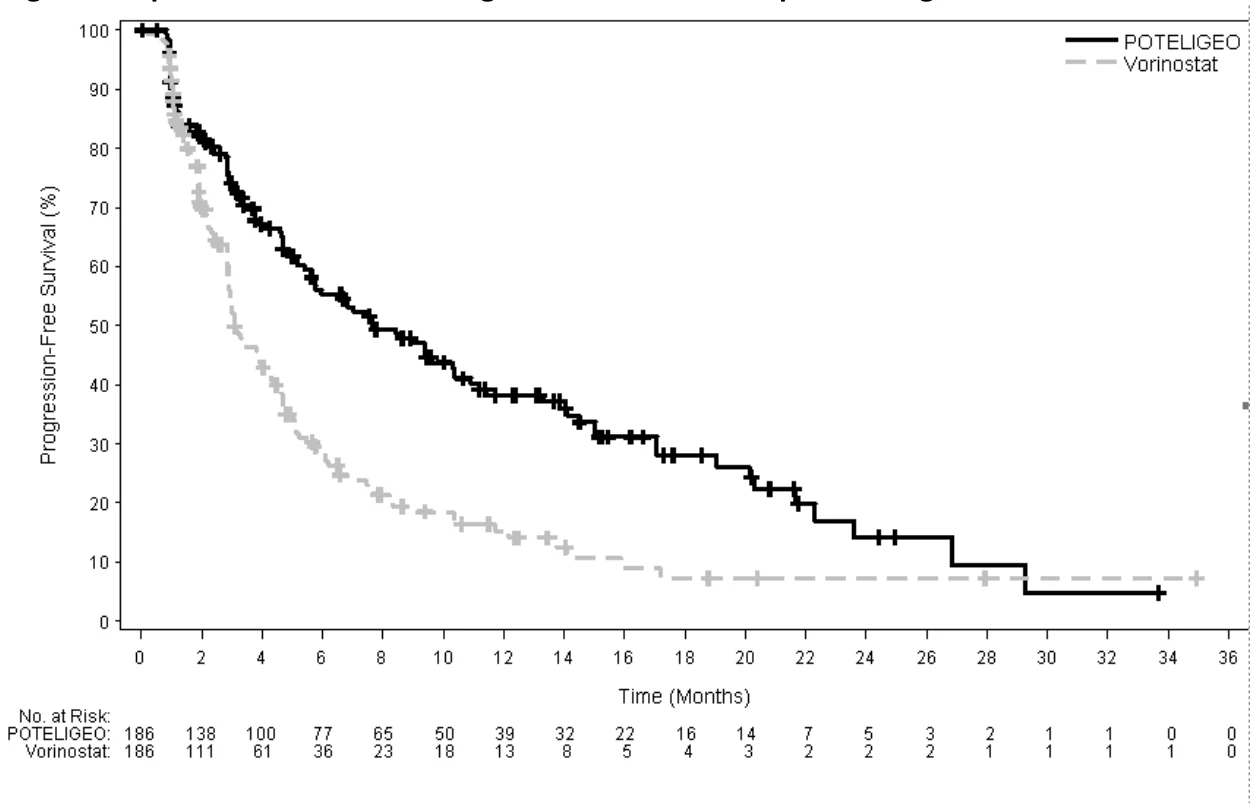
Table 5 Efficacy of Randomized Treatment (Study 0761-010)
| Outcome per Investigator | POTELIGEO N=186 | Vorinostat N=186 | |||||||||||||
|---|---|---|---|---|---|---|---|---|---|---|---|---|---|---|---|
| PFS | |||||||||||||||
| Number of events, n | 110 | 131 | |||||||||||||
| Progressive disease | 104 | 128 | |||||||||||||
| Death | 6 | 3 | |||||||||||||
| Median PFS (95% CI) (months) a | 7.7 (5.7, 10.3) | 3.1 (2.9, 4.1) | |||||||||||||
Hazard ratio (95% CI) Log rank p-value | 0.53 (0.41, 0.69) <.001 | ||||||||||||||
| Overall response rate (confirmed CR + PR), n (%) b, c | 52 (28) | 9 (5) | |||||||||||||
| 95% CI | (22, 35) | (2, 9) | |||||||||||||
| P-value d | <.001 | ||||||||||||||
| Duration of overall response (months) | |||||||||||||||
| Median (95% CI) a | 14.1 (9.4, 19.2) | 9.1 (4.7, - ) | |||||||||||||
| Confirmed best overall response b | |||||||||||||||
| CR, n (%) | 5 (3) | 0 (0) | |||||||||||||
| 95% CI | (1, 6) | (0, 2) | |||||||||||||
| PR, n (%) | 47 (25) | 9 (5) | |||||||||||||
| 95% CI | (20, 33) | (2, 9) | |||||||||||||
| Response by compartment (confirmed CR + PR) c | |||||||||||||||
| Blood | n=122 | n=123 | |||||||||||||
| Response rate, n (%) | 83 (68) | 23 (19) | |||||||||||||
| 95% CI | (59, 76) | (12, 27) | |||||||||||||
| Skin | n=186 | n=186 | |||||||||||||
| Response rate, n (%) | 78 (42) | 29 (16) | |||||||||||||
| 95% CI | (35, 49) | (11, 22) | |||||||||||||
| Lymph nodes | n=124 | n=122 | |||||||||||||
| Response rate, n (%) | 21 (17) | 5 (4) | |||||||||||||
| 95% CI | (11, 25) | (1, 9) | |||||||||||||
| Viscera | n=3 | n=3 | |||||||||||||
| Response rate, n (%) | 0 (0) | 0 (0) | |||||||||||||
| 95% CI | (0, 71) | (0, 71) | |||||||||||||
a Kaplan-Meier estimate. b Based on Global Composite Response score. c Responses in blood and skin must have persisted for at least 4 weeks to be considered confirmed and were evaluated every 4 weeks for the first year. Responses in lymph nodes, visceral disease and overall were evaluated every 8 weeks for the first year. d From Cochran-Mantel-Haenszel test adjusted for disease type, stage, and region. CI=confidence interval; CR=complete response; NE=not estimable; PR=partial response | |||||||||||||||
15 MICROBIOLOGY
No microbiological information is required for this drug product.
16 NON-CLINICAL TOXICOLOGY
General Toxicology:
Single-dose and repeat-dose studies up to 6 months were conducted in cynomolgus monkeys; there were no mogamulizumab-related toxicities observed in males or females at doses up to 40 mg/kg (60.3- to 94.6-fold higher than the recommended clinical dose).
Anti-mogamulizumab antibodies were detected in some animals receiving a single- or repeat-dose IV injection of mogamulizumab. In animals in which anti-mogamulizumab antibodies were observed, plasma mogamulizumab concentrations decreased more rapidly than the plasma concentration in animals that did not produce anti-mogamulizumab antibodies. No anti-mogamulizumab antibody-related toxicological findings were noted in the animals in which the production of anti-mogamulizumab antibodies occurred.
Based on observations of skin-related side effects in human patients treated with mogamulizumab, weekly doses of mogamulizumab up to 8 weeks were administered to aged female cynomolgus monkeys as there were no comparable observations in toxicity studies. Although erythema was observed in some of the aged monkeys during mogamulizumab administration, the lesions were mild and transient. There was no clear relationship evident between development of the mild dermatitis and changes in lymphocyte subsets. Thus, the pathogenesis of the human skin disorders associated with mogamulizumab could not be modelled even with aged cynomolgus monkeys.
Carcinogenicity: No specific studies have been conducted to evaluate potential effects on fertility. No carcinogenicity or genotoxicity studies have been conducted with POTELIGEO.
No specific studies have been conducted to evaluate potential effects of POTELIGEO on fertility. No mogamulizumab-related toxic effects in the male and female reproductive organs were observed in sexually mature monkeys in repeat-dose toxicology studies up to 26 weeks in duration.
Reproductive and Developmental Toxicology: In an animal reproductive and developmental toxicity study, administration of mogamulizumab to pregnant cynomolgus monkeys from the start of organogenesis through delivery did not show a potential for embryo-fetal lethality, teratogenicity, or fetal growth retardation. In general, IgG molecules are known to cross the placental barrier and mogamulizumab concentrations in fetus plasma were detected. Pharmacological activity of mogamulizumab was noted in fetuses as was evident from a decrease in CCR4 expressing lymphocytes.