


Product Monograph - Lenvima
Recent Major Label Changes
| [05/2025] |
|---|---|
| [05/2026] |
Table of Contents
Certain Sections or subsections that are not applicable at the time of the preparation of the most recent authorized product monograph are not listed.
Recent Major Label Changes ................................................................................................... 2
Table of Contents ................................................................................................................... 2
Part 1: Healthcare Professional Information ........................................................................... 5
- 1.
Indications ....................................................................................................................... 5
1.1. Pediatrics ................................................................................................................. 5
1.2. Geriatrics ................................................................................................................. 5
- 2. Contraindications ............................................................................................................ 6
- 3. Serious Warnings and Precautions Box ............................................................................ 6
- 4.
Dosage and Administration ............................................................................................. 7
4.1. Dosing Considerations .............................................................................................. 7
4.2. Recommended Dose and Dosage Adjustment ......................................................... 7
4.4. Administration ........................................................................................................ 14
4.5. Missed Dose ........................................................................................................... 14
- 5. Overdose ....................................................................................................................... 14
- 6. Dosage Forms, Strengths, Composition, and Packaging ................................................. 15
- 7.
Warnings and Precautions ............................................................................................. 16
General ............................................................................................................................... 16
Cardiovascular .................................................................................................................... 16
Endocrine and Metabolism ................................................................................................. 20
Gastrointestinal .................................................................................................................. 21
Hematologic ....................................................................................................................... 22
Hepatic/Biliary/Pancreatic .................................................................................................. 23
Neurologic .......................................................................................................................... 24
Perioperative Considerations ............................................................................................. 25
Renal ................................................................................................................................... 25
Reproductive Health ........................................................................................................... 27
7.1. Special Populations ................................................................................................ 27
7.1.1. Pregnancy ...................................................................................................... 30
7.1.2. Breastfeeding ................................................................................................ 30
7.1.3. Pediatrics ....................................................................................................... 30
7.1.4. Geriatrics ....................................................................................................... 30
- 8.
Adverse Reactions ......................................................................................................... 31
8.1. Adverse Reaction Overview .................................................................................... 31
8.2. Clinical Trial Adverse Reactions .............................................................................. 31
8.3. Less Common Clinical Trial Adverse Reactions ....................................................... 50
8.4. Abnormal Laboratory Findings: Hematologic, Clinical Chemistry, and Other Quantitative Data ............................................................................................................... 60
8.5. Post-Market Adverse Reactions ............................................................................. 66
- 9.
Drug Interactions ........................................................................................................... 67
9.2. Drug Interactions Overview .................................................................................... 67
9.3. Drug-Behaviour Interactions .................................................................................. 67
9.4. Drug-Drug Interactions ........................................................................................... 67
9.5. Drug-Food Interactions........................................................................................... 69
9.6. Drug-Herb Interactions ........................................................................................... 69
9.7. Drug-Laboratory Test Interactions ......................................................................... 69
- 10.
Clinical Pharmacology ................................................................................................... 69
10.1. Mechanism of Action .............................................................................................. 69
10.2. Pharmacodynamics ................................................................................................ 70
10.3. Pharmacokinetics ................................................................................................... 73
- 11. Storage, Stability, and Disposal ...................................................................................... 76
- 12. Special Handling Instructions ......................................................................................... 76
Part 2: Scientific Information ................................................................................................ 76
- 13. Pharmaceutical Information .......................................................................................... 76
- 14.
Clinical Trials .................................................................................................................. 77
14.1. Clinical Trials by Indication ..................................................................................... 77
Differentiated Thyroid Cancer (DTC) ......................................................................... 77
Renal Cell Carcinoma (RCC) ....................................................................................... 79
Hepatocellular Carcinoma (HCC) ............................................................................... 86
Endometrial Carcinoma ............................................................................................. 90
- 15. Microbiology ................................................................................................................. 93
- 16. Non-Clinical Toxicology .................................................................................................. 94
- 17. Supporting Product Monographs ................................................................................... 94
Patient Medication Information ........................................................................................... 95
Part 1: Healthcare Professional Information
1. Indications
LENVIMA (lenvatinib capsules) is indicated:
Differentiated Thyroid Cancer (DTC)
- for the treatment of patients with locally recurrent or metastatic, progressive, radioactive iodine-refractory DTC.
Renal Cell Carcinoma (RCC)
in combination with pembrolizumab, for the treatment of adult patients with advanced (not amenable to curative surgery or radiation) or metastatic RCC with no prior systemic therapy for metastatic RCC.
- in combination with everolimus for the treatment of patients with advanced RCC following one prior vascular endothelial growth factor (VEGF)-targeted therapy.
Hepatocellular Carcinoma (HCC)
- for the first-line treatment of adult patients with unresectable HCC. Efficacy and safety data for Child-Pugh Class B and Class C are not available.
Endometrial Carcinoma (EC)
- in combination with pembrolizumab, for the treatment of adult patients with advanced endometrial carcinoma that is not microsatellite instability high (MSI-H) or mismatch repair deficient (dMMR), who have disease progression following prior platinum-based systemic therapy, and are not candidates for curative surgery or radiation.
1.1. Pediatrics
Pediatrics (<18 years of age): Based on the data submitted and reviewed by Health Canada, the safety and efficacy of LENVIMA in pediatric patients has not been established; therefore, Health Canada has not authorized an indication for pediatric use (see 7 Warnings and Precautions, Special Populations, Pediatrics and 10 Clinical Pharmacology, Special Populations and Conditions, Pediatrics). LENVIMA should not be used in children younger than 2 years of age because of safety concerns identified in animal studies (see 7 Warnings and Precautions; Special Populations and 16 Non-Clinical Toxicology).
1.2. Geriatrics
Geriatrics (≥ 65 years of age):
Patients with DTC: Of 261 patients who received LENVIMA in the Pivotal DTC Phase 3 SELECT trial, 118 (45.2%) were ≥65 years of age and 29 (11.1%) were ≥75 years of age. Subjects 75 years or older had a higher incidence of fatal AEs.
Compared with subjects younger than 65, subjects who were 75 years or older were also more likely to experience (in descending order of frequency) Grade 3-4 hypertension, proteinuria, decreased appetite, and dehydration.
Patients with RCC: In CLEAR/E7080-G000-307/KEYNOTE-581 (CLEAR) for mRCC first line treatment with LENVIMA and pembrolizumab, no overall differences in effectiveness were observed between elderly versus younger patients. In patients ≥ 65 years of age, adverse events Grade 3 or higher and discontinuations were higher than in patients <65 years of age (see 8 Adverse Reactions, Additional Safety Information from 1L mRCC LENVIMA + Pembrolizumab Clinical Trial Experience, Geriatrics).
Of the 62 patients who received LENVIMA + everolimus in the Pivotal RCC Study 205, 22 (35.5%) were ≥65 years of age and conclusions are limited due to the small sample size. Although there appeared to be no overall differences in effectiveness between these subjects and younger subjects, elderly patients may experience greater toxicity (see 7 Warnings and Precautions; Special Populations).
Patients with HCC: Of the 476 patients who received LENVIMA in the pivotal HCC Study 304, 150 (32%) were ≥65 but < 75 years of age and 57 (12%) were ≥75 years of age. No overall differences in safety or effectiveness were observed between patients ≥65 years but <75 years and younger subjects. Patients ≥75 years showed reduced tolerability to LENVIMA (see: 7 Warnings and Precautions, Hepatic/Biliary/Pancreatic, Hepatotoxicity; Special Populations, Geriatrics).
Patients with EC: Of the 406 adult patients who were treated with LENVIMA in combination with pembrolizumab in Study 309, 201 (50%) were ≥65 years of age. No overall differences in safety or effectiveness were observed between these patients and younger patients.
2. Contraindications
LENVIMA is contraindicated in patients who are hypersensitive to this drug or to any ingredient in the formulation, including any non-medicinal ingredient, or component of the container. For a complete listing, see 6 Dosage Forms, Strengths, Composition, and Packaging.
- 3. Serious Warnings and Precautions Box
Serious Warnings and Precautions
LENVIMA (lenvatinib) should be prescribed and supervised by a qualified healthcare professional who is experienced in the use of antineoplastic therapy. Serious reactions and/or life-threatening events include:
|
|---|
4. Dosage and Administration
4.1. Dosing Considerations
- Optimal medical management (i.e. treatment or therapy) for nausea, vomiting, and diarrhea should be initiated prior to any LENVIMA therapy interruption or dose reduction; gastrointestinal toxicity should be actively treated in order to reduce the risk of development of renal impairment or failure (see 7 Warnings and Precautions, Renal Failure and Impairment).
- Electrolytes, liver enzymes, urinary protein, thyroid function and hypertension should be tested prior to LENVIMA treatment and monitored periodically during LENVIMA therapy (see 7 Warnings and Precautions, Cardiovascular, QT Interval Prolongation, Hepatic/Biliary/Pancreatic, Hepatotoxicity, Renal, Proteinuria, Endocrine and Metabolism, Impairment of Thyroid Stimulating Hormone Suppression/Thyroid Dysfunction and Cardiovascular, Hypertension).
4.2. Recommended Dose and Dosage Adjustment
LENVIMA treatment should be initiated and supervised by a healthcare professional experienced in the use of anticancer therapies.
Monotherapy:
Recommended Dose for DTC
The recommended daily dose of LENVIMA (lenvatinib) is 24 mg (two 10 mg capsules and one 4 mg capsule) orally taken once daily. The daily dose is to be modified as needed according to the dose/toxicity management plan. Treatment should continue as long as there is clinical benefit.
Recommended Dose for HCC
The recommended daily dose of LENVIMA is 8 mg (two 4 mg capsules) once daily for patients with a body weight of < 60 kg and 12 mg (three 4 mg capsules) once daily for patients with a body weight of ≥ 60 kg. Dose adjustments are based only on toxicities observed and not on body weight changes during treatment, unless the weight change occurs as an adverse event. The daily dose is to be modified, as needed, according to the dose/toxicity management plan.
Combination Therapy:
Recommended Dose for RCC
First-line treatment of patients with advanced RCC:
- LENVIMA 20 mg (two 10 mg capsules) orally once daily in combination with pembrolizumab 200 mg administered as an intravenous infusion over 30 minutes every 3 weeks or 400 mg every 6 weeks, until unacceptable toxicity, disease progression, or for up to 24 months or 35 doses for 200 mg or 18 doses for 400 mg, whichever is longer. After completing combination therapy, LENVIMA may be administered as a single agent until disease progression or unacceptable toxicity.
Refer to the pembrolizumab product monograph for other recommended pembrolizumab dosing information.
Previously Treated RCC:
- 18 mg (one 10 mg capsule and two 4 mg capsules) in combination with 5 mg everolimus orally taken once daily.
The daily dose is to be modified as needed according to the dose/toxicity management plan. Treatment should continue as long as there is clinical benefit.
Recommended Dose for Endometrial Carcinoma
The recommended dosage of LENVIMA is 20 mg orally once daily, in combination with pembrolizumab 200 mg administered as an intravenous infusion over 30 minutes every 3 weeks or 400 mg every 6 weeks for up to 24 months, or until unacceptable toxicity or disease progression.
Refer to the pembrolizumab product monograph for further recommended pembrolizumab dosing information.
Dosage Adjustment, Dose Discontinuation for DTC, RCC, HCC and Endometrial Carcinoma
Management of adverse reactions may require interruption of LENVIMA therapy (see Table 1 and 7 Warnings and Precautions). Upon resolution/improvement of an adverse reaction, treatment should be resumed at a reduced dose as suggested in Table 2 for DTC, Table 3 for RCC and EC, or Table 4 for HCC.
Note: Grades are based on the National Cancer Institute (NCI) Common Terminology Criteria for Adverse Events (CTCAE).
Table 1 Adverse Reactions Requiring Dose Modification of LENVIMA in DTC, RCC, HCC or Endometrial Carcinoma
| Adverse Reaction | CTCAE Grade | Action | Dose Reduce and Resume LENVIMA | ||||||
|---|---|---|---|---|---|---|---|---|---|
| Hypertension | Grade 31 | Hold | Resolves to Grade 0, 1, or 2 | ||||||
| Grade 4 | Discontinue | Do Not Resume | |||||||
| Cardiac Dysfunction | Grade 3 | Hold | Resolves to Grade 0, 1, or baseline | ||||||
| Grade 4 | Discontinue | Do Not Resume | |||||||
| Arterial Thrombotic Event | Any Grade | Discontinue | Do Not Resume | ||||||
| Hepatotoxicity | Grade 3 | Hold | Consider resuming at reduced dose if resolves to Grade 0-1 or baseline | ||||||
| Grade 43 | Discontinue | Do Not Resume | |||||||
| Hepatic Failure | Grade 3 or 4 | Discontinue | Do Not Resume | ||||||
| Proteinuria | Greater than or equal to 2 g/24 hours | Hold | Resolves to less than 2 g/24 hours | ||||||
| Nephrotic Syndrome | ------- | Discontinue | Do Not Resume | ||||||
| Nausea, Vomiting, and Diarrhea2 | Grade 3 | Hold | Resolves to Grade 0, 1, or baseline | ||||||
| Grade 4 | Discontinue | Do Not Resume | |||||||
| Renal Failure or Impairment | Grade 3 | Hold | Consider resuming at reduced dose if resolves to Grade 0-1 or baseline | ||||||
| Grade 4 | Discontinue | Do Not Resume | |||||||
| GI Perforation | Any Grade | Discontinue | Do Not Resume | ||||||
| Fistula | Grade 3 or 4 | Discontinue | Do Not Resume | ||||||
| QTc Prolongation | Greater than 500 ms | Hold | Resolves to less than 480 ms or baseline | ||||||
| PRES/RPLS | Grade 2-3 | Hold | Consider resuming at reduced dose if resolves to Grade 0 to 1 or permanently discontinue depending on severity and persistence of neurologic symptoms. | ||||||
| Grade 4 | Discontinue | Do Not Resume | |||||||
| Hemorrhage | Grade 3 | Hold | Resolves to Grade 0 to 1 | ||||||
| Grade 4 | Discontinue | Do Not Resume | |||||||
- 1. Grade 3 despite optimal anti-hypertensive therapy
- 2. Initiate prompt medical management for nausea, vomiting or diarrhea. Permanently discontinue for Grade 4 vomiting and diarrhea despite medical management
- 3. Grade 4 laboratory abnormalities judged to be non-life-threatening, may be managed as severe reactions (e.g., Grade 3)
GI = Gastrointestinal, PRES/RPLS = Posterior Reversible Encephalopathy Syndrome or Reversible Posterior Leukoencephalopathy Syndrome, QTc = Corrected QT Interval
In Patients with DTC
Manage other adverse reactions according to the instructions in Table 2 for DTC patients. Based on the absence of clinical experience, there are no recommendations on resumption of dosing in patients with Grade 4 clinical adverse reactions that resolve.
Table 2 Recommended Dose Modifications for LENVIMA for Persistent and Intolerable Grade 2 or Grade 3 Adverse Reactions or Grade 4 Laboratory Abnormalities in DTCa
| Adverse Reaction | Interruption | Adjusted Doseb |
|---|---|---|
| First occurrence | Interrupt until resolved to Grade 0-1 or baseline | 20 mg (two 10 mg capsules) orally once daily |
| Second occurrencec | Interrupt until resolved to Grade 0-1 or baseline | 14 mg (one 10 mg capsule plus one 4 mg capsule) orally once daily |
| Third occurrencec | Interrupt until resolved to Grade 0-1 or baseline | 10 mg (one 10 mg capsule) orally once daily |
a Initiate medical management for nausea, vomiting, or diarrhea prior to interruption or dose reduction of LENVIMA b Reduce dose in succession based on the previous dose level (24, 20, or 14 mg/day). Dose increases should not occur after dose reductions have been made. c Refers to the same or a different adverse reaction that requires dose modification | ||
In Patients with RCC and EC
Manage other adverse reactions according to the instructions in Table 3 for RCC and EC patients. Based on the absence of clinical experience, there are no recommendations on resumption of dosing in patients with Grade 4 clinical adverse reactions that resolve.
Table 3 Recommended Dose Modifications for LENVIMA for Persistent and Intolerable Grade 2 or Grade 3 Adverse Reactions or Grade 4 Laboratory Abnormalities in RCC and ECa
| Adverse Reaction | Modification | Adjusted Doseb |
|---|---|---|
| First occurrence | Interrupt until resolved to Grade 0-1 or baseline | 14 mg (one 10 mg capsules plus one 4 mg capsule) orally once daily |
| Second occurrencec | Interrupt until resolved to Grade 0-1 or baseline | 10 mg (one 10 mg capsule) orally once daily |
| Third occurrencec | Interrupt until resolved to Grade 0-1 or baseline | 8 mg (two 4 mg capsules) orally once daily |
a Initiate medical management for nausea, vomiting, or diarrhea prior to interruption or dose reduction of LENVIMA b Reduce dose in succession based on the previous dose level (14 mg, 10 mg, or 8 mg per day). Dose increases should not occur after dose reductions have been made. c Refers to the same or a different adverse reaction that requires dose modification | ||
When administering LENVIMA in combination with pembrolizumab, interrupt one or both drugs, dose reduce or discontinue LENVIMA as appropriate. For LENVIMA dose modifications (See Table 3). Withhold or discontinue pembrolizumab in accordance with the instructions in the pembrolizumab prescribing information. No dose reductions are recommended for pembrolizumab.
When administering LENVIMA in combination with everolimus, interrupt or reduce the LENVIMA dose first and then the everolimus dose for adverse reactions of both LENVIMA and everolimus. Refer to the everolimus prescribing information for additional dose modification information.
In Patients with HCC
Manage other adverse reactions according to the instructions in Table 4 for HCC patients. Based on the absence of clinical experience, there are no recommendations on resumption of dosing in patients with Grade 4 clinical adverse reactions that resolve.
Table 4 Dose Modifications from Recommended Daily Dose (HCC)
| Starting Dose | ≥60 kg BW 12 mg (three 4 mg capsules orally once daily) | <60 kg BW 8 mg (two 4 mg capsules orally once daily) | |
|---|---|---|---|
| Persistent and Intolerable Grade 2 or Grade 3 Toxicities a | |||
| Adverse Reaction | Modification | Adjusted Doseb (≥60 kg BW) | Adjusted Doseb (<60 kg BW) |
| First occurrence c | Interrupt until resolved to Grade 0-1 or baseline d | 8 mg (two 4 mg capsules) orally once daily | 4 mg (one 4 mg capsule) orally once daily |
| Second occurrence (same reaction or new reaction) | Interrupt until resolved to Grade 0-1 or baseline d | 4 mg (one 4 mg capsule) orally once daily | 4 mg (one 4 mg capsule) orally every other day |
| Third occurrence (same reaction or new reaction) | Interrupt until resolved to Grade 0-1 or baseline d | 4 mg (one 4 mg capsule) orally every other day | Discontinue |
| Life-threatening toxicities (Grade 4): Discontinuee | |||
a Initiate medical management for nausea, vomiting, or diarrhea prior to interruption or dose reduction b Reduce dose in succession based on the previous dose level (from 12 mg, 8 mg, 4 mg or from 8 mg to 4 mg, 4 mg every other day) c Hematologic toxicity or proteinuria-no dose adjustment required for first occurrence d For hematologic toxicity or proteinuria can restart when resolved to Grade 2 e Excluding laboratory abnormalities judged to be non life-threatening, which should be managed as Grade 3. | |||
Discontinuation
Treatment should be discontinued in case of life-threatening reactions (e.g., Grade 4) with the exception of laboratory abnormality judged to be non-life-threatening, in which case they should be managed as severe reactions (e.g., Grade 3).
Special Populations
Hepatic Impairment
In patients with DTC, RCC or Endometrial Carcinoma
LENVIMA and pembrolizumab combination has not been studied in Child-Pugh B and Child-Pugh C hepatic impairment .No dose adjustments are required on the basis of hepatic function in patients with mild (Child-Pugh A) or moderate (Child-Pugh B) hepatic impairment. In patients with severe (Child-Pugh C) hepatic impairment, the recommended dose of LENVIMA is 14 mg (one 10 mg capsule plus one 4 mg capsule) in the treatment of DTC and 10 mg in the treatment of RCC or endometrial carcinoma, either taken orally once daily (see 10 Clinical Pharmacology, Pharmacokinetics, Special Populations and Conditions, Hepatic Insufficiency). Further dose adjustments may be necessary based on tolerability.
Please refer to the pembrolizumab product monograph for dosing in patients with hepatic impairment.
In patients with HCC
- LENVIMA has not been studied in HCC patients who had severe hepatic impairment (Child-Pugh C). No dose adjustments are required on the basis of hepatic function in those patients who had mild hepatic impairment (Child-Pugh A). Patients with a baseline Child Pugh (CP) score of 6 (about 20% patients in the REFLECT study) had a higher incidence of decreased appetite, fatigue, proteinuria, hepatic encephalopathy and hepatic failure compared to patients with a baseline CP score of 5. Hepatotoxicity events and haemorrhage events also occurred at a higher incidence in CP score 6 patients compared to CP score 5 patients. Patients with mild hepatic impairment may require additional monitoring for adverse reactions requiring dose adjustments. Close monitoring of overall safety is recommended in these patients. Further dose adjustments may be necessary based on the individual tolerability (see 7 Warnings and Precautions, Special Populations, Patients with Hepatic Impairment).
LENVIMA and pembrolizumab combination has not been studied in patients with Child-Pugh B and Child-Pugh C hepatic impairment. Refer to the pembrolizumab product monograph for pembrolizumab dosing information.
Renal Impairment
In patients with DTC, RCC or Endometrial Carcinoma
LENVIMA and pembrolizumab combination has not been studied in mRCC patients with severe renal impairment. No dose adjustments are required on the basis of renal function in patients with mild (CrCl 50 to 80 mL/min) or moderate renal impairment (CrCl 30 to 49 mL/min). In patients with severe renal impairment (CrCl <30 mL/min), the recommended dose of LENVIMA is 14 mg (one 10 mg capsule plus one 4 mg capsule) in the treatment of DTC and 10 mg in the treatment of RCC or endometrial carcinoma. Further dose adjustments may be necessary based on tolerability. Subjects with DTC, RCC or endometrial carcinoma and end stage renal disease were not studied, therefore the use of LENVIMA in these patients is not recommended (see 10 Clinical Pharmacology, Pharmacokinetics, Special Populations and Conditions, Renal Insufficiency). Refer to the pembrolizumab product monograph for pembrolizumab dosing information.
In patients with HCC
No dose adjustments are required on the basis of renal function in patients with mild or moderate renal impairment. The available data in HCC patients do not allow for a dosing recommendation for patients with HCC and severe renal impairment.
Elderly population
No adjustment of starting dose is required on the basis of age. Limited data are available on use in patients aged ≥75 years. Patients of age ≥75 years had reduced tolerability.
Pediatric population
LENVIMA should not be used in children younger than 2 years of age because of safety concerns identified in animal studies. The safety and efficacy of lenvatinib in children aged 2 to <18 years have not yet been established. No data are available.
Weight
In patients with DTC and RCC
No adjustment of starting dose is required on the basis of body weight in patients with DTC or RCC. DTC and RCC patients with body weight below 60 kg appear to have reduced tolerability to LENVIMA.
In patients with HCC
The recommended daily dose of LENVIMA is 8 mg (two 4 mg capsules) once daily for patients with a body weight of < 60 kg and 12 mg (three 4 mg capsules) once daily for patients with a body weight of ≥ 60 kg. The daily dose is to be modified, as needed, according to the dose/toxicity management plan.
Race
In patients with DTC, RCC or Endometrial Carcinoma
No adjustment of starting dose is required on the basis of race. Asian race appears to have reduced tolerability in patients with DTC or RCC. There are limited data available in the non-caucasian population with endometrial carcinoma.
In patients with HCC
No adjustment of starting dose is required on the basis of race. Caucasian race demonstrated reduced tolerability.
Gender
No adjustment of starting dose is required on the basis of gender. For HCC patients, patients of female gender appear to have reduced tolerability to LENVIMA.
Recommended Dose Modification for Everolimus
See manufacturer’s Product Monograph for the coadministered product, everolimus for dose adjustment guidelines in the event of toxicity and other relevant safety information or contraindications. For toxicities thought to be related to everolimus alone, discontinue, interrupt, or use alternate day dosing. For toxicities thought to be related to both LENVIMA and everolimus, first reduce LENVIMA and then everolimus.
Recommended Dose Modification for Pembrolizumab
When administering LENVIMA in combination with pembrolizumab, interrupt one or both drugs, dose reduce or discontinue LENVIMA as appropriate. Withhold or discontinue pembrolizumab in accordance with the instructions in the pembrolizumab Product Monograph. No dose reductions are recommended for pembrolizumab.
4.4. Administration
Take LENVIMA at the same time each day, with or without food. The LENVIMA capsules should be swallowed whole with water. Caregivers should not open the capsule, in order to avoid repeated exposure to the contents of the capsule.
Alternatively, the LENVIMA capsules may be added without breaking or crushing them to a tablespoon of water or apple juice in a small glass to produce a suspension. The capsules must be left in the liquid for at least 10 minutes and stirred for at least 3 minutes to dissolve the capsule shells. The suspension is to be swallowed. After drinking, the same amount of water or apple juice (one tablespoon) must be added to the glass and swirled a few times. The additional liquid must be swallowed.
4.5. Missed Dose
If a patient misses a dose of LENVIMA and it cannot be taken within 12 hours, then that dose should be skipped and the next dose should be taken at the usual time of administration.
5. Overdose
Cases of LENVIMA (lenvatinib) overdose have been reported, including a single administration of 144 mg, 6, 8, 18 or 7.2 times the recommended daily dose for DTC, RCC, HCC, or endometrial carcinoma respectively. These cases were associated with adverse reactions consistent with the known safety profile of LENVIMA (i.e., renal and cardiac failure), or were without adverse reactions. The highest doses of LENVIMA studied clinically were 32 mg and 40 mg per day. Accidental medication errors resulting in single doses of 40 to 48 mg have occurred in clinical trials. The most frequently observed adverse drug reactions at these doses were hypertension, nausea, diarrhea, fatigue, stomatitis, proteinuria, headache, and aggravation of palmar-plantar erythrodysesthesia (PPE).
There is no specific antidote for overdose with lenvatinib. In case of suspected overdose, LENVIMA should be withheld and supportive care initiated.
For the most recent information in the management of a suspected drug overdose, contact your regional poison control centre or Health Canada’s toll-free number, 1-844 POISON-X (1-844-764-7669).
- 6. Dosage Forms, Strengths, Composition, and Packaging
Table 5 Dosage Forms, Strengths, Composition and Packaging
| Route of Administration | Dosage Form / Strength/Composition | Non-medicinal Ingredients |
| Oral | Each capsule contains lenvatinib mesylate equivalent to 4 mg or 10 mg lenvatinib | Calcium carbonate, hydroxypropylcellulose, low-substituted hydroxypropylcellulose, mannitol, microcrystalline cellulose, talc. Capsules: Hypromellose, red iron oxide (E172), titanium dioxide (E171), yellow iron oxide (E172). The printing ink contains: Black iron oxide (E172), potassium hydroxide, propylene glycol, and shellac. |
4 mg hard capsule: A hard hypromellose capsule containing lenvatinib mesylate equivalent to 4 mg lenvatinib. A yellowish-red body and yellowish red cap, approximately 14.3 mm in length, marked in black ink with “Є” on the cap and “LENV 4 mg” on the body.
10 mg hard capsule: A hard hypromellose capsule containing lenvatinib mesylate equivalent to 10 mg lenvatinib. A yellow body and yellowish-red cap, approximately 14.3 mm in length, marked in black ink with “Є” on the cap and “LENV 10 mg” on the body.
Packaging: LENVIMA (lenvatinib) capsules are supplied in blisters of PA/Aluminum/PVC with a push through Aluminum foil lidding in the following compliance packaging configurations:
- 24 mg daily-dose carton containing 6 blister cards (each 5-day blister card contains ten 10 mg capsules and five 4 mg capsules)
- 20 mg daily-dose carton containing 6 blister cards (each 5-day blister card contains ten 10 mg capsules)
- 18 mg daily-dose carton containing 6 blister cards (each 5-day blister card contains five 10 mg capsules and ten 4 mg capsules)
- 14 mg daily-dose carton containing 6 blister cards (each 5-day blister card contains five 10 mg capsules and five 4 mg capsules)
- 12 mg daily-dose carton containing 6 blister cards (each 5-day blister card contains fifteen 4 mg capsules)
- 10 mg daily-dose carton containing 6 blister cards (each 5-day blister card contains five 10 mg capsules)
- 8 mg daily-dose carton containing 6 blister cards (each 5-day blister card contains ten 4 mg capsules)
- 4 mg daily-dose carton containing 6 blister cards (each 5-day blister card contains five 4 mg capsules)
7. Warnings and Precautions
Please see the 3 Serious Warnings and Precautions Box at the beginning of Part I: Health Professional Information.
General
When LENVIMA is to be administered in combination with pembrolizumab, refer to the pembrolizumab product monograph prior to the initiation of treatment.
Prior Anticancer Treatments
There are no data on the use of LENVIMA immediately following sorafenib or other systemic anticancer treatments. Therefore, there may be a potential risk for additive toxicities unless there is an adequate washout period between treatments. The minimal washout period in DTC and RCC clinical trials was 3 weeks. The washout period from prior locoregional therapies for HCC was 4 weeks. The washout period in the endometrial carcinoma clinical trial was 4 weeks.
Cardiovascular
Hypertension
In the pivotal DTC Phase 3 SELECT trial, hypertension was reported in 73% of LENVIMA-treated patients and 16% of patients in the placebo-treated group (see 8 Adverse Reactions, Clinical Trial Adverse Reactions, Table 6). The median time to onset was 16 days for LENVIMA-treated patients. The incidence of Grade 3 hypertension was 44% as compared to 4% for placebo, and the incidence of Grade 4 hypertension was less than 1% in LENVIMA-treated patients and none in the placebo group.
In the RCC Phase 3 CLEAR/E7080-G000-307/KEYNOTE-581 (CLEAR), hypertension was reported in 56% of patients in the LENVIMA plus pembrolizumab-treated group; Grade 3 or higher hypertension was reported in 29% of patients (see 8 Adverse Reactions, Additional Safety Information from 1L mRCC LENVIMA + Pembrolizumab Clinical Trial Experience, Hypertension).
In the RCC Phase 1b+2 Study 205, hypertension was reported in 42% of patients in the LENVIMA + everolimus-treated group and 10% of patients in the everolimus-treated group. The median time to onset of new or worsening hypertension was 35 days for LENVIMA + everolimus-treated patients. The incidence of Grade 3 hypertension was 13% in the LENVIMA + everolimus-treated group as compared to 2% in the everolimus-treated group. Systolic blood pressure ≥ 160mmHg occurred in 29% and 21% of patients had a diastolic blood pressure ≥100 in the LENVIMA + everolimus-treated group.
In the HCC Phase 3 REFLECT Study 304, 45% (n=212) of patients in the LENVIMA-treated group reported hypertension including 24% (n=112) Grade 3. The median time to first onset of new or worsening hypertension was 26 days for LENVIMA-treated patients (see 8 Adverse Reactions, Additional Safety Information from HCC Clinical Trial Experience, Cardiovascular, Hypertension).
In the EC Phase 3 Study 309/KEYNOTE-775, hypertension was reported in 66.7% of LENVIMA plus pembrolizumab treated patients with not MSI-H or dMMR tumour status.
Serious cases of artery dissection, some with a fatal outcome, have been reported in patients with or without hypertension using Vascular Endothelial Growth Factor Receptor Tyrosine Kinase Inhibitors (VEGFR TKIs) including LENVIMA (see 8 Adverse Reactions, Post-Market Adverse Reactions).
Blood pressure should be well controlled prior to treatment with LENVIMA. The early detection and effective management of hypertension are important to minimize the need for LENVIMA dose interruptions and reductions.
Blood pressure should be monitored after 1 week of treatment with LENVIMA, then every 2 weeks for the first 2 months and then monthly thereafter while on treatment. If a patient develops systolic BP ≥140 mmHg or diastolic BP ≥90 mmHg active management is recommended. Withhold LENVIMA for Grade 3 hypertension that persists despite optimal antihypertensive therapy; resume at a reduced dose when hypertension is controlled at less than or equal to Grade 2. Discontinue LENVIMA for life-threatening hypertension (see 7 Warnings and Precautions; Monitoring and Laboratory Tests and 4 Dosage and Administration).
Cardiac Failure
In the pivotal DTC Phase 3 SELECT trial, cardiac failure was reported in <1% of LENVIMA-treated patients and no patients in the placebo-treated group and decreased left ventricular ejection fraction was reported in 5% of LENVIMA-treated patients and <1% of patients in the placebo-treated group.
In the RCC Phase 1b+2 Study 205, decreased ejection fraction and cardiac failure were reported in 10% of patients in the LENVIMA + everolimus-treated group and 6% of patients in the everolimus-treated group. Grade 3 events occurred in 3% of LENVIMA + everolimus-treated patients and 2% of everolimus-treated patients. In the LENVIMA + everolimus-treated group there were two patients with a Grade 2 to 4 decrease in LVEF as assessed by MUGA.
In the HCC Phase 3 REFLECT Study 304, cardiac dysfunction events, defined as cardiopulmonary failure, congestive cardiac failure, cardiogenic shock and cardiac failure, were reported in 0.6% (n=3) including 0.4% (n=2) Grade 3 or greater events in patients in the LENVIMA-treated group. Worsening of left ventricular ejection fraction (LVEF) from normal baseline function was reported in 0.4% (n=1) of patients (as moderate dysfunction) in the LENVIMA-treated group as assessed by echocardiograms or multiple gated acquisition scans (MUGA).
Patients should be monitored for clinical symptoms or signs of cardiac decompensation. Withhold LENVIMA for development of Grade 3 cardiac dysfunction until improved to Grade 0 or 1 or baseline. Either resume at a reduced dose or discontinue LENVIMA depending on the severity and persistence of cardiac dysfunction. Discontinue LENVIMA for Grade 4 cardiac dysfunction (see 7 Warnings and Precautions, Monitoring and Laboratory Tests, 8 Adverse Reactions and 4 Dosage and Administration).
Arterial Thromboembolism
In the pivotal DTC Phase 3 SELECT trial, arterial thromboembolic events were reported in 5% of LENVIMA-treated patients and 2% of patients in the placebo-treated group. The incidence of arterial thromboembolic events of Grade 3 or greater was 3% in LENVIMA-treated patients and 1% in the placebo group. There were two fatal events in LENVIMA-treated patients (myocardial infarction and hemorrhagic stroke, in one patient each) and one in the placebo-treated patient group (myocardial infarction).
In the RCC Phase 3 CLEAR study, arterial thromboembolism events, including Grade 3 or higher were reported in 5% and 4% of patients treated with LENVIMA plus pembrolizimab, respectively (see 8 Adverse Reactions, Additional Safety Information from 1L mRCC LENVIMA + Pembrolizumab Clinical Trial Experience, Arterial thromboembolism).
In the RCC Phase 1b+2 Study 205, 2% of patients in the LENVIMA + everolimus-treated group and 6% of patients in the everolimus-treated group had arterial thromboembolic events reported. The incidence of arterial thromboembolic events of Grade 3 or greater was 2% with LENVIMA + everolimus-treated patients and 4% in the everolimus-treated group.
In the HCC Phase 3 REFLECT Study 304, Grade 3 or greater arterial thromboembolic events were reported in 2% (n=9) of patients in the LENVIMA-treated group.
In the EC Phase 3 Study 309/KEYNOTE-775, arterial thromboembolic events were reported in 3.5% of LENVIMA plus pembrolizumab treated patients with not MSI-H or dMMR tumour status. There was one fatal event (acute myocardial infarction).
Use LENVIMA with caution in patients who are at risk for, or who have a history of, these events. LENVIMA has not been studied in patients who have had an arterial thromboembolic event within the previous 6 months. A treatment decision should be made based upon assessment of the individual patients benefit/risk. Discontinue LENVIMA following an arterial thromboembolic event (see 4 Dosage and Administration).
QT Interval Prolongation
LENVIMA can cause QTc prolongation (see 10 Clinical Pharmacology, Cardiac Electrophysiology and Hemodynamics).
In the pivotal DTC Phase 3 SELECT trial, QT interval prolongation was reported in 9% of LENVIMA-treated patients and 2% in the placebo group. The incidence of QT interval prolongation of Grade 3 or greater was 2% in LENVIMA-treated patients compared to no reports in the placebo group.
In the RCC Phase 3 CLEAR study, the proportion of patients with QTcF values >500 ms was 7% in the LENVIMA plus pembrolizumab-treated group; the proportion of patients with QTcF increases from baseline >60 ms was 16% (see 8 Adverse Reactions, Additional Safety Information from 1L mRCC LENVIMA + Pembrolizumab Clinical Trial Experience, QT Interval Prolongation).
In the RCC Phase 1b+2 Study 205, the proportion of subjects with QTcF values >500 ms was 4/62 (6%) in the LENVIMA 18 mg + everolimus 5 mg group and 0/50 in the everolimus 10 mg group. The proportion of subjects with QTcF increases from baseline >60 ms was 7/62 (11%) in the LENVIMA 18 mg + everolimus 5 mg group and 0/50 in the everolimus 10 mg group.
In the HCC Phase 3 REFLECT Study 304, QTc interval increases greater than 60 ms were reported in 8% (n=37) of patients in the LENVIMA-treated group. The incidence of QTc interval greater than 500 ms was 2% (n=11) of patients in the LENVIMA-treated group (see 8 Adverse Reactions, Additional Safety Information from HCC Clinical Trial Experience, Cardiovascular, Electrocardiography).
In the EC Phase 3 Study 309/KEYNOTE-775, overall, QT interval increase was reported in 4.1% of LENVIMA plus pembrolizumab treated patients with not MSI-H or dMMR tumour status.
QTc prolongation may lead to an increased risk of ventricular arrhythmias including torsade de pointes. Torsade de pointes is a polymorphic ventricular tachyarrhythmia. Generally, the risk of torsade de pointes increases with the magnitude of QTc prolongation produced by the drug. Torsade de pointes may be asymptomatic or experienced by the patient as dizziness, palpitations, syncope, or seizures. If sustained, torsade de pointes can progress to ventricular fibrillation and sudden cardiac death. Treatment with LENVIMA is not recommended in patients with congenital long QT syndrome or who are taking medicinal products known to prolong the QTc interval (see 9 Drug Interactions). Hypokalemia, hypomagnesemia, and hypocalcemia should be corrected prior to LENVIMA administration.
Risk factors for torsade de pointes in the general population include, but are not limited to, the following: female gender; age ≥65 years; baseline prolongation of the QT/QTc interval; presence of genetic variants affecting cardiac ion channels or regulatory proteins, especially congenital long QT syndromes; family history of sudden cardiac death at <50 years of age; cardiac disease (e.g., myocardial ischemia or infarction, congestive heart failure, cardiomyopathy, conduction system disease); history of arrhythmias; electrolyte disturbances (e.g., hypokalemia, hypomagnesemia, hypocalcemia) or conditions leading to electrolyte disturbances (e.g., persistent vomiting, eating disorders); bradycardia; acute neurological events (e.g., intracranial or subarachnoid hemorrhage, stroke, intracranial trauma); diabetes mellitus; and autonomic neuropathy.
When drugs that prolong the QTc interval are prescribed, healthcare professionals should counsel their patients concerning the nature and implications of the ECG changes, underlying diseases and disorders that are considered to represent risk factors, demonstrated and predicted drug-drug interactions, symptoms suggestive of arrhythmia, risk management strategies, and other information relevant to the use of the drug. Patients should be advised to contact their healthcare provider immediately to report any new chest pain or discomfort, changes in heartbeat, palpitations, dizziness, lightheadedness, fainting, or changes in or new use of other medications. Monitor electrocardiogram and electrolytes regularly, and correct electrolyte abnormalities in all patients (see 7 Warnings and Precautions, Monitoring and Laboratory Tests ).
Endocrine and Metabolism
Hypocalcemia
In the pivotal DTC Phase 3 SELECT trial, 9% (n=23) of LENVIMA-treated patients experienced Grade 3 or greater hypocalcemia compared to 2% (n=2) in the placebo group (see 8 Adverse Reactions, Abnormal Laboratory Findings: Hematologic, Clinical Chemistry, and Other Quantitative Data). In most cases hypocalcemia responded to replacement and dose interruption/dose reduction.
In the RCC Phase 1b+2 Study 205, 6% (n=3) of patients in the LENVIMA + everolimus-treated group and 2% (n=1) of patients in the everolimus-treated group experienced Grade 3 or greater hypocalcemia. No patients discontinued due to hypocalcemia.
In the HCC Phase 3 REFLECT Study 304, 0.4% (n=2) of patients in the LENVIMA-treated group experienced Grade 3 hypocalcemia (see 8 Adverse Reactions, Abnormal Laboratory Findings: Hematologic, Clinical Chemistry, and Other Quantitative Data).
In the EC Phase 3 Study 309/KEYNOTE-775, 4.1% of LENVIMA plus pembrolizumab treated patients, with not MSI-H or dMMR tumour status, had hypocalcemia. The incidence of Grade 3 hypocalcemia was 1.2% (n=4) in LENVIMA plus pembrolizumab treated patients. There were no events of Grade 4 hypocalcemia.
Monitor blood calcium levels at least monthly and replace calcium as necessary during LENVIMA treatment. Interrupt and adjust LENVIMA dosing as necessary depending on severity, presence of ECG changes, and persistence of hypocalcemia.
Impairment of Thyroid Stimulating Hormone Suppression/Thyroid Dysfunction
LENVIMA impairs exogenous thyroid suppression. In the pivotal DTC Phase 3 SELECT trial, 88% of all patients had a baseline thyroid stimulating hormone (TSH) level less than or equal to 0.5 mU/L. In those patients with normal TSH level at baseline, elevation of TSH level above 0.5 mU/L was observed post baseline in 61% of LENVIMA-treated patients as compared with 14% of patients receiving placebo.
In the RCC Phase 3 CLEAR study, hypothyroidism events occurred in 57% of patients in the LENVIMA plus pembrolizumab treated group (see 8 Adverse Reactions, Additional Safety Information from 1L mRCC LENVIMA + Pembrolizumab Clinical Trial Experience, Impairment of Thyroid Stimulating Hormone Suppression/Thyroid Dysfunction).
In the RCC Phase 1b+2 Study 205, Grade 1 or 2 hypothyroidism occurred in 24% of patients in the LENVIMA + everolimus-treated group and 2% of patients in the everolimus-treated group. In those patients with a normal or low TSH at baseline, an elevation of TSH was observed post baseline in 60% of LENVIMA + everolimus-treated patients as compared with 3% of patients receiving everolimus monotherapy.
In the HCC Phase 3 REFLECT Study 304, Grade 1 or 2 hypothyroidism occurred in 21% (n=100) of patients in the LENVIMA-treated group. Elevation of TSH was observed post baseline in 70% (n=316) of LENVIMA-treated patients (see 8 Adverse Reactions, Additional Safety Information from HCC Clinical Trial Experience, Endocrine and Metabolism, Impairment of Thyroid Stimulating Hormone Suppression/Thyroid Dysfunction).
In the EC Phase 3 Study 309/KEYNOTE-775, 66.4% of LENVIMA plus pembrolizumab treated patients, with not MSI-H or dMMR tumour, status had hypothyroidism as compared with 0.9% in the Treatment of Physician’s Choice (TPC) group. Grade 3-4 events occurred in 0.9% (n=3) of patients, as compared to no Grade 3-4 events in the TPC group.
TSH should be monitored before initiation of treatment with LENVIMA and monthly throughout treatment. Thyroid replacement medication should be adjusted as needed. Hypothyroidism should be treated according to standard medical practice to maintain euthyroid state (see 7 Warnings and Precautions, Monitoring and Laboratory Tests).
Tumour lysis syndrome (TLS)
Lenvatinib can cause TLS which can be fatal. Risk factors for TLS include but are not limited to high tumour burden, pre-existing renal impairment and dehydration. These patients should be monitored closely and treated as clinically indicated.
Gastrointestinal
Diarrhea
In the RCC Phase 3 CLEAR study, diarrhea was reported in 62% of patients in the LENVIMA plus pembrolizumab-treated group (10% were Grade 3 or higher) (see 8 Adverse Reactions, Additional Safety Information from 1L mRCC LENVIMA + Pembrolizumab Clinical Trial Experience, Gastrointestinal, Diarrhea).
In the RCC Phase 1b+2 Study 205, diarrhea was reported in 81% of LENVIMA + everolimus-treated patients and 34% of everolimus-treated patients. Grade 3 or 4 events occurred in 19% of LENVIMA + everolimus-treated patients and 2% of everolimus-treated patients. Diarrhea was the most frequent cause of dose interruption/reduction and recurred despite dose reduction. Diarrhea resulted in discontinuation in one patient (see 8 Adverse Reactions, Clinical Trial Adverse Reactions for RCC, Table 9).
Initiate prompt medical management for the development of diarrhea. Monitor for dehydration. Withhold for Grade 3 diarrhea and resume at a reduced dose of LENVIMA when diarrhea resolves to Grade 1 or baseline. Permanently discontinue LENVIMA for Grade 4 diarrhea despite medical management.
Gastrointestinal Perforation and Fistula Formation
Serious events of gastrointestinal perforation or fistula formation and their sequelae have been commonly reported in clinical trials with LENVIMA, including reactions resulting in death. Fistulas (e.g. gastrointestinal, bronchopleural, tracheo-oesophageal, oesophageal, cutaneous, pharyngeal, female genital tract) have been reported in LENVIMA clinical trials and in post-marketing experience including reactions resulting in death. Reports of fistulae that involve areas of the body other than stomach or intestines were observed across various indications. Reactions were reported at various time points during treatment ranging from two weeks to greater than 1 year from initiation of LENVIMA, with median latency of about 3 months. In addition, pneumothorax has been reported with and without clear evidence of a bronchopleural fistula. Some reports of gastrointestinal perforation, fistula and pneumothorax occurred in association with tumor regression or necrosis. In most cases, gastrointestinal perforation and fistula formation occurred in subjects with risk factors such as prior surgery or radiotherapy (see 8 Adverse Reactions, Post-Market Adverse Reactions).
In the pivotal DTC, events of gastrointestinal perforation or fistula were reported in 2% of LENVIMA-treated patients and 0.8% of patients in the placebo group.
In RCC Phase 1b+2 Study 205, Grade 3 or greater gastrointestinal perforation, abscess or fistula was reported in 2% of patients in the LENVIMA + everolimus-treated group and no patients in the everolimus-treated group. The events resolved in all patients.
In the HCC Phase 3 REFLECT Study 304, events of gastrointestinal perforation or fistula were reported in 2% (n=9) of the LENVIMA-treated group. Grade 3 or greater gastrointestinal perforation or fistula was reported in 1% (n=5) of patients in the LENVIMA-treated group.
In the EC Phase 3 Study 309/KEYNOTE-775, events of fistula formation were reported in 1.8% of LENVIMA plus pembrolizumab treated patients with not MSI-H or dMMR tumour status. Events of gastrointestinal perforation were reported in 2.9% of patients. One gastrointestinal perforation event (intestinal perforation) was fatal.
Discontinue LENVIMA in patients who develop gastrointestinal perforation or fistula (see 4 Dosage and Administration).
Hematologic
Hemorrhage
In the pivotal DTC Phase 3 SELECT trial, hemorrhagic events were reported in 35% of LENVIMA-treated patients and 18% of patients in the placebo-treated group. The most frequently reported hemorrhagic event was epistaxis (11% Grade 1 and 1% Grade 2). However, the incidence of Grade 3-5 hemorrhage was similar between arms at 2% and 3%, respectively.
In the RCC Phase 3 CLEAR study, hemorrhagic events were reported in 27% of patients in the LENVIMA plus pembrolizumab treated group. Grade 3 or higher events occurred in 5% of patients including two fatal hemorrhage events (aneurysm ruptured and subarachnoid haemorrhage) (see 8 Adverse Reactions, Additional Safety Information from 1L mRCC LENVIMA + Pembrolizumab Clinical Trial Experience, Hematologic, Hemorrhage).
In the RCC Phase 1b+2 Study 205, hemorrhagic events occurred in 34% of patients in the LENVIMA + everolimus-treated group and 26% of patients in the everolimus-treated group. The most frequently reported hemorrhagic event was epistaxis (LENVIMA + everolimus 23% and everolimus 24%). Grade 3 or greater events occurred in 8% of LENVIMA + everolimus-treated patients and in 2% of everolimus-treated patients. In the LENVIMA + everolimus-treated patients, this included one fatal cerebral hemorrhage. Discontinuation due to a hemorrhagic event occurred in 3% of patients in the LENVIMA + everolimus-treated group.
In the HCC Phase 3 REFLECT Study 304, hemorrhagic events occurred in 23% (n=110) of patients in the LENVIMA-treated group. The most frequently reported hemorrhagic events were epistaxis (7%; n=34), hematuria (5%; n=25), and gingival bleeding (4%; n=18). Grade 3 or greater events occurred in 5% (n=24) of LENVIMA-treated patients. In the LENVIMA-treated group, 1.5% (n=7) of patients had a fatal hemorrhage. Discontinuation due to a hemorrhagic event occurred in 2% (n=8) of patients in the LENVIMA-treated group (see 8 Adverse Reactions, Additional Safety Information from HCC Clinical Trial Experience, Hematologic, Hemorrhage).
Serious tumor related bleeds have been reported, including fatal intracranial hemorrhagic events in LENVIMA-treated patients with brain metastases (in DTC and non-DTC studies). The degree of tumor invasion/infiltration of major blood vessels (e.g. carotid artery) should be considered prior to the initiation of LENVIMA because of the potential risk of severe hemorrhage associated with tumor shrinkage/necrosis following LENVIMA therapy.
In the EC Phase 3 Study 309/KEYNOTE-775, hemorrhagic events were reported in 25.1% of LENVIMA plus pembrolizumab treated patients with not MSI-H or dMMR tumour status. One hemorrhagic event (lower gastrointestinal haemorrhage) was fatal.
Withhold LENVIMA for the development of Grade 3 hemorrhage until resolved to Grade 0 or 1. Either resume at a reduced dose or discontinue LENVIMA depending on the severity and persistence of hemorrhage. Discontinue LENVIMA in patients who experienced Grade 4 hemorrhage (see 4 Dosage and Administration).
Hepatic/Biliary/Pancreatic
Hepatotoxicity
Lenvatinib is predominately metabolized in the liver.
Across clinical studies in which 1327 patients received LENVIMA monotherapy in indications other than hepatocellular carcinoma, hepatic failure (including fatal events) was reported in 0.3% (n=4) patients, liver injury in 0.2% (n=2) patients, acute hepatitis was reported in 0.2% (n=2) patients and hepatocellular injury was reported in 0.1% (n=1) patient (see 8 Adverse Reactions).
Hepatotoxicity including hepatic encephalopathy and hepatic failure (including fatal reactions) were reported at a higher frequency in LENVIMA-treated patients with HCC than with DTC and RCC. In patients with HCC, hepatic encephalopathy occurred in 8% (n=38) of LENVIMA-treated patients. Discontinuations due to hepatic encephalopathy occurred in 2% (n=7) of LENVIMA-treated patients and discontinuations due to hepatic failure occurred in 1% of LENVIMA-treated patients. Grade 3 or greater hepatic encephalopathy occurred in 5% (n=23) of the LENVIMA-treated patients. Grade 3 or greater hepatic failure occurred in 3% (n=15) of patients in the LENVIMA-treated group. Patients with worse hepatic impairment and/or greater liver tumor burden at baseline had a higher risk of developing hepatic encephalopathy and hepatic failure. Hepatic encephalopathy also occurred more frequently in patients aged 75 years and older. Approximately half of the events of hepatic failure were reported in patients with disease progression.
In the pivotal DTC Phase 3 SELECT trial, 4% of LENVIMA-treated patients experienced an increase in alanine aminotransferase (ALT) and 5% experienced an increase in aspartate aminotransferase (AST) that was Grade 3 or greater. No patients in the placebo group experienced Grade 3 or greater increases in ALT or AST.
In the RCC Phase 3 CLEAR study, Grade 3 or 4 hepatic events, including increases in liver enzymes, occurred in 9% of LENVIMA plus pembrolizumab treated patients (see 8 Adverse Reactions, Additional Safety Information from 1L mRCC LENVIMA + Pembrolizumab Clinical Trial Experience, Hepatic, Hepatotoxicity).
In the RCC Phase 1b+2 Study 205, 3% of LENVIMA + everolimus-treated patients experienced an increase in ALT and 3% experienced an increase in AST that was Grade 3 or greater. 2% of patients in the everolimus-treated group experienced an increase in ALT and none experienced an increase in AST that was Grade 3 or greater.
In the EC Phase 3 Study 309/KEYNOTE-775, 34.5% of LENVIMA plus pembrolizumab treated patients with not MSI-H or dMMR tumour status experienced hepatoxicity. A total of 45 patients reported Grade 3-4 hepatotoxicity events, 4 of which were Grade 4.
Liver function tests should be monitored before initiation of treatment with LENVIMA, and then every 2 weeks for the first 2 months, and monthly thereafter during treatment. Patients with HCC treated with LENVIMA should be monitored for worsening liver function including hepatic encephalopathy. Withhold LENVIMA for the development of Grade 3 or greater liver impairment until resolved to Grade 0 or 1 or baseline. Either resume at a reduced dose or discontinue LENVIMA depending on the severity and persistence of hepatotoxicity. Discontinue LENVIMA for hepatic failure see 7 Warnings and Precautions, Monitoring and Laboratory Tests and 4 Dosage and Administration).
Neurologic
Posterior Reversible Encephalopathy Syndrome / Reversible Posterior Leukoencephalopathy Syndrome (PRES / RPLS)
In clinical studies with LENVIMA monotherapy, events of posterior reversible encephalopathy syndrome (PRES) also known as reversible posterior leukoencephalopathy syndrome (RPLS) were reported in <1% LENVIMA-treated patients.
In the RCC Phase 3 CLEAR study, 2 patients (1%) in the LENVIMA plus pembrolizumab-treated group, developed PRES of which both were Grade ≥3 and serious (see 8 Adverse Reactions, Additional Safety Information from 1L mRCC LENVIMA + Pembrolizumab Clinical Trial Experience, Neurologic, Posterior Reversible Encephalopathy Syndrome / Reversible Posterior Leukoencephalopathy Syndrome (PRES / RPLS)).
In the RCC Phase 2 Study 205, 1 patient who received LENVIMA monotherapy experienced PRES.
In the HCC Phase 3 REFLECT Study 304, 0.2% (n=1) of patients who received LENVIMA monotherapy experienced PRES.
In EC studies, 1 case of Grade 3 PRES was reported.
PRES is a neurological disorder which can present with headache, seizure, lethargy, confusion, altered mental function, blindness, and other visual or neurological disturbances. Mild to severe hypertension may be present. Magnetic resonance imaging is necessary to confirm the diagnosis of PRES. Appropriate measures should be taken to control blood pressure. In patients with Grade 1-3 signs or symptoms of PRES, withhold LENVIMA. Upon recovery to Grade 0 or 1 PRES signs or symptoms, resume at a reduced dose or permanently discontinue LENVIMA depending on the severity and persistence of neurologic symptoms. Should the patient experience Grade 4 signs or symptoms of PRES, permanently discontinue LENVIMA (see 7 Warnings and Precautions, Cardiovascular, Hypertension and 4 Dosage and Administration, Dosage Adjustment, Dose Discontinuation for DTC, RCC, HCC and Endometrial Carcinoma, Table 1).
Perioperative Considerations
Osteonecrosis of the Jaw (ONJ)
Events of osteonecrosis of the jaw (ONJ) have been observed in patients treated with LENVIMA (see 8 Adverse Reactions, Post-Market Adverse Reactions). Invasive dental procedures are an identified risk factor for the development of ONJ. An oral dental examination and appropriate preventive dentistry should be considered prior to initiation of LENVIMA. Patients should be advised regarding periodic dental examinations and oral hygiene practice during LENVIMA therapy. Avoid invasive dental procedures during LENVIMA treatment, if possible. Use caution in patients receiving agents associated with ONJ, such as bisphosphonates and denosumab.
Wound Healing Complications
Wound healing complications, including fistula formation and wound dehiscence, can occur with LENVIMA. Withhold LENVIMA for at least 6 days prior to scheduled surgery.
Resume LENVIMA after surgery based on clinical judgment of adequate wound healing. Permanently discontinue LENVIMA in patients with wound healing complications (see 8 Adverse Reactions, Post-Market Adverse Reactions).
Renal
Renal Failure and Impairment
In the pivotal DTC Phase 3 SELECT trial, events of renal impairment (including renal failure) were reported in 14% of LENVIMA-treated patients and 2% of patients in the placebo-treated group. The incidence of Grade 3 or greater renal failure or impairment was 3% in LENVIMA-treated patients and 1% in the placebo group.
In the RCC Phase 3 CLEAR study, 4% of patients developed renal failure (1% were Grade 3 or higher), 4% developed acute kidney injury (2% were Grade 3 or higher) and 1% developed renal impairment
(0.3% were Grade 3 or higher). Death due to blood creatinine increased and nephritis were reported in 1 subject for each event (see 8 Adverse Reactions, Additional Safety Information from 1L mRCC LENVIMA + Pembrolizumab Clinical Trial Experience, Renal, Renal Failure and Impairment).
In the Phase 1b+2 Study 205 in RCC, renal impairment was reported in 18% of LENVIMA + everolimus-treated group and 12% in the everolimus-treated group. The incidence of Grade 3 or greater renal failure or impairment was 10% in the LENVIMA + everolimus-treated group and 2% in the everolimus-treated group.
In the HCC Phase 3 REFLECT Study 304, renal impairment was reported in 7% (n=34) of LENVIMA-treated group including Grade 3 or greater renal failure or impairment occurred in 2% (n=9) in the LENVIMA-treated group. HCC Patients with baseline renal impairment had a higher incidence of fatigue, hypothyroidism, dehydration, diarrhea, decreased appetite, proteinuria and hepatic encephalopathy. These patients also had a higher incidence of renal reactions and arterial thromboembolic events. (see 8 Adverse Reactions, Additional Safety Information from HCC Clinical Trial Experience, Renal, Renal Failure and Impairment).
In the EC Phase 3 Study 309/KEYNOTE-775, 1.5% of LENVIMA plus pembrolizumab treated patients with not MSI-H or dMMR tumour status developed renal failure (of which, 0.9% were Grade 3, and none were Grade 4 or Grade 5), 5.3% developed acute kidney injury (3.2% were Grade 3 or greater, of which one case was fatal) and 0.9% of patients developed renal impairment (none were Grade 3 or greater).
The primary risk factor identified was dehydration/hypovolemia due to diarrhea and vomiting. Active management of diarrhea and any other gastrointestinal symptoms should be initiated for Grade 1 events in order to reduce the risk of development of renal impairment or renal failure. Withhold LENVIMA for development of Grade 3 or 4 renal failure/impairment until resolved to Grade 0 to 1 or baseline. Either resume at a reduced dose or discontinue LENVIMA depending on the severity and persistence of renal impairment (see 4 Dosage and Administration).
Proteinuria
In the pivotal DTC Phase 3 SELECT trial, proteinuria was reported in 34% of LENVIMA-treated patients and 3% of patients in the placebo-treated group (see 8 Adverse Reactions). The incidence of Grade 3 proteinuria in LENVIMA-treated patients was 11% compared to none in the placebo group.
In the RCC Phase 3 CLEAR study, proteinuria was reported in 30% of patients in the LENVIMA plus pembrolizumab-treated group (see 8 Adverse Reactions, Additional Safety Information from 1L mRCC LENVIMA + Pembrolizumab Clinical Trial Experience, Proteinuria).
In the RCC Phase 1b+2 Study 205, proteinuria was reported in 31% of patients in the LENVIMA + everolimus-treated group and 14% of patients in the everolimus-treated group. The incidence of Grade ≥ 3 proteinuria in LENVIMA + everolimus-treated patients was 8% compared to 2% in everolimus-treated patients.
The median time to onset of proteinuria was 6.1 weeks for any grade and 20.1 weeks for Grade ≥3 proteinuria and the rate of discontinuation was 5% in the LENVIMA + everolimus- treated group. In comparison the median time to onset was 11.9 weeks for any grade and 18.6 weeks for Grade ≥3 proteinuria and rate of discontinuation was 0% in everolimus-treated patients.
In the pivotal HCC Phase 3 REFLECT Study 304, proteinuria was reported in 26% (n=125) of patients in the LENVIMA-treated group with 6% (n=28) Grade 3 (see 8 Adverse Reactions, Additional Safety Information from HCC Clinical Trial Experience Renal, Proteinuria).
Monitor urine protein regularly. If urine dipstick proteinuria ≥2+ is detected, obtain a 24-hour urine protein. Withhold LENVIMA for ≥2 grams of proteinuria/24hours and resume at a reduced dose when proteinuria is <2 grams/24 hours. Discontinue LENVIMA for nephrotic syndrome (see 7 Warnings and Precautions, Monitoring and Laboratory Tests and 4 Dosage and Administration).
Reproductive Health
Male Subjects
Men must be advised to use an acceptable method of contraception (defined as barrier methods in conjunction with spermicides).
Female Subjects
Females of childbearing potential should avoid becoming pregnant and use highly effective contraception while on treatment with LENVIMA and for at least one month after finishing treatment. It is currently unknown whether lenvatinib may reduce the effectiveness of hormonal contraceptives, and therefore females using oral contraceptives should add a barrier method.
- Fertility
The effect of LENVIMA on male and female fertility in humans is not known. Based on toxicology findings LENVIMA may result in decreasing male and female fertility (see 16 Non-Clinical Toxicology). Prior to initiating LENVIMA therapy, physicians should advise and counsel their patients as appropriate.
7.1. Special Populations
Patients with Hepatic Impairment
LENVIMA and pembrolizumab combination has not been studied in patients with Child-Pugh B and Child-Pugh C hepatic impairment. Refer to the pembrolizumab product monograph for pembrolizumab dosing information.
No dose adjustment is required in patients with mild hepatic impairment in DTC, RCC, HCC and endometrial carcinoma; or moderate hepatic impairment in DTC, RCC and endometrial carcinoma.
In DTC patients with severe (Child-Pugh C) hepatic impairment, the starting dose is 14 mg (one 10 mg capsule plus one 4 mg capsule) taken once daily.
In RCC patients with severe (Child-Pugh C) hepatic impairment, the recommended dose is 10 mg of LENVIMA in combination with the dose of everolimus recommended for patients with severe hepatic impairment in the everolimus Product Monograph.
In endometrial carcinoma patients with severe (Child-Pugh C) hepatic impairment, the recommended dose is 10 mg of LENVIMA in combination with the dose of pembrolizumab recommended in the pembrolizumab Product Monograph.
Among HCC patients with mild hepatic impairment (Child-Pugh A), those who have a baseline Child-Pugh score of 6 compared to score of 5 appear to have reduced tolerability to LENVIMA. Close monitoring of hepatic function is recommended in these patients. Further dose adjustments may be necessary based on the individual tolerability. (see 4 Dosage and Administration, Hepatic Impairment).
The very limited data available in patients with HCC who had moderate hepatic impairment (Child-Pugh B) are not sufficient to allow for a dosing recommendation. LENVIMA has not been studied in HCC patients with severe hepatic impairment (Child-Pugh C) thus LENVIMA is not recommended for use in these patients.
Patients with Renal Impairment
LENVIMA and pembrolizumab combination has not been studied in patients with severe renal impairment. Refer to the pembrolizumab product monograph for pembrolizumab dosing information.
No dose adjustment is required in patients with mild or moderate renal impairment in DTC, RCC and endometrial carcinoma.
In DTC patients with severe renal impairment, the starting dose is 14 mg taken once daily. Further dose adjustments may be necessary based on individual tolerability. In RCC patients with severe renal impairment, the recommended dose is 10 mg of LENVIMA in combination with 5 mg everolimus taken once. In endometrial carcinoma patients with severe renal impairment, the recommended dose is 10 mg of LENVIMA in combination with pembrolizumab. (see 4 Dosage and Administration, Renal Impairment).
DTC, RCC, and endometrial carcinoma patients with end stage renal disease were not studied, thus the use of LENVIMA in these patients is not recommended.
In patients with HCC, with mild and moderate renal impairment, no dose adjustment is required. However, for HCC patients with severe renal impairment, the available data do not allow for a dosing recommendation.
Race
In the pivotal DTC Phase 3 SELECT trial, Asian patients had a higher incidence than Caucasian patients of peripheral edema, hypertension, fatigue, PPE, proteinuria, thrombocytopenia, and blood thyroid stimulating hormone increased.
In HCC patients, Asian patients had a higher incidence than Caucasian patients of proteinuria and PPE syndrome, while Caucasian patients had a higher incidence of fatigue, hepatic encephalopathy and acute kidney injury, anxiety, asthenia, thrombocytopenia, and vomiting.
Gender
In the pivotal DTC Phase 3 SELECT trial, females had a higher incidence of hypertension (including Grade 3 or 4 hypertension), proteinuria, and PPE, while males had a higher incidence of decreased ejection fraction and gastrointestinal perforation and fistula formation. In the pivotal RCC Phase 1b+2 Study, females had a higher incidence of liver events whereas males had a higher incidence of hemorrhage, renal events, PPE and proteinuria.
In HCC patients, females had a higher incidence of hypertension, fatigue and ECG QT prolongation. Hepatic failure events were observed in male patients only.
Patients with Body Weight < 60 kg
Patients with DTC: In the pivotal DTC Phase 3 SELECT trial, patients with low body weight (<60kg) had a higher incidence of PPE, proteinuria, of Grade 3-4 hypocalcemia and hyponatremia, and a trend toward higher incidence of Grade 3-4 decreased appetite.
Patients with HCC: Lenvatinib PK was affected by body weight in subjects with HCC (HCC Phase 3 REFLECT Study 304) but not DTC (pivotal DTC Phase 3 SELECT trial) or RCC (pivotal RCC Phase 1b+2 study). Lenvatinib exposures in HCC subjects (pivotal HCC Phase 3 REFLECT Study 304) were comparable between those weighing < 60 kg with an 8 mg starting dose and ≥ 60 kg with a starting dose of 12 mg (see 4 Dosage and Administration and 10 Clinical Pharmacology, Pharmacokinetics).
Monitoring and Laboratory Tests
Blood pressure should be monitored after 1 week of treatment with LENVIMA, then every 2 weeks for the first 2 months and monthly thereafter while on treatment. If a patient develops systolic BP ≥140 mmHg or diastolic BP ≥90 mmHg active management is recommended (see 7 Warnings and Precautions; Hypertension and 4 Dosage and Administration).
Patients should be monitored for clinical symptoms or signs of cardiac decompensation, as dose interruptions, adjustments, or discontinuation may be necessary (see 7 Warnings and Precautions; Cardiac Failure and 4 Dosage and Administration).
Monitor complete blood cell count (CBC).
Monitor electrolytes and electrocardiogram regularly (see 7 Warnings and Precautions, QT Interval Prolongation).
Monitor urine protein regularly. If urine dipstick proteinuria ≥2+ is detected, dose interruptions, adjustments, or discontinuation may be necessary (see 7 Warnings and Precautions, Proteinuria and 4 Dosage and Administration).
Thyroid stimulating hormone (TSH) should be monitored before initiation of treatment with LENVIMA and monthly throughout treatment. Thyroid replacement medication should be adjusted as needed (see 7 Warnings and Precautions, Impairment of Thyroid Stimulating Hormone Suppression/Thyroid Dysfunction).
Liver function tests should be monitored before initiation of treatment with LENVIMA, then every 2 weeks for the first 2 months, and monthly thereafter during treatment. Withhold LENVIMA for the development of Grade 3 or greater liver impairment until resolved to Grade 0 or 1 or baseline. Either resume at a reduced dose or discontinue LENVIMA depending on the severity and persistence of hepatotoxicity. Discontinue LENVIMA for hepatic failure (see 7 Warnings and Precautions, Hepatotoxicity and 4 Dosage and Administration).
7.1.1. Pregnancy
While there is insufficient data on the use of LENVIMA in pregnant women, based on its mechanism of action, LENVIMA administration during pregnancy is likely to cause fetal harm. In animal studies lenvatinib caused significant embryo and fetal toxicity at doses below the recommended clinical dose. Lenvatinib was teratogenic when administered to rats and rabbits (see 16 Non-Clinical Toxicology). LENVIMA should not be used during pregnancy unless clearly necessary and after a careful consideration of the needs of the mother and the risk to the fetus. Pregnant women must be advised of the potential risk of fetal harm. Women should avoid becoming pregnant and use effective contraception while on treatment with LENVIMA.
7.1.2. Breastfeeding
It is not known whether lenvatinib is excreted in human milk. Lenvatinib and its metabolites are excreted in rat milk at levels greater than those measured in maternal plasma, thus transfer of lenvatinib through breastfeeding may occur. A risk to newborn or infants cannot be excluded and therefore LENVIMA should not be used during breastfeeding (see 16 Non-Clinical Toxicology).
7.1.3. Pediatrics
Based on the data submitted and reviewed by Health Canada, the safety and efficacy of LENVIMA in pediatric patients has not been established; therefore, Health Canada has not authorized an indication for pediatric use.
The results of animal studies suggest there is the potential for lenvatinib to affect bone growth (growth plates) in children. LENVIMA should not be used in children younger than 2 years of age because of these safety concerns identified in animal studies (see 16 Non-Clinical Toxicology).
7.1.4. Geriatrics
In the pivotal DTC Phase 3 SELECT trial, 118 (45%) of 261 patients treated with LENVIMA were ≥ 65 years of age. Elderly patients (≥ 65 years of age) had a trend toward a higher incidence of severe and serious adverse events or adverse events leading to treatment discontinuation (20.8% vs. 13.5%) compared with younger subjects (<65 years). In the placebo arm, the difference between age groups was less apparent.
In the RCC Phase 3 CLEAR study, no overall differences in effectiveness were observed between elderly versus younger patients. In patients ≥ 65 years of age the incidence of Grade 3 or higher adverse events was 89% compared to 77% for patients <65 years of age (see 8 ADVERSE REACTIONS, Additional Safety Information from 1L mRCC LENVIMA + Pembrolizumab Clinical Trial Experience, Geriatrics).
Although no overall difference in effectiveness was observed between elderly and younger patients treated with LENVIMA + everolimus in the pivotal RCC Phase 2 study, the following common adverse events occurred at higher rates in patients 65 years of age or greater as compared to younger subjects: cough, dyspnea, lethargy, nausea, peripheral swelling and vomiting. Elderly patients should be treated with caution and monitored for signs of toxicity.
- more likely to experience hypertension, proteinuria, decreased appetite, asthenia, dehydration, dizziness and hepatic encephalopathy. Arterial thromboembolic events also occurred at an increased incidence in this age group (see 7 Warnings and Precautions, Cardiovascular, Arterial Thromboembolism).
8. Adverse Reactions
8.1. Adverse Reaction Overview
The safety data for DTC described below are derived from the pivotal DTC Phase 3 SELECT trial which randomized (2:1) patients with radioactive iodine-refractory differentiated thyroid cancer to LENVIMA (n=261) or placebo (n=131).
The safety data for first line RCC described below are derived from the the CLEAR/E7080-G000-307/KEYNOTE-581 RCC Phase 3 Study (CLEAR), which randomized (1:1:1) patients with advanced renal cell carcinoma (RCC) to LENVIMA (20 mg orally once daily) in combination with pembrolizumab (200 mg intravenously every 3 weeks) (n=352), or sunitinib (50 mg orally once daily for 4 weeks then off treatment for 2 weeks) (n=340).
The safety data for previously treated RCC described below are derived from the RCC Phase 1b +2 Study 205, which randomized (1:1:1) patients with unresectable advanced or metastatic renal cell carcinoma (RCC) following one prior vascular endothelial growth factor (VEGF)-targeted therapy to LENVIMA 18 mg + everolimus 5 mg (n=62), LENVIMA 24 mg (n=52), or everolimus 10 mg (n=50) once daily.
The safety data for HCC described below are derived from the HCC Phase 3 REFLECT Study 304 in which patients with unresectable hepatocellular carcinoma (HCC) were randomized (1:1) to receive LENVIMA (n=476) or sorafenib (n=475).
The safety data of LENVIMA (20 mg orally once daily) in combination with pembrolizumab (200 mg intravenously every 3 weeks) for EC described below are derived from Study 309, a multicenter, open-label, randomized (1:1), active-controlled trial in 827 patients with advanced endometrial carcinoma previously treated with at least one platinum-based chemotherapy regimen in any setting, including in the neoadjuvant and adjuvant settings. Patients with endometrial carcinoma that is not MSI-H or dMMR received LENVIMA 20 mg orally once daily with pembrolizumab 200 mg intravenously every 3 weeks (n=342); or received doxorubicin or paclitaxel (n= 325).
8.2. Clinical Trial Adverse Reactions
Clinical trials are conducted under very specific conditions. The adverse reaction rates observed in the clinical trials; therefore, may not reflect the rates observed in practice and should not be compared to the rates in the clinical trials of another drug. Adverse reaction information from clinical trials may be useful in identifying and approximating rates of adverse drug reactions in real-world use.
Clinical Trial Adverse Reactions in DTC
In the pivotal DTC Phase 3 SELECT trial, the LENVIMA and placebo treatment arms were well balanced with respect to demographic and baseline characteristics. All subjects (100%) underwent prior anti-thyroid cancer surgery. 100% of patients in the placebo arm and 98.6% of subjects in the LENVIMA arm had metastatic disease (4 subjects in the LENVIMA arm had locally advanced disease that met the inclusion criteria). The type and frequency of metastatic disease were similar between the 2 treatment arms. All subjects were documented to be 131I refractory/resistant. The median treatment duration was 16.1 months for LENVIMA and 3.9 months for placebo. Among 261 patients who received LENVIMA in the pivotal DTC Phase 3 SELECT trial, median age was 64 years, 52% were female, 80% were Caucasian, 18% were Asian, and 2% were Black; 4% identified themselves as having Hispanic or Latino ethnicity.
In the pivotal DTC Phase 3 SELECT trial, the most common adverse reactions observed in LENVIMA-treated patients (≥30%) were, in order of decreasing frequency, hypertension, diarrhea, decreased appetite, decreased weight, nausea, fatigue, stomatitis, vomiting, proteinuria, palmar-plantar erythrodysesthesia (PPE) syndrome, abdominal pain, and dysphonia. The most common serious adverse reactions (at least 2%) were pneumonia (4%), hypertension (3%), renal failure and impairment (3%), and dehydration (3%).
Adverse reactions led to dose reductions in 68% of patients receiving LENVIMA and 5% of patients receiving placebo; 18% of patients discontinued LENVIMA and 5% discontinued placebo for adverse reactions. The most common adverse reactions (at least 10%) resulting in dose reductions of LENVIMA were hypertension (13%), proteinuria (11%), decreased appetite (10%), and diarrhea (10%); the most common adverse reactions (at least 1%) resulting in discontinuation of LENVIMA were hypertension (1%) and asthenia (1%) (see 7 Warnings and Precautions). Clinically significant serious adverse reactions were hypertension (3.4%), renal failure and impairment (3.4%), pulmonary embolism (1.9%), cardiac failure (0.7%), intracranial tumor haemorrhage (0.7%), PRES / RPLS (0.4%), hepatic failure (0.4%), arterial thromboembolisms [cerebrovascular accident (0.8%), transient ischaemic attack (0.4%), and myocardial infarction (1.1%)], and gastrointestinal perforation (0.8%) and fistula (0.4%). Fatal adverse events included myocardial infarction, cardiorespiratory arrest, intracranial tumor, hemorrhage, hemorrhagic stroke, pulmonary embolism, hepatic failure, and renal failure (see 7 Warnings and Precautions and 3 Serious Warnings and Precautions Box).
Table 6 Per-Patient Incidence of Adverse Reactions Occurring in ≥5% of Patients with a Between-Group Difference of ≥5% (All CTCAE Grades) or ≥2% (CTCAE Grades 3 and 4) - Pivotal DTC Phase 3 SELECT trial
System Organ Class Preferred Term | LENVIMA 24 mg N = 261 | Placebo N = 131 | ||||||||||||
|---|---|---|---|---|---|---|---|---|---|---|---|---|---|---|
System Organ Class Preferred Term | LENVIMA 24 mg N = 261 | Placebo N = 131 | ||||||||||||
System Organ Class Preferred Term | LENVIMA 24 mg N = 261 | Placebo N = 131 | ||||||||||||
| All Grades (%) | Grades 3-4 (%) | All Grades (%) | Grades 3-4 (%) | |||||||||||
| All Grades (%) | Grades 3-4 (%) | All Grades (%) | Grades 3-4 (%) | |||||||||||
| All Grades (%) | Grades 3-4 (%) | All Grades (%) | Grades 3-4 (%) | |||||||||||
| Blood and Lymphatic System Disorders | ||||||||||||||
| Lymphopenia | 7.3 | 1.1 | 1.5 | 0 | ||||||||||
| Thrombocytopenia | 13.8 | 1.9 | 2.3 | 0 | ||||||||||
| Endocrine Disorder | ||||||||||||||
| Hypothyroidism | 5.4 | 0 | 0 | 0 | ||||||||||
| Gastrointestinal Disorders | ||||||||||||||
| Diarrhea | 67.4 | 9.2 | 16.8 | 0 | ||||||||||
| Nausea | 46.7 | 2.3 | 25.2 | 0.8 | ||||||||||
| Stomatitisa | 41.0 | 4.6 | 8.4 | 0 | ||||||||||
| Vomiting | 35.6 | 1.9 | 14.5 | 0 | ||||||||||
| Abdominal painb | 31.4 | 2.3 | 10.7 | 0.8 | ||||||||||
| Constipation | 28.7 | 0.4 | 15.3 | 0.8 | ||||||||||
| Oral painc | 24.9 | 1.1 | 2.3 | 0 | ||||||||||
| Dry mouth | 16.9 | 0.4 | 8.4 | 0 | ||||||||||
| Dyspepsia | 13.0 | 0.4 | 3.8 | 0 | ||||||||||
| Flatulence | 6.1 | 0 | 0.8 | 0 | ||||||||||
| General Disorders and Administration Site Conditions | ||||||||||||||
| Fatigue | 42.5 | 4.6 | 24.4 | 1.5 | ||||||||||
| Asthenia | 25.3 | 6.1 | 13.0 | 2.3 | ||||||||||
| Edema peripheral | 20.7 | 0.4 | 7.6 | 0 | ||||||||||
| Malaise | 5.4 | 0 | 0 | 0 | ||||||||||
| General physical health deterioration | 4.2d | 2.7 | 0.8 | 0 | ||||||||||
| Infections and Infestations | ||||||||||||||
| Urinary tract infection | 11.5 | 1.1 | 5.3 | 0 | ||||||||||
| Investigations | ||||||||||||||
| Weight decreased | 51.3 | 13.4 | 14.5 | 0.8 | ||||||||||
| Electrocardiogram QT prolonged | 8.8 | 1.5 | 1.5 | 0 | ||||||||||
| Metabolism and Nutrition Disorders | ||||||||||||||
| Decreased appetite | 54.4 | 6.9 | 18.3 | 0.8 | ||||||||||
| Dehydration | 8.8 | 2.3 | 2.3 | 0.8 | ||||||||||
| Hypoalbuminemia | 9.6 | 0.4 | 1.5 | 0 | ||||||||||
| Hypocalcemia | 12.6 | 5.0 | 0 | 0 | ||||||||||
| Hypokalemia | 13.8 | 3.4 | 3.8 | 0 | ||||||||||
| Musculoskeletal and Connective Tissue Disorders | ||||||||||||||
| Arthralgia | 26.1 | 0.4 | 6.9 | 0.8 | ||||||||||
| Myalgia | 19.2 | 1.5 | 4.6 | 0 | ||||||||||
| Back pain | 17.6 | 1.9 | 9.2 | 0 | ||||||||||
| Musculoskeletal pain | 16.1 | 0.4 | 8.4 | 0.8 | ||||||||||
| Pain in extremity | 15.3 | 1.1 | 6.9 | 1.5 | ||||||||||
| Nervous System Disorders | ||||||||||||||
| Headache | 38.3 | 3.1 | 11.5 | 0.8 | ||||||||||
| Dysgeusia | 18.0 | 0 | 3.1 | 0 | ||||||||||
| Dizziness | 15.3 | 0.4 | 9.2 | 0 | ||||||||||
| Psychiatric Disorders | ||||||||||||||
| Insomnia | 11.9 | 0 | 3.1 | 0 | ||||||||||
| Renal and Urinary Disorders | ||||||||||||||
| Proteinuria | 33.7 | 10.7 | 3.1 | 0 | ||||||||||
| Respiratory, Thoracic and Mediastinal Disorders | ||||||||||||||
| Dysphonia | 31.4 | 1.1 | 5.3 | 0 | ||||||||||
| Cough | 23.8 | 0 | 17.6 | 0 | ||||||||||
| Epistaxis | 11.9 | 0 | 0.8 | 0 | ||||||||||
| Skin and Subcutaneous Tissue Disorders | ||||||||||||||
| Palmar-plantar erythrodysesthesia | 32.2 | 3.4 | 0.8 | 0 | ||||||||||
| Rash | 18.8 | 0.4 | 1.5 | 0 | ||||||||||
| Alopecia | 12.3 | 0 | 5.3 | 0 | ||||||||||
| Hyperkeratosis | 6.9 | 0 | 1.5 | 0 | ||||||||||
| Vascular Disorders | ||||||||||||||
| Hypertensione | 72.8 | 44.4 | 16.0 | 3.8 | ||||||||||
| Hemorrhage d,f | 34.9 | 1.5 | 18.3 | 3.1 | ||||||||||
| Hypotension | 8.8 | 1.5 | 2.3 | 0 | ||||||||||
| ||||||||||||||
A clinically important serious adverse reaction occurring more frequently in LENVIMA-treated patients than placebo-treated patients, but with an incidence of <5% was pulmonary embolism (3.1%, including fatal reports vs. 1.5%, respectively).
Table 7 Per-Patient Incidence of Serious Adverse Reactions Occurring in ≥1% of LENVIMA-Treated Patients - Pivotal DTC Phase 3 SELECT trial
System Organ Class Preferred Term | LENVIMA 24 mg N = 261 | Placebo N = 131 | |||
|---|---|---|---|---|---|
| Gastrointestinal Disorders | |||||
| Dehydration | 2.7 | 0 | |||
| Dysphagia | 1.1 | 2.3 | |||
| Vomiting | 1.5 | 0 | |||
| General Disorders and Administration Site Conditions | |||||
| General physical health deterioration | 2.7 | 0 | |||
| Infection | |||||
| Pneumonia | 3.8 | 2.3 | |||
| Respiratory, Thoracic and Mediastinal Disorders | |||||
| Dyspnea | 1.1 | 3.8 | |||
| Malignant pleural effusion | 1.1 | 0.8 | |||
| Vascular Disorders | |||||
| Hypertension | 3.4 | 0 | |||
| Hypotension | 1.5 | 0 | |||
| Pulmonary embolism | 1.9 | 1.5 | |||
Electrocardiography: In the Phase 3 clinical trial of DTC, the proportion of subjects with QTcF values >480 ms was 30/225 (11.5%) during treatment with LENVIMA and 3/123 (2.3%) during treatment with placebo.
The proportion of subjects with PR values >220 ms was 27/251 (10.3%) during treatment with LENVIMA and 5/125 (3.8%) during treatment with placebo.
The proportion of subjects with heart rate values <50 bpm was 28/252 (10.7%) during treatment with LENVIMA and 2/128 (1.5%) during treatment with placebo) (see 7 Warnings and Precautions, Cardiovascular
& Monitoring and Laboratory Tests; 9 Drug Interactions; 10 Clinical Pharmacology, Cardiac Electrophysiology and Hemodynamics).
Blood Pressure: On day 1 of Cycle 2 in the placebo-controlled trial in DTC, LENVIMA was associated with statistically significant (p<0.0001) placebo-adjusted mean increases from baseline in systolic and diastolic blood pressure of 12.4 mmHg and 9.0 mmHg, respectively (see 7 Warnings and Precautions, Cardiovascular
& Monitoring and Laboratory Tests; 10 Clinical Pharmacology, Cardiac Electrophysiology and Hemodynamics).
Clinical Trial Adverse Reactions in RCC
LENVIMA in combination with pembrolizumab, in adult patients with advanced or metastatic renal cell carcinoma (RCC) with no prior systemic therapy for metastatic RCC
The safety of LENVIMA was evaluated in CLEAR, a study in which 1047 patients with advanced renal cell carcinoma (RCC) were randomized (1:1:1) to LENVIMA 20 mg orally once daily in combination with pembrolizumab 200 mg administered as an intravenous infusion over 30 minutes every 3 weeks (n=352), LENVIMA 18 mg orally once daily in combination with everolimus 5 mg orally once daily (n=355), or sunitinib 50 mg orally once daily for 4 weeks then off treatment for 2 weeks (n=340). All patients on the LENVIMA plus pembrolizumab arm were started on LENVIMA 20 mg orally once daily. The median time to first dose reduction for LENVIMA was 1.9 months. The median average daily dose for LENVIMA was 14 mg. The median duration of study treatment was 17.0 months (range: 0.07 to 39.13 months) for LENVIMA plus pembrolizumab and for sunitinib was 7.8 months (range: 0.1 to 37.0). Pembrolizumab was continued for a maximum of 24 months; however, treatment with LENVIMA was allowed to be continued beyond 24 months.
The most common adverse reactions (reported in at least 30% of patients) were: fatigue; diarrhea, musculoskeletal pain, hypothyroidism, hypertension, stomatitis; decreased appetite; rash, and nausea. Eighty-two percent of patients had adverse events Grade 3 or higher. The most common adverse reactions of Grade 3 or higher (≥5%) were: hypertension (29%); lipase increased (18%); diarrhea (10%); fatigue (9%); amylase increased (9%); hepatotoxicity (9%); proteinuria (8%); weight decreased (8%); and hemorrhagic events (5%).
The frequencies included below and in Table 8 are based on all reported adverse events, regardless of the investigator assessment of causality.
Fatal adverse reactions occurred in 4.3% of patients receiving LENVIMA and pembrolizumab, including cardio-respiratory arrest (0.9%), sepsis (0.9%), and one case (0.3%) each of arrhythmia, autoimmune hepatitis, dyspnea, hypertensive crisis, increased blood creatinine, multiple organ dysfunction syndrome, myasthenic syndrome, myocarditis, nephritis, pneumonitis, ruptured aneurysm, sepsis and subarachnoid hemorrhage.
Serious adverse reactions occurred in 51% of patients receiving LENVIMA and pembrolizumab. Serious adverse reactions in ≥2% of patients were hemorrhagic events (5%), diarrhea (4%), hypertension (3%), myocardial infarction (3%), pneumonitis (3%), vomiting (3%), acute kidney injury (2%), adrenal insufficiency (2%), dyspnea (2%), and pneumonia (2%).
Discontinuation of LENVIMA, pembrolizumab, or both due to an adverse reaction occurred in 37% of all patients; 26% LENVIMA, and 13% both drugs. The most common adverse reactions (≥2%) leading to discontinuation of LENVIMA, pembrolizumab, or both were, myocardial infarction (3%), hepatotoxicity
(3%), acute kidney injury (3%), rash (3%), and diarrhea (2%). Refer to the pembrolizumab prescribing information for pembrolizumab discontinuation information.
Dose interruptions of LENVIMA, pembrolizumab, or both due to an adverse reaction occurred in 78% of patients; LENVIMA was interrupted in 73%, and both drugs in 39% of patients. LENVIMA was dose reduced in 69% of patients. The most common adverse reactions (≥5%) resulting in dose reduction or interruption of LENVIMA were diarrhea (26%), fatigue (18%), hypertension (17%), proteinuria (13%), decreased appetite (12%), PPE (11%), nausea (9%), stomatitis (9%), musculoskeletal pain (8%), rash (8%), increased lipase (7%), abdominal pain (6%), and vomiting (6%), increased ALT (5%), and increased amylase (5%). Refer to the pembrolizumab prescribing information for pembrolizumab interruption information.
Table 8 presents the adverse reactions in ≥20% of patients in the LENVIMA plus pembrolizumab arm in CLEAR.
Table 8 Adverse Reactions in ≥20% of Advanced or Metastatic RCC (mRCC) Patients who have not received prior systemic therapy for mRCC receiving LENVIMA plus Pembrolizumab or Sunitinib in CLEAR (RCC)
LENVIMA 20 mg in combination with Pembrolizumab 200mg N=352 | Sunitinib 50 mg N=340 | |||||||||
|---|---|---|---|---|---|---|---|---|---|---|
LENVIMA 20 mg in combination with Pembrolizumab 200mg N=352 | Sunitinib 50 mg N=340 | |||||||||
LENVIMA 20 mg in combination with Pembrolizumab 200mg N=352 | Sunitinib 50 mg N=340 | |||||||||
| System Organ Class Preferred Term | All Grades (%) | Grade 3-4 (%) | All Grades (%) | Grade 3-4 (%) | ||||||
| System Organ Class Preferred Term | All Grades (%) | Grade 3-4 (%) | All Grades (%) | Grade 3-4 (%) | ||||||
| System Organ Class Preferred Term | All Grades (%) | Grade 3-4 (%) | All Grades (%) | Grade 3-4 (%) | ||||||
| Endocrine Disorders | ||||||||||
| Hypothyroidisma | 57 | 1 | 32 | 0 | ||||||
| Gastrointestinal Disorders | ||||||||||
| Diarrheab | 62 | 10 | 50 | 6 | ||||||
| Stomatitisc | 43 | 2 | 43 | 2 | ||||||
| Nausea | 36 | 3 | 33 | 1 | ||||||
| Abdominal paind | 27 | 2 | 18 | 1 | ||||||
| Vomiting | 26 | 3 | 20 | 1 | ||||||
| Constipation | 25 | 1 | 19 | 0 | ||||||
| General Disorders and Administration Site Conditions | ||||||||||
| Fatiguee | 63 | 9 | 56 | 8 | ||||||
| Hepatobiliary Disorders | ||||||||||
| Hepatotoxicityf | 25 | 9 | 21 | 5 | ||||||
| Investigations | ||||||||||
| Decreased weight | 30 | 8 | 9 | 0 | ||||||
| Metabolism and Nutrition Disorders | ||||||||||
| Decreased appetiteg | 41 | 4 | 31 | 1 | ||||||
| Musculoskeletal and Connective Tissue Disorders | ||||||||||
| Musculoskeletal painh | 58 | 4 | 41 | 3 | ||||||
| Nervous system Disorders | ||||||||||
| Headache | 23 | 1 | 16 | 1 | ||||||
| Renal and Urinary Disorders | ||||||||||
| Proteinuriai | 30 | 8 | 13 | 3 | ||||||
| Acute kidney injury j | 21 | 5 | 16 | 2 | ||||||
| Respiratory, Thoracic and Mediastinal Disorders | ||||||||||
| Dysphonia | 30 | 0 | 4 | 0 | ||||||
| Skin and Subcutaneous Tissue Disorders | ||||||||||
| Rashk | 37 | 5 | 17 | 1 | ||||||
| Palmar-plantar erythrodysesthesia syndromel | 29 | 4 | 38 | 4 | ||||||
| Vascular Disorders | ||||||||||
| Hypertensionm | 56 | 29 | 43 | 20 | ||||||
| Hemorrhagic eventsn | 27 | 5 | 26 | 4 | ||||||
| ||||||||||
Previously treated Renal Cell Carcinoma in combination with Everolimus (Study 205)
The data described below are derived from the RCC Phase 2 Study 205 which randomized (1:1:1) patients with unresectable advanced or metastatic renal cell carcinoma (RCC) to LENVIMA 18 mg + everolimus 5 mg (n=51), LENVIMA 24 mg (n=52), or everolimus 10 mg (n=50) once daily. This data also includes patients on the dose escalation portion (1b) of the study who received LENVIMA 18 mg + everolimus 5 mg (n=11). The median treatment duration was 8.1 months for LENVIMA + everolimus and 4.1 months for everolimus. Among 62 patients who received LENVIMA + everolimus in Study 1b+2, the median age was 61 years, 71% were men, and 98% were White.
The most common adverse reactions observed in the LENVIMA + everolimus-treated group (> 30%) were, in order of decreasing frequency, diarrhea, fatigue, arthralgia/myalgia, decreased appetite, vomiting, nausea, stomatitis/oral inflammation, hypertension, peripheral edema, cough, abdominal pain, dyspnea, rash, weight decreased, hemorrhagic events, and proteinuria. The most common serious adverse reactions (≥ 5%) were renal failure (11%), dehydration (10%), anemia (6%), thrombocytopenia (5%), diarrhea (5%), vomiting (5%), and dyspnea (5%).
Adverse reactions reported in more than 15% of subjects and at ≥10% higher incidence in the LENVIMA + everolimus group compared to the everolimus monotherapy group were: hypothyroidism (24% vs. 2%), diarrhea (81% vs. 34%), abdominal pain (37% vs. 8%), nausea (45% vs. 16%), oral pain (23% vs. 4%), vomiting (48% vs. 12%), fatigue (73% vs. 40%), peripheral edema (42% vs. 20%), pyrexia (21% vs. 10%), weight decreased (34% vs. 8%), decreased appetite (53% vs. 18%), arthralgia/myalgia (55% vs. 32%), musculoskeletal chest pain (18% vs. 4%), insomnia (16% vs. 2%), proteinuria (31% vs. 14%), dysphonia (18% vs. 4%), and hypertension (42% vs. 10%).
Grade 3 or 4 adverse reactions reported at ≥ 4% higher incidence in the LENVIMA + everolimus group compared to the everolimus monotherapy group were: diarrhea (19% vs. 2%), nausea (5% vs. 0%), vomiting (7% vs. 0%), fatigue (18% vs. 2%), decreased appetite (5% vs. 0%), arthralgia/myalgia (5% vs. 0%), proteinuria (8% vs. 2%), and hypertension (13% vs. 2%)
Adverse reactions led to dose reductions or interruption in 89% of patients receiving LENVIMA + everolimus and 54% in patients receiving everolimus. The most common adverse reactions (≥ 5%) resulting in dose reductions in the LENVIMA + everolimus-treated group were diarrhea (21%), fatigue (8%), thrombocytopenia (6%), vomiting (6%), nausea (5%), and proteinuria (5%).
Treatment discontinuation due to an adverse reaction occurred in 29% of patients in the LENVIMA + everolimus-treated group and 12% of patients in the everolimus-treated group. The most common adverse reactions leading to treatment discontinuation in the LENVIMA + everolimus-treated group were that of proteinuria (4.8%) and thrombocytopenia (3.2%).
Table 9 Adverse Reactions in > 15% of Patients in the LENVIMA + Everolimus Arm – RCC Phase 1b+2 Study 205
LENVIMA 18 mg + Everolimus 5 mg (N=62) | Everolimus 10 mg (N=50) | ||||||||
|---|---|---|---|---|---|---|---|---|---|
LENVIMA 18 mg + Everolimus 5 mg (N=62) | Everolimus 10 mg (N=50) | ||||||||
LENVIMA 18 mg + Everolimus 5 mg (N=62) | Everolimus 10 mg (N=50) | ||||||||
System Organ Class Preferred Term | All Grades (%) | Grade 3-4 (%) | All Grades (%) | Grade 3-4 (%) | |||||
System Organ Class Preferred Term | All Grades (%) | Grade 3-4 (%) | All Grades (%) | Grade 3-4 (%) | |||||
System Organ Class Preferred Term | All Grades (%) | Grade 3-4 (%) | All Grades (%) | Grade 3-4 (%) | |||||
| Endocrine Disorders | |||||||||
| Hypothyroidism | 24 | 0 | 2 | 0 | |||||
| Gastrointestinal Disorders | |||||||||
| Constipation | 16 | 0 | 18 | 0 | |||||
| Diarrhea | 81 | 19 | 34 | 2 | |||||
| Dyspepsia/Gastro-esophageal reflux | 21 | 0 | 12 | 0 | |||||
| Abdominal paina | 37 | 3 | 8 | 0 | |||||
| Nausea | 45 | 5 | 16 | 0 | |||||
| Oral painb | 23 | 2 | 4 | 0 | |||||
| Stomatitis/Oral inflammationc | 44 | 2 | 50 | 4 | |||||
| Vomiting | 48 | 7 | 12 | 0 | |||||
| General Disorders and Administration Site Conditions | |||||||||
| Fatigued | 73 | 18 | 40 | 2 | |||||
| Peripheral edema | 42 | 2 | 20 | 0 | |||||
| Pyrexia/Increased body temperature | 21 | 2 | 10 | 2 | |||||
| Metabolism and Nutrition Disorders | |||||||||
| Decreased appetite | 53 | 5 | 18 | 0 | |||||
| Weight decreased | 34 | 3 | 8 | 0 | |||||
| Musculoskeletal and Connective Tissue Disorders | |||||||||
| Arthralgia/Myalgiae | 55 | 5 | 32 | 0 | |||||
| Musculoskeletal chest pain | 18 | 2 | 4 | 0 | |||||
| Nervous System Disorders | |||||||||
| Headache | 19 | 2 | 10 | 2 | |||||
| Psychiatric Disorders | |||||||||
| Insomnia | 16 | 2 | 2 | 0 | |||||
| Renal and Urinary Disorders | |||||||||
| Proteinuria/Urine protein present | 31 | 8 | 14 | 2 | |||||
| Renal failure eventf | 18 | 10 | 12 | 2 | |||||
| Respiratory, Thoracic and Mediastinal Disorders | |||||||||
| Cough | 37 | 0 | 30 | 0 | |||||
| Dysphonia | 18 | 0 | 4 | 0 | |||||
| Dyspnea/Exertional dyspnea | 35 | 5 | 28 | 8 | |||||
| Skin and Subcutaneous Tissue Disorders | |||||||||
| Rashg | 35 | 0 | 40 | 0 | |||||
| Vascular Disorders | |||||||||
| Hemorrhagic eventsh | 32 | 6 | 26 | 2 | |||||
| Hypertension/Increased blood pressure | 42 | 13 | 10 | 2 | |||||
a Includes abdominal discomfort, gastrointestinal pain, lower abdominal pain, and upper abdominal pain b Includes gingival pain, glossodynia, and oropharyngeal pain
c Includes aphthous stomatitis, gingival inflammation, glossitis, and mouth ulceration
d Includes asthenia, fatigue, lethargy and malaise
e Includes arthralgia, back pain, extremity pain, musculoskeletal pain, and myalgia
f Includes blood creatinine increased, blood urea increased, creatinine renal clearance decreased, nephropathy toxic, renal failure, renal failure acute, and renal impairment
g Includes erythema, erythematous rash, genital rash, macular rash, maculo-papular rash, papular rash, pruritic rash, pustular rash, and septic rash
h Includes hemorrhagic diarrhea, epistaxis, gastric hemorrhage, hemarthrosis, hematoma, hematuria, hemoptysis, lip hemorrhage, renal hematoma, and scrotal hematocele
Table 10 Per-Patient Incidence of Serious Adverse Reactions Occurring in ≥4% - RCC Phase 1b+2 Study 205
System Organ Class Preferred Term | LENVIMA 18 mg + Everolimus 5 mg (N= 62) | Everolimus 10 mg (N=50) | ||||
|---|---|---|---|---|---|---|
| Blood and Lymphatic System Disorders | ||||||
| Anemia | 6.5 | 8 | ||||
| Gastrointestinal Disorders | ||||||
| Diarrhea | 4.8 | 0 | ||||
| Vomiting | 4.8 | 0 | ||||
| Metabolism and Nutrition Disorders | ||||||
| Dehydration | 9.7 | 0 | ||||
| Renal and Urinary Disorders | ||||||
| Renal Failure Acute | 8.1 | 0 | ||||
| Respiratory, Thoracic and Mediastinal Disorders | ||||||
| Dyspnea | 4.8 | 4.0 | ||||
Clinical Trial Adverse Reactions in HCC
The safety data described below are derived from the HCC Phase 3 REFLECT Study 304 to support the use of LENVIMA in treatment of patients (n=476) with unresectable hepatocellular carcinoma (HCC) and compared it with the patients treated with sorafenib (n=475). The starting dose of LENVIMA, given once daily, was based on baseline body weight: i.e. 12 mg (for patients with a body weight of ≥60 kg)
and 8 mg (for patients with a body weight of < 60 kg). The dose of sorafenib was 400 mg, given twice daily. The median treatment duration was 6 months for LENVIMA and 4 months for sorafenib. Among 476 patients who received LENVIMA in Study 304, median age was 63 years, 85% were men, 28% were Caucasian and 70% were Asian.
The most common adverse reactions observed, in order of decreasing frequency, in the LENVIMA-treated group (>20%) were hypertension (45%), fatigue (44%), diarrhea (39%), decreased appetite (34%), arthralgia/myalgia (31%), weight decreased, (31%), abdominal pain (30%), palmar-plantar erythrodysesthesia syndrome (27%), proteinuria (26%), dysphonia (24%), hemorrhagic events (23%), hypothyroidism (21%), and nausea (20%).
The most common serious adverse reactions (≥2%) were hepatic encephalopathy (5%), hepatic failure (3%), ascites (3%), decreased appetite (2%), and malignant neoplasm progression (2%).
Adverse reactions led to dose reduction or interruption in 62% of patients receiving LENVIMA and 56% of patients receiving sorafenib. The most common adverse reactions (≥5%) resulting in dose reduction or interruption in the LENVIMA treatment arm were fatigue (9%), decreased appetite (8%), diarrhea (8%), proteinuria (7%), hypertension (6%), and palmar-plantar erythrodysesthesia syndrome (5%).
Treatment discontinuation due to an adverse reaction occurred in 20% of patients in the LENVIMA-treated group and 15% of patients in the sorafenib-treated group. The most common adverse reactions (≥1%) resulting in discontinuation in the LENVIMA treatment arm were hepatic encephalopathy (2%), fatigue (1%), hyperbilirubinemia (1%), and hepatic failure (1%).
Table 11 Adverse Reactions in ≥ 10% of Patients in the LENVIMA Arm in the pivotal HCC Phase 3 REFLECT Study 304
| LENVIMA 8 mg/12 mg N=476 | Sorafenib 800 mg N=475 | |||||||||
|---|---|---|---|---|---|---|---|---|---|---|
| LENVIMA 8 mg/12 mg N=476 | Sorafenib 800 mg N=475 | |||||||||
| LENVIMA 8 mg/12 mg N=476 | Sorafenib 800 mg N=475 | |||||||||
| System Organ Class Preferred Term | Grade 1-4 (%) | Grade 3-4 (%) | Grade 1-4 (%) | Grade 3-4 (%) | ||||||
| System Organ Class Preferred Term | Grade 1-4 (%) | Grade 3-4 (%) | Grade 1-4 (%) | Grade 3-4 (%) | ||||||
| System Organ Class Preferred Term | Grade 1-4 (%) | Grade 3-4 (%) | Grade 1-4 (%) | Grade 3-4 (%) | ||||||
| Endocrine Disorders | ||||||||||
| Hypothyroidisma | 21 | 0 | 3 | 0 | ||||||
| Gastrointestinal Disorders | ||||||||||
| Diarrhea | 39 | 4 | 46 | 4 | ||||||
| Abdominal painb | 30 | 3 | 28 | 4 | ||||||
| Nausea | 20 | 1 | 14 | 1 | ||||||
| Vomiting | 16 | 1 | 8 | 1 | ||||||
| Constipation | 16 | 1 | 11 | 0 | ||||||
| Ascitesc | 15 | 4 | 11 | 3 | ||||||
| Stomatitisd | 11 | 0 | 14 | 1 | ||||||
| General Disorders and Administration Site Conditions | ||||||||||
| Fatiguee | 44 | 7 | 36 | 6 | ||||||
| Pyrexiaf | 15 | 0 | 14 | 0 | ||||||
| Peripheral edema | 14 | 1 | 7 | 0 | ||||||
| Metabolism and Nutrition Disorders | ||||||||||
| Decreased appetite | 34 | 5 | 27 | 1 | ||||||
| Weight decreased | 31 | 8 | 22 | 3 | ||||||
| Musculoskeletal and Connective Tissue Disorders | ||||||||||
| Arthralgia/Myalgiag | 31 | 1 | 20 | 2 | ||||||
| Nervous System Disorders | ||||||||||
| Headache | 10 | 1 | 8 | 0 | ||||||
| Renal and Urinary Disorders | ||||||||||
| Proteinuriah | 26 | 6 | 12 | 2 | ||||||
| Respiratory, Thoracic and Mediastinal Disorders | ||||||||||
| Dysphonia | 24 | 0 | 12 | 0 | ||||||
| Skin and Subcutaneous Tissue Disorders | ||||||||||
| Palmar-plantar erythrodysaesthesia syndrome | 27 | 3 | 52 | 11 | ||||||
| Rashi | 14 | 0 | 24 | 2 | ||||||
| Vascular Disorders | ||||||||||
| Hypertensionj | 45 | 24 | 31 | 15 | ||||||
| Hemorrhagic eventsk | 23 | 4 | 15 | 4 | ||||||
| ||||||||||
| ||||||||||
Table 12 Per-Patient Incidence of Serious Adverse Reactions Occurring in ≥1% - pivotal HCC Phase 3 REFLECT Study 304
System Organ Class Preferred Term | LENVIMA 8 or 12 mg (N= 476) (%) | Sorafenib 800 mg (N=475) (%) | ||||
|---|---|---|---|---|---|---|
System Organ Class Preferred Term | LENVIMA 8 or 12 mg (N= 476) (%) | Sorafenib 800 mg (N=475) (%) | ||||
| Gastrointestinal Disorders | ||||||
| Ascites | 2.5 | 2.3 | ||||
| Diarrhea | 1.7 | 0.4 | ||||
| Eesophageal varices hemorrhage | 1.5 | 1.1 | ||||
| Abdominal pain | 1.3 | 2.1 | ||||
| Vomiting | 1.3 | 0 | ||||
| Upper gastrointestinal hemorrhage | 1.1 | 0.4 | ||||
| General Disorders and Administration Site Conditions | ||||||
| Asthenia | 1.5 | 0.2 | ||||
| Pyrexia | 1.3 | 1.1 | ||||
| Hepatobiliary Disorders | ||||||
| Hepatic failure | 2.9 | 1.7 | ||||
| Jaundice cholestatic | 1.5 | 0.6 | ||||
| Infections and Infestations | ||||||
| Sepsis | 1.5 | 0.6 | ||||
| Pneumonia | 1.1 | 0.8 | ||||
| Investigations | ||||||
| Blood bilirubin increased | 1.5 | 0.2 | ||||
| Metabolism and Nutrition Disorders | ||||||
| Decreased appetite | 2.3 | 0.4 | ||||
| Neoplasms benign, malignant and unspecified (incl cysts and polyps) | ||||||
| Malignant neoplasm progression | 2.1 | 2.9 | ||||
| Nervous System Disorders | ||||||
| Hepatic encephalopathy | 4.4 | 0.6 | ||||
| Respiratory, Thoracic and Mediastinal Disorders | ||||||
| Dyspnea | 1.1 | 0.4 | ||||
Clinical Trial Adverse Reactions in Endometrial Carcinoma
The safety of LENVIMA in combination with pembrolizumab was investigated in Study 309, a multicenter, open-label, randomized (1:1), active-controlled trial in patients with advanced endometrial carcinoma previously treated with at least one platinum-based chemotherapy regimen in any setting, including in the neoadjuvant and adjuvant settings (see 14 Clinical Trials). Patients with endometrial carcinoma that is not MSI-H or dMMR received LENVIMA 20 mg orally once daily with pembrolizumab 200 mg intravenously every 3 weeks (n=342); or received doxorubicin or paclitaxel (n= 325).
Patients whose tumors were not MSI-H or dMMR, the median duration of study treatment was 7.2 months (range 1 day to 26.8 months) and the median duration of exposure to LENVIMA was 6.7 months (range: 1 day to 26.8 months). Pembrolizumab was continued for a maximum of 24 months; however, treatment with LENVIMA could be continued beyond 24 months.
Dose reductions of LENVIMA due to adverse reactions occurred in 67% of patients. The most common (≥5%) adverse reactions resulting in dose reduction of LENVIMA were hypertension (18%), diarrhea (11%), palmar-plantar erythrodysesthesia syndrome (9%), proteinuria (7%), fatigue (7%), decreased appetite (6%), asthenia (5%), and weight decreased (5%).
Fatal adverse reactions among these patients occurred in 4.7% of those treated with LENVIMA and pembrolizumab, including 2 cases of pneumonia, and 1 case of the following: acute kidney injury, acute myocardial infarction, colitis, decreased appetite, intestinal perforation, lower gastrointestinal hemorrhage, malignant gastrointestinal obstruction, multiple organ dysfunction syndrome, myelodysplastic syndrome, pulmonary embolism, and right ventricular dysfunction.
Serious adverse reactions occurred in 50% of these patients receiving LENVIMA and pembrolizumab. Serious adverse reactions with frequency ≥3% were hypertension (4.4%), and urinary tract infection (3.2%).
Discontinuation of LENVIMA due to an adverse reaction occurred in 26% of these patients. The most common (≥1 %) adverse reactions leading to discontinuation of LENVIMA were hypertension (2%), asthenia (1.8%), diarrhea (1.2%), decreased appetite (1.2%), proteinuria (1.2%), and vomiting (1.2%). Refer to the pembrolizumab product monograph for pembrolizumab discontinuation information.
Dose interruptions of LENVIMA due to an adverse reaction occurred in 58% of these patients. The most common (≥2%) adverse reactions leading to interruption of LENVIMA were hypertension (11%), diarrhea (11%), proteinuria (6%), decreased appetite (5%), vomiting (5%), increased alanine aminotransferase (3.5%), fatigue (3.5%), nausea (3.5%), abdominal pain (2.9%), weight decreased (2.6%), urinary tract infection (2.6%), increased aspartate aminotransferase (2.3%), asthenia (2.3%), and palmar-plantar erythrodysesthesia (2%). Refer to the pembrolizumab product monograph for pembrolizumab interruption information.
Table 13 summarizes adverse reactions in patients receiving LENVIMA in combination with pembrolizumab for endometrial carcinoma that is not MSI-H or dMMR in Study 30.
| Table 13 Adverse Reactions in ≥20% of Patients Receiving LENVIMA plus Pembrolizumab in Study 309 (EC) | ||||||||||||
|---|---|---|---|---|---|---|---|---|---|---|---|---|
| Endometrial Carcinoma (not MSI-H or dMMR) | ||||||||||||
| Adverse Reaction | LENVIMA 20 mg in combination with Pembrolizumab 200 mg N=342 | Doxorubicin or Paclitaxel N=325 | ||||||||||
All Gradesa (%) | Grades 3-4 (%) | All Gradesa (%) | Grades 3-4 (%) | |||||||||
| Endocrine | ||||||||||||
| Hypothyroidismb | 67 | 0.9 | 0.9 | 0 | ||||||||
| Gastrointestinal | ||||||||||||
| Diarrheac | 55 | 8 | 20 | 2.8 | ||||||||
| Nausea | 49 | 2.9 | 47 | 1.5 | ||||||||
| Vomiting | 37 | 2.3 | 21 | 2.2 | ||||||||
| Stomatitisd | 35 | 2.6 | 26 | 1.2 | ||||||||
| Abdominal paine | 34 | 2.6 | 21 | 1.2 | ||||||||
| Constipation | 27 | 0 | 25 | 0.6 | ||||||||
| General | ||||||||||||
| Fatiguef | 58 | 11 | 54 | 6 | ||||||||
| Infections | ||||||||||||
| Urinary tract infectiong | 31 | 5 | 13 | 1.2 | ||||||||
| Investigations | ||||||||||||
| Decreased weight | 34 | 10 | 6 | 0.3 | ||||||||
| Metabolism | ||||||||||||
| Decreased appetiteh | 44 | 7 | 21 | 0 | ||||||||
| Musculoskeletal and Connective Tissue | ||||||||||||
| Musculoskeletal disordersi | 53 | 5 | 27 | 0.6 | ||||||||
| Nervous System | ||||||||||||
| Headache | 26 | 0.6 | 9 | 0.3 | ||||||||
| Renal and Urinary | ||||||||||||
| Proteinuriaj | 29 | 6 | 3.4 | 0.3 | ||||||||
| Respiratory, Thoracic and Mediastinal | ||||||||||||
| Dysphonia | 22 | 0 | 0.6 | 0 | ||||||||
| Skin and Subcutaneous Tissue | ||||||||||||
| Palmar-plantar erythrodysesthesiak | 23 | 2.9 | 0.9 | 0 | ||||||||
| Rashl | 20 | 2.3 | 4.9 | 0 | ||||||||
| Vascular | ||||||||||||
| Hypertensionm | 67 | 39 | 6 | 2.5 | ||||||||
| Hemorrhagic eventsn | 25 | 2.6 | 15 | 0.9 | ||||||||
| ||||||||||||
8.3. Less Common Clinical Trial Adverse Reactions
DTC
The following serious adverse events were reported with LENVIMA-treated patients in the pivotal DTC Phase 3 SELECT trial during randomized treatment with a frequency of <1%:
Blood and lymphatic system disorders: Anemia, neutropenia, thrombocytopenia
Cardiac disorders: Acute myocardial infarction, atrial fibrillation, atrial flutter, bundle branch block right, cardio-respiratory arrest, coronary artery stenosis, myocardial infarction,
Eye disorders: Retinal vein thrombosis
Gastrointestinal disorders: Abdominal pain upper, anal fistula, colitis, constipation, diarrhea, functional gastrointestinal disorder, gastrointestinal reflux disease, intestinal obstruction, pancreatitis, pneumatosis intestinalis, stomatitis
General disorders and administration site conditions: Asthenia, death, impaired healing, multi-organ failure, non-cardiac chest pain, sudden death
Hepatobiliary disorders: Cholecystitis, gallbladder mucocele, gallbladder perforation, hepatic failure, hepatic function abnormal, liver injury
Immune system disorders: Anaphylactic reaction
Infections and infestations: Abscess limb, abscess soft tissue, appendicitis, bacteremia, bronchitis, chest wall abscess, chronic sinusitis, diverticulitis, eryspilelas, gastroenteritis, intervertebral discitis, lung infection, pneumonia necrotising, pyelonephritis, testicular abscess, urosepsis, wound infection
Injury, poisoning and procedural complications: Femur fracture, hip fracture, renal hematoma, vascular pseudoaneurysm, wound dehiscence, wound secretion
Investigations: Alanine aminotransferase increased, aspartate aminotransferase increased, blood alkaline phosphatase increased, blood creatine phosphokinase increased, blood uric acid increased, lipase increased, platelet count decreased, weight decreased
Metabolism and nutrition disorders: Decreased appetite, hypercalcemia, hypokalemia, hypomagnesaemia, hyponatremia
Musculoskeletal and connective tissue disorders: Arthralgia, bone pain, musculoskeletal chest pain, musculoskeletal pain, myalgia, neck pain, osteoarthritis, pain in extremity, pathological fracture, rhabdomyolysis
Neoplasms benign, malignant and unspecified (including cysts and polyps): Adenocarcinoma, intracranial tumor hemorrhage, malignant neoplasm progression, metastatic pain, plasmacytoma
Nervous system disorders: Cerebral ischemia, cerebrovascular accident, dizziness, epilepsy, hemorrhagic stroke, ischemic stroke, loss of consciousness, metabolic encephalopathy, monoparesis, paresis, Parkinson’s disease, posterior reversible encephalopathy syndrome, postictal paralysis, spinal cord compression, syncope, vocal cord paralysis
Psychiatric disorders: Anxiety, confusional state
Renal and urinary disorders: Acute prerenal failure, dysuria, nephrotic syndrome, renal failure, renal impairment, renal tubular necrosis, urinary retention
Reproductive system breast disorders: Cystocele, rectocele, uterine prolapse
Respiratory, thoracic and mediastinal disorders: Acute respiratory failure, aspiration, bronchospasm,
- injection site bruising, intestinal hemorrhage, laryngeal hemorrhage, pulmonary hemorrhage, subdural hematoma, umbilical hemorrhage, and vessel puncture site bruise
chronic obstructive pulmonary disease, dyspnea exertional, epistaxis, hypoxia, laryngeal hemorrhage, laryngeal edema, pleural effusion, pleural hemorrhage, pneumonia aspiration, pneumonitis, productive cough, pulmonary hemorrhage, respiratory distress
Skin and subcutaneous tissue disorders: Erythema, rash, skin ulcer
Vascular disorders: Deep vein thrombosis
1L mRCC with LENVIMA and pembrolizumab
The following serious adverse events were reported with LENVIMA and pembrolizumab-treated patients in the CLEAR study during randomized treatment with a frequency of <2%:
Blood and lymphatic system disorders: Eosinophilia myalgia syndrome, thrombocytopenia, thrombotic thrombocytopenic purpura
Cardiac disorders: Acute coronary syndrome, cardio-respiratory arrest, myocarditis (including fatal), arrhythmia, atrial fibrillation, cardiac arrest, cardiac failure acute, cardiac failure congestive, cardiomyopathy, pericardial effusion, stress cardiomyopathy, tachycardia
Endocrine disorders: Hypothyroidism, hypophysitis, hypopituitarism, steroid withdrawal syndrome
Eye disorder: Cataract, retinal vascular occlusion, Vogt-Koyanagi-Harada disease
Gastrointestinal disorder: Pancreatitis, abdominal pain, nausea, constipation, colitis, hematemesis, abdominal pain upper, duodenal ulcer perforation, enterocolitis, eosinophilic gastritis, food poisoning, gastric hemorrhage, gastritis, immune-mediated enterocolitis, immune-mediated pancreatitis, inguinal hernia, intestinal obstruction, lower gastrointestinal hemorrhage, odynophagia, pancreatitis acute, retroperitoneal hemorrhage, small intestinal hemorrhage, upper gastrointestinal hemorrhage
General disorders and administrative site conditions: Pyrexia, asthenia, non-cardiac chest pain, pain, death, general physical health deterioration, multiple organ dysfunction syndrome (fatal), oedema
Hepatobiliary disorders: Immune-mediated hepatitis, cholecystitis, cholecystitis acute, autoimmune hepatitis (including fatal), cholangitis, cholelithiasis, drug-induced liver injury, hepatic function abnormal
Infections and infestations: Urinary tract infection, sepsis (including fatal), appendicitis, gastroenteritis, peritonsillar abscess, respiratory tract infection, urosepsis, acute sinusitis, anal abscess, bronchitis, cellulitis, clostridium difficile infection, colonic abscess, encephalitis, encephalitis viral, enteritis infectious, enterocolitis infectious, influenza, klebsiella sepsis, localised infection, osteomyelitis, peritonitis, pneumocystis jirovecii pneumonia, prostatic abscess, pyelonephritis, septic arthritis staphylococcal, sinusitis, skin infection, staphylococcal bacteremia
Injury, poisoning and procedural complications: Accidental overdose, incisional hernia, infusion related reaction, radiation injury, radiation proctitis, rib fracture, subdural hematoma, upper limb fracture, wound dehiscence
Investigations: Lipase increased, amylase increased, weight decreased, alanine aminotransferase increased, aspartate aminotransferase increased, blood bilirubin increased, blood creatinine increased (including fatal), Hemoglobin increased, neutrophil count decreased, platelet count decreased, transaminases increased, troponin increased, white blood cell count decreased
Metabolism and nutrition disorders: Decreased appetite, hyponatremia, dehydration, diabetic ketoacidosis, electrolyte imbalance, hyperglycemia, hyperglycemic hyperosmolar nonketotic syndrome, hyperkalemia, hypocalcemia, hypoglycemia, hypophosphatemia
Musculoskeletal and connective tissue disorders: Pathological fracture, arthralgia, back pain, flank pain, myalgia, myositis, osteoarthritis
Neoplasms benign, malignant and unspecified (incl cysts and polyps): Cancer pain, tumor hemorrhage, external ear neoplasm malignant, metastases to central nervous system, metastases to chest wall, metastases to lung, metastases to spine
Nervous system disorders: Cerebrovascular accident, dizziness, encephalopathy, headache, posterior reversible encephalopathy syndrome, syncope, transient ischemic attack, ataxia, carotid artery stenosis, cerebral ischemia, dementia, depressed level of consciousness, dysgeusia, myasthenic syndrome (fatal), noninfective encephalitis, peripheral sensory neuropathy, spinal cord compression, subarachnoid hemorrhage (fatal)
Product issues: Device deposit issue
Psychiatric disorders: Mental status changes, delirium
Renal and urinary disorders: Renal failure, nephritis (including fatal), urinary retention, hemorrhage urinary tract, proteinuria, renal hemorrhage, urinary tract obstruction
Respiratory, thoracic and mediastinal disorders: Pulmonary embolism, pleural effusion, bronchial obstruction, hemoptysis, Hemothorax, hypoxia, lung disorder, pneumonia aspiration, pneumothorax, pulmonary mass, respiratory failure, dyspnea (including fatal)
Skin and subcutaneous tissue disorders: Rash, erythema multiforme, pyoderma gangrenosum, rash maculo-papular, skin ulcer, toxic epidermal necrolysis
Vascular disorders: Deep vein thrombosis, aortic dissection, aortic stenosis, hypertensive crisis (including fatal), peripheral ischemia, pneumonitis (including fatal)
Previously Treated mRCC
The following serious adverse events were reported with LENVIMA and everolimus-treated patients in the pivotal Phase 1b+2 RCC trial during randomized treatment with a frequency of <4%:
Blood and lymphatic system disorders: Sideroblastic anemia, thrombocytopenia
Cardiac disorders: Cardiac failure, cardiomyopathy, myocardial infarction, tachycardia
Gastrointestinal disorders: Dysphagia, gastric hemorrhage, gastritis, hemorrhoids, ileus
General disorders and administration site conditions: Asthenia, chest discomfort, fatigue, general physical health deterioration, pain, pyrexia
Hepatobiliary disorders: Cholangitis, cholecystitis
Immune system disorders: Drug hypersensitivity
Infections and infestations: Appendicitis, appendicitis perforated, bronchopneumonia, cellulitis, infection, lung infection, sepsis
Injury, poisoning and procedural complications: Joint dislocation
Investigations: Blood bilirubin increased, body temperature increased, ejection fraction decreased, fibrin D-dimer increased, transaminases increased, white blood cell count decreased
Metabolism and nutrition disorders: Decreased appetite, hypercholesterolemia, hyperkalemia, hypokalemia, hypomagnesaemia
Musculoskeletal and connective tissue disorders: Arthralgia, back pain, hemoarthrosis, musculoskeletal chest pain.
Neoplasms benign, malignant and unspecified (including cysts and polyps): Malignant pleural effusion
Nervous system disorders: Cerebral hemorrhage, convulsion, somnolence
Psychiatric disorders: Anxiety, confusional state
Renal and urinary disorders: Proteinuria, renal impairment
Respiratory, thoracic and mediastinal disorders: pleural effusion, pneumonitis, pulmonary embolism
Vascular disorders: Hot flush, venous thrombosis
Electrocardiography: In the Phase 1b+2 clinical trial of RCC, the proportion of subjects with high ECG interval outlier thresholds was as follows:
- QTc values >480 ms: 1/50 (2.0%) in the everolimus 10 mg group and 4/62 (6.5%) in the LENVIMA 18 mg + everolimus 5 mg group
- QTc values >500 ms: 0/50 in the everolimus 10 mg group and 4/62 (6.5%) in the LENVIMA 18 mg + everolimus 5 mg group
- QRS values >110 ms: 7/50 (14.0%) in the everolimus 10 mg group and 19/62 (30.6%) in the LENVIMA 18 mg + everolimus 5 mg group
- PR values >200 ms: 8/50 (16.0%) in the everolimus 10 mg group and 15/62 (24.2%) in the LENVIMA 18 mg + everolimus 5 mg group
Additional Safety Information from 1L mRCC LENVIMA + Pembrolizumab Clinical Trial Experience
Hypertension
In the RCC Phase 3 CLEAR study, hypertension was reported in 56% of patients in the LENVIMA plus pembrolizumab-treated group and 43% of patients in the sunitinib-treated group. Reactions of Grade 3 or higher occurred in 29% of LENVIMA plus pembrolizumab-treated group compared with 19% of the sunitinib-treated group. Hypertensive crisis was reported in 2 subjects (1%), one Grade 4 reaction and one Grade 5 reaction.The median time to onset in LENVIMA plus pembrolizumab-treated patients was 0.7 months. Dose modifications were reported in 17% of patients with hypertension and treated with LENVIMA (9% dose interruption and 12% dose reduction). In 1% of patients, hypertension led to permanent treatment discontinuation of LENVIMA.
Arterial thromboembolism
In the RCC Phase 3 CLEAR study, 5% of patients in the LENVIMA plus pembrolizumab-treated group reported arterial thromboembolic events (of which 4% were Grade 3 or higher) compared with 2% of patients in the sunitinib-treated group (of which 1% were Grade 3 or higher). No events were fatal. The most commonly reported arterial thromboembolic event in the LENVIMA plus pembrolizumab-treated group was myocardial infarction (3%). One event of myocardial infarction (0.3%) occurred in the sunitinib-treated group. Cerebrovascular accidents were reported in 1% in the LENVIMA plus pembrolizumab-treated group, 0.3% were Grade 3 or higher. The median time to onset of arterial thromboembolic events was 10.4 months in the LENVIMA plus pembrolizumab-treated group.
QT Interval Prolongation
In the RCC Phase 3 CLEAR study, the proportion of subjects with QTcF increases from baseline greater than 60 ms was 54/343 (16%) of patients in the LENVIMA plus pembrolizumab-treated group. The proportion of subjects with QTcF interval greater than 500 ms was 23/343 (7%) in the LENVIMA plus pembrolizumab-treated group.
Endocrine and Metabolism
Hypocalcemia
In the RCC Phase 3 CLEAR study, Grade 3 or higher hypocalcaemia was reported in 2% of patients in the LENVIMA plus pembrolizumab treated group and 1 % of patients in the sunitinib treated group.
Impairment of Thyroid Stimulating Hormone Suppression/Thyroid Dysfunction
In the RCC Phase 3 CLEAR study, hypothyroidism events occurred in 57% of patients in the LENVIMA plus pembrolizumab treated group and 32% of patients in the sunitinib treated group. In general, the majority of hypothyroidism events in the LENVIMA plus pembrolizumab treated group were of Grade 1 or 2. Grade 3 hypothyroidism events were reported in 1% of patients in the LENVIMA plus pembrolizumab treated group versus none in the sunitinib-treated group. At baseline, 90% of patients in the LENVIMA plus pembrolizumab-treated group and 93% of patients in the sunitinib-treated group had baseline TSH levels ≤ upper limit of normal. Elevations of TSH > upper limit of normal were observed post baseline in 85% of LENVIMA plus pembrolizumab treated patients versus 66% of sunitinib-treated patients. In LENVIMA plus pembrolizumab-treated patients, hypothyroidism events resulted in dose modification of LENVIMA (reduction or interruption) in 3% patients and discontinuation of LENVIMA in 1 patient.
Gastrointestinal
Diarrhea
In the RCC Phase 3 CLEAR study, diarrhea was reported in 62 % of patients in the LENVIMA plus pembrolizumab-treated group (10% were Grade 3 or higher). Diarrhea was the most frequent cause of dose interruption or reduction of LENVIMA and was reported in 26% of subjects. Diarrhea resulted in discontinuation of LENVIMA in 5 patients (1%).
Gastrointestinal Perforation and Fistula Formation
In the RCC Phase 3 CLEAR study, 1% of subjects in the LENVIMA plus pembrolizumab treated group reported any gastrointestinal perforation events [1% were Grade 3 or higher and included events of anal abscess, colonic abscess, duodenal ulcer perforation, peritonitis (all in 1 subject each) versus 1% in the sunitinib-treated group (1 Grade ≥ 3 event)]. Discontinuation of LENVIMA due to GI perforation events were not reported and dose modification reported in 1% of subjects (1% dose reduction and 1% drug interruption).
In the LENVIMA plus pembrolizumab treated group, 1% of subjects reported any fistula formation events (none were Grade 3 or higher) versus 1% in the sunitinib-treated group (1 Grade≥ 3 event). Discontinuation due to GI perforation events led to no discontinuations of lenvatinib and dose modification in 1% of subjects (1% dose reduction and 1.1% drug interruption) versus 1% in the sunitinib-treated group (1 Grade ≥ 3 event). In the LENVIMA plus pembrolizumab treated group, 1% of subjects reported any fistula formation events (none were Grade 3 or higher). No discontinuations or dose modifications were required.
Hematologic
Hemorrhage
In the RCC Phase 3 CLEAR study, hemorrhage was reported in 27% (5% were Grade 3 or higher) of patients in the LENVIMA plus pembrolizumab treated group and 27% (4% were Grade 3 or higher) in the sunitinib-treated group. Discontinuation of LENVIMA due to hemorrhagic events occurred in 1% of patients in the LENVIMA plus pembrolizumab treated group and led to dose reductions or interruptions of LENVIMA in 1% and 3% of patients respectively. There were two fatal hemorrhage cases (aneurysm ruptured and subarachnoid haemorrhage) in the LENVIMA plus pembrolizumab treated group.
Hepatic
Hepatotoxicity
In the RCC Phase 3 CLEAR study, the most commonly reported liver related adverse reactions in the LENVIMA plus pembrolizumab treated group were elevations of liver enzyme levels, including increases in alanine aminotransferase (12%), aspartate aminotransferase (11%) and blood bilirubin (4%). Similar events occurred in the sunitinib-treated group at rates of 10%, 11% and 4% respectively. Grade 3 or 4 hepatic events occurred in 9 % of LENVIMA plus pembrolizumab treated patients and in 5% of sunitinib-treated patients. The median time to onset of liver events was 3.0 months (any grade) in the LENVIMA plus pembrolizumab treated group and 0.7 months in the sunitinib-treated group. Liver related reactions led to dose interruptions and reductions of LENVIMA in 9% and 4% of patients, respectively, and to permanent discontinuation of LENVIMA in 1% of patients.
Neurologic
Posterior Reversible Encephalopathy Syndrome / Reversible Posterior Leukoencephalopathy Syndrome (PRES / RPLS)
In the RCC Phase 3 CLEAR study, 2 patients (1%) in the LENVIMA plus pembrolizumab-treated group developed PRES of which all were Grade 3 or higher and serious. In the sunitinib-treated group, 1 patient (0.3%) developed a serious, Grade 2 PRES. PRES events in this study occurred on average after 0.5 months in the LENVIMA plus pembrolizumab-treated group and 0.7 months in the sunitinib-treated patient.
Renal
Renal Failure and Impairment
In the RCC Phase 3 CLEAR study, 3% of patients in the LENVIMA plus pembrolizumab-treated group developed renal failure (1% were Grade 3 or higher), 4% developed acute kidney injury (2% were Grade 3 or higher) and 1% developed renal impairment (0.3% were Grade 3 or higher). In the sunitinib-treated group, 2% developed renal failure (0.3% were Grade 3 or higher) and 4% developed acute kidney injury (2% were Grade 3 or higher). In the LENVIMA plus pembrolizumab treated group, 4% of patients developed serious renal events and in 2%, led to permanent treatment discontinuation of LENVIMA. In the sunitinib-treated group, 3% of patients developed serious renal events.
Death due to blood creatinine increased and nephritis were reported in 1 subject each in the LENVIMA and pembrolizumab treated group. There were no deaths due to renal failure in the combination arm.
In the RCC Phase 3 CLEAR study, there were 30% patients with CrCl <60 mL/min. There were no noted differences in AE frequencies between CrCl < and > 60 mL. in the CLEAR study.
Proteinuria
In the RCC Phase 3 CLEAR study, proteinuria was reported in 30% of patients in the LENVIMA plus pembrolizumab-treated group and 13% of patients in the sunitinib-treated group. The median time to onset in the LENVIMA plus pembrolizumab-treated group was 1.2 months compared to 2.1 months for the sunitinib arm. Reactions of Grade 3 or higher occurred in 8% patients compared with 3% of the sunitinib-treated group. 13% of subjects with proteinuria in the LENVIMA plus pembrolizumab-treated group had dose modifications of lenvatinib (8% dose interruption and 10% dose reduction). In 2% of subjects, proteinuria led to permanent treatment discontinuation of LENVIMA.
Geriatrics
Of 352 adult patients with advanced or metastatic RCC treated with LENVIMA in combination with pembrolizumab, 159 (45%) were ≥ 65 years of age. No overall differences in effectiveness were observed between elderly versus younger patients. In patients ≥ 65 years of age the incidence of adverse events Grade 3 or higher was 89% compared to patients <65 years of age was 77%. Adverse events leading to discontinuation of either LENVIMA, or pembrolizumab, or both, in patients ≥ 65 years of age was 46.5% compared to patients <65 years of age was 30%. Adverse events leading to discontinuation of LENVIMA in patients ≥ 65 years of age was 35% compared to patients <65 years of age was 18 %. Patients of age ≥75 years had a higher (≥ 10% difference) incidence of proteinuria than patients of age <65 years.
Race
In the RCC Phase 3 CLEAR study, Asian patients had a higher (≥ 10% difference) incidence than Caucasian patients of palmar-plantar erythrodysaesthesia syndrome, proteinuria and hypothyroidism (including blood thyroid hormone increased) while Caucasian patients had a higher incidence of fatigue, nausea, arthralgia, vomiting, and asthenia.
Gender
In the RCC Phase 3 CLEAR study, males had a higher (≥ 10% difference) incidence than females of diarrhea.
Overlapping toxicity of LENVIMA and pemrolizumab were observed. Medical management guidelines for both agents should be followed (see the product monograph for KEYTRUDA).
HCC
The following serious adverse events were reported with LENVIMA-treated patients in the pivotal HCC Phase 3 REFLECT Study 304 during randomized treatment with a frequency of <1%:
Blood and lymphatic system disorders: Anemia, bone marrow failure, disseminated intravascular coagulation
Cardiac disorders: Myocardial infarction, atrial fibrillation, cardiopulmonary failure
Gastrointestinal disorders: Duodenal ulcer hemorrhage, nausea, duodenal ulcer, gastric ulcer, umbilical hernia, abdominal distension, dyspepsia, gastric hemorrhage, intestinal hemorrhage, pancreatitis acute
General disorders and administration site conditions: Edema peripheral, multiple organ dysfunction syndrome, death, generalized edema, organ failure, peripheral swelling, sudden death
Hepatobiliary disorders: Portal vein thrombosis, cholangitis, hepatic cirrhosis, bile duct obstruction, bile duct stone, cholecystitis, acute hepatic failure, biliary dilatation, cholecystitis acute, chronic hepatic failure, hemobilia, hepatic function abnormal, hepatic pain, hepatorenal syndrome, hydrocholecystitis, hyperbilirubinemia, jaundice, liver injury
Infections and infestations: Cellulitis, gastroenteritis, liver abscess, lung infection, peritonitis, urinary tract infection, appendiceal abscess, bacteremia, biliary tract infection, dengue fever, diverticulitis, Escherichia sepsis, gastrointestinal viral infection, groin abscess, infection, infectious pleural effusion, lung abscess, peri hepatic abscess, periodontitis, pleural infection, postoperative abscess, pulmonary tuberculosis, salmonellosis, scrotal infection, septic shock, tuberculosis, urosepsis
Injury, poisoning and procedural complications: Accidental overdose, fall, intentional overdose, spinal compression fracture, thoracic vertebral fracture
Investigations: Aspartate aminotransferase increased, alanine aminotransferase increased, blood pressure decreased, clostridium test positive, hepatic enzyme increased, neutrophil count decreased, weight decreased
Metabolism and nutrition disorders: Hyponatremia, dehydration, hyperkalemia, cachexia, Diabetes mellitus, hypercalcemia, hypoalbuminemia, hypoglycemia, hypomagnesemia
Musculoskeletal and connective tissue disorders: Muscular weakness, pathological fracture, bone pain, flank pain, intervertebral disc protrusion, neck pain, osteoarthritis, pain in extremity rhabdomyolysis, spinal column stenosis
Neoplasms benign, malignant and unspecified (including cysts and polyps): Cancer pain, tumour hemorrhage, liver carcinoma ruptured, metastases to central nervous system, metastases to spine, infected neoplasm, intracranial tumour hemorrhage, meningioma, metastases to bone, renal cell carcinoma, tumour necrosis, tumour pain, tumour rupture
Nervous system disorders: Cerebral hemorrhage, coma hepatic, cerebral infarction, cerebrovascular accident, headache, seizure, spinal cord compression, diplegia, disturbance in attention, dizziness, facial paralysis, paralysis recurrent laryngeal nerve, posterior reversible encephalopathy syndrome, syncope, transient ischemic attack
Psychiatric disorders: Confusional state, major depression, suicide attempt
Renal and urinary disorders: Acute kidney injury, proteinuria, renal failure, renal impairment, hematuria, IgA nephropathy, renal tubular necrosis
Reproductive: Pelvic pain, amenorrhoea
Respiratory, thoracic and mediastinal disorders: Pulmonary embolism, pneumonia aspiration, respiratory failure, hepatopulmonary syndrome, acute respiratory failure, hiccups, necrotizing bronchitis, non-cardiogenic pulmonary edema, oropharyngeal pain, pneumothorax, pulmonary infarction
Skin: Intertrigo, seborrhoeic dermatitis
Vascular disorders: Aortic dissection, circulatory collapse, deep vein thrombosis
Additional Safety Information from HCC Clinical Trial Experience
Cardiovascular
Hypertension
In the HCC Phase 3 REFLECT Study 304, the median time to first onset of new or worsening hypertension was 26 days for LENVIMA-treated patients and 15 days for the sorafenib-treated patients. The incidence of Grade 3 hypertension was 24% in the LENVIMA-treated group as compared to 15% for the sorafenib-treated group.
Electrocardiography
In the HCC Phase 3 Study 304, QTc interval increases greater than 60 ms were reported in 8% of patients in the LENVIMA-treated group as compared with the sorafenib-treated group (4%). The incidence of QTc interval greater than 500 ms was 2% of patients in both the LENVIMA-treated group and the sorafenib-treated group.
Endocrine and Metabolism
Impairment of Thyroid Stimulating Hormone Suppression/Thyroid Dysfunction
In the HCC Phase 3 REFLECT Study 304, Grade 1 or 2 hypothyroidism occurred with higher frequency in patients treated with LENVIMA (21%) than with the sorafenib-treated group (3%). Elevation of TSH was observed post baseline in 70% of LENVIMA-treated patients and in 32% of patients receiving sorafenib.
Hepatic/Biliary/Pancreatic
Hepatotoxicity
Hepatotoxicity including hepatic encephalopathy and hepatic failure (including fatal reactions) were reported at a higher frequency in LENVIMA-treated patients with HCC than with DTC and RCC. In patients with HCC, higher incidences of hepatic encephalopathy occurred in LENVIMA-treated patients (8%) than in the sorafenib group (3%). The median time to onset of hepatotoxocity adverse reactions was 6.4 weeks in the LENVIMA-treated arm and 4.4 weeks in the sorafenib-treated arm. Grade 3 or greater hepatic failure [including fatal events in 3% of patients (n=12)] occurred in 3% of patients in both the LENVIMA-treated group and in the sorafenib-treated group. Higher frequency of Grade 3 or greater hepatic encephalopathy [including fatal events in 1% of patients (n=4)] occurred in the LENVIMA (5%) than in 2% the sorafenib treated group (2%). There were 4% of deaths due to hepatotoxicity events in the LENVIMA arm and 1% of deaths in the sorafenib arm. Discontinuations due to hepatic encephalopathy occurred in 1% of LENVIMA-treated patients. Hepatotoxicity adverse reactions led to dose interruptions and reductions in 12% and 7% of LENVIMA-treated patients respectively, and to permanent discontinuation in 6%.
Hematologic
Hemorrhage
In the HCC Phase 3 REFLECT Study 304, the frequency of hemorrhagic events was higher in patients in the LENVIMA-treated group (23%) than of patients in the sorafenib-treated group (15%). The most frequently reported hemorrhagic events were epistaxis (LENVIMA 7%) vs. sorafenib 3%), hematuria (5% vs 2%), and gingival bleeding (4% vs 2%). Grade 3 or greater events occurred with similar frequency at 5% in both LENVIMA-treated patients as well as in sorafenib-treated patients. The median time to first onset was 11.9 weeks in the LENVIMA-treated group, 1.5% of patients had a fatal hemorrhage including cerebral haemorrhage, upper gastrointestinal haemorrhage, intestinal haemorrhage and tumour haemorrhage, compared with 1.1% of patients in the sorafenib-treated group. A hemorrhage event leading to dose interruption or reduction was reported in 3.2% and 0.8% patients respectively in the LENVIMA-treated group and 2.9% and 0.8% in the sorafenib-treated group. Discontinuation due to a hemorrhagic event occurred in 2% of patients in the LENVIMA-treated group and 1% in the sorafenib-treated group
Renal
Renal Failure and Impairment
In the HCC Phase 3 REFLECT Study 304, renal impairment was reported in 7% of LENVIMA-treated group and 4% in the sorafenib-treated group. Incidences of Grade 3 or greater renal failure or impairment were higher in the LENVIMA-treated group (2%) than in the sorafenib-treated group (1%).
Proteinuria
In the HCC Phase 3 REFLECT Study 304, a higher instance of proteinuria was reported in the LENVIMA-treated group (26%) than in patients in the sorafenib-treated group (12%). The incidence of Grade 3 proteinuria in LENVIMA-treated patients was 6% compared to 2% in sorafenib-treated patients.
Endometrial Carcinoma
The following serious adverse events were reported in patients with EC that is not MSI-H or dMMR when treated with LENVIMA and pembrolizumab in Study 309, with a frequency of <3%:
Blood and lymphatic system disorders: febrile neutropenia, anemia, neutropenia, pancytopenia, thrombocytopenia, thrombotic microangiopathy
Cardiac disorders: acute myocardial infarction, acute coronary syndrome, atrial fibrillation, myocardial infarction, myocarditis, pericardial effusion, right ventricular dysfunction, sinus tachycardia, stress cardiomyopathy, ventricular fibrillation
Endocrine disorders: hyperthyroidism, adrenal insufficiency, hypophysitis, hypothyroidism
Eye disorders: iridocyclitis
Gastrointestinal disorder: colitis, diarrhea, vomiting, ileus, intestinal obstruction, abdominal pain, small intestinal obstruction, ascites, gastrointestinal hemorrhage, intestinal perforation, subileus, abdominal pain lower, anal fissure, constipation, enterocolitis, gastrointestinal perforation, immune-mediated pancreatitis, intestinal fistula, large intestinal obstruction, large intestine perforation, lower gastrointestinal hemorrhage, lower gastrointestinal perforation, malignant gastrointestinal obstruction, nausea, pancreatitis acute, proctalgia, rectal perforation, umbilical hernia
General disorders and administrative site conditions: Pyrexia, asthenia, death, general physical health deterioration, generalized edema, device related thrombosis, edema peripheral, fatigue, multiple organ dysfunction syndrome, perforated ulcer
Hepatobiliary disorders: cholangitis, cholecystitis, Immune-mediated hepatitis, liver disorder, bile duct stone, biliary obstruction, hepatic failure, hepatic function abnormal, hepatitis, hepatoxicity
Immune System Disorders: hypersensitivity, anaphylactic reaction, anaphylactic shock
Infections and infestations: gastroenteritis, pneumonia, postoperative wound infection, sepsis, appendicitis, device related infection, infection, influenza, appendicitis perforated, arthritis bacterial, bacteremia, bacterial infection, diarrhea infectious, encephalitis, Escherichia bacteremia, gastroenteritis Escherichia coli, gastroenteritis norovirus, infected fistula, lower respiratory tract infection, meningitis bacterial, psoas abscess, pyelonephritis, sialoadenitis, sinusitis, skin infection, upper respiratory tract infection, vaginal abscess
Injury, poisoning, and procedural complications: craniocerebral injury, gastroenteritis radiation, postoperative ileus, skull fractured base, wound dehiscence
Investigations: blood creatine phosphokinase increased, blood creatinine increased, lipase increased, transaminases increased
Metabolism and nutrition disorders: Decreased appetite, dehydration, hyperglycemia, hypokalemia, hyponatremia, Type I diabetes mellitus, diabetic ketoacidosis, diabetes mellitus, electrolyte imbalance, hypoglycemia, hypomagnesemia, malnutrition
Musculoskeletal and connective tissue disorders: arthritis, myositis, arthralgia, myalgia, pain in extremity, periarthritis
Neoplasms benign, malignant and unspecified (incl cysts and polyps): myelodysplastic syndrome, plasma cell myeloma
Nervous system disorders: headache, cerebrovascular accident, cerebral hemorrhage, hemorrhage intracranial, hemorrhagic stroke, migraine, myasthenia gravis, optic neuritis, syncope, tremor
Psychiatric disorders: anxiety, assisted suicide, confusional state, delirium
Renal and urinary disorders: acute kidney injury, renal failure, autoimmune nephritis, hematuria, hemorrhage urinary tract, renal injury, urinary tract obstruction, urogenital fistula
Reproductive system and breast disorders: vaginal hemorrhage, female genital tract fistula, metrorrhagia
Respiratory, thoracic and mediastinal disorders: pulmonary embolism, dyspnea, epistaxis, pneumonitis, pleural effusion, pulmonary hypertension, respiratory failure
Skin and subcutaneous disorders: drug eruption, palmar-plantar erythrodysaesthesia syndrome, rash, rash macular, stasis dermatitis, Stevens-Johnson syndrome, toxic skin eruption
Vascular disorders: hypotension, aortic thrombosis, deep vein thrombosis, jugular vein thrombosis, vasculitis
8.4. Abnormal Laboratory Findings: Hematologic, Clinical Chemistry, and Other Quantitative Data
DTC
Table 14 presents the percentage of DTC patients experiencing laboratory abnormalities in ≥5% and at a higher rate in LENVIMA-treated patients than placebo-treated patients in the double-blind phase of the pivotal Phase 3 SELECT trial.
Table 14 Per-Patient Incidence of Laboratory Abnormalities Occurring in ≥5% and at a Higher Incidence in LENVIMA-Treated Patientsa - Pivotal DTC Phase 3 SELECT trial
| Laboratory Abnormality | LENVIMA 24 mg N = 261 | Placebo N = 131 | |||||||||||
|---|---|---|---|---|---|---|---|---|---|---|---|---|---|
| Laboratory Abnormality | LENVIMA 24 mg N = 261 | Placebo N = 131 | |||||||||||
| All Grades (%) | Grades 3-4 (%) | All Grades (%) | Grades 3-4 (%) | ||||||||||
| All Grades (%) | Grades 3-4 (%) | All Grades (%) | Grades 3-4 (%) | ||||||||||
| Clinical chemistry | |||||||||||||
| Creatinine increased | 87.0 | 2.7 | 80.2 | 0 | |||||||||
| Hyperglycemia | 52.9 | 0.8 | 35.9 | 3.8 | |||||||||
| Alanine aminotransferase (ALT) increased | 51.7 | 4.2 | 9.9 | 0 | |||||||||
| Hypoalbuminemia | 49.4 | 1.9 | 17.6 | 0.8 | |||||||||
| Aspartate aminotransferase (AST) increased | 49.0 | 4.6 | 11.5 | 0 | |||||||||
| Hypocalcemia | 39.5 | 8.8 | 13.0 | 1.5 | |||||||||
| Alkaline phosphatase increased | 27.6 | 1.9 | 10.7 | 0.8 | |||||||||
| Hypernatremia | 24.9 | 0 | 13.0 | 0 | |||||||||
| Hypokalemia | 23.8 | 6.1 | 5.3 | 0.8 | |||||||||
| Hyponatremia | 21.5 | 5.0 | 10.7 | 3.8 | |||||||||
| Hypomagnesemia | 20.3 | 1.5 | 2.3 | 0 | |||||||||
| Hypoglycemia | 19.2 | 0 | 6.1 | 0 | |||||||||
| Creatinine phosphokinase (CPK) increased | 18.0 | 1.1 | 17.6 | 0 | |||||||||
| Hypertriglyceridemia | 14.9 | 0 | 7.6 | 0 | |||||||||
| Lipase increased | 11.5 | 3.8 | 5.3 | 0.8 | |||||||||
| Hypophosphatemia | 11.1 | 1.1 | 7.6 | 0.8 | |||||||||
| Blood bilirubin increased | 11.1 | 1.1 | 4.6 | 0 | |||||||||
| Hypercalcemia | 11.1 | 0.8 | 5.3 | 0.8 | |||||||||
| Cholesterol high | 10.0 | 0.4 | 3.1 | 0 | |||||||||
| Serum amylase increased | 9.6 | 3.1 | 5.3 | 1.5 | |||||||||
| Hyperkalemia | 8.0 | 1.1 | 1.5 | 0.8 | |||||||||
| Hematology | |||||||||||||
| Lymphocyte count decreased | 36.8 | 8.0 | 33.6 | 7.6 | |||||||||
| Platelet count decreased | 33.0 | 2.3 | 5.3 | 0 | |||||||||
| White blood cell decreased | 29.9 | 1.5 | 20.6 | 0 | |||||||||
| Neutrophil count decreased | 17.2 | 1.5 | 13.0 | 0 | |||||||||
| Hemoglobin increased | 14.9 | 0 | 1.5 | 0 | |||||||||
| |||||||||||||
RCC
Table 15 presents laboratory abnormalities occurring in ≥20% of patients (All Grades) or ≥2% (Grades 3-4) of patients with LENVIMA in combination with pembrolizumab.
Table 15 Laboratory Abnormalities in ≥20% (All Grades) or ≥2% (Grades 3-4) of Patients Receiving LENVIMA plus Pembrolizumab in CLEAR (RCC)
| LENVIMA 20 mg in combination with Pembrolizumab 200 mg | Sunitinib 50 mg | ||||||||||
|---|---|---|---|---|---|---|---|---|---|---|---|
| Laboratory Abnormalitya | All Grades %b | Grades 3-4 %b | All Grades %b | Grade 3-4 %b | |||||||
| Chemistry | |||||||||||
| Hypertriglyceridemia | 80 | 15 | 71 | 15 | |||||||
| Hypercholesterolemia | 64 | 5 | 43 | 1 | |||||||
| Lipase increased | 61 | 34 | 59 | 28 | |||||||
| Creatinine increased | 61 | 5 | 61 | 2 | |||||||
| Amylase increased | 59 | 17 | 41 | 9 | |||||||
| Aspartate aminotransferase (AST) increased | 58 | 7 | 57 | 3 | |||||||
| Hyperglycemia | 55 | 7 | 48 | 3 | |||||||
| Alanine aminotransferase (ALT) increased | 52 | 7 | 49 | 4 | |||||||
| Hyperkalemia | 44 | 9 | 28 | 6 | |||||||
| Hypoglycemia | 44 | 2 | 27 | 1 | |||||||
| Hyponatremia | 41 | 12 | 28 | 9 | |||||||
| Albumin decreased | 34 | 0.3 | 22 | 0 | |||||||
| Alkaline phosphatase increased | 32 | 4 | 32 | 1 | |||||||
| Hypocalcemia | 30 | 2 | 22 | 1 | |||||||
| Hypophosphatemia | 29 | 7 | 50 | 8 | |||||||
| Hypomagnesemia | 25 | 2 | 15 | 3 | |||||||
| Creatine phosphokinase increased | 24 | 6 | 36 | 5 | |||||||
| Hypermagnesemia | 23 | 2 | 22 | 3 | |||||||
| Hypercalcemia | 21 | 1 | 11 | 1 | |||||||
| INR increased | 17 | 3 | 9 | 1 | |||||||
| Hypokalemia | 13 | 4 | 7 | 1 | |||||||
| Hematology | |||||||||||
| Lymphopenia | 54 | 9 | 66 | 15 | |||||||
| Thrombocytopenia | 39 | 2 | 73 | 13 | |||||||
| Anemia | 38 | 3 | 66 | 8 | |||||||
| Leukopenia | 34 | 1 | 77 | 8 | |||||||
| Neutropenia | 31 | 4 | 72 | 16 | |||||||
| a With at least 1 grade increase from baseline b Laboratory abnormality percentage is based on the number of patients who had both baseline and at least one post baseline laboratory measurement for each parameter. LENVIMA/pembrolizumab (n= 343 to 349) and sunitinib (n= 329 to 335). | |||||||||||
Grade 3 and 4 increased ALT or AST were seen in 9% of patients. Grade 2 or higher increased ALT or AST was reported in 64 (18%) patients, of whom 20 (31%) received ≥40 mg daily oral prednisone equivalent. Recurrence of Grade 2 or higher increased ALT or AST was observed in 3 patients on rechallenge in patients receiving LENVIMA and 10 patients receiving both LENVIMA and pembrolizumab.
- 16 Per-Patient Incidence of Laboratory Abnormalitiesa,b – Phase 1b+2 RCC trial
| Laboratory Abnormality | LENVIMA 18 mg + Everolimus 5 mg N=62 | Everolimus 10 mg N=50 | |||||||||||||
|---|---|---|---|---|---|---|---|---|---|---|---|---|---|---|---|
| Laboratory Abnormality | LENVIMA 18 mg + Everolimus 5 mg N=62 | Everolimus 10 mg N=50 | |||||||||||||
| All Grades (%) | Grades 3-4 (%) | All Grades (%) | Grades 3-4 (%) | ||||||||||||
| All Grades (%) | Grades 3-4 (%) | All Grades (%) | Grades 3-4 (%) | ||||||||||||
| Clinical chemistry | |||||||||||||||
| Alanine aminotransferase increased | 32 (51.6) | 2 (3.2) | 26 (52.0) | 1 (2.0) | |||||||||||
| Alkaline phosphatase increased | 29 (46.8) | 2 (3.2) | 13 (26.0) | 0 (0.0) | |||||||||||
| Aspartate aminotransferase increased | 35 (56.5) | 2 (3.2) | 22 (44.0) | 0 (0.0) | |||||||||||
| Blood bilirubin increased | 3 (4.8) | 1 (1.6) | 0 (0.0) | 0 (0.0) | |||||||||||
| CK increased | 32 (51.6) | 2 (3.2) | 22 (44.0) | 2 (4.0) | |||||||||||
| Cholesterol high | 48 (77.4) | 7 (11.3) | 39 (78.0) | 0 (0.0) | |||||||||||
| Creatinine increased | 56 (90.3) | 1 (1.6) | 40 (80.0) | 1 (2.0) | |||||||||||
| Hypercalcemia | 4 (6.5) | 0 (0.0) | 3 (6.0) | 0 (0.0) | |||||||||||
| Hyperglycemia | 42 (67.7) | 2 (3.2) | 34 (68.0) | 8 (16.0) | |||||||||||
| Hyperkalemia | 20 (32.3) | 4 (6.5) | 10 (20.0) | 1 (2.0) | |||||||||||
| Hypermagnesemia | 17 (27.4) | 0 (0.0) | 7 (14.0) | 0 (0.0) | |||||||||||
| Hypernatremia | 14 (22.6) | 0 (0.0) | 6 (12.0) | 0 (0.0) | |||||||||||
| Hypertriglyceridemia | 54 (87.1) | 11 (17.7) | 38 (76.0) | 9 (18.0) | |||||||||||
| Hypoalbuminemia | 25 (40.3) | 0 (0.0) | 13 (26.0) | 0 (0.0) | |||||||||||
| Hypocalcemia | 27 (43.5) | 4 (6.5) | 12 (24.0) | 1 (2.0) | |||||||||||
| Hypoglycemia | 1 (1.6) | 0 (0.0) | 1 (2.0) | 0 (0.0) | |||||||||||
| Hypokalemia | 21 (33.9) | 4 (6.5) | 6 (12.0) | 1 (2.0) | |||||||||||
| Hypomagnesemia | 12 (19.4) | 1 (1.6) | 0 (0.0) | 0 (0.0) | |||||||||||
| Hyponatremia | 15 (24.2) | 7 (11.3) | 15 (30.0) | 3 (6.0) | |||||||||||
| Hypophosphatemia | 33 (53.2) | 7 (11.3) | 18 (36.0) | 3 (6.0) | |||||||||||
| Lipase increased | 23 (37.1) | 8 (12.9) | 15 (30.0) | 6 (12.0) | |||||||||||
| Thyroid stimulating hormone (TSH) increased | 39 (62.9) | NA | 9 (18.0) | NAc | |||||||||||
| Hematology | |||||||||||||||
| Anemia | 30 (48.4) | 5 (8.1) | 33 (66.0) | 8 (16.0) | |||||||||||
| Hemoglobin increased | 2 (3.2) | 0 (0.0) | 0 (0.0) | 0 (0.0) | |||||||||||
| Lymphocyte count decreased | 26 (41.9) | 6 (9.7) | 19 (38.0) | 10 (20.0) | |||||||||||
| Lymphocyte count increased | 3 (4.8) | 0 (0.0) | 0 (0.0) | 0 (0.0) | |||||||||||
| Neutrophil count decreased | 8 (12.9) | 1 (1.6) | 3 (6.0) | 0 (0.0) | |||||||||||
| Platelet count decreased | 25 (40.3) | 3 (4.8) | 20 (40.0) | 0 (0.0) | |||||||||||
| White blood cell decreased | 13 (21.0) | 1 (1.6) | 13 (26.0) | 0 (0.0) | |||||||||||
| |||||||||||||||
| |||||||||||||||
HCC
Incidence of abnormal hematologic and clinical chemistry findings reported in at least 10% of patients is summarized in Table 17.
Table 17 Laboratory Abnormalitiesa,b – Pivotal HCC Phase 3 REFLECT Study 304
| Laboratory Abnormality | LENVIMA (N=476) (%) | Sorafenib (N=475) (%) | |||||||||
|---|---|---|---|---|---|---|---|---|---|---|---|
| Laboratory Abnormality | LENVIMA (N=476) (%) | Sorafenib (N=475) (%) | |||||||||
| All Grades in ≥10% of patients (%) | Grades 3-4 (%) | All Grades in ≥10% of patients (%) | Grades 3-4 (%) | ||||||||
| All Grades in ≥10% of patients (%) | Grades 3-4 (%) | All Grades in ≥10% of patients (%) | Grades 3-4 (%) | ||||||||
| Clinical chemistry | |||||||||||
| Alanine aminotransferase increased | 43 | 8 | 50 | 9 | |||||||
| Alkaline phosphatase increased | 41 | 7 | 47 | 5 | |||||||
| Aspartate aminotransferase increased | 50 | 12 | 60 | 18 | |||||||
| Blood bilirubin increased | 52 | 13 | 50 | 10 | |||||||
| Blood cholesterol increased | 36 | 0 | 24 | 1 | |||||||
| Creatinine increased | 75 | 2 | 57 | 2 | |||||||
| GGT increased | 38 | 16 | 44 | 20 | |||||||
| Hyperkalemia | 23 | 3 | 15 | 2 | |||||||
| Hypoalbuminemia | 52 | 3 | 39 | 1 | |||||||
| Hypokalemia | 16 | 3 | 20 | 4 | |||||||
| Hyponatremia | 32 | 15 | 26 | 9 | |||||||
| Lipase increased | 14 | 4 | 25 | 9 | |||||||
| Hematology | |||||||||||
| Hemoglobin decreased | 31 | 4 | 37 | 5 | |||||||
| Hemoglobin increased | 16 | 0 | 6 | 0 | |||||||
| Lymphocyte count decreased | 41 | 8 | 40 | 9 | |||||||
| Neutrophil count decreased | 30 | 7 | 19 | 3 | |||||||
| Platelet count decreased | 56 | 10 | 48 | 8 | |||||||
| White blood cell decreased | 39 | 6 | 30 | 3 | |||||||
Subject is counted only once for each lab abnormality
| |||||||||||
Hypocalcemia
In the Phase 3 REFLECT trial, hypocalcemia was reported in 6.5% of patients, with grade 3 reactions occurring in 0.4%. LENVIMA dose interruption due to hypocalcemia occurred in one subject (0.2%) and there were no dose reductions or discontinuations (see Table 17 and 7 Warnings and Precautions, Endocrine and Metabolism, Hypocalcemia).
Endometrial Carcinoma
Error! Reference source not found. summarizes laboratory abnormalities in patients with EC that is not MSI-H or dMMR, receiving LENVIMA in combination with pembrolizumab in Study 309.
| Table 18 Laboratory Abnormalities Worsened from Baselinea Occurring in ≥20% (All Grades) or ≥3% (Grades 3-4) of Patients Receiving LENVIMA plus Pembrolizumab in Study 309 (EC) | |||||||||||
|---|---|---|---|---|---|---|---|---|---|---|---|
| Endometrial Carcinoma (not MSI-H or dMMR) | |||||||||||
| Laboratory Testb | LENVIMA 20 mg in combination with Pembrolizumab 200 mg | Doxorubicin or Paclitaxel | |||||||||
All Gradesc % | Grades 3-4 % | All Gradesc % | Grades 3-4 % | ||||||||
| Chemistry | |||||||||||
| Hypertriglyceridemia | 70 | 6 | 45 | 1.7 | |||||||
| Hypoalbuminemia | 60 | 2.7 | 42 | 1.6 | |||||||
| Increased aspartate aminotransferase | 58 | 9 | 23 | 1.6 | |||||||
| Hyperglycemia | 58 | 8 | 45 | 4.4 | |||||||
| Hypomagnesemia | 46 | 0 | 27 | 1.3 | |||||||
| Increased alanine aminotransferase | 55 | 9 | 21 | 1.2 | |||||||
| Hypercholesteremia | 53 | 3.2 | 23 | 0.7 | |||||||
| Hyponatremia | 46 | 15 | 28 | 7 | |||||||
| Increased alkaline phosphatase | 43 | 4.7 | 18 | 0.9 | |||||||
| Hypocalcemia | 40 | 4.7 | 21 | 1.9 | |||||||
| Increased lipase | 36 | 14 | 13 | 3.9 | |||||||
| Increased creatinine | 35 | 4.7 | 18 | 1.9 | |||||||
| Hypokalemia | 34 | 10 | 24 | 5 | |||||||
| Hypophosphatemia | 26 | 8 | 17 | 3.2 | |||||||
| Increased amylase | 25 | 7 | 8 | 1 | |||||||
| Hyperkalemia | 23 | 2.4 | 12 | 1.2 | |||||||
| Increased creatine kinase | 19 | 3.7 | 7 | 0 | |||||||
| Increased bilirubin | 18 | 3.6 | 6 | 1.6 | |||||||
| Hematology | |||||||||||
| Lymphopenia | 51 | 18 | 66 | 23 | |||||||
| Thrombocytopenia | 50 | 8 | 30 | 4.7 | |||||||
| Anemia | 49 | 8 | 84 | 14 | |||||||
| Leukopenia | 43 | 3.5 | 83 | 43 | |||||||
| Neutropenia | 34 | 8 | 80 | 60 | |||||||
a With at least 1 grade increase from baseline b Laboratory abnormality percentage is based on the number of patients who had both baseline and at least one post-baseline laboratory measurement for each parameter: LENVIMA/pembrolizumab (range: 263 to 340 patients) and doxorubicin or paclitaxel (240 to 322). c Graded per NCI CTCAE v4.03 | |||||||||||
8.5. Post-Market Adverse Reactions
The following adverse events have been reported during post approval use of LENVIMA. Because these reactions are reported voluntarily from a population of uncertain size, it is not always possible to reliably estimate their frequency or establish a causal relationship to drug exposure:
Gastrointestinal: pancreatitis, amylase increased
General: impaired wound healing
Hepatobiliary: cholecystitis
Metabolism and Nutrition Disorders: tumour lysis syndrome
Musculoskeletal and Connective Tissue: fistula, osteonecrosis of jaw
Renal and urinary disorders: nephrotic syndrome
Respiratory, thoracic and mediastinal disorders: pneumothorax
Vascular Disorders: artery dissection and artery aneurysm (including rupture) have been reported in association with VEGFR TKIs including LENVIMA
9. Drug Interactions
9.2. Drug Interactions Overview
Lenvatinib is extensively metabolized and elimination is mediated predominantly by cytochrome P450 (CYP) 3A, aldehyde oxidase (AO) and nonenzymatic processes in humans.
9.3. Drug-Behaviour Interactions
Drug-behavioral interactions have not been established.
9.4. Drug-Drug Interactions
Effect of Other Drugs on LENVIMA
CYP3A inhibitors and inducers: LENVIMA (lenvatinib) may be co-administered without dose adjustment with CYP3A inhibitors and CYP3A inducers.
CYP3A Inhibitor: In a population pharmacokinetic analysis, concomitant CYP3A inhibitors reduced lenvatinib apparent clearance by 10.4%, which is of no clinical relevance.
P-gp inhibitors and inducers: LENVIMA (lenvatinib) may be co-administered without dose adjustment with P-glycoprotein (P-gp) inhibitors and P-gp inducers.
Population pharmacokinetic analysis demonstrated that neither everolimus nor pembrolizumab significantly affect the pharmacokinetics of lenvatinib.
BCRP inhibitors: LENVIMA (lenvatinib) may be co-administered without dose adjustment with breast cancer resistance protein (BCRP) inhibitors.
Agents that increase gastric pH: In a population PK analysis of patients receiving LENVIMA up to 24 mg once daily, agents that increase gastric pH (H2 receptor blockers, proton pump inhibitors, antacids) did not have a significant effect on lenvatinib exposure.
Effect of LENVIMA on Other Drugs
Lenvatinib is considered neither a strong inducer nor inhibitor of cytochrome P450 or UGT enzymes.
Cytochrome P450 enzymes: Lenvatinib exhibited an inhibitory effect on CYP2C8, and weak inhibitory effects on CYP1A2, CYP2B6, CYP2C9, CYP2C19, CYP2D6, and CYP3A. Lenvatinib had virtually no inhibitory effects on CYP2A6 and CYP2E1. Lenvatinib slightly increased CYP3A enzyme activity, but it did not induce CYP1A1, CYP1A2, CYP2B6, and CYP2C9.
A clinical drug-drug interaction (DDI) study in cancer patients showed that plasma concentrations of midazolam (a sensitive CYP3A substrate) were not altered in the presence of lenvatinib. No significant drug-drug interaction is therefore expected between lenvatinib and other CYP3A substrates.
CYP3A Substrate: Co-administration of lenvatinib with midazolam had no clinically relevant effect on the pharmacokinetics of midazolam.
Population pharmacokinetic analysis demonstrated that lenvatinib does not significantly affect the pharmacokinetics of either everolimus or pembrolizumab.
UGT inhibitors and inducers: Lenvatinib directly inhibited UGT1A1 and UGT1A4, but showed little or no evidence of inhibition on UGT1A6, UGT1A9, and UGT2B7. Lenvatinib did not induce UGT1A1, UGT1A4, UGT1A6, UGT1A9, or UGT2B7.
OAT, OCT, BSEP transporters: Lenvatinib showed inhibitory effects on OAT1, OAT3, OCT1, OCT2, OATP1B1, and BSEP, but minimal or no inhibitory effect on OATP1B3 and multidrug and toxin extrusion 2 (MATE2)-K. Lenvatinib weakly inhibits MATE1. In human liver cytosol, lenvatinib did not inhibit AO activity (IC50>100 μmol/L).
Drugs that Decrease Heart Rate and/or Prolong the PR Interval
LENVIMA results in a decrease in heart rate and an increase in the PR interval (see 7 Warnings and Precautions, Monitoring and Laboratory Tests; 10 Clinical Pharmacology, Cardiac Electrophysiology and Hemodynamics). The concomitant use of LENVIMA with other drugs that lower heart rate and/or prolong the PR interval, including, but not limited to, antiarrhythmics, beta blockers, non-dihydropyridine calcium channel blockers, digitalis glycosides, cholinesterase inhibitors, alpha 2-adrenoceptor agonists, sphingosine-1 phosphate receptor modulators, and HIV protease inhibitors should be avoided to the extent possible.
QT/QTc Interval-Prolonging Drugs
The concomitant use of LENVIMA with QT/QTc interval-prolonging drugs should be avoided to the extent possible (See 7 Warnings and Precautions, Cardiovascular
& Monitoring and Laboratory Tests; 8 Adverse Reactions, Electrocardiography; 10 Clinical Pharmacology, Cardiac Electrophysiology and Hemodynamics). Drugs that have been associated with QT/QTc interval prolongation and/or torsade de pointes include, but are not limited to, the examples in the following list. Chemical/pharmacological classes are listed if some, although not necessarily all, class members have been implicated in QT/QTc interval prolongation and/or torsade de pointes:
- Class IA antiarrhythmics (e.g., quinidine, procainamide, disopyramide)
- Class III antiarrhythmics (e.g., amiodarone, sotalol, ibutilide, dronedarone)
- Class 1C antiarrhythmics (e.g., flecainide, propafenone)
- antipsychotics (e.g., olanzapine, chlorpromazine, pimozide, haloperidol, droperidol, ziprasidone)
- antidepressants (e.g., fluoxetine, citalopram, venlafaxine, tricyclic/tetracyclic antidepressants [e.g., amitriptyline, imipramine, maprotiline])
- opioids (e.g., methadone)
- macrolide antibiotics and analogues (e.g., erythromycin, clarithromycin, azithromycin, tacrolimus)
- quinolone antibiotics (e.g., moxifloxacin, levofloxacin, ciprofloxacin)
- pentamidine
- antimalarials (e.g., quinine, chloroquine)
- azole antifungals (e.g., ketoconazole, fluconazole, voriconazole)
- domperidone
- 5-hydroxytryptamine (5-HT)3 receptor antagonists (e.g., ondansetron)
- tyrosine kinase inhibitors (e.g., sunitinib, nilotinib, lapatinib, vandetanib)
- arsenic trioxide
- histone deacetylase inhibitors (e.g., vorinostat)
- beta-2 adrenoceptor agonists (e.g., salmeterol, formoterol)
Drugs that Affect Electrolytes
The use of LENVIMA with drugs that can disrupt electrolyte levels should be avoided to the extent possible. Drugs that can disrupt electrolyte levels include, but are not limited to, the following:
- loop, thiazide, and related diuretics
- laxatives and enemas
- amphotericin B
- high-dose corticosteroids
The above list of potentially interacting drugs is not comprehensive. Current information sources should be consulted for newly approved drugs that decrease heart rate, prolong the QT/QTc or PR interval, or decrease electrolytes, as well as for older drugs for which these effects have recently been established.
9.5. Drug-Food Interactions
LENVIMA may be taken with or without a meal. A high fat, high-calorie meal increased exposure (AUC) by approximately 5% while Cmax decreased 5%. Tmax was delayed 2 hrs resulting in a mean Tmax of 4 hrs. Tlag was increased 1 hr resulting in a mean Tlag of 1 hr.
9.6. Drug-Herb Interactions
Drug-herbal products interactions have not been established. Depending upon the transporter(s) or drug metabolizing enzyme(s) the herb affects, the cautions noted above for the affected transporter or drug metabolizing enzyme should be followed.
9.7. Drug-Laboratory Test Interactions
Interactions with laboratory tests have not been established.
10. Clinical Pharmacology
10.1. Mechanism of Action
Lenvatinib is a targeted antineoplastic agent that belongs to the family of receptor tyrosine kinase (RTK) inhibitors that selectively inhibit the kinase activities of vascular endothelial growth factor (VEGF)
receptors VEGFR1 (FLT1), VEGFR2 (KDR), and VEGFR3 (FLT4), in addition to other proangiogenic and oncogenic pathway-related RTKs including fibroblast growth factor (FGF) receptors FGFR1, 2, 3, and 4; the platelet derived growth factor (PDGF) receptor PDGFRα; KIT; and RET. In addition, lenvatinib had selective, direct antiproliferative activity in hepatocellular cell lines dependent on activated FGFR signaling, which is attributed to the inhibition of FGFR signaling by lenvatinib. Enhanced antiangiogenic and antitumor activity was observed when the combination of lenvatinib and everolimus was studied in nonclinical models.
In syngeneic mouse tumor models, lenvatinib decreased the tumor-associated macrophages, increased activated cytotoxic T cells, and demonstrated greater antitumor activity in combination with a murine anti-PD-1 monoclonal antibody compared to either treatment alone.
10.2. Pharmacodynamics
Cardiac Electrophysiology and Hemodynamics: A single-dose, randomized, double-blind, placebo- and active-controlled, three-treatment, three–way crossover study was performed in healthy subjects (N=52) to evaluate the potential electrocardiographic effects of LENVIMA 32 mg. ECG data were collected at 1, 2, 3, 4, 5, 6, 12, and 24 h post-dosing.
LENVIMA caused a decrease in heart rate. Heart rate was reduced at all time-points from 1 to 24 h post-dosing. The maximum mean difference from placebo was -8.09 bpm (90% CI -9.554, -6.64) at 12 h post-dosing. The proportion of subjects with low heart rate outlier values <50 bpm was higher in the LENVIMA arm (41.2%) than in the placebo arm (16.0%).
LENVIMA resulted in small negative mean differences from placebo in the QTcF interval from 1 12 h post-dosing, inclusive, with 90% confidence intervals excluding zero. The maximum mean difference from placebo was -5.72 ms (90% CI -7.76, -3.69) at 6 h. QTc prolongation was observed, however, during steady-state LENVIMA treatment in the phase 3 clinical trial of DTC. QTc prolongation was also observed in the RCC Phase 2 clinical trial (see 8 Adverse Reactions).
A single dose of LENVIMA 32 mg resulted in a delay in atrioventricular conduction. From 1 to 24 h post-dosing the PR interval was prolonged. The maximum mean difference from placebo was 8.45 ms (90% CI 5.96, 10.94) at the 5 h time point.
Blood pressure data were collected predose and at 2, 4, 6, and 8 h post-dosing. From 2-8 h post-dosing LENVIMA 32 mg treatment was associated with a statistically significant pressor effect. The maximum mean increase from baseline was 8.3 mmHg (90% CI 6.1, 10.5) for systolic blood pressure and 8.6 mmHg (90% CI 6.9, 10.4) for diastolic blood pressure, both at the 8 h time point (See 7 Warnings And Precautions, Cardiovascular
& Monitoring and Laboratory Tests, 8 Adverse Reactions and 9 Drug Interactions).
Primary Pharmacodynamics
VEGF has been identified as a crucial regulator of both physiologic and pathologic angiogenesis, with increased expression being associated with a poor prognosis in many human tumor types. Elevated levels of VEGF have been found in thyroid tumors, and the intensity of VEGF expression in papillary thyroid cancer (PTC) has been correlated with a higher risk of metastasis and shorter disease-free survival.
Kinase inhibition profiling studies targeting 66 protein kinases demonstrated that lenvatinib selectively inhibited tyrosine kinase activities of VEGF receptors (VEGFR1 – 3) and RET with inhibition constant (Ki) values of approximately 1 nmol/L. Lenvatinib also inhibited other proangiogenic and oncogenic pathway-related RTKs including FGFR1 – 4, PDGFRα, and KIT, with half-maximal inhibitory concentration (IC50) values below 100 nmol/L. The equilibrium dissociation constant (Kd) of lenvatinib against VEGFR2 was 2.1 nmol/L. X-ray analysis for the crystal structure of VEGFR2-lenvatinib complex and the FGFR1-lenvatinib complex demonstrated that lenvatinib binds to the adenosine triphosphate (ATP)-binding site and the neighboring allosteric region in the kinase domain adopting an “aspartic acid-phenylalanine-glycine (DFG)-in” conformation.
In cell-based assays, lenvatinib inhibited VEGF-driven VEGFR2 phosphorylation, proliferation, and tube formation in human umbilical vein endothelial cell (HUVEC) models with half-maximal inhibitory concentration (IC50) values of 0.25, 3.4 and 2.1 nmol/L, respectively.
Lenvatinib also inhibited the FGF-driven tube formation of HUVECs with an IC50 value of 7.3 nmol/L, indicating that lenvatinib inhibits both VEGF- and FGF-driven angiogenesis in vitro. Analysis of the phosphorylation status of signal transduction molecules in HUVECs revealed that lenvatinib inhibited both the mitogen activated kinase (MAPK) pathway and the PI3K AKT mTOR-S6K-S6 signal transduction pathway (hereafter referred as mTOR-S6K-S6 pathway) triggered by activated VEGFR and FGFR, both of which are important for stimulating angiogenesis in tumors.
In a mouse model in which angiogenesis was generated in the skin by VEGF or FGF secreted from the KP-1 tumor cells in a Millipore chamber embedded in a dorsal air sac, lenvatinib significantly inhibited both VEGF- and FGF-induced in vivo angiogenesis compared with each respective control group. Plasma FGF23, a protein hormone regulating mineral metabolism recognized as a pharmacodynamic marker for FGFR inhibition in vivo, was significantly elevated in mice 24 hours after a single oral administration of lenvatinib, demonstrating that this regimen is able to inhibit the FGFR signaling pathway in mice. These results demonstrated that lenvatinib could inhibit angiogenesis driven by either VEGF or FGF in both in vitro and in vivo models.
Lenvatinib showed antiproliferative activity against human HCC cell lines Hep 3B2.1-7 and HuH 7 with continuously activated FGFR signaling due to an autocrine loop of overexpressed FGF19 and FGFR4 with IC50 values of 230 and 420 nmol/L (86 and 160 nmol/L as the [protein free] form), respectively, accompanied by the inhibition of FGFR signaling in these cells. Lenvatinib showed weak antiproliferative activity against human HCC cell line PLC/PRF/5, where enhanced FGFR signaling is not reported, with an IC50 value exceeding 10,000 nmol/L. In contrast, lenvatinib exhibited weak, direct antiproliferative activity in vitro against human cancer cell line H460 (NSCLC) and Colo205 (colorectal cancer), A-498 (RCC), and 9 of 11 human thyroid cancer cell lines with IC50 values above 10 µmol/L. In contrast, the direct antitumor activity of lenvatinib was greater in cancer cell lines naturally expressing the RET-fusion protein CCDC6-RET or where RET is constitutively activated.
Antitumor activity of lenvatinib, in vivo, was evaluated in various human tumor xenograft models in athymic mice, including 4 human HCC xenograft models, 2 of which were patient-derived xenografts (PDXs) in athymic mice. Orally administered lenvatinib showed significant tumor growth inhibition (TGI)
with good tolerability at all models tested, including the Hep 3B2.1-7 and PDX-derived LIXC-012 HCC xenograft models with continuously activated FGFR signaling due to an autocrine loop of overexpressed FGF19 and FGFR4. In the LIXC-012 xenograft model, lenvatinib, showed less body weight loss (BWL) compared to vehicle control at dose levels of 10 and 30 mg/kg, indicating that the TGI alleviated cachexia-induced BWL in the lenvatinib treated mice.
Lenvatinib showed greater TGI against BNL 1ME A.7R.1 murine HCC isografts in immunocompetent mice than that in athymic mice. Flow cytometric analysis revealed that orally administered lenvatinib (10 mg/kg) decreased the population of tumor associated macrophages (TAM) in the tumor, and increased activated cytotoxic T cells in the draining lymph node of the treated mice suggesting that an immunostimulatory effect of lenvatinib may also contribute to its antitumor activity in immunocompetent mice.
Orally administered lenvatinib significantly inhibited tumor growth of K1 (papillary thyroid carcinoma), R082-W-1 (follicular thyroid carcinoma), 8305C (anaplastic thyroid carcinoma), SW579 (squamous thyroid carcinoma), TT (medullary thyroid carcinoma), PLC/PRF/5 (hepatocellular carcinoma [HCC]), Colo205 (colorectal cancer), MKN-74 (gastric cancer), H460 and A549 (NSCLC), A375 (melanoma), SEKI (melanoma), IM95m (gastric cancer), A2780 (ovarian carcinoma), A-498 RCC, and Caki-1 RCC human tumor xenografts at doses between 1 and 100 mg/kg (as lenvatinib mesylate). In addition, orally administered lenvatinib significantly inhibited growth of recombinant KP-1 cells expressing human VEGF (KP-1/VEGF) and recombinant KP-1 cells expressing murine FGF (KP-1/FGF) xenografts in athymic mouse models where secretion of excess VEGF or FGF from the respective recombinant KP-1/VEGF or KP-1/FGF cells was expected to enhance VEGF- or FGF-induced tumor angiogenesis. The body weight loss in mice was not severe in most models.
In the 8305C model, the decrease in endothelial vessels was well correlated to tumor growth inhibition, suggesting that lenvatinib exerted an antitumor effect through its antiangiogenesis activity. In the TT model, marked inhibition of receptor tyrosine kinase oncogene (RET) autophosphorylation in the xenograft was observed at all doses at which lenvatinib exhibited antitumor activity. Since the growth of TT cells is strongly driven by a constitutive active mutant of RET (C634W), this RET inhibition is postulated to contribute to the antitumor effect of lenvatinib in this model.
Secondary Pharmacodynamics
To evaluate the potential secondary pharmacodynamic effects of lenvatinib, binding to a panel of 50 nonkinase receptors (ExpresSProfile) known to play significant biological roles was determined at lenvatinib concentrations of 1 and 10 µmol/L. No significant binding (>50% inhibition) of lenvatinib to any receptor of the ExpresSProfile was observed at the observed concentrations, except for the 5-hydroxytryptamine receptor 1B (58%) and human norepinephrine transporter (50%) at 10 µmol/L.
Safety Pharmacology
The effects of lenvatinib on the cardiovascular, respiratory, and central nervous system (CNS) were evaluated in rats and dogs. The effect of lenvatinib on hERG tail currents recorded from stably transfected HEK293 cells (4 cells/treatment) was evaluated using the whole-cell patch-clamp method. Lenvatinib inhibited hERG tail current in a concentration-dependent manner, with an IC50 value of
11.89 µmol/L (based on target concentrations).
Effects on action potential parameters were evaluated in isolated guinea pig papillary muscle (6/treatment) using the glass microelectrode method. No effects on action potential parameters were observed at lenvatinib target concentrations of 1 and 10 μmol/L.
Lenvatinib mesylate was administered orally by gavage, as a single dose to male and female dogs (3/sex/treatment) at doses of 6 and 30 mg/kg to evaluate the effects on the cardiovascular system. Heart rate, mean blood pressure, and electrocardiogram (ECG [PR interval, QRS duration, and QT interval]) were measured predose, and at 1, 2, 4, and 8 hours after oral administration of lenvatinib using telemetry. Lenvatinib at 6 and 30 mg/kg had no significant effect on heart rate, mean blood pressure, or ECG parameters.
10.3. Pharmacokinetics
Absorption
Lenvatinib is rapidly absorbed after oral administration with tmax typically observed from 1 to 4 hours postdose. Food does not affect the extent of absorption, but slows the rate of absorption. When administered to healthy subjects with food, peak plasma concentrations are delayed by 2 hours (2hr to 4hr). Absolute bioavailability has not been determined in humans; however, data from a mass-balance study suggests that it is in the order of 85%. Lenvatinib exhibited good oral bioavailability in dogs (70.4%) and monkeys (78.4%).
Dose proportionality and accumulation: In patients with solid tumors administered single and multiple doses of lenvatinib once daily, exposure to lenvatinib (Cmax and AUC) increased in direct proportion to the administered dose over the range of 3.2 to 32 mg once-daily. Lenvatinib displays minimal accumulation at steady state. Over this range, the median accumulation index (Rac) ranged from 0.96 (20 mg) to 1.54 (6.4 mg).
Clinical pharmacology demonstrated no significant change in lenvatinib PK when lenvatinib was administered in combination with pembrolizumab. In a Phase 1b study in all solid tumor patients receiving LENVIMA in combination with pembrolizumab (200 mg Q3W), the cohort of patients receiving 24 mg of LENVIMA with pembrolizumab demonstrated two dose-limiting toxicities (DLTs) (1 subject with Grade 3 arthralgia and another subject with Grade 3 fatigue) during Cycle 1, as compared to the cohort of patients receiving 20 mg of LENVIMA in combination with pembrolizumab. Thus, the maximum tolerated dose (MTD) for the combination was determined to be LENVIMA 20 mg/day plus pembrolizumab 200 mg once every 3 weeks.
Distribution
In vitro binding of lenvatinib to human plasma proteins is high and ranged from 98% to 99% (0.3 – 30 μg/mL, mesylate). This binding was mainly to albumin with minor binding to α1-acid glycoprotein and γ-globulin.
In vitro, the lenvatinib blood-to-plasma concentration ratio ranged from 0.589 to 0.608 (0.1 – 10 μg/mL, mesylate). A similar plasma protein binding (97% to 99%) with no dependencies on lenvatinib concentrations (0.2 to 1.2 μg/mL) was observed in plasma from hepatically impaired, renally impaired, and matching healthy subjects.
Lenvatinib is a substrate for P-gp and BCRP. Lenvatinib showed minimal or no inhibitory activities toward P-gp-mediated and BCRP-mediated transport activities. Similarly, no induction of P-gp mRNA expression was observed. Lenvatinib is not a substrate for organic anion transporter (OAT) 1, OAT3, organic anion transporting polypeptide (OATP) 1B1, OATP1B3, organic cation transporter (OCT) 1, OCT2, multidrug and toxin extrusion MATE1, MATE2-K or the bile salt export pump (BSEP).
In patients, the median apparent volume of distribution (Vz/F) of the first dose ranged from 50.5 L to 92 L and was generally consistent across the dose groups from 3.2 mg to 32 mg. The analogous median apparent volume of distribution at steady-state (Vz/Fss) was also generally consistent and ranged from 43.2 L to 121 L.
Metabolism
The main metabolic pathways in humans were identified as oxidation by AO, demethylation via CYP3A4, GSH conjugation with elimination of the O-aryl group (chlorbenzyl moiety), and combinations of these pathways. Subsequently, further biotransformations occur (eg, glucuronidation, hydrolysis of the glutathione moiety, degradation of the cysteine moiety, and intramolecular rearrangement of the cysteinylglycine and cysteine conjugates with subsequent dimerization).
In vitro, cytochrome P450 3A4 was the predominant (>80%) cytochrome isoform involved in the P450-mediated metabolism of lenvatinib. In vivo, inducers and inhibitors of CYP3A (rifampin and ketoconazole, respectively) had a minimal effect on lenvatinib exposure.
In human liver microsomes, the demethylated form of lenvatinib (M2) was identified as the main metabolite. M2´and M3´, the major metabolites in human feces, were formed from M2 and lenvatinib, respectively, by aldehyde oxidase (AO).
In a selection of plasma samples collected up to 24 hours after administraion, lenvatinib constituted 97% of the radioactivity in plasma radiochromatograms while the M2 metabolite accounted for an additional 2.5%. Based on AUC0-inf, lenvatinib accounted for 60% and 64% of the total radioactivity in plasma and blood, respectively.
Elimination
Plasma concentrations decline bi-exponentially following Cmax. The terminal elimination half-life of lenvatinib is approximately 28 hours.
Following administration of radiolabeled lenvatinib to 6 subjects with solid tumors, approximately two-thirds and one-fourth of the radiolabel were eliminated in the feces and urine, respectively. The total percentages of the radioactive dose excreted as metabolites M2, M2’, and M3’ were 4.4%, 11%, and, 17%, respectively. 2.9% of the dose was eliminated as lenvatinib.
Special Populations and Conditions
Pediatrics: The safety and efficacy of LENVIMA in pediatric patients have not been established and its use in this patient population is not indicated. A total of n = 48 pediatric patients aged 3 to 17 years of age received LENVIMA monotherapy in an open-label Phase 1/2 dose-finding study and expansion phase. In this study, dosing of LENVIMA was calculated based on body
- surface area (BSA) and the daily dose could not exceed 24 mg. In a pooled population pharmacokinetic analysis including data from pediatric patients aged 5 to 17 years, apparent clearance (Cl/F) was affected by weight or BSA. After considering the effect of weight/BSA, age did not have a significant additional effect on Cl/F. Predicted exposure levels based on dosing by BSA (14 mg/m2 once daily) were comparable to those in adults with DTC (24 mg once daily).
- Geriatrics: Based on a population pharmacokinetic analysis of patients receiving up to 24 mg lenvatinib once daily, age had no significant effects on apparent clearance (Cl/F).
- Sex: Based on a population pharmacokinetic analysis of patients receiving up to 24 mg lenvatinib once daily, gender had no significant effects on apparent clearance Cl/F.
- Ethnic Origin: Based on a population pharmacokinetic analysis of patients receiving up to 24 mg lenvatinib once daily, race (Japanese vs other, Caucasian vs other) had no significant effects on Cl/F.
Hepatic Insufficiency: The pharmacokinetics of lenvatinib following a single 10 mg dose were evaluated in 6 subjects with mild and moderate hepatic impairment (Child-Pugh A and Child-Pugh B, respectively). A 5 mg dose was evaluated in 6 subjects with severe hepatic impairment (Child-Pugh C). Eight healthy, demographically matched subjects served as controls and received a 10 mg dose.
The median half-life was comparable in subjects with mild, moderate, and severe hepatic impairment as well as those with normal hepatic function and ranged from 26 hr to 31 hr.
The percentage of the dose of lenvatinib excreted in urine was low in all cohorts (<2.16% across treatment cohorts).
Lenvatinib exposure, based on AUC0-inf data, was 119%, 107%, and 180% for subjects with mild, moderate, and severe hepatic impairment, respectively when compared to patients with normal hepatic function. It is unknown whether there is a change in the plasma protein binding in hepatically impaired subjects.
There are not sufficient data for HCC patients with Child-Pugh B (moderate hepatic impairment, 3 patients treated with lenvima in the pivotal trial) and no data available in Child Pugh C HCC patients (severe hepatic impairment). Lenvatinib is mainly eliminated via the liver and exposure might be increased in these patient populations (see 4 Dosage and Administration).
- Renal Insufficiency: The pharmacokinetics of lenvatinib following a single 24 mg dose were evaluated in 6 subjects each with mild (Creatinine clearance, CrCl 50 to 80 mL/min), moderate (CrCl 30 to 49 mL/min), and severe (CrCl 15 to 29 mL/min) renal impairment, and compared to 8 healthy (CrCl ≥81 mL/min), demographically matched subjects. Subjects with end stage renal disease were not studied. The lenvatinib dose-adjusted exposure (AUC0-inf) estimates for subjects with mild, moderate, and severe renal impairment were 101%, 90%, and 122%, respectively, compared to patients with normal renal function.
- Obesity: Based on population PK analyses, weight did not have a significant effect on clearance (CL/F) of lenvatinib in DTC and RCC. However, in HCC, lenvatinib PK was affected by body weight. Lenvatinib exposures in HCC subjects (pivotal HCC Phase 3 REFLECT Study 304) were comparable between those weighing < 60 kg with an 8 mg starting dose and ≥ 60 kg with a starting dose of 12 mg (see 4 Dosage and Administration).
Tumor Type: HCC study 304, patients demonstrated 13.2% lower lenvatinib Cl/F than subjects with other cancer types, including DTC.
Population pharmacokinetic analysis demonstrated that lenvatinib pharmacokinetics was comparable in patients with DTC, RCC, HCC and other tumor types. The DTC population was found to have similar lenvatinib apparent clearance to that in patients with other cancer types excluding RCC and HCC. The RCC population was found to have a 14.6% lower lenvatinib apparent clearance compared to patients with DTC and other cancer types excluding HCC. The HCC population was found to have a 12.6% lower lenvatinib apparent clearance compared to patients with DTC and other cancer types excluding RCC. The magnitude of each effect is within the inter-subject variability for apparent clearance (34.2 %) and hence of no clinical relevance.
- Storage, Stability, and Disposal
LENVIMA (lenvatinib) should be stored between 15-30°C.
Any unused medicinal product or waste material should be disposed of in accordance with local requirements.
12. Special Handling Instructions
Do not open the capsule. Avoid repeat exposure to contents of the capsule.
Part 2: Scientific Information
13. Pharmaceutical Information
Drug Substance
Non-proprietary name of the drug substance: Lenvatinib mesylate
Chemical name: -[3-chloro-4-(N’-cyclopropylureido)phenoxy]-7-methoxyquinoline-6-carboxamide methanesulfonate
Molecular formula and molecular mass: C21H19ClN4O4·CH4O3S
522.96 (mesylate), 426.86 (free base)
Structural formula:
Physicochemical properties:
Appearance: White powder
Solubility: Lenvatinib mesylate is sparingly soluble in acetic acid and slightly soluble in water. In aqueous solutions, lenvatinib mesylate is very slightly soluble in 0.1 mol/L HCL and practically insoluble in Britton-Robinson buffer, pH 3-11
pKa: 5.05
Partition coefficient: Partition constant (log P(o/w)) 3.30
Melting point: 221 to 224°C
14. Clinical Trials
14.1. Clinical Trials by Indication
Differentiated Thyroid Cancer (DTC)
A multicenter, randomized, double-blind, placebo-controlled trial was conducted in 392 patients with radioiodine-refractory differentiated thyroid cancer with radiographic evidence of disease progression within 12 months (+1 month window) prior to randomization. Radioiodine-refractory was defined as one or more measurable lesions either with no iodine uptake on radioactive iodine (RAI) scan or iodine uptake and progression within 12 months of RAI therapy, or having a cumulative RAI activity of >600 mCi or 22 GBq, with the last dose administered at least 6 months prior to study entry. Randomization was stratified by geographic region (Europe, North America, and Other), prior VEGF/VEGFR-targeted therapy (patients may have received 0 or 1 prior VEGF/VEGFR-targeted therapy), and age (≤65 years or >65 years). The primary efficacy endpoint was progression-free survival (PFS) as determined by blinded independent radiologic review using Response Evaluation Criteria in Solid Tumors (RECIST) 1.1. Secondary efficacy endpoints included overall response rate (ORR) and overall survival (OS). Patients in the placebo arm could receive LENVIMA (lenvatinib) treatment after confirmed disease progression.
Eligible patients with measurable disease according to RECIST 1.1 were randomly assigned in a 2:1 ratio to receive LENVIMA 24 mg once daily (n=261) or placebo (n=131). Baseline demographics and disease characteristics were well balanced for both treatment groups. Of the 392 patients assigned to treatment, 23.7% had received 1 prior VEGF/VEGFR-targeted therapy. Histologically, 66.1% had a confirmed diagnosis of papillary thyroid cancer and 33.9% had follicular thyroid cancer, which included Hürthle cell (14.8%) and clear cell (3.8%). Metastases were present in 99% of the patients: lungs in 89.3%, lymph nodes in 51.5%, bone in 38.8%, liver in 18.1%, and brain in 4.1%. The median cumulative RAI activity administered prior to study entry was 350 mCi (12.95 GBq).
The subject-years of exposure to 24 mg (97.6 years) was greater than for any other dose.
Study Results
A statistically significant prolongation in PFS was demonstrated in LENVIMA-treated patients compared to those receiving placebo (p<0.0001). The positive effect on PFS was similar in the subgroups that received 0 or 1 prior VEGF/VEGFR-targeted therapy. In addition, the positive effect on PFS was seen across the subgroups of age, sex, race, histological subtype, and geographic region. Among subjects who achieved a complete or partial response, 70.4% achieved the response on or within 30 days of treatment with the 24 mg dose of LENVIMA. Following independent review confirmation of disease progression, 109 (83%) patients randomly assigned to placebo crossed over to open-label LENVIMA.
Table 19 Efficacy Results (DTC)
| LENVIMA N = 261 | Placebo N = 131 | ||||||||||
| Progression-free Survivala | |||||||||||
| Number of progressions or deaths (%) | 107 (41) | 113 (86.3) | |||||||||
| Median PFS in months (95% CI) | 18.3 (15.1, NE) | 3.6 (2.2, 3.7) | |||||||||
| Hazard ratio (99% CI)b,c | 0.21 (0.14, 0.31) | ||||||||||
| P-valueb | <0.0001 | ||||||||||
| Patients who had received 0 prior VEGF/VEGFR-targeted therapy (%) | 195 (74.7) | 104 (79.4) | |||||||||
| Number of progressions or deaths | 76 | 88 | |||||||||
| Median PFS in months (95% CI) | 18.7 (16.4, NE) | 3.6 (2.1, 5.3) | |||||||||
| Hazard ratio (95% CI)b,c | 0.20 (0.14, 0.27) | ||||||||||
| Patients who had received 1 prior VEGF/VEGFR-targeted therapy (%) | 66 (25.3) | 27 (20.6) | |||||||||
| Number of progressions or deaths | 31 | 25 | |||||||||
| Median PFS in months (95% CI) | 15.1 (8.8, NE) | 3.6 (1.9, 3.7) | |||||||||
| Hazard ratio (95% CI)b,c | 0.22 (0.12, 0.41) | ||||||||||
| Overall Response Ratea | |||||||||||
| Number of objective responders (%) | 169 (64.8) | 2 (1.5) | |||||||||
| (95% CI) | (59.0, 70.5) | (0.0, 3.6) | |||||||||
| Number of complete responses (%) | 4 (1.5) | 0 | |||||||||
| Number of partial responses (%) | 165 (63.2) | 2 (1.5) | |||||||||
| Overall Survival | |||||||||||
| Number of deaths (%) | 71 (27.2) | 47 (35.9) | |||||||||
| Median OS in months (95% CI) | NE (22.0, NE) | NE (20.3, NE) | |||||||||
| Hazard ratio (95% CI)b,d | 0.73 (0.50, 1.07) | ||||||||||
| P-valueb,d | 0.1032 | ||||||||||
NE = Not estimable | |||||||||||
Figure 1: Kaplan-Meier Plot of Progression-Free Survival (DTC)
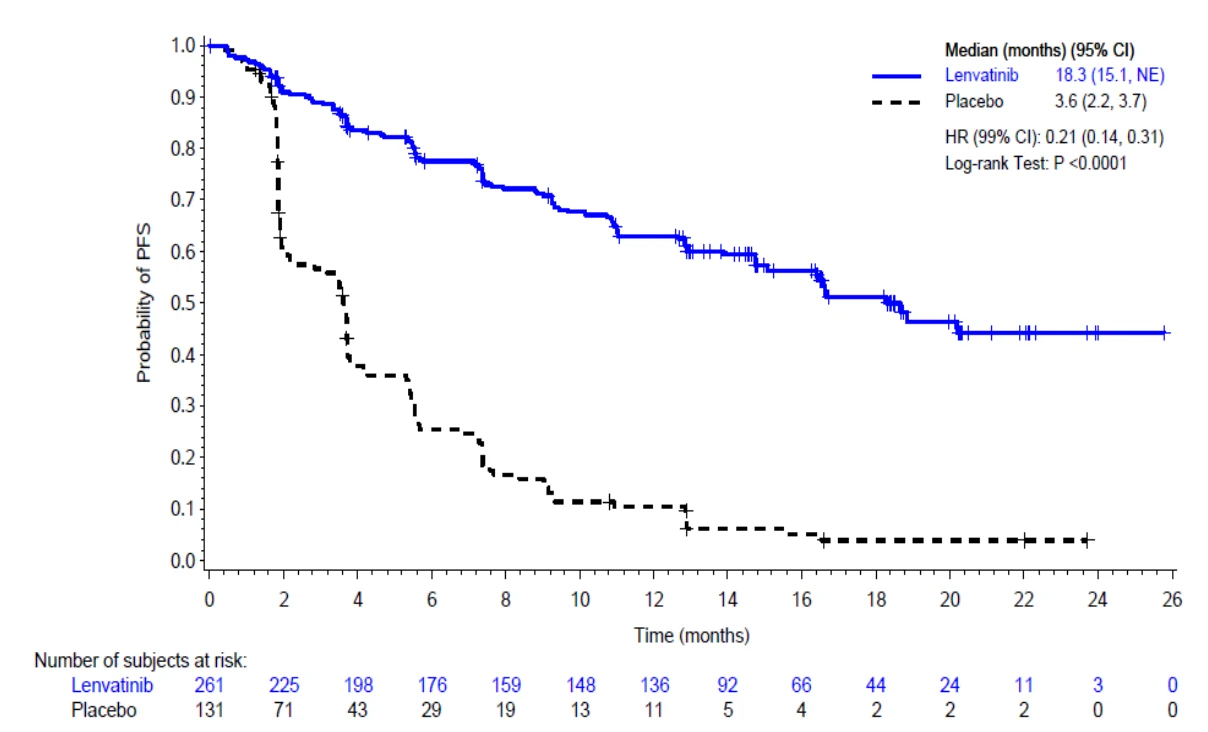
Renal Cell Carcinoma (RCC)
LENVIMA in combination with pembrolizumab, in adult patients with advanced or metastatic renal cell carcinoma (RCC) with no prior systemic therapy for metastatic RCC
The efficacy of LENVIMA in combination with pembrolizumab was studied in CLEAR/E7080-G000-307/KEYNOTE-581 (CLEAR), a multicenter, phase 3, randomized, open-label study in 1069 adult patients with advanced (not amenable to curative surgery or radiation) or metastatic RCC with clear cell component, who have not received prior systemic therapy for metastatic RCC. Patients were enrolled regardless of PD-L1 tumor expression status. Patients were stratified based upon geographic region (North America and Western Europe versus “Rest of the World”) and Memorial Sloan Kettering Cancer Center (MSKCC) prognostic groups (favorable, intermediate and poor risk). The study excluded patients that received prior systemic therapy for advanced and metastatic RCC, patients with active autoimmune disease, active brain metastases, poorly controlled hypertension, uncontrolled adrenal insufficiency, gastrointestinal malabsorption, bleeding, or thrombotic disorders.
Patients were randomized to receive LENVIMA 20 mg orally once daily in combination with pembrolizumab 200 mg intravenously every 3 weeks (n=355), or LENVIMA 18 mg orally once daily in combination with everolimus 5 mg orally once daily (n=357), or sunitinib 50 mg orally once daily for 4 weeks then off treatment for 2 weeks (n=357). Treatment was continued until unacceptable toxicity or disease progression as determined by the investigator and confirmed by independent radiologic review committee (IRC) using RECIST 1.1.
Administration of LENVIMA with pembrolizumab was permitted beyond RECIST-defined disease progression if the patient was clinically stable and considered by the investigator to be deriving clinical benefit. Pembrolizumab was continued for a maximum of 24 months or 35 administrations whichever was longer; however, treatment with LENVIMA was allowed to be continued beyond 24 months. Assessment of tumor status was performed at baseline and then every 8 weeks.
The study baseline characteristics were in general comparable between the treatment arms with a median age of 62 years (range: 29 to 88 years); 42% of patients were age 65 or older and 11% were age 75 or older. The majority of patients were male (75%) and White (74%). Other patients were Asian (21%), Black (1%), and other races (2%). Eighteen percent (18%) and 82% of patients had a baseline KPS of 70% to 80% and 90% to 100%, respectively. Patient distribution by MSKCC risk categories was 27% favorable, 64% intermediate and 9% poor. Common sites of metastases in patients were lung (68%), lymph node (45%), and bone (25%). In addition, 6.8% of patients had tumors with sarcomatoid features. Metastatic disease was present in 99% of the patients and locally advanced disease was present in 1%.
Previously treated RCC in combination with Everolimus (Study 205)
A multicenter, randomized, open-label, trial (Study 205) was conducted to determine the safety and efficacy of LENVIMA administered alone or in combination with everolimus in subjects with unresectable advanced or metastatic RCC. The study consisted of a Phase 1b dose finding and a Phase 2 portion. The phase 1b portion included patients who received the combination of LENVIMA 18 mg + everolimus 5 mg. The Phase 2 portion enrolled a total of 153 patients with unresectable advanced or metastatic renal cell carcinoma (RCC) following 1 prior VEGF-targeted treatment. A total of 62 patients received the combination of LENVIMA and everolimus at the recommended dose. Patients were required, among others, to have histological confirmation of predominant clear cell RCC, radiographic evidence of disease progression according to Response Evaluation Criteria in Solid Tumor Version 1.1 (RECIST 1.1), one prior VEGF-targeted therapy and Eastern Cooperative Oncology Group (ECOG) Performance Status of 0 or 1.
Patients were randomly allocated to one of 3 arms: LENVIMA 18 mg + everolimus 5 mg, LENVIMA 24 mg, or everolimus 10 mg using a 1:1:1 ratio. Patients were stratified by hemoglobin level (≤13 g/dL vs. >13 g/dL for males and ≤11.5 g/dL vs >11.5 g/dL for females) and corrected serum calcium (≥10 mg/dL vs. <10 mg/dL).
Of the 101 patients randomly allocated to the LENVIMA + everolimus arm and everolimus monotherapy arm, 72% were male, the median age was 60 years, 31% were older than 65 years, 96% were White. Metastases were present in 95% of the patients and unresectable advanced disease was present in 5%. All patients had a baseline ECOG PS of either 0 (54%) or 1 (46%) with similar distribution across the 2 treatment arms. MSKCC favorable, intermediate, and poor risk was observed respectively in 24%, 37%, and 39% of patients in the LENVIMA + everolimus arm, and 24%, 38%, and 38% of patients in the everolimus arm. The median time from diagnosis to first dose was 32 months in the LENVIMA + everolimus-treatment arm, and 26 months in the everolimus arm. All patients had been treated with 1 prior VEGF inhibitor; 65% with sunitinib, 23% with pazopanib, 4% with tivozanib, 3% with bevacizumab, and 2% each with sorafenib or axitinib.
Study Results
LENVIMA in combination with pembrolizumab, in adult patients with advanced or metastatic RCC with no prior systemic therapy
The primary efficacy outcome measure was PFS as assessed by independent radiologic review (IRC) according to RECIST 1.1. Key secondary efficacy outcome measures included OS and ORR. At the protocol specified PFS analysis LENVIMA in combination with pembrolizumab demonstrated statistically significant improvements in PFS, OS and ORR compared with sunitinib. The interim median overall survival follow-up time was 26.6 months (range: 0.03+, 46.13+ months). Pre-specified interim analysis efficacy results for CLEAR are summarized in Table 20 and Figure 2.
Table 20 Efficacya Results in Advanced or Metastatic RCC Patients With No Prior Systemic Therapy Per IRC in CLEAR, Interim Analysis 3
LENVIMA 20 mg with Pembrolizumab 200mg N=355 | Sunitinib 50mg N=357 | ||||||||
| Progression-Free Survival (PFS) | |||||||||
| Number of events, n (%) | 160 (45.1%) | 205 (57.4%) | |||||||
| Median PFS in months (95% CI) | 23.9 (20.8, 27.7) | 9.2 (6.0, 11.0) | |||||||
| Hazard Ratio (95% CI)b | 0.39 (0.32, 0.49) | ||||||||
| p-Valuec | <0.0001 | ||||||||
| Overall Survival (OS) | |||||||||
| Number of deaths, n (%) | 80 (22.5%) | 101 (28.3%) | |||||||
| Median OS in months (95% CI) | NR (33.6, NE) | NR (NE, NE) | |||||||
| Hazard Ratio (95% CI)b | 0.66 (0.49, 0.88) | ||||||||
| p-Valuec | 0.0049 | ||||||||
| Objective Response Rate (ORR) | |||||||||
| Objective response rate, n (%) | 252 (71.0%) | 129 (36.1%) | |||||||
| (95% CI) | (66.3, 75.7) | (31.2, 41.1) | |||||||
| Complete responses, n (%) | 57 (16.1%) | 15 (4.2%) | |||||||
| Partial responses, n (%) | 195 (54.9%) | 114 (31.9%) | |||||||
| p-Valued | <0.0001 | ||||||||
Tumor assessments were based on RECIST 1.1; only confirmed responses are included for ORR.
Data cutoff date = 28 Aug 2020
CI = confidence interval; NE= Not estimable; NR= Not reached
- a Based on pre-specified interim analysis (primary analysis)
- b Hazard ratio is based on a Cox Proportional Hazards Model and MSKCC prognostic groups
- c Two-sided p-value based on stratified log-rank test, compared with a boundary of 0.0411 for PFS and 0.0161 for OS respectively.
- d Two-sided p-value based upon Cochran Mantel-Haenszel test.
The exploratory analyses in responders from the pre-specified interim analysis suggested a median duration of response of 25.8 months (range: 1.64, 36.76) for LENVIMA in combination with pembrolizumab and 14.6 months (range: 1.64, 33.15) for sunitinib. Additional exploratory analyses indicated a consistent treatment benefit in PFS across all three pre-specified MSKCC prognostic groups.
At the final descriptive OS analysis with a median follow-up period of 49.4 months after 149 events for LENVIMA in combination with pembrolizumab and after 159 events for sunitinib. Median OS was 53.7 months (95% CI: 48.7; NE) for LENVIMA in combinations with pembrolizumab compared to 54.3 months (95%CI: 40.9, NE) for sunitinib. The OS HR was 0.79 (95% CI: 0.63; 0.99). The final OS analysis was not adjusted to account for subsequent therapies with 195/357 (54.3%) patients in the sunitinib arm and 56/355 (15.8%) patients in the LENVIMA plus pembrolizumab arm receiving subsequent anti PD-1/PD-L1 therapy. See Figure 3. At final analysis, the results for PFS and ORR remained consistent with the interim analysis (see Table 20).
Figure 2: Kaplan-Meier Curves for Progression-Free Survival in CLEAR, Interim Analysis 3
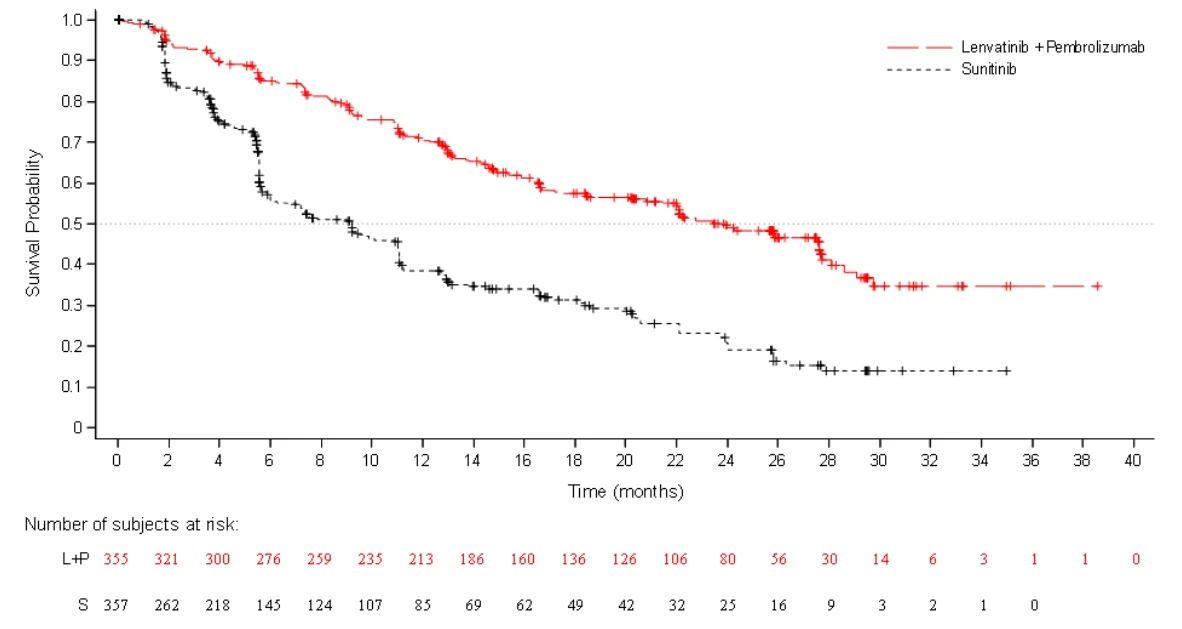
L+P = Lenvatinib + Pembrolizumab; S = Sunitinib.
Figure 3: Kaplan-Meier Curves for Overall Survival in CLEAR, Final Analysis
Previously treated RCC in combination with Everolimus (Study 205)
The primary efficacy outcome measure was investigator-assessed progression-free survival (PFS) evaluated according to RECIST 1.1. Efficacy results from RCC Phase 2 Study 205 are summarized in Table 21 and Figure 4 and Figure 5.
The treatment effect of the combination on PFS was supported by a retrospective independent blinded review of scans.
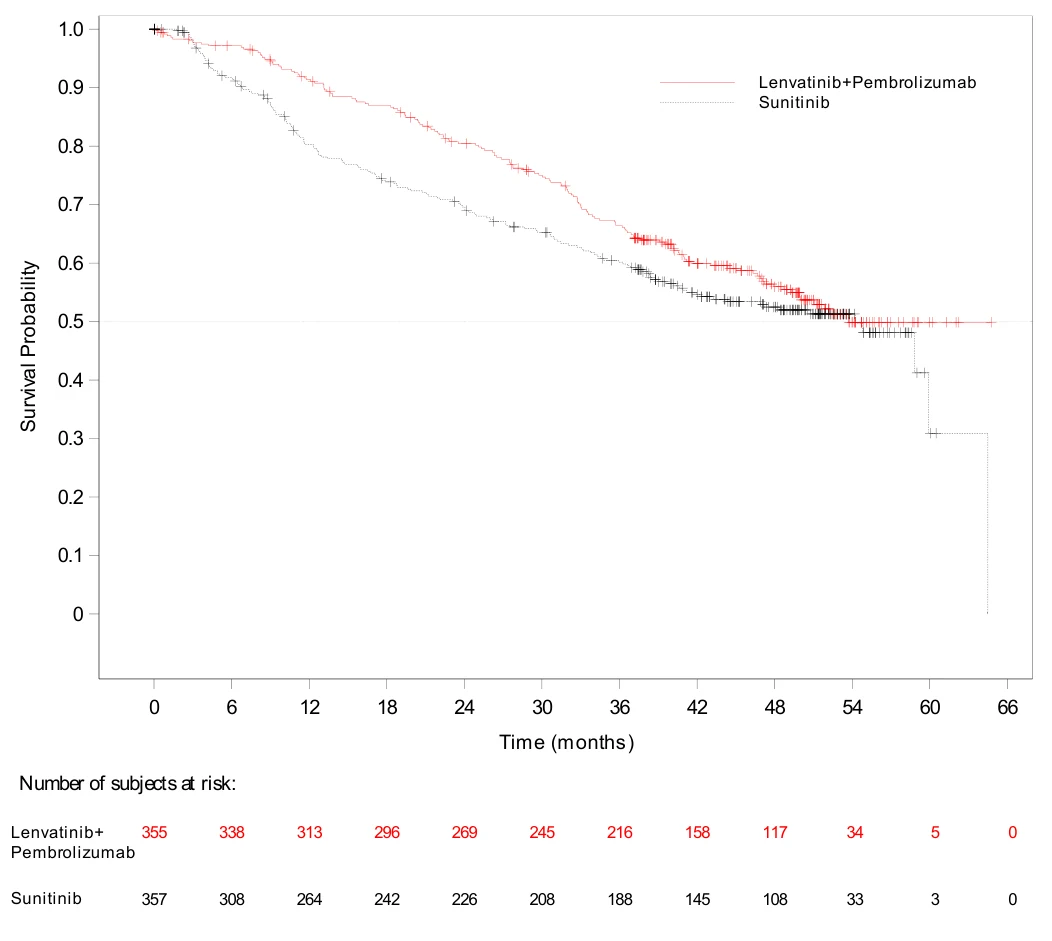
Table 21 Efficacy Results in Renal Cell Carcinoma (Study 205)
| LENVIMA 18 mg + Everolimus 5 mg (N=51) | Everolimus 10 mg (N=50) | |||||||||||
| Progression-Free Survival (PFS)a | ||||||||||||
| Number of events, n (%) | 26 (51) | 37 (74) | ||||||||||
| Progressive disease | 21 (41) | 35 (70) | ||||||||||
| Death | 5 (10) | 2 (4) | ||||||||||
| Median PFS in months (95% CI) | 14.6 (5.9, 20.1) | 5.5 (3.5, 7.1) | ||||||||||
Hazard Ratio (95% CI)b LENVIMA + Everolimus vs Everolimus | 0.40 (0.24, 0.68) | |||||||||||
P Value LENVIMA + Everolimus vs Everolimus | 0.0005 | - | ||||||||||
| Overall Survival (OS) | ||||||||||||
| Number of deaths (%) | 19 (37) | 26 (52) | ||||||||||
| Median OS in months (95% CI) | 25.5 (20.8, 25.5) | 17.5 (11.8, NE) | ||||||||||
| Hazard Ratio (95% CI)b LENVIMA + Everolimus vs Everolimus | 0.55 (0.30, 1.01) | - | ||||||||||
| P Value LENVIMA + Everolimus vs Everolimus | 0.0623 | - | ||||||||||
| Objective Response Rate | ||||||||||||
| Objective Response Rate (%) | 22 (43) | 3 (6) | ||||||||||
| Number of complete responses (%) | 1 (2) | 0 | ||||||||||
| Number of partial responses (%) | 21 (41) | 3 (6) | ||||||||||
| Number of stable disease (%) | 21 (41) | 31 (62) | ||||||||||
| Number of progressive disease (%) | 2 (4) | 12 (24) | ||||||||||
| Duration of response, months, median (95% CI) | 13.0 (3.7, NE) | 8.5 (7.5, 9.4) | ||||||||||
Tumor assessment was based on RECIST 1.1 criteria. Data cutoff date = 13 Jun 2014 Percentages are based on the total number of subjects in the Full Analysis Set within relevant treatment group. CI = confidence interval, NE = not estimable a Point estimates are based on Kaplan-Meier method and 95% CIs are based on the Greenwood formula using log-log transformation. b Stratified hazard ratio is based on a stratified Cox regression model including treatment as a covariate factor and hemoglobin and corrected serum calcium as strata. The Efron method was used for correction for tied events. | ||||||||||||
Figure 4: Kaplan-Meier Plot of Progression-Free Survival (Investigator Assessment – RCC – Study 205)
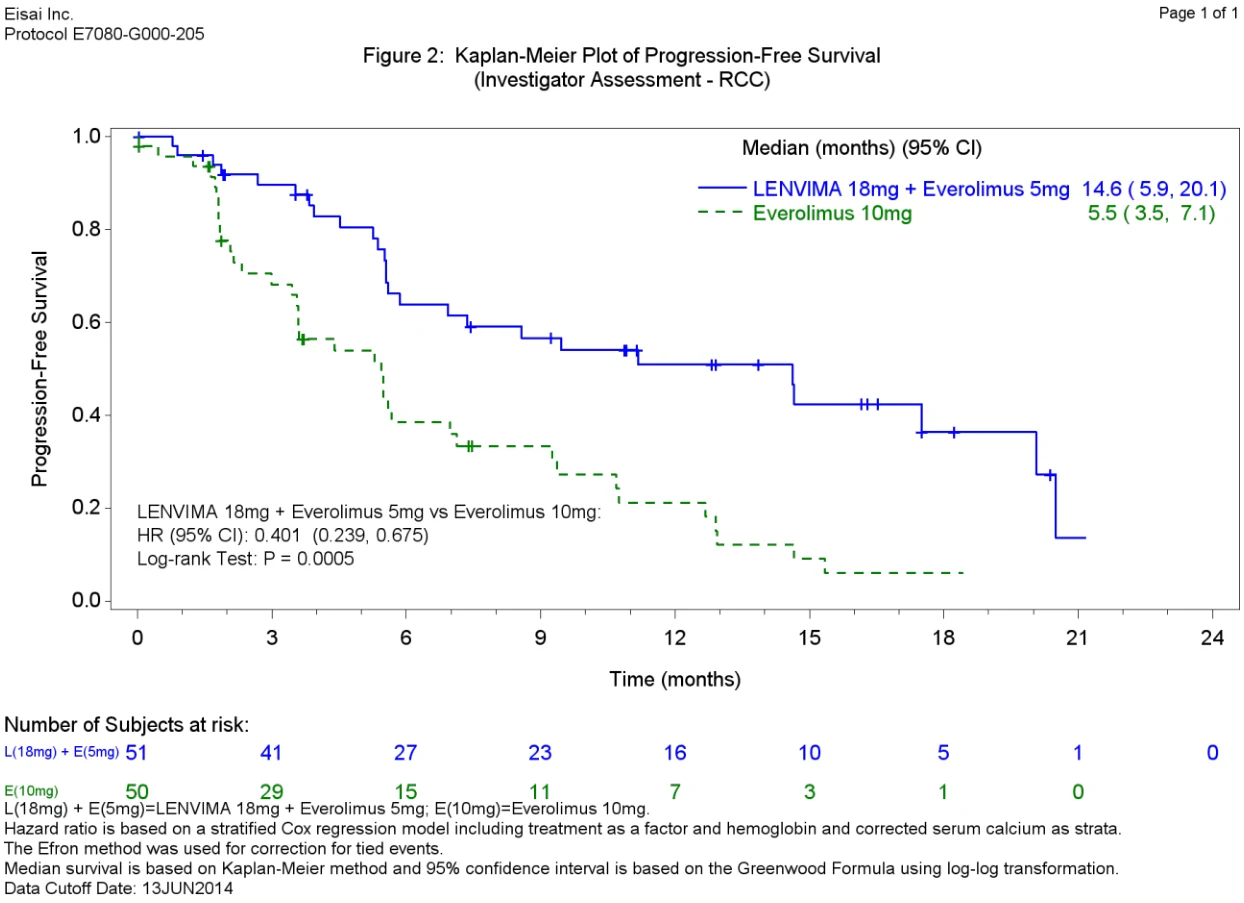
Figure 5: Kaplan-Meier Plot of Overall Survival (RCC-Study 205)
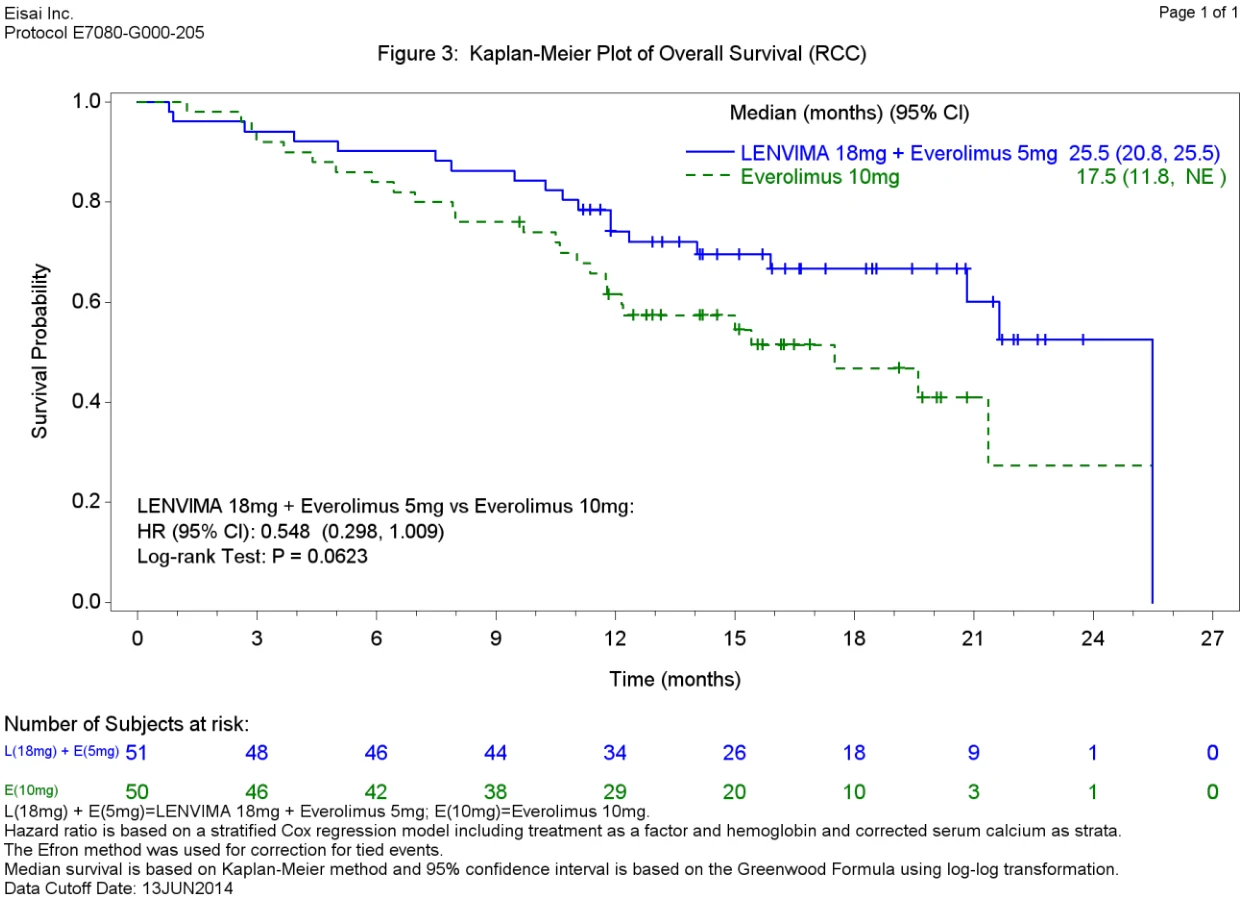
Hepatocellular Carcinoma (HCC)
The efficacy of LENVIMA was evaluated in an open-label, multicenter study (Phase 3 REFLECT Study 304), that was conducted in 954 adult patients with previously untreated, unresectable hepatocellular carcinoma. The study enrolled patients Child-Pugh A (score 5 or 6) and Barcelona Clinic Liver Cancer (BCLC) Stage C or B HCC who were not amenable to local liver-directed therapy; had an Eastern Cooperative Oncology Group Performance Status (ECOG PS) 0 or 1. Patients had received no prior systemic therapy for HCC, and had at least one measurable target hepatic/nonhepatic lesion according to modified RECIST (mRECIST), and had adequate liver, bone marrow, blood coagulation, renal, and pancreatic function. Target lesions previously treated with radiotherapy or locoregional therapy had to show radiographic evidence of disease progression. Patients with ≥50% liver occupation, clear invasion into the bile duct or a main branch of the portal vein (Vp4) on imaging were also excluded.
Randomization was stratified by region (Western vs Asia Pacific), presence or absence of macroscopic portal vein invasion (MPVI), or extrahepatic spread (EHS) or both, ECOG PS 0 or 1, and body weight (<60 kg or ≥60 kg).
Patients were randomized to LENVIMA given orally once daily or sorafenib 400 mg (two 200 mg tablets) given orally twice daily, until radiological disease progression or unacceptable toxicity. Patients receiving LENVIMA were assigned to the dose by body weight, 12 mg for baseline body weight ≥60 kg or 8 mg for baseline body weight <60 kg. The median treatment duration was 6 months for LENVIMA and 4 months for sorafenib.
Table 22 Study demographics and baseline disease characteristics
LENVIMA Total (n=478) | |
|---|---|
| Median age (years) | 62 |
Gender Male Female | 84% 16% |
Race: Caucasian Asian Black or African American: | 29% 69% 1.4% |
Body weight: <60 kg 60-80 kg >80 kg | 31% 50% 19% |
ECOG Performance Status (ECOG PS): 0 1 | 63% 37% |
Child-Pugh A Child-Pugh B | 99% 1% |
Etiology: Hepatitis B Hepatitis C Alcohol | 50% 23% 6% |
| Absence of macroscopic portal vein invasion (MPVI): | 79% |
| Absence of MPVI, extra-hepatic tumour spread (EHS) or both | 30% |
| Underlying cirrhosis (by independent imaging review) | 75% |
Barcelona Clinic Liver Cancer (BCLC) Stage: Stage B Stage C | 20% 80% |
Prior treatments: Hepatectomy Radiotherapy Loco-regional therapies including transarterial (chemo) embolization Radiofrequency ablation Percutaneous ethanol injection | 28% 11% 52% 21% 4% |
REFLECT was designed to demonstrate the non-inferiority of LENVIMA to sorafenib for the primary endpoint of Overall Survival (OS), and surrogate outcome measures progression-free survival (PFS) and overall response rate (ORR) using mRECIST. Blinded independent imaging review of surrogate endpoints was also conducted to corroborate the efficacy results.
Study Results
Efficacy results from the HCC Phase 3 Study 304 are summarized in Table 23 and Figure 6.
For the primary efficacy endpoint, LENVIMA was non-inferior for overall survival (OS) to sorafenib with HR = 0.92 (95% CI of (0.79, 1.06) and a median OS of 13.6 months vs 12.3 months. Treatment with LENVIMA resulted in statistically significant (P<0.00001) and clinically meaningful improvement over sorafenib in the secondary endpoints of ORR.
Table 23 Efficacy Results in Hepatocellular Carcinoma pivotal HCC Phase 3 REFLECT Study 304
| LENVIMA (N= 478) | Sorafenib (N=476) | ||||||||||||||||
| Overall Survival (OS) | |||||||||||||||||
| Median OS in months (95% CI) a | 13.6 (12.1, 14.9) | 12.3 (10.4, 13.9) | |||||||||||||||
| Hazard Ratio (95% CI)b, c | 0.92 (0.79,1.06) | ||||||||||||||||
| Per Independent Radiological Review (mRECIST) | |||||||||||||||||
| Progression-Free Survival (PFS) | |||||||||||||||||
| Median PFS in months (95% CI) a | 7.3 (5.6, 7.5) | 3.6 (3.6, 3.7) | |||||||||||||||
| Hazard Ratio (95% CI)b,c | 0.64 (0.55, 0.75) | ||||||||||||||||
| P-value c,d | <0.00001 | ||||||||||||||||
| Objective response rate (ORR)eg | |||||||||||||||||
| % | 40.6% | 12.4% | |||||||||||||||
| 95% CI | (36.2%, 45.0%) | (9.4%, 15.4%) | |||||||||||||||
| Complete Response; n (%) | 10 (2.1) | 4 (0.8) | |||||||||||||||
| Partial Response, n (%) | 184 (38.5) | 55 (11.6) | |||||||||||||||
| P-value | <0.001 | ||||||||||||||||
| Per Independent Radiological Review (RECIST 1.1) | |||||||||||||||||
| Progression-Free Survival (PFS) | |||||||||||||||||
| Median PFS in months (95% CI) a | 7.3 (5.6, 7.5) | 3.6 (3.6, 3.9) | |||||||||||||||
| Hazard Ratio (95% CI)b,c | 0.65 (0.56, 0.77) | ||||||||||||||||
| Objective response rate (ORR)fg | |||||||||||||||||
| % | 18.8 | 6.5 | |||||||||||||||
| 95% CI | (15%, 22%) | (4%, 9%) | |||||||||||||||
| Complete Response; n (%) | 2 (0.4) | 2 (0.4) | |||||||||||||||
| Partial Response, n (%) | 88 (18.4) | 30 (6.3) | |||||||||||||||
Data cutoff date: 13 Nov 2016. The noninferiority margin for the HR of lenvatinib versus sorafenib is 1.08. Percentages are based on the total number of subjects within the relevant treatment group in the Full Analysis Set. CI = confidence interval; ECOG PS = Eastern Cooperative Oncology Group Performance Status; HR = hazard ratio;
| |||||||||||||||||
Figure 6: Kaplan-Meier Curve and Analysis of Overall Survival in HCC – Full Analysis Set
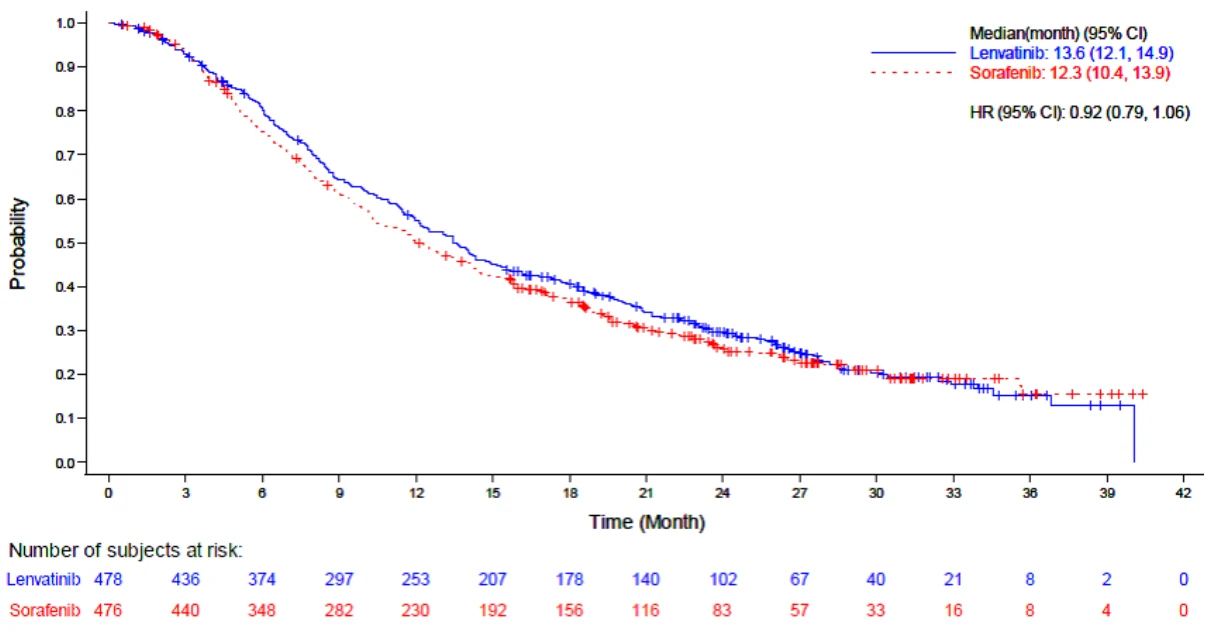
Data cutoff date = 13 Nov 2016.
Noninferiority margin for hazard ratio (HR: lenvatinib vs sorafenib = 1.08).
Median was estimated with the Kaplan-Meier method and the 95% confidence interval was constructed with a generalized Brookmeyer and Crowley method.
HR was estimated from the Cox proportional hazard model with treatment as independent variable and stratified by IxRS stratification factors. The Efron method was used for ties.
+ = censored observations
In subgroup analyses by stratification factors (presence or absence of MPVI or EHS or both, ECOG PS 0 or 1, BW <60 kg or ≥60 kg and region) the HR consistently favoured LENVIMA over sorafenib, with the exception of Western region [HR of 1.08 (95% CI 0.82, 1.42)], patients without EHS [HR of 1.01 (95% CI 0.78, 1.30)] and patients without MPVI, EHS or both [HR of 1.05 (0.79, 1.40)]. The results of subgroup analyses should be interpreted with caution.
The median duration of treatment was 5.7 months (Q1: 2.9, Q3: 11.1) in the LENVIMA arm and 3.7 months (Q1: 1.8, Q3: 7.4) in the sorafenib arm.
In both treatment arms in the REFLECT study, median OS was approximately 9 months longer in subjects who received post-treatment anticancer therapy than in those who did not. In the LENVIMA arm, median OS was 19.5 months (95% CI: 15.7, 23.0) for subjects who received post-treatment anticancer therapy (43%) and 10.5 months (95% CI: 8.6, 12.2) for those who did not. In the sorafenib arm, median OS was 17.0 months (95% CI: 14.2, 18.8) for subjects who received posttreatment anticancer therapy (51%) and 7.9 months (95% CI: 6.6, 9.7) for those who did not. Median OS was longer by approximately 2.5 months in the LENVIMA arm compared with the sorafenib arm in both subsets of subjects (with or without post-treatment anticancer therapy).
Endometrial Carcinoma
The efficacy of LENVIMA in combination with pembrolizumab was investigated in Study 309, a multicenter, open-label, randomized, active-controlled trial that enrolled 827 patients with advanced endometrial carcinoma who had been previously treated with at least one platinum-based chemotherapy regimen in any setting, including in the neoadjuvant and adjuvant settings. Patients with endometrial sarcoma, including carcinosarcoma, or patients who had active autoimmune disease or a medical condition that required immunosuppression were ineligible. Patients with endometrial carcinoma that were not MSI-H or dMMR (n=697) were stratified by ECOG performance status, geographic region, and history of pelvic radiation. Patients were randomized (1:1) to one of the following treatment arms:
- LENVIMA 20 mg orally once daily in combination with pembrolizumab 200 mg intravenously every 3 weeks.
- Investigator’s choice consisting of either doxorubicin 60 mg/m2 every 3 weeks, or paclitaxel 80 mg/m2 given weekly, 3 weeks on/1 week off.
Treatment with LENVIMA and pembrolizumab continued until RECIST v1.1-defined progression of disease as verified by BICR, unacceptable toxicity, or for pembrolizumab, a maximum of 24 months or up to 35 administrations which ever was longer, however, treatment with lenvatinib could be continued beyond 24 months. Treatment with pembrolizumab could be reinitiated for subsequent disease progression and administered for up to one additional year. Treatment was permitted beyond RECIST v1.1-defined disease progression if the treating investigator considered the patient to be deriving clinical benefit and the treatment was tolerated. Assessment of tumor status was performed every 8 weeks. The primary efficacy outcome measures were OS and PFS as assessed by BICR according to RECIST v1.1, modified to follow a maximum of 10 target lesions and a maximum of 5 target lesions per organ. Additional efficacy outcome measures included ORR and DOR, as assessed by BICR.
Among the 697 not MSI-H or dMMR patients, 346 patients were randomized to LENVIMA in combination with pembrolizumab, and 351 patients were randomized to investigator’s choice of doxorubicin (n=254) or paclitaxel (n=97). The population characteristics of these patients were: median age of 65 years (range: 30 to 86), 52% age 65 or older; 62% White, 22% Asian, and 3% Black; 60% ECOG PS of 0 and 40% ECOG PS of 1. The histologic subtypes were endometrioid carcinoma (55%), serous (30%), clear cell carcinoma (7%), mixed (4%), and other (3%). All 697 of these patients received prior systemic therapy for endometrial carcinoma: 67% had one, 30% had two, and 3% had three or more prior systemic therapies. Thirty-seven percent of patients received only prior neoadjuvant or adjuvant therapy.
Study Results
Efficacy results for Study 309 are presented below in Table 24 and Figure 7 and Figure 8.
| Table 24 Efficacy Results in Endometrial Carcinoma in Study 309 | ||||||||||||
|---|---|---|---|---|---|---|---|---|---|---|---|---|
| Endometrial Carcinoma (not MSI-H or dMMR) | ||||||||||||
| Endpoint | LENVIMA with pembrolizumab N=346 | Doxorubicin or Paclitaxel N=351 | ||||||||||
| OS | ||||||||||||
| Number (%) of patients with event | 165 (48%) | 203 (58%) | ||||||||||
| Median in months (95% CI) | 17.4 (14.2, 19.9) | 12.0 (10.8, 13.3) | ||||||||||
| Hazard ratioa (95% CI) | 0.68 (0.56, 0.84) | |||||||||||
| p-Valueb | 0.0001 | |||||||||||
| PFSc | ||||||||||||
| Number (%) of patients with event | 247 (71%) | 238 (68%) | ||||||||||
| Median in months (95% CI) | 6.6 (5.6, 7.4) | 3.8 (3.6, 5.0) | ||||||||||
| Hazard ratioa (95% CI) | 0.60 (0.50, 0.72) | |||||||||||
| p-Valueb | <0.0001 | |||||||||||
| Objective Response Rate | ||||||||||||
| ORRc (95% CI) | 30% (26, 36) | 15% (12,19) | ||||||||||
| Complete response | 5% | 3% | ||||||||||
| Partial response | 25% | 13% | ||||||||||
| Disease control rated | 72% | 46% | ||||||||||
| p-Valuee | <0.0001 | |||||||||||
| Duration of Responsef | N=105 | N=53 | ||||||||||
| Median in months (range) | 9.2 (1.6+, 23.7+) | 5.7 (0.0+, 24.2+) | ||||||||||
| % with duration ≥6 months | 66% | 42% | ||||||||||
| % with duration ≥12 months | 42% | 33% | ||||||||||
a Based on the stratified Cox regression model b Based on stratified log-rank test c Per independent radiology review d Based on best response of stable disease or better e Based on Miettinen and Nurminen method stratified by ECOG performance status, geographic region, and history of pelvic radiation | ||||||||||||
f Based on Kaplan-Meier estimation
Figure 7 Kaplan-Meier Curves for Overall Survival in Study 309
(not MSI-H or dMMR)
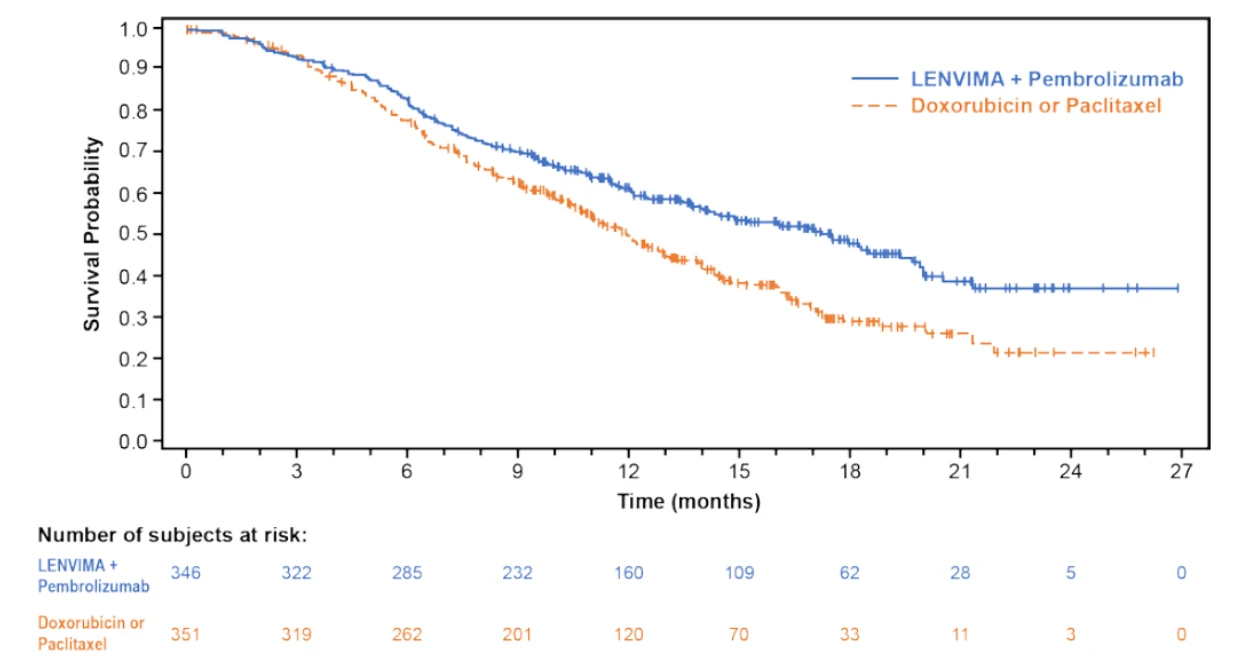
Figure 8 Kaplan-Meier Curves for Progression-Free Survival in Study 309
(not MSI-H or dMMR)
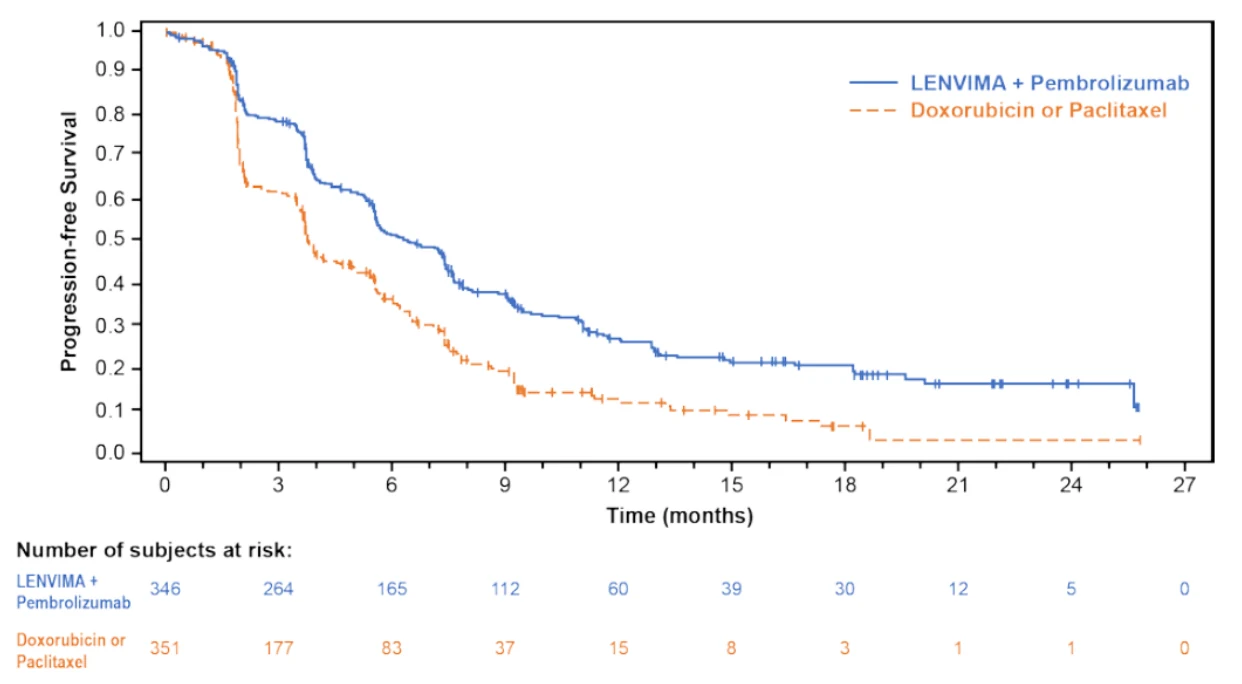
15. Microbiology
No microbiological information is required for this drug product.
16. Non-Clinical Toxicology
General toxicology In the repeated-dose toxicity studies (up to 39 weeks), lenvatinib caused toxicologic changes in various organs and tissues related to the expected pharmacologic effects of lenvatinib as a VEGF receptor tyrosine kinase inhibitor and via the inhibition of angiogenesis including testicular hypocellularity, ovarian follicular atresia, and arterial (arterial fibrinoid necrosis, medial degeneration, or hemorrhage) lesions in rats, dogs, and cynomolgus monkeys. Reversibility of the toxicologic changes was observed at the end of a 4-week recovery period in all animal species investigated. In repeat-dose studies in adult monkeys, lenvatinib (>0.5mg/kg/day) led to bone effects at AUC levels about 0.6 times those observed in humans following the recommended human dose.
Carcinogenicity Carcinogenicity studies have not been conducted with lenvatinib. Lenvatinib was not mutagenic in the in vitro Ames and mouse lymphoma tests, and was not clastogenic in an in vivo micronucleus assay in rats.
Reproductive and developmental toxicology No specific studies with lenvatinib have been conducted in animals to evaluate the effect on fertility. However, testicular and ovarian changes were observed in repeated-dose toxicity studies in animals at exposures below the anticipated clinical exposure (based on AUC) at the maximum recommended human dose. Thus lenvatinib may result in decreased male and female fertility (see 7 Warnings and Precautions, Reproductive Health: Female and Male Potential, Male Subjects, Fertility
).
Administration of lenvatinib during organogenesis resulted in embryolethality and teratogenicity in both rats and rabbits at exposures below the clinical exposure (based on AUC) at the maximum recommended human dose. Fetal external and skeletal anomalies were observed at doses of 0.1 mg/kg and greater in rats, and a fetal NOAEL was not identified in rats. Fetal external, visceral, or skeletal anomalies were noted at 0.1 and 0.5 mg/kg in rabbits. The fetal NOAEL in the rabbit study was 0.03 mg/kg. These findings indicate that lenvatinib has a teratogenic potential, likely related to the pharmacologic activity of lenvatinib as an antiangiogenic agent, thus pregnant women must be advised of potential risk of fetal harm (see 7 Warnings and Precautions; Special Populations, Pregnancy).
Juvenile toxicity The target organs in juvenile rats administered lenvatinib at doses up to 10 mg/kg were the same as in adult rats although mortality in the juvenile rats at 10 mg/kg was observed earlier compared to adult rats administered the same dose level. Growth retardation and secondary delay of physical development was also observed in juvenile rats. The results of animal studies suggest the potential for lenvatinib to effect growth plates in children. Hence, lenvatinib should not be used in children younger than 2 years (see 1 Indications, Error! Reference source not found.
17. Supporting Product Monographs
- 1. AFINITOR (tablets, 2.5 mg, 5 mg, 7.5 mg, and 10 mg), submission control 255457, Product Monograph, Novartis Pharmaceuticals Canada Inc. (NOV 30, 2021)
- 2. KEYTRUDA (powder for solution for infusion, 50 mg; solution for infusion, 100 mg/4 mL), submission control 264318, Product Monograph, Merck Canada Inc. (APR 12,2024 OCT 9, 2025)